
On October 22, 2026, KBR announced it has been awarded contracts to support the revamp of two ammonia plants owned and operated by AGF Nitrogen through its affiliated companies SKWP in Germany and LAT Nitrogen in Linz, Austria. The upgrades apply KBR's ammonia technology to cut natural gas consumption, improve energy efficiency, and lower CO₂ emissions at both sites. The awards follow proprietary engineering work KBR began for the Wittenberg plant in March 2026, and they land at a moment when European ammonia producers are under acute pressure from gas costs — AGF Nitrogen itself was reported in early November to be weighing shutdowns at parts of its network.
Contract Scope and Plant Details
The two revamps differ in scale and scope:
- LAT Nitrogen, Linz, Austria: the 550 MTPD ammonia plant No. 2 will receive technology licensing, proprietary engineering design, post-basic-engineering services, process equipment, and catalyst supply.
- SKWP, Lutherstadt Wittenberg, Germany: the 1,900 MTPD ammonia plant No. 2 will receive technology licensing, post-basic-engineering services, process equipment and catalyst supply, back-end modifications, and a new ammonia converter for the synthesis loop.
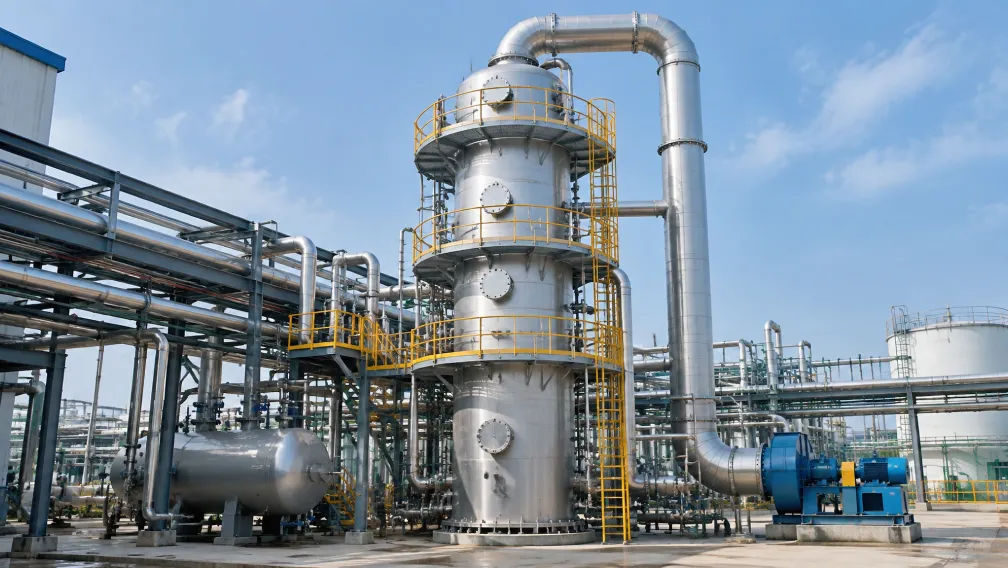
- Both sites: the existing steam reforming sections will be upgraded with KBR's Reforming Exchange System (KRES) technology. KBR states that once complete, both facilities are expected to rank among the most energy-efficient ammonia plants in their technology segment.
No contract value was disclosed. The strategic driver is clear from the client's situation: European fertilizer producers face structurally higher gas prices than competitors in the US Gulf Coast or the Middle East, and efficiency revamps are the primary alternative to capacity closure.
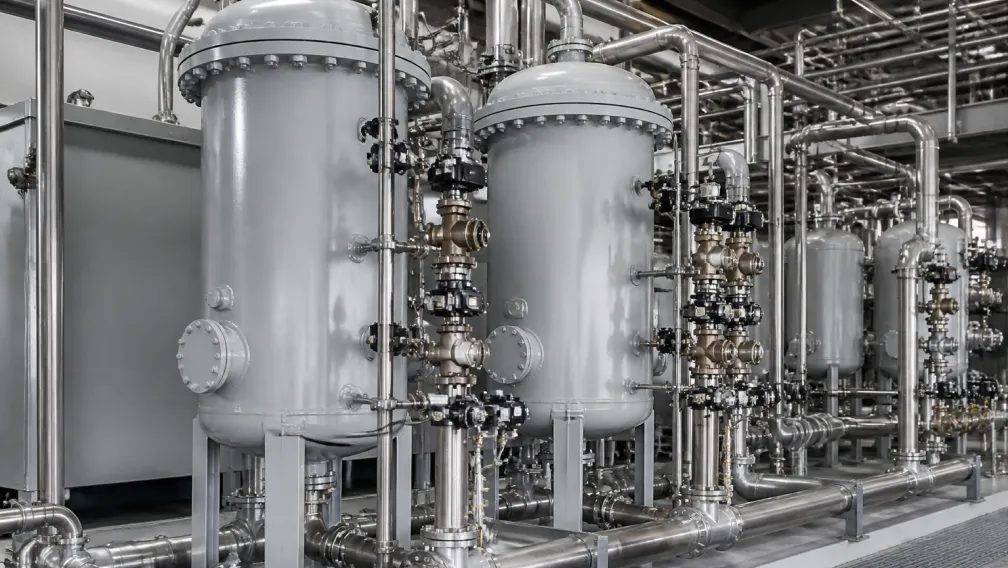
What an Ammonia Plant Revamp Involves on the Equipment Side
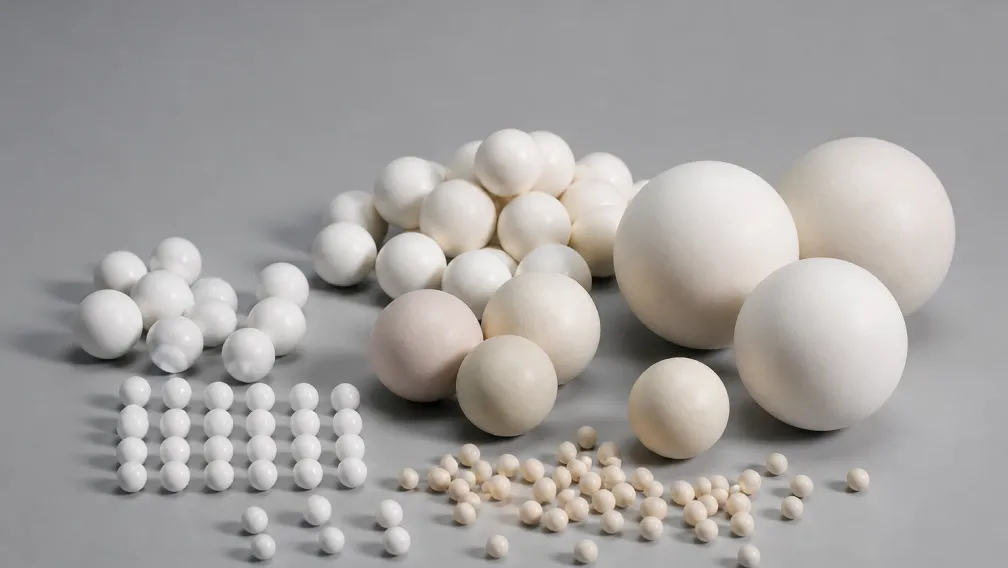
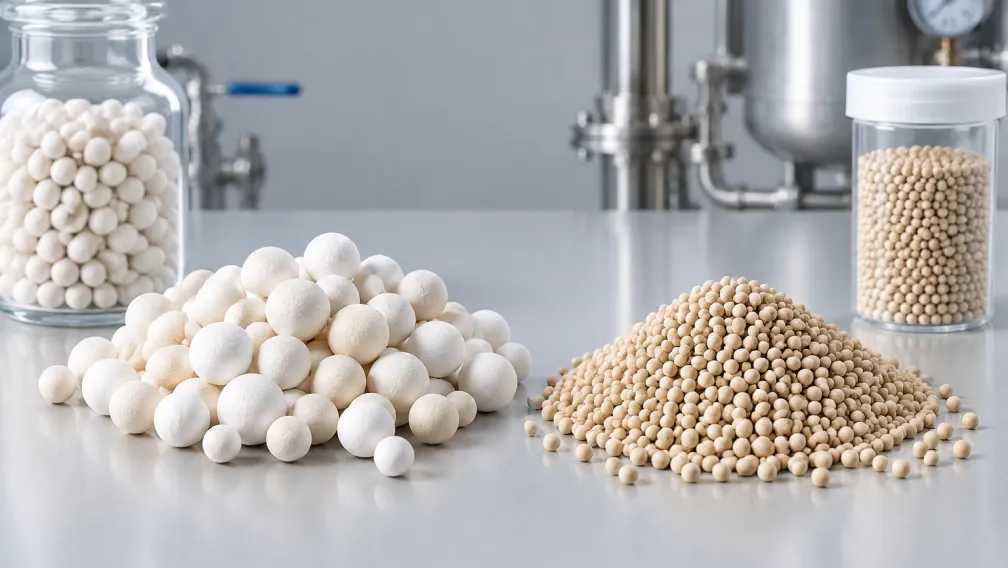
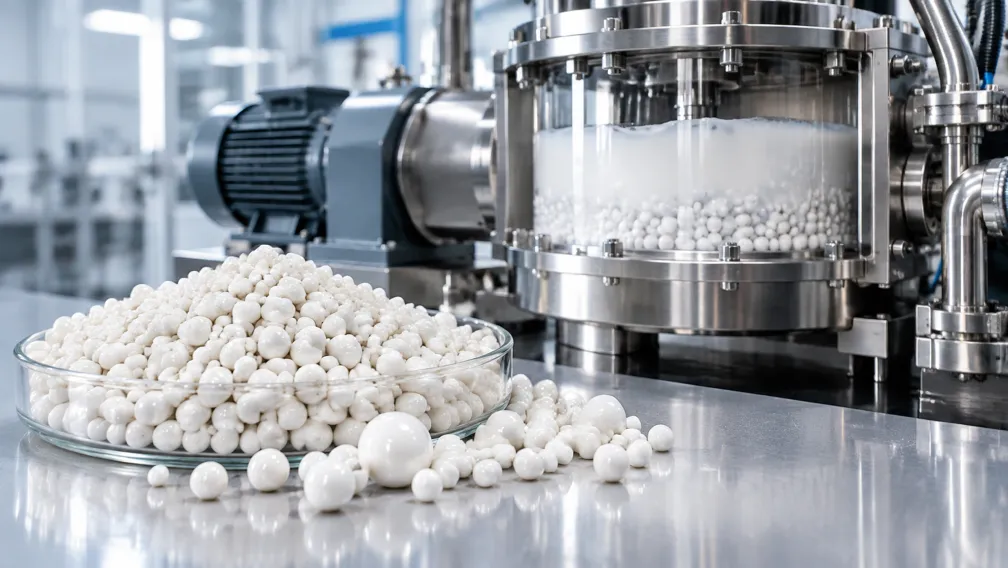
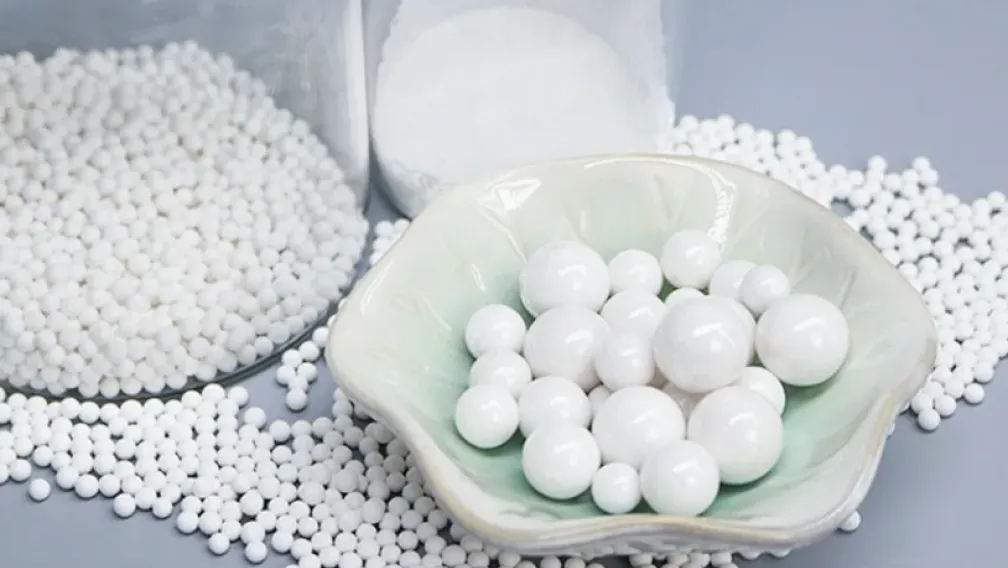
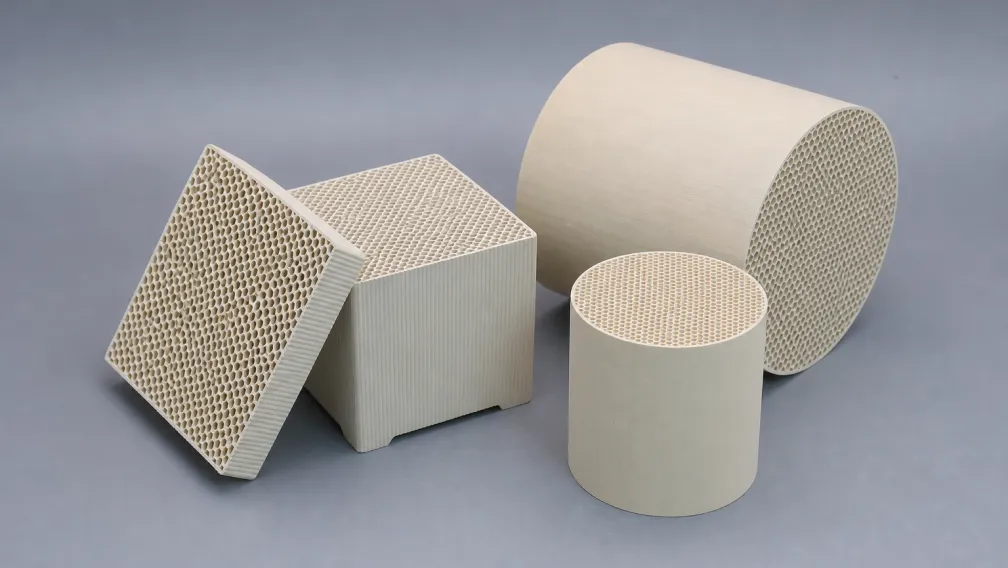
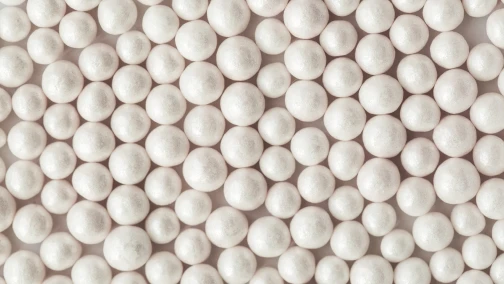
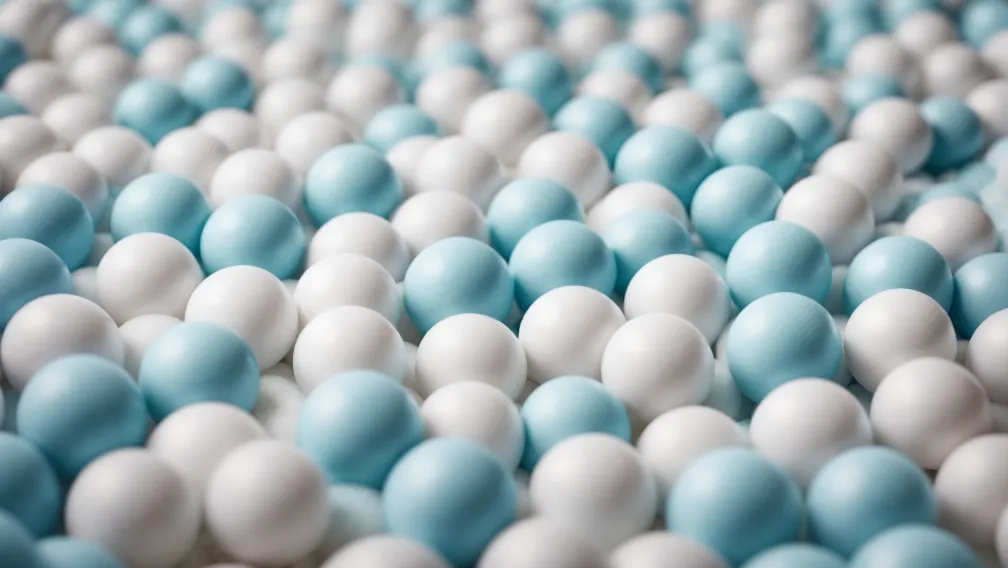
A revamp of this type reaches deep into the plant's fixed-bed and mass transfer equipment. The steam reforming section — primary and secondary reformers — operates on catalyst beds loaded in graded layers over inert ceramic balls, and reformer upgrades of this kind routinely include reloading support media: the balls endure severe hydrothermal service, and a reformer that is being re-tubed or re-catalyzed is the natural point to replace them. High-alumina grades are specified in these zones because standard ceramic media can release silica under high-temperature steam, a mechanism covered in our guide to catalyst bed support selection.
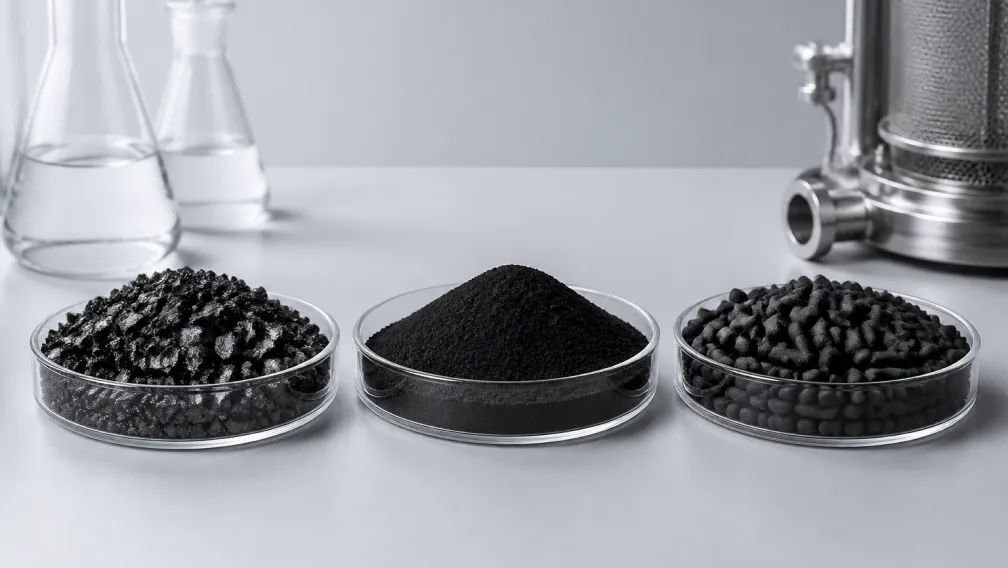
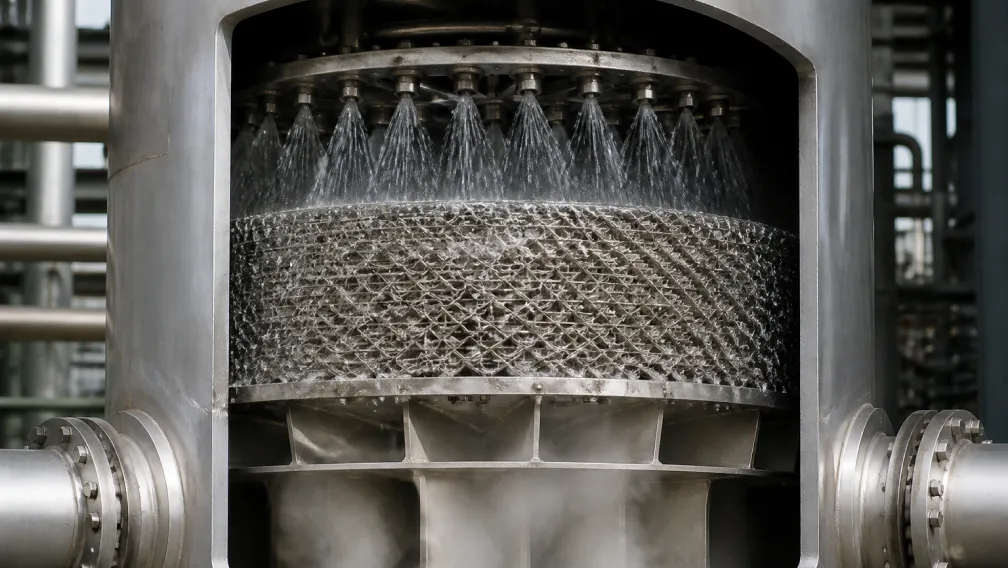
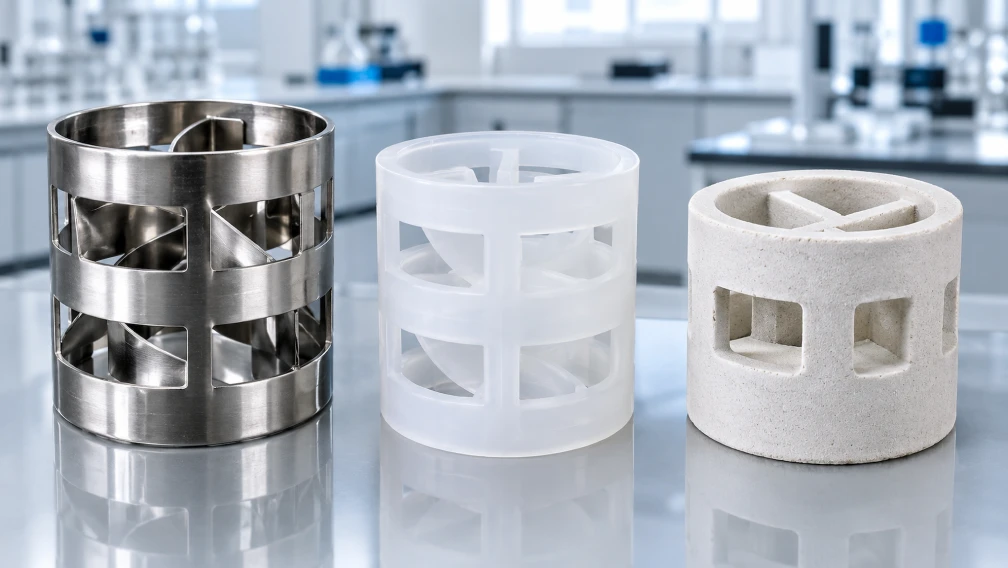
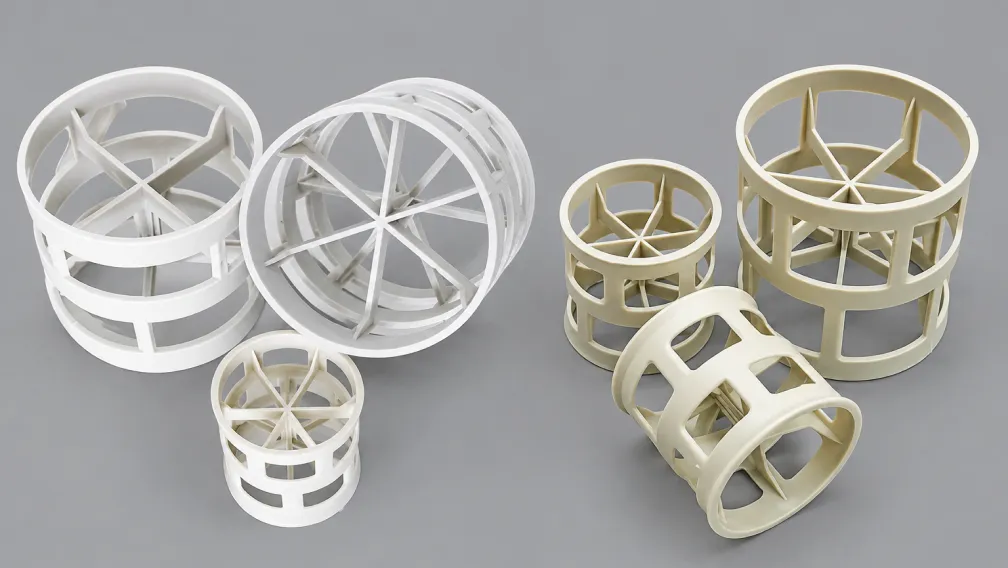
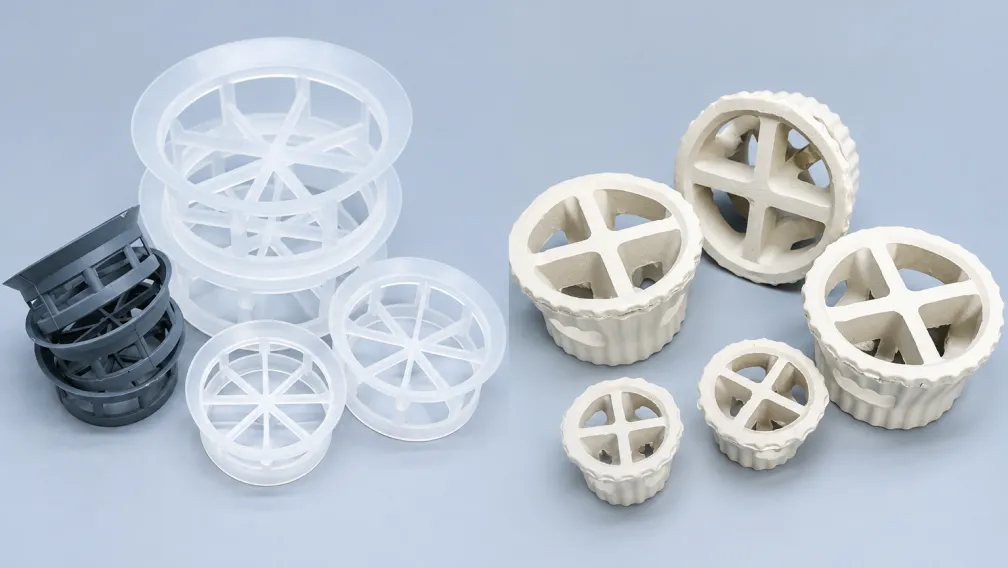
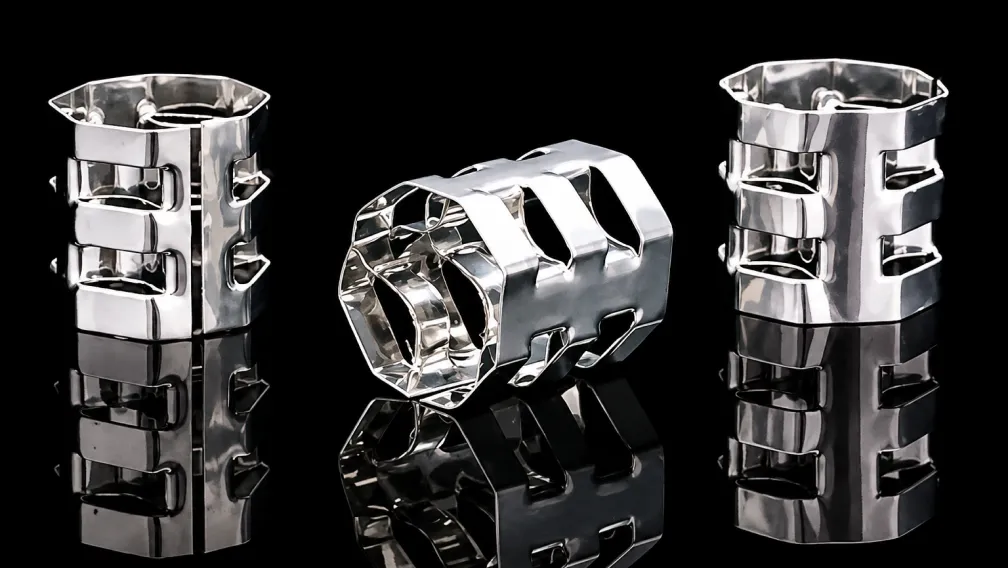
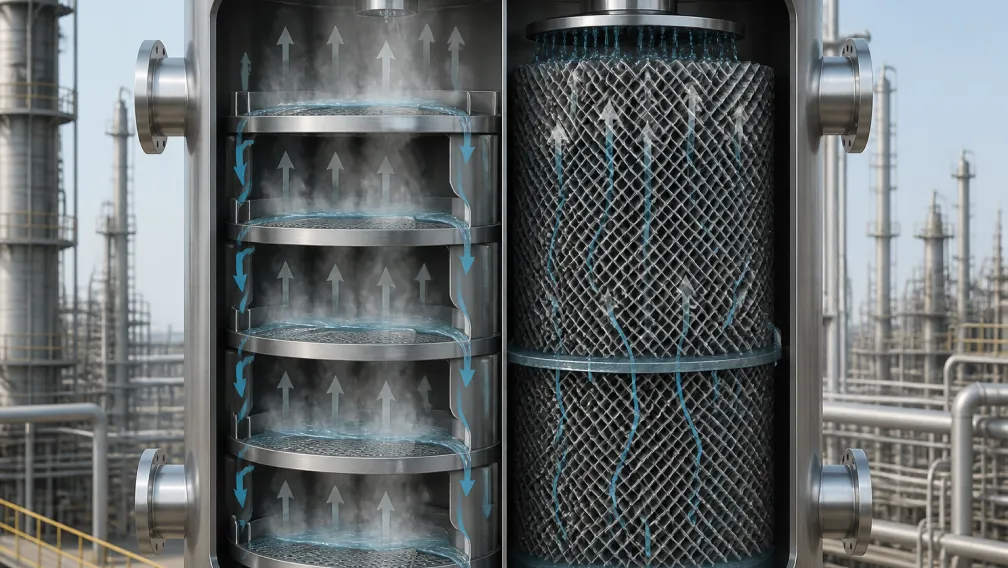
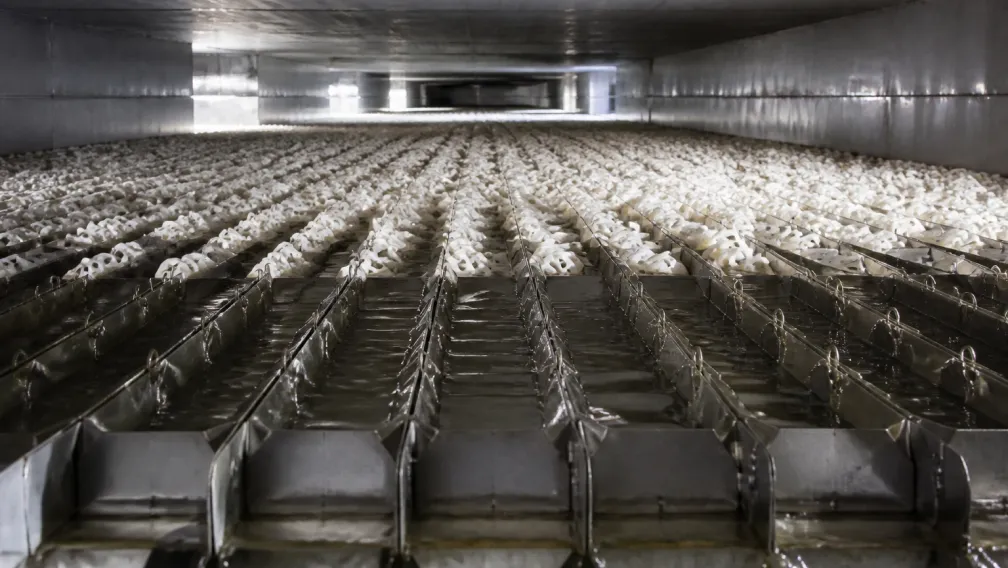
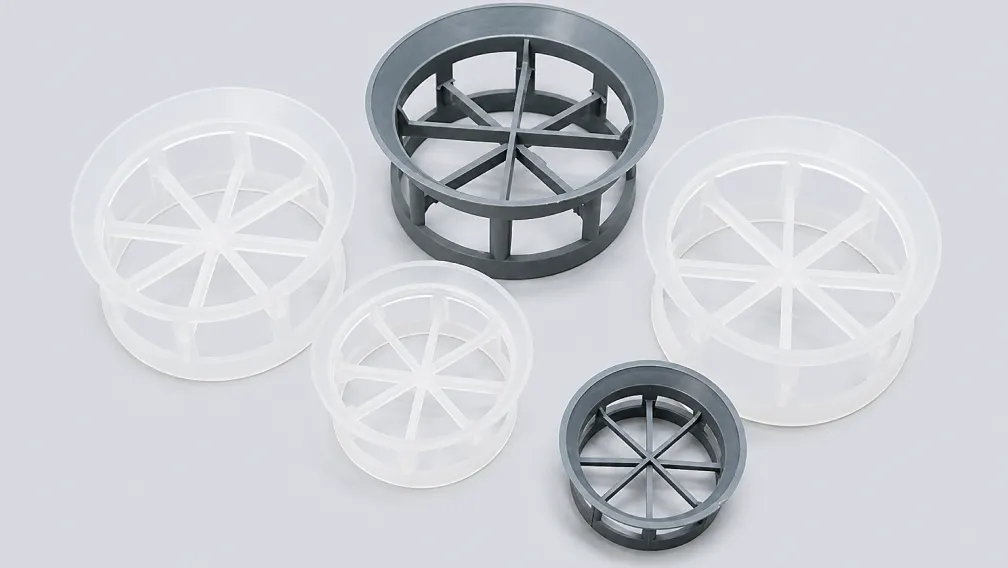
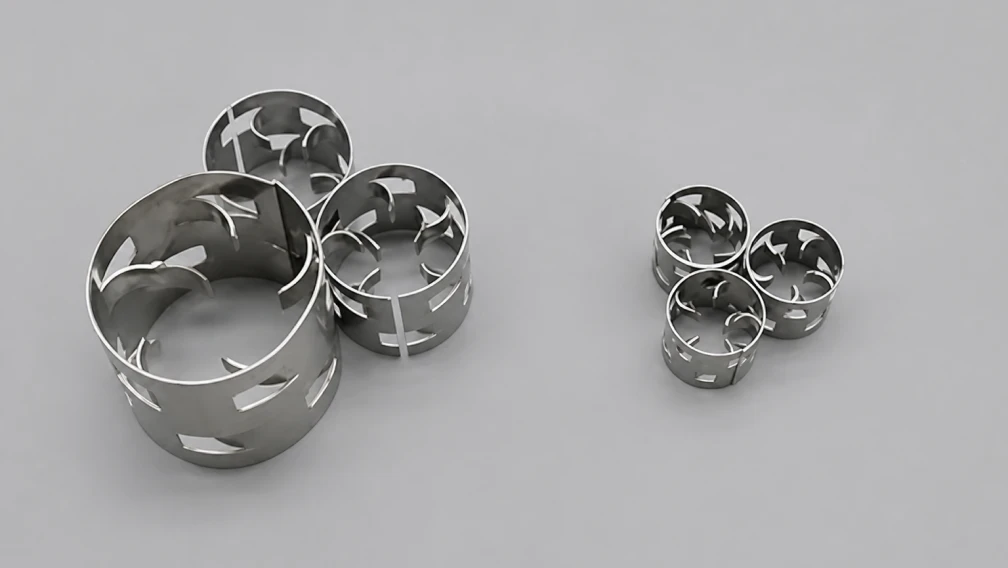
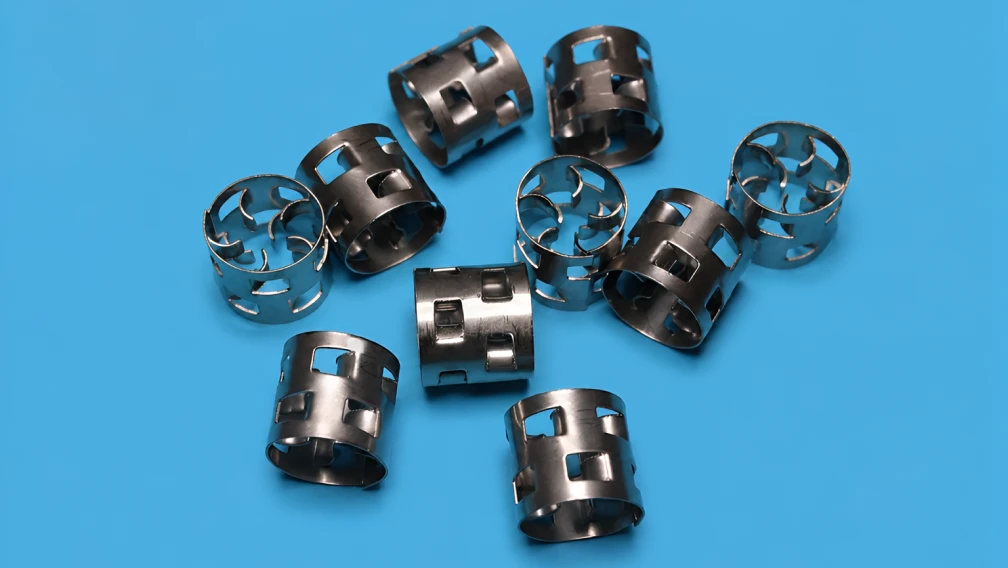
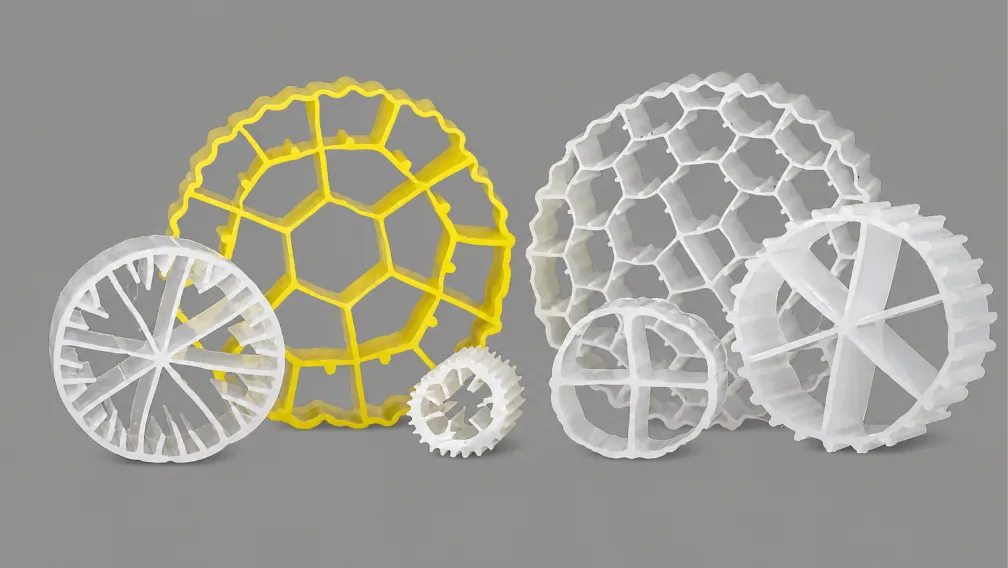
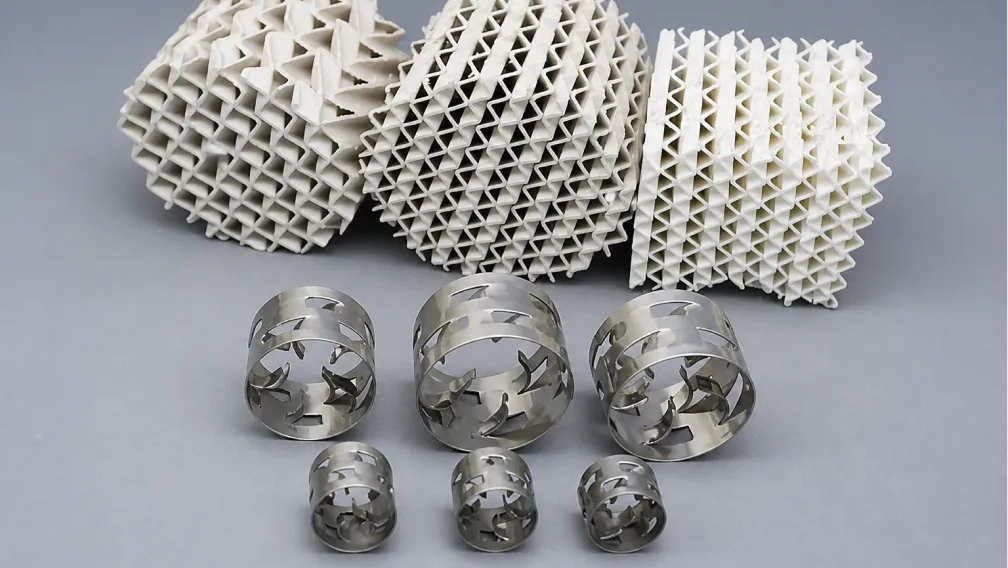
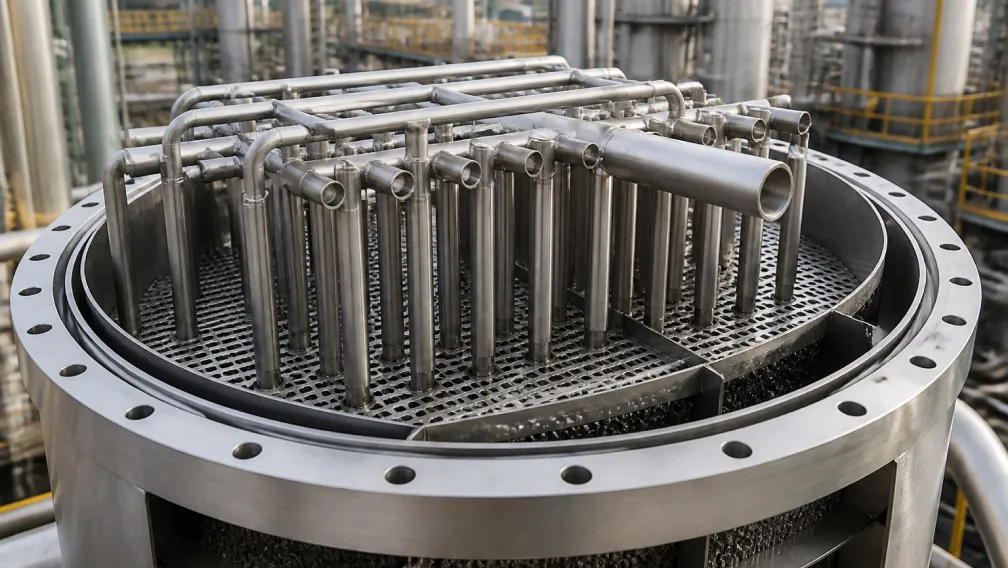
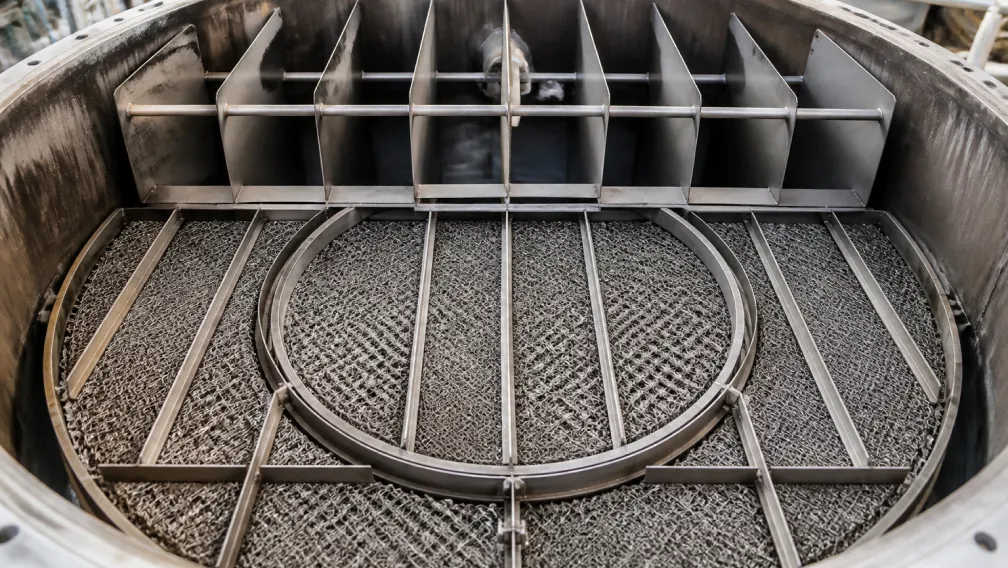
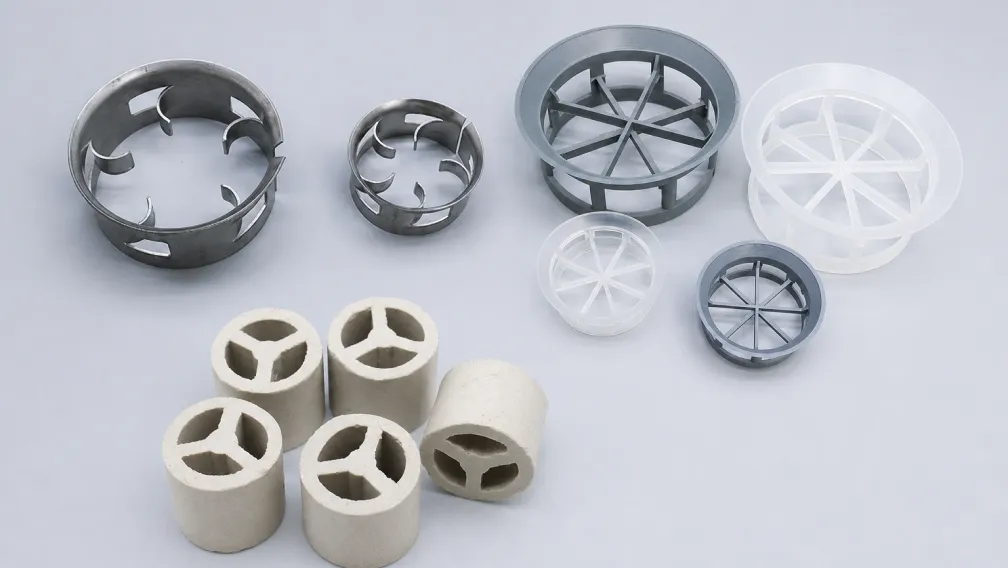
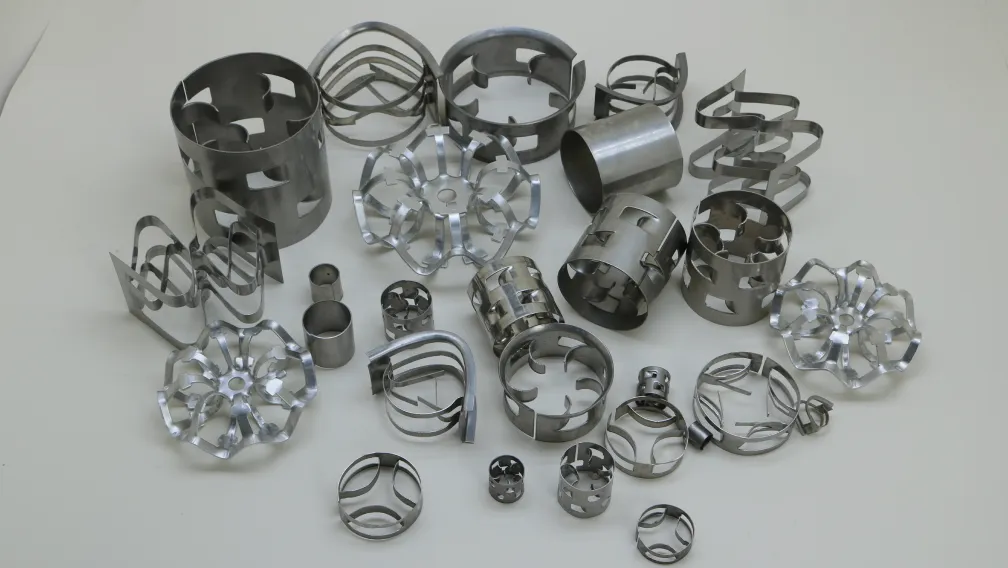
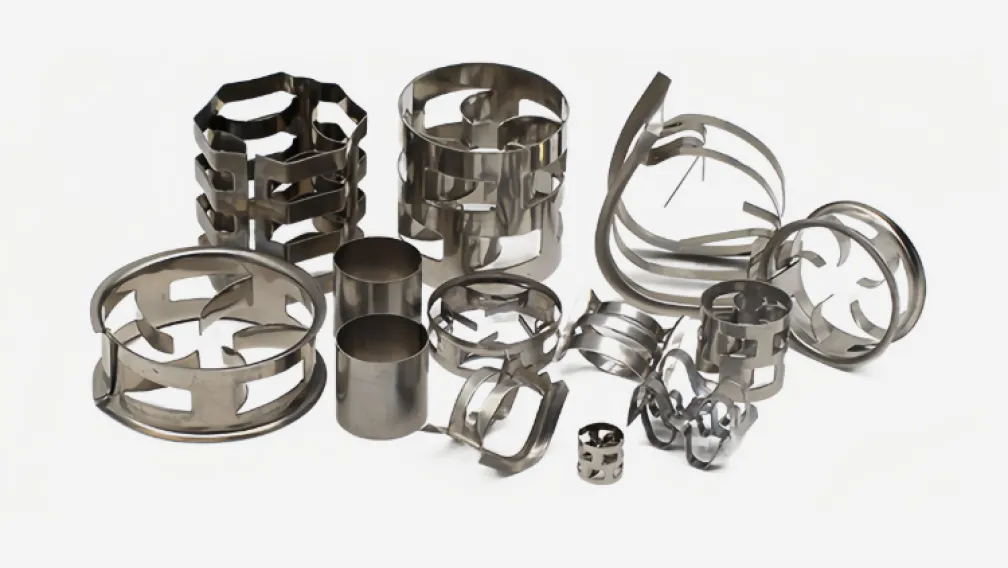
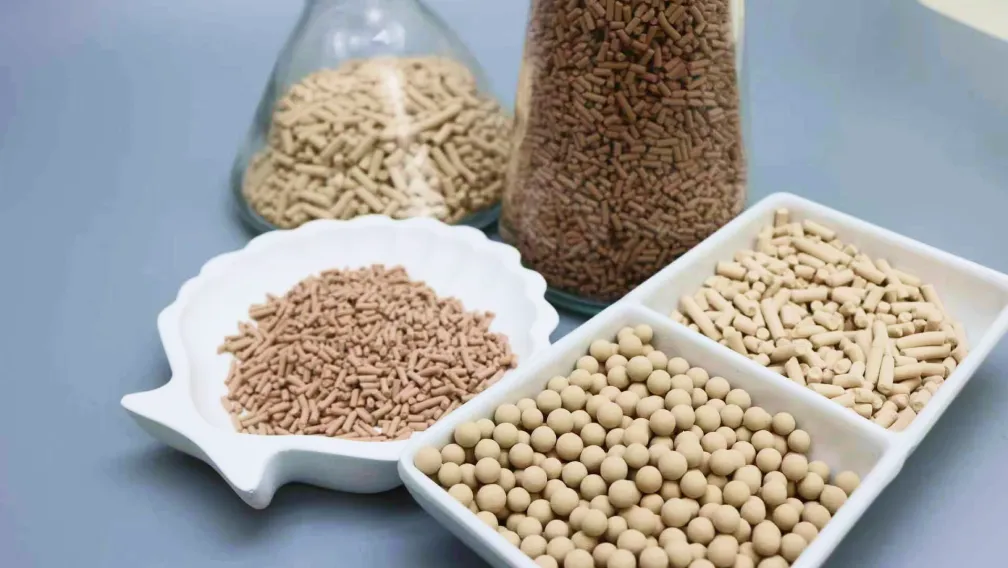
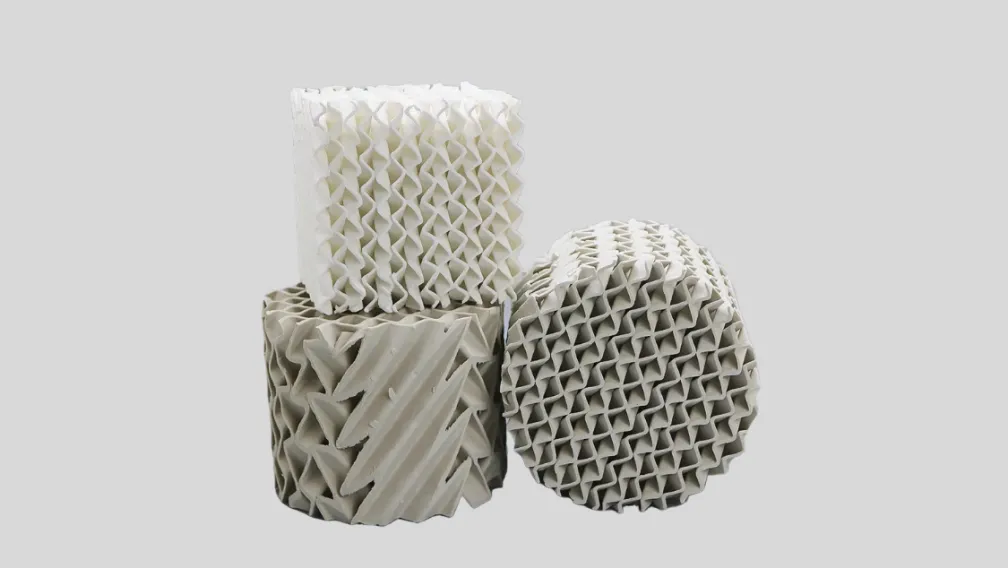
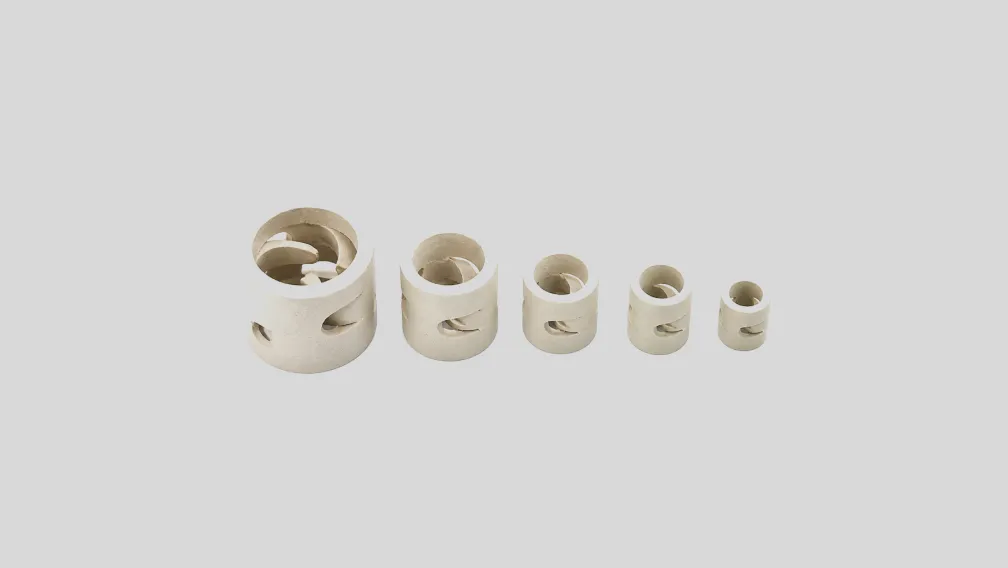
Downstream of the reformers, the synthesis gas train adds further packed equipment. CO₂ removal columns — whether amine or hot potassium carbonate systems — are typically packed towers whose capacity and approach to equilibrium depend on the random packing inside them; debottlenecking a plant's front end frequently requires re-rating or replacing packing in the absorber and regenerator. Process gas drying ahead of cryogenic or synthesis sections relies on molecular sieve beds, which are recharged on multi-year cycles. The new ammonia converter at Wittenberg adds a further catalyst bed with its own support layers and internals.
Why Revamps, and Why Now
Europe's ammonia sector has been contracting and restarting in step with gas prices since 2022. The AGF Nitrogen awards illustrate the path producers are choosing where plants remain viable: invest in energy efficiency rather than new capacity. Every percentage point of natural gas saved per tonne of ammonia flows directly to margin, and the reforming section is where most of that gas is consumed. For the wider market, this pattern — brownfield modernization across aging European assets — generates a different demand profile than greenfield construction: smaller volumes per project, but recurring, spread across many sites, and specified to tight quality documentation because the equipment must fit into an operating plant's turnaround window.
What This Signals for Process Media Demand
Ammonia and fertilizer revamps across Europe, combined with new-build ammonia capacity in Africa and Asia — United Capital Fertilizer broke ground on a US$1.6 billion Phase 2 ammonia/urea expansion in Zambia in the same week — keep the fixed-bed equipment chain in continuous demand. Catalyst changeouts at revamp sites require support ceramic balls in graded sizes, CO₂ system revamps consume tower packing, and drying duty keeps molecular sieve replacement on schedule. For procurement teams, the specifications that decide qualification remain consistent: certified crush strength and low silica content for support media in hydrothermal service, verified geometry data for packing re-rates, and batch documentation that satisfies licensor inspection on a shutdown deadline.
Sources
- KBR: KBR Awarded Contracts for AGF Nitrogen's Ammonia Plant Revamps in Germany and Austria
- World Fertilizer: KBR awarded contracts for AGF Nitrogen's ammonia plant revamps in Germany and Austria
- Chemical Engineering: KBR to revamp two AGF Nitrogen ammonia plants in Germany and Austria
-

Rongjian
Process Media Manufacturer Since 2010
Rongjian produces tower packing, molecular sieves, ceramic grinding media and other process media from our Pingxiang production base. We supply to industrial projects in over 100 countries.