
On October 12, 2026, Technip Energies announced it has been awarded a large engineering, procurement and construction (EPC) contract by Hindustan Petroleum Corporation Limited (HPCL) for the Lube Modernization and Bottom Upgradation (LMBU) project at HPCL's Mumbai Refinery in Mahul, Maharashtra, India. Under Technip Energies' classification, a "large" award represents between €250 million and €500 million of revenue, and the order intake will be recorded in the company's Project Delivery backlog for Q3 2026.
Project Scope and Background
The contract covers two core process units that will be integrated into the operating refinery: a 550 KTA Integrated Hydrocracker and Catalytic Dewaxing (IHCD) unit and an 850 KTA Solvent Deasphalting (SDA) unit. Key project facts:
- Units covered: 550 KTA IHCD unit and 850 KTA SDA unit, forming the major part of the LMBU project.
- Lube output: the wider LMBU program raises lube oil base stock (LOBS) production from 475 KTA to 764 KTA, shifting the slate toward Group II+ and Group III grades used in premium automotive and industrial lubricants.
- Bottom upgradation: bitumen output increases by about 487 KTA as fuel oil is upgraded, and refinery distillate yield improves by roughly 4 percent.
- Investment: the LMBU project carries an approved investment of about ₹4,679 crore, approximately US$551 million. Engineers India Limited (EIL) acts as project management consultant.
- Schedule: project plans target mechanical completion within about 30 to 36 months of the letter of award, with the new units expected online around 2028.
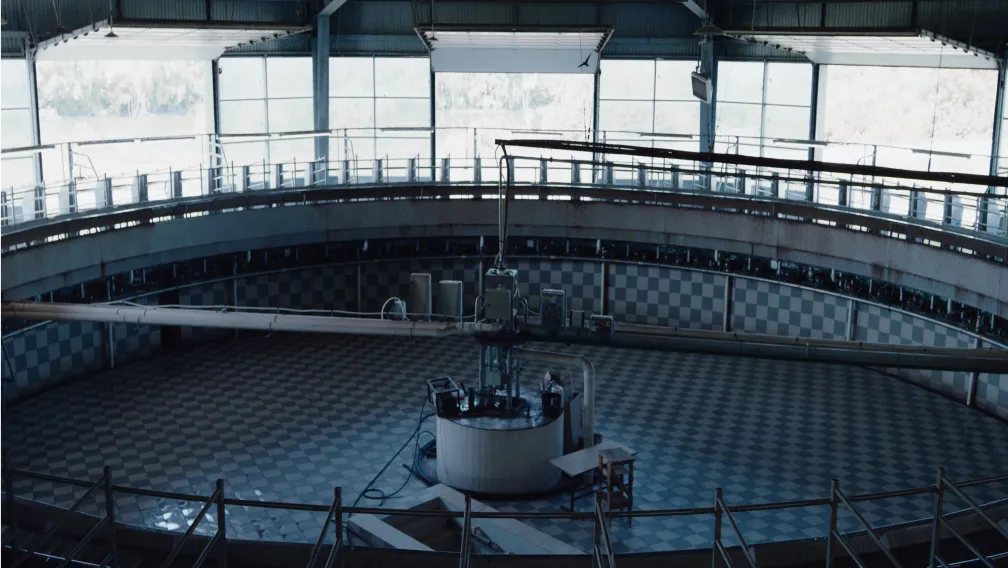
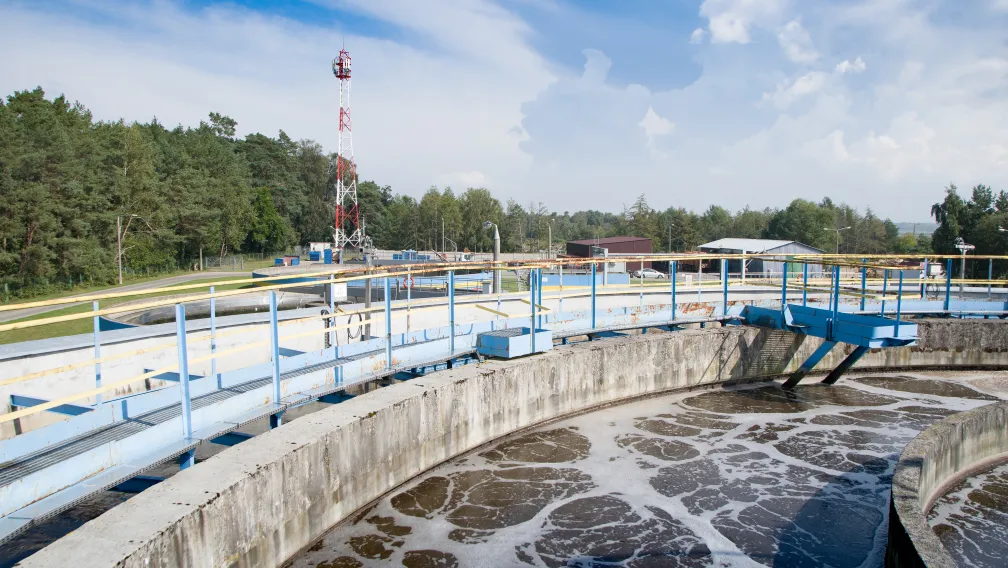
The Mumbai Refinery, commissioned in 1954, now processes 9.5 million tonnes of crude per year and operates India's largest lube complex, accounting for more than 40 percent of the country's installed base oil capacity. HPCL has stated the project will strengthen domestic production of specialty petroleum products while improving the value extracted from heavier refinery streams.
What IHCD and SDA Units Involve on the Process Side
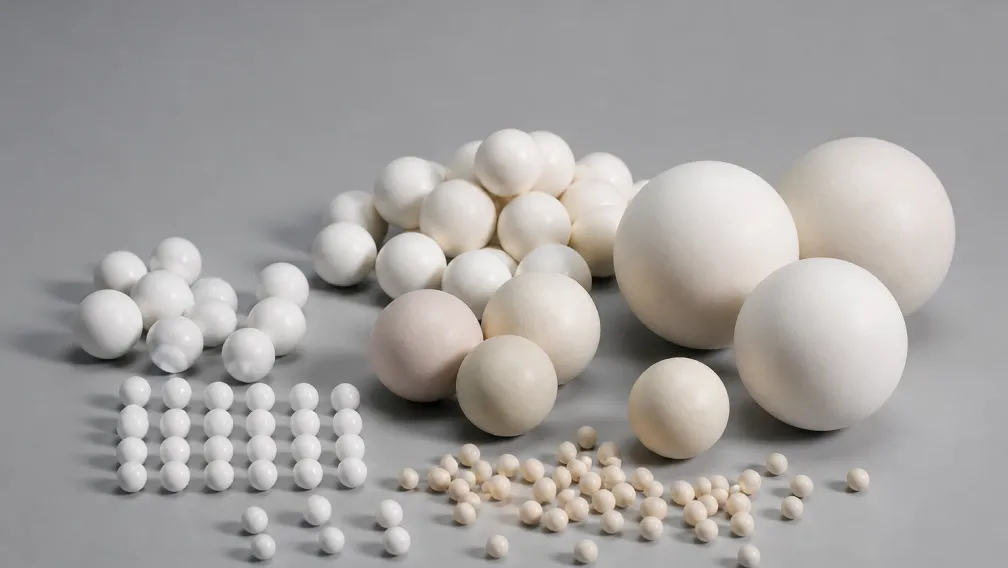
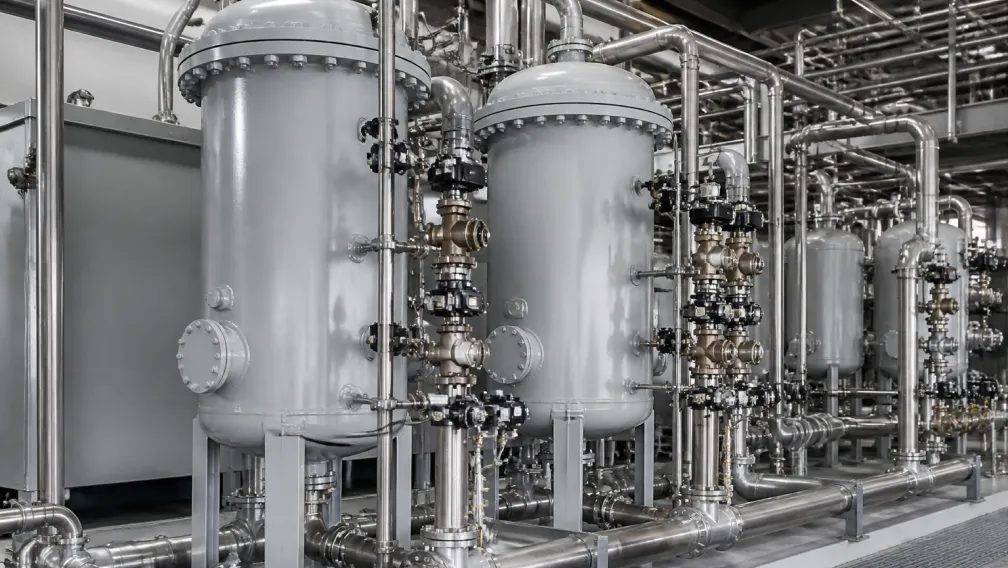
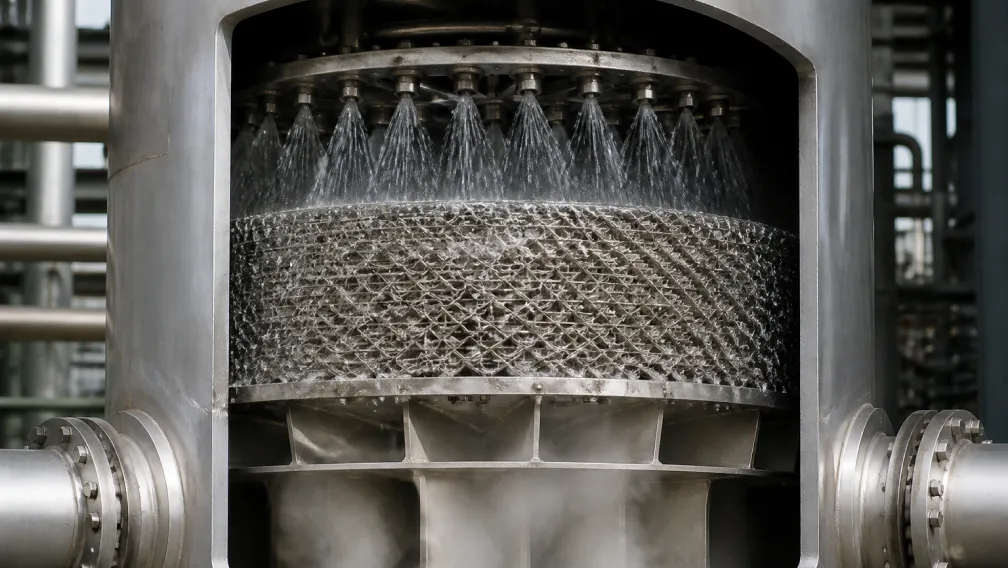
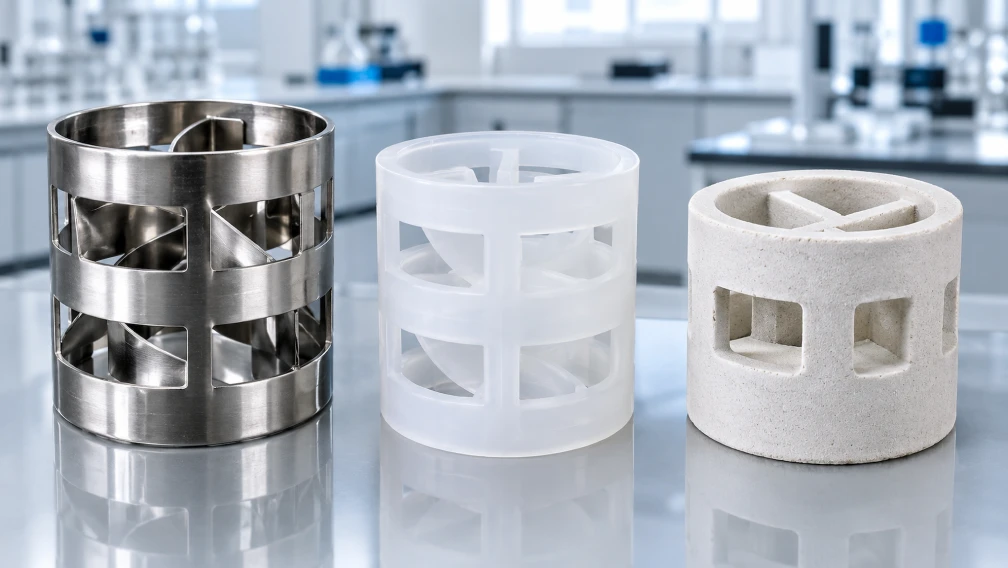
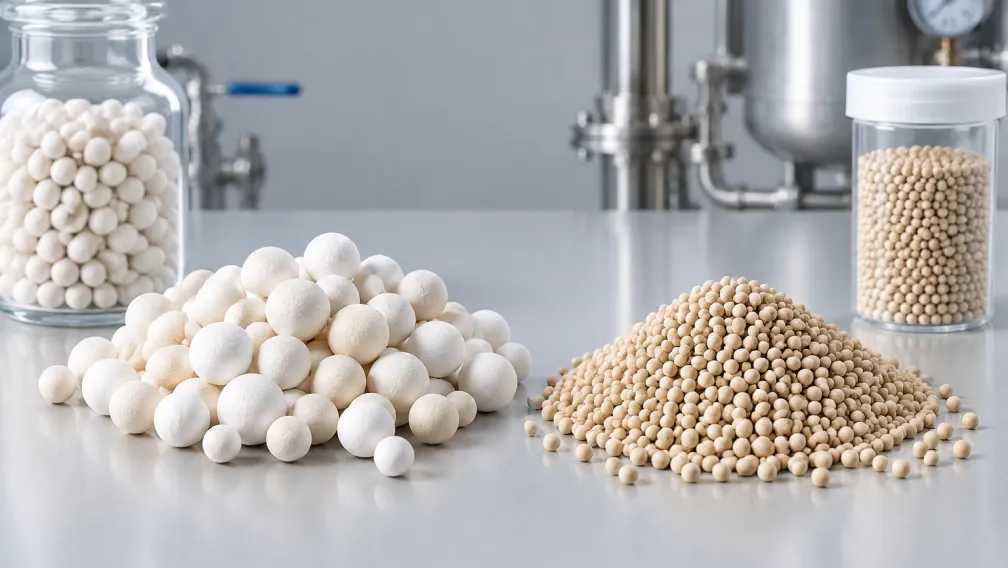
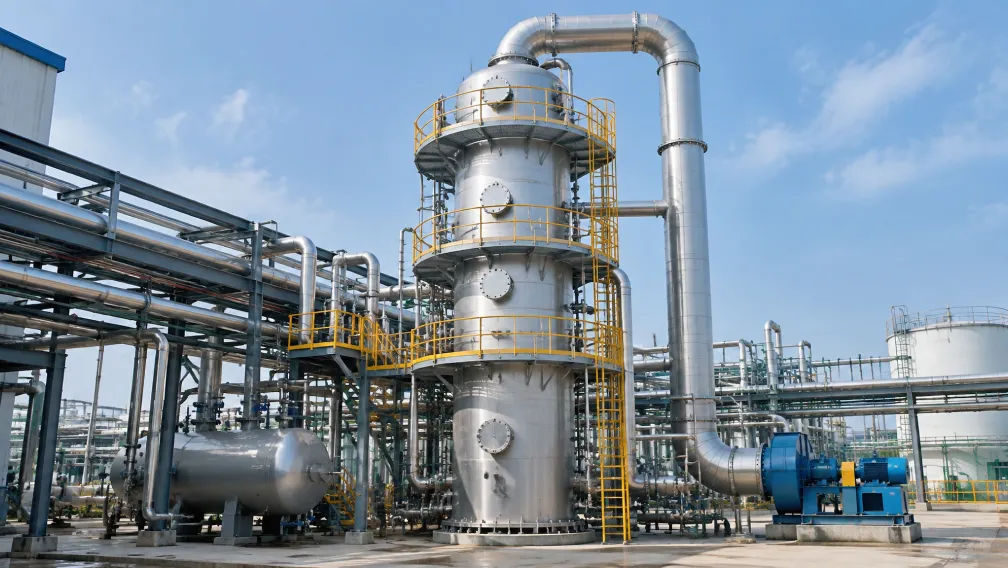
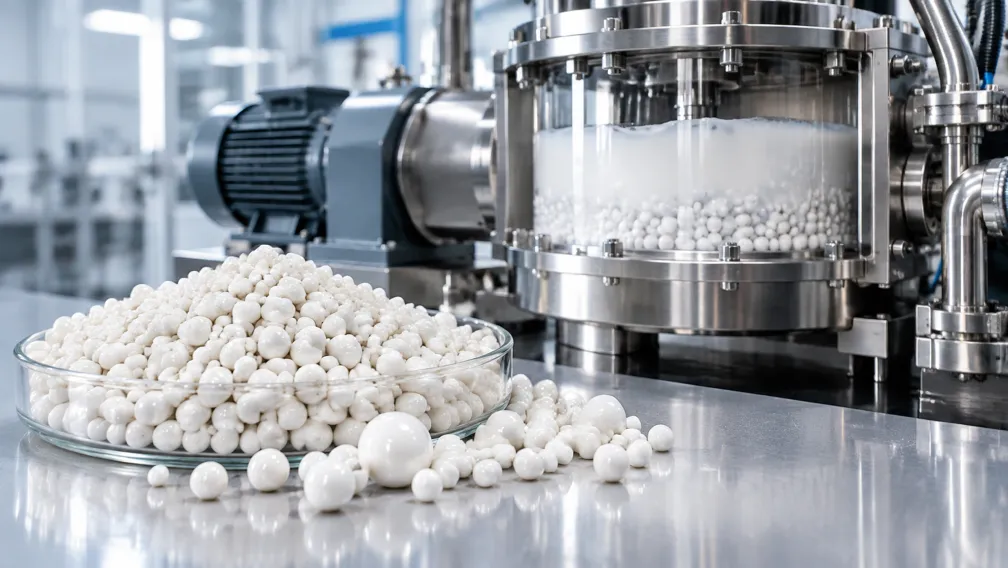
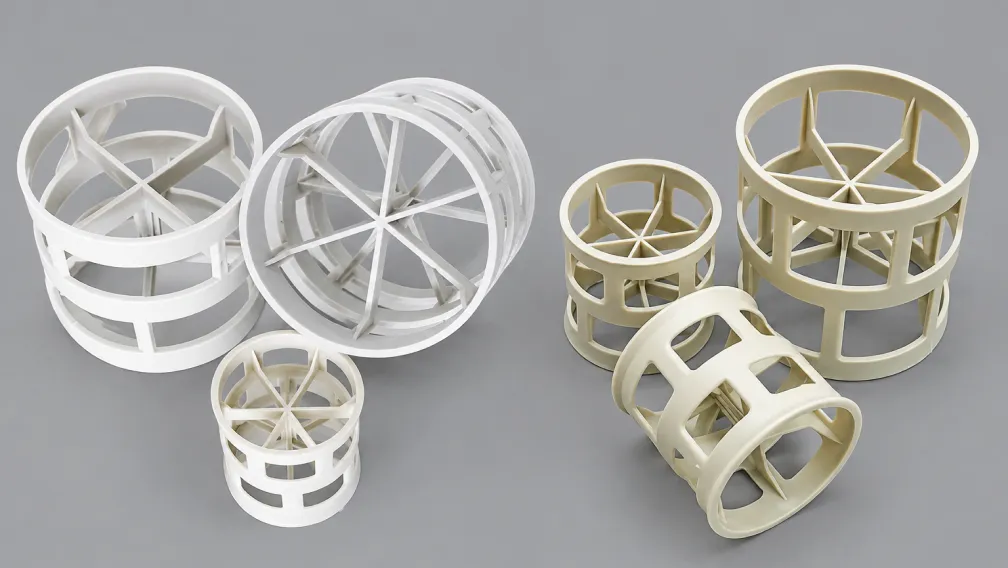
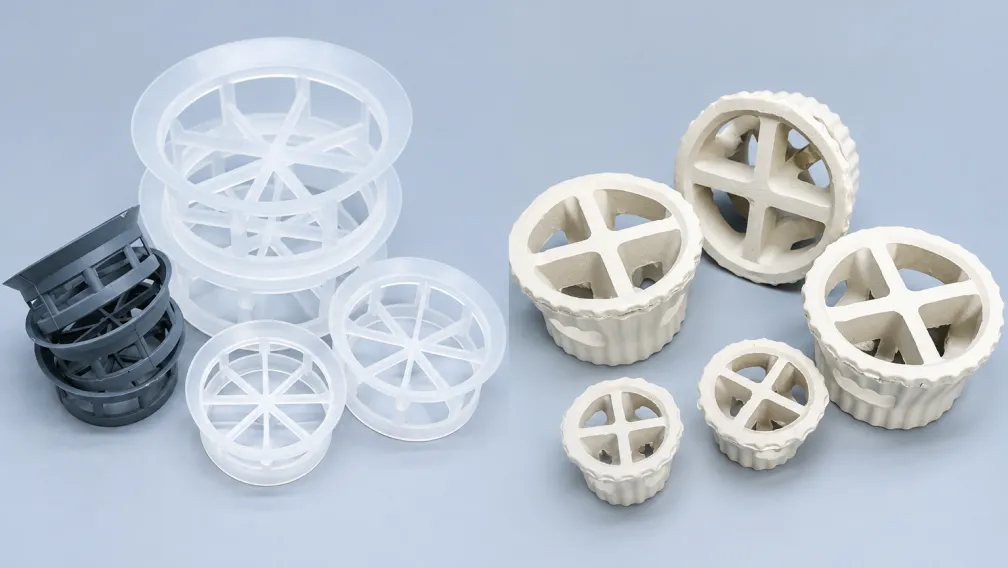
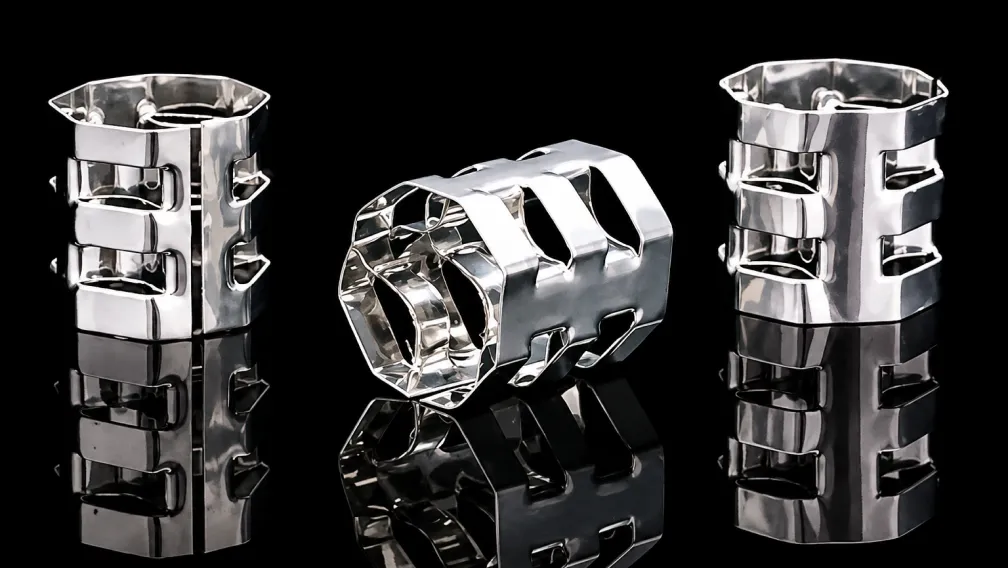
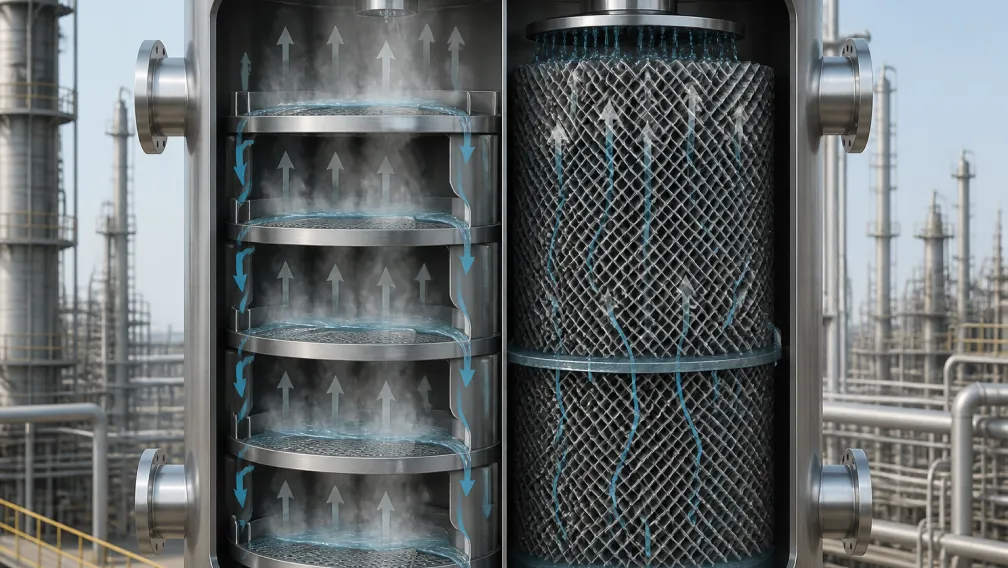
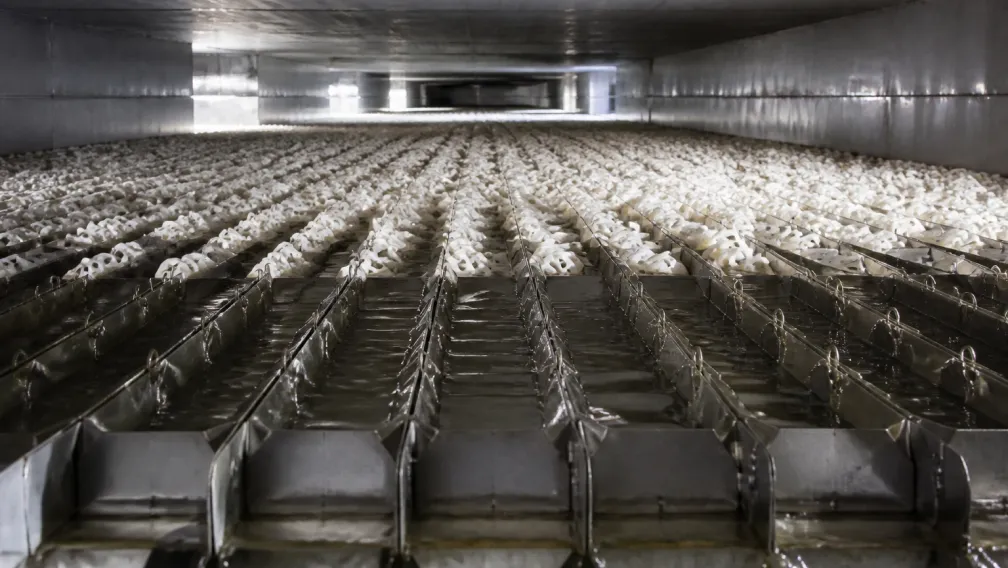
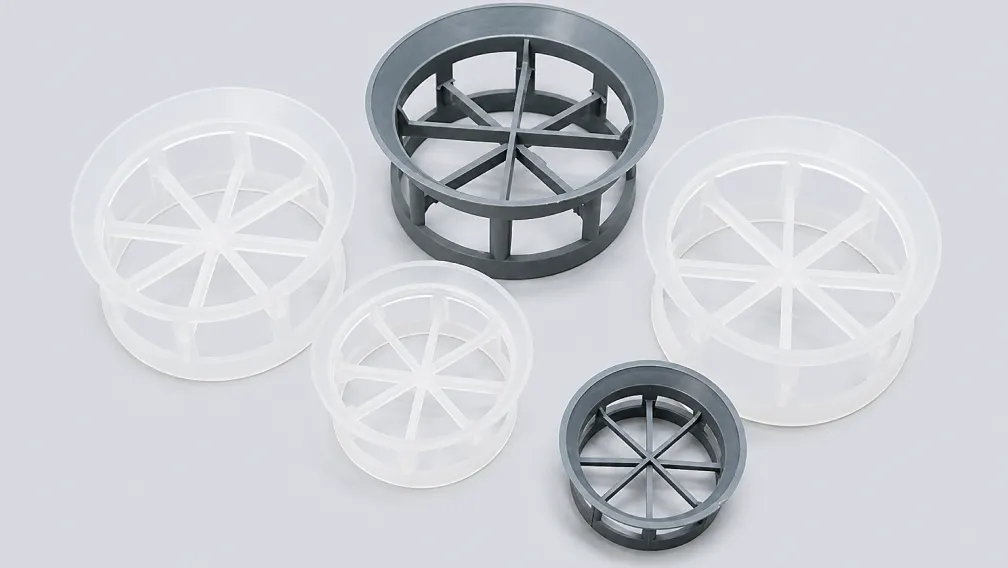
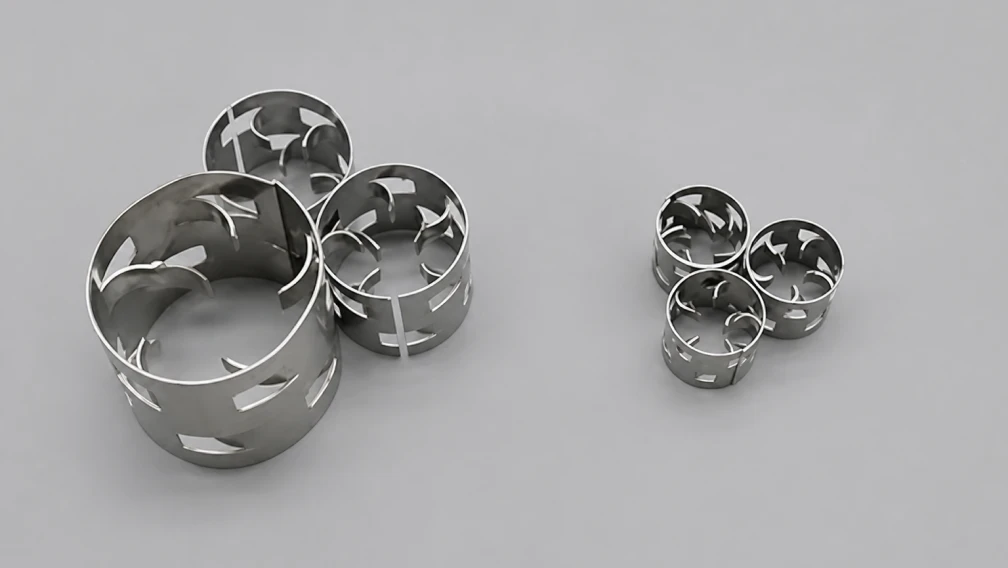
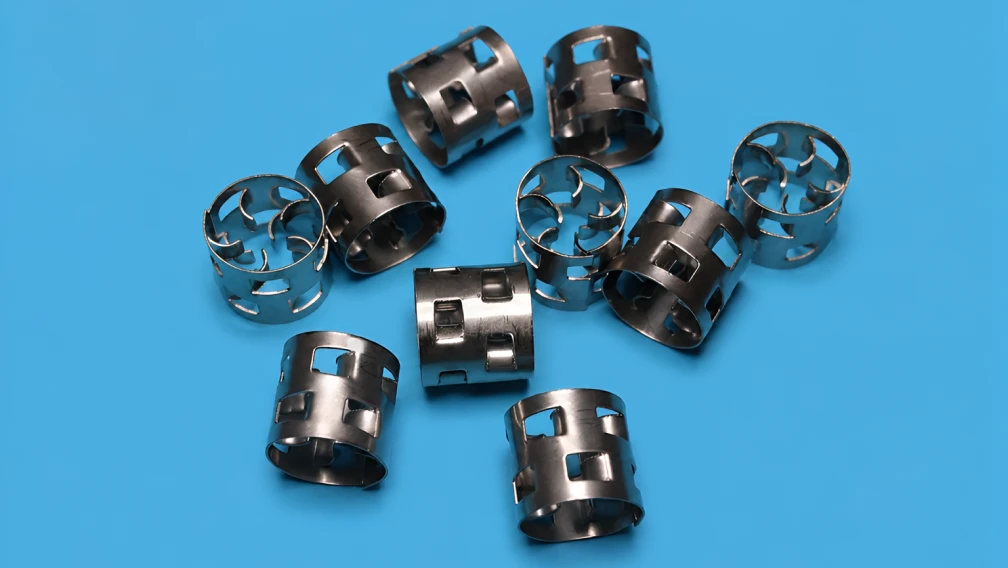
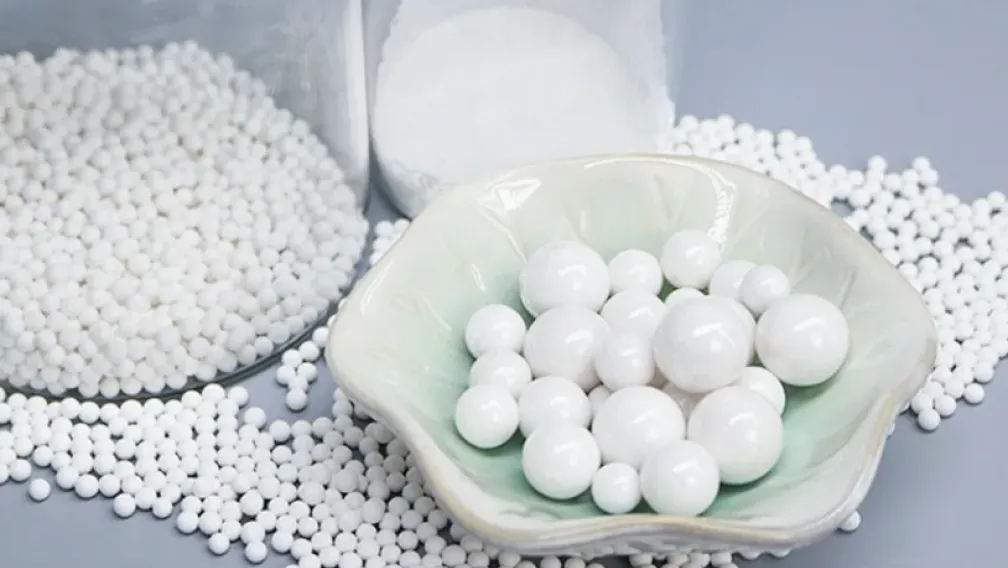
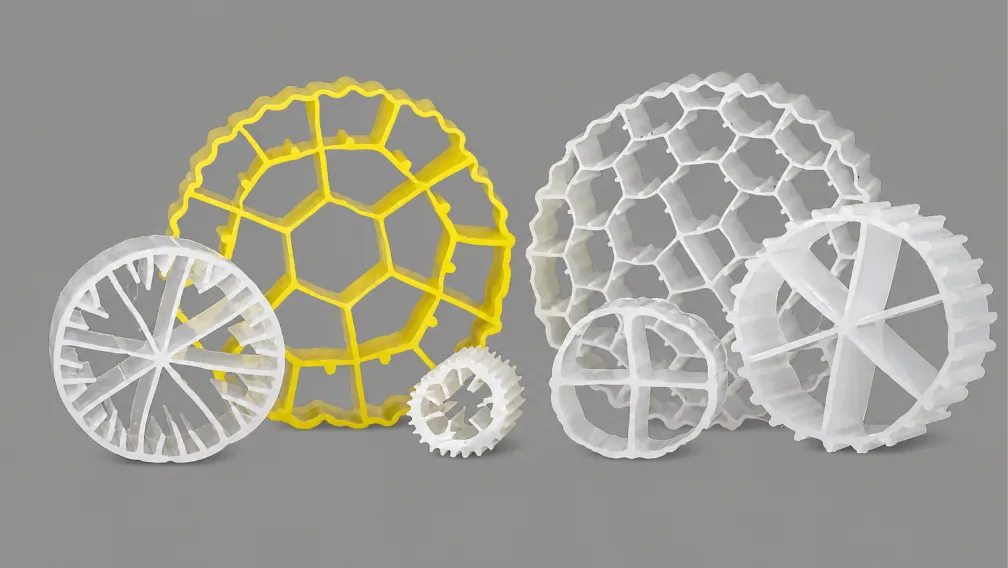
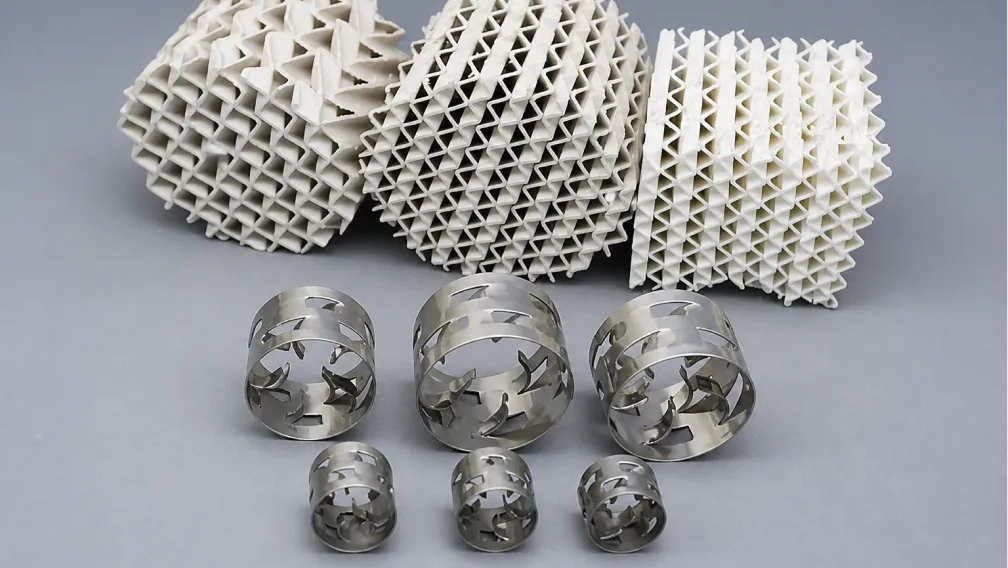
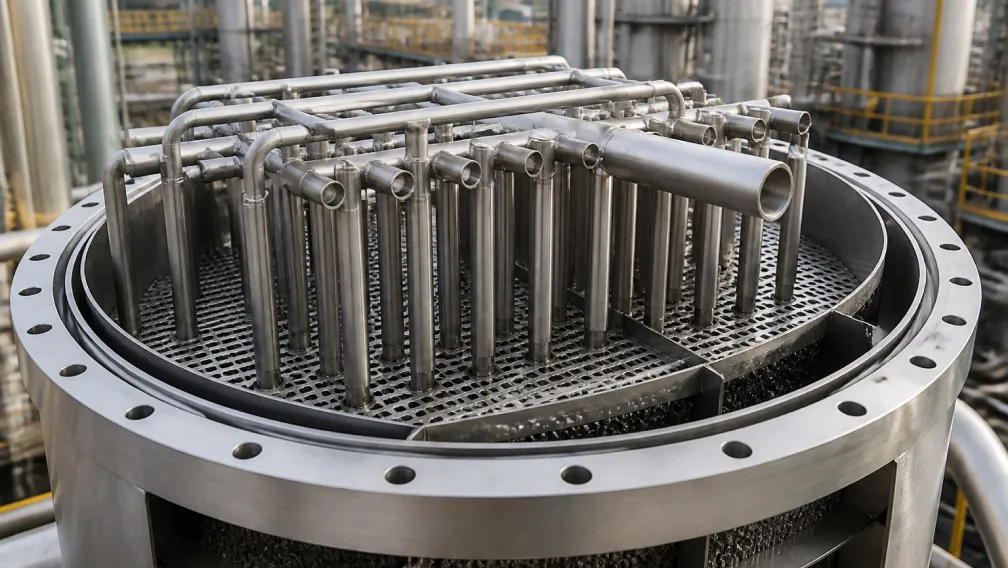
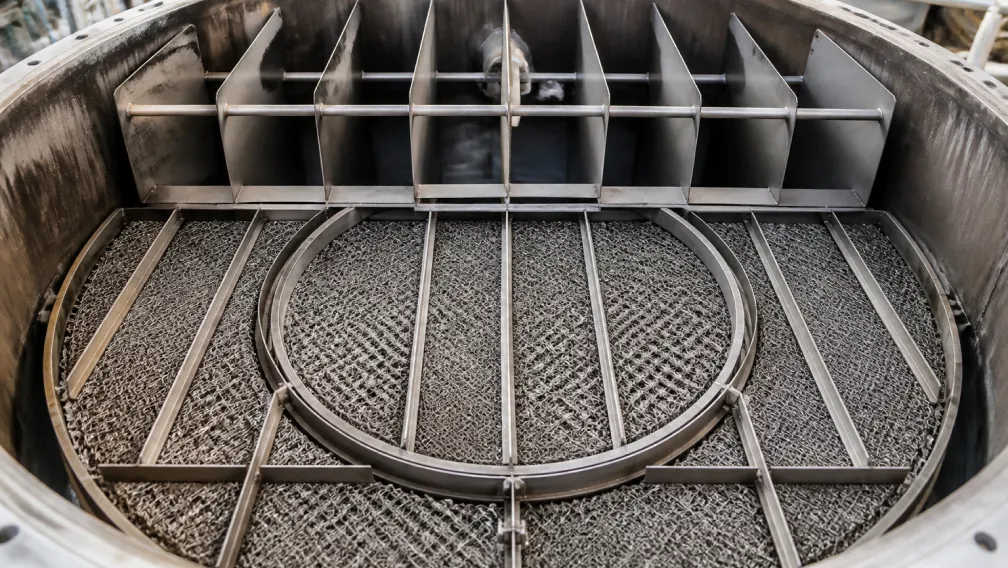
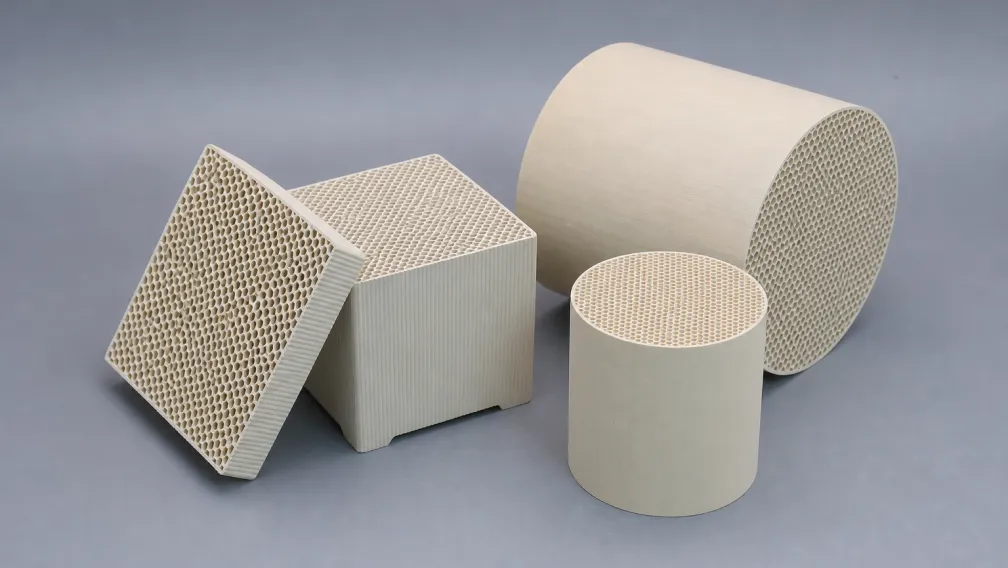
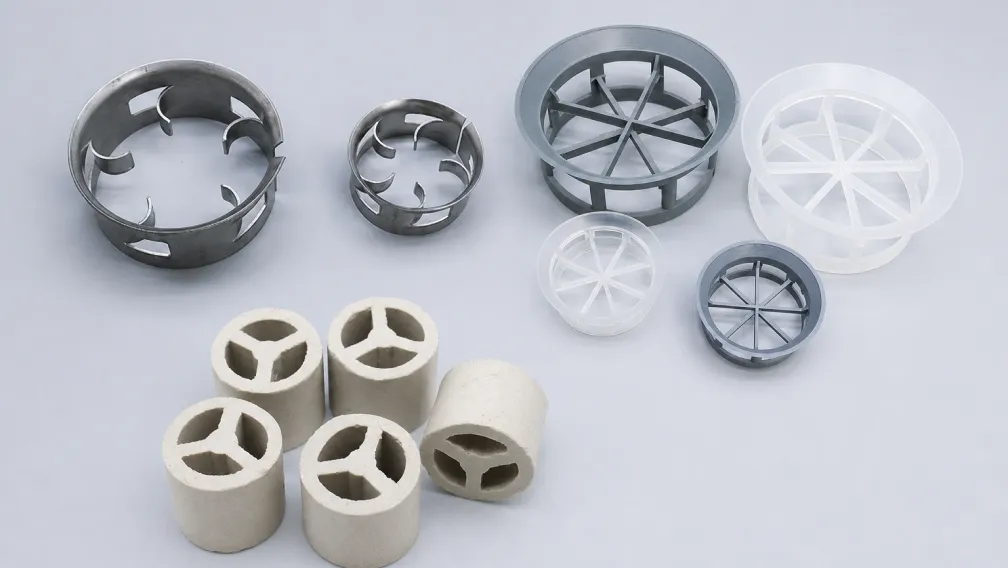
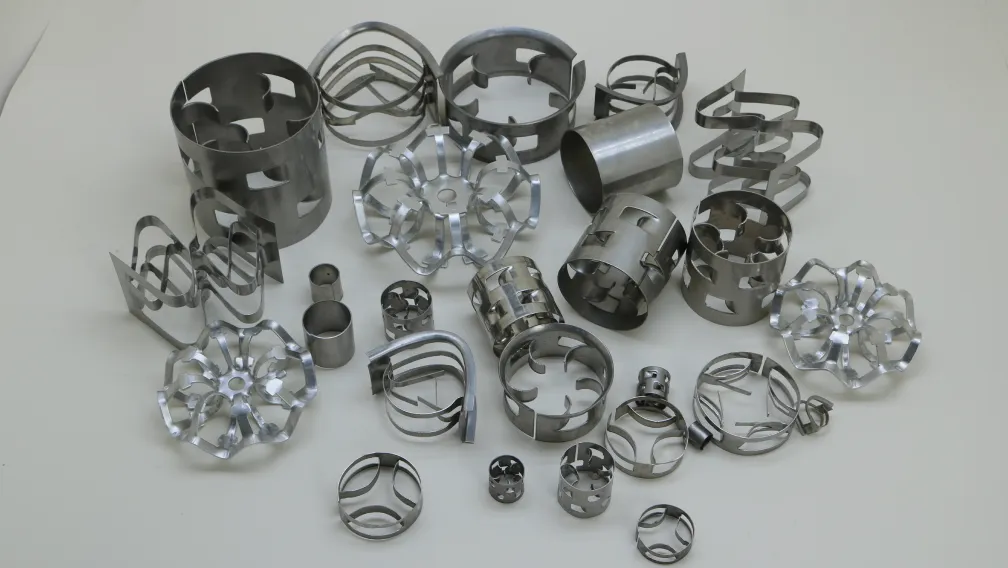
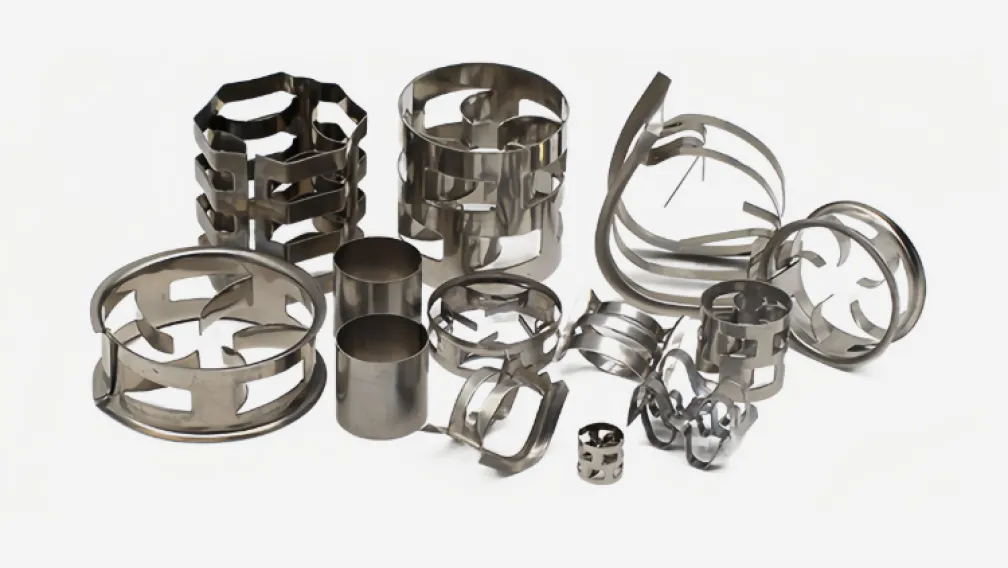
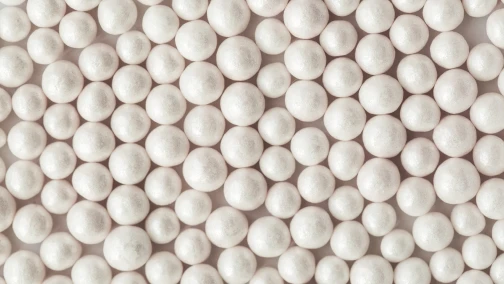
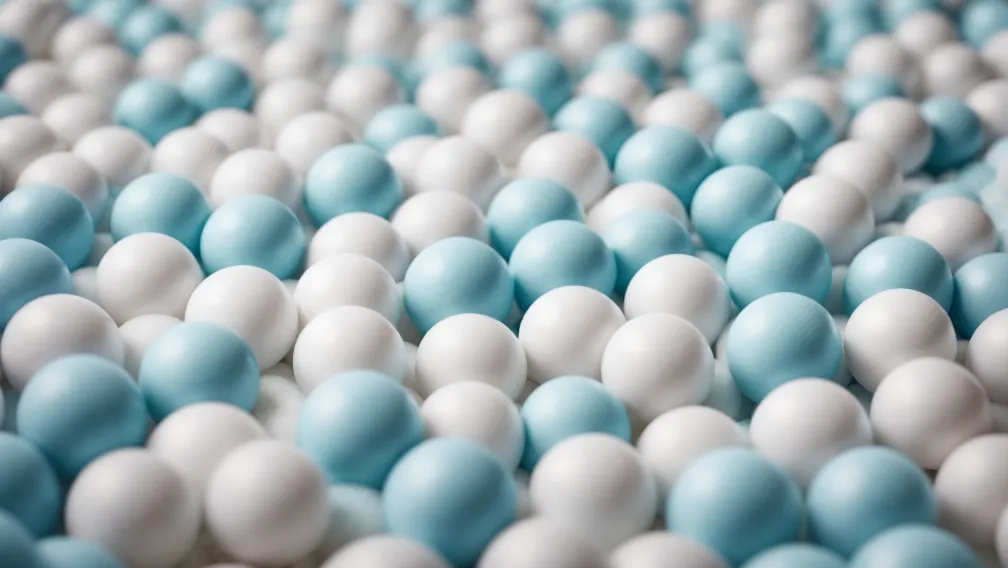
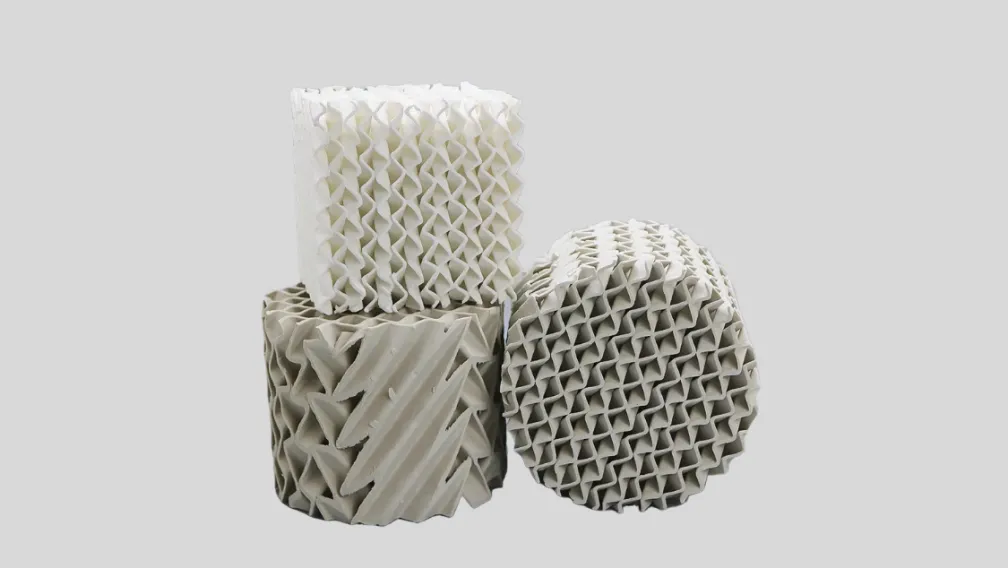
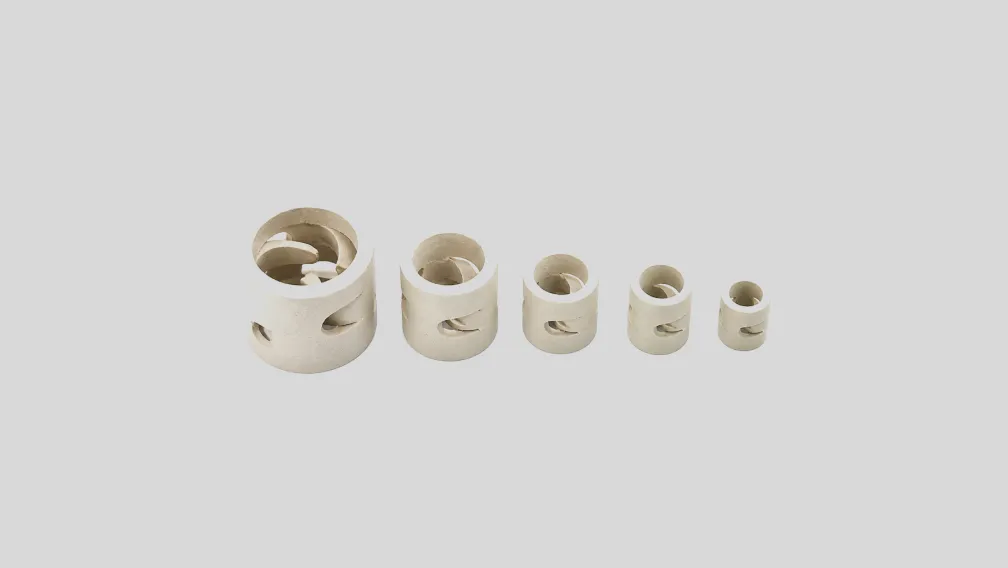
A hydrocracker is a high-pressure, hydrogen-rich environment built around fixed-bed reactors. Those reactors are loaded in graded layers: the active catalyst sits on support beds of inert ceramic balls and high-alumina support media that distribute feed evenly, protect the catalyst from fouling, and hold the bed in place under thermal cycling. Downstream of the reactors, the fractionation section separates the product slate in columns fitted with trays, random packing, or structured packing, depending on the cut points and pressure drop budget, together with liquid distributors, support grids, and other tower internals.
The SDA unit extracts asphalthenes from vacuum residue with a light hydrocarbon solvent, leaving deasphalted oil as additional feed for conversion units. Its extractor and solvent recovery towers are classic mass transfer equipment, and their capacity and separation sharpness are set by the packing geometry and the quality of liquid distribution inside the column.
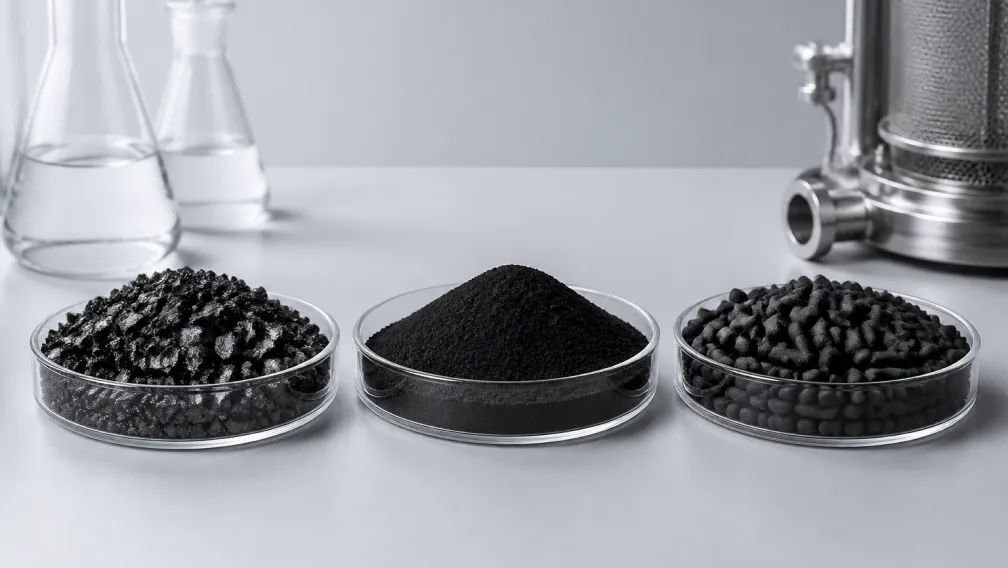
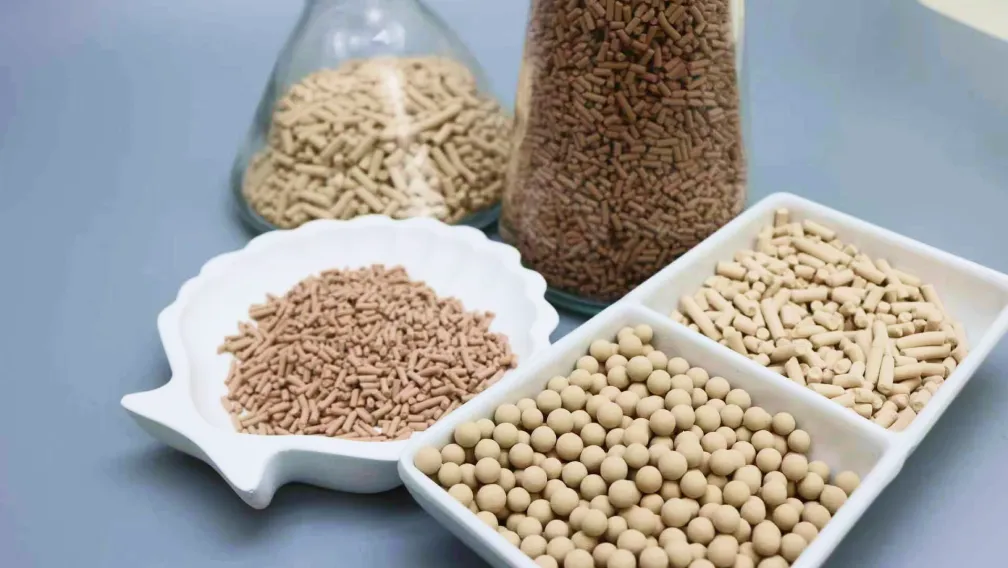
Hydrocracking also consumes large volumes of hydrogen, and the hydrogen plants that supply it rely on pressure swing adsorption for purification — a duty built on layered beds of activated carbon and molecular sieve. Sour water stripping and amine treating around these units add further packed columns to the equipment list.
What This Signals for Tower Packing and Adsorbent Demand
The LMBU award is one contract inside a sustained Indian refining modernization program that also includes HPCL's Visakhapatnam expansion toward 15 MMTPA and the 9 MMTPA Barmer refinery-cum-petrochemical complex. Hydrocrackers, solvent deasphalting units, and fractionation revamps all repeat the same equipment chain: support media for reactor beds, packing and internals for fractionators and strippers, adsorbents for hydrogen purification.
Demand on these projects is also recurring rather than one-time. Reactor support beds are replaced at catalyst changeouts, packing and demister pads are renewed on turnaround cycles, and PSA adsorbents are swapped on multi-year schedules. For suppliers, qualification on EPC-driven projects of this type depends on consistent documentation: certified crush strength and thermal shock performance for support balls, verified geometry and void fraction data for packing, and batch test certificates that hold up under third-party inspection.
Sources
- Technip Energies: Technip Energies awarded large EPC contract by HPCL for Mumbai refinery modernization project in India
- Oil & Gas Journal: HPCL taps Technip Energies for EPC on new Mumbai refinery unit
- HPCL: HP Refineries — Ongoing Projects
-

Rongjian
Process Media Manufacturer Since 2010
Rongjian produces tower packing, molecular sieves, ceramic grinding media and other process media from our Pingxiang production base. We supply to industrial projects in over 100 countries.