
On August 14, 2026, Mexico's National Water Commission (Conagua) awarded the construction contract for the Playas de Rosarito seawater desalination plant in Baja California to a consortium of Cox Energy, S.A.B. de C.V. and Cox Water, S.L. The winning bid came in at 5.29 billion Mexican pesos excluding VAT, roughly US$311 million, below offers from Acciona and the Tecno Arrendamientos y Construcciones consortium. The contract was signed on August 17, with construction starting the following day. Once completed in 2029, the plant will be one of the largest urban desalination facilities in Latin America.
Project Scope and Timeline
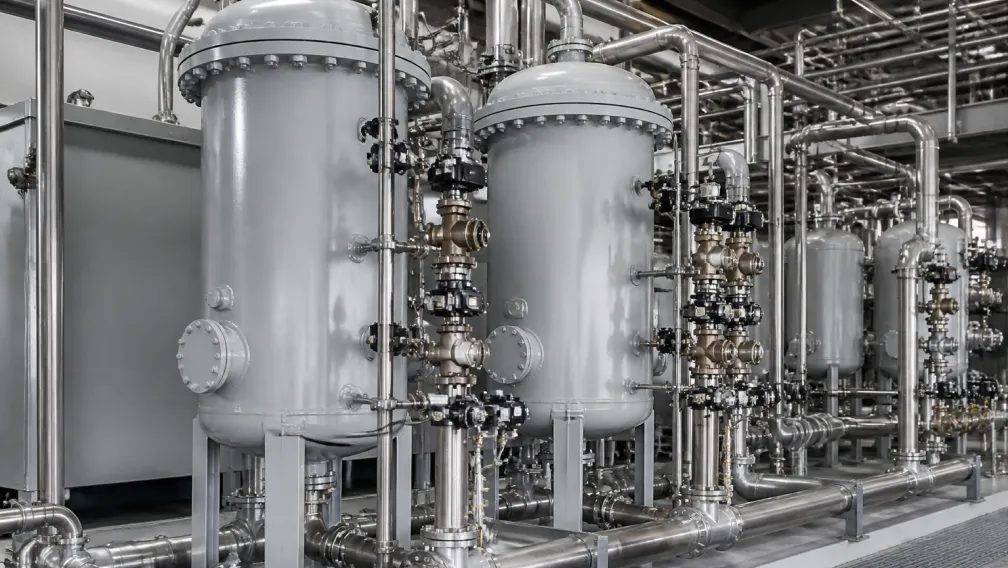
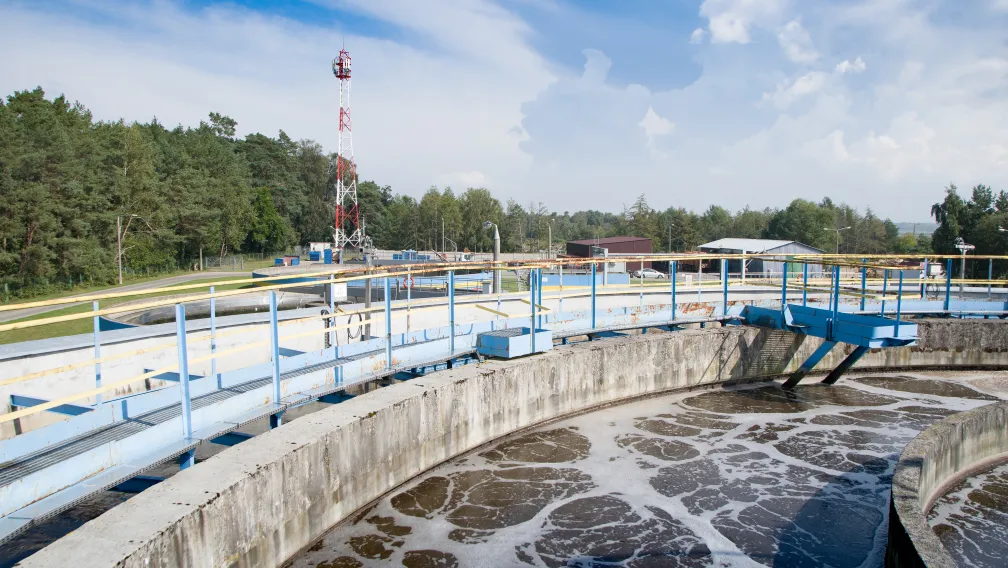
The Rosarito plant is a seawater reverse osmosis (SWRO) facility sized at 2,200 liters per second, about 190,000 cubic meters of potable water per day. Key project facts:
- Capacity: 2,200 L/s (~190,000 m³/day, ~69 million m³ per year), with earlier plans allowing expansion to roughly double that figure.
- Investment: MX$5.29 billion construction contract within a total federal and state investment of about US$840 million.
- Schedule: 1,096 calendar days of construction, with completion due in 2029.
- Service area: Tijuana, Playas de Rosarito, and part of Ensenada—about 994,000 residents. Conagua estimates the plant will raise regional water availability by up to 45 percent.
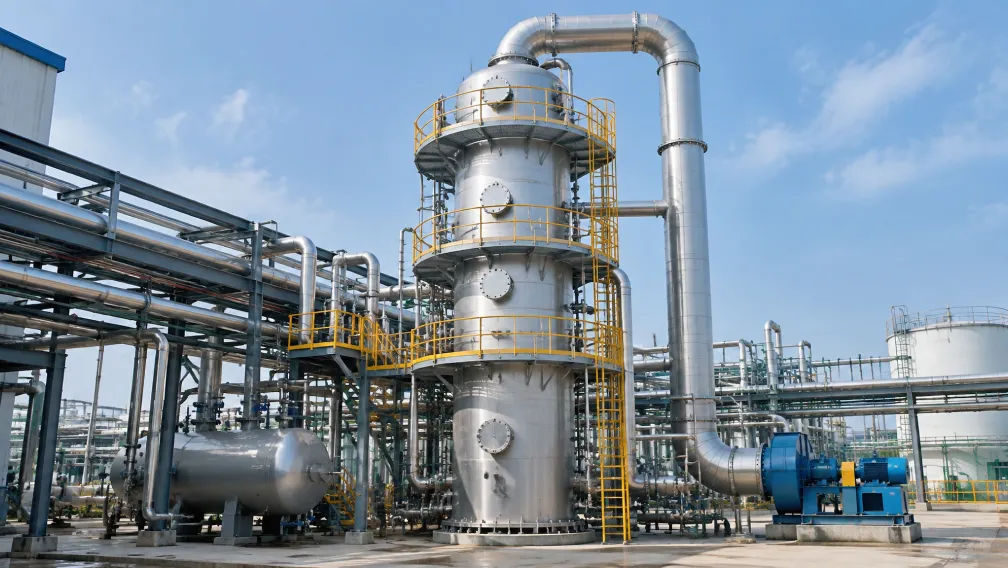
- Process scope: seawater intake and screening, pretreatment, high-pressure pumping, RO trains, energy recovery, post-treatment and disinfection, and brine handling.
The award closes a long procurement history. Two earlier tenders, in November 2025 and June 2026, were declared void, and Conagua completed the award through a restricted international invitation procedure. The project sits within Mexico's National Water Plan and reduces the region's dependence on increasingly tight Colorado River allocations.
Why Pretreatment Decides SWRO Plant Performance
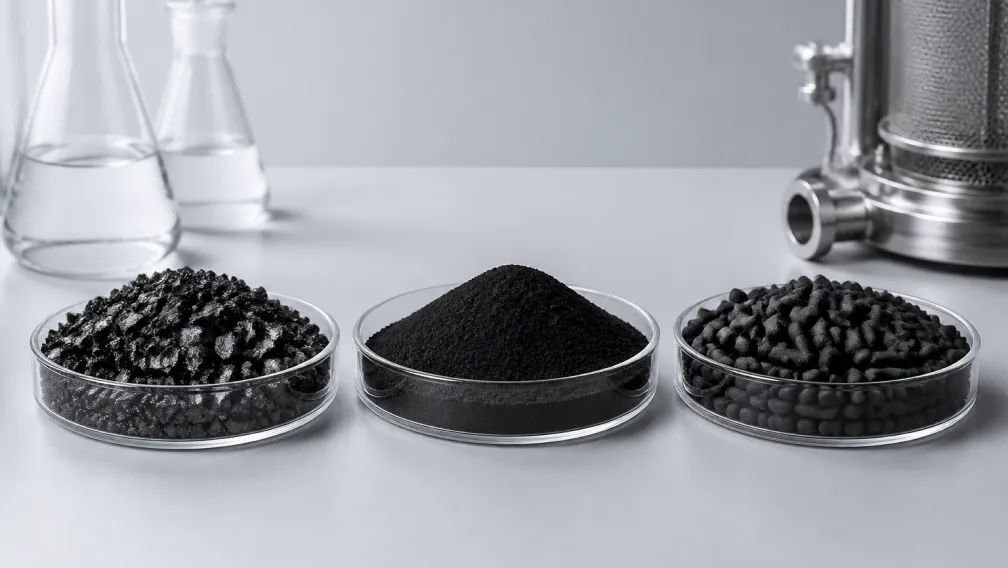
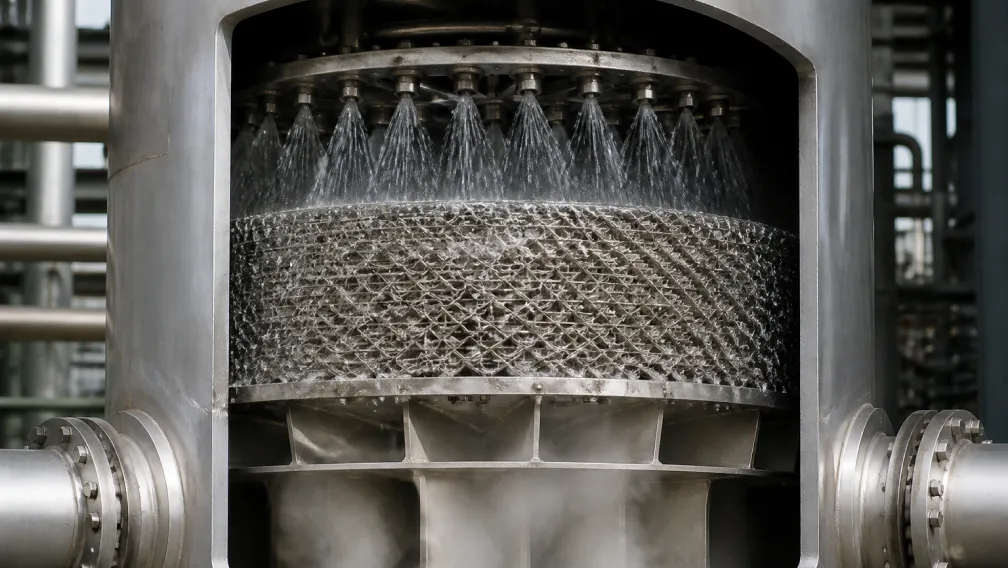
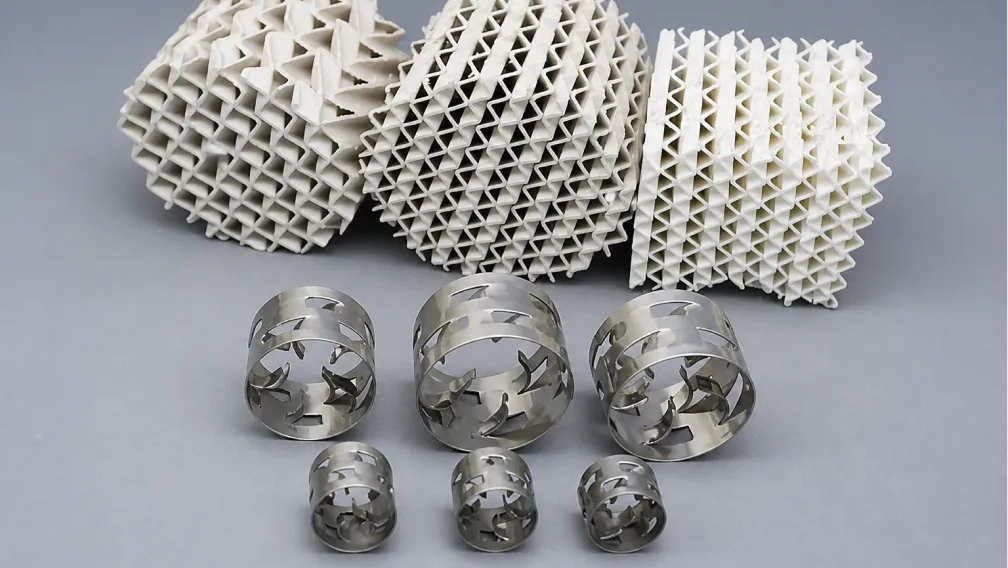
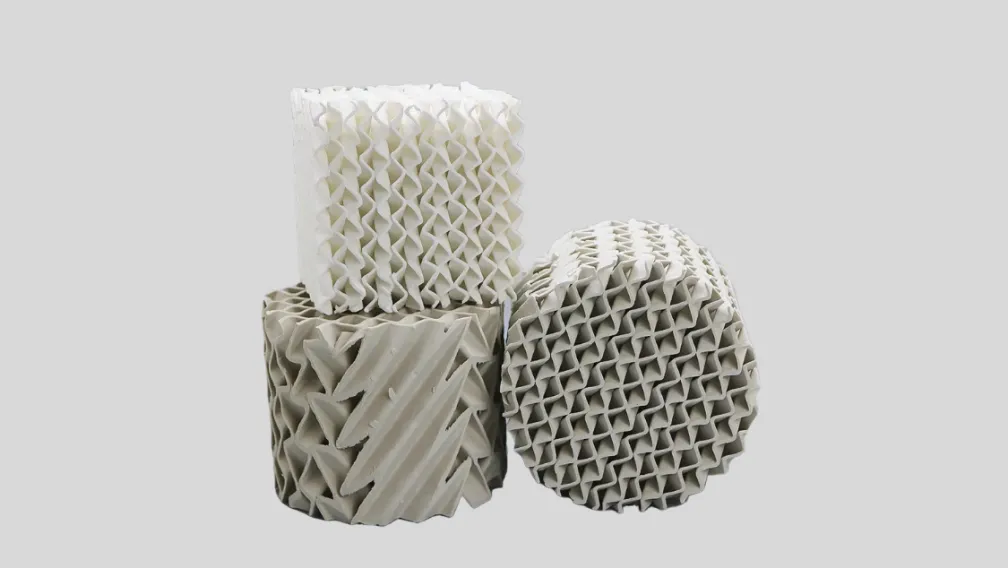
Reverse osmosis membranes are the most expensive consumable in a desalination plant, and they fail early when feedwater carries suspended solids, organic matter, or residual chlorine. The pretreatment chain is what protects them. Raw seawater typically passes through clarification first, where lamella systems built with tube settler media remove the bulk of suspended solids in a compact footprint, followed by media filtration to drive turbidity and silt density index down to membrane specifications. An activated carbon stage then strips residual chlorine and dissolved organics before the high-pressure pumps, because even trace chlorine attacks the polyamide membrane layer irreversibly.
For a plant of Rosarito's size, pretreatment is not a one-time equipment purchase. Filter media and activated carbon are replaced on multi-year cycles, and their quality directly sets membrane life, cleaning frequency, and operating cost per cubic meter of water produced.
What This Signals for Water Treatment Media Demand
Rosarito is one project in a broader municipal desalination build-out across Latin America, the Middle East, and water-stressed coastal Asia. Each new SWRO plant repeats the same pretreatment chain, and each operating plant consumes filter media, activated carbon, and replacement components on schedule for decades. For procurement teams, the specifications that matter on the media side are consistent: controlled particle size distribution and low attrition for filter media, documented iodine number and dechlorination capacity for activated carbon, and dimensional stability for lamella components that must survive continuous immersion. Suppliers that provide test certificates and batch consistency data shorten qualification on EPC-driven projects of this kind.
Sources
- Smart Water Magazine: Cox to build the Playas de Rosarito desalination plant, one of Latin America's largest
- Global Flow Control: Rosarito Desalination Plant Awarded to Cox
-

Rongjian
Process Media Manufacturer Since 2010
Rongjian produces tower packing, molecular sieves, ceramic grinding media and other process media from our Pingxiang production base. We supply to industrial projects in over 100 countries.