
On November 4, 2026, The Andersons, Inc. (Nasdaq: ANDE) announced a definitive agreement to acquire Harvestone Low Carbon Partners (HLCP) from Energy Capital Partners, part of Bridgepoint Group, for an enterprise value of $915 million. HLCP owns and operates three corn ethanol plants in North Dakota and Indiana with approximately 215 million gallons of combined annual capacity. The deal lifts The Andersons' ethanol platform past 730 million gallons per year, and roughly half the purchase price is attributed to expected cash flows from the federal 45Z clean fuel and 45Q carbon sequestration tax credits — a valuation split that makes the plants' carbon capture infrastructure the center of the transaction, not a side benefit.
Deal Structure and What the Plants Bring
Key facts from the announcement and the accompanying Q3 earnings call:
- Assets: Blue Flint Ethanol near Underwood, North Dakota (about 77 MMgal/yr), Dakota Spirit AgEnergy near Spiritwood, North Dakota (up to 85 MMgal/yr), and Iroquois Bio-Energy Company in Rensselaer, Indiana (up to 60 MMgal/yr). Together they process roughly 72 million bushels of corn per year and produce about 490,000 tons of distillers grains and 9.6 million gallons of corn oil.
- CCS status: Blue Flint has captured and permanently sequestered about 200,000 tonnes of CO₂ per year since October 2023. Dakota Spirit is expected to begin sequestration in early 2027, and the Indiana plant's Class VI well permit is in EPA technical review with injection targeted for late 2028.
- Economics: approximately $450 million of the price reflects expected 45Z/45Q credit cash flows; management projects $225–250 million of annual EBITDA from the acquired platform over the next three years and expects the deal to be immediately accretive.
- Financing and timing: roughly $300 million from the existing revolver plus $615 million of new long-term debt, with committed financing from U.S. Bank and Farm Credit Mid-America. Closing is expected in Q4 2026 or early Q1 2027, subject to regulatory approvals.
The Andersons also flagged growth beyond the acquired nameplate: a 30 MMgal debottlenecking at its Clymers, Indiana plant by Q3 2027, and management commentary that the three HLCP plants could pass 250 MMgal combined within 24 to 36 months through low-cost debottlenecking.
Why Carbon Capture Now Sets the Price
Fermentation CO₂ is the cheapest industrial CO₂ stream to capture — it leaves the fermenters at high purity and needs little cleanup before compression. That is why ethanol has become the entry point for commercial CCS in the United States, and why operating Class VI injection capability commands a scarcity premium: most announced ethanol sequestration projects remain in permitting. HLCP's infrastructure is operating today, which is precisely what The Andersons paid for. Producers with on-site storage also avoid dependence on third-party CO₂ pipelines, several of which have faced routing and permitting delays across the Midwest.
The Process Media Behind Low-Carbon Ethanol
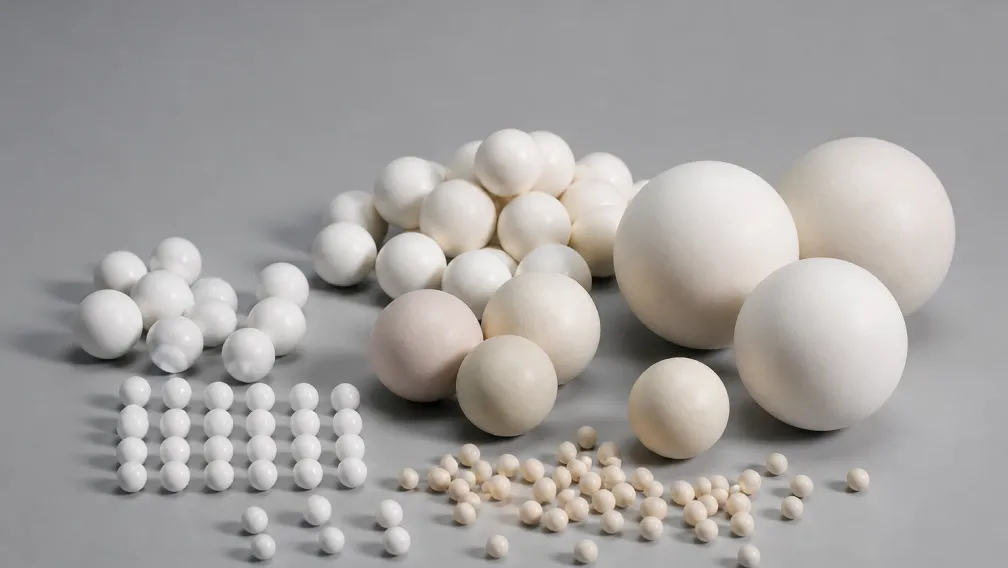
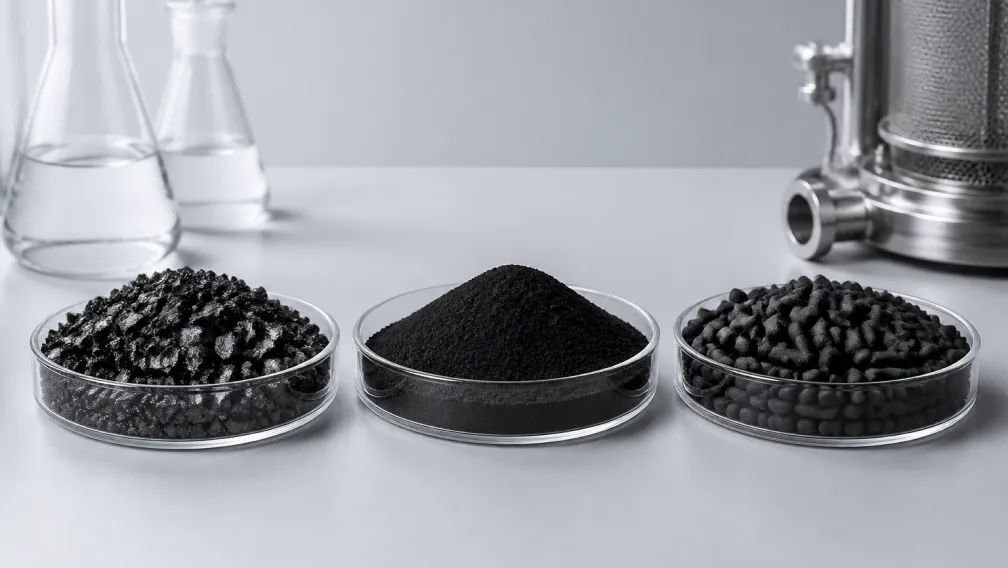
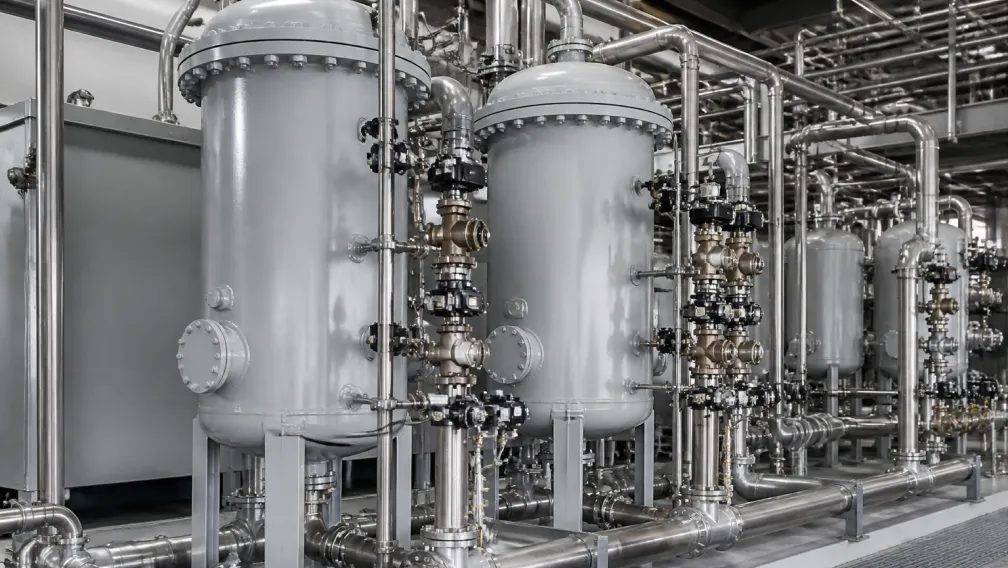
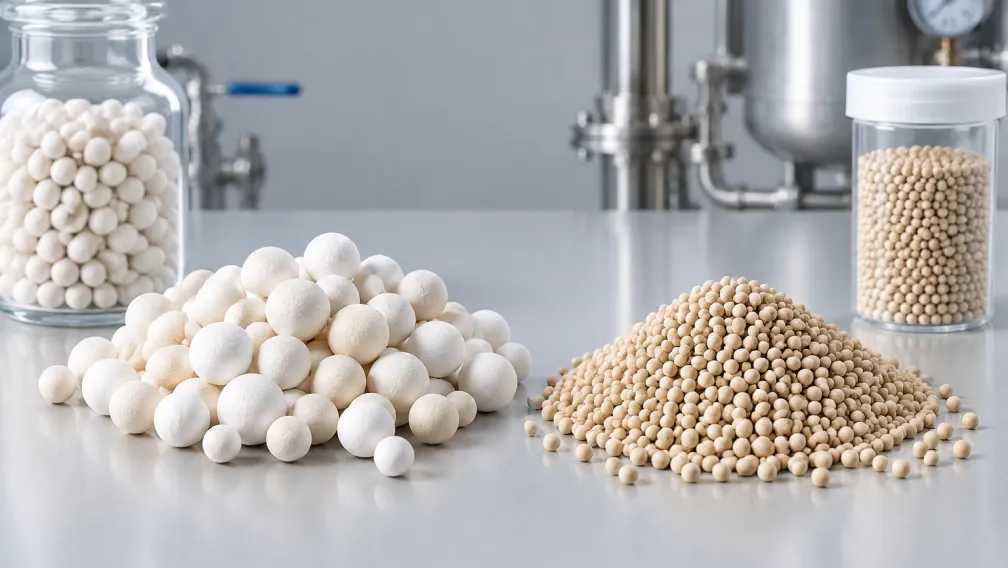
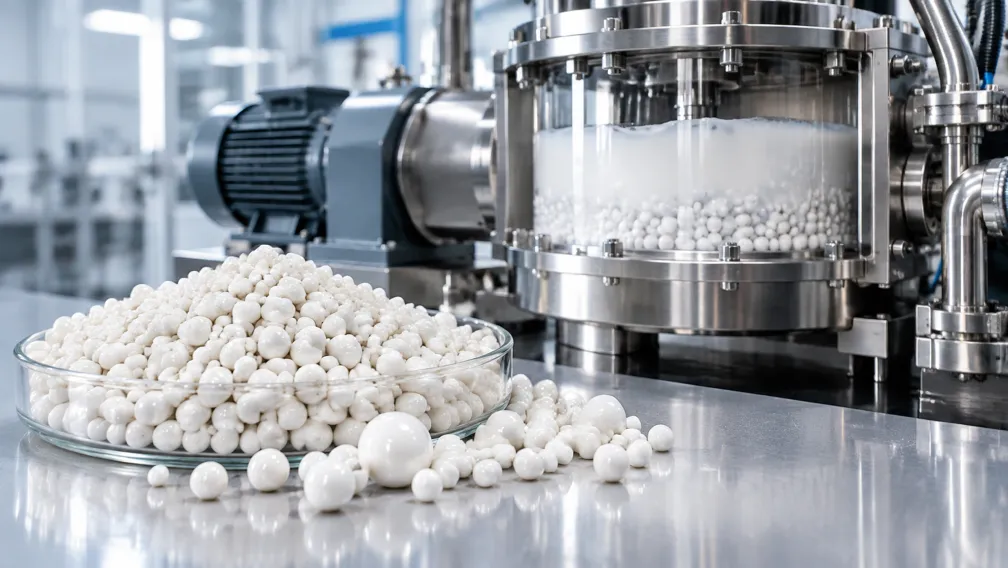
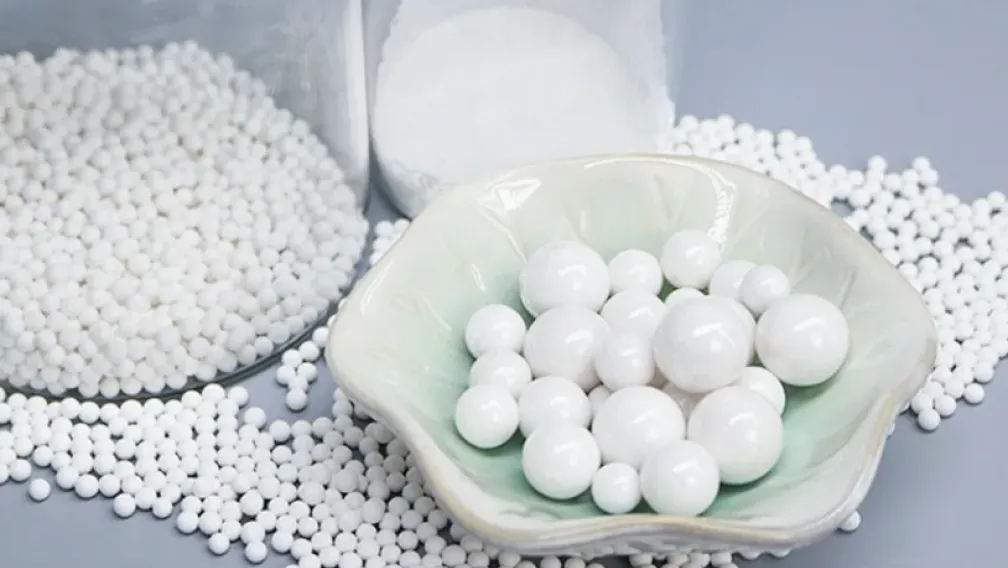
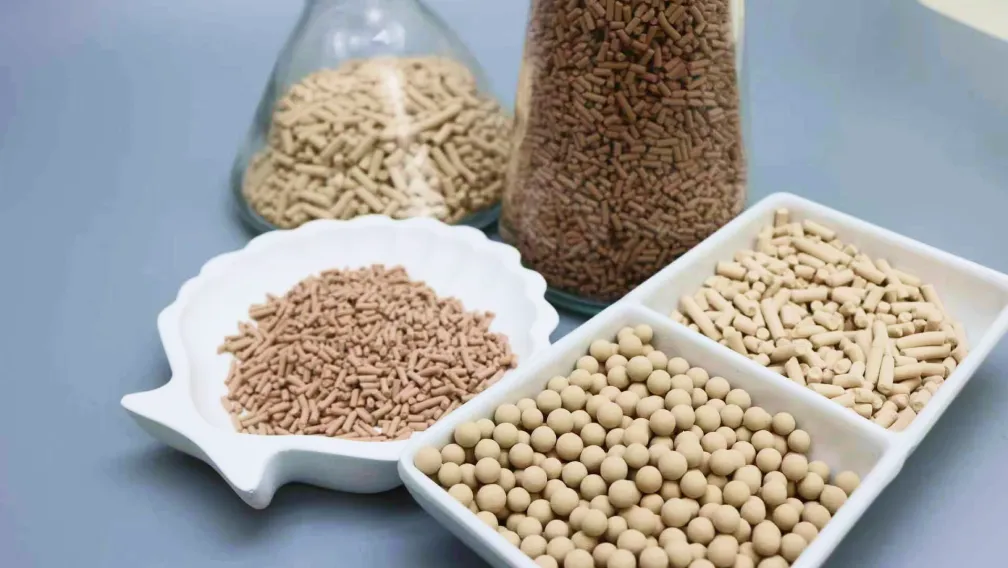
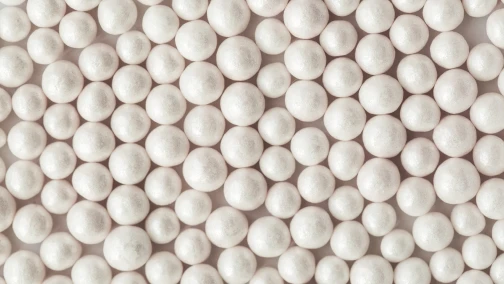
Two points in the ethanol-plus-CCS process chain run on adsorbent and mass transfer consumables that operators replace on schedule. First, every dry-mill ethanol plant dehydrates its ethanol vapor past the azeotrope in pressure swing adsorption units loaded with 3A molecular sieve — the pore size admits water and excludes ethanol, which is what makes 99.5% fuel-grade product possible. These beds cycle thousands of times per year and are recharged on multi-year intervals; correct regeneration practice, covered in our guide to molecular sieve regeneration, is what keeps them at the upper end of that service range. A platform of 730 MMgal/yr represents a substantial installed base of dehydration beds under continuous thermal cycling.
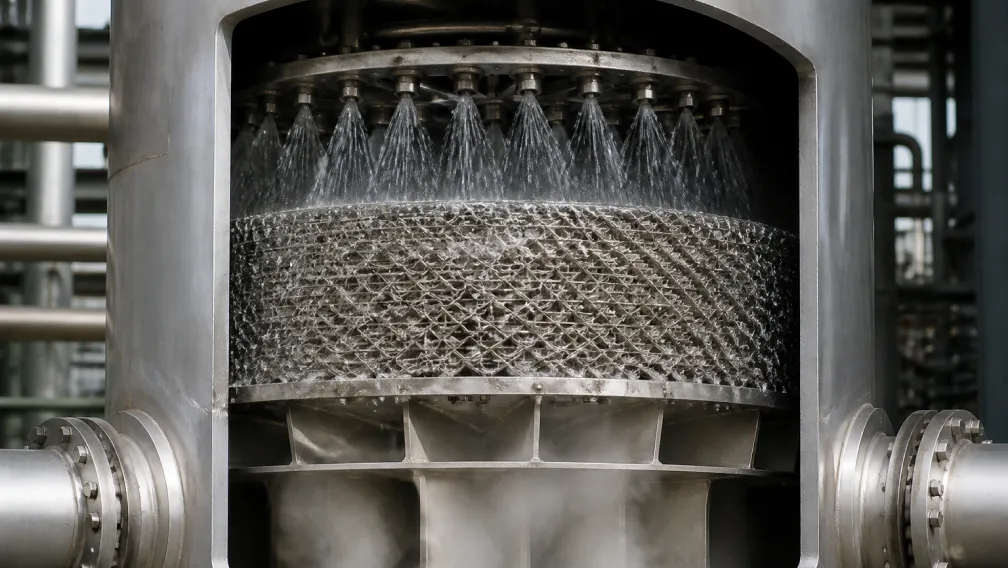
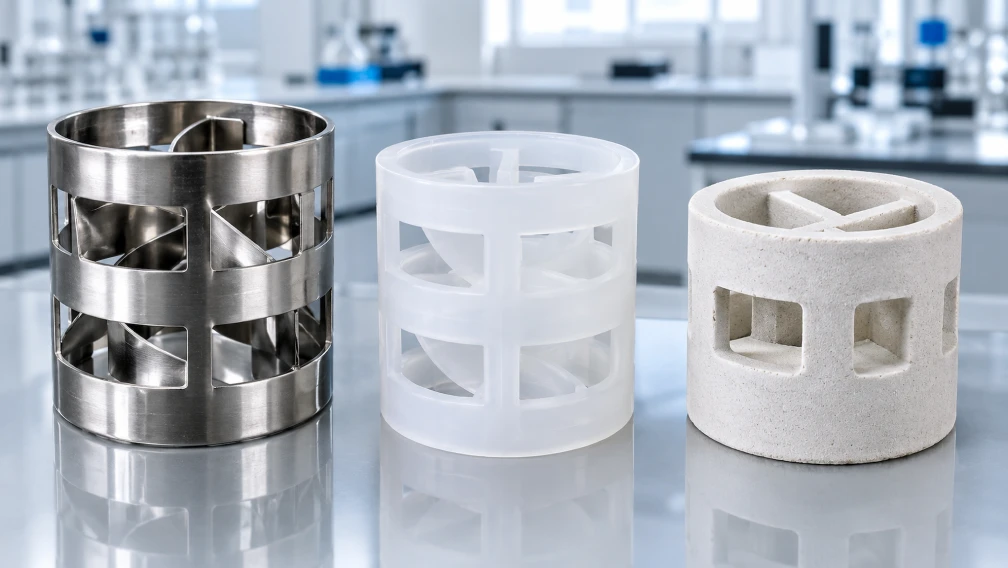
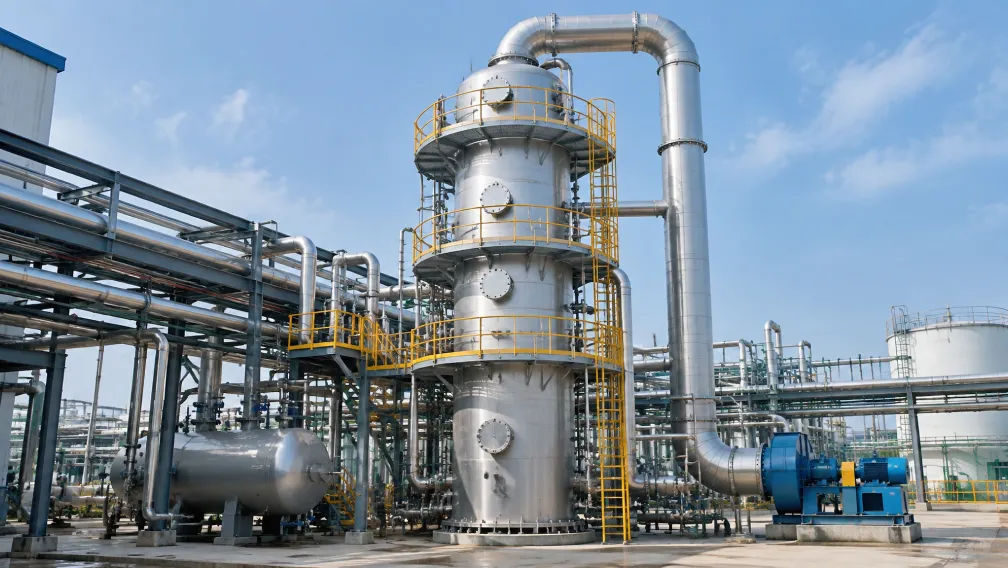
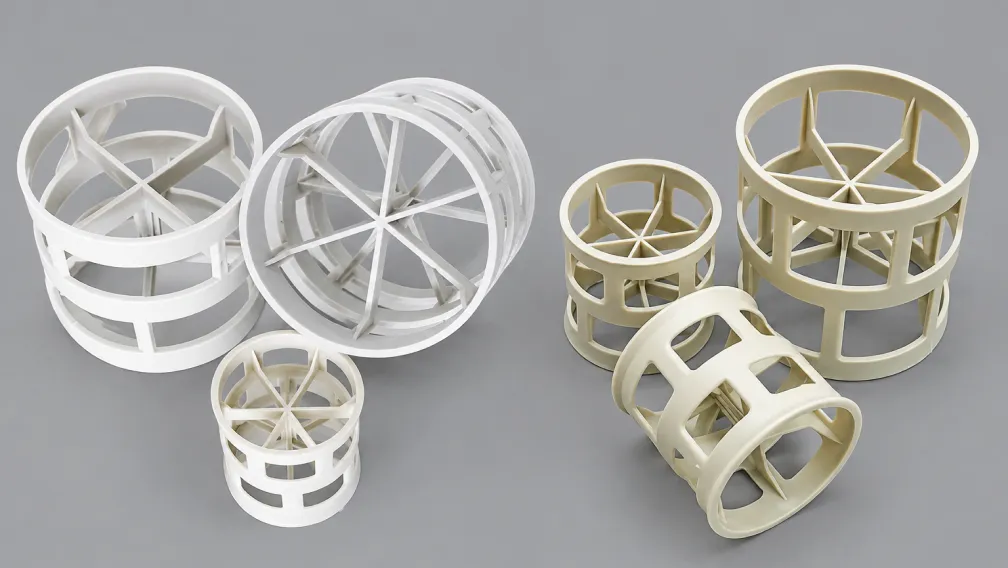
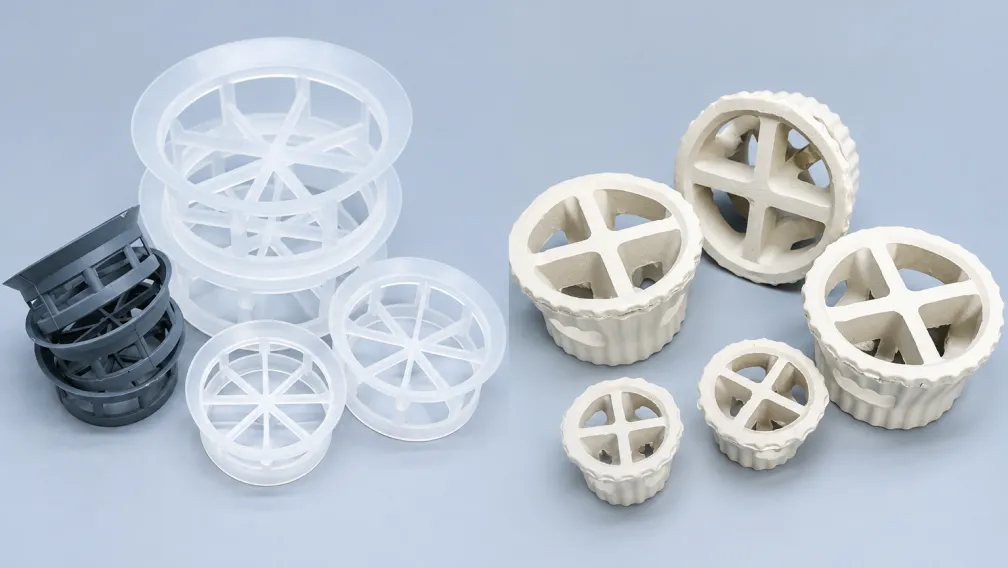
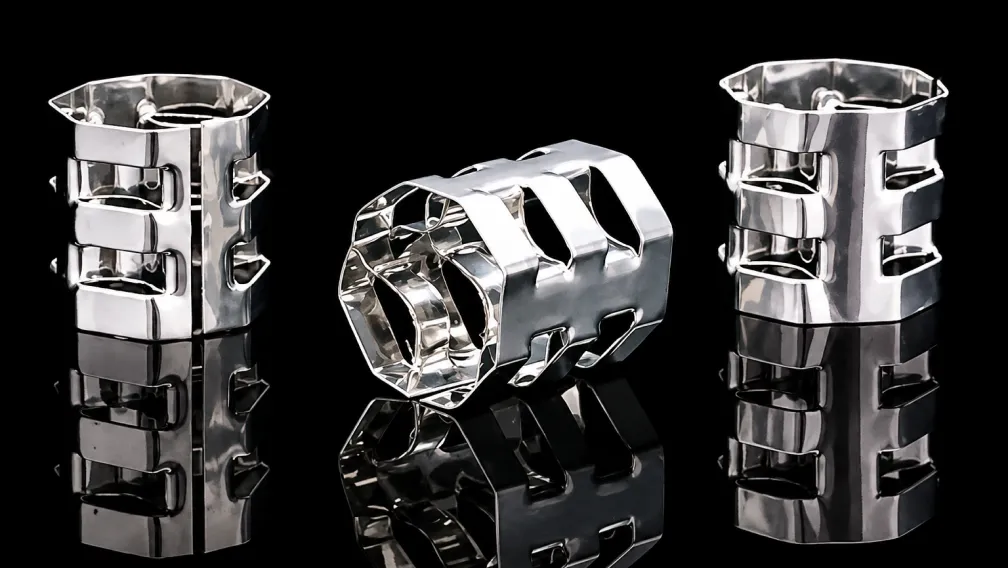
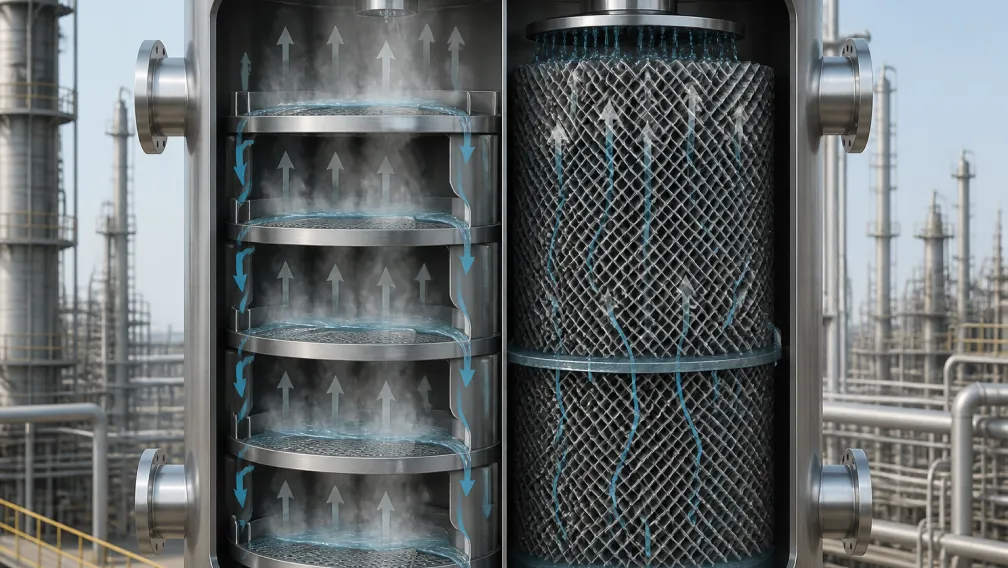
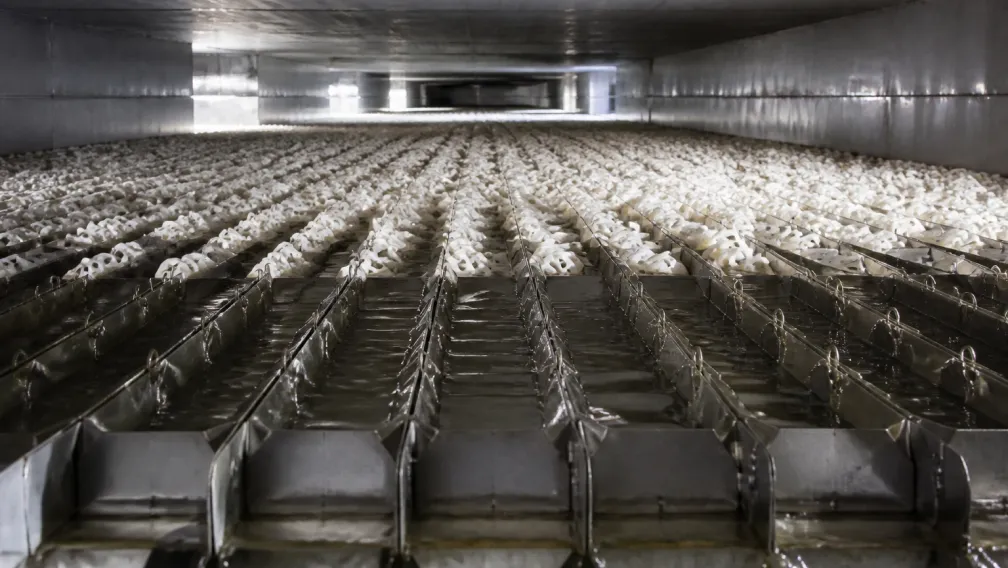
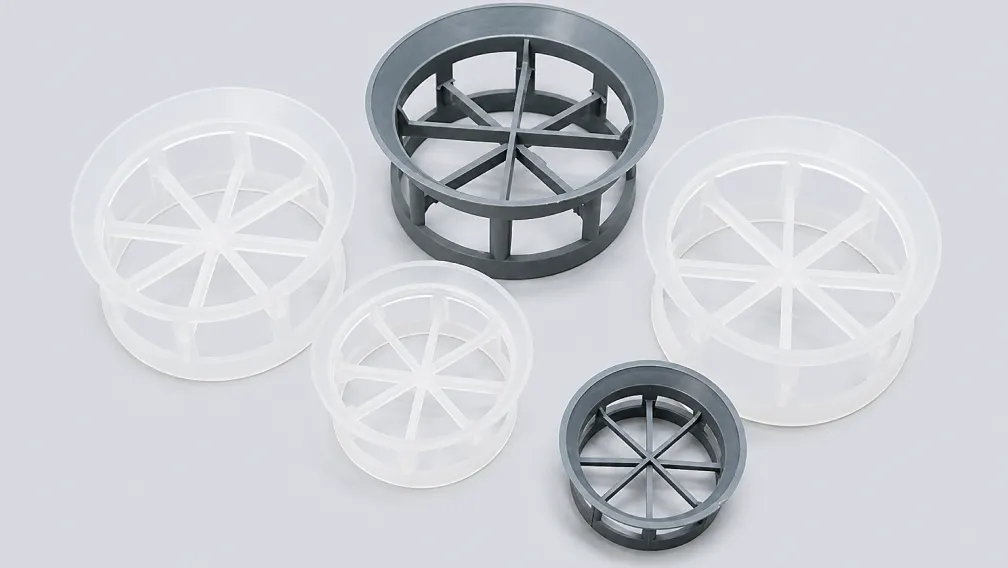
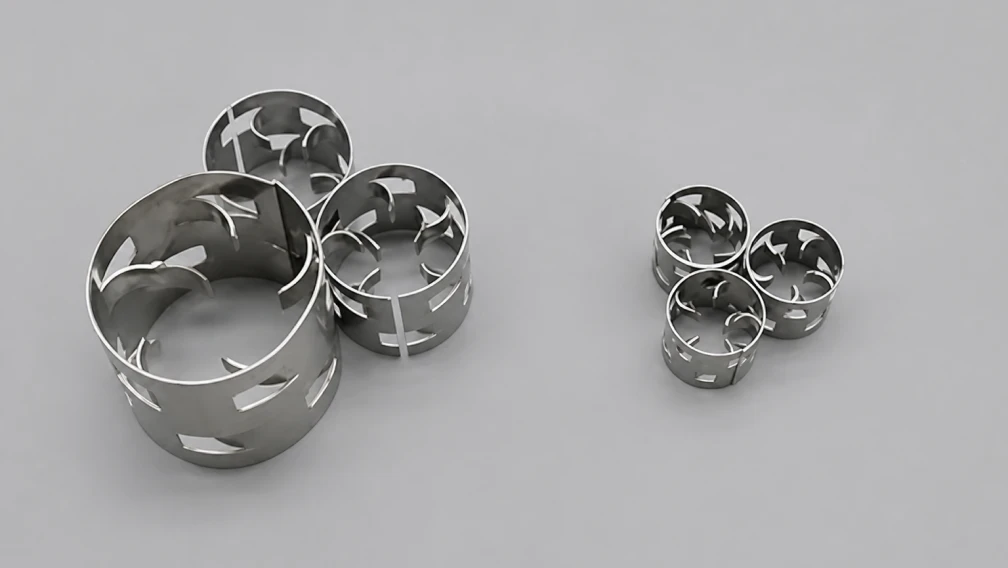
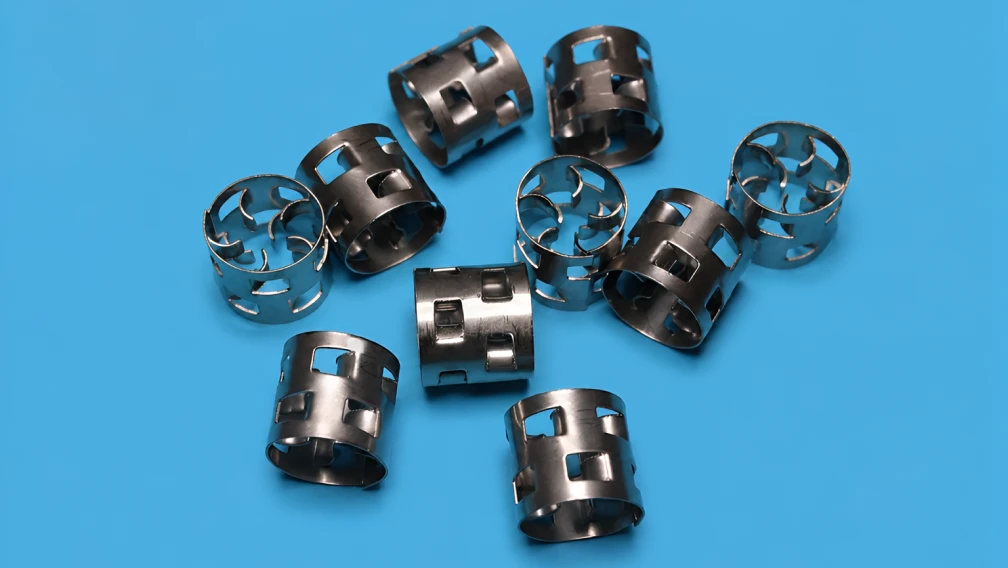
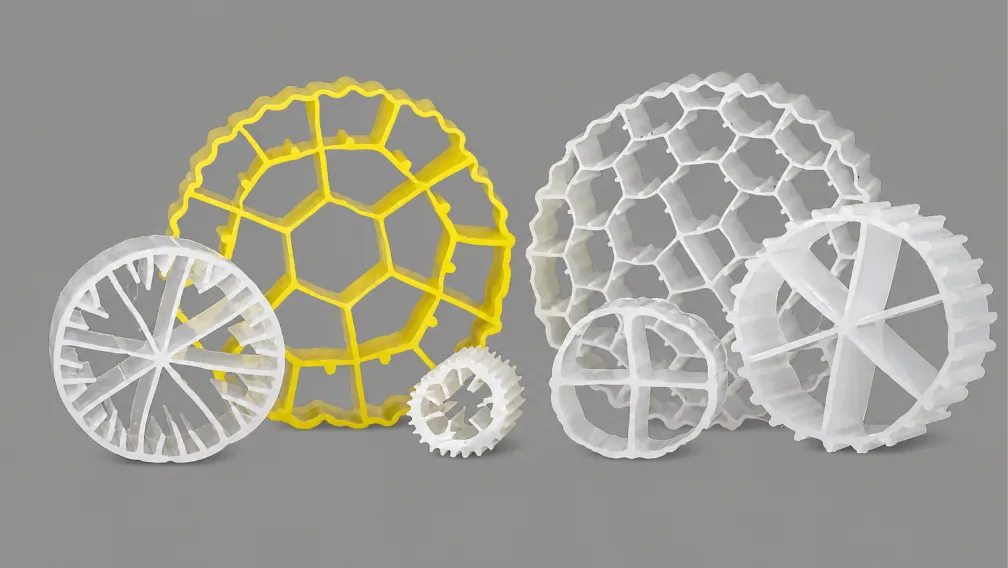
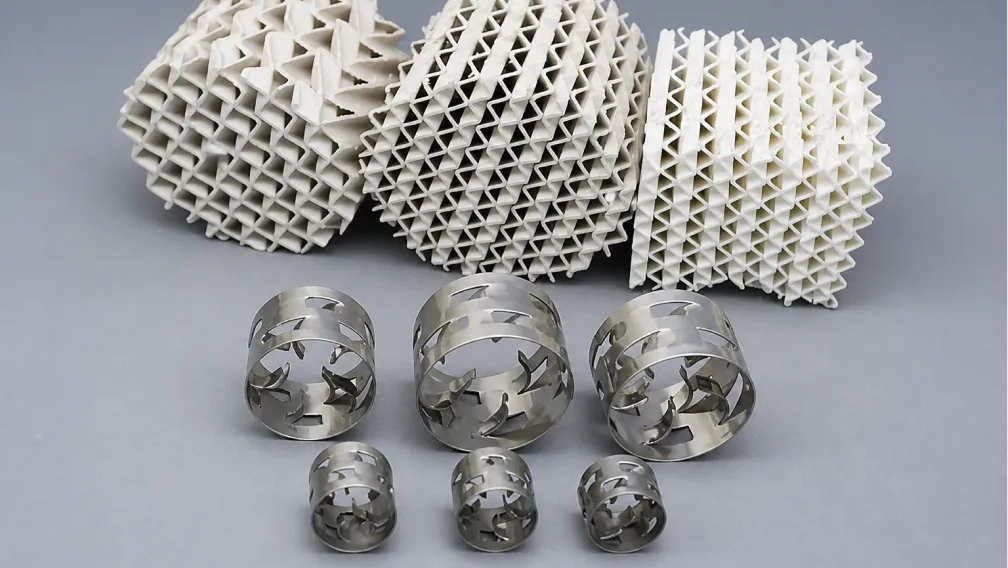
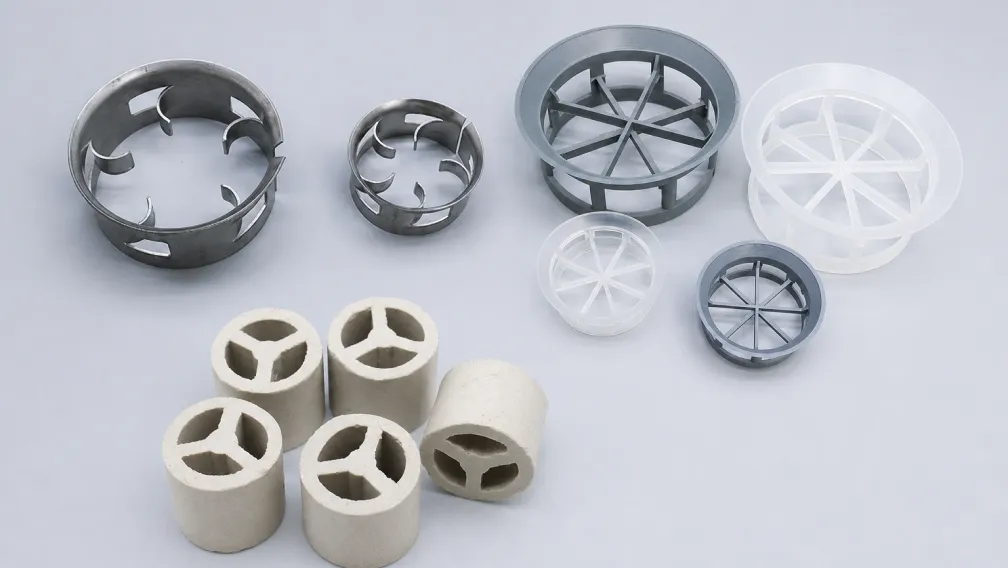
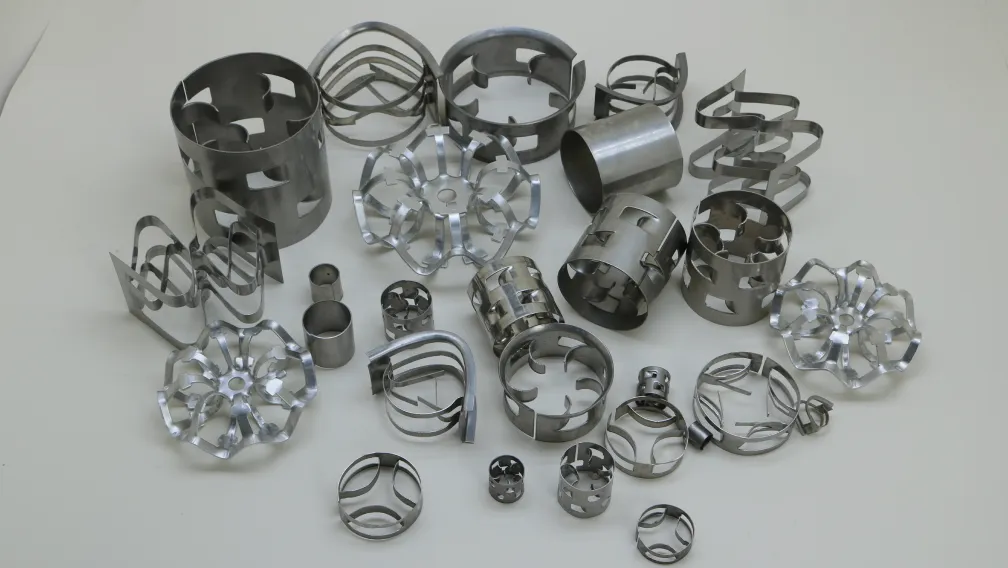
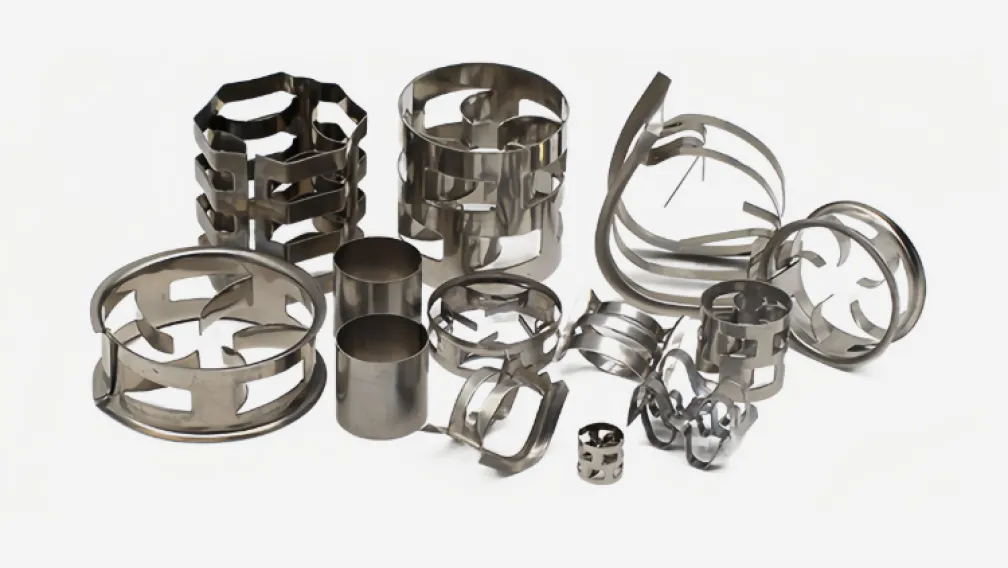
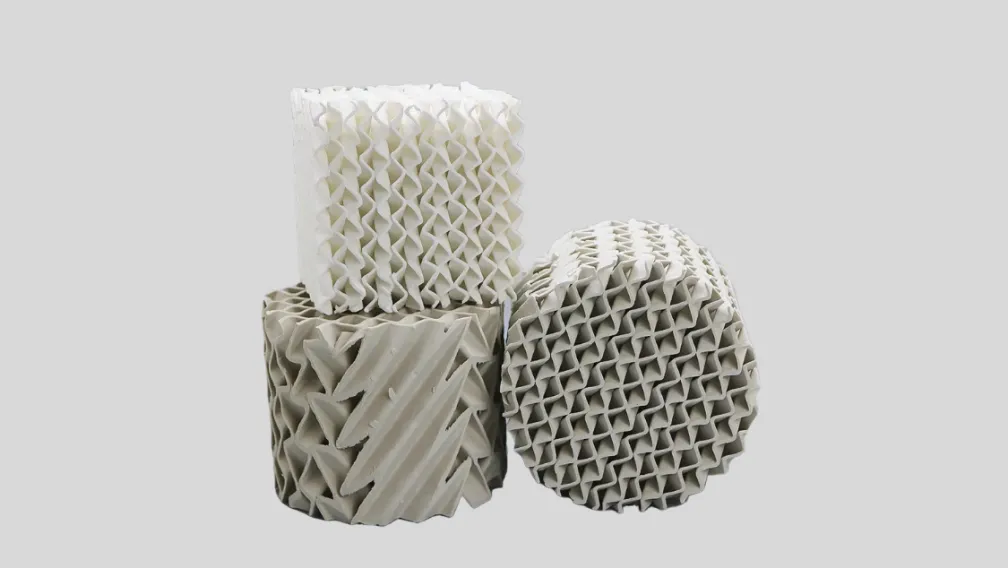
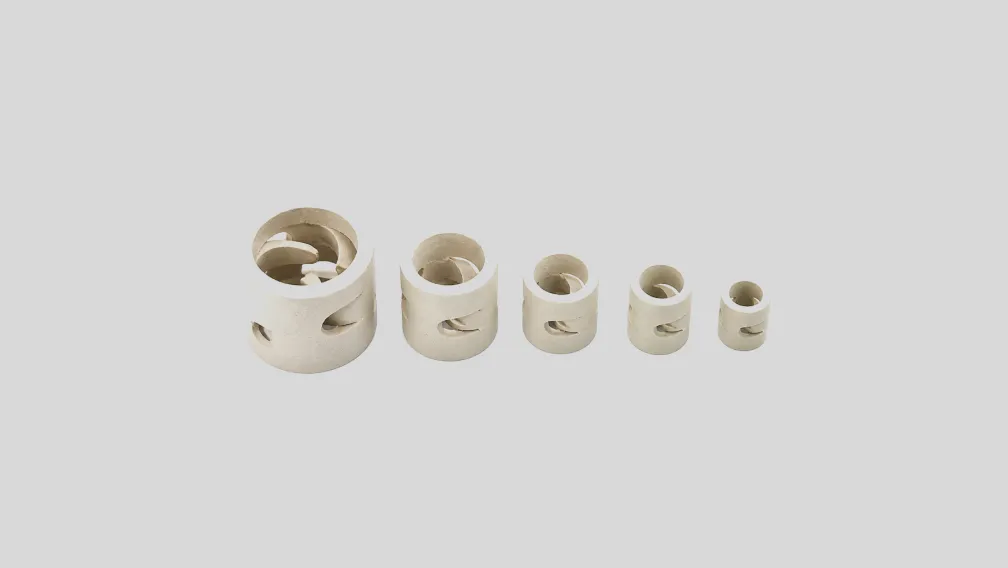
Second, captured CO₂ must be dried before compression and injection. Pipeline and Class VI specifications set strict water limits because wet CO₂ forms carbonic acid and attacks carbon steel; sequestration systems therefore run dehydration trains — glycol or molecular sieve units for tighter specifications — ahead of the compressors. Where capture uses amine absorption rather than direct fermentation-gas cleanup, the absorber and stripper columns depend on random packing selected for the solvent chemistry and fouling profile.
What This Signals for Demand
The deal marks a broader pattern: low-carbon intensity has become a monetizable plant attribute, and established operators are buying proven CCS capability rather than developing it. As 45Z credit values tie directly to carbon intensity scores, more ethanol producers will move from studying sequestration to executing it, and each project repeats the same equipment chain — dehydration beds for the ethanol, dehydration for the CO₂, and periodic changeouts of both. Debottlenecking programs of the kind The Andersons outlined add incremental adsorbent volume on top. For suppliers, qualification in this segment turns on batch consistency, documented crush strength for deep PSA beds, and delivery reliability against turnaround windows rather than headline capacity figures.
Sources
- The Andersons, Inc.: The Andersons, Inc. to Acquire Harvestone Low Carbon Partners
- Energy Capital Partners: ECP Announces Agreement to Sell Harvestone Low Carbon Partners to The Andersons for $915 million
- Feed & Grain: Andersons Acquires Harvestone in $915M Ethanol Deal
-

Rongjian
Process Media Manufacturer Since 2010
Rongjian produces tower packing, molecular sieves, ceramic grinding media and other process media from our Pingxiang production base. We supply to industrial projects in over 100 countries.