search
Search

Enter keywords to search for products, blog posts, and more.


Home > Ceramic Super Intalox Saddle

Ceramic Super Intalox Saddle

Ceramic Super Intalox Saddle

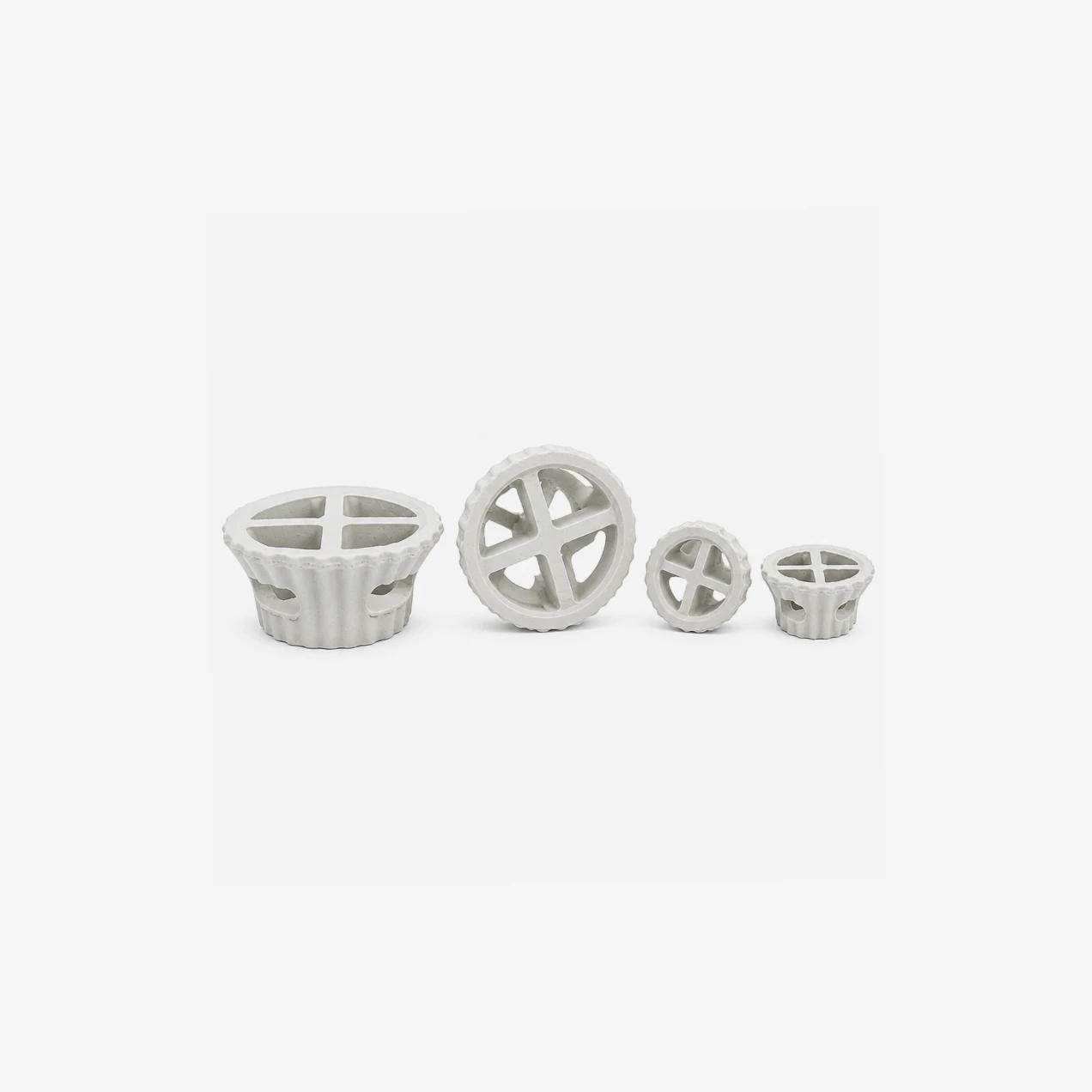
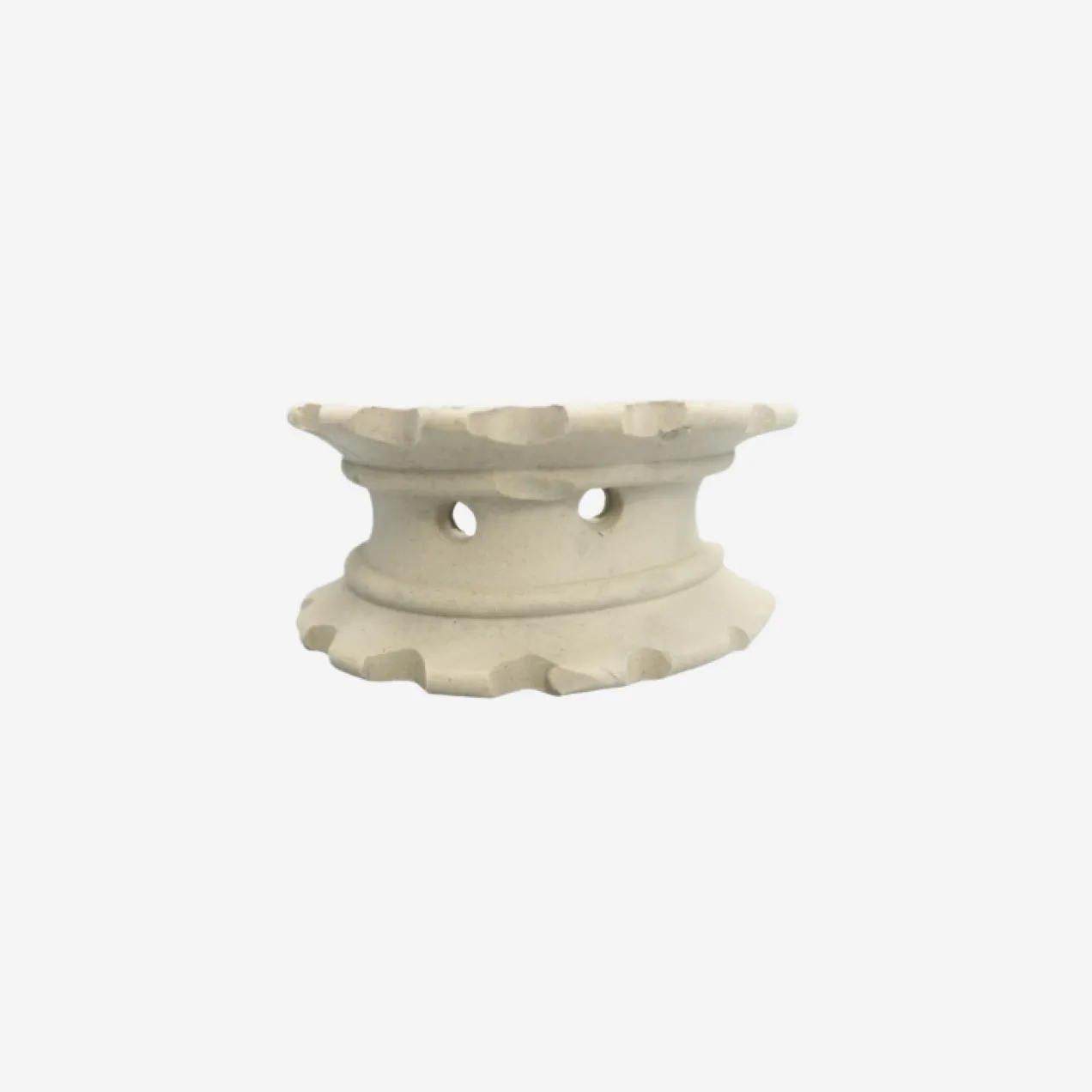
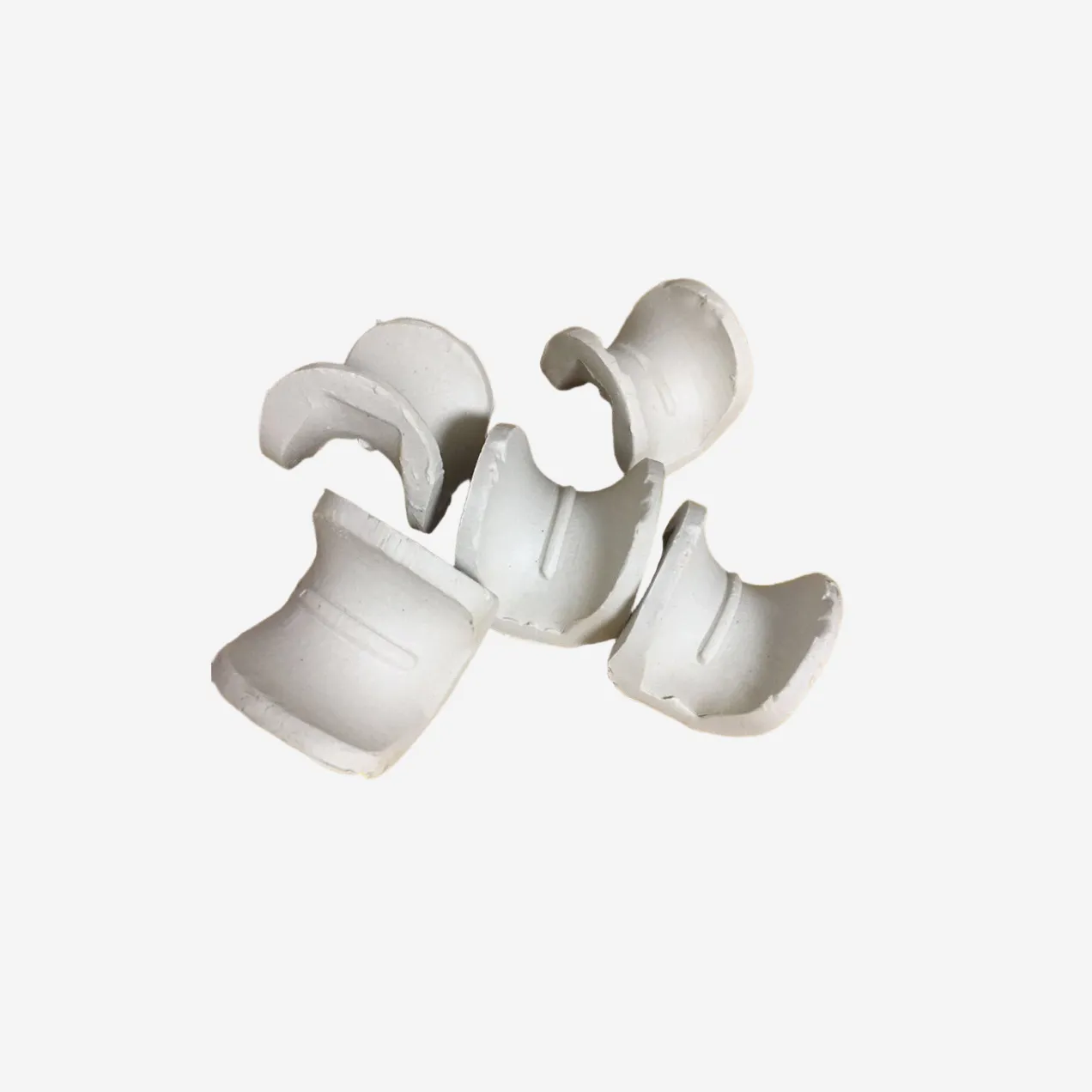
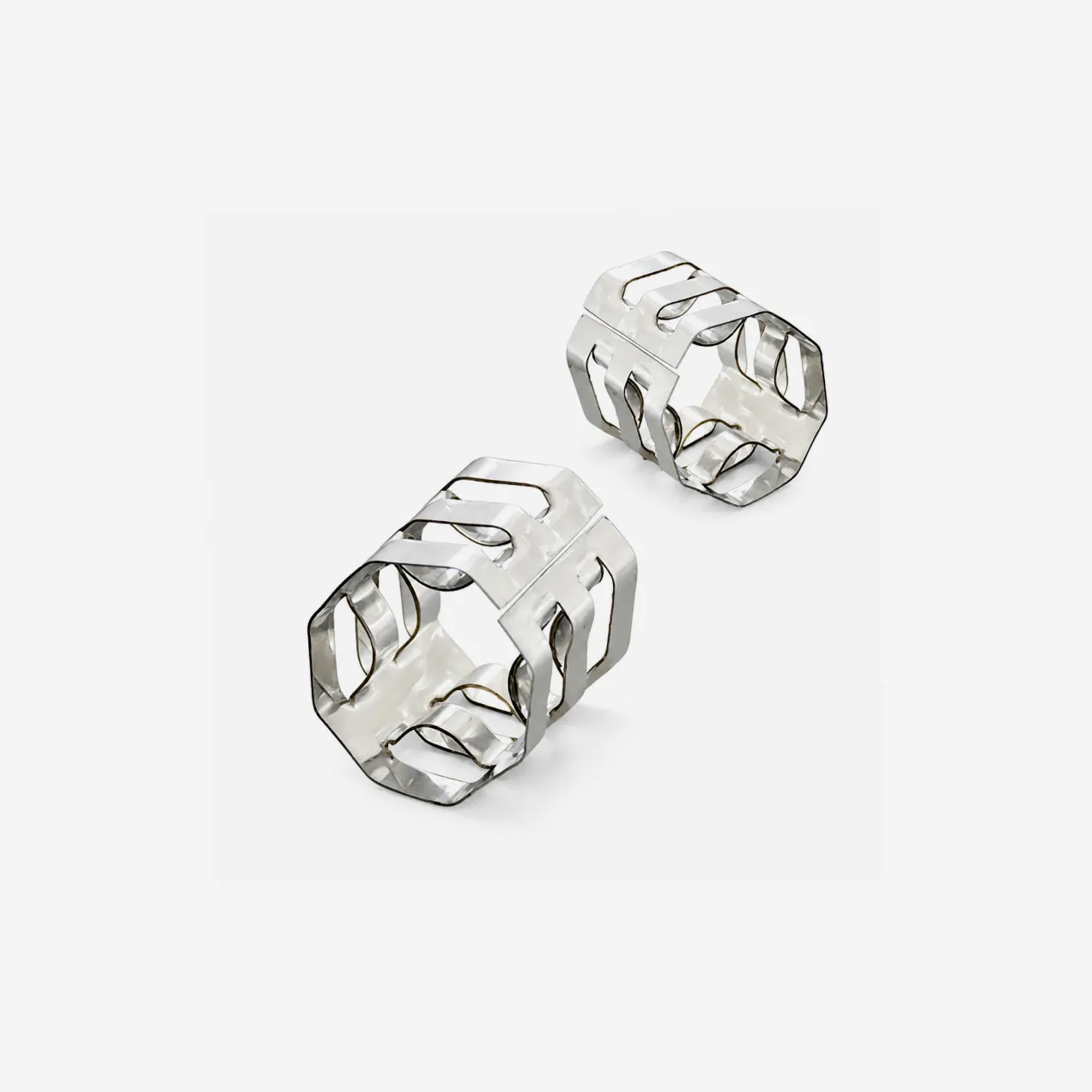
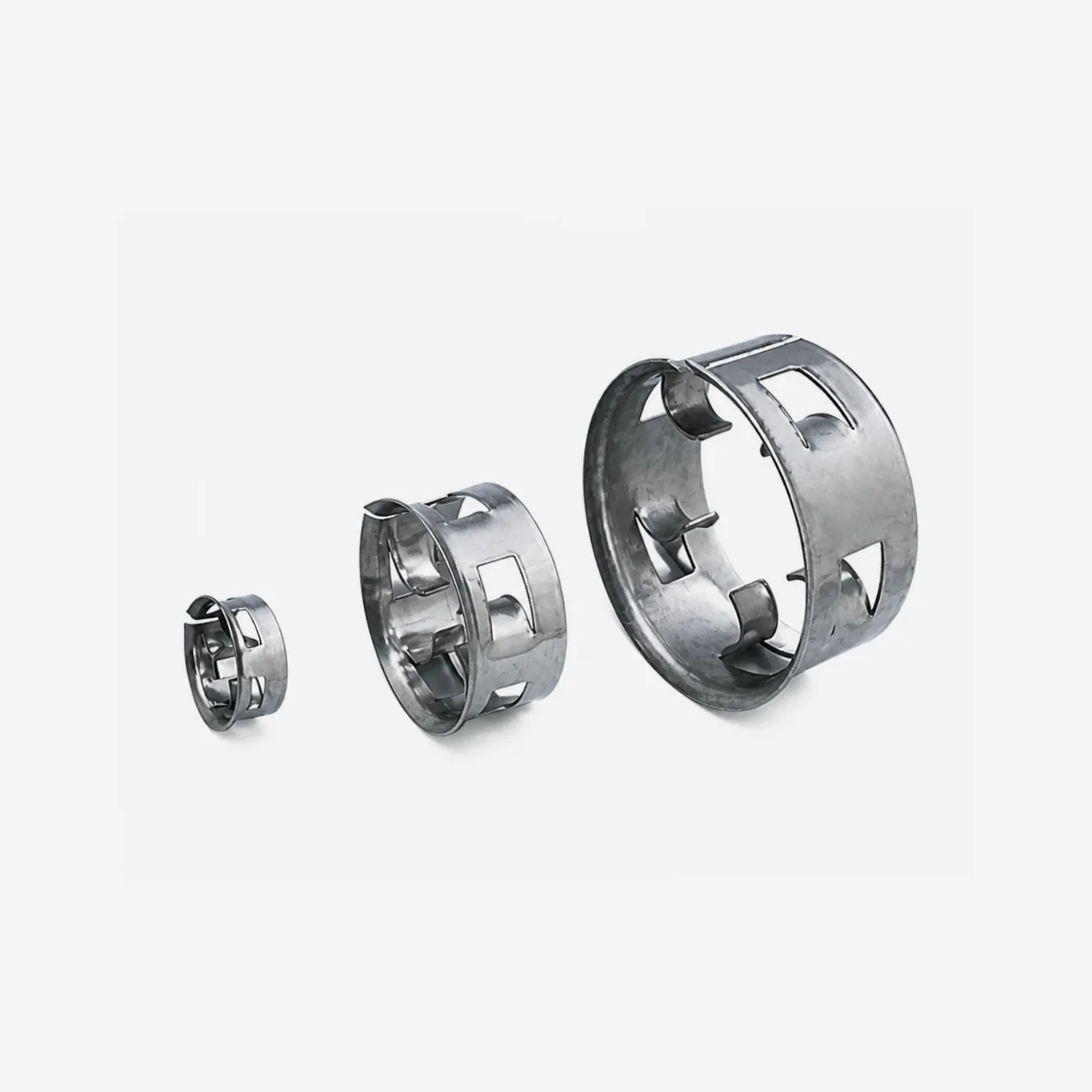
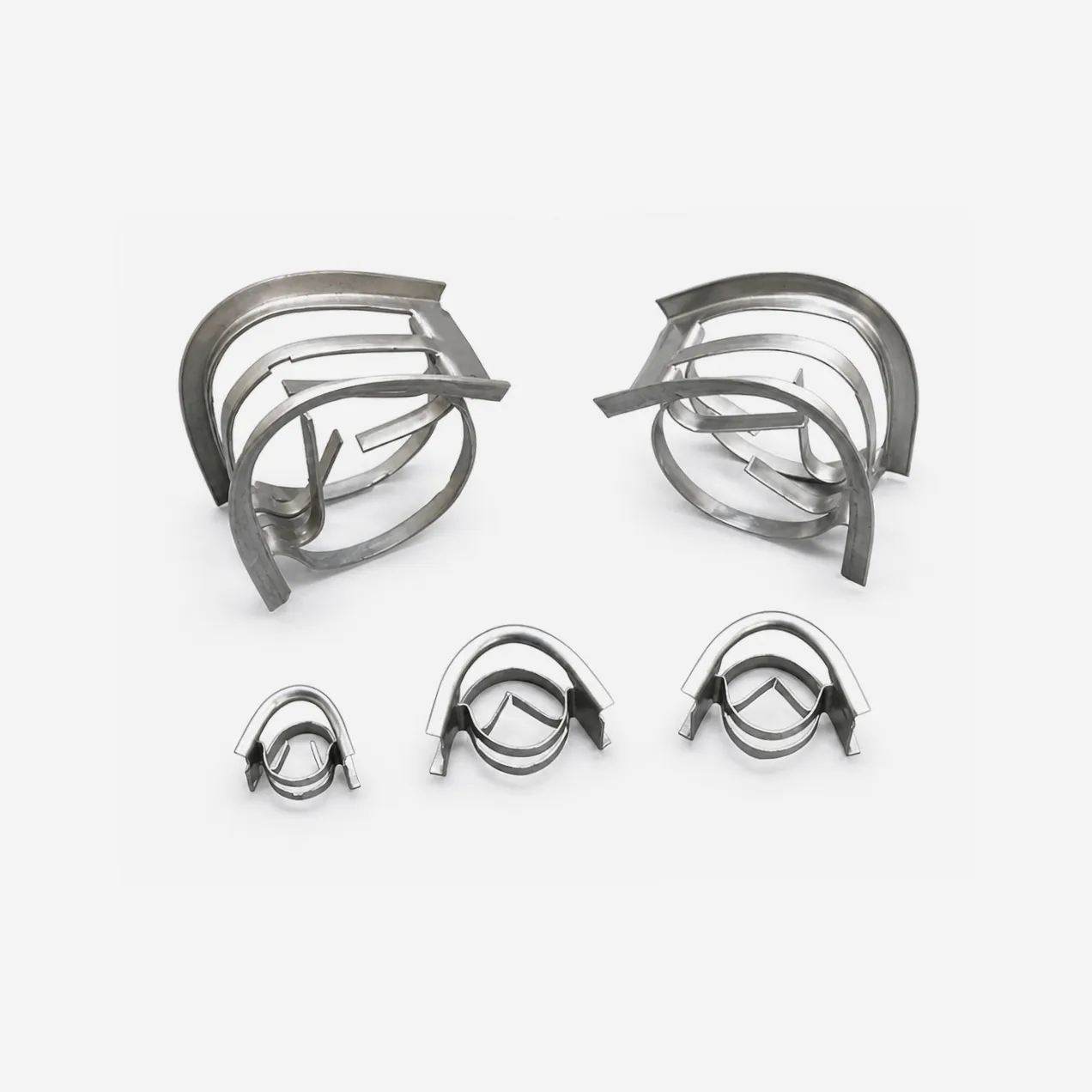
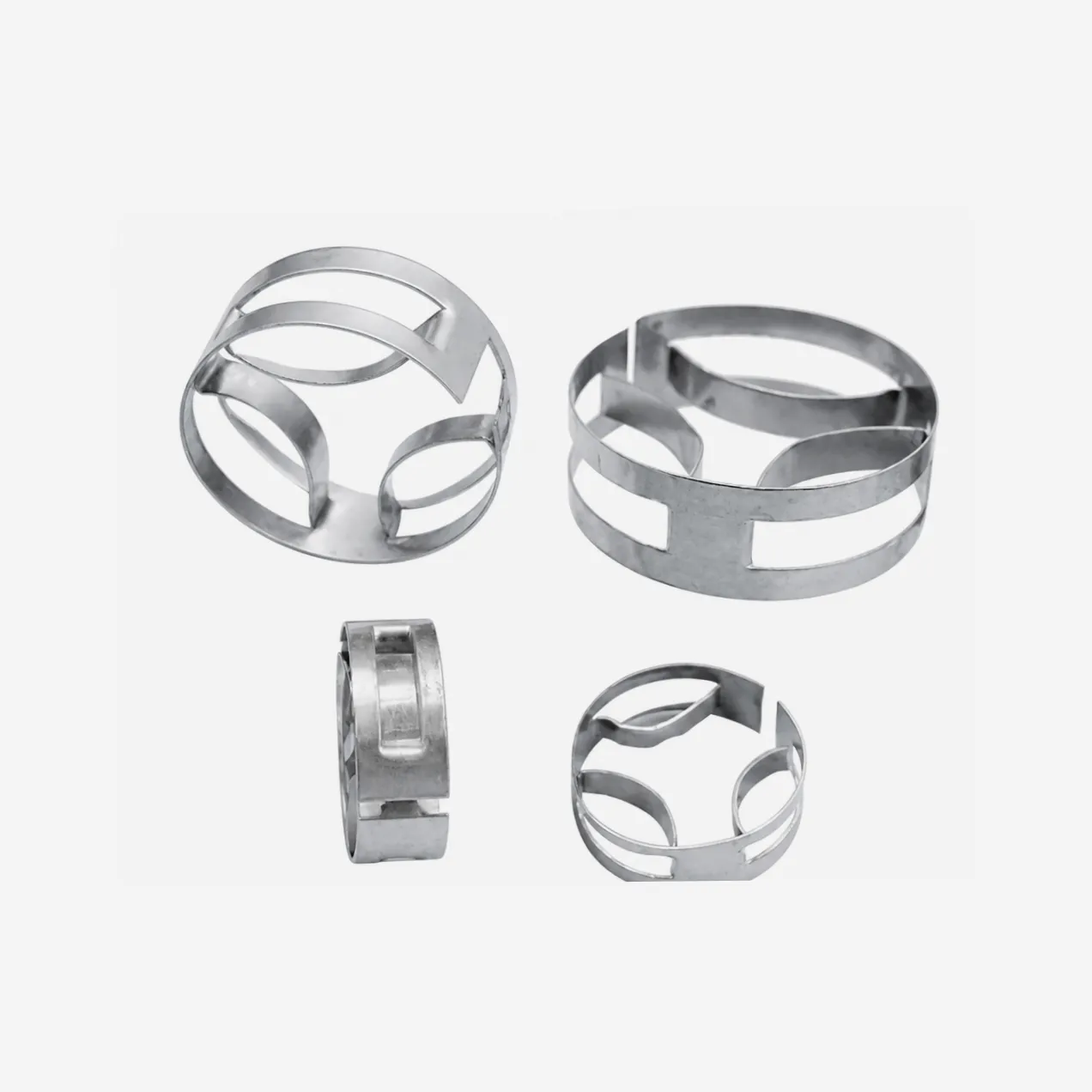
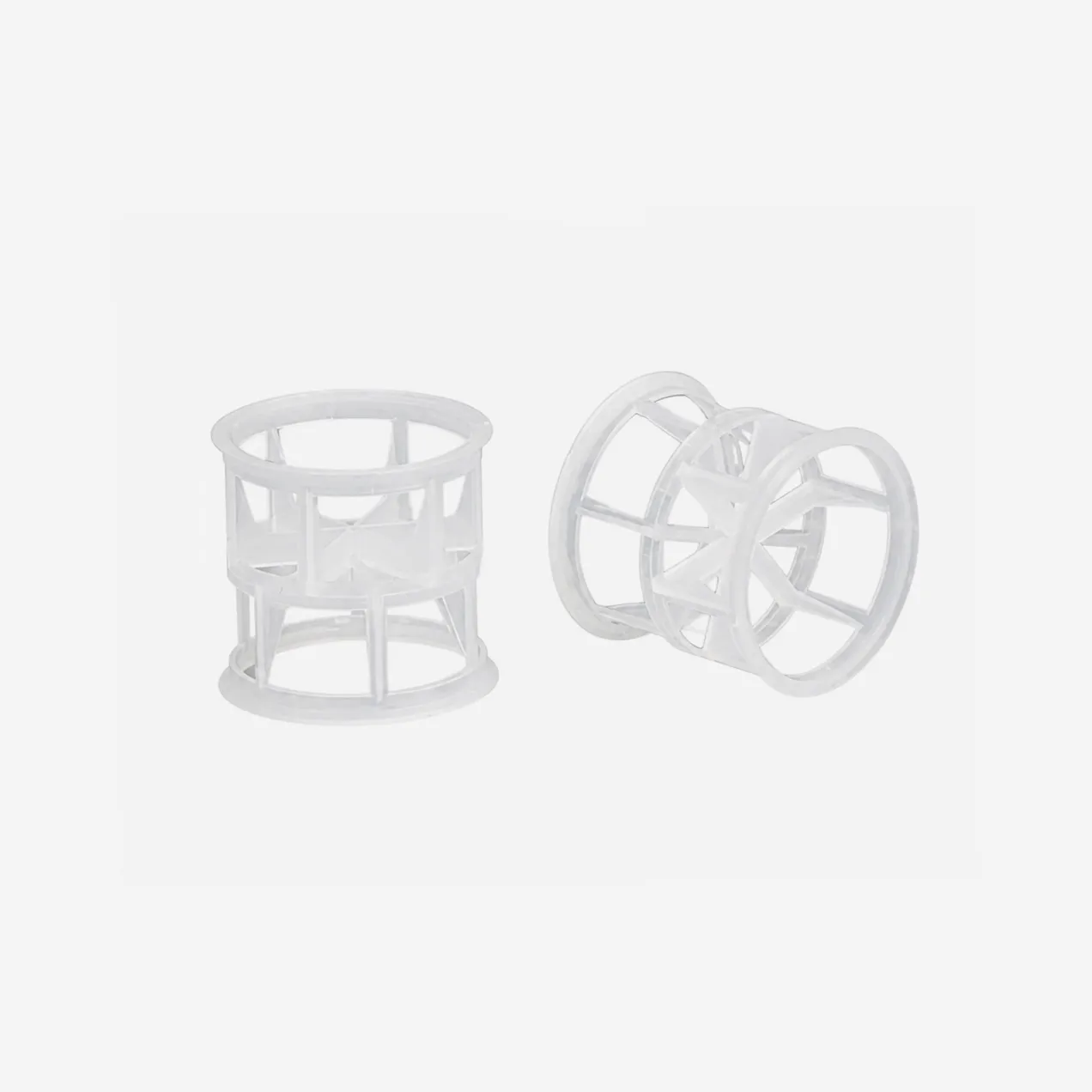
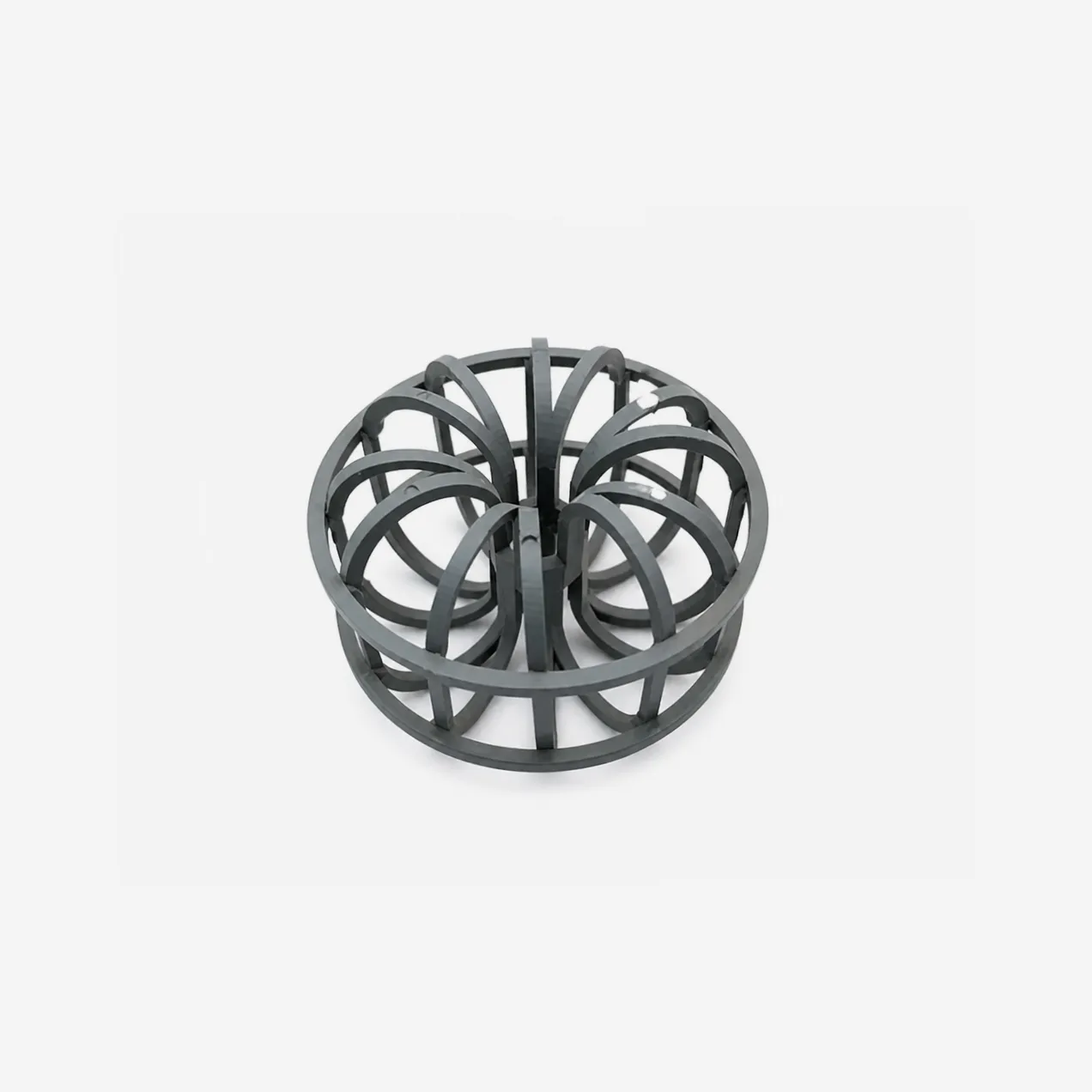
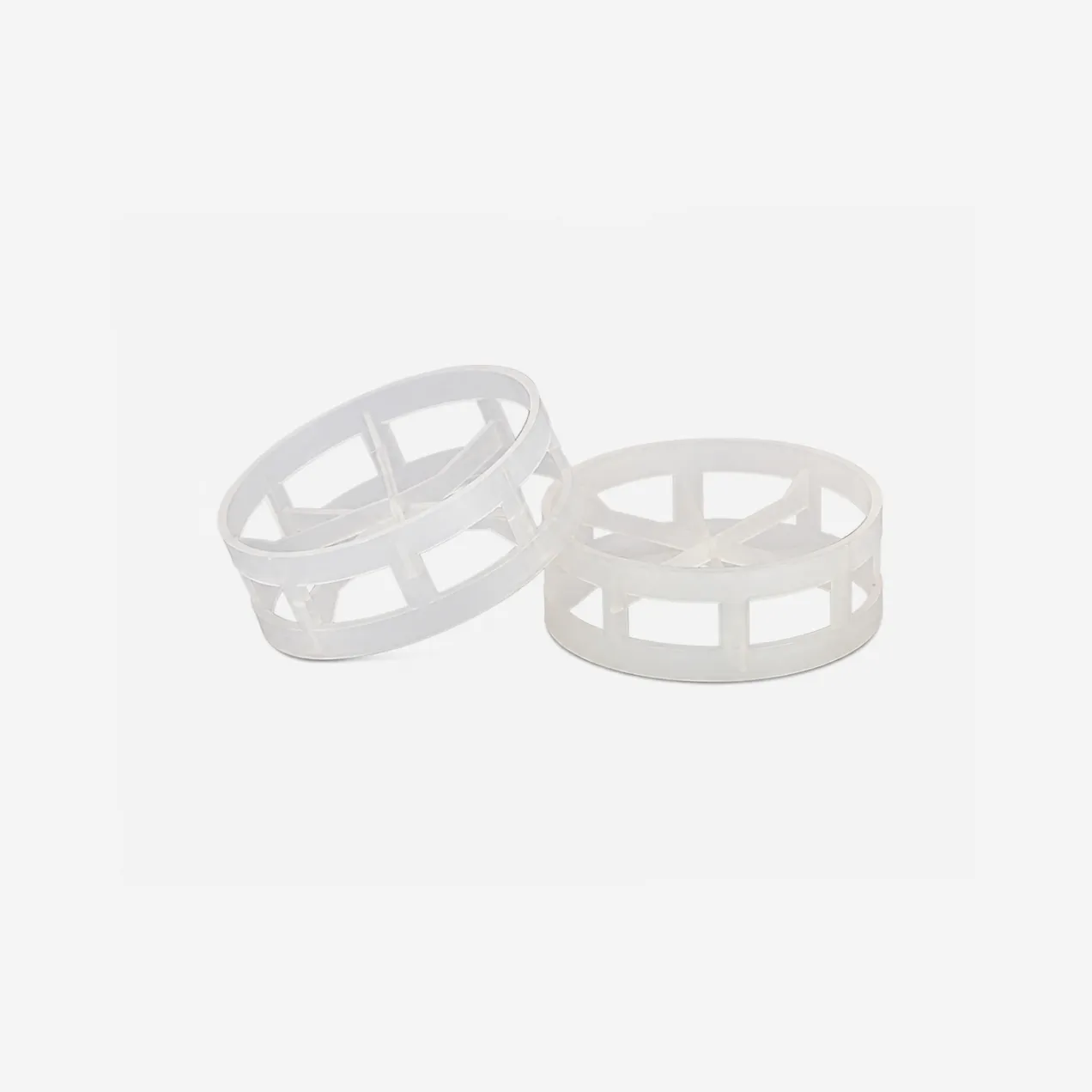
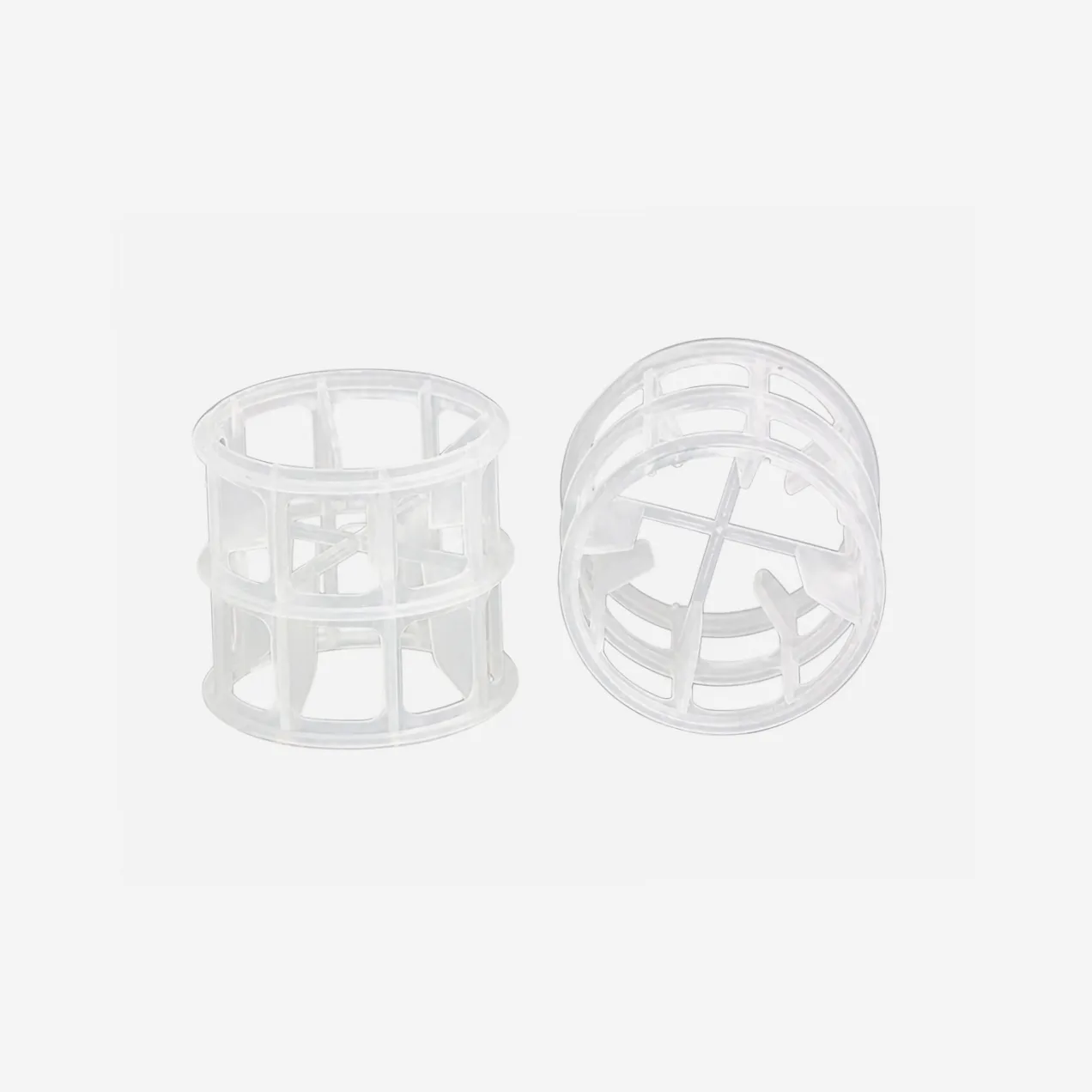
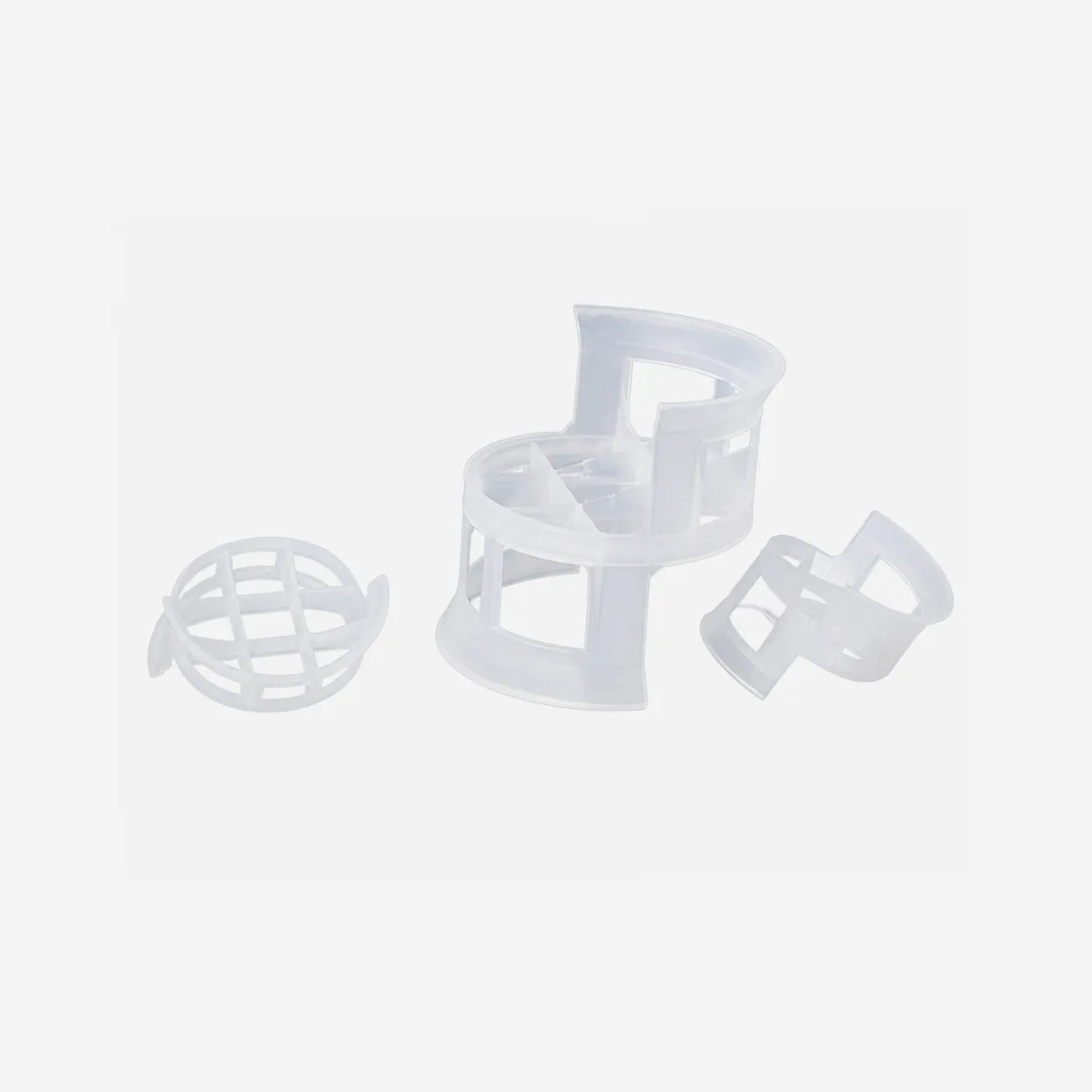
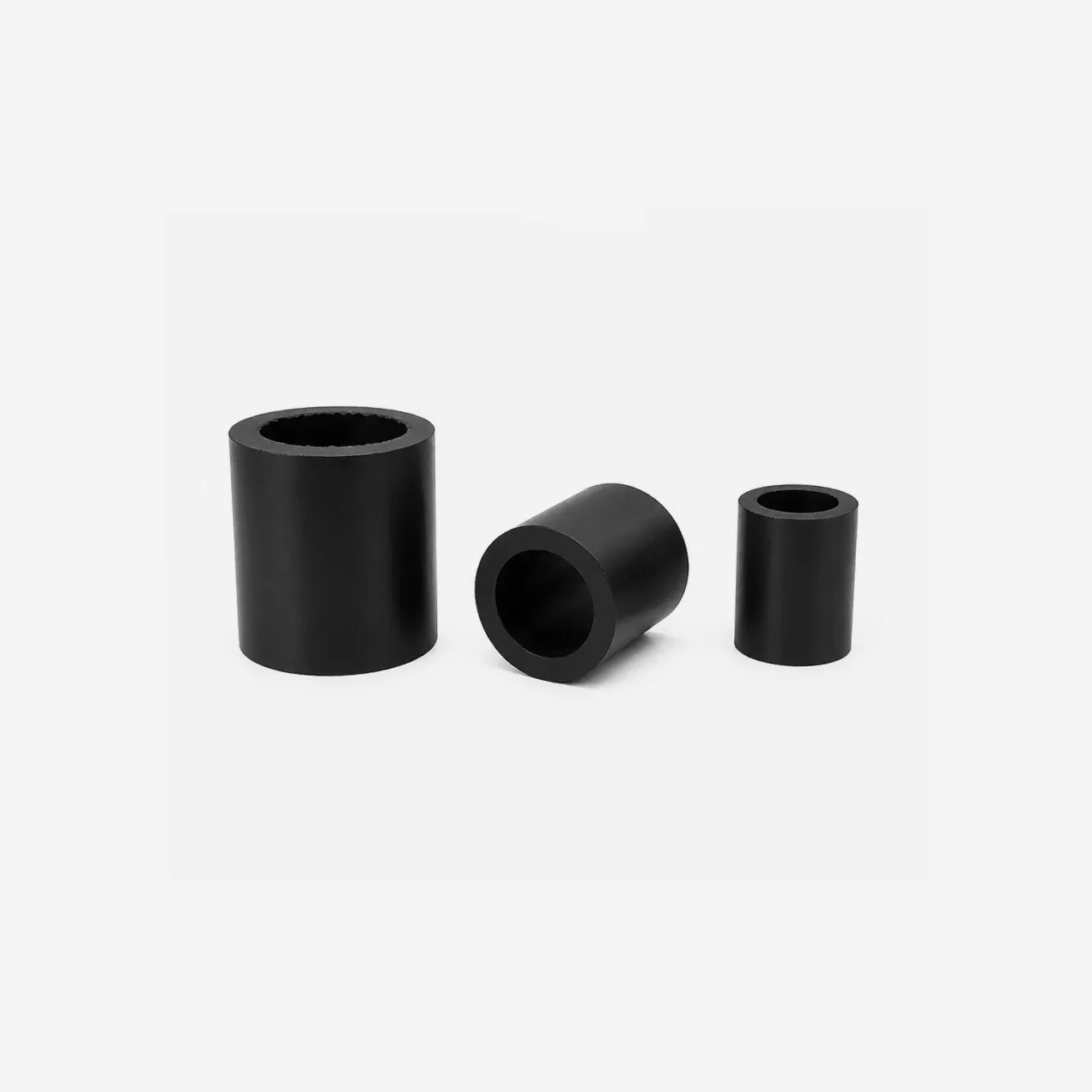
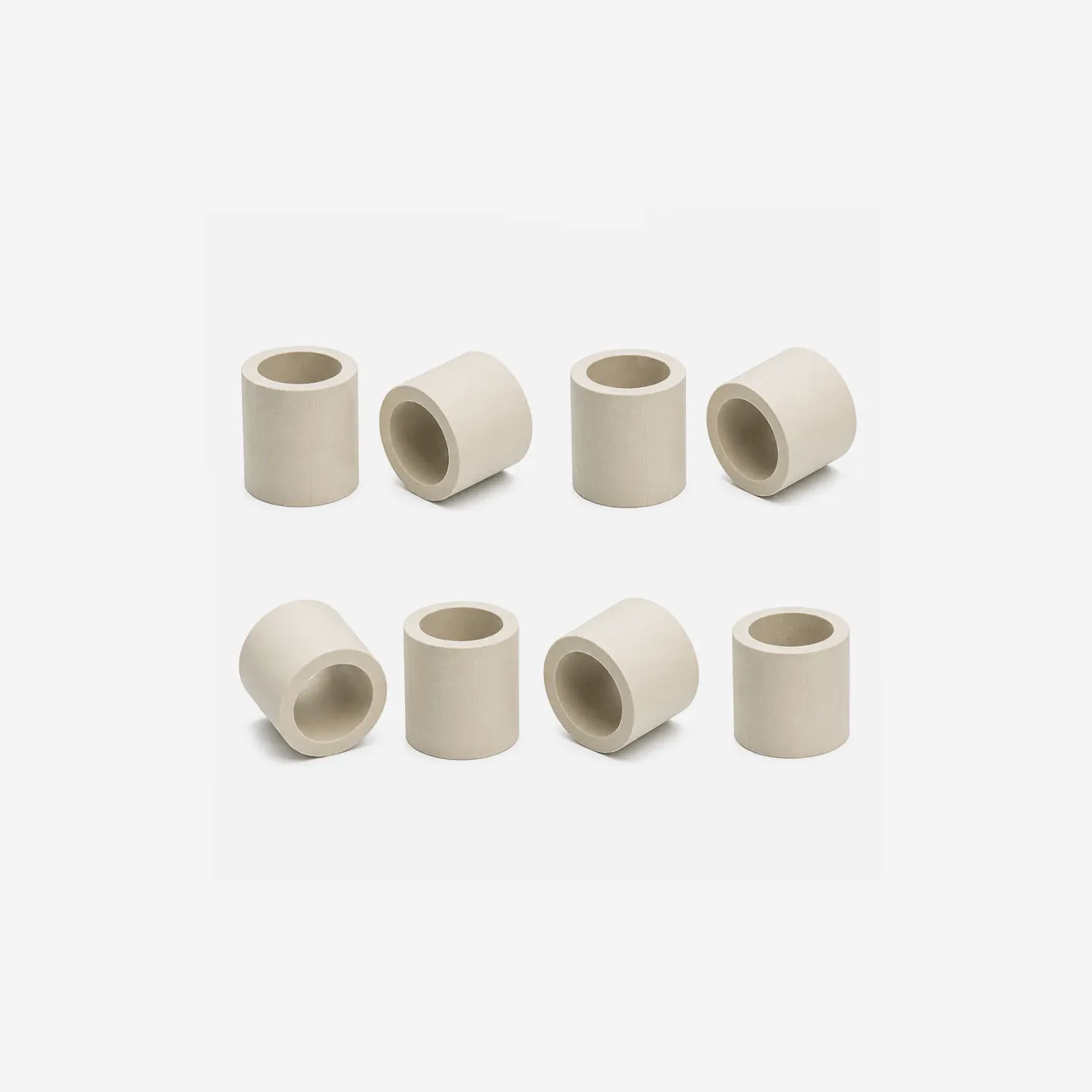
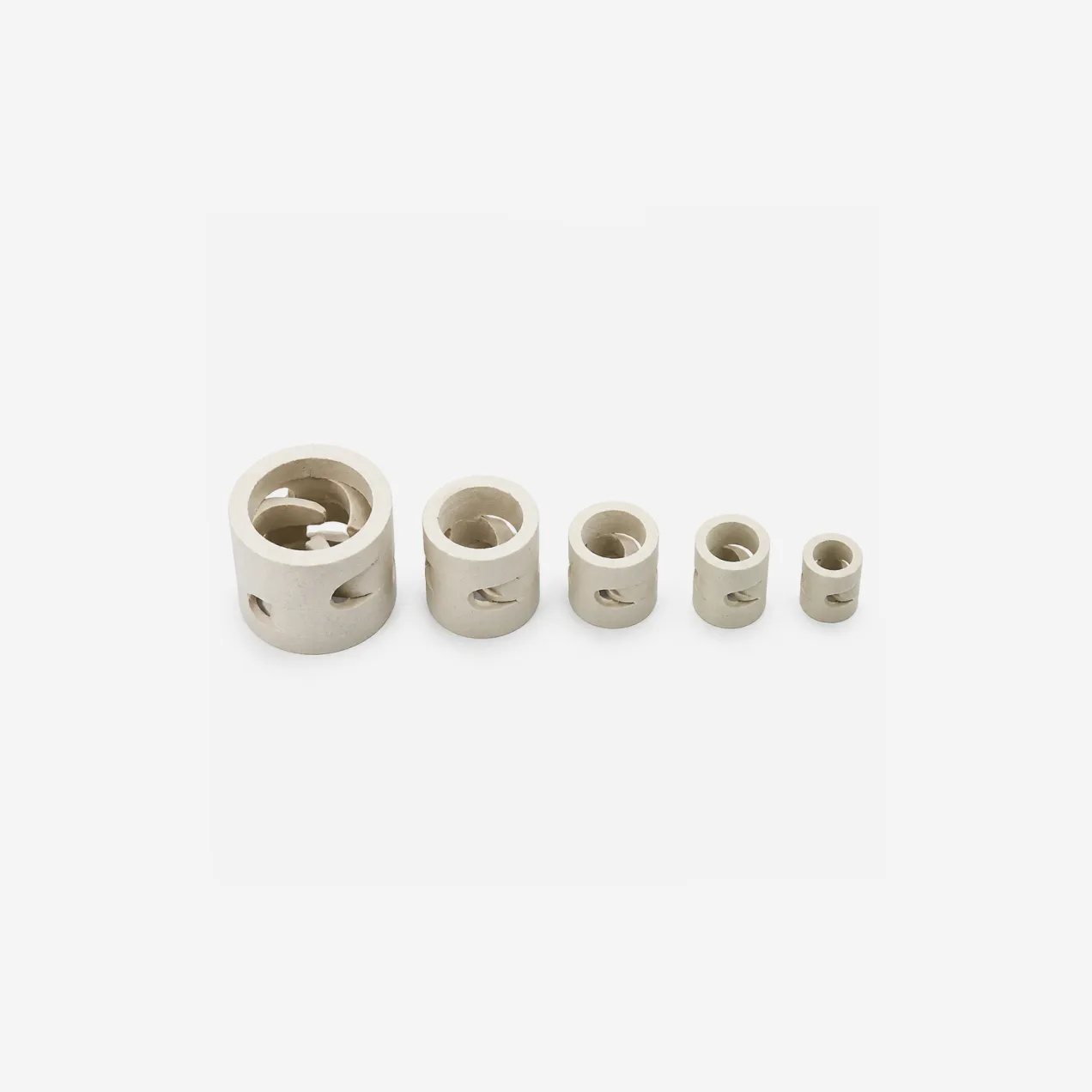
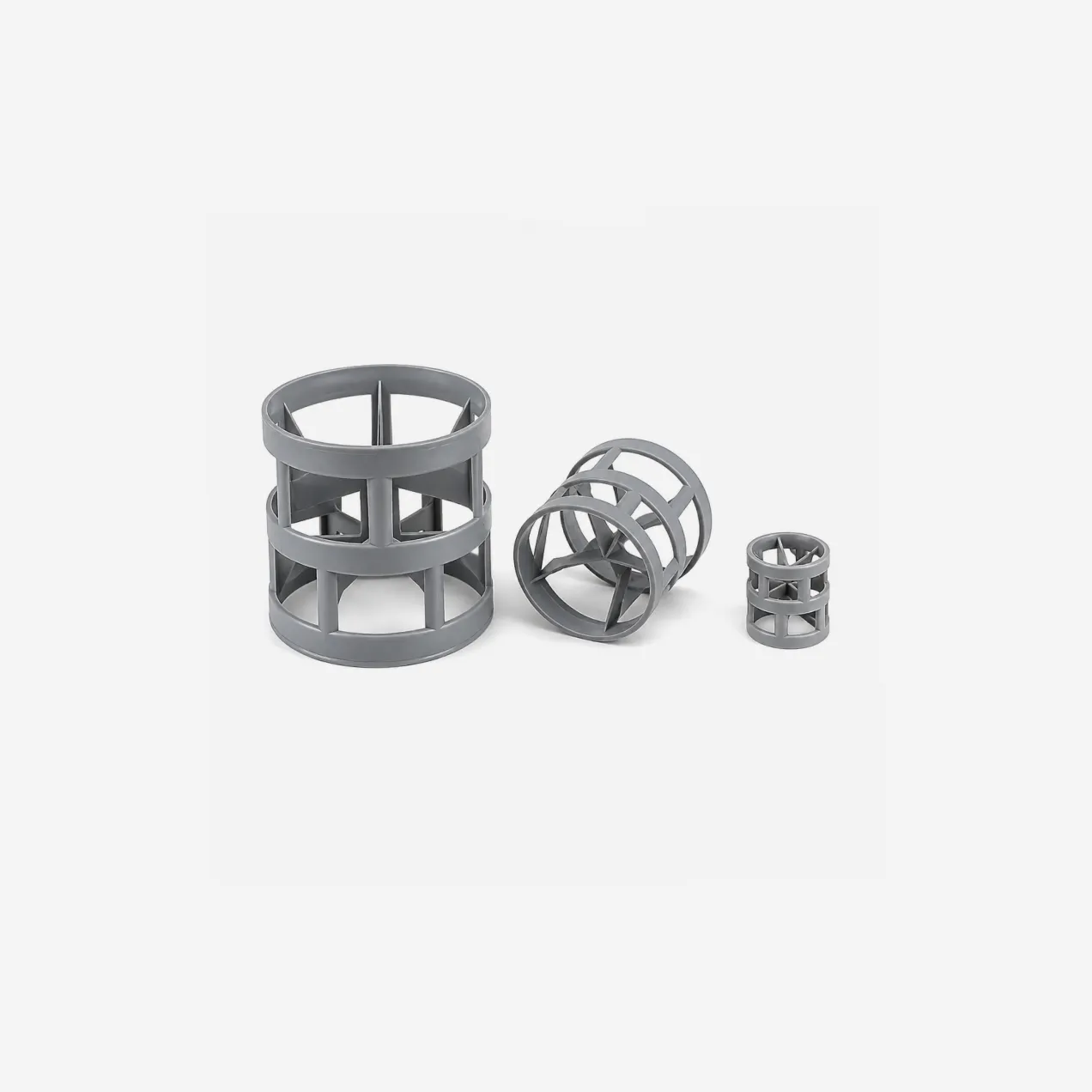
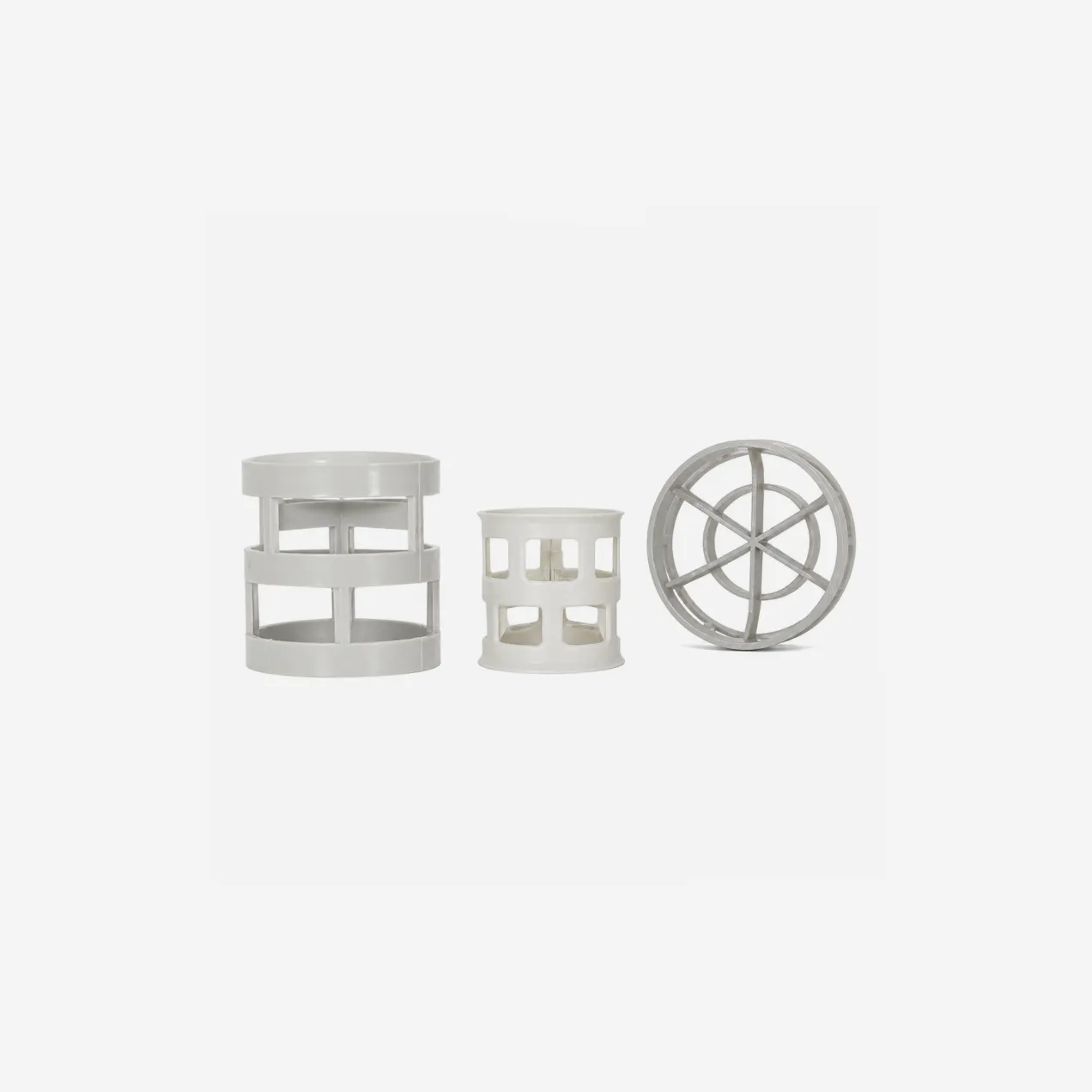
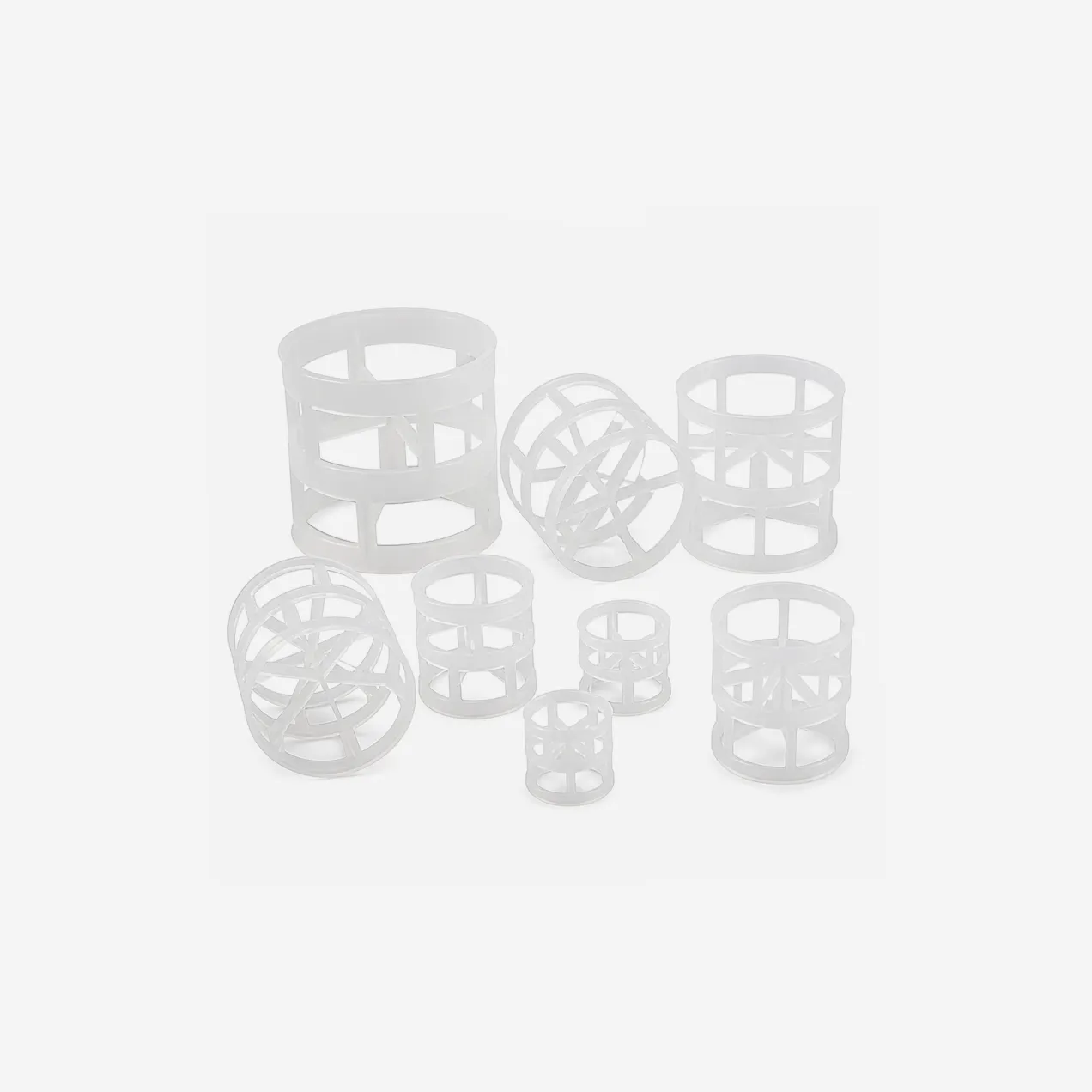
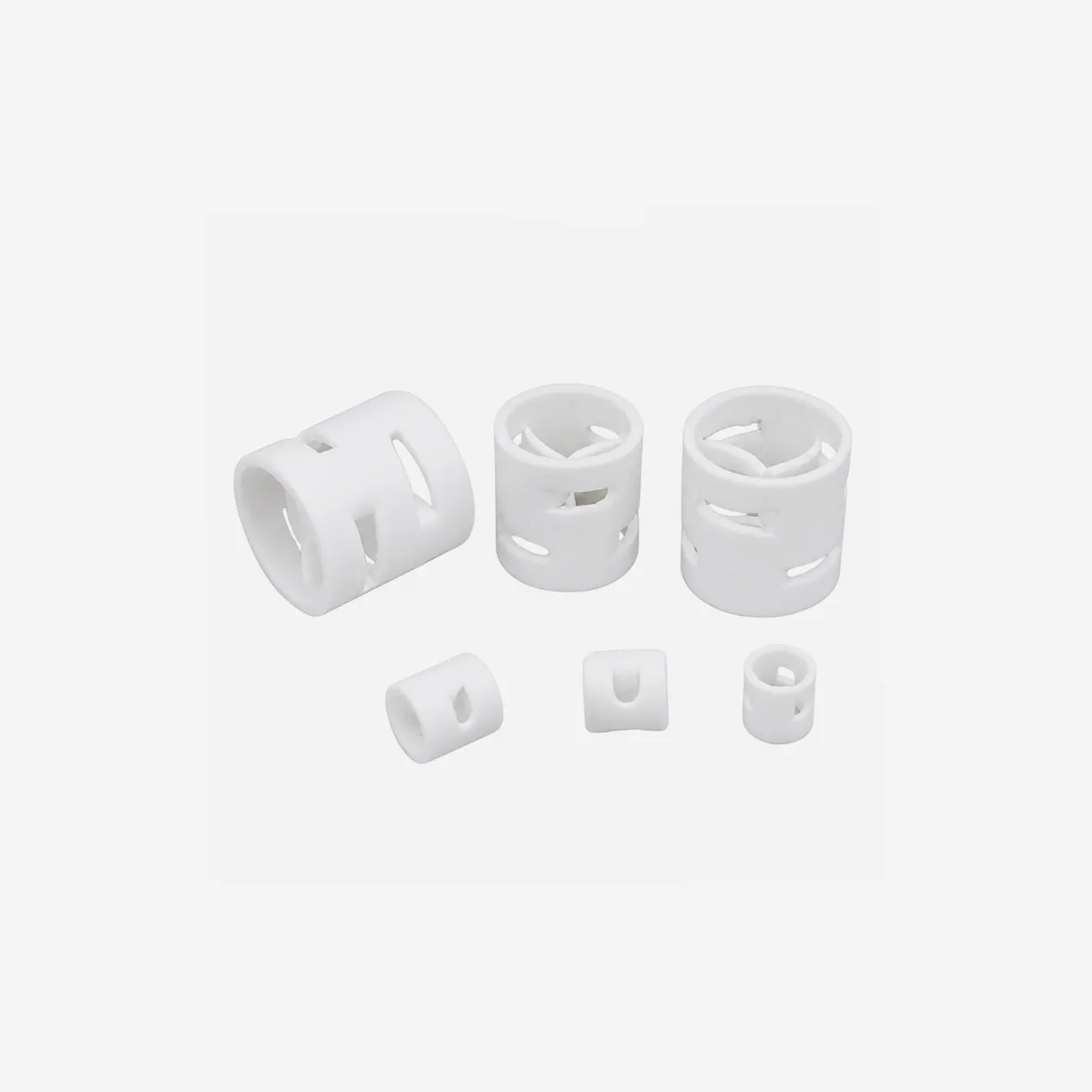
Ceramic Intalox saddle — the rectangular saddle, or super intalox — is the modern, refined form of the ceramic saddle, and its shape is a cross between a ring and a saddle that borrows something from each. The curved, scalloped body coaxes liquid to spread over it and leaves wide openings for the gas, so a bed moves plenty of vapour and liquid with little to hold it back and separates cleanly; the compact form is also sturdy, unusually strong and rigid for ceramic. It refined the older Berl saddle and has become the ceramic dumped packing plants reach for first. Fired from clay, it is untroubled by acids or by heat. Void sits around 74 to 78 percent; it is made in 25, 38, 50 and 76 mm sizes, model number RJ-1940.

  • Refined ceramic saddle (rectangular / super intalox), a cross between a ring and a saddle.
  • Scalloped faces spread liquid and leave wide gas gaps: high throughput, low drag.
  • The refinement of the Berl saddle; the default ceramic dumped packing today.
  • Clay ceramic; unbothered by acids and heat; void near 74 to 78 percent.
  • Made in 25 to 76 mm; per-size figures below; model number RJ-1940.

Technial Parameters

Size (inch / mm)Wall thickness (mm)Surface area (m²/m³)Free volume (%)Dry packing factor (m⁻¹)Bulk density (kg/m³)
1" (25 mm)3–425074320700
1½" (38 mm)4–516478170600
2" (50 mm)5–612077130510
3" (76 mm)8–109577127500


PropertyValue
Product TypeCeramic random packing (Intalox / rectangular saddle)
StructureCurved saddle, shape between a ring and a saddle
MaterialFired ceramic (clay / kaolin)
Model NO.RJ-1940
Standard Sizes25, 38, 50, 76 mm (1"–3")
Void Fraction74–78%
Surface Area95–250 m²/m³
Dry Packing Factor127–320 m⁻¹
Bulk Density500–700 kg/m³
Max TemperatureAbout 1000 °C (typical of chemical ceramic)
Chemical ResistanceAcids and most chemistry, except hydrofluoric acid
Related packingRefined successor of the Berl saddle
AdvantagesLow resistance, large flux, high efficiency, good strength and rigidity, good liquid distribution
ApplicationsDrying, absorption, cooling, scrubbing and recycling towers, heat exchangers; also a biofilm carrier in wastewater treatment; chemical, metallurgy, coking
TrademarkRONGJIAN
OriginChina
HS Code6909110000
Transport PackageCarton box / ton bag / steel drum

FAQs

Why is the ceramic Intalox saddle shaped between a ring and a saddle?

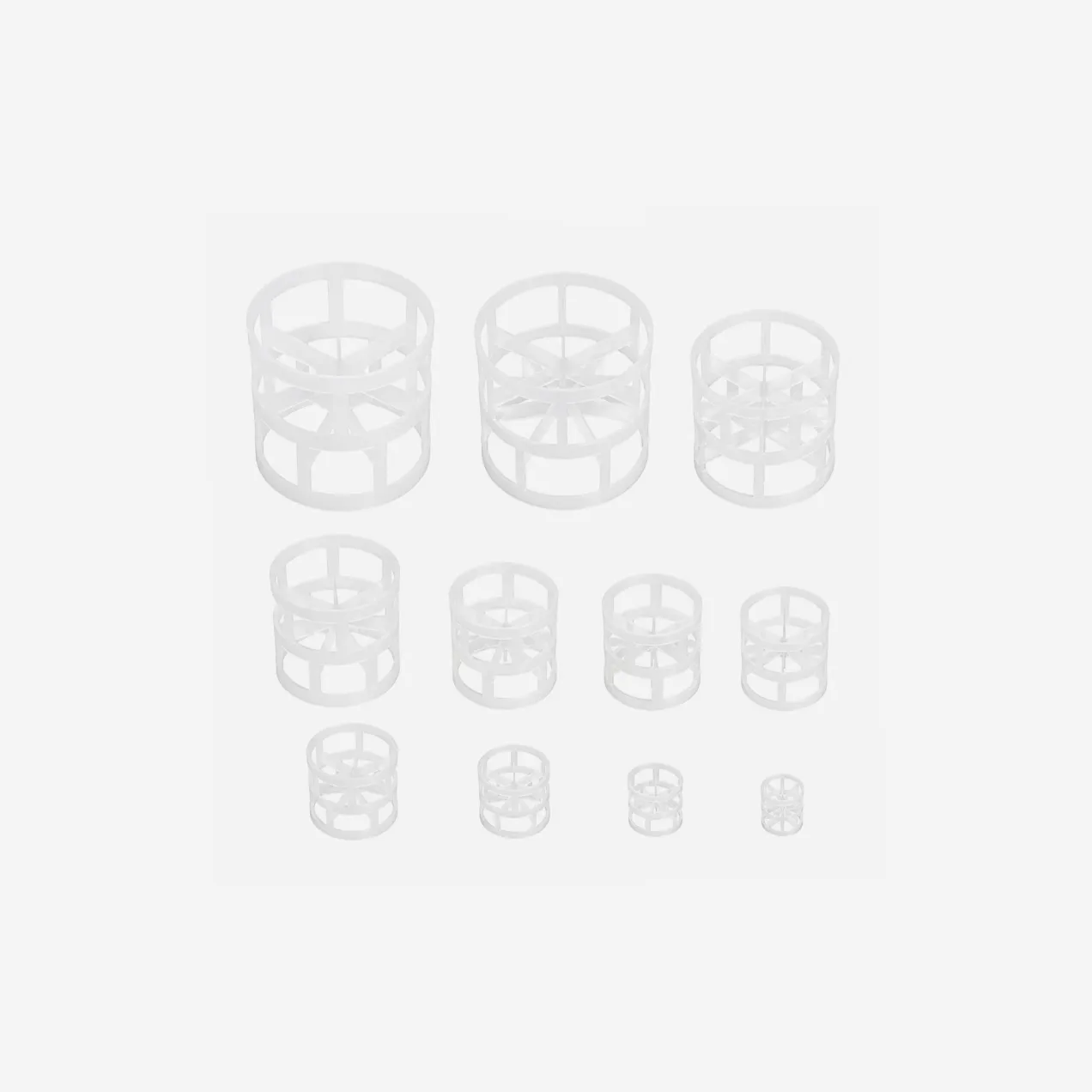
A ceramic Intalox saddle, also called the rectangular saddle and in its refined form the super intalox, is a dumped ceramic packing whose form lands between a ring and a saddle. Picture a curved, scalloped piece, open on both faces: it is more open than a plain saddle and more spread-out than a tube, and it takes the useful traits of each. The curved surfaces coax the liquid to run and spread across them, so it wets out evenly; the open form leaves wide channels for the gas, so there is little to resist the vapour. Between them a bed of these saddles pushes a lot of gas and liquid through and does its separating job well, while the compact saddle stays mechanically sound, so the ceramic pieces hold up under handling and load. Put simply, it is the shape that gets the most out of a dumped ceramic bed, which is the reason it is the ceramic packing most plants default to now.
How does the Intalox saddle relate to the Berl saddle?

The Intalox saddle is the Berl saddle, improved. The Berl saddle came first and proved that a curved saddle beats a plain ring; the Intalox saddle reworked that curve into a more open, more symmetrical form that interlocks even less and settles into a still more even bed. In practice that buys a little more capacity, slightly better distribution, and a piece that is easier to press consistently. Because of those gains it has largely taken the Berl saddle's place in new towers, and it is what people usually mean when they just say ceramic saddle today. If you run Berl saddles and want the modern equal, this is it. Both are ceramic curved saddles; the Intalox is the later, better-tuned one.
Ceramic or metal Intalox saddle — which should I use?

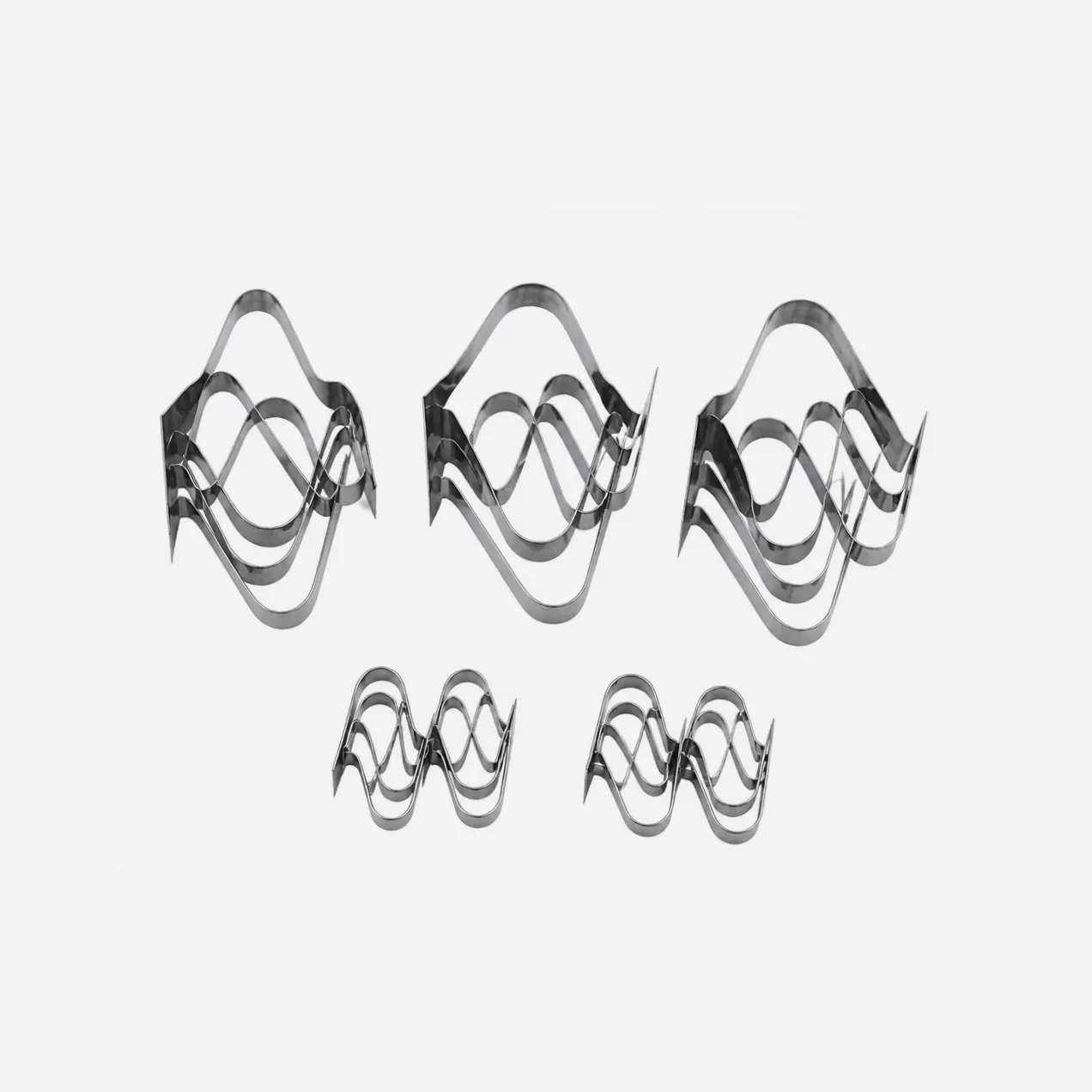
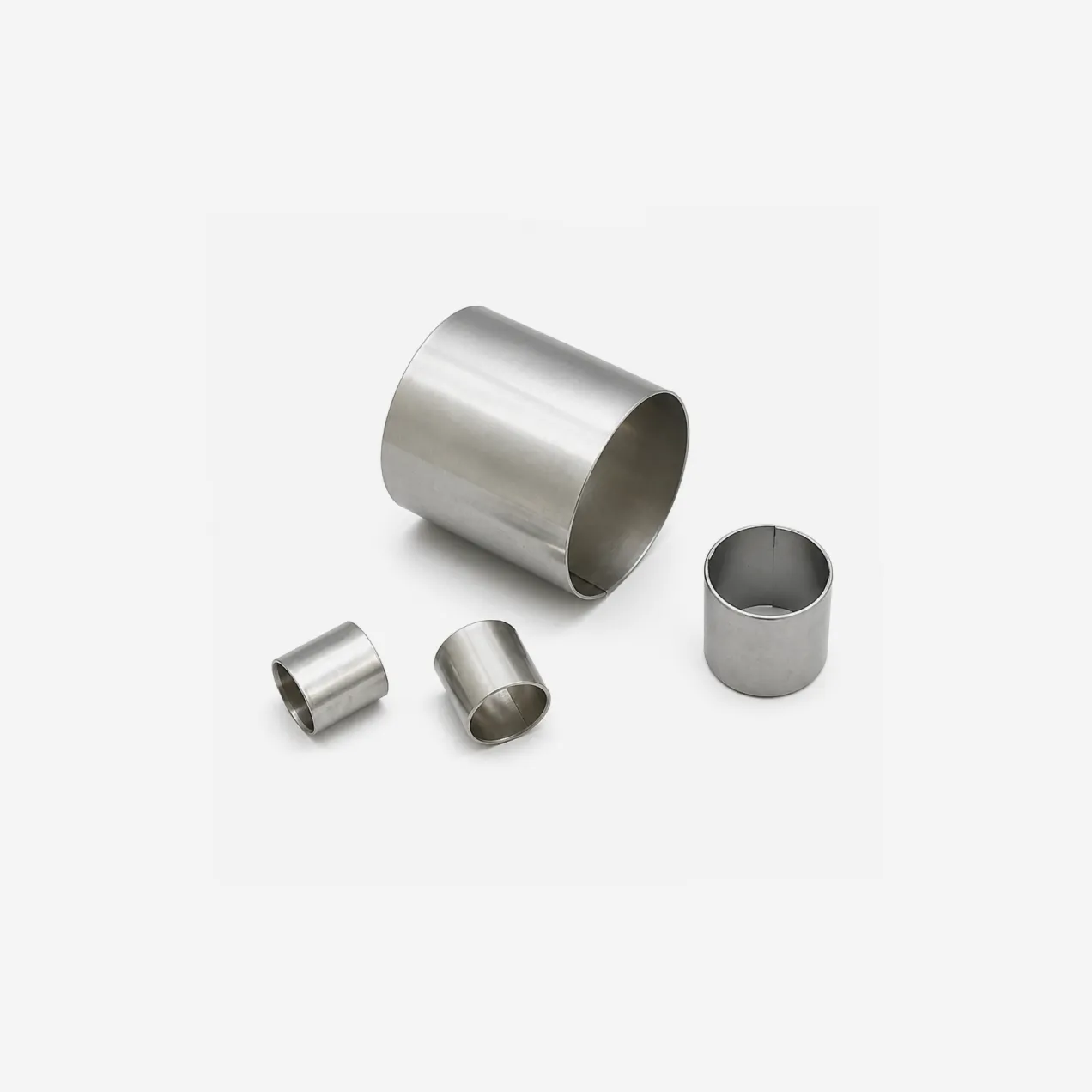
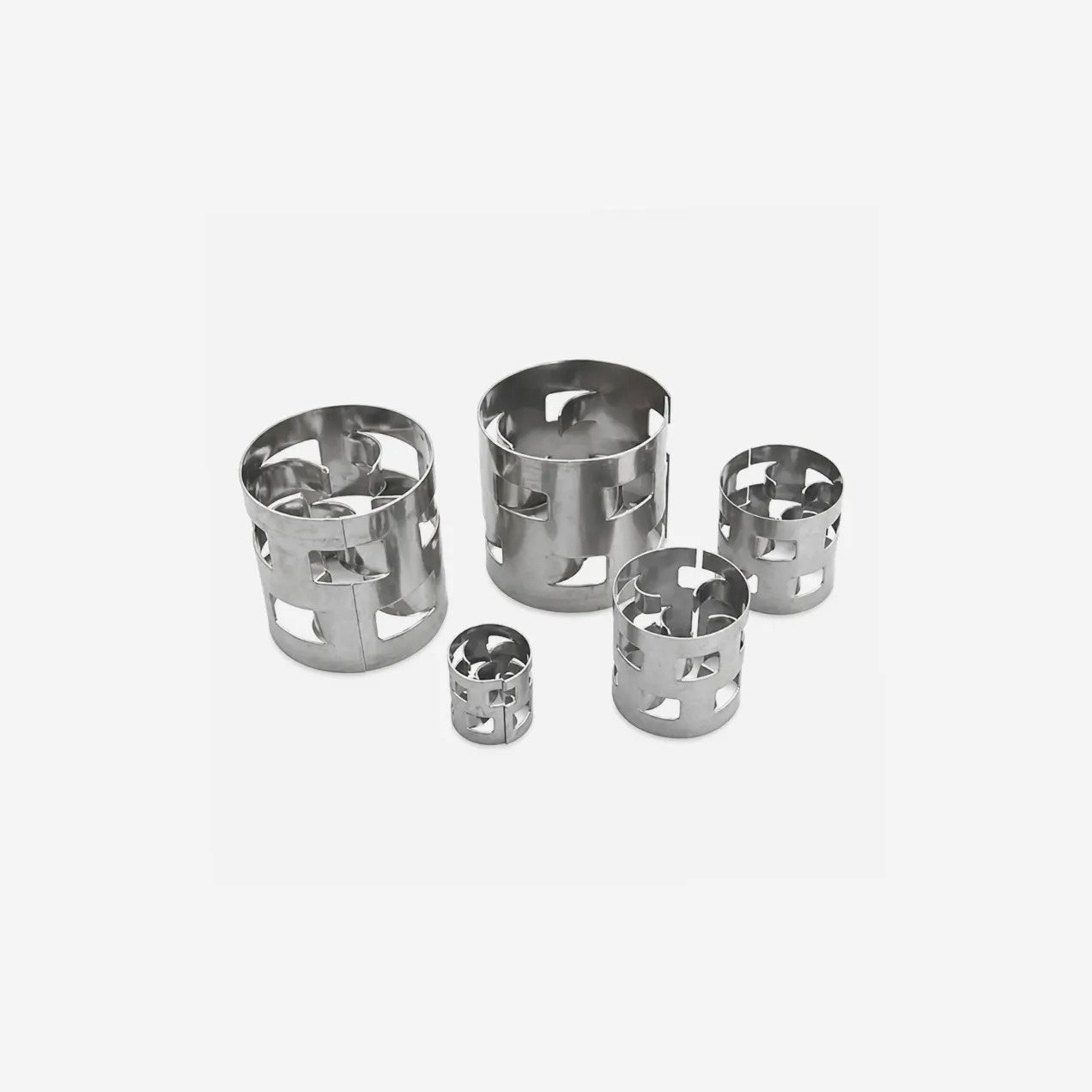
Both are made, and the pick turns on conditions and cost, not on the shape, which is one idea in either material. Choose the ceramic version for corrosive duty: clay ceramic laughs off acids and most chemistry and takes real heat, and it is cheaper than metal, though it weighs more, is brittle, and leaves a lower open fraction, near 74 to 78 percent. The metal one, pressed from thin stainless, is far tougher and much more open, its void reaching into the nineties, and it copes with shock, deep beds and a broader temperature range, but it costs more and can corrode in the wrong stream. The rule of thumb: ceramic for hot, acidic, budget-minded columns; metal where strength, top capacity or extreme temperature decide it. Give us the conditions and we will steer you to the right one.

Where is the ceramic Intalox saddle used?

In the chemical, metallurgical and coking trades the ceramic Intalox saddle packs a range of columns: cooling towers, scrubbers, recycling towers, absorption columns and drying towers, plus heat exchangers. It has a second, quieter role too. Tipped into a wastewater tank it serves as a biofilm carrier, offering a broad surface for the micro-organisms to colonise, which raises the biological volume of the system and sharpens the sewage treatment. The pull is the same throughout, an open and evenly wetted bed with little resistance, in a ceramic body that stands heat and acids. Give us the column or the tank and what it must do, and we will settle the saddle size.

The ceramic Intalox saddle — the rectangular saddle, or in its refined form the super intalox — is the modern high point of the dumped ceramic packing. Its form lands between a ring and a saddle and takes the best of both: the curved, scalloped faces spread the liquid the way a good saddle does, while the open outline leaves broad gas channels the way a tube's bore does. So a bed of them pushes a big load of vapour and liquid through against little resistance and separates well, and the stout little saddles are strong and stiff for ceramic. It is the refinement of the older Berl saddle, and as a fired-clay body it works untroubled in heat and acid.

The ceramic saddle is the last step in a long line of improvement:

PropertyRaschig ringBerl saddleIntalox saddle
ShapeStraight tubeCurved saddleRefined, more open saddle
Nesting / dead spotsNests and blindsResists nestingResists nesting best
Liquid distributionPoorerGoodBetter still
Capacity and fluxLowerHigherHighest of the three

It earns its keep in cooling, scrubbing, recycling, absorption and drying towers and in heat exchangers across chemical, metallurgical and coking plants, and it doubles as a biofilm carrier in wastewater tanks, where its surface grows the micro-organisms that clean the water. Standard sizes span 25 up to 76 mm; the per-size surface area, void, packing factor and density sit in the table above. Give us the column or tank and its duty, and the saddle size and ceramic follow.