search
Search

Enter keywords to search for products, blog posts, and more.


Home > Metal Pall Ring

Metal Pall Ring
Metal Pall Ring

Metal Pall Ring

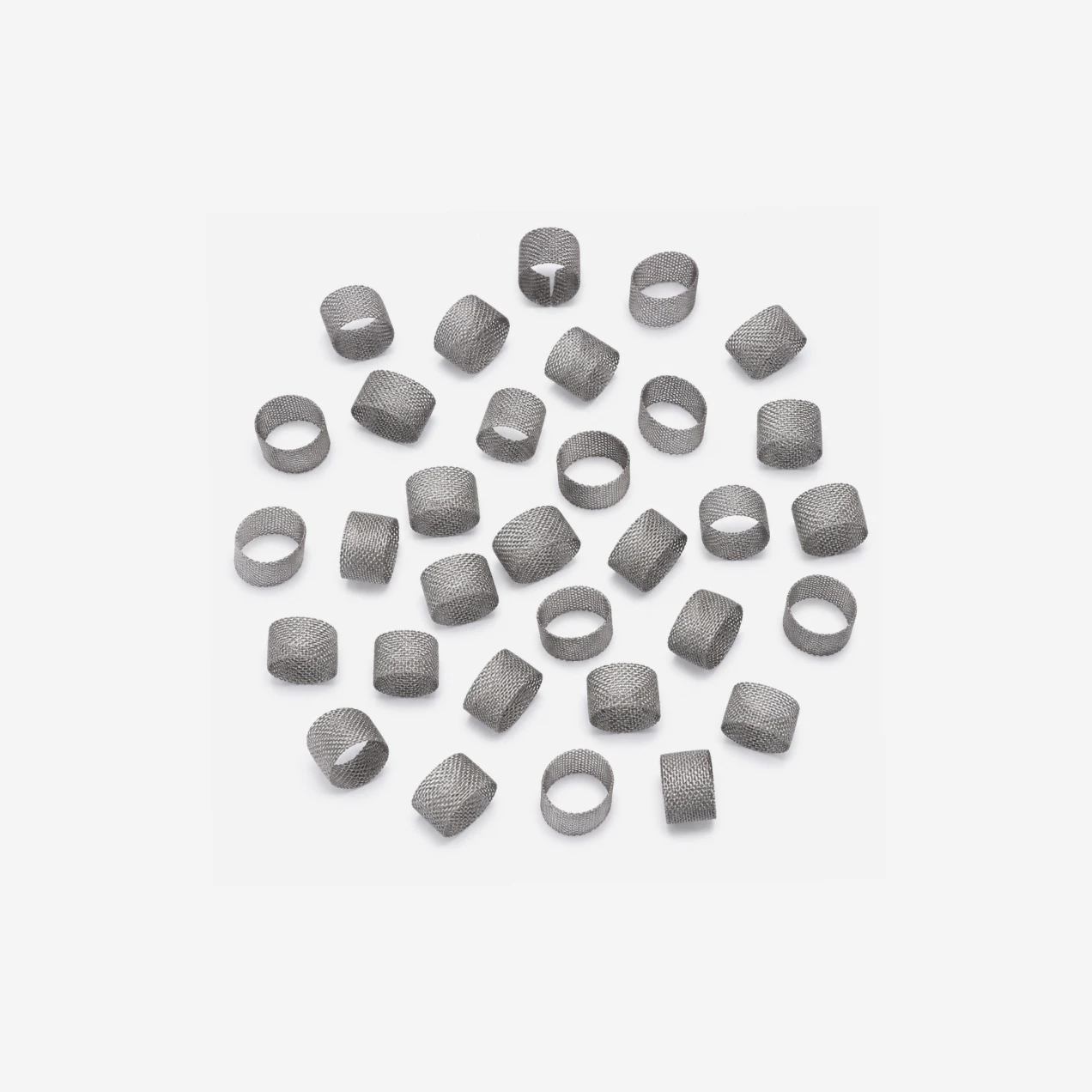
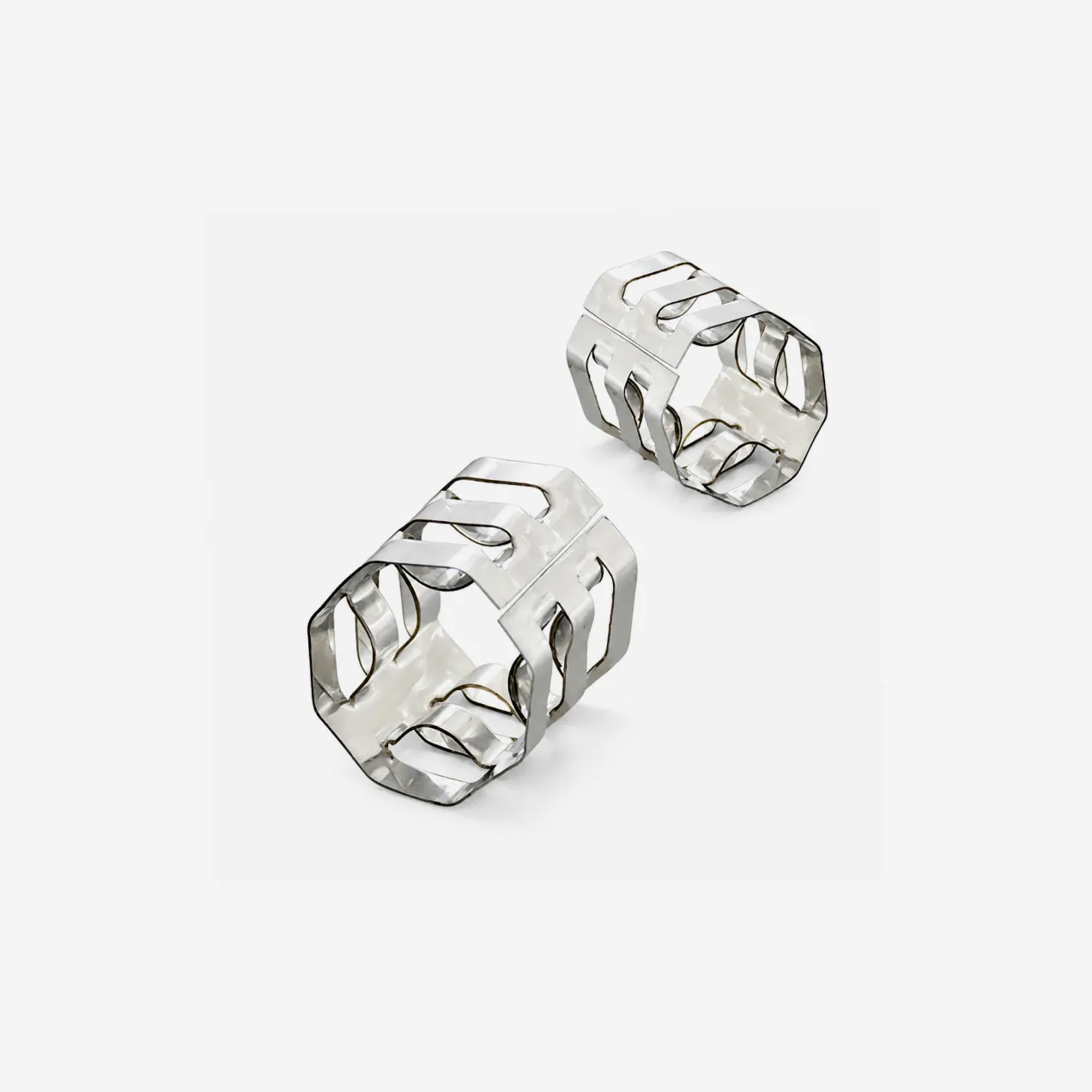
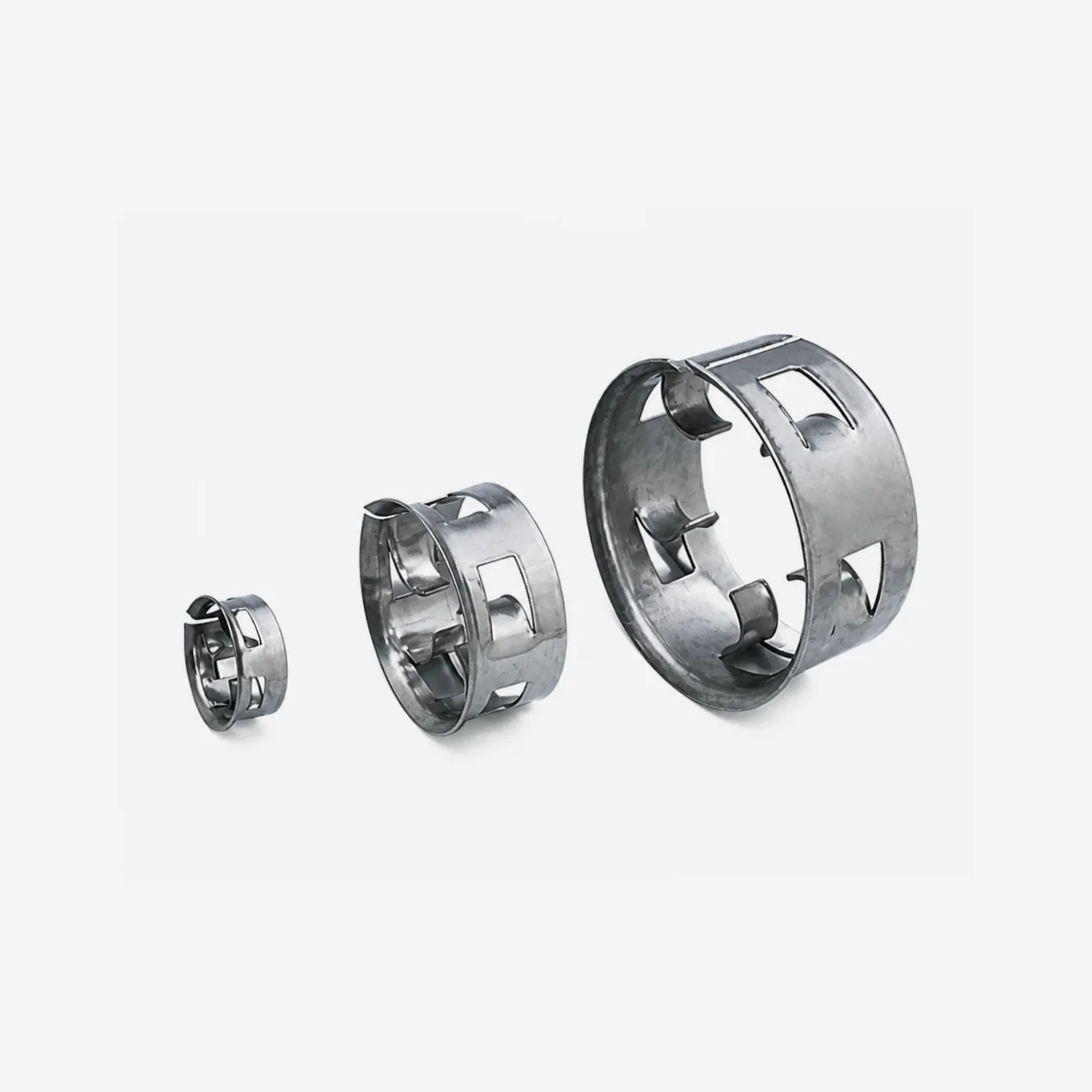
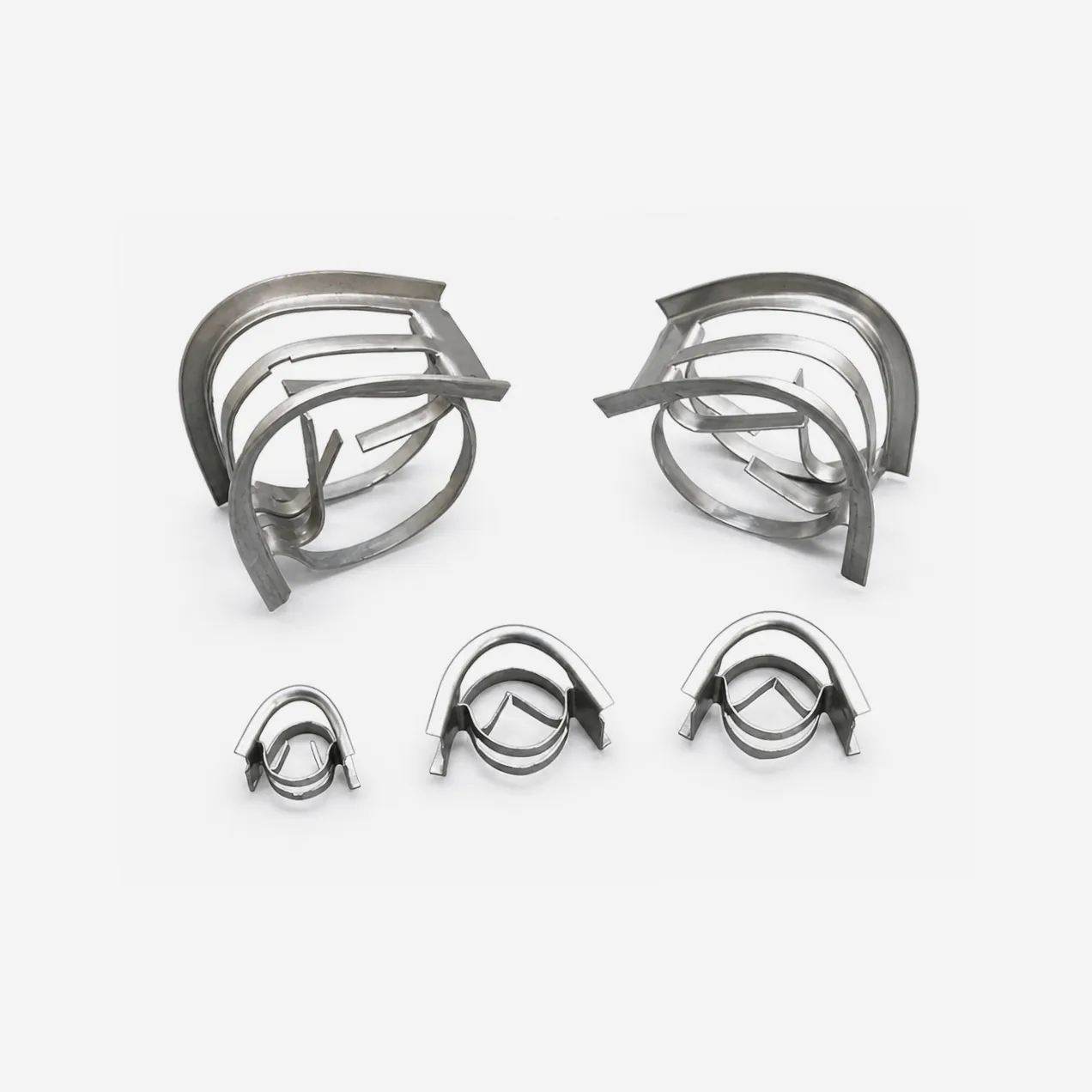
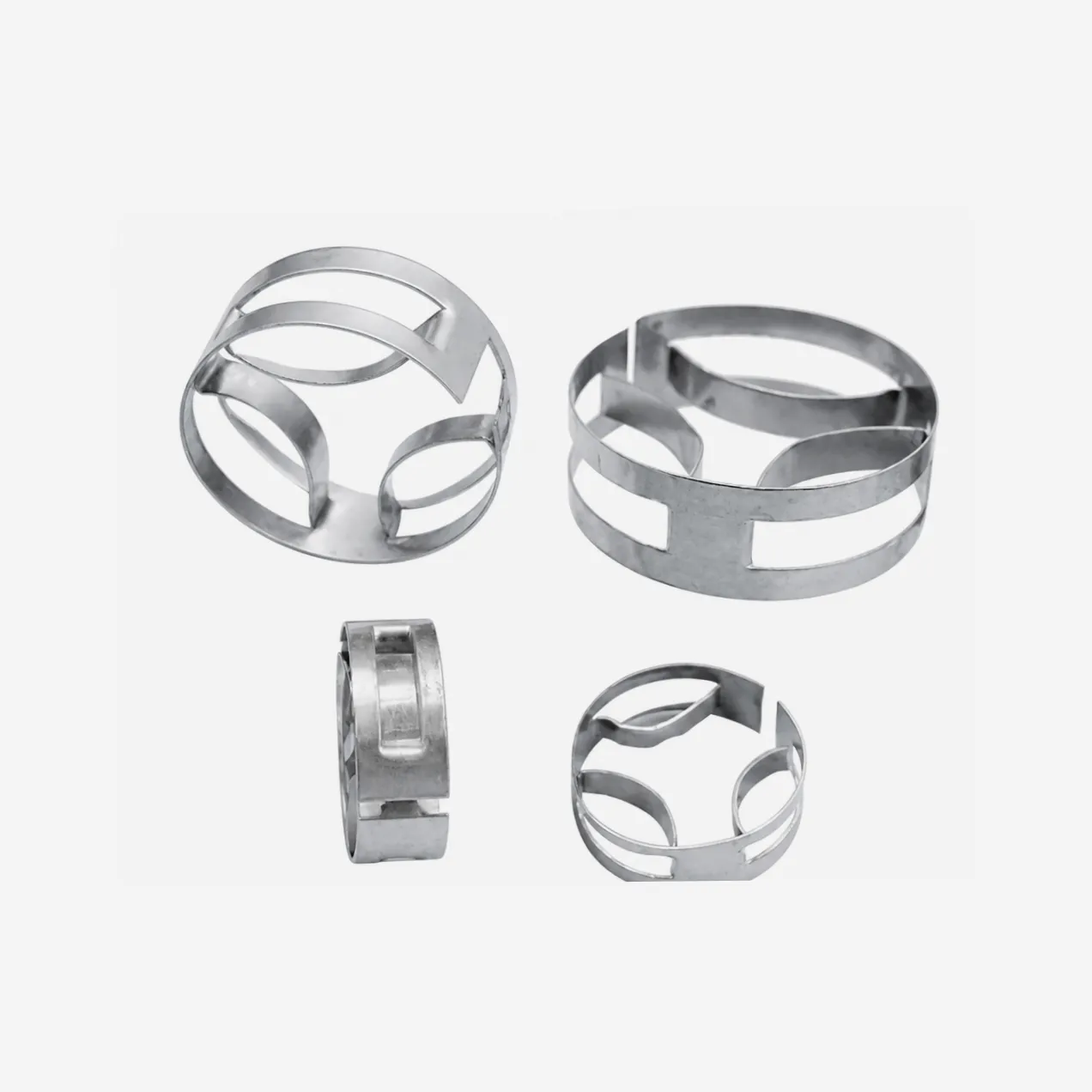
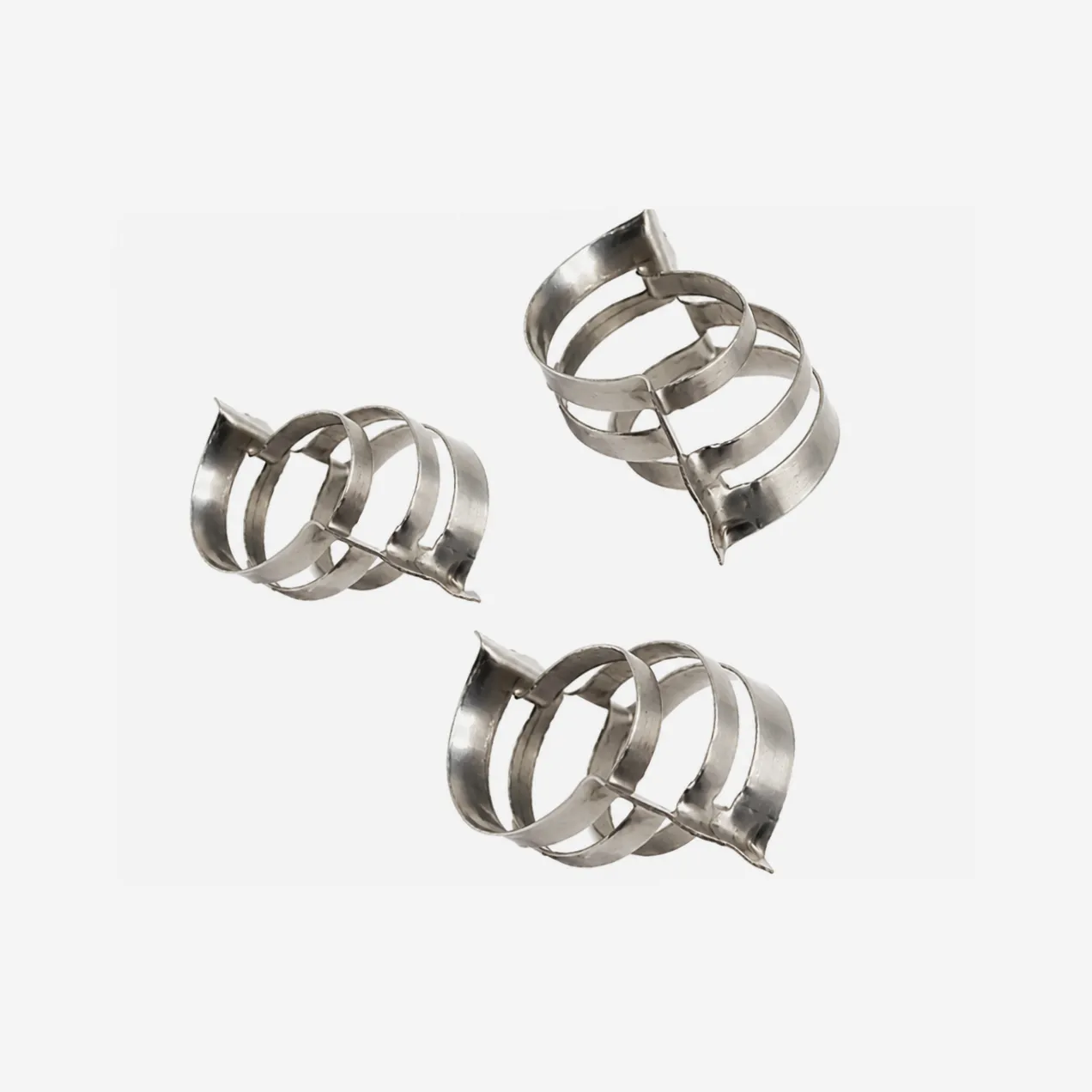
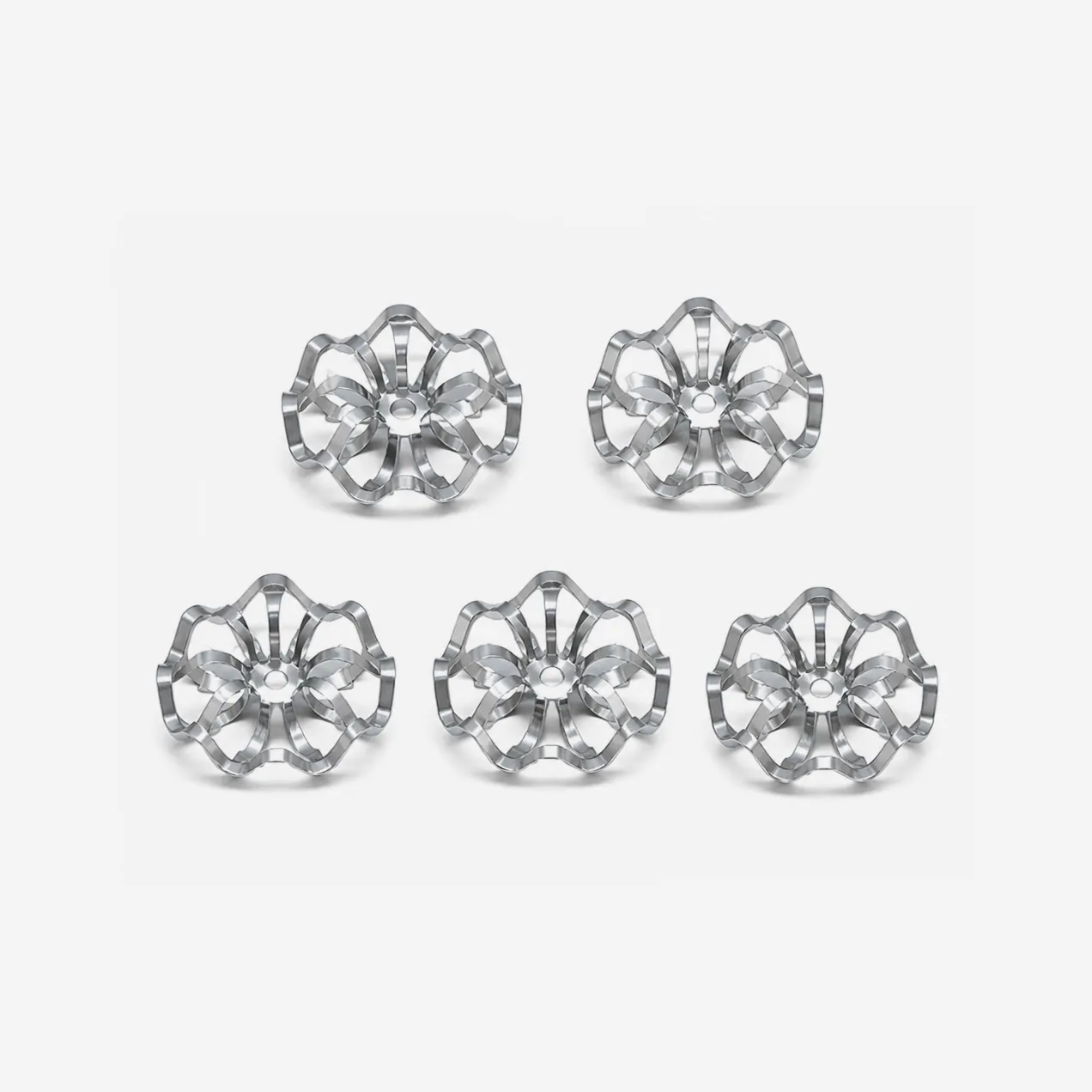
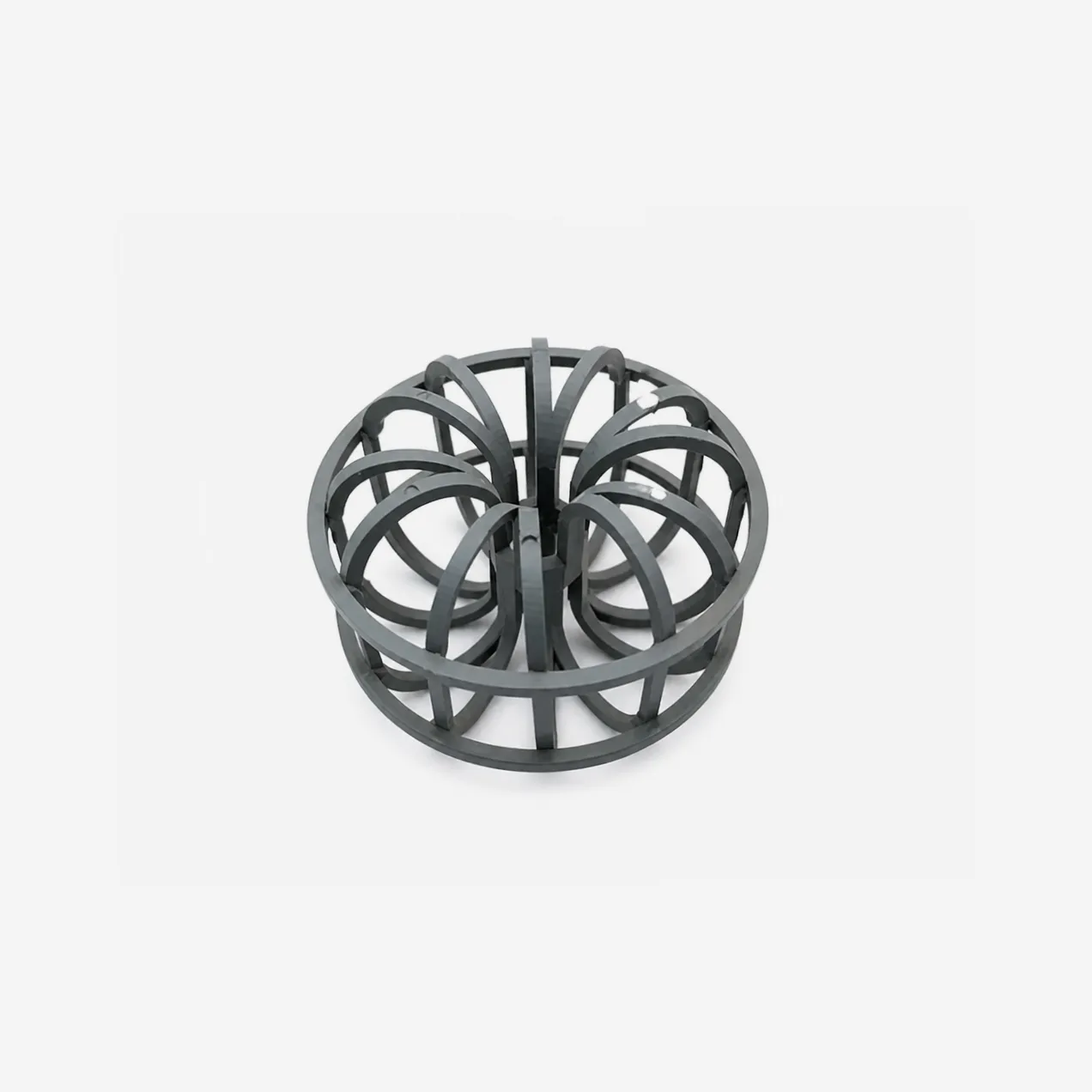
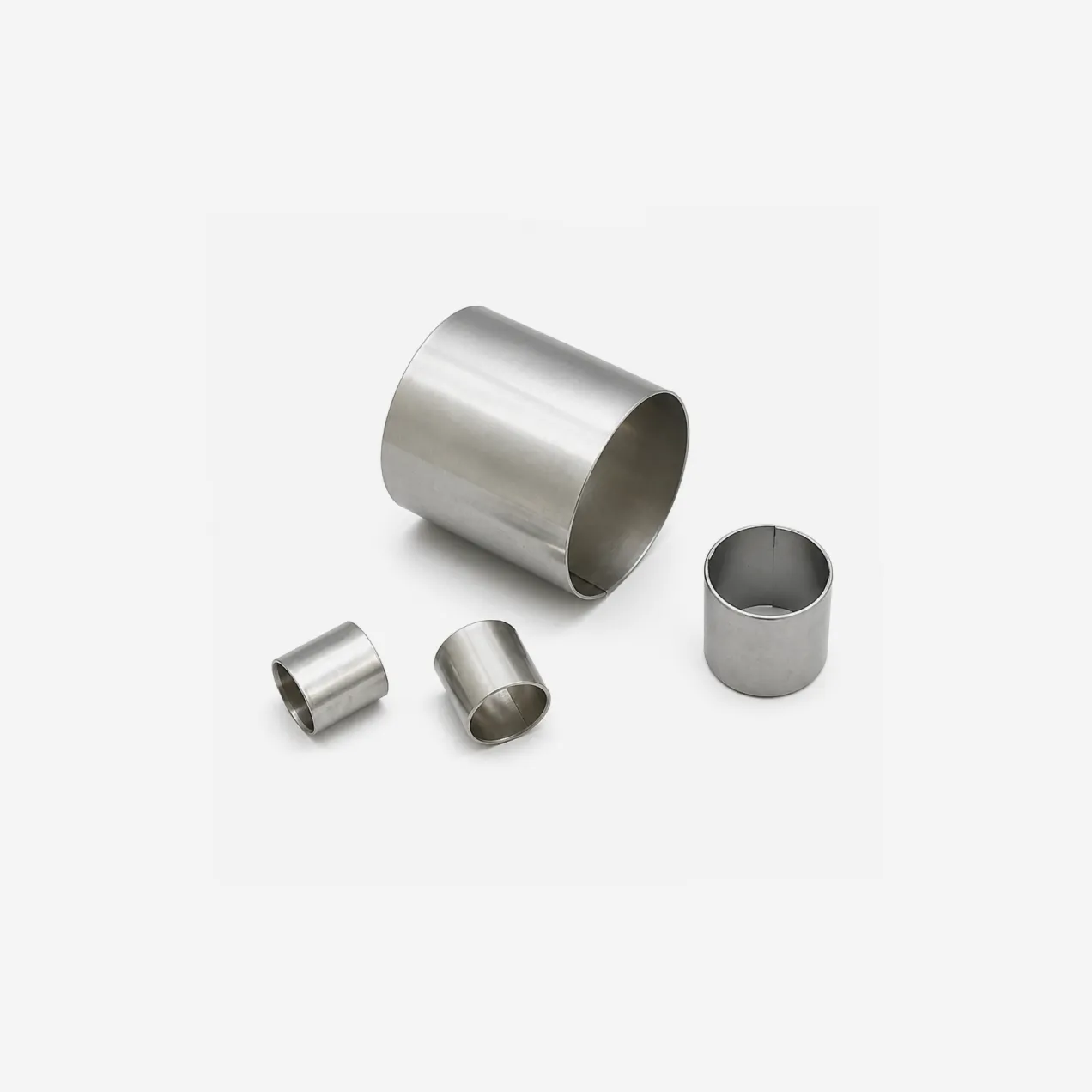
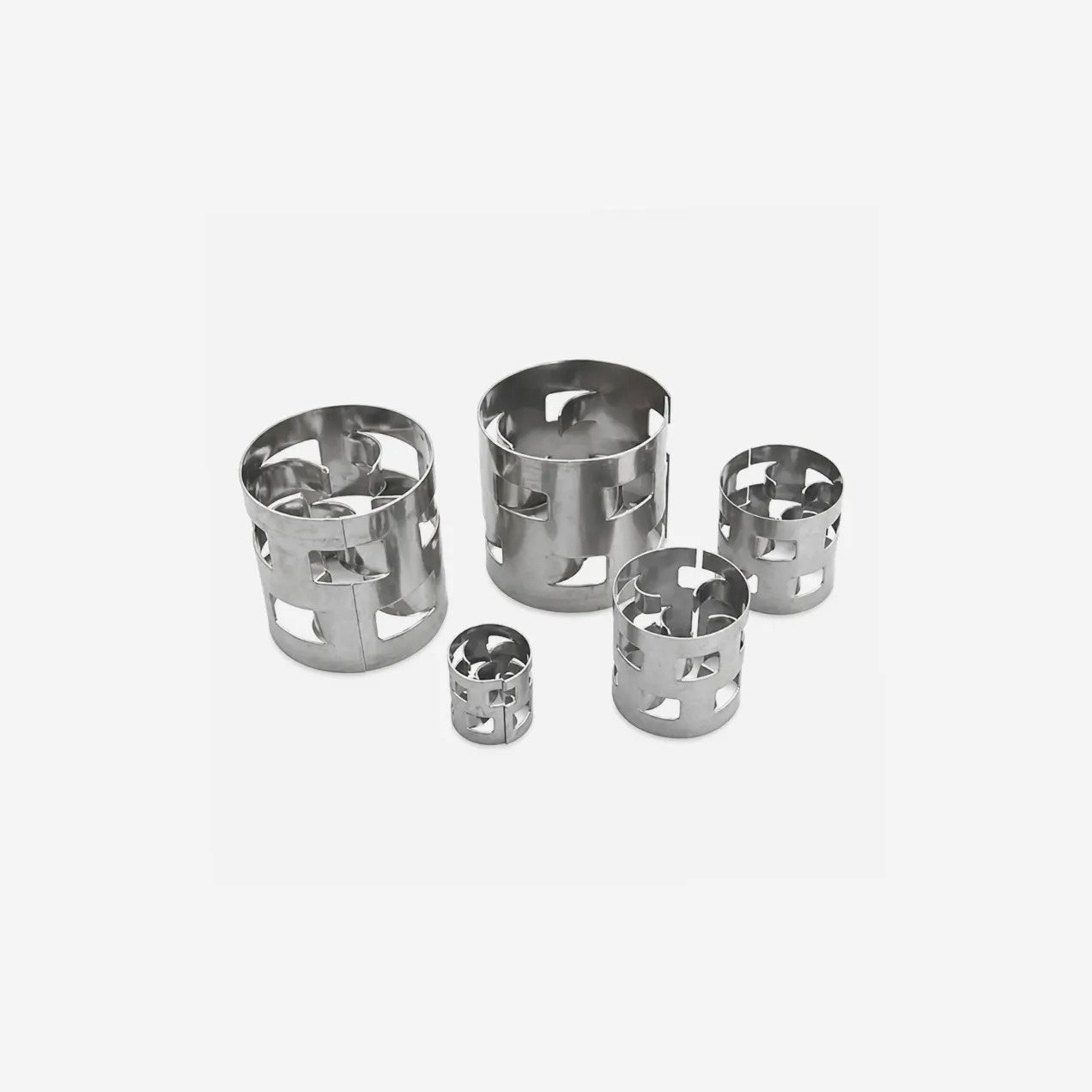
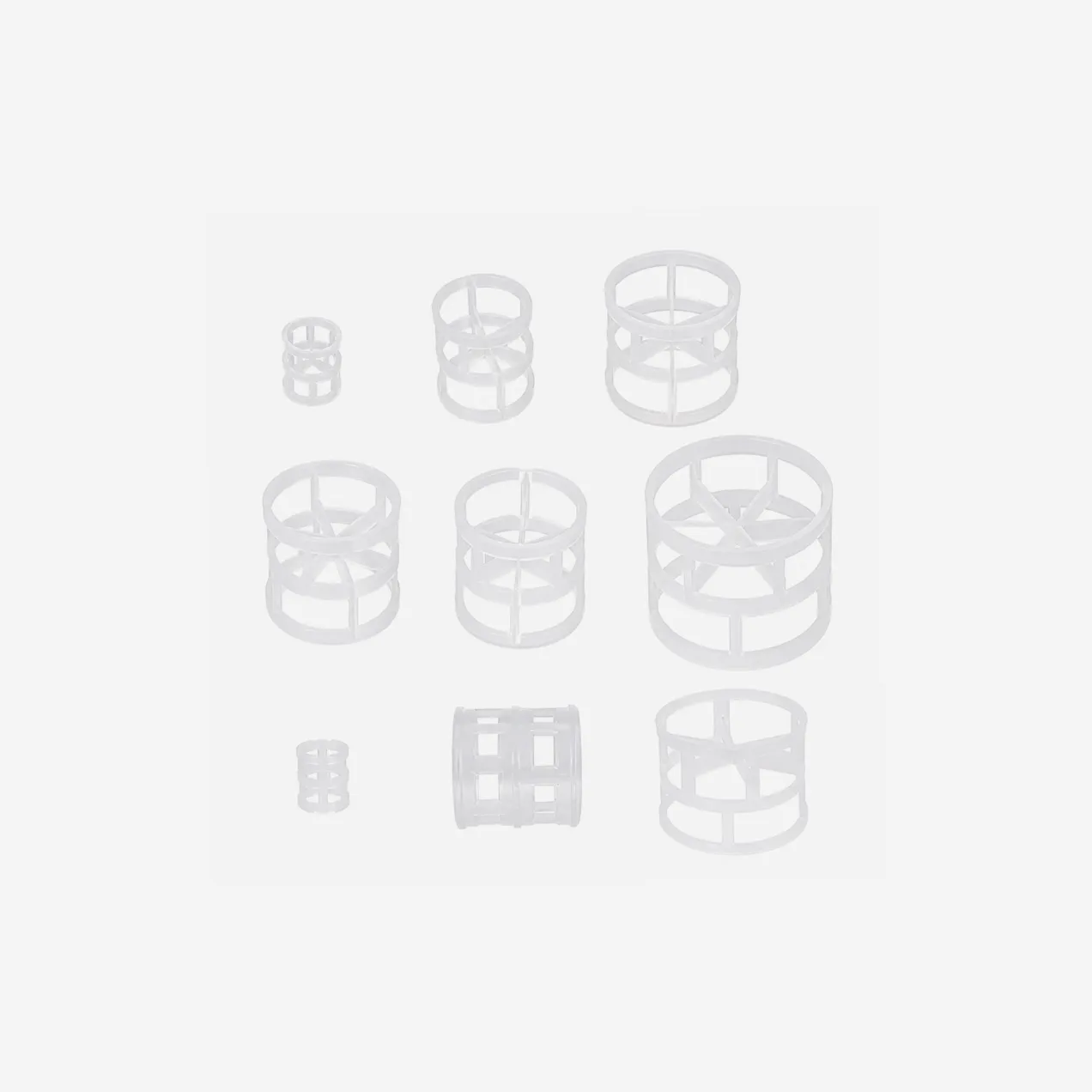
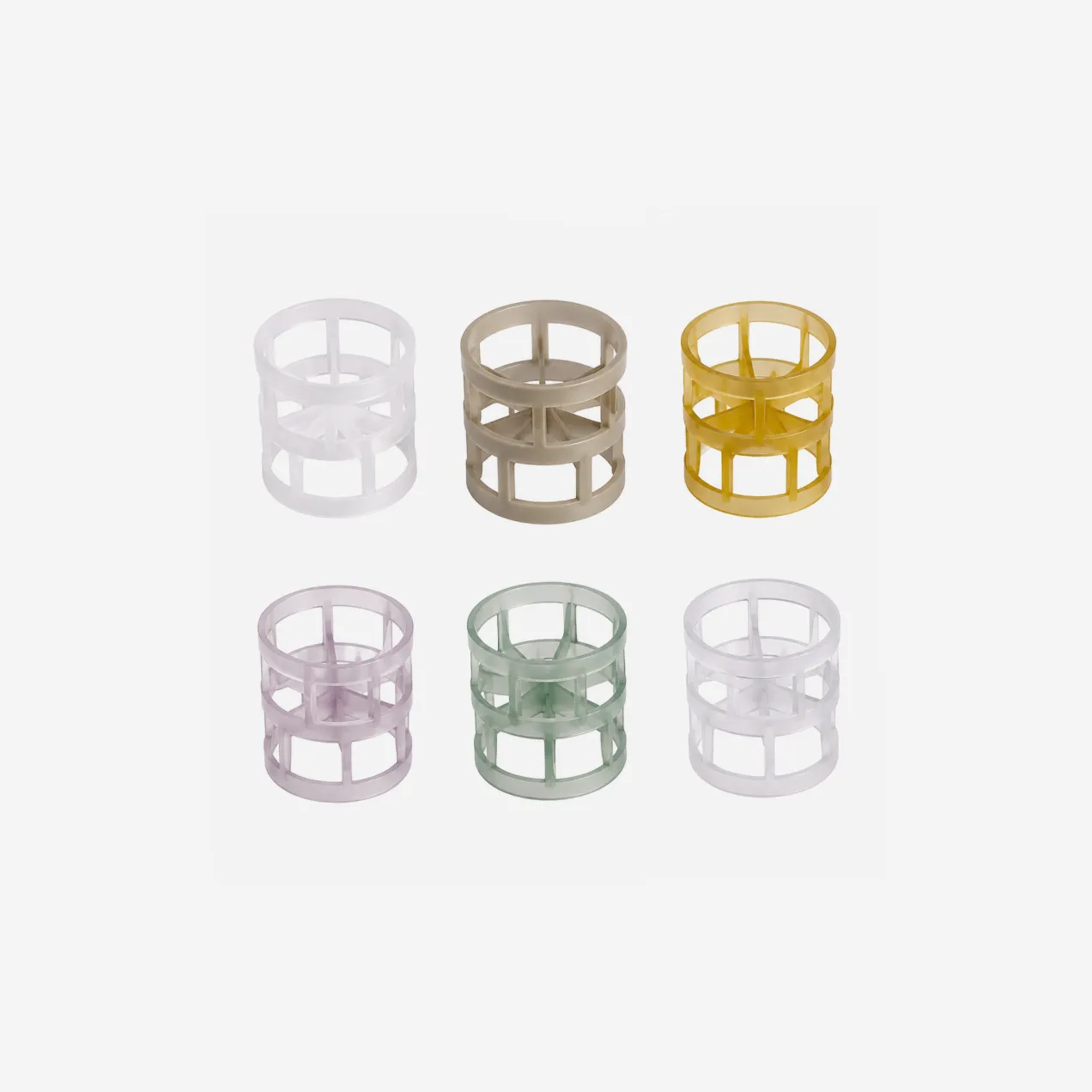
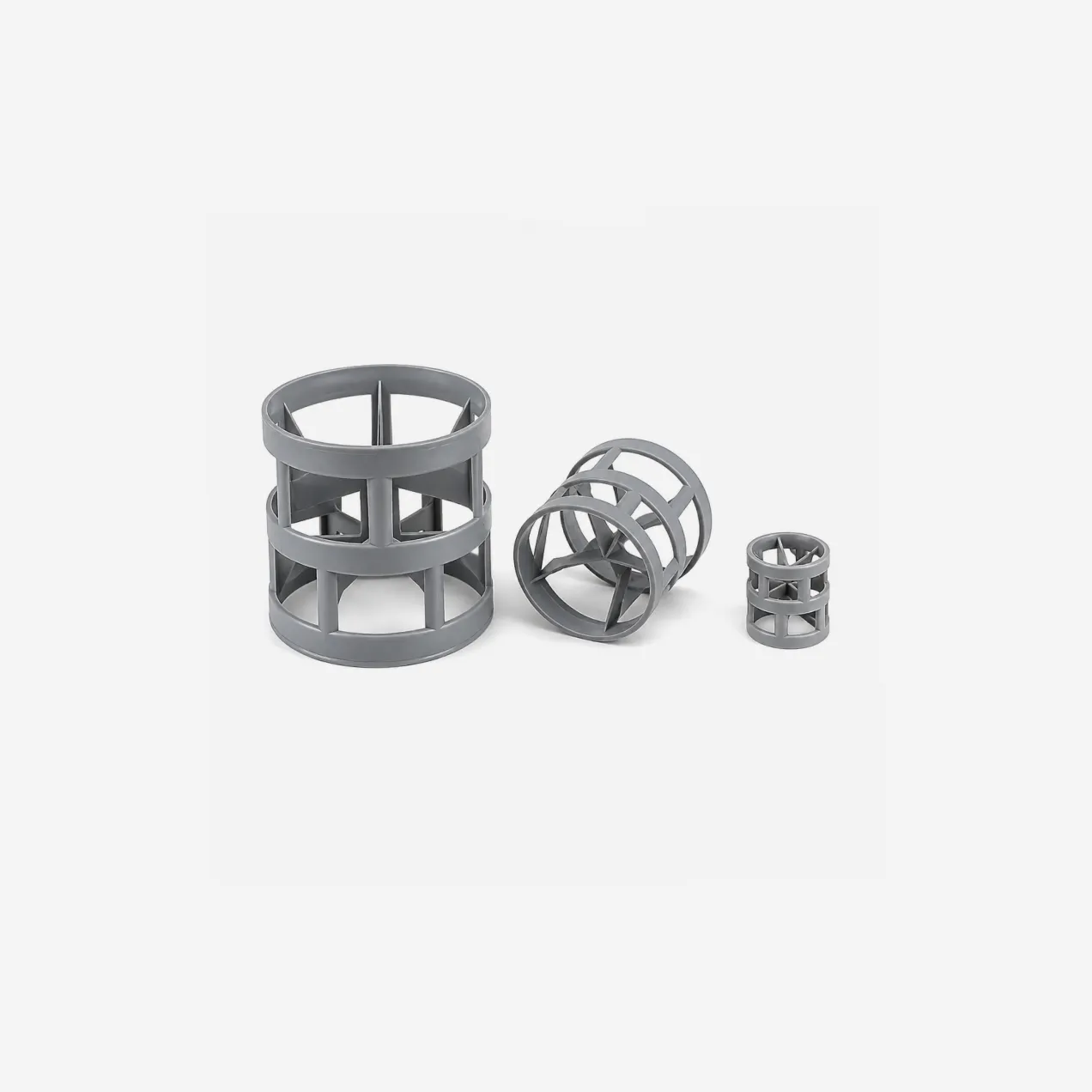
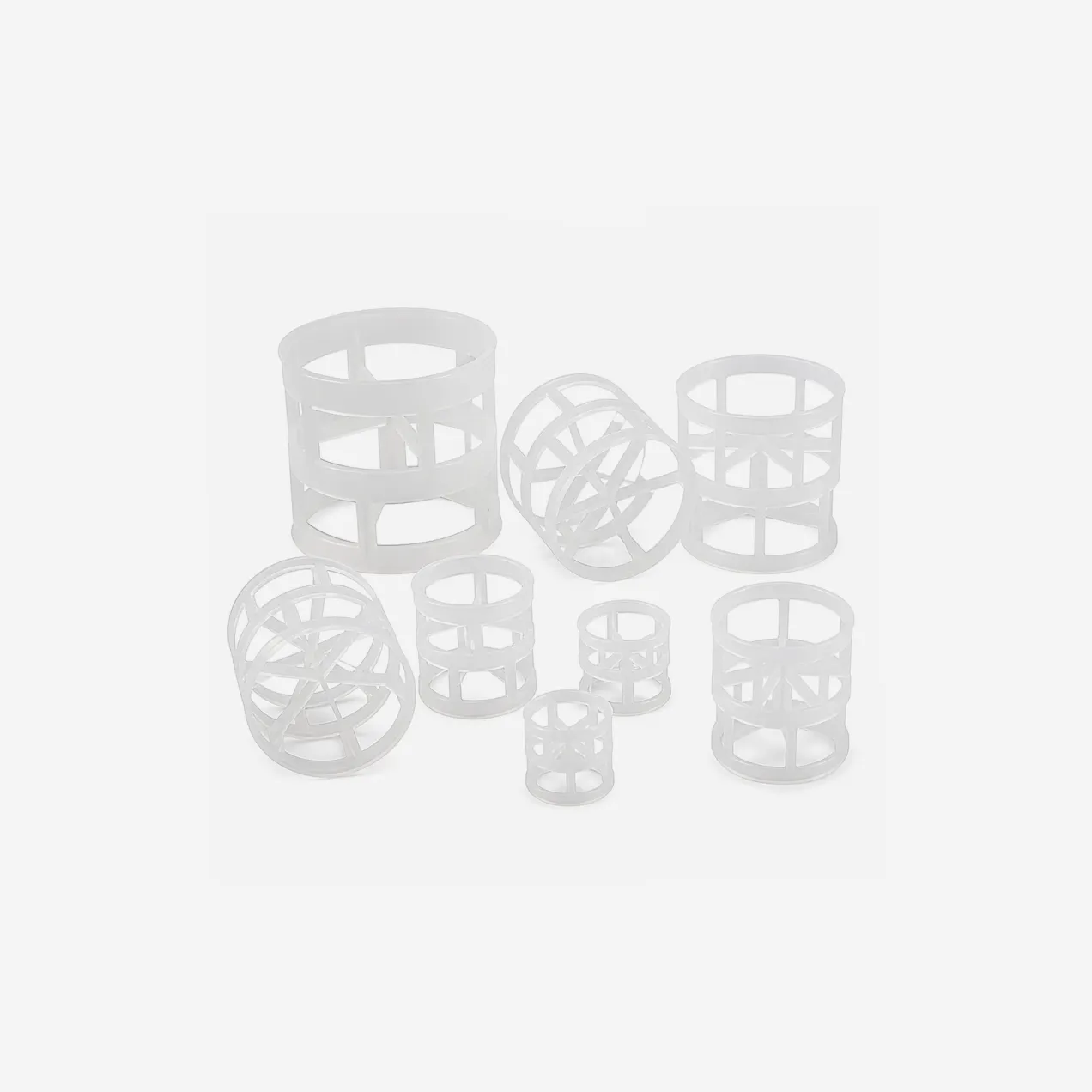
Metal Pall ring is a random tower packing pressed from thin metal strip, most often stainless steel 304 or 316, and also carbon steel or higher alloys such as titanium for harder duty. Because the wall is so thin, it offers the highest surface area, the greatest void fraction — around 94 to 96 percent — and the lowest pressure drop of any Pall ring, so it moves the most gas and liquid for its size. Metal also brings the mechanical strength for deep beds and high-pressure columns, a temperature range far beyond any plastic, and the ability to be cleaned and reused. It is the packing for demanding distillation and absorption. We make it in sizes from 10 to 76 mm.

  • Thin-wall metal — stainless steel 304/316, carbon steel or alloy, for high strength.
  • Highest surface area, void fraction around 94 to 96 percent, and lowest pressure drop.
  • Takes high pressure and a wide temperature range, far above plastic packings.
  • Reusable and cleanable, with a long service life.
  • Sizes 10, 16, 25, 38, 50 and 76 mm for distillation, absorption and stripping towers.

Technial Parameters

Size (mm)Surface area (m²/m³)Void fraction (%)Pieces per m³Bulk density (kg/m³)
10×10×0.348293.8768,000480
16×16×0.336294.9214,000408
25×25×0.42199551,940403
38×38×0.614695.915,180326
50×50×0.8109966,500322
76×76×17196.11,830262


PropertyValue
Product TypeMetal random packing (Pall ring)
MaterialStainless steel 304 / 316 / 316L, carbon steel, titanium, higher alloys
Model NO.RJ-2782
Standard Sizes10, 16, 25, 38, 50, 76 mm
Wall Thickness0.3–1.0 mm (by size)
StructureThin-wall cylinder with rows of windows and inward tongues
Void FractionAbout 94–96%
AdvantagesHigh strength, high capacity, low pressure drop, wide temperature range, reusable
ApplicationsDistillation, absorption, stripping, desulphurisation, gas dehydration, air separation
Alloy Note304/316 for general service; titanium or nickel alloy for chlorides / HCl
TrademarkRONGJIAN
OriginJiangxi, China
HS Code8419909000
Transport PackageCarton box / ton bag / steel drum

FAQs

What is a metal Pall ring used for?

Metal Pall ring goes into the more demanding packed columns — distillation, absorption and stripping in petrochemical and chemical plants. Typical duties include crude-oil fractionation, ethylene and refinery towers, amine and gas desulphurisation, natural-gas dehydration, air separation, and the recovery or purification of organic solvents such as acetone and methanol. Its strength suits high-pressure columns and deep beds, and its cleanliness suits high-purity, electronic-grade and pharmaceutical distillation. It also works as catalyst support and gas-liquid distribution media in hydrogenation reactors. Where the process is hot, pressurised, or needs maximum throughput, metal is the packing of choice.
What metals are metal Pall rings made from?

Metal Pall rings are pressed from thin metal strip, and the alloy is matched to the service. Stainless steel 304 and 316 or 316L cover the great majority of duties, giving good corrosion resistance, strength and heat tolerance at a sensible price. Carbon steel is used where the stream is non-corrosive and cost matters. For aggressive chemistry the metal steps up: titanium, and nickel alloys such as Hastelloy, handle chlorides, hydrochloric acid and other media that would attack ordinary stainless. Tell us the fluid, its temperature and its chloride content and we will recommend the alloy, since the metal, not the ring shape, decides how long the packing lasts.

How does metal compare with plastic and ceramic Pall rings?

The three materials suit different conditions. Metal is the strongest and the most efficient: thin walls give it the highest surface area and void fraction and the lowest pressure drop, it takes high pressure and a wide temperature range, and it can be cleaned and reused, though the right alloy must be picked for corrosive streams. Plastic is the cheapest and resists specific corrosives such as hydrochloric acid well, but it is limited on temperature and strength. Ceramic handles very high heat and strong acids and is inexpensive, but it is brittle and heavy. So metal wins for high-pressure, high-purity or high-throughput distillation, plastic for cool corrosive scrubbing on a budget, and ceramic for hot acidic gas at temperatures no plastic could survive.

What sizes and performance do metal Pall rings offer?

Metal Pall rings run from 10 to 76 mm, and the pattern is the usual one: smaller rings pack more surface area per cubic metre for sharper separation, larger rings give more open volume and lower pressure drop for high throughput. What sets metal apart is how thin the wall is, a few tenths of a millimetre, which pushes surface area and void fraction higher than any plastic or ceramic ring can reach — void runs from about 94 percent at the small sizes to over 96 at the large. That mix of high area and high void is why metal packing yields so many theoretical stages for so little pressure drop. The full figures for each size are in the table above.

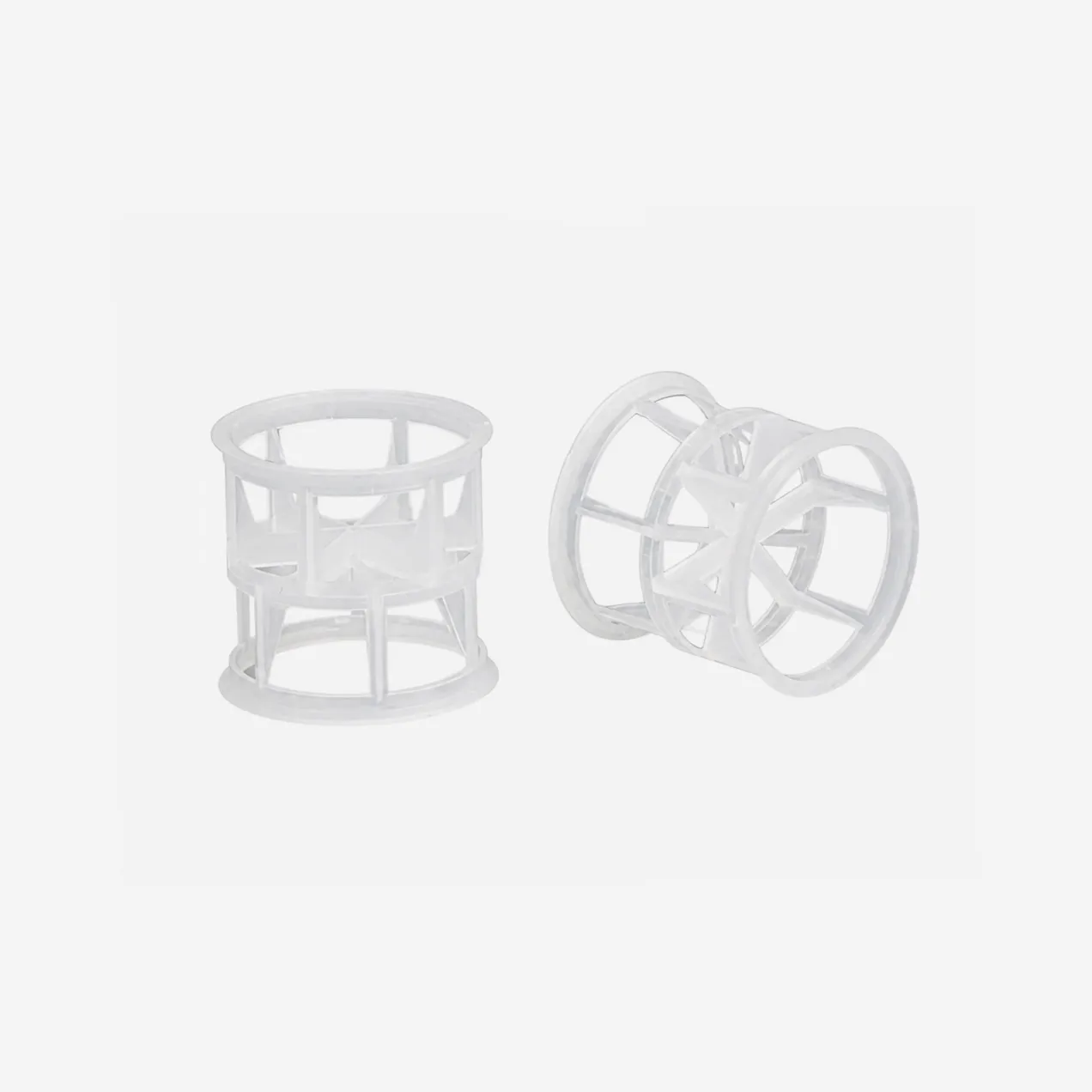
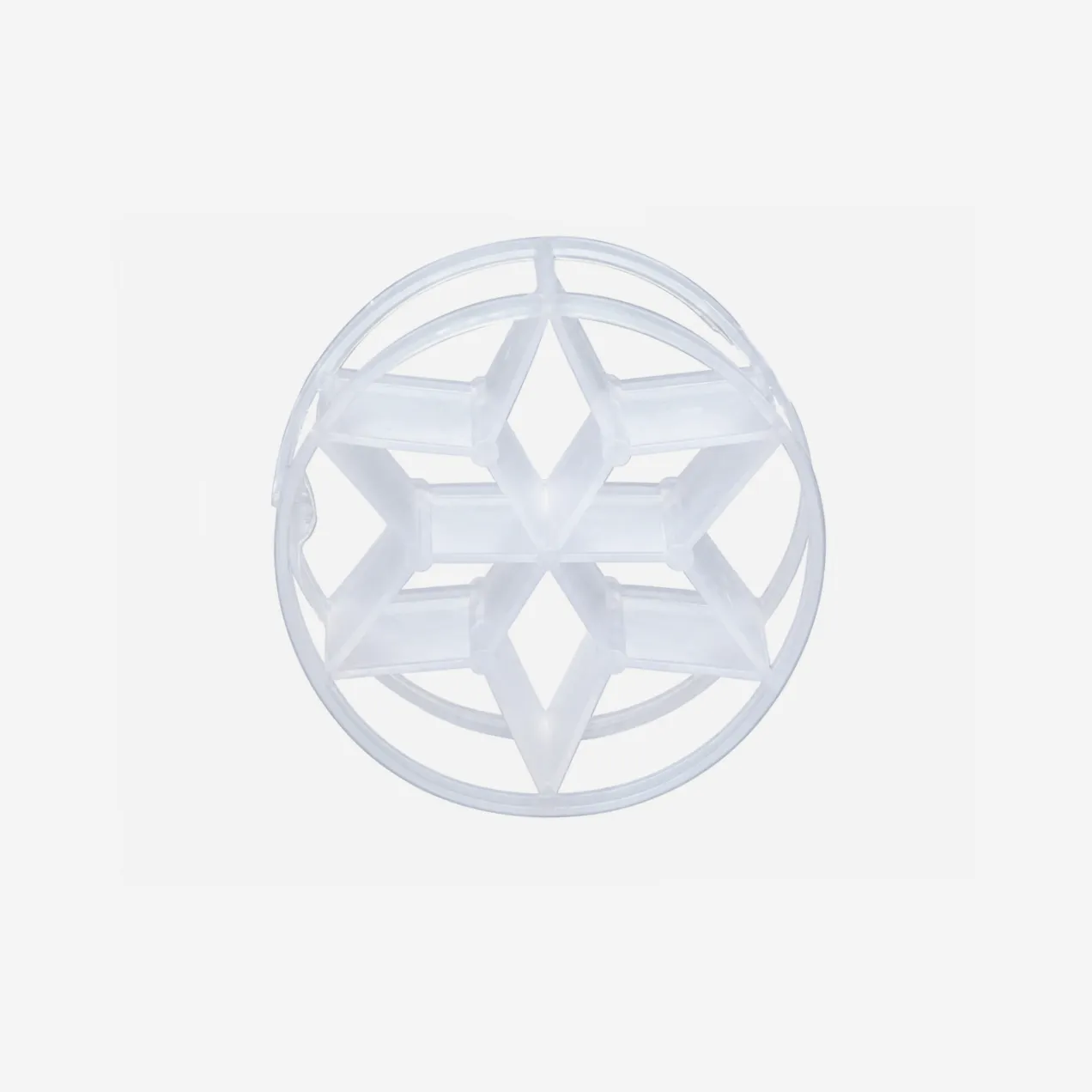
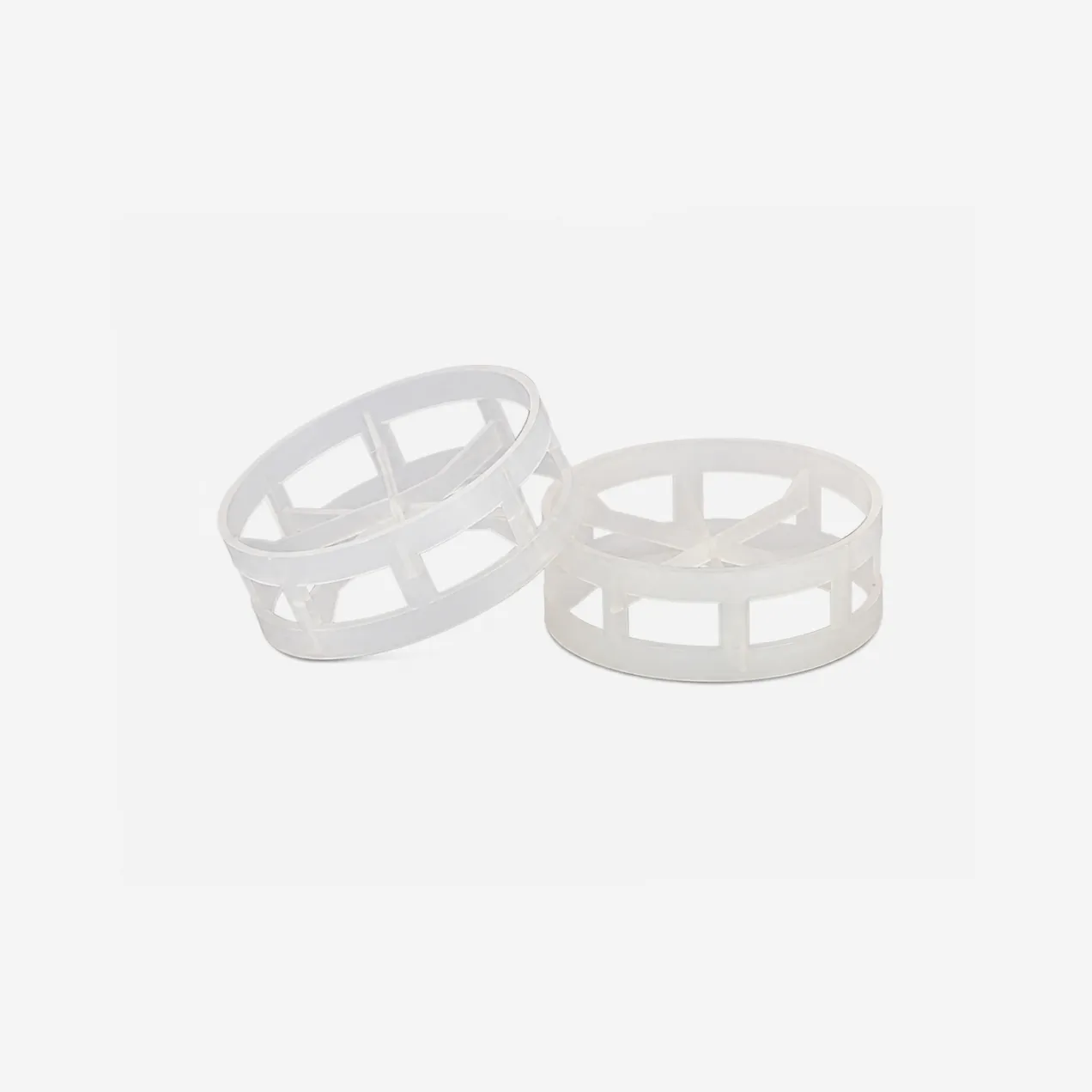
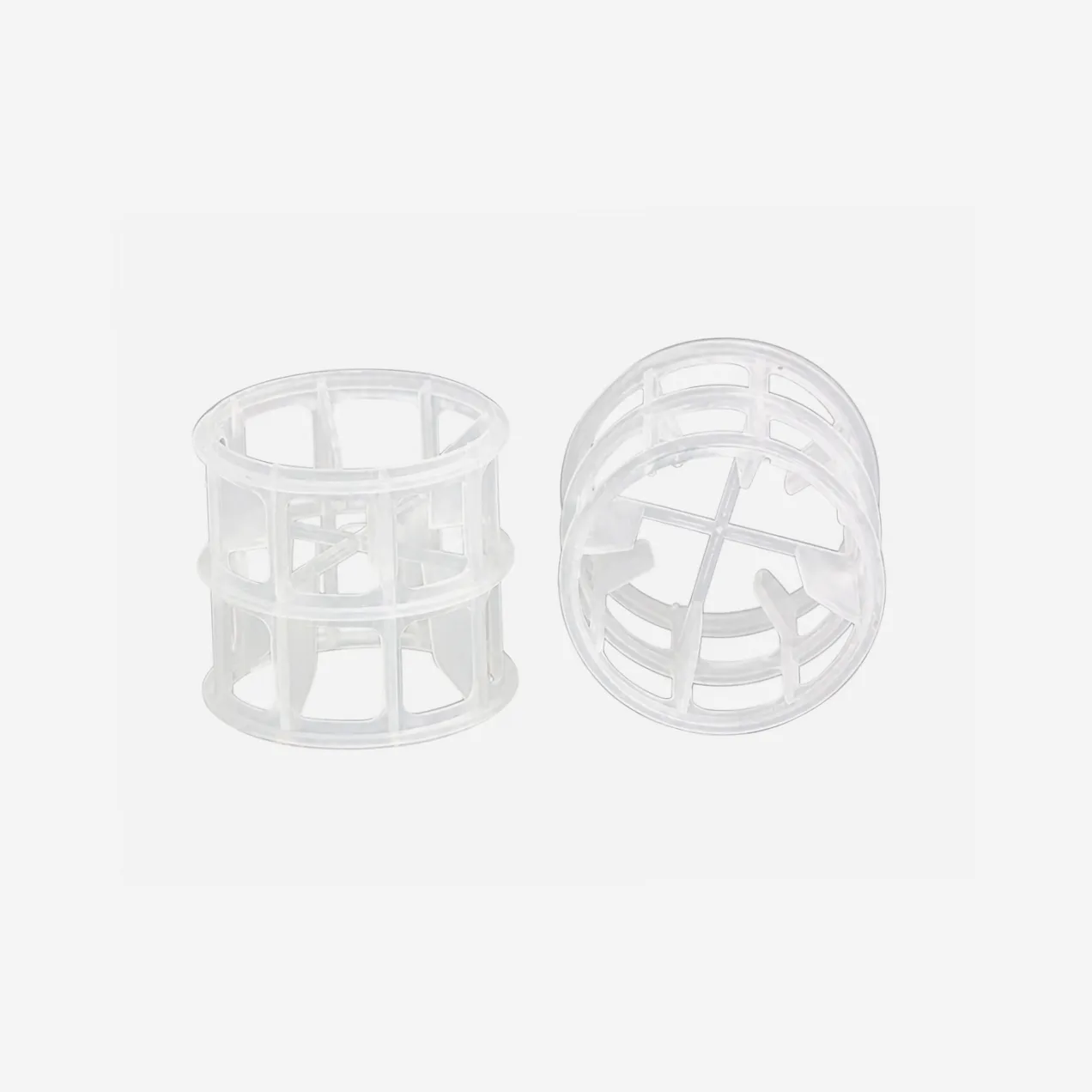
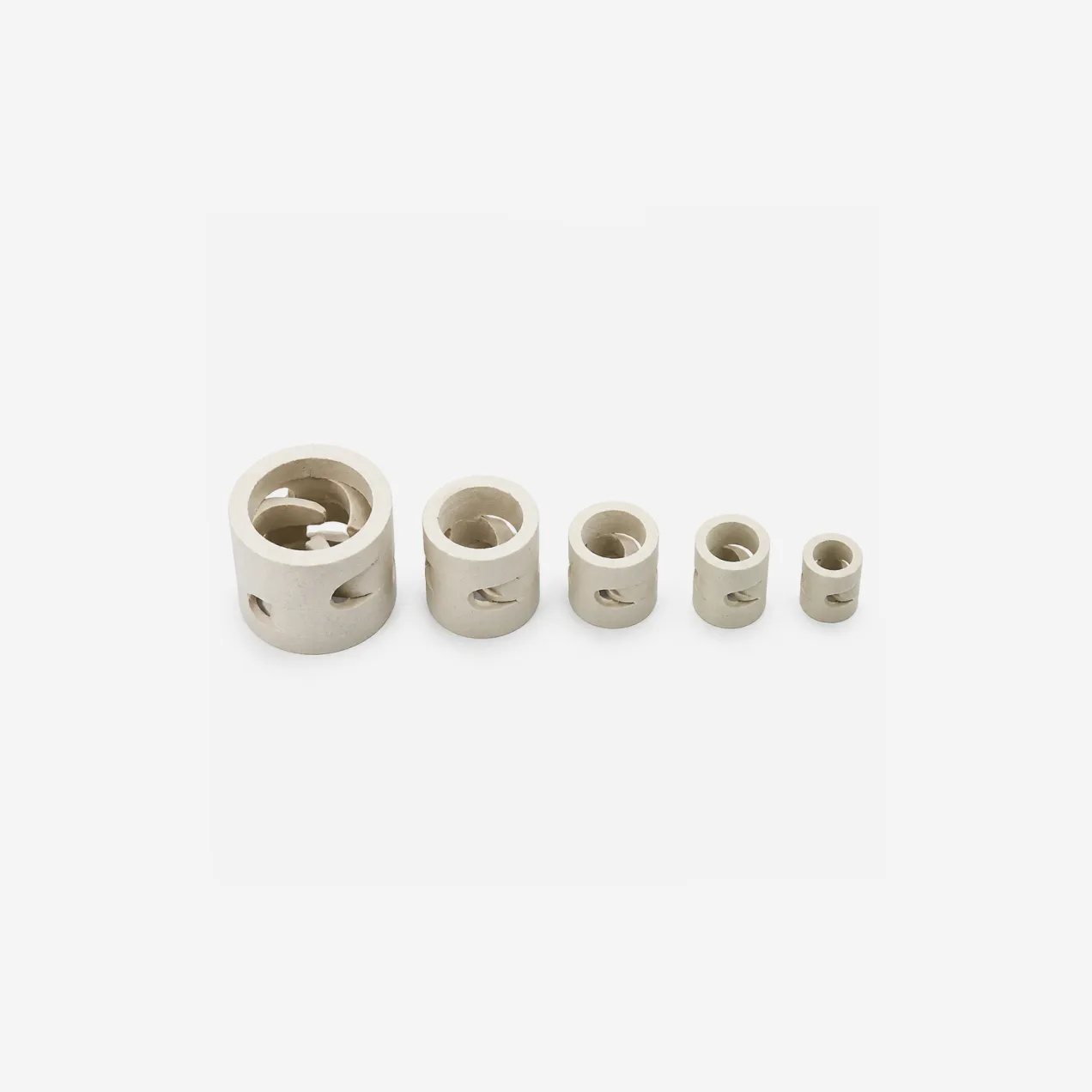
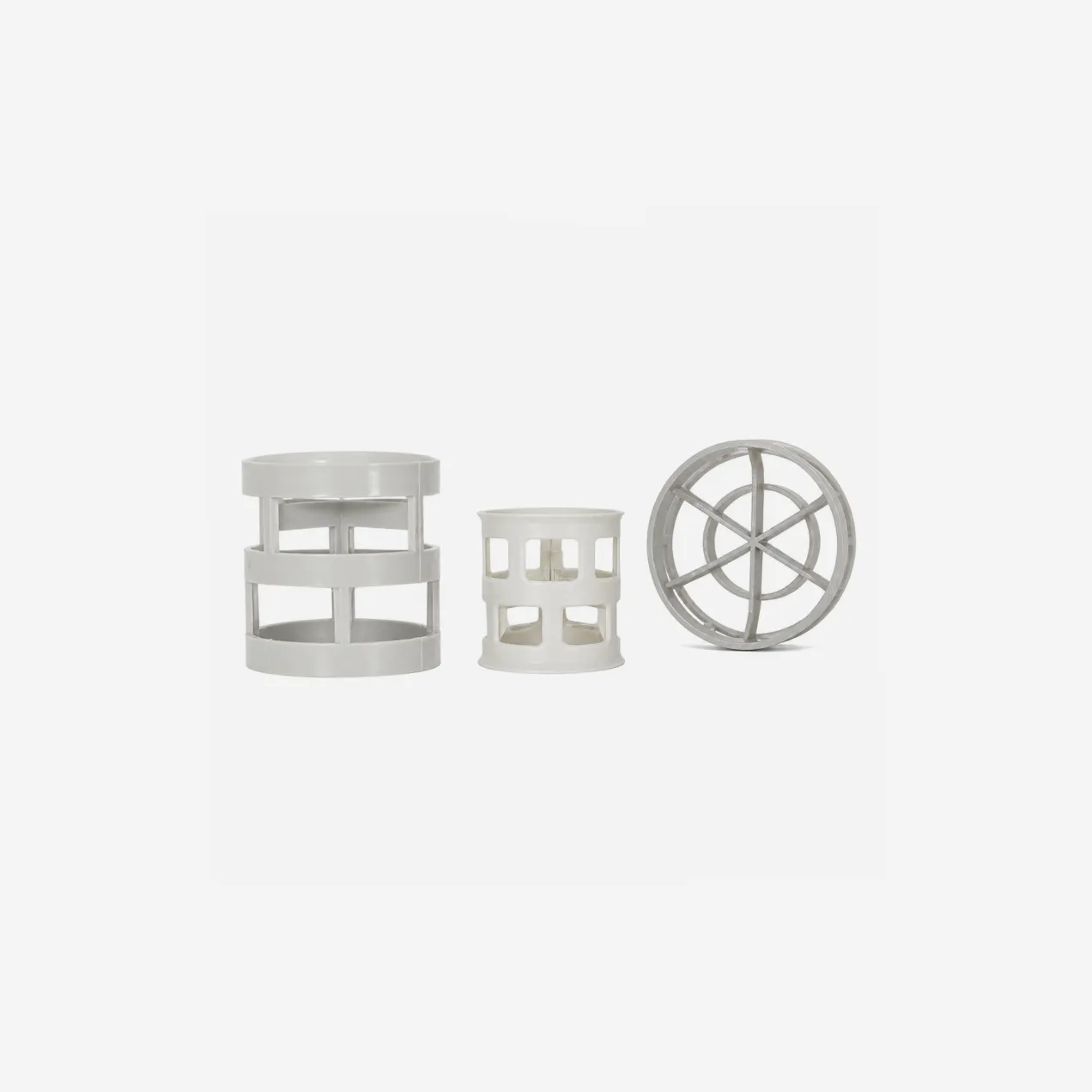
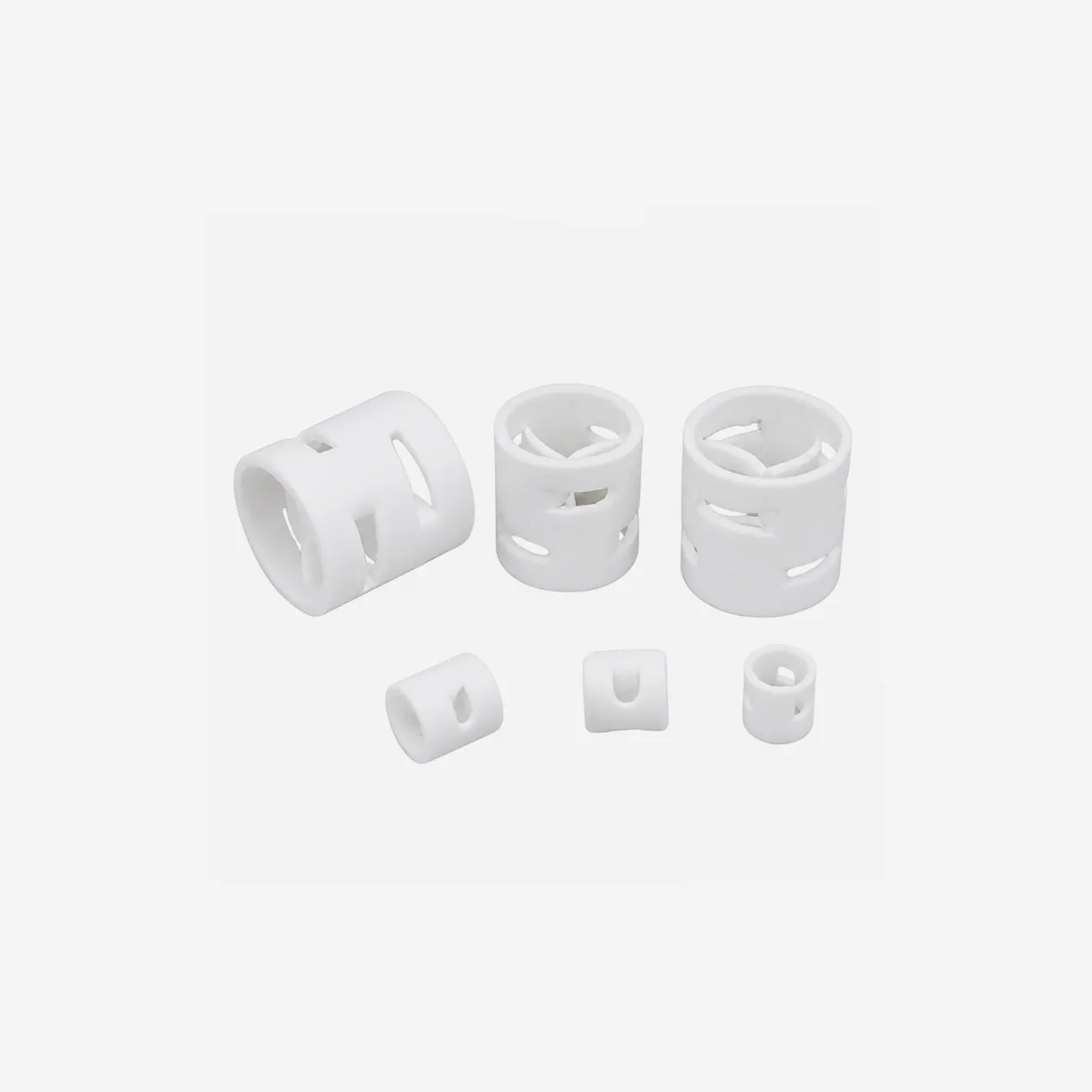
A Pall ring is an open cylinder whose wall is punched into rows of windows with the tongues bent inward, a shape that gives high void, even liquid spreading and low pressure drop. Made in metal, that shape reaches its best. The wall can be rolled very thin — from about 0.3 mm on the small sizes to 1 mm on the large — so the ring is almost all open space, with a void fraction up into the high nineties and the highest geometric surface area of any Pall ring. Thin metal is also strong, so the packing carries deep beds and high column pressures without crushing, and it survives temperatures that would melt or soften any plastic. Stainless steel 304 and 316 are the usual choices, with carbon steel for mild service and titanium or nickel alloys for the most corrosive.

Set against the plastic and ceramic versions, the trade-offs are clear:

MetalPlasticCeramic
StrengthHighestLowBrittle
Max temperatureVery high (alloy-dependent)Low (~60–260°C)Very high (>800°C)
Void and efficiencyHighestModerateLower
Corrosion resistanceAlloy-dependentExcellent for set chemicalsExcellent for acids
Relative costHigher, but reusableLowestLow

The rule of thumb: choose metal when the column runs hot or under pressure, when maximum throughput and separation matter, or when the packing has to last and be cleaned and reused — the classic cases being crude and solvent distillation, amine and gas treating, gas dehydration and air separation. Plastic is the pick for cool, budget corrosive scrubbing, and ceramic for hot, strongly acidic gas. For corrosive service in metal the alloy does the work: 304 or 316 for most streams, titanium or Hastelloy where chlorides or hydrochloric acid are present. Tell us the process and we will size the packing and specify the metal.