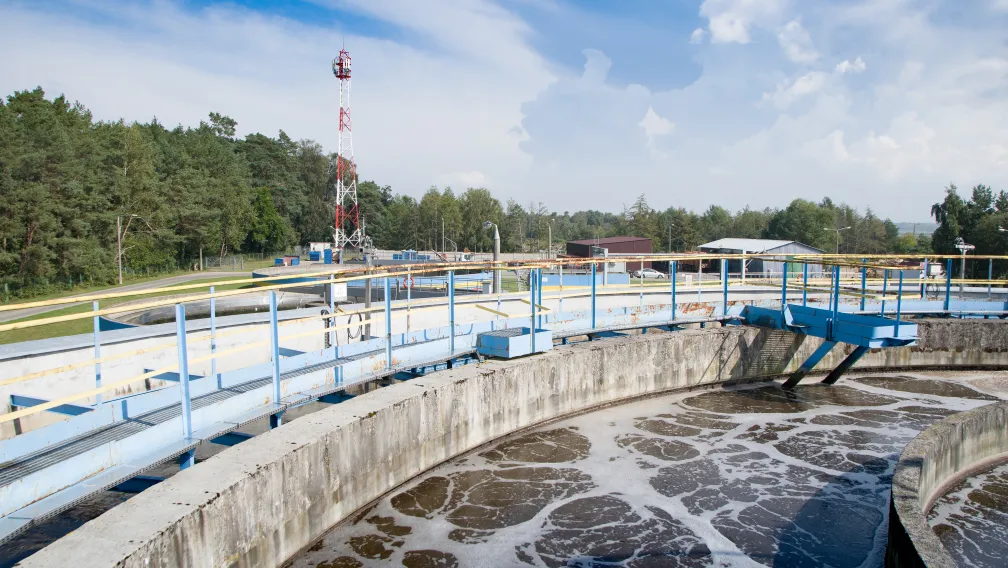

On September 29, 2026, Petkim, a subsidiary of the State Oil Company of Azerbaijan Republic (SOCAR), awarded Technip Energies the contracts for process licensing, the Process Design Package (PDP), and the Front-End Engineering Design (FEED) for a proposed integrated petrochemical complex. The facility will be located in Aliağa, Türkiye. Technip Energies booked the award during the third quarter of 2026 across its Project Delivery and Technology, Products & Services operating segments. The engineering and design phase establishes the technical foundation, capital expenditure estimates, and project economics required before SOCAR reaches a Final Investment Decision (FID). Earlier statements in 2025 indicated SOCAR was preparing an investment framework of approximately $7 billion for this regional downstream expansion.
Process Unit Capacities and Configuration
The Aliağa complex centers on a world-scale mixed-feed ethylene cracking unit. Technip Energies will provide the process license for this cracker, which is designed for a base capacity of 1.2 million tonnes per annum (tpy) of ethylene. The configuration routes the olefins produced in the cracker to adjacent, newly constructed polymerization plants. The project scope includes an 850,000 tpy high-density polyethylene (HDPE) and linear low-density polyethylene (LLDPE) complex configured as two parallel 425,000-tonne process trains. Additionally, the site will feature a 550,000 tpy polypropylene (PP) unit. This scale of production aligns with the industry trend of building mega-complexes that minimize intermediate storage and transport costs by co-locating monomer generation directly adjacent to polymer derivatives units.
Strategic Integration in the Aliağa Hub
Petkim already operates significant petrochemical assets in the Aliağa peninsula. The addition of a 1.2 million tpy cracker and associated polymer units represents a direct crude-to-chemicals integration strategy. The adjacent STAR Refinery, also operated by SOCAR, processes crude oil into naphtha and LPG. These refinery streams serve as the primary mixed-feed for the new ethylene cracker. By directly piping naphtha and LPG from the refinery to the cracker furnaces, the complex eliminates maritime freight costs and supply chain volatility. The return streams, such as pygas and hydrogen-rich off-gas, can be routed back to the refinery for gasoline blending or hydrotreating consumption. This closed-loop material integration maximizes the value extracted from every barrel of crude processed at the site.
Mass Transfer Operations in the Quench System
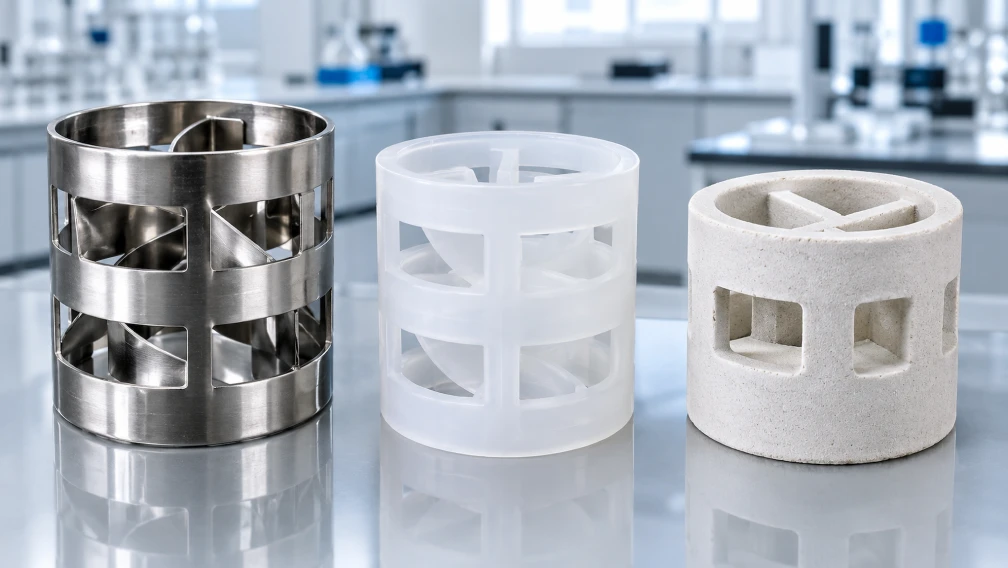
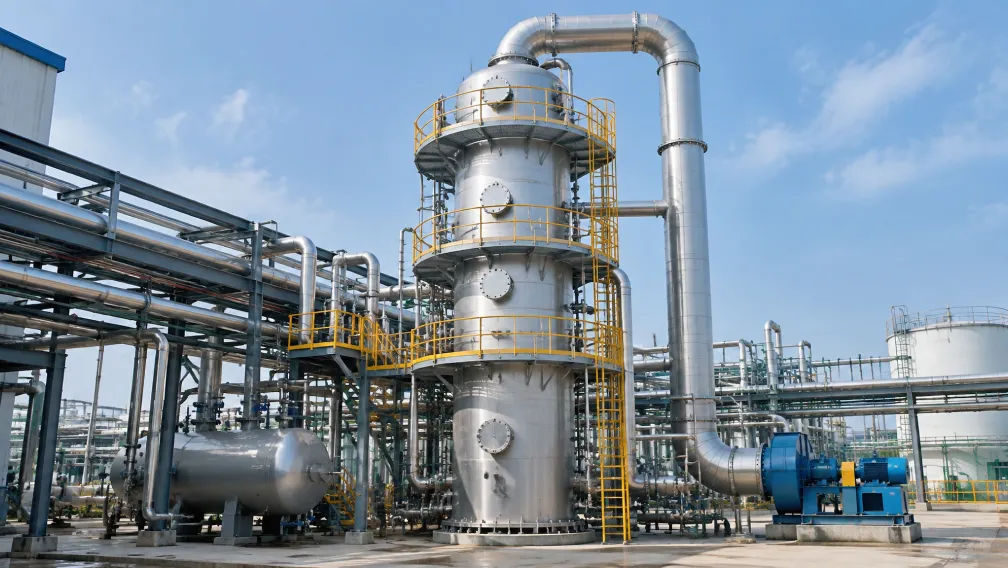
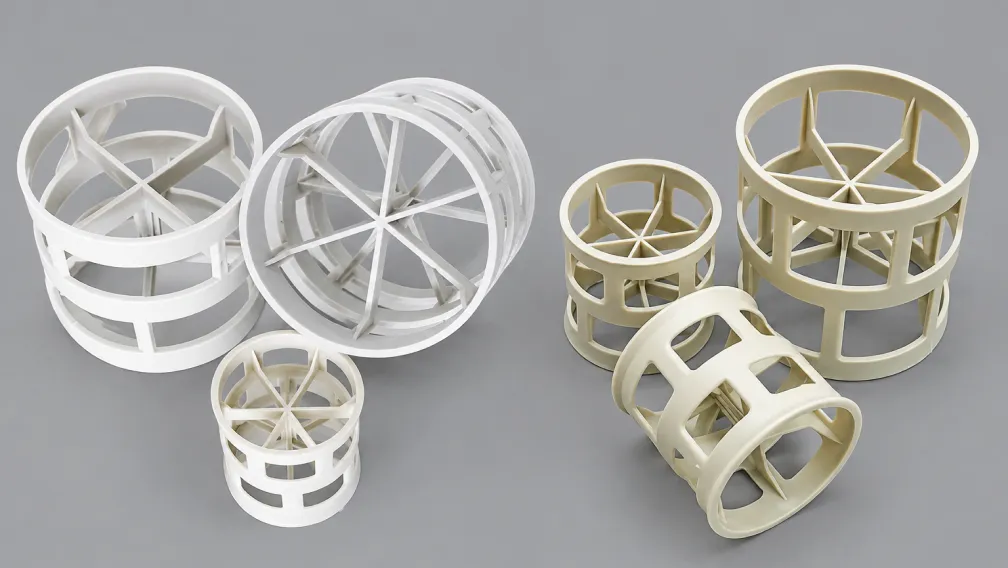
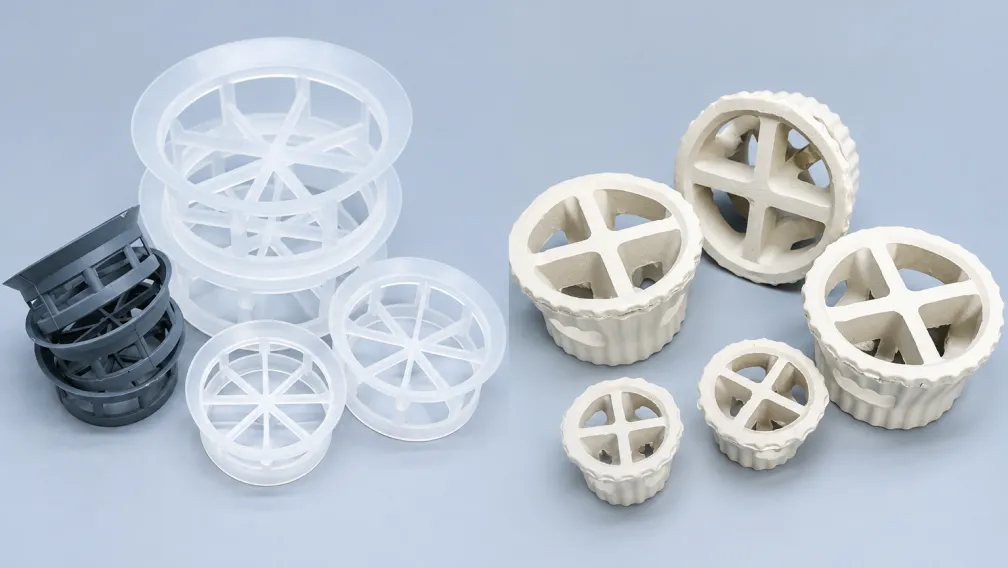
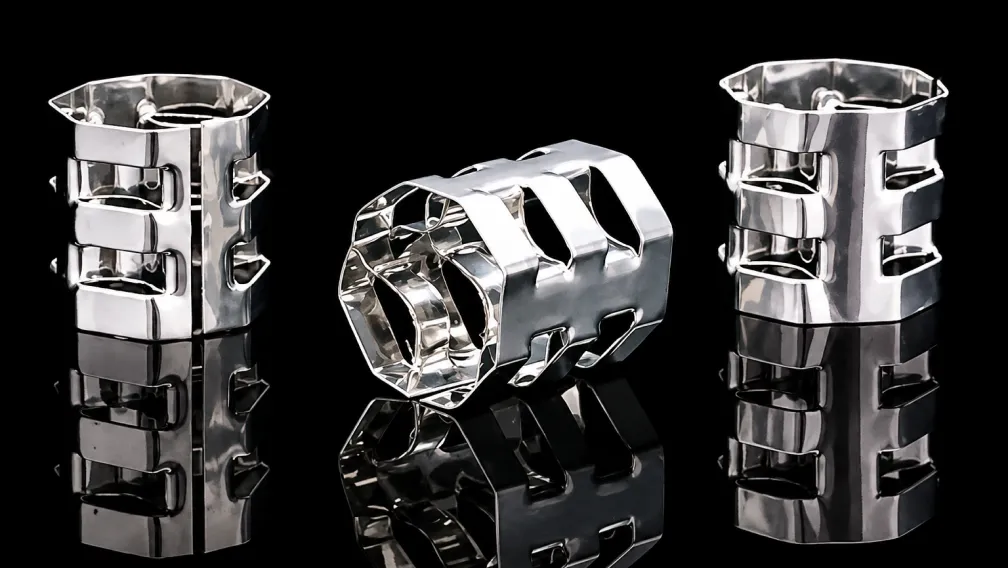
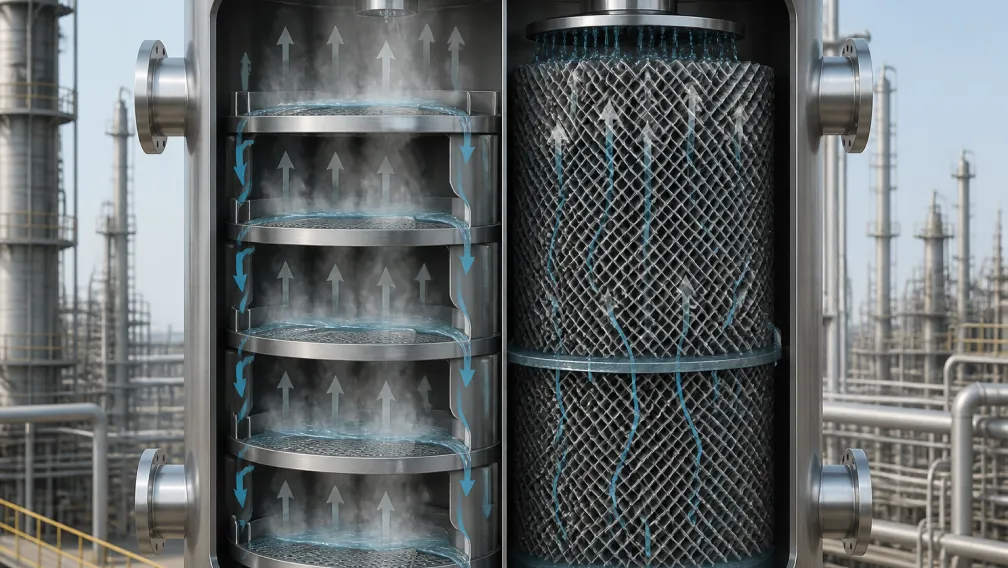
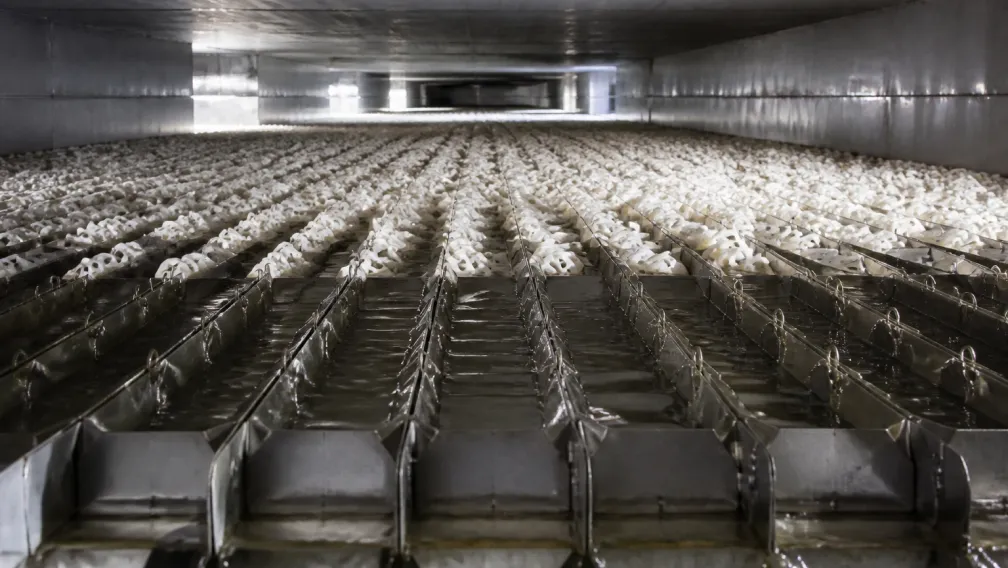
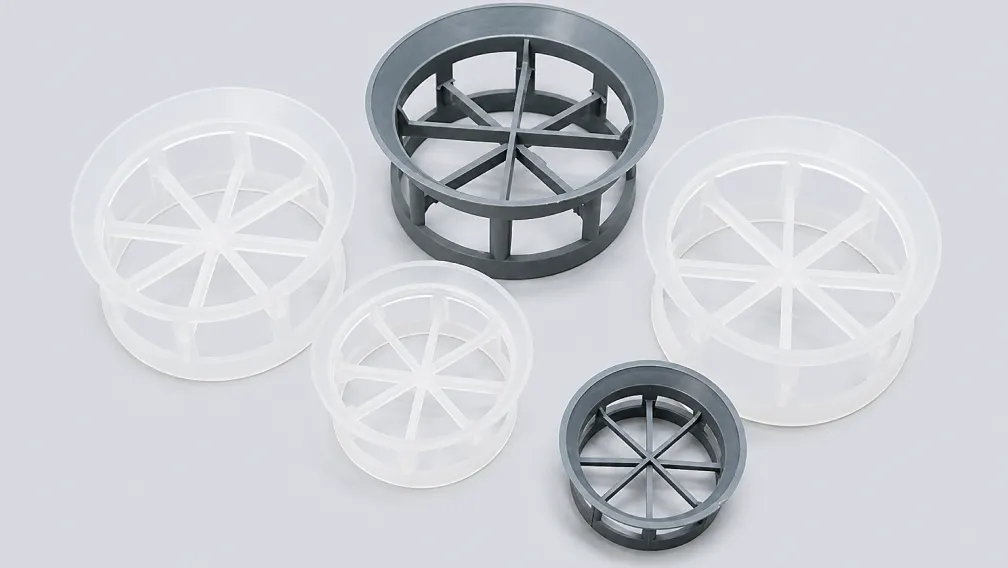
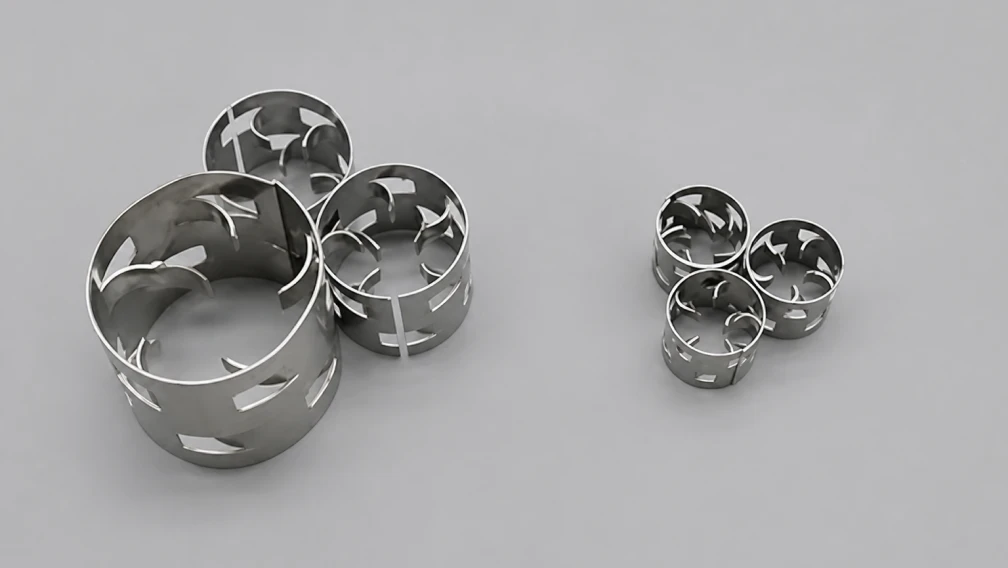
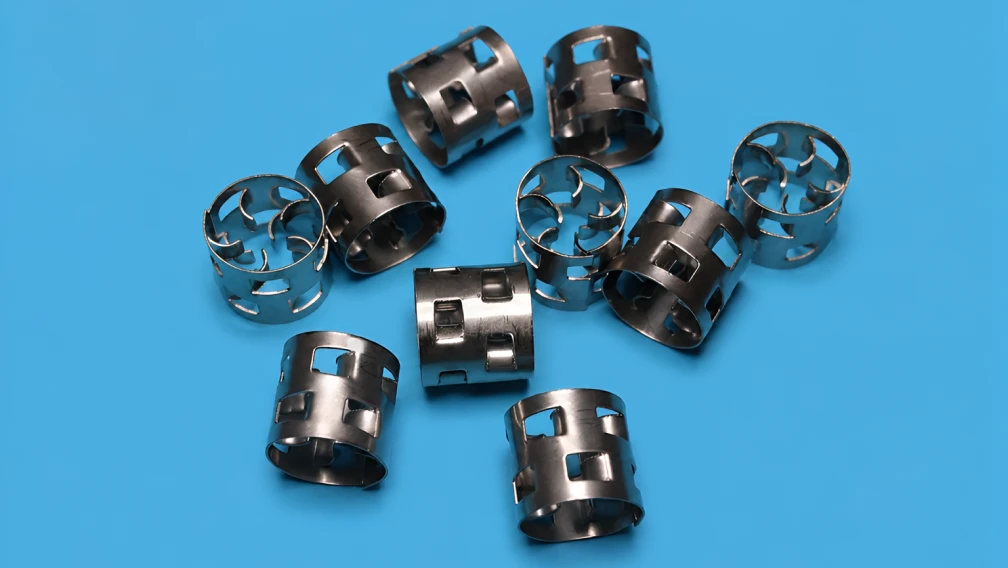
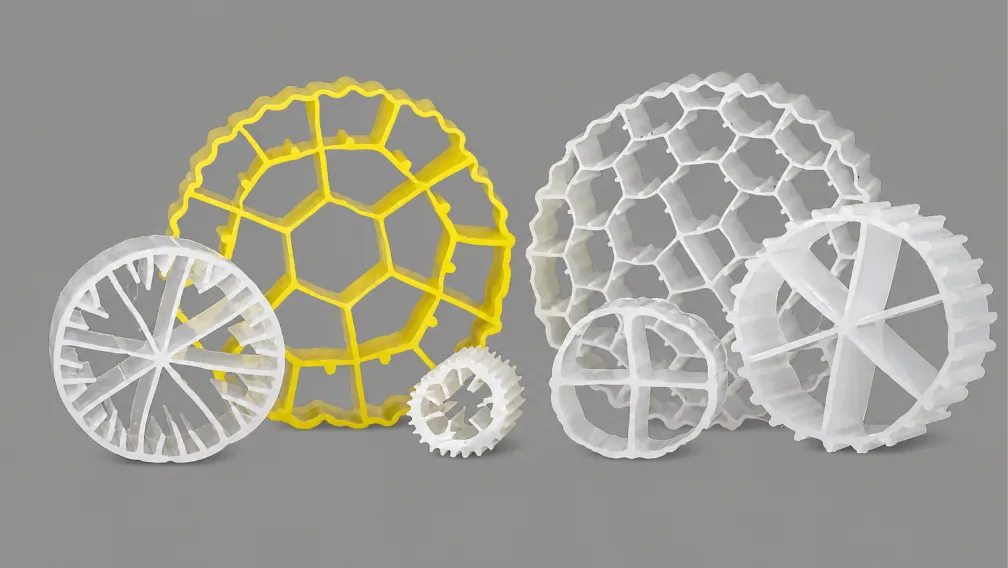
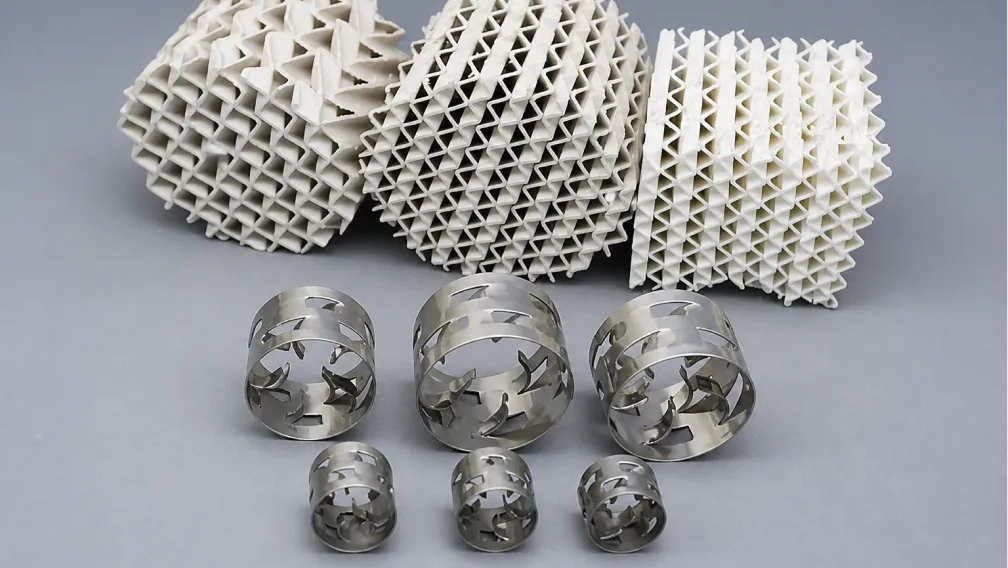
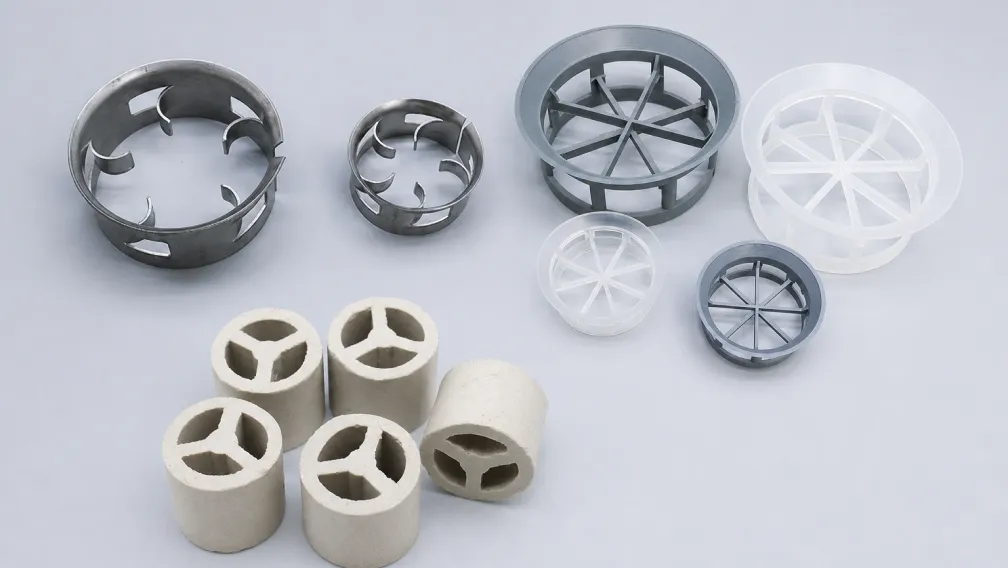
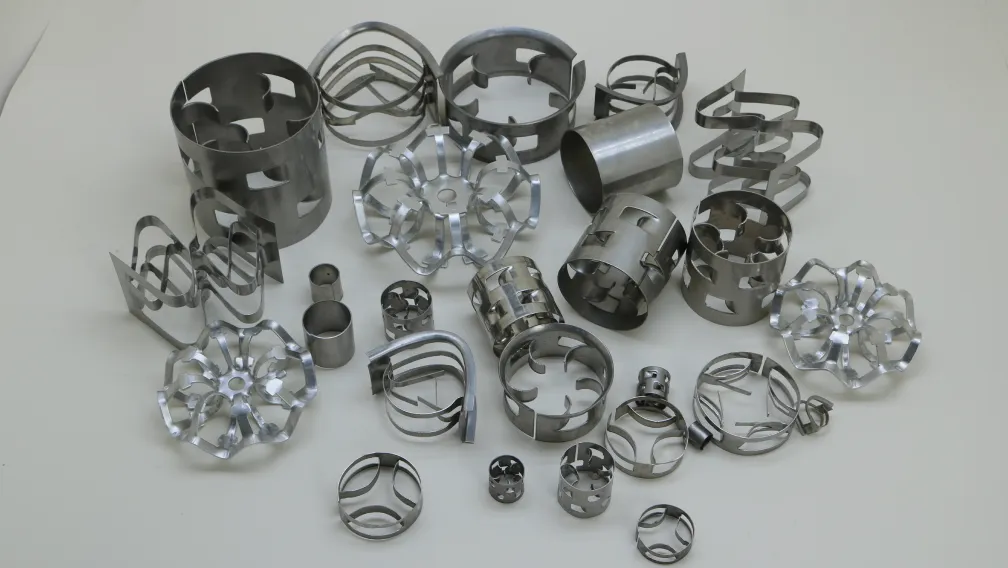
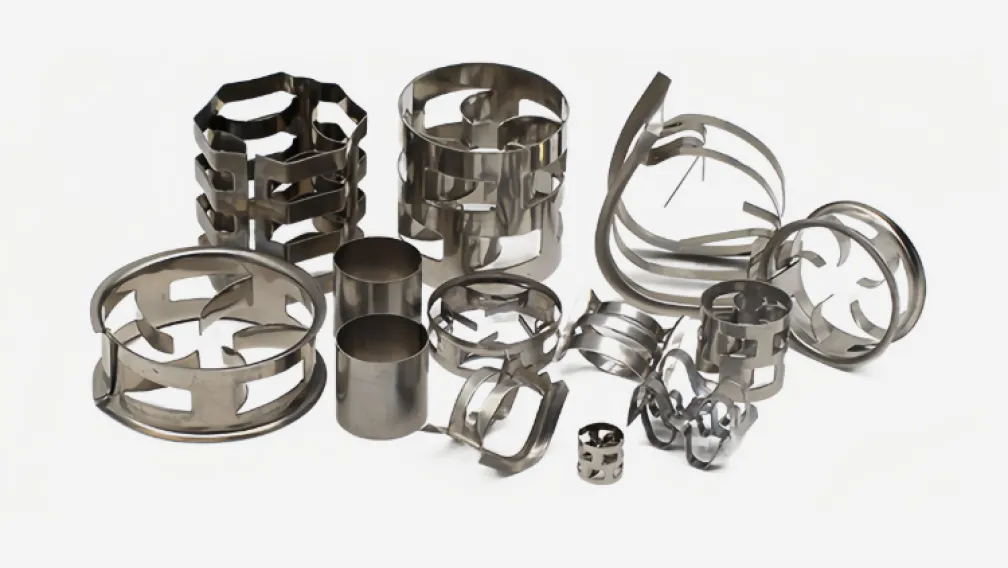
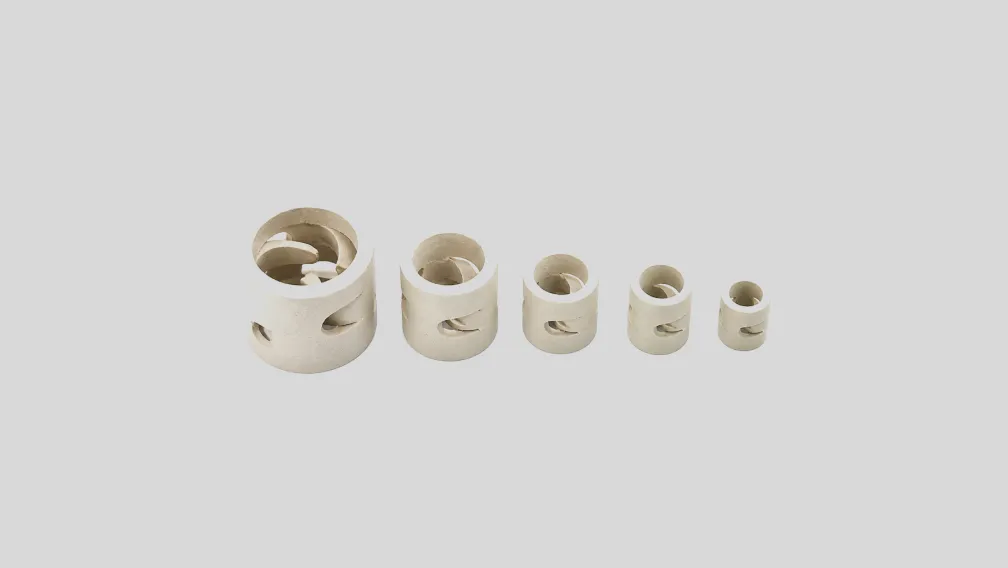
Ethylene production relies heavily on thermal cracking furnaces followed by immediate and aggressive cooling to halt secondary reactions. The cracked gas leaves the transfer line exchangers and enters the quench tower. This column operates under severe conditions, handling high temperatures, heavy hydrocarbon condensation, and the potential for coke particulate fouling. Quench towers require robust mass transfer equipment. Engineering specifications typically mandate severe-duty random packing, such as heavy-gauge metal Pall rings or advanced high-capacity ring geometries. The large void fraction of these random packings minimizes pressure drop while providing the necessary surface area for direct-contact heat transfer between the ascending hot gas and the descending quench oil or water. Where fouling is less of a concern in the upper sections of the tower, grid packing or structured packing may be deployed to maximize heat recovery efficiency.
Acid Gas Removal and Caustic Wash Towers
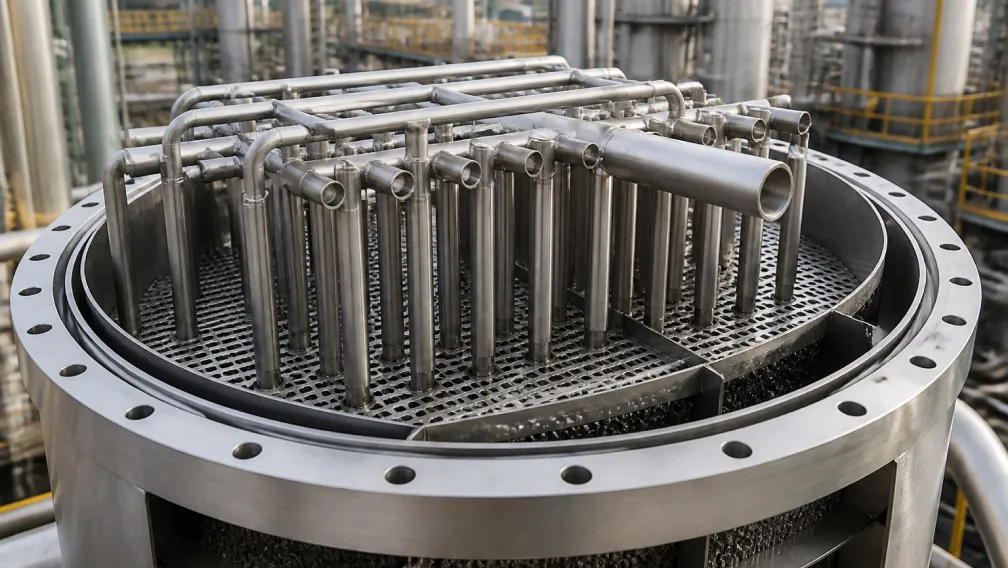
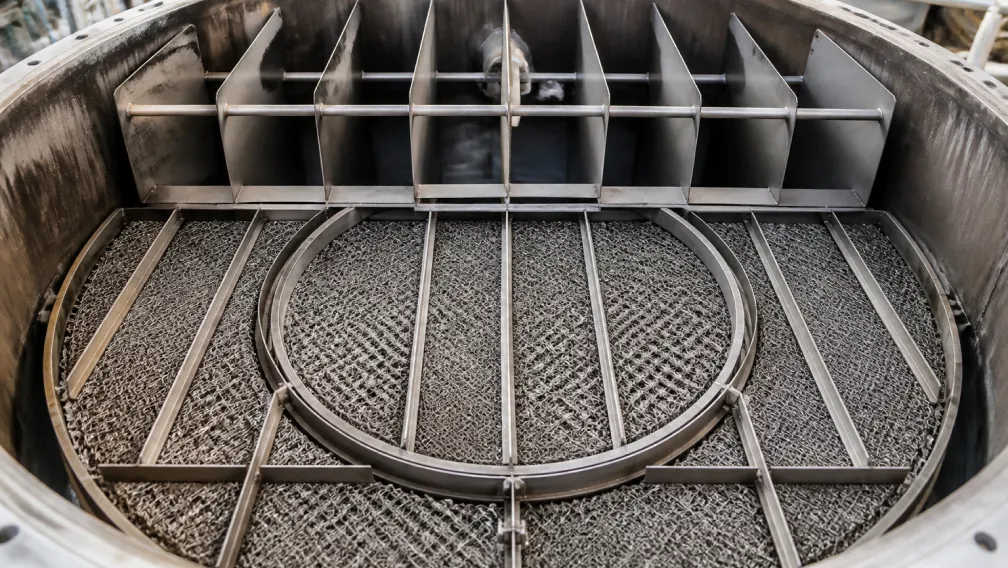
Following the quench section, cracked gas undergoes compression. Between compression stages, the gas must be scrubbed of acid gases, primarily hydrogen sulfide (H2S) and carbon dioxide (CO2), formed during the cracking process. The caustic wash tower facilitates the absorption of these acid gases into a circulating sodium hydroxide solution. The chemical reaction requires highly efficient liquid-gas contact and strict residence time control. To achieve this, the tower is fitted with multiple beds of random packing or structured packing, separated by high-performance liquid distributors. These tower internals ensure the caustic solution wets the entire cross-section of the packing bed, preventing dry zones that allow acid gases to slip past the absorption zone. Effective demister pads are installed at the top of the column to capture caustic mist and prevent sodium carryover into the subsequent compressor stages, which would cause severe rotor fouling and mechanical failure.
Dehydration Using 3A Molecular Sieve
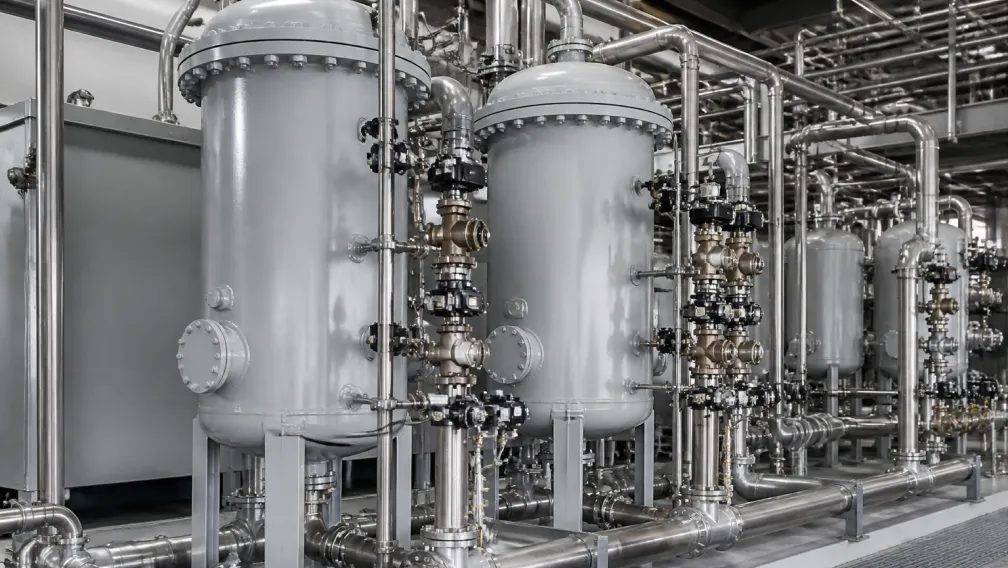
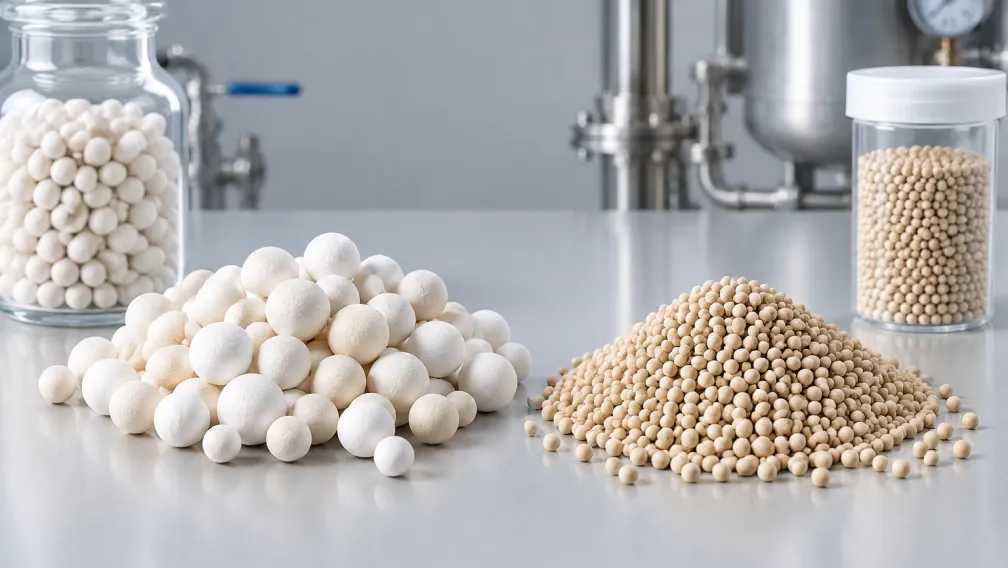
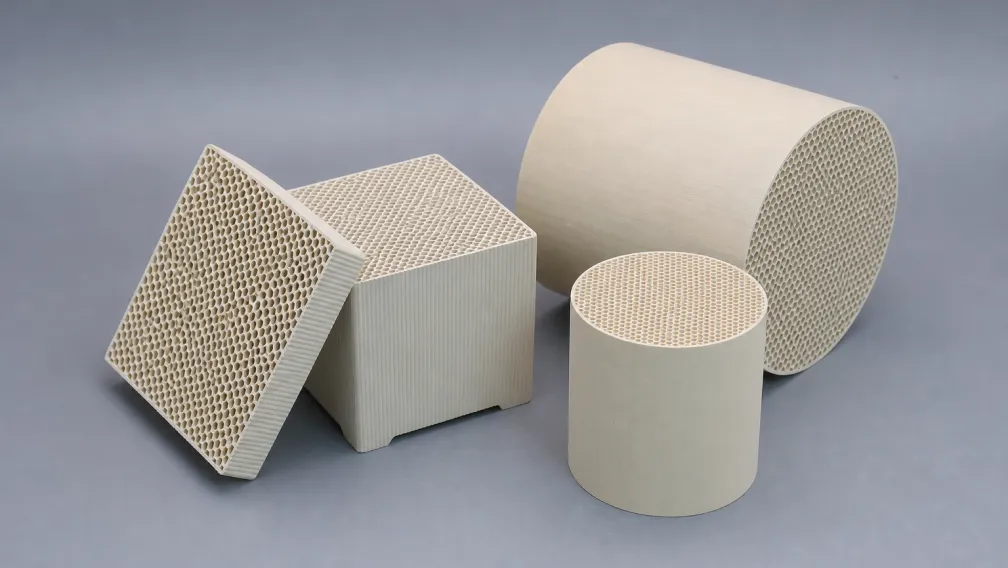
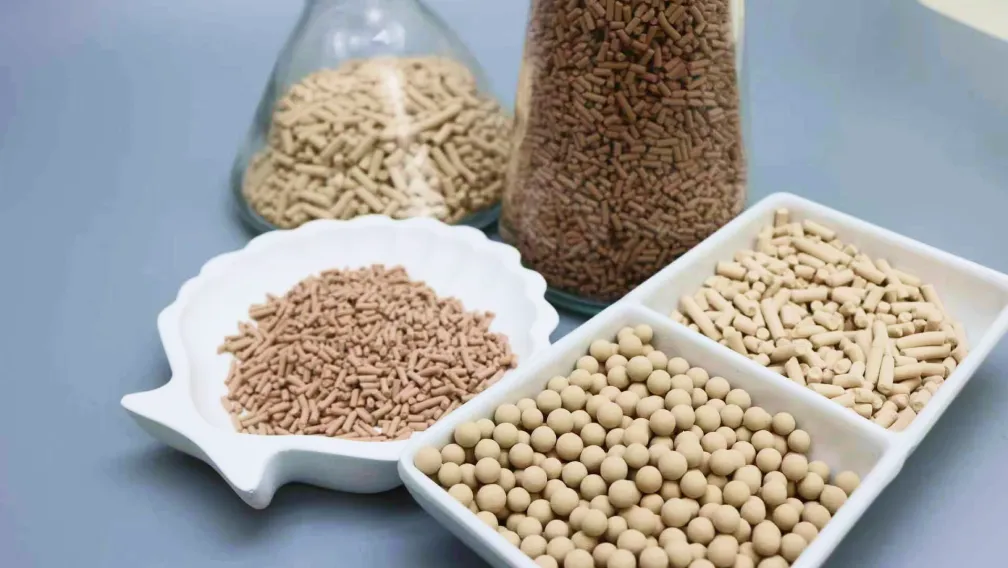
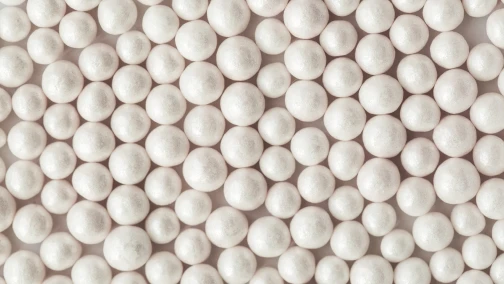
Before the cracked gas enters the cryogenic separation train, it must be completely dehydrated. Even parts-per-million levels of moisture will freeze on the surfaces of the cold box heat exchangers, causing rapid pressure drop escalation and forcing a plant shutdown. The drying process utilizes dual-vessel or multi-vessel adsorption systems loaded with molecular sieve desiccants. For ethylene cracked gas, a 3A molecular sieve is strictly required. The effective pore opening of the 3A zeolite structure is approximately 3 angstroms. The kinetic diameter of a water molecule is roughly 2.65 angstroms, allowing it to enter the crystal lattice and be adsorbed. In contrast, ethylene and propylene molecules possess kinetic diameters larger than 3 angstroms, preventing them from entering the pores. This size-exclusion principle ensures that the desiccant bed removes water without co-adsorbing the valuable olefin products, thereby maximizing product yield and preventing runaway exothermic polymerization reactions inside the desiccant bed during the heated regeneration cycle.
Cryogenic Fractionation and Structured Packing
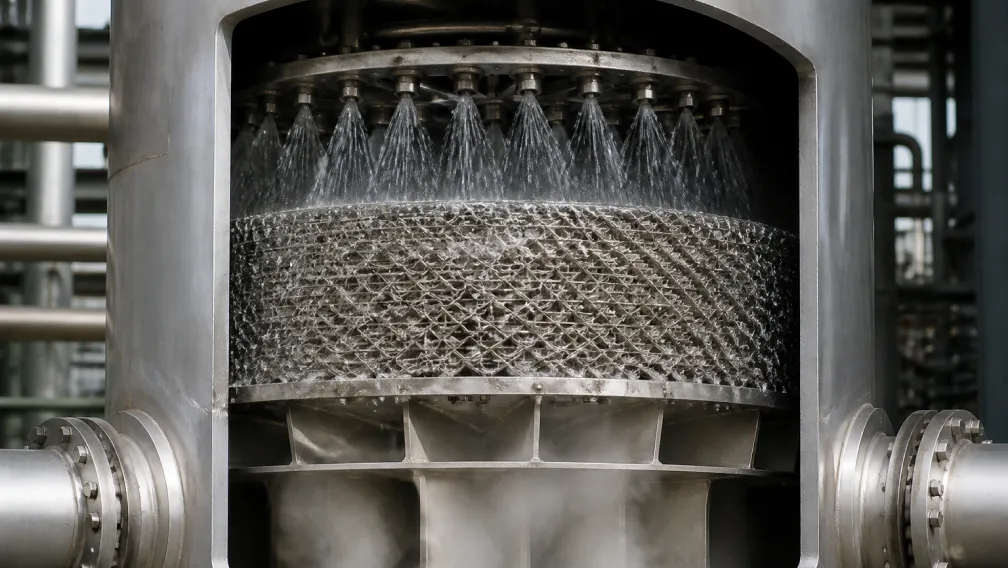
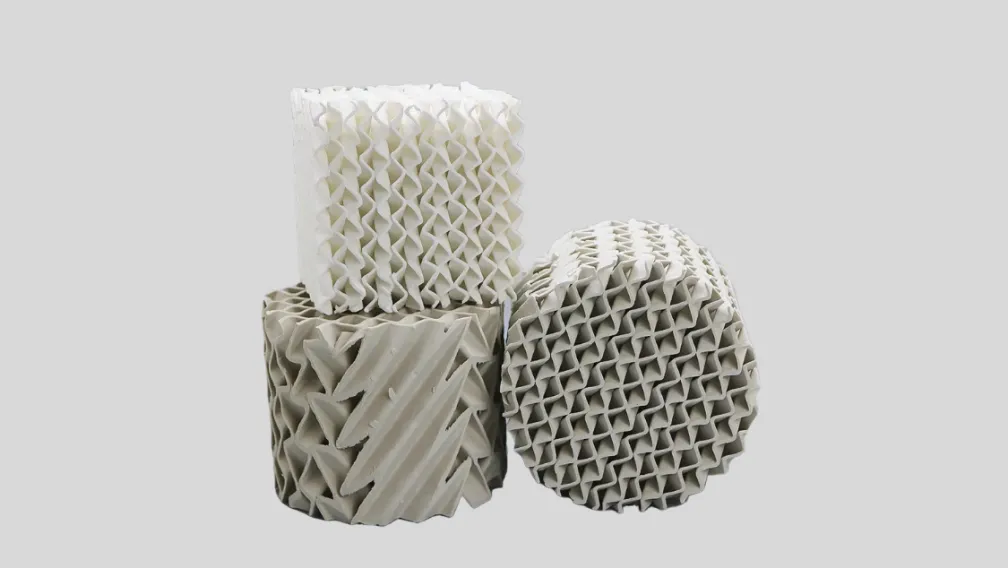
The dried cracked gas enters the chilling train and subsequent fractionation columns: the demethanizer, deethanizer, C2 splitter, depropanizer, and C3 splitter. These columns operate at cryogenic temperatures and elevated pressures to separate the hydrocarbon mixture by boiling point. The C2 splitter, which separates ethane from ethylene, is one of the tallest and most energy-intensive columns in the complex. To achieve the required separation sharpness (producing polymer-grade ethylene at 99.9% purity), these columns demand hundreds of theoretical stages. High-efficiency structured packing is the standard internal equipment for these cryogenic columns. Structured packing provides a massive geometric surface area per unit volume while maintaining an extremely low pressure drop per theoretical stage. Lowering the pressure drop across the column directly reduces the discharge pressure required from the cracked gas compressor, translating to massive energy savings over the operating life of the plant.
Guard Beds and Monomer Purification
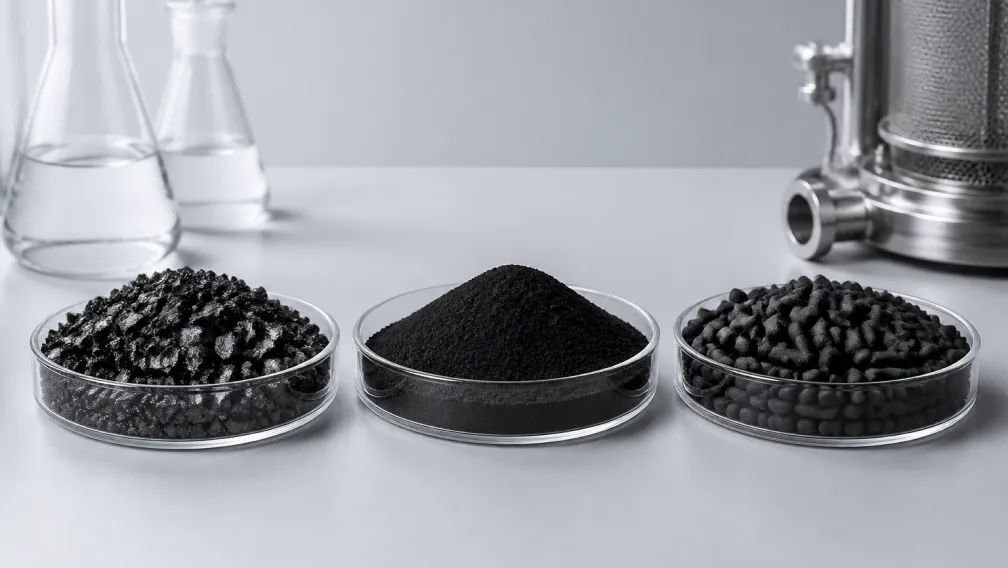
Even after cryogenic distillation, the ethylene and propylene monomers contain trace impurities—such as arsine, phosphine, carbonyl sulfide (COS), and oxygen—that act as severe poisons to the advanced Ziegler-Natta or metallocene catalysts used in the downstream HDPE, LLDPE, and PP units. Before entering the polymerization reactors, the monomers pass through a series of fixed-bed purification vessels. These guard beds are loaded with specialized adsorbents, including activated alumina, custom-promoted zeolites, and activated carbon. The specific surface chemistry of the activated alumina selectively binds polar contaminants. These beds act as the final defense line; their adsorption capacity determines the run length of the purification cycle, and their physical crush strength ensures the beads do not degrade into dust under the high-pressure flow of supercritical monomers.
Mechanical Support in Polymerization Reactors
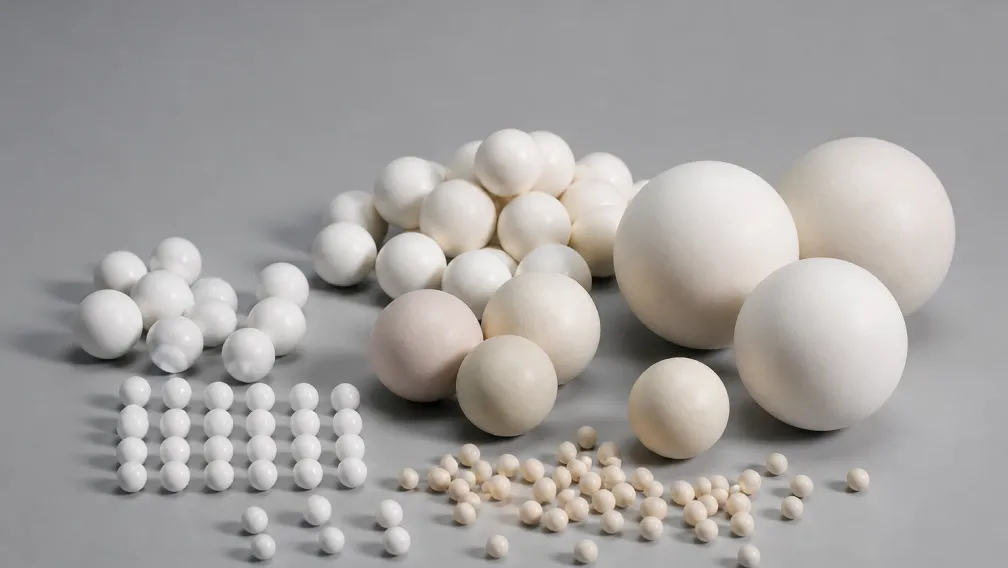
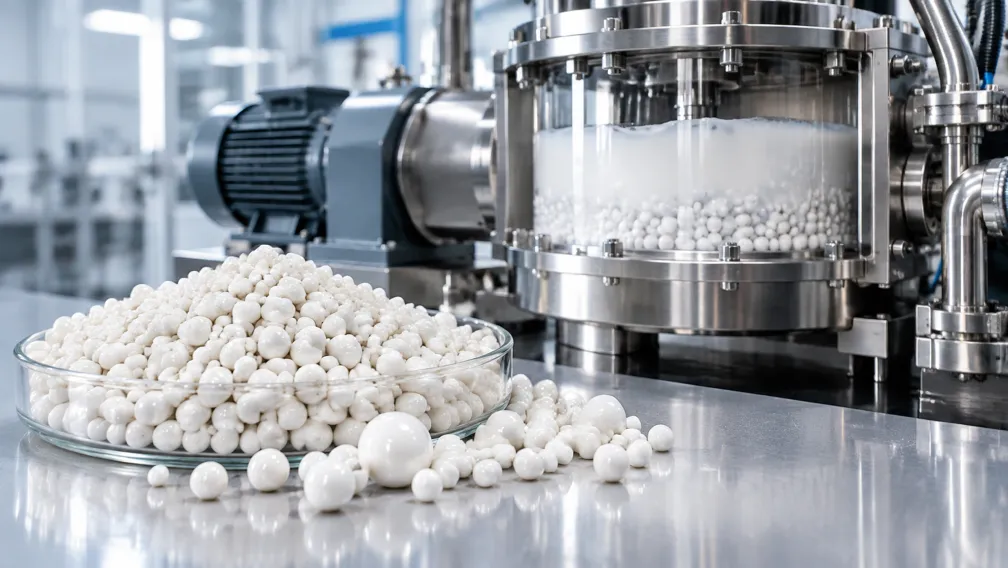
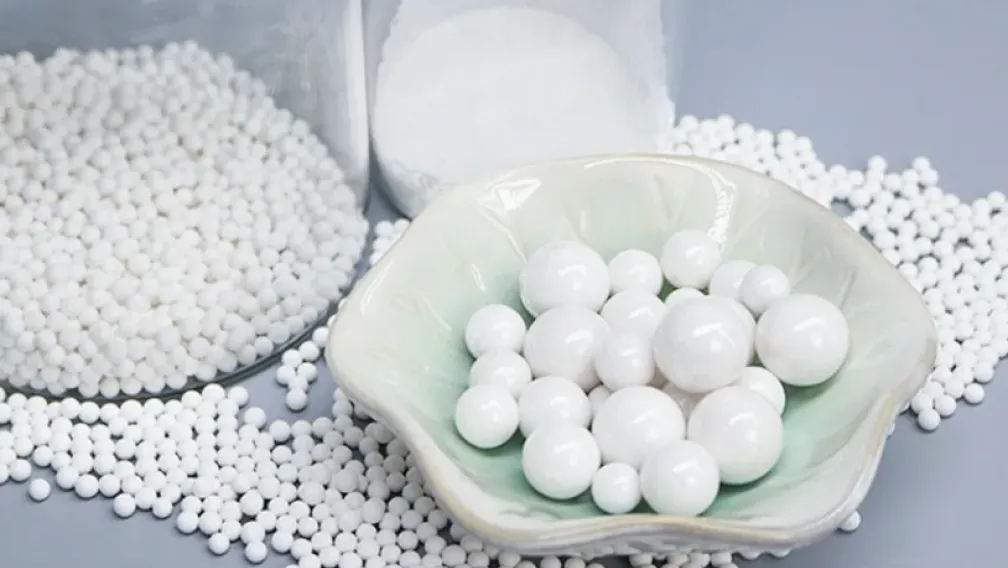
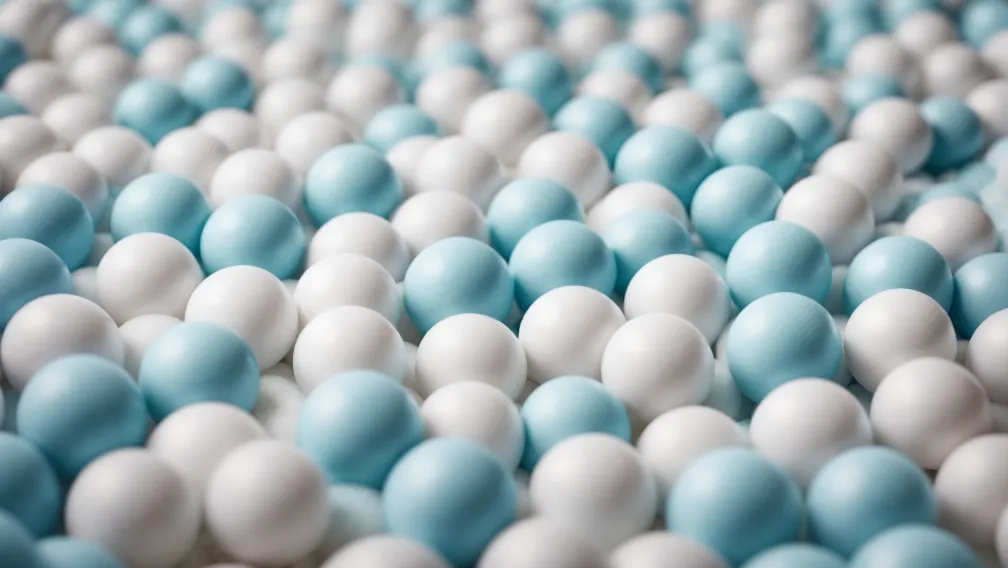
The core of the polymer units involves gas-phase or slurry-phase reactors. Where fixed-bed catalytic processes are utilized, the solid catalyst must be held securely in place. Inert ceramic balls are deployed as support and covering media within these vessels. A graded layer of ceramic balls—ranging from large diameters at the support grid to small diameters immediately adjacent to the catalyst—distributes the incoming feed evenly across the entire cross-section of the reactor. This eliminates localized high-velocity channeling that can fluidize the catalyst bed or cause uneven temperature profiles. The ceramic balls must exhibit high mechanical crush strength to withstand the static weight of the bed and extreme thermal shock resistance to survive rapid temperature fluctuations during catalyst regeneration or emergency shutdown procedures.
Procurement Dynamics for EPC Megaprojects
Megaprojects of this scale execute procurement through rigorous phases. The FEED phase currently underway by Technip Energies will generate the definitive equipment lists, column sizing, and material take-offs. Once FID is declared and the EPC execution phase begins, procurement teams will source the internal hardware. The demand for mass transfer equipment on a 1.2 million tpy cracker is massive. It involves hundreds of cubic meters of structured packing, tons of random packing, and highly engineered tower internals including liquid distributors, support grids, and bed limiters. Furthermore, the initial fill of the dehydration units requires hundreds of tons of molecular sieves. For suppliers, securing contracts on projects governed by tier-one EPC firms requires a proven track record, absolute dimensional accuracy in manufacturing, and rigorous quality assurance documentation that complies with ASME and API standards.
Long-Term Operational Consumables
Beyond the initial capital expenditure, the Aliağa complex will generate ongoing demand for operational consumables. Molecular sieves in the cracked gas dryers undergo thousands of thermal swing adsorption cycles. Over a lifespan of three to five years, hydrothermal degradation and trace hydrocarbon coking eventually reduce their water capacity, necessitating full bed replacements. Similarly, catalyst changeouts in the downstream units require fresh batches of inert ceramic balls, as the old support media is often contaminated or fused during operations. Routine maintenance turnarounds drive a continuous replacement market for random packings and demister pads that suffer from fouling or mechanical damage.
Get Specifications for Mass Transfer and Adsorbent Systems
We engineer and supply mass transfer equipment, metal and ceramic tower packing, and industrial adsorbents for world-scale ethylene crackers and polymer plants. Contact our technical engineering team through our contact page for column packing sizing, 3A molecular sieve selection for cracked gas, or to request technical specifications for your next refinery turnaround.
-

Rongjian
Process Media Manufacturer Since 2010
Rongjian produces tower packing, molecular sieves, ceramic grinding media and other process media from our Pingxiang production base. We supply to industrial projects in over 100 countries.