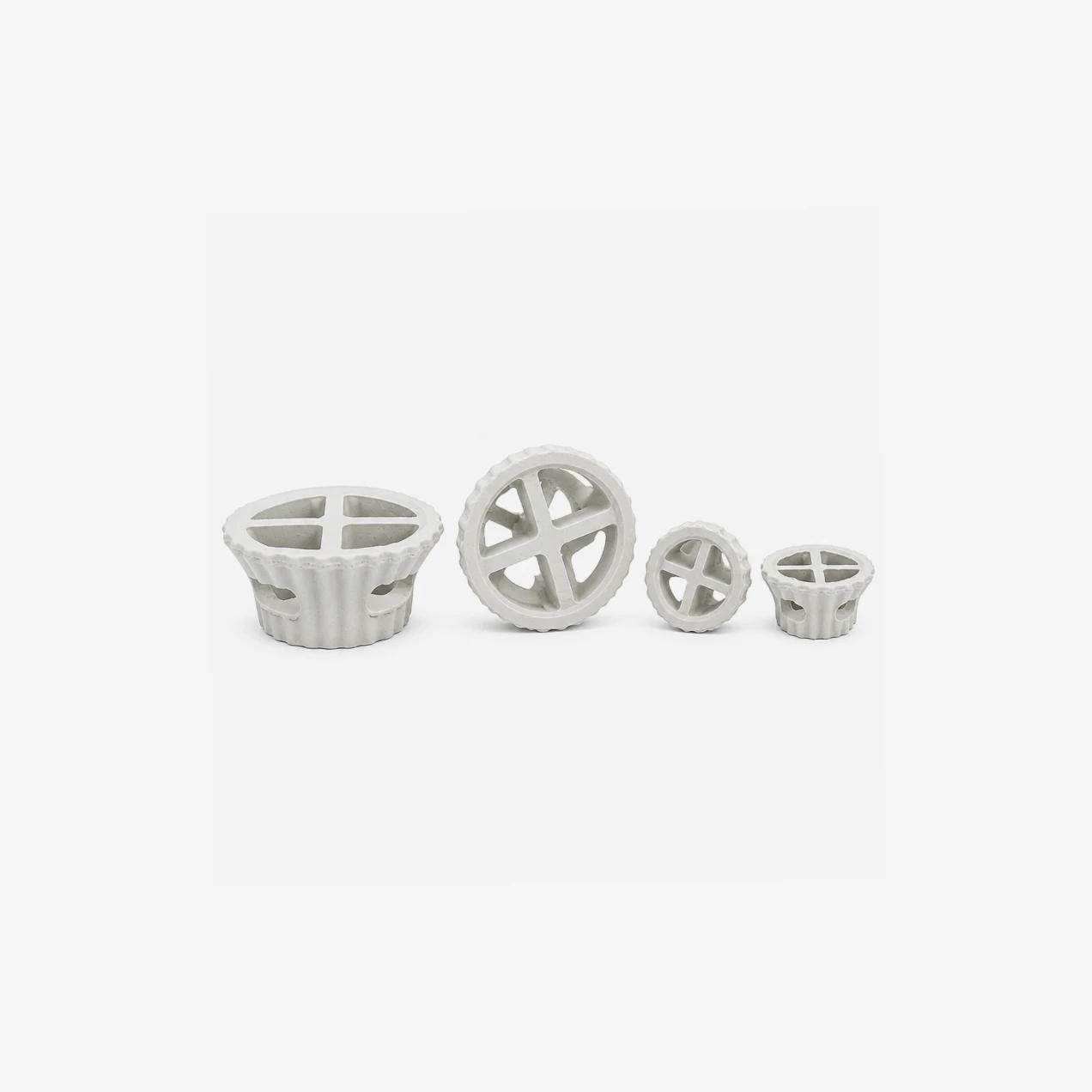
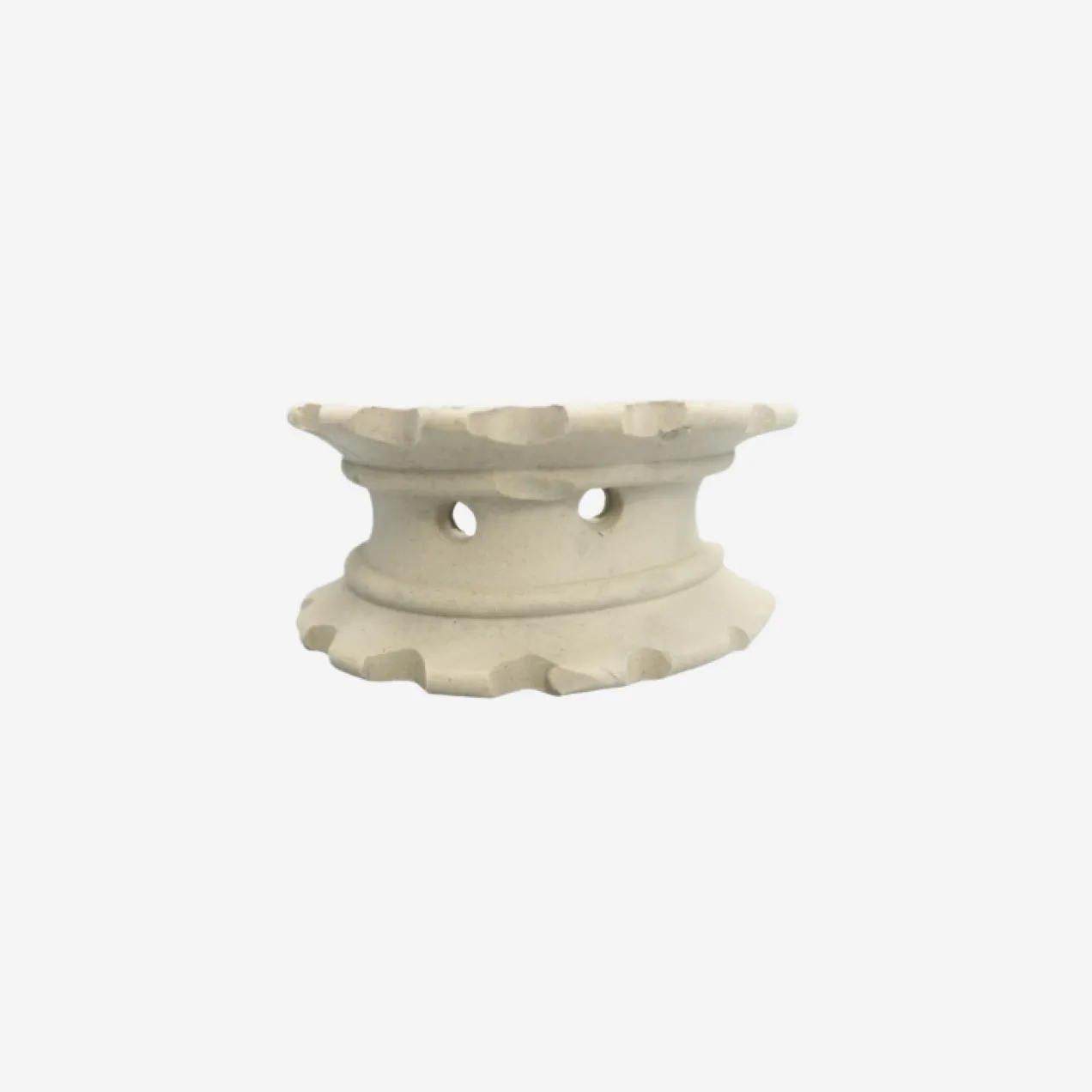
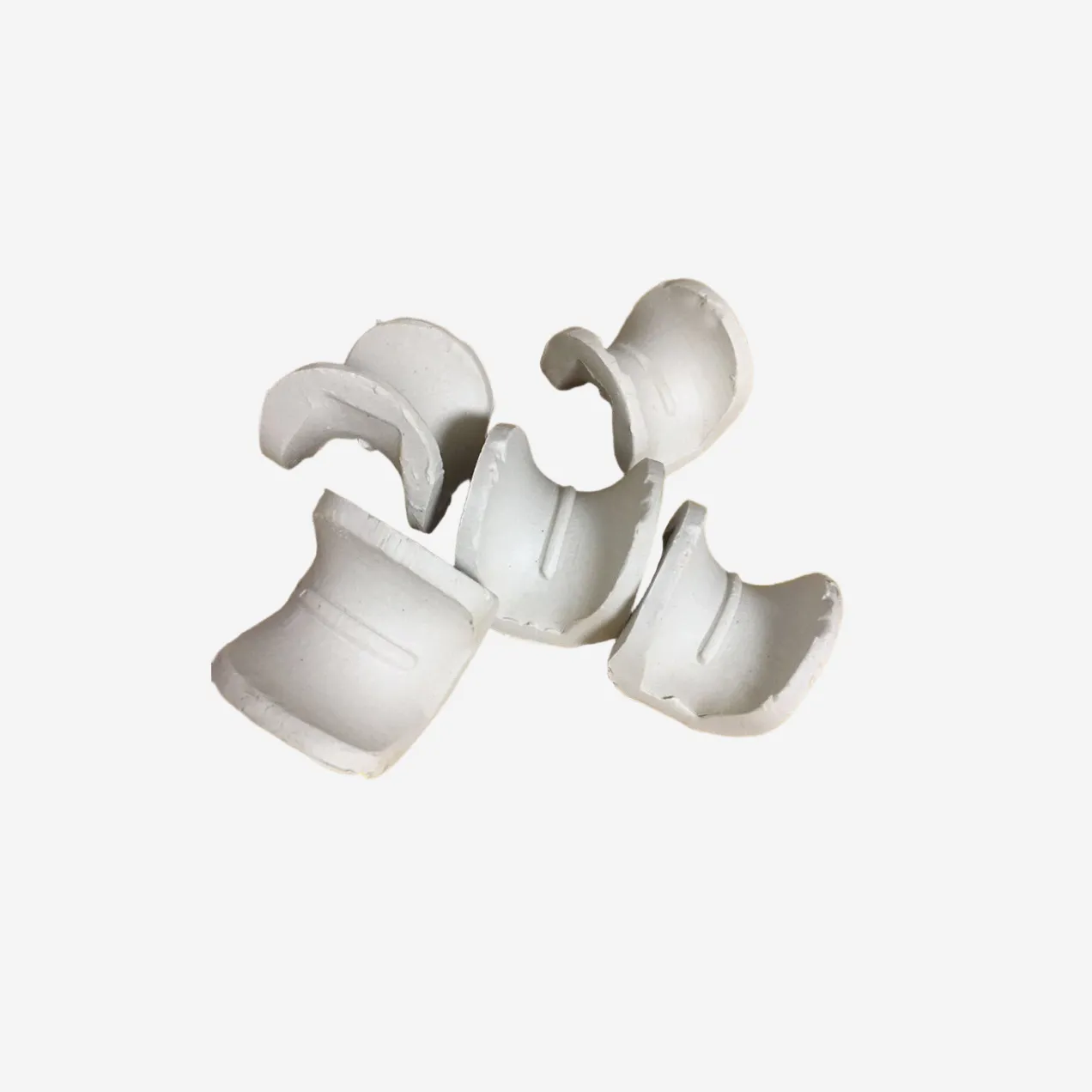
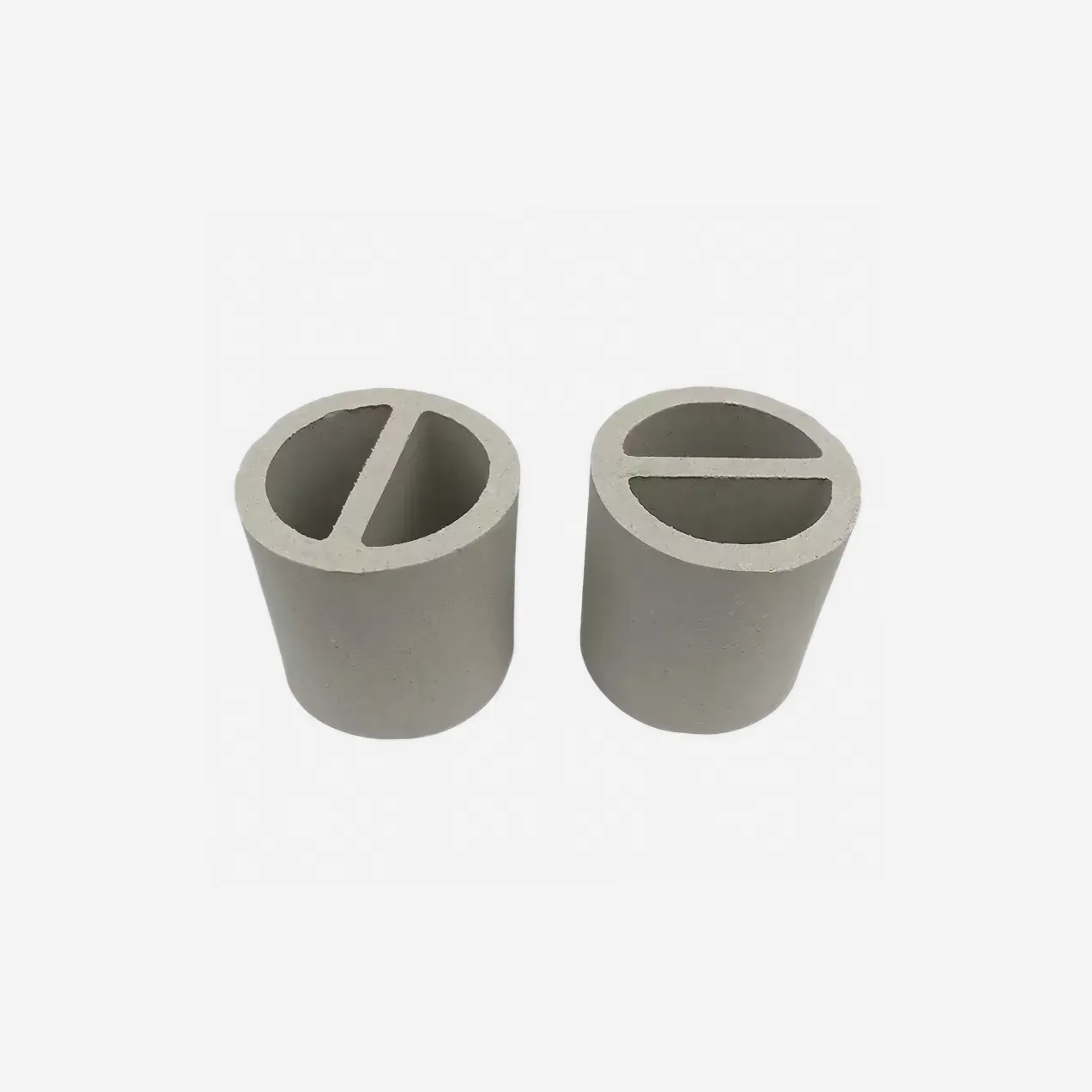
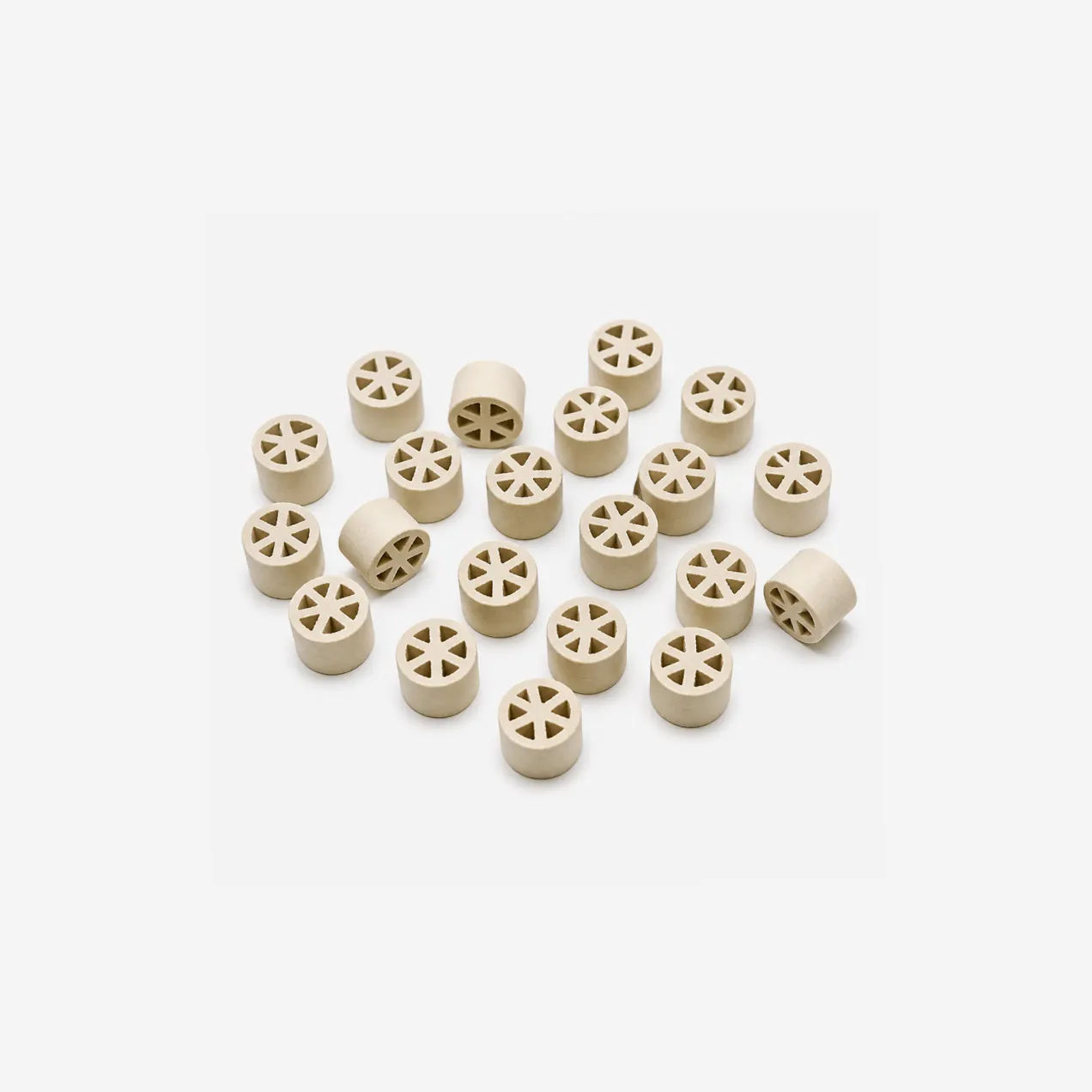
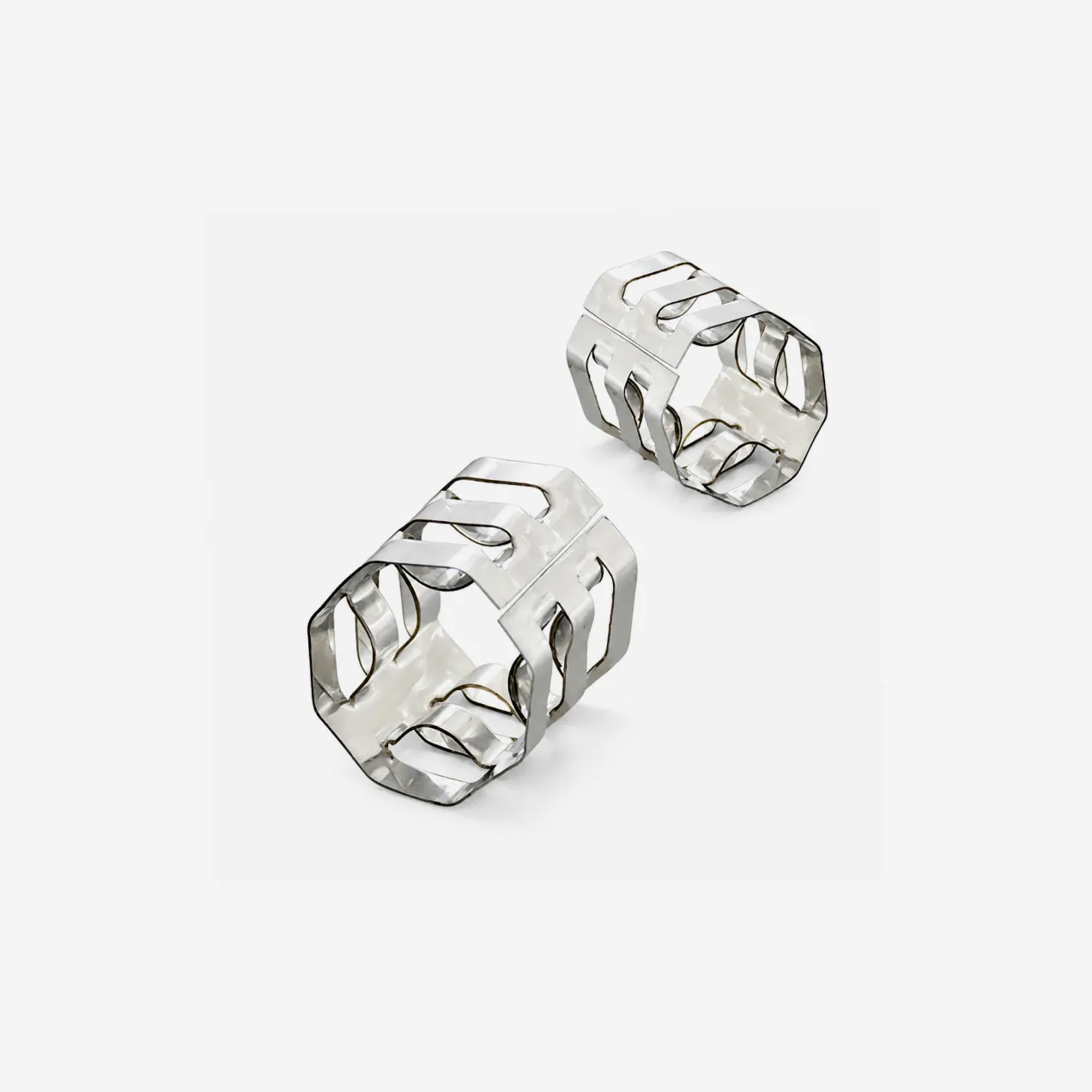
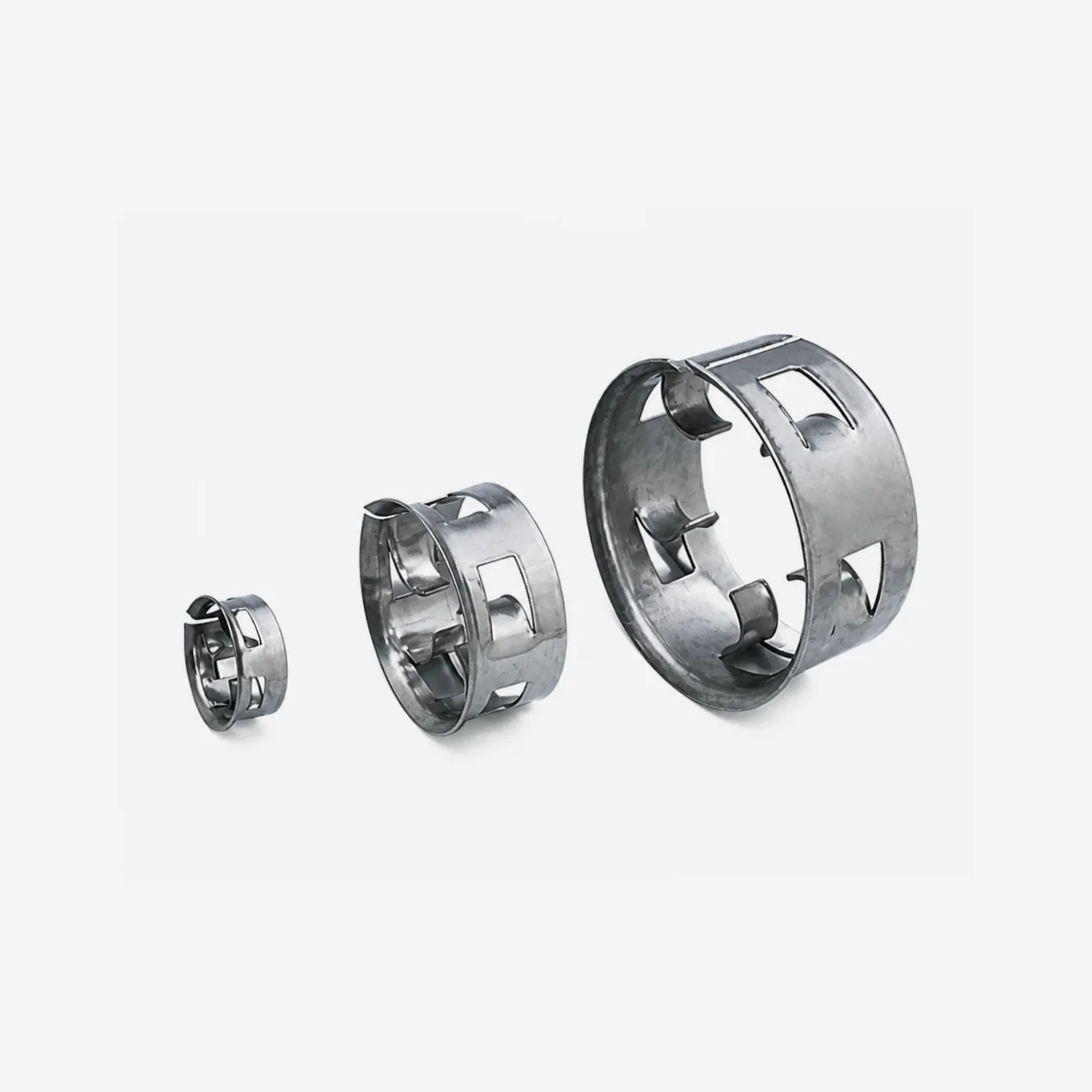
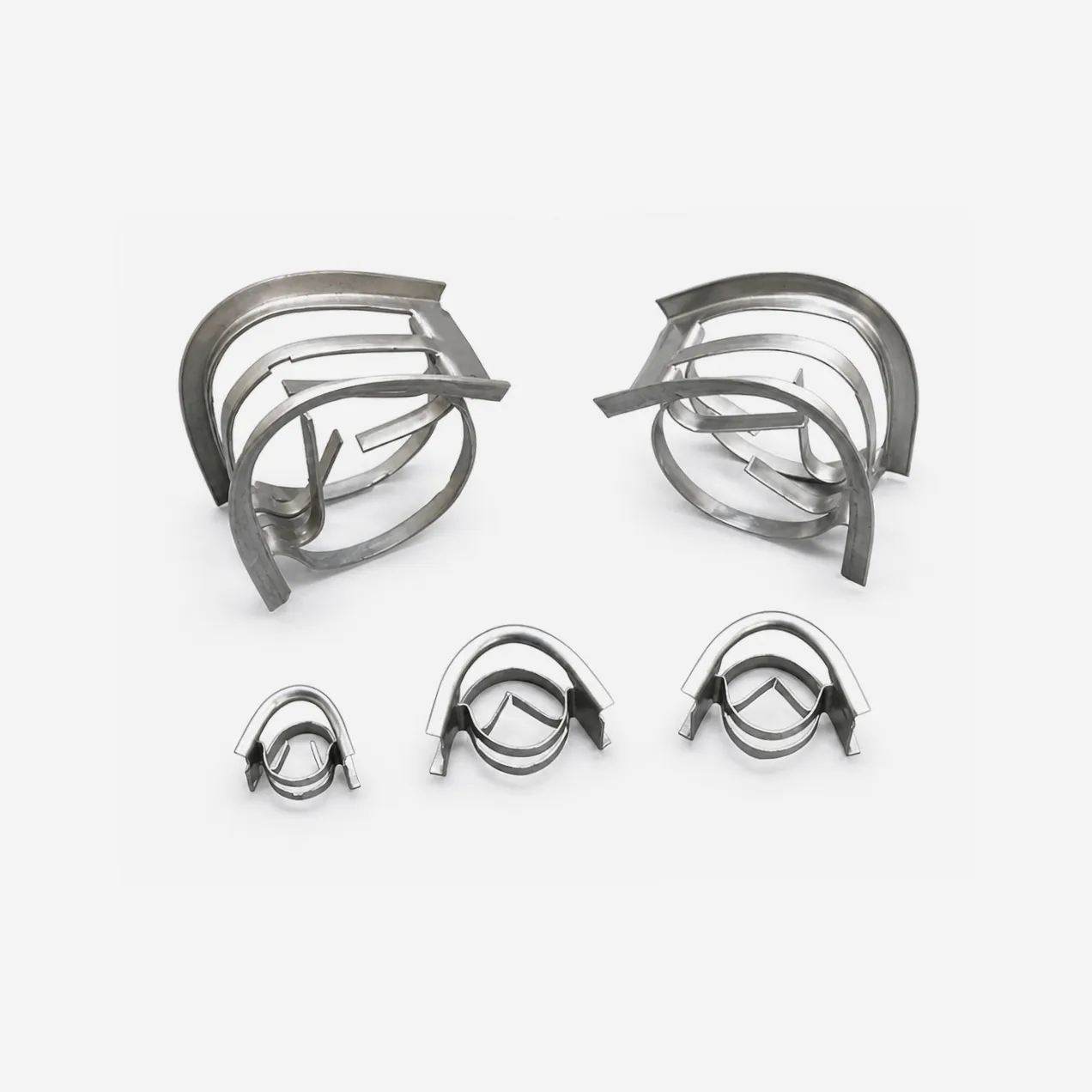
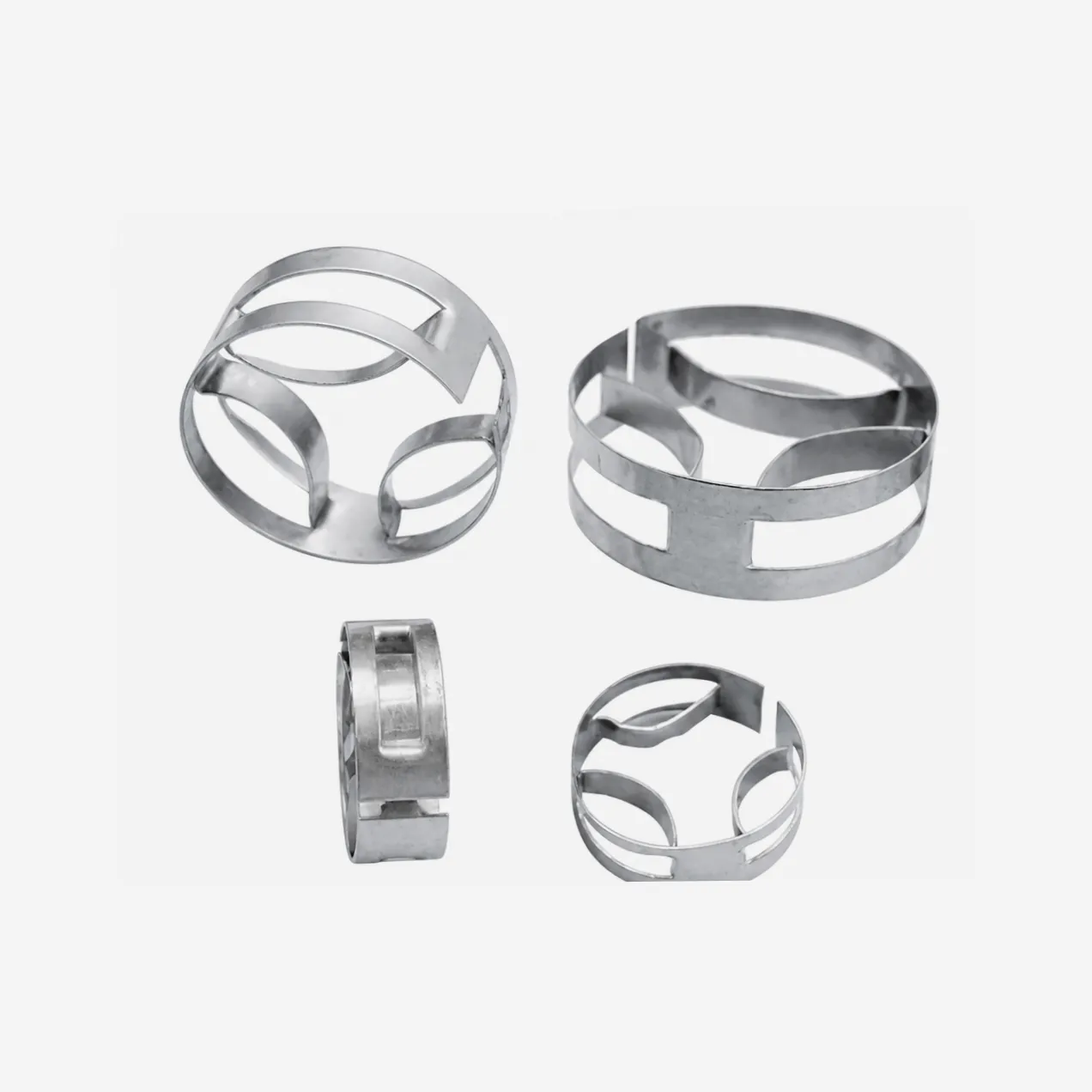
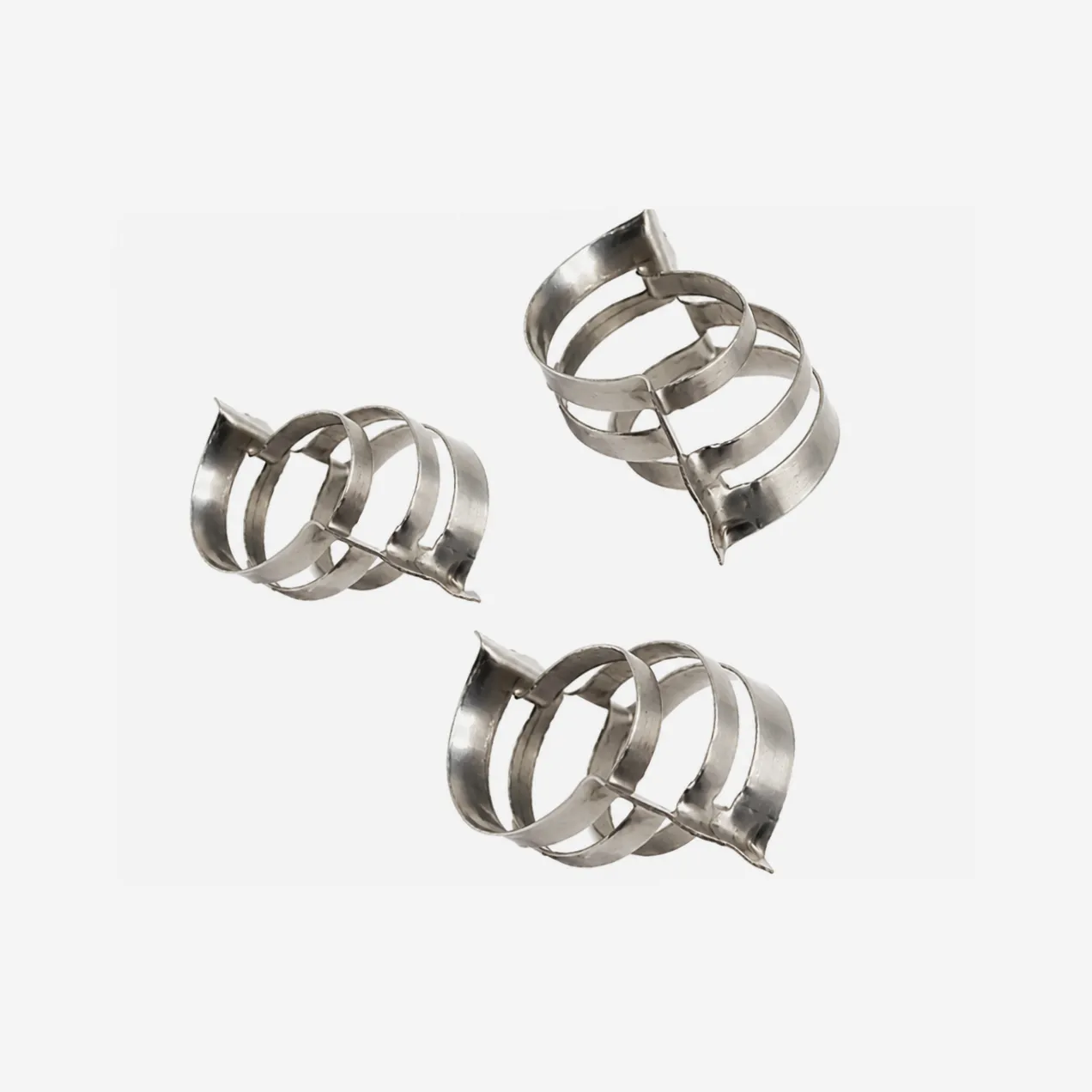
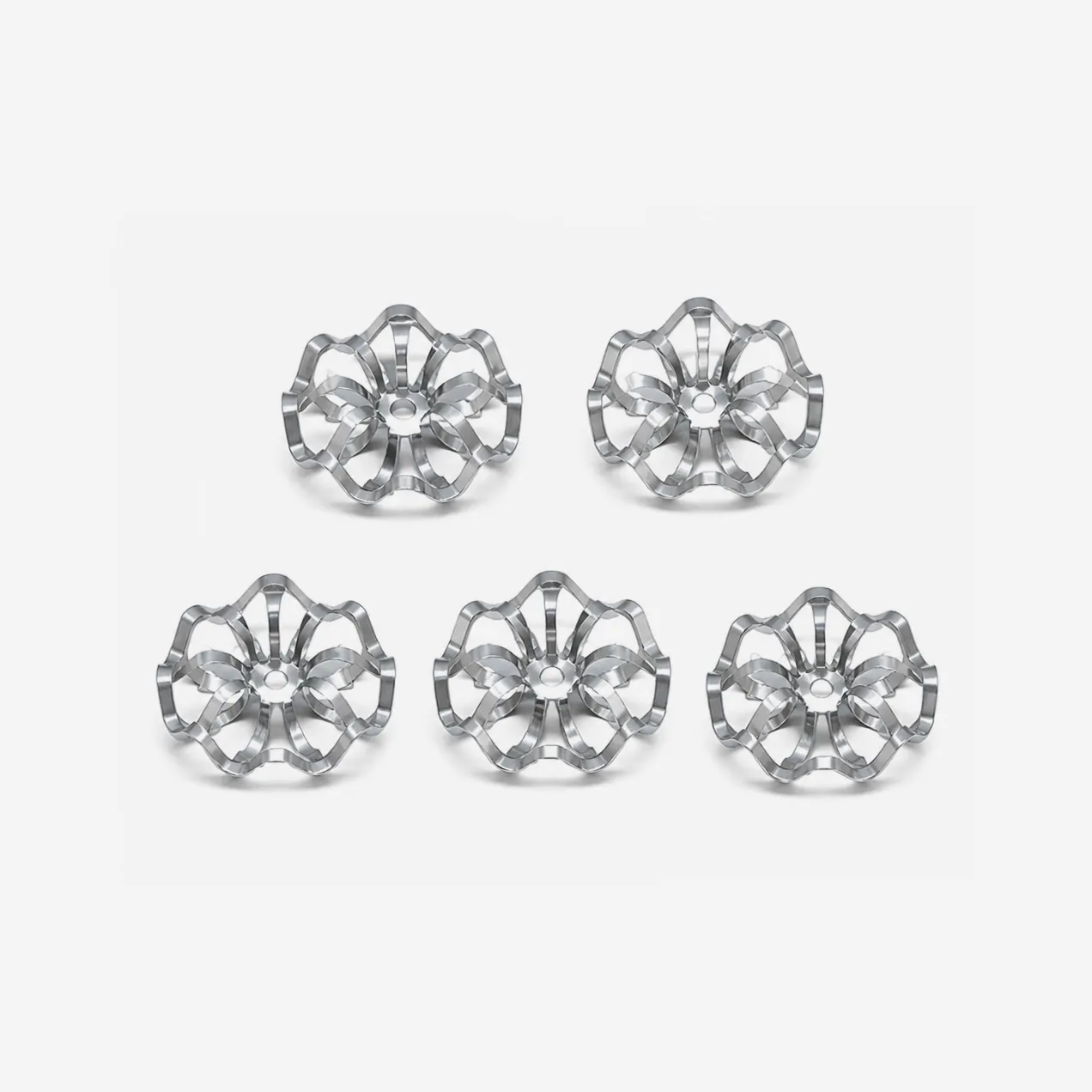
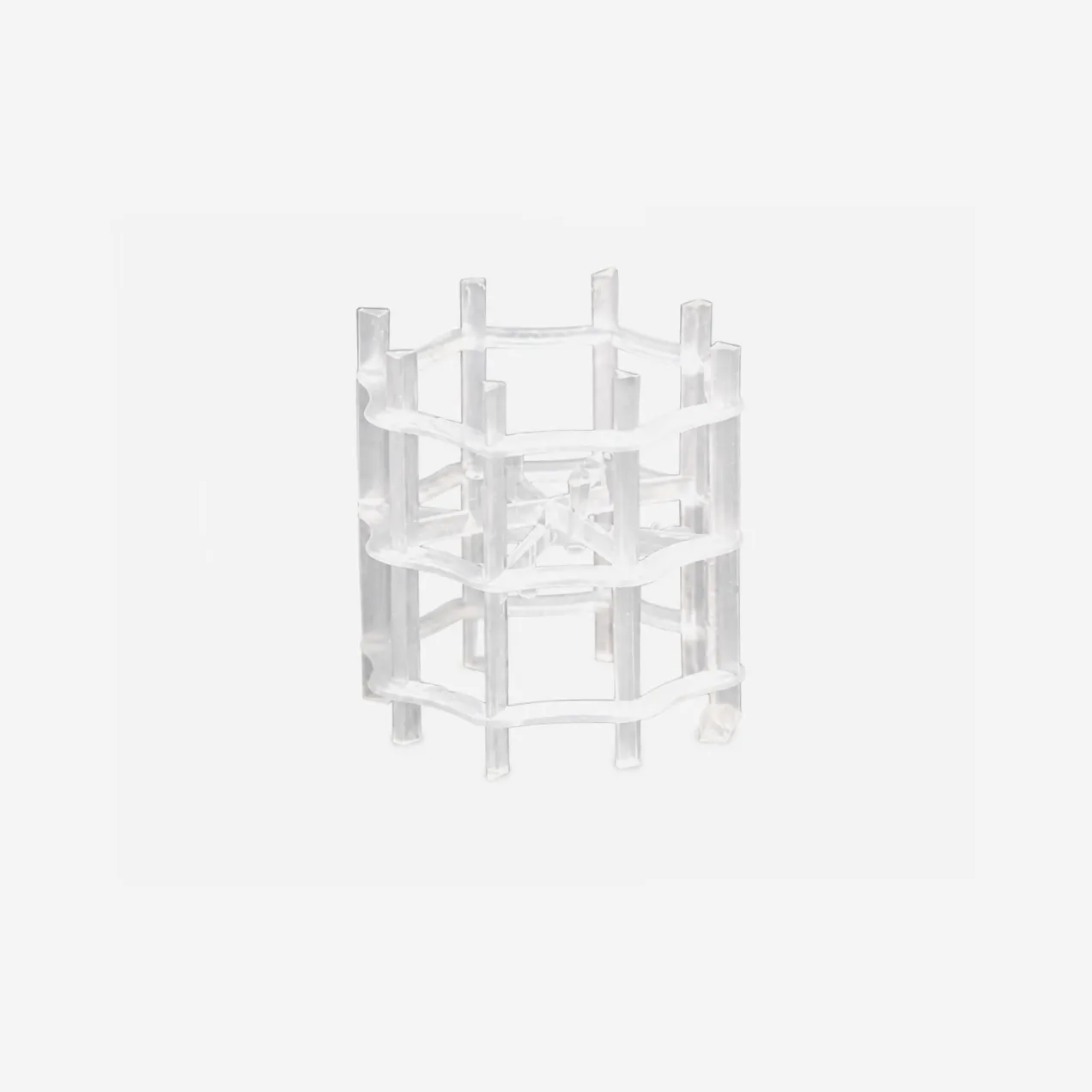
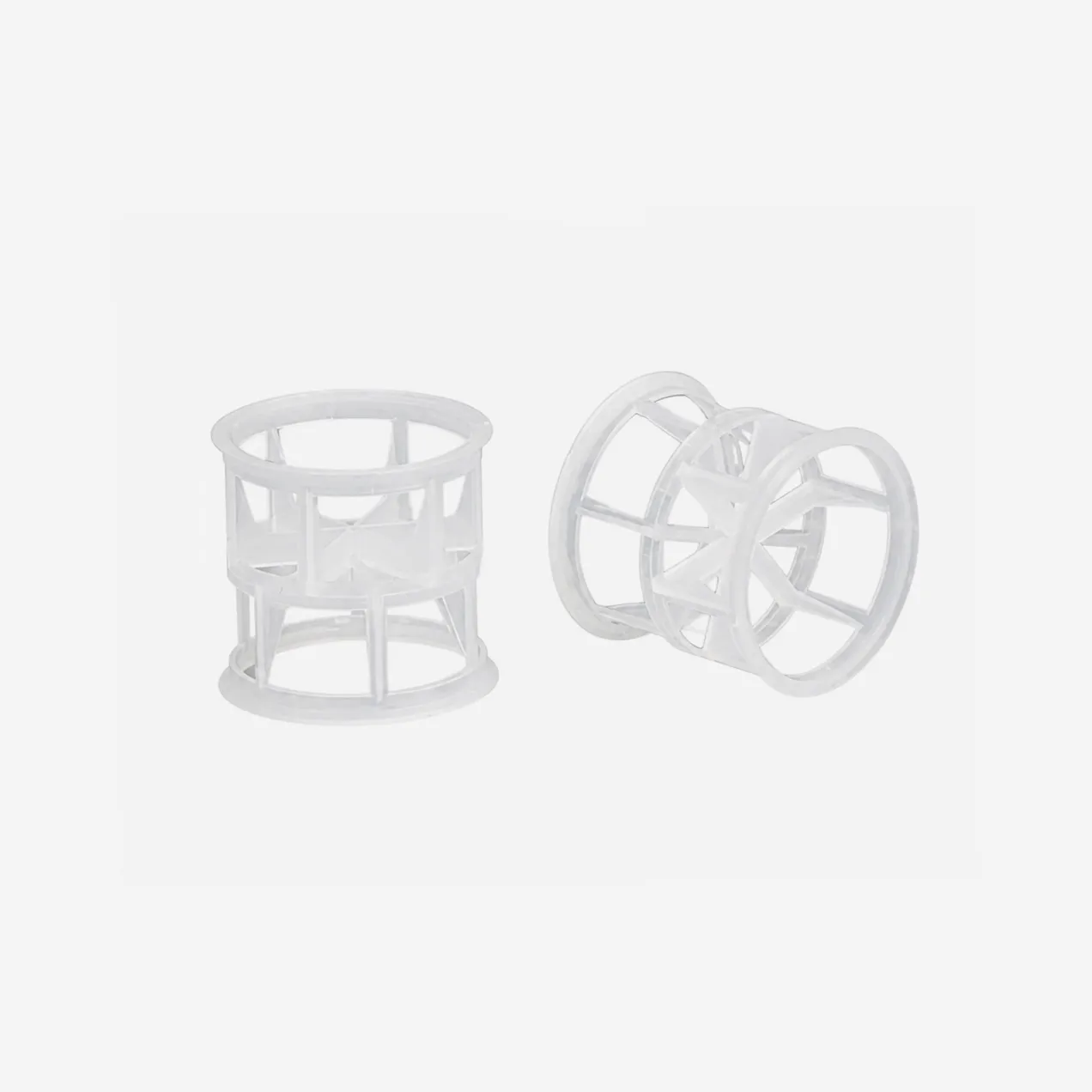
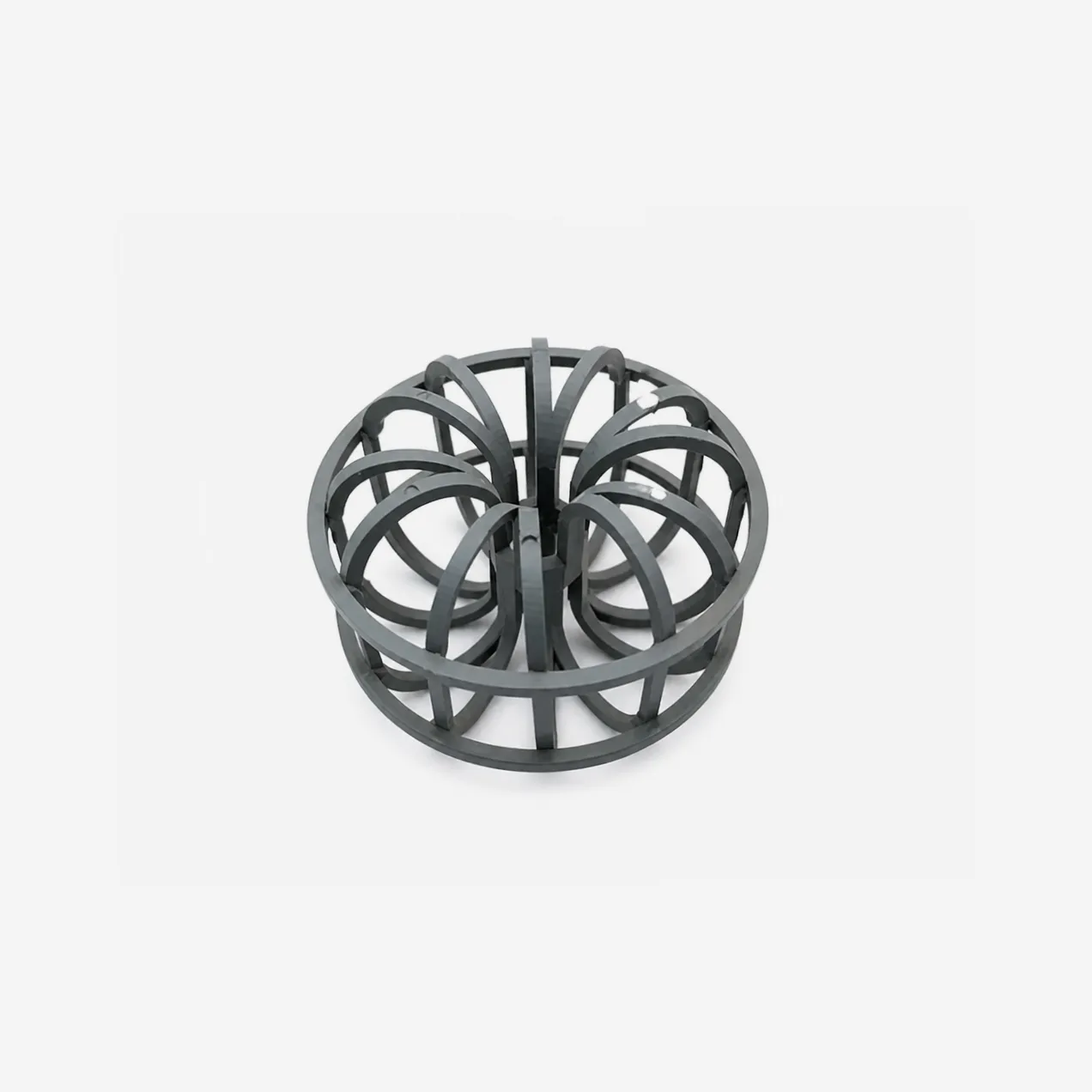
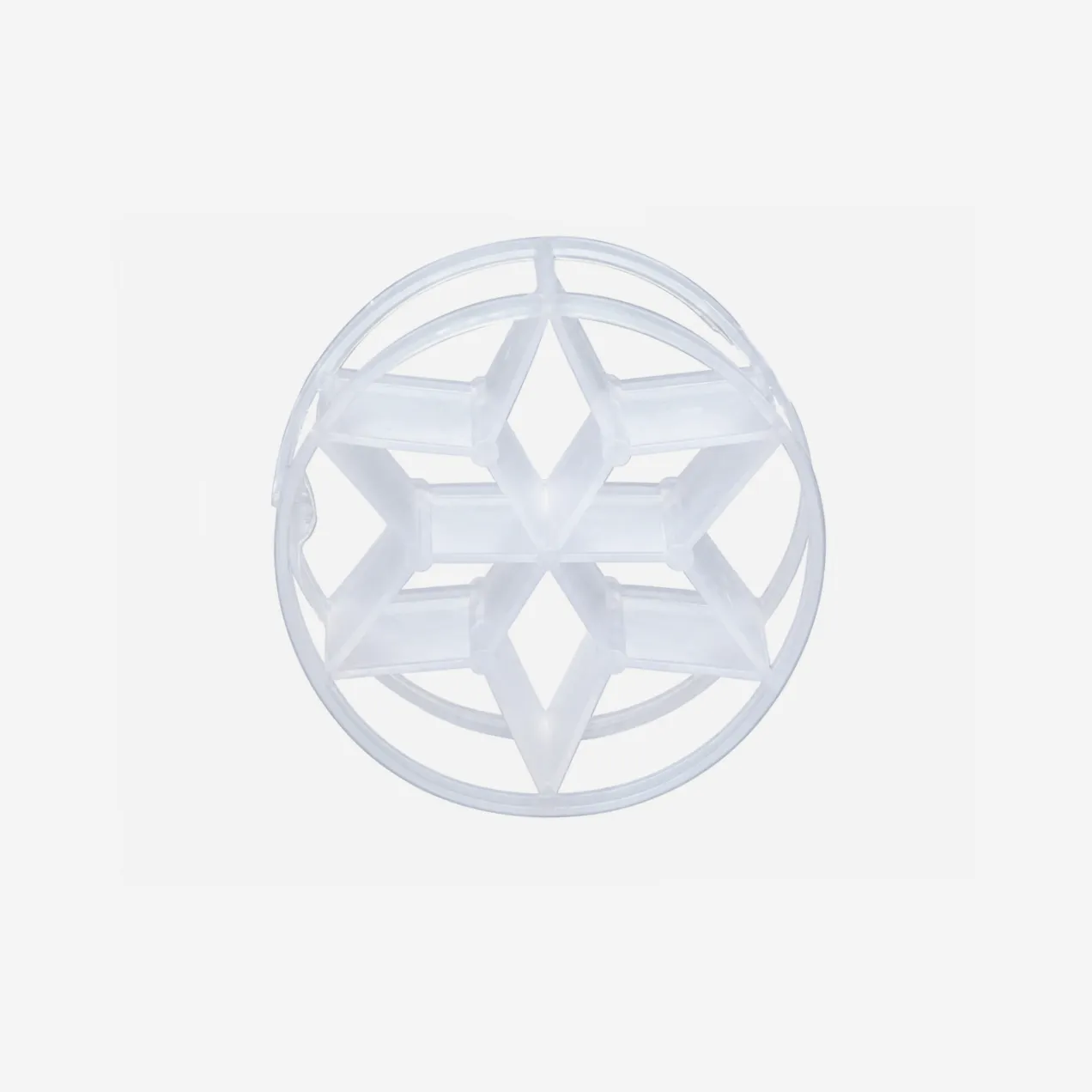
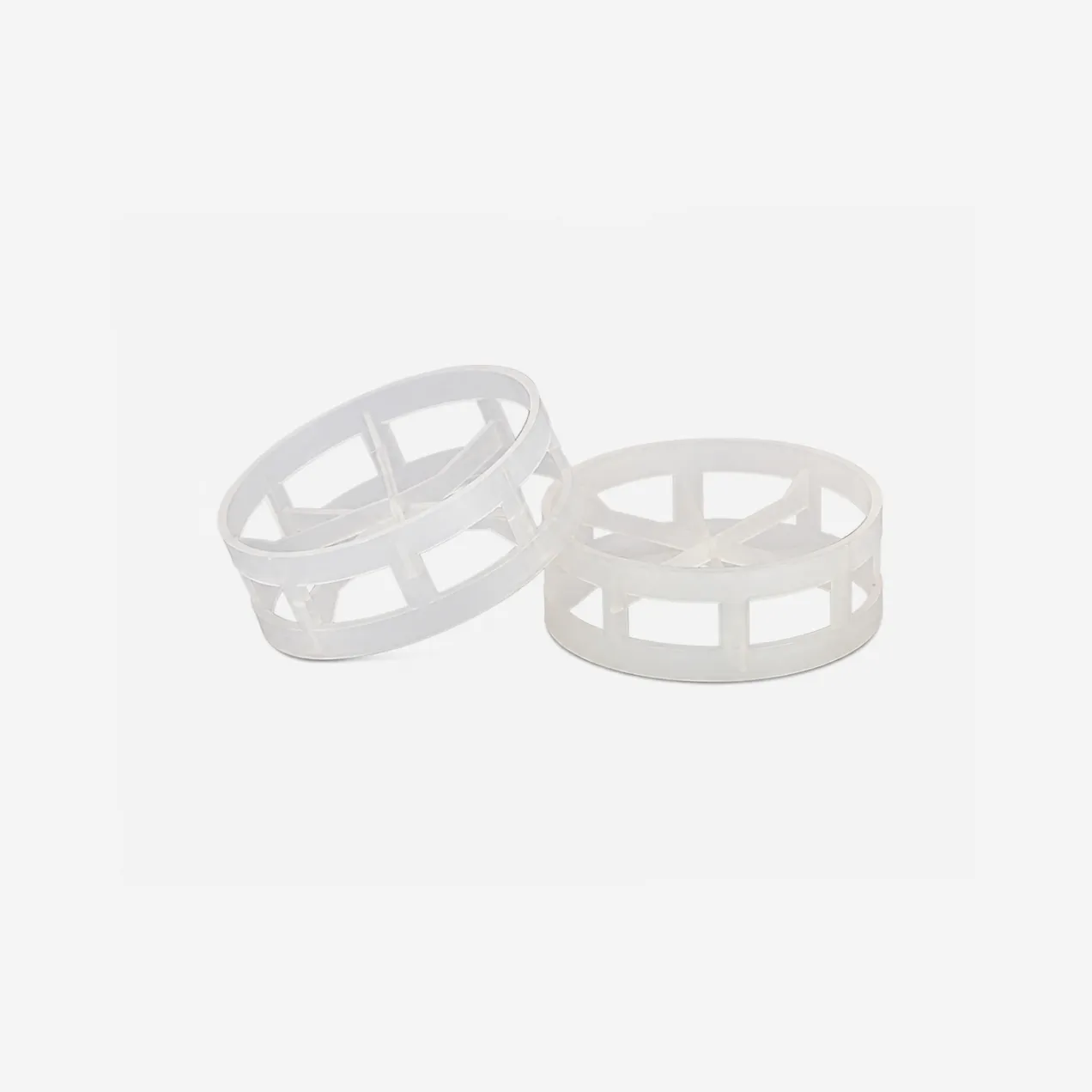
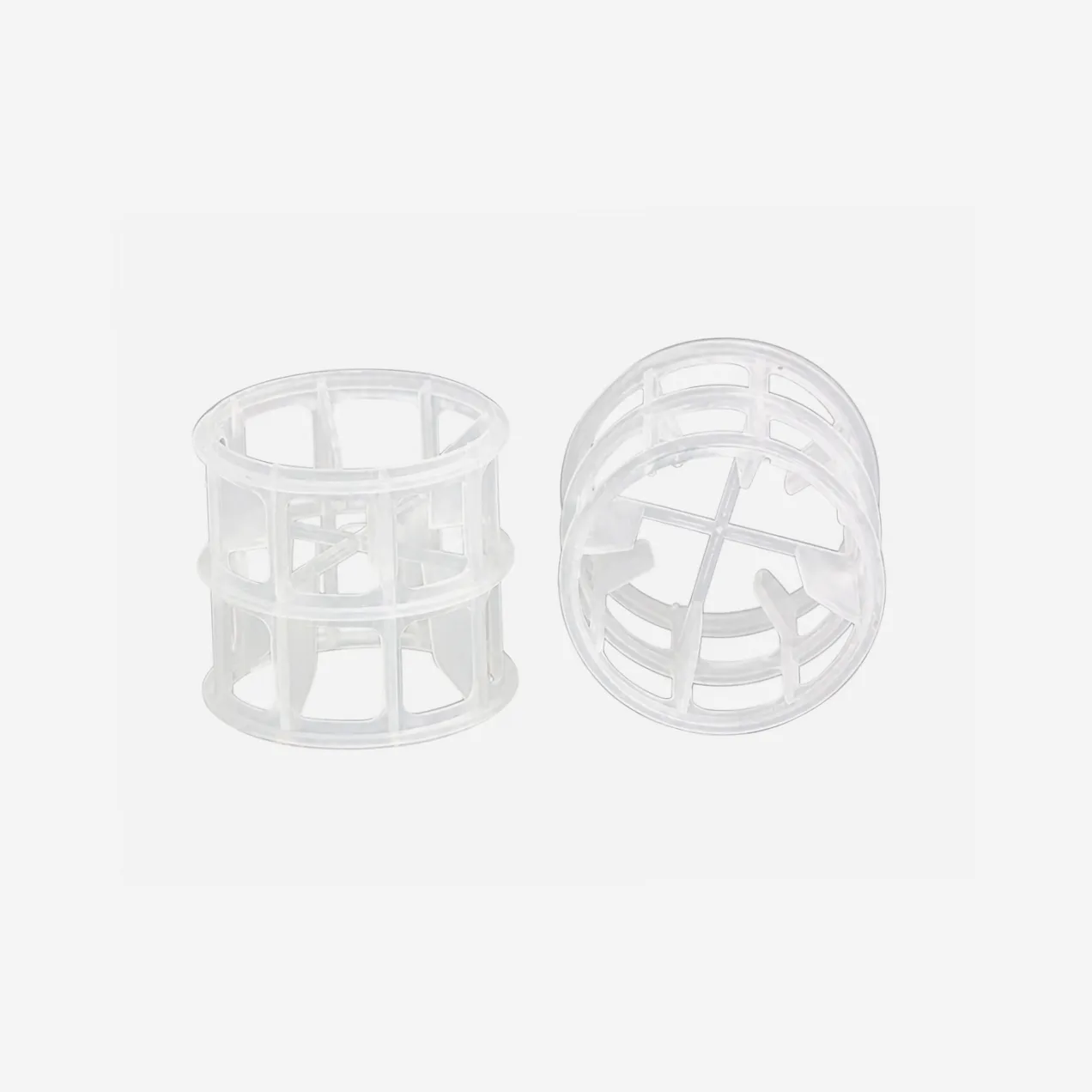
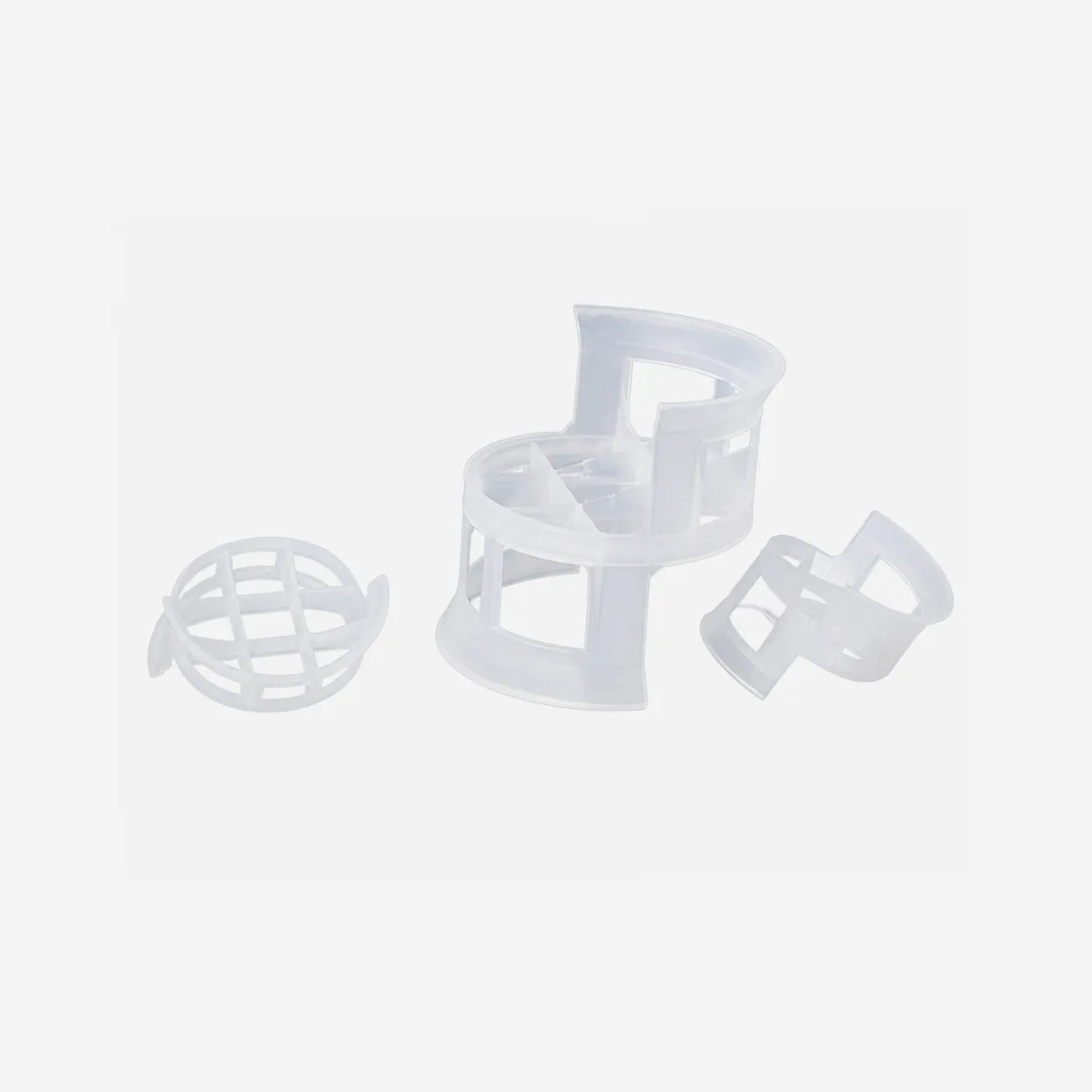
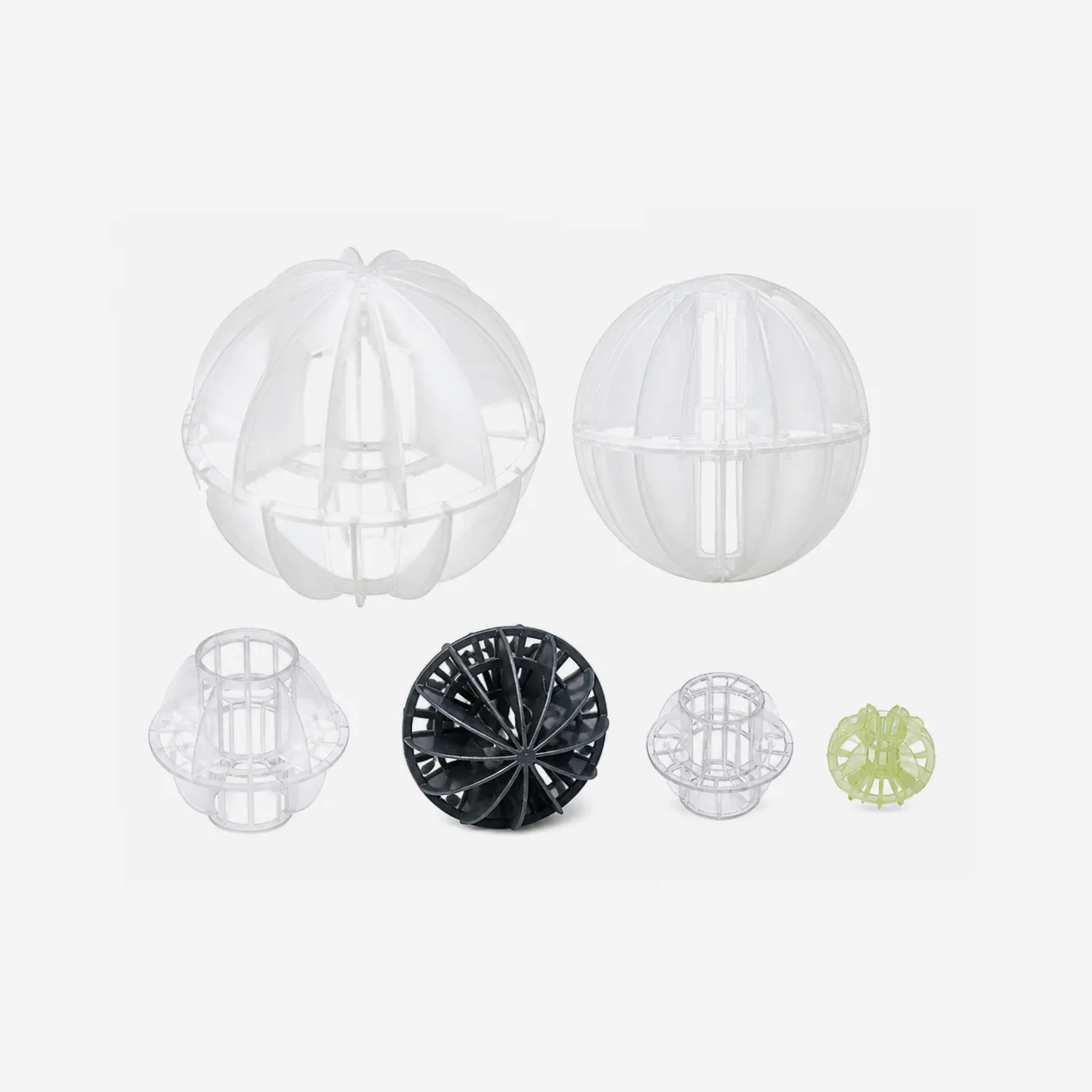
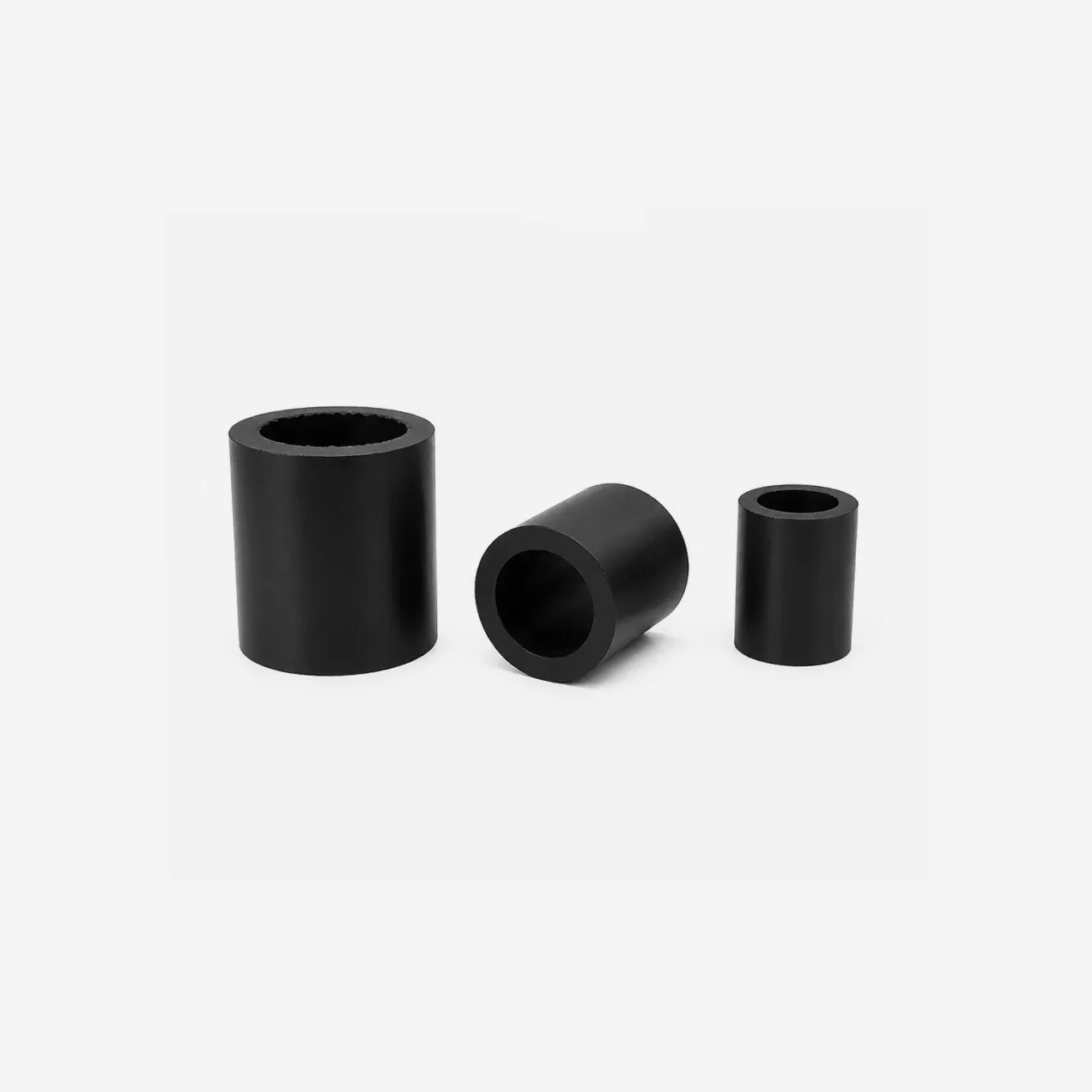
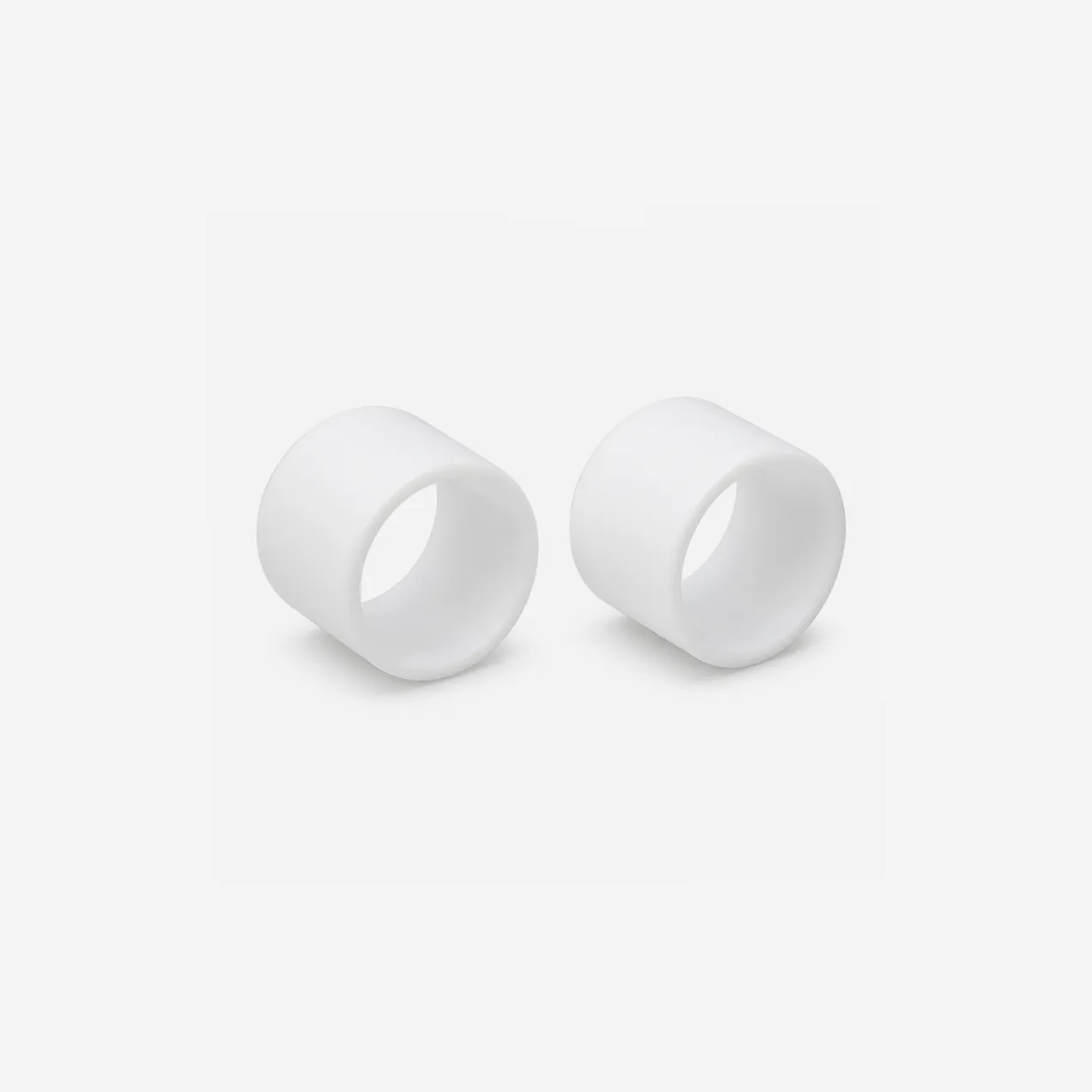
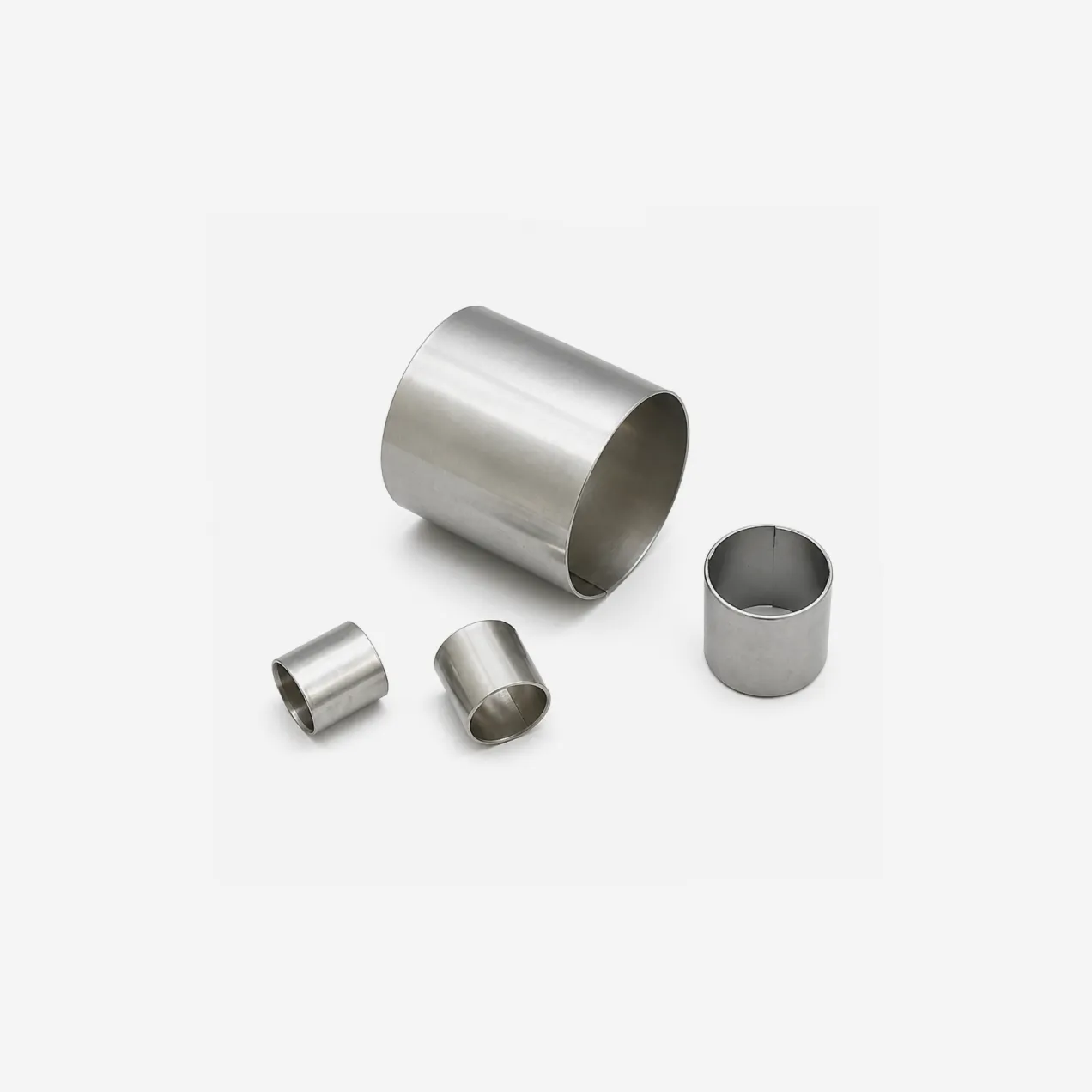
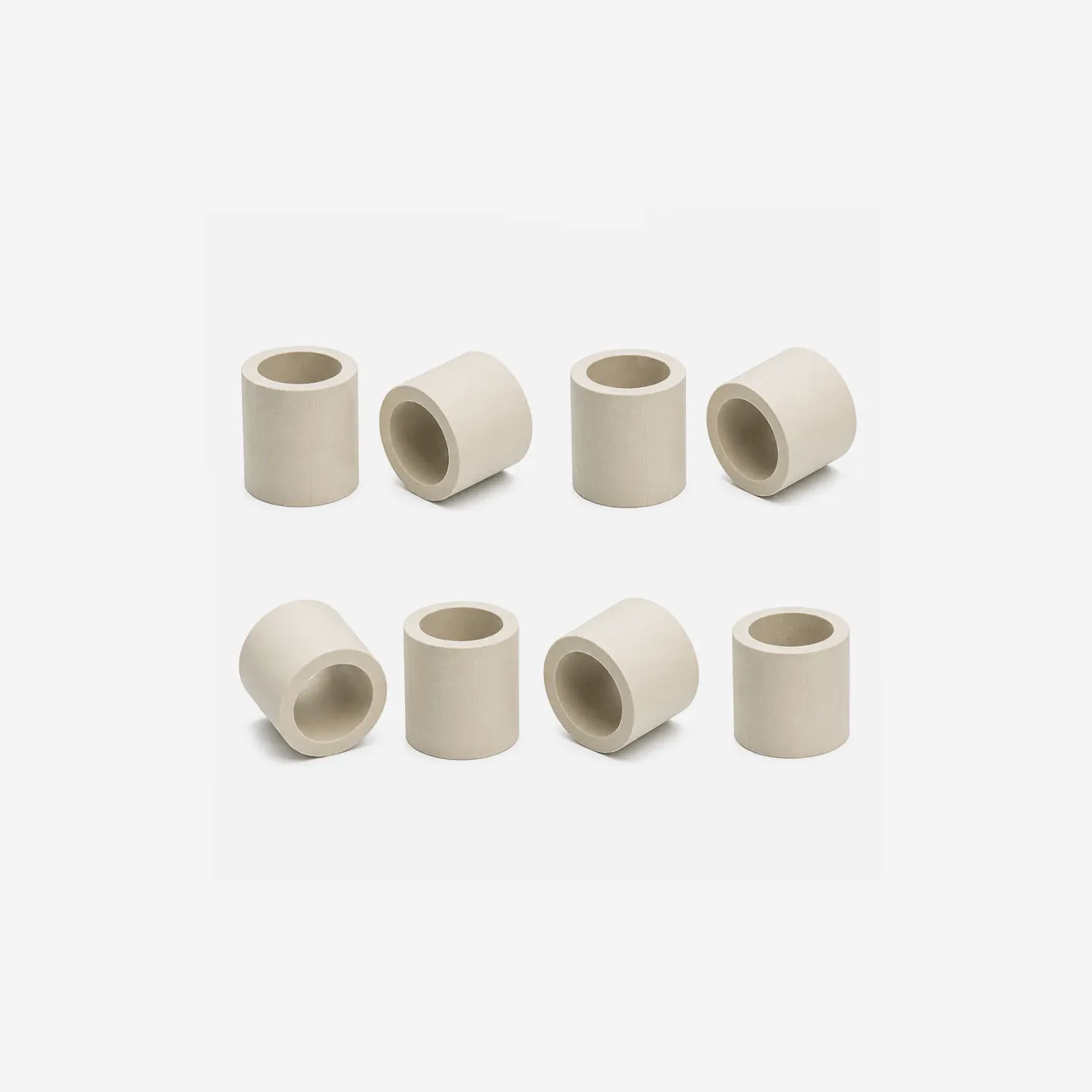
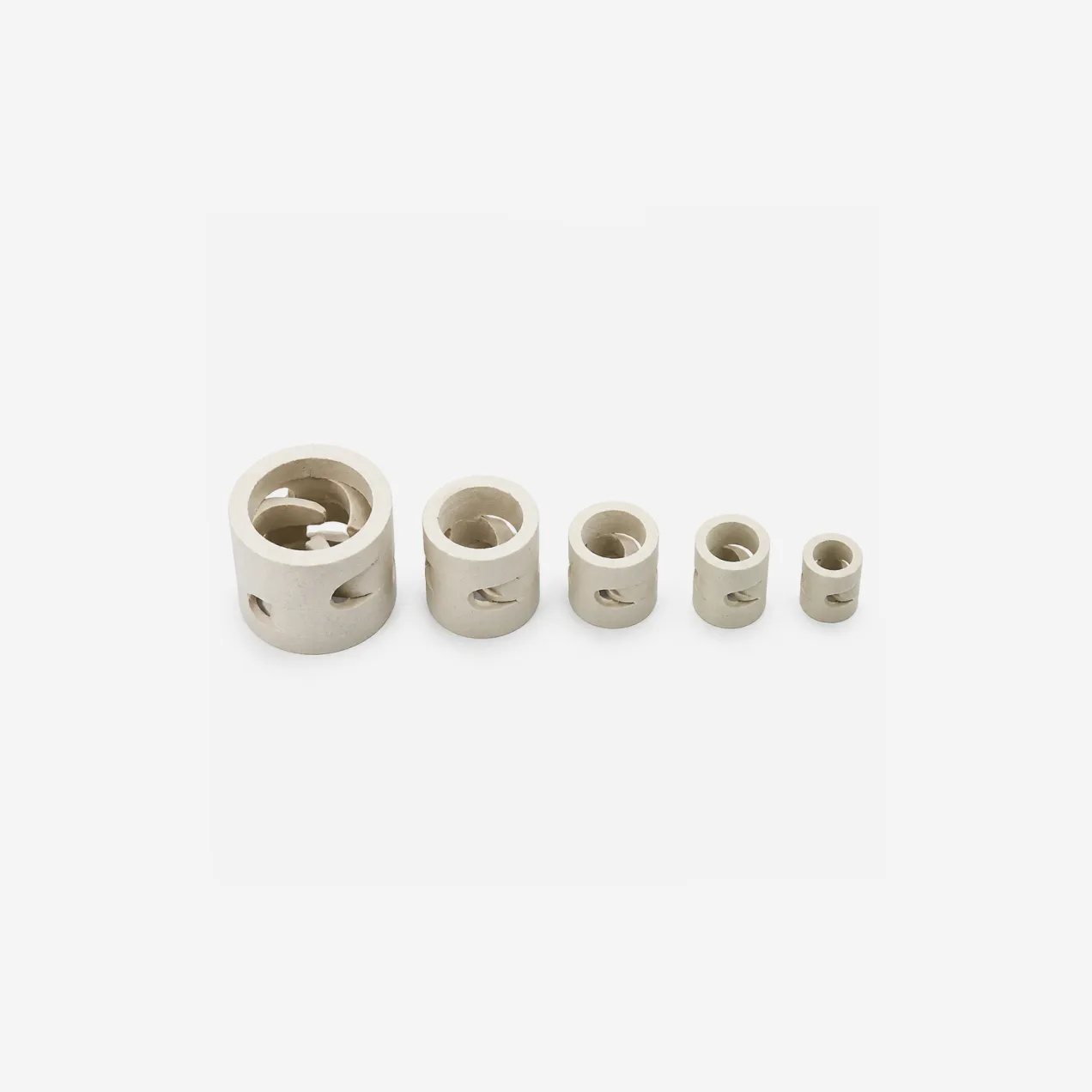
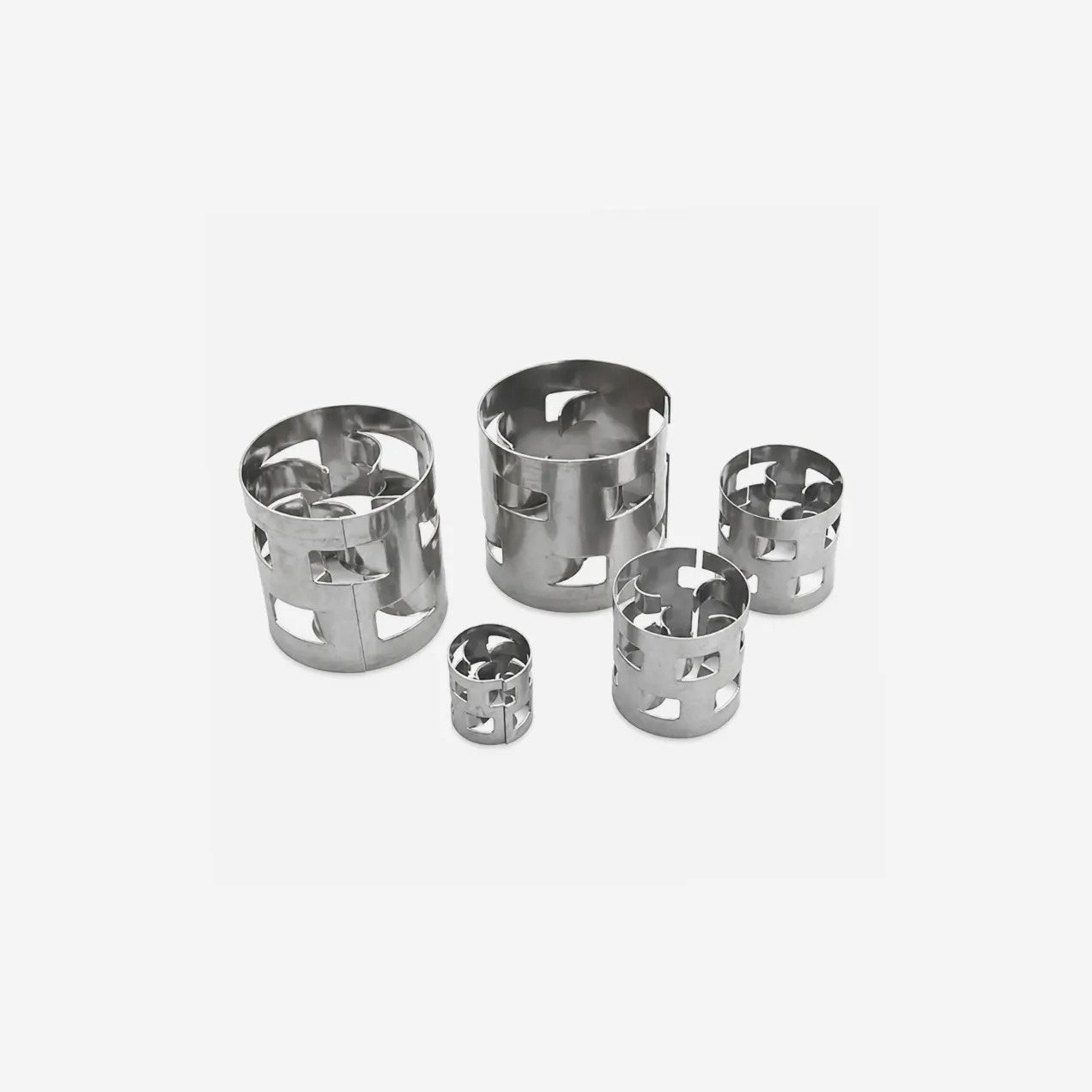
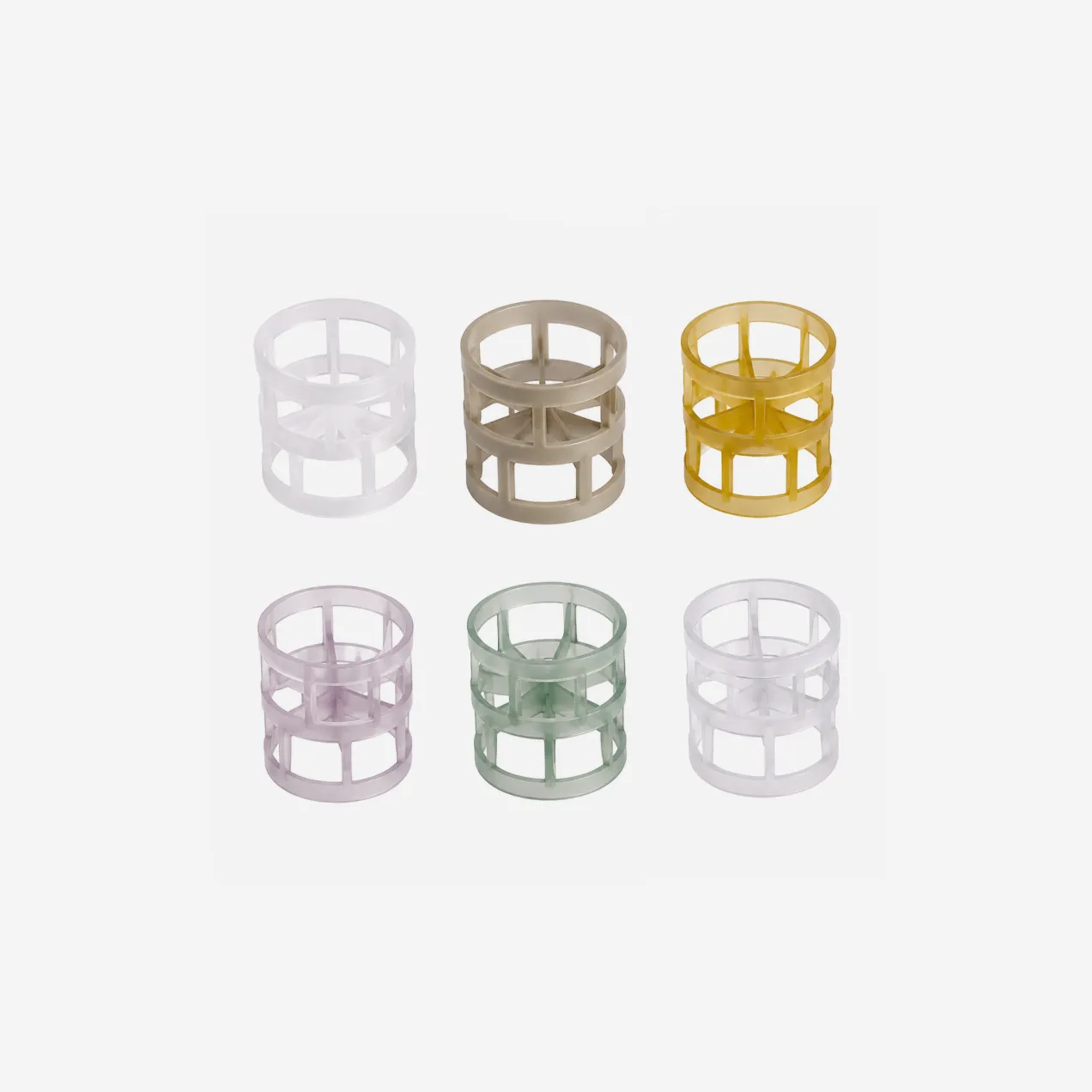
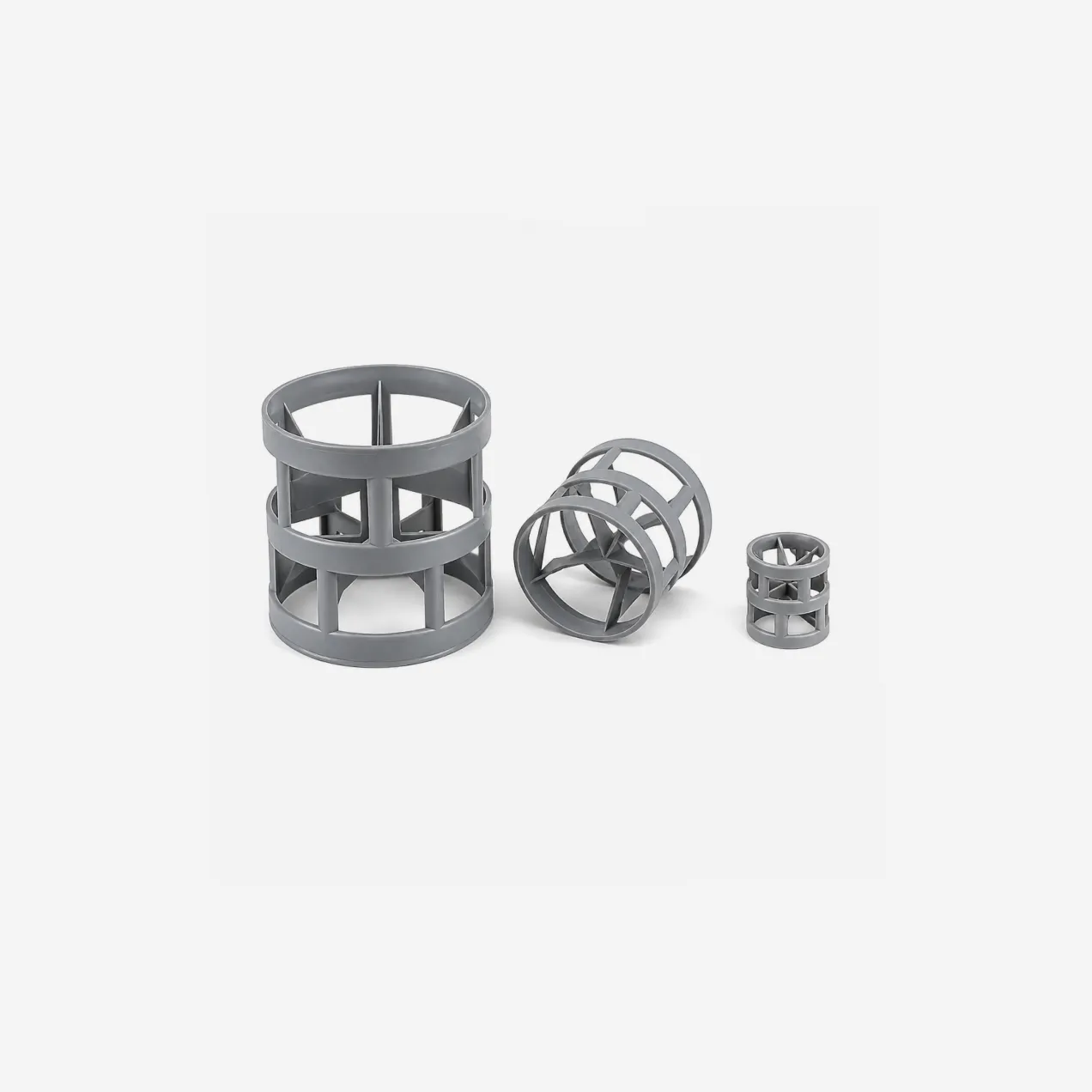
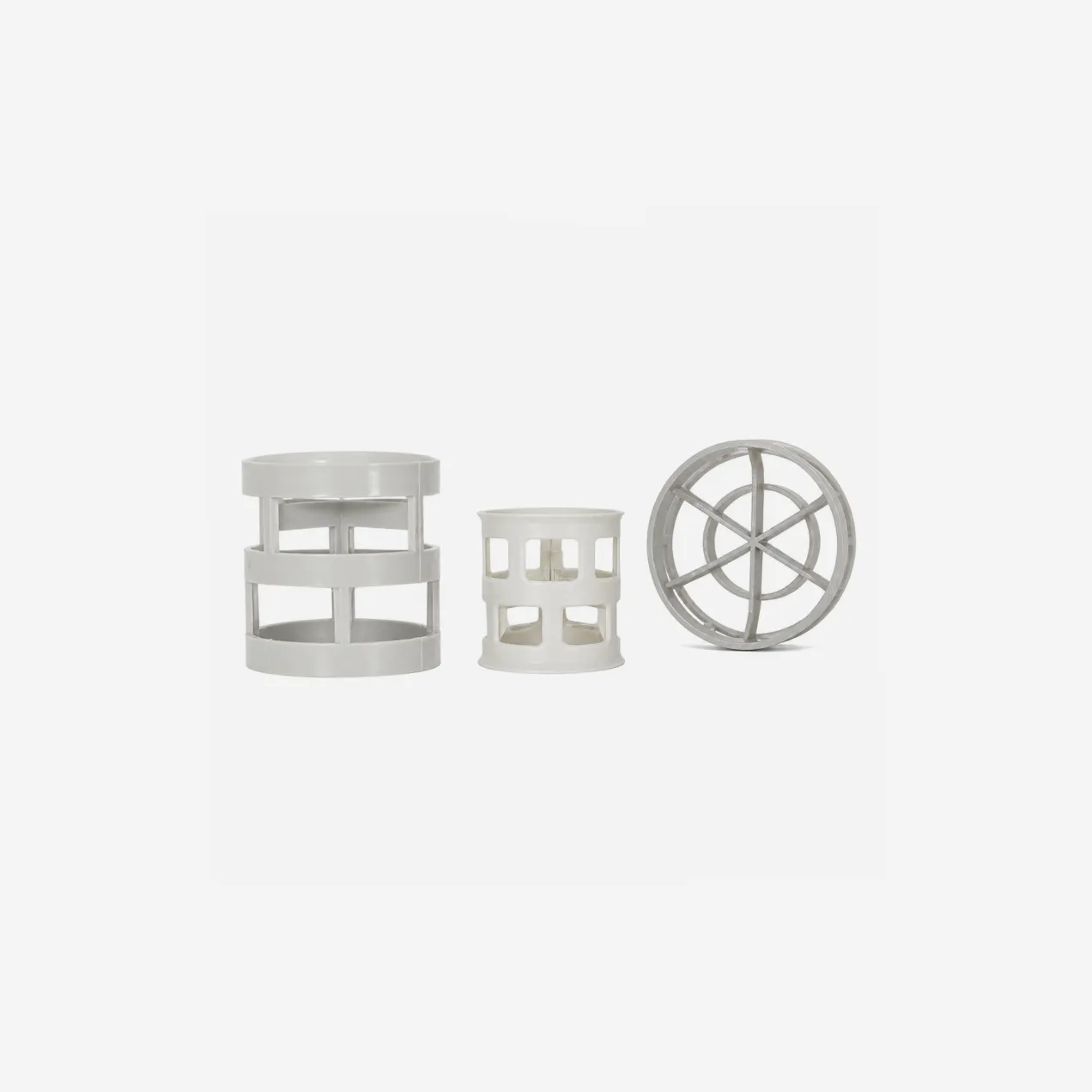
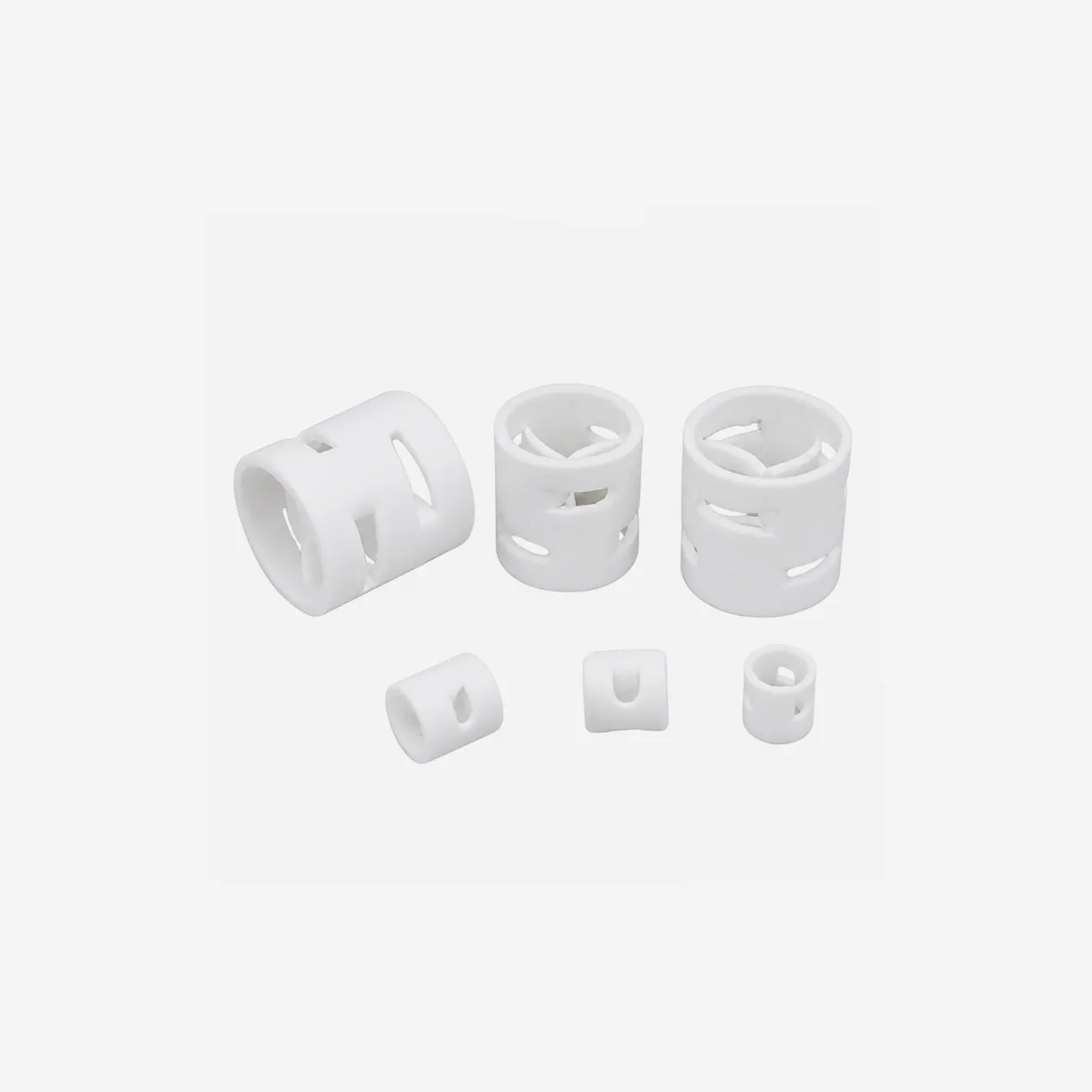
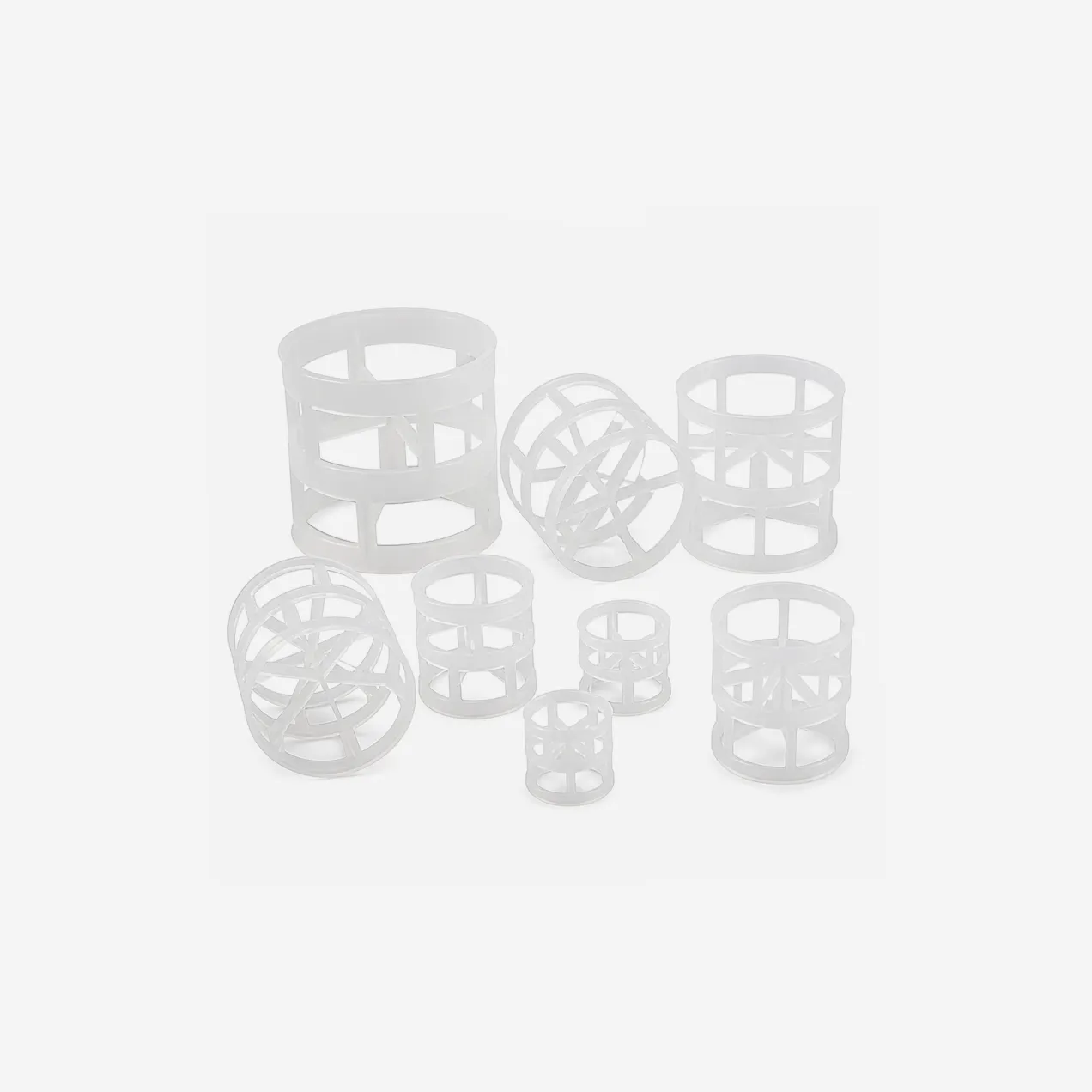
HDPE is high-density polyethylene, the polyethylene sibling to a PP ring and, like it, cheap and highly inert. Their corrosion resistance overlaps heavily — acids, alkalis, salts and most aqueous streams are fine for either — so what separates them is temperature and toughness, not chemistry. The one clear drawback of HDPE is heat: it softens sooner than PP, which makes it a cool-service material. Its offsetting strengths are that it stays tough and impact-resistant at low temperatures, well below freezing, where PP can go brittle, and that it resists abrasion and stress-cracking and is exceptionally inert across a wide range of media. In the standard windowed ring shape, all of this arrives as a rugged, inexpensive packing built for the cooler end of the range.
Put next to PP, the trade is easy to read:
| PP | HDPE |
|---|
| Max service temperature | ~100°C | ~60°C |
| Cold and impact toughness | Can embrittle when cold | Stays tough well below zero |
| Abrasion and stress-crack resistance | Good | Very good |
| Chemical resistance | Acids, alkalis, salts | Acids, alkalis, salts; slightly broader |
| Relative cost | Low | Low, often a little less |
The limits are simple to state. Heat is the main one: once a stream runs warm, HDPE is out of its depth and a higher-rated plastic should carry the load; strong oxidisers and hot solvents are best handled elsewhere too. What HDPE does own is cool and cold corrosive work — municipal and industrial water, wastewater, ambient acid and alkali scrubbing, degassing, and towers left outdoors in cold weather where brittleness would end a packing's life. Throw in abrasive or solids-laden liquid, where its wear resistance tells, and HDPE becomes the obvious pick. Across that band it pairs broad chemical resistance with rugged, cold-tolerant service at close to the lowest price on the shelf.