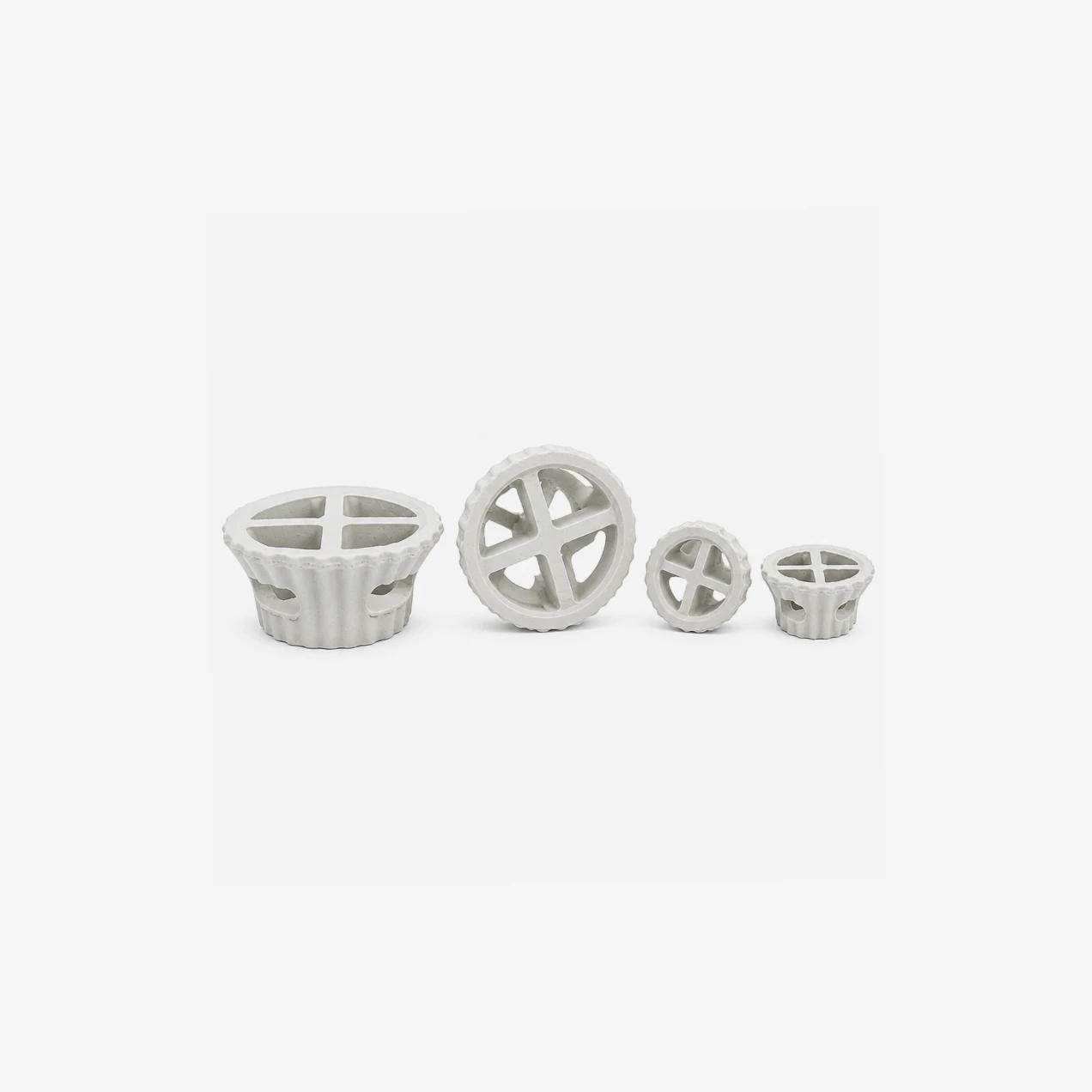
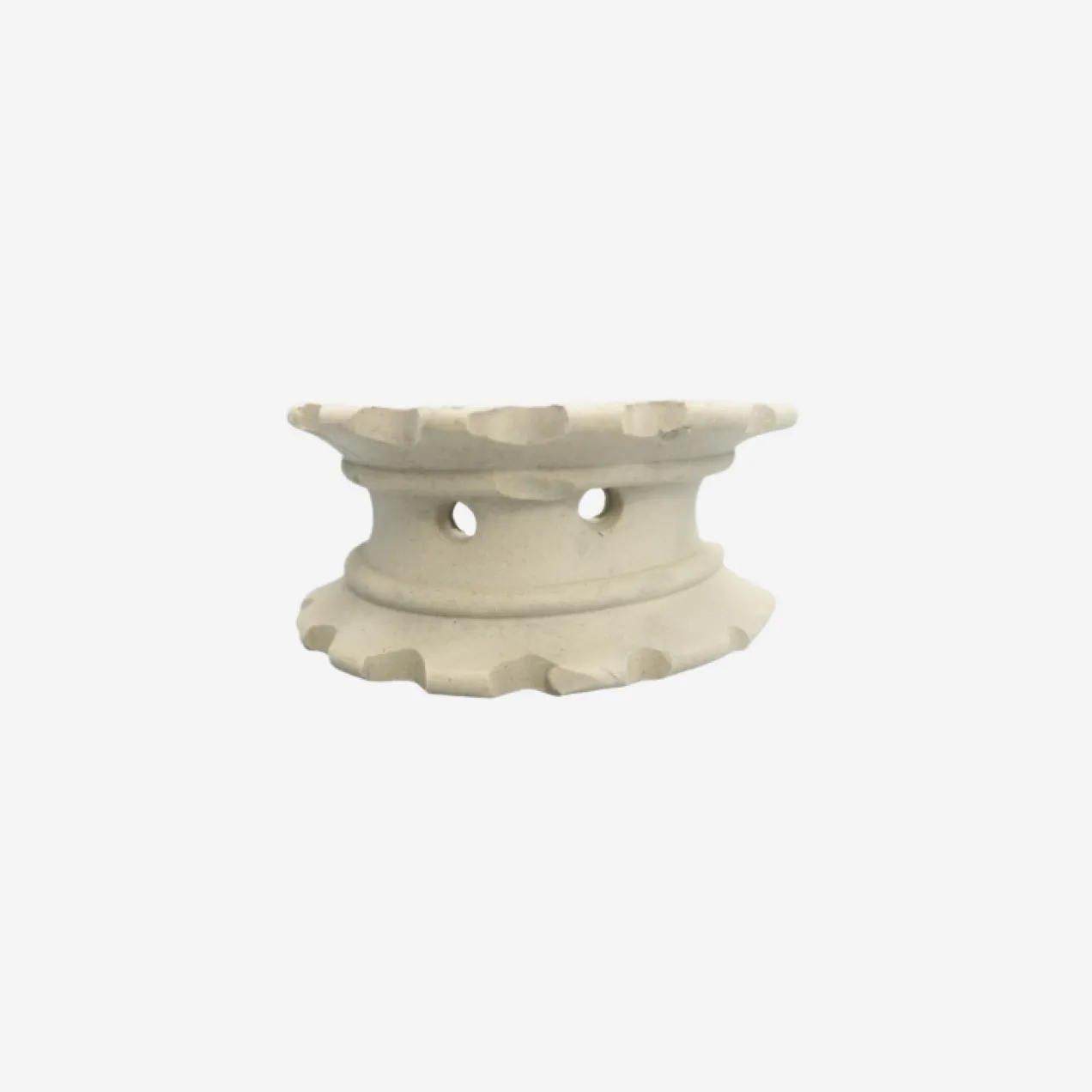
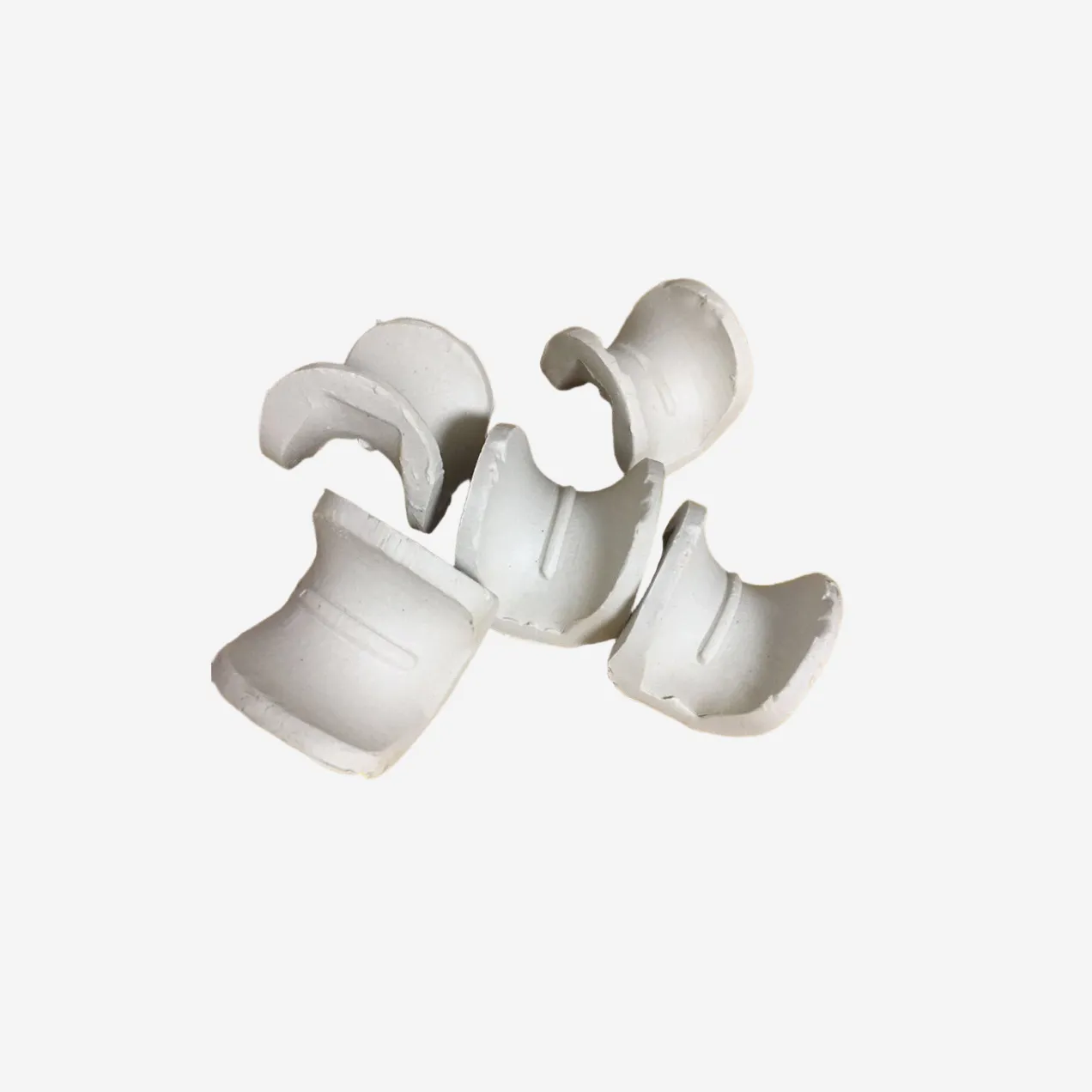
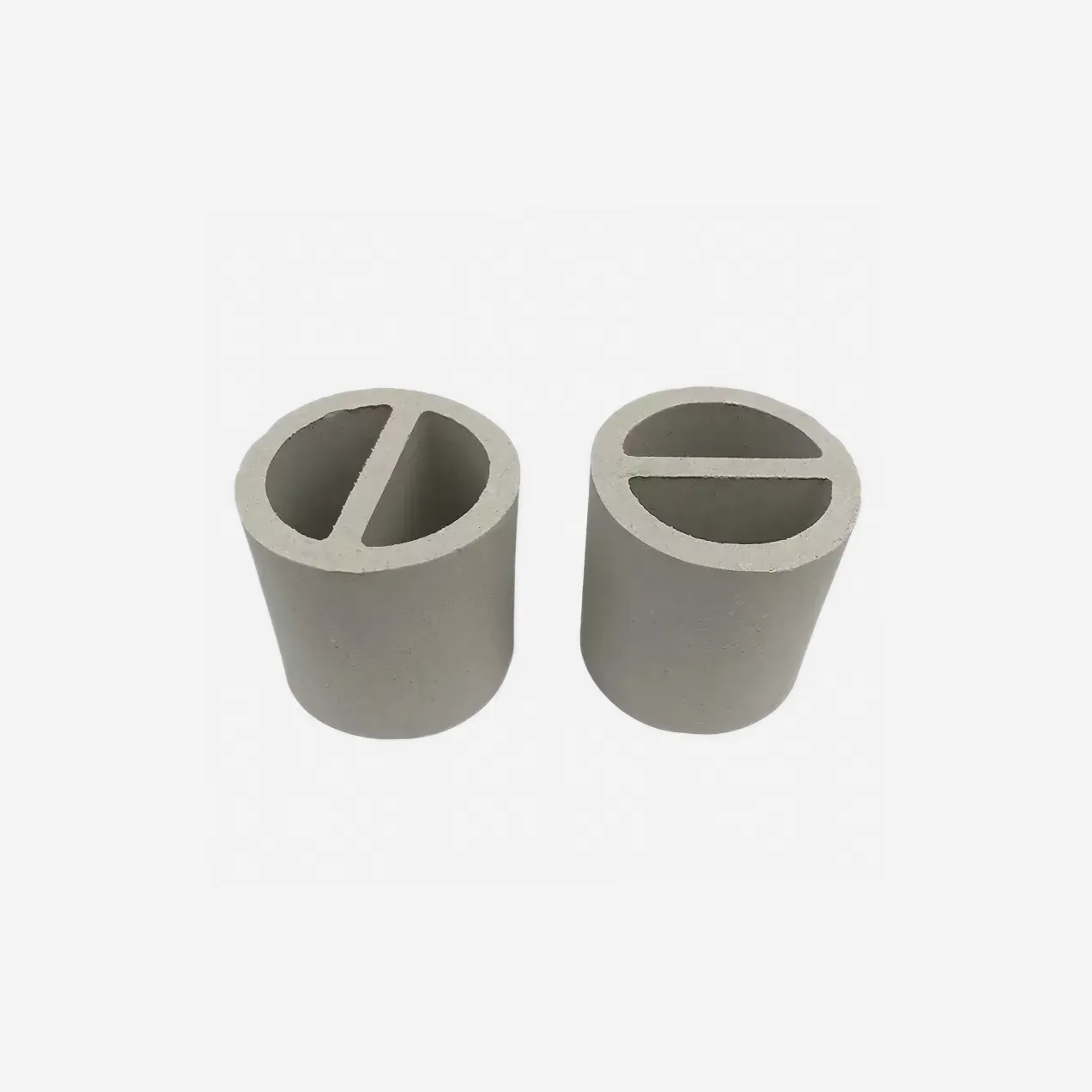
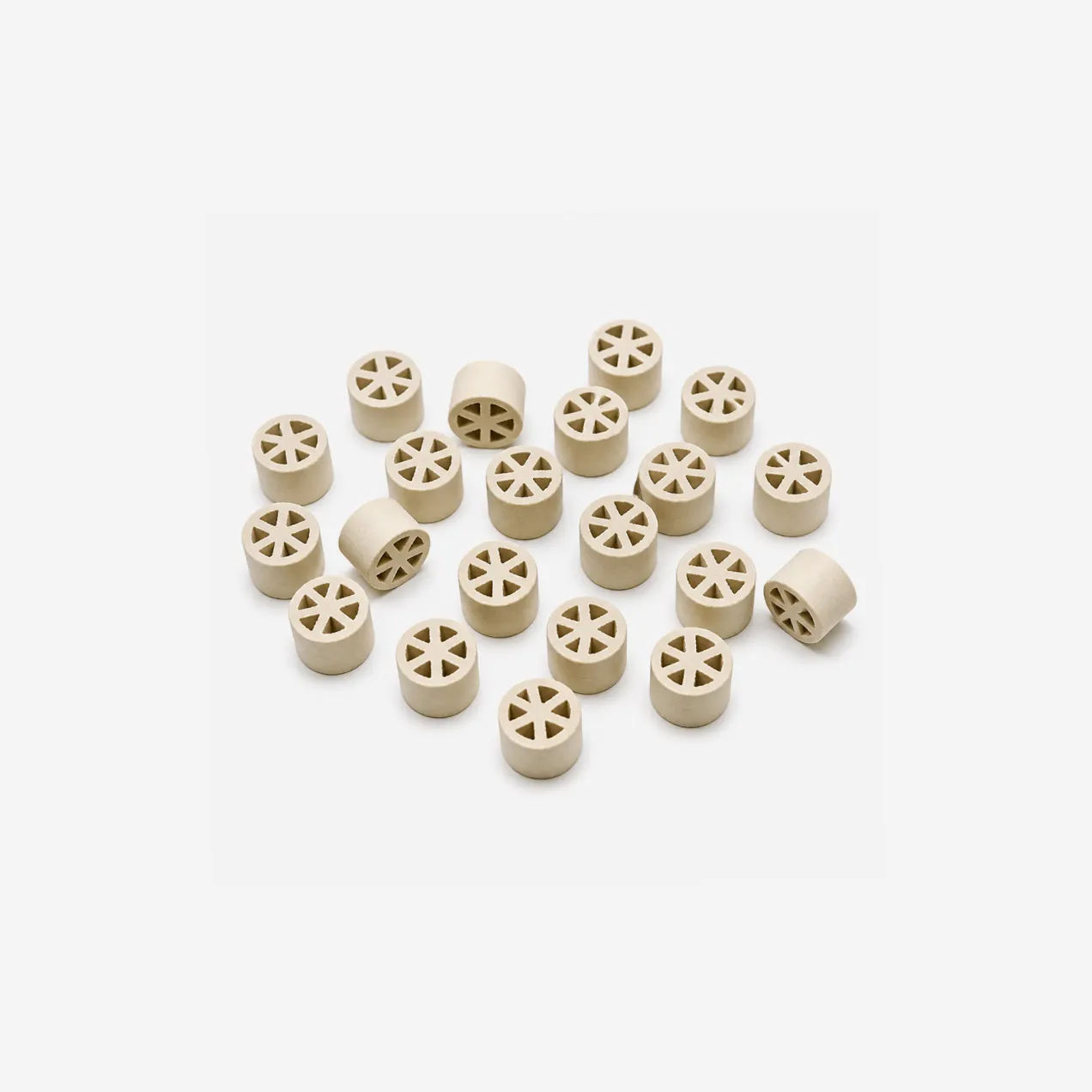
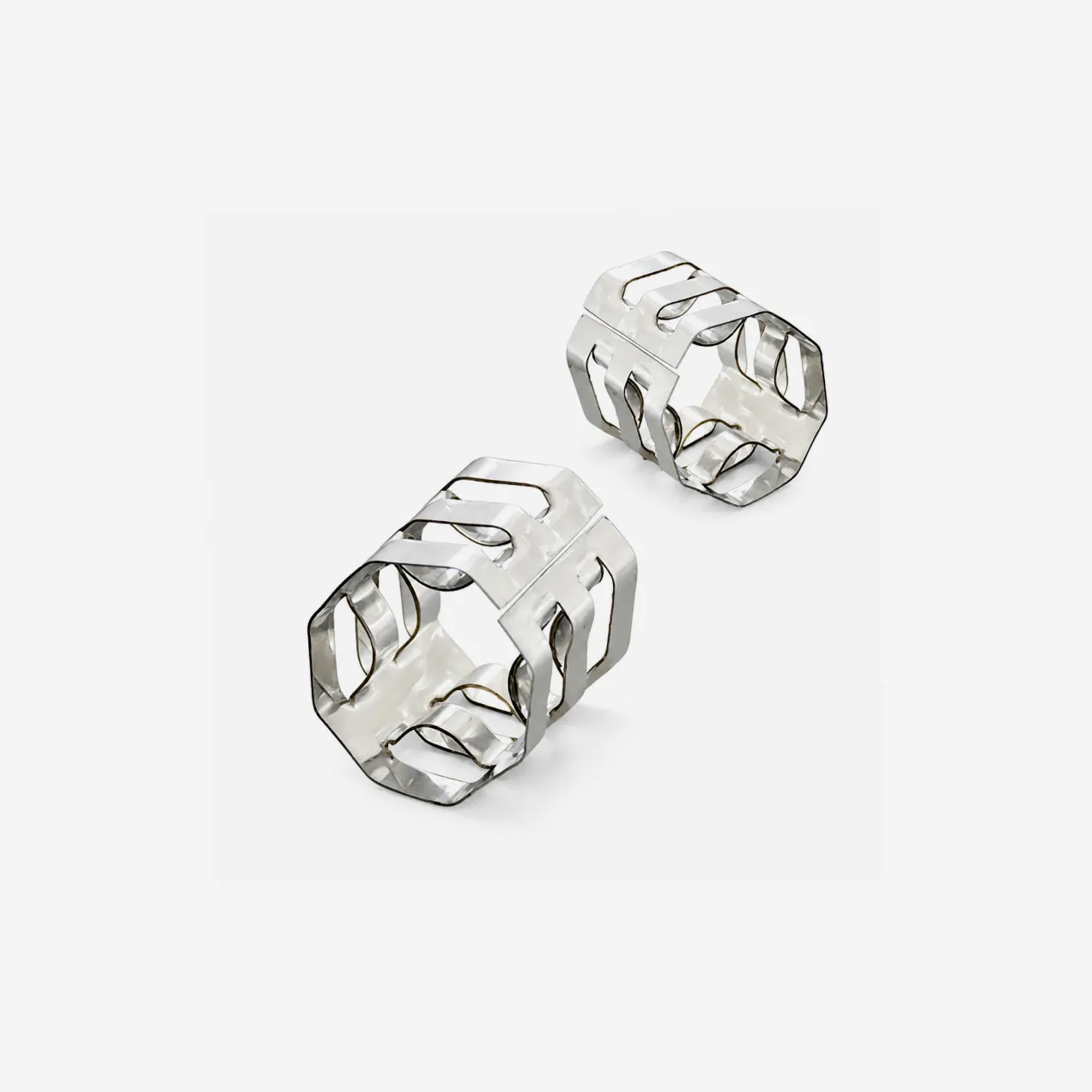
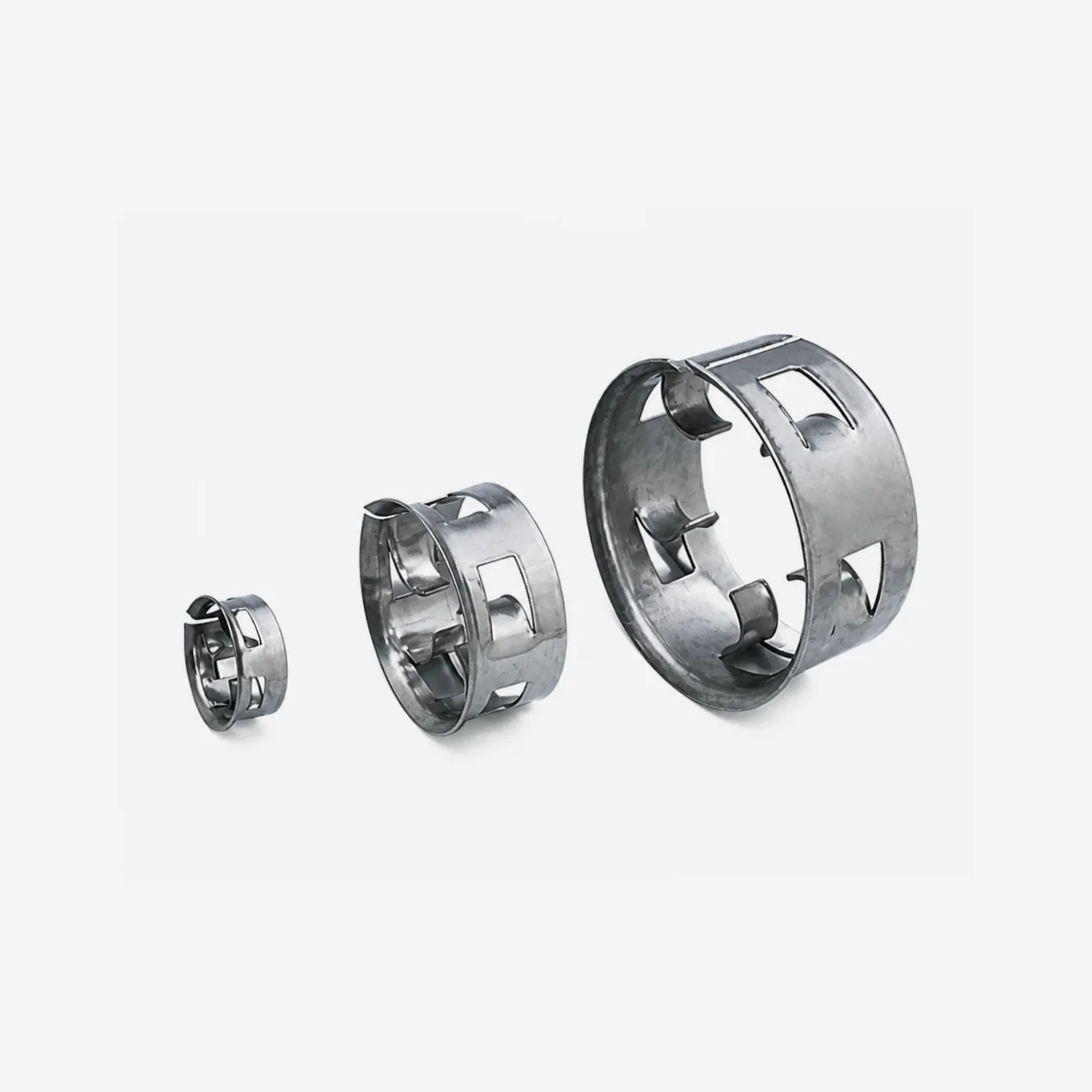
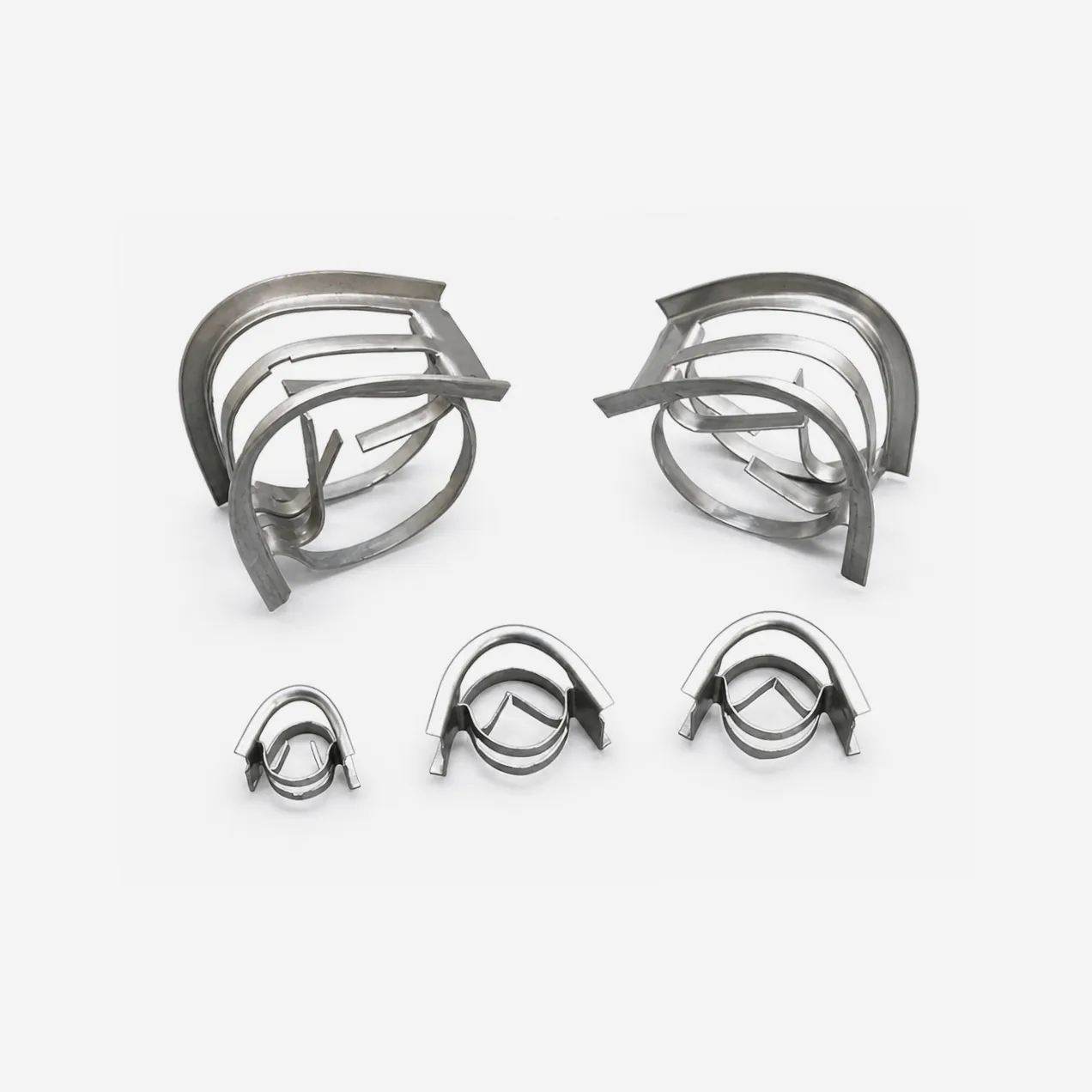
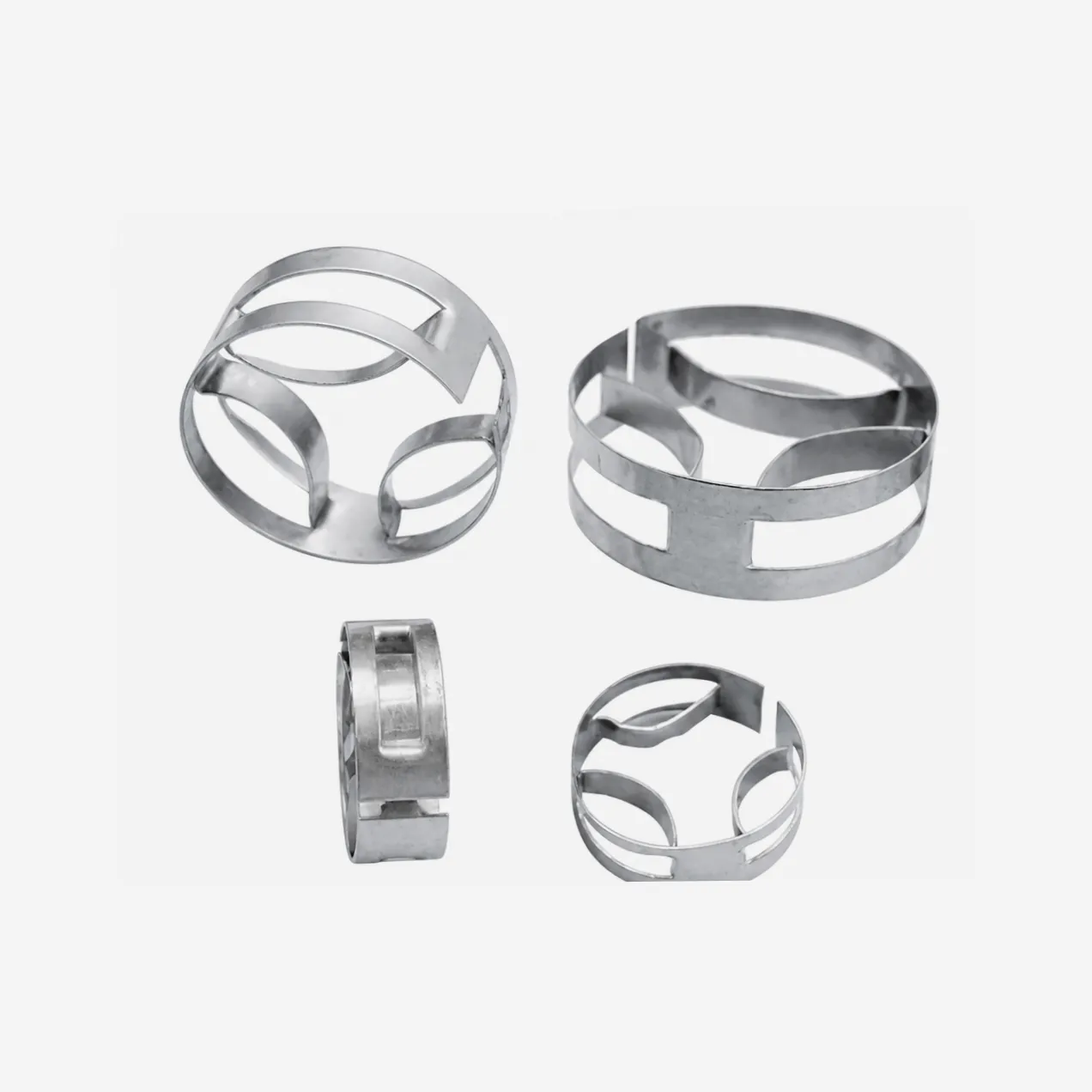
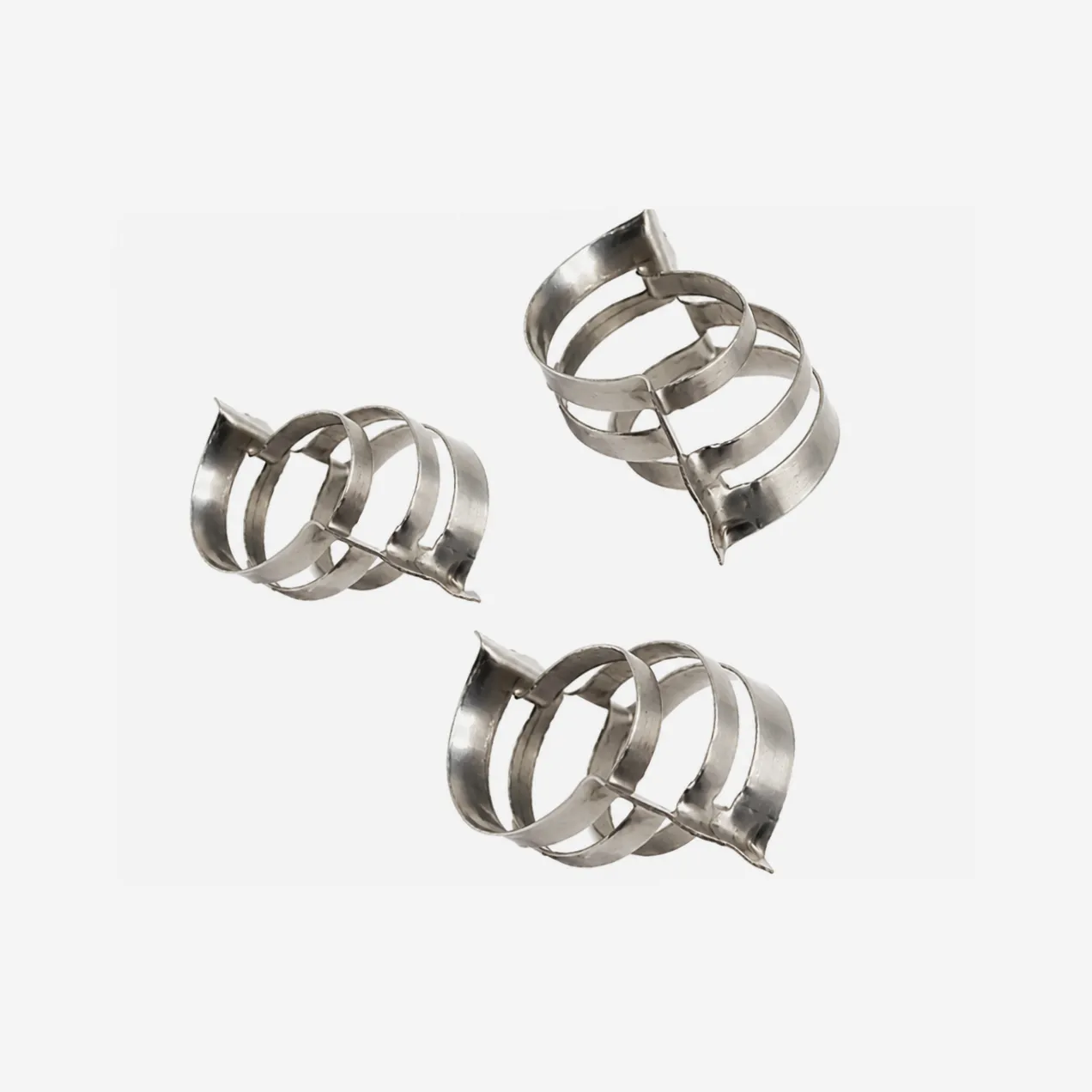
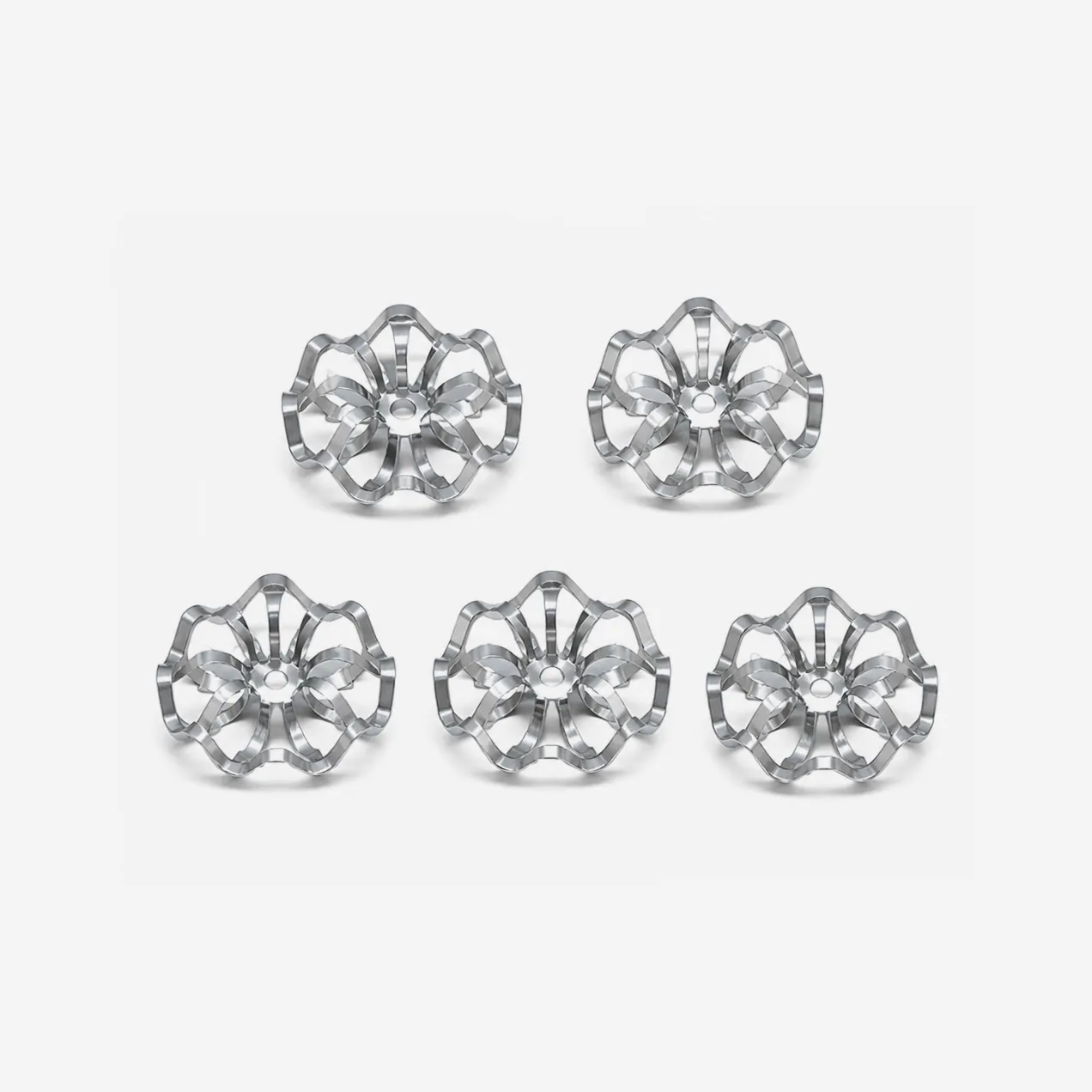
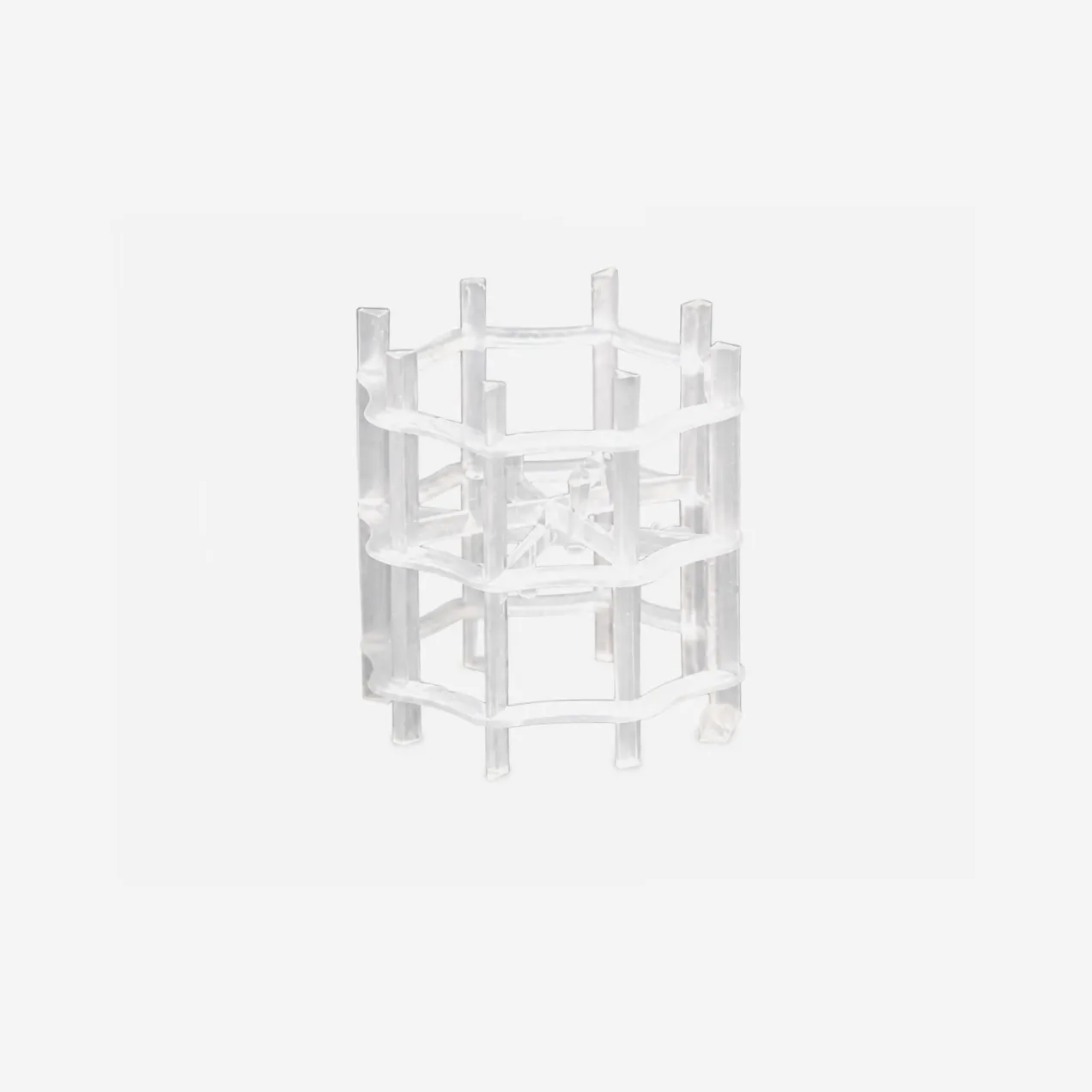
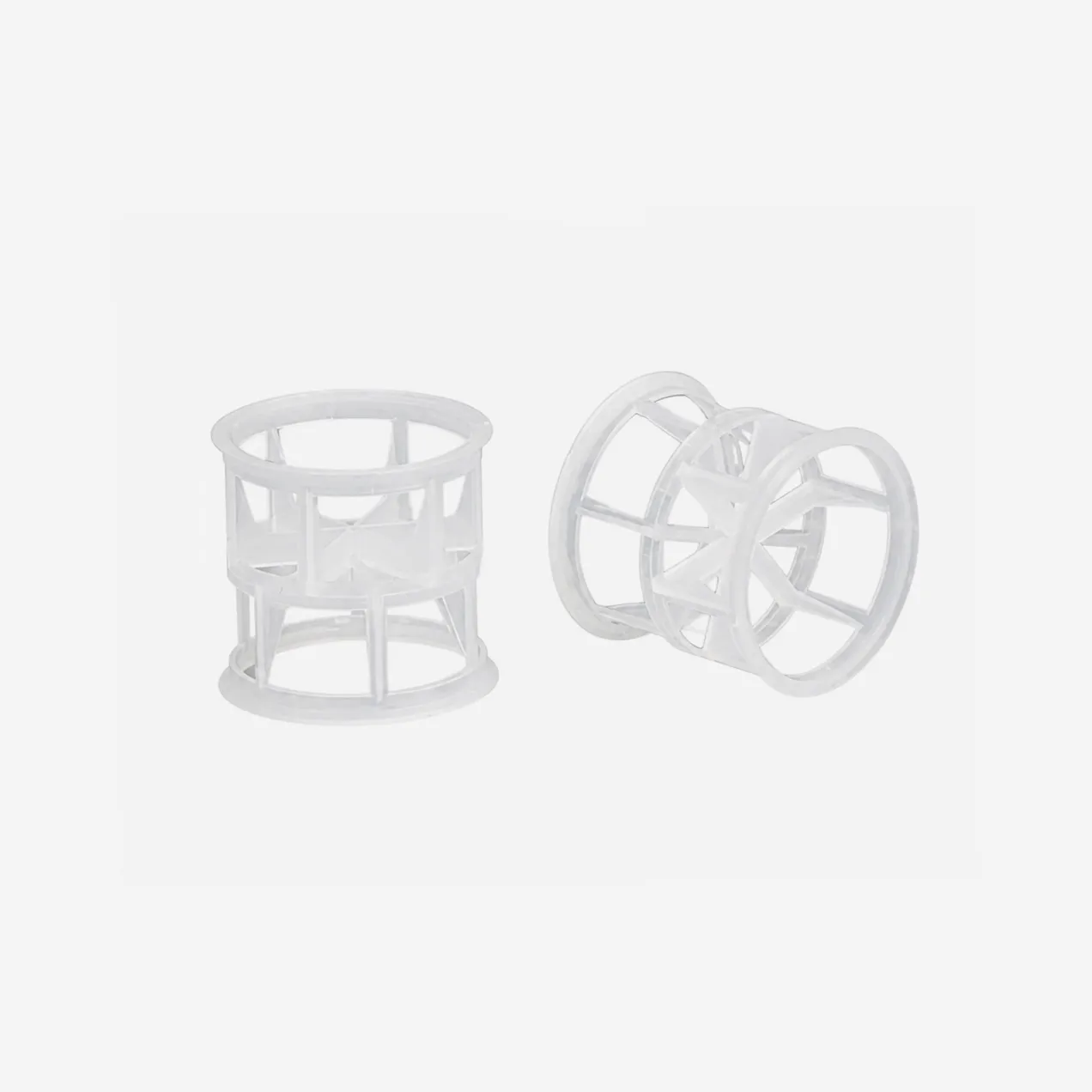
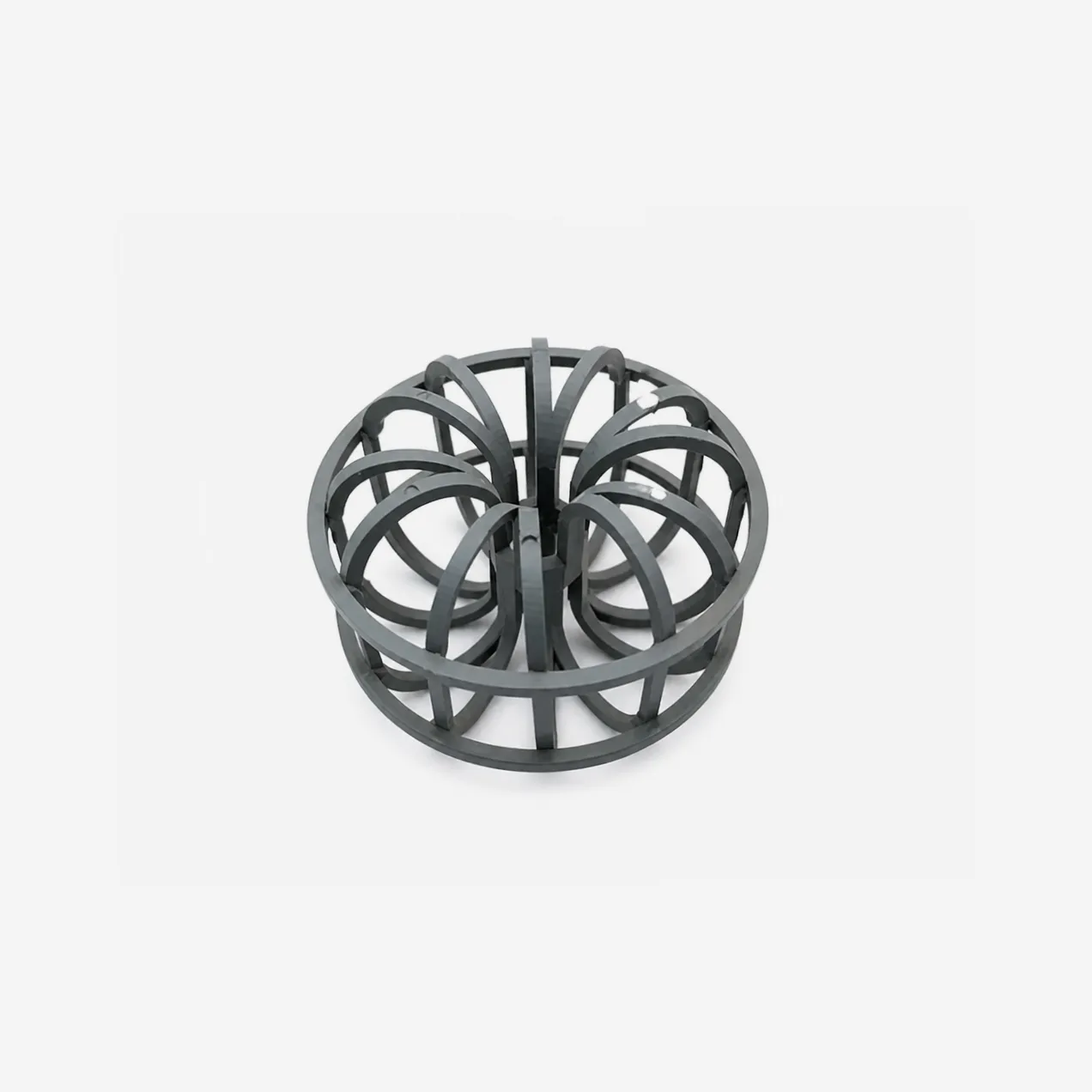
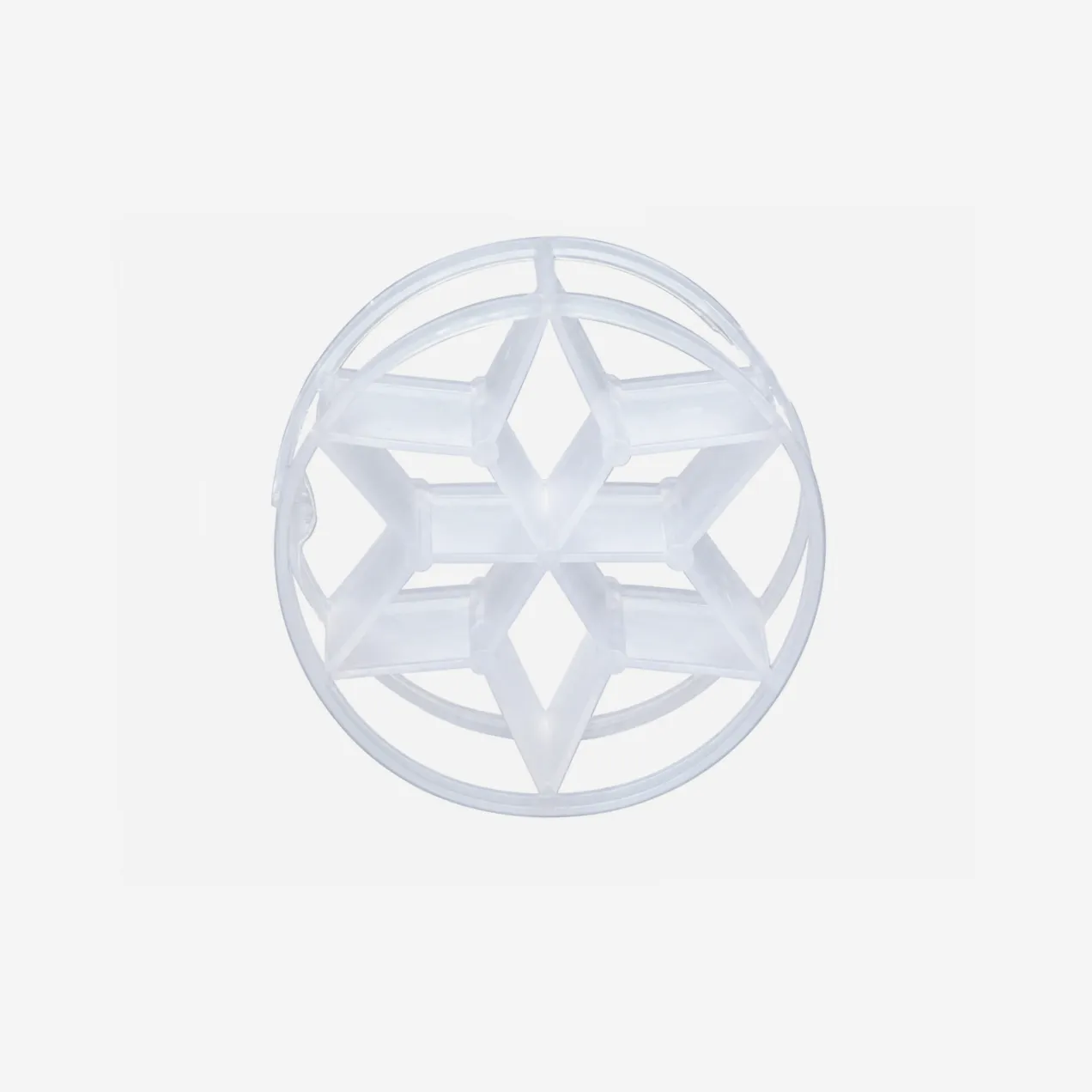
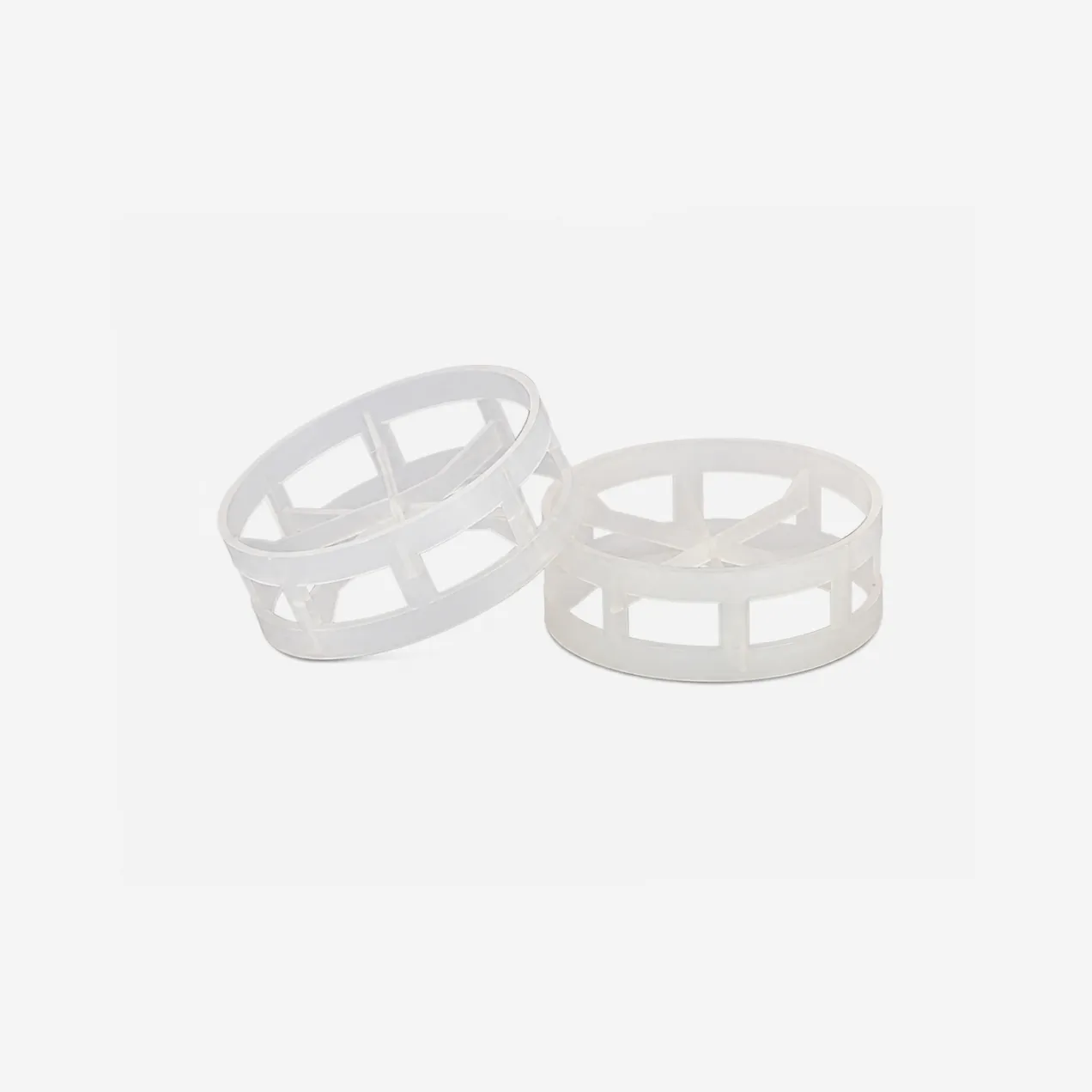
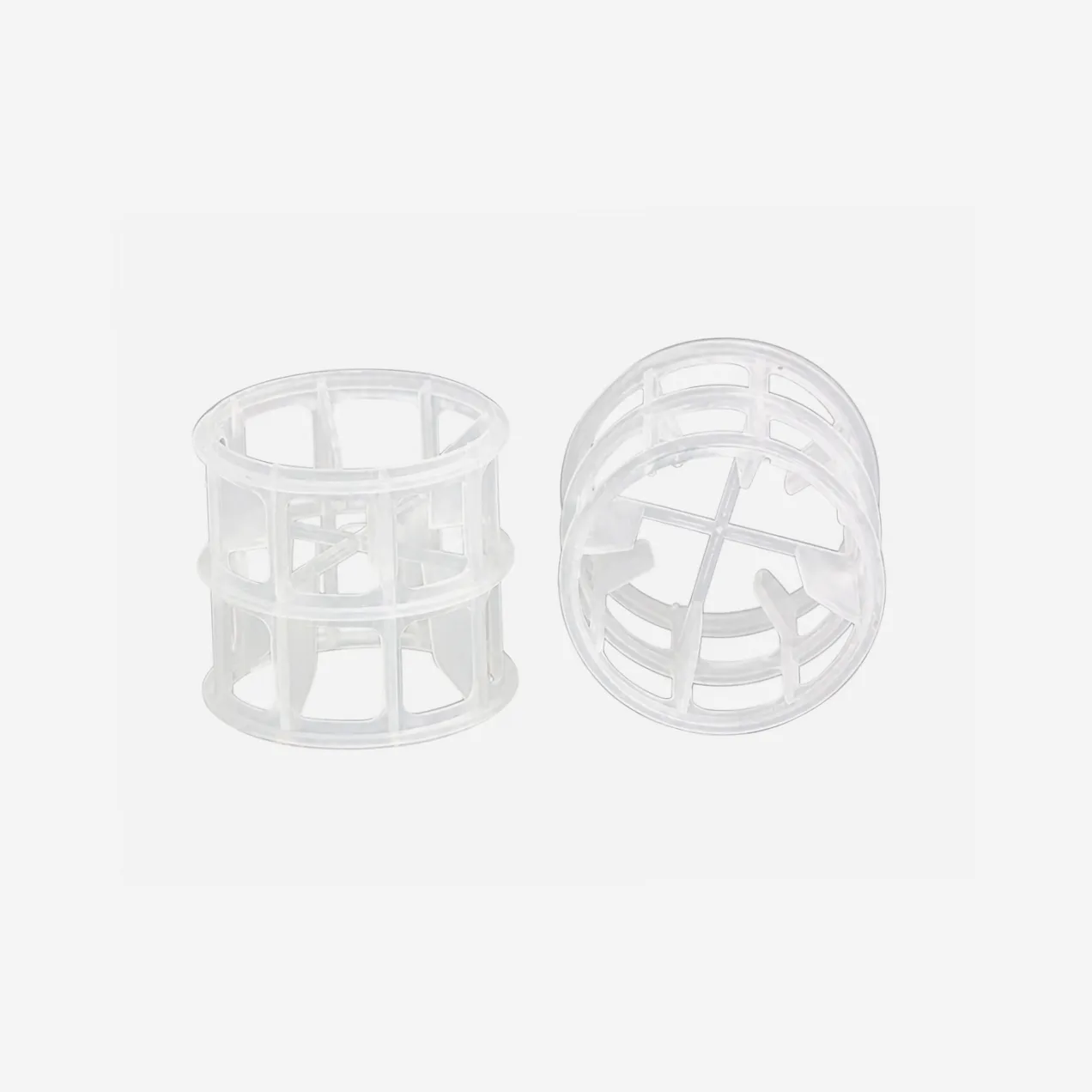
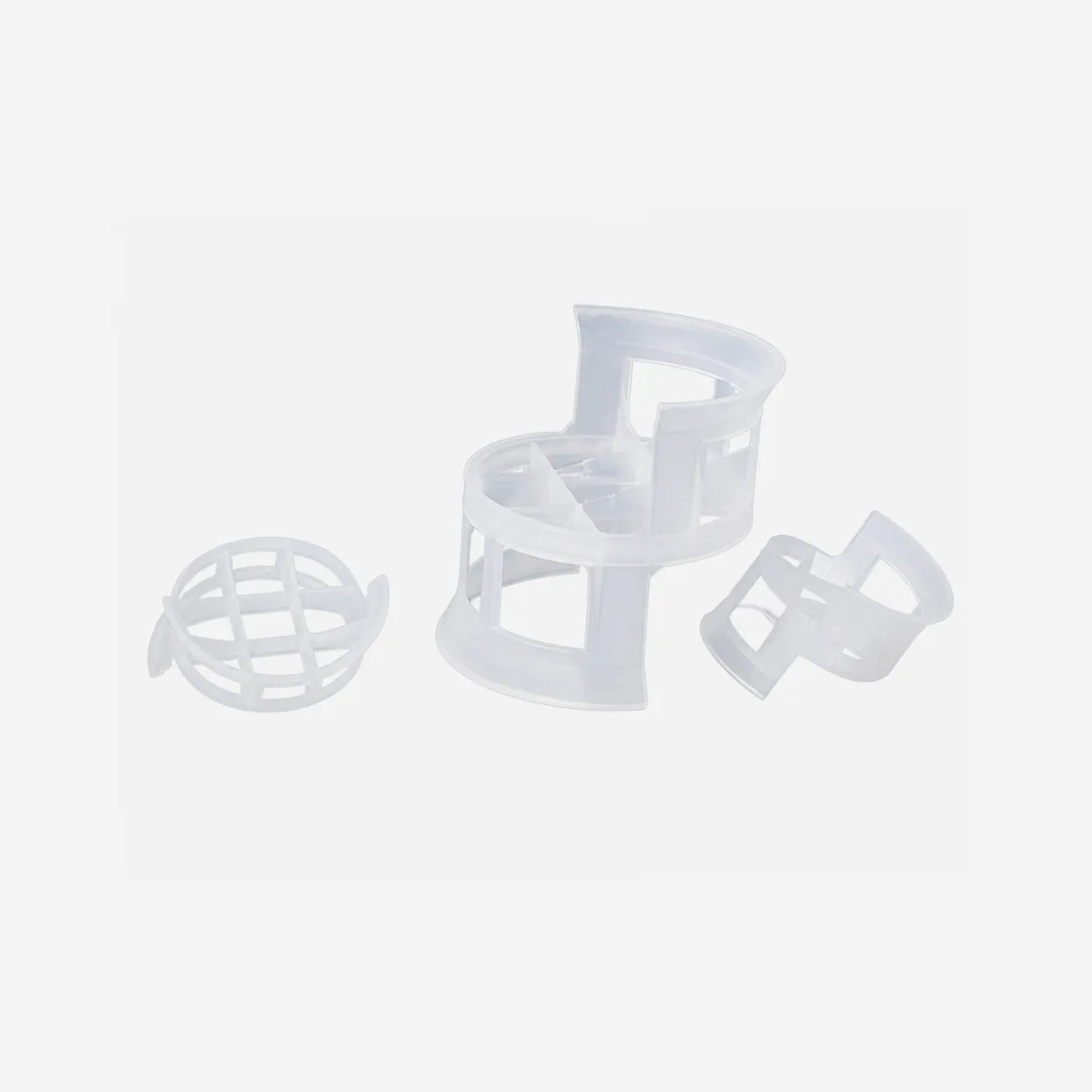
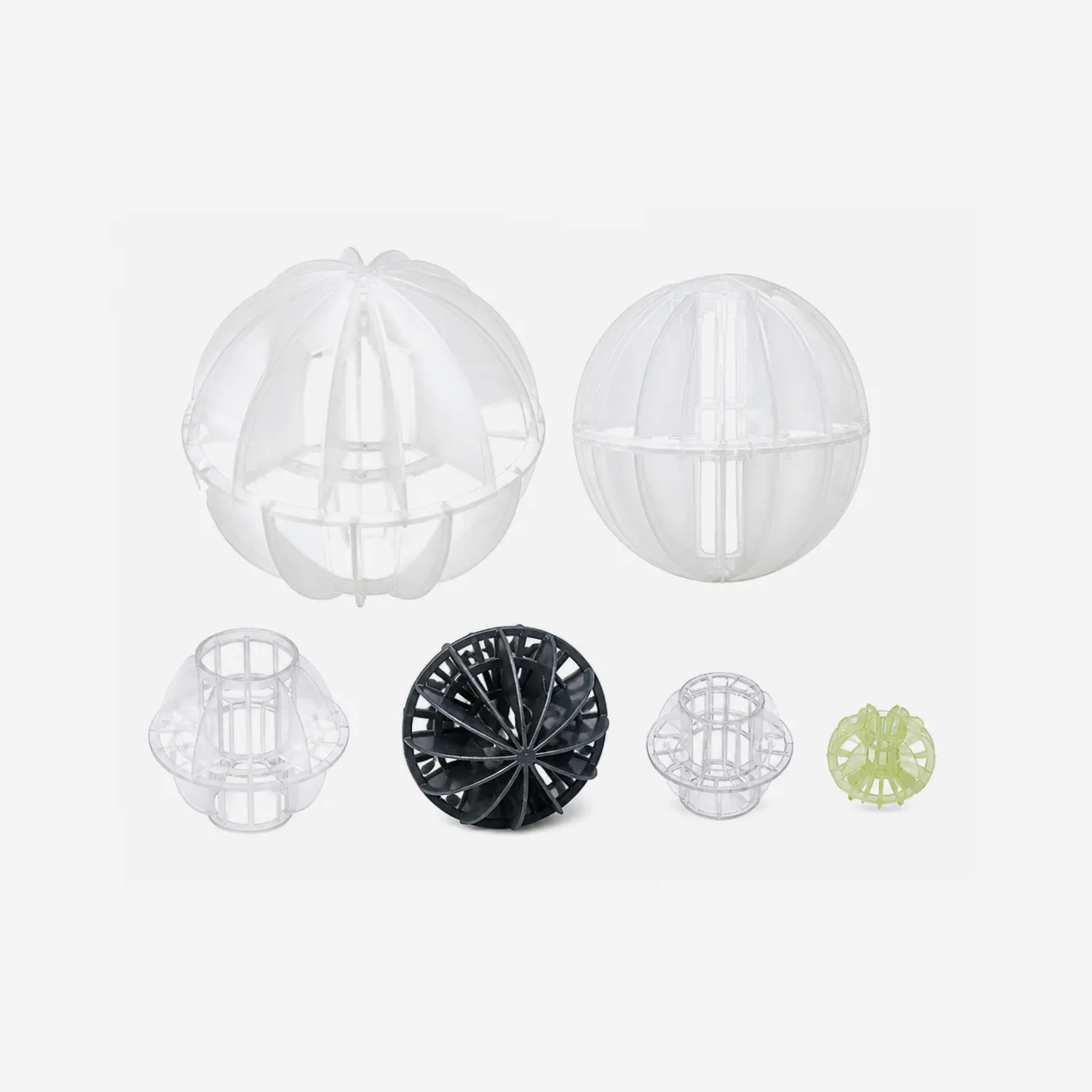
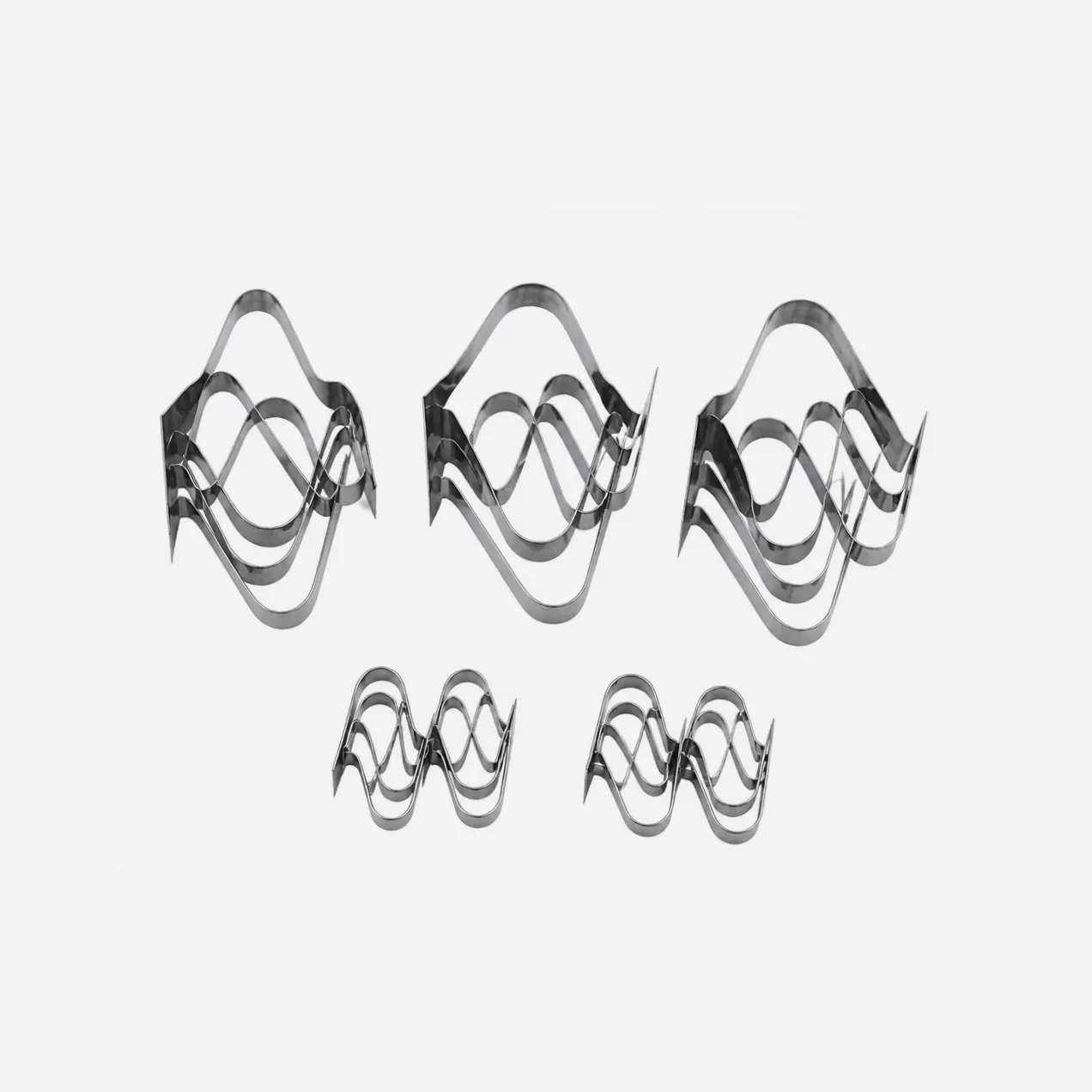
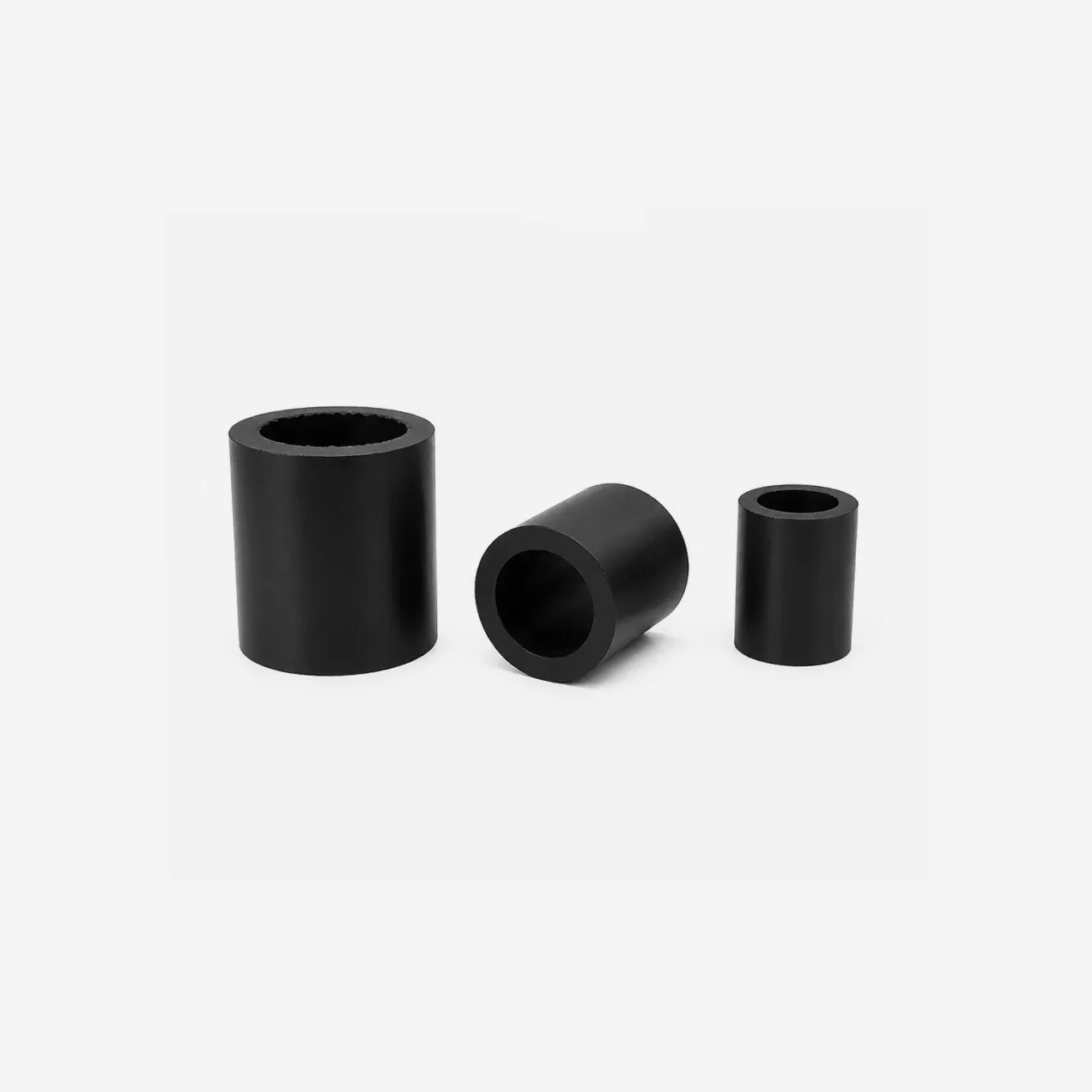
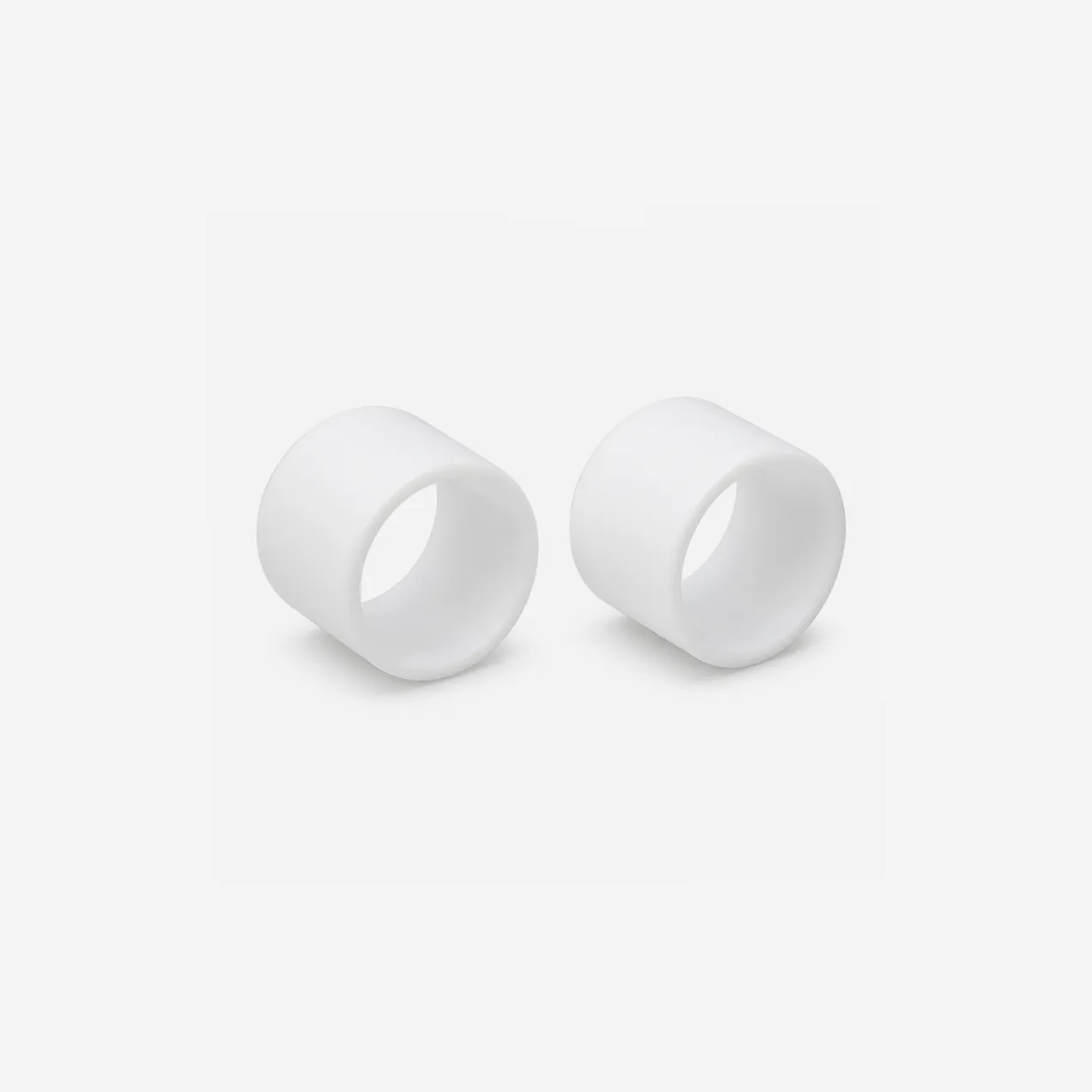
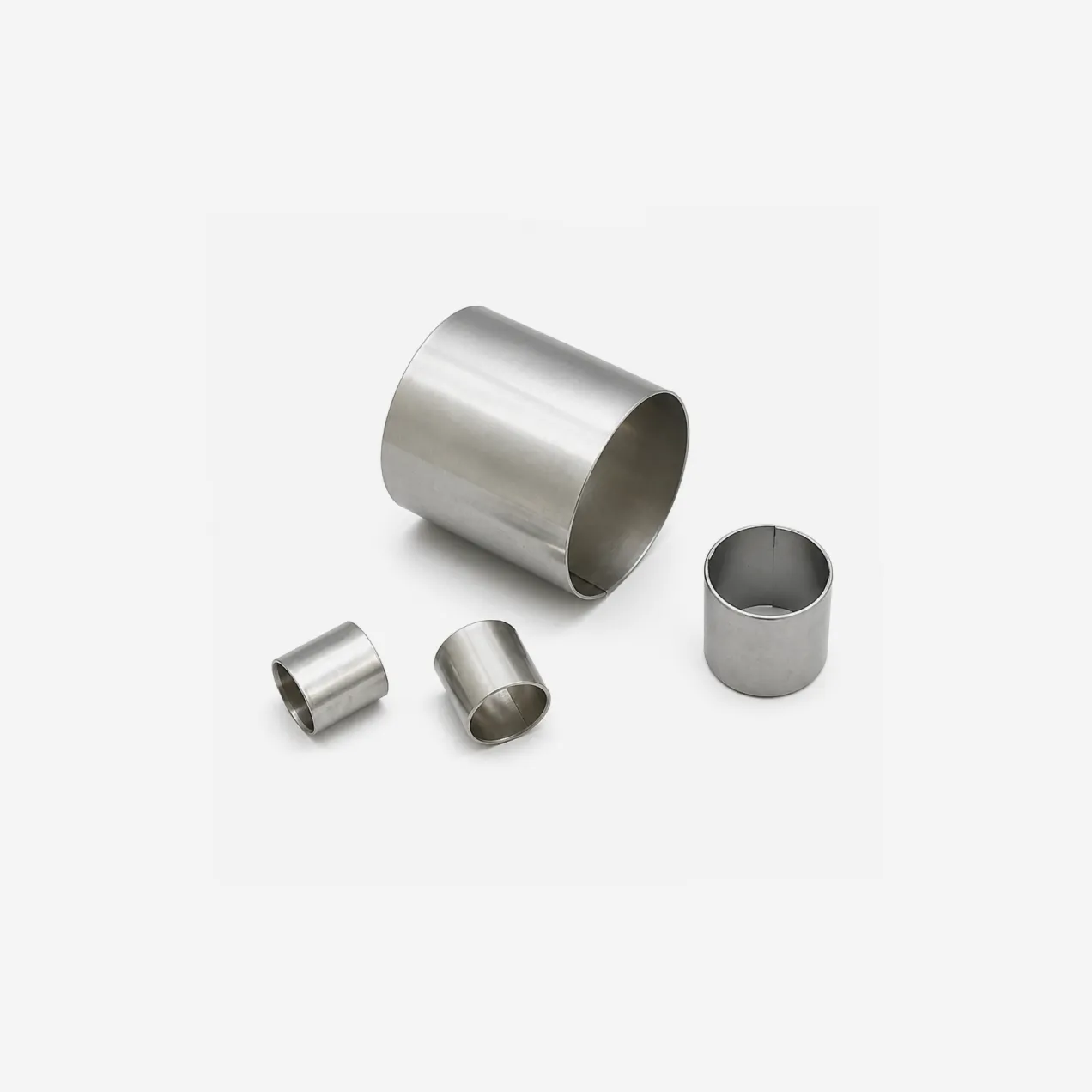
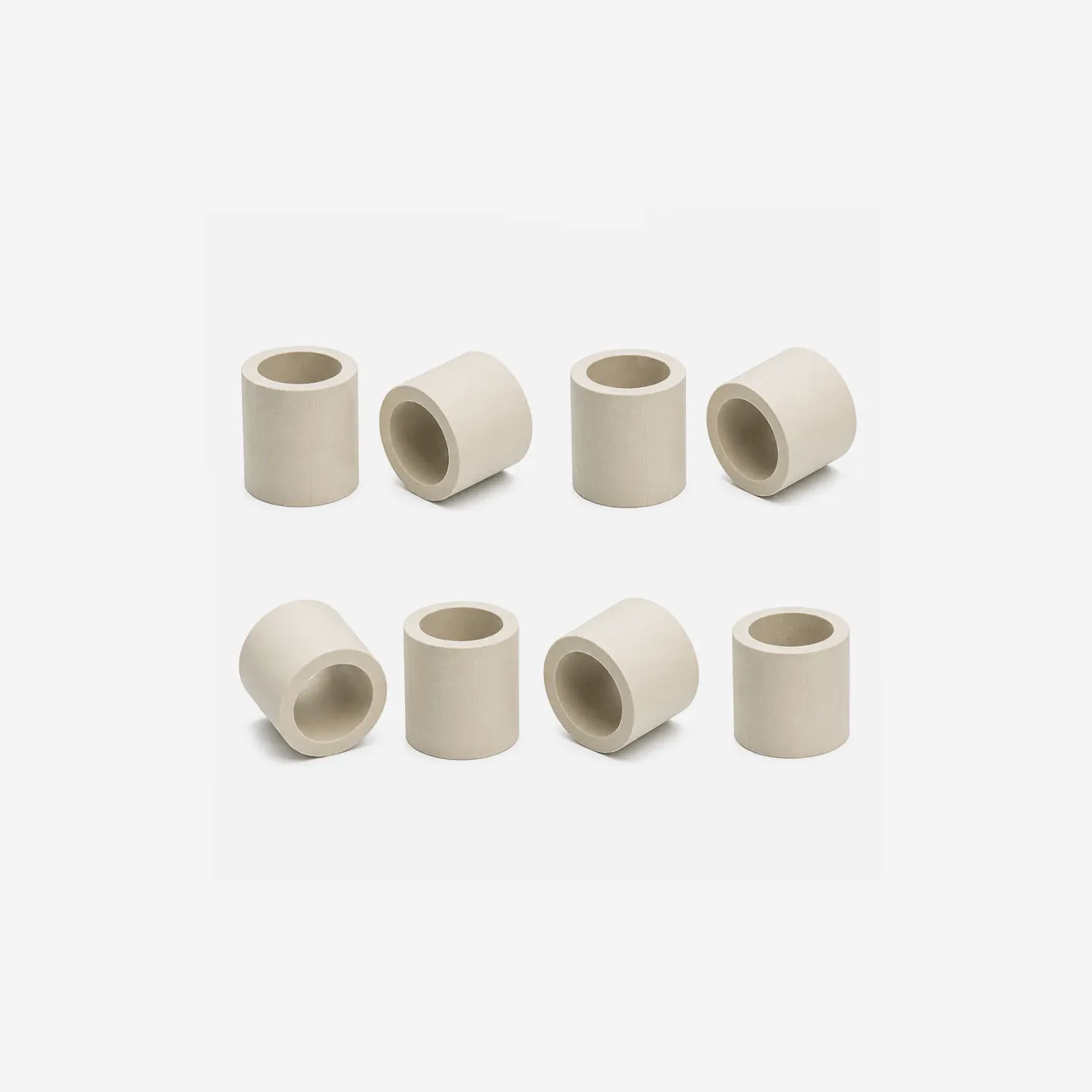
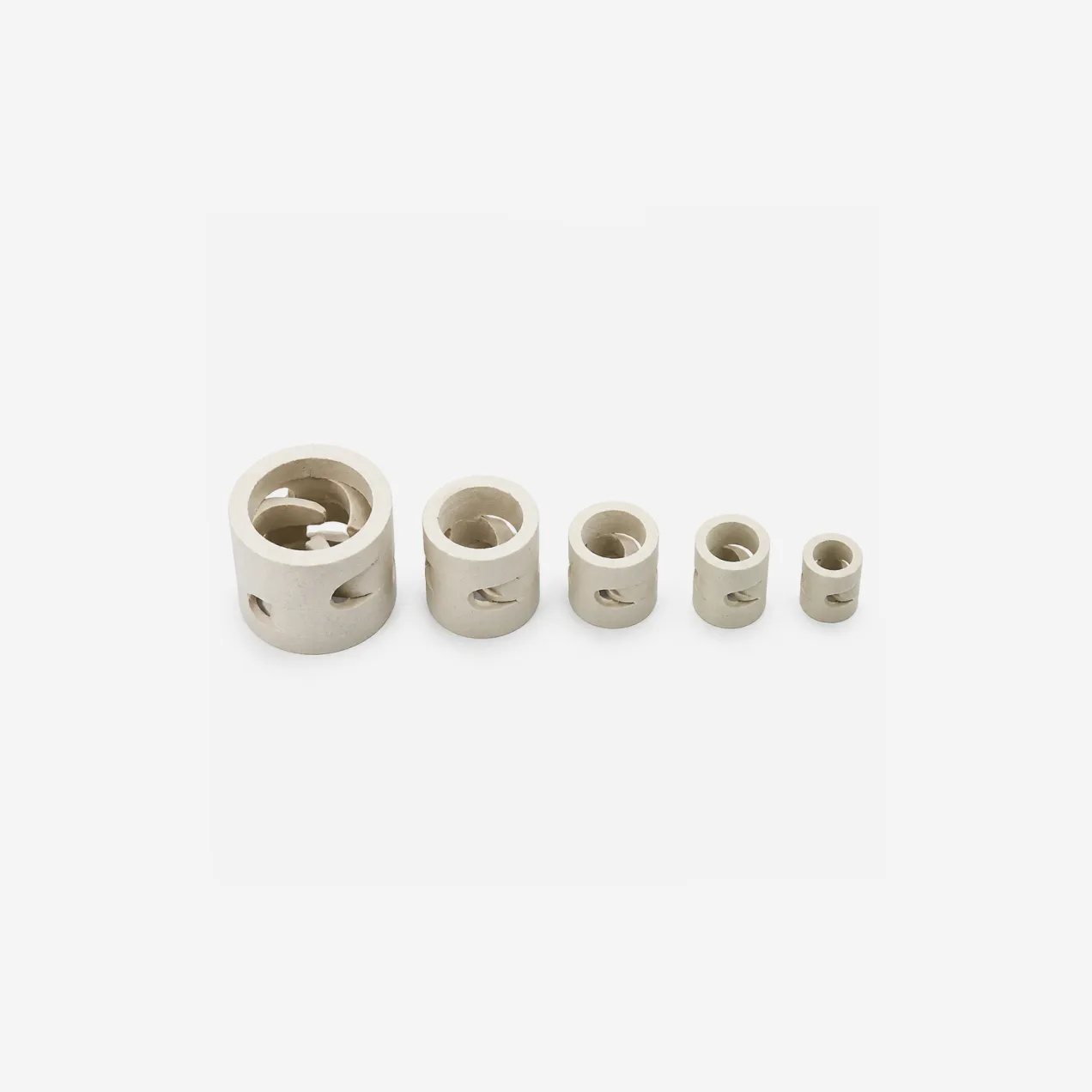
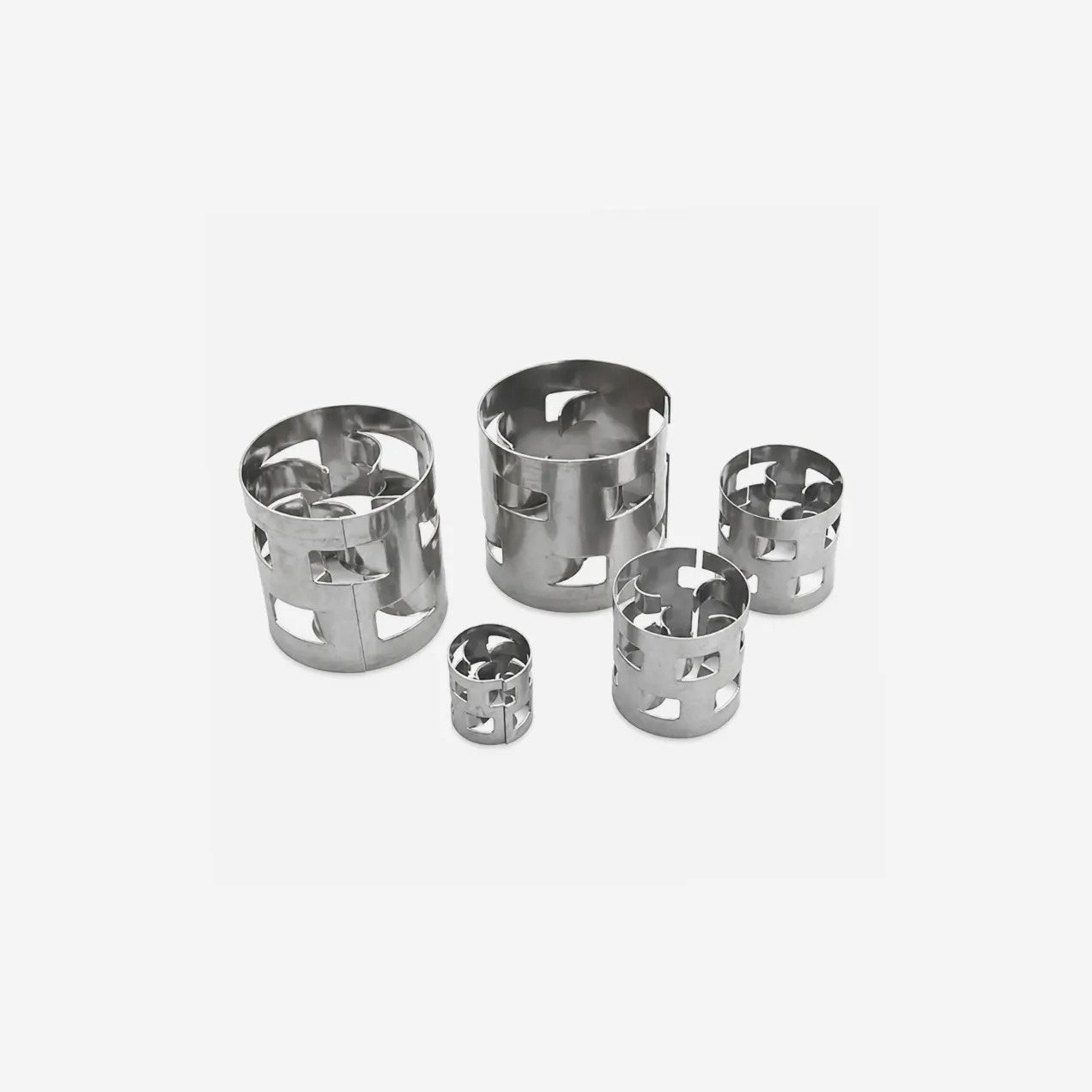
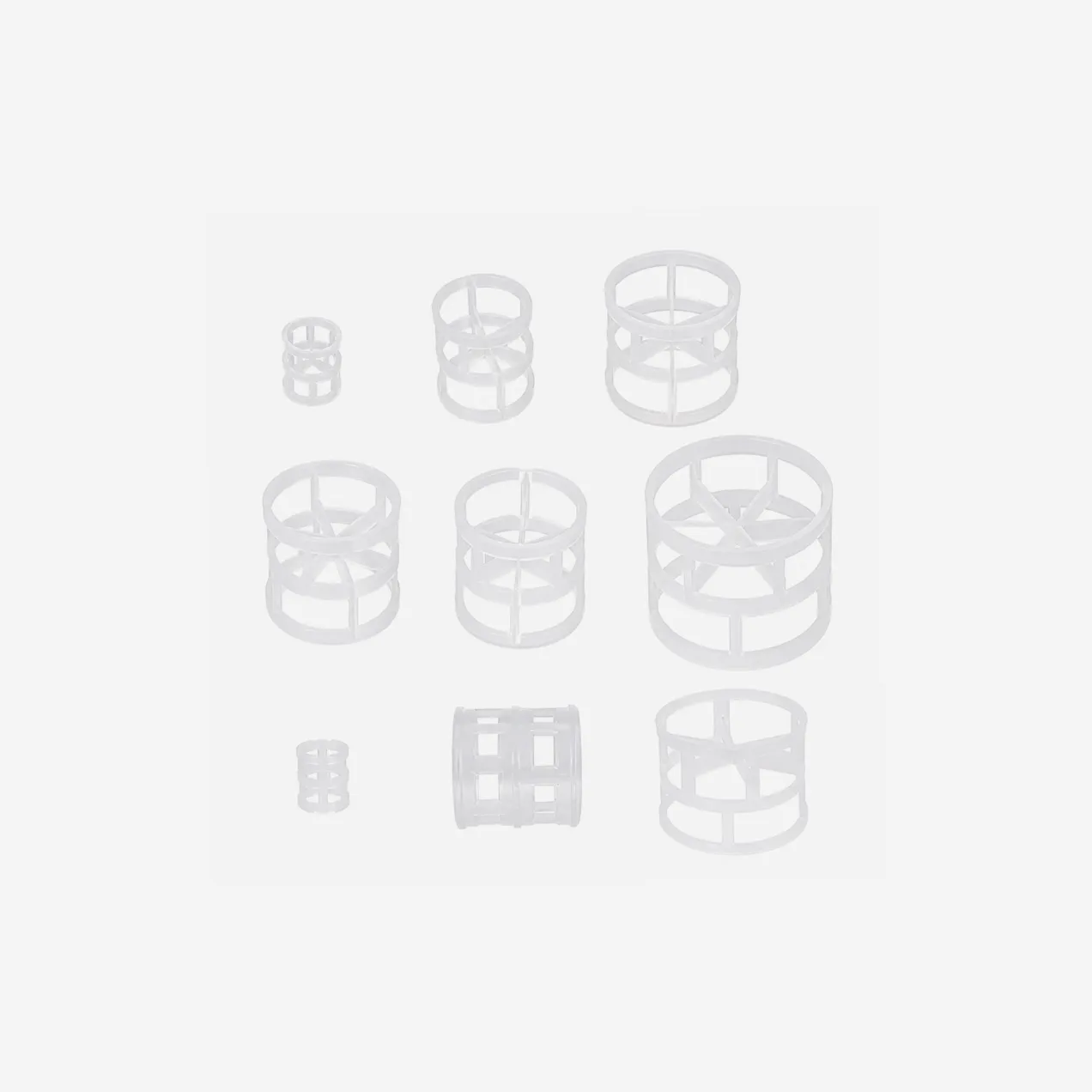
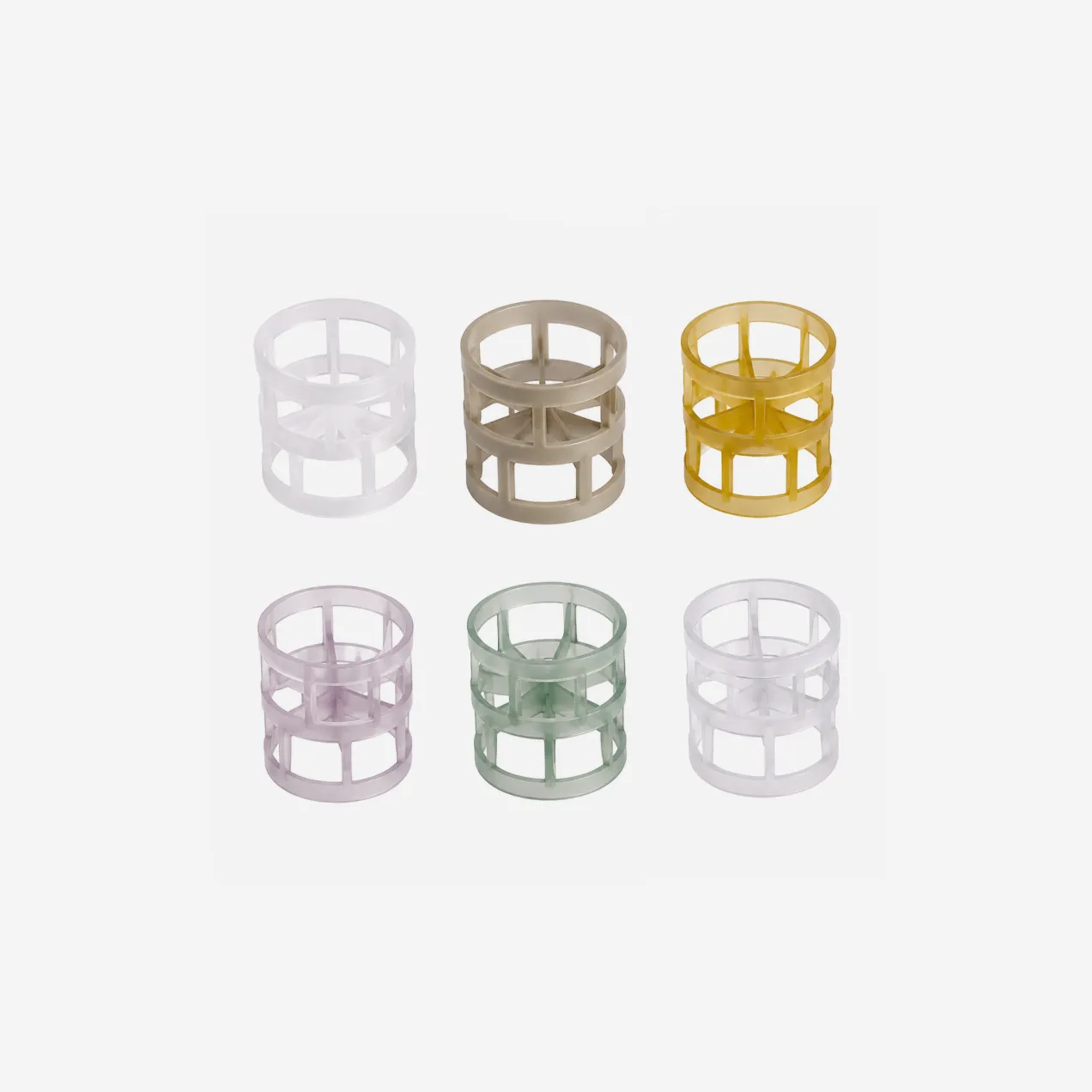
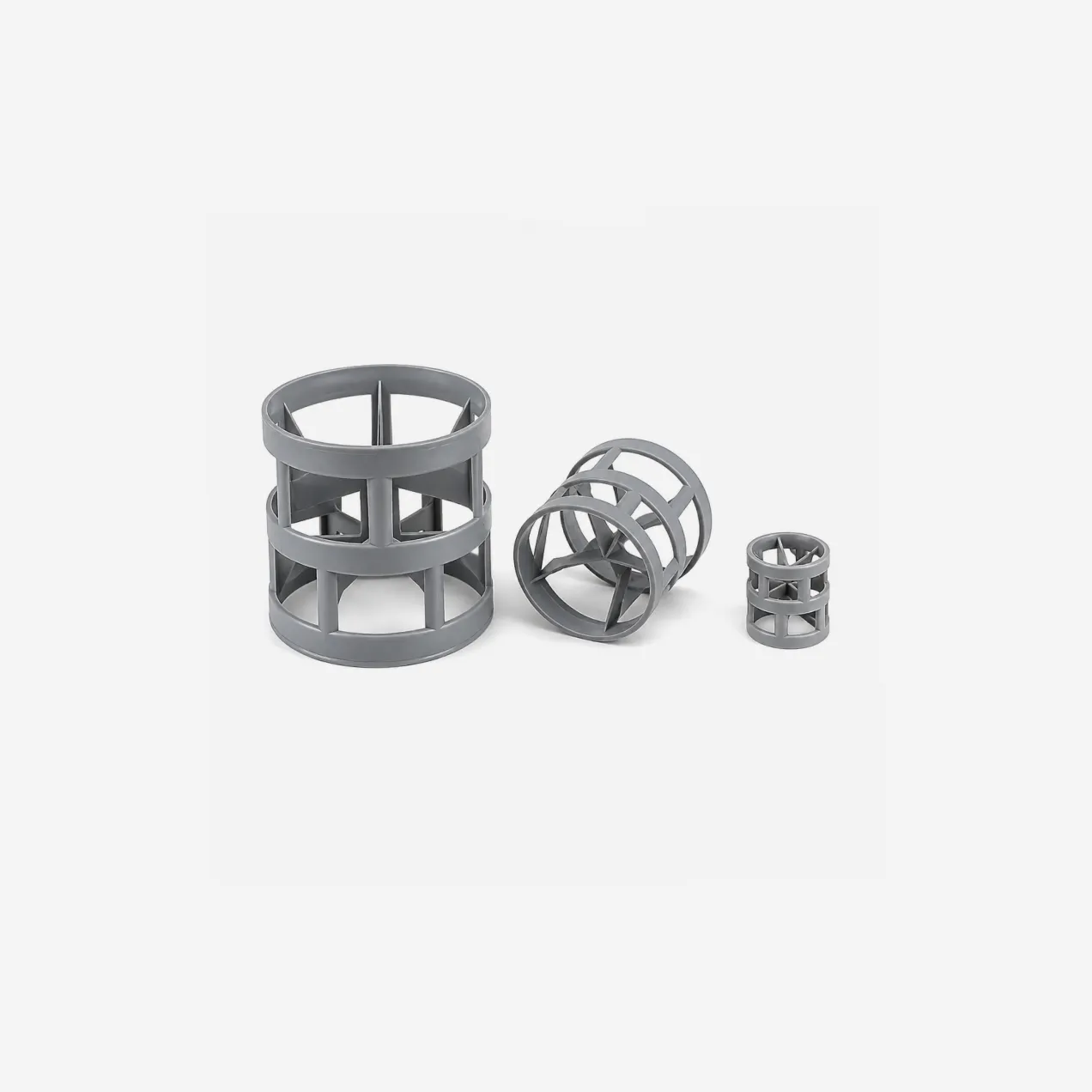
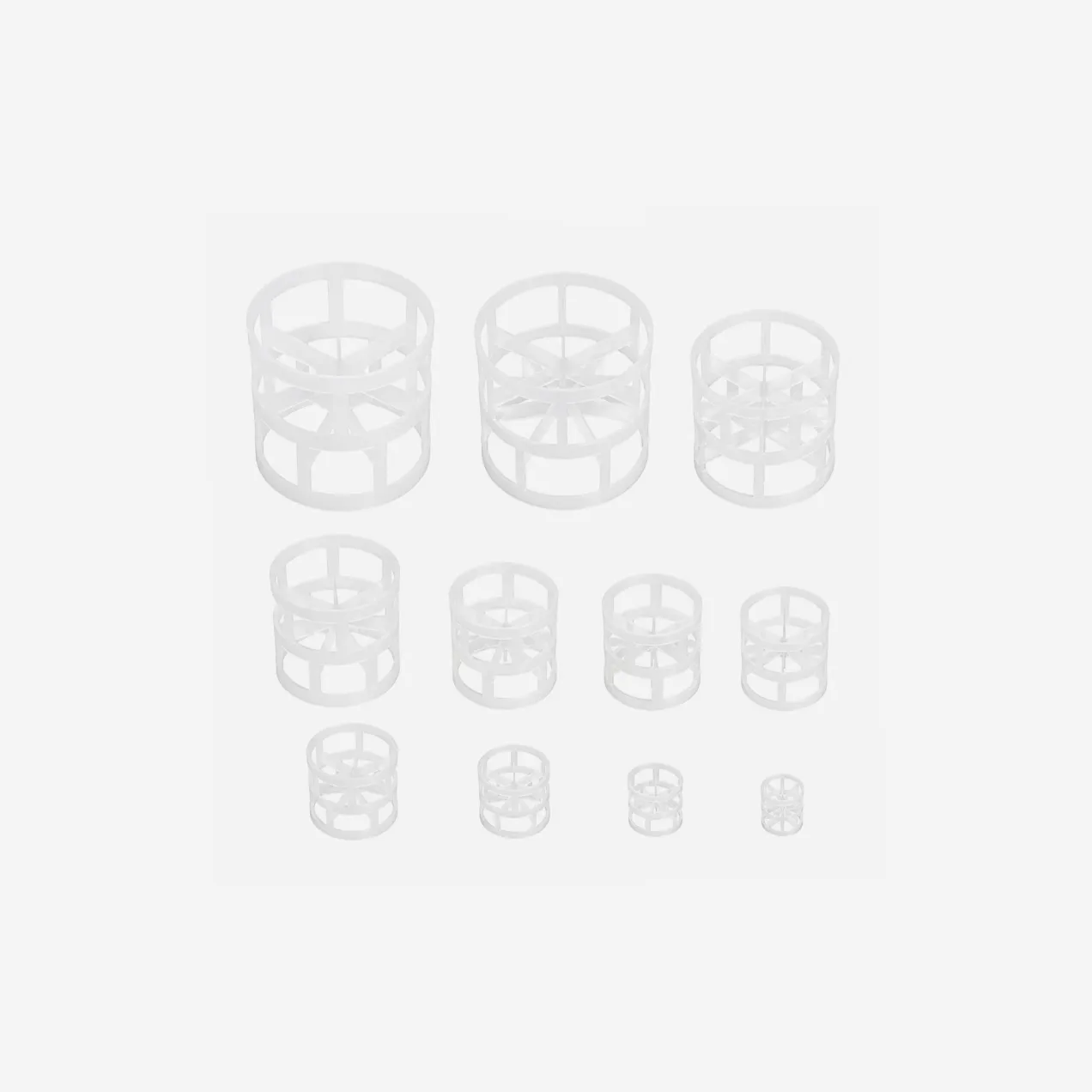
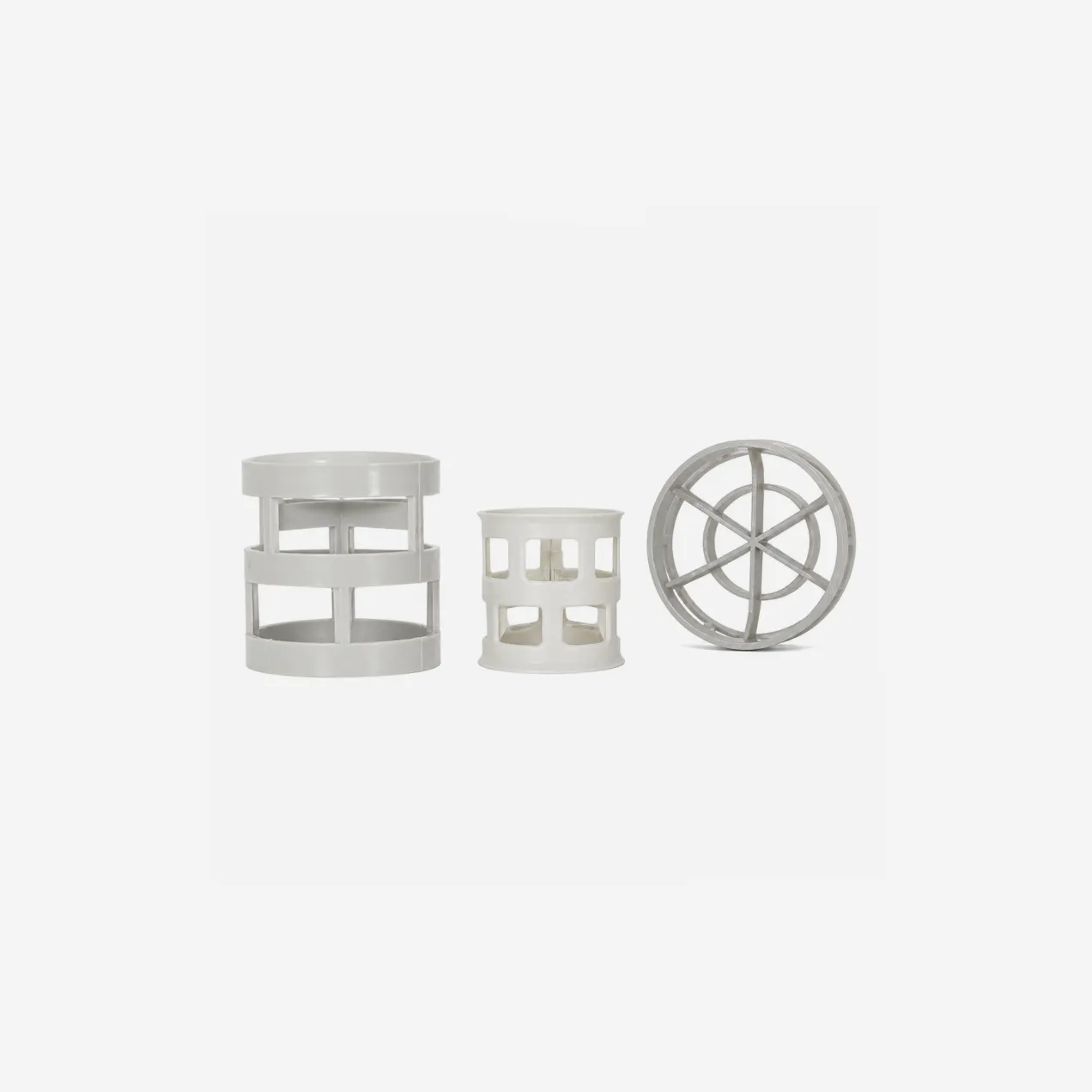
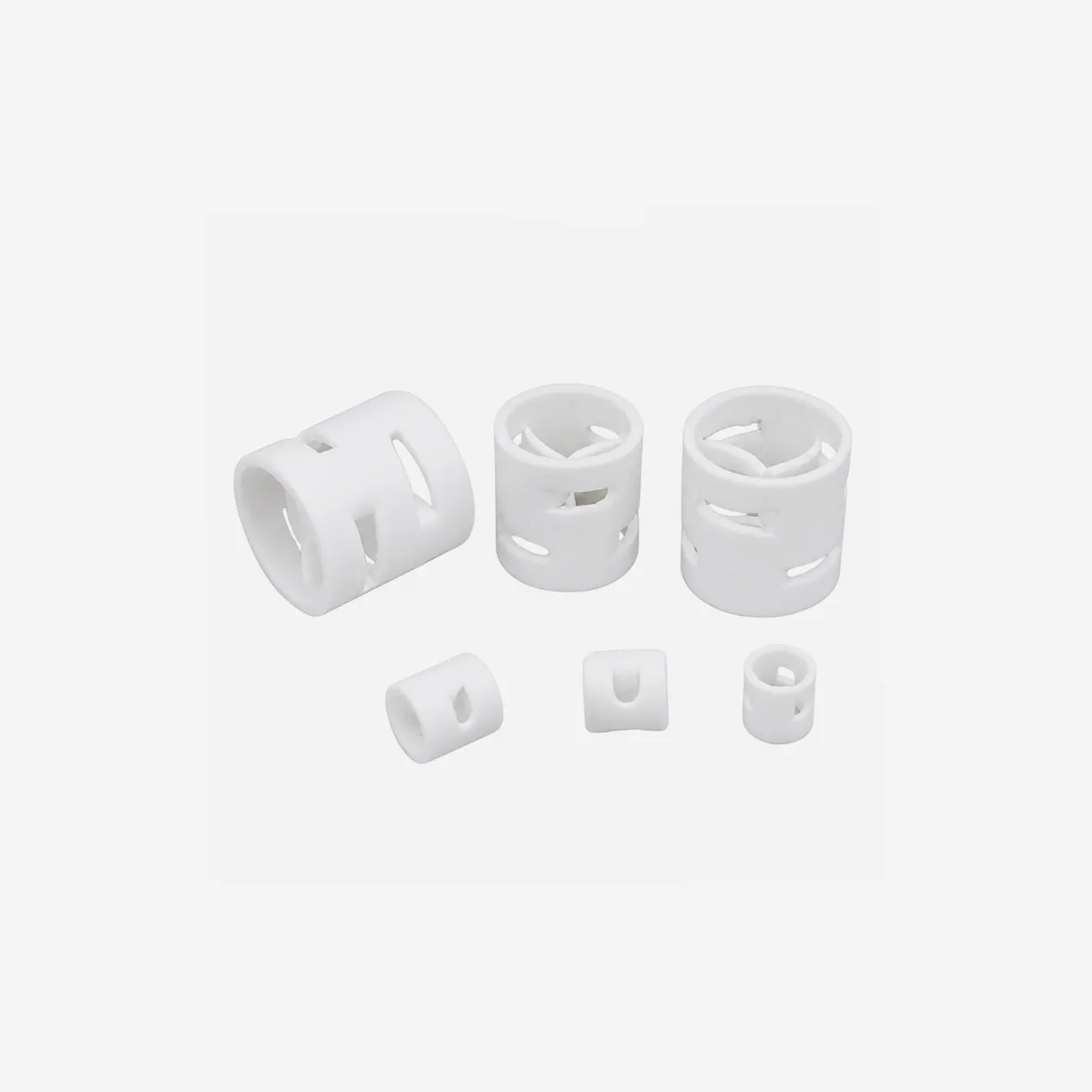
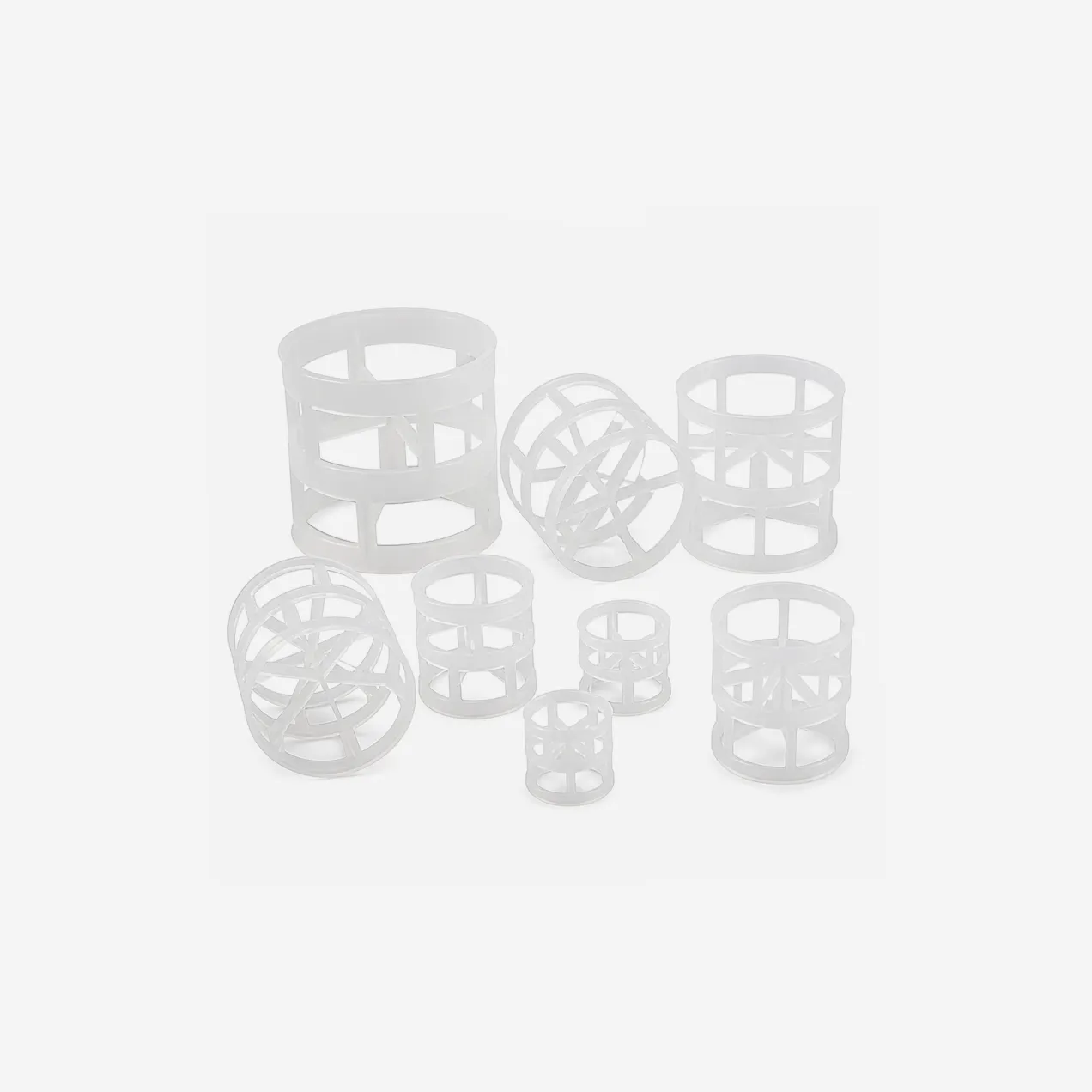
PFA is short for perfluoroalkoxy, a fully fluorinated plastic that sits at the top of the packing range beside PTFE. Chemically the two are all but indistinguishable — both resist practically every acid, alkali, oxidiser and solvent, and both run to about 260 degrees. Where they diverge is in manufacture. PTFE will not melt and flow, so parts are pressed from powder, sintered and often machined; PFA does melt and flow, so a ring can be moulded in one piece to a precise shape with a clean, glassy surface. That one fact is the source of PFA's edge: tighter and more repeatable geometry, a smoother non-stick face, a denser wall that lets far less through it, and better resistance to creep when a bed bears down over time.
Weighed against PTFE, it reads as a set of trade-offs rather than an outright winner:
| PTFE | PFA |
|---|
| Made by | Sintering and machining | Melt moulding |
| Chemical resistance | Near-universal | Near-universal |
| Max service temperature | ~260°C, slightly higher | ~260°C |
| Surface and tolerance | Good | Smoother, more precise |
| Creep and permeation | Higher creep, more porous | Lower creep, denser |
| Relative cost | High | Highest |
Being the dearest plastic here, PFA is specified where its strengths are truly needed: high-purity and semiconductor streams, services that must not shed particles or let vapour permeate, and the fiercest acid, oxidiser and solvent chemistry at temperature. Its weak spot is the one every fluoropolymer shares — it is soft rather than rigid, so a tall bed wants sound support plates and hold-downs. For duty that is aggressive but not extreme, PTFE covers the same chemistry for less; for milder, cooler streams a polyolefin or vinyl is the sensible spend. Matched to the right job, PFA offers the widest chemical and thermal safety margin of any packing we make.