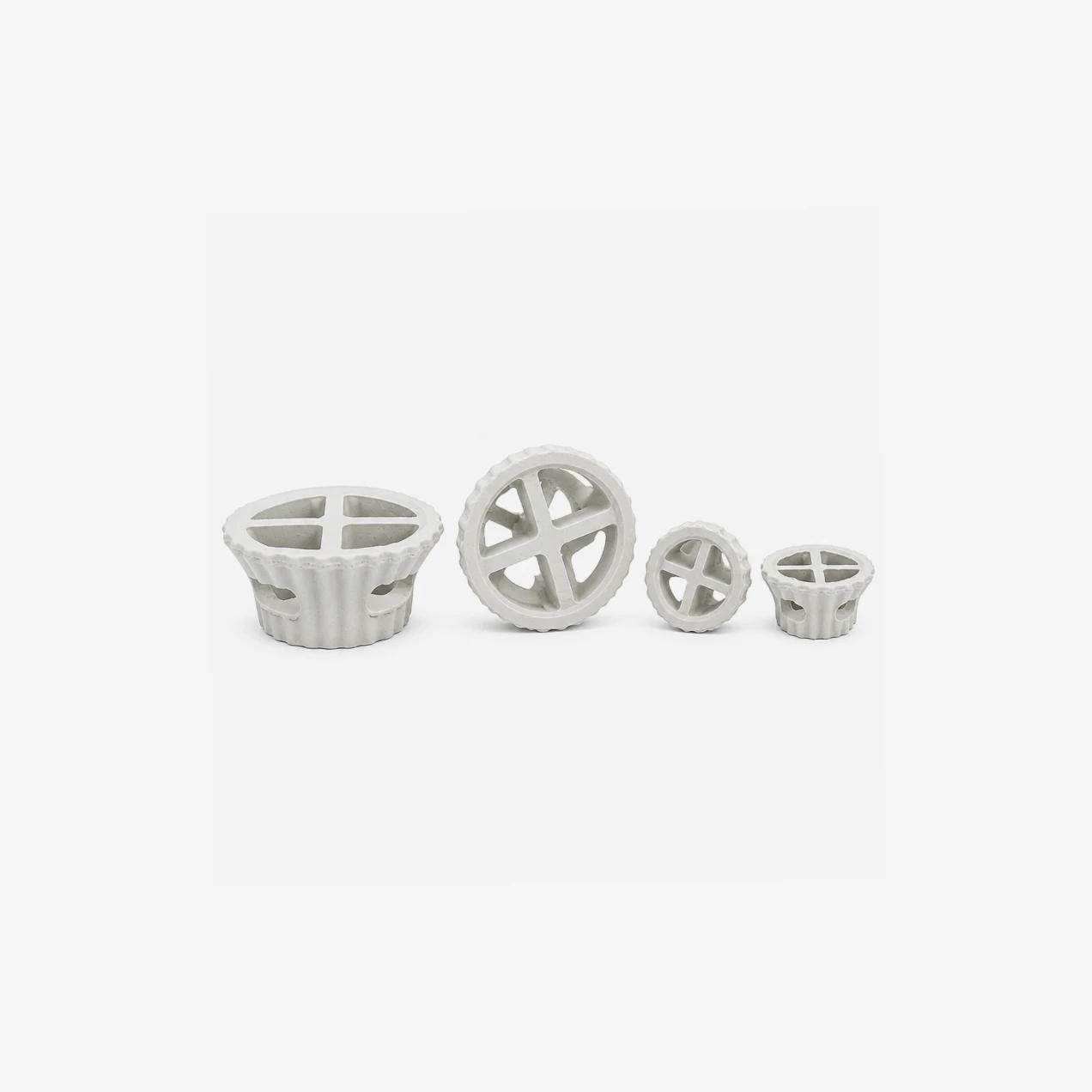
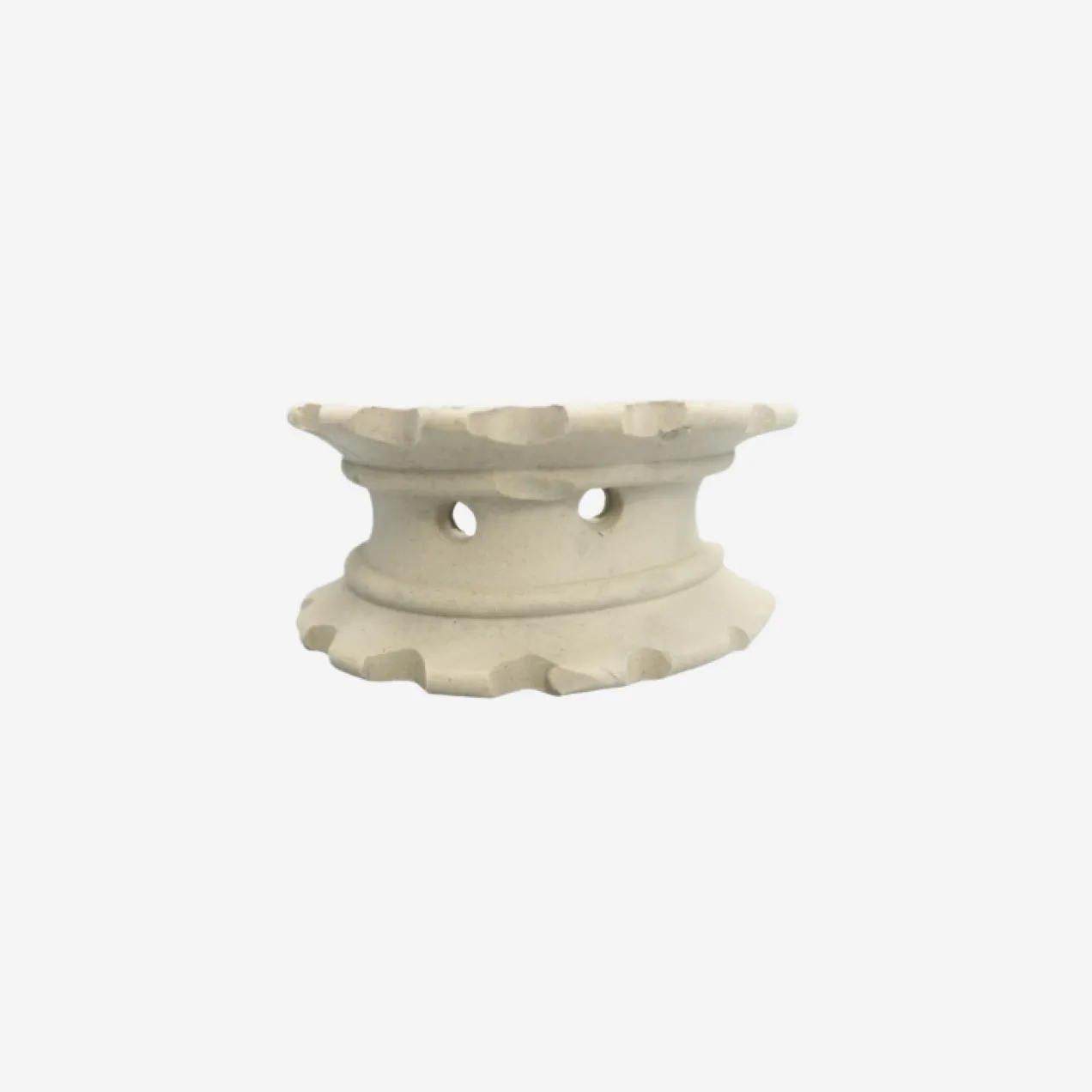
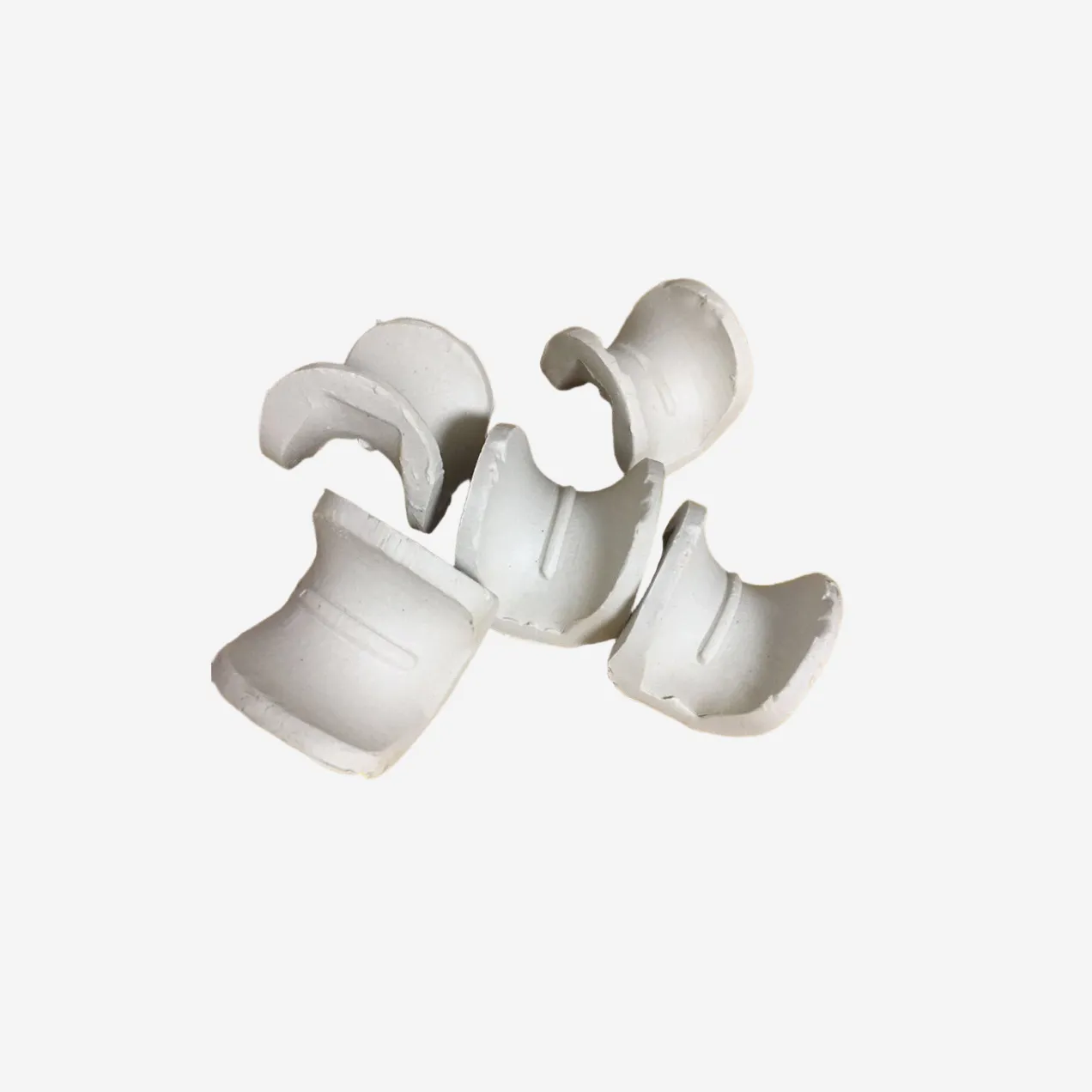
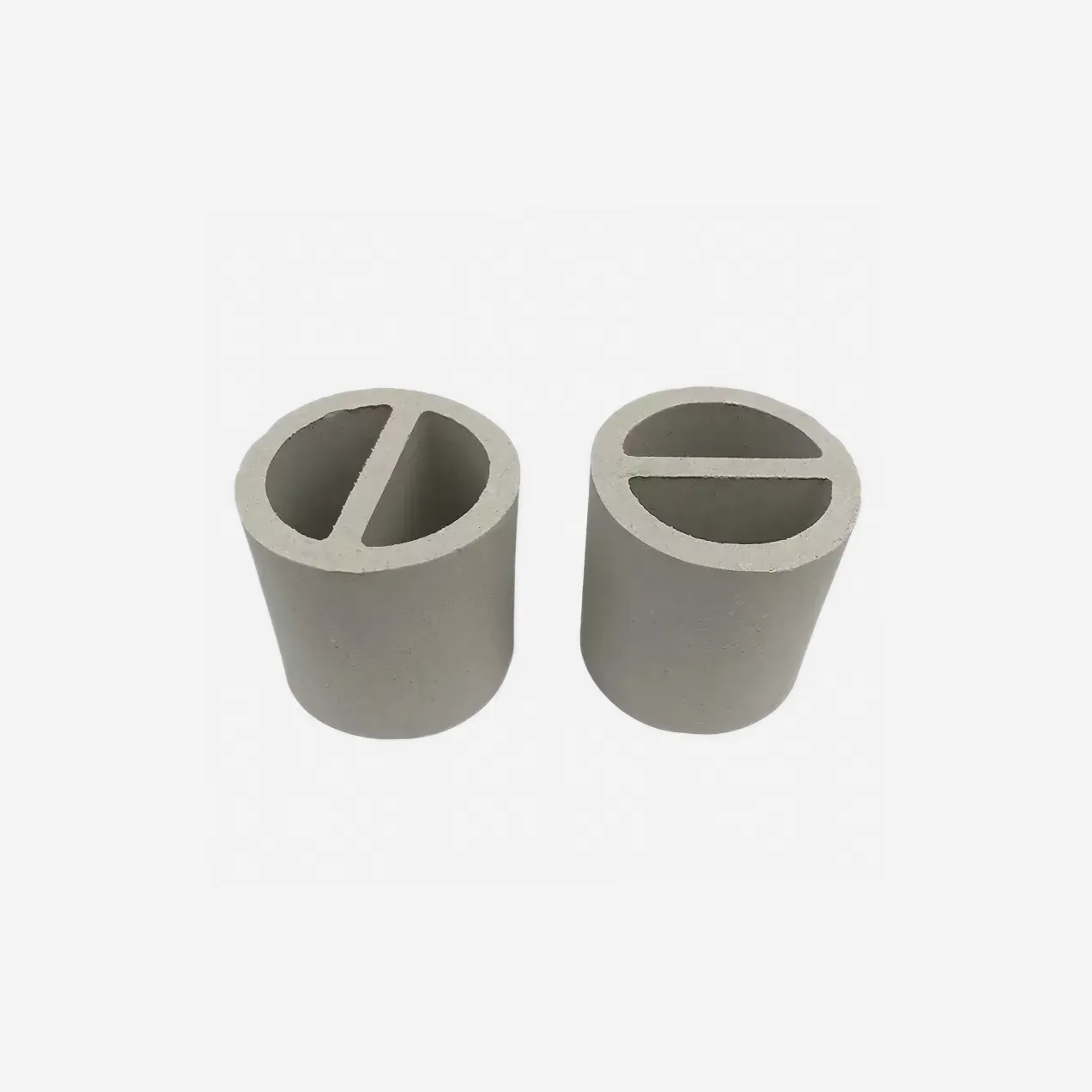
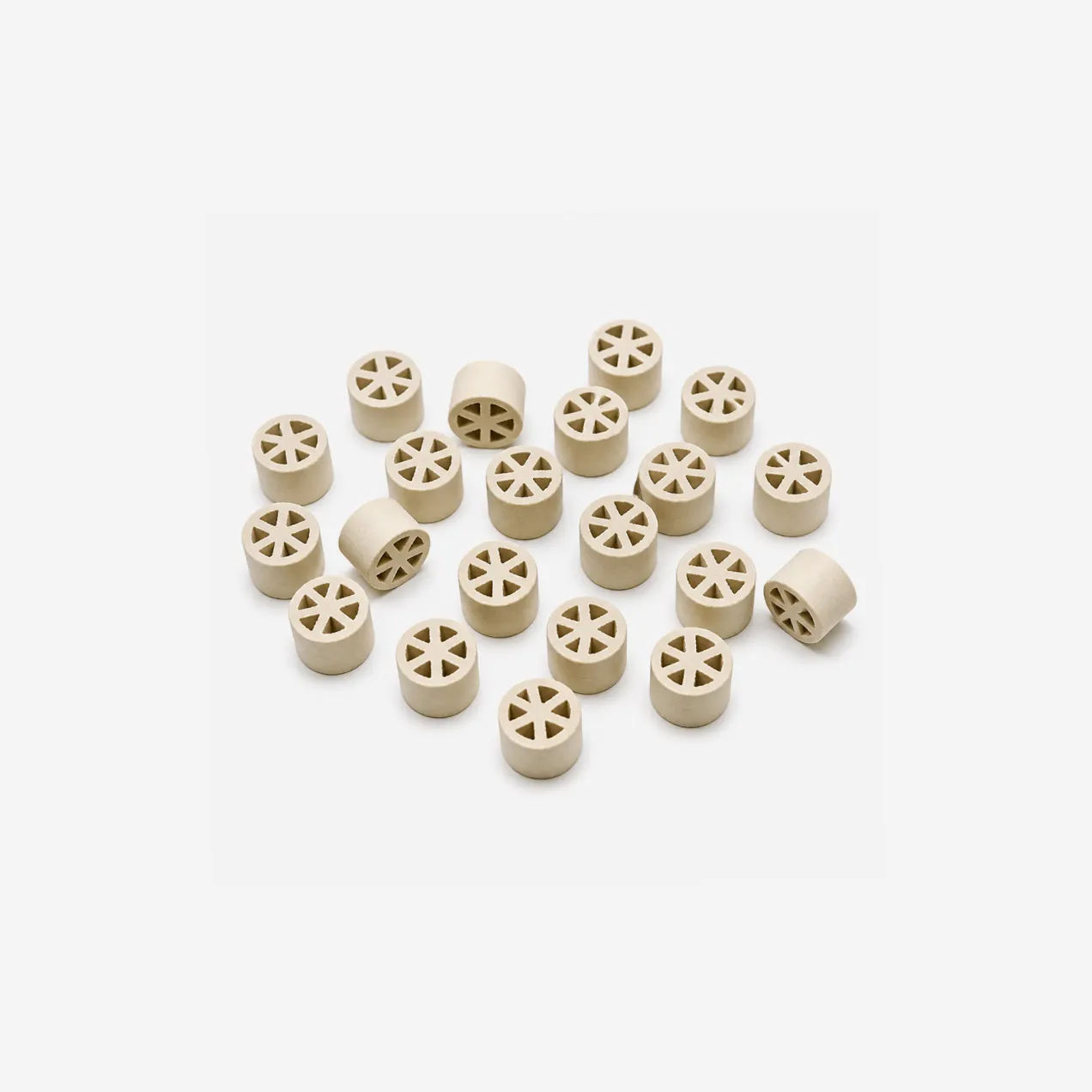
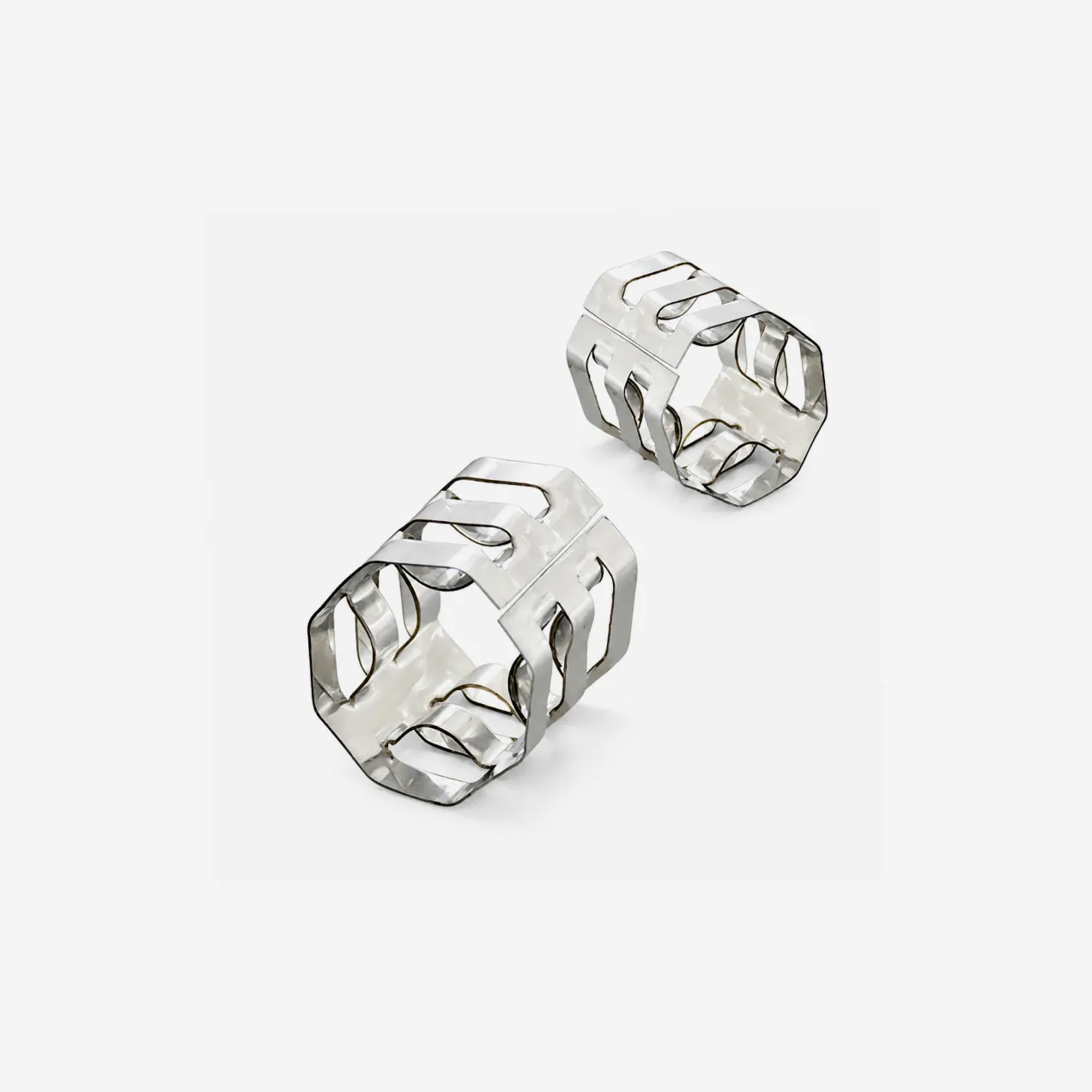
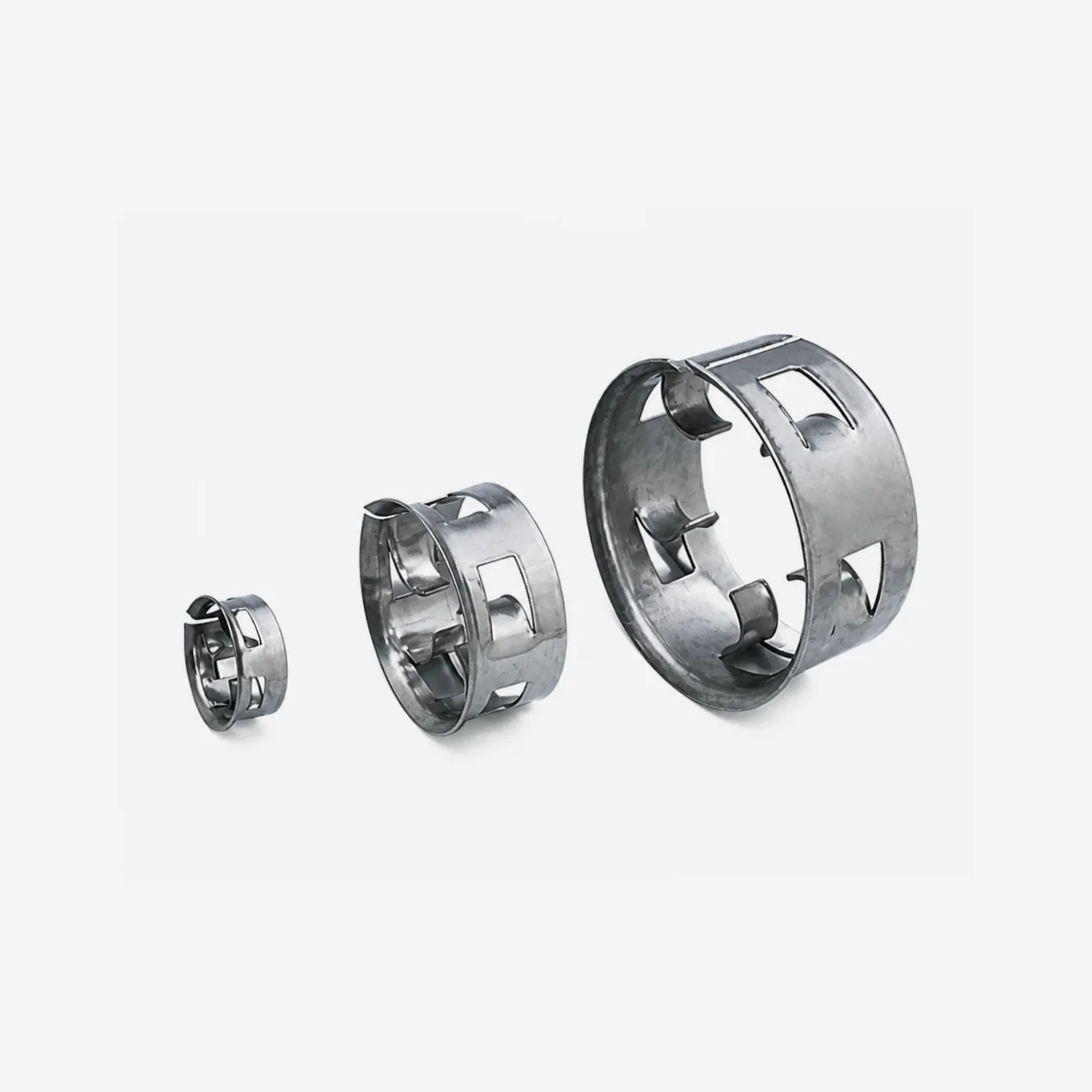
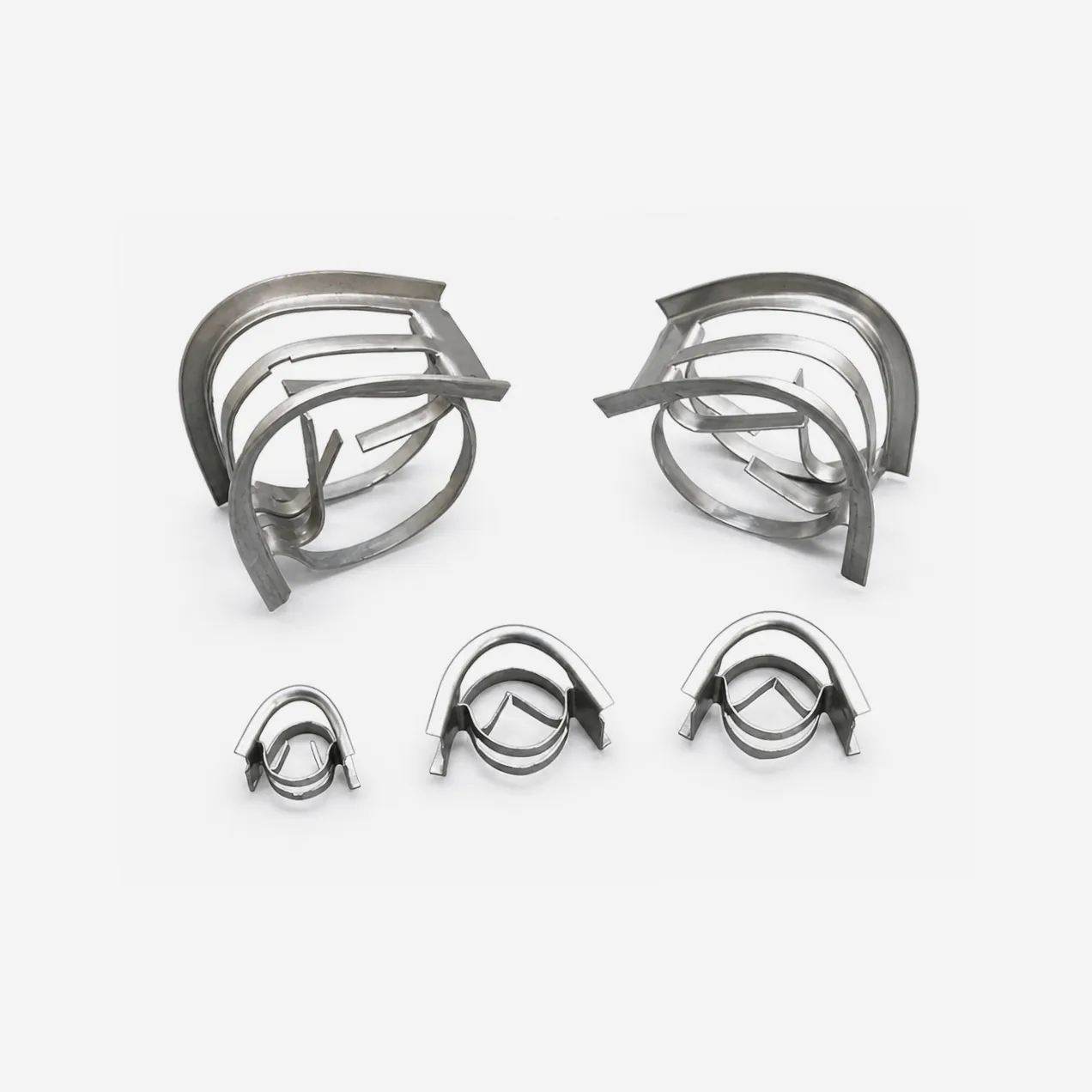
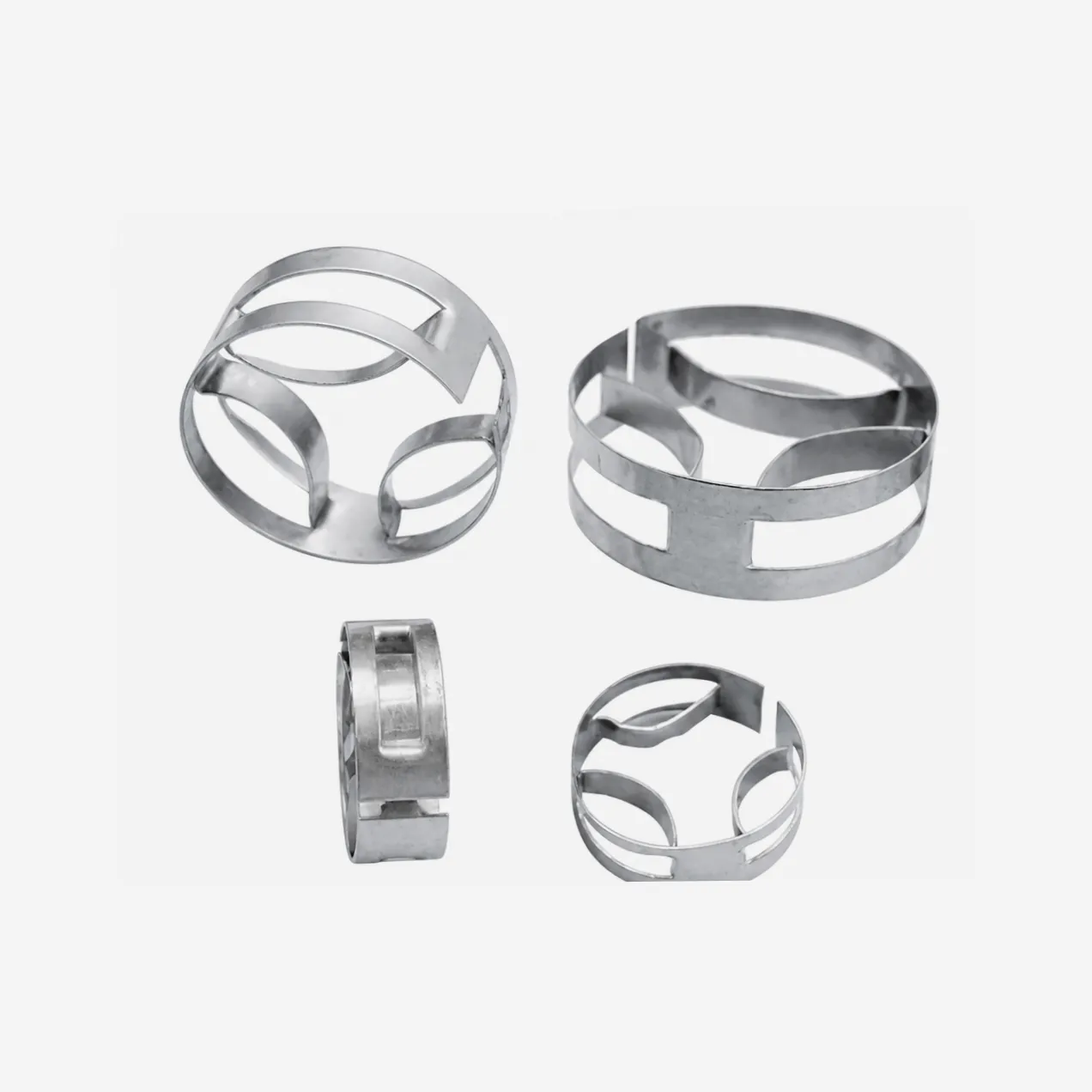
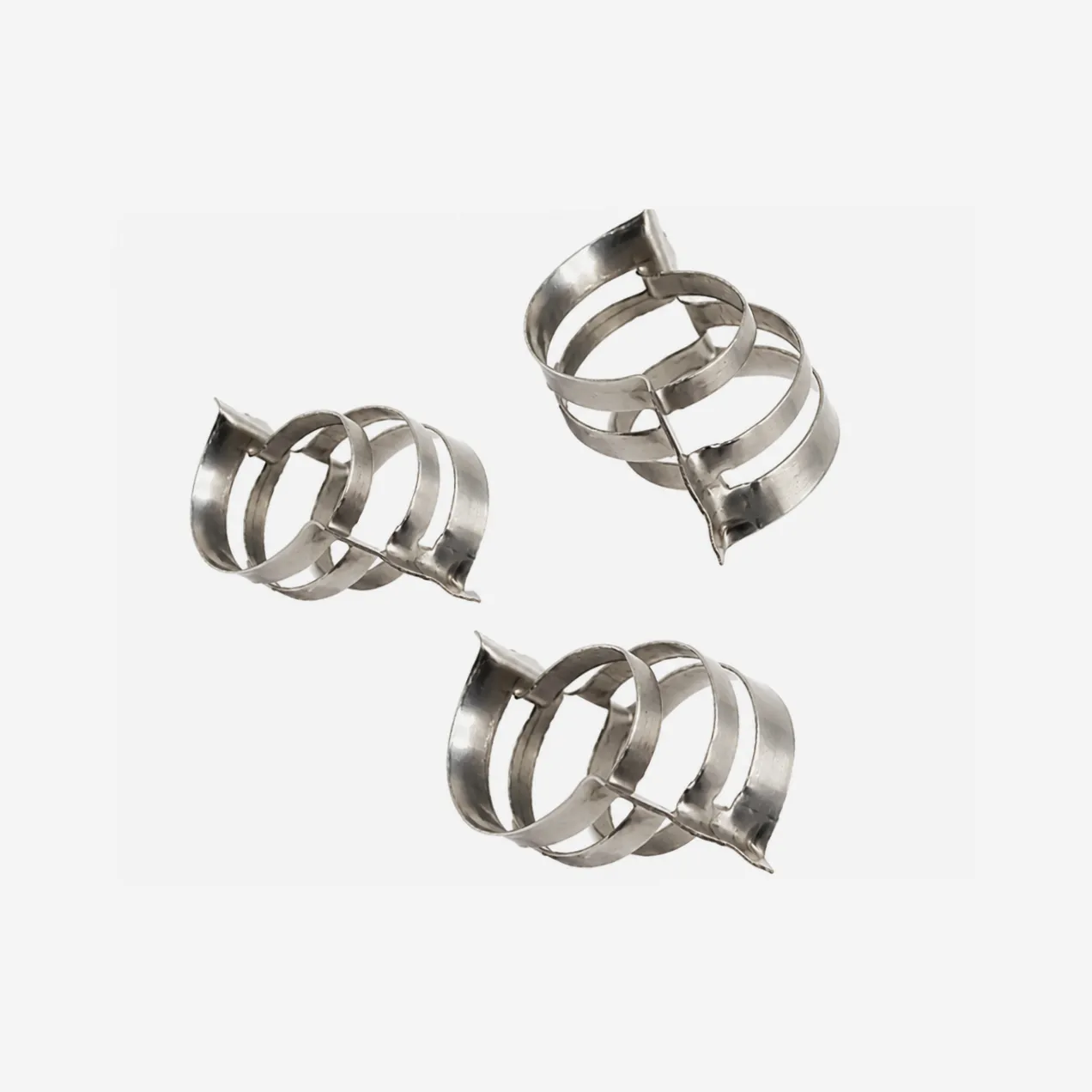
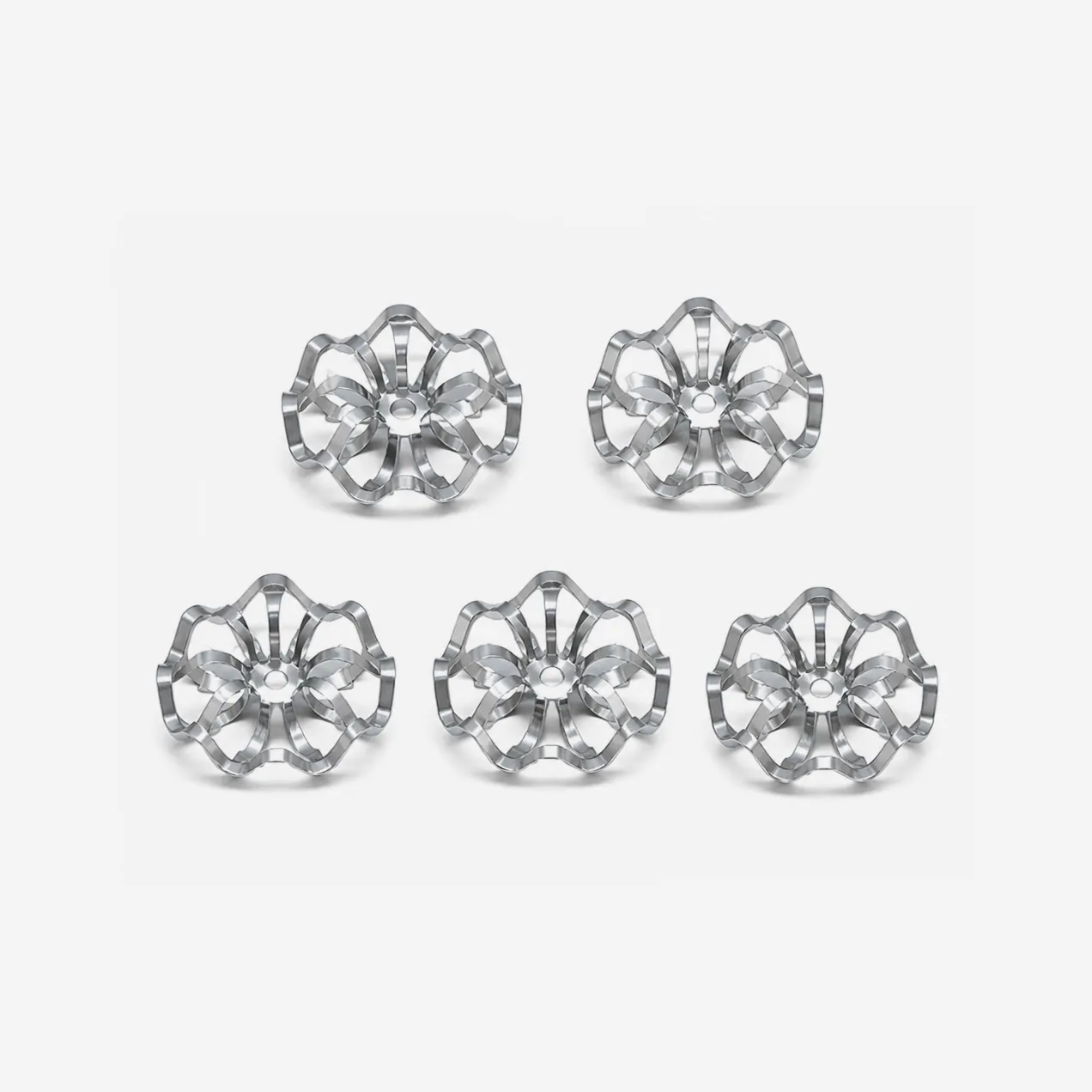
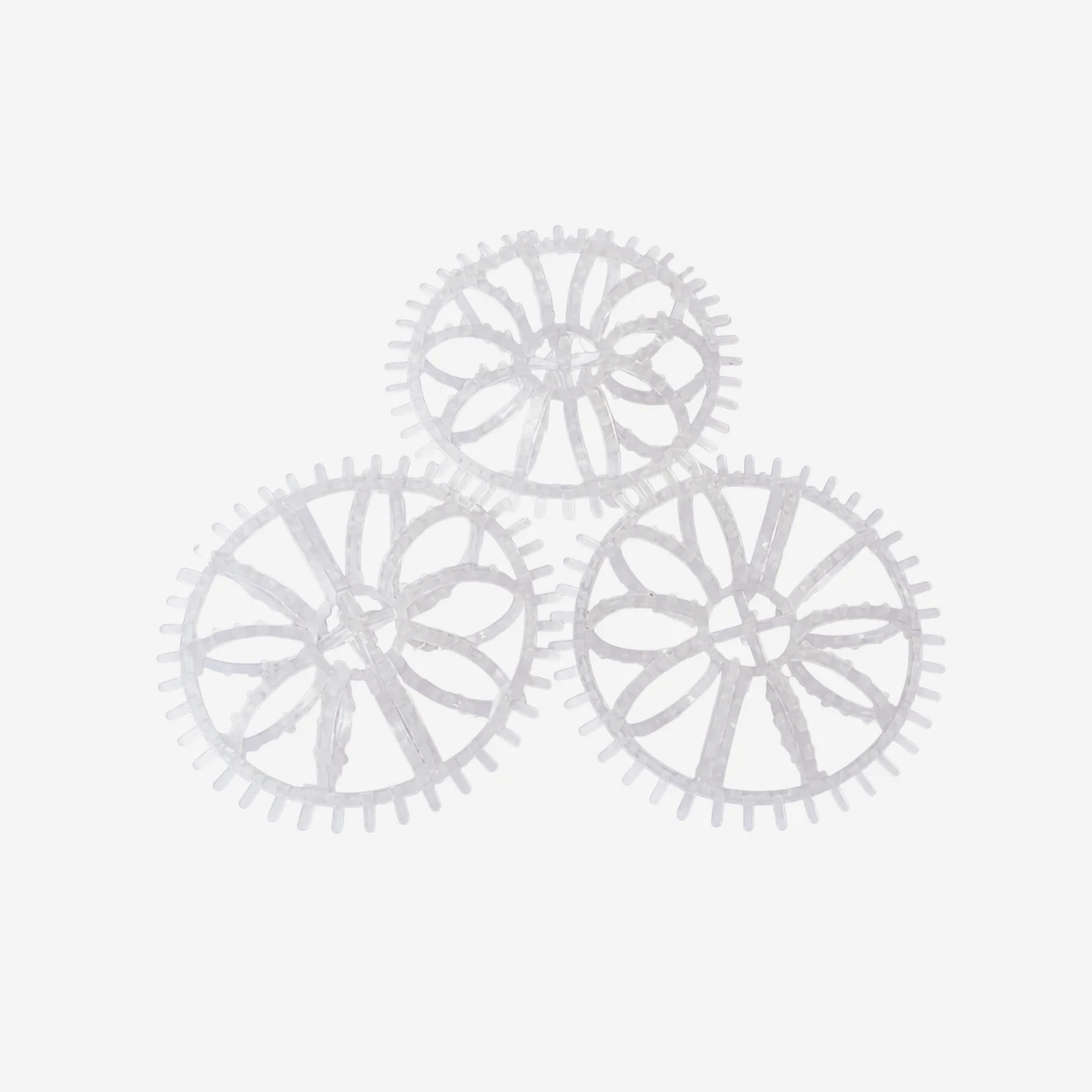
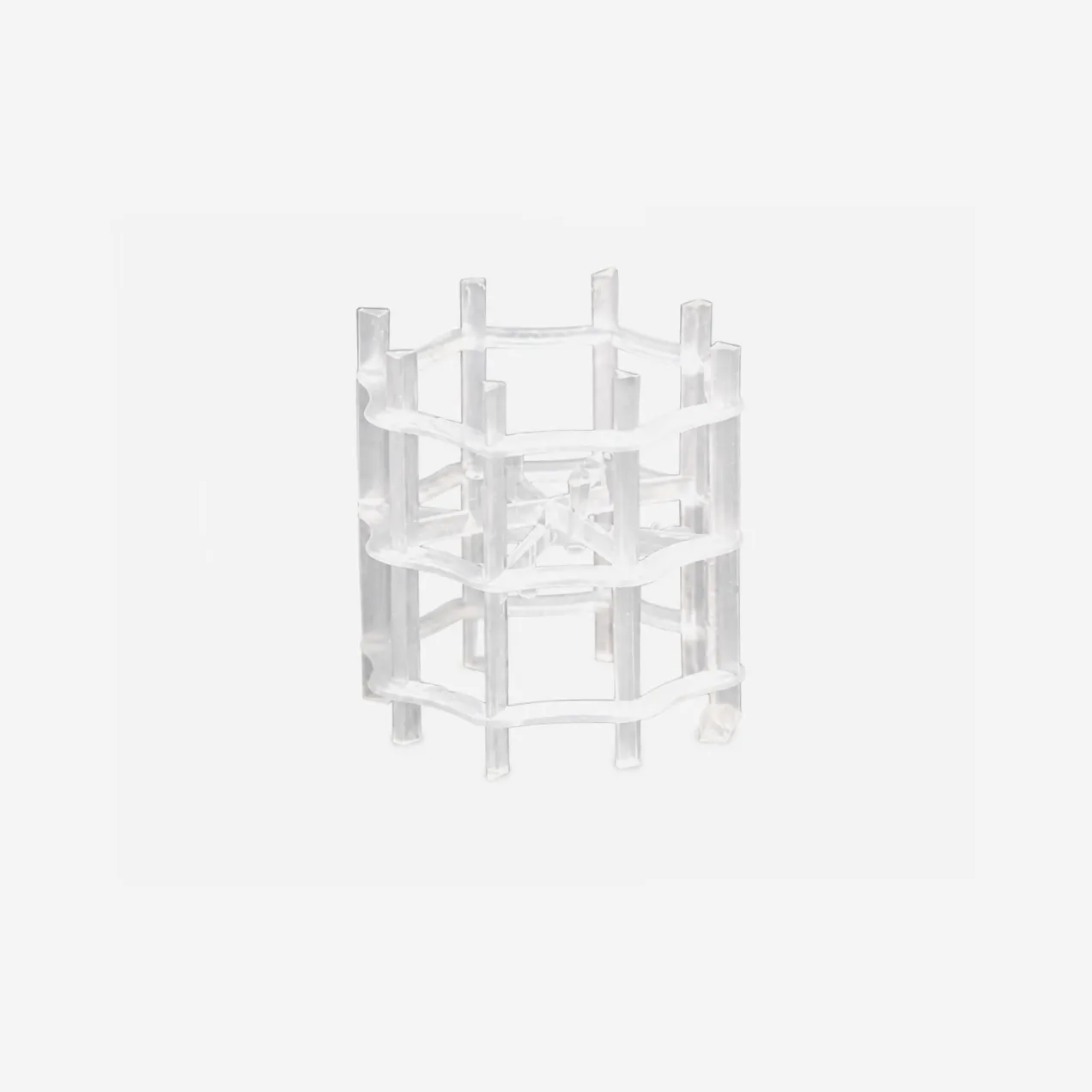
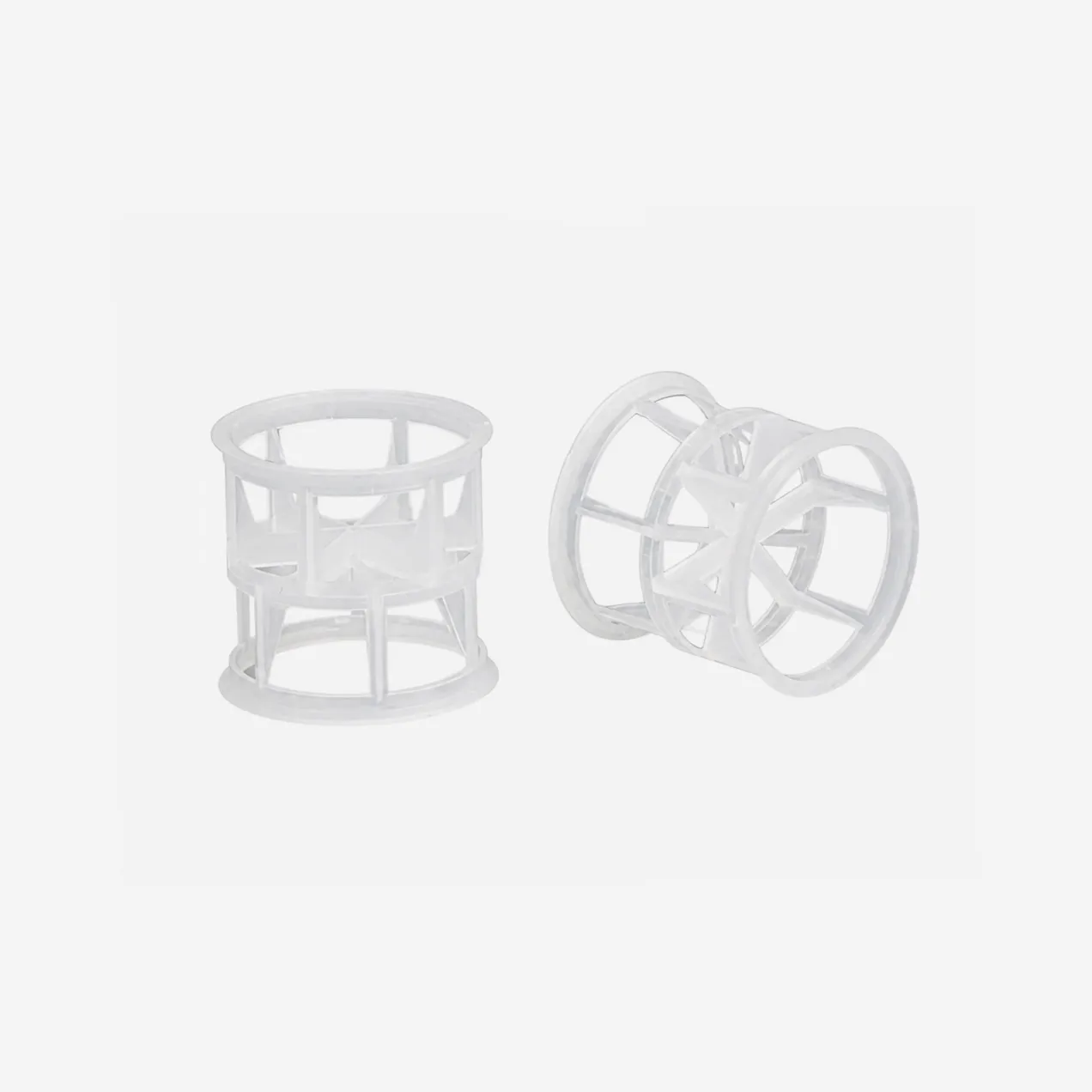
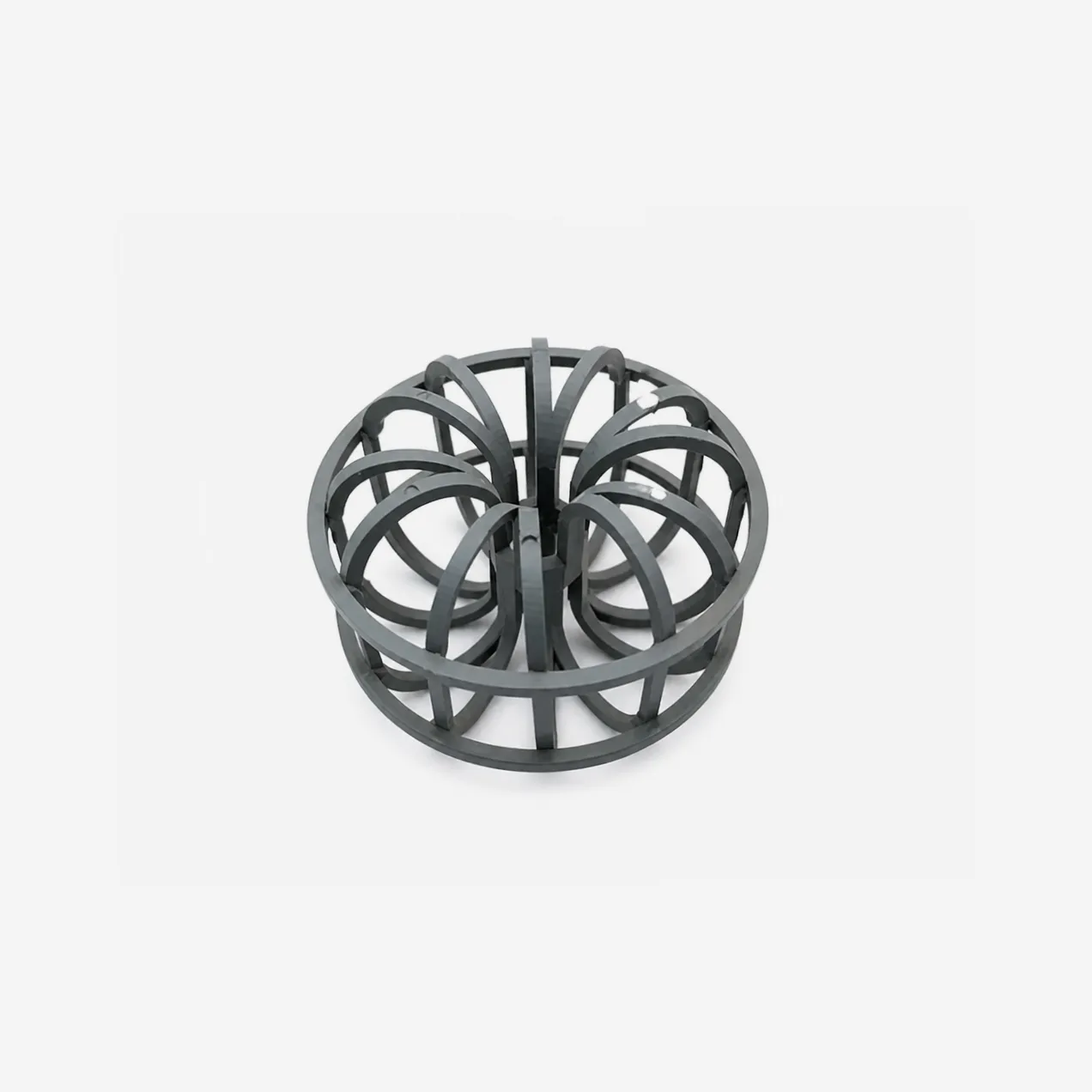
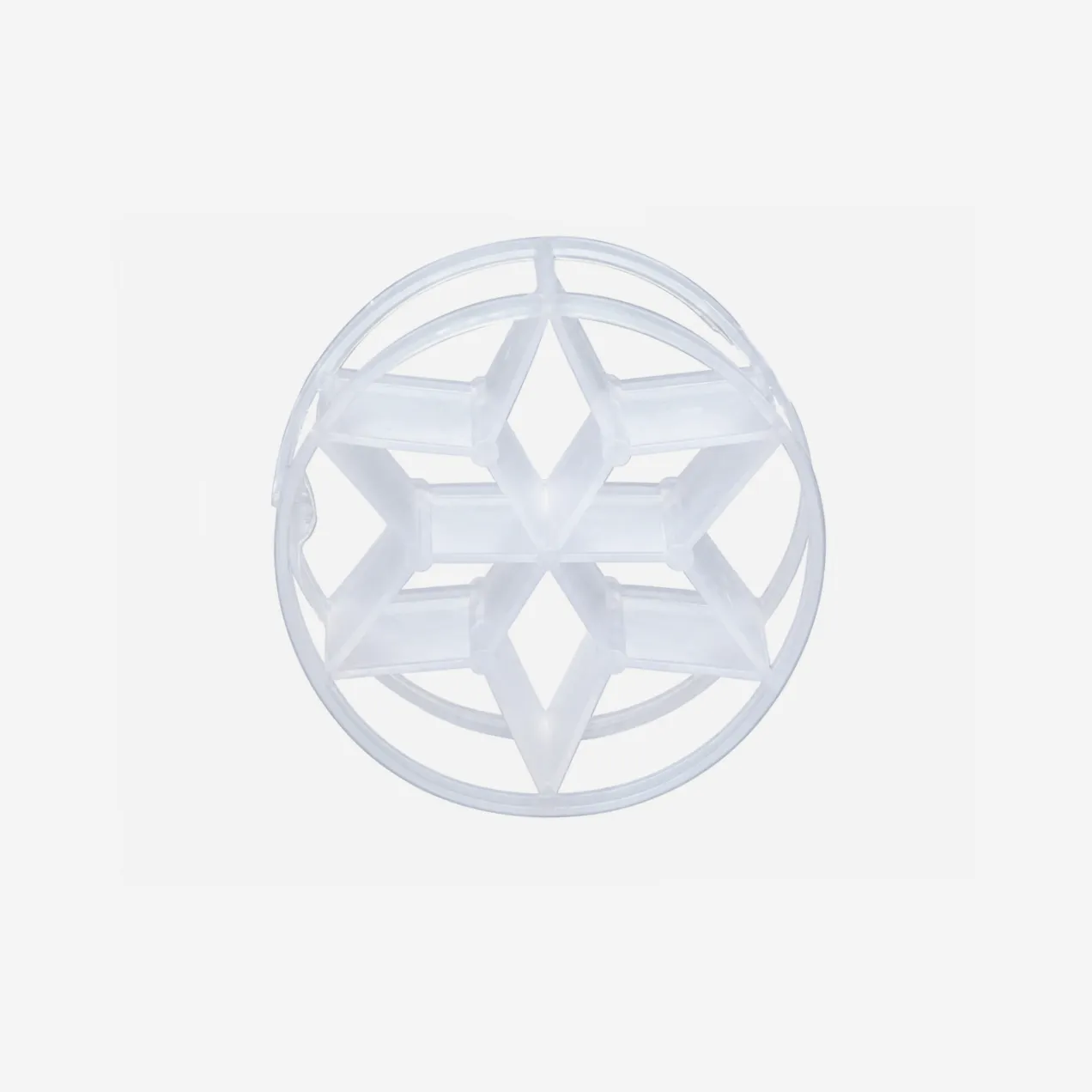
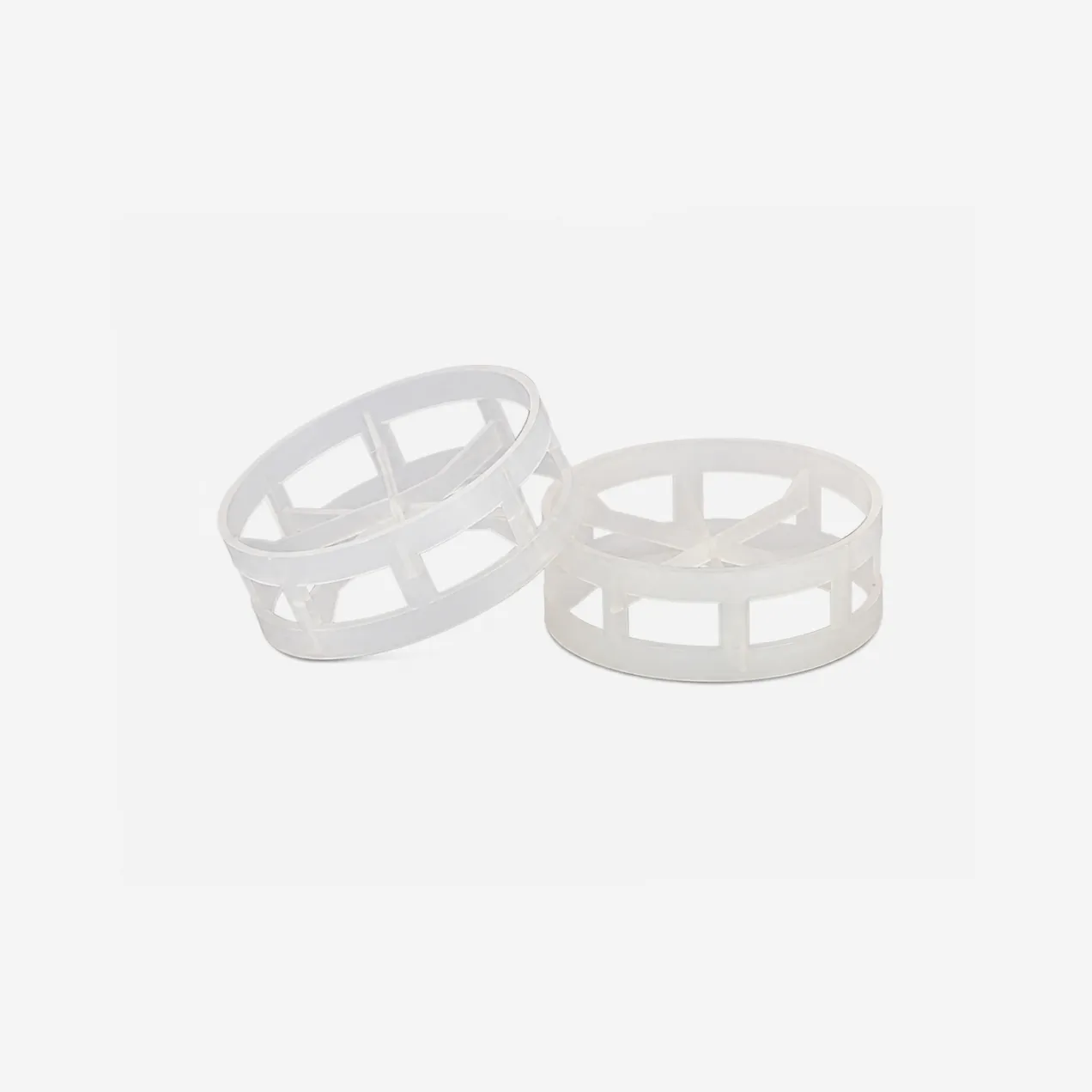
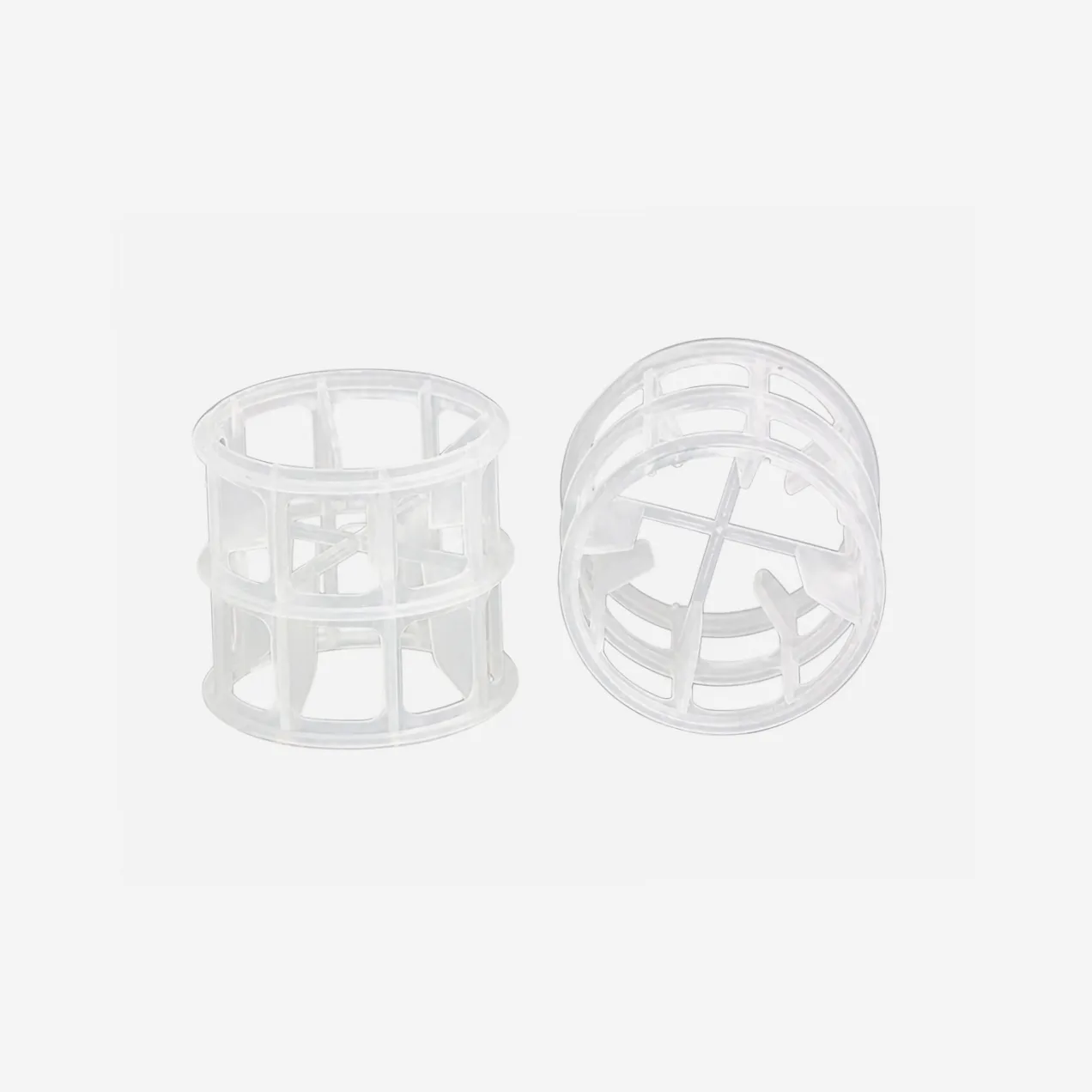
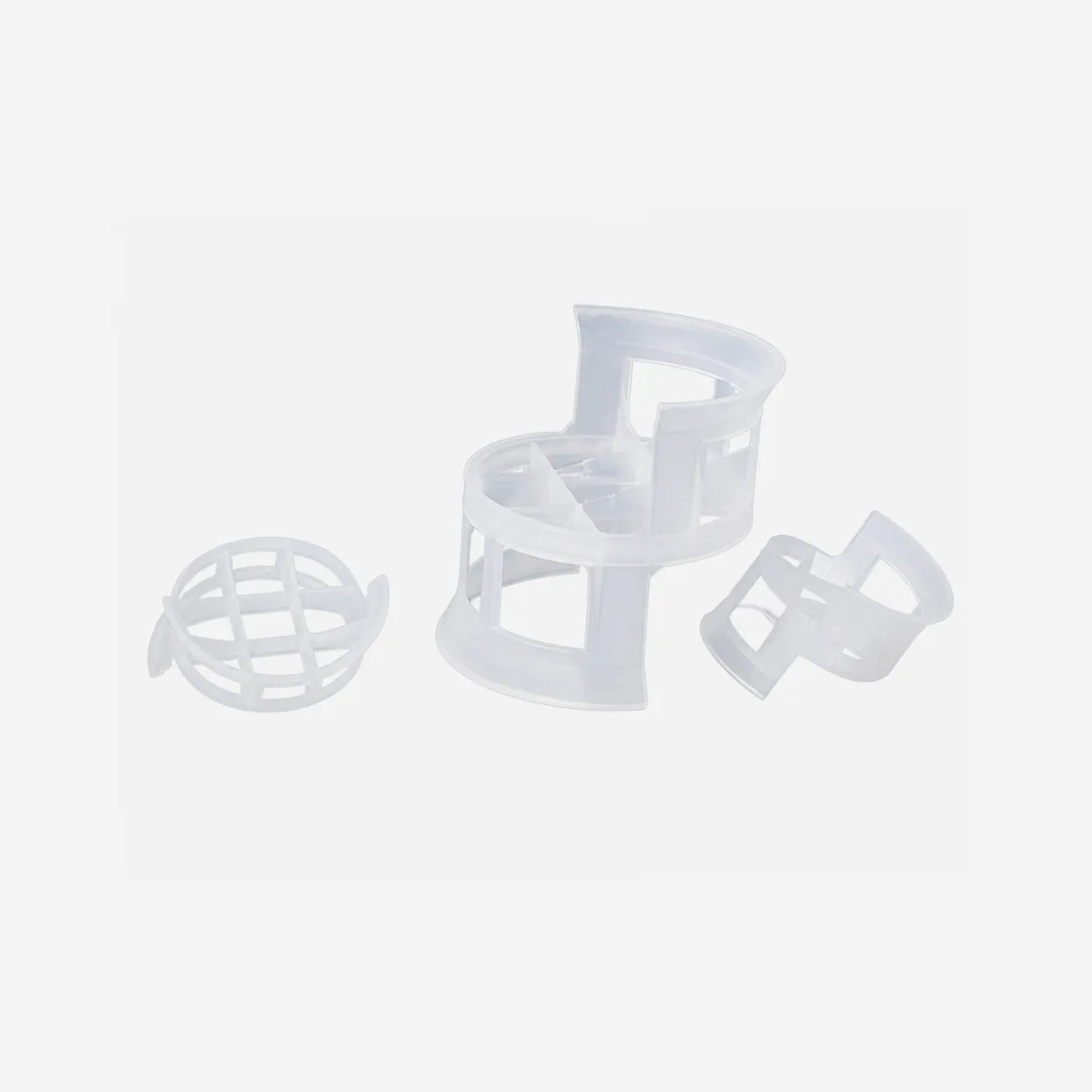
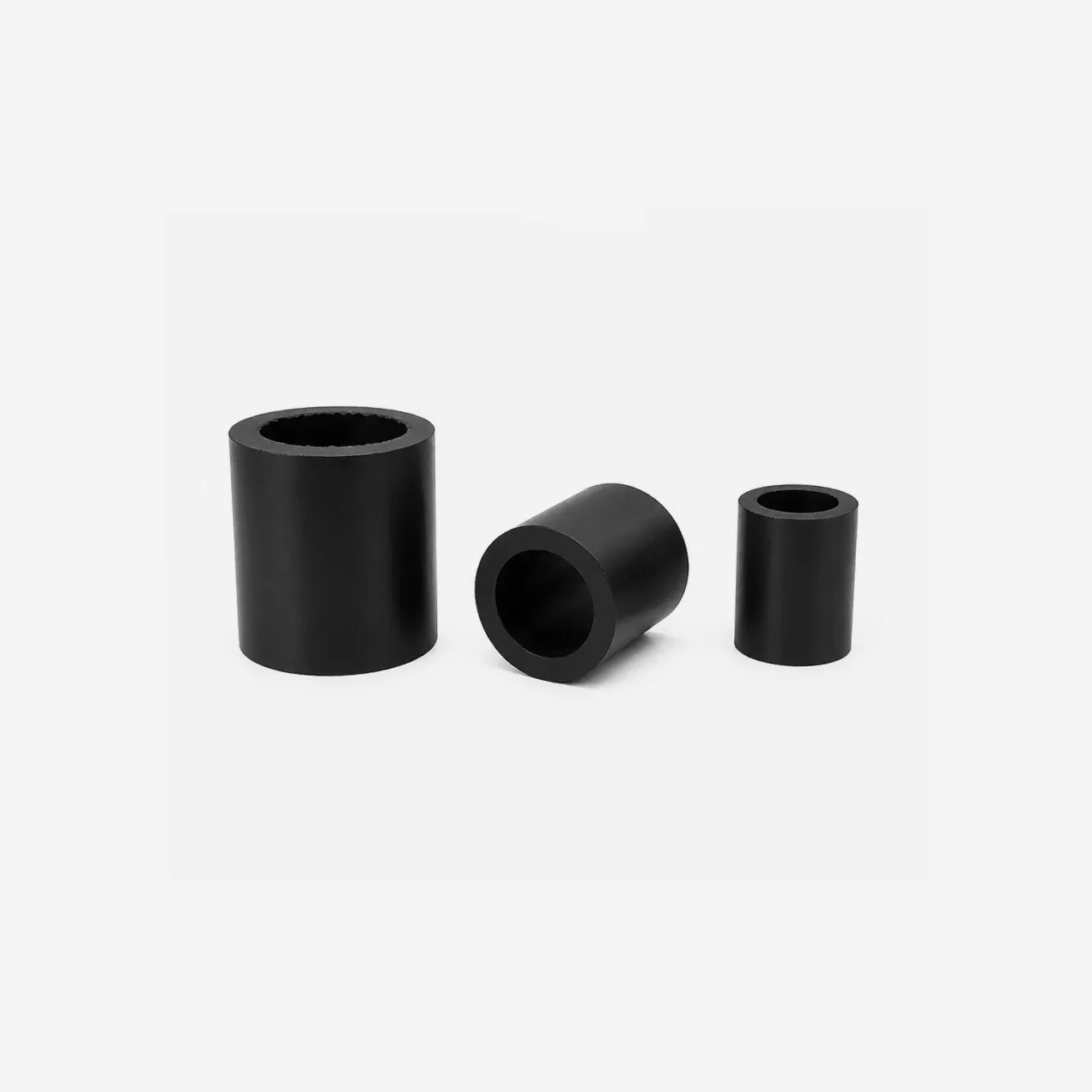
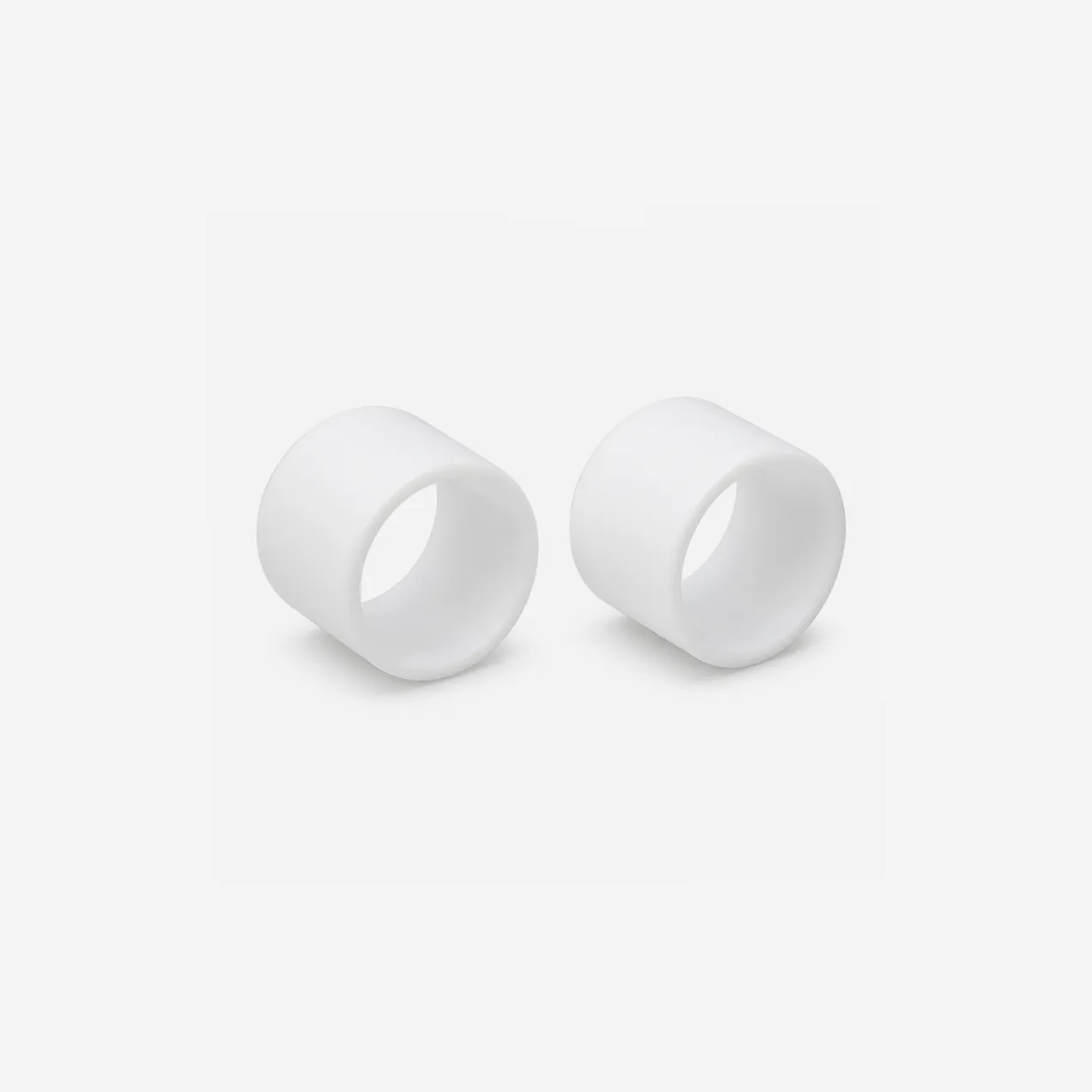
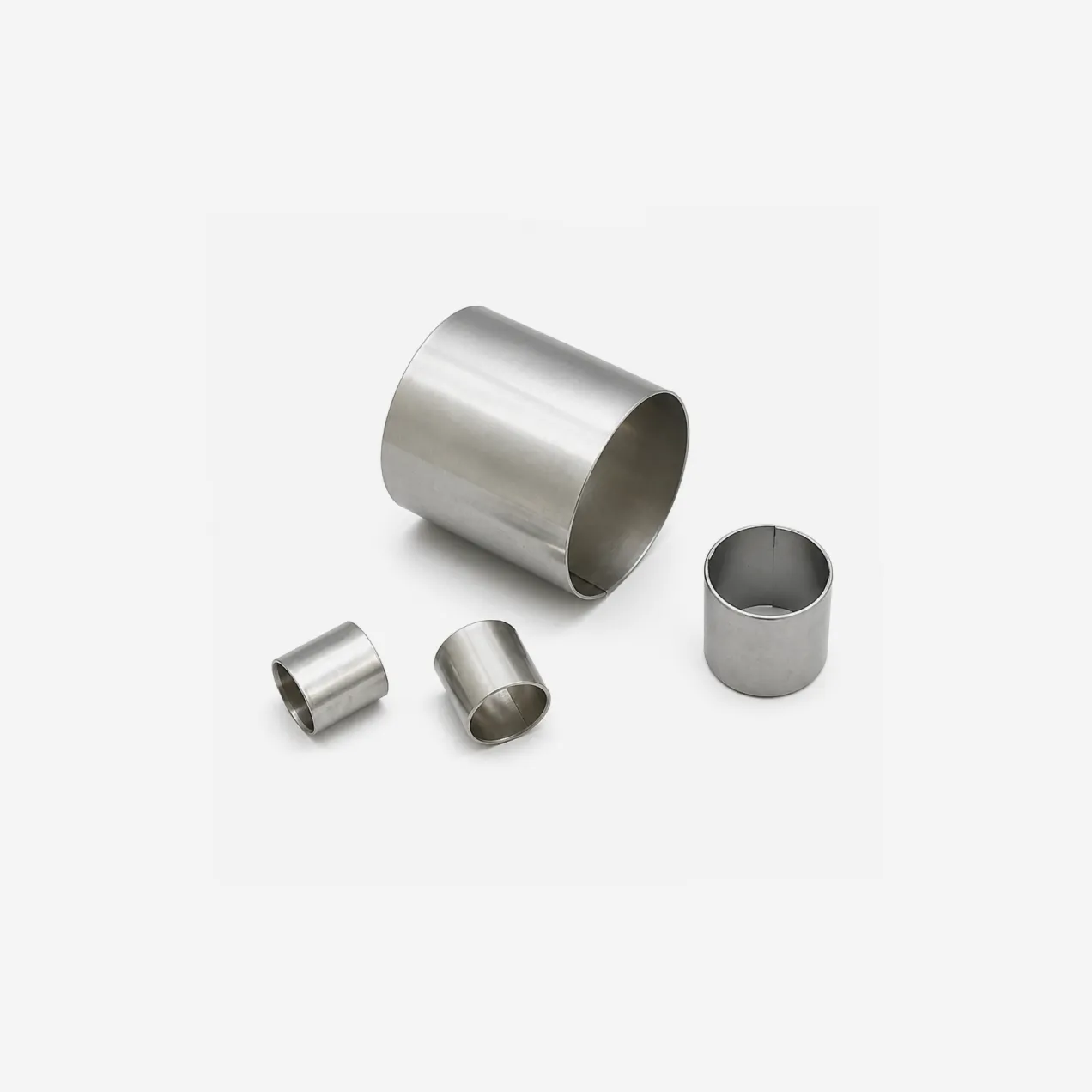
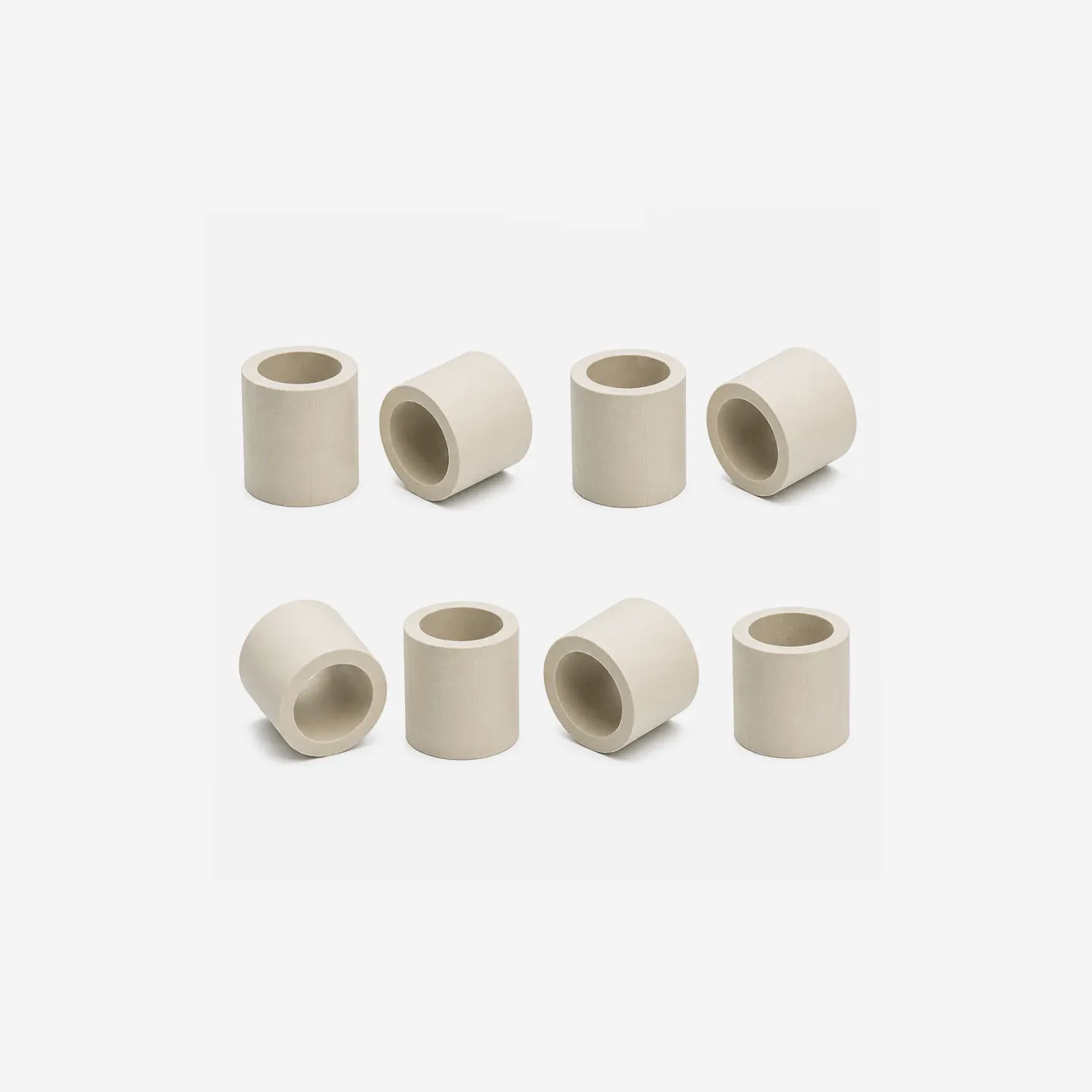
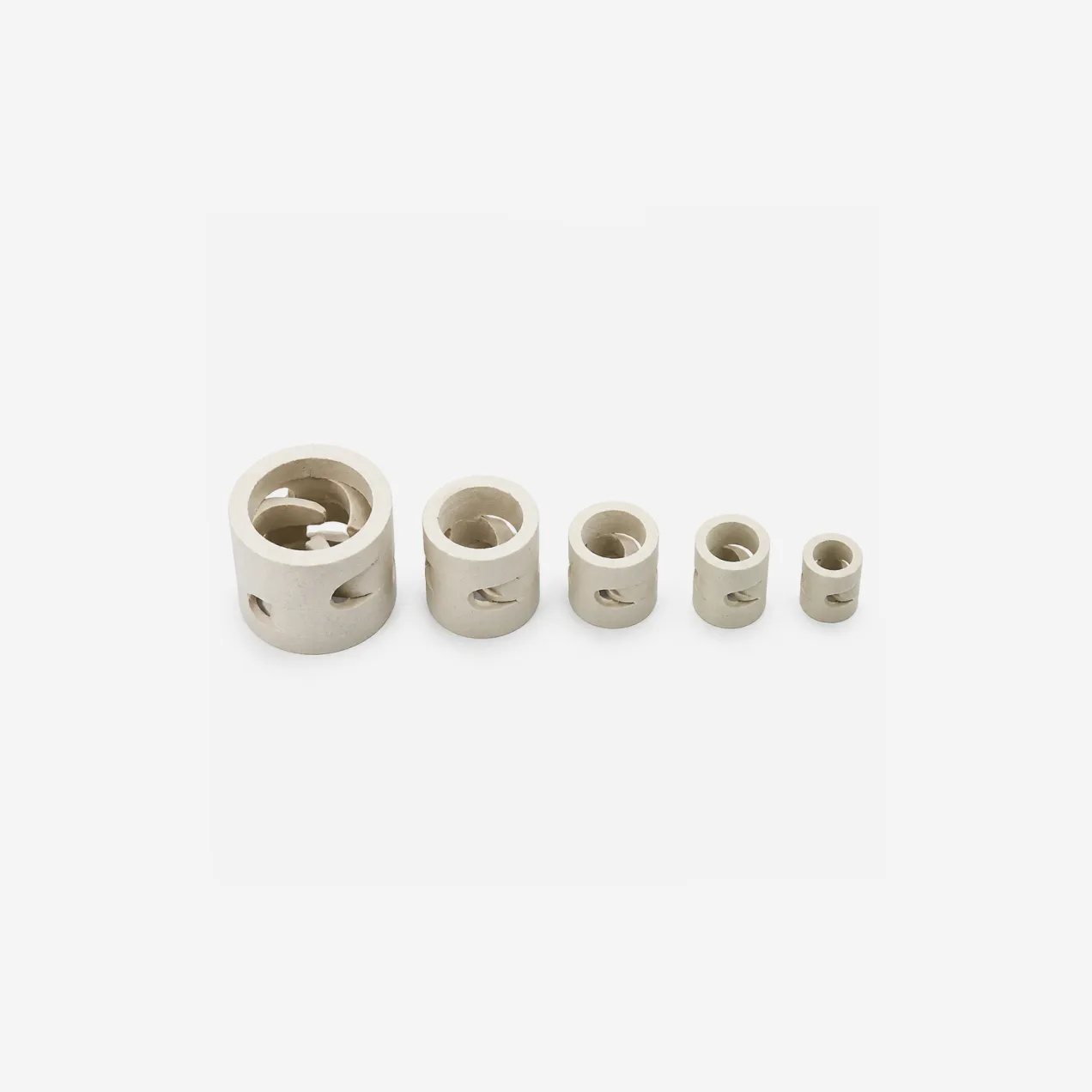
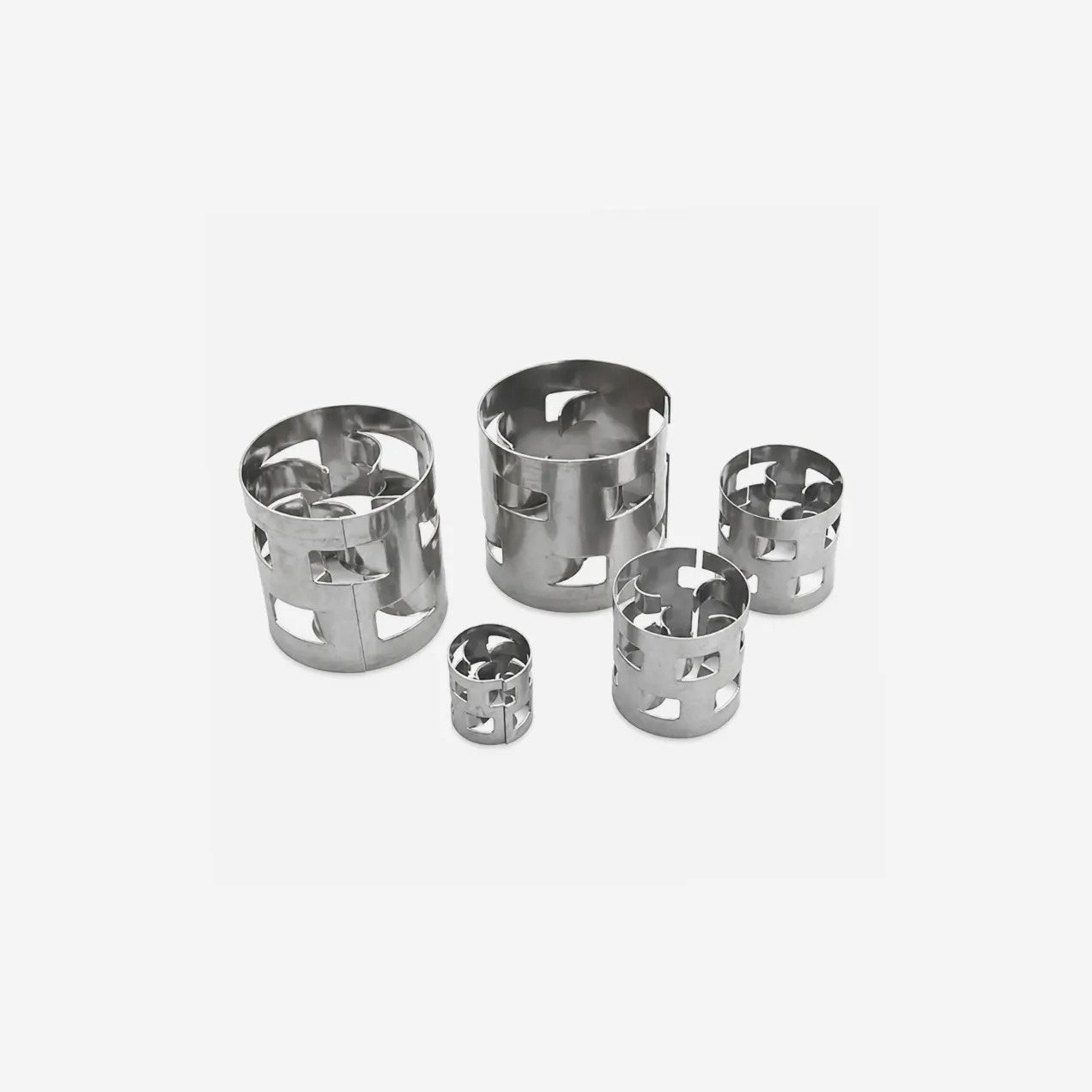
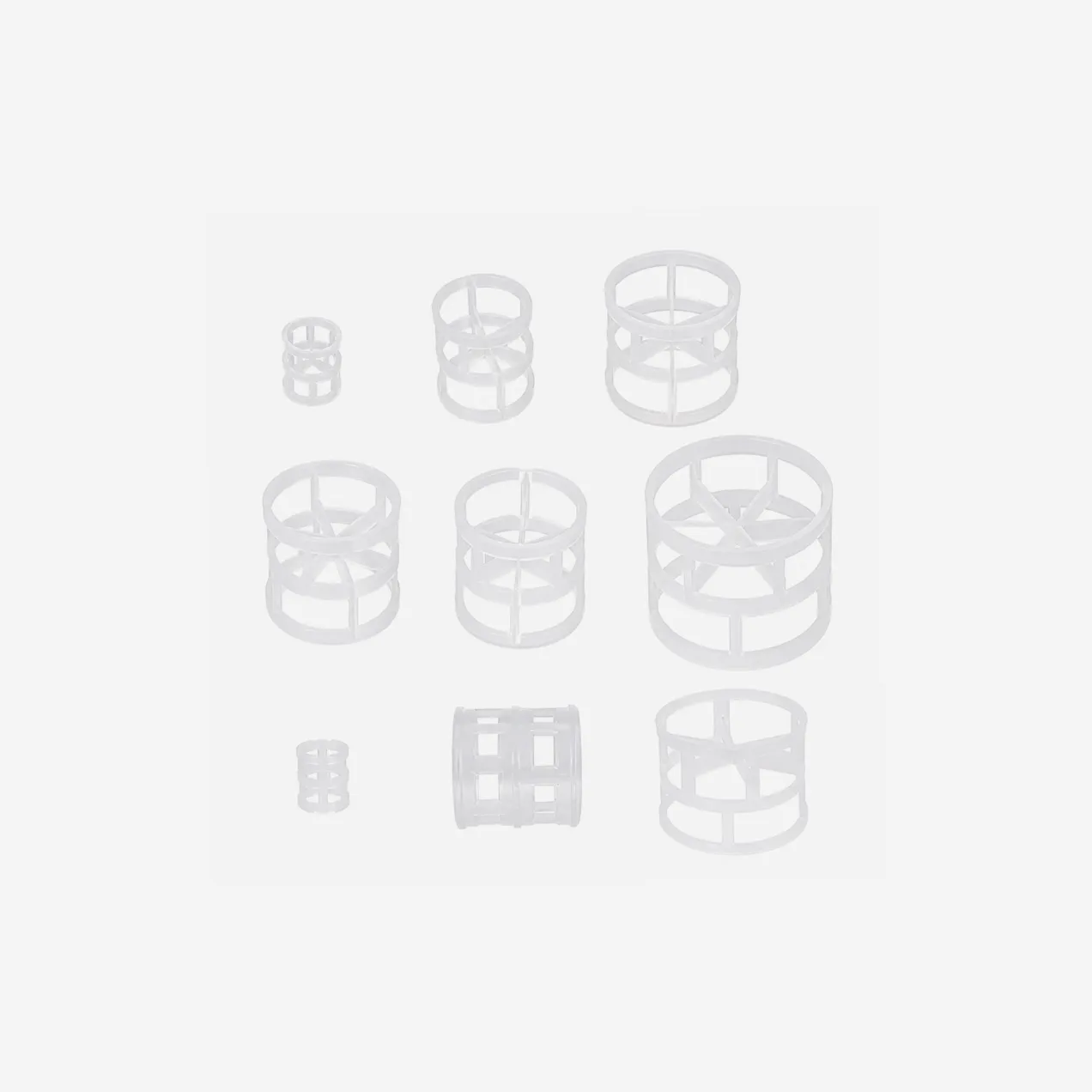
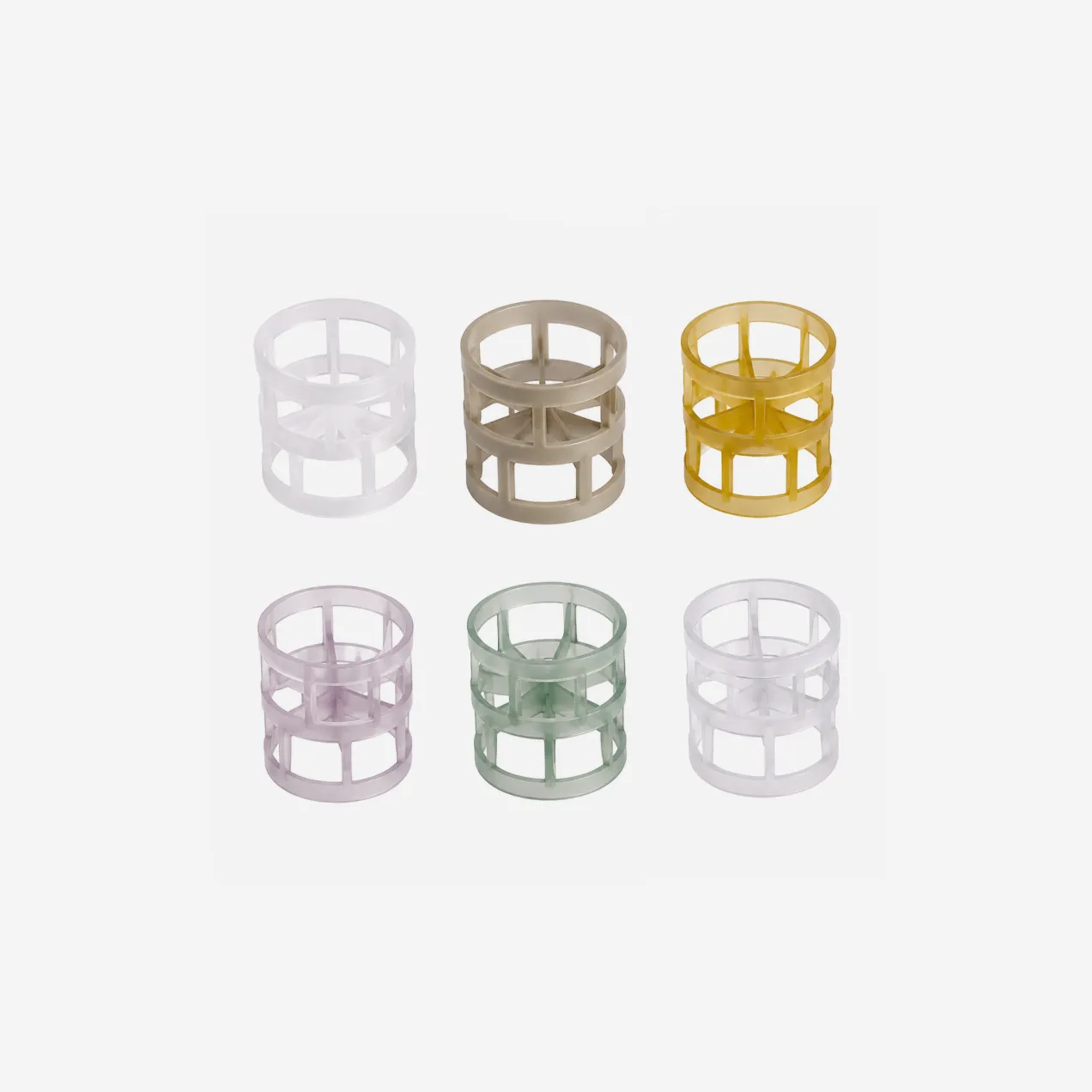
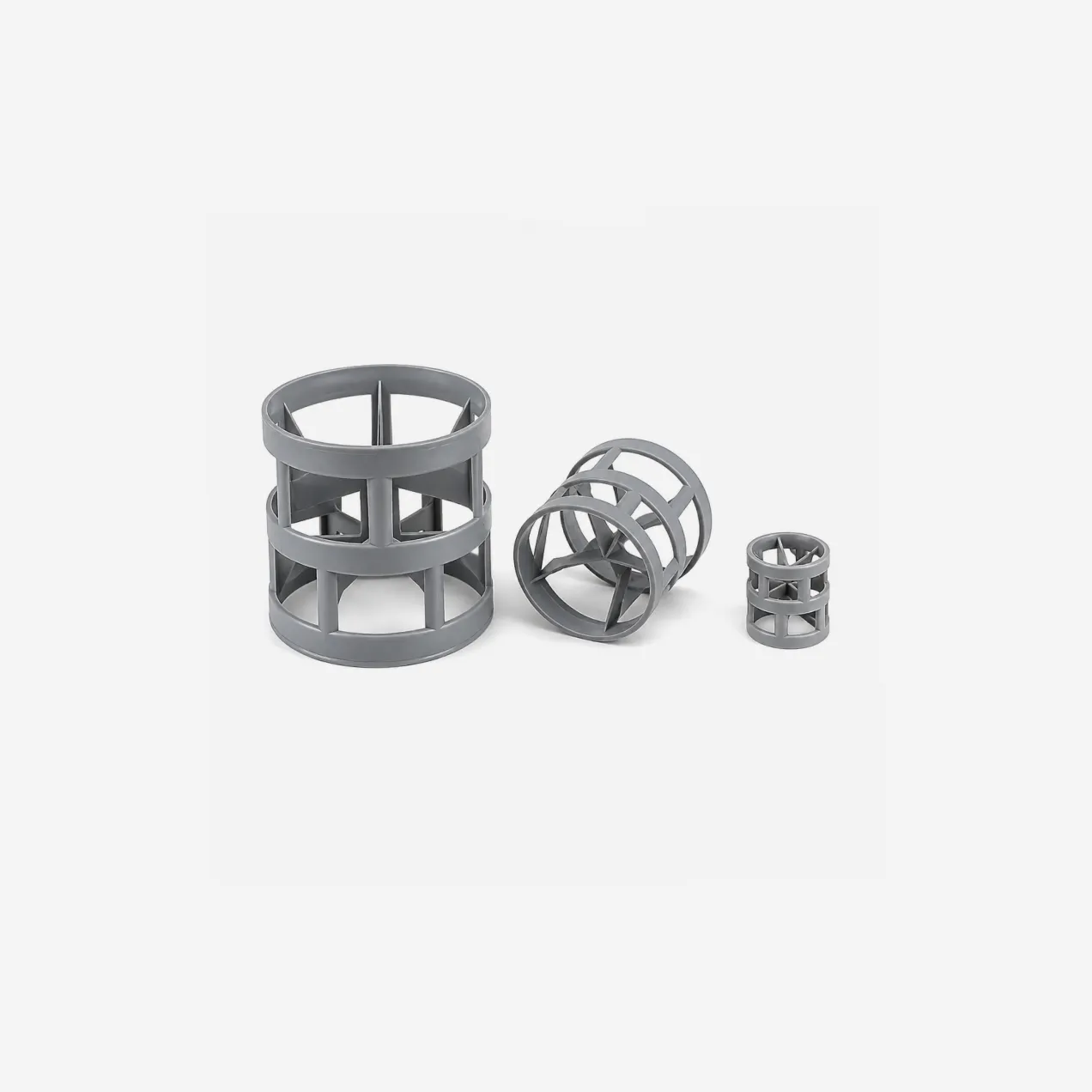
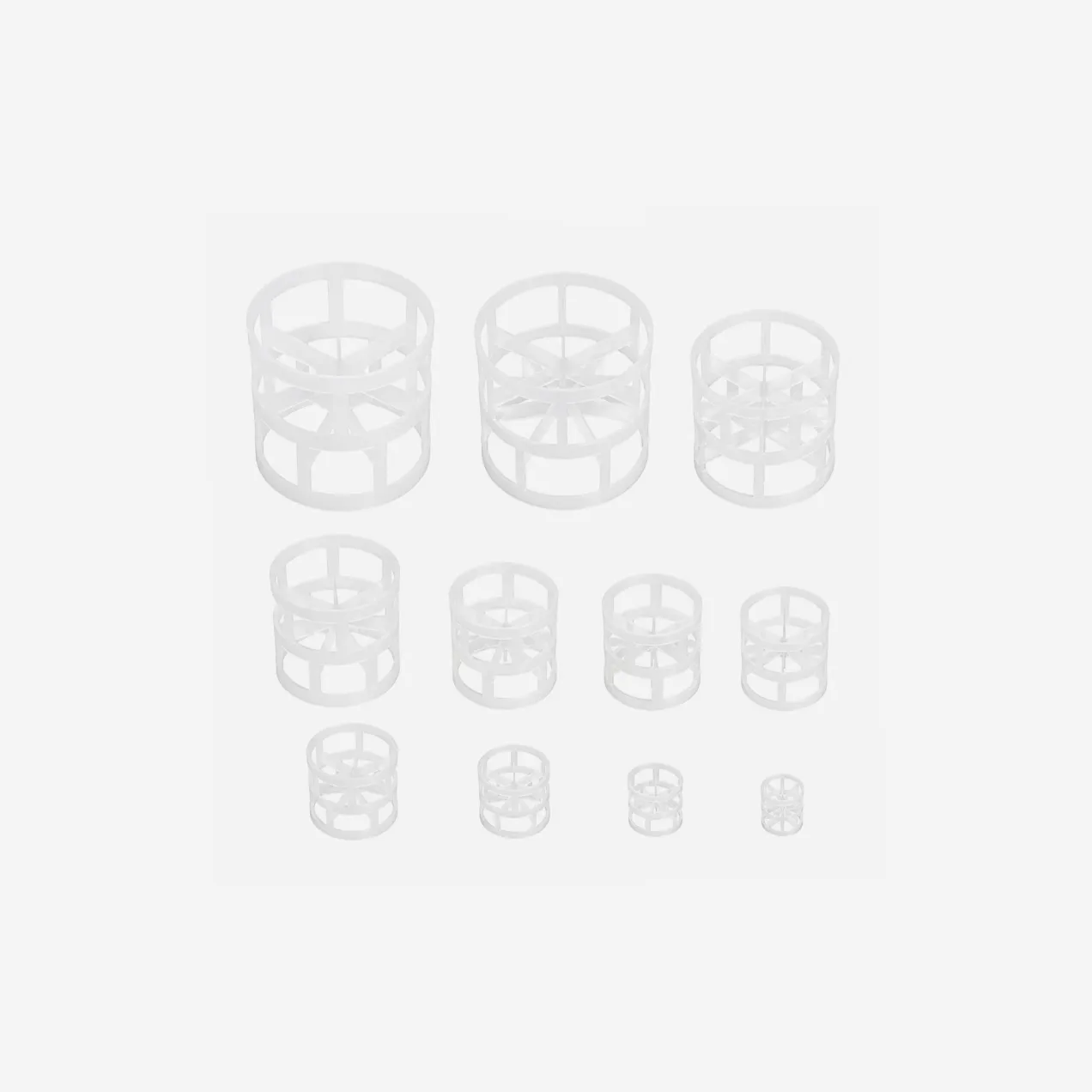
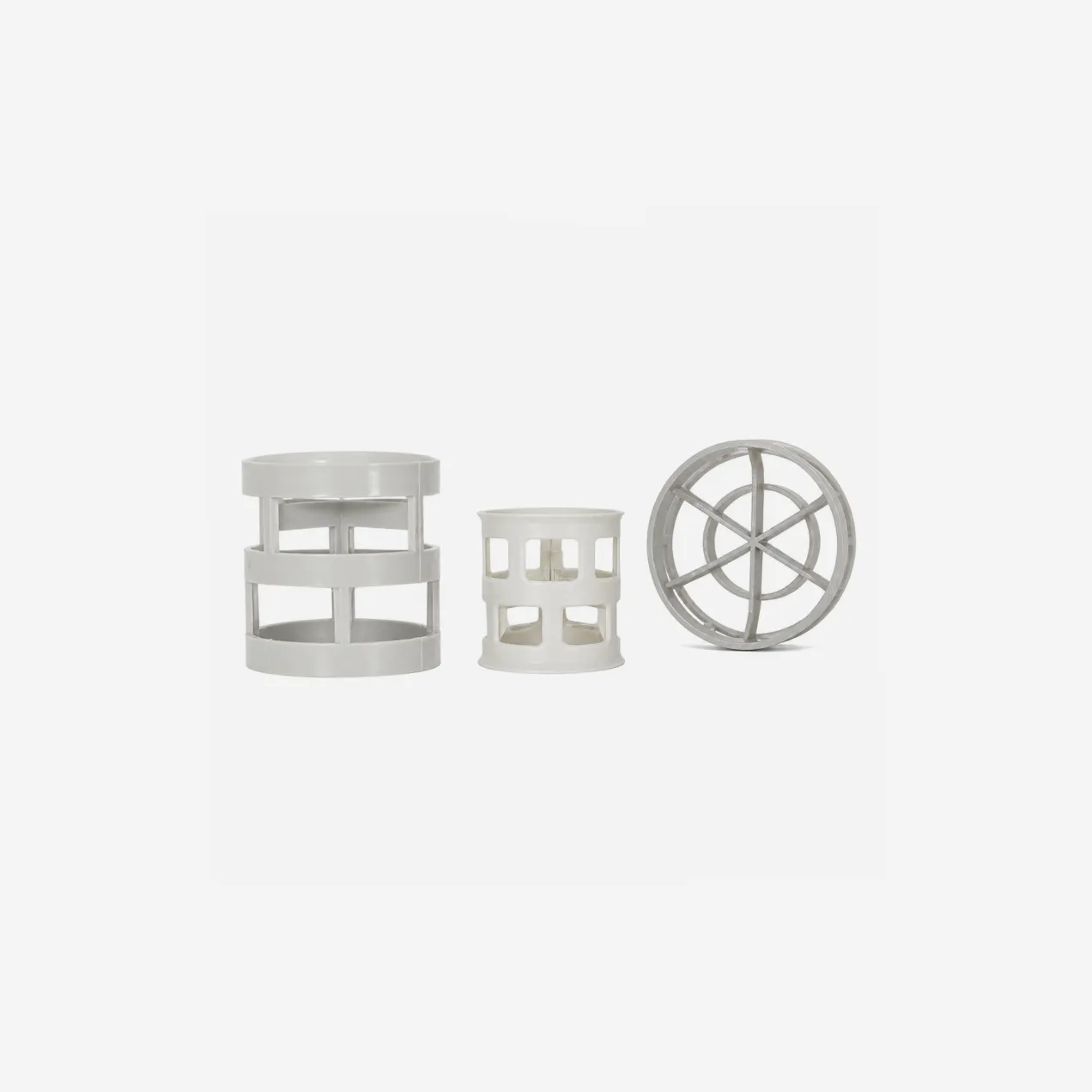
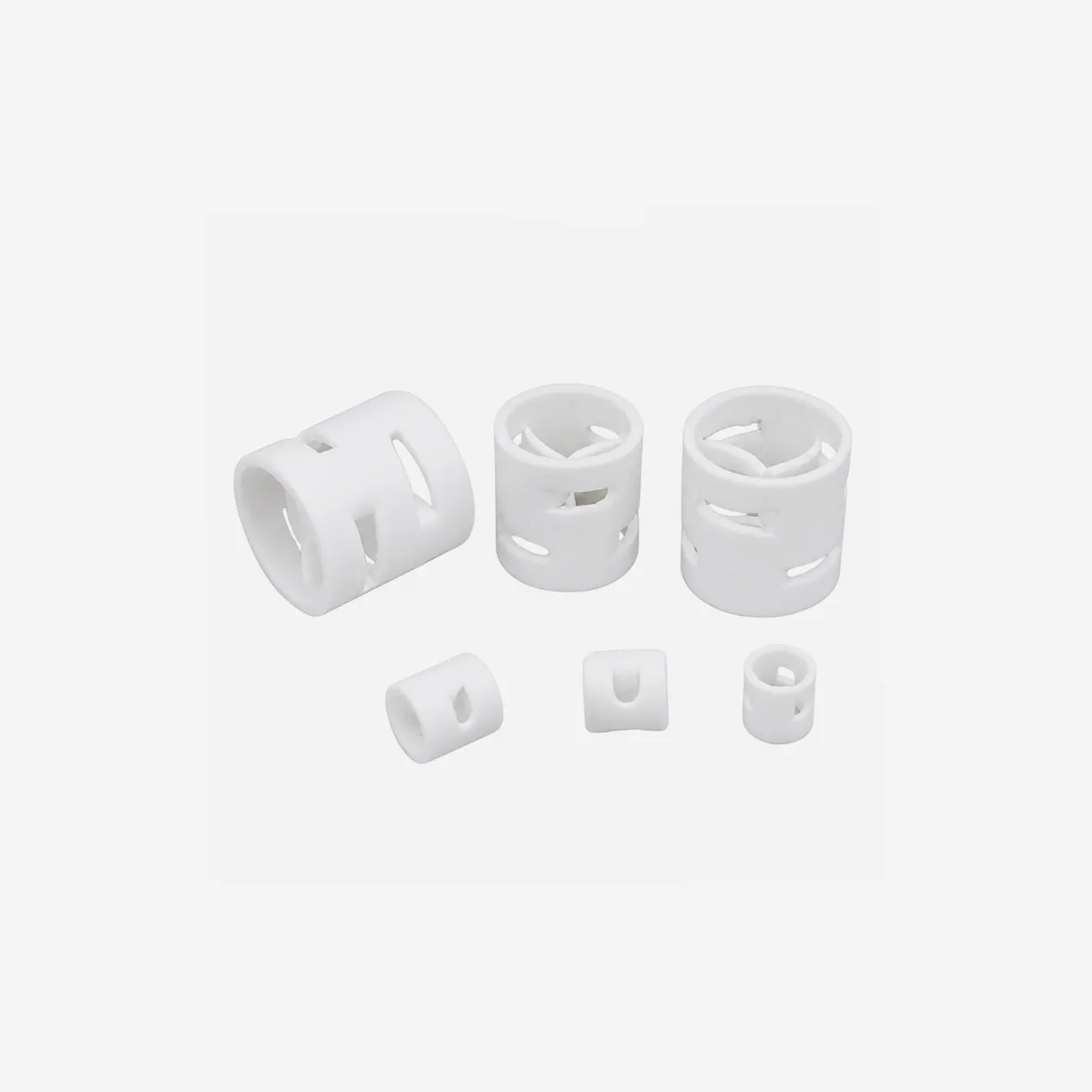
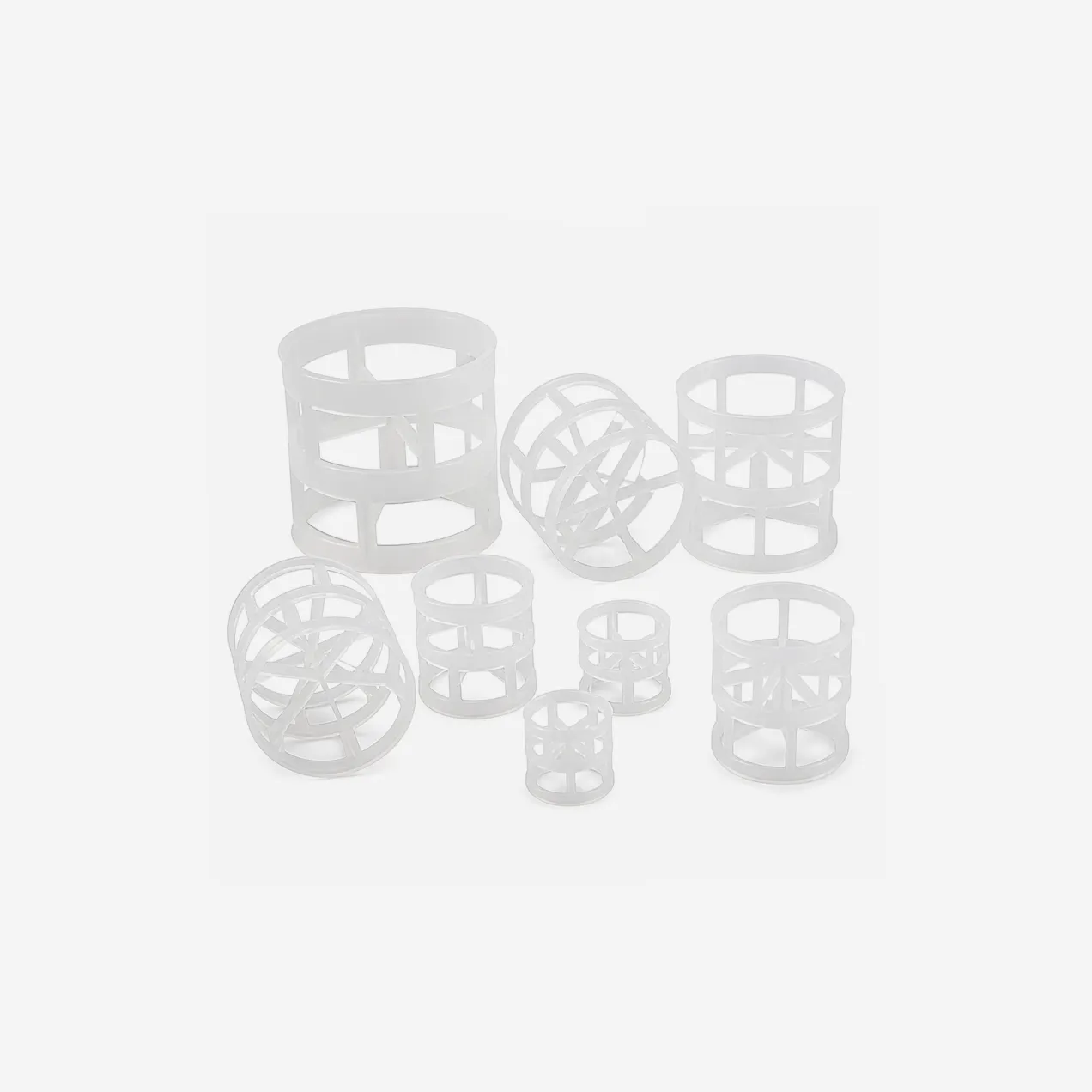
The ceramic Pall ring keeps the familiar open ring shape — a cylinder with rows of punched windows and inward tongues that spread liquid and open the bed — but forms it in fired ceramic rather than plastic or metal. That choice of material is what defines where it fits. Ceramic is chemically inert, so it resists almost every inorganic acid and shrugs off the high temperatures that would destroy a plastic ring, and it is very strong under the steady compressive load of a deep bed. Against that, it is heavy and brittle: it carries far less impact and bending strength than metal, and it can crack under a sharp knock or a sudden change in temperature. Its walls are also thicker than a metal ring's, so its void fraction, at roughly three-quarters to four-fifths, is lower and it moves somewhat less gas for its volume.
The strengths and the limits line up like this:
| Strengths | Limitations |
|---|
| Resists almost all inorganic acids (except HF) | Brittle — poor impact and bending strength |
| Withstands very high temperature | Heavy — needs strong support plates |
| High compressive strength for deep beds | Sensitive to thermal shock |
| Chemically inert, non-ageing, non-combustible | Lower void and efficiency than metal |
| Low cost compared with metal | Attacked by hot strong alkalis |
Read together, these point to a clear niche. Ceramic is the packing for hot, acidic duty on a budget: acid absorption and drying towers, cooling and scrubbing columns, sulphuric and other acid plants, and high-temperature waste-gas treatment in chemical, metallurgical and environmental work. It should be kept away from mechanical shock and rapid temperature changes, from hydrofluoric acid, and from hot caustic. Where those are not in play, and heat and acid resistance matter more than weight or peak efficiency, ceramic gives long, reliable, low-cost service that neither plastic nor unprotected metal can match.