search
Search

Enter keywords to search for products, blog posts, and more.


Home > RPP Pall Ring

RPP Pall Ring
RPP Pall Ring

RPP Pall Ring

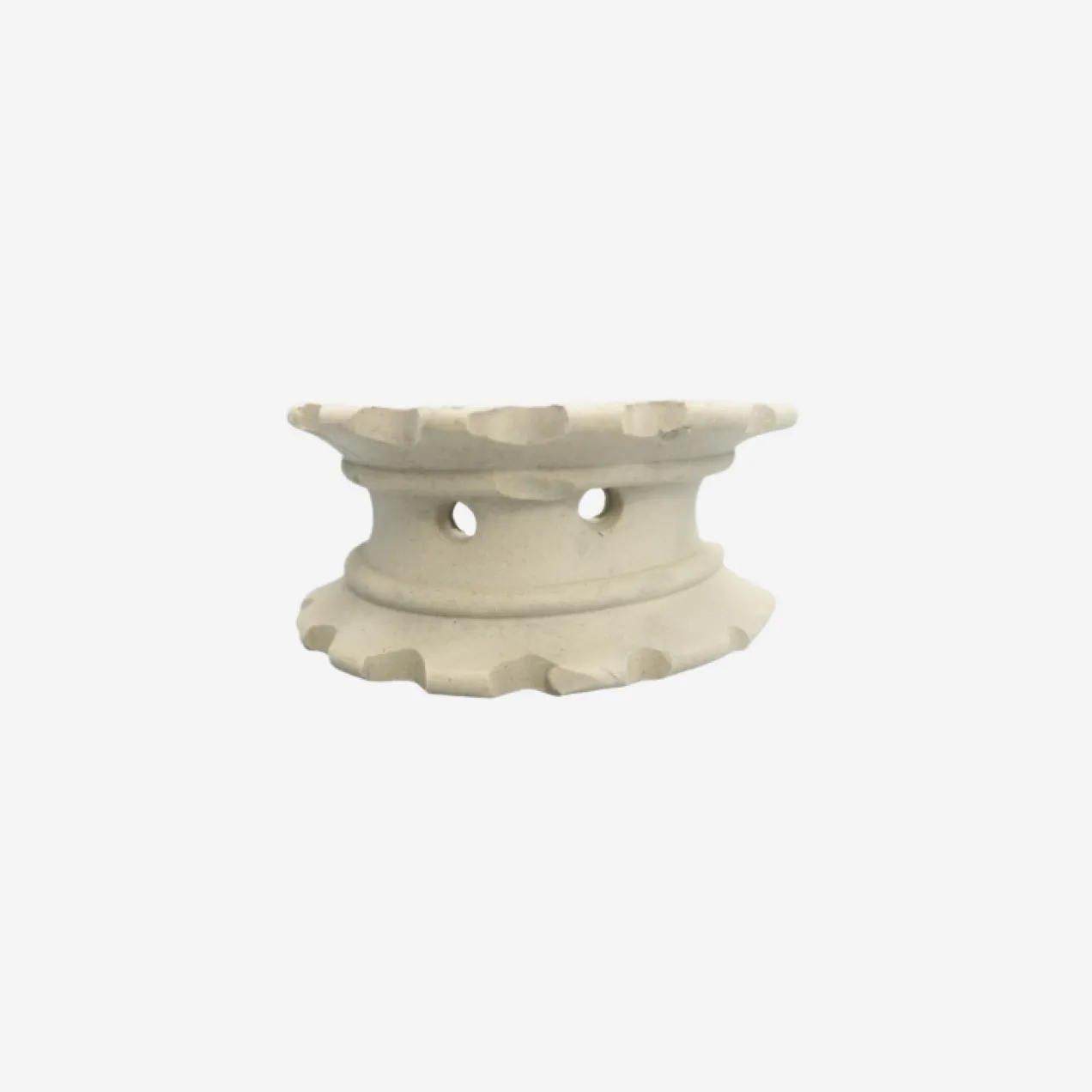
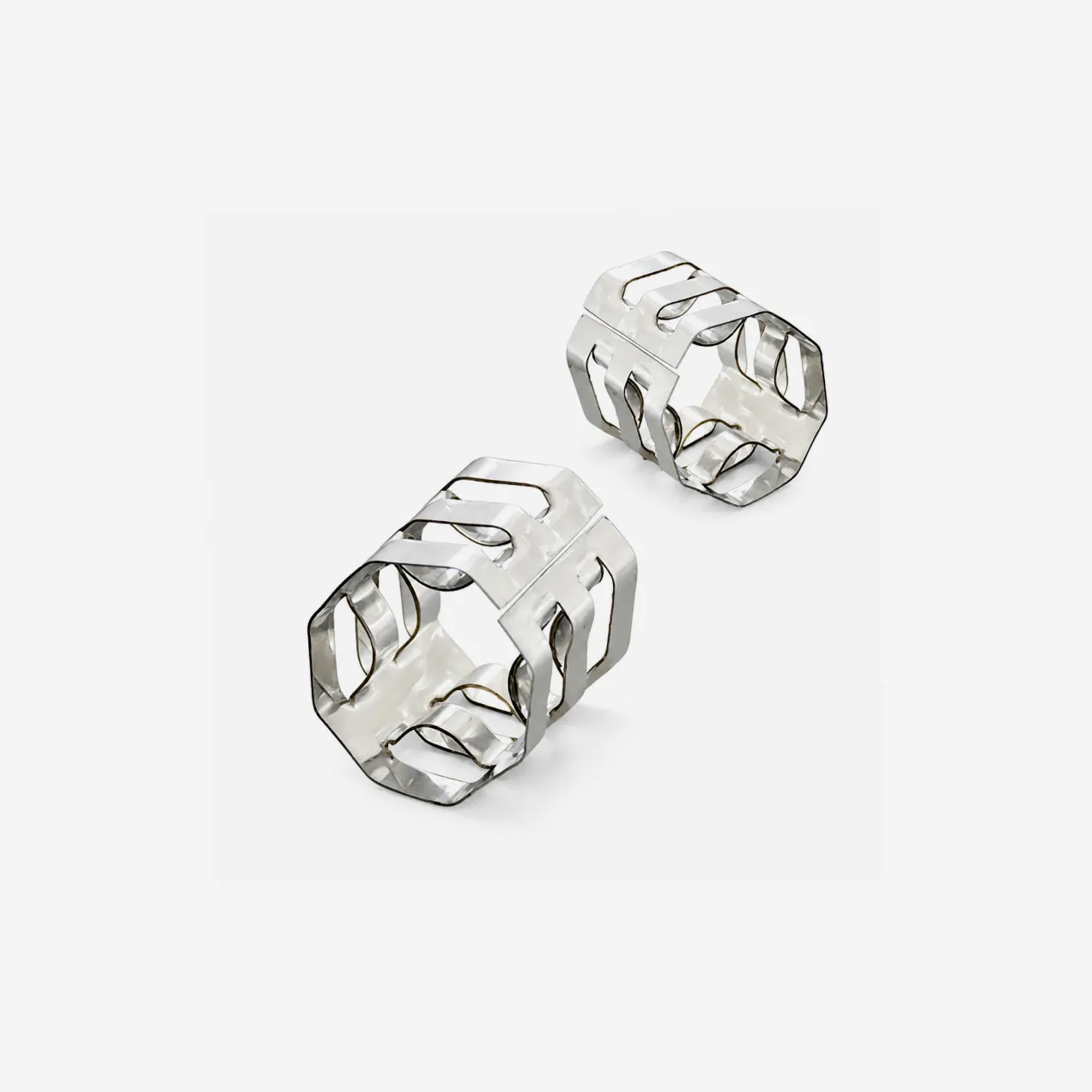
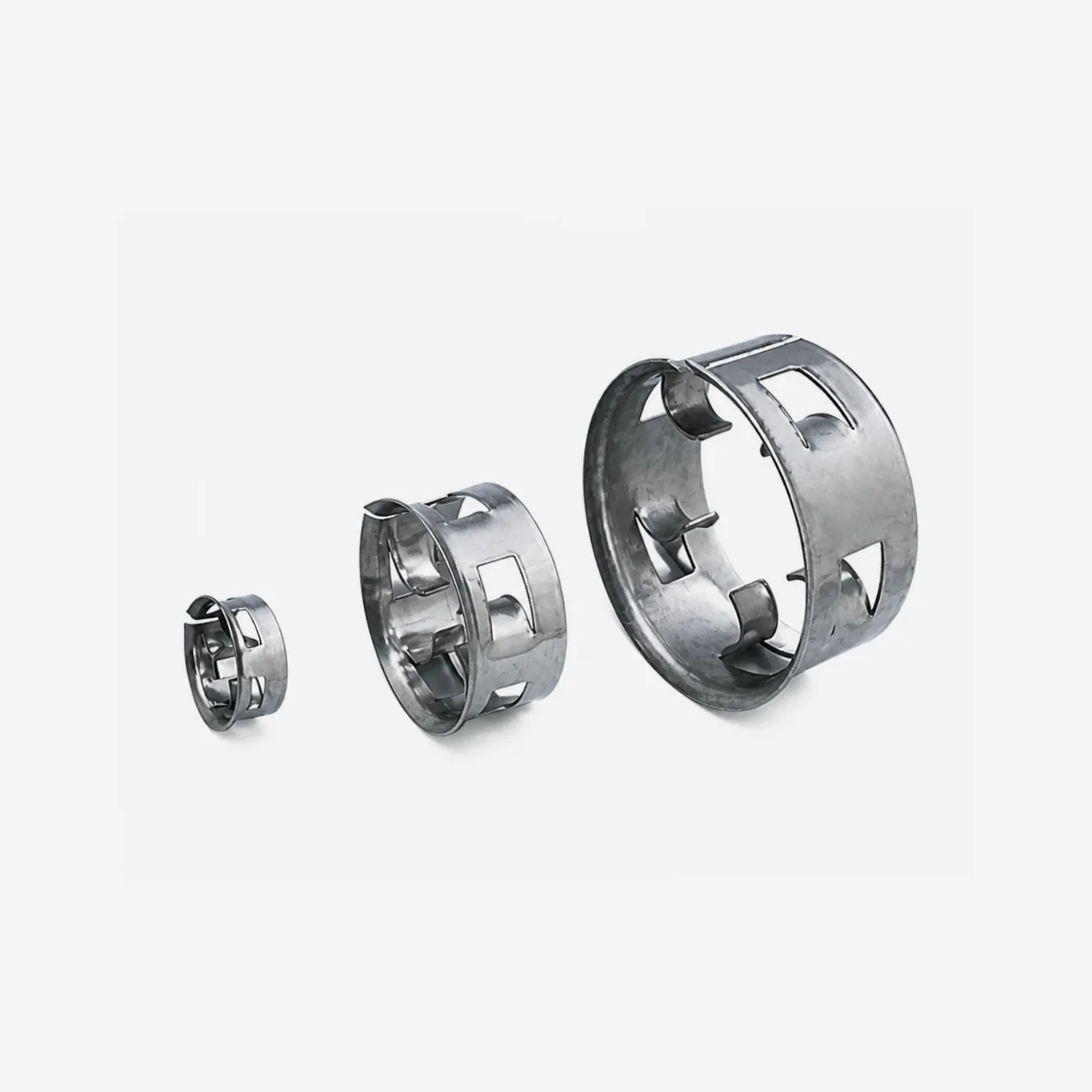
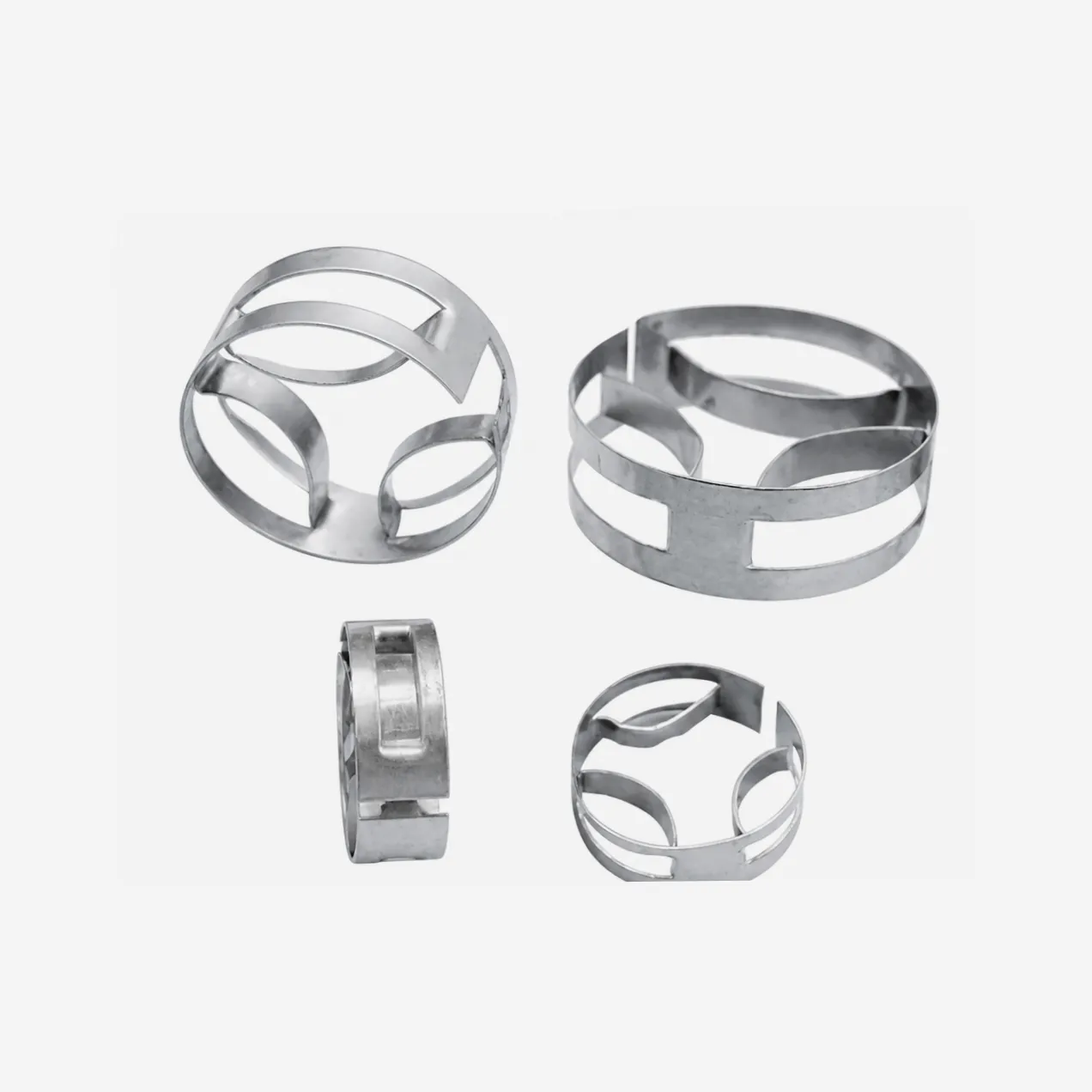
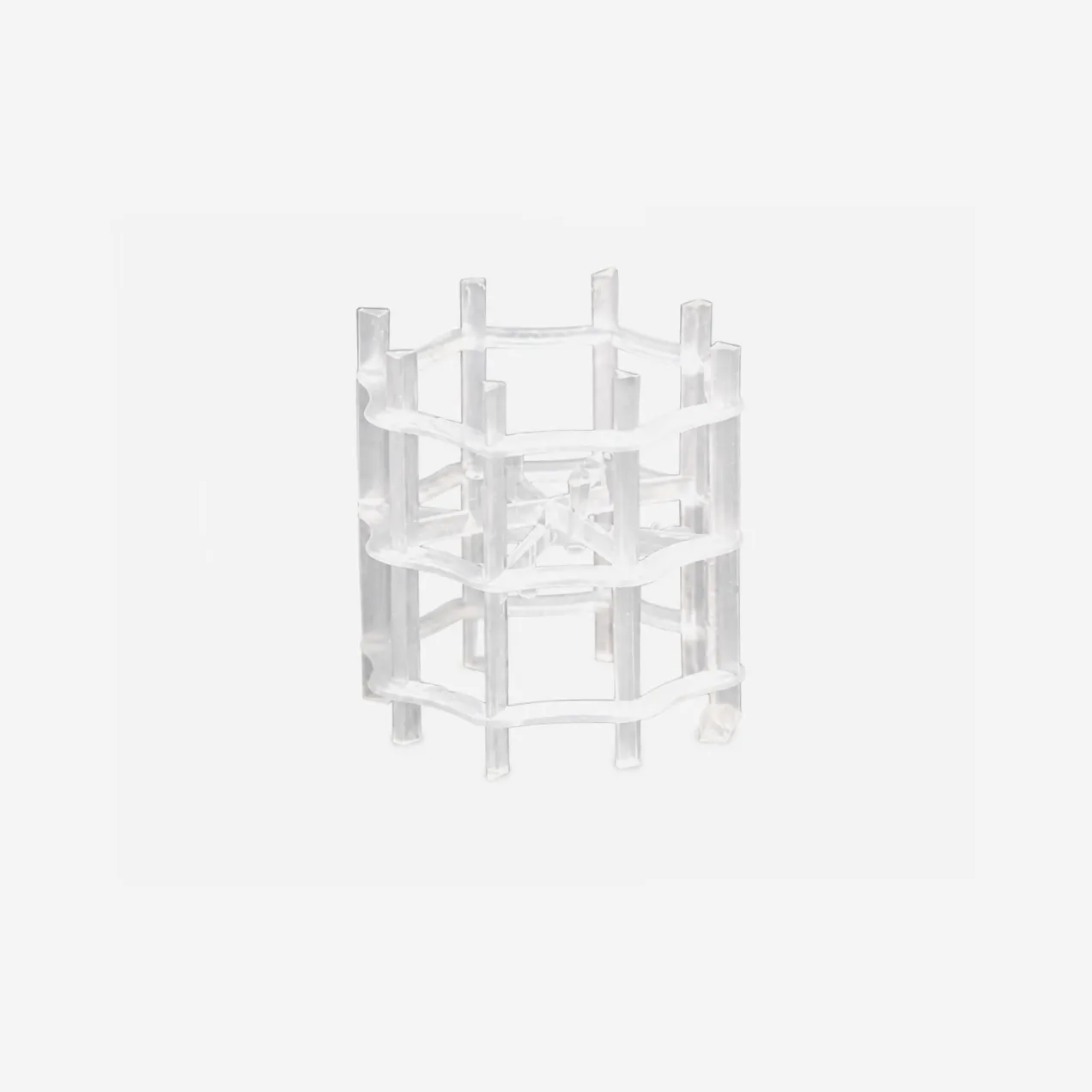
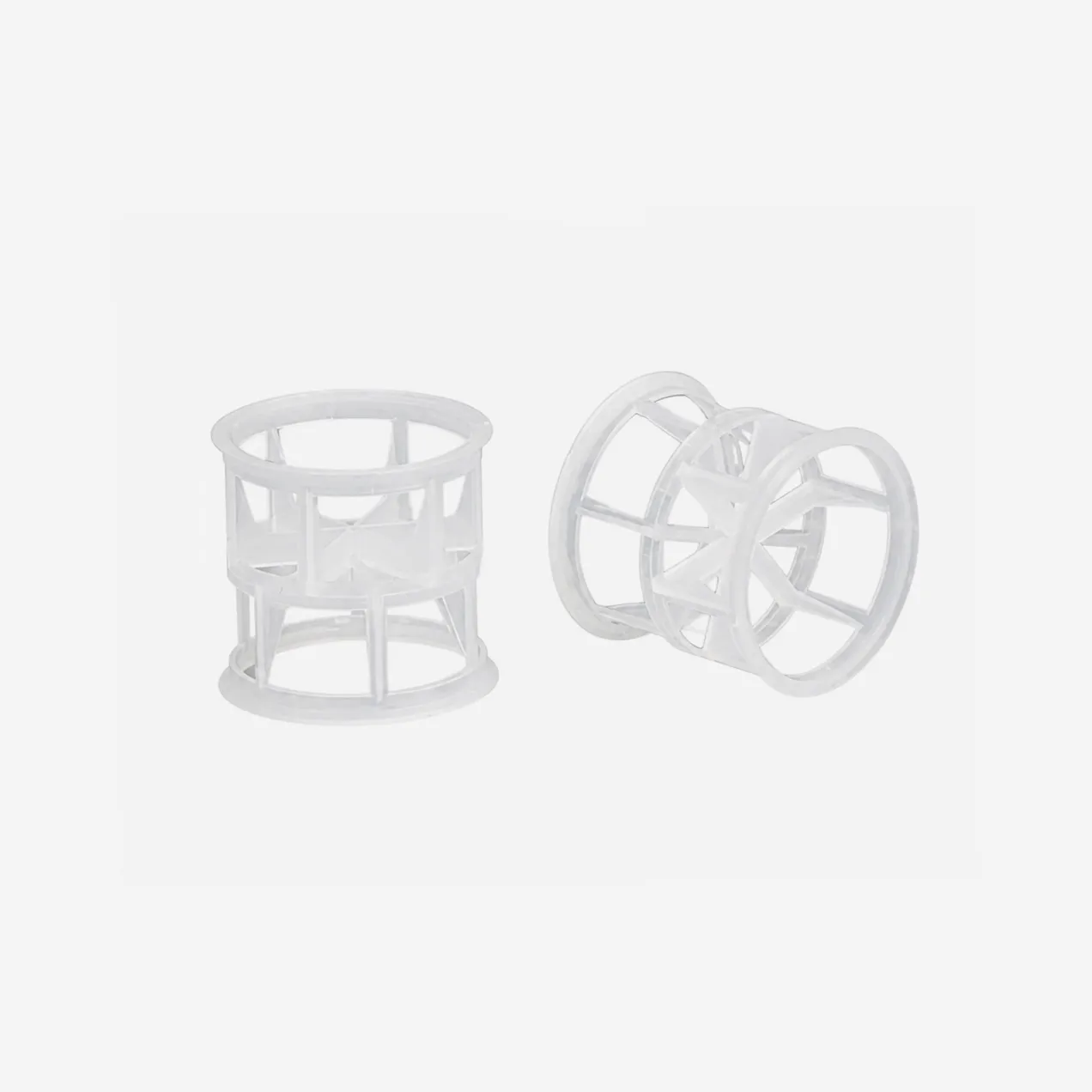
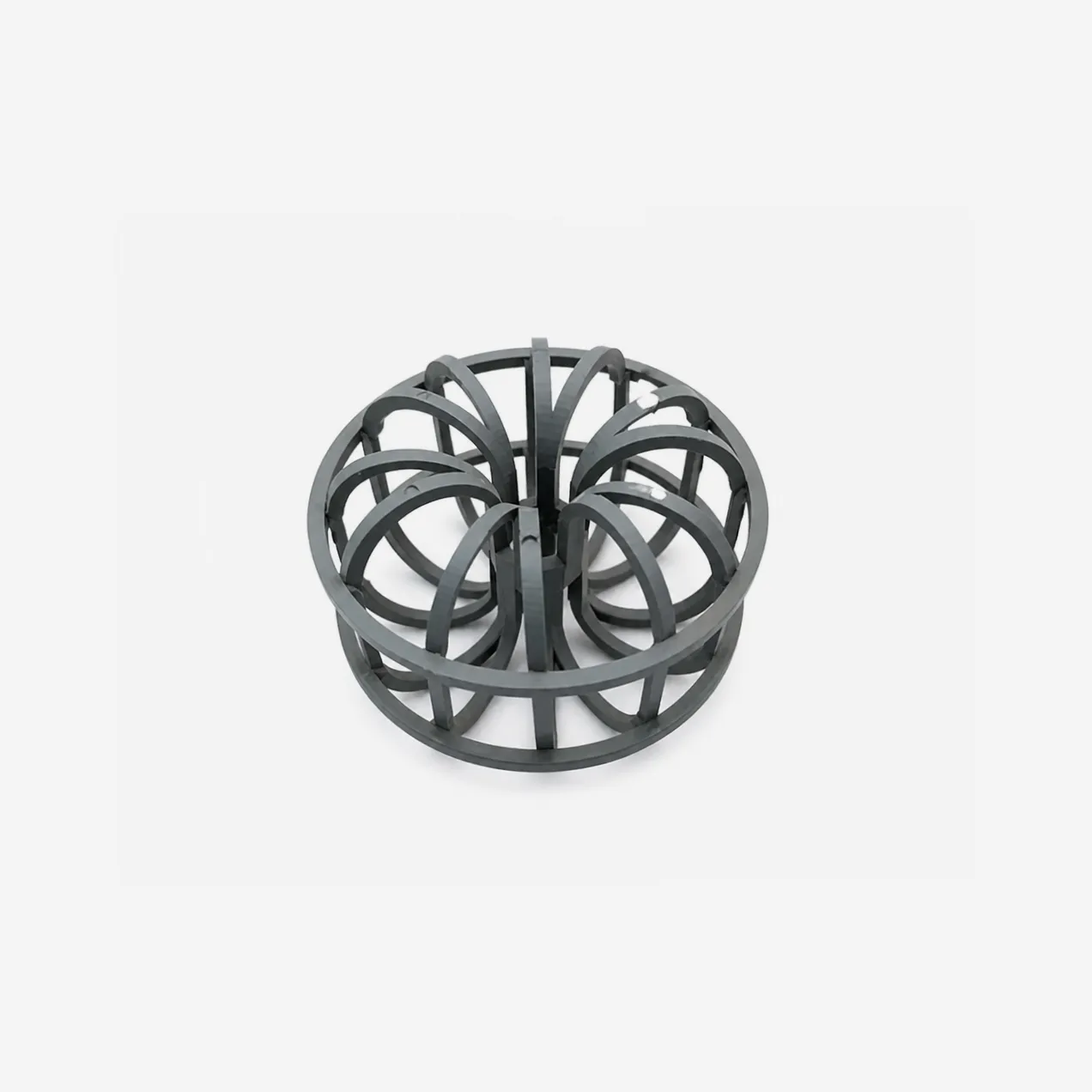
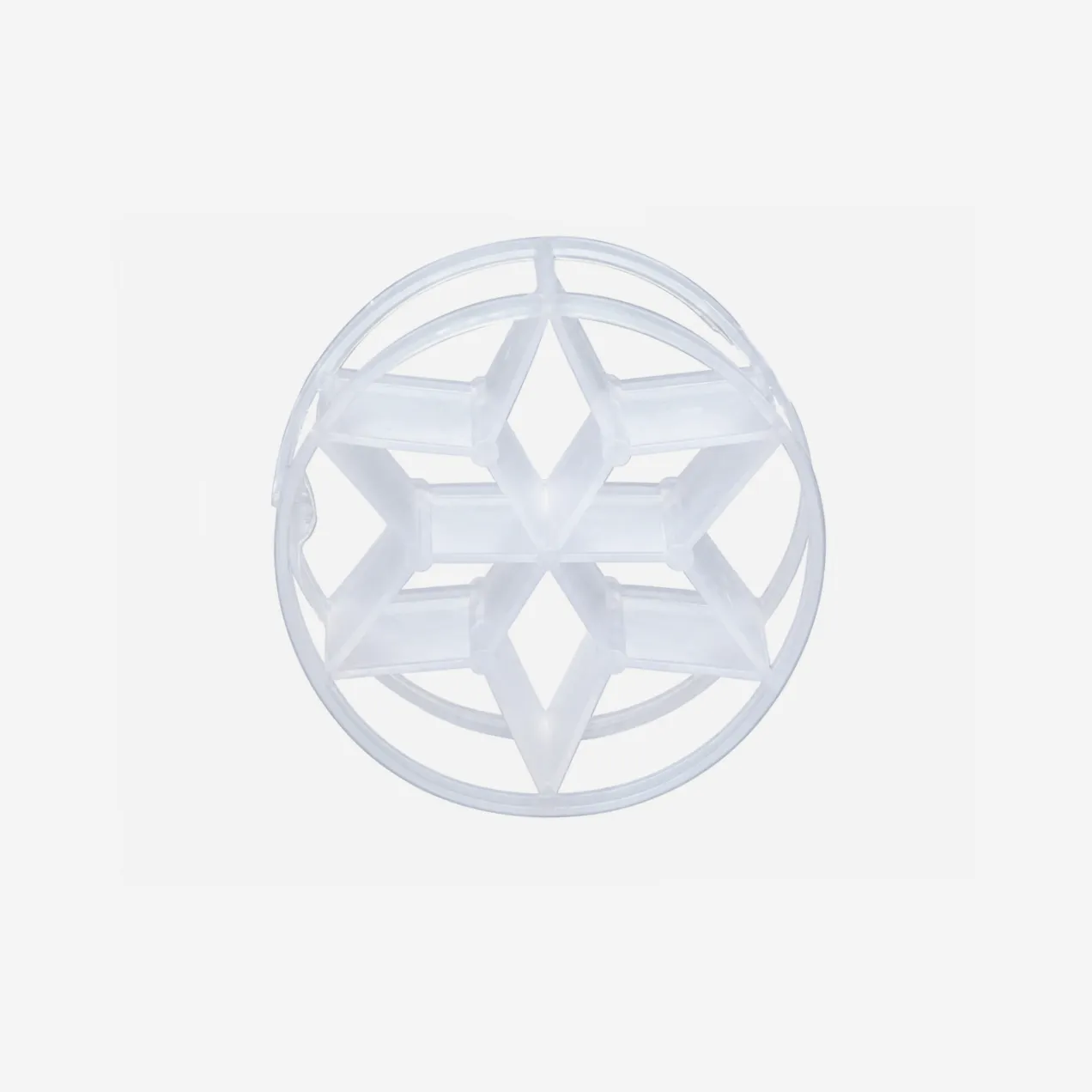
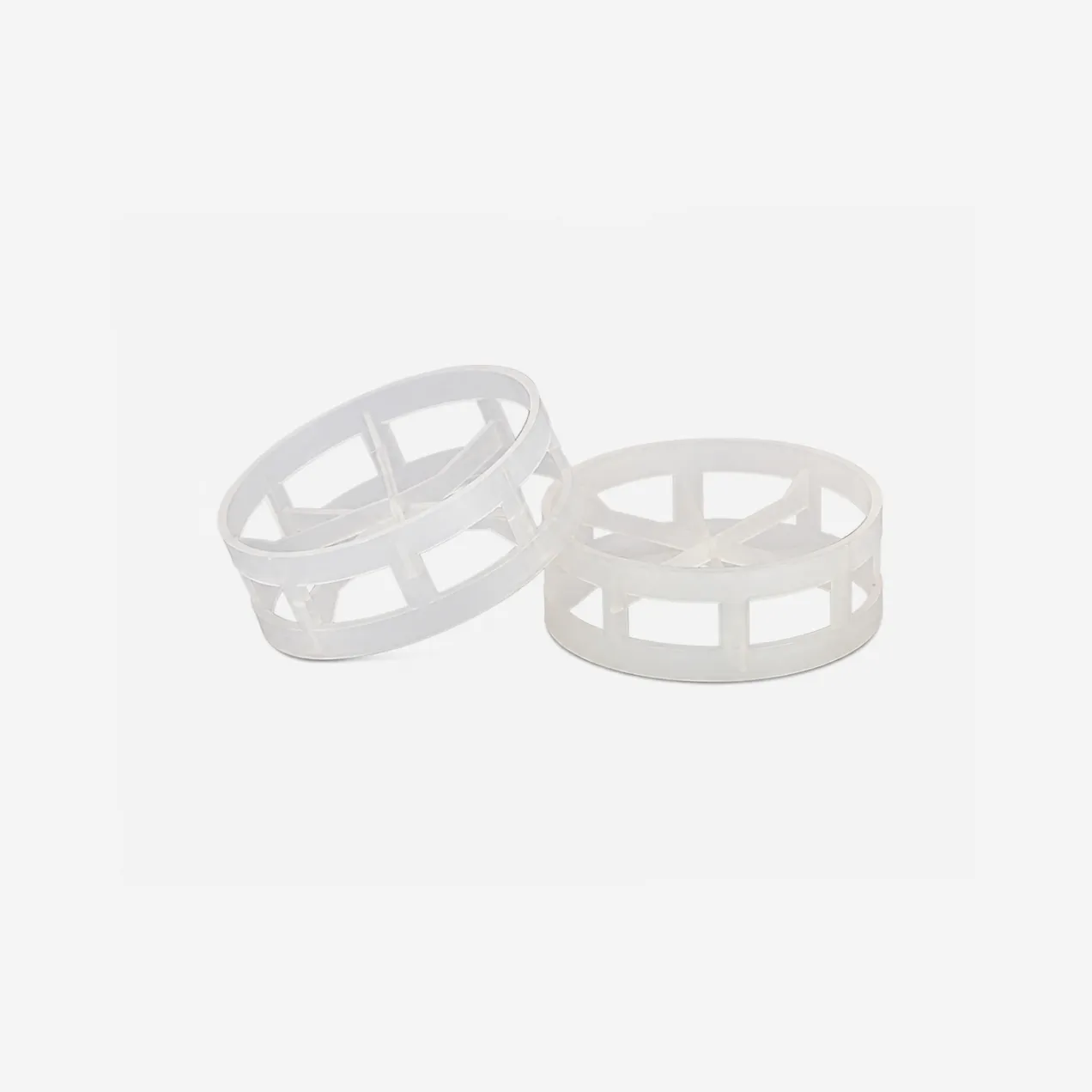
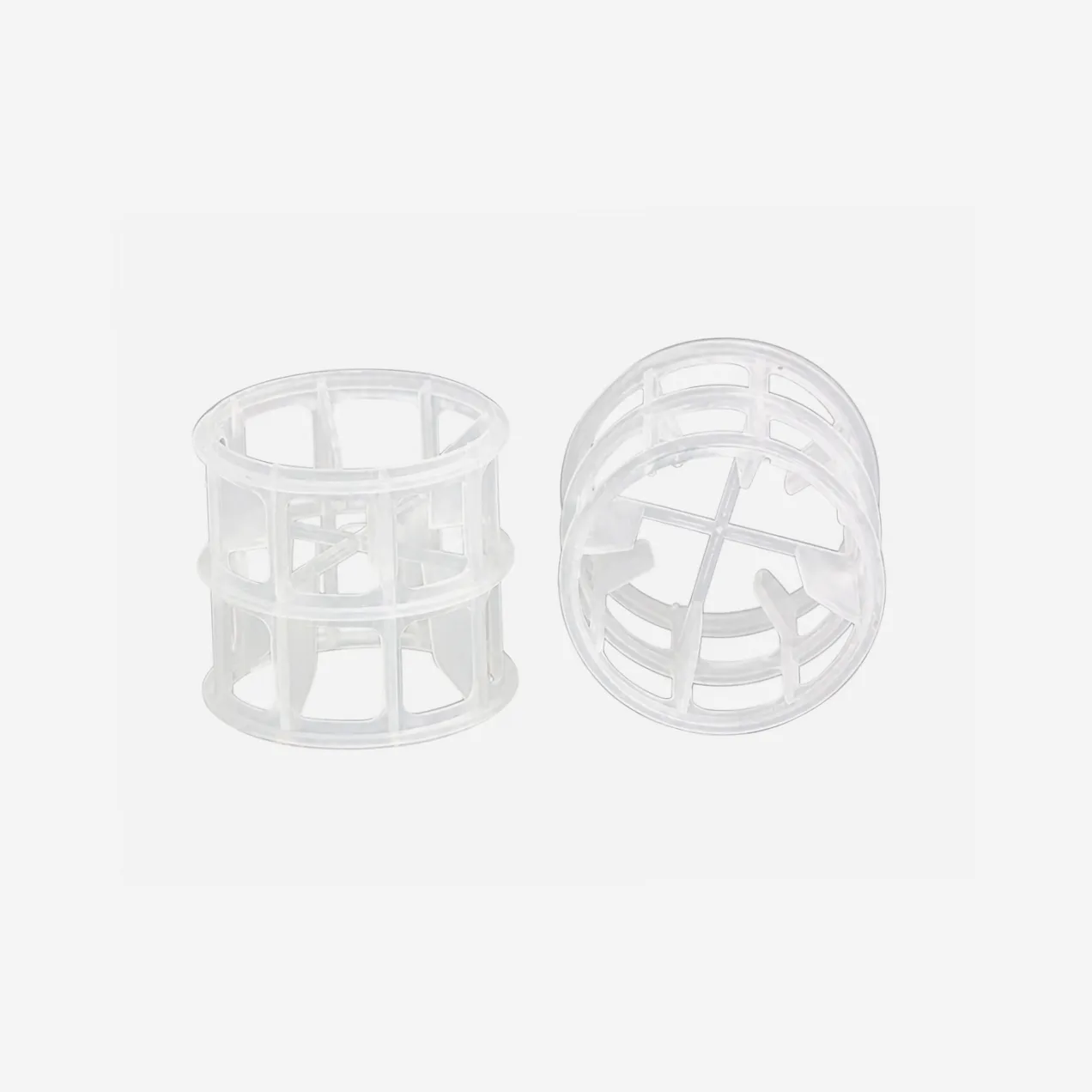
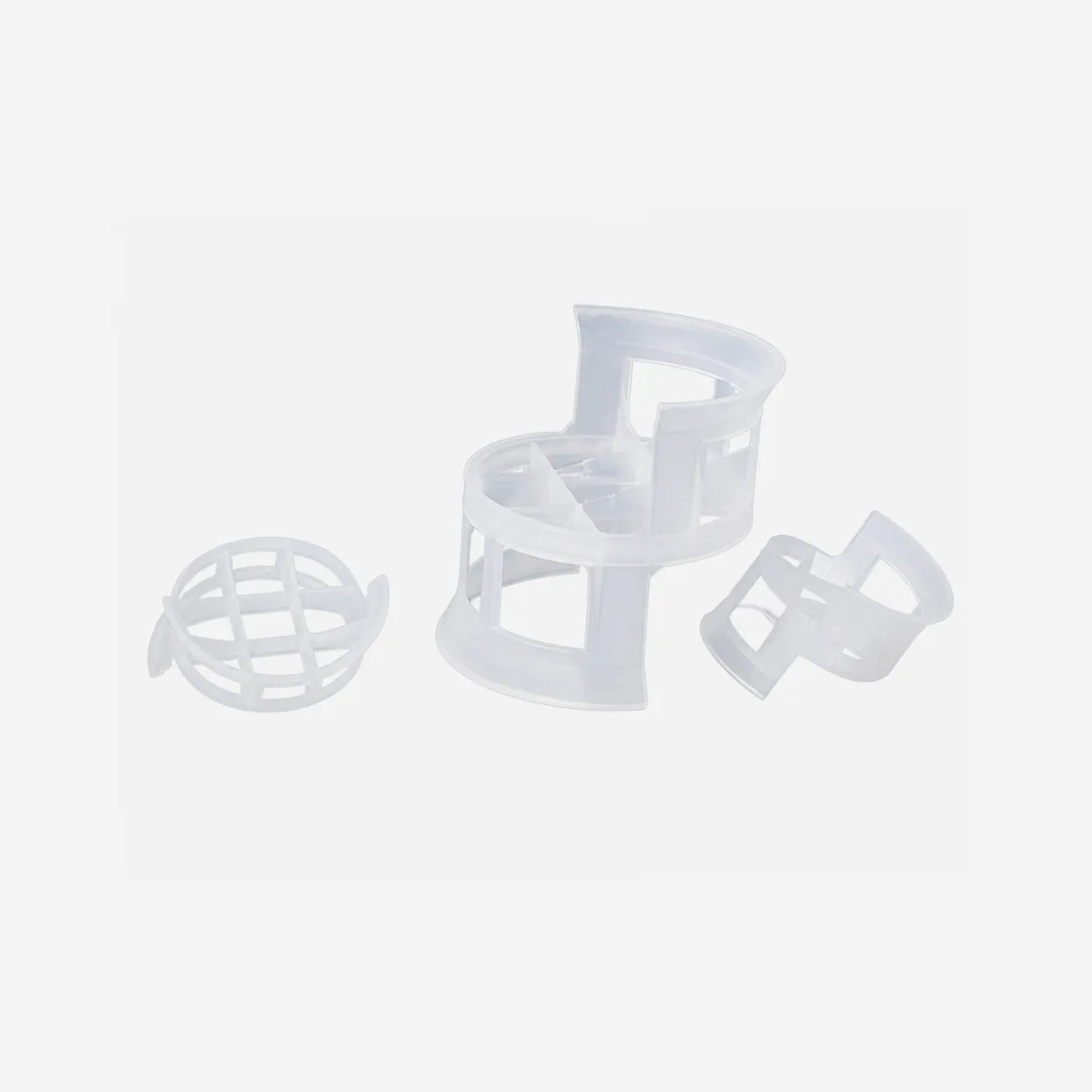
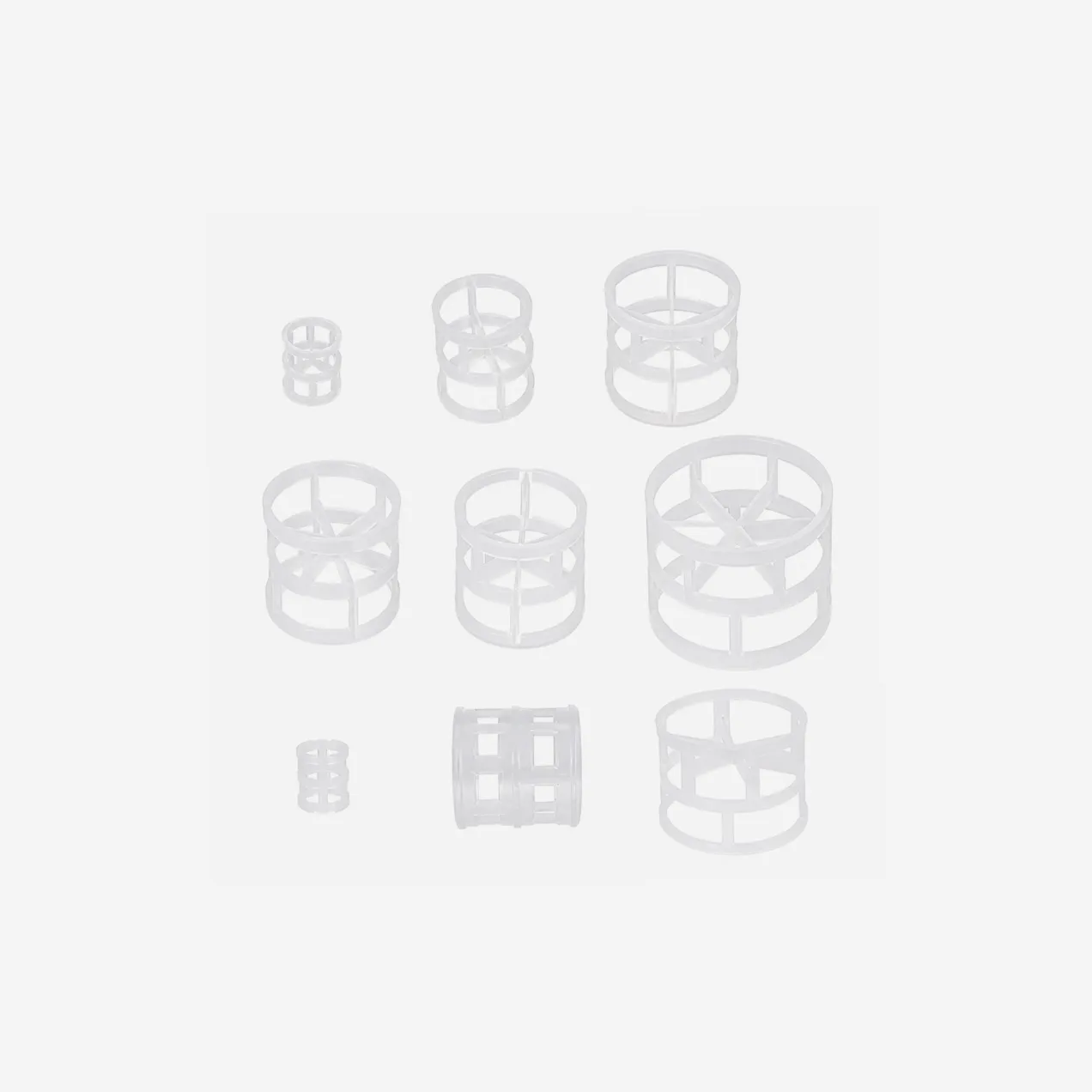
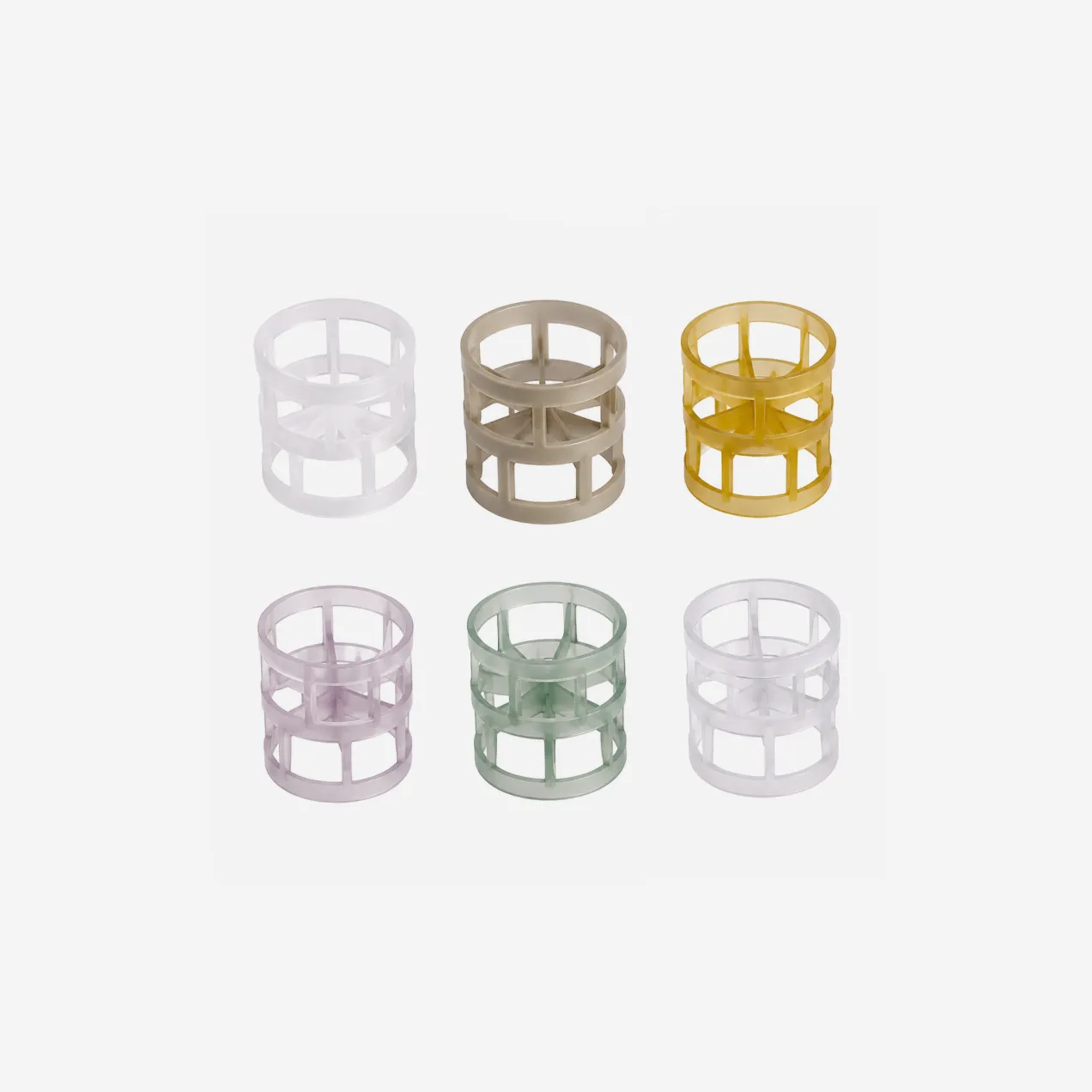
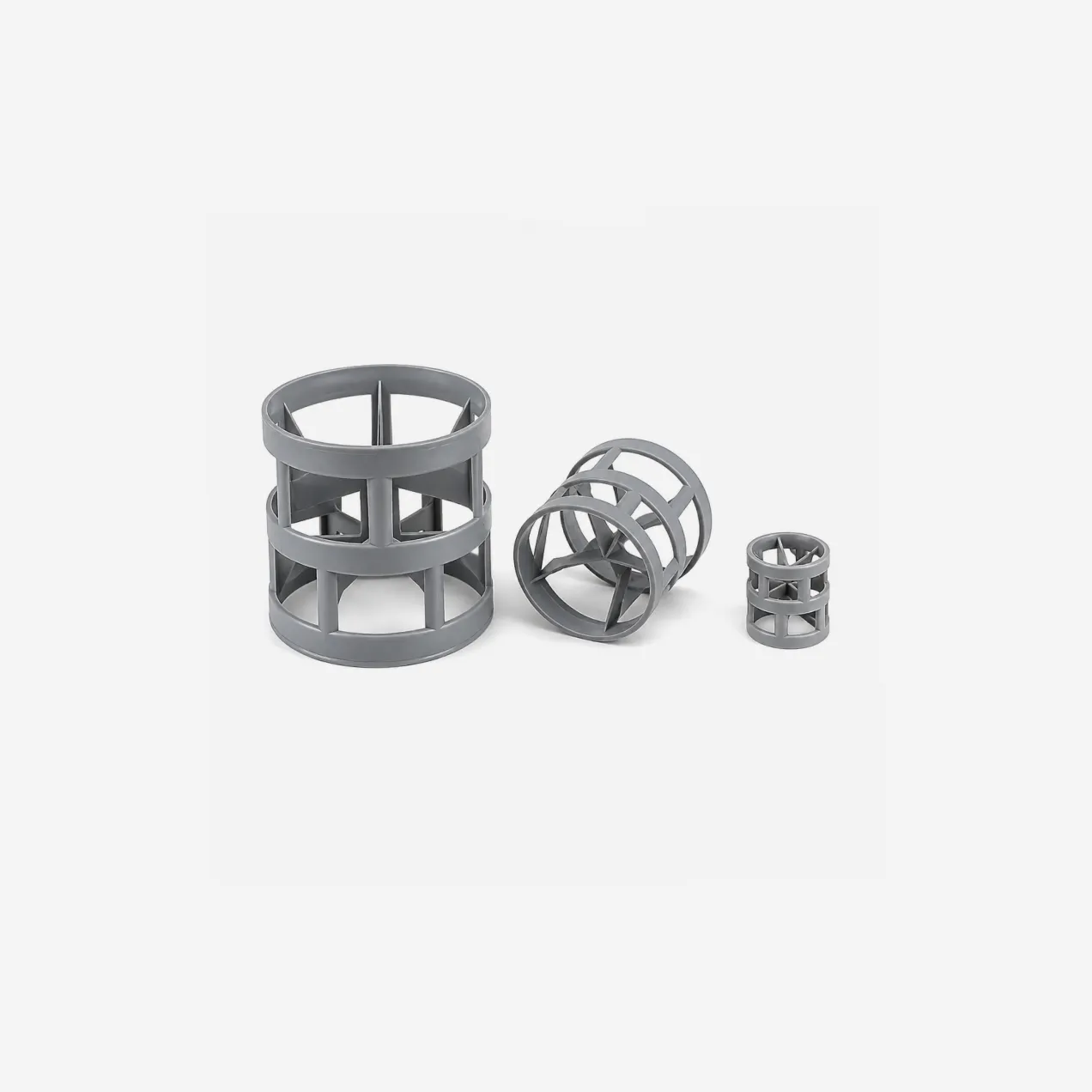
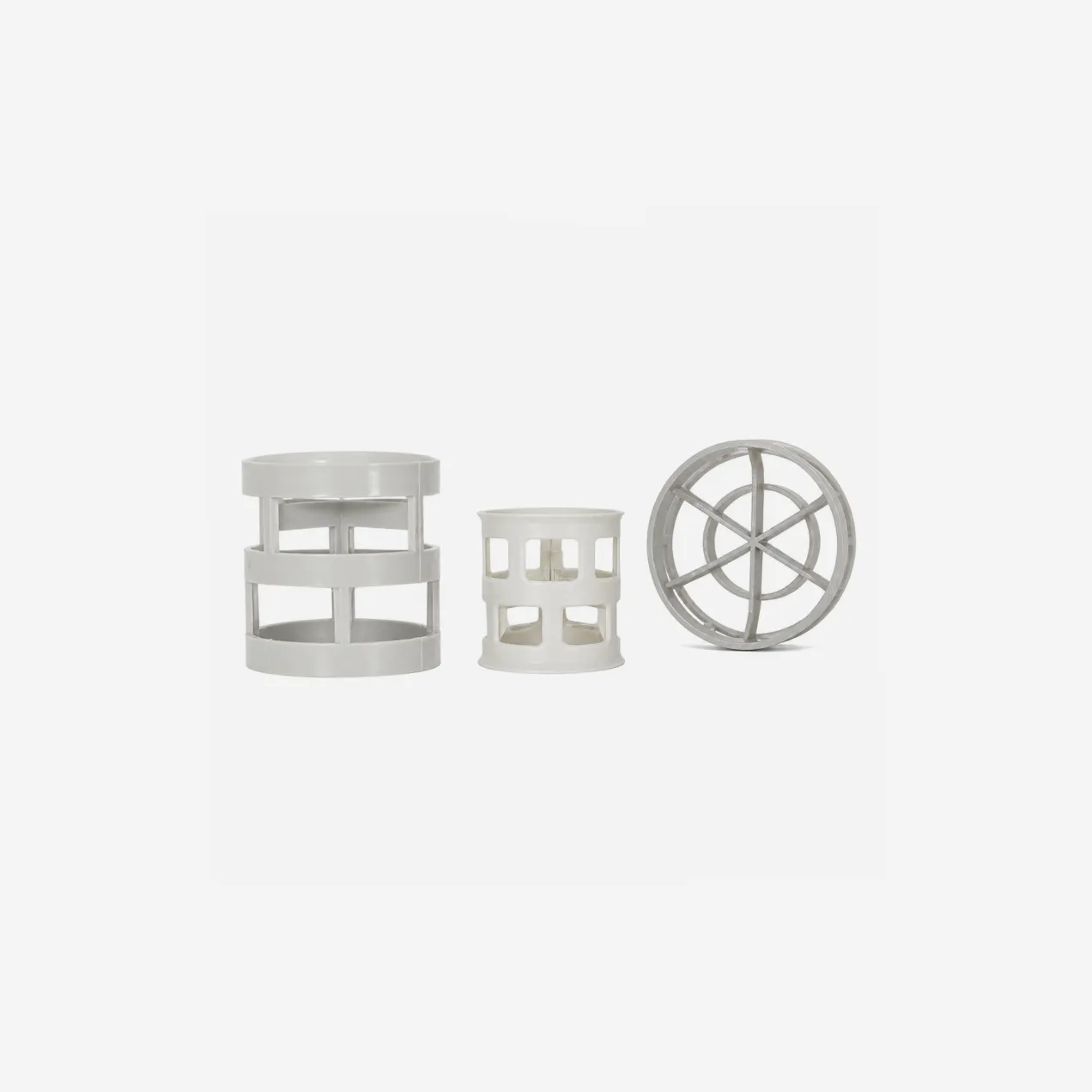
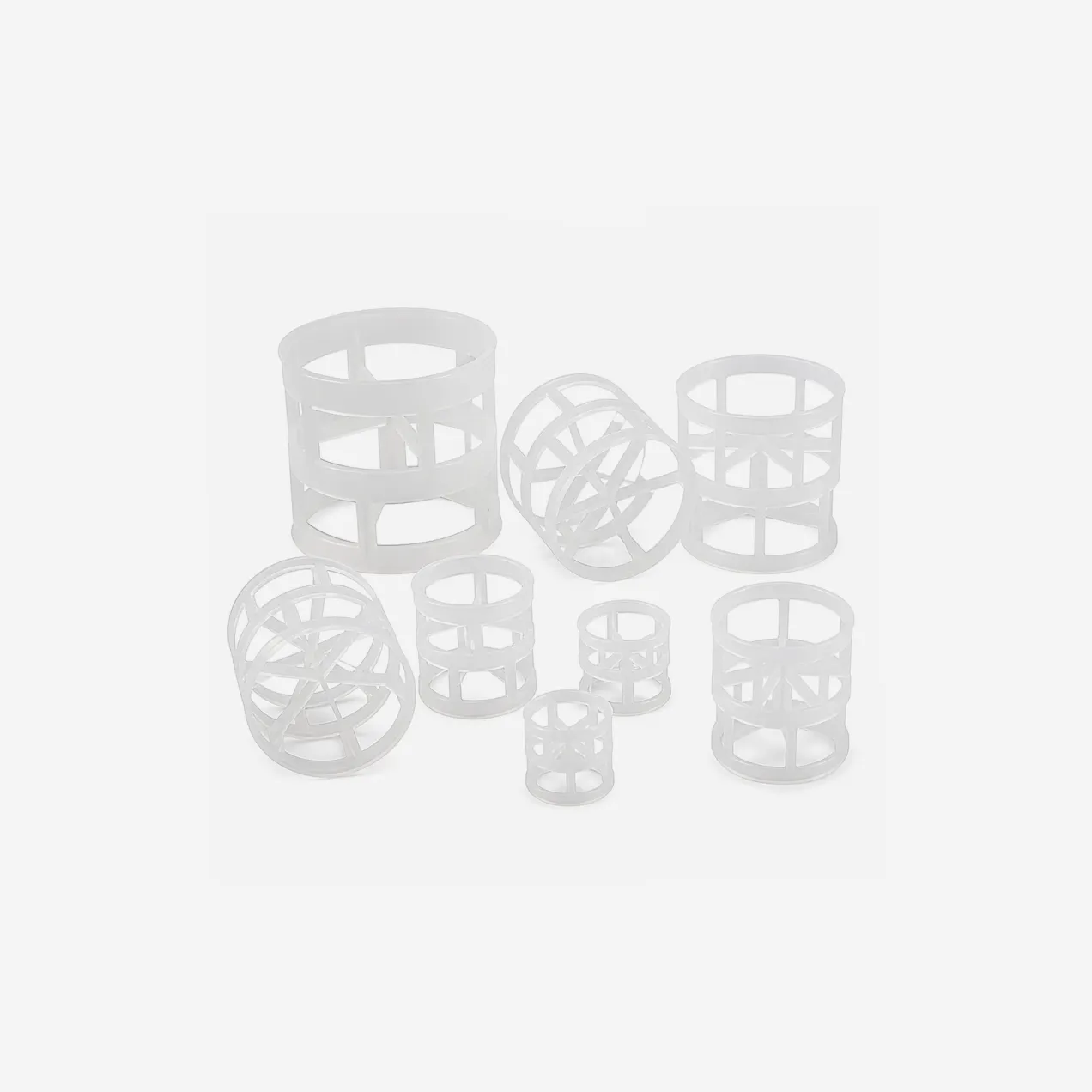
RPP Pall ring is a random tower packing moulded from reinforced polypropylene. It carries the same open, windowed Pall-ring shape as a plain PP ring, but the resin is stiffened, often with glass fibre, so the ring is stronger, stands up better under the load of a tall bed, and takes more heat before it softens — running to about 120°C against roughly 100°C for ordinary PP. Its resistance to acids, alkalis and salts is the same as PP, and it still costs far less than the fluoroplastics. It is the sensible step up from PP when a column runs a little hotter or stands tall. We make it in sizes from 16 to 90 mm.

  • Reinforced polypropylene — stiffer and stronger than plain PP, with less deformation under load.
  • Higher heat tolerance, to about 120°C, and a longer service life under steady warmth.
  • Good resistance to acids, alkalis and salts, at a fraction of the cost of PVDF or PTFE.
  • Open Pall-ring form for high void, low pressure drop and even gas-liquid contact.
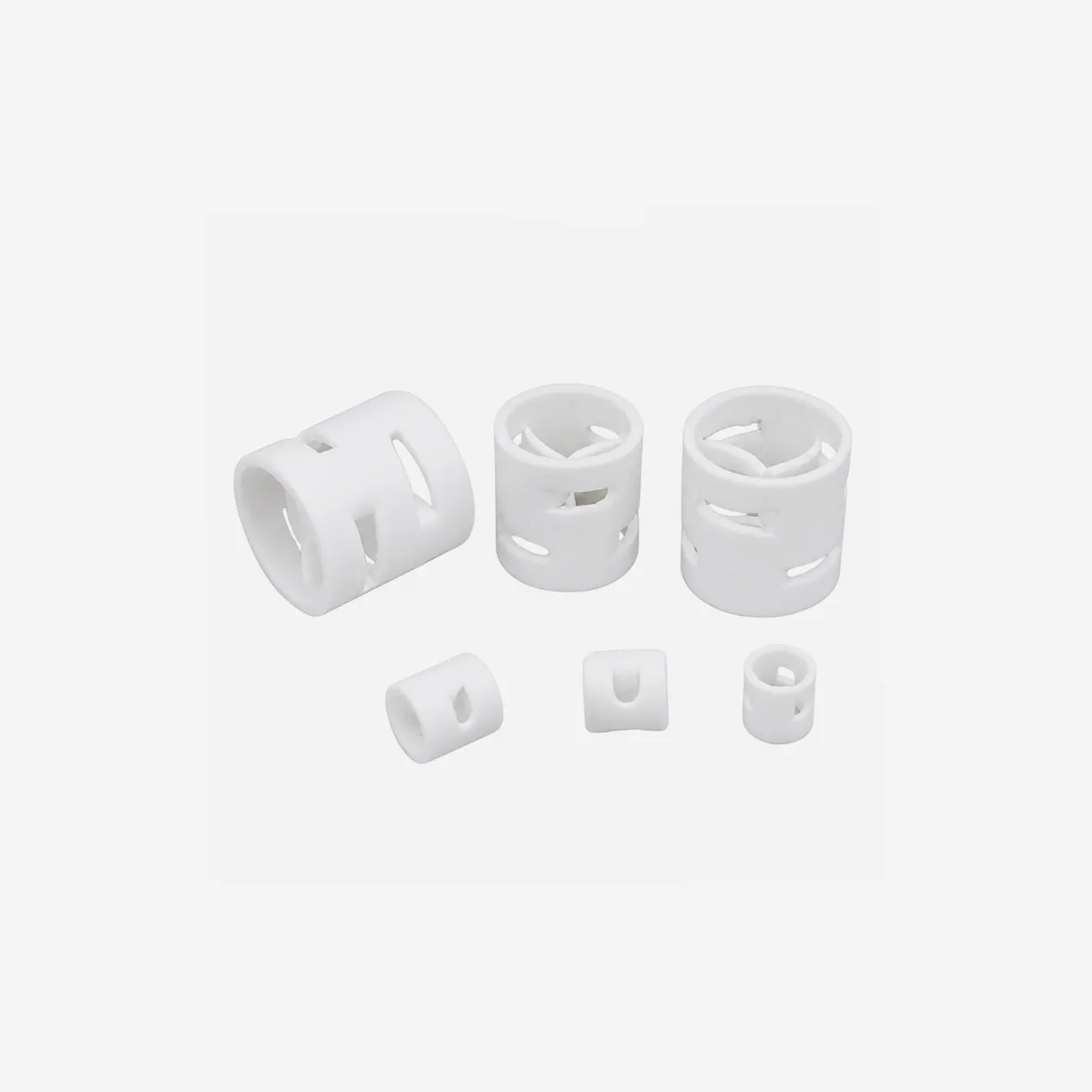
  • Sizes 16, 25, 38, 50, 76 and 90 mm for absorption, stripping and scrubbing towers.

Technial Parameters

SpecSize (mm)Surface area (m²/m³)Free volume (%)Pieces per m³Bulk density (kg/m³)Dry packing factor (m⁻¹)
φ1616×16×132088214,000108376
φ2525×25×1.22139053,50068285
φ3838×38×1.41519115,80060220
φ5050×50×1.510091.26,50045127
φ7676×76×2.673921,9304894
φ9090×90×2.058941,2004086


PropertyValue
Product TypePlastic random packing (Pall ring)
MaterialReinforced polypropylene (RPP)
Model NO.RJ-1063
ColourWhite
Standard Sizes16, 25, 38, 50, 76, 90 mm
StructureCylinder with rows of windows and inward tongues
Void Fraction88–94% (by size)
Max Service TemperatureAbout 120 °C
Chemical ResistanceAcids, alkalis and salts
Advantage over PPHigher rigidity, strength and heat tolerance
ApplicationsAbsorption, stripping, scrubbing, degassing, cooling towers
TrademarkRONGJIAN
OriginJiangxi, China
HS Code8419909000
Transport PackageCarton box / ton bag / steel drum

FAQs

What is an RPP Pall ring used for?

RPP Pall ring fills packed columns wherever gas and liquid must be brought together — scrubbing, absorption, desorption and degassing — and it is chosen when plain PP falls a little short. It suits chemical and petrochemical towers, acid and alkali fume scrubbers, ammonia-plant decarbonisation, desulphurisation, and cooling or stripping columns that run a little warm or stand tall enough that the packing has to carry real load. Being reinforced polypropylene, it keeps PP's corrosion resistance and low cost while adding stiffness and heat tolerance. Where the duty is a step beyond ordinary PP but well short of needing a fluoroplastic, RPP is the fit.

How is RPP different from ordinary PP?

RPP is polypropylene that has been stiffened, usually by blending in glass fibre or by using a heat-stabilised grade. The chemistry is unchanged, so it resists the same acids, alkalis and salts as PP, but the mechanics and the heat tolerance are better. An RPP ring is harder and more rigid, so it stays true under the weight of a tall bed instead of squashing, and it withstands more heat before softening, about 120 degrees against roughly 100 for plain PP. It also lasts longer under steady warmth, where unreinforced PP can slowly go brittle. In short, RPP buys extra strength, heat and service life over PP for a small step up in price.

What temperature and chemicals can RPP Pall rings handle?

On heat, RPP runs continuously to about 120 degrees, a useful margin above plain PP and enough for many warm scrubbing and stripping duties. For chemistry it is pure polypropylene at heart, so it copes with the great majority of inorganic acids and bases and with salt-laden water streams. It is not meant for concentrated strong oxidisers, or for hot organic solvents, where PVDF or PTFE is the safer route. For a warm, water-based acid, alkali or salt duty that would overheat ordinary PP, RPP is a dependable and economical choice.

When should I choose RPP over PP, PVDF or PTFE?

RPP earns its place directly above plain PP. If a column would run happily on PP but for one snag — a bed deep enough to squash soft rings, a tall tower, or a working heat nudging past what PP likes — RPP clears that snag for only a small rise in price. The rule of thumb is simple: when plain PP is almost right, RPP is usually the answer; only a genuinely hot or chemically fierce stream justifies jumping to a fluoroplastic. Send us the medium, the working heat and the bed depth and we will pin down the grade.

RPP means reinforced polypropylene — the same base plastic as a PP ring, but stiffened, most often by compounding in glass fibre or by using a heat-stabilised grade. Reinforcing the resin does not change what the ring resists; its acid, alkali and salt resistance is still that of polypropylene. What it changes is the mechanics and the heat. A reinforced ring is harder and springs back under load, so a taller stack can sit on it without the bottom layers collapsing, and it carries a higher working temperature and a longer life when the column runs warm. The ring's slotted, open form gives the familiar high void and low pressure drop of any Pall ring; reinforcing the plastic simply makes that body tougher and more heat-tolerant.

Set side by side with plain PP, the difference is easy to see:

PPRPP
Base plasticPolypropylenePolypropylene, reinforced (often glass fibre)
Rigidity and strengthGoodHigher — resists deforming in deep beds
Max service temperature~100°C~120°C
Life under steady warmthCan turn brittle over timeLonger
Chemical resistanceAcids, alkalis, saltsSame as PP
Relative costLowestSlightly above PP

Sizes run from 16 mm up to 90 mm, and the choice works as with any Pall ring: the smaller sizes pack more surface area per cubic metre for sharper separation, while the larger sizes give more open volume and lower pressure drop for high throughput. As the parameter table shows, surface area falls and void fraction rises as the ring grows. It shows up in decarbonisation and desulphurisation units, warm gas scrubbers, degassing and cooling columns, and stripping duty in chemical and petrochemical plants. RPP is the ring to reach for when plain PP is nearly right but the bed is deep, the column is tall, or the working temperature edges just past what ordinary polypropylene will take. Beyond that point the job belongs to PVDF or PTFE.