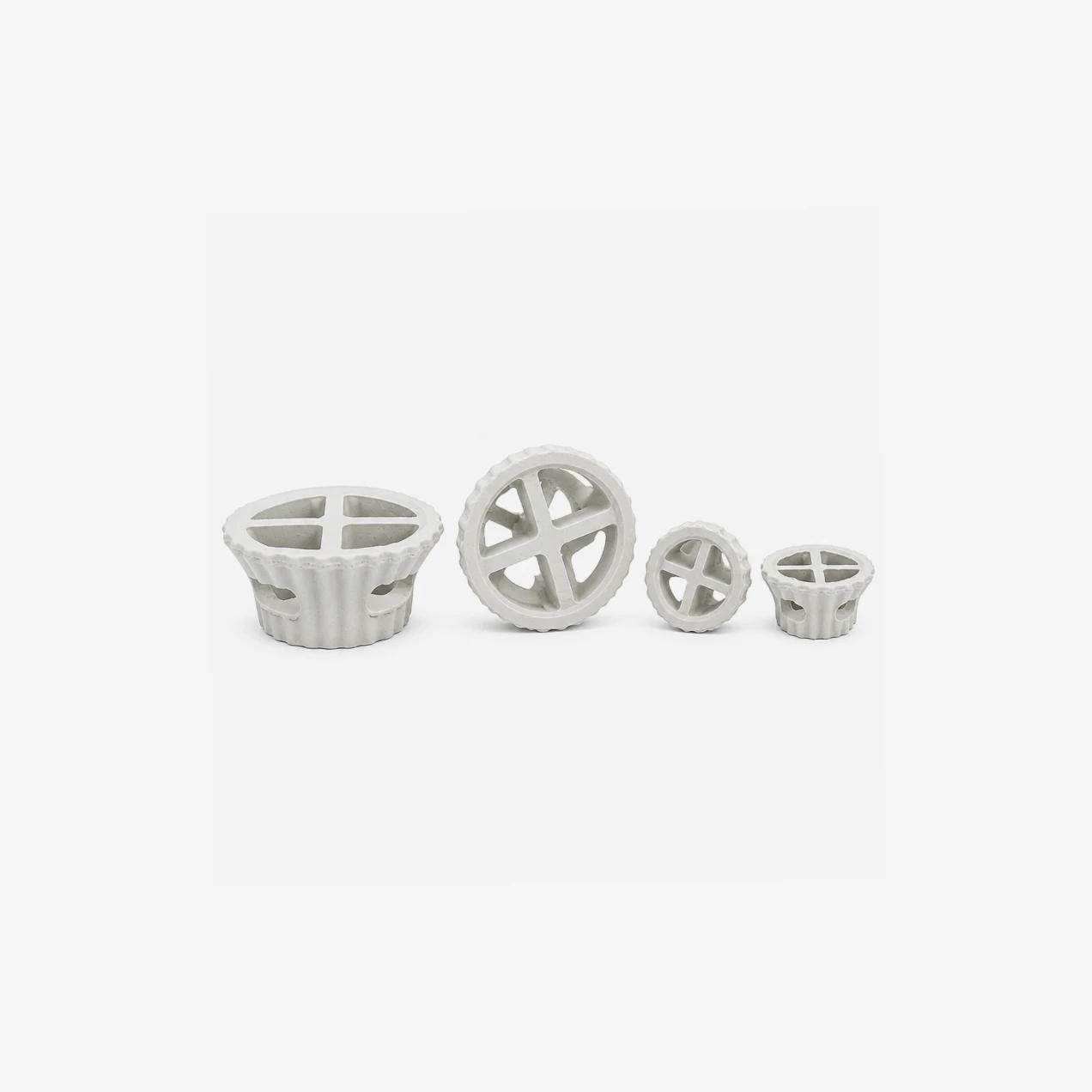
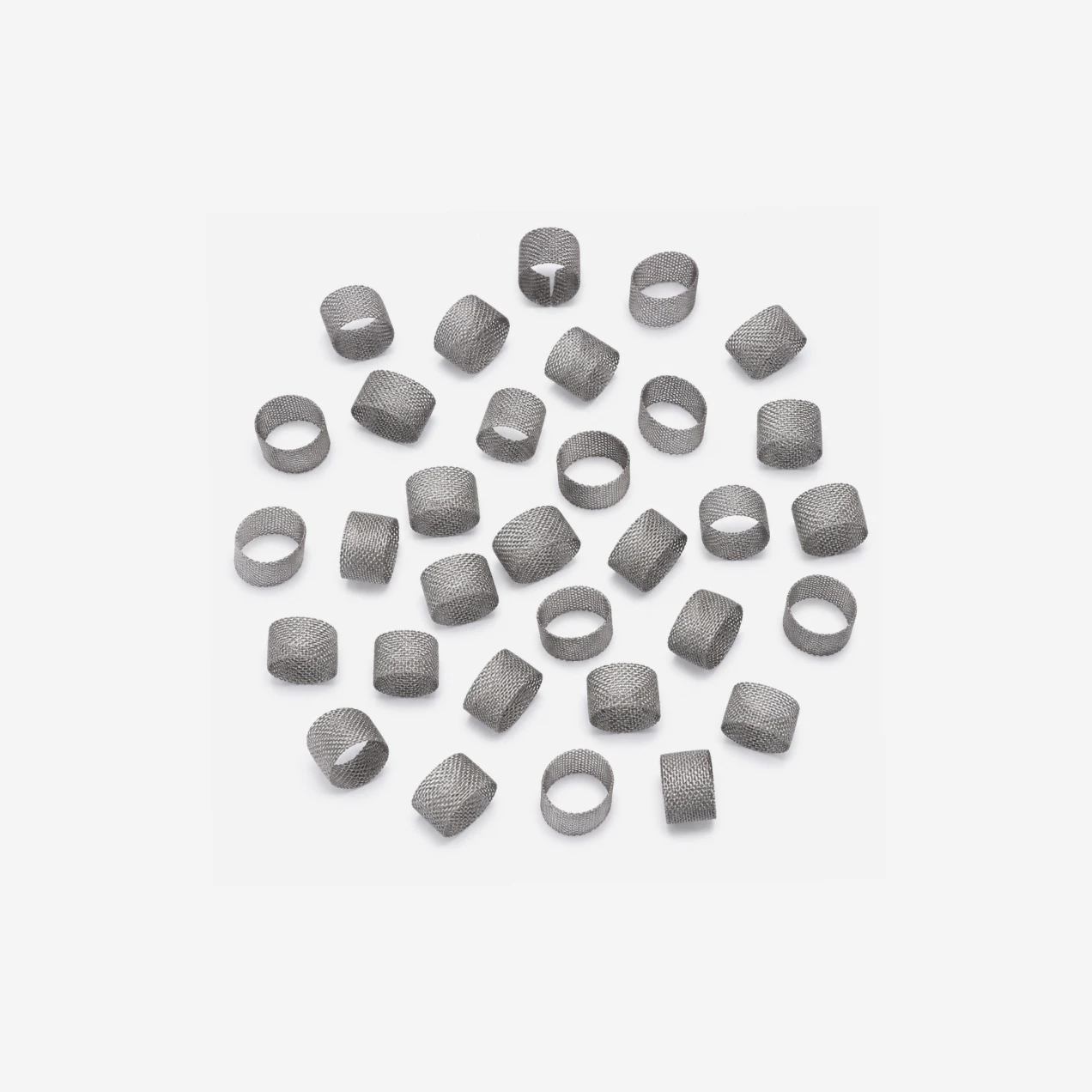
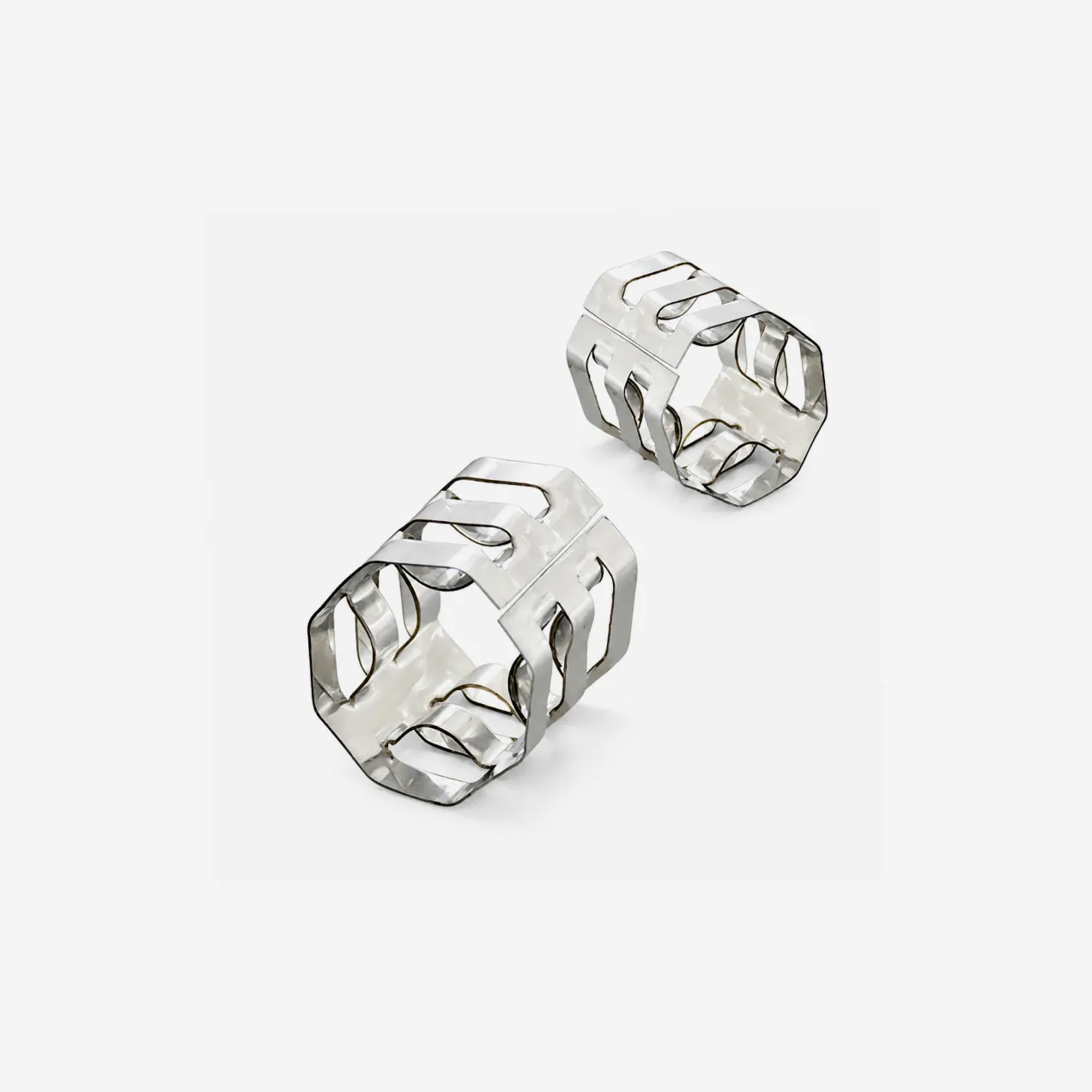
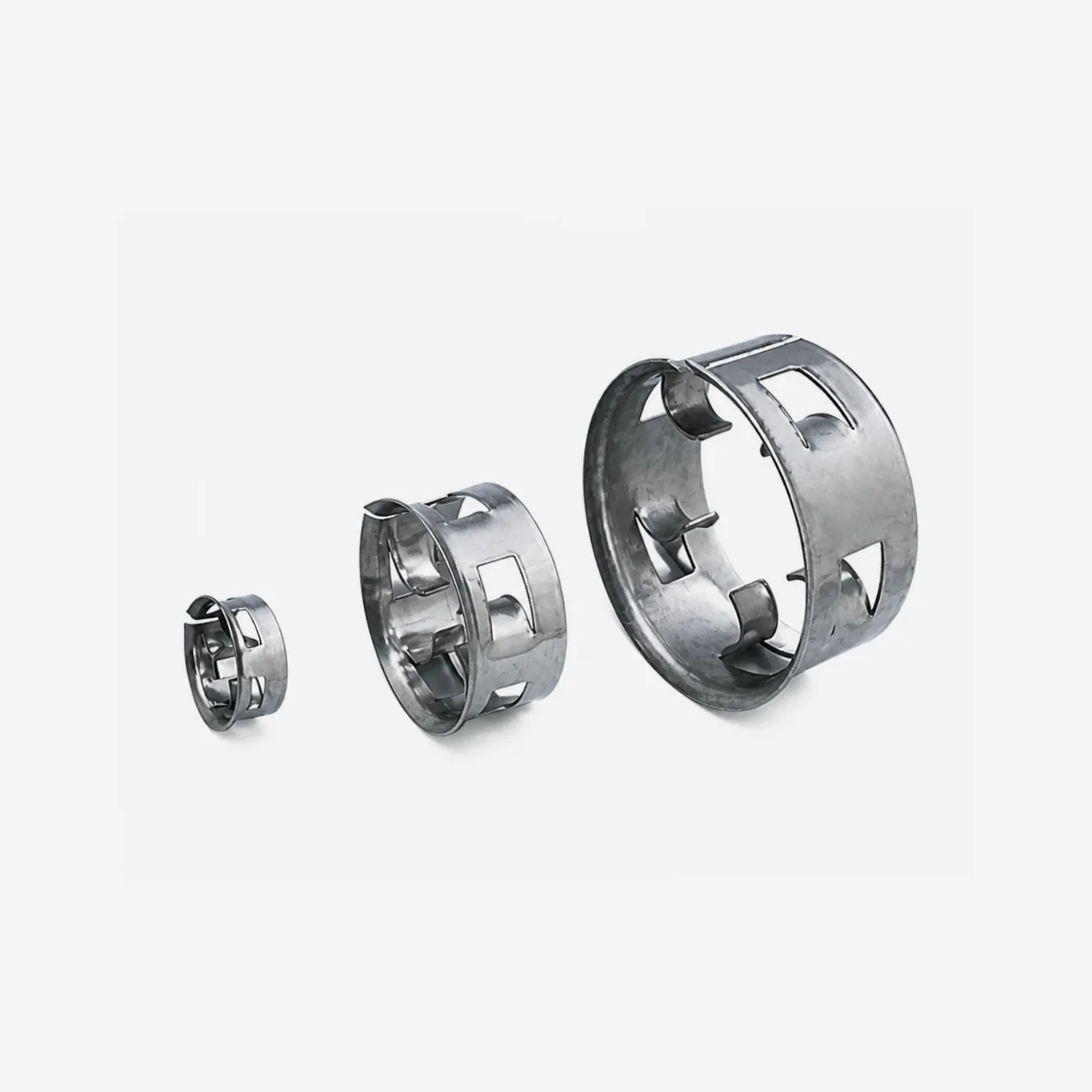
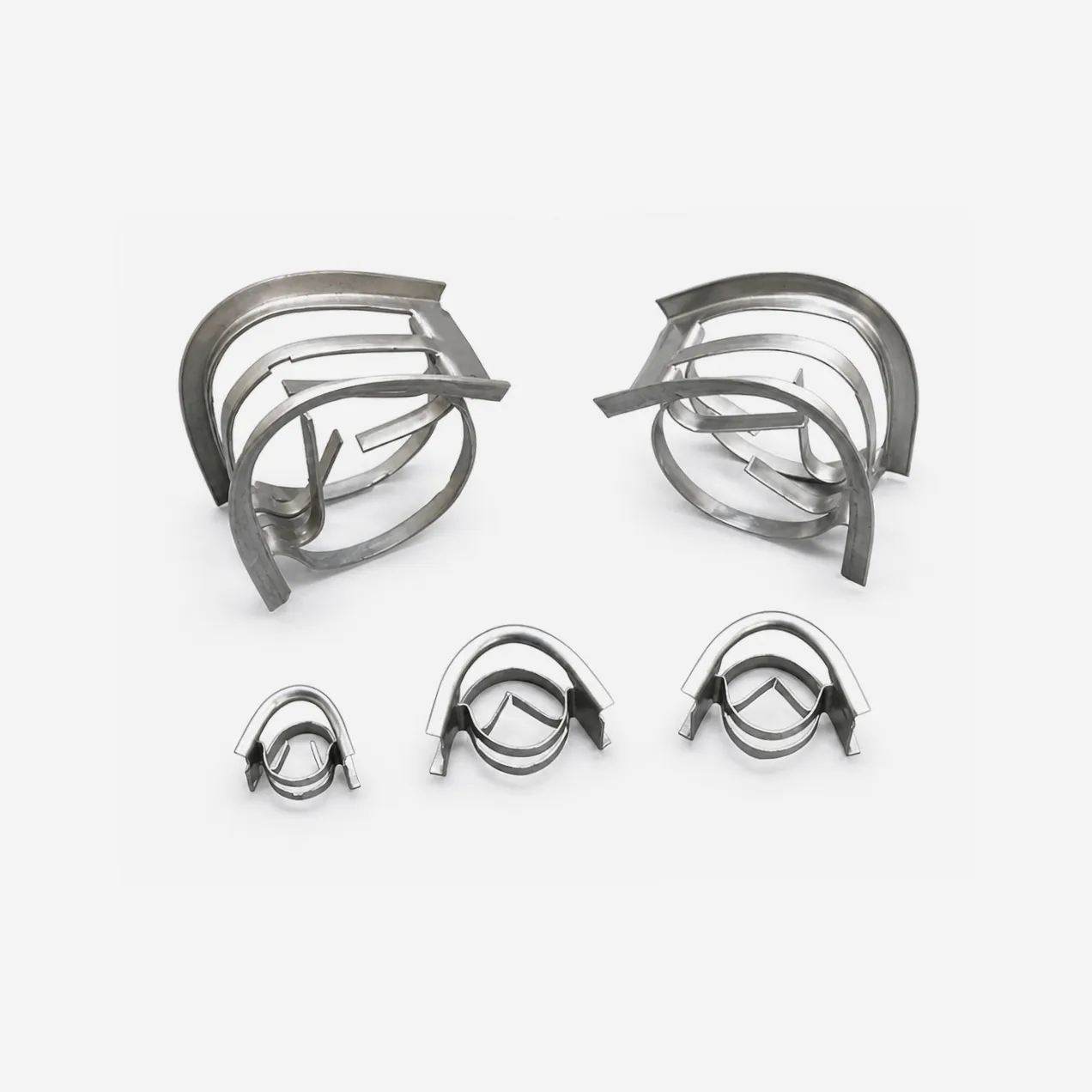
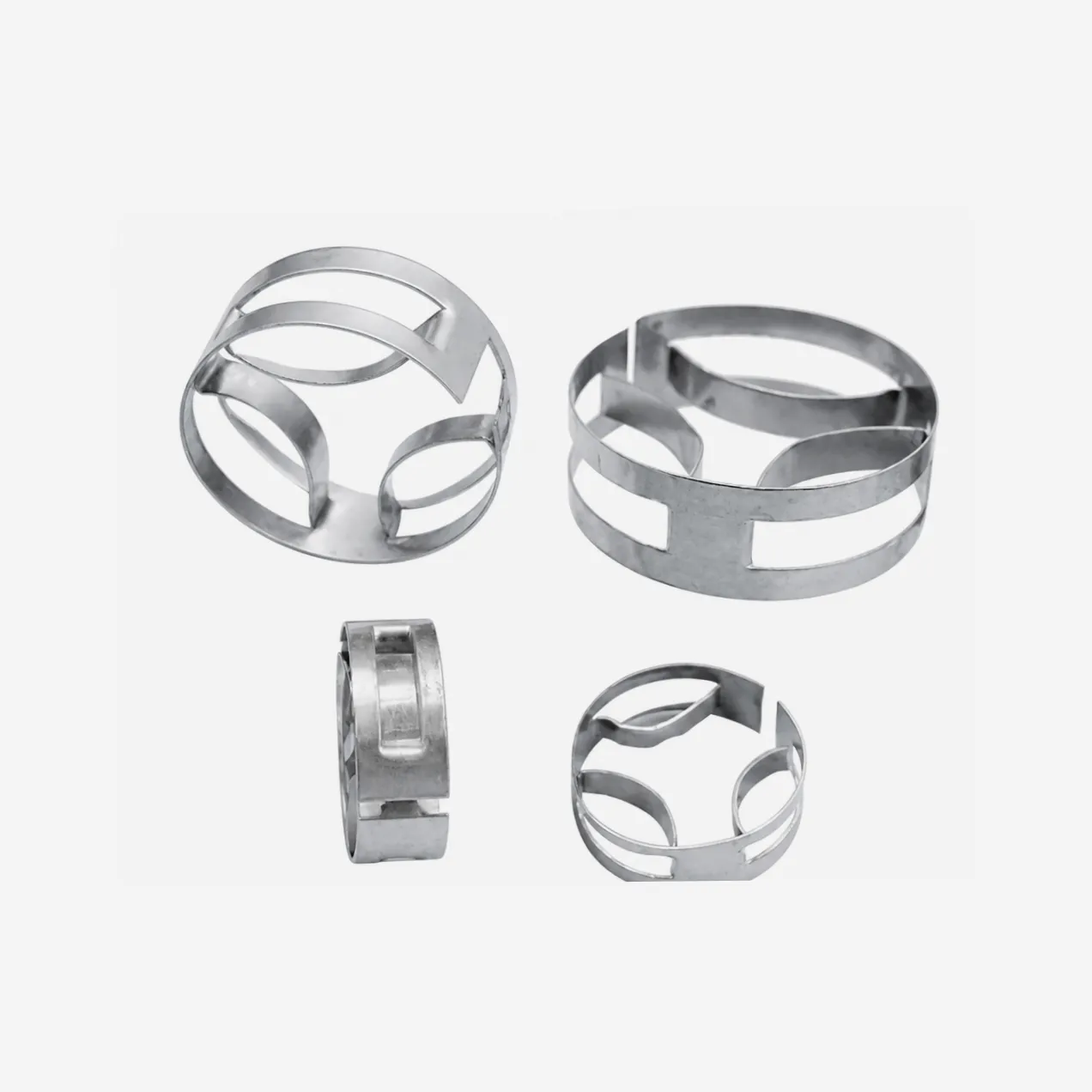
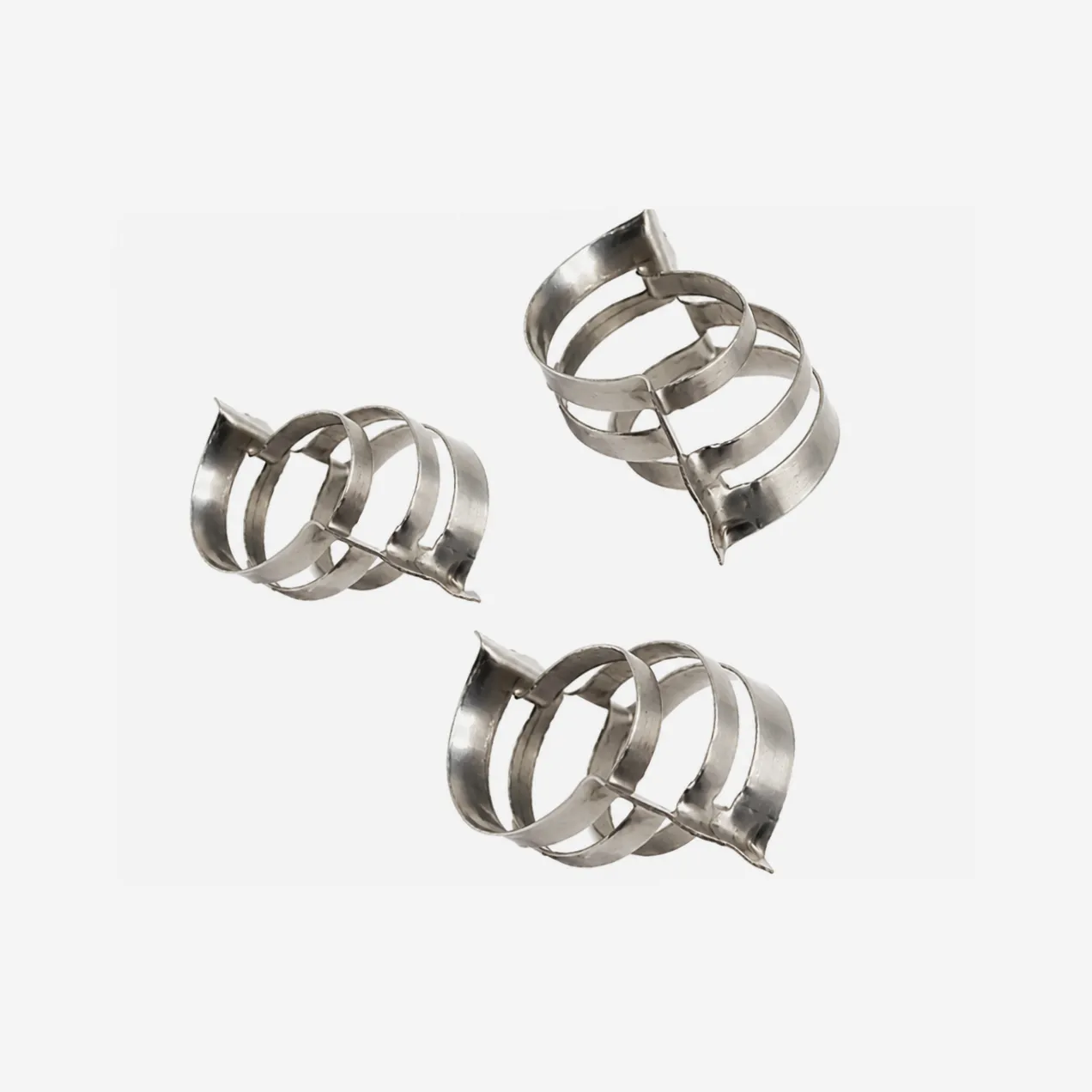
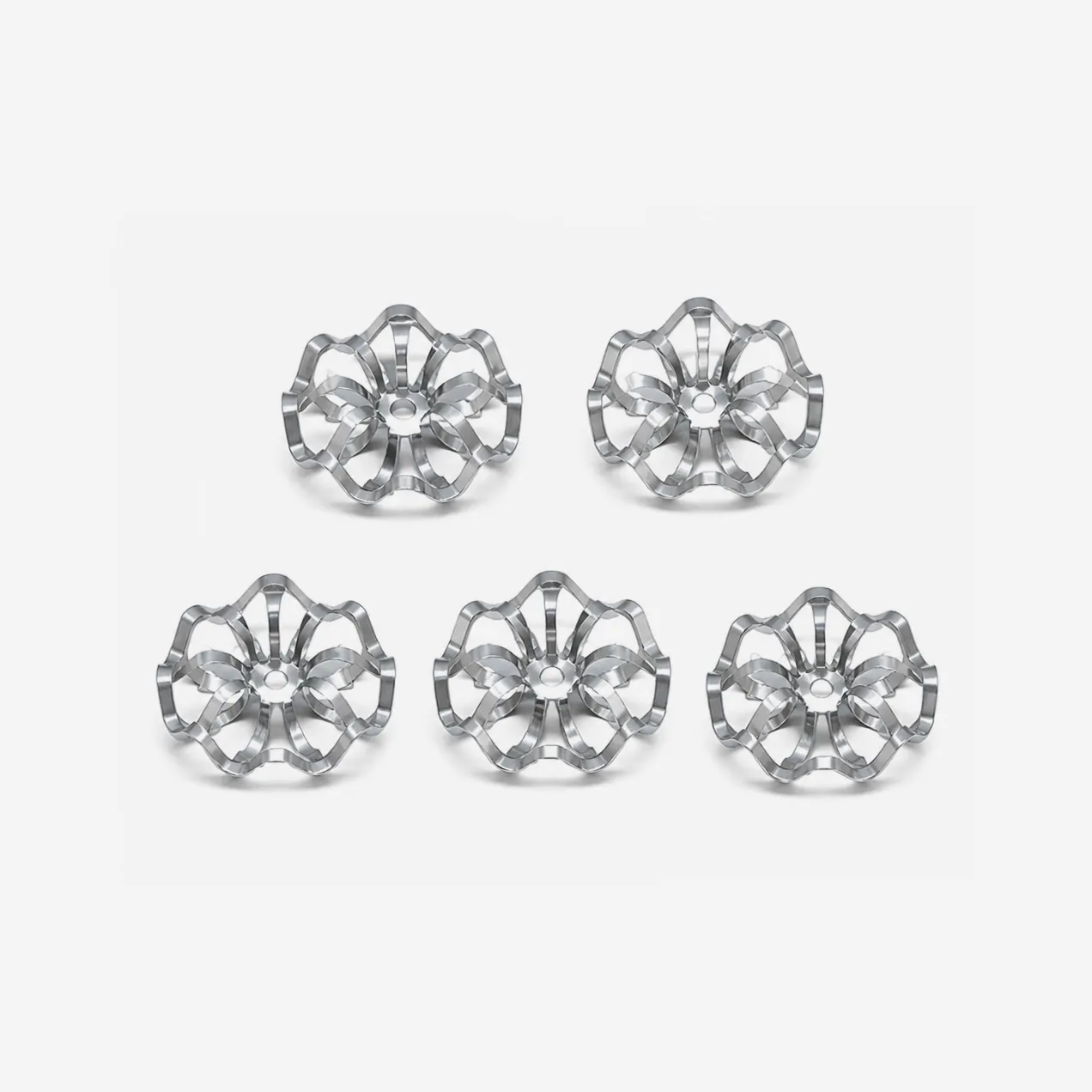
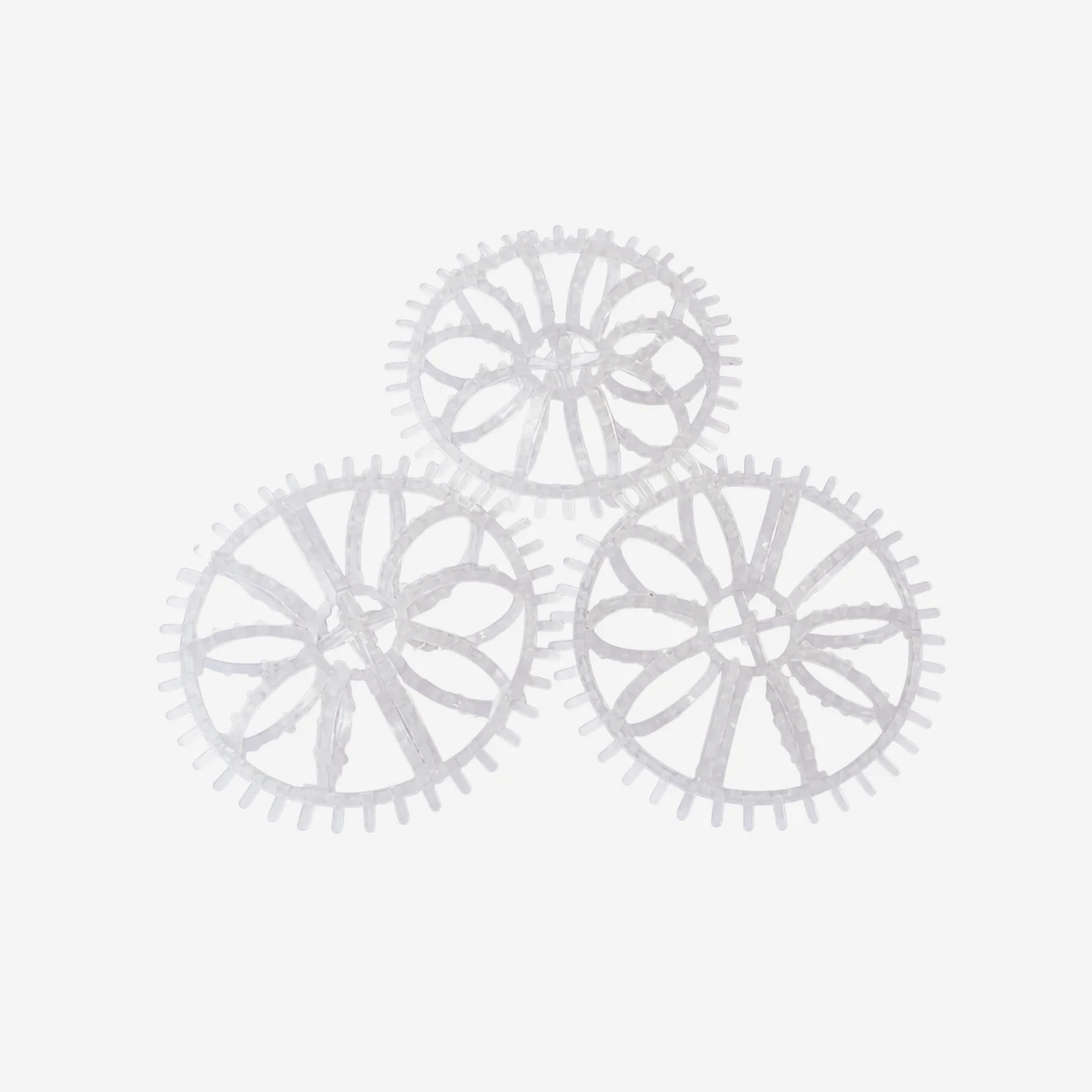
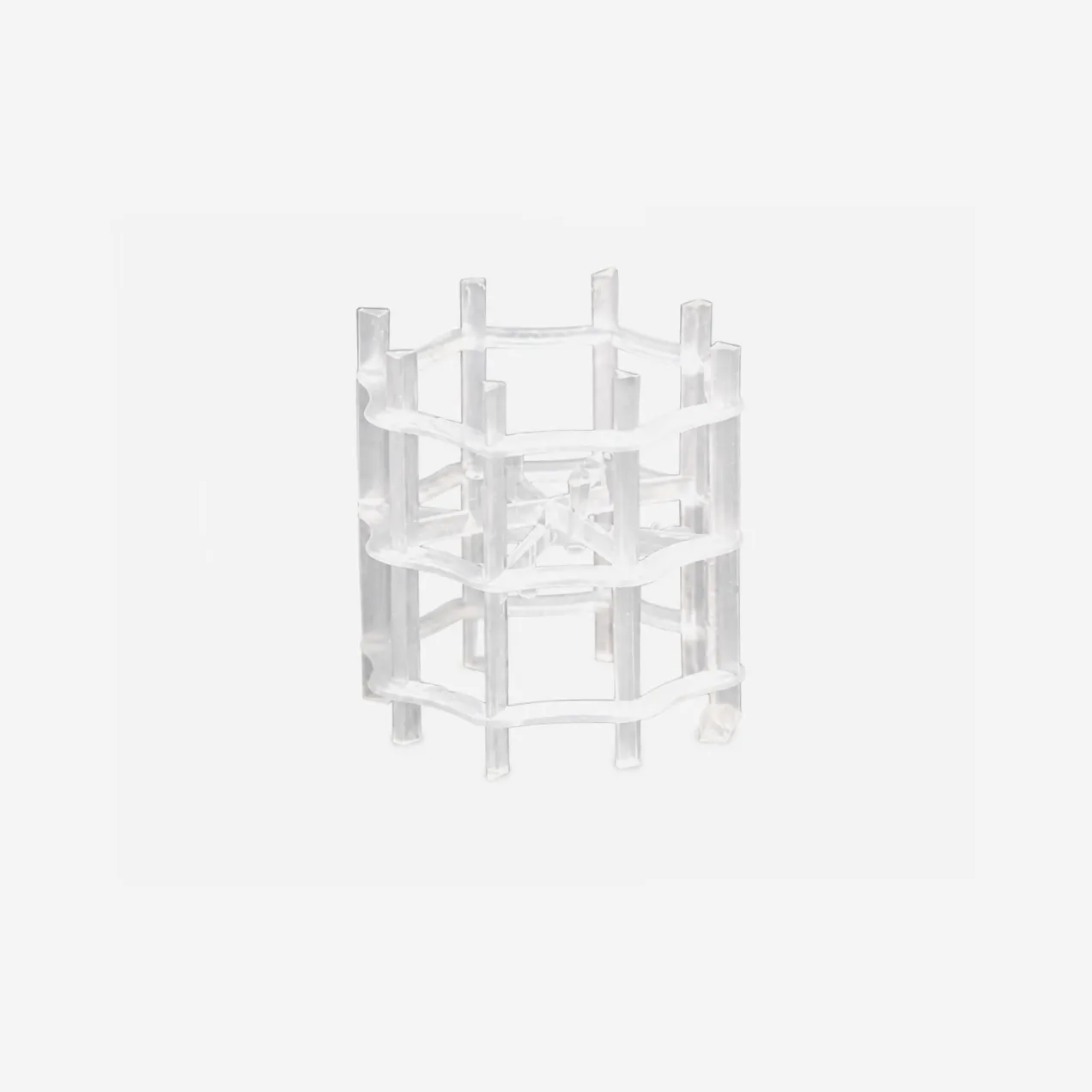
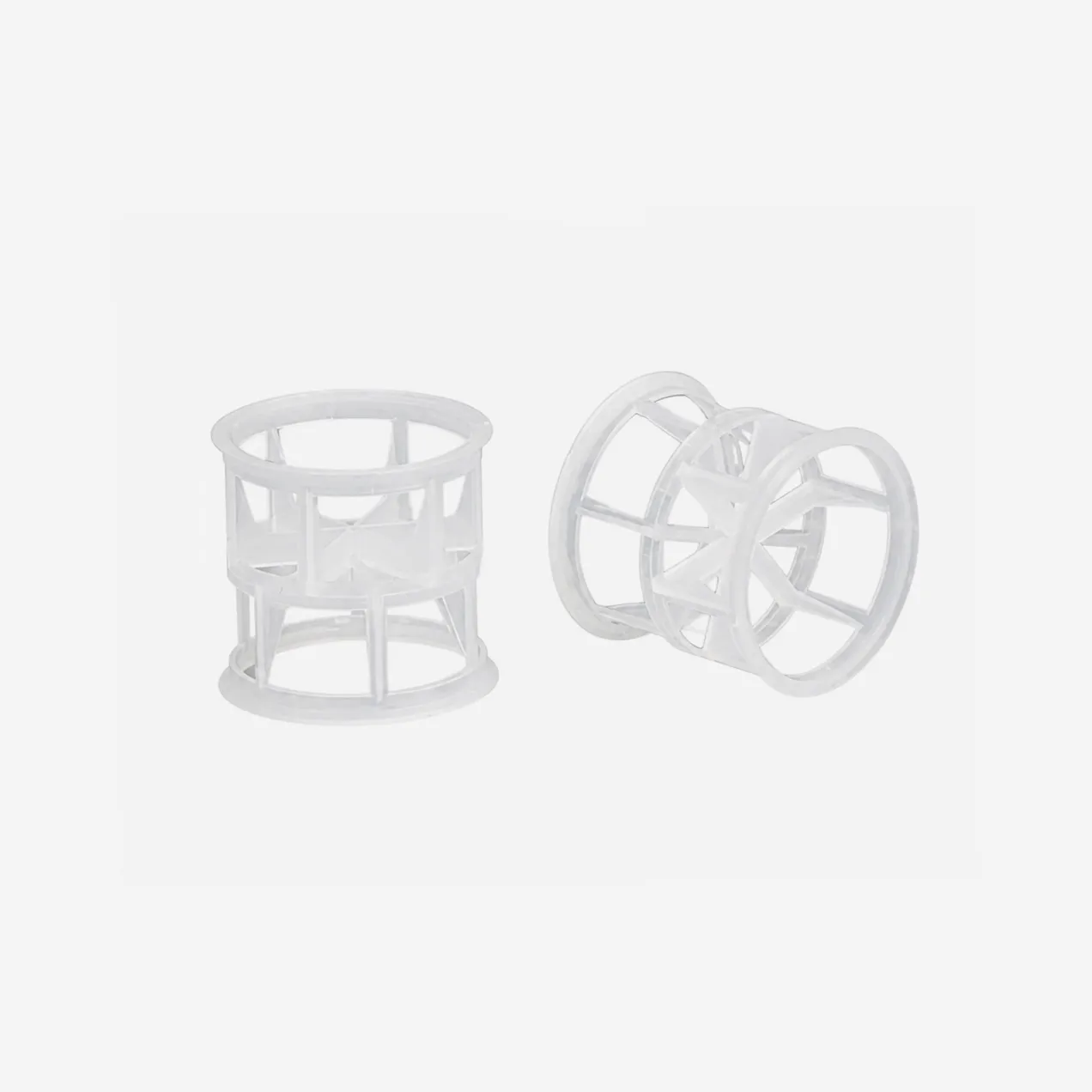
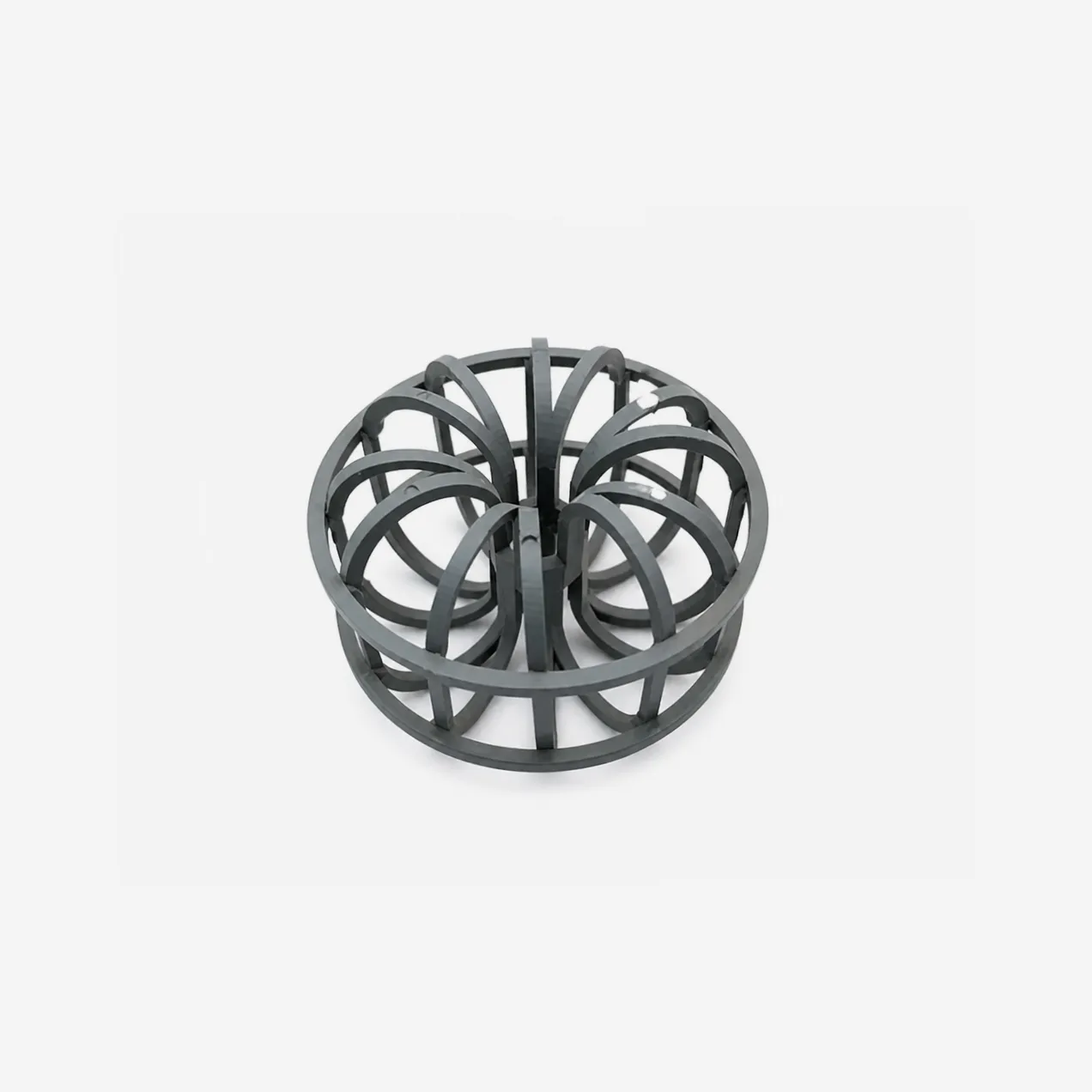
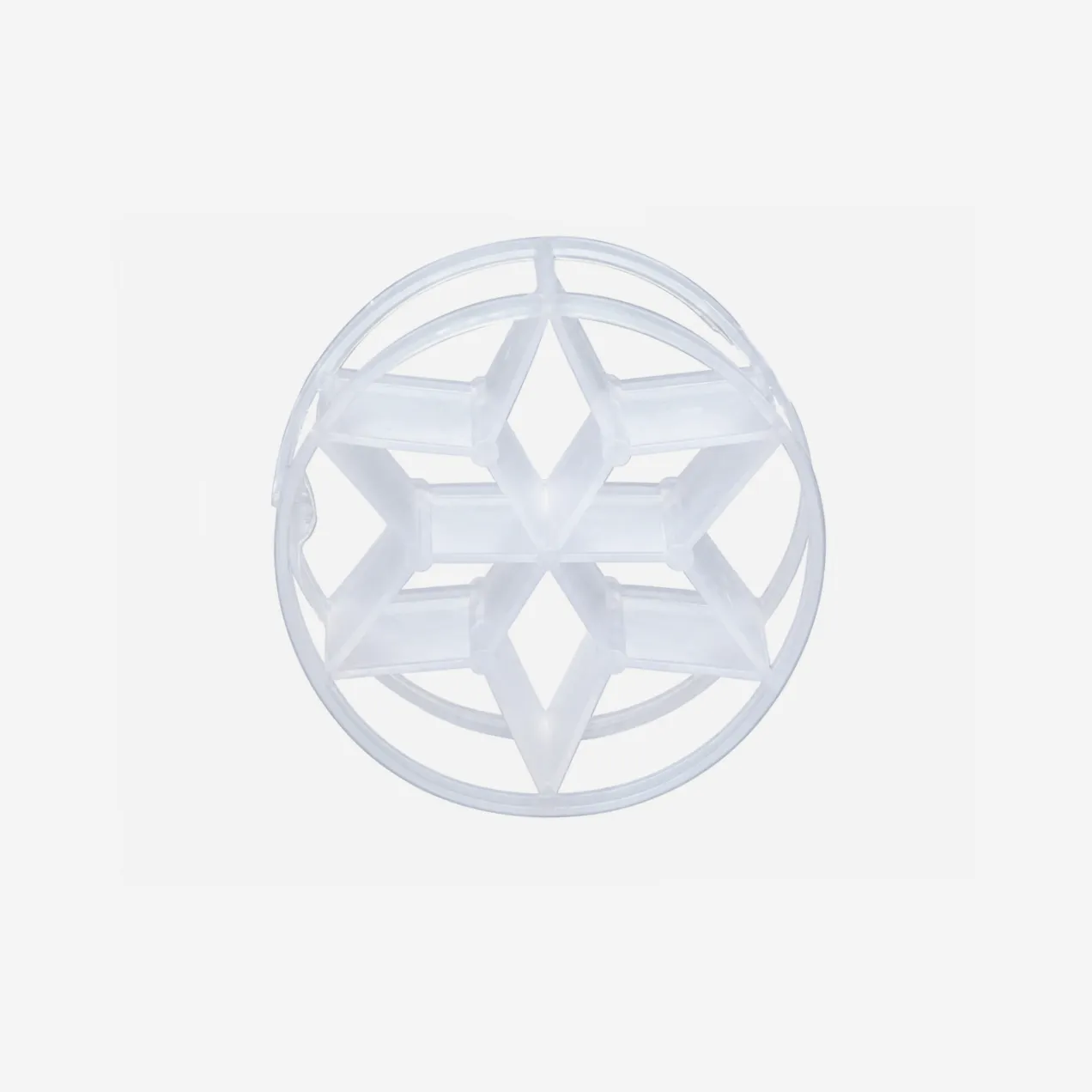
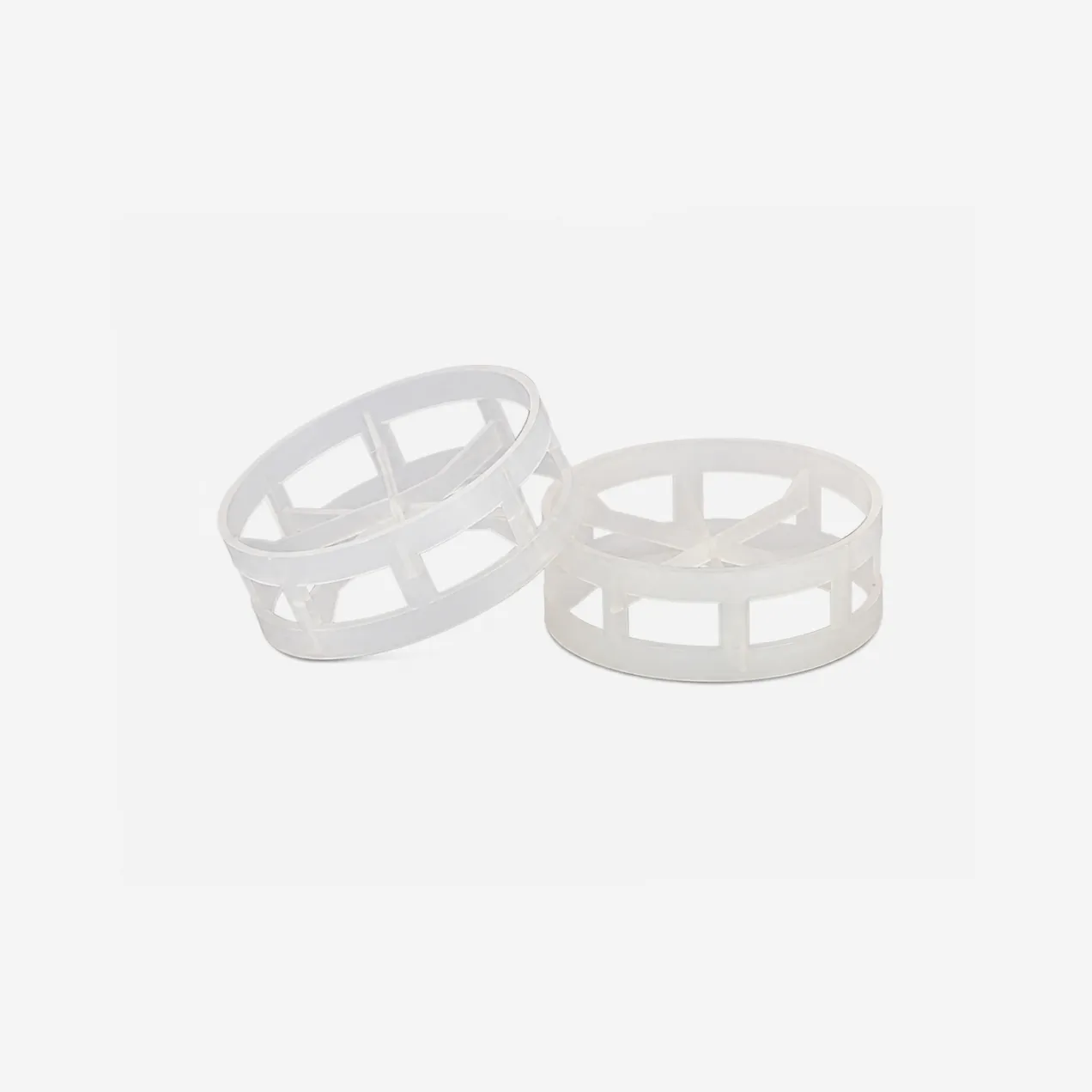
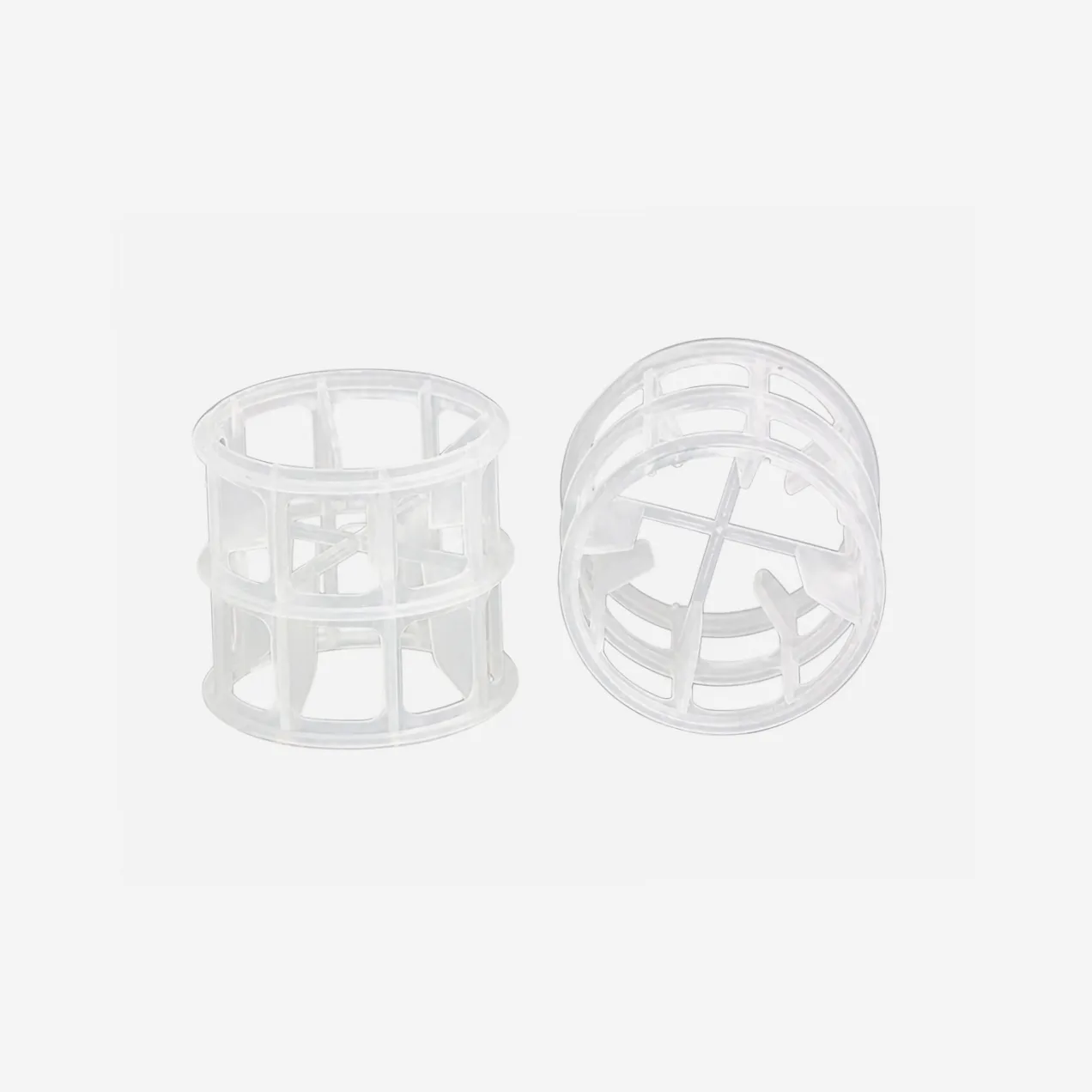
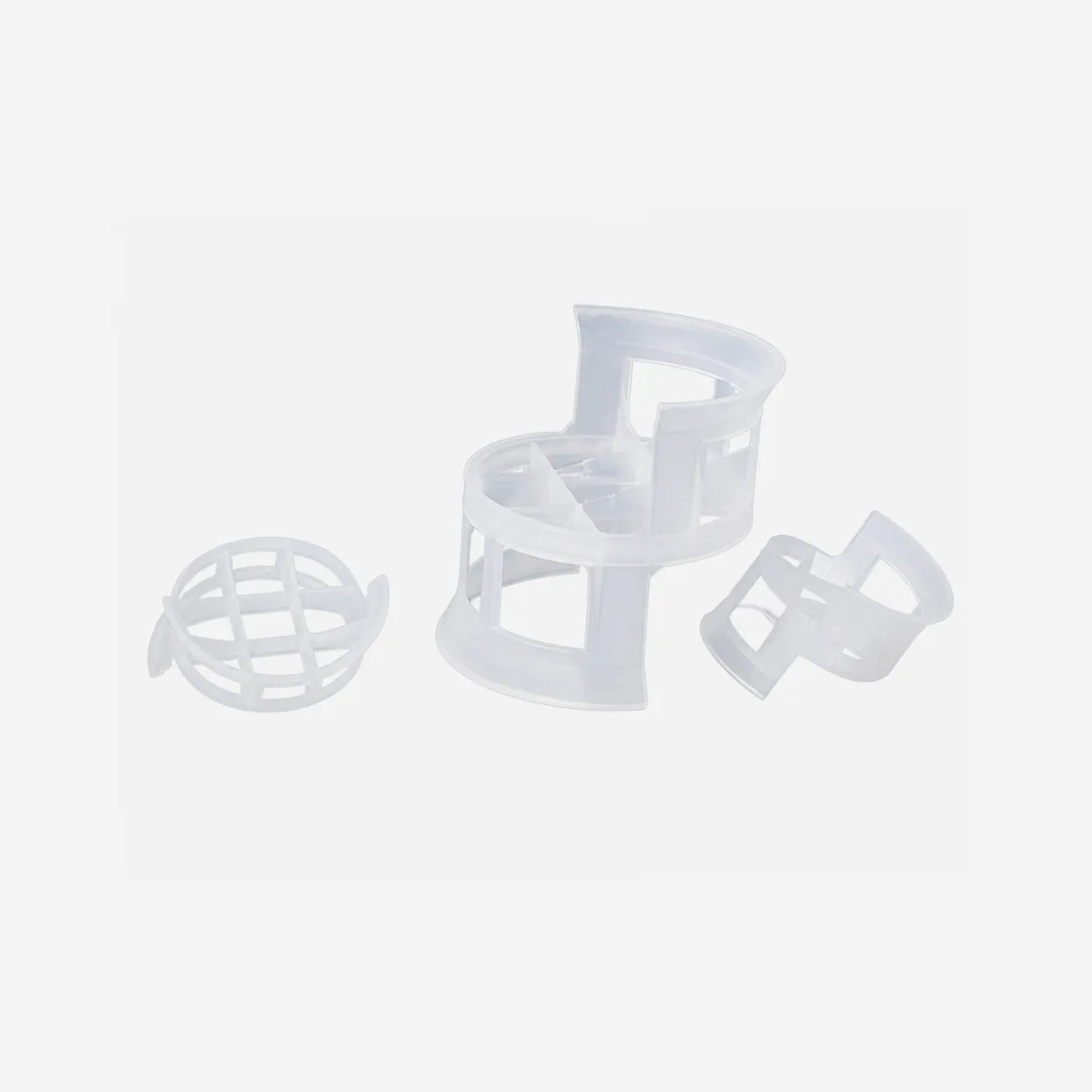
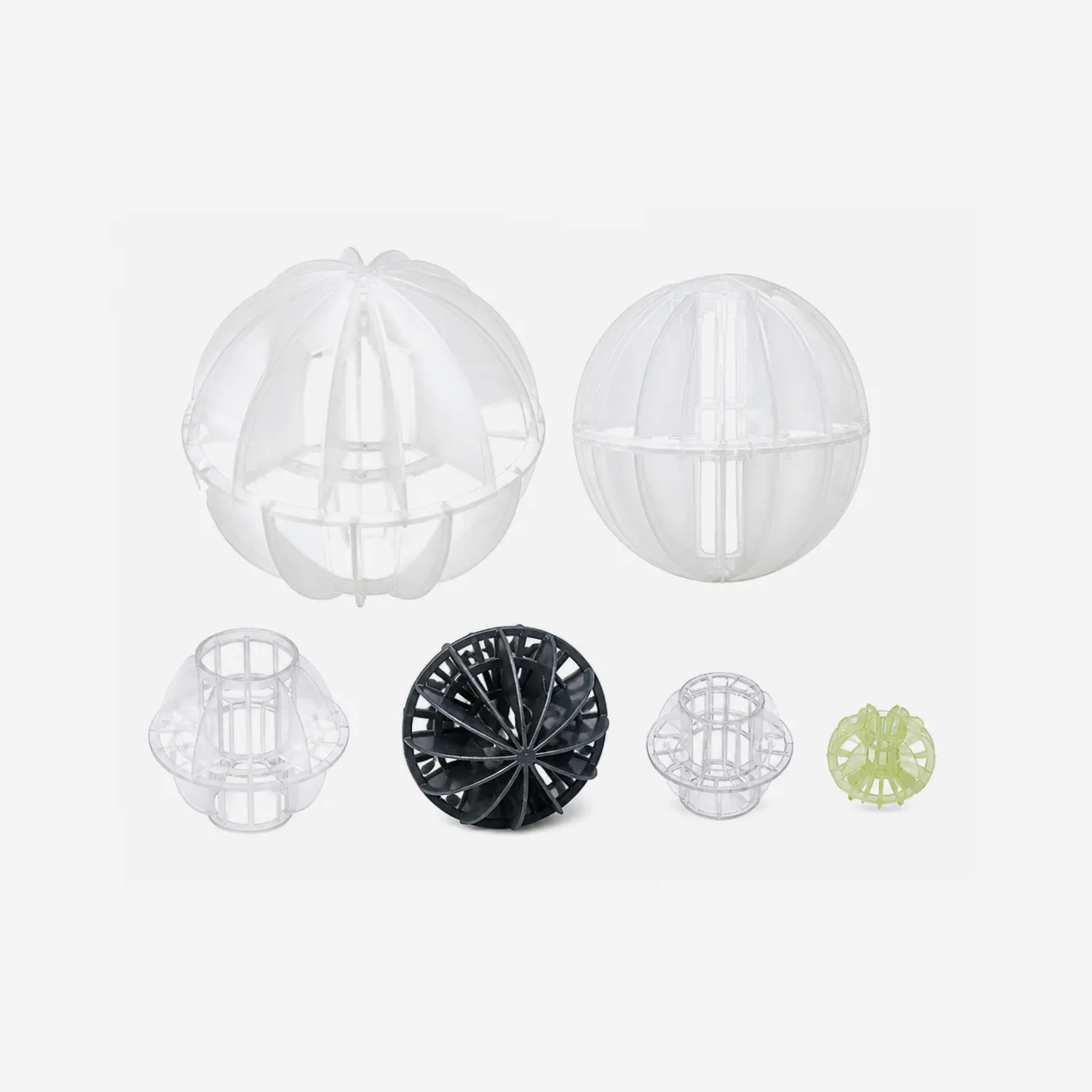
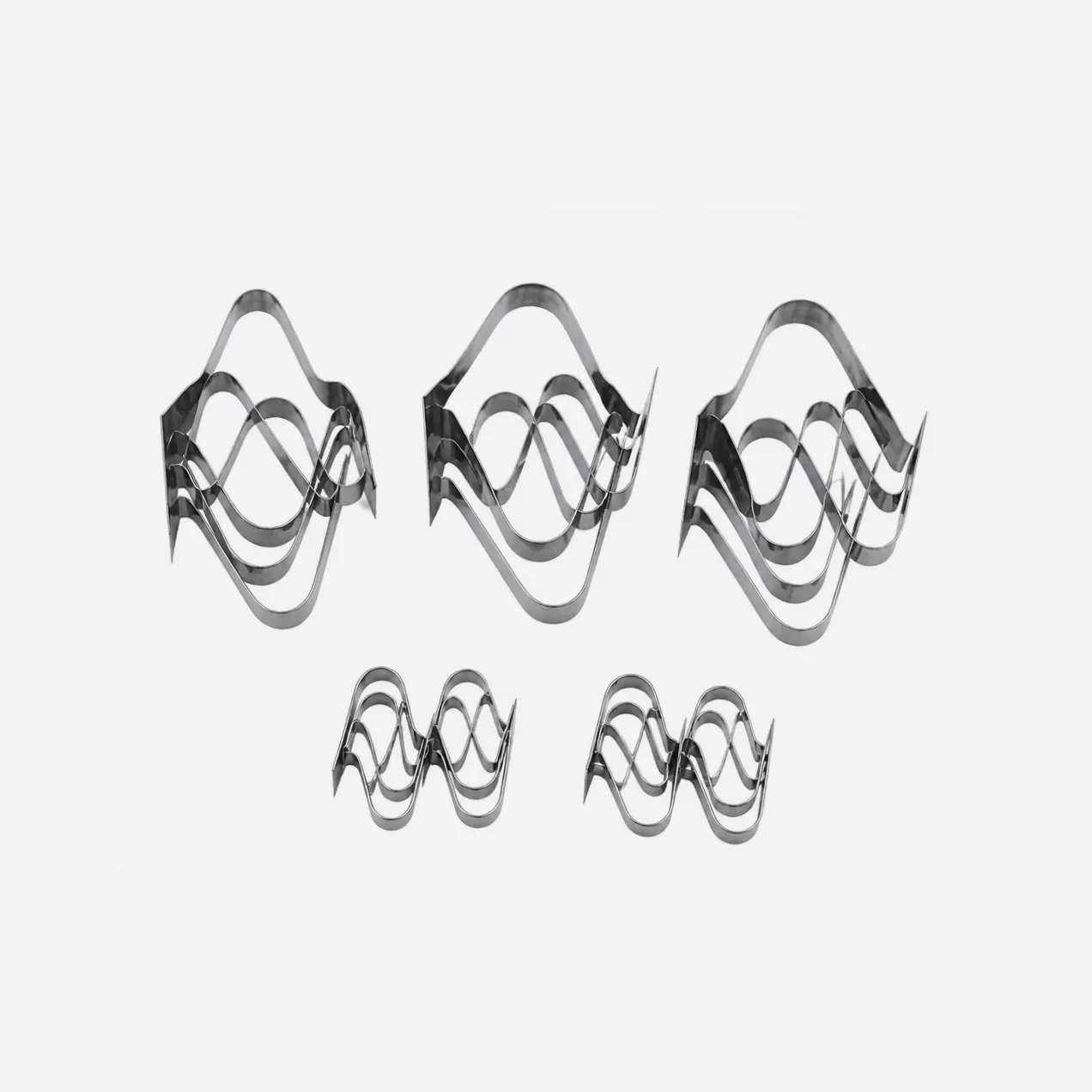
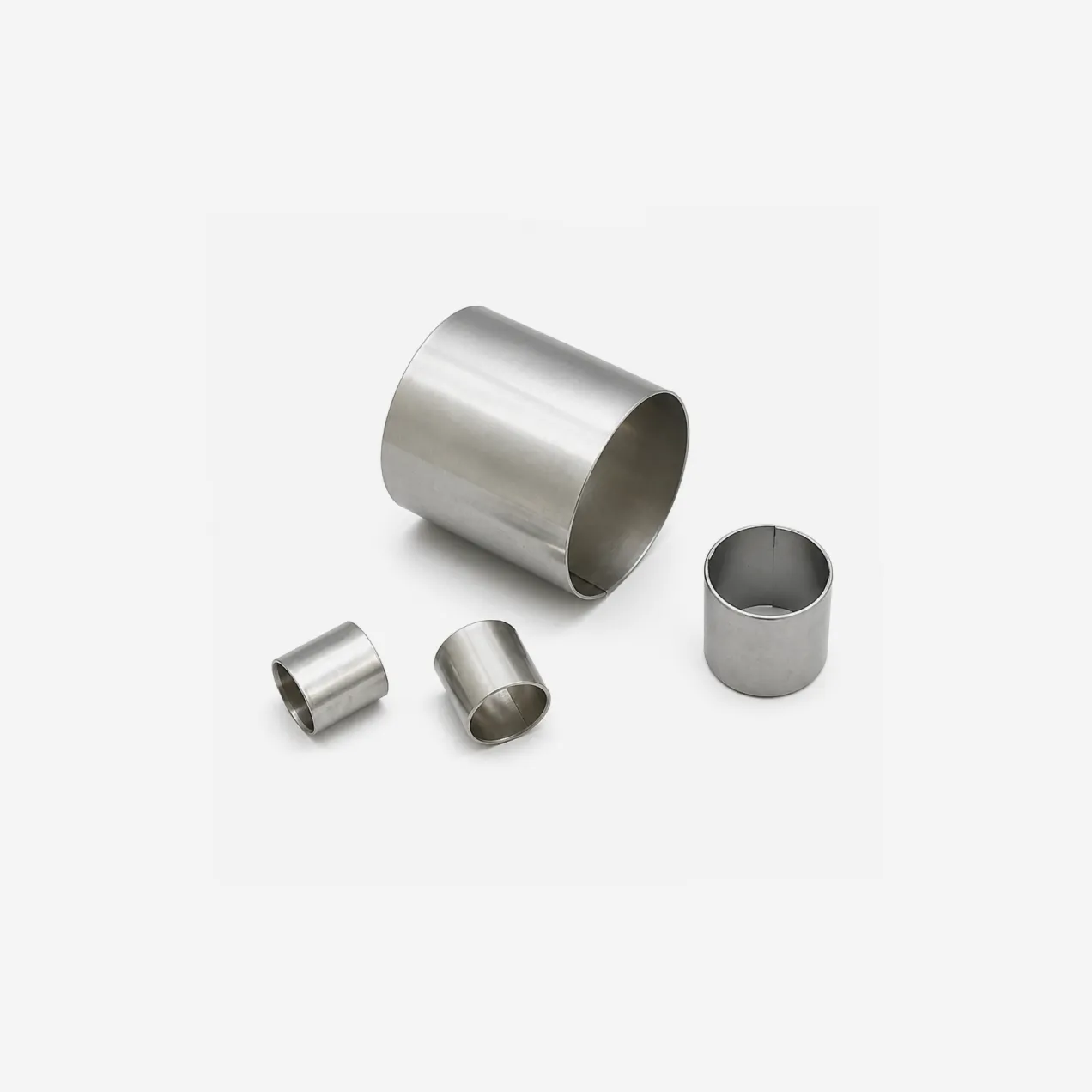
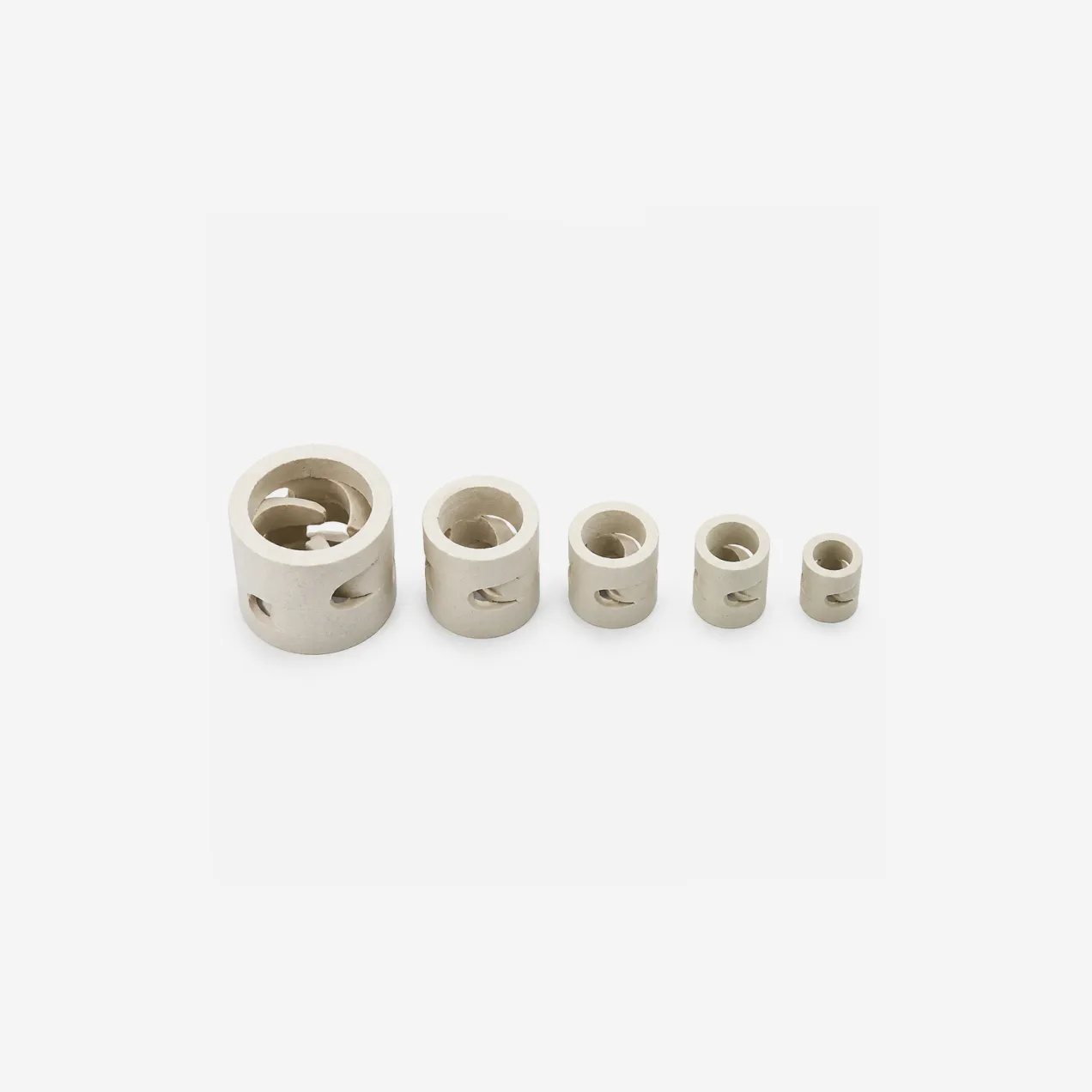
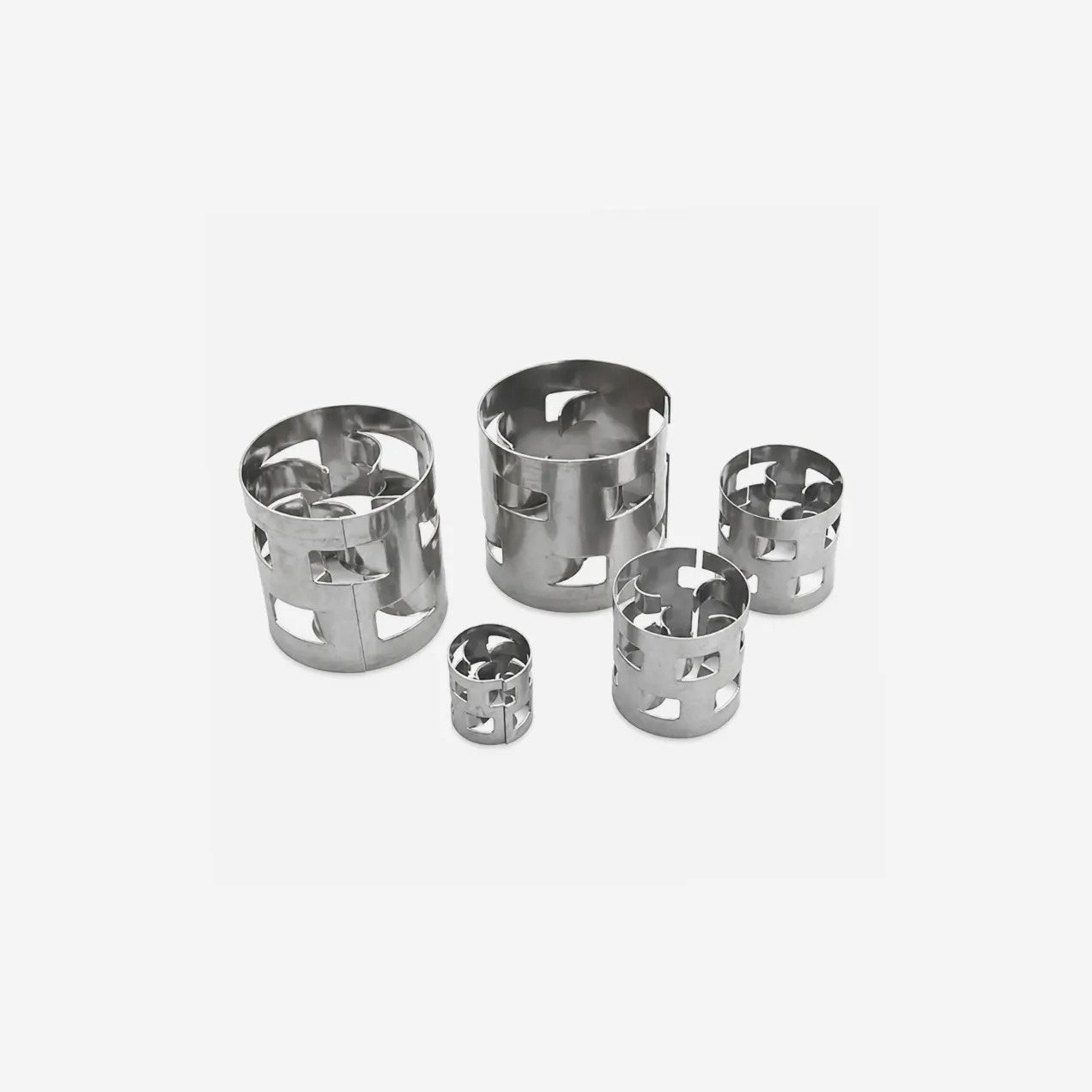
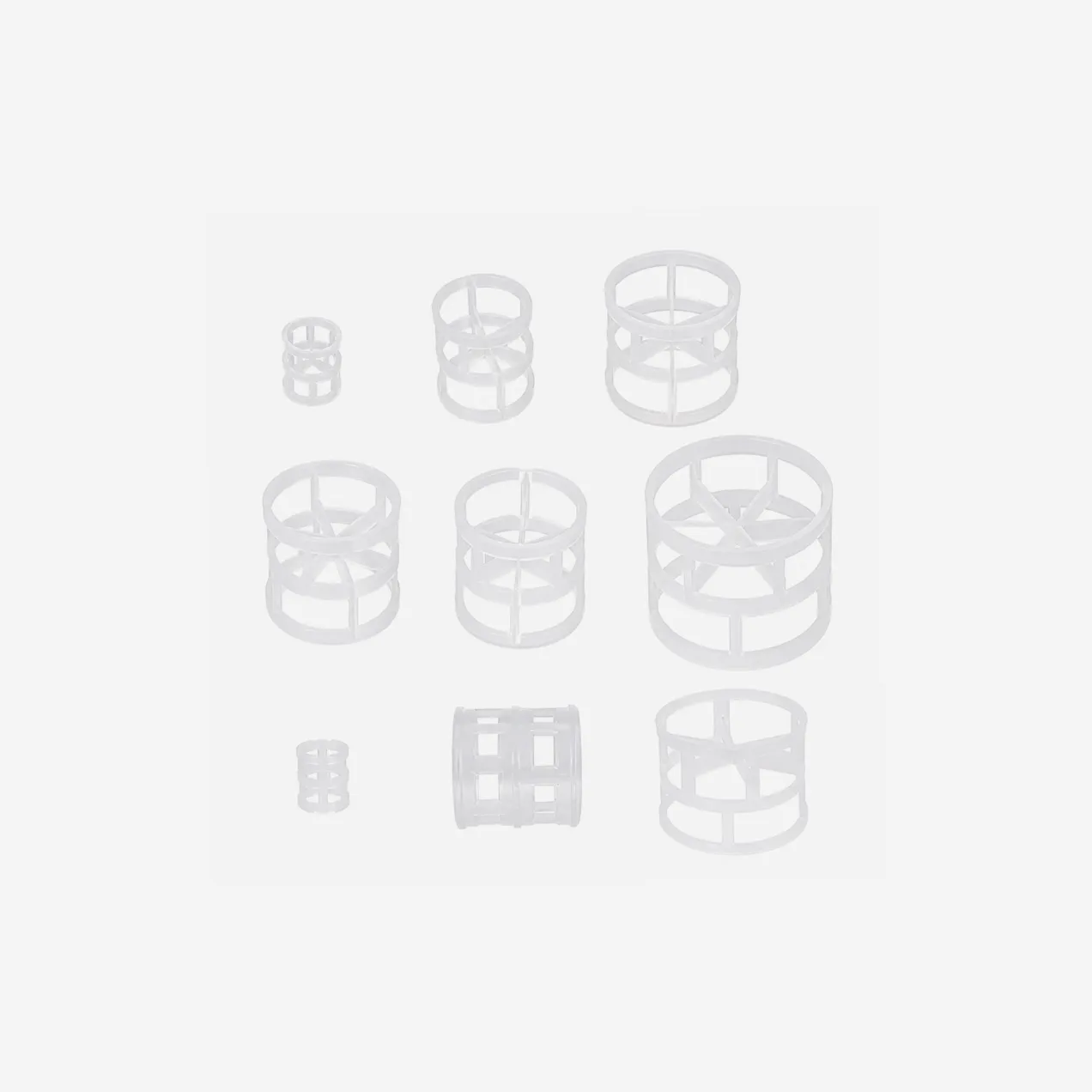
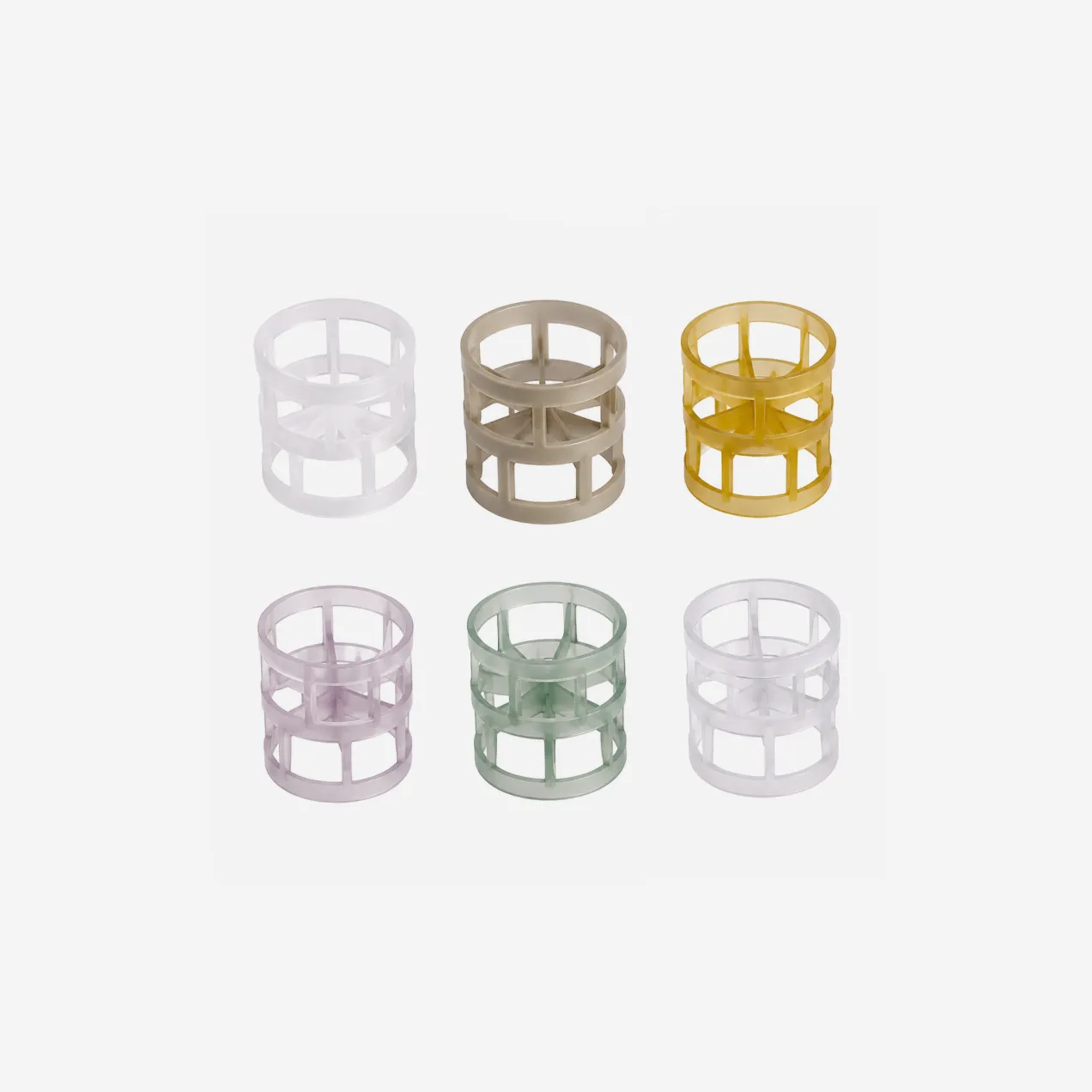
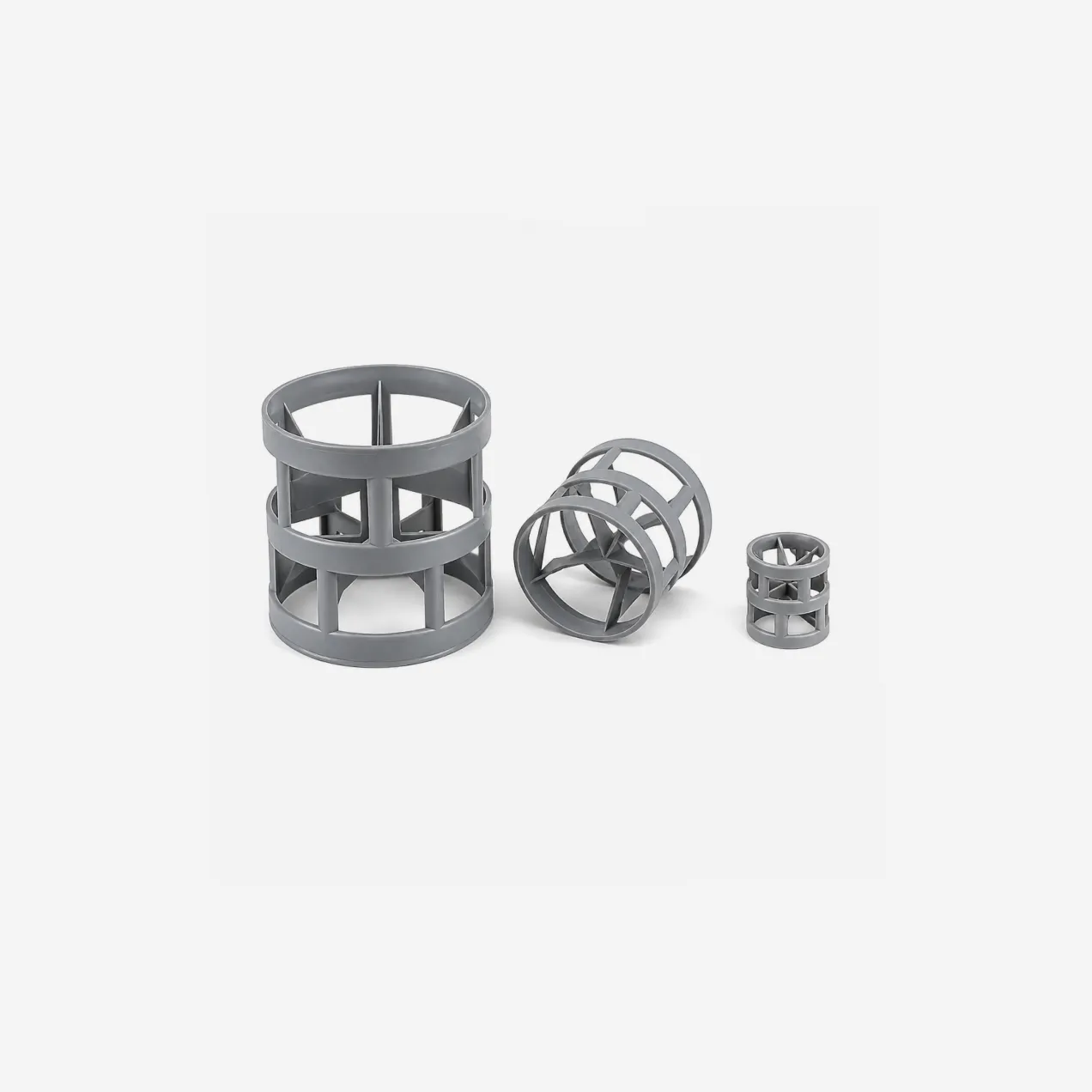
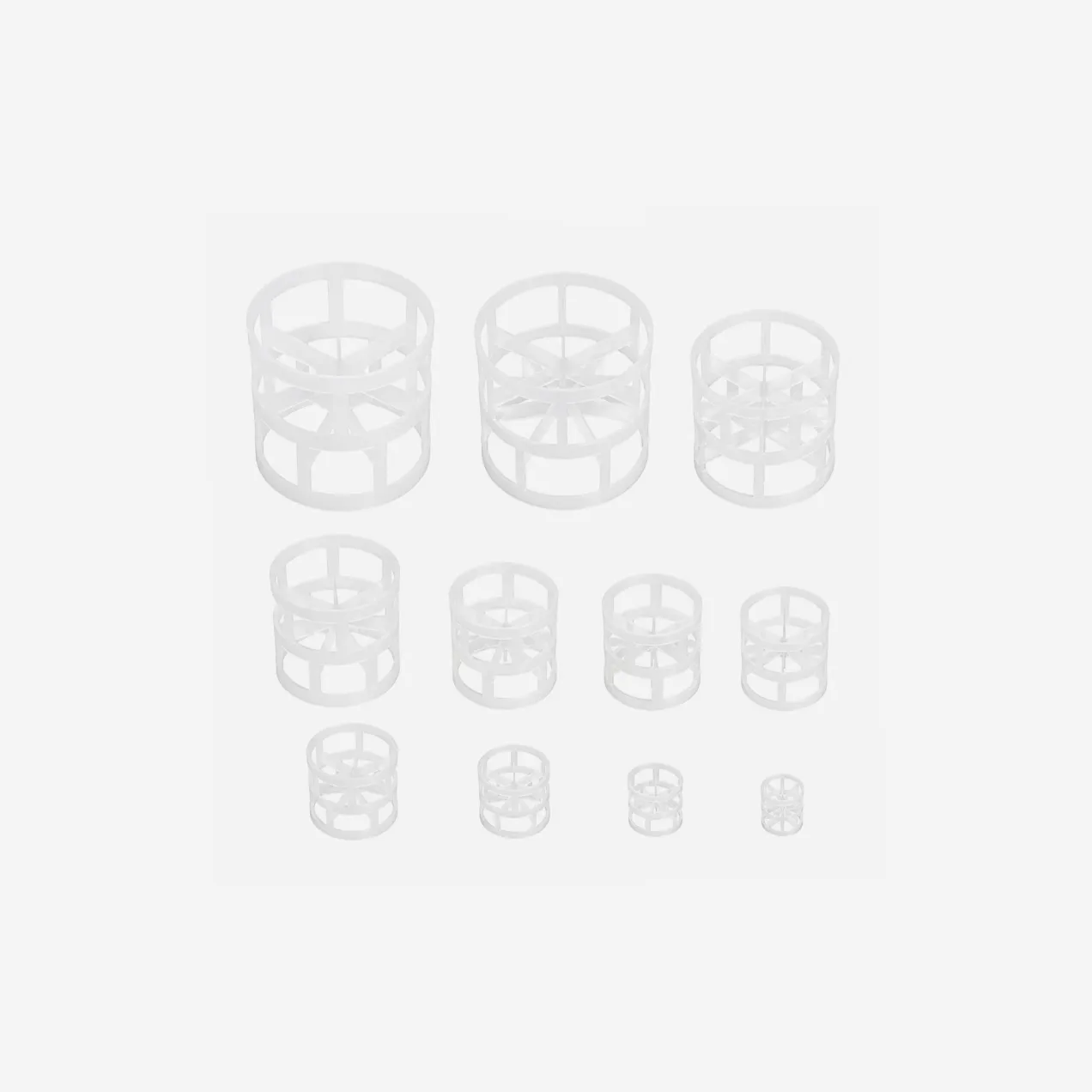
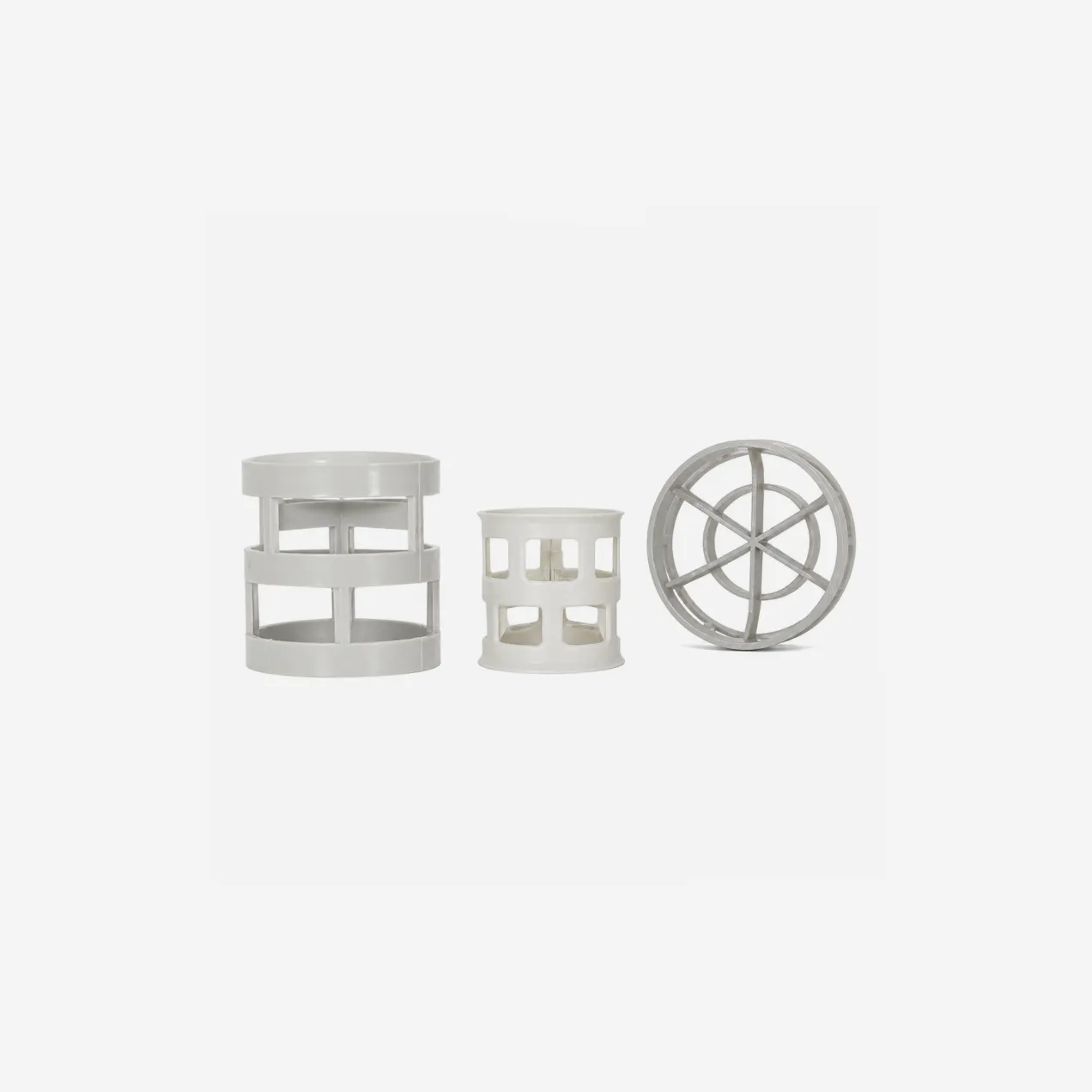
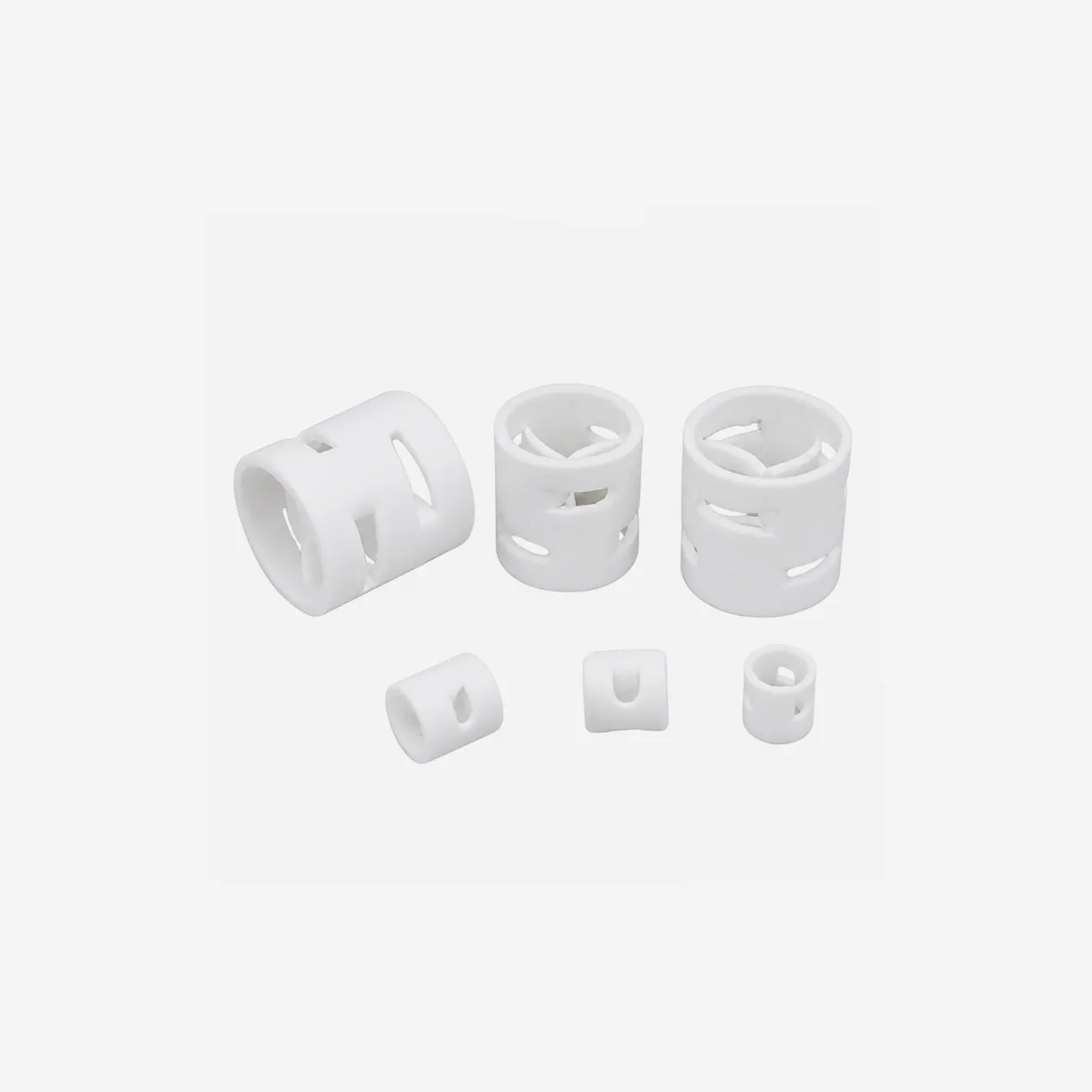
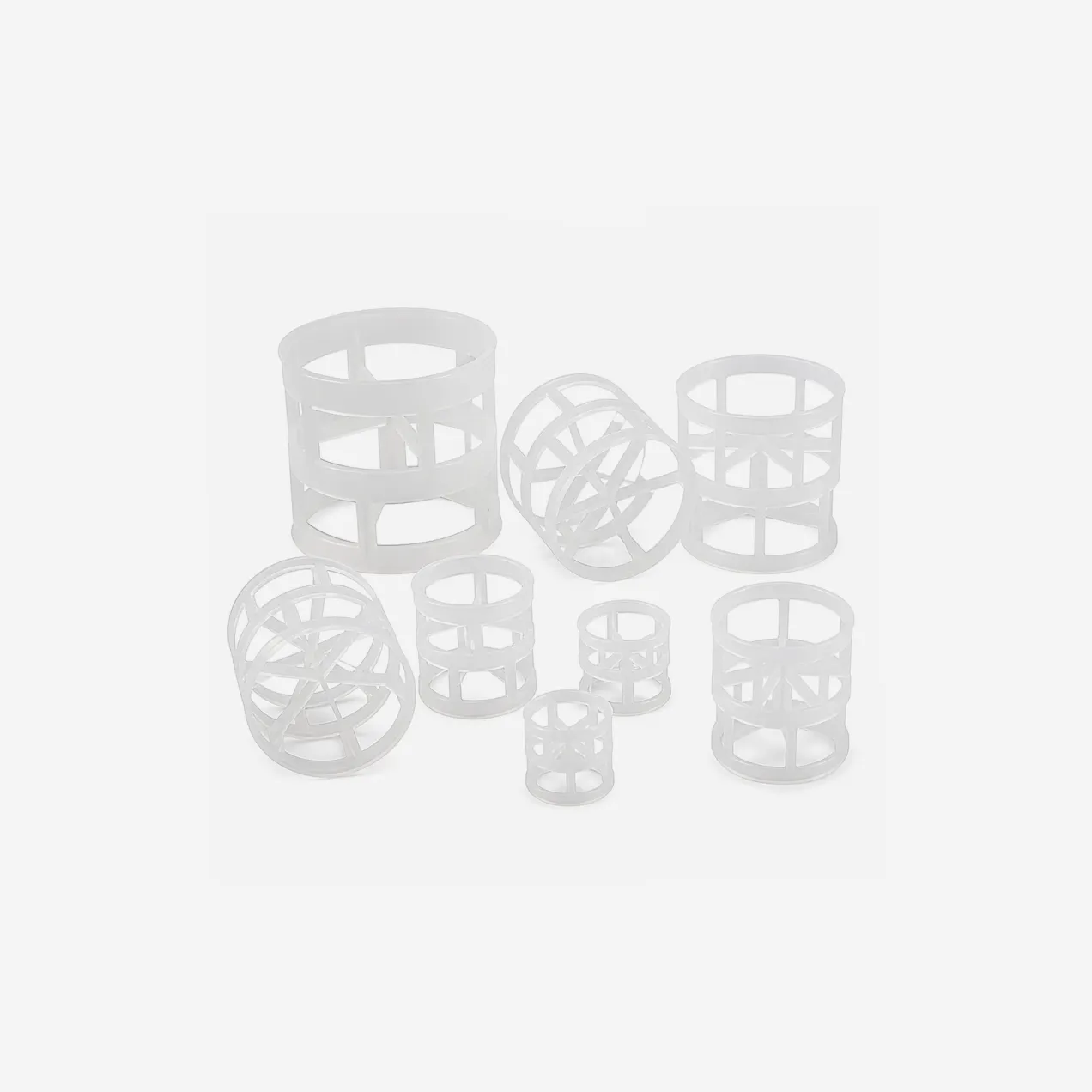
A Xita ring is the Dixon ring, or theta ring — a high-efficiency packing knitted from fine stainless-steel wire mesh, invented in 1947 by Dr. Dixon and named after him; the theta name comes from its θ-shaped cross-section, a mesh cylinder with a mesh strip across the middle. Its dense weave holds a thin film of liquid over a large area of wire and keeps it in close contact with the vapour, so it separates very sharply in a short bed while offering little resistance to flow. It is a laboratory and small-column packing, made in small uniform sizes matched to the column bore.
Where the Dixon (theta) ring is used:
| Use | Why the mesh ring suits it |
|---|
| Laboratory distillation | Many separation stages in a short bench column |
| Small-batch production | High purity from a compact, efficient column |
| High-purity separation | Sharp resolution of close-boiling or near-identical components |
| Isotope enrichment | The very high plate count that extreme separations need |
Made of knitted stainless mesh (typically 60 to 100 mesh) in sizes from φ1.5×1.5 to φ6×6 mm, it is a dumped packing for small columns, best on clean fluids at moderate rates. The per-size surface area, plate count and pressure drop are in the table above. Tell us your column and the separation, and we will choose the ring size and the bed height.