search
Search

Enter keywords to search for products, blog posts, and more.


Home > Plastic Inner Arc Ring

Plastic Inner Arc Ring

Plastic Inner Arc Ring

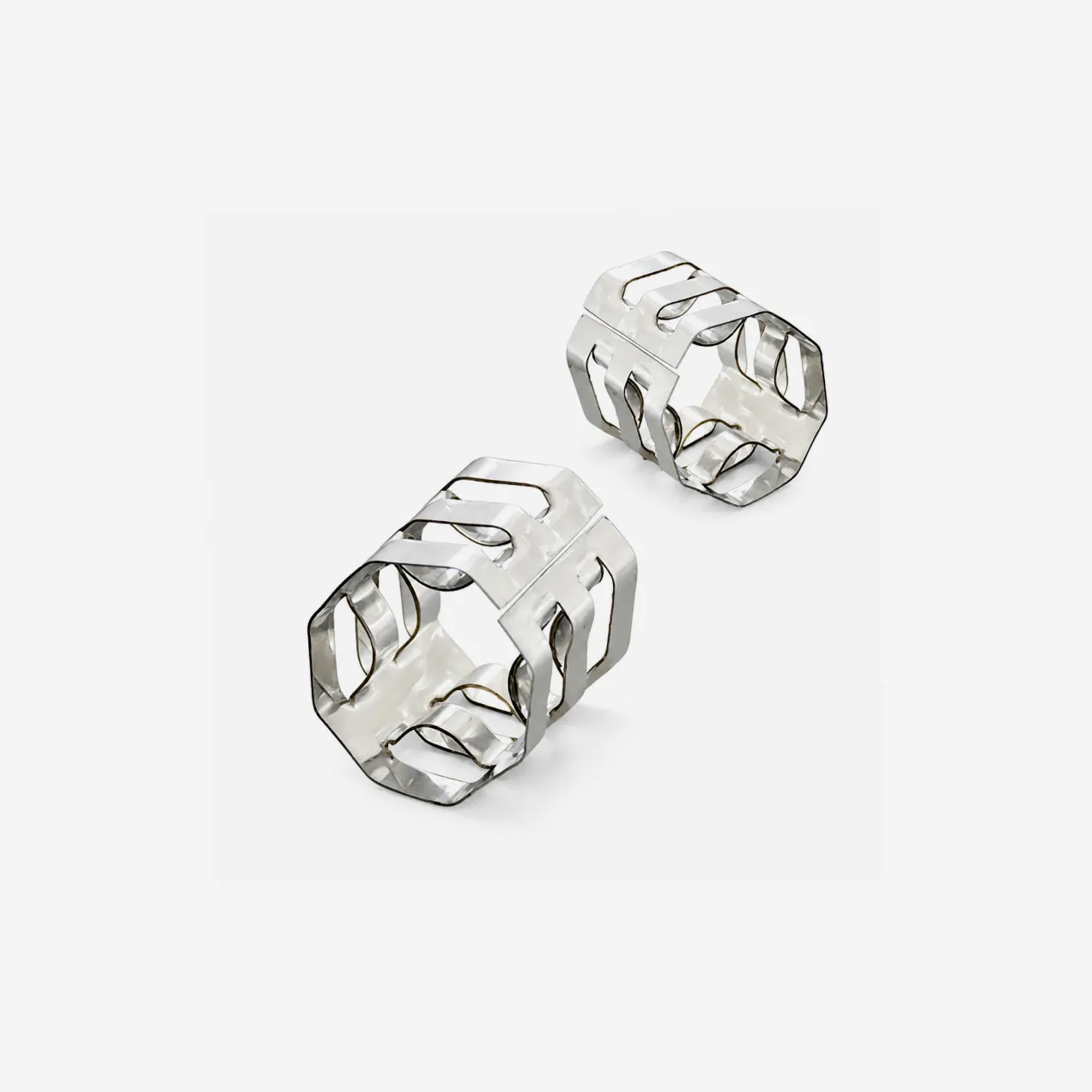
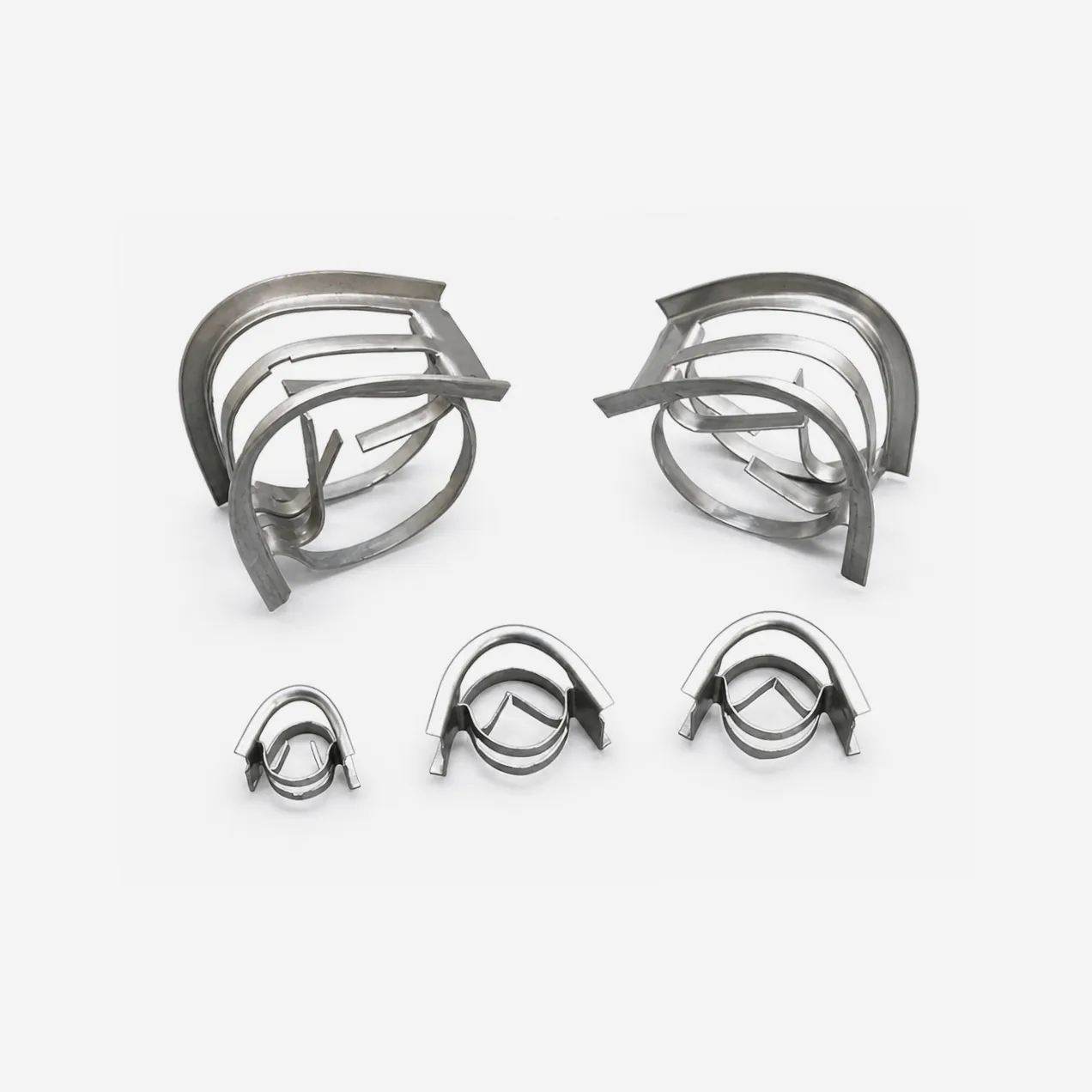
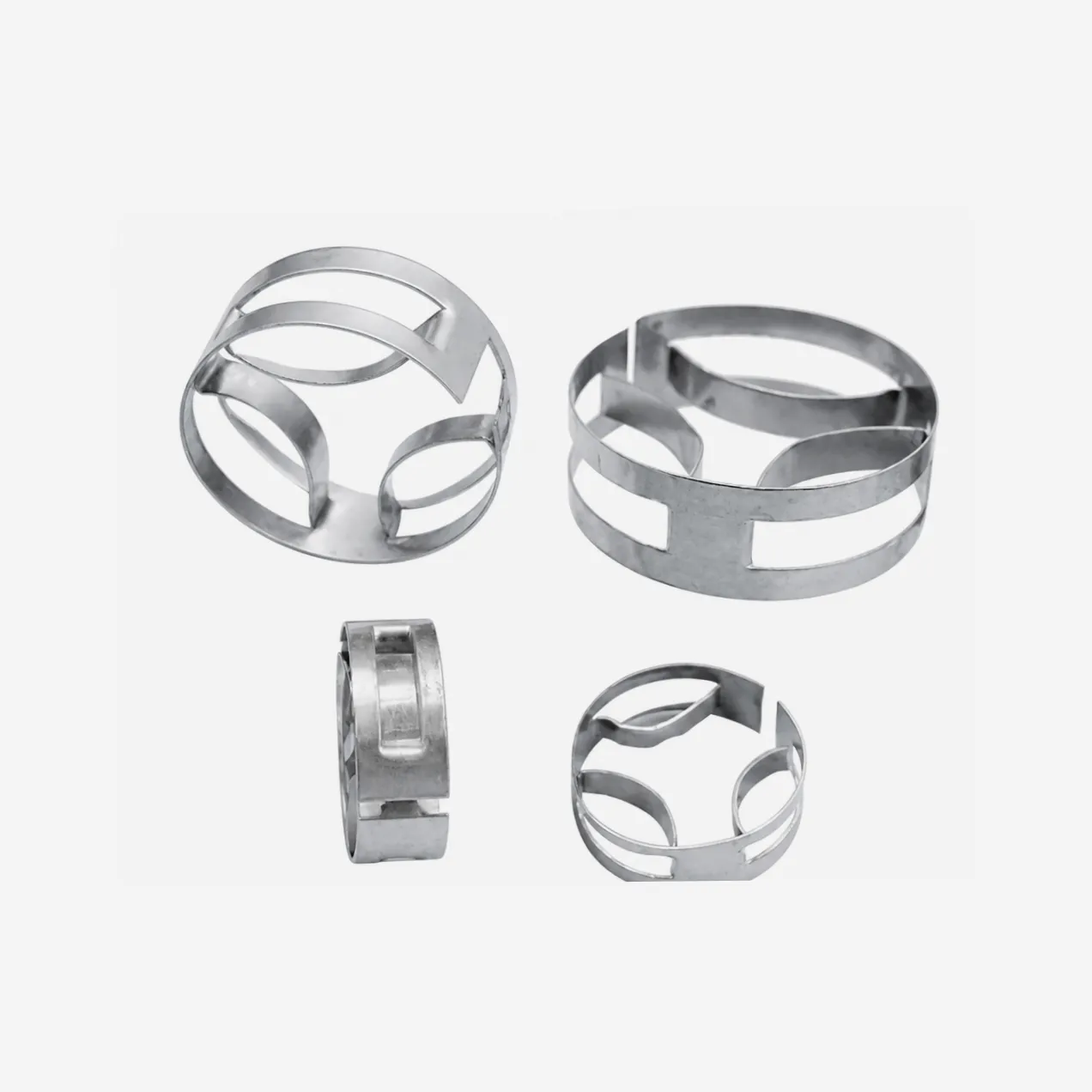
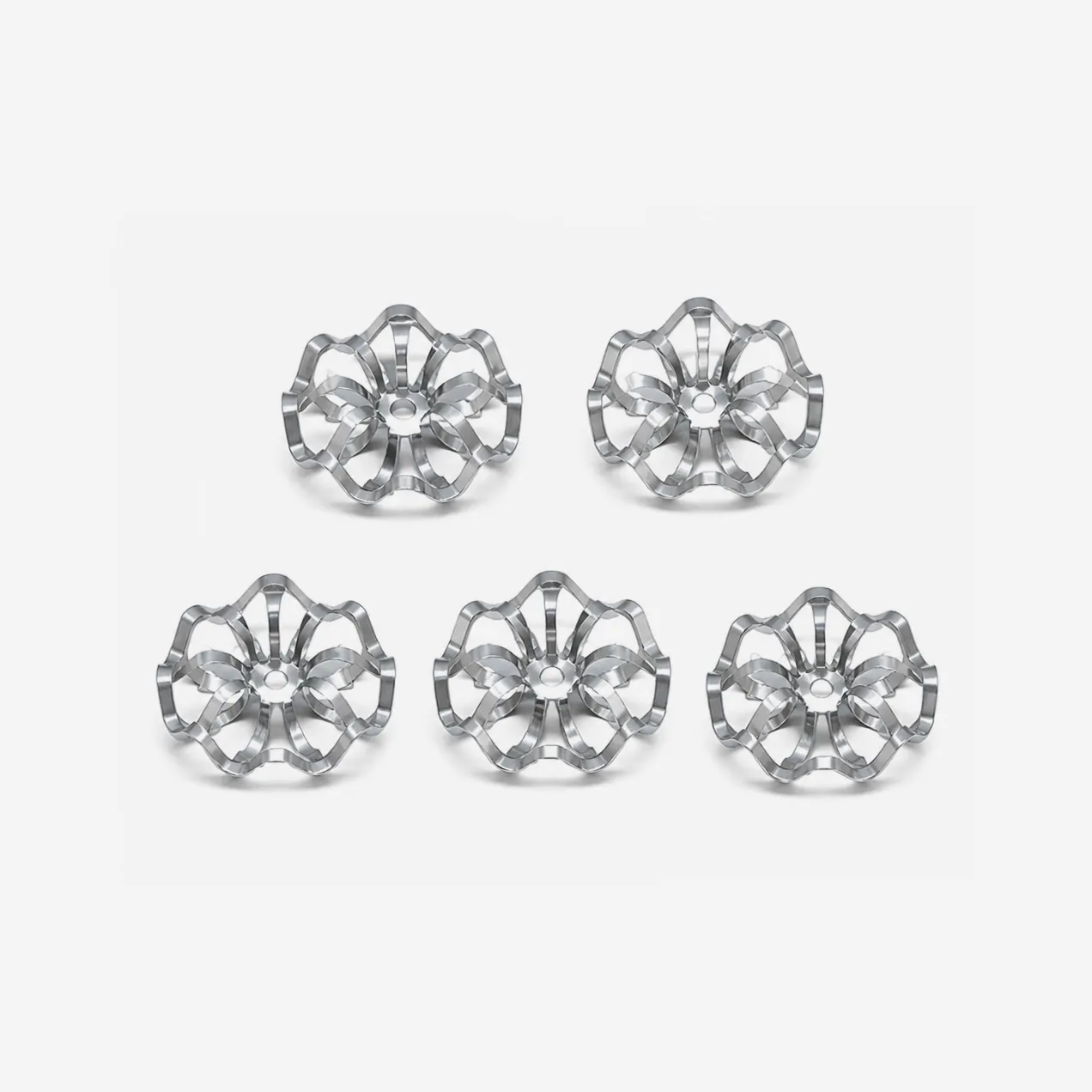
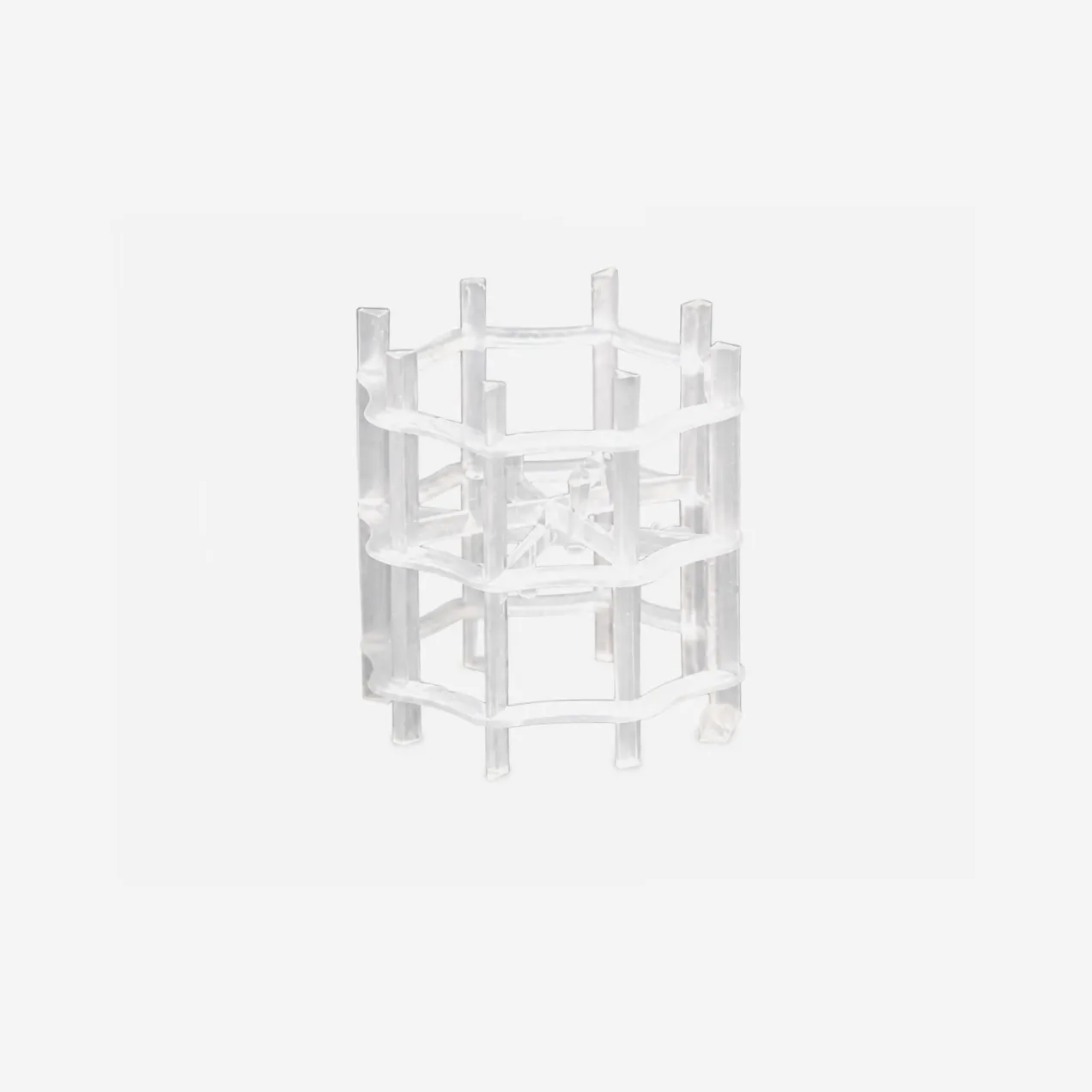
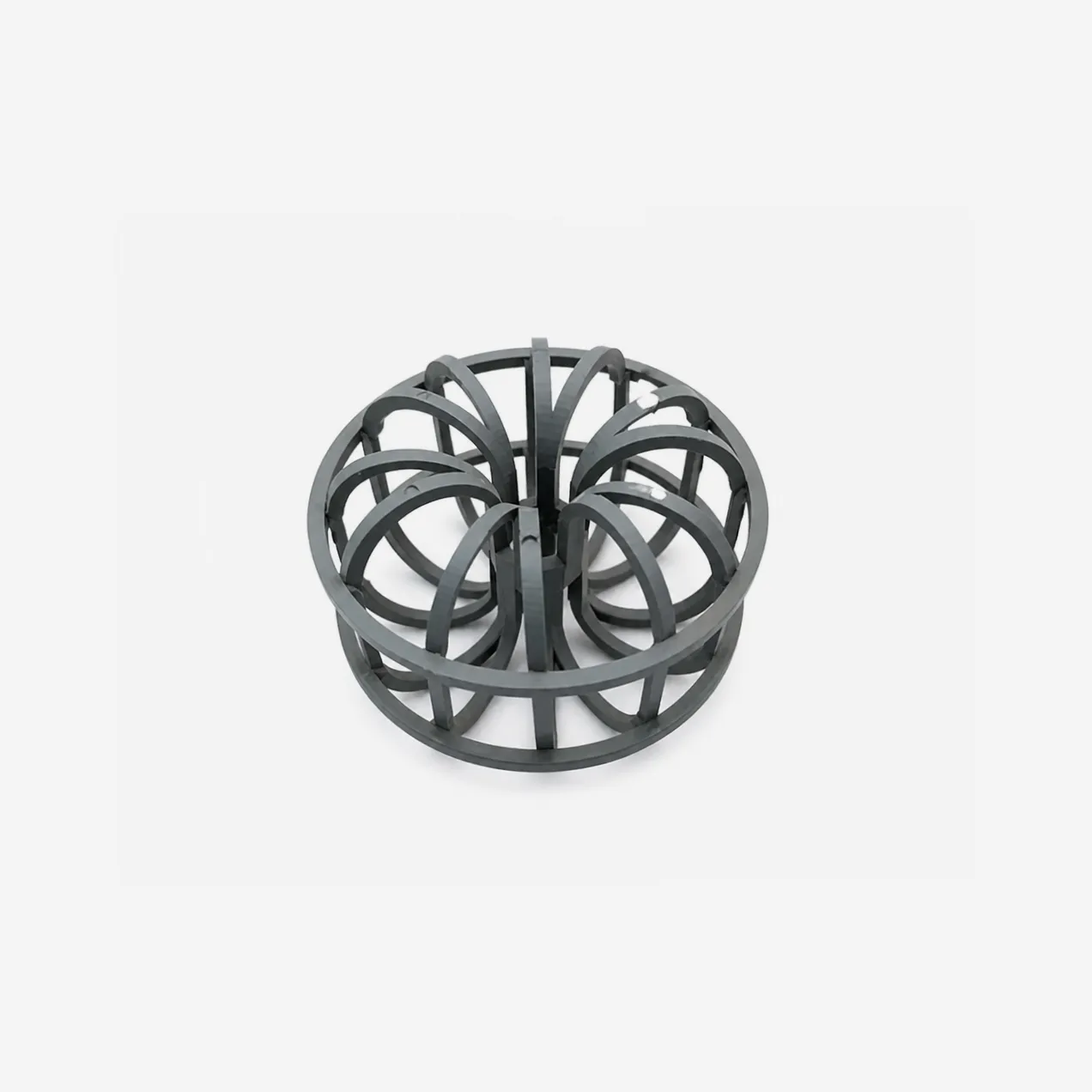
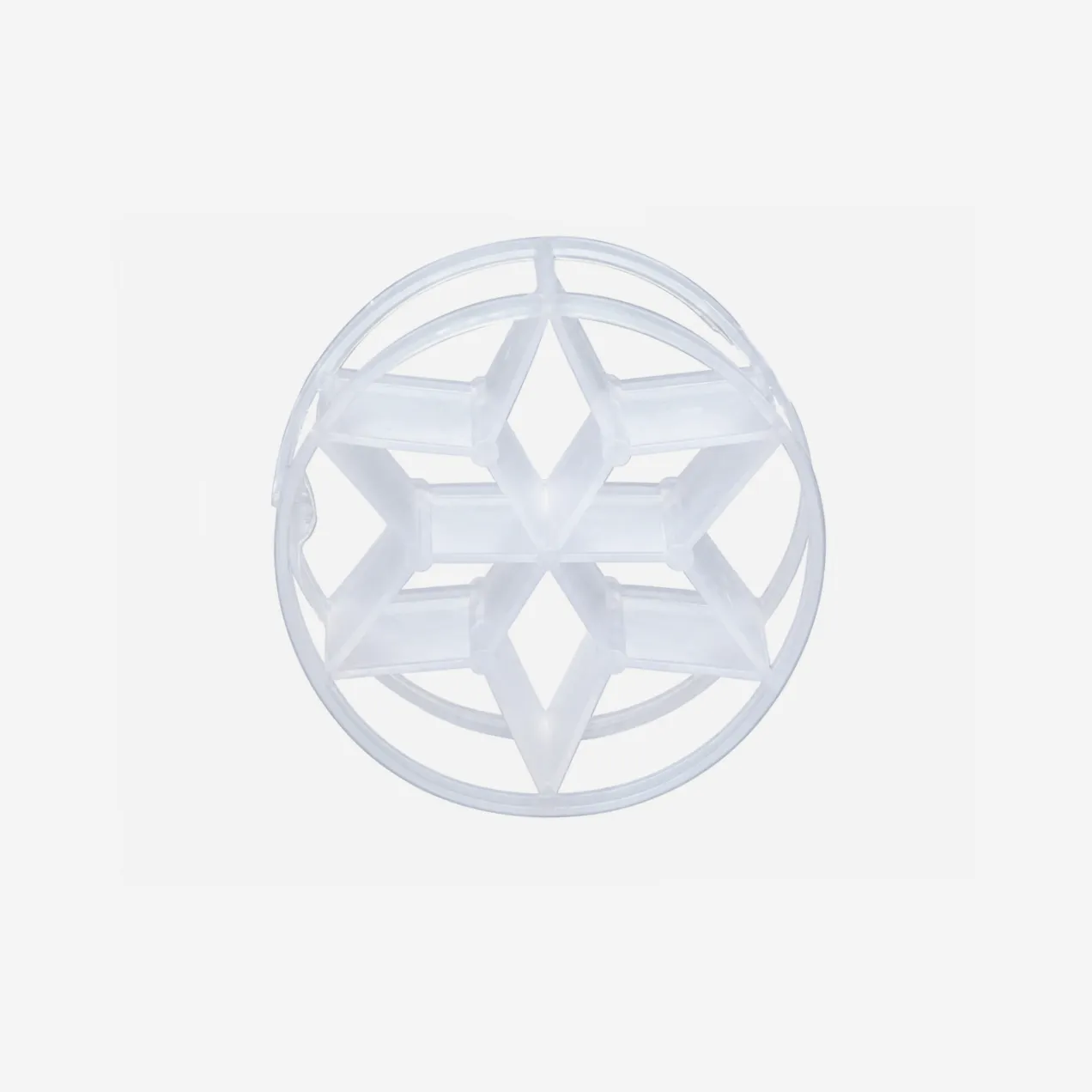
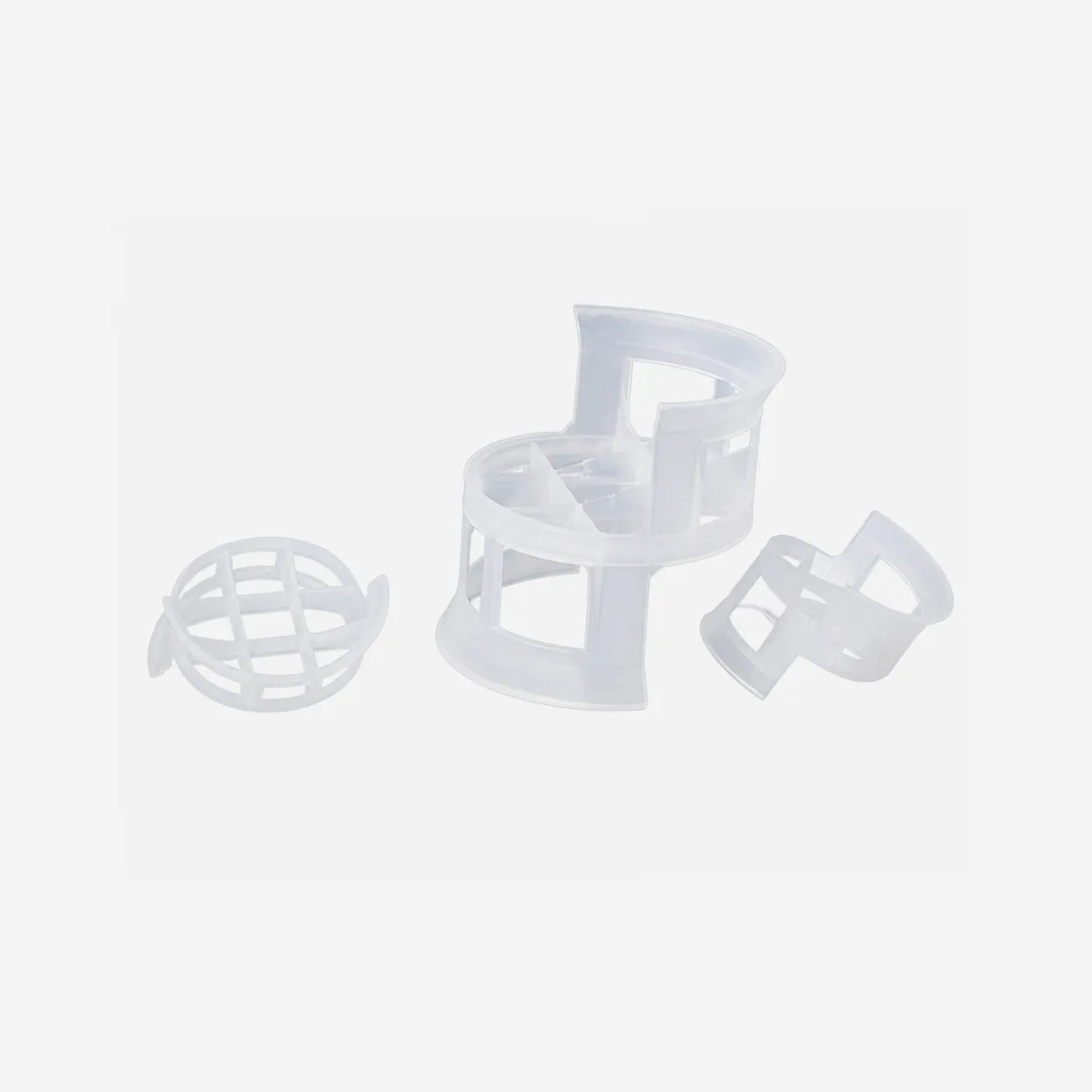
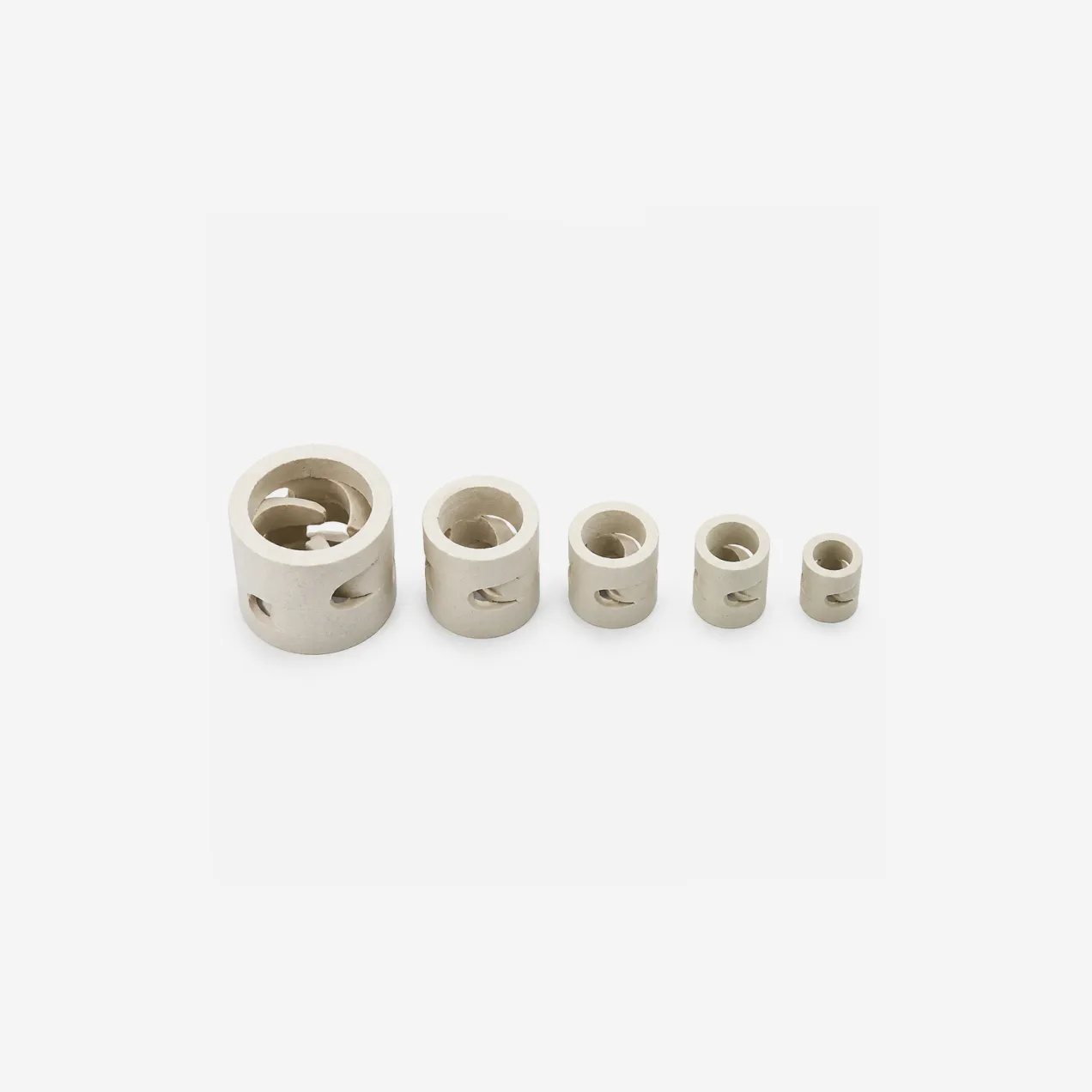
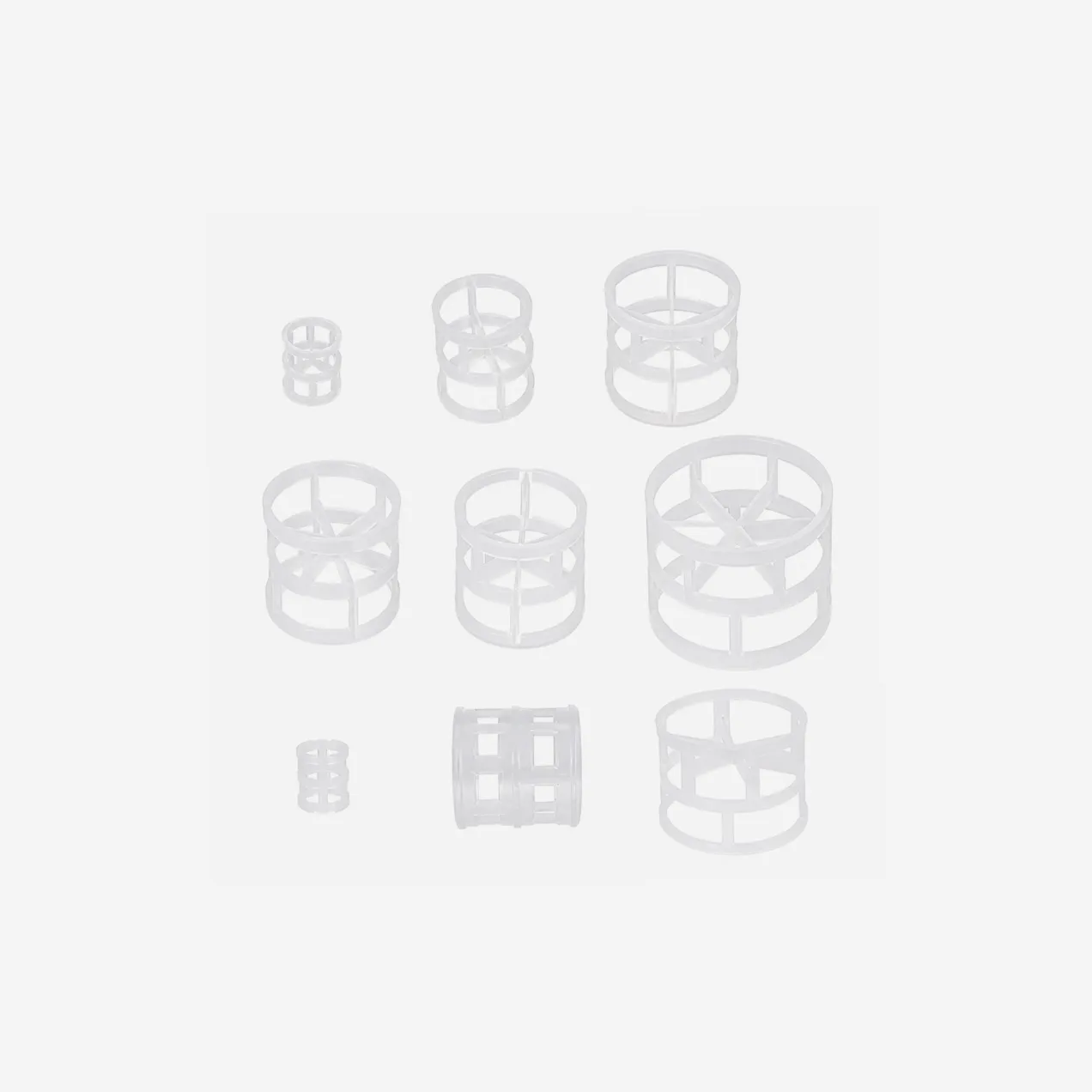
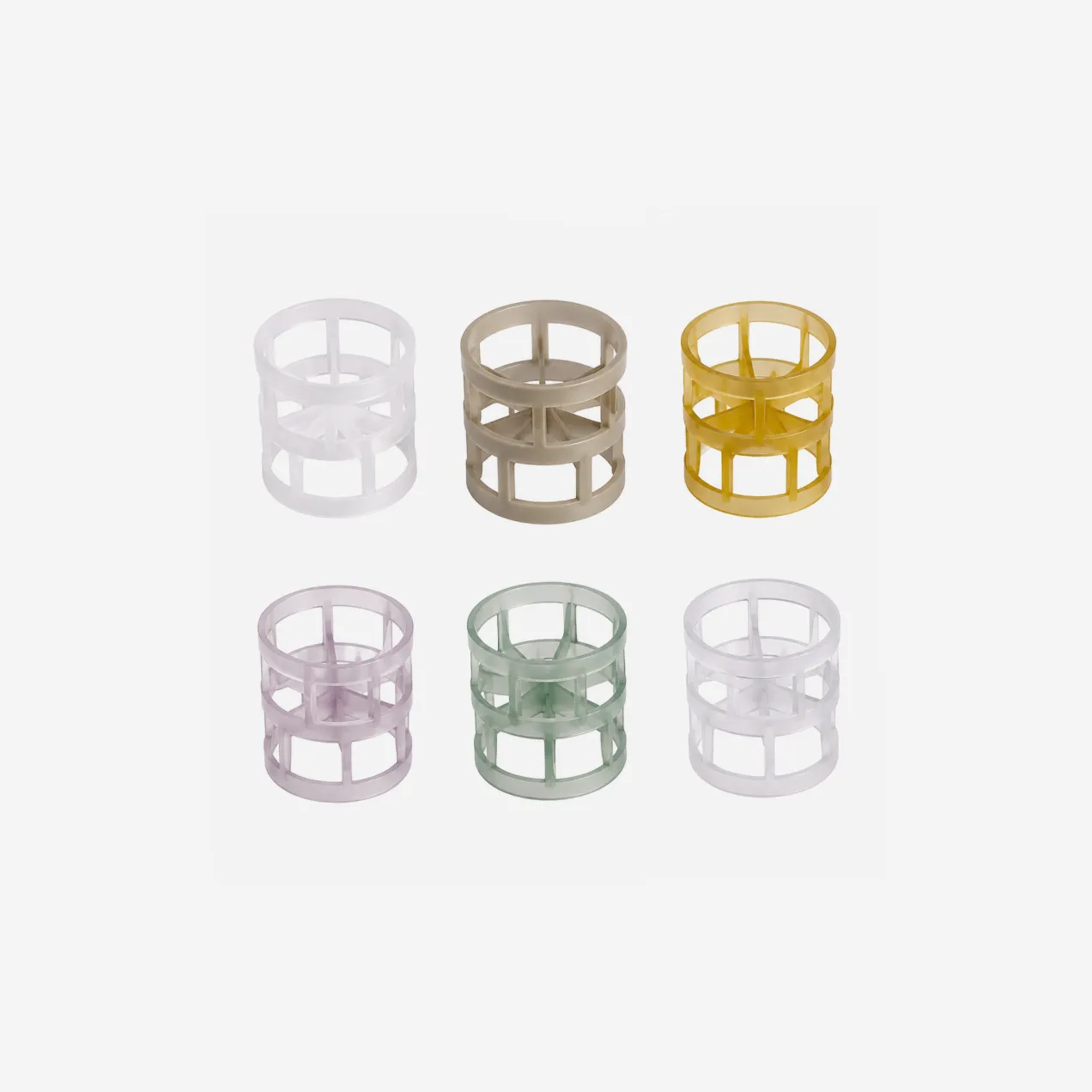
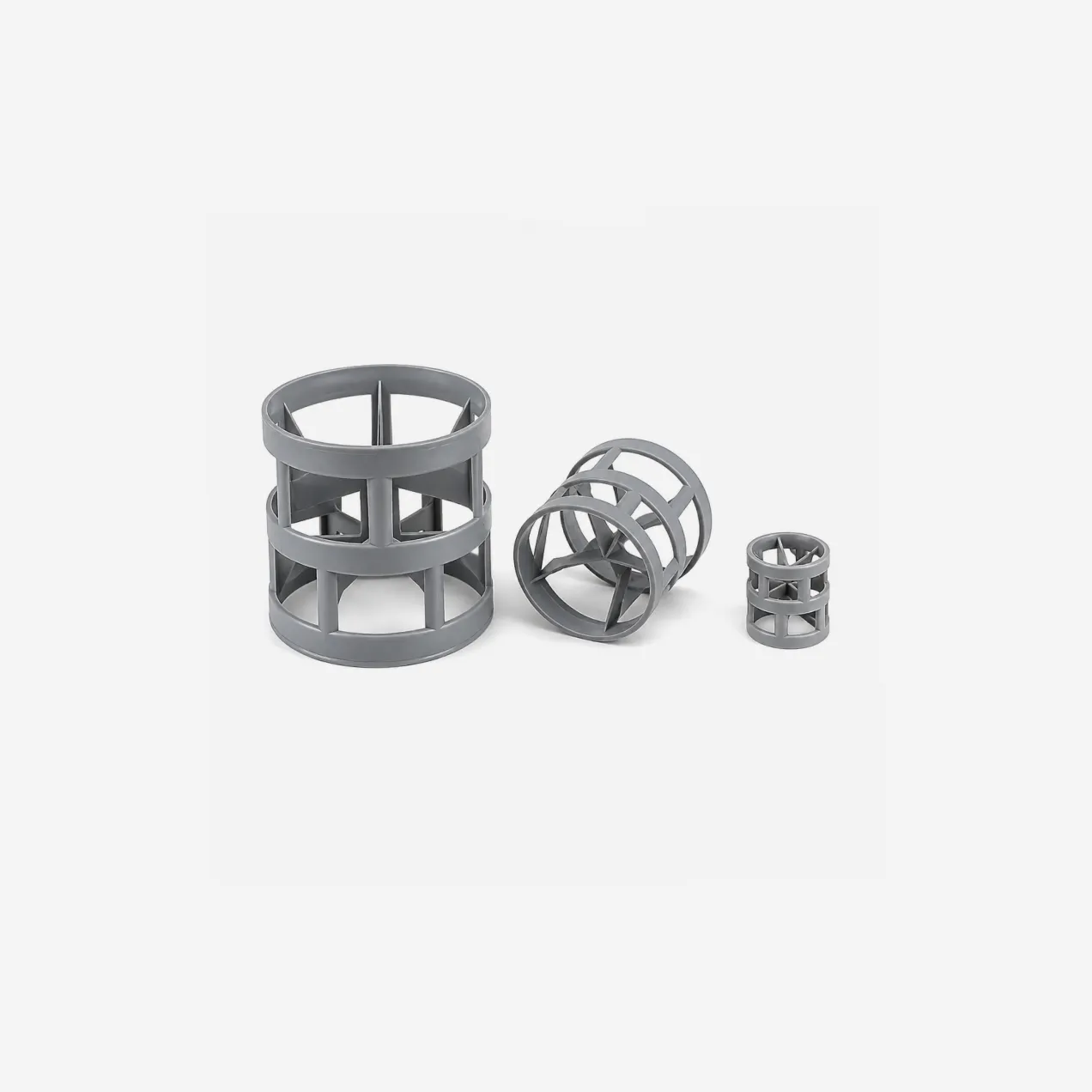
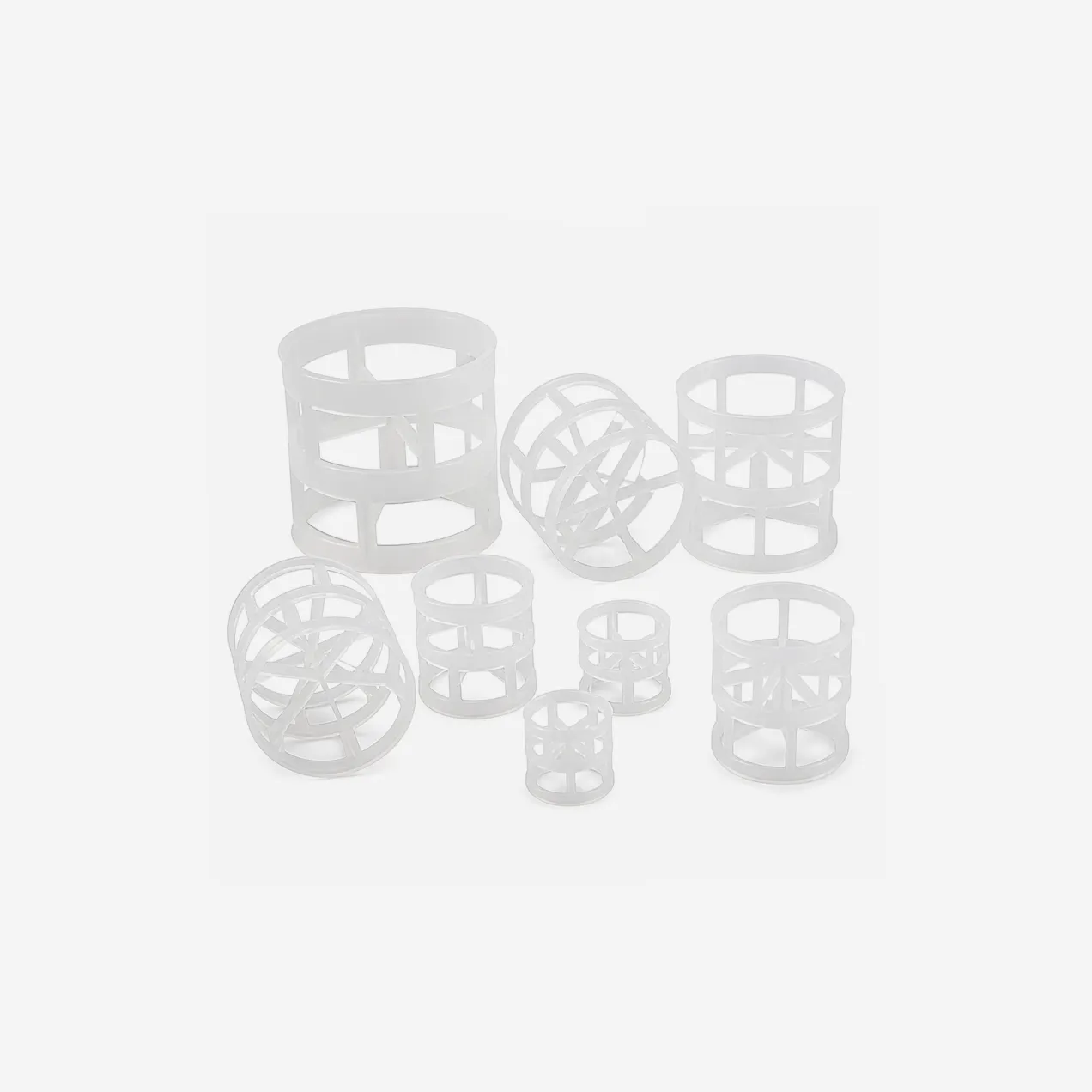
Plastic inner arc ring, called 八四内弧环 in Chinese and also sold as VSP or the Meller ring, is a high-capacity random packing whose working surface is formed from curved arcs instead of straight windows. Stacked along its axis are rings of eight arcs and rings of four arcs in turn — the eight-four behind the name — and each arc bends radially in toward the centre, so the surface runs unbroken and sits evenly through the whole piece. The wall is left largely open. Set beside a Pall ring, that symmetrical, continuous form is credited with about 15 to 30 percent more capacity and 20 to 30 percent less pressure drop. Pressed in a corrosion-proof resin, it is light and built for throughput. Model RJ-51; sizes of roughly 25 up to 76 mm.

  • Curved-arc surface — eight-arc and four-arc rings alternating along the axis, each arc bent inward.
  • Unbroken surface spread evenly through the piece; largely open wall; generous void.
  • About 15 to 30 percent more capacity and 20 to 30 percent less pressure drop than a Pall ring.
  • High throughput, low resistance and strong mass transfer.
  • Corrosion-proof resin; model RJ-51, sizes roughly 25 up to 76 mm.

Technial Parameters

SizeVoid fraction (approx., %)Surface area (approx., m²/m³)
φ2593200
φ3894128
φ5095105
φ769680

No manufacturer datasheet was supplied for this item; the sizes, void and surface-area figures are indicative values typical of a high-void plastic ring packing. Confirm exact figures before ordering.


PropertyValue
Product TypePlastic random packing (inner arc ring / 八四内弧环)
Also Known AsVSP (very special packing), Meller ring
MaterialTypically PP / RPP / PVC / CPVC / PVDF (confirm)
Model NO.RJ-51
Standard SizesAbout φ25–φ76 mm (typical)
StructureAlternating eight-arc and four-arc rings, arcs folded radially inward (continuous surface)
Void FractionAbout 93–96% (typical, high)
Versus Pall RingAbout 15–30% more capacity, 20–30% lower pressure drop
Media TemperatureAbout 60–150 °C (by plastic)
AdvantagesContinuous even surface, high void, low resistance, high capacity, high mass-transfer efficiency
ApplicationsAbsorption, scrubbing, stripping and separation towers
TrademarkRONGJIAN
OriginChina
HS Code8419909000
Transport PackageCarton box / ton bag / steel drum
NoteNo source datasheet or materials were supplied; sizes, void and surface figures are indicative.

FAQs

How is the inner arc ring built, and why eight-four?

The inner arc ring — 八四内弧环, and also sold as VSP or the Meller ring — earns the eight-four in its Chinese name from the way its surface is assembled. Running up the axis, a band of eight arcs alternates with a band of four arcs, and every one of those arcs is curved and bent in toward the centre line. Built that way, the plastic forms one continuous, unbroken sheet of surface, spread evenly right through the piece, while the wall between the arcs stays wide open. Two things come of it: gas and liquid meet over a smooth film with nowhere to sit stagnant, and the very open wall lets flow through with little to push against. Add a generous void and you have a ring made to pass a large load cleanly.

Which columns suit the inner arc ring?

The inner arc ring is a throughput-first fill for gas-liquid columns. Tip it into scrubbers and absorbers, into strippers and desorbers, and into separation and washing towers, and it does the ordinary work of any dumped ring, spreading the two streams over its surface, but carries more of them for less pressure than a plain ring would. Being a plastic moulding it stands up to acids, alkalis and brines, so corrosive service is no obstacle. It is the ring to specify when a column is short on capacity or is burning too much pressure, and the answer is a better ring rather than a jump to structured packing.

What is it moulded from, and how hot can it run?

The arc geometry is what makes this ring special; the resin it is pressed from is a separate decision, taken purely on the chemistry and heat of the stream. The listing named no grade, so treat that as a detail to pin down on order. Polypropylene, in a glass-reinforced grade where a stiffer bed helps, will be the usual body and copes with the general run of acids, alkalis and brines; move to chlorinated PVC (CPVC) when the liquor runs warm or carries chlorine, and to PVDF for genuinely hot or oxidising work, keeping plain PVC for cooler acid streams. Across those grades the workable band is roughly sixty to a hundred and fifty degrees. Let us know what the ring will see and we can lock the grade down.

How much better than a Pall ring is it?

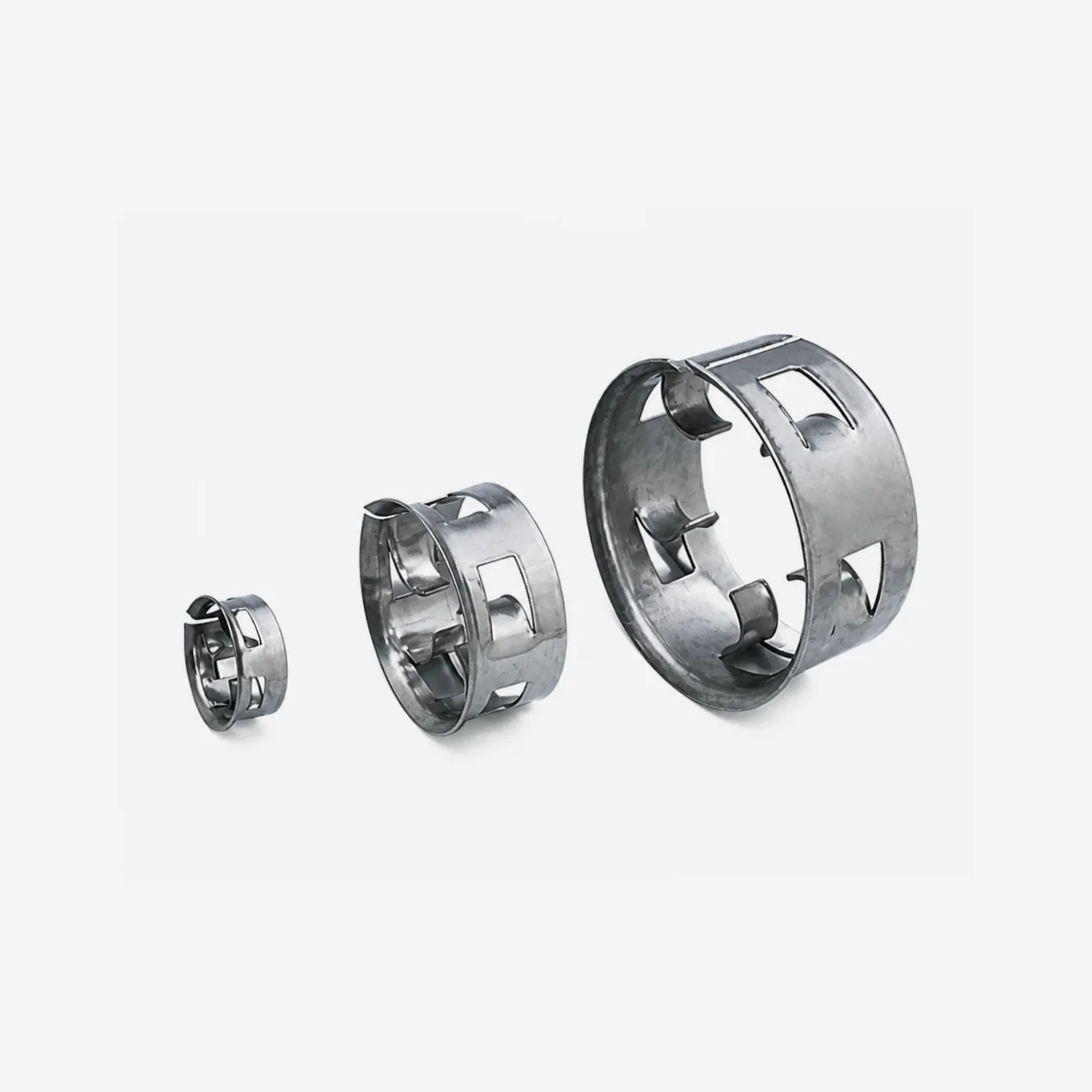
The inner arc ring exists to beat the Pall ring on flow, and it does it by changing the surface. A Pall ring punches windows in its wall and folds straight flaps inward; the inner arc ring instead builds its wall from curved arcs, the eight-and-four bands, bent toward the axis, so the surface never breaks the way it does at a Pall ring's windows. That continuous, symmetrical, wide-open form is what earns the quoted gains: on the order of 15 to 30 percent more capacity and 20 to 30 percent less pressure drop, size for size. So when a Pall bed has run out of headroom or is costing too much pressure, the inner arc ring drops straight in as the stronger ring. Tell us where a Pall bed is falling short and we can run the numbers.
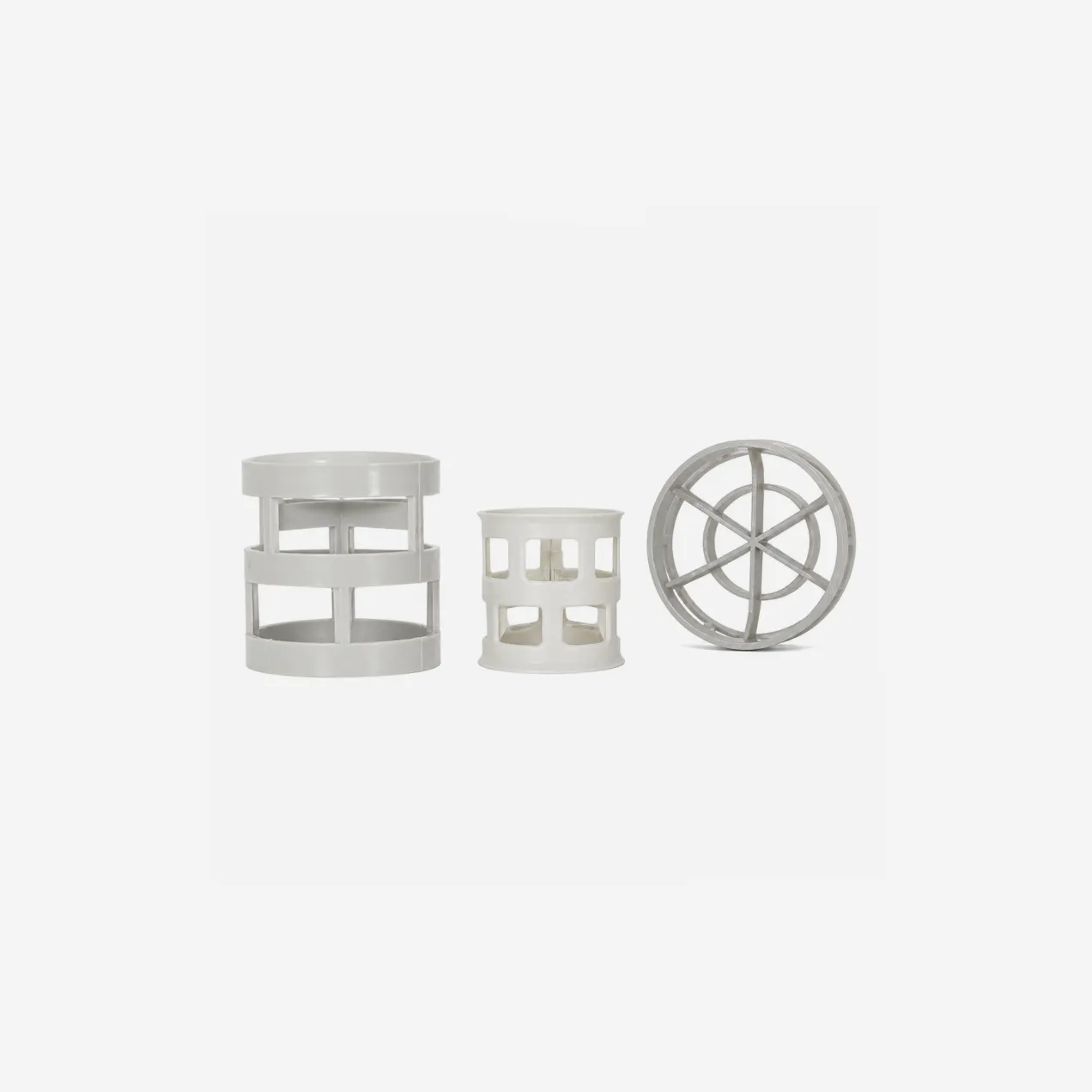
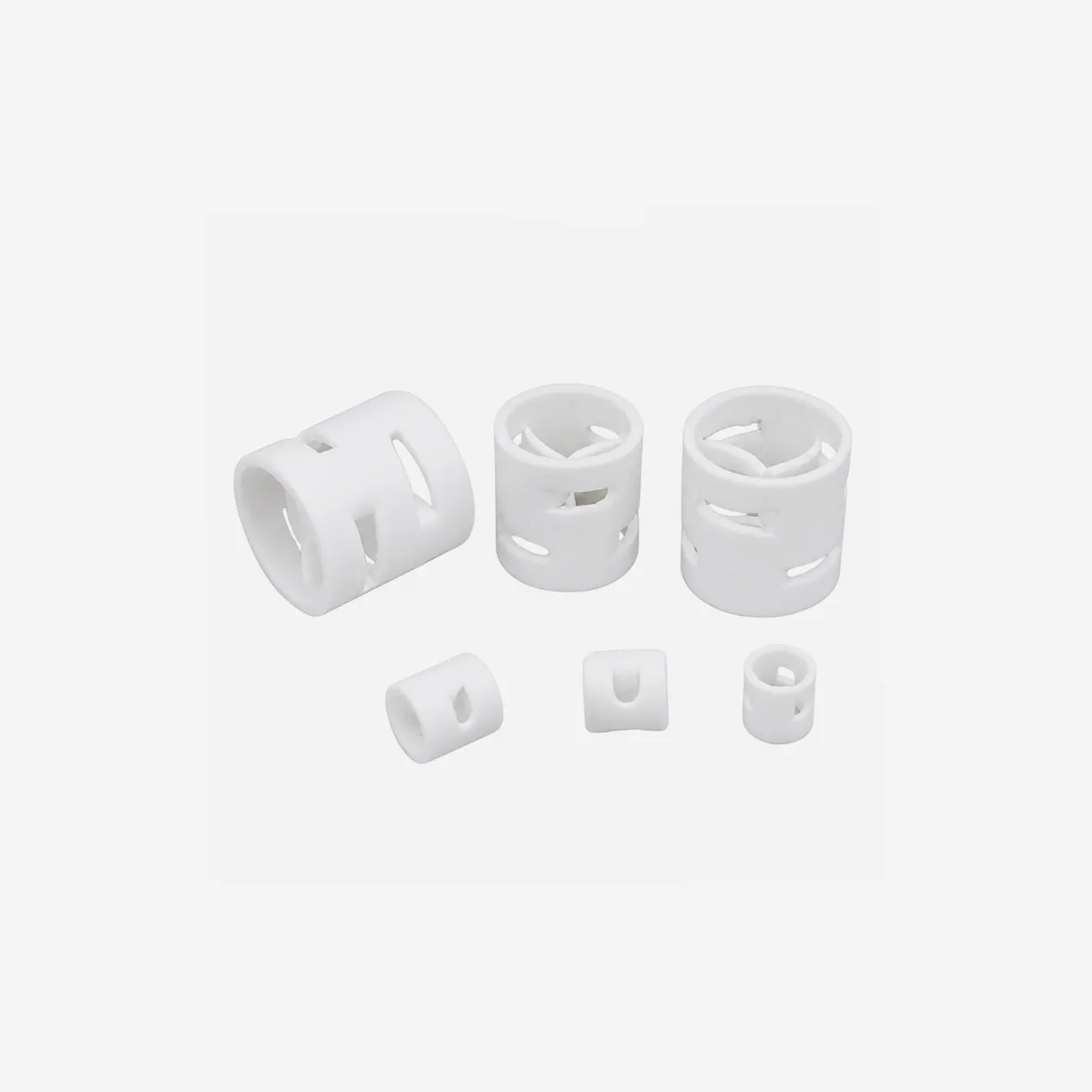
The inner arc ring gets the eight-four of its Chinese name, 八四内弧环, from its build: bands of eight arcs and bands of four arcs stacked in turn up the axis, every arc curved and bent in toward the centre. It also trades as VSP, very special packing, or the Meller ring. The point of the arc build is a surface that never breaks, quite unlike a Pall ring whose surface is interrupted at each punched window, together with a wall that is mostly open. What you get is a symmetrical, high-void ring made to push a large flow through at a low pressure drop, pressed from a corrosion-proof resin for aggressive duty.

The design is best judged against the Pall ring it is meant to improve on:

FeaturePall ringInner arc ring
Wall / interiorWindows with straight flaps folded inEight- and four-arc rings, arcs bent inward
SurfaceBroken at the windowsContinuous and unbroken, evenly spread
CapacityBaselineAbout 15 to 30 percent higher
Pressure dropBaselineAbout 20 to 30 percent lower

In short, reach for the inner arc ring when capacity or pressure drop is the wall a column has hit and a plain Pall ring can go no further, short of committing to structured packing. It fills scrubbers, absorbers, strippers and separation towers across chemical and environmental plants. No spec sheet or material came with the item, so the resin grade and the figures given here should be verified against the maker's data before you order. For a quote, pass along the column diameter, the service and the flow rates.