search
Search

Enter keywords to search for products, blog posts, and more.


Home > Metal Raschig Ring

Metal Raschig Ring
Metal Raschig Ring

Metal Raschig Ring

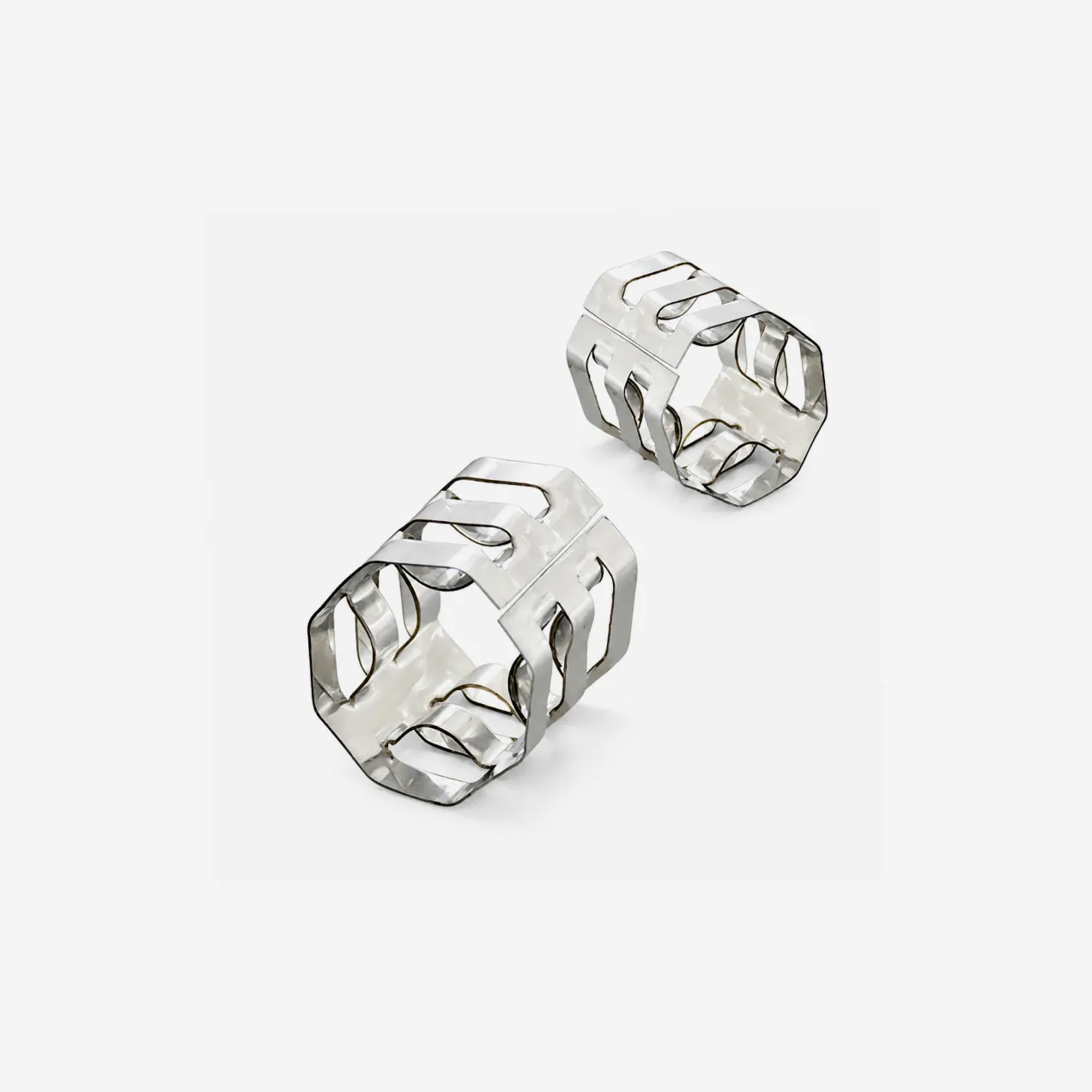
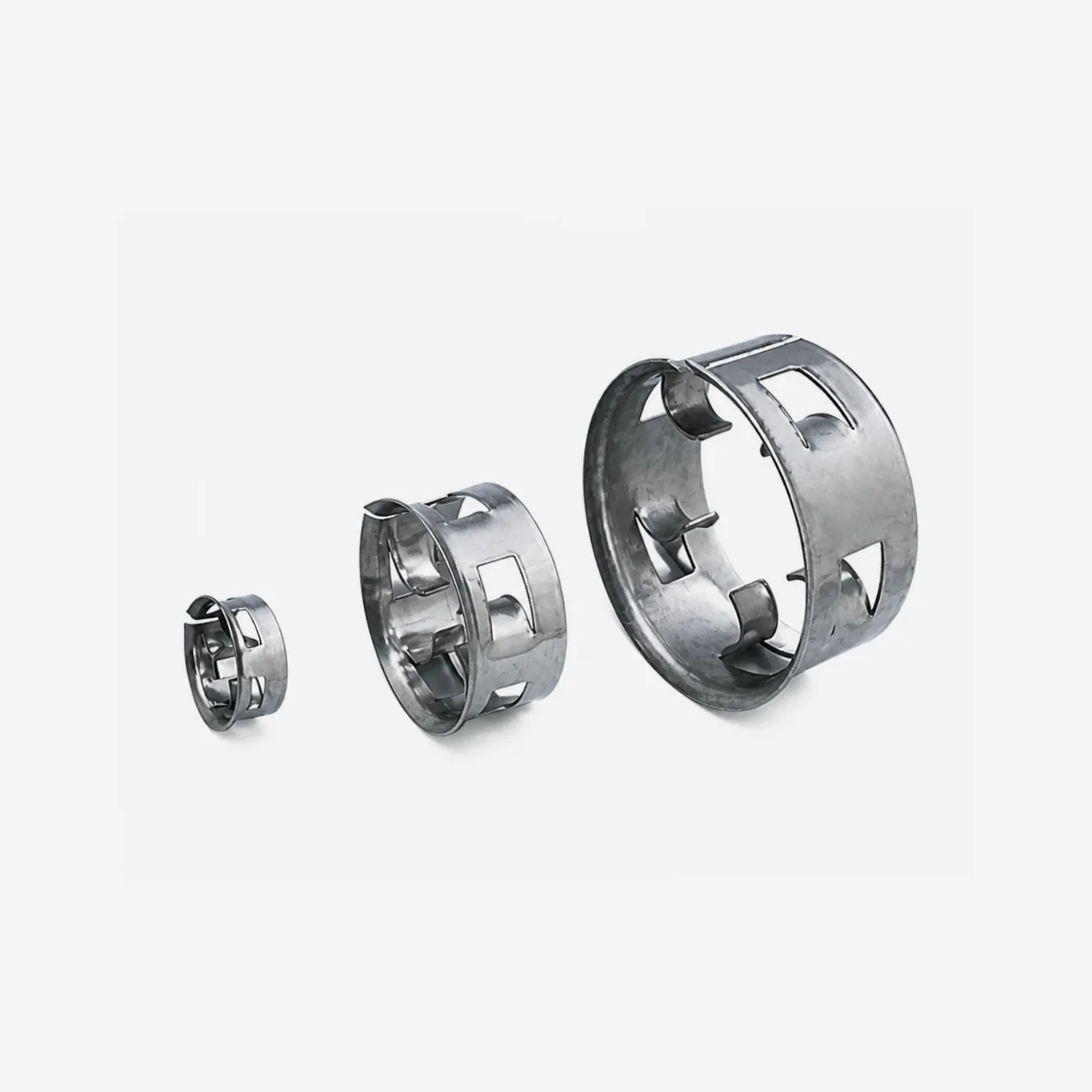
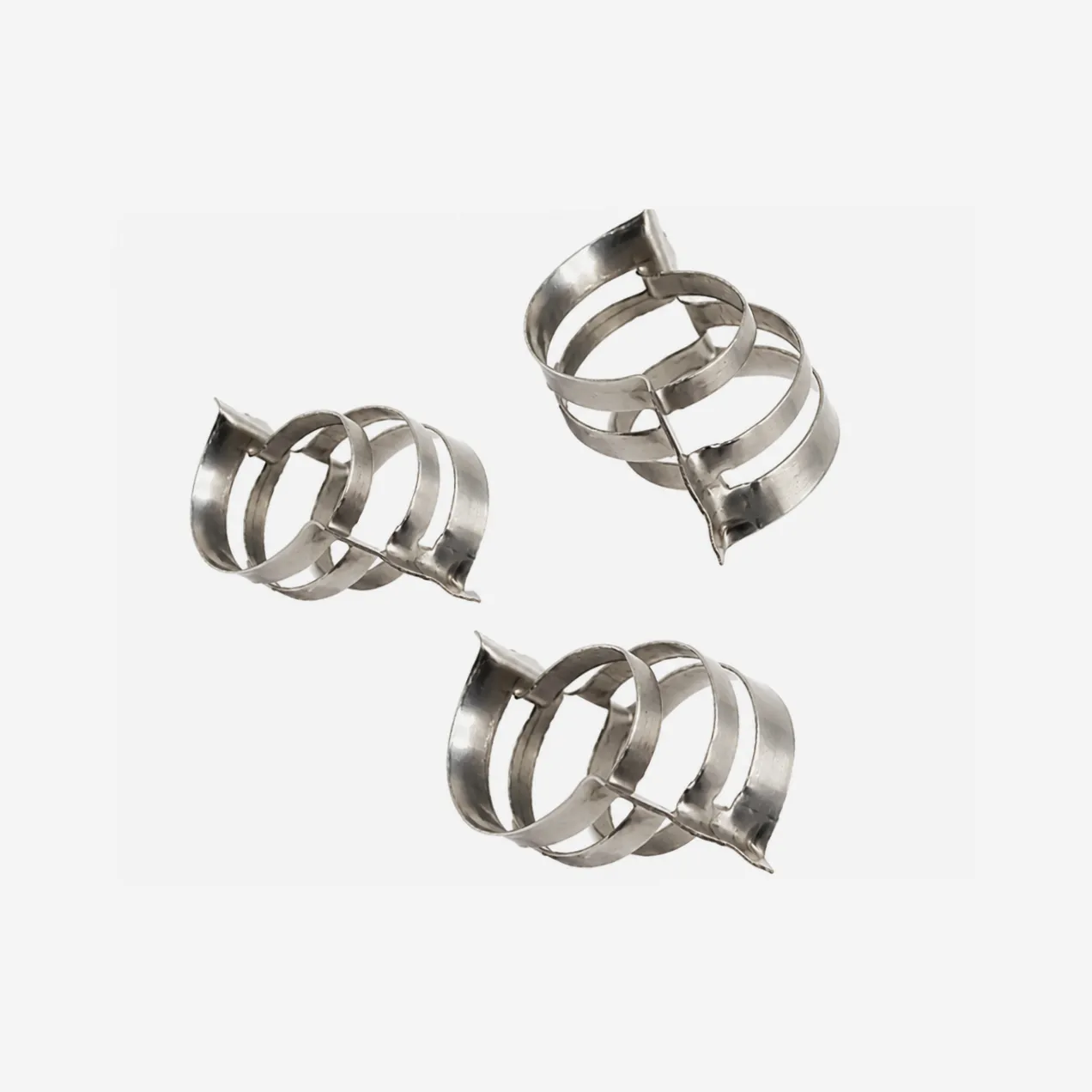
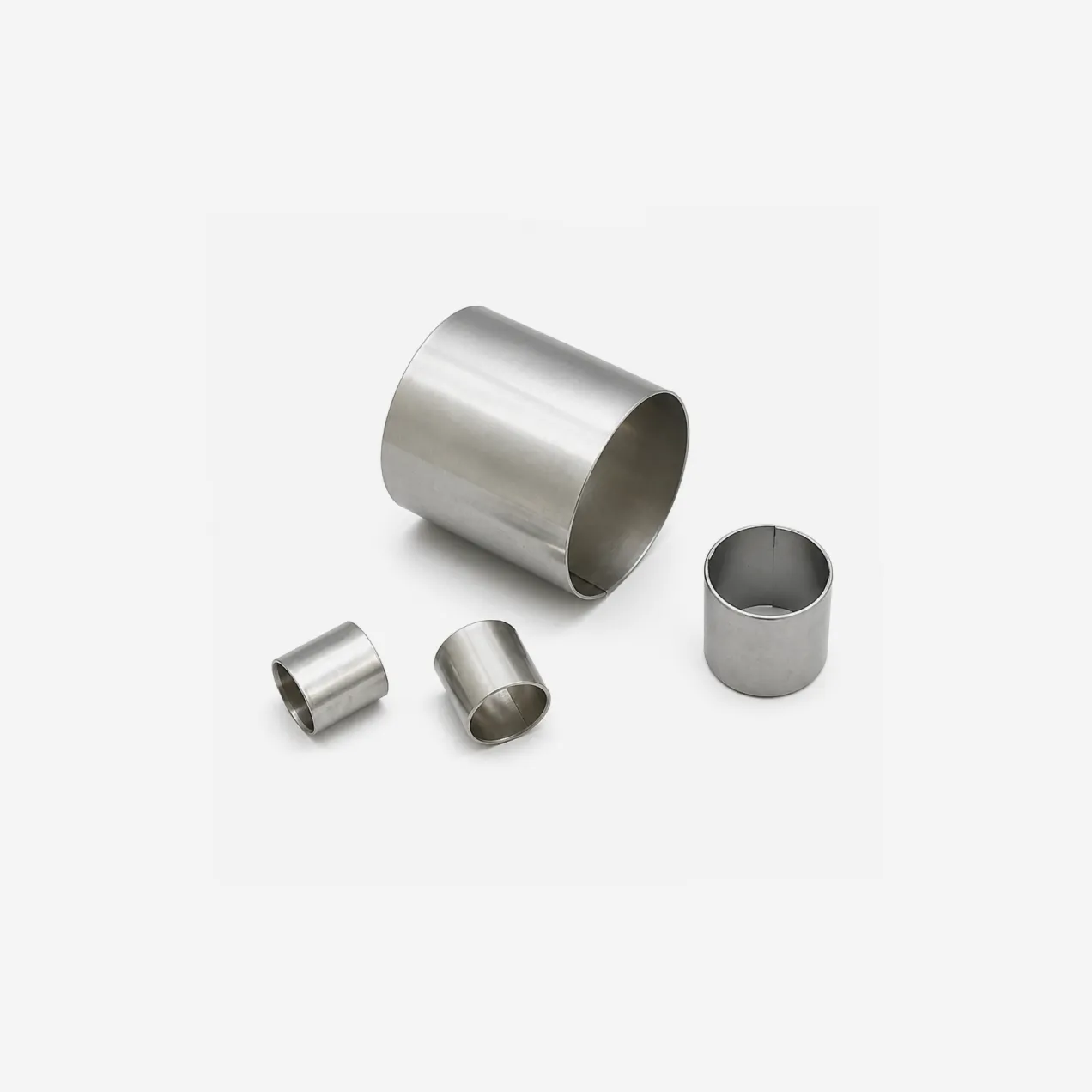
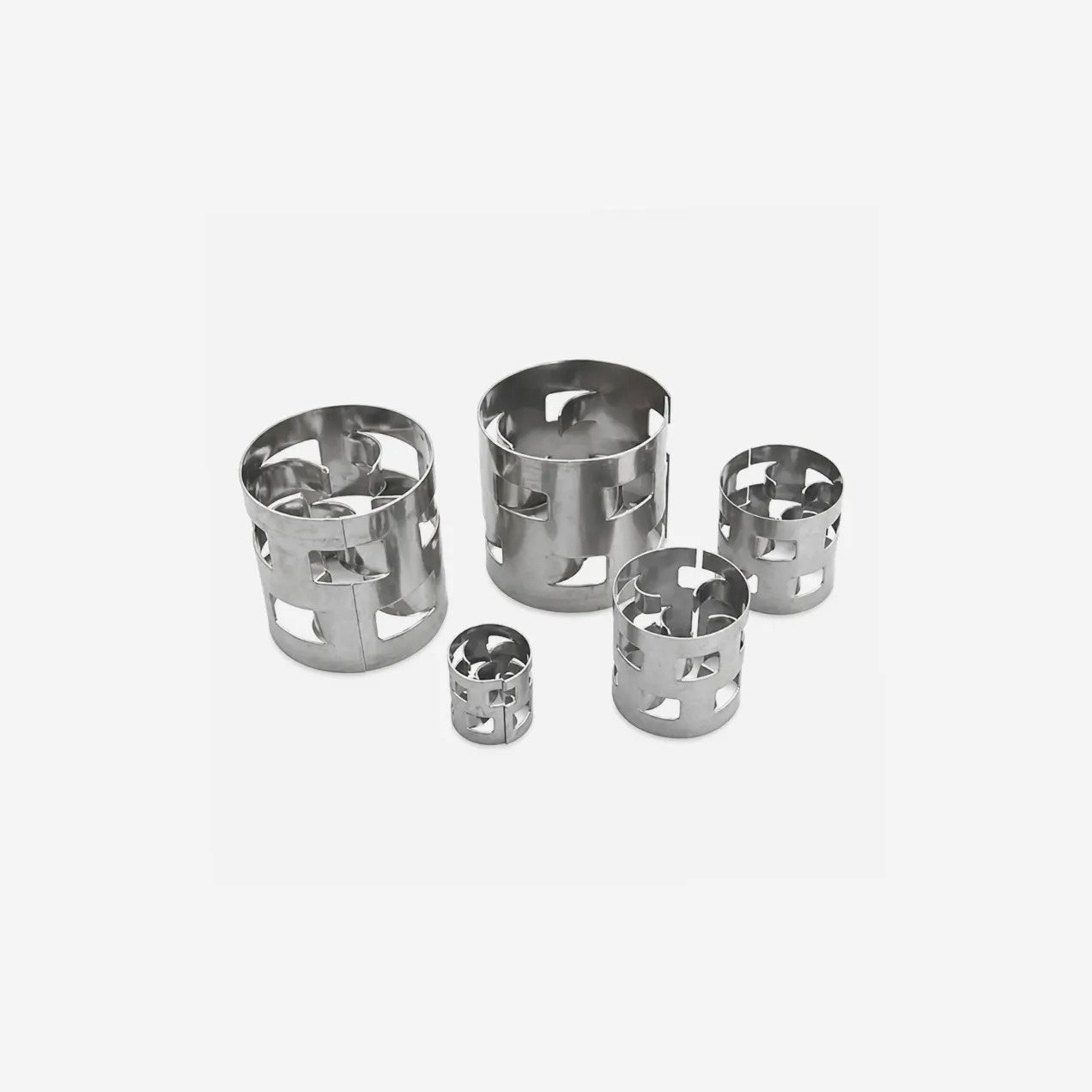
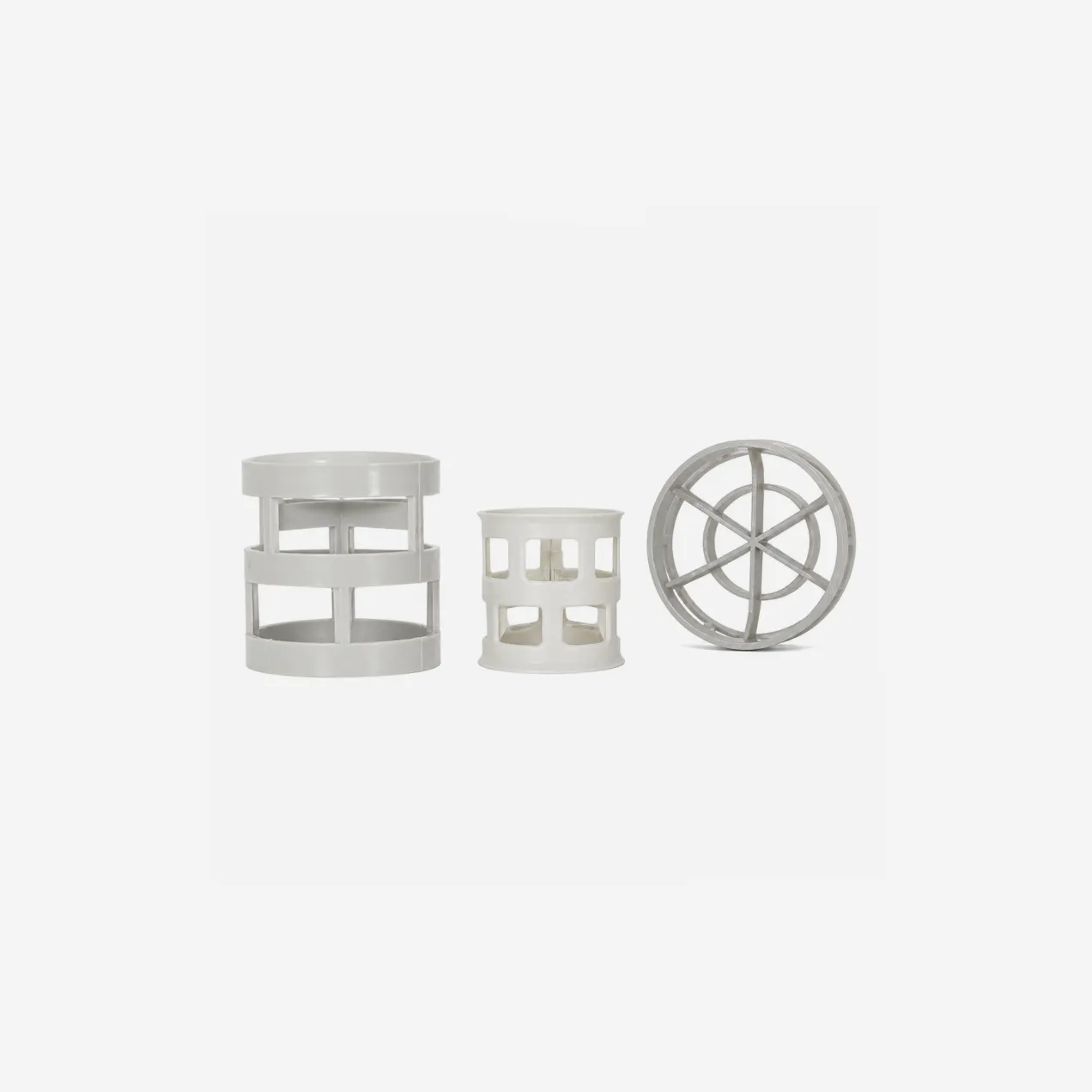
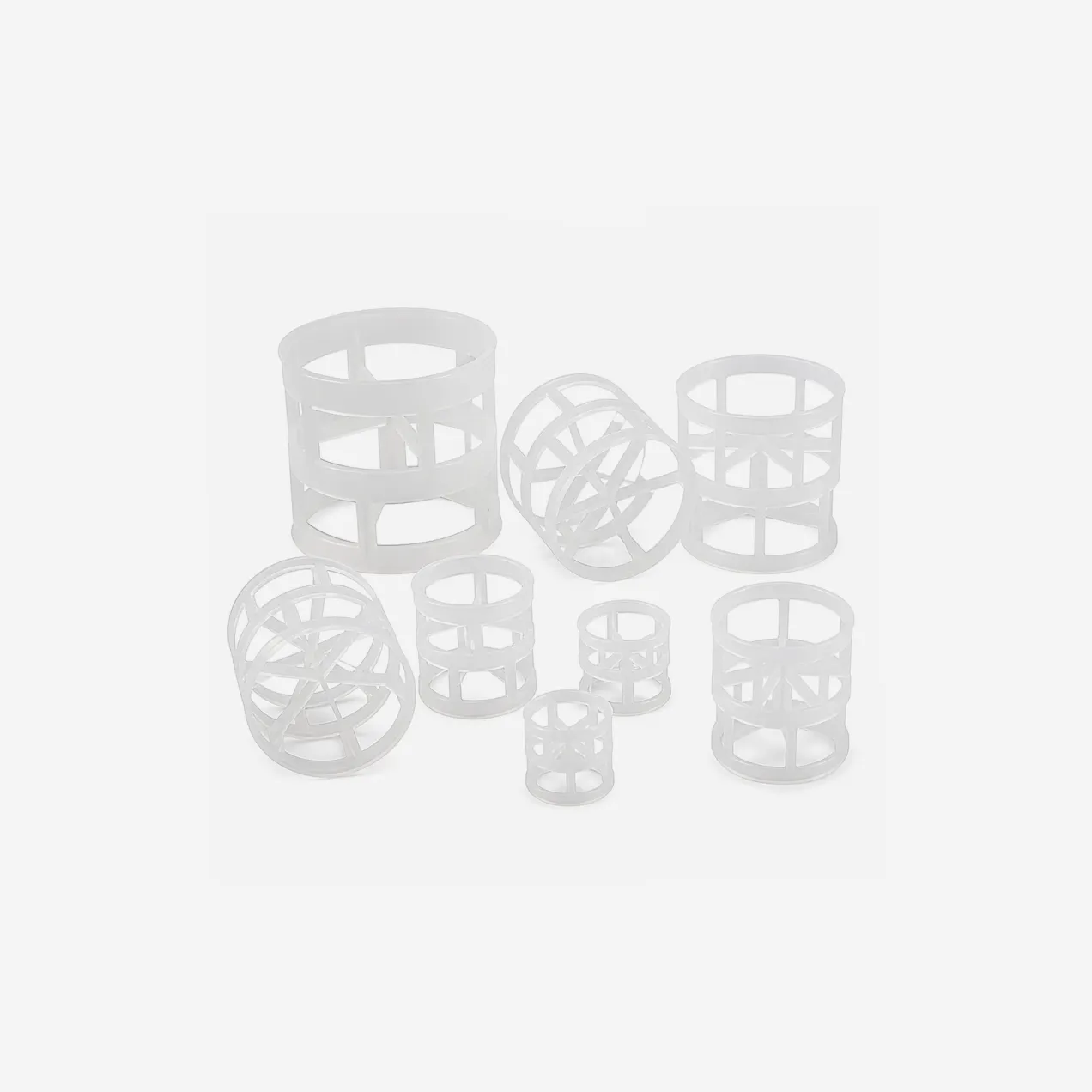
Metal Raschig ring is a random tower packing rolled from thin metal strip into the classic hollow-cylinder shape, typically in 304 or 316 stainless, with carbon steel and other grades to order. Because the metal wall is so thin, a few tenths of a millimetre, it keeps a very high free volume, up to about 97 percent, and a low pressure drop, unlike the thick-walled ceramic version. It is mechanically tough, takes high temperature, and can be cleaned and reused. Its low pressure drop and light liquid hold-up make it well suited to vacuum rectification and to heat-sensitive materials that would degrade, polymerise or coke in a denser bed. We make it in sizes from 6 to 90 mm.

  • Thin-wall metal — stainless steel 304/316, carbon steel or other grades.
  • Very high free volume, up to about 97 percent, with low pressure drop.
  • Mechanically strong, high-temperature and reusable, unlike ceramic or plastic.
  • Simple hollow-cylinder shape that stacks neatly in the tower.
  • Suited to vacuum rectification and heat-sensitive, polymerising or coking streams. Sizes 6-90 mm.

Technial Parameters

SizeSpec (mm)Bulk density (kg/m³)Pieces per m³Surface area (m²/m³)Free volume (%)Dry packing factor (m⁻¹)
1/4"6×6×0.39004,000,00090488.61307.4
3/8"10×10×0.3480768,00048293.8583.8
1/2"13×13×0.3420410,00041594.8489.2
5/8"16×16×0.3348201,00034495.5393.2
1"25×25×0.428853,50021296.2229.8
1"25×25×0.536753,50021695237.2
1"25×25×0.643953,50021994.2244.1
1.5"38×38×0.419315,00014397.2148.4
1.5"38×38×0.524615,18014596.7151.7
1.5"38×38×0.632815,00014695.9154.6
2"50×50×0.51916,50010697.5115.2
2"50×50×0.83006,50010896.4120.9
2"50×50×1.03806,50010995.4125
3"76×76×1.02651,9206997.479.6
3.5"90×90×1.02241,2206197.166.2


PropertyValue
Product TypeMetal random packing (Raschig ring)
MaterialStainless steel 304 / 304L / 316 / 316L / 430 / 410 / 201, carbon steel
Model NO.RJ-1492
Standard Sizes6, 10, 13, 16, 25, 38, 50, 76, 90 mm
Wall Thickness0.3–1.0 mm (by size and grade)
ShapeThin-wall hollow cylinder, height ≈ diameter
Free VolumeAbout 88–97% (thinner wall gives more)
AdvantagesHigh void, low pressure drop, high strength, wide temperature range, reusable, stackable
ApplicationsVacuum rectification, distillation, absorption, scrubbing, gas purification, acid-mist recovery
Grade Note304/304L general; 316/316L for chlorides/salts; 430/410 moderate; 201 economy; carbon steel non-corrosive
TrademarkRONGJIAN
OriginChina
HS Code8419909000
Transport PackageCarton box / ton bag / steel drum

FAQs

What is a metal Raschig ring used for?

Metal Raschig ring goes into packed columns for gas-liquid contact — distillation, absorption, scrubbing and gas drying. What makes it stand out is its low pressure drop and light liquid hold-up, which suit vacuum rectification and materials that are sensitive to heat: streams that would thermally degrade, polymerise or form coke in a denser packing run more safely over a metal Raschig bed. It is used across petrochemical processing, fertiliser production, metallurgical gas purification, oxygen and air drying, and environmental duties such as waste-gas recovery and acid-mist removal. Where a tower needs an open, robust, reusable metal packing, especially under vacuum, it fits well.

How does a metal Raschig ring compare with a metal Pall ring?

Both are thin-wall metal packings, so they share metal's strength, heat tolerance and reusability, but their shapes differ. The Raschig ring is a plain tube; the Pall ring is the same tube with openings cut into its side and the flaps folded inward to form internal fingers. Those openings raise the Pall ring's capacity, drop its pressure loss and spread liquid more evenly at the same diameter, so for maximum throughput the Pall ring usually wins. The Raschig ring counters with a simpler, stiffer body, with no cut openings to weaken it, and larger sizes can be laid in a regular stacked pattern rather than merely dumped. Pick the Pall ring for peak capacity and efficiency; pick the Raschig ring for rigidity, simplicity, or a stacked arrangement.

What metals and grades are metal Raschig rings made from?

Metal Raschig rings are made in a range of grades, chosen to match the fluid. Carbon steel is the low-cost option for non-corrosive service. Among stainless steels, austenitic 304 and 304L give general corrosion resistance, while 316 and 316L add tolerance to chlorides and salts; the ferritic and martensitic grades 430 and 410 handle moderate acid or alkali duty, and 201 is an economy stainless for lightly corrosive settings. For the most aggressive chemistry, higher nickel alloys can be supplied. The grade is what governs how long a metal packing survives, so if you share the fluid, its warmth and its chloride content, we will name the steel that suits it.
What wall thicknesses are available, and how do I choose?

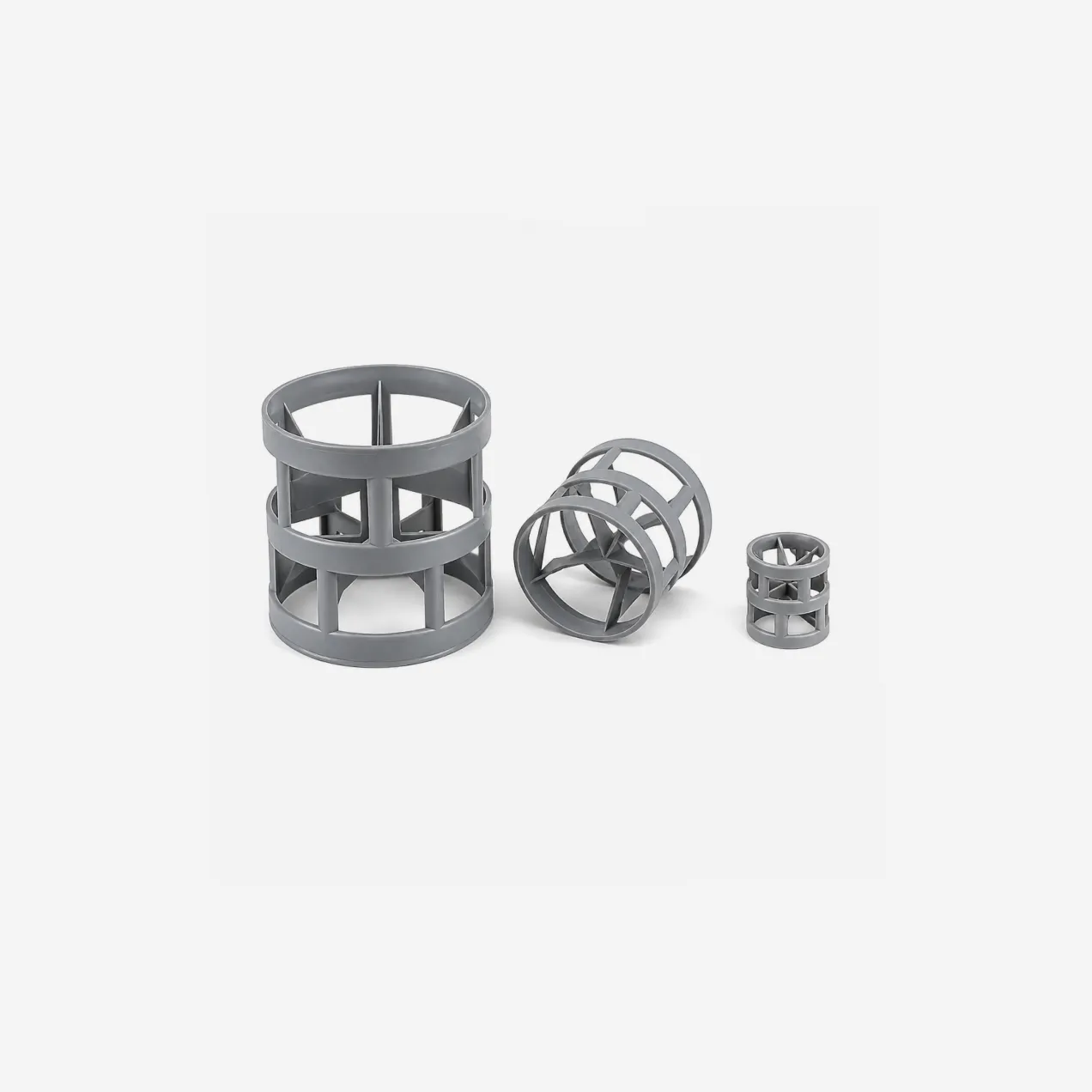
Metal Raschig rings are offered in several wall thicknesses for a given diameter — for example a 25 mm ring in roughly a third, a half or six-tenths of a millimetre of wall. The trade-off is simple. A thinner wall gives a higher free volume, lower weight and lower cost and a little more surface area, which favours capacity and economy. A thicker wall gives more strength and a longer life under mechanical or thermal load, which favours deep beds, higher pressures and harsher service. As a rule, pick the thinnest wall that will carry the mechanical duty, and step up in thickness only where bed depth, pressure or handling calls for it. Tell us the size and the service and we will suggest the wall.
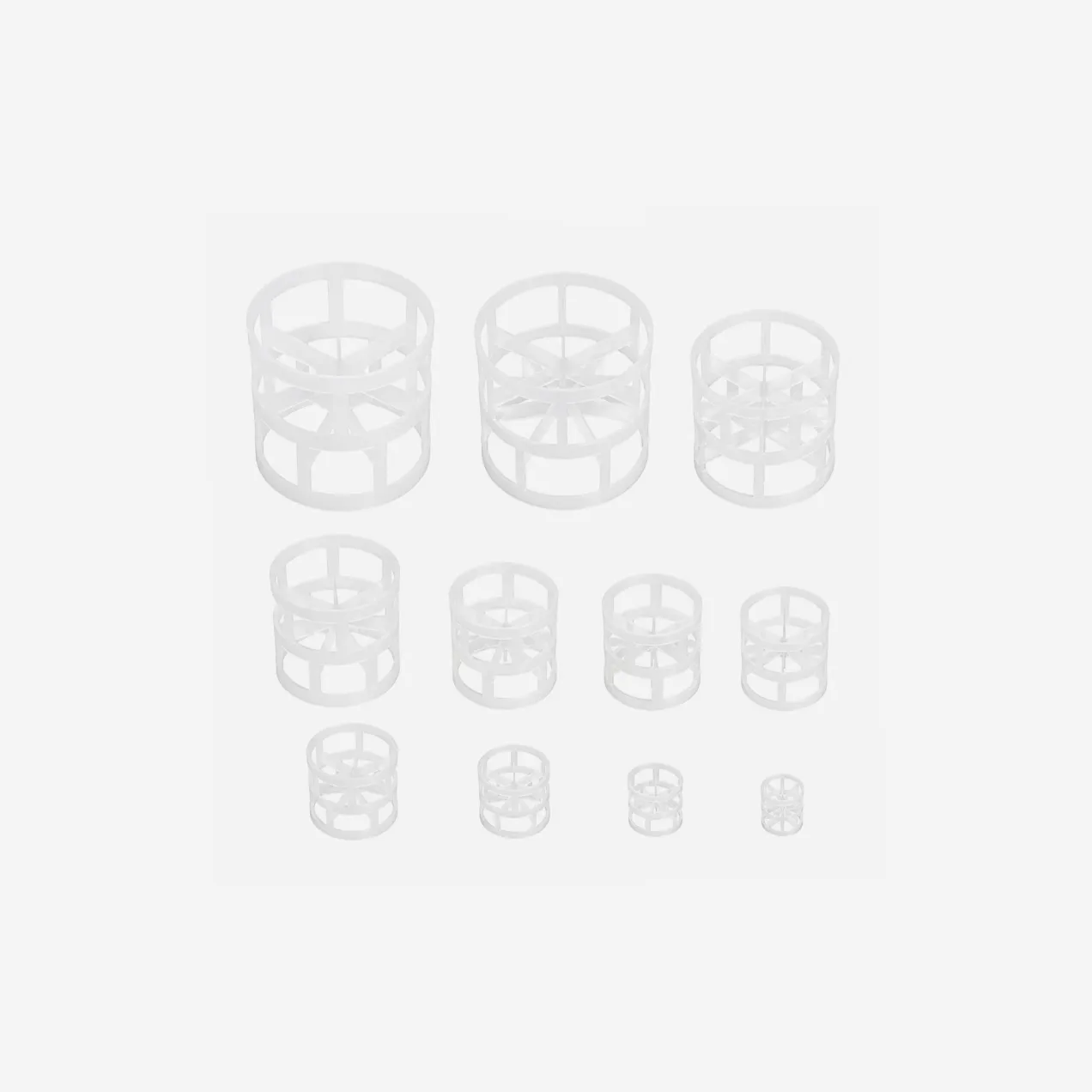
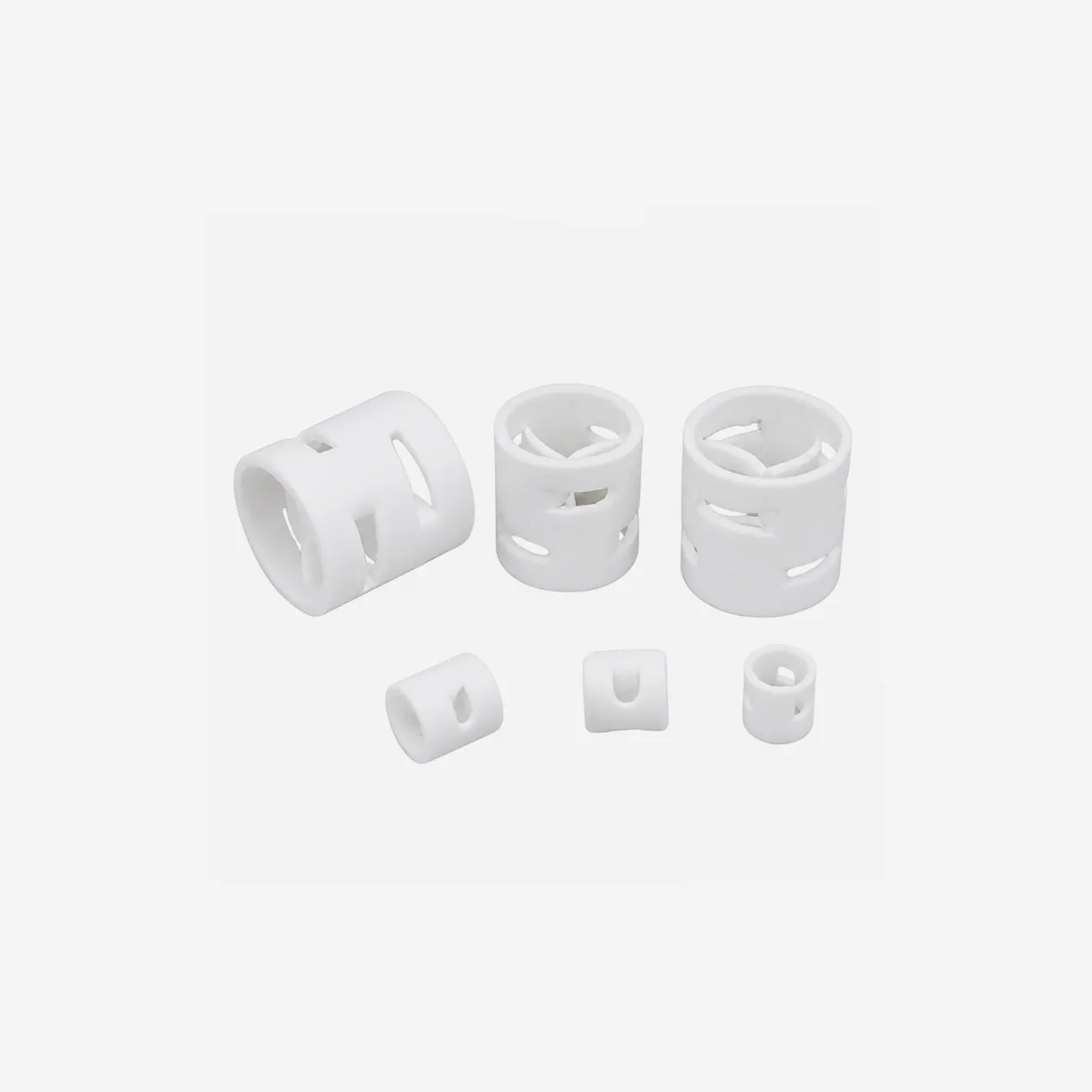
A Raschig ring is the oldest random packing there is: a plain open tube, as tall across as it is wide, with a smooth wall and no cut openings. Rolled from thin metal strip, that simple tube gains a great deal. A metal wall can be just a few tenths of a millimetre thick, so almost the entire volume of the ring is empty — free volume runs from the high eighties up to about 97 percent — and gas and liquid slip through with very little resistance and a low pressure drop. The metal also makes the tube tough and heat-tolerant, so it neither cracks like ceramic nor softens like plastic, and it can be cleaned and reused. The workhorse grades are 304 and 316 stainless; carbon steel covers benign streams, and specialist grades are chosen for the rest.

A distinctive feature is that each diameter is offered in more than one wall thickness, letting you tune the ring to the job:

WallWhat you gainBest for
Thinner (about 0.3–0.5 mm)Higher free volume, lighter, lower costCapacity, vacuum service, economy
Thicker (about 0.6–1.0 mm)More strength and longer lifeDeep beds, higher pressure, harsher duty

This mix — a very open bed, mechanical toughness and a choice of wall — is why the metal Raschig ring is favoured for vacuum rectification and for heat-sensitive materials that would degrade, polymerise or coke in a denser packing, as well as for absorption, scrubbing, gas purification and acid-mist removal. Where higher capacity or efficiency is the priority, the windowed metal Pall ring is the step up; where the stream is hot and strongly acidic on a tight budget, ceramic is the better material; but for an open, rugged, reusable metal packing, especially under vacuum, the Raschig ring is a dependable choice.