search
Search

Enter keywords to search for products, blog posts, and more.


Home > Triangular Spiral Ring

Triangular Spiral Ring

Triangular Spiral Ring

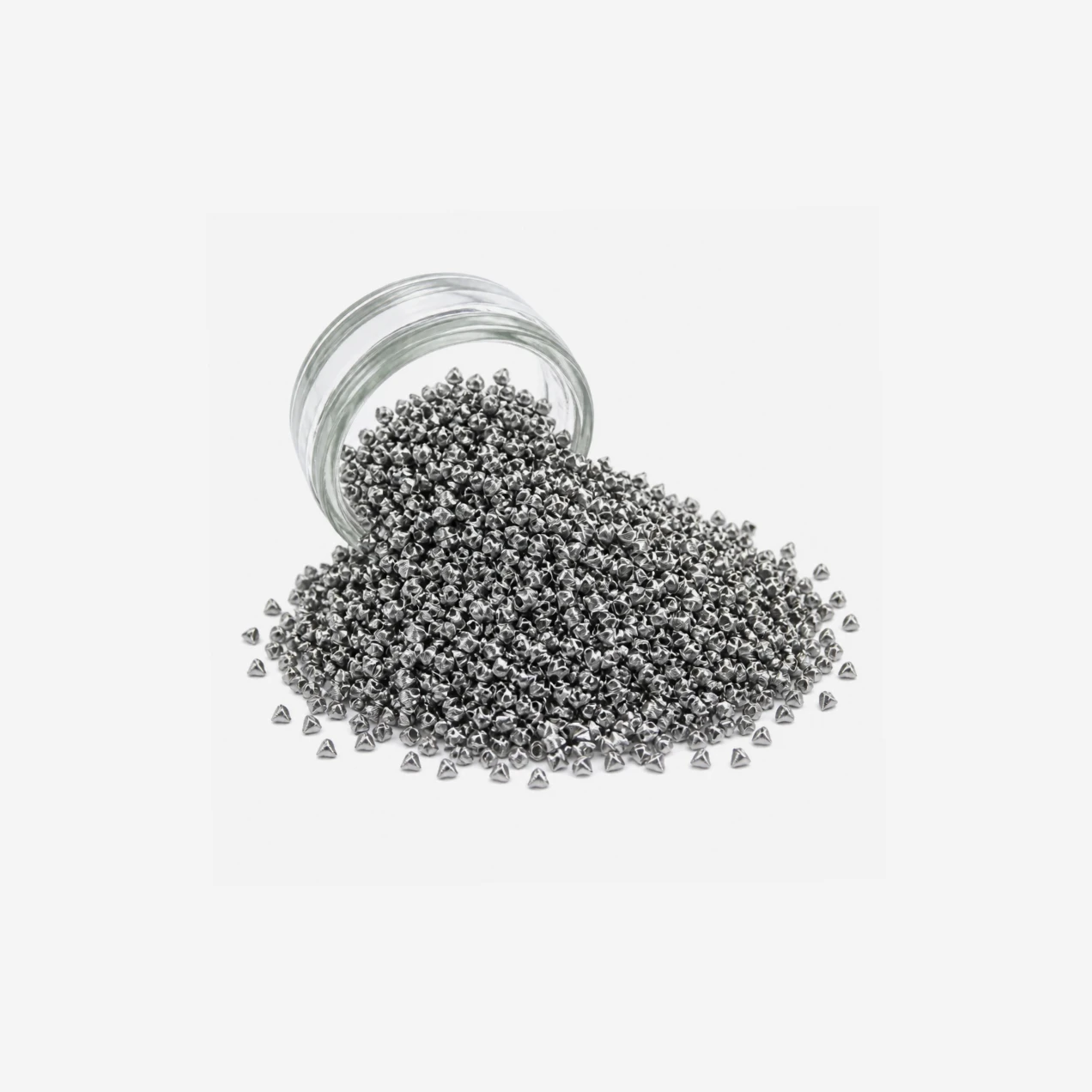
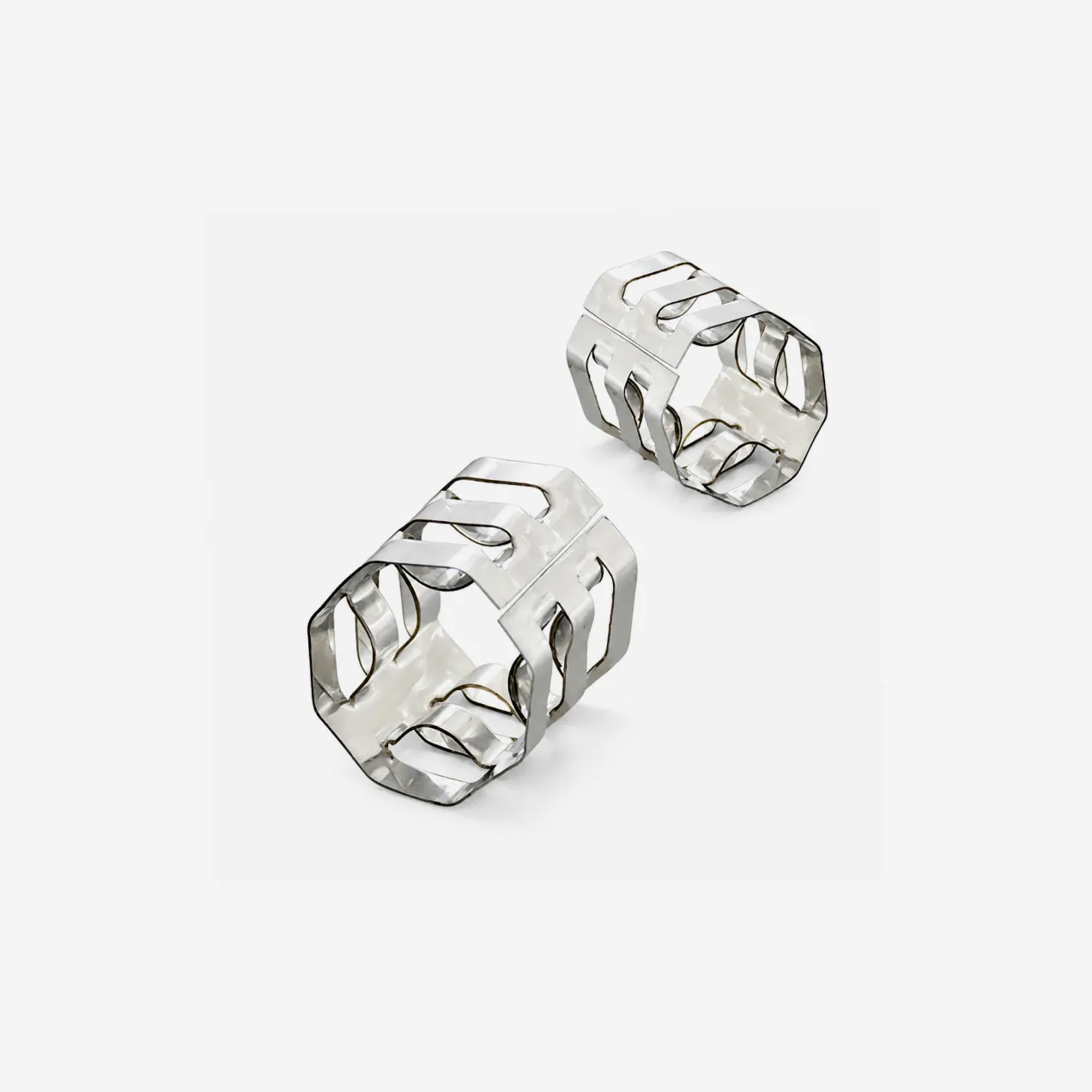
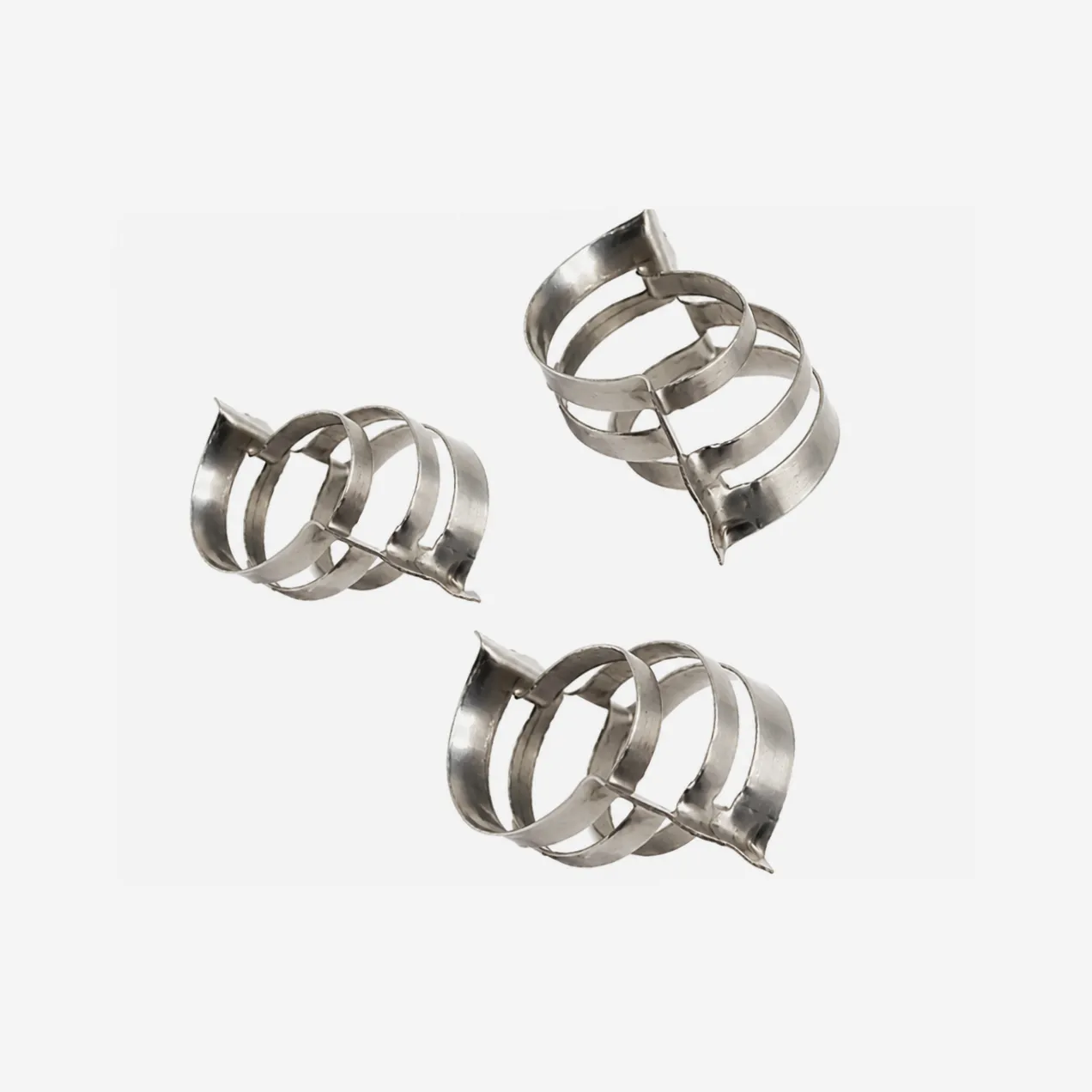
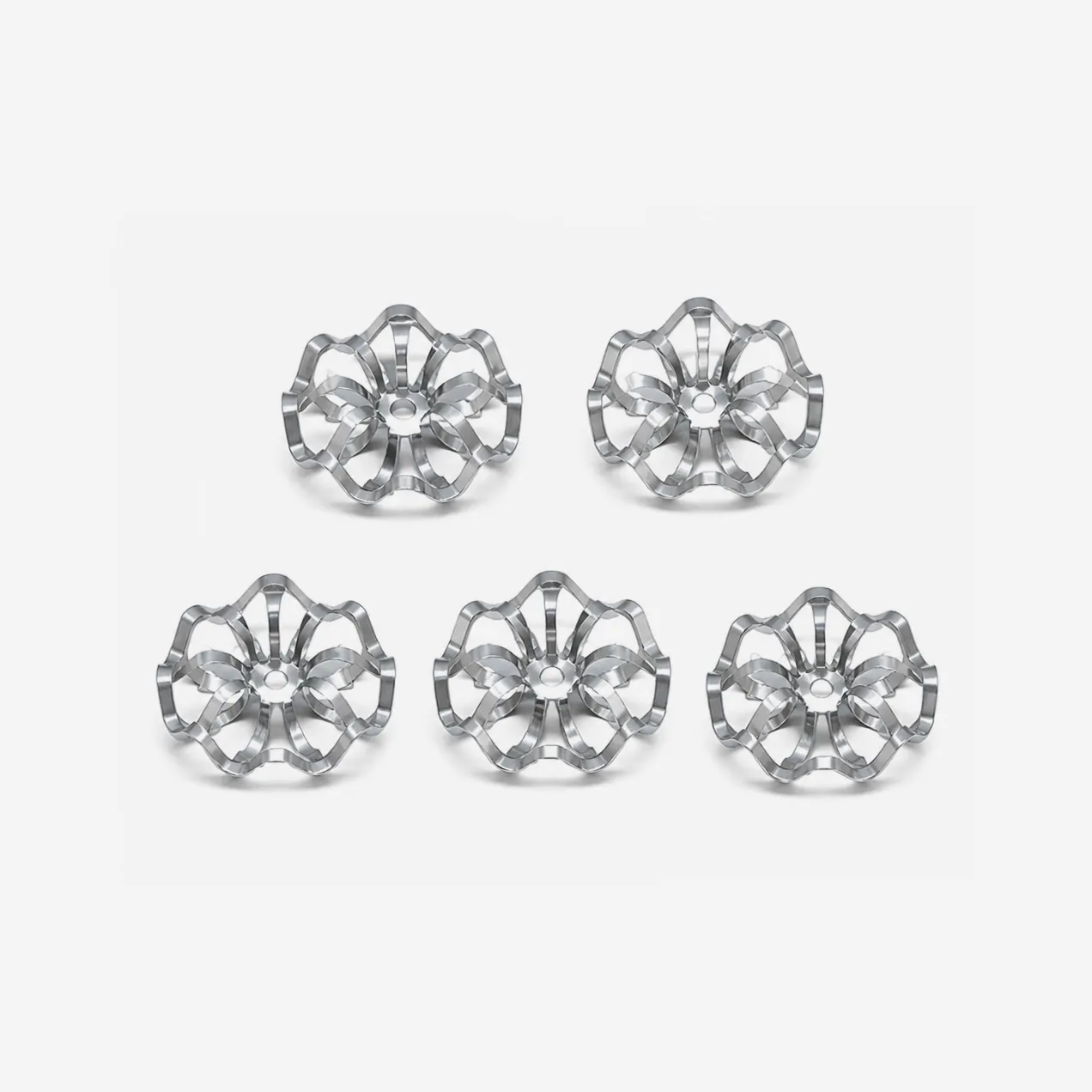
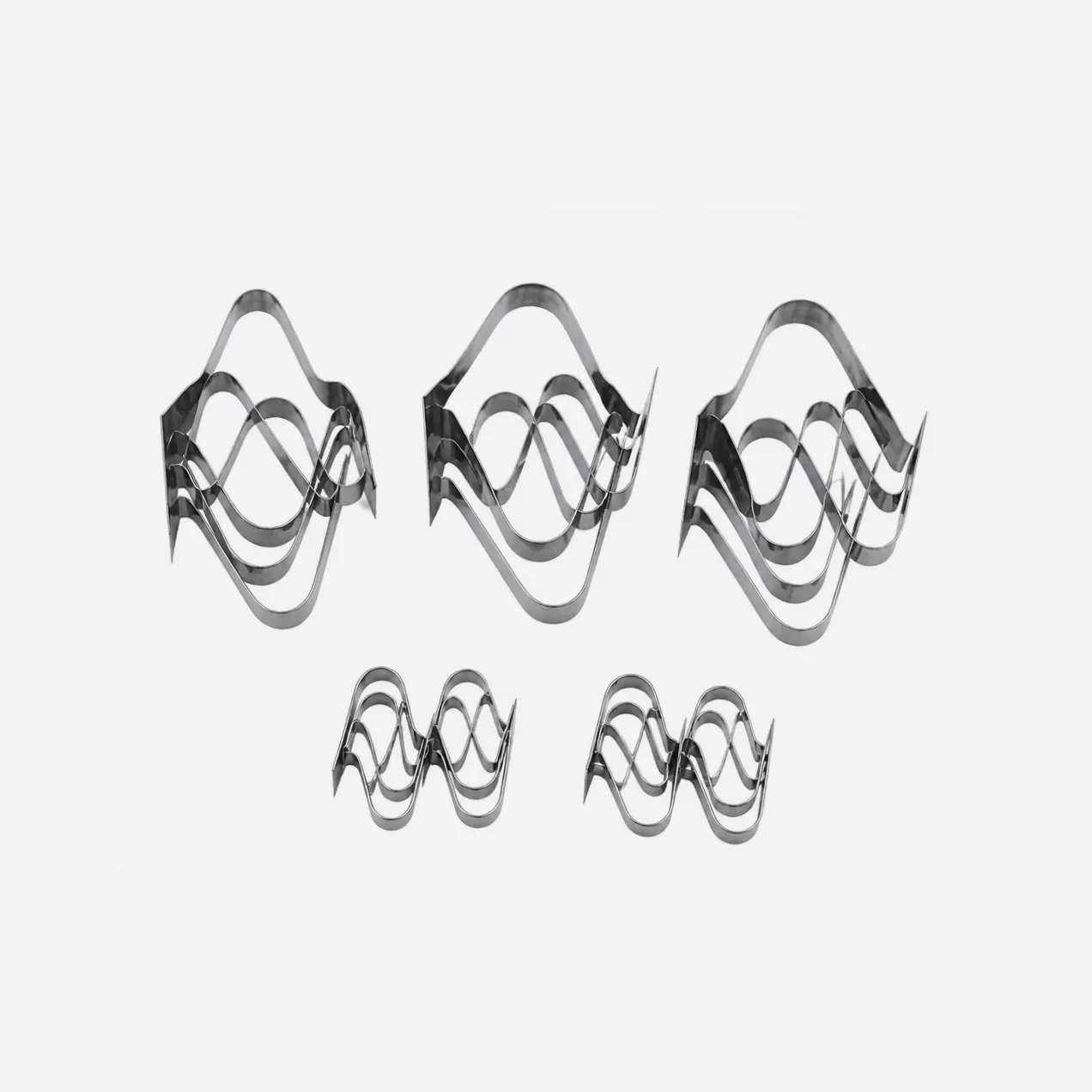
Triangular spiral ring is a small, high-efficiency metal-wire packing for the separation columns used in laboratories and small-scale process plant. It is made by forming stainless-steel wire into a tight triangular spiral, a shape that puts a great deal of metal surface into a tiny piece and constantly re-mixes the liquid and gas as they thread through it. That is why it separates so well: a bed of these little spirals offers an enormous surface — up to about 4700 m² in every cubic metre — and delivers a very high number of theoretical plates per metre, from around 20 up to 90, so a short column packed with them does the work of a much taller one filled with ordinary rings. It is used where separation must be sharp and the column is small: laboratory and pilot distillation, high-purity work, and small absorption, extraction and reaction columns. The pieces are made from φ1.5×1.5 up to φ6×6 mm, each size matched to a column bore. Porosity is high, 90 to 95 percent. Model RJ-206.

  • Small triangular-spiral stainless-steel wire packing for small, high-efficiency columns.
  • Huge surface (up to ~4700 m²/m³) and many theoretical plates (20–90 per metre).
  • Sharp separation in a short column; ideal for lab and pilot distillation.
  • Sizes φ1.5×1.5 to φ6×6 mm, each matched to a column diameter (φ2–90 mm).
  • Porosity 90–95%; stainless steel; model RJ-206.

Technial Parameters

SizeFits column dia. (mm)Theoretical plates (per m)Bulk density (g/L)Surface area (m²/m³)Porosity (%)Pressure drop (mbar/m)
φ1.5×1.5φ2–1070–90196047009032
φ2×2φ10–2060–70171039009130
φ3×3φ25–4050–60114030009315
φ4×4φ40–7045–5083022009510
φ5×5φ50–7030–406501700959
φ6×6φ60–9020–305201200957


PropertyValue
Product TypeTriangular spiral ring (metal-wire column packing)
FunctionHigh-efficiency mass transfer in small-diameter columns
Model NO.RJ-206
MaterialStainless steel wire
ShapeTriangular spiral (helical)
Sizesφ1.5×1.5 to φ6×6 mm
Fits Column Diameterφ2–90 mm
Theoretical Plates20–90 per metre
Surface Area1200–4700 m²/m³
Porosity90–95%
Pressure Drop7–32 mbar/m
AdvantagesVery high separation efficiency and surface, high porosity, good fluid distribution and mixing
ApplicationsLaboratory and pilot distillation; high-purity separation; small absorption, extraction and reaction columns
TrademarkRONGJIAN
OriginChina
HS Code8419909000
Transport PackageSteel drum / ton bag / carton box

FAQs

What is a triangular spiral ring, and what is it for?

A triangular spiral ring is a very small, high-performance packing for separation columns, made by coiling stainless-steel wire into a tight triangular spiral about the size of a grain of rice up to a small pea. It belongs to the family of fine wire or gauze packings used where a separation has to be extremely sharp but the column is small, most typically in laboratory and pilot-scale distillation, and in small high-purity absorption, extraction and reaction columns. Its job is the same as any tower packing: to spread the liquid and gas out and bring them into intimate contact so that they can exchange material. What sets it apart is how much it does that in how little space. Because it is made of fine wire wound into a spiral, a handful of the pieces presents a vast surface and forces the fluids to mix and re-mix constantly as they pass, so it achieves a very high separation in a very short bed. It is dumped loosely into the column like any random packing, but it works at the fine end of the scale, for small columns where efficiency matters more than throughput.

Why is it so much more efficient than a ring packing?

Two things: surface and mixing. Separation in a packed column depends on how much wetted surface the liquid and gas can meet on, and on how thoroughly the two are mixed as they travel. A triangular spiral ring maximises both. Being made of fine wire, it packs an enormous amount of surface into each cubic metre of bed, from around 1200 up to 4700 square metres, several times what a same-nominal-size hollow ring offers, so there is far more area for the phases to exchange material on. And the triangular spiral shape keeps tumbling and redirecting the flow, breaking up channels and renewing the contact, which is exactly what drives mass transfer. The measure that captures this is the number of theoretical plates per metre, one plate being one ideal separation step, and these packings give a remarkable 20 to 90 plates in every metre of bed, whereas a metre of ordinary dumped rings might give only a few. That is why a bench column a metre or so tall, packed with triangular spirals, can perform a separation that would need a very tall column of conventional packing.

Which size fits which column?

The packing is made in a range of small sizes, and the rule is simple: the smaller the column, the smaller the piece. A packing element should be much smaller than the column bore so that it packs evenly and the liquid does not run down the wall, so each size is matched to a band of column diameters. The smallest here, one and a half millimetres, suits the narrowest columns, roughly 2 to 10 mm across, and gives the highest surface and the most plates per metre, around 70 to 90, but also the highest pressure drop. Stepping up, the 2 mm size is for columns of about 10 to 20 mm, 3 mm for 25 to 40 mm, 4 mm for 40 to 70 mm, and the 5 and 6 mm sizes for columns up to about 90 mm, each larger size giving somewhat fewer plates and lower resistance. So you pick the size from your column diameter, accepting that the finer packings separate best but resist flow more. Tell us your column bore and duty and we will choose the size.
Where is it used, and what is the trade-off?

Triangular spiral rings are used wherever a small column must separate very cleanly. The classic use is laboratory and pilot-plant distillation, fractionating close-boiling mixtures, purifying solvents, checking a separation before scaling up, where their high plate count lets a modest column resolve components that a simple still could not. Beyond distillation they go into small absorption and extraction columns and into reactors, again where a lot of gas-liquid contact area is wanted in a compact space, and into high-purity and specialty chemical production. The trade-offs come from the same fineness that makes them efficient. The tight wire structure resists flow, so the pressure drop is higher than with coarse packing, from about 7 up to 32 mbar per metre depending on the size, and the small passages mean they suit clean fluids and modest flow rates, not high-throughput or fouling service. In short, they are a high-efficiency, low-throughput packing for small columns, not a bulk packing for large towers. Send us the separation and the column and we will specify the packing.
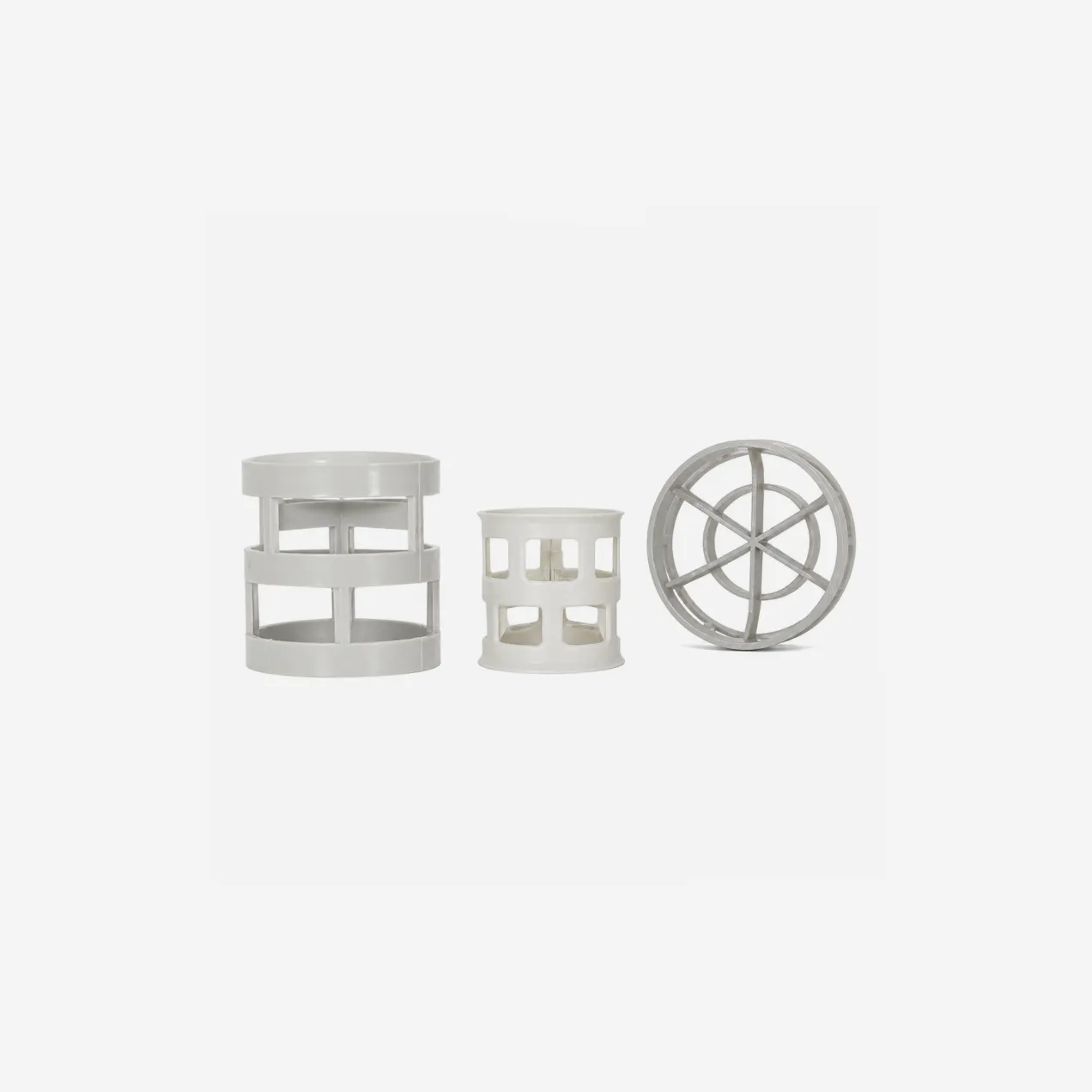
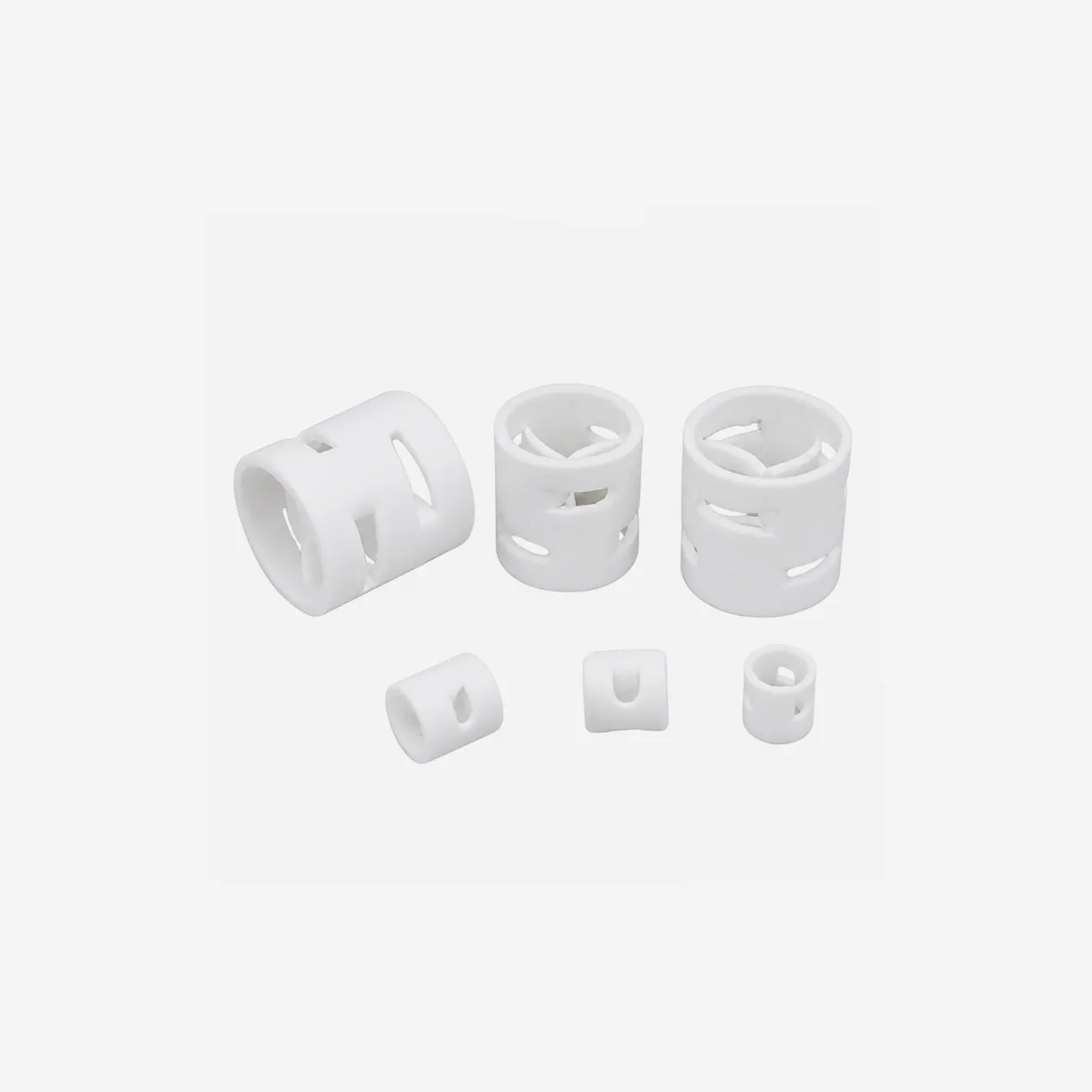
A triangular spiral ring is a small, high-efficiency column packing made by winding stainless-steel wire into a tight triangular spiral. It is one of the fine wire packings used where a separation must be very sharp but the column is small, chiefly laboratory and pilot distillation and small high-purity columns. Like any packing it spreads and mixes the liquid and gas for mass transfer, but its fine wire gives an enormous surface and its spiral shape mixes the flow constantly, so it delivers many theoretical plates in a short bed. It is dumped loosely into the column and made in small sizes matched to the column bore.

Triangular spiral (wire) packing against a dumped ring packing:

PropertyTriangular spiralDumped ring packing
Piece sizeSmall (1.5 to 6 mm)Larger (16 mm and up)
Column sizeSmall (φ2 to 90 mm)Large towers
Surface areaVery high (1200 to 4700 m²/m³)Lower
Plates per metreHigh (20 to 90)Few
Pressure drop / throughputHigher drop; low throughputLower drop; high throughput

It is used for laboratory and pilot distillation, high-purity separation, and small absorption, extraction and reaction columns, in stainless steel, in sizes from φ1.5×1.5 to φ6×6 mm and a porosity of 90 to 95 percent. Tell us your column diameter and the separation, and we will choose the size.