search
Search

Enter keywords to search for products, blog posts, and more.


Home > Ceramic Mini Lessing Ring

Ceramic Mini Lessing Ring

Ceramic Mini Lessing Ring

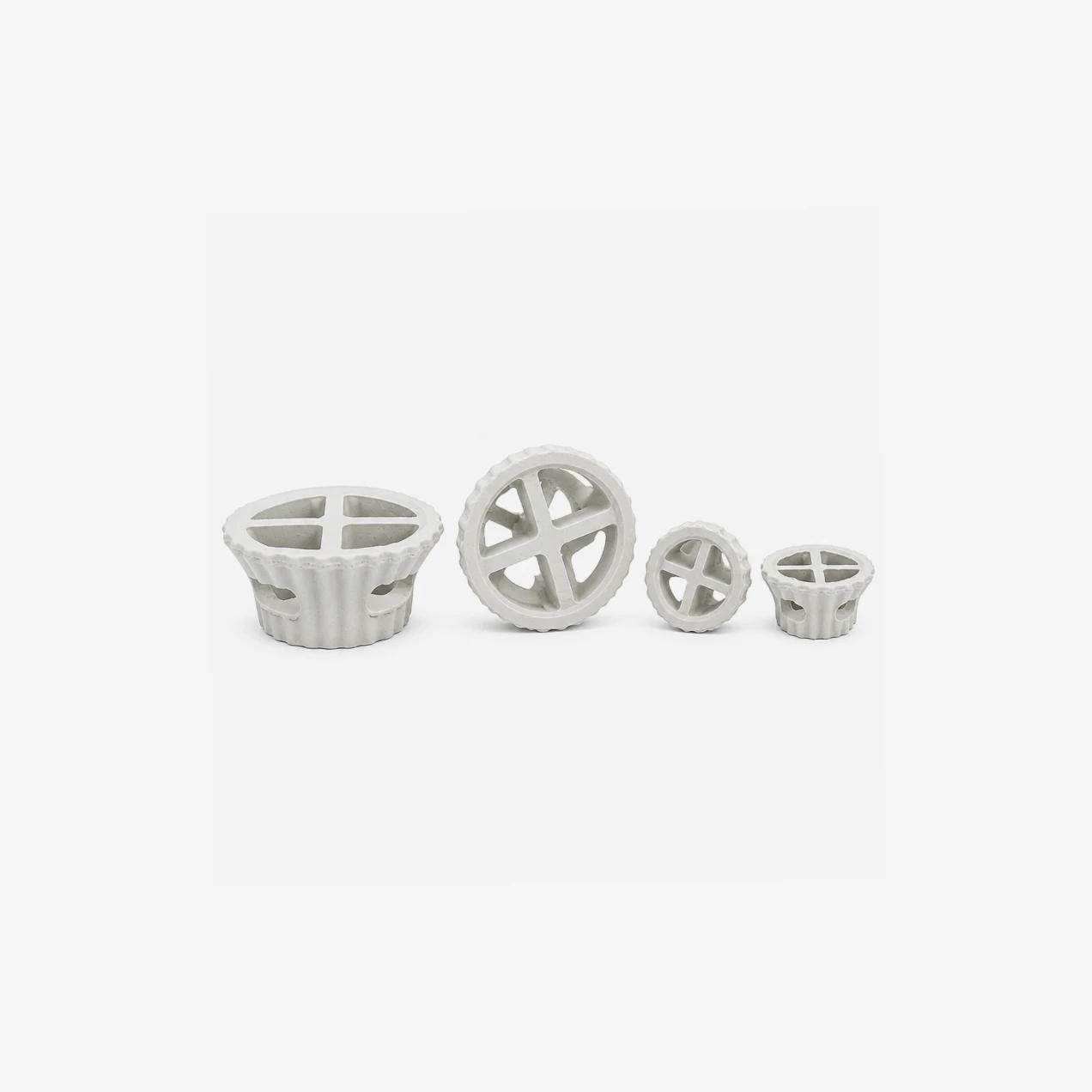
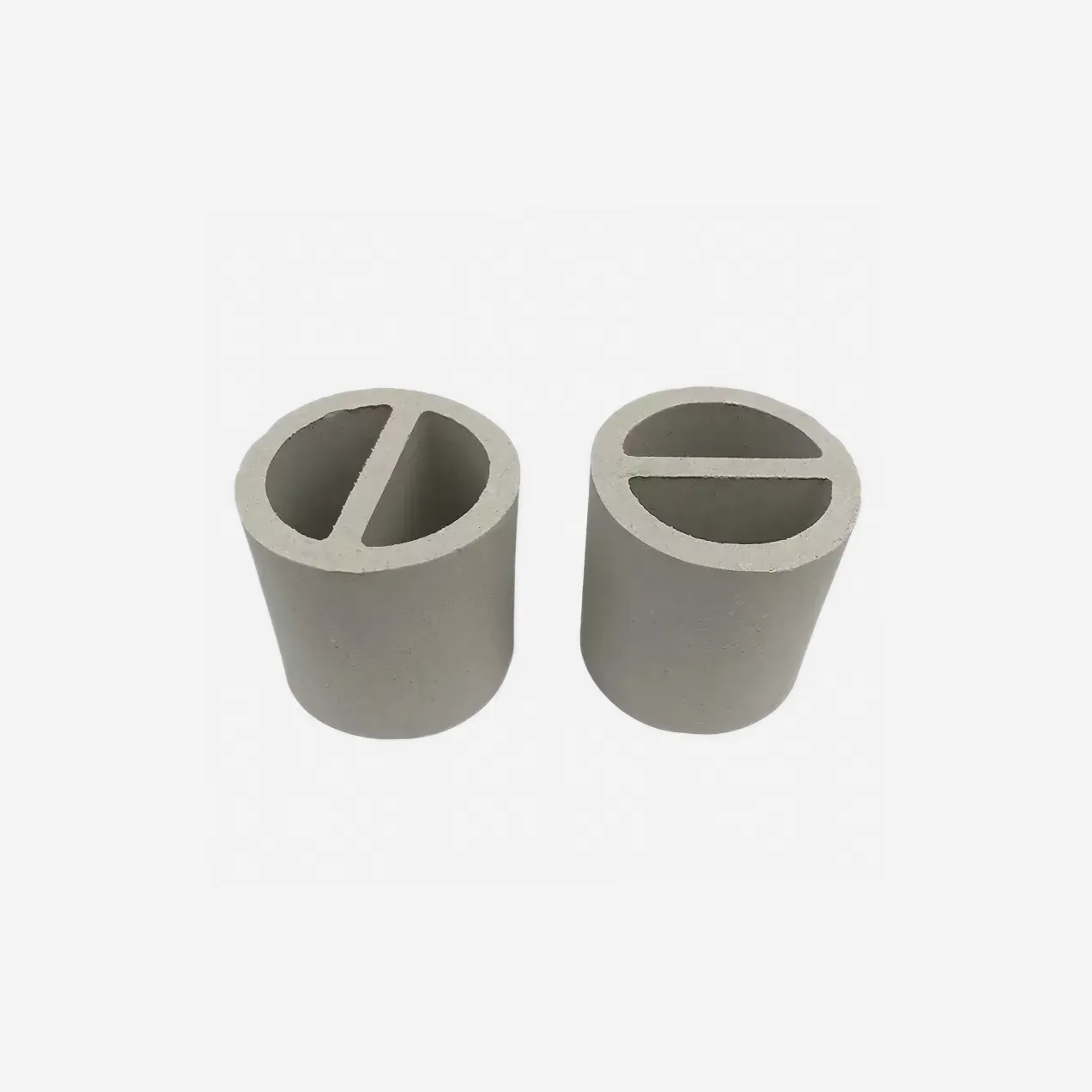
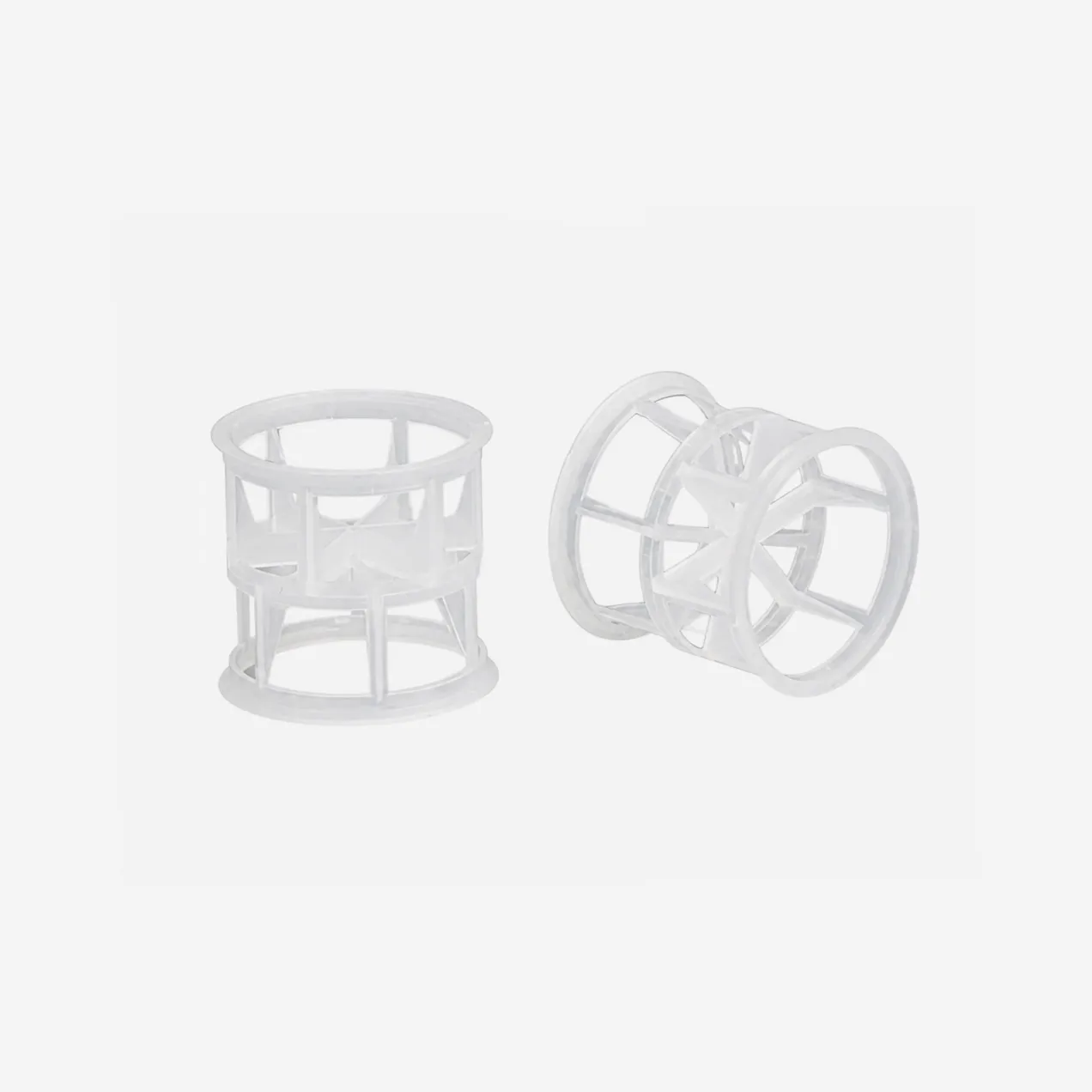
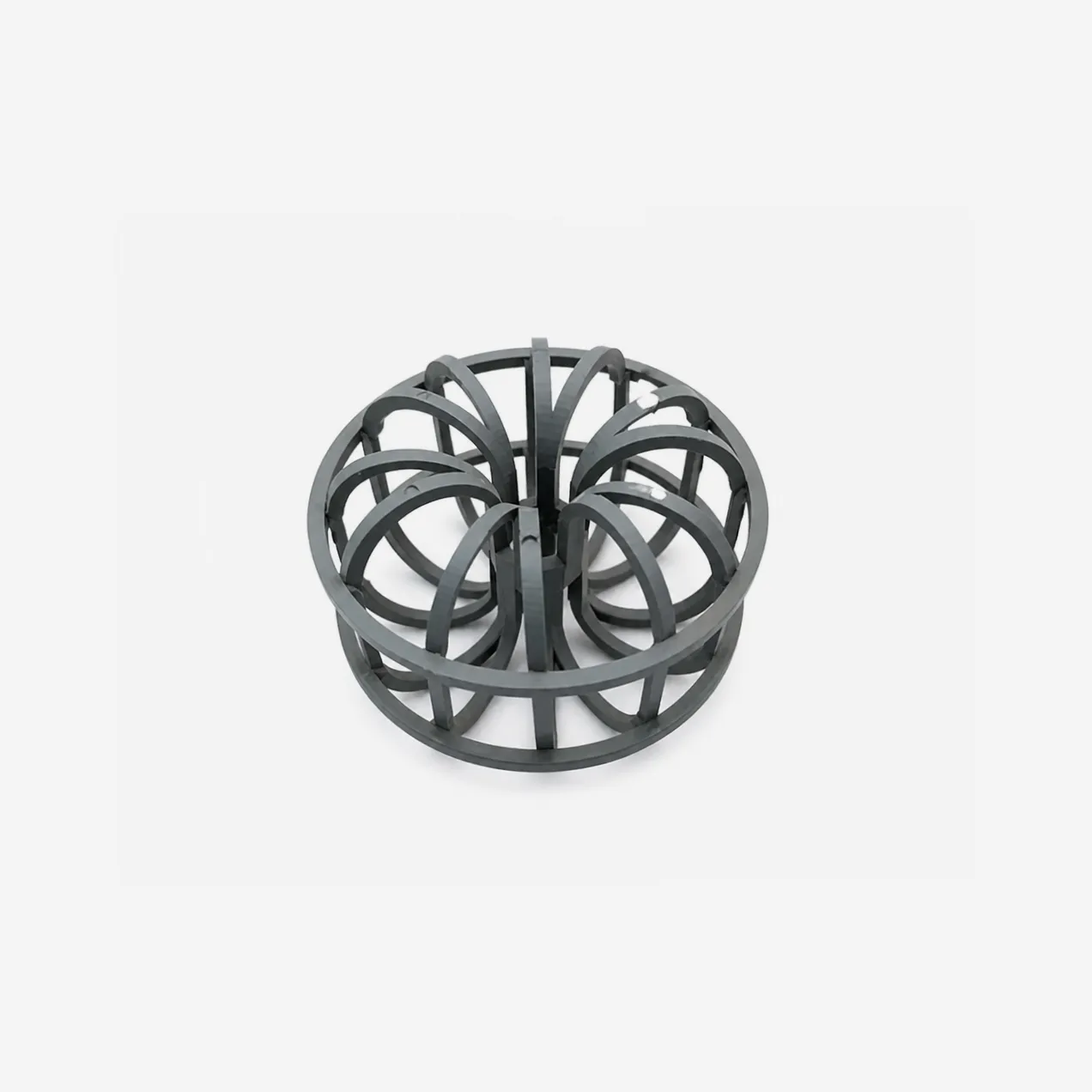
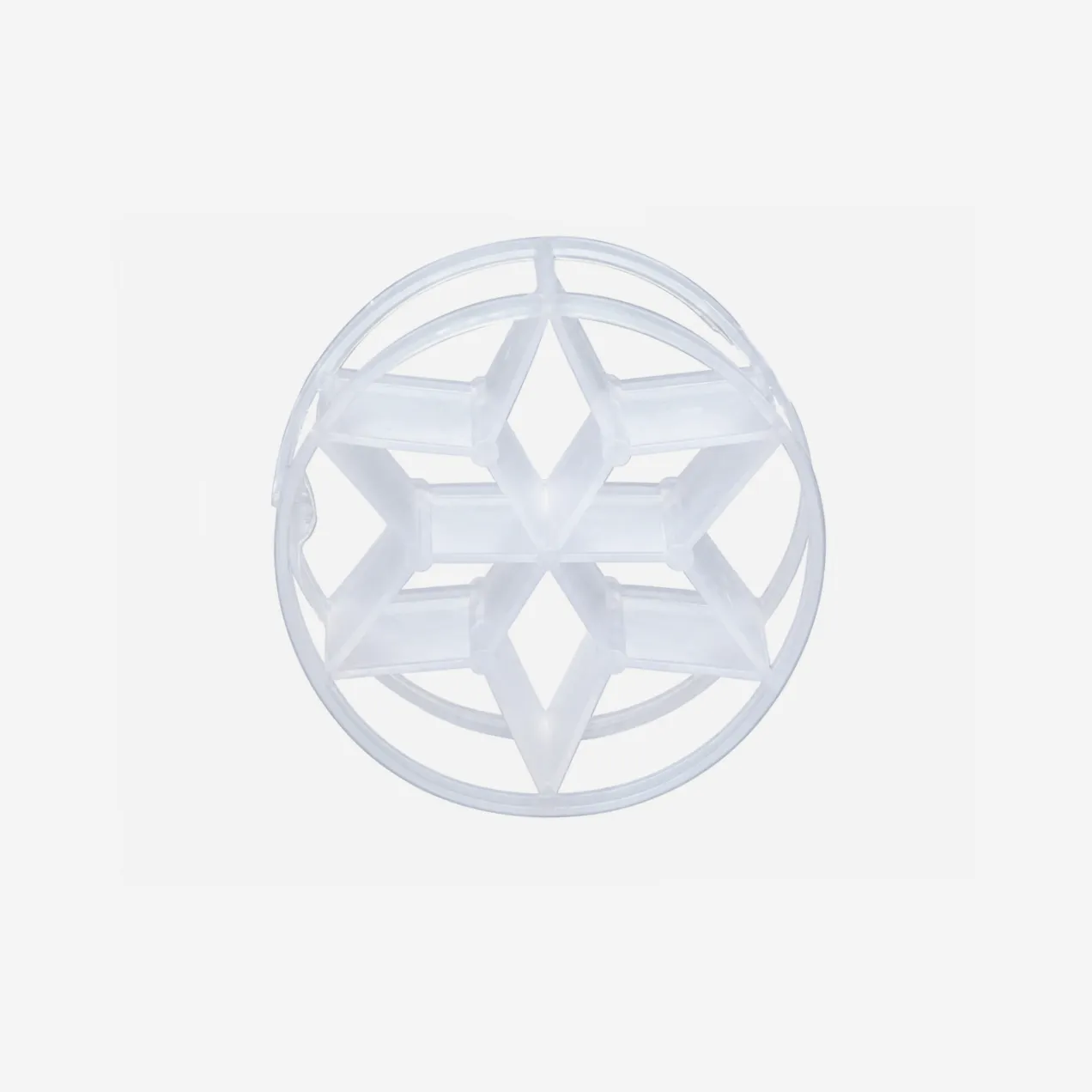
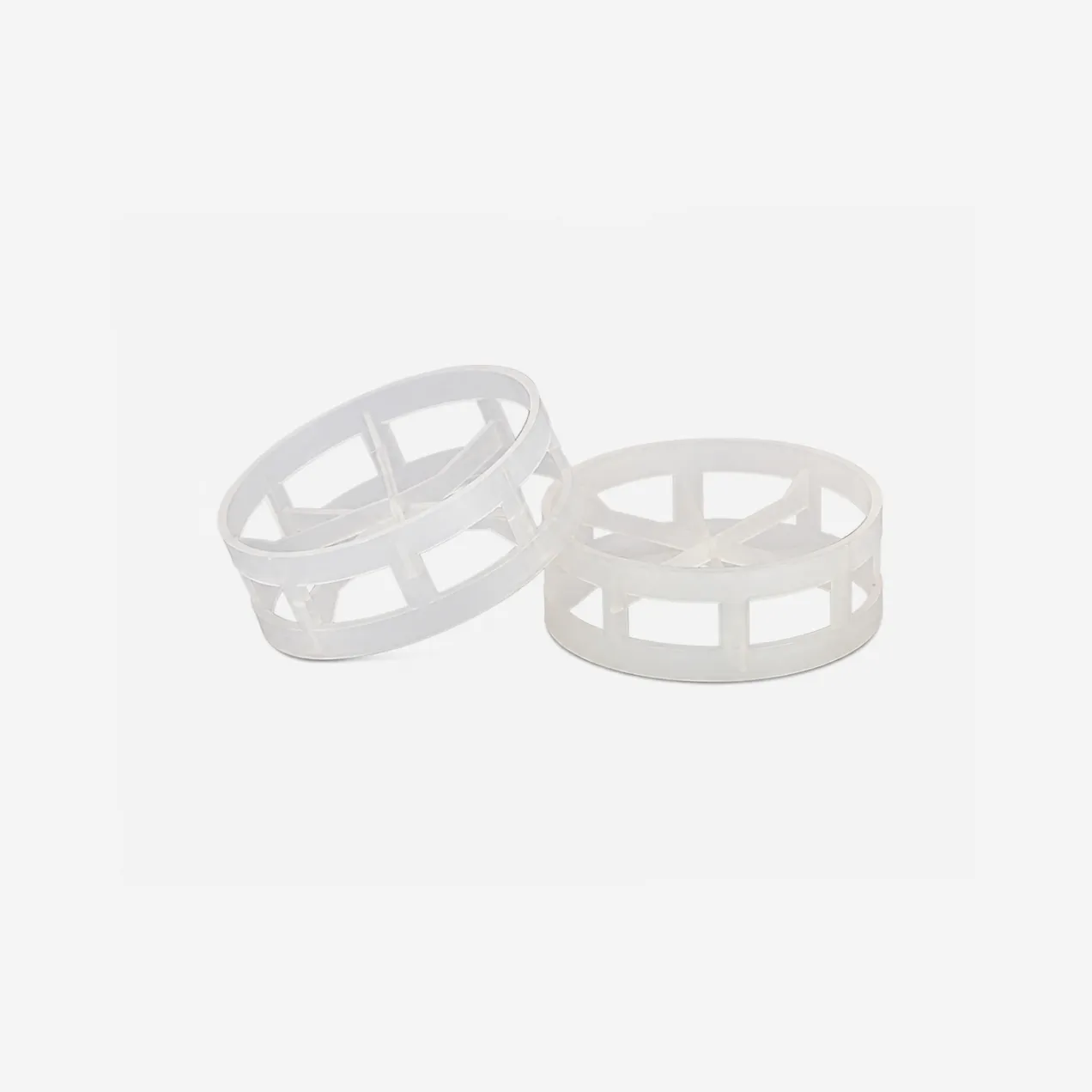
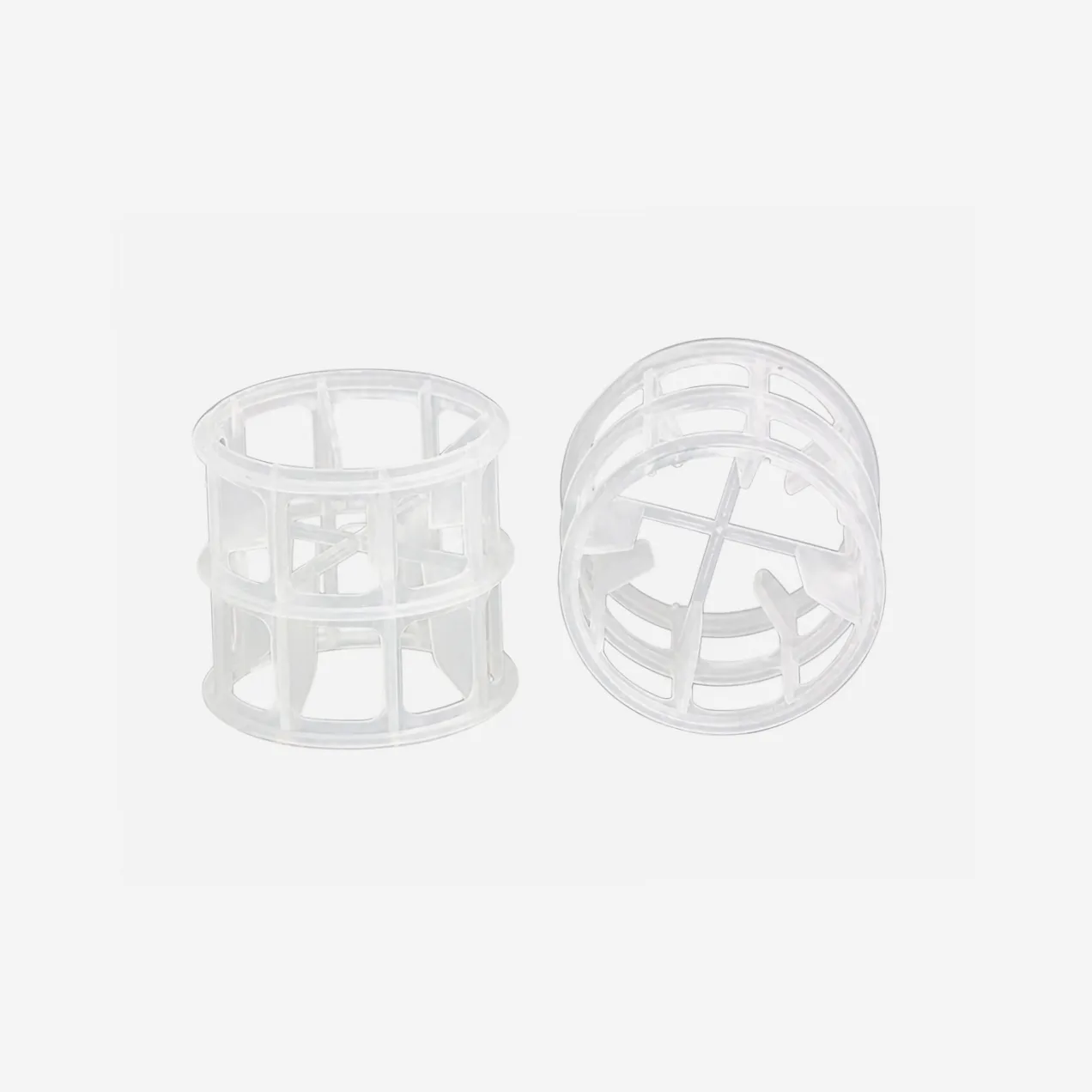
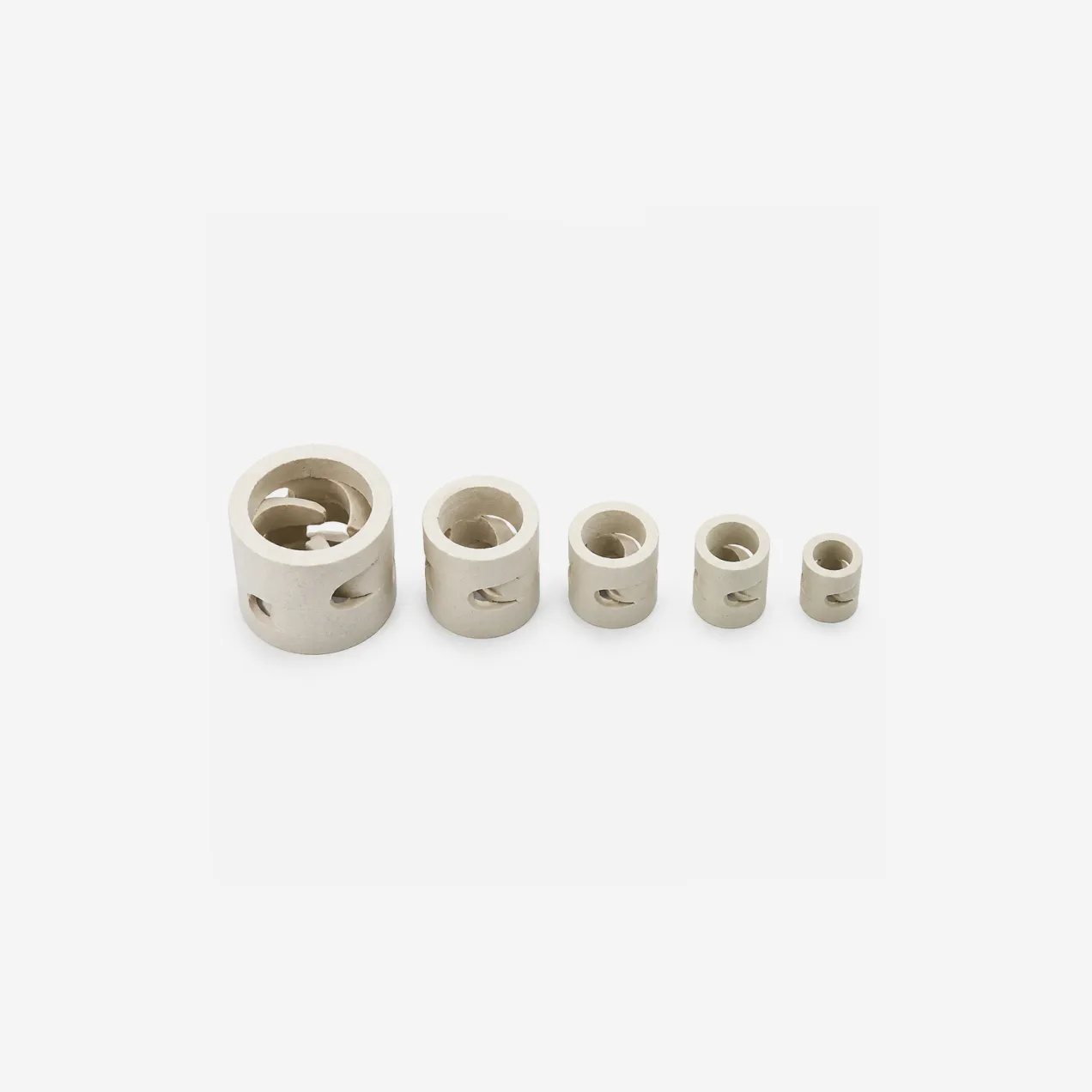
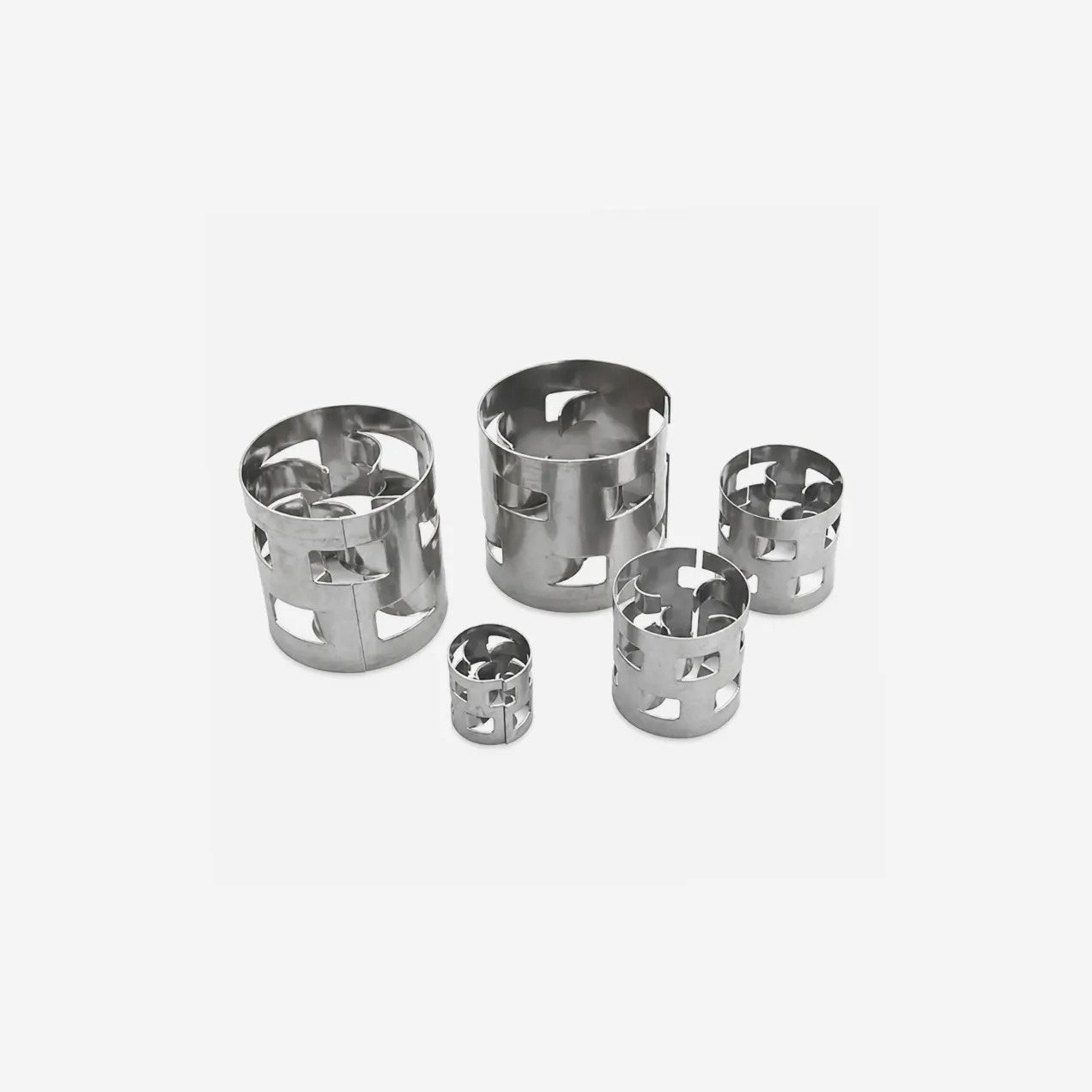
Ceramic Lessing ring is a Raschig ring with a single wall added inside it. Take a plain ceramic ring and fit one flat partition, a diaphragm, straight across the bore, and you have a Lessing ring. That one extra wall was added for two reasons: it braces the ring from within, so it withstands far more crushing load in a deep bed, and it adds ceramic surface, so the ring gives more area for gas and liquid to meet on and transfers mass better than a hollow tube. It keeps the plain ring's easy flow and low resistance. Fired from ceramic, it takes about 1000 degrees and stays inert to acids. Made in sizes from 10 up to 150 mm; the model is RJ-897.

  • Ceramic Raschig ring braced by one internal partition (a diaphragm across the bore).
  • The partition braces the ring, giving markedly higher compressive strength.
  • It also adds surface area, so mass transfer beats a plain hollow tube.
  • Keeps easy flow and low resistance; ceramic, to about 1000 degrees, acid-inert.
  • Standard sizes 10 to 150 mm; see the table below; the model is RJ-897.

Technial Parameters

Size (inch / mm)OD×ID×H×wall (mm)Bulk density (kg/m³)Pieces per m³Surface area (m²/m³)Dry packing factor (m⁻¹)
3/8" (10)10 × 6 × 8 × 2800750,0004201,250
2" (50)50 × 40 × 50 × 56006,500145565
3" (80)80 × 64 × 80 × 88201,950120356
4" (100)100 × 80 × 100 × 108501,000110252
5" (120)120 × 96 × 120 × 1286037075146
6" (150)150 × 120 × 150 × 1598029660101

Size is outer diameter × inner diameter × height × wall thickness (mm). The 150 mm outer diameter is corrected from a source typo (shown as 50). Confirm before ordering.


PropertyValue
Product TypeCeramic random packing (Lessing / one-partition ring)
StructureRaschig ring with one internal partition (diaphragm) across the bore
MaterialFired ceramic (porcelain / aluminosilicate)
Model NO.RJ-897
Standard Sizes10, 50, 80, 100, 120, 150 mm
Surface Area60–420 m²/m³
Bulk Density600–980 kg/m³
Dry Packing Factor101–1,250 m⁻¹
Max TemperatureAbout 1000 °C
ColourCreamy white
AdvantagesHigher compressive strength, extra surface area, high flux, low pressure drop, corrosion-resistant
ApplicationsDrying, absorption and cooling towers, scrubbers; chemical, metallurgy, gas, environmental
TrademarkRONGJIAN
OriginChina
HS Code6909110000
Transport PackageCarton box / ton bag / steel drum

FAQs

What is a Lessing ring, and why add a partition to a Raschig ring?

A ceramic Lessing ring is a Raschig ring with one improvement: a single flat wall, a diaphragm, moulded straight through its centre. The Raschig ring is the oldest and plainest packing there is, an empty ceramic tube; the Lessing ring is the very first refinement anyone made to it. Fitting one partition across the tube divides the open centre into two half-moon spaces and, at a stroke, gives the ring both a stiffer body and more internal surface. Nothing else about it changes: it is the same size and the same ceramic as a Raschig ring, just with that one wall inside. Simple as the change is, it is why the Lessing ring performs and lasts better than the tube it came from.

Does the partition make the ring stronger?

Yes, and for the Lessing ring that is often the main attraction. A hollow ceramic tube can be crushed once the load on it is high enough; the diaphragm turns that tube into a braced structure, tying its walls together so it carries far more weight before it fails. That is why Lessing rings are favoured low down in deep beds, where the tonnes of packing stacked above press hardest on each piece. The wall pays off a second way too, in contact area: the partition is an extra sheet of ceramic that the flowing gas and liquid wet and cross, and more wetted area means more effective mass transfer than the plain tube manages. So the single wall buys strength first and surface second, without spoiling the ring's open flow or adding much resistance.

Why choose a ceramic Lessing ring for hot or acidic towers?

Ceramic is the natural material here, because the Lessing ring is usually sent into exactly the conditions that wreck other packings. It is inert to acids and to most aggressive process chemistry, and it stays sound at temperatures near 1000 degrees, so it neither rusts away like a metal ring nor softens like a plastic one. Layered on top of that chemical and thermal toughness, the braced, partitioned body gives the ring the mechanical strength to sit in a tall column without breaking up. The one thing to respect is that ceramic is dense and can chip, so the rings want gentle loading. For a hot, acidic tower that also puts weight on its packing, that blend of inertness, heat tolerance and strength is hard to beat. Send us the operating temperature and what the tower handles, and we will confirm the body.
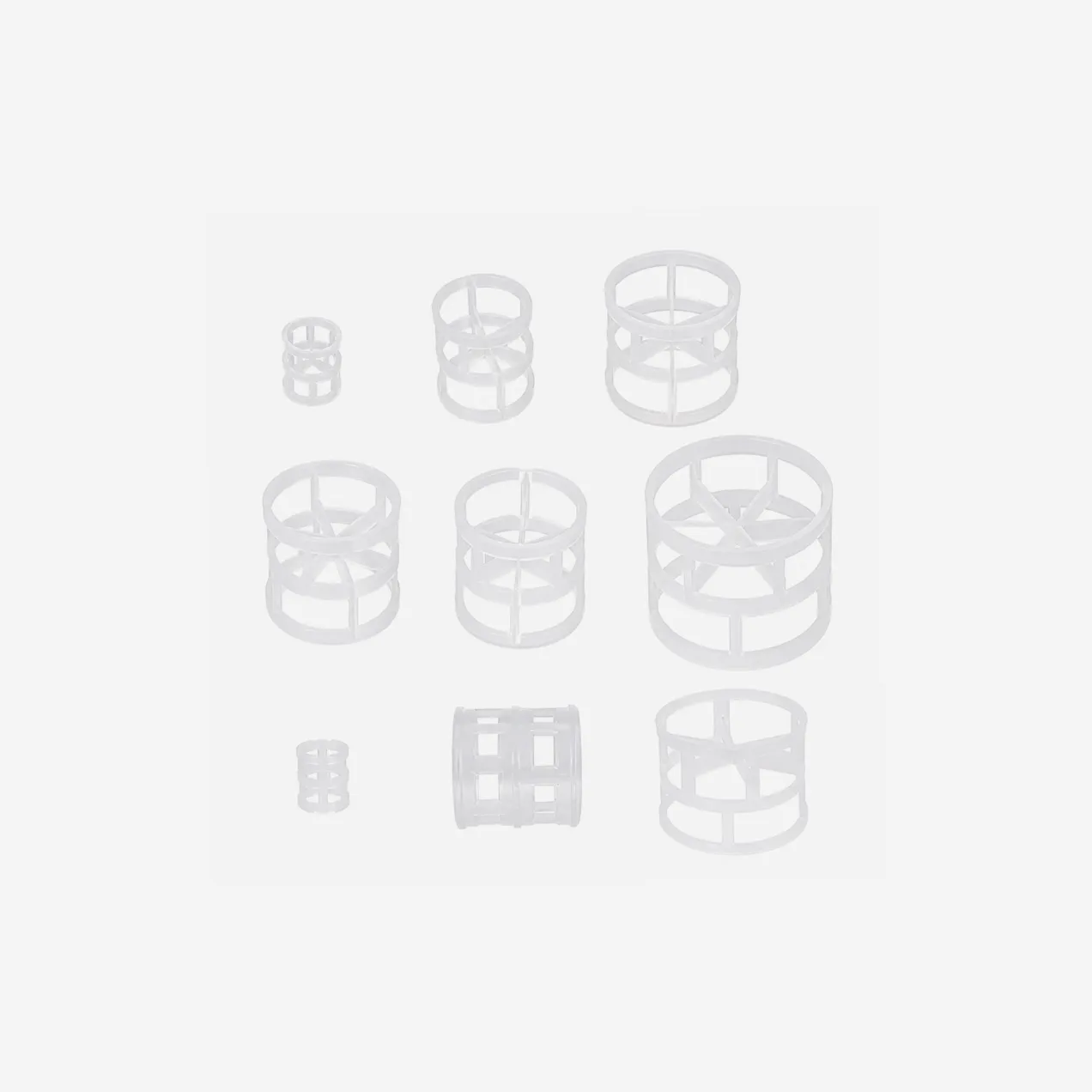
Which towers use a ceramic Lessing ring?

The ceramic Lessing ring is a workhorse for the towers of the process industries. It goes into drying towers, absorption towers, cooling towers and scrubbers, and it does its job across chemical plants, metallurgy, gas processing and environmental works. What recommends it is the blend it brings: the easy flow and low resistance of a good ring, the extra mass-transfer surface of its partition, and above all a compressive strength that lets it sit deep in a bed without crushing, all in a ceramic body that laughs off heat and acids. Where a tower runs hot or corrosive and its packing must also bear real weight, the Lessing ring is a sound, economical pick. Give us the tower and the duty and we will name the size.
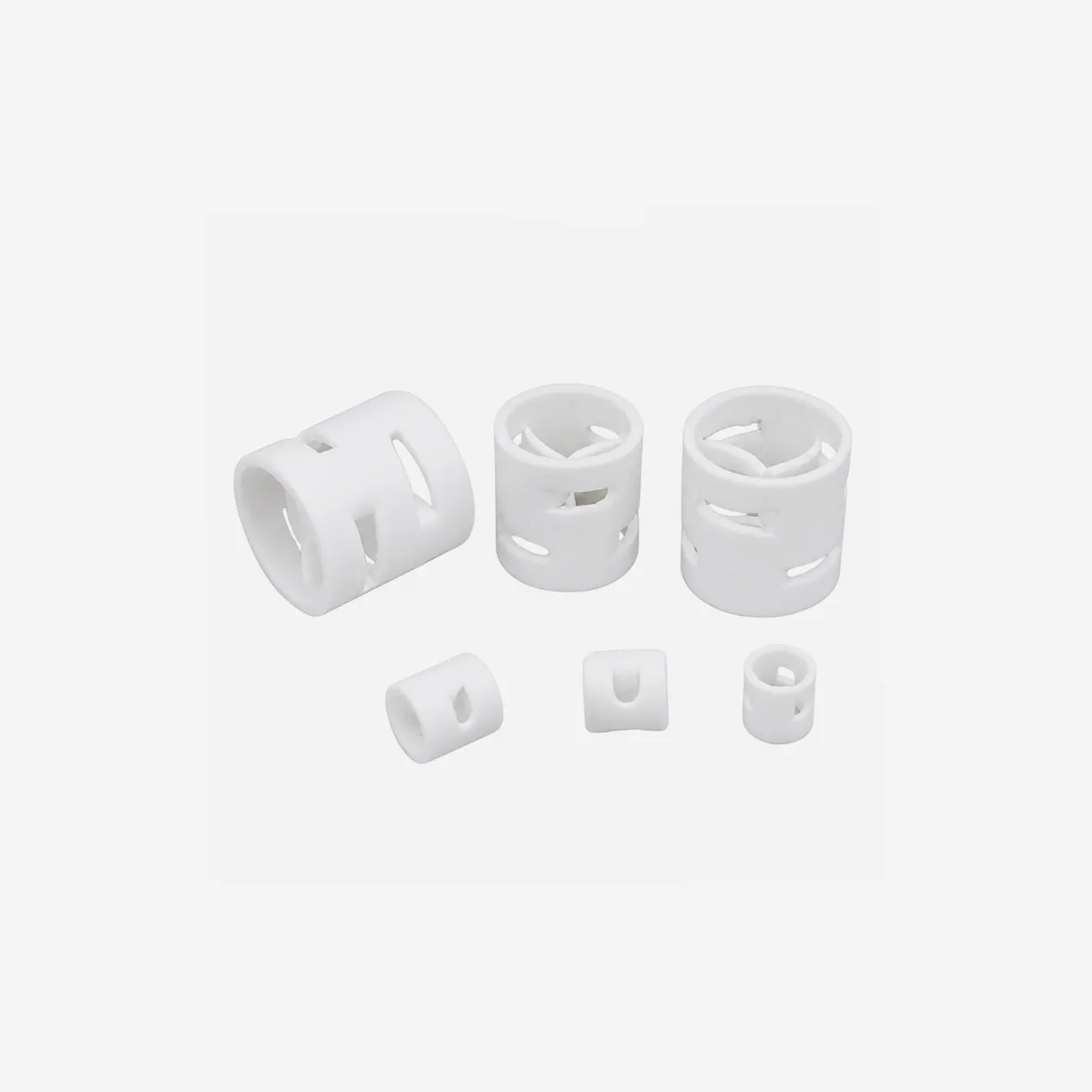
The ceramic Lessing ring is the original upgrade to the Raschig ring: a plain ceramic tube with one partition set across its middle. That single diaphragm splits the bore into two half-moon channels and does two useful things. It braces the ring, so it withstands far more crushing load than an empty tube of the same wall — which is why it is favoured deep in a heavy bed — and it adds a sheet of ceramic surface, which lifts the ring's mass-transfer performance above the plain tube. It loses none of the Raschig ring's easy flow and low resistance, and as a fired ceramic it works untroubled in heat and acid.

What the one partition changes, next to a plain Raschig ring:

PropertyCeramic Raschig ringCeramic Lessing ring
Inside the ringHollow, open boreOne partition, splitting it into two channels
Compressive strengthStandardHigher, the partition braces the walls
Specific surface areaLowerHigher, from the added sheet of ceramic
Mass-transfer efficiencyBaselineBetter, on the extra surface

Those qualities suit it to the everyday towers of the process industries — drying, absorption and cooling towers and scrubbers in chemical, metallurgical, gas and environmental plants — and it is especially at home in the lower courses of a tall bed, where load is greatest. Standard sizes run 10 to 150 mm, with the surface area, density and packing factor for each set out in the table above. Tell us your column and its duty, and we will recommend a size and confirm the ceramic body.