search
Search

Enter keywords to search for products, blog posts, and more.


Home > Cascade Mini Ring

Cascade Mini Ring
Cascade Mini Ring

Cascade Mini Ring

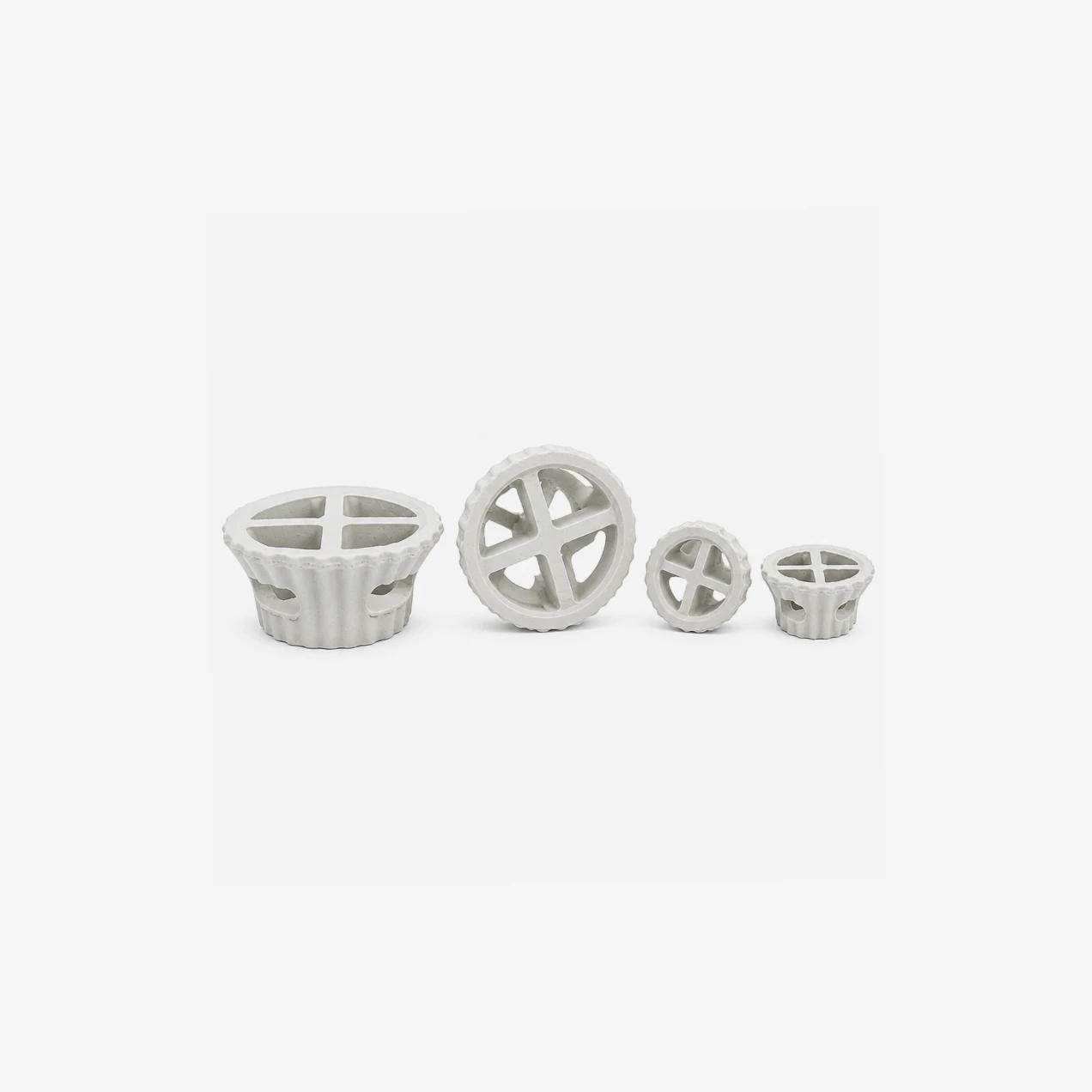
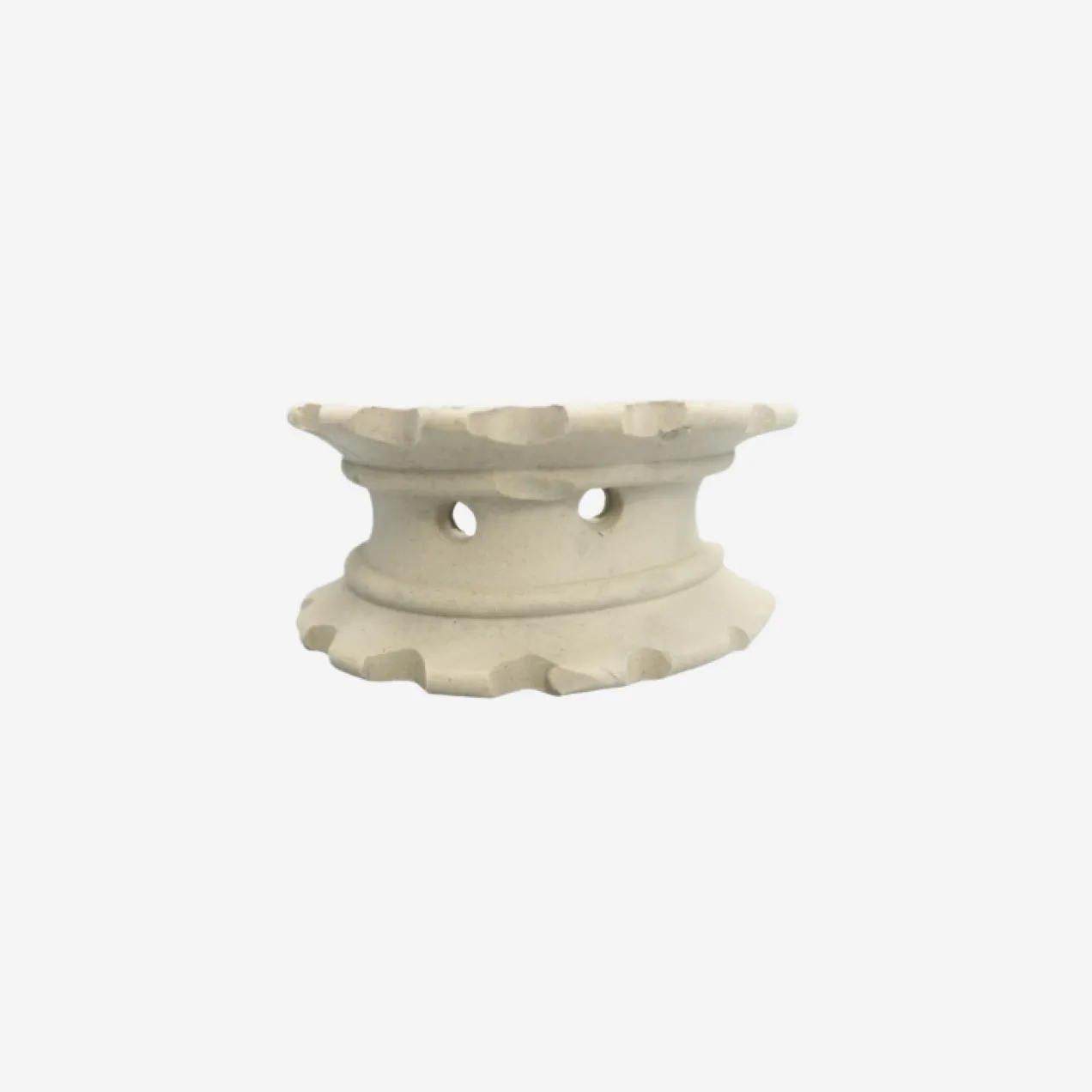
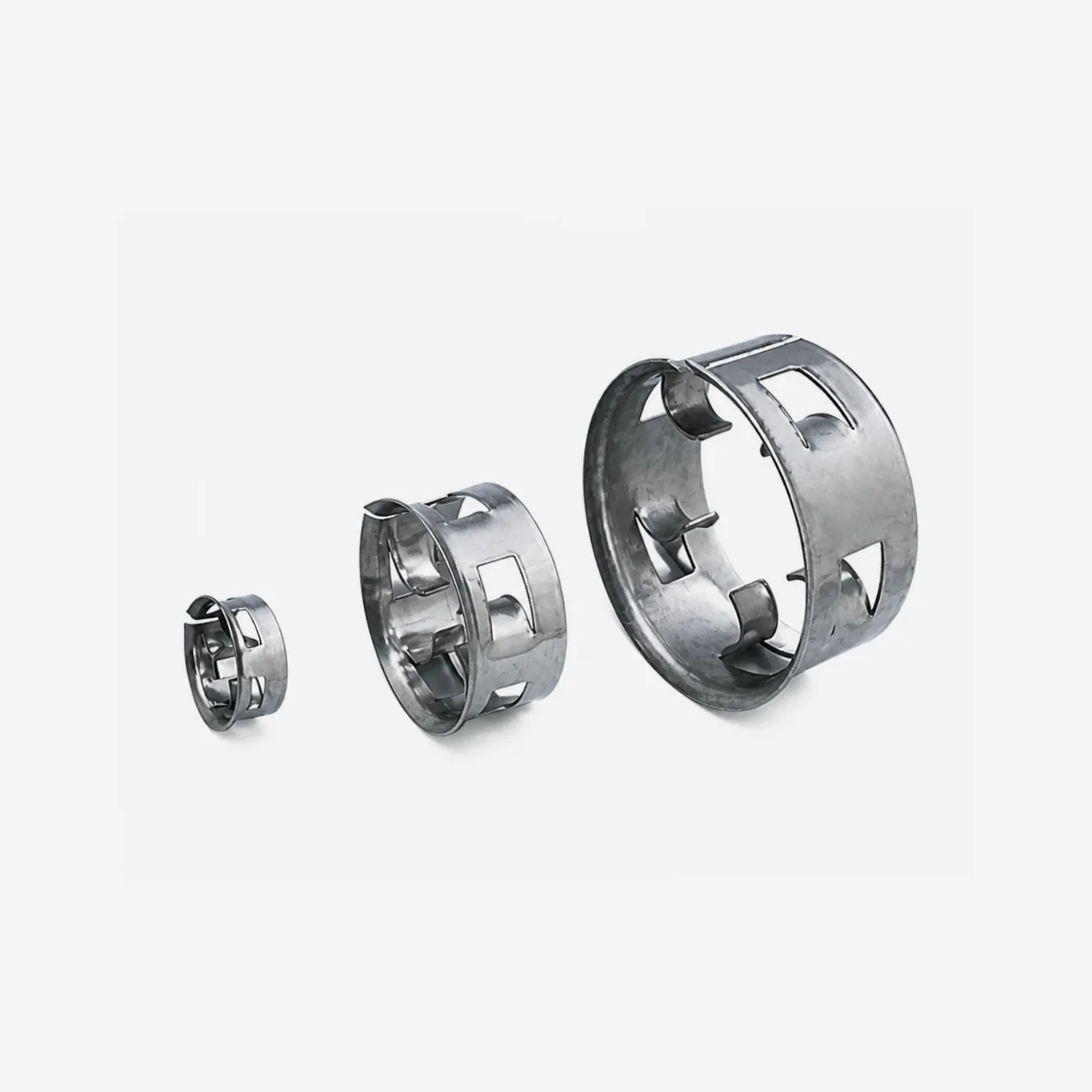
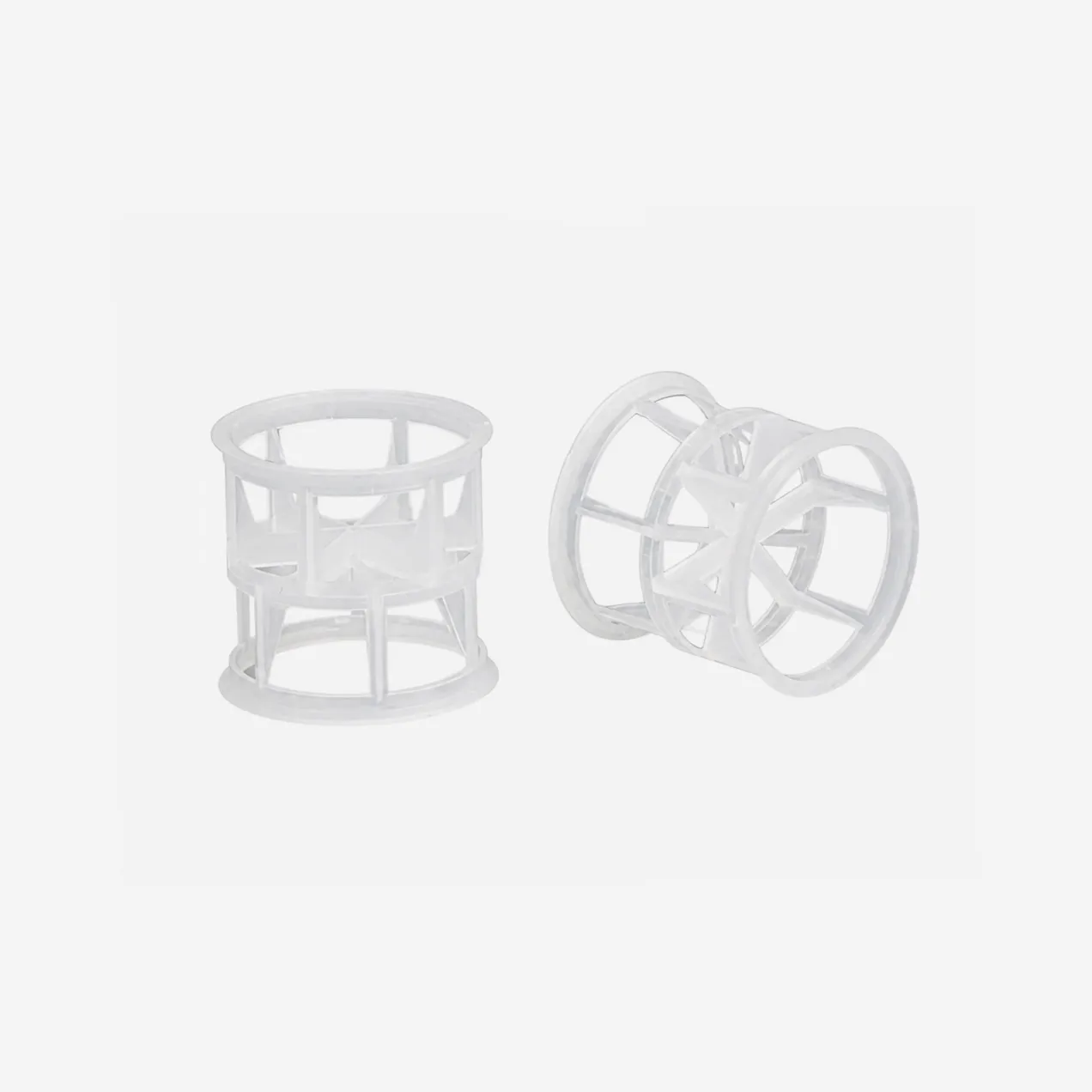
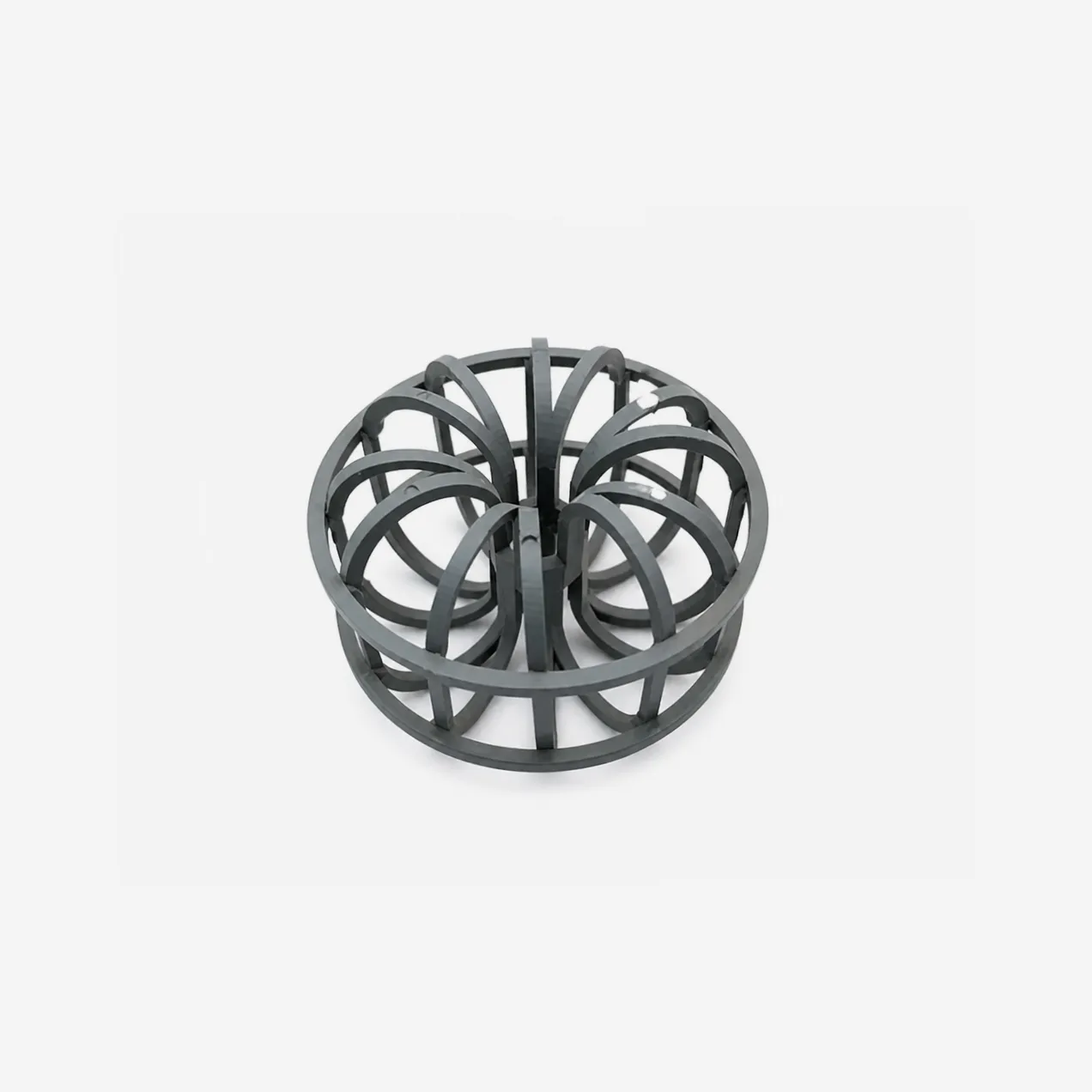
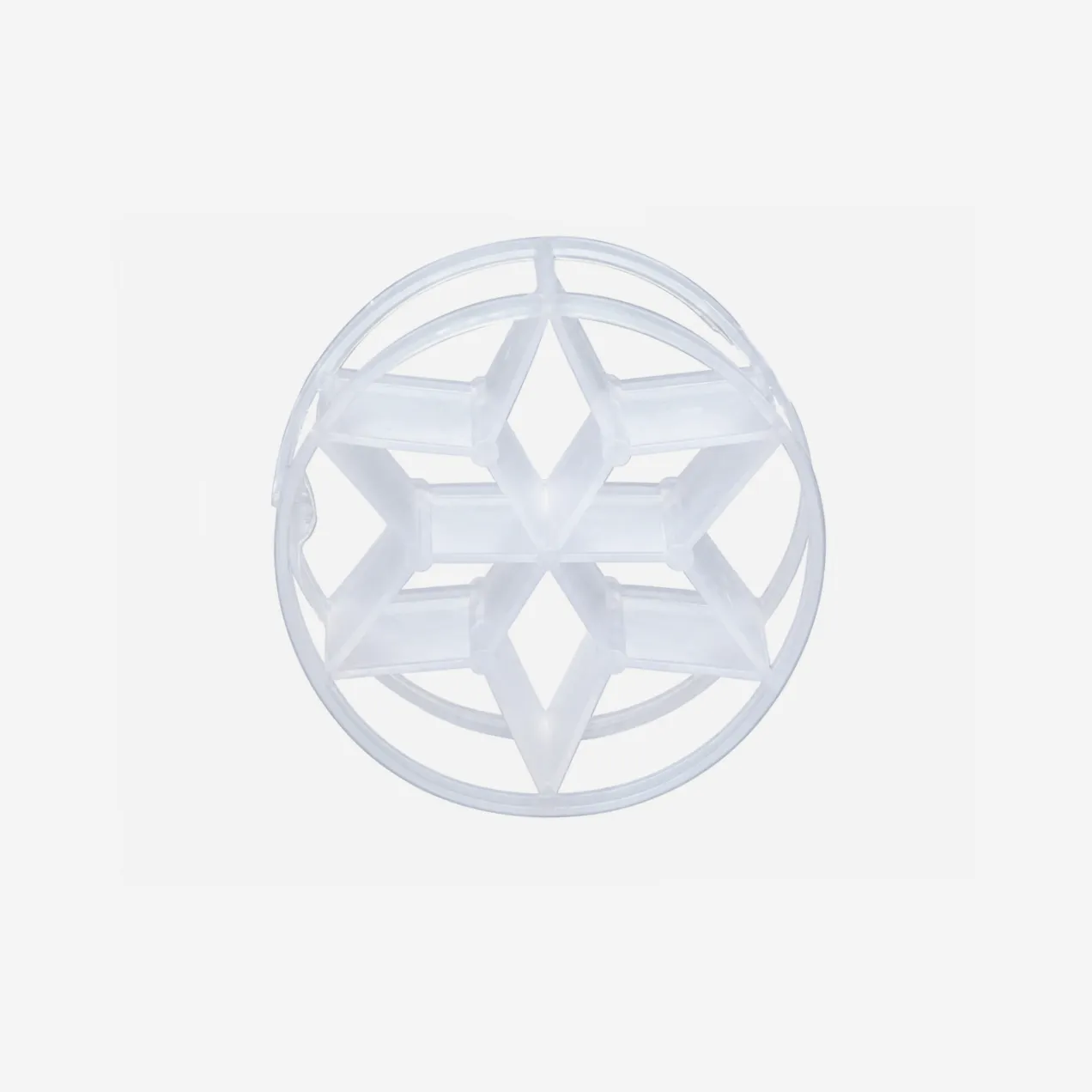
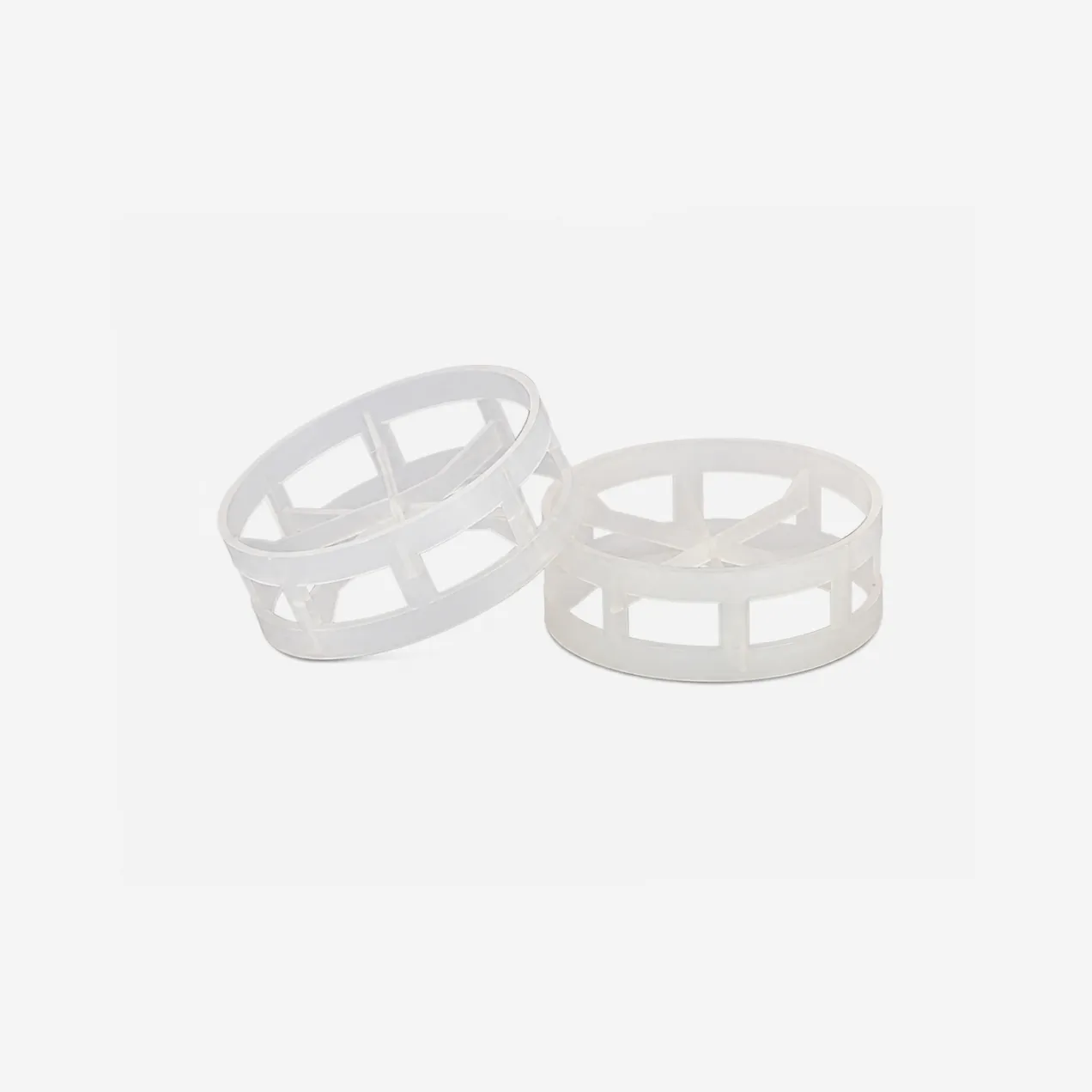
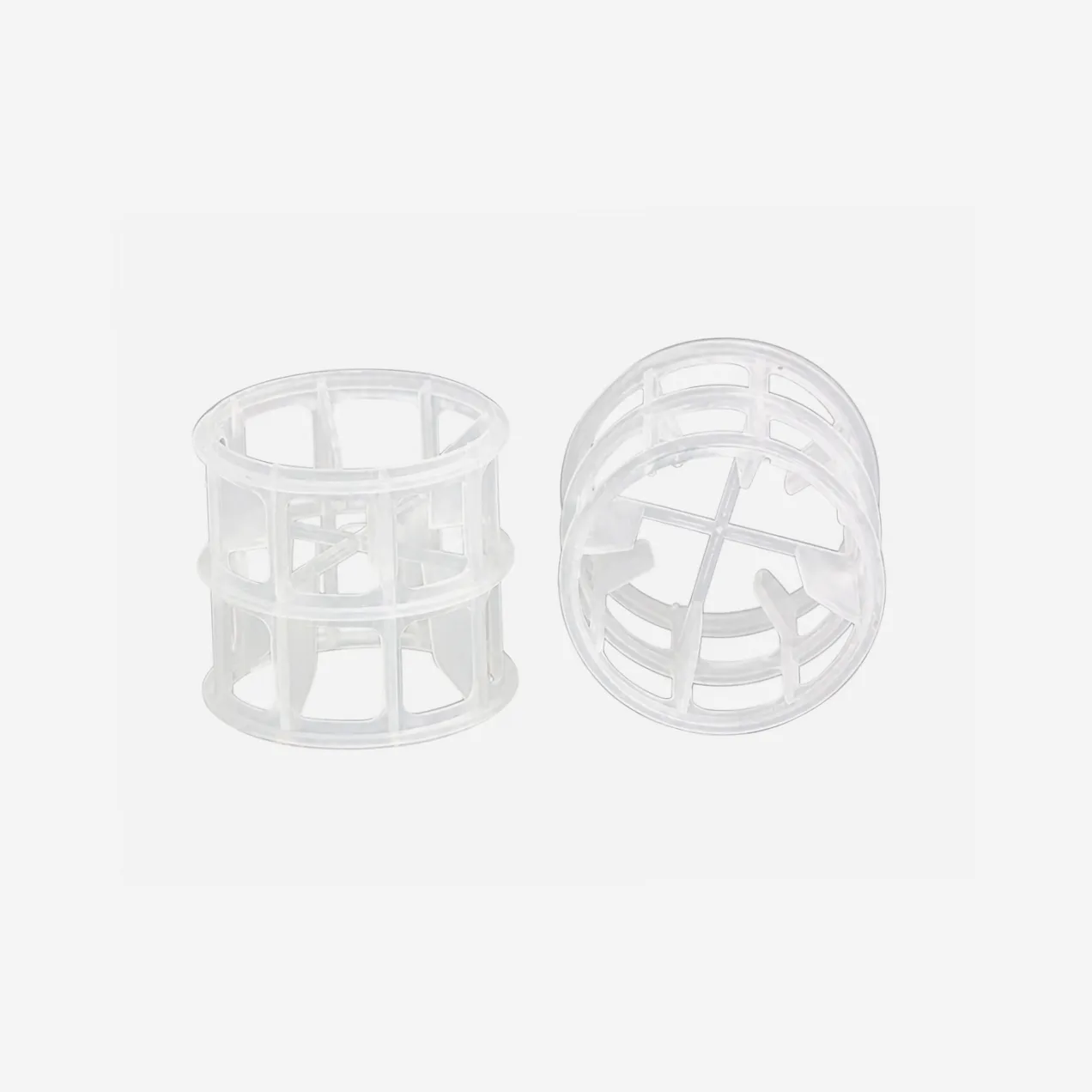
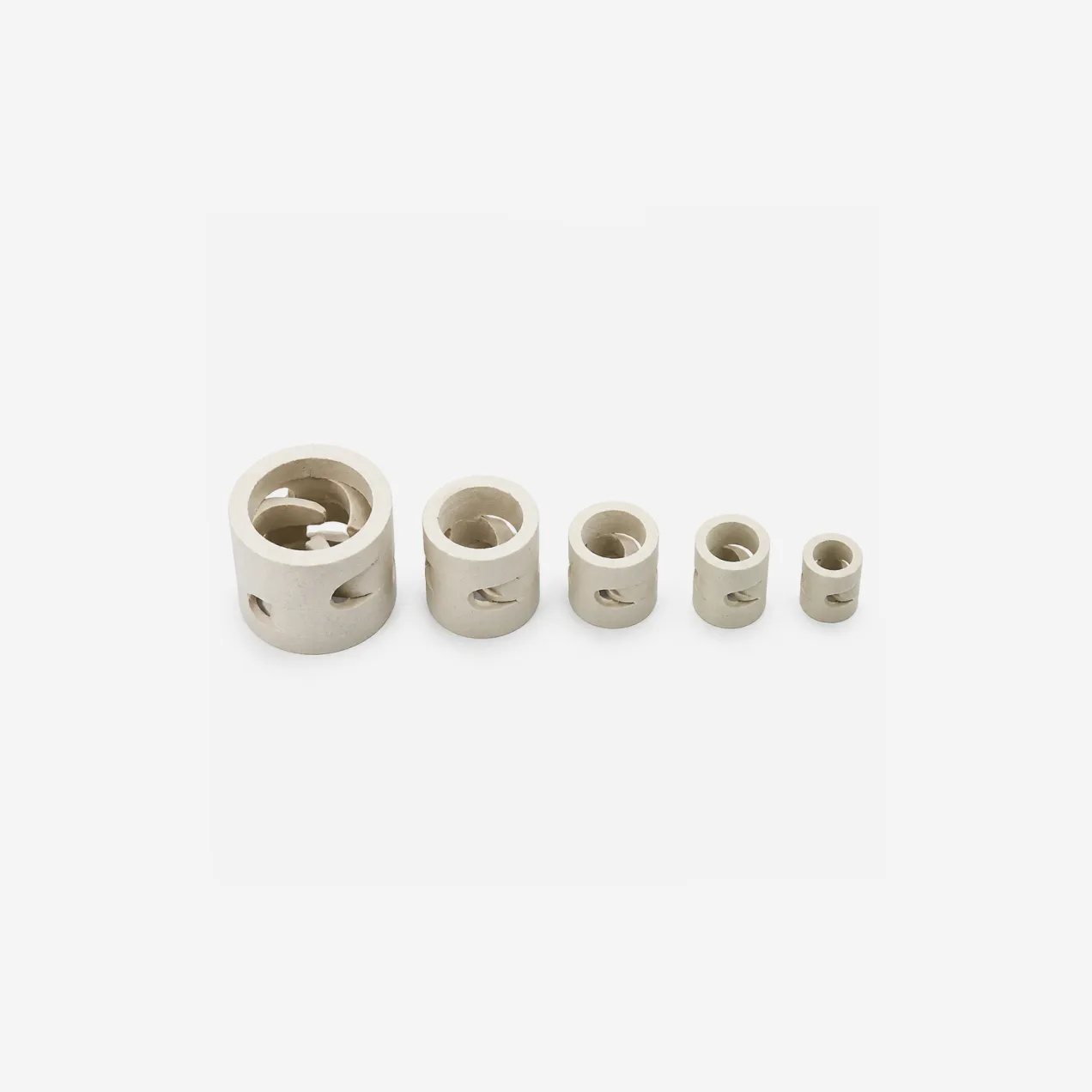
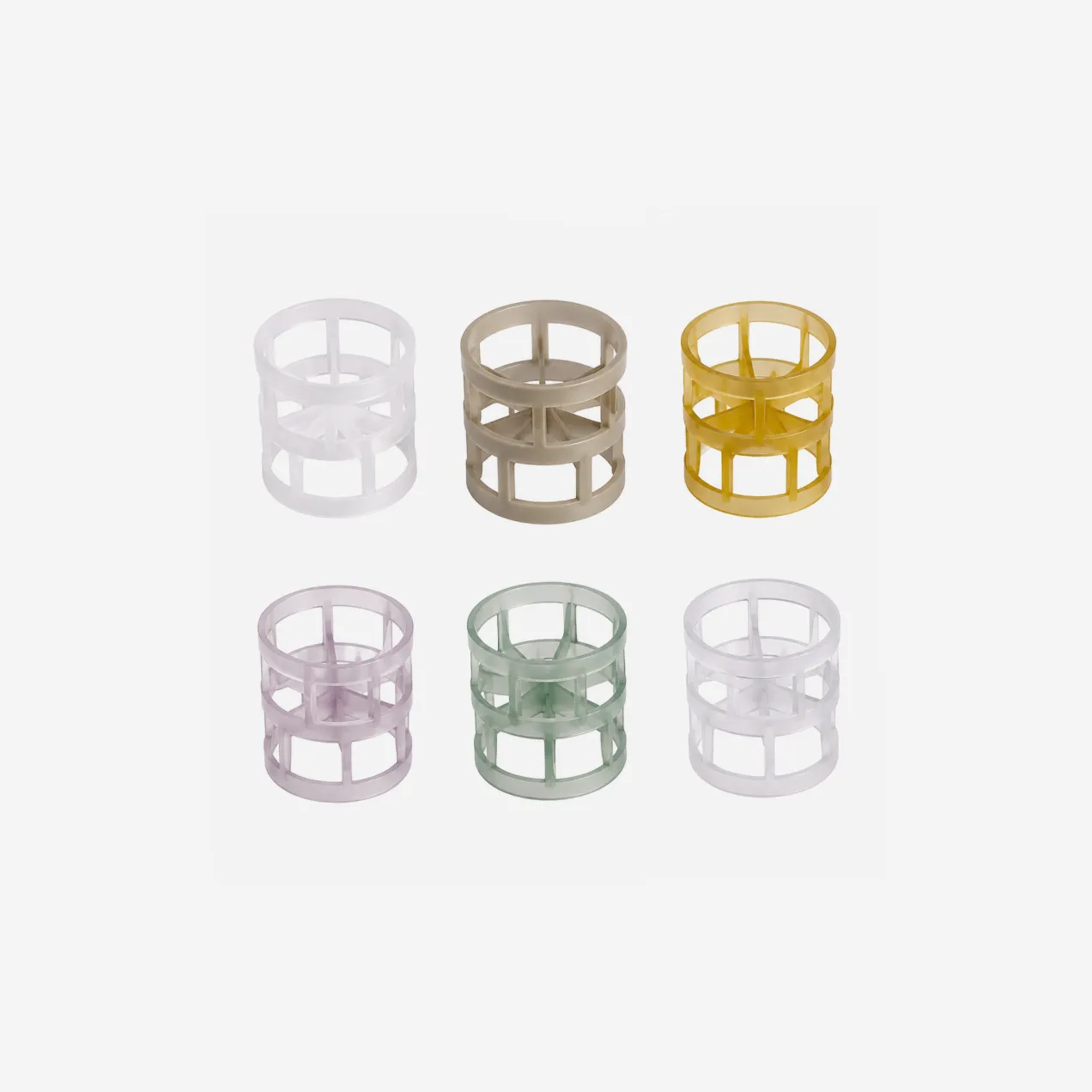
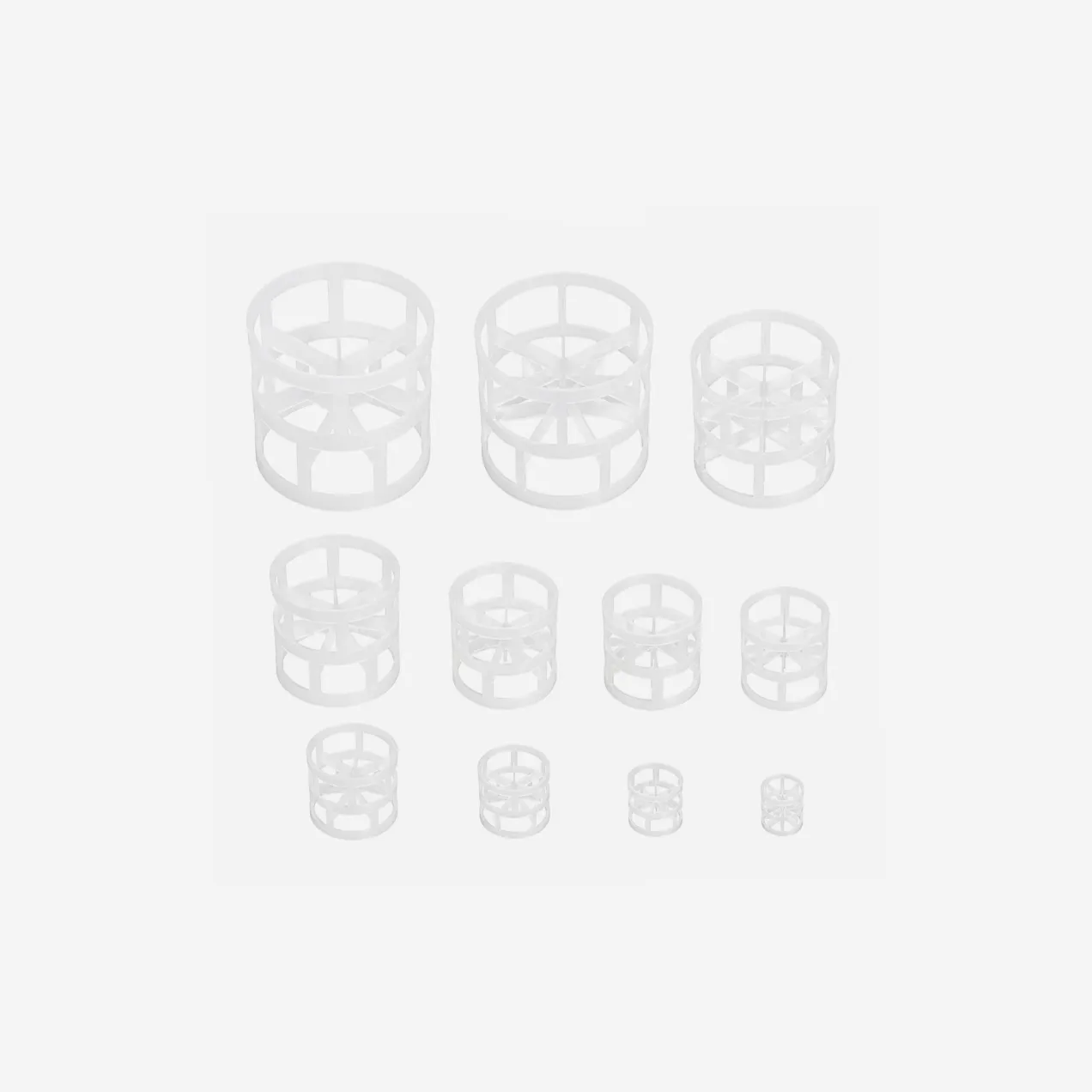
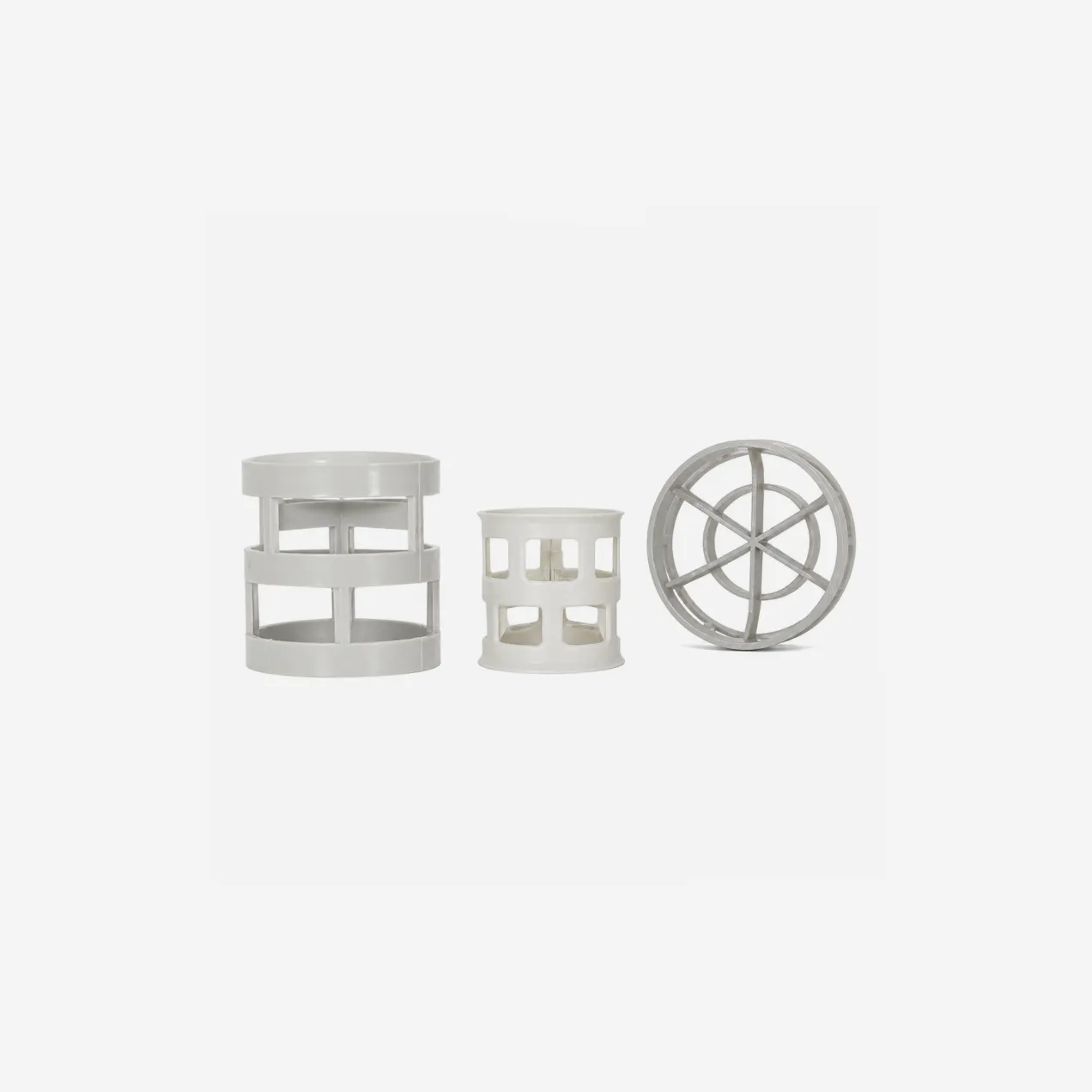
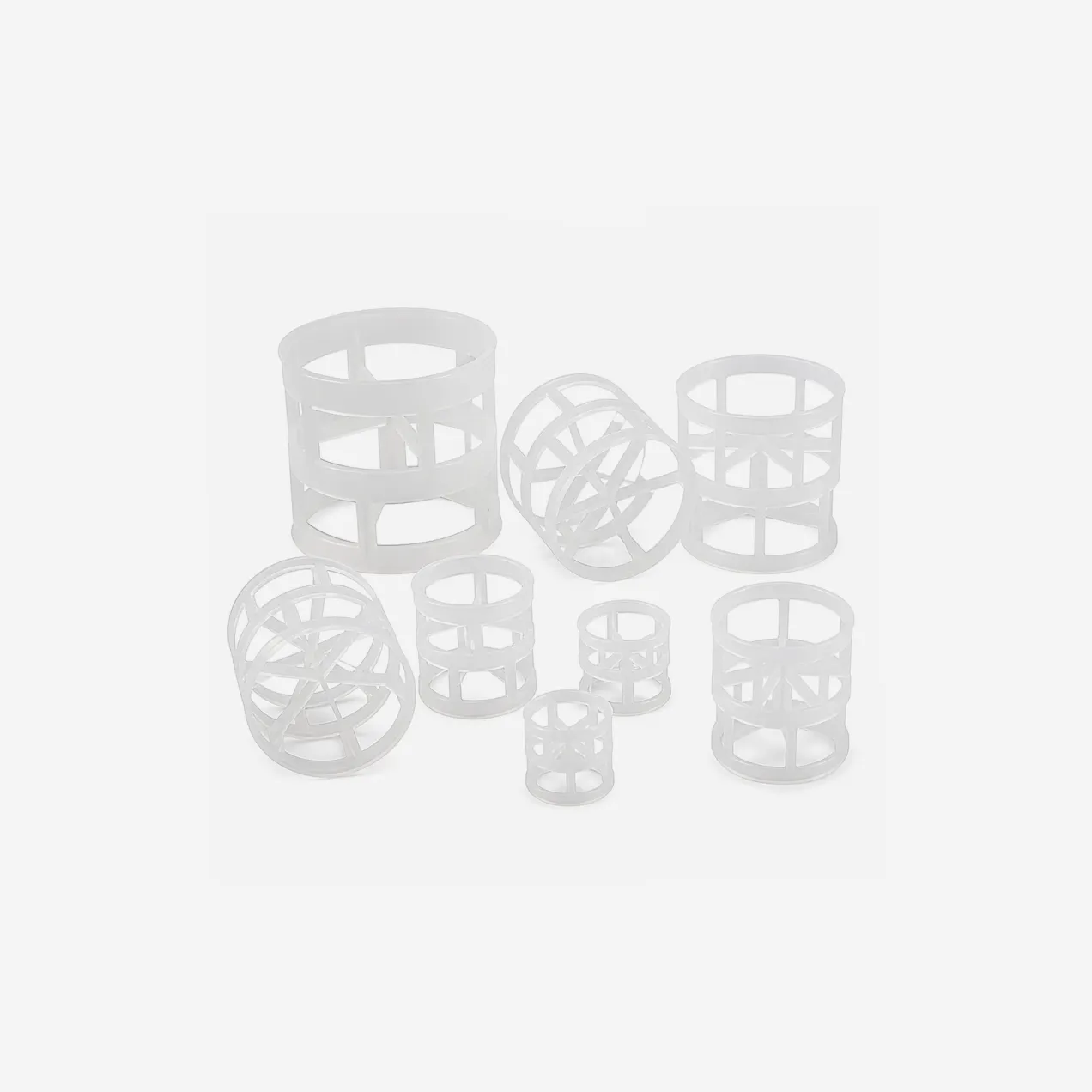
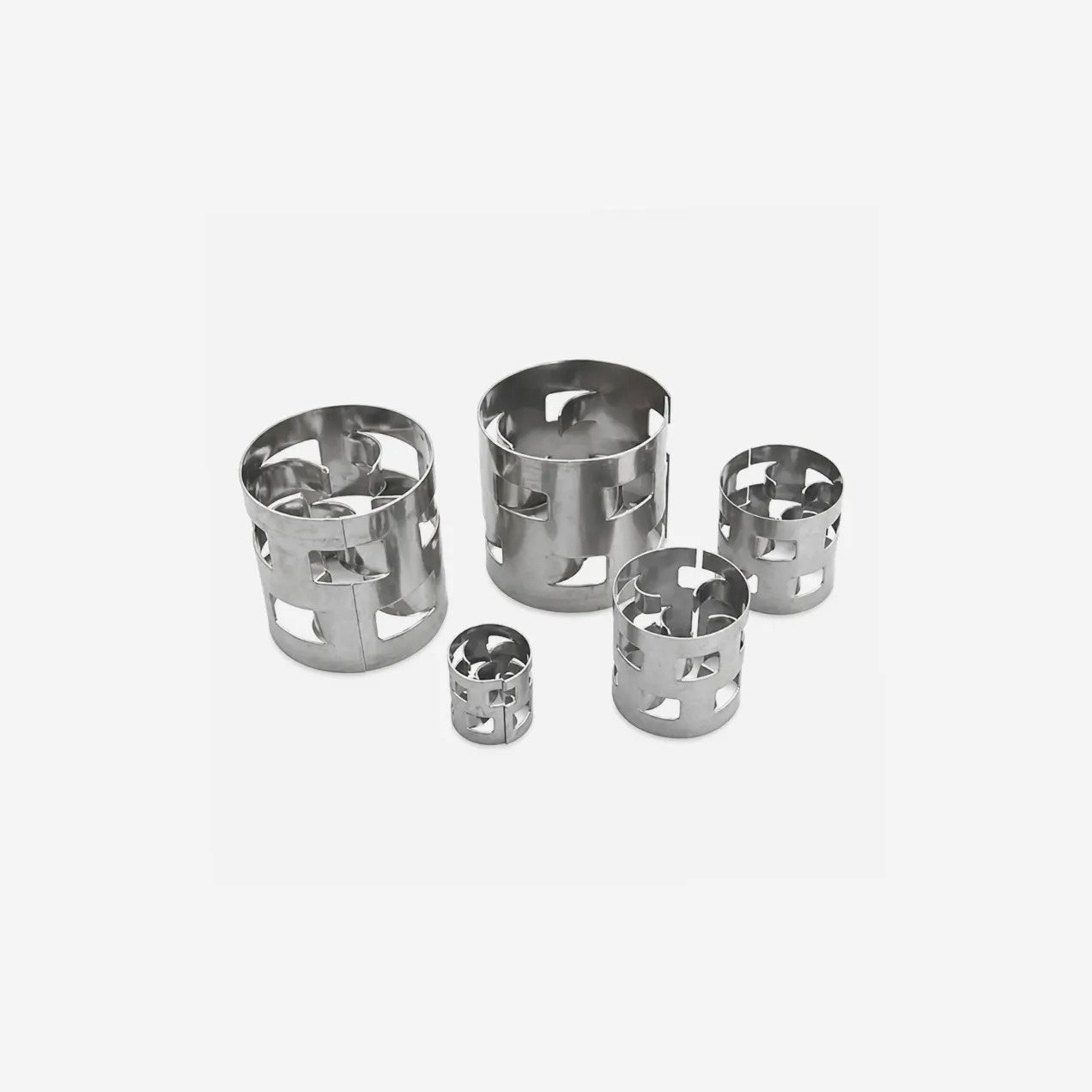
Ceramic cascade mini ring, also called the ceramic stepped ring, is a dumped ceramic tower packing shaped as a short, open ring with a flared lip around one edge. It is a refinement of the Pall ring: cut down so its height is only about a third to a half of its diameter and given the rolled collar, it sits more openly in the bed and lets liquid and gas move through it more freely than a taller ring. That shape gives good, even flow, efficient mass transfer and a low gas-side pressure drop. Made of fired ceramic, it brings the properties the chemistry sometimes demands: it withstands strong acids and alkalis, carries heavy loads without crushing, and stands continuous high temperature — rated to at least 1000 degrees. It is a common choice for hot, corrosive towers where a metal packing would fail. It is made in sizes from φ25 to φ76 mm; the per-size data are in the table below.

  • Ceramic cascade (stepped) ring: a short, flared-collar ring — a refined Pall ring.
  • Height about a third to a half of the diameter: open bed, free flow, low pressure drop.
  • Fired ceramic: resists strong acids and alkalis; high mechanical strength.
  • Withstands continuous high temperature, rated to at least 1000 degrees.
  • Sizes φ25–76 mm; surface 75–210 m²/m³; void 73–78%; data in the table.

Technial Parameters

SizeDimensions (mm)Surface area (m²/m³)Free volume (%)Pieces per m³Bulk density (kg/m³)Dry packing factor (m⁻¹)
φ2525×15×32107372000650540
φ3838×23×41537421600630378
φ5050×30×5102769100580232
φ7676×46×975782500530158


PropertyValue
Product TypeCeramic cascade mini ring / ceramic stepped ring (random packing)
StructureShort ring (height about a third to a half of the diameter) with a flared collar; refined Pall ring
MaterialFired ceramic
Sizesφ25–76 mm
Surface Area75–210 m²/m³
Void Fraction73–78%
Bulk Density530–650 kg/m³
Dry Packing Factor158–540 m⁻¹
Max Temperature≥1000 °C
Chemical ResistanceStrong acids and alkalis (except hydrofluoric acid)
AdvantagesHigh mass transfer, low pressure drop, good flow, high strength, heat- and corrosion-resistant
ApplicationsChemical, metallurgy, acid- and oxygen-making, iron and steel, pharmaceutical, fine chemical towers
TrademarkRONGJIAN
OriginChina
HS Code6909110000 (ceramic; not shown on the supplied listing — confirm)
Transport PackageSteel drum / ton bag / carton box

Note: the supplied listing is partial (no basic-info block or model number). The material is taken from the product description; confirm the model and code before ordering.

FAQs

What is a ceramic cascade mini ring, and how is it shaped?

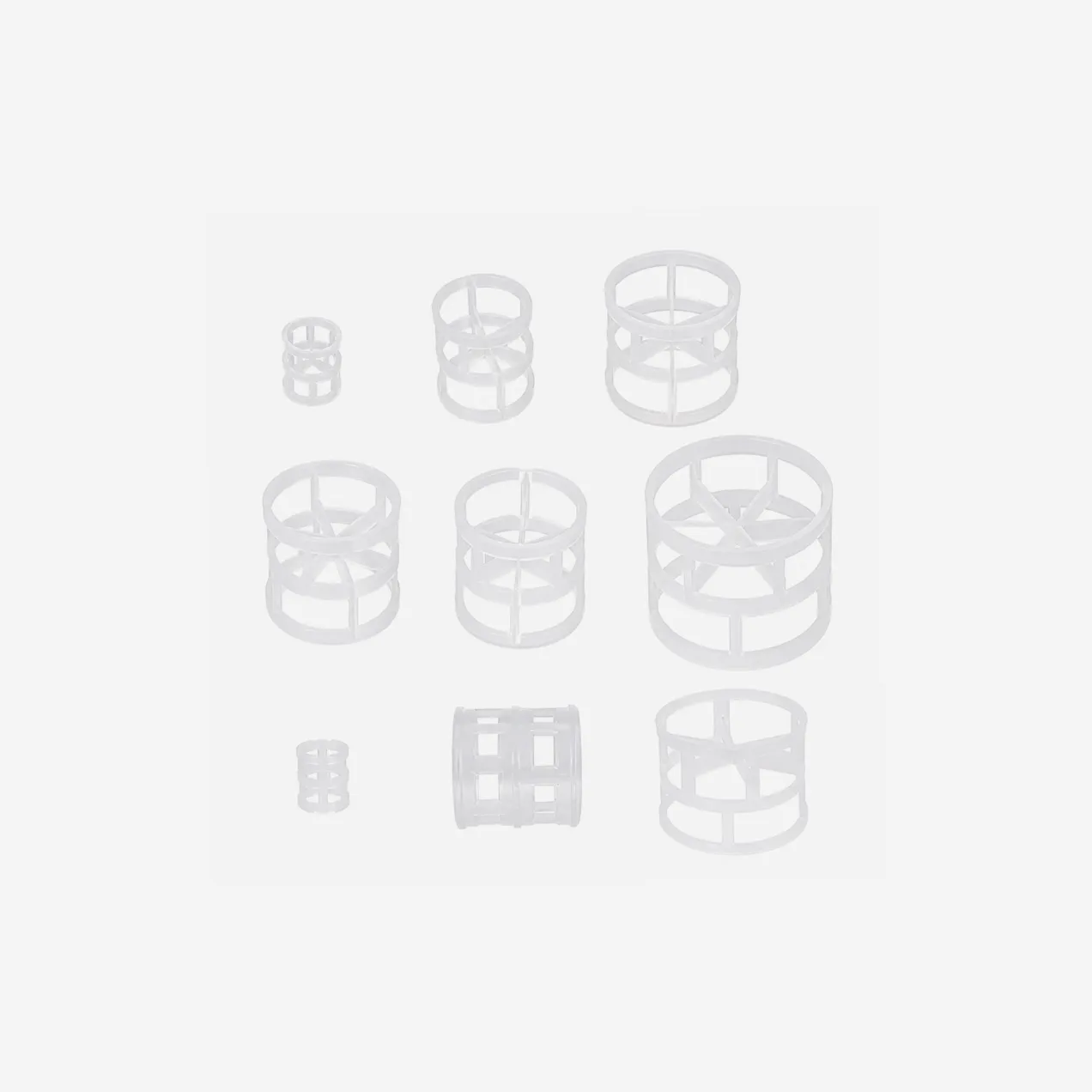
A ceramic cascade mini ring, also known as a ceramic stepped ring, is a small ceramic packing element used loose in the beds of chemical towers. Its shape is the key to it. Take a Pall ring, the common windowed cylinder; shorten it so it is only about a third to a half as tall as it is wide, and roll a small flared collar around one open end. That is a cascade ring. The change matters because a short, flared ring cannot nest inside its neighbours the way a tall ring can, so a bed of them sits open and even, with the pieces resting on their collars; liquid spreads and drains well, gas passes freely, and the packing works efficiently at a low pressure drop. This one is made of fired ceramic, which is chosen when the tower is hot or corrosive: the ceramic resists strong acids and alkalis, holds its strength under load, and takes continuous high temperature that would soften or corrode a metal ring. So it combines the efficient cascade shape with the ruggedness of ceramic, for demanding towers.
How does the cascade shape improve on a Raschig or Pall ring?

It is the third step in a line of improving ring shapes. The oldest, the Raschig ring, is a plain hollow cylinder as tall as it is wide; it works, but the tubes tend to line up and nest, leaving parts of the bed blocked and the distribution uneven. The Pall ring improved on it by punching windows in the wall with tongues bent inward, which opened the inside of each ring to the flow and lifted both capacity and efficiency. The cascade, or stepped, ring goes a step further by changing the proportions: making the ring short, about a third to a half of its diameter in height, and adding a flared collar. Being short and collared, the rings cannot stack or nest, so they pack into a more open, more uniform bed with fewer dead spots; the result is a higher capacity, a lower pressure drop, and slightly better efficiency than a Pall ring of the same size. In short: Raschig to Pall added the windows, Pall to cascade fixed the shape. Tell us your tower and duty and we will size it.

Ceramic or metal cascade ring — which should I use?

Both cascade rings have the same efficient shape; the material decides which to use. A ceramic cascade ring is the choice when the service is hot or chemically aggressive. Fired ceramic shrugs off strong acids and alkalis, takes continuous temperatures to at least 1000 degrees, and resists abrasion, so it suits acid plants, high-temperature process gas and other punishing chemistry; the trade is that ceramic is heavier and brittle, and its thicker walls leave a lower void fraction, here 73 to 78 percent. A metal cascade ring, pressed from thin stainless steel, is far stronger and much more open, with a void well into the nineties, so it carries a higher load and resists mechanical shock, but it costs more and can corrode in the wrong stream. As a rule: ceramic for hot, corrosive, cost-sensitive towers; metal for high capacity, strength and mechanical duty. Tell us the temperature and the chemistry and we will point to the right one.

Where is a ceramic cascade ring used?

A ceramic cascade ring is used in the packed towers of industries where the process is hot, corrosive, or both. It fills columns in the chemical industry and in fine chemicals, in metallurgy and in iron and steel works, in acid manufacture and in oxygen production, and in pharmaceutical processing, anywhere gas and liquid must be contacted for absorption, scrubbing, cooling or reaction and the conditions rule out a plastic or metal packing. In every case its job is the same: to give a large, well-distributed contact surface at a low pressure drop, in a ceramic body that the heat and the chemicals cannot harm. Its high-temperature rating, to at least 1000 degrees, and its acid and alkali resistance are exactly what these heavy industries need. Send us the tower, the duty and the operating temperature and we will confirm the size and quantity.
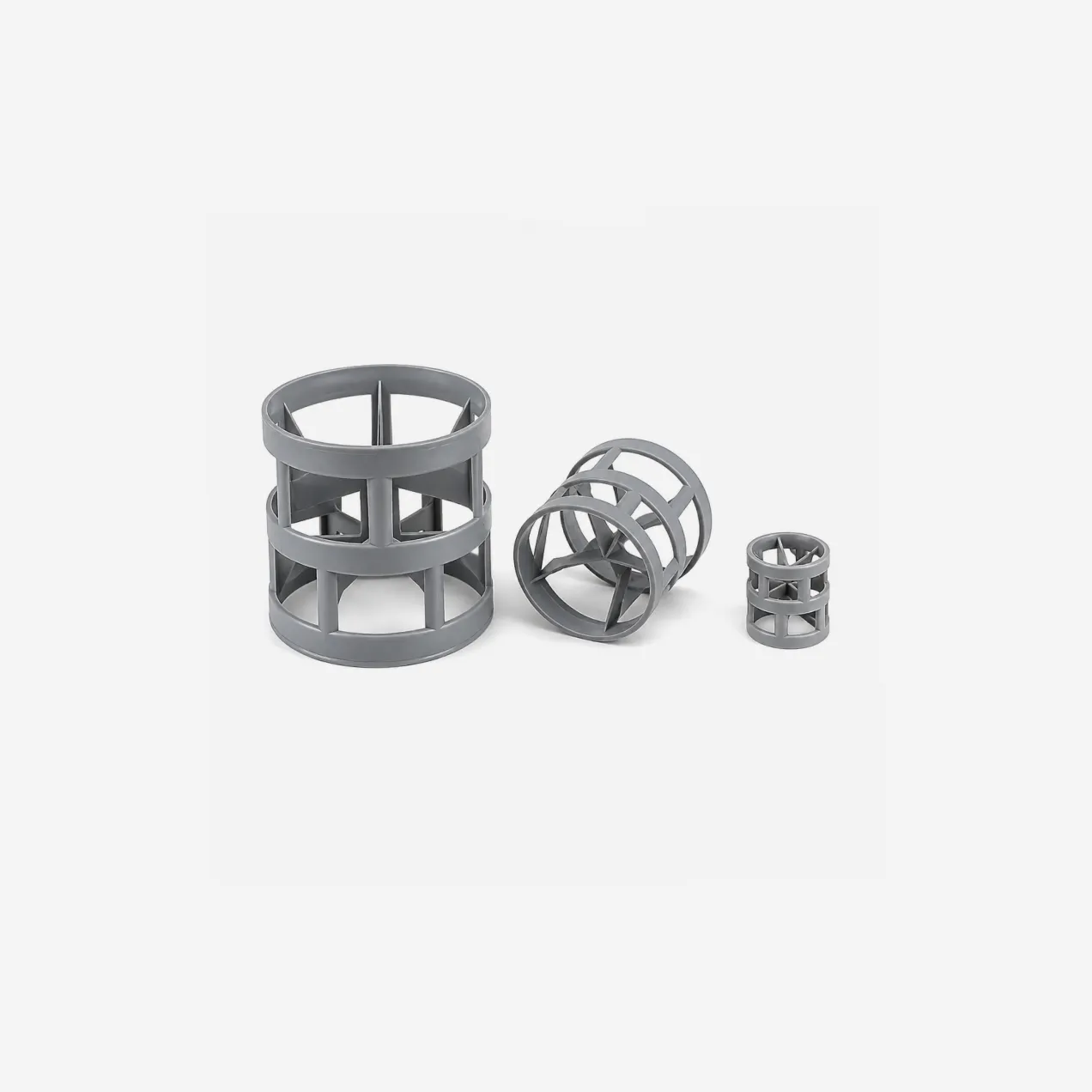
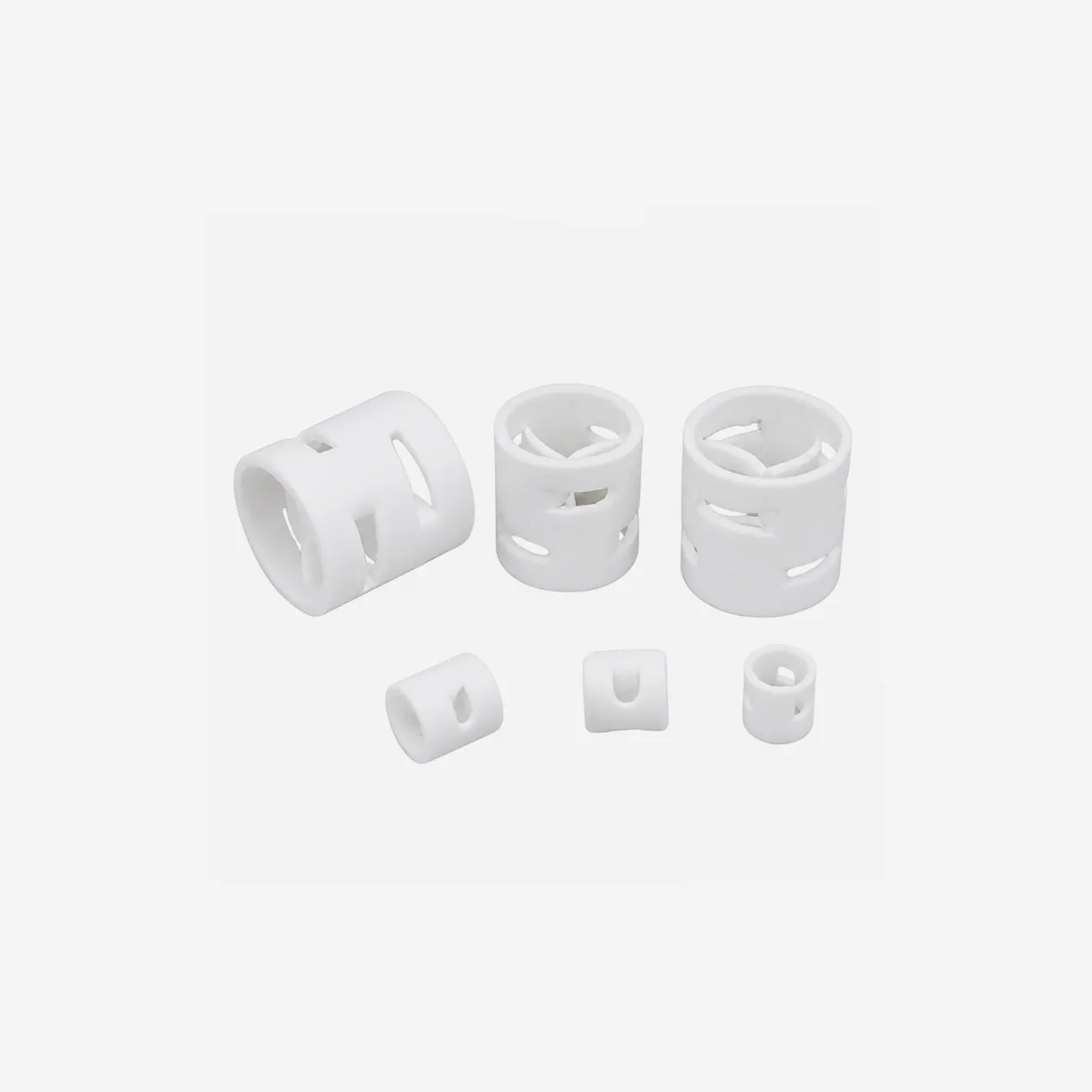
A ceramic cascade mini ring, or ceramic stepped ring, is a dumped ceramic tower packing shaped as a short, open ring with a flared collar. It is a refined Pall ring: shortened to about a third to a half of its diameter and collared so the rings cannot nest, it packs into an open, even bed that spreads liquid well, passes gas freely and works at a low pressure drop. In fired ceramic it withstands strong acids and alkalis and continuous high temperature, so it fills the hot, corrosive towers where metal or plastic would fail.

How the ring shape has improved:

RingShapeResult
Raschig ringPlain tube, as tall as wideNests and blinds; uneven flow
Pall ringWindowed tube with tonguesMore open; higher capacity
Cascade (stepped) ringShort ring with a flared collarCannot nest; highest capacity, lowest drop

It is used in chemical, metallurgical, acid- and oxygen-making, iron-and-steel, pharmaceutical and fine-chemical towers, wherever hot or corrosive gas and liquid must be contacted. It is made in sizes from φ25 to φ76 mm, with a void of 73 to 78 percent and a rating to at least 1000 degrees; the per-size surface, void, density and packing factor are in the table above. Tell us the tower and the duty, and we will size the ring.