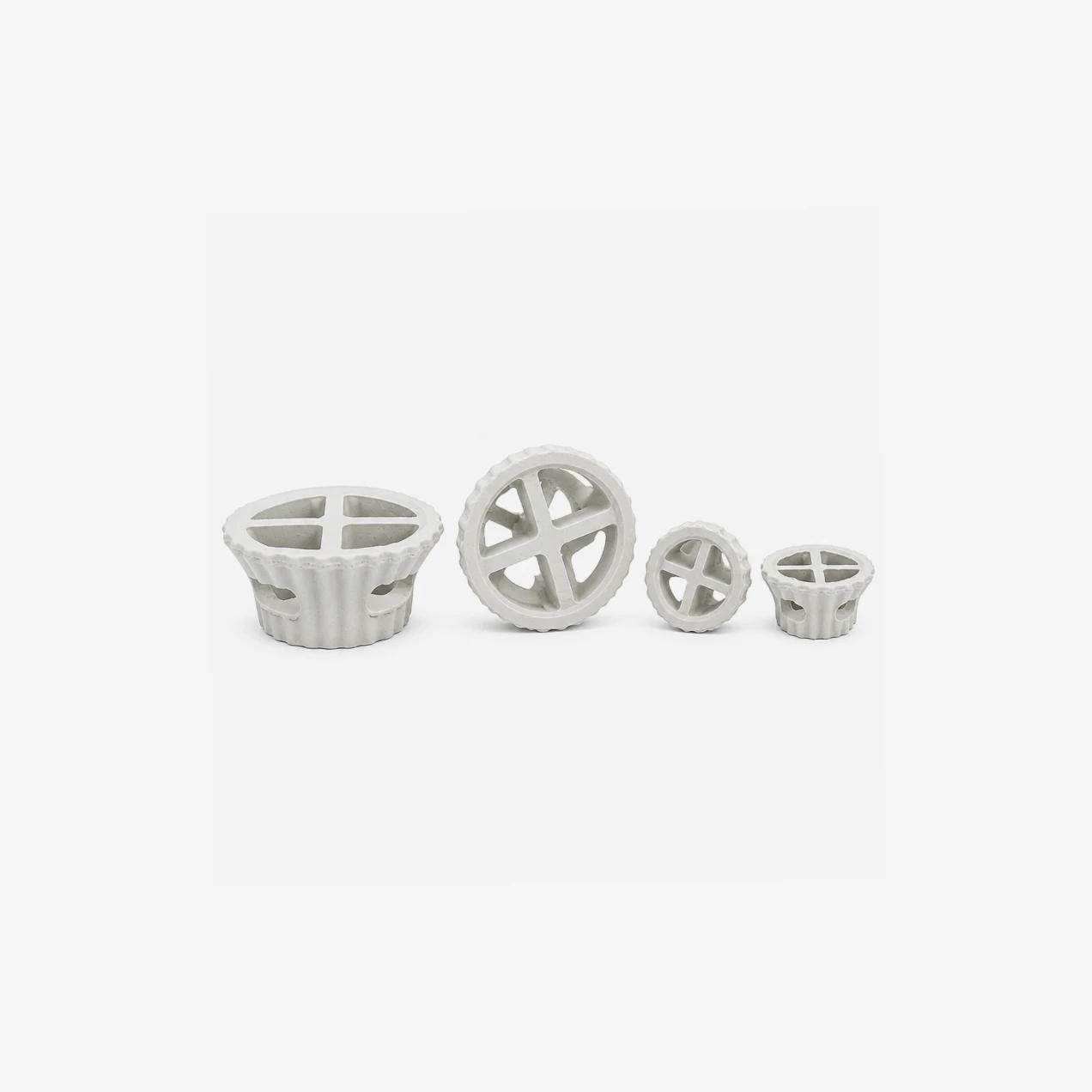
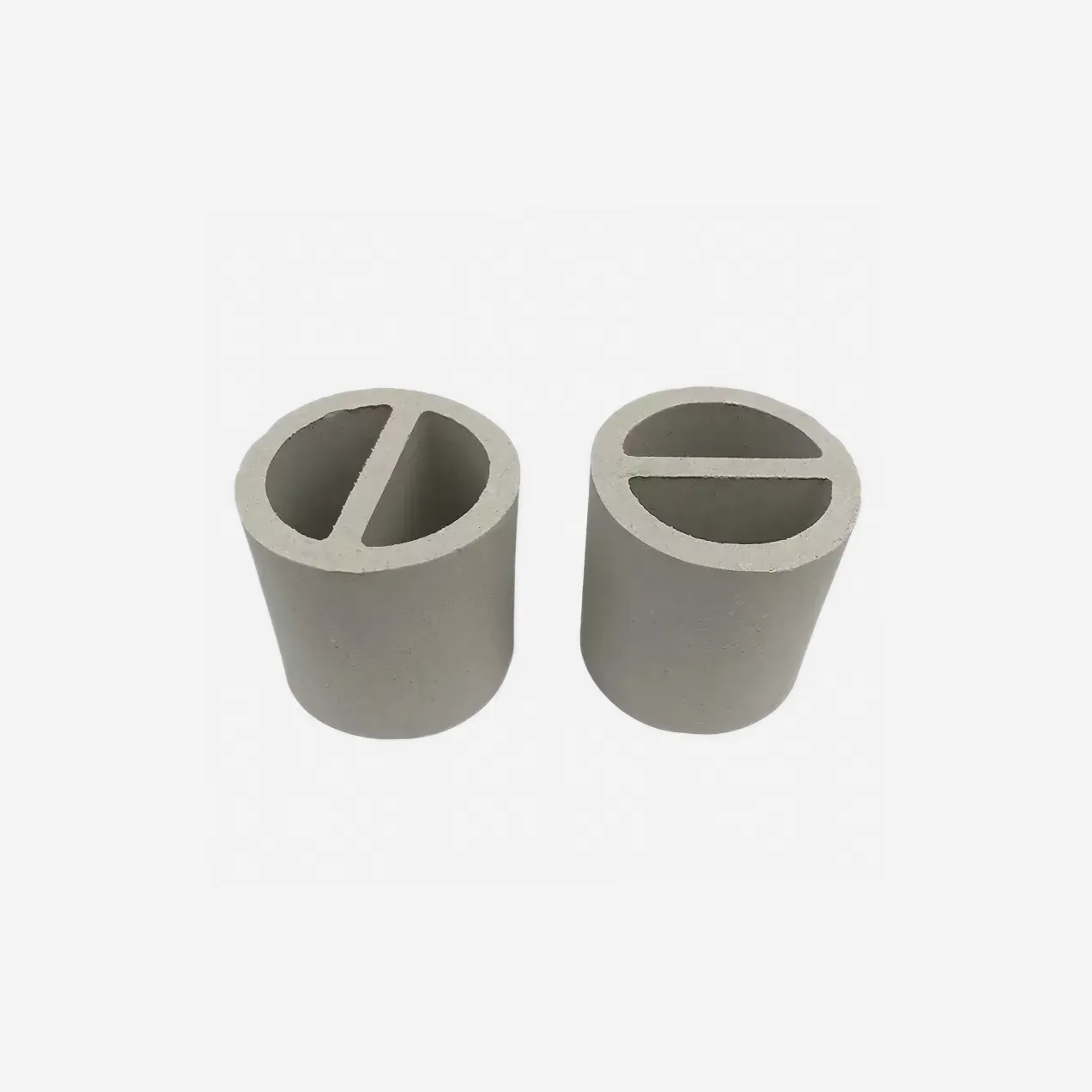
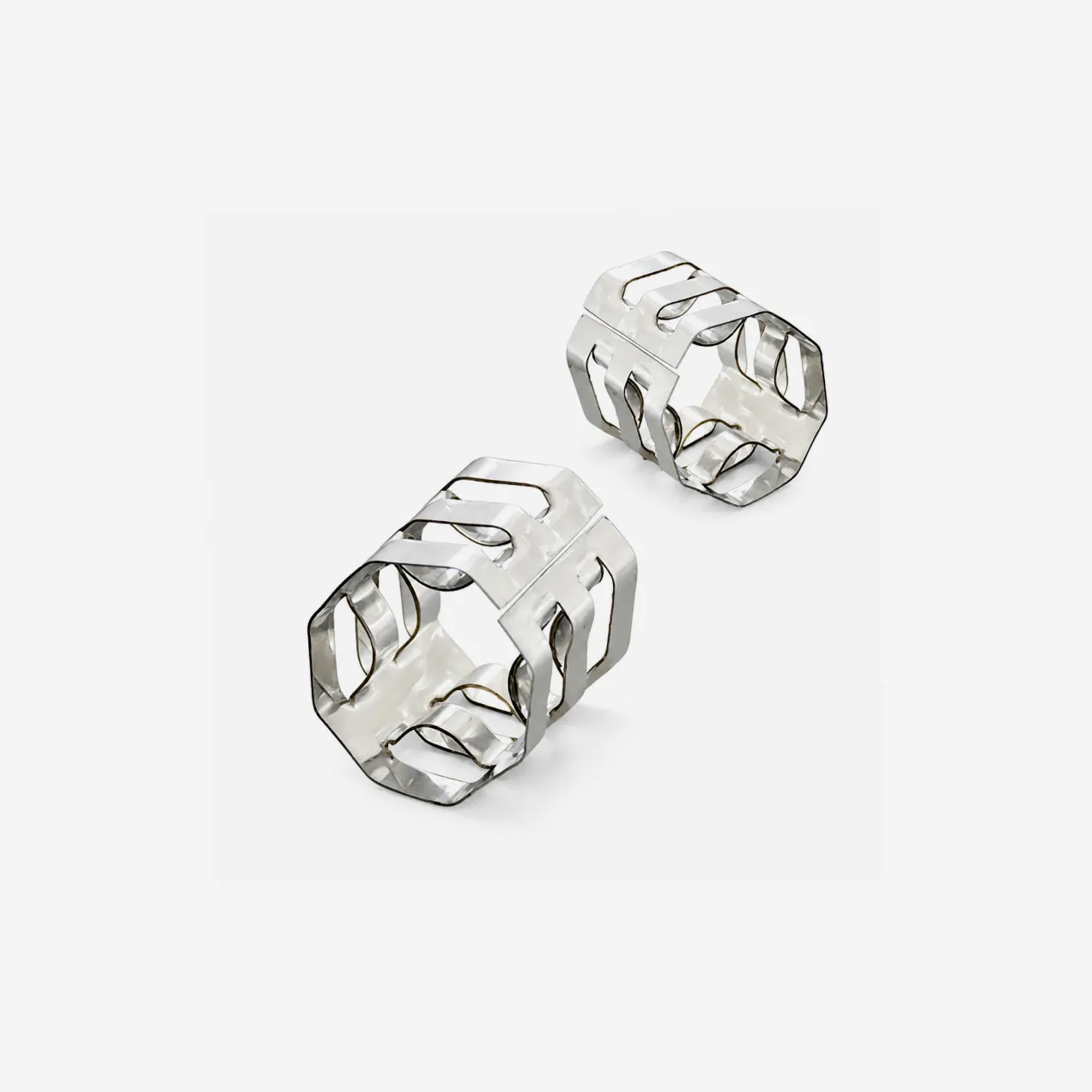
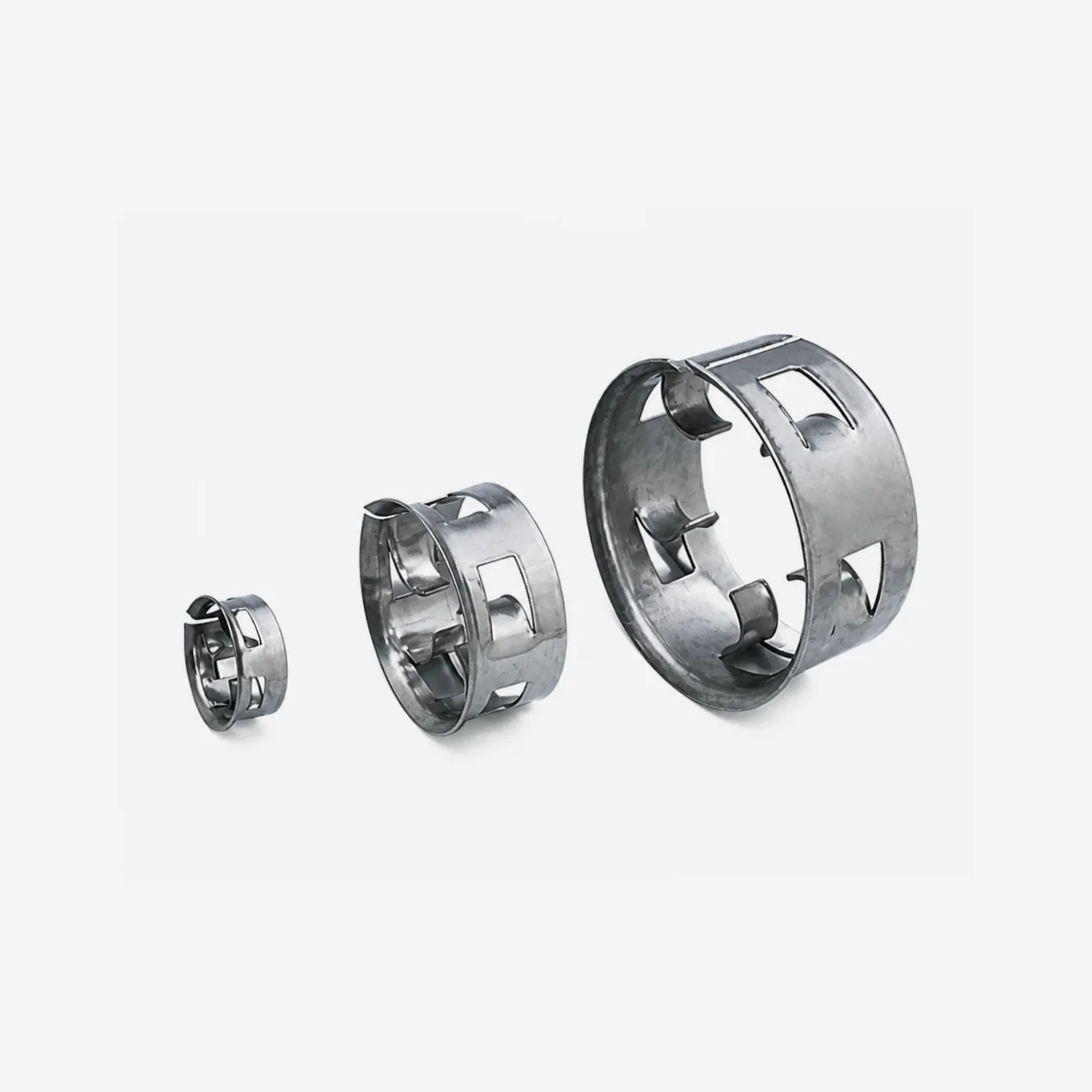
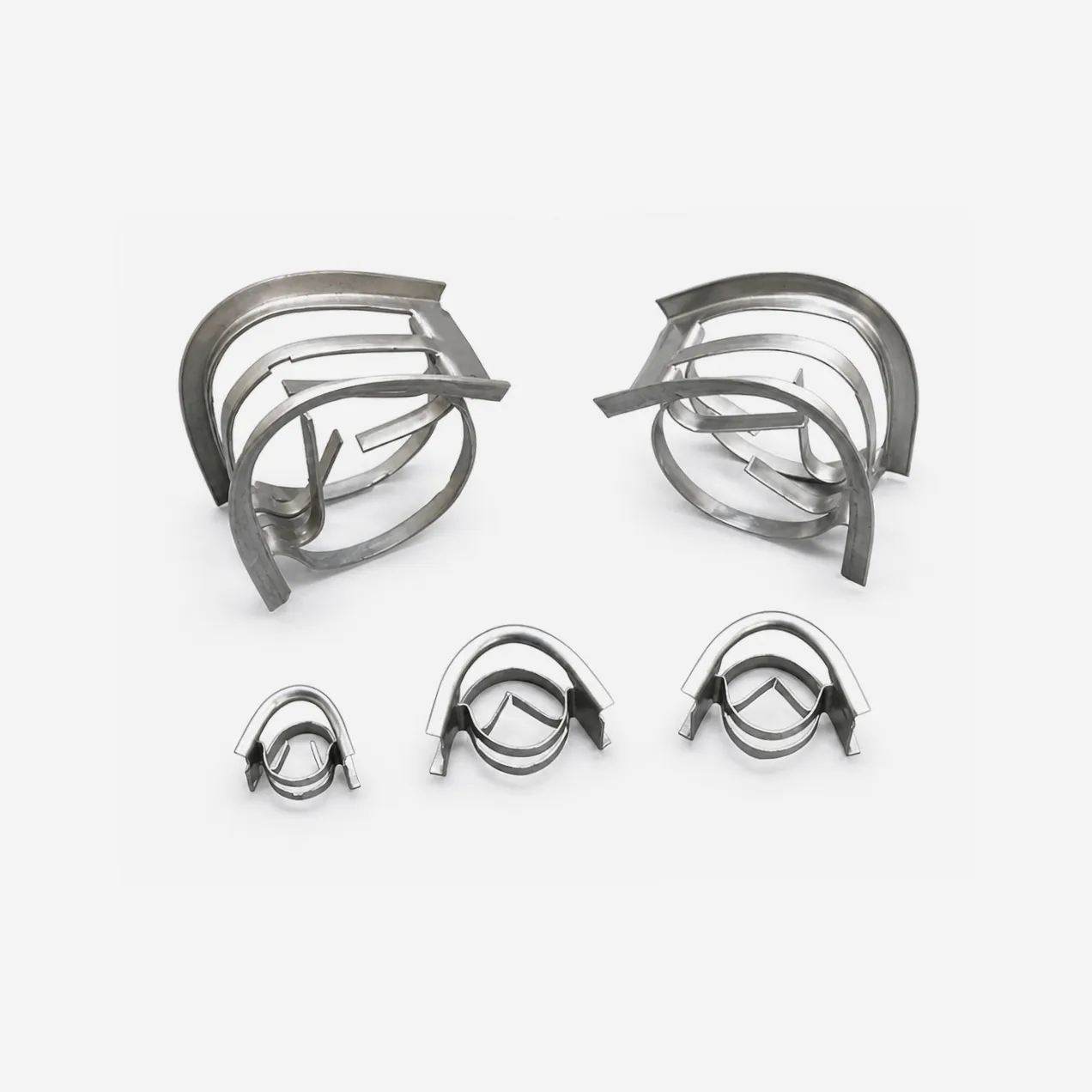
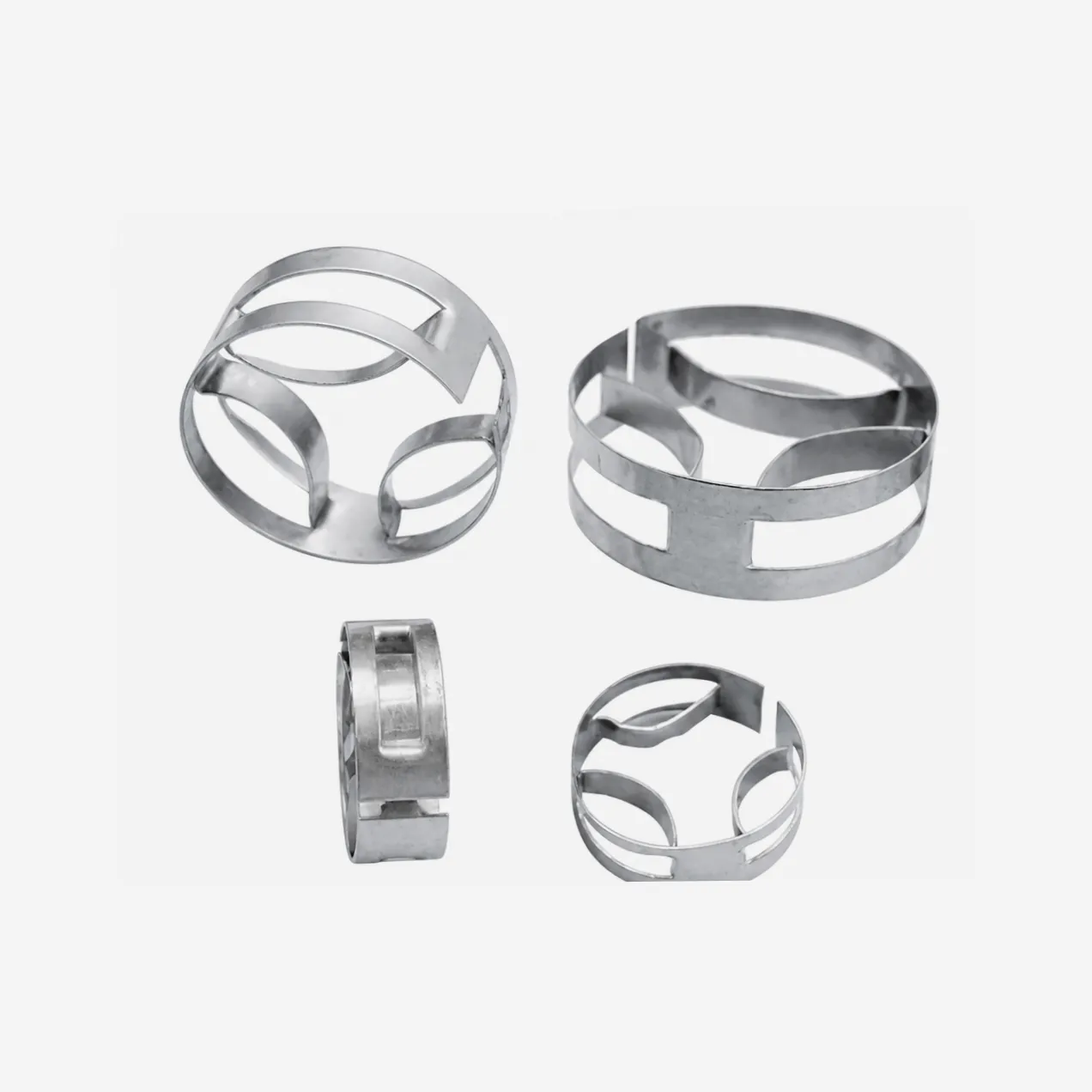
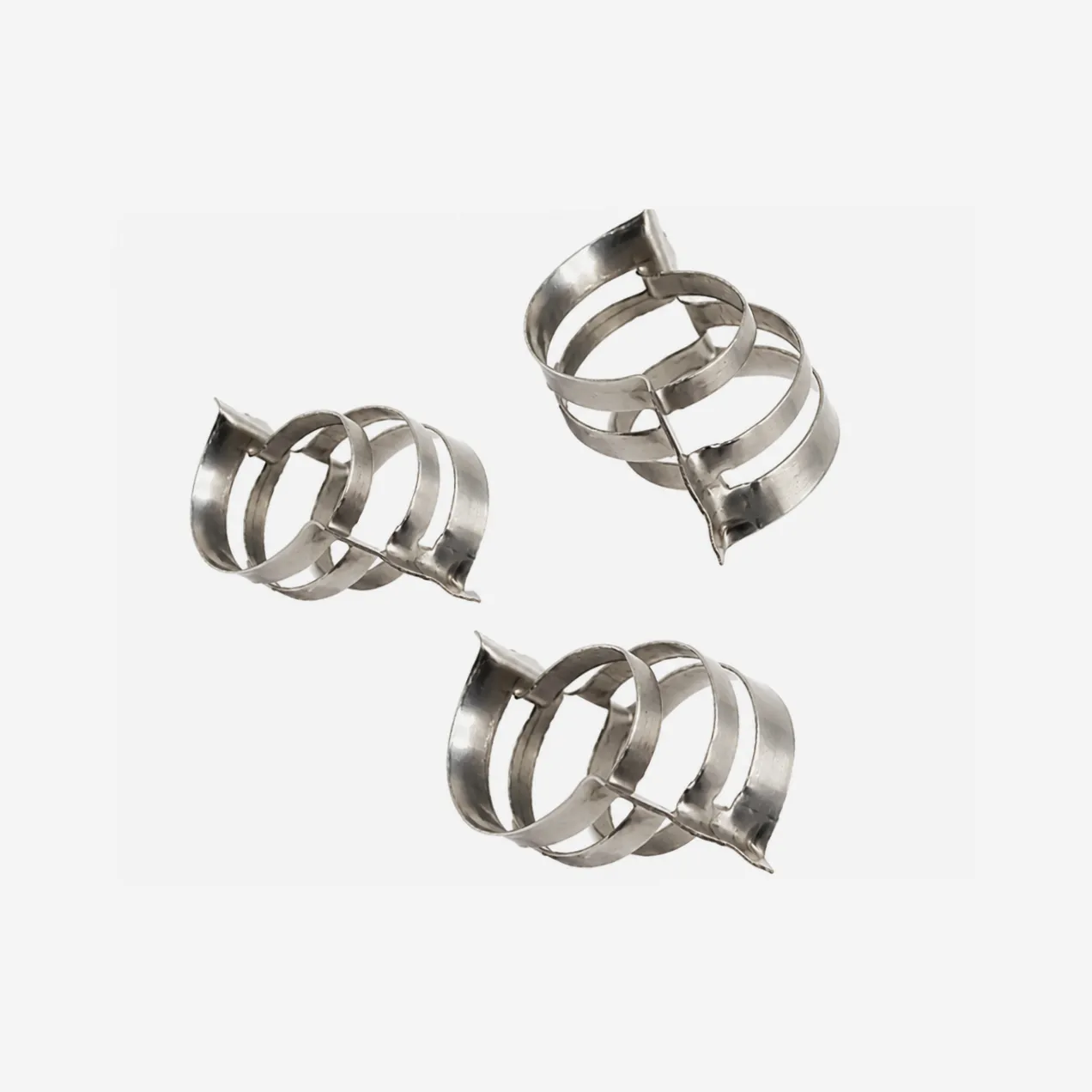
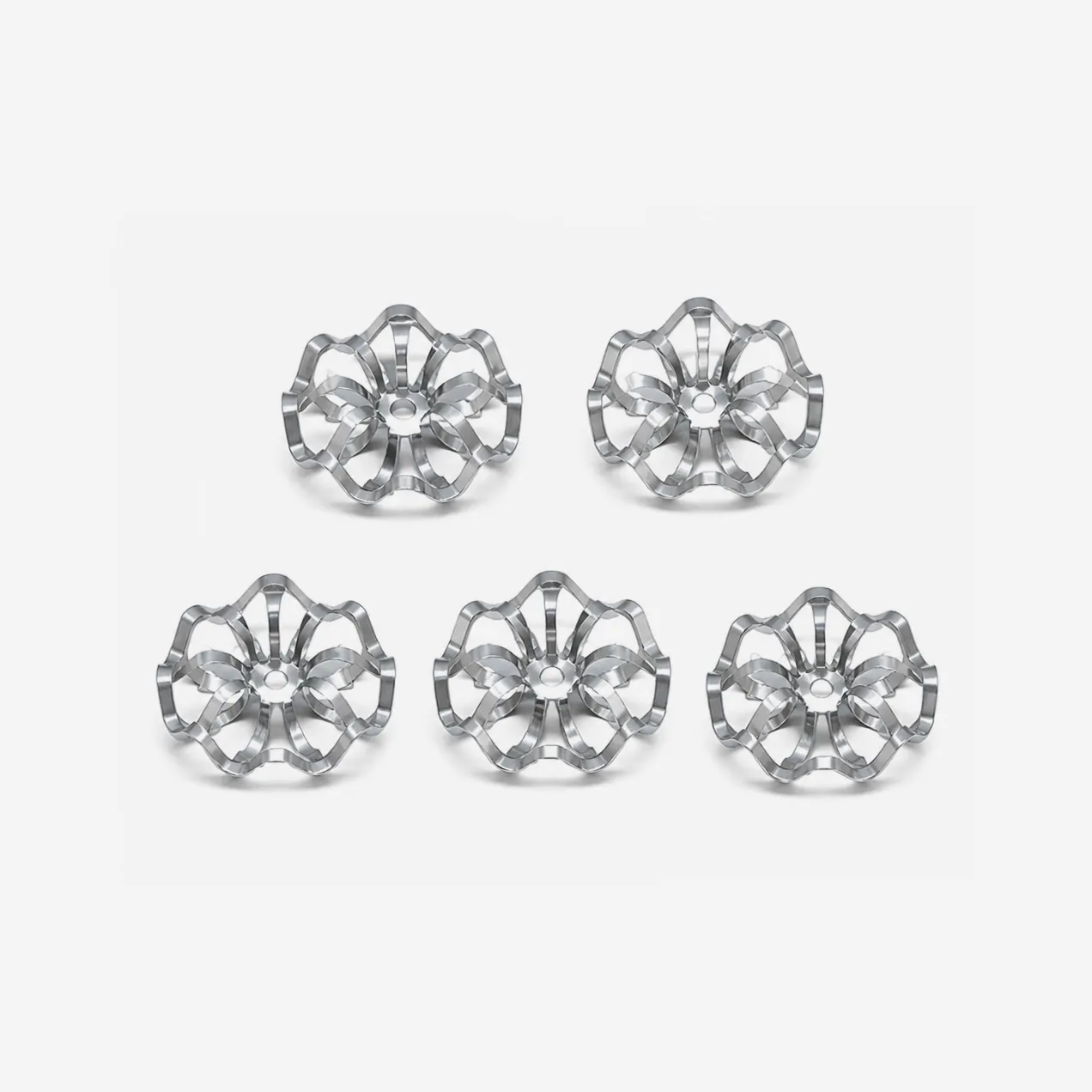
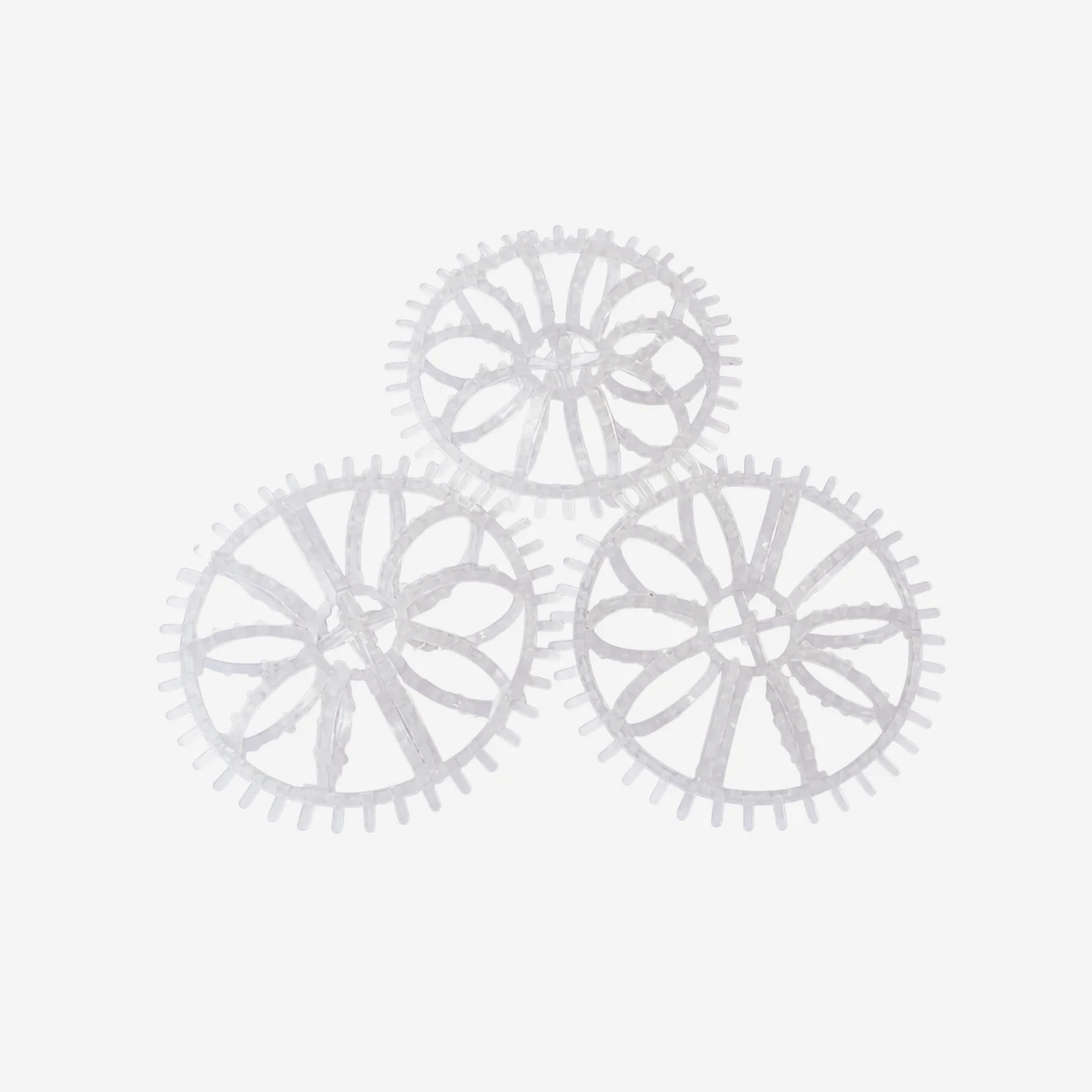
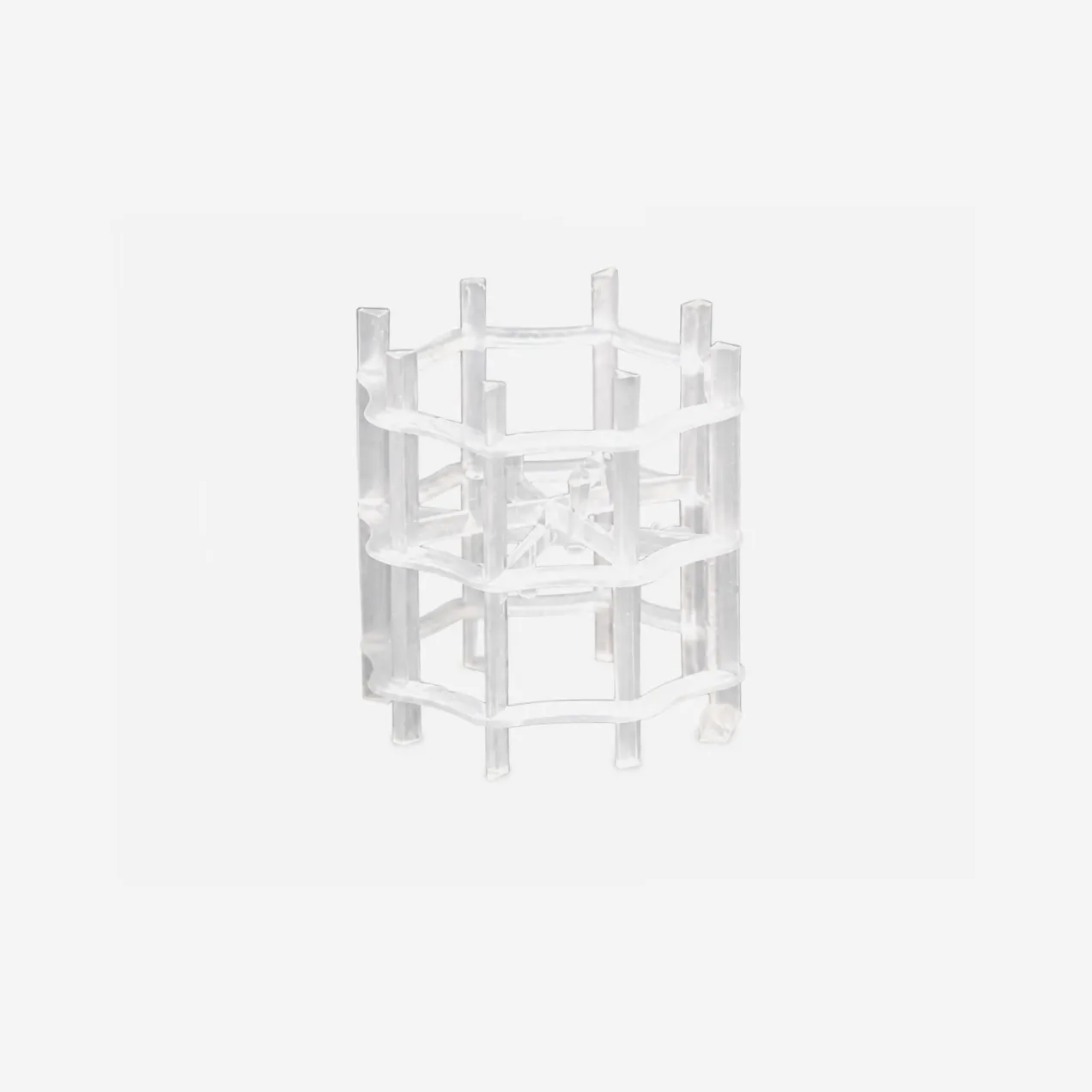
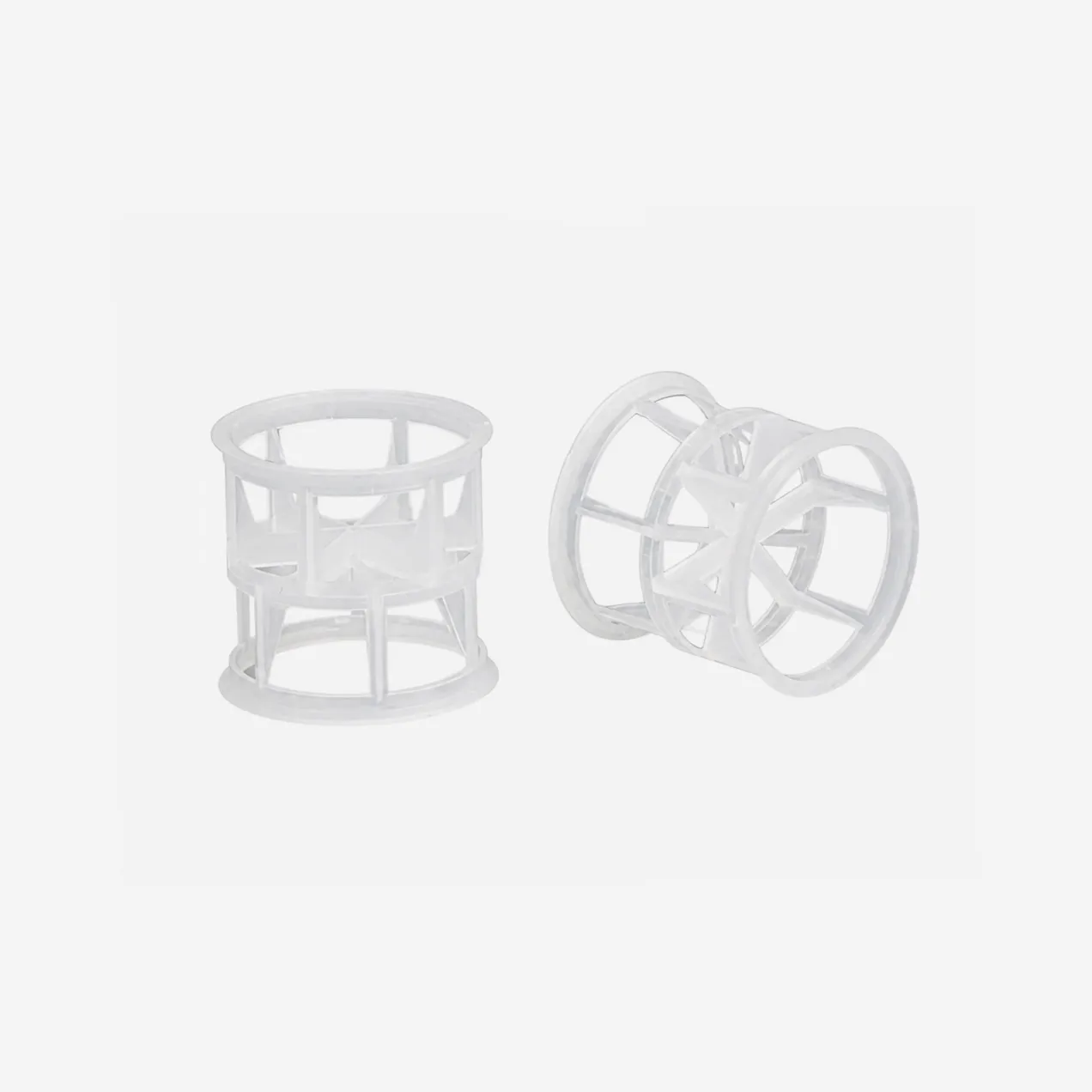
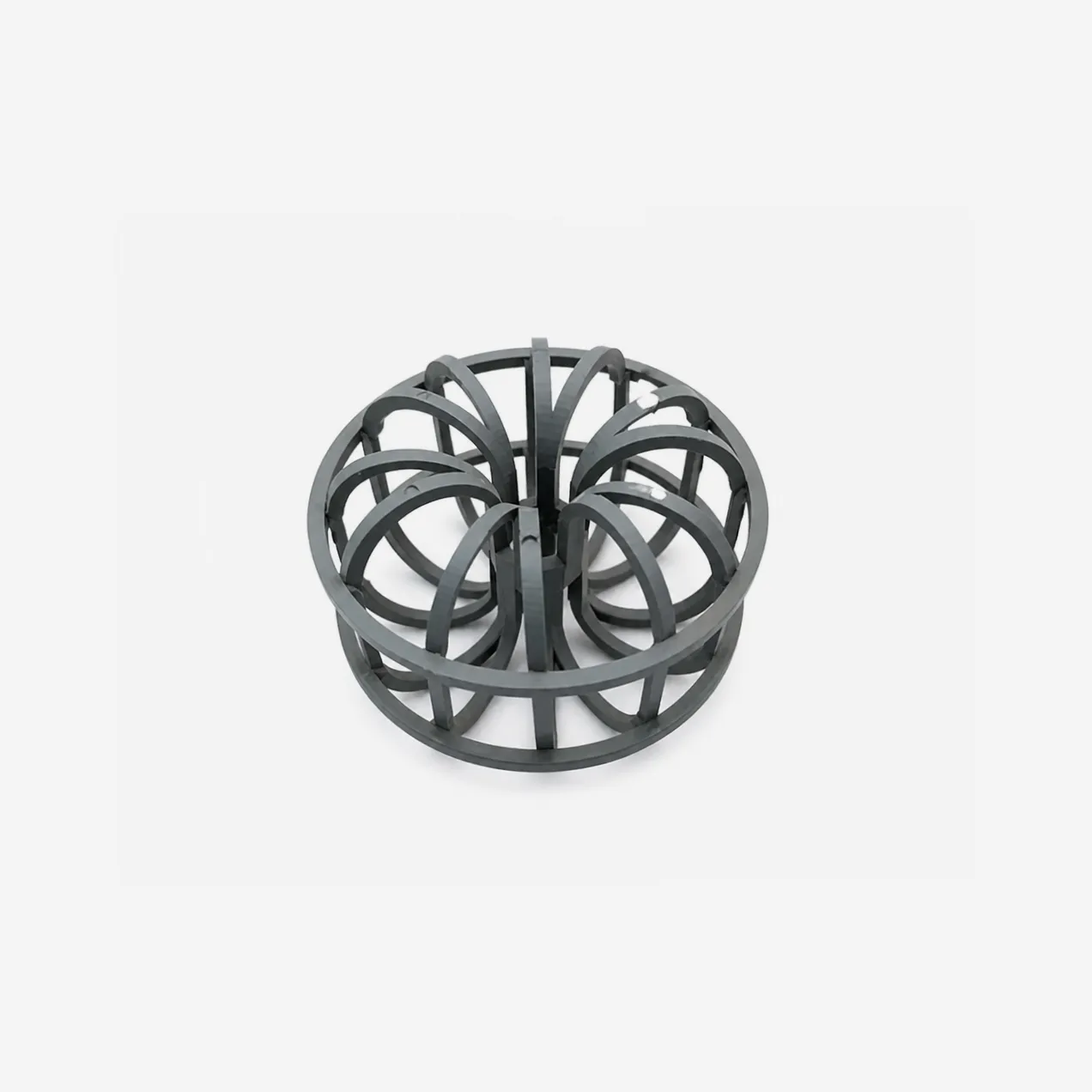
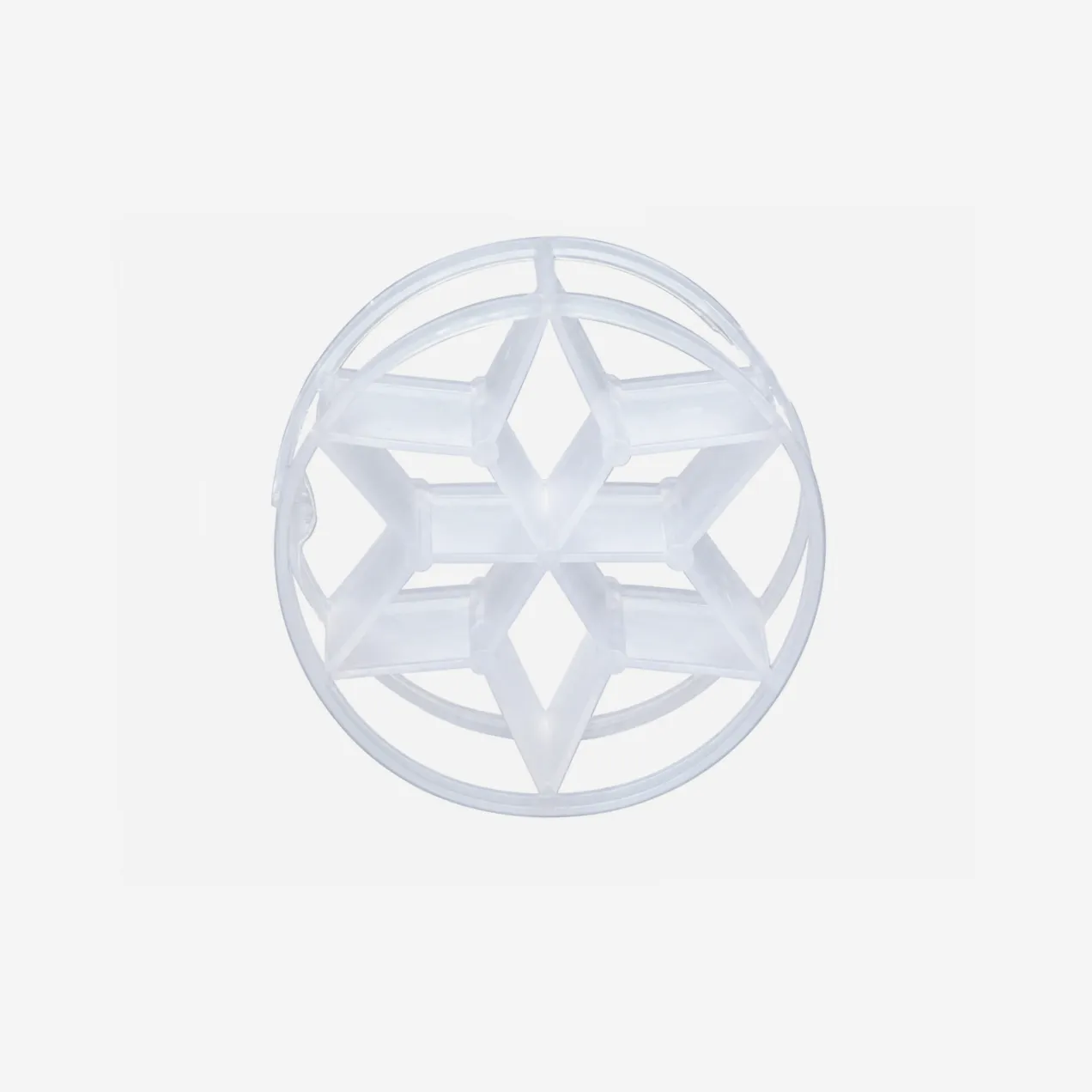
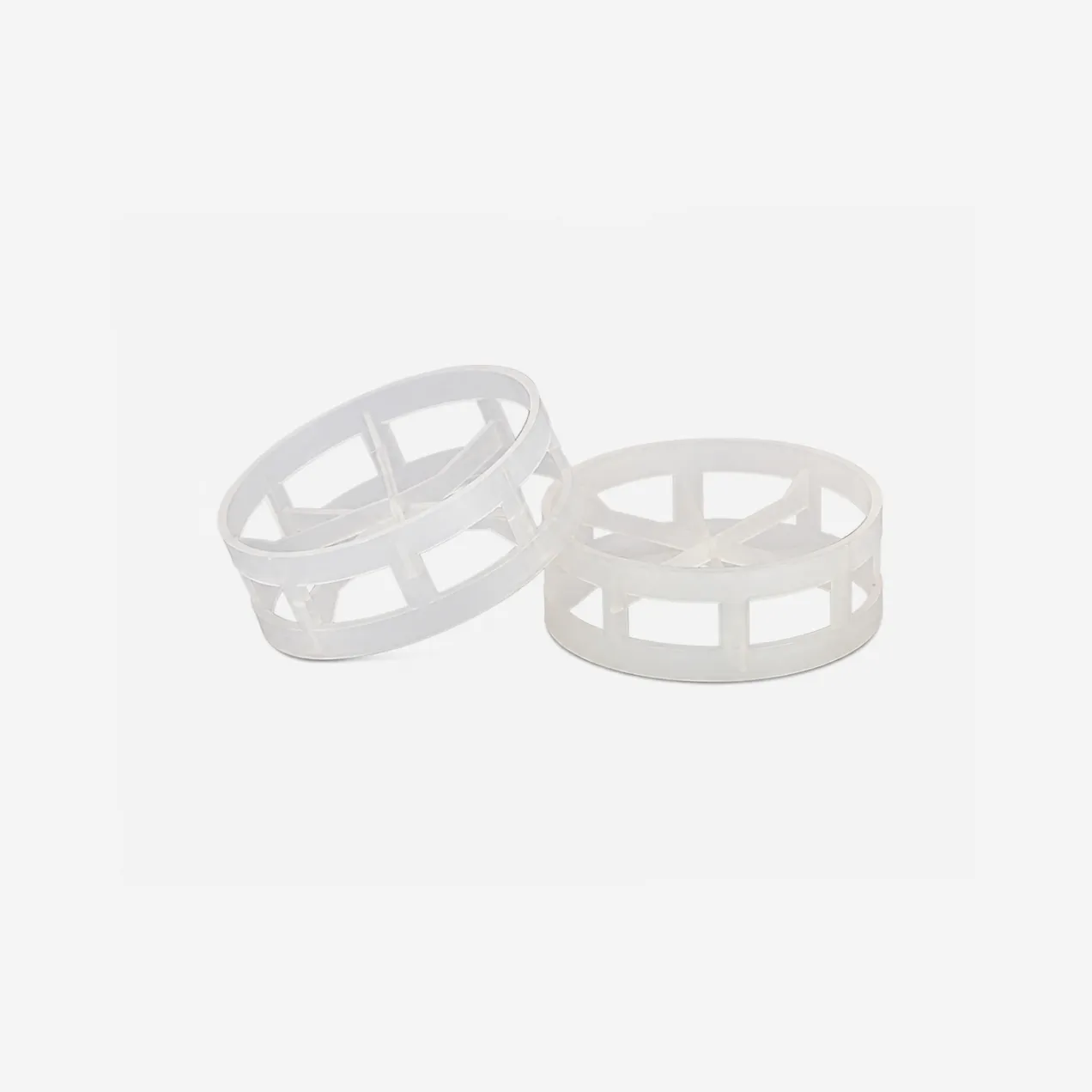
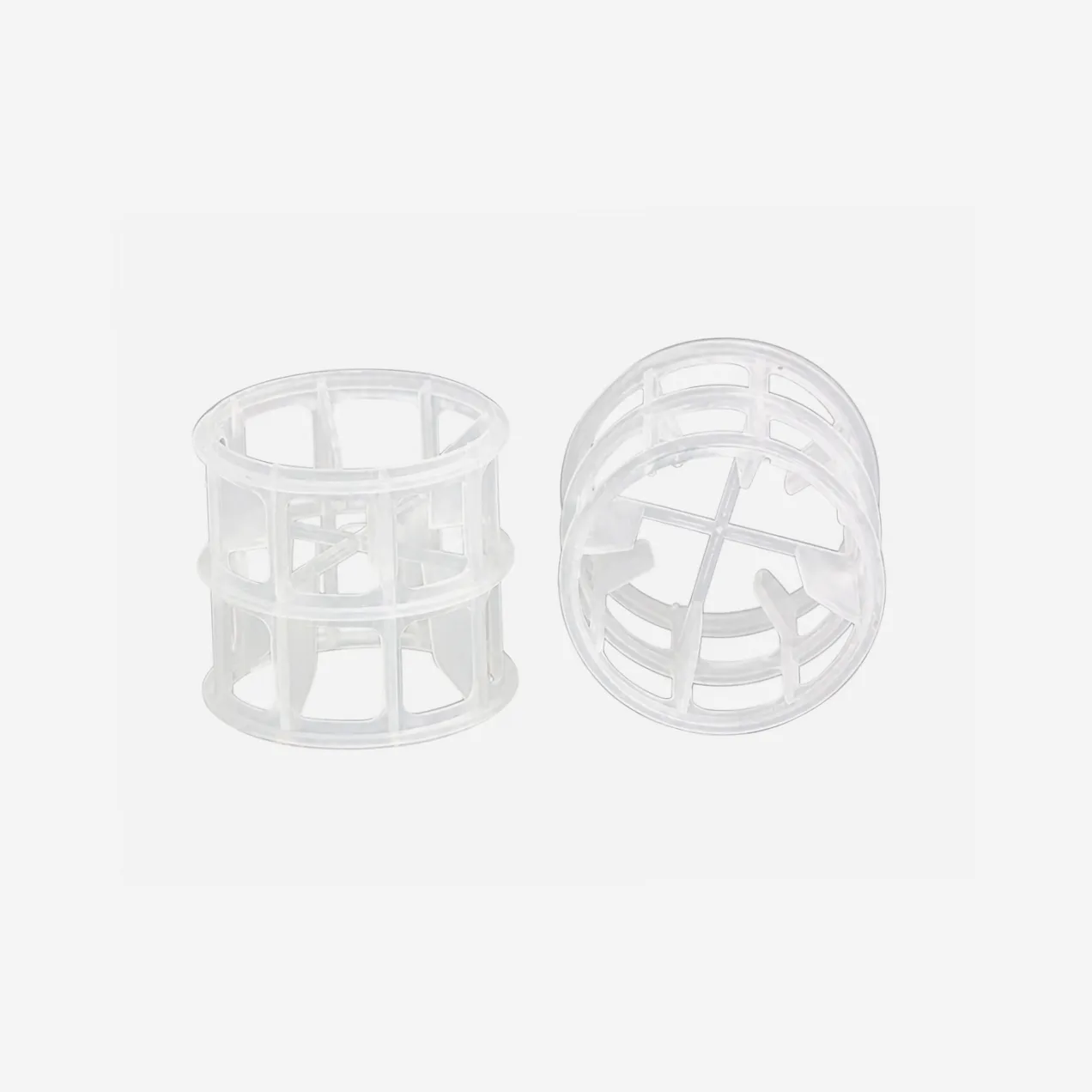
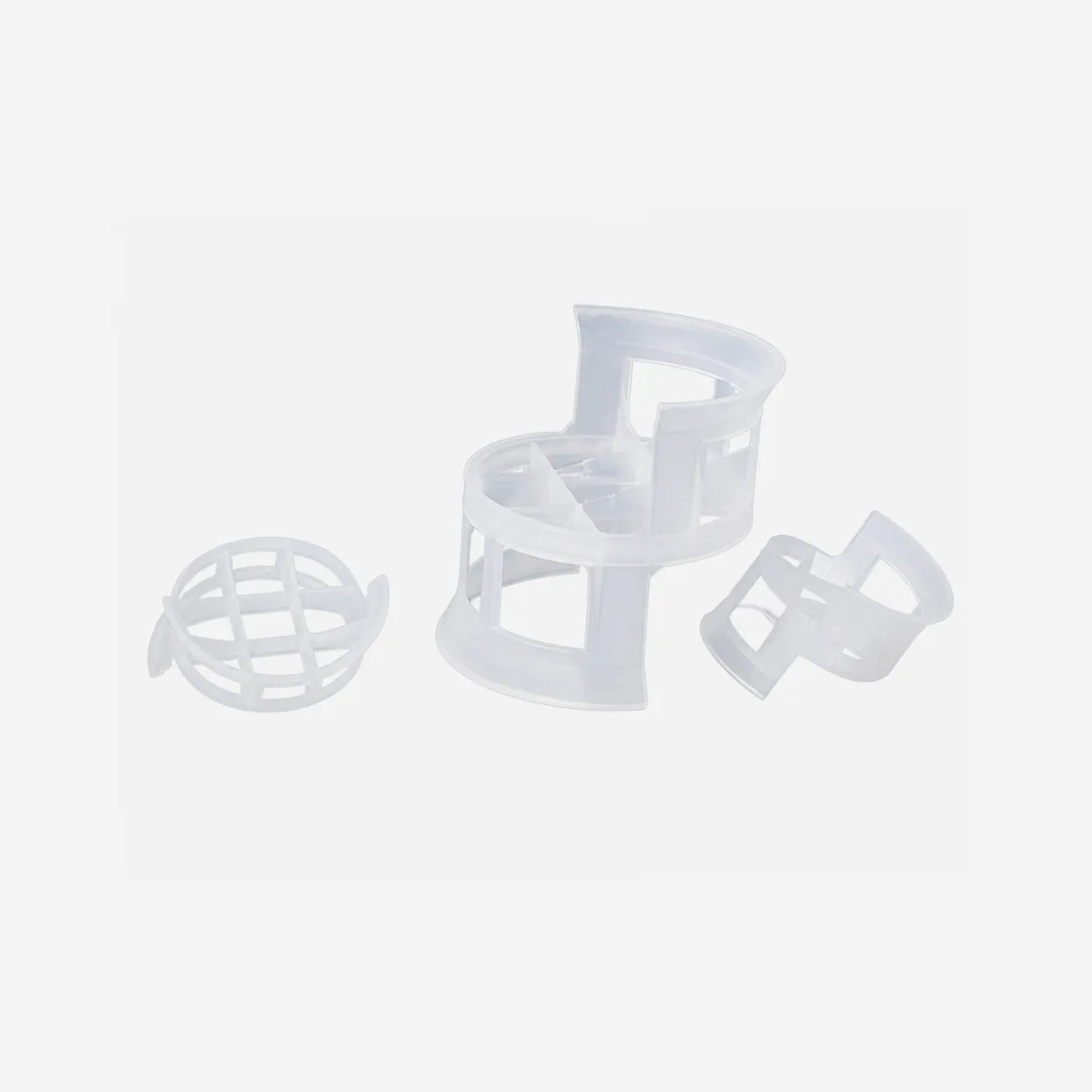
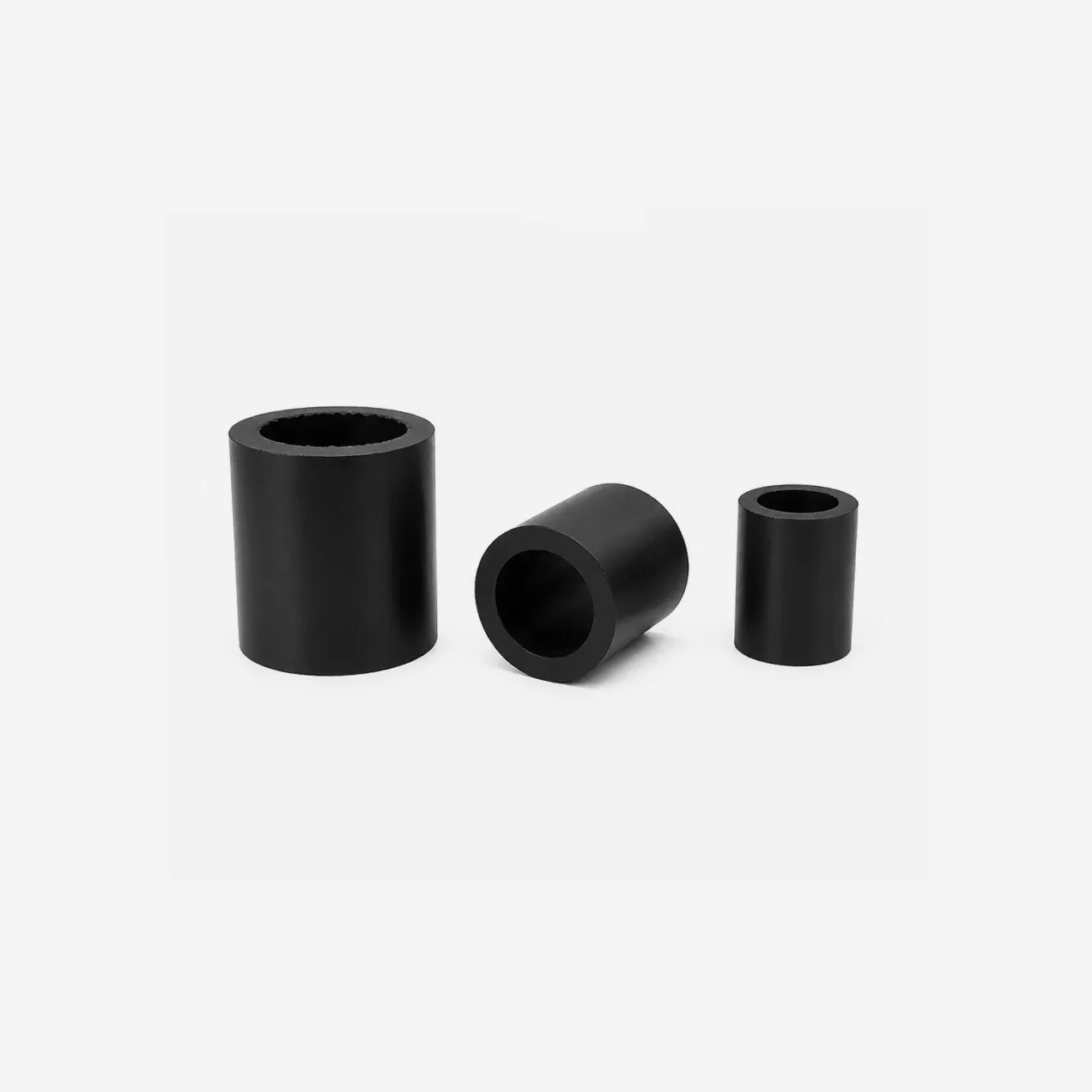
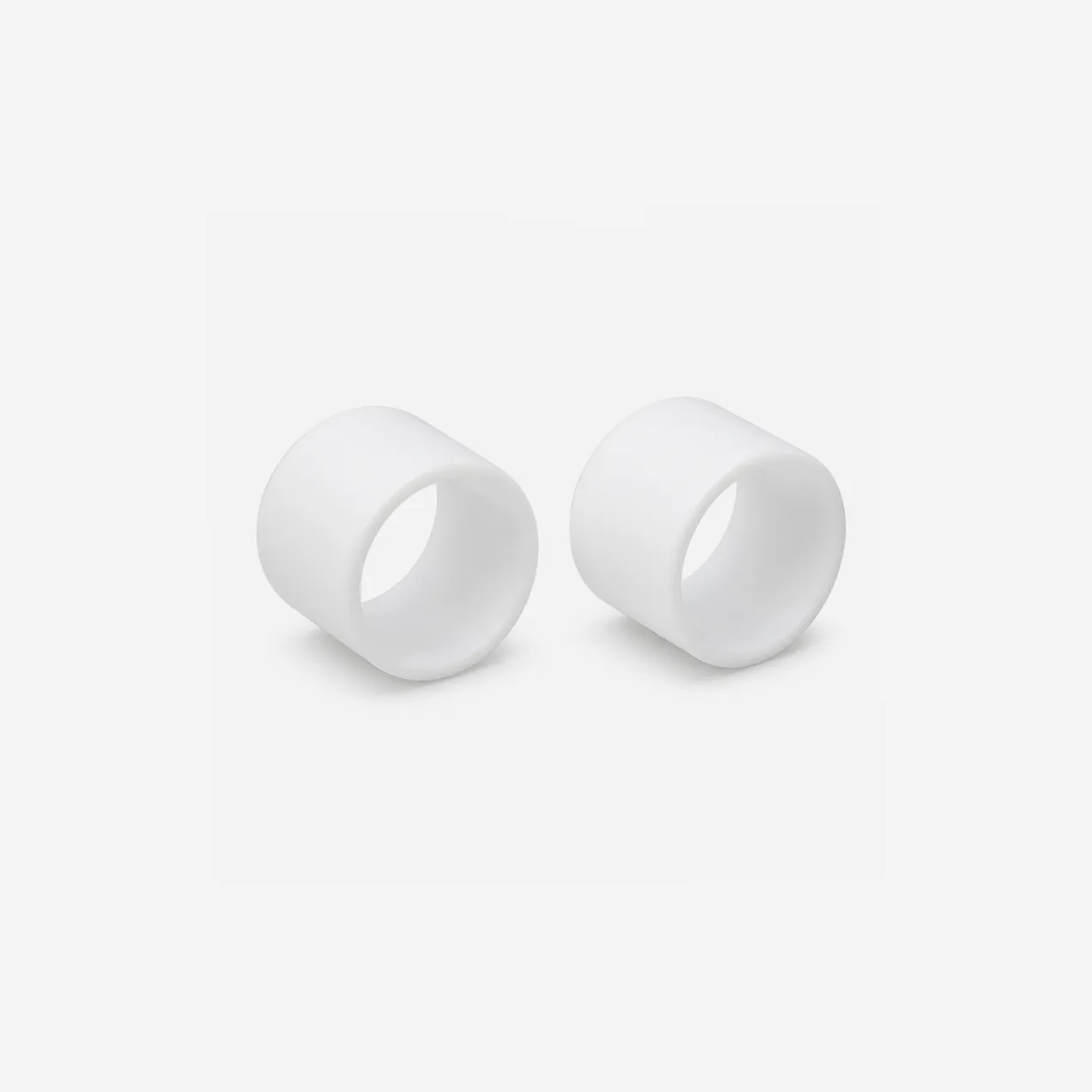
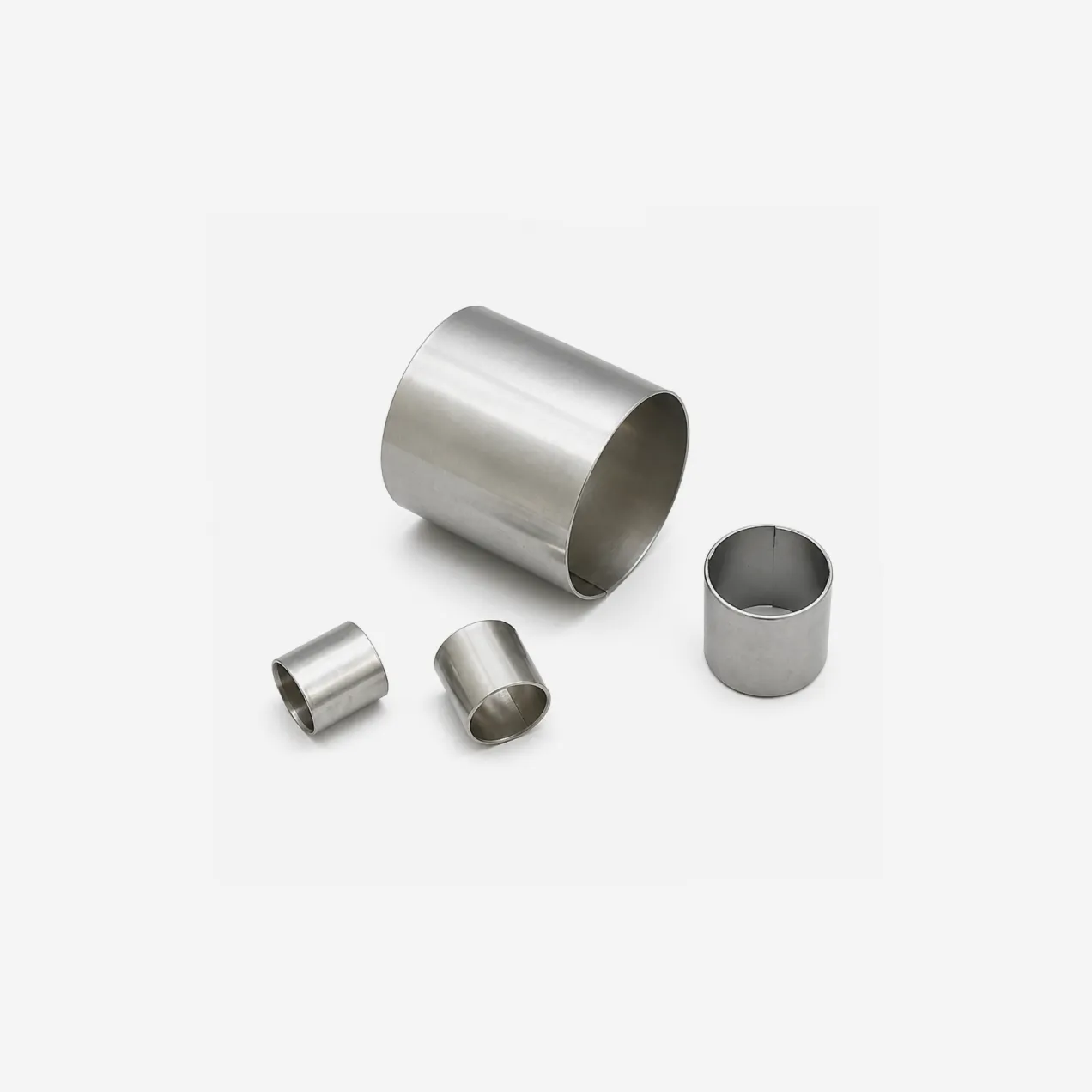
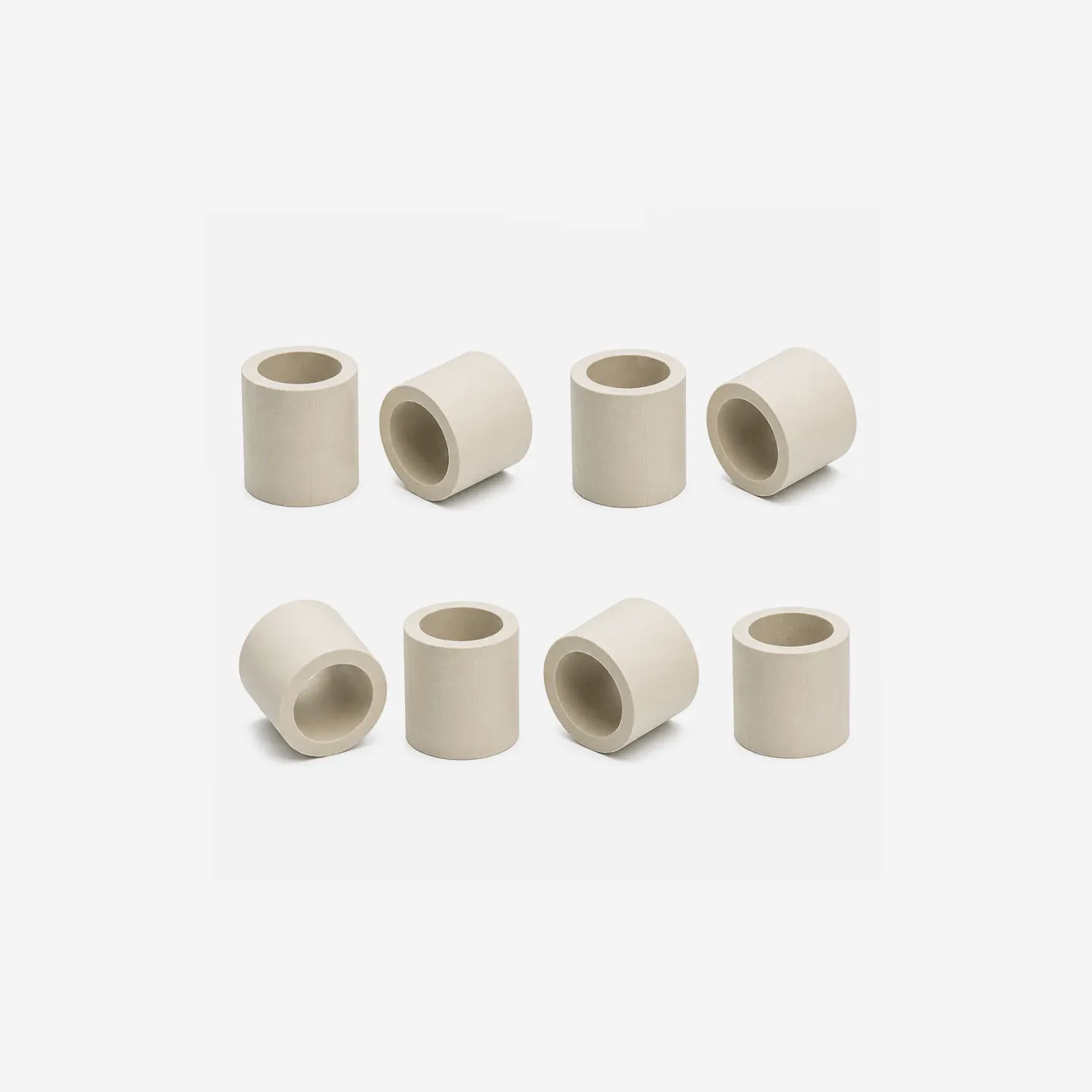
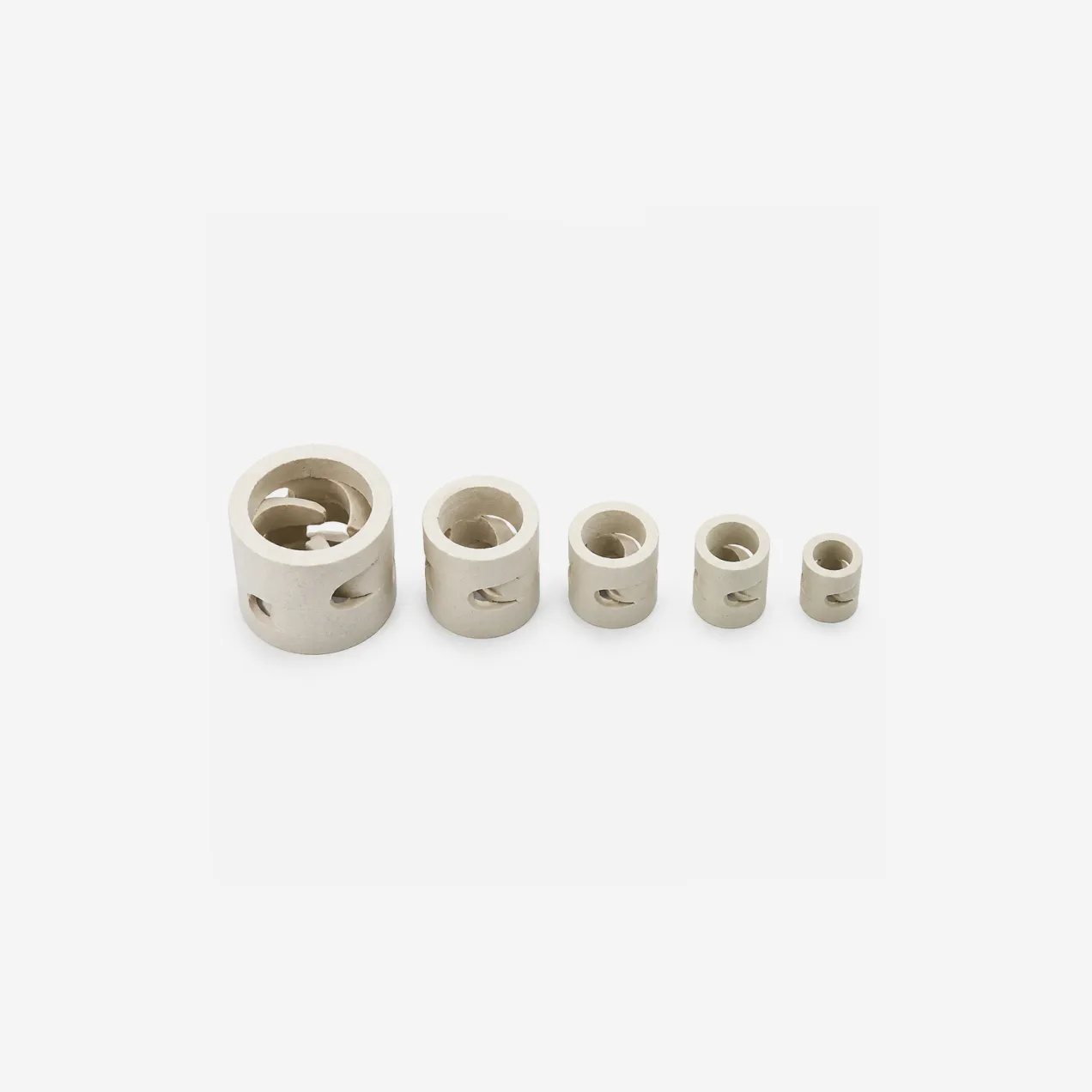
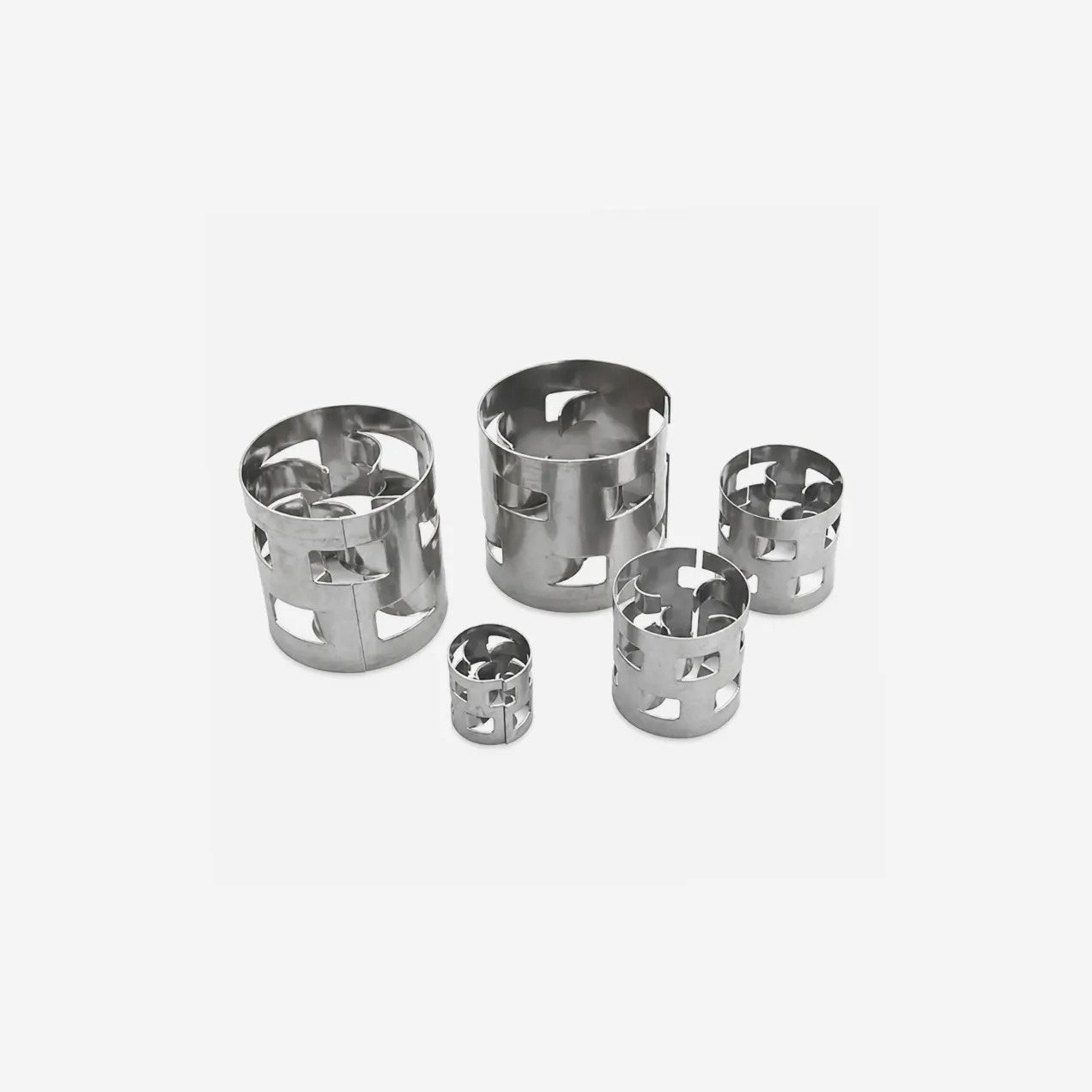
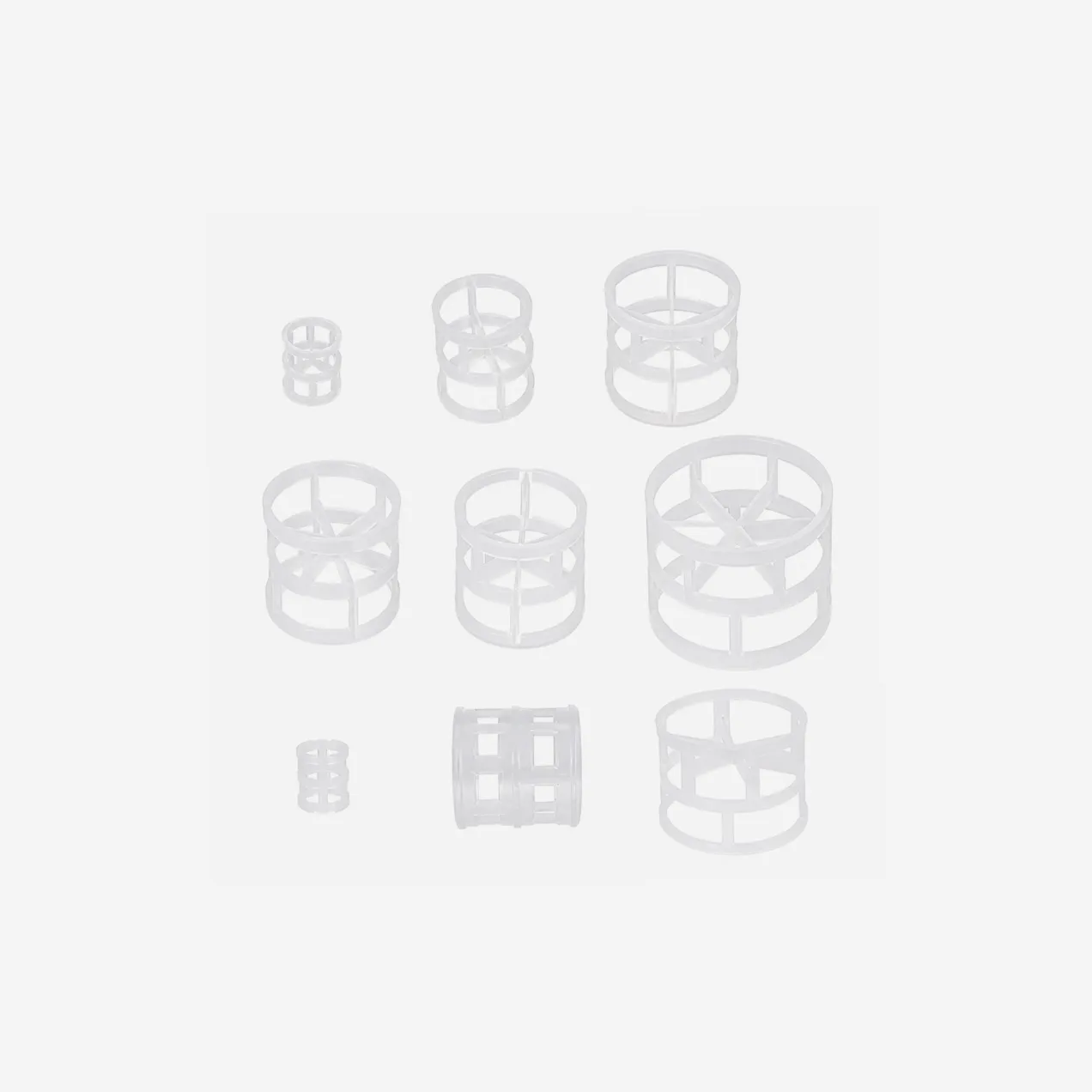
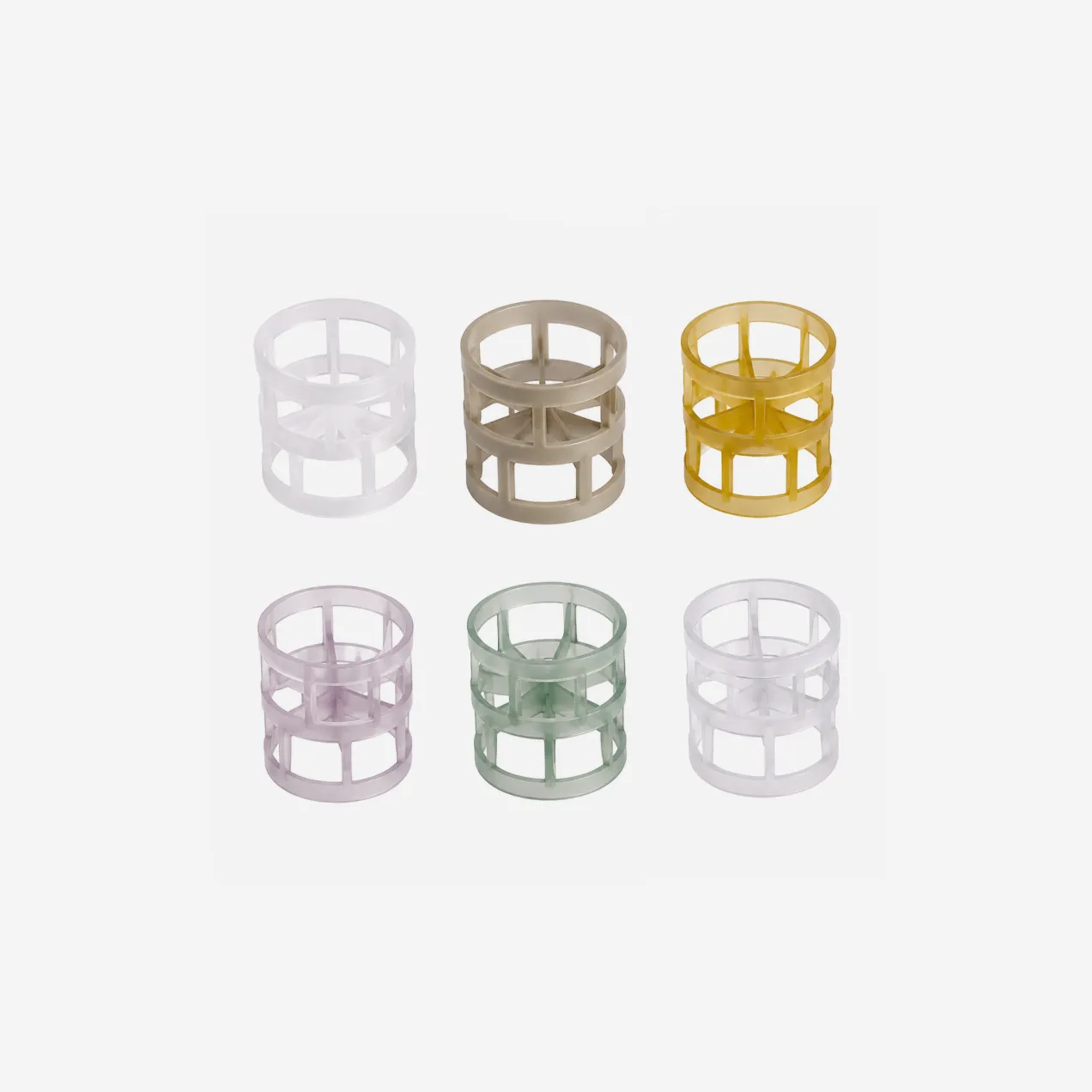
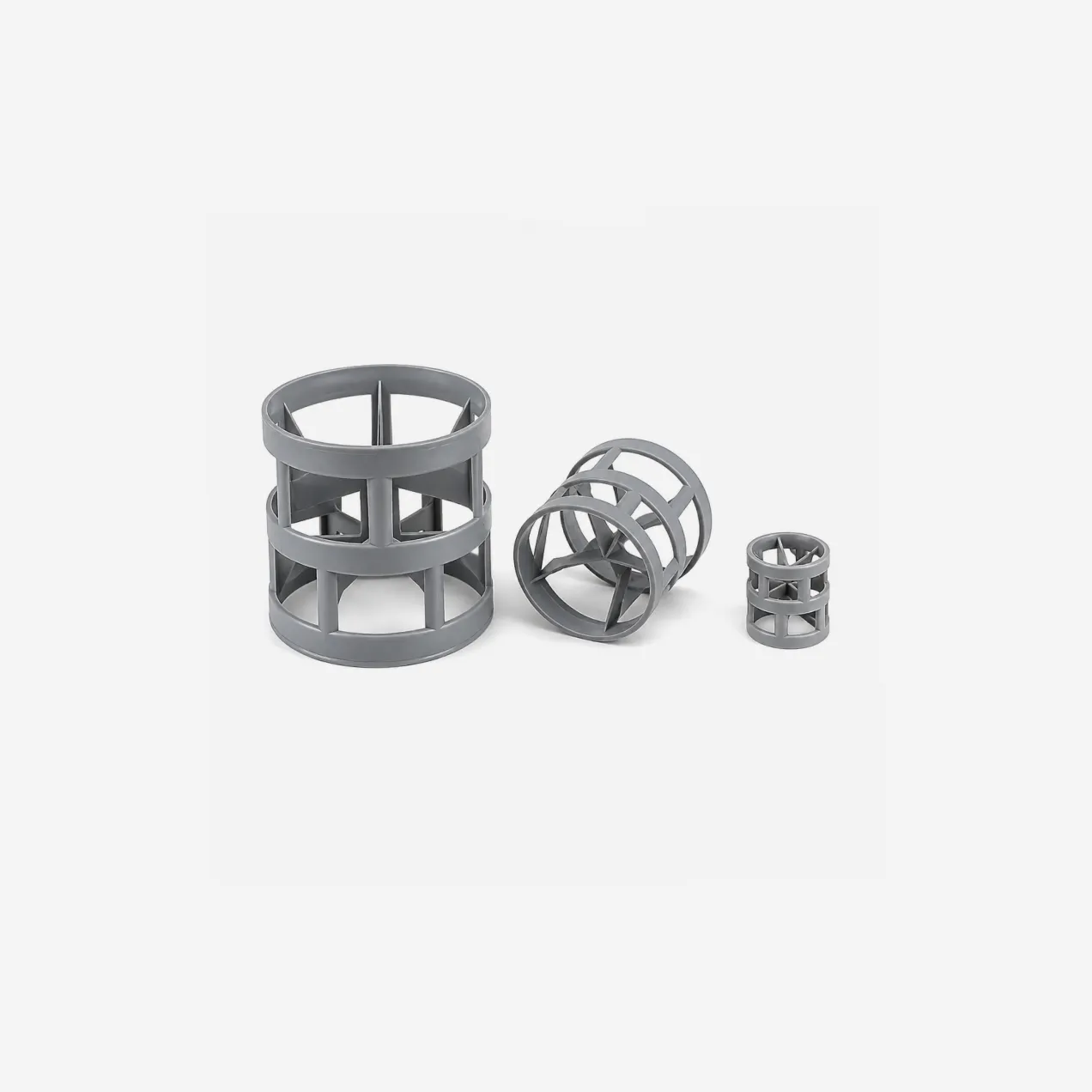
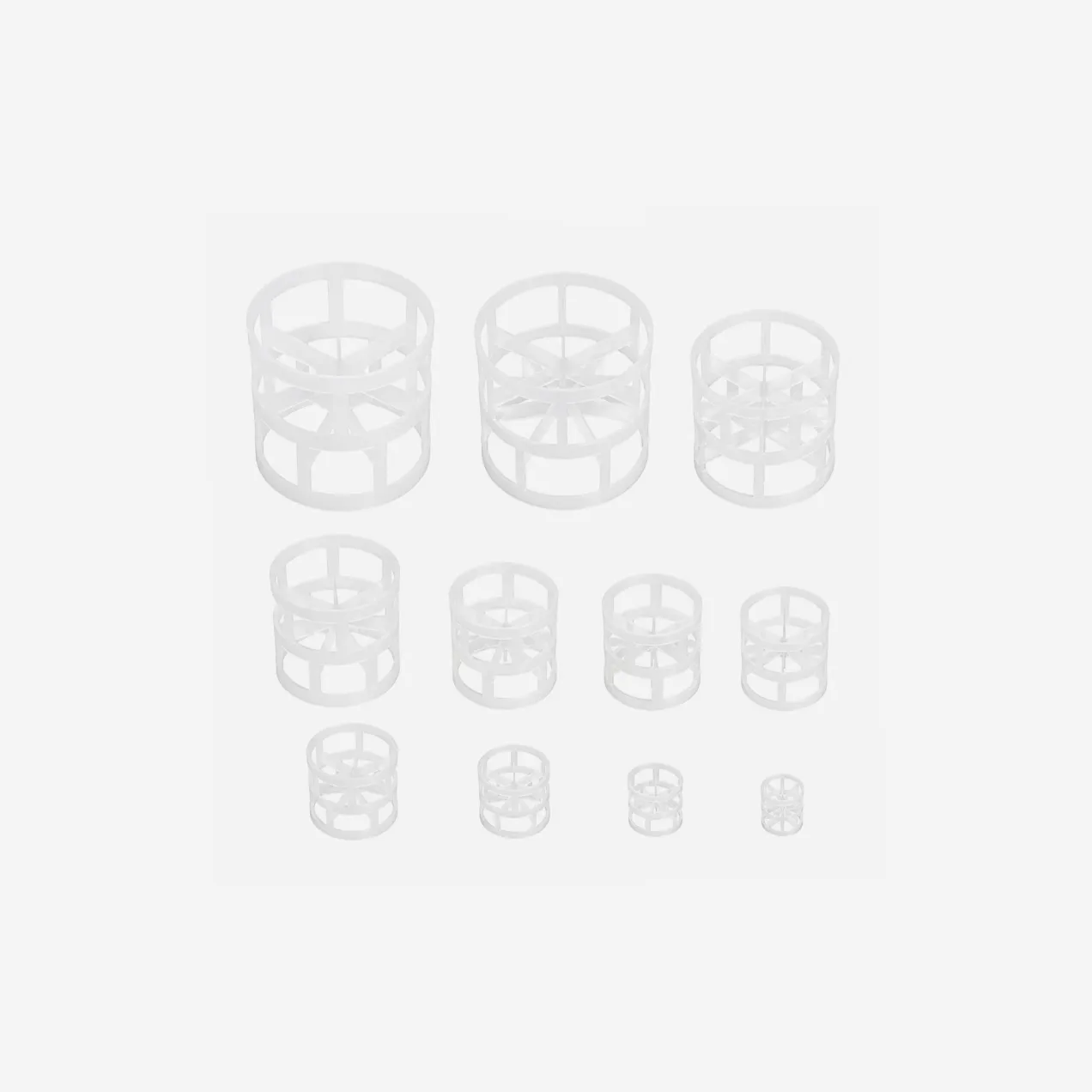
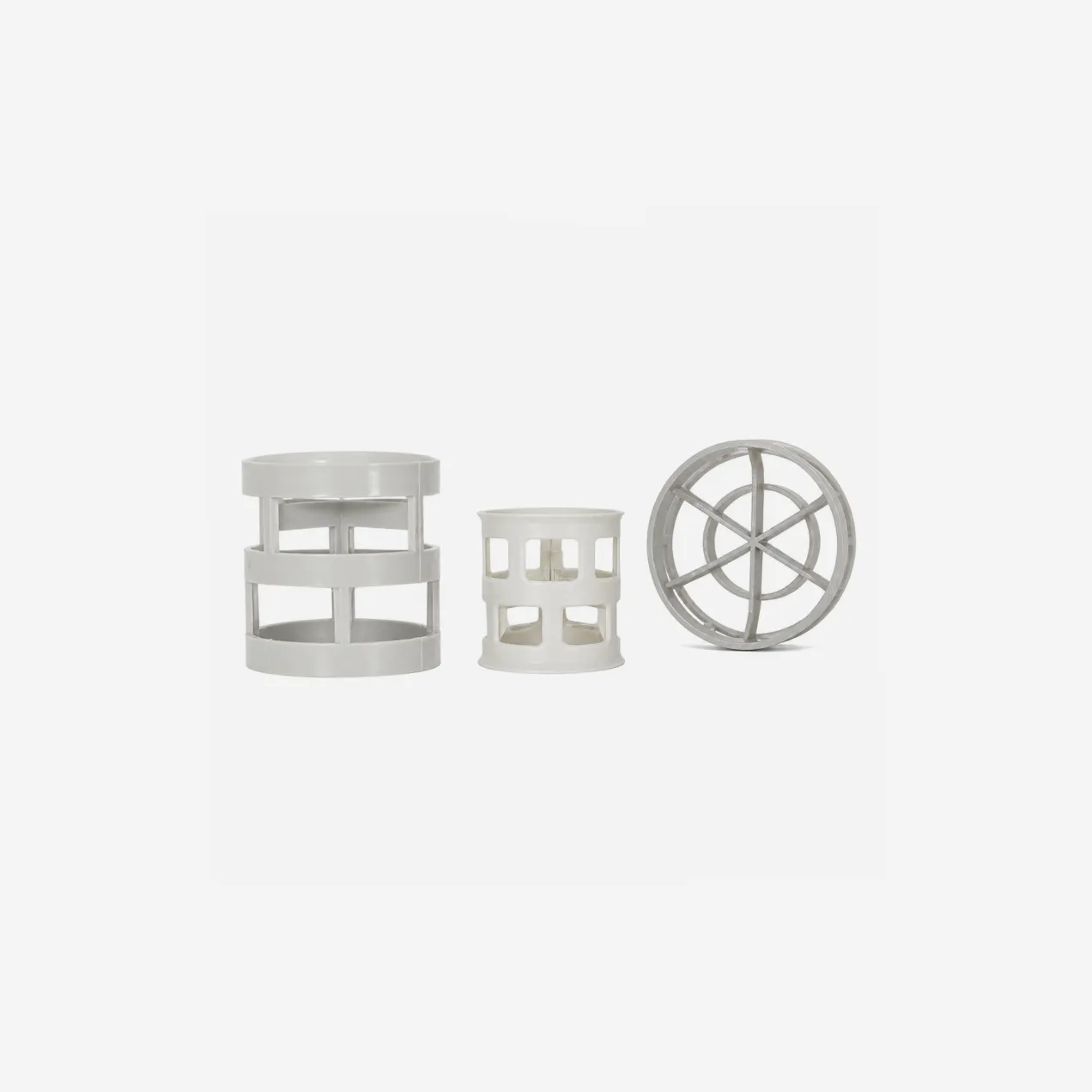
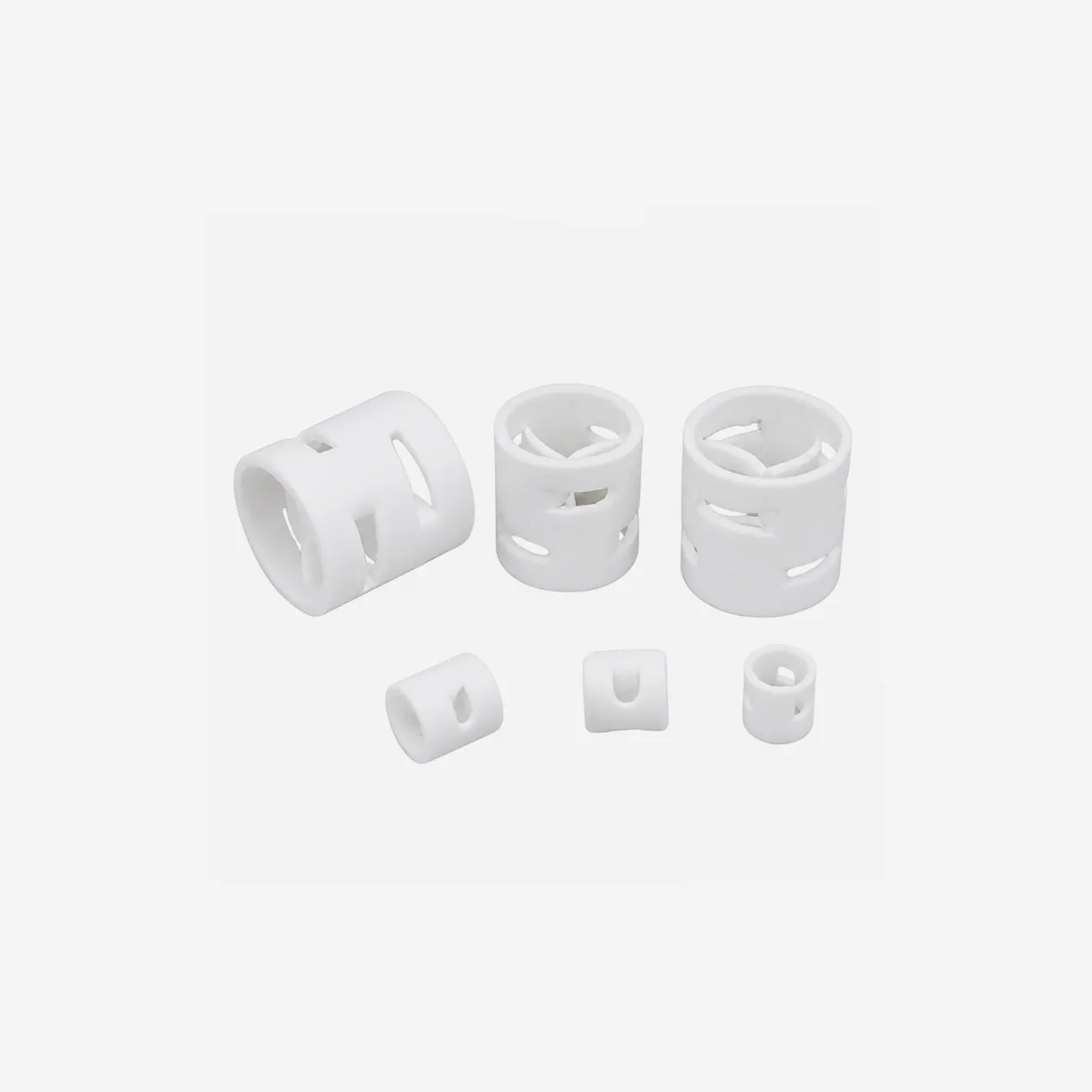
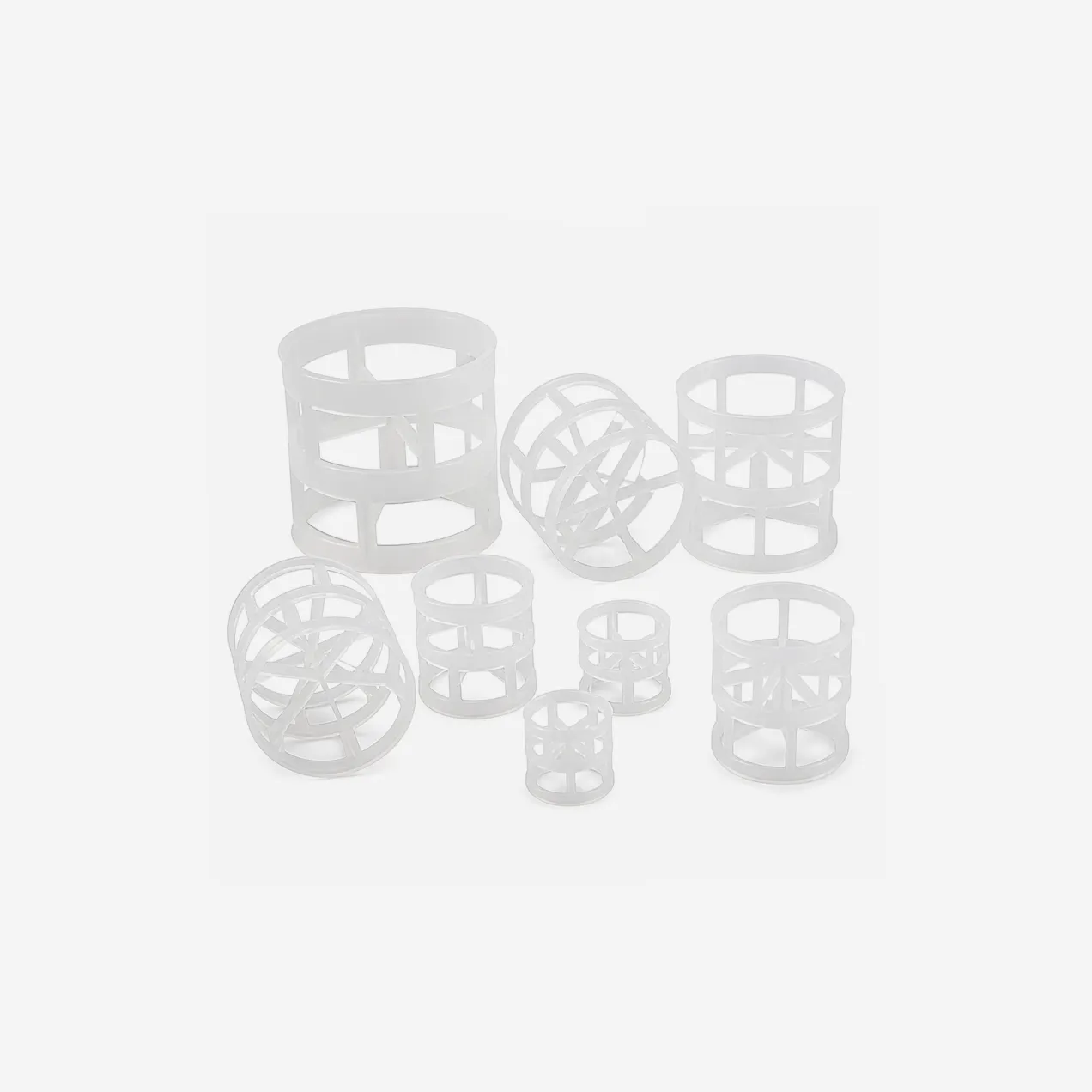
The ceramic Y-type partition ring takes an ordinary ring and builds Y-shaped walls inside it. The ring itself is short, roughly twice as wide as it is tall, and across its open bore run one or three Y-shaped partitions. Those partitions are the point of the design. They fill the hollow centre with ceramic surface, so the gas and liquid have far more area to meet on than a plain ring offers, and they break the straight path through the ring into twisting channels that force the two phases to mix. The result is much better contact at a low pressure drop, and because the whole piece is fired ceramic, it does its work in heat and chemistry that would defeat metal or plastic.
What the partitioned design gives you:
| Feature | What it does |
|---|
| Internal Y-shaped partitions (one or three) | Fill the bore with ceramic surface for more gas-liquid contact |
| Turbulent internal channels | Force thorough mixing, mass transfer up about 30 to 60 percent over a Raschig ring |
| Short ring (height about half the diameter) | Compact, stable, freely draining bed at a low pressure drop |
| Ceramic body (alumina, SiC or kaolin) | Withstands about 1000 degrees and acids, alkalis and solvents |
That mix makes it a strong choice for demanding separations and reactions — distillation, absorption and stripping in chemical, oil and environmental plants, especially where the column runs hot or corrosive. It is made in φ25, φ38, φ50 and φ80 mm; the per-size surface area, void and packing factor are tabulated above. To size a bed, send us the tower, the operating temperature and the medium, and we will match the ring size and the ceramic.