search
Search

Enter keywords to search for products, blog posts, and more.


Home > Plastic Flat Ring

Plastic Flat Ring
Plastic Flat Ring

Plastic Flat Ring

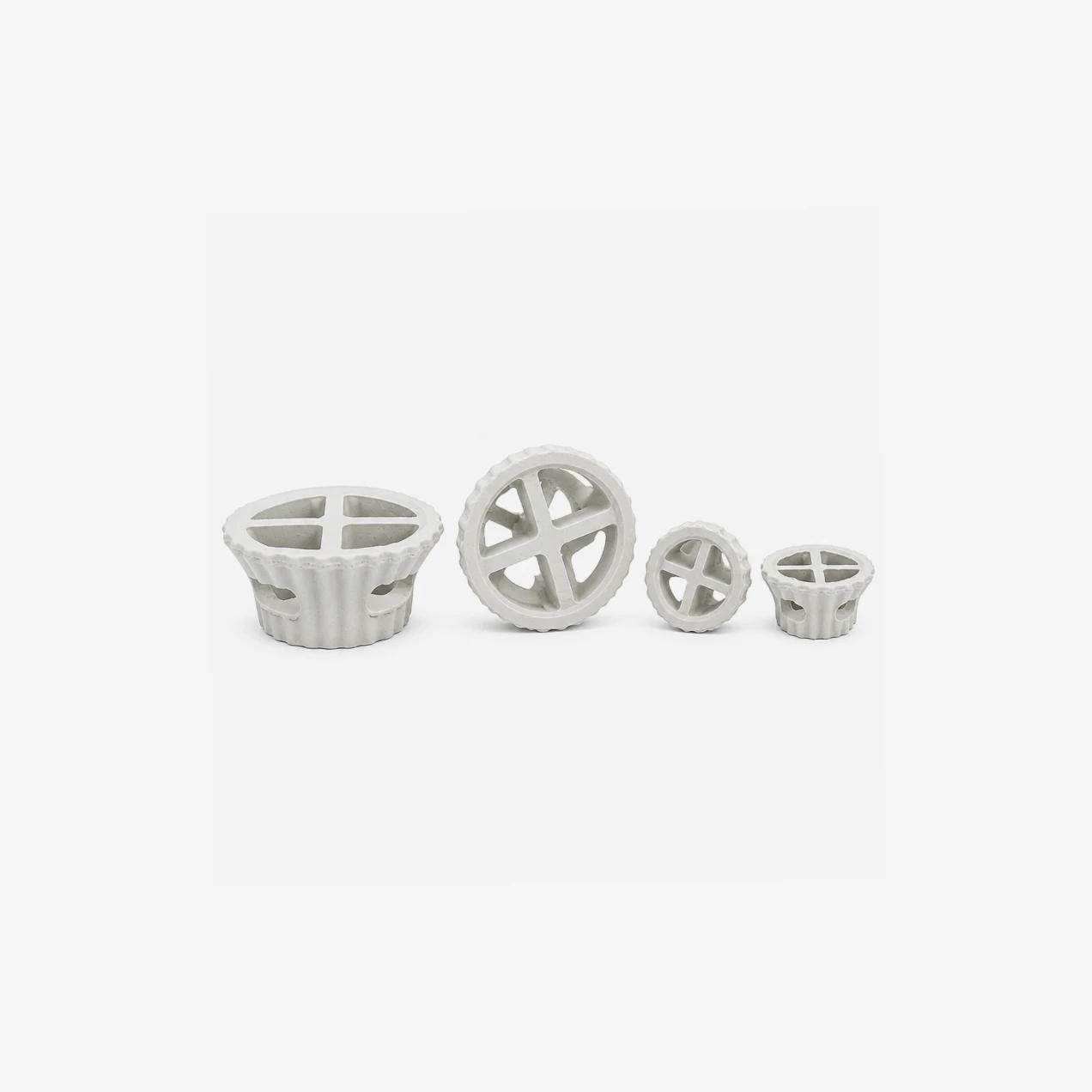
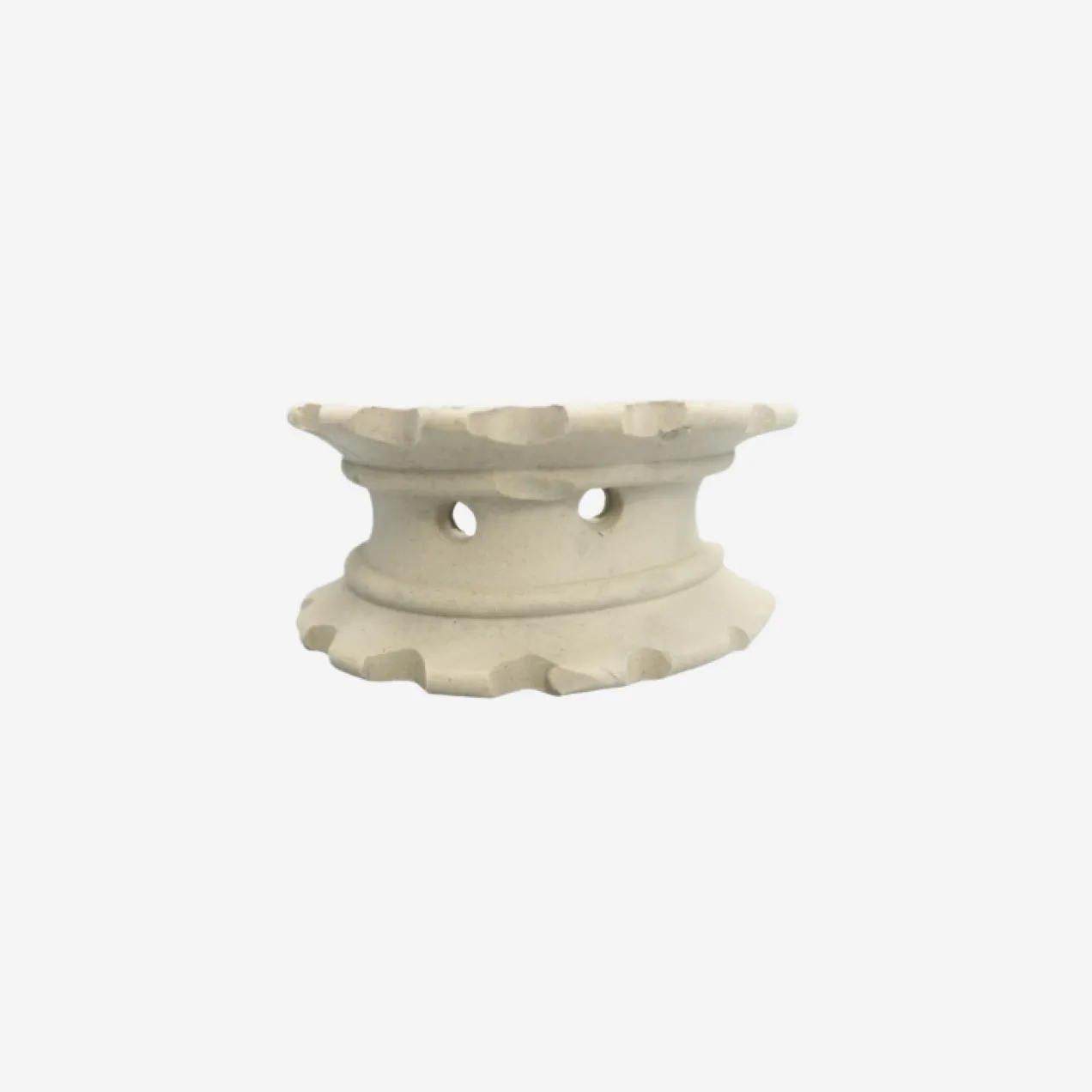
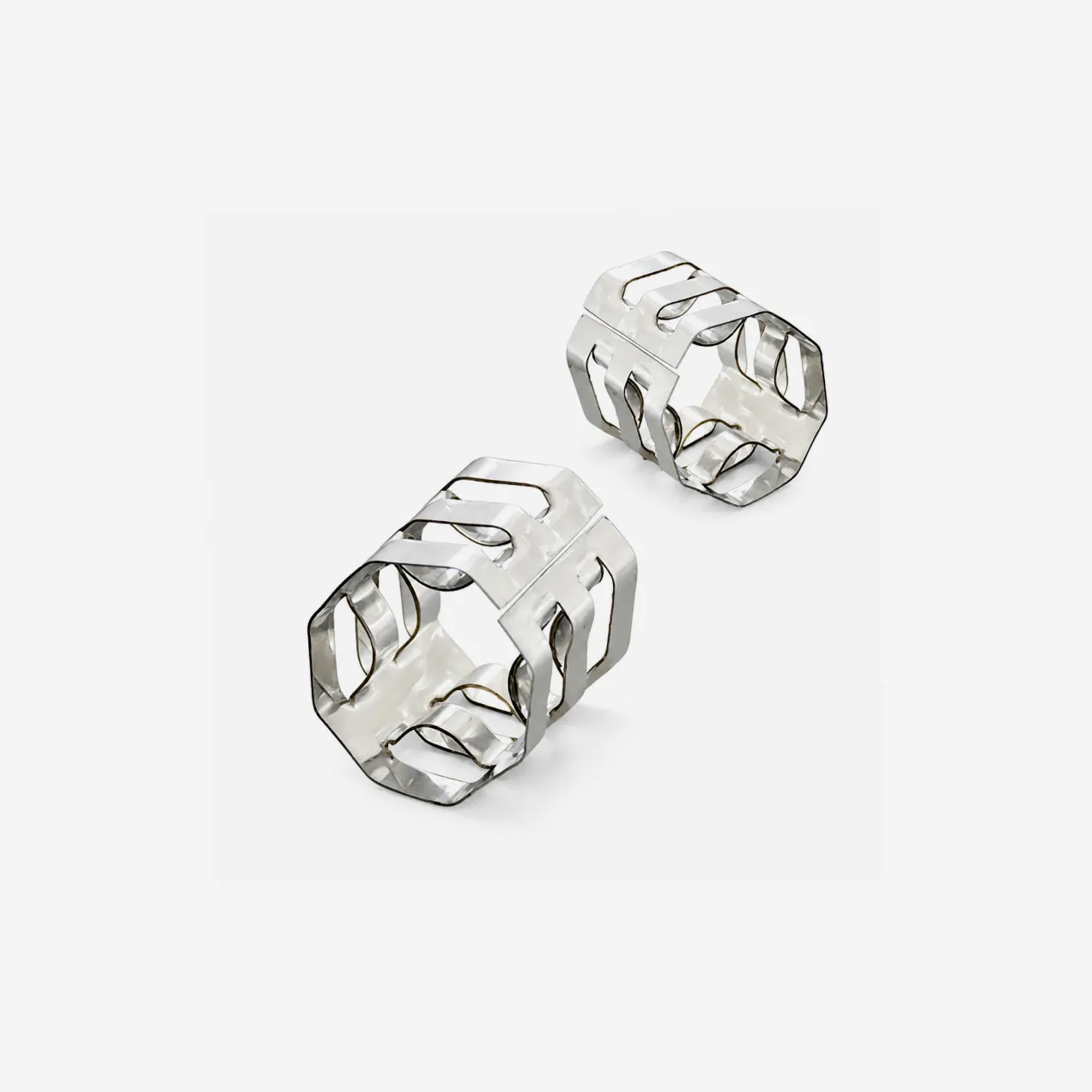
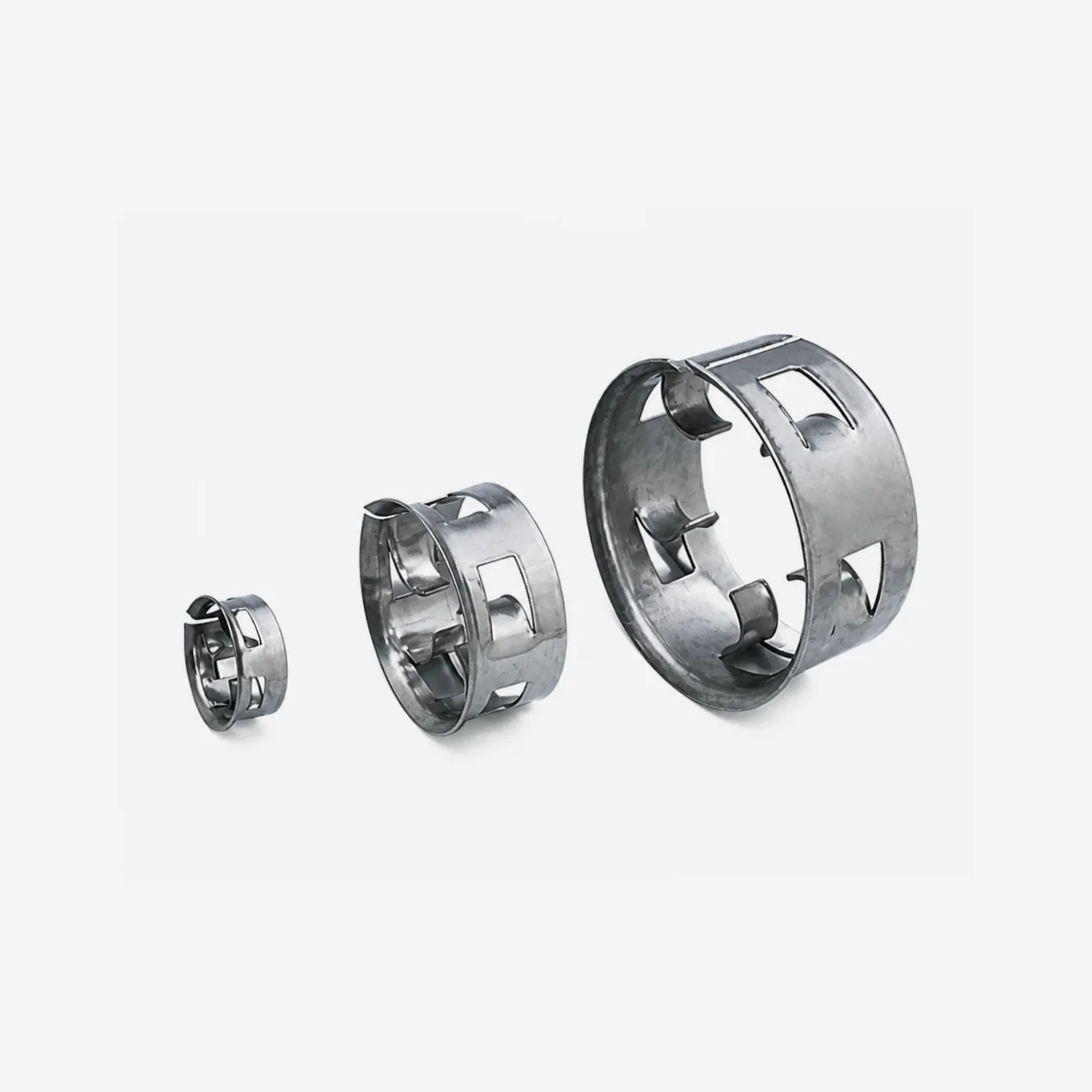
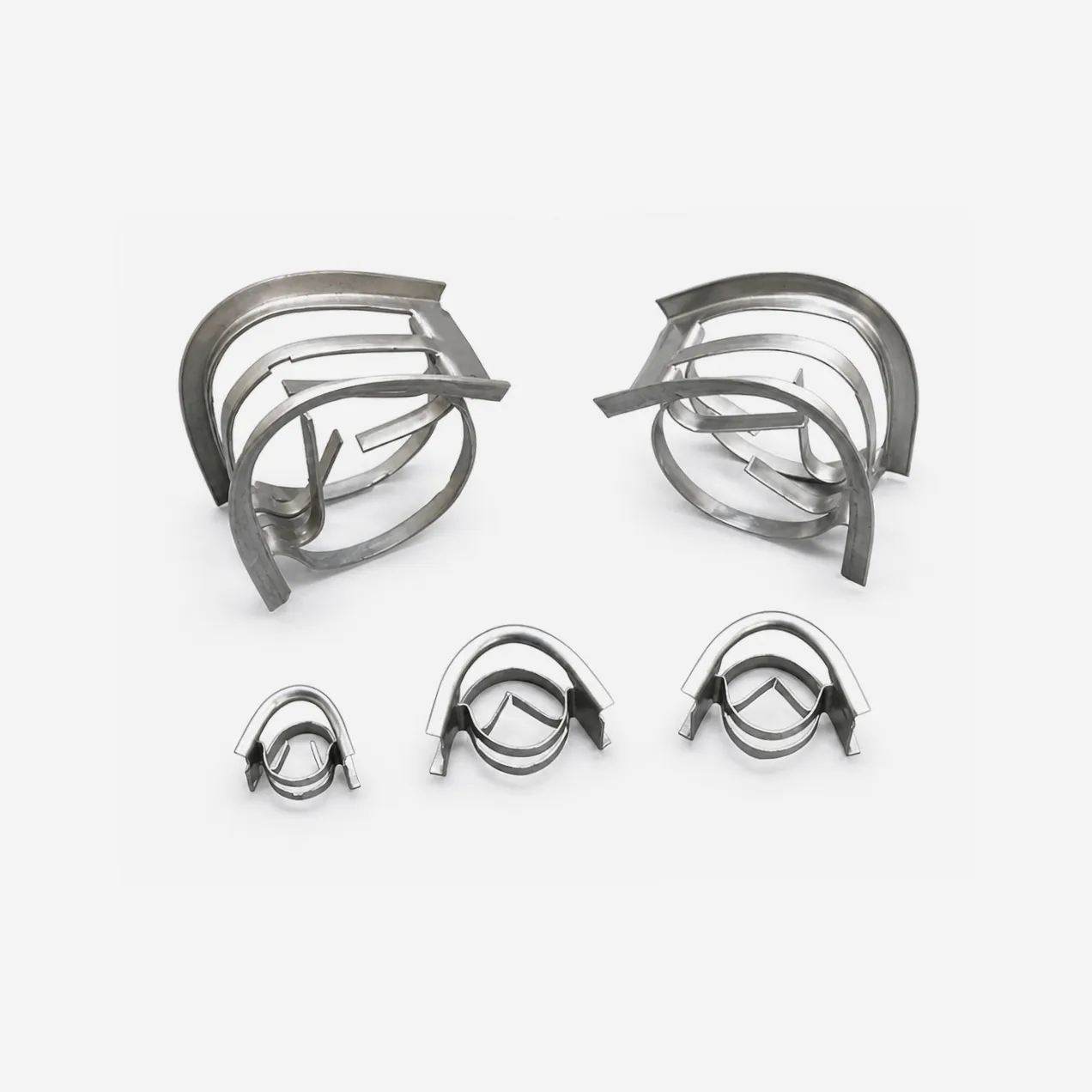
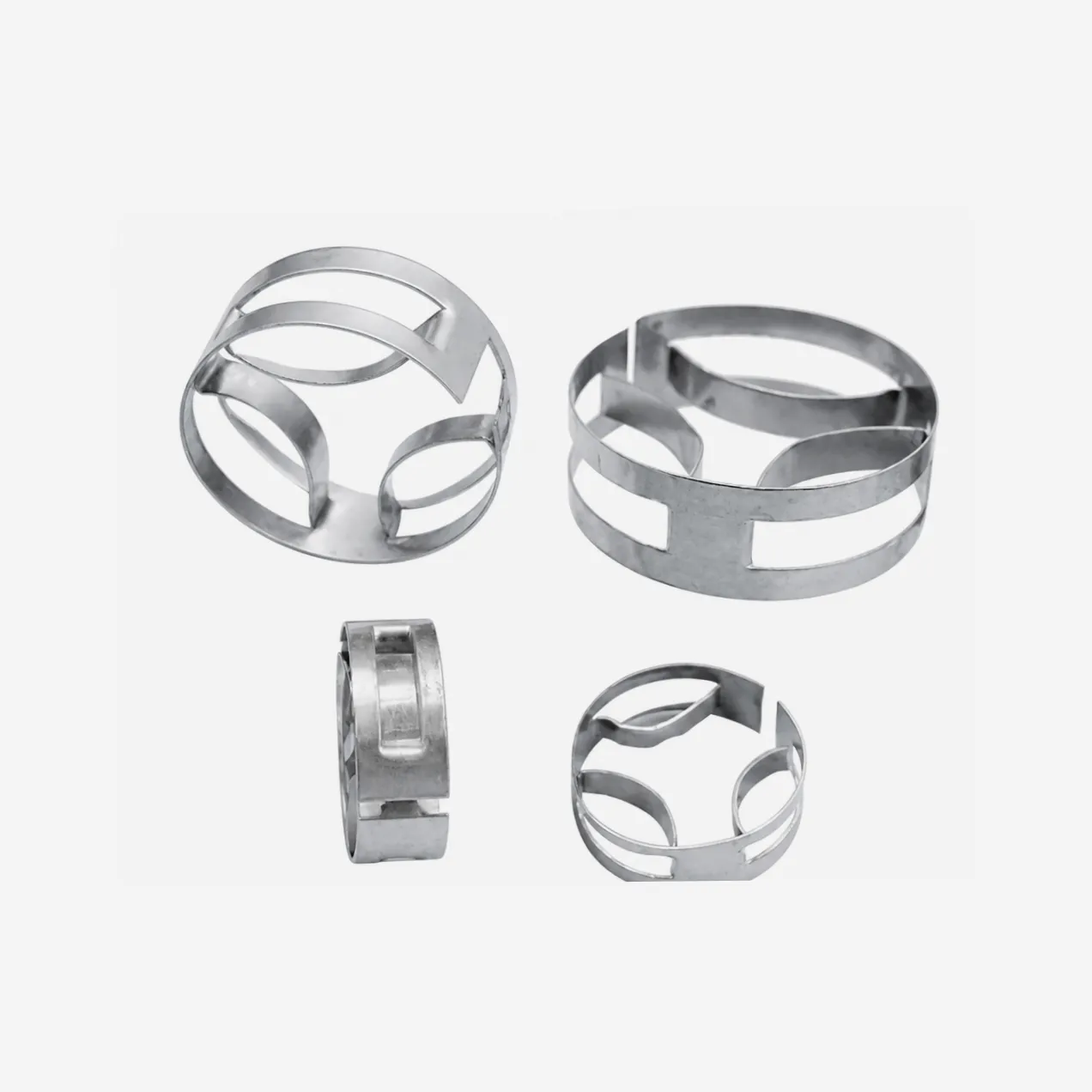
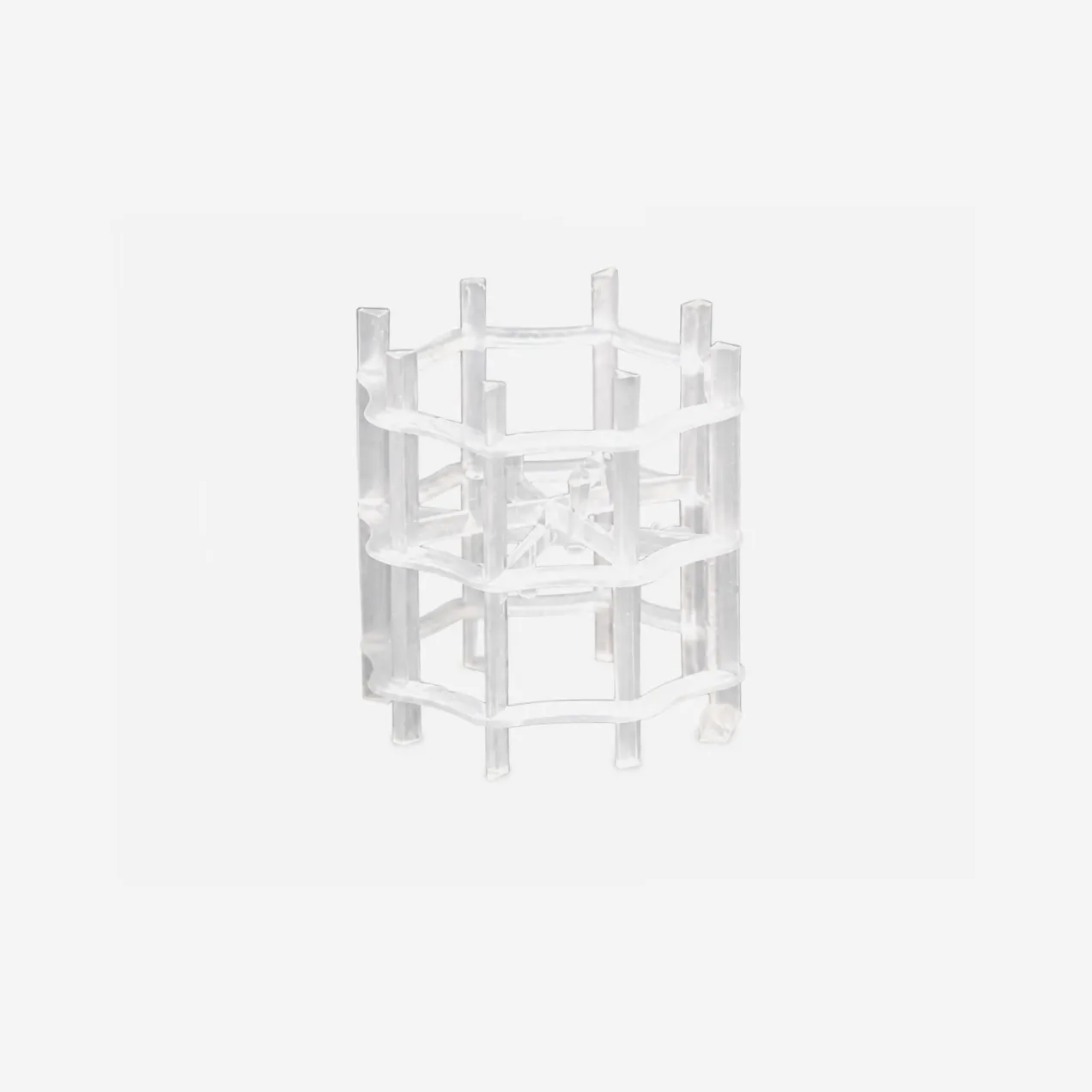
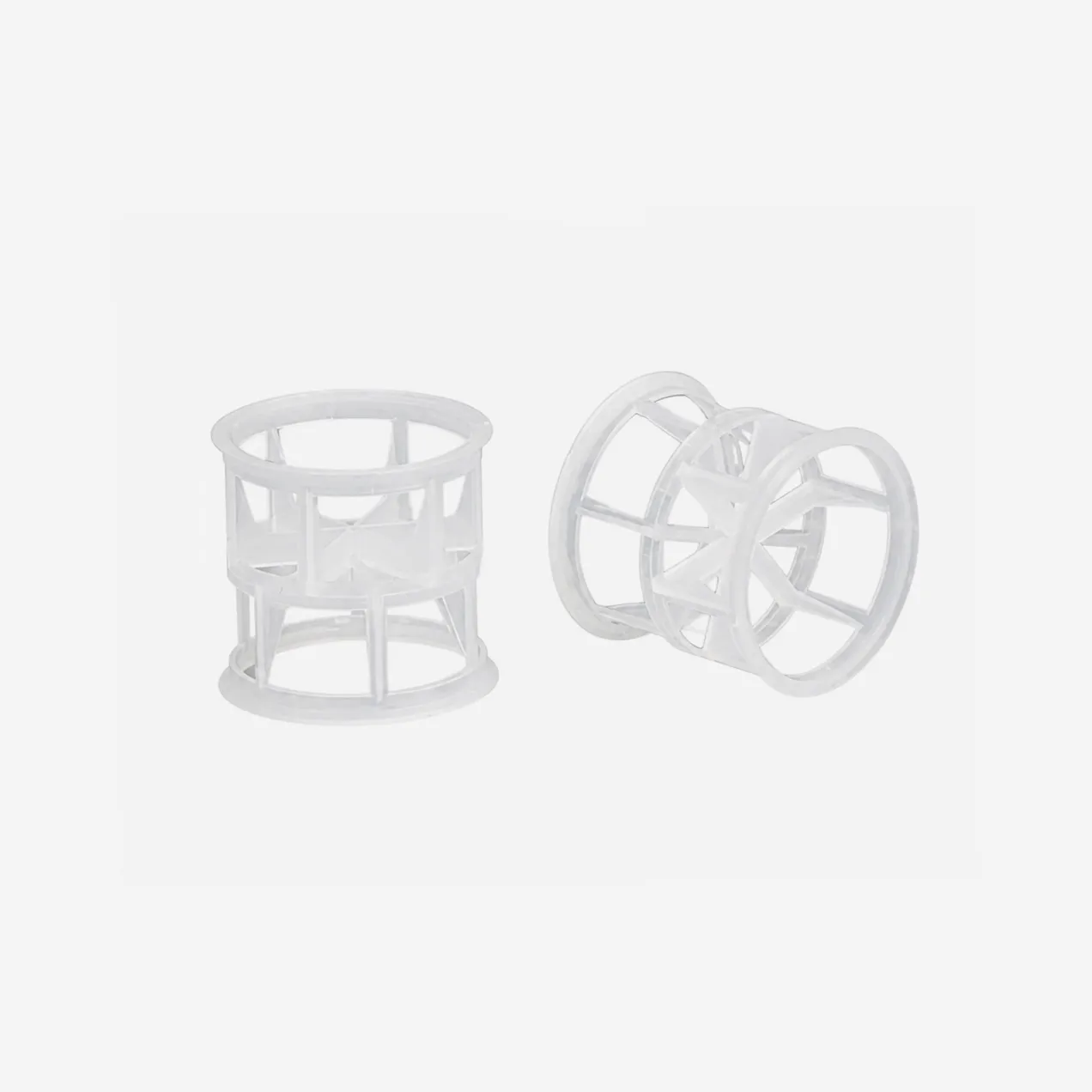
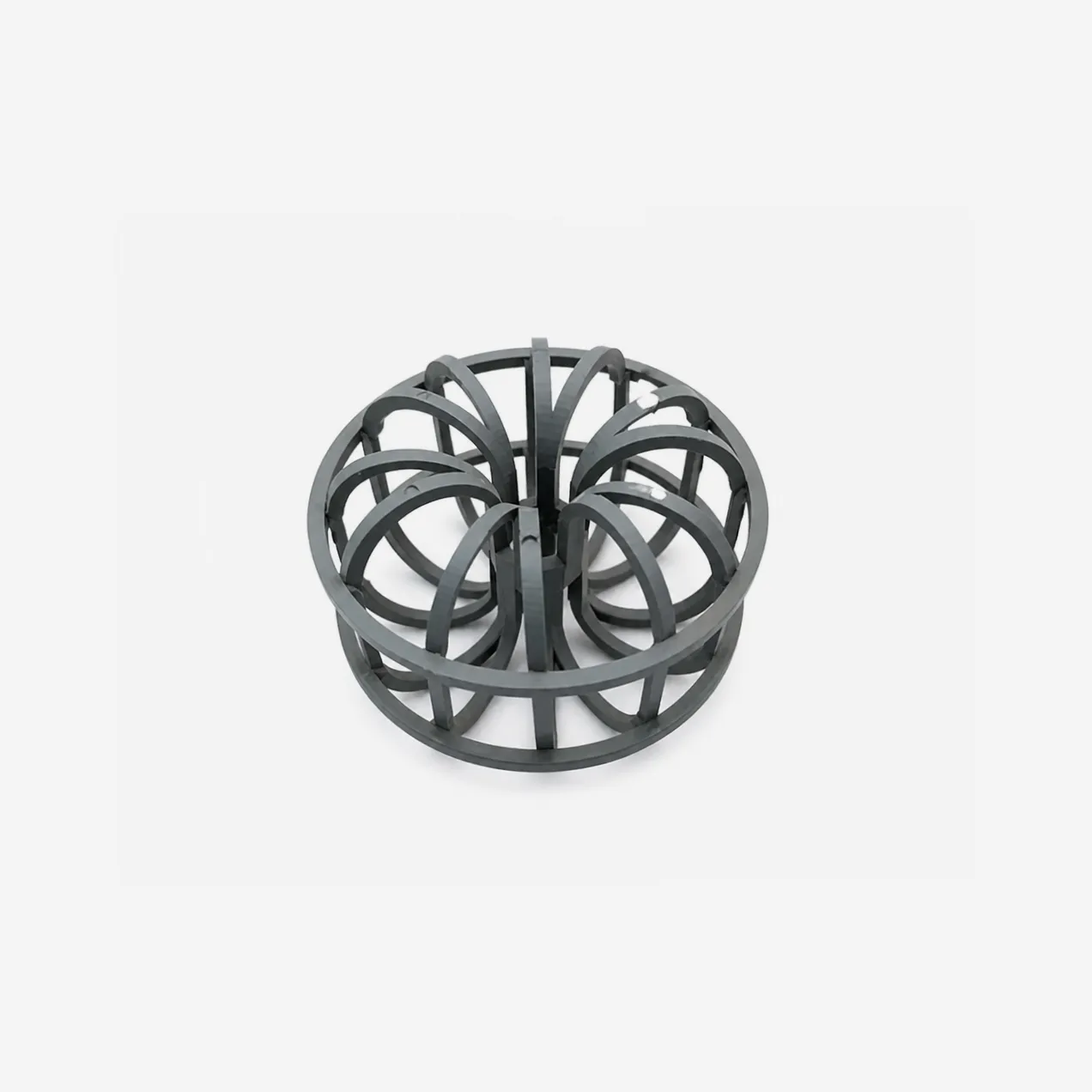
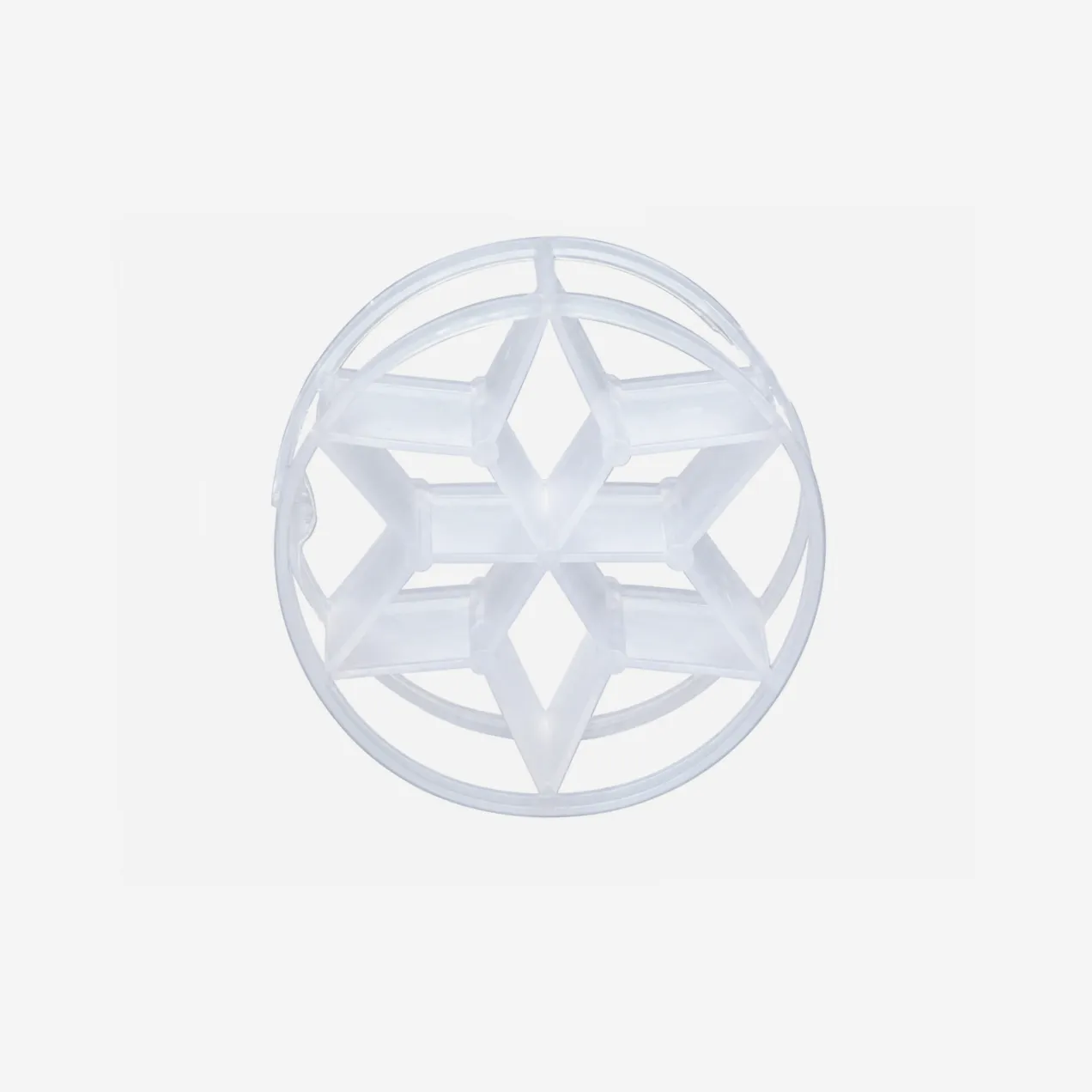
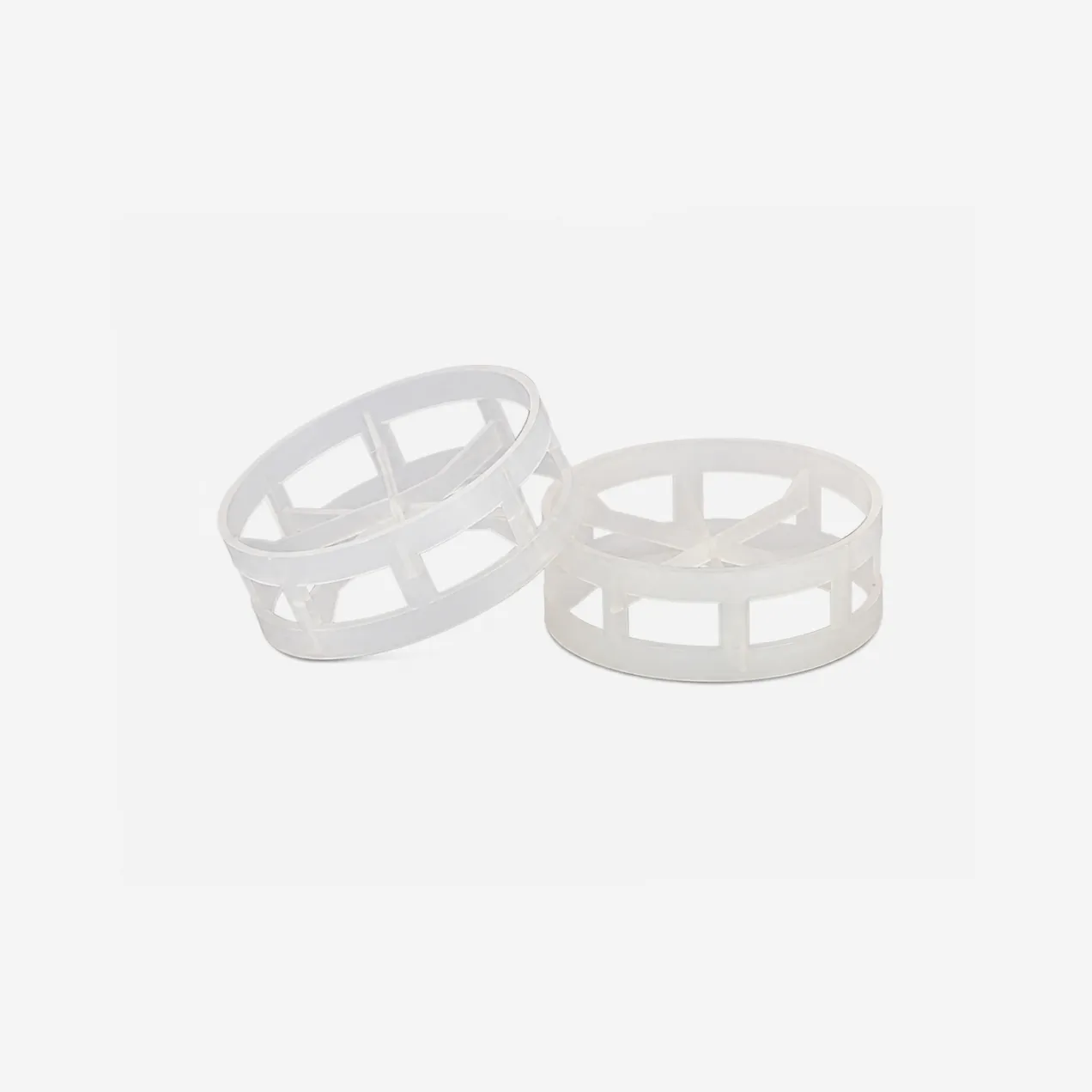
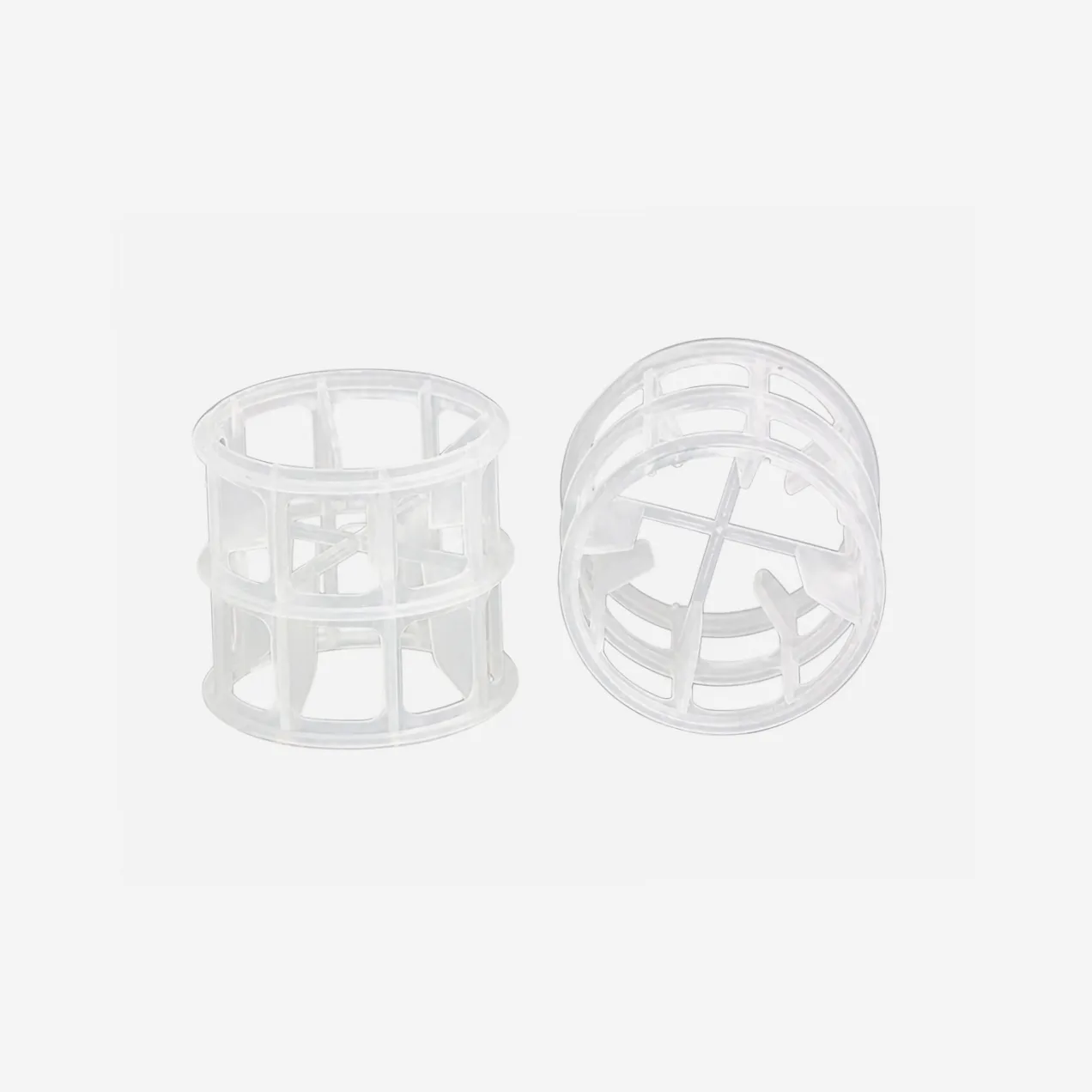
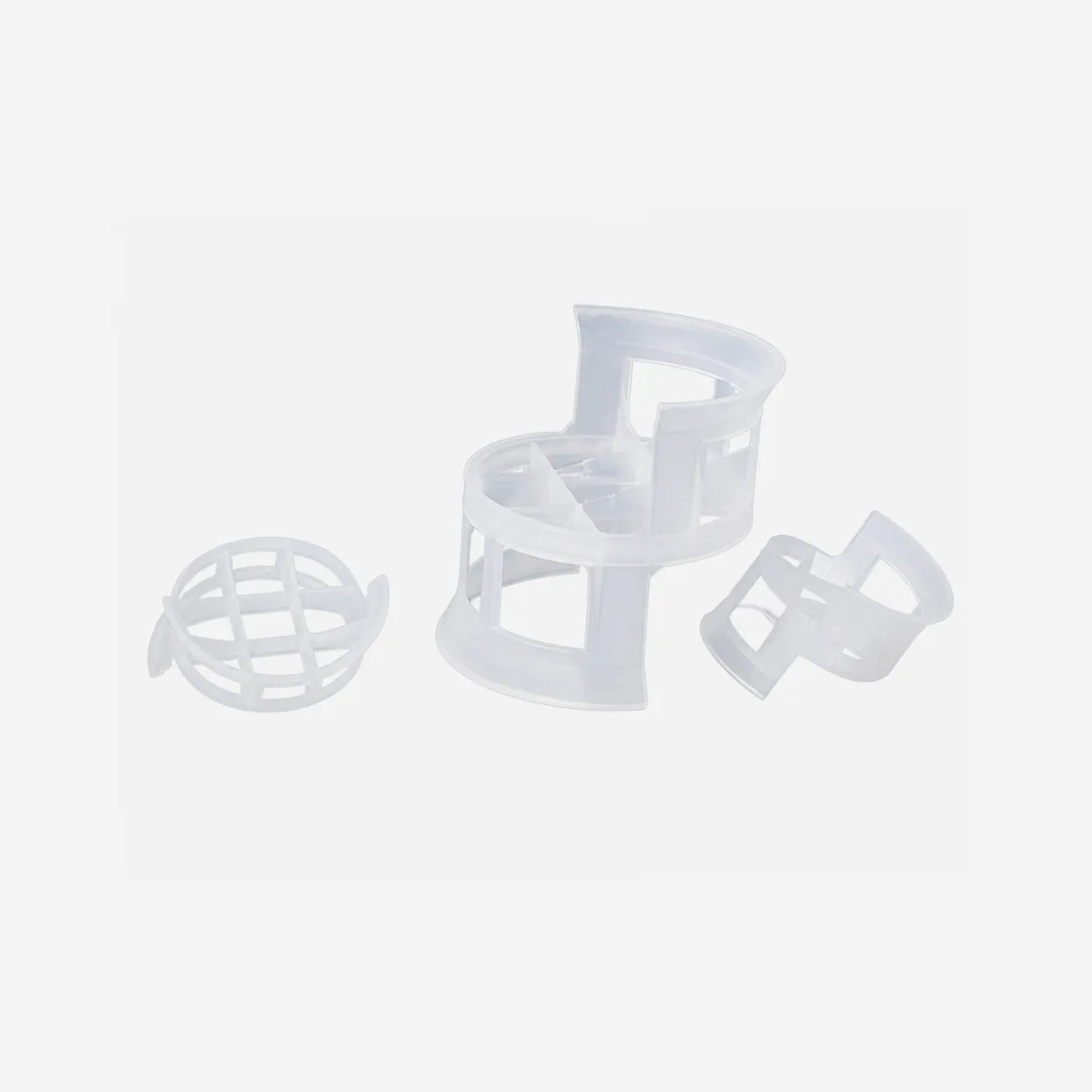
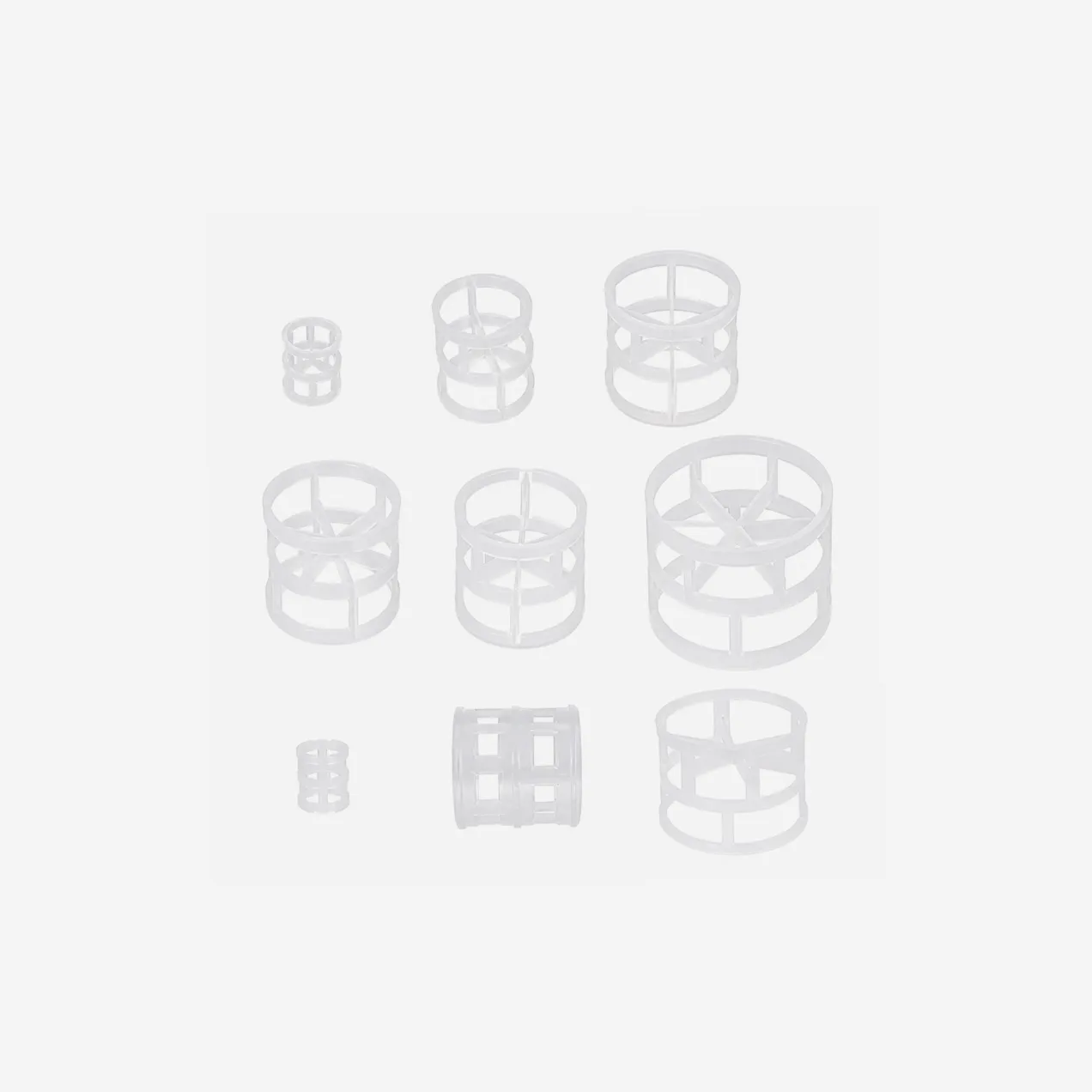
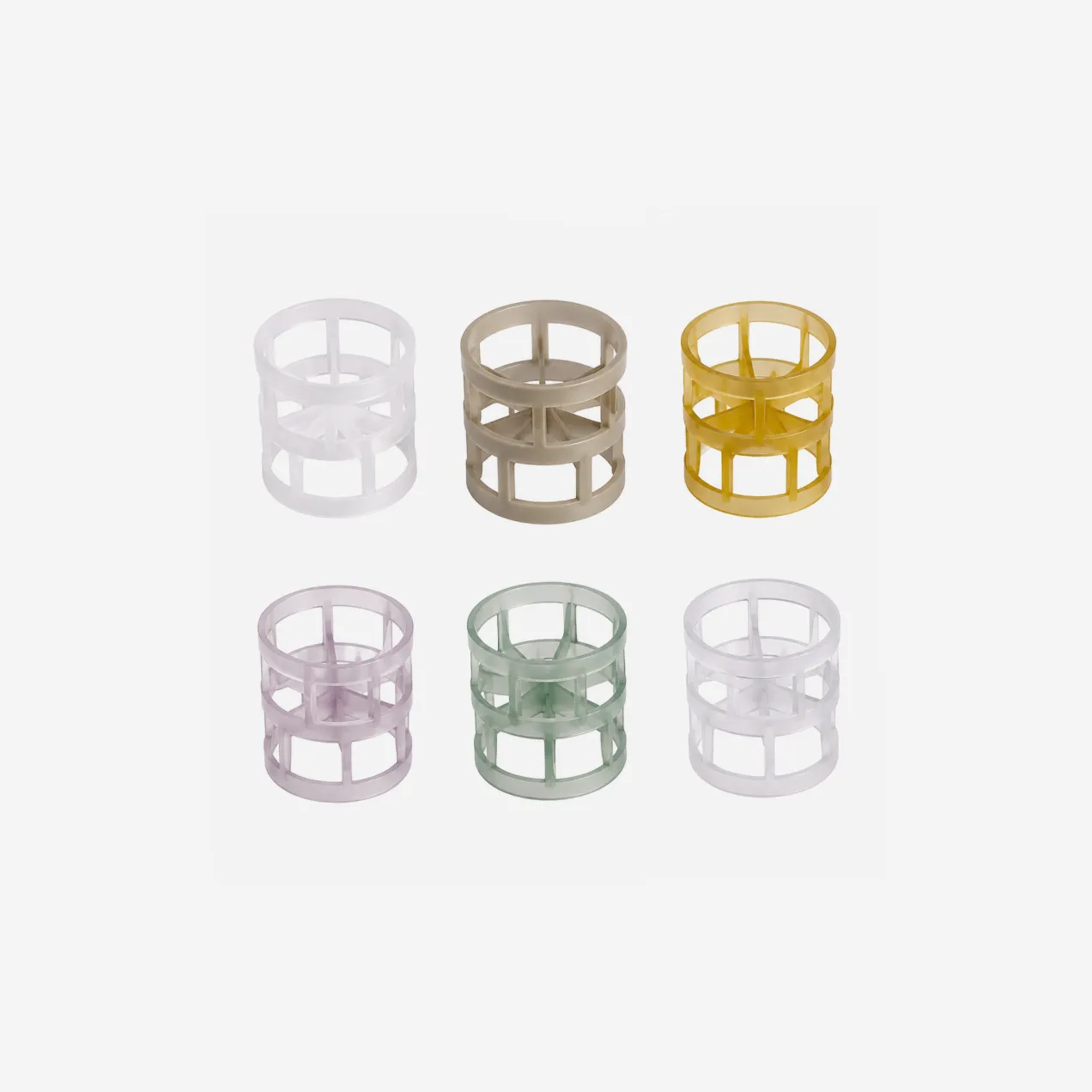
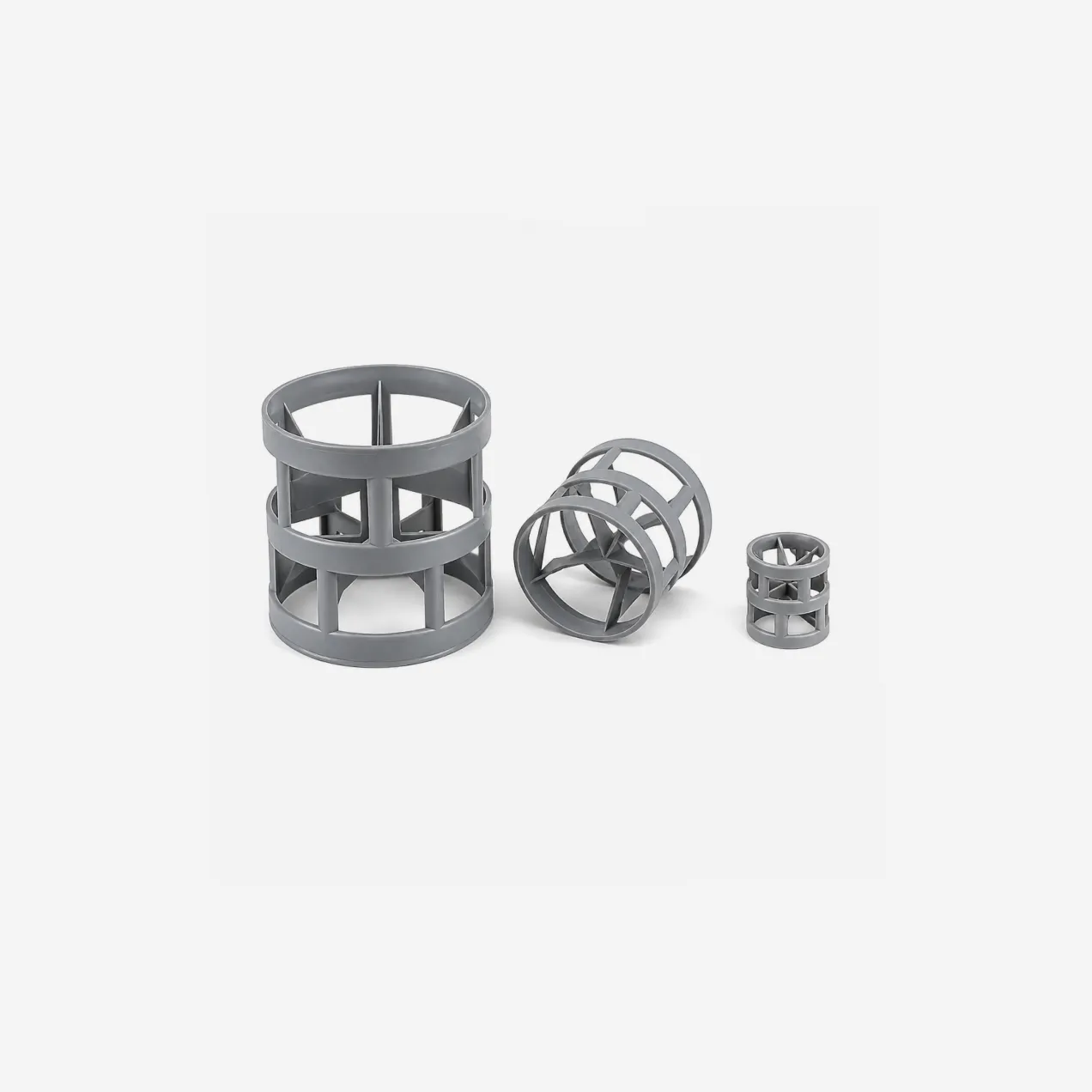
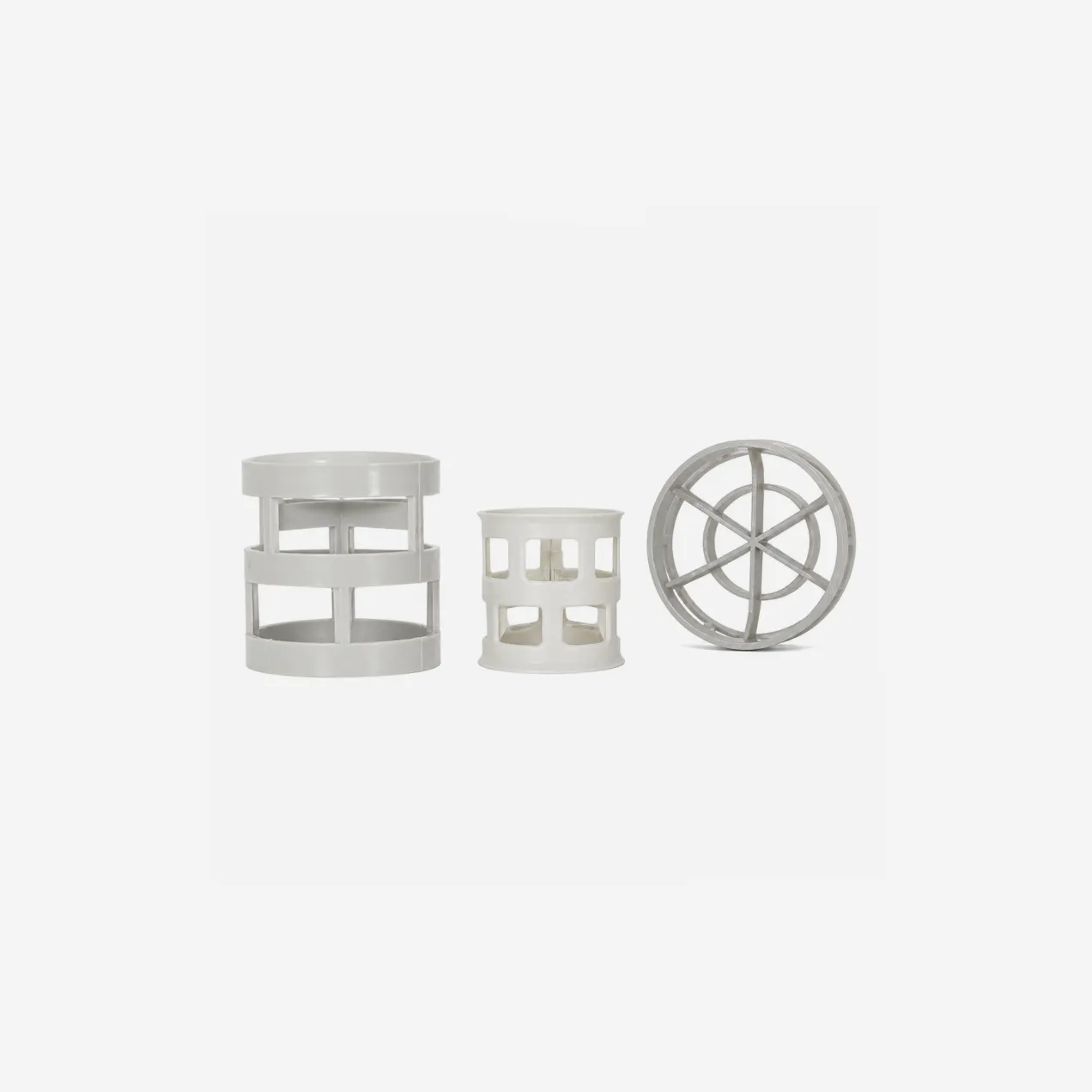
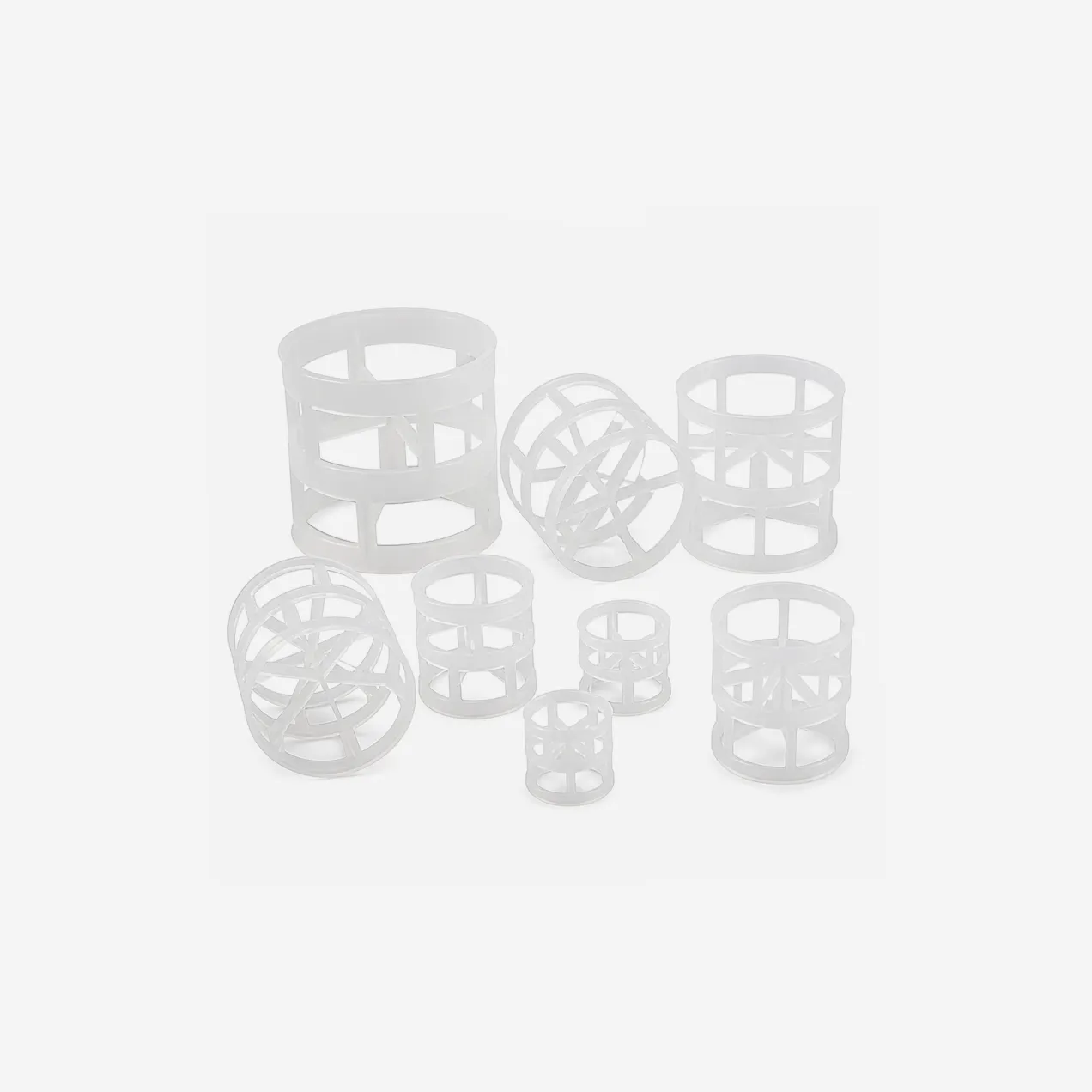
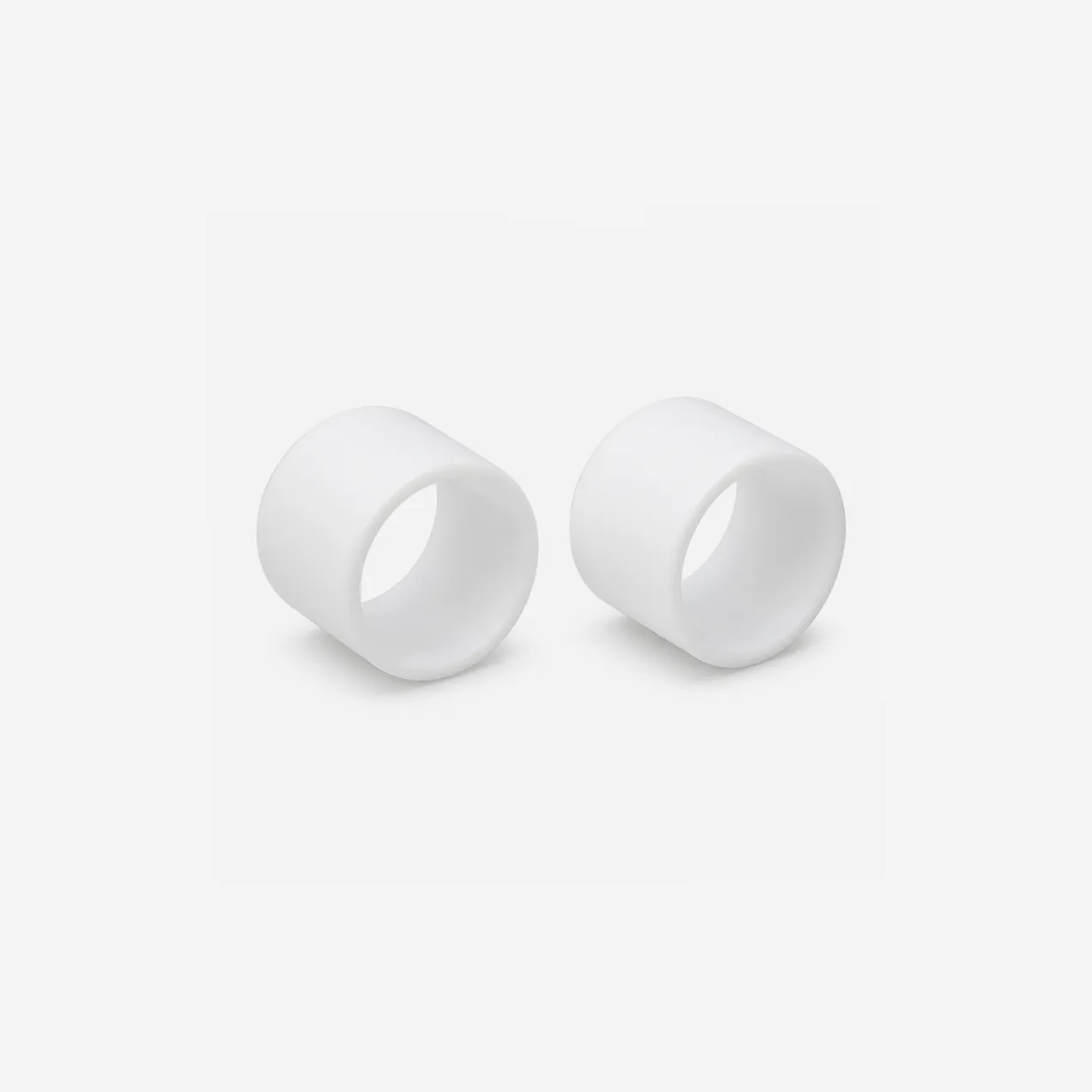
Plastic flat ring is a low, squat random tower packing whose height sits well under its diameter, so each piece lies flat and the bed settles open and even. That flattened shape helps liquid spread across the packing and drain quickly, cutting the wall flow and narrow trickling channels that spoil efficiency, while keeping vapour and liquid in close contact as they pass. Flow meets little resistance, so the pressure drop stays low even when the throughput is high, and mass transfer is strong. The five resins on offer are polypropylene, reinforced polypropylene, PVC, CPVC and PVDF, all light and corrosion-resistant; standard diameters are 25, 38, 50 and 76 mm.

  • Squat ring, height well under diameter, settling into an open, even bed.
  • Helps liquid spread and drain, cutting wall flow and channelling.
  • Little flow resistance, so pressure drop stays low even at high throughput.
  • Strong mass transfer; available in polypropylene, reinforced PP, PVC, CPVC and PVDF.
  • For alcohol, sulphuric-acid, ester and oil-purification columns; 25 to 76 mm diameters.

Technial Parameters

Size (inch)Size (mm, OD×H×wall)Surface area (m²/m³)Void fraction (%)Pieces per m³Dry packing factor (m⁻¹)
1"25×9×1.016088170,000287
1-1/2"38×13×1.214592460,000175
2"50×17×1.51289321,500140
3"76×26×2.5116936,500112


PropertyValue
Product TypePlastic random packing (flat ring)
MaterialPP / RPP / PVC / CPVC / PVDF
Model NO.RJ-743
ColourWhite
Standard Sizes25, 38, 50, 76 mm (1–3 inch)
StructureLow, flat cylindrical ring (height well below diameter)
Void FractionAbout 88–93%
Service LifeOver 3 years
Media TemperatureAbout 60–150 °C (by plastic)
AdvantagesLow pressure drop, large flow rate, low wall flow / channelling, strong mass transfer
ApplicationsAlcohol purification, sulphuric-acid absorption, methyl-ester rectification, waste-gas handling, eucalyptus-oil and water purification, biofilm carrier in sewage treatment
TrademarkRONGJIAN
OriginChina
HS Code8419909000
Transport PackageCarton box / ton bag / steel drum

FAQs

Why is the flat ring made short and flat?

The flat ring is a short, squat take on a ring packing: its height is far smaller than its diameter, so rather than standing upright it lies on its side in the bed. That proportion changes how a column behaves. Because each piece is low and open, liquid coming down the tower fans out sideways and drains across the packing instead of clinging to the wall, so wall flow and the thin trickling paths that waste separation area are both held down. The low, open profile also lets vapour and liquid slip past with little resistance, which keeps the pressure drop small even when a lot is flowing. Throughout, gas and liquid stay in close touch, and that is the source of the flat ring's strong mass transfer.

What columns and processes is the flat ring used in?

Flat rings fill a broad range of separation and purification columns. Everyday jobs include purifying alcohol, absorbing sulphuric acid, rectifying methyl esters, moving waste gas, and cleaning up eucalyptus oil and water. Sewage works put the ring to a second use as a home for biological film: its generous surface widens the area where the film can grow, and that raises how much the plant can treat. One packing therefore covers two roles, a mass-transfer fill inside chemical columns and a biofilm support in water treatment. Describe the process and the fluid to us and we will confirm the ring is a match.

Which resin fits my chemistry and operating heat?

Buyers pick from five plastics, and the pick sets how much heat and chemical attack the ring will bear. For routine acid, alkali and salt duty the economical default is polypropylene; reinforced polypropylene stiffens it for taller beds; cool chlorine and acid streams call for PVC; hotter service moves you to CPVC; and the toughest, most oxidising duties want PVDF. As a rough band the fluid can run from roughly sixty up to a hundred and fifty degrees, warmer as the grade improves. Each of the five shrugs off corrosion, the very reason the flat ring lasts in purification and absorption plants. Pass along the medium, how strong it is and how hot it runs, and a grade will be matched for you.
When should I choose a flat ring over a taller ring?

Flat and tall rings tackle the same task with a different bias. A ring as tall as it is wide crams more surface and mass into each metre of bed; a flat ring, sitting low, lays itself out more openly, so liquid is shared out better and drains sooner, clinging wall flow eases, and a given flow costs less in pressure. That balance favours the flat ring wherever even wetting and a gentle pressure drop rule, as in purification and absorption duty and in biofilm beds. Where raw surface in each metre is what counts most, a taller ring can still take the lead. Pass us the vessel dimensions and the duty, and the two can be weighed up together for you.
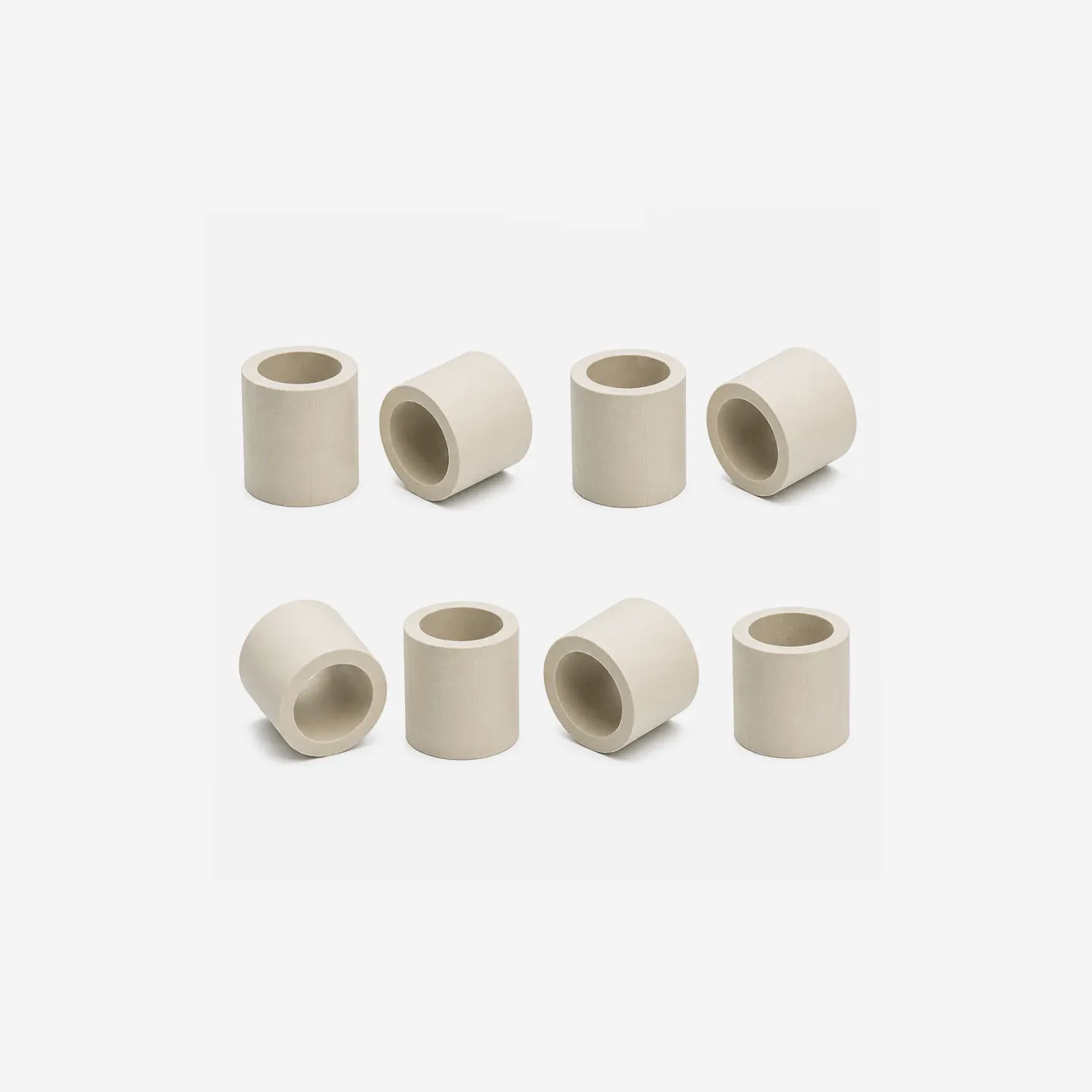
Everything about the flat ring follows from one deliberate choice of proportion. A typical ring stands about as tall as it is wide; the flat ring is cut down so its height is only a fraction of its diameter. Laid low like that, the pieces rest flat and build a bed that is open and evenly spaced, and it is that flatness — nothing more exotic — that shapes the way the packing works. The five moulding plastics run from polypropylene through reinforced PP, PVC and CPVC to PVDF, matched to whatever the stream throws at them, over a service band that stretches from about sixty up to a hundred and fifty degrees.
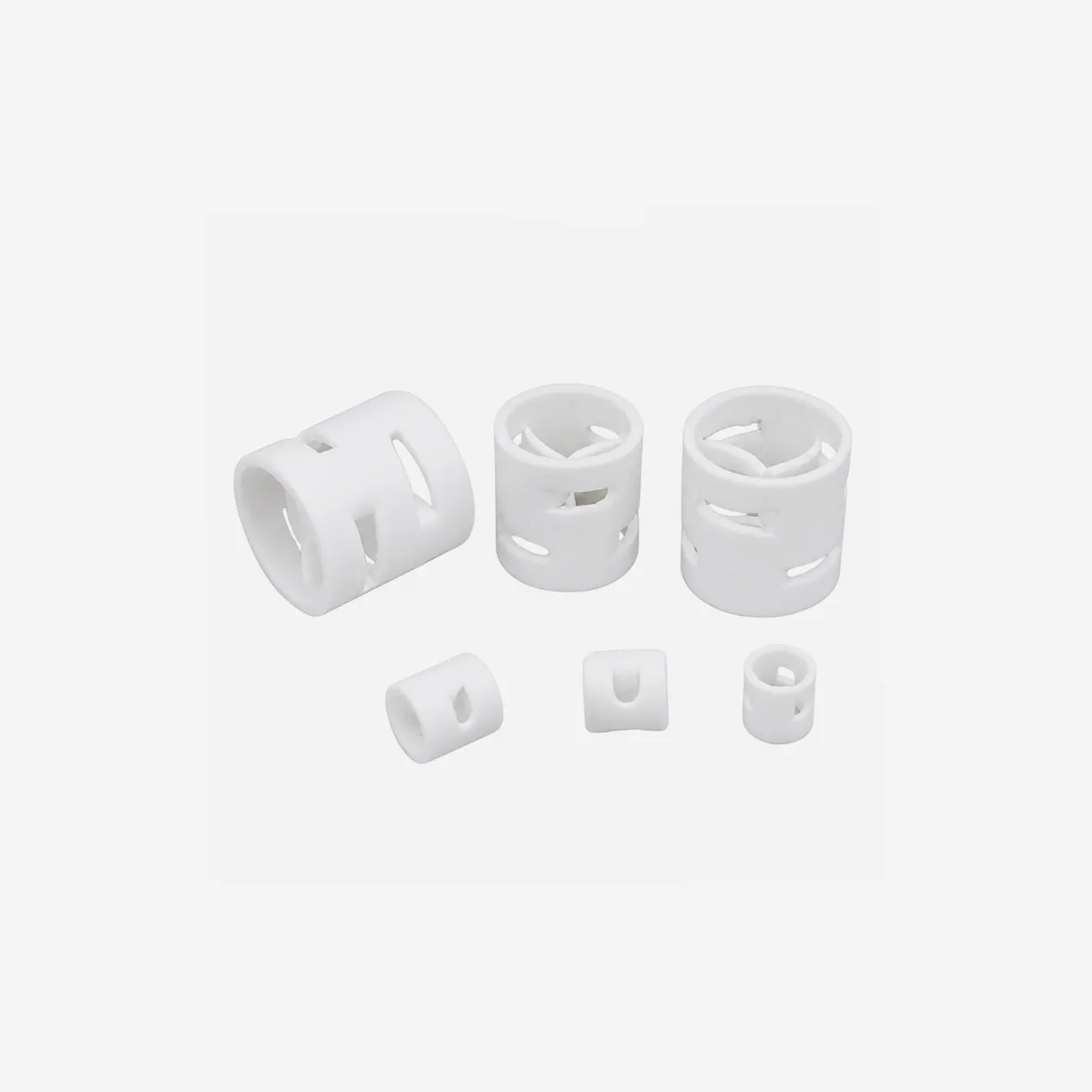
Reading the flat shape trait by trait:

Flat-ring traitWhat it delivers
Height only a fraction of diameterPieces rest flat and build an open, evenly spaced bed
Liquid fans out sidewaysWall flow and trickling channels ease, so wetting stays even
Low, open profileLittle resistance, holding the pressure drop down at heavy throughput
Broad exposed surfaceClose vapour-liquid touch for strong mass transfer, and a ready biofilm home

Those traits steer the flat ring toward purification and absorption — cleaning alcohol and eucalyptus oil, taking up sulphuric acid, rectifying methyl esters, carrying waste gas and polishing water — and, in sewage plants, toward biofilm beds where its surface hosts the micro-organisms that break down the load. A working life beyond three years sees it through long, corrosive runs. Reach for it where even wetting and a modest pressure drop are what matter; where the aim is the most surface packed into each metre, a taller ring may earn the nod instead. Pass along the vessel diameter, the service and the throughput, and a size and resin can be settled for you.