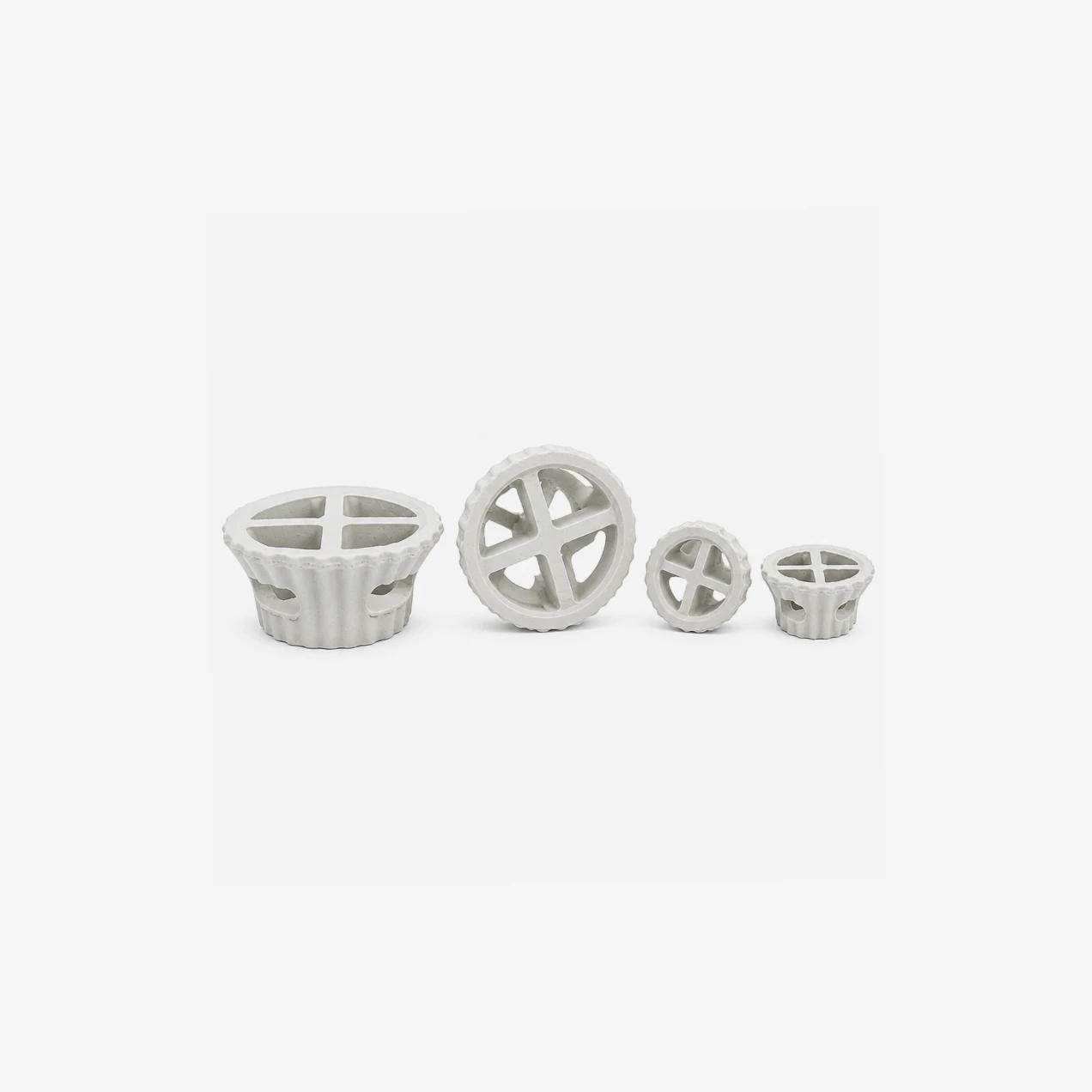
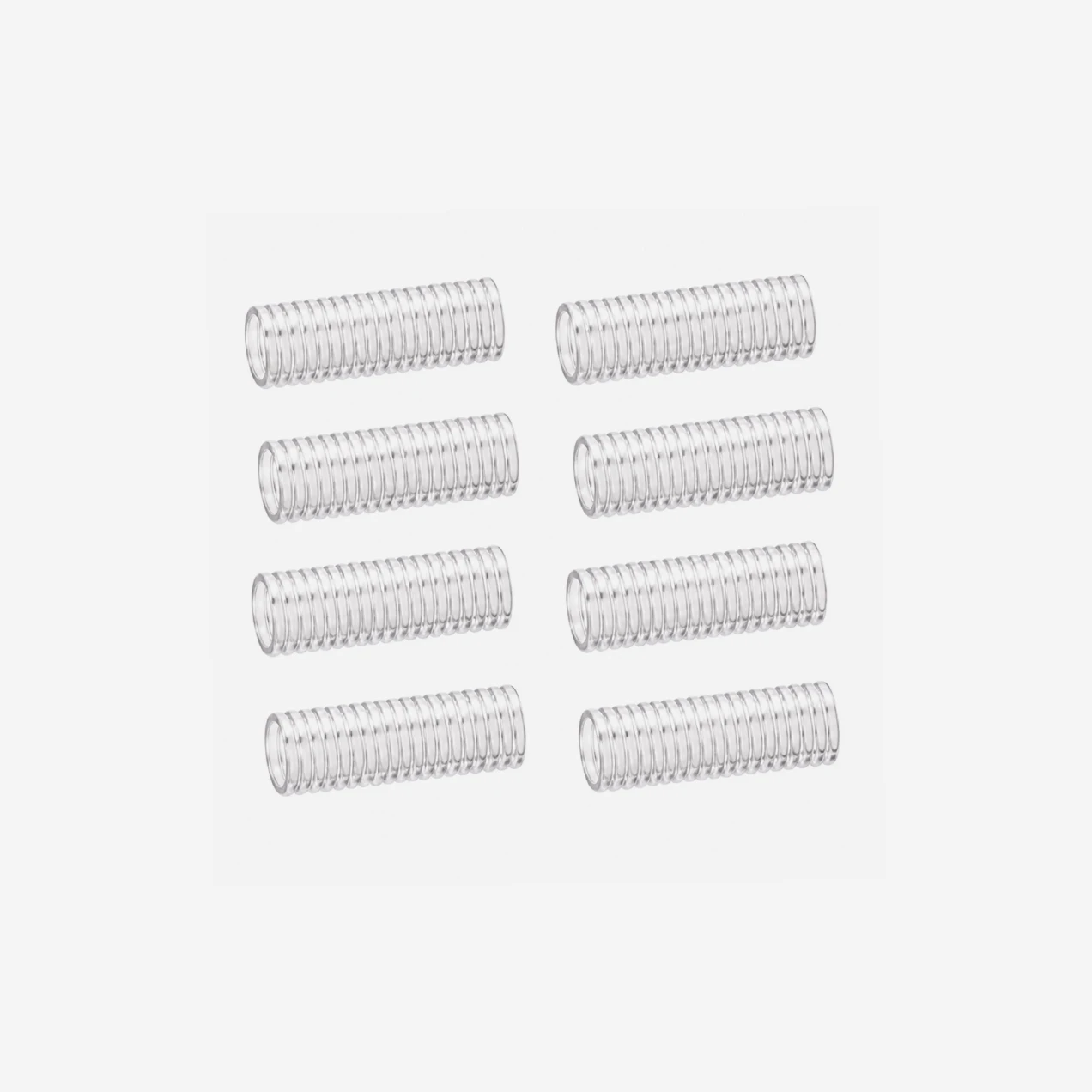
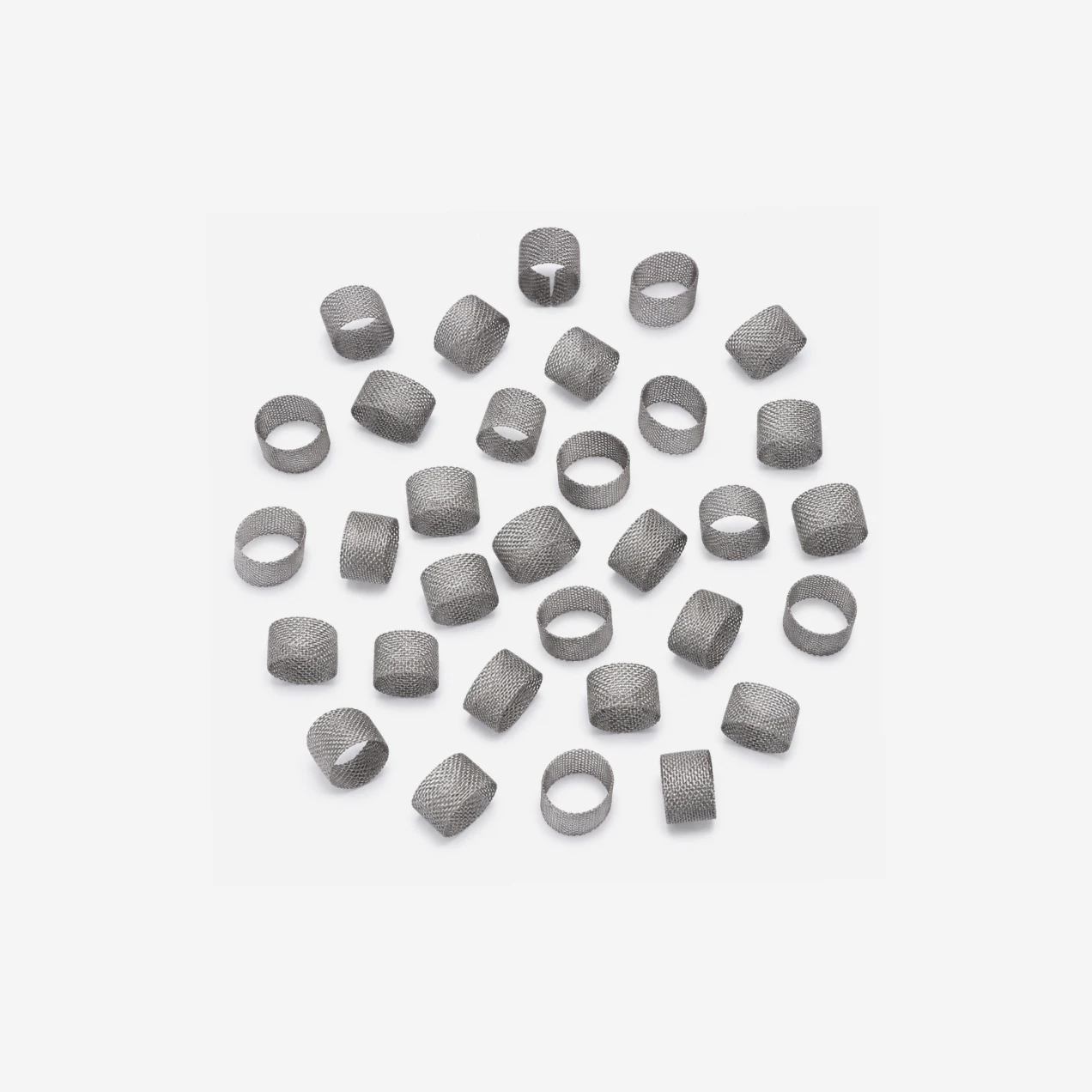
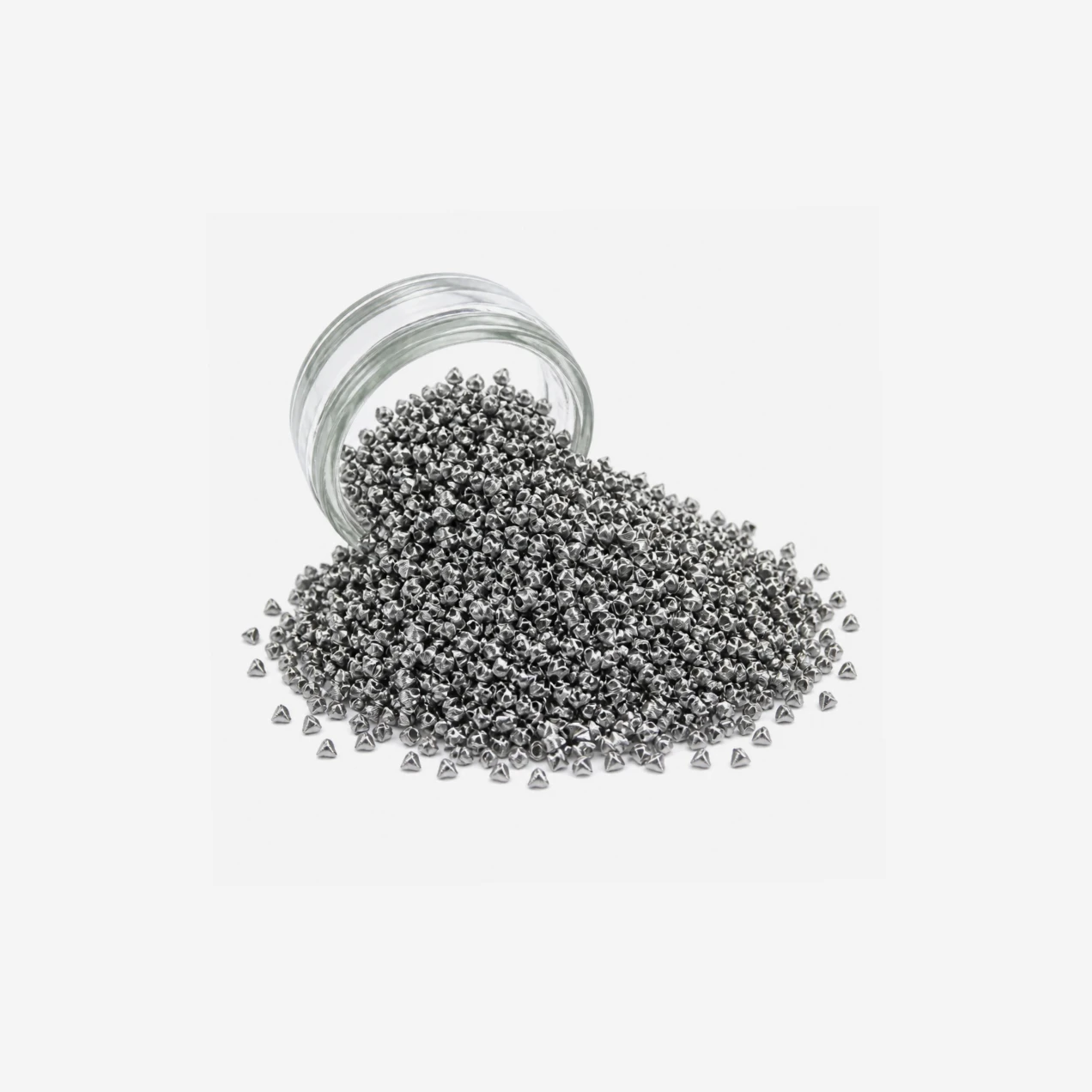
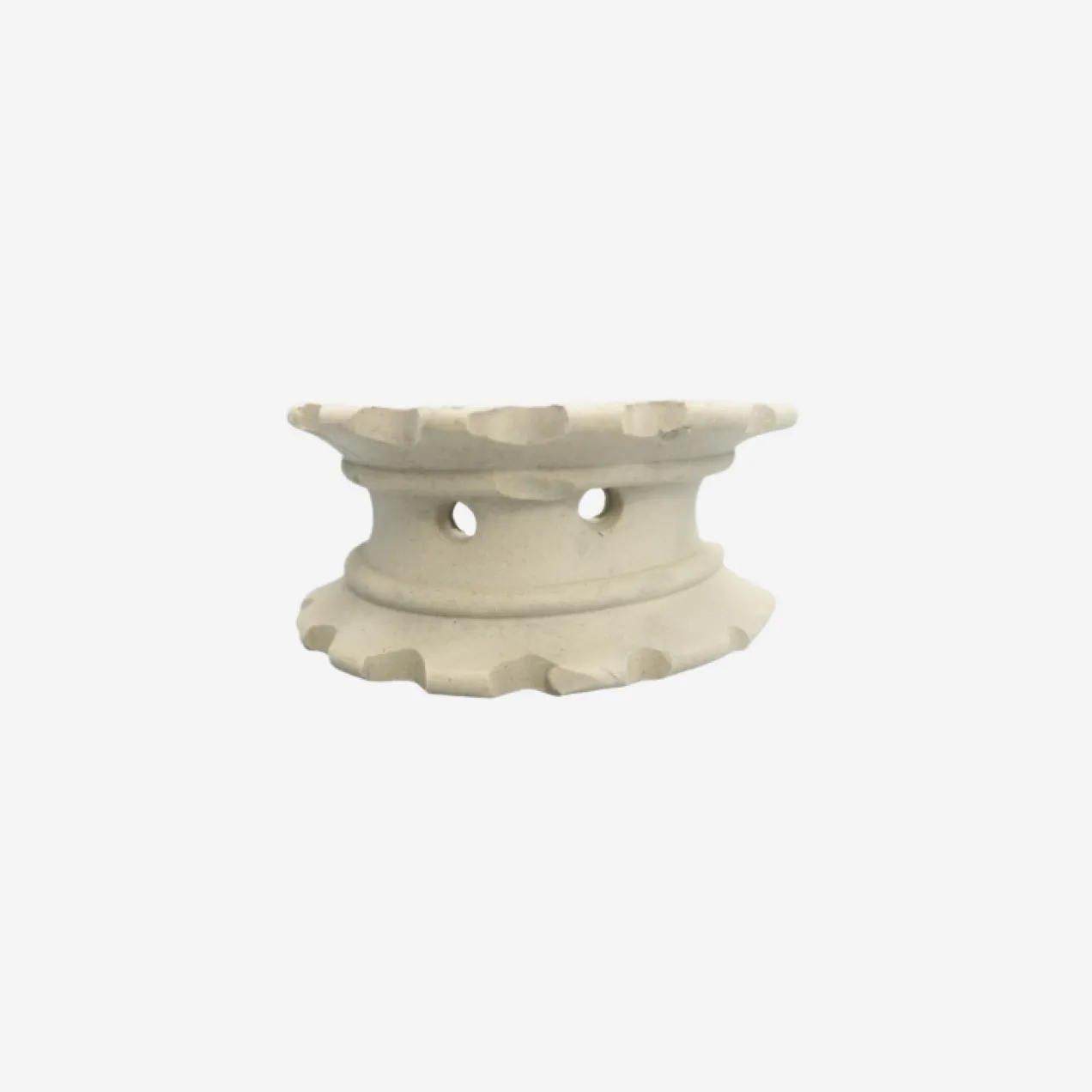
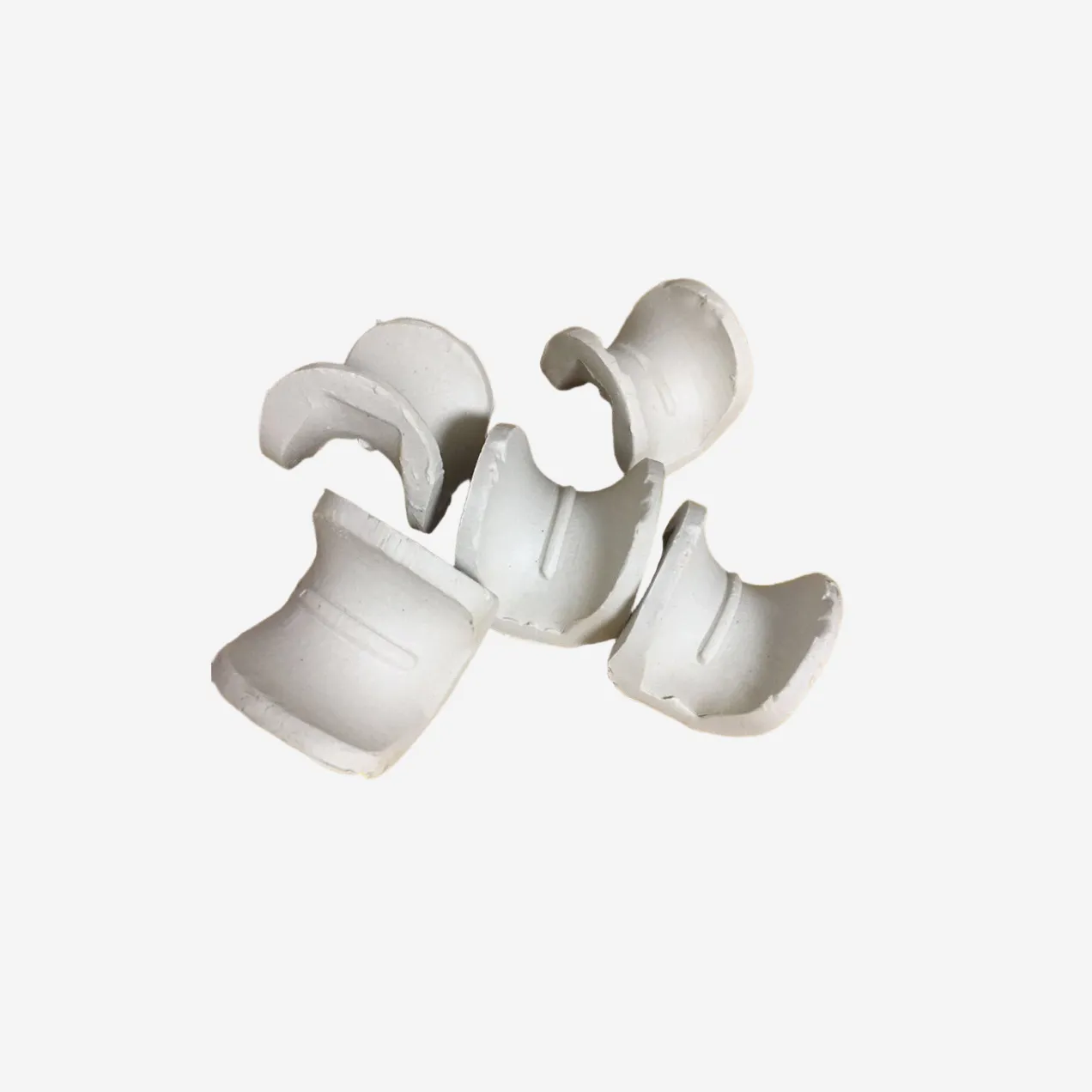
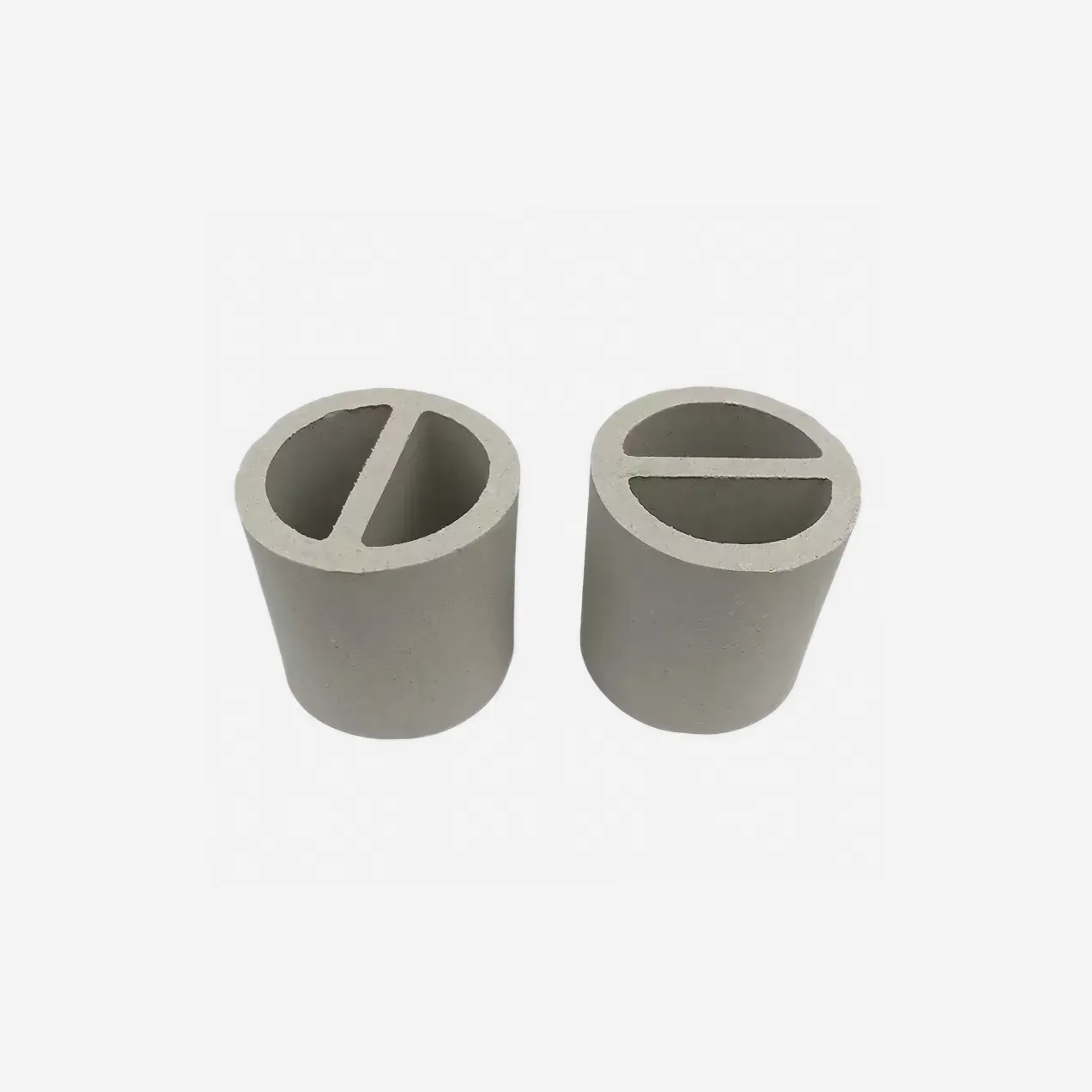
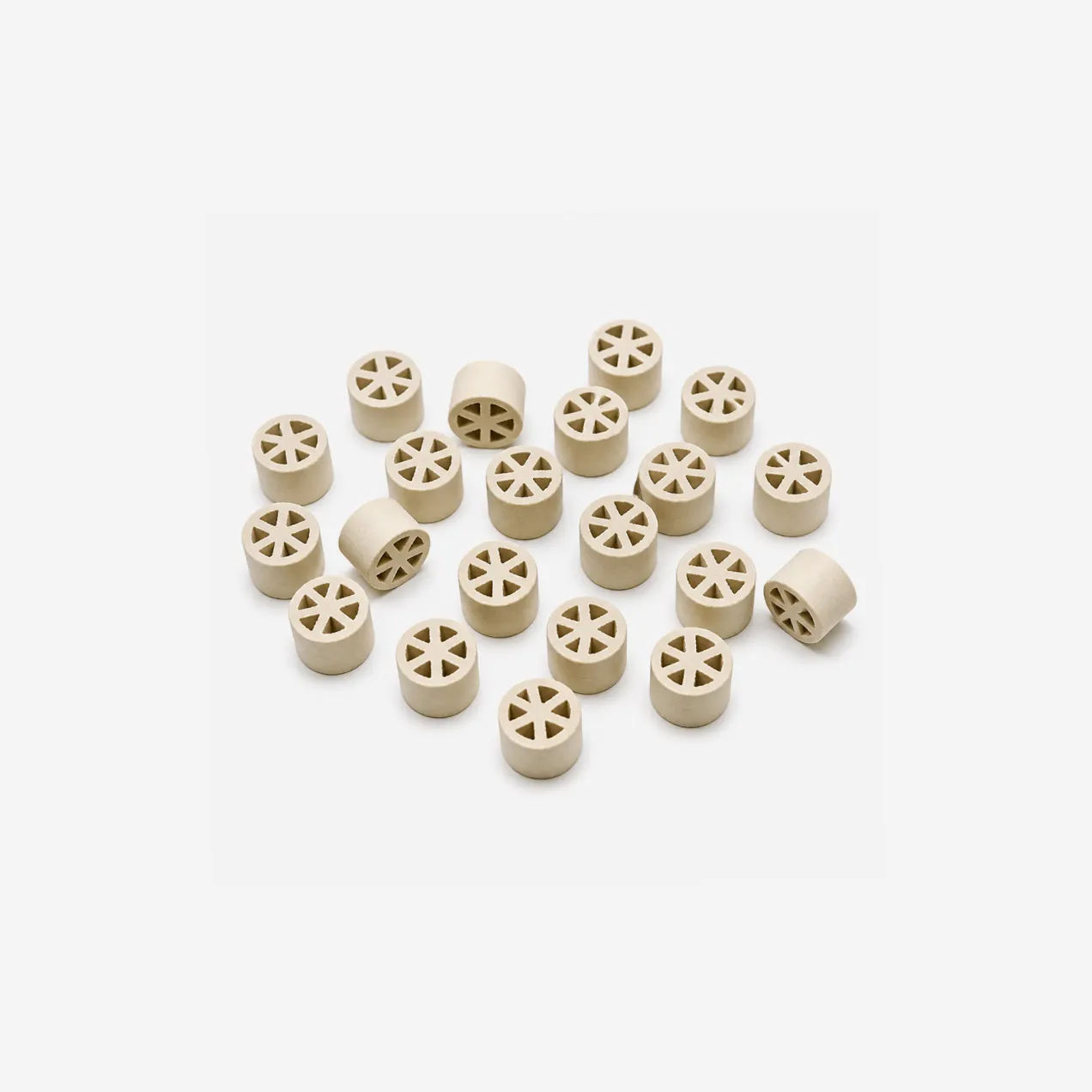
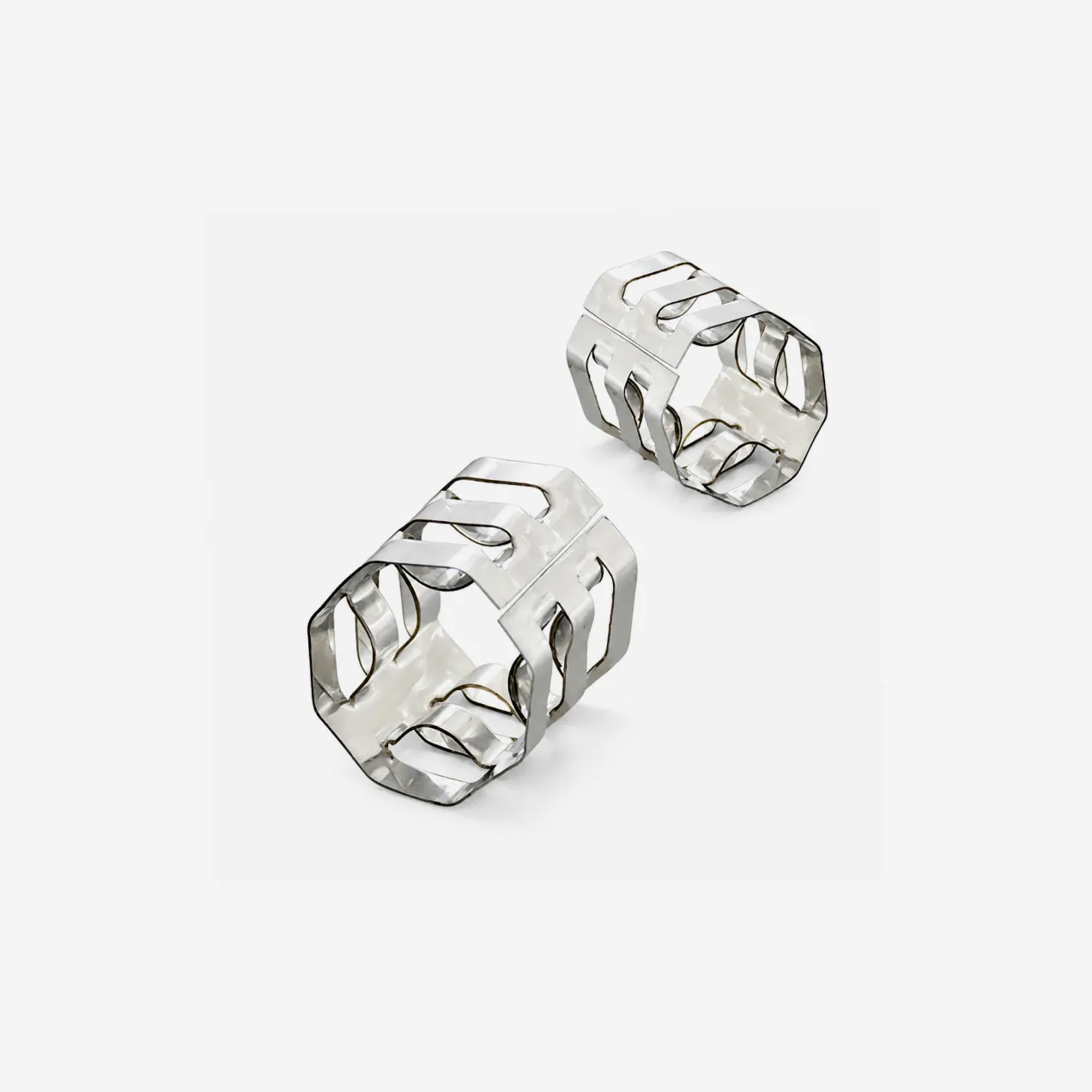
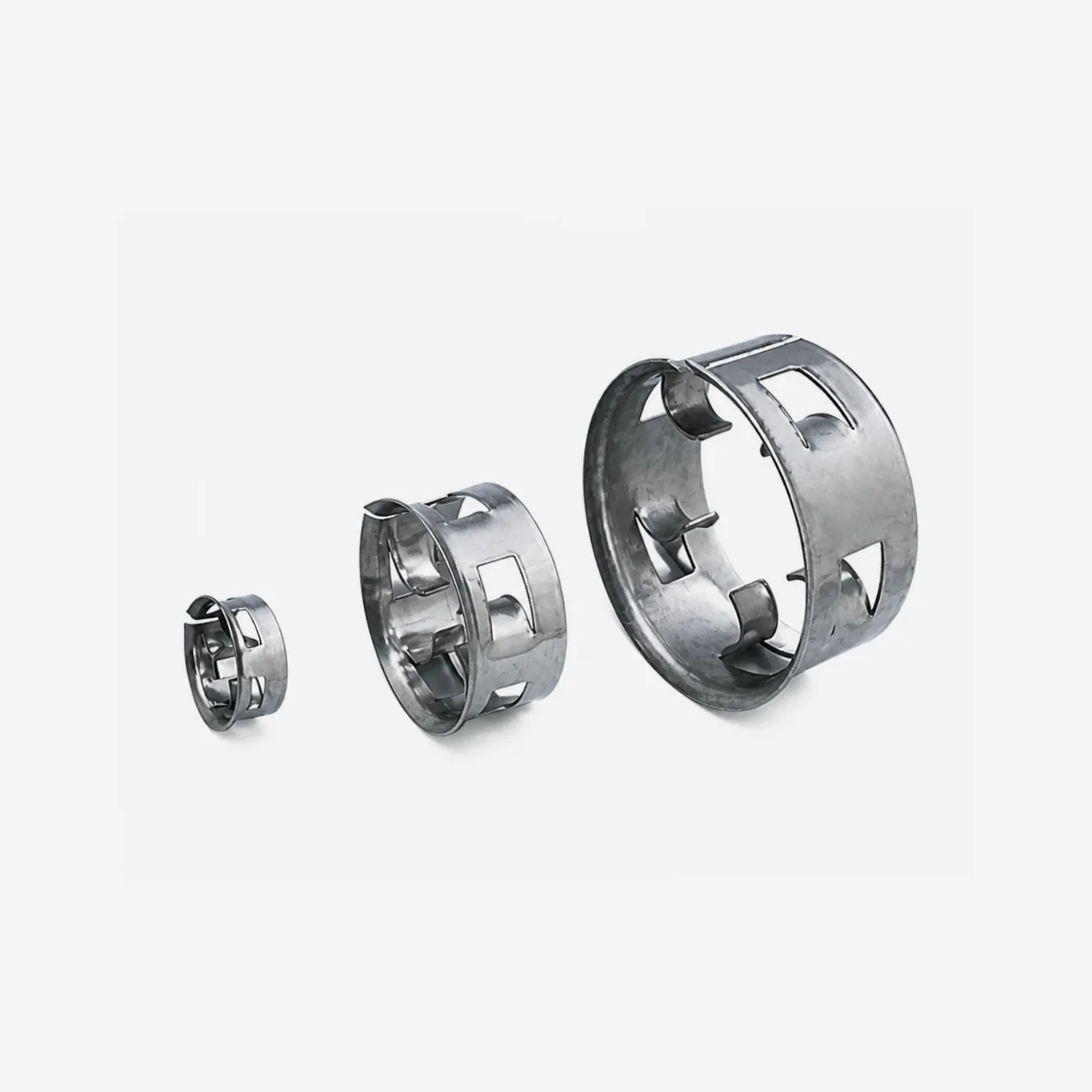
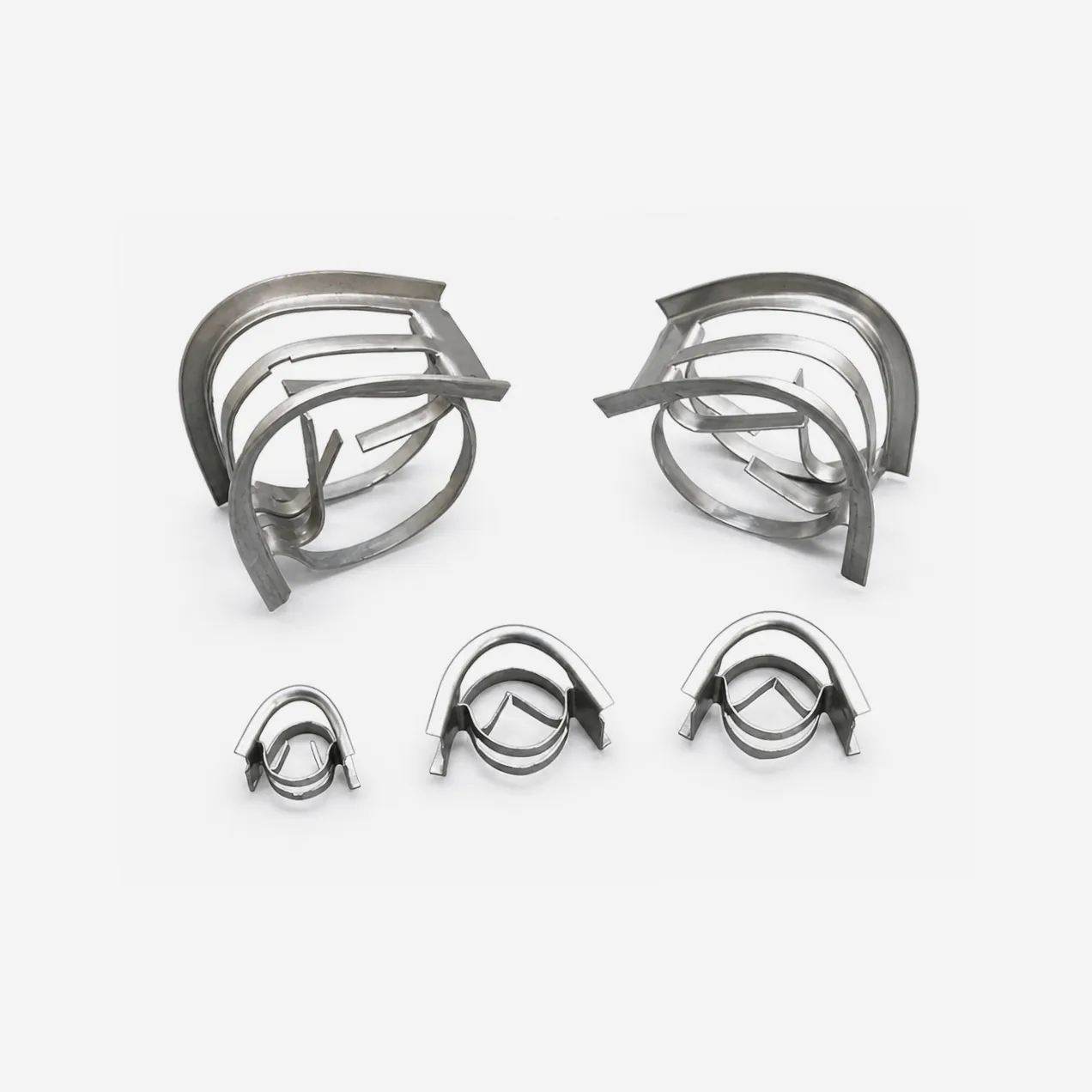
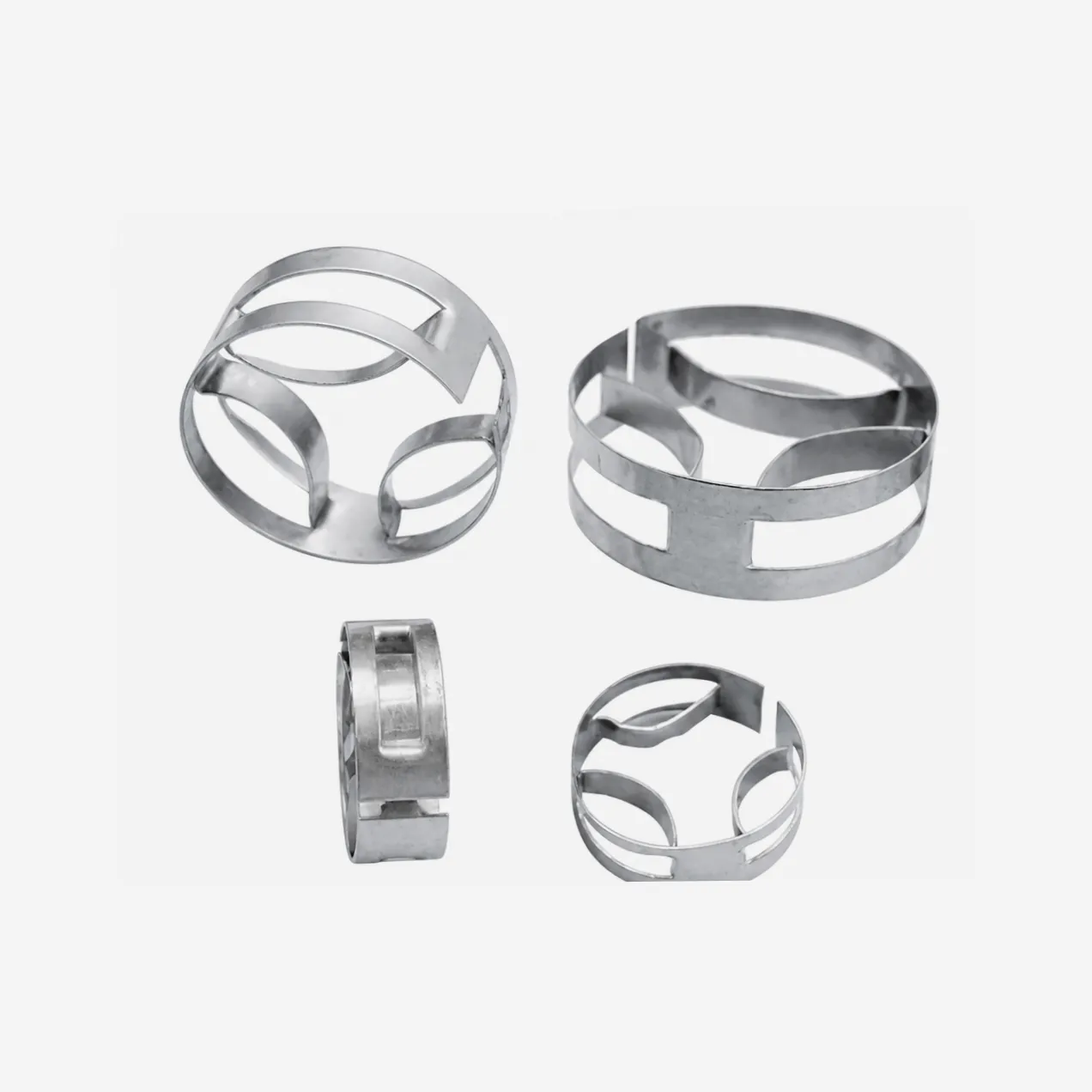
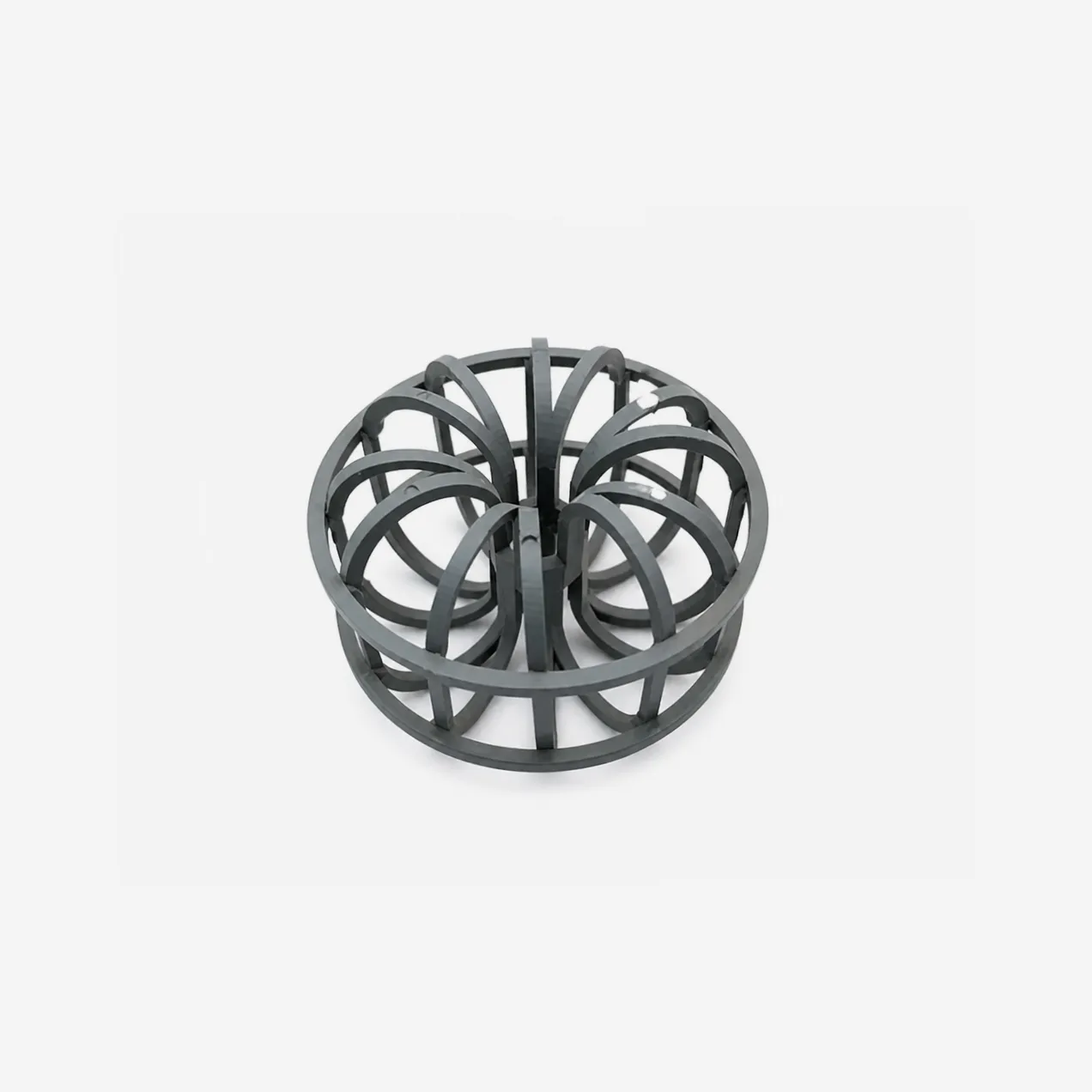
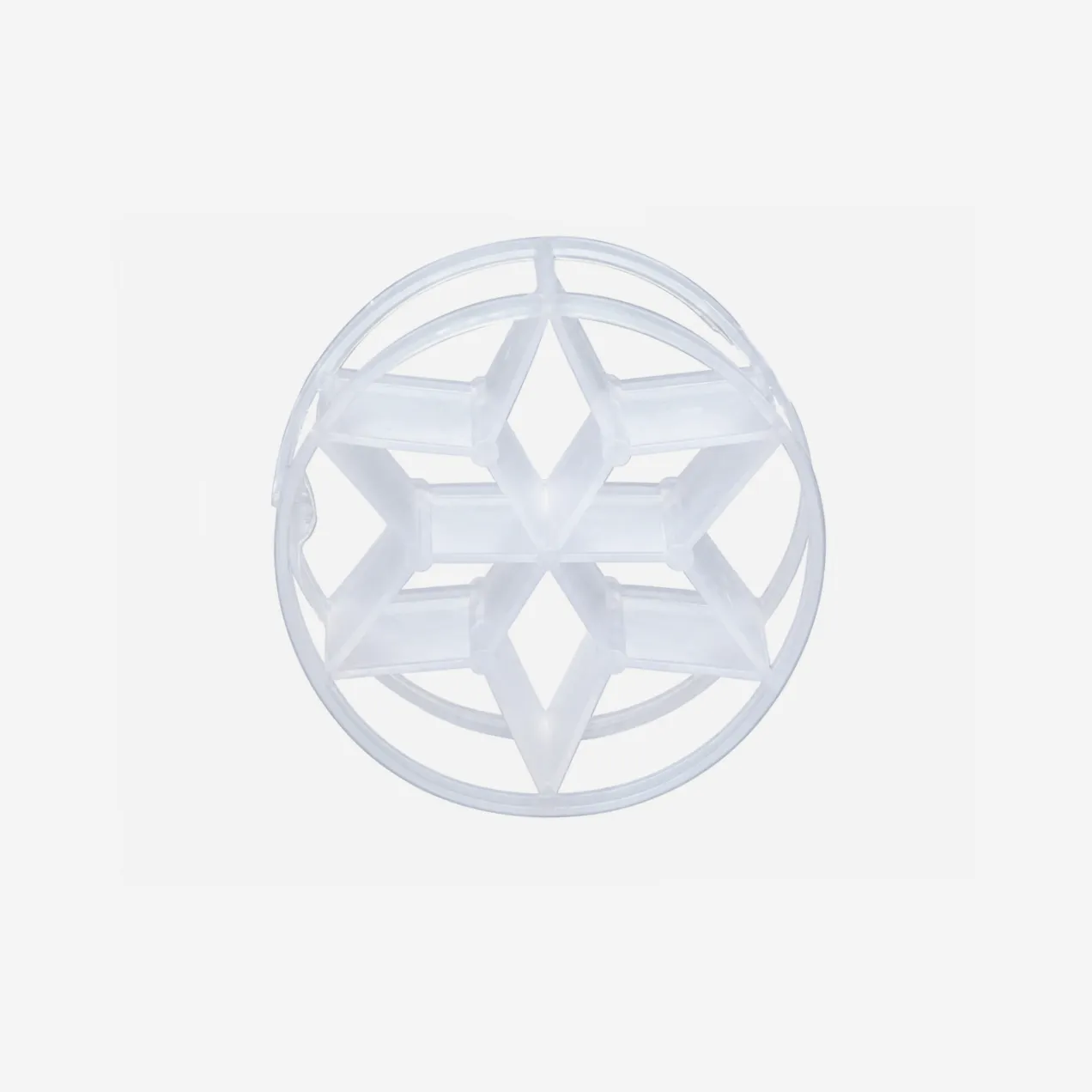
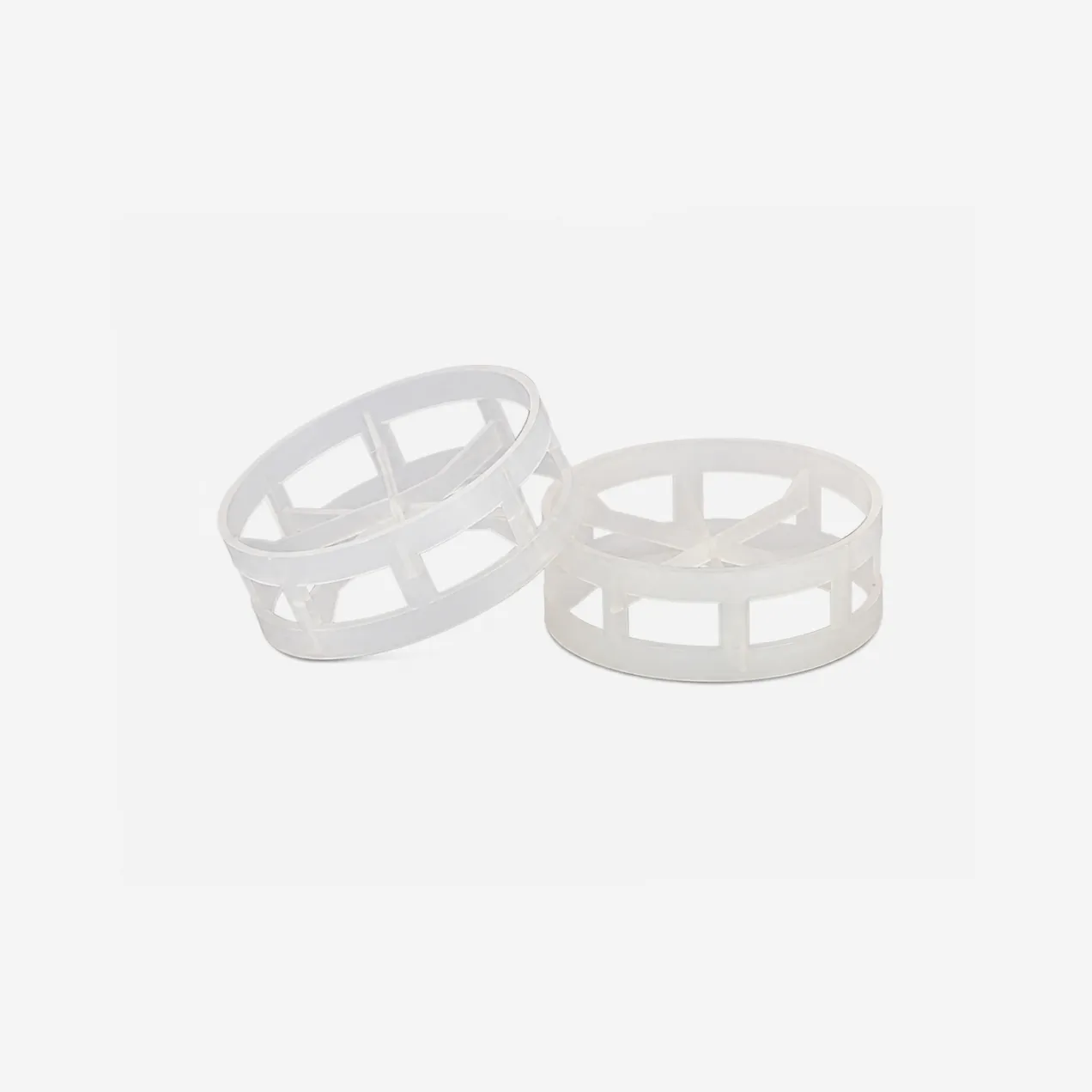
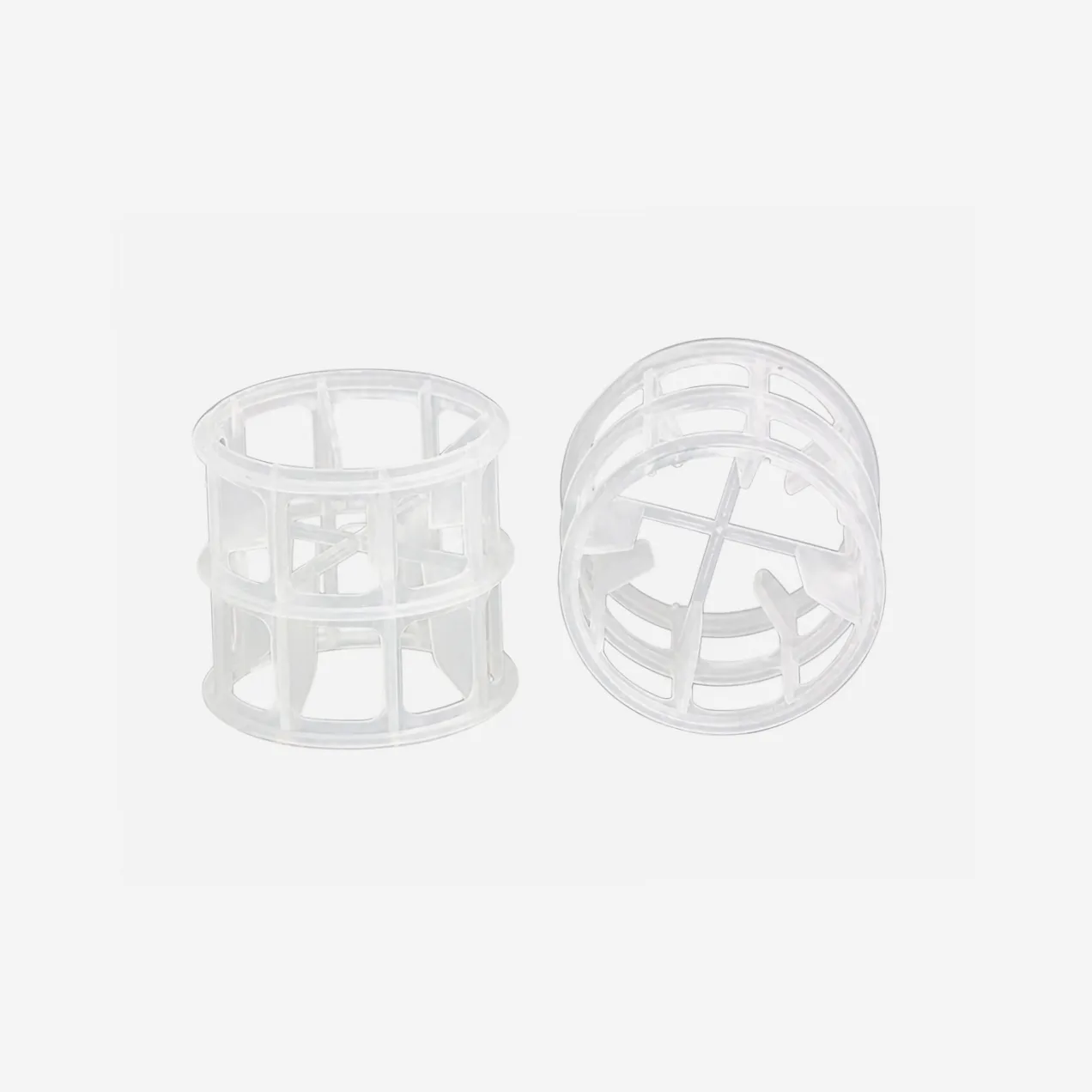
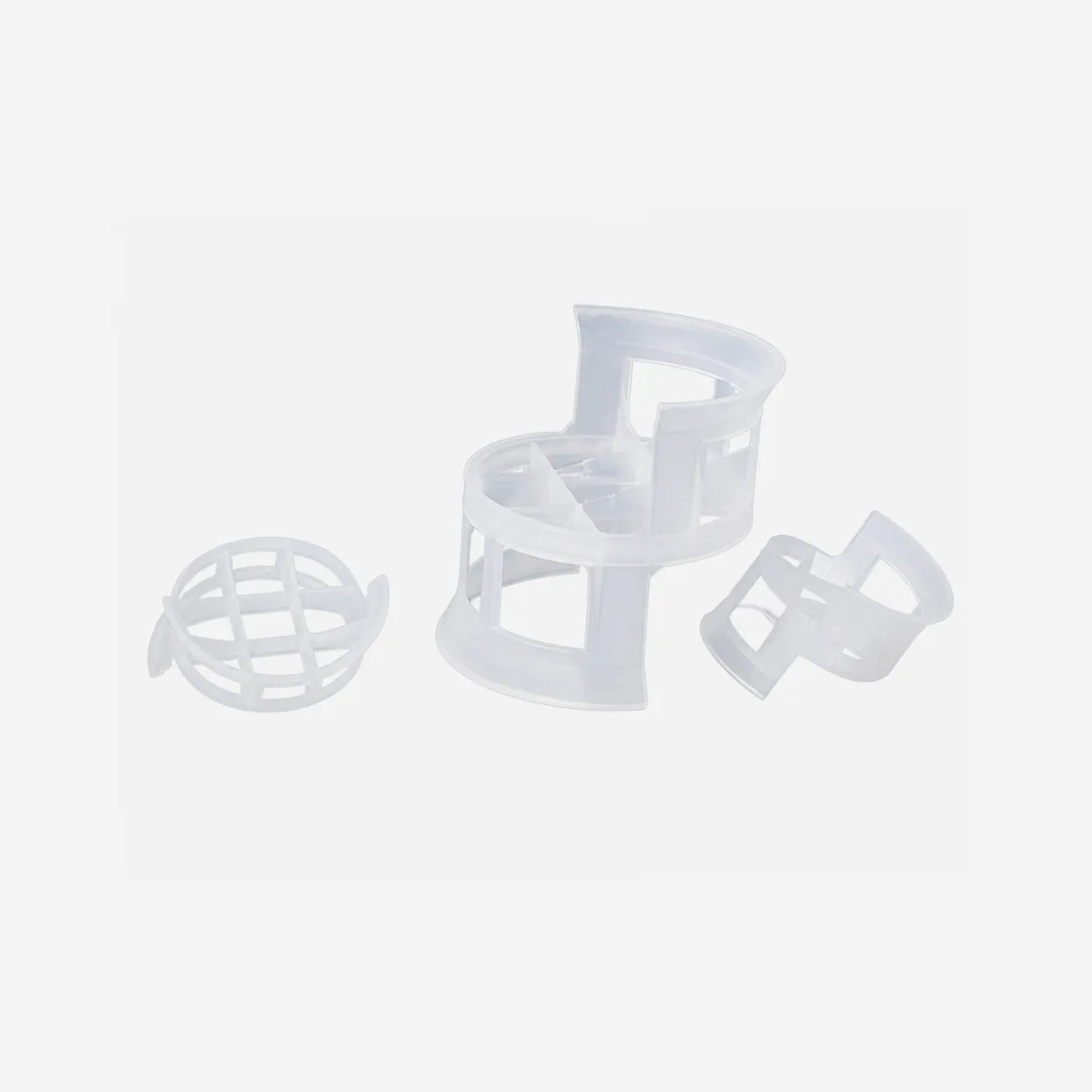
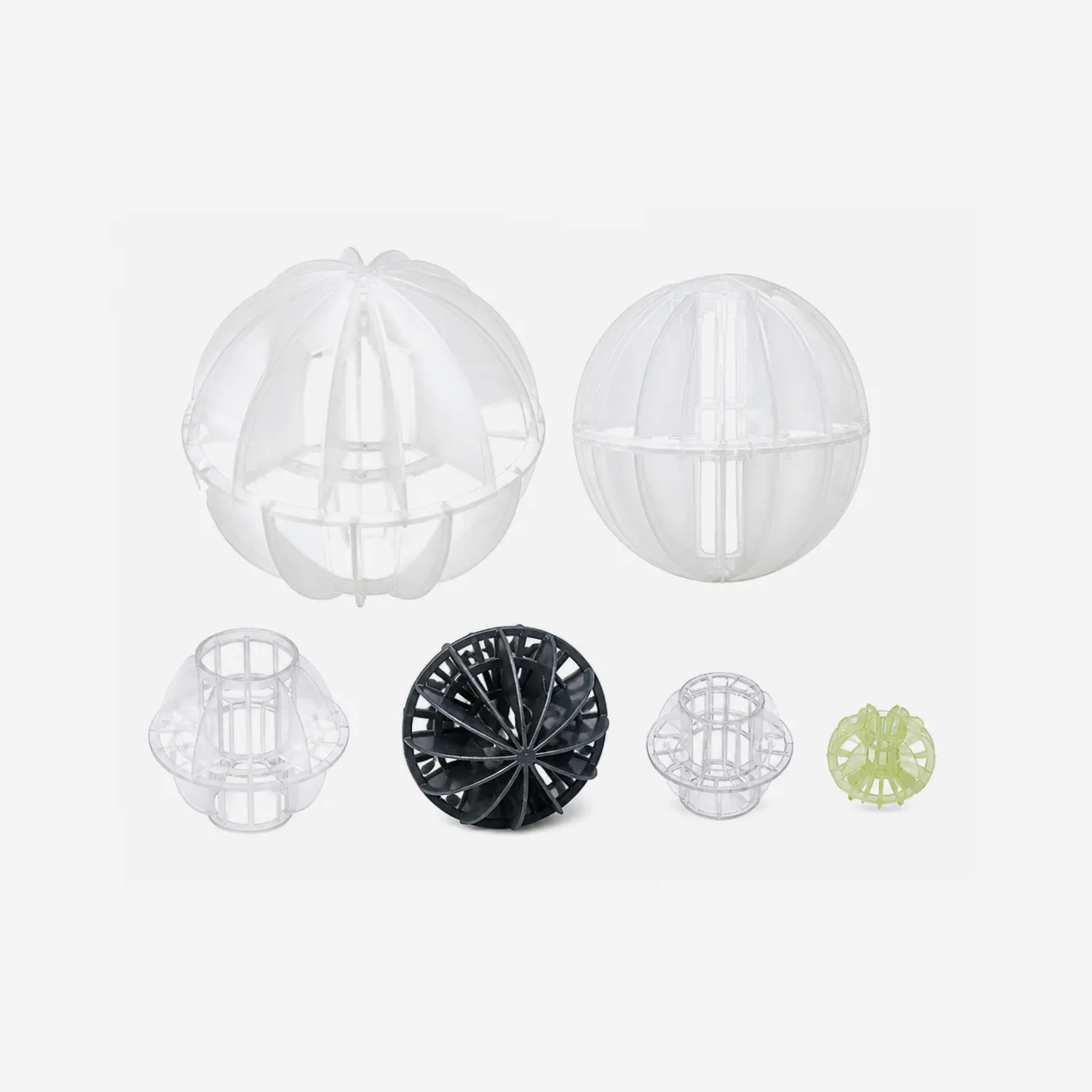
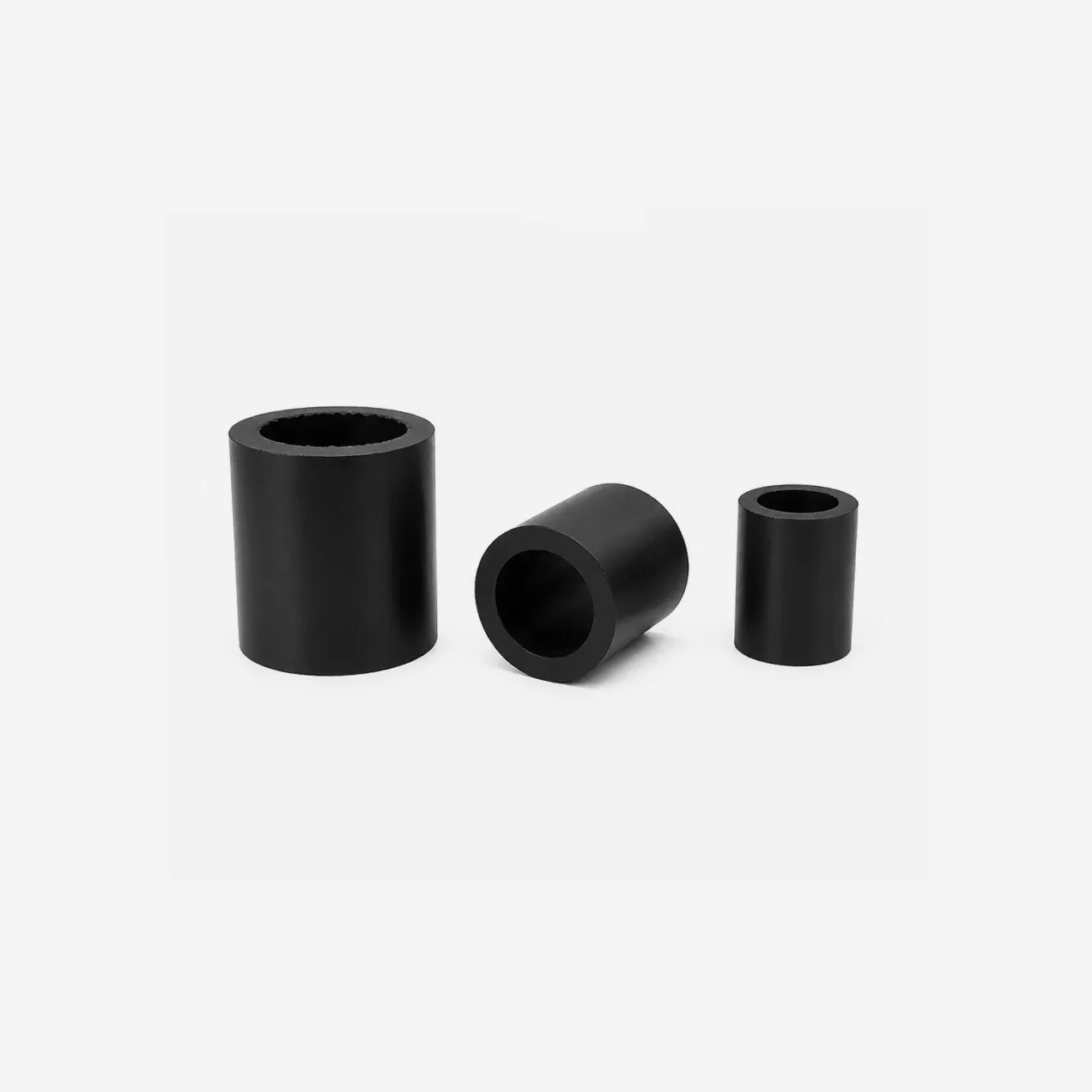
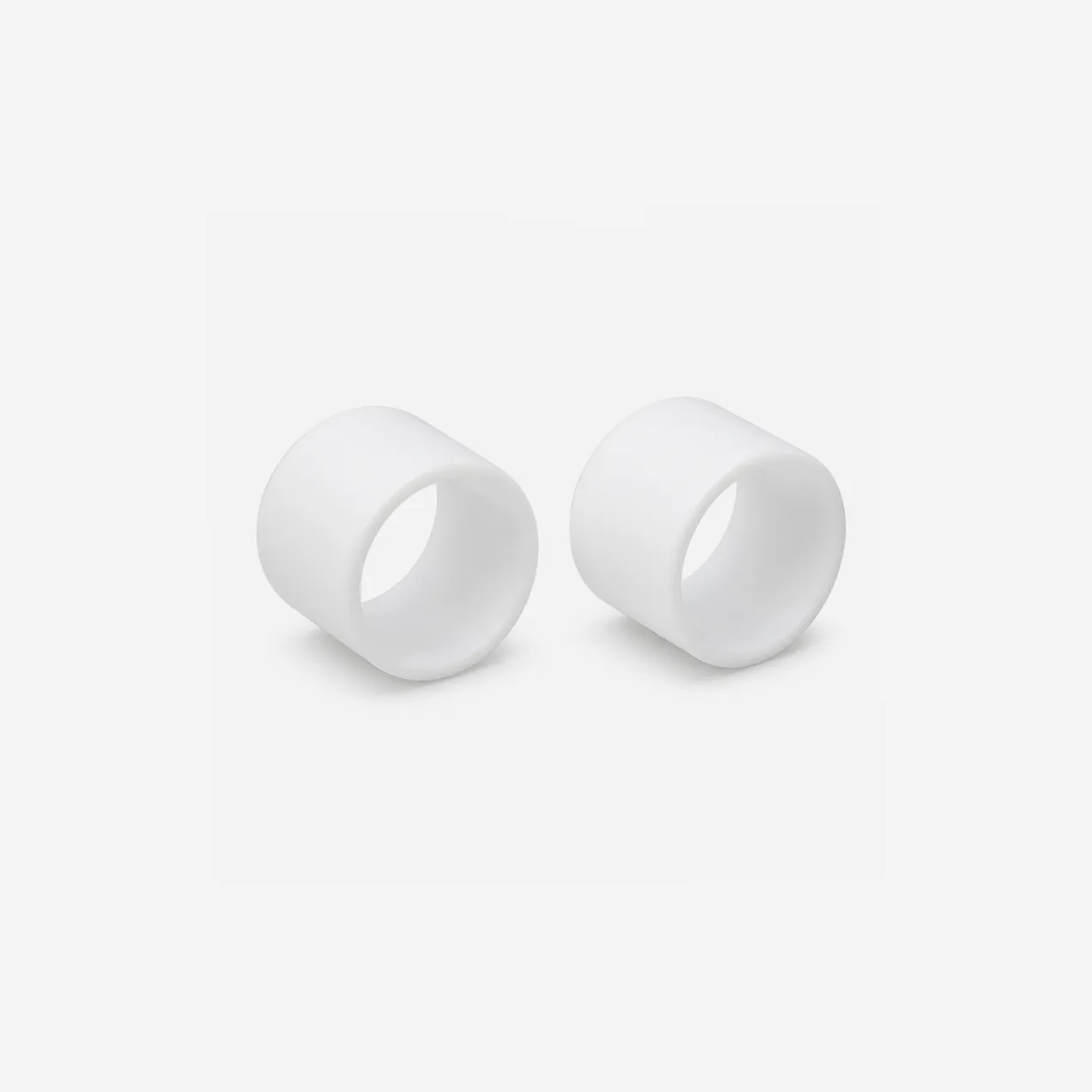
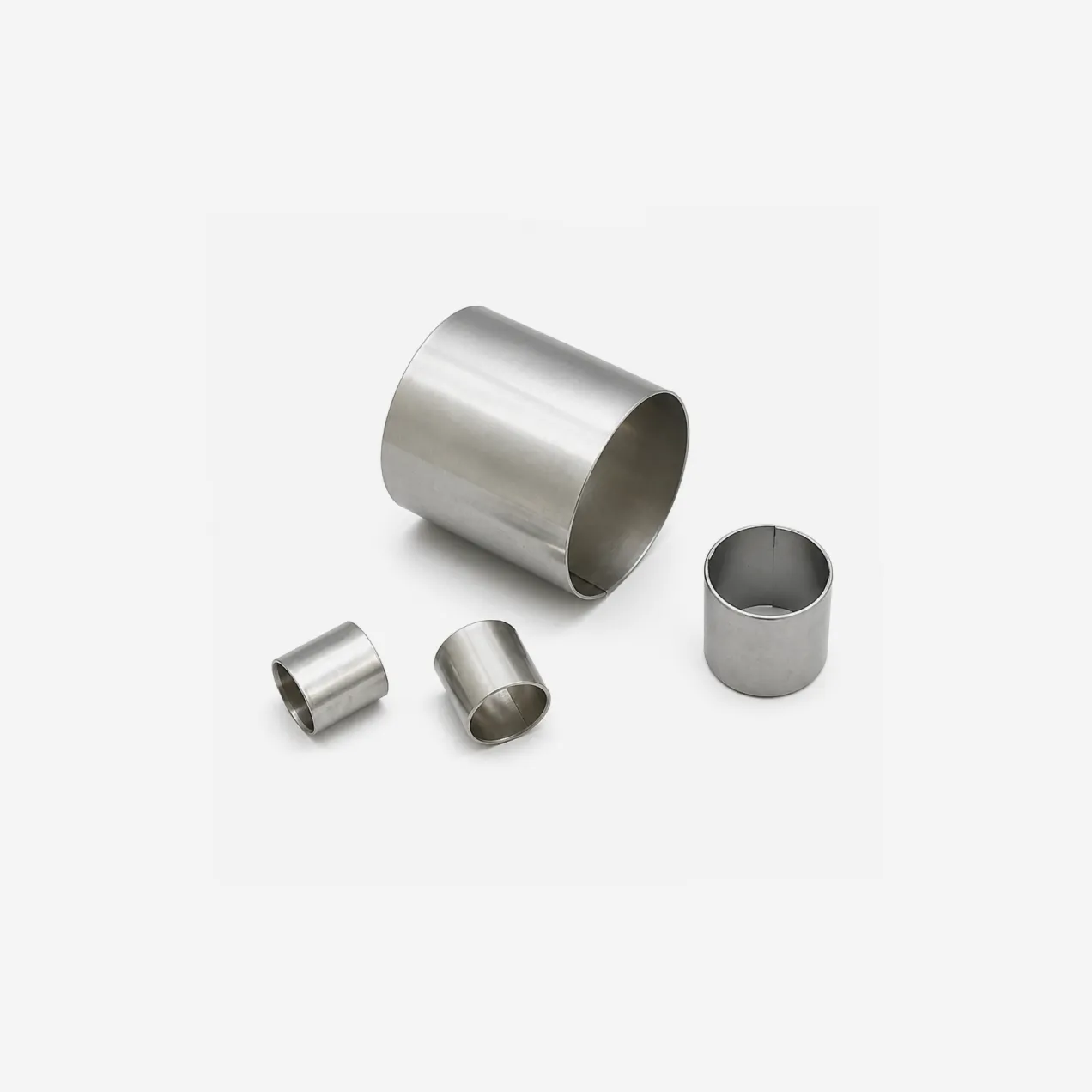
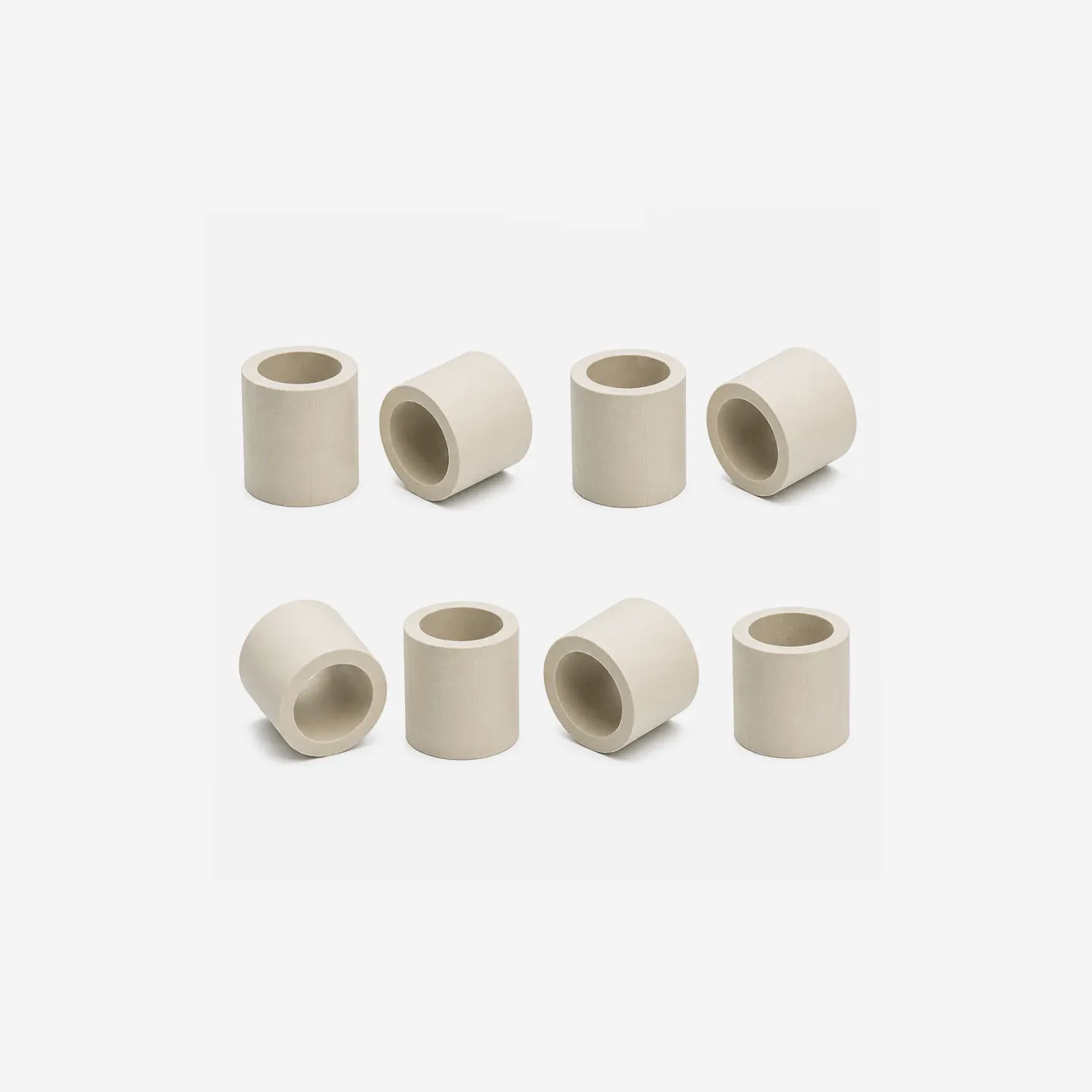
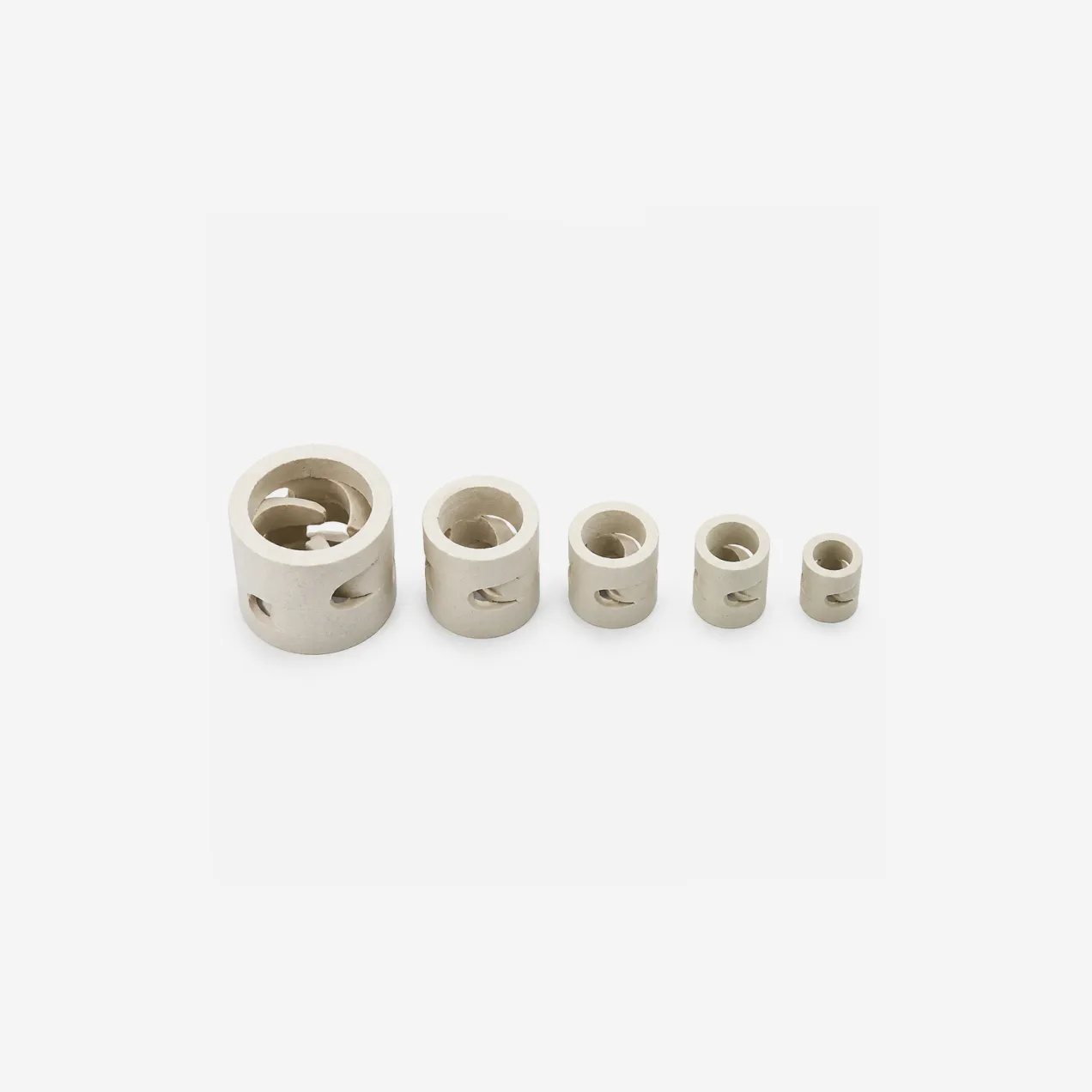
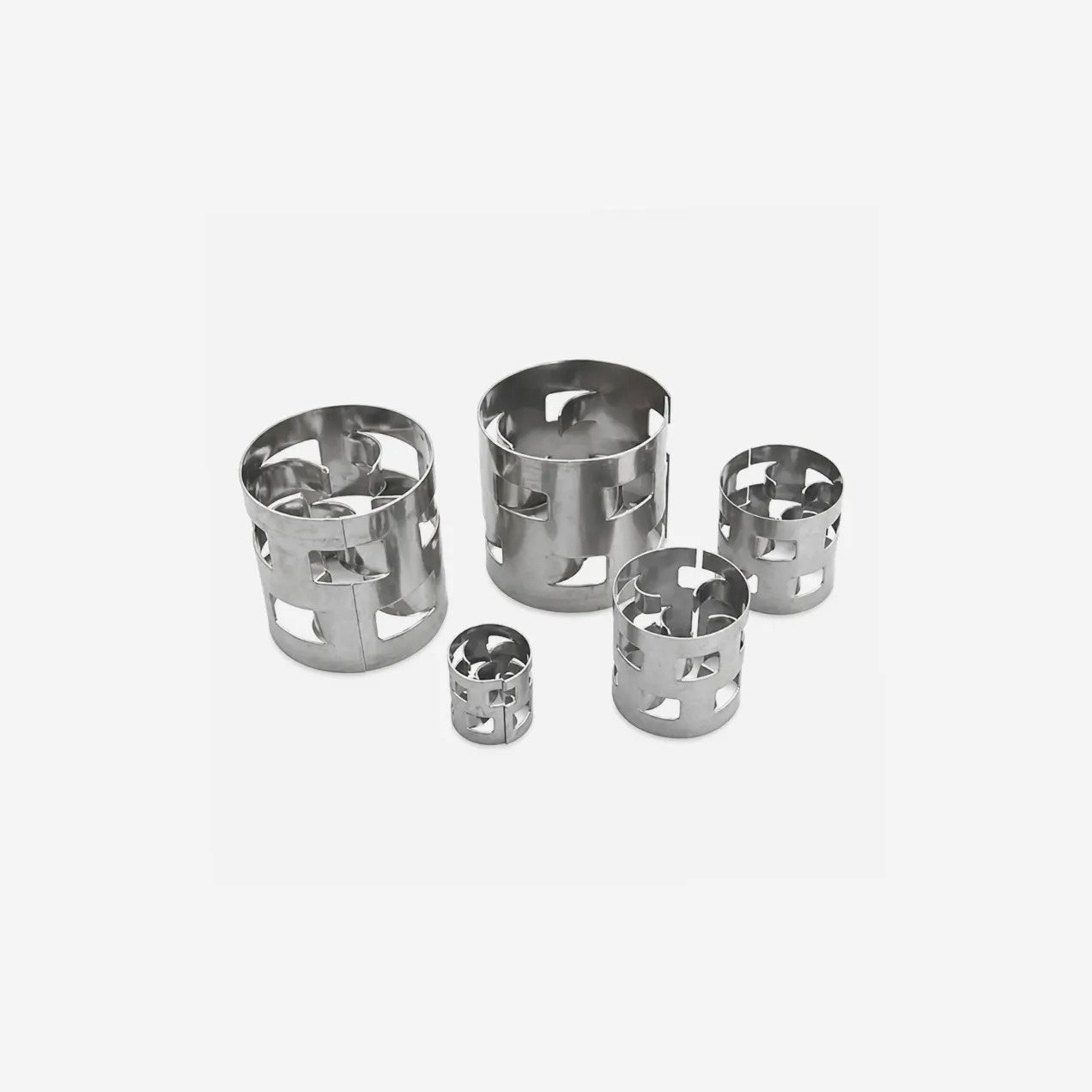
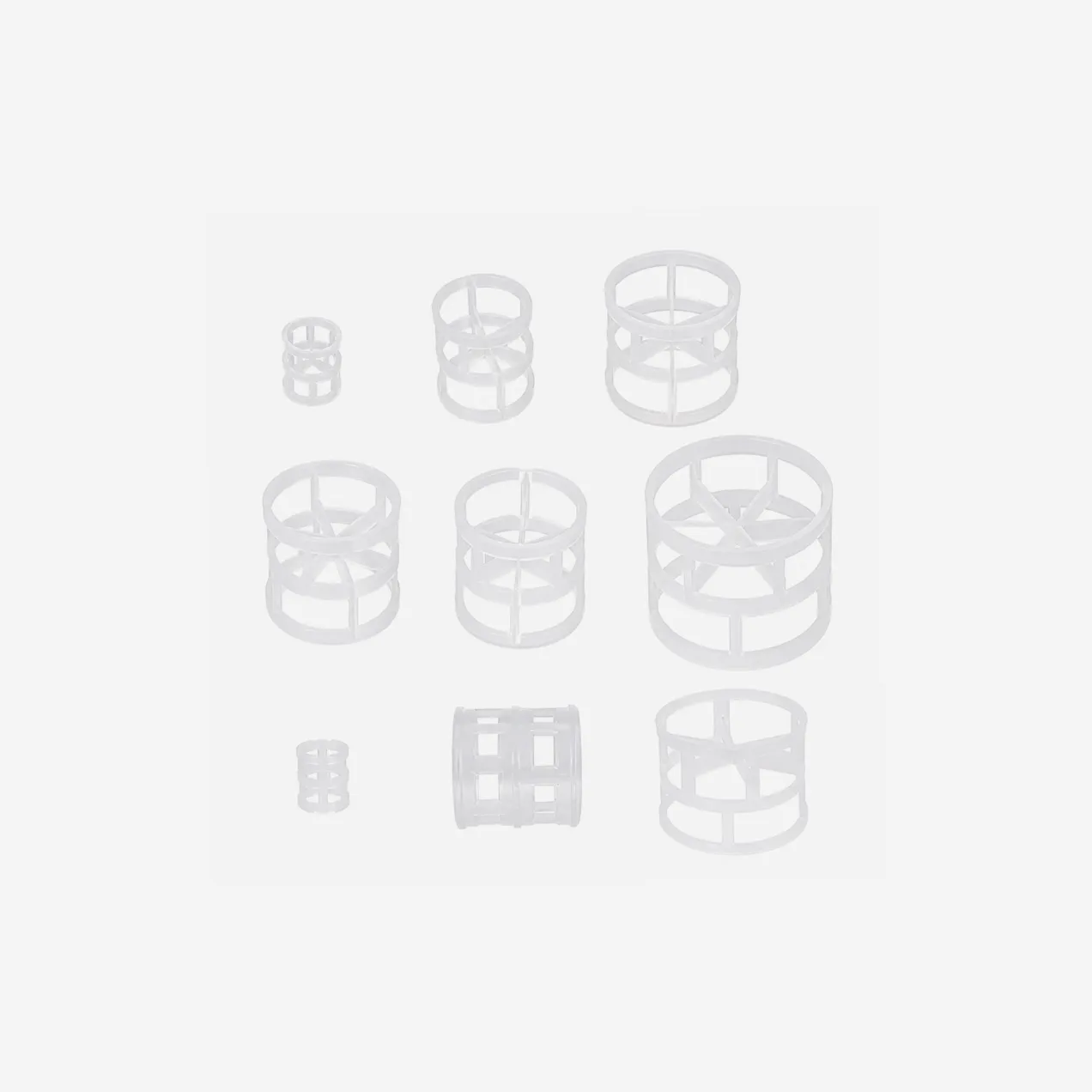
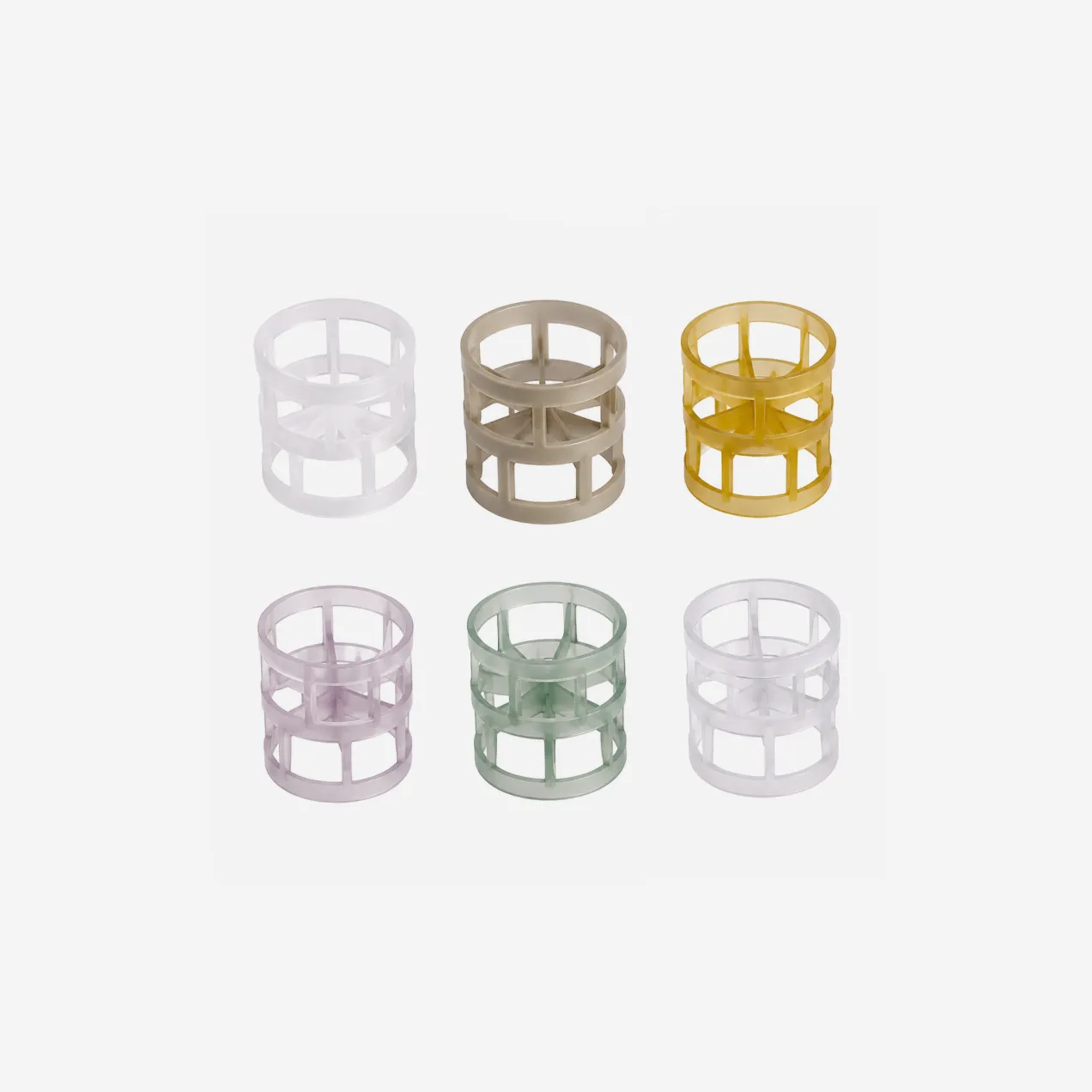
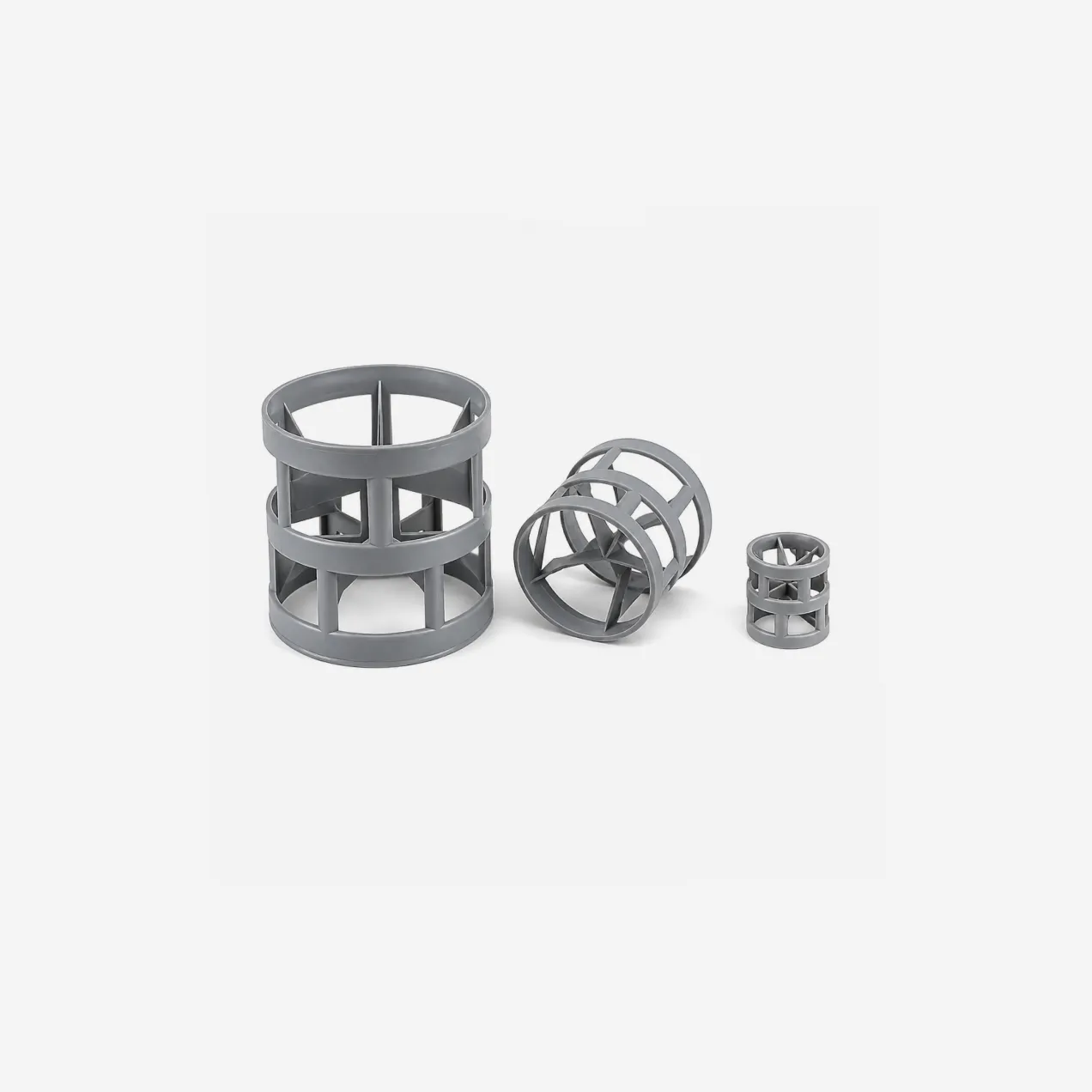
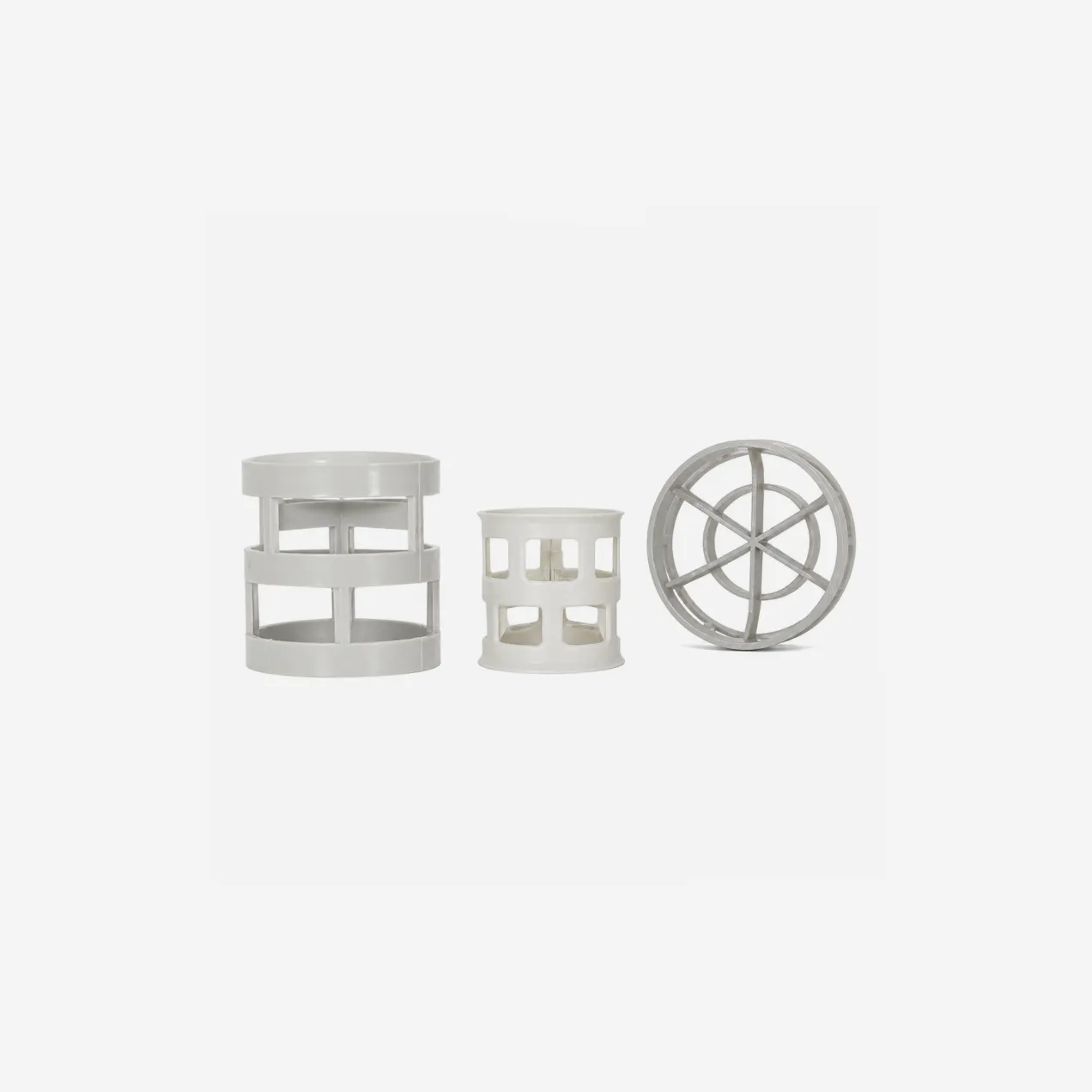
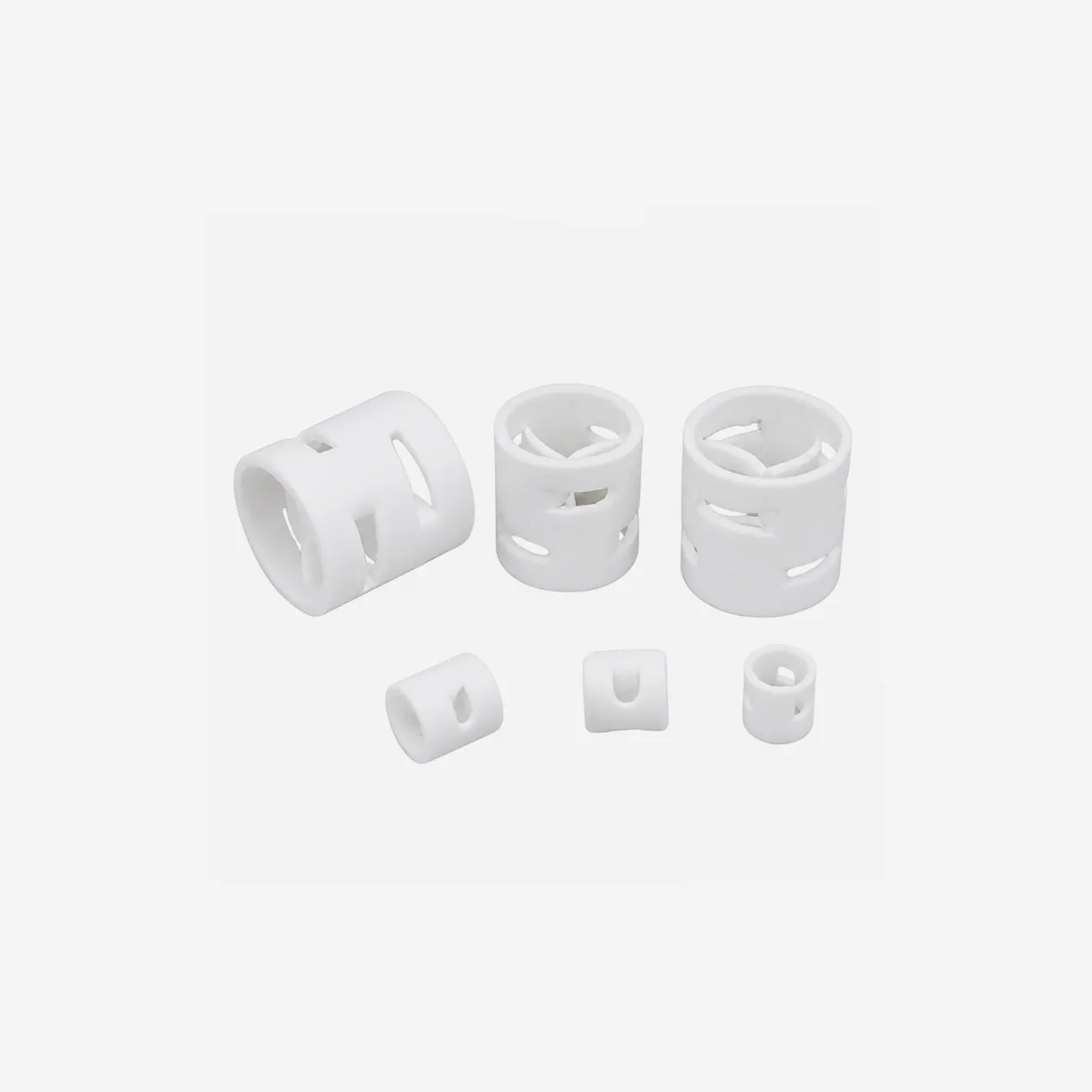
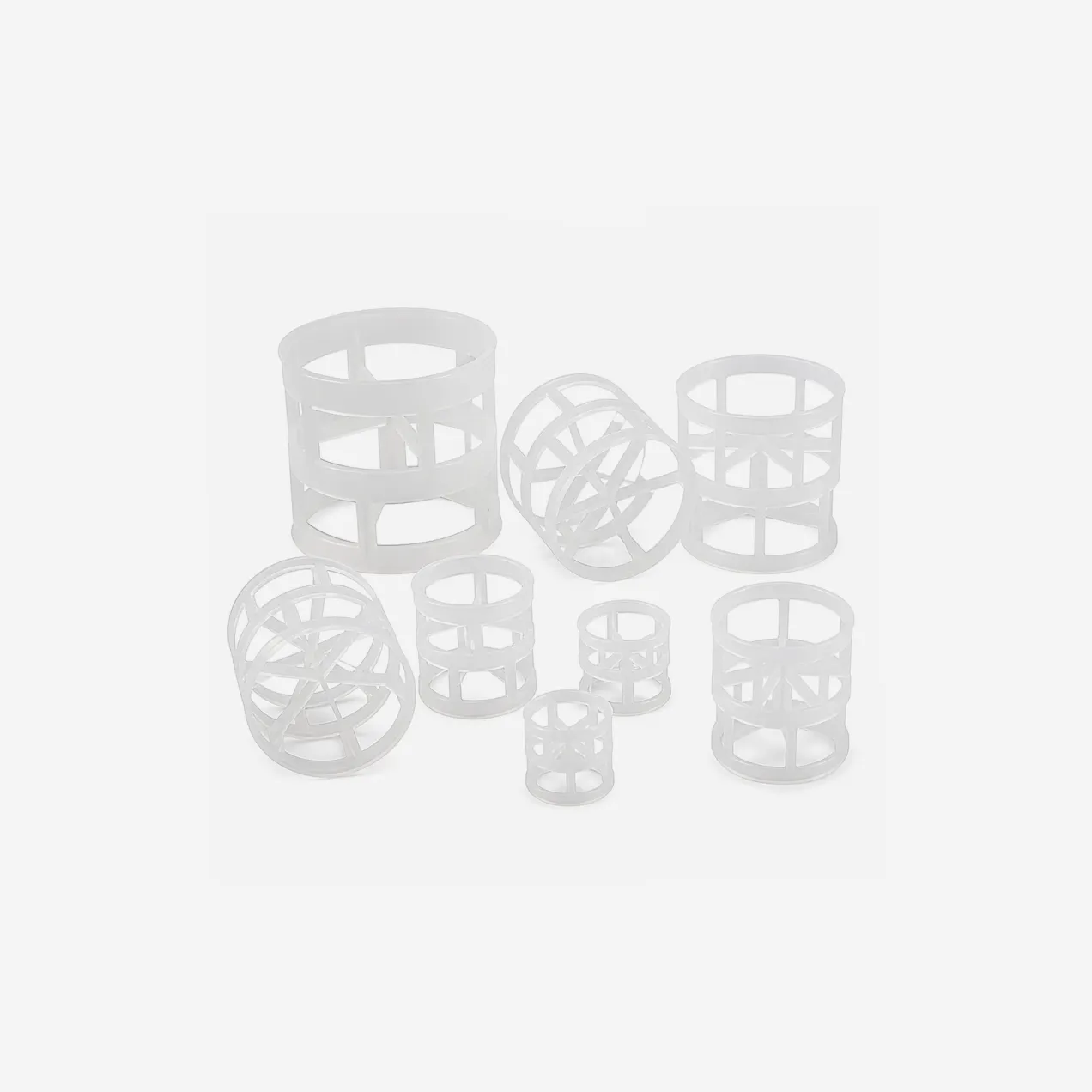
The Teller rosette is one of the few random packings that is not a ring at all. Invented by A. J. Teller in 1954 and known in China as the flower ring, it is built from a series of small curved loops arranged radially into a flat, open rosette, like a coil spring wound into a flattened ball. This rimless version leaves off the outer ring, so the loops are fully exposed. The shape is chosen for two things that matter in scrubbing: it stays open and does not clog, and its many gaps hold liquid, keeping gas and liquid in contact for longer. It is moulded in a corrosion-resistant plastic, from polypropylene up to PFA, and works in gas at about 60 to 150 degrees.
What the flower shape gives you:
| Rosette feature | What it gives |
|---|
| Radial loops forming an open flower | A very high void fraction and low weight |
| Gaps that hold liquid | Long liquid residence and contact time, so high efficiency |
| No outer rim, fully open form | Resists clogging in dirty, scaling and fouling gas |
| Curved, wettable loop surface | Full wetting for good gas-liquid mass transfer |
All of which points the rosette at scrubbing and purification: gas washing, acid-mist control, chemical waste-gas and odour treatment, and wastewater duty, especially where the gas is dirty or corrosive and a denser packing would blind. It is light, cheap to load and long-lived, with a service life of several years being normal. Where the task is fine distillation rather than scrubbing, a ring or structured packing is the more usual choice. No model or datasheet came with this item, so the plastic grade, size and figures should be confirmed before ordering. Tell us the tower, the gas and the flow and we will work out the size and grade.