search
Search

Enter keywords to search for products, blog posts, and more.

Home > Metal Flat Ring

Metal Flat Ring
Metal Flat Ring

Metal Flat Ring

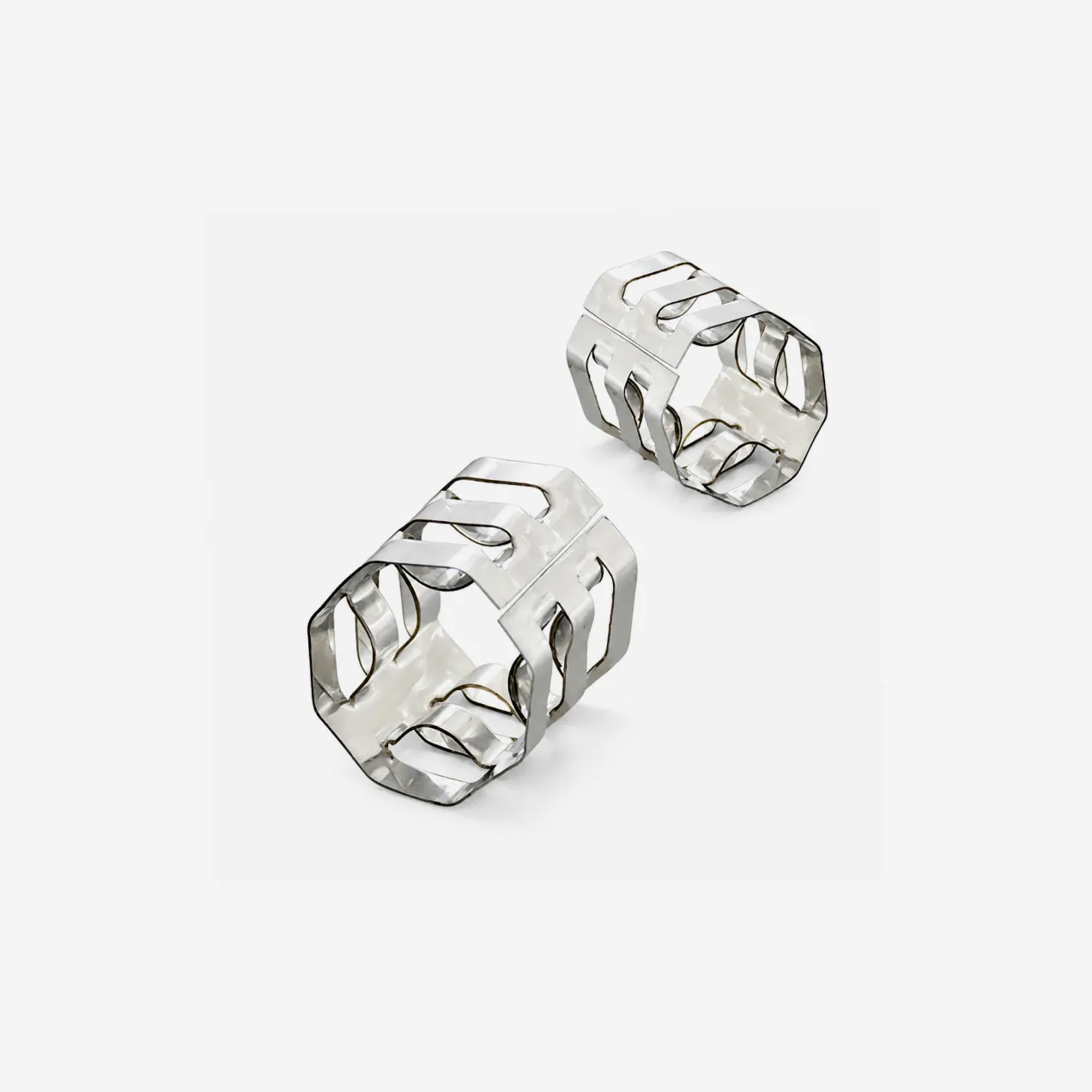
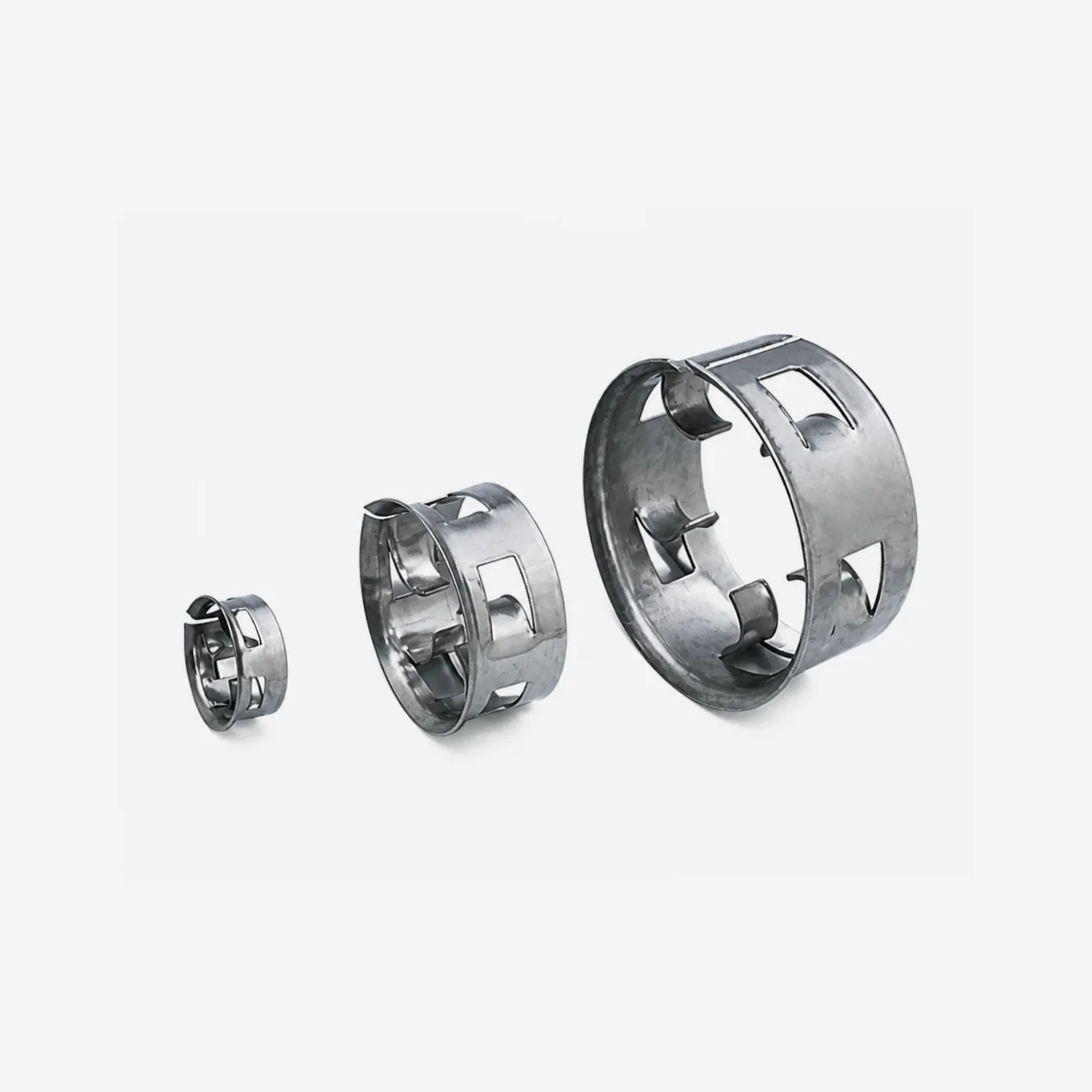
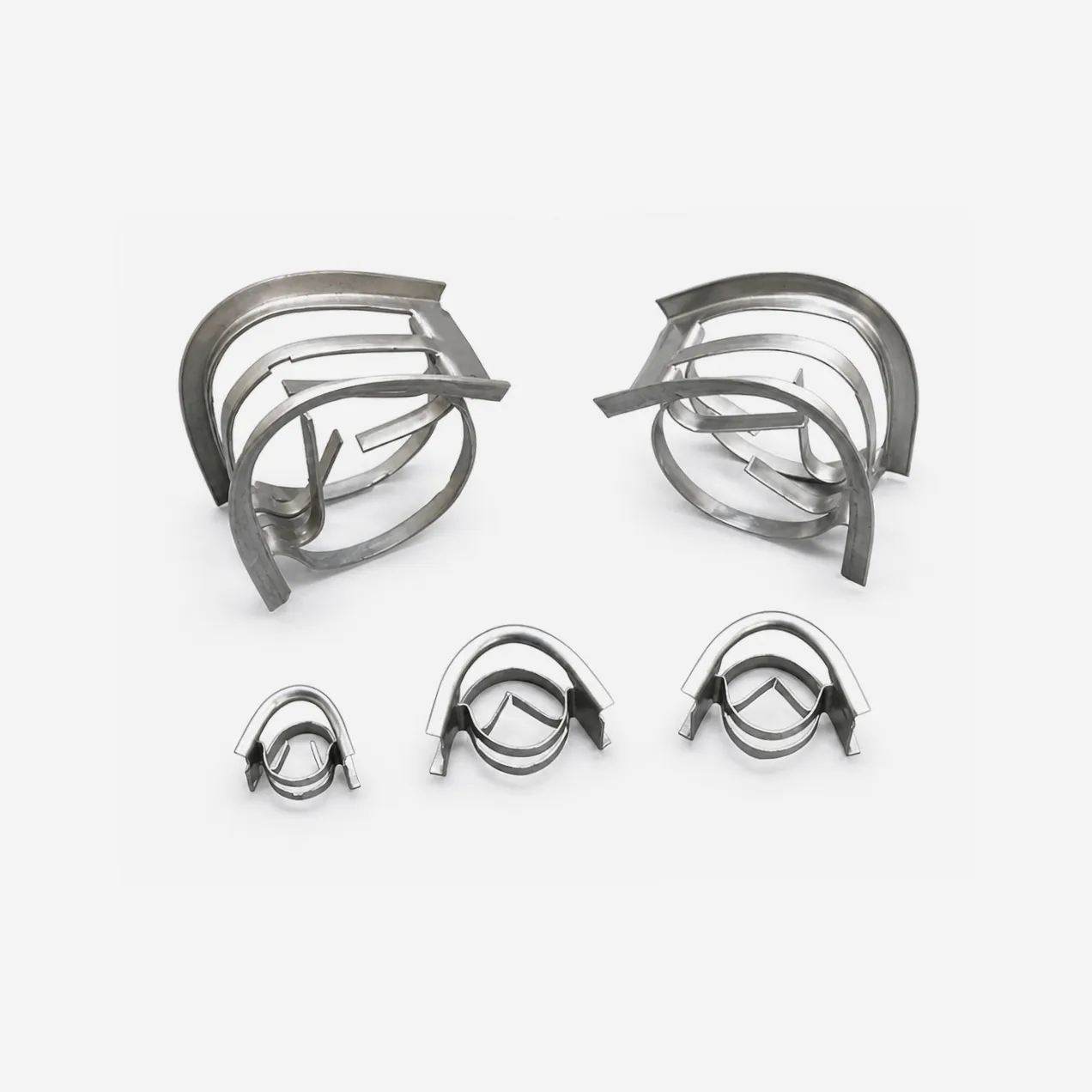
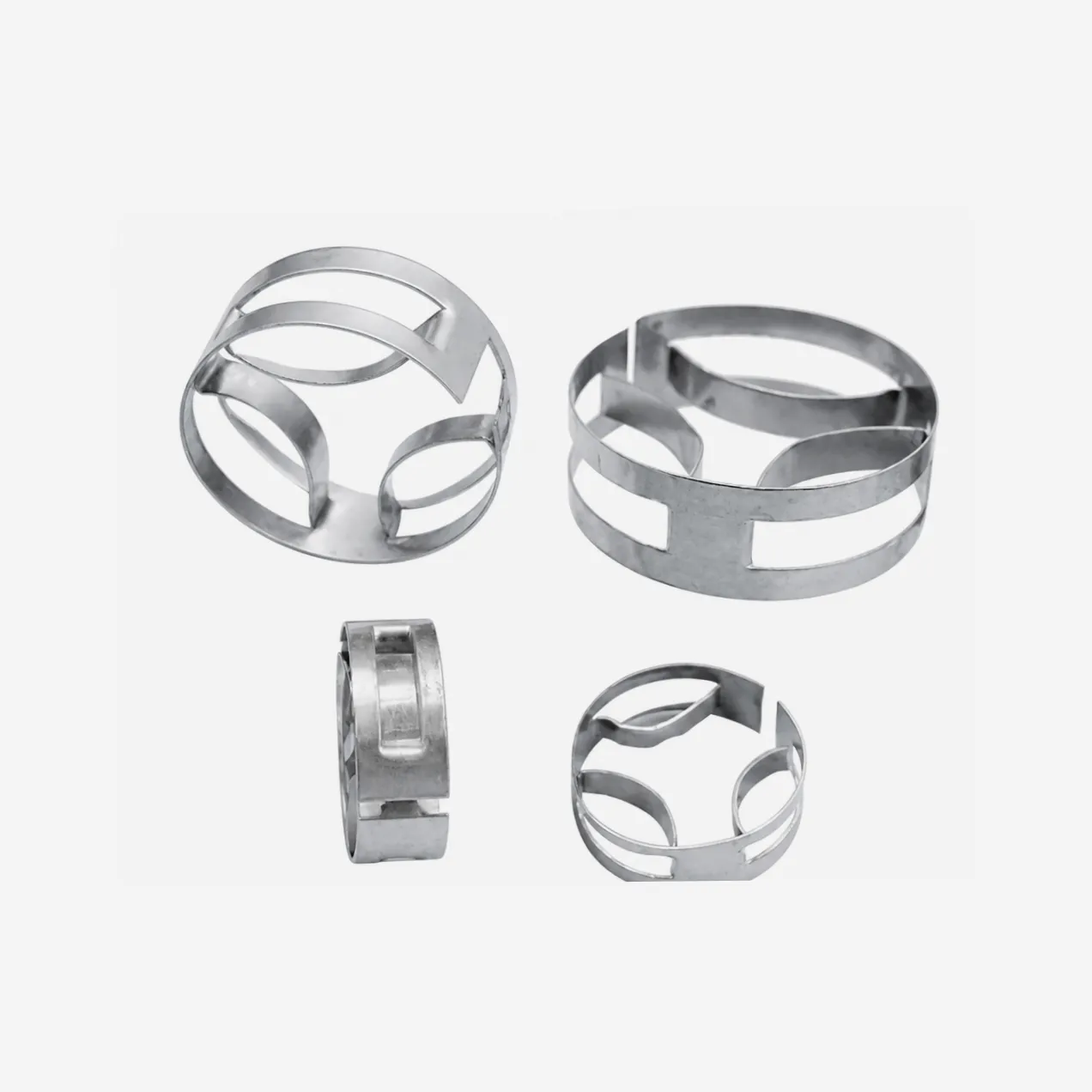
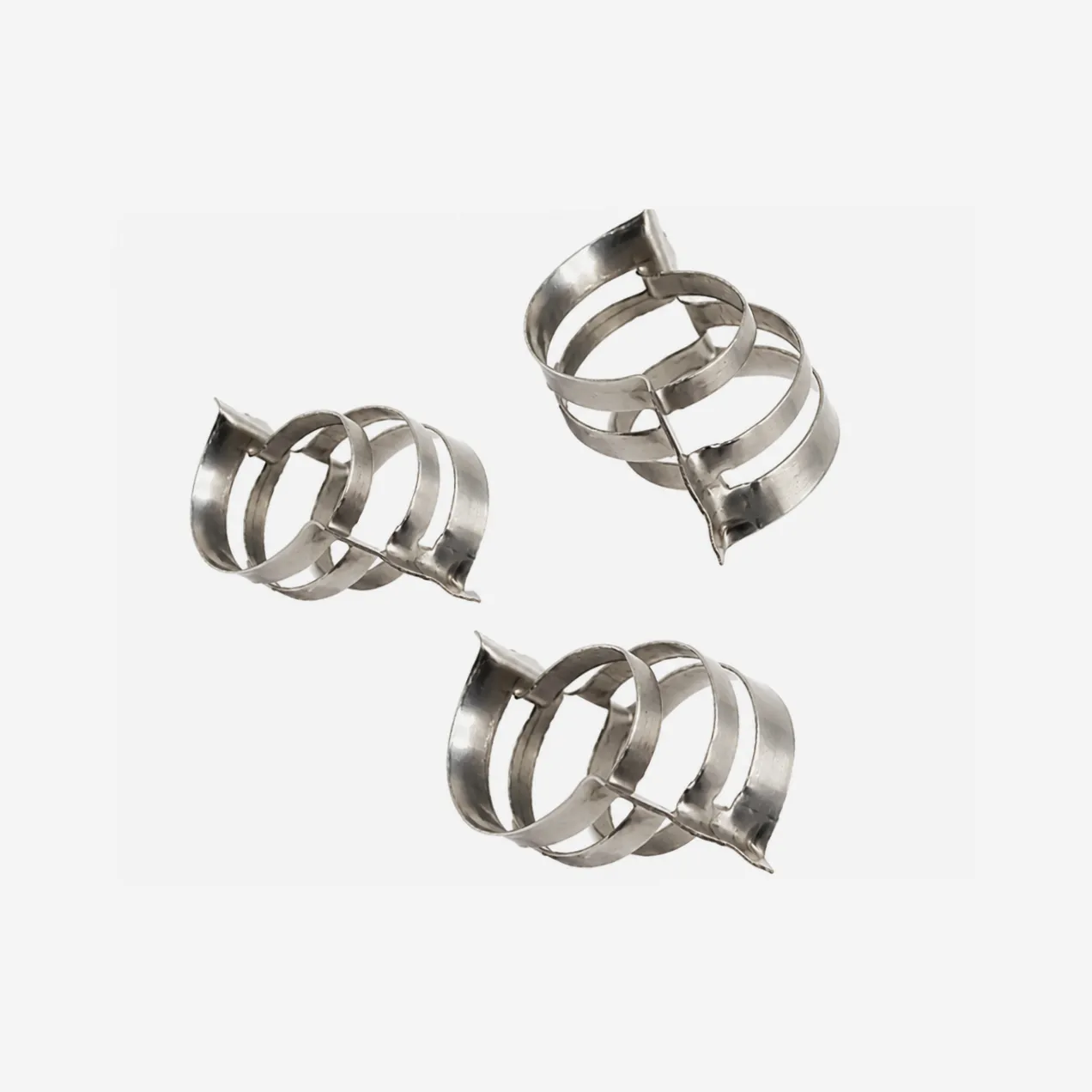
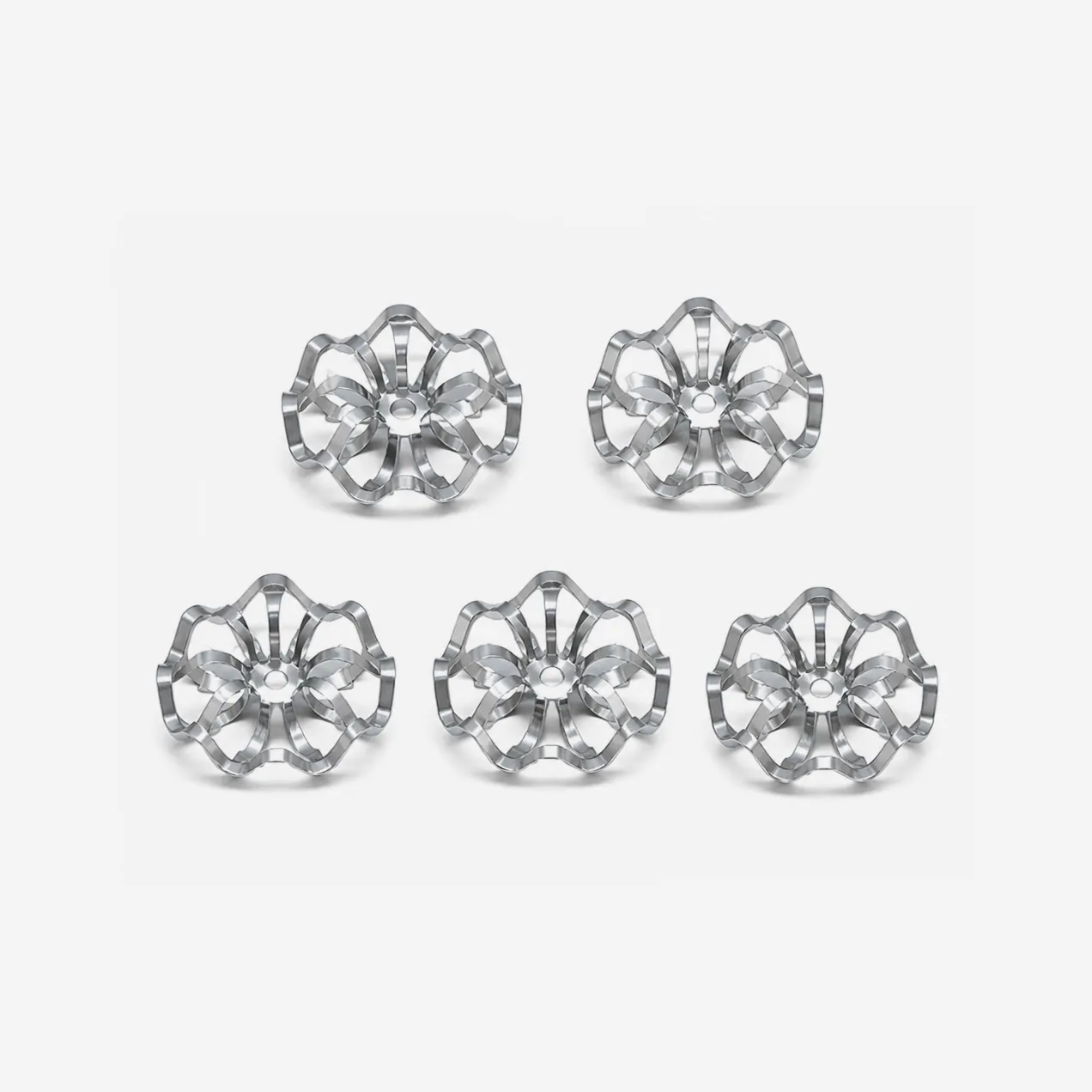
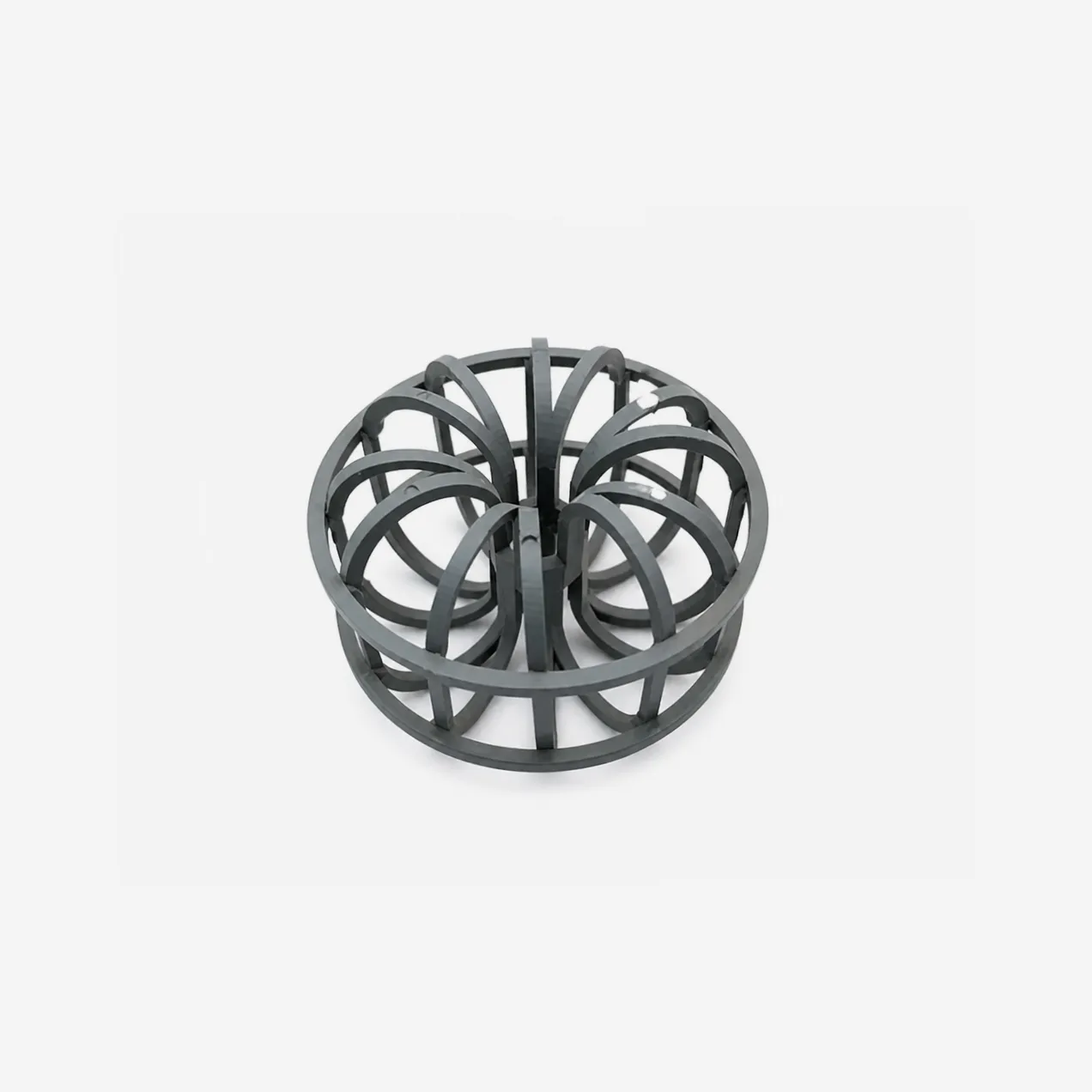
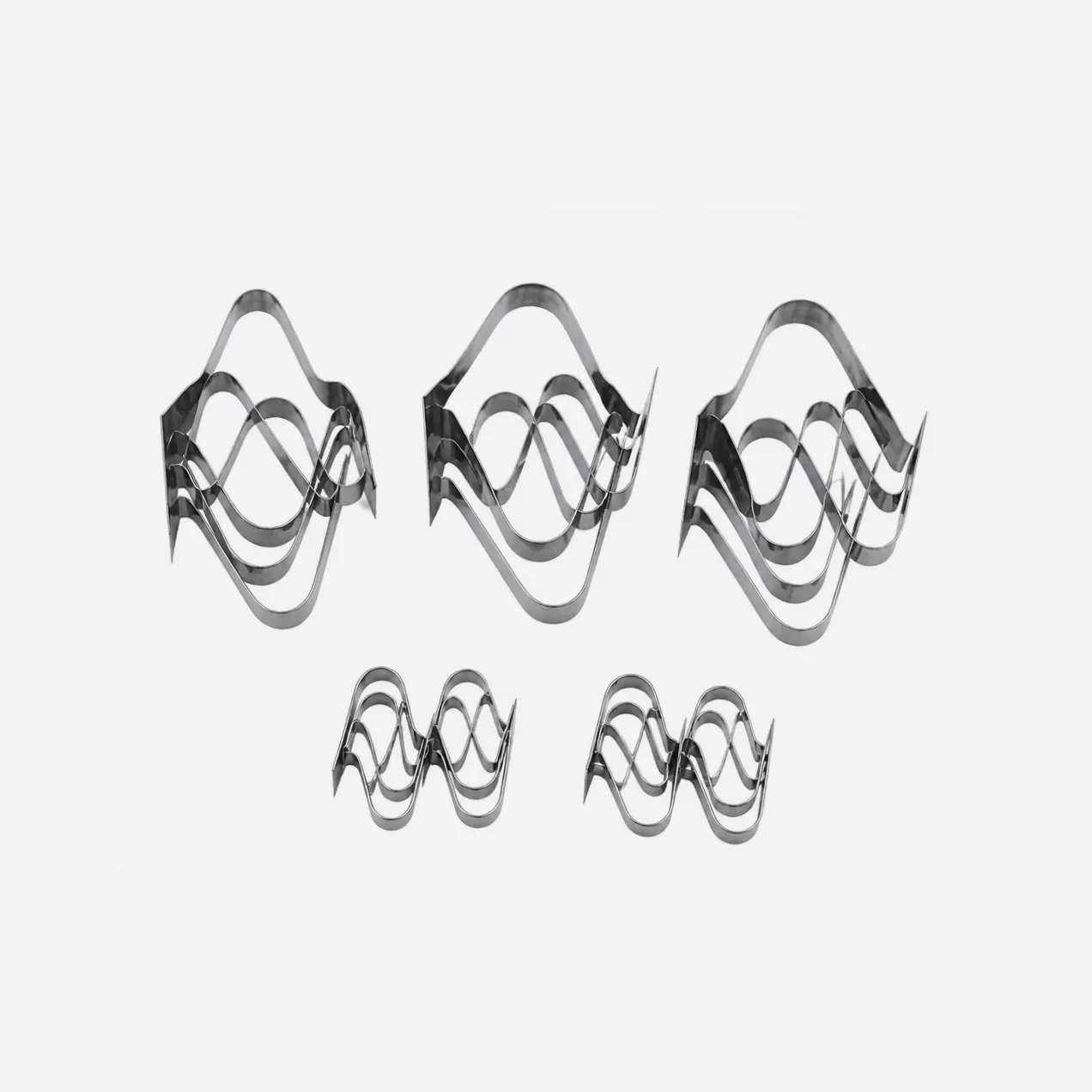
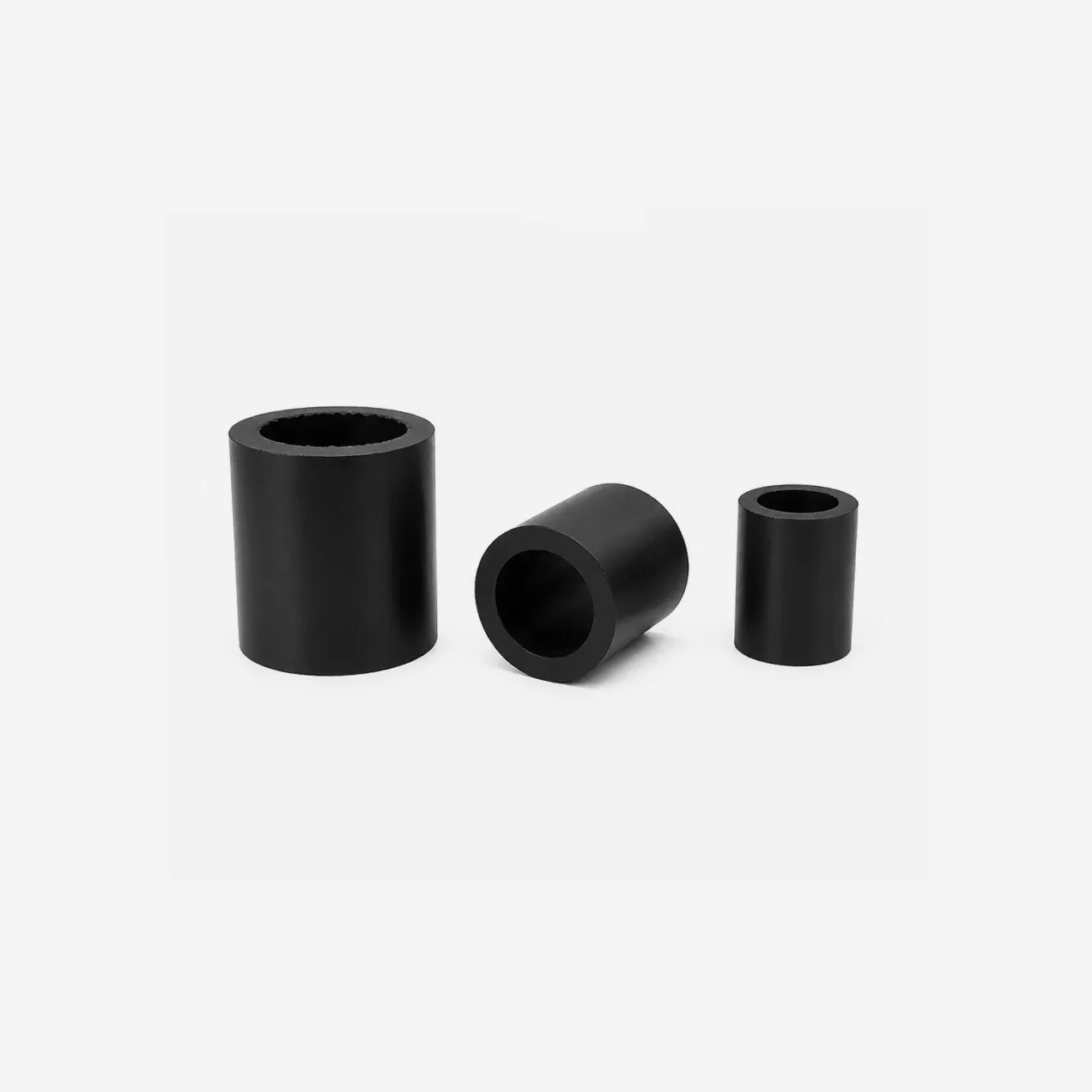
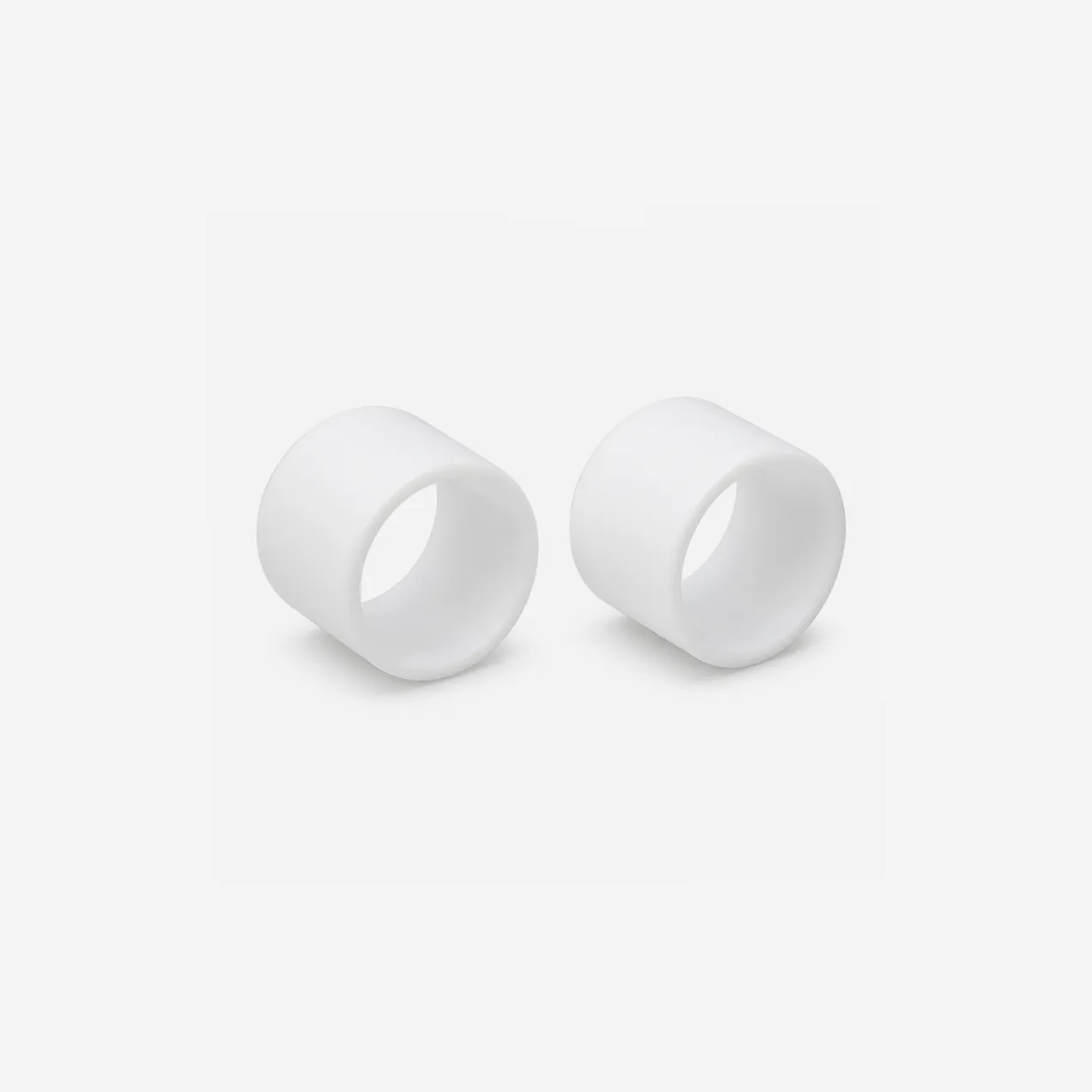
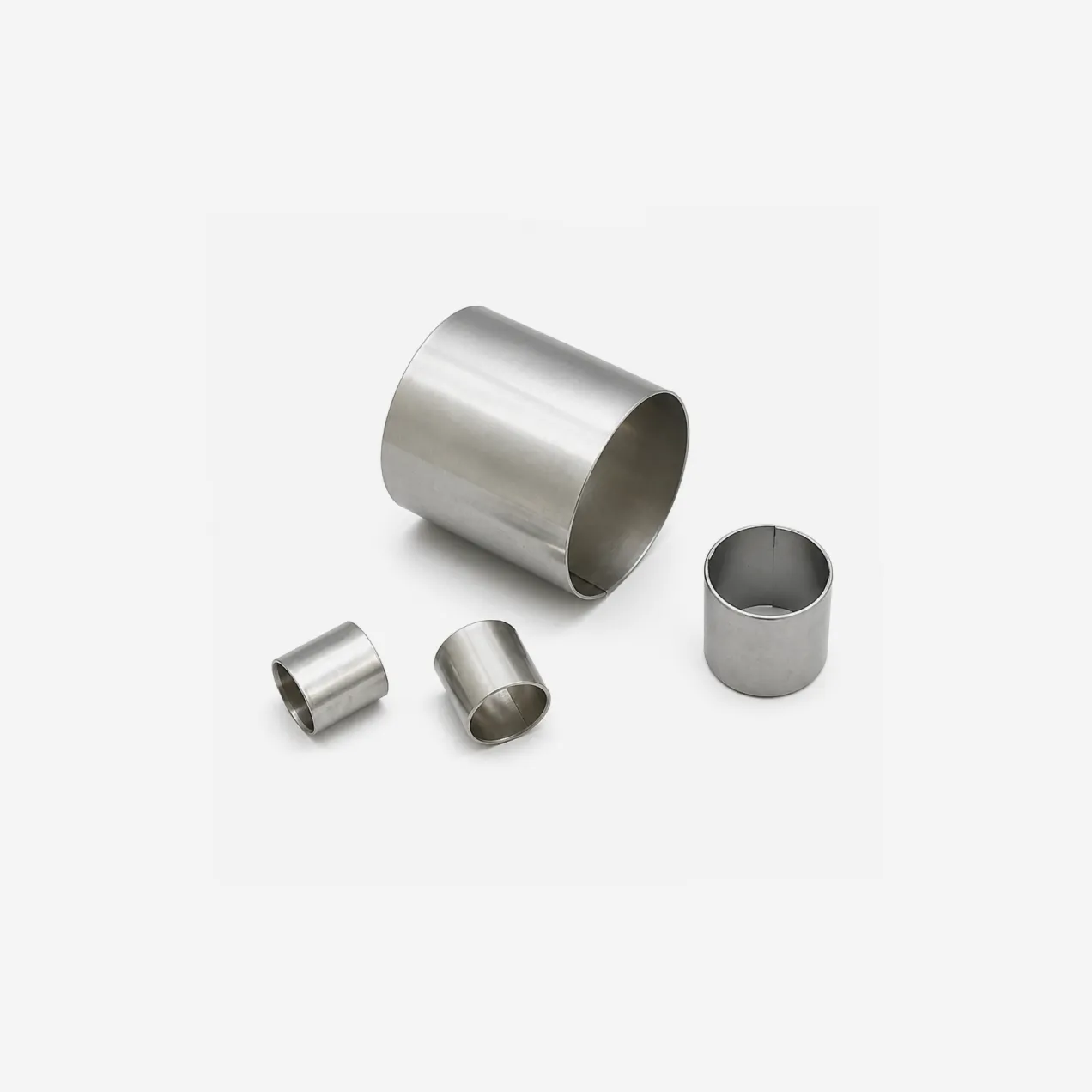
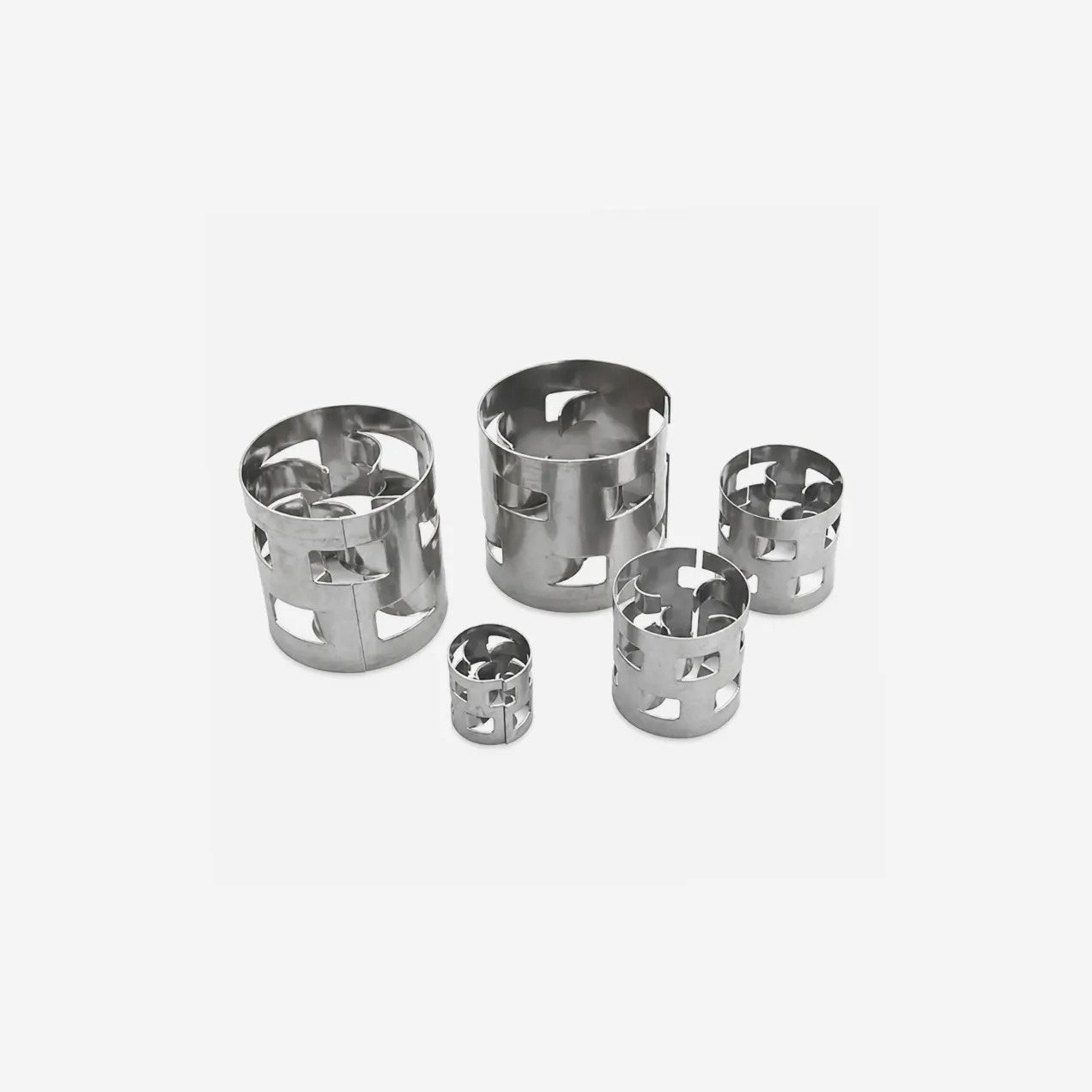
Metal flat ring is a low, squat tower packing — a metal ring whose height is much less than its diameter. That flat shape is the point: as liquid runs down the bed the low rings keep breaking it into droplets and gathering it again, spreading it evenly across the column and off the wall, which gives strong gas-liquid contact at a low pressure drop from a very simple part. It is rolled from carbon steel or stainless steel — 304, 304L, 316 or 316L, with special alloys for the worst duty — so it takes heat and acids that no plastic could, and it lasts for years. Its measured mass-transfer efficiency runs about 85 to 92 percent, above a conventional packing's 70 to 80. Sizes 10 to 89 mm; model RJ-2696.

  • Low-profile metal ring, height well under its diameter, for even liquid spreading.
  • Repeatedly disperses and re-gathers the liquid, cutting wall-flow and channelling.
  • Strong gas-liquid contact at a low pressure drop from a simple, robust shape.
  • Carbon steel or stainless (304 / 304L / 316 / 316L); special alloys on request.
  • Mass-transfer efficiency about 85 to 92 percent; sizes 10 to 89 mm; model RJ-2696.

Technial Parameters

ParameterCarbon steelSS304/304LSS316/316LSpecial alloys
Temperature range−40~500°C−200~600°C−200~600°C−200~800°C
Pressure resistance0–6.0 MPa0–6.0 MPa0–6.0 MPa0–10.0 MPa
Corrosion resistanceModerateGoodExcellentSuperior
Standard sizes (mm)15, 25, 38, 50, 7515, 25, 38, 50, 7515, 25, 38, 50, 75Custom
Surface area (m²/m³)80–15080–15080–15050–200


PropertyValue
Product TypeMetal random packing (flat ring)
MaterialCarbon steel; stainless steel 304, 304L, 316, 316L; special alloys
Model NO.RJ-2696
Standard Sizes10, 13, 16, 25, 38, 50, 76, 89 mm
StructureLow ring, height much less than diameter
Surface Area80–150 m²/m³ (special alloys 50–200)
Mass-Transfer EfficiencyAbout 85–92%
Service Temperature−40 to 500°C (carbon steel); −200 to 600°C (stainless); to 800°C (special alloys)
AdvantagesEven liquid spreading, high mass transfer, low pressure drop, fouling-resistant, long service life
ApplicationsDistillation, absorption, stripping; petrochemical, fertilizer, environmental, sewage treatment
TrademarkRONGJIAN
OriginChina
HS Code8419909000
Transport PackageBag / wooden case / carton

FAQs

What is a metal flat ring, and why is it flat?

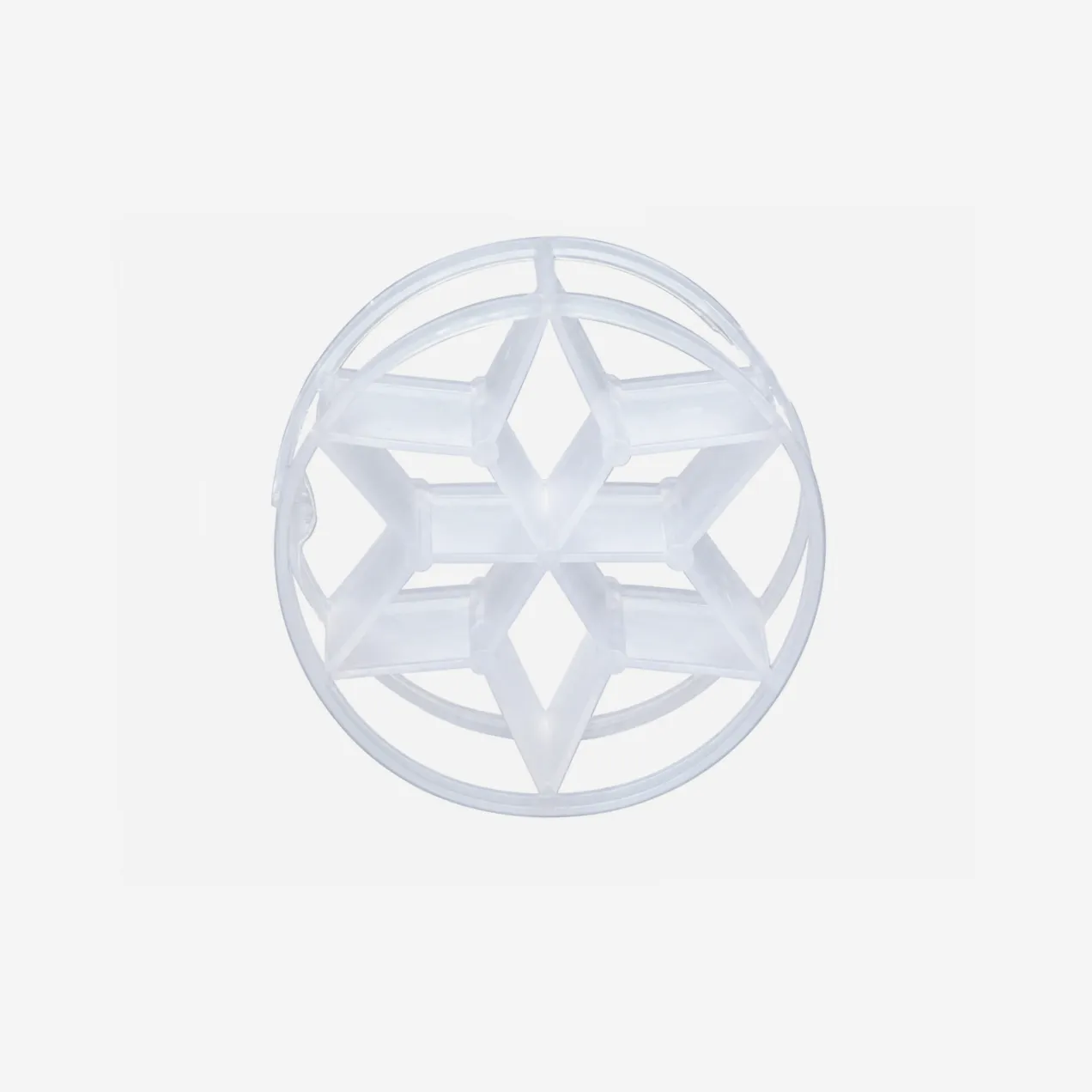
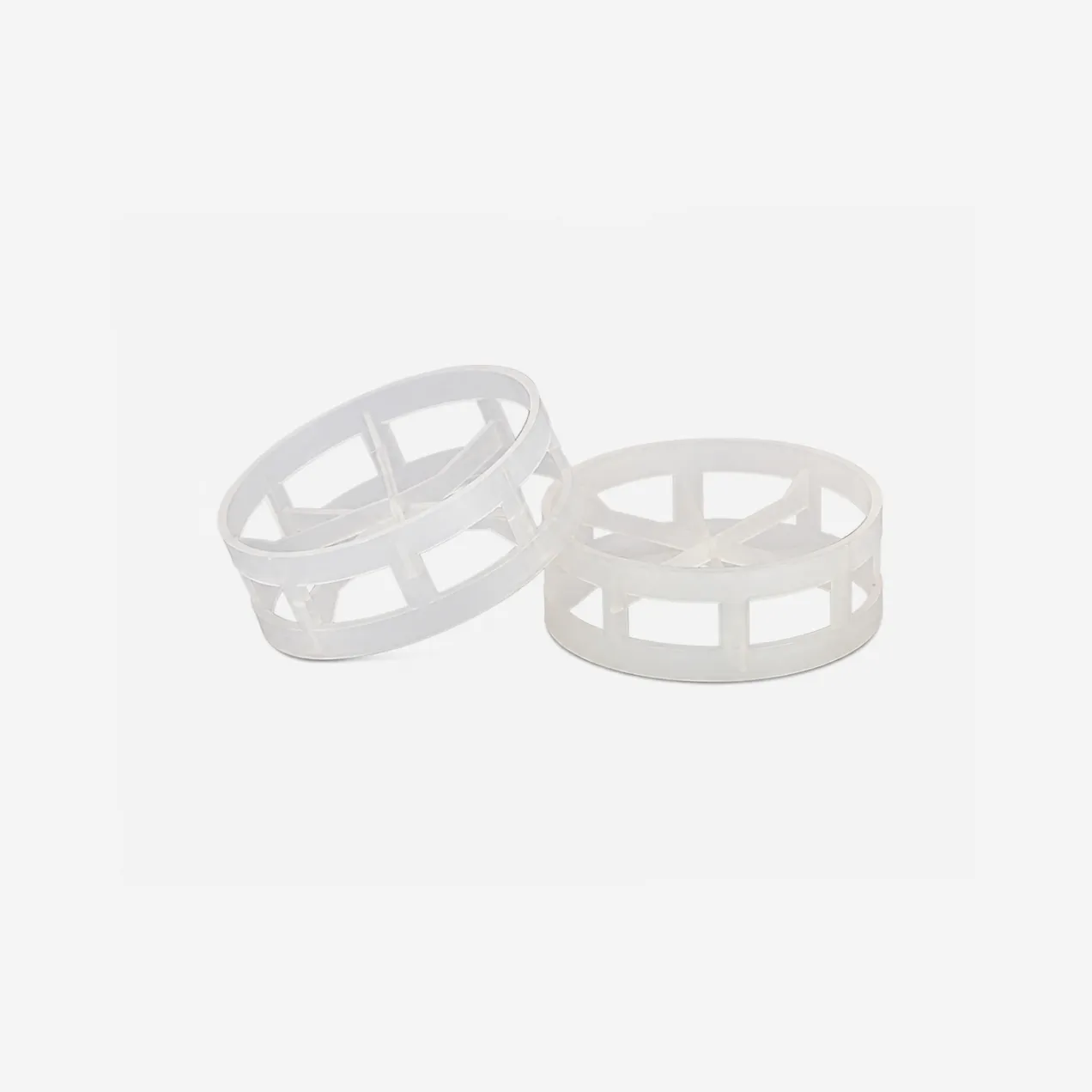
A metal flat ring is a tower packing shaped like a short, wide ring — its height is well under its diameter, so it sits low and flat rather than tall like a Raschig ring. That shape is deliberate. Piled into a column, the flat rings present a constant series of edges to the liquid trickling down, so they keep splitting it into droplets and letting it pool and spread again. The effect is to disperse and re-gather the liquid over and over, which keeps it off the column wall and spread evenly across the packing, exactly the droplet dispersion the ring is made to promote. Good spreading means good gas-liquid contact, and because the rings are open and low they cause only a small pressure drop. It is a simple part that does the redistributing job well.

Which metal grades are there, and what temperature and pressure can they take?

Metal lets the flat ring be built for almost any condition, and the grade is picked to match. Carbon steel is the budget choice for milder, non-corrosive service and takes roughly minus 40 up to 500 degrees. Stainless steel 304 and 304L widen the corrosion resistance and the temperature range, working from about minus 200 to 600 degrees; 316 and 316L do the same but resist chlorides and stronger acids better. For the harshest chemistry there are special alloys, good to around 800 degrees. On pressure, the steel grades handle up to about 6 megapascals and the special alloys up to 10. So the same flat ring covers everything from a mild scrubber to a hot, high-pressure, corrosive still. Give us the fluid, the temperature and the pressure and we will name the grade.

What is a metal flat ring used for?

The metal flat ring is a general packing for gas-liquid columns. It is used in distillation, absorption and stripping, and its home industries are petrochemical processing, fertilizer production, environmental plants and sewage treatment. In each, the reasons are the same: the low, edge-rich shape spreads the liquid and keeps contact high; the open bed keeps the pressure drop and the pumping cost down; and the steel body shrugs off the heat, the acids and the fouling that would age a lesser packing, so it stays in service for years. Where a column needs steady redistribution and a long life without a fussy shape, the flat ring fits. Send us the service and we will confirm the ring, the grade and the size.

How does a metal flat ring compare with conventional packing?

Measured against ordinary packing, the flat ring's numbers are its argument. Its mass-transfer efficiency sits around 85 to 92 percent, against 70 to 80 for a conventional packing, a gain of roughly 15 to 20 percent. Its pressure drop is far lower, about 20 to 30 pascals per metre where a conventional bed runs 40 to 60, cutting the loss by a third to a half. It resists fouling markedly better, and it lasts about 5 to 8 years against 3 to 5, so it is replaced far less often. In short, more separation for less energy and a longer life. The trade is that a plain ring is cheaper to buy; over the life of a column the flat ring usually wins on running cost. Tell us the duty and we will weigh it for you.

The metal flat ring is a low-profile packing: a metal ring rolled so its height is much smaller than its diameter, leaving a short, open, edge-rich shape. Stacked in a column, those low rings keep breaking the descending liquid into droplets and letting it gather and spread again, so the liquid is redistributed continuously, kept off the wall and held in even contact with the rising gas. Simple as it is, that flat form buys measurable gains over an ordinary packing, and being metal — carbon steel, stainless steel, or a special alloy — it holds up in heat and acid for years.

How the metal flat ring measures up against conventional packing:

FeatureMetal flat ringConventional packingImprovement
Mass-transfer efficiency85 to 92 percent70 to 80 percent+15 to 20 percent
Pressure drop20 to 30 Pa/m40 to 60 Pa/mDown a third to a half
Fouling resistanceExcellentGoodAbout +30 percent
Service life5 to 8 years3 to 5 years+40 to 60 percent

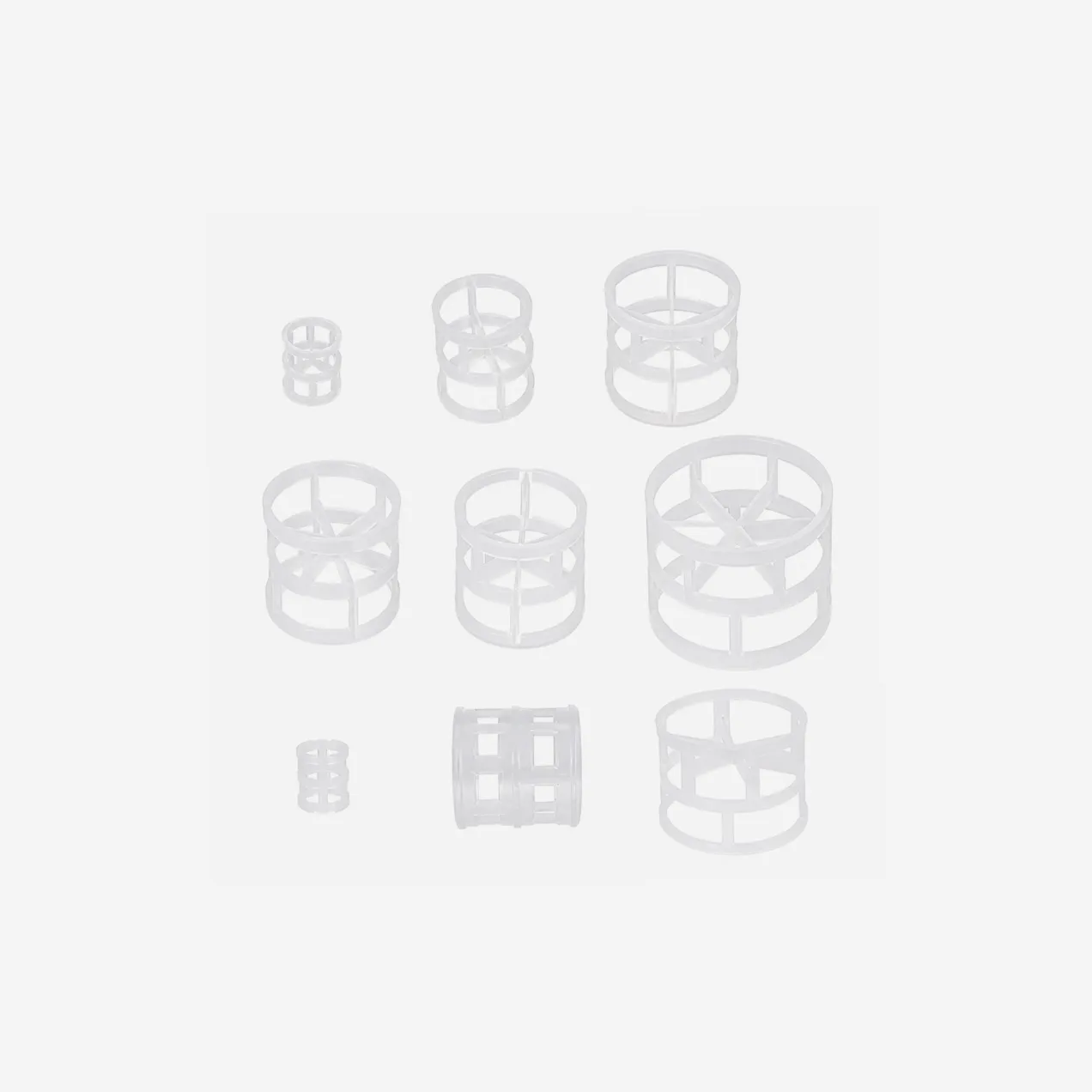
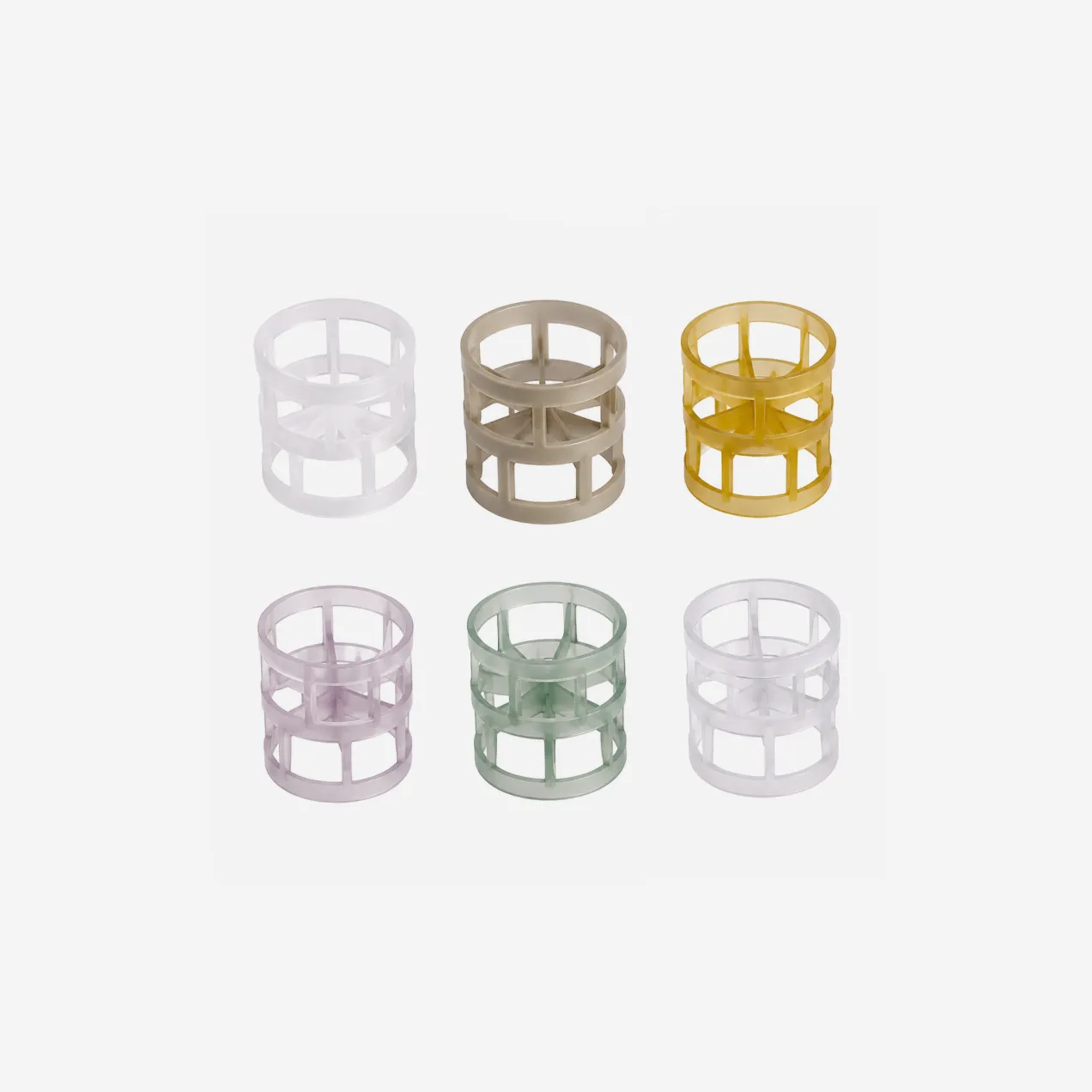
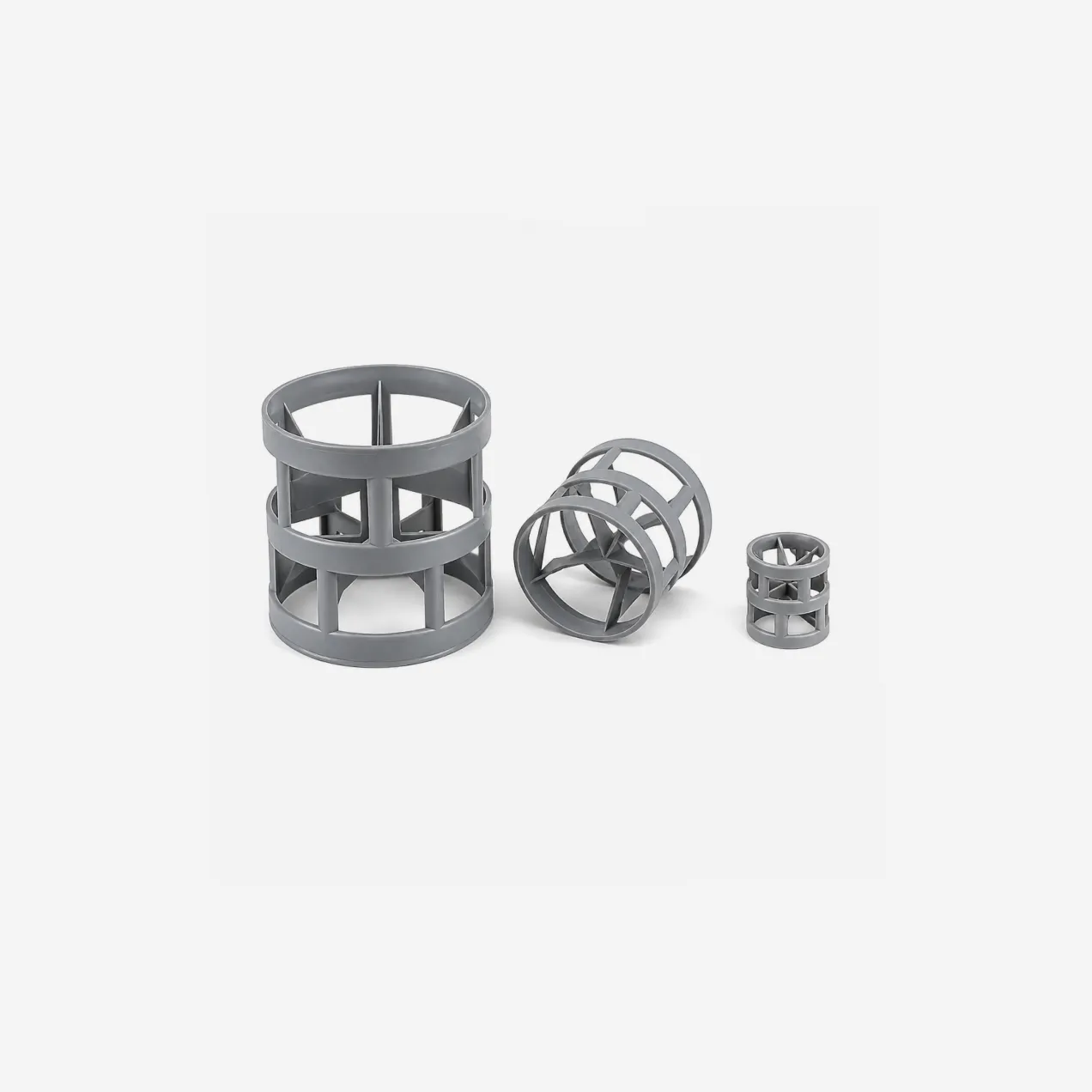
That is why the flat ring is chosen for distillation, absorption and stripping across petrochemical, fertilizer, environmental and sewage-treatment plants — anywhere steady liquid redistribution, low energy loss and a long service life matter. It is made in carbon steel, stainless steel 304, 304L, 316 or 316L, or special alloys, in sizes from 10 to 89 mm. For the plastic version, used in cooler corrosive duty, ask about the plastic flat ring instead. For a quotation, send the tower size, the fluid and the temperature, and the grade and ring size follow.