search
Search

Enter keywords to search for products, blog posts, and more.


Home > CPVC Pall Ring

CPVC Pall Ring
CPVC Pall Ring

CPVC Pall Ring

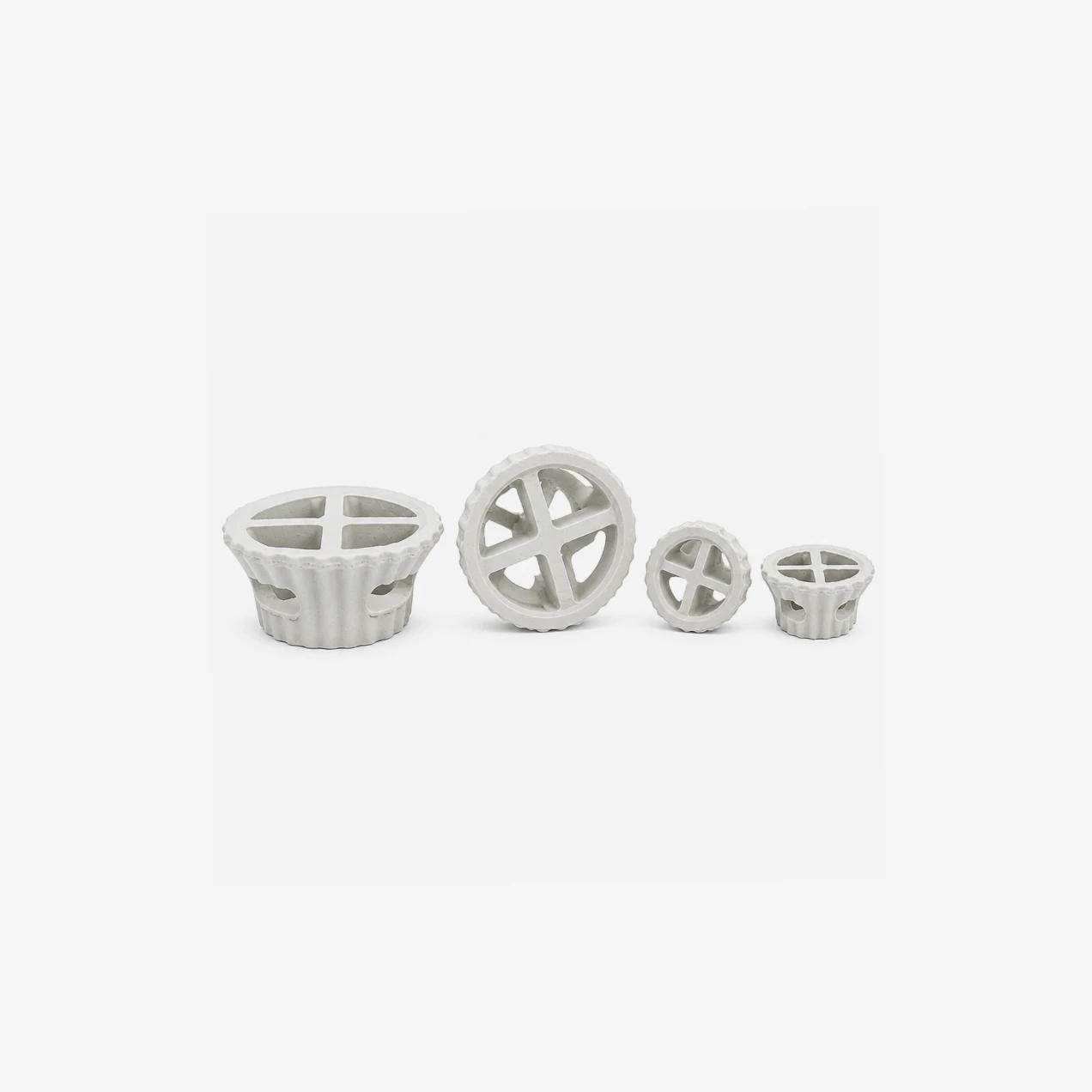
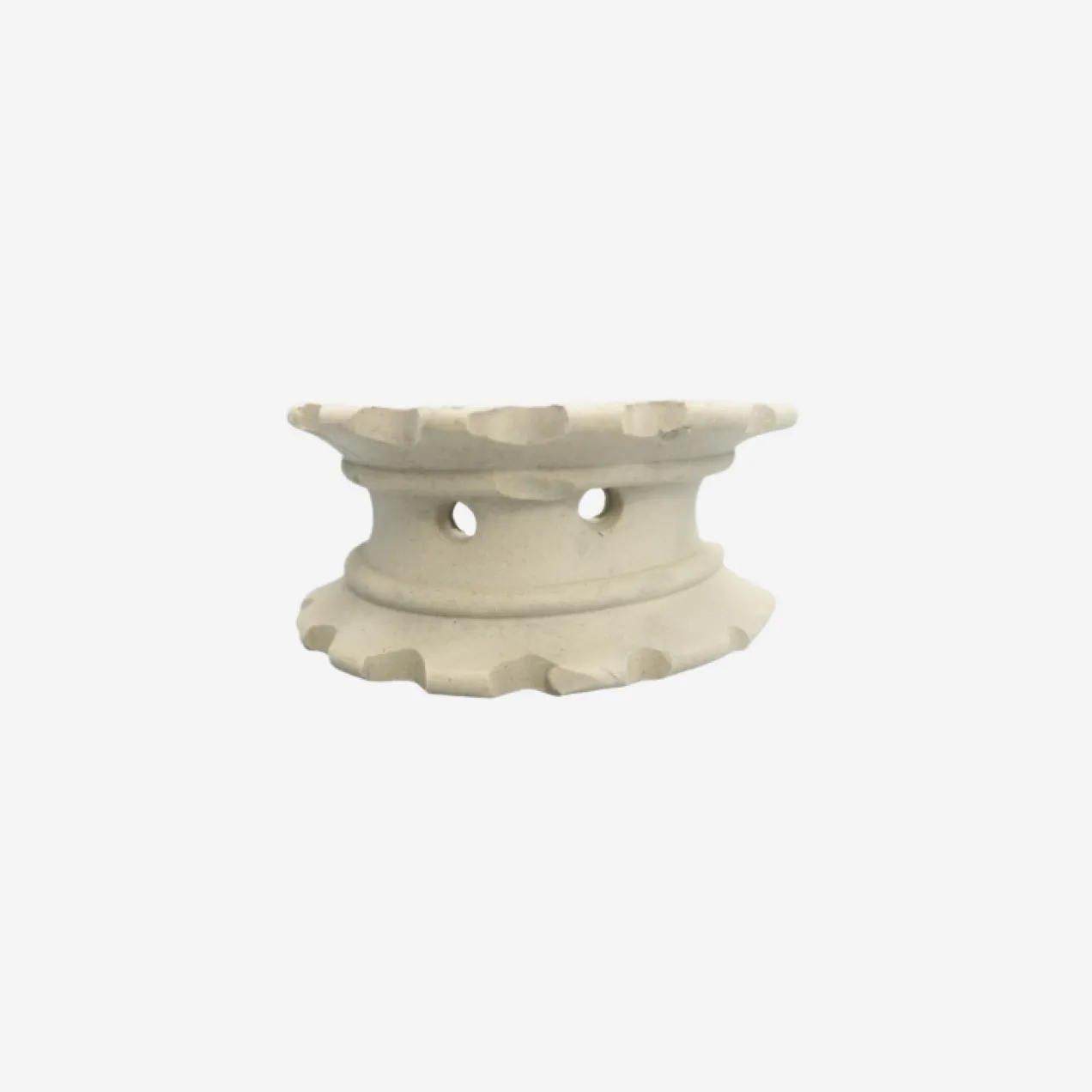
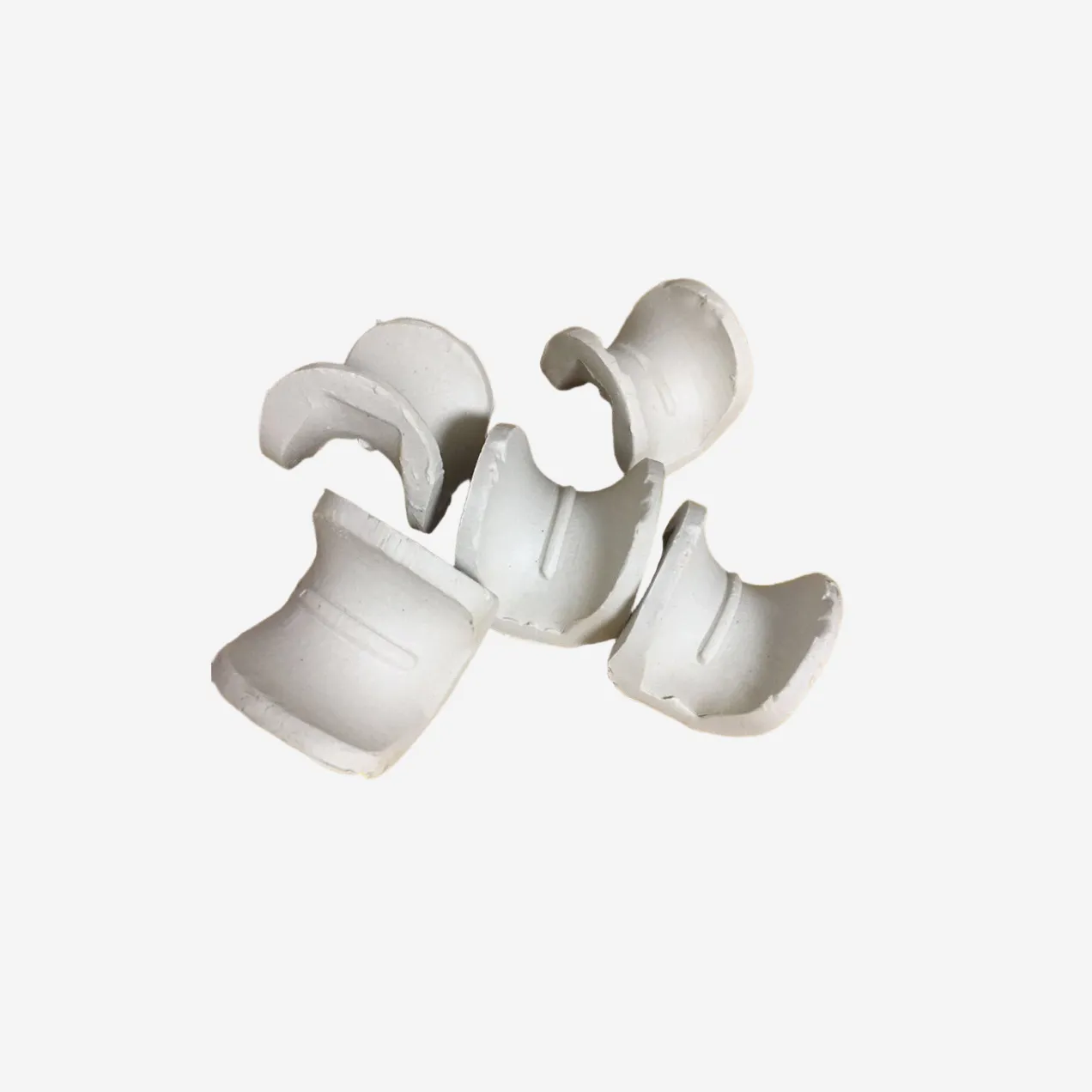
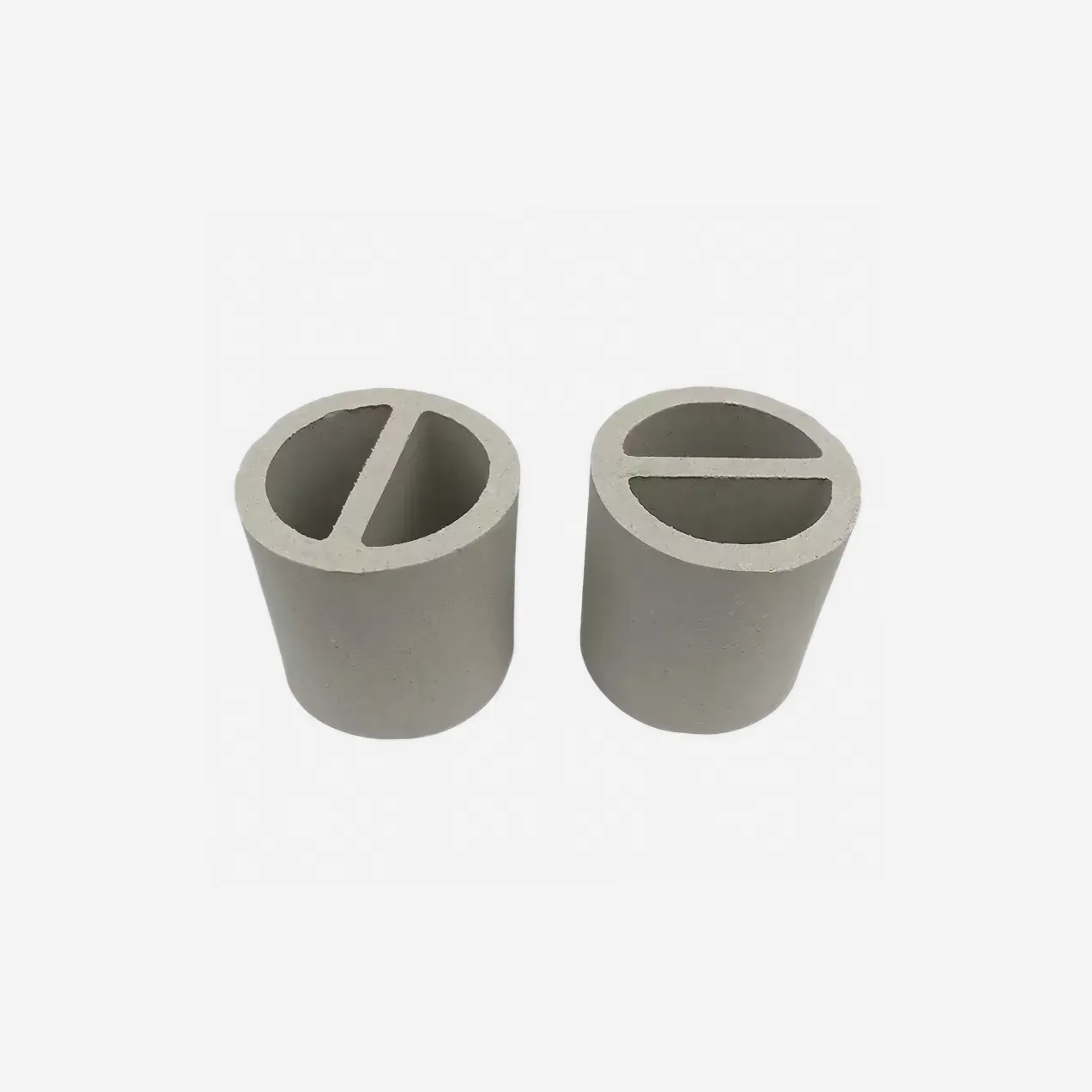
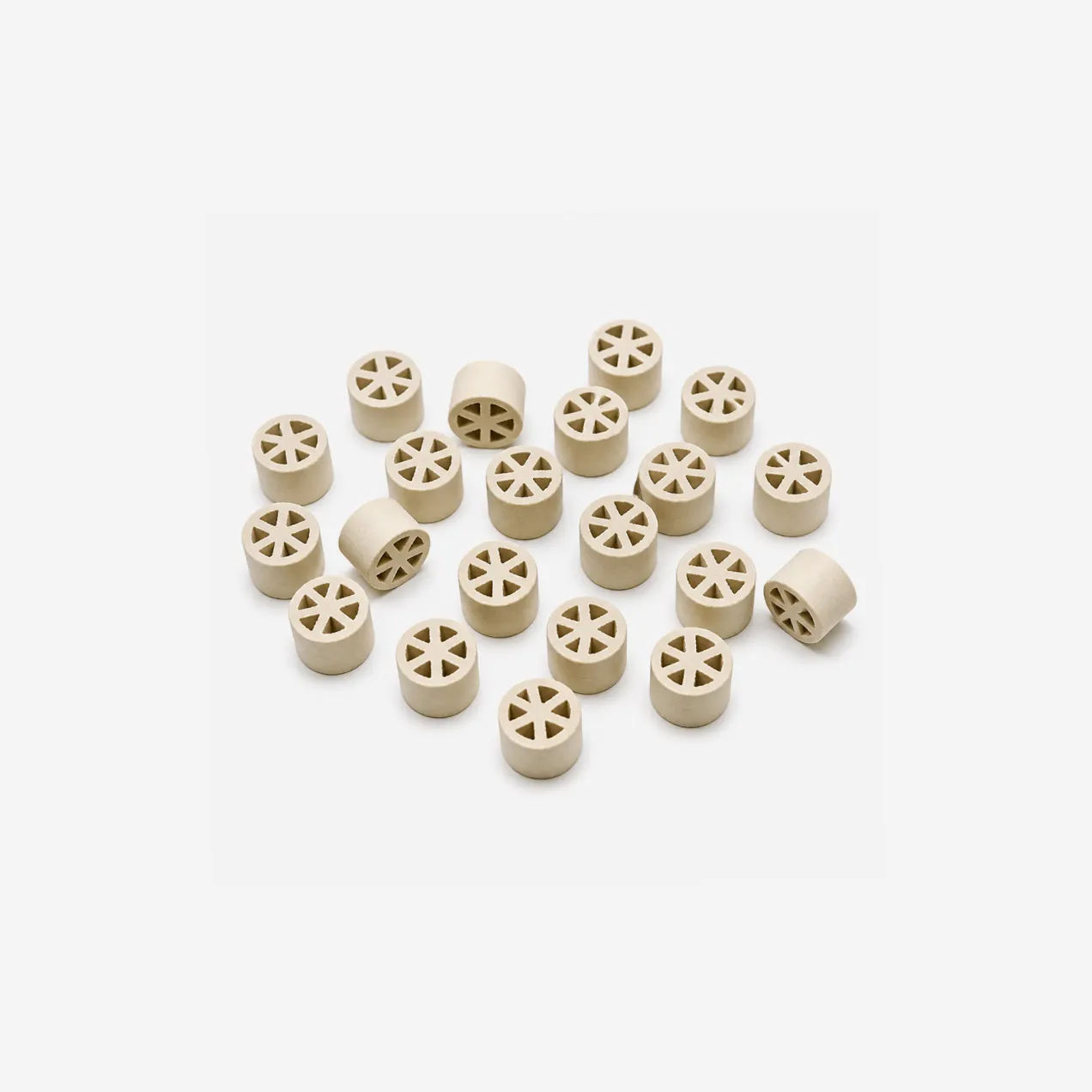
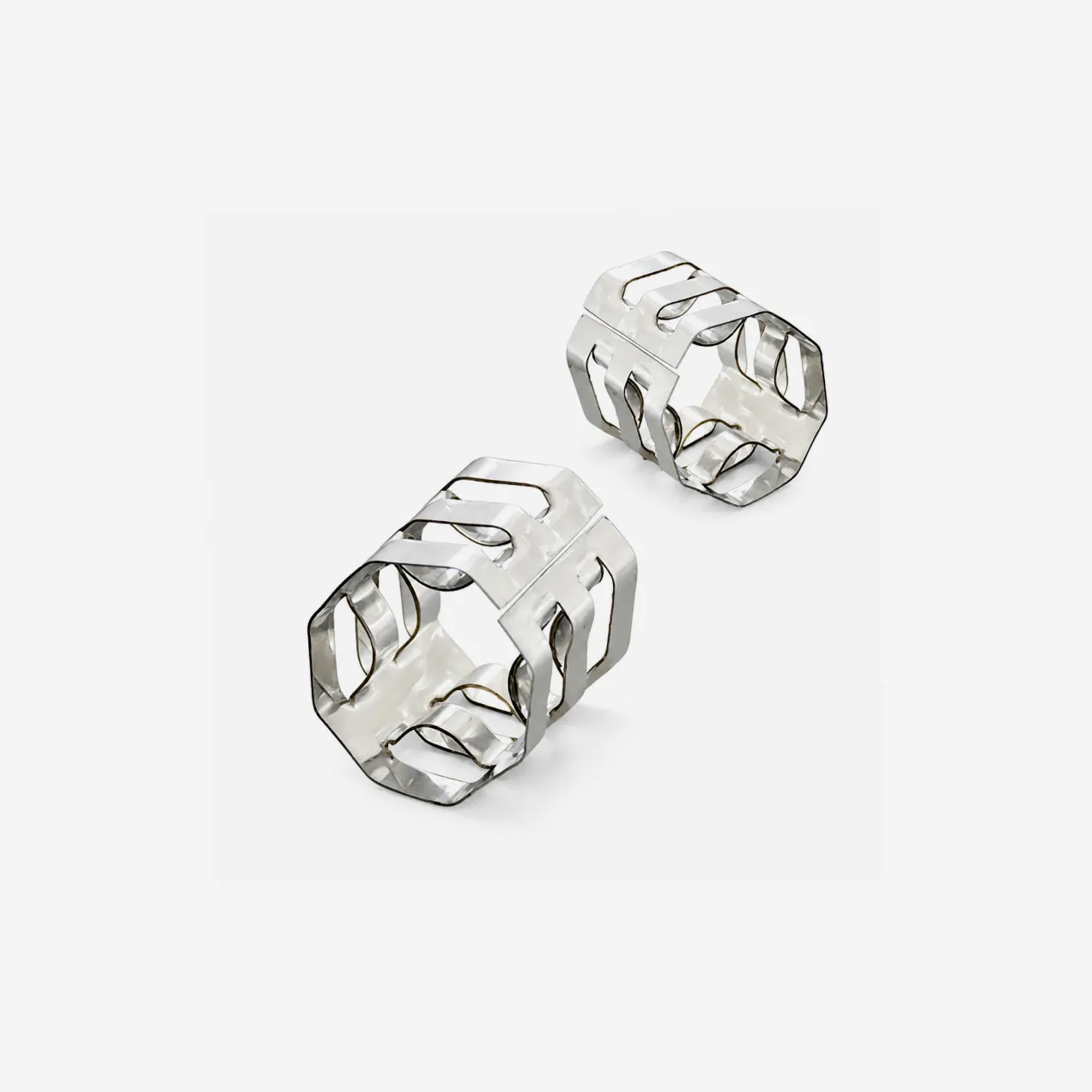
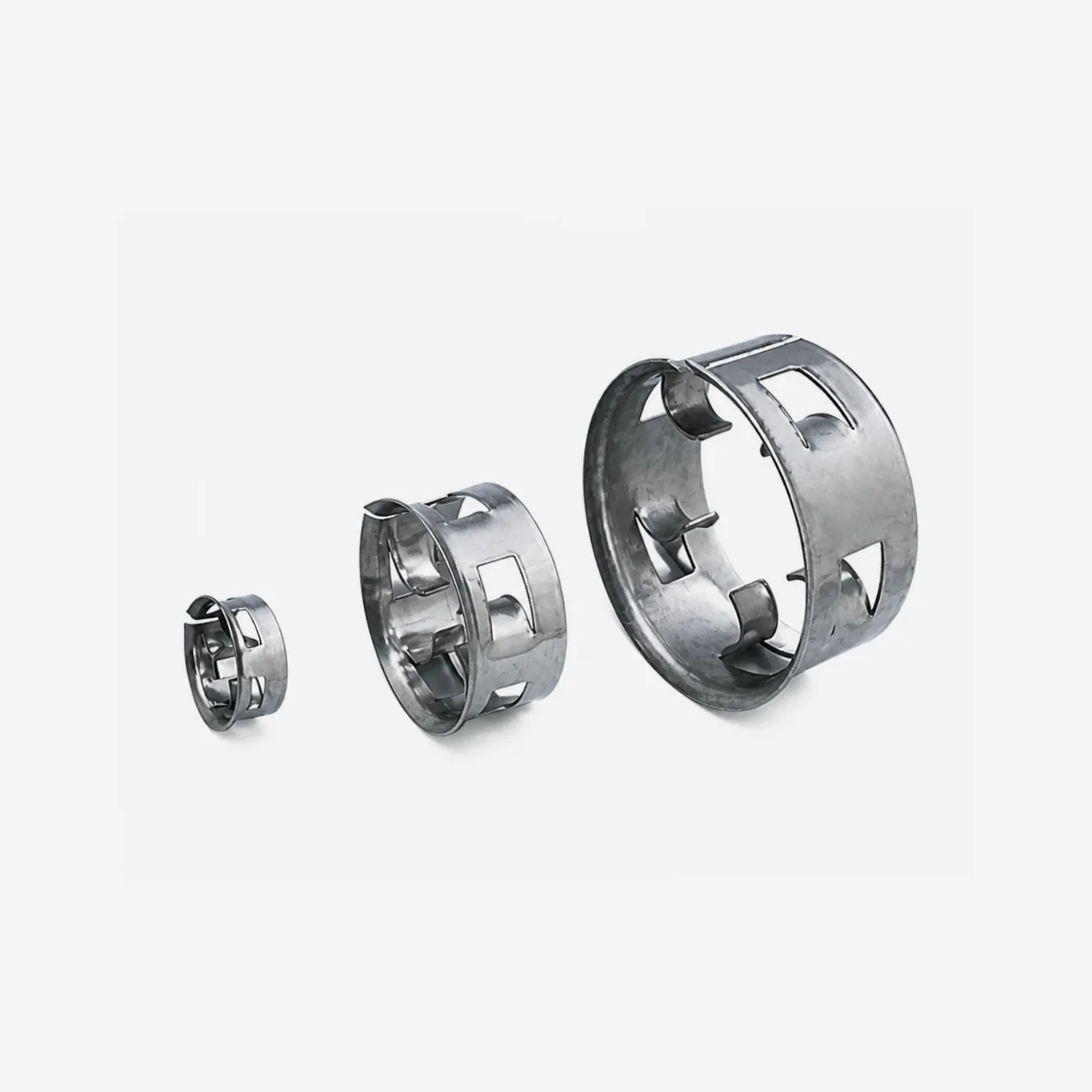
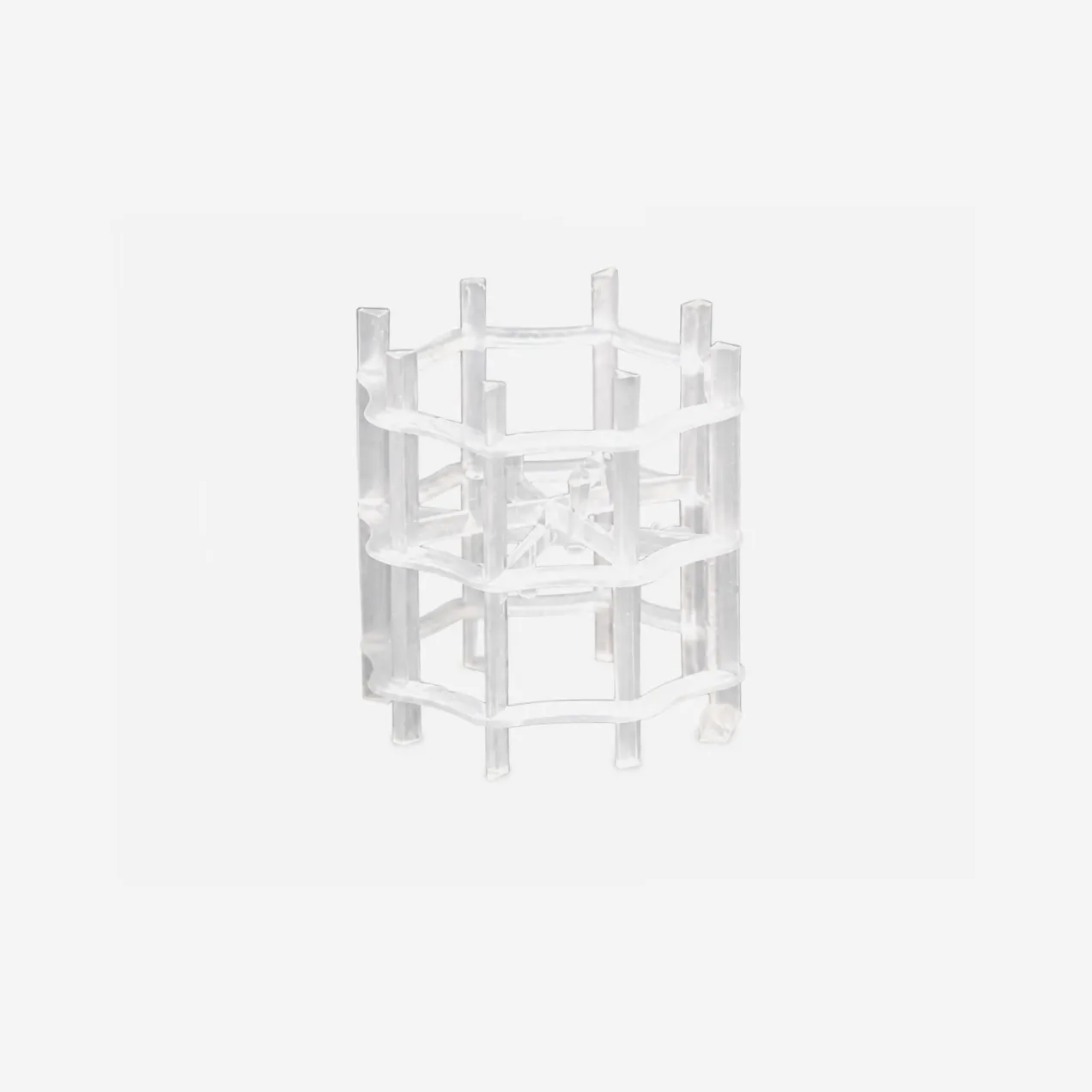
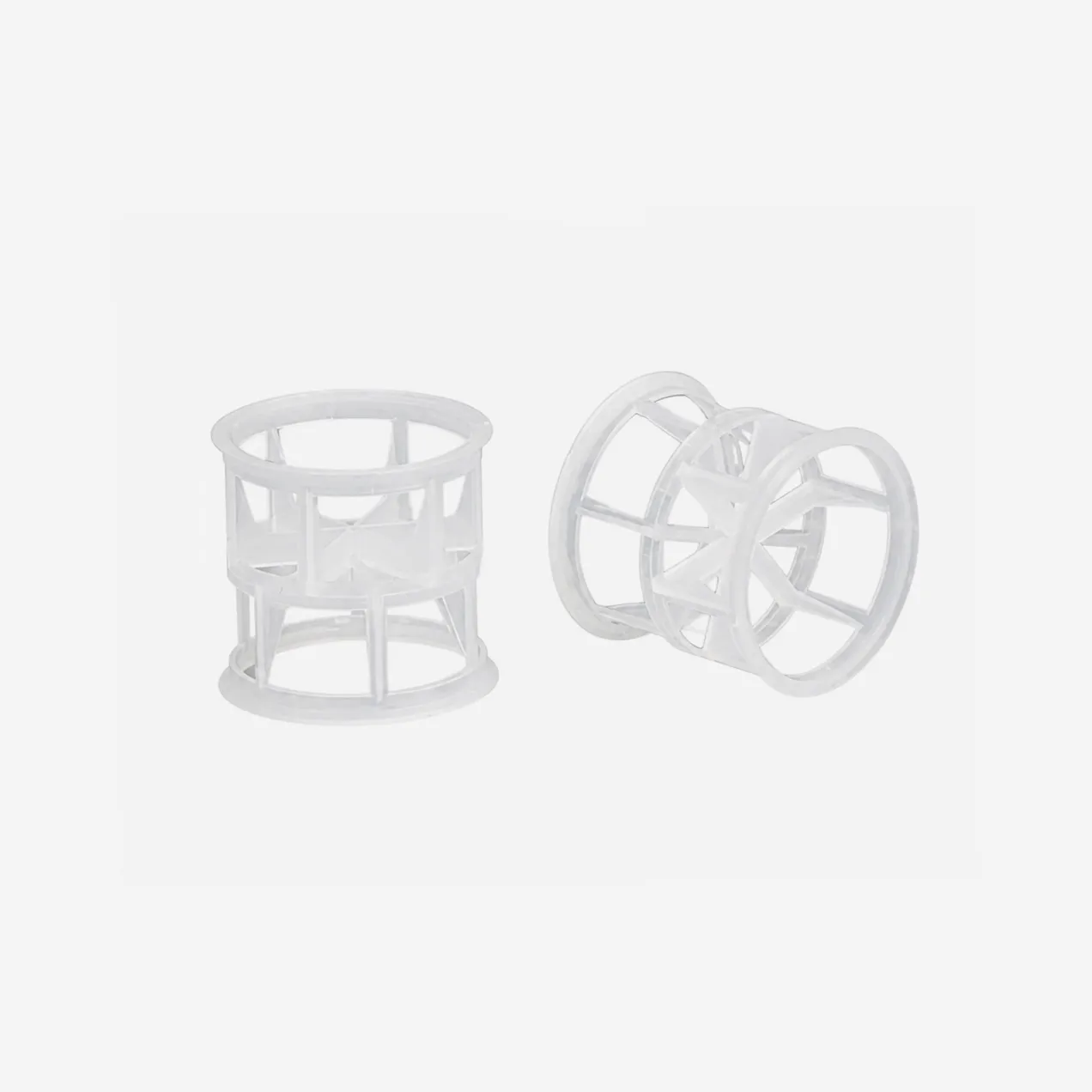
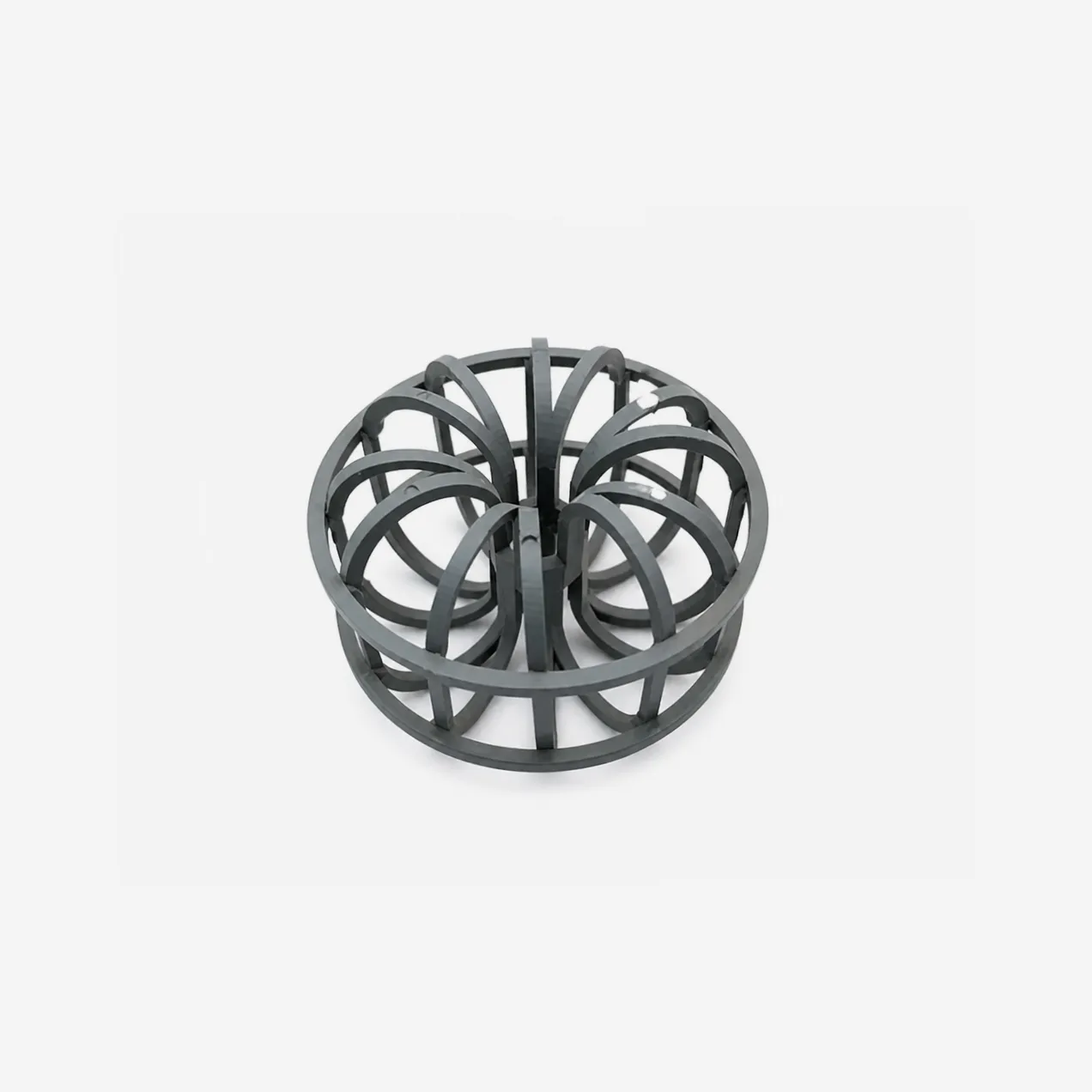
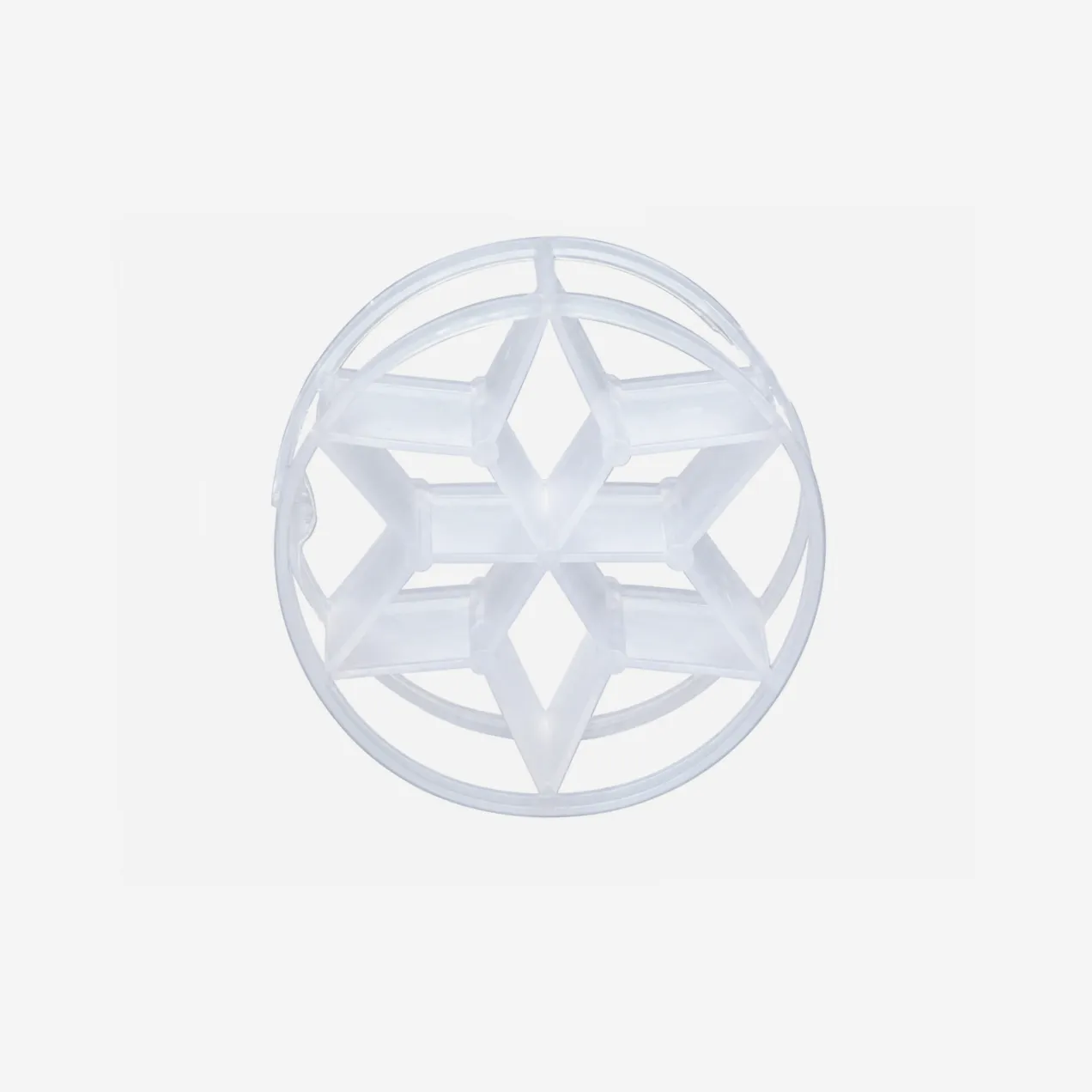
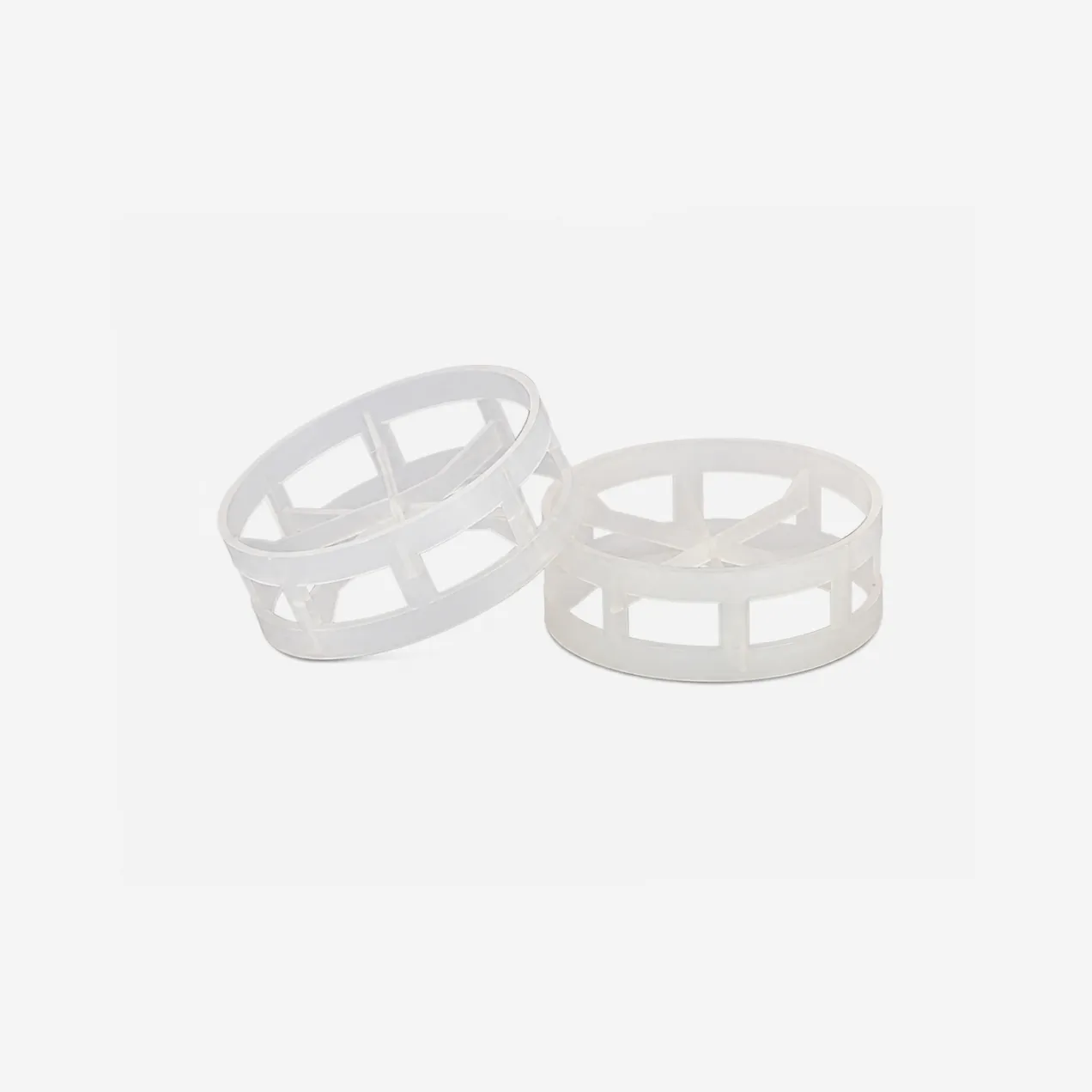
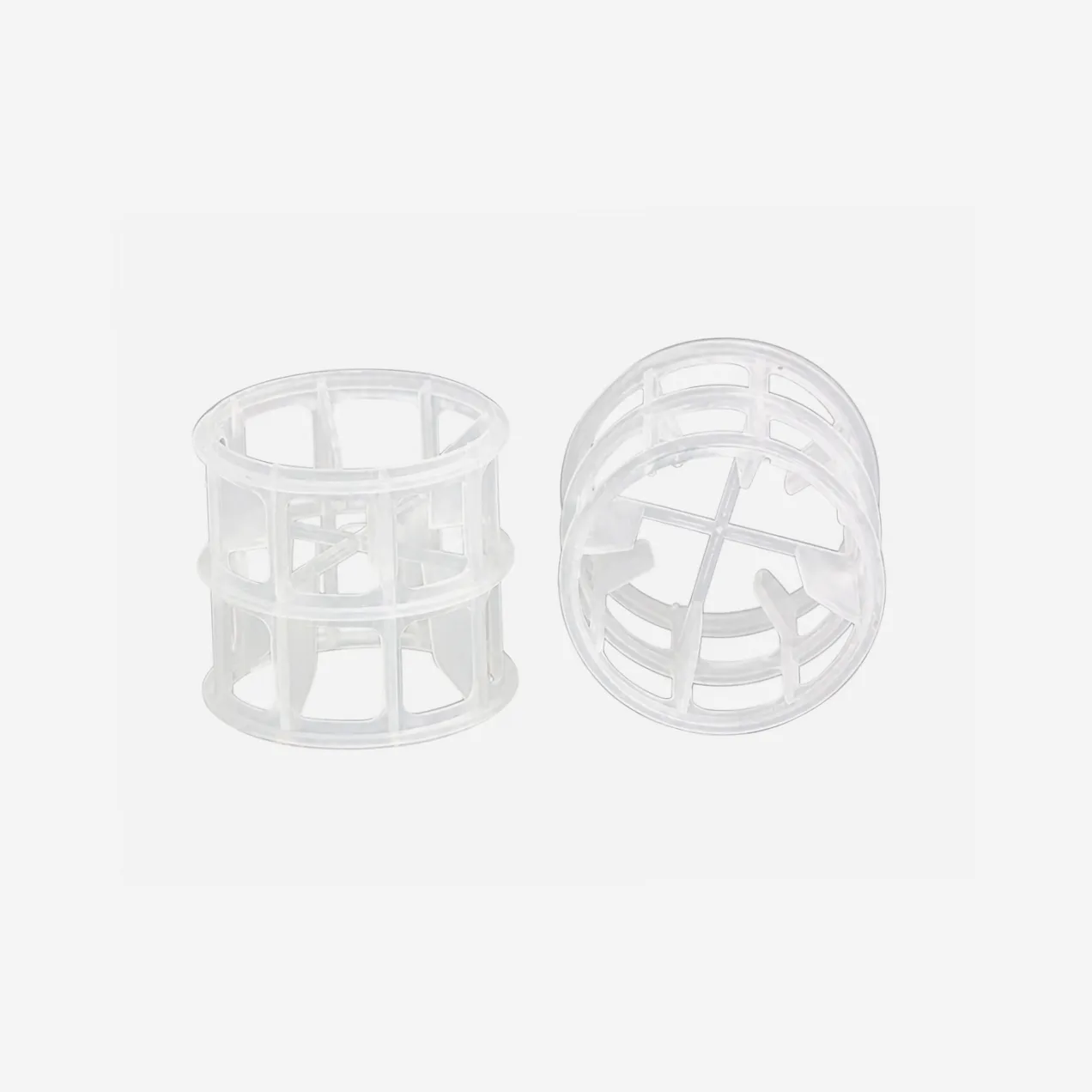
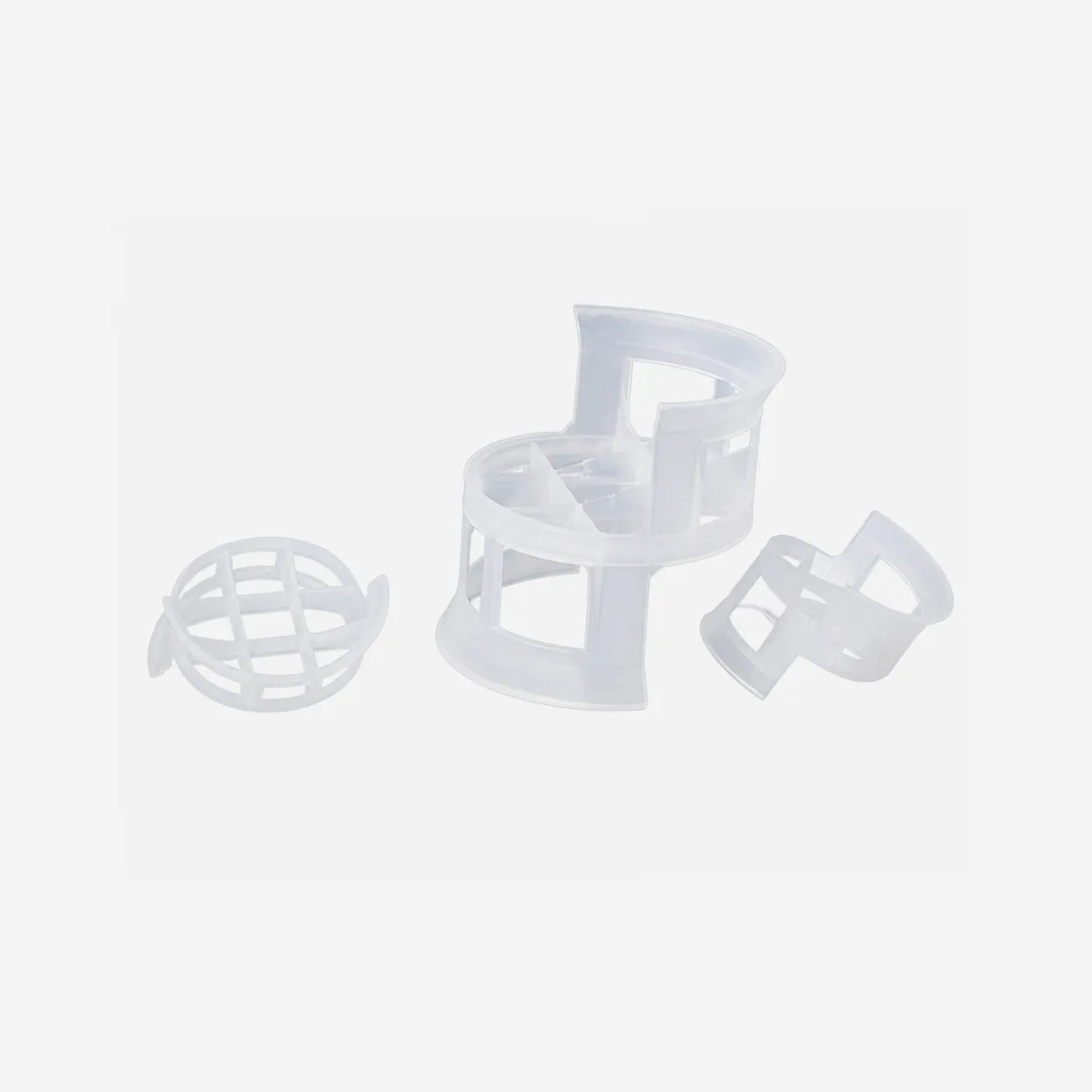
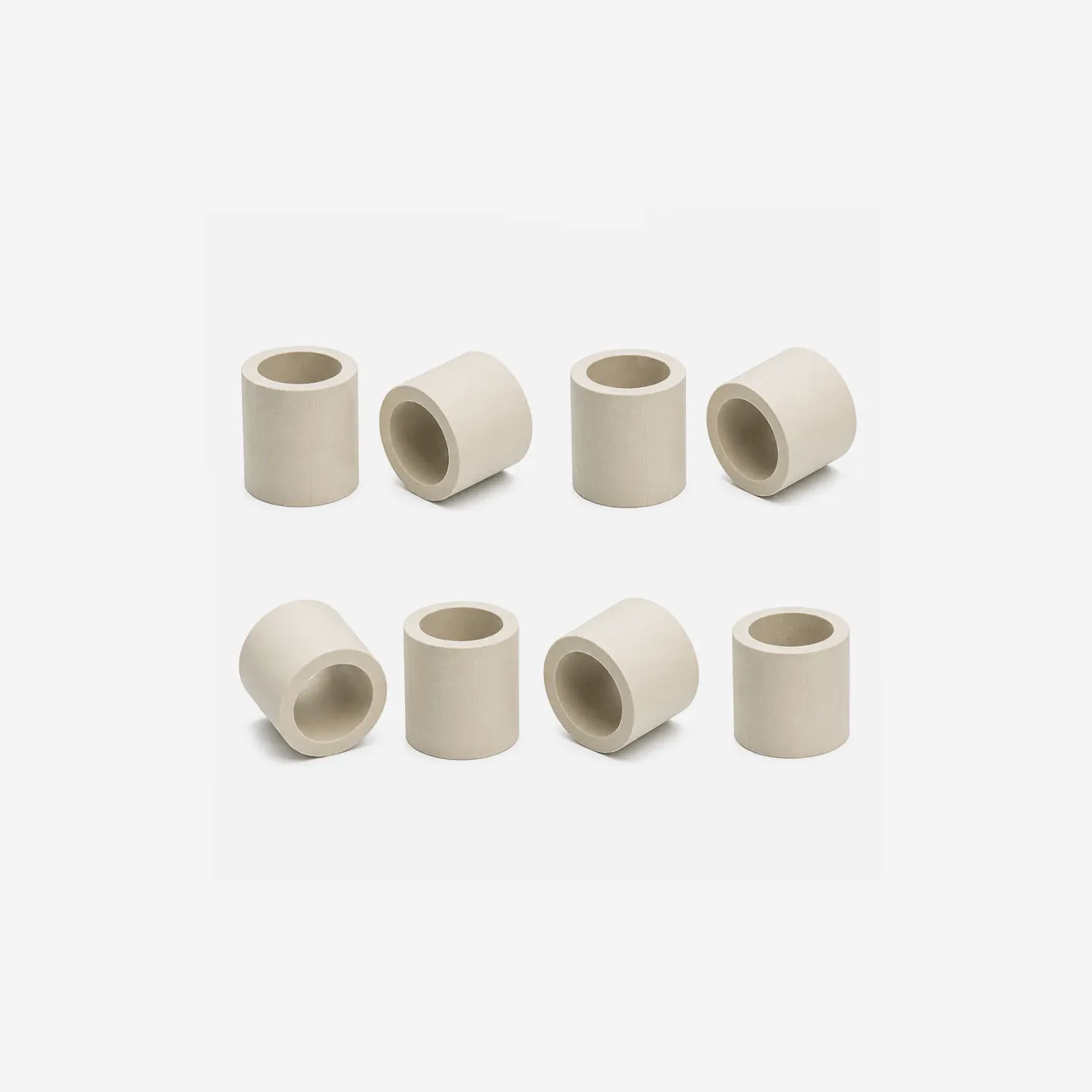
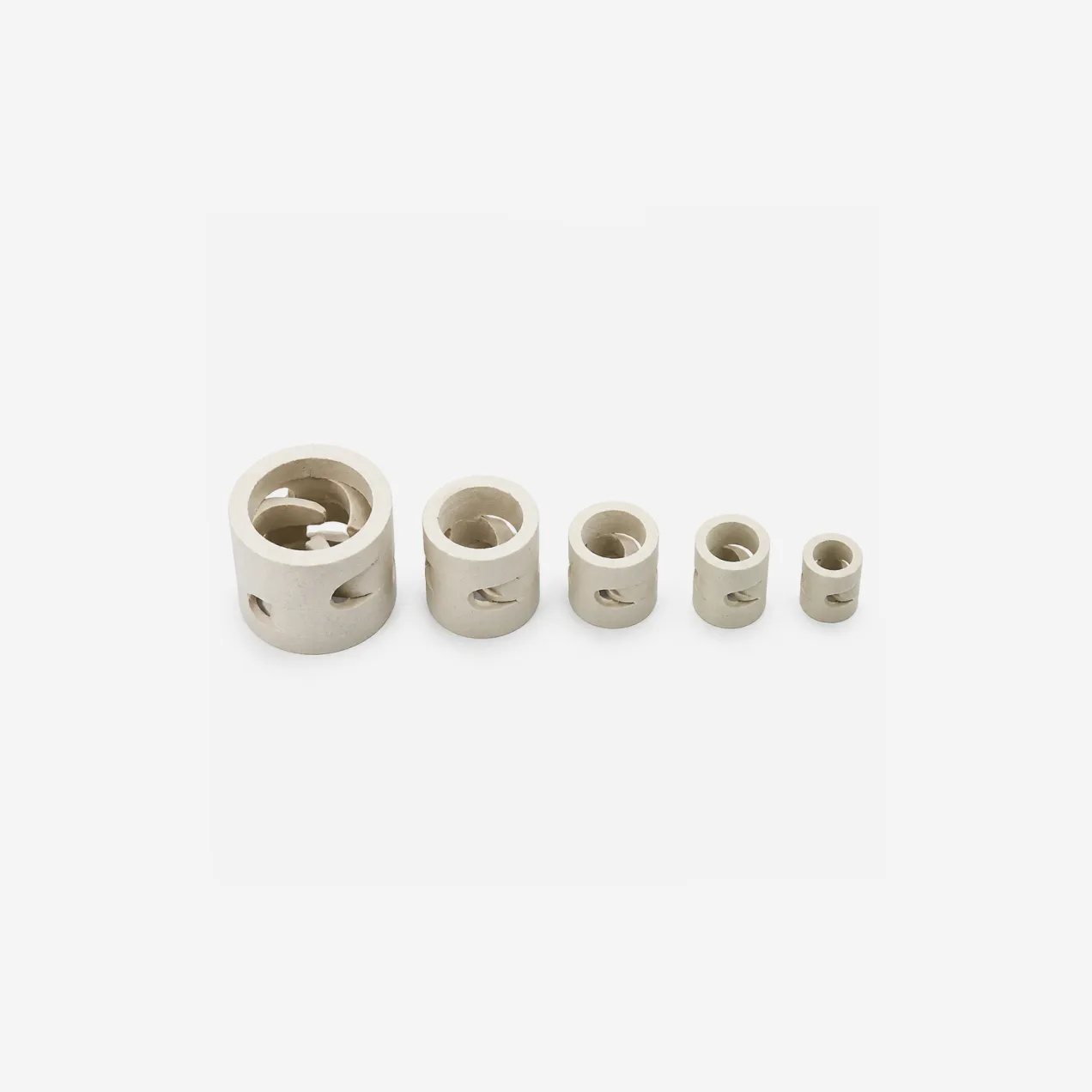
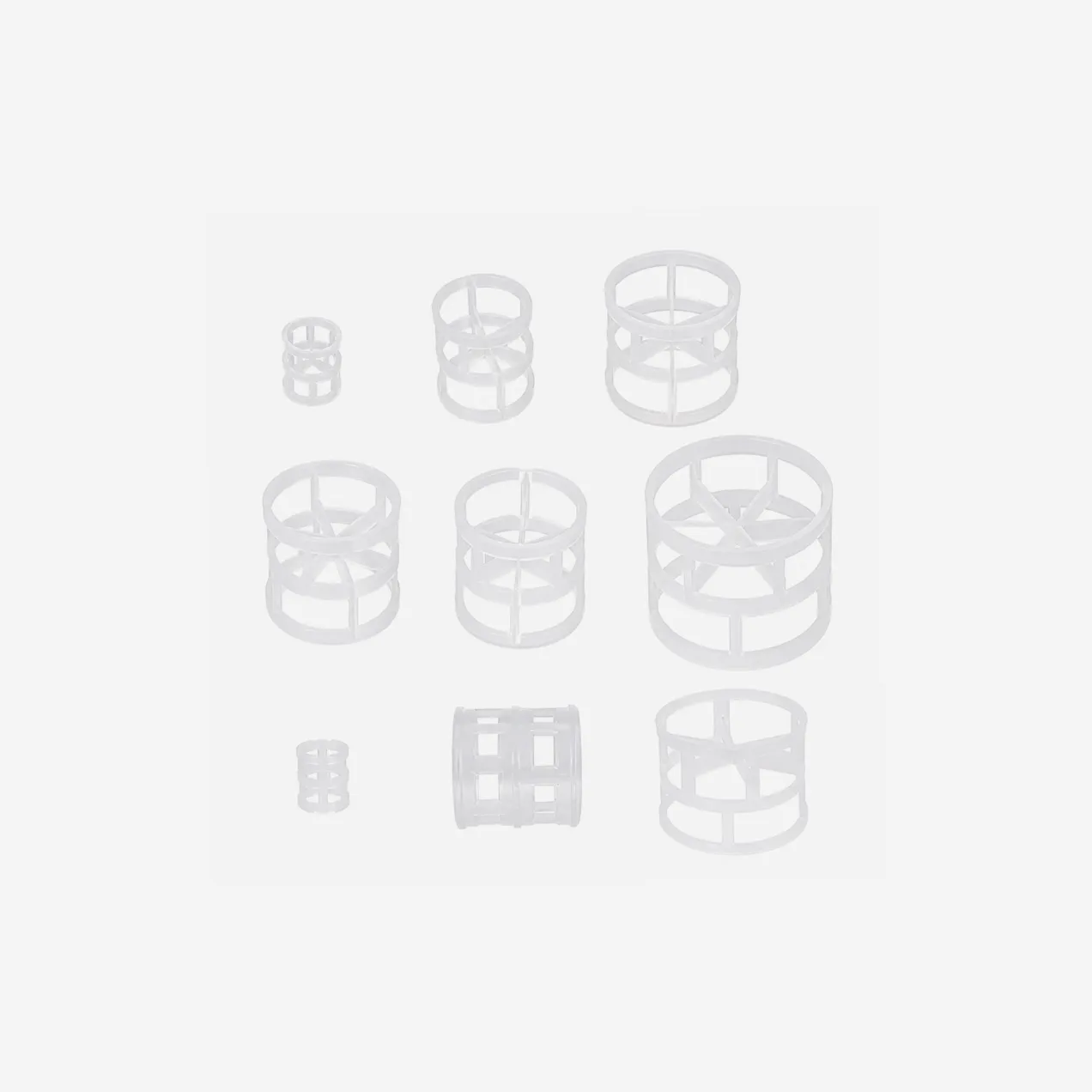
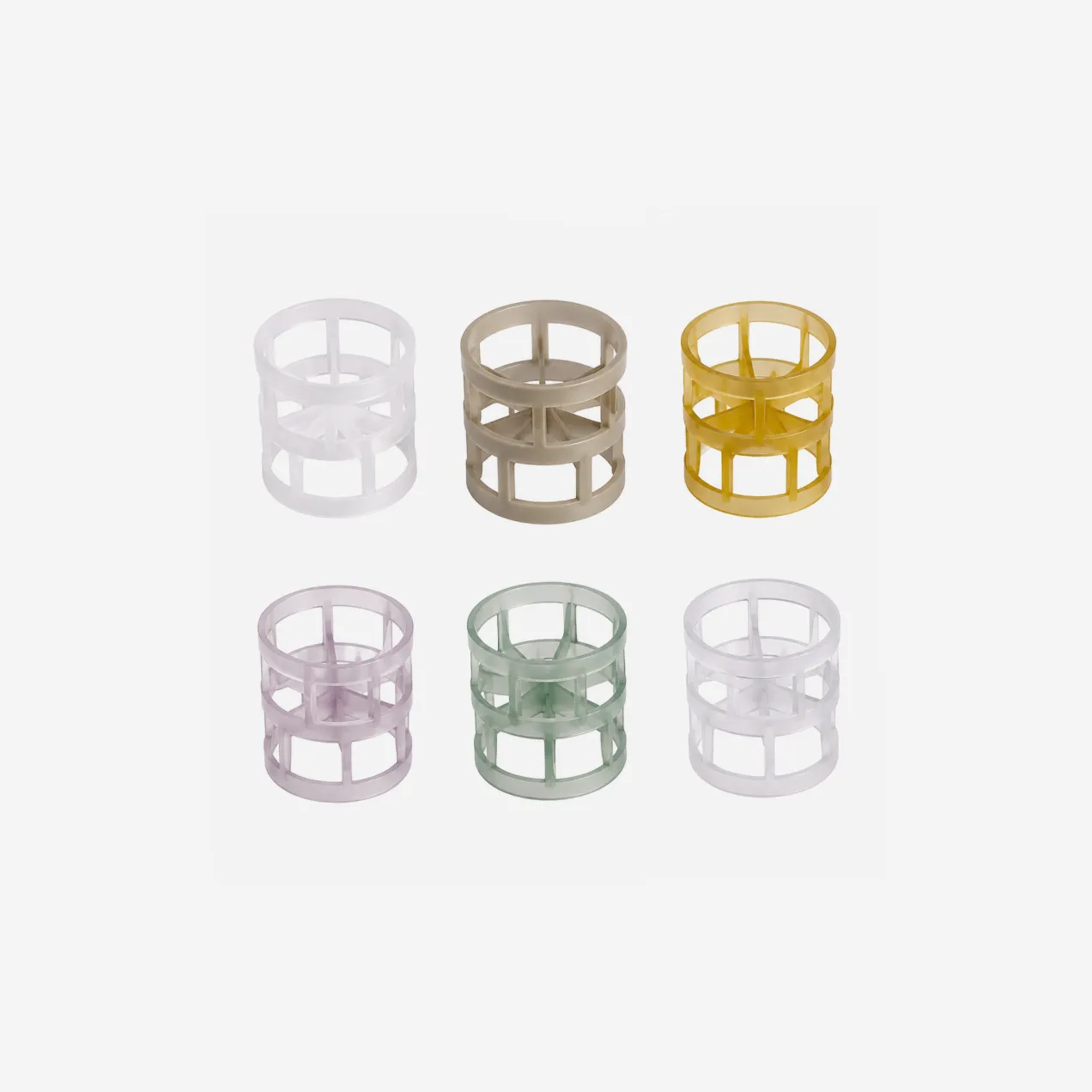
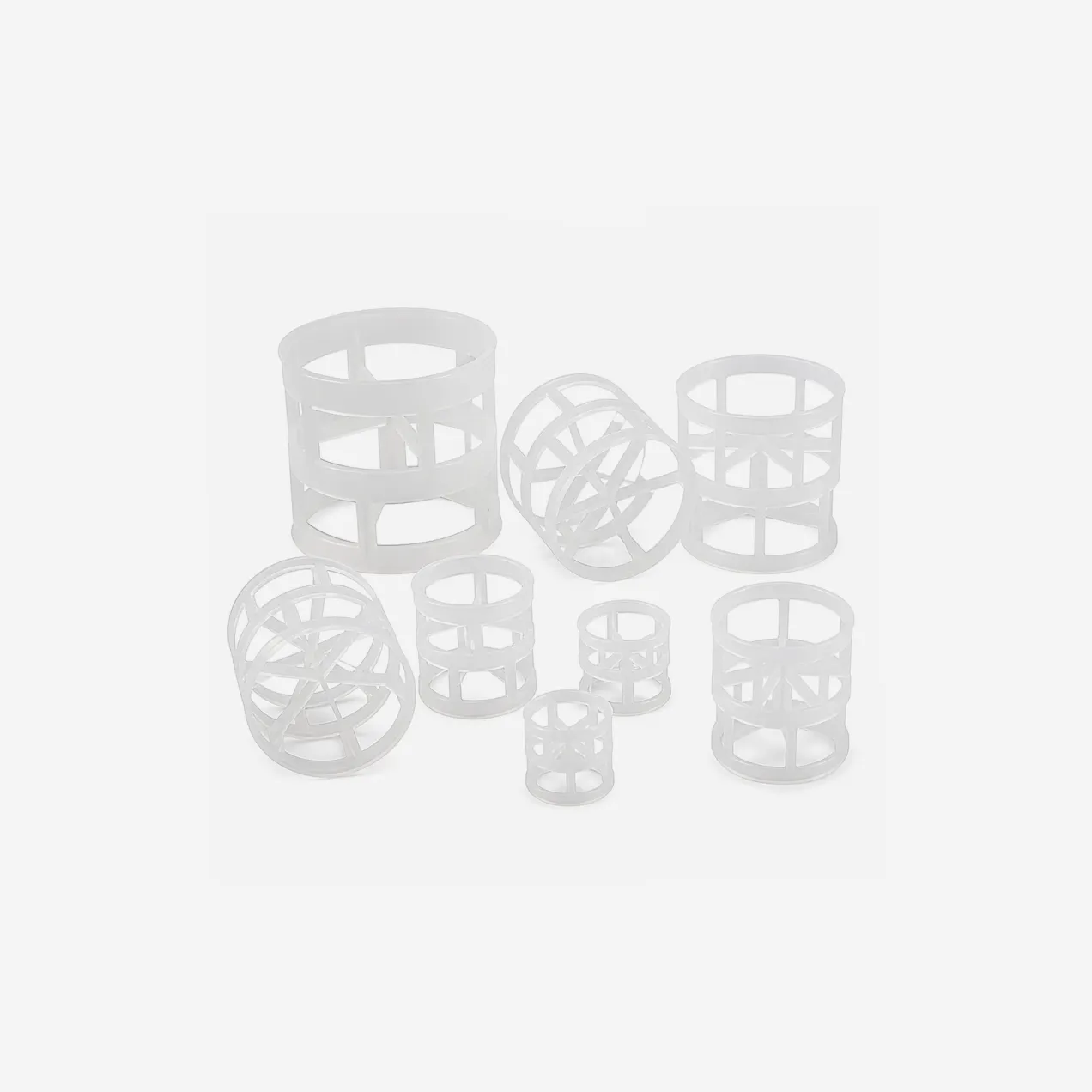
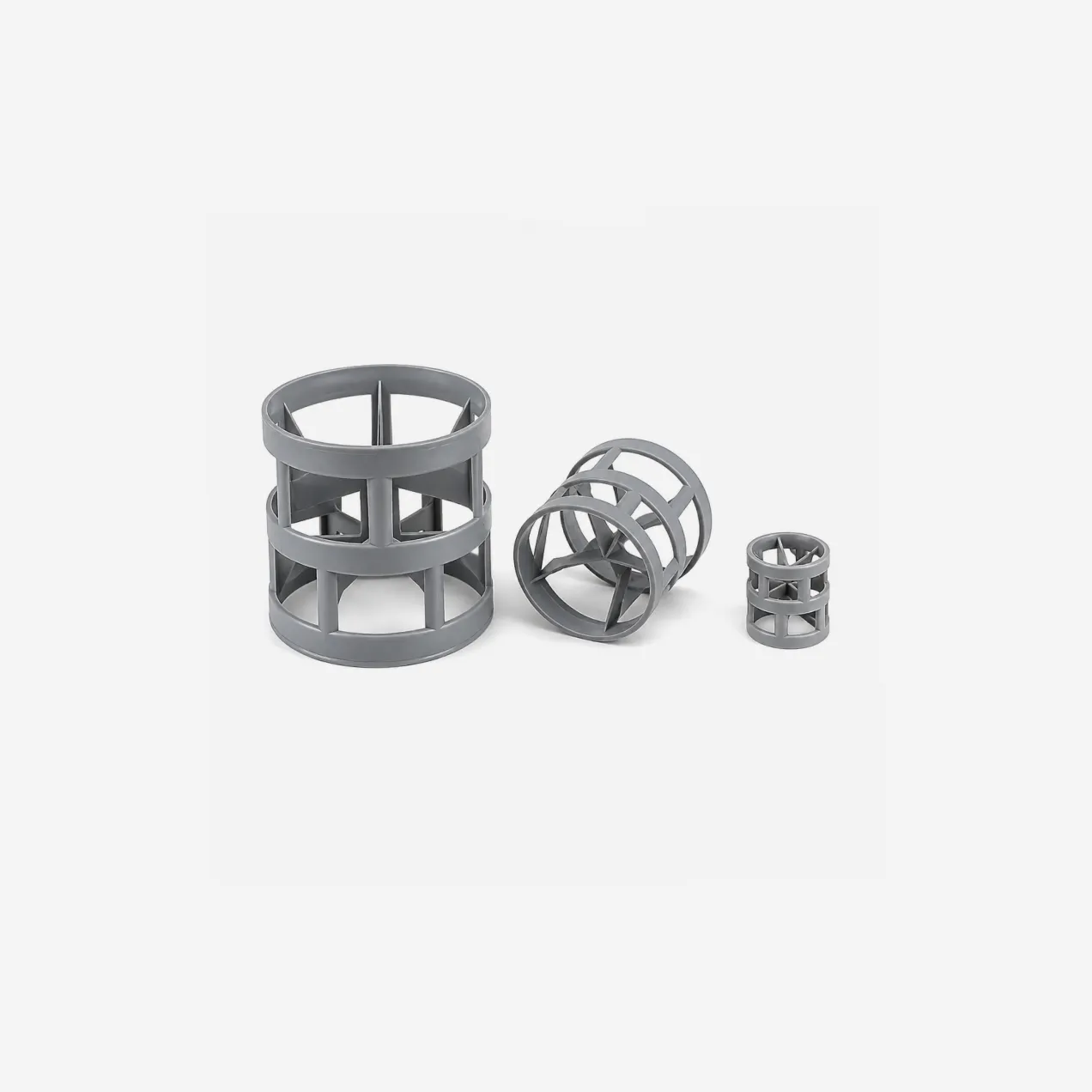
CPVC Pall ring is a random tower packing moulded from chlorinated PVC. It takes the familiar open Pall-ring form, but the resin is post-chlorinated PVC, which pushes its heat limit well past ordinary PVC — to about 95°C against roughly 60°C — while sharpening resistance to hot acids, chlorine and oxidising streams. That makes it the pick for duty that is hot and corrosive at once, above all hot acid and chlorine service, where plain PVC would soften. On the plastics range it slots in between PVC and PVDF, at only a small premium over PVC. We make it in sizes from 16 to 76 mm.

  • Chlorinated PVC (CPVC) — the hot-service grade of the PVC family.
  • Works to about 95°C, well above the ≈60°C ceiling of ordinary PVC.
  • Strong against hot acids, chlorine, hypochlorite, salts and oxidising media.
  • Open Pall-ring body for high void, low pressure drop and even gas-liquid contact.
  • Sizes 16, 25, 38, 50 and 76 mm for hot scrubbing, absorption and reaction towers.

Technial Parameters

Size (mm)Specific surface area (m²/m³)Void fractionPieces per m³ (approx.)
25≈225≈90%≈52,000
38≈140≈90%≈13,600
50≈105≈90%≈6,500
76≈90≈92%≈1,930


PropertyValue
Product TypePlastic random packing (Pall ring)
MaterialChlorinated PVC (CPVC / C-PVC)
Standard Sizes16, 25, 38, 50, 76 mm
StructureCylinder with two rows of windows and inward tongues
Void FractionAbout 90%
Max Service TemperatureAbout 95 °C
Chemical ResistanceHot acids, chlorine, hypochlorite, salts, oxidisers
Not Suited ToAmmonia and amines; aromatic / chlorinated solvents; very high heat
Vs PVCHigher heat and hot-chemical resistance
ApplicationsHot acid / chlorine scrubbing, chlorine drying, chlor-alkali, hot effluent
TrademarkRONGJIAN
OriginJiangxi, China
HS Code8419909000
Transport PackageWoven bags / cartons / drums

FAQs

What is a CPVC Pall ring used for?

CPVC Pall ring goes into packed columns that run hot and corrosive together. Its home is hot acid and chlorine service — hot hydrochloric or sulphuric scrubbing, chlorine drying towers, hypochlorite and chlor-alkali duty, and hot oxidising acid streams that would soften ordinary plastics. It handles the usual absorption, stripping and scrubbing, but the reason to pick it is that it keeps working when the liquid or gas is warm. Anywhere a chlorinated or acidic stream sits above what plain PVC can take yet below the point that needs a fluoroplastic, CPVC is the fit.

How is CPVC different from ordinary PVC?

CPVC is PVC that has been chlorinated after manufacture, raising the chlorine on the chain from around 57 to roughly 63 to 69 percent. Those extra chlorine atoms shield the backbone, and that does two things: it lifts the heat limit from about 60 degrees for plain PVC to about 95, and it strengthens resistance to hot and oxidising chemicals. The broad chemistry is otherwise alike, so both resist acids, alkalis, salts and chlorinated water. The one reversal is ammonia and amines, which CPVC handles poorly while PVC actually copes better. The fair summary: CPVC is the heat-tolerant cousin of PVC — the same broad resistance, with a lot more temperature.

What temperature and chemicals can CPVC Pall rings handle?

CPVC runs continuously to about 95 degrees, roughly thirty-five above plain PVC, which is the main reason to choose it. It is strong with inorganic acids, including oxidising ones and higher-strength sulphuric, with chlorine, hypochlorite and chlorinated water, and with alkalis and salts, and it holds that resistance while the stream is warm. Two things to avoid: ammonia and amine streams, which react with its chlorine, and organic solvents such as aromatics, ketones and esters, which can swell it. For a hot, acidic, chlorinated or oxidising water-based duty, CPVC is a dependable and economical choice.
When should I choose CPVC over PVC, PP or PVDF?

Two questions decide it: how hot the stream runs, and whether it is chlorinated or oxidising. A warm chlorinated or acidic duty in the region of 60 to 95 degrees is CPVC's sweet spot — plain PVC would sag at that heat, and PP often cannot match CPVC on hot acids and oxidisers. But watch two cautions. If the stream carries ammonia or amines, reach for PP rather than CPVC, since chlorine and amines react badly. And once it climbs past about 95 degrees, or turns to organic solvents, the job is a fluoropolymer's, not CPVC's. Give us the medium, its temperature and whether it is oxidising, and we will point you to the grade.
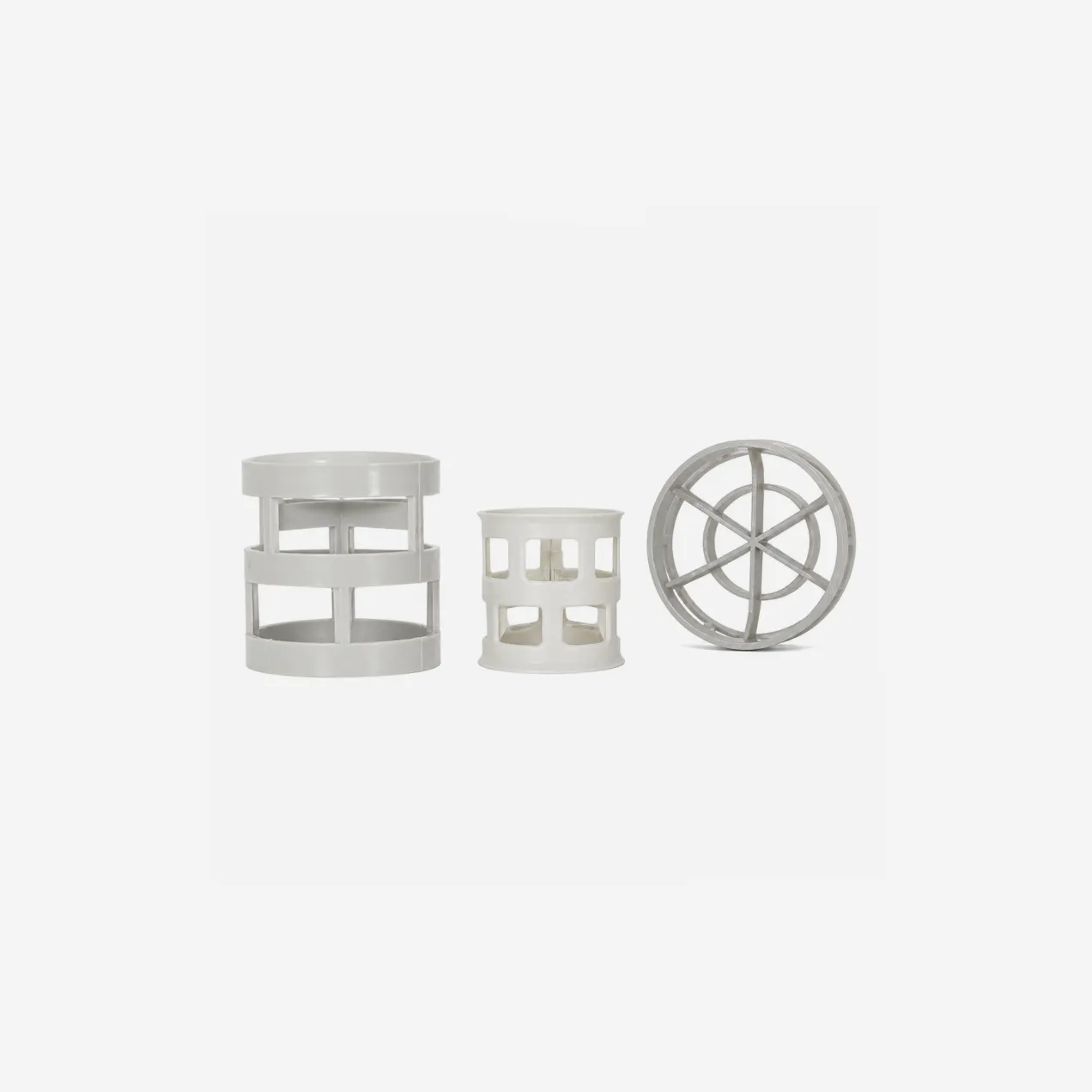
CPVC stands for chlorinated polyvinyl chloride — PVC put through a further chlorination step, lifting the chlorine on the chain from about 57 percent to somewhere between 63 and 69. Those added chlorine atoms wrap and protect the polymer backbone, and that is what changes the ring. Its everyday corrosion chemistry stays much like PVC — acids, alkalis, salts and chlorinated water are all handled — but the temperature at which the plastic stays firm climbs from around 60 degrees to about 95, and resistance to hot and oxidising media improves with it. The open Pall-ring body gives the usual high void and low pressure drop; the point of CPVC is that it keeps that going once the stream turns hot.
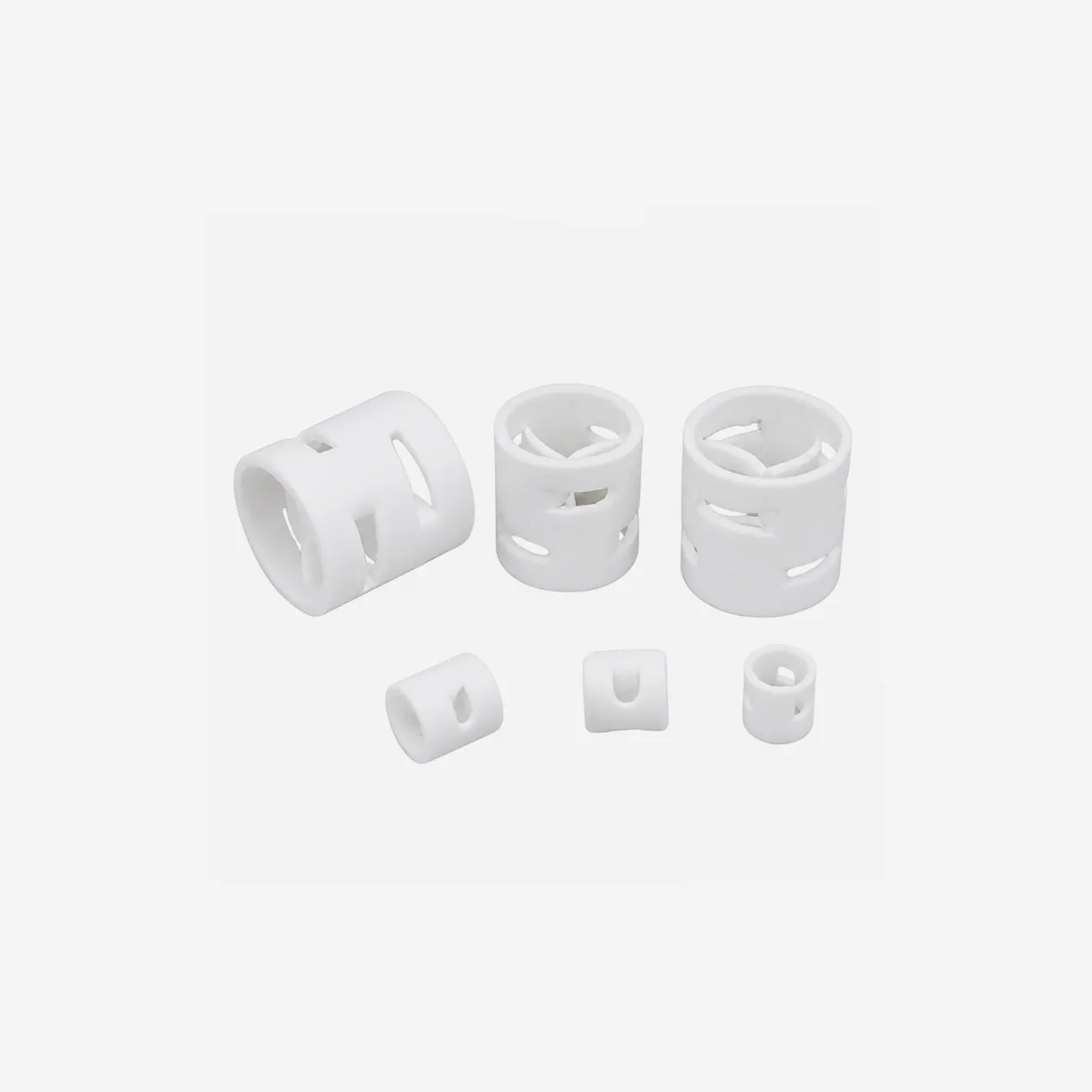
Set beside ordinary PVC, the gain is mostly heat and hot-chemical resistance:

PVC (UPVC)CPVC
BaseRigid PVCPVC, post-chlorinated
Max service temperature~60°C~95°C
Hot acids and oxidisersLimitedGood
Chlorine, hypochlorite, brineGoodGood, including hot
Ammonia and aminesToleratedPoor — avoid
Relative costLowestAround twice PVC, still low

Two limits are worth stating plainly. CPVC is a poor match for ammonia and amine chemistry, since those react readily with its chlorine, so an ammonia stream is better left to PP; and organic solvents — aromatics, ketones, esters, chlorinated hydrocarbons — will swell or soften it, as they do PVC. Push past about 95 degrees and the job moves to a fluoropolymer instead. Kept inside its band, CPVC settles into the hot chlorinated and acidic work it was built for: hot hydrochloric and sulphuric scrubbing, chlorine drying towers, hypochlorite and chlor-alkali lines, oxidising acid streams, and warm reaction or stripping columns. In that niche it hands you PVC-grade chlorine and acid resistance with far more heat headroom, for a modest premium over PVC and a fraction of a fluoropolymer's price.