search
Search

Enter keywords to search for products, blog posts, and more.


Home > Prickly Teller Rosette

Prickly Teller Rosette

Prickly Teller Rosette

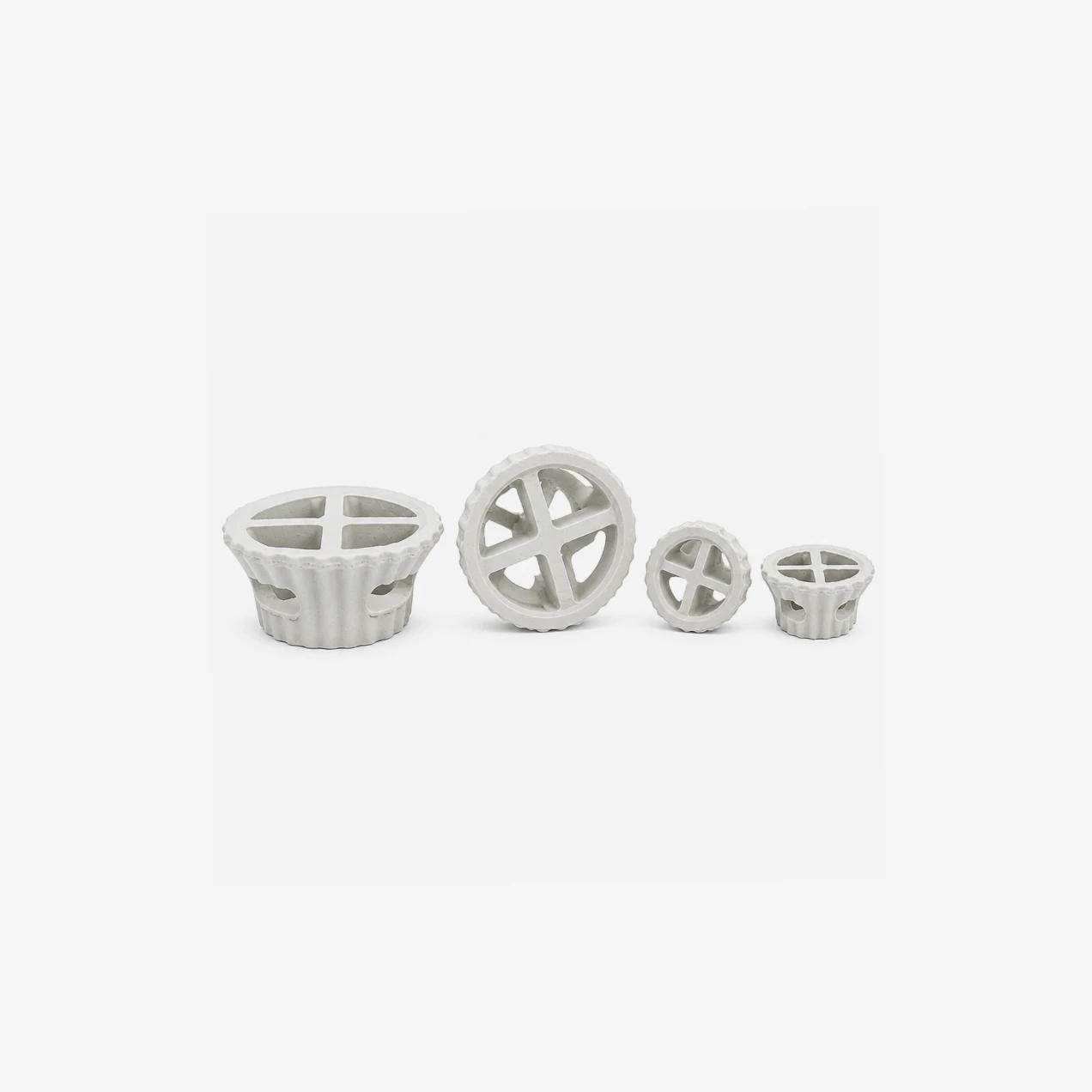
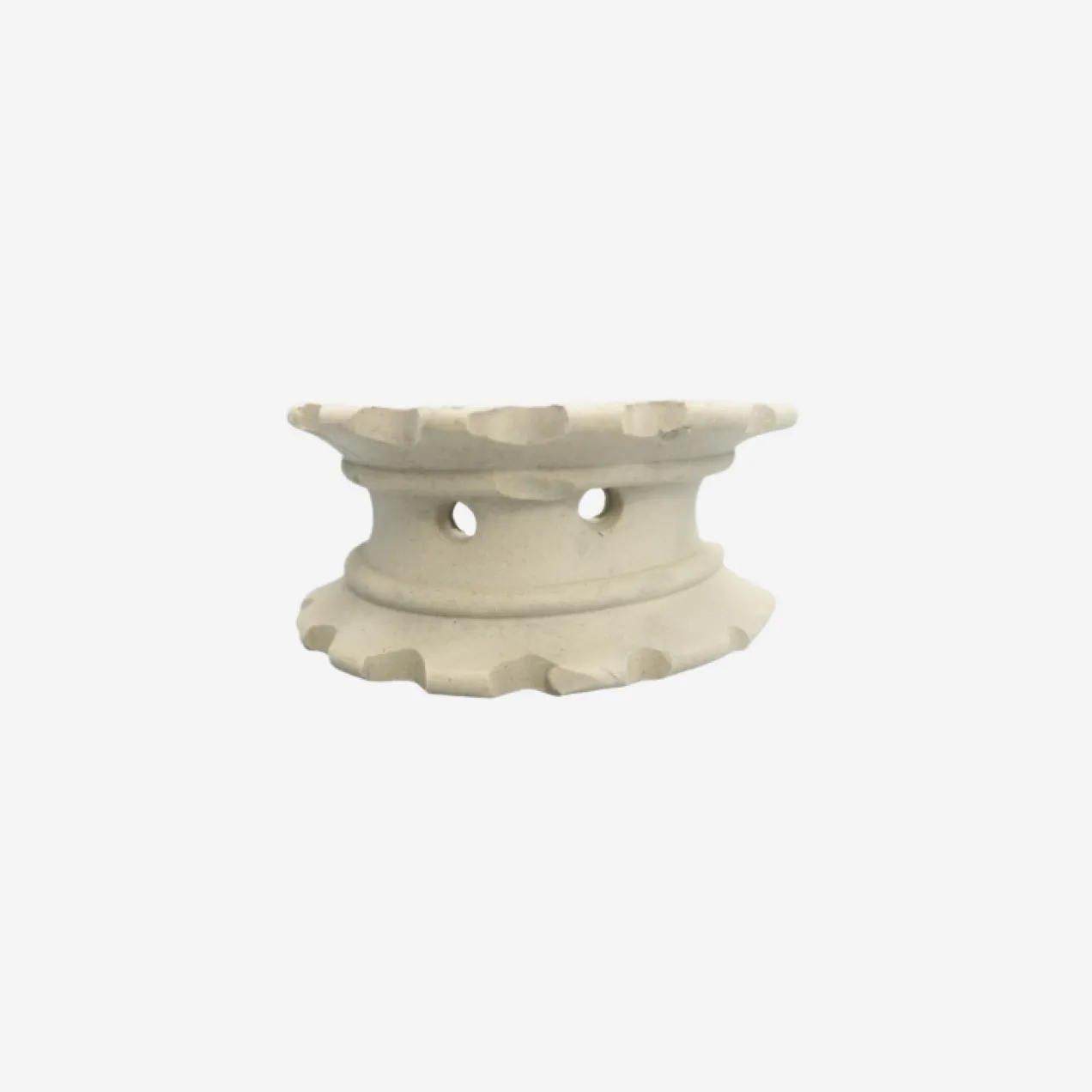
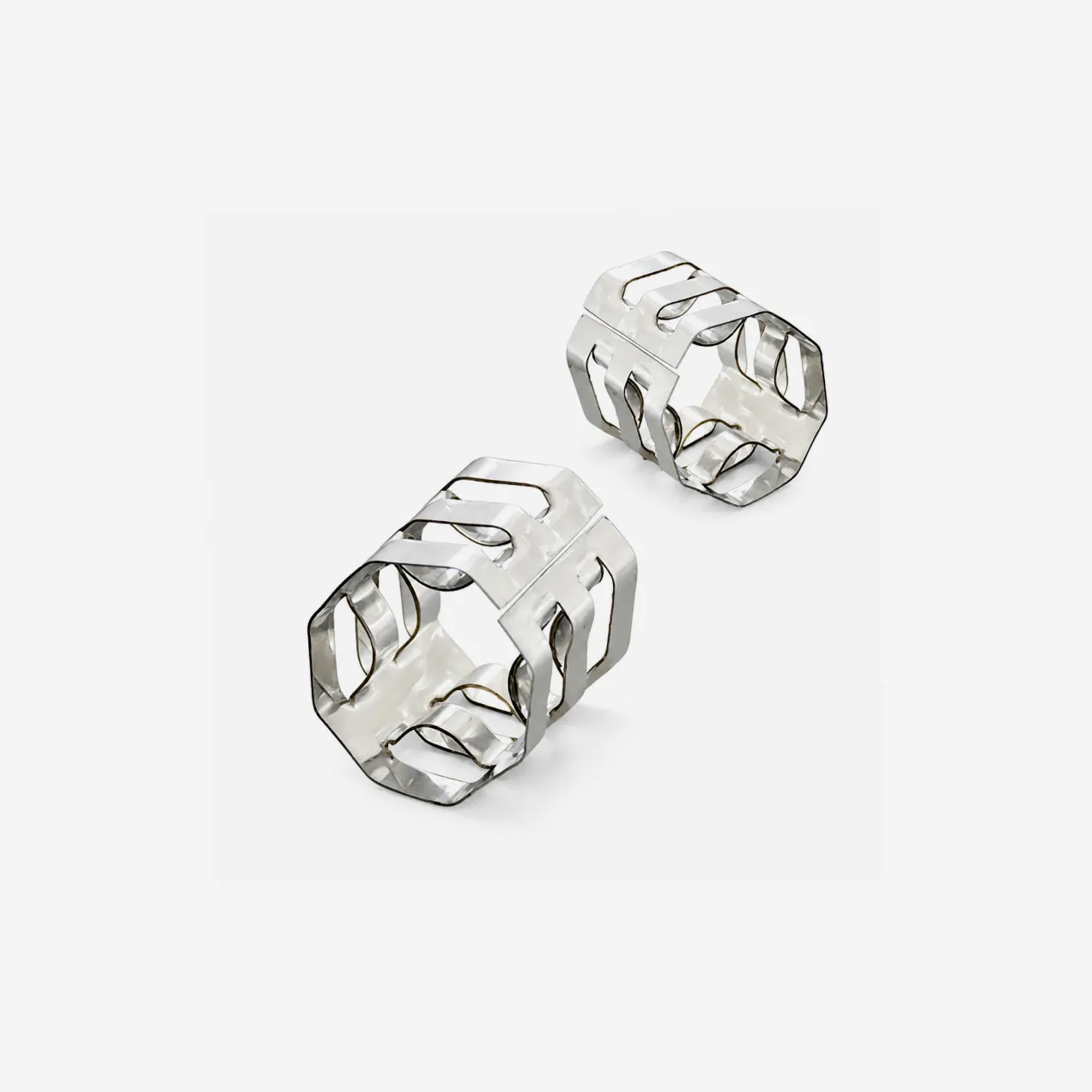
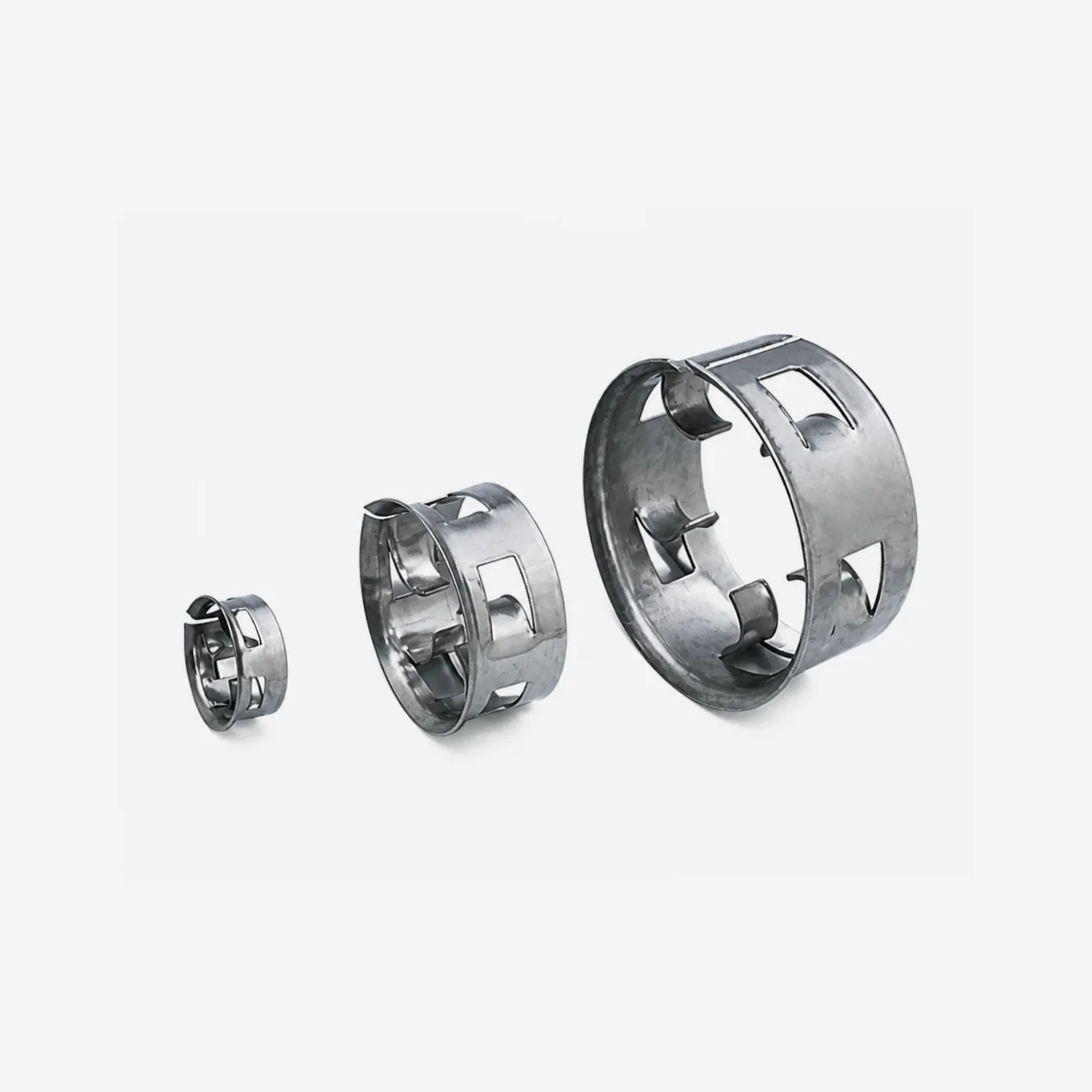
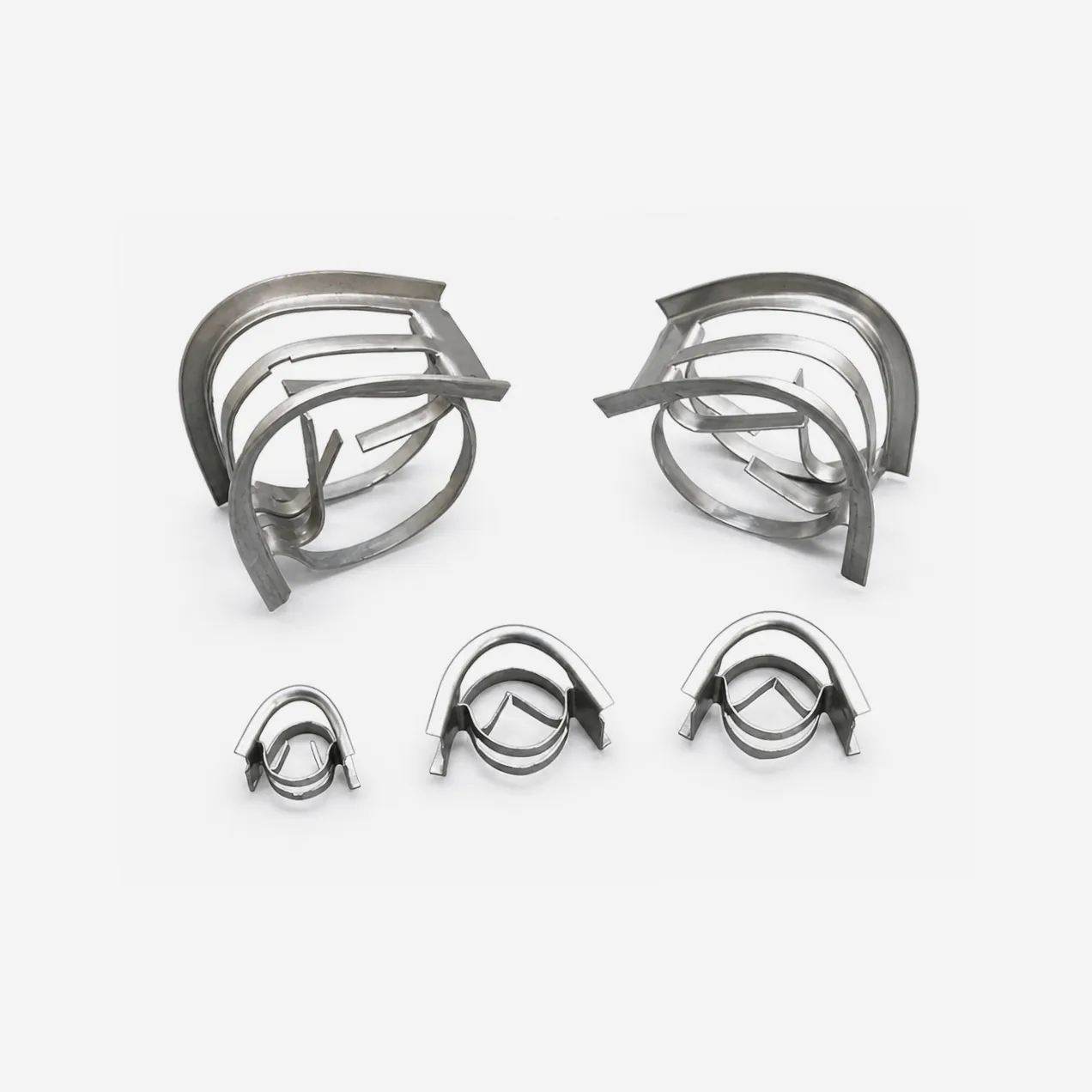
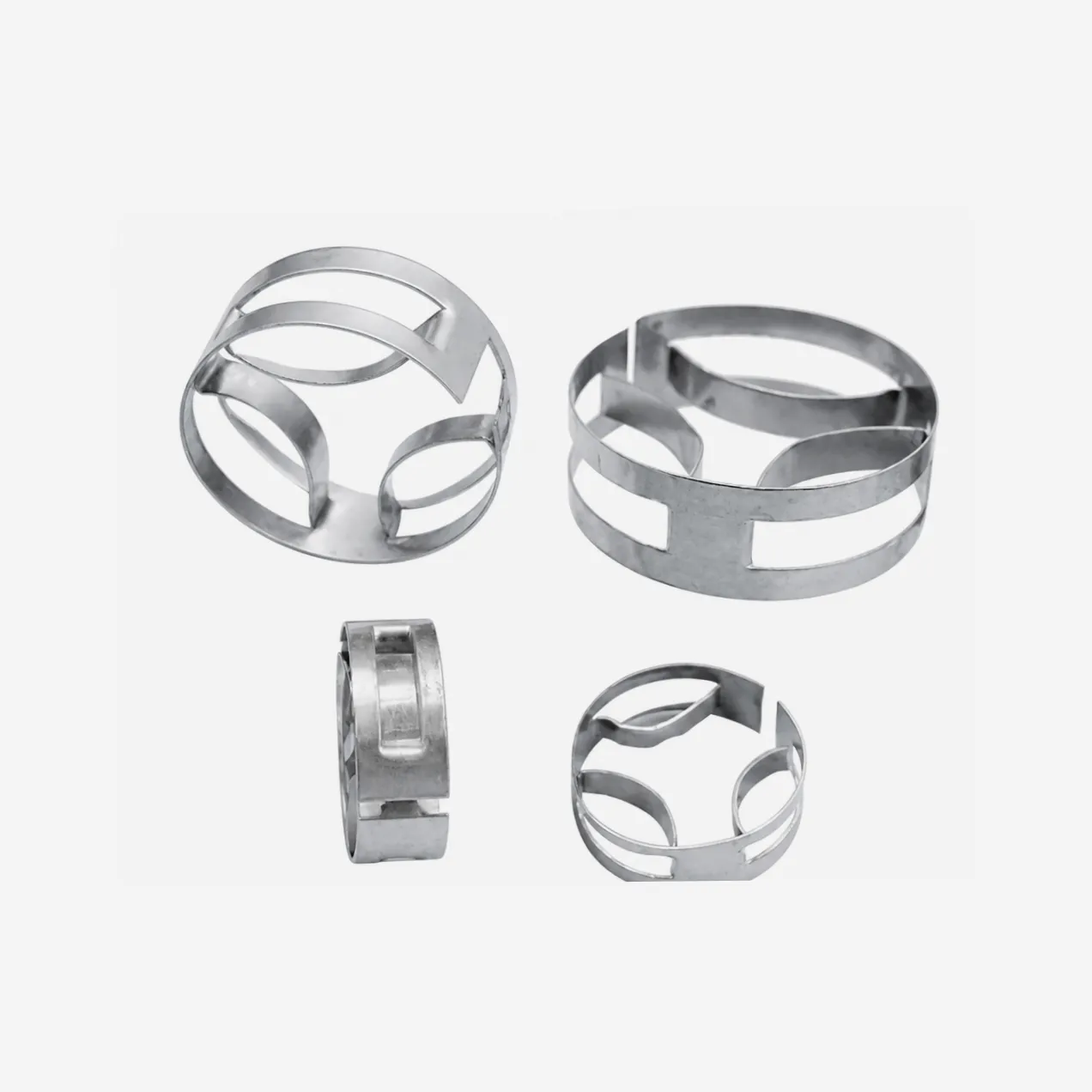
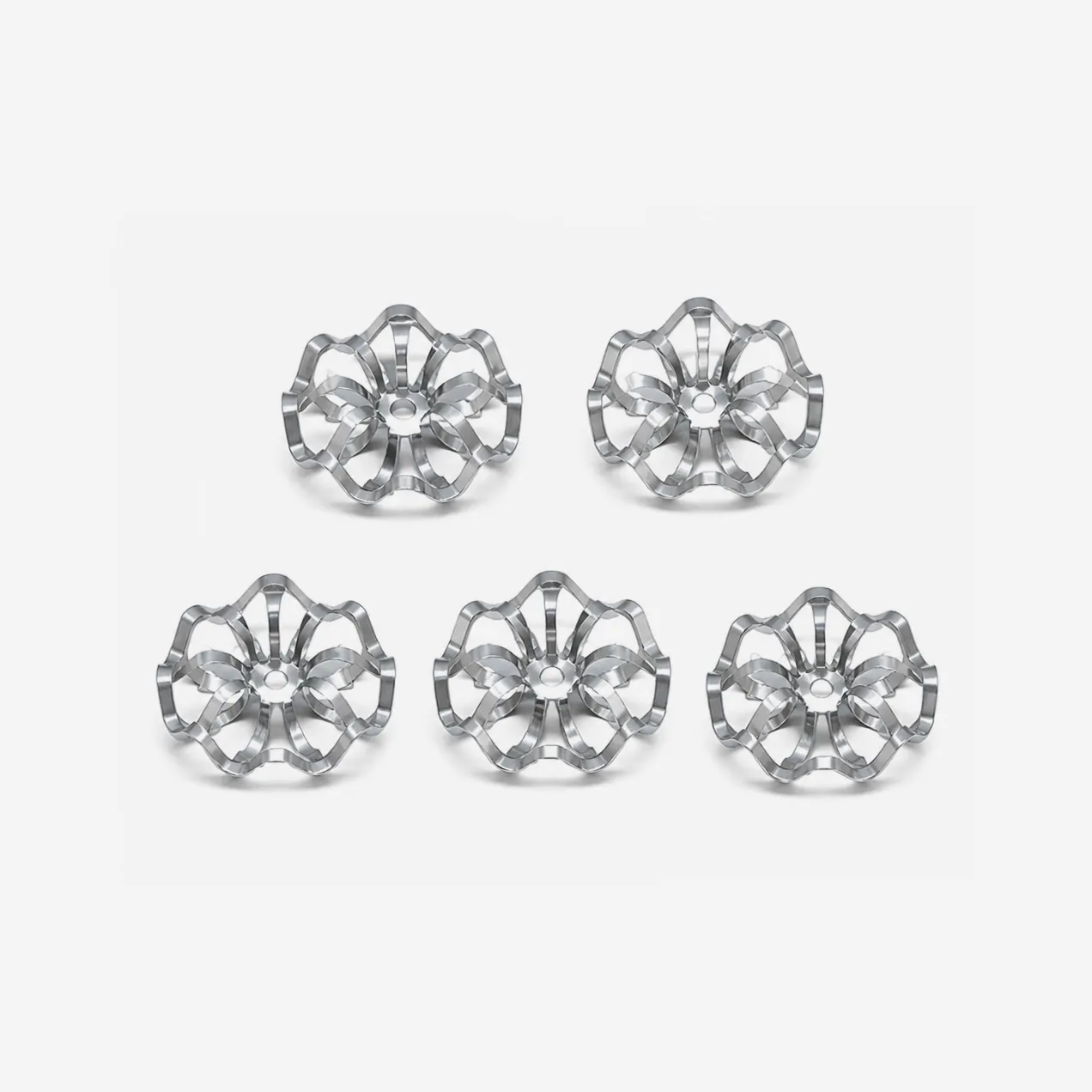
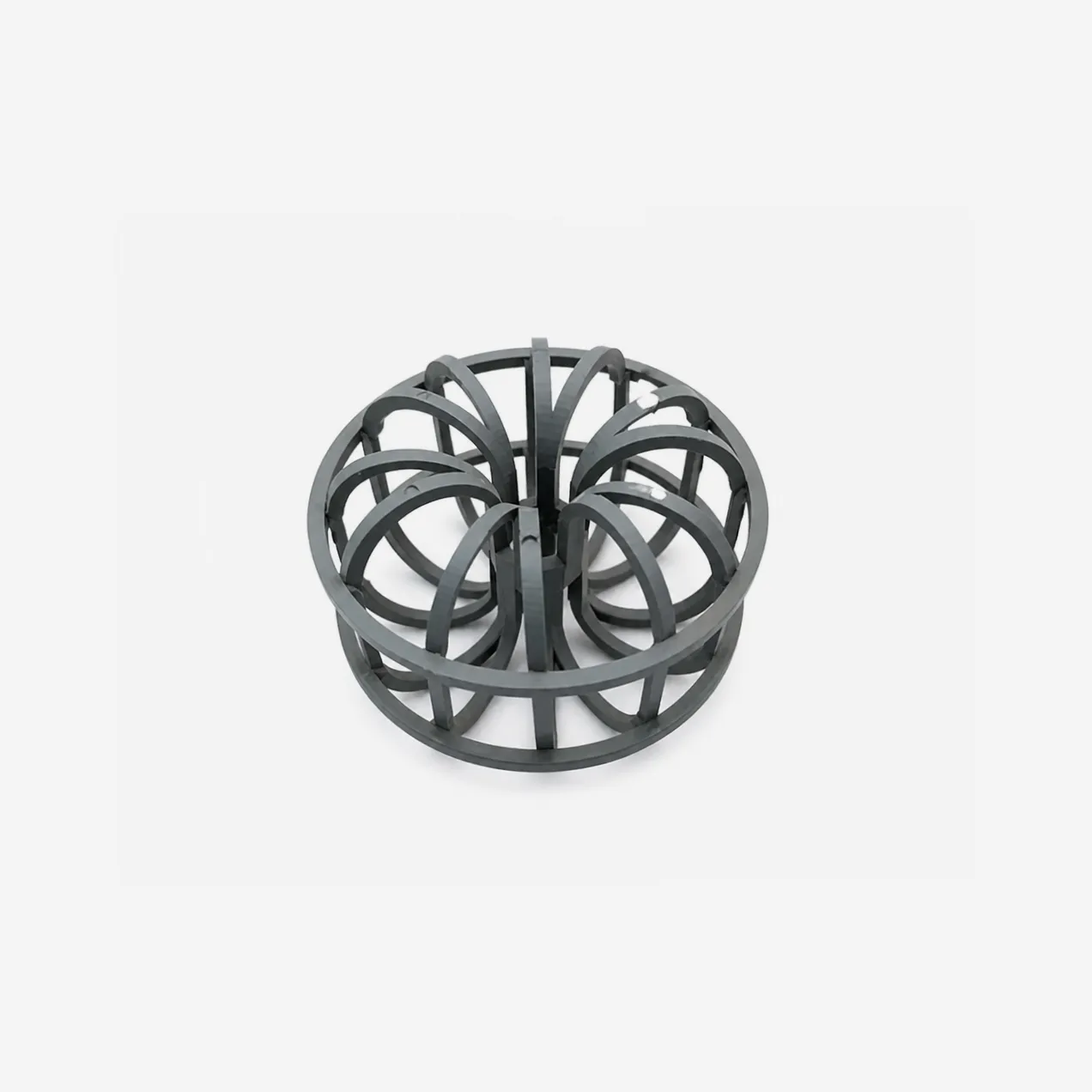
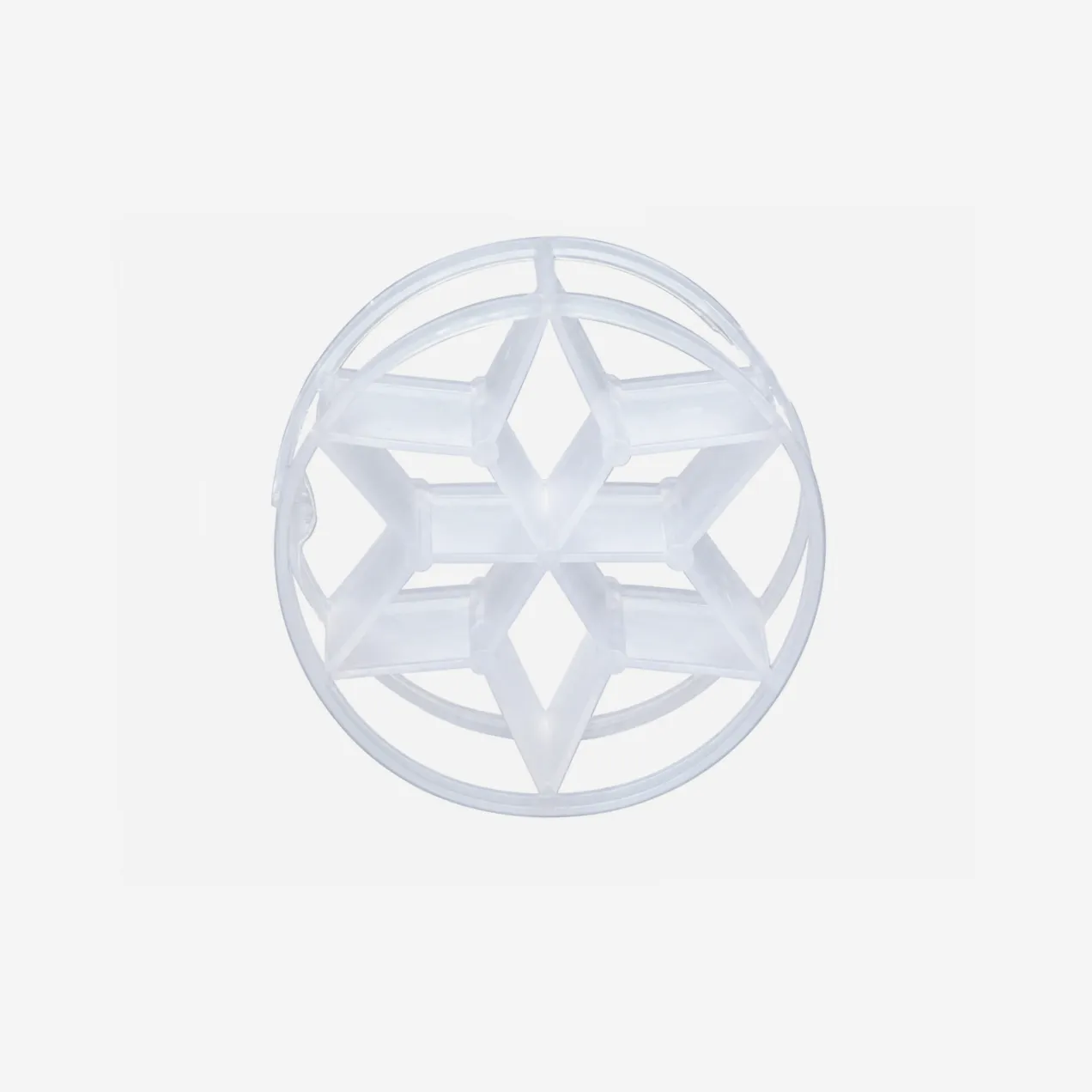
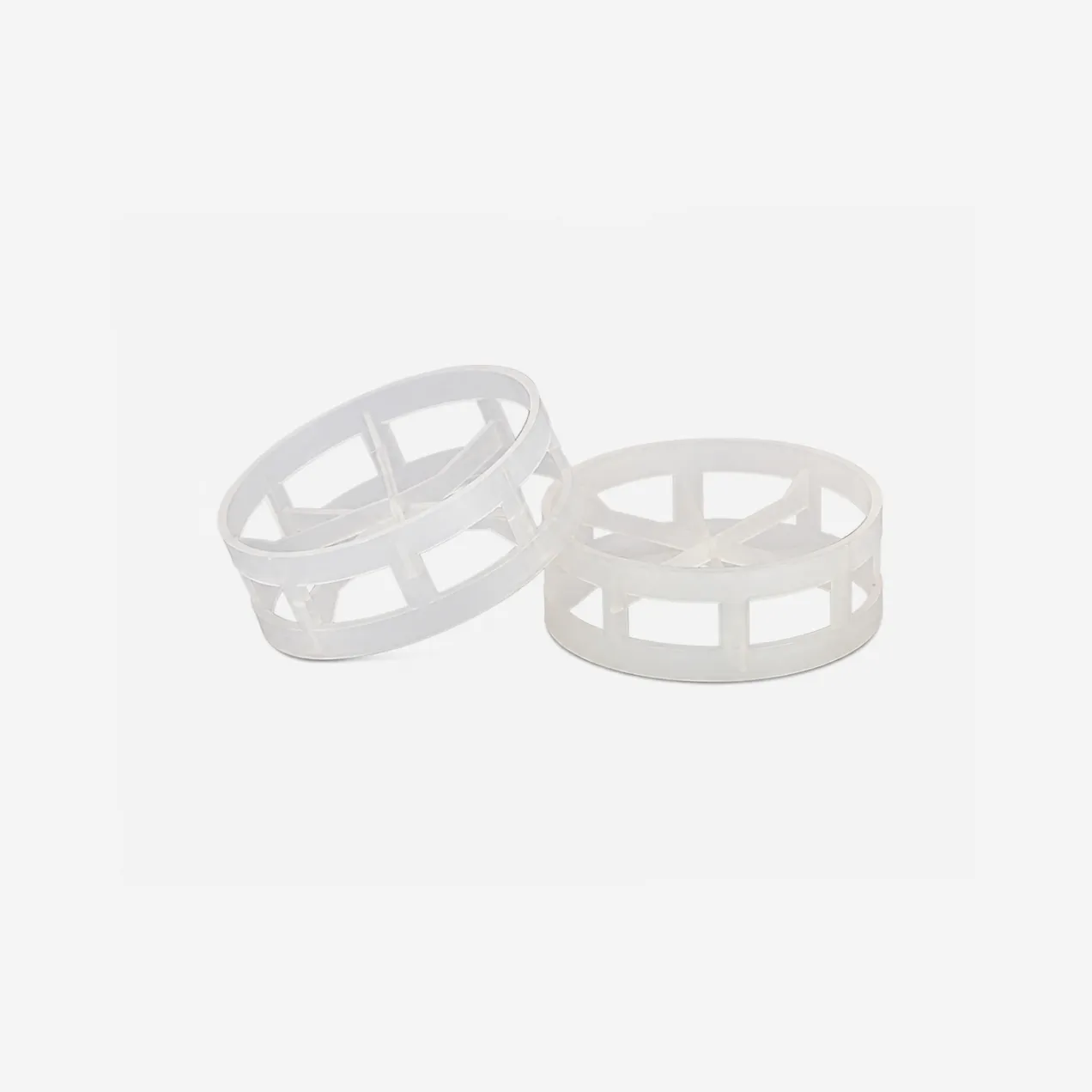
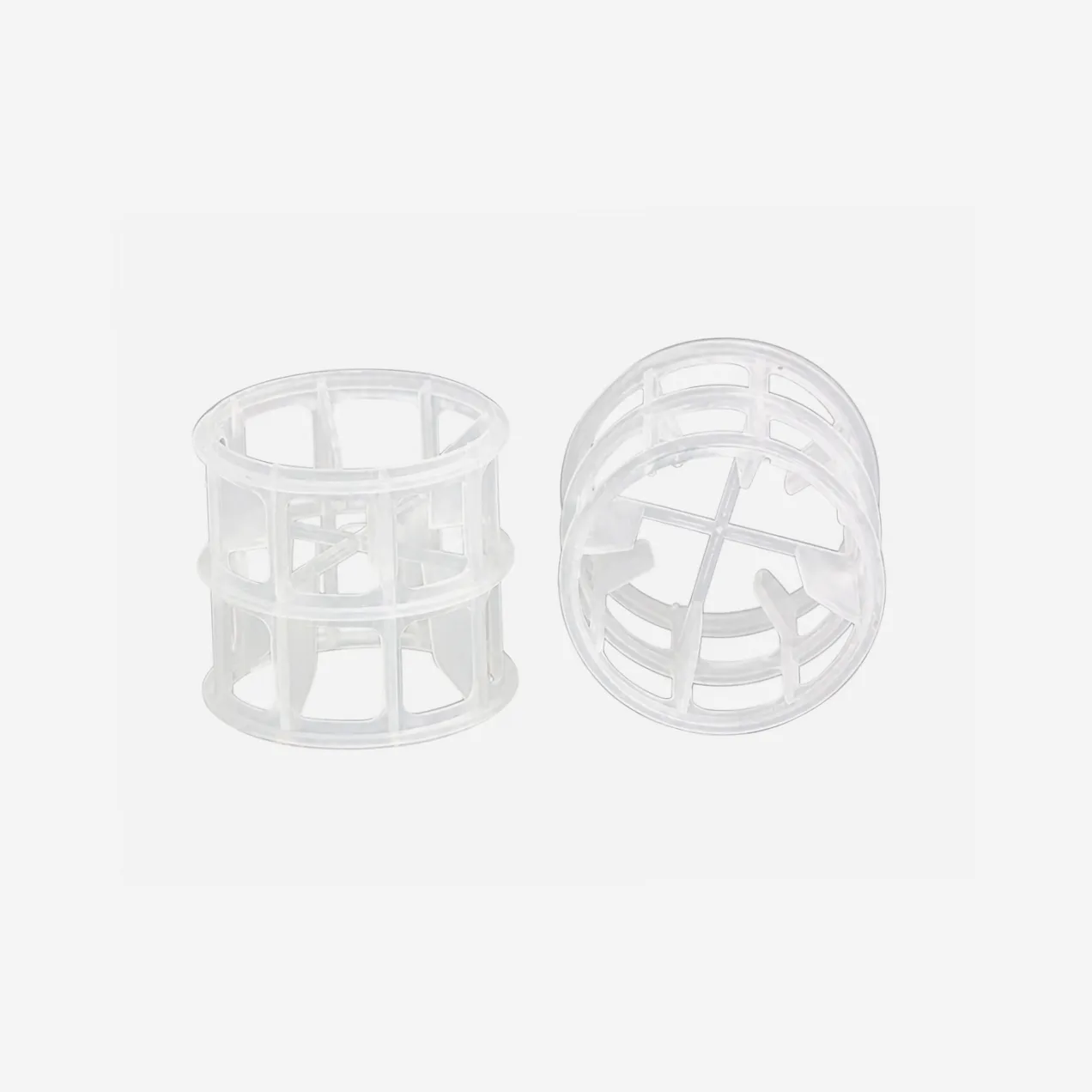
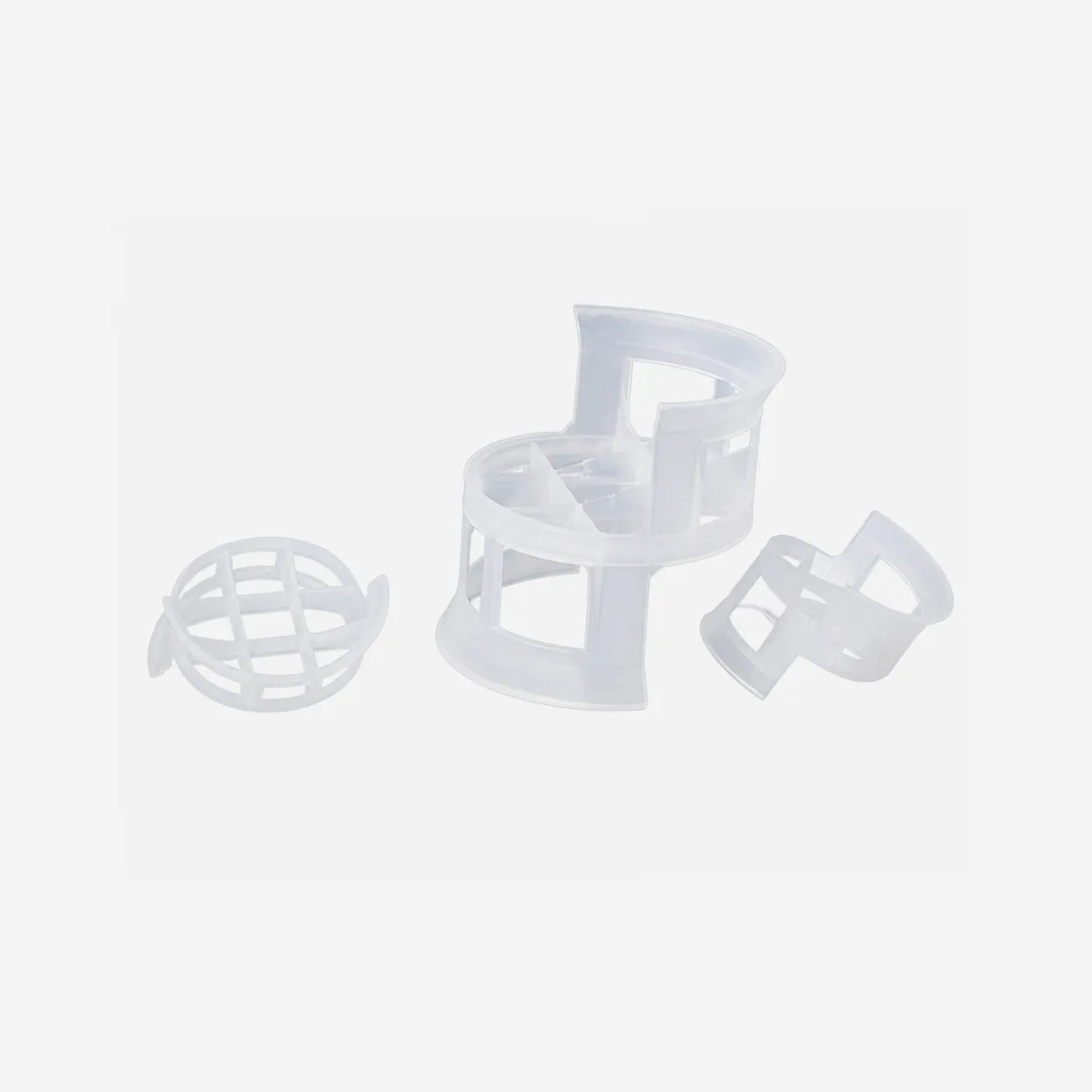
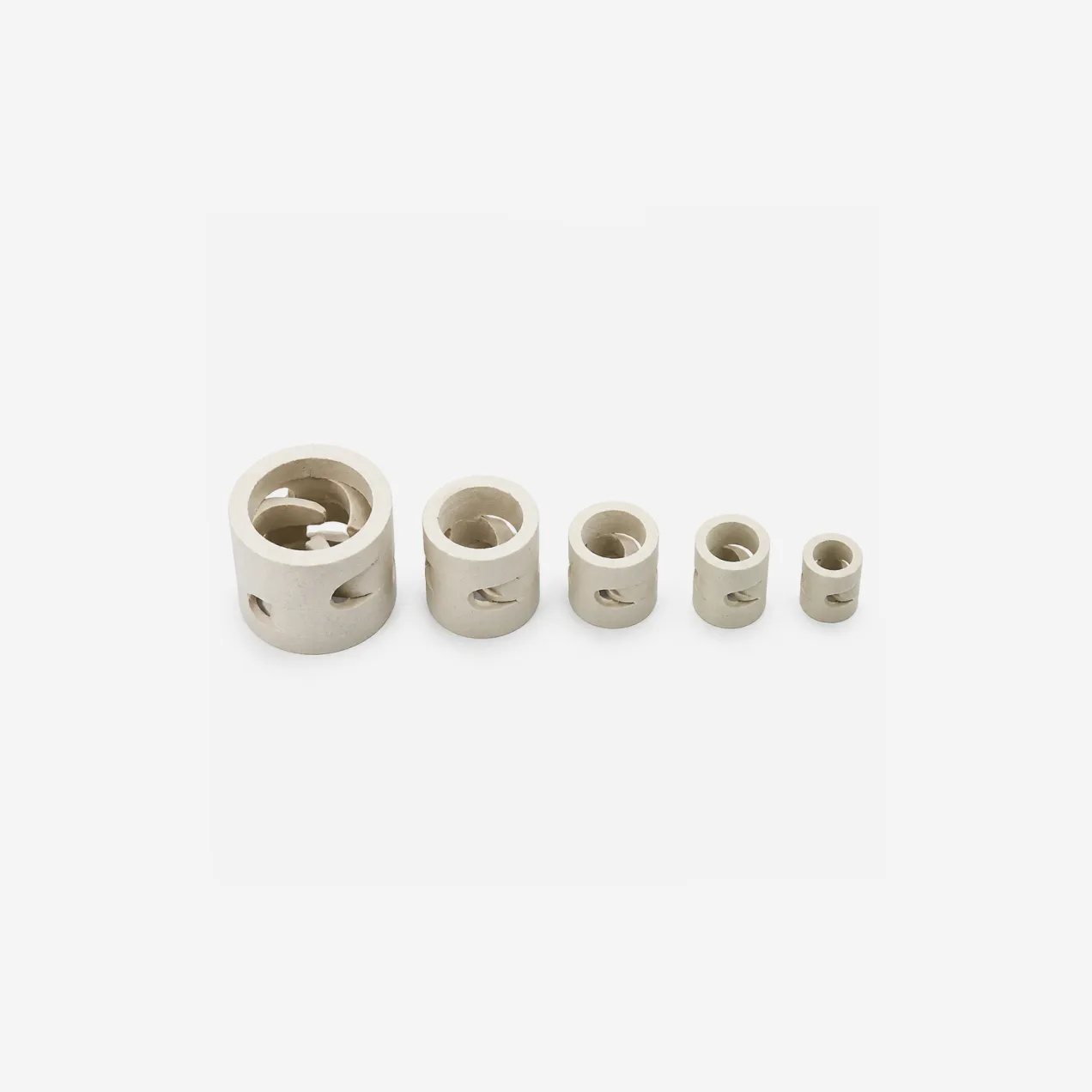
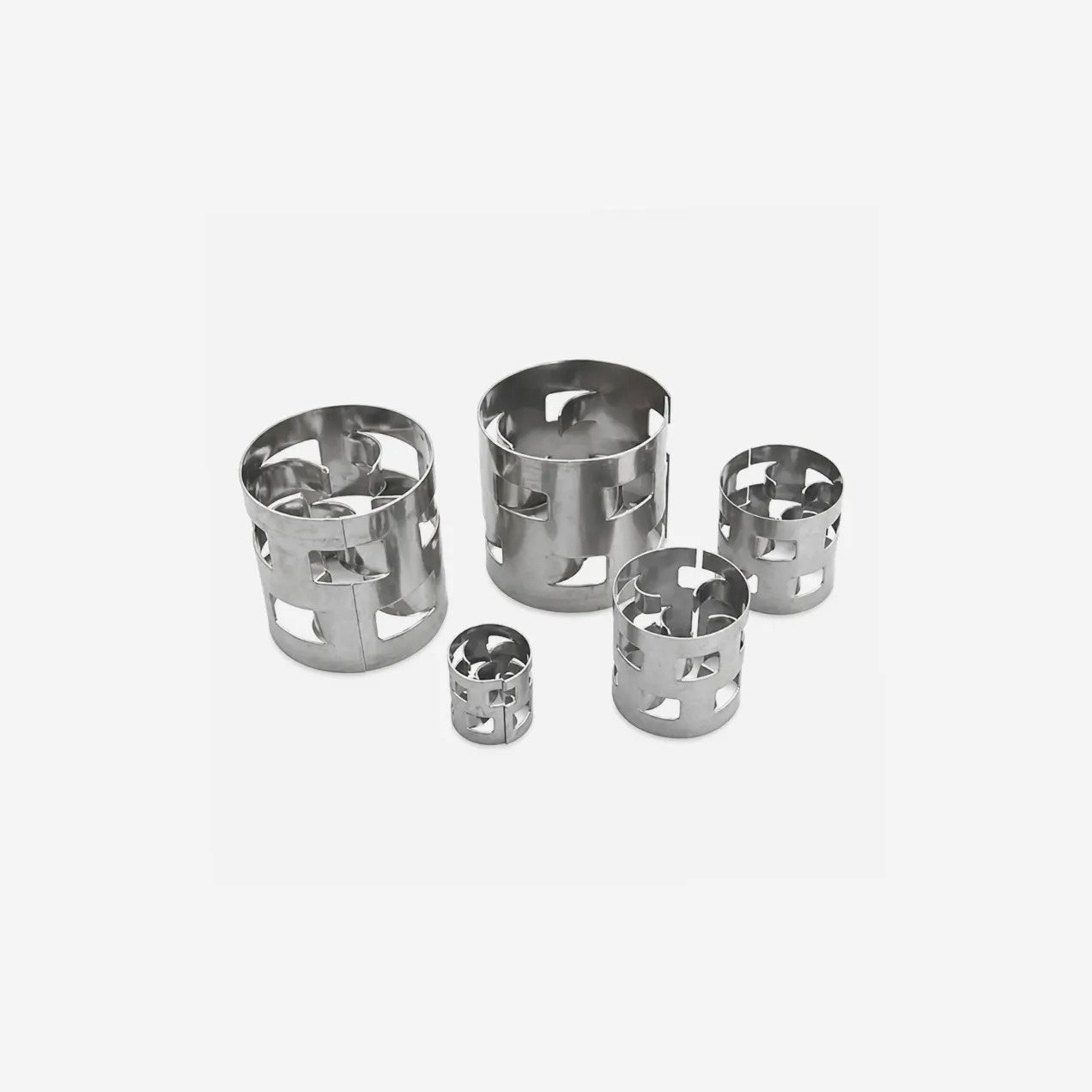
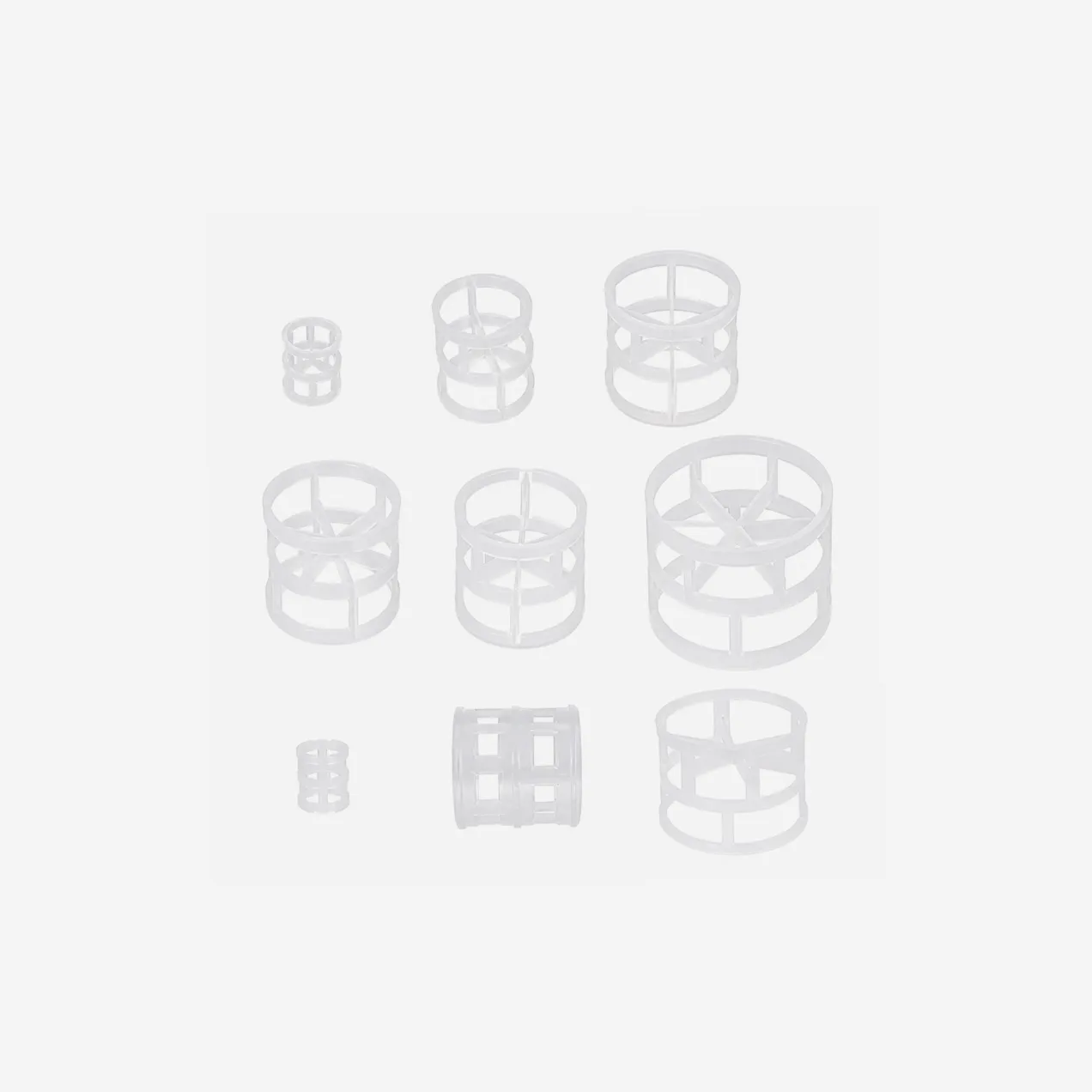
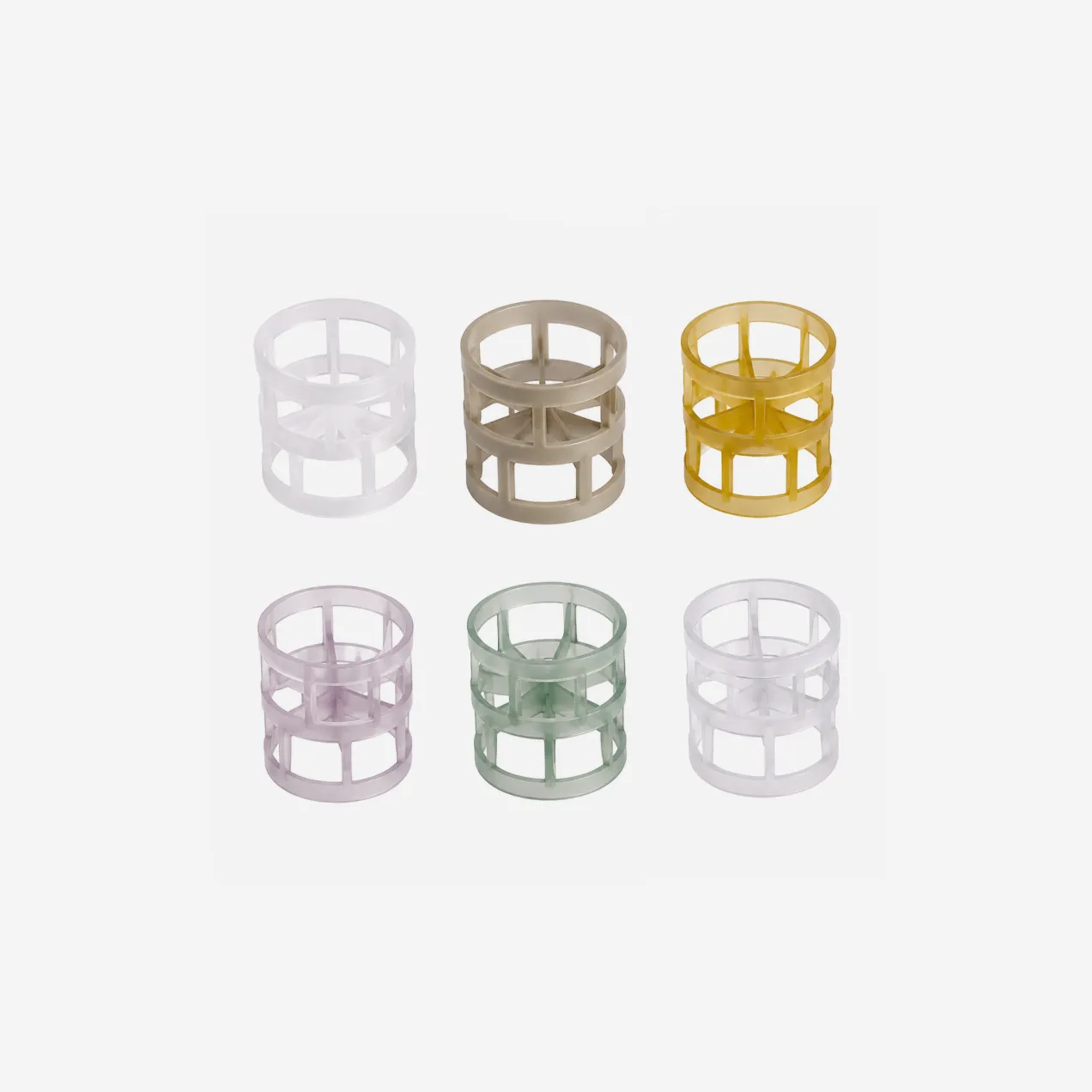
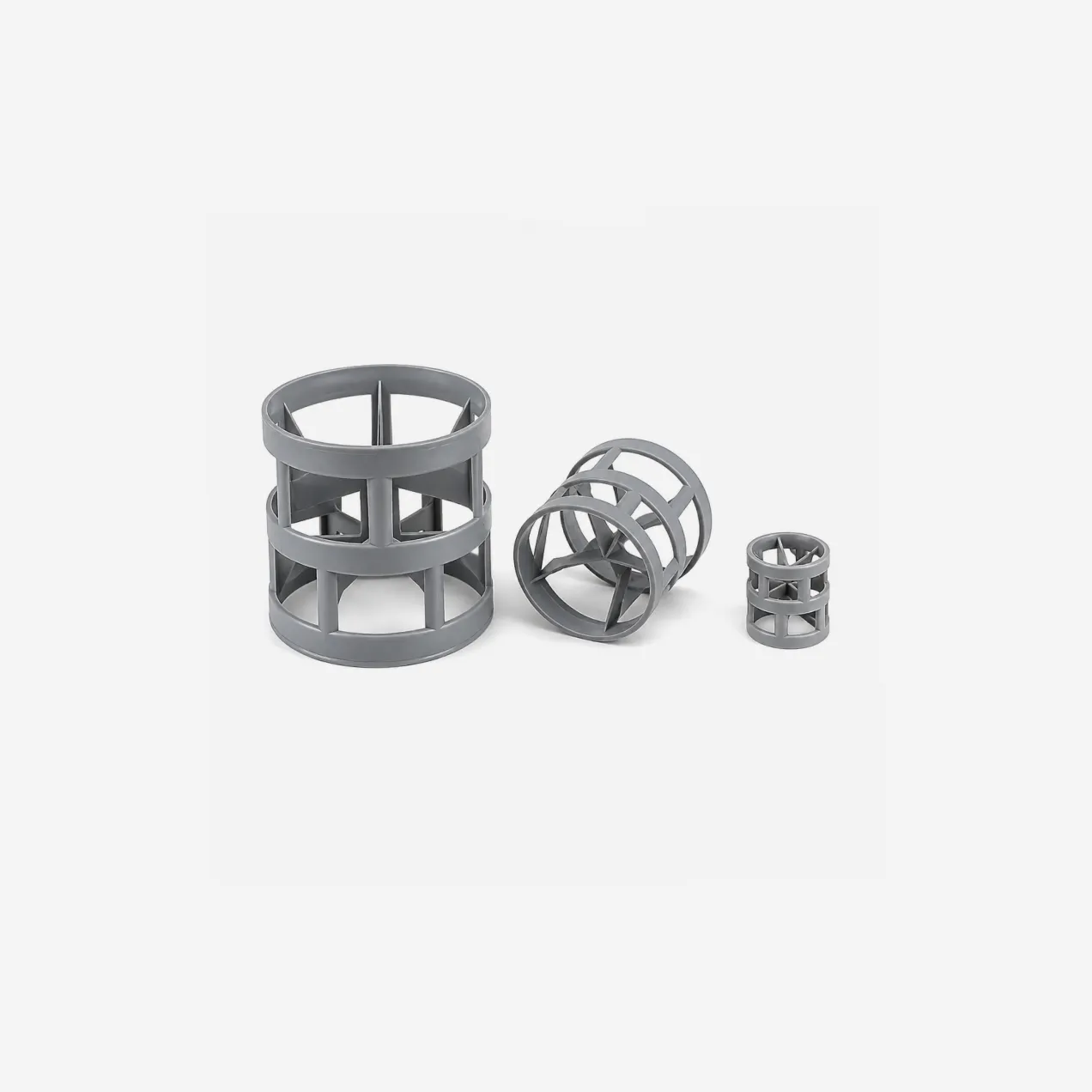
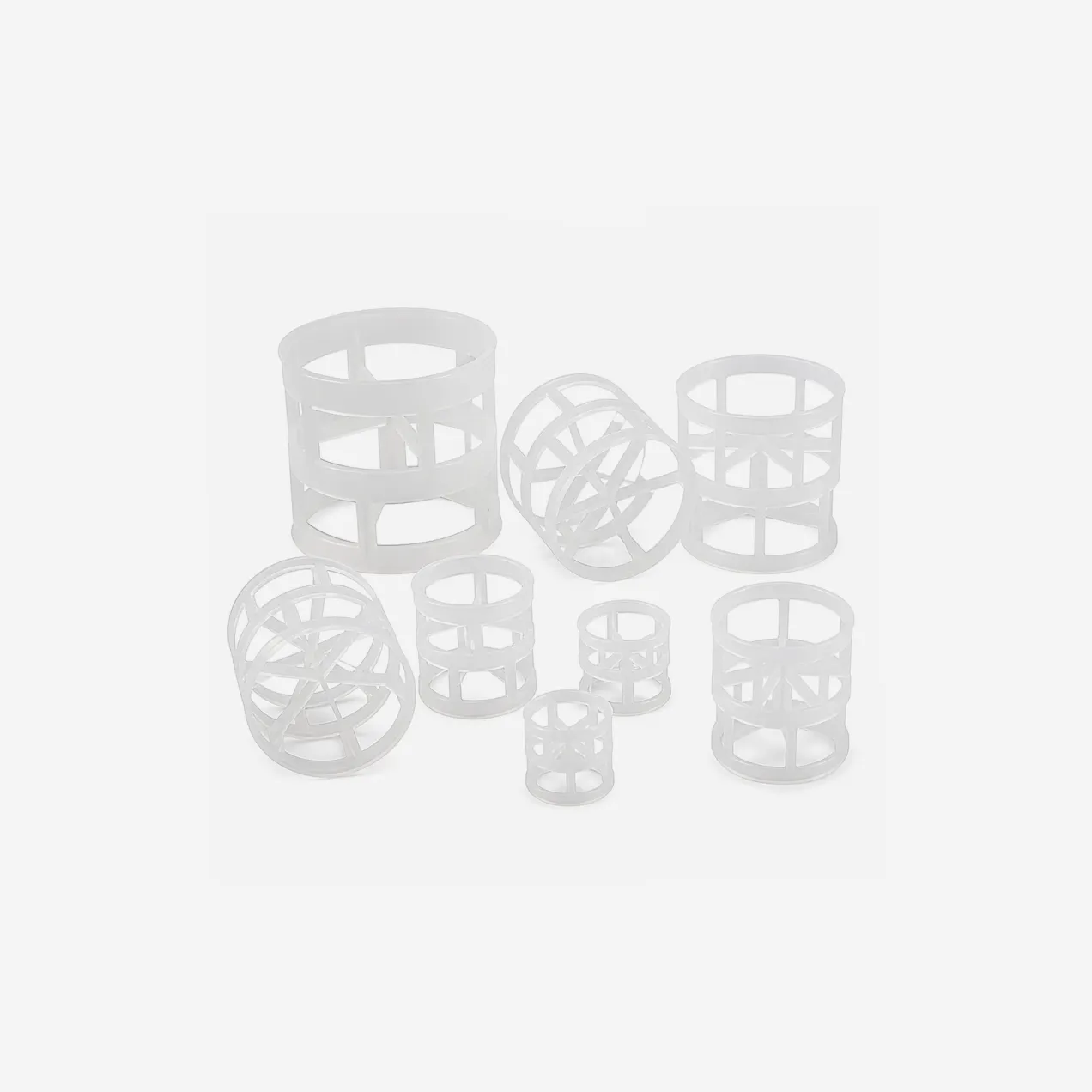
Prickly Teller rosette, or 带刺花环, is a garland-shaped random packing whose radiating loops are studded with small barbs. Its base is the classic rosette — lengths of plastic coiled and set in a radiating pattern so the whole piece reads as a flattened blossom — but the barbs are its own touch: each prickle is another edge for the liquid to run onto and drip from, so the film is caught and re-spread more often. It keeps the garland strengths of a big void, a large throughput and little flow resistance, and a shape that shrugs off blockage, while gripping plenty of liquid so it lingers in the bed and gas meets it for longer. We make it in seven sizes from 25 to 145 mm, in white, grey or yellow. Model RJ-93.

  • Garland (blossom) packing of coiled radiating loops, finished with small barbs.
  • Barbs add surface and extra edges to catch and re-spread the liquid film.
  • Big void, large throughput, little resistance and good anti-blocking.
  • Grips liquid well, so it lingers in the bed for longer gas contact.
  • Seven sizes, 25 to 145 mm; white, grey or yellow; model RJ-93.

Technial Parameters

Diameter (mm)OD×H×T (mm)Pieces per m³Bulk density (kg/m³)Surface area (m²/m³)Void fraction (%)
2525×9×(1.5×2)170,0009019582
4747×19×(3×3)32,50011118588
5151×19×(3×3)23,50010318098
5959×19×(3×3)17,5007215092
7373×28×(3×4)8,0008012789
9595×37×(3×6)3,900789490
145145×48×(3×6)1,100486595

Figures are from the supplier parameter table (the 51 mm void reads high against its neighbours; kept as given — confirm before ordering).


PropertyValue
Product TypePlastic random packing (prickly Teller rosette / garland ring)
Also Known As带刺花环 / Tellerette / plum-blossom ring / snowflake ring
MaterialPlastic (typically PP; also RPP / PVC / CPVC / PVDF / HDPE / PFA)
Model NO.RJ-93
ColourWhite, grey or yellow
Standard Sizes25, 47, 51, 59, 73, 95, 145 mm (OD×H×T)
StructureCoiled radiating loops (garland) with barbs; flat open blossom
Void Fraction82–98% (see table)
Surface Area65–195 m²/m³ (see table)
Media TemperatureAbout 60–150 °C (by plastic)
AdvantagesLarge flux, big void, low resistance, anti-clogging, high liquid holdup
ApplicationsGas scrubbing and purification towers; also rectification and absorption
TrademarkRONGJIAN
OriginChina
HS Code3926909090
Transport PackageCarton box / ton bag / steel drum

FAQs

What is a prickly Teller rosette, and what do the barbs do?

A prickly Teller rosette is a variety of the garland, or blossom, packing in which the loops are dotted with small barbs. The base shape is the familiar rosette: plastic coiled into loops and laid in a radiating pattern so the piece forms a flat, open blossom, an idea that traces back to the packing A. J. Teller brought out in the 1950s. What the barbs add is working surface. Every prickle is one more edge for the liquid to gather on and fall from, so the film is caught, torn and re-spread more often on its way down the bed. That sharpens wetting and, alongside the many pockets that already trap liquid, gives the packing its notably high holdup. And it does all this without closing the blossom up, so the piece stays open, light and hard to block.

What sizes does it come in, and how do I choose one?

It is made in seven sizes, from a small 25 mm loop up to a large 145 mm one, and picking a size is the familiar trade between surface and openness. Small loops crowd the most surface into a metre of column: the 25 mm carries roughly 195 square metres of area per cubic metre, good for separation and fine transfer, but its void sits lower, near the low eighties in percent, and there are far more pieces to a cubic metre. Large loops do the opposite: the 145 mm gives only about 65 square metres per cubic metre but a very high void up in the mid-nineties, so it moves a heavy flow at little pressure and copes best with fouling gas. The middle sizes fall between. Give us the column size and the load and we will settle the size.

What is it used for, and what plastics is it made from?

Its natural home is the scrubber. With a simple shape, easy loading and an open, permeable bed, the prickly rosette is used across gas scrubbing and purification towers, and its surface and holdup earn it a place in separation work too, in rectification and absorption columns. It is pressed from plastic — usually polypropylene, or a reinforced, PVC, CPVC, PVDF, HDPE or PFA grade to suit the chemistry — in white, grey or yellow, and works in media between about 60 and 150 degrees. Every grade resists corrosion, which fits the acidic, fouling gases a scrubber tends to handle. Send the gas, its heat and any solids, and we will name the plastic.

How is the prickly rosette different from the rimless one?

They are two versions of the one garland packing, and the difference is in the loops. The rimless kind leaves the loops open, with no outer ring around them, which makes it as open and clog-proof as the family gets. The prickly kind instead dots its loops with barbs; those add surface and extra points to work the film, nudging wetting and holdup upward, in return for a slightly busier shape. In use both cover the same ground — scrubbing, purification and absorption — so the choice is fine: favour the rimless one for the dirtiest, most scaling gas, and the prickly one where a little more surface and holdup pays. We can advise which of the two fits your column.
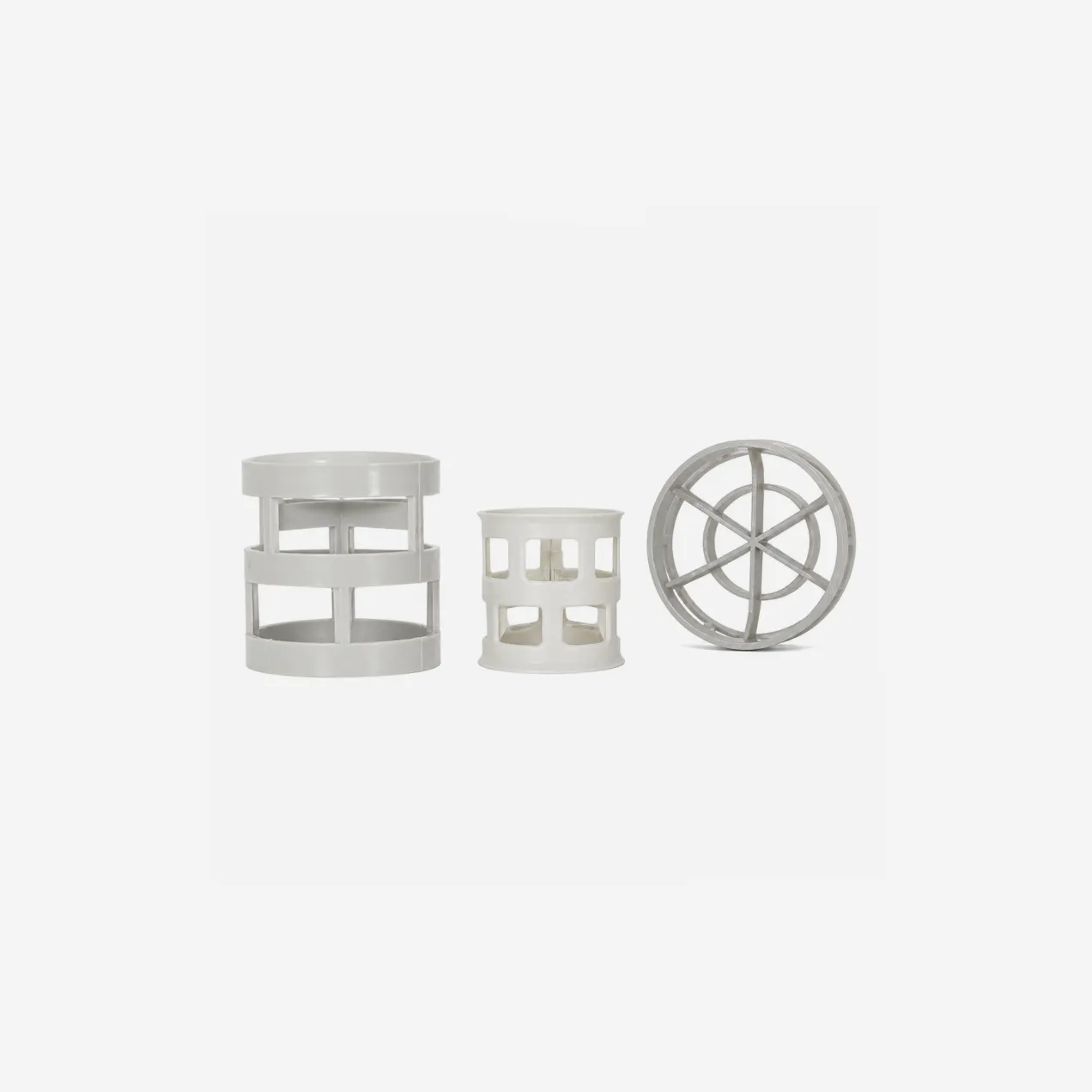
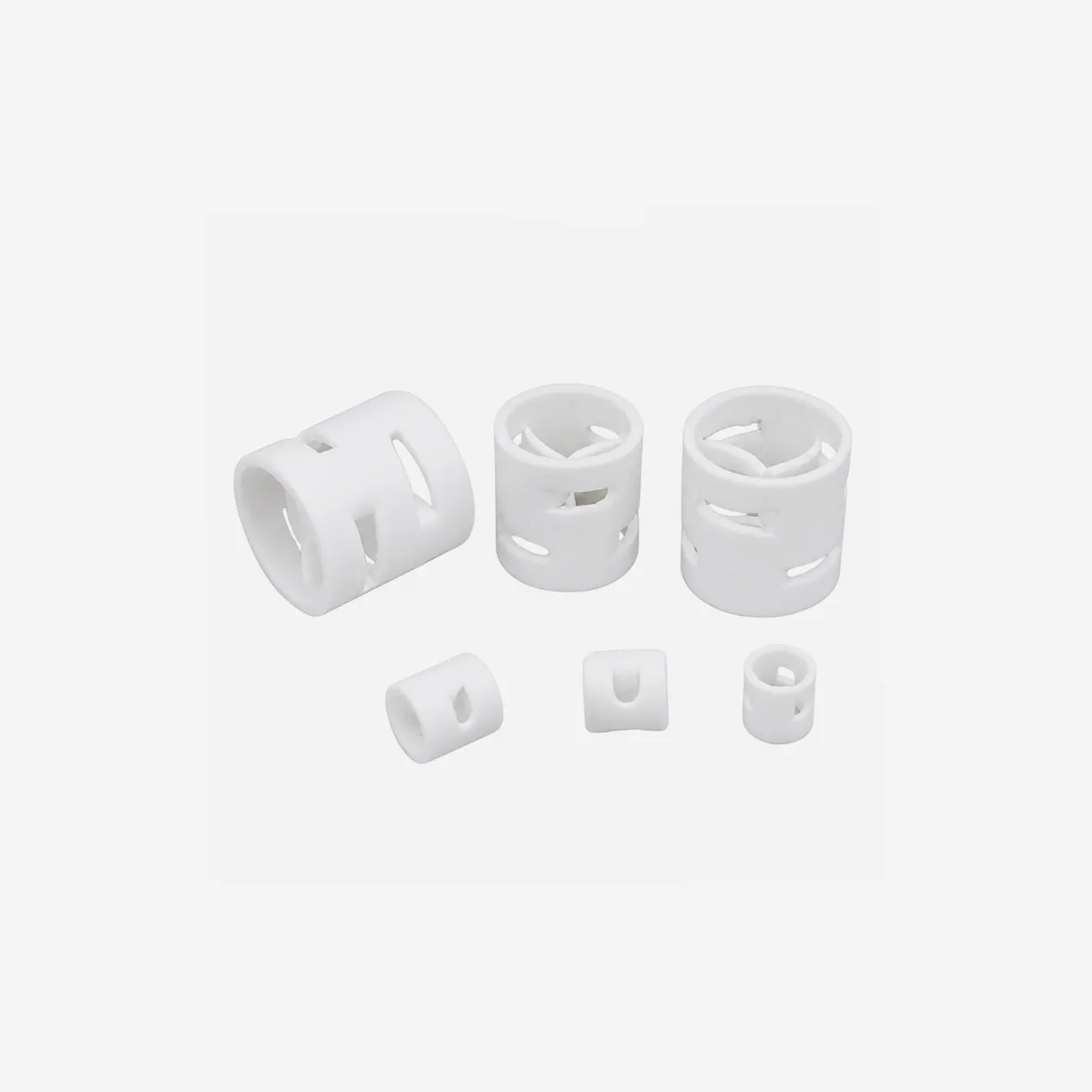
The prickly Teller rosette is a garland packing — plastic loops coiled and laid in a radiating pattern into a flat, open blossom, a design descended from A. J. Teller's rosette of the 1950s — with the loops finished in small barbs. The barbs are the point of this version: they hand each loop more edges and surface, so the film is torn and renewed more often and the piece wets and grips liquid especially well, yet the blossom stays open enough to resist blockage. It is offered in white, grey or yellow plastic and works in media around 60 to 150 degrees. Unusually for these listings it arrives with a full set of figures across seven sizes, which makes picking one easy.

Across the size table the pattern is the familiar surface-against-openness trade:

Loop sizeSurface areaVoidBest suited to
Small, 25 to 47 mmHighest, about 185 to 195Lower, about 82 to 88 percentSurface-driven separation and fine transfer
Medium, 51 to 73 mmMiddle, about 127 to 180High, about 89 to 98 percentGeneral scrubbing and absorption
Large, 95 to 145 mmLowest, about 65 to 94Highest, about 90 to 95 percentHigh flux, low pressure drop, dirty gas

So the prickly rosette earns its keep in gas scrubbing and purification towers, and in rectification and absorption where its holdup helps, above all where the gas is dirty or corrosive. It carries the garland virtues — large flux, low resistance, light weight and anti-blocking — with a little extra surface and holdup from the barbs. One note for import: this listing is filed under HS code 3926909090, while some of the other ring packings sit under 8419909000, so it is worth agreeing a single code with your broker. For a size and grade, send us the column, the duty and the flow rates.