search
Search

Enter keywords to search for products, blog posts, and more.

Home > Metal Tellerette Ring

Metal Tellerette Ring

Metal Tellerette Ring

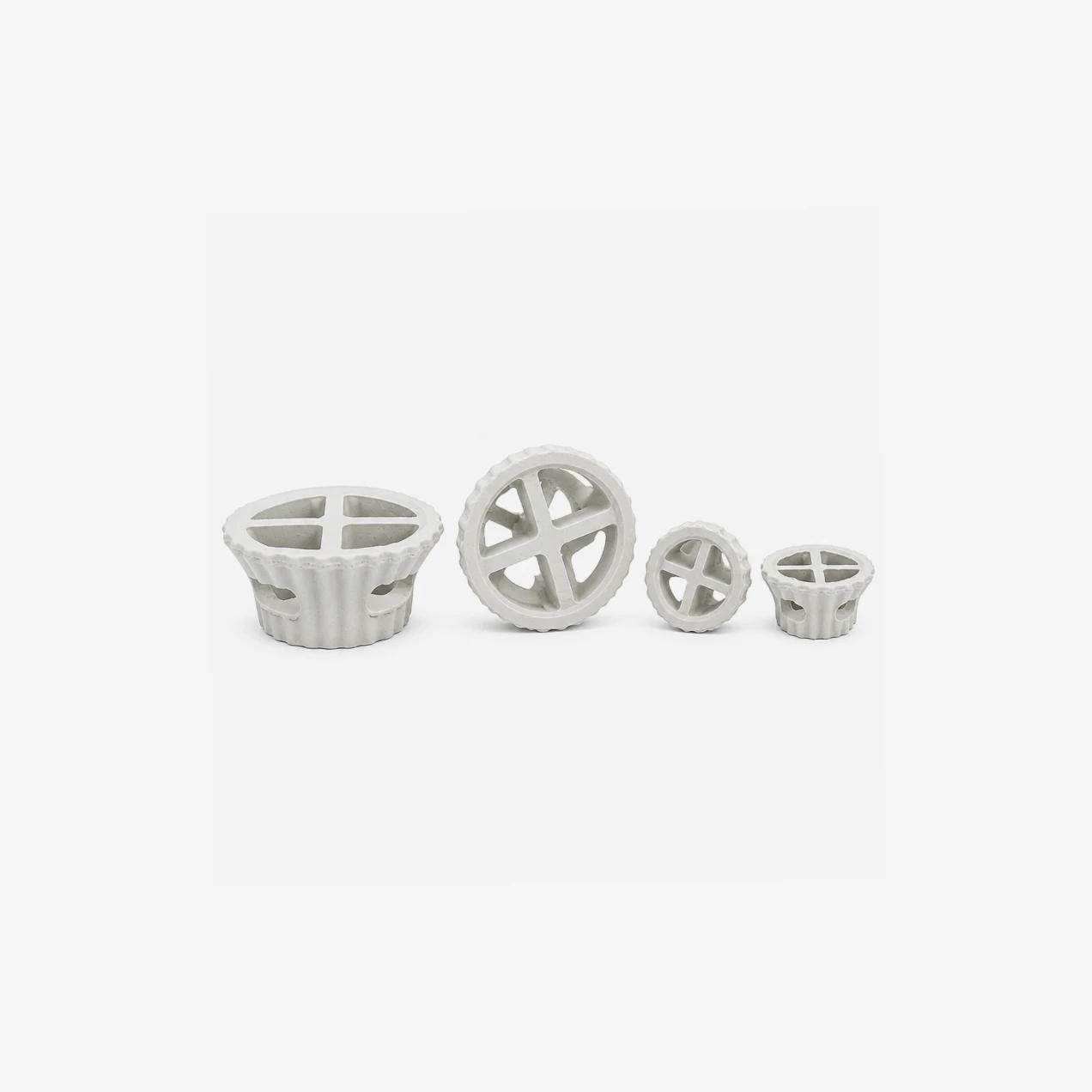
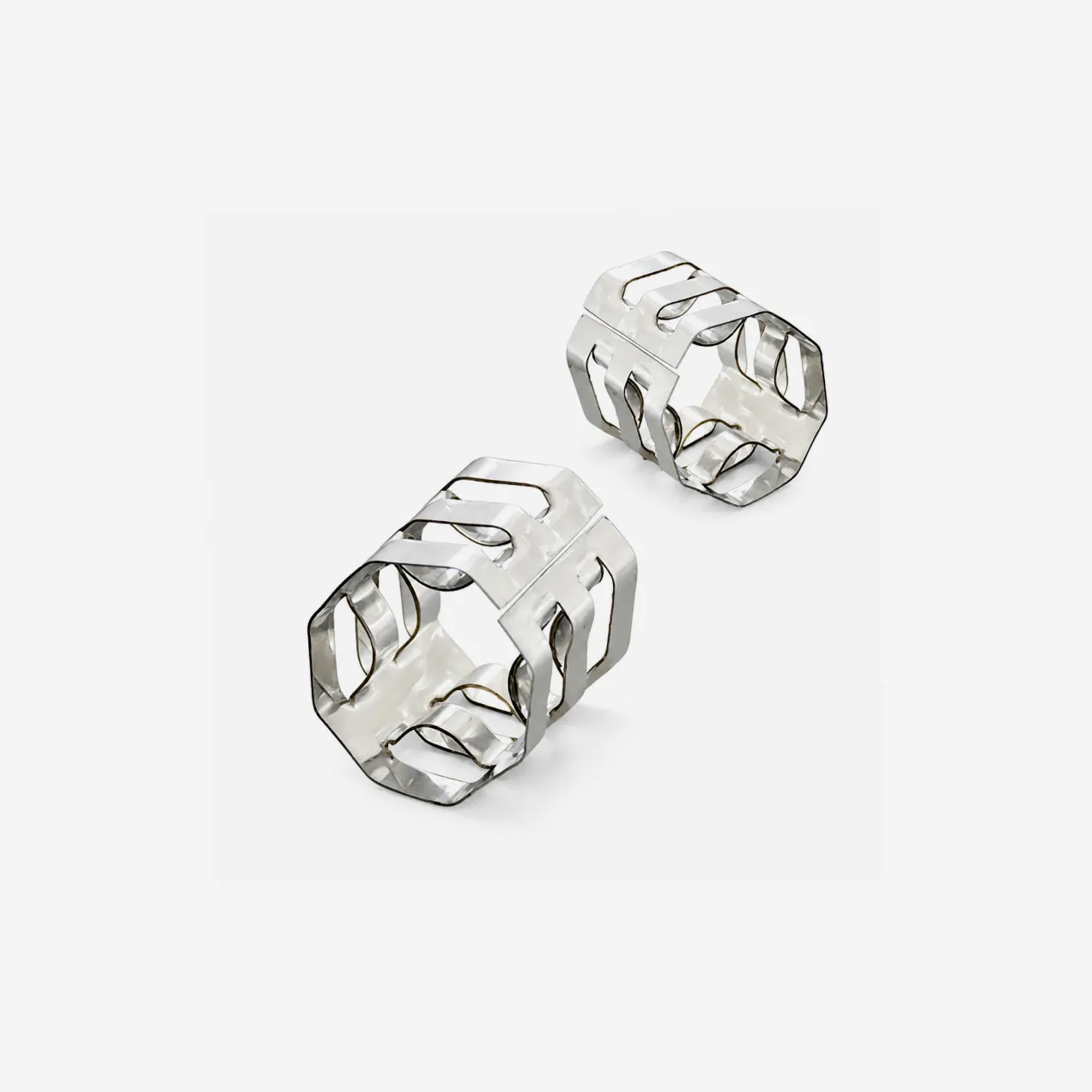
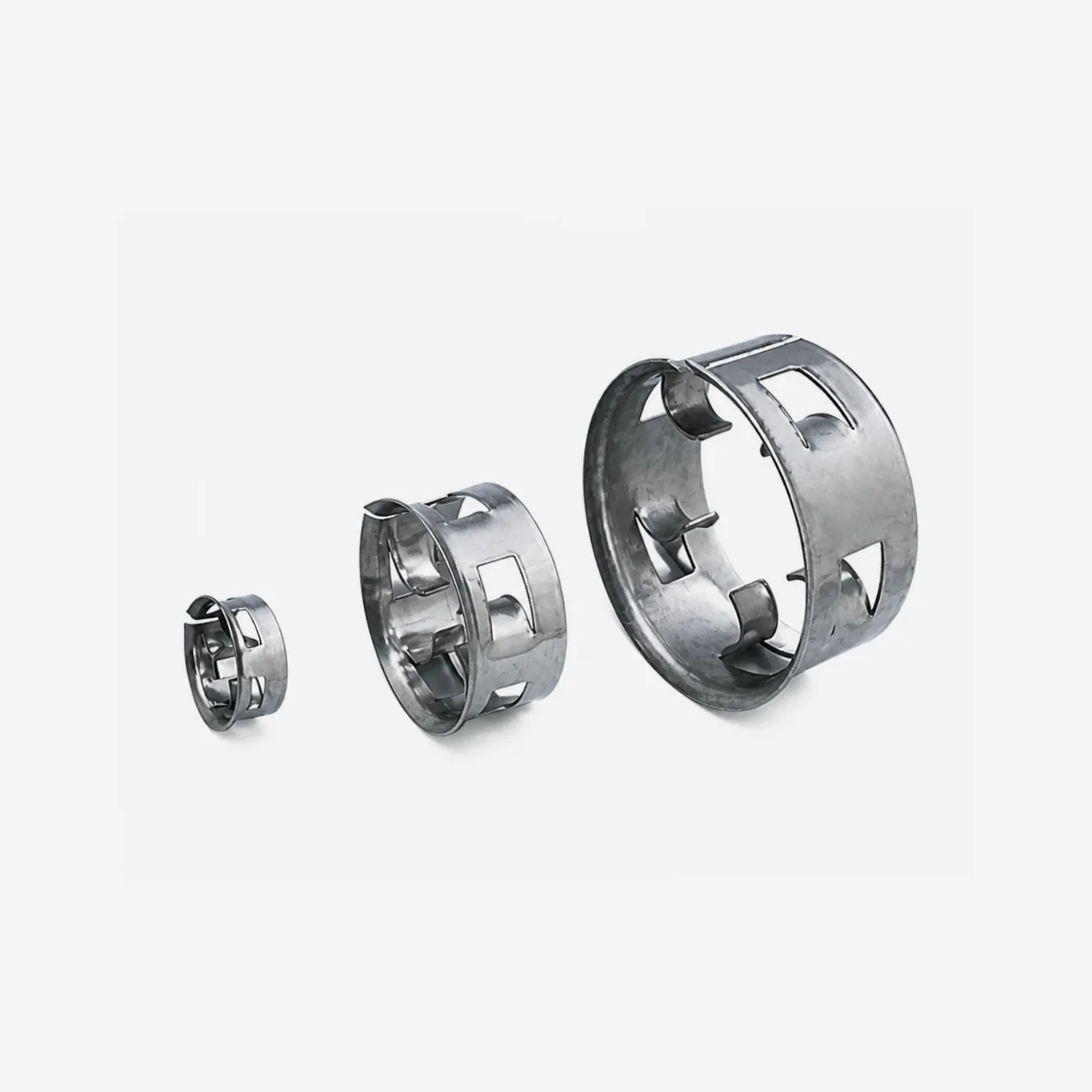
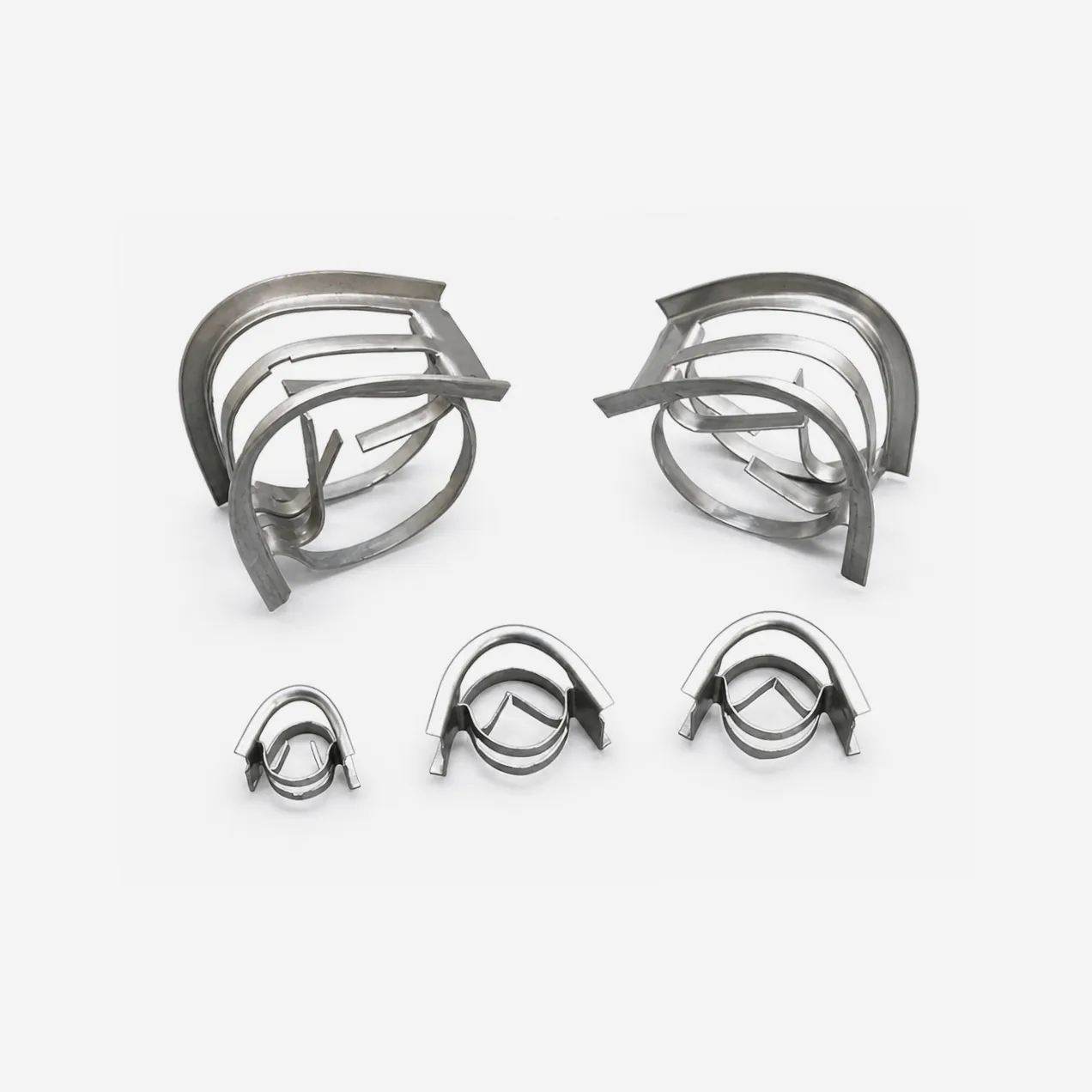
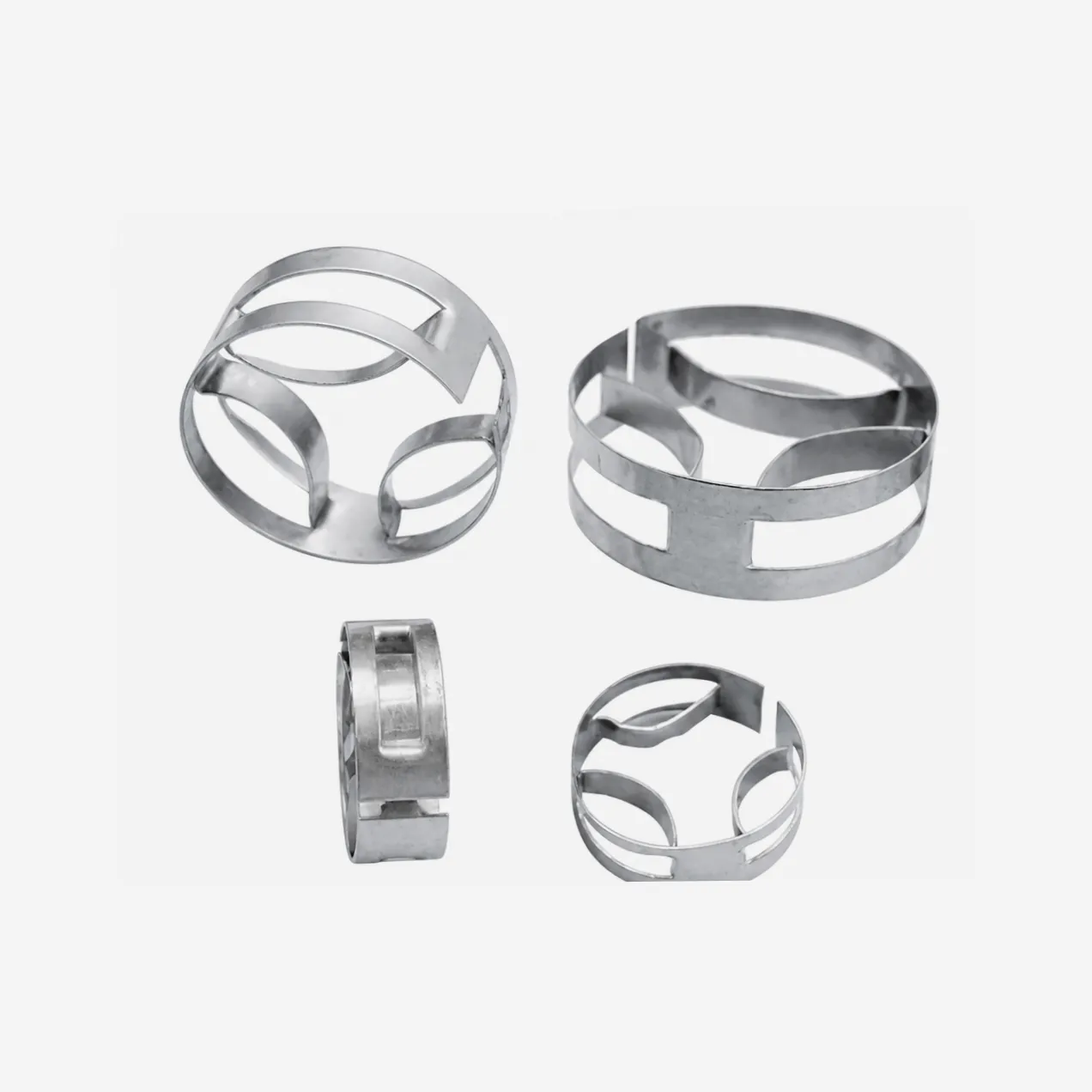
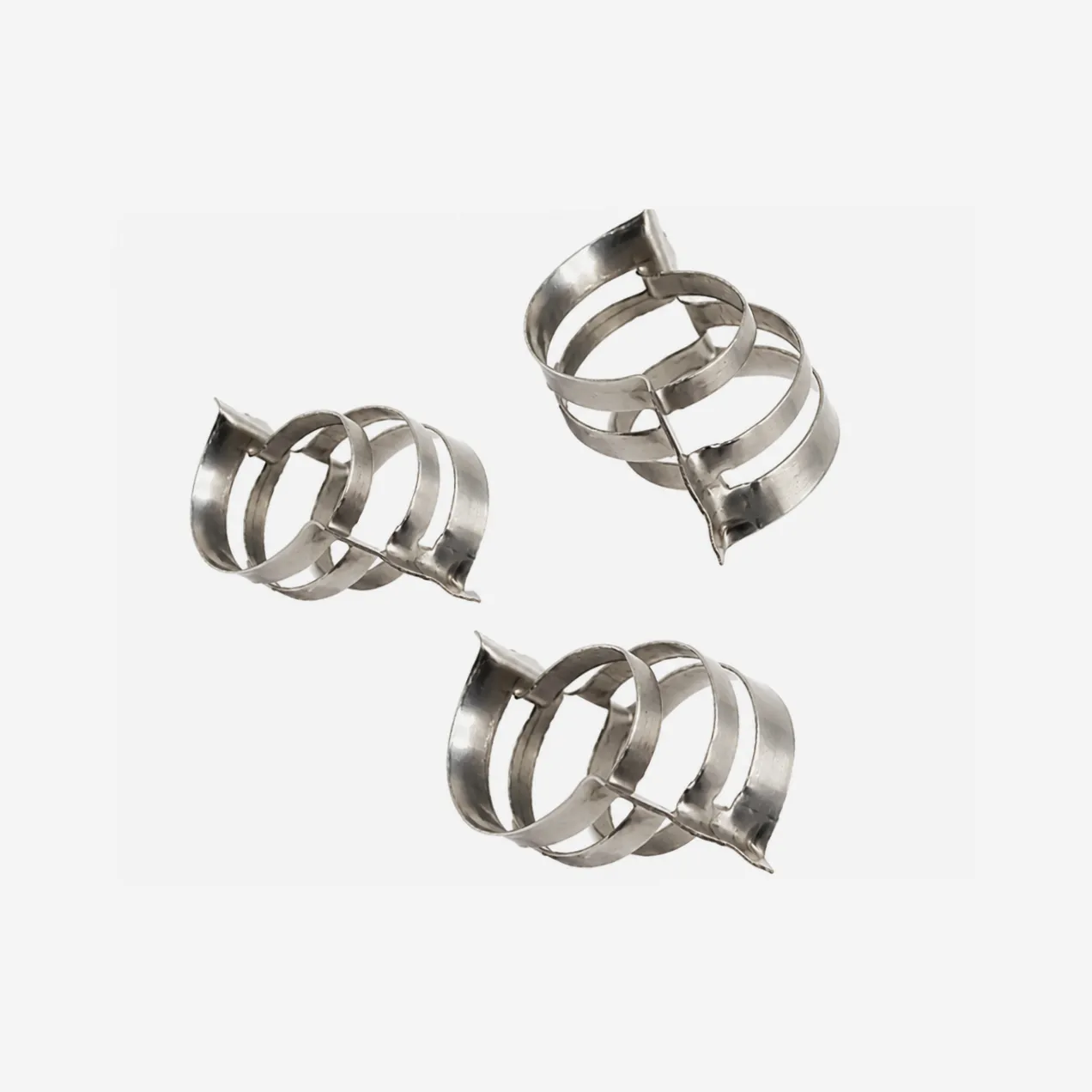
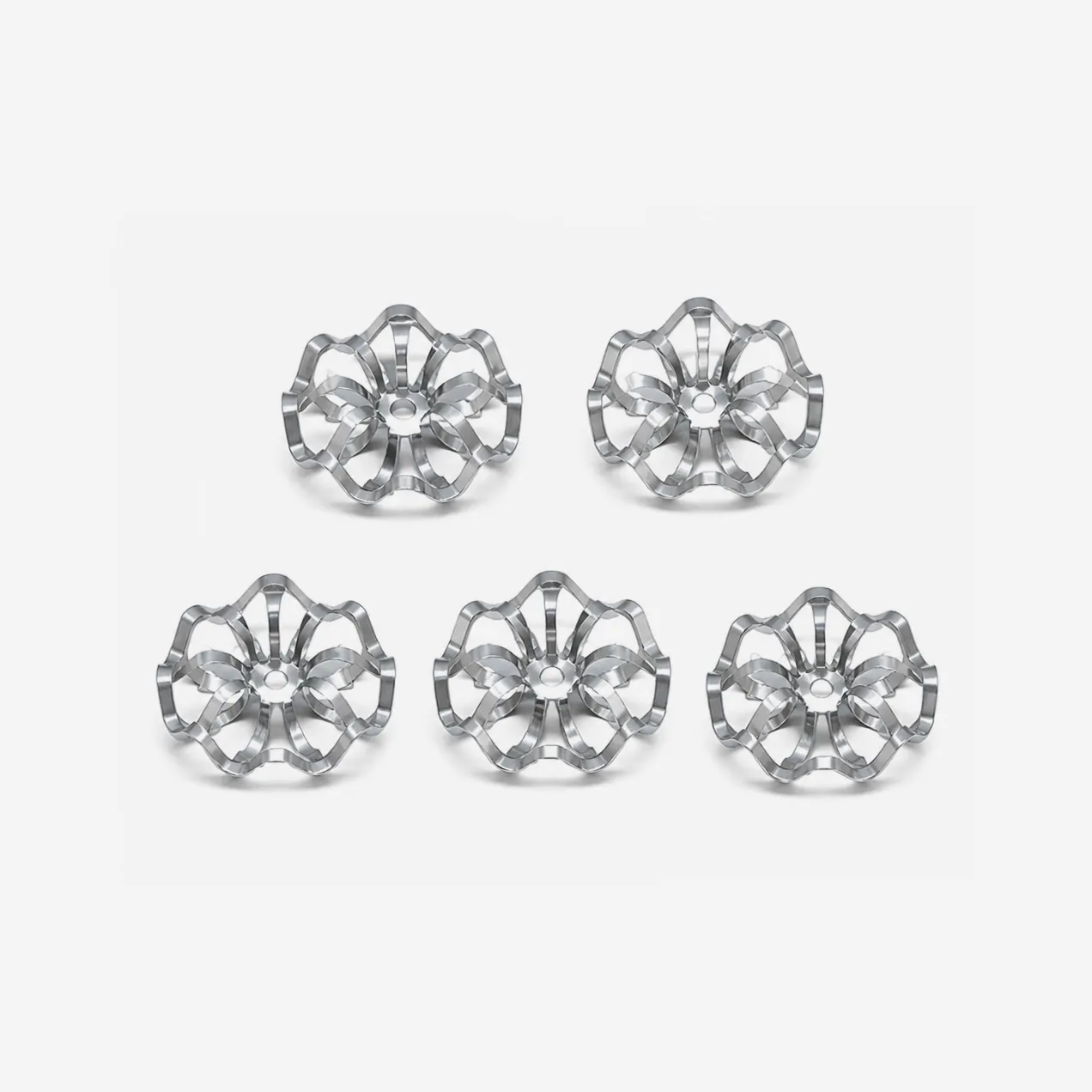
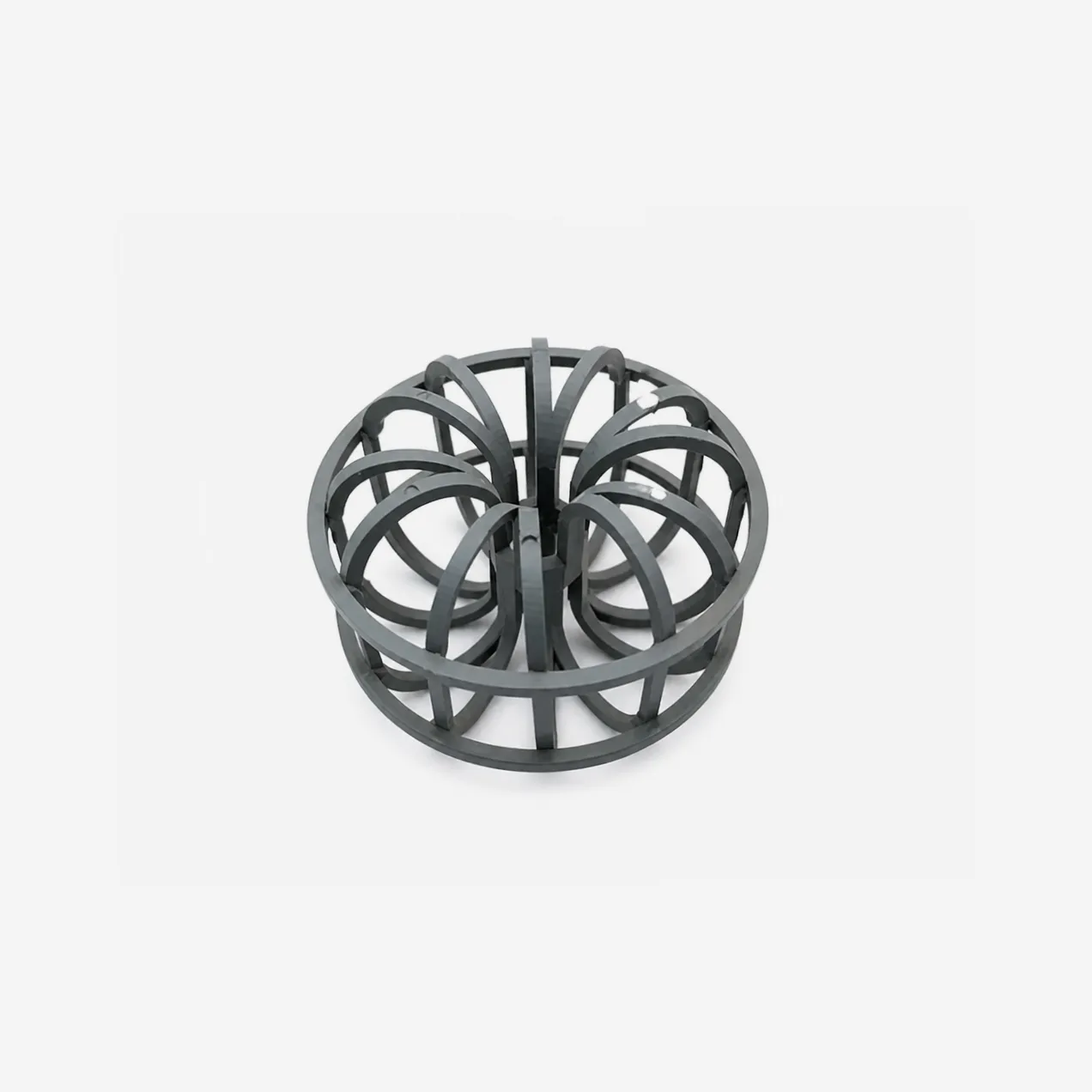
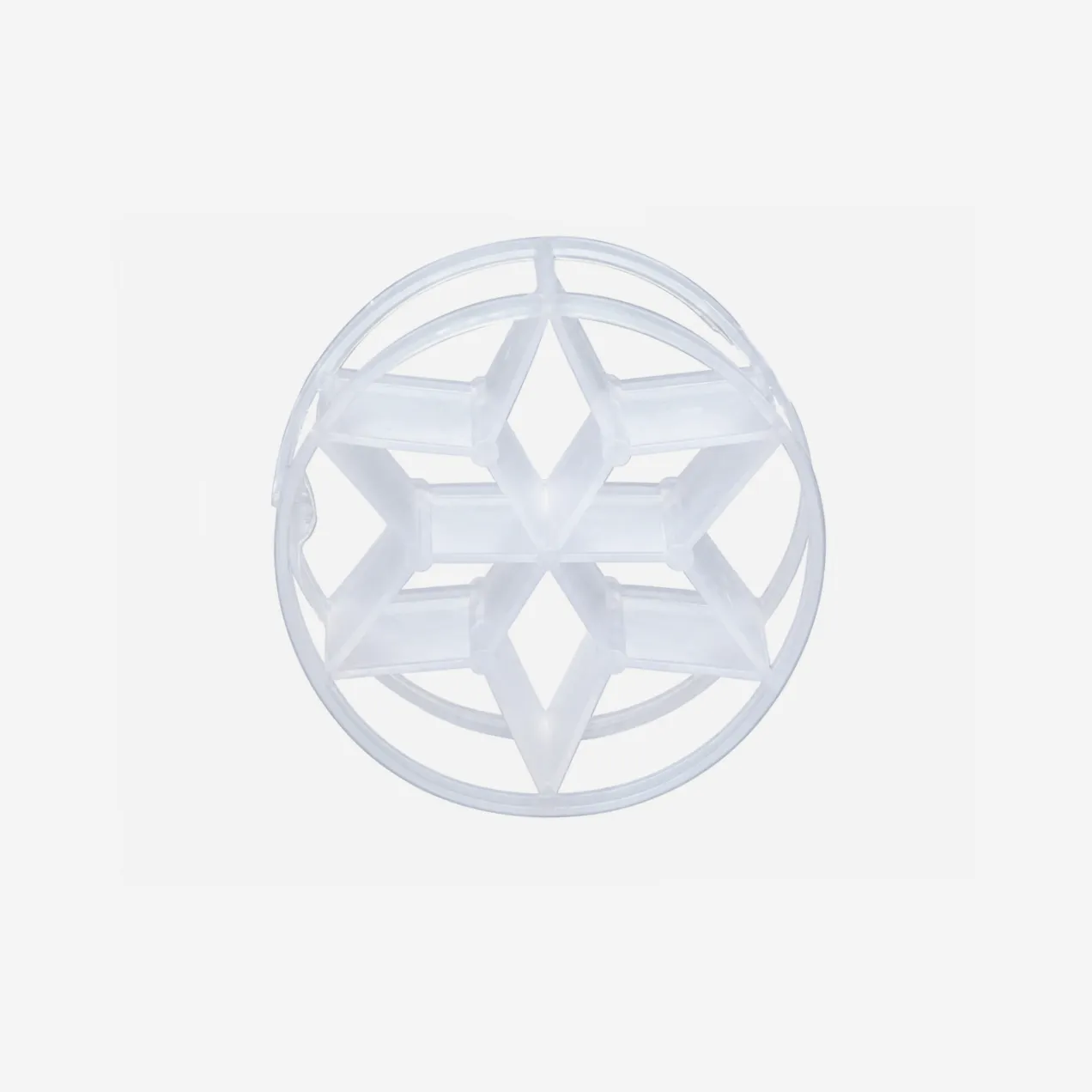
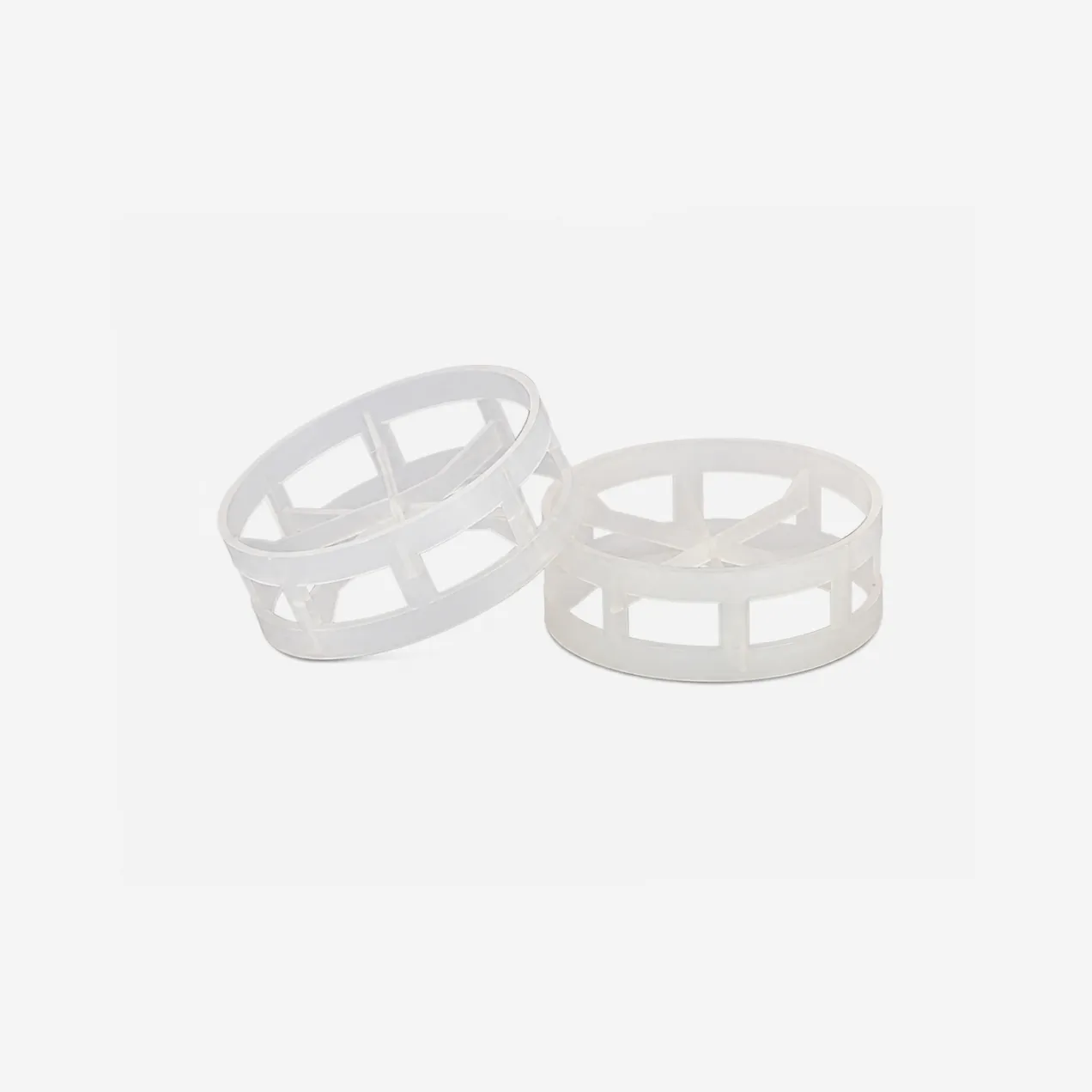
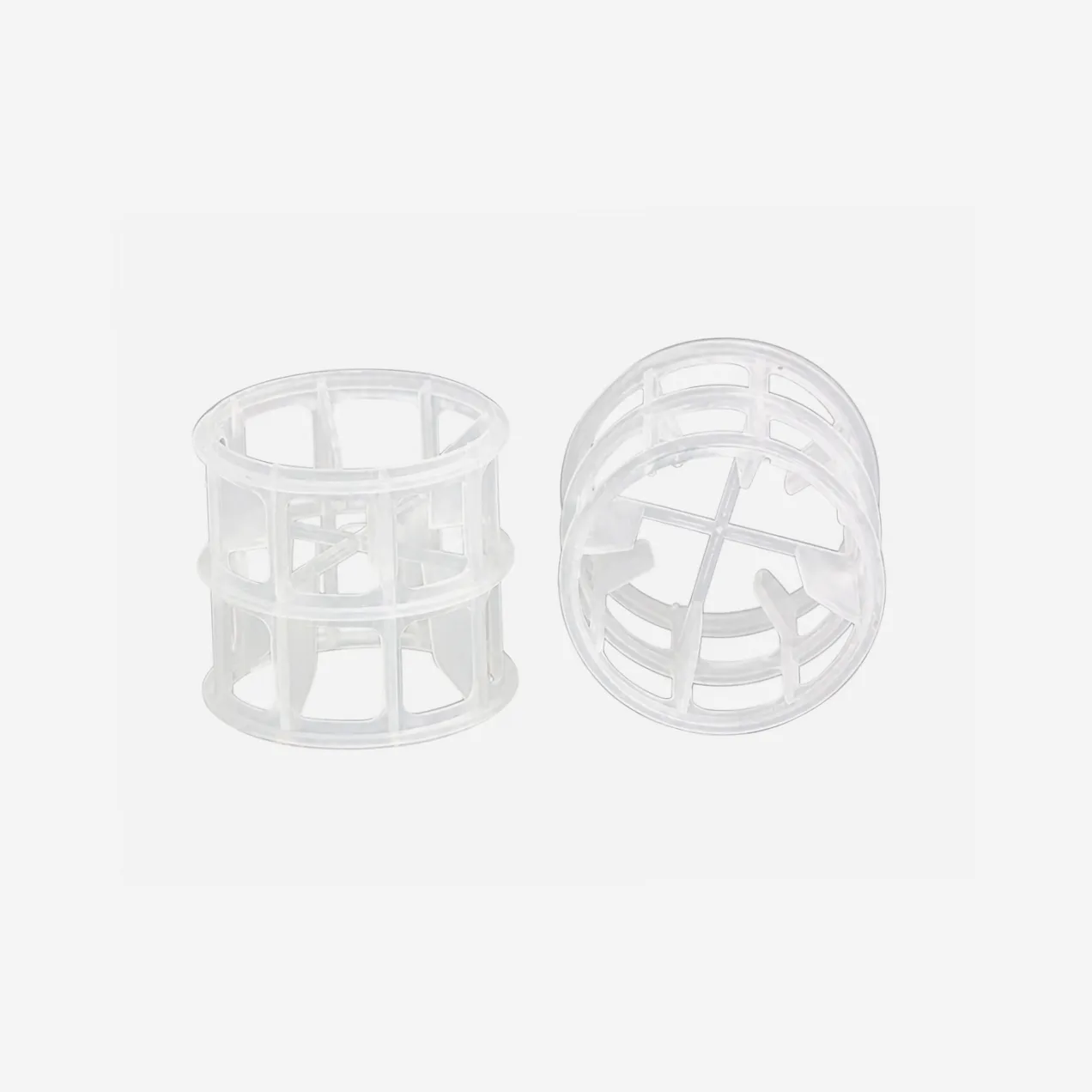
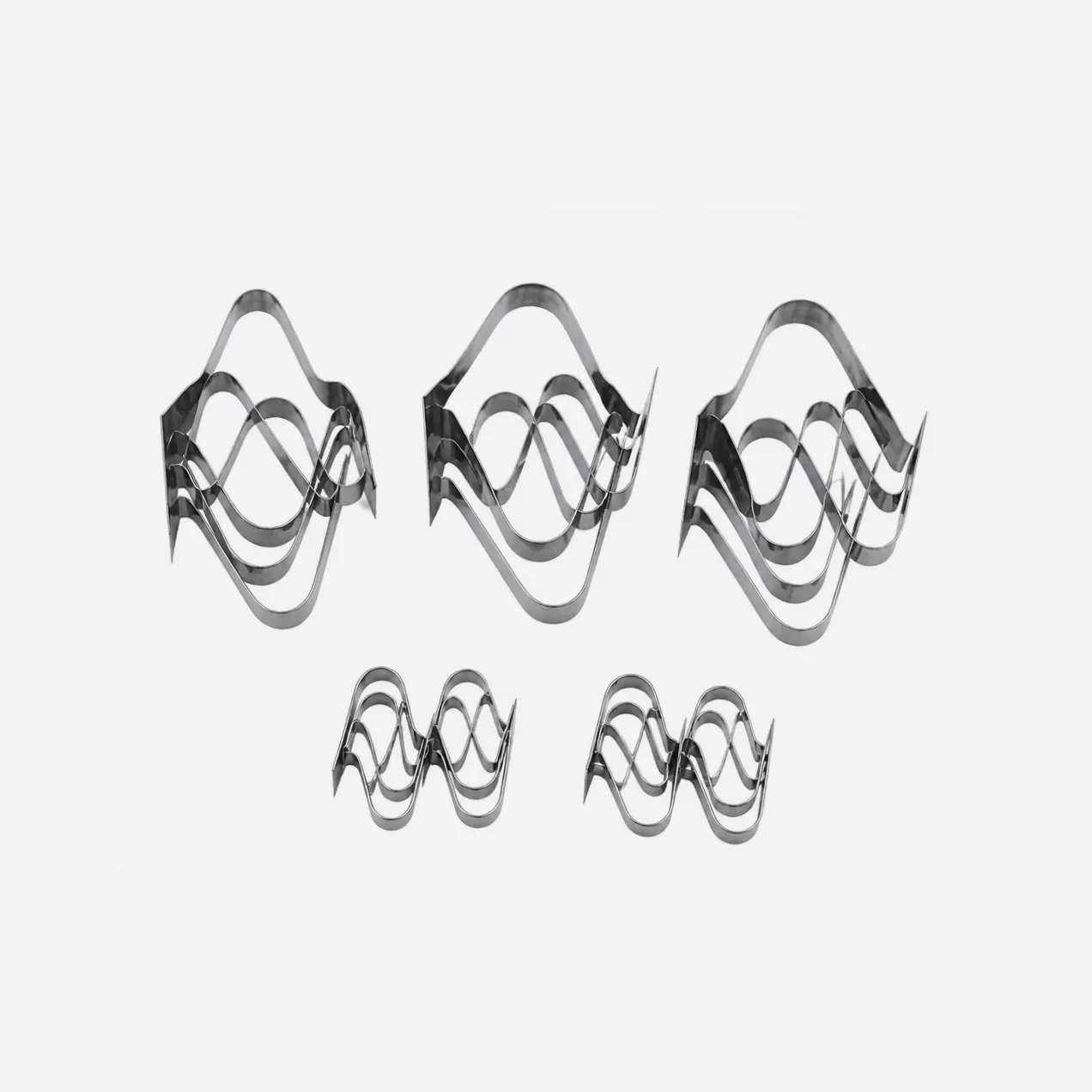
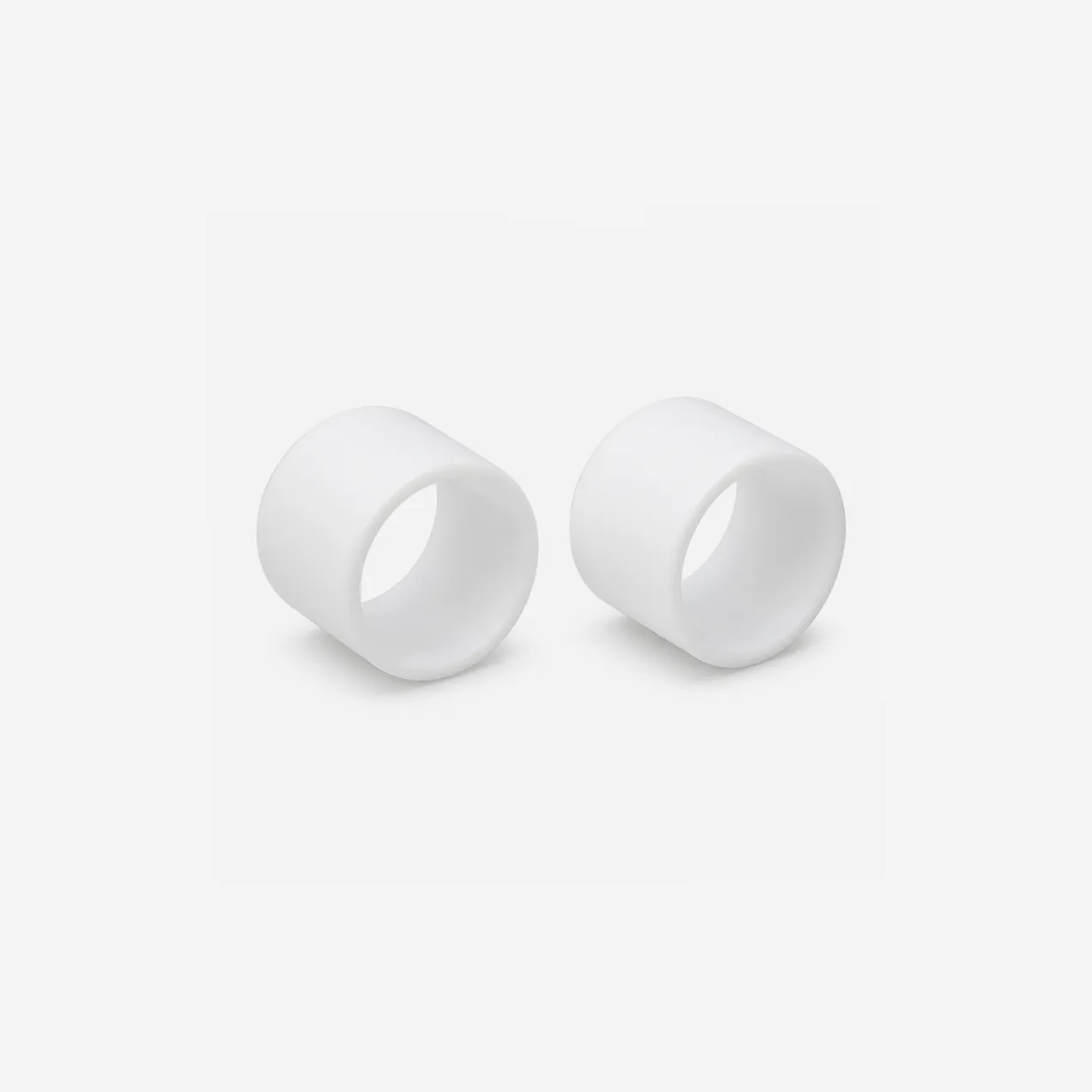
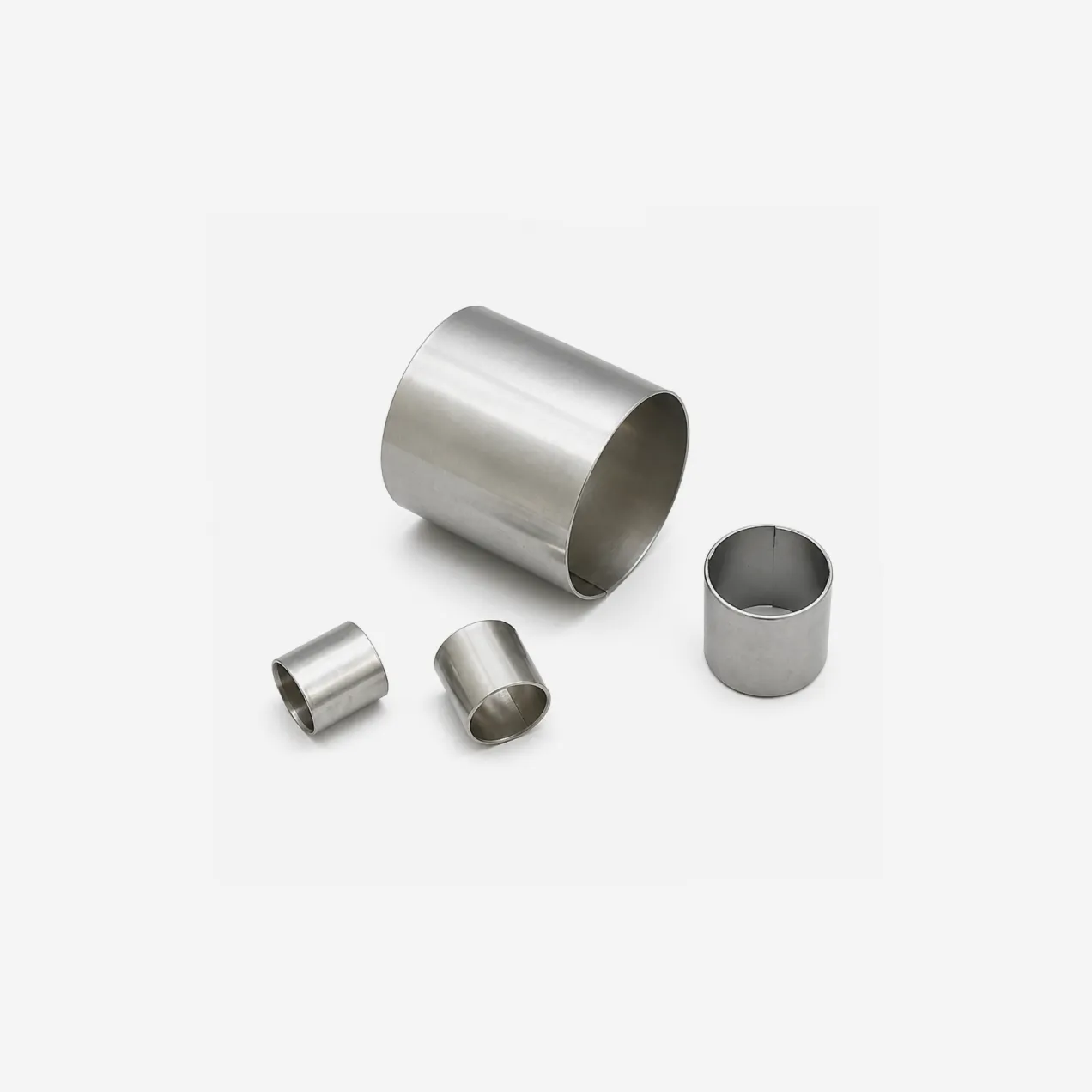
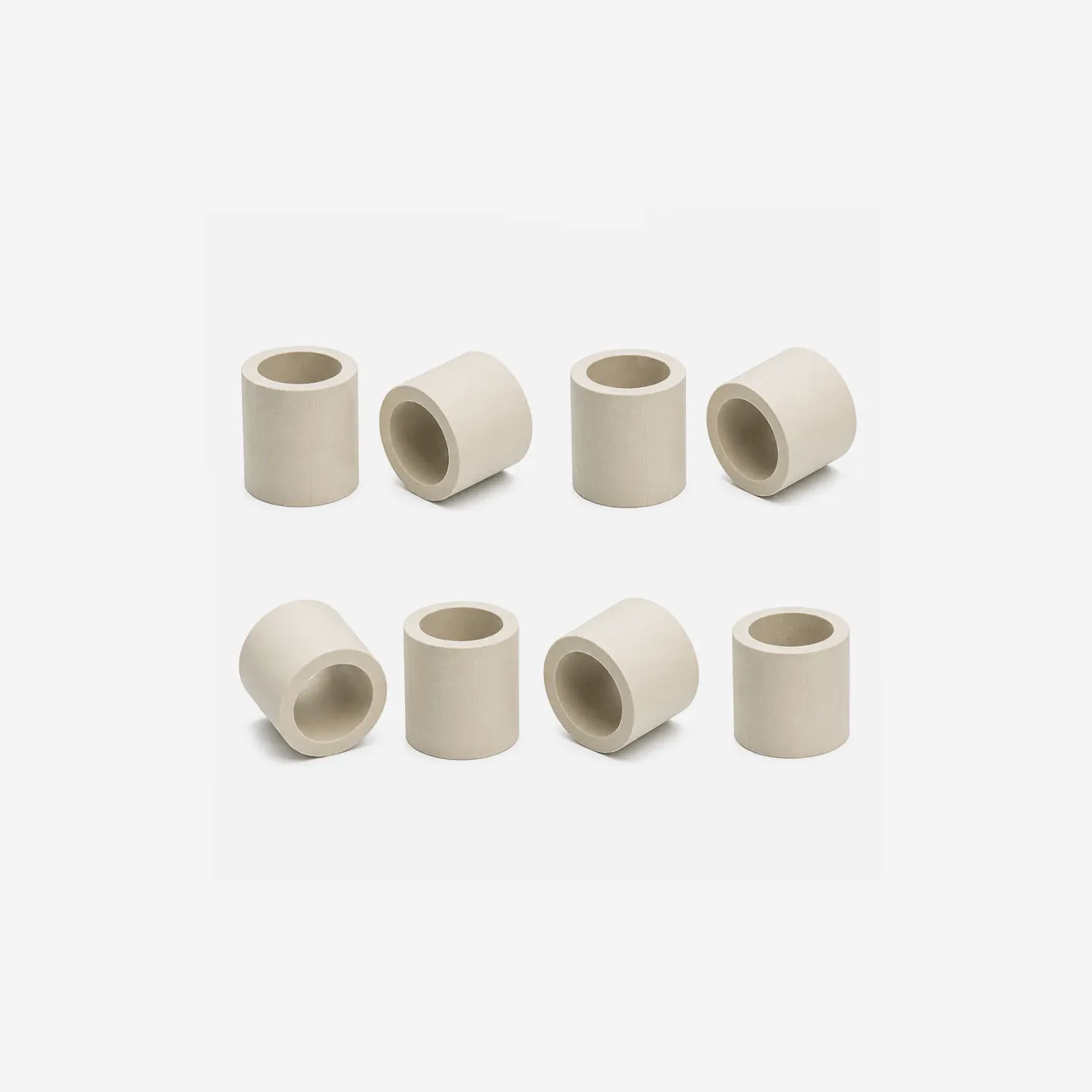
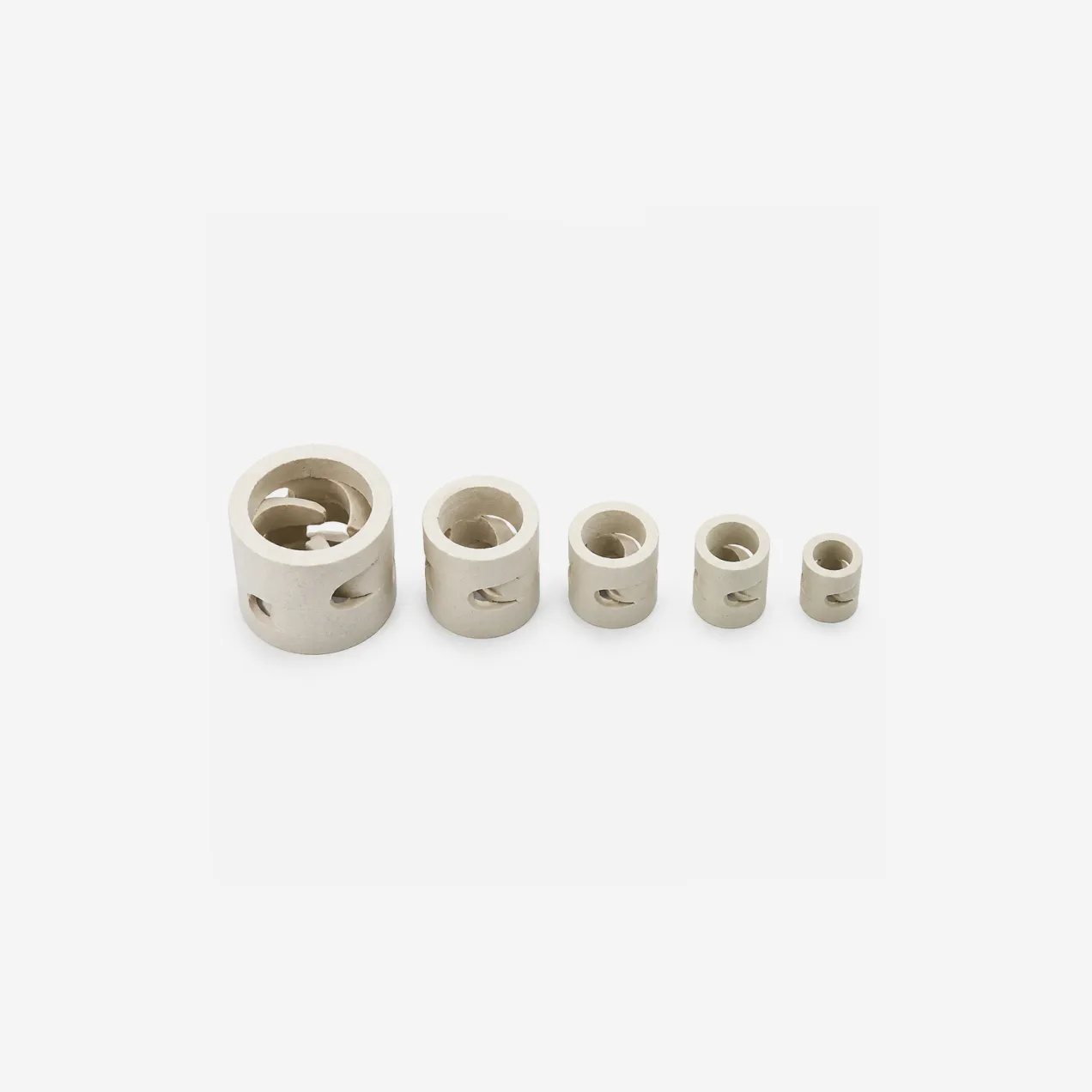
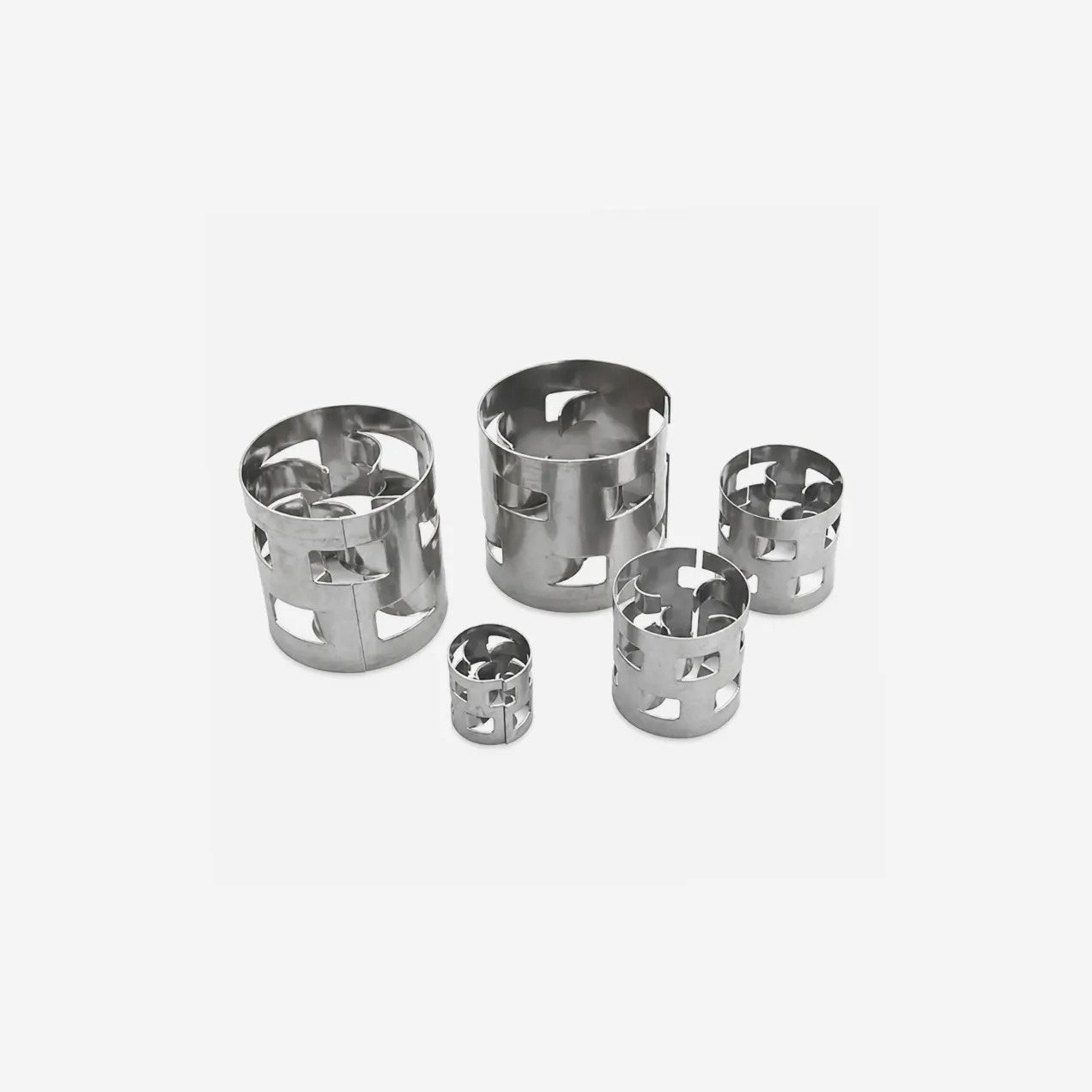
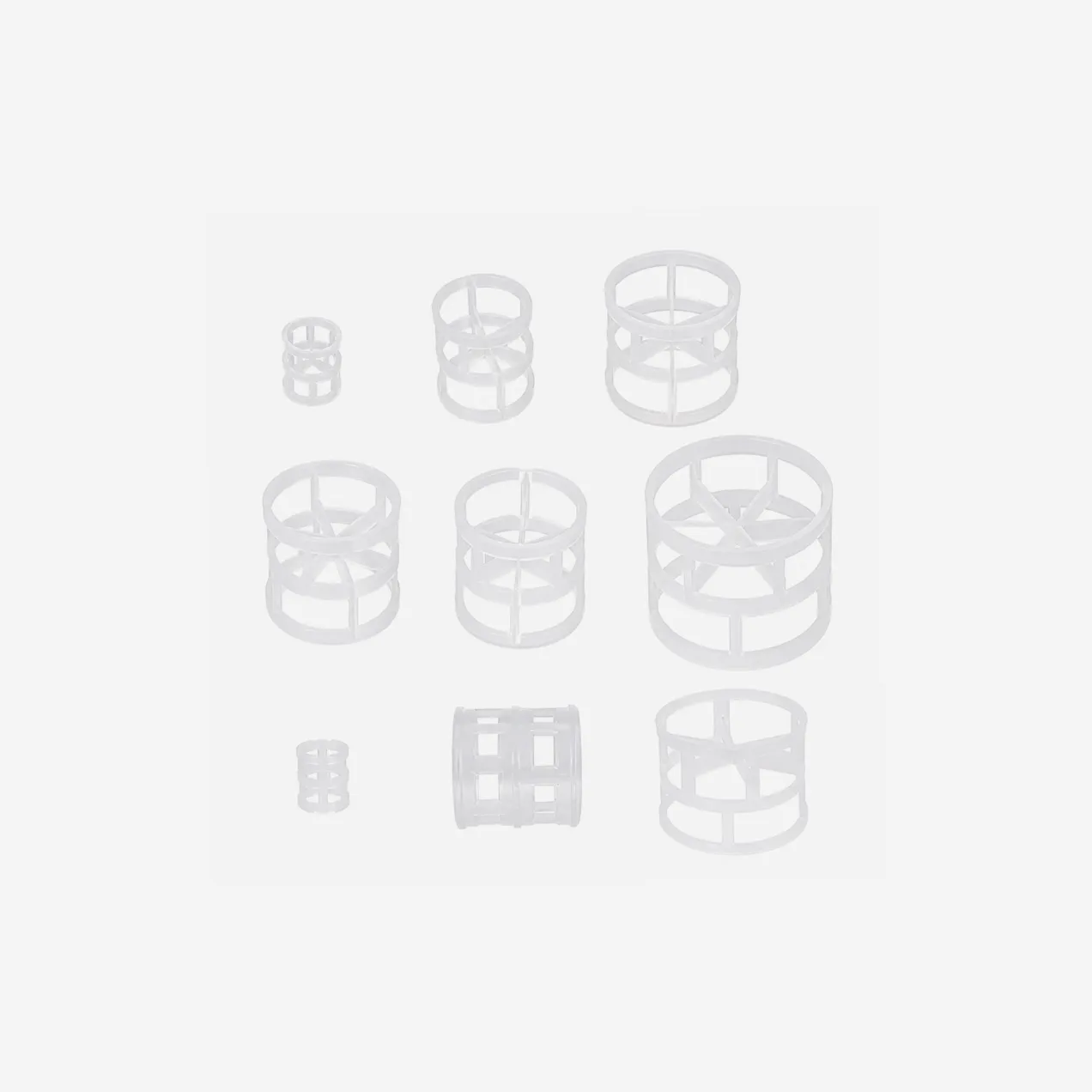
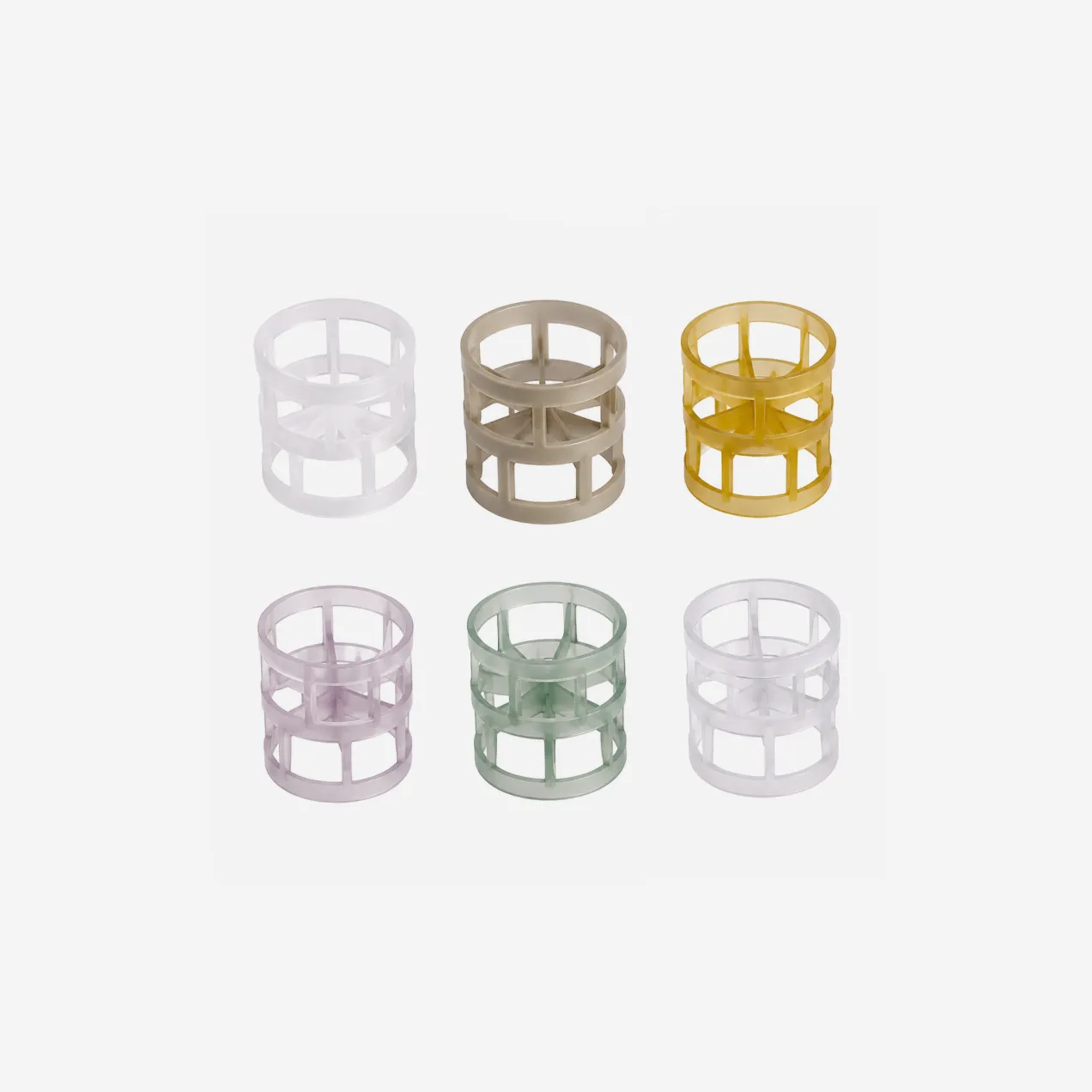
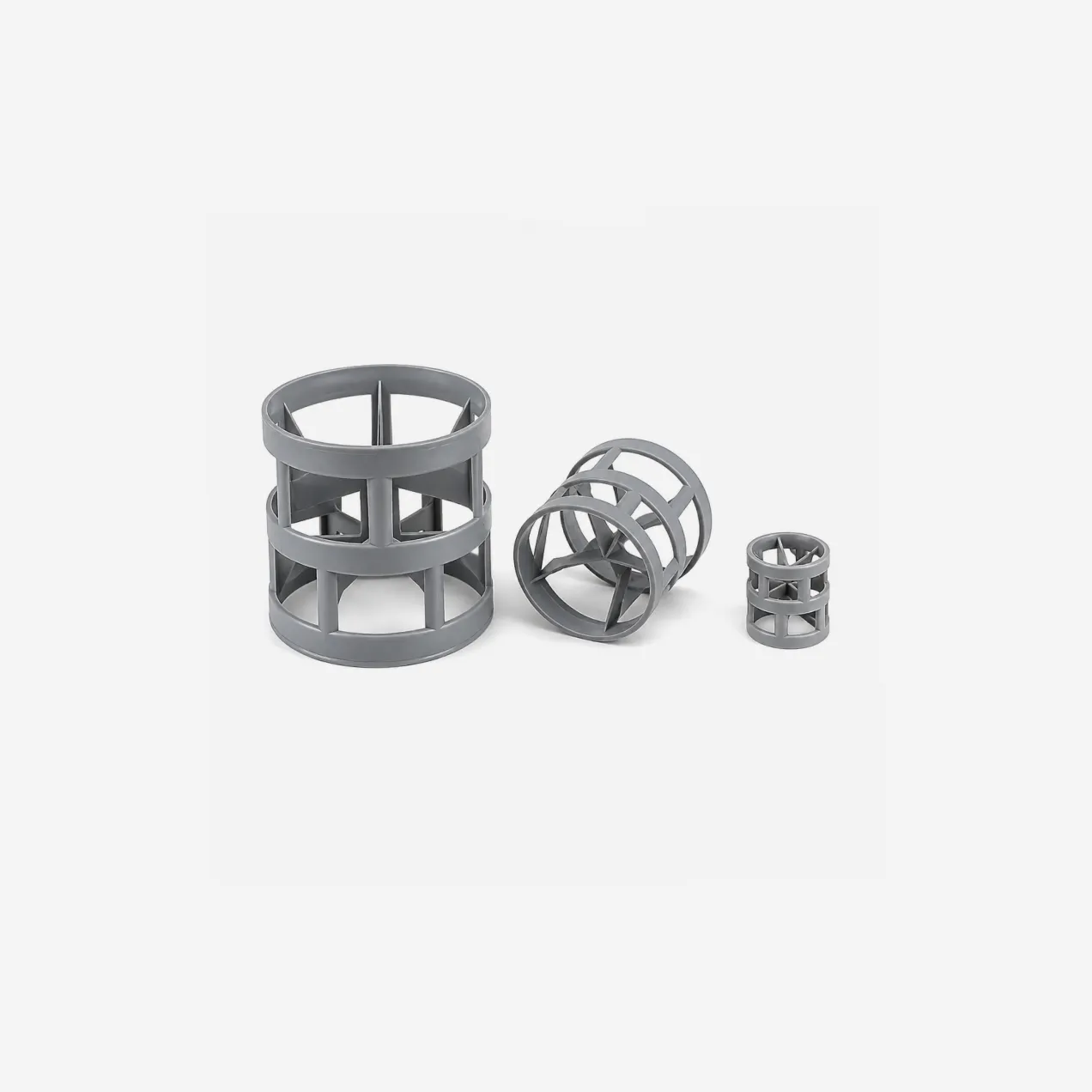
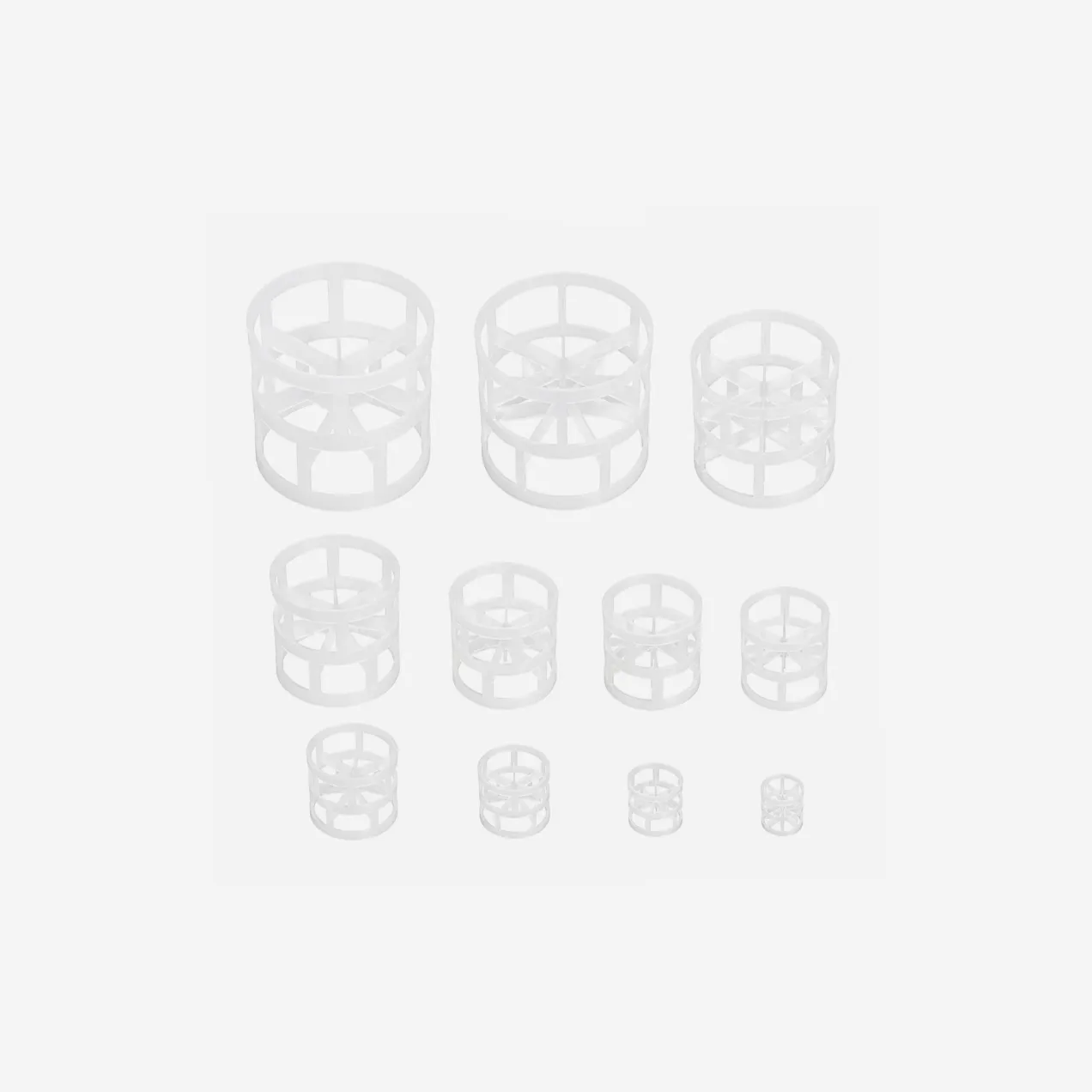
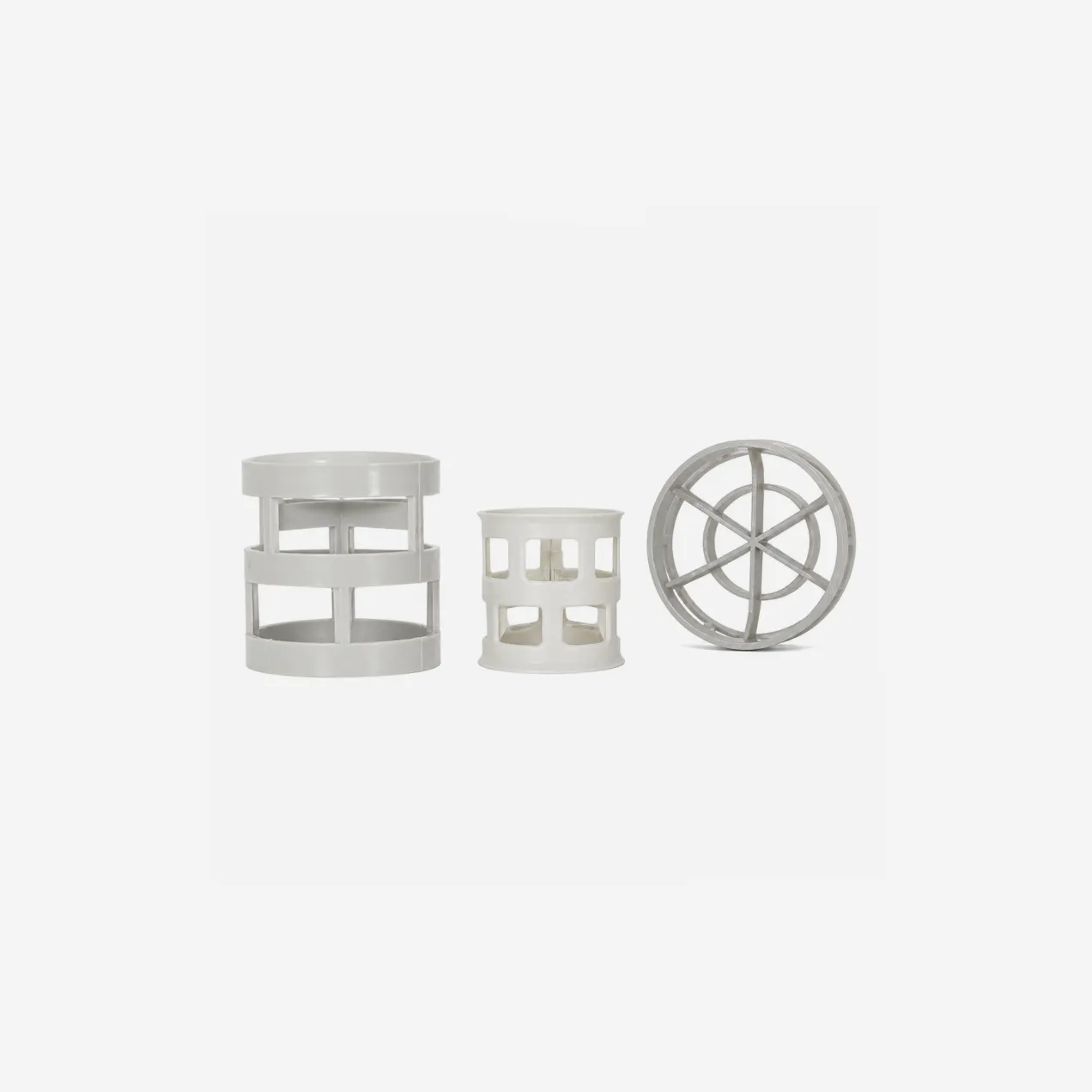
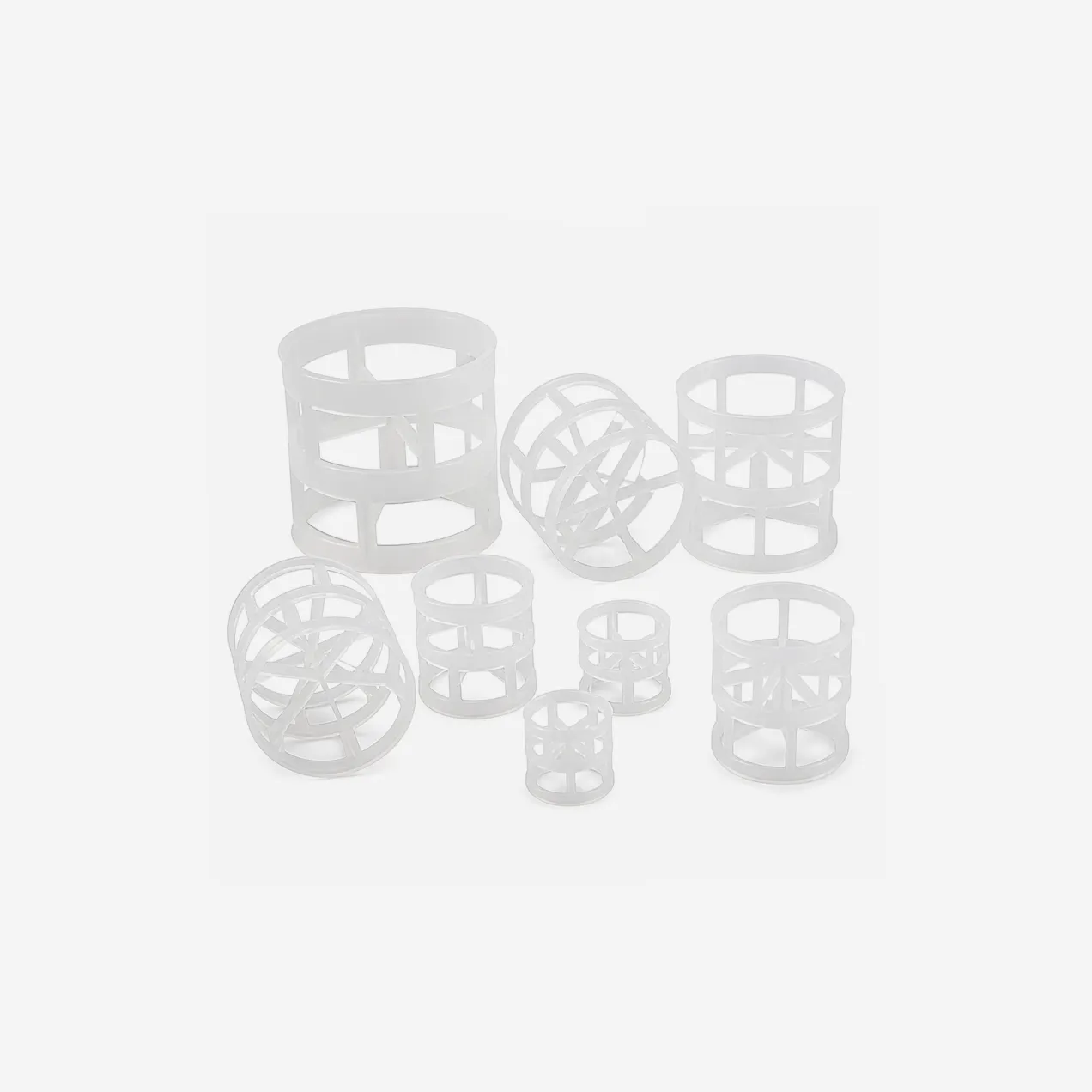
Metal Tellerette ring, also called the Teller rosette ring, is the metal form of the garland packing: twelve small rings joined radially into an open, flower-like piece, but pressed and welded from thin metal strip rather than moulded in plastic. Being metal, it takes far more heat and cold than a plastic rosette — it runs anywhere from about minus 200 up to 600 degrees — while keeping the rosette's open, hard-to-block form and a very high void fraction of 95 to 98 percent, which holds the pressure drop low and lifts throughput by roughly 20 to 40 percent over older rings. It is made in stainless steel 304 or 316L, titanium or nickel alloy for corrosion resistance. Sizes 50 to 100 mm; model RJ-1517.

  • Metal Teller rosette — twelve rings set radially into an open flower, in thin metal strip.
  • Very wide service range, about minus 200 to 600 degrees (cryogenic to high heat).
  • Very high void (95 to 98 percent); low pressure drop; throughput up 20 to 40 percent.
  • Open, non-jamming form resists clogging in fouling or viscous service.
  • Stainless 304 or 316L, titanium or nickel alloy; sizes 50 to 100 mm; model RJ-1517.

Technial Parameters

ParameterTellerette ringPall ringRaschig ring
Void fraction95–98%90–95%70–80%
Pressure dropVery lowLowModerate
Fouling riskMinimalModerateHigh
Acid resistanceExcellentGood (by material)Limited


PropertyValue
Product TypeMetal random packing (Teller rosette / Tellerette ring)
MaterialStainless steel 304 / 316L, titanium, nickel alloy
Alloy (typical)304 ≈ 18Cr-8Ni; 316L ≈ 16Cr-10Ni-2Mo
Model NO.RJ-1517
Standard Sizes50, 75, 100 mm
StructureTwelve small rings arranged radially; open rosette
Void Fraction95–98%
Service TemperatureAbout −200 to 600 °C
ThroughputAbout 20–40% above traditional rings
AdvantagesHigh void, very low pressure drop, non-clogging, high flux, acid and heat resistant
ApplicationsAcid absorption, solvent recovery, gas scrubbing, distillation, VOC abatement, wastewater, high-purity pharmaceutical distillation
TrademarkRONGJIAN
OriginChina
HS Code8419909000
Transport PackageCarton box / ton bag / steel drum

FAQs

What is a metal Tellerette ring?

A metal Tellerette ring is the metal version of the garland, or flower-ring, packing. Like the plastic rosette it is built from twelve small rings set in a radial pattern, so the finished piece is an open, flower-shaped body with plenty of gaps; unlike the plastic kind, it is formed and welded from thin metal strip. That single change, metal instead of plastic, is what defines it. The metal holds the open rosette shape under heat, cold and mechanical load that would soften or distort a plastic packing, and it lets the piece be very thin-walled, so the void fraction reaches 95 to 98 percent. The open, radial form still does what a rosette does well: it does not jam or clog, and it spreads gas and liquid over a large surface at a very low pressure drop. It is, in short, a rosette packing for duties too hot, too cold or too demanding for plastic.

Which metals is it made from, and what temperature can it take?

The ring is made from corrosion-resistant metals, and the choice follows the chemistry, not just the temperature. Stainless steel 304 is the general-purpose grade; 316L, with molybdenum added, resists chlorides and a wider range of acids; titanium is the answer for wet chlorine, seawater and oxidising acids; and nickel alloys cover the most aggressive hot acids. What all of them share, and what plastic cannot match, is the temperature range: a metal Tellerette works from cryogenic cold, around minus 200 degrees, up to about 600 degrees. That is why the metal version is chosen for hot distillation, cold gas separation and other duties that run far outside the roughly 150-degree ceiling of a plastic rosette. Tell us the medium and the temperature and we will name the alloy.

What is a metal Tellerette ring used for?

The metal Tellerette earns its place where the service is hot, aggressive or demands purity. In chemical plants it is used for acid absorption and solvent recovery; in petrochemical work for gas scrubbing and distillation; in environmental plants for VOC abatement and wastewater treatment; and in pharmaceutical work for the distillation of high-purity solvents. In each, the draw is the same set of qualities: a very high void that passes a large flow at a low pressure drop, an open shape that resists fouling, and a metal body that stands up to strong acids and to a wide sweep of temperature. Where a column runs hot, cold or clean beyond what plastic allows, the metal rosette is the fit.

How does it compare with Pall and Raschig rings?

Against the two classic rings, the Tellerette leads on openness and fouling. Its void fraction, at 95 to 98 percent, is higher than a Pall ring's 90 to 95 percent and far above a plain Raschig ring's 70 to 80 percent, so its pressure drop is very low where the Pall is low and the Raschig only moderate. On fouling it is better still: the open rosette clogs minimally, where a Pall ring is moderate and a Raschig ring prone to it. And because it is metal, its acid resistance is excellent, set by the alloy, whereas a Raschig ring's is limited and a Pall ring's depends on what it is made from. The trade is cost and a more intricate shape; for a straightforward, low-duty column a Pall or Raschig ring is cheaper. Send the duty and we will help you weigh it.

The metal Tellerette ring is the garland packing rendered in metal. Twelve small rings are set radially and joined into an open, flower-shaped piece, but where the familiar rosette is moulded plastic, this one is pressed and welded from thin metal strip — stainless steel 304 or 316L, titanium, or a nickel alloy. Metal buys two things plastic cannot. It survives a huge span of temperature, from cryogenic cold near minus 200 degrees up to about 600 degrees, and it holds the open rosette shape under heat and load, thin-walled enough that the void reaches 95 to 98 percent. The shape itself keeps the rosette's virtues: it does not jam, it drains freely, and it moves a large flow at a very low pressure drop.

Set against the two rings it is meant to better:

ParameterTellerette ringPall ringRaschig ring
Void fraction95 to 98 percent90 to 95 percent70 to 80 percent
Pressure dropVery lowLowModerate
Fouling riskMinimalModerateHigh
Acid resistanceExcellentGood (by material)Limited

Those strengths point the metal Tellerette at the harder gas-liquid duties: acid absorption and solvent recovery in chemical plants, gas scrubbing and distillation in petrochemicals, VOC abatement and wastewater treatment in environmental work, and high-purity solvent distillation in pharmaceuticals — anywhere the service runs too hot, too cold or too corrosive for a plastic packing, and where its throughput, up 20 to 40 percent on older rings, pays. For a simple, mild, low-cost column a Pall or Raschig ring will still serve. Give us the column, the medium and the temperature and the alloy and size follow.