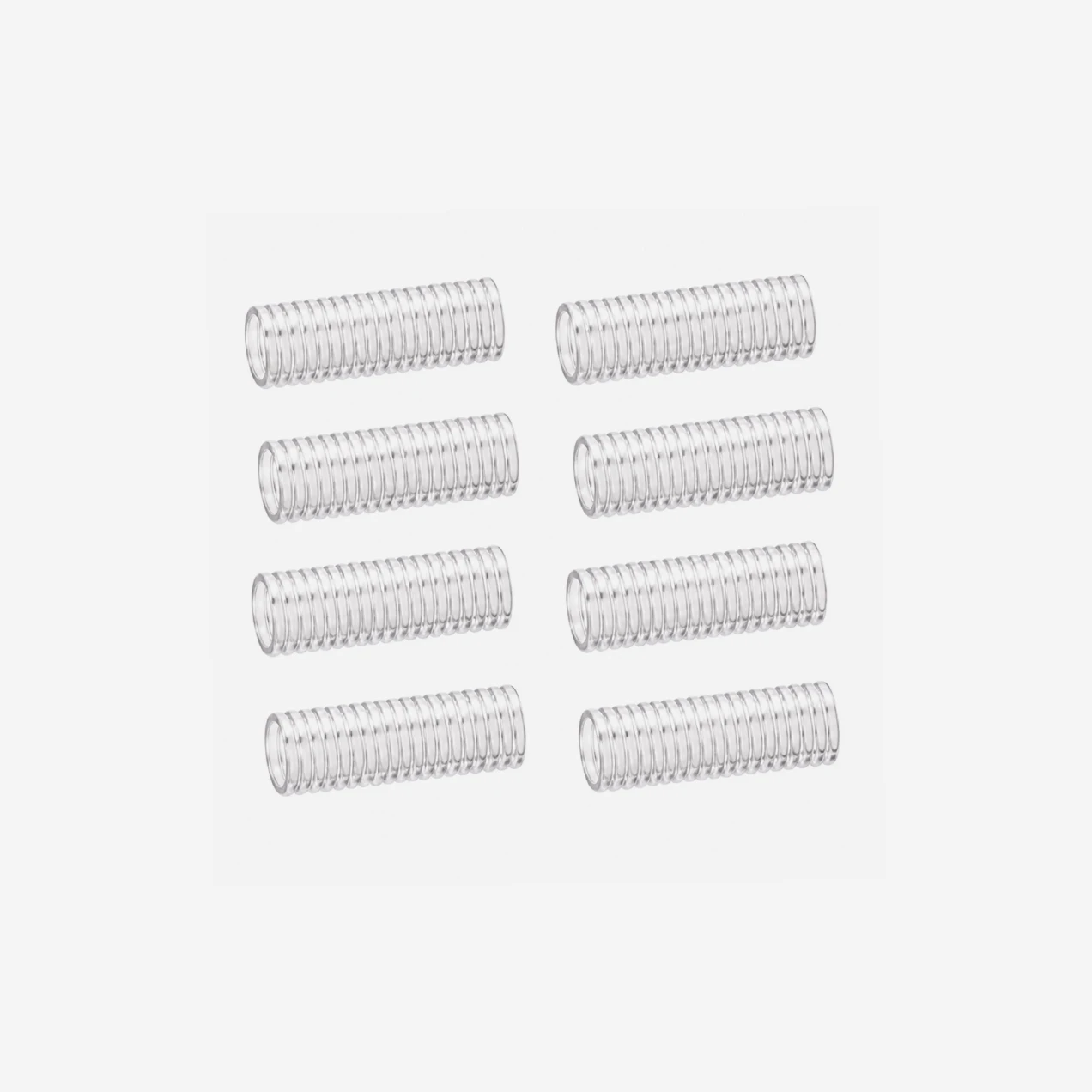
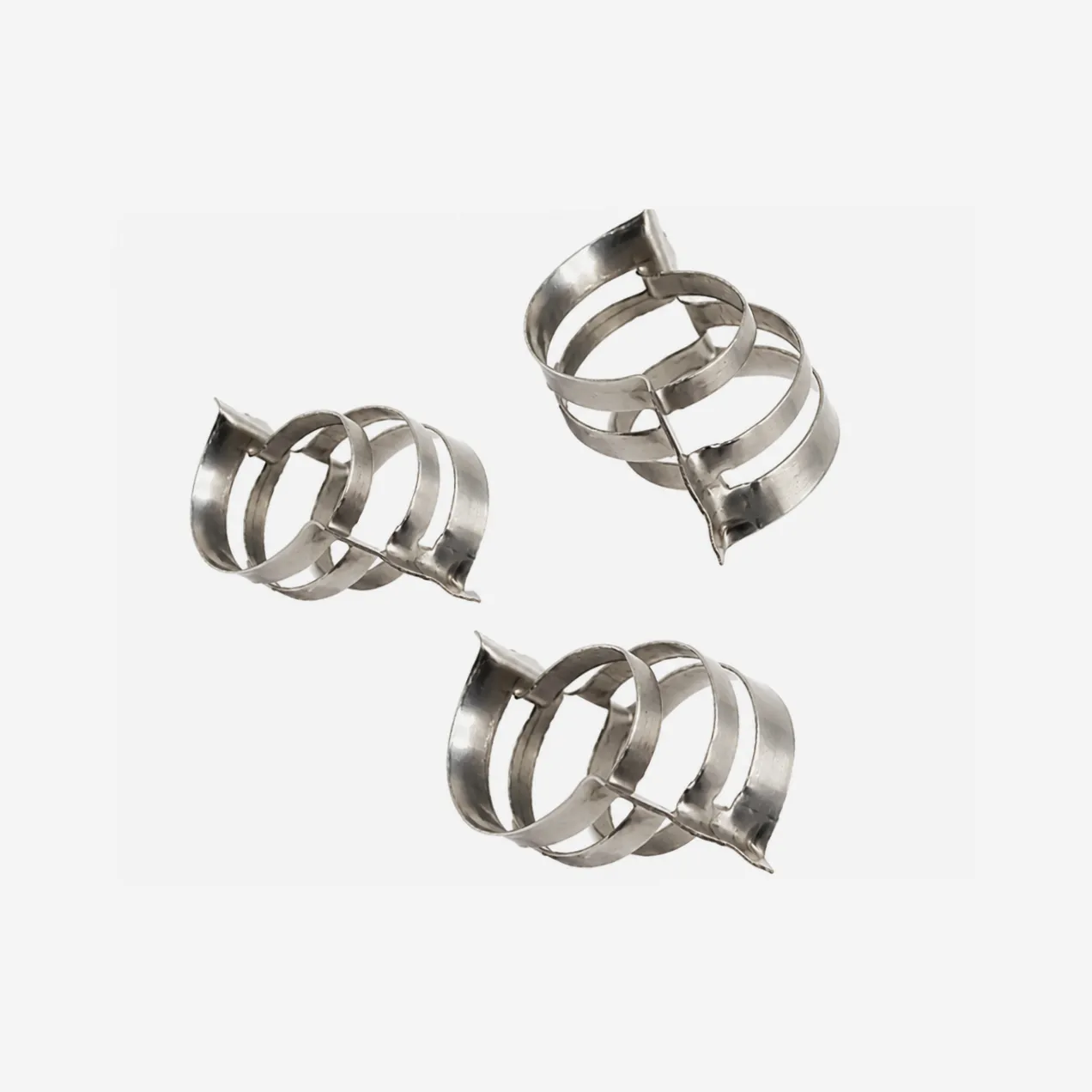
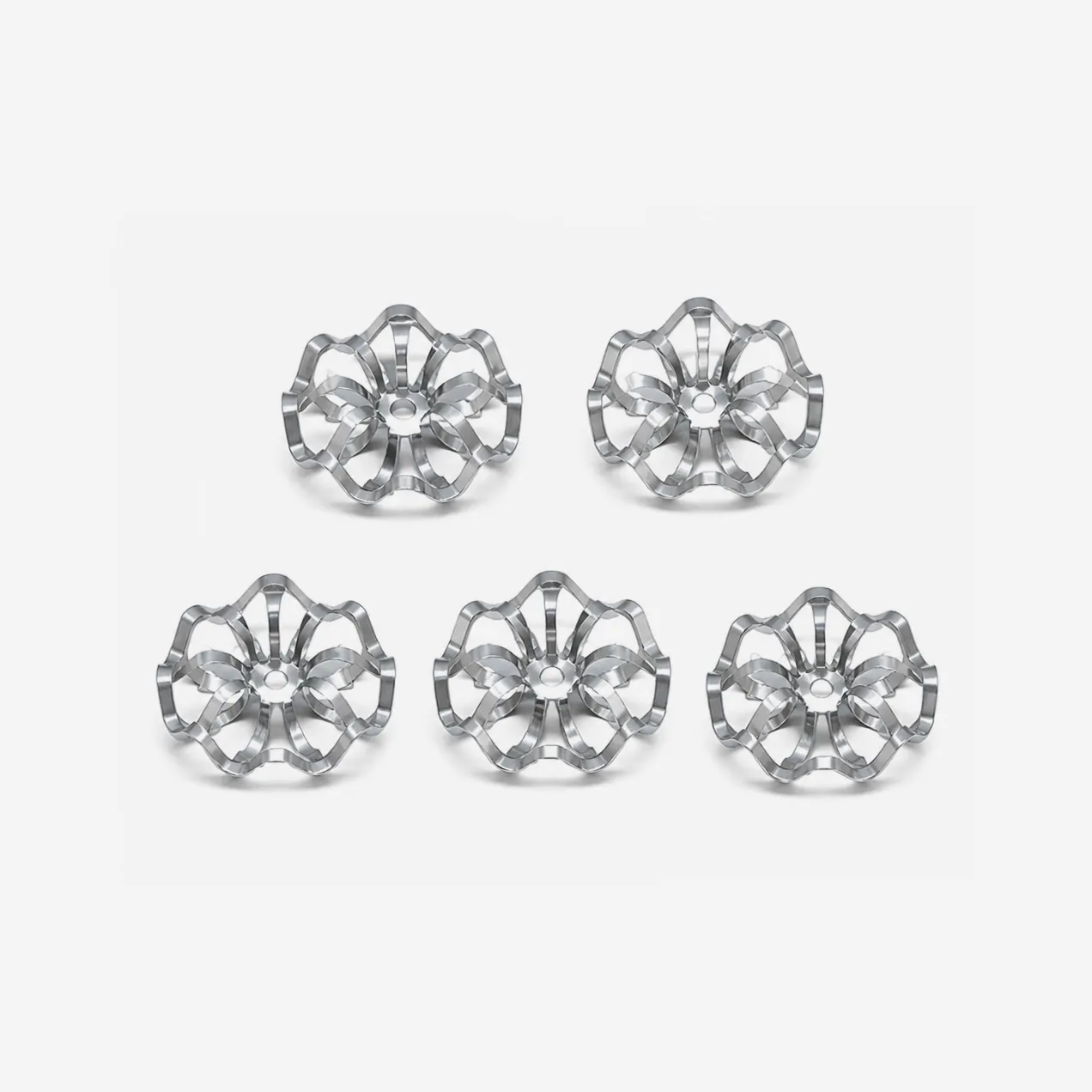
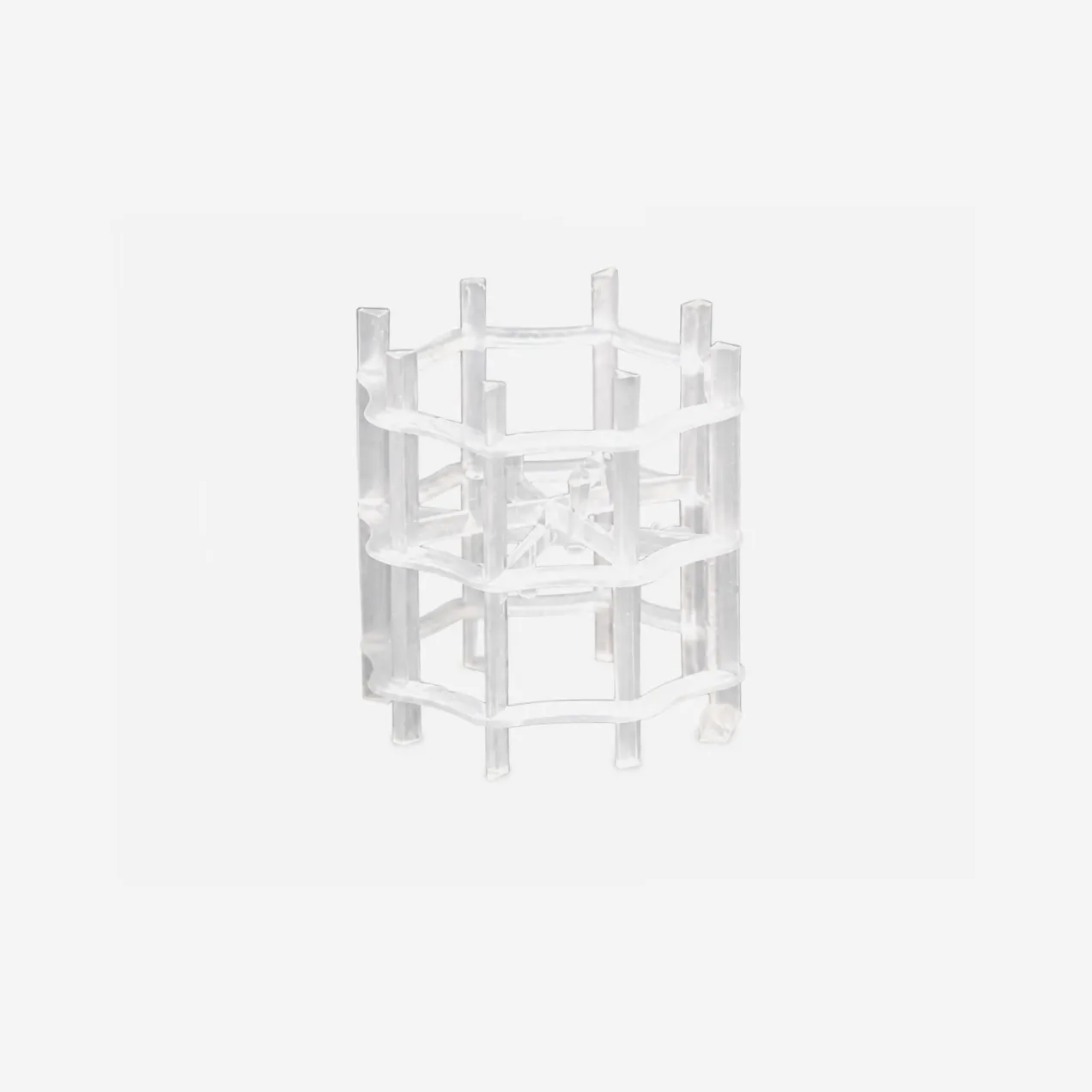
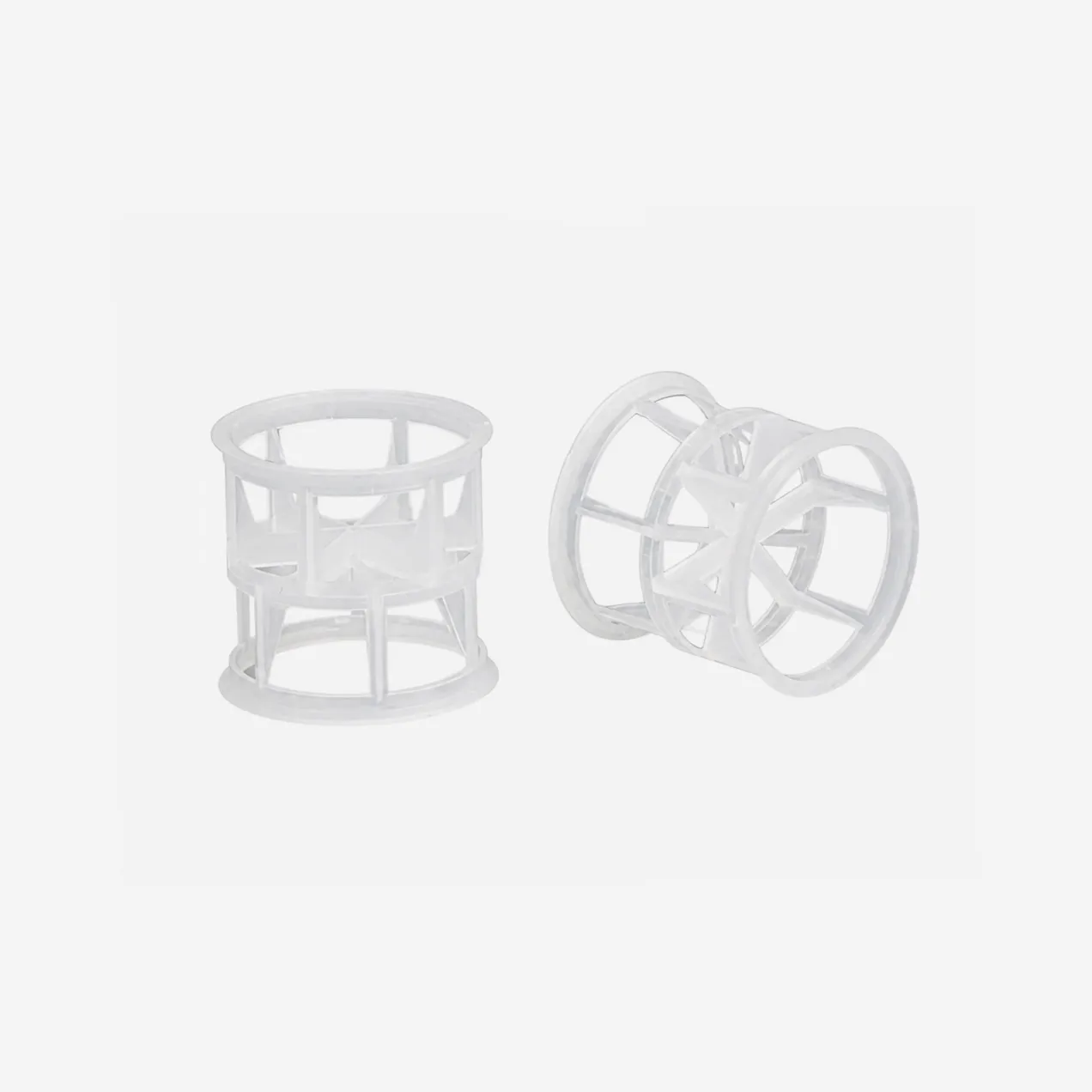
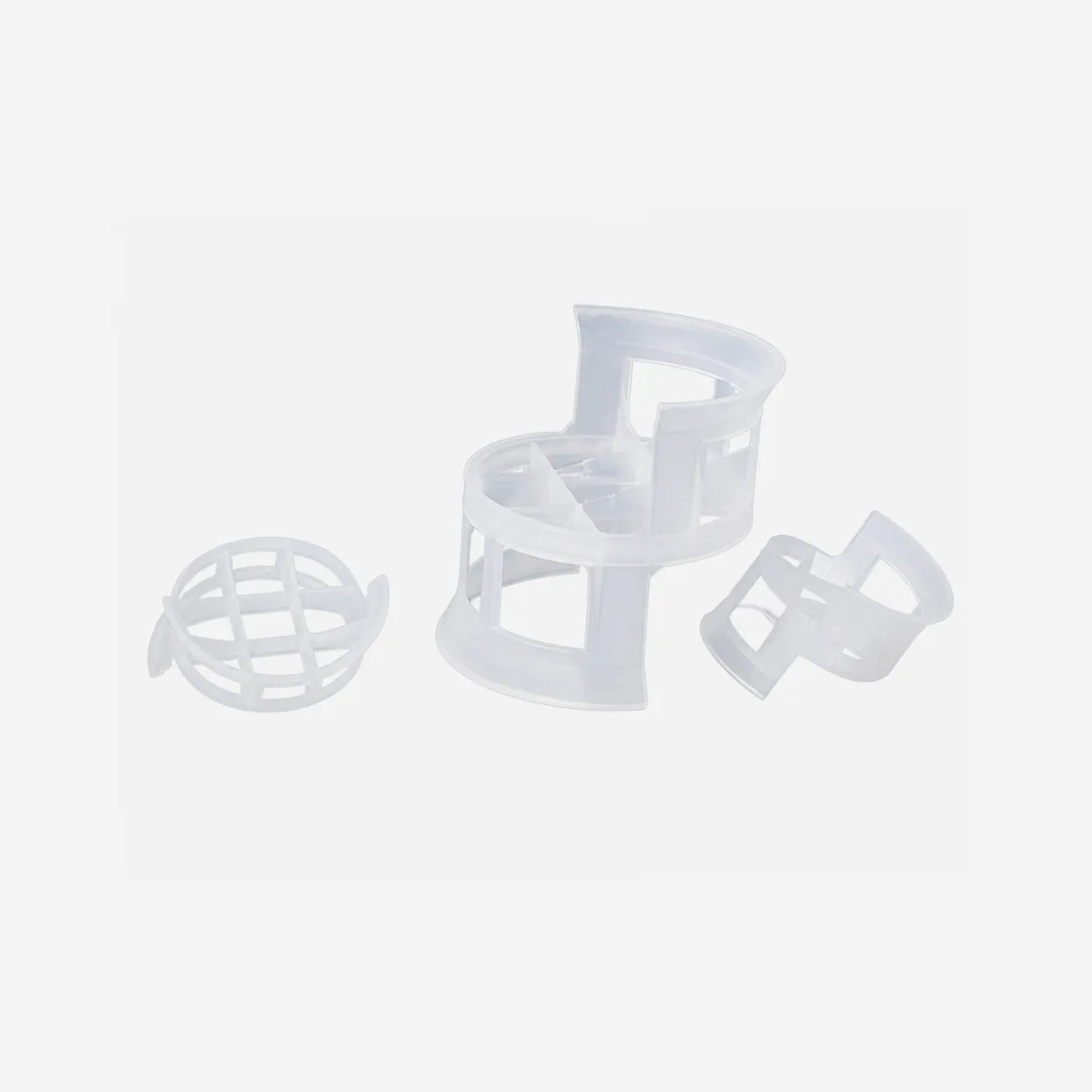
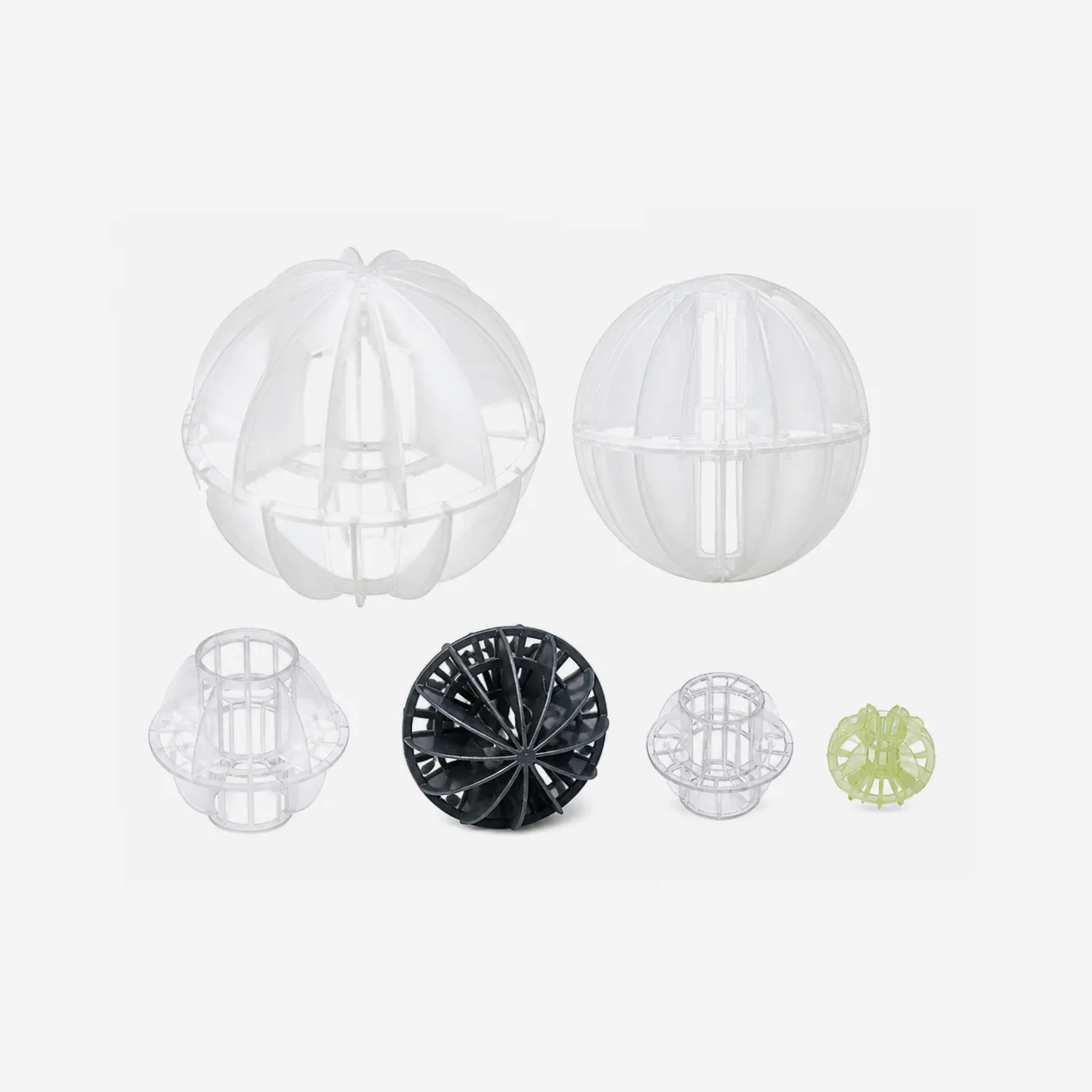
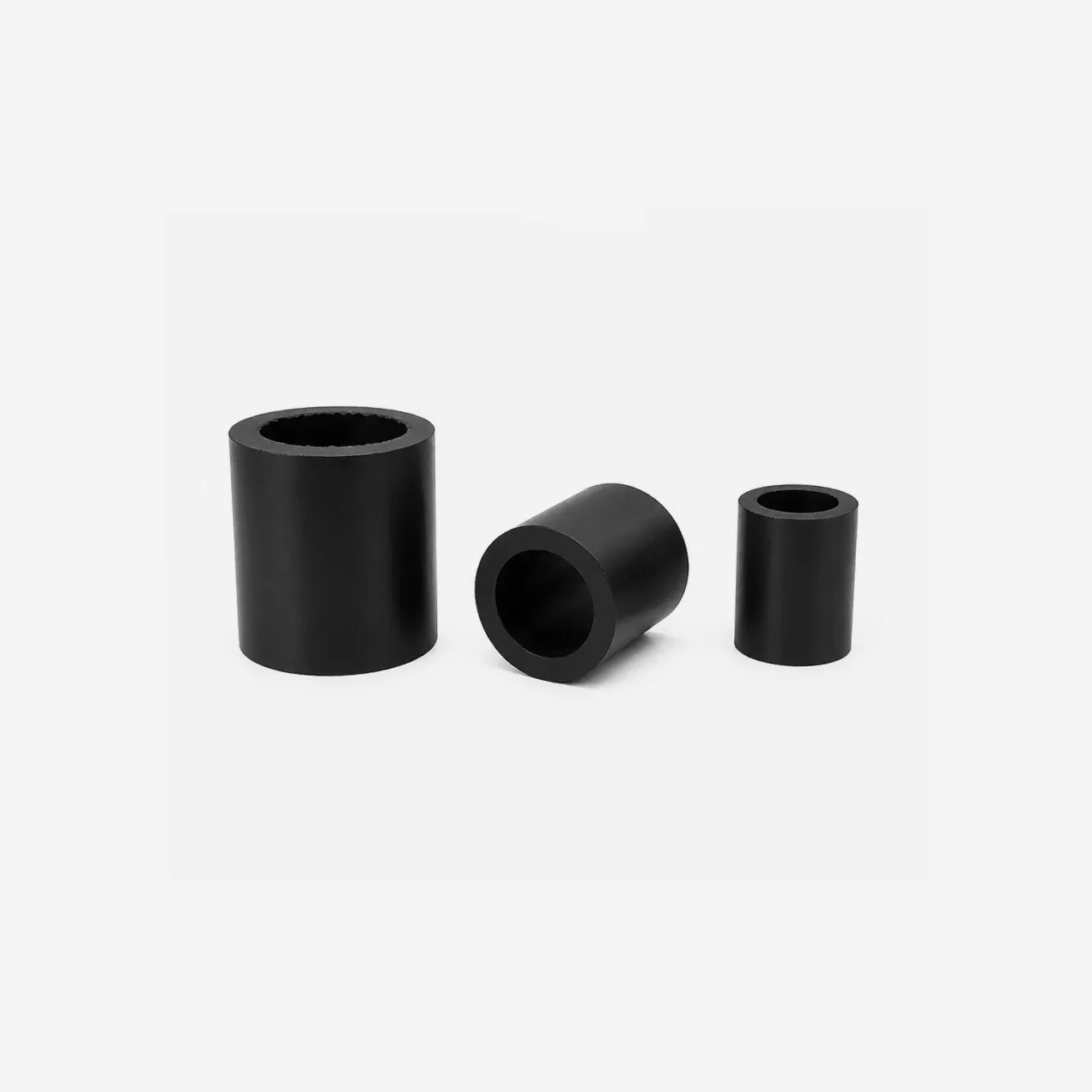
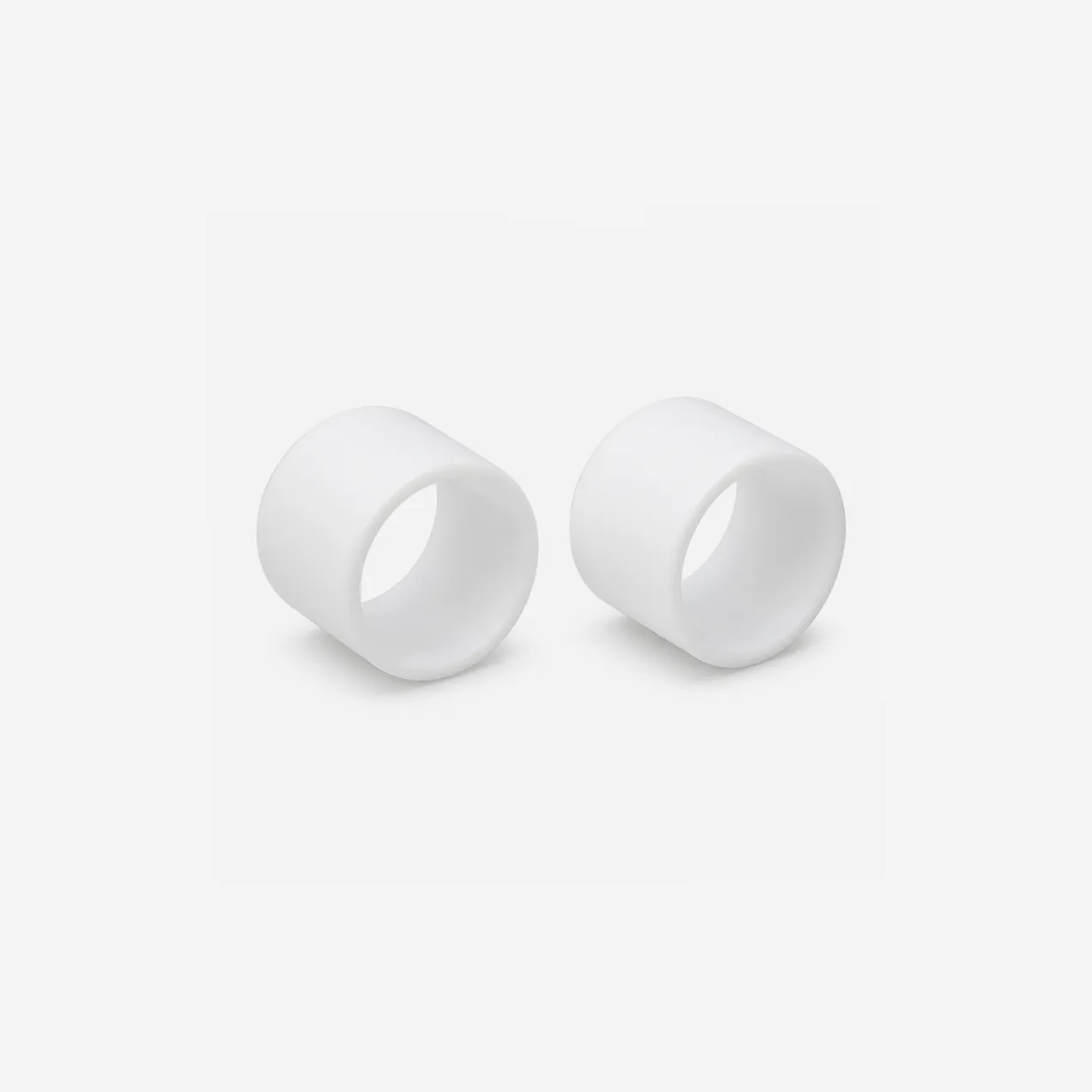
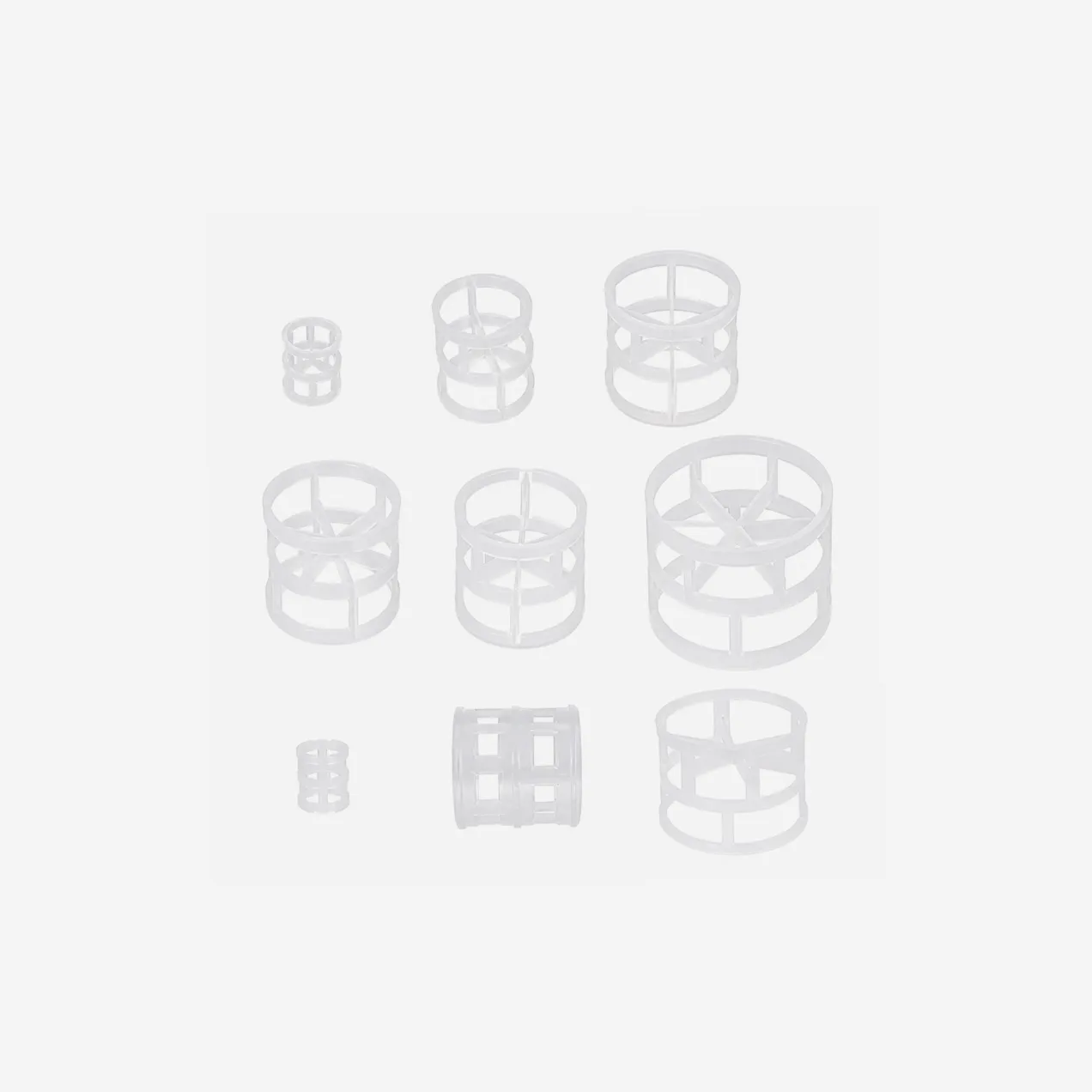
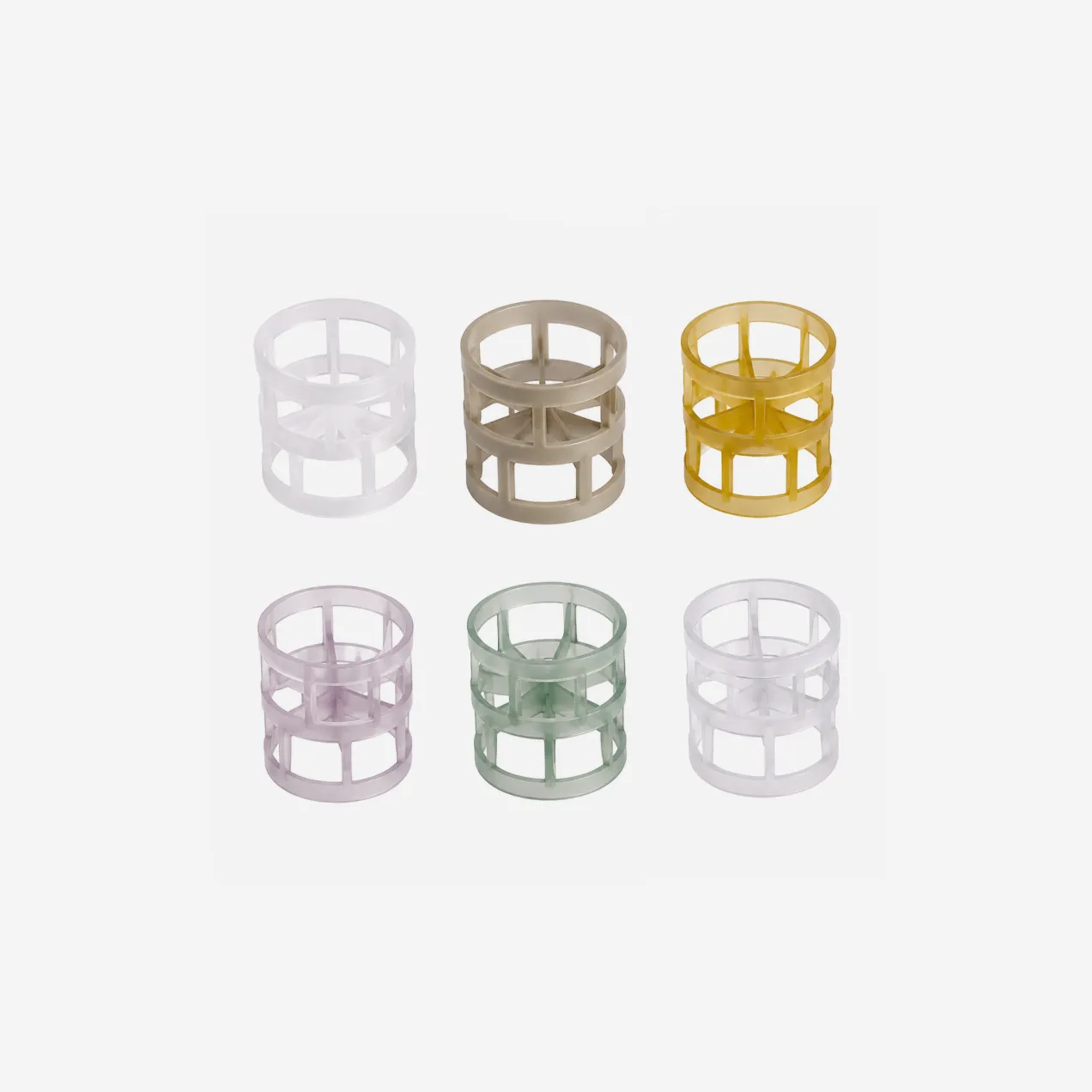
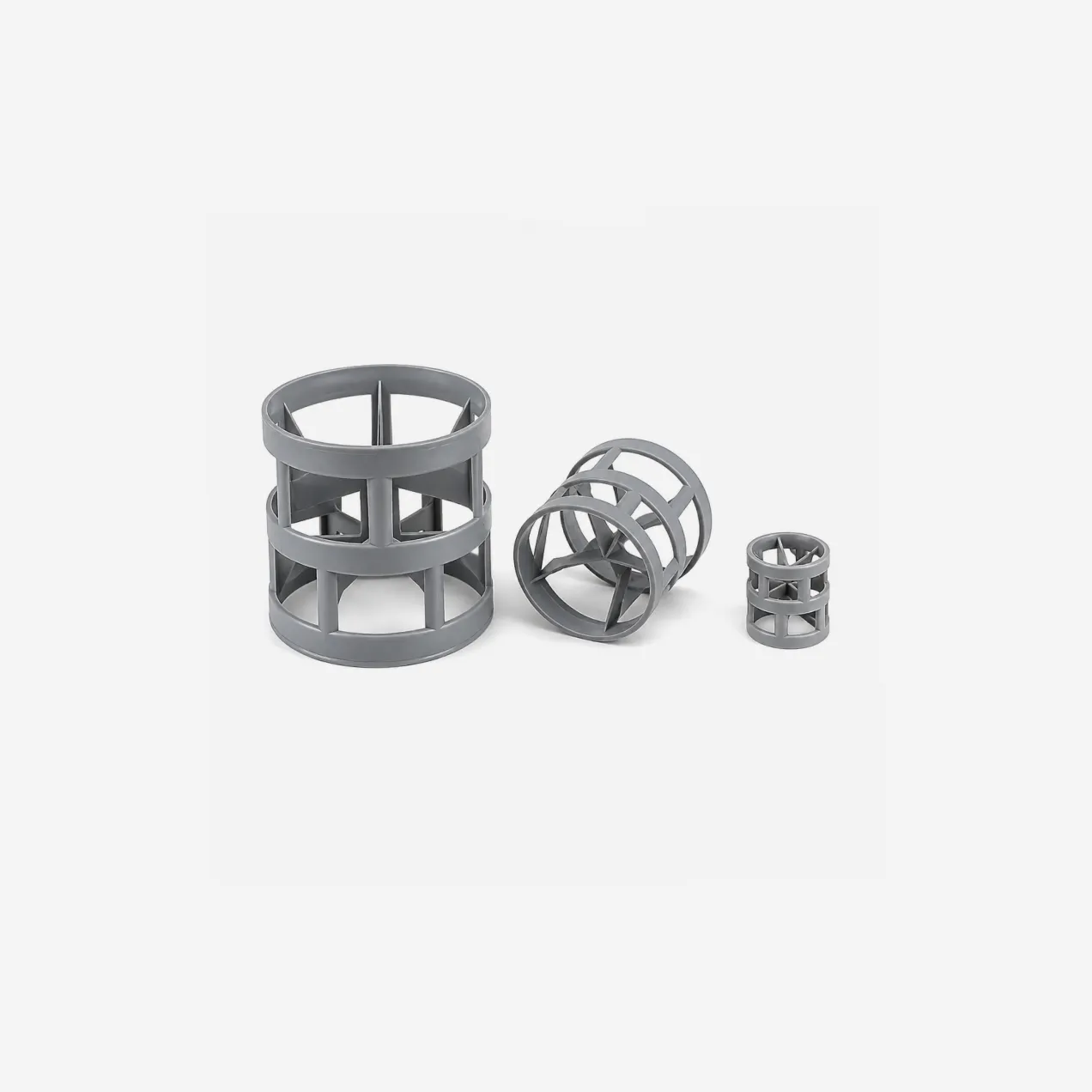
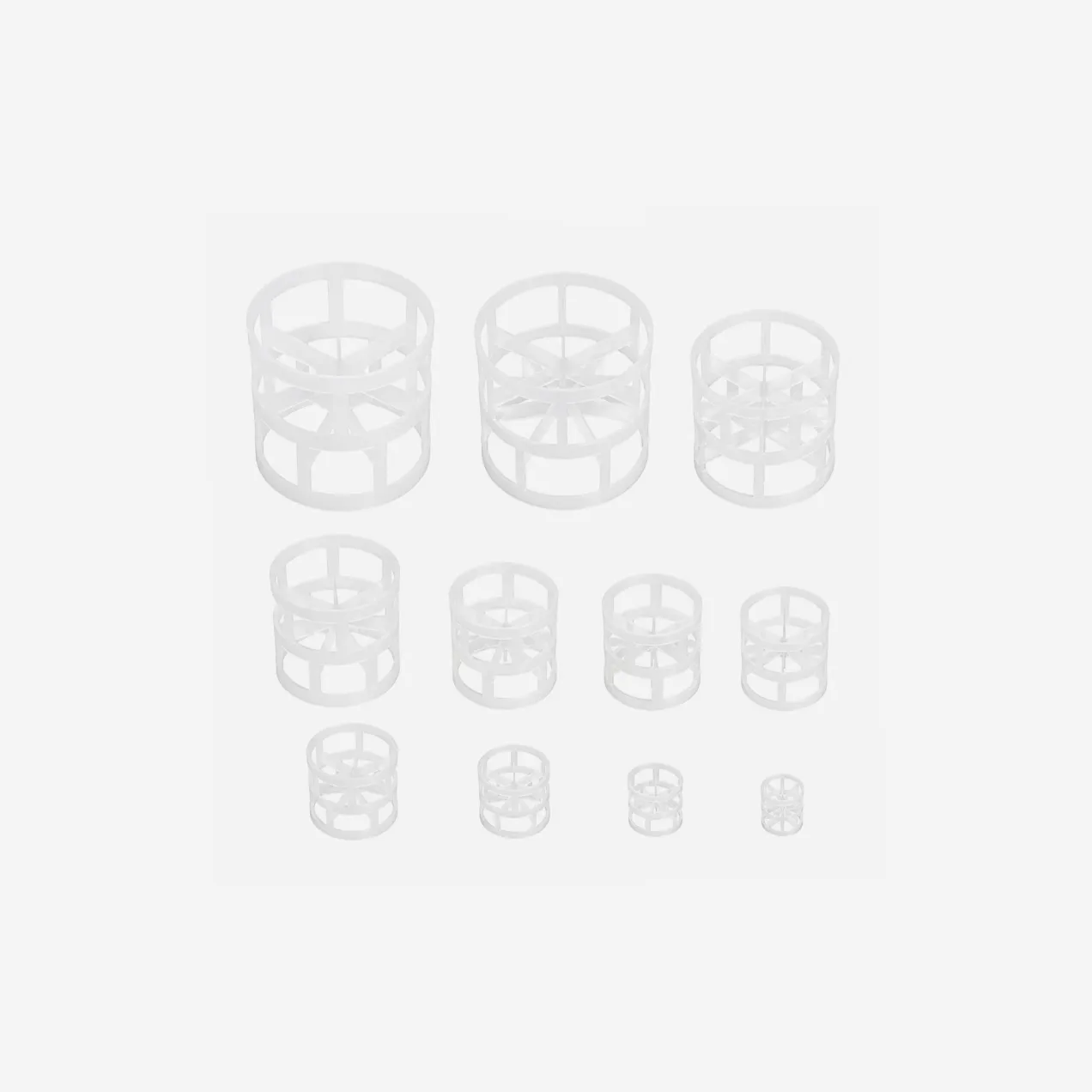
Glass spring packing is a small laboratory column packing made of glass wound into a spring-shaped ring. The fine glass strand draws the liquid out into a thin capillary film, spreading it over a large surface and keeping it in contact with the rising vapour, so a bed of the springs separates the feed stage by stage. Its defining quality is the glass: completely inert, it neither corrodes nor sheds metal ions, which makes it the packing for corrosive acids and for systems that must stay metal-free. Its separation efficiency is a middle choice, as the table shows.
Glass spring against the other small-column packings:
| Packing | Material | Efficiency | Best for |
|---|
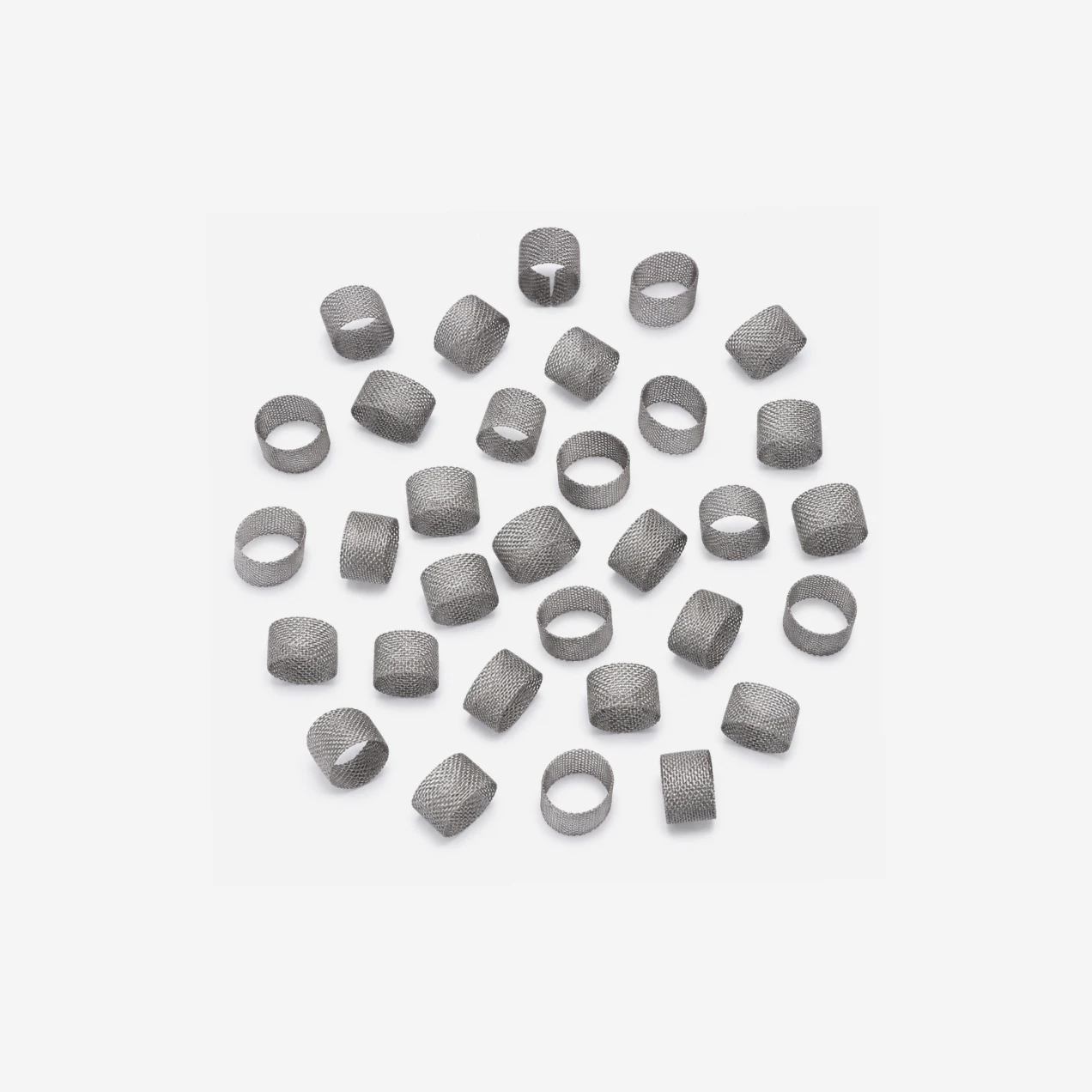
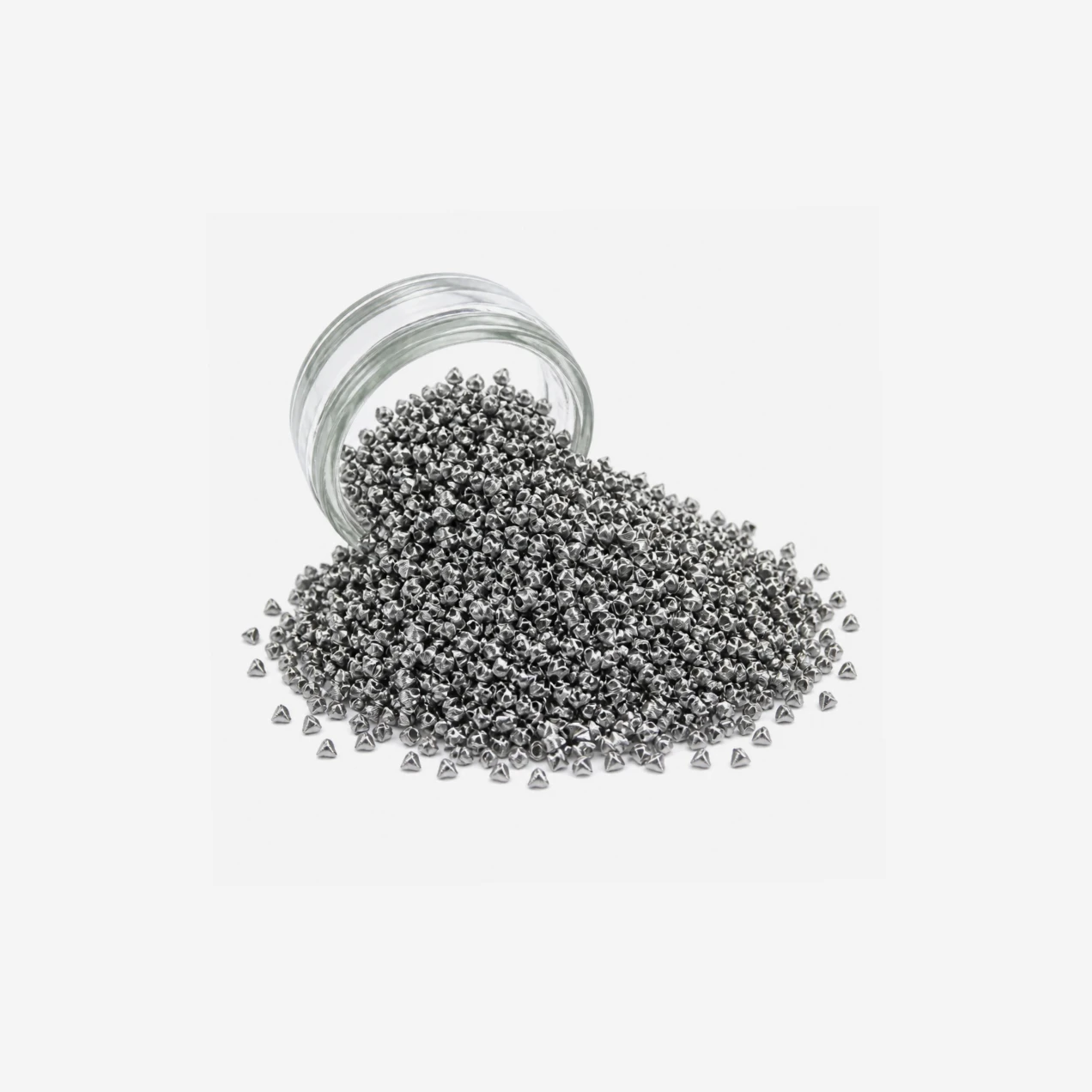
| θ ring / triangular spiral | Stainless-steel wire | Highest | Sharpest separation, non-corrosive duty |
| Glass spring | Glass | Middle | Corrosive acids; metal-free systems |
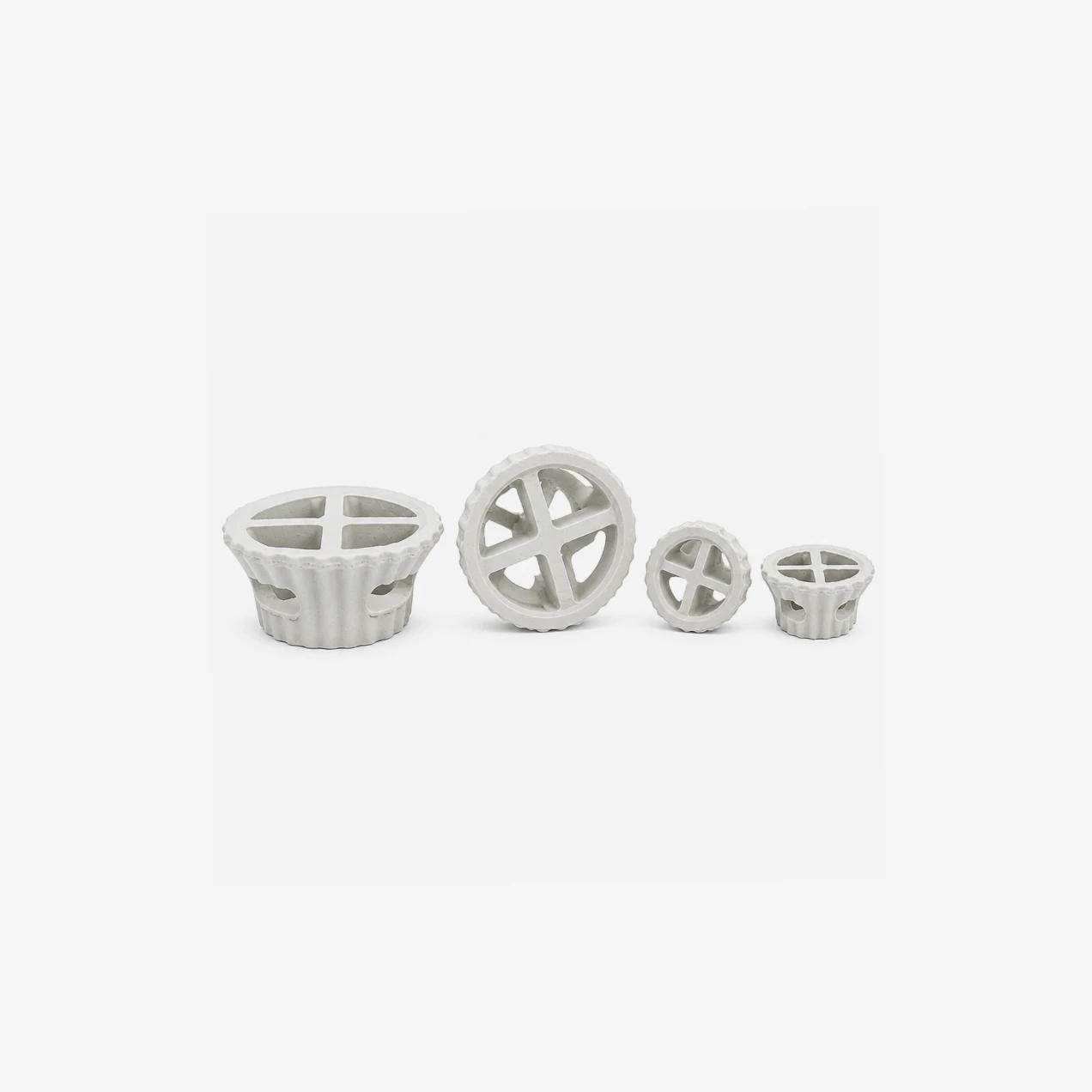
| Ceramic Raschig ring | Ceramic | Lowest | Simple, low-cost, corrosion-resistant |
It is used in laboratory and pilot rectification and in small fine-chemical and pharmaceutical production columns, especially with strong inorganic acids and iron-sensitive systems. It is made in sizes from φ4 to φ10 mm, with a surface of 300 to 400 m²/m³, a high voidage of 85 to 95 percent and a low pressure drop; the per-size figures are in the table above. Tell us your mixture and column, and we will choose the size.