search
Search

Enter keywords to search for products, blog posts, and more.


Home > UPVC Pall Ring

UPVC Pall Ring
UPVC Pall Ring

UPVC Pall Ring

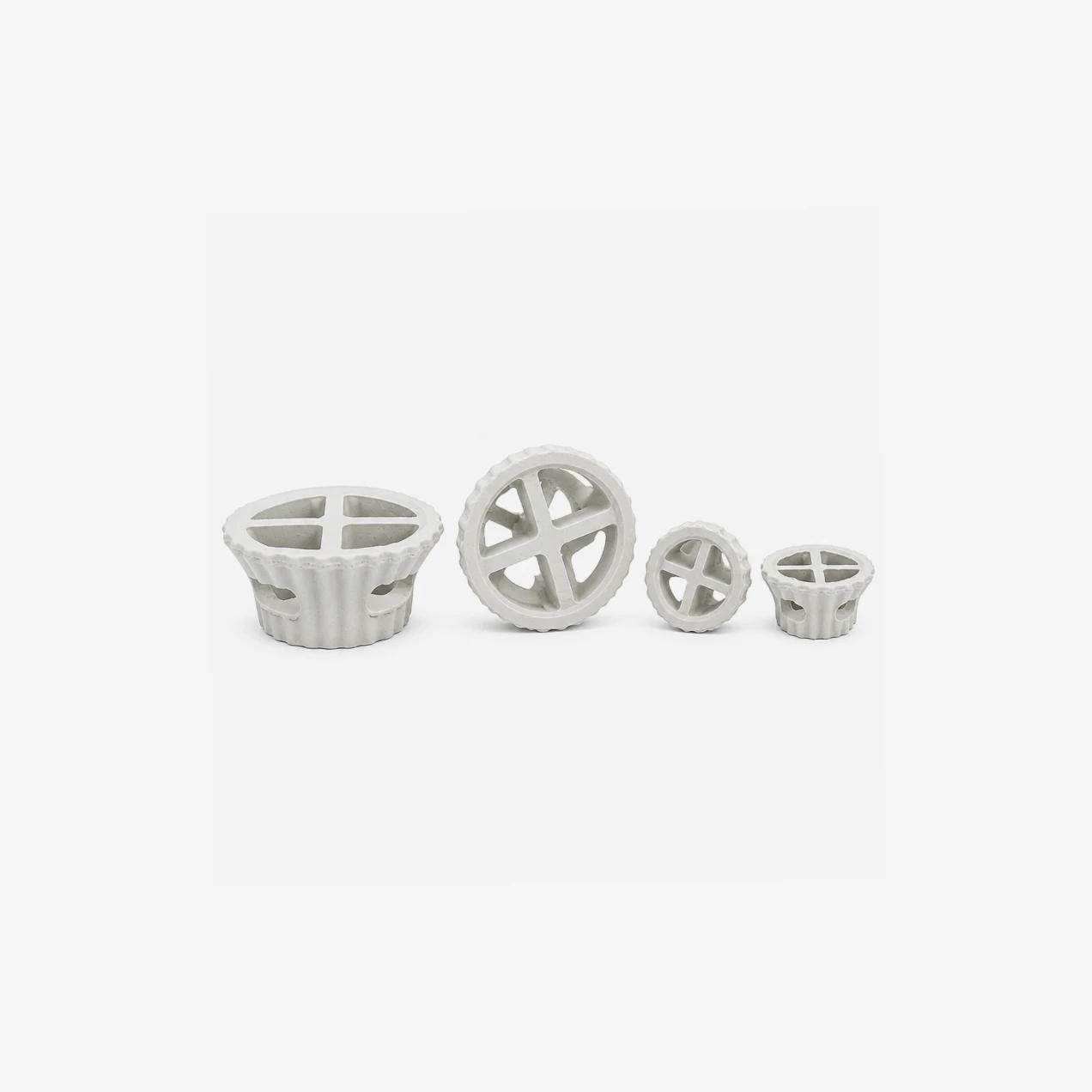
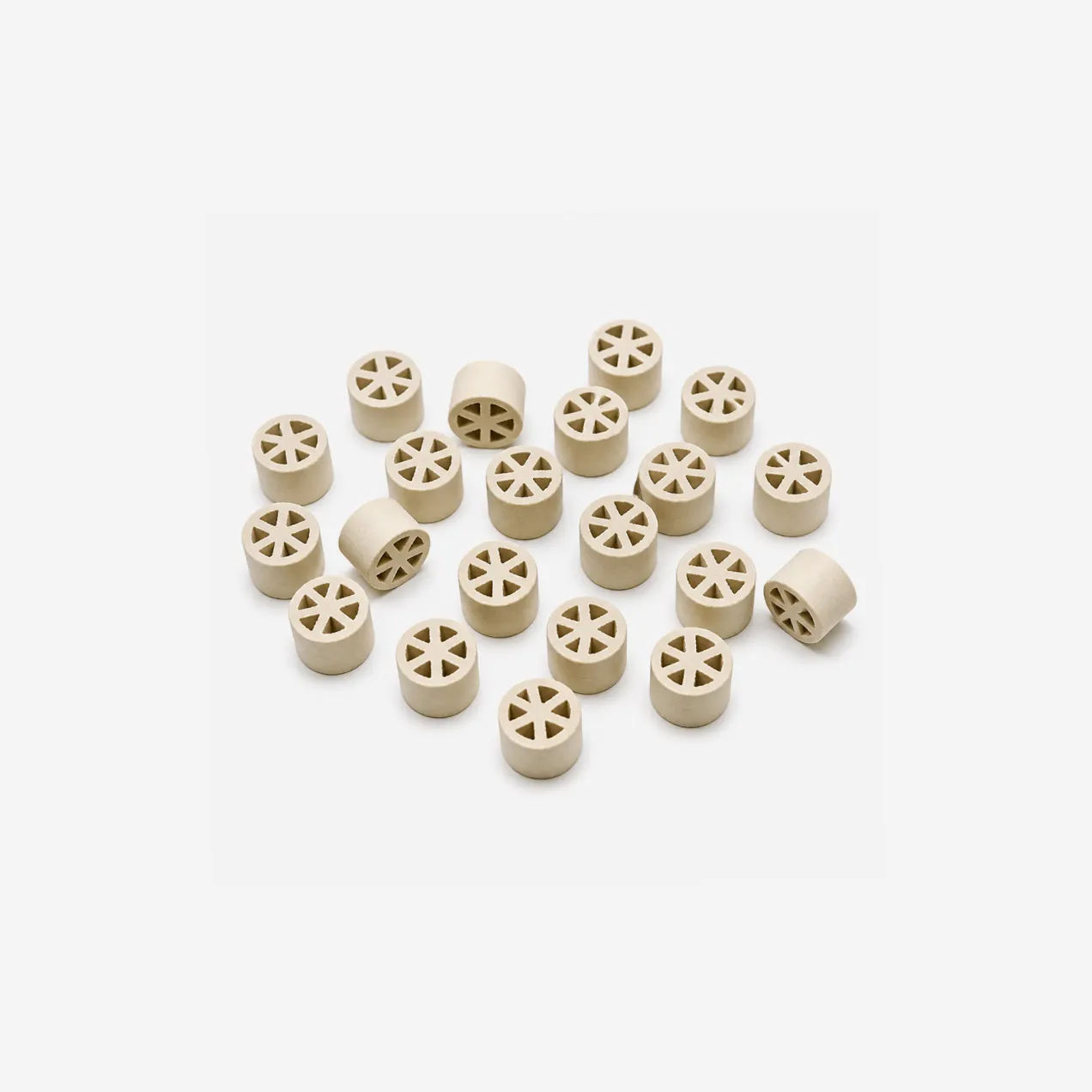
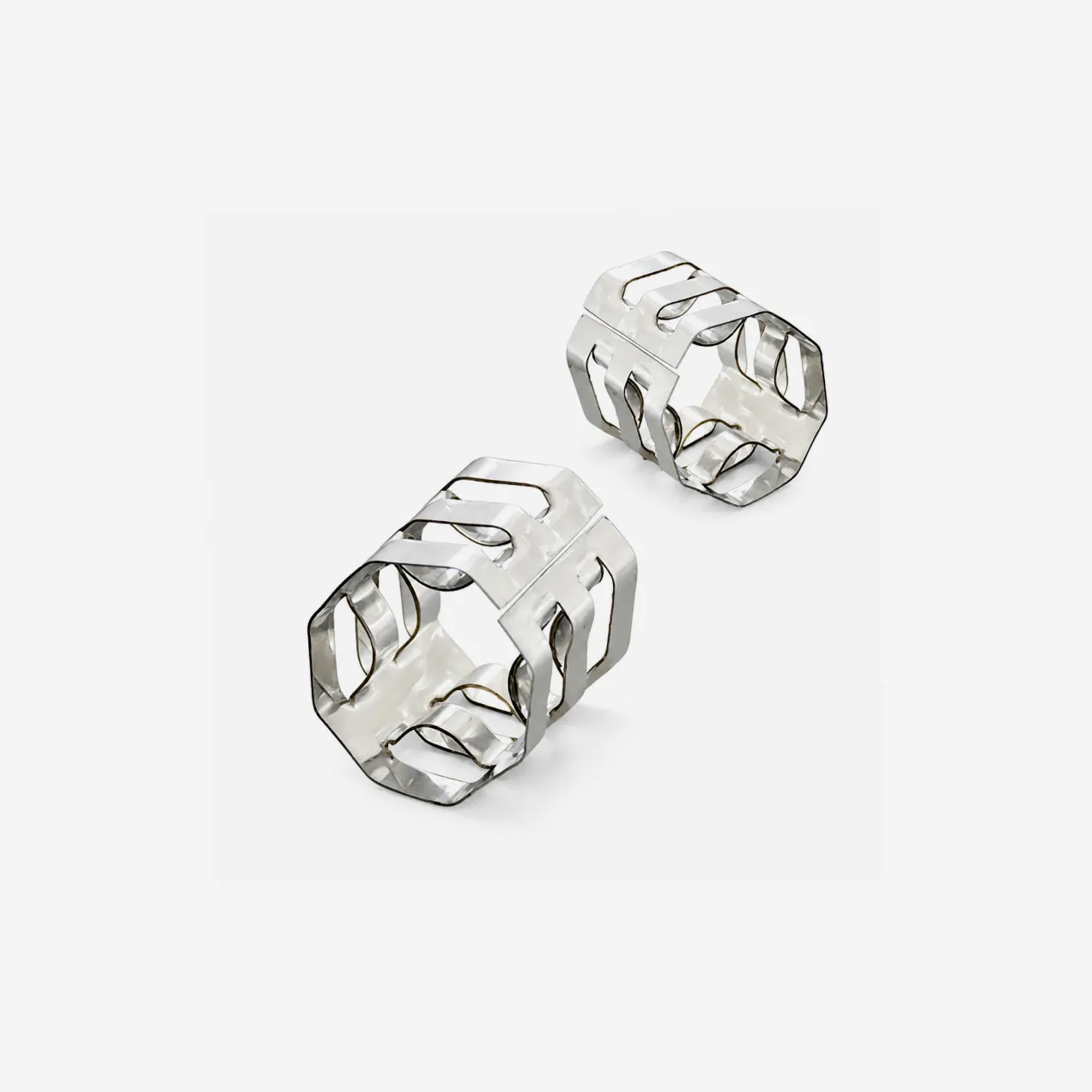
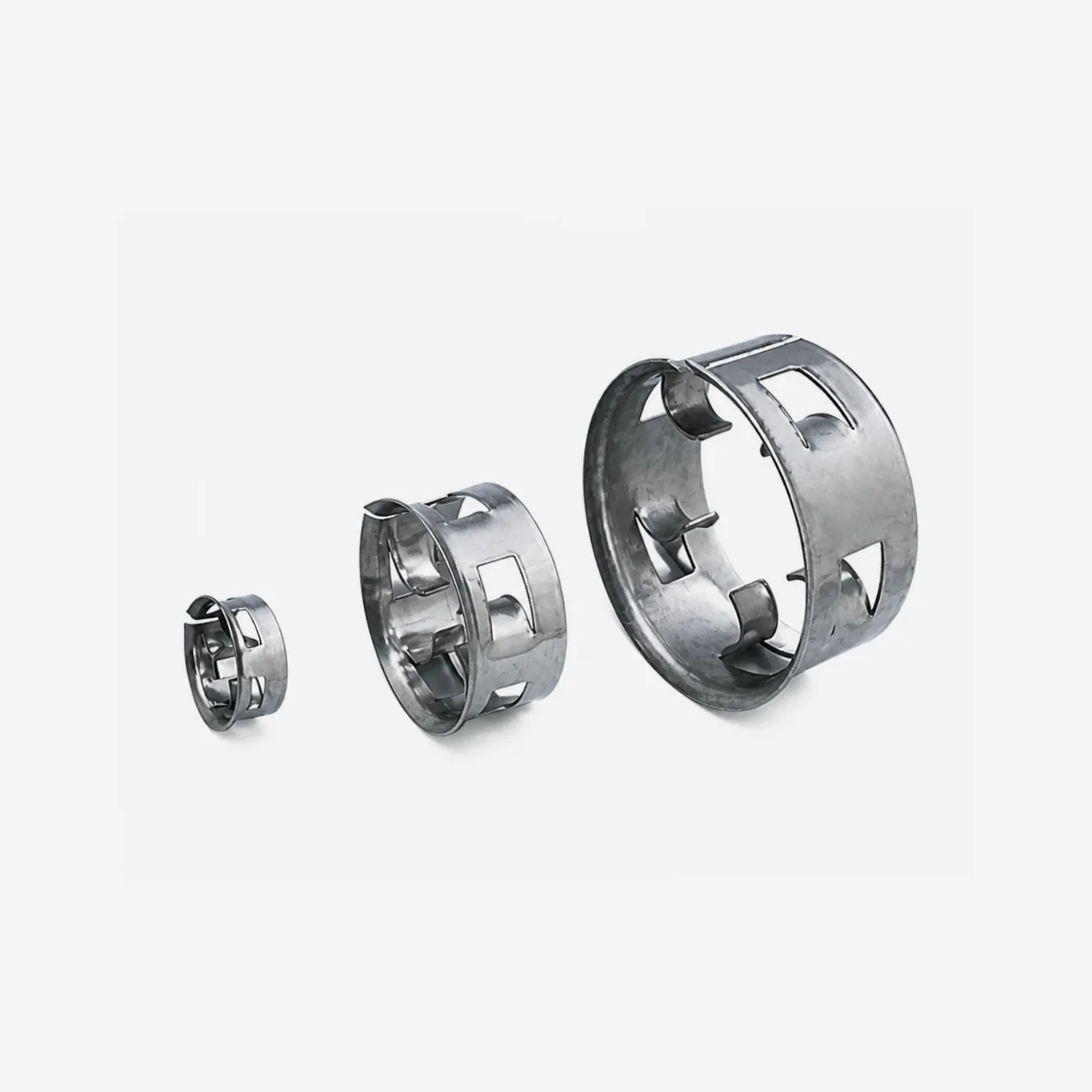
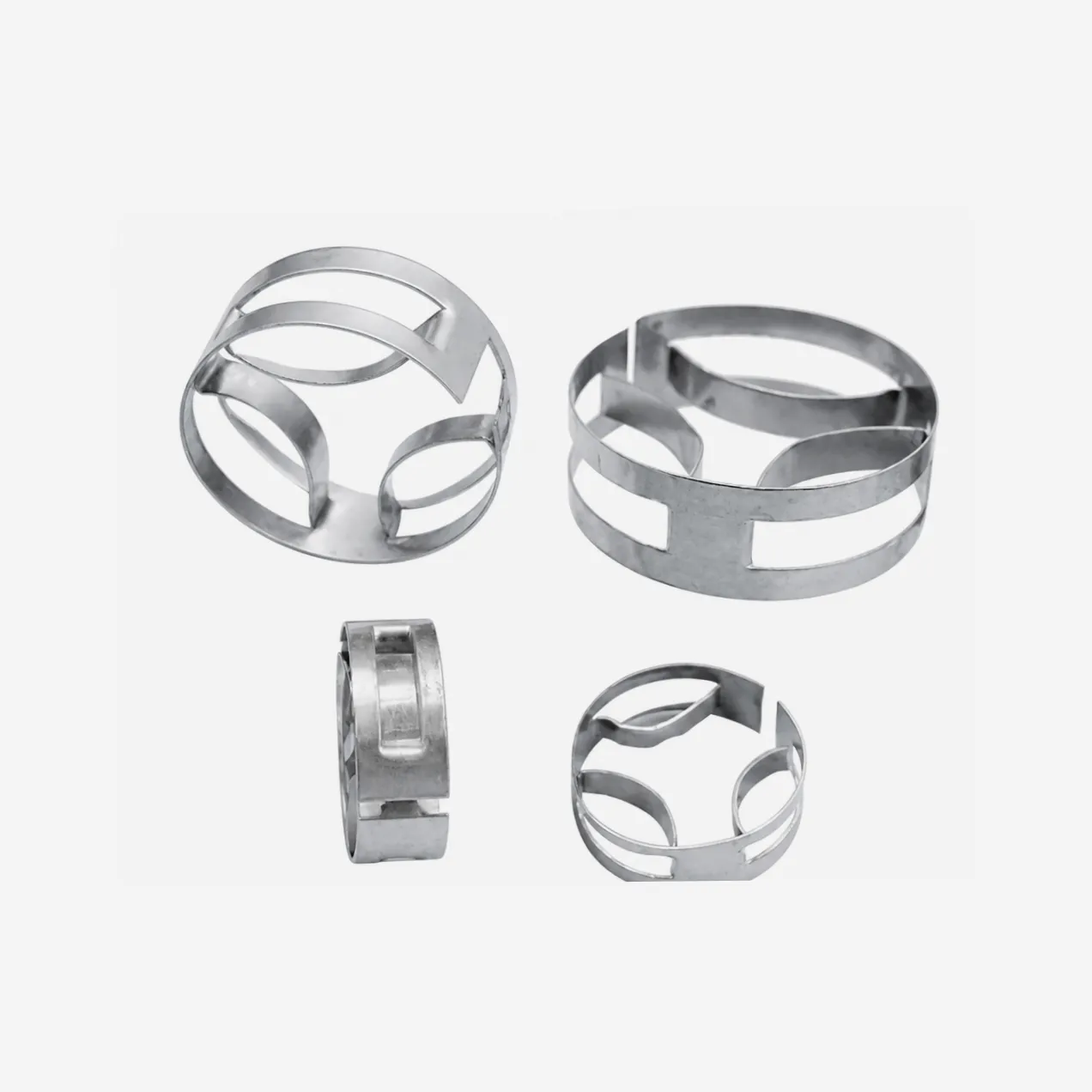
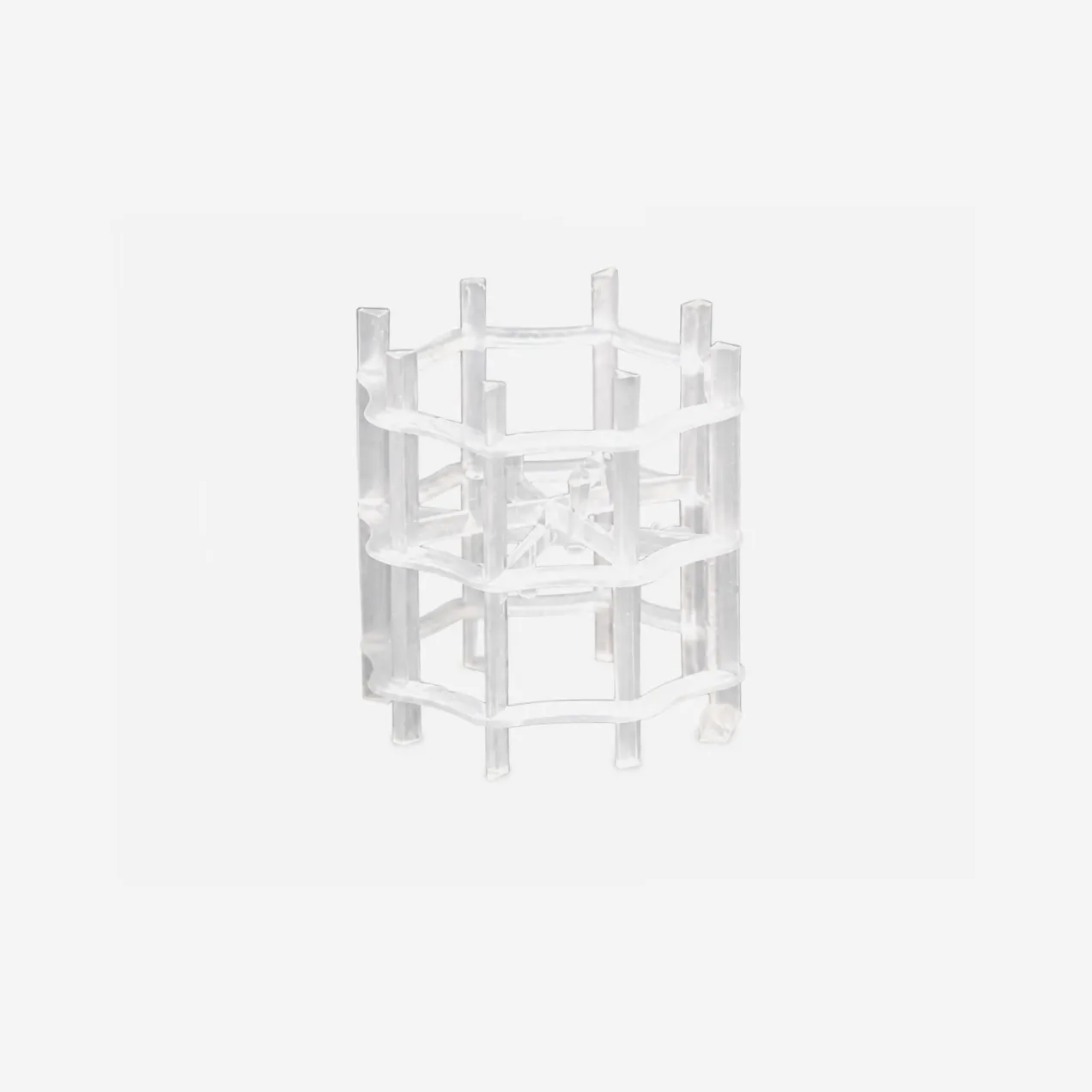
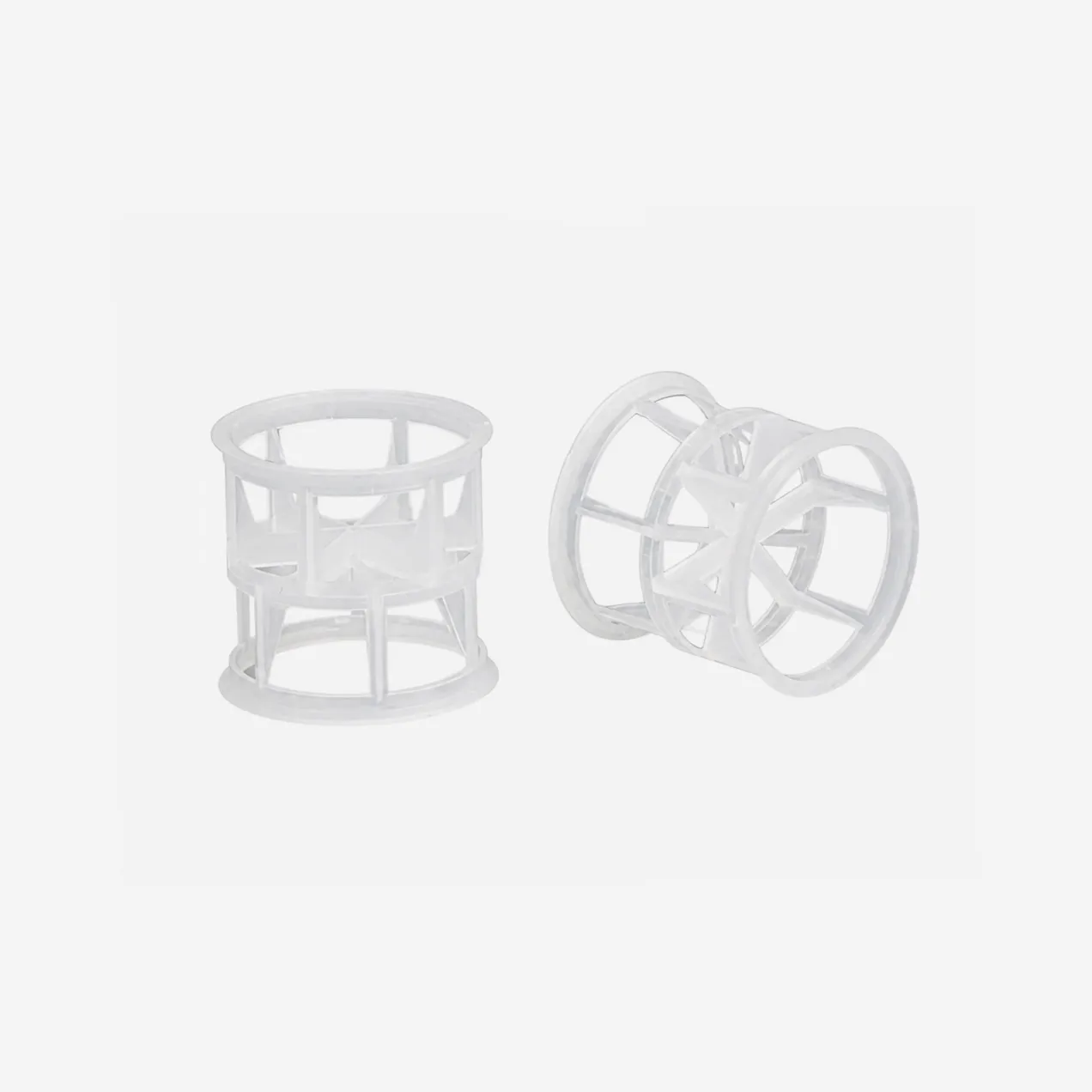
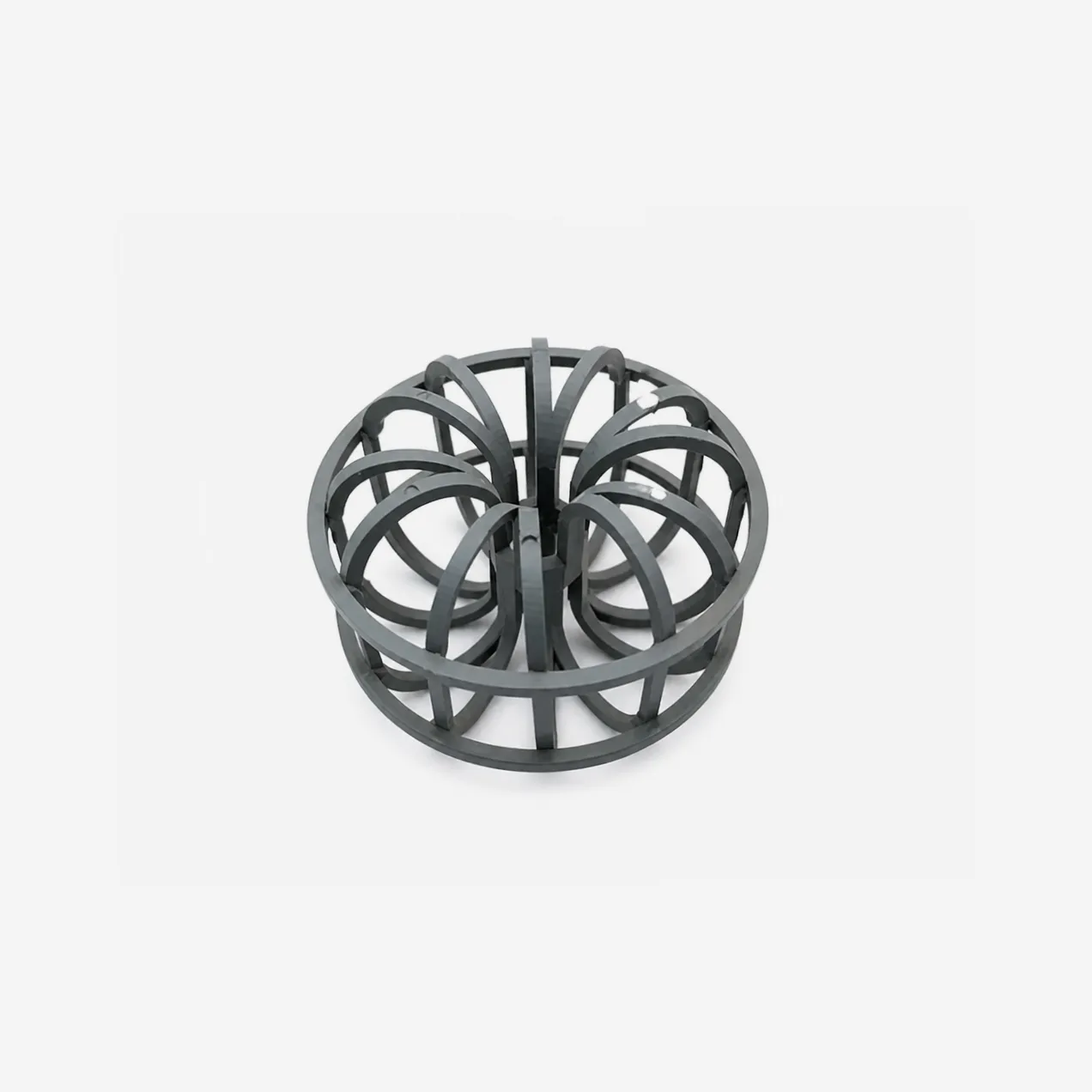
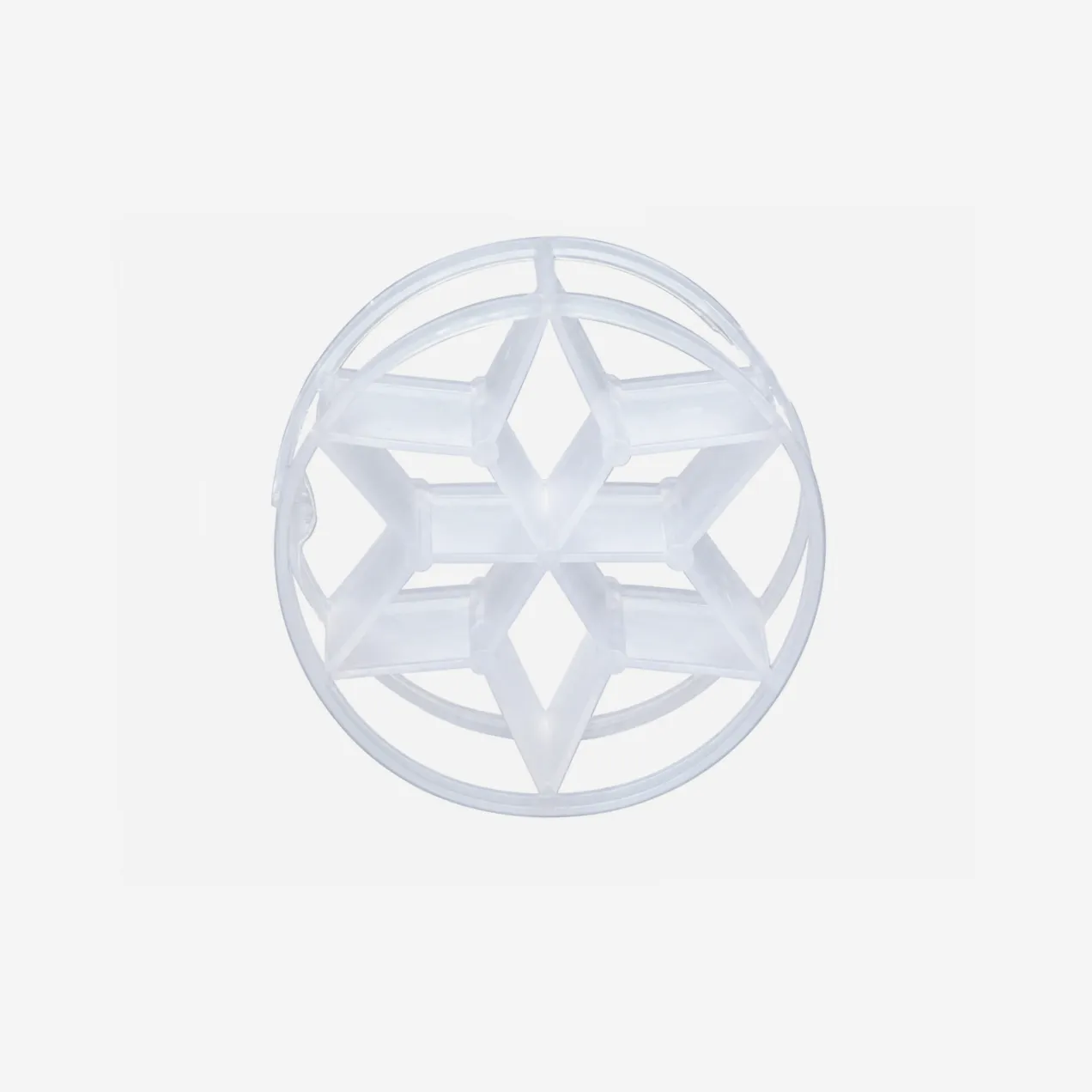
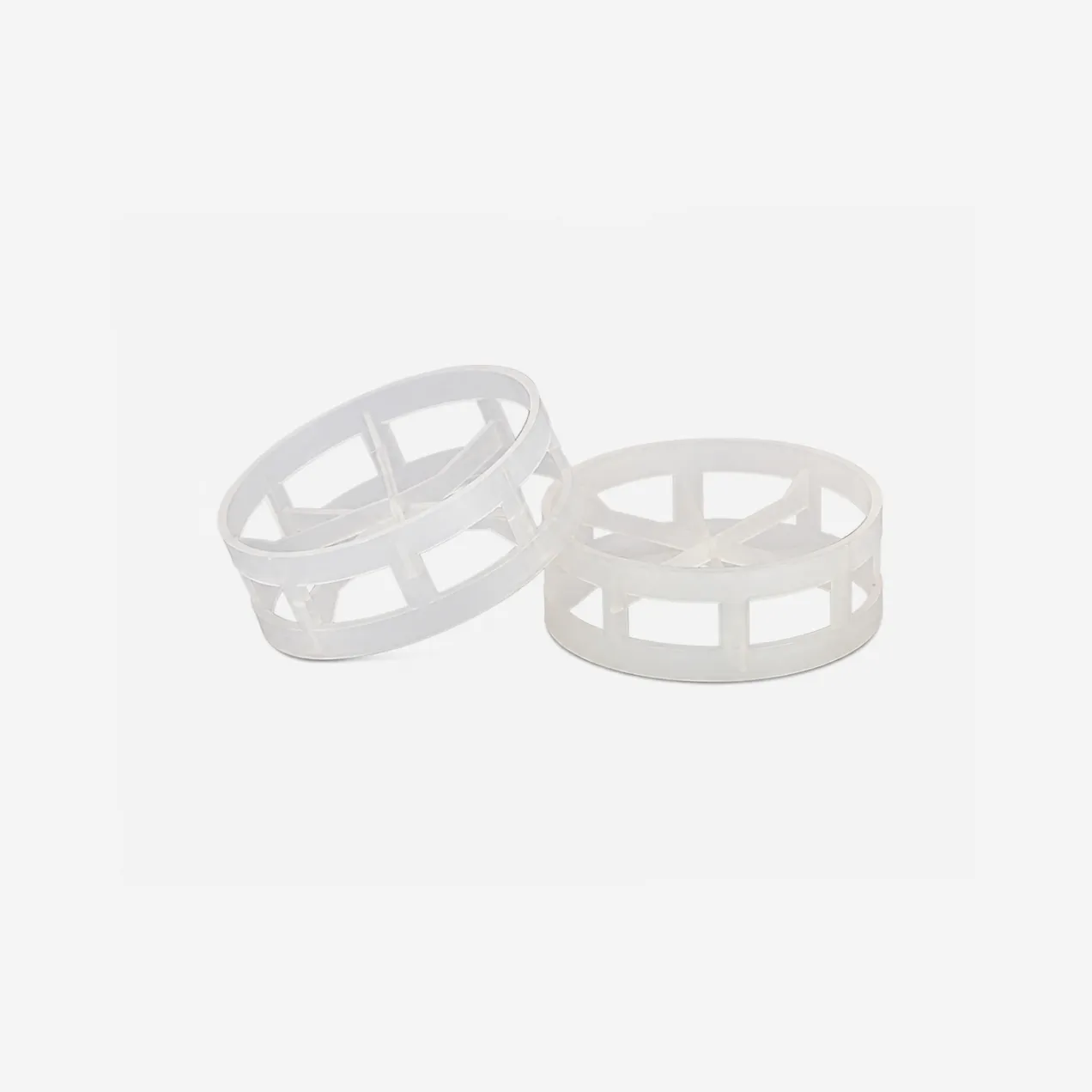
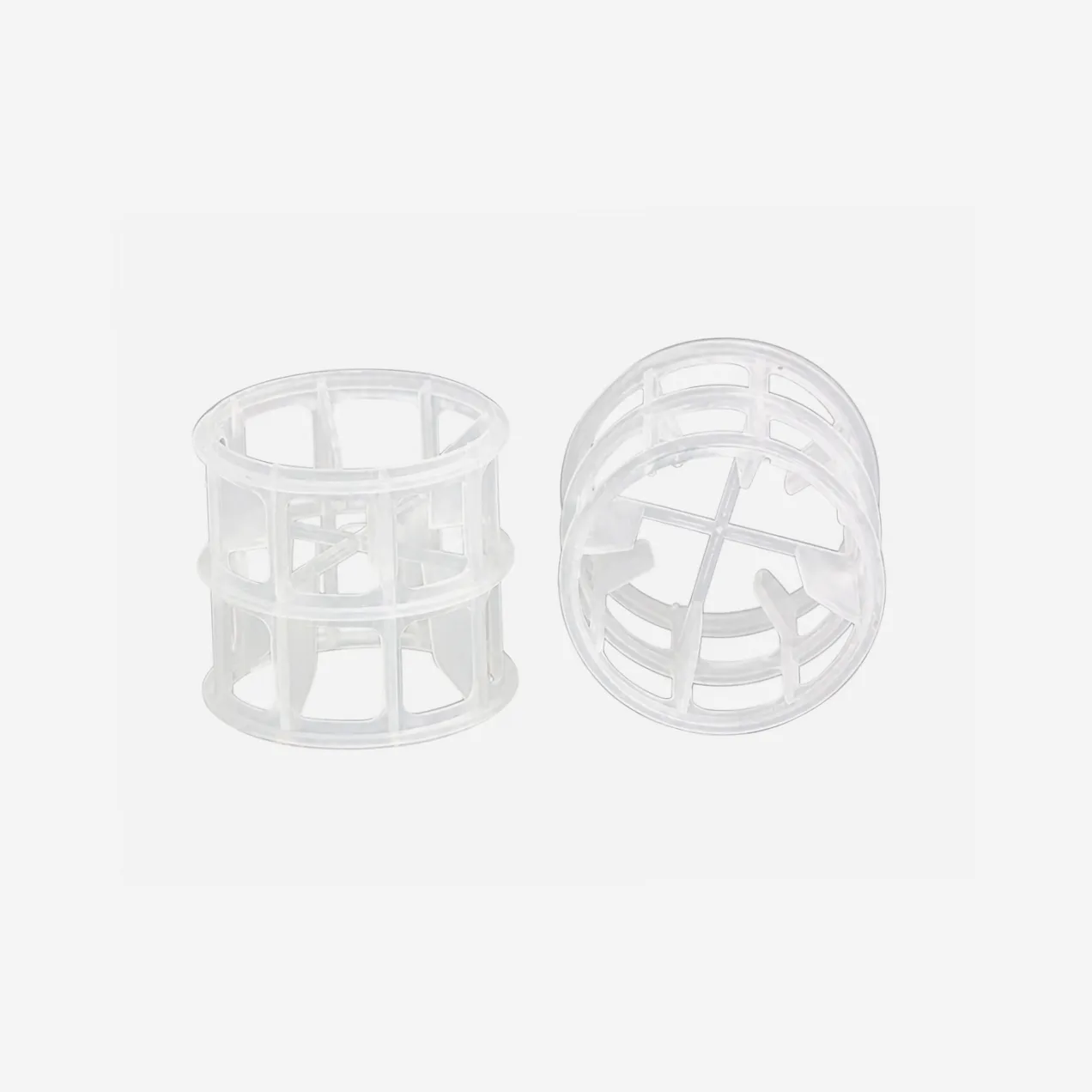
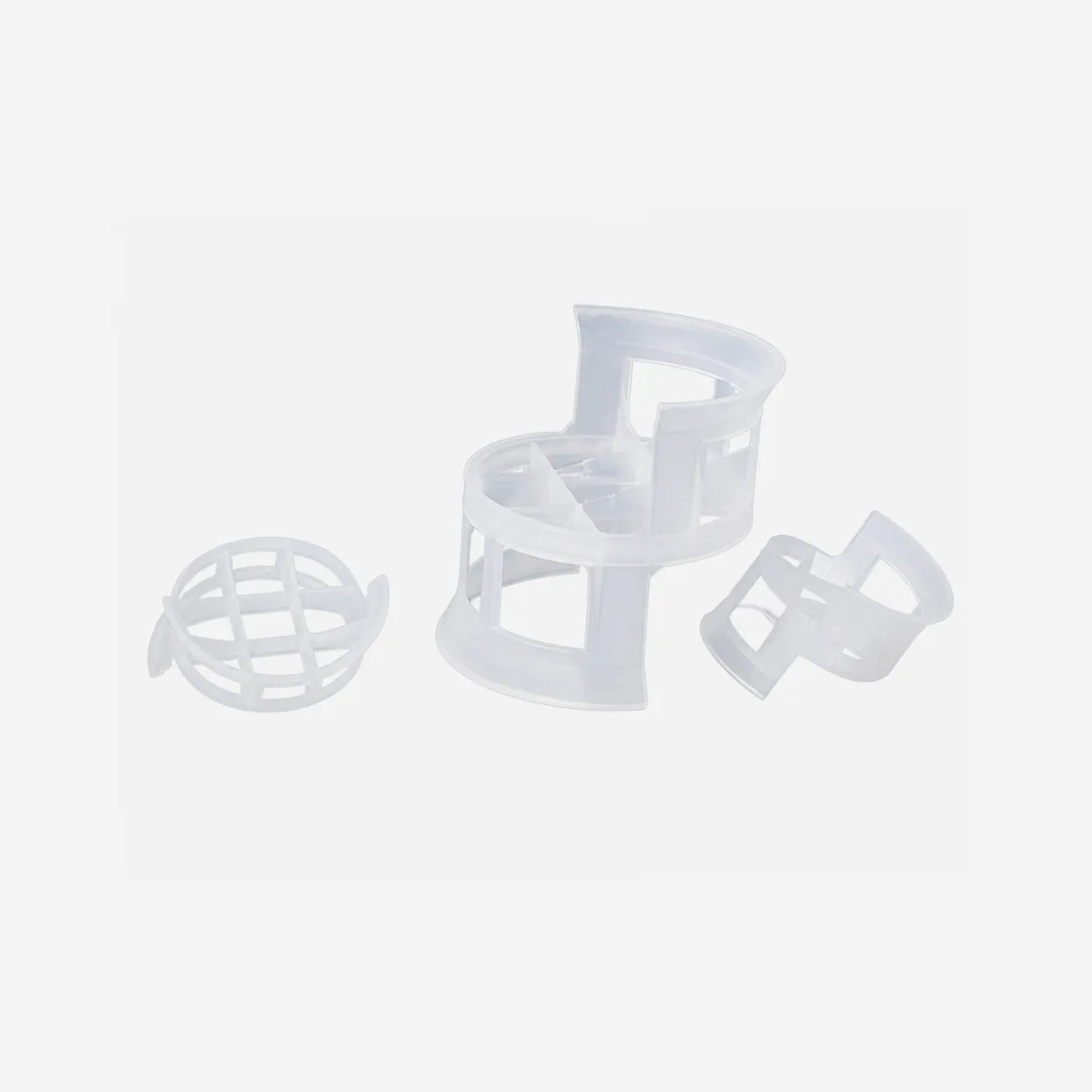
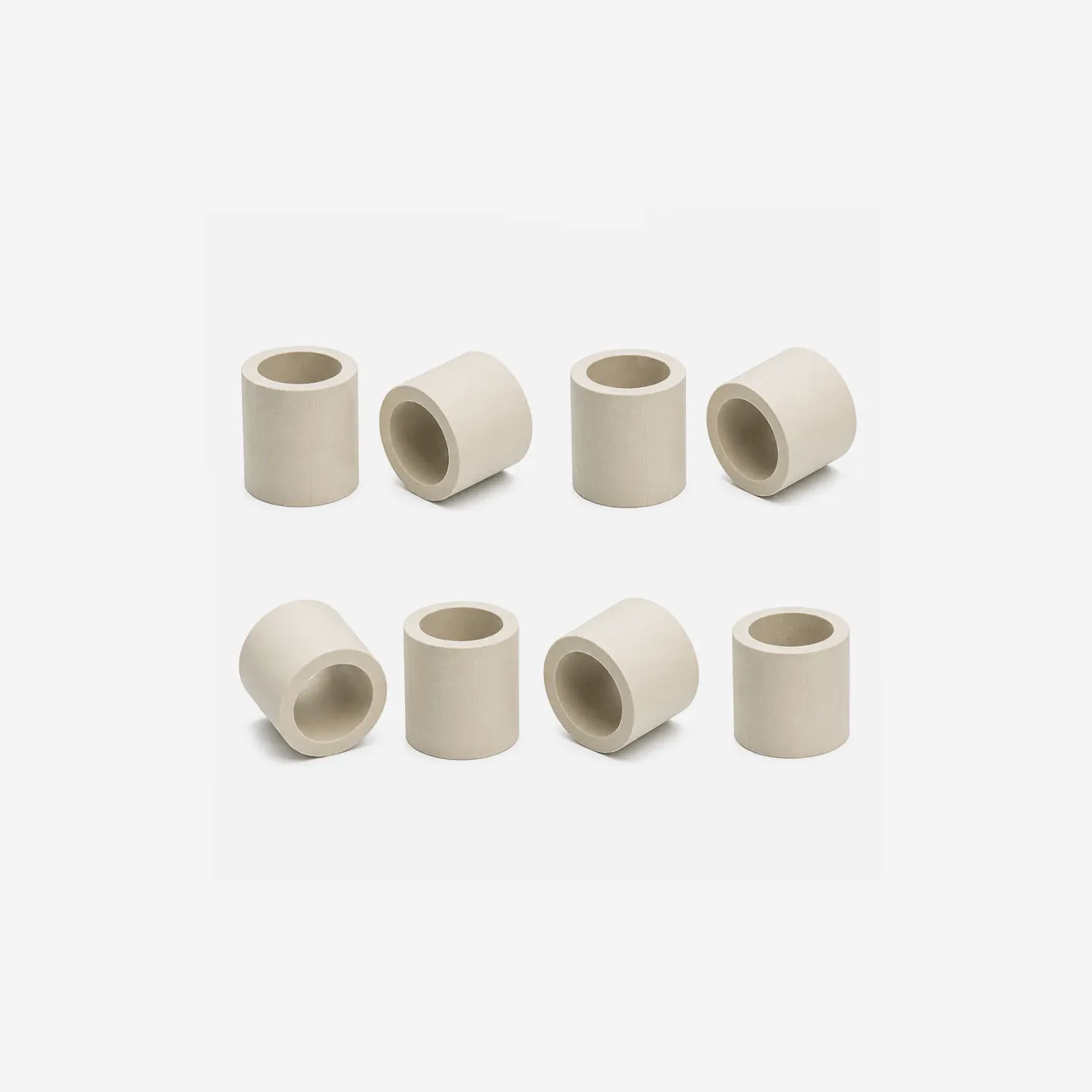
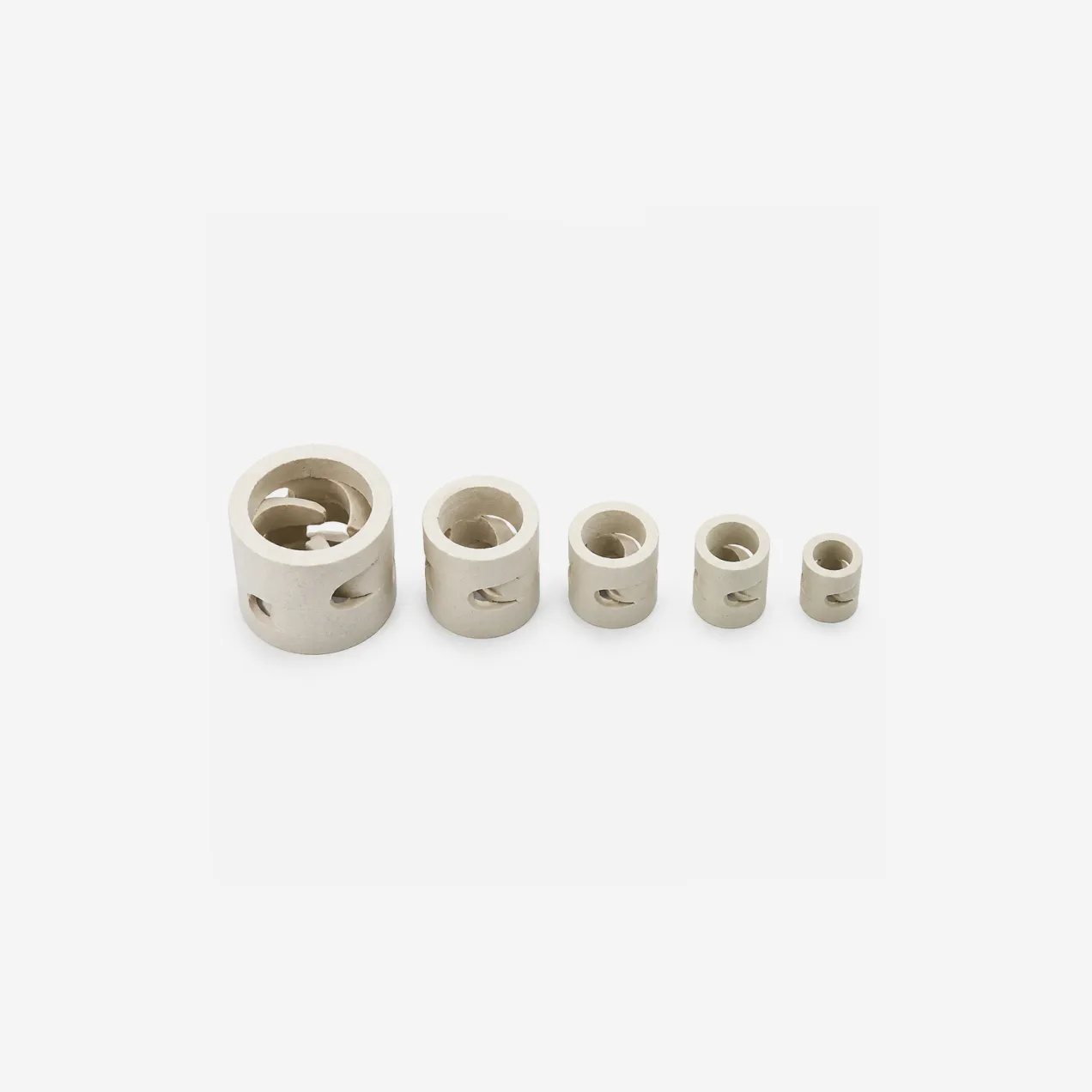
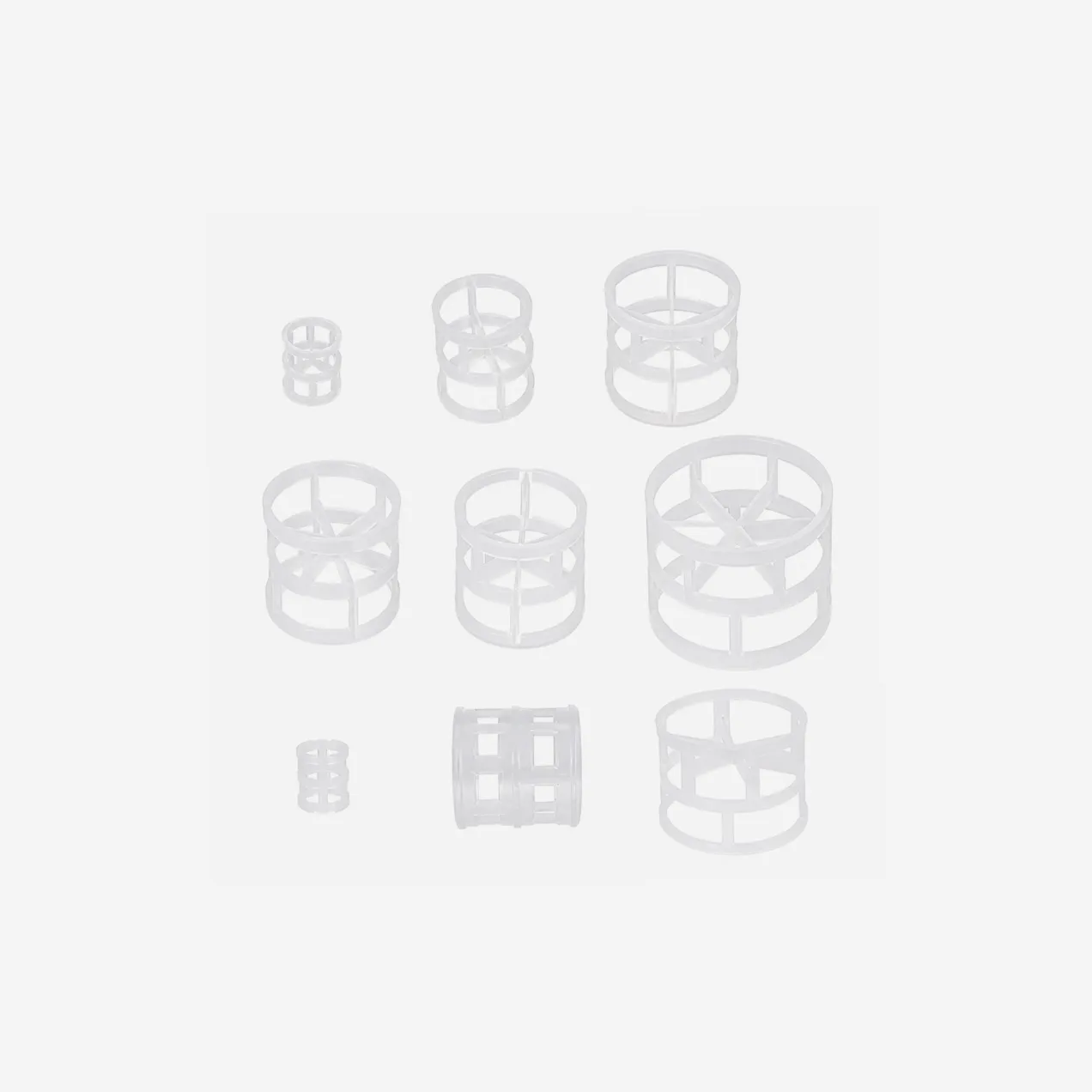
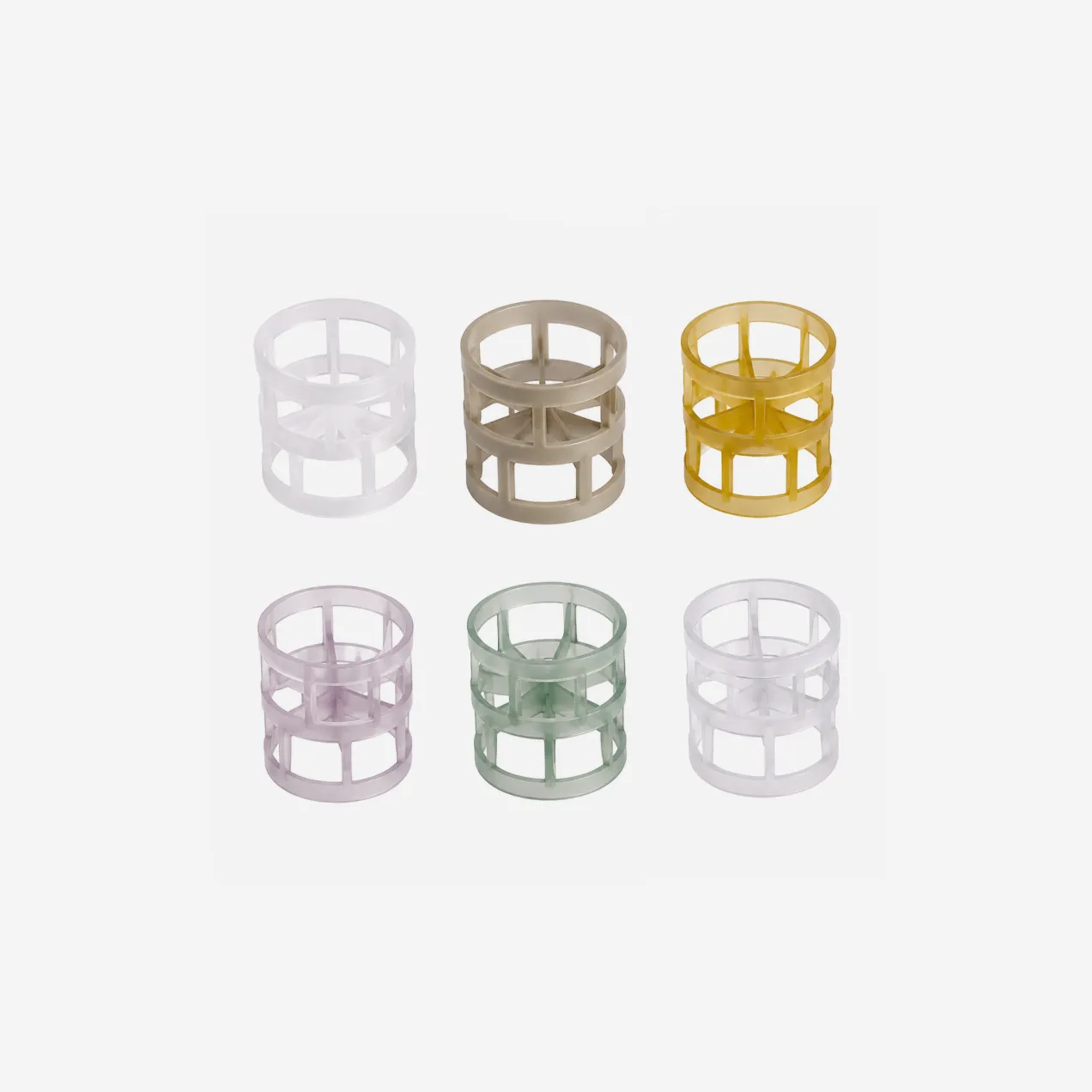
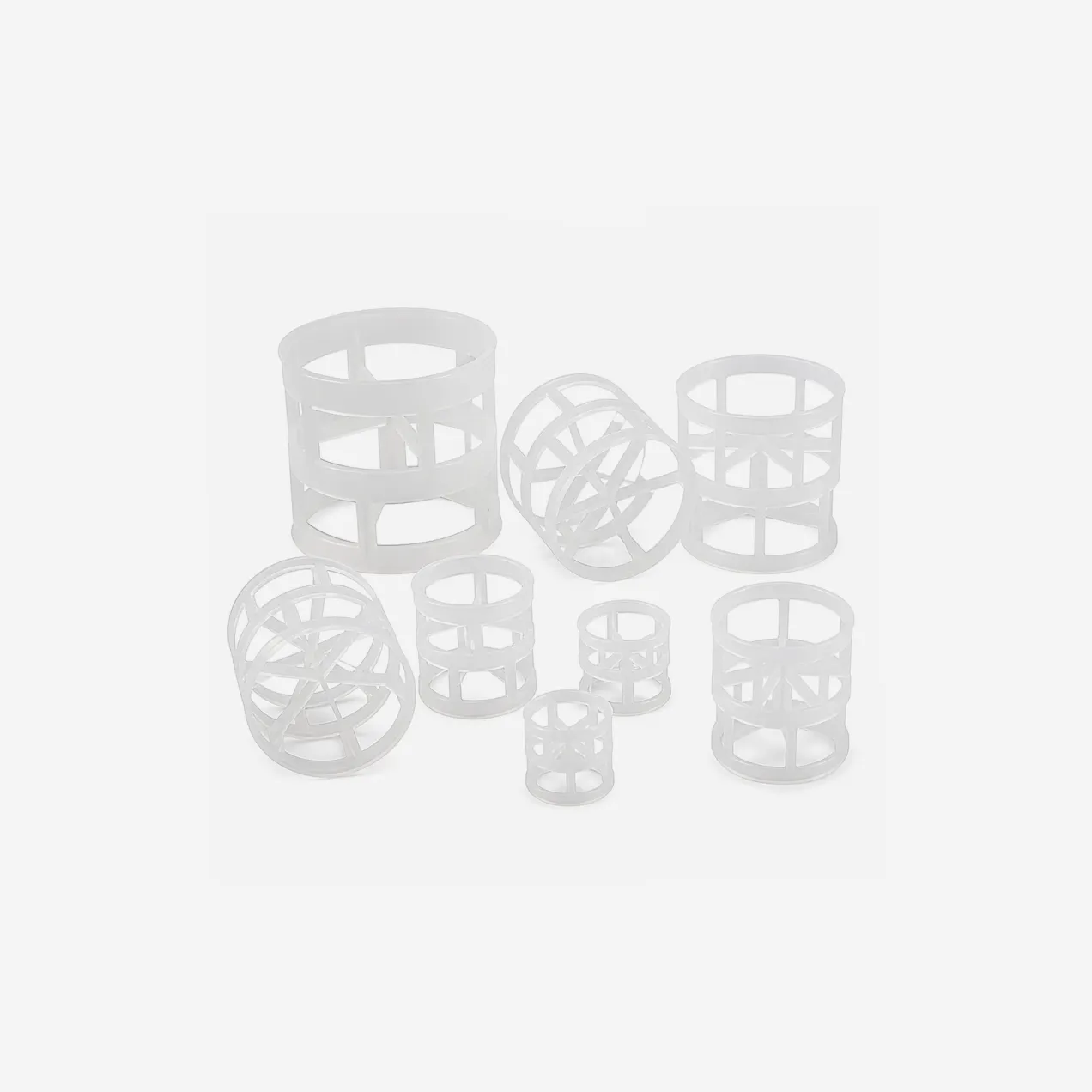
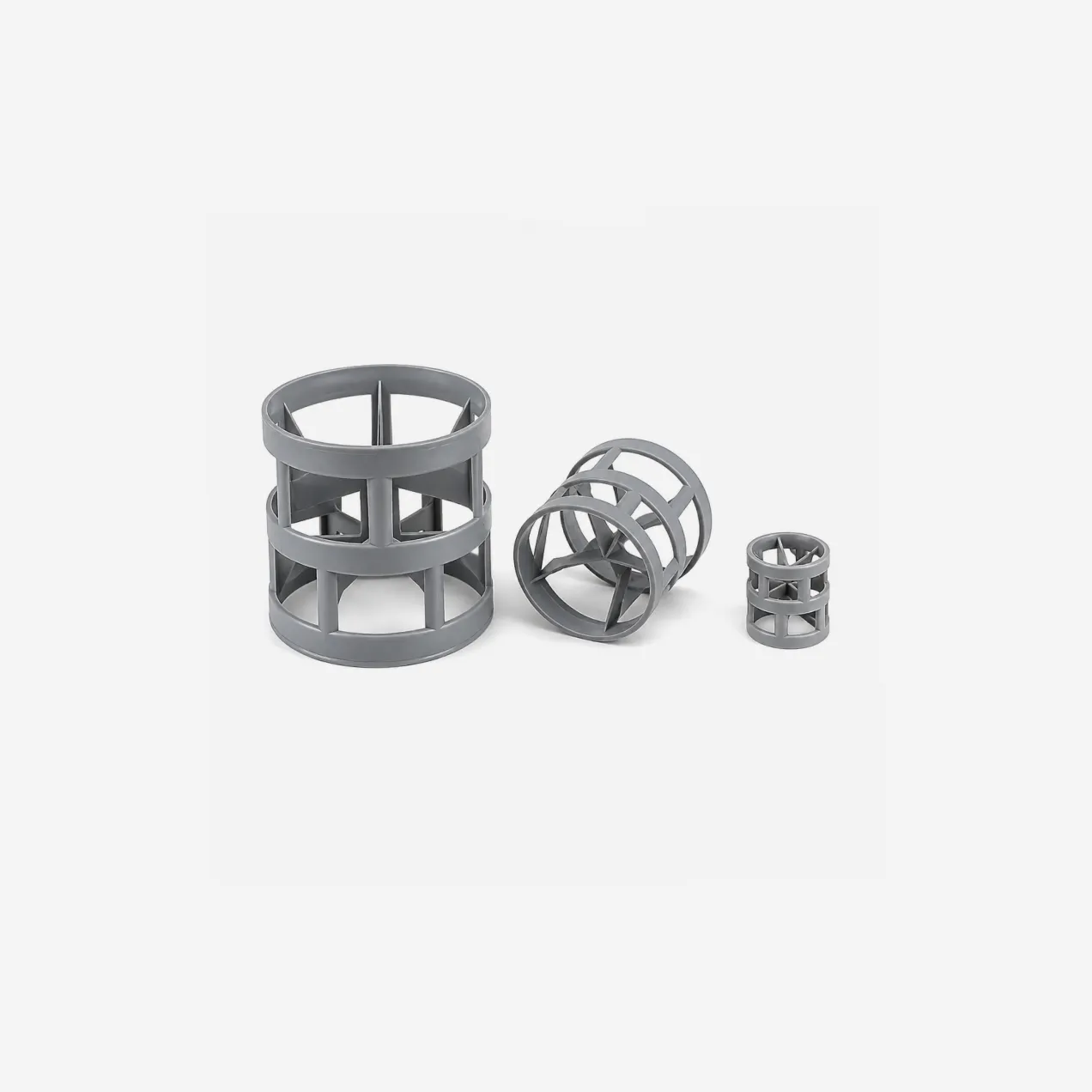
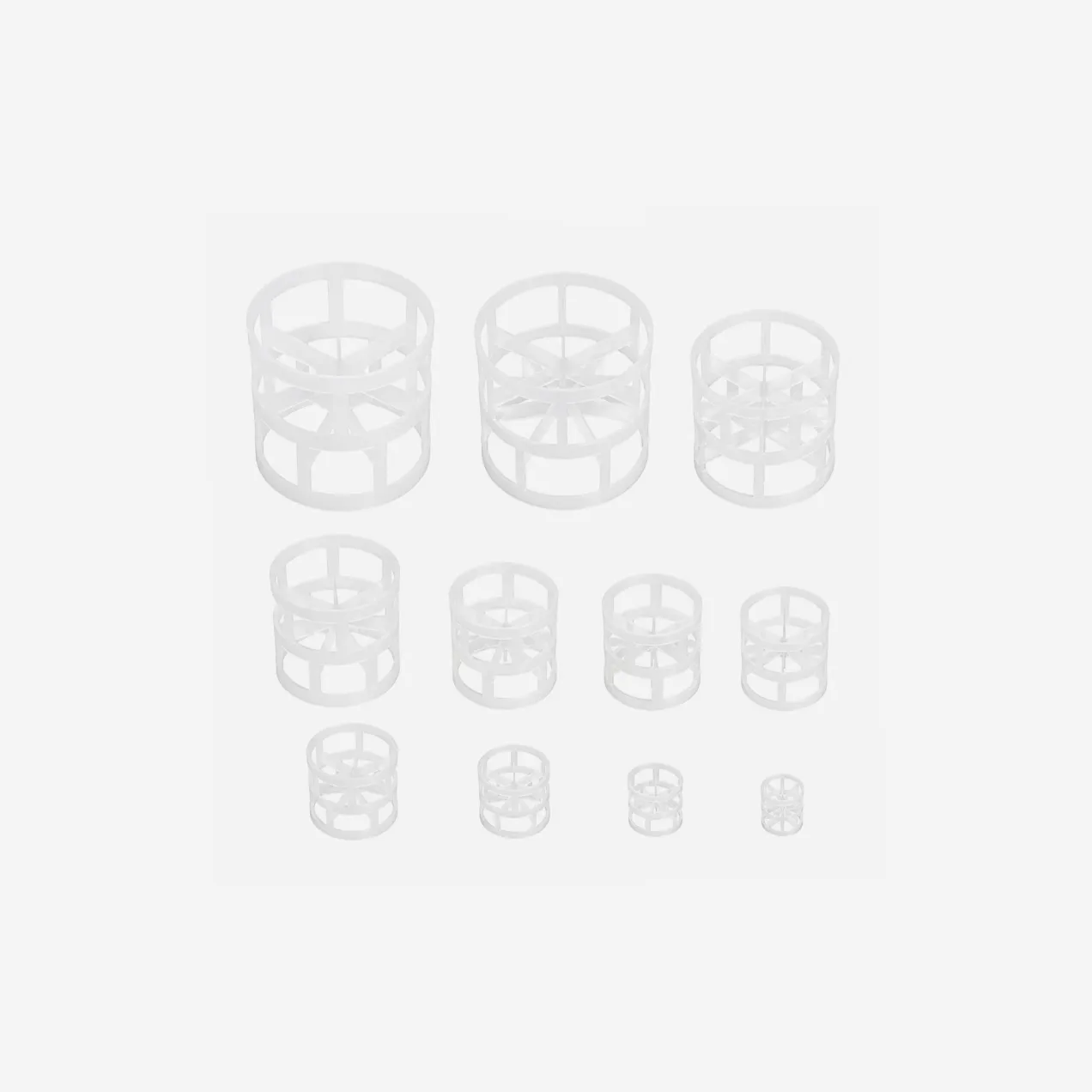
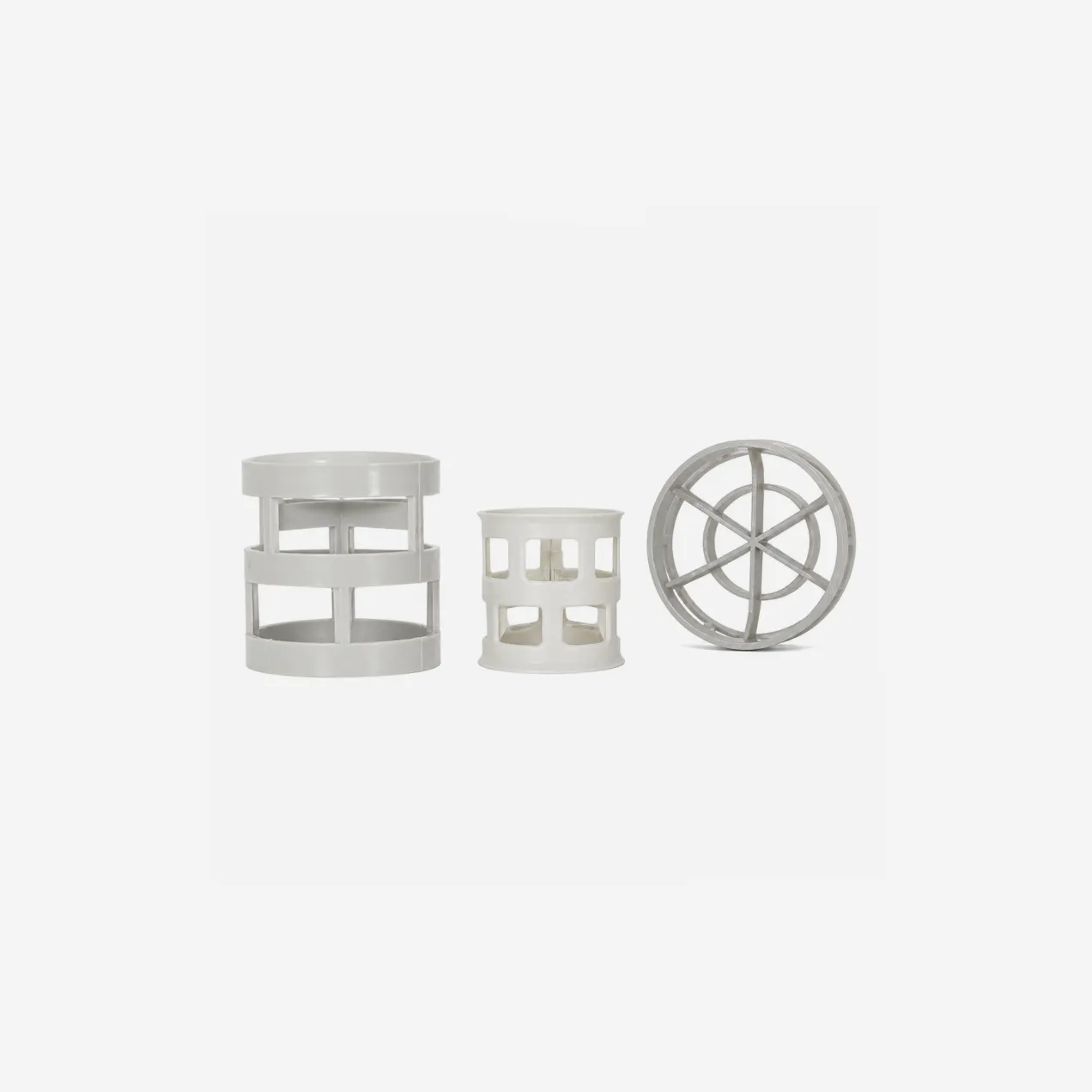
UPVC Pall ring is a random tower packing moulded from unplasticised PVC, the rigid form of PVC. It shares the open, windowed Pall-ring shape of the other rings, but its appeal is price and stiffness: UPVC is one of the cheaper packing plastics and holds its shape better than soft plastics, while resisting the acids, alkalis, salts and chlorine-bearing streams found in most water and chlor-alkali work. The trade-off is heat — it is a cool-running material, good only to about 60 degrees. It is the sensible, low-cost choice for ordinary, room-temperature corrosive duty. We make it in the standard 16 to 76 mm sizes.

  • Rigid UPVC (PVC-U) — low cost and good stiffness for a plastic packing.
  • Resists most inorganic acids, alkalis, salts and chlorine and hypochlorite streams.
  • Best for cool service, up to about 60°C — not for hot or strongly oxidising duty.
  • Open Pall-ring form for high void, low pressure drop and even gas-liquid contact.
  • Standard sizes 16, 25, 38, 50 and 76 mm for scrubbing, absorption and stripping towers.

Technial Parameters

Size (mm)Specific surface area (m²/m³)Void fractionPieces per m³ (approx.)
25≈225≈90%≈52,000
38≈140≈90%≈13,600
50≈105≈90%≈6,500
76≈90≈92%≈1,930


PropertyValue
Product TypePlastic random packing (Pall ring)
MaterialUnplasticised PVC (UPVC / PVC-U)
Standard Sizes16, 25, 38, 50, 76 mm
StructureCylinder with two rows of windows and inward tongues
Void FractionAbout 90%
Max Service TemperatureAbout 60 °C
Chemical ResistanceMost inorganic acids, alkalis, salts, chlorine and hypochlorite
Not Suited ToHot streams, strong oxidisers, most organic solvents
Rigidity / CostHigher stiffness and lower cost than PP
ApplicationsChlor-alkali, water and effluent, plating, cool scrubbing towers
TrademarkRONGJIAN
OriginJiangxi, China
HS Code3926909090
Transport PackageWoven bags / bulk cartons

FAQs

What is a UPVC Pall ring used for?

UPVC Pall ring is a low-cost fill for packed columns running at ordinary temperatures, and it is common in chlor-alkali plants, water and effluent treatment, electroplating, and gas scrubbing. It does the standard packed-tower jobs of absorption, stripping and scrubbing, sitting as a random bed that brings gas and liquid together with little resistance. It is a favourite for chlorine, hypochlorite and salt-laden streams, and for acid and alkali fume scrubbers that stay near room temperature. Where the duty is cool and the budget matters, UPVC is often the first packing to consider.
Why choose UPVC instead of PP for a Pall ring?

Two reasons: cost and stiffness. UPVC is one of the cheaper packing plastics, so for a large bed it saves money over PP. It is also more rigid, so the rings hold their shape and resist deforming in a deep bed. Against that, UPVC gives up heat resistance: it is good only to about 60 degrees, while PP runs to about 100. So the choice comes down to temperature. If the stream is cool and you want the lowest cost with good rigidity, UPVC wins; if it runs warmer, PP or a higher grade is the safer pick. Send us the working temperature and we will confirm which one fits.

What temperature and chemicals suit UPVC Pall rings?

UPVC is a cool-running material, comfortable up to about 60 degrees, so it suits ambient and mildly warm streams rather than hot ones. For chemistry it copes with the bulk of inorganic acids, alkalis and salts, and it is a standout with chlorine, hypochlorite and other chlorinated feeds, hence its heavy use in chlor-alkali and water plants. It is not meant for concentrated strong oxidisers, nor for most organic solvents, which can swell or soften the PVC. For a cool, water-based, acid, alkali or chlorine duty, UPVC is a dependable and economical fit.

When should I not use UPVC, and what do I use instead?

Leave UPVC out when the stream is hot or the chemistry is harsh for it. Above about 60 degrees it loses strength, so a warm or hot column should use PP to roughly 100 degrees, PVDF to about 150, or PTFE for the hottest and most aggressive service. Strong oxidisers and most organic solvents also call for PVDF or PTFE rather than UPVC. In short, UPVC covers the cool, everyday corrosive duty at the lowest cost, and the step up in temperature or chemical severity is where the dearer plastics take over. Tell us the medium and temperature and we will point to the right grade.

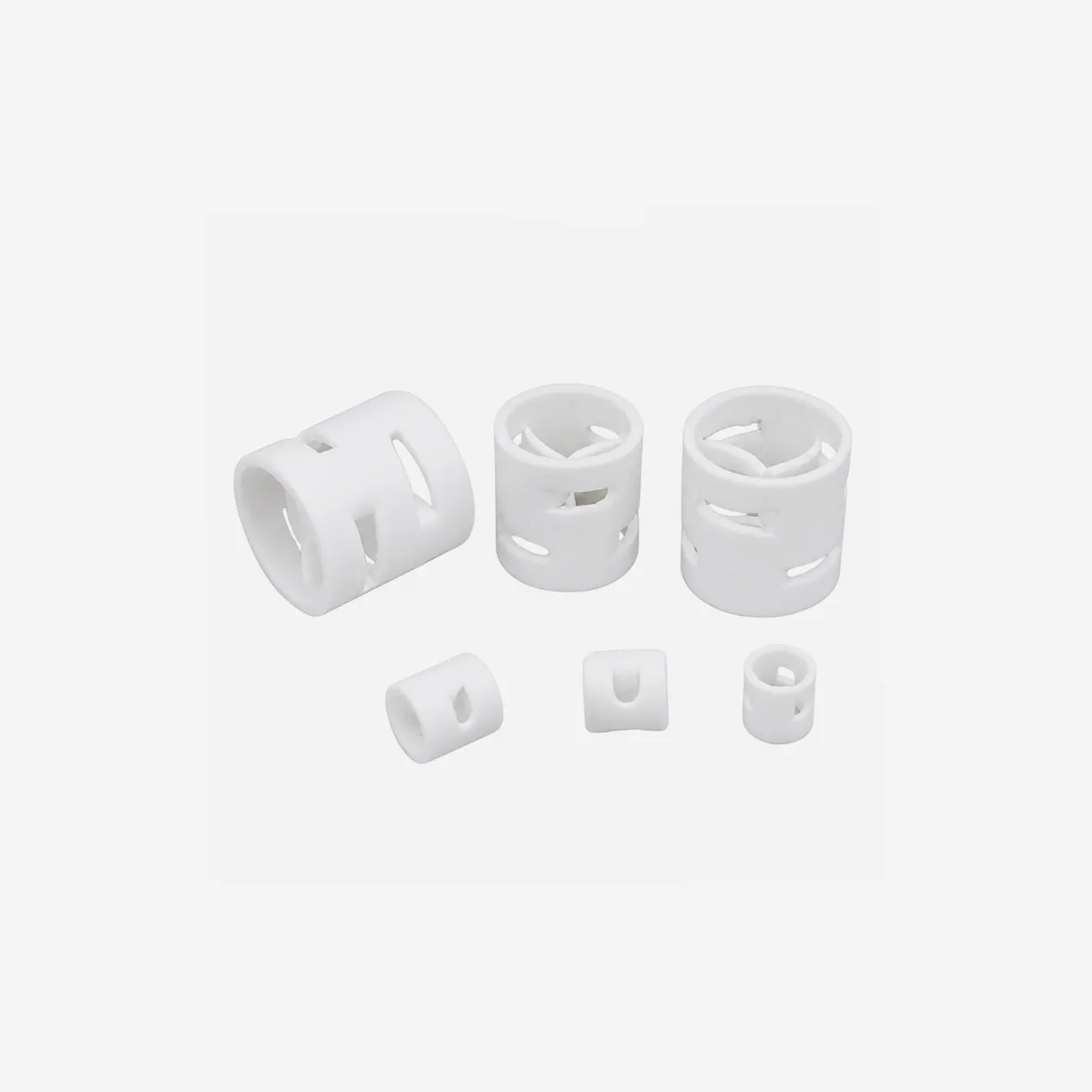
UPVC stands for unplasticised polyvinyl chloride, the rigid version of PVC with no softeners added, and that rigidity is part of why it is used for packing. It keeps its shape well in a deep bed, and it is one of the least expensive plastics, so a large tower can be filled economically. Chemically it is a solid all-rounder for cool duty: it resists most inorganic acids, alkalis and salts, and it stands up especially well to chlorine, hypochlorite and other chlorinated streams, which is why it turns up so often in chlor-alkali plants and water treatment. Moulded into the windowed Pall-ring body, it delivers the usual open bed with plenty of voidage and a gentle pressure drop, at the keenest material price when the conditions suit.
The catch is heat tolerance, the one place UPVC is clearly limited. A short checklist shows where it is at home and where it is not:

ConditionUPVC verdict
Temperature up to ≈60°CFine — its comfortable band
Chlorine, hypochlorite, brine, saltExcellent — a core strength
Dilute-to-moderate inorganic acids and alkalisGood
Hot streams above ≈60°CAvoid — softens; use PP, PVDF or PTFE
Strong oxidisers, most organic solventsAvoid — can swell; use PVDF or PTFE

Read UPVC, then, as the budget grade for room-temperature corrosion. It shines on chlorine and hypochlorite scrubbing, brine and salt handling, ambient acid or alkali fume towers, plating extract, and water and wastewater columns. Its soft spots are heat, powerful oxidisers and organic solvents, each of which hands the job to PP, PVDF or PTFE. Kept to a cool, water-based, chlorinated or gently acidic-alkaline feed, it turns in dependable mass transfer for less outlay than any other plastic ring.