search
Search

Enter keywords to search for products, blog posts, and more.


Home > Plastic Lantern Ring

Plastic Lantern Ring

Plastic Lantern Ring

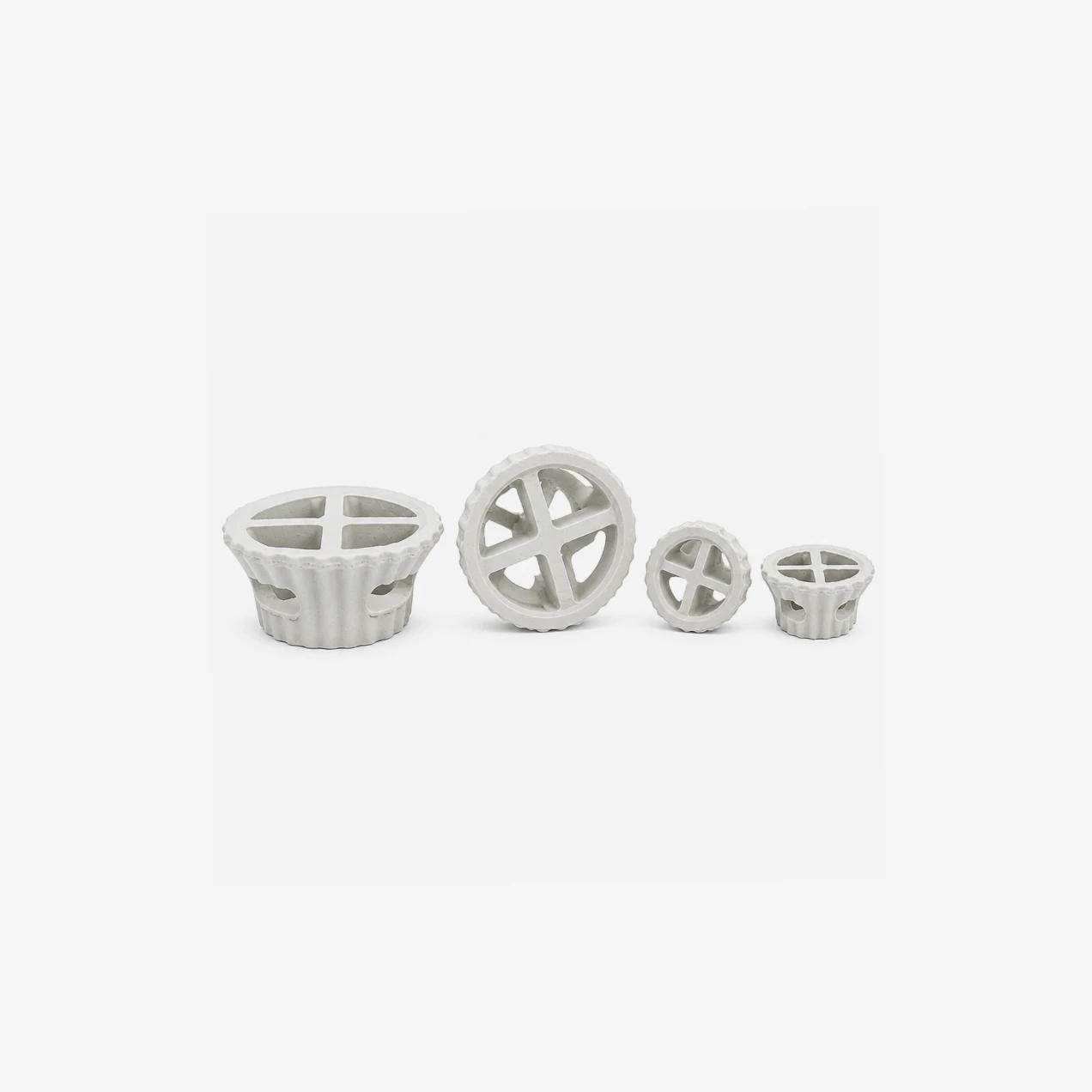
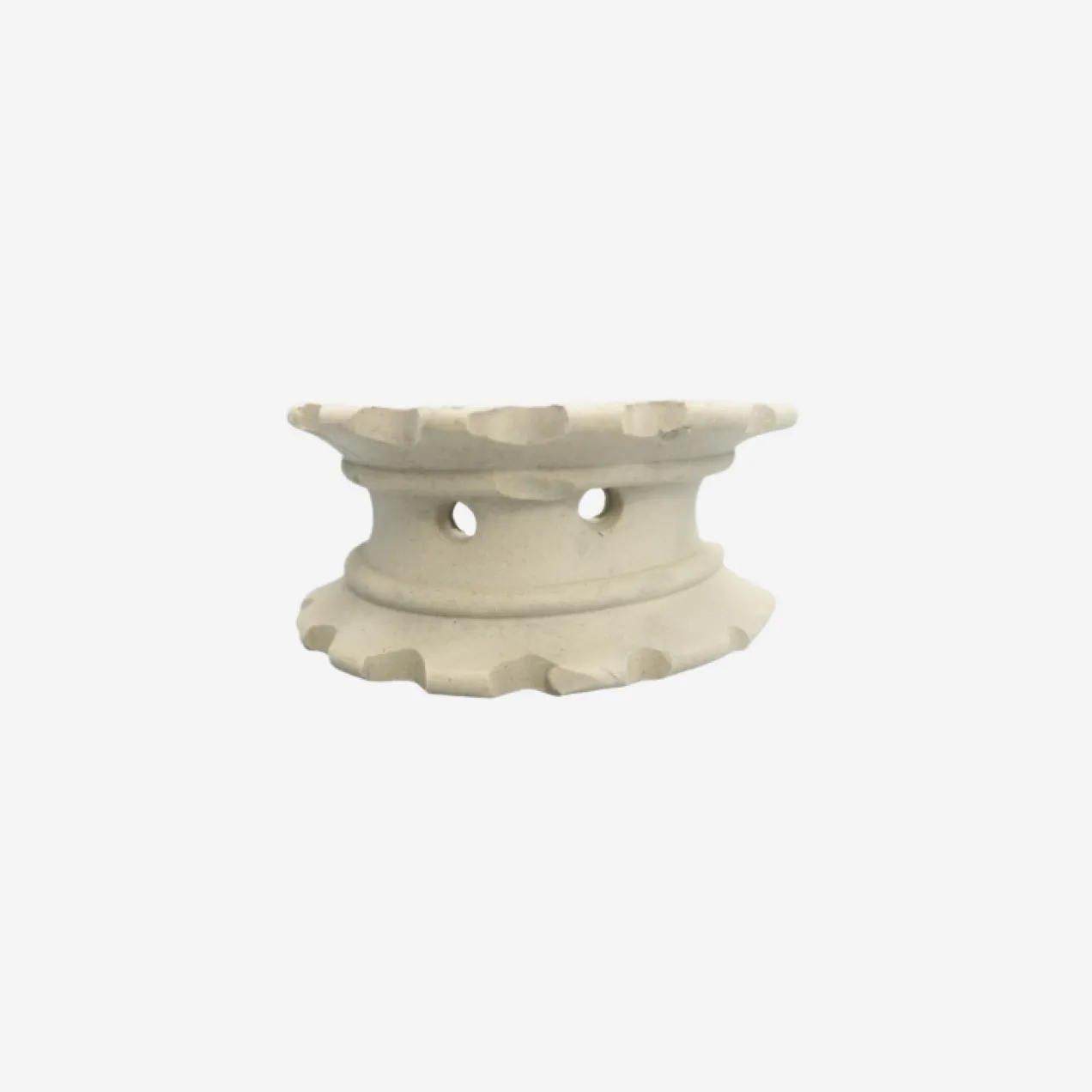
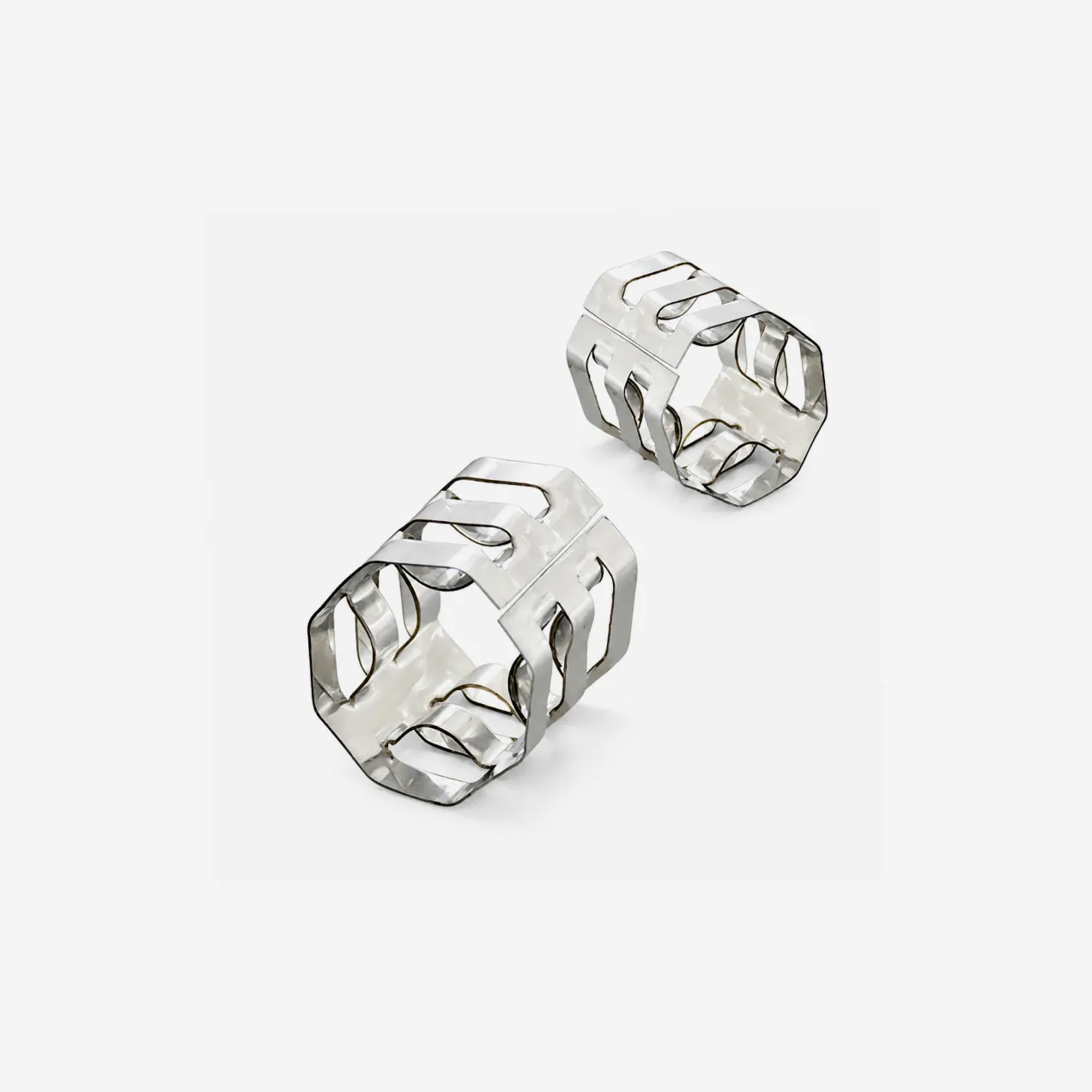
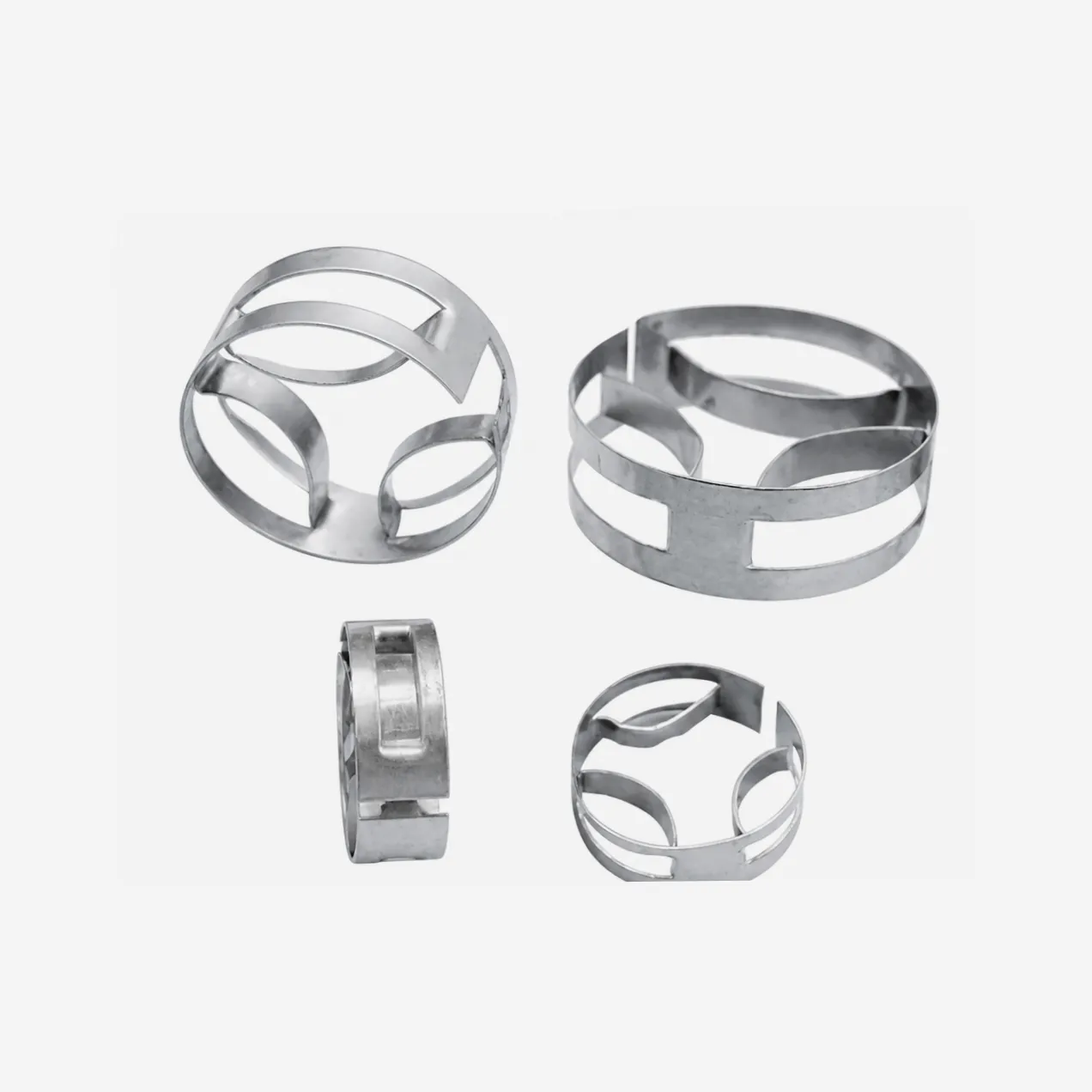
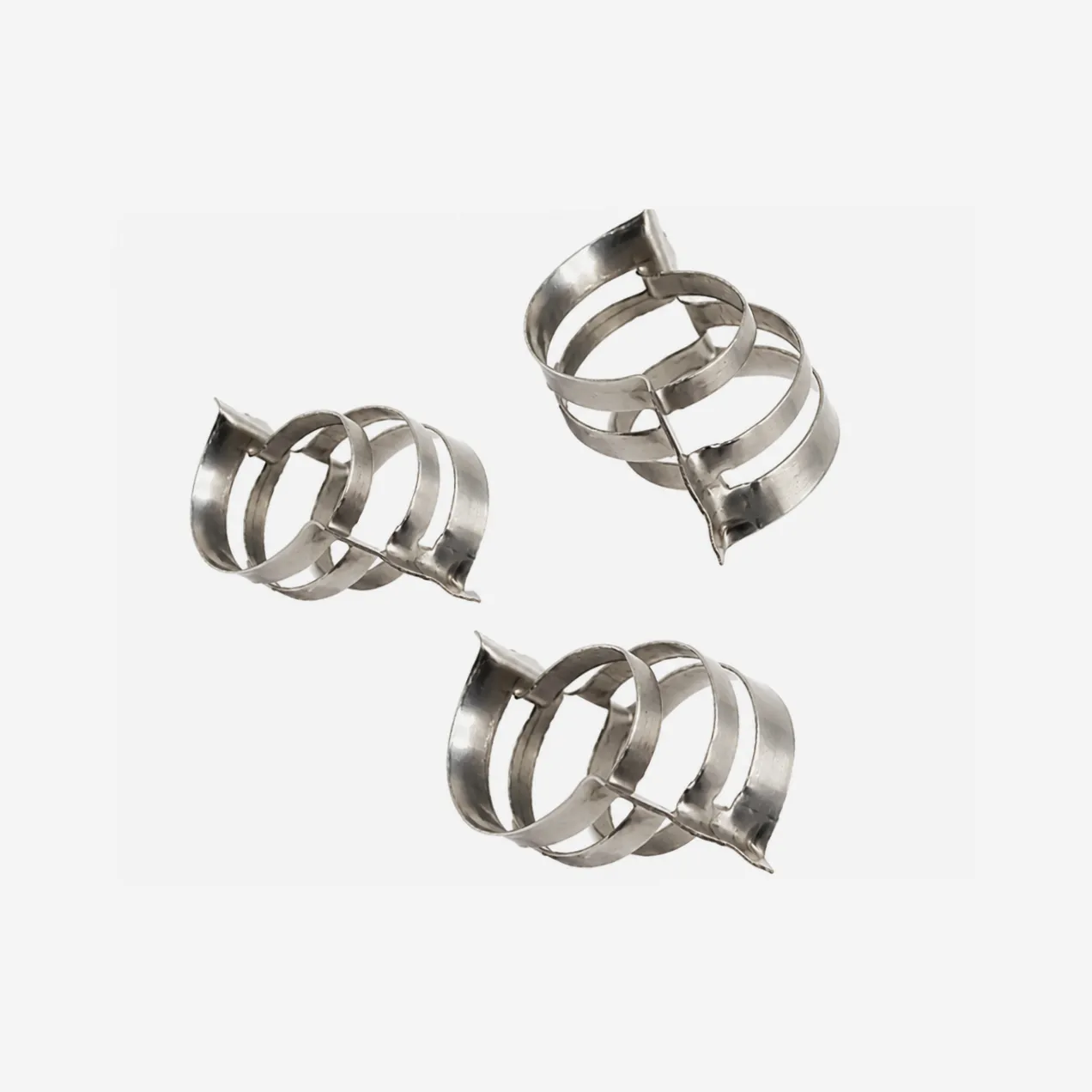
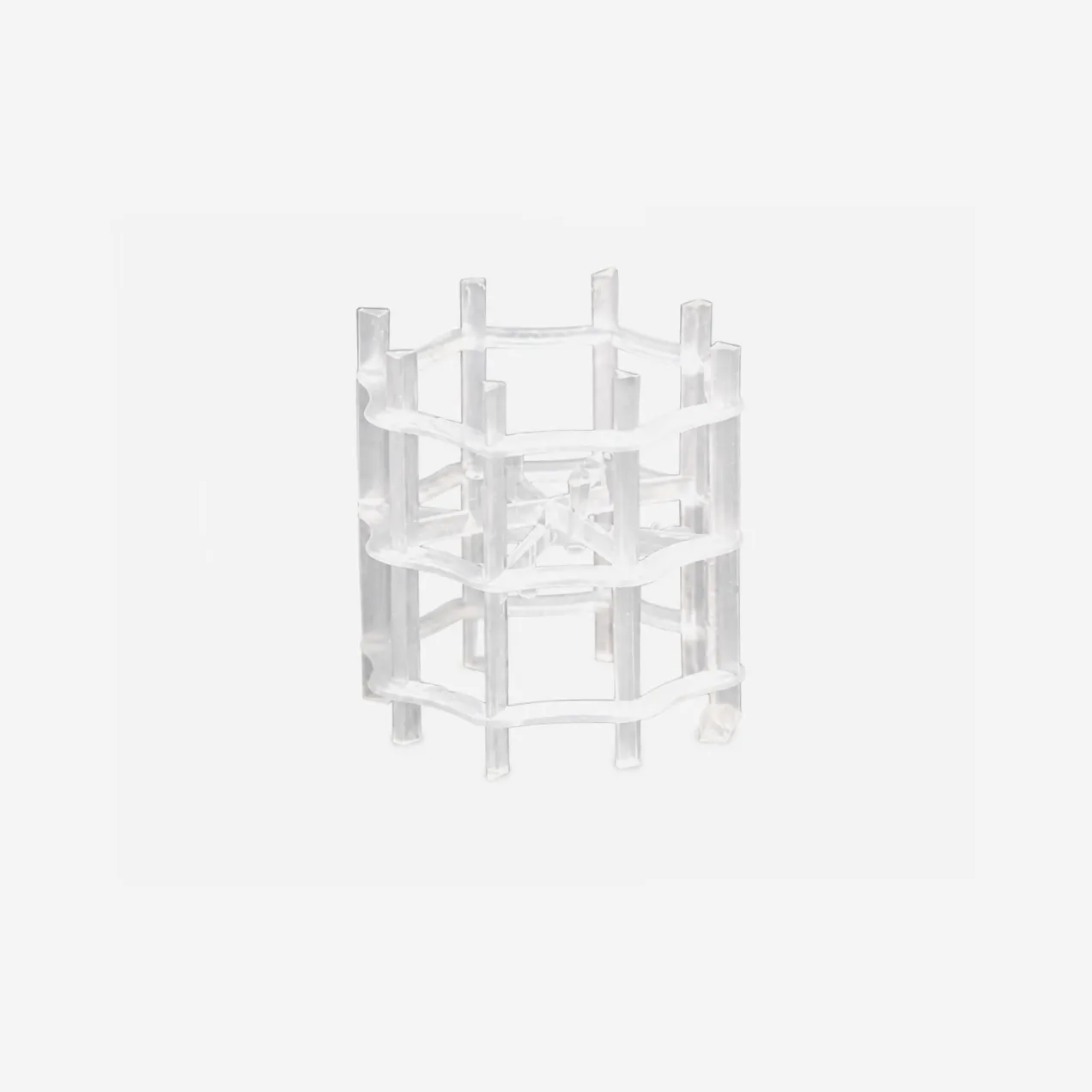
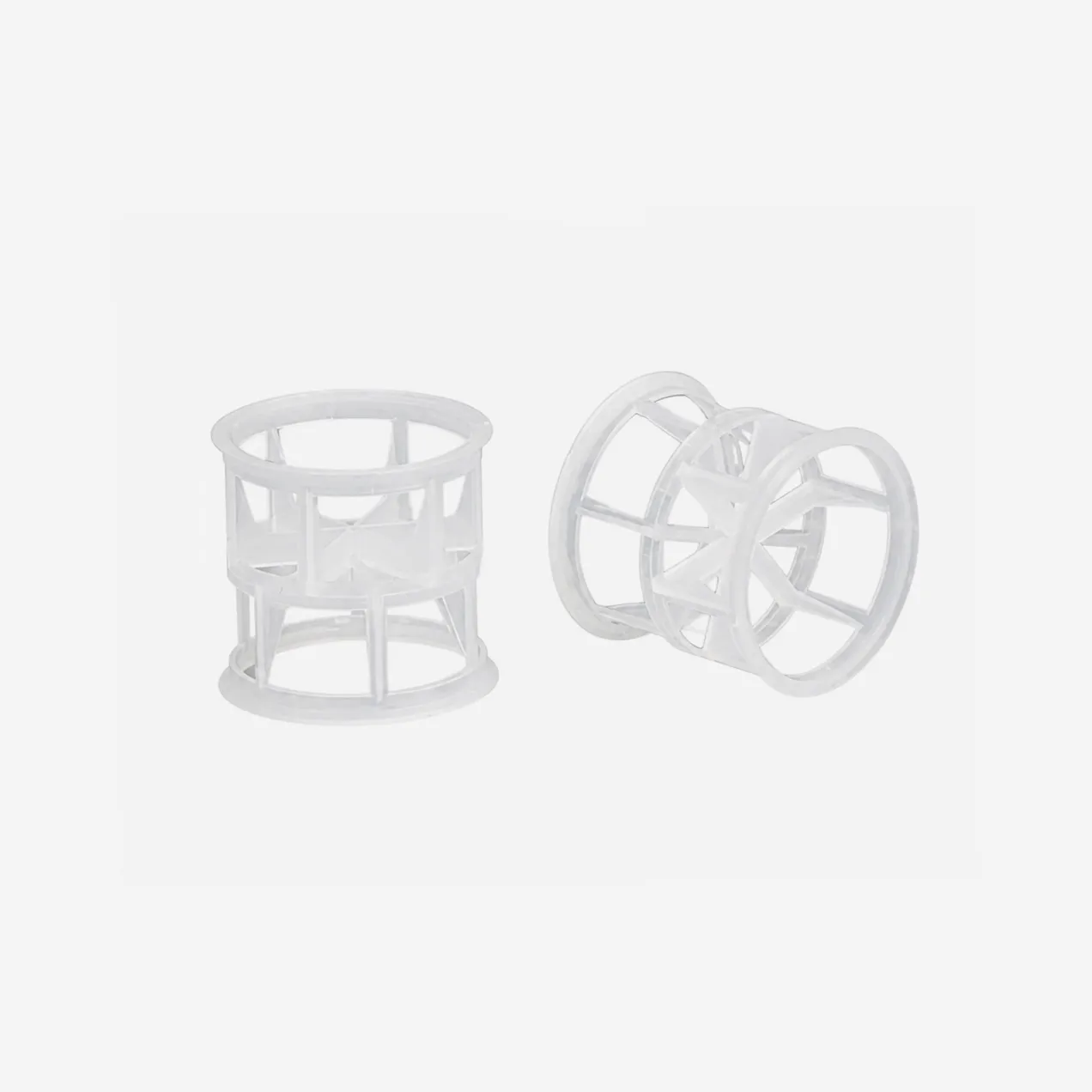
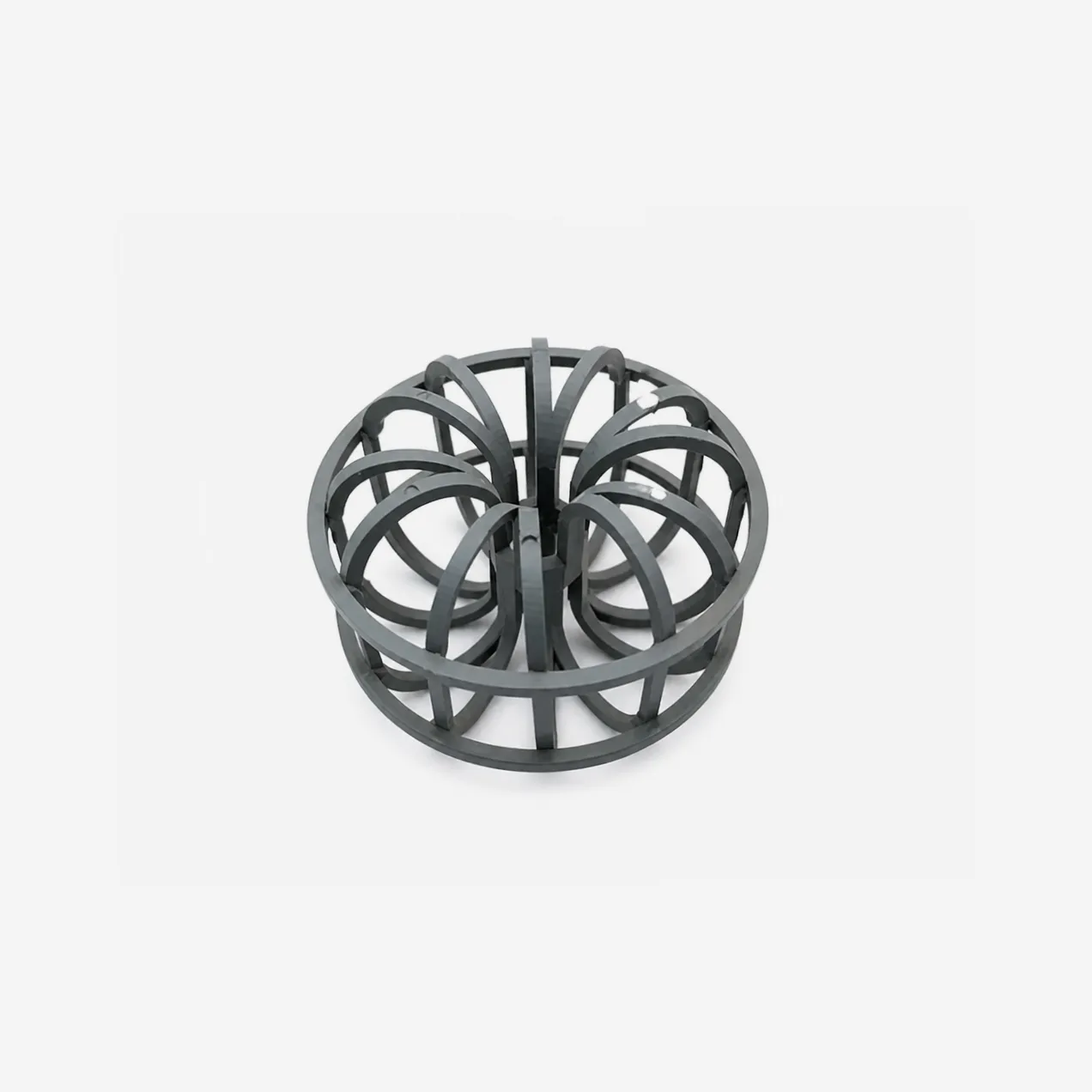
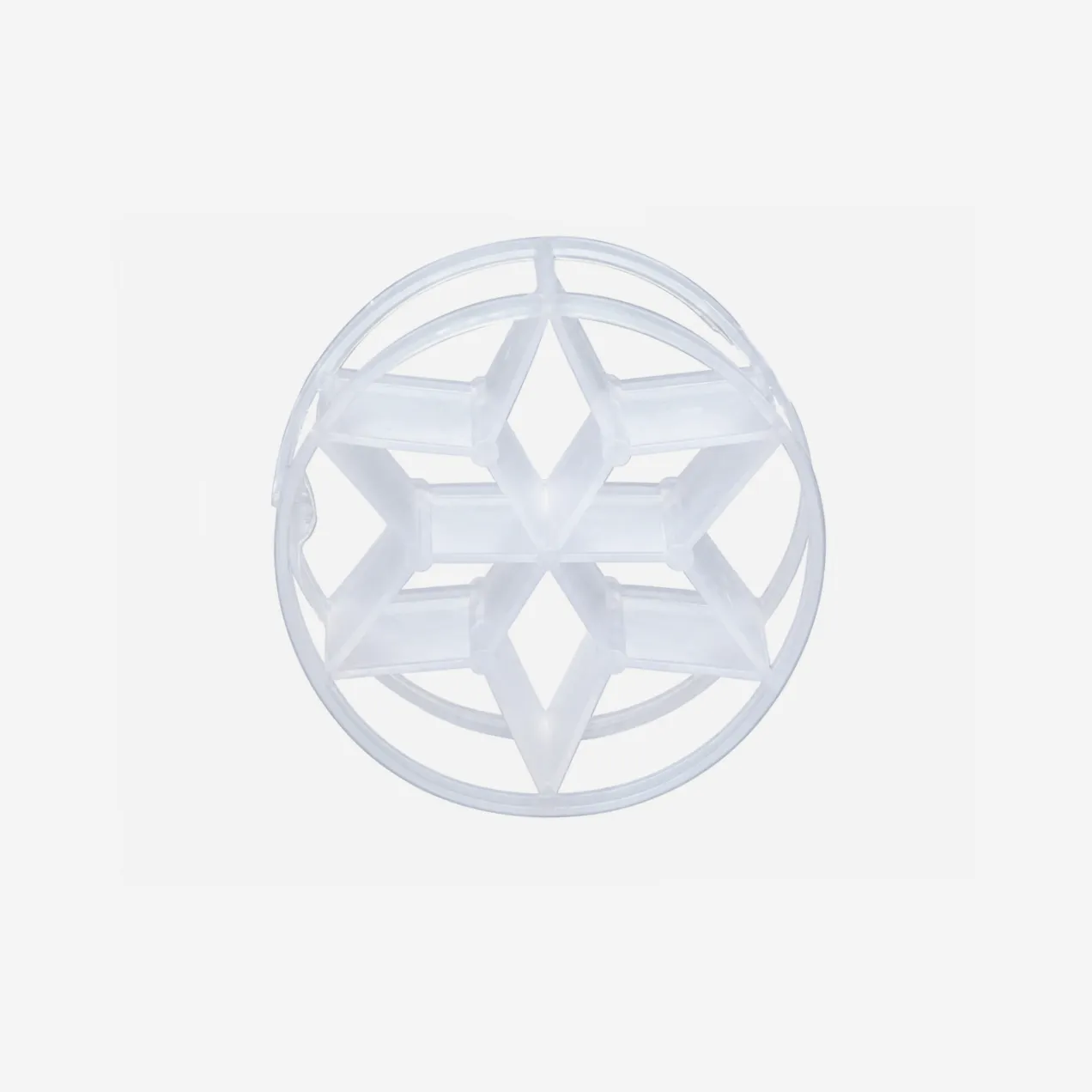
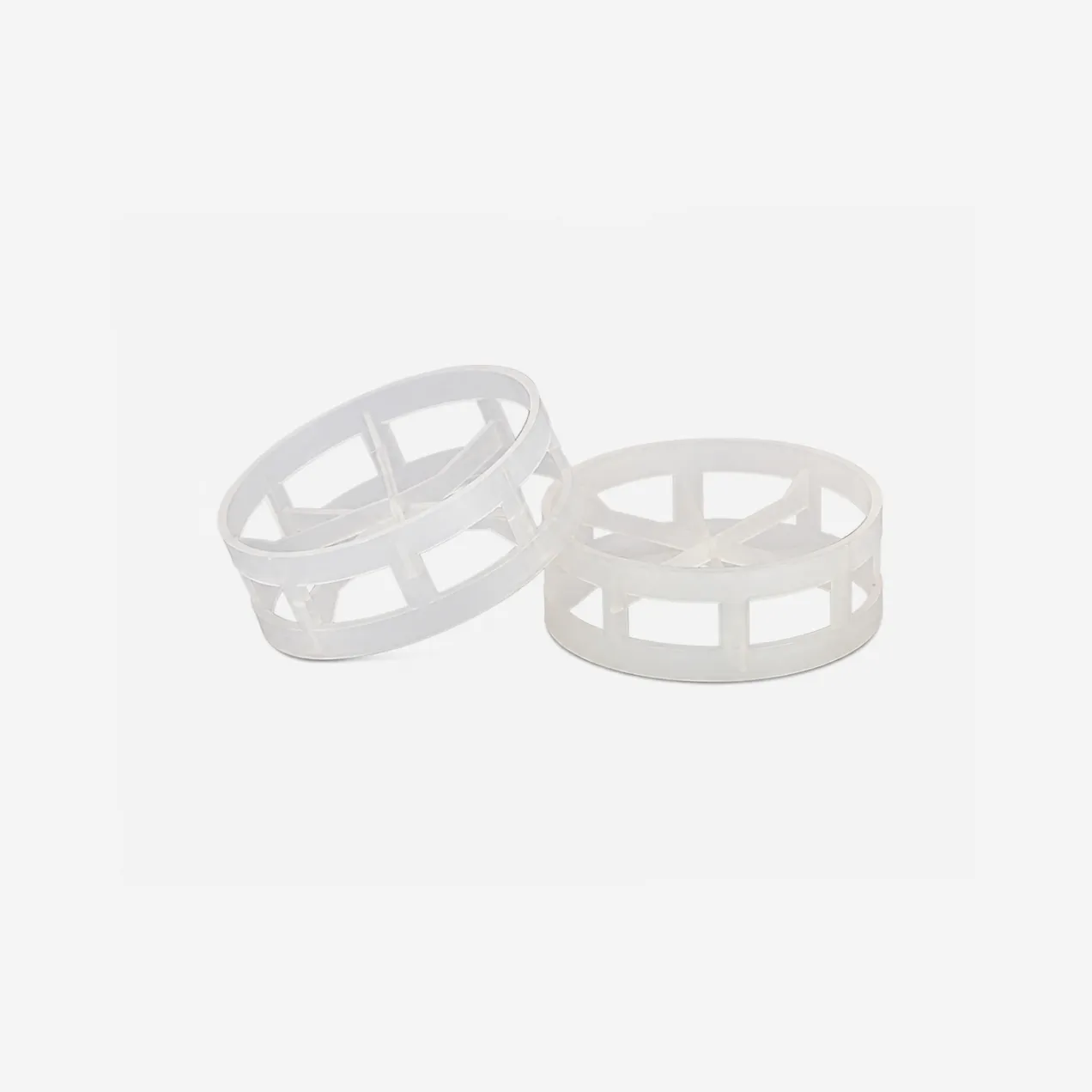
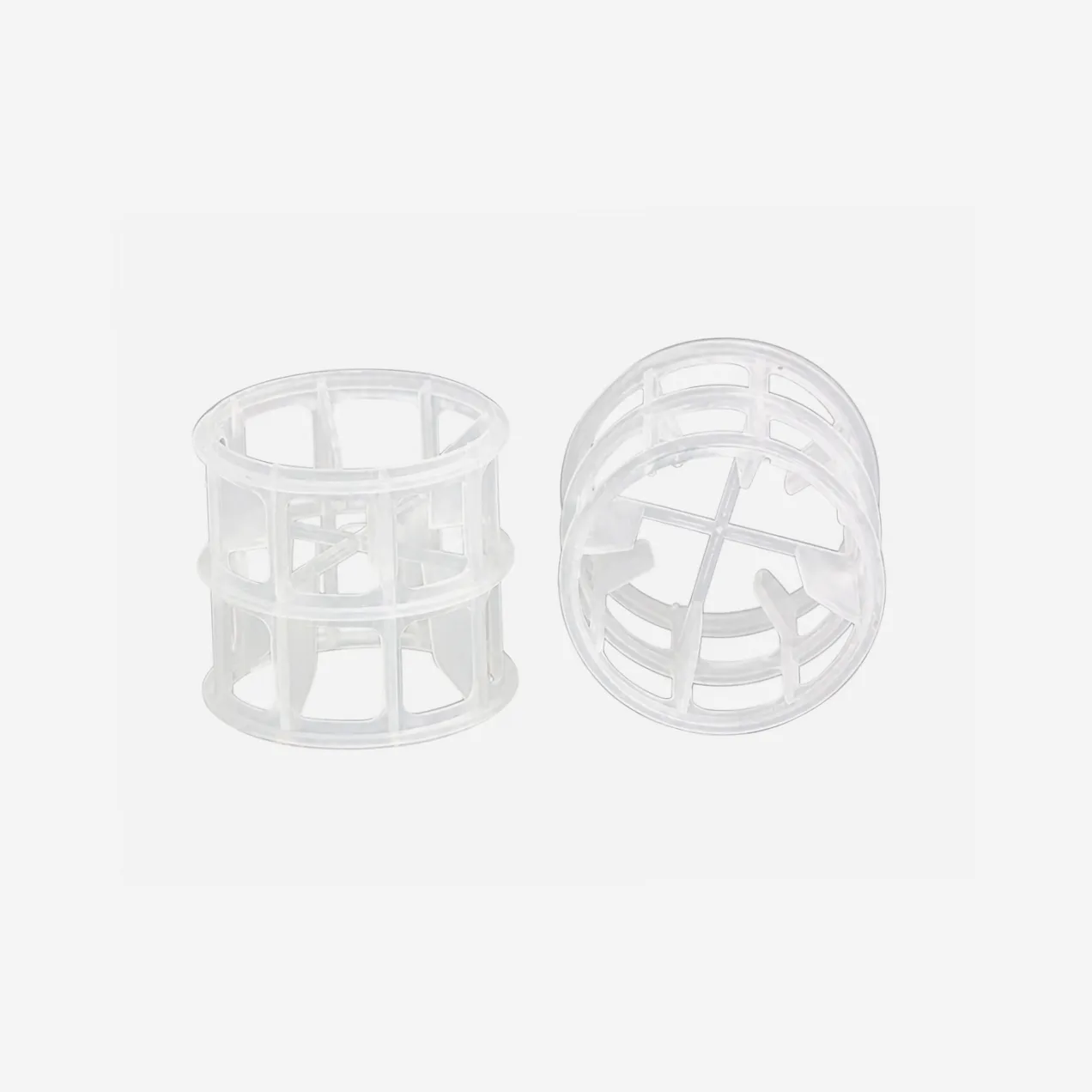
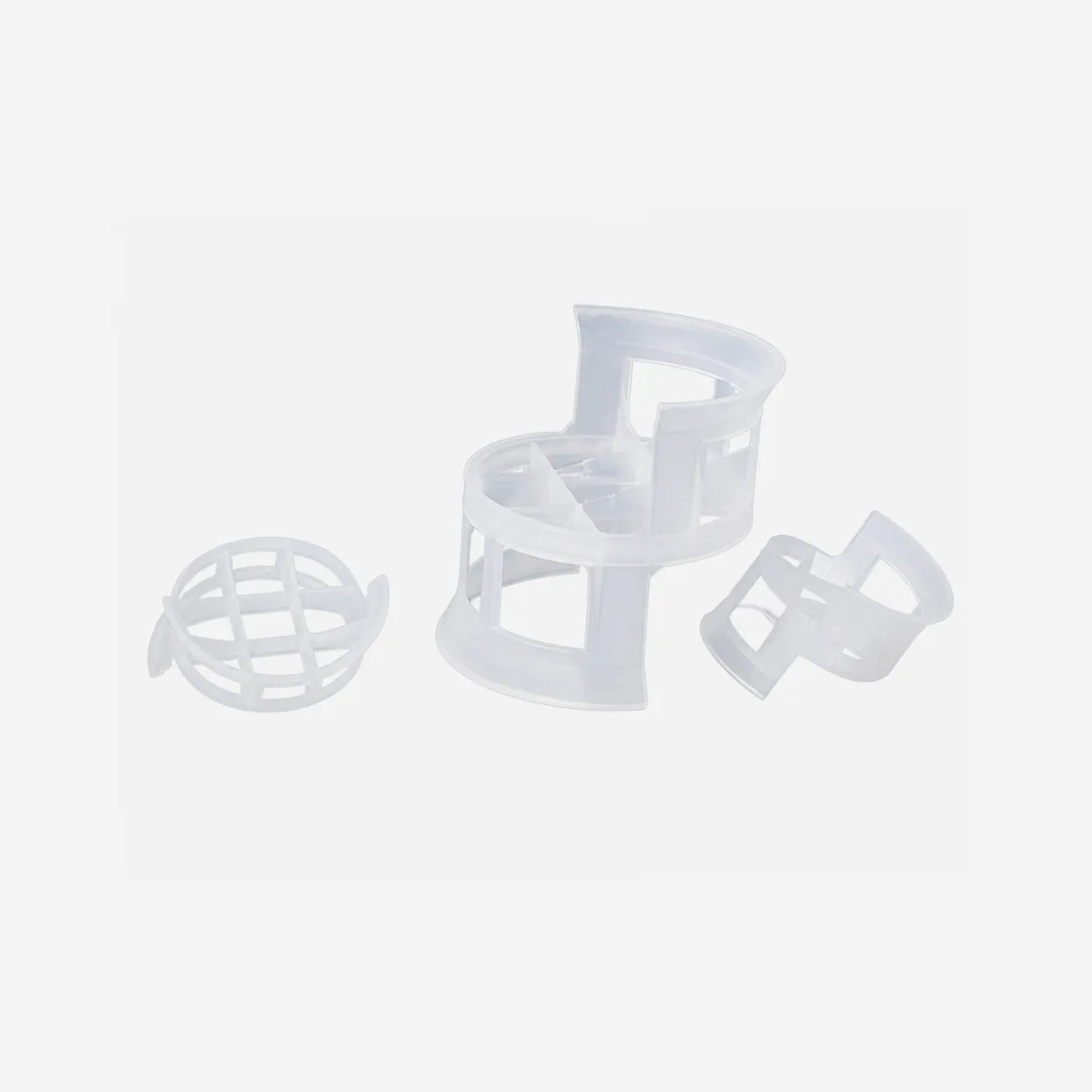
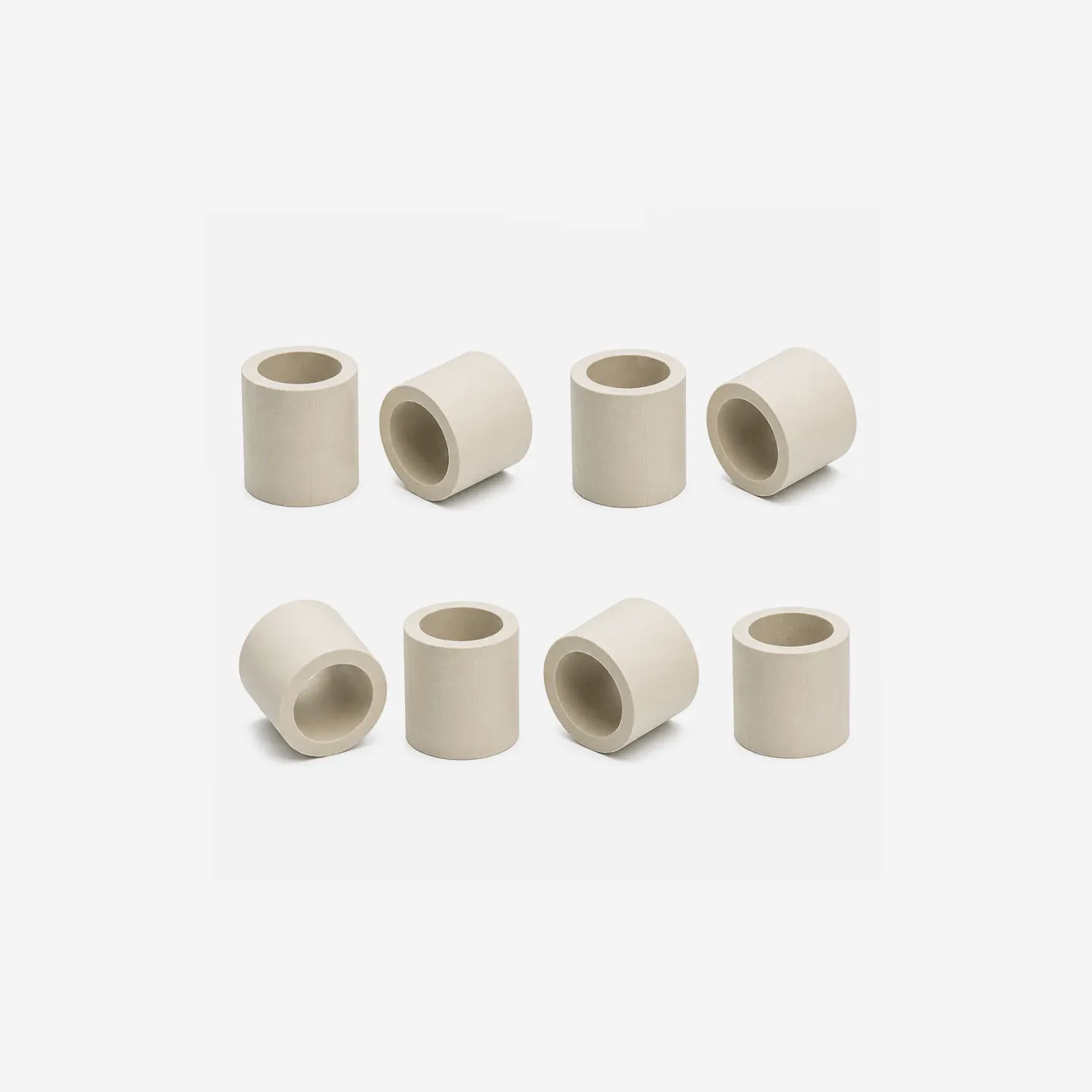
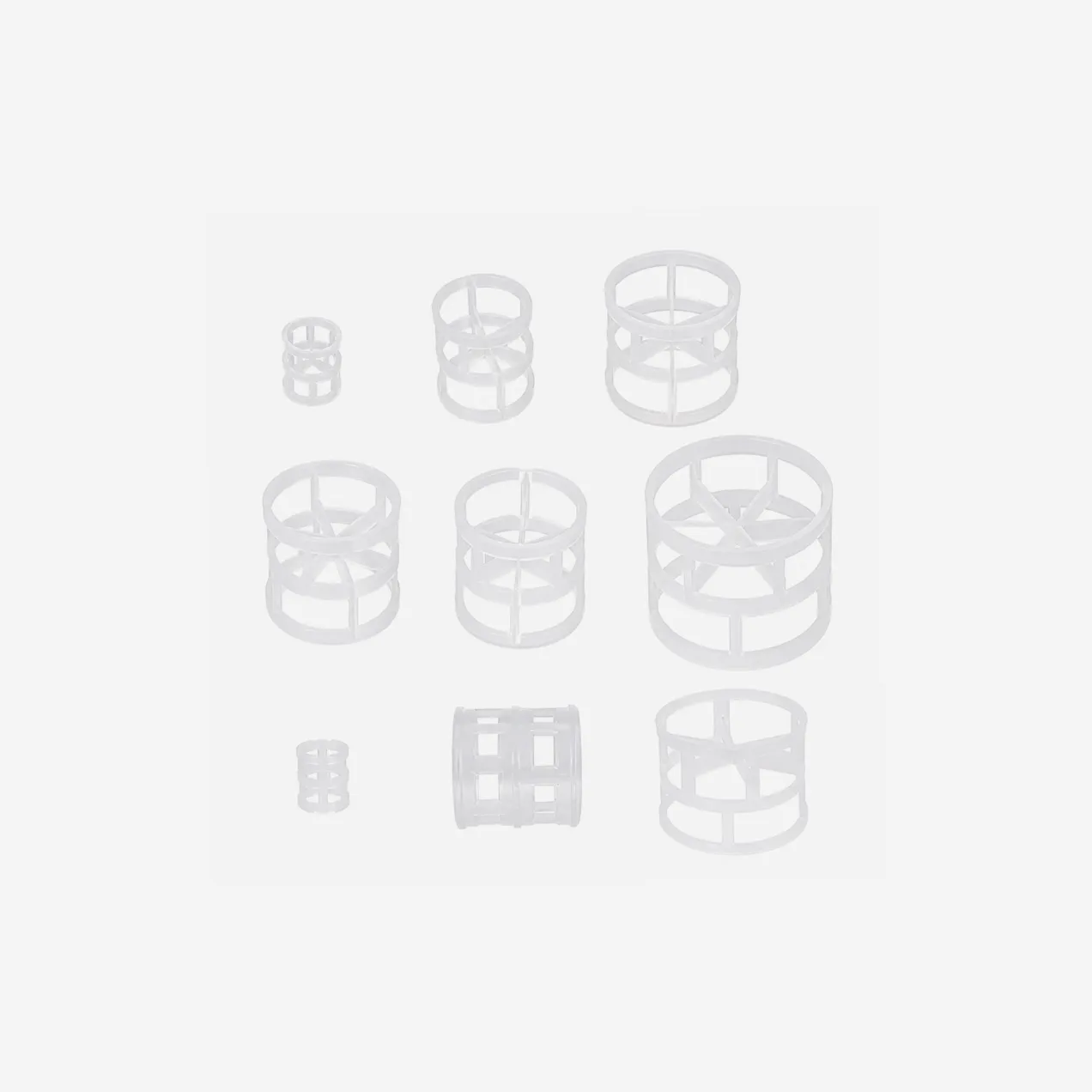
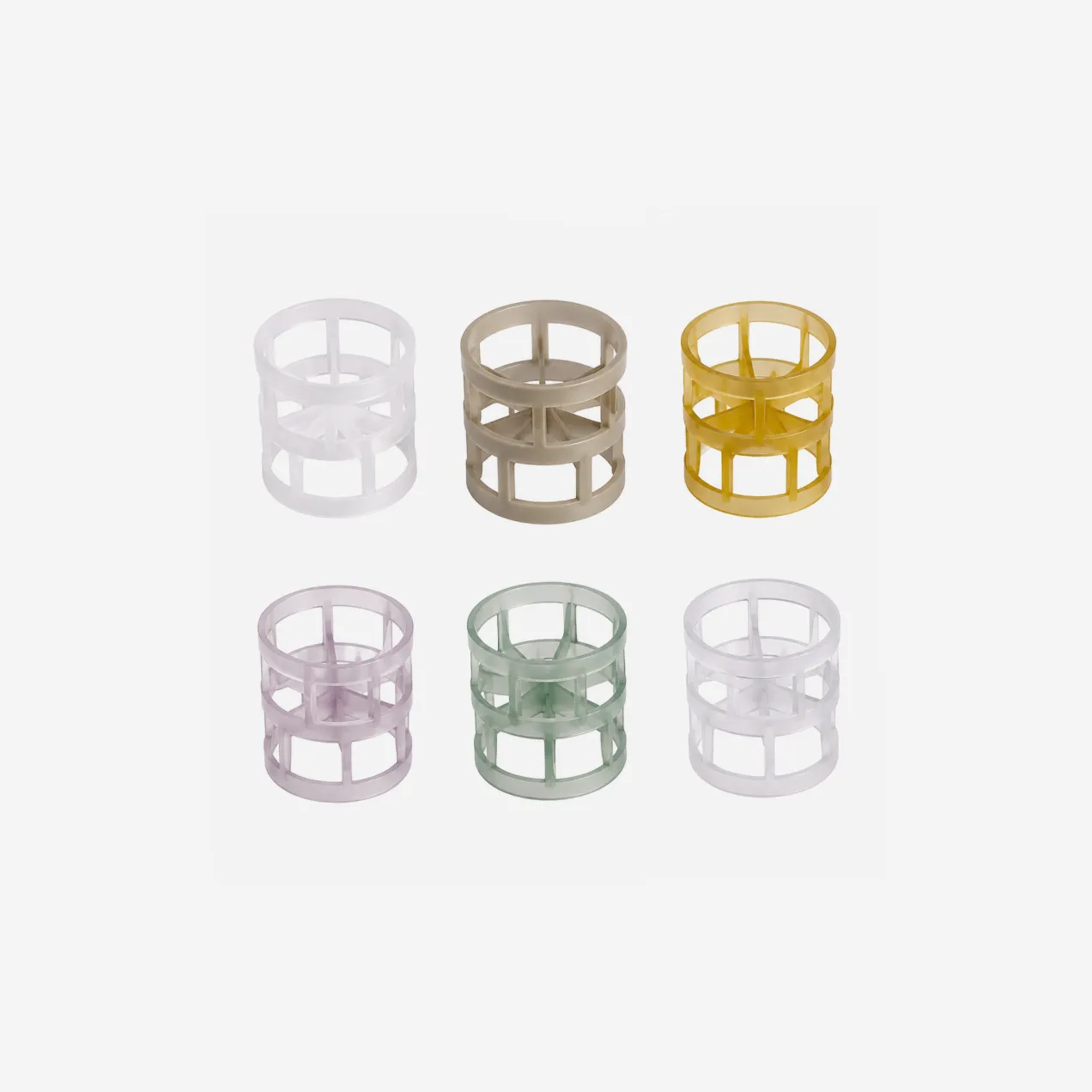
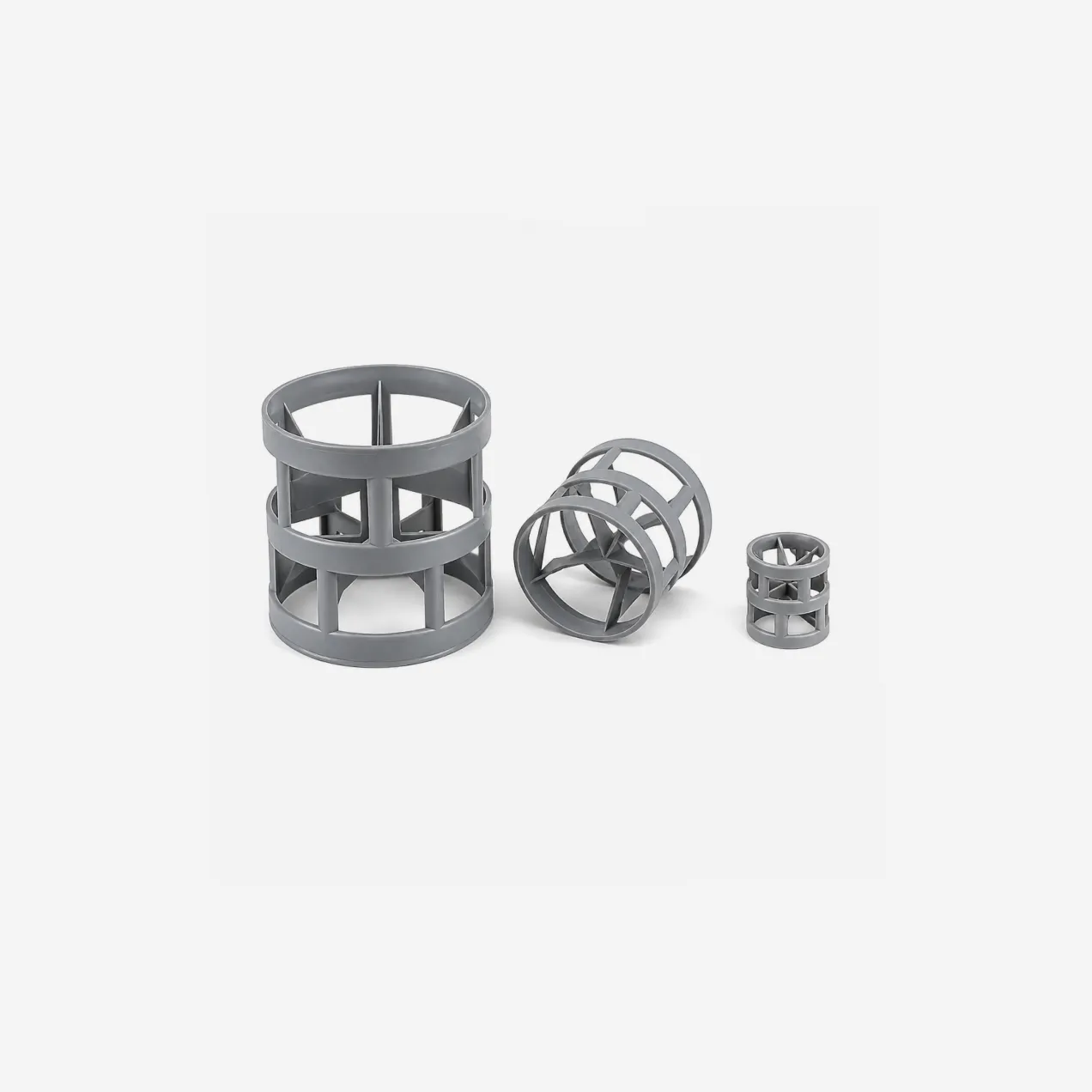
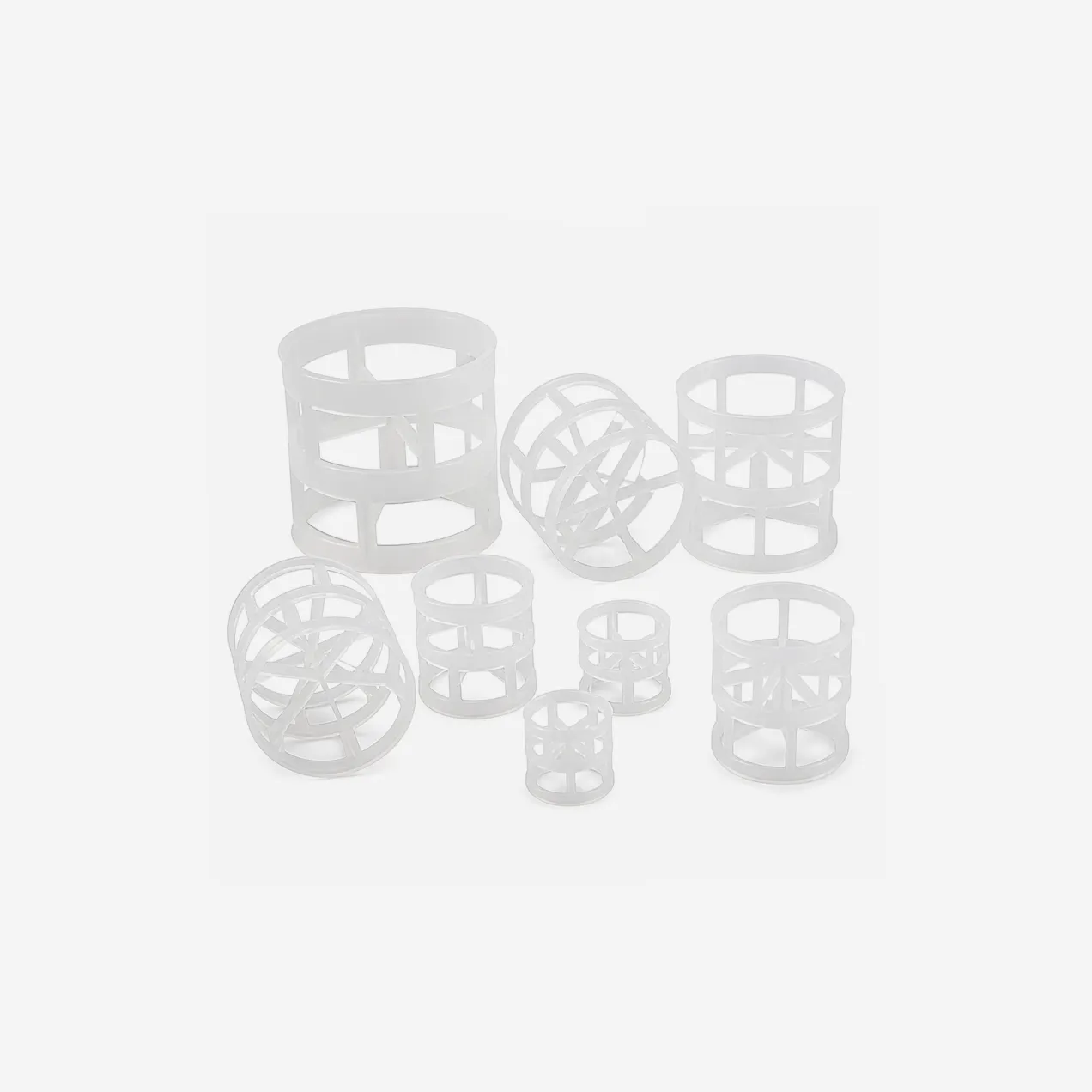
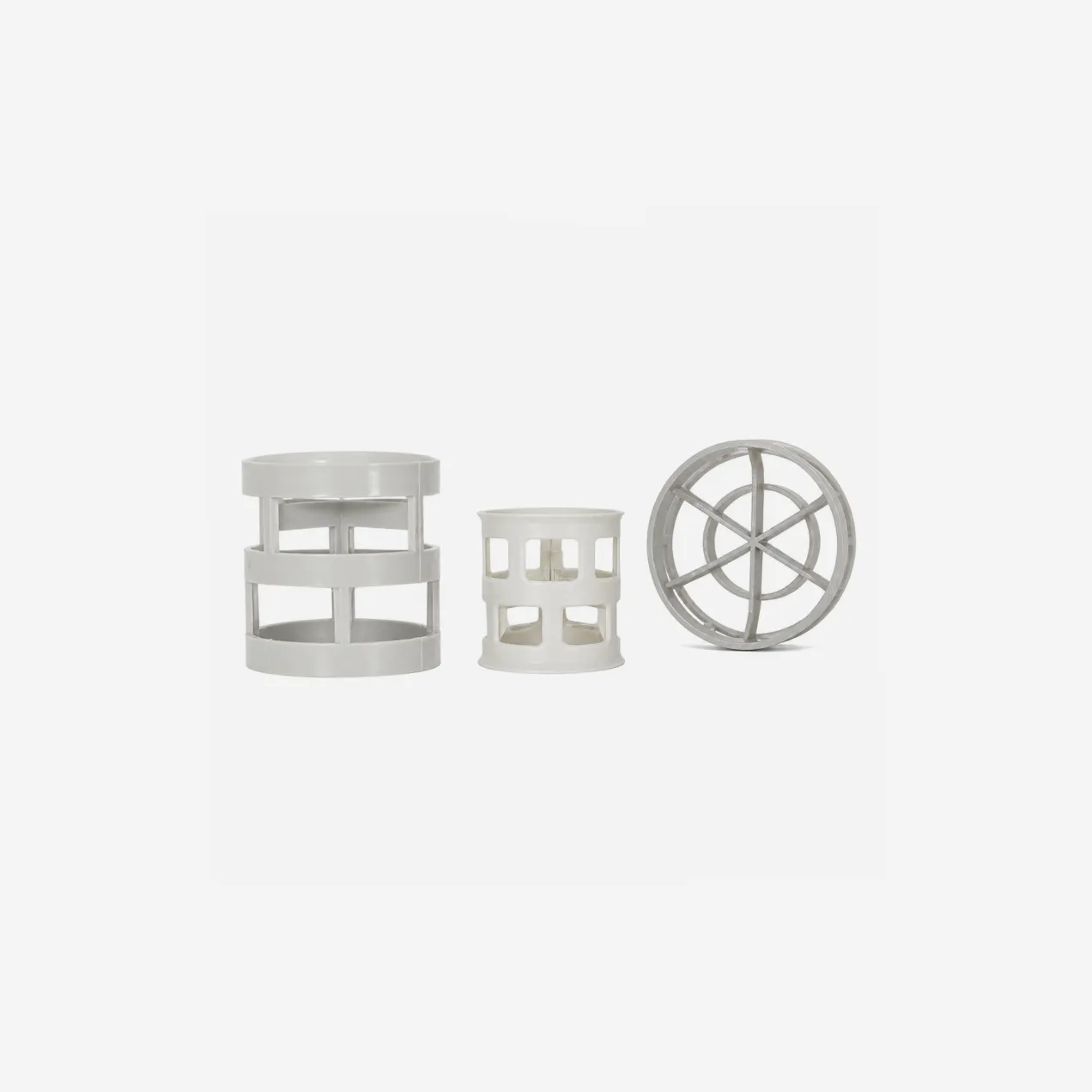
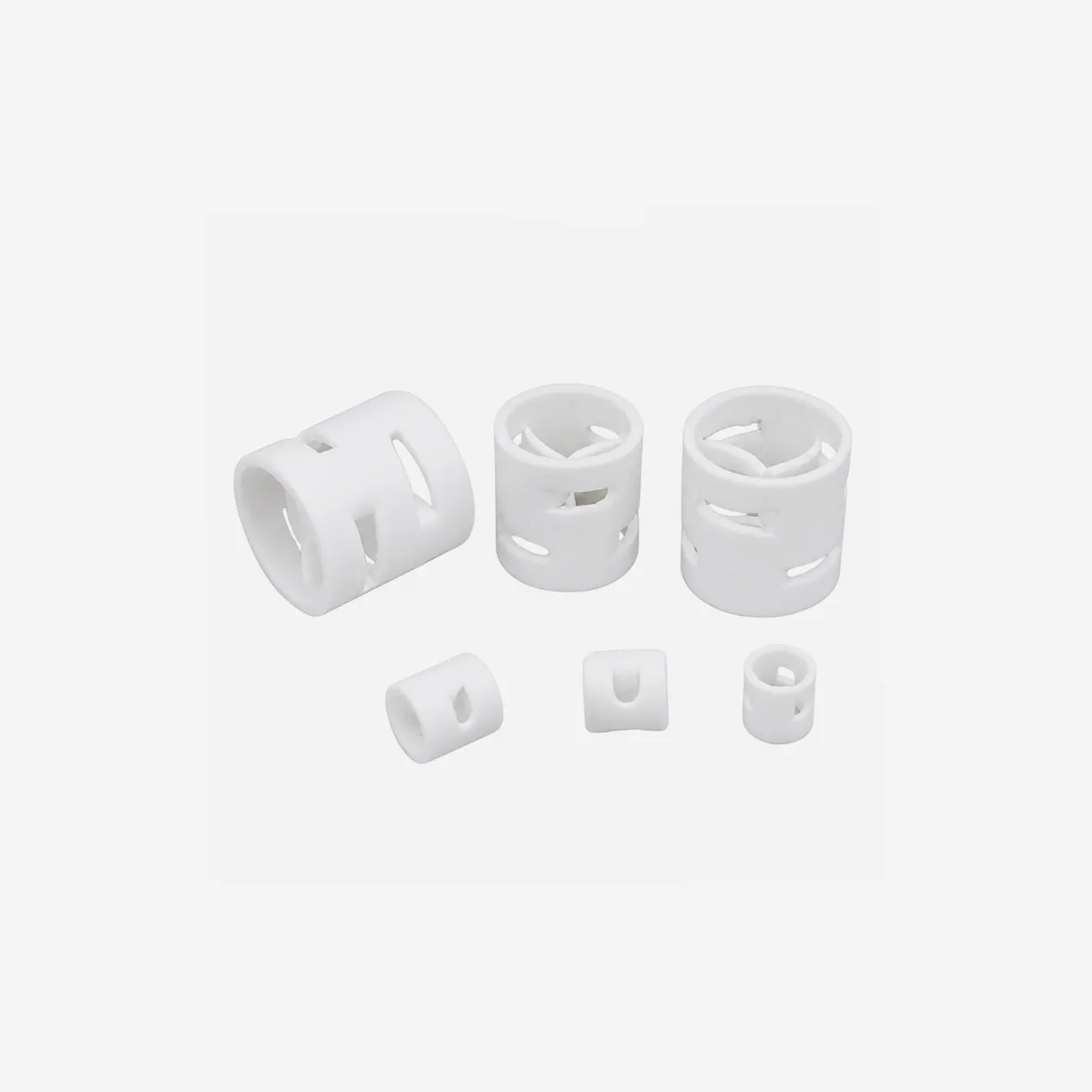
Plastic lantern ring is a random tower packing named for its shape — a short, open barrel that looks like a paper lantern, with the wall cut into lengthwise slots around the body. Those slots leave the ring wide open, so gas and liquid pass straight through the barrel and the clear bore keeps the pressure drop low, while the ribs between the slots carry a spread of liquid for gas-liquid contact. It is a squat ring, its height less than its width, which helps it settle into an even, free-draining bed. It is moulded in a range of plastics, from everyday PP, PE and PVC up to high-temperature PFA, in grey, and runs from 25 to 73 mm.

  • Short, open barrel shaped like a lantern, wall cut into lengthwise slots.
  • Clear open bore for a low pressure drop and free flow.
  • Squat form (height under width) that beds down evenly and drains well.
  • Moulded in PP, PE, PVC and high-temperature PFA; grey.
  • For chemical columns and sewage-treatment biofilm beds. Sizes 25 to 73 mm.

Technial Parameters

Size OD × H (mm)Void fraction (approx., %)Surface area (approx., m²/m³)
25 × 988200
47 × 1990120
51 × 1991110
59 × 199295
73 × 27.59280

Sizes (outer diameter × height) are from the supplier listing. No spec sheet was supplied, so the void and surface-area figures are indicative values typical of plastic ring packings; confirm exact figures before ordering.


PropertyValue
Product TypePlastic random packing (lantern ring)
MaterialPP / PE / PVC / PFA (raw material PP)
ColourGrey
Standard Sizes25×9, 47×19, 51×19, 59×19, 73×27.5 mm (nominal 25–73 mm)
StructureShort open barrel with lengthwise wall slots (lantern shape)
Void FractionAbout 88–92% (typical)
Media TemperatureAbout 60 °C for PP / PE / PVC, up to about 260 °C for PFA
AdvantagesOpen bore, low pressure drop, corrosion-resistant, wide material range
ApplicationsChemical engineering and chemical-industry columns; sewage-treatment biofilm beds
CertificateISO 9001
TrademarkRONGJIAN
OriginJiangxi, China
HS Code8419909000
Transport PackageCarton box / ton bag / steel drum
NoteNo source datasheet or model number was supplied; void and surface figures are indicative.

FAQs

What is a lantern ring, and how is it shaped?

A lantern ring is a random packing shaped, as the name says, like a small lantern. The body is a short cylinder, and around its wall run lengthwise slots, so the ring ends up as an open barrel — a frame of upright ribs with gaps between them rather than a solid tube. Two things come from that. The slots and the clear centre leave the ring very open, so gas and liquid pass straight through with little resistance and the bore does not easily clog. The ribs, meanwhile, give a run of surface for the liquid to wet and for the gas to meet it. Being short, with its height less than its diameter, the ring lies down into an even, free-draining bed. Simple, open and light, it is an easy packing to fill and to run.
What is the lantern ring used for?

The lantern ring earns its keep in two kinds of plant. In chemical engineering it is dumped into absorption, scrubbing and separation columns, where its open barrel spreads gas and liquid over a surface while letting large flows through. In sewage treatment it takes a second role as a biofilm carrier: dropped into a contact tank, its ribs and slots give micro-organisms a sheltered surface to grow on, so the ring helps clean the water as well as move fluids. The plastic it is made from resists acids, alkalis and salts, which suits both the corrosive chemical streams and the wet, aggressive conditions of effluent tanks. Wherever an open, corrosion-proof fill is wanted, the lantern ring fits.

Which plastic should I order, from PP to PFA?

The lantern ring is offered across an unusually wide span of plastics, and that span is worth understanding. At the everyday end sit polypropylene, polyethylene and PVC: cheap, tough enough for ordinary acids, alkalis and salts, and good to roughly a hundred degrees for the polyolefins, less for PVC. At the far end sits PFA, a perfluoropolymer that costs a great deal more but withstands almost any chemistry and stays serviceable up to around 260 degrees. So the same ring shape can be had as a low-cost fill for a mild scrubber or as a premium fill for a hot, aggressive column, simply by changing the resin. Tell us the medium and the temperature and the sensible grade becomes clear.

How does a lantern ring compare with a Pall ring?

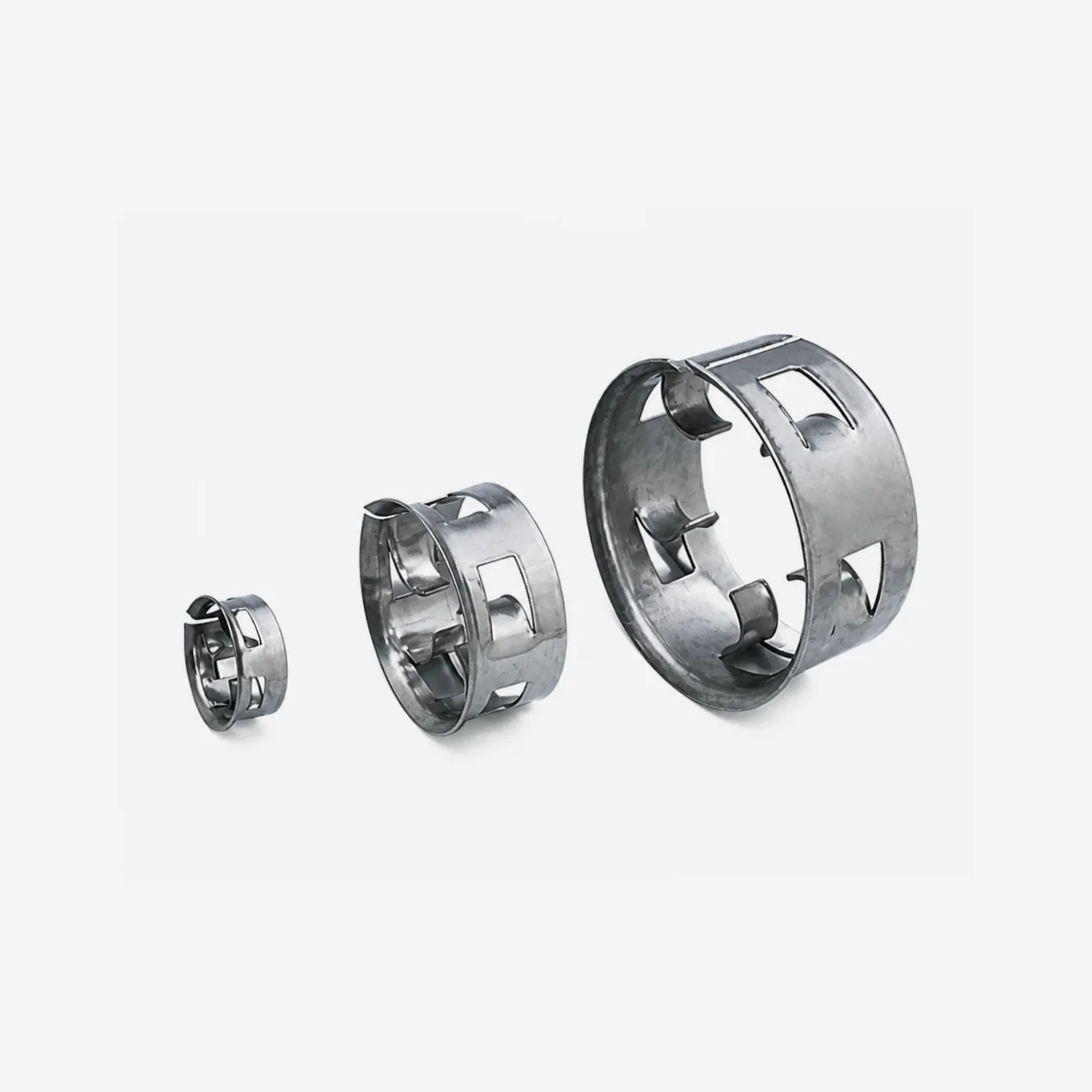
A lantern ring and a Pall ring are both open cylindrical packings, but they open the cylinder in different ways. A Pall ring keeps its full wall and punches windows in it, bending small tongues inward to break the flow and use the inside of the ring. A lantern ring instead cuts the wall into upright slots, leaving an open barrel with a clear bore and no inward tongues. The Pall ring, with its tongues, tends to hold a little more internal surface and mixing; the lantern ring is simpler, very open, and drains and clears fouling readily, which suits it to dirty or biological service as much as to chemical duty. For hard fractionation a Pall ring is the usual pick; for open, low-pressure or biofilm work the lantern ring does well. Send the duty and we will suggest which suits.

The lantern ring is one of the simpler random packings: a short cylinder whose wall is slit lengthwise into a row of ribs, so the piece sits in the bed as an open barrel, much like the frame of a paper lantern. There is no windowing or inward tongue as on a Pall ring; the ring is simply opened out, giving a clear bore, a low pressure drop and a surface that both wets easily and clears fouling. What sets this packing apart is less its shape than its span of materials, which reaches from commodity plastics all the way to PFA.

Choosing the plastic is the main decision, and it turns on heat and chemistry:

PlasticRough top temperatureWhere it fits
PP / PEAbout 100 °CEveryday acid, alkali and salt duty; sewage biofilm beds
PVCAbout 60 °CCool chlorinated and acidic streams
PFAAbout 260 °CHot, strongly corrosive or high-purity service

So one ring shape covers a lot of ground: a cheap PP or PE lantern ring for a mild scrubber or an aeration tank, a PVC ring for cold acid service, or a PFA ring where the column runs hot and aggressive. Its open barrel makes it a natural in chemical absorption and scrubbing columns and, thanks to its wettable ribs, a useful biofilm carrier in sewage works. No manufacturer datasheet came with this item, so surface-area and void figures should be checked against the supplier's spec sheet before ordering. Send the column, the service and the temperature and a size and grade can be matched.