
In late October 2026, QatarEnergy announced the award of the primary Engineering, Procurement, and Construction (EPC) contract for the North Field West (NFW) LNG expansion project. This milestone represents the final major phase of the North Field expansion strategy, adding two new LNG mega-trains with a combined capacity of 16 million tonnes per annum (MTPA). Once commissioned, the NFW project will elevate Qatar's total national LNG production capacity to 142 MTPA before the end of the decade. The execution of a megaproject on this scale drives massive downstream demand for specialized gas processing equipment, particularly mass transfer components, industrial desiccants, and catalytic support media.
The Critical Path of LNG Feed Gas Preparation
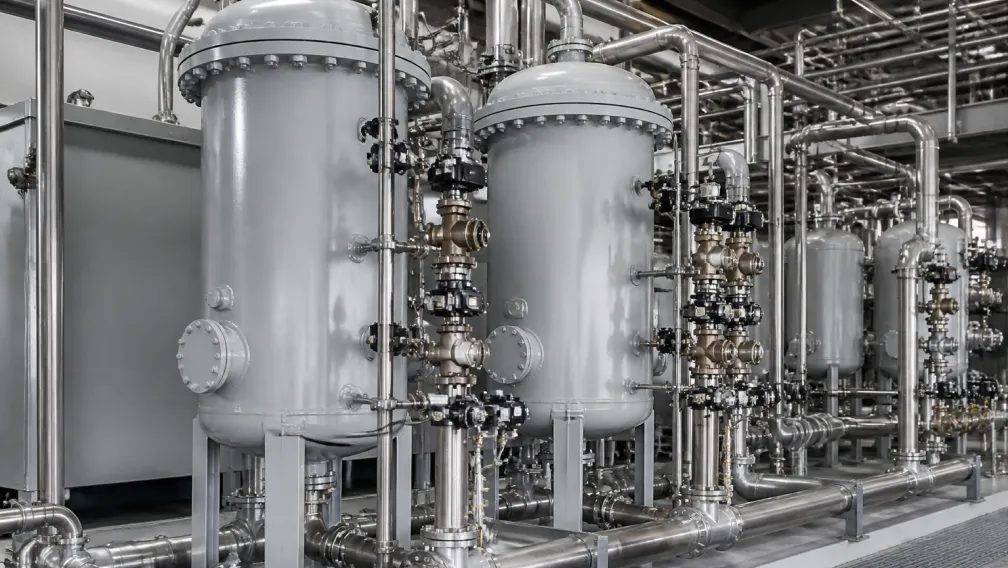
Natural gas extracted from the North Field is sour and saturated with water. Before it can be liquefied in the main cryogenic heat exchanger (MCHE) at temperatures approaching -162 °C, the feed gas must undergo a rigorous pretreatment sequence. Even trace amounts of carbon dioxide (CO2), hydrogen sulfide (H2S), or water vapor will freeze within the cryogenic sections, causing severe pressure drop escalation, mechanical damage, and immediate plant shutdown. The pretreatment block—comprising the Acid Gas Removal Unit (AGRU), the dehydration unit, and the mercury removal unit—relies entirely on high-performance separation columns and fixed-bed adsorption vessels.
Acid Gas Removal: Hydrodynamics in the Amine Absorber
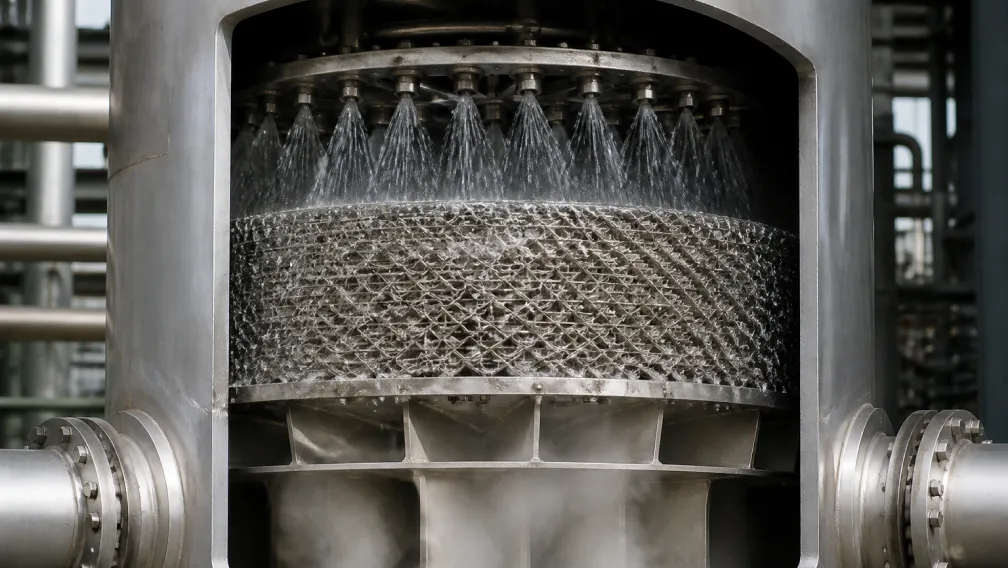
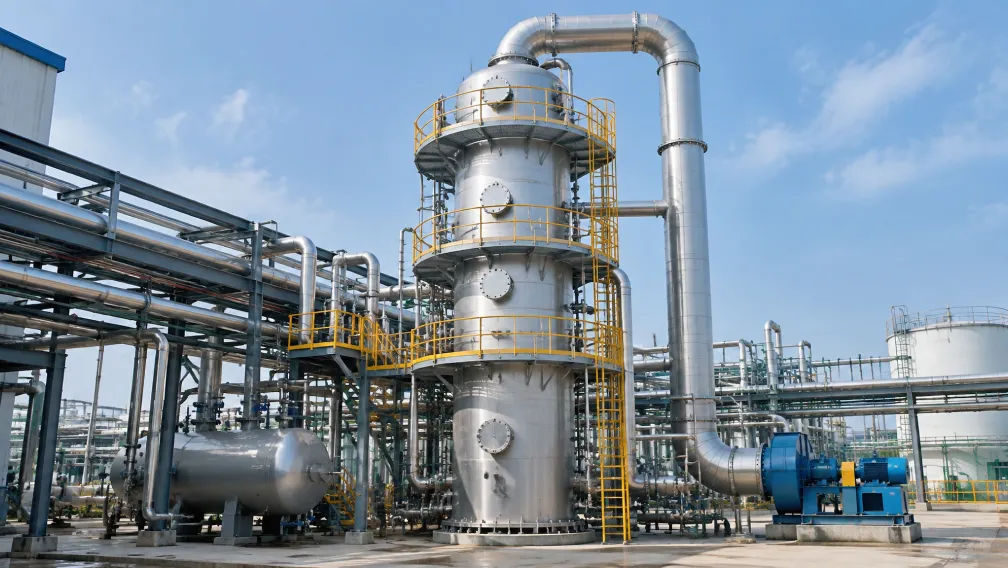
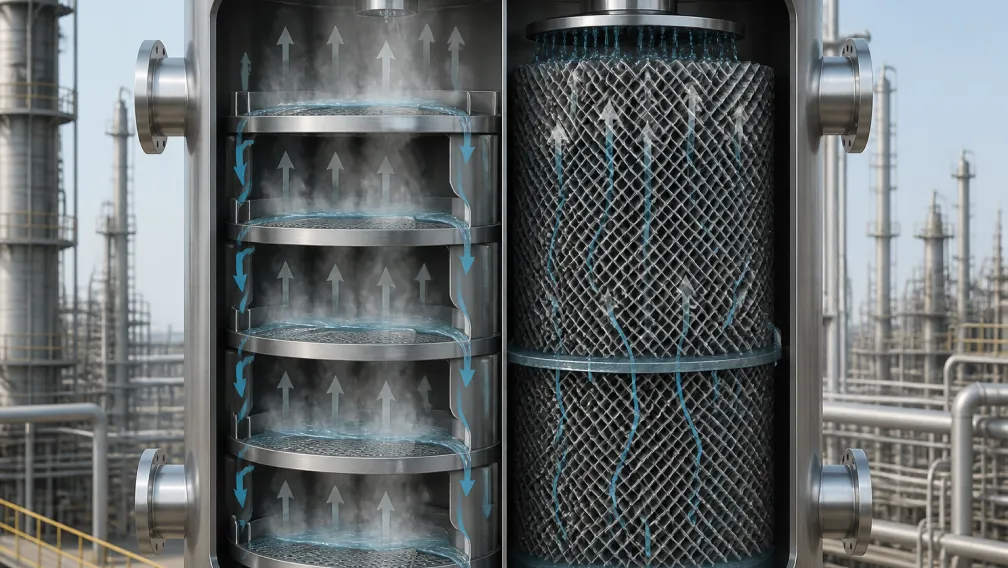
The first processing step is the AGRU, which utilizes an aqueous amine solution (typically formulated MDEA) to scrub CO2 and H2S from the raw natural gas. This absorption process takes place in tall, high-pressure contactor columns. The gas flows upward while the lean amine solution flows downward, requiring extensive interfacial surface area for efficient chemical mass transfer.
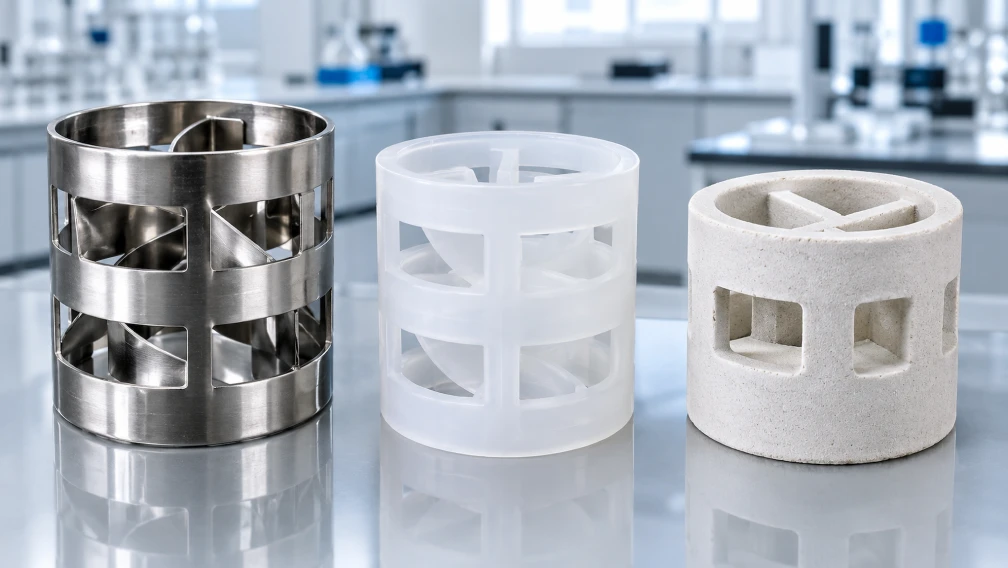
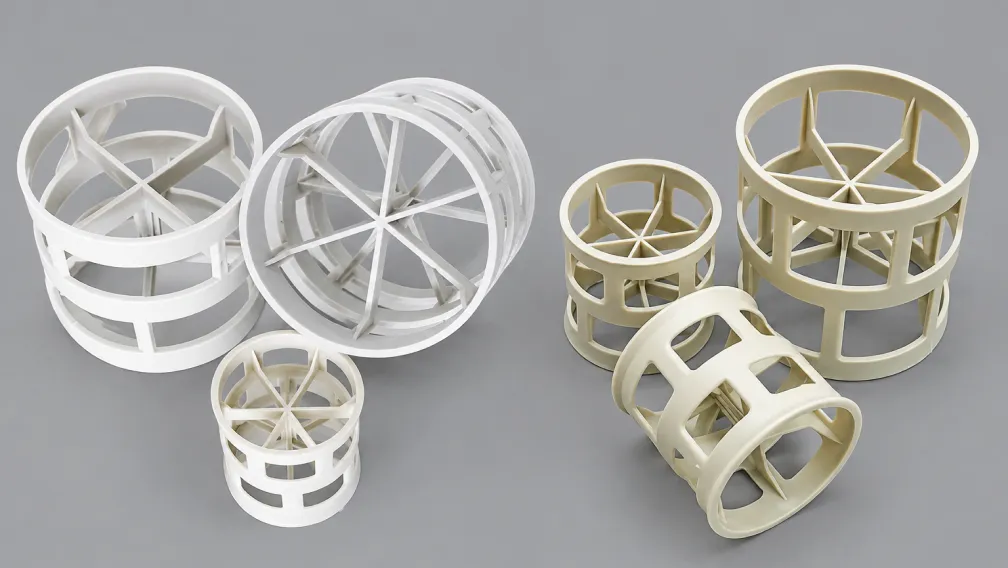
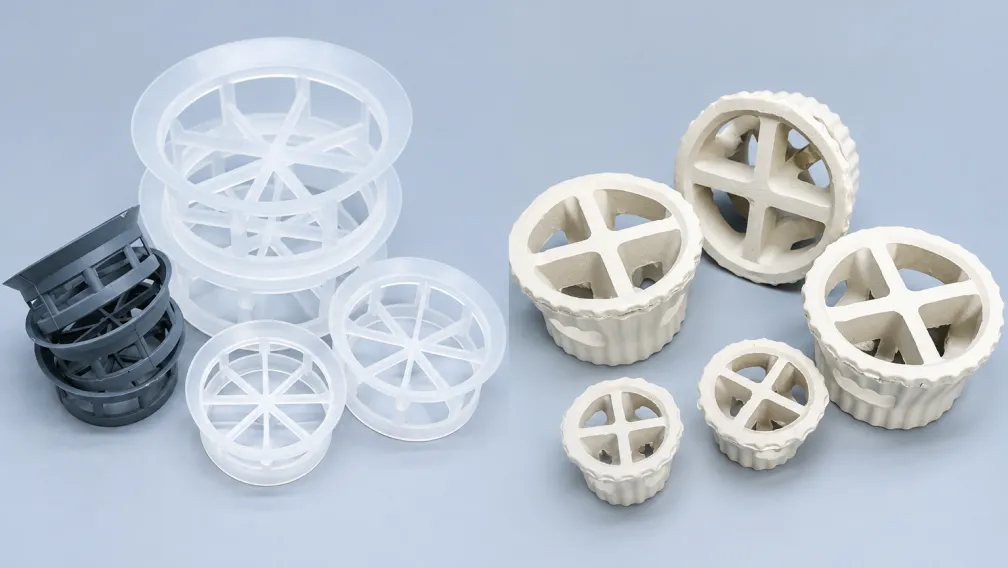
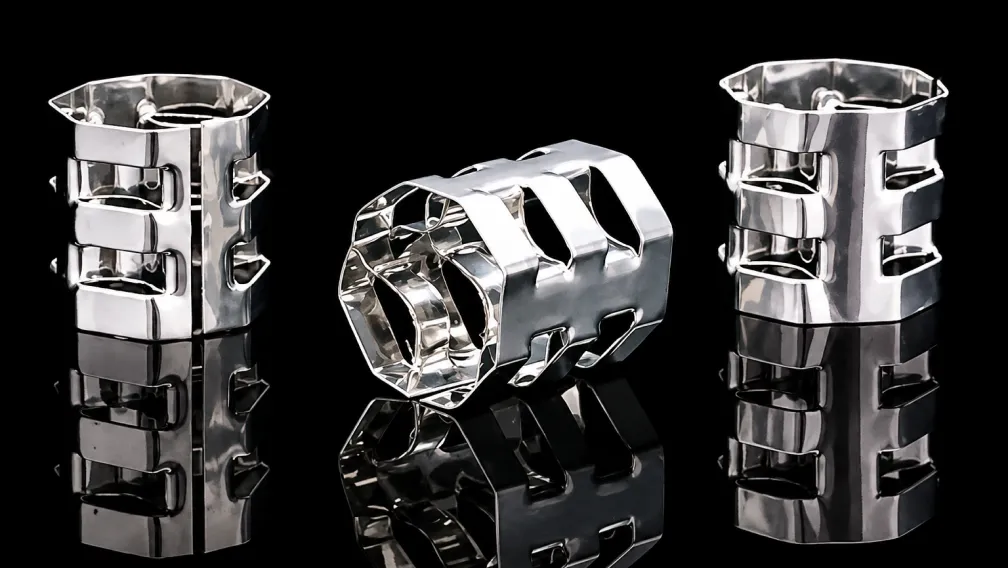
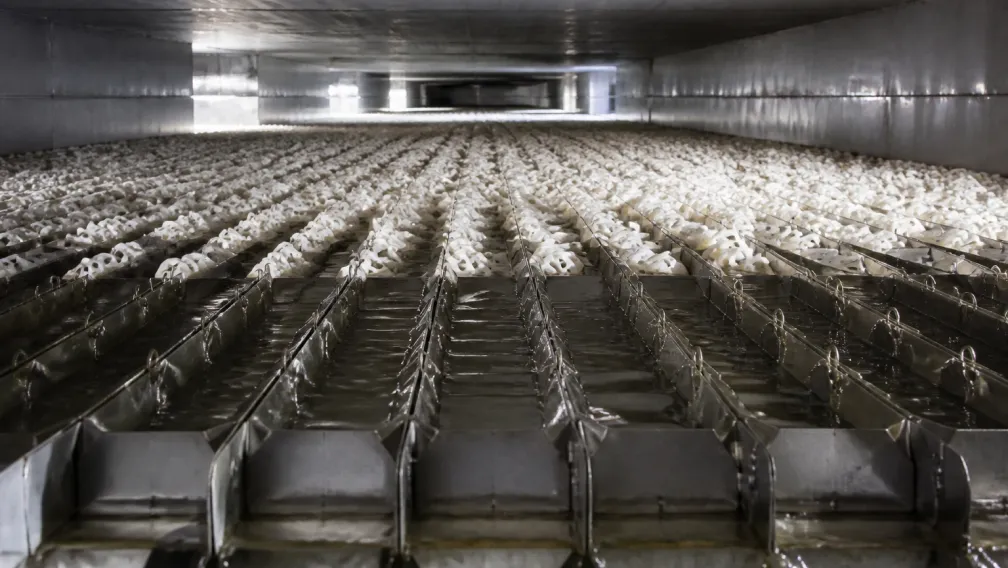
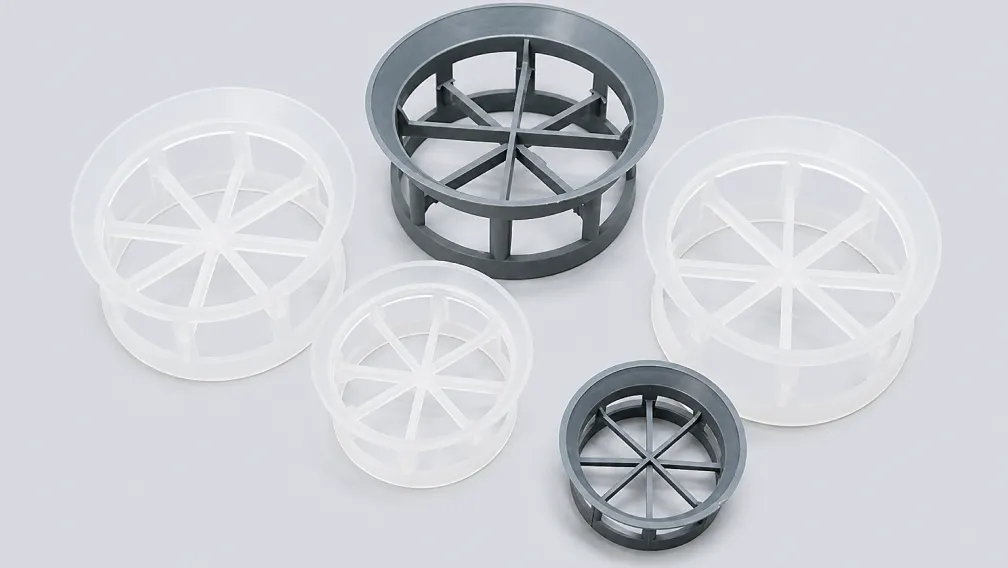
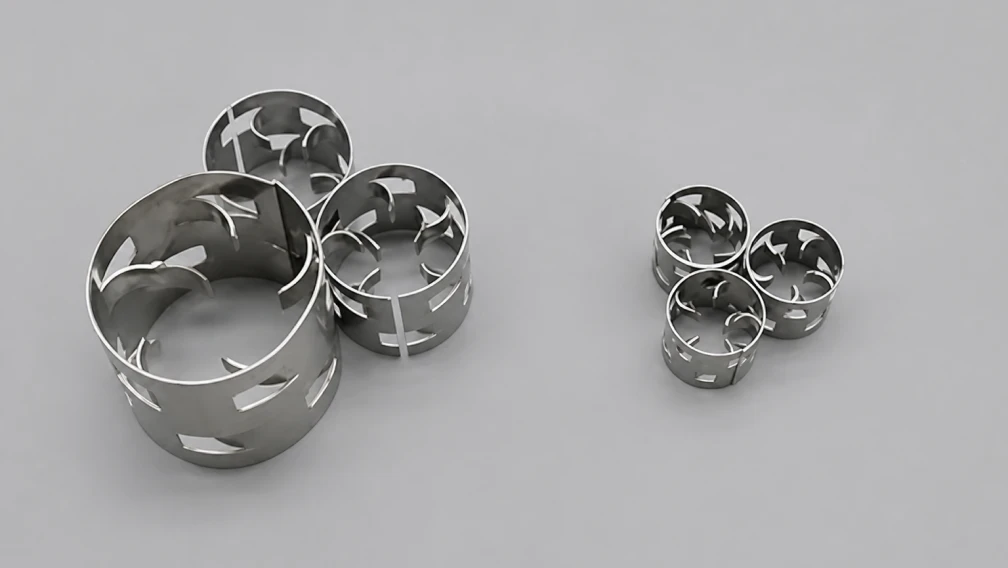
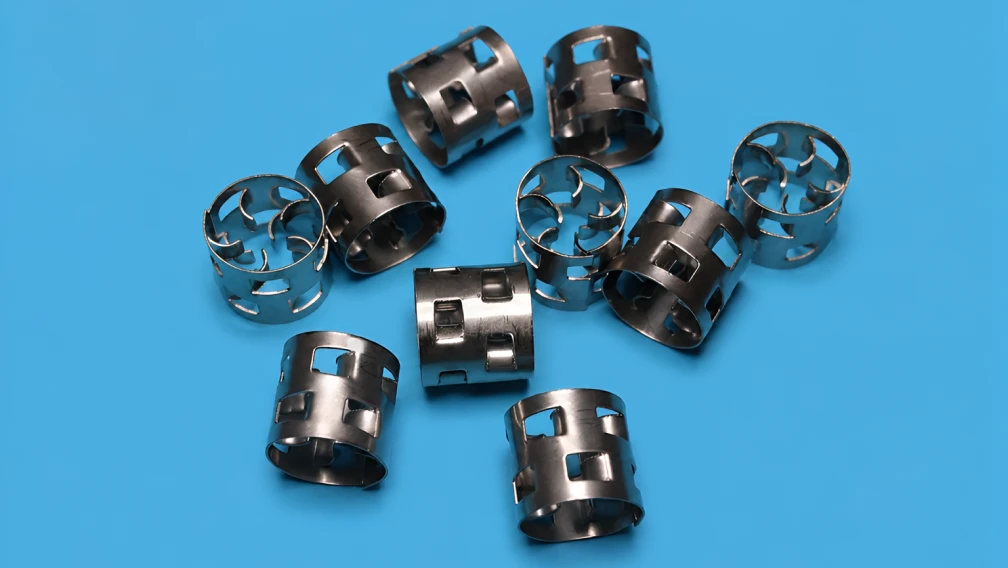
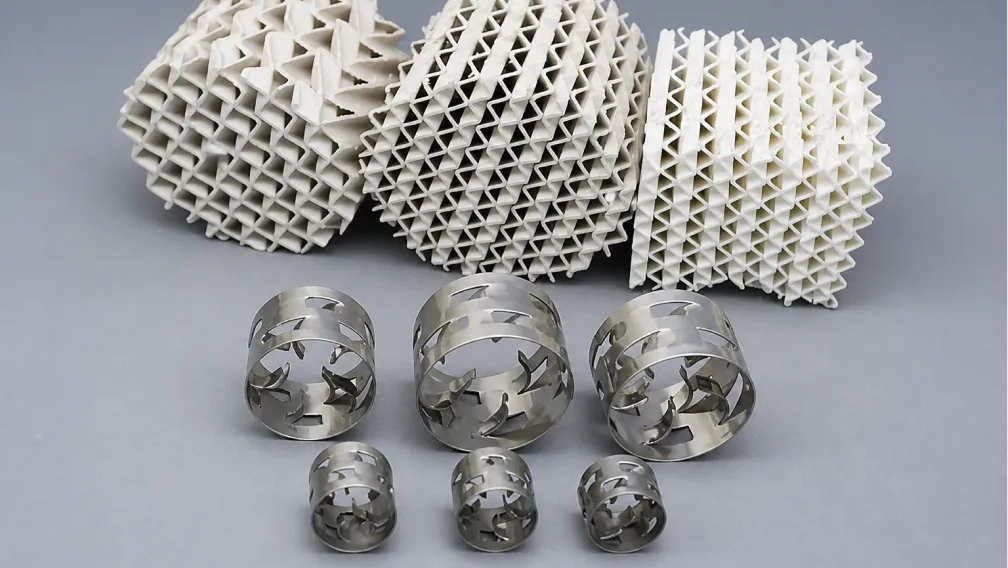
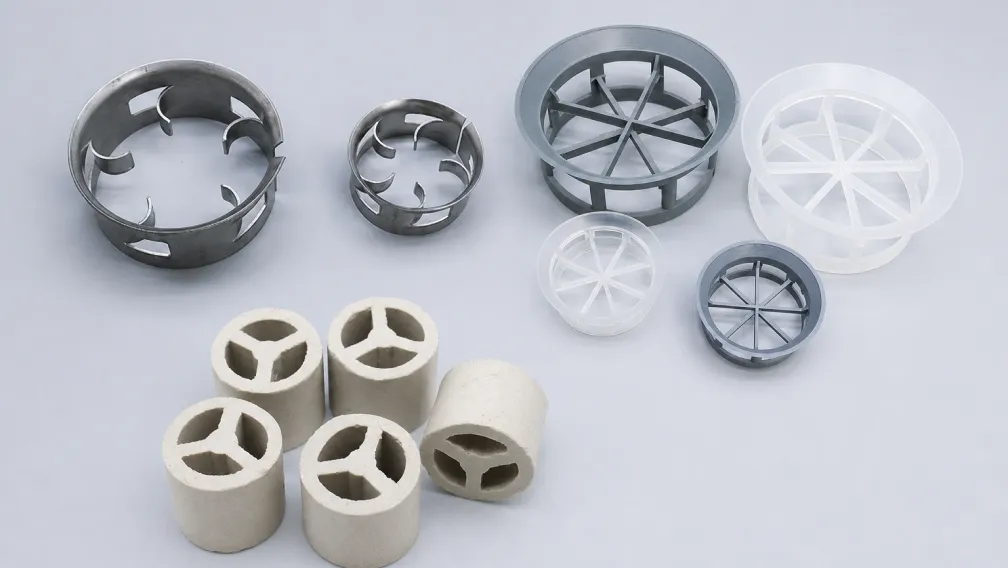
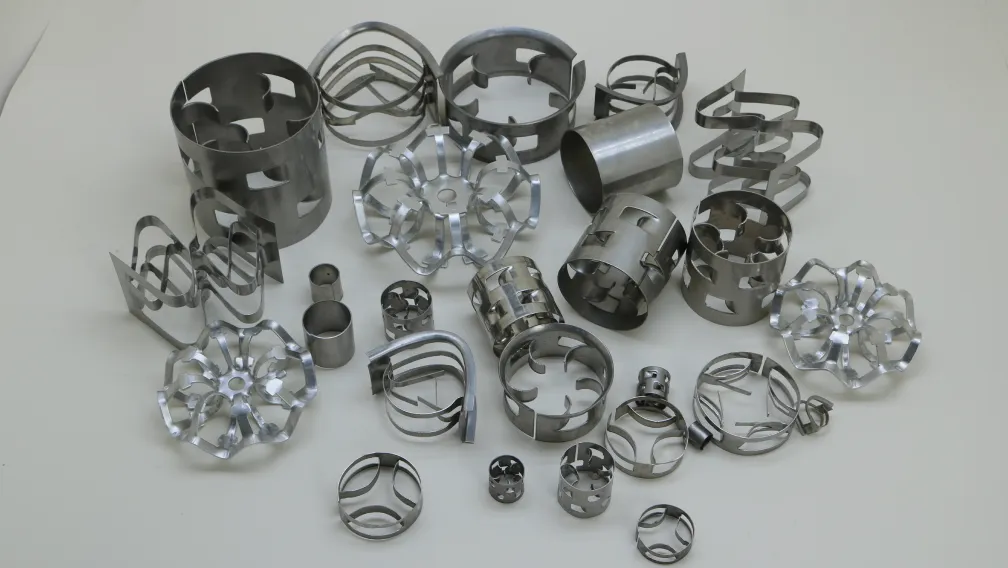
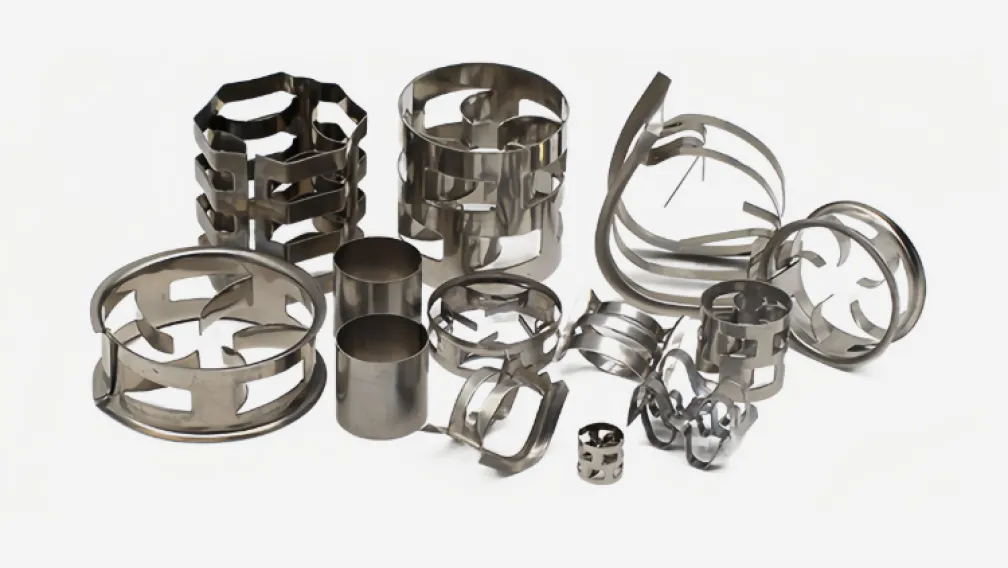
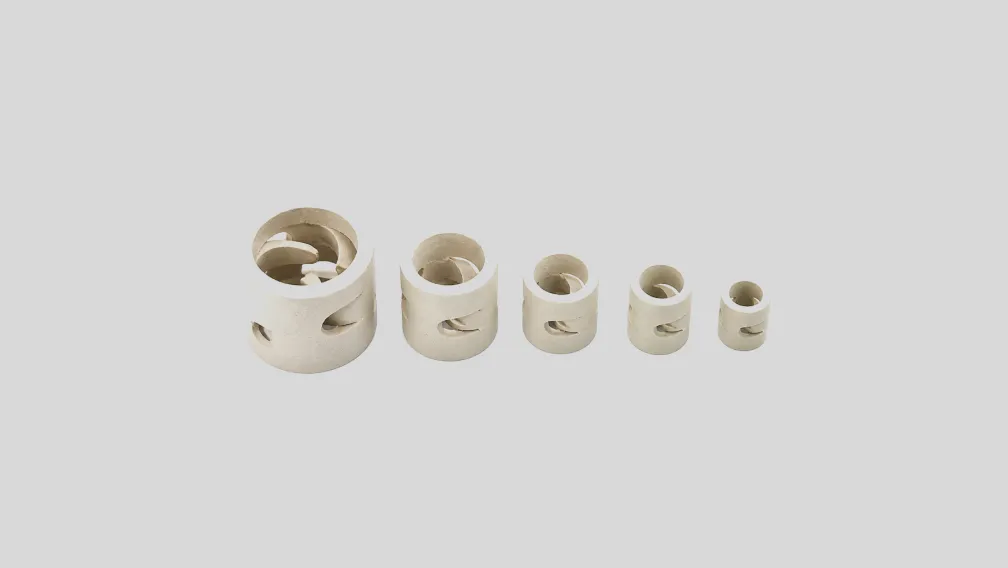
These absorber columns are typically fitted with multiple beds of high-capacity random packing. Heavy-duty metallic packings, such as metal Intalox saddles (IMTP) or metal Pall rings, are specified for this duty. The geometry of these packings provides a high void fraction (often exceeding 96%), which minimizes gas-phase pressure drop and delays the onset of flooding. Foaming is a persistent operational hazard in amine absorbers, often triggered by condensed liquid hydrocarbons or particulate matter. High-voidage random packings mitigate foaming risks better than traditional fractionation trays by preventing liquid accumulation and maintaining continuous fluid shear.
Tower Internals in the Amine Circuit
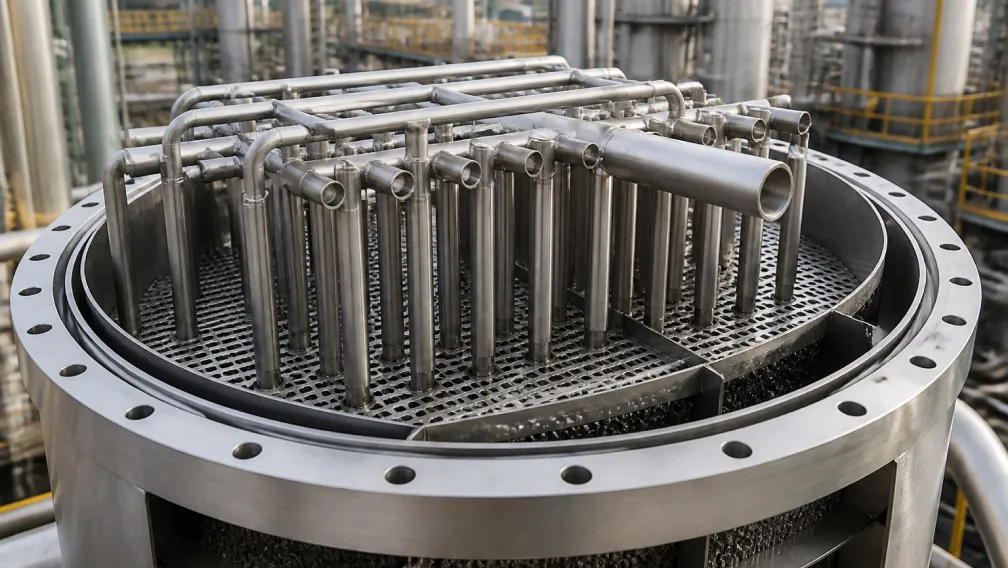
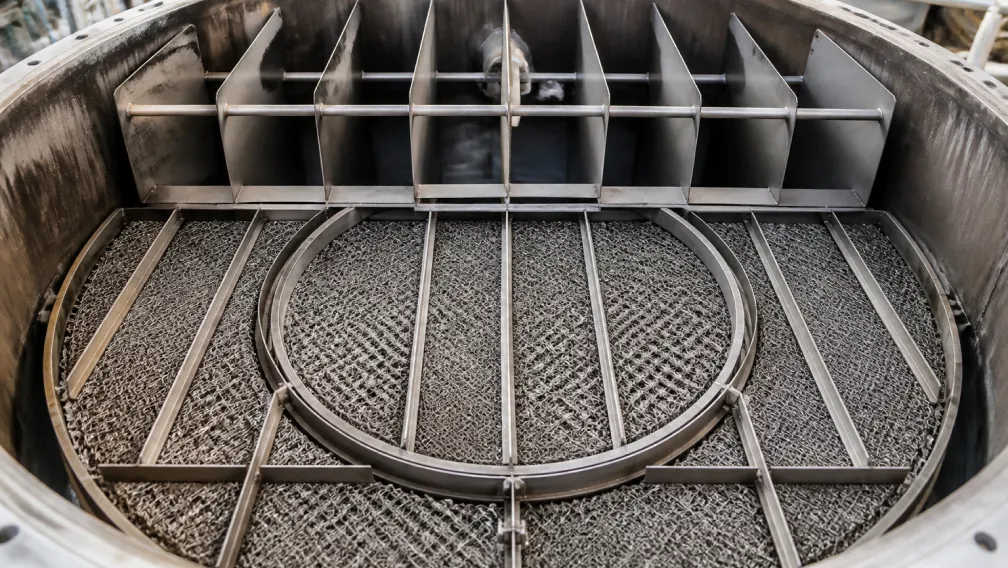
The efficiency of the AGRU absorber is heavily dependent on the tower internals. The lean amine solvent must be distributed perfectly evenly across the top of the packing bed. Engineers utilize high-precision liquid distributors, typically trough or pan types, engineered to achieve a high drip-point density. If maldistribution occurs, the solvent channels down the walls, allowing acid gas to slip past the mass transfer zone and exceed the stringent LNG liquefaction specification limit of 50 ppmv for CO2 and 4 ppmv for H2S.
Following absorption, the rich amine is routed to the regenerator (stripper) column, where thermal energy drives off the absorbed acid gases. The regenerator operates at elevated temperatures and low pressures, creating a highly corrosive environment. Packings and internals in this section are exclusively manufactured from highly corrosion-resistant alloys, such as 316L stainless steel, to withstand the aggressive combination of hot amine, wet H2S, and CO2.
Deep Dehydration: Thermal Swing Adsorption with 4A Molecular Sieve
Following the AGRU, the sweet gas remains saturated with water vapor. Cryogenic liquefaction demands a moisture concentration strictly below 0.1 ppmv. This level of deep dehydration is impossible to achieve with glycol dehydration systems and requires solid-bed adsorption.
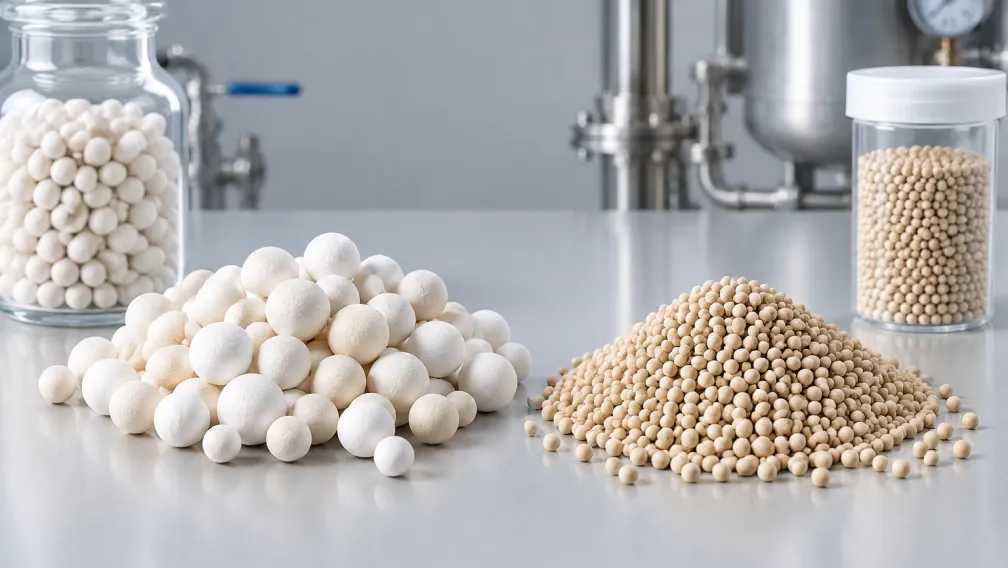
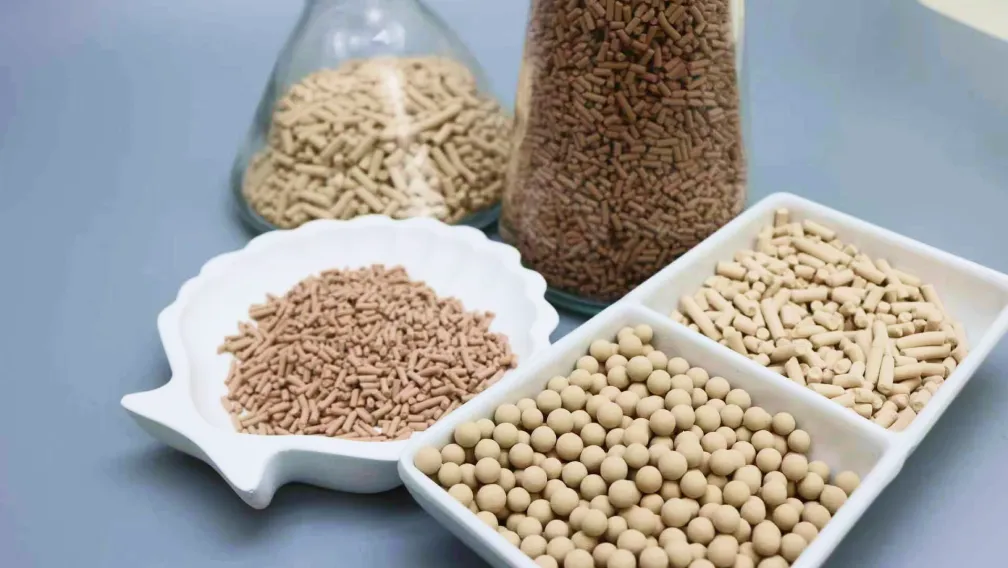
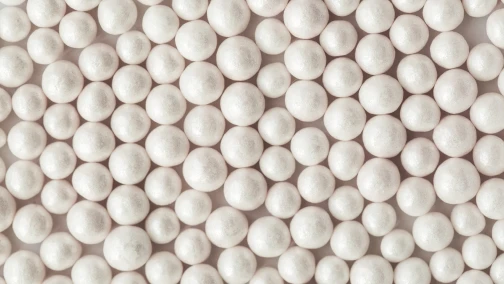
The standard configuration is a Thermal Swing Adsorption (TSA) unit consisting of three or more vessels loaded with molecular sieve desiccants. For natural gas dehydration, 4A molecular sieve is the universal standard. The 4-angstrom pore opening allows water molecules (kinetic diameter ~2.65 Å) to enter and adsorb onto the internal crystalline structure, while excluding the larger hydrocarbon molecules (methane, ethane). This selective size exclusion preserves the product gas and prevents exothermic hydrocarbon coking during the regeneration cycle.
In a TSA cycle, one bed actively adsorbs moisture while the offline beds are regenerated using a slipstream of dry gas heated to 250–290 °C. The hydrothermal stability of the molecular sieve binder is the most critical material property. Repeated exposure to boiling water inside the pores during the heating phase causes inferior desiccants to lose crush strength, leading to powdering, severe pressure drop, and premature bed replacement. Top-tier 4A sieves designed for LNG service maintain their structural integrity for up to four years of continuous cycling.
Mercury Removal and Guard Beds
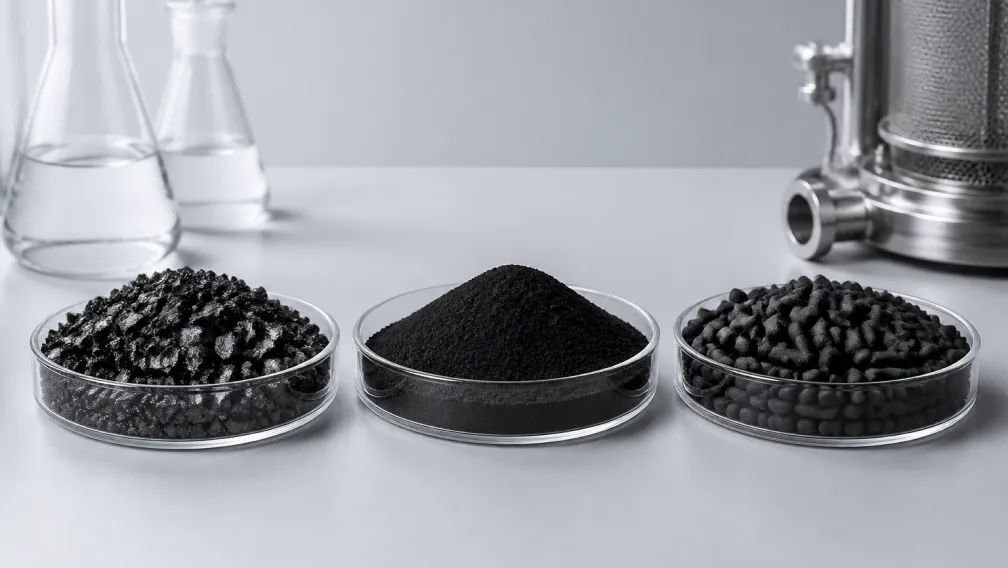
Natural gas often contains trace amounts of elemental mercury, which aggressively attacks the aluminum used in the main cryogenic heat exchanger, causing liquid metal embrittlement and catastrophic failure. Downstream of the dehydration unit, the gas passes through non-regenerable guard beds loaded with sulfur-impregnated activated carbon or specialized metal oxide adsorbents. The mercury reacts with the active sites to form stable compounds (such as mercuric sulfide) trapped safely within the porous structure. These beds require highly uniform flow distribution to maximize bed life and prevent premature contaminant breakthrough.
NGL Recovery and Fractionation
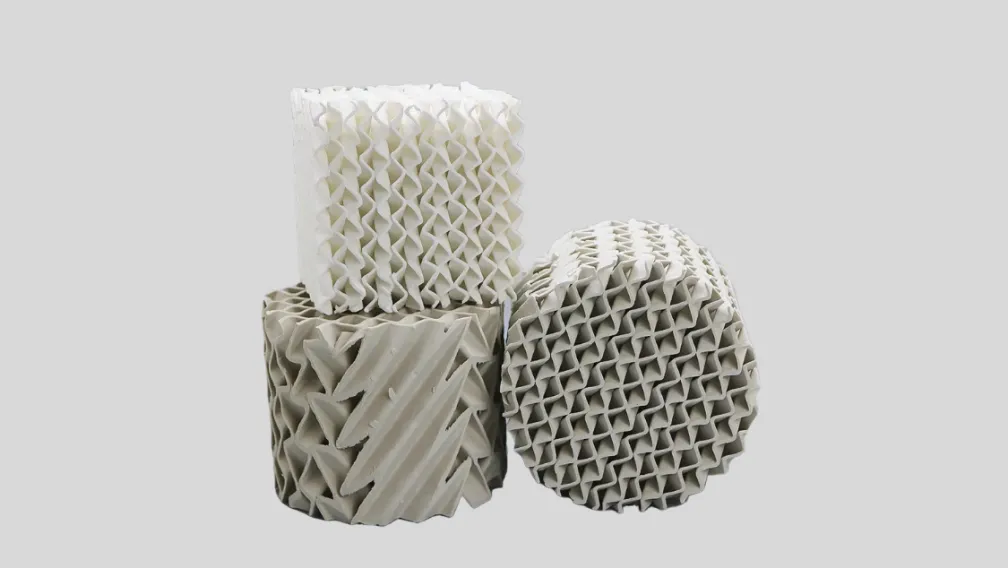
Before liquefaction, heavier hydrocarbons (Natural Gas Liquids, NGL) must be extracted to prevent freezing and to adjust the heating value of the final LNG product. The extraction process utilizes a series of cryogenic fractionation columns: the deethanizer, depropanizer, and debutanizer. Due to the high separation sharpness required and the premium placed on minimizing column height in modular plant layouts, these vessels frequently utilize high-efficiency structured packing. Structured packing provides an extremely low pressure drop per theoretical stage, reducing the reboiler duty and overall energy consumption of the NGL fractionation train.
Sulfur Recovery Units and Ceramic Support Media
The acid gas stream stripped from the amine regenerator—rich in toxic H2S—cannot be flared. It is routed to a Sulfur Recovery Unit (SRU) based on the Claus process. The thermal stage converts a portion of the H2S to SO2, and the subsequent catalytic stages convert the mixture into elemental sulfur and water.
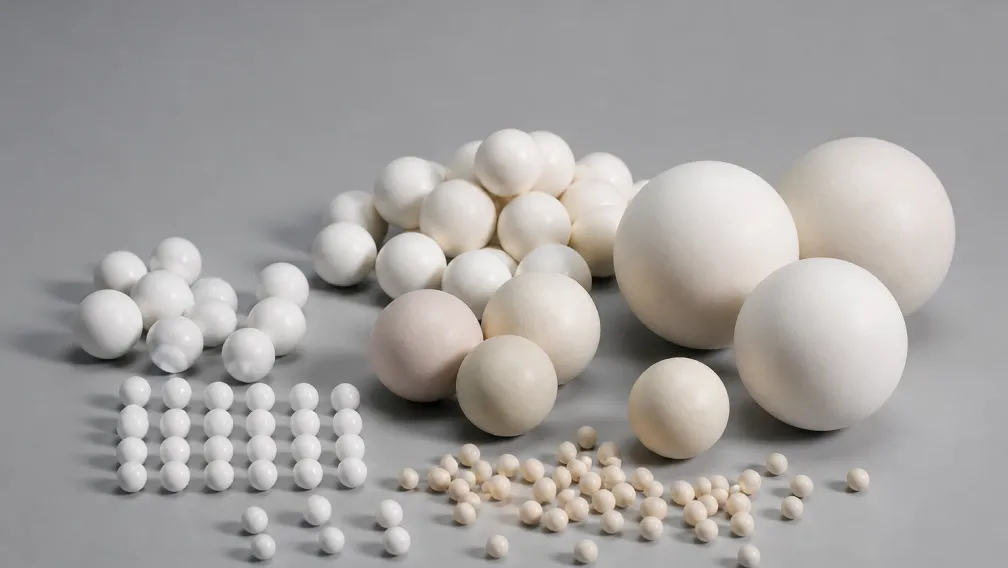
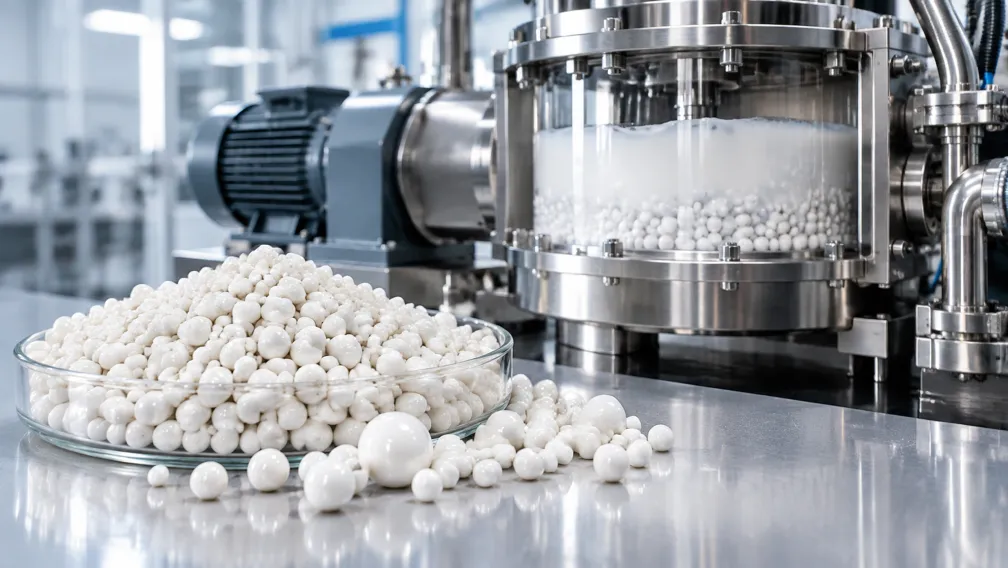
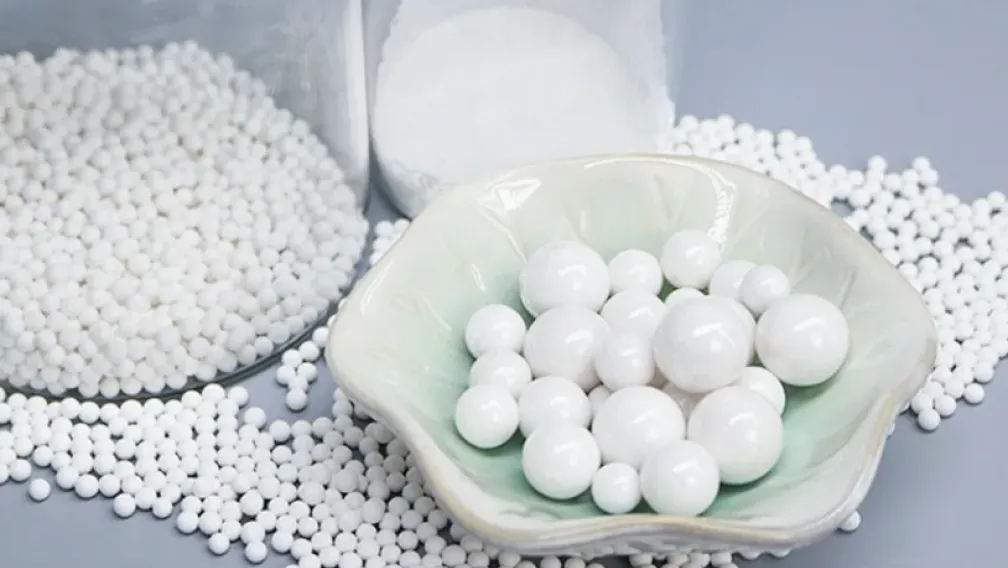
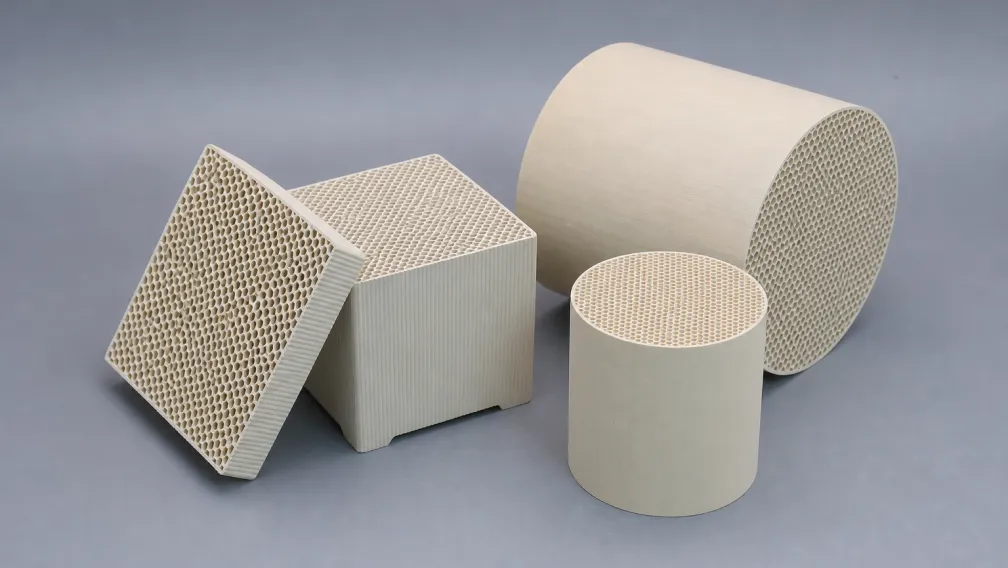
The catalytic converters are fixed-bed reactors loaded with activated alumina or titania-promoted catalysts. These catalysts possess a tailored macroporous structure that maximizes the diffusion of H2S and SO2 into the active sites. The catalyst bed itself is massive and requires robust mechanical support. Inert ceramic balls are deployed at the bottom and top of the reactor. The ceramic media distributes the incoming hot gas evenly to prevent channeling and protects the catalyst from the severe thermal shocks inherent to the Claus reaction. The support balls must exhibit exceptional compressive strength and zero catalytic activity to prevent side reactions that could yield undesirable soot or COS.
EPC Procurement and Project Execution
The EPC execution phase of the North Field West expansion will require unprecedented volumes of engineered materials. A single mega-train LNG facility requires hundreds of cubic meters of structured and random packing, thousands of metric tons of molecular sieves and activated alumina, and heavily customized liquid distributors and support grids. Equipment suppliers must demonstrate strict compliance with API and ASME manufacturing standards, backed by full material traceability and certified hydraulic performance data.
Get Technical Specifications for Gas Processing
We engineer and manufacture the core components required for natural gas processing and LNG pretreatment, including high-capacity random packing, tower internals, and API-grade 4A molecular sieves. Submit your column sizing parameters or desiccant volume requirements through our contact page for technical support, hydraulic rating, and procurement specifications.
-

Rongjian
Process Media Manufacturer Since 2010
Rongjian produces tower packing, molecular sieves, ceramic grinding media and other process media from our Pingxiang production base. We supply to industrial projects in over 100 countries.