Home > Acid-Resistant Brick
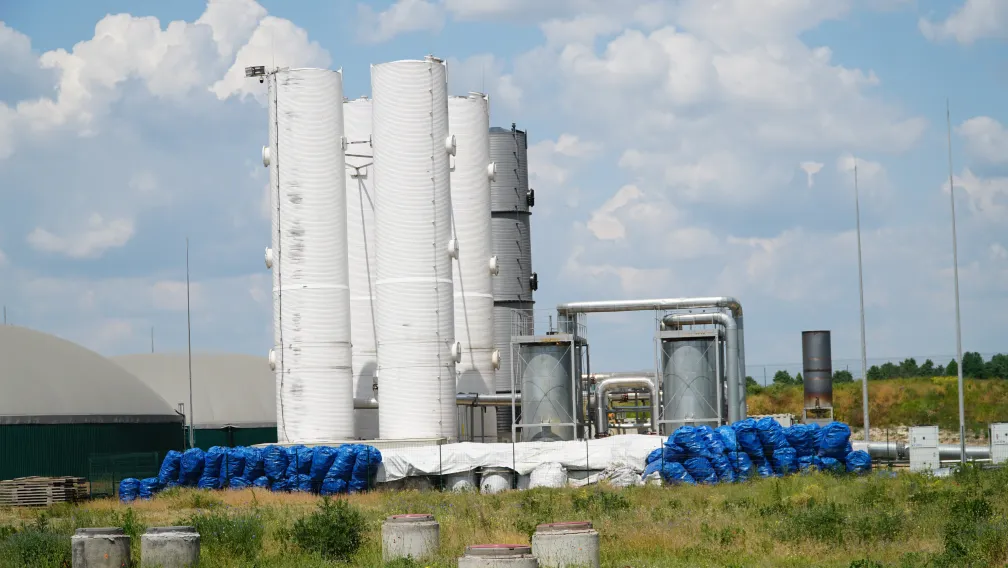
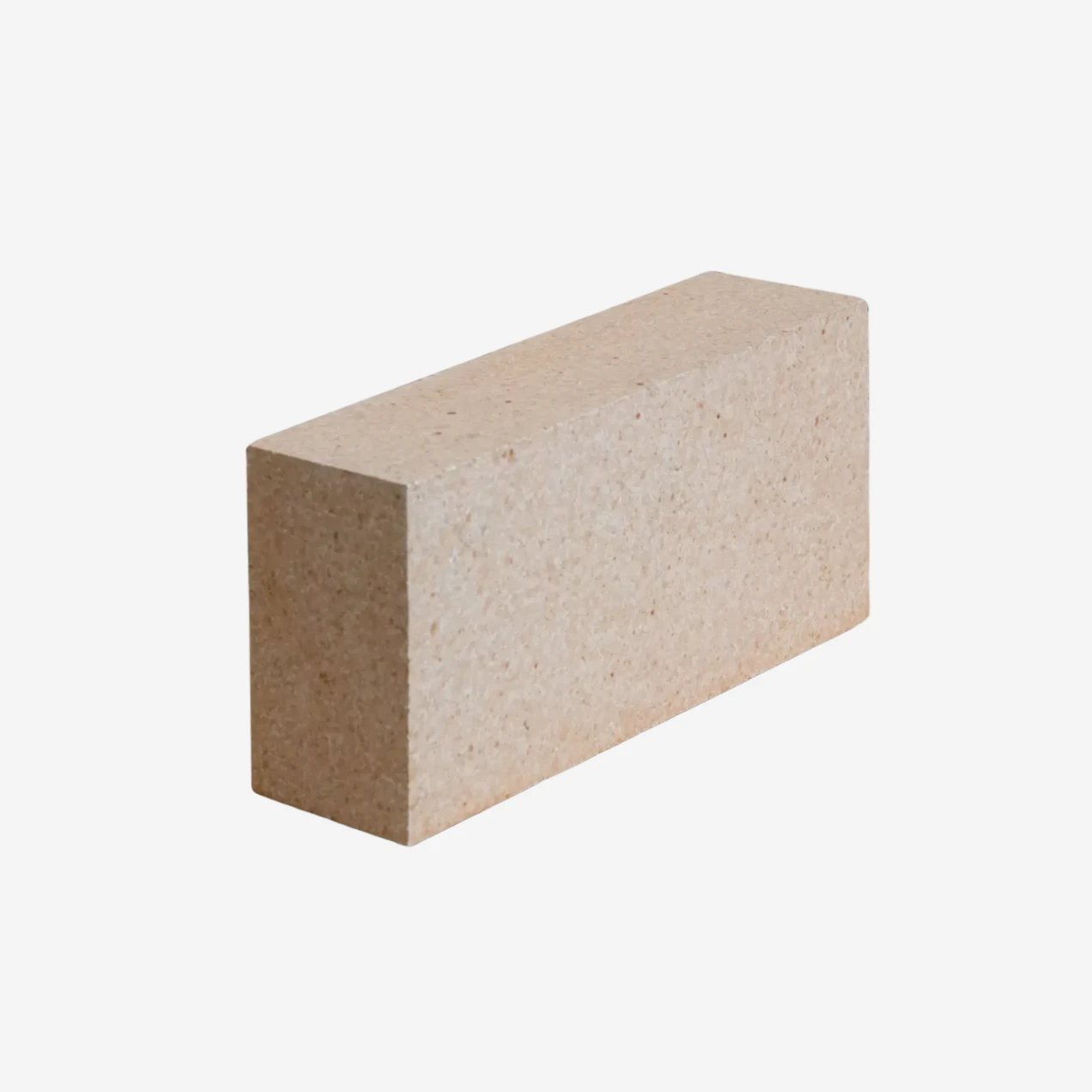
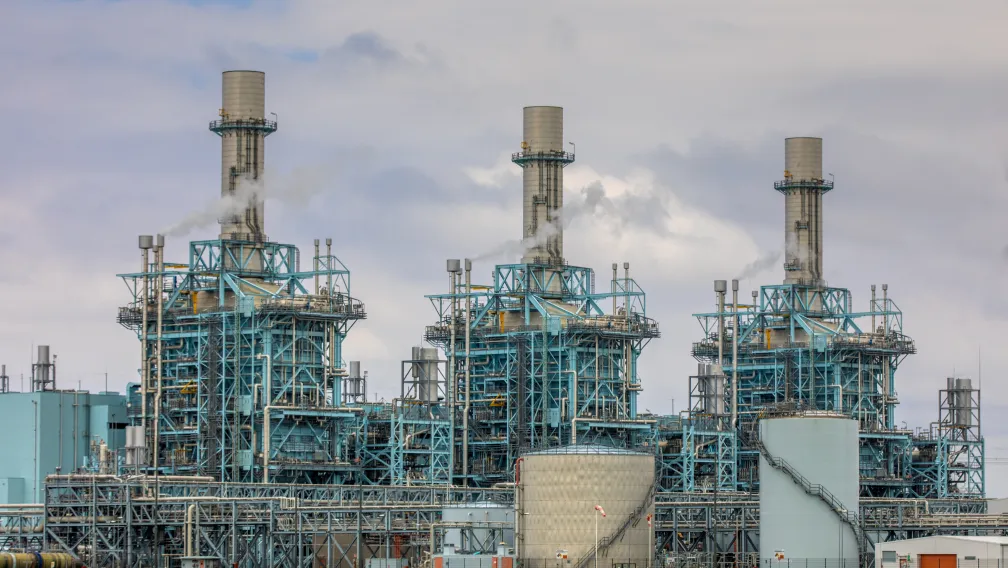
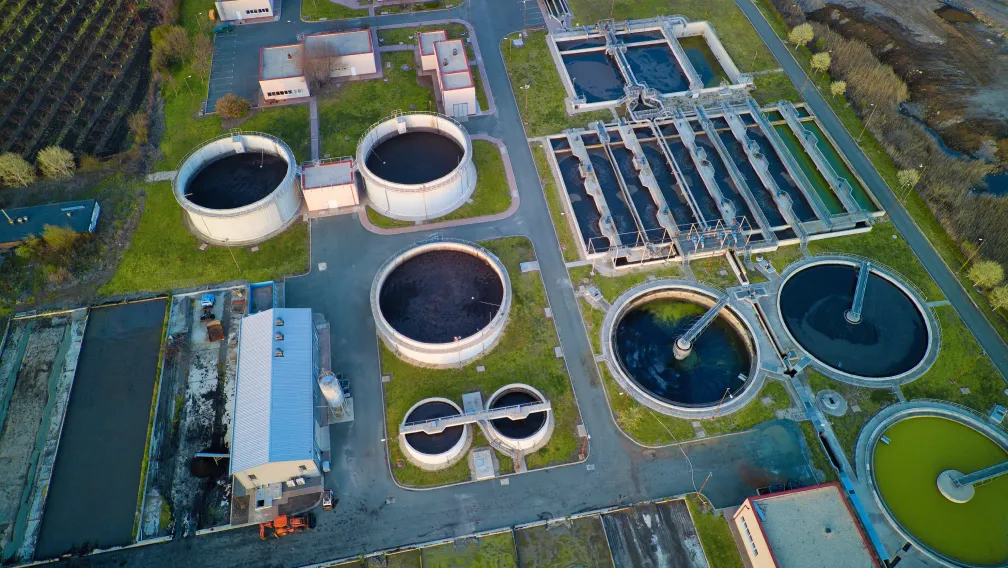
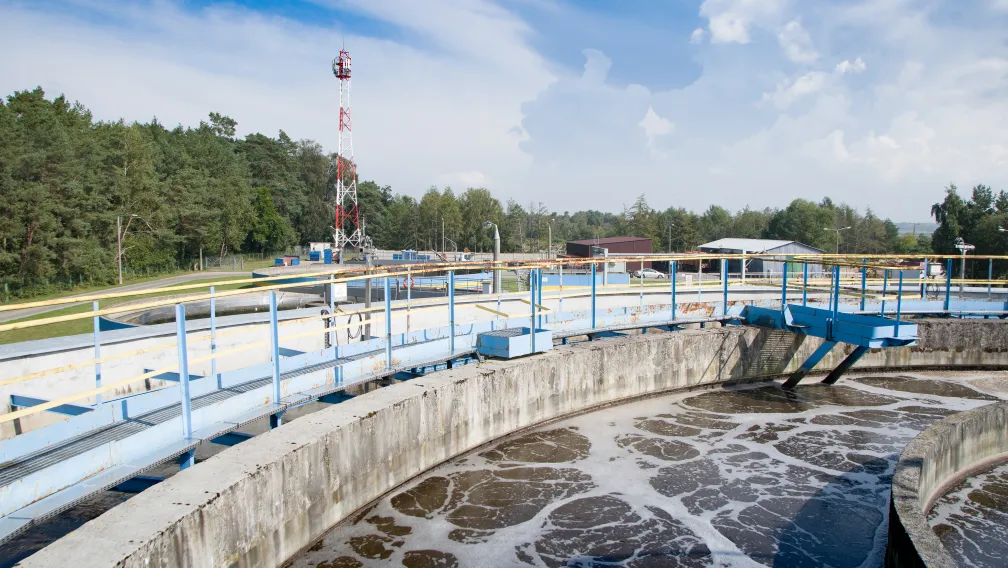
Acid-resistant brick lines the plant that handles acid, so the acid does not reach the steel or concrete behind it. It lines tanks, towers, vessels, ducts, floors and pits in chemical, power, mining and process plants, and it is the standard lining for flue-gas desulphurisation. The brick resists the acid, the heat and the wear that would destroy an unprotected surface.
It resists almost all the strong acids a plant handles, including sulphuric, hydrochloric and nitric, at most concentrations, tested to the GB/T 8488 standard. The main exception is hydrofluoric acid, which it does not resist. We match the brick and the jointing mortar to the acids you run, so tell us the chemistry and the temperature.
At room temperature the brick resists alkali at any concentration as well as acid, so it suits plants that swing between the two. The limit is hot molten alkali, which it is not made for. For most acid and mixed acid-alkali duty at normal temperatures, the same brick handles both.
The brick is laid onto a prepared, often membrane-backed surface and bedded and jointed with an acid-resistant mortar, such as a potassium-silicate, furan or resin mortar chosen to match the acid. The joints are kept thin and fully filled, then cured before the plant goes back into service. Brick and mortar work as one barrier, so both are chosen together. We can advise on the system for your duty.
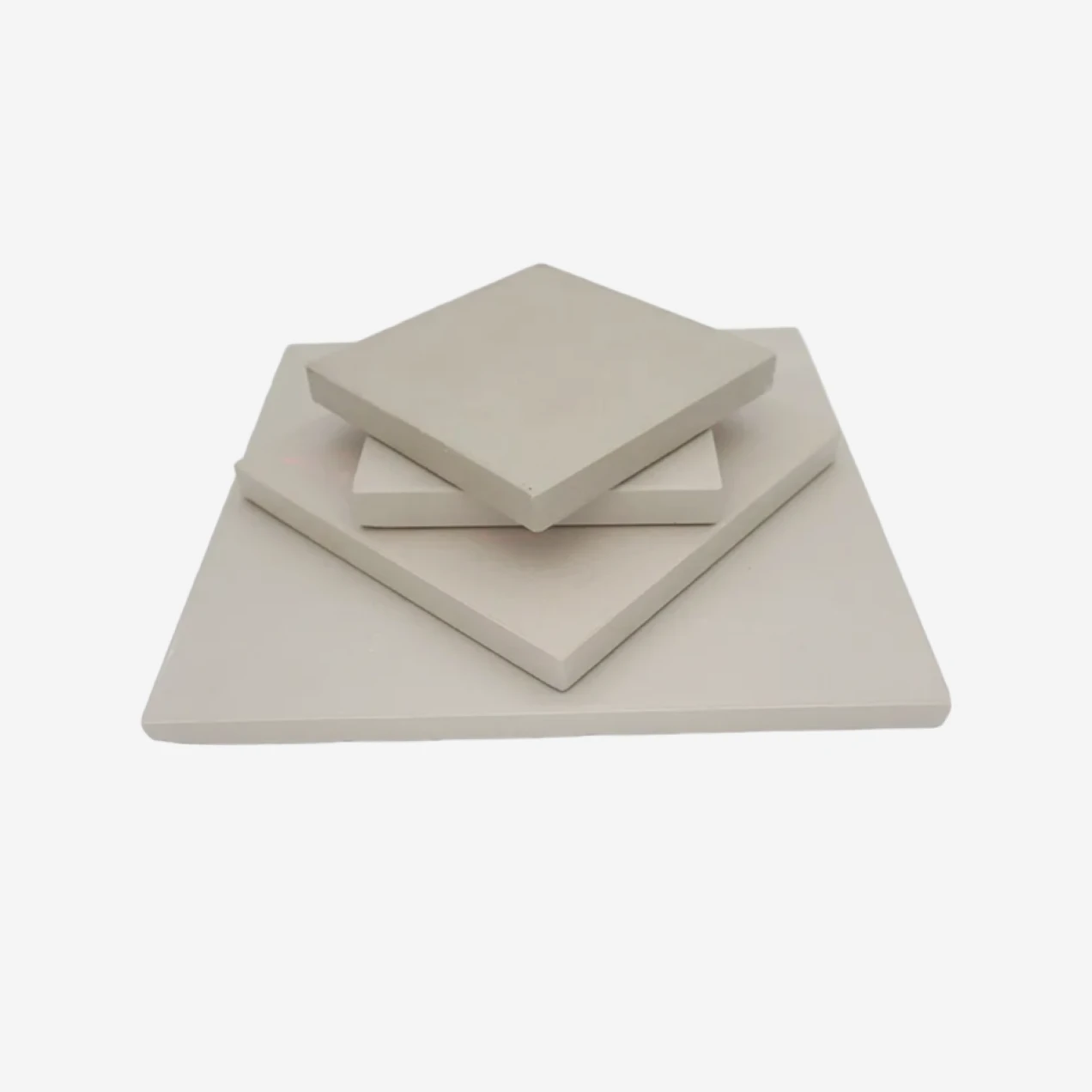
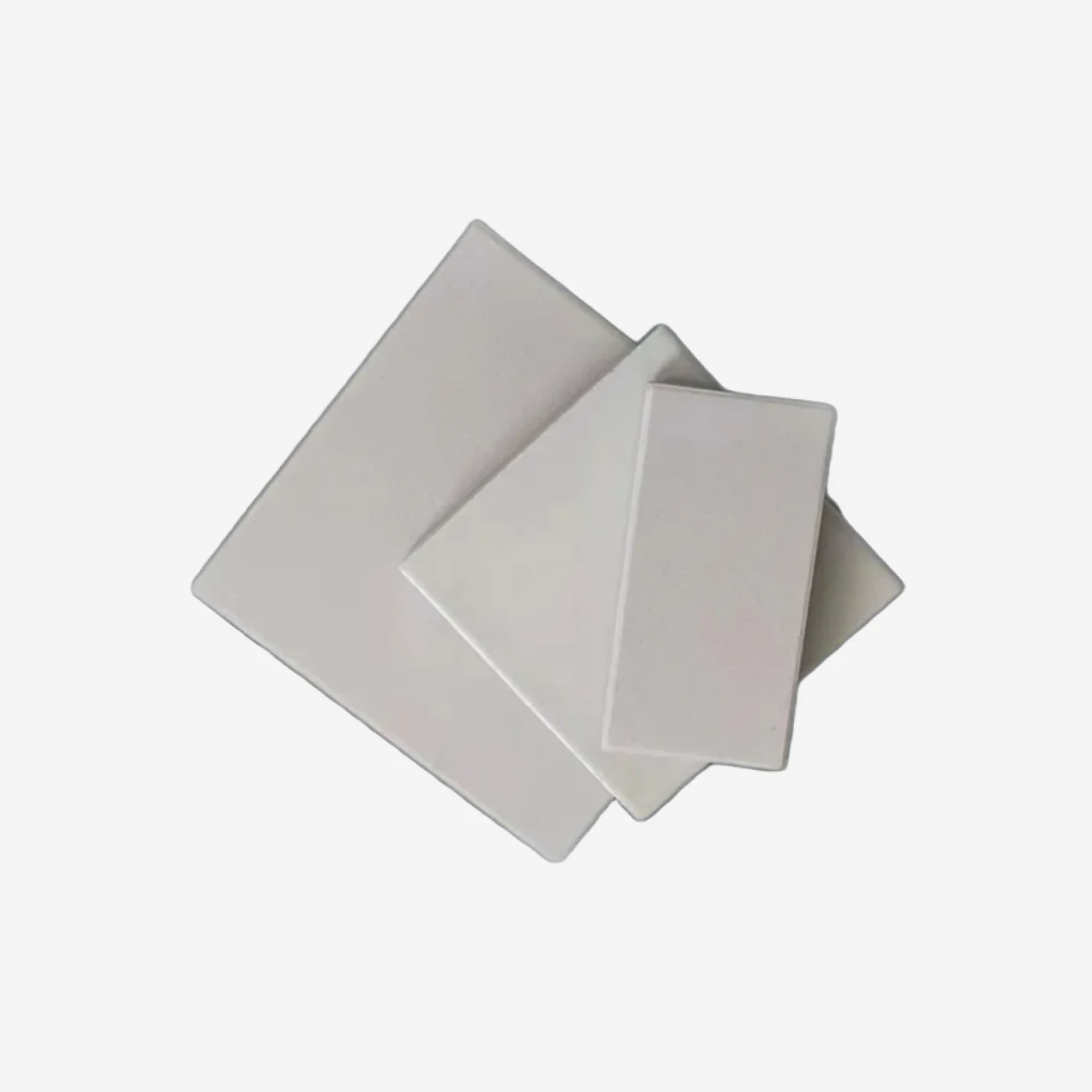
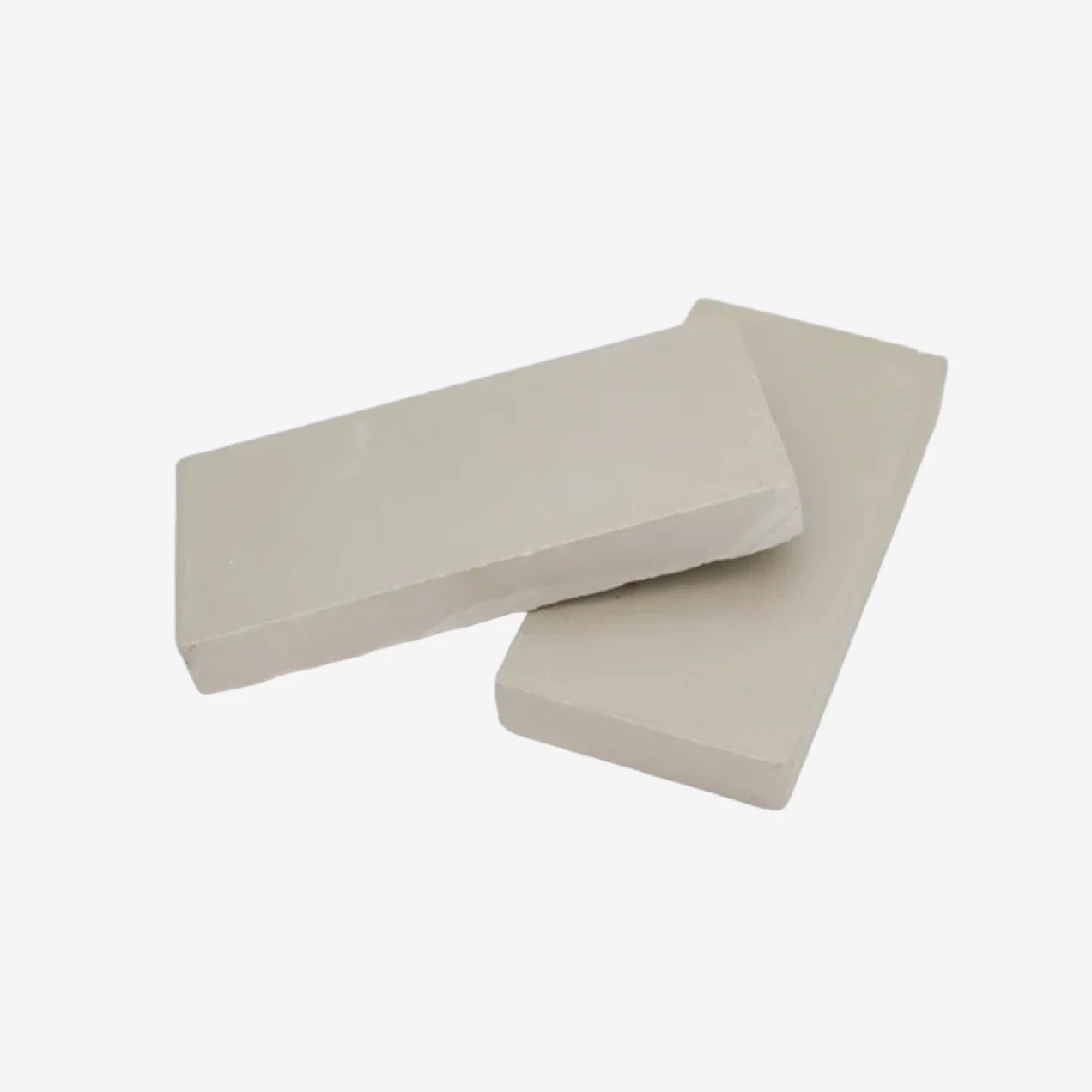
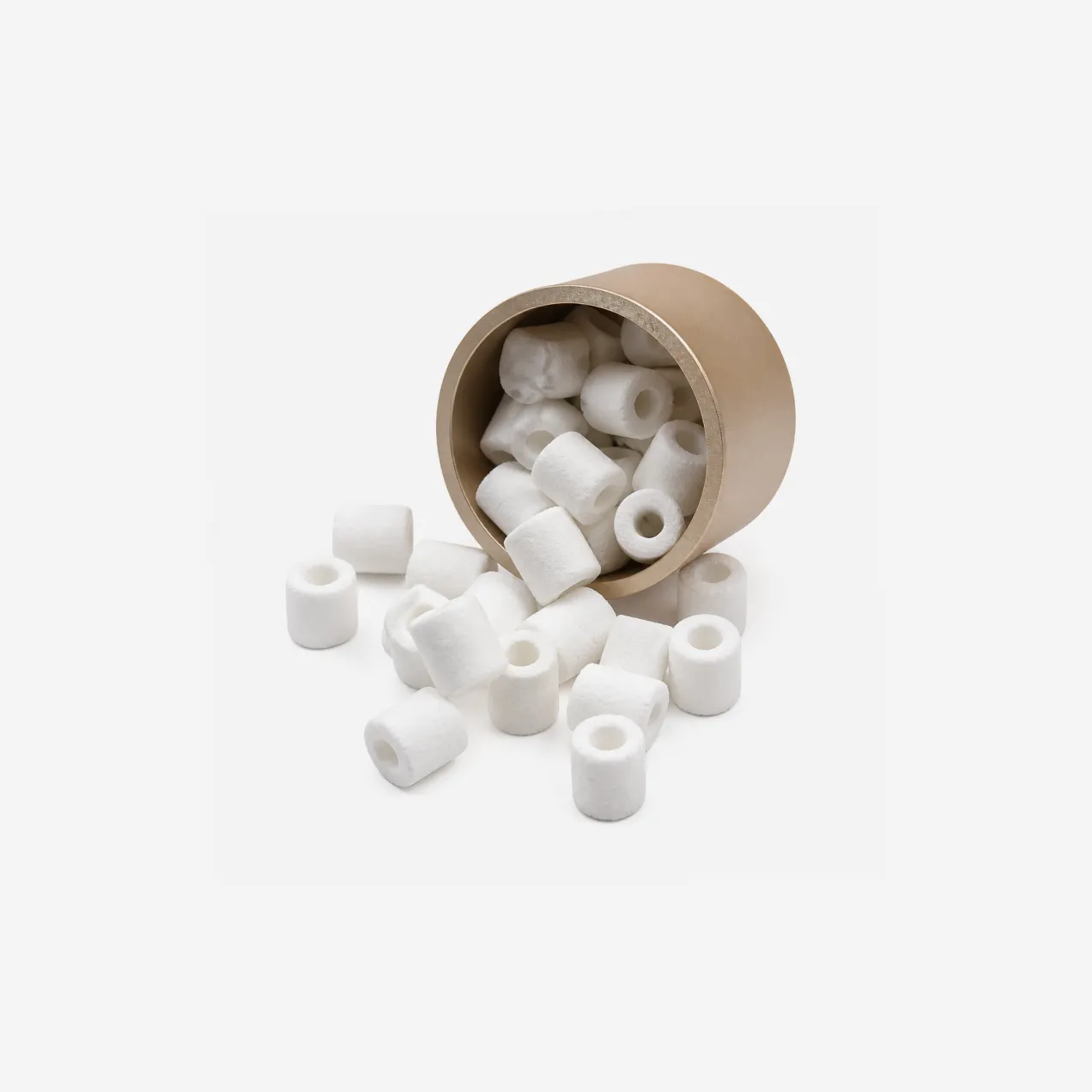
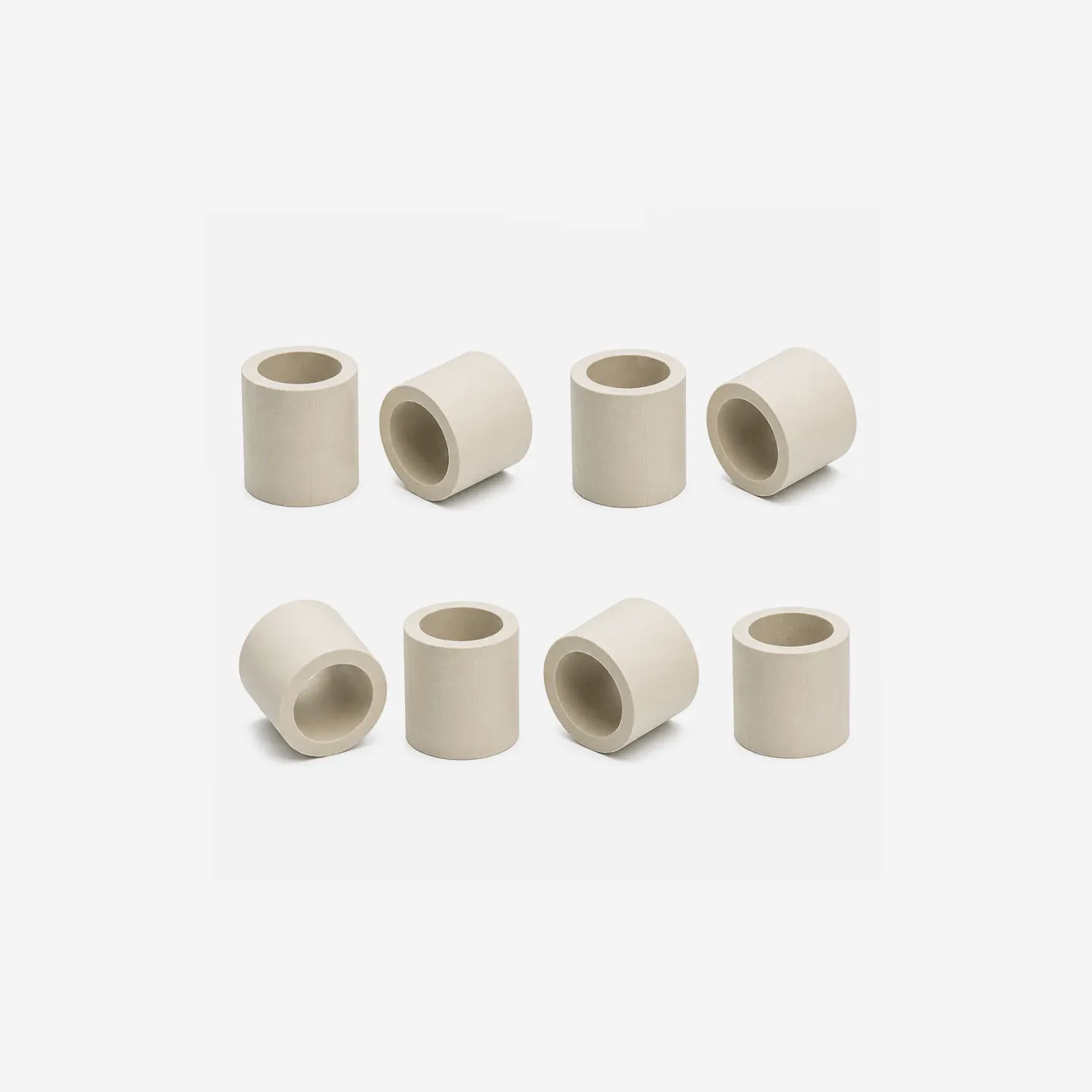
We supply standard bricks and large floor tiles, from small sizes up to six hundred millimetres square in several thicknesses, wedge bricks that follow the radius of a tower or tank, and special shapes cut to your drawing. Size and shape are set to the vessel or the floor so the lining lays up tight.
Yes, within limits. The brick is fired hard and takes a hundred-degree thermal shock without cracking, so it lines hot acid ducts, floors and vessels that ordinary tile would split on. For very high temperatures it is paired with the right bedding and a refractory backing. Tell us the working temperature and we confirm the build.
The minimum order depends on the size and shape, and a full lining ships by the tonne while standard bricks ship by the pallet. Lead time runs from stock for standard sizes to a few weeks for special shapes. Send the sizes, the duty and the quantity and we will confirm both on the quote.
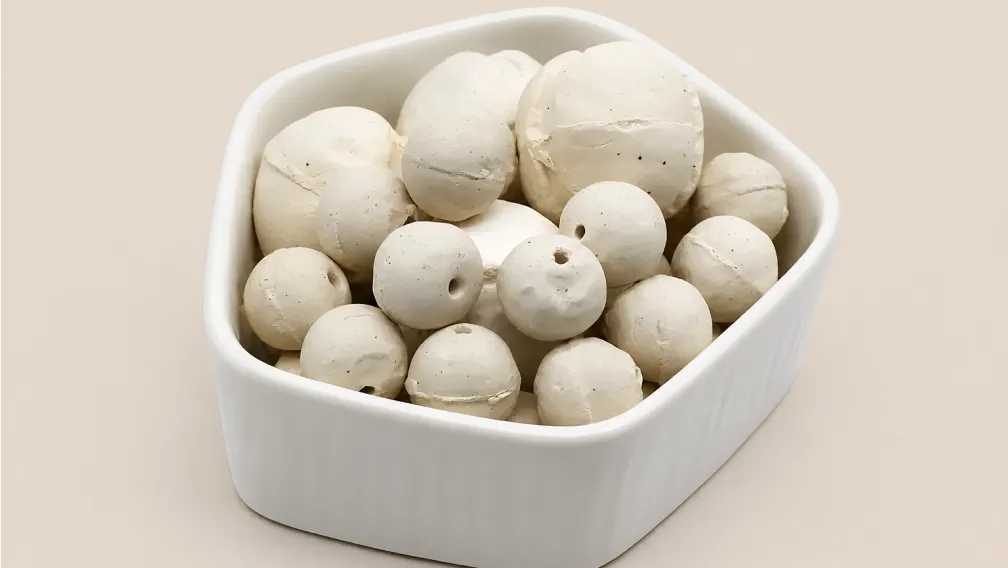
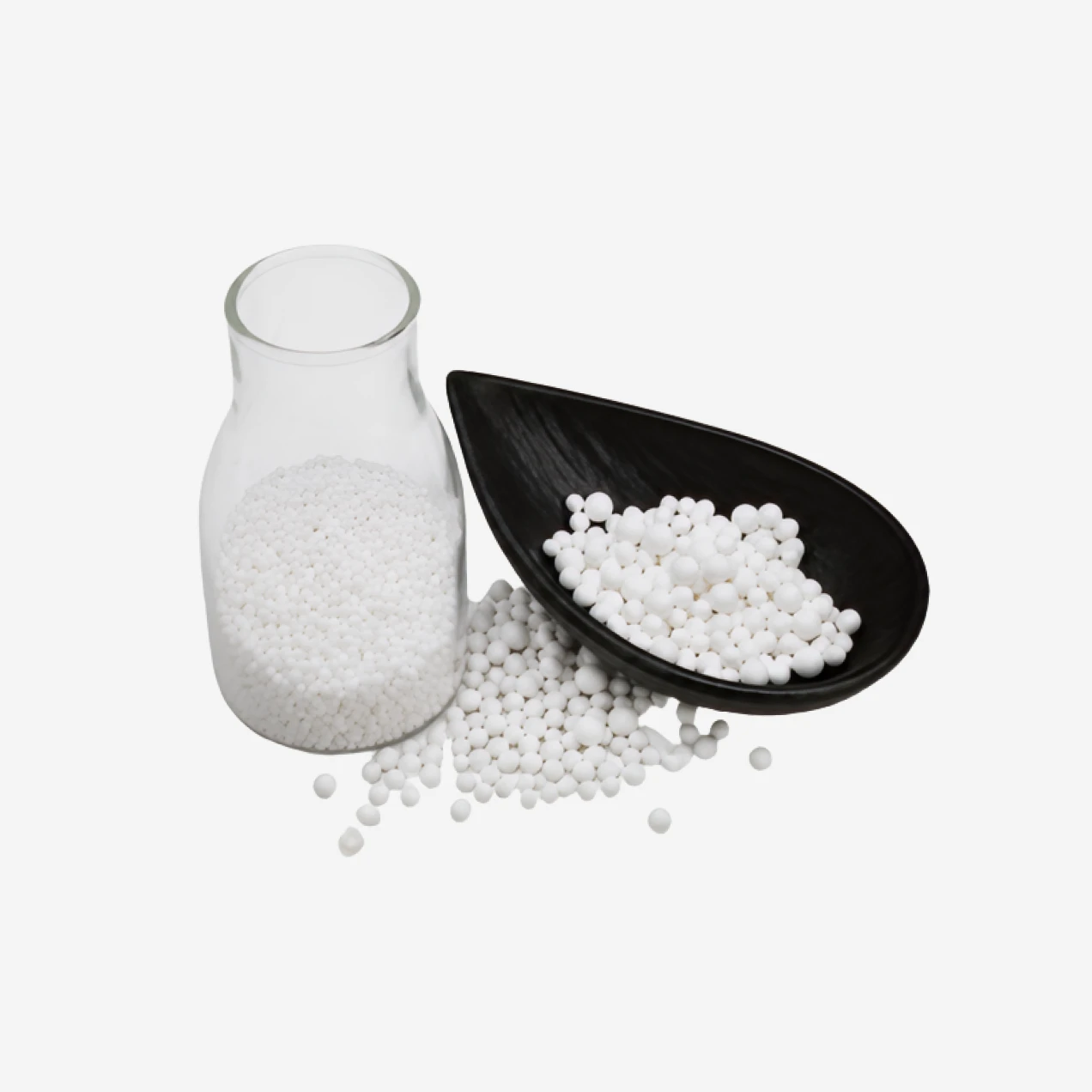
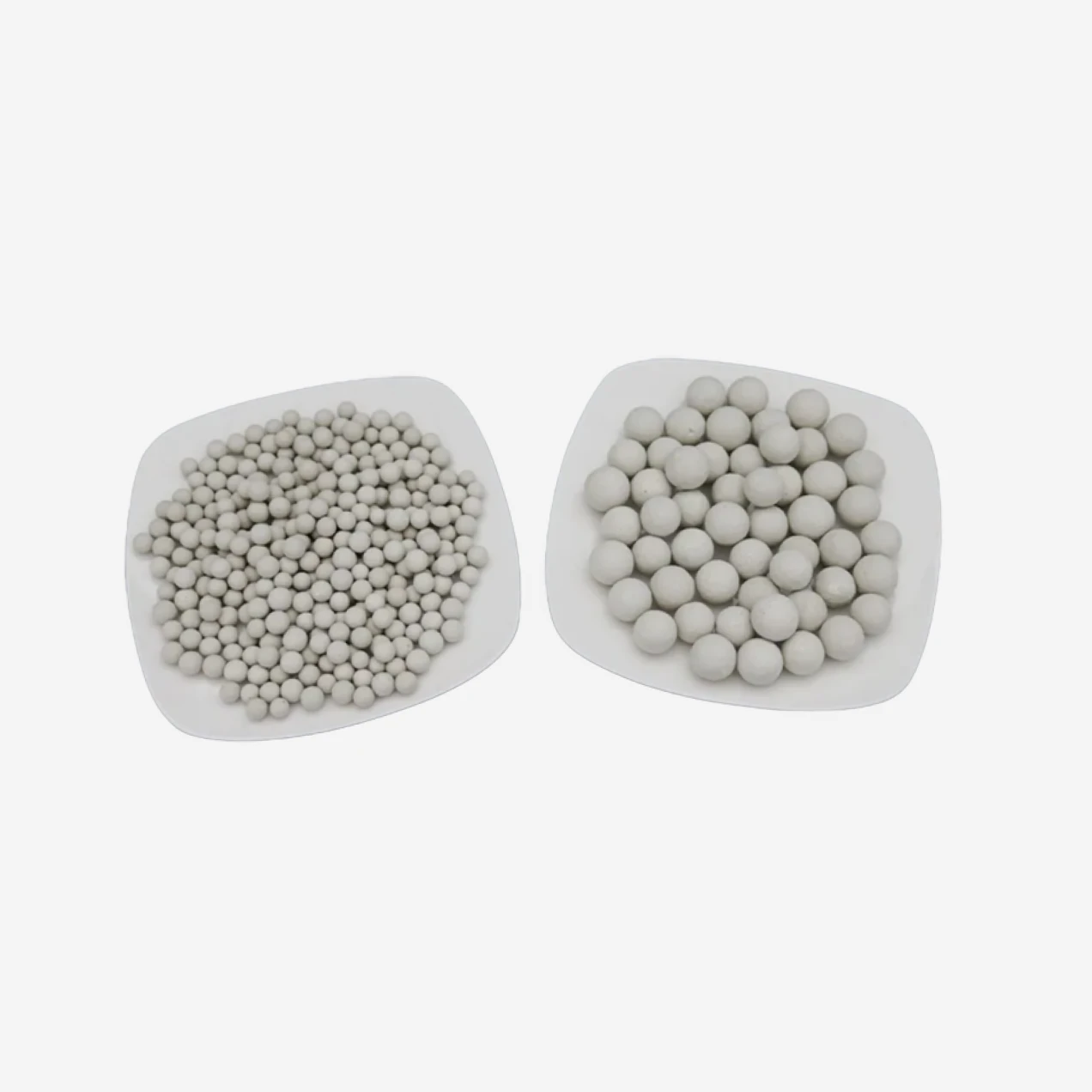
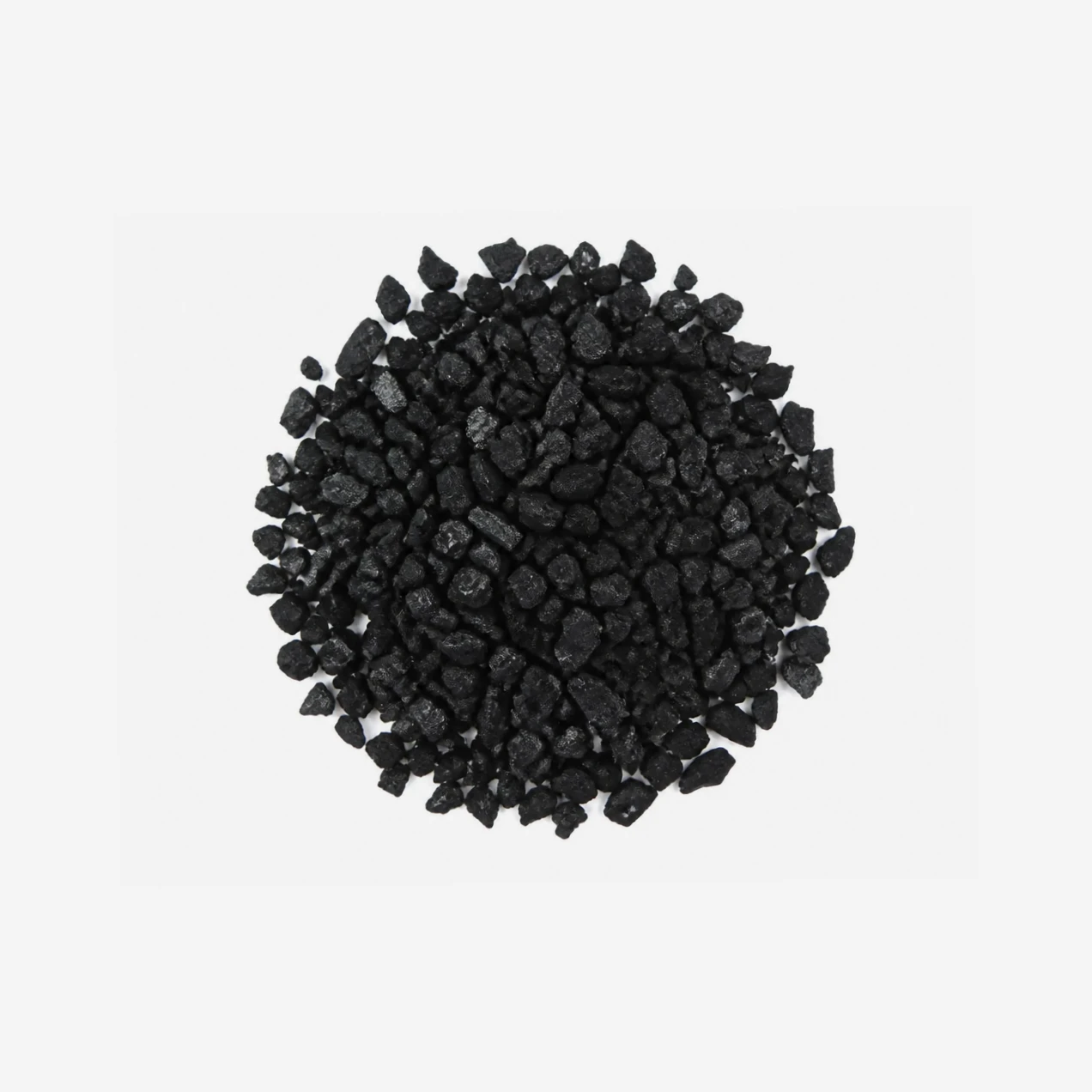
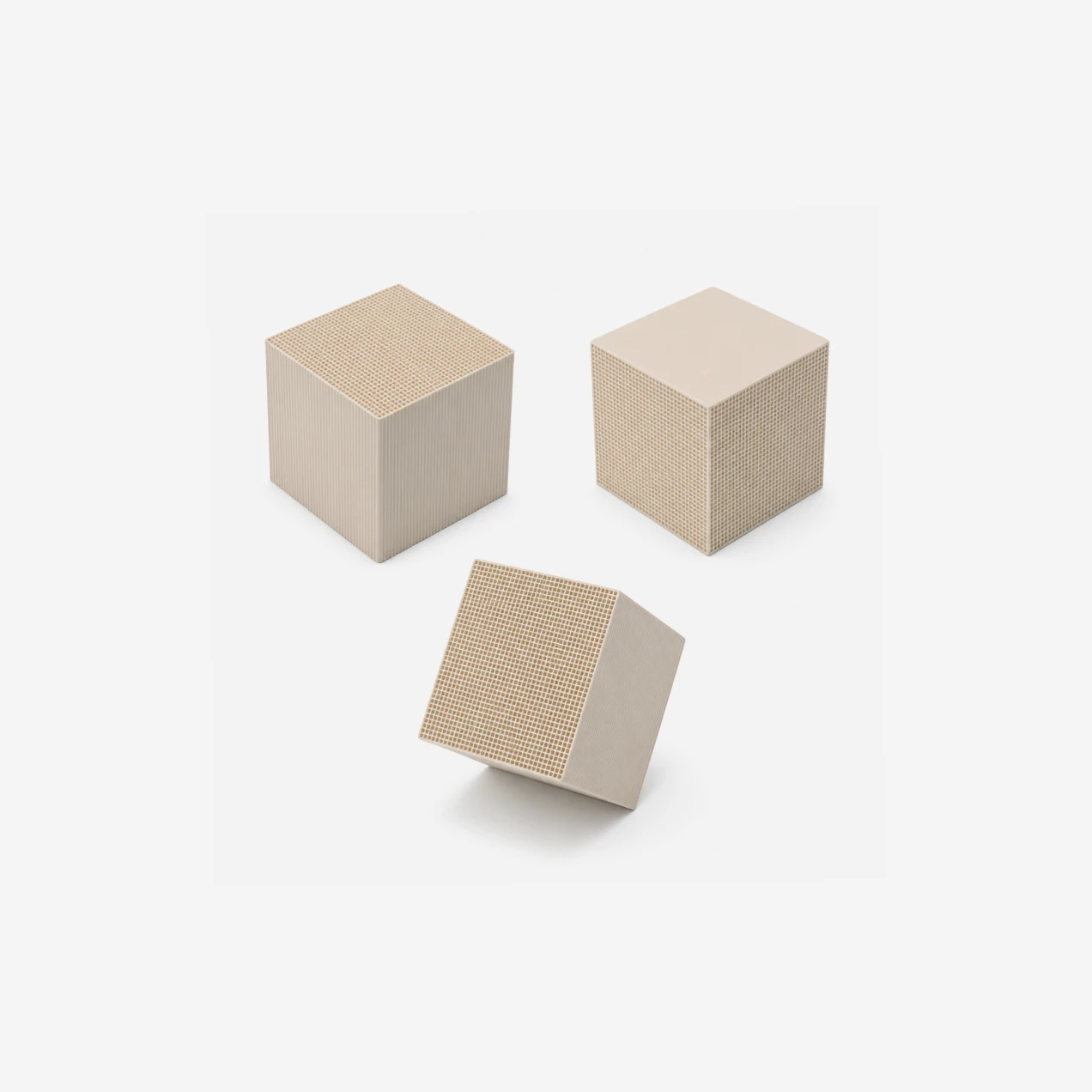
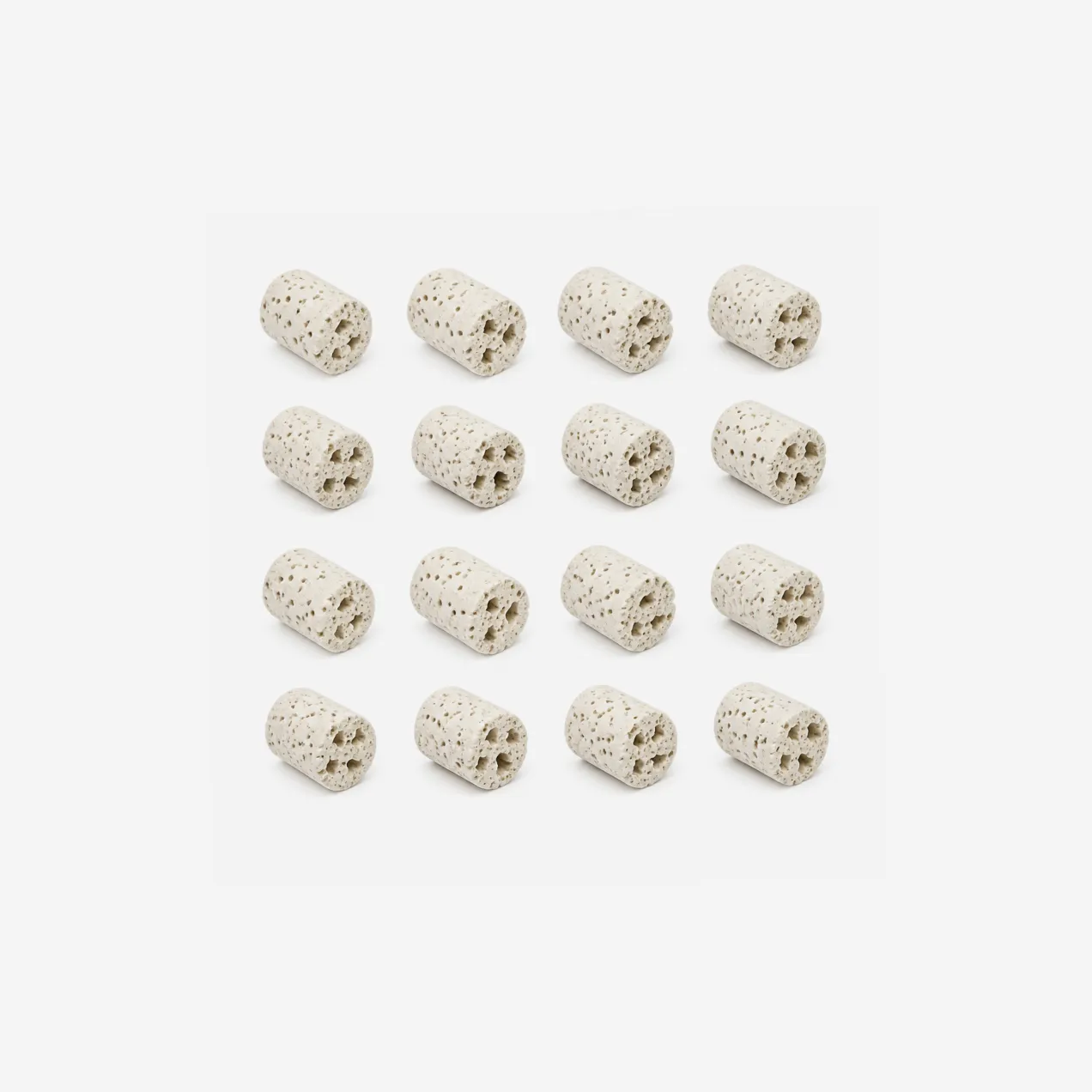
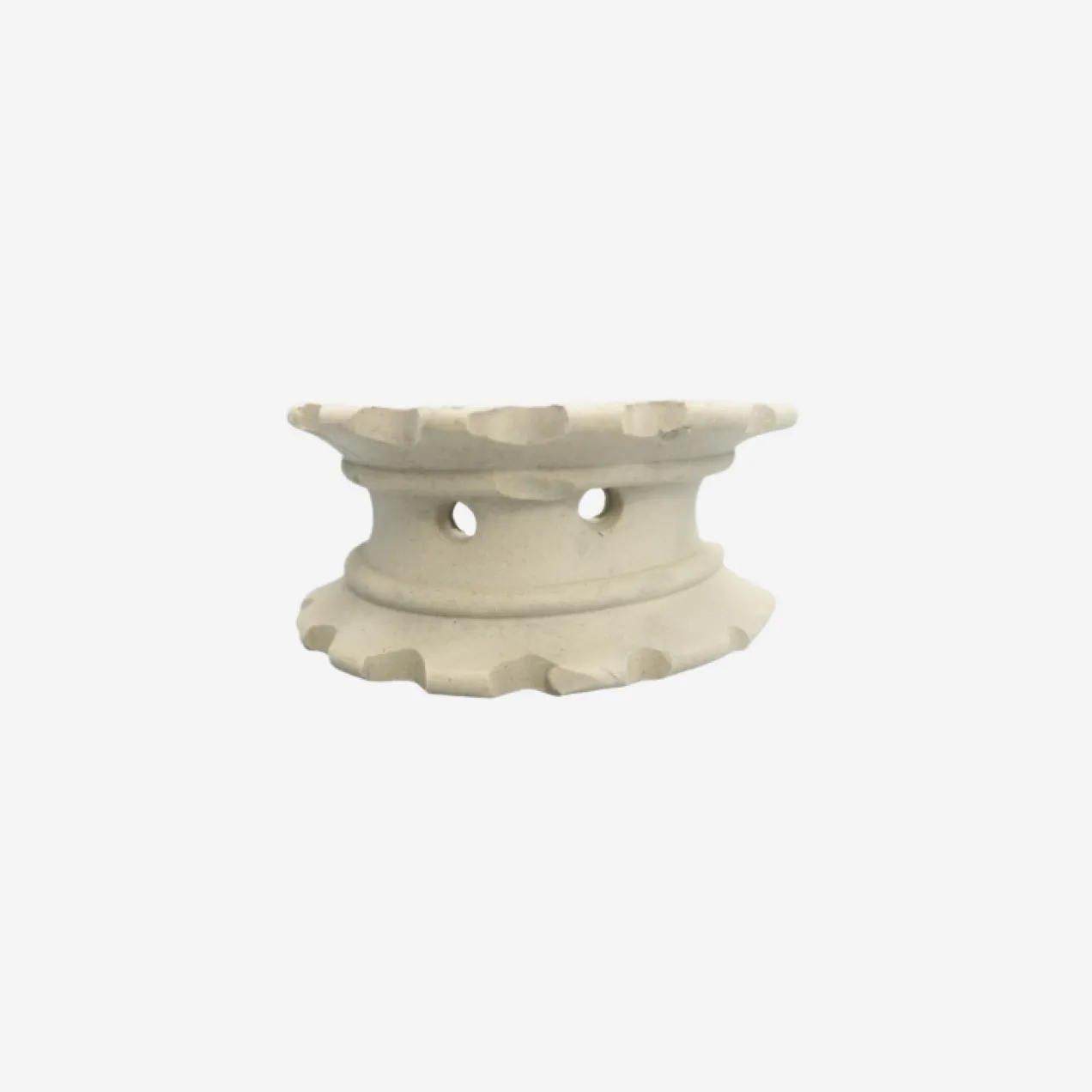
Acid-resistant brick is a dense ceramic brick or tile, fired hard so it resists strong acids, soaks up almost no liquid and carries load at temperature. It is the established lining for any vessel, duct or floor that handles acid, because it keeps the acid on the surface and off the steel or concrete behind. The brick is only half the system, though: the mortar that beds and joints it is chosen to match the acid, and the two work together as one barrier.
The brick resists almost all the strong acids a plant handles, with one important exception. The table below sets out what it stands up to.
| MEDIUM | RESISTANCE |
|---|---|
| Sulphuric, hydrochloric, nitric acid | Resists, most concentrations |
| Most organic and mineral acids | Resists |
| Hydrofluoric acid | Not resistant |
| Alkali at room temperature | Resists, any concentration |
| Molten or hot concentrated alkali | Not recommended |
The acid resistance is tested to GB/T 8488, where the brick holds above 99.8%. Hydrofluoric acid is the one common acid it cannot handle, because HF attacks the silica in the ceramic, so a different lining is needed there.
A vessel does not usually fail because the acid eats the brick; it fails because acid seeps through a porous lining and corrodes the shell underneath. Acid-resistant brick is fired to a water absorption below 0.5%, so it is close to impermeable, and the acid stays on the face. Matched with a sound mortar joint, this is what protects the structure for the long run.
An acid proof brick lining is built up in layers. The substrate is cleaned and, on critical duty, sealed with a membrane that acts as the last line of defence. The brick is then bedded and jointed with an acid-resistant mortar, a potassium-silicate, furan or resin mortar chosen for the acid, the temperature and whether the joint must also resist alkali. Joints are kept thin and completely filled, the lining is cured per the mortar, and only then does the plant go back into service. Getting the bedding, the joint width and the cure right matters as much as the brick itself.
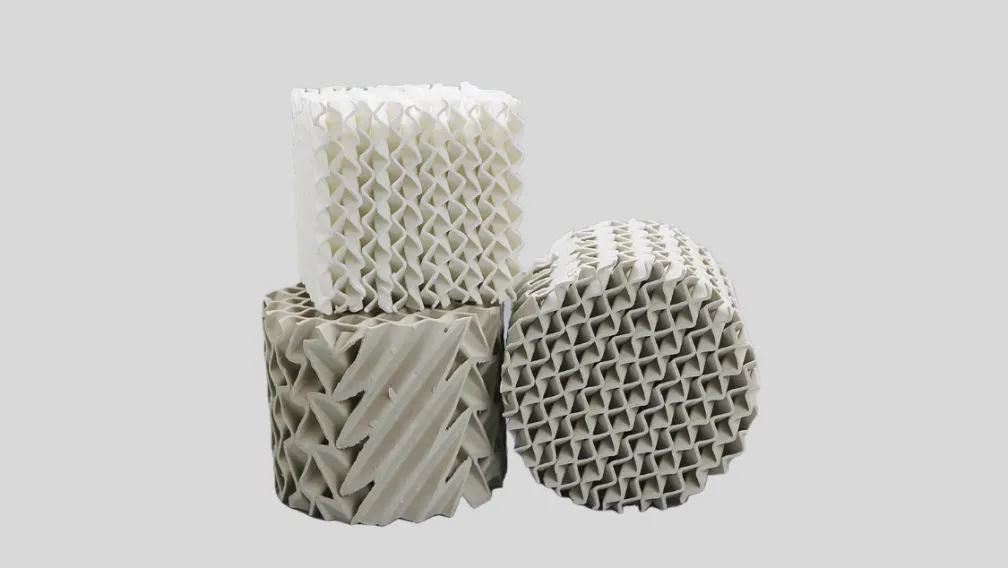
Standard bricks suit straight walls and floors, and large tiles cover floors quickly. A round tank or tower needs wedge brick, tapered so the courses follow the radius without forcing the joints open, and burners, nozzles and corners often need shapes cut to drawing. Specifying the right shapes keeps the joints tight and even, which is where a lining holds and where it leaks if the shapes are wrong.
Because the brick and the mortar work as one barrier, they are chosen together from the duty: the acids and any alkali, the temperature, the mechanical load and the traffic. We supply the brick to GB/T 8488 and HG/T 3210 and advise on the mortar and the build, so the lining matches the plant it is protecting rather than being a stock product dropped in.