Home > Silica Gel Desiccant
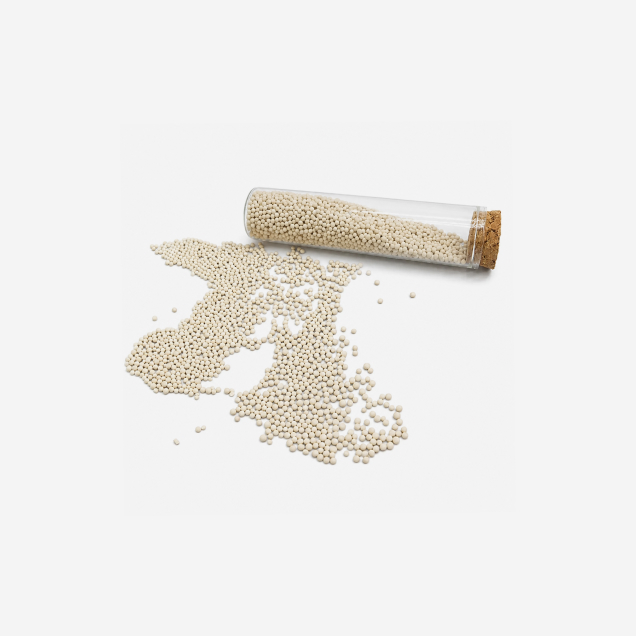
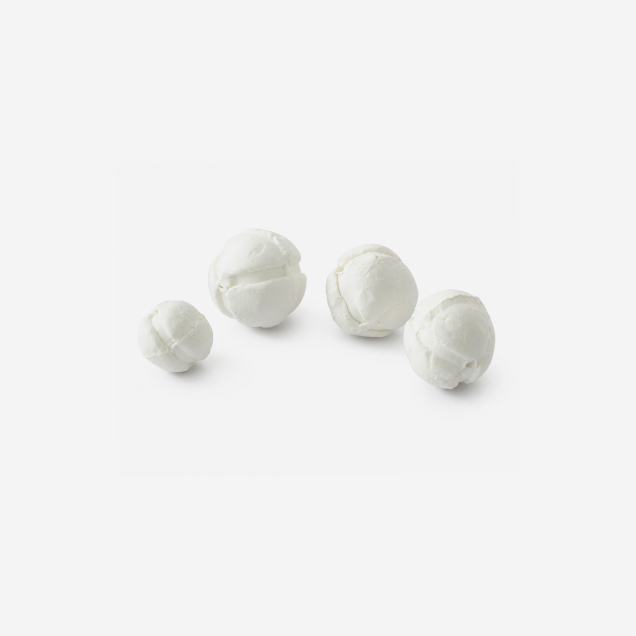
Silica gel desiccant keeps moisture away from products and enclosed spaces. It goes into packaging, medicine bottles, instrument cases, shipping containers and desiccant dryers, soaking up water vapour so goods stay dry and free of mould, rust or spoilage. Being inert and non-toxic, it sits safely against most items, which is why it is the most widely used packaging desiccant.
Silica gel takes up more water at high humidity than any other common desiccant — up to around forty percent of its own weight before it is spent. Its capacity is highest when the air is damp, which is exactly the condition inside a sealed pack, and it falls as the air gets drier. For the very lowest dew points a molecular sieve is used instead, while for packaging and general drying silica gel holds the most; our desiccant selection guide sets out which to choose.
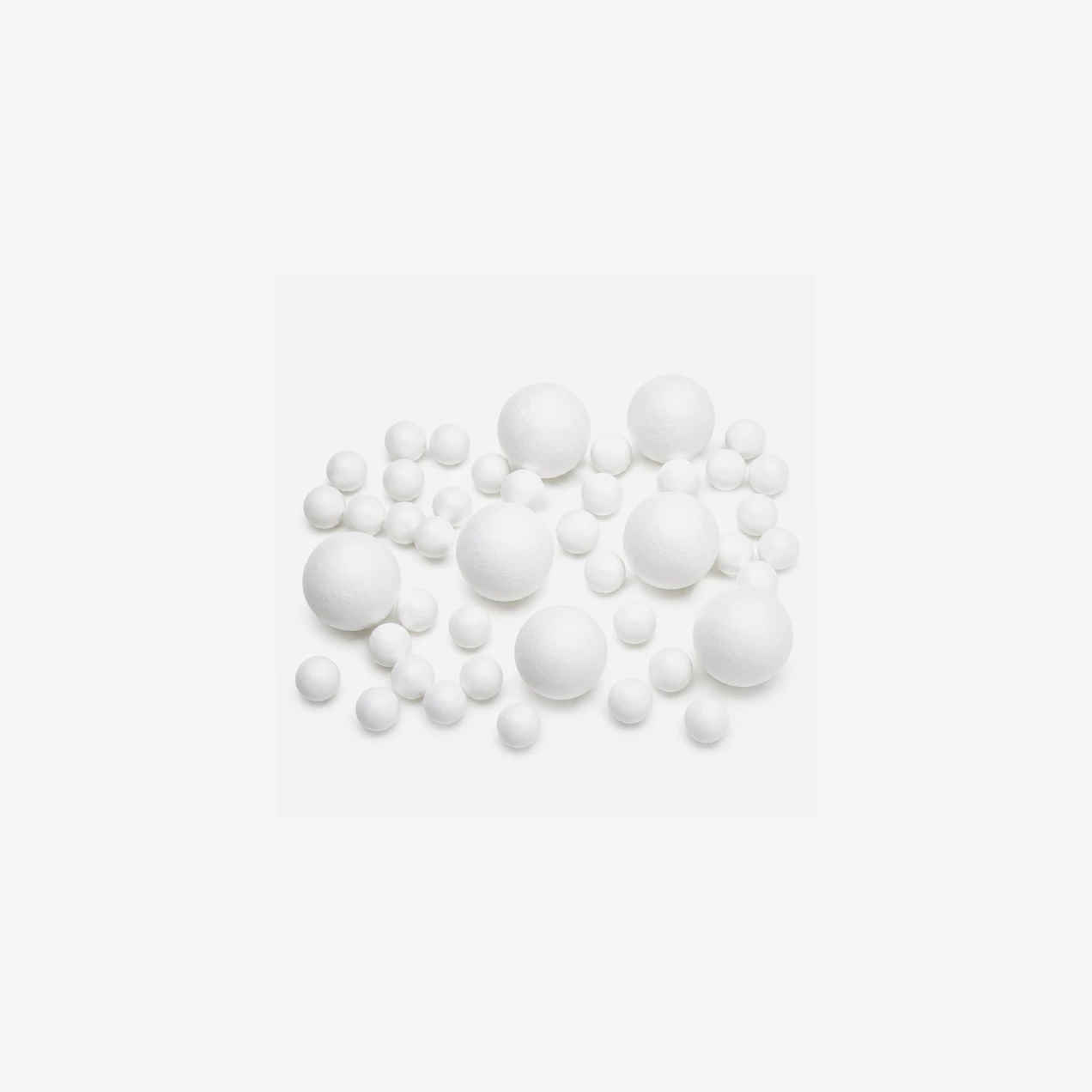
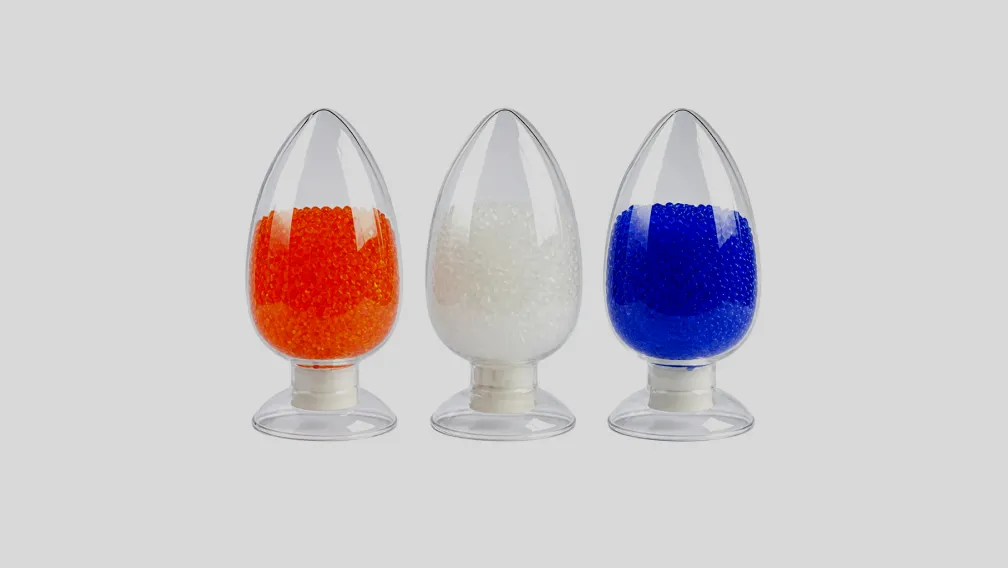
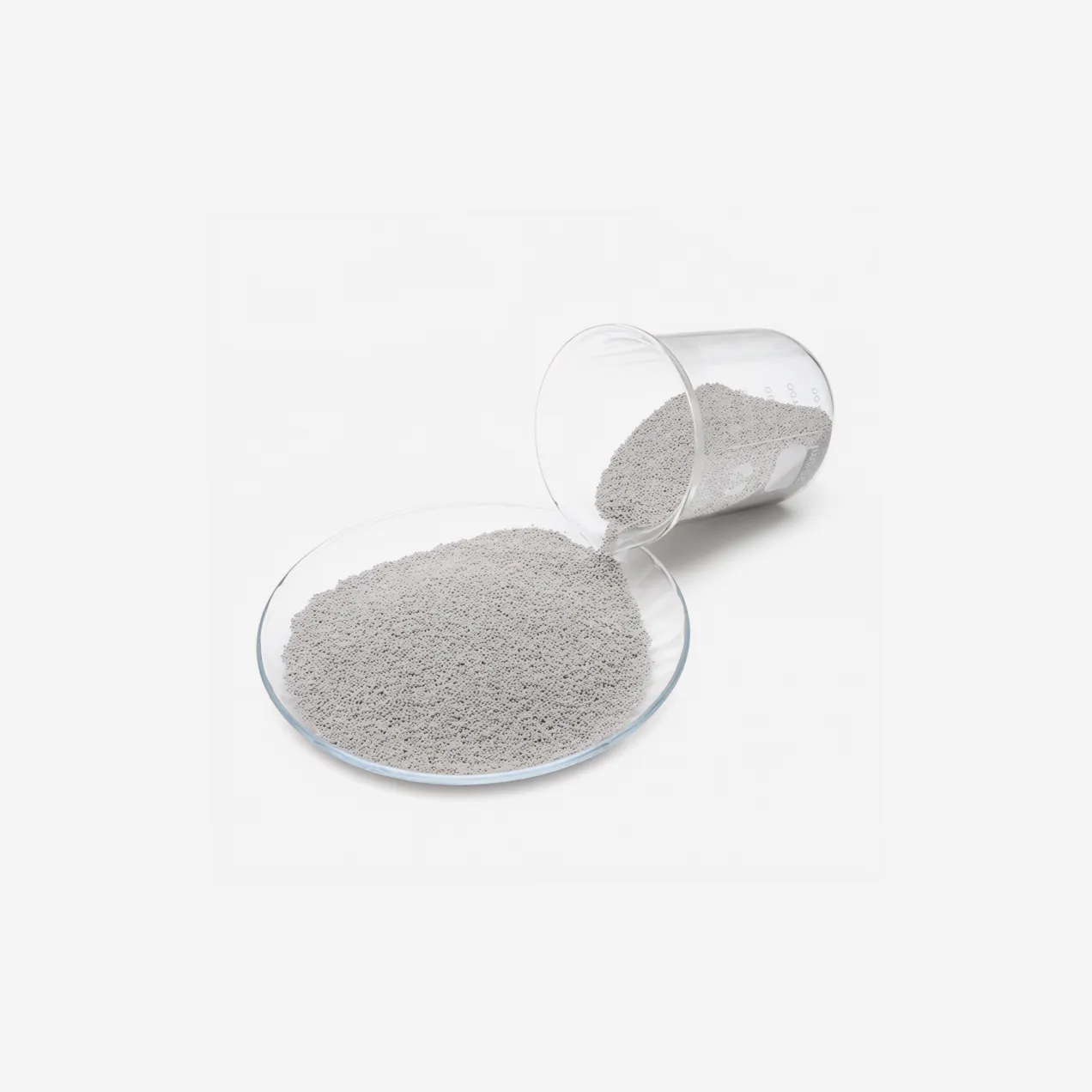
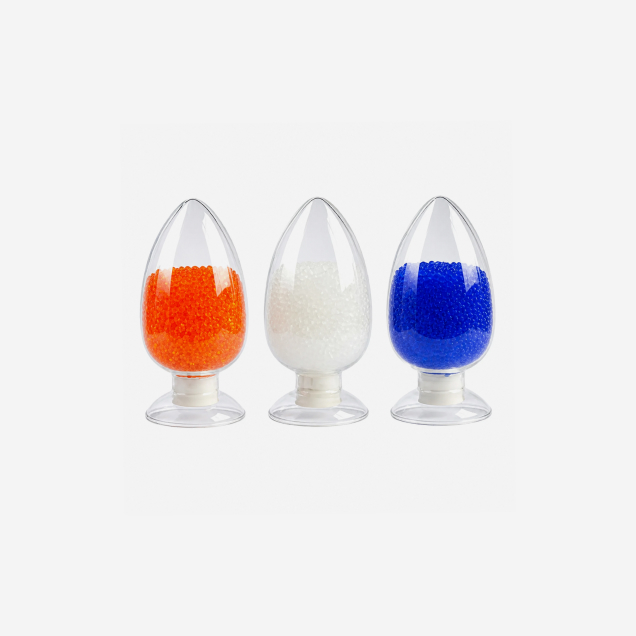
Non-indicating gel is plain white and does the drying without showing its state. Indicating gel changes colour as it fills with moisture, so you can see when it needs changing or regenerating — cobalt-free orange gel turns from orange to green, and traditional blue gel turns from blue to pink. The orange, cobalt-free type is preferred where the indicator may contact the product or where cobalt is restricted.
Plain white silica gel is non-toxic, chemically inert and non-corrosive, and the “do not eat” warning on sachets is because the beads are a choking and irritation hazard, not a poison. Traditional blue indicating gel contains cobalt chloride, which is restricted in some markets, so where safety matters the cobalt-free orange grade is used. For food and pharmaceutical packing we supply dust-free, cobalt-free packs.
Yes — that is a large part of its value. When silica gel fills with moisture it is not discarded; heating it to around 120 to 180 degrees drives the water back off and returns it to full capacity, and it can be regenerated over many cycles. In reusable fittings such as dry cabinets and breathers this keeps the running cost low; in single-use sachets it is simply replaced.
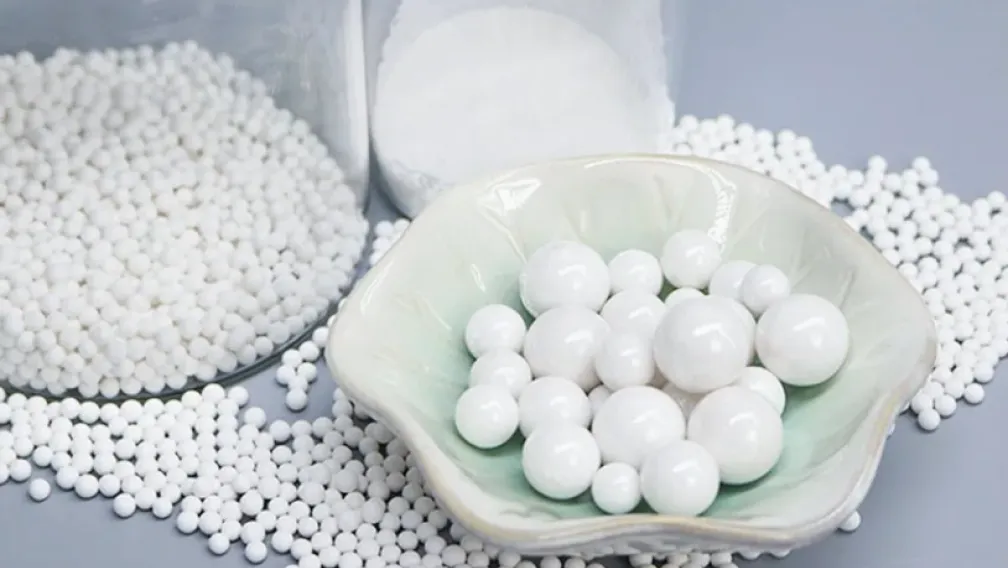
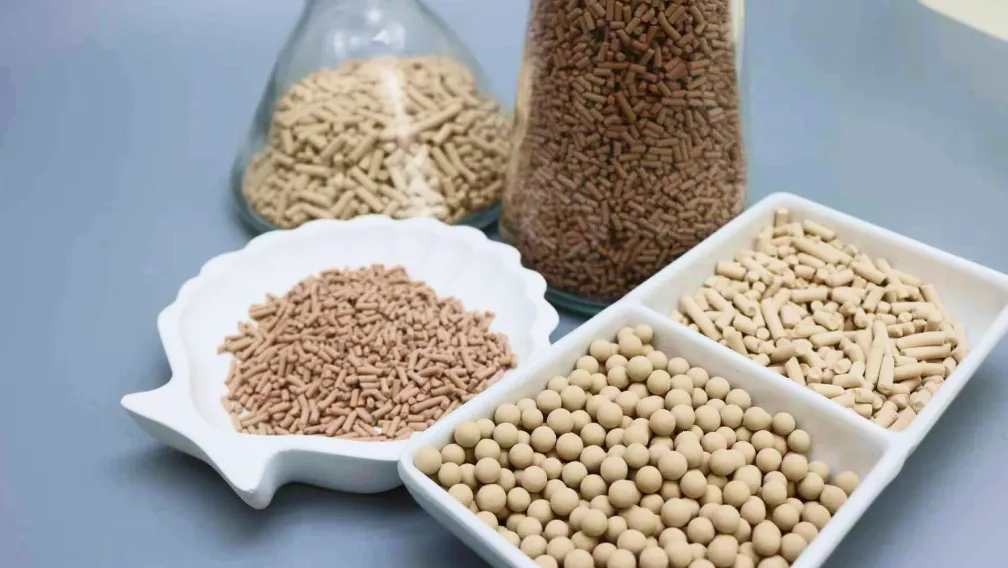
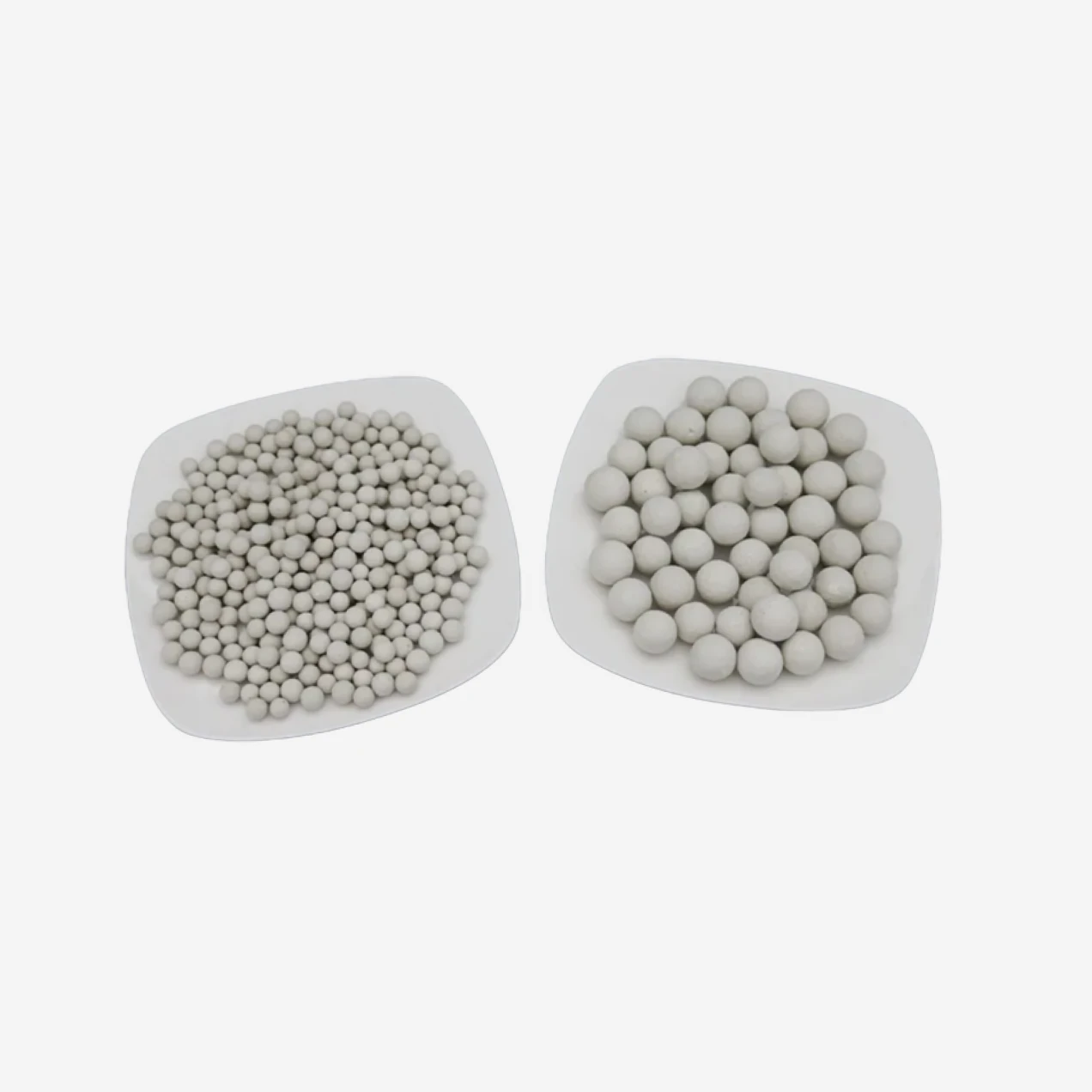
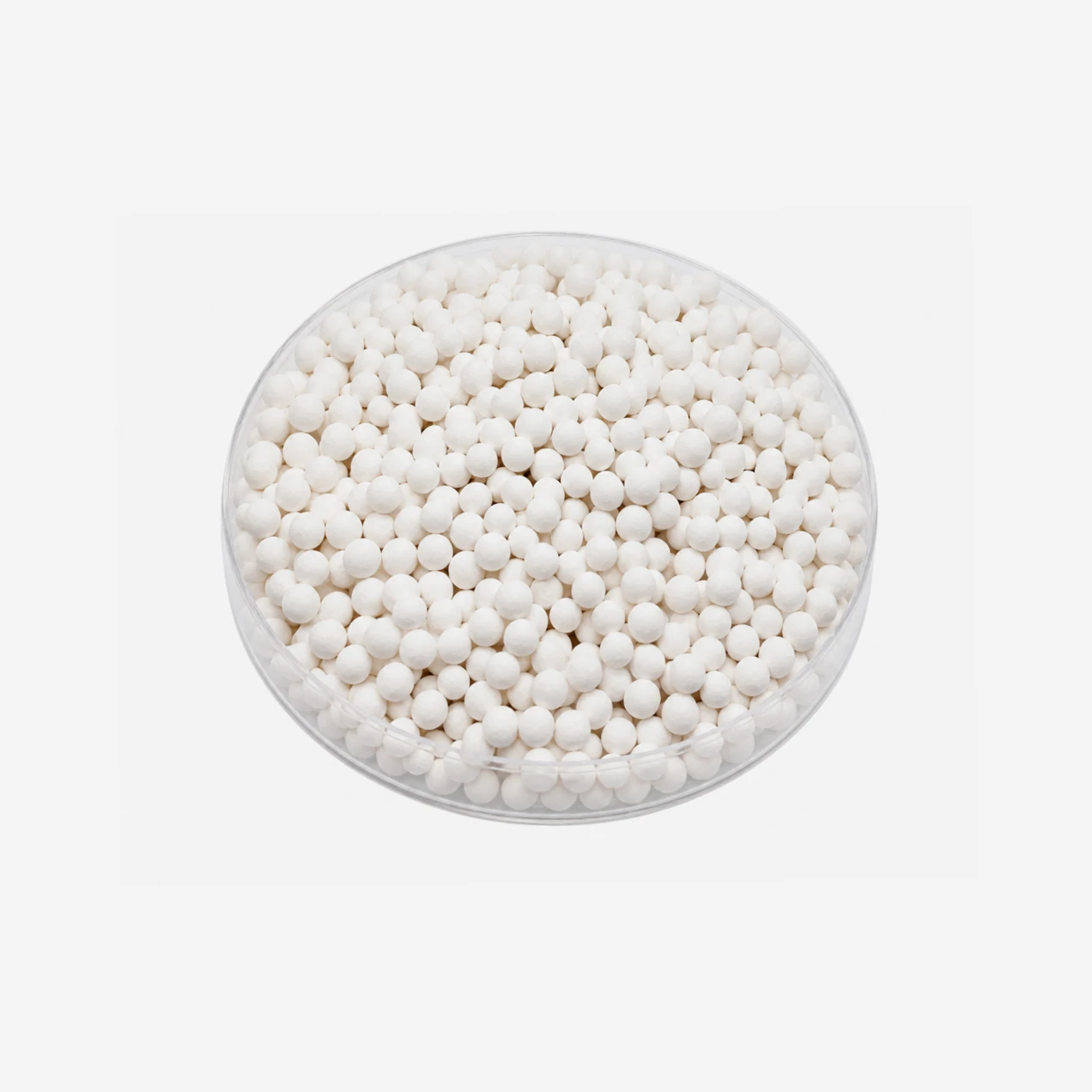
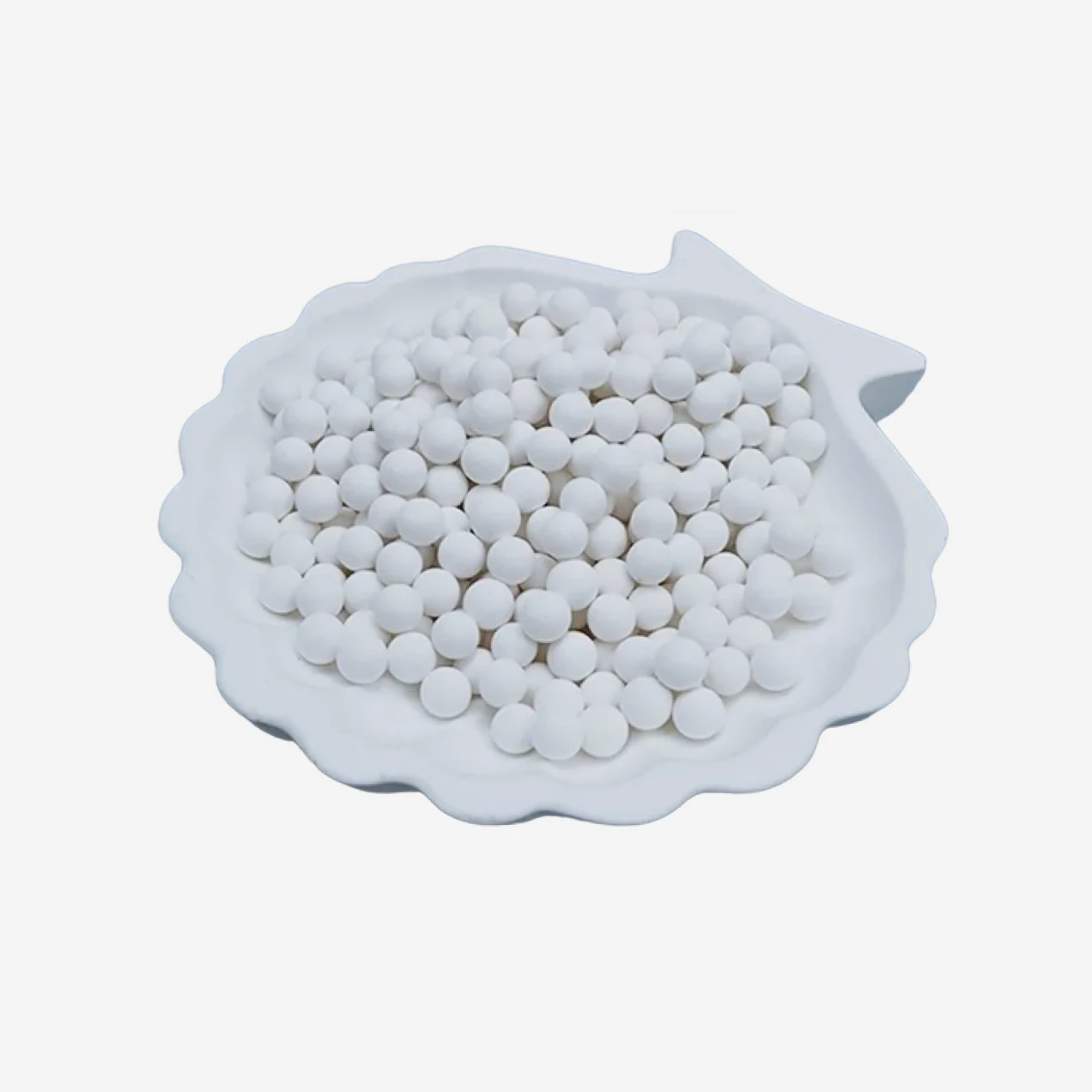
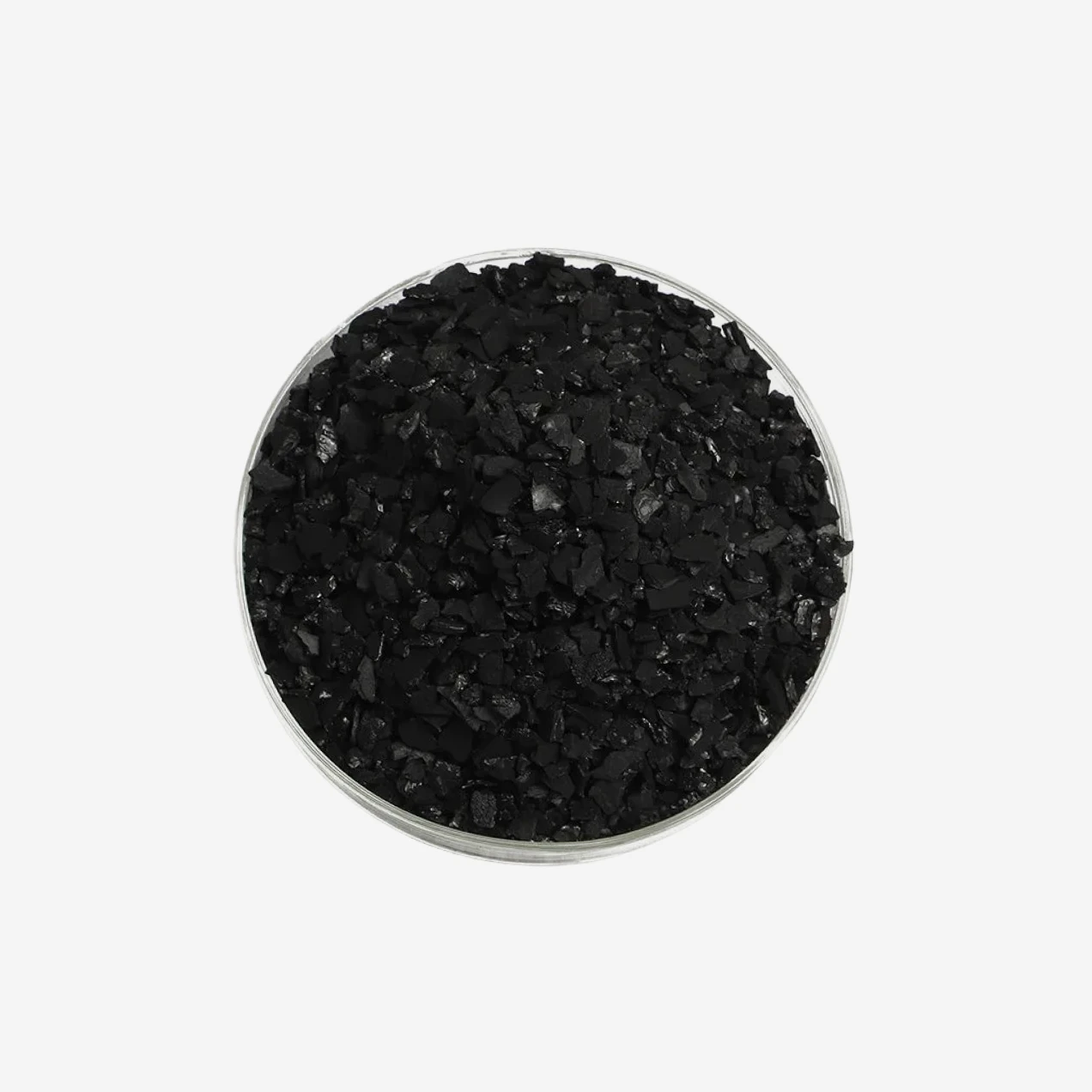
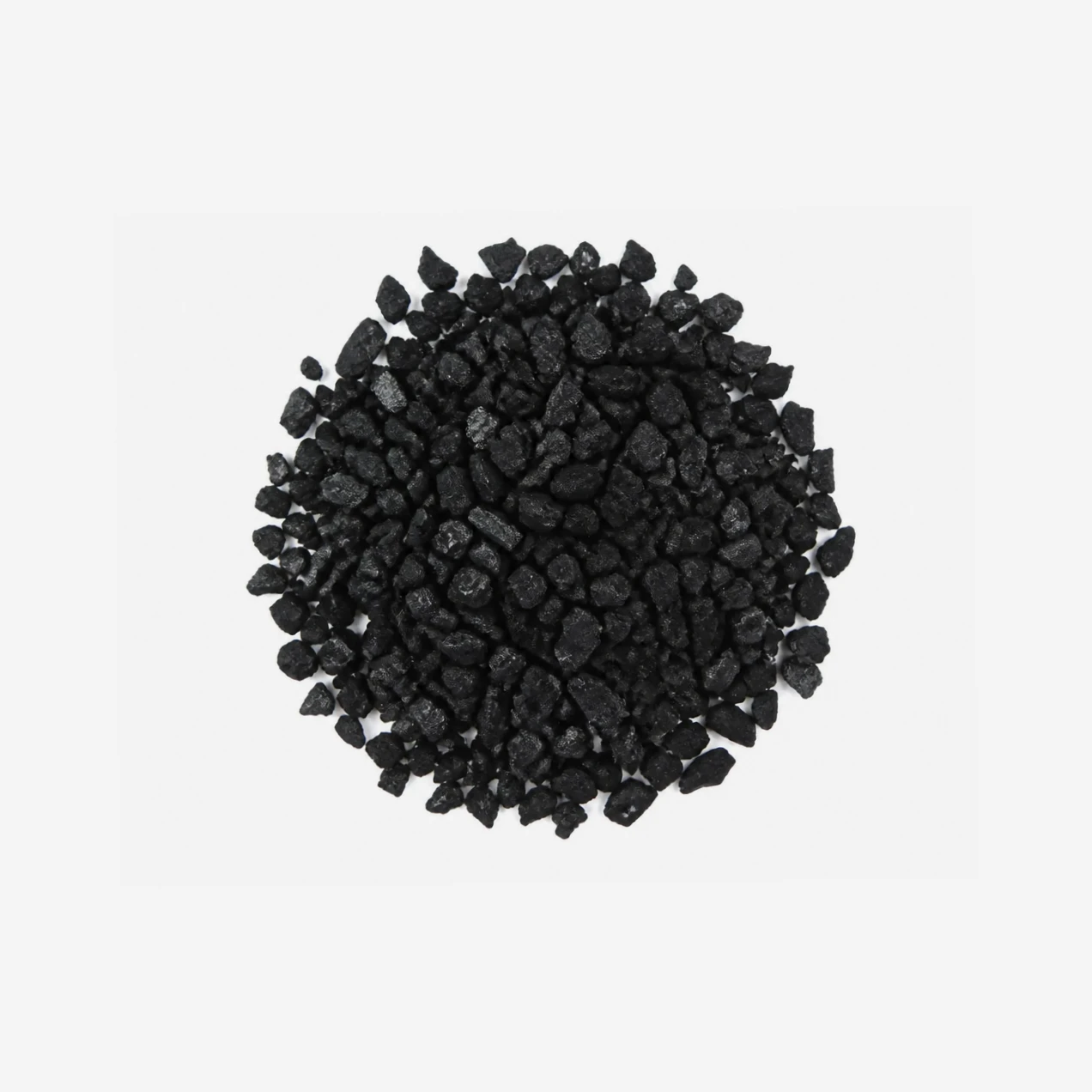
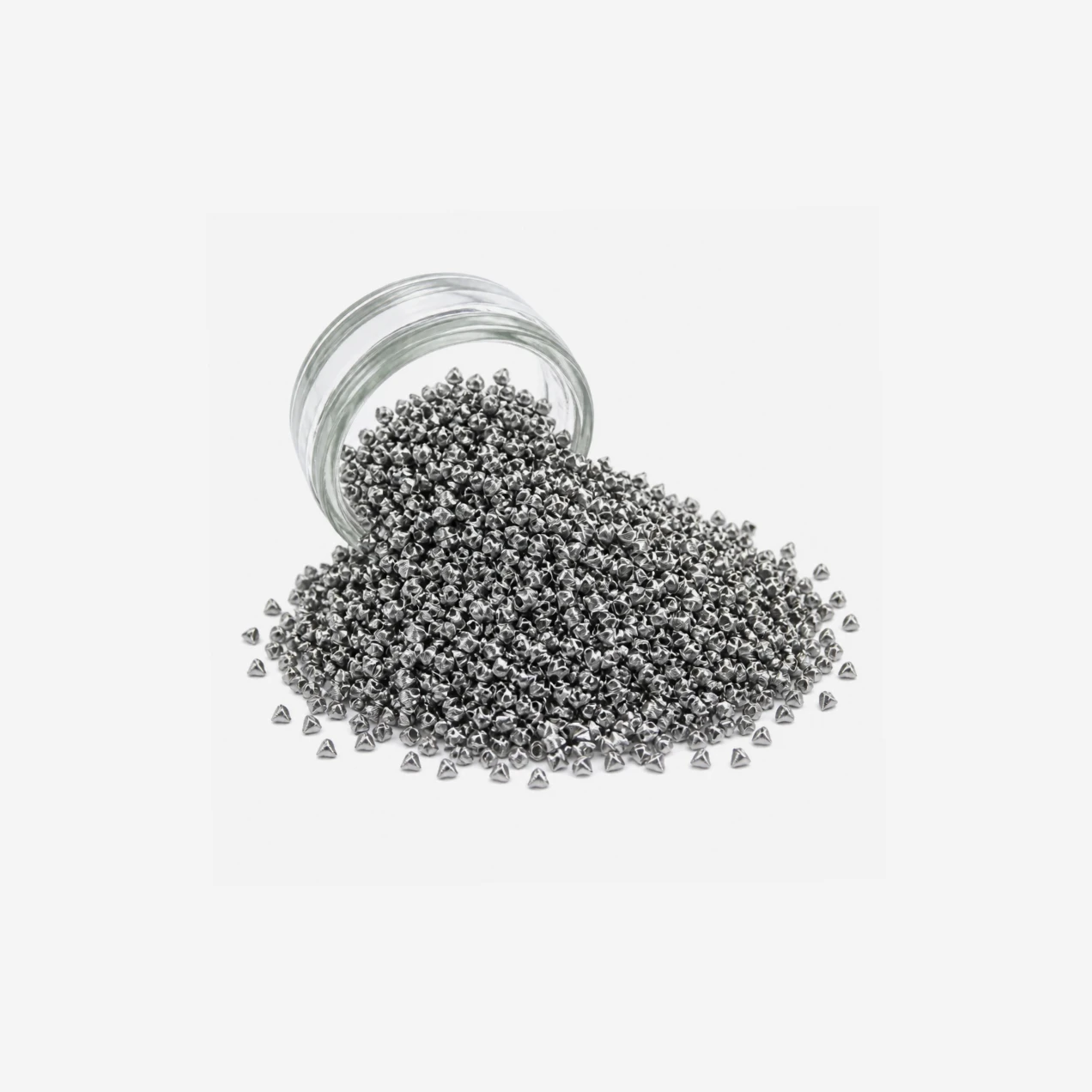
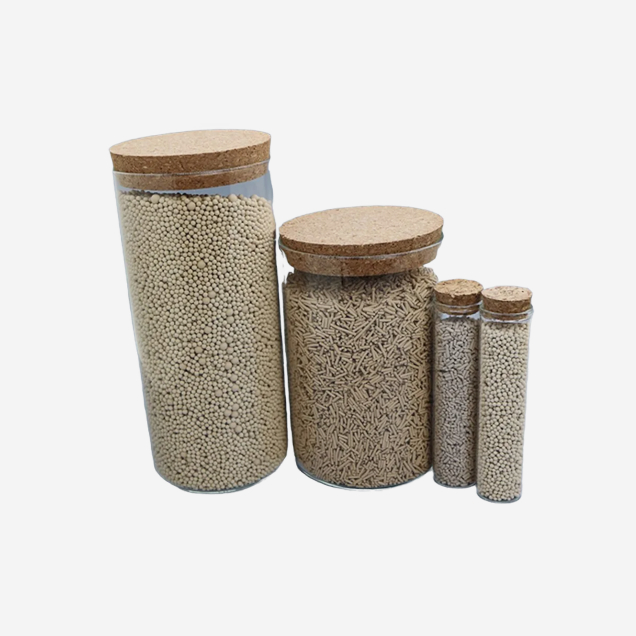
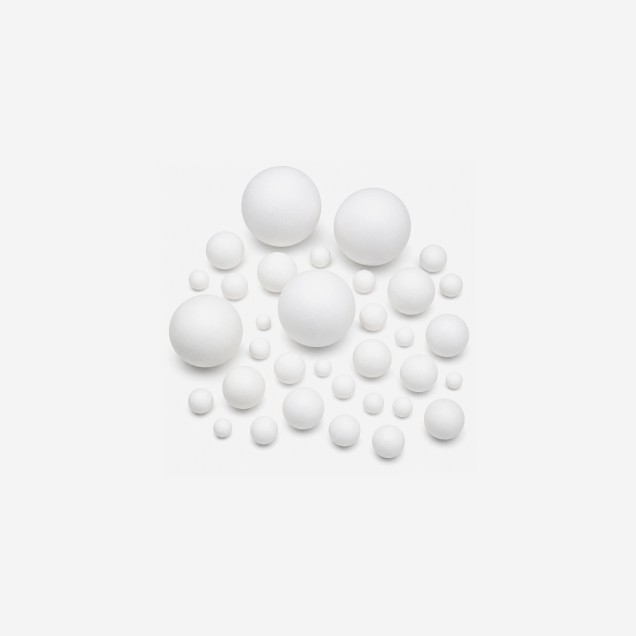
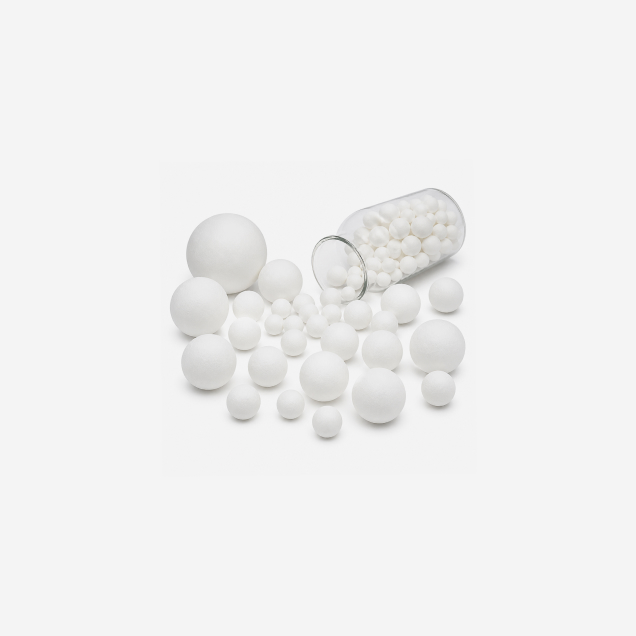
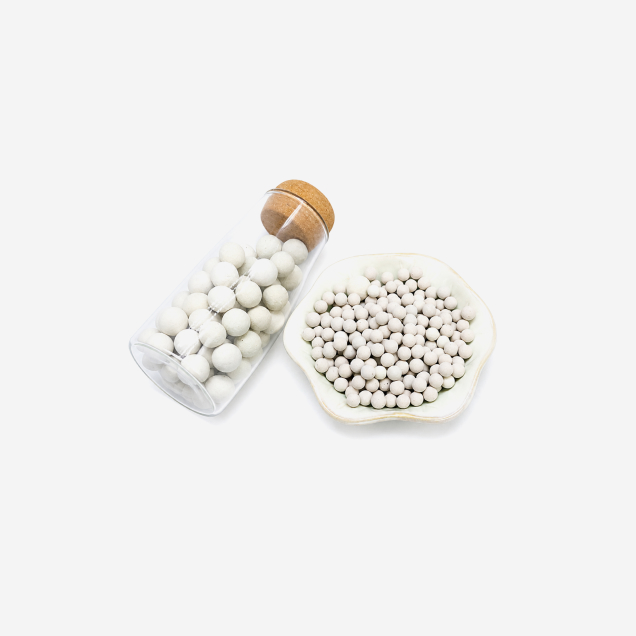
We supply silica gel as round beads and as crushed granular, in every common size from fine grades under a millimetre up to large beads of several millimetres, and by mesh where needed. It ships loose in bulk — drums and bags — or made up into sachets in Tyvek, paper or non-woven, from small one-gram packs up to large industrial units. Tell us the form, size and pack and we will match it.
Minimum order goes by the grade and the pack: standard white and indicating grades and common sachet sizes ship from stock, while custom sachet printing or a special size carries a short lead time. Bulk goes out by the drum or bag, and sachets by the carton, sealed in moisture-barrier packing, with samples on request. Send the grade, pack and volume and the packing and timing come back on the quote.
Silica gel is the porous form of silicon dioxide used to adsorb moisture and keep products and spaces dry. It holds more water at high humidity than any other common desiccant — up to around 40% of its own weight — and it is non-toxic, inert and reusable. The main choices when ordering are the type (plain or indicating), the pore grade, and the form and packing, and this guide covers each.
Plain white silica gel is non-indicating: it dries without showing its state, and it is the standard for most bulk and packaging use. Indicating silica gel changes colour as it absorbs moisture, so its condition can be seen at a glance. Cobalt-free orange gel changes from orange to green and is the safer, widely accepted choice; traditional blue gel changes from blue to pink but contains cobalt chloride, which is restricted in some markets. Choose indicating gel where someone needs to see when to change or regenerate it.
Most desiccant silica gel is Type A, a fine-pore grade that adsorbs strongly across low to medium humidity and is the general-purpose drying grade. Its great strength is capacity at high humidity, where it takes up far more water than molecular sieve or activated alumina. Where an ultra-low dew point is needed a molecular sieve does better; where the job is to soak up a lot of moisture from damp air, silica gel is the most economical.
| Type | Colour change | Notes |
|---|---|---|
| White (non-indicating) | None | Standard bulk and packaging drying |
| Orange (indicating) | Orange → green | Cobalt-free, safer, shows saturation |
| Blue (indicating) | Blue → pink | Traditional; contains cobalt, restricted in some markets |
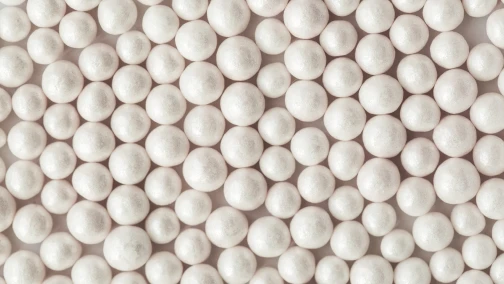
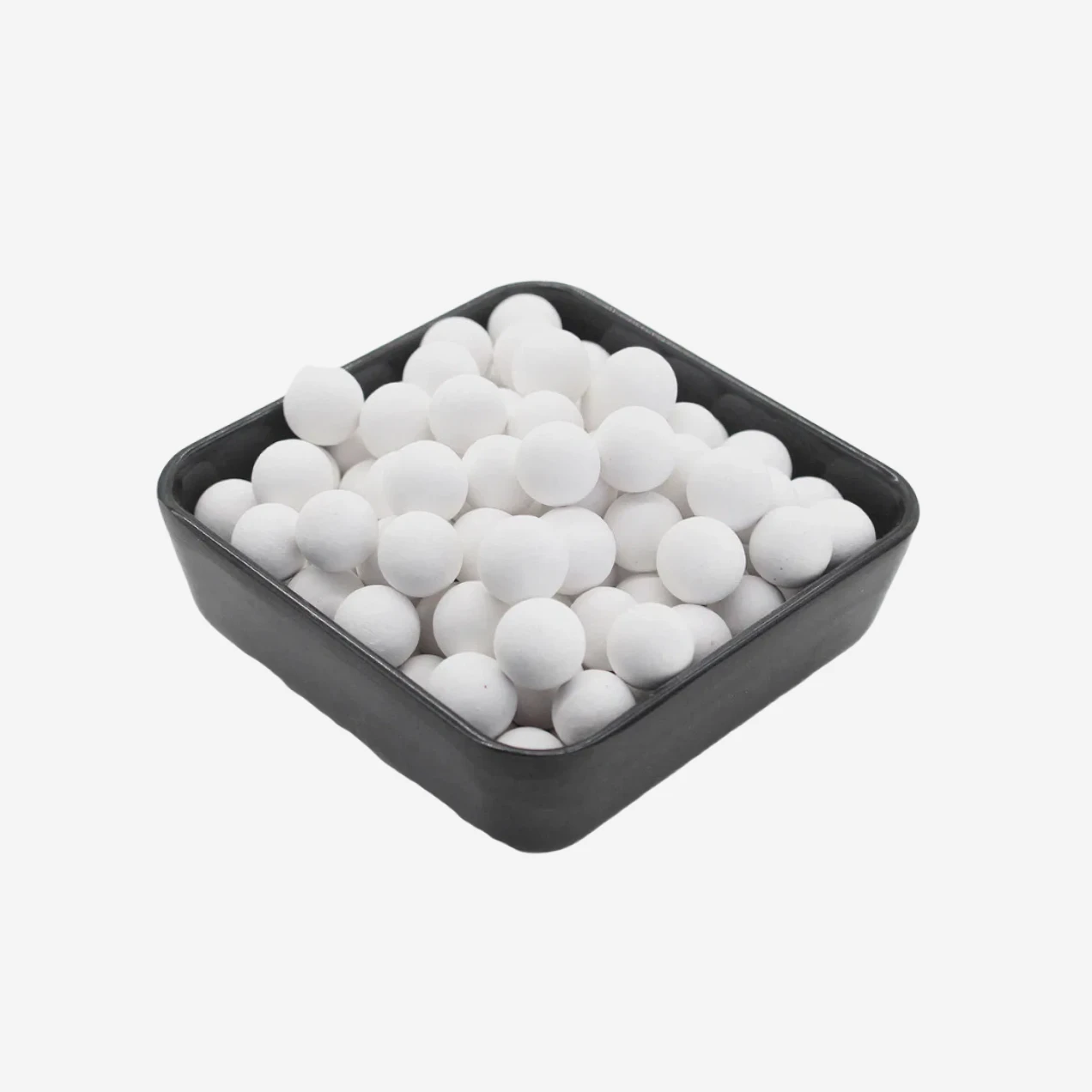
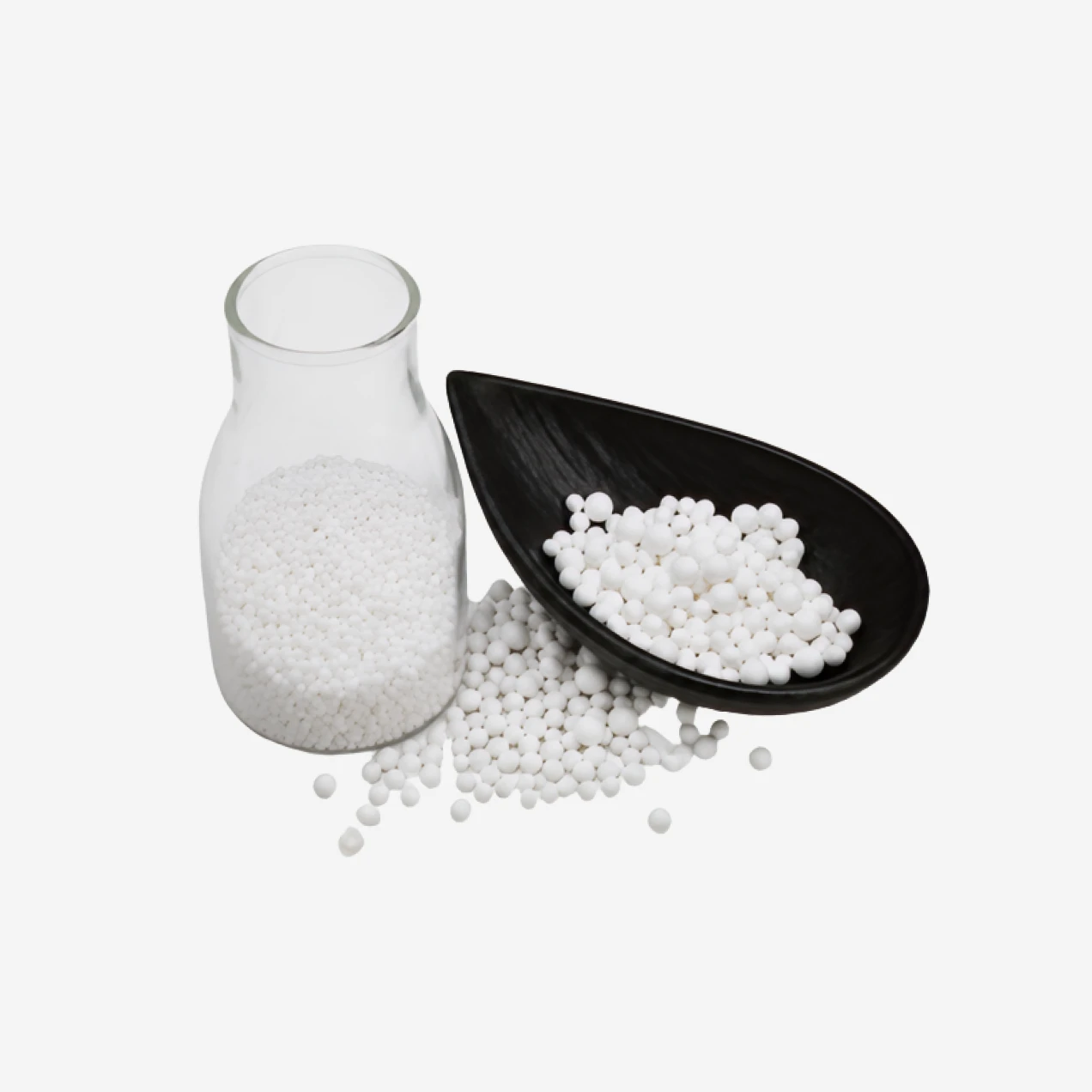
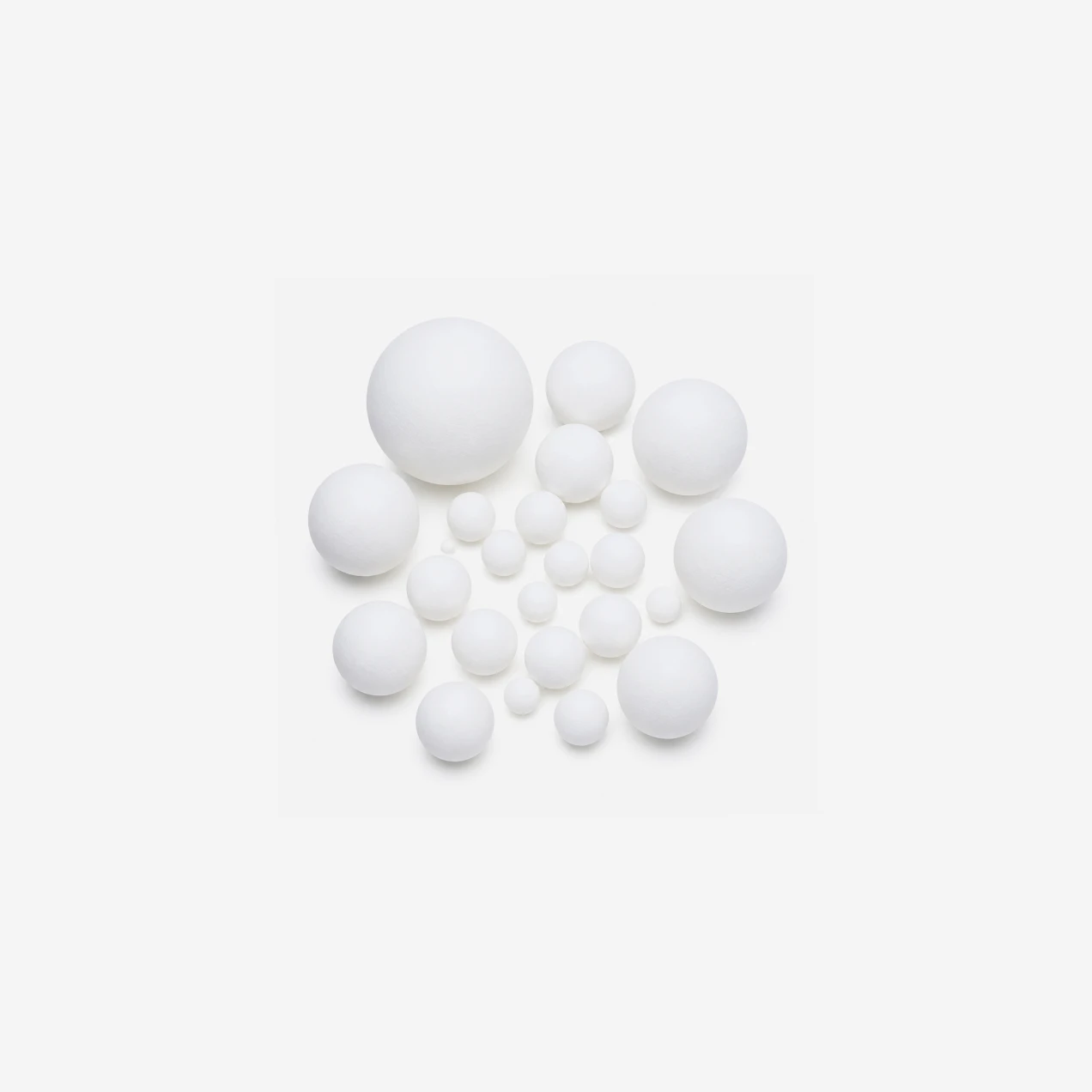
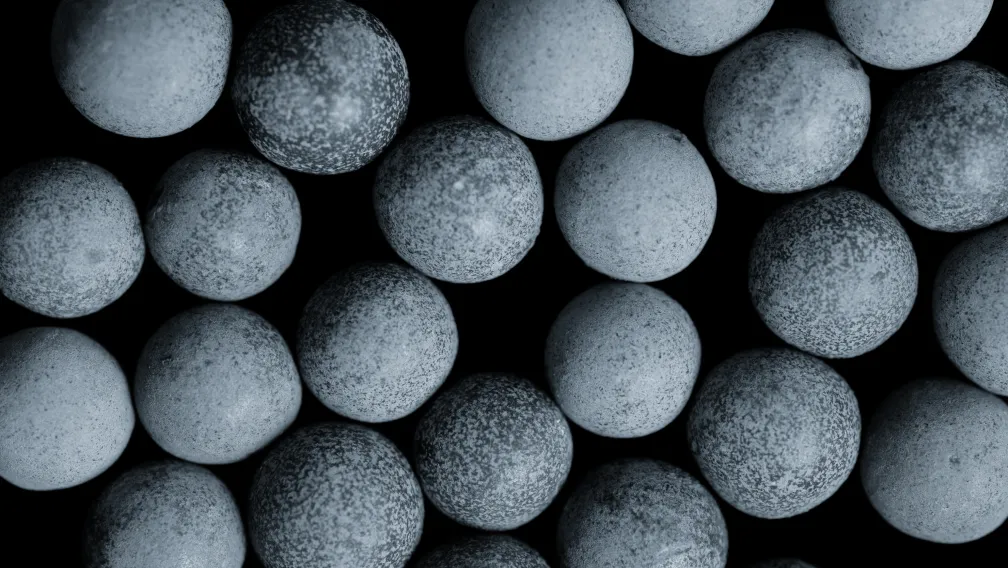
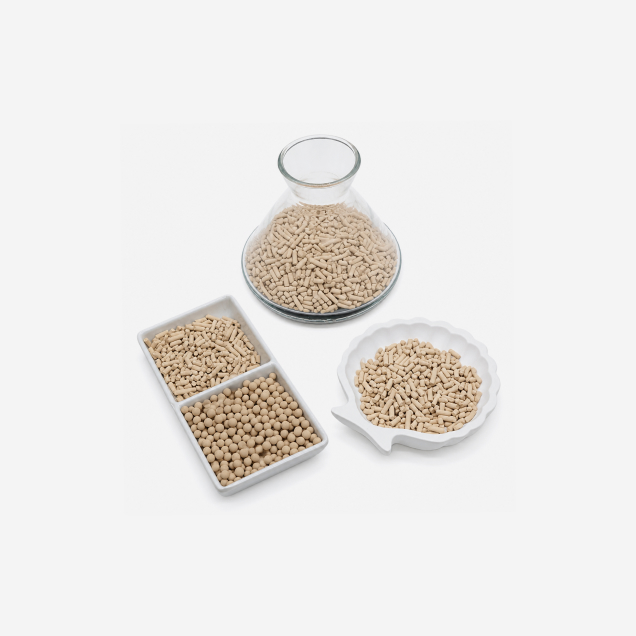
Silica gel comes as spherical beads and as crushed granular, in sizes from under a millimetre up to several millimetres, and by mesh. Beads flow cleanly and fill sachets and columns evenly; granular packs densely. Small sizes give a fast take-up in thin packs, larger sizes suit deep beds and dry-air columns. Most packaging uses a mid-size bead, and we match the size to the pack or the dryer.
The gel ships two ways: loose in bulk — drums and bags — for filling your own packs, dryers or breathers; and made up into desiccant sachets in Tyvek, paper or non-woven, from small one-gram packs to large industrial bags. Sachets can be printed and sized to your product. Buyers filling their own lines take the bulk gel; buyers protecting a finished product take ready-made packs.
Silica gel is reusable: heating it to about 120–180°C drives off the adsorbed moisture and restores its capacity, over many cycles. It is non-toxic and non-corrosive, though the beads should not be eaten and are kept sealed in moisture-barrier packaging until use, since gel exposed to air starts adsorbing straight away. Stored and handled dry, it reaches the job at full capacity.