Home > Ceramic Sand Filter Media
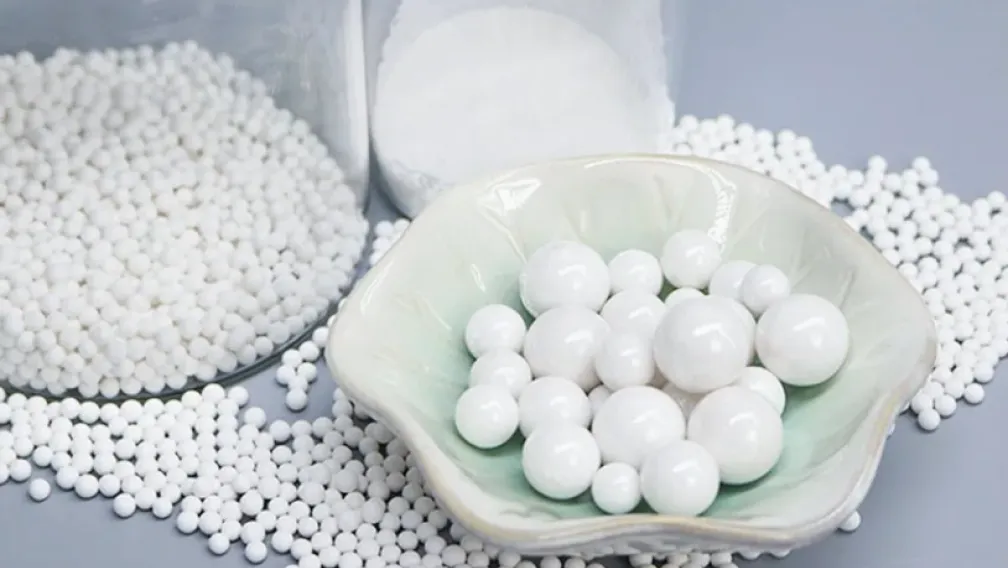
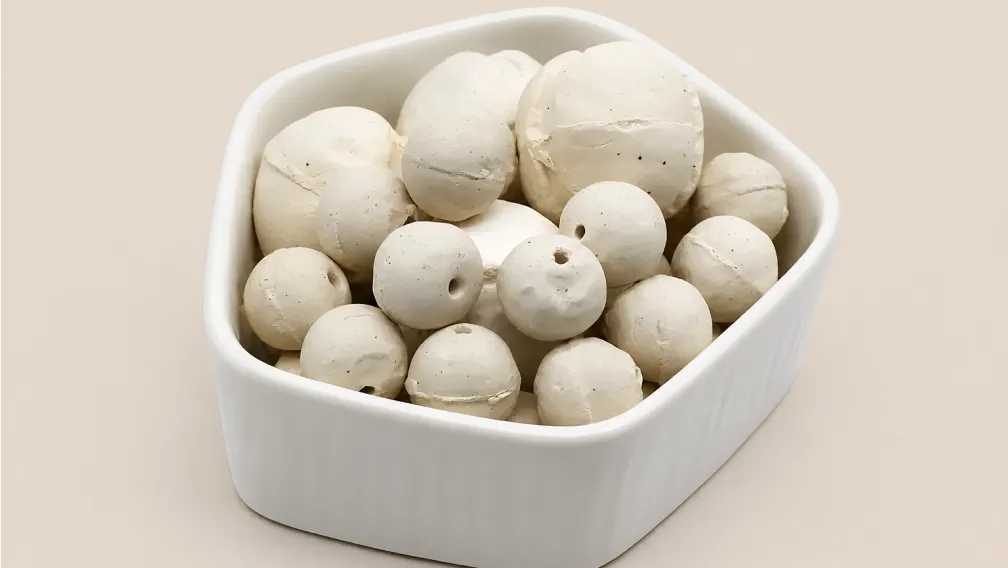
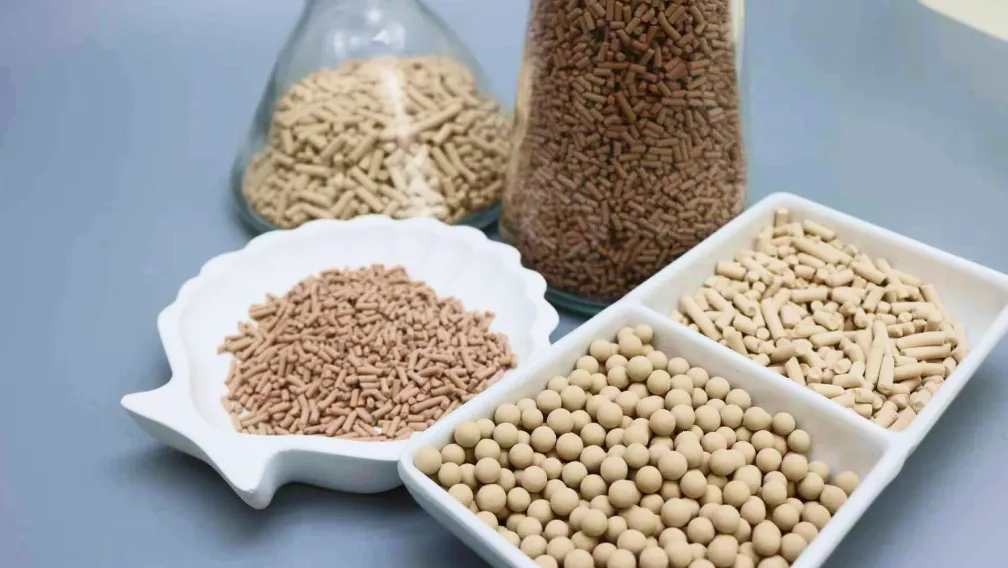
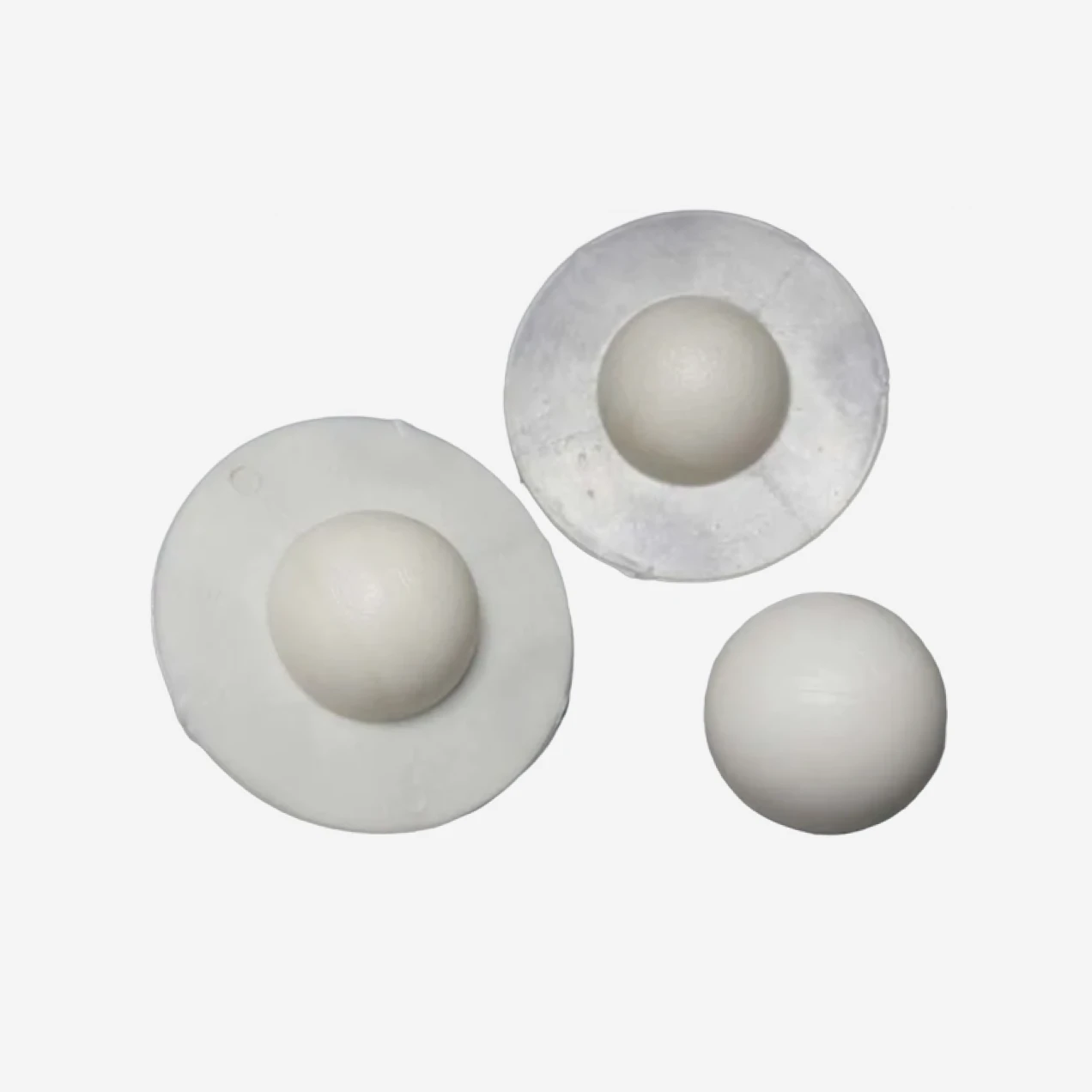
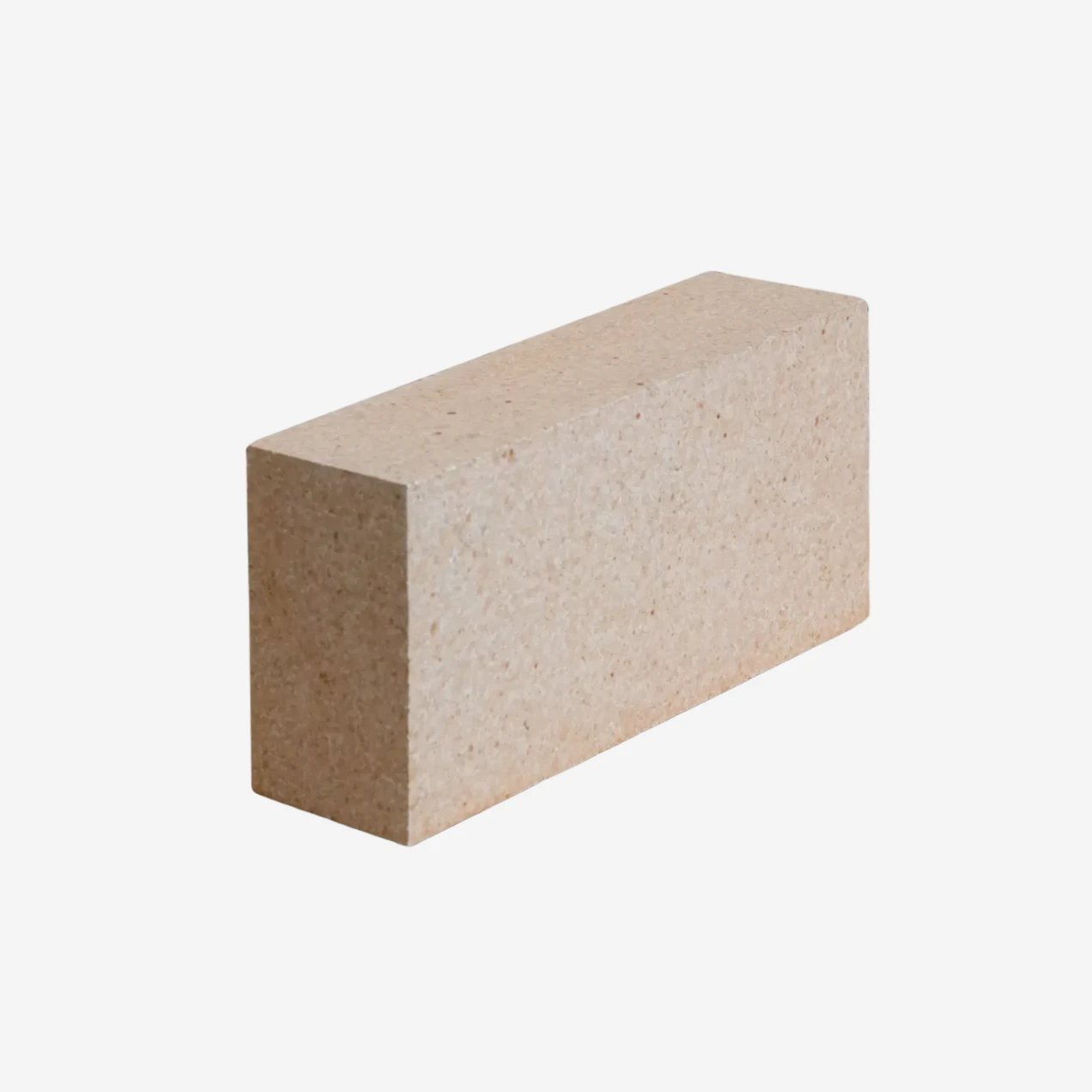
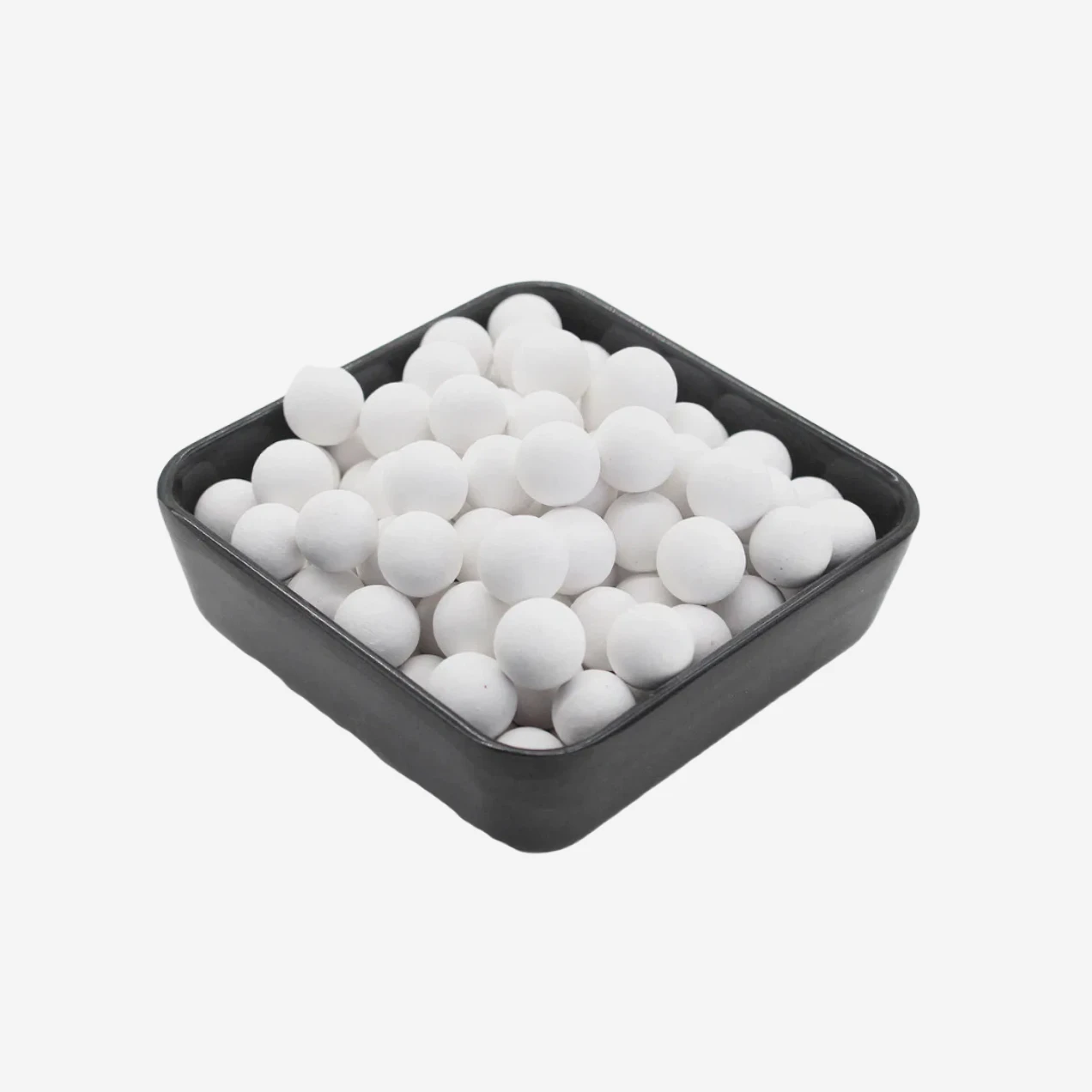
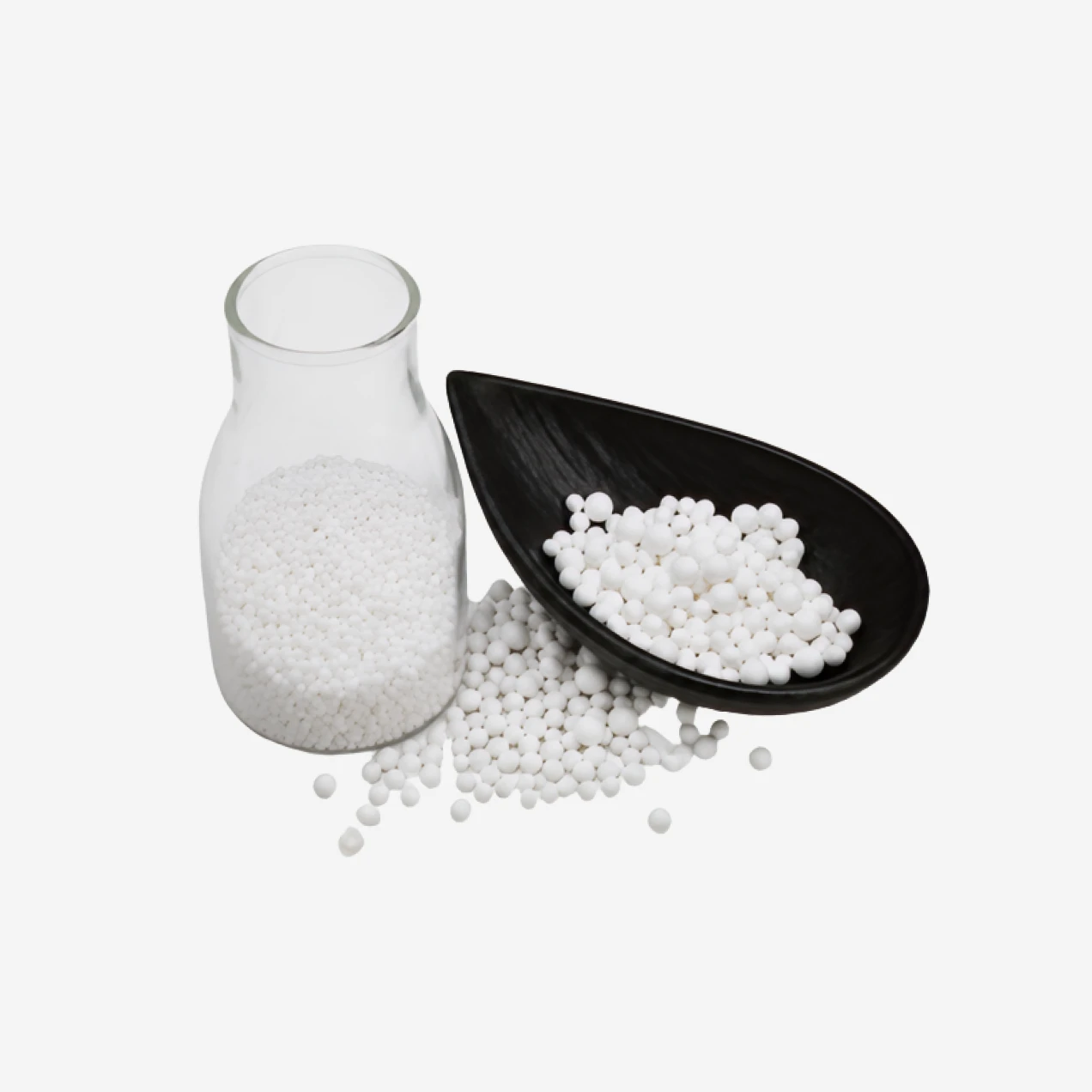
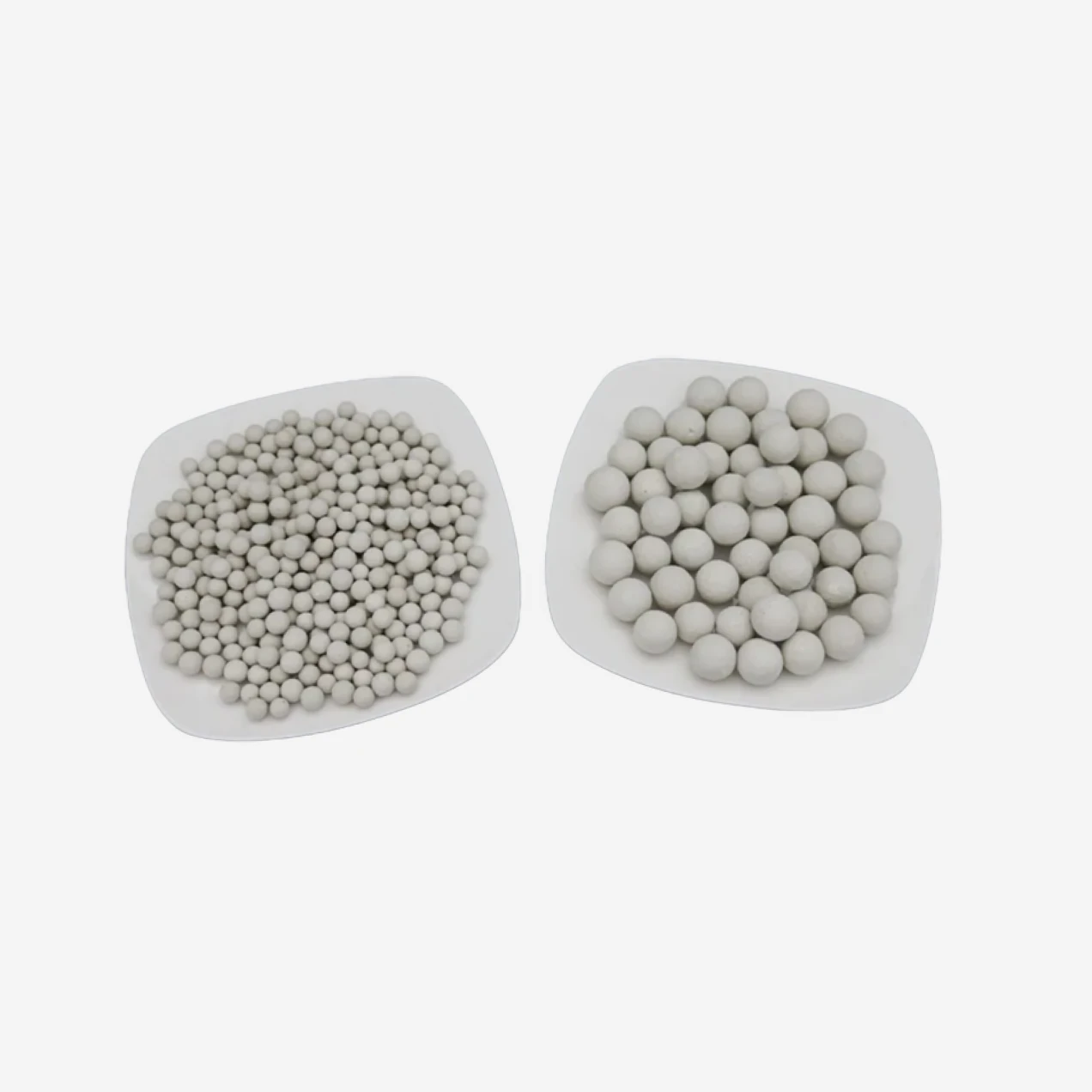
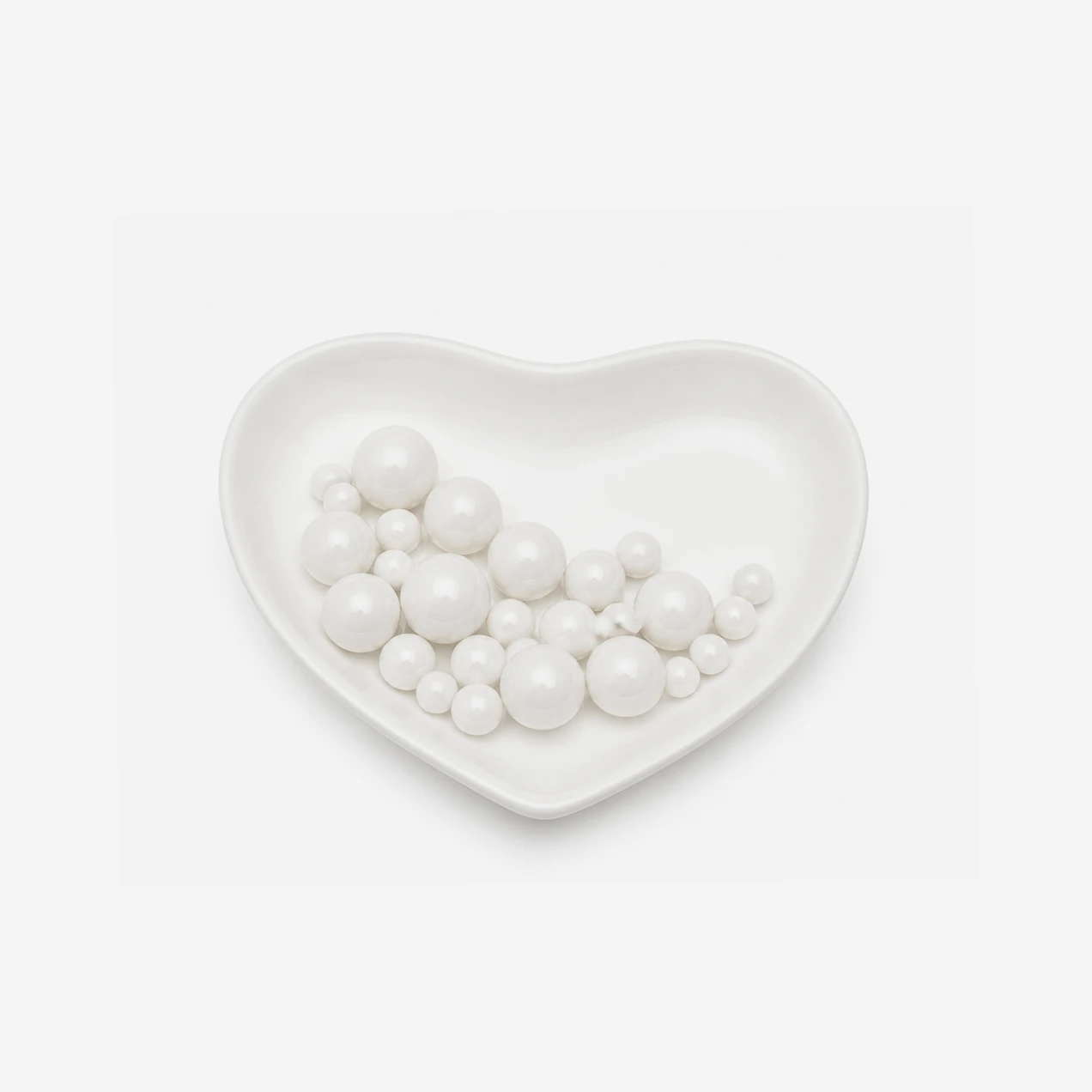
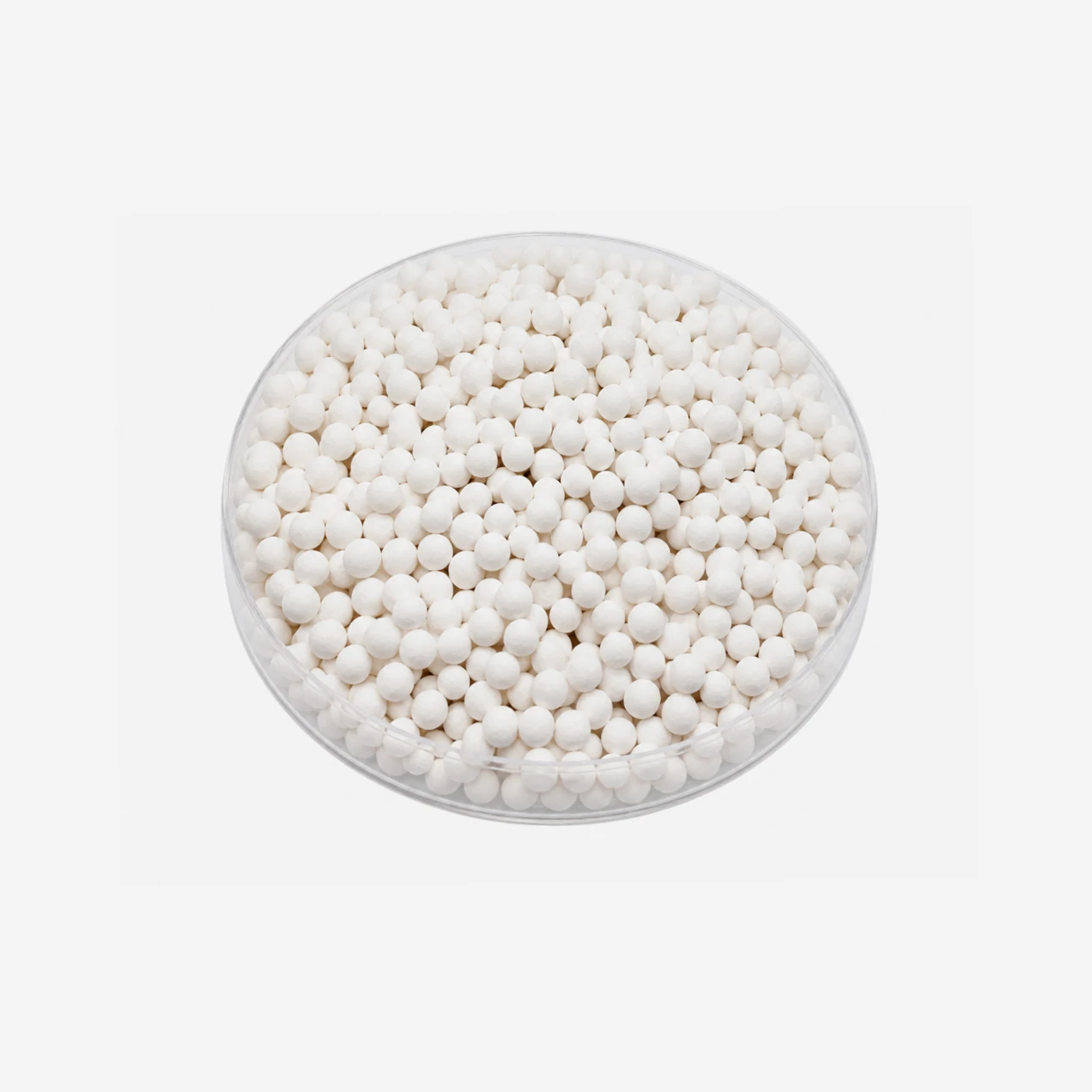
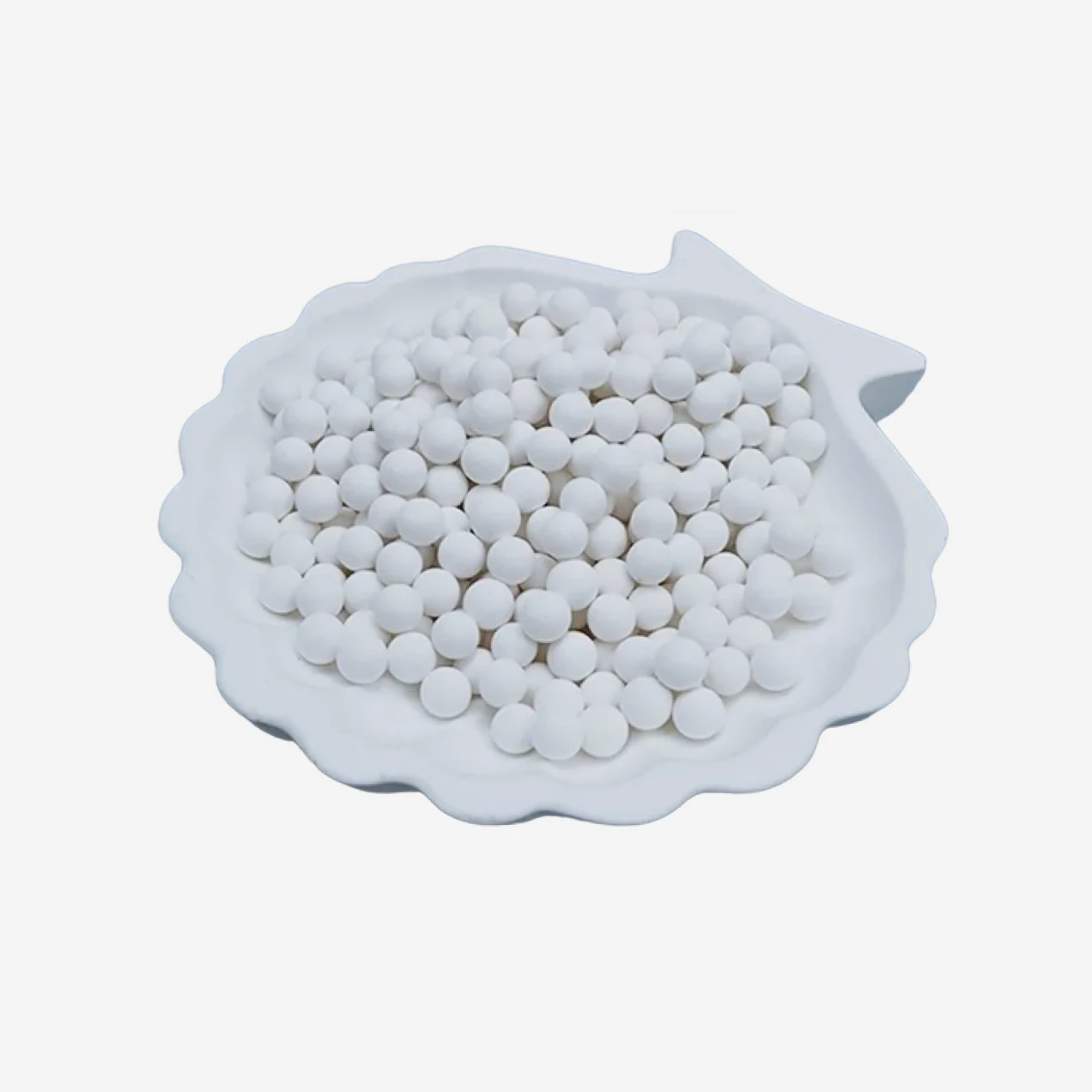
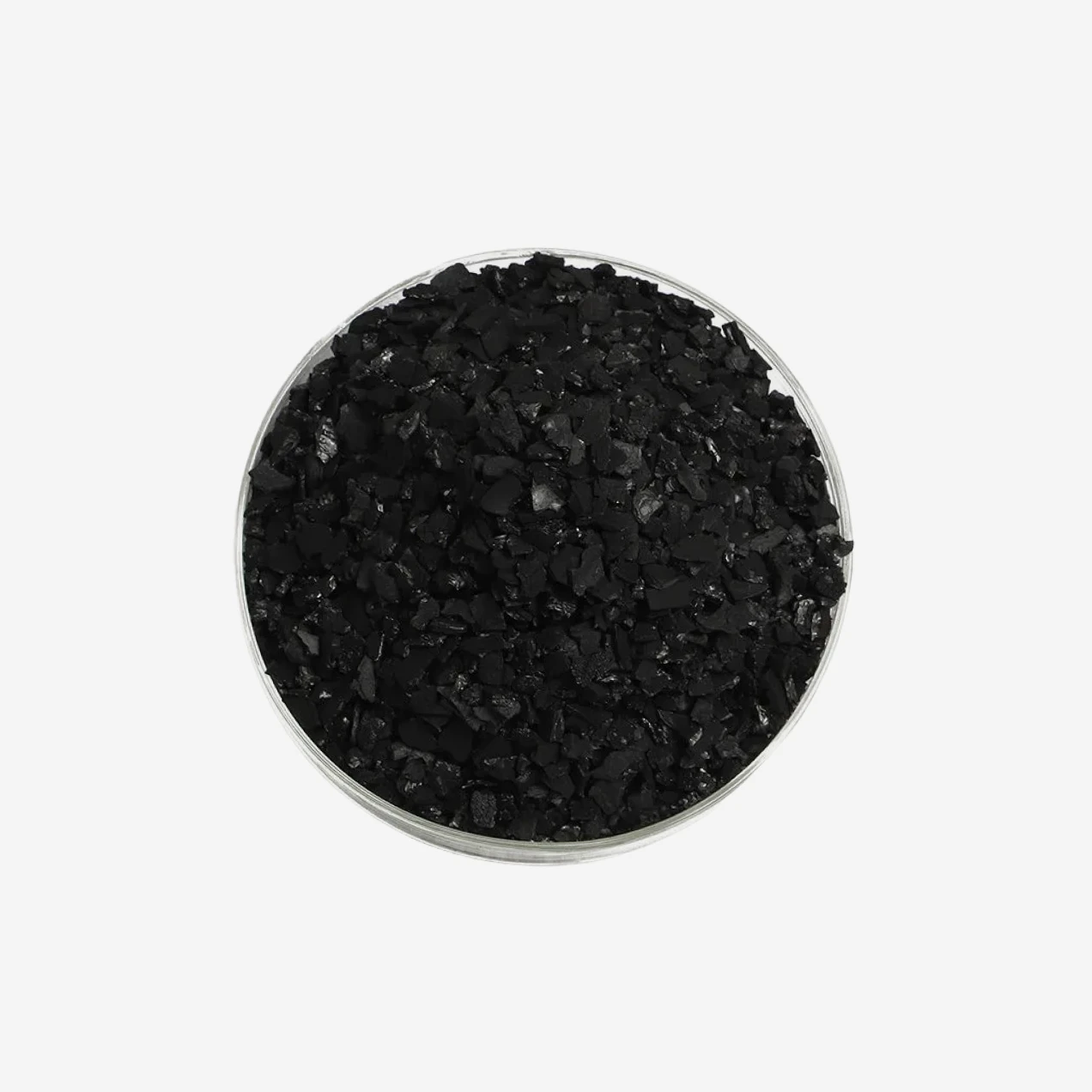
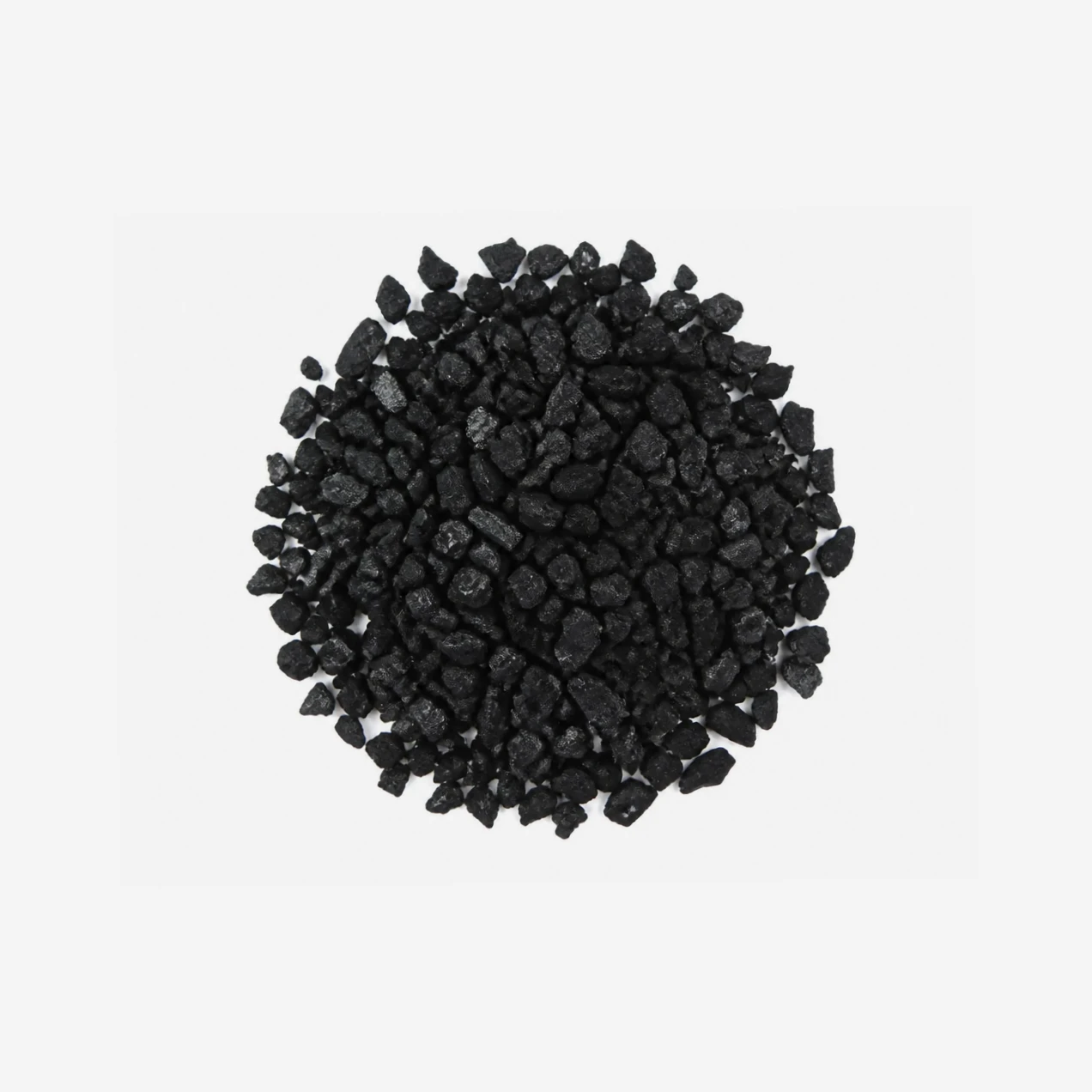
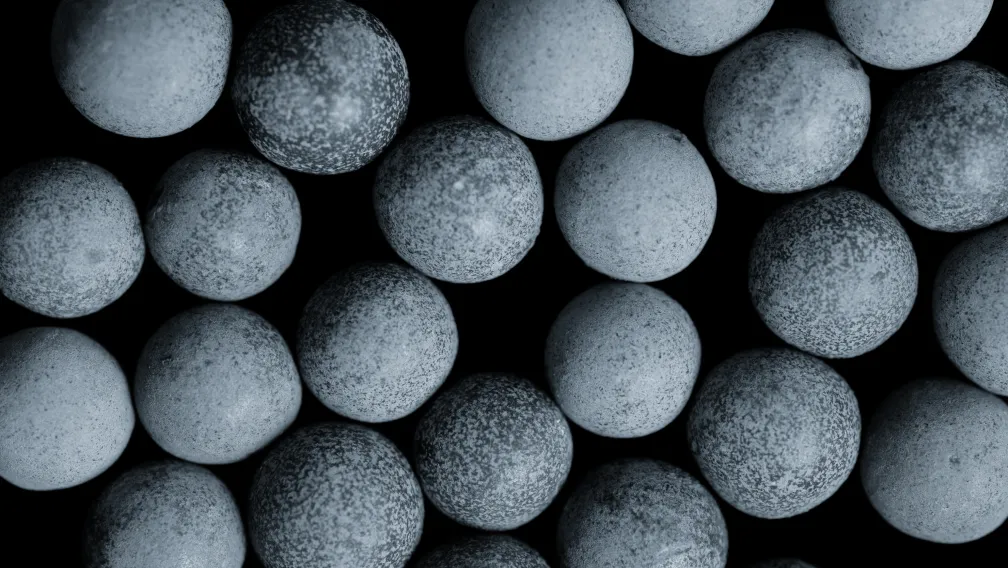
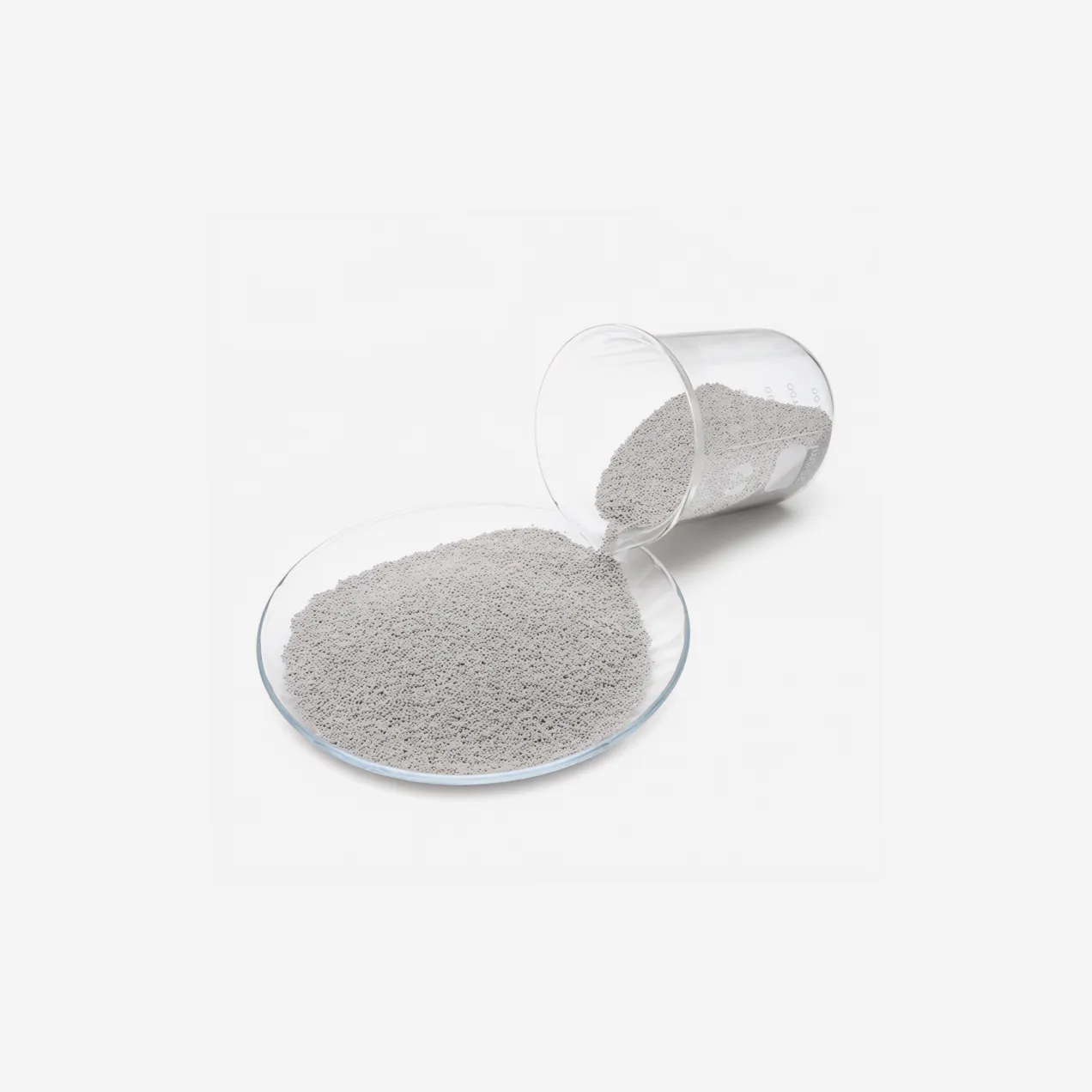
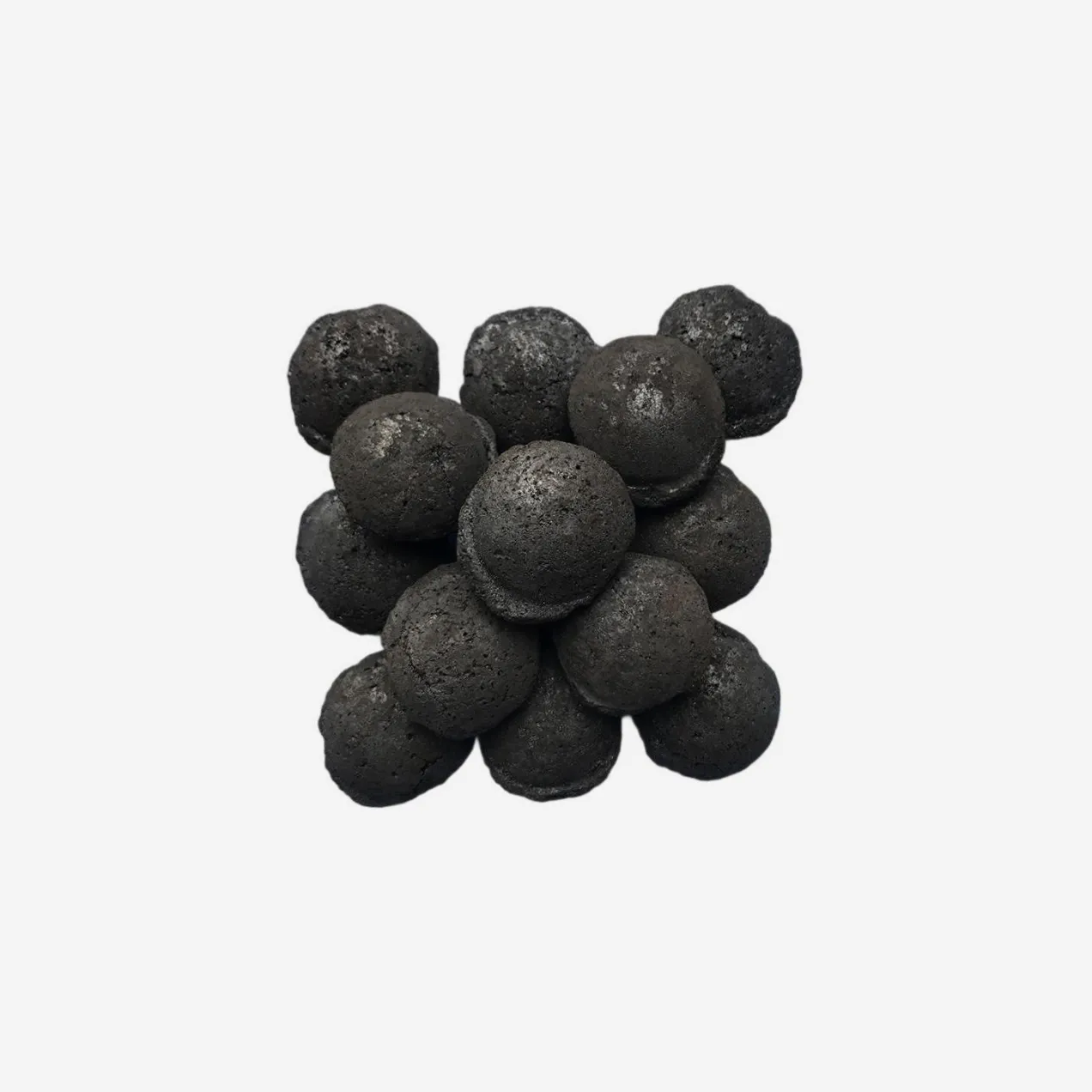
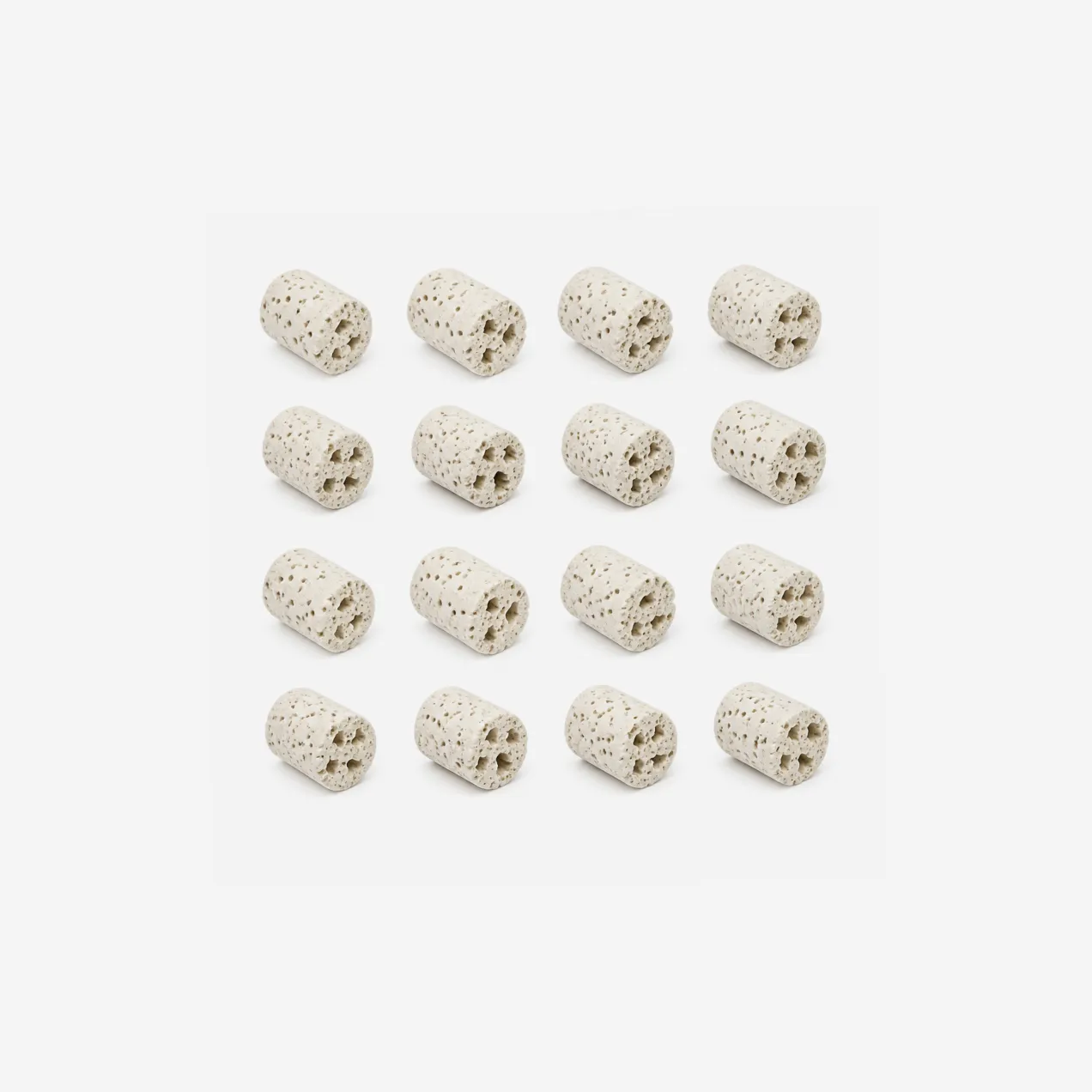
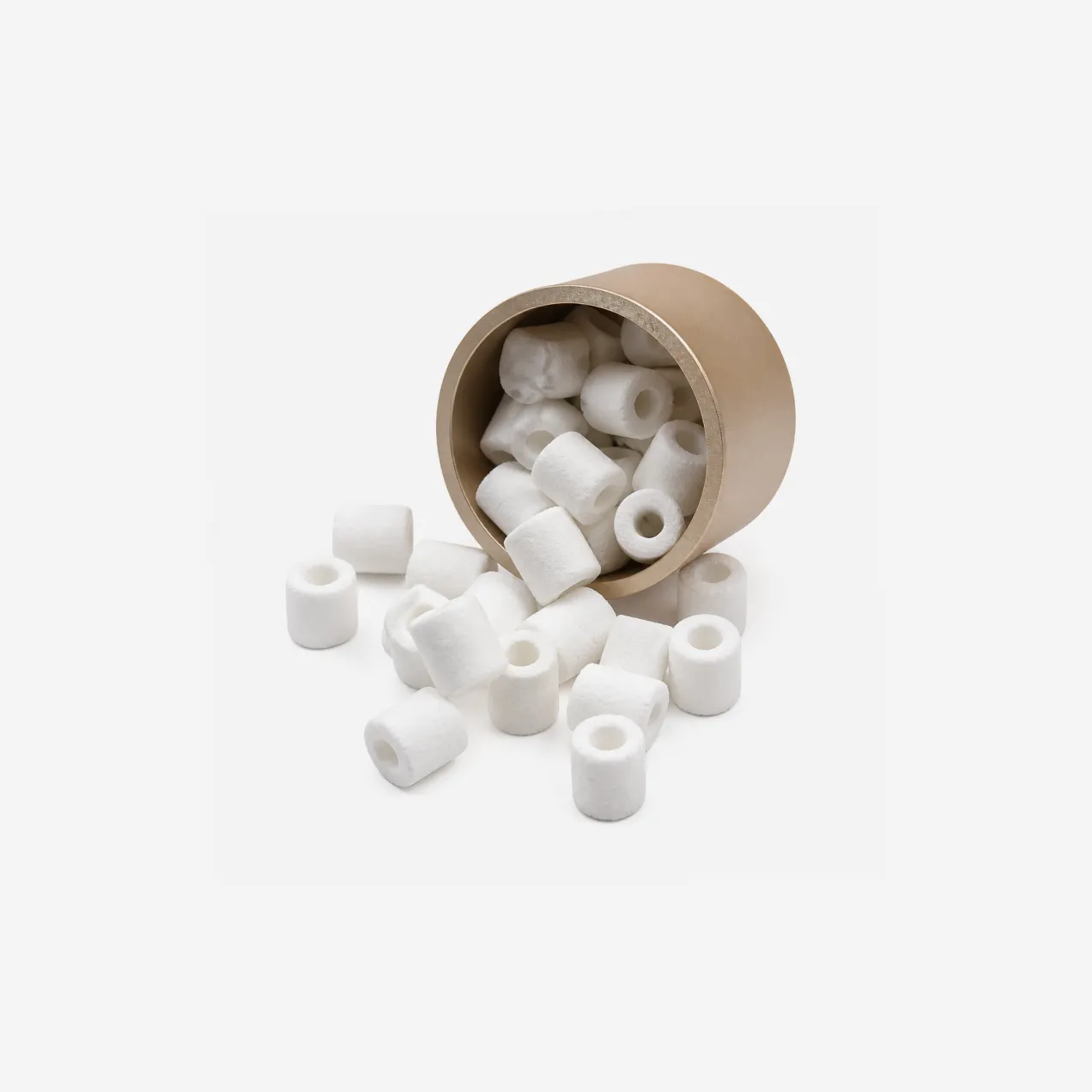
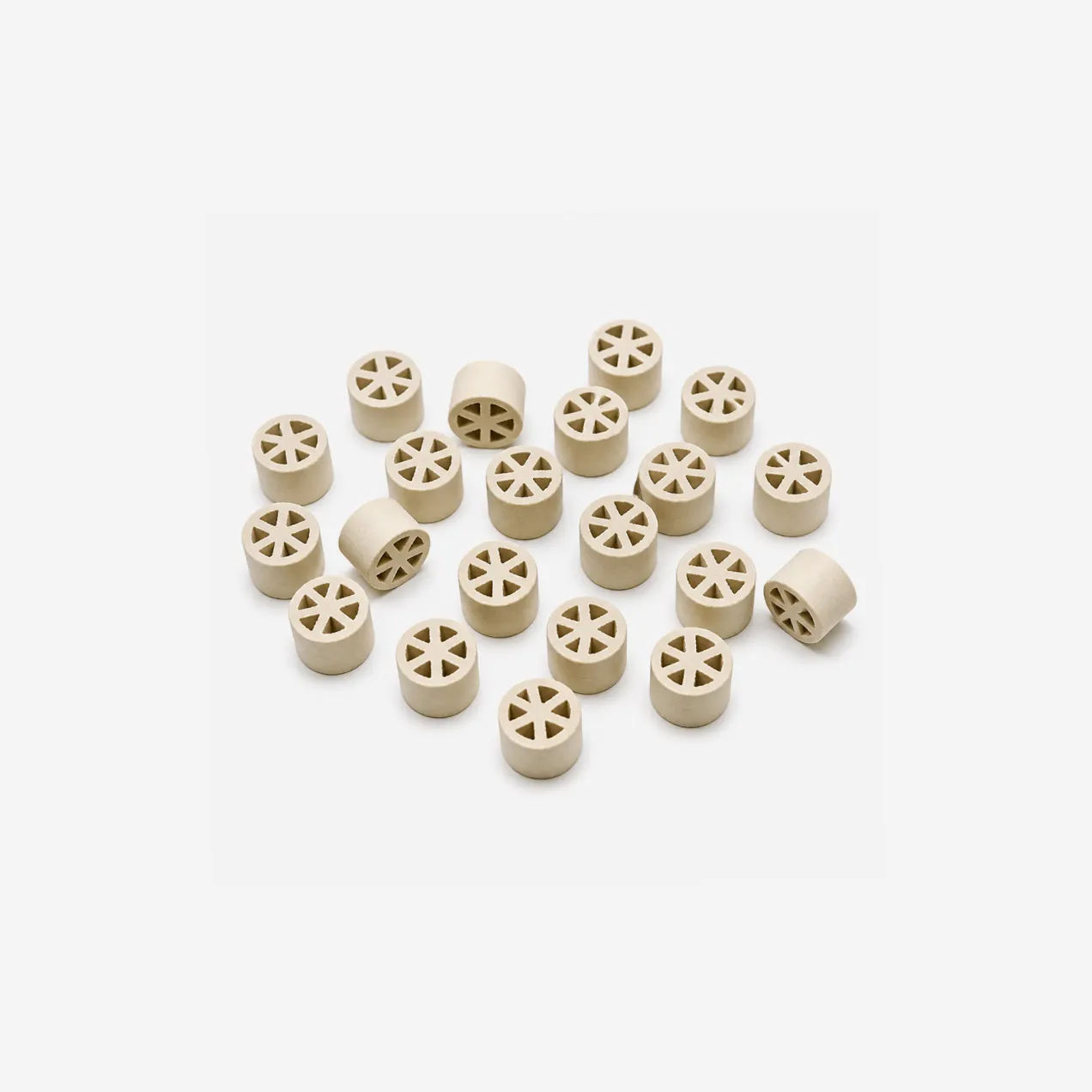
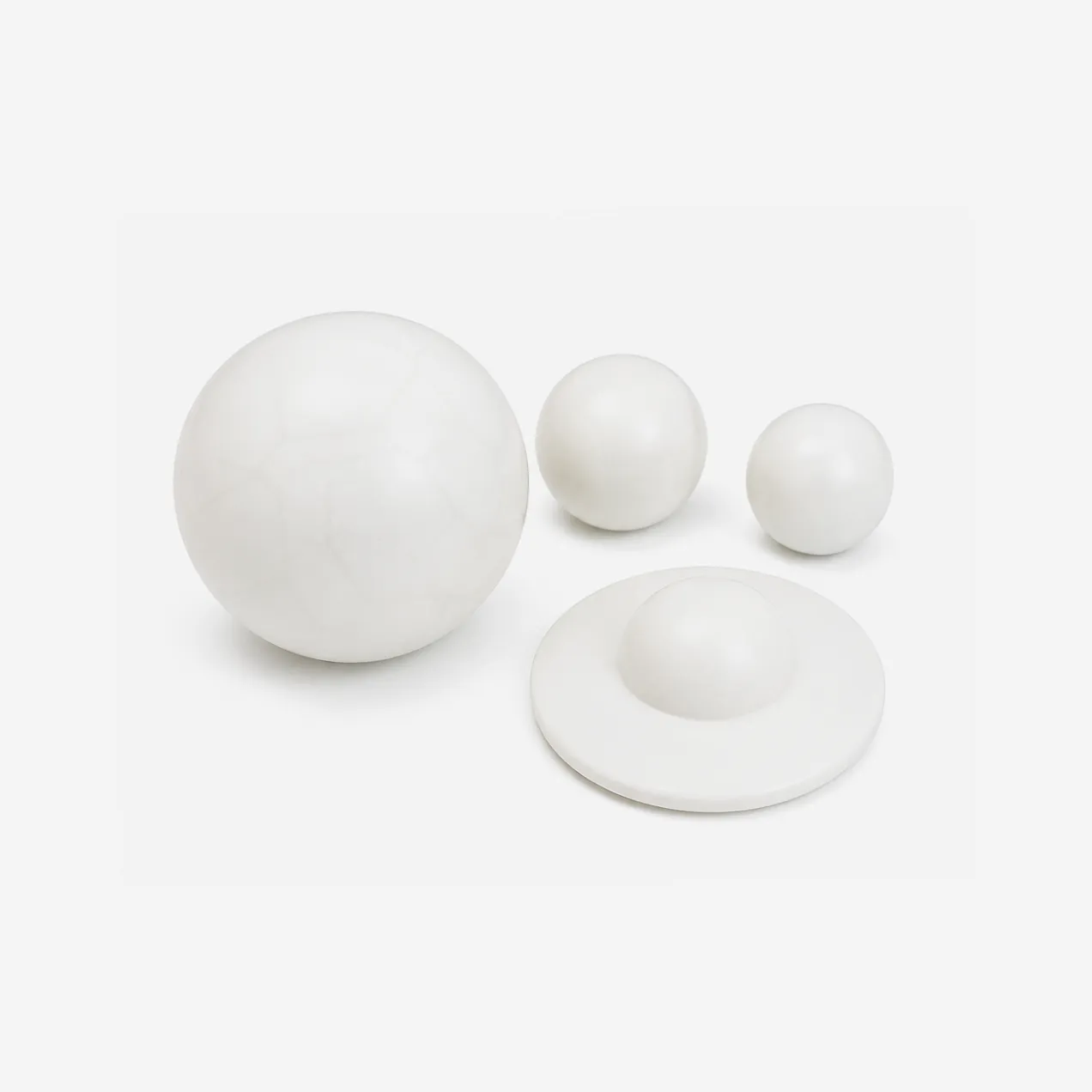
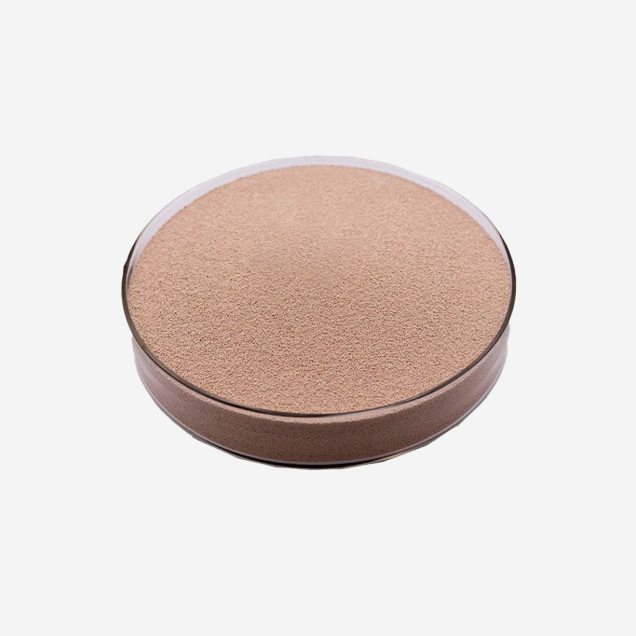
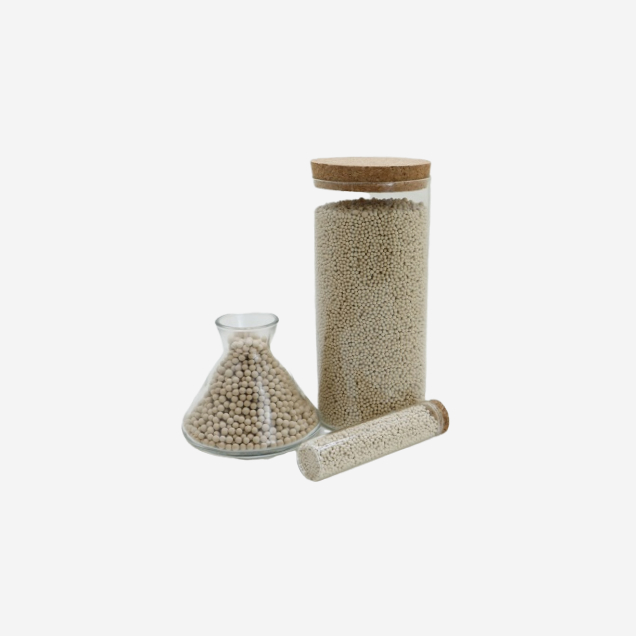
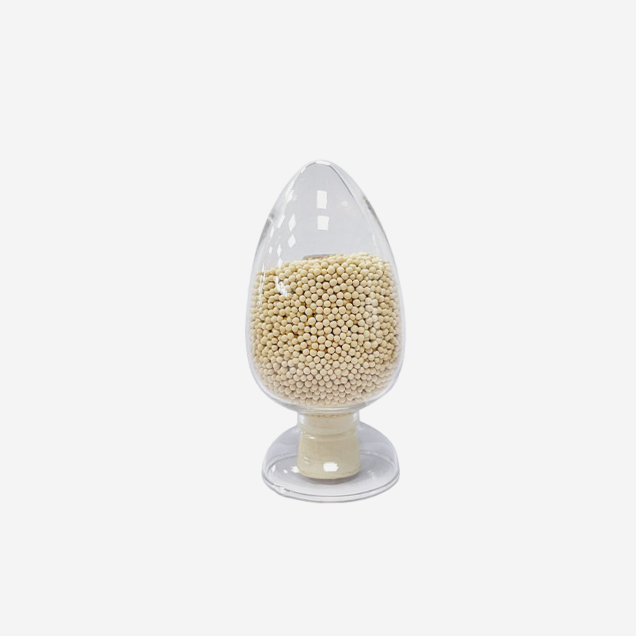
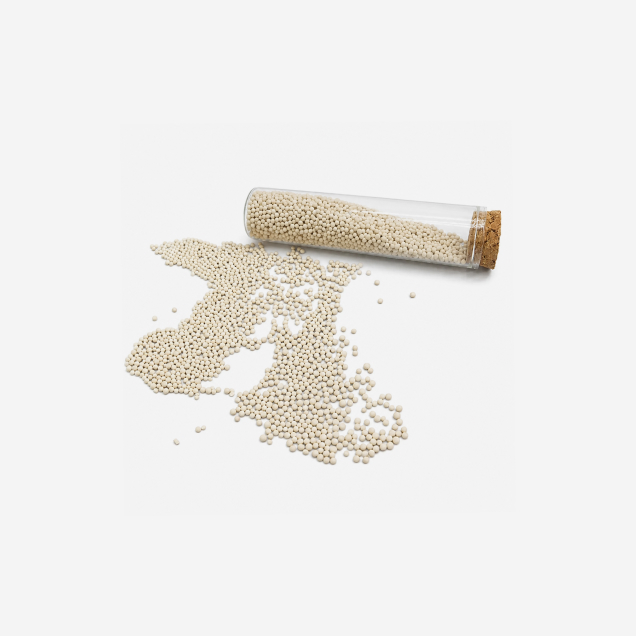
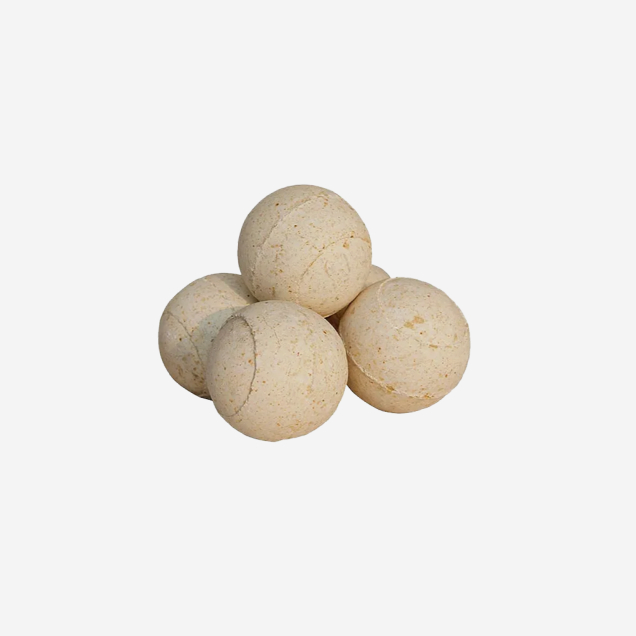
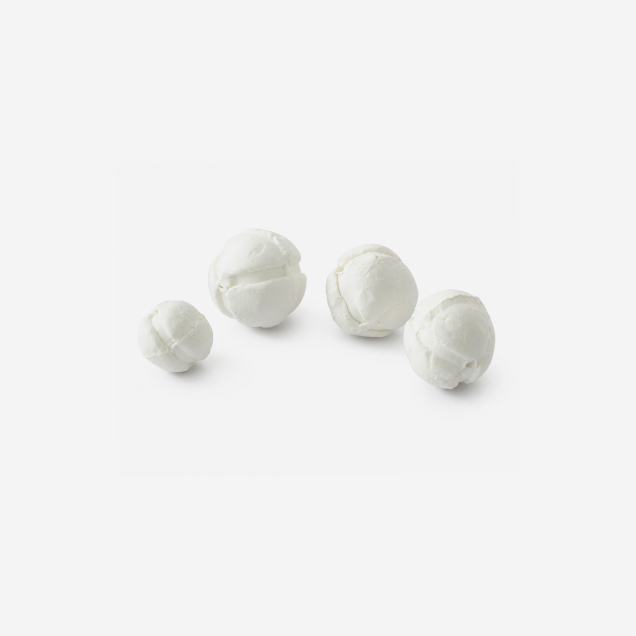
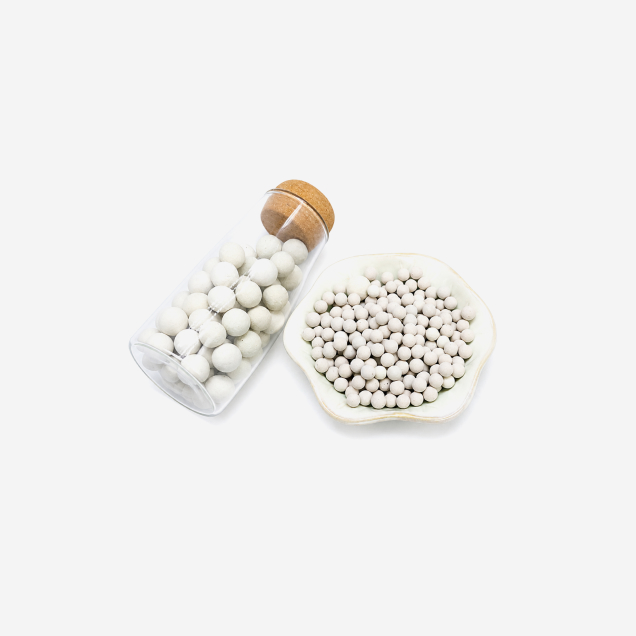
Ceramic sand filter media is a hard, porous granular media, fired from kaolin, that replaces quartz sand in water-treatment filters. It is also called rare-earth ceramic sand. In a filter bed it traps suspended solids, sediment and some organics as the water passes through, and because each grain is porous, it holds far more dirt than solid quartz sand.
It holds about one and a half times the dirt of quartz sand of the same size, so a filter runs longer between backwashes and treats more water. Its spherical grains backwash clean with thirty to fifty percent less water, and it is harder and more chemically stable, so it lasts longer and does not shed fines into the water. For most filters it is a straight upgrade on quartz sand.
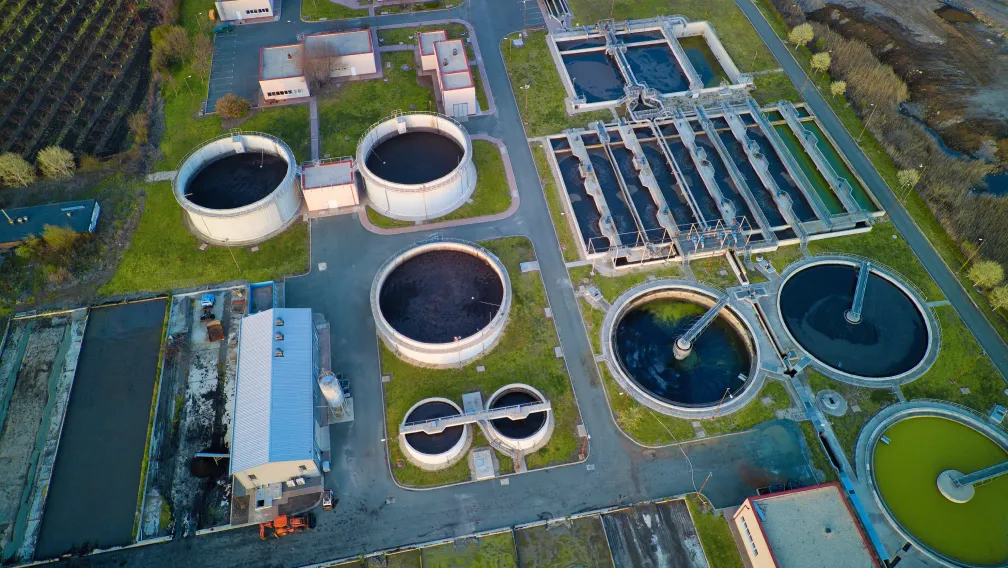
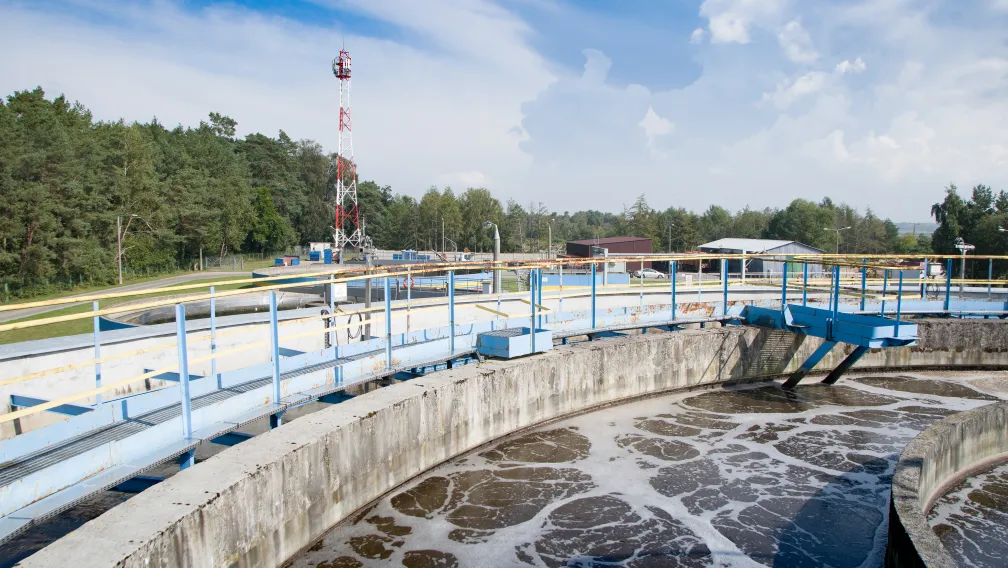
It is used in municipal and drinking-water plants, industrial and circulating-water systems, and wastewater and reclaimed-water treatment, in rapid sand filters, multimedia filters and tertiary polishing filters. It also serves as a pretreatment media ahead of reverse osmosis and as a support layer under resin or activated carbon.
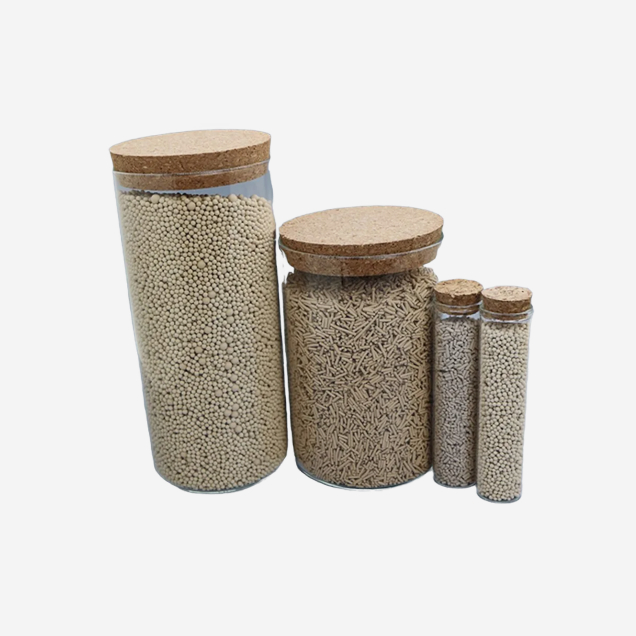
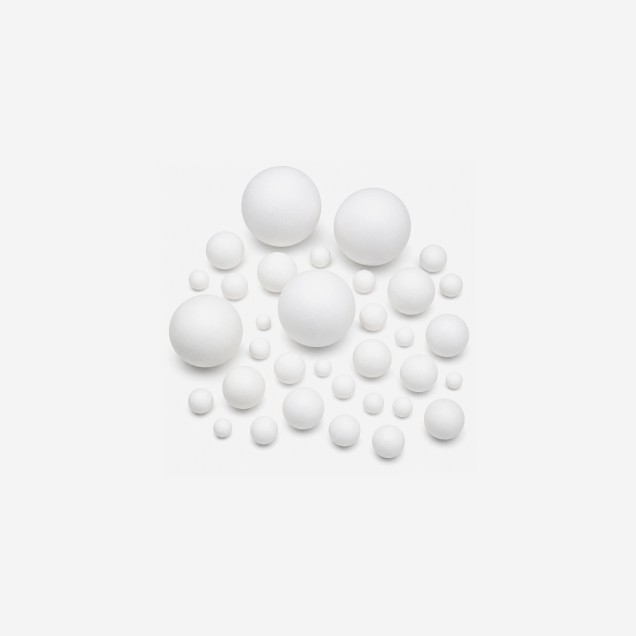
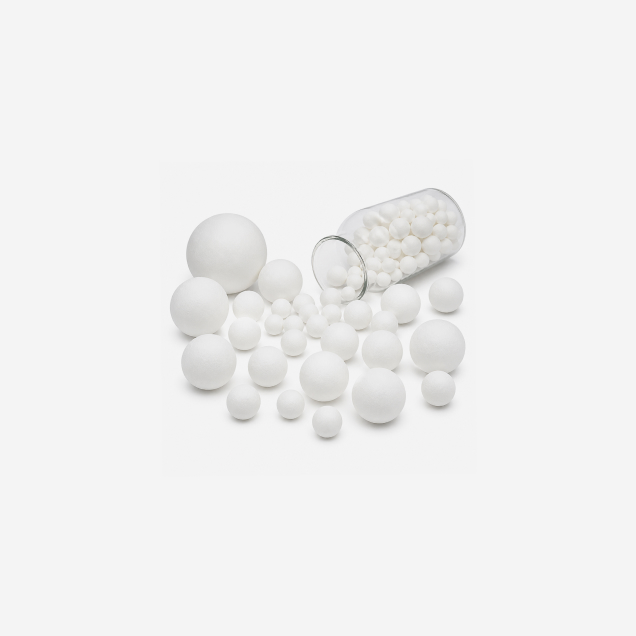
We supply grades from fine sand up to two millimetres, including the common single-media and multimedia sizes. How much you need depends on the filter area and the bed depth, which is usually set with the media size and the flow rate. Send the filter dimensions, the flow and the water and we will recommend the grade and the quantity.
The media is backwashed like sand, by reversing flow up through the bed to lift and clean the grains, but because the grains are spherical it lifts and cleans easily and uses less wash water. It does not break down under backwash, so it holds its size and shape, and a charge can be backwashed and reused for years before it needs topping up.
Yes. The fine grades are made for multimedia and dual-media filters, where ceramic sand forms the fine lower layer under a coarser, lighter media such as anthracite. The grades are matched so the layers stay separate through backwashing. Tell us the filter and the layers you run and we will supply the grades to suit.
The minimum order depends on the grade, and full filter charges ship by the tonne while samples are smaller. Lead time runs from stock for standard grades to a couple of weeks for larger or special orders. Send the grade and the quantity and we will confirm both on the quote.
Ceramic sand filter media, also sold as rare-earth ceramic sand, is a granular filter media fired from high-grade kaolin. It does the same job as quartz sand in a filter bed, trapping suspended solids as water passes through, but because each grain is porous rather than solid it holds far more dirt and backwashes more cleanly. For most water and wastewater filters it is a direct, higher-performance replacement for sand.
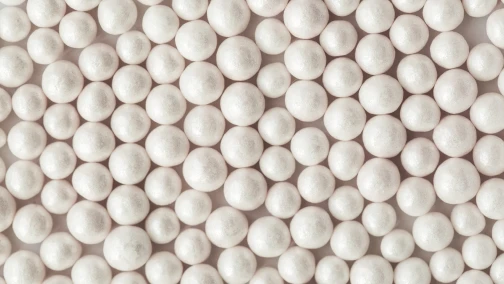
The difference comes down to porosity and shape. Quartz sand is solid and angular; ceramic sand is porous and spherical. The table below sets out what that changes in a filter.
| PROPERTY | CERAMIC SAND | QUARTZ SAND |
|---|---|---|
| Grain | Porous, spherical | Solid, angular |
| Dirt-holding capacity | 9–10 kg/m³ | 7.8–9 kg/m³ |
| Backwash water | 30–50% less | Baseline |
| Specific gravity | ~2.57 g/cm³ | ~2.65 g/cm³ |
| Service life | Long, recyclable | Shorter, fines wash out |
Water passes down through the bed and suspended solids are caught both on the grain surfaces and within the developed micropores of each grain. Because the dirt is held through the depth of the porous grain rather than only on a solid surface, the bed stores more before the head loss rises and a backwash is due. High porosity, around 40 to 45%, is what gives the media its long filter runs and high precision.
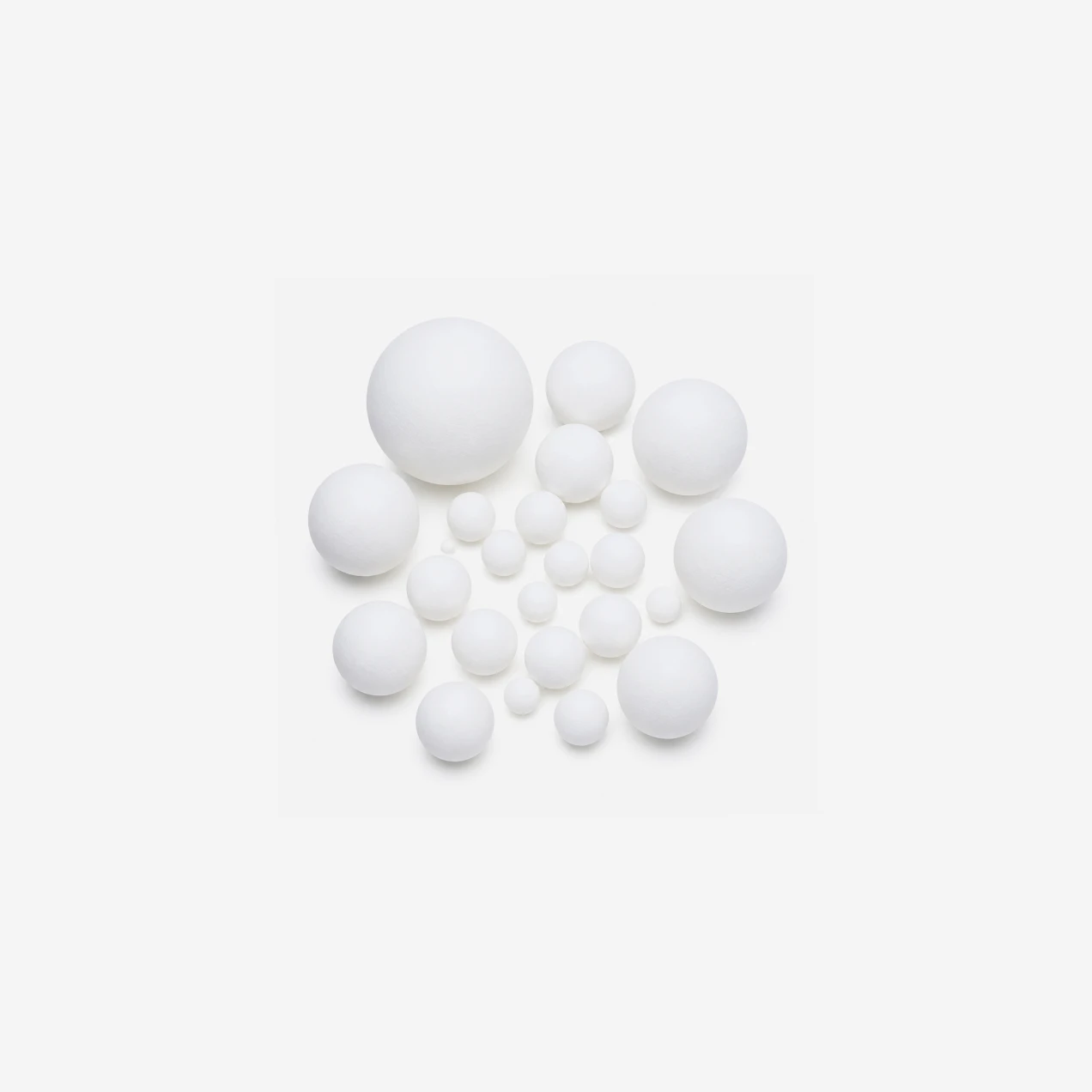
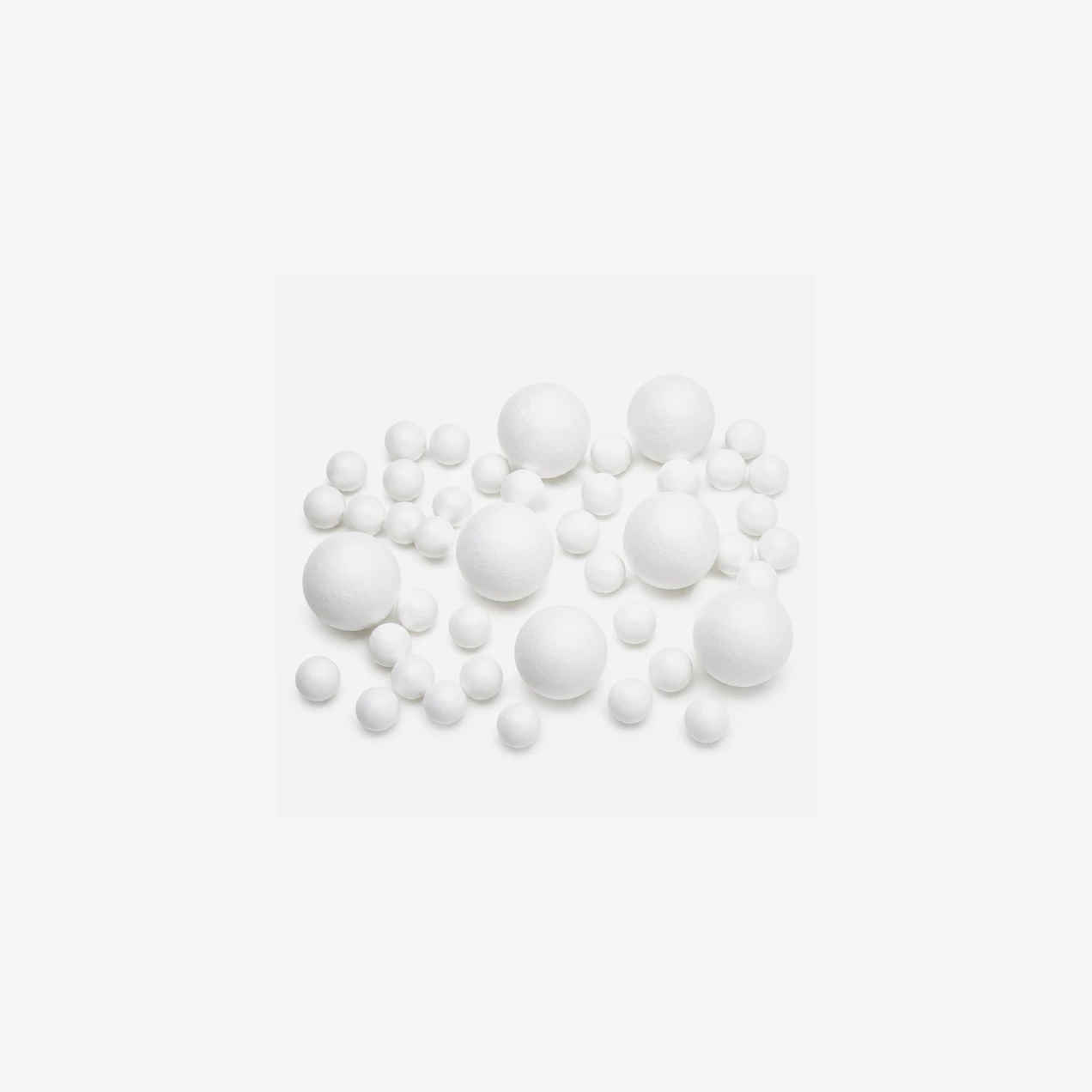
The media is graded by particle size, from 0.3 mm up to 2 mm. A single-media filter typically runs one mid grade; a multimedia or dual-media filter layers a fine ceramic sand under a coarser, lighter media. Bed depth is set with the grain size and the flow rate to give the filter run and the water quality the plant needs. We match the grade and depth to the filter rather than supplying one stock sand.
Ceramic sand is backwashed like any sand bed, by reversing the flow to fluidise and clean the grains, but the spherical shape lifts and rinses with less water and less media carryover. Its low abrasion and breakage mean the grains keep their size and shape over many cycles, so a charge lasts for years, can be reused, and does not load the plant with fines or create secondary pollution.
Beyond single-media sand filters, ceramic sand is used as the fine layer in multimedia and dual-media beds with anthracite or garnet, as a pretreatment filter ahead of reverse osmosis to protect the membranes, and as a support layer beneath ion-exchange resin or activated carbon. The same media covers polishing, pretreatment and support, which is why a plant can standardise on it across several filters.
Consistent grain size and clean, low-iron media are what keep a filter bed predictable. Each batch is checked for size, density, abrasion and chemical stability, and the test report ships with the order. We supply from sample quantities up to full filter charges by the tonne, graded to the filter it is built for.