Home > Ceramic Ball
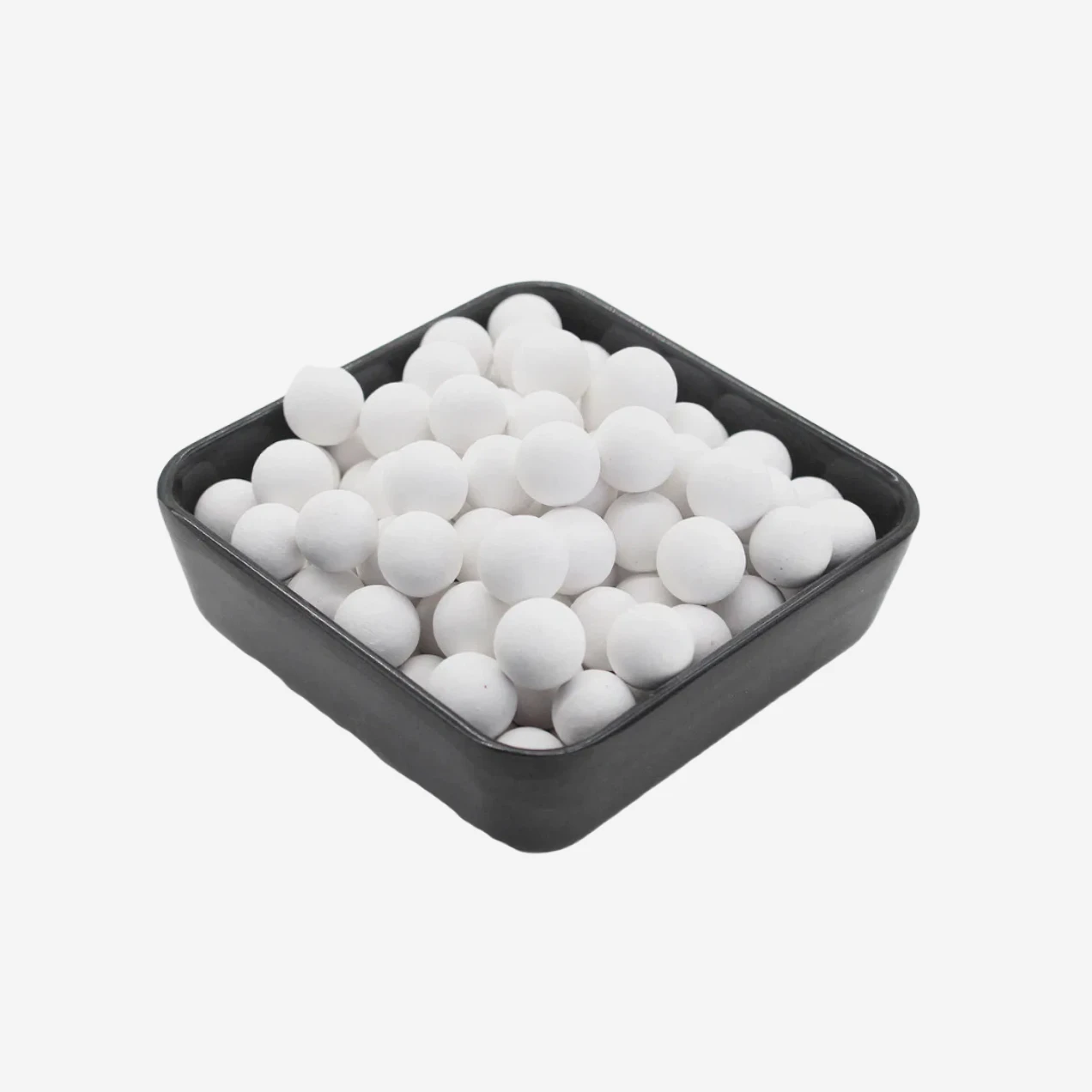
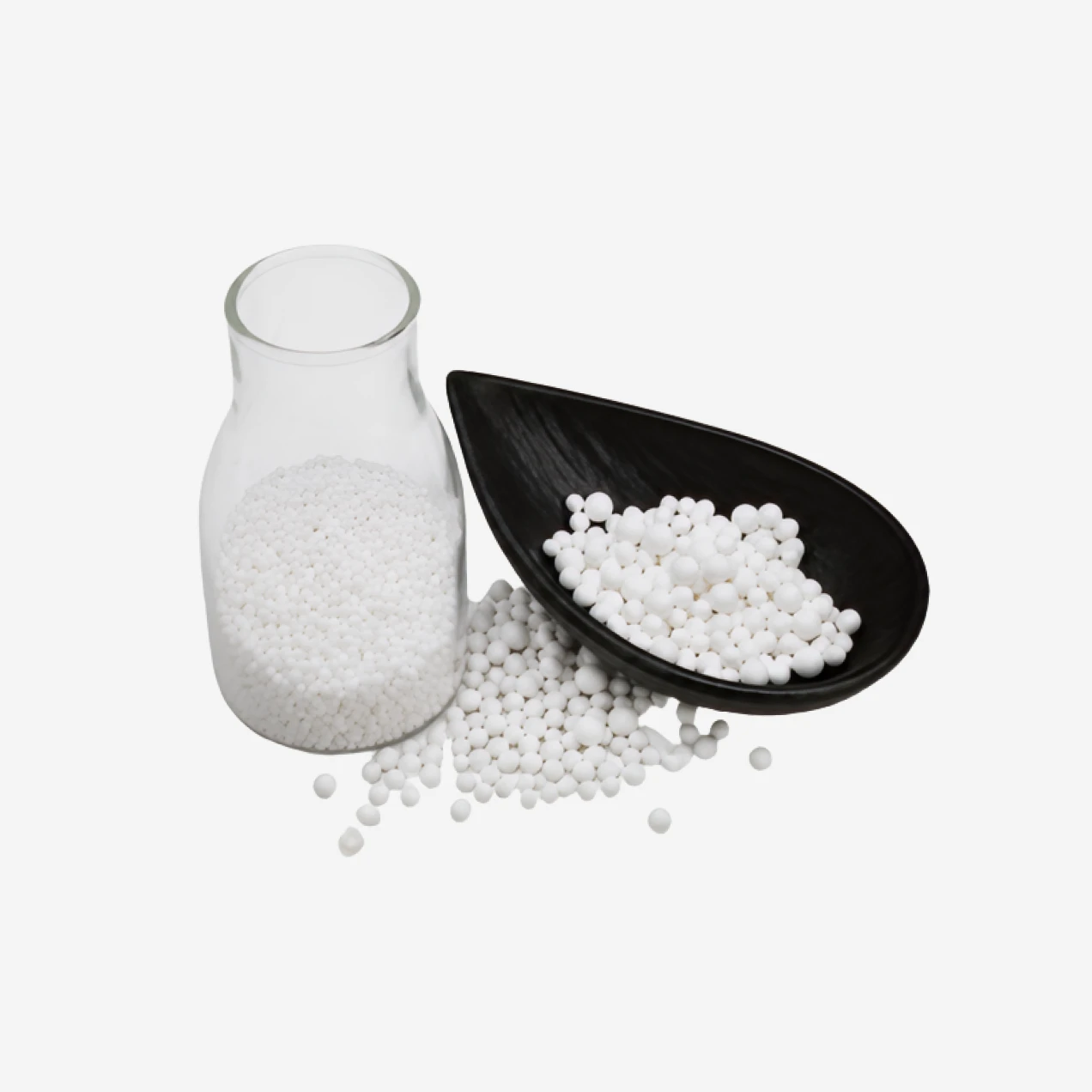
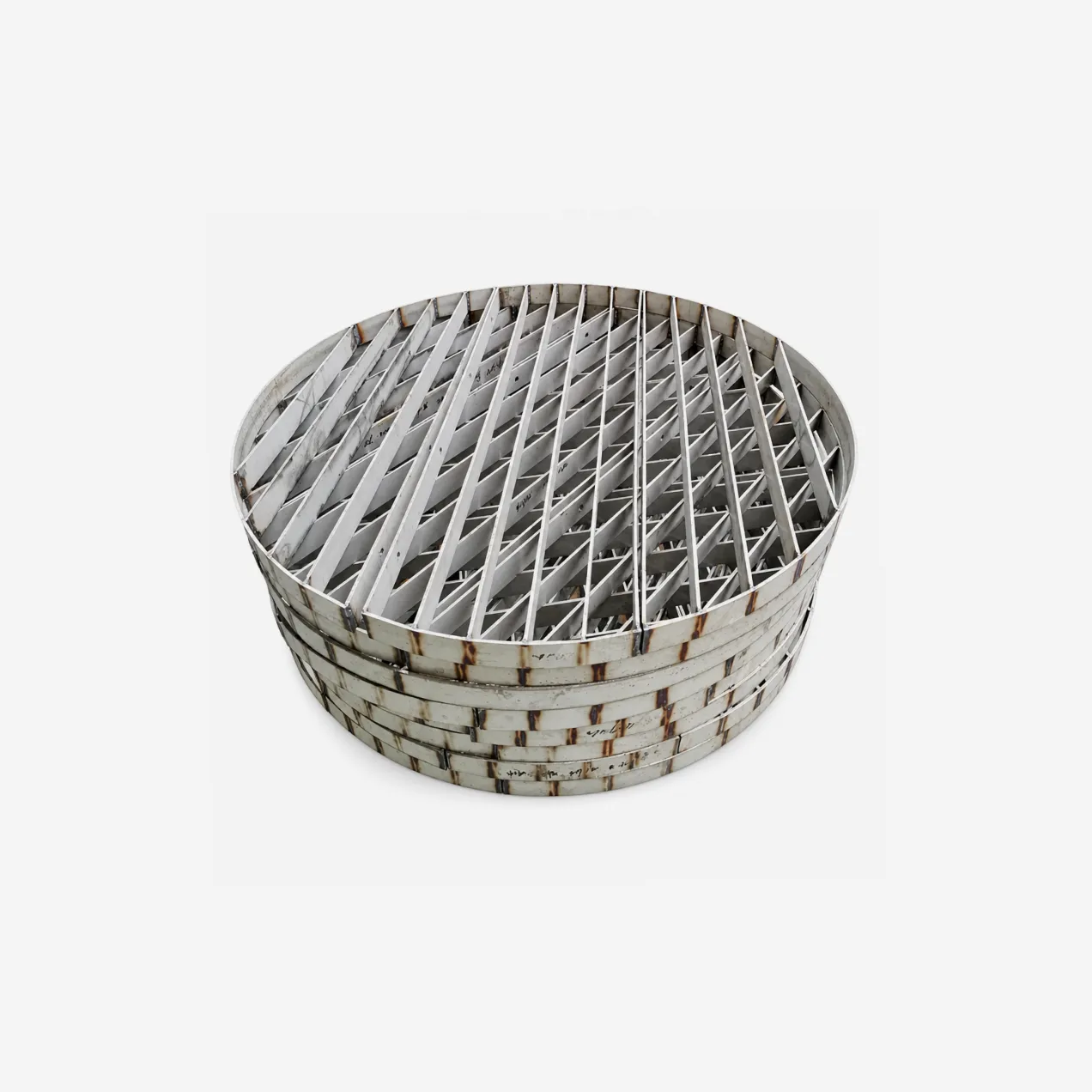
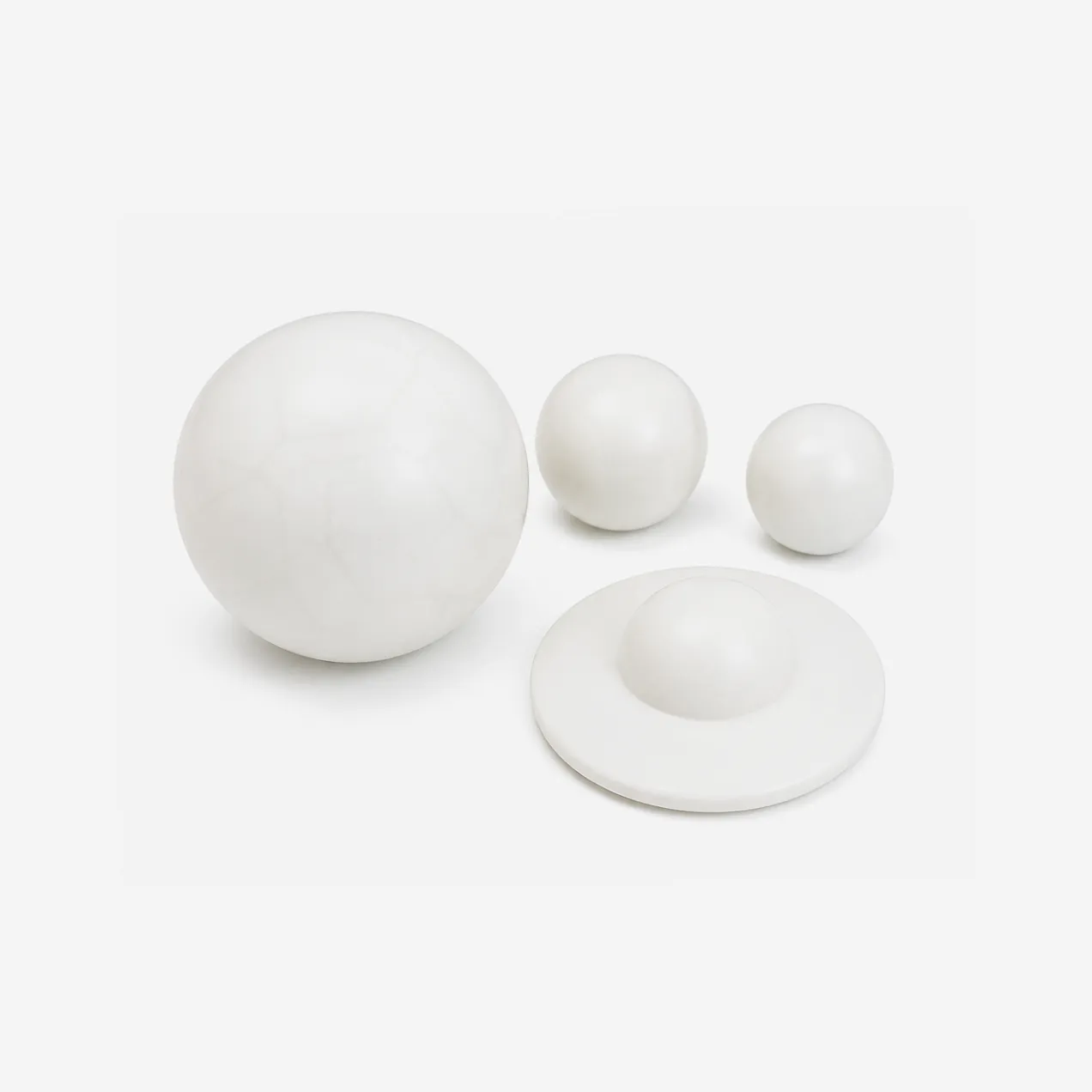
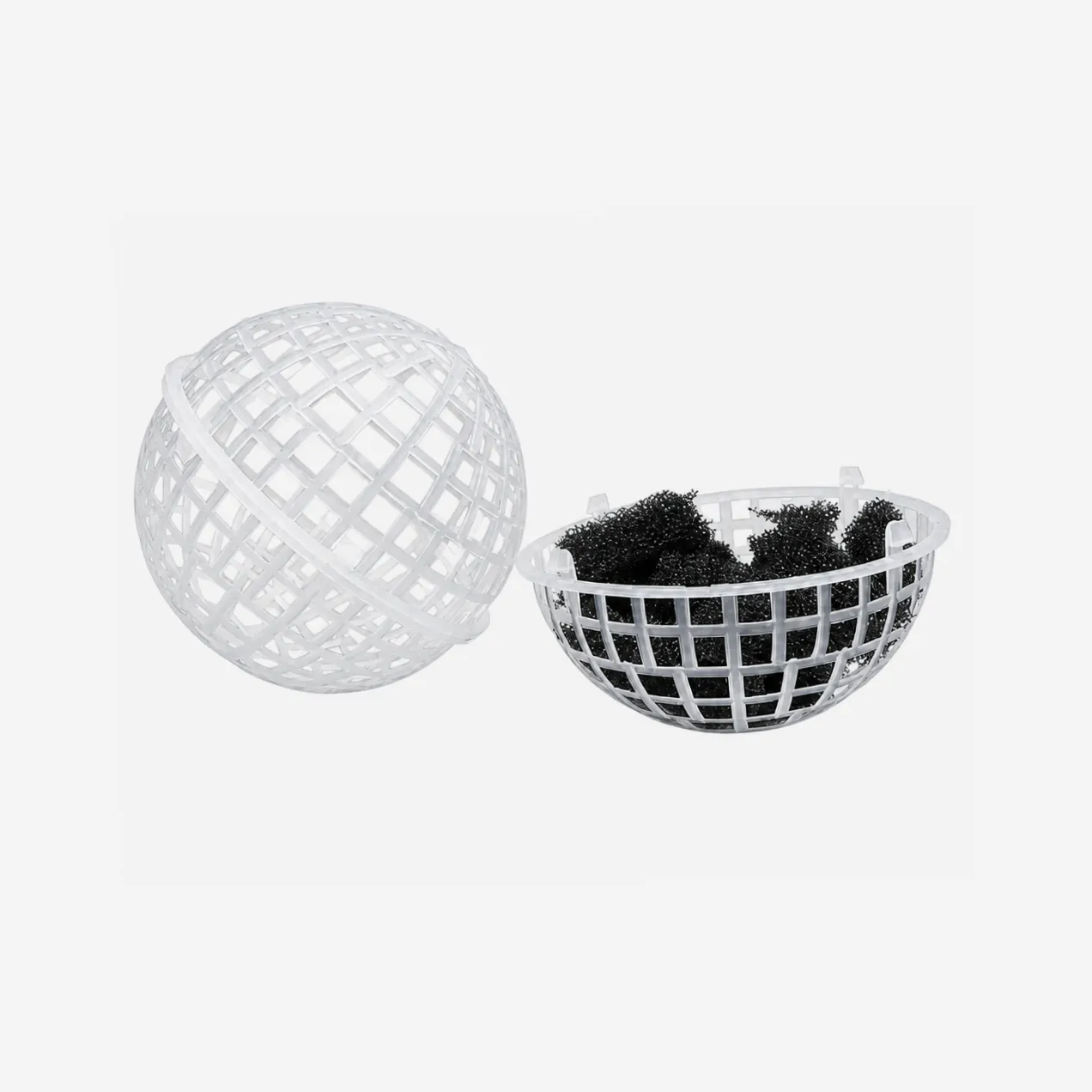
Inert ceramic balls hold and protect a catalyst bed and support packing in a tower. They sit above and below the catalyst in a reactor to take the feed's impact, spread the gas and liquid, and keep the pressure drop low, and they rest on the support plate in a packed column to hold the packing. They are inert, so they do not react with the process.
No. The ceramic balls are inert filler and support; they do not catalyse the reaction. Their job is to protect and hold the catalyst, distribute the flow and fill the bed, while the catalyst does the chemistry. Keeping the support inert is the point, because it must not interfere with the process or contaminate the product.
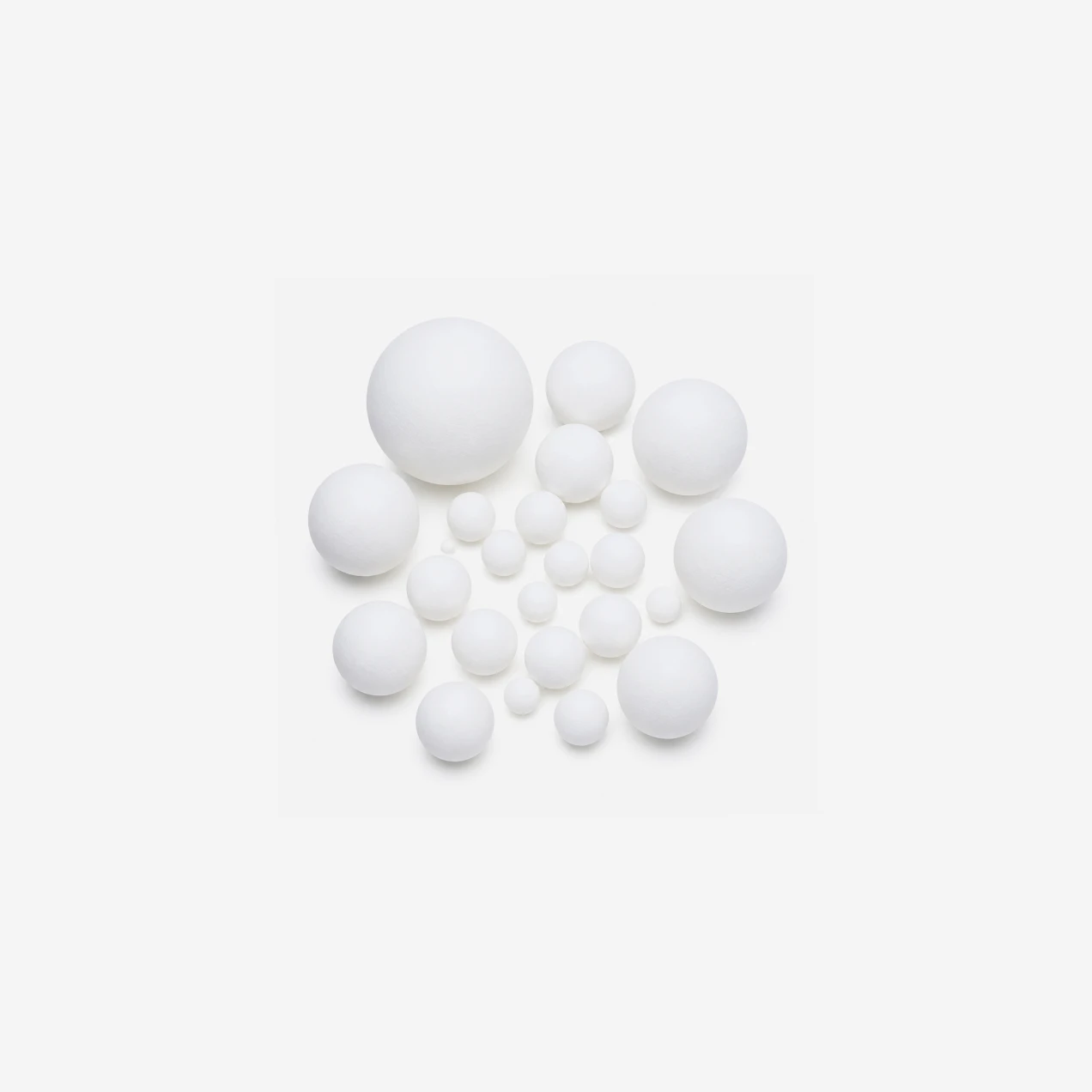
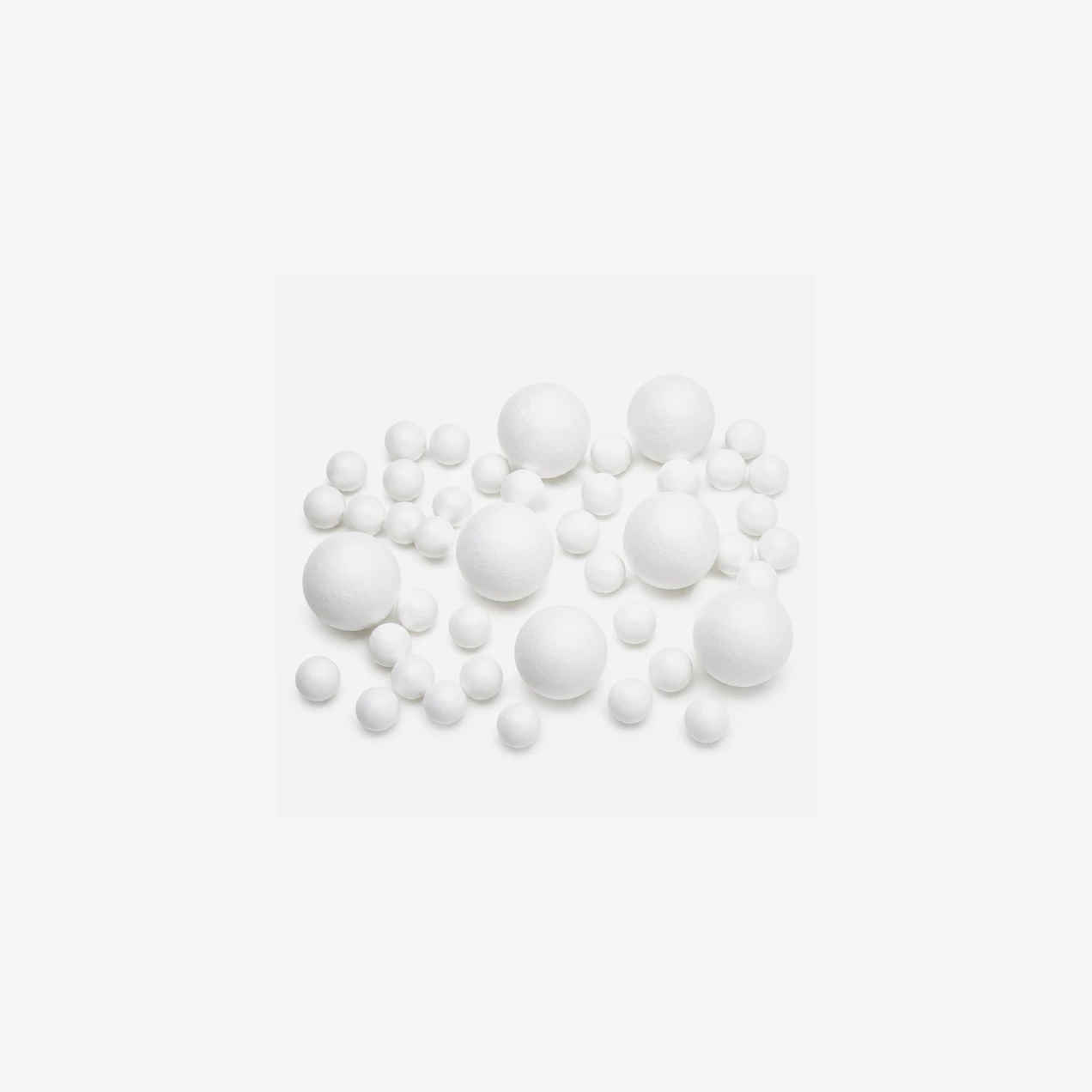
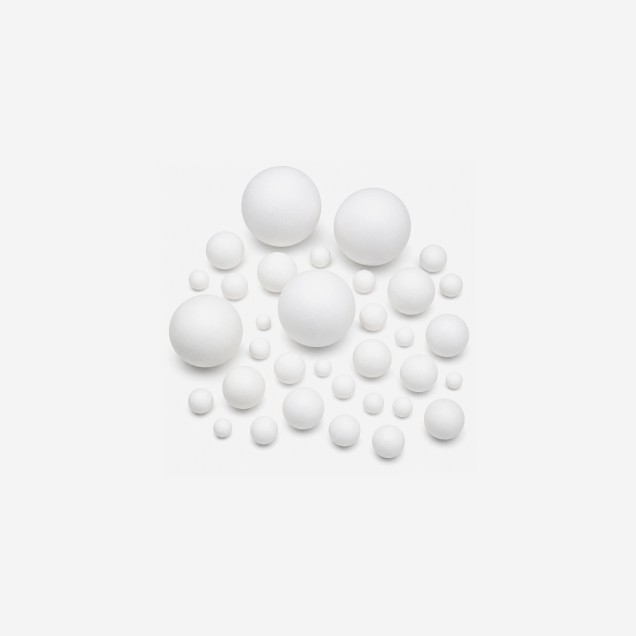
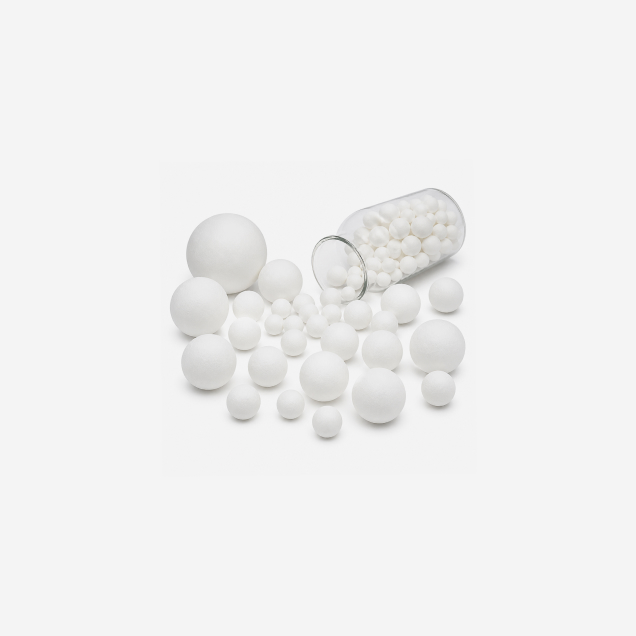
The bed is graded by size. Large balls go at the bottom on the support plate, then smaller balls in layers up to the catalyst, and often smaller balls again on top. This graded stack spreads the feed evenly, holds the catalyst without letting it fall through, and keeps the flow open. We set the size mix to your reactor.
The common alumina-porcelain grade works to around a thousand degrees, and higher-alumina grades take more heat and more load. More alumina means a stronger ball and a higher working temperature, so we match the grade to the reactor. For very hot service we supply refractory balls rated higher still.
Yes. By spreading the gas and liquid evenly and holding the catalyst up off the outlet, the support balls keep the pressure drop low and stop the feed from cutting a channel through the catalyst. That protects the catalyst from being crushed or unevenly used, which is what extends a catalyst charge's working life.
Yes. We make refractory ceramic balls for direct high-temperature duty in furnaces and hot-gas lines, and heat-storage balls for pebble-bed regenerators that recover heat. Both are fired to hold their shape and strength at high temperature. Tell us the temperature and the duty and we match the grade.
The minimum order depends on the grade and size, and full reactor charges ship by the tonne while samples are smaller. Lead time runs from stock for standard sizes to a few weeks for special grades or large graded beds. Send the sizes and quantity and we will confirm both on the quote.
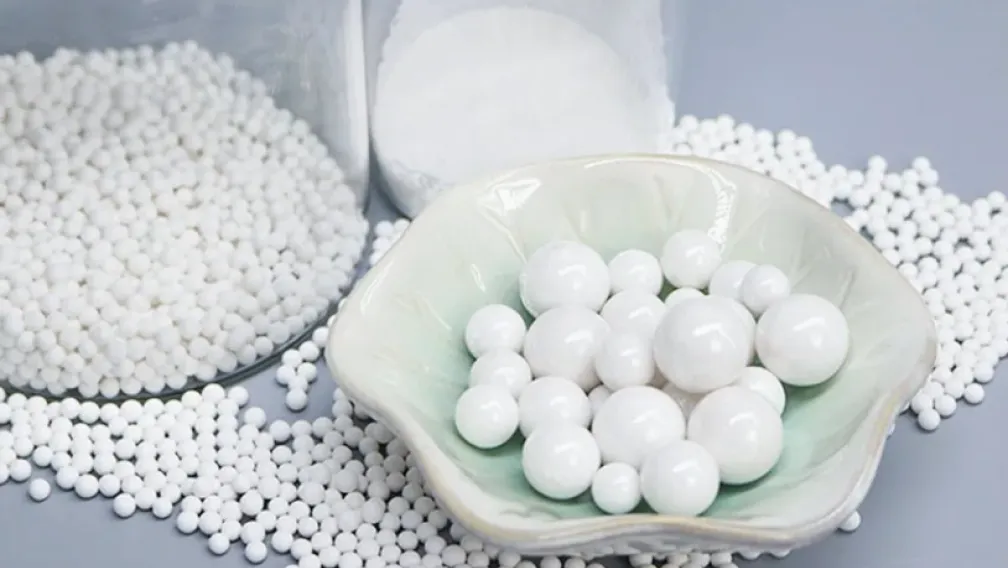
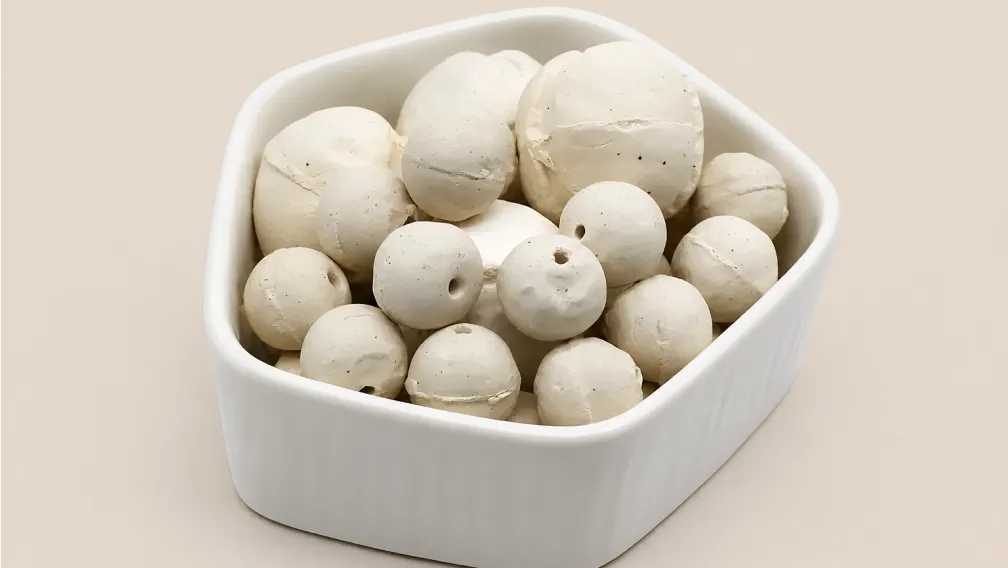
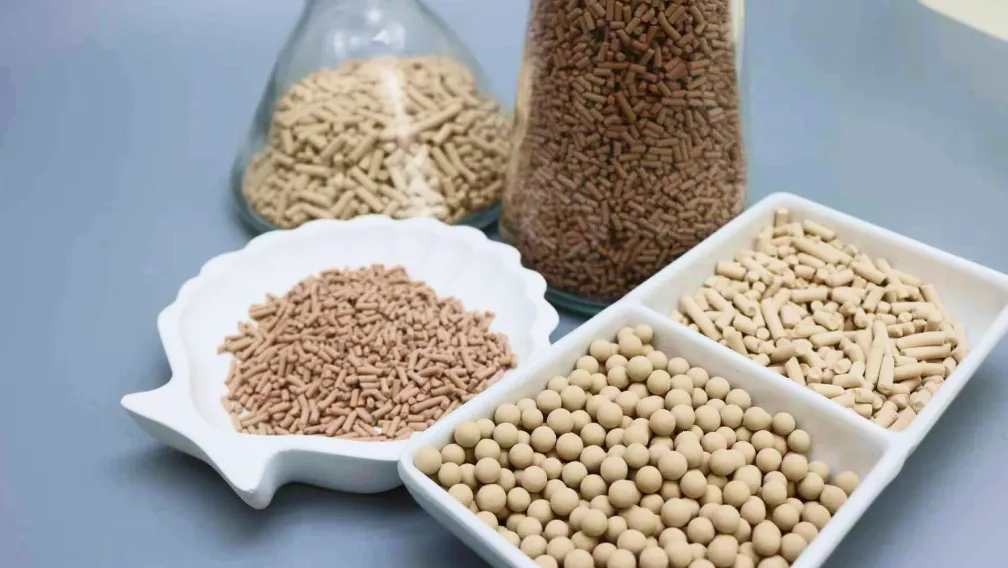
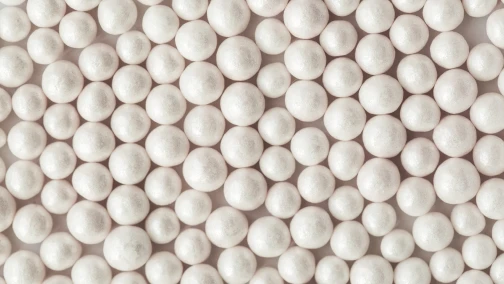
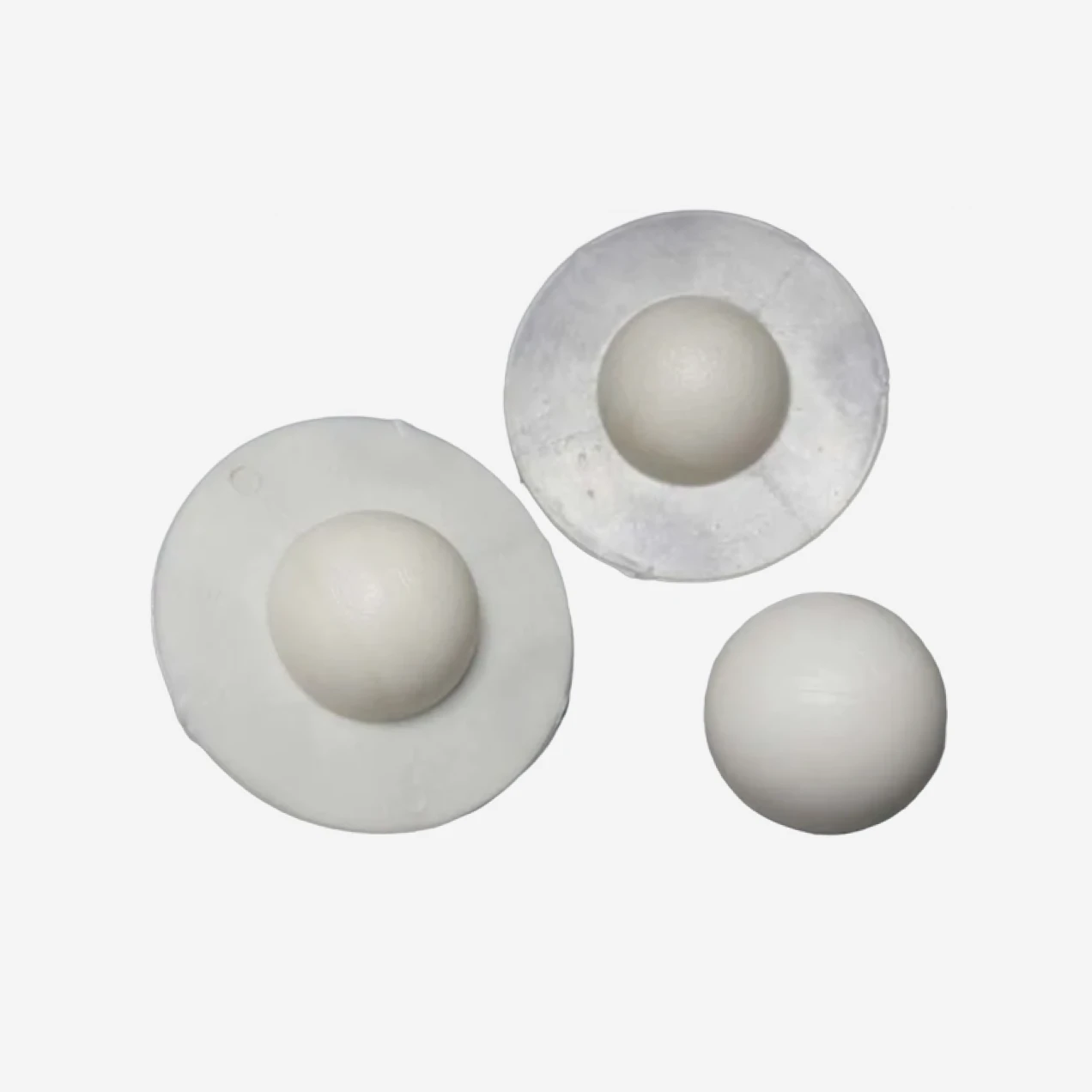
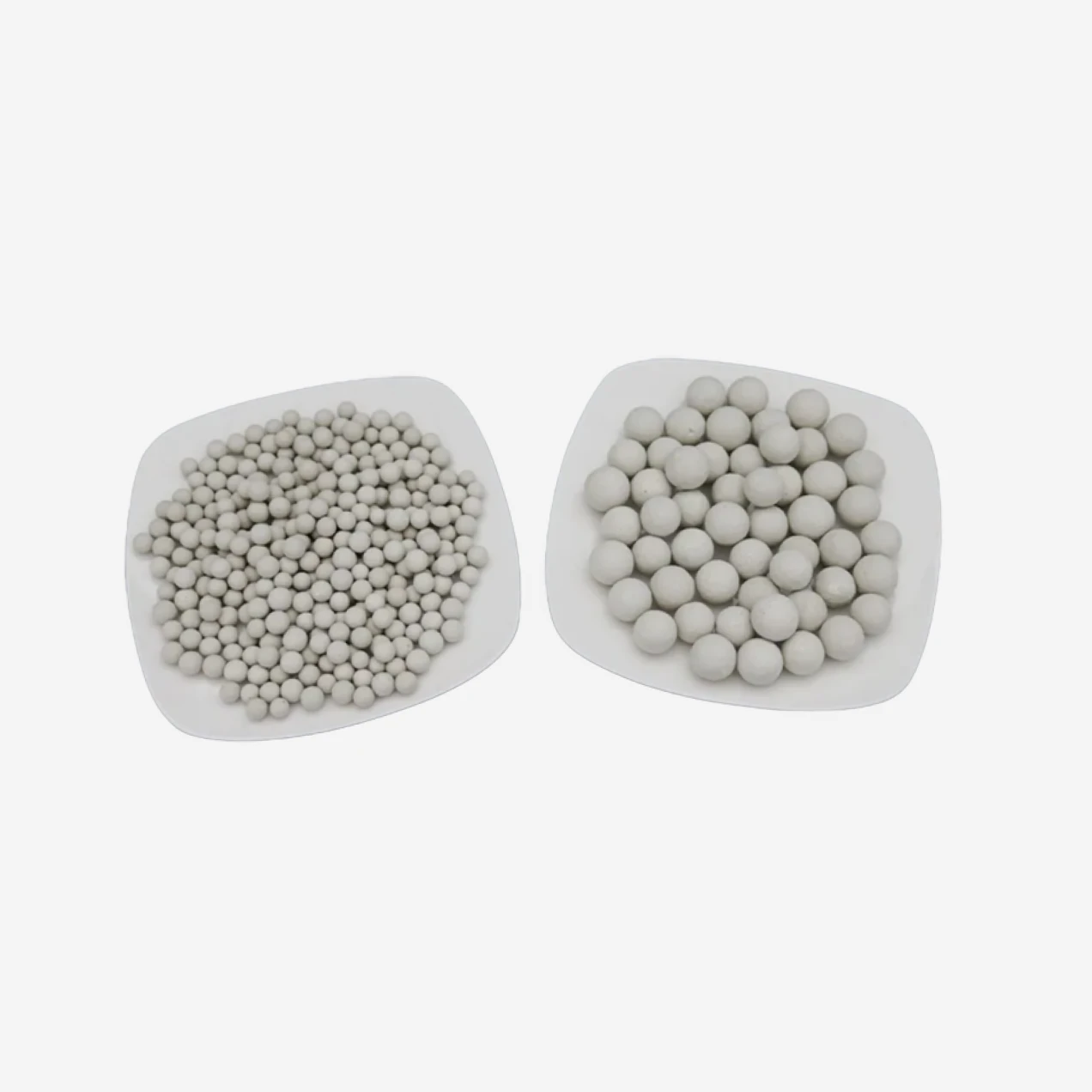
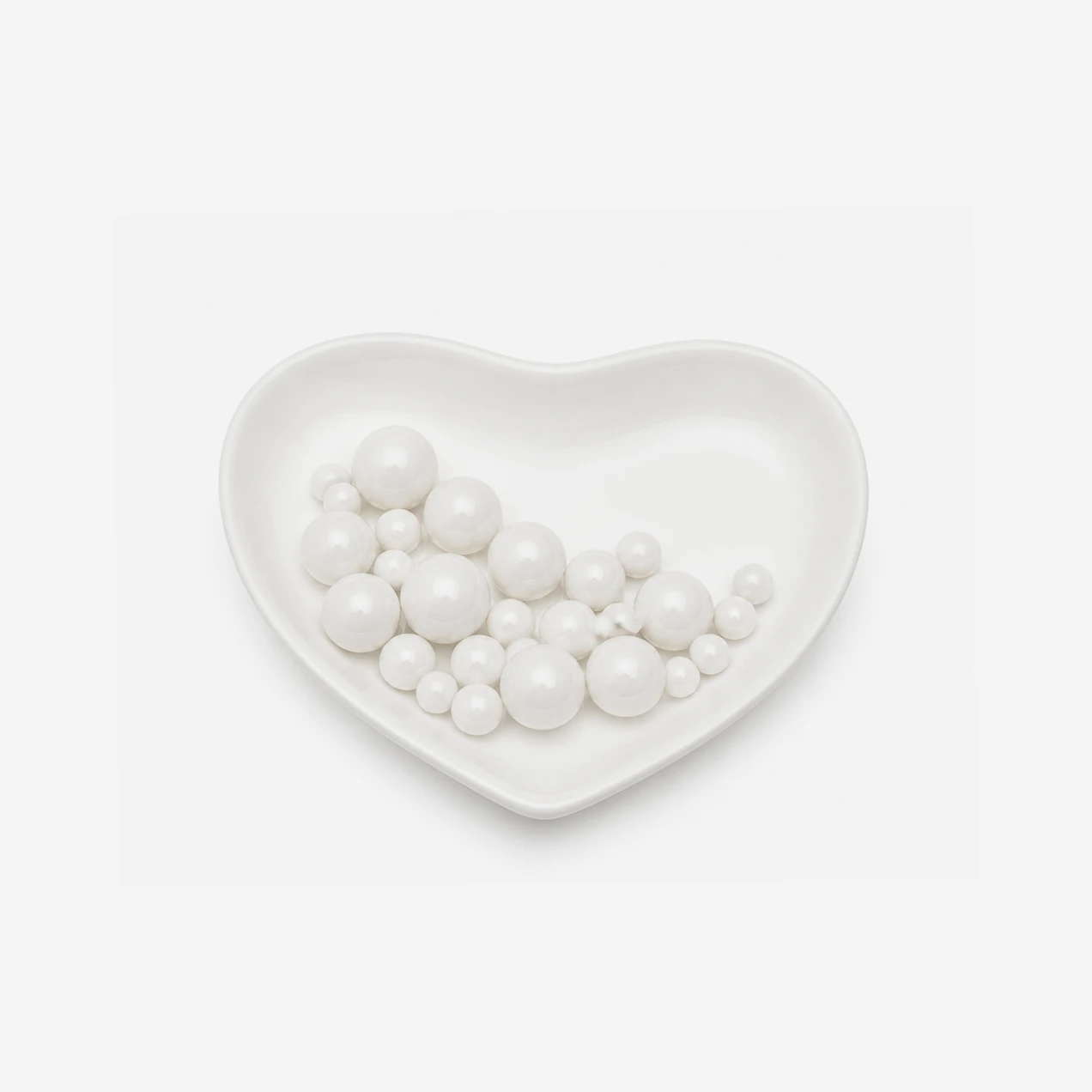
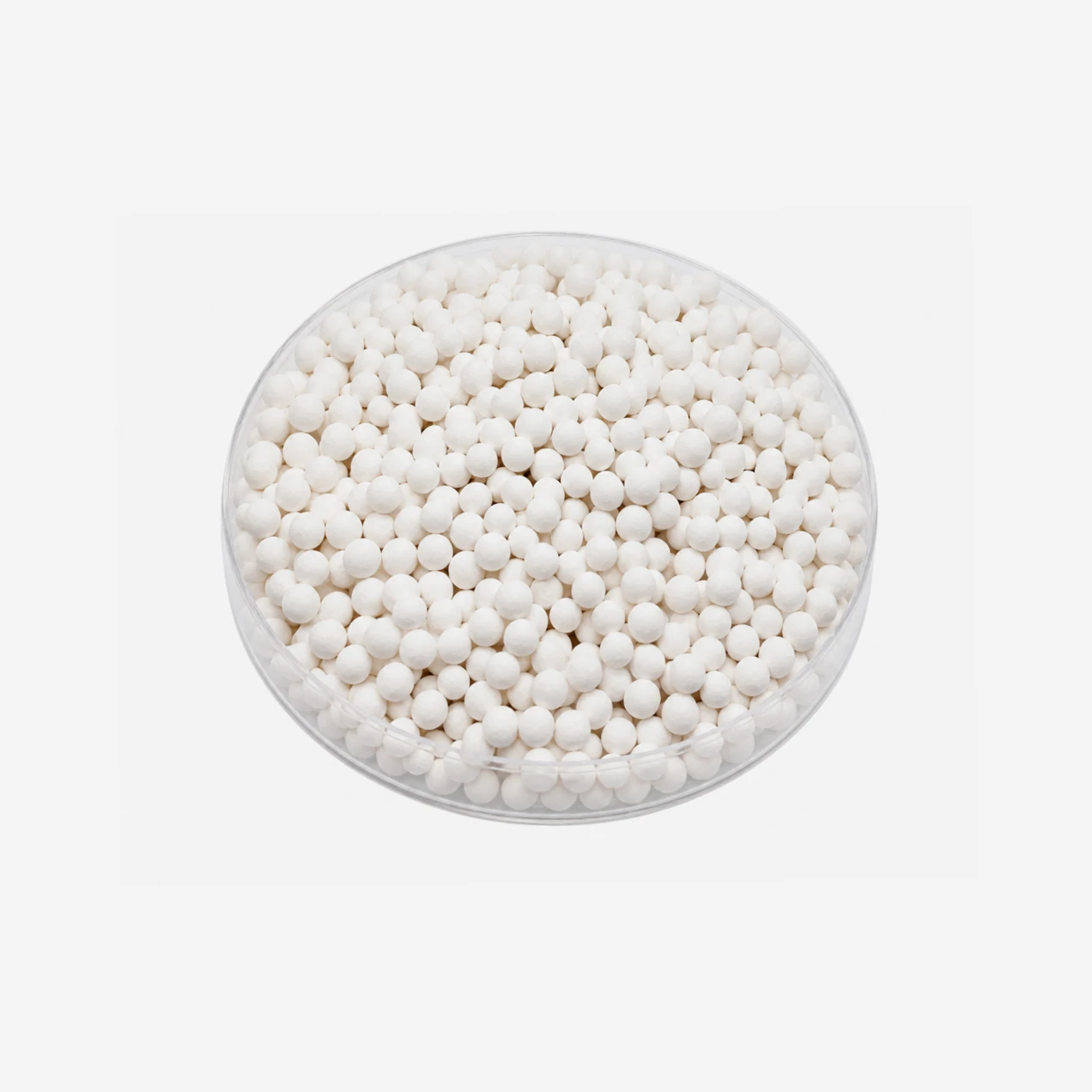
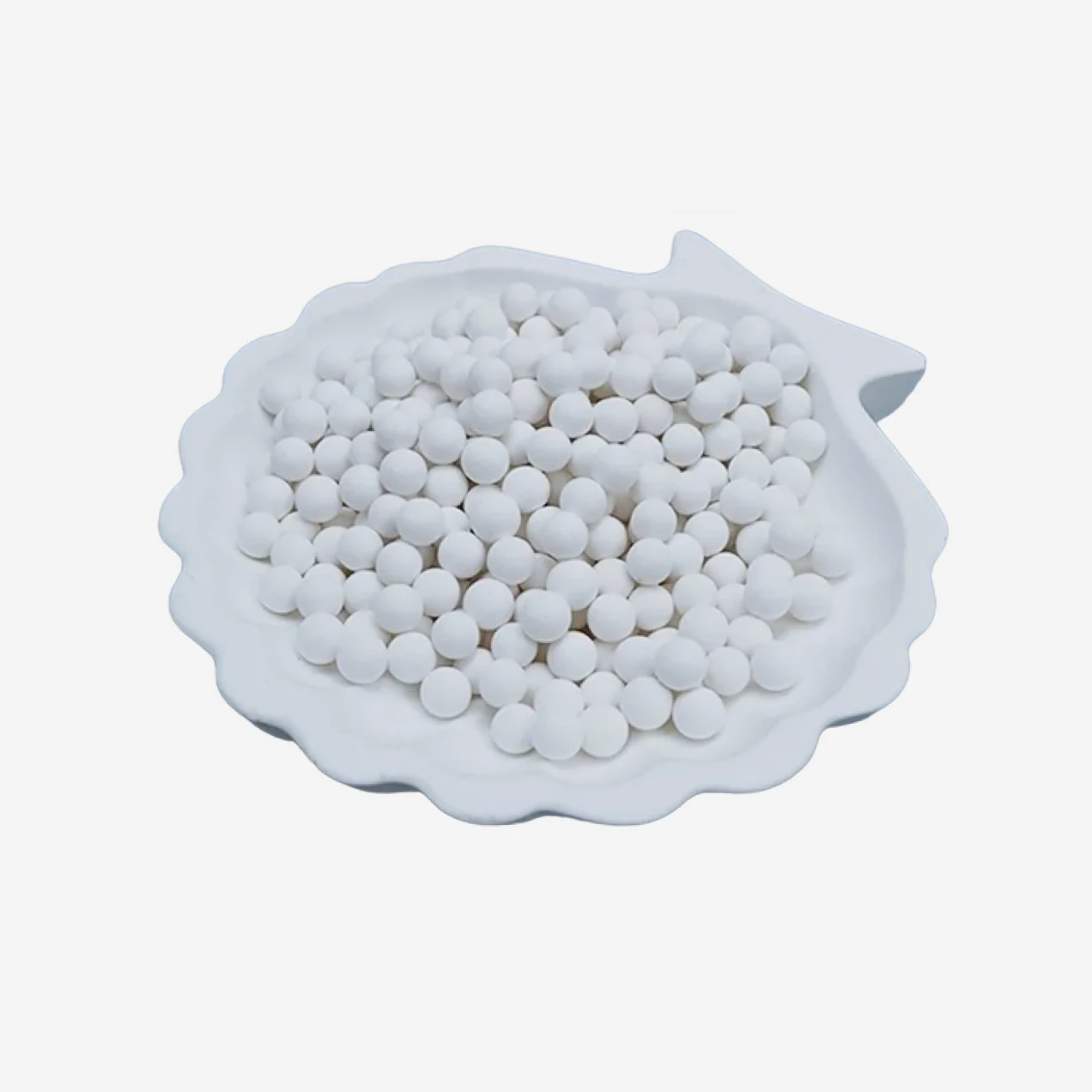
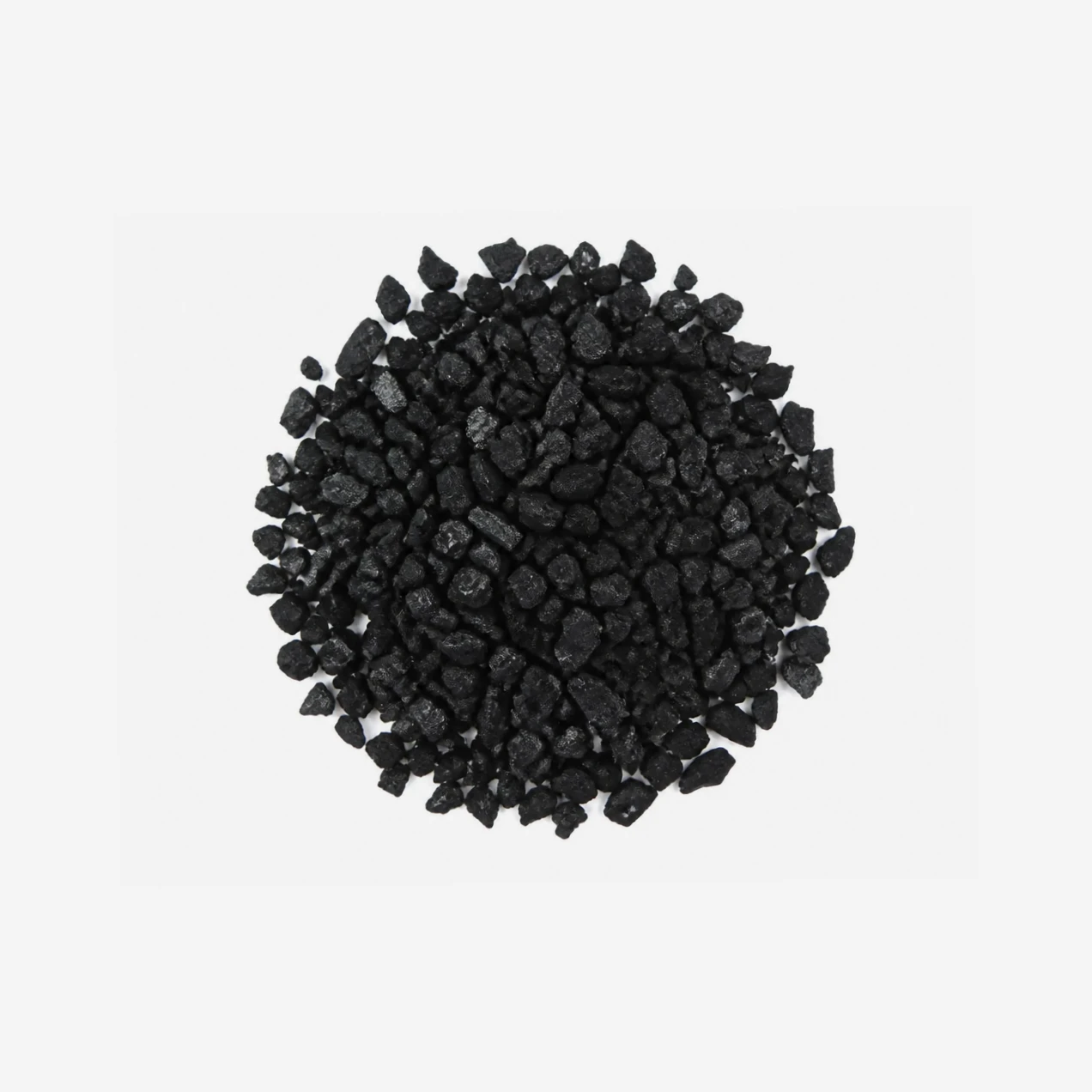
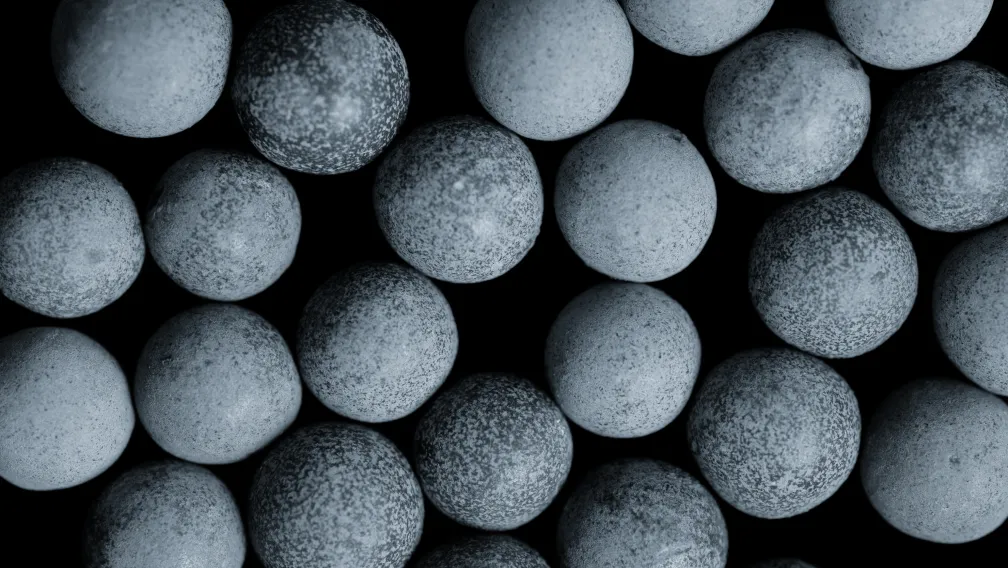
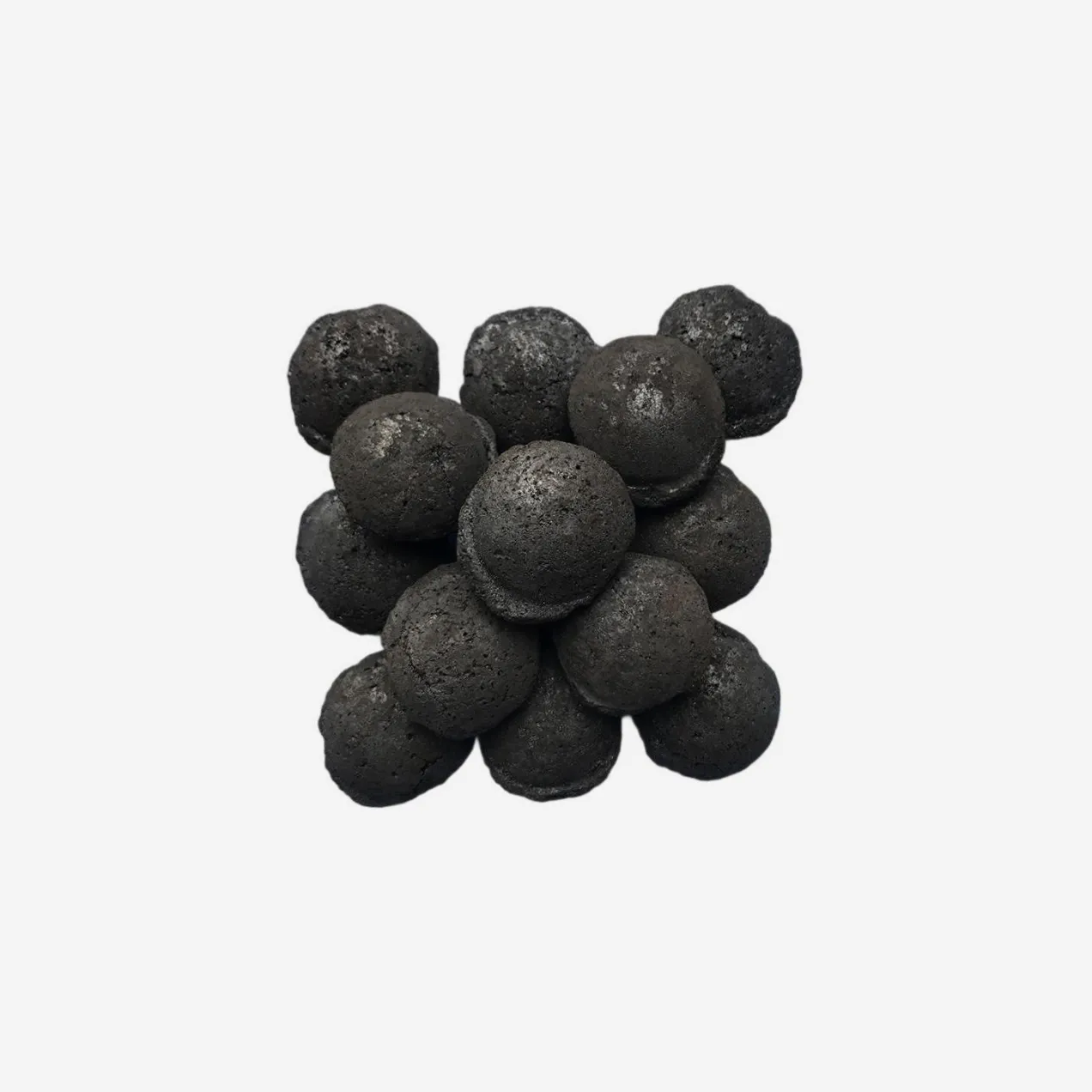
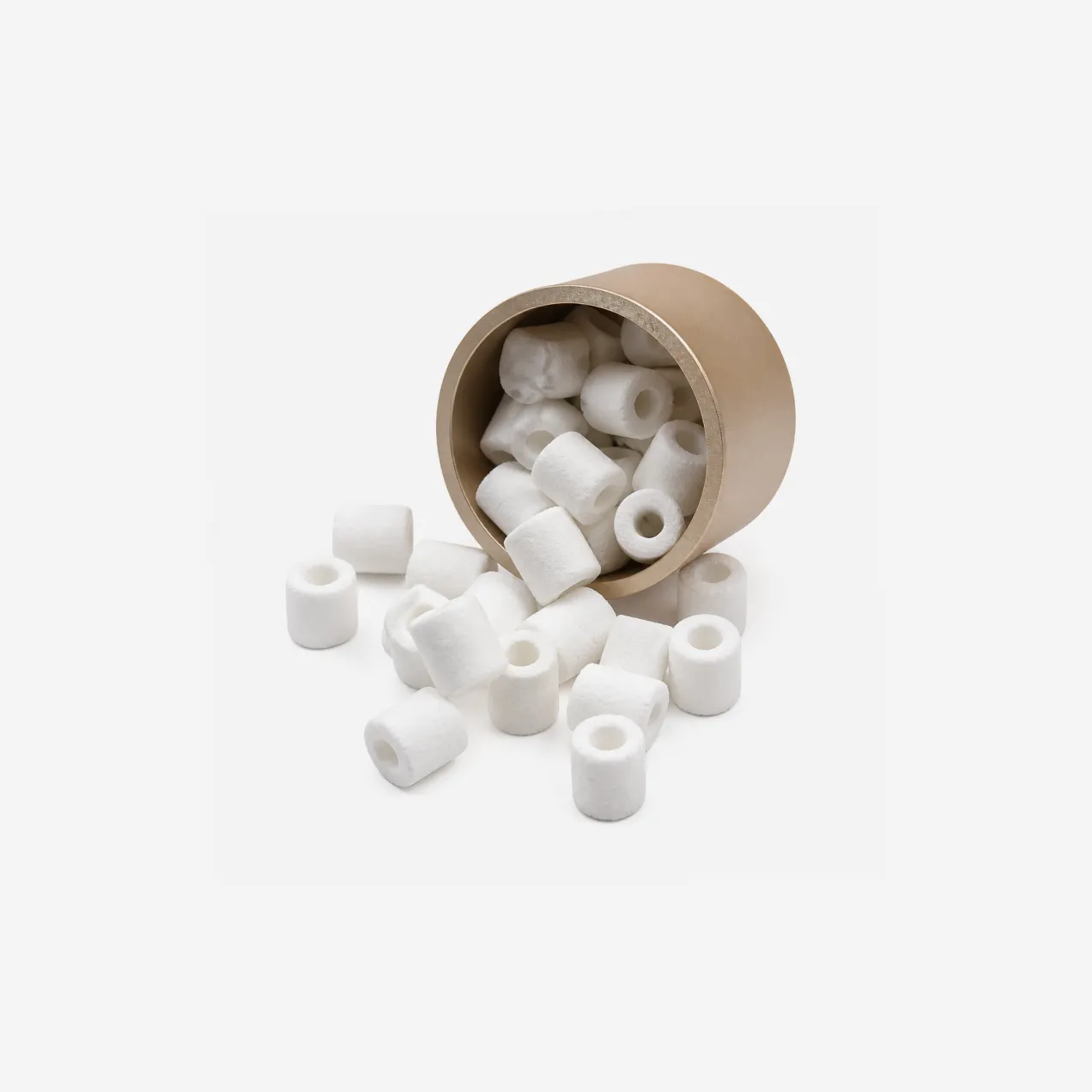
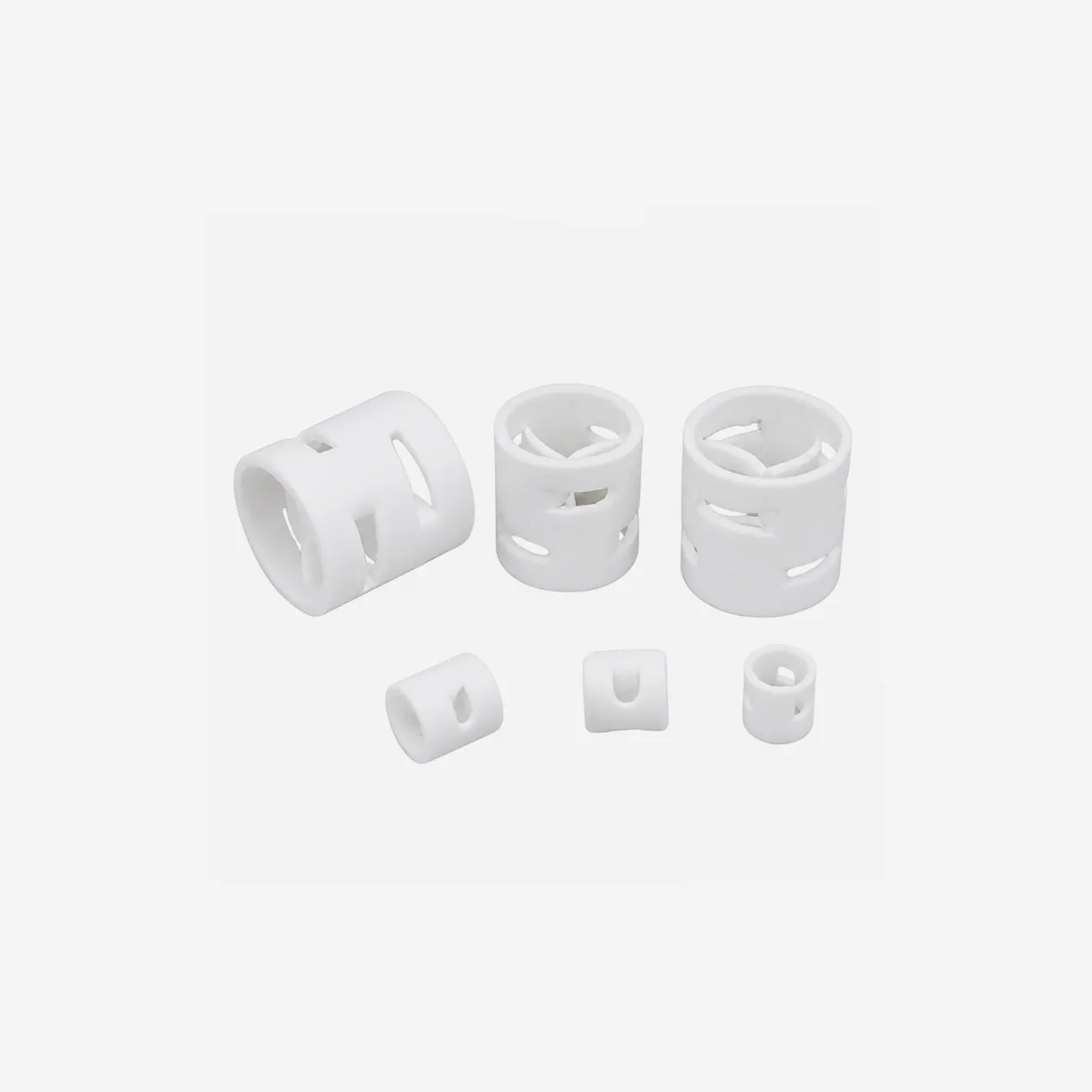
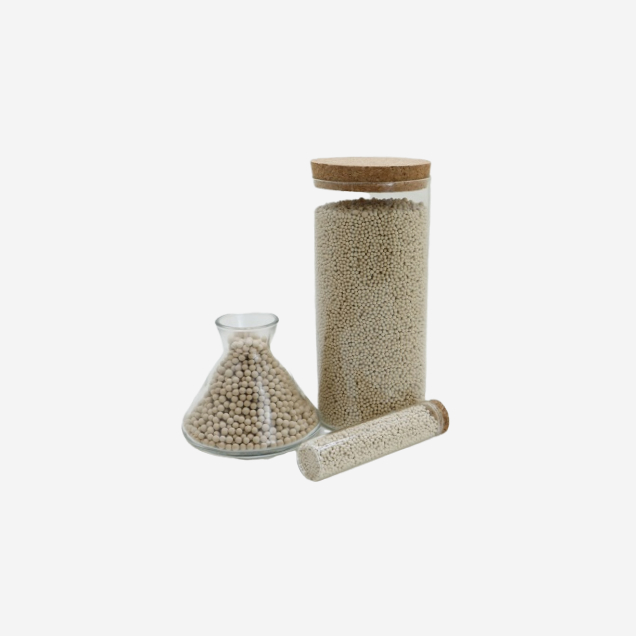
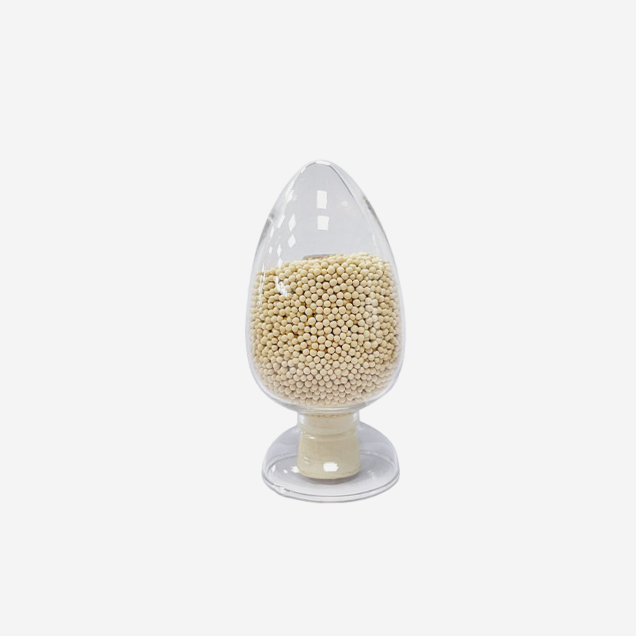
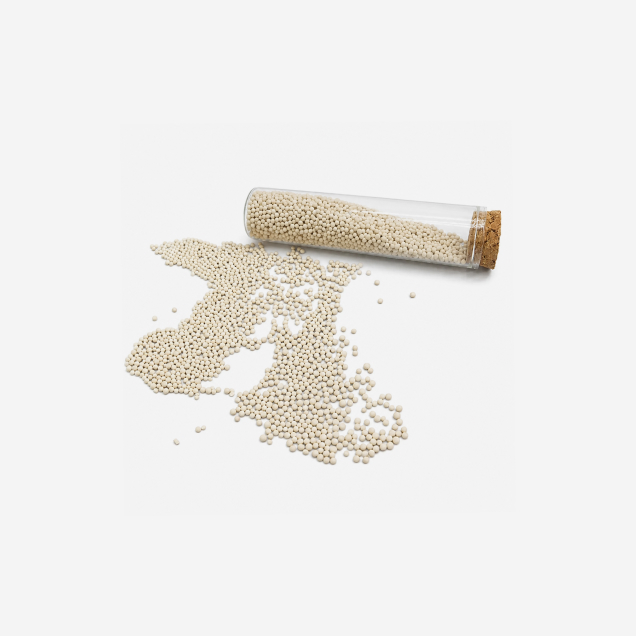
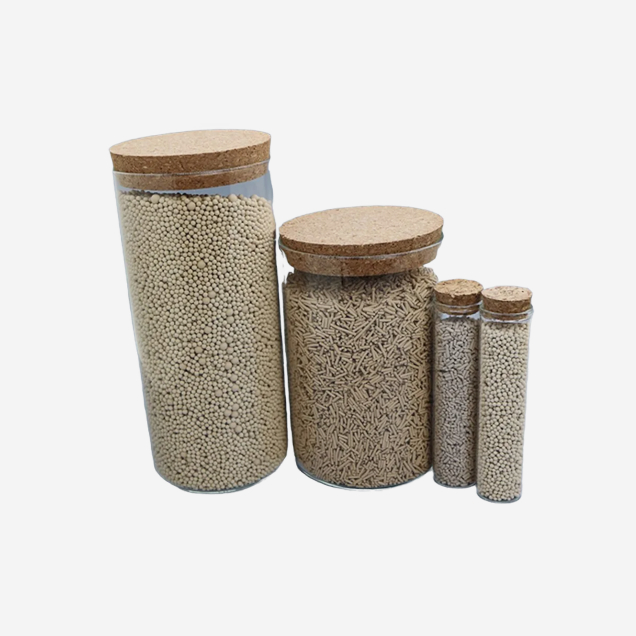
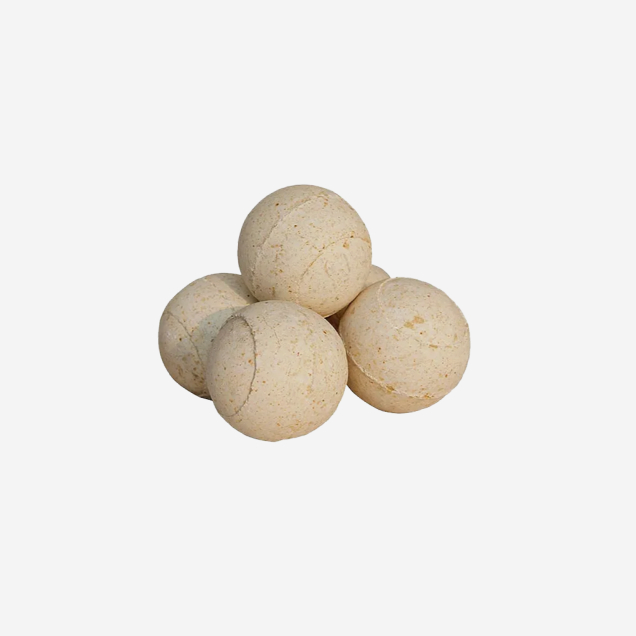
Inert ceramic balls are dense alumina-porcelain spheres that hold and protect a catalyst bed and support packing in a tower. They are fired from alumina and silica at high temperature so they are hard, low in porosity and chemically stable, which means they carry load and heat without reacting with the process or contaminating the product. Two things set the choice: the alumina grade, which fixes the strength and working temperature, and the size, which is graded through the bed.
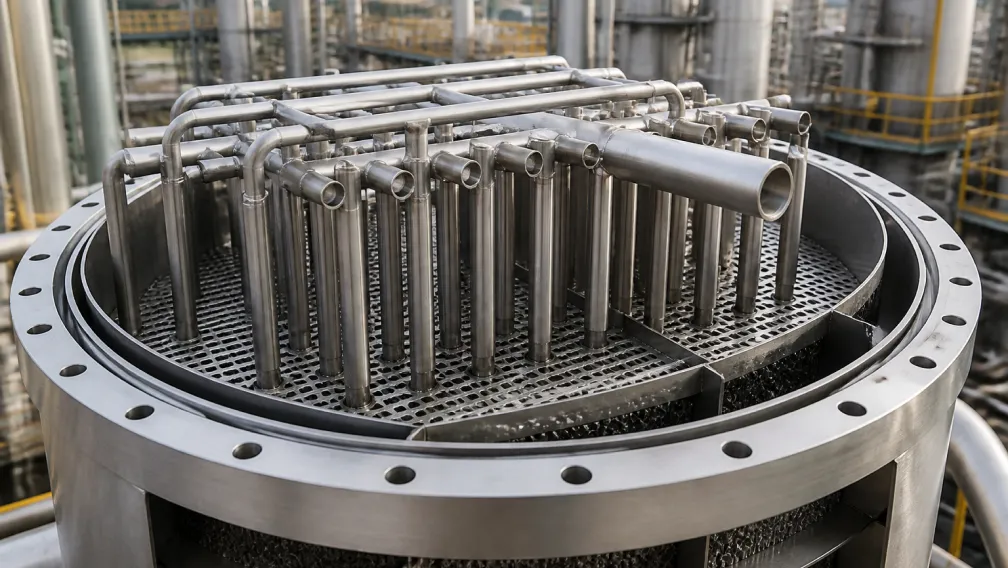
In a fixed-bed reactor the catalyst sits in the middle and inert balls sit above and below it. The top layer takes the impact and weight of the incoming feed, spreads it across the full width of the bed and stops it cutting a channel through the catalyst. The bottom layer holds the catalyst up off the outlet, supports its weight and keeps the pressure drop low. Without this support, the catalyst would crush, channel and foul far sooner.
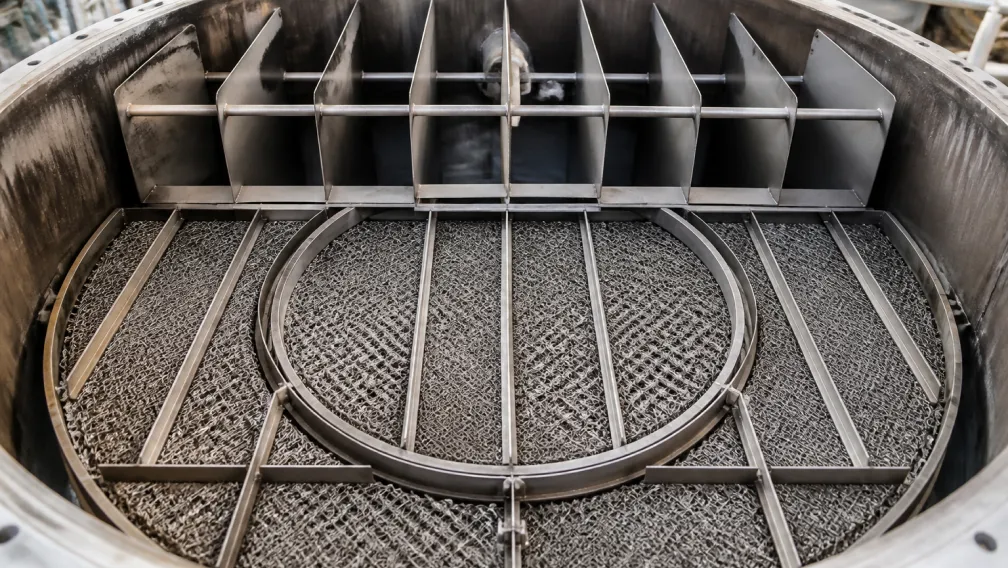
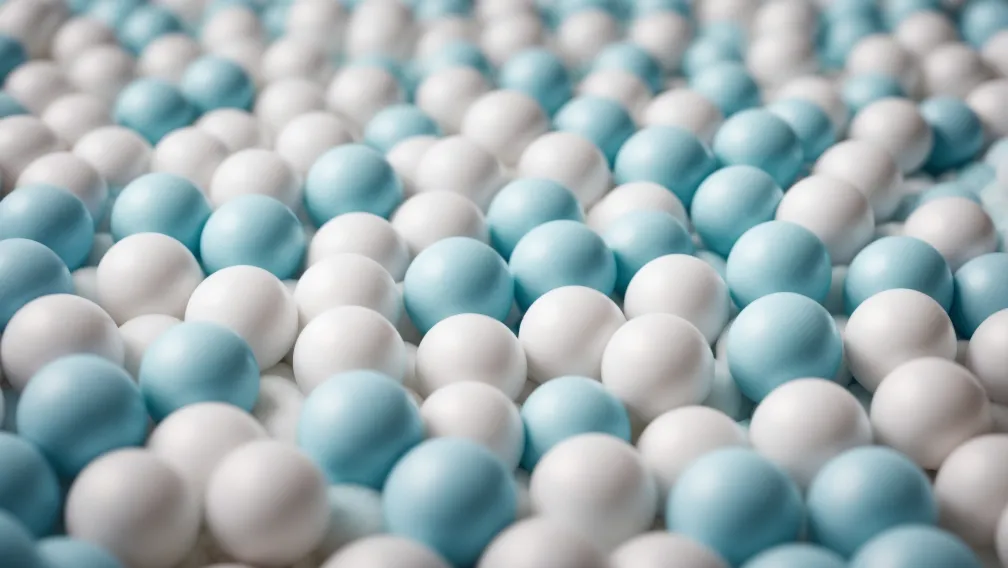
The support is laid as a graded bed: the largest balls rest on the outlet support plate, then progressively smaller balls in layers up to the catalyst, and often a covering layer of small balls on top. Each size step is small enough that the layer above cannot fall through the layer below. This graded stack distributes the flow, retains the catalyst and keeps the bed open, and the size mix is set from the reactor internals and the catalyst size.
The common grade runs Al₂O₃ 17 to 23% with a specific gravity around 2.3 and a working temperature near 1000°C, which covers most catalyst-support duty. Where the bed runs hotter or carries more load, higher-alumina grades give more crush strength and a higher temperature rating. Acid resistance above 90% and low water absorption keep the ball inert in corrosive and wet service.
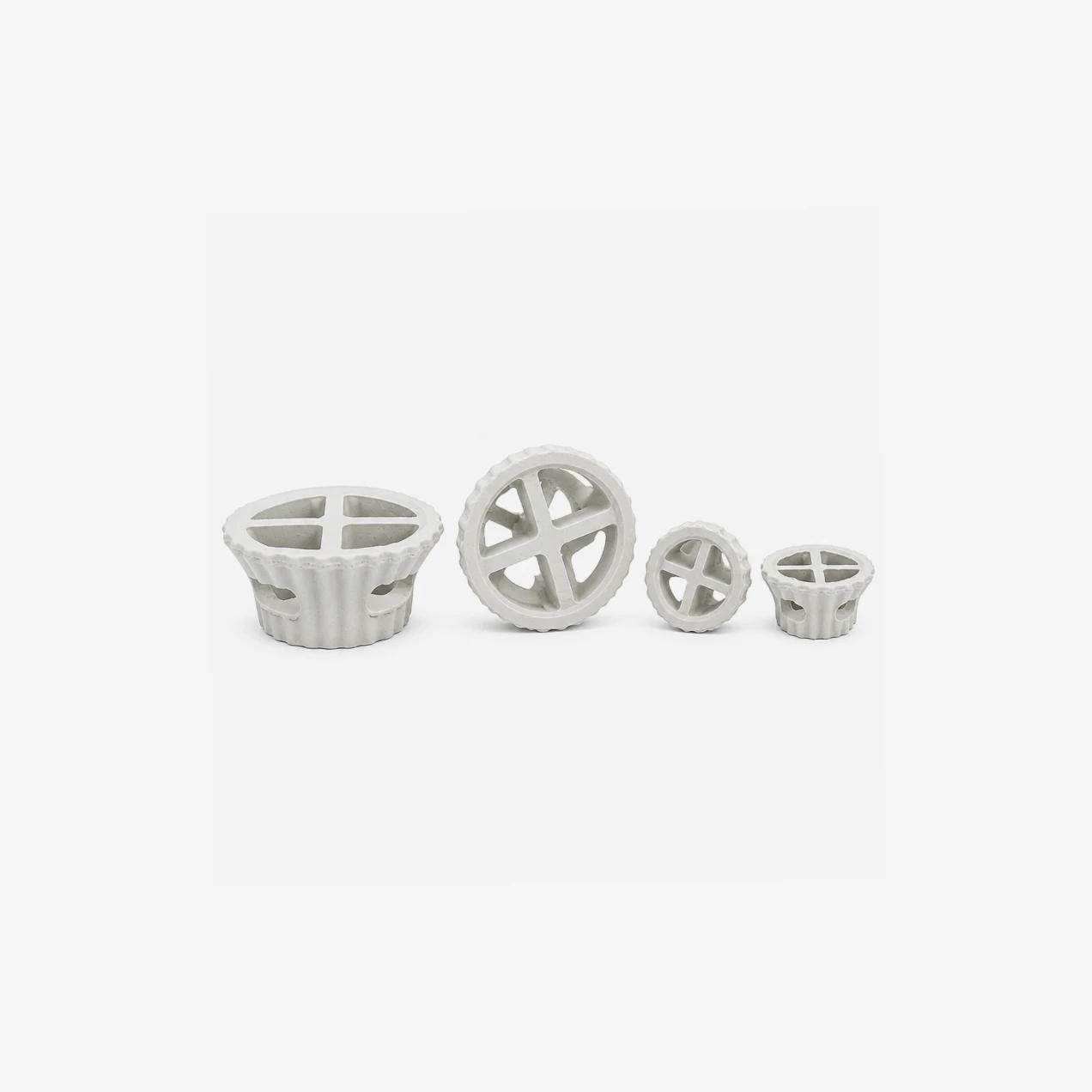
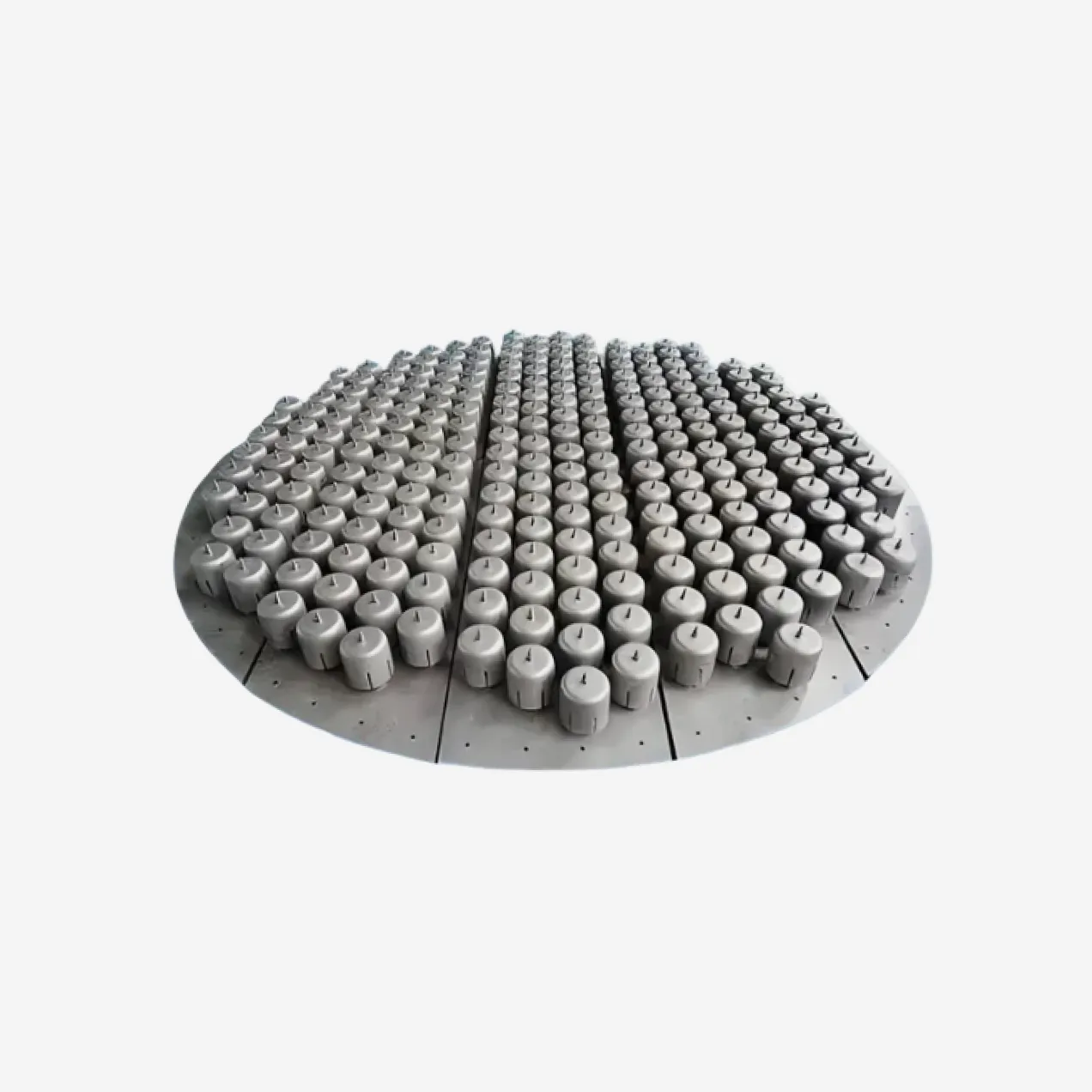
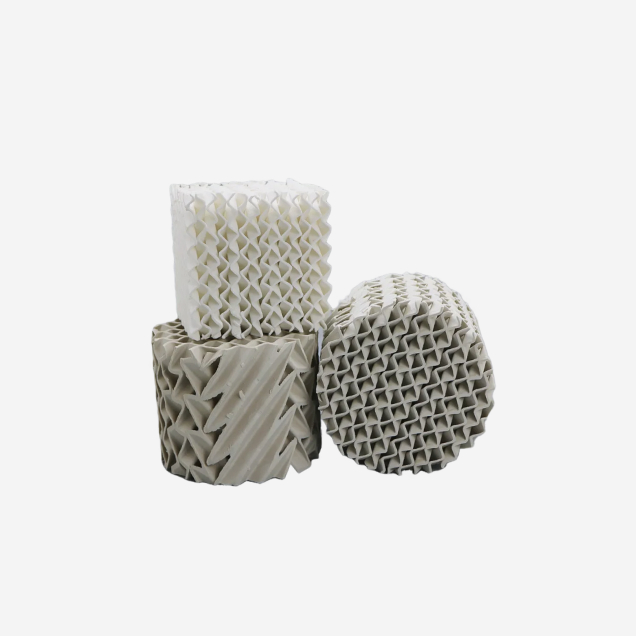
In distillation, absorption and scrubbing columns, inert balls rest on the support grid and carry the random or structured packing above them. They spread the liquid and gas entering the column, stop fine packing from falling through the grid and keep the pressure drop even. The same low porosity and chemical stability that suit a reactor make them reliable in a corrosive tower.
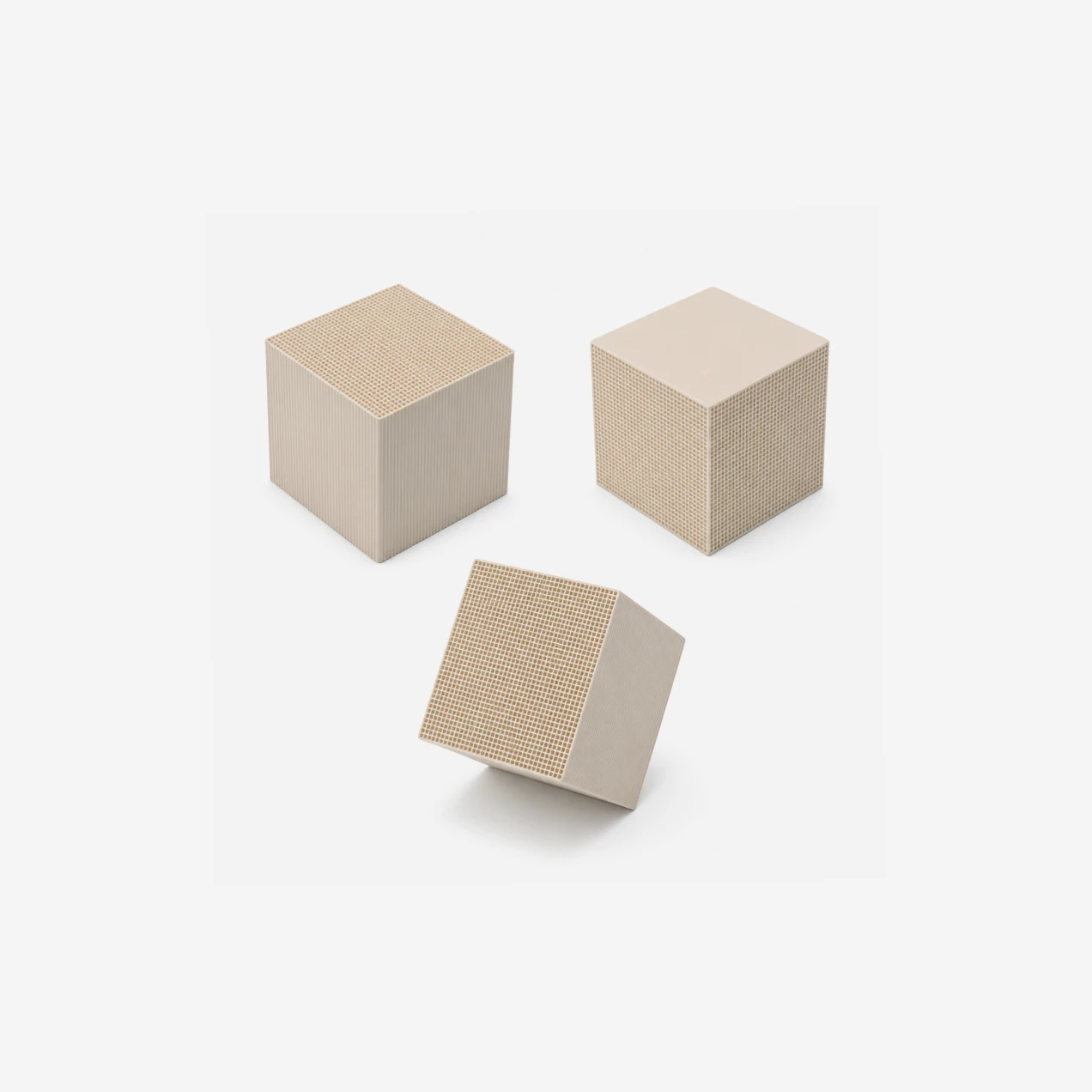
Beyond inert support, we make two high-temperature ball products. Refractory ceramic balls, fired from calcined alumina and high-alumina bauxite, take direct furnace heat and resist thermal shock. Heat-storage balls, used in pebble-bed regenerators and hot-blast stoves, soak up heat from a hot gas and release it to a cold one, recovering waste heat the way a honeycomb regenerator does but in ball form. Both hold their shape where ordinary filler would soften.
| GRADE | Al₂O₃ | DENSITY | MAX TEMP | TYPICAL USE |
|---|---|---|---|---|
| Common porcelain | 17–23% | ~2.3 g/cm³ | ~1000°C | Catalyst support, tower packing support |
| Mid-alumina | 23–40% | ~2.4 g/cm³ | Higher | Hotter, heavier-duty support |
| Refractory ball | High | Varies | Very high | Direct furnace heat |
| Heat-storage ball | High | Varies | Very high | Pebble-bed regenerators |
What keeps a support bed reliable is crush strength and low water absorption. Each size is crush-tested, from the smallest ball up to fifty millimetres, and the dense firing keeps water absorption low so the ball stays inert. Balls are sorted for shape and finish before they ship, because a cracked or out-of-round ball at the support plate is where a bed starts to fail. Low porosity and verified strength are what let a charge run for years.