Home > Alumina Grinding Balls
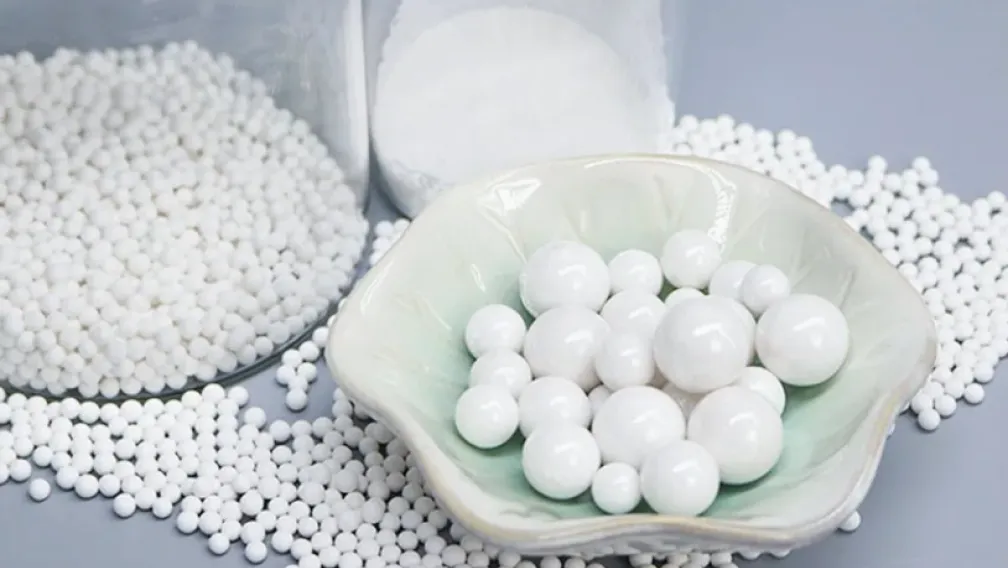
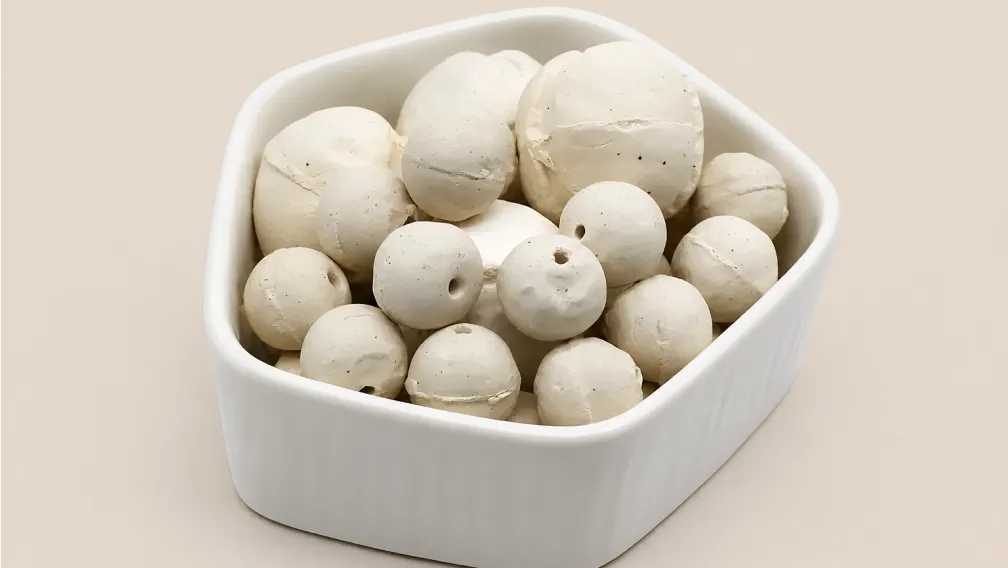
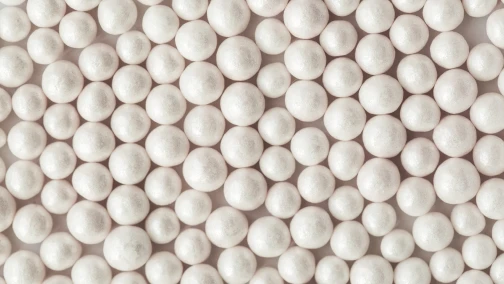
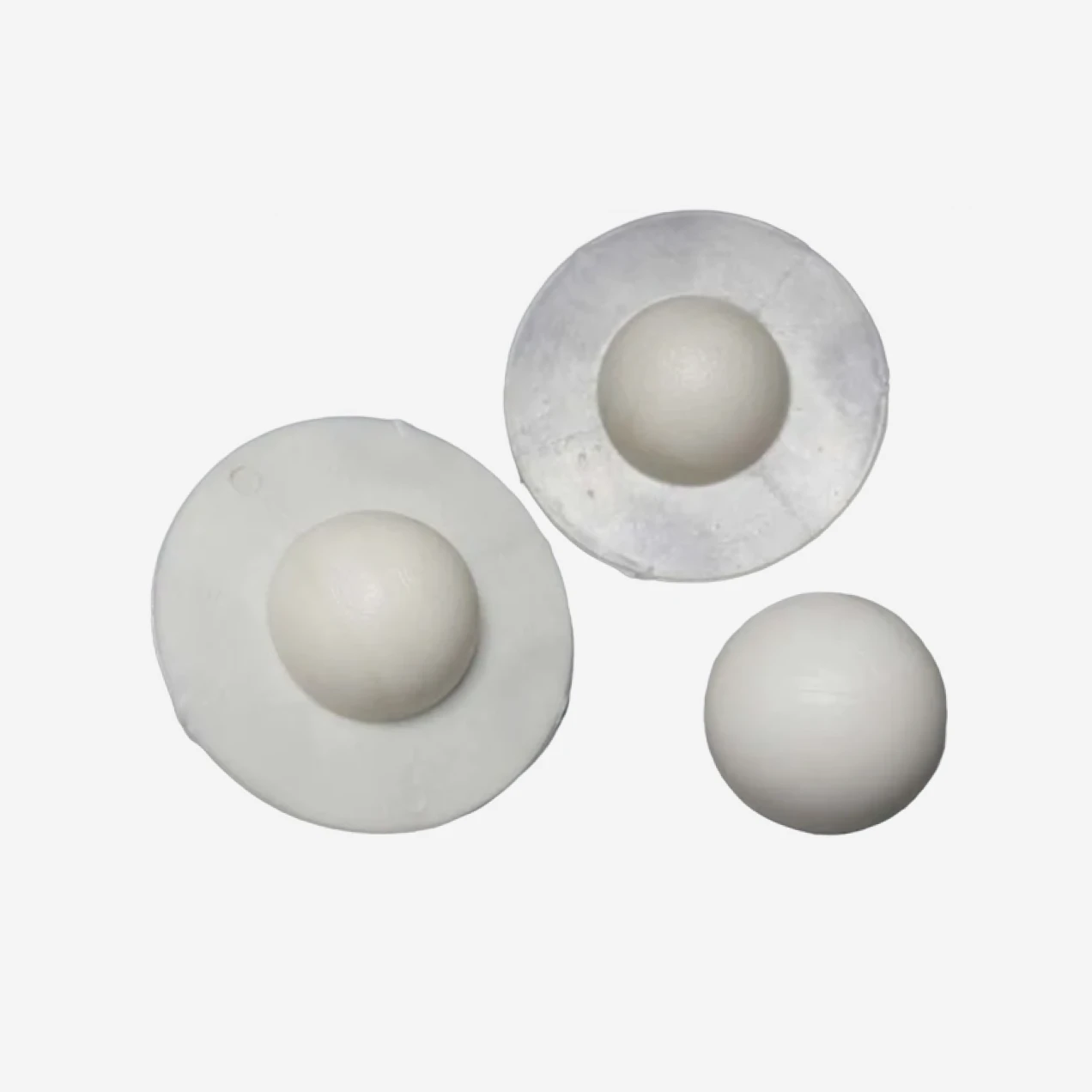
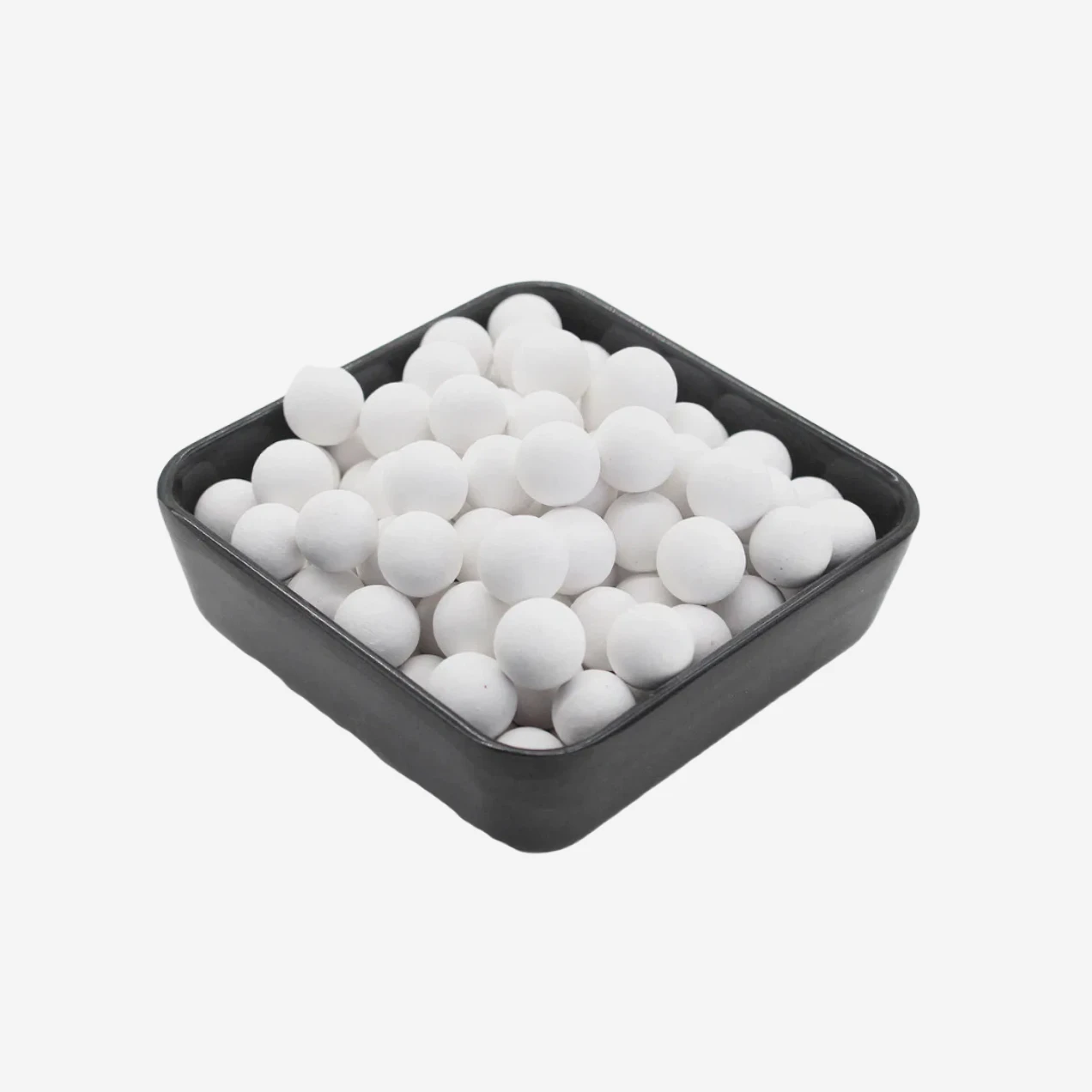
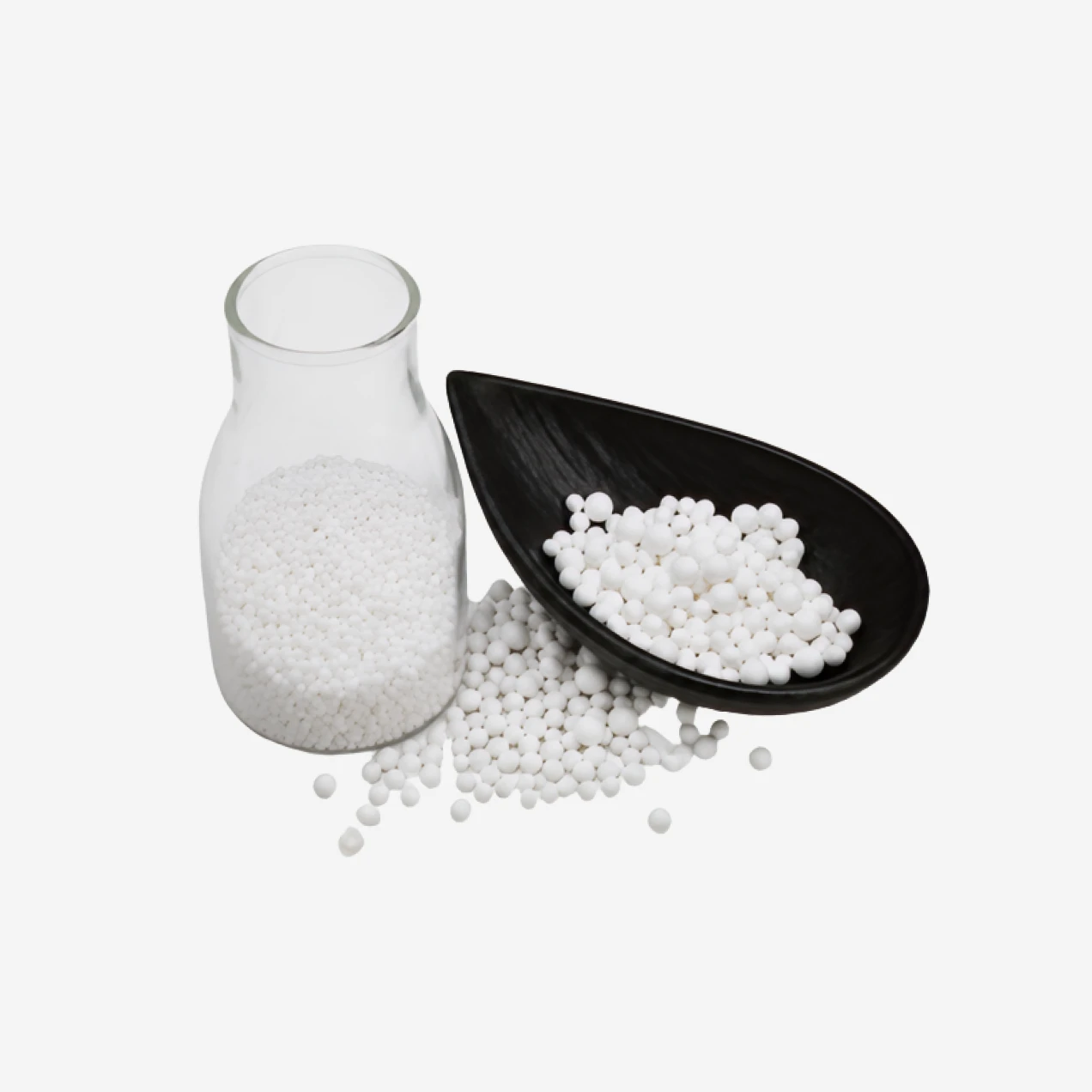
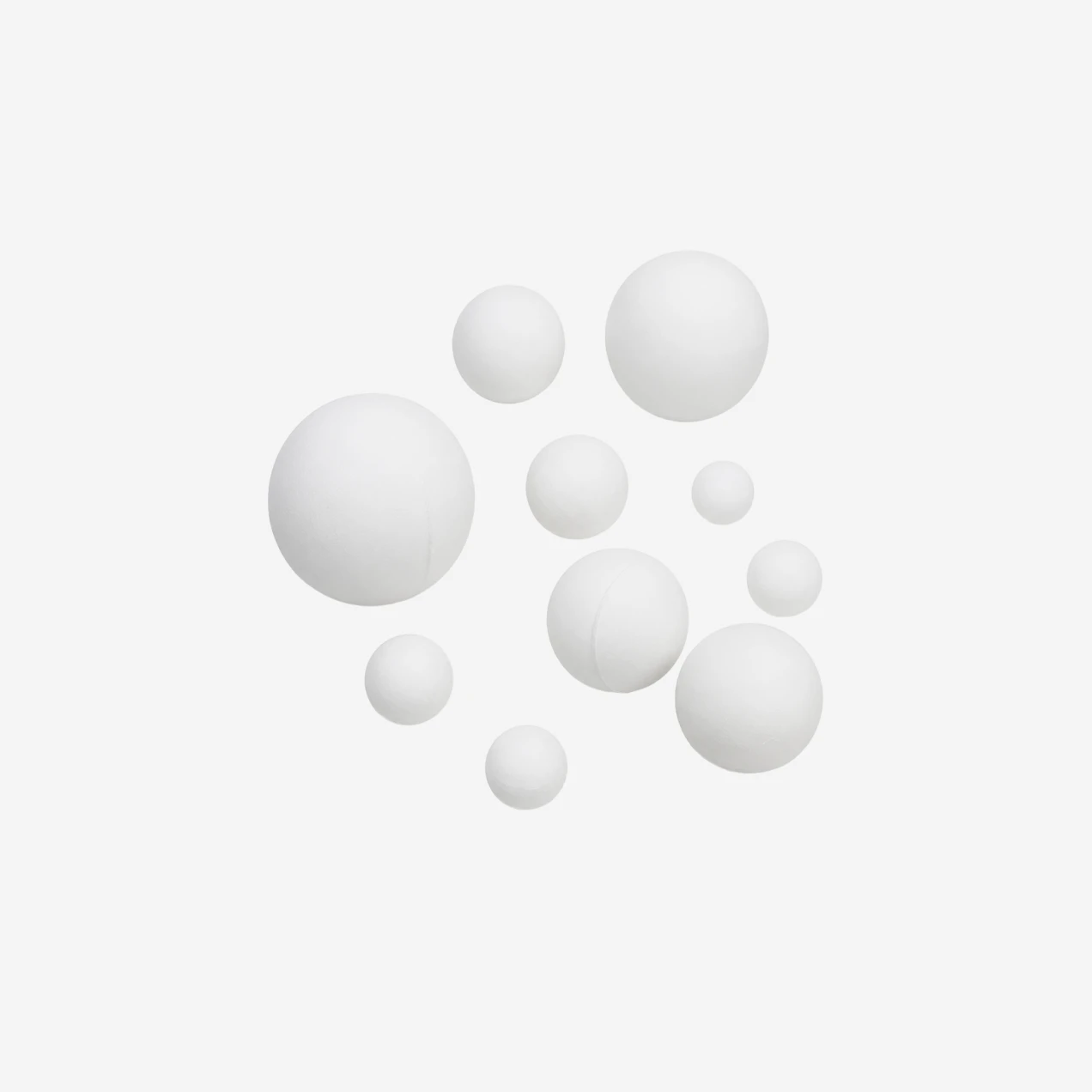
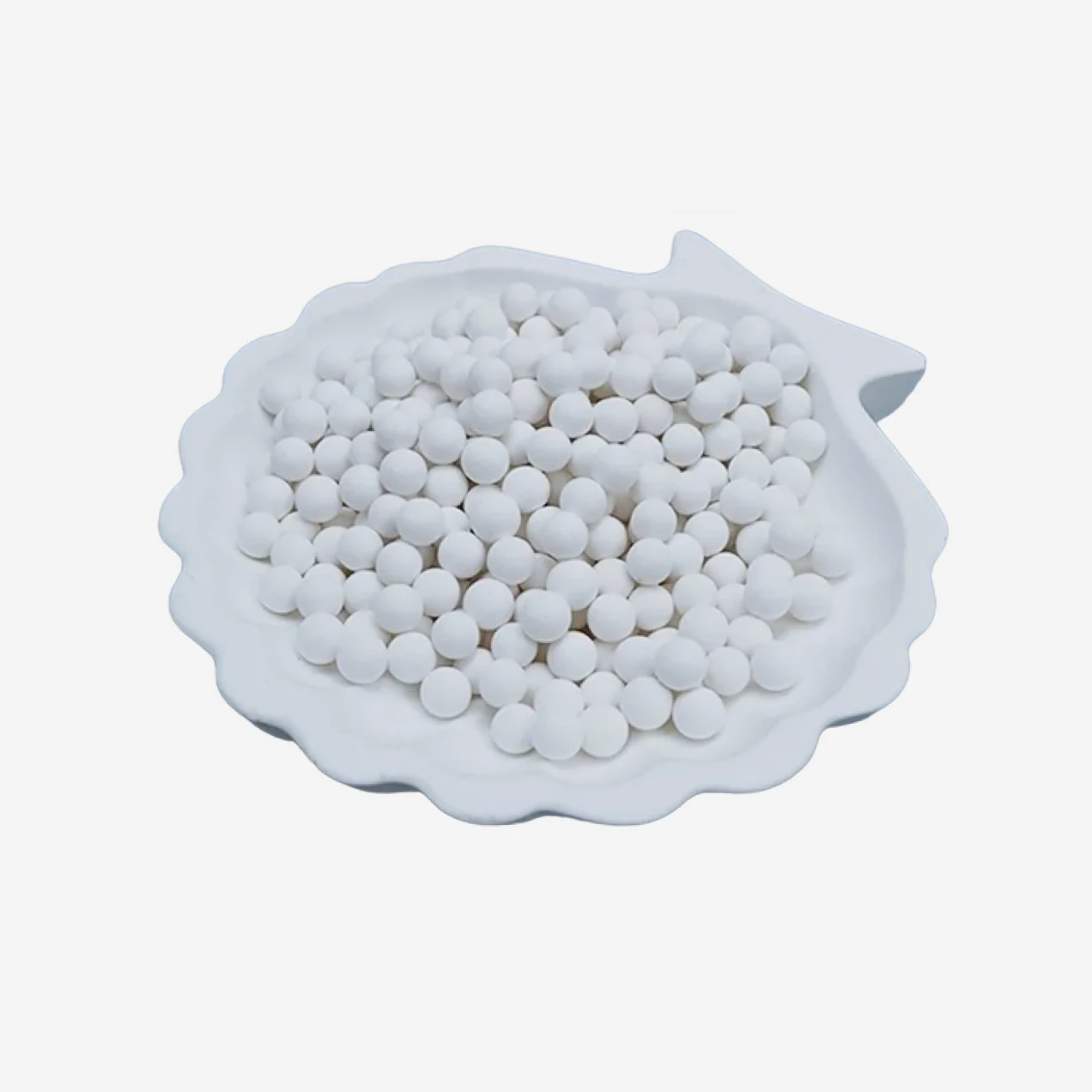
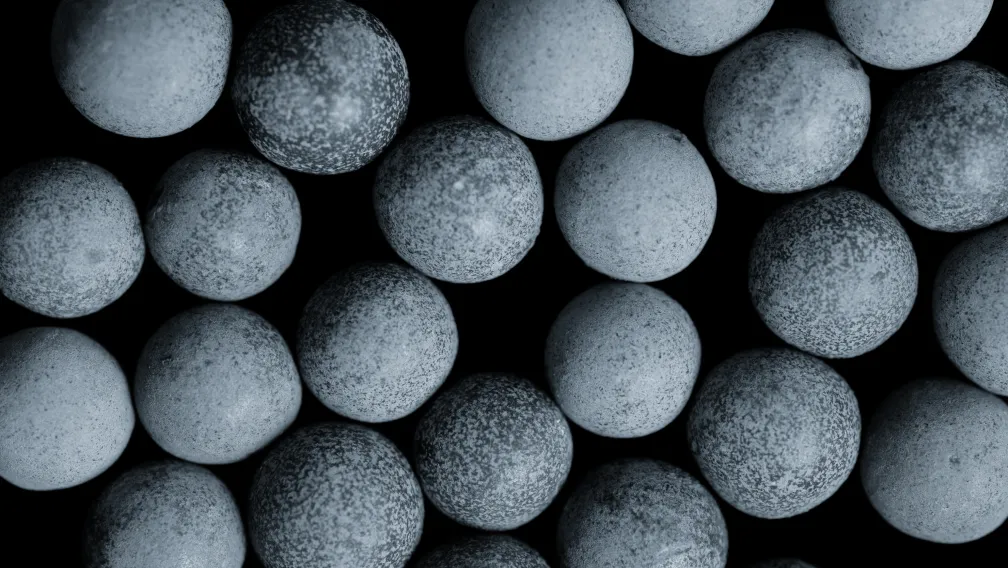
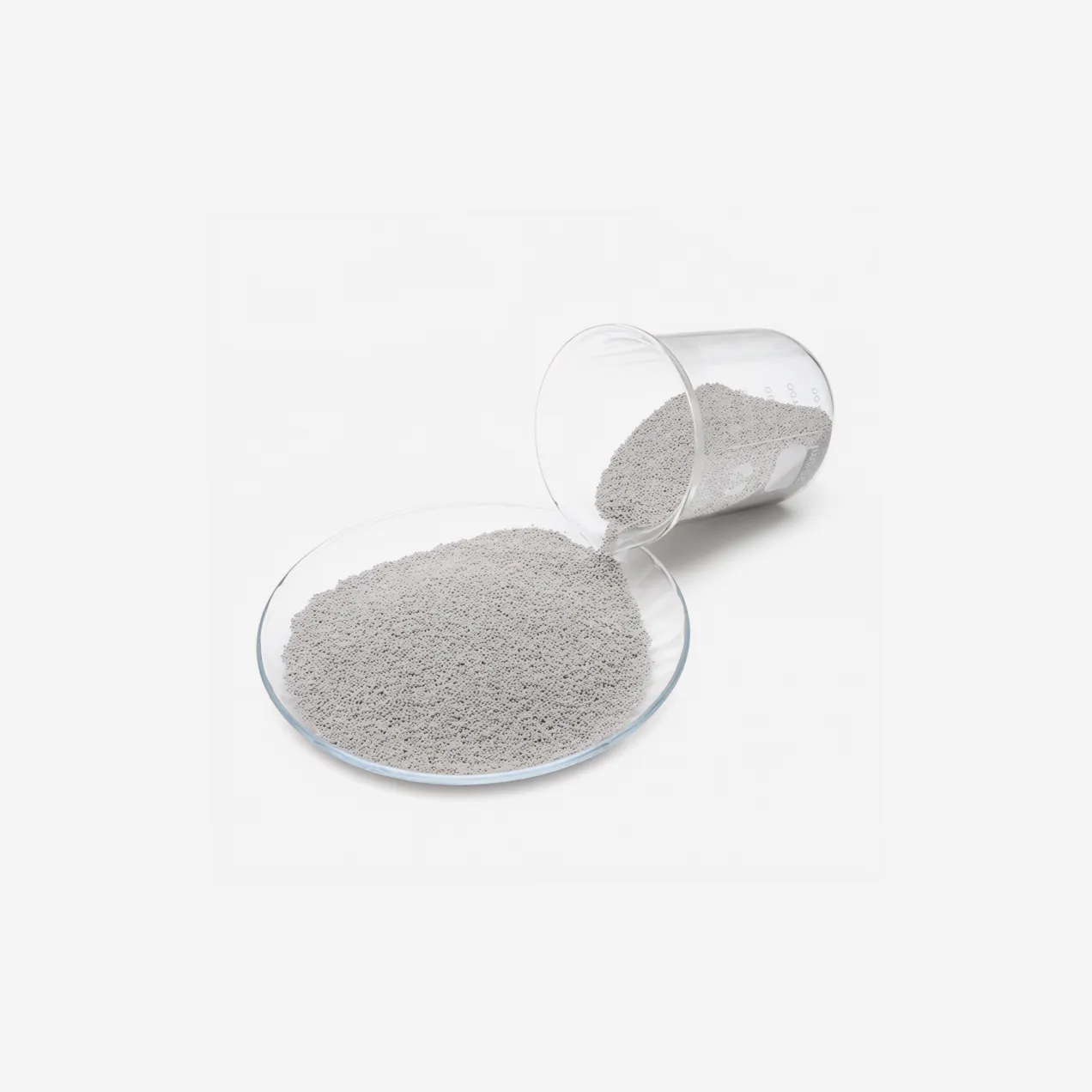
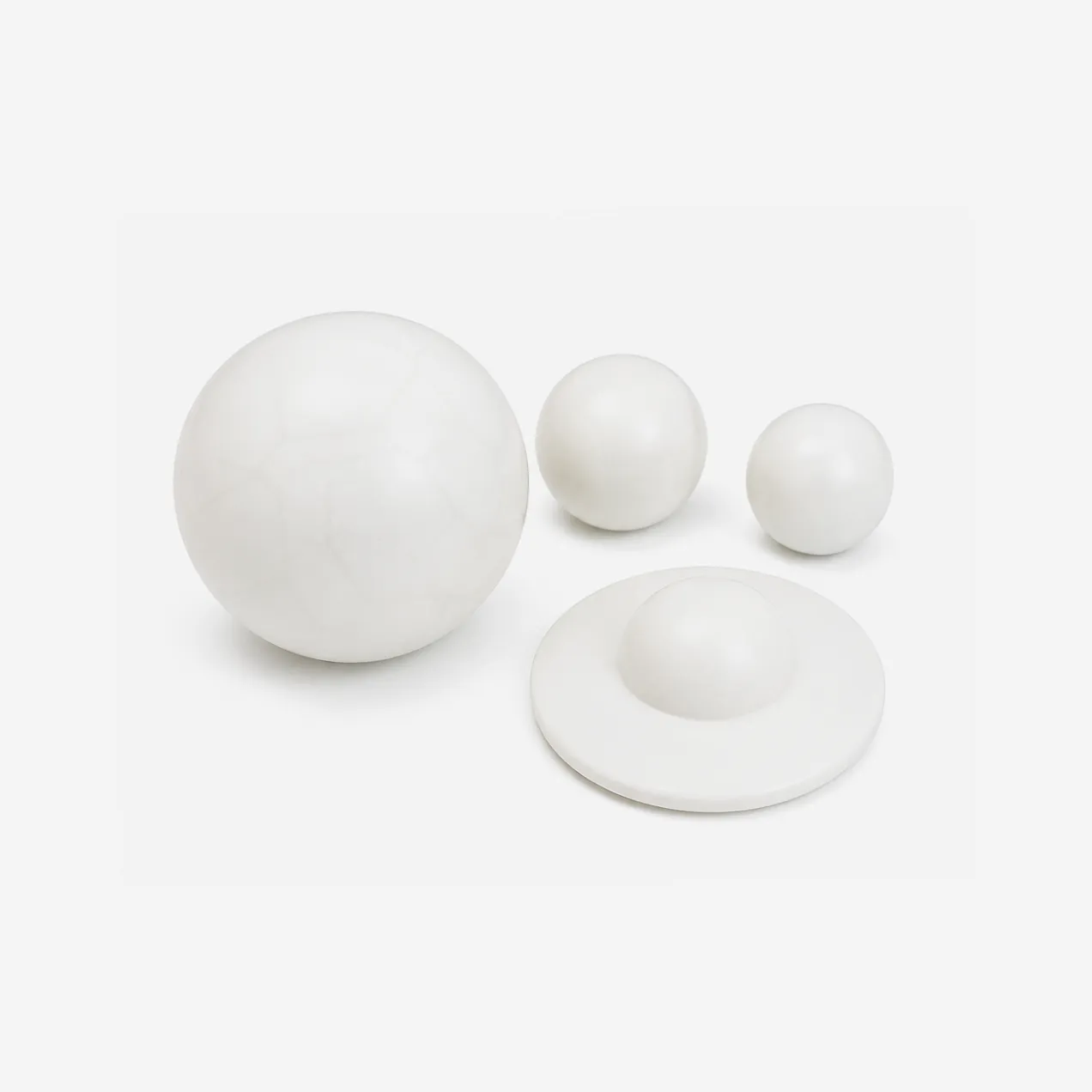
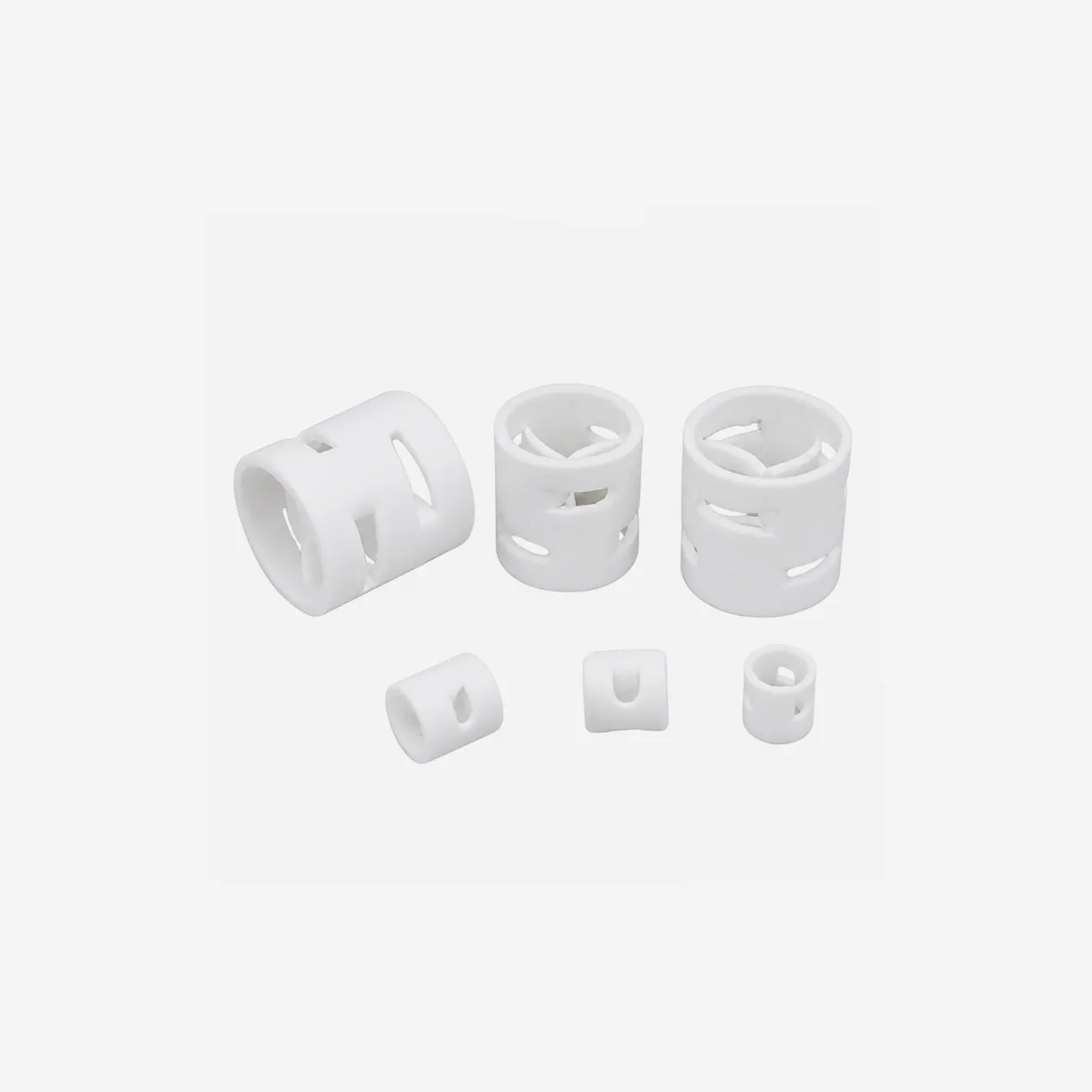
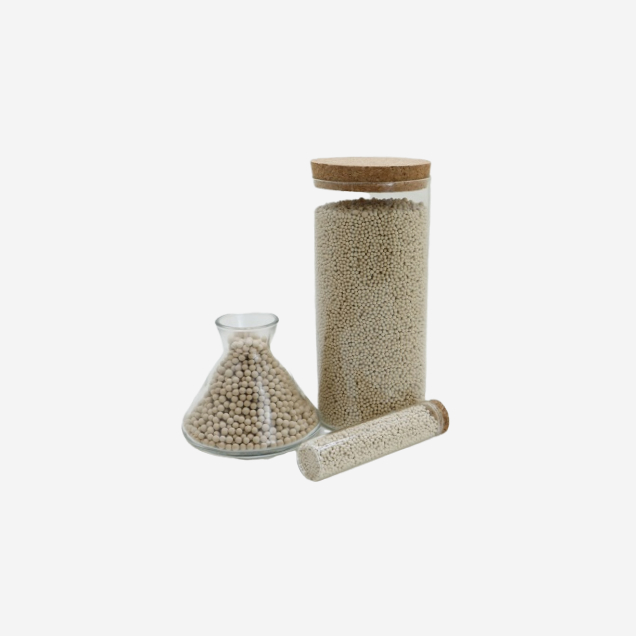
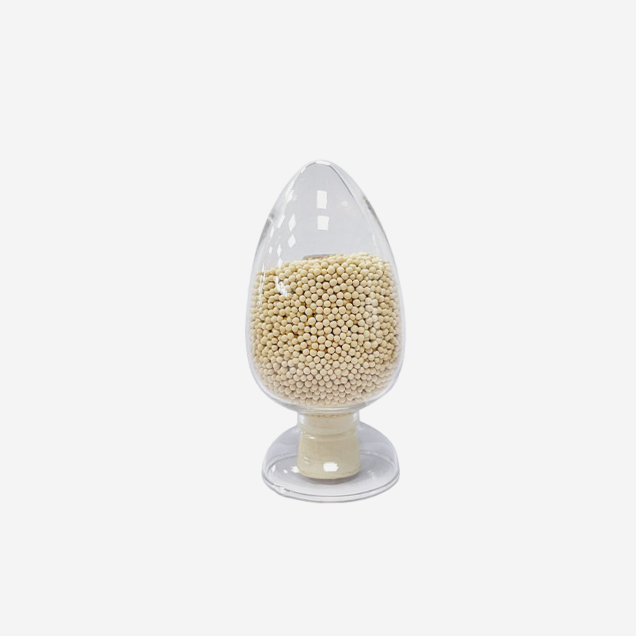
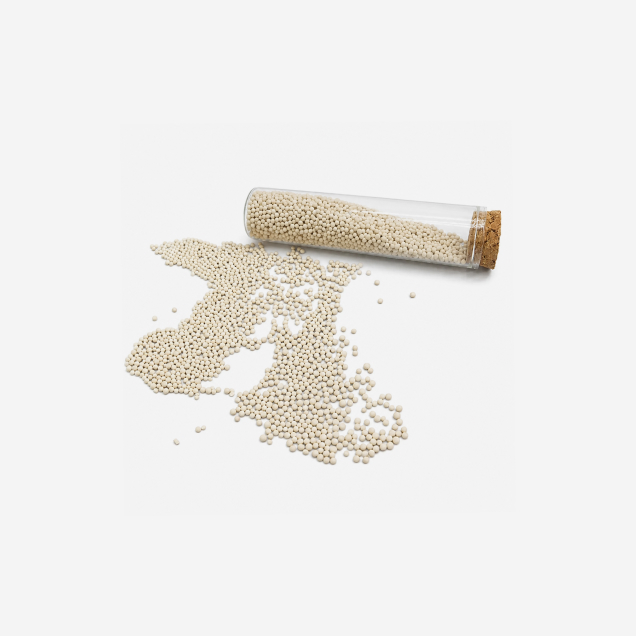
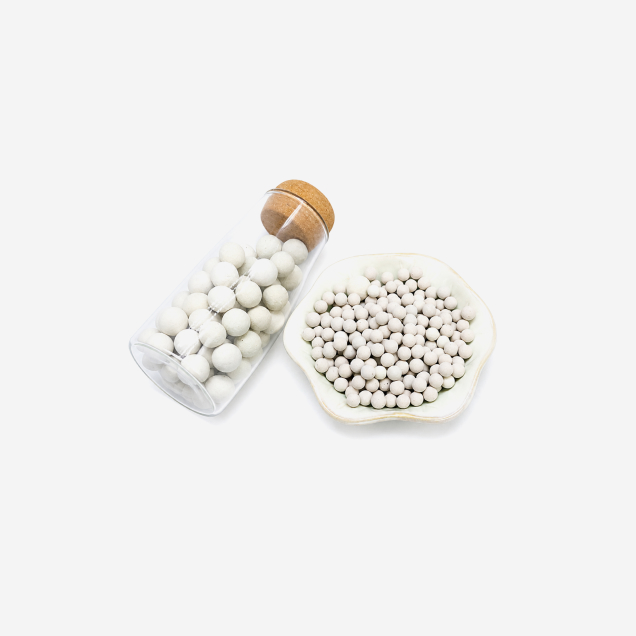
Alumina grinding balls are the media that does the grinding in a ball mill. They grind and refine ceramic bodies, glazes, cement, minerals, pigments and battery materials, wet or dry, breaking the feed by impact and refining it to an even particle size. Being hard and inert, they grind fast and leave the product clean, without the iron a steel ball sheds.
We supply the full grade ladder by alumina content: 68 and 75 percent for cost-led, everyday milling; 92 percent as the all-round workhorse; and 95 and 99 percent for fine, high-purity or low-contamination work. A higher alumina content means a harder, denser, longer-wearing and cleaner ball, so the grade follows the material and the purity the product needs.
Rolled balls are shaped by a rolling process and suit wet grinding, where a slurry carries the heat away; isostatically pressed balls are formed under uniform pressure, making them denser and tougher, which suits the higher impact and heat of dry grinding. Both are the same alumina; the forming is chosen for whether the mill runs wet or dry.
For most jobs where cleanliness or wear matters, yes. Alumina adds no iron or rust to the product, wears slowly and runs longer between changes, which suits white, ceramic, electronic and battery materials. Steel is denser and cheaper to buy, so it still has a place on some very hard or heavy feeds, but on contamination and wear alumina wins.
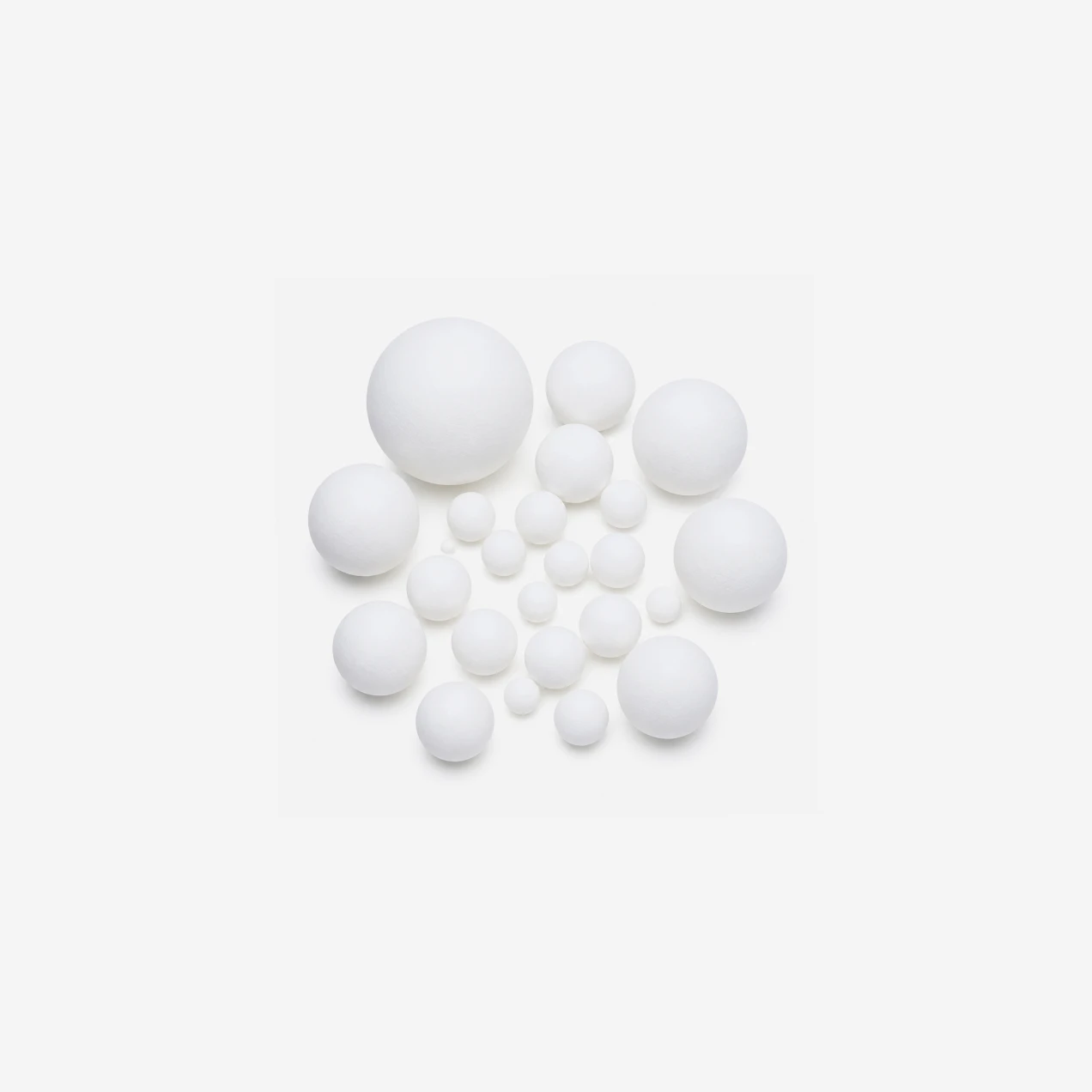
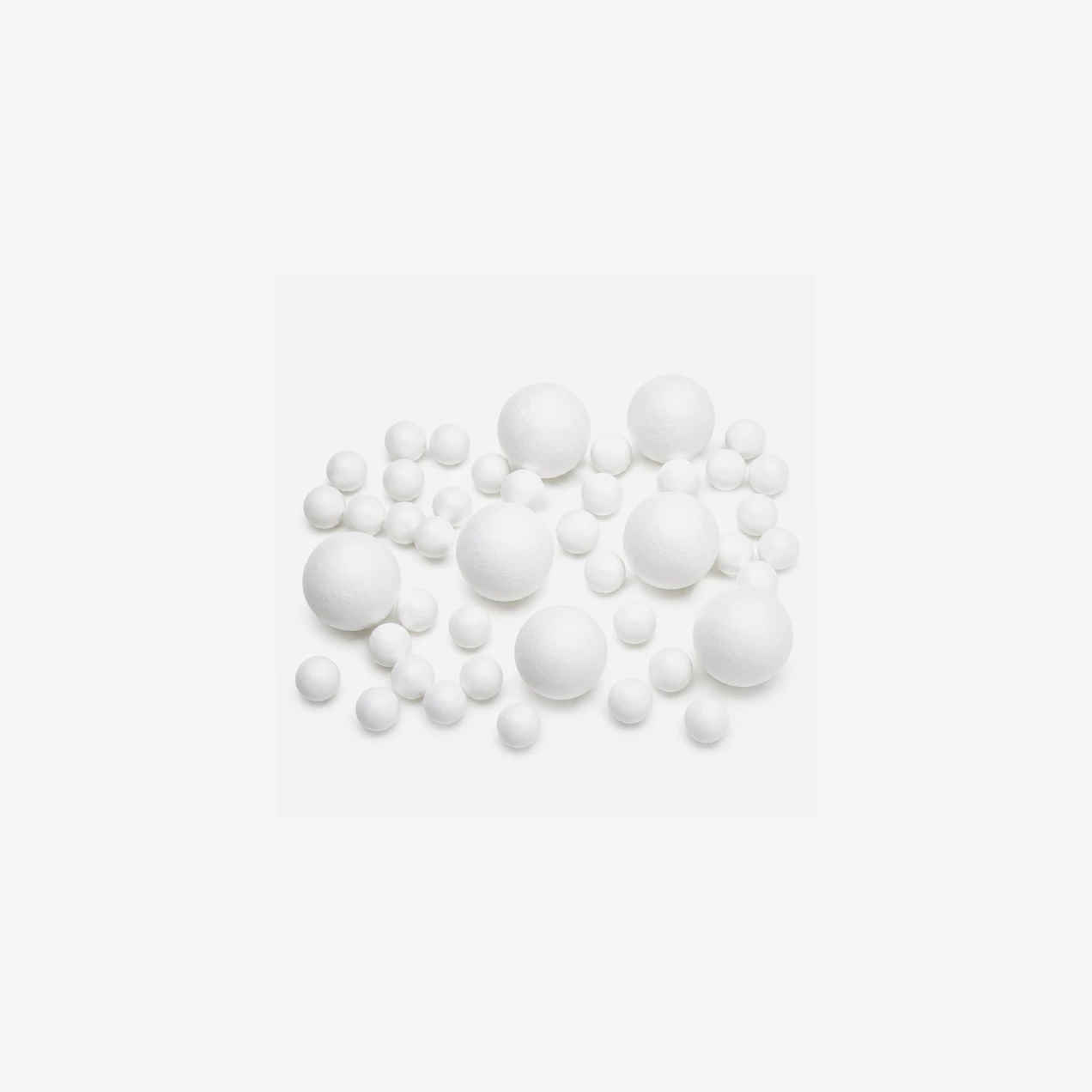
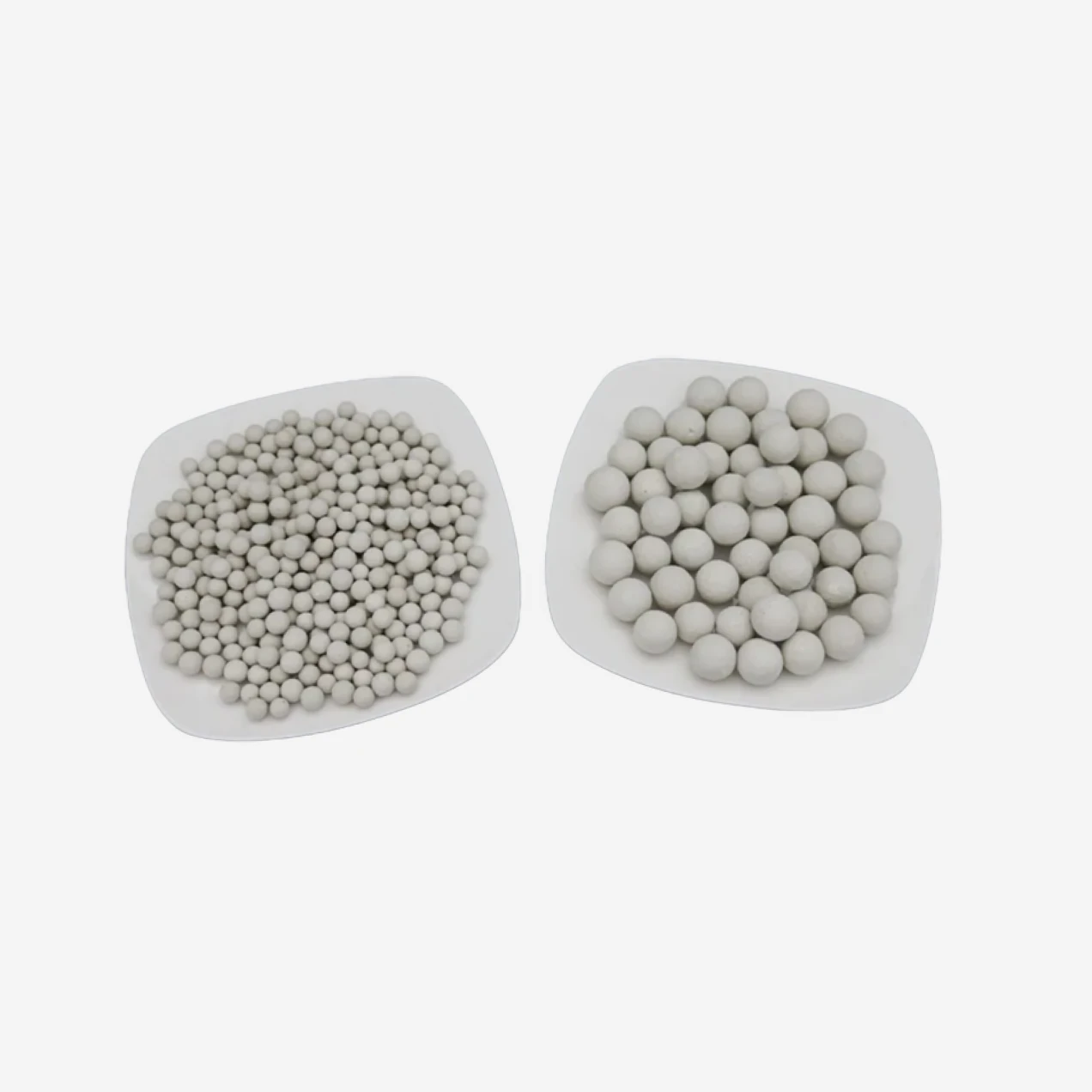
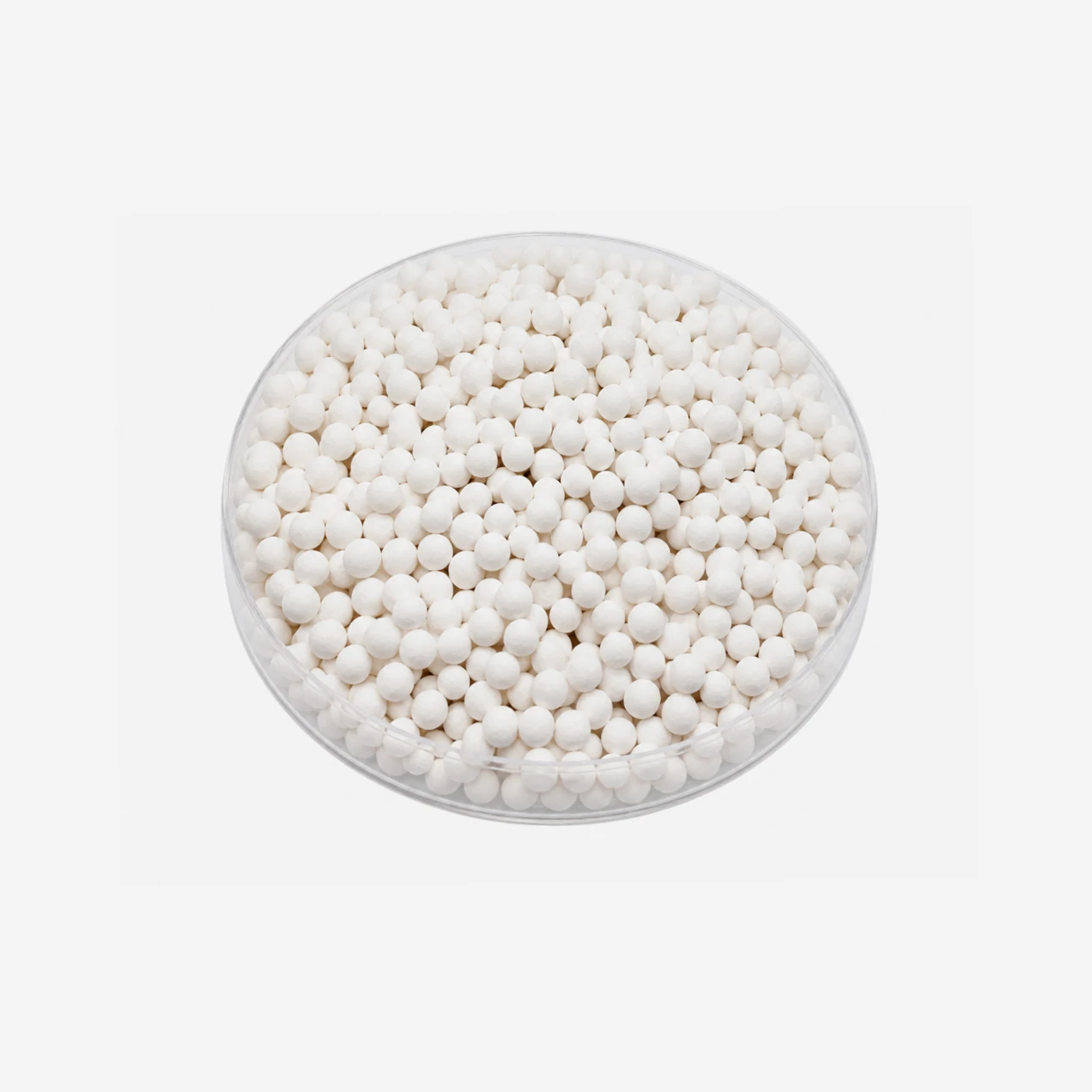
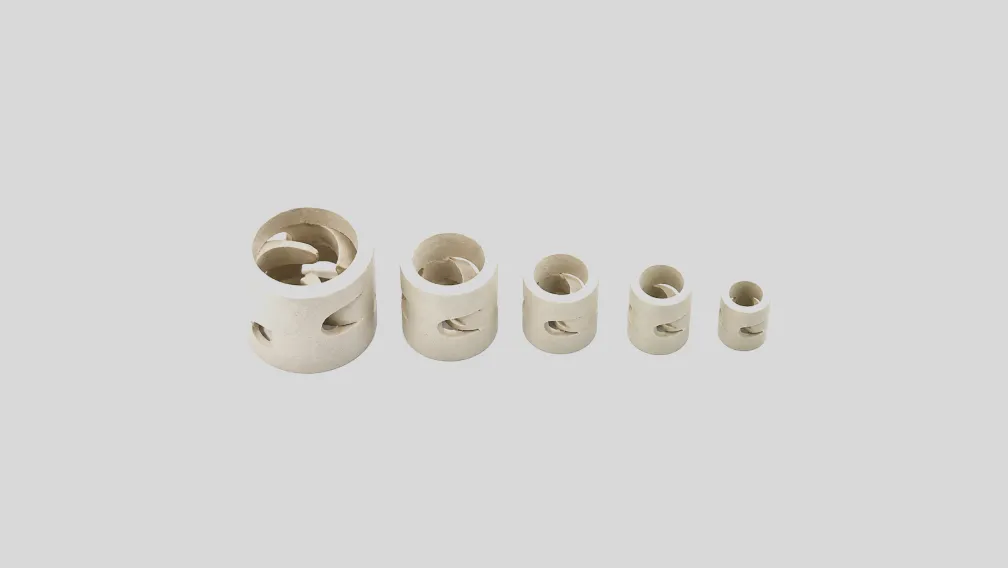
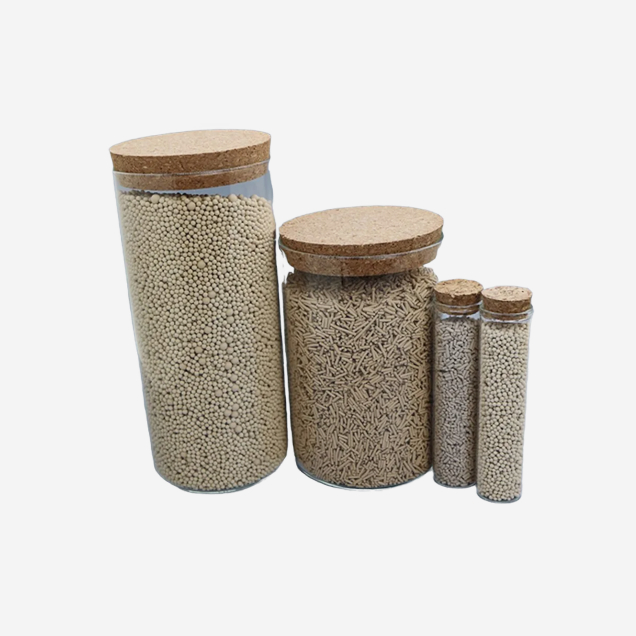
We make the media from small beads, down to well under a millimetre, up to large balls of several centimetres, as balls, beads and cylinders. The size is set by the mill and the fineness you are after, and most mills run a blend of sizes rather than one. Give us the mill type and the fineness you need, and we will work out the size mix and the grade.
Very little — and that is exactly why they are used. Alumina is chemically inert and barely wears, so next to steel or spent media it puts almost no iron, rust or colour into the product. A higher-alumina grade wears less and contaminates less, so for the cleanest work, such as electronic and battery powders, the high-purity grades are used.
Minimum order goes by the grade and the size; standard grades and sizes ship from stock, while a special size or a large run carries a week or two of lead time. Bulk goes out by the tonne, boxed or in one-tonne bulk bags on pallets, with samples on request. Send the grade, size and volume and the packing and timing come back on the quote.
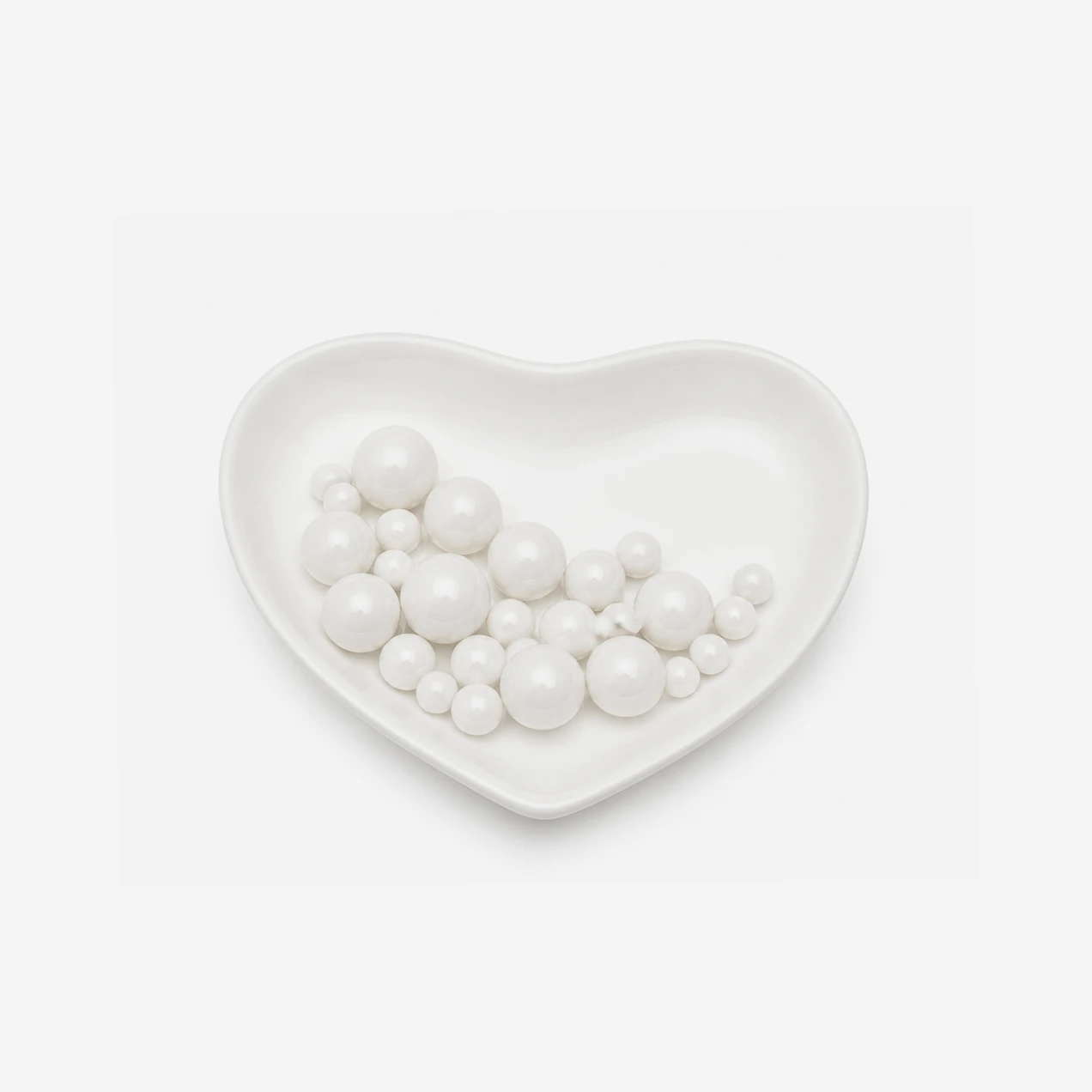
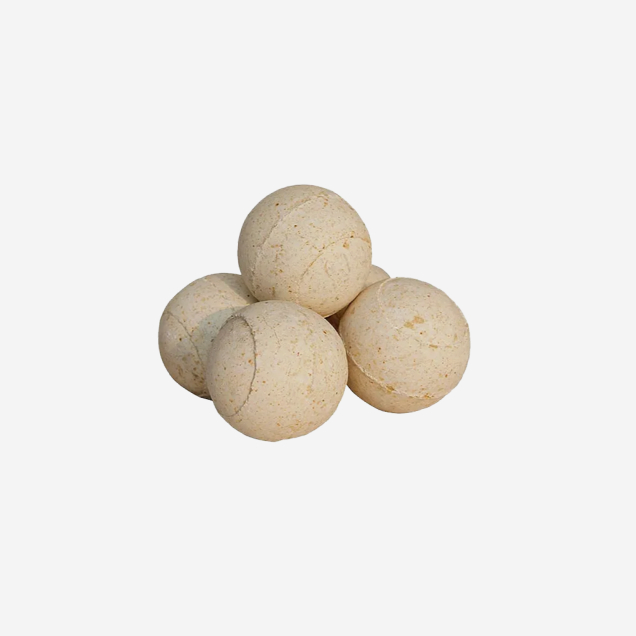
Alumina grinding balls are the hard, high-density ceramic media used in ball mills to grind and refine material. Made from aluminium oxide (Al2O3), they are far harder and more wear-resistant than natural pebbles or glass, and cleaner than steel because they add no iron to the product. The two things that decide which ball to use are the alumina grade and the forming method, and this guide covers both, along with sizing and where alumina is used.
Alumina grinding media is graded by its Al2O3 content, and the grade sets the hardness, the wear and the price. A mid-alumina grade of 68 to 75% is the budget option for less demanding milling; a 92% grade is the general-purpose workhorse; and 95% and 99% grades are chosen for fine grinding, high purity, or low contamination. The higher the alumina, the harder, denser and cleaner the ball, and the slower it wears — at a higher cost.
| Grade | Al2O3 | Best for |
|---|---|---|
| Mid-alumina | 68–75% | Everyday, cost-led milling |
| High-alumina | 92% | General-purpose workhorse |
| High-purity | 95% | Finer grinding, lower wear |
| Ultra-high-purity | 99% | Electronic and battery materials |
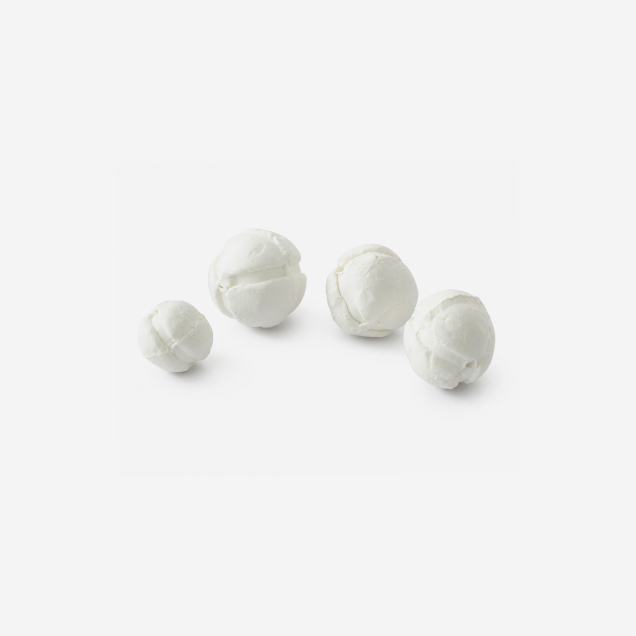
Alumina balls are formed two ways, and it matters. Rolled balls are shaped by a rotary process and are the cost-effective choice for wet grinding, where a slurry carries heat away and impact is lower. Isostatically pressed balls are formed under uniform pressure into a denser, tougher body, which suits dry grinding, where impact and heat are higher and a rolled ball would wear faster. Where a mill runs dry, the pressed ball earns its extra cost in life.
Alumina's value is in its numbers. It reaches about 9 on the Mohs scale, close to the hardest materials, and a high-alumina ball has a density of around 3.6 to 3.9 g/cm³, which is what carries the impact into the grind; where even more energy and lower wear are needed, denser zirconia grinding balls take over. Wear falls as the alumina content rises, so a 99% ball sheds far less than a 68% one. A dense, hard, low-wear ball grinds faster, lasts longer and holds down the cost of grinding each tonne.
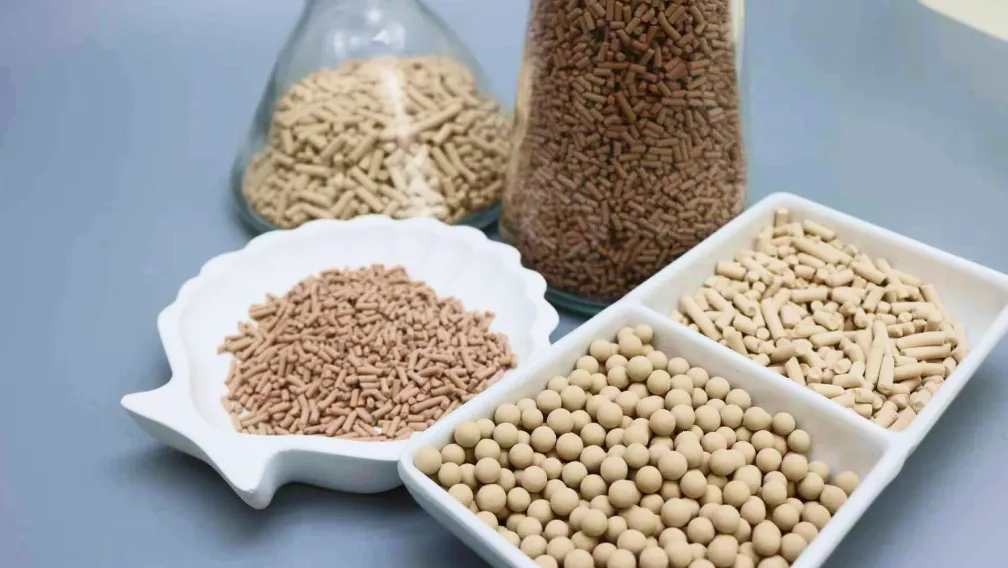
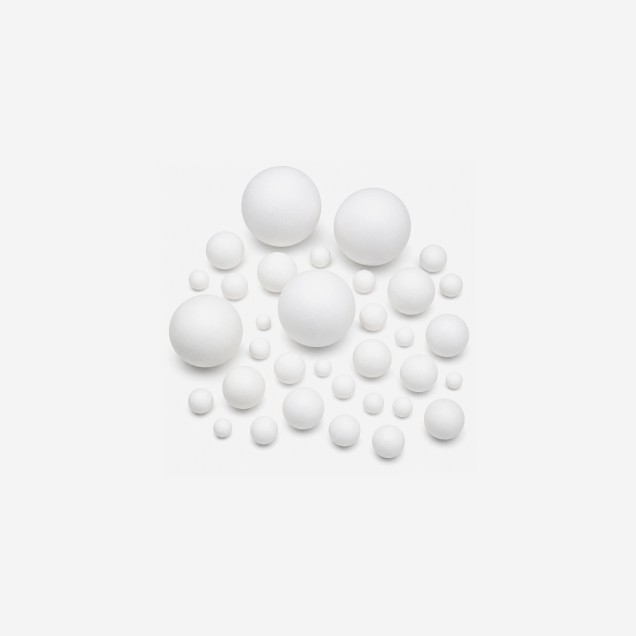
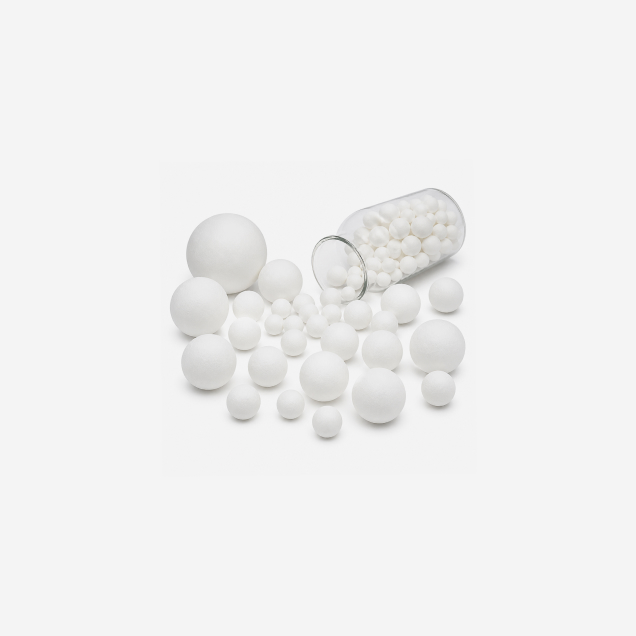
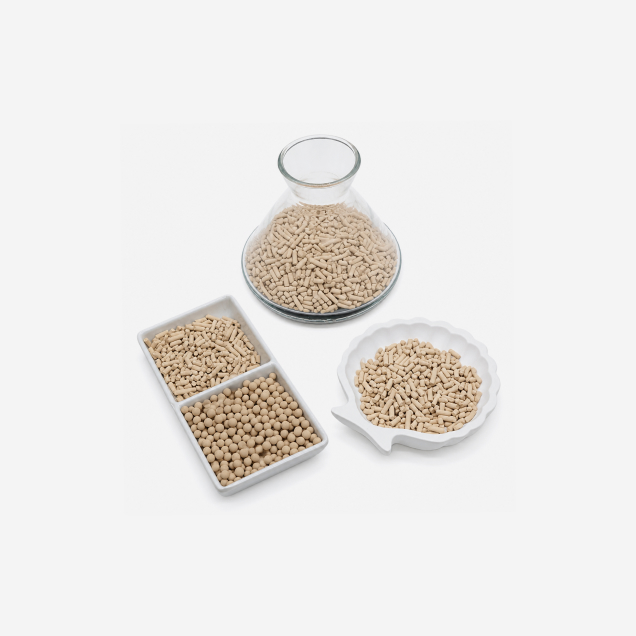
The media comes as balls for ball, jar and vibratory mills, as finer beads in bead and sand mills, and as cylinders, in sizes from well under a millimetre up to around ninety millimetres. Larger media break a coarse feed; smaller media grind fine. A mill runs best on a graded charge of sizes rather than one, filled to the level the mill design calls for, and we work the size mix out from the mill and the material.
Steel media is cheap and dense, but it sheds iron and rust into the batch and rusts between runs, which rules it out for white, electronic and food or pharmaceutical products. Natural flint and pebbles are cheap but soft and irregular, so they wear fast and grind unevenly. Alumina sits between them on price and above both on cleanliness and wear, which is why so much precision grinding has moved to it.
A consistent grade, a clean round shape and media sorted free of cracks are what give a predictable grind and a long life; a cracked ball shatters in the mill and can spoil a batch. We supply alumina grinding balls, beads and cylinders across the grade ladder and the size range, from a sample up to full tonnage, boxed or in one-tonne bulk bags for shipping.