Home > Ceramic Grinding Media
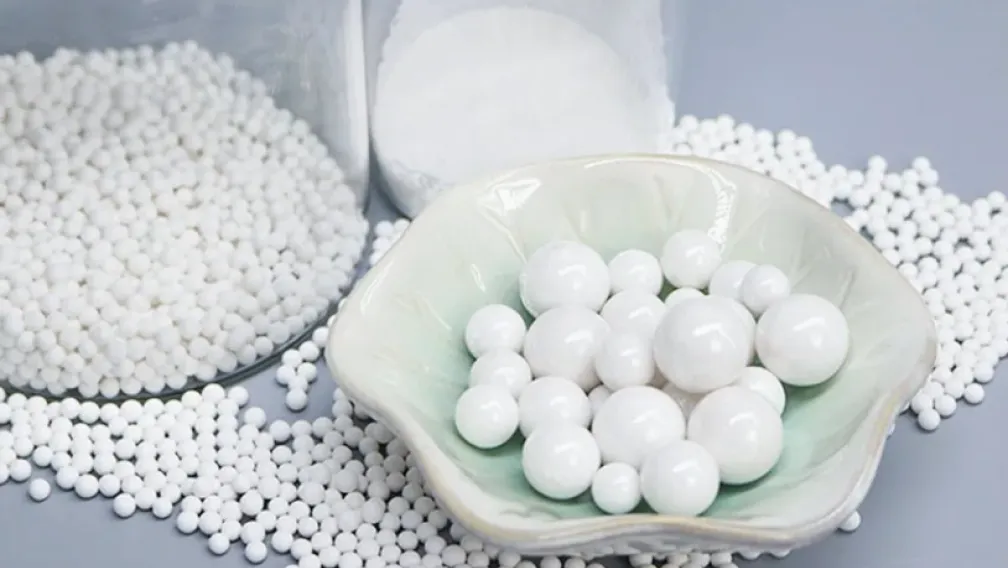
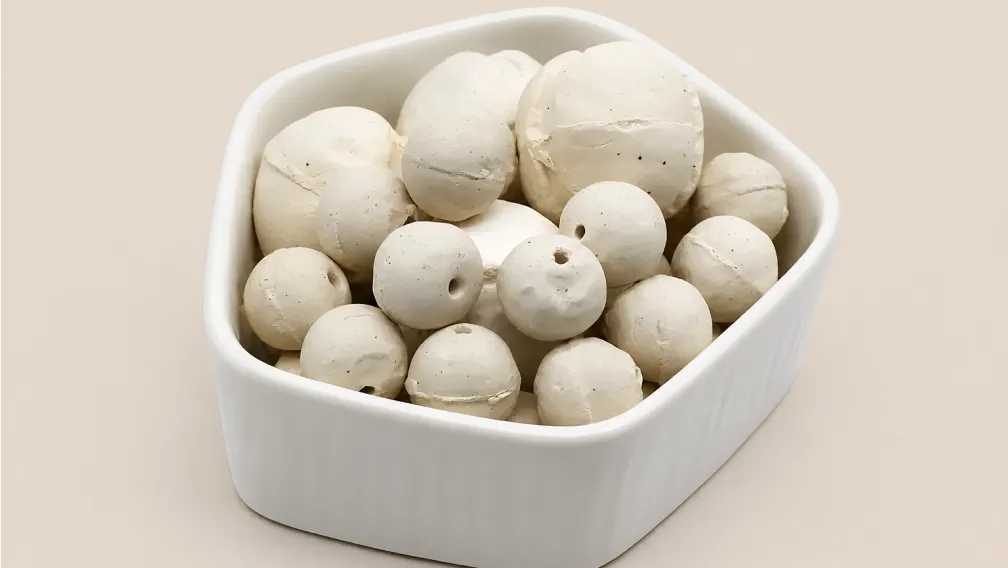
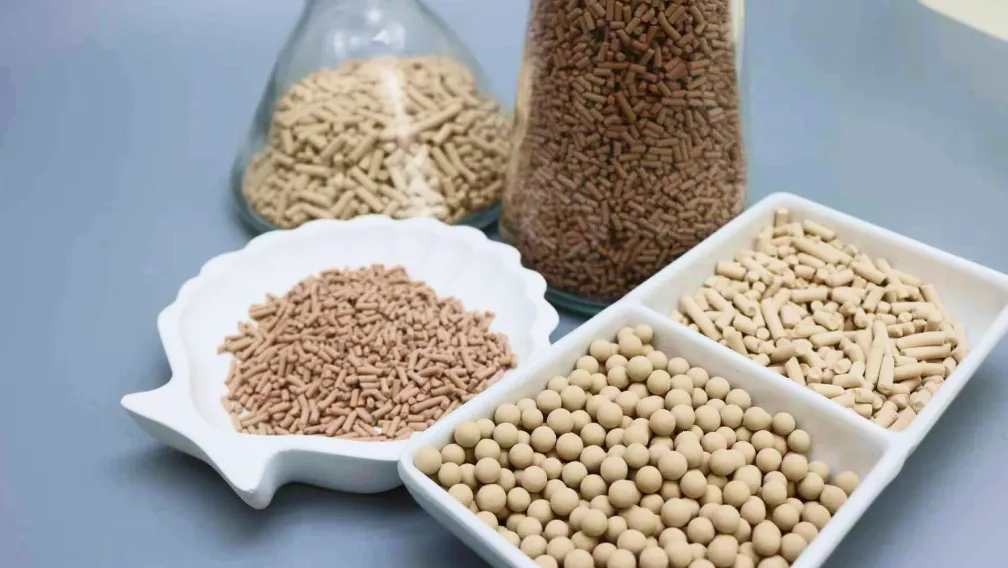
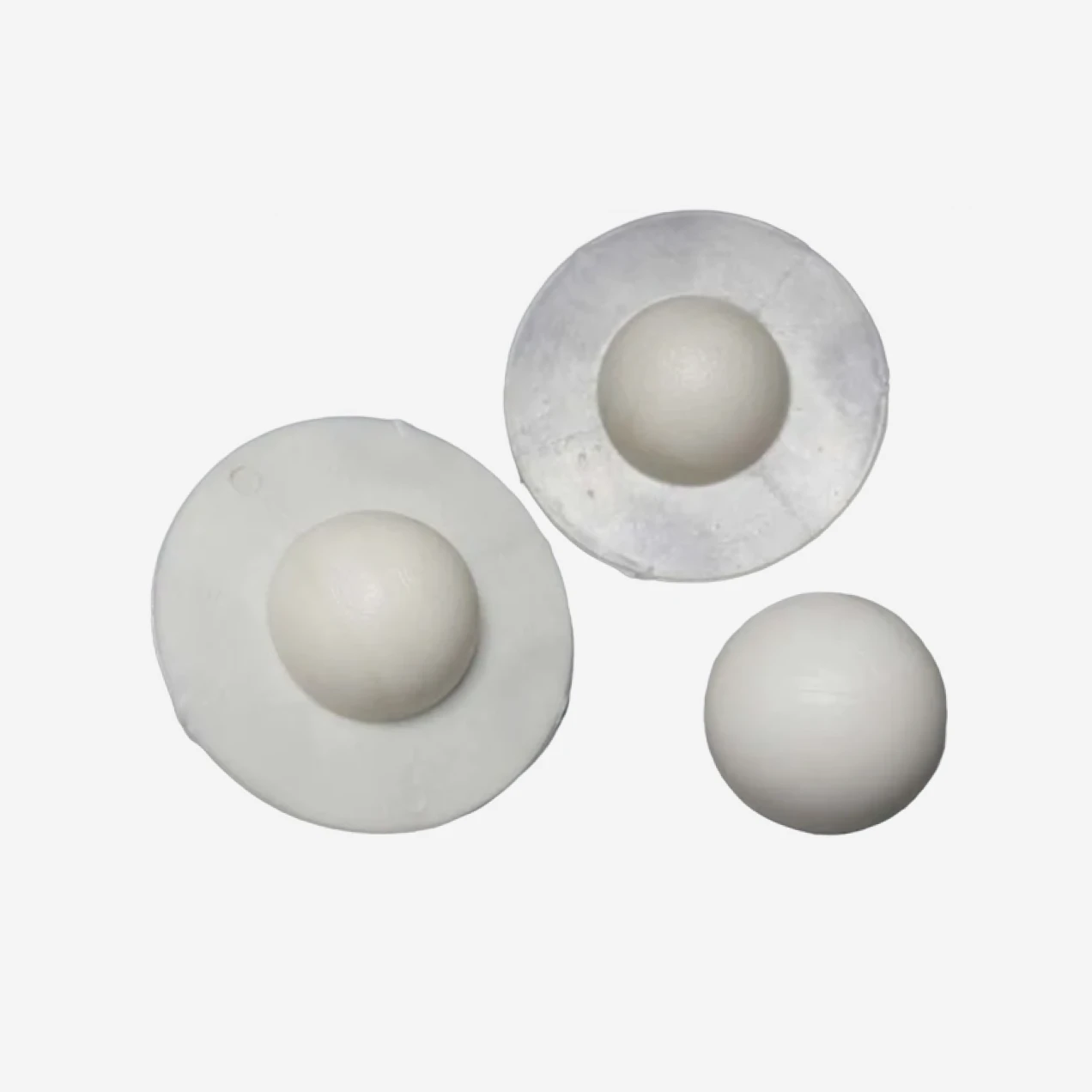
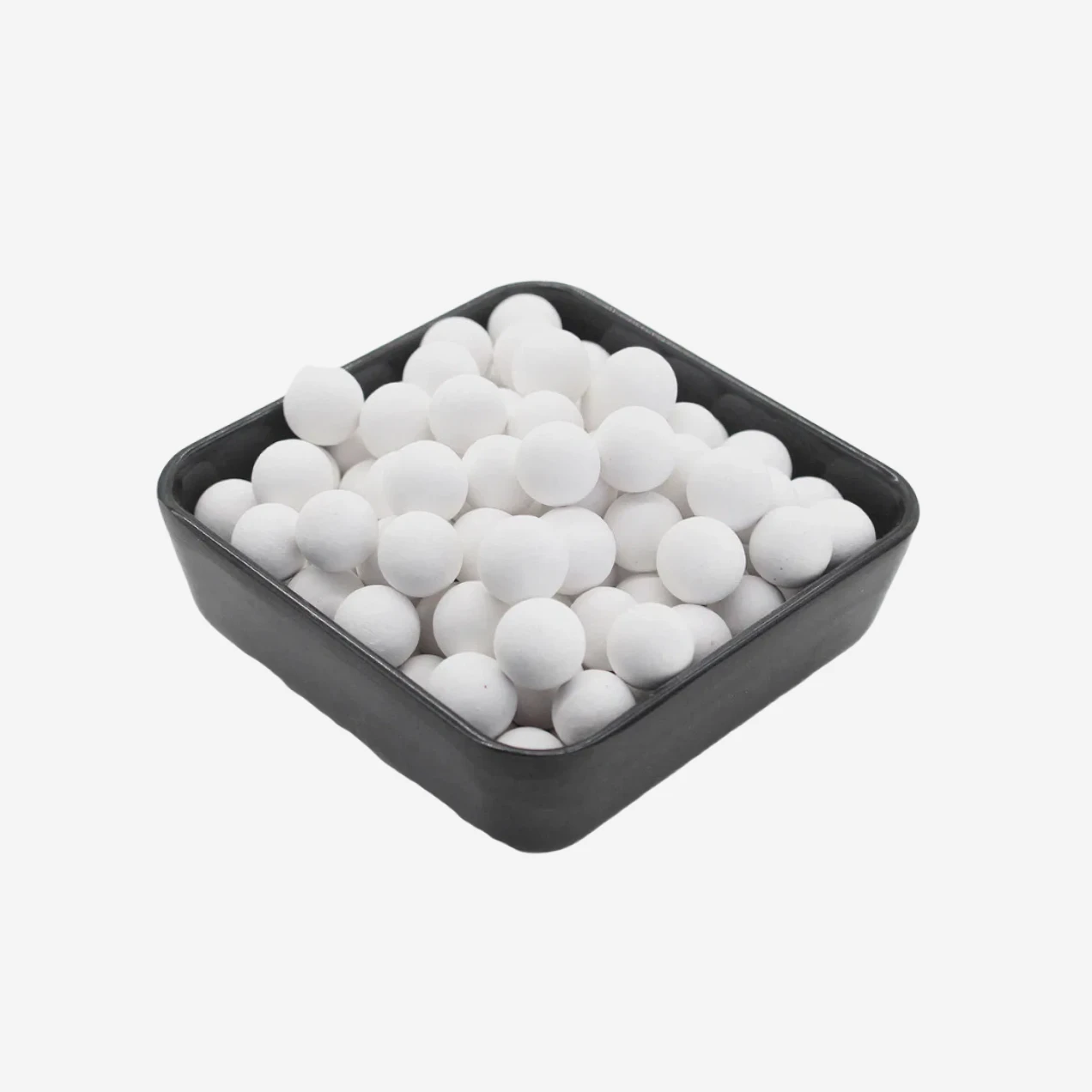
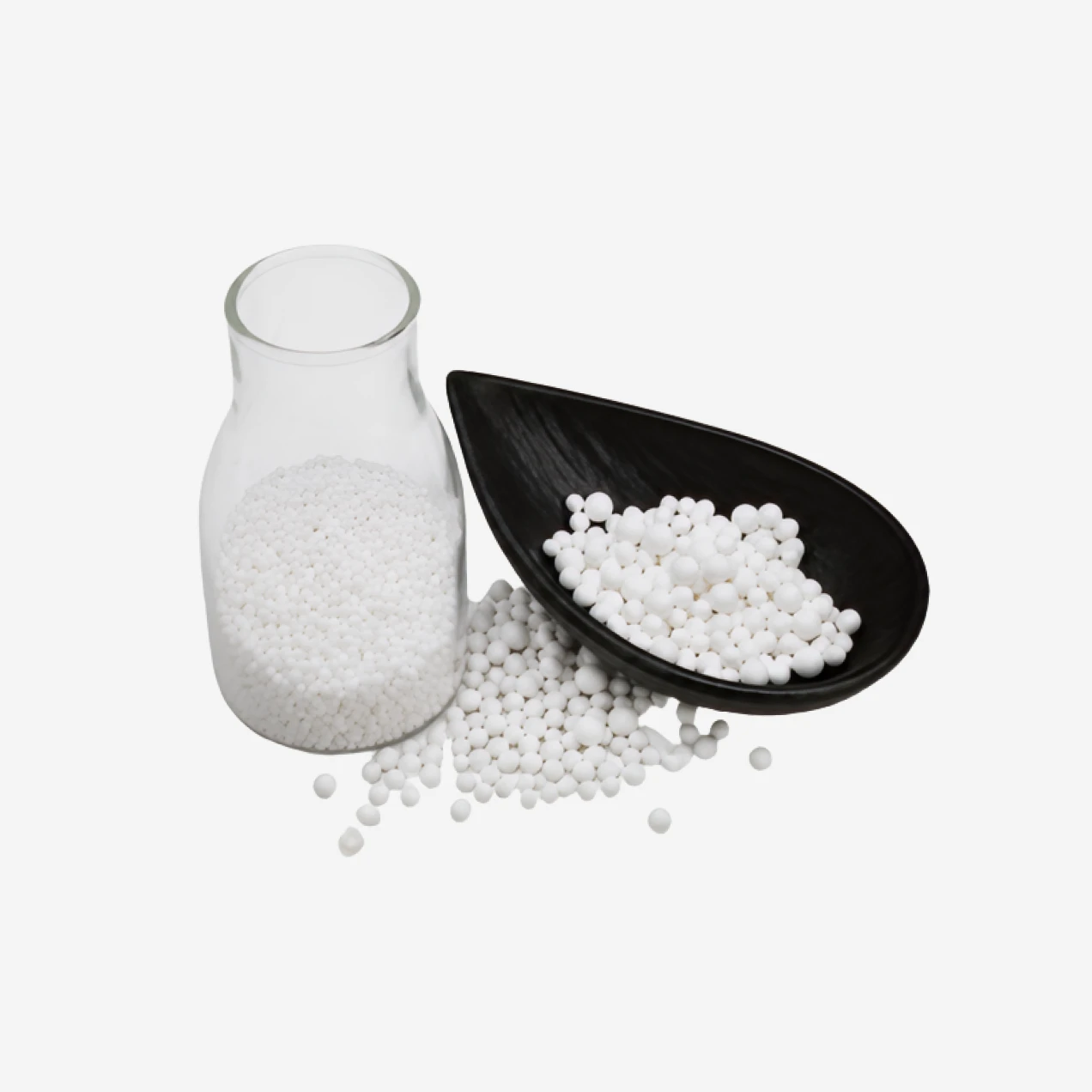
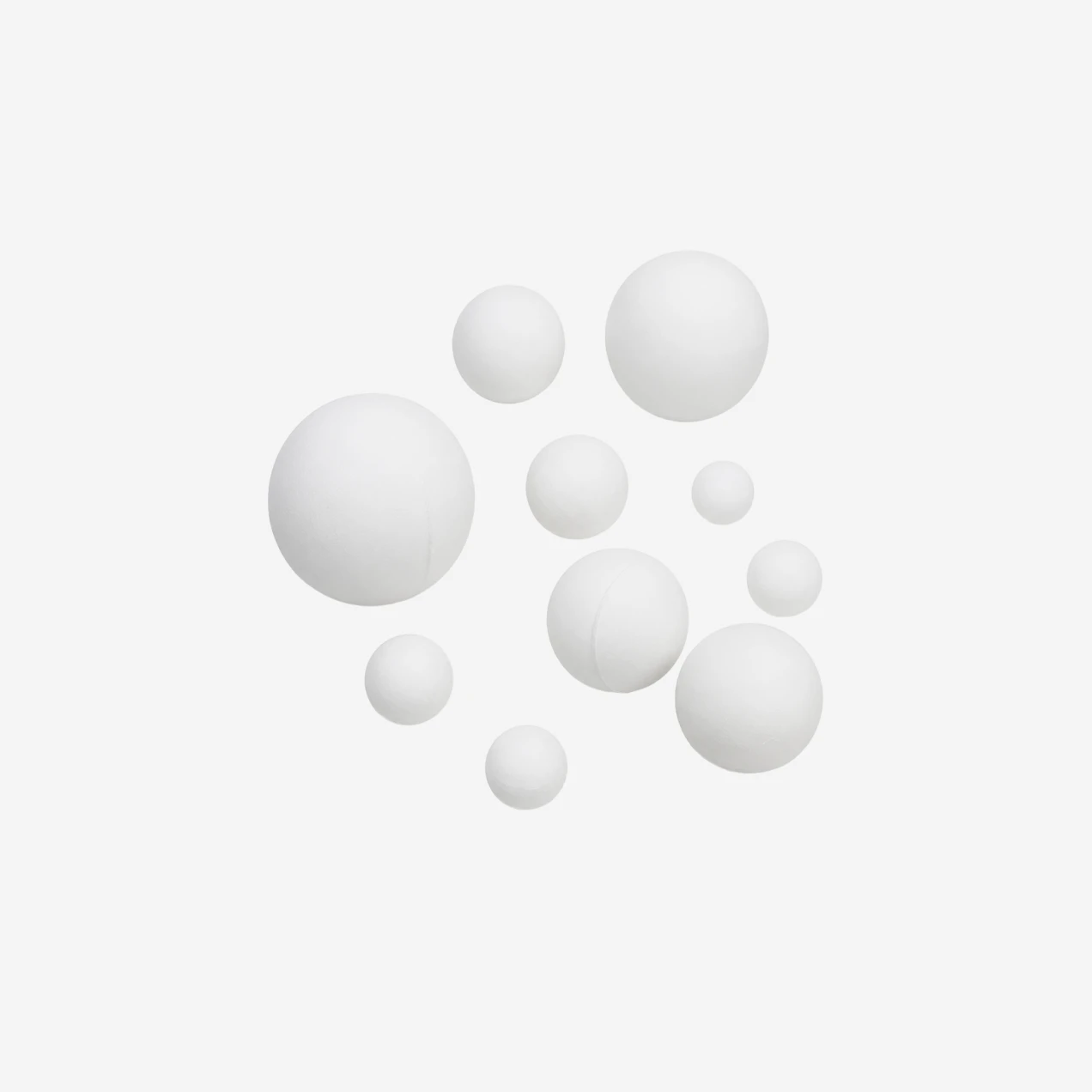
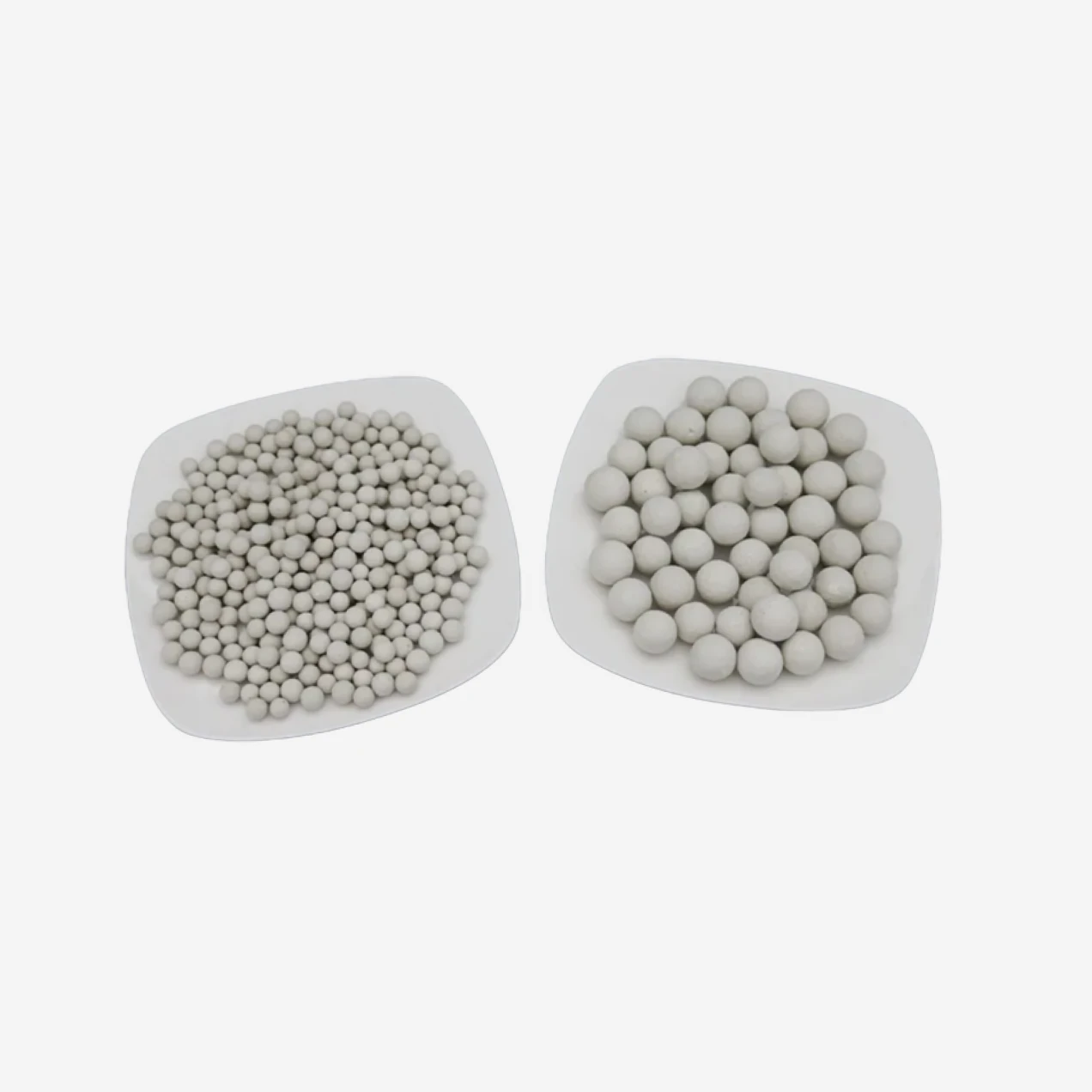
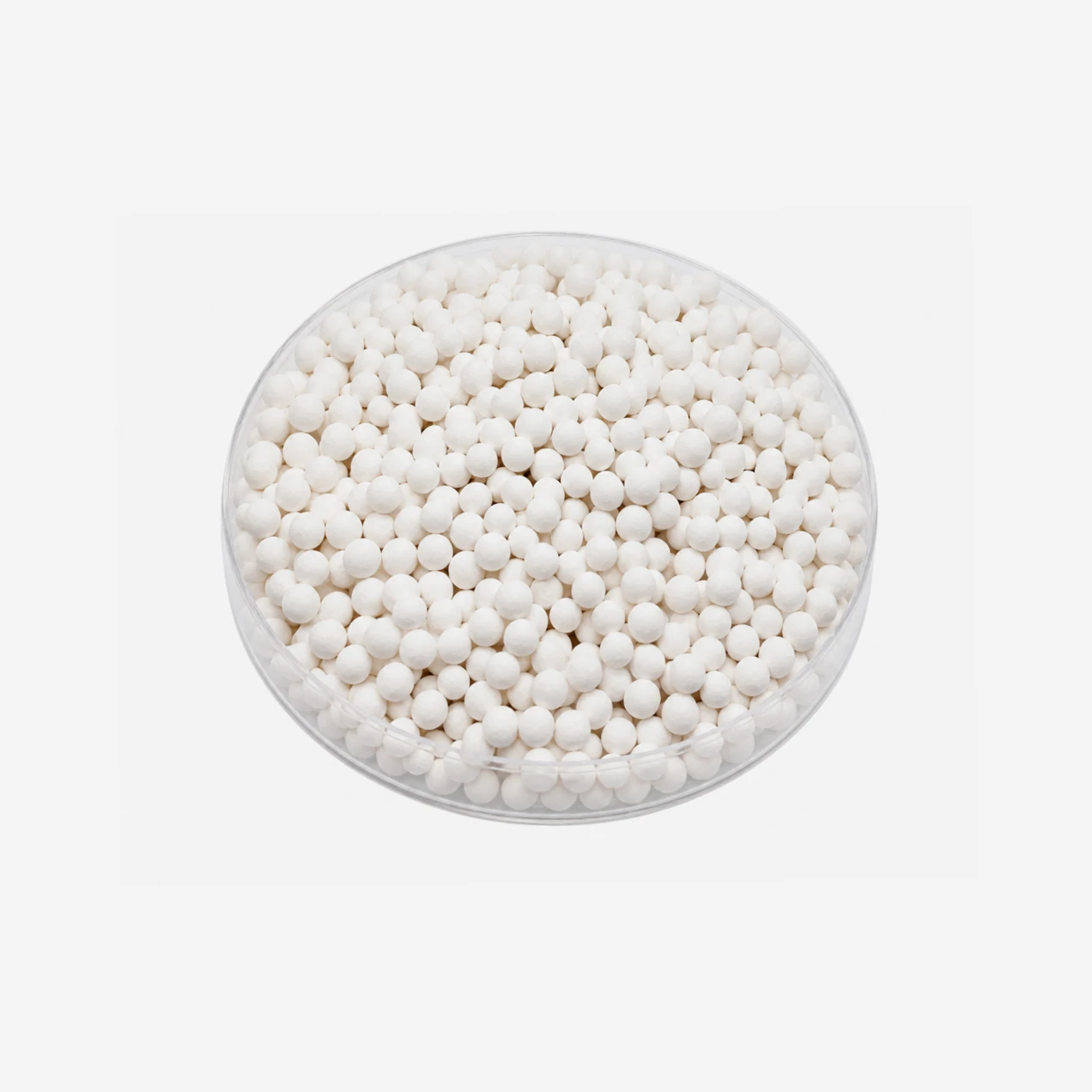
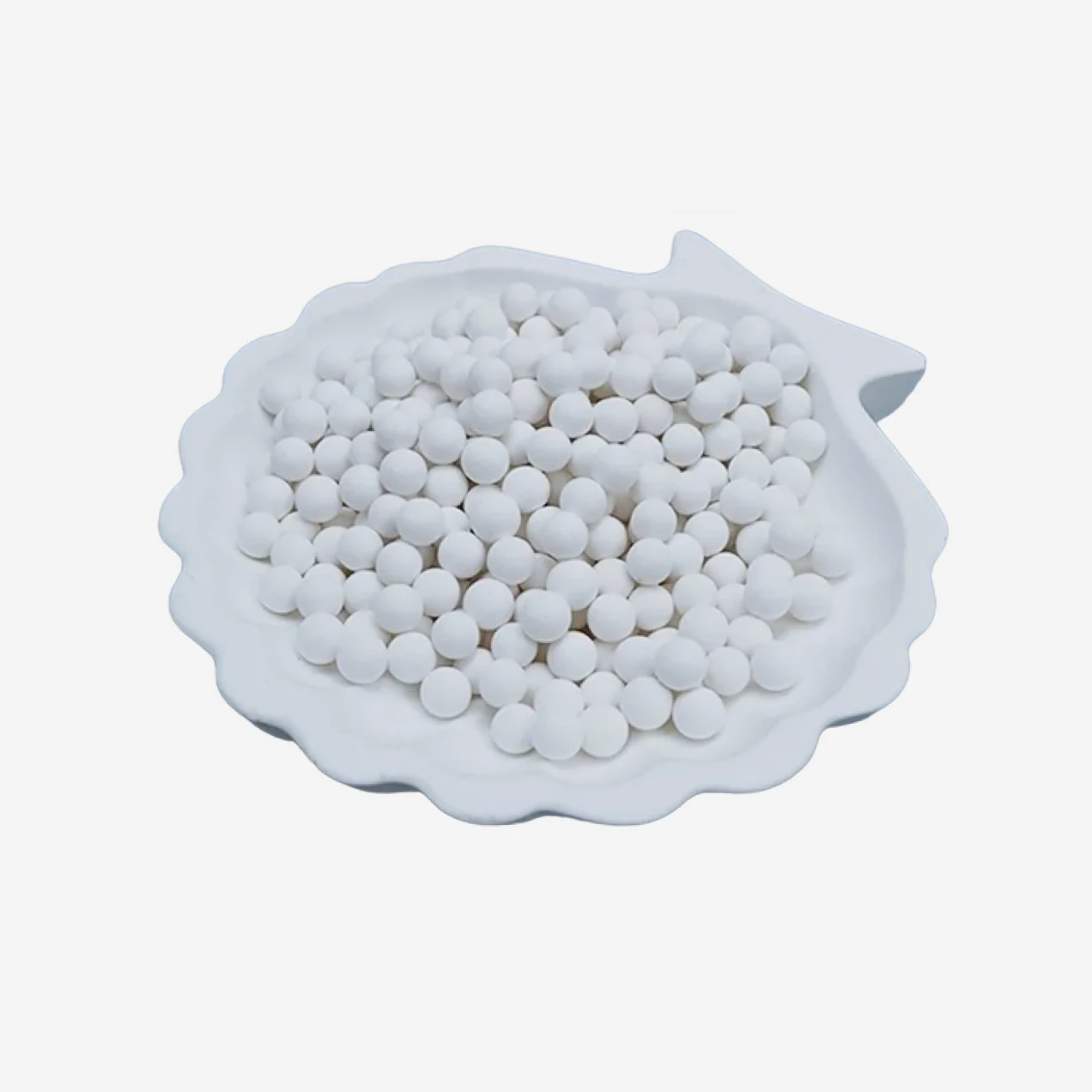
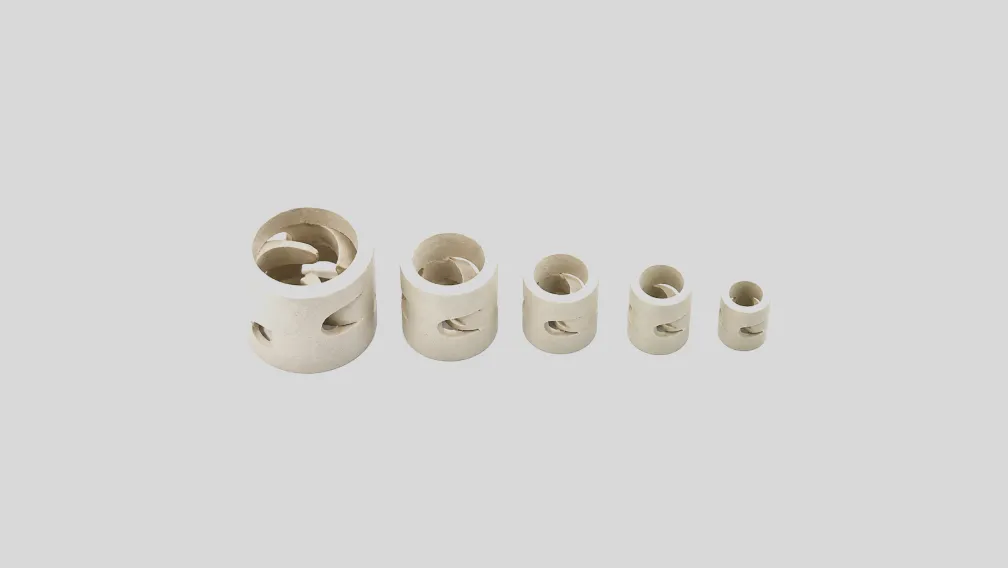
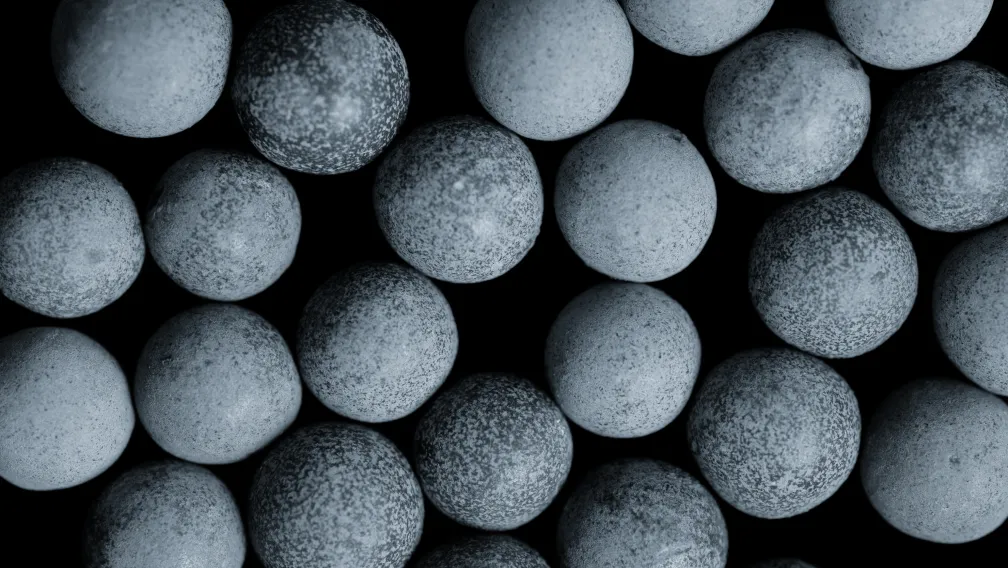
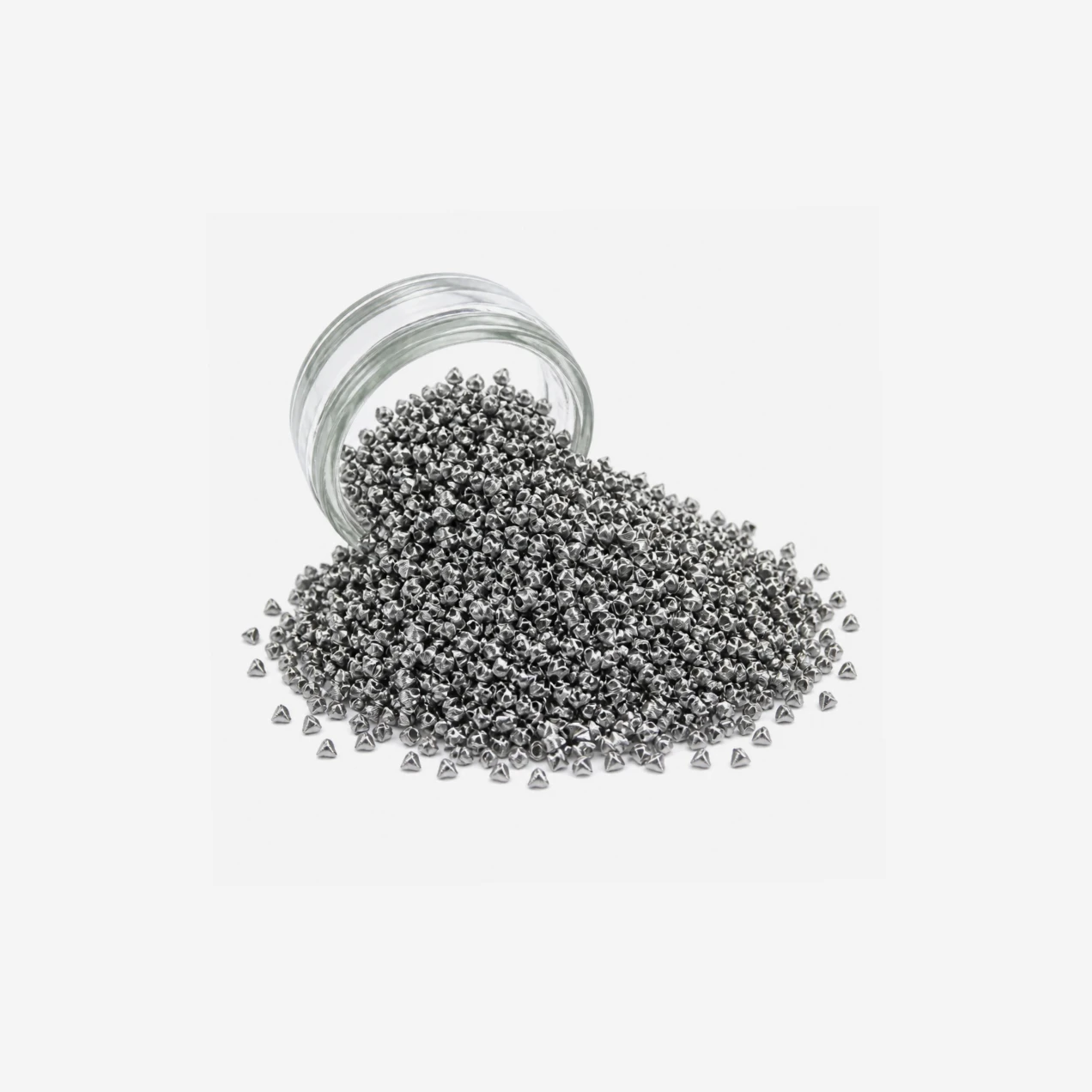
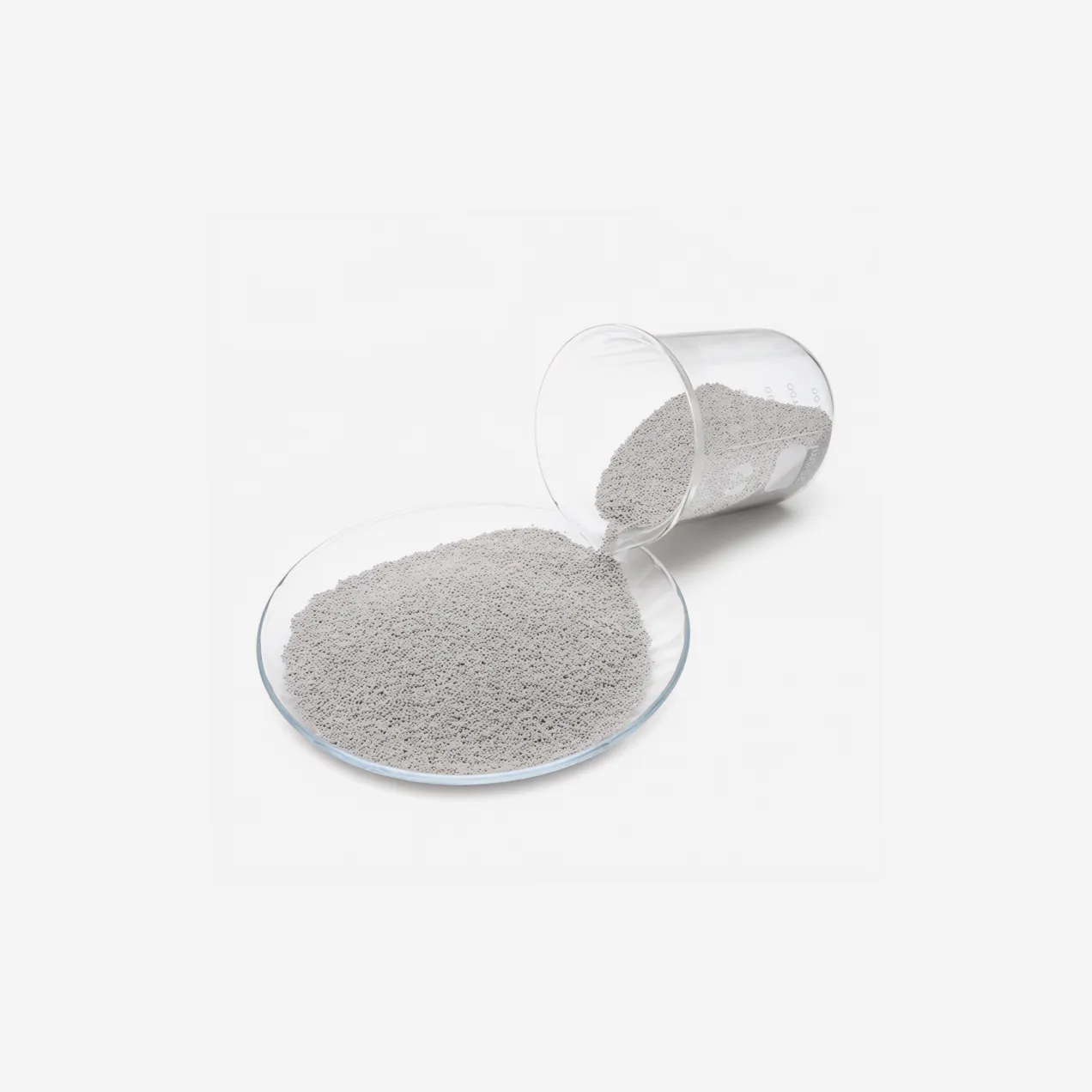
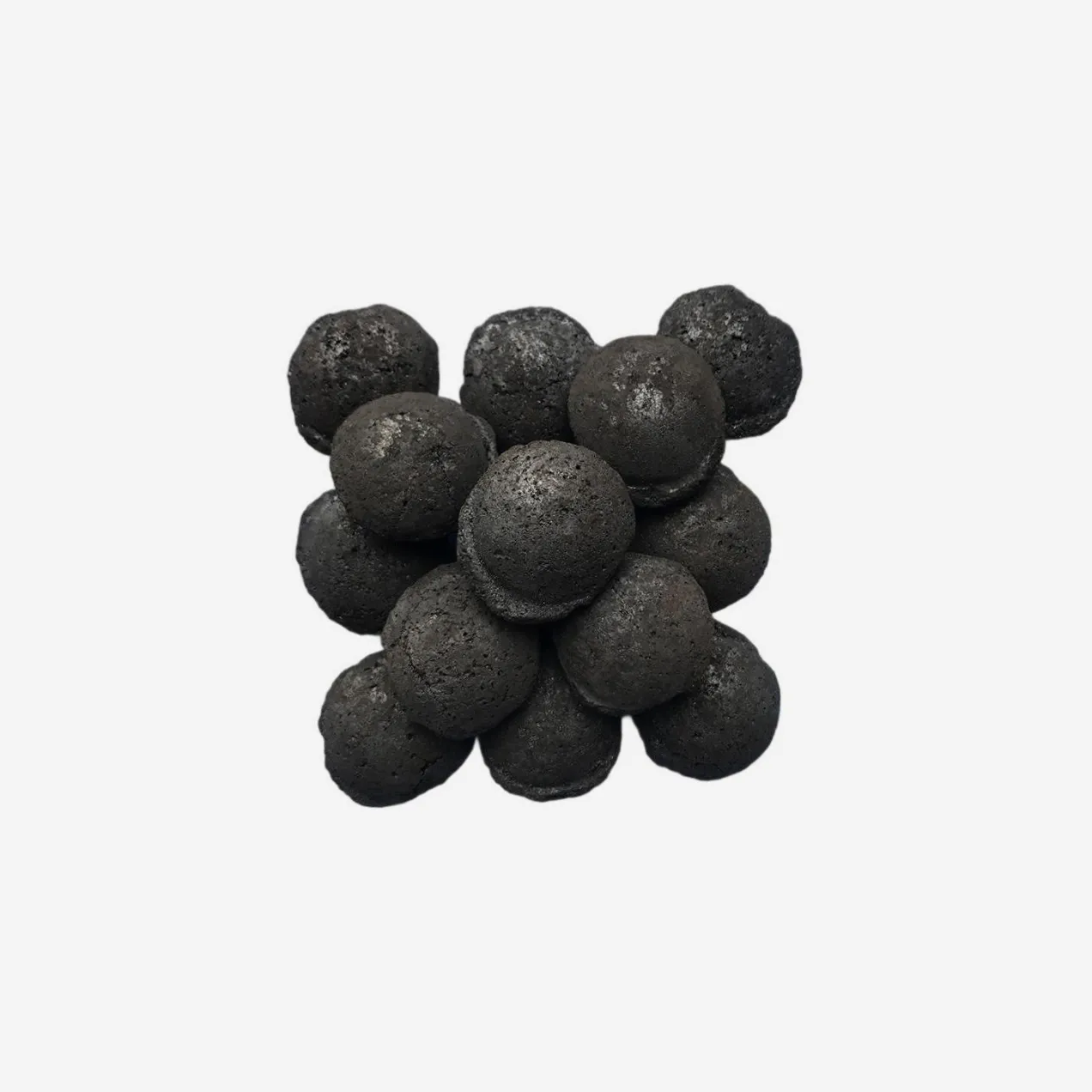
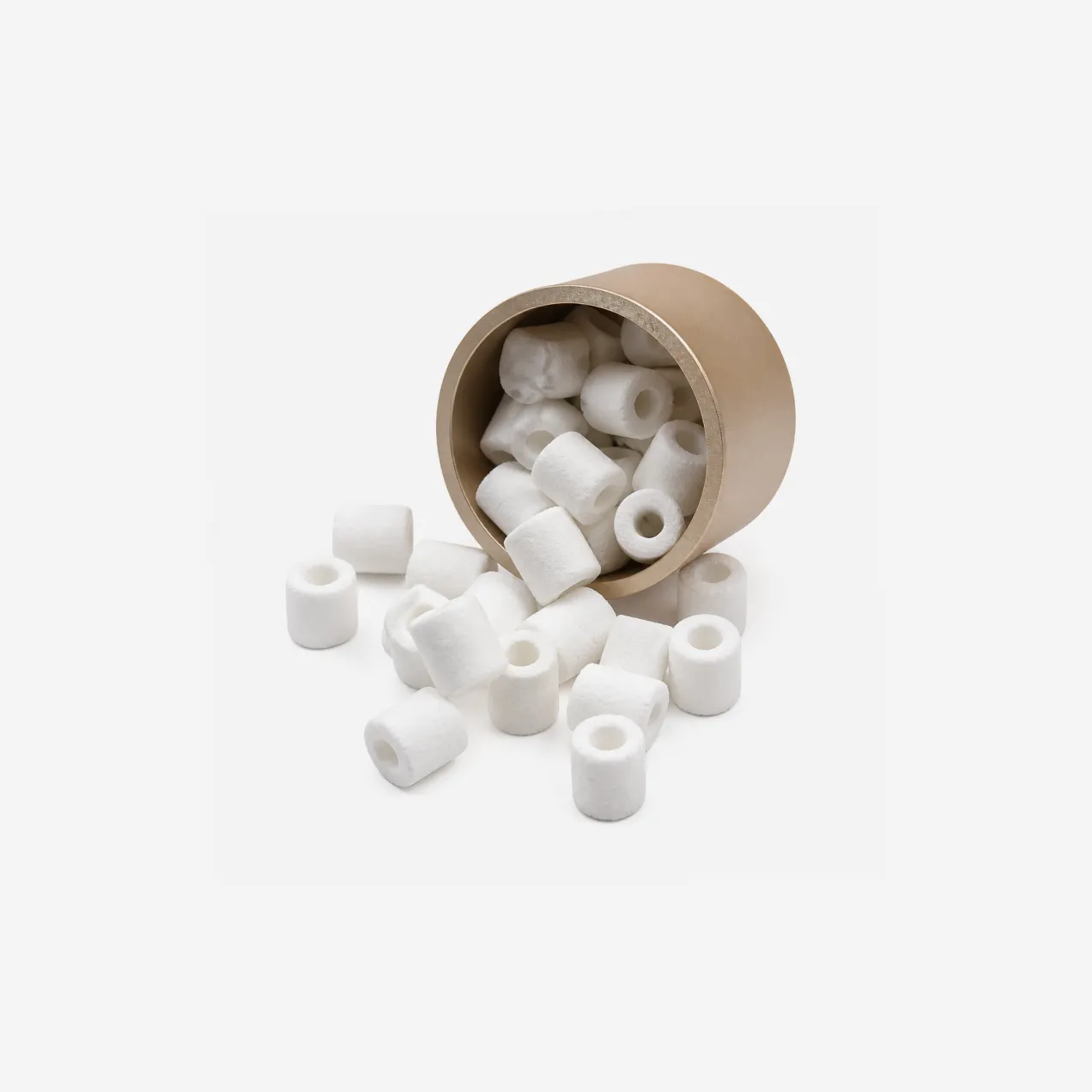
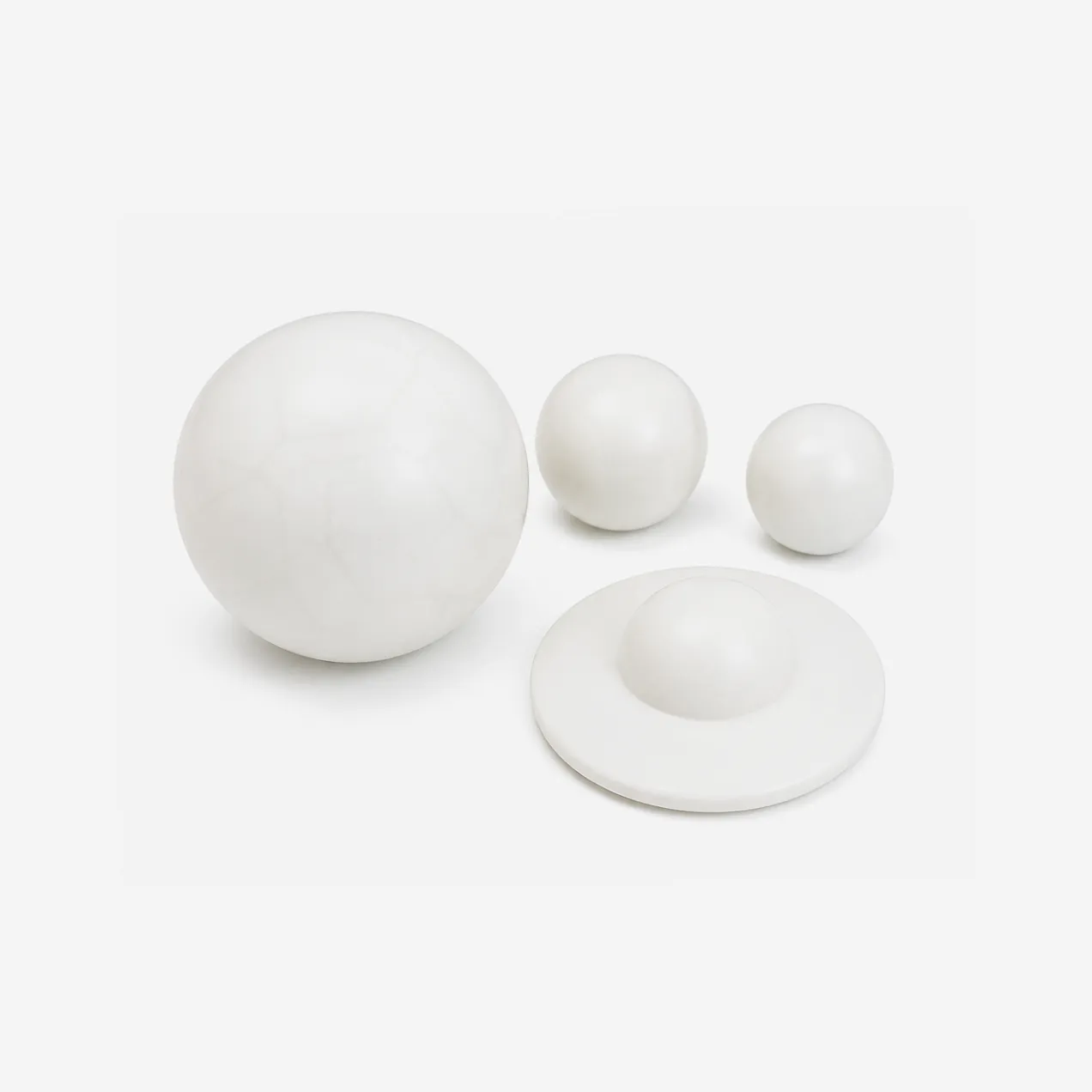
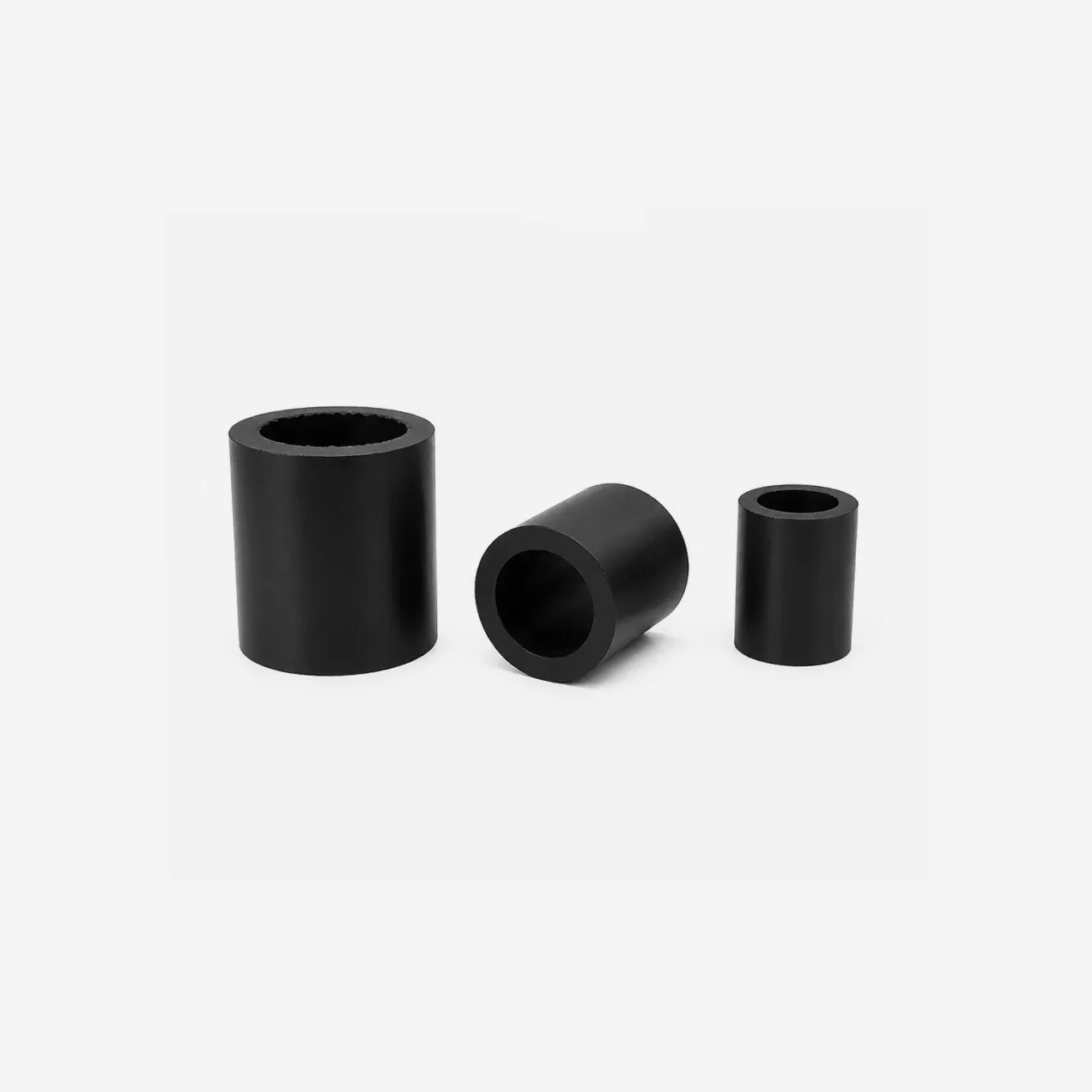
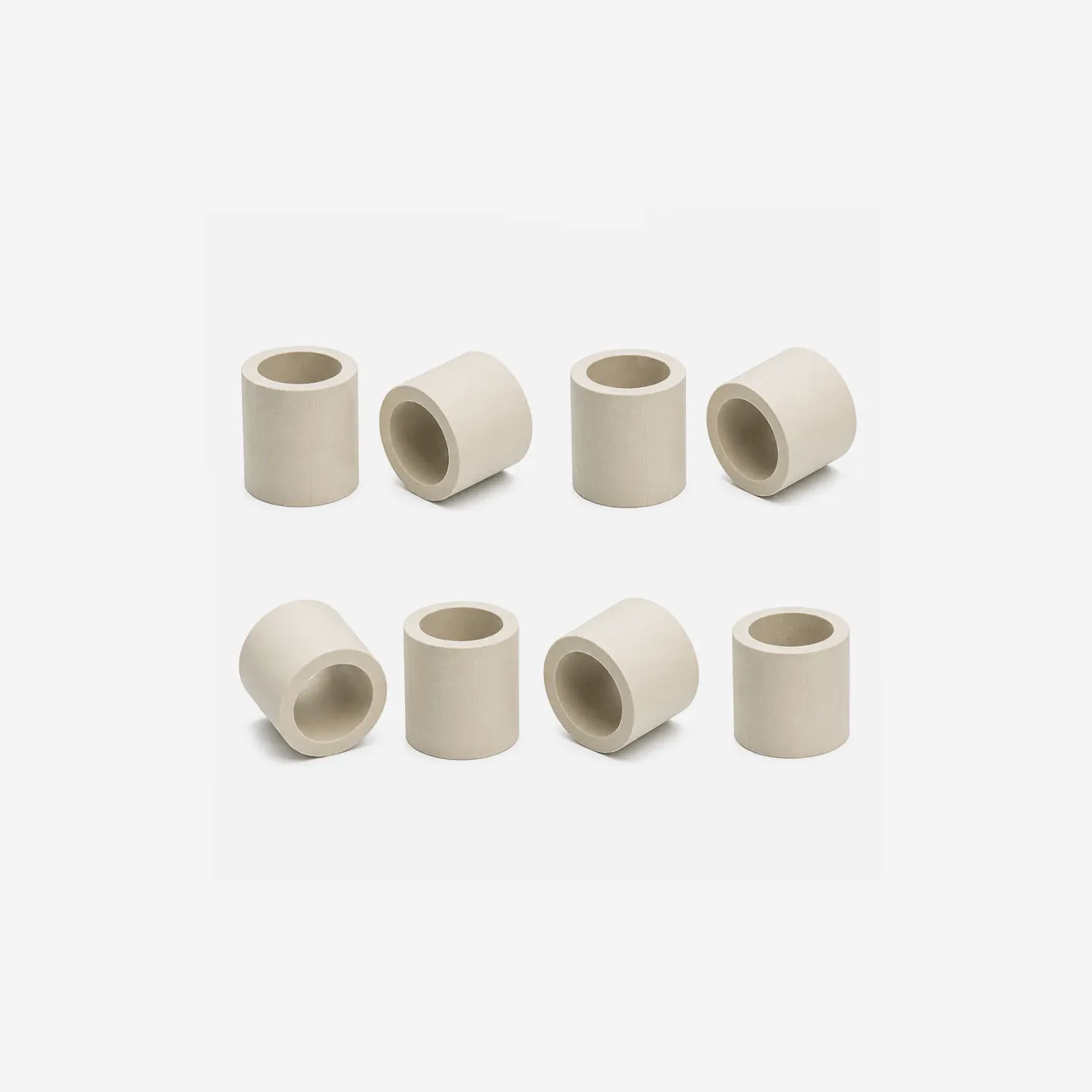
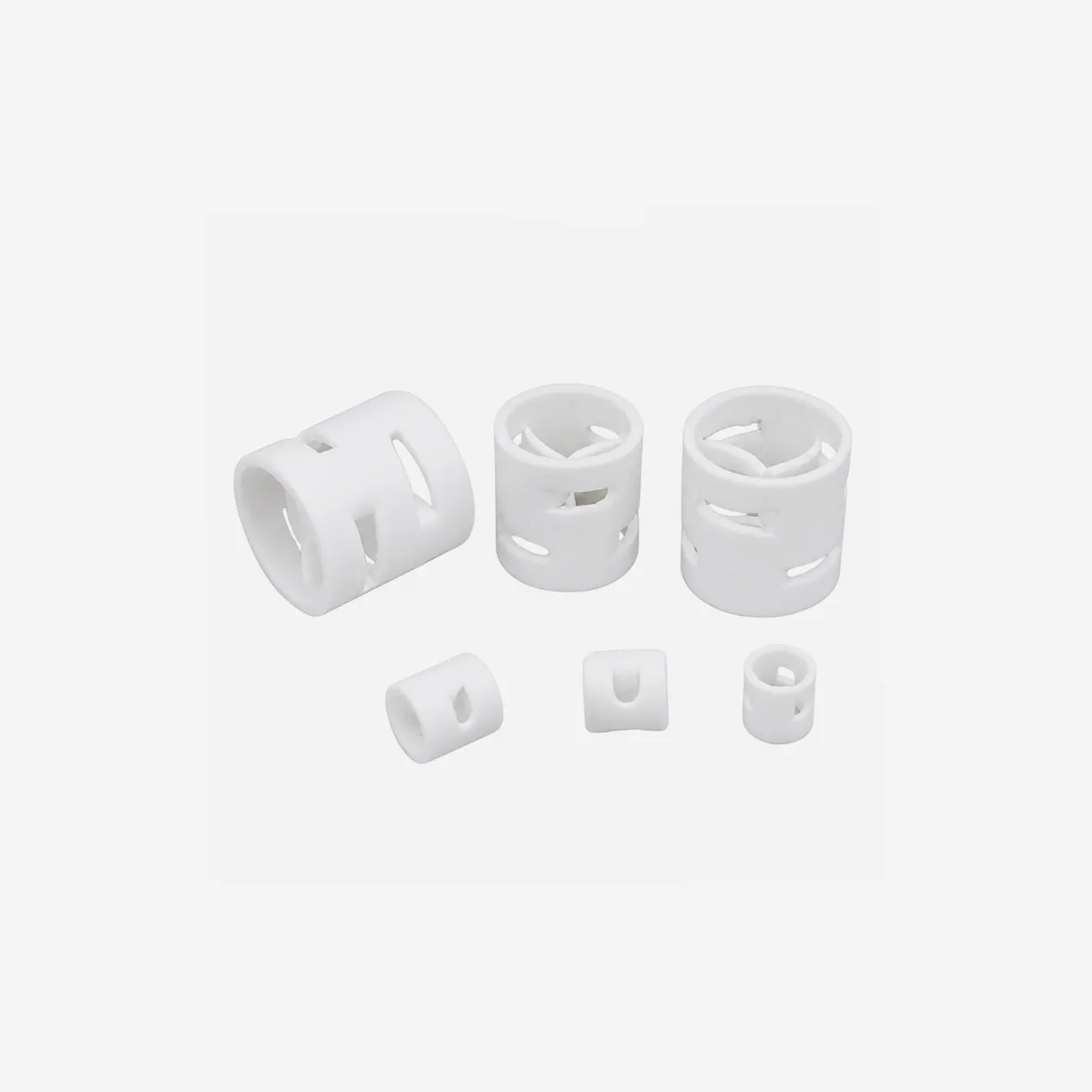
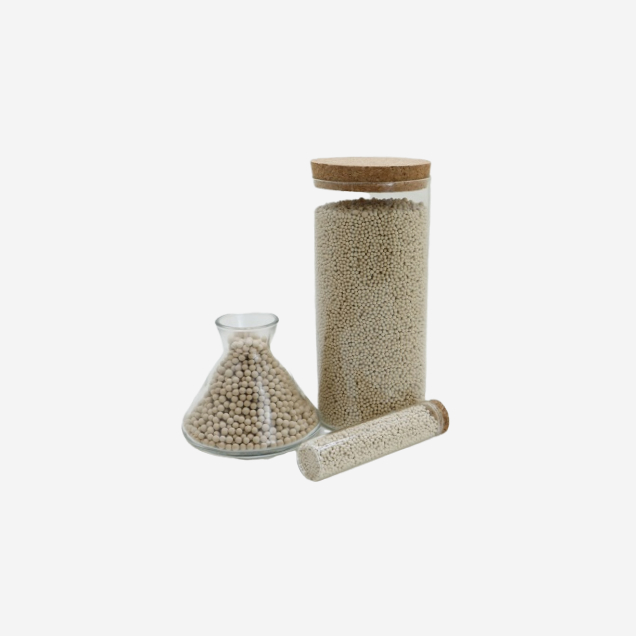
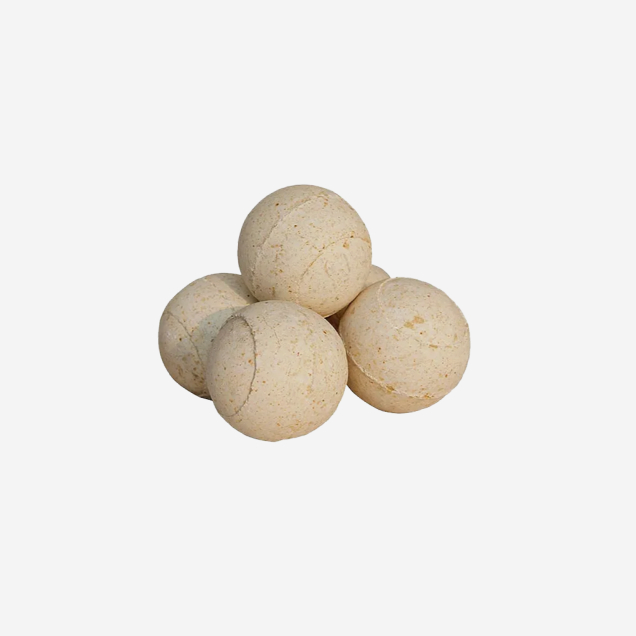
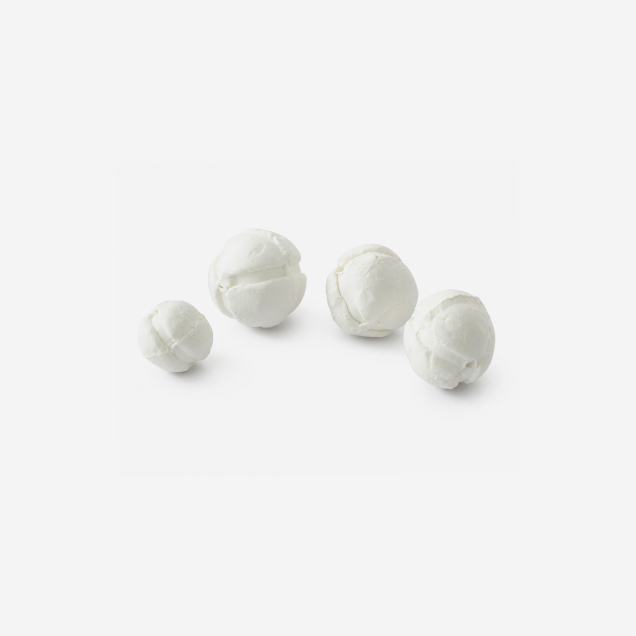
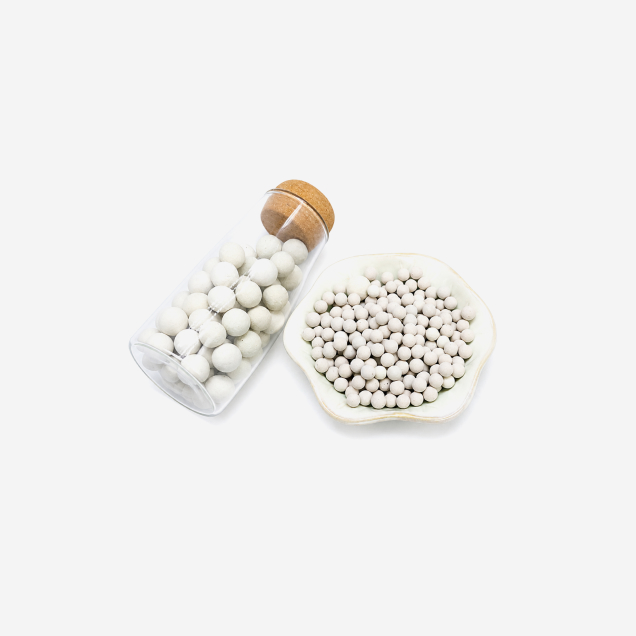
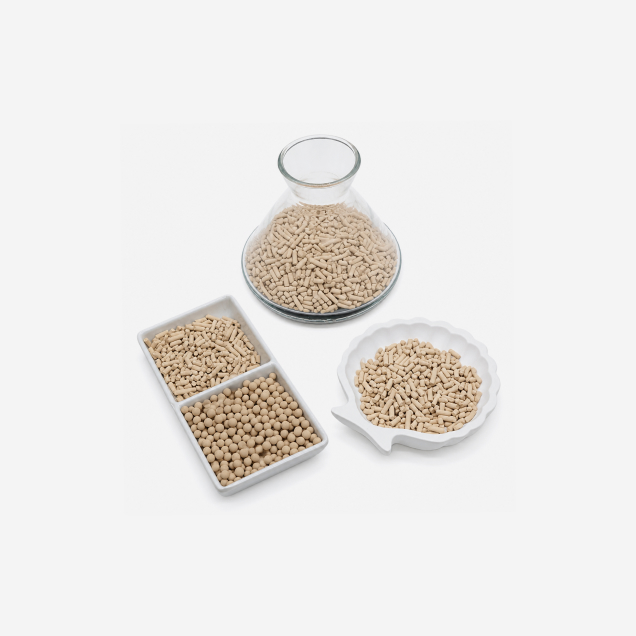
Ceramic grinding media is the ball or bead charge that grinds material inside a ball mill or bead mill. It grinds ceramic body and glaze, ore and cement, paint and pigment, and battery and electronic powders. It is used instead of steel wherever the product has to stay clean and free of iron.
For most fine and high-purity grinding, yes. Alumina media adds no iron and does not rust, so it keeps the product clean where steel would stain it. Steel is denser and grinds faster by weight, so it still suits some coarse and heavy duty, but for ceramics, paint and battery work alumina is the standard. We help you weigh the two for your mill.
It comes down to how clean the product must be and how fine you need to grind. The high-alumina grade suits fine grinding and purity-critical work, the mid-alumina grade suits coarser or cost-driven duty. For ball size, larger balls grind a coarse feed and small balls and beads finish it fine, often as a graded charge. Tell us the feed, the fineness and the mill and we match the media.
Because the media is hard, dense and chemically stable, it wears very slowly and adds almost nothing to the product. There is no iron to stain a glaze, no rust, and very little silica, so the milled powder stays close to its original purity. That is why ceramic media is chosen for white glazes, pigments and battery materials.
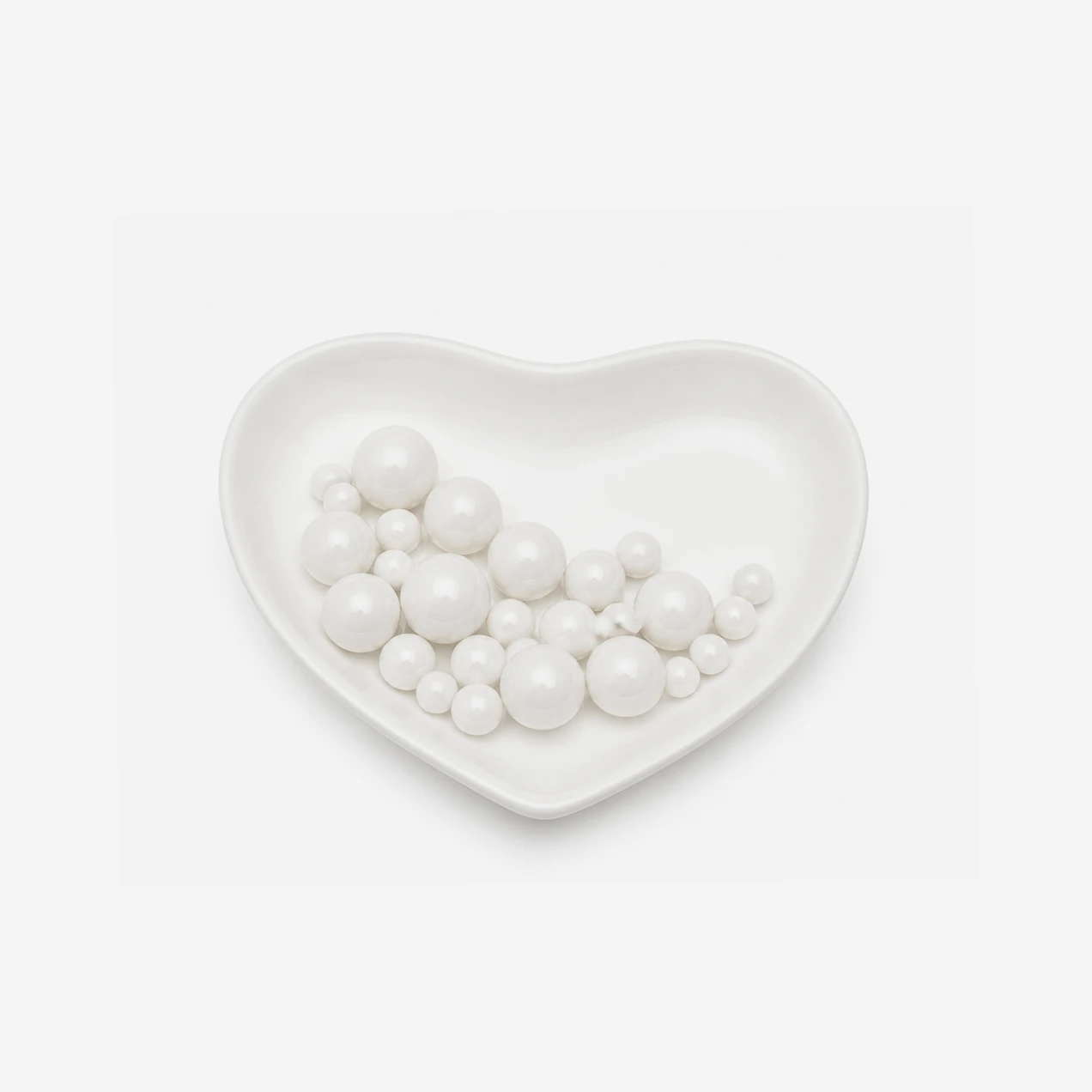
Yes. For ultra-fine and contamination-sensitive milling we supply zirconia and yttria-stabilised zirconia beads. They are denser and harder than alumina and give the lowest contamination of any media, which suits bead mills in battery, electronic and pharmaceutical work. The grade is chosen with you from the mill and the product.
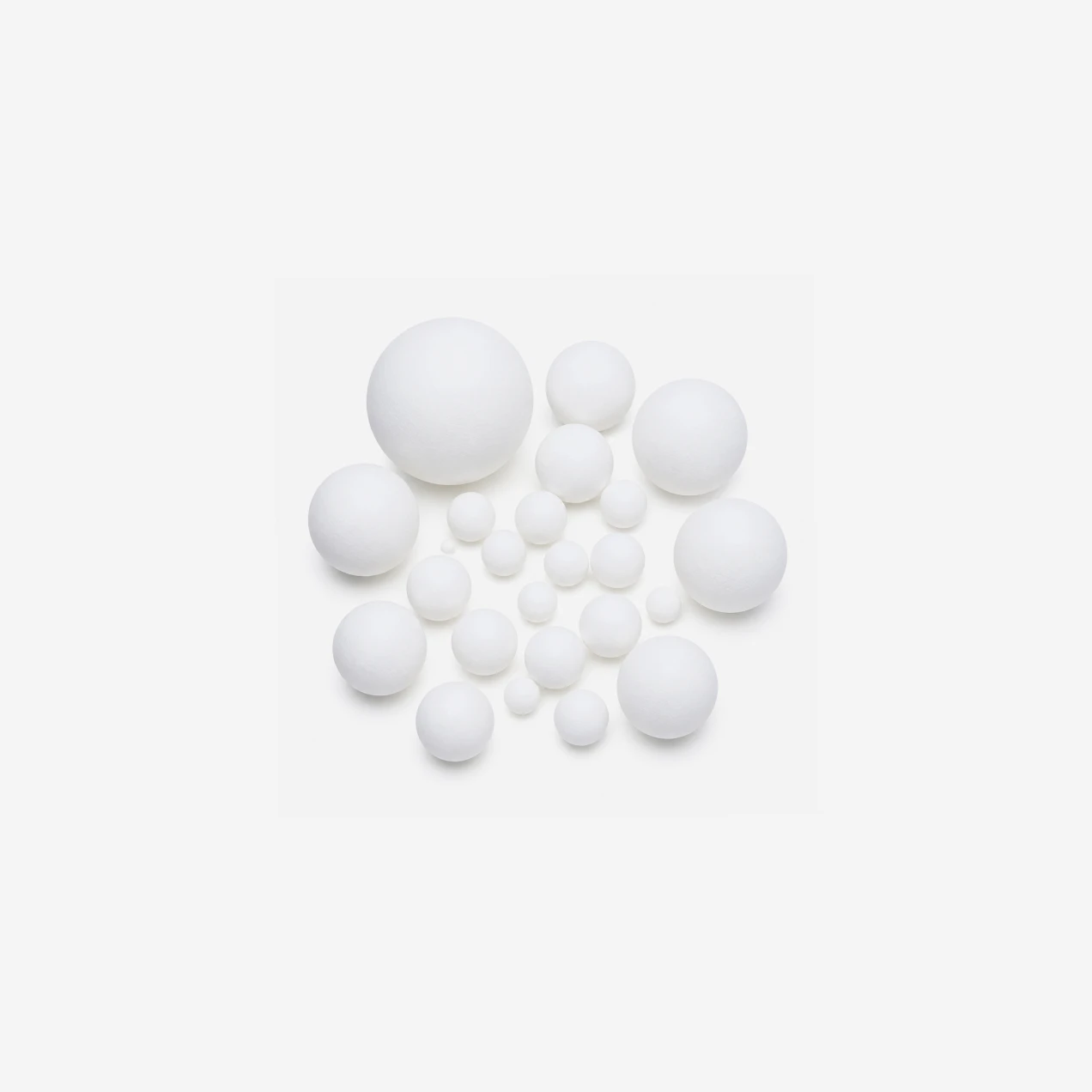
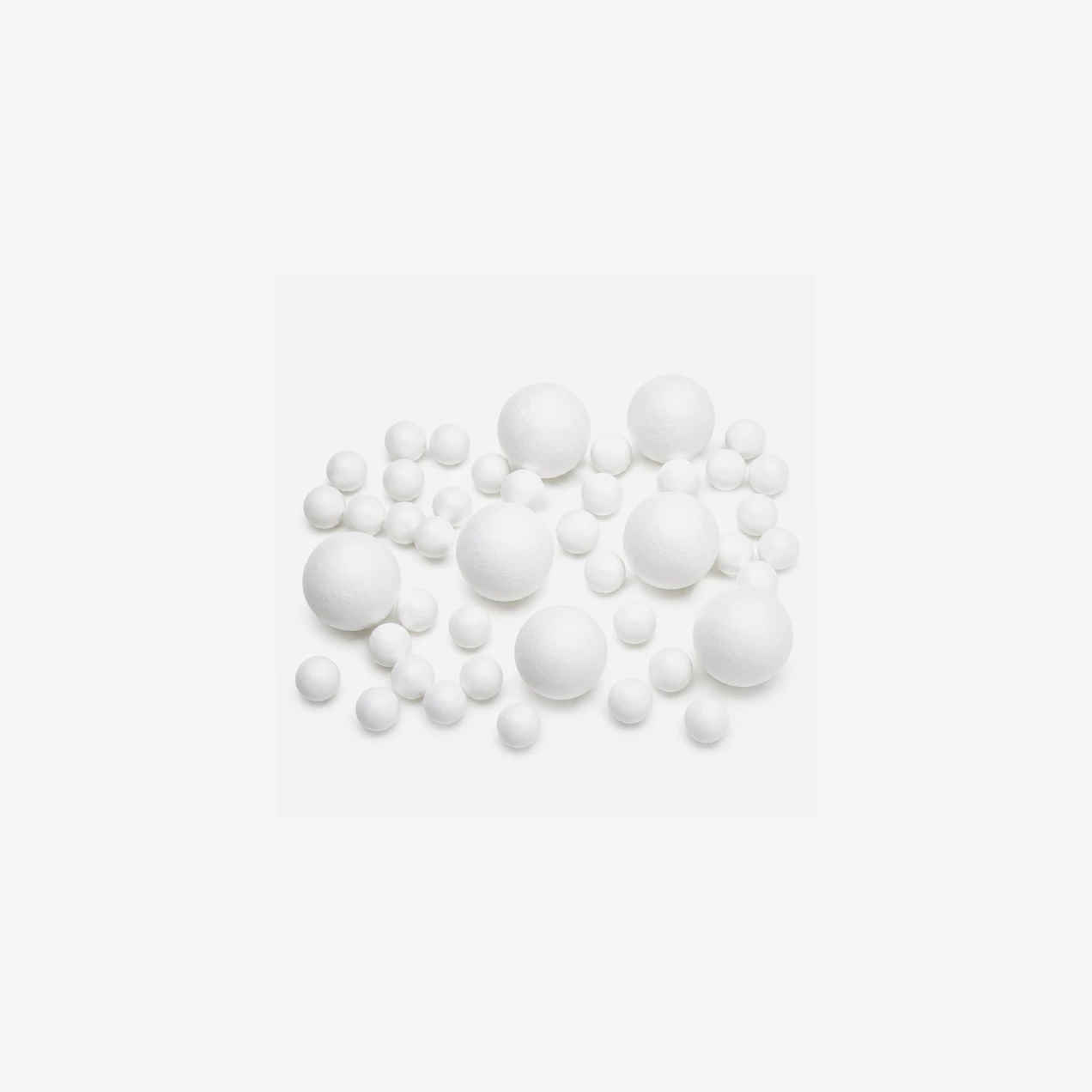
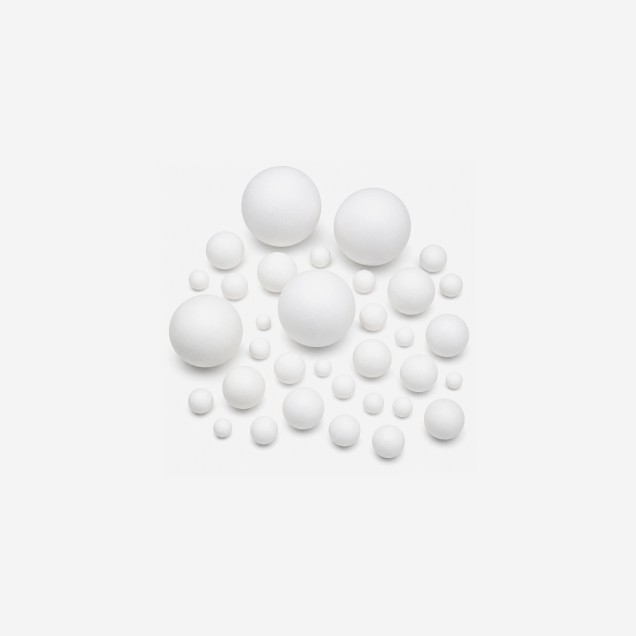
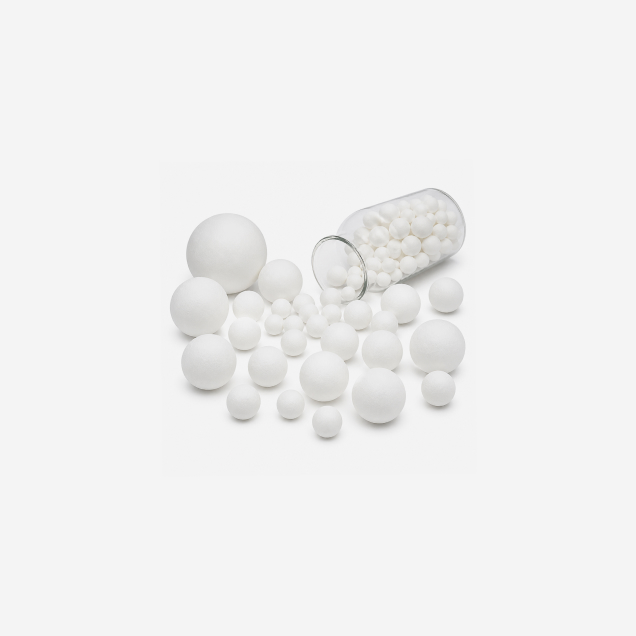
We supply balls and beads from small sizes up to sixty millimetres, made to the national standard HG/T 3683 and sorted free of cracks and impurities. Size, grade and charge are set to your mill and your feed, so the media drops into your existing line. Send the mill type, feed and fineness and we will recommend the charge.
The minimum order depends on the grade and size, and full mill charges ship by the tonne while samples are smaller. Lead time runs from stock for standard sizes to a few weeks for special grades or sizes. Send the grade, size and quantity and we will confirm both on the quote.
Ceramic grinding media is the ball or bead charge that grinds material inside a mill. Alumina and zirconia replace steel and flint wherever the product has to stay clean, because they add no iron and do not rust. Two things set the result: the media's density and hardness, which drive how fast and fine it grinds, and its purity and wear rate, which decide how clean the product stays and how long the charge lasts.
In a ball mill the charge tumbles and grinds the feed by impact and attrition; in a bead mill, small beads are stirred at speed and grind by shear. Either way the energy each ball or bead carries comes from its mass, so a denser ball hits harder and grinds faster, and a harder ball holds its shape and wears slowly. Larger media break down a coarse feed, while small media and beads take the product down to a fine or ultra-fine size.
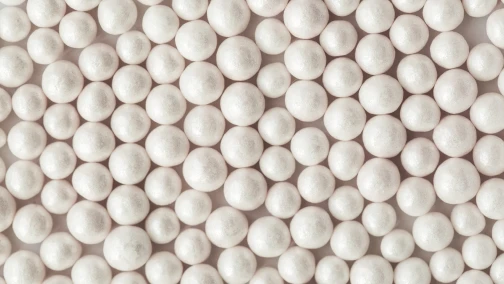
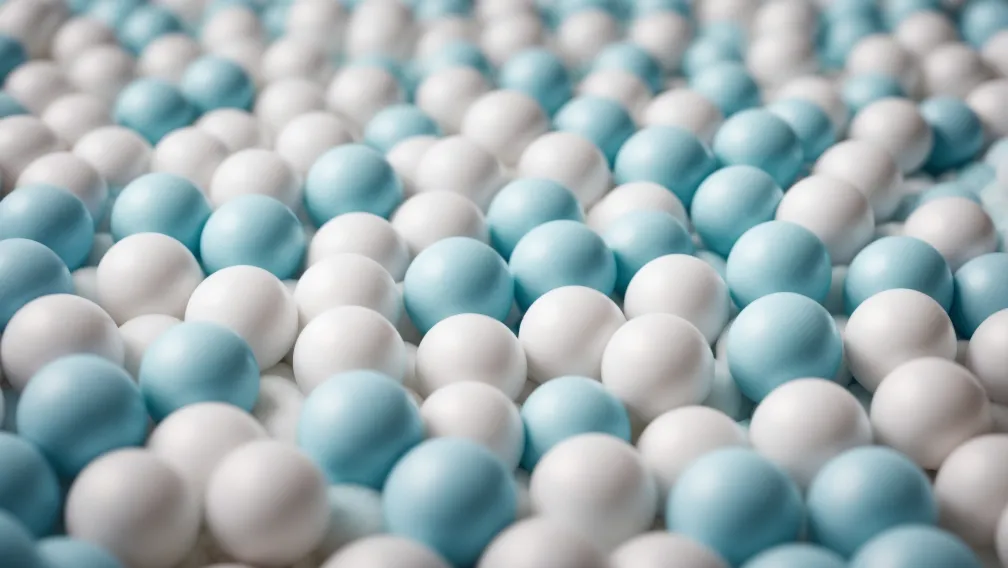
Mid-alumina media, at 65 to 70% Al₂O₃ and around 2.9 g/cm³, is the cost-effective charge for coarser or less demanding grinding. The 92% high-alumina grade is denser, at about 3.6 g/cm³, and harder, at Mohs 9, so it grinds faster, reaches a finer size and adds even less contamination. For most fine and purity-critical work the 92% grade pays for itself in shorter milling time and cleaner product.
Steel media is denser still and grinds quickly by weight, but it rusts and leaves iron in the product, which rules it out for white glazes, pigments and battery materials. Flint pebbles are cheap but low in density and slow. Alumina sits in between: clean like flint but far denser and harder, so it grinds quickly without the iron problem. The table below sets out the trade-off.
| MEDIA | DENSITY | HARDNESS | CONTAMINATION | BEST FOR |
|---|---|---|---|---|
| High-alumina (92%) | ~3.6 g/cm³ | Mohs 9 | Very low | Fine, purity-critical grinding |
| Mid-alumina (65–70%) | ~2.9 g/cm³ | Mohs 8 | Low | Coarse to medium, cost-driven |
| Zirconia / YSZ | ~6 g/cm³ | Mohs 9 | Lowest | Ultra-fine and bead milling |
| Steel | ~7.8 g/cm³ | High | Iron pick-up, rust | Coarse, non-purity duty |
| Flint pebble | ~2.6 g/cm³ | Lower | Silica | Low-cost slow milling |
Ball size is matched to the feed and the fineness you want. A coarse feed needs larger balls to break it down; a fine target needs small balls or beads to finish it. Many mills run a graded charge, a mix of sizes that keeps grinding efficient as particles shrink. The fill ratio, the share of the mill the media takes up, is set with the mill speed to keep the charge cascading rather than sliding. We help size all of this from your feed and product.
Where the product has to be ultra-fine or the purity spec is tight, zirconia and yttria-stabilised zirconia beads are the answer. They are the densest and hardest common media and give the lowest contamination, which is why they are standard in bead mills for battery slurries, electronic ceramics and pharmaceutical actives. They cost more than alumina, so they are used where the result justifies it.
Wear loss on our alumina media is a small fraction of a percent by the standard abrasion test, so a charge holds its size and shape over a long run. Media is made to HG/T 3683.1-2000, kept low in iron, and sorted to reject cracked or porous balls before it ships. Low wear and clean sorting are what keep the cost per tonne of material milled down, which usually matters more than the price of the media itself.