Home > Structured Packing
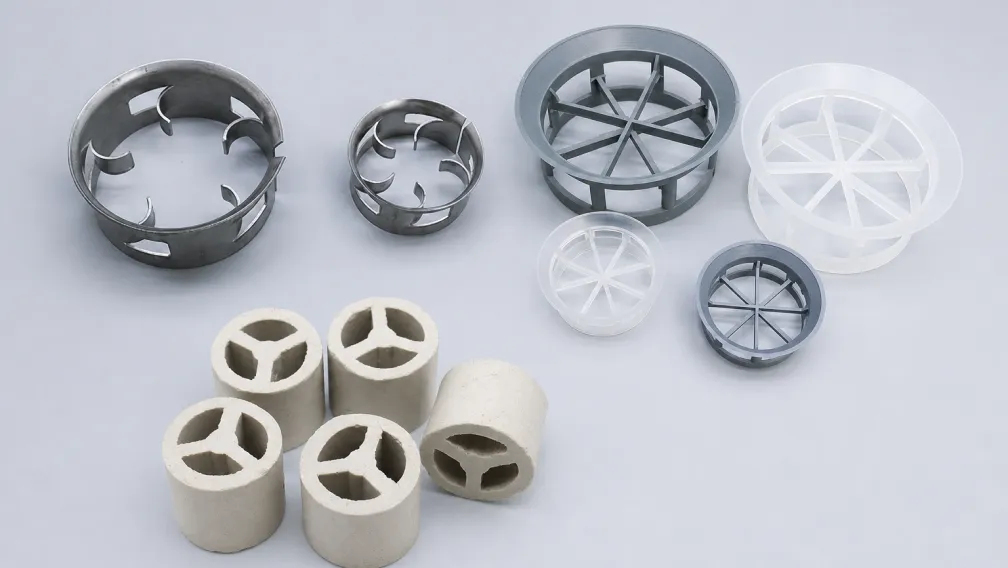
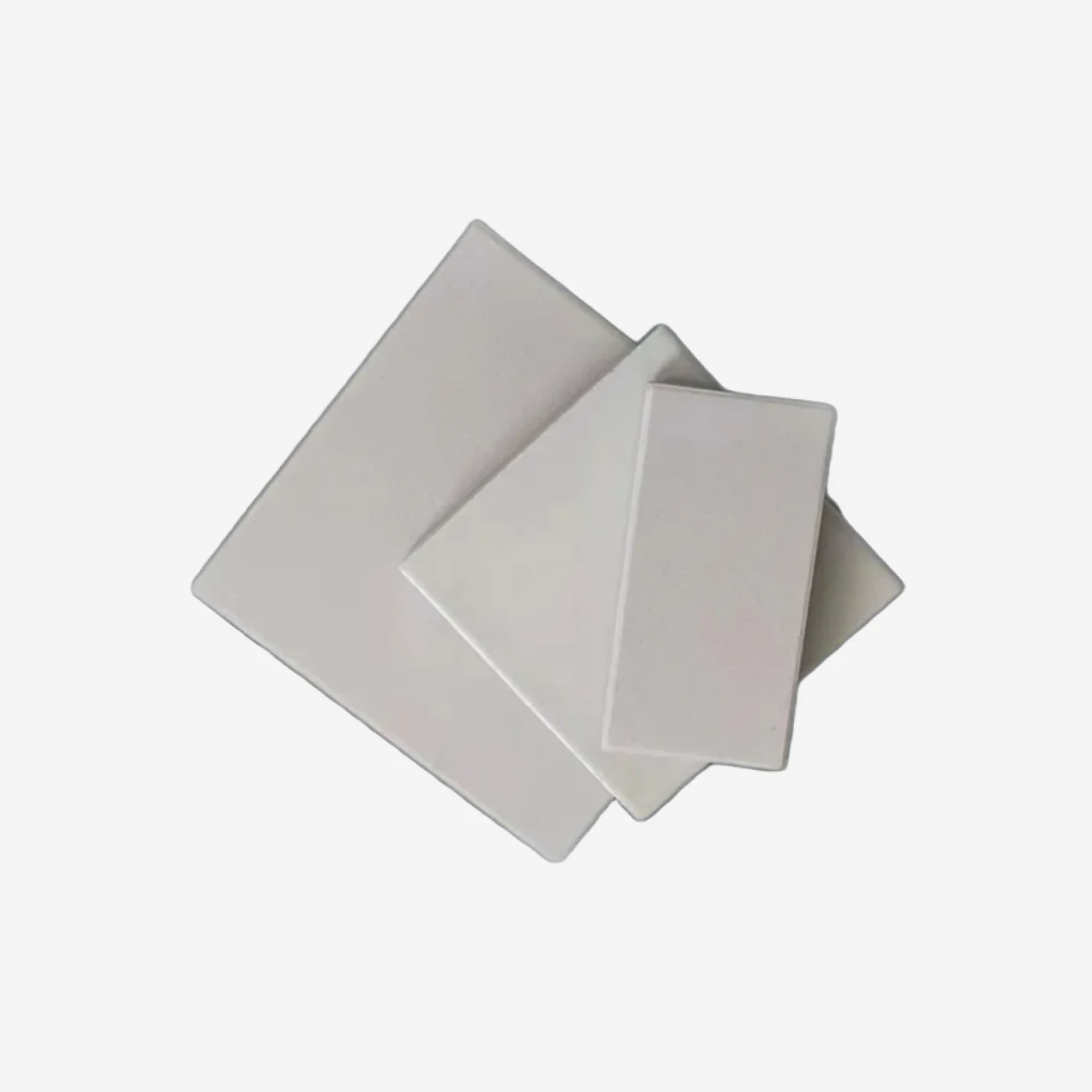
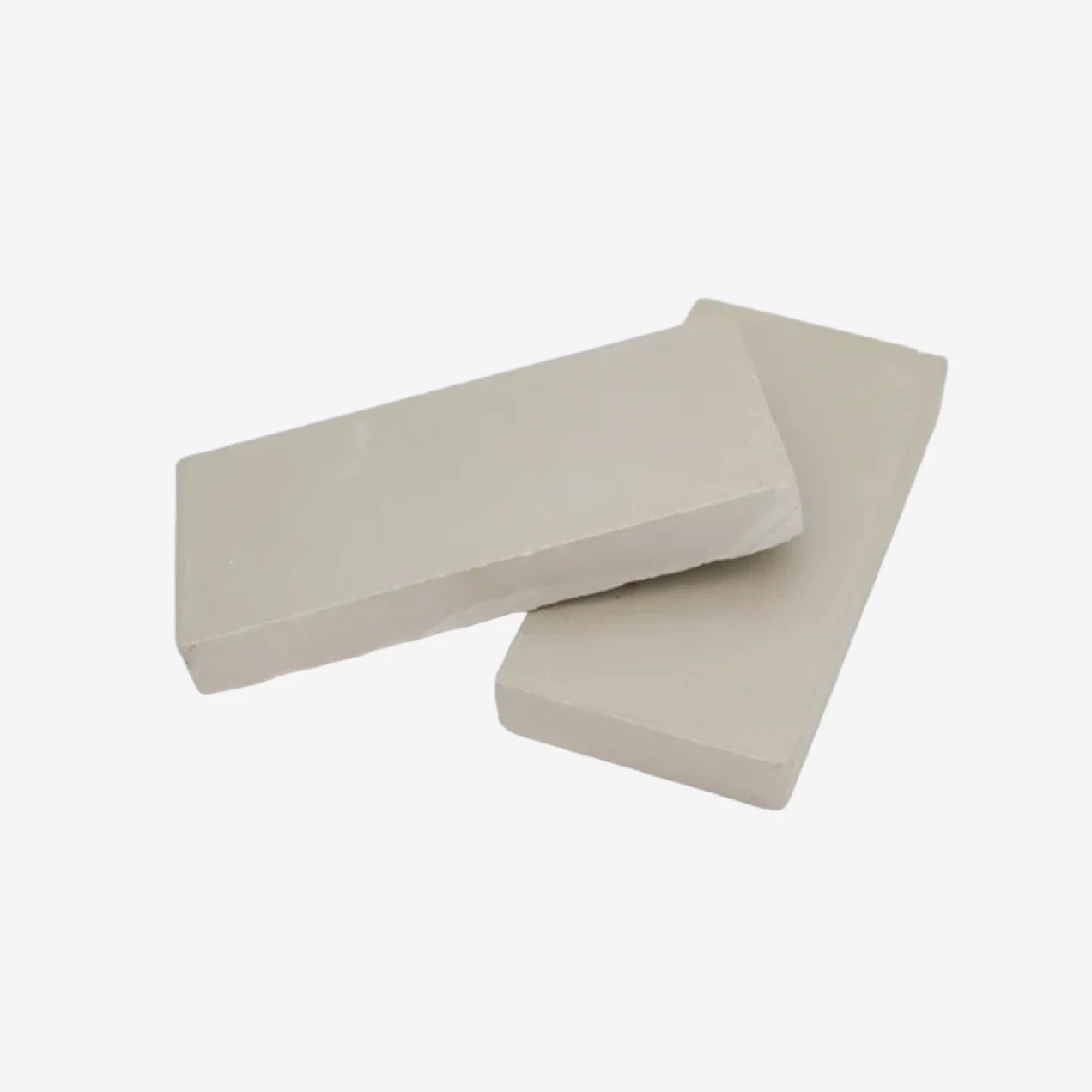
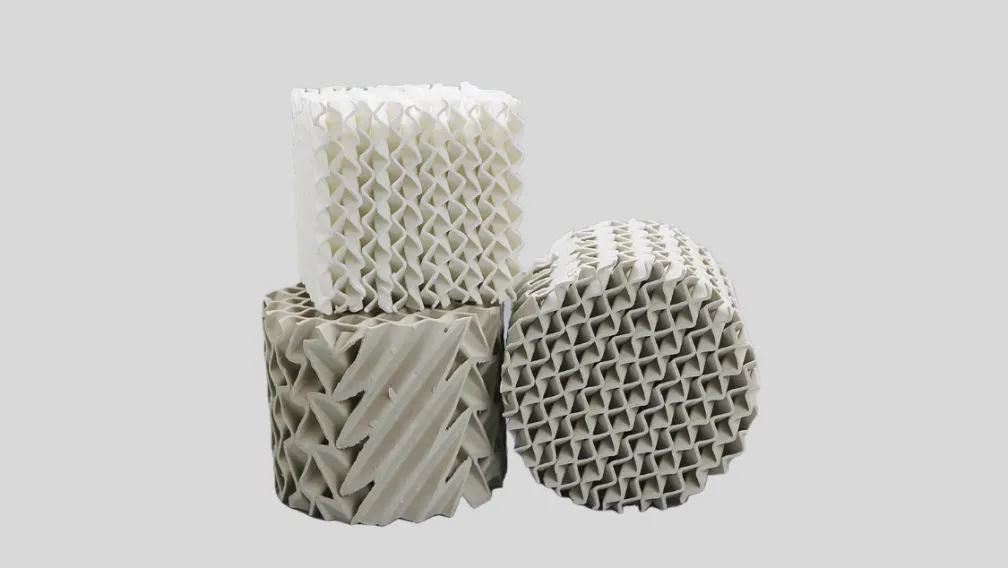
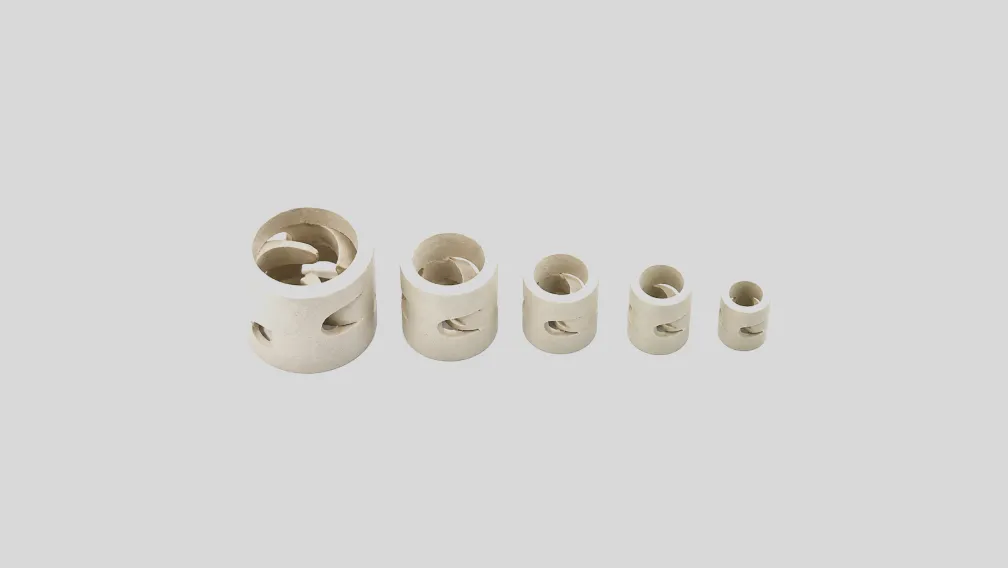
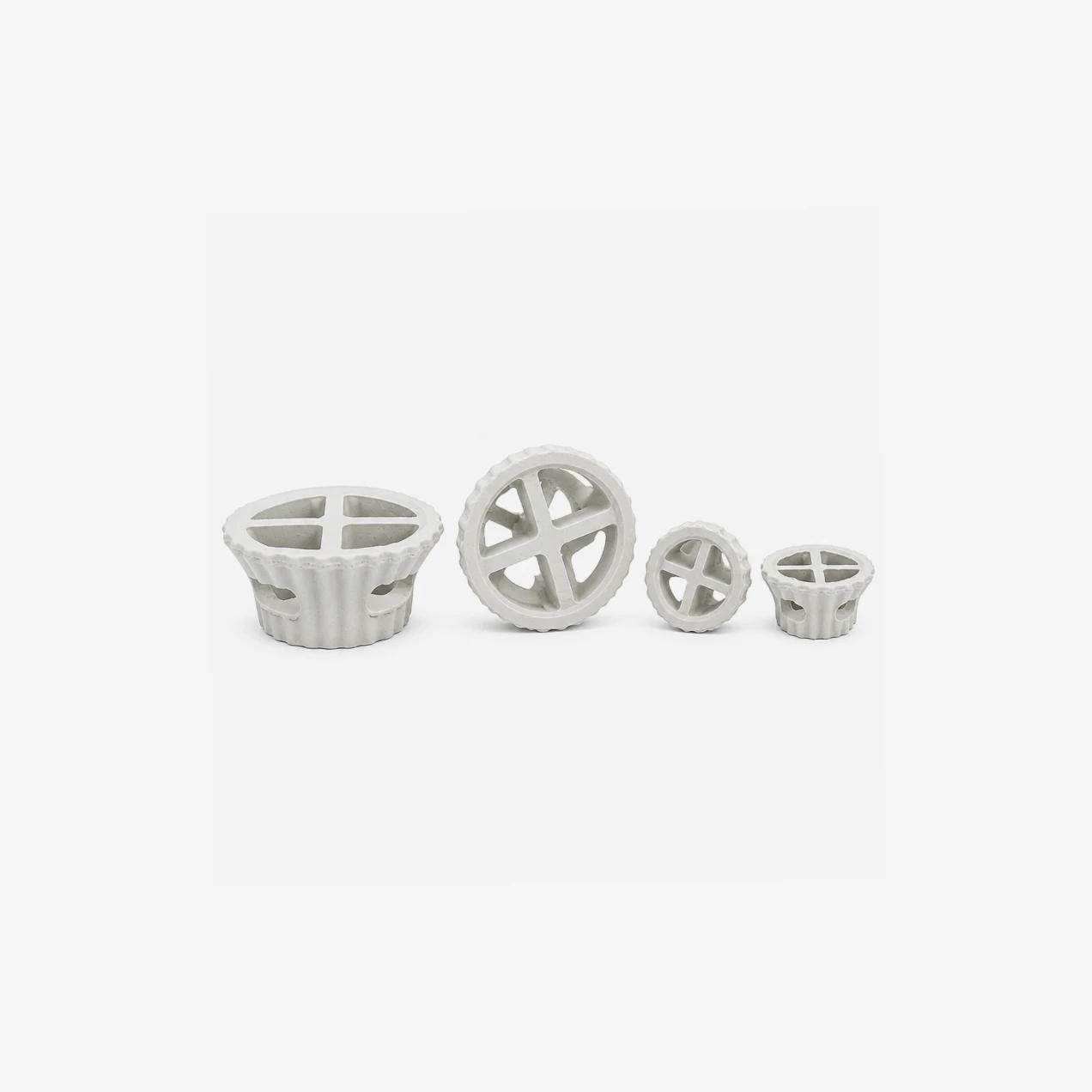
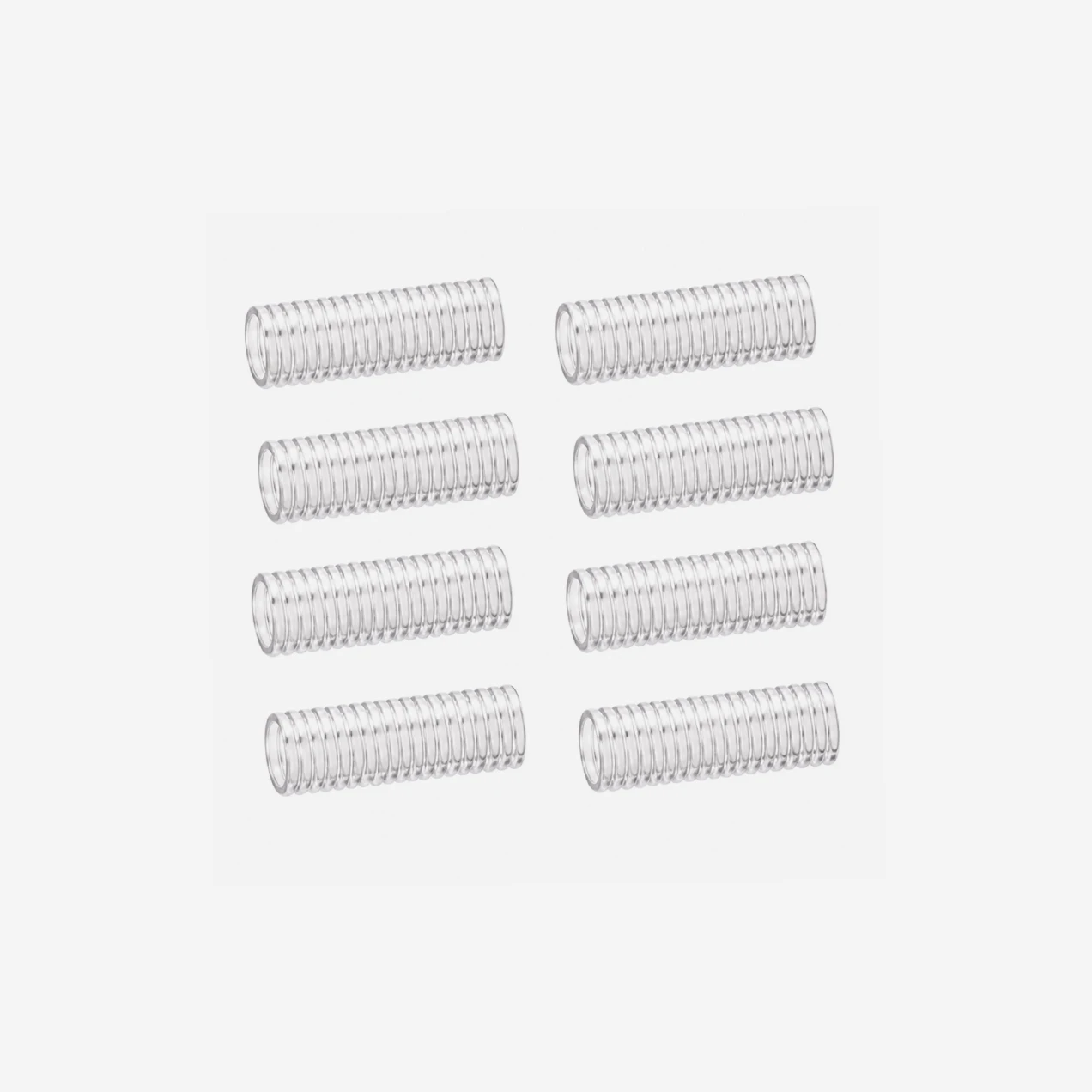
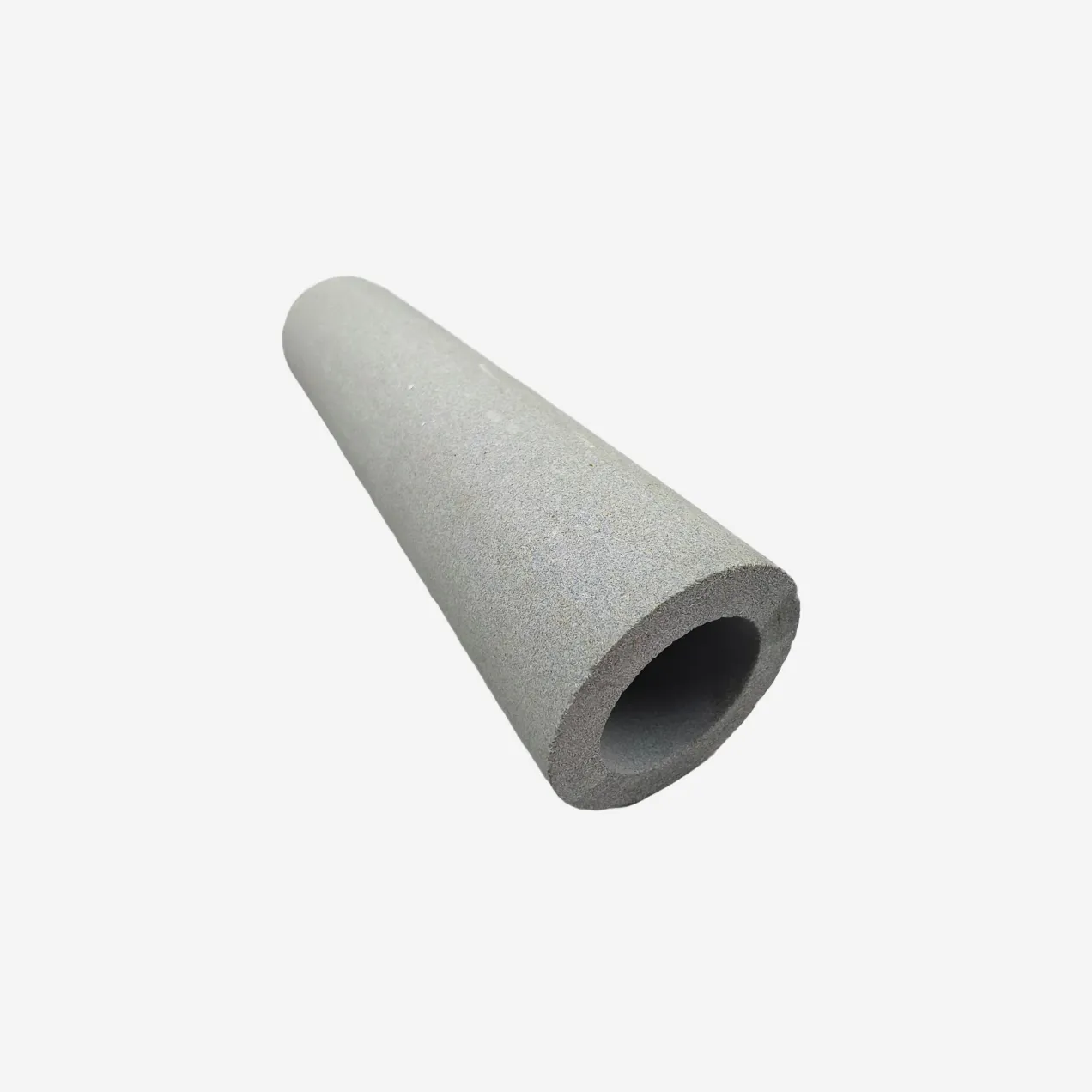
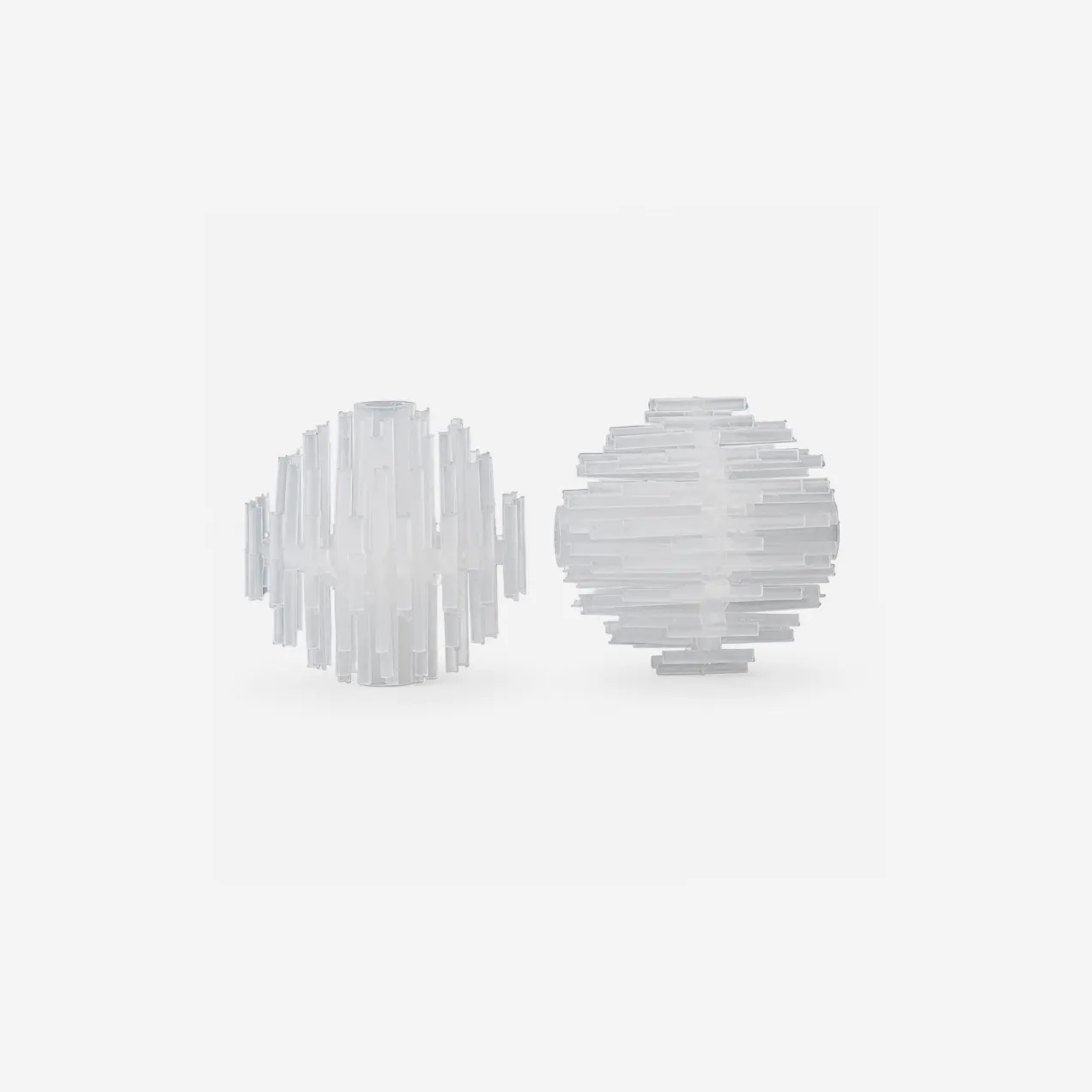
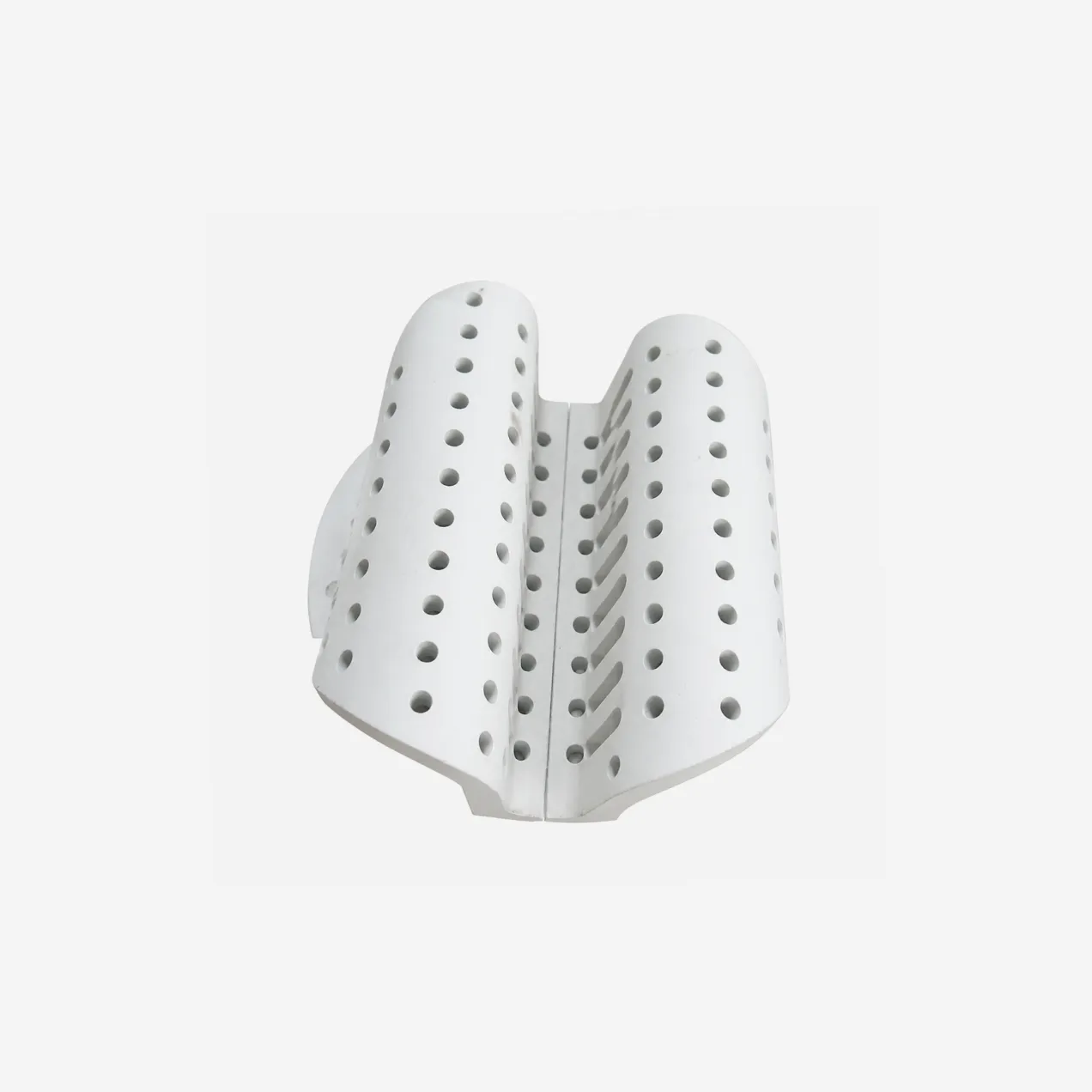
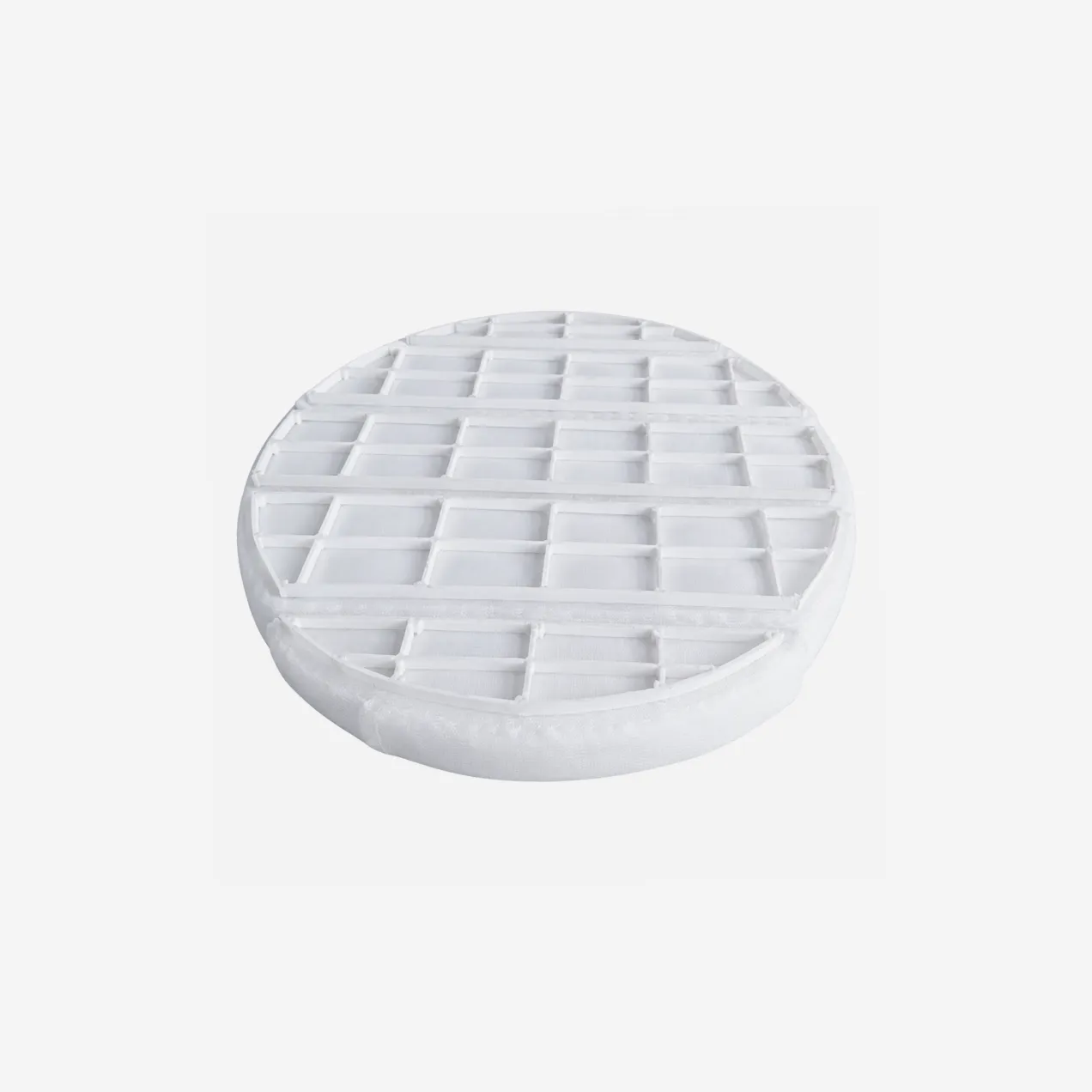
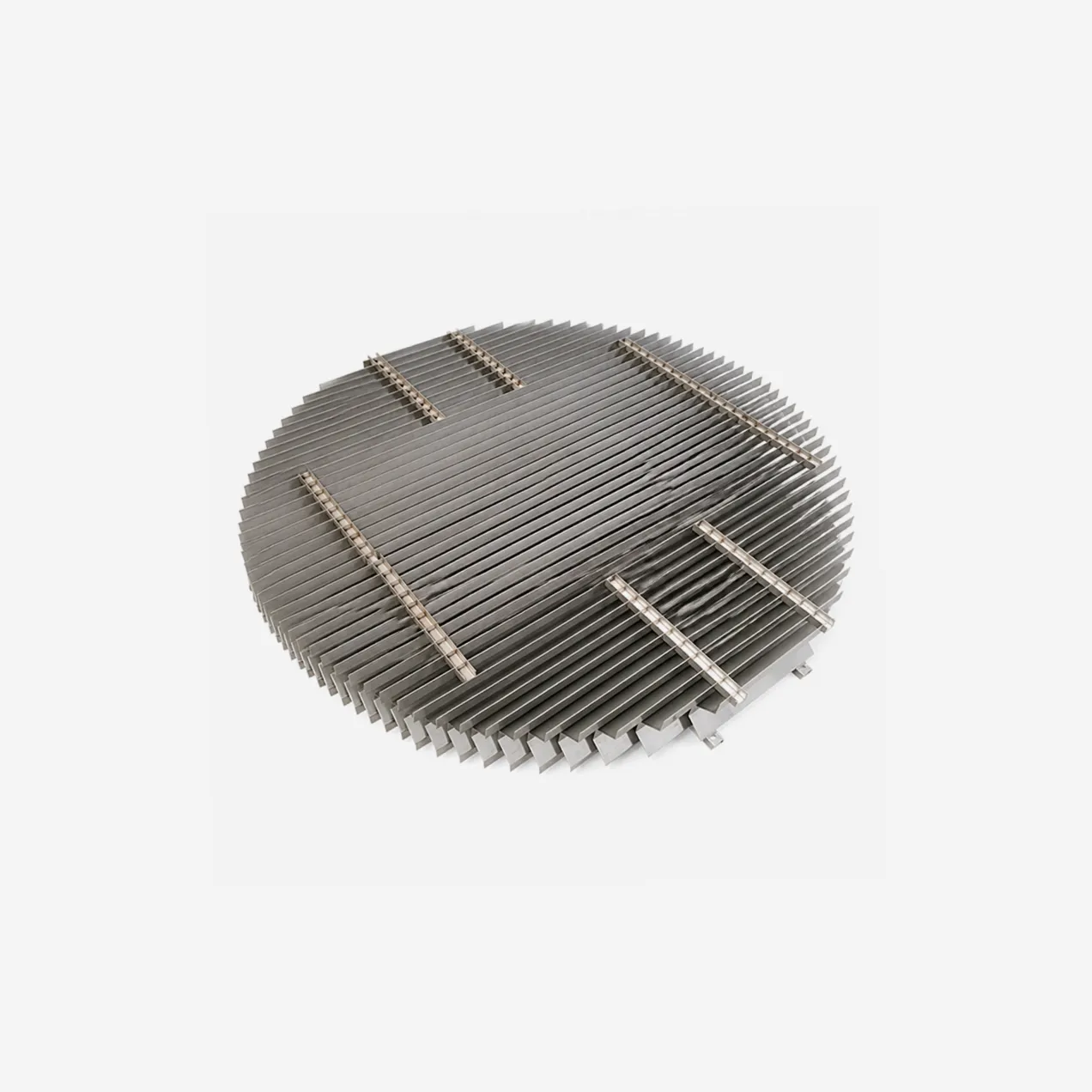
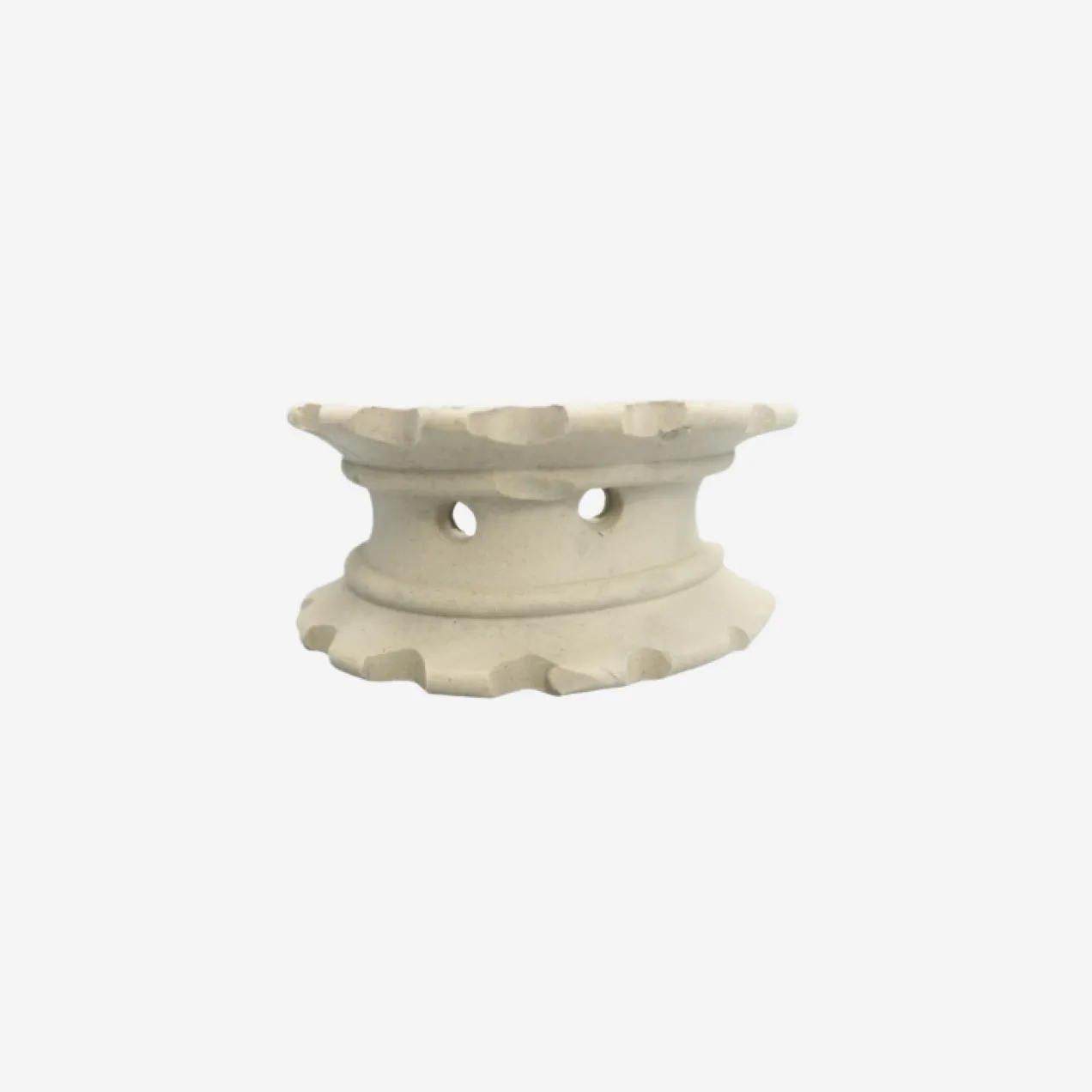
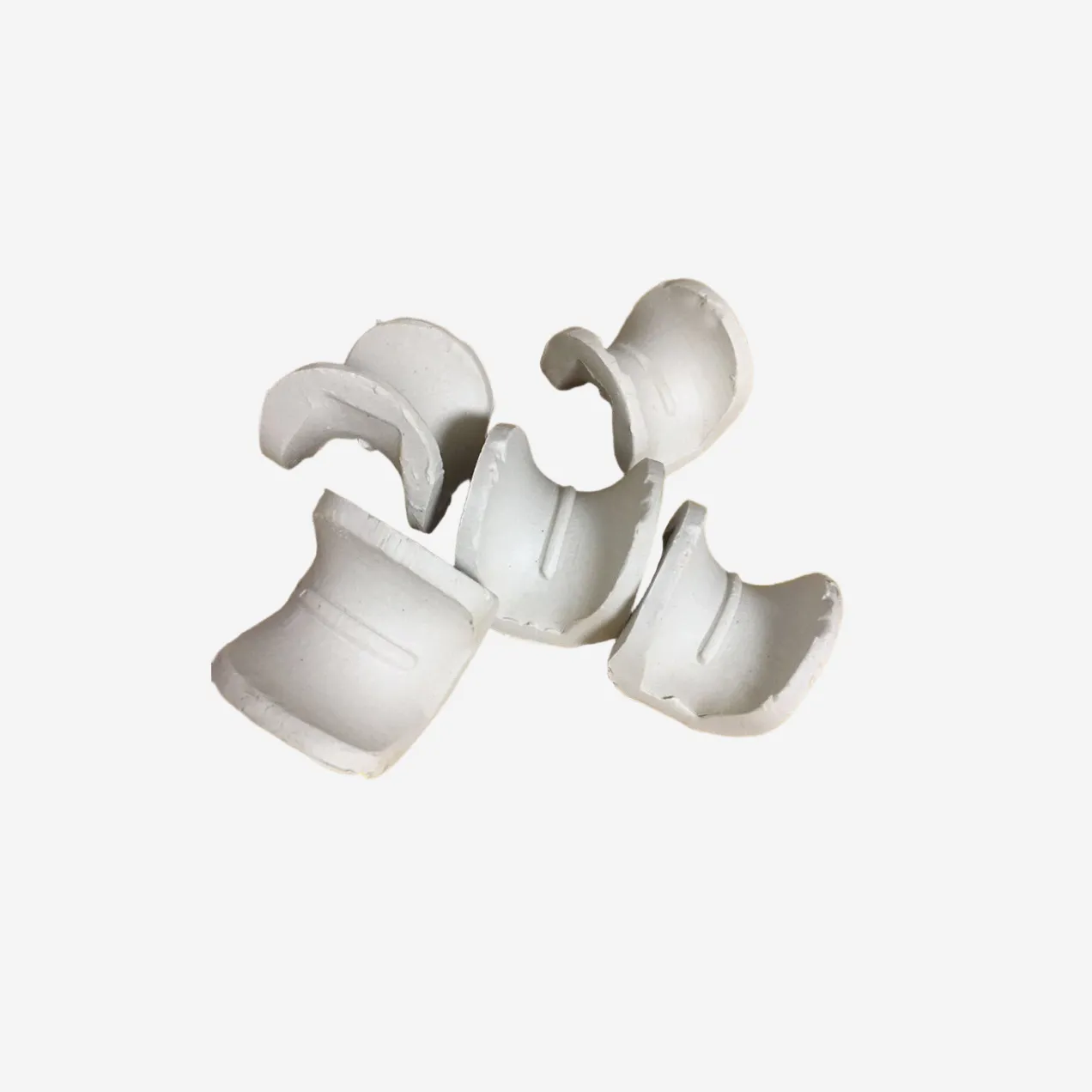
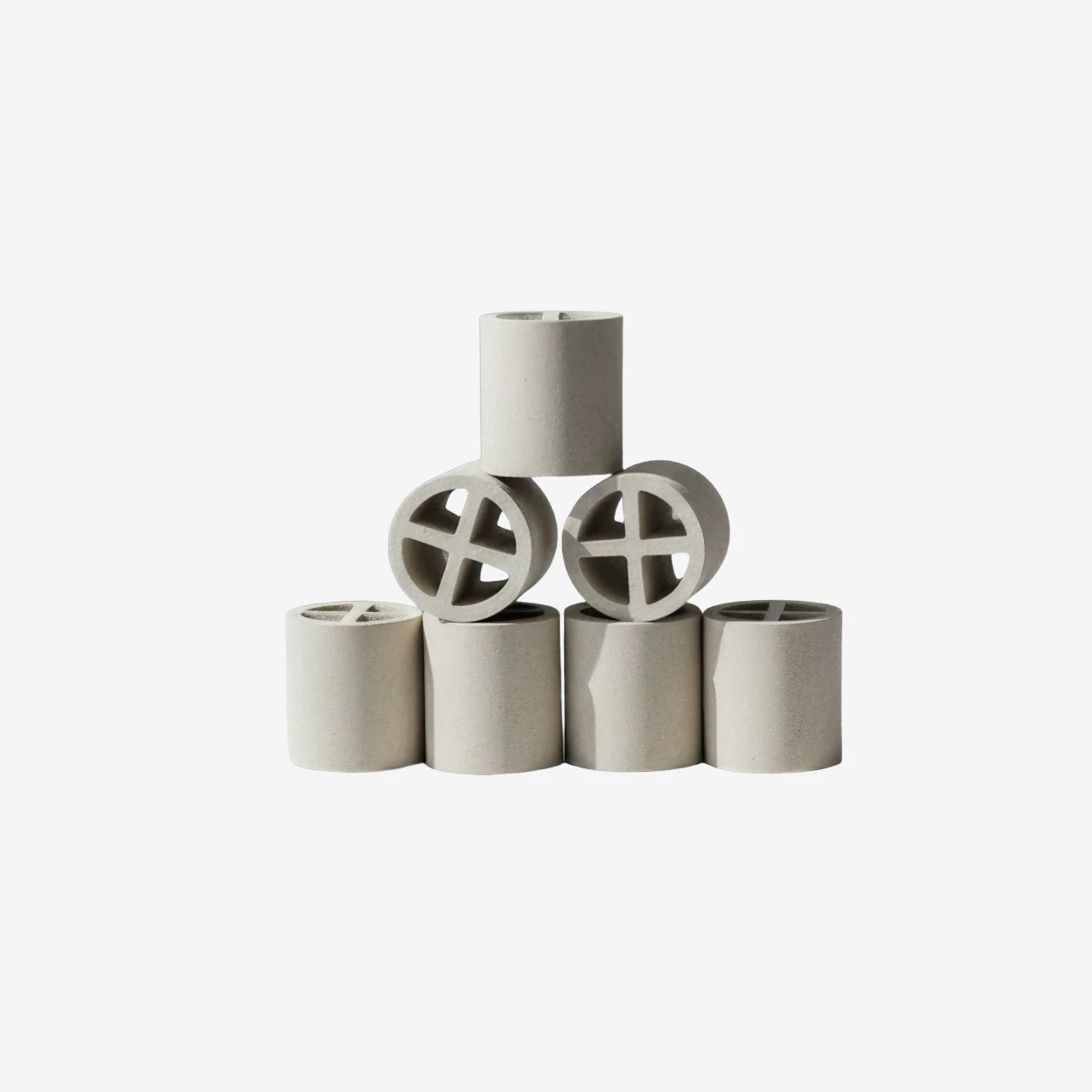
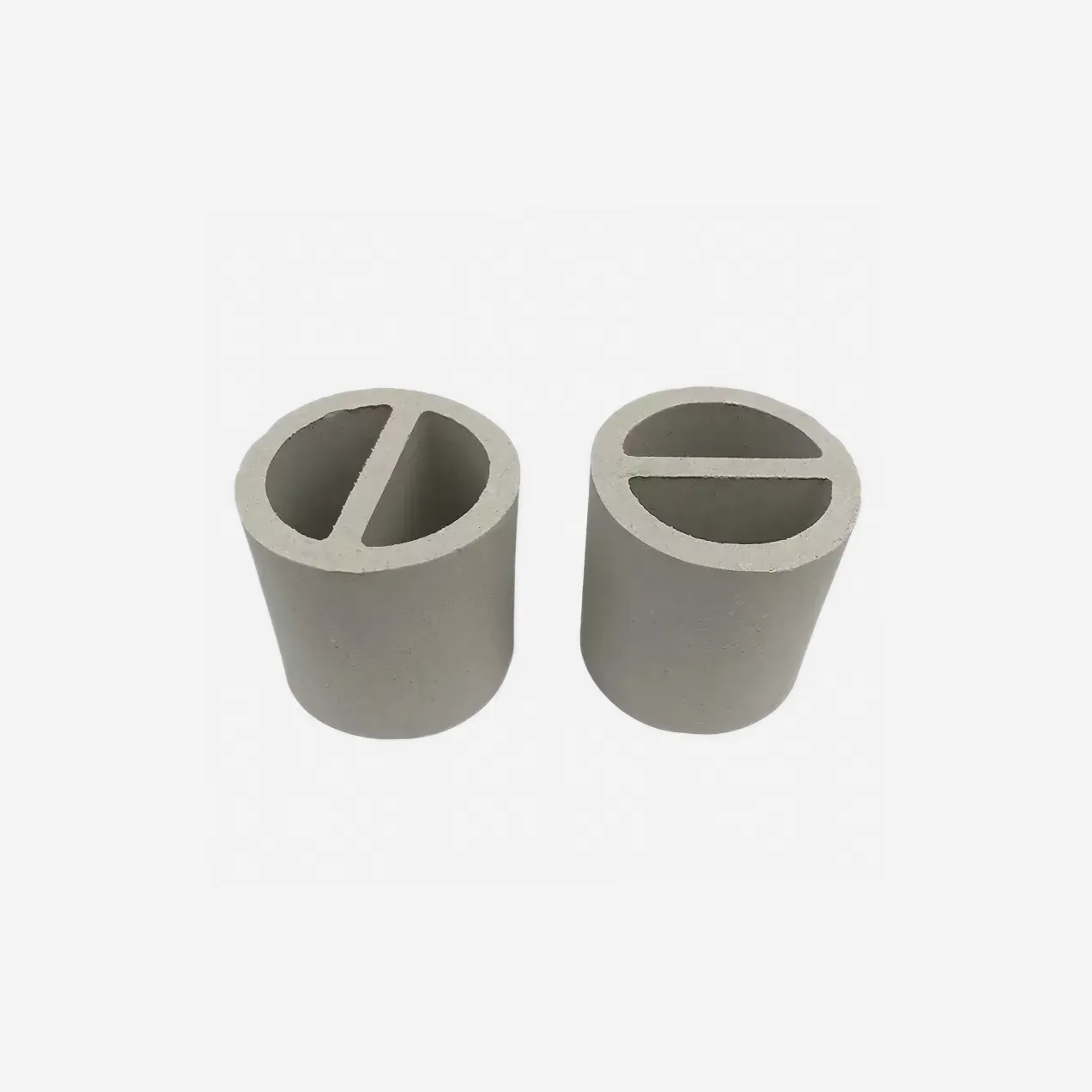
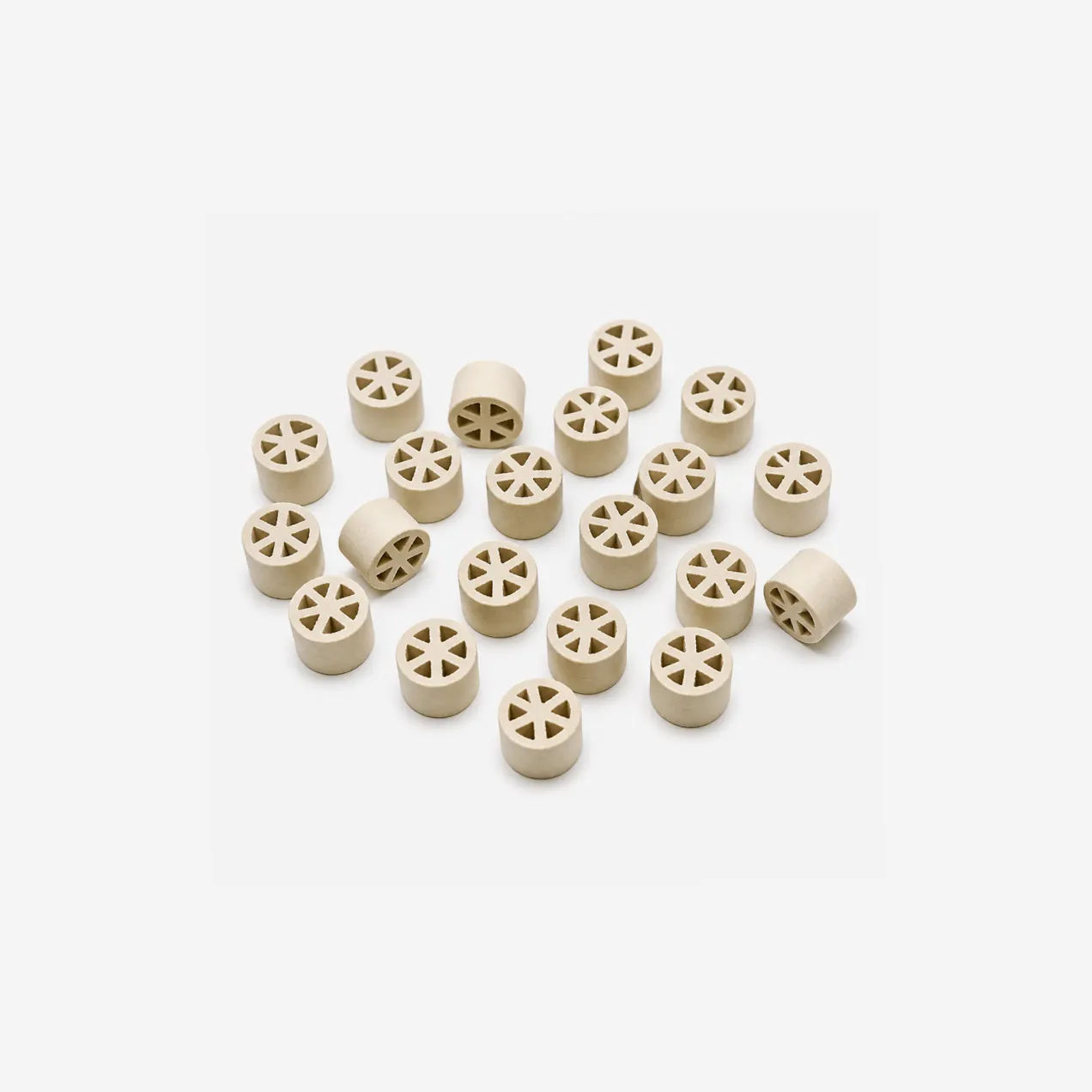
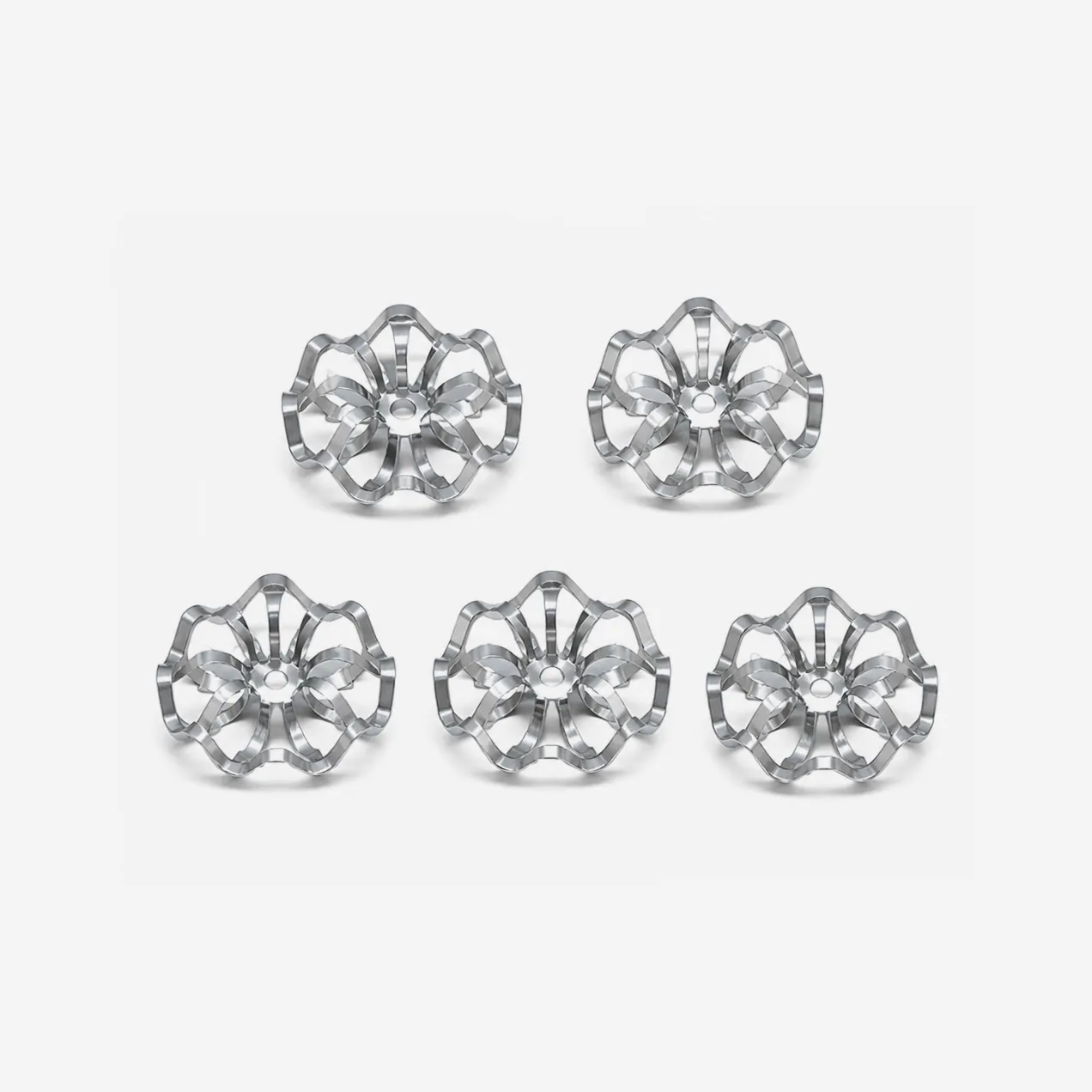
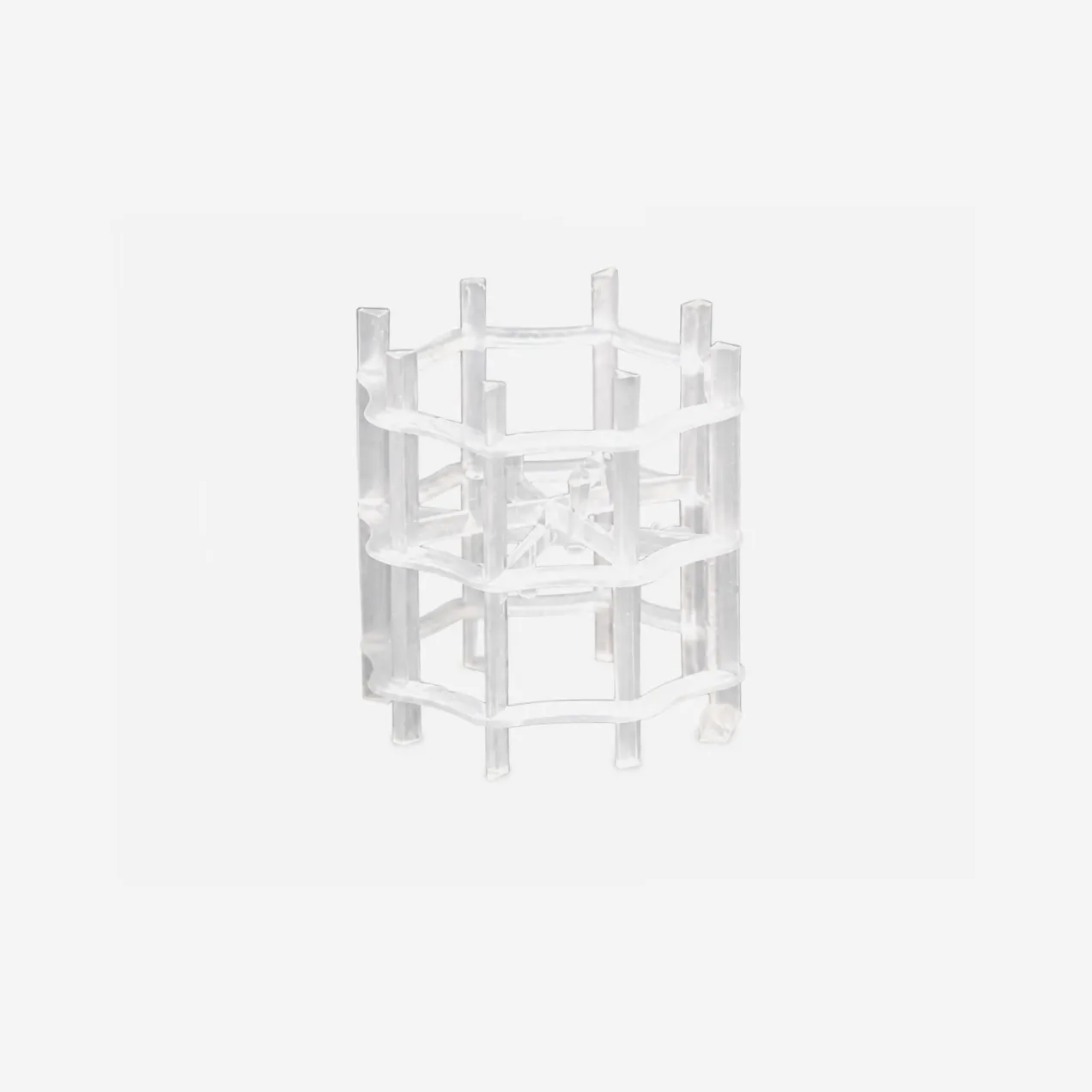
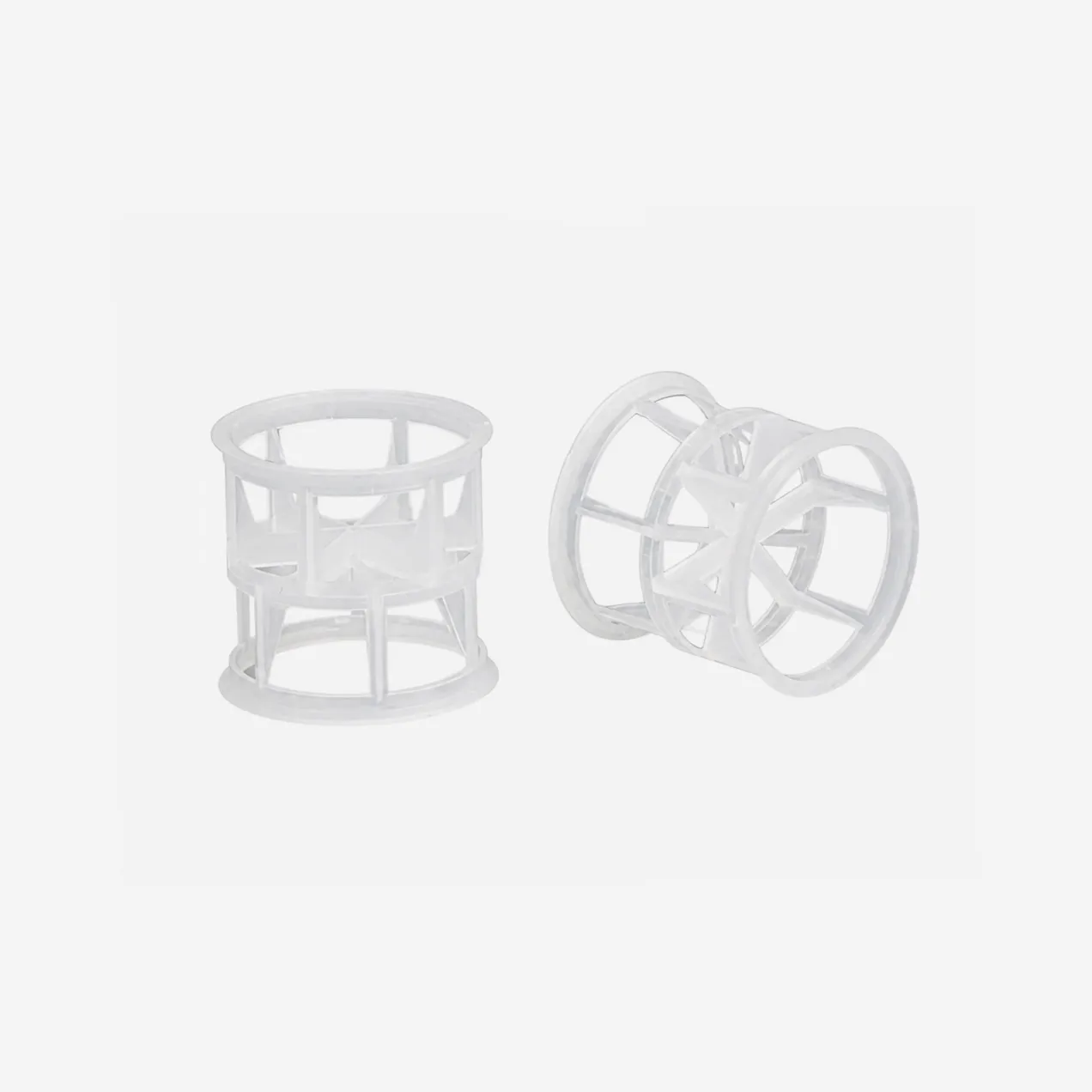
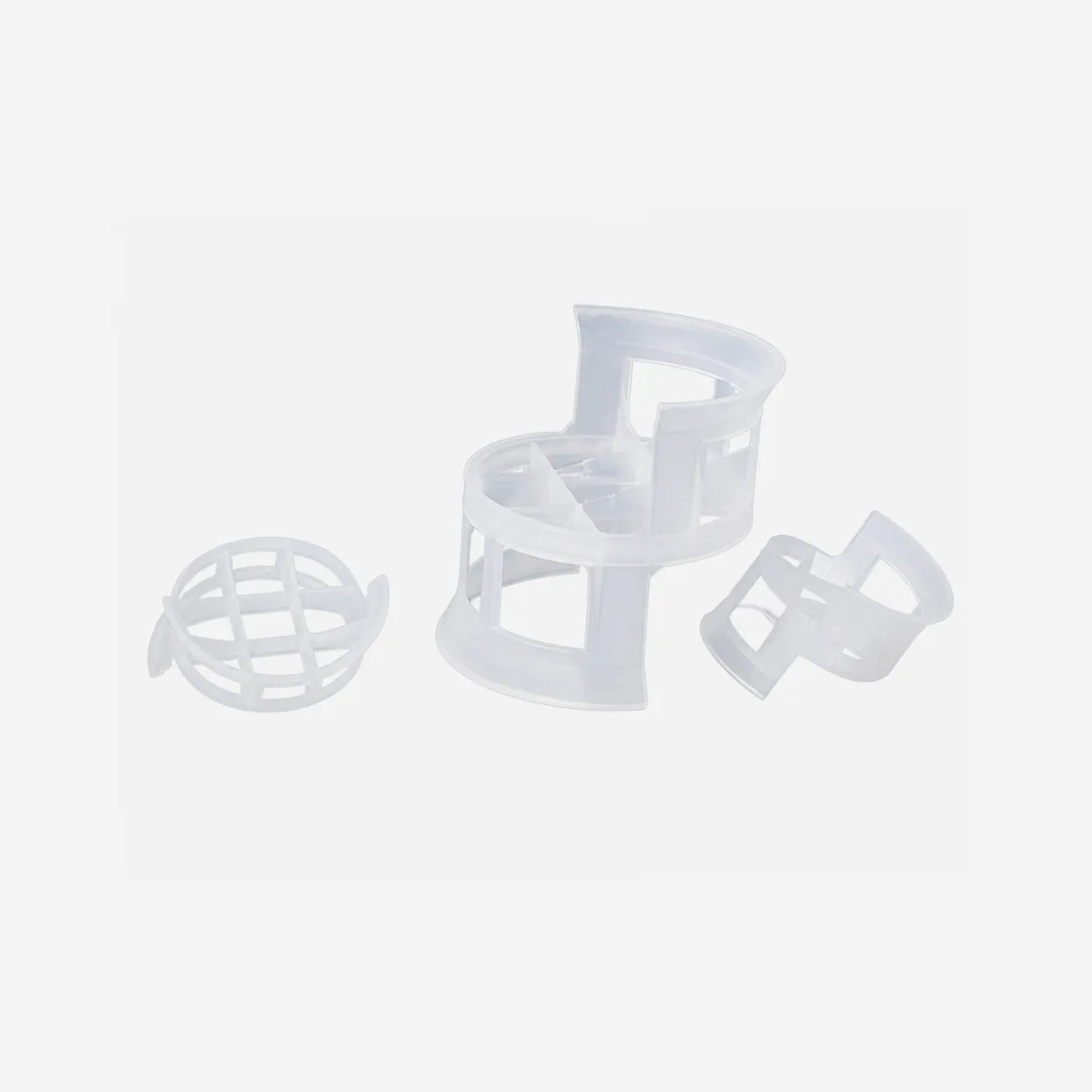
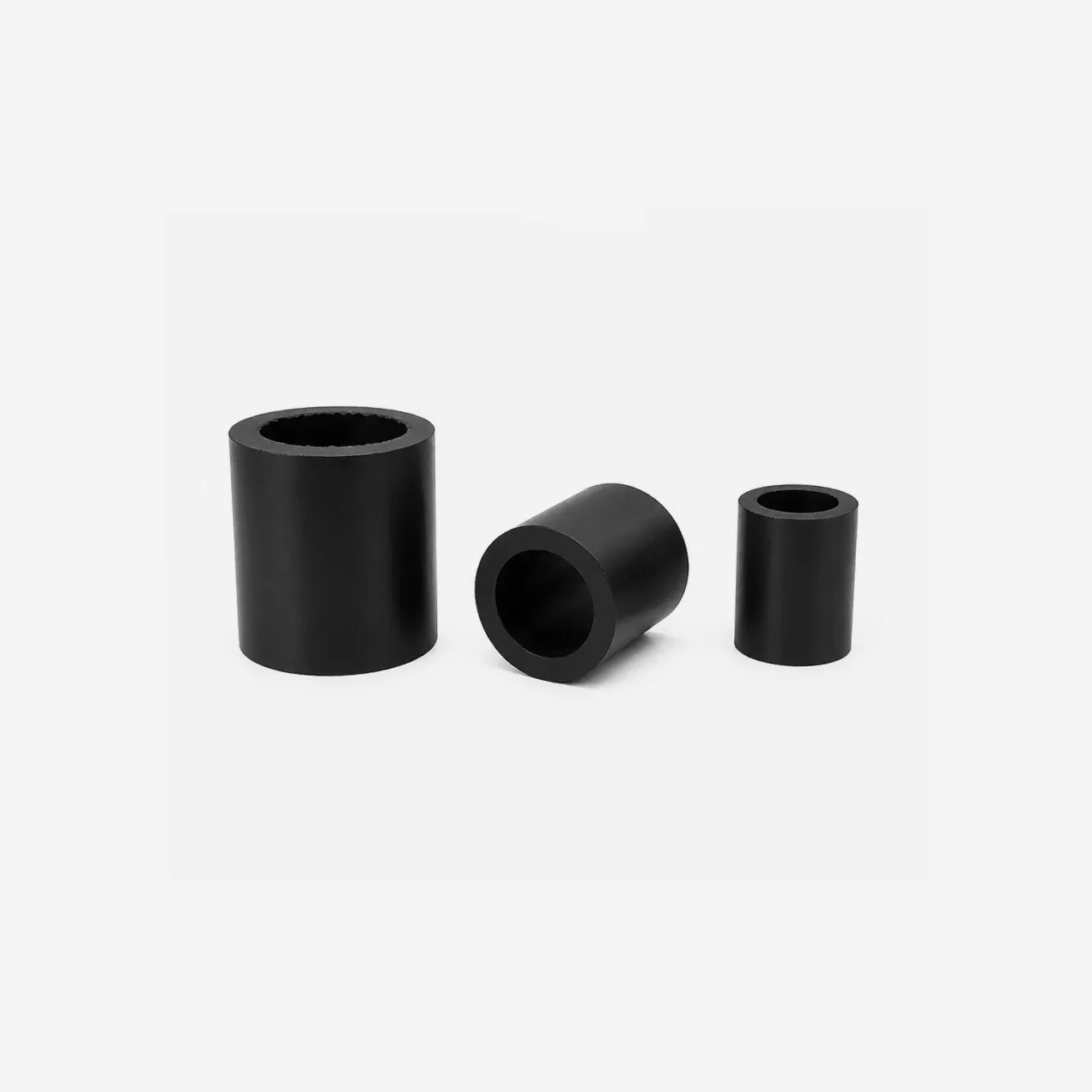
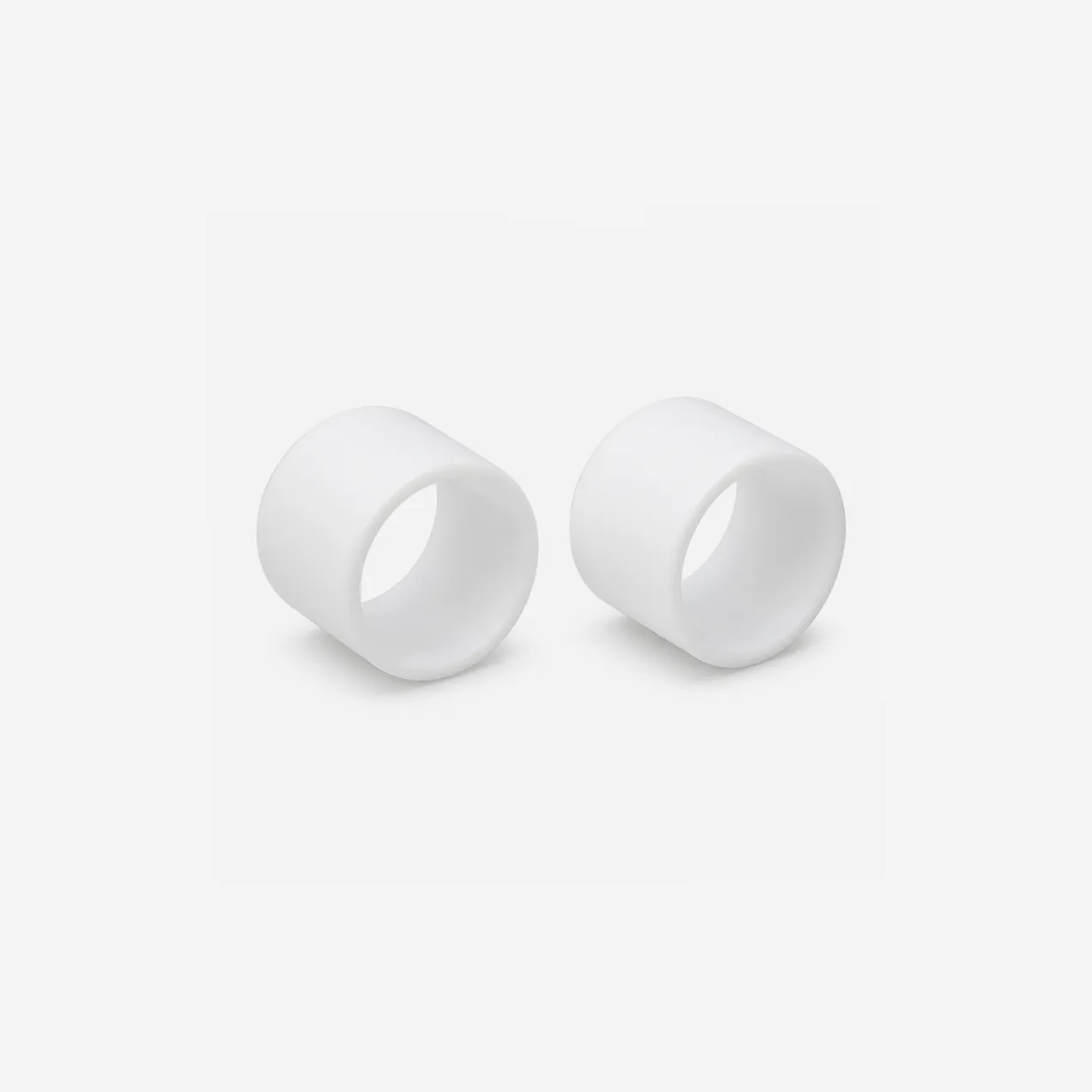
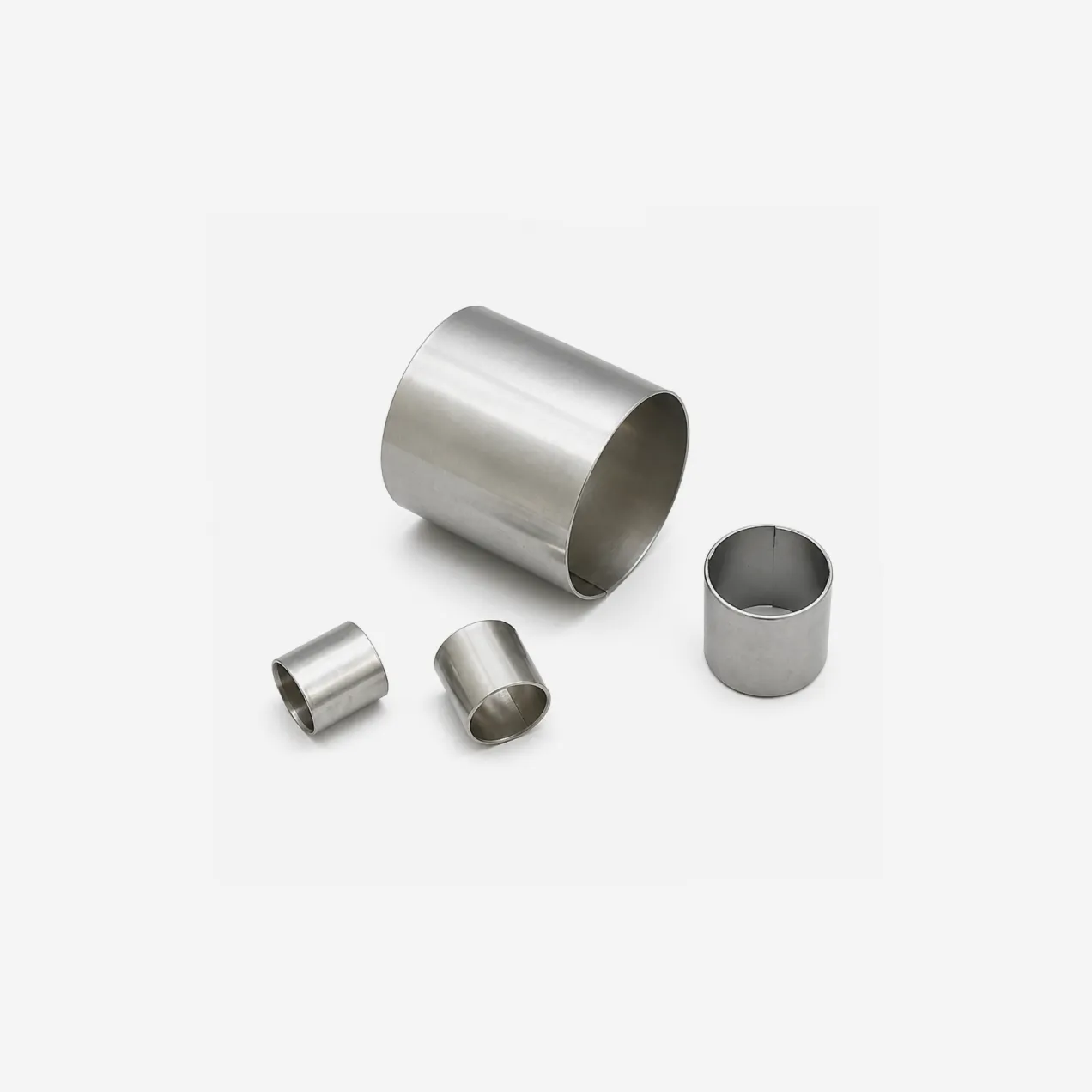
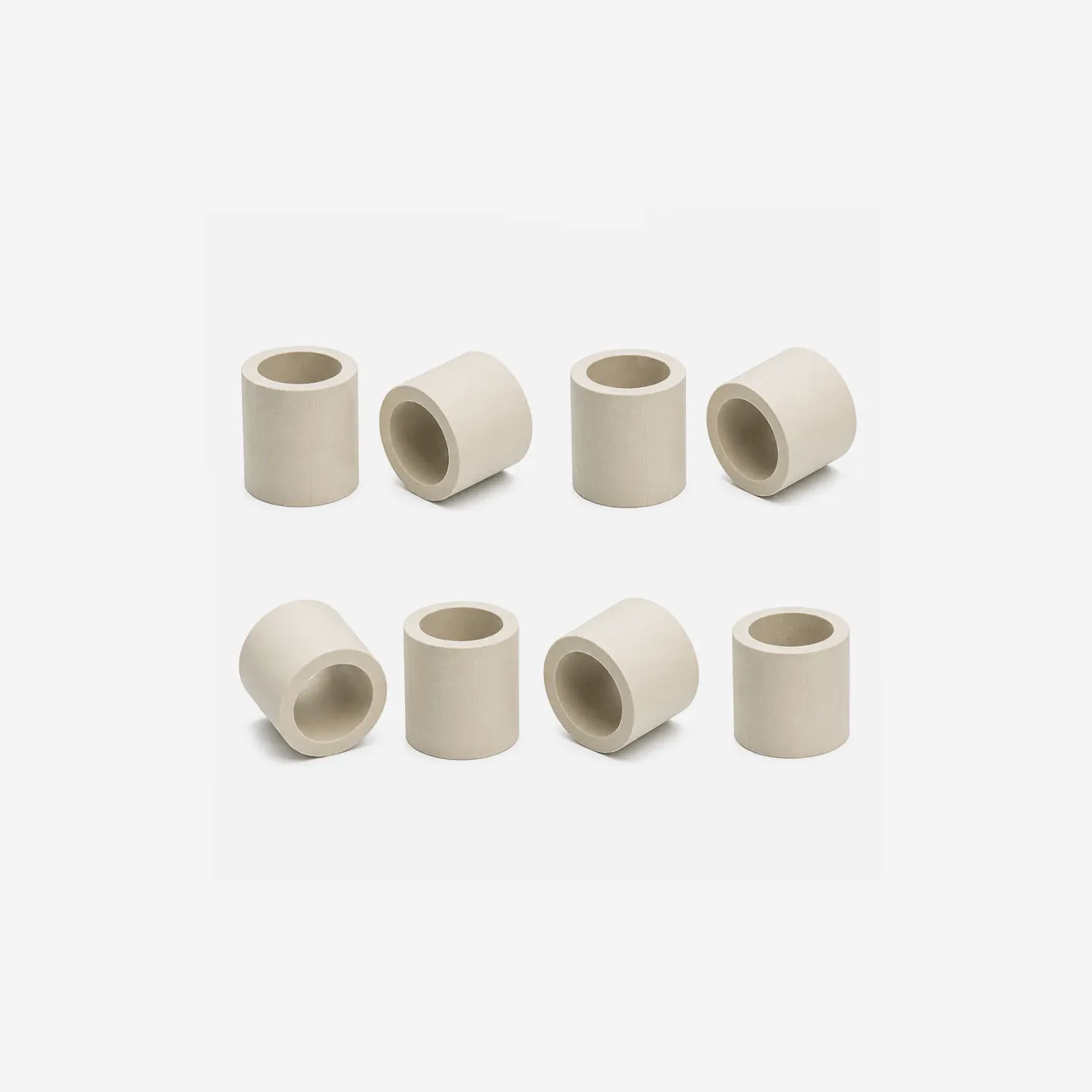
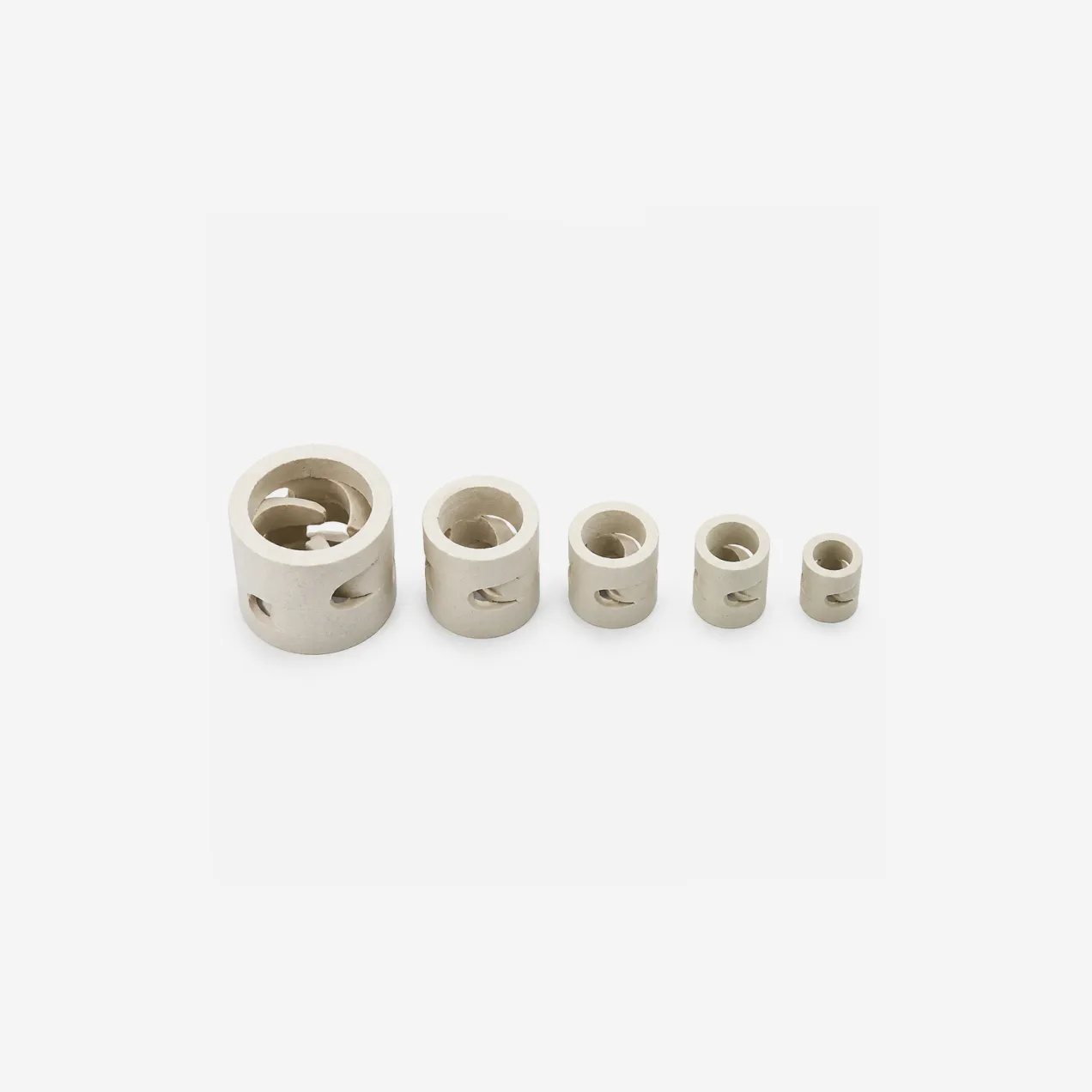
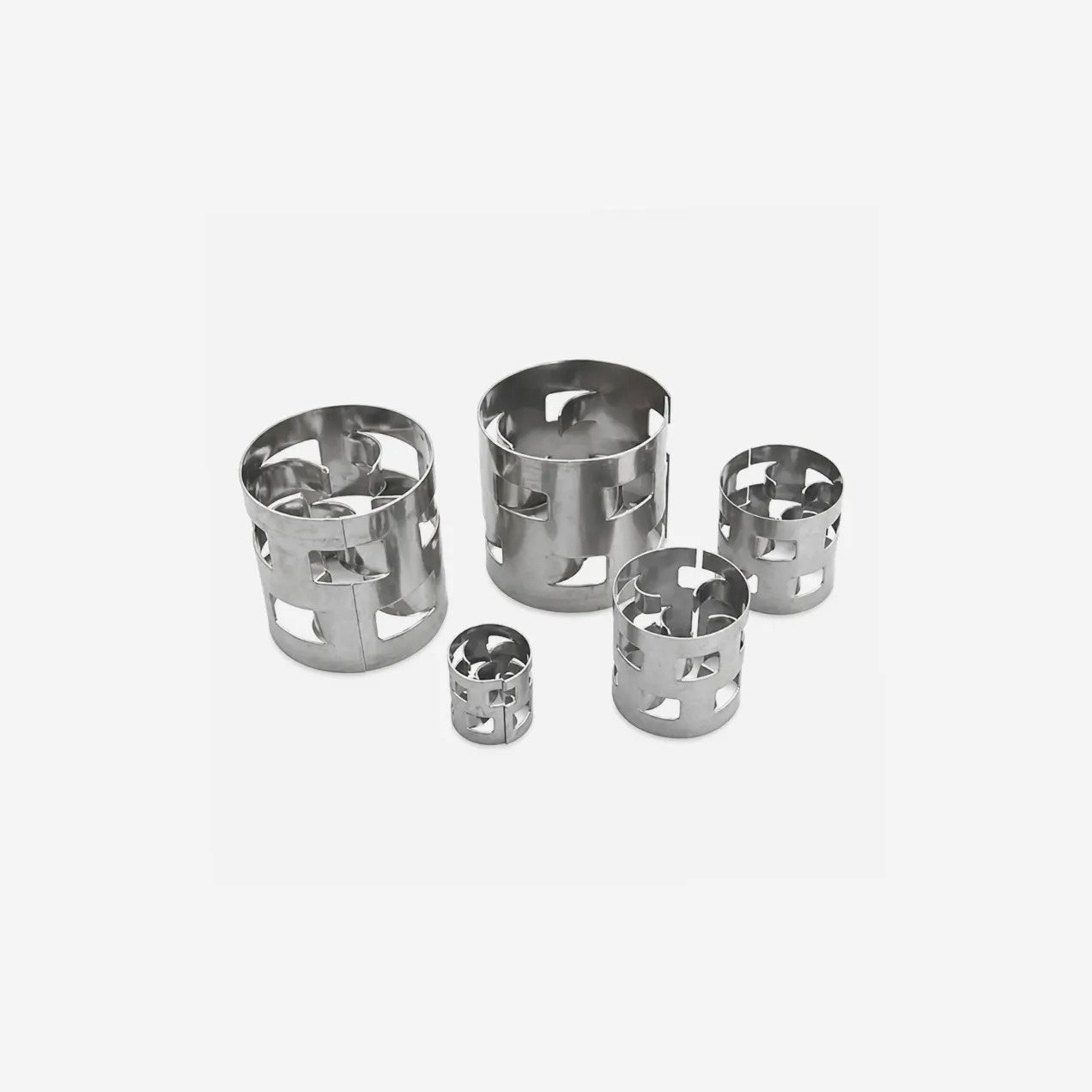
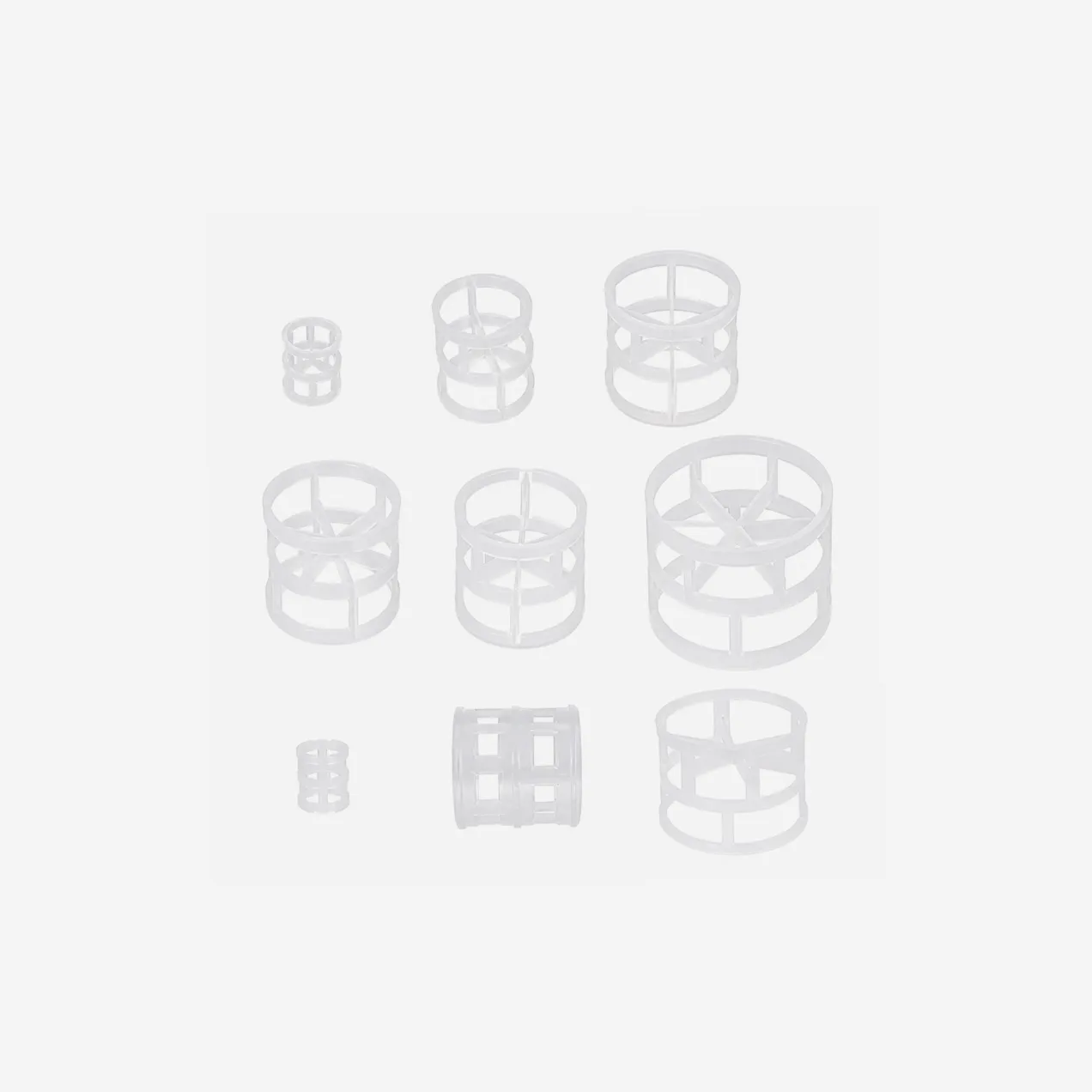
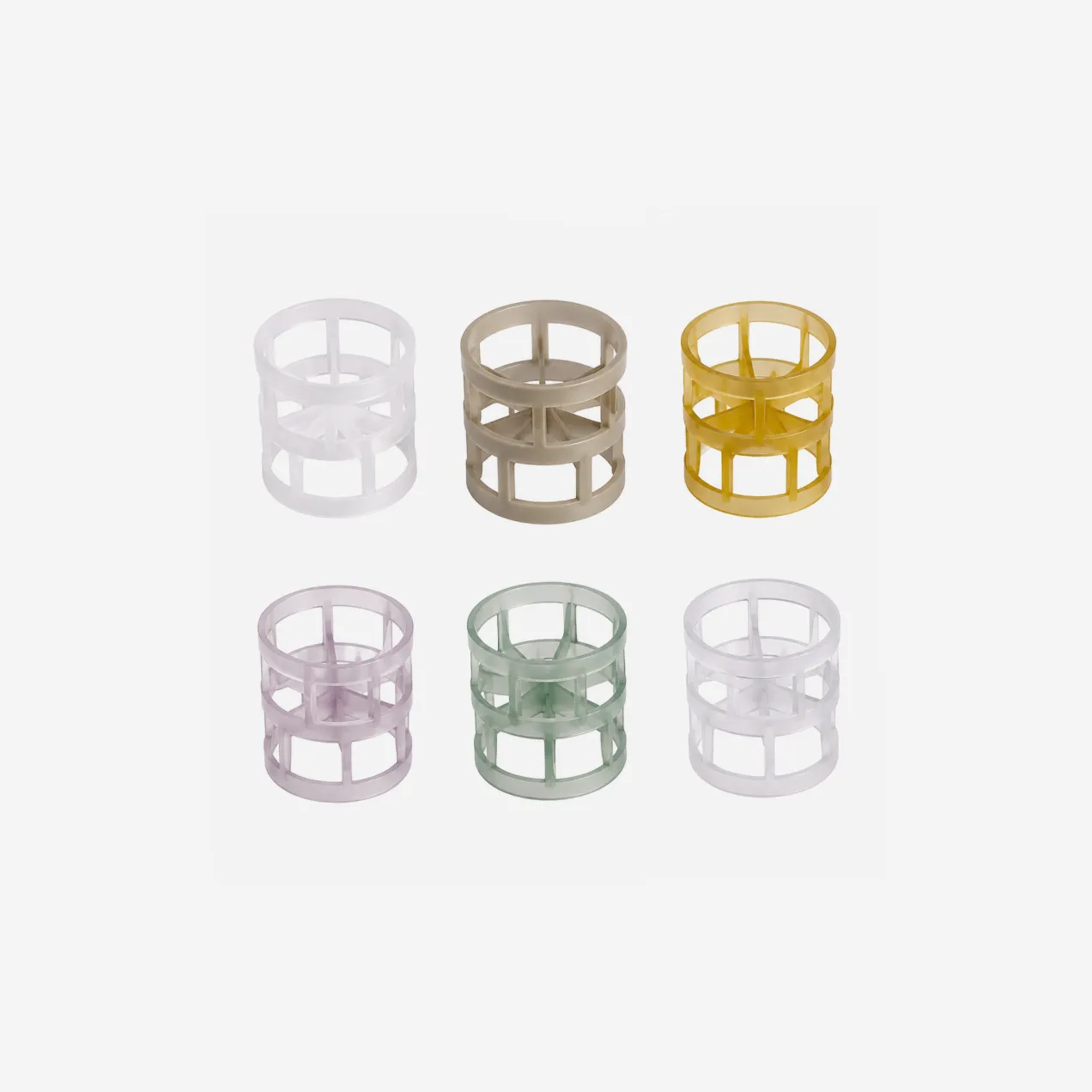
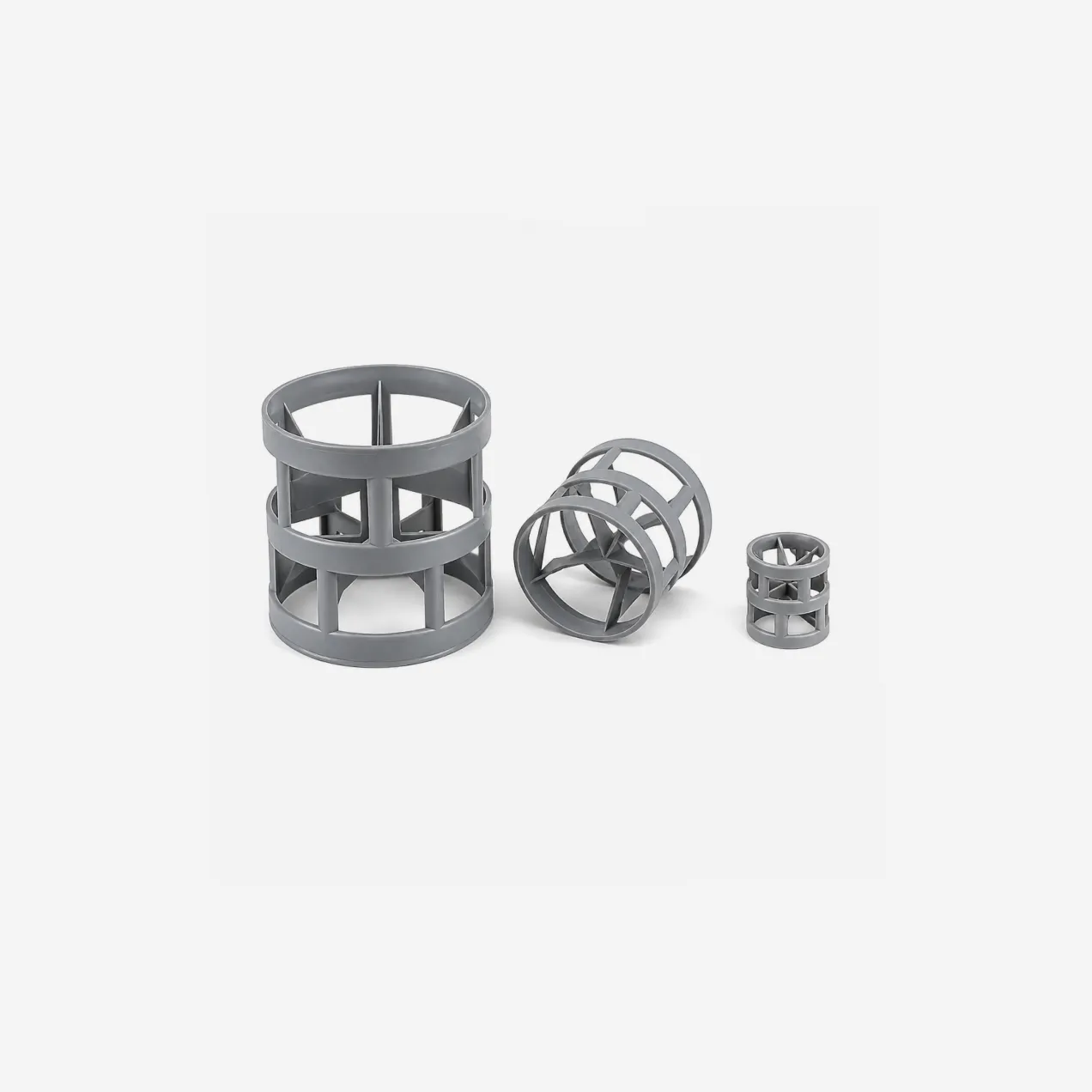
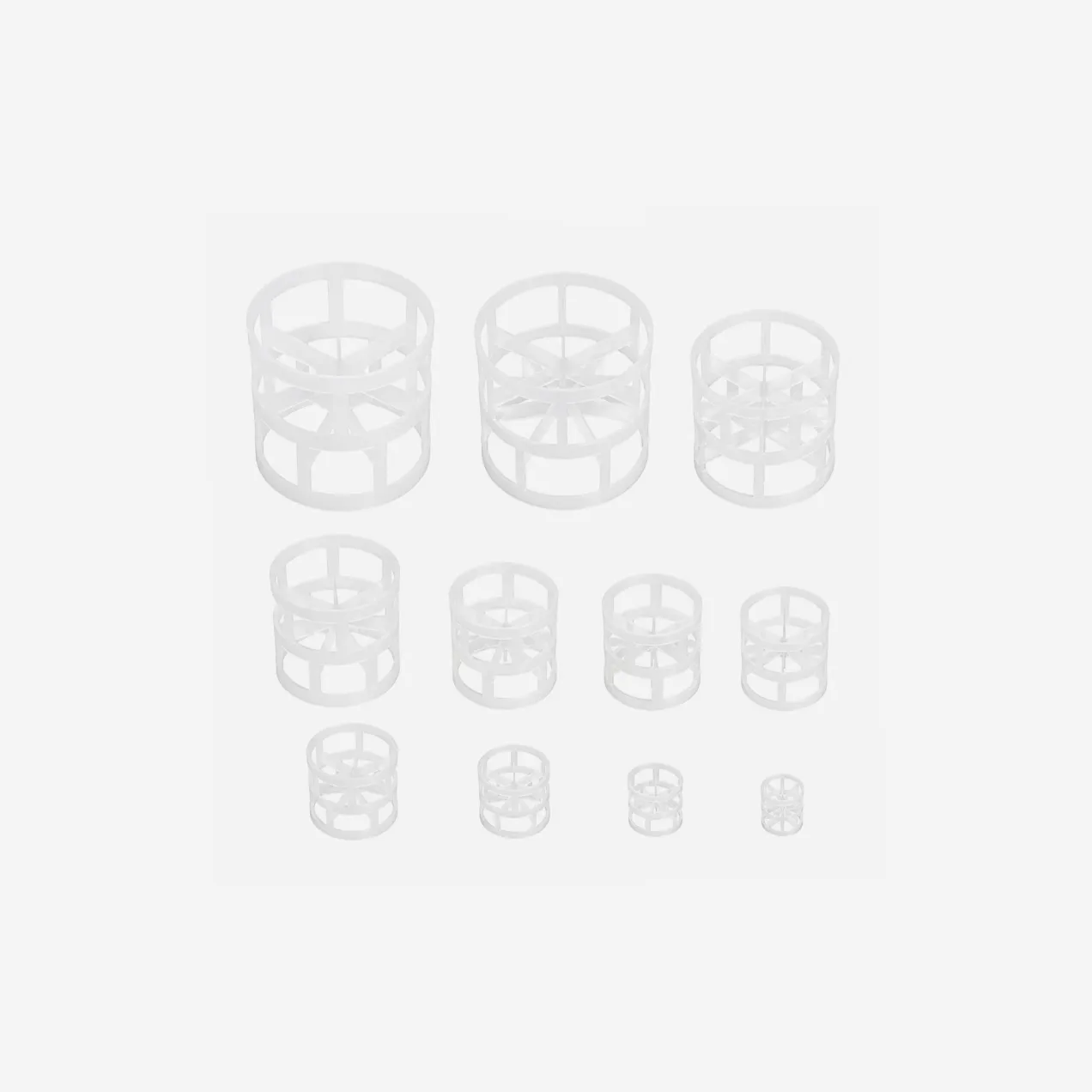
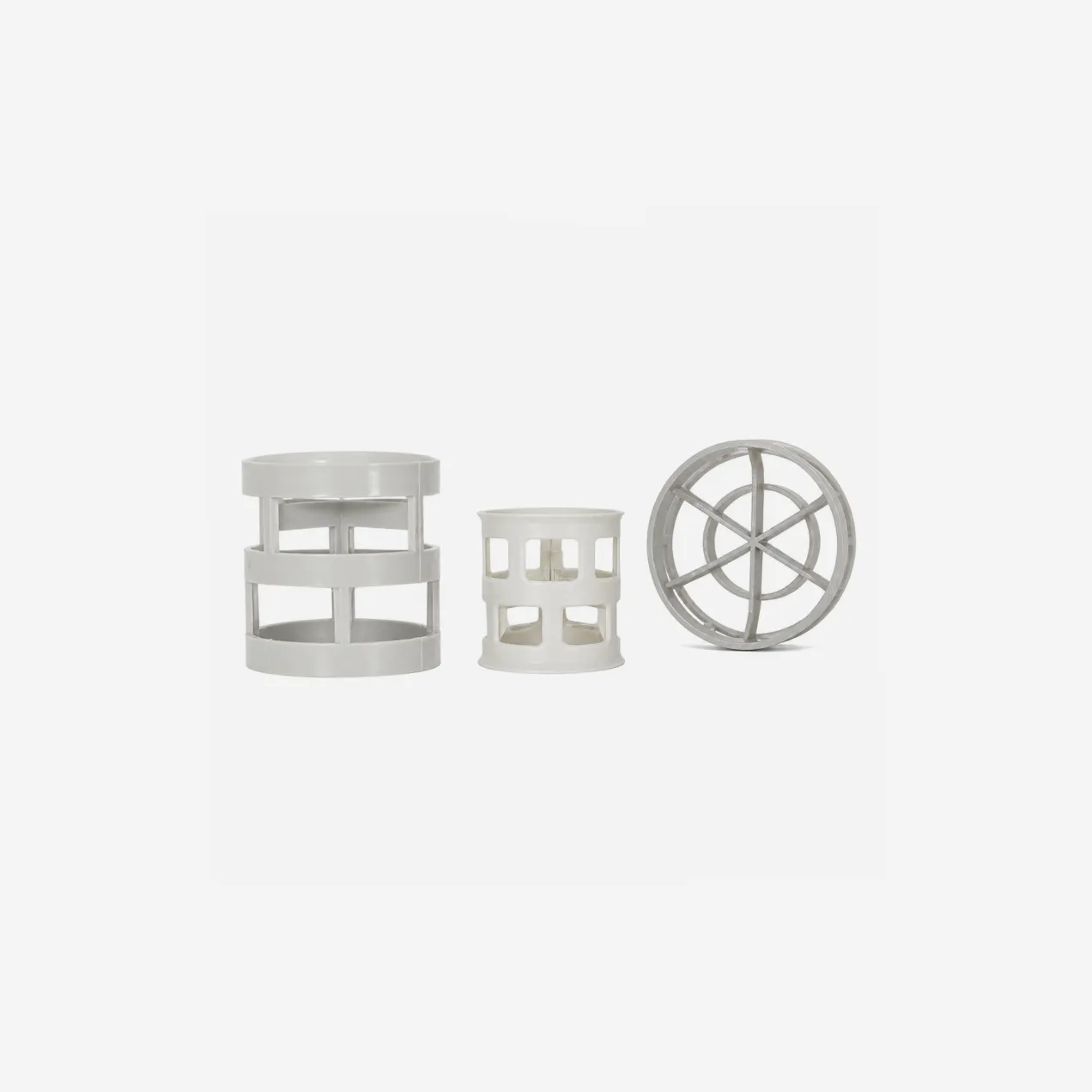
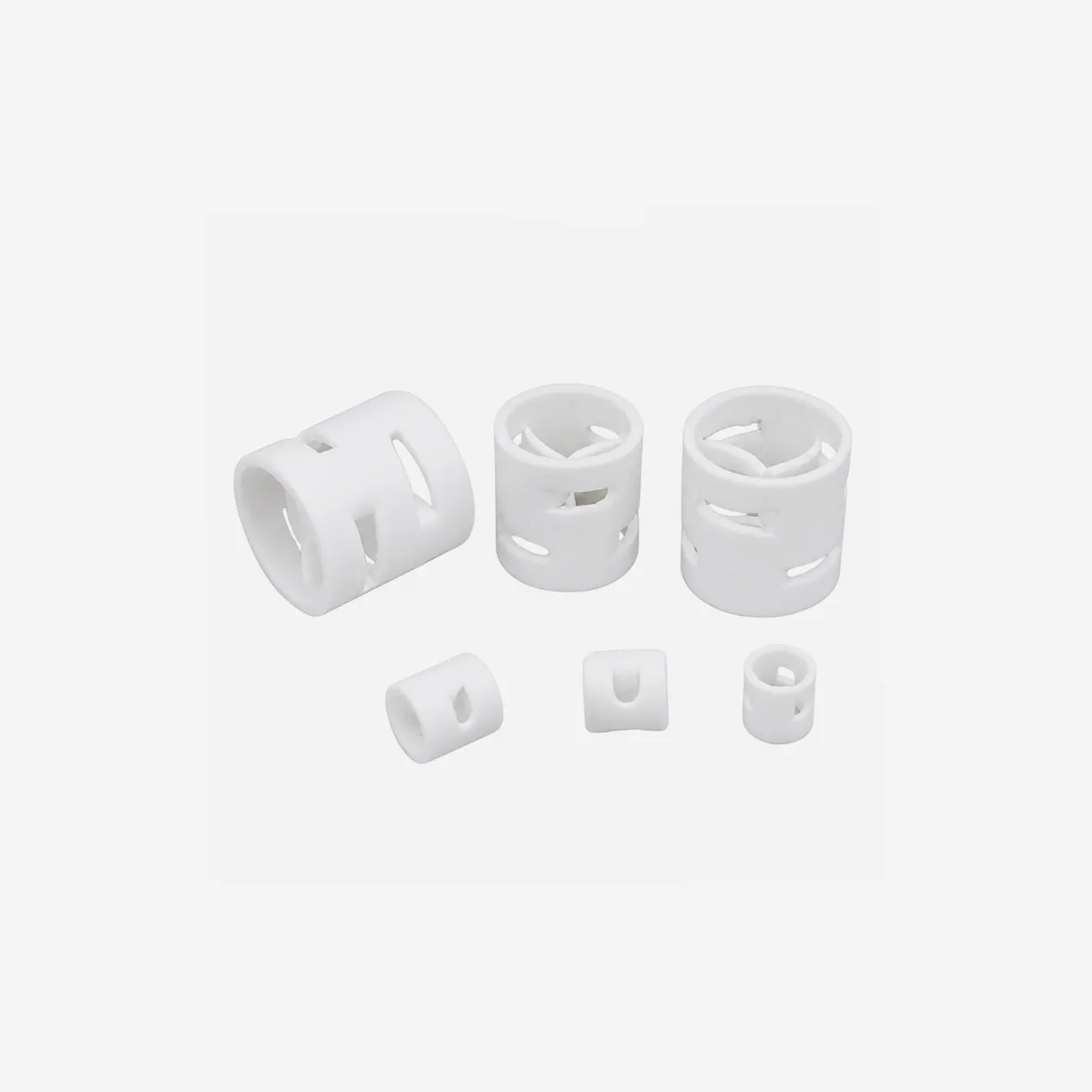
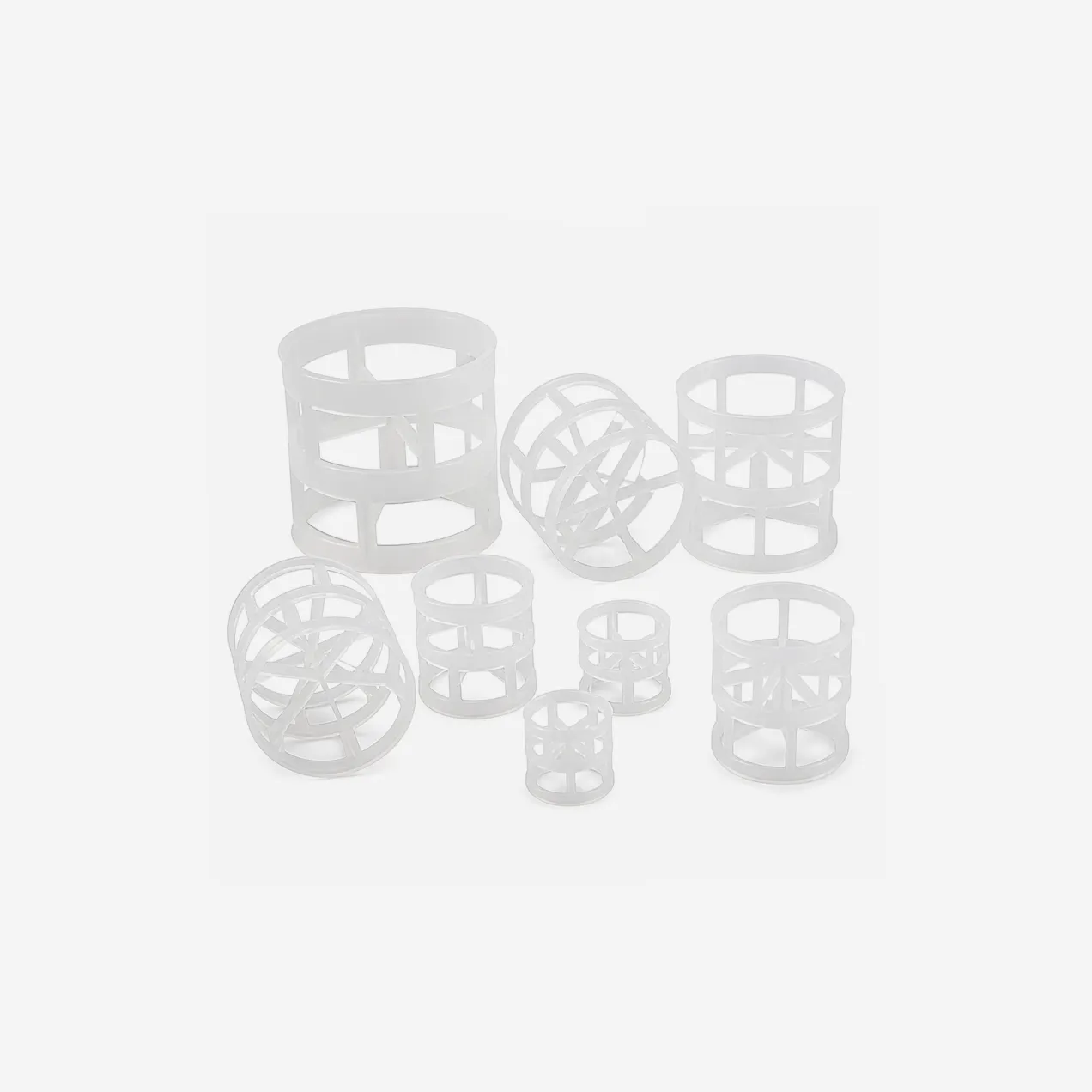
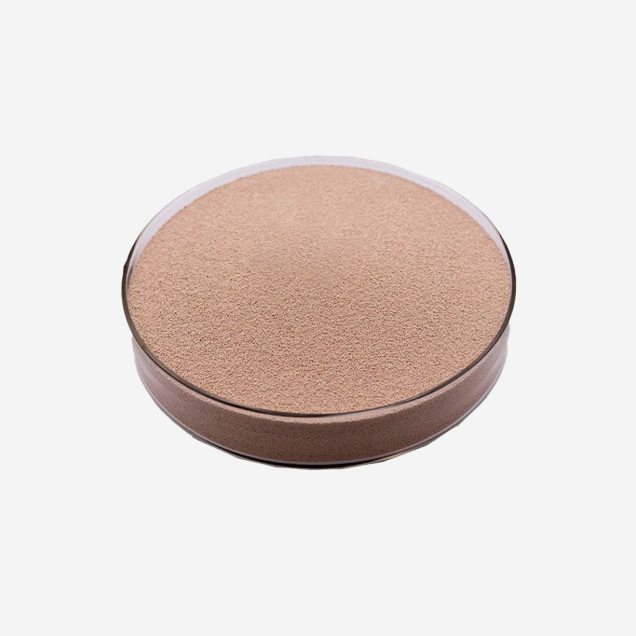
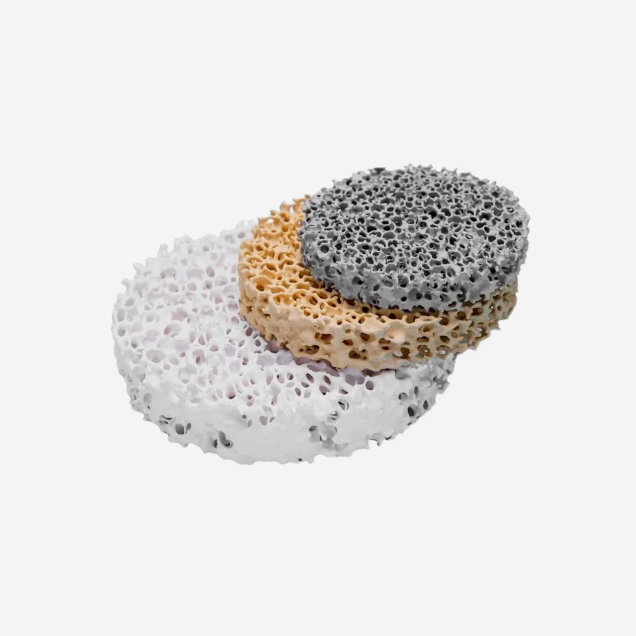
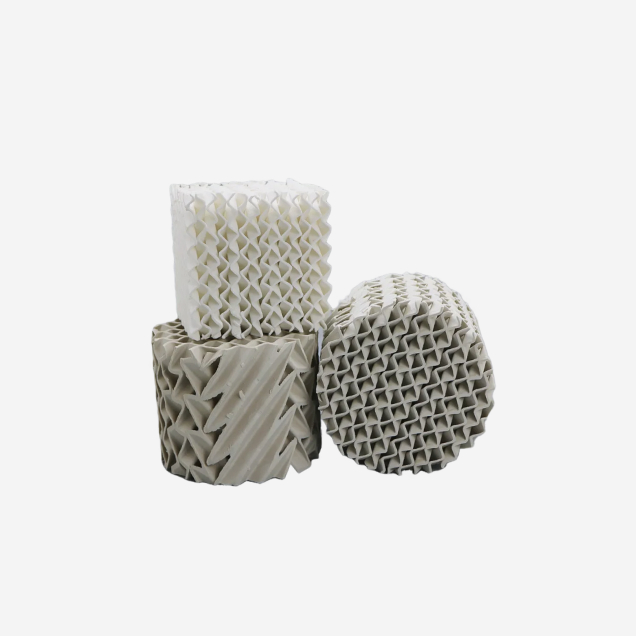
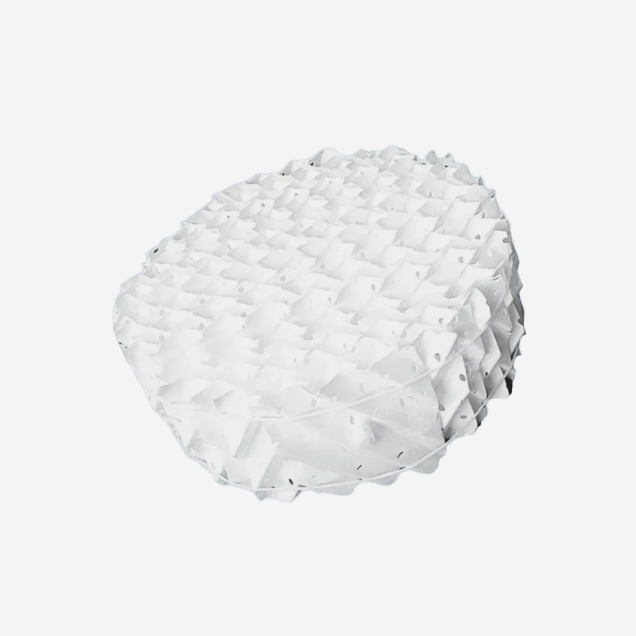
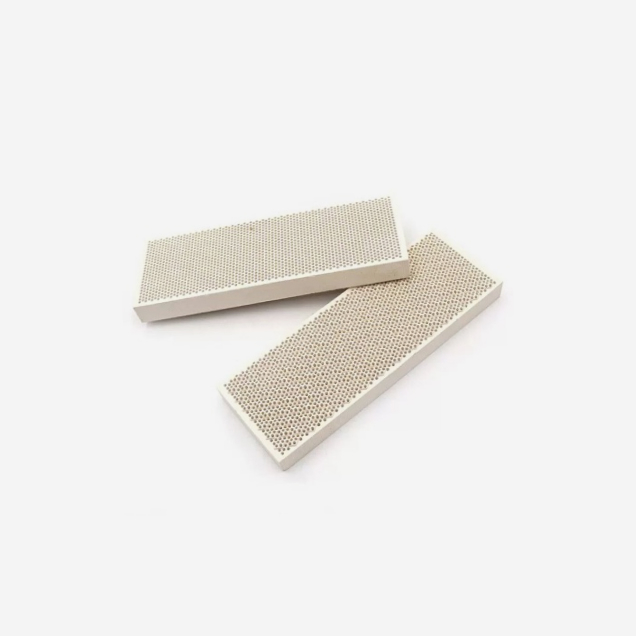
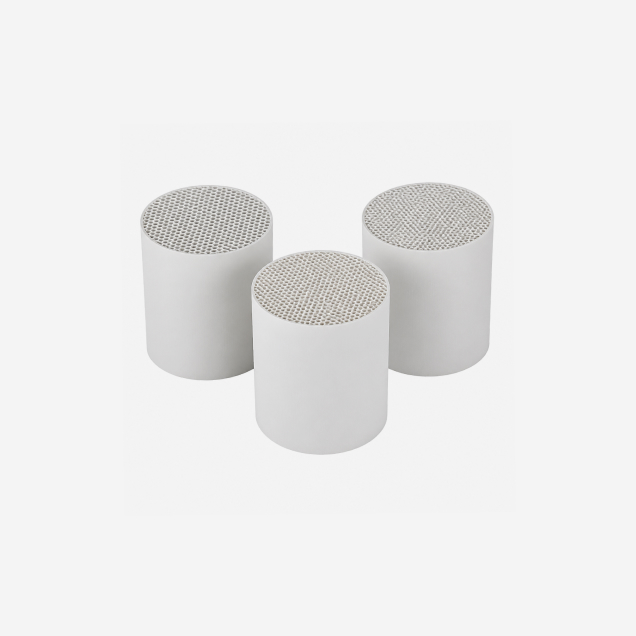
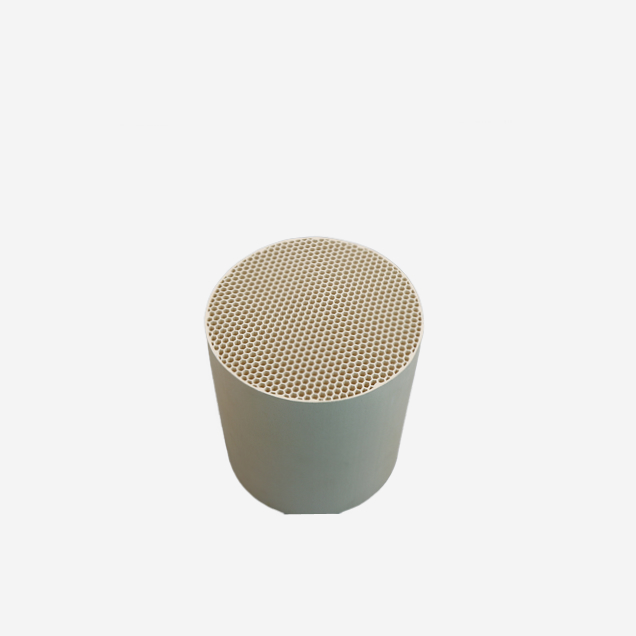
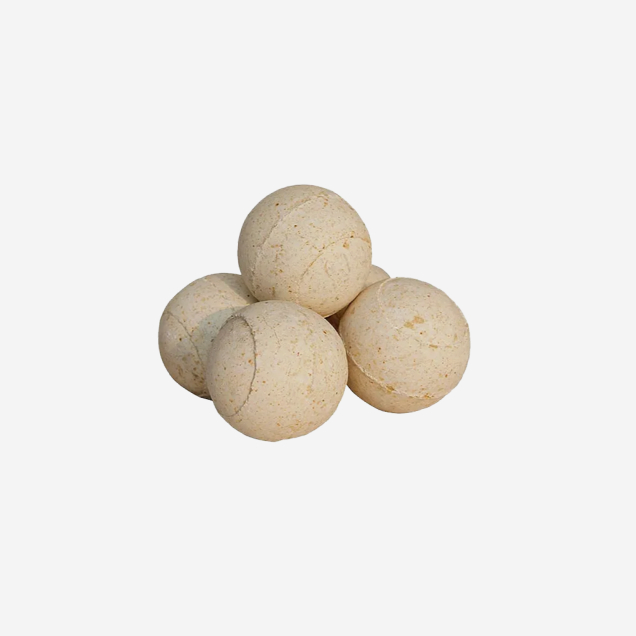
Match it to the chemistry and temperature. Ceramic structured packing takes hot corrosive acid service and runs to about 800°C, but it is brittle. Metal in stainless or carbon steel handles vacuum and high-capacity columns. Plastic in PP and similar polymers suits cold corrosive scrubbing at lower cost.
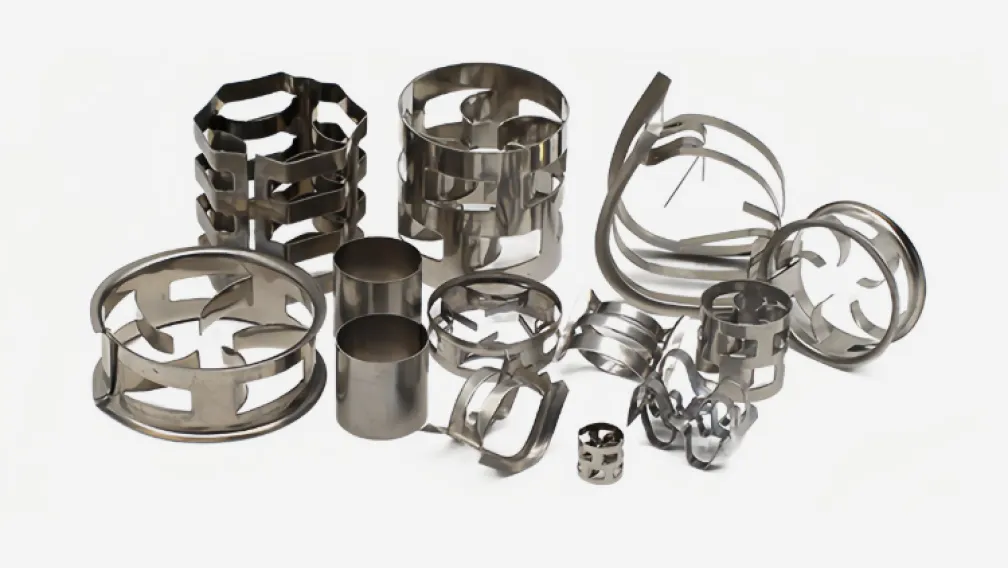
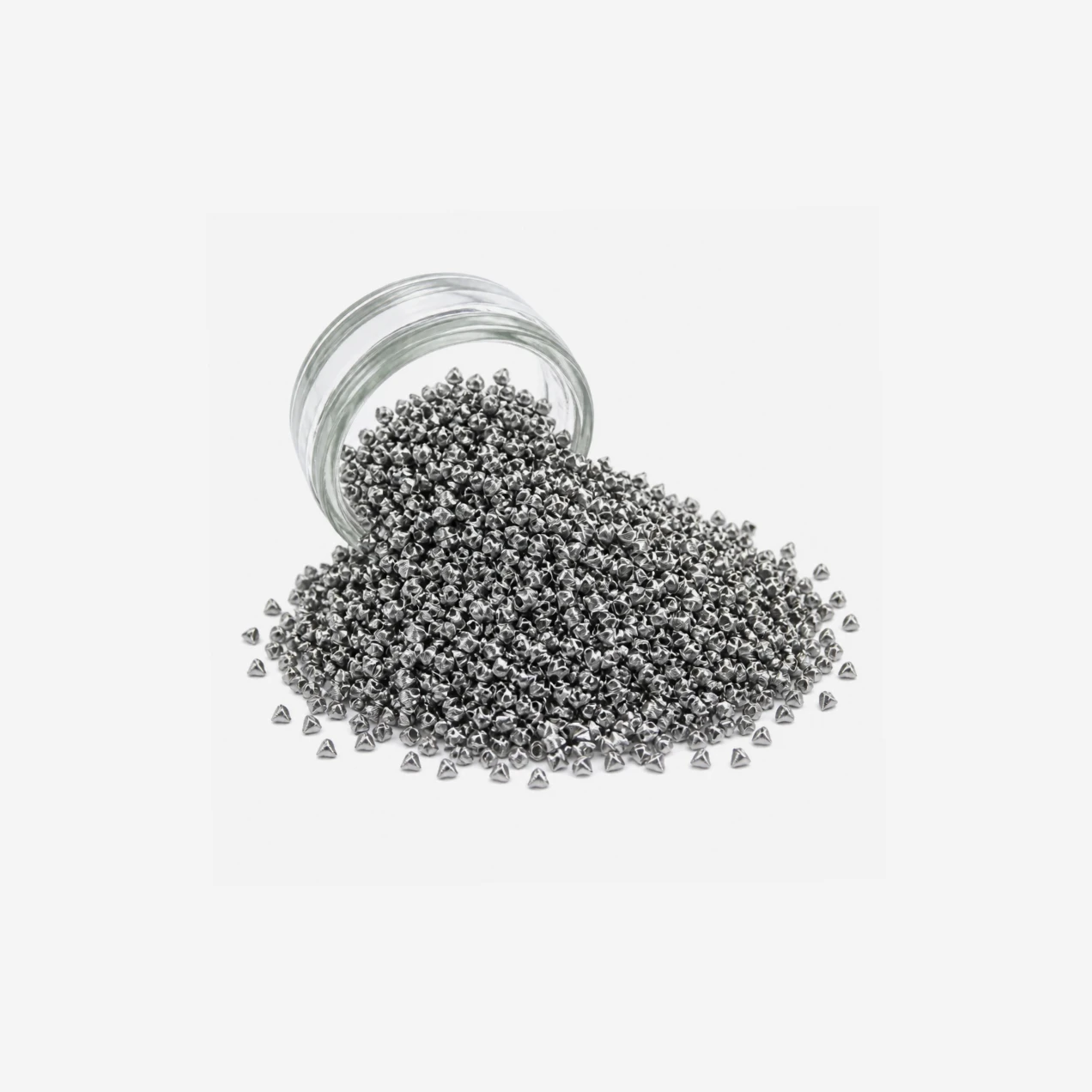
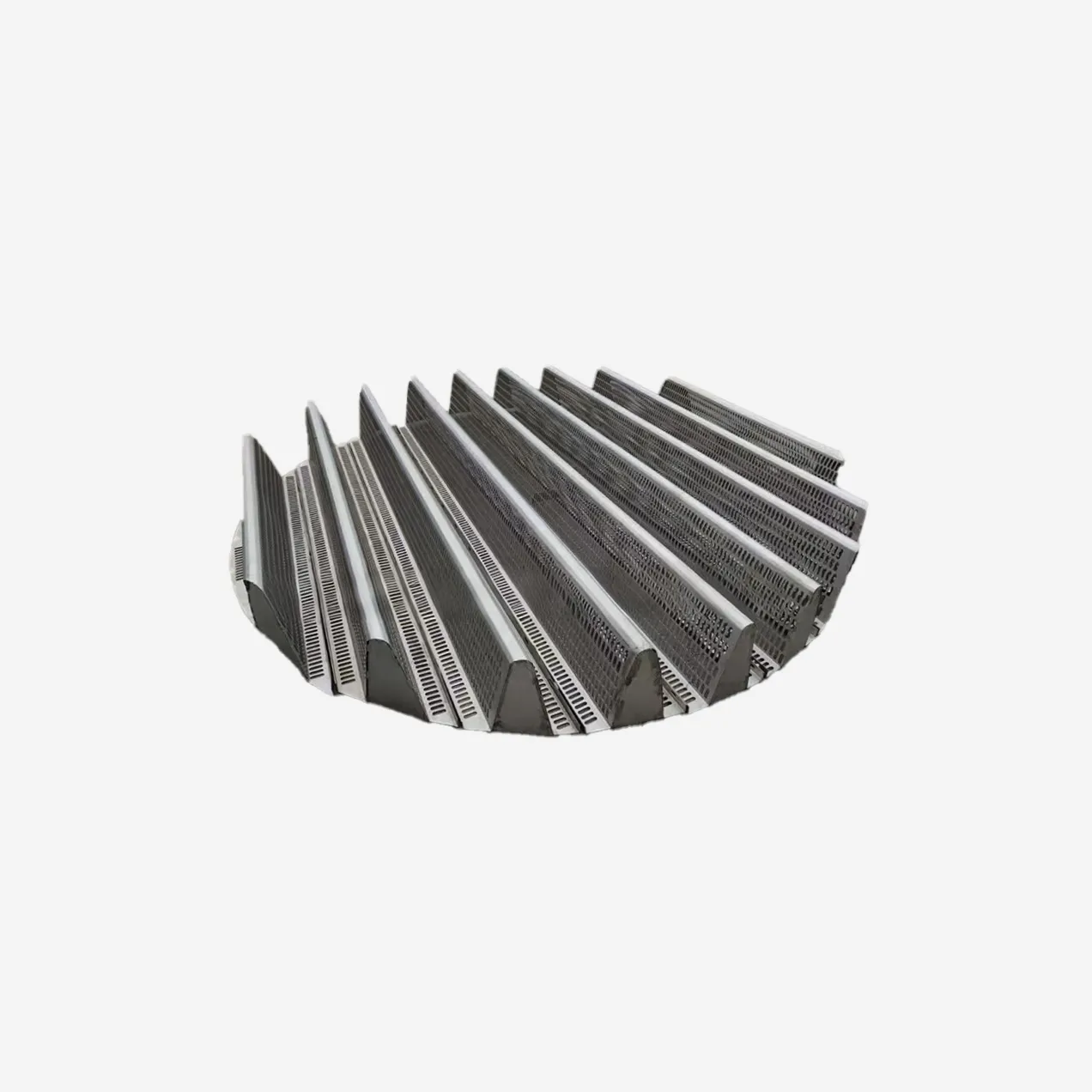
Structured packing is stacked corrugated sheet or wire mesh, and random packing is loose rings and saddles poured in. Structured packing gives a lower pressure drop and more separation per metre, so it suits vacuum and high-purity columns. Random packing handles fouling and load swings better and costs less.
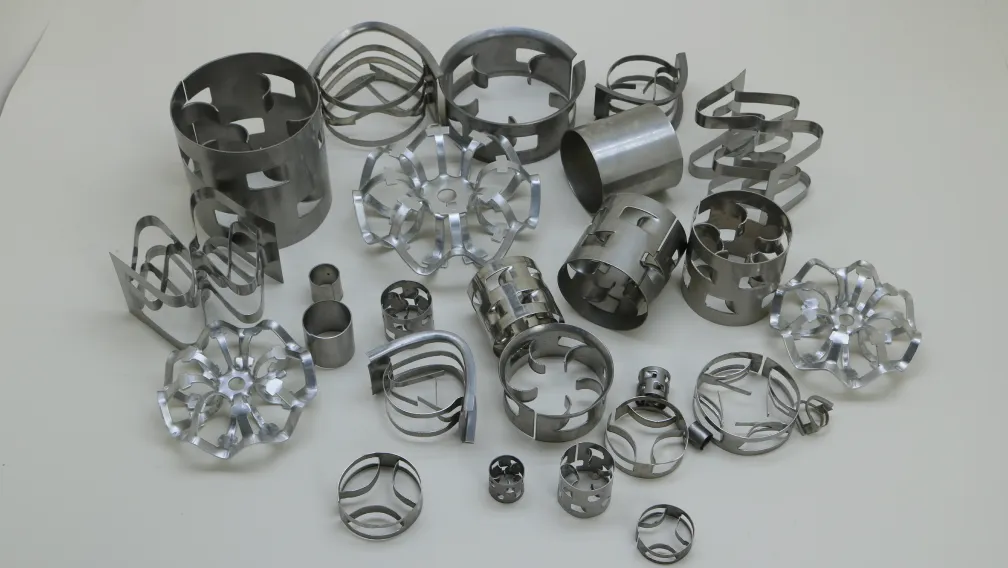
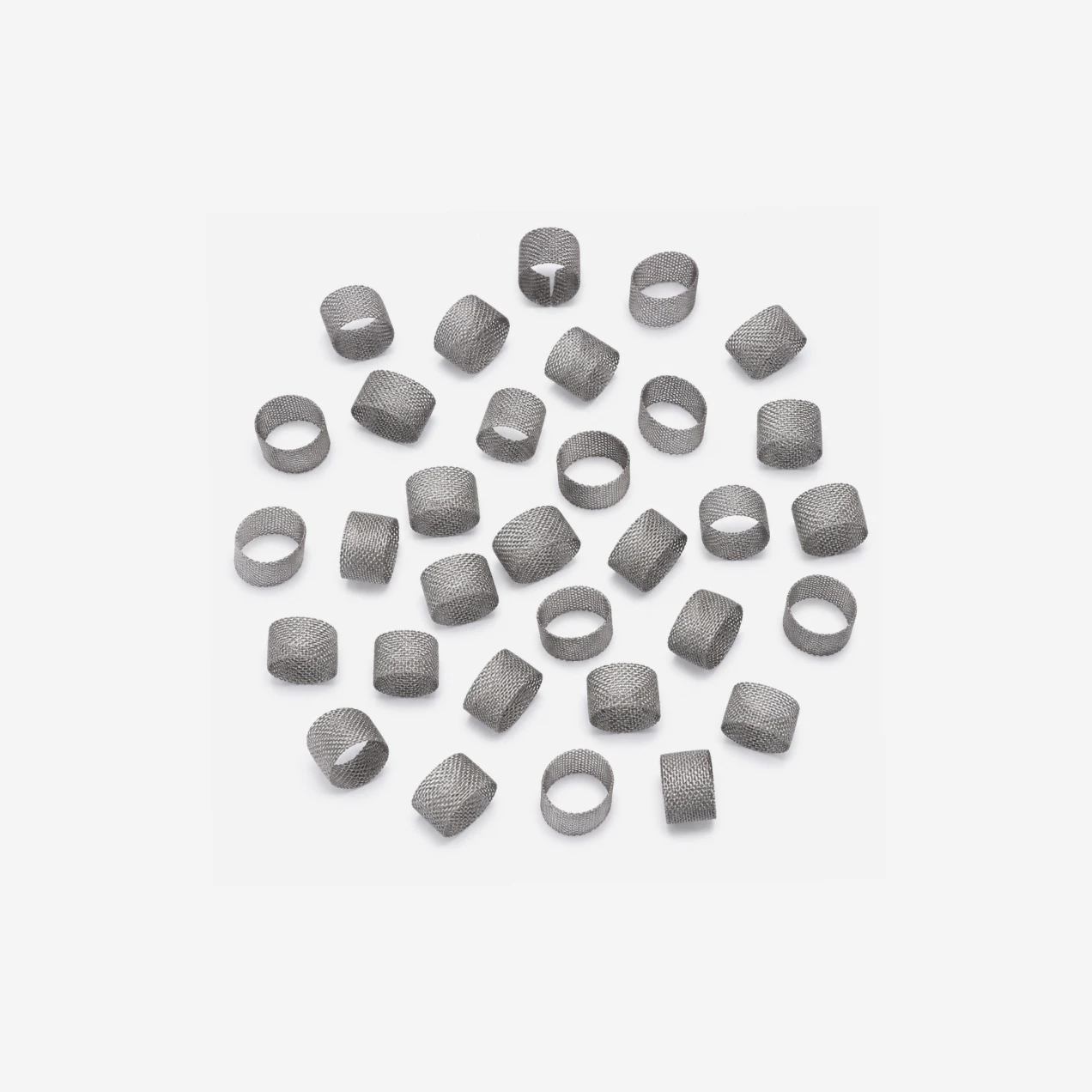
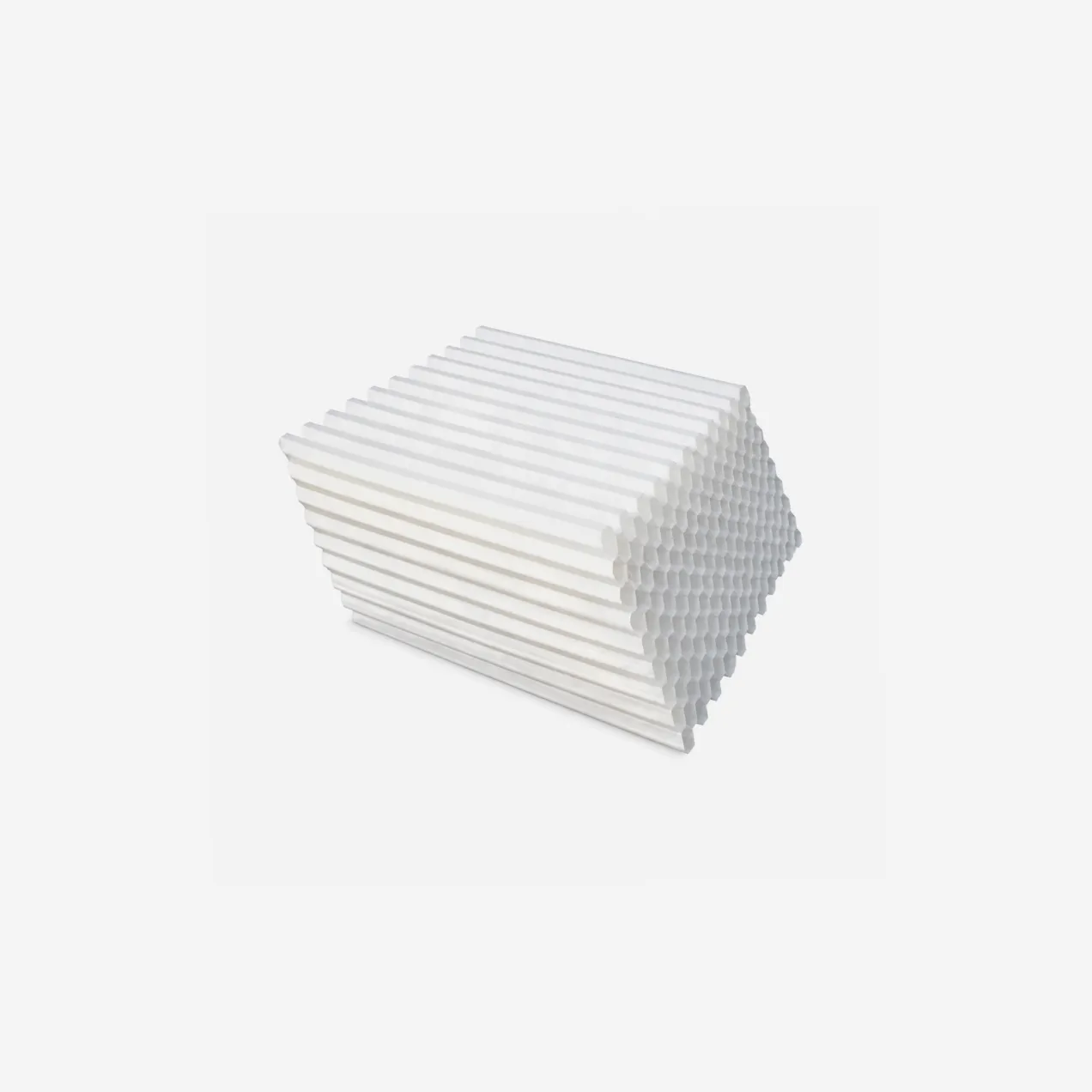
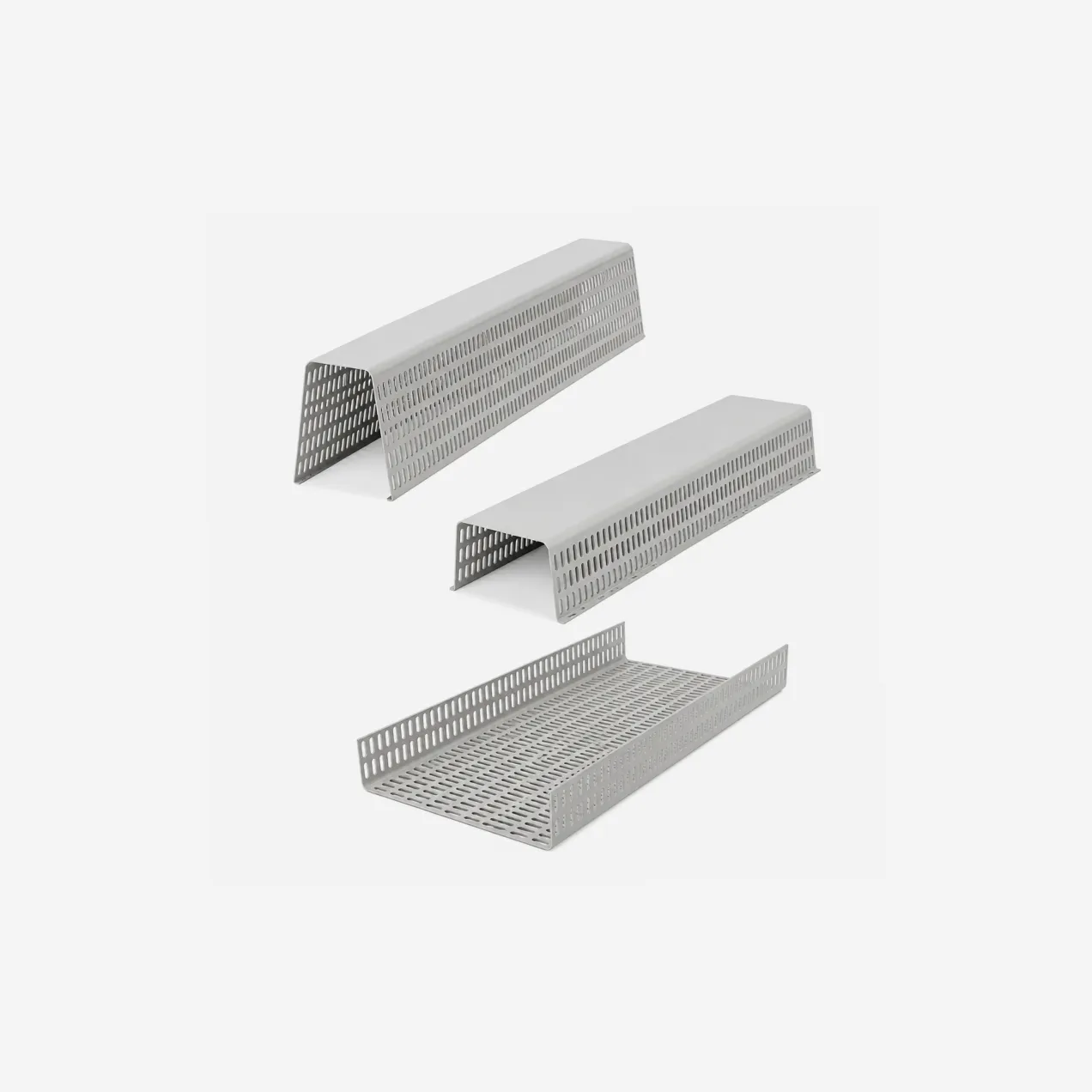
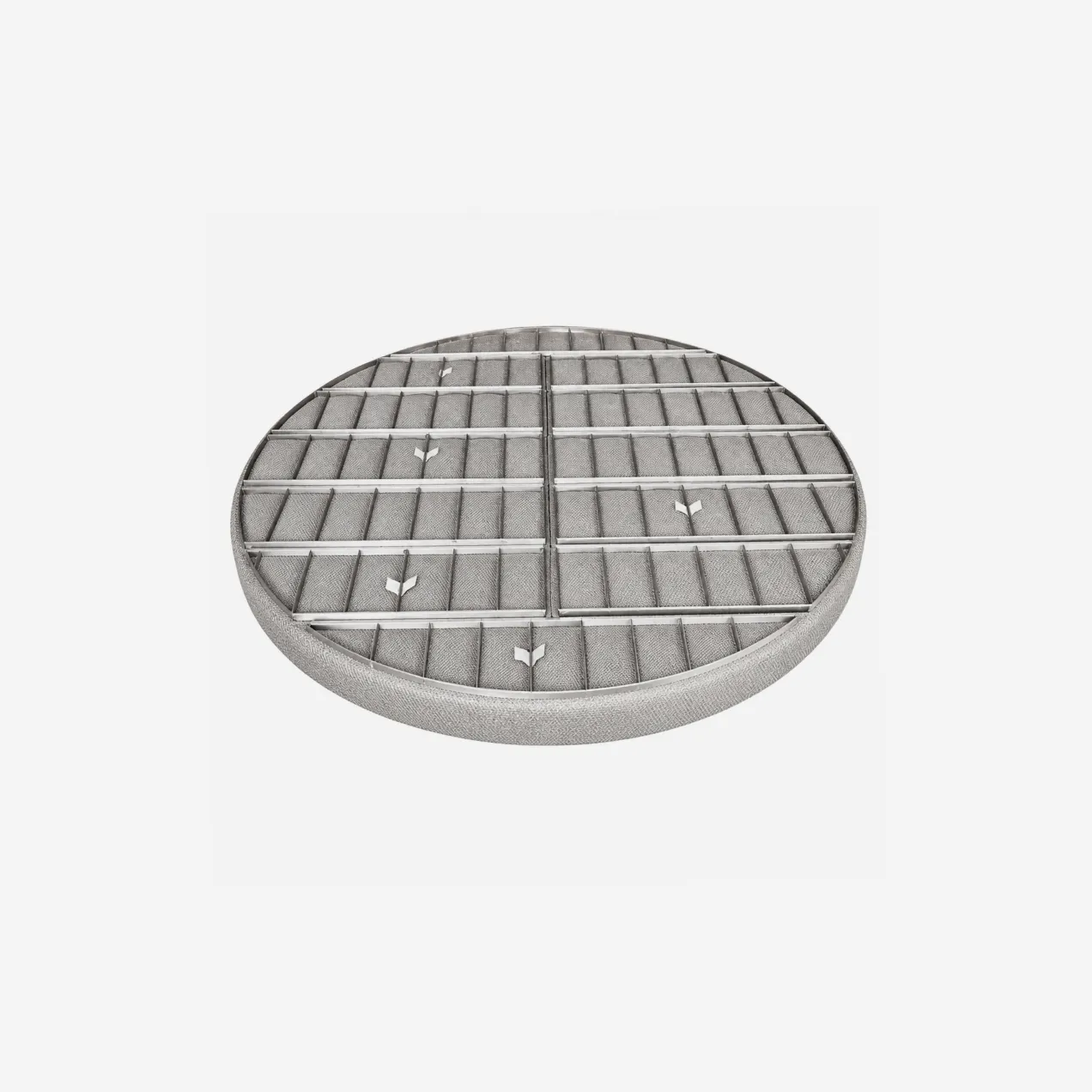
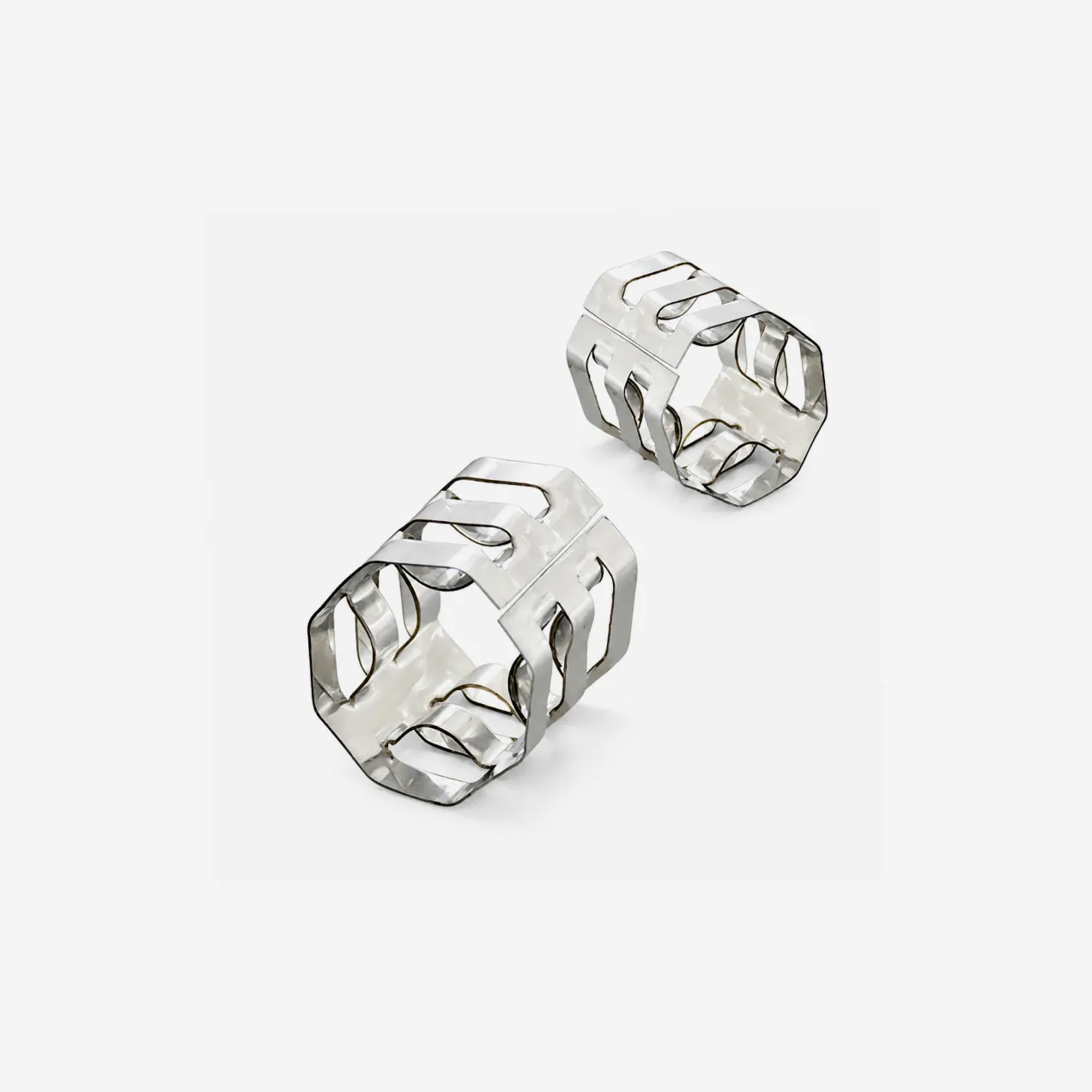
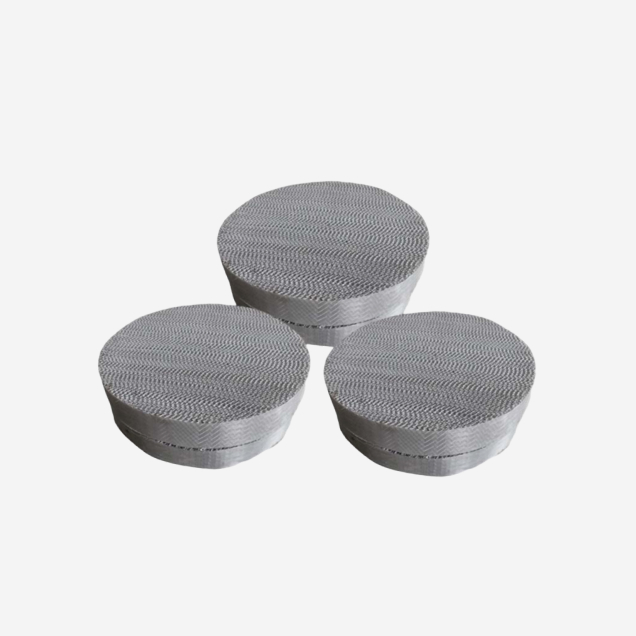
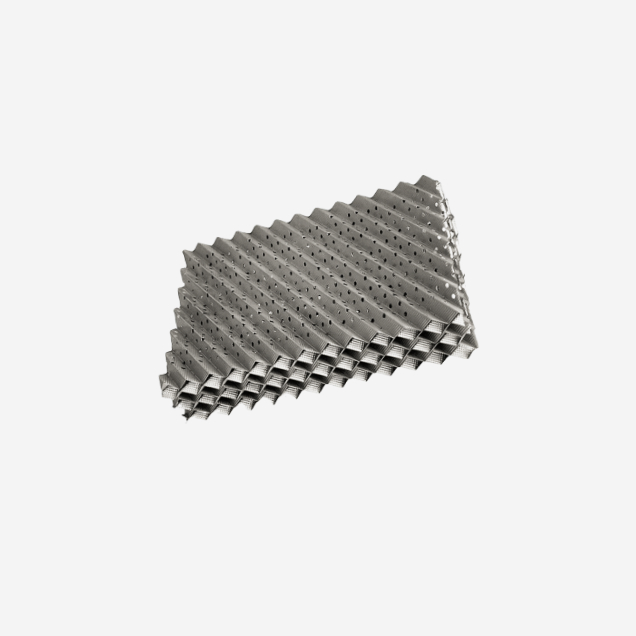
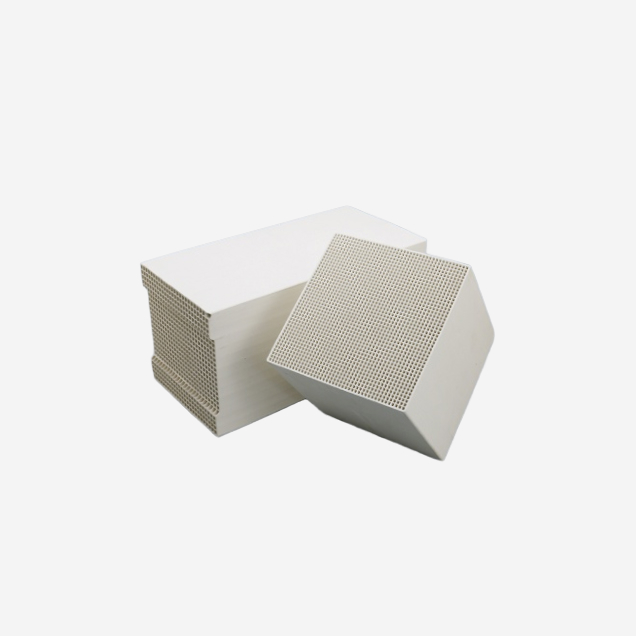
Corrugated sheet covers most distillation and absorption work at a fair cost. Wire mesh gives the highest surface area and the sharpest separation, so it goes into vacuum and high-purity towers where every theoretical stage counts.
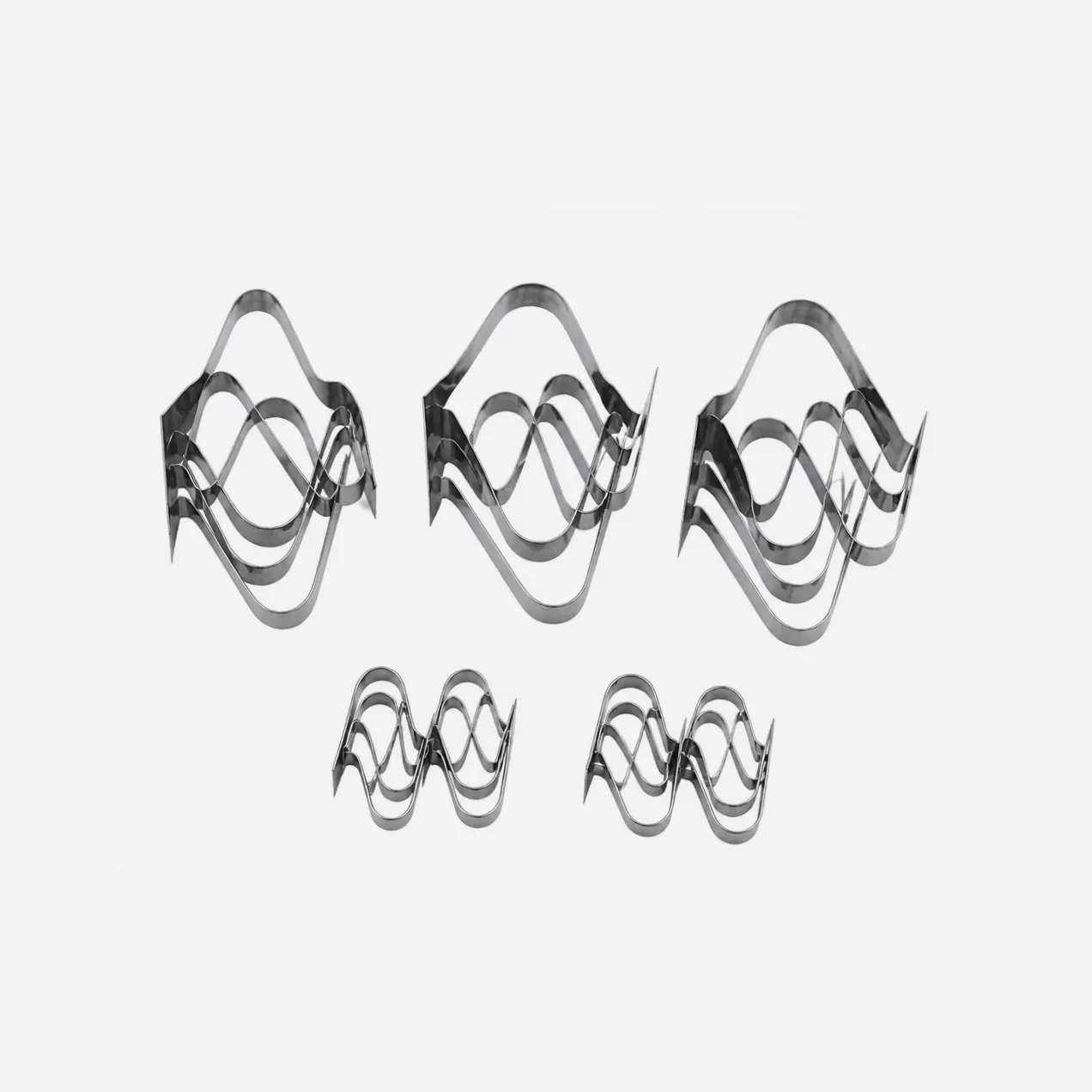
The letter is the corrugation angle. A Y type sits near forty-five degrees for better mass transfer, an X type near thirty degrees for a lower pressure drop. The number is the surface area in square metres per cubic metre, so a 250Y carries more area than a 125Y.
Yes. We carry ceramic, all common steels, and PP and related polymers, matched to the acid, alkali, solvent or oxidizer in the stream and to the operating temperature.
Yes. We cut and assemble each block to your column diameter and supply the matching bed limiter and support. Standard surface areas run from 125 to 700 square metres per cubic metre, with custom sizing on request.
Structured packing is chosen when separation efficiency and a low pressure drop matter more than tolerance to fouling. The choice comes down to material, form and corrugation angle.
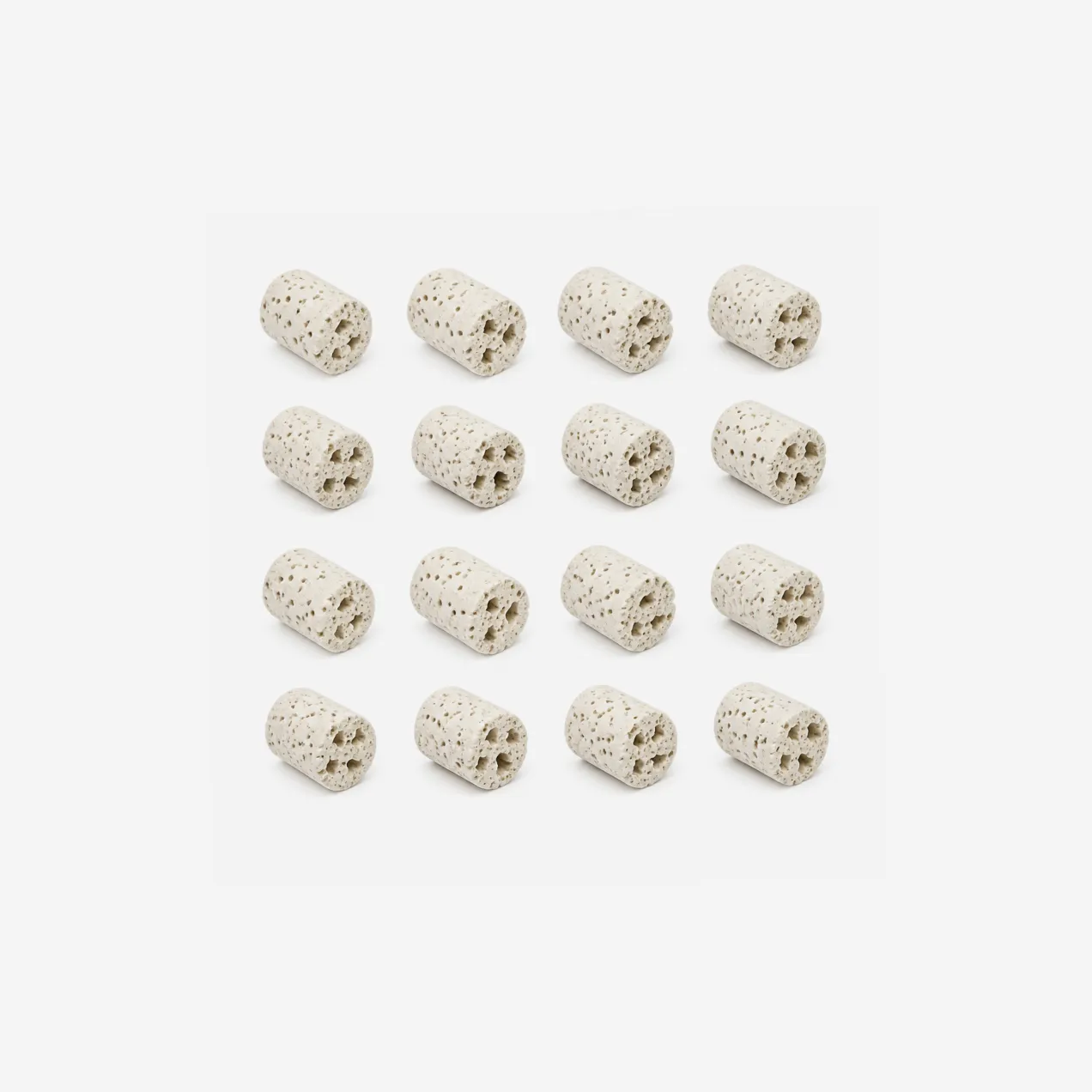
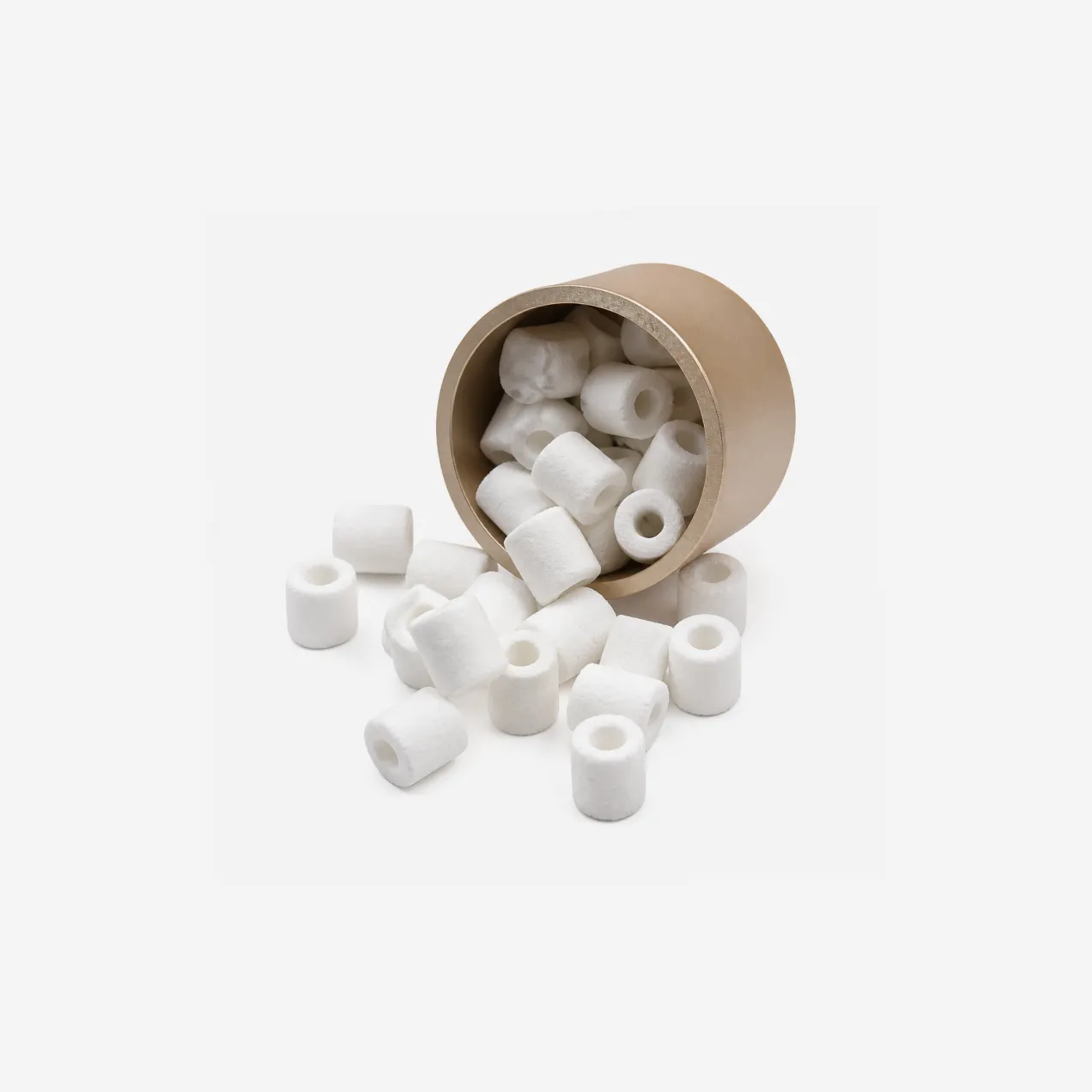
The stream decides the material. Ceramic structured packing resists strong acid and alkali and holds to about 800°C, for hot corrosive towers, though it is brittle and should not see sharp thermal shock. Metal in stainless or carbon steel gives high capacity and the mechanical strength for vacuum and large columns; carbon steel is cheaper for non-corrosive duty, while stainless avoids chloride attack. Plastic in PP and related polymers handles cold corrosive scrubbing and absorption at low cost, with general-purpose PP usually kept under about 120°C.
Two metal forms cover most work. Perforated corrugated sheet is the general-purpose choice, with surface areas from 125 to 500 square metres per cubic metre and a good balance of capacity, efficiency and cost. Wire-mesh, or gauze, packing has a much finer surface that wets easily at very low liquid rates, which gives the most theoretical stages per metre and the lowest pressure drop. It is the standard for vacuum distillation and high-purity separation, where efficiency outweighs cost.
Each surface area comes in two angles. A Y type sits near forty-five degrees and gives better mass transfer, an X type near thirty degrees and gives a lower pressure drop and higher capacity. Vacuum and pressure-drop-critical columns often take the X angle, while separation-critical columns take the Y. The model name combines the two, so a 250Y is a forty-five-degree element with 250 square metres of surface per cubic metre.
A higher surface area, such as 500 or 700, packs more contact area into the bed and lifts separation, but it also raises pressure drop and lowers capacity. A lower surface area, such as 125 or 250, moves more vapour at a lower resistance. Match the surface area to your number of theoretical stages and your allowable pressure drop, then confirm the column diameter so the blocks are cut to fit without wall gaps.