Home > MBBR Media
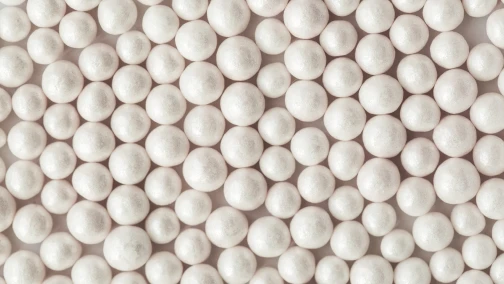
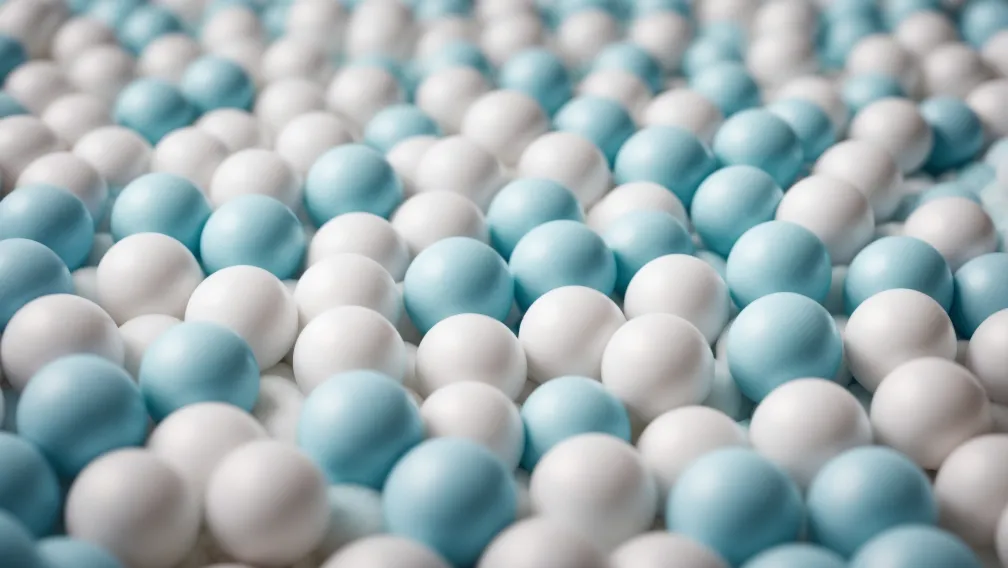
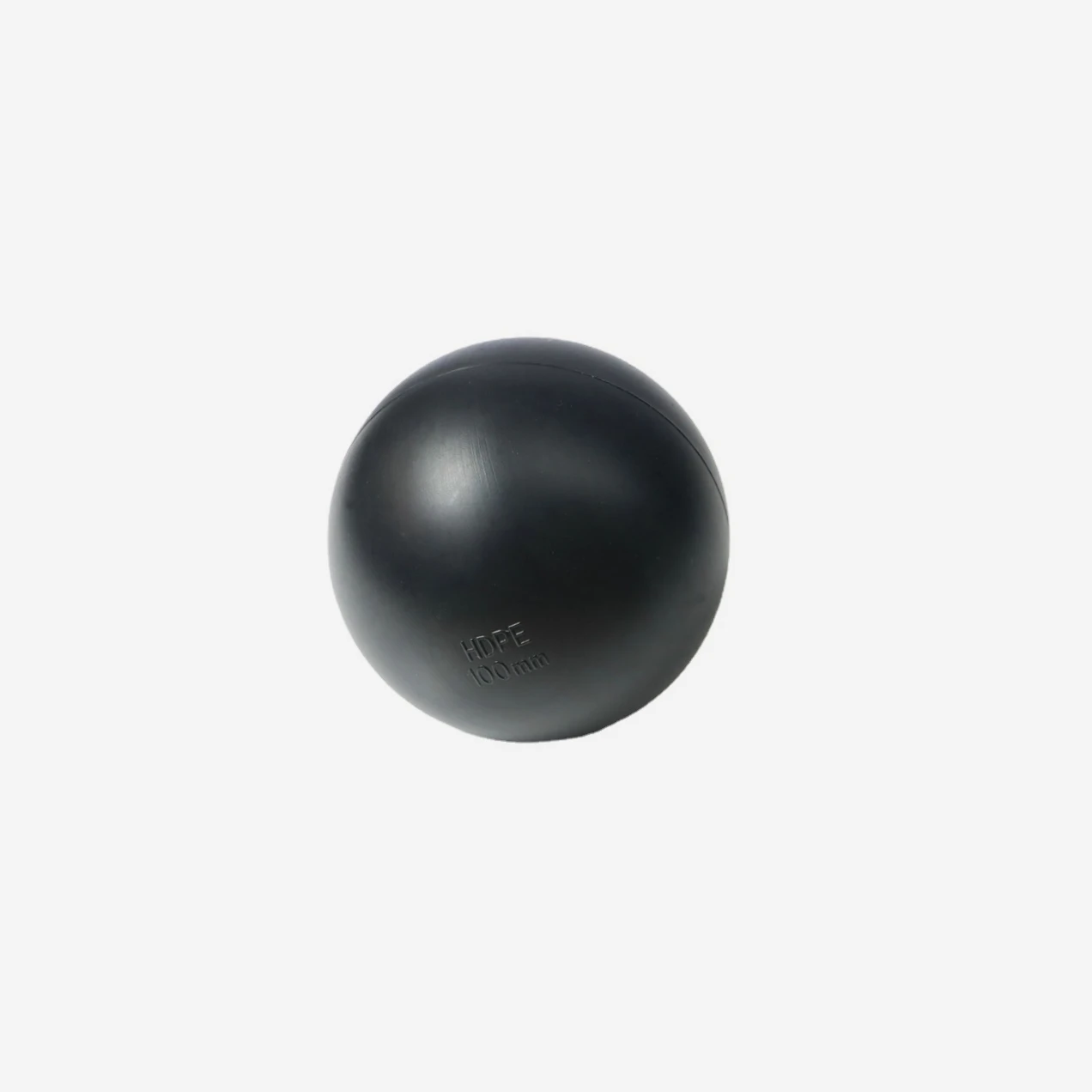
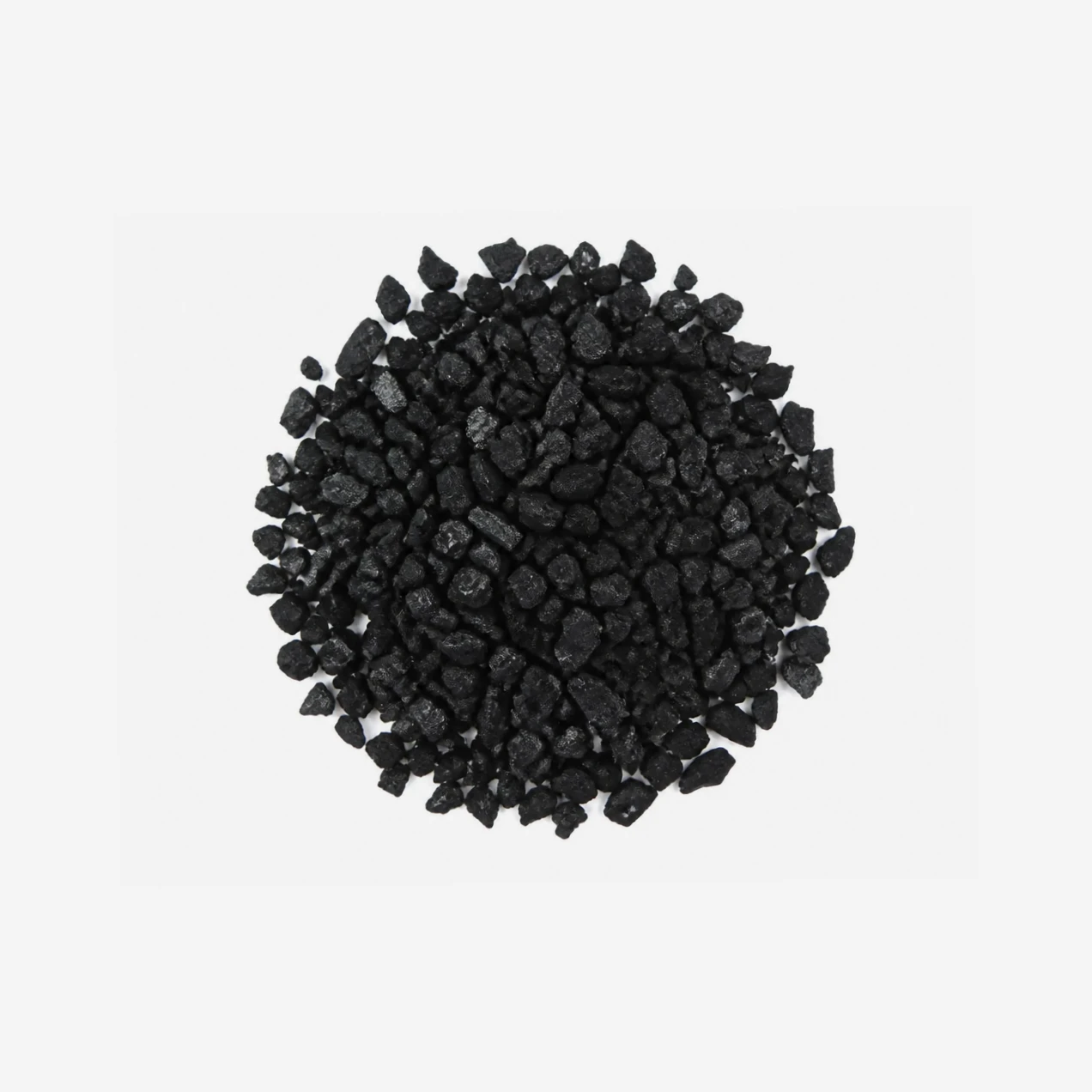
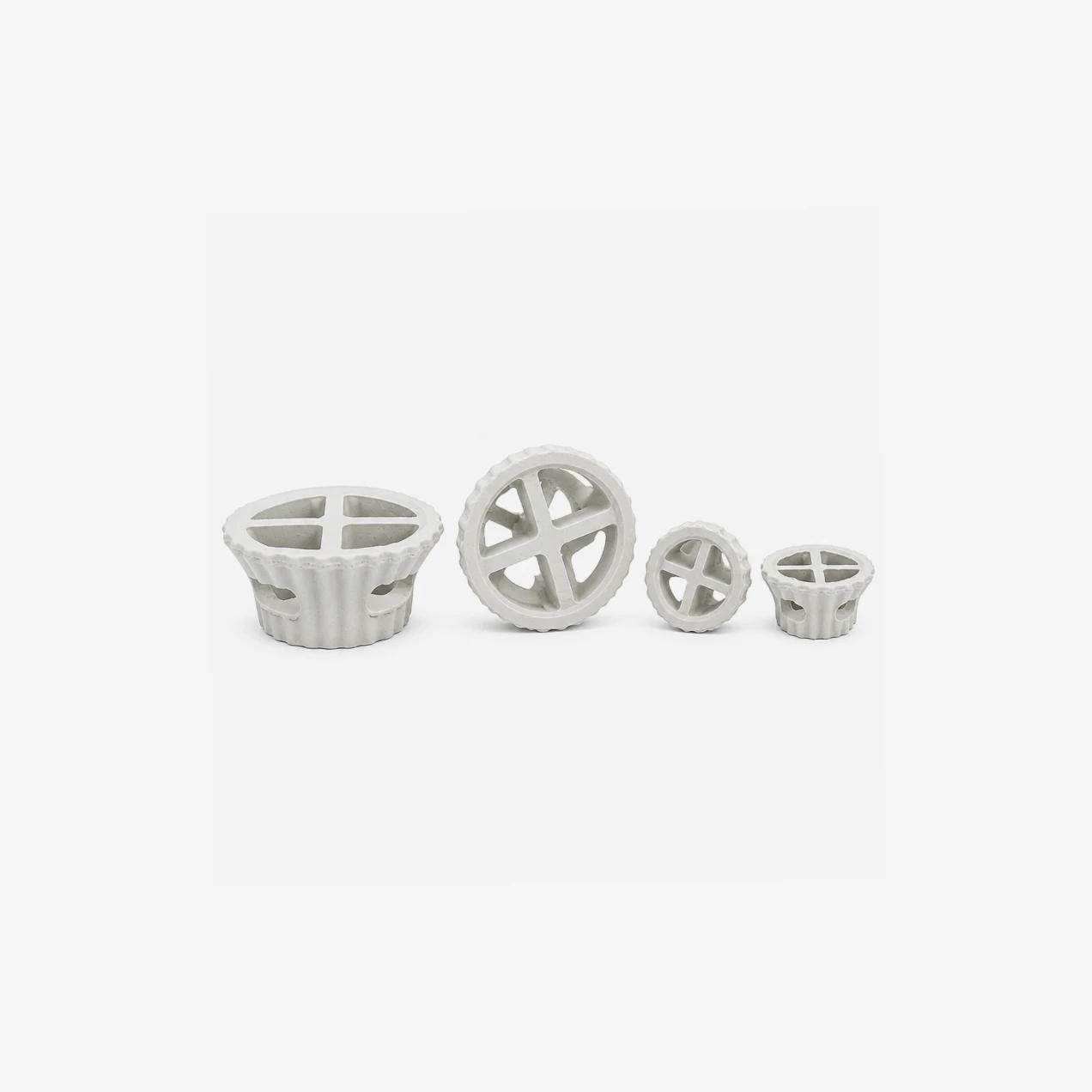
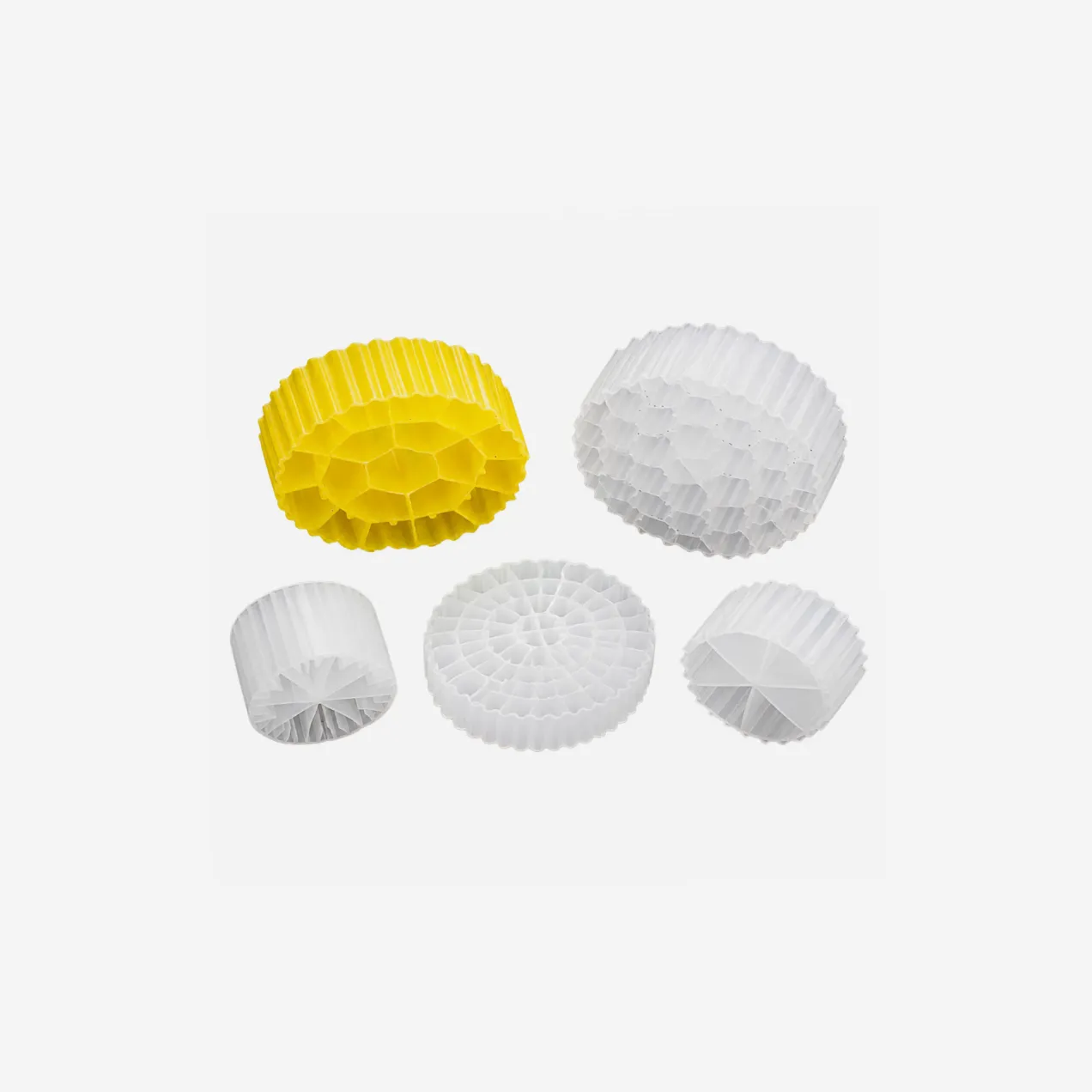
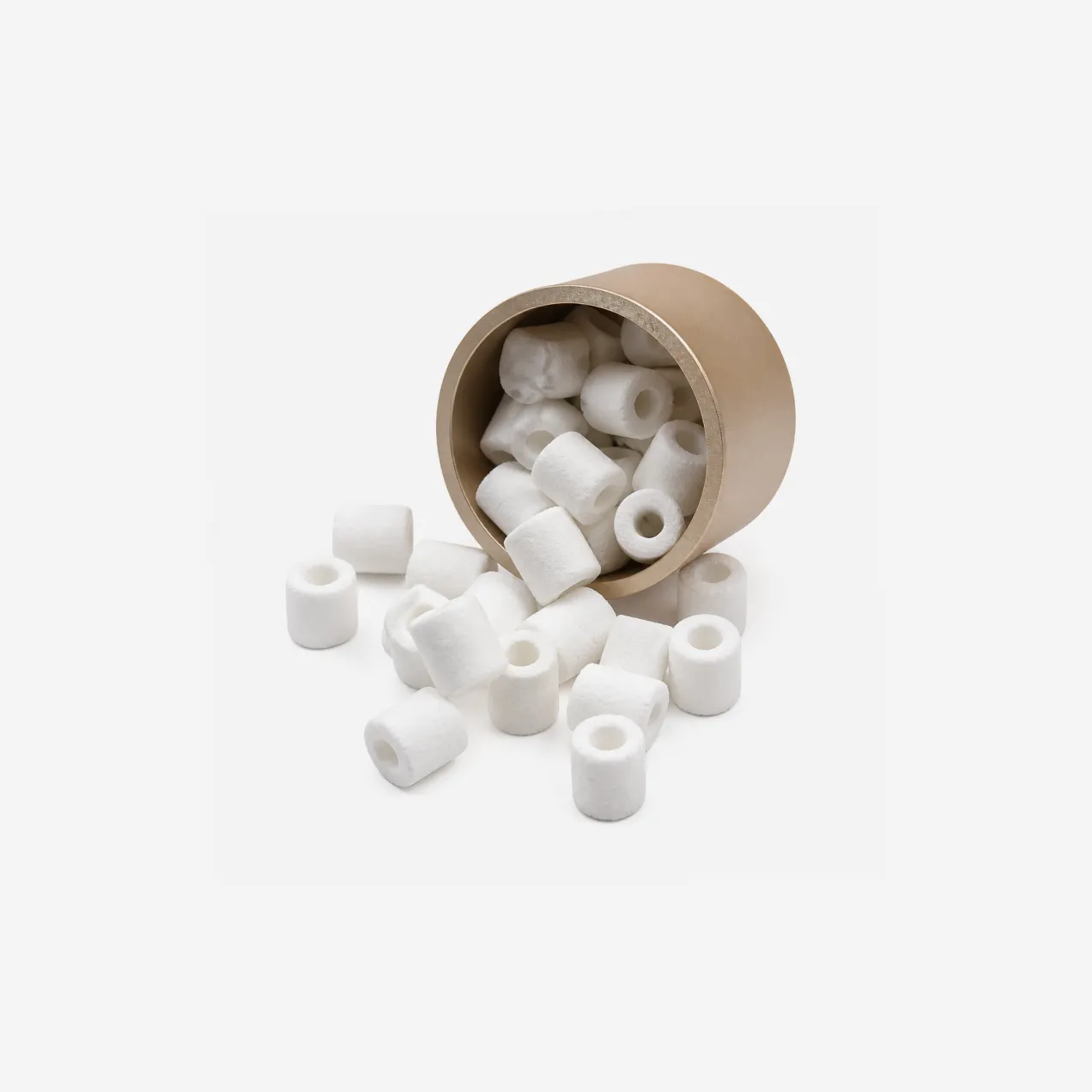
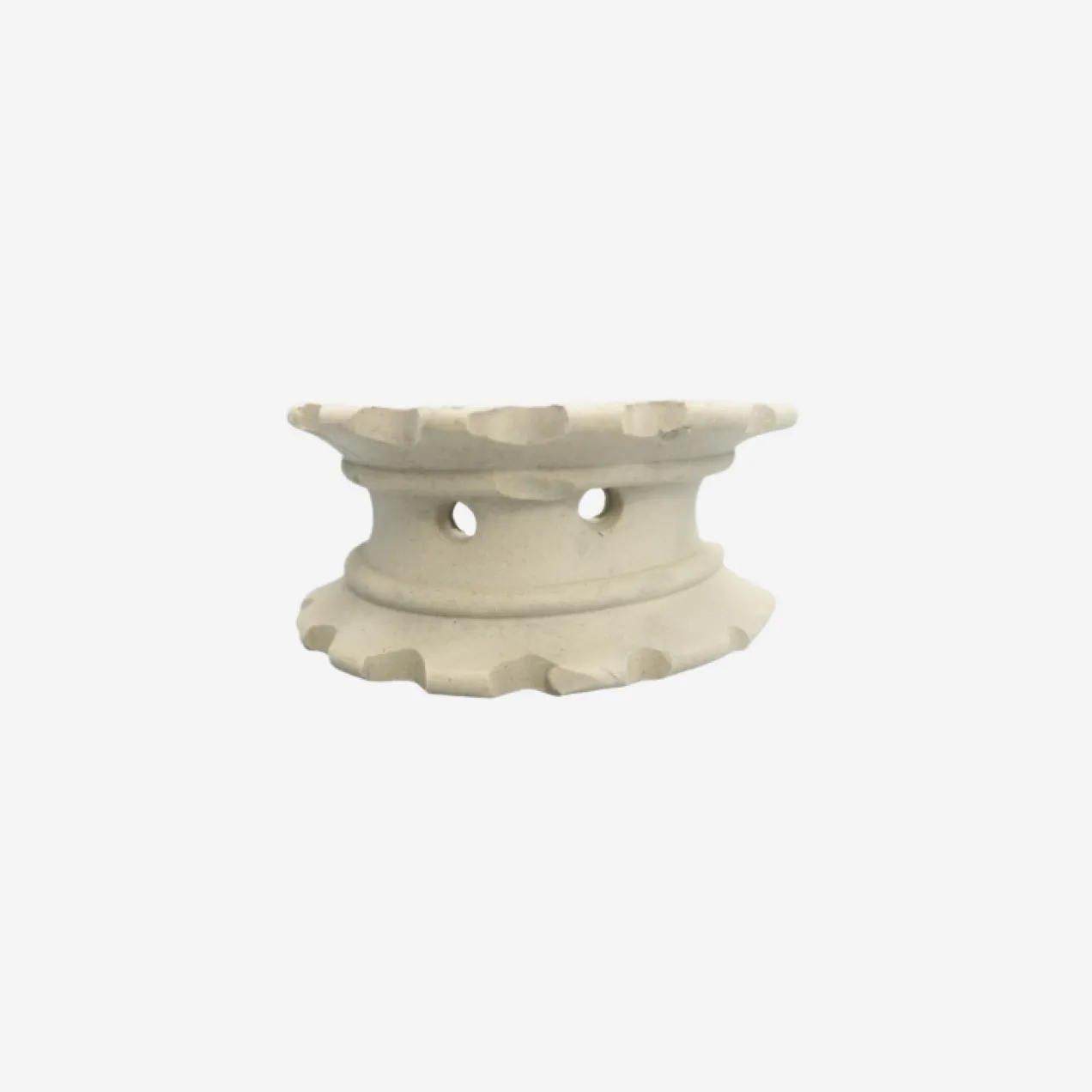
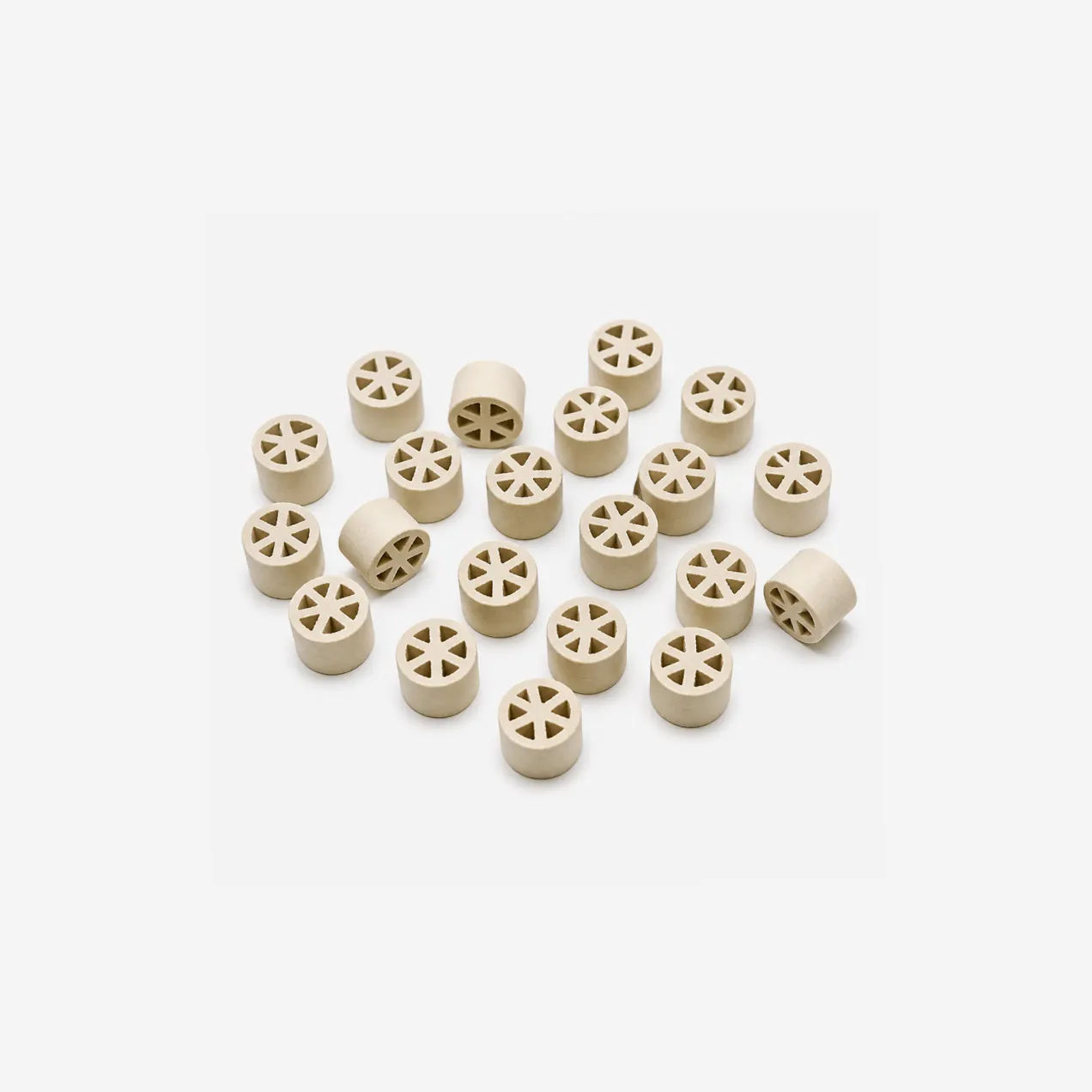
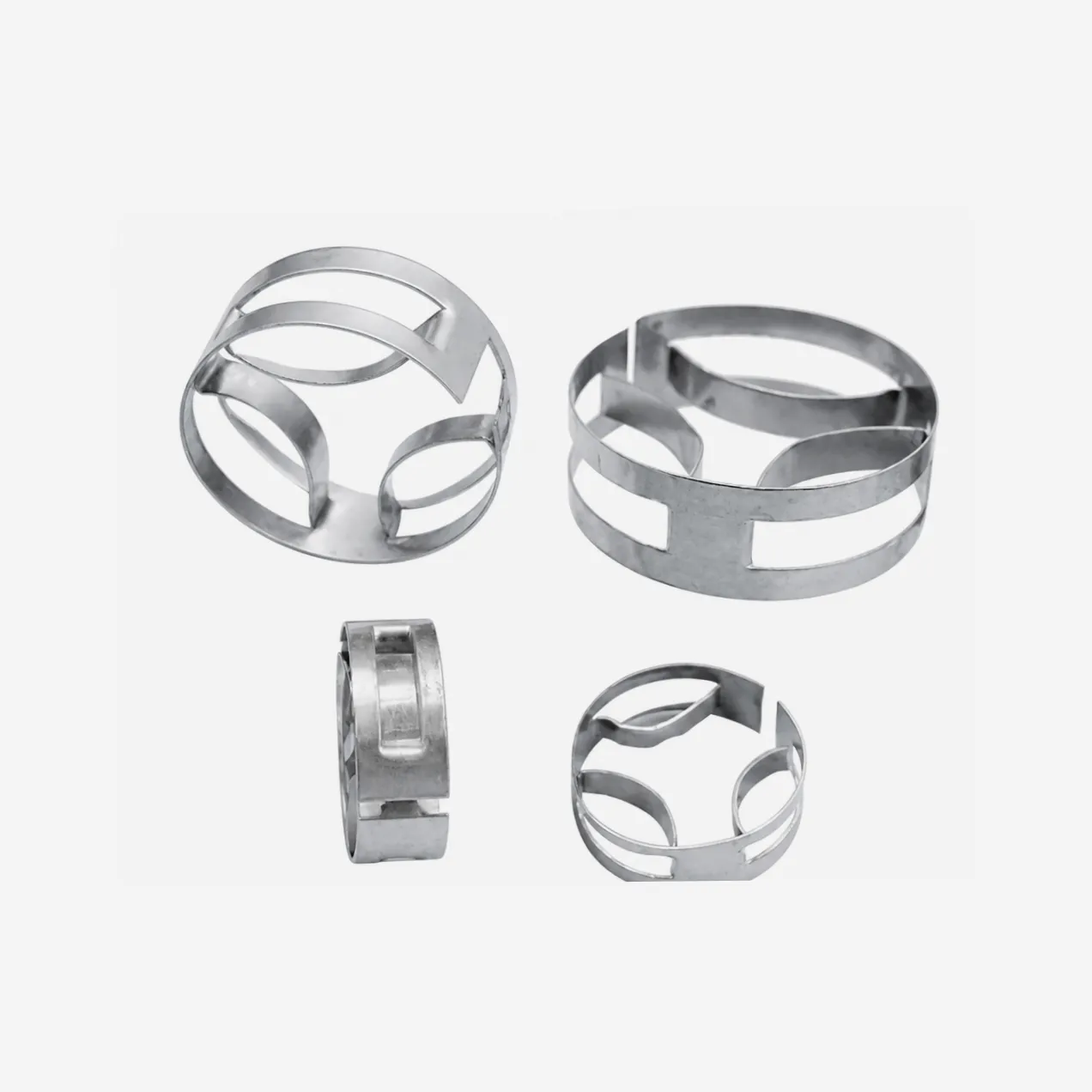
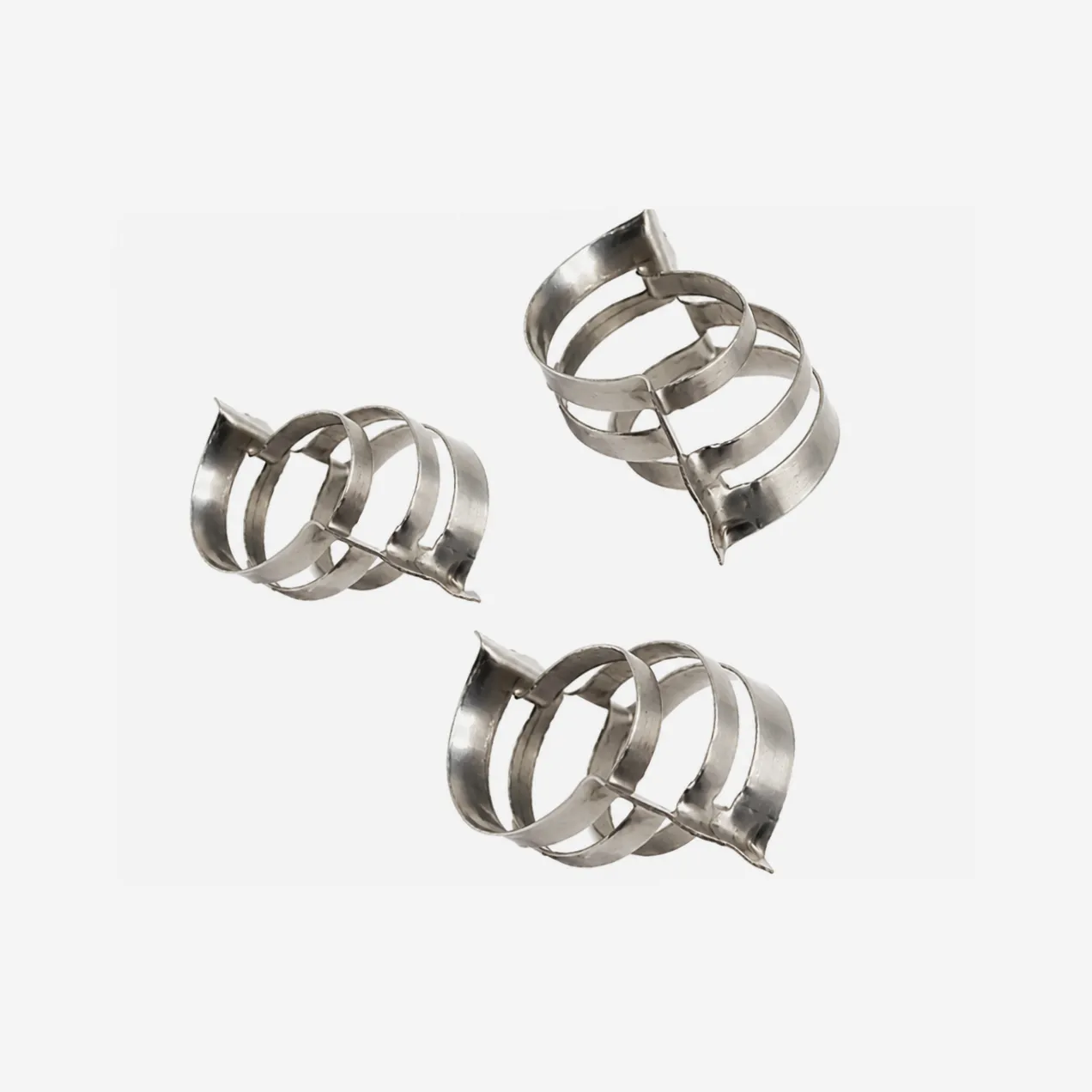
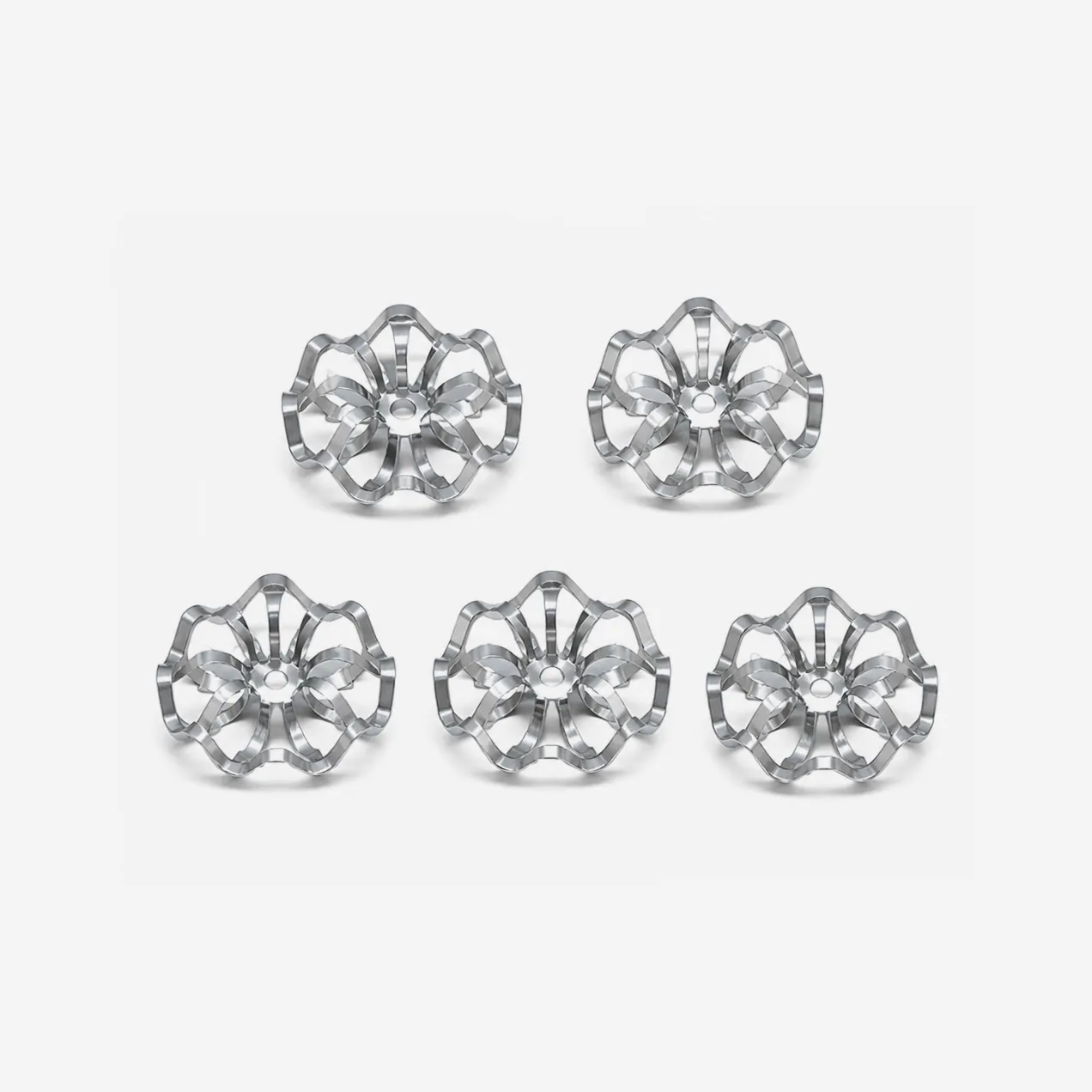
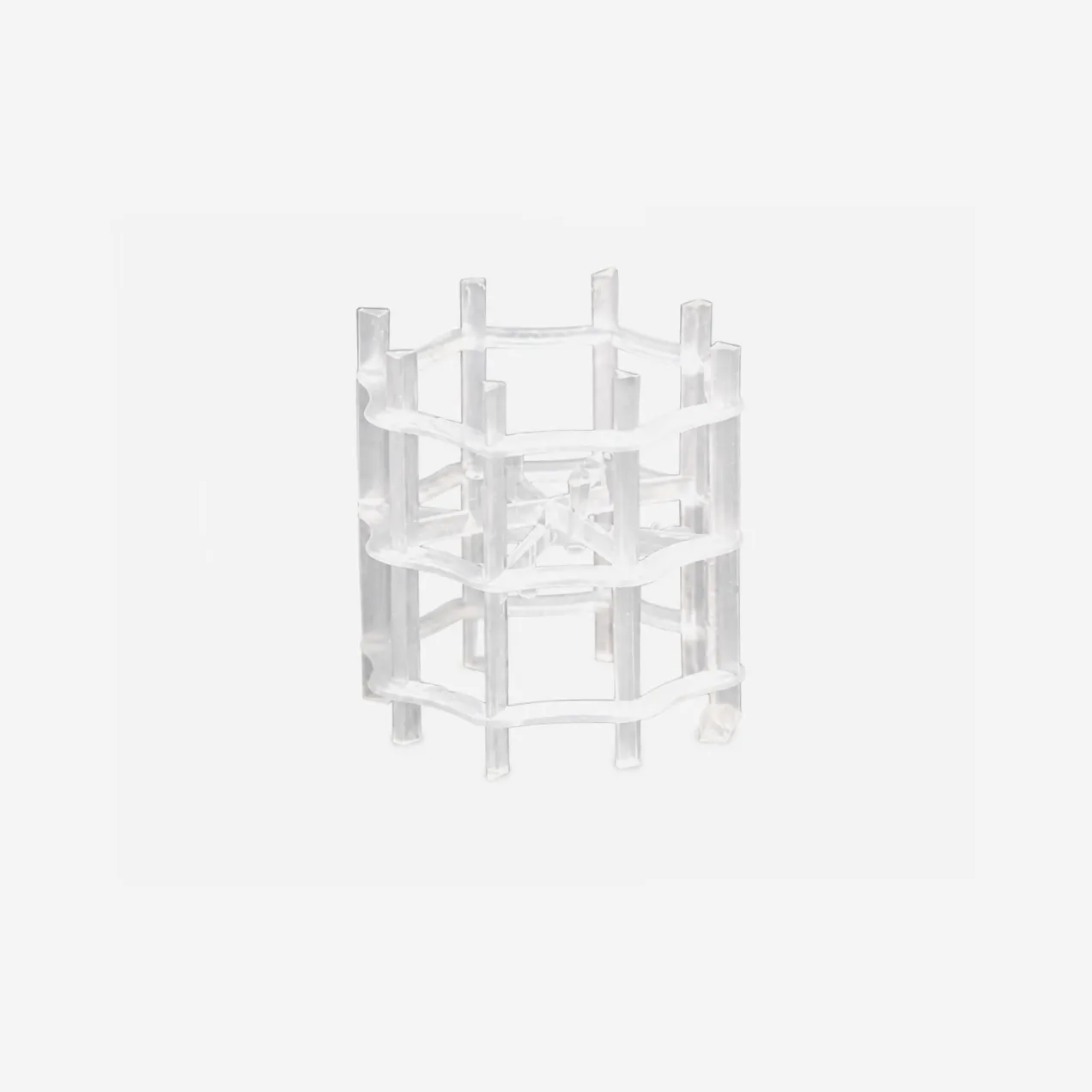
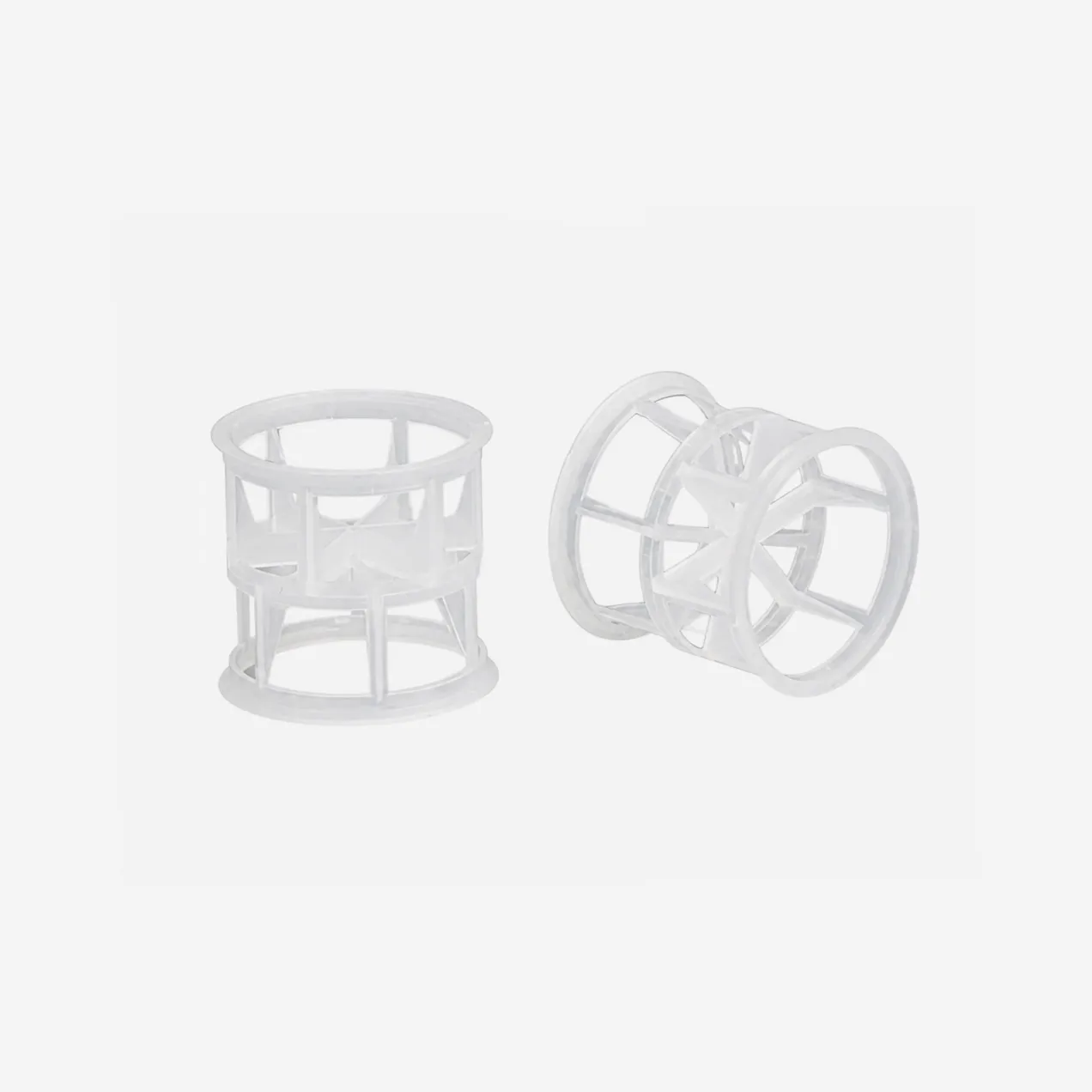
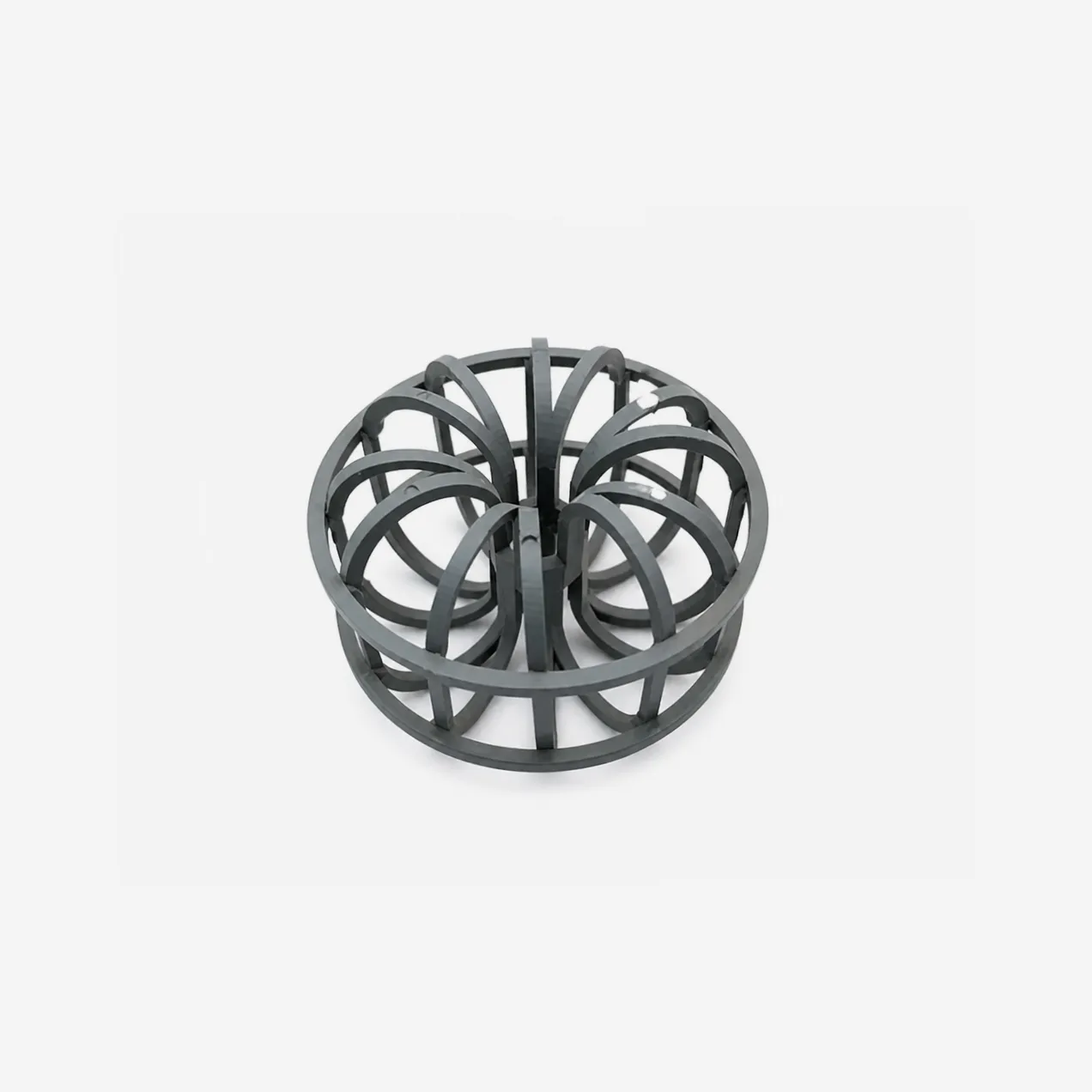
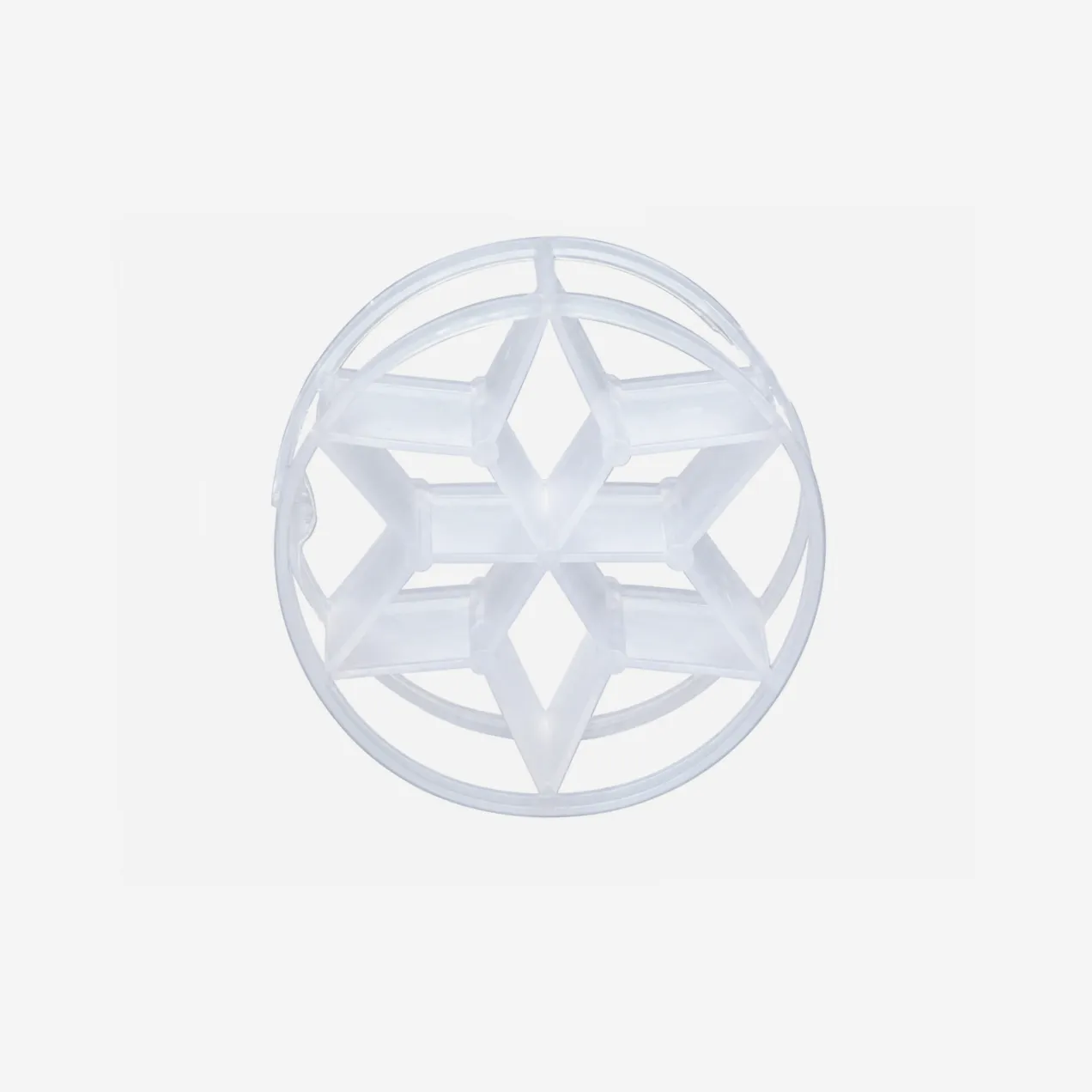
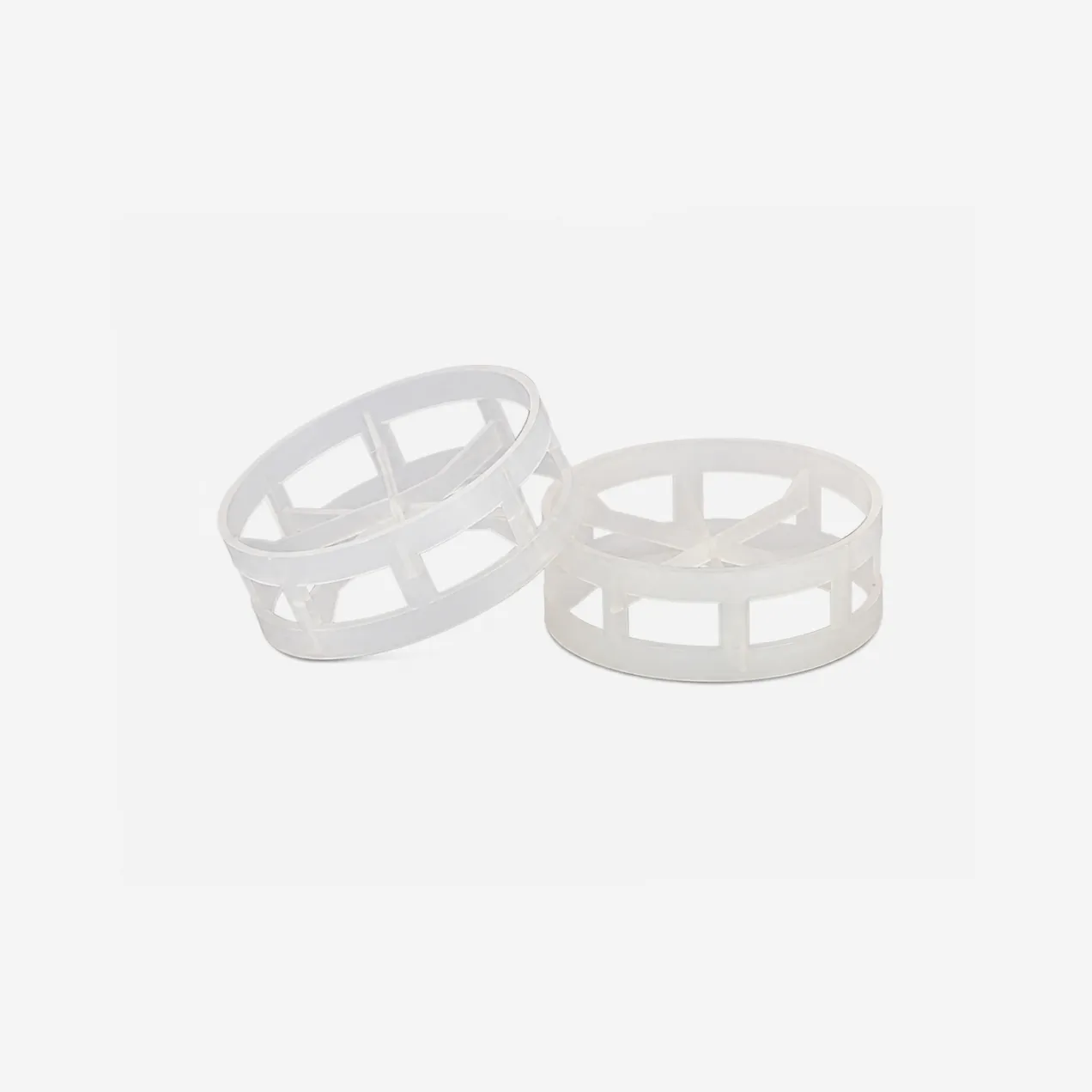
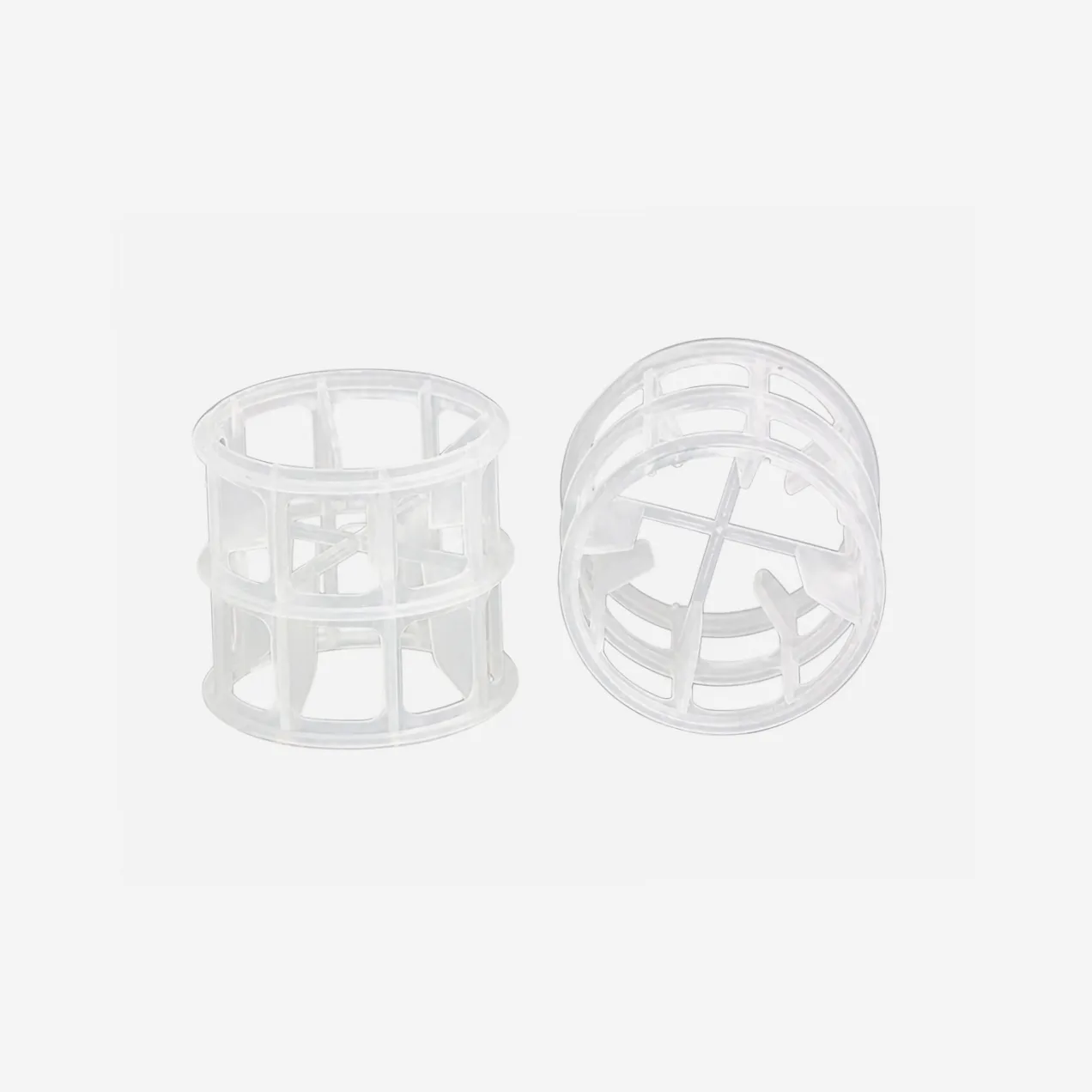
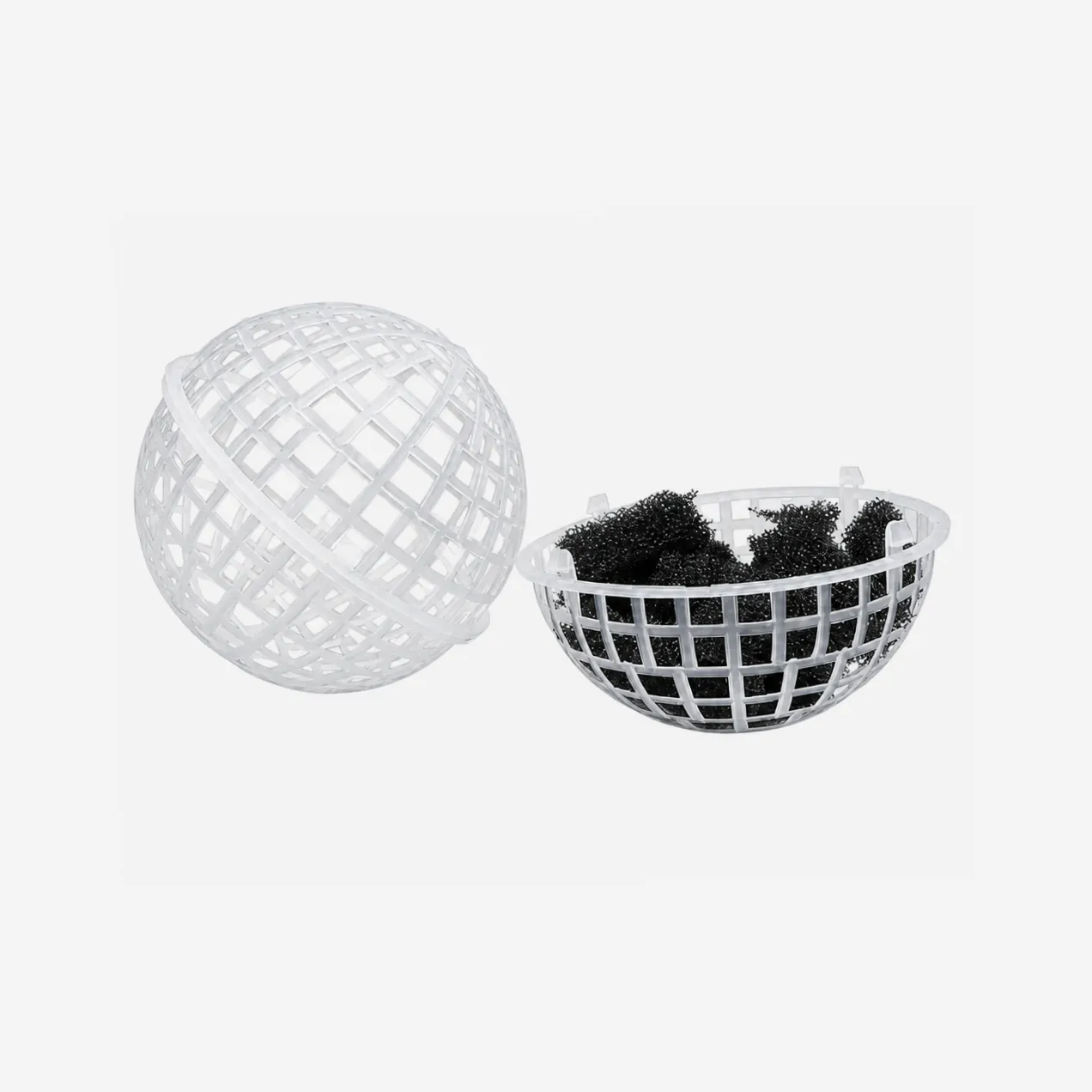
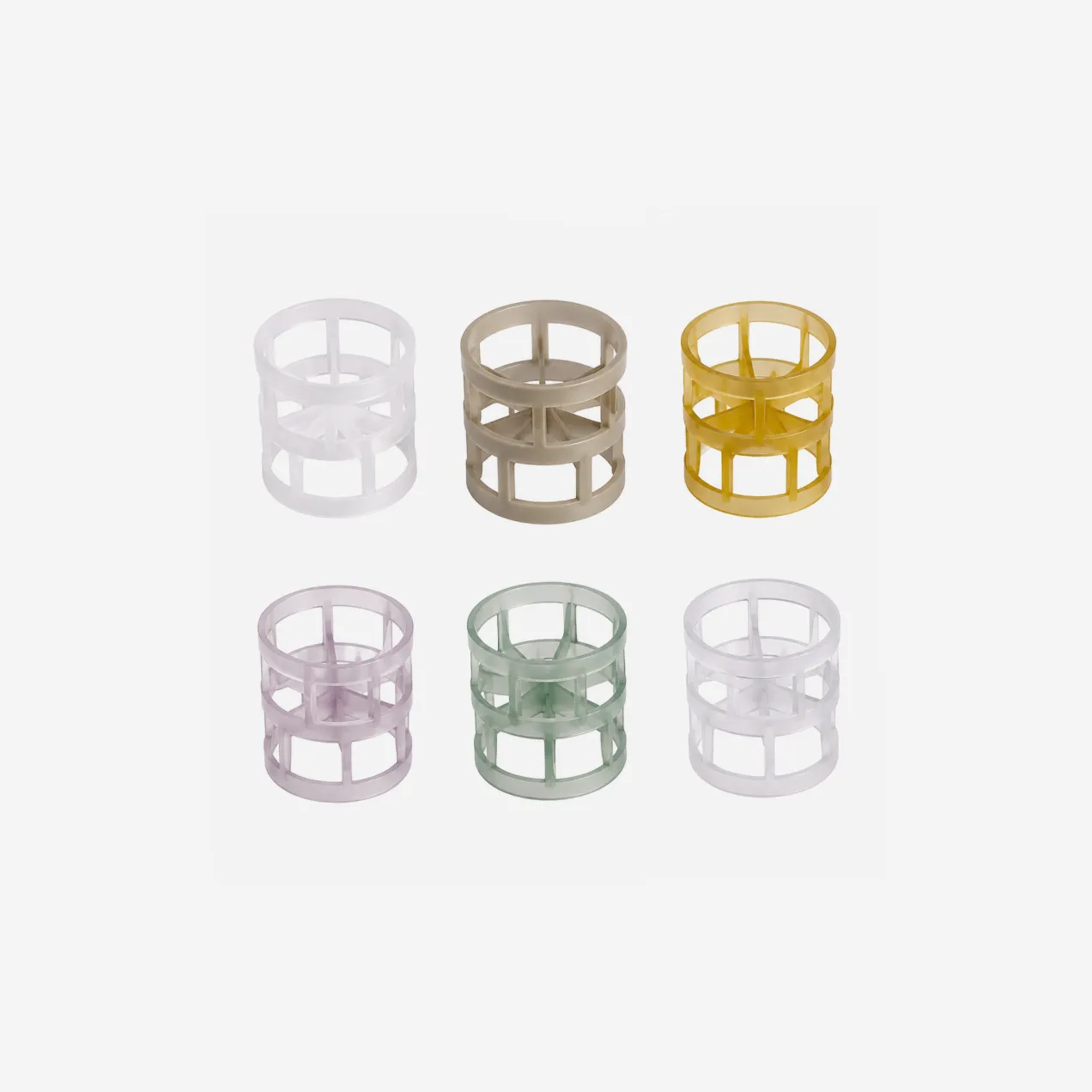
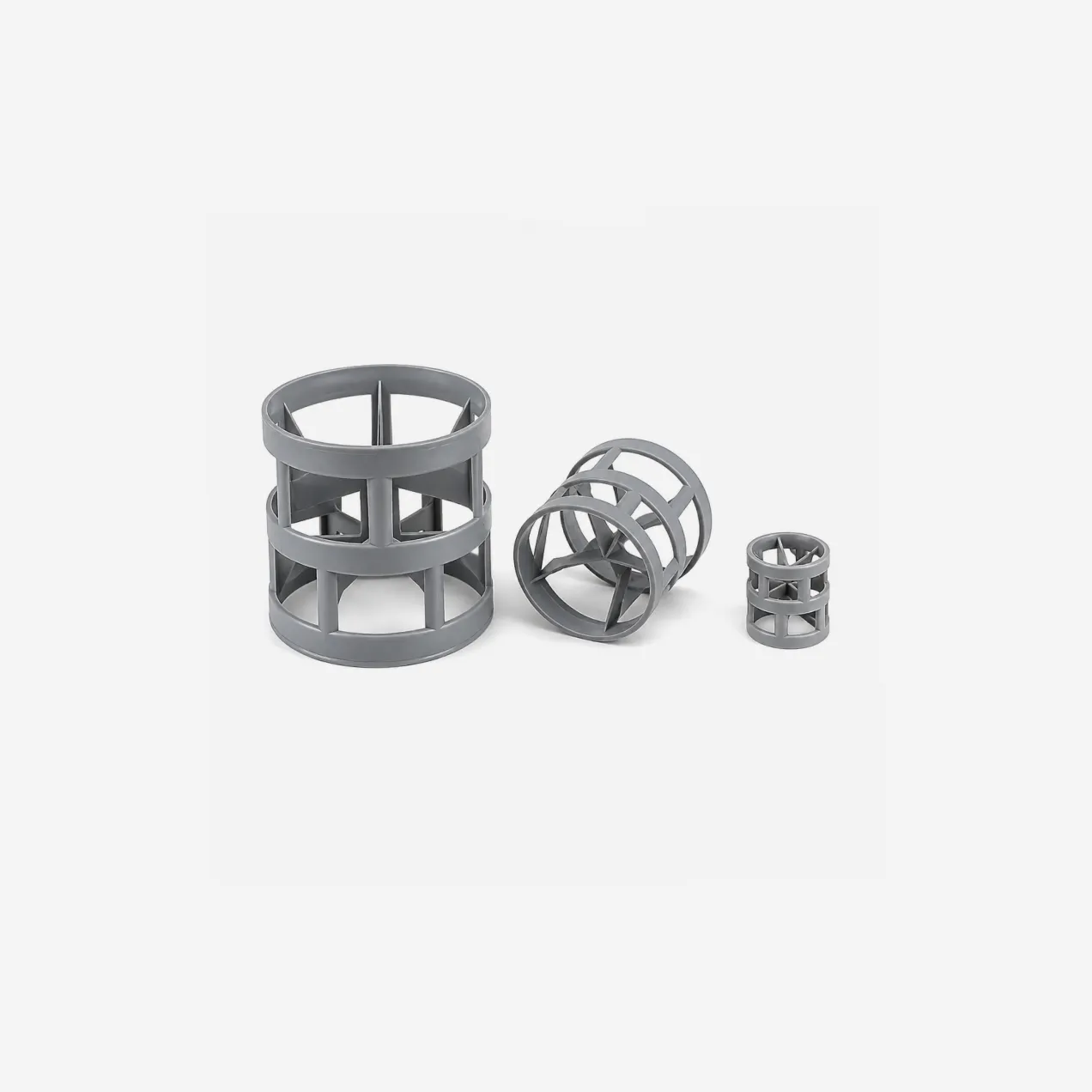
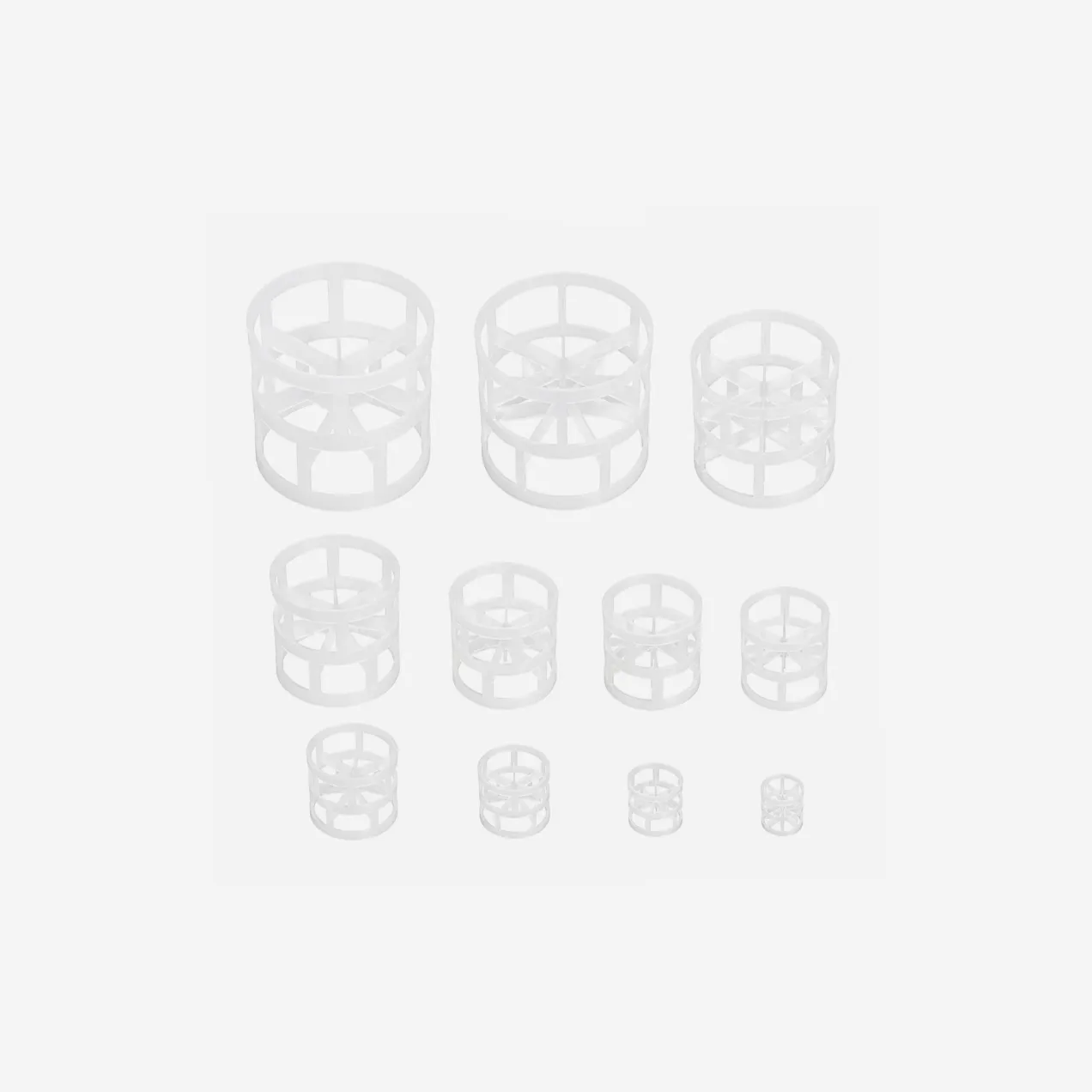
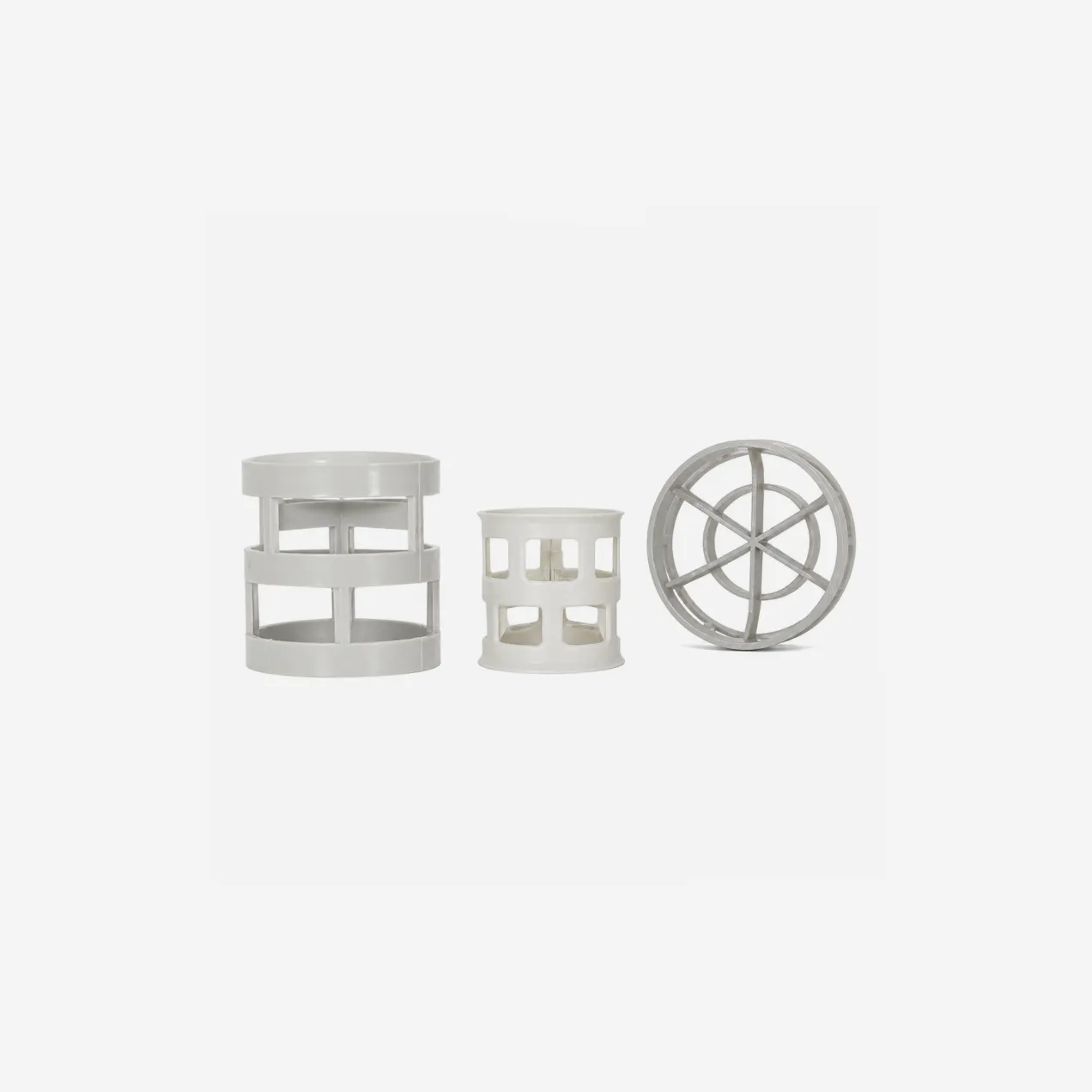
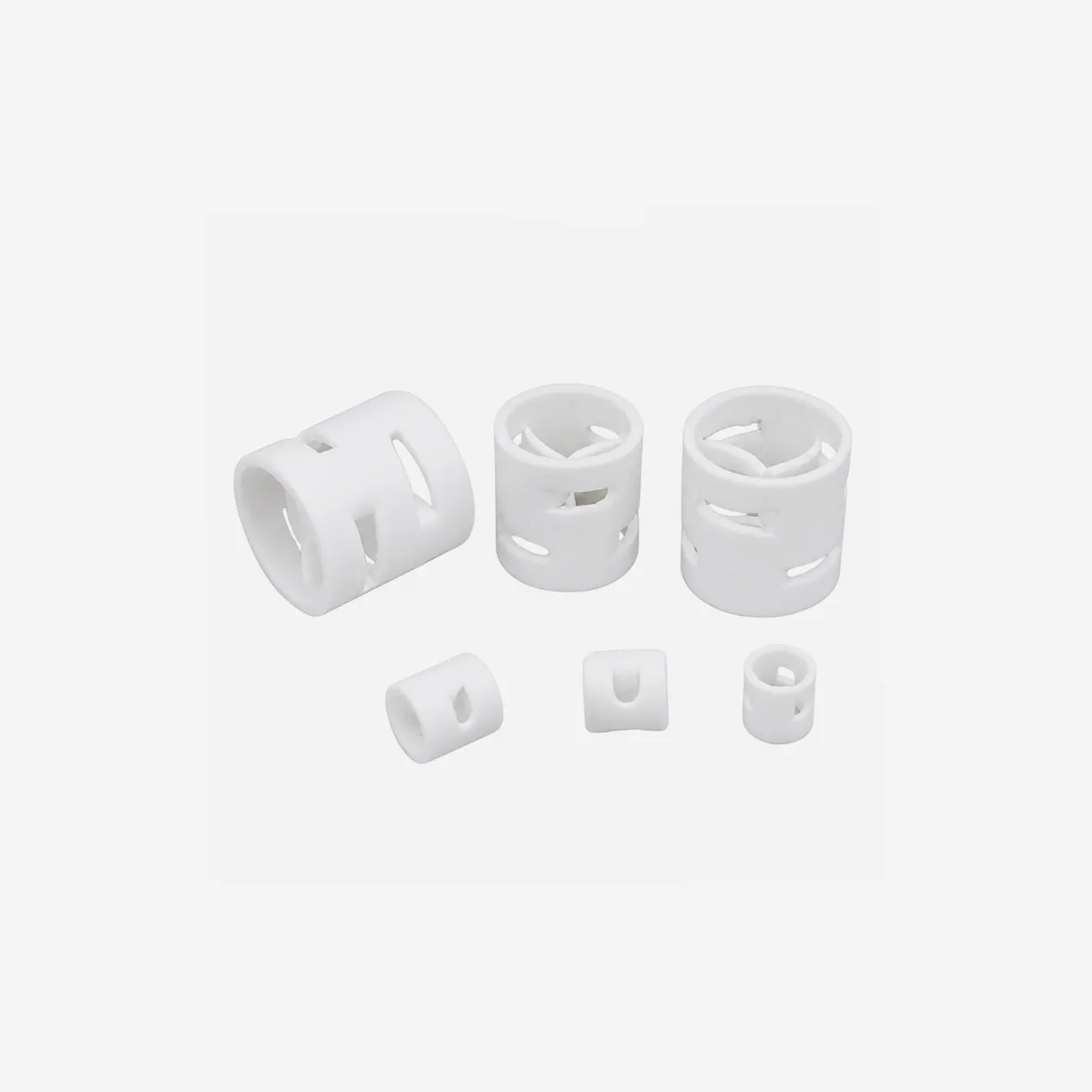
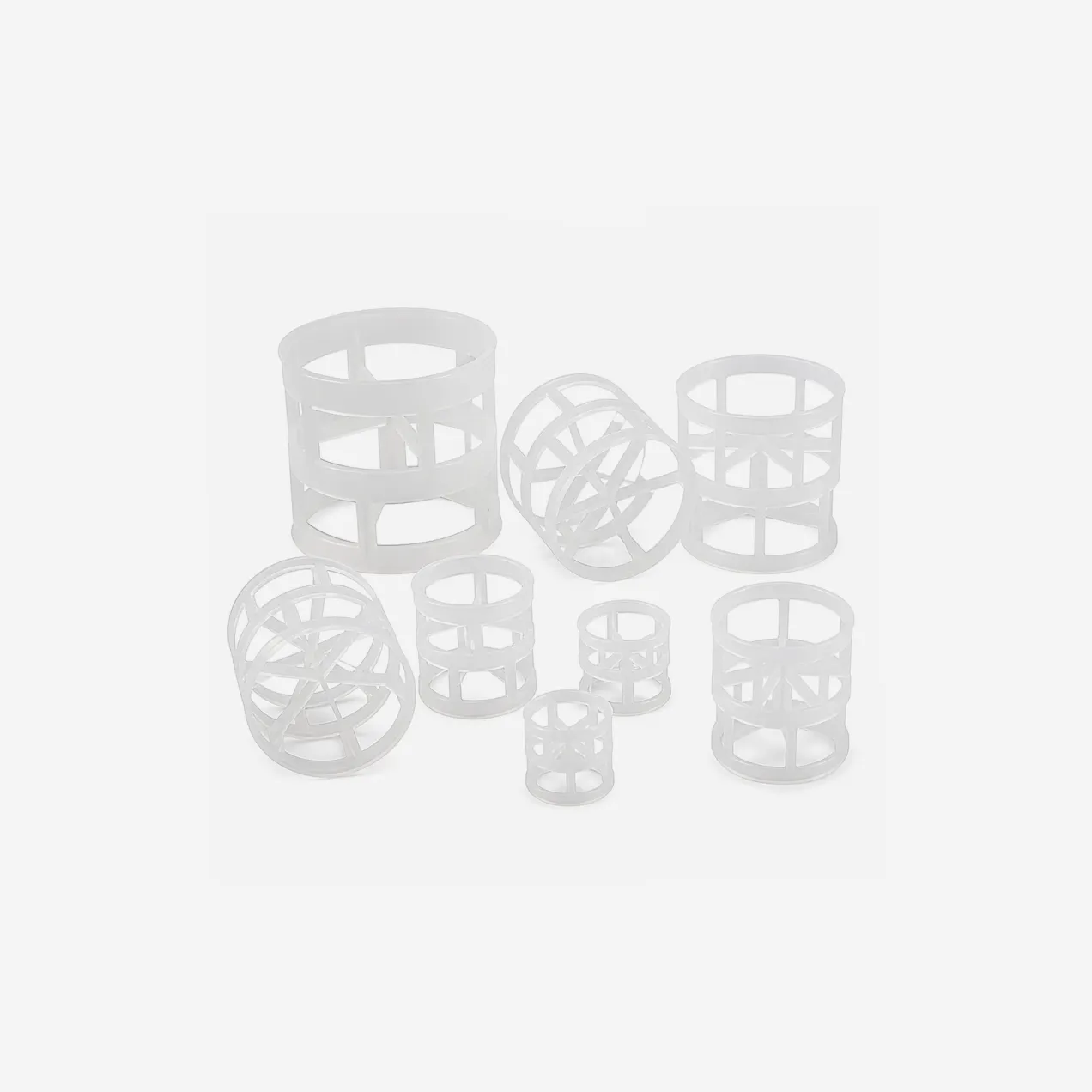
MBBR media are small plastic carriers that move freely in an aerated tank and hold the bacteria that treat the water. A biofilm grows on the protected surface inside each carrier and breaks down the organic load and the ammonia as the water flows past. The carriers circulate with the air, so the whole biomass is kept active.
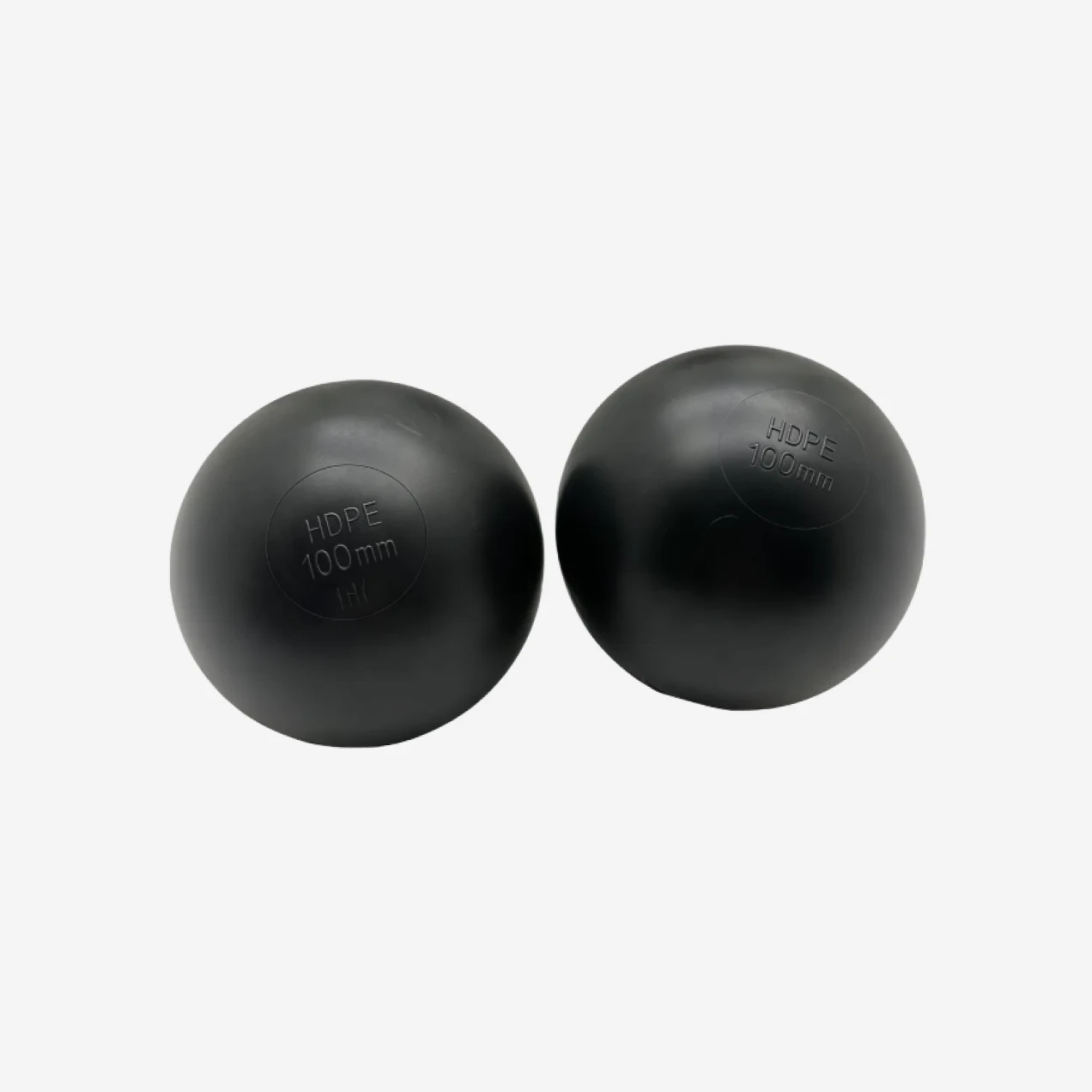
MBBR media is moulded from virgin HDPE, a tough plastic with a density close to water so the carriers fluidise with the aeration. HDPE does not break down in the tank or leach into the water, which is why the same media keeps working for many years. We use virgin, not recycled, HDPE for a consistent, food-safe carrier.
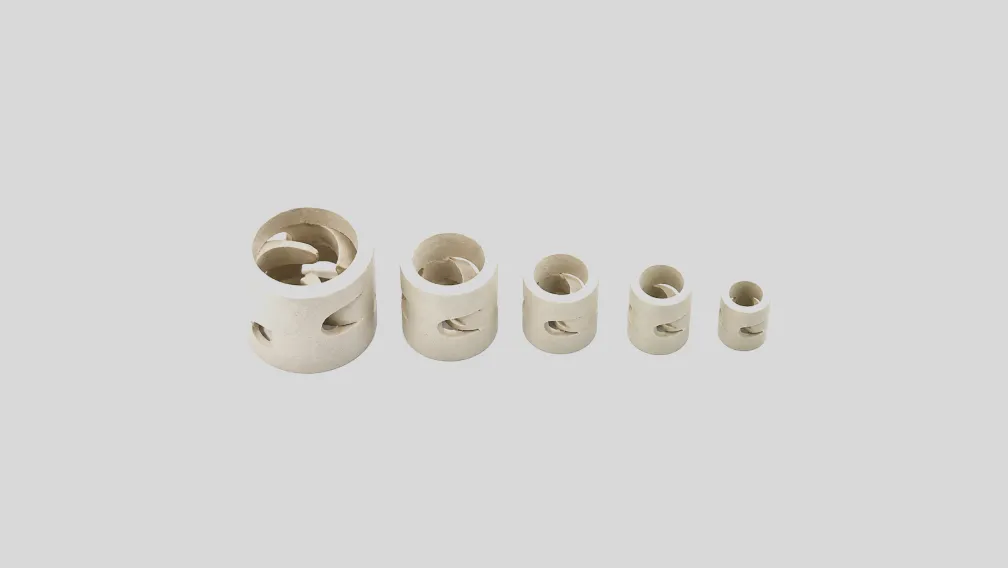
The difference is the size and the protected surface area. K1 is a small carrier with a surface area of around five hundred square metres per cubic metre; K3 is larger with a similar area; K5 is a thin, high-area carrier at about eight hundred. More surface area means more biofilm per tank volume. We help you pick the size from the load and the tank.
The amount is set by the surface area the process needs and the tank volume, with the media usually filling between a third and two-thirds of the tank. The fill is kept below the level where the carriers can still move freely with the aeration. Tell us the flow, the load and the tank and we will size the media.
Yes. The carriers can be added to an existing activated-sludge tank as an IFAS retrofit, which adds biofilm capacity without a new tank. The tank keeps its sludge process and gains the biofilm on the media, lifting capacity or adding nitrification on the same footprint. A retaining screen keeps the media in the tank.
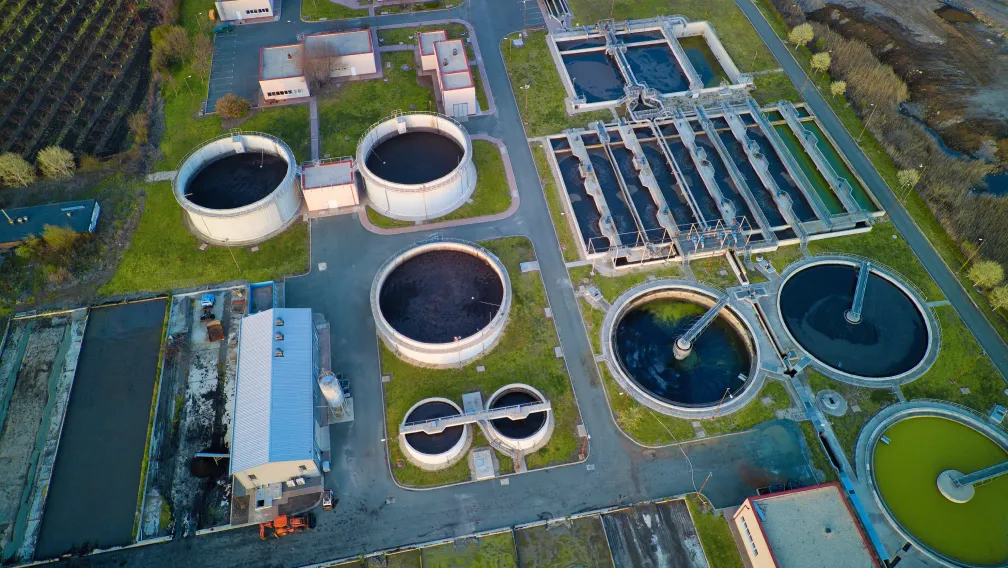
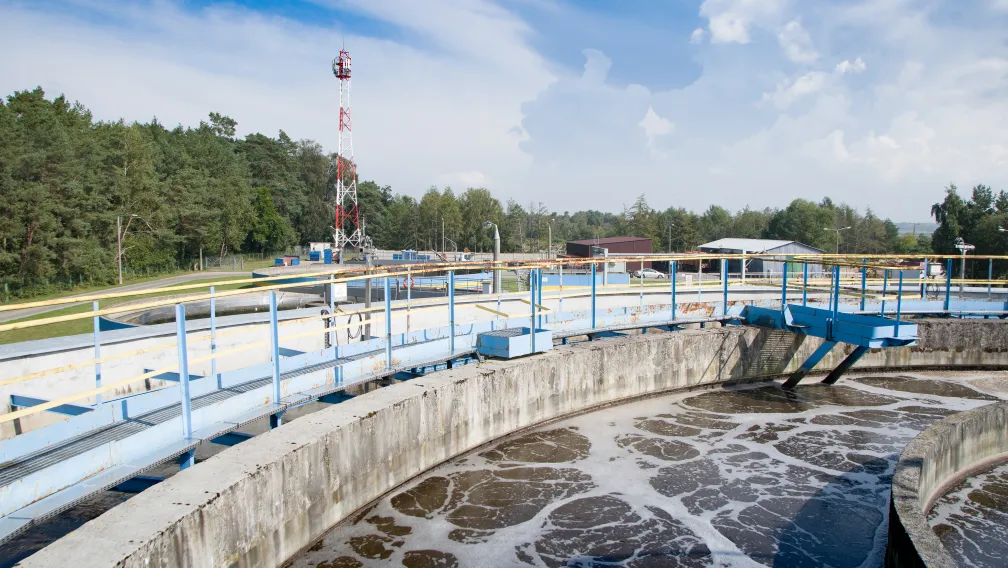
It is used in municipal sewage works and packaged STPs, in industrial wastewater from food, chemical and pharmaceutical plants, and in aquaculture and recirculating fish systems as a biofilter. The same media treats organic load, COD and ammonia across all of these. Tell us the duty and we will recommend the size.
The minimum order is one cubic metre, and bulk orders ship by the container, supplied in woven bags. Lead time runs from stock for standard sizes to a couple of weeks for custom shapes or colours. Send the size and the quantity and we will confirm both on the quote.
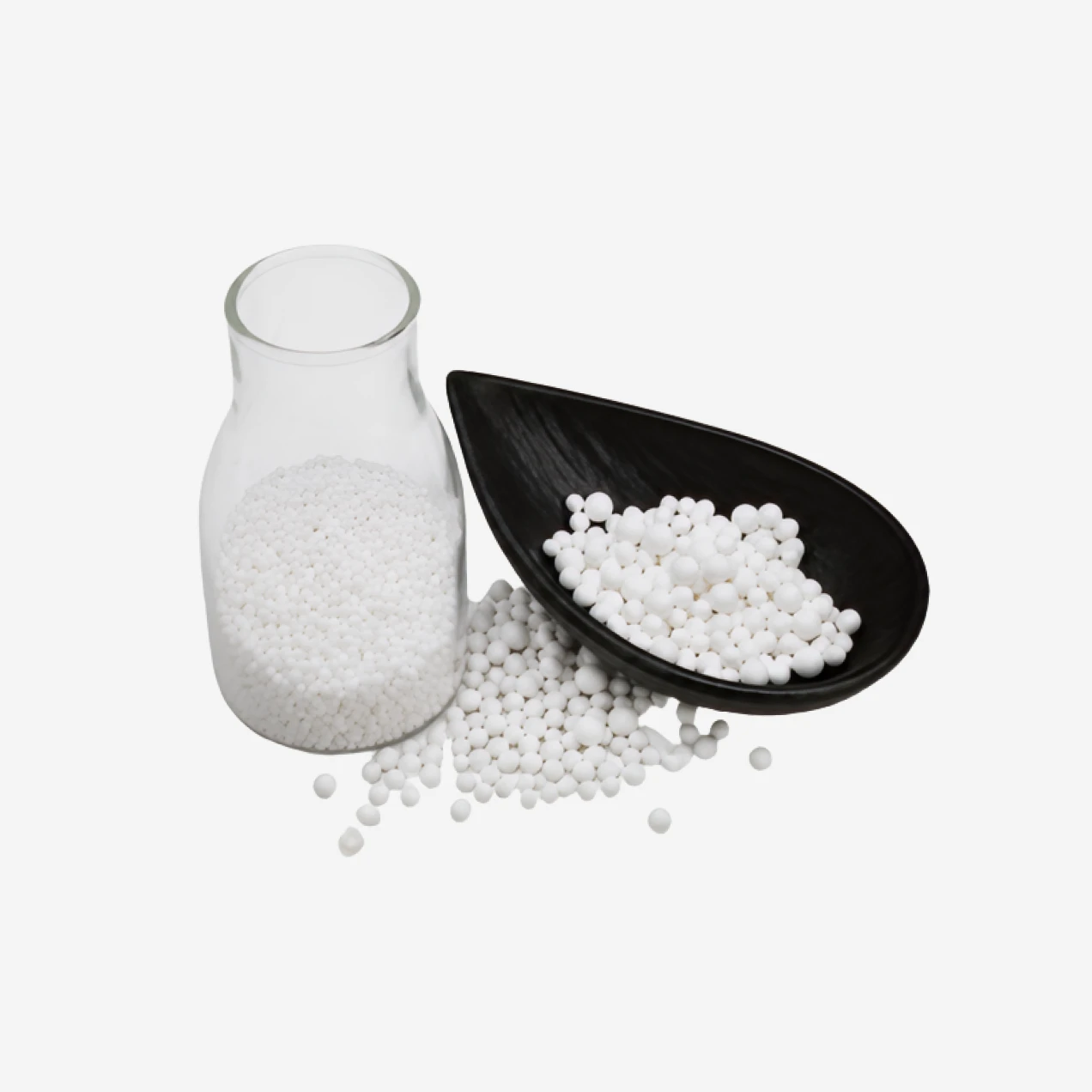
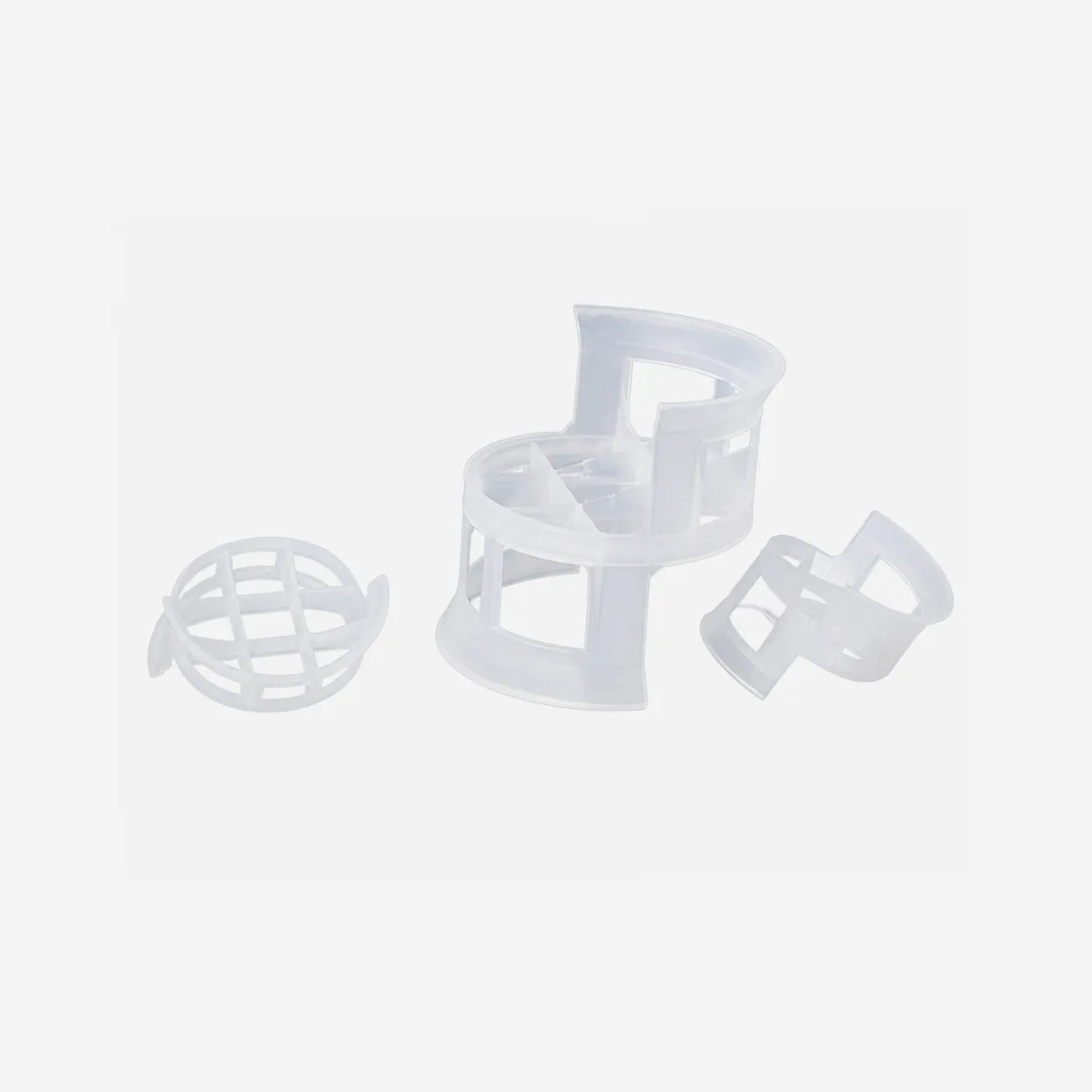
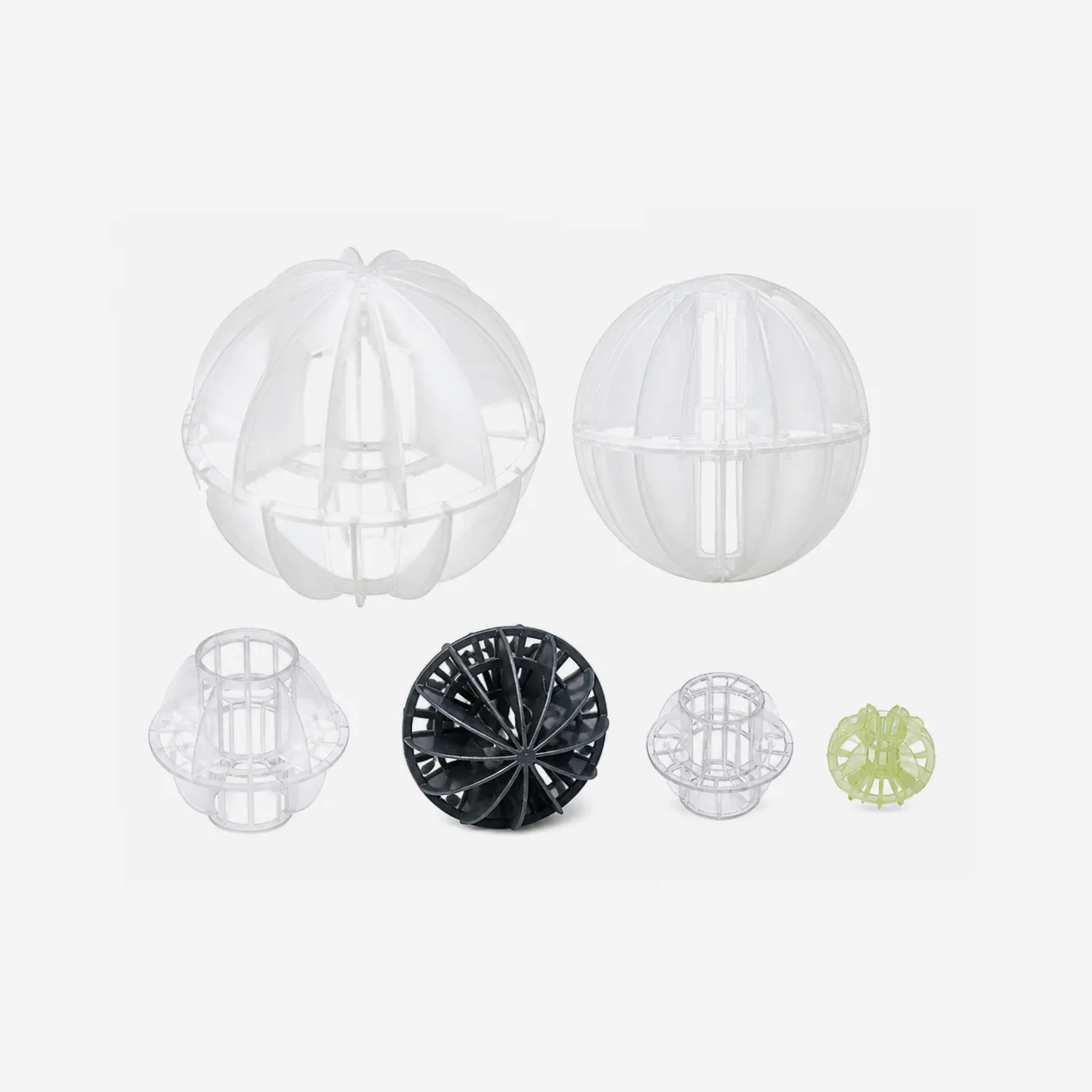
MBBR media, also called moving-bed biofilm carriers, are the plastic pieces that hold the bacteria in an MBBR wastewater process. They move freely in an aerated tank while a biofilm grows on the protected surface inside each carrier, treating the water biologically. The size of carrier sets the surface area for biofilm, and the fill ratio sets how much treatment capacity the tank has.
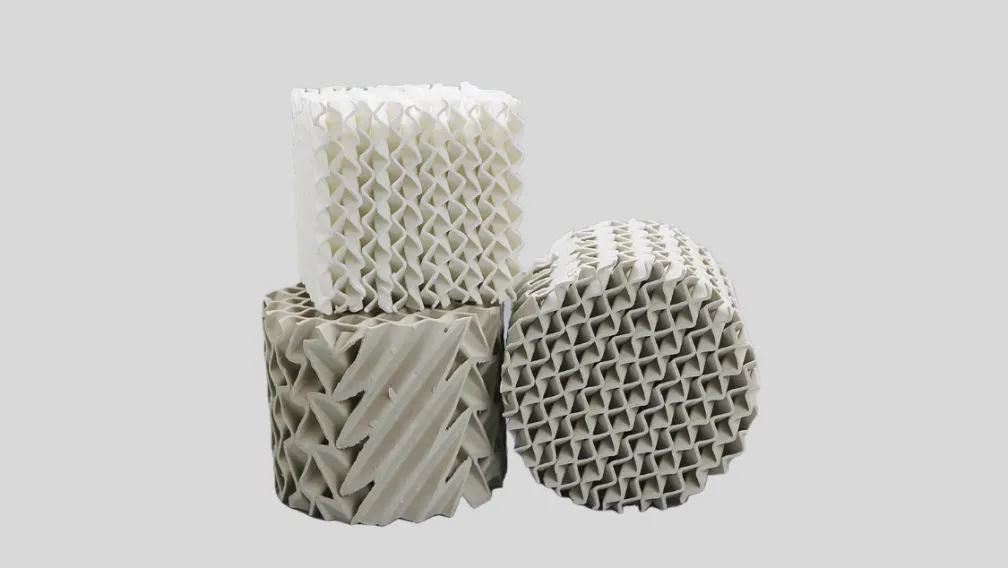
In an MBBR tank the carriers are kept moving by the aeration, or by a mixer in an anoxic stage. Bacteria colonise the sheltered surface inside each carrier, where they are protected from the scouring of the moving bed, and form a biofilm that breaks down organic matter, oxidises ammonia or, in an anoxic stage, removes nitrate. Because the biomass lives on the media rather than as suspended sludge, the process is compact and does not need sludge return; the solids that slough off the biofilm are settled out downstream in a clarifier, often fitted with tube settler media.
MBBR media is moulded from high-density polyethylene, HDPE, chosen because it is tough, chemically stable and has a density just under water, so the carriers fluidise with the aeration rather than sinking or floating off. Virgin HDPE is used for a consistent, food-safe carrier that does not break down or leach in the tank, which is why a charge of media lasts well over ten years.
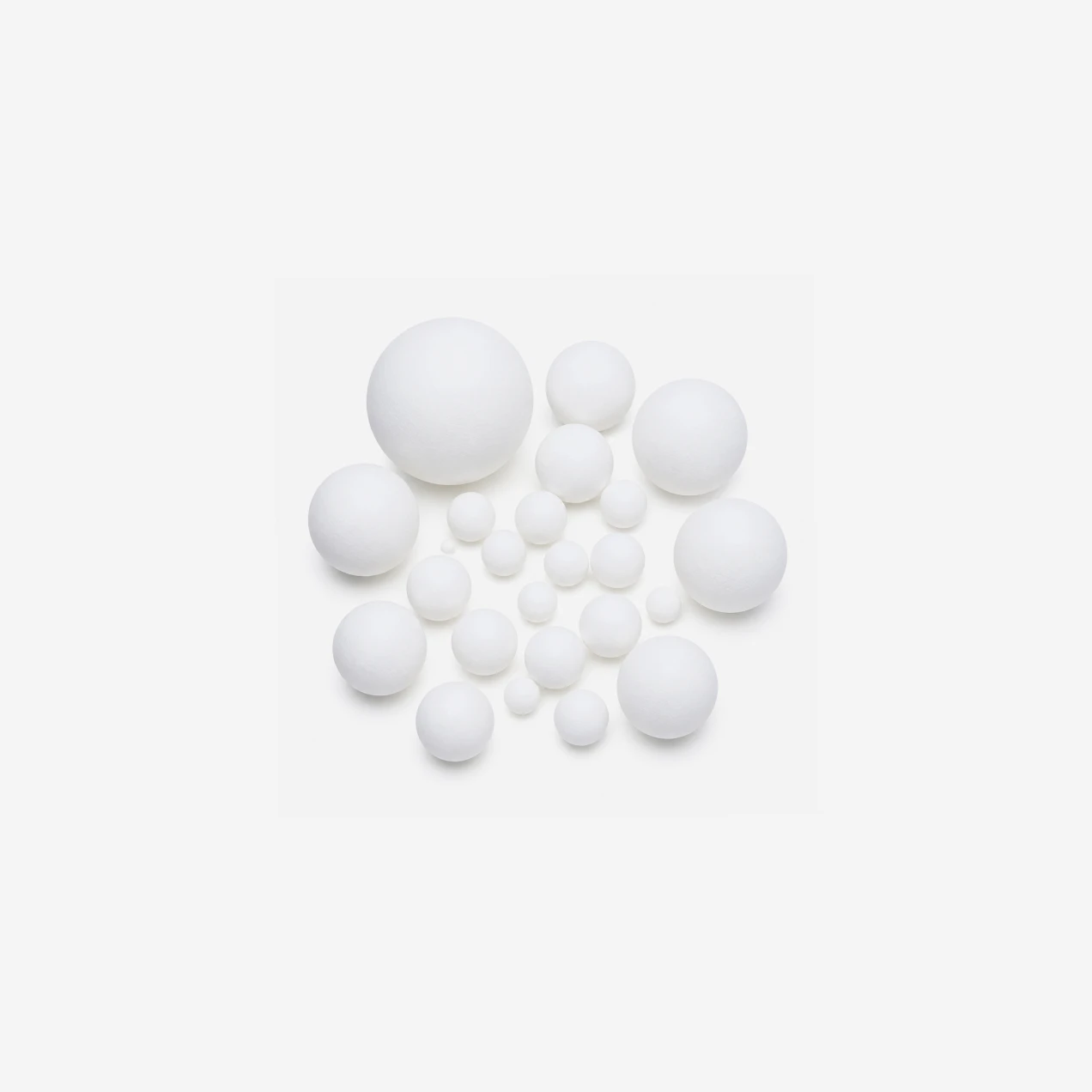
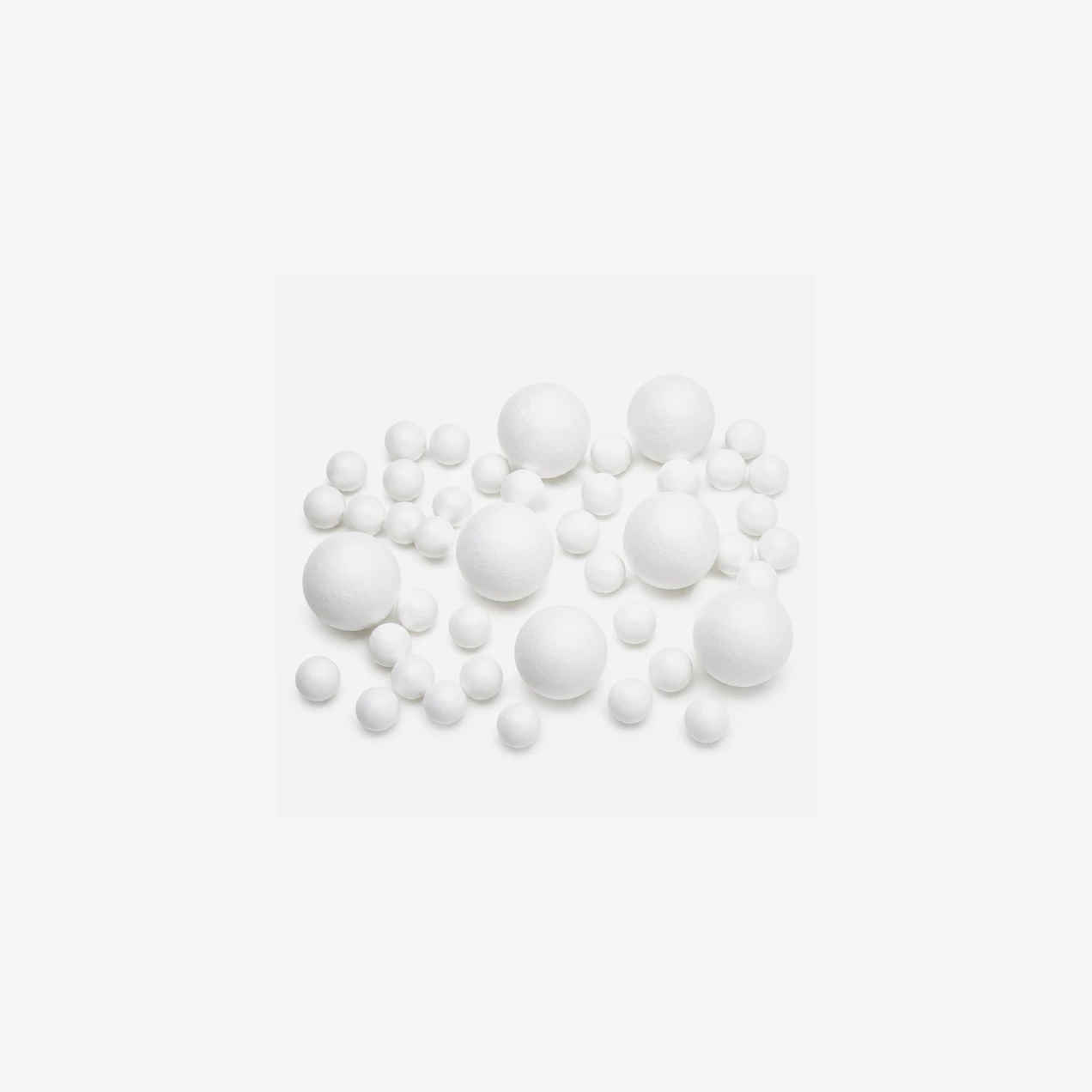
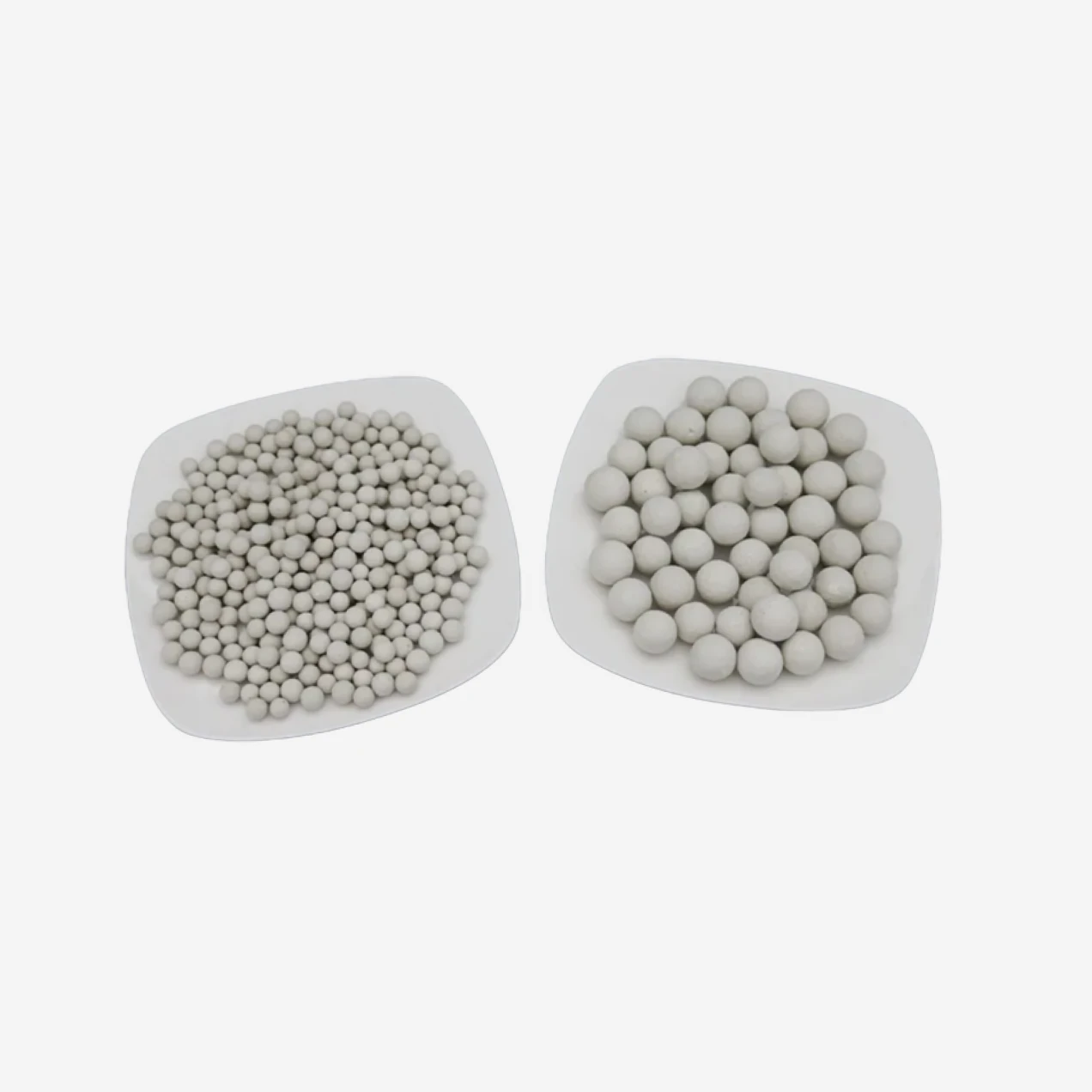
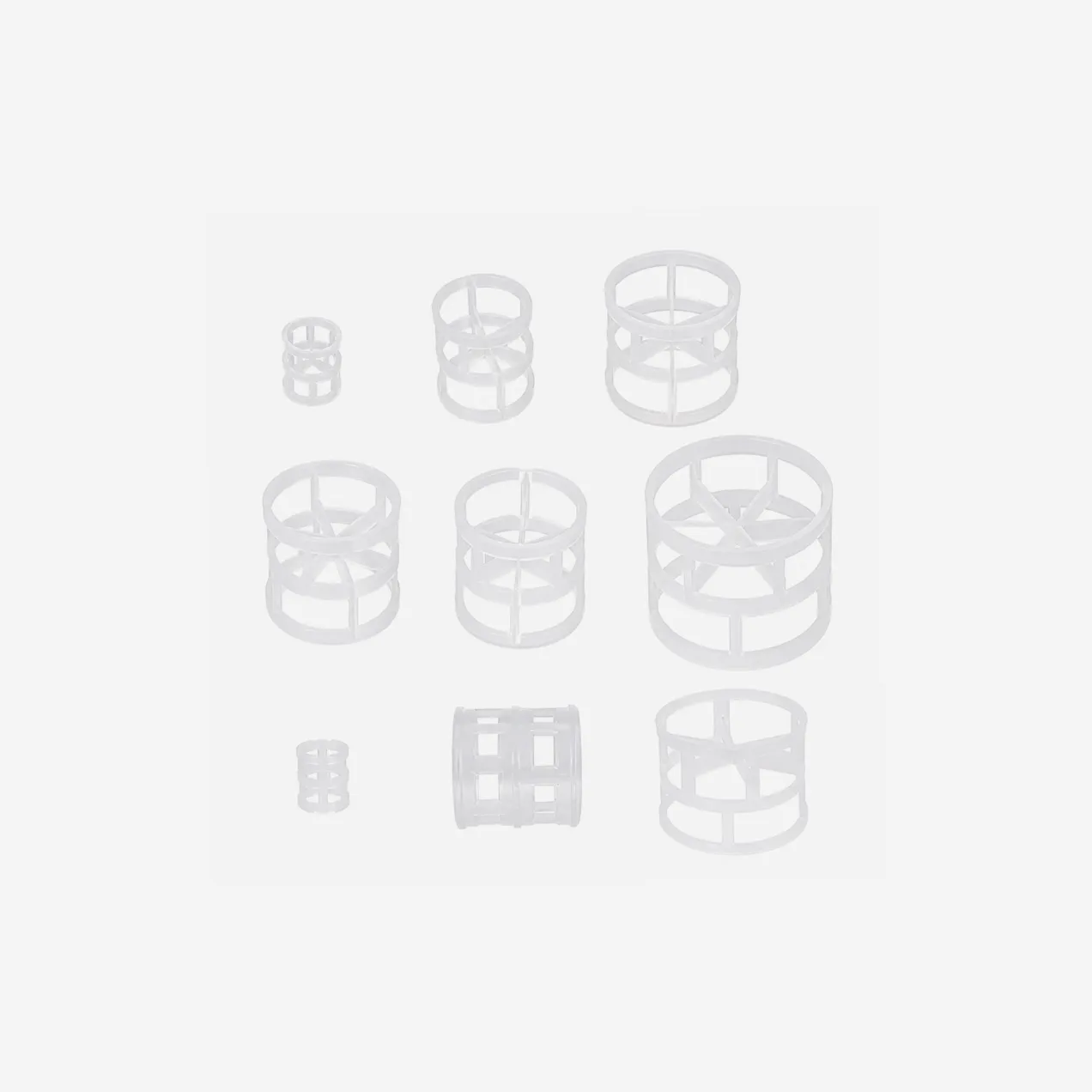
The K-sizes differ in shape and protected surface area. The table below sets out the common carriers and where each fits.
| MEDIA | TYPICAL SIZE | PROTECTED SURFACE AREA | TYPICAL USE |
|---|---|---|---|
| K1 | Ø10 × 7 mm | ~500 m²/m³ | General BOD and nitrification |
| K3 | Ø25 × 12 mm | ~500 m²/m³ | Higher-load, easy fluidisation |
| K5 | Ø25 × 4 mm | ~800 m²/m³ | High surface area, polishing |
The amount of media is set by the surface area the process needs, which comes from the flow and the load, and by the tank volume. In practice the media fills between about a third and two-thirds of the tank, kept below the point where the carriers can still move freely. We size the fill from your flow, load and tank, so the tank carries enough biofilm without choking the movement.
MBBR media goes into a purpose-built MBBR tank, or into an existing activated-sludge tank as an IFAS retrofit. In an IFAS upgrade the tank keeps its suspended sludge and gains the biofilm on the media, which lifts the treatment capacity or adds nitrification without building a new tank. Either way a retaining screen keeps the carriers in the tank while the water passes on.
The same media covers several duties. For COD and BOD removal the biofilm breaks down the organic load; for nitrification it oxidises ammonia to nitrate; in an anoxic stage it removes nitrate; and in aquaculture it is the biofilter that keeps fish-waste ammonia in check. This range is why MBBR media is used from municipal works to fish farms.
Consistent moulding and virgin HDPE are what keep the carriers fluidising evenly and lasting their full life. The media is moulded from 100% virgin HDPE in the standard K-sizes and to custom shapes, and supplied in woven bags by the cubic metre. We supply from a one-cubic-metre minimum up to bulk orders by the container.