Home > Molecular Sieve
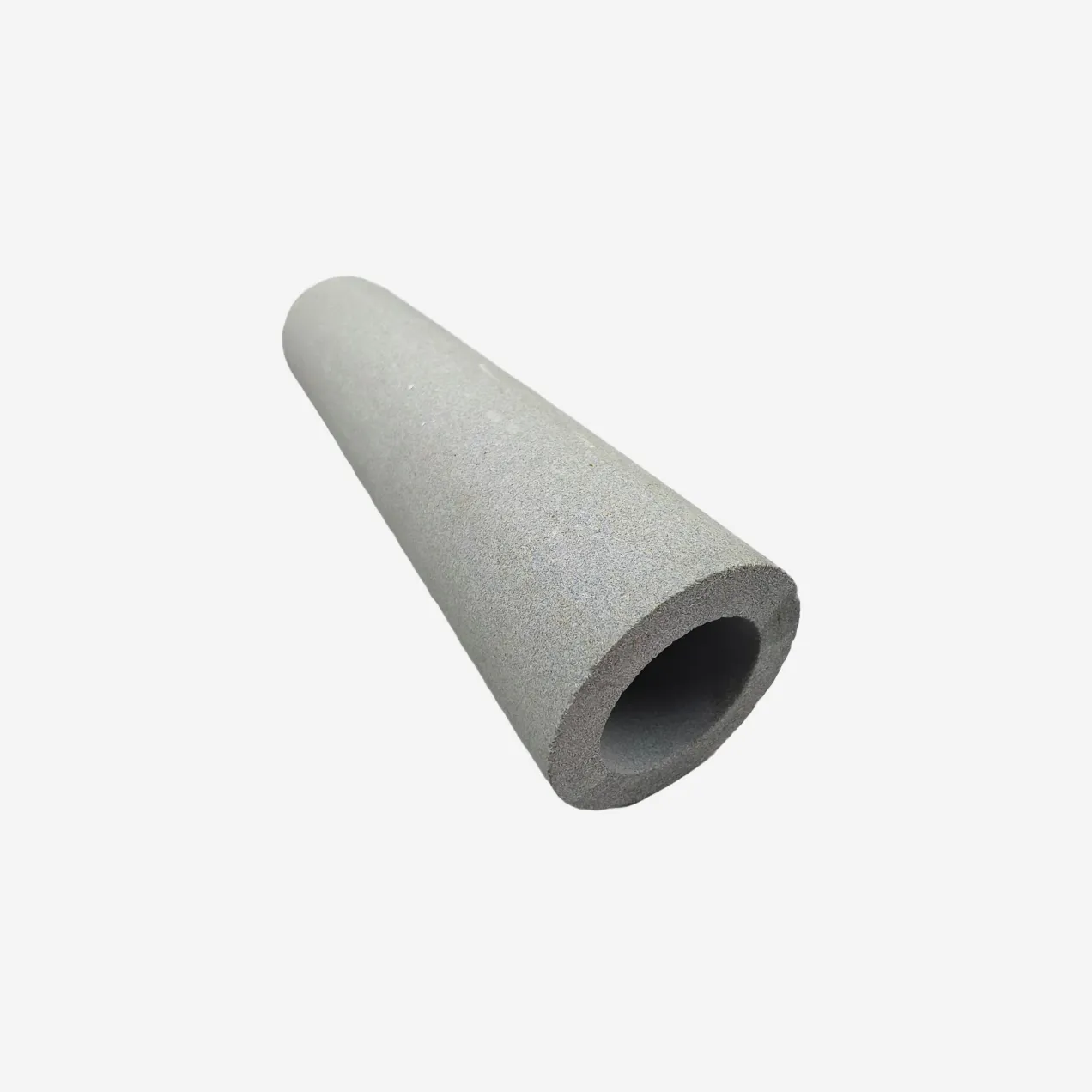
Choose by pore size and the molecule you need to catch. 3A takes water while keeping reactive molecules like ethylene and ethanol out, 4A dries most gases and solvents, 5A separates straight-chain from branched hydrocarbons and runs oxygen PSA, and 13X handles larger molecules, carbon dioxide and air-separation clean-up.
Both are desiccants, but a molecular sieve has a precise pore size and a much stronger pull on water, so it dries a stream to a far lower dew point. Silica gel holds more water at high humidity and costs less, which suits general packaging, while molecular sieve is the choice for deep drying. Our desiccant selection guide sets out which to choose.
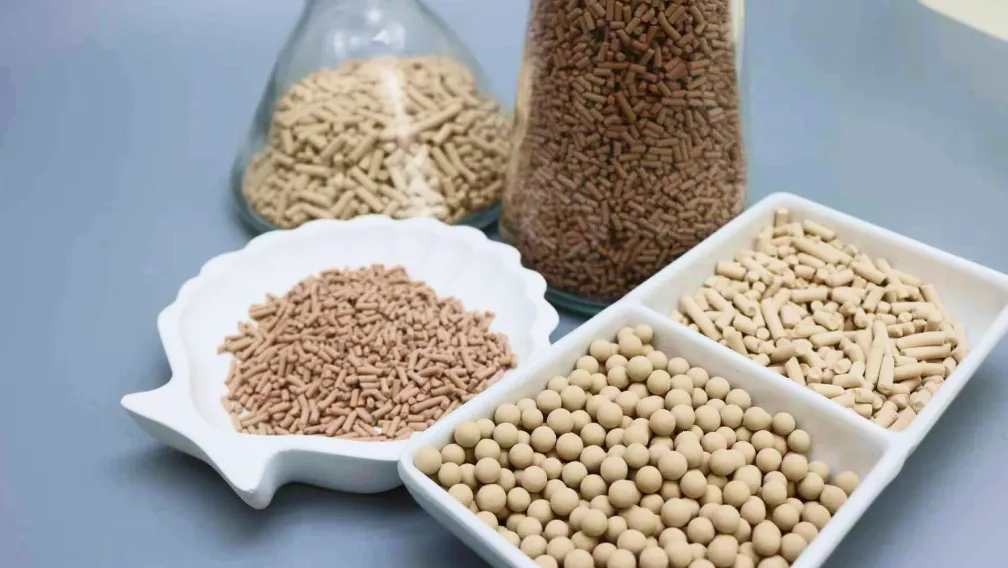
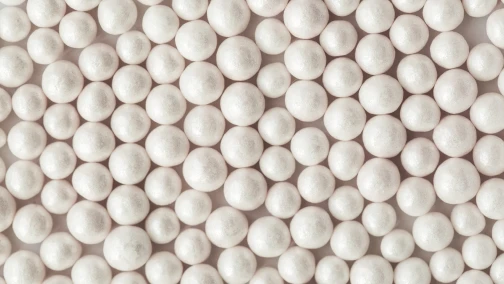
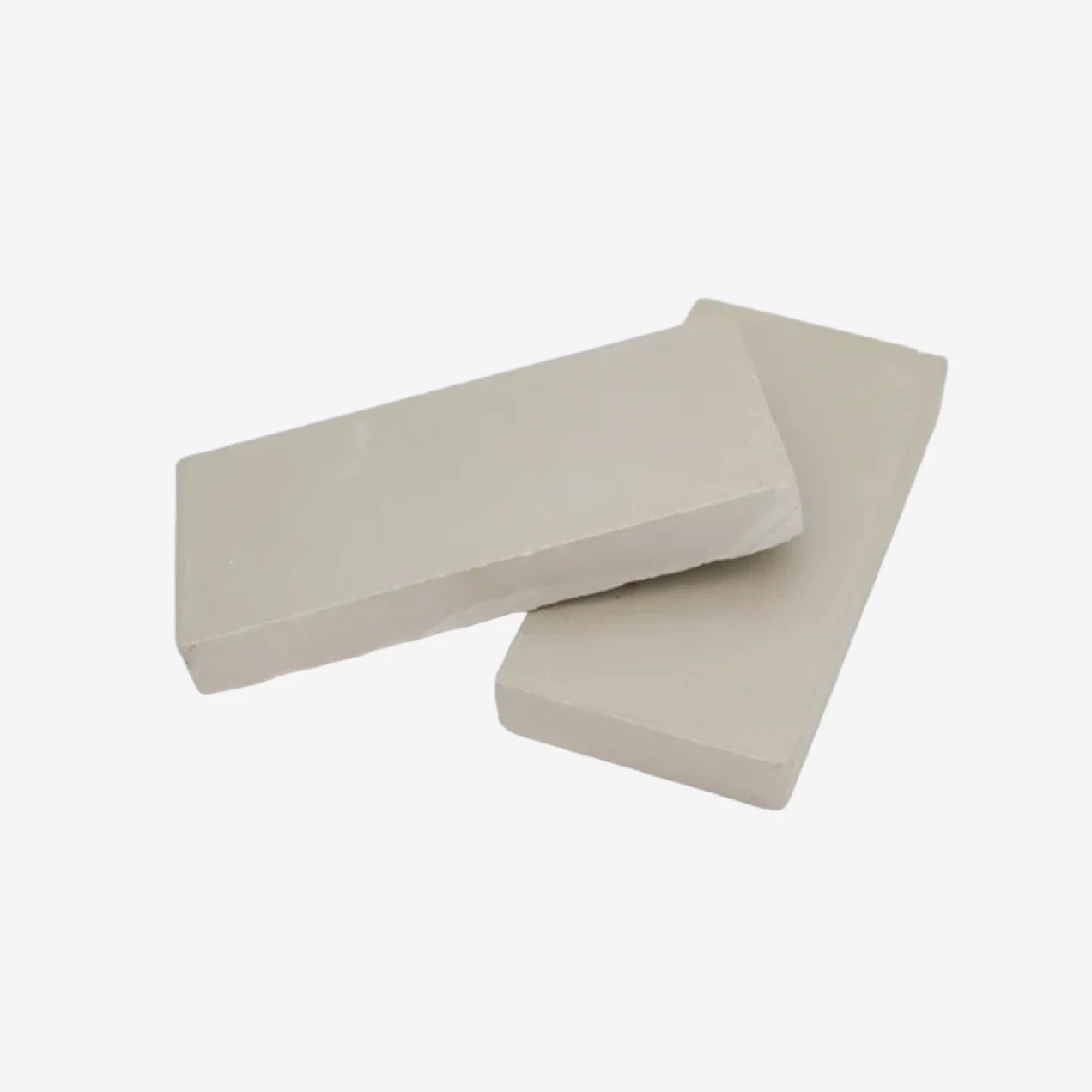
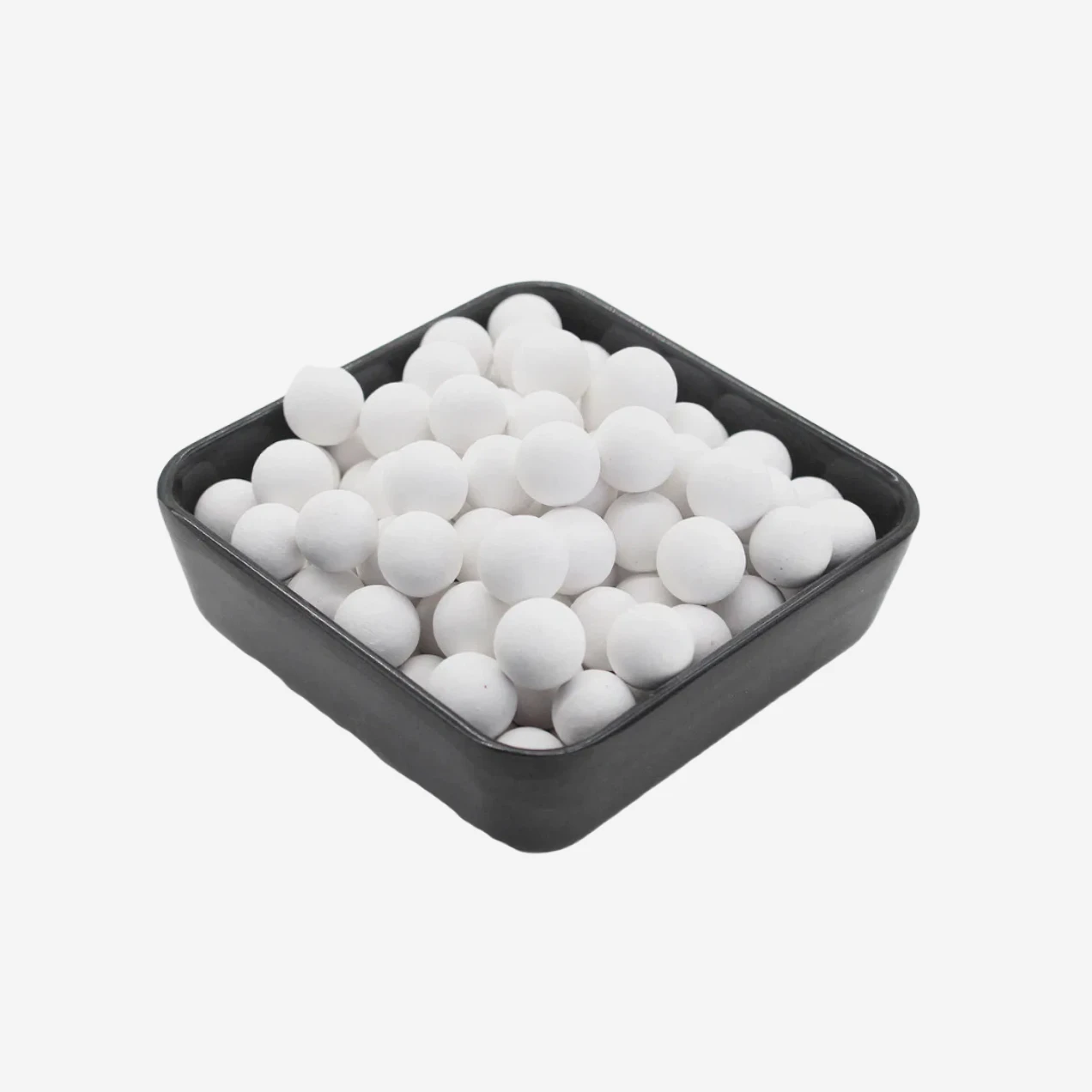
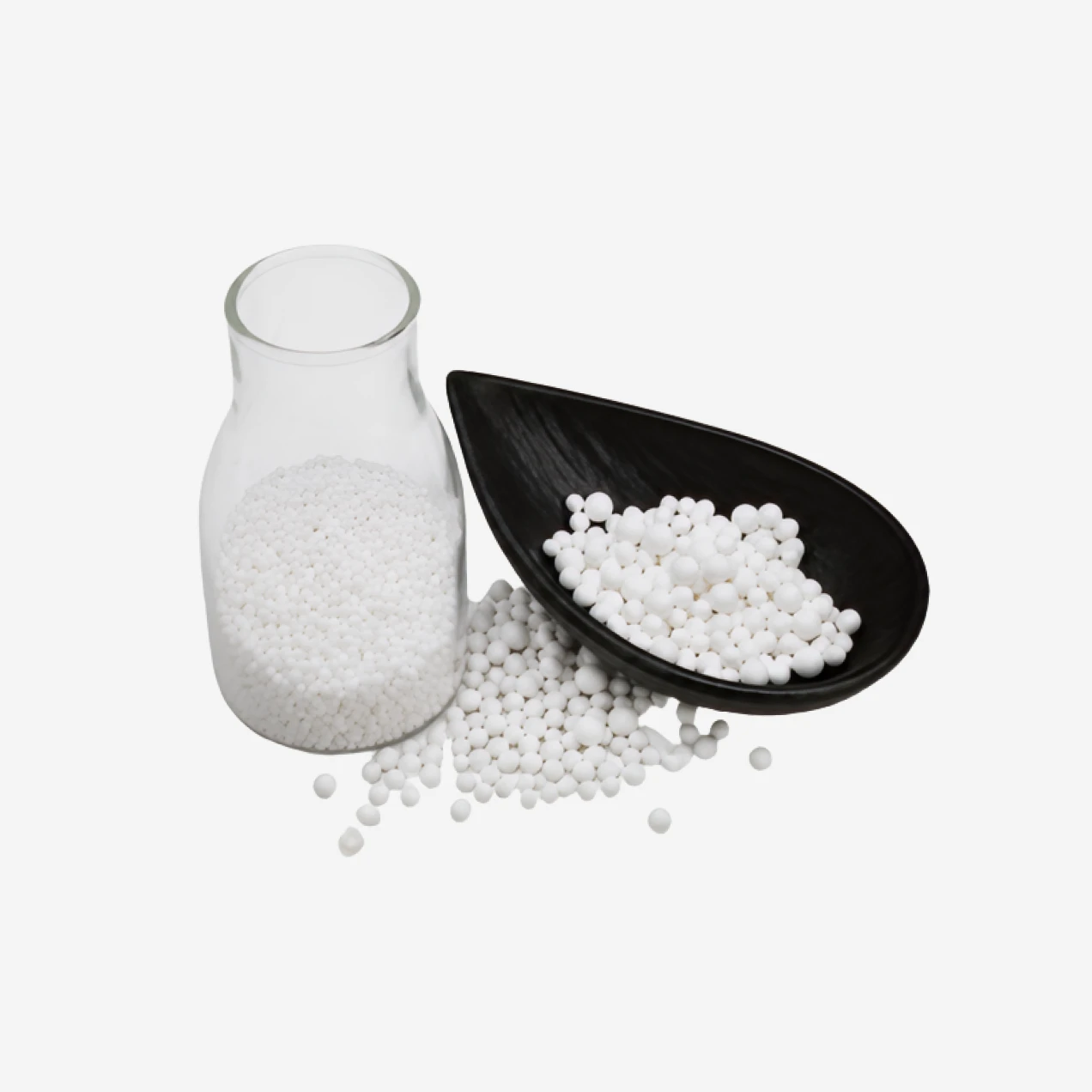
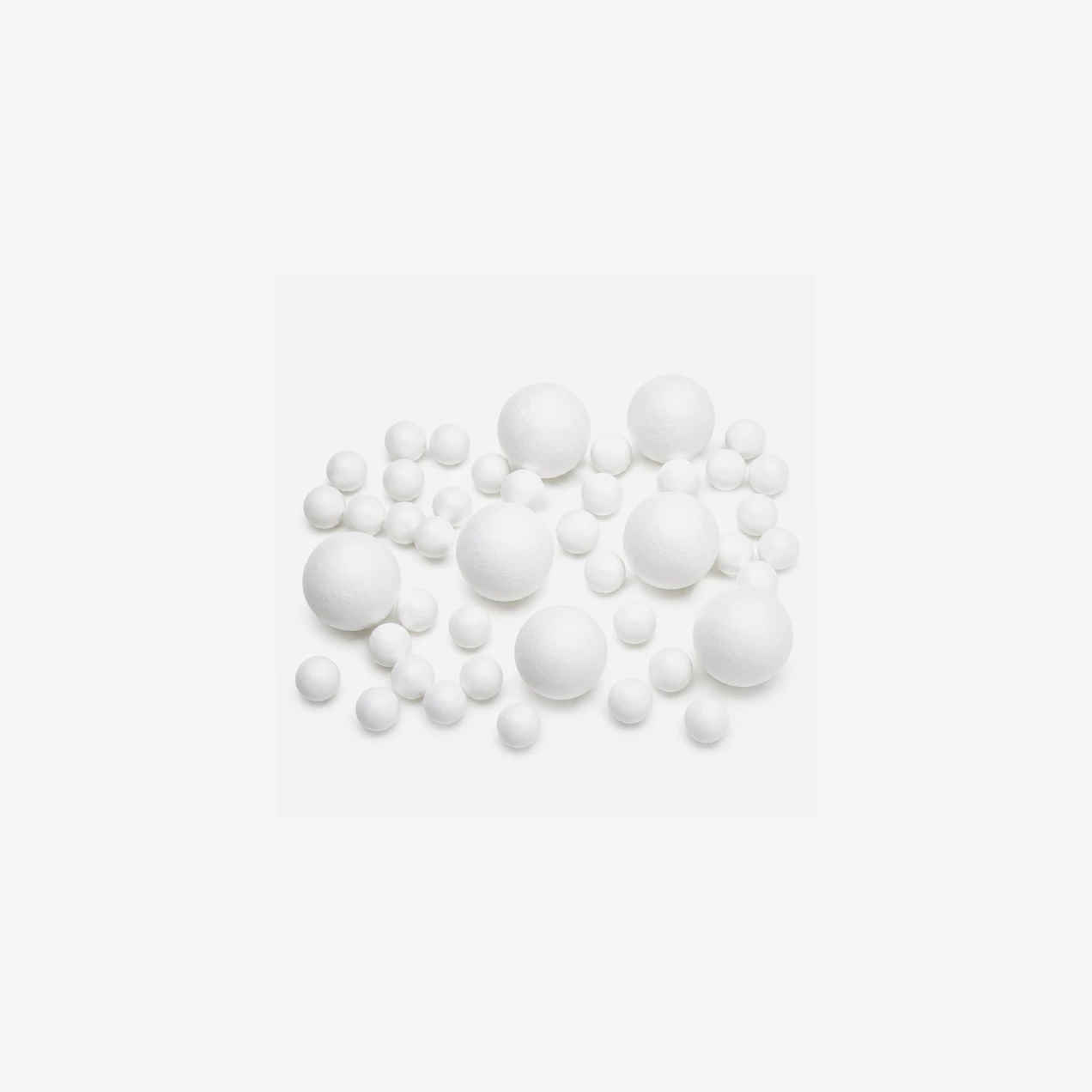
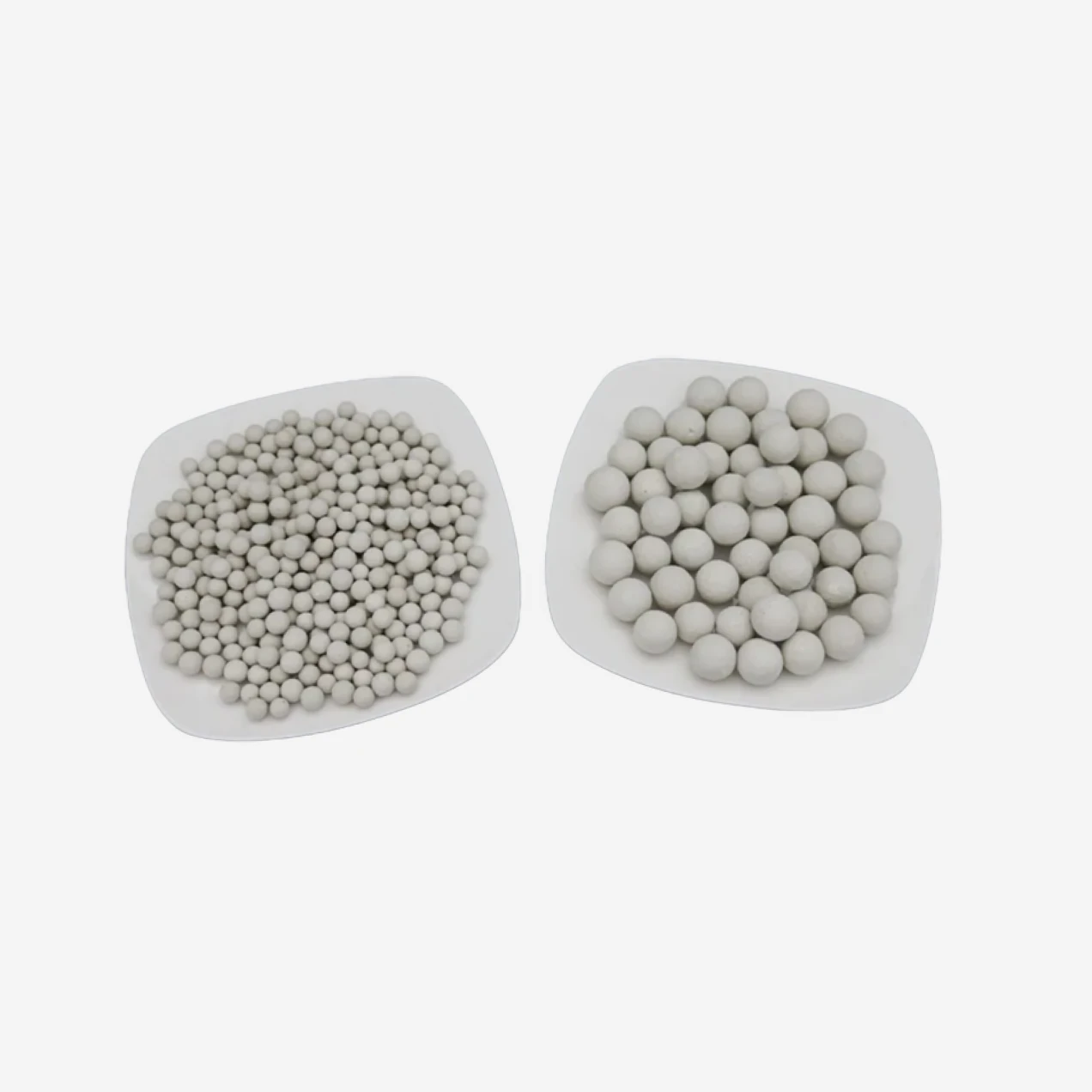
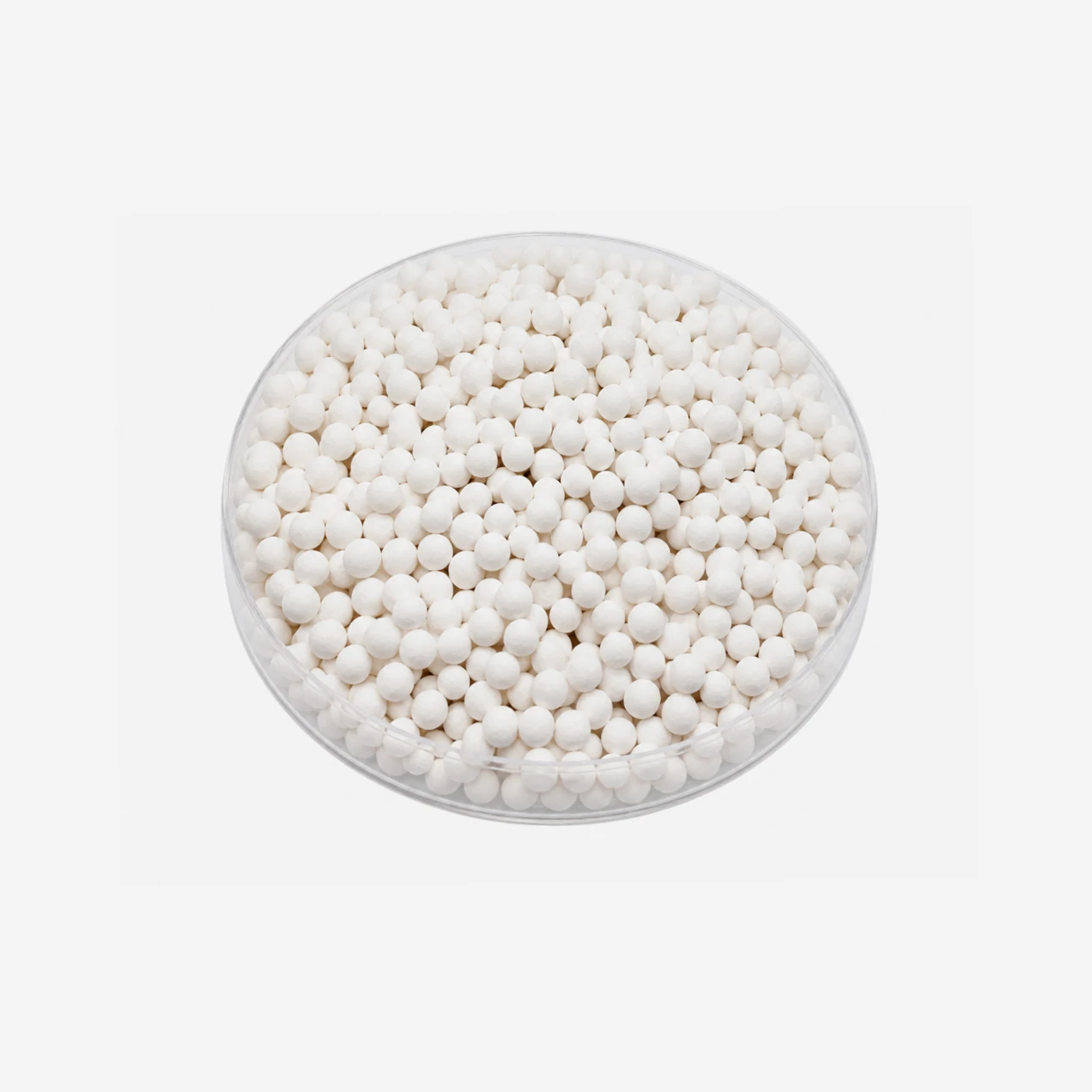
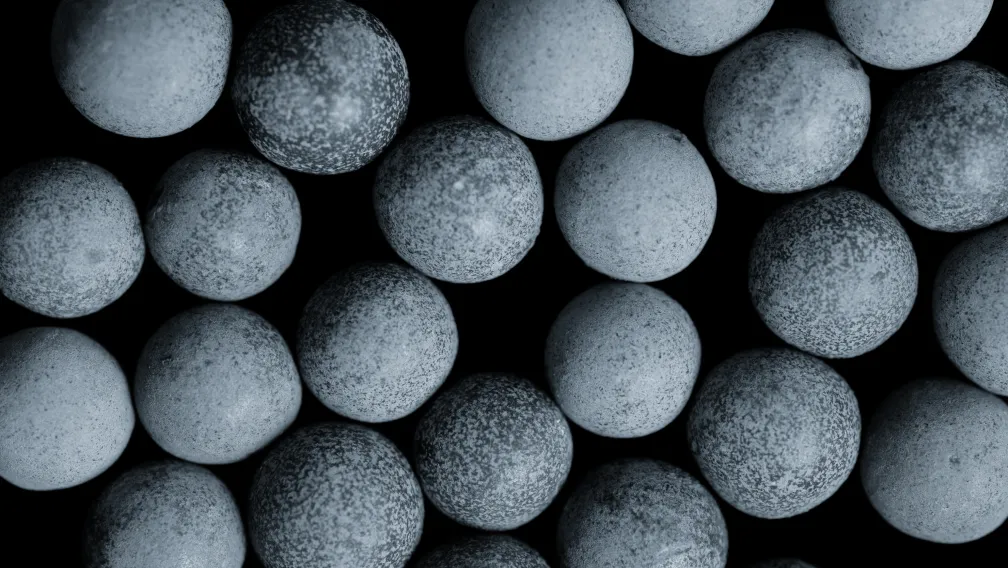
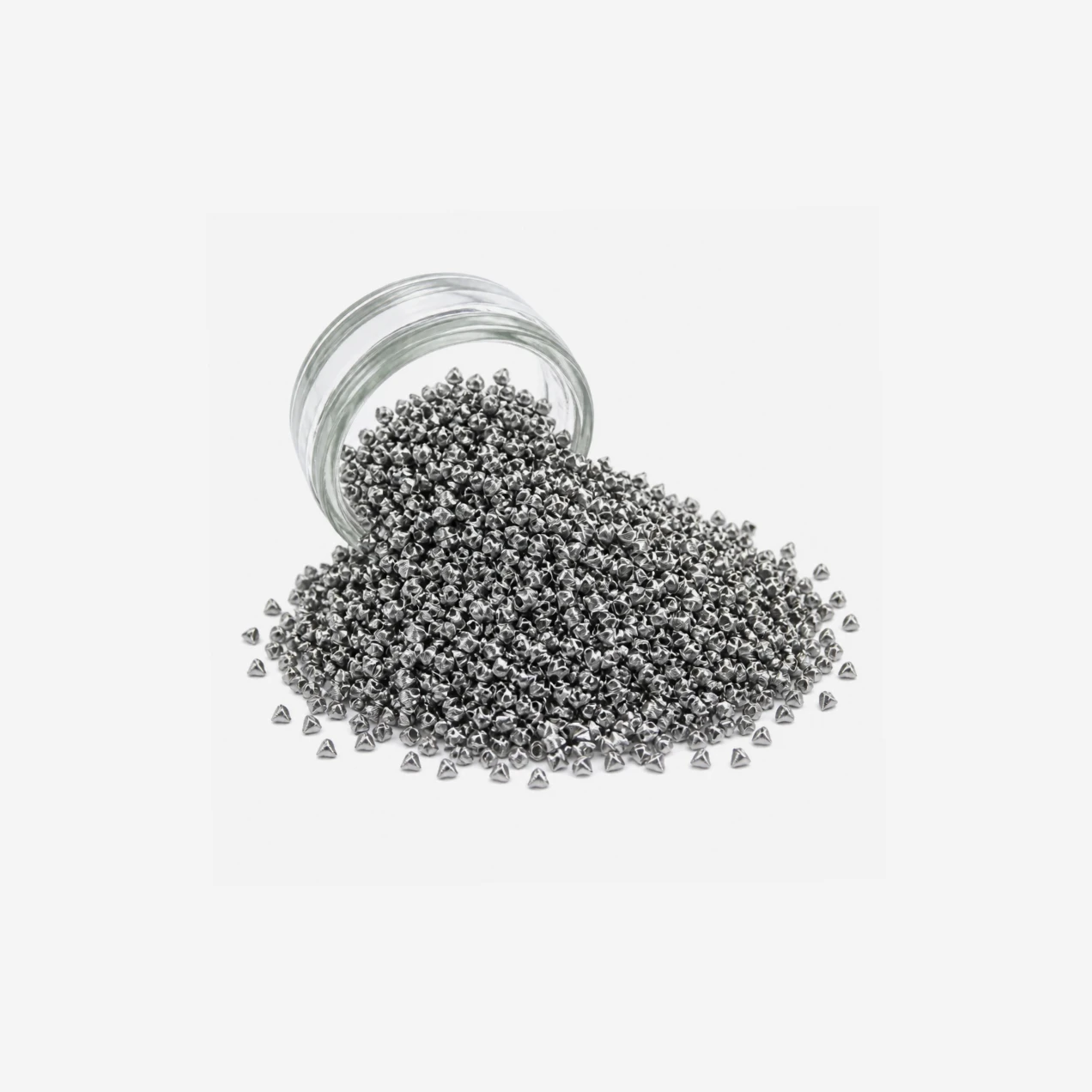
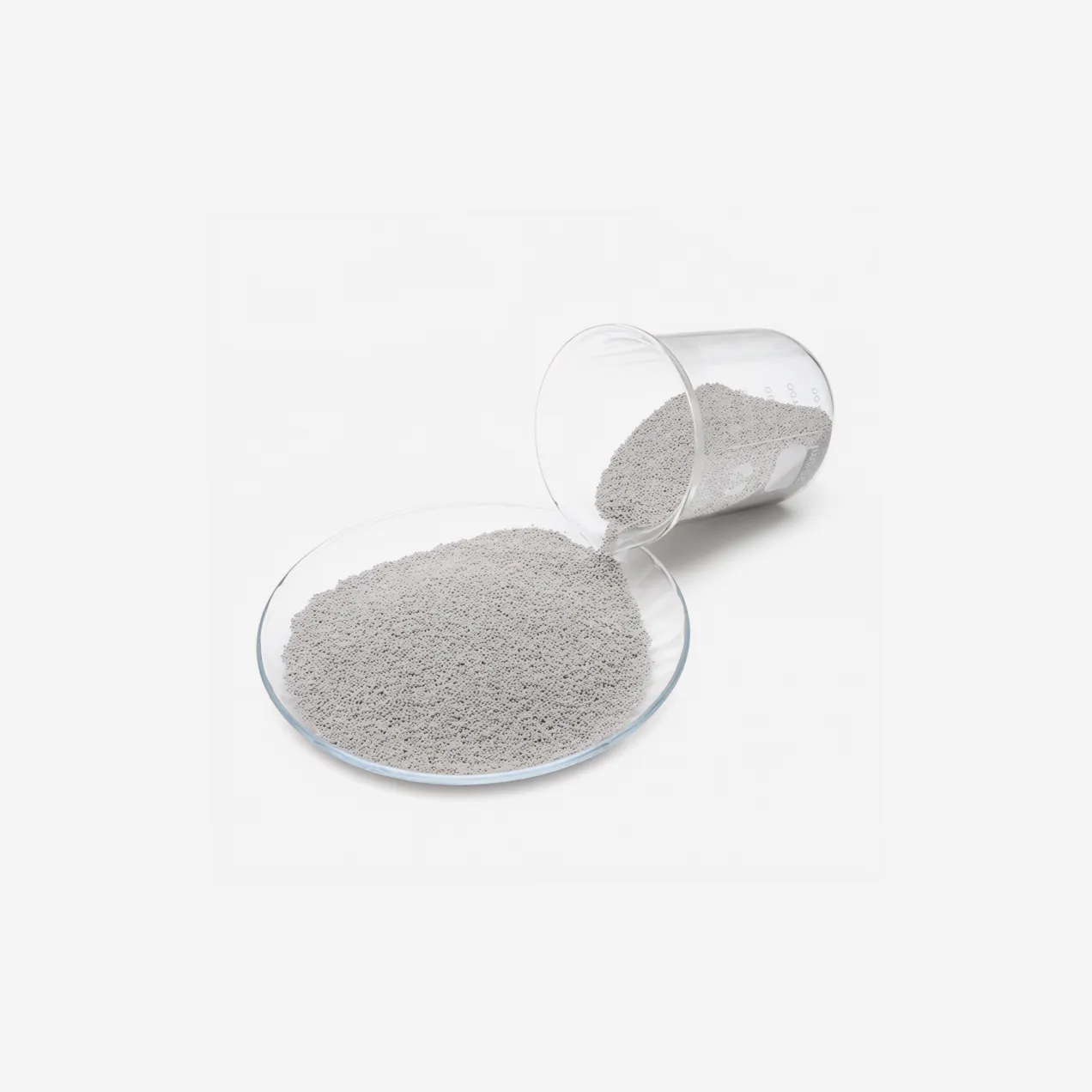
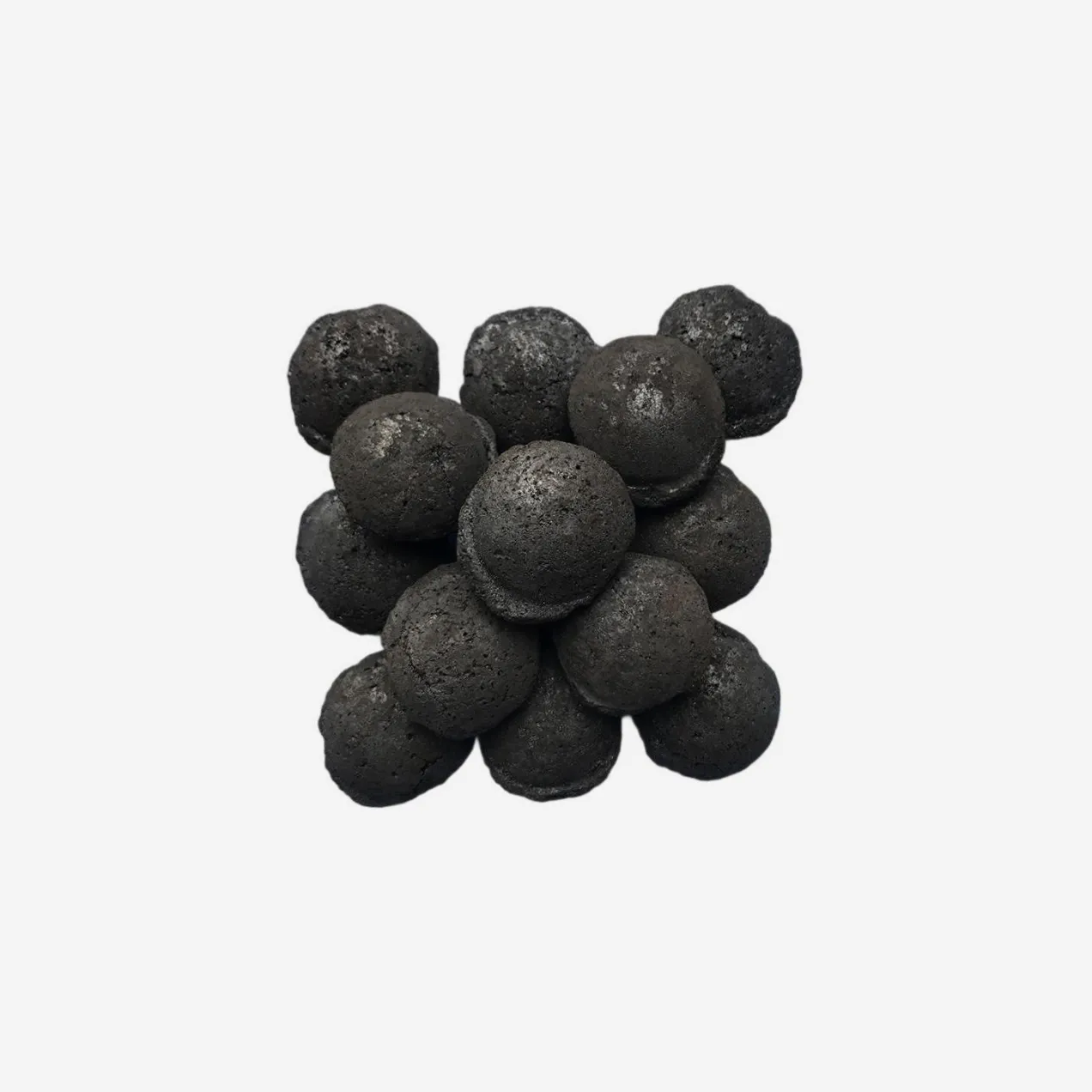
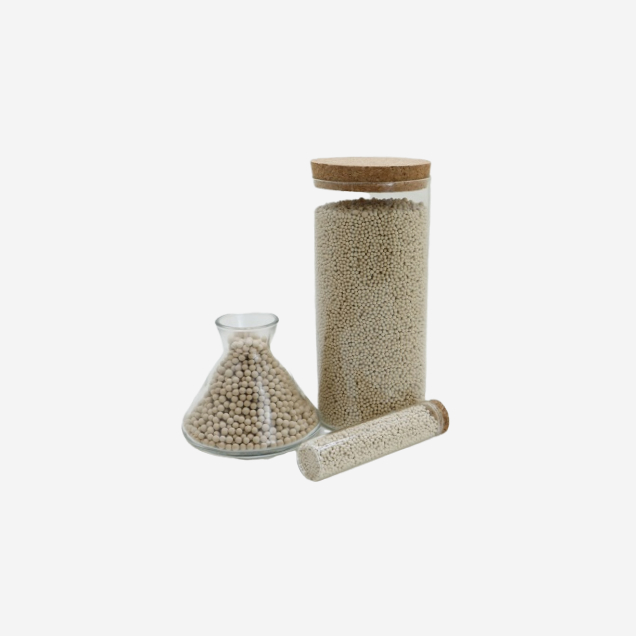
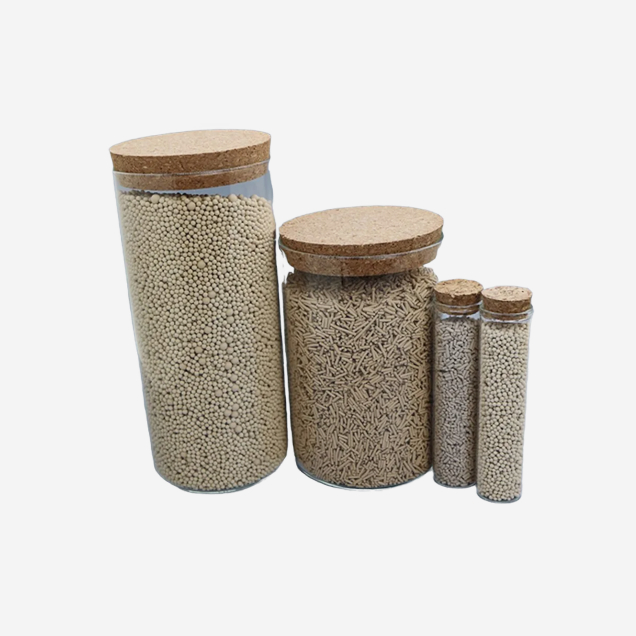
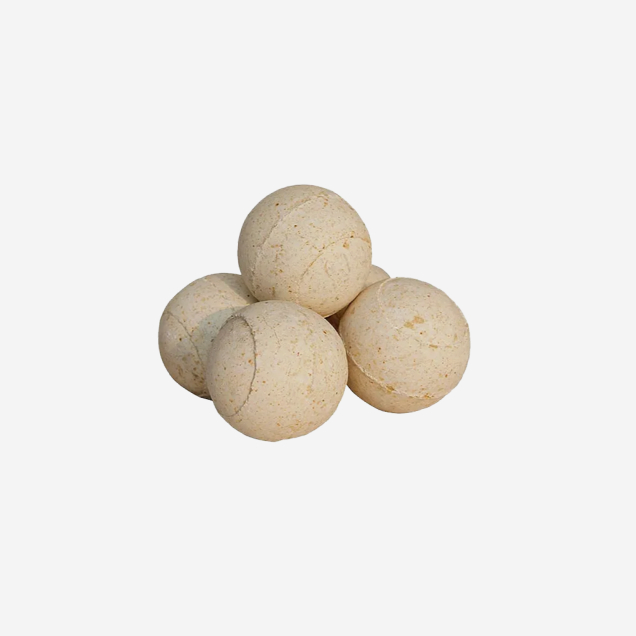
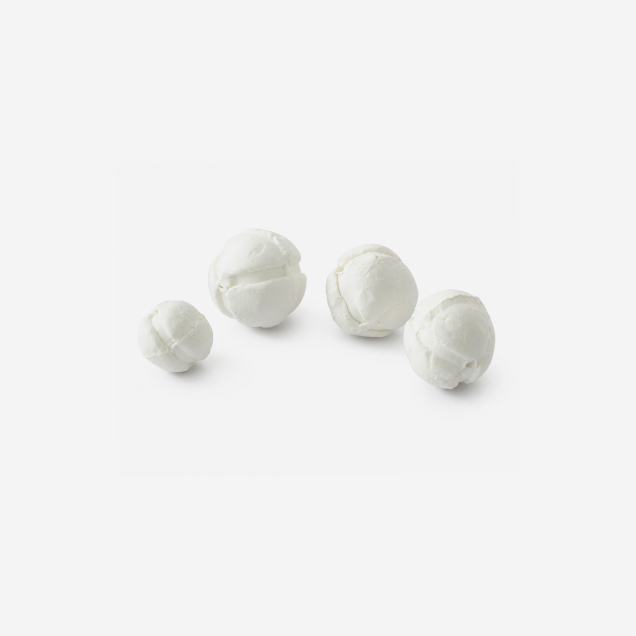
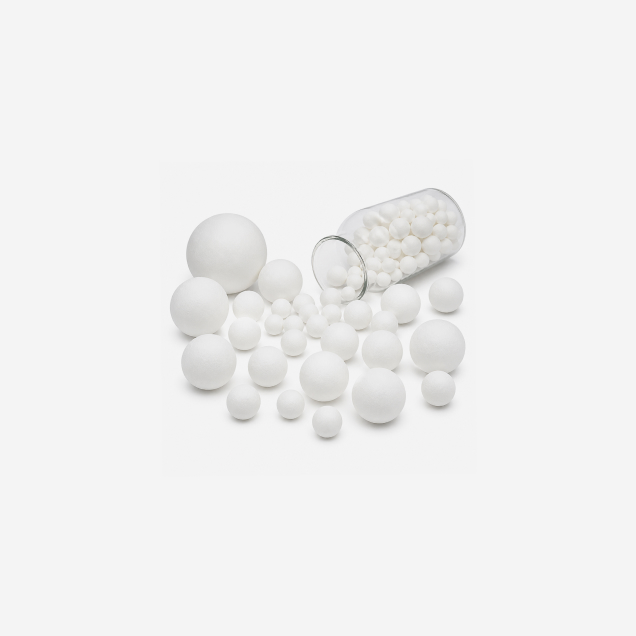
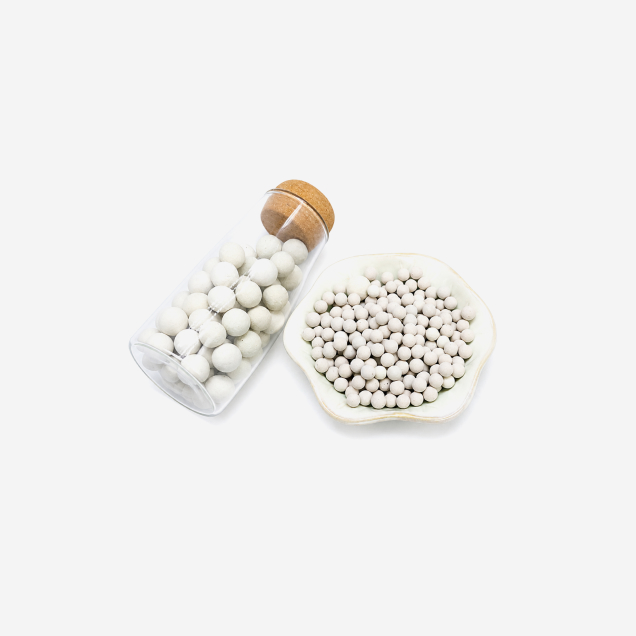
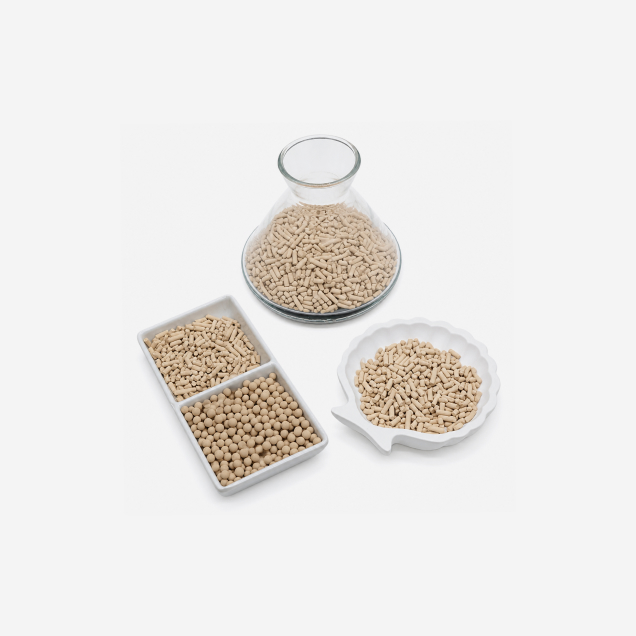
Yes. We supply beads for dense packing and low pressure drop in moving beds, and pellets for fixed beds and larger vessels. Both come in the standard grades, and we screen to a custom size on request.
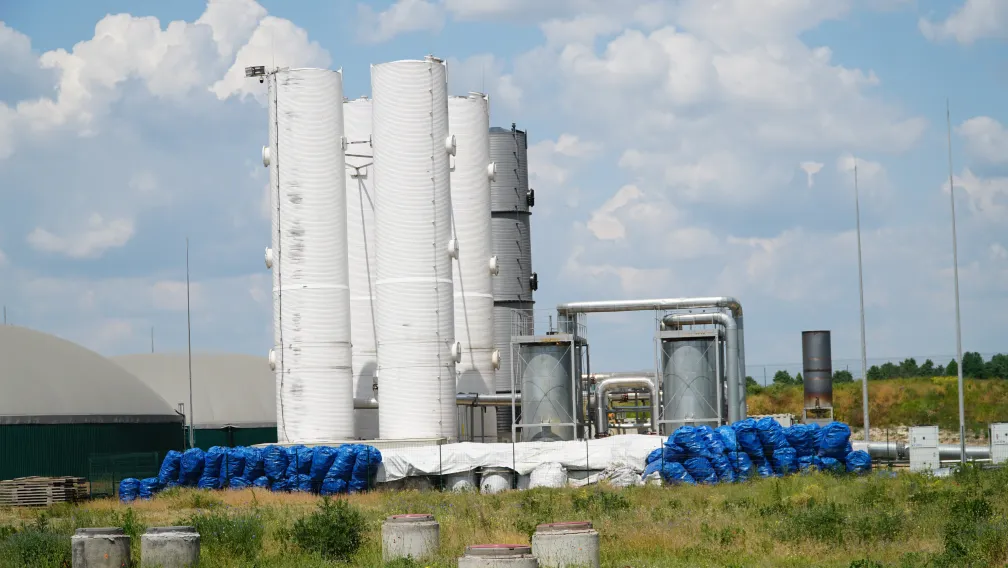
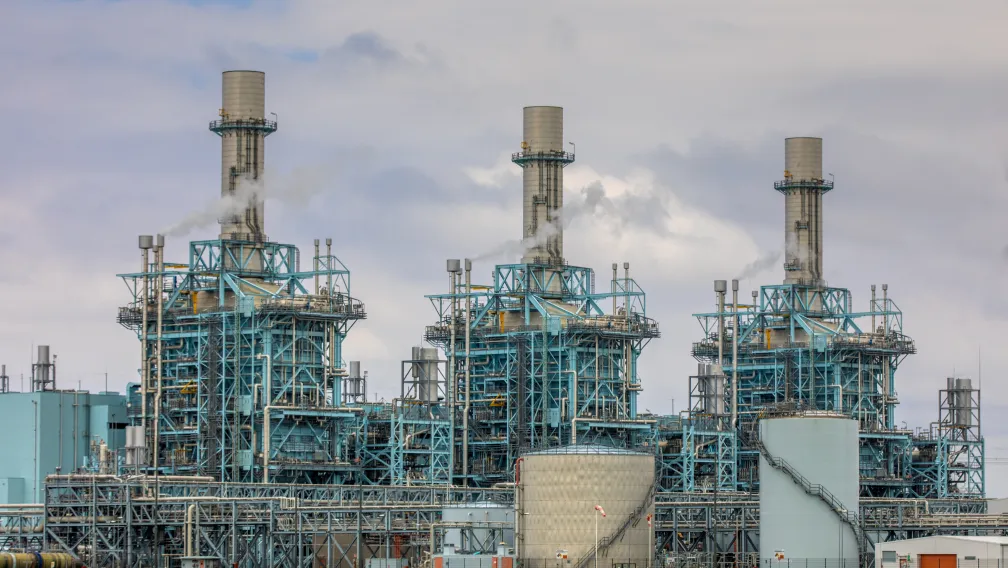
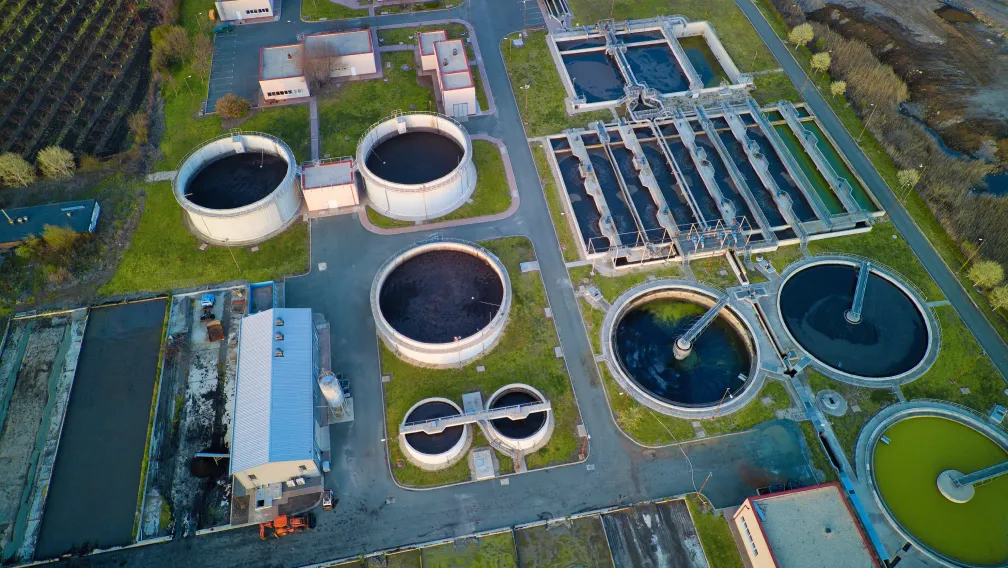
Molecular sieve dries and purifies gases and liquids. It dehydrates natural gas, air, refrigerants and solvents, takes carbon dioxide and sulphur out of gas, concentrates oxygen in PSA units, and pushes ethanol past its water limit in distilleries.
Yes. A molecular sieve is regenerated by heating or by dropping the pressure, which drives off the adsorbed water or gas and restores the capacity. With proper cycles it runs for many regenerations before it needs replacing.
Yes. We ship by the tonne, factory-direct from Jiangxi, in bags, bulk bags and drums, with the quantity and packing set to your order and a test report against every batch.
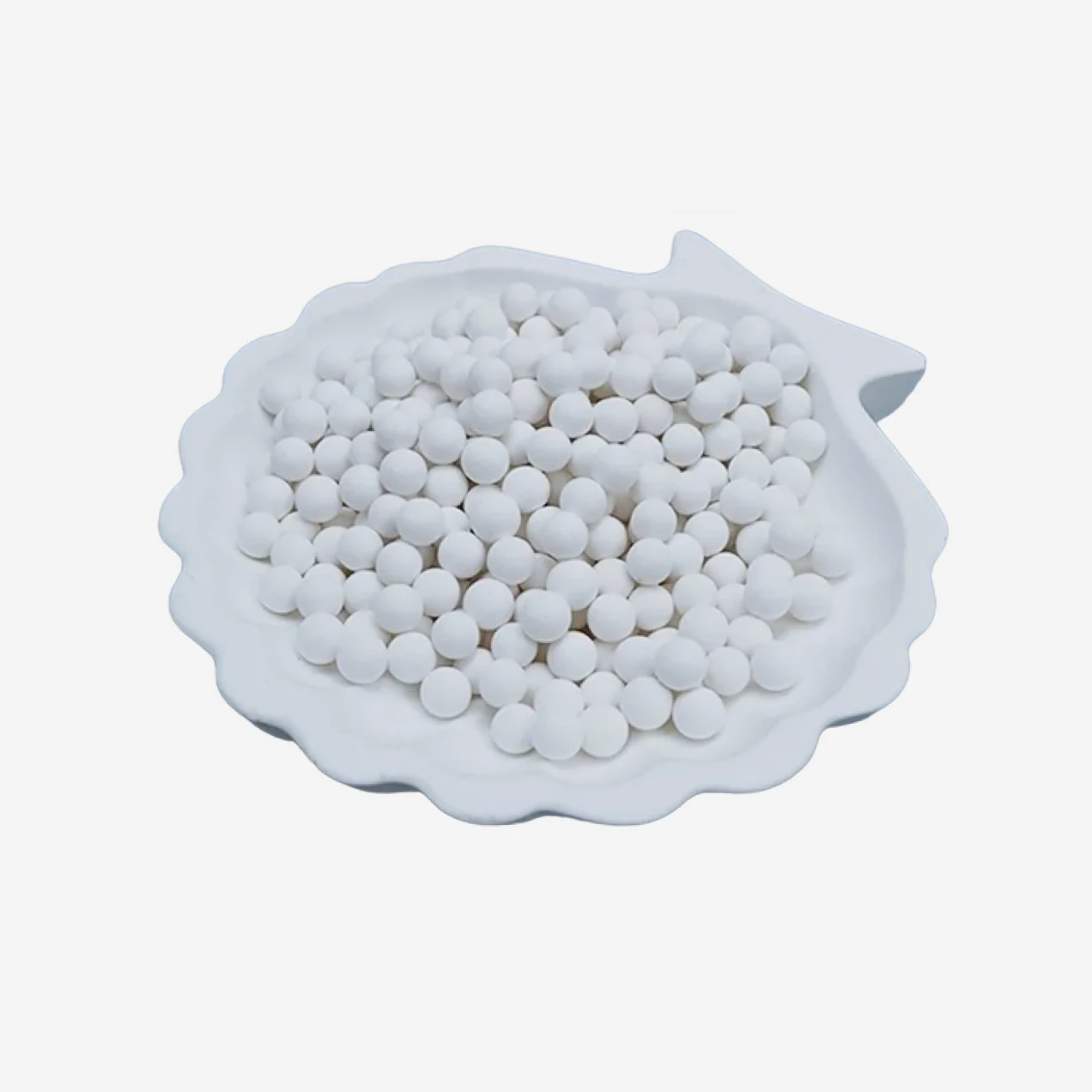
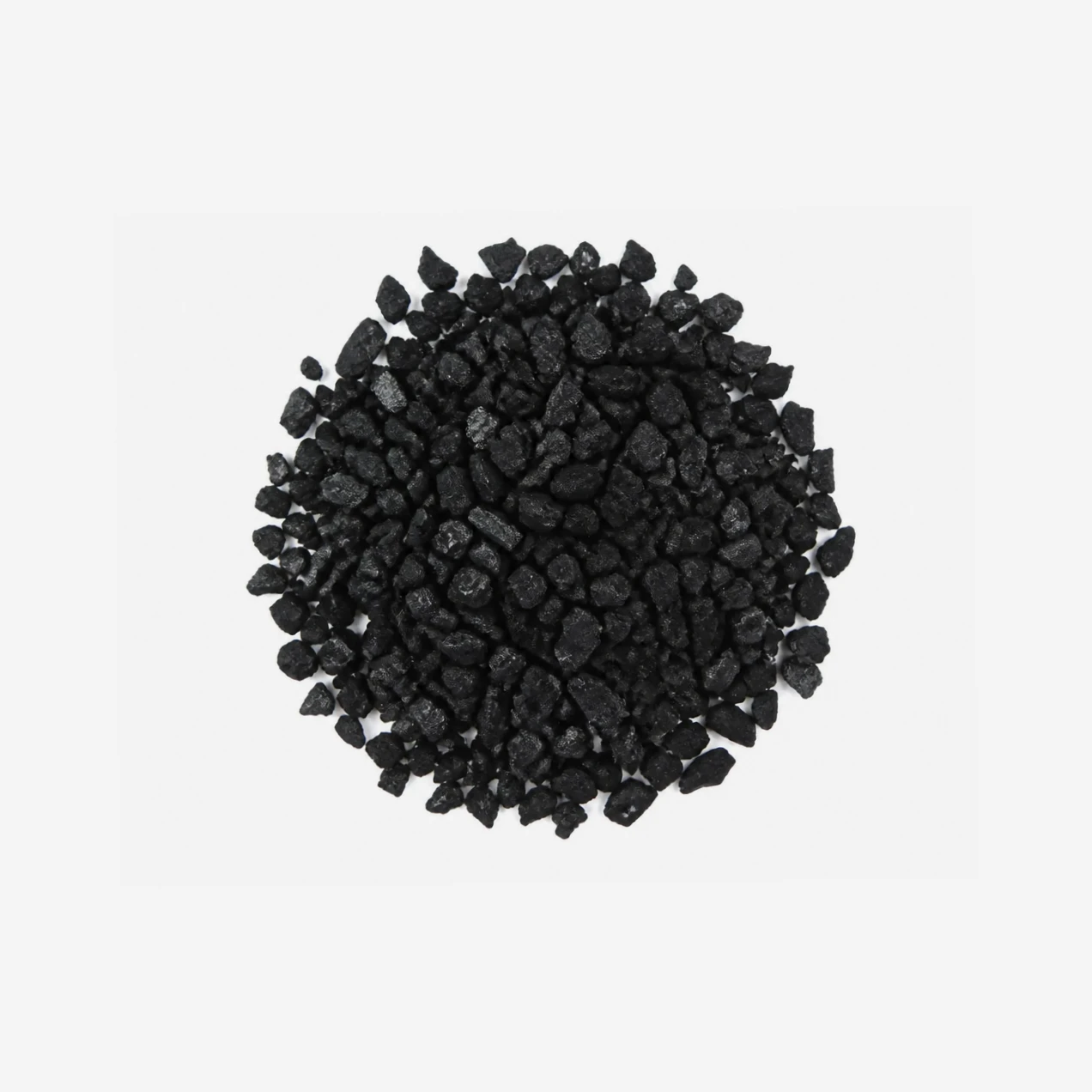
A molecular sieve is a crystalline aluminosilicate, or zeolite, with pores of one exact size. It adsorbs molecules small enough to fit inside and passes everything larger, which is why it dries and separates with a precision that ordinary desiccants cannot match. The grade is chosen almost entirely by pore size.
3A has a 3-angstrom pore, set by potassium ions, which is large enough for water but too small for most other molecules. That makes it the safe choice for drying reactive or valuable streams such as cracked gas, ethylene, propylene and ethanol, where a wider pore would adsorb the product along with the water. It is the standard sieve for ethanol dehydration to fuel grade.
4A has a 4-angstrom sodium pore and is the most widely used grade. It adsorbs water, methanol, ethanol, carbon dioxide and hydrogen sulphide while excluding anything larger than about 4 angstroms. It dries air, refrigerants, solvents and natural gas, and also serves as a water softener and a static desiccant in sealed units.
5A opens the pore to 5 angstroms with calcium ions, so it admits straight-chain hydrocarbons but rejects branched ones, which lets it separate normal from iso-paraffins and run oxygen and hydrogen pressure-swing units. 13X has the widest pore, around 10 angstroms, and the highest water and carbon-dioxide capacity, so it pre-purifies air ahead of cryogenic separation, sweetens natural gas and acts as a catalyst carrier.
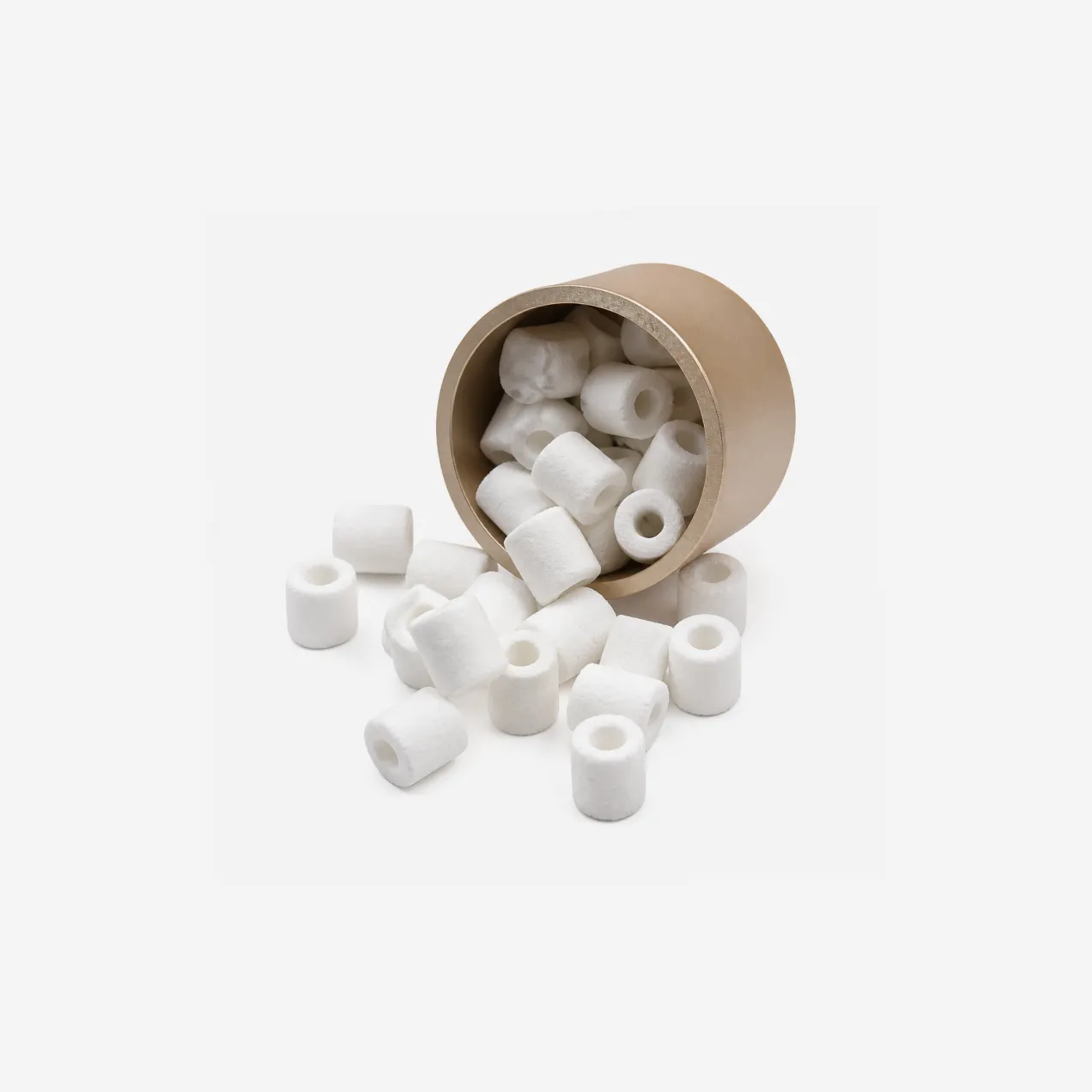
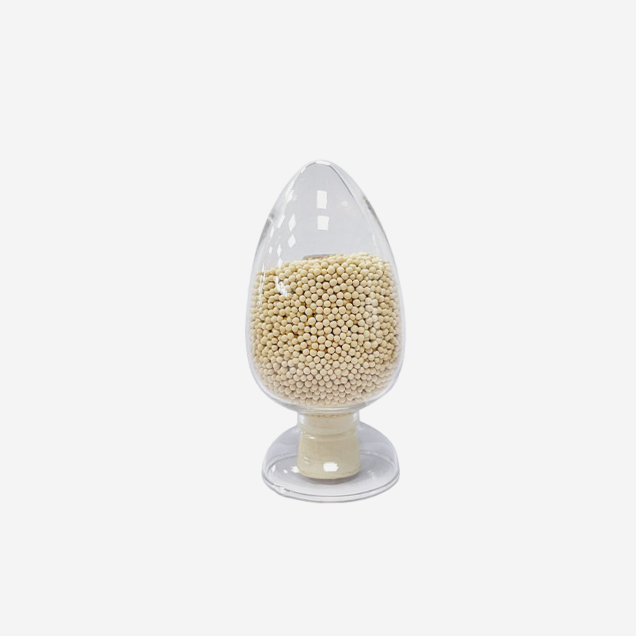
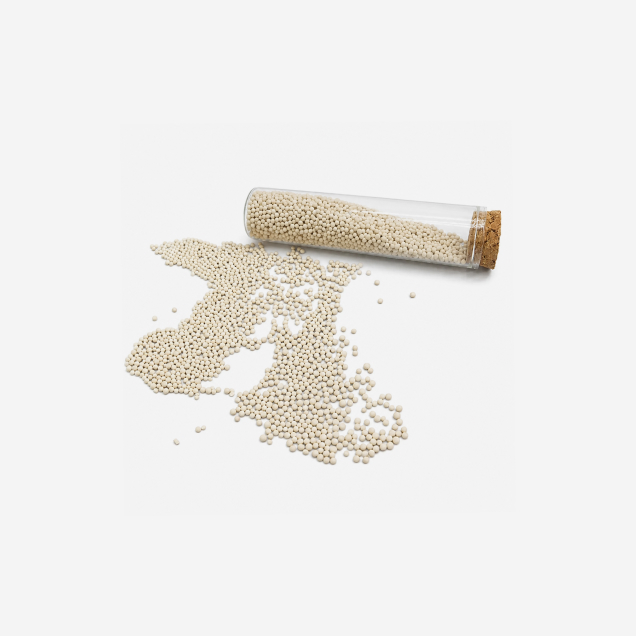
Beads of 1.8 to 2.5 mm pack densely with a low pressure drop and survive the movement of a switching bed, while pellets of 3.0 to 5.0 mm suit fixed beds and large vessels. Static water adsorption tells you how much the sieve holds, while crush strength and attrition tell you how long the bed lasts. A molecular sieve is regenerated by heat or by lowering pressure, so a single charge serves many cycles before replacement.