Home > Honeycomb Ceramic
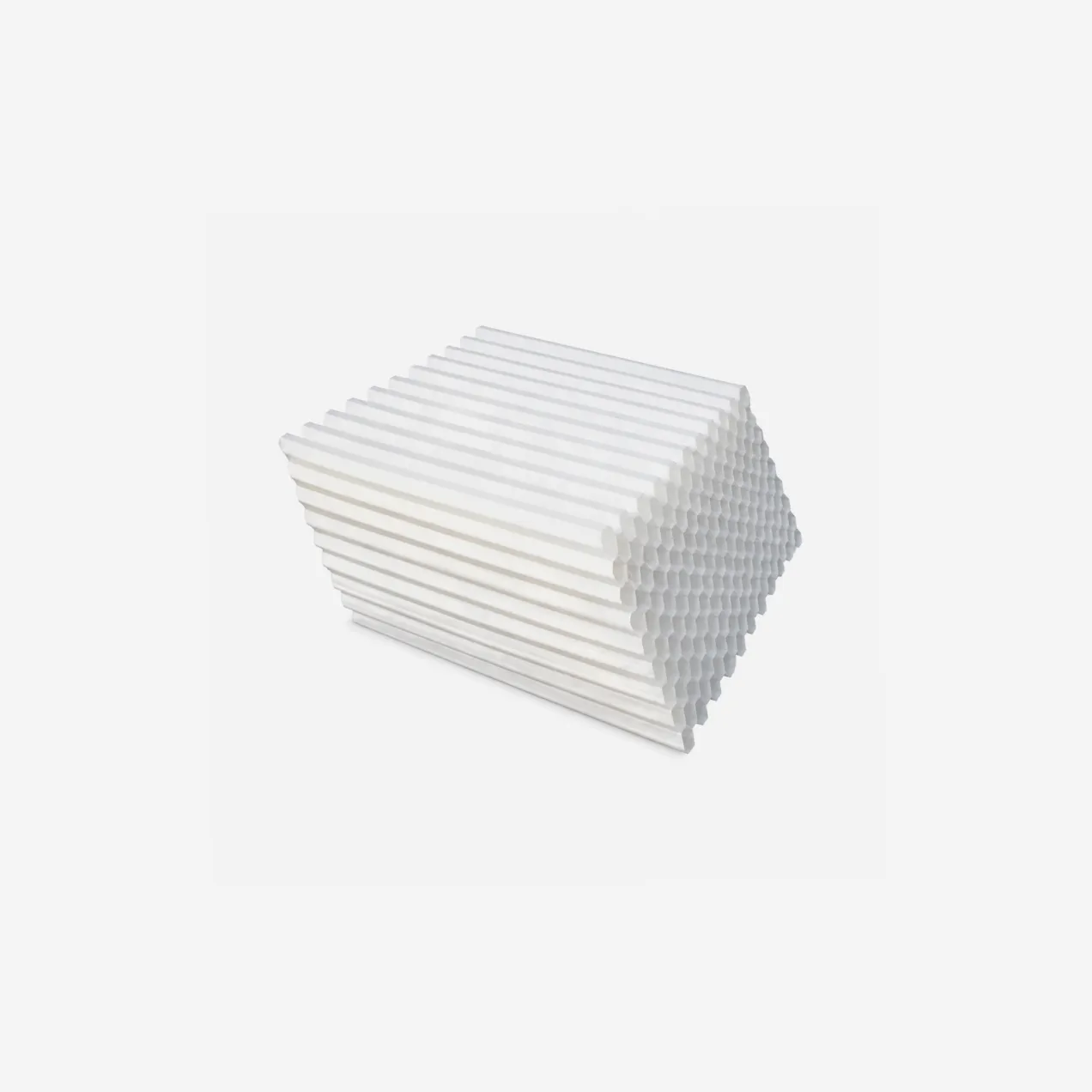
Honeycomb ceramic stores and moves heat at high temperature and carries catalysts. In regenerative oxidisers and industrial kilns it recovers waste heat to cut fuel use, and as a carrier it supports the coating in SCR and catalytic-oxidation units. The straight channels give a large surface with low resistance, which is what makes it efficient.
It comes down to service temperature and how hard the cycling is. Cordierite suits fast temperature swings up to about twelve hundred degrees, mullite and high-alumina take furnace heat to fourteen hundred, and corundum carries the hottest duty to sixteen hundred and fifty. Tell us the gas and the temperature and we match the grade.
Depending on the grade, honeycomb ceramic runs from about twelve hundred degrees for cordierite up to sixteen hundred and fifty for corundum. The dense grades also resist the dust, acid and slag in dirty exhaust, so the bed holds up under real furnace conditions, not just clean heat.
A regenerator stores heat from the hot exhaust and gives it back to the incoming cold gas or combustion air. That preheating means the burner adds far less energy to reach the same temperature, so fuel use and emissions both fall. On working lines this has lifted preheat efficiency and cut fuel use by a clear margin.
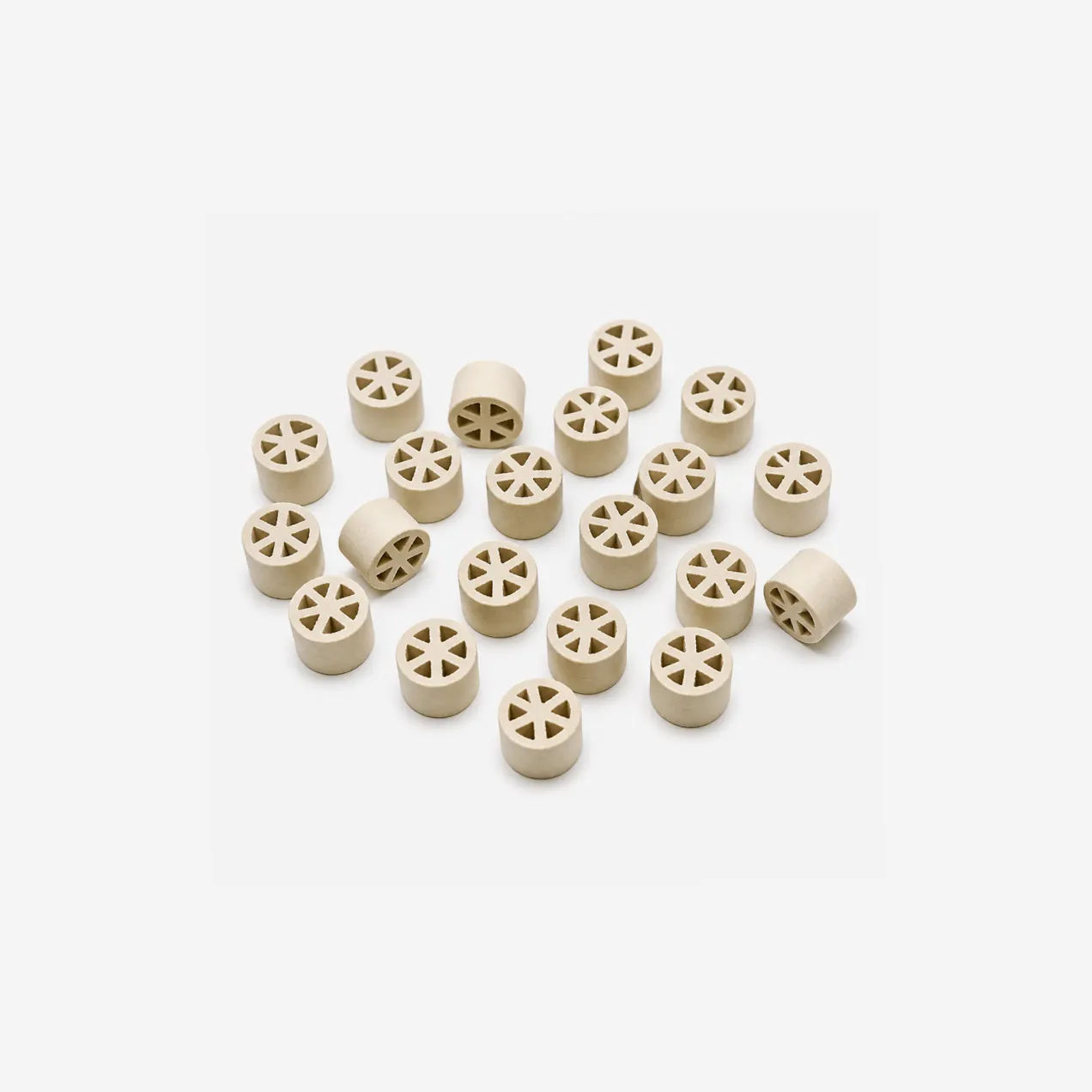
Yes. We set cell count, wall thickness, block size and cell shape, in square, round, triangular or hexagonal cells, and make blocks to drawing so they drop into an existing housing. The grade is chosen with you from the service temperature and the gas.
Yes. We supply honeycomb ceramic as a catalyst carrier, most often cordierite for its low expansion and thermal-shock resistance. It gives the active coating a large, even surface with open channels, which suits SCR and catalytic-oxidation duty. We supply the bare carrier for you or your catalyst partner to coat.
The minimum order depends on the grade, size and cell density, and bulk furnace charges run larger than sample quantities. Lead time runs from stock for standard blocks to a few weeks for fully custom sizes made to drawing. Send the size, material and quantity and we will confirm both on the quote.
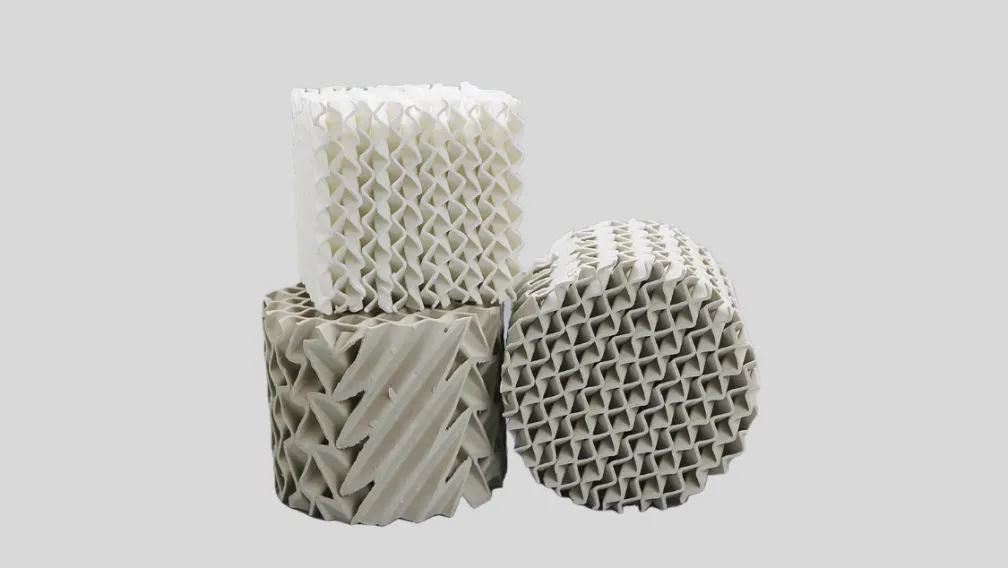
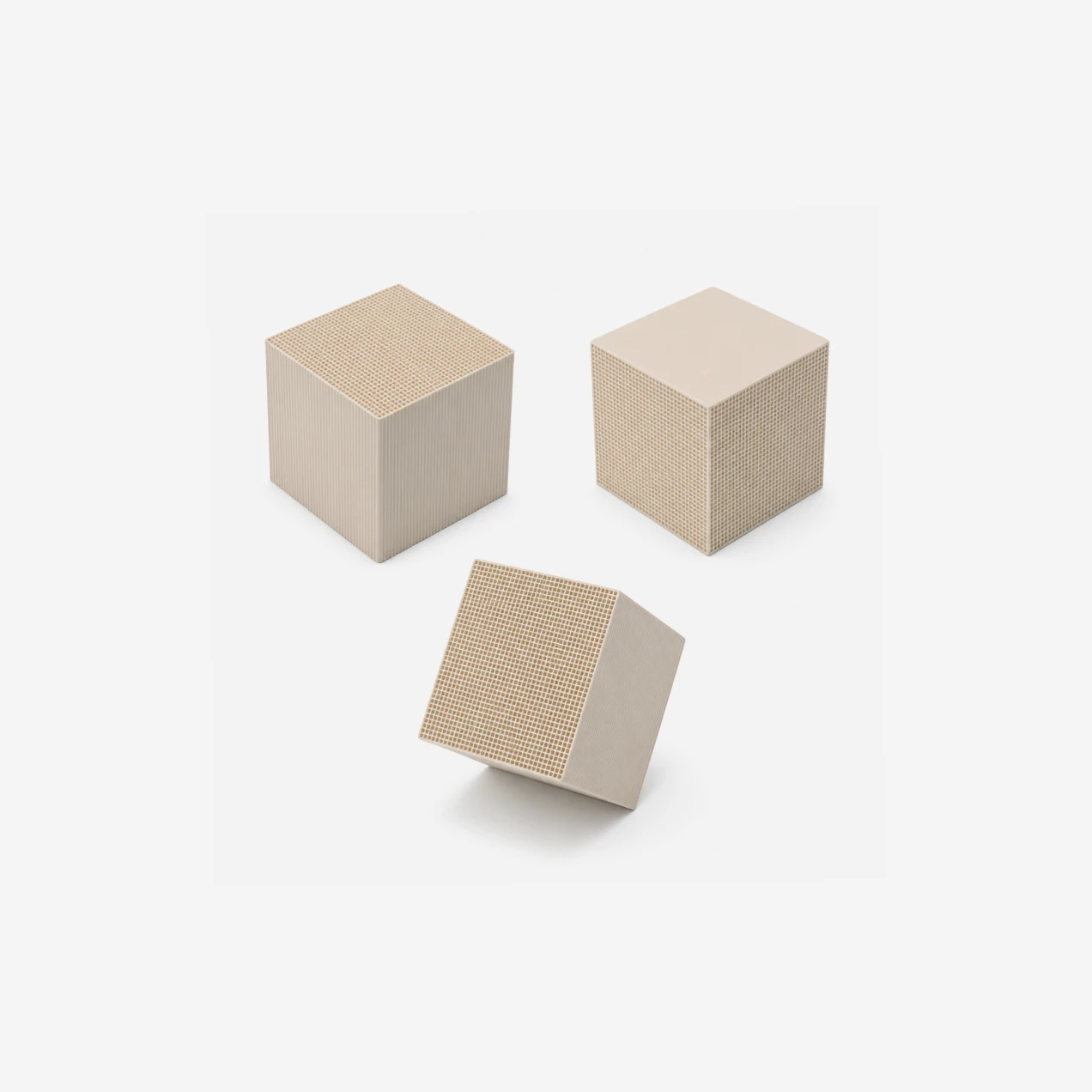
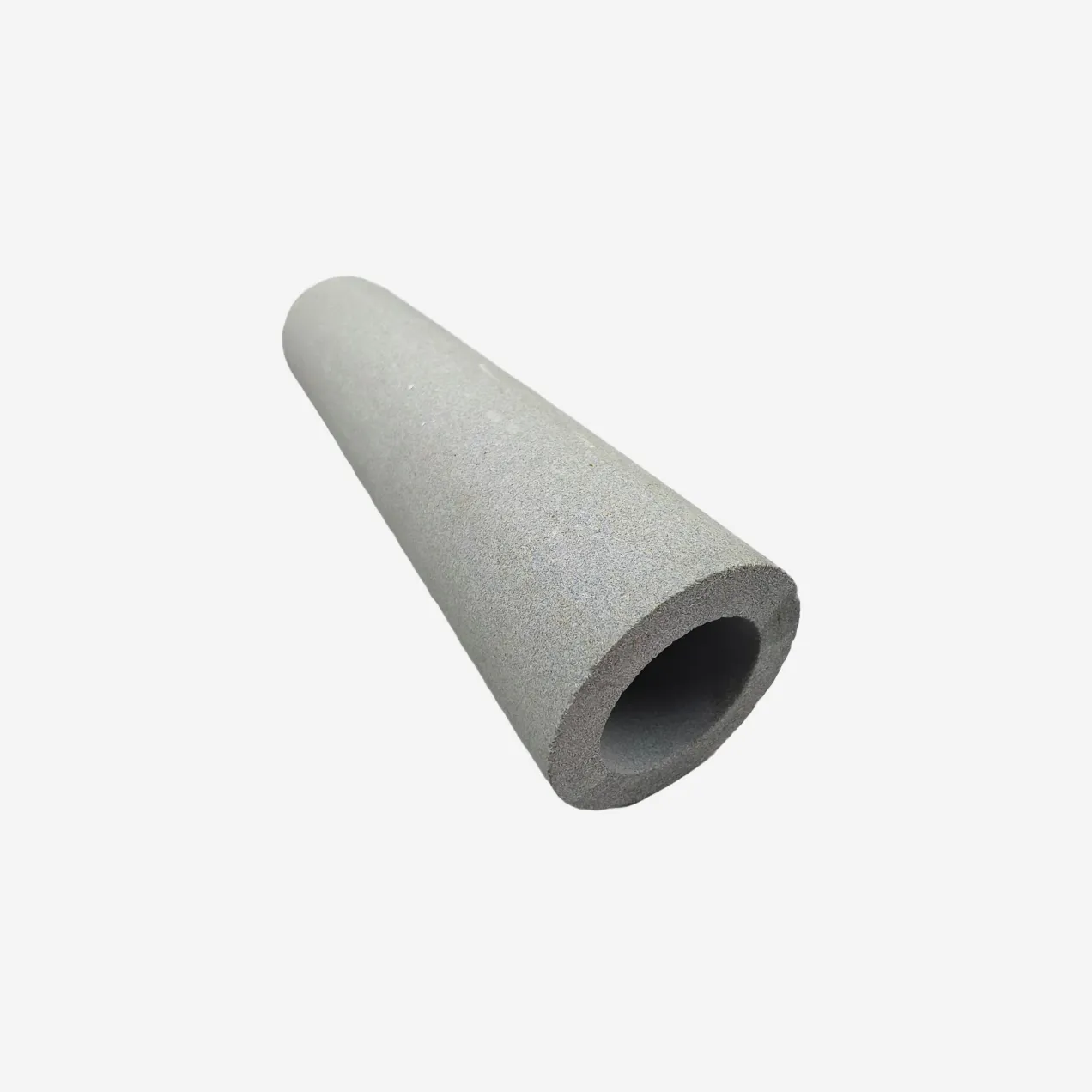
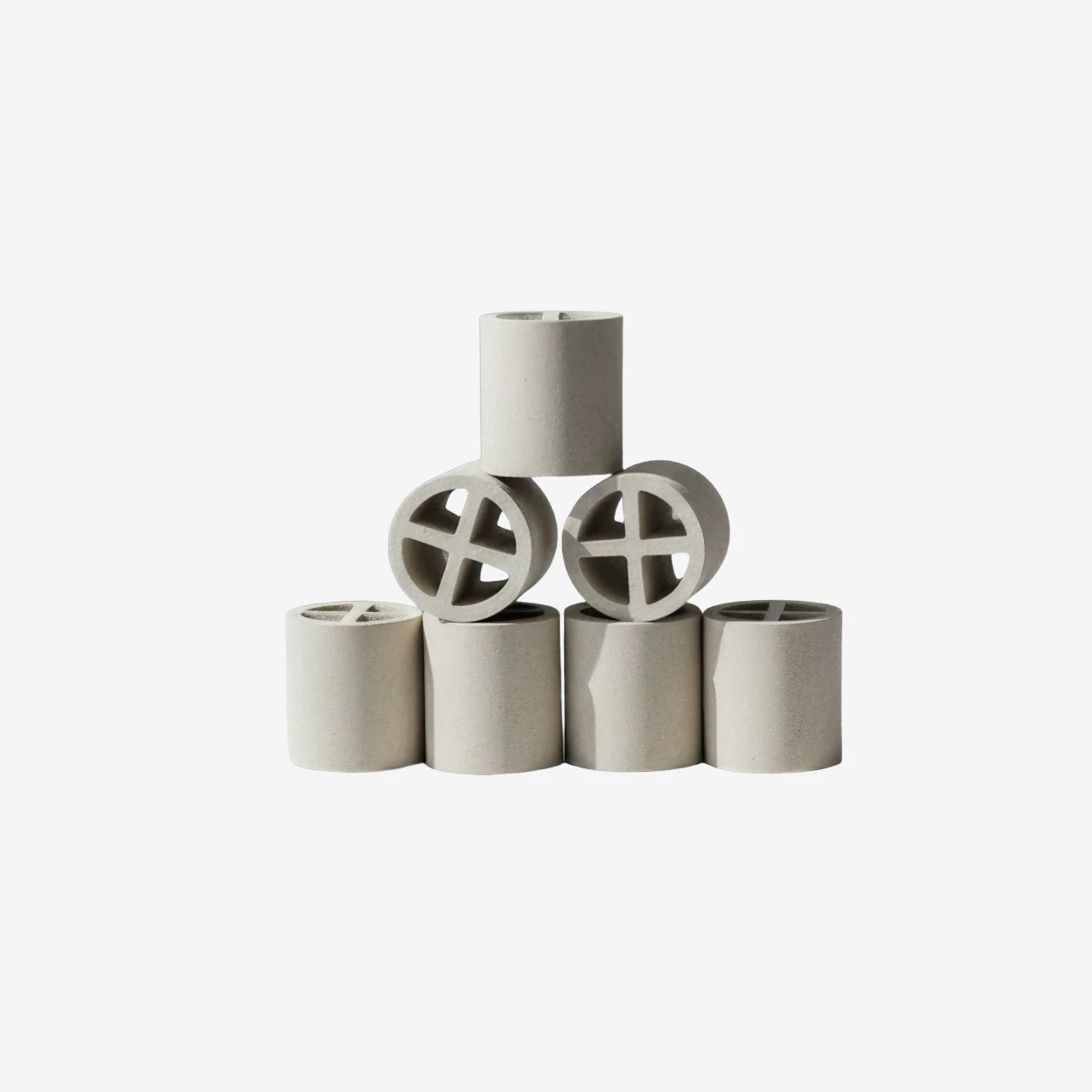
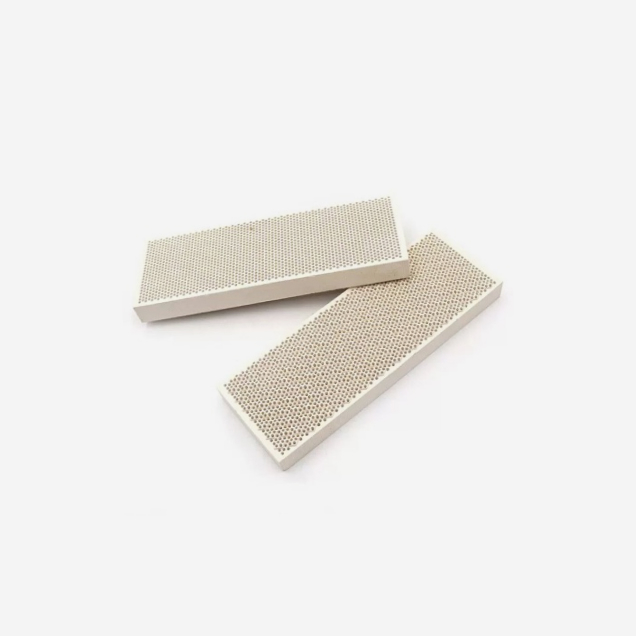
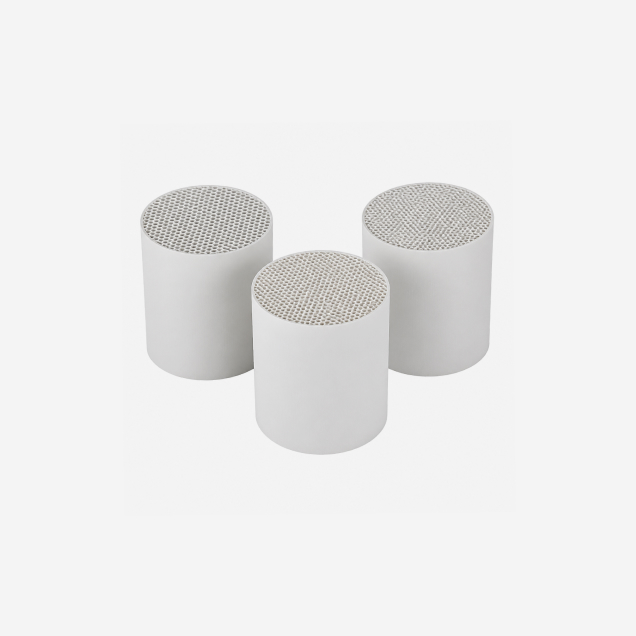
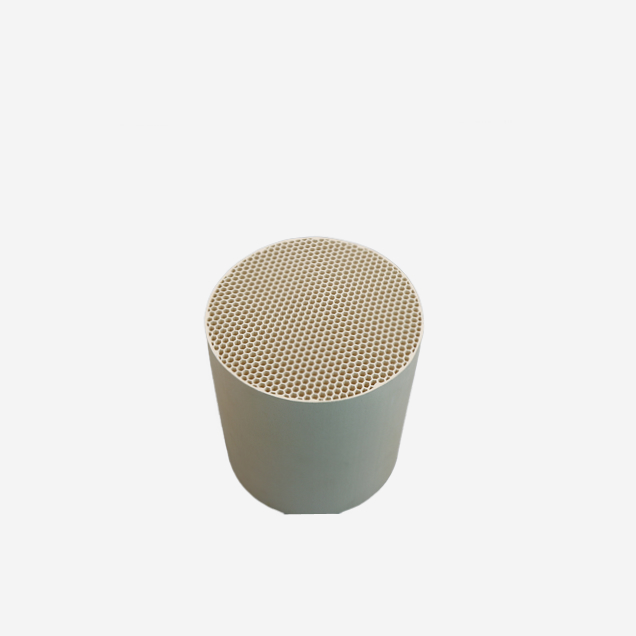
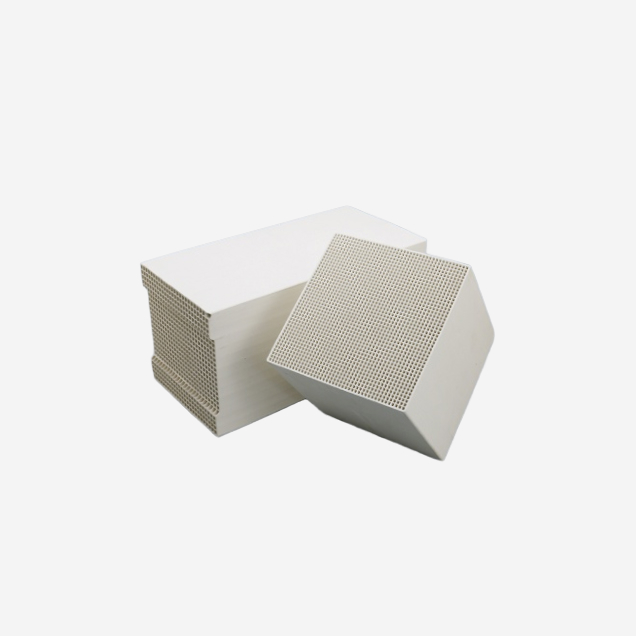
A honeycomb ceramic is a single fired block run through with thousands of straight, parallel channels, so it packs a large surface area into a small volume while letting gas pass with little resistance. That geometry is why the same basic part works as a heat-storage bed, a heat exchanger and a catalyst carrier. The job is set by two choices: the base material and the cell density.
In an RTO or a furnace, hot exhaust flows through the honeycomb and heats the ceramic, then the flow reverses and incoming cold gas picks that heat back up. Over each cycle the bed shuttles heat from the outgoing stream to the incoming one, so the burner only has to make up the difference. Open area above 70% keeps the pressure drop low, and high thermal mass lets the bed hold heat through the switch.
Material is chosen by service temperature and by how dirty and corrosive the gas is. Cordierite has very low thermal expansion, so it shrugs off the fast heating and cooling of a regenerator, and it serves to around 1200°C. Mullite and high-alumina take more heat, to about 1400°C, with more thermal mass. Corundum carries the hottest duty, to 1650°C, and has the highest conductivity. Where the gas carries acid, dust or slag, the dense grades resist attack and abrasion.
Cell density is the number of channels across the face, from about 25 to 60 per side on our standard blocks, which sets the cell pitch from roughly 2.8 to 12 mm. More cells give more surface and faster heat transfer but a higher pressure drop; fewer cells give a lower pressure drop and handle dirtier gas without blocking. The right balance depends on the dust load and the fan you have, which is part of what we size with you.
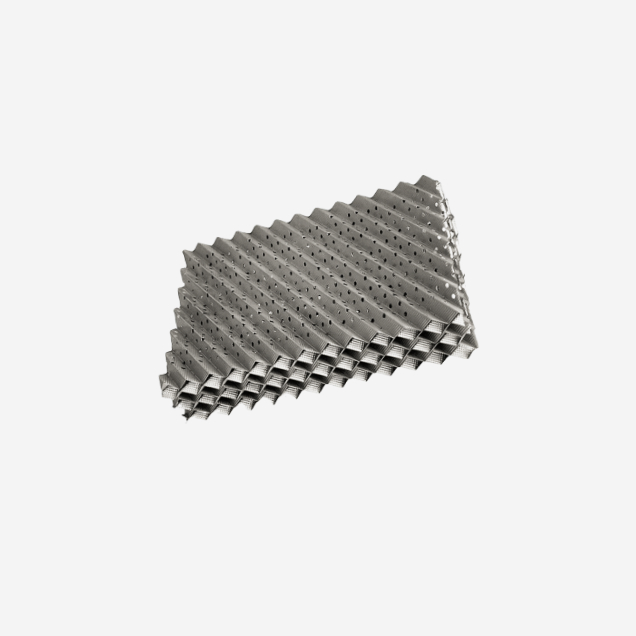
In catalyst and regenerator duty, honeycomb ceramic is often weighed against a metallic substrate. Ceramic costs less, takes higher temperature, resists most corrosive gas and holds more heat, which is why it is standard for high-temperature regenerators and SCR. A metallic substrate heats up faster and survives vibration better, which suits some mobile and light-off duties. For fixed industrial heat recovery and high-temperature catalysis, ceramic is usually the better fit.
| GRADE | MAX TEMP | THERMAL EXPANSION | BEST FOR |
|---|---|---|---|
| Cordierite | 1200°C | Very low | Thermal-shock cycling, catalyst carrier |
| Mullite | 1400°C | Low to medium | Higher-temp kilns and regenerators |
| High Alumina | 1400°C | Low to medium | High-temp duty, high thermal mass |
| Corundum | 1650°C | Medium | Hottest furnaces, abrasive gas |
Blocks are stacked into the regenerator housing or kiln checker so the channels line up and the gas runs straight through. Made to drawing, the media drops into an existing housing without rework. In service, the main thing that ends a block's life is thermal shock or chemical attack rather than slow wear, so matching the grade to the gas and the cycling is what gets the longest run between changes.