Home > Activated Alumina
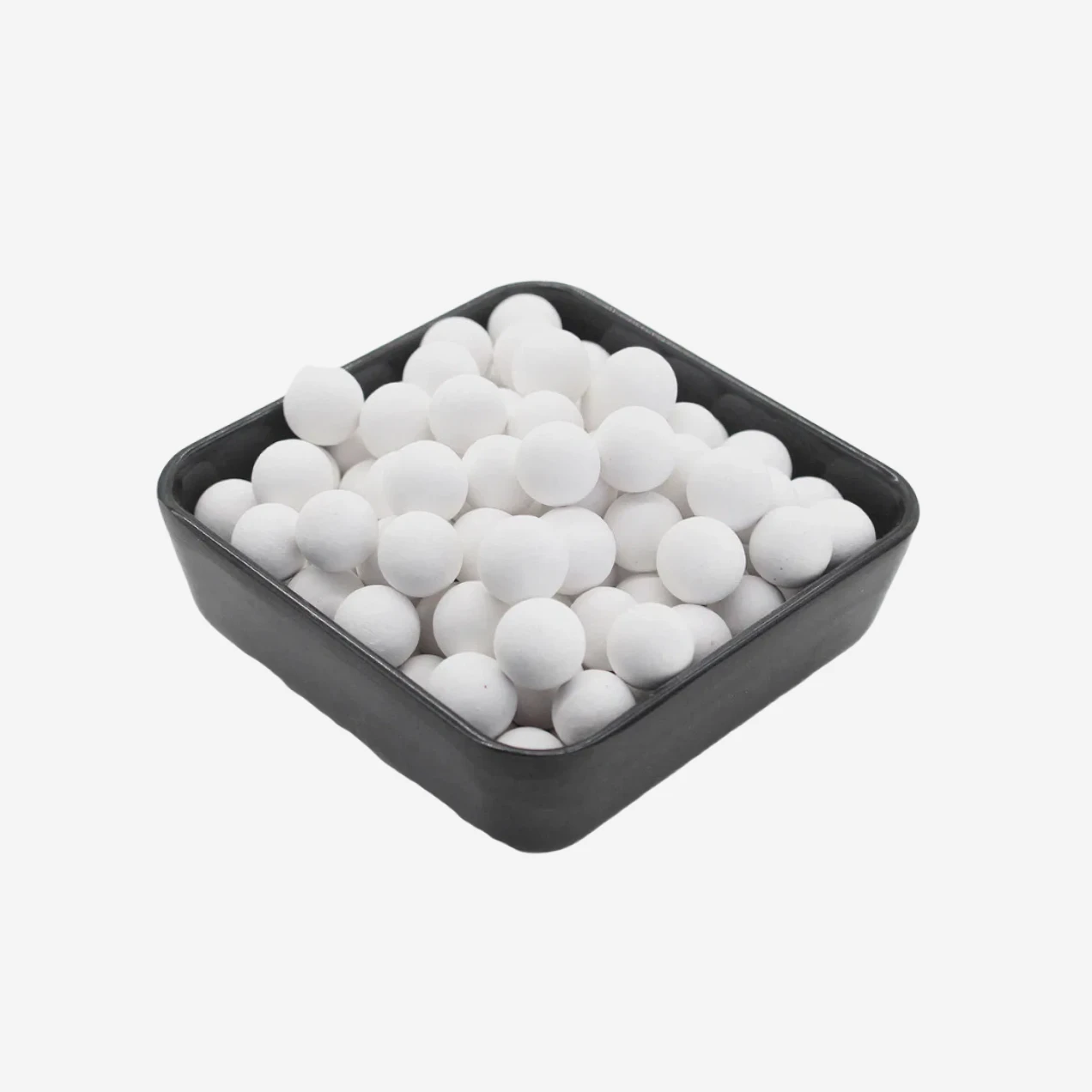
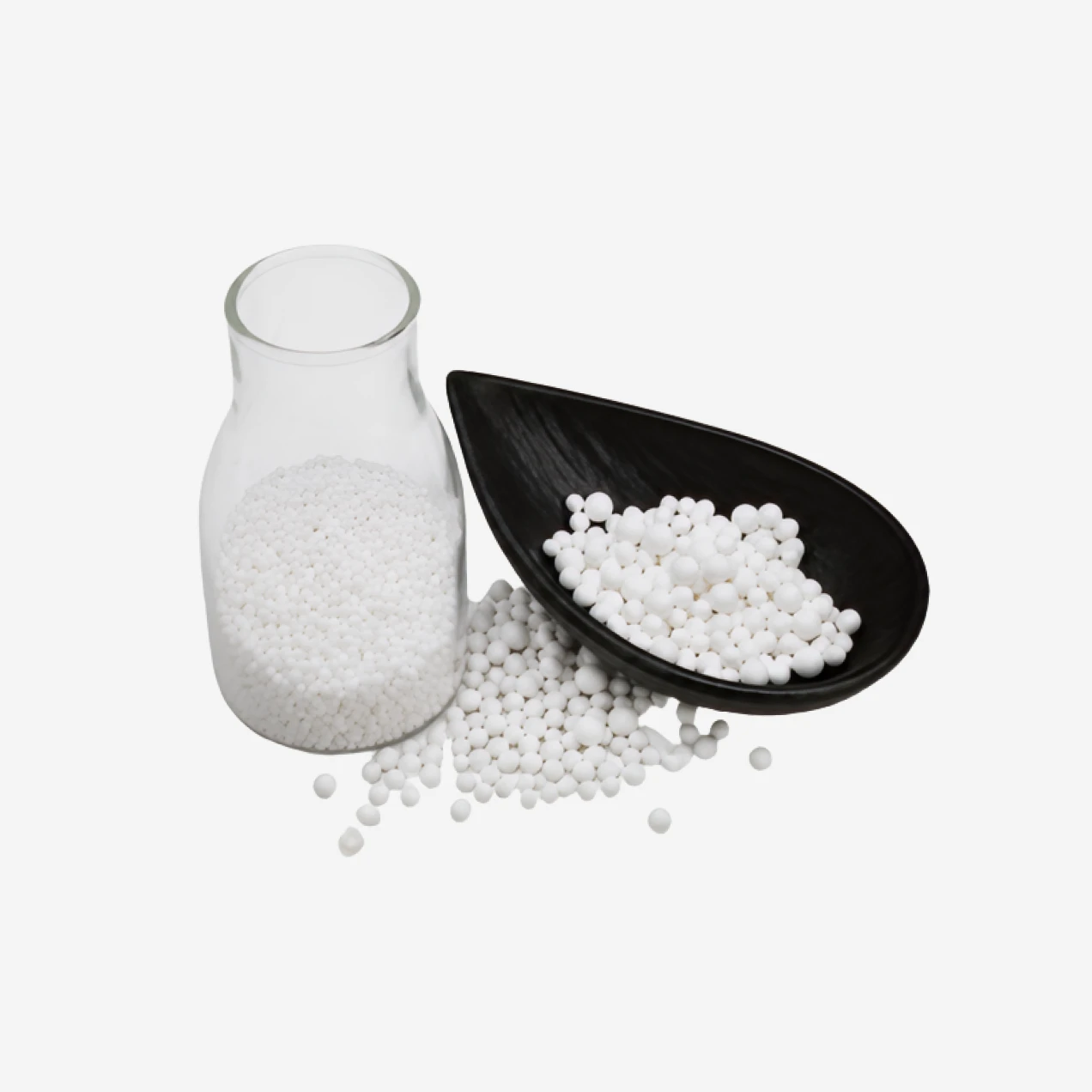
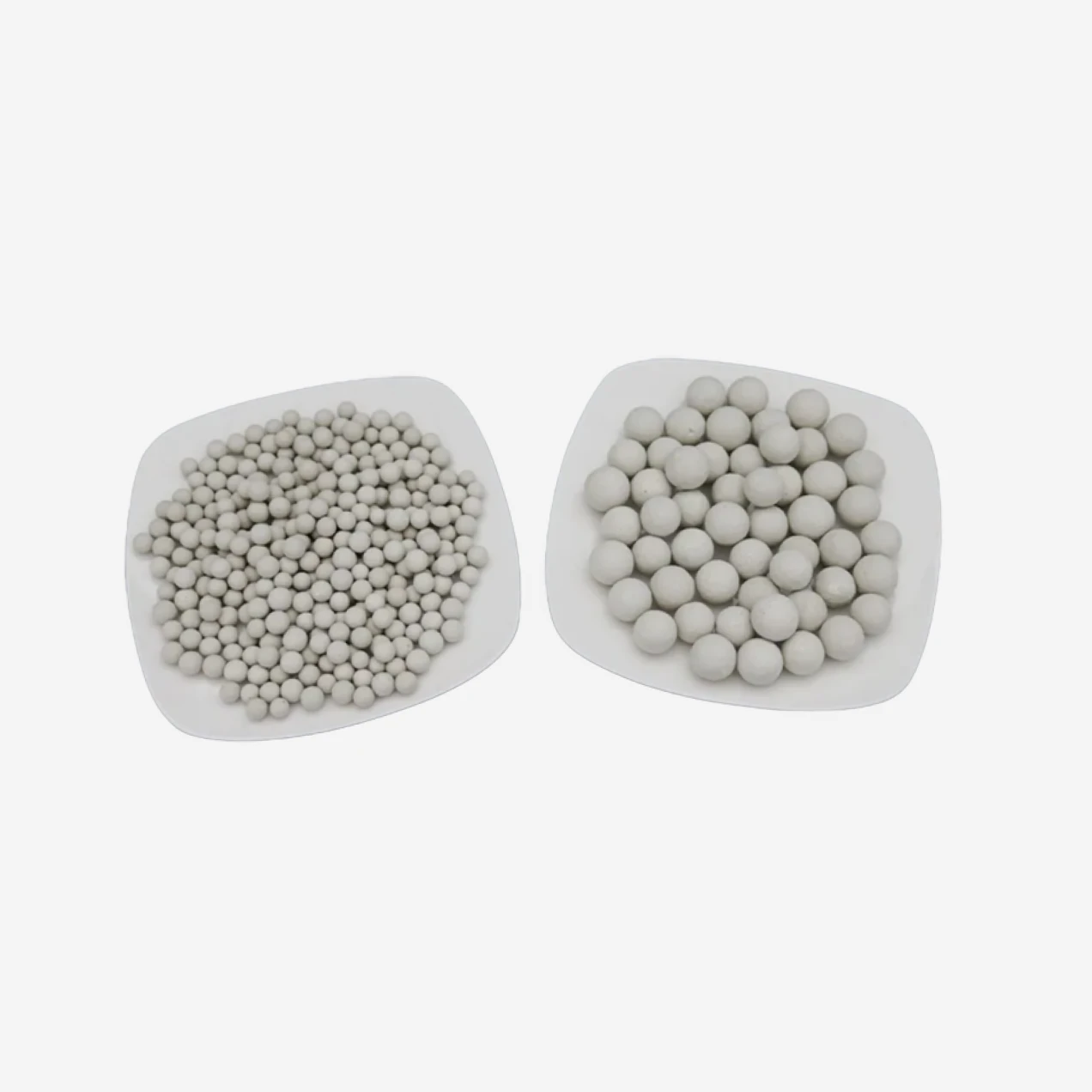
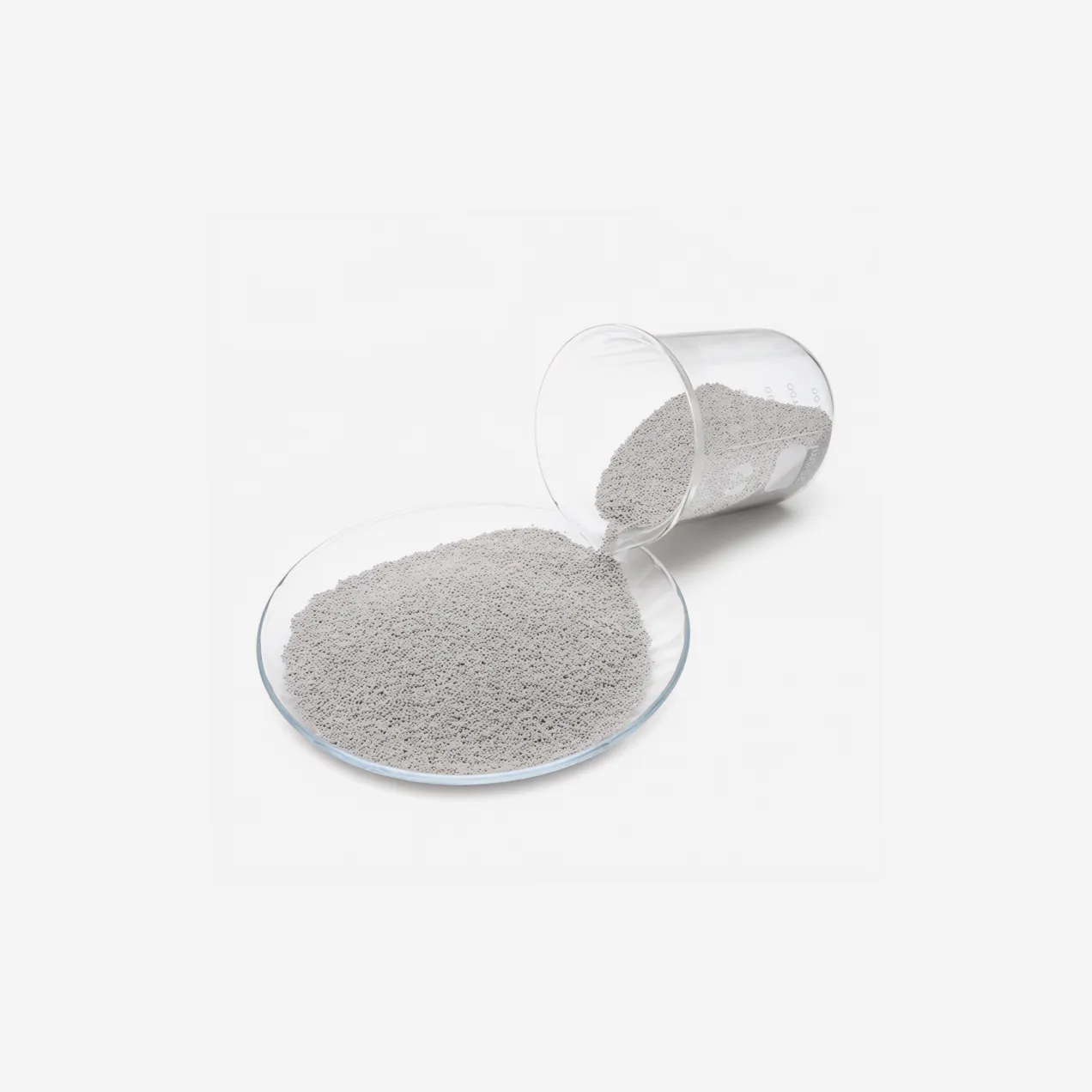
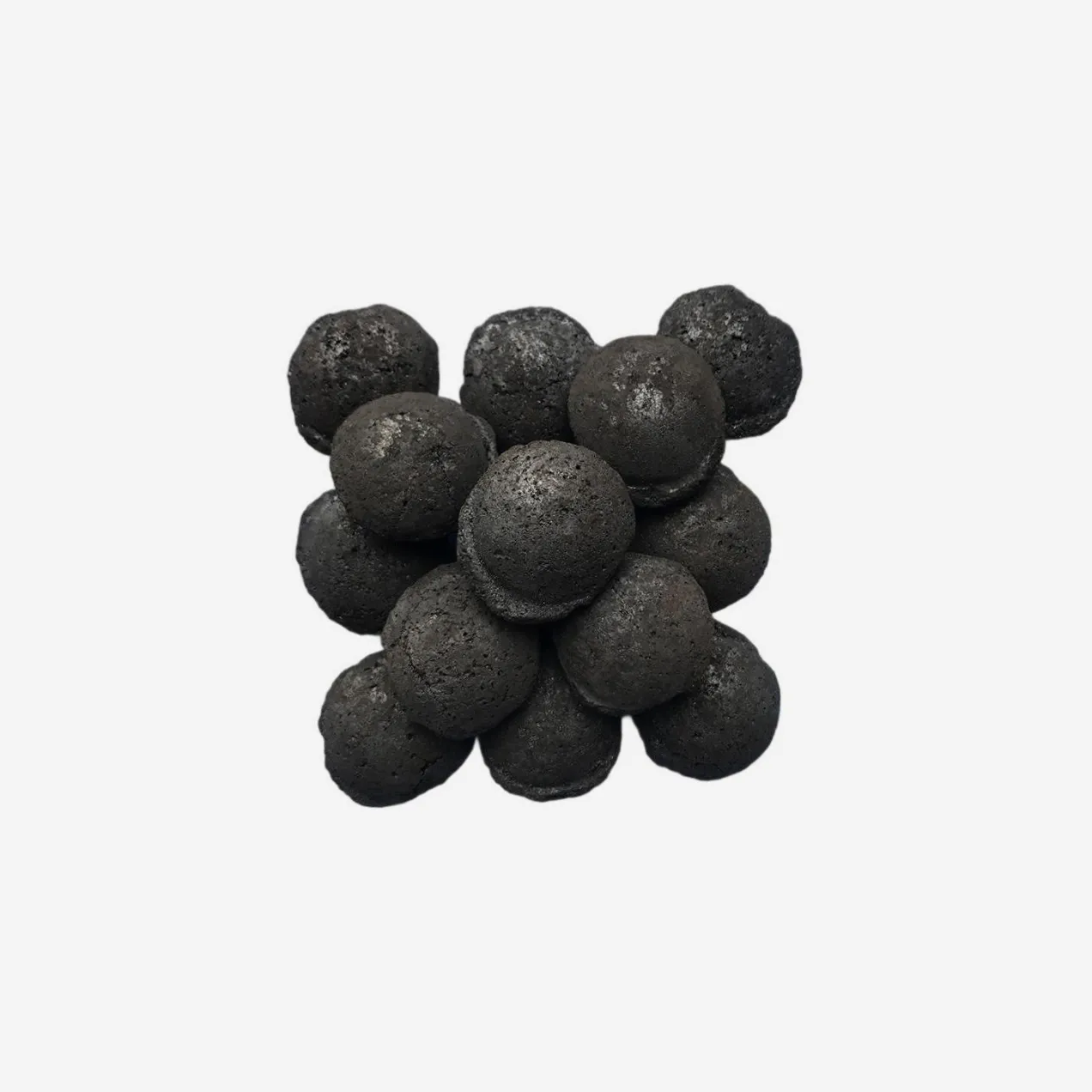
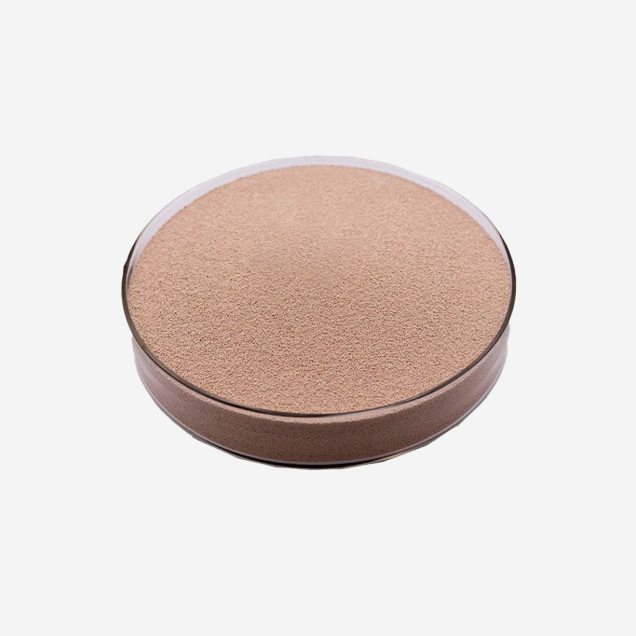
Activated alumina is used for deep drying and for adsorption. As a desiccant it dries compressed air and gases to a very low dew point, as a water media it removes fluoride and arsenic, and as a carrier it supports active metals in catalysts. The same high-surface alumina does all three.
Both are desiccants, but activated alumina dries to a lower dew point and resists liquid water without breaking down, while silica gel holds more water at high humidity and costs less. Activated alumina suits compressed-air and process drying, and it also removes fluoride, which silica gel does not. Our desiccant selection guide sets out which to choose.
Yes. Activated alumina is the standard media for fluoride removal from drinking water, and it also takes out arsenic. Water flows through the bed, the contaminant binds to the alumina surface, and the media is recharged when its capacity runs out.
As a compressed-air and gas desiccant, activated alumina reaches a dew point below minus seventy degrees under proper operating and regeneration conditions. That is dry enough for instrument air, cracked gas and most process duties.
Yes. Activated alumina is regenerated by heating or by lowering pressure, which drives off the adsorbed water and restores the capacity. In water service the media is recharged chemically. A single charge serves many cycles before replacement.
Yes. We ship by the tonne, factory-direct from Jiangxi, in bags, bulk bags and drums, with the quantity and packing set to your order and a test report against every batch.
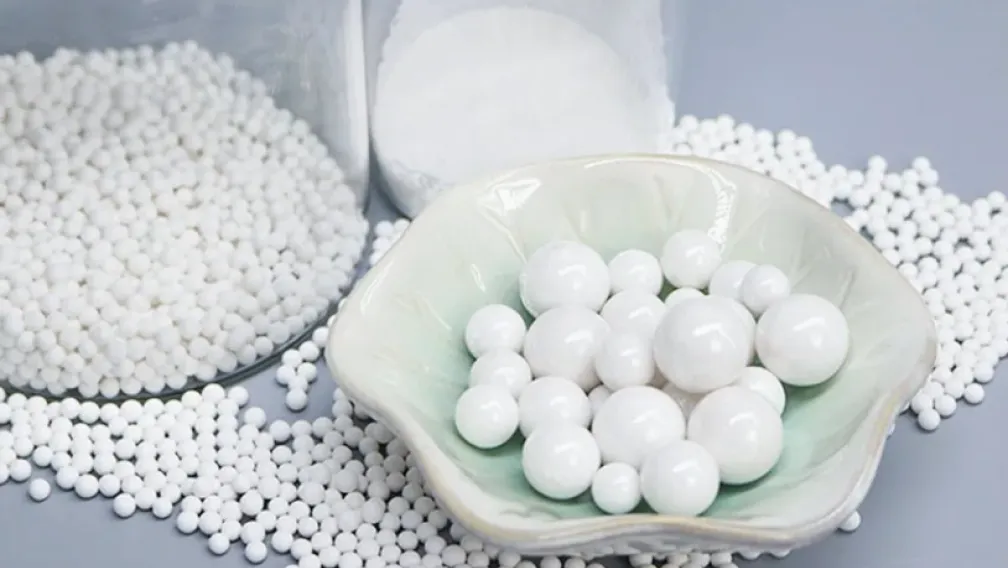
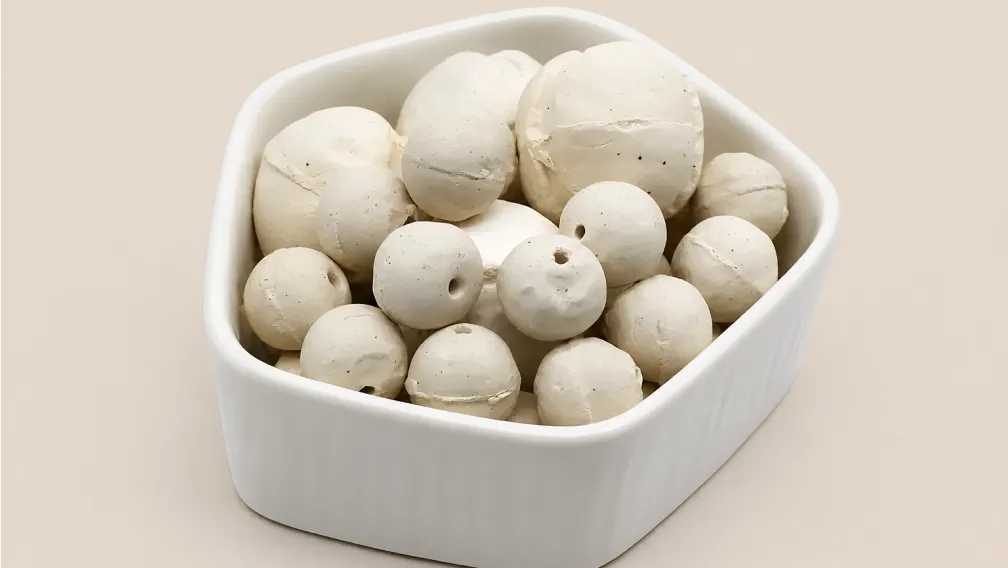
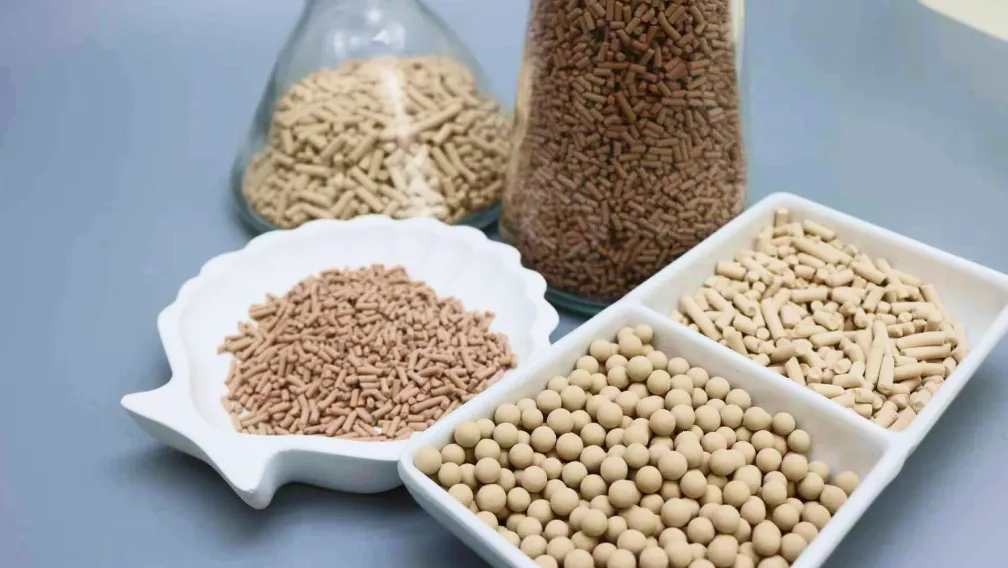
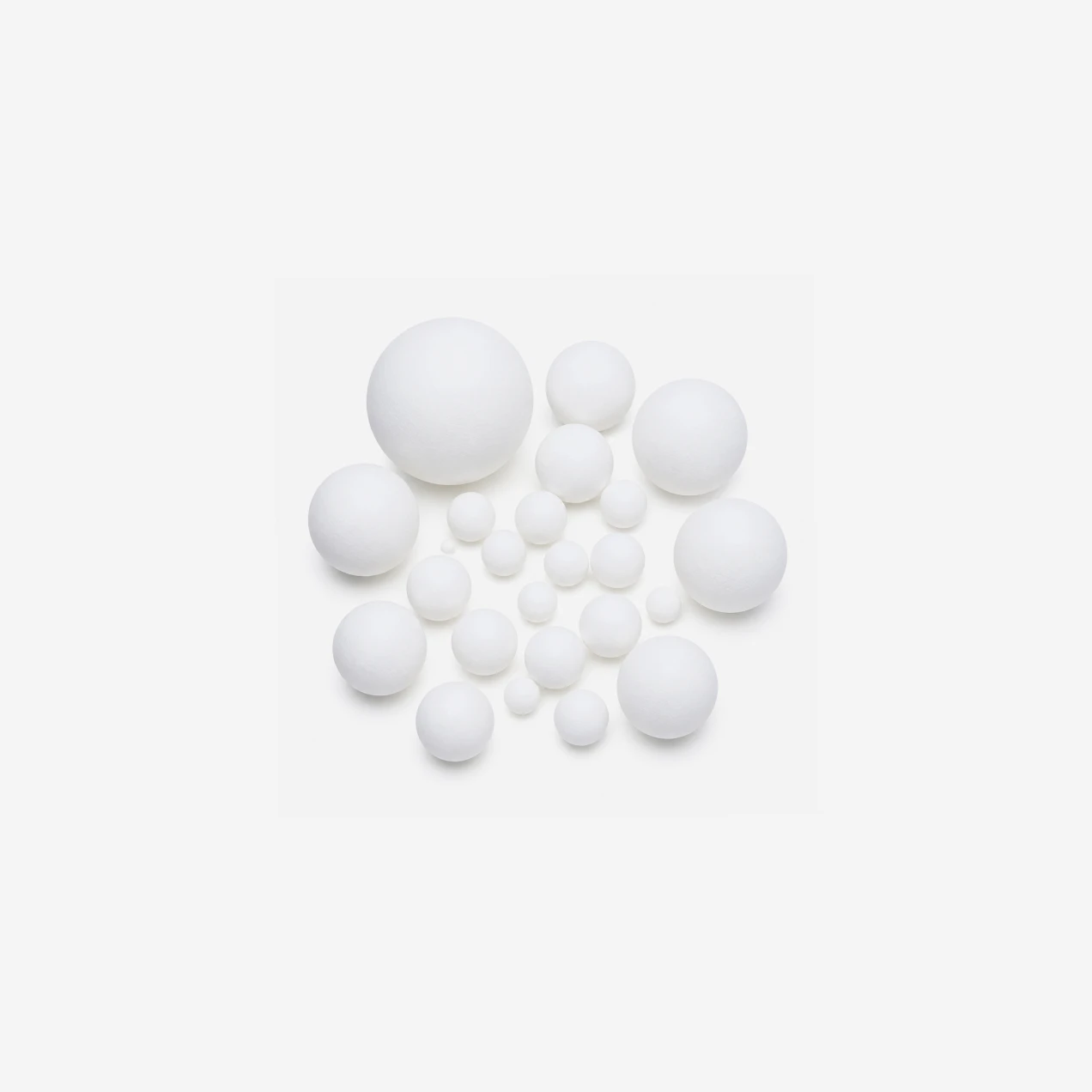
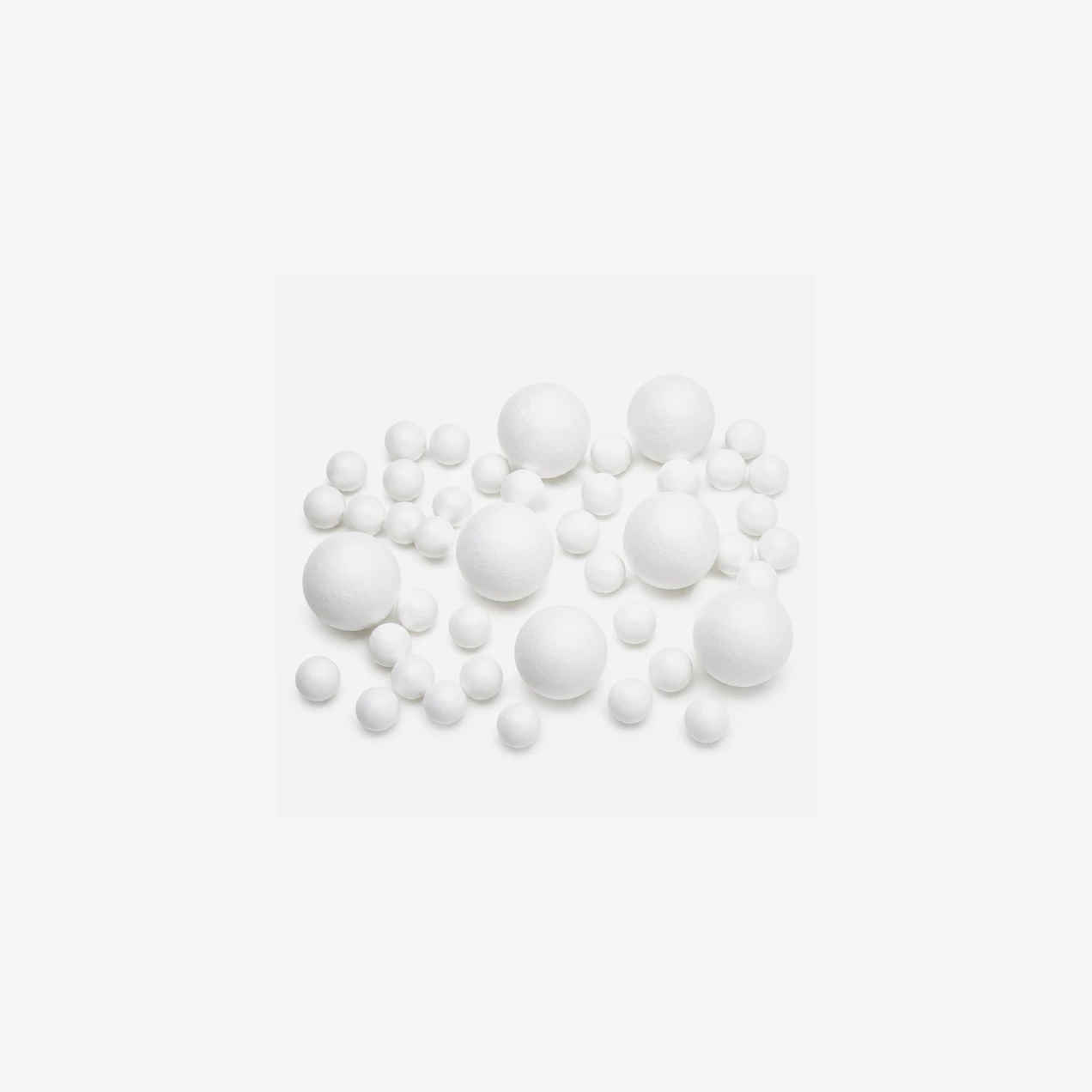
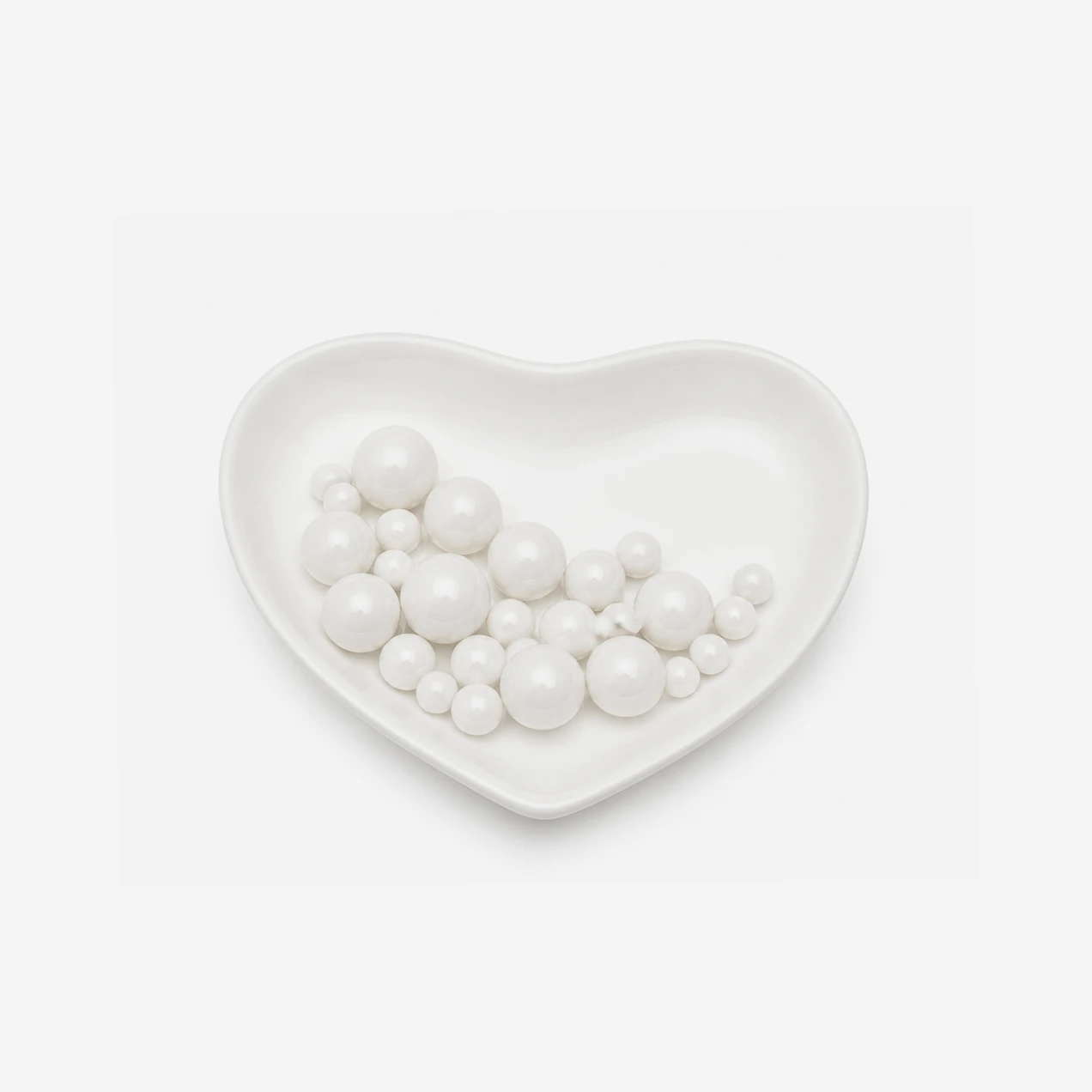
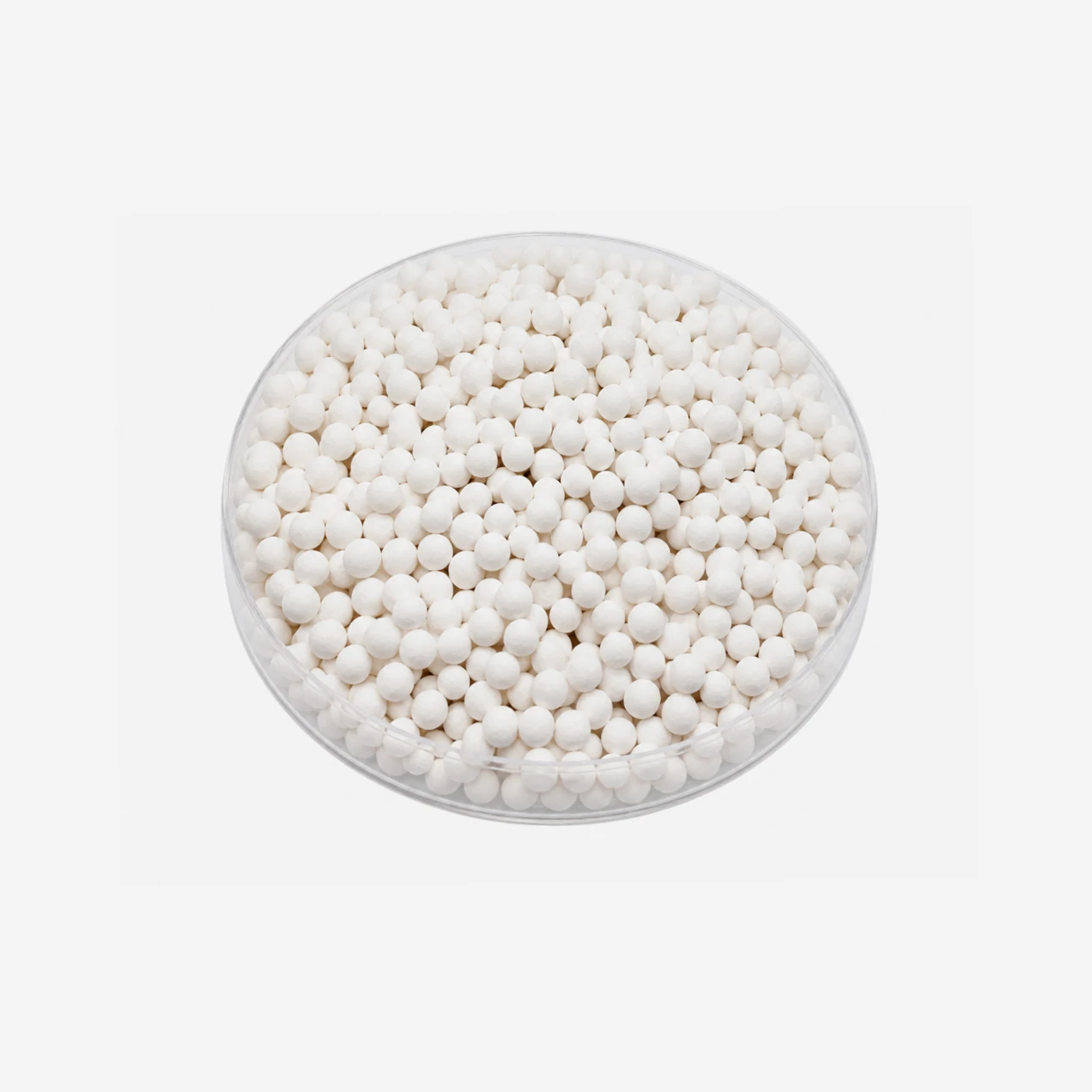
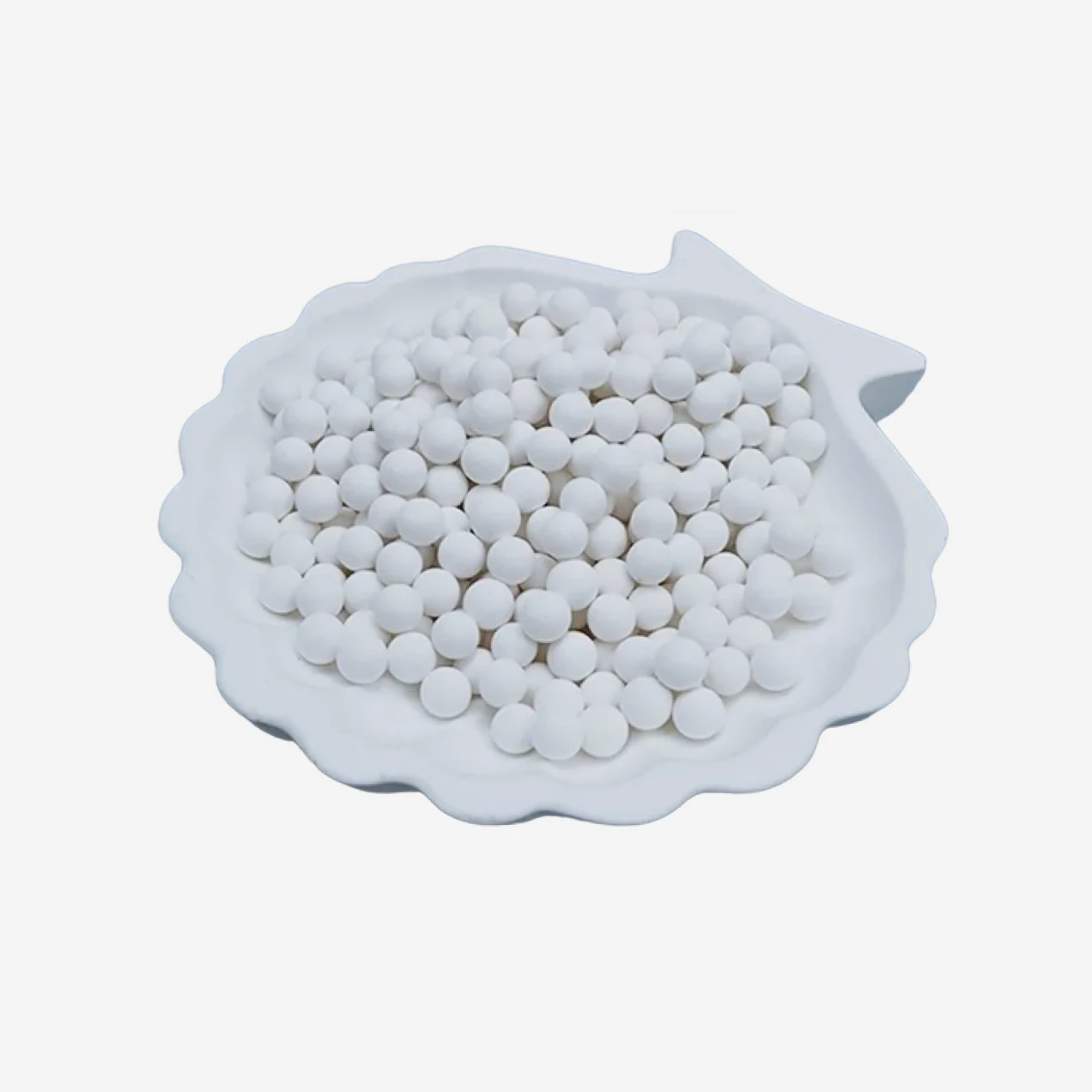
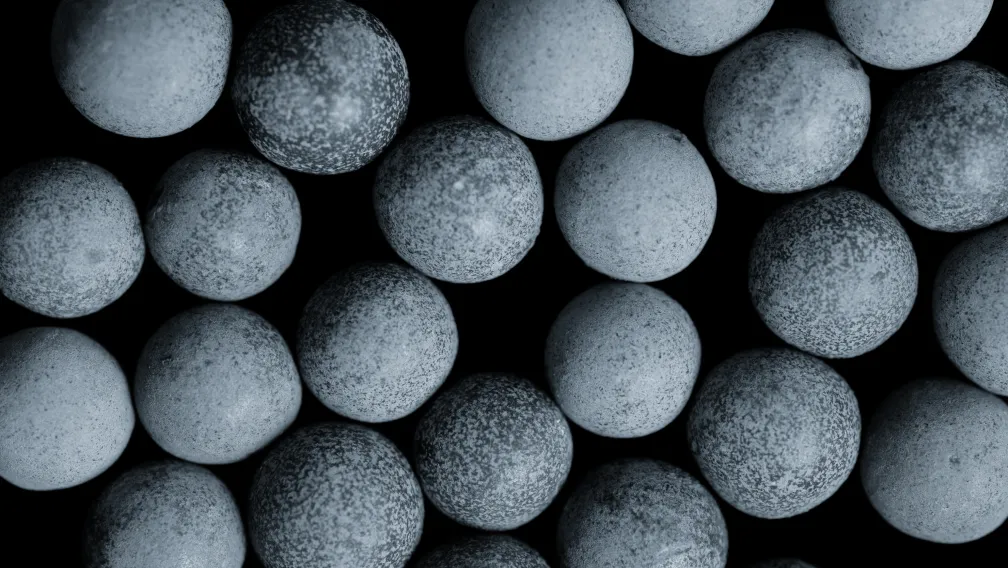
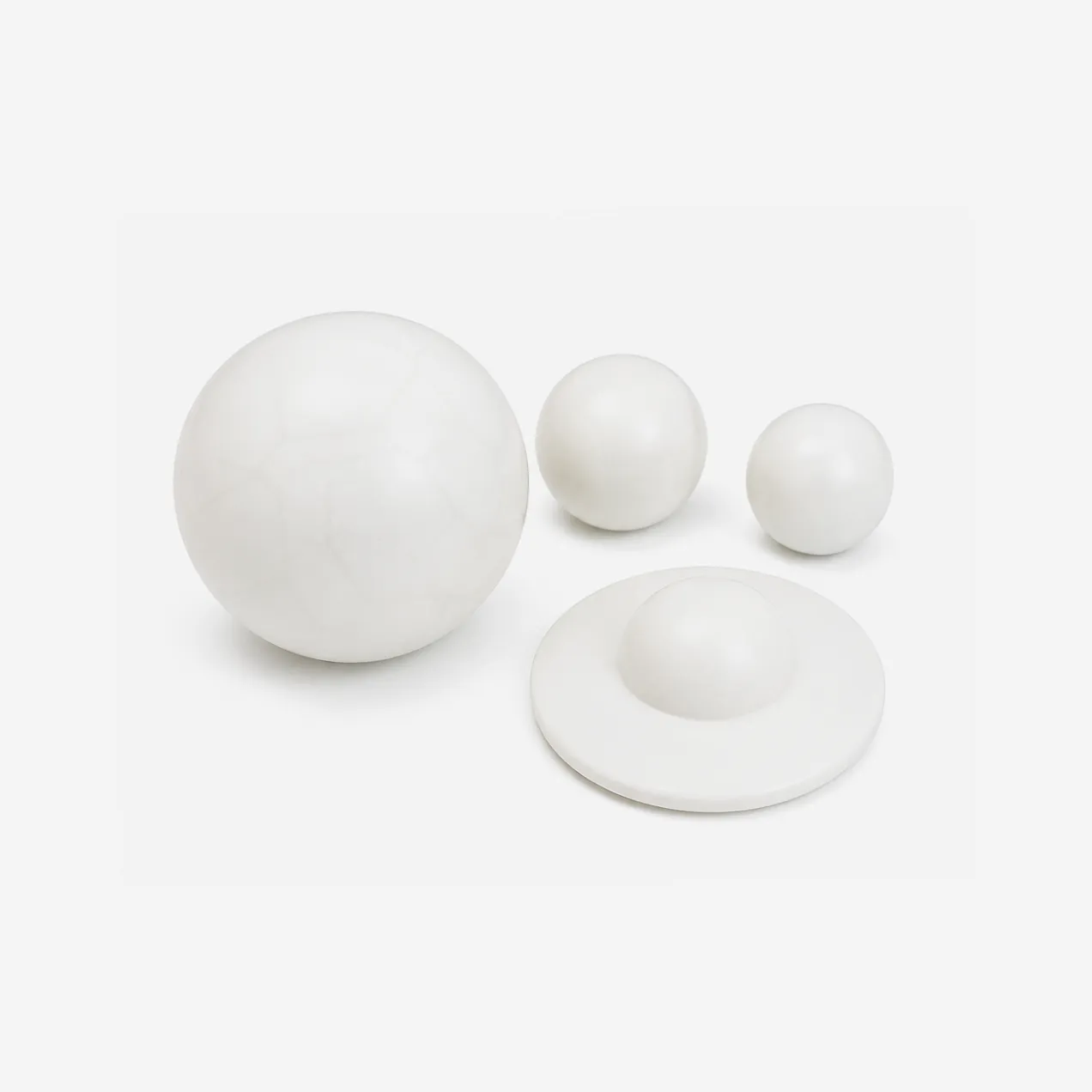
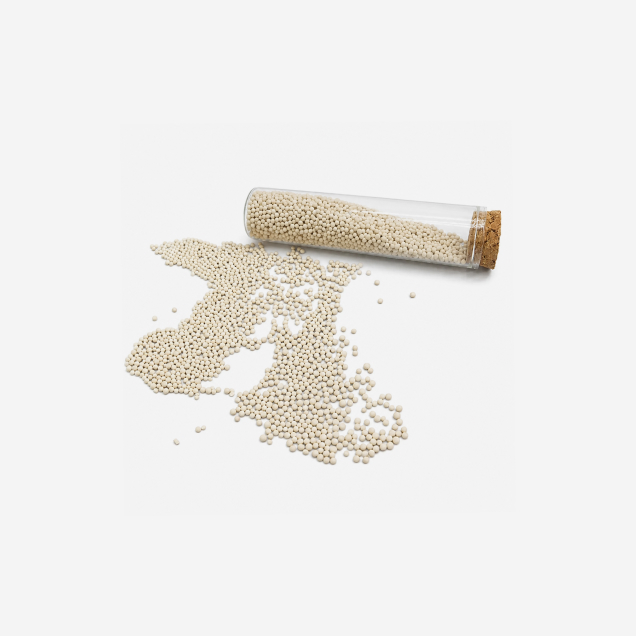
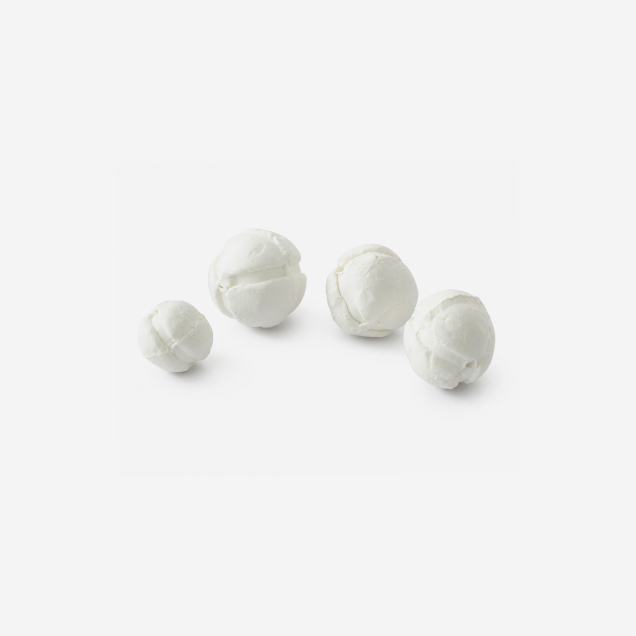
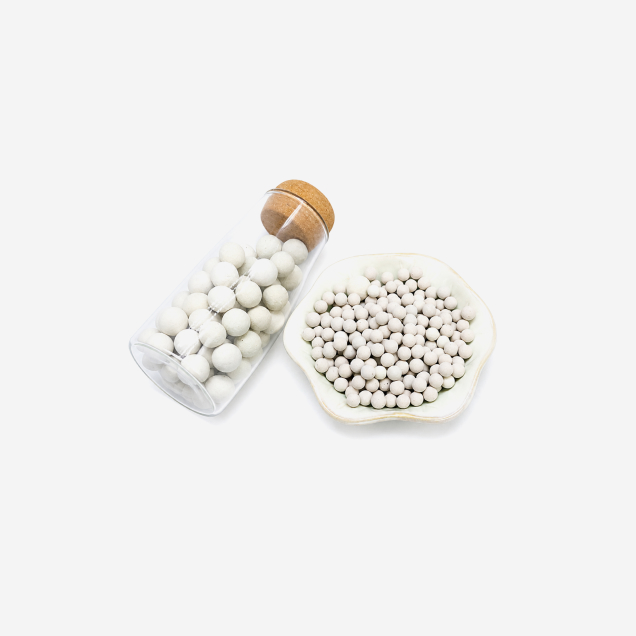
Activated alumina is aluminium oxide with a huge internal surface, built by driving the water out of aluminium hydroxide. That surface gives it two jobs: it pulls water out of gases as a desiccant, and it binds contaminants out of liquids as an adsorbent. The grade and ball size are matched to the job.
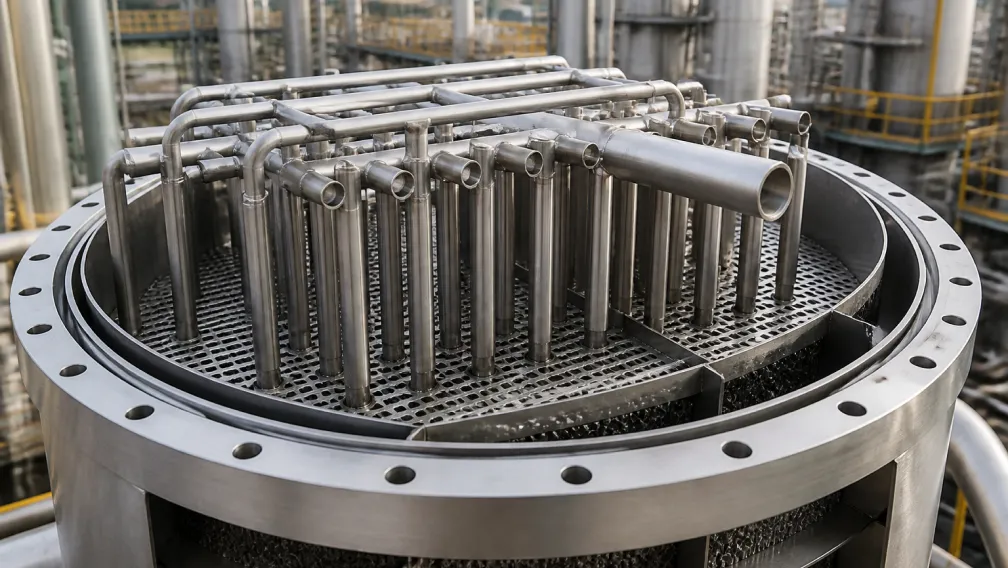
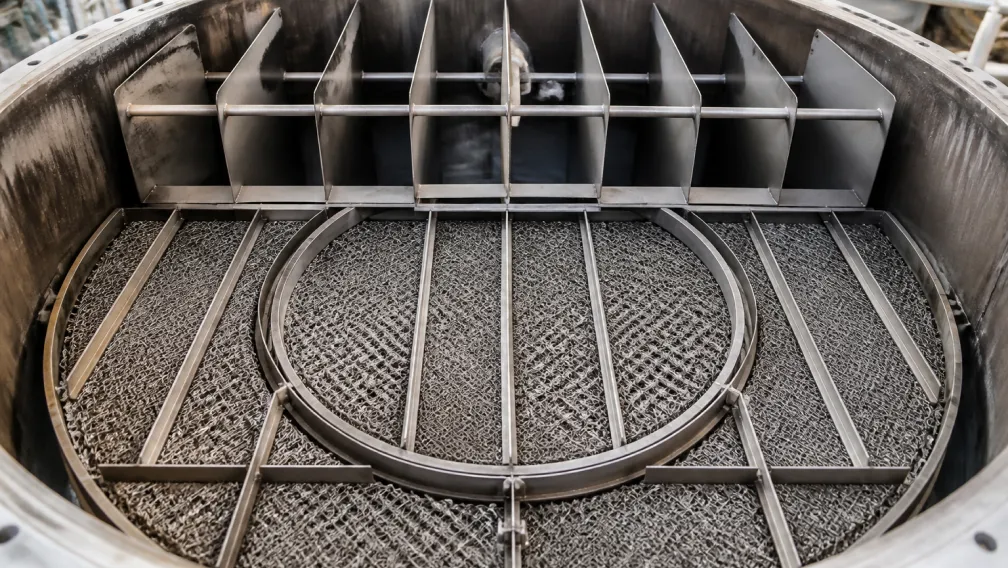
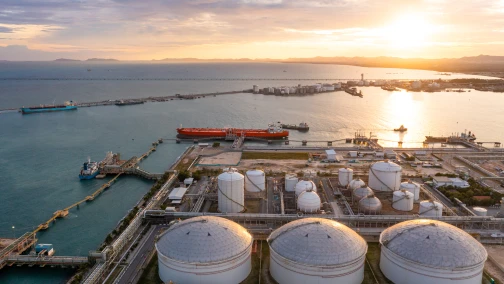
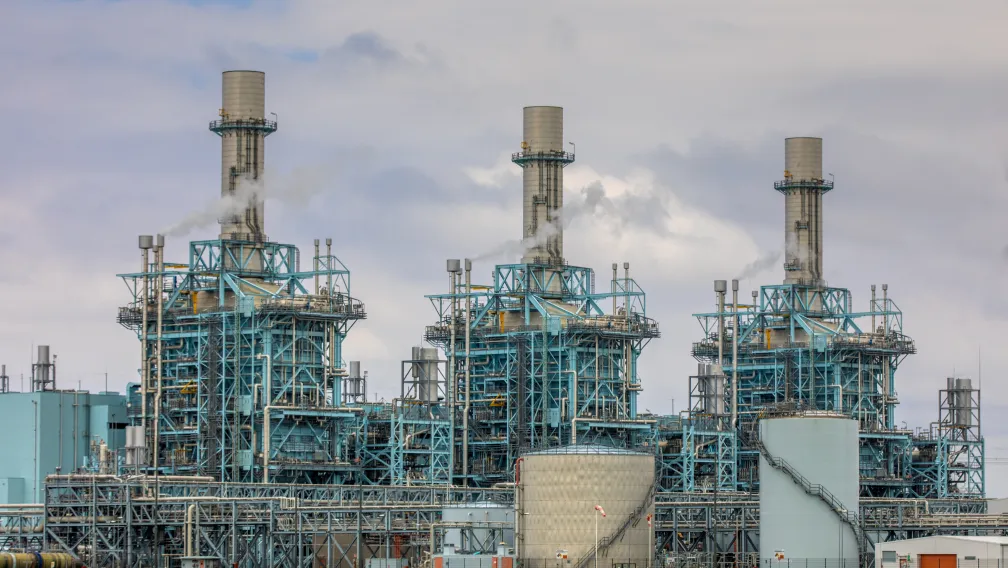
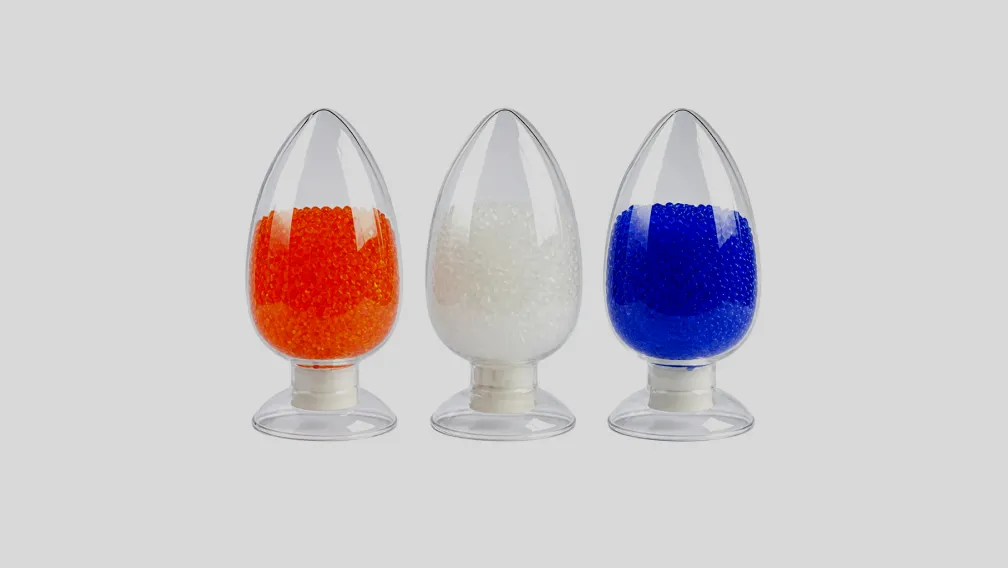
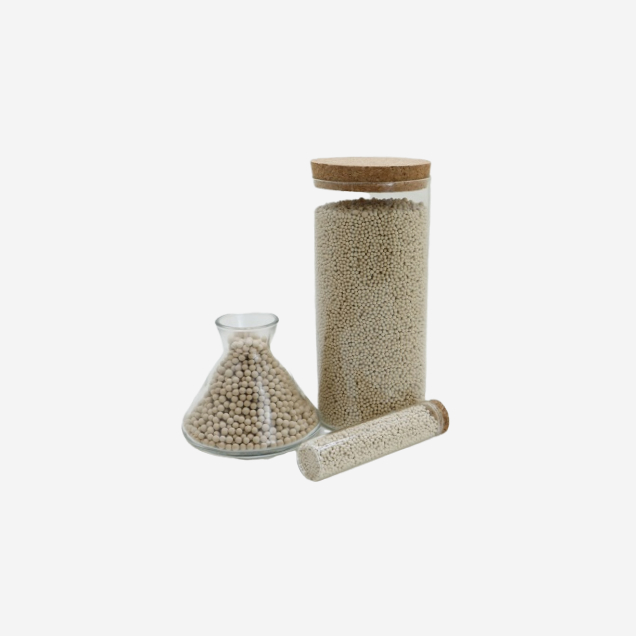
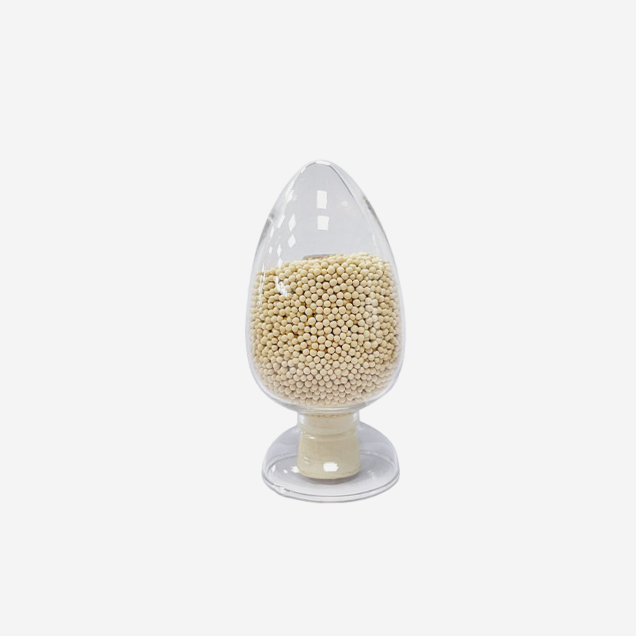
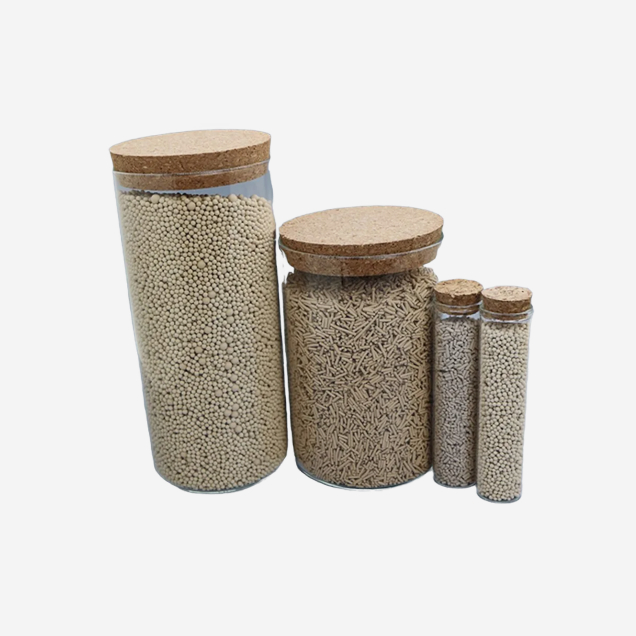
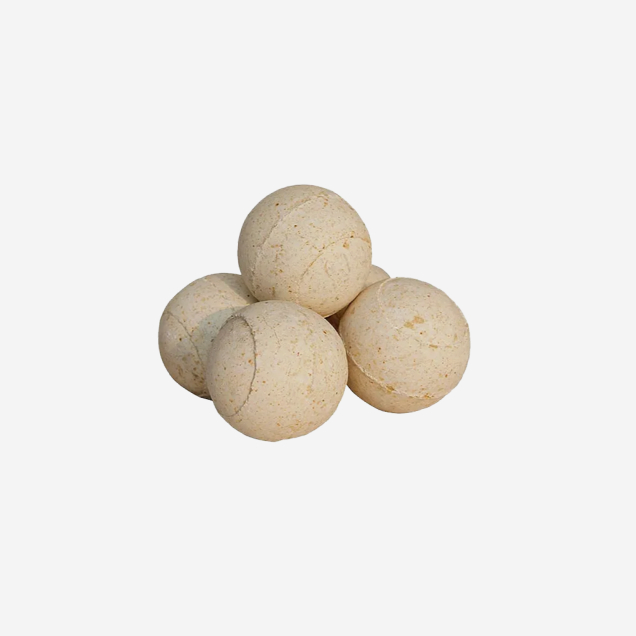
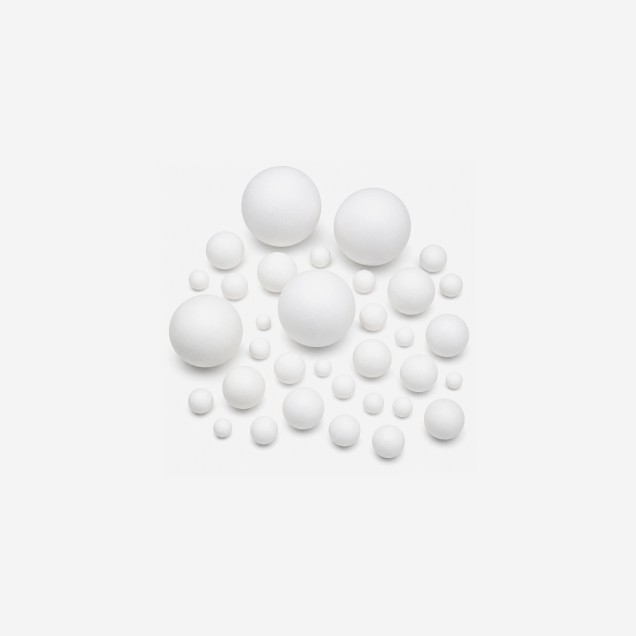
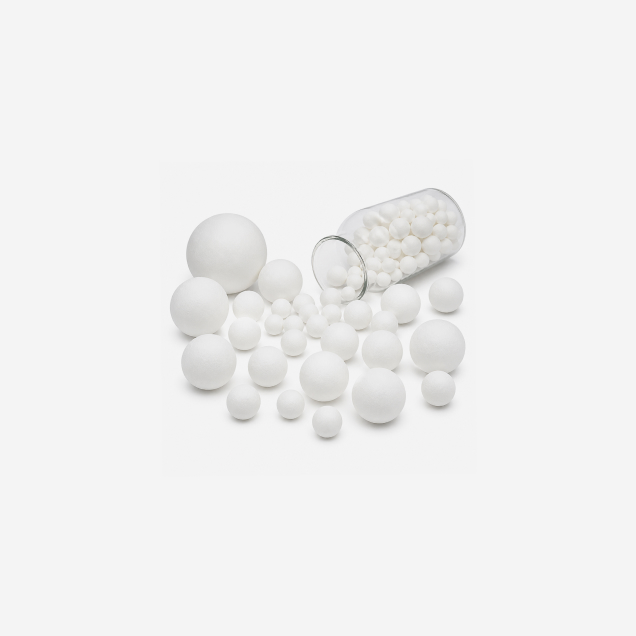
Activated alumina is a deep desiccant for compressed air and process gas. It reaches a dew point below minus seventy degrees, holds up if liquid water hits the bed, and regenerates by heat or by dropping pressure; for an even lower dew point it is often layered ahead of a molecular sieve. It dries cracked gas, ethylene and propylene in petrochemical plants and instrument air across industry. Larger balls give a lower pressure drop in big driers, while smaller balls give more surface for a compact bed.
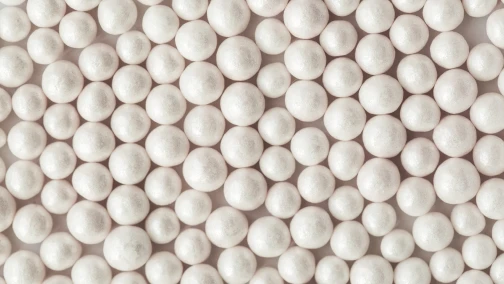
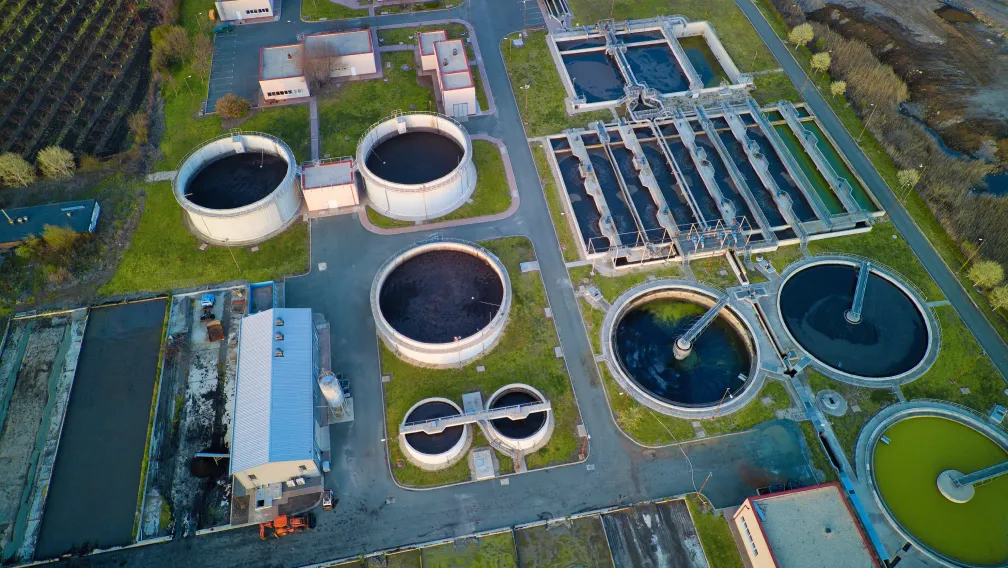
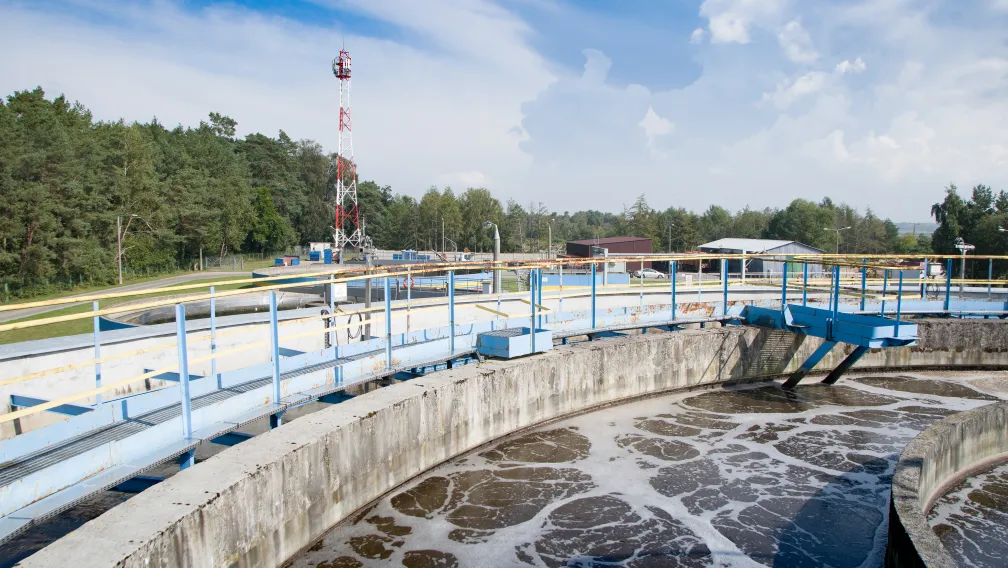
In water treatment, activated alumina is the established media for removing fluoride, and it also takes out arsenic. The contaminant binds to the alumina surface as water flows through a fixed bed, and the bed runs until its capacity is used, when the media is recharged with a regenerant or replaced. High surface area and pore volume are what give a long run between recharges.
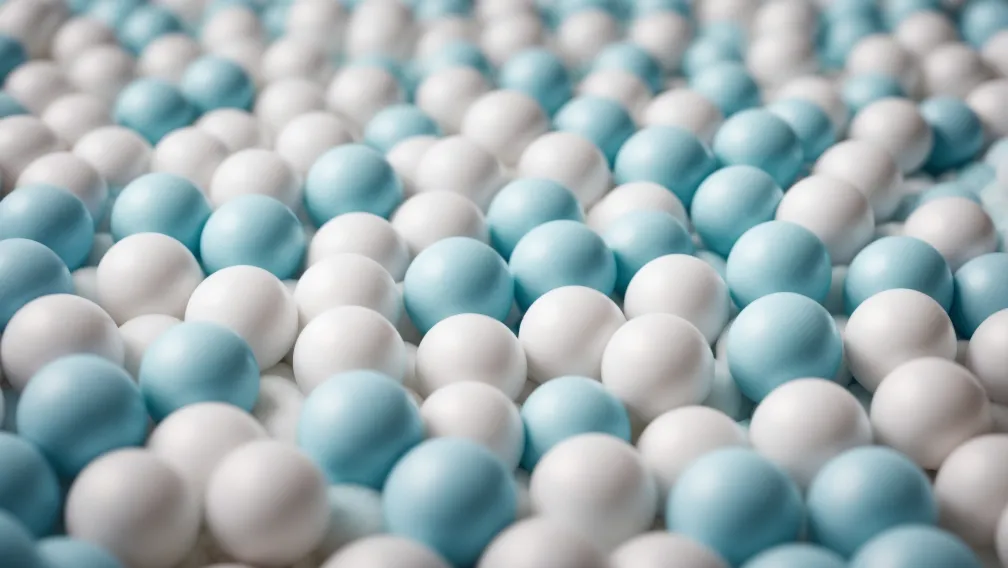
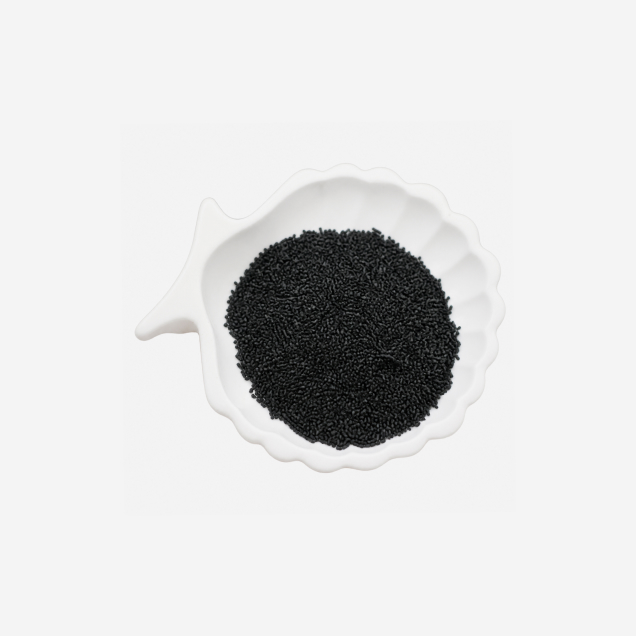
The catalyst-carrier grade, at high alumina content, is the support that active metals sit on. Its stable pore structure spreads the metal evenly and survives the heat, pressure and space velocity of a reactor, which is why it is used in FCC and other petrochemical catalysts and in supported metal catalysts for fine chemicals.
Both are common desiccants, and the choice comes down to the duty. Activated alumina dries to a lower dew point, tolerates liquid water and removes fluoride, so it suits compressed-air systems and water treatment. Silica gel holds more water at high humidity and costs less, so it suits packaging and general moisture control. Many compressed-air driers layer the two to combine bulk capacity with a low outlet dew point.