Home > Random Packing
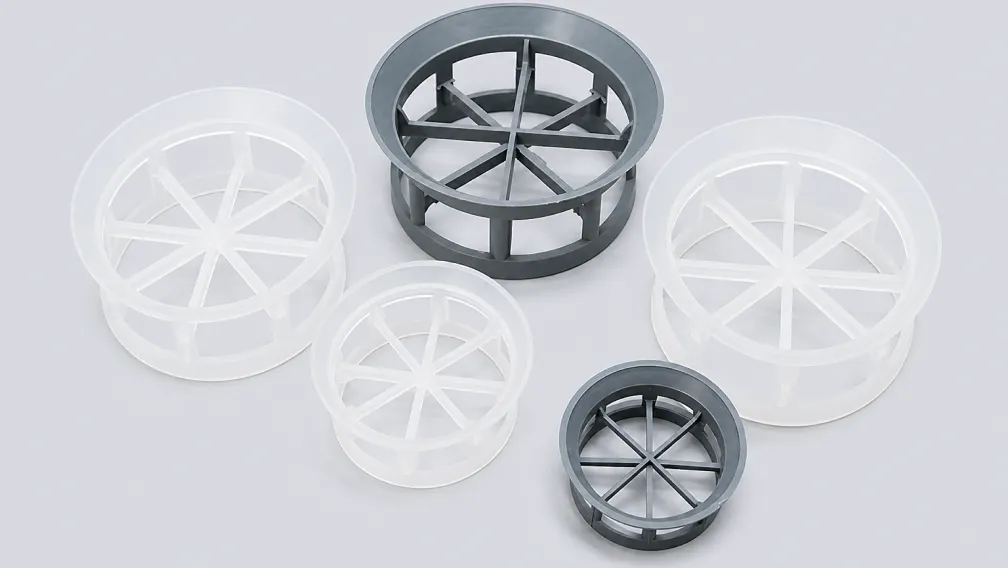
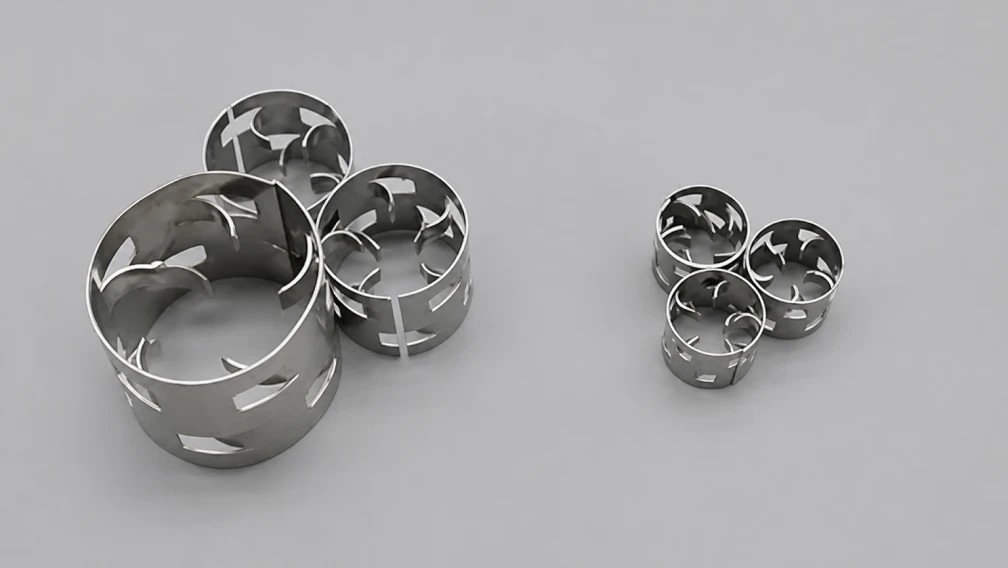
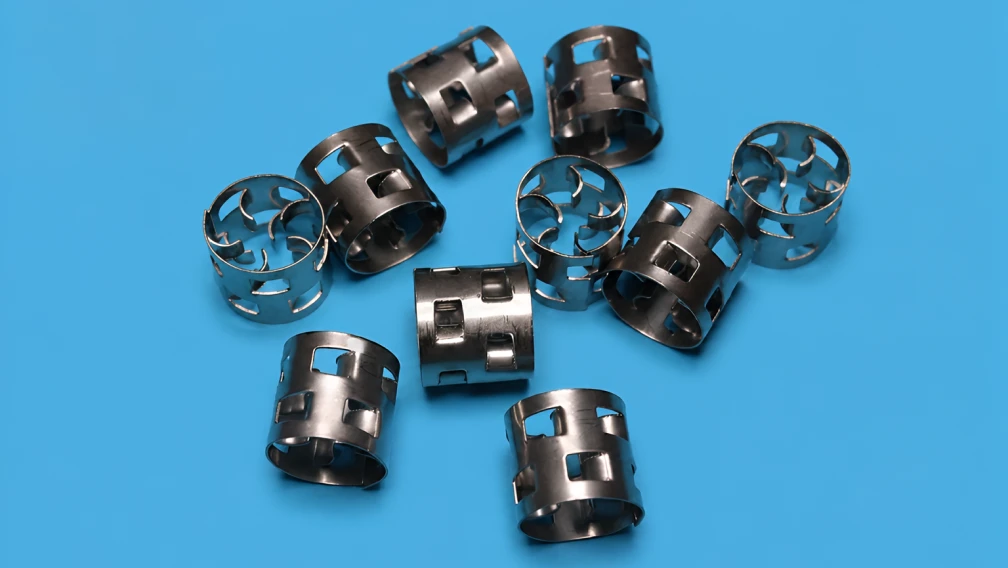
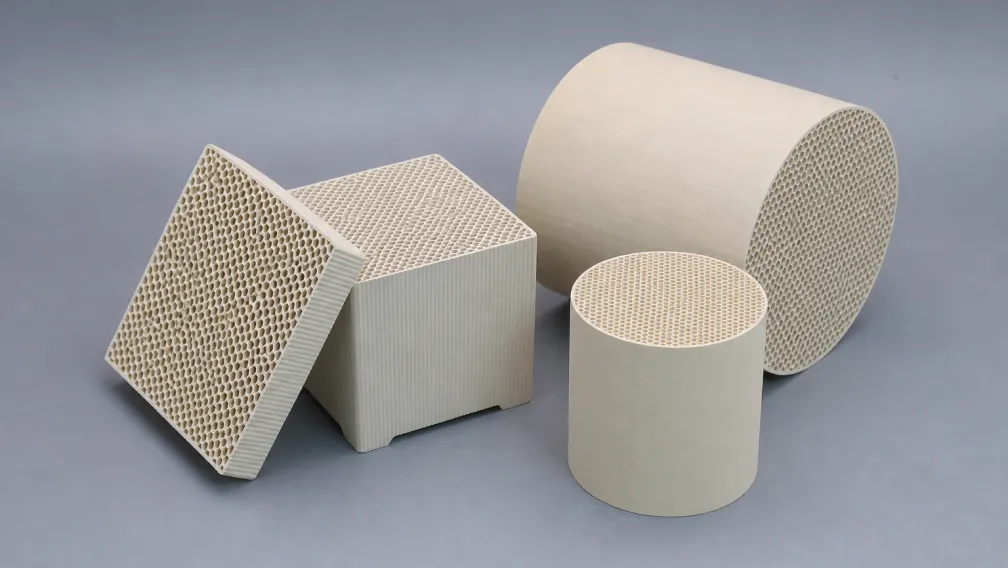
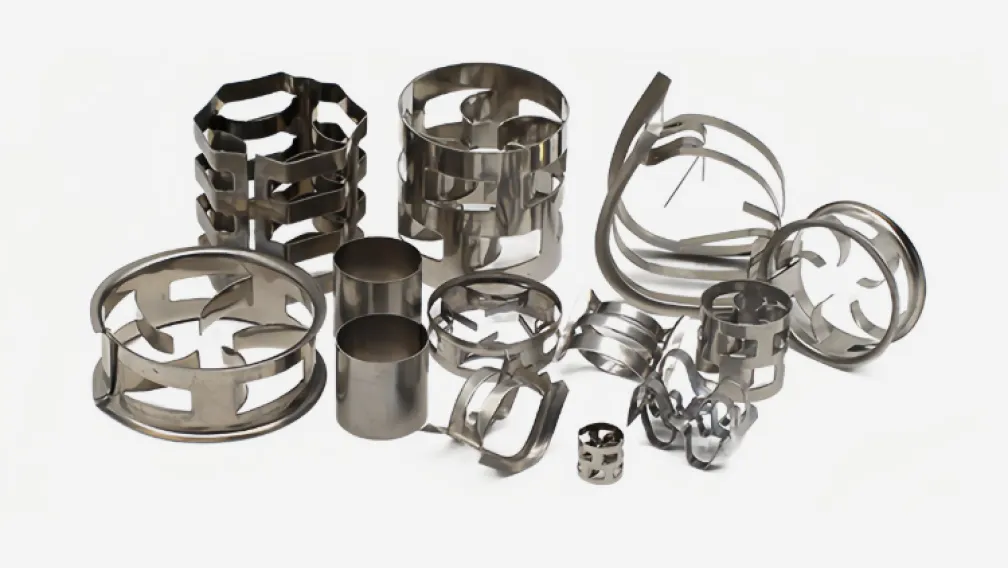
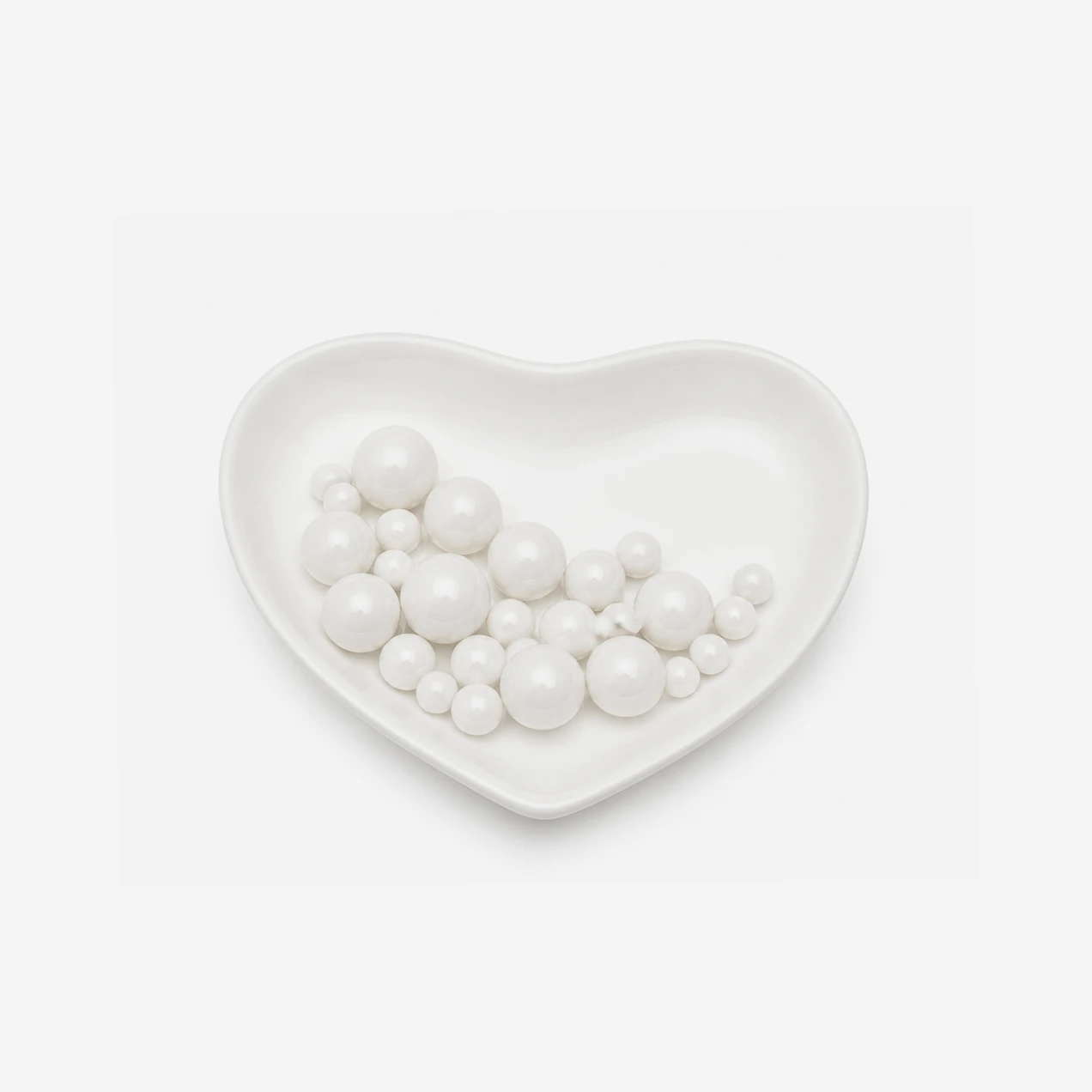
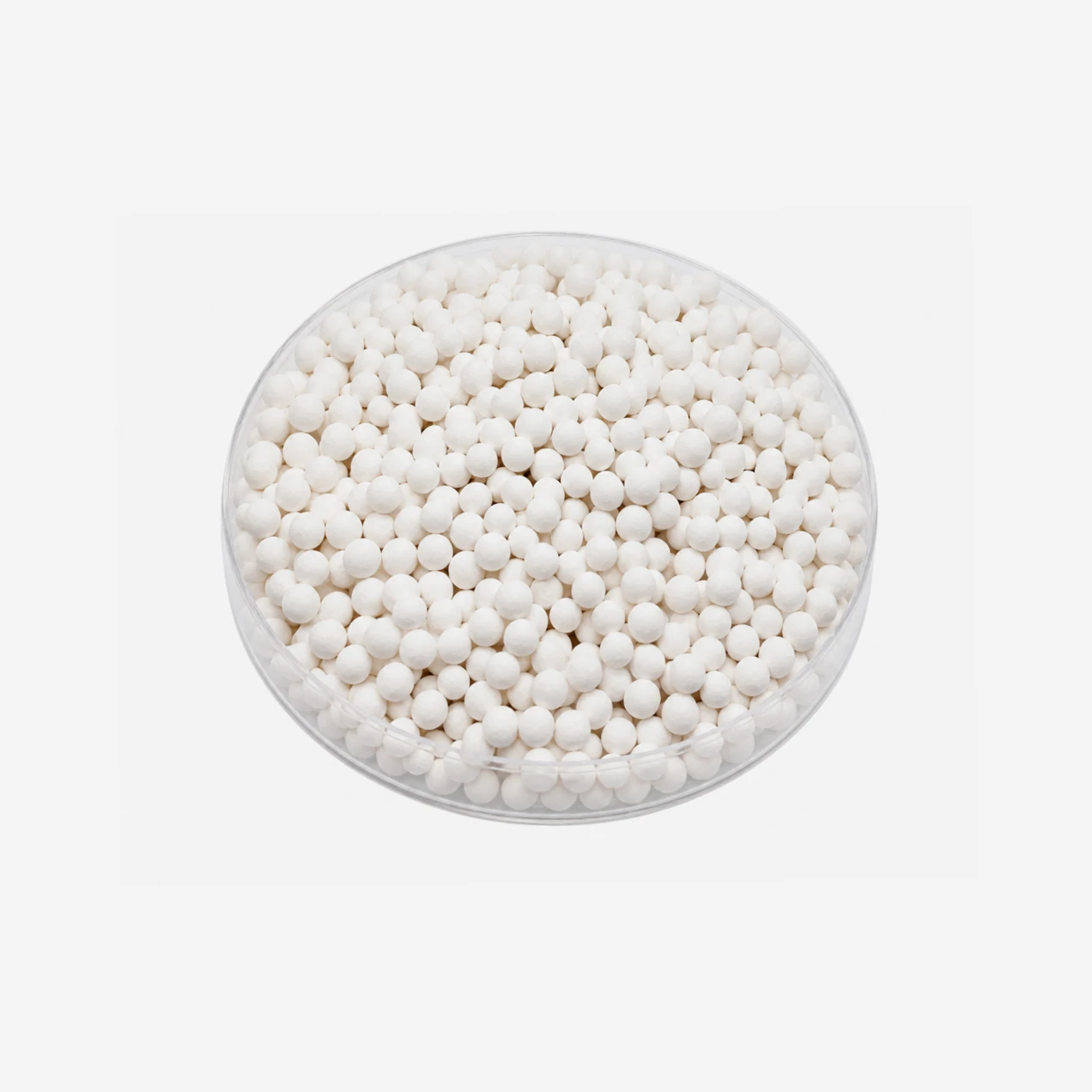
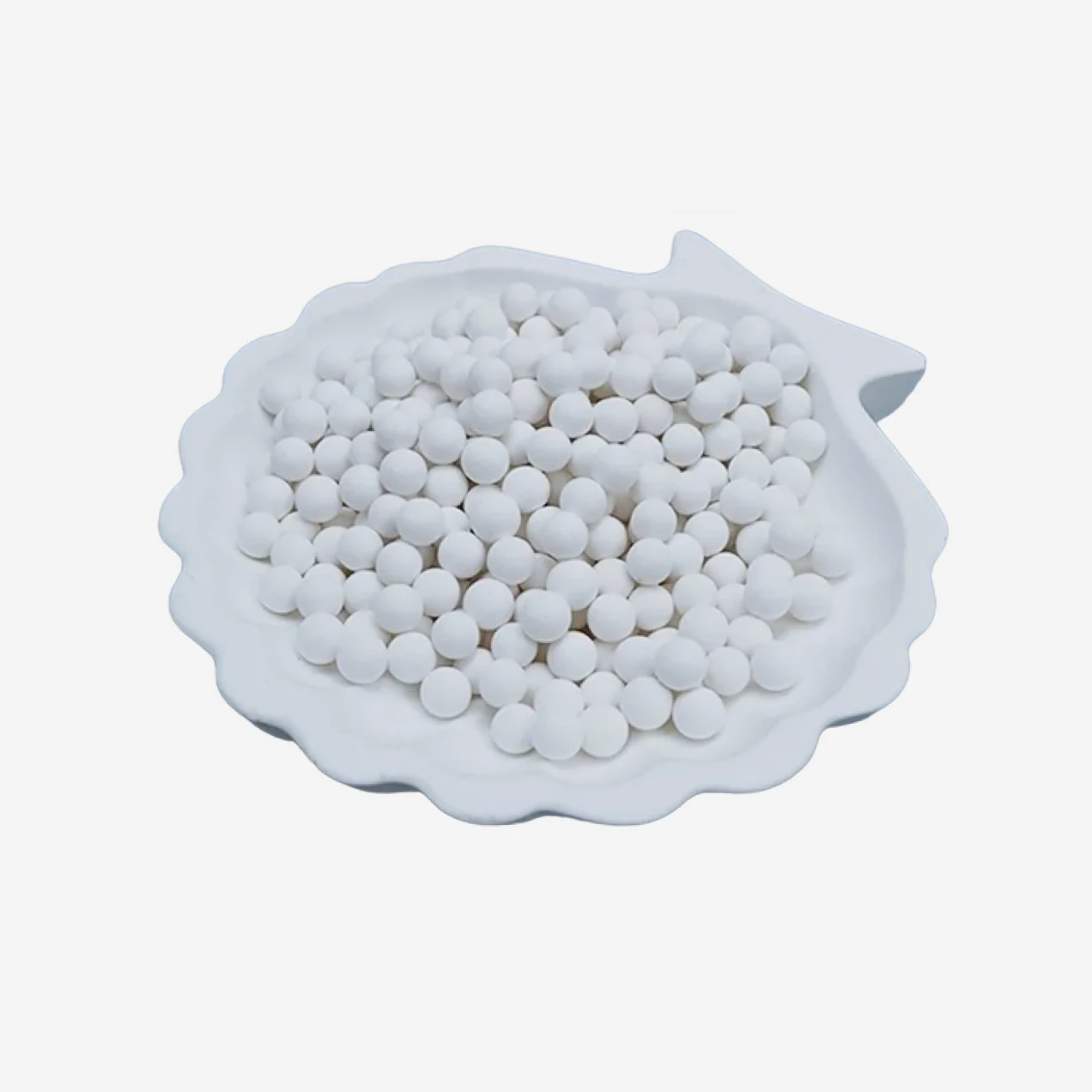
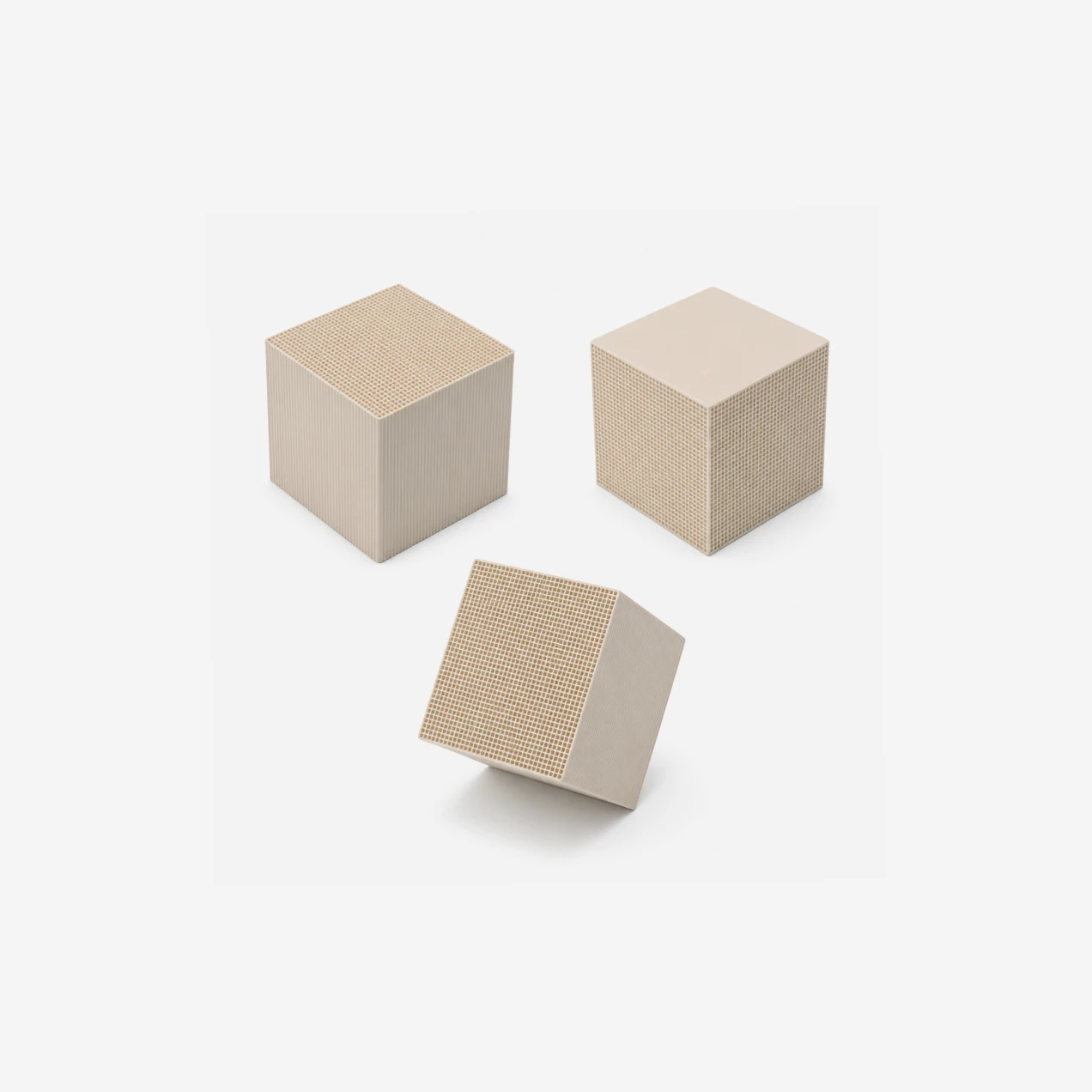
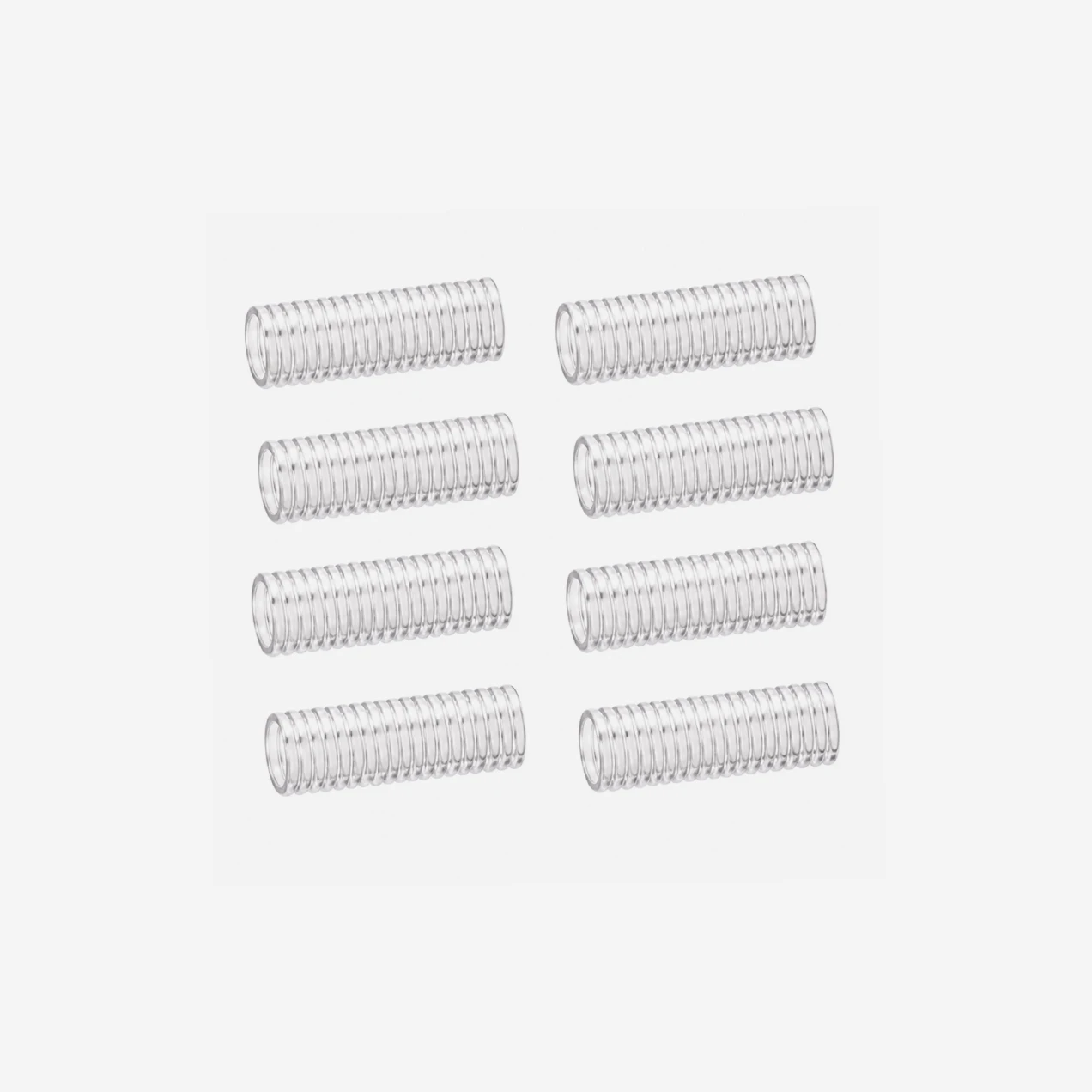
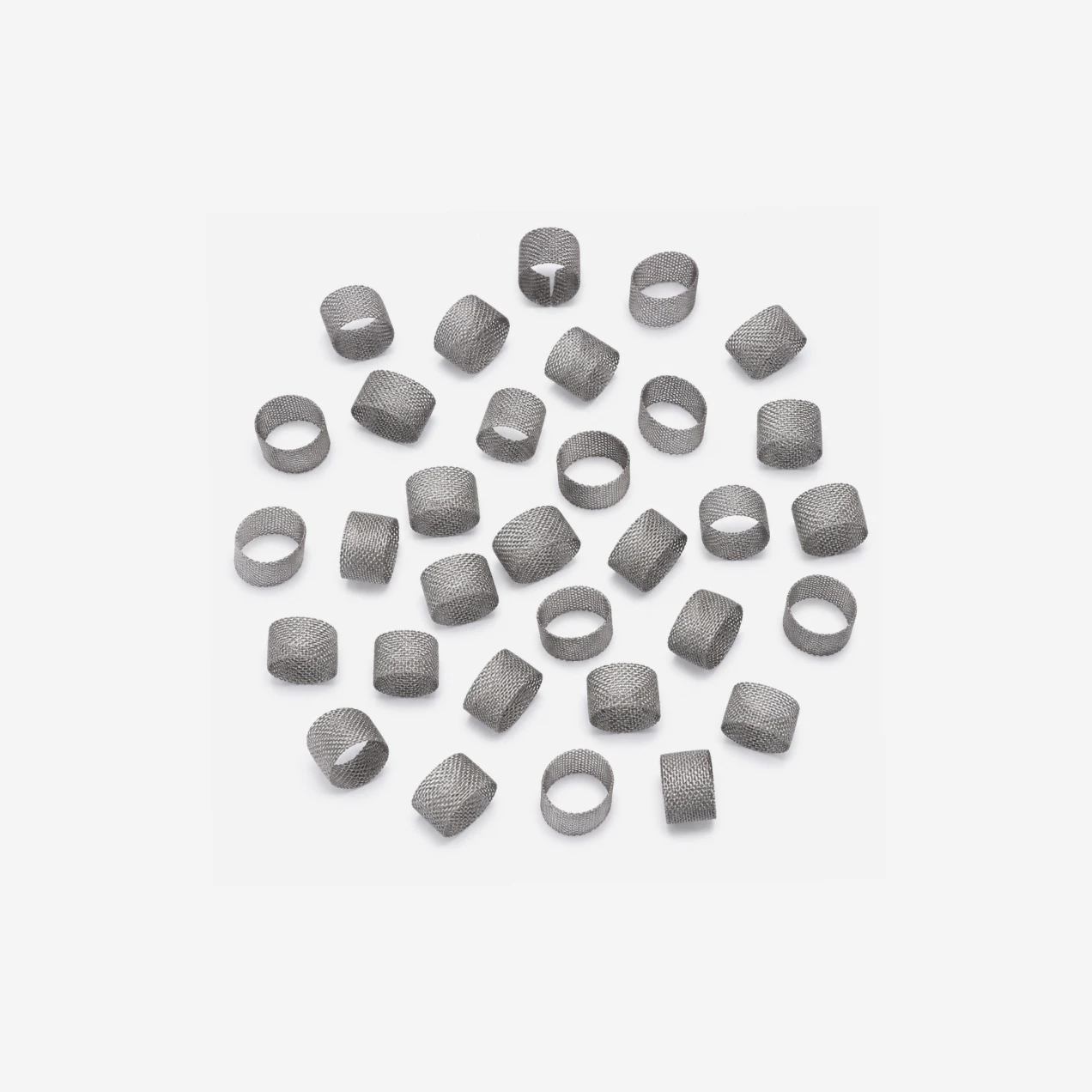
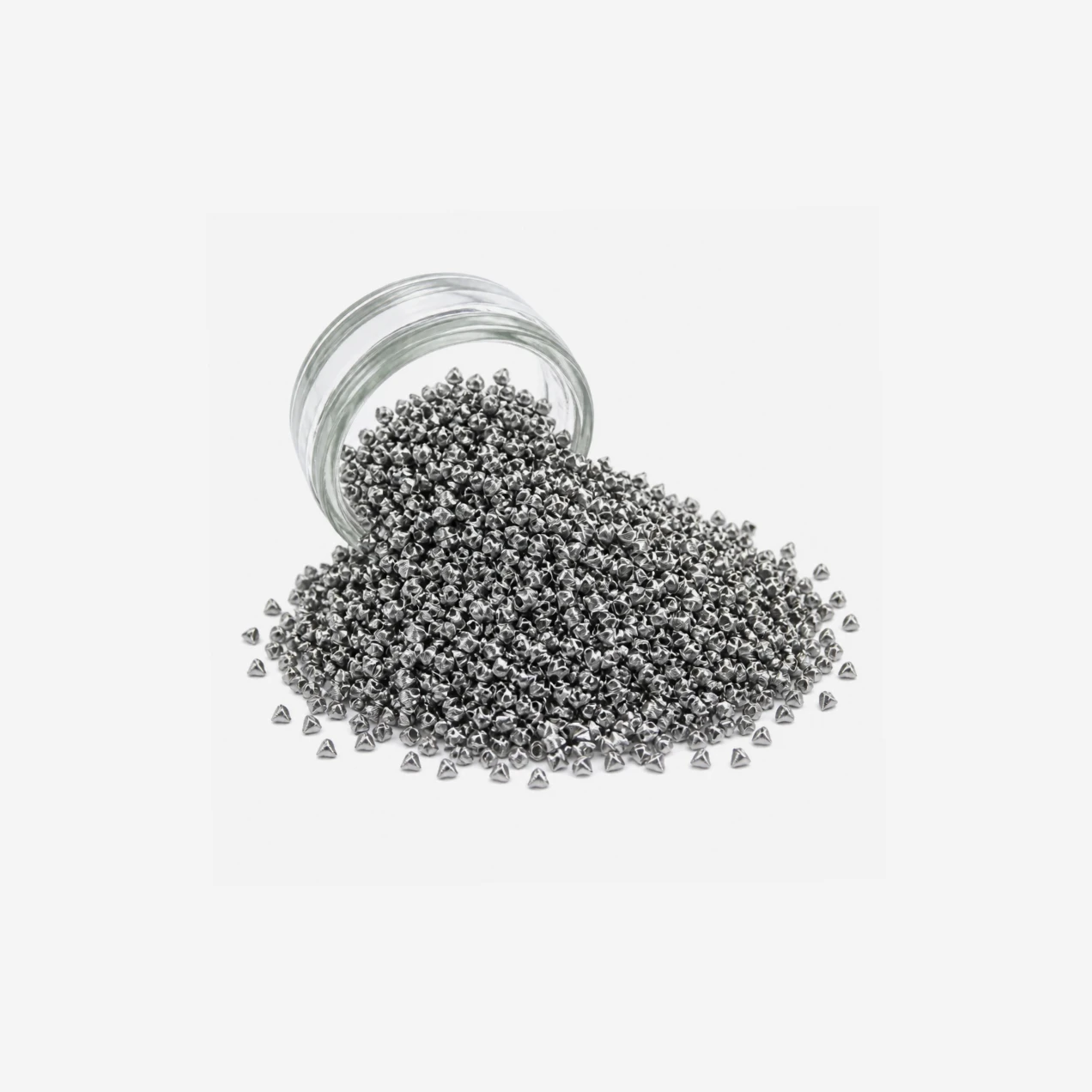
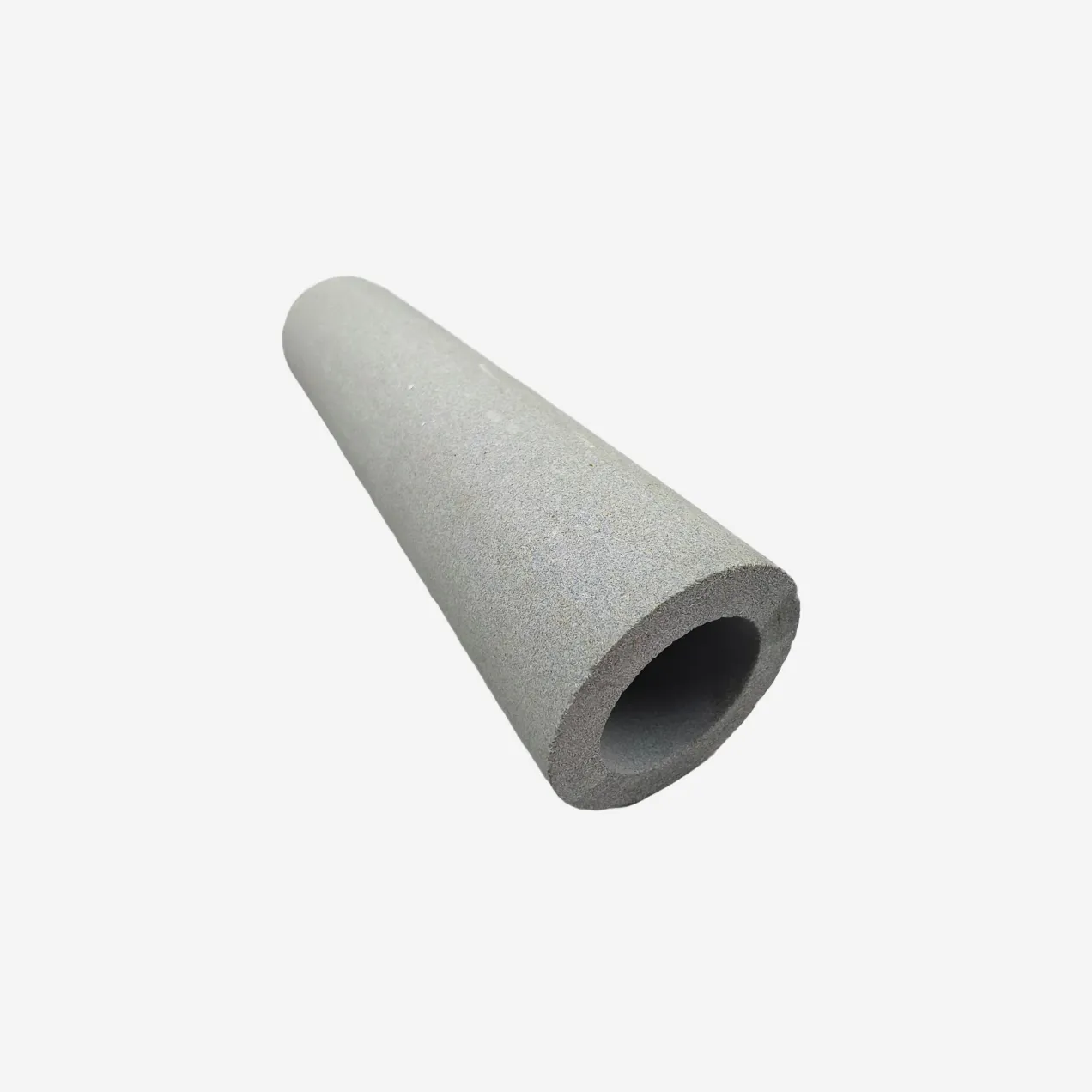
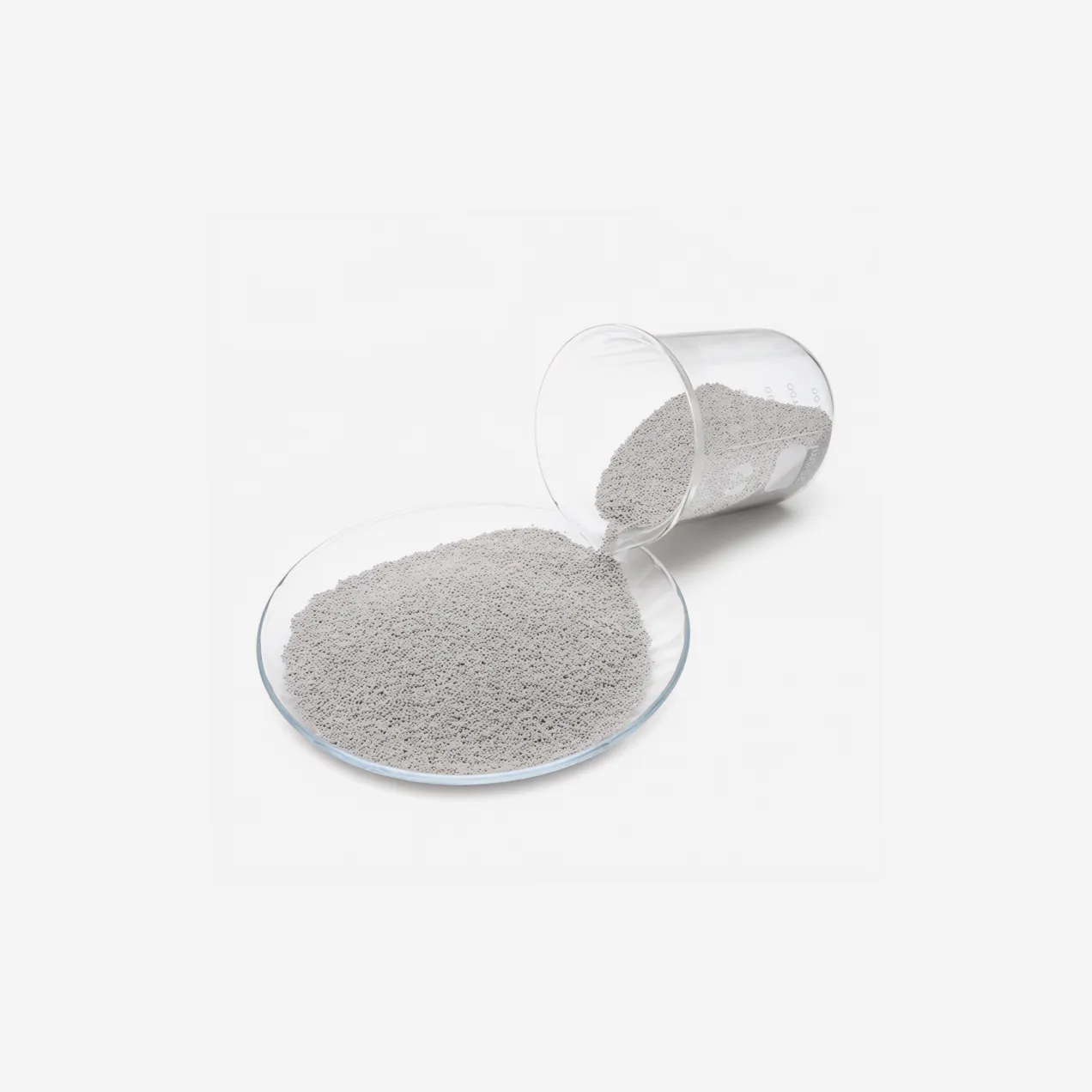
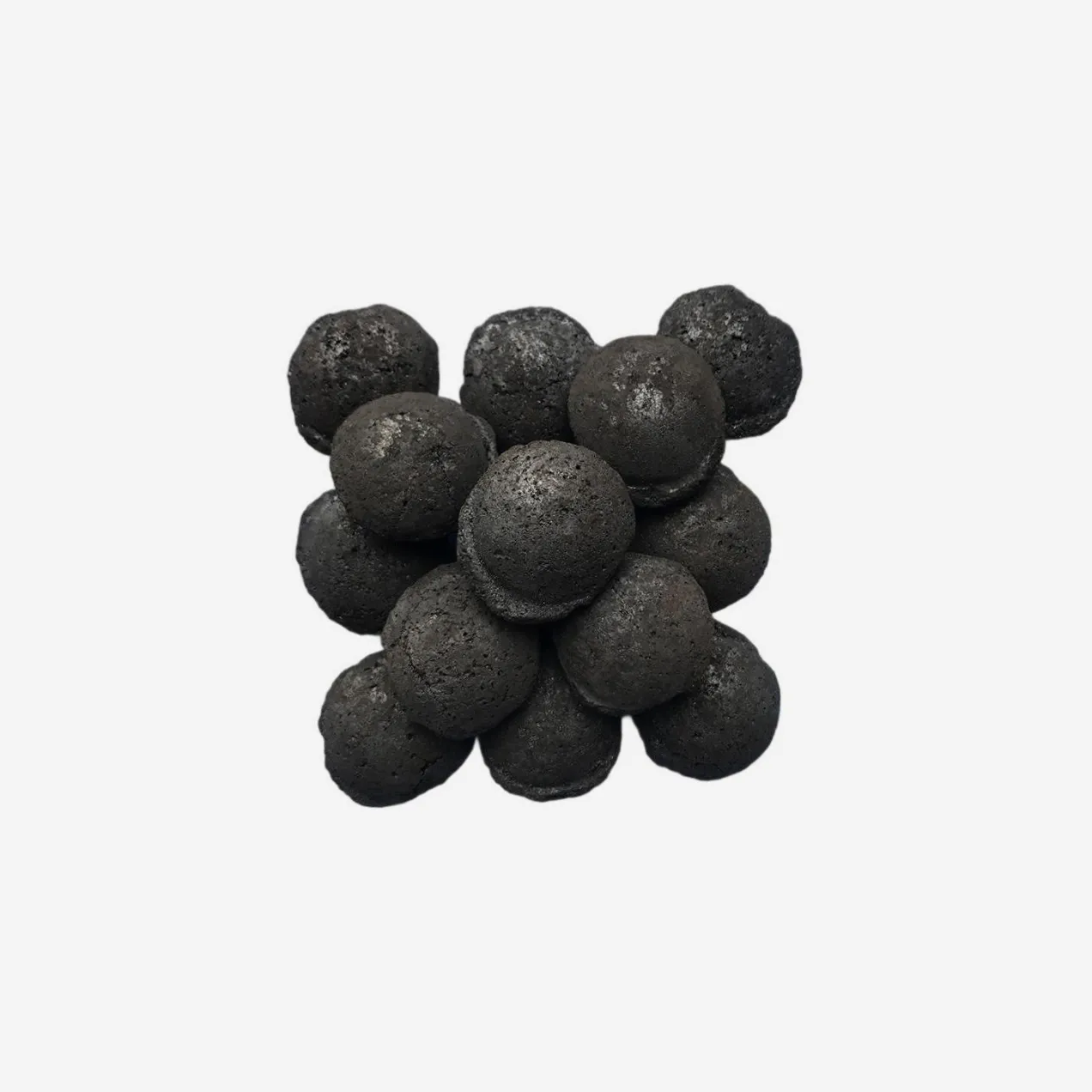
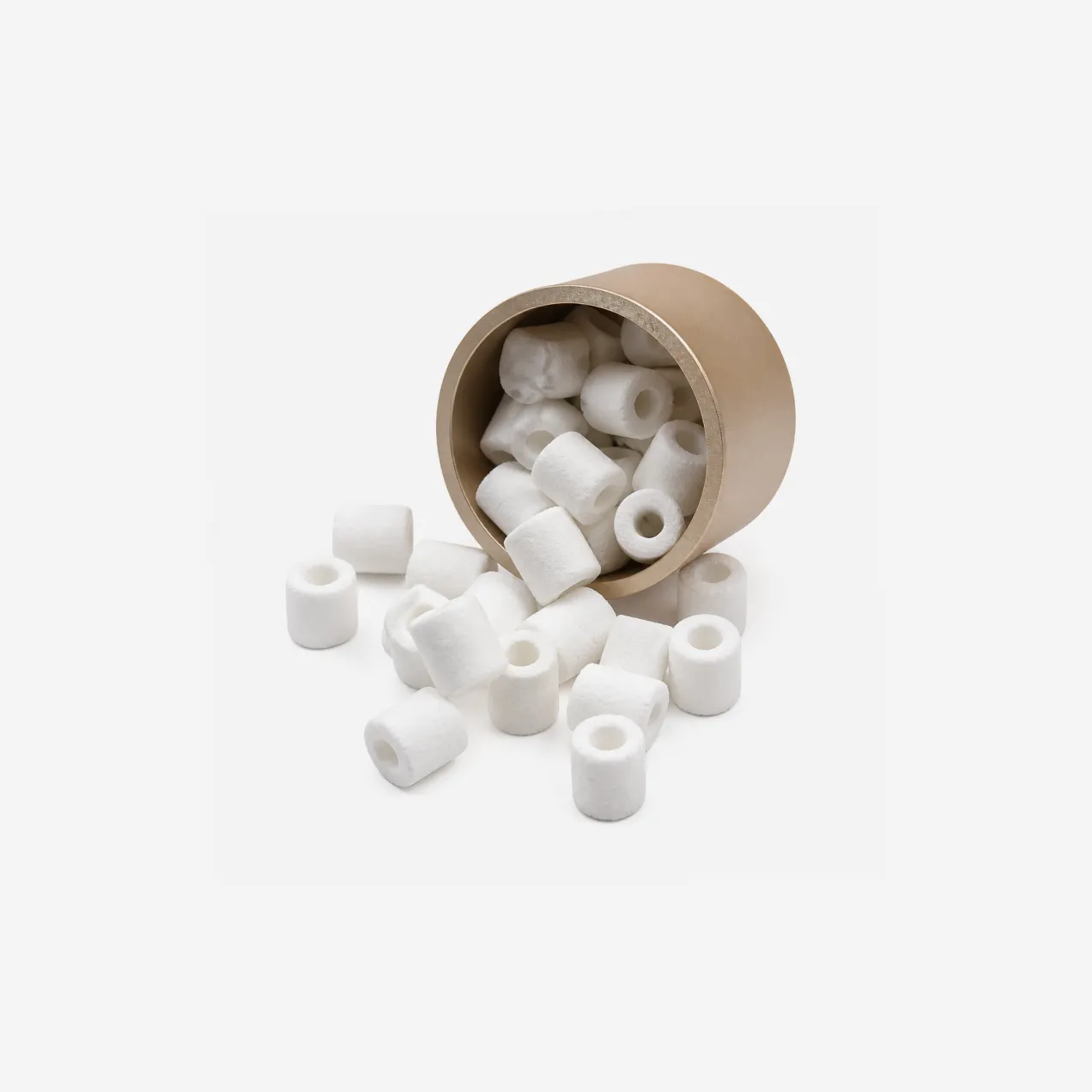
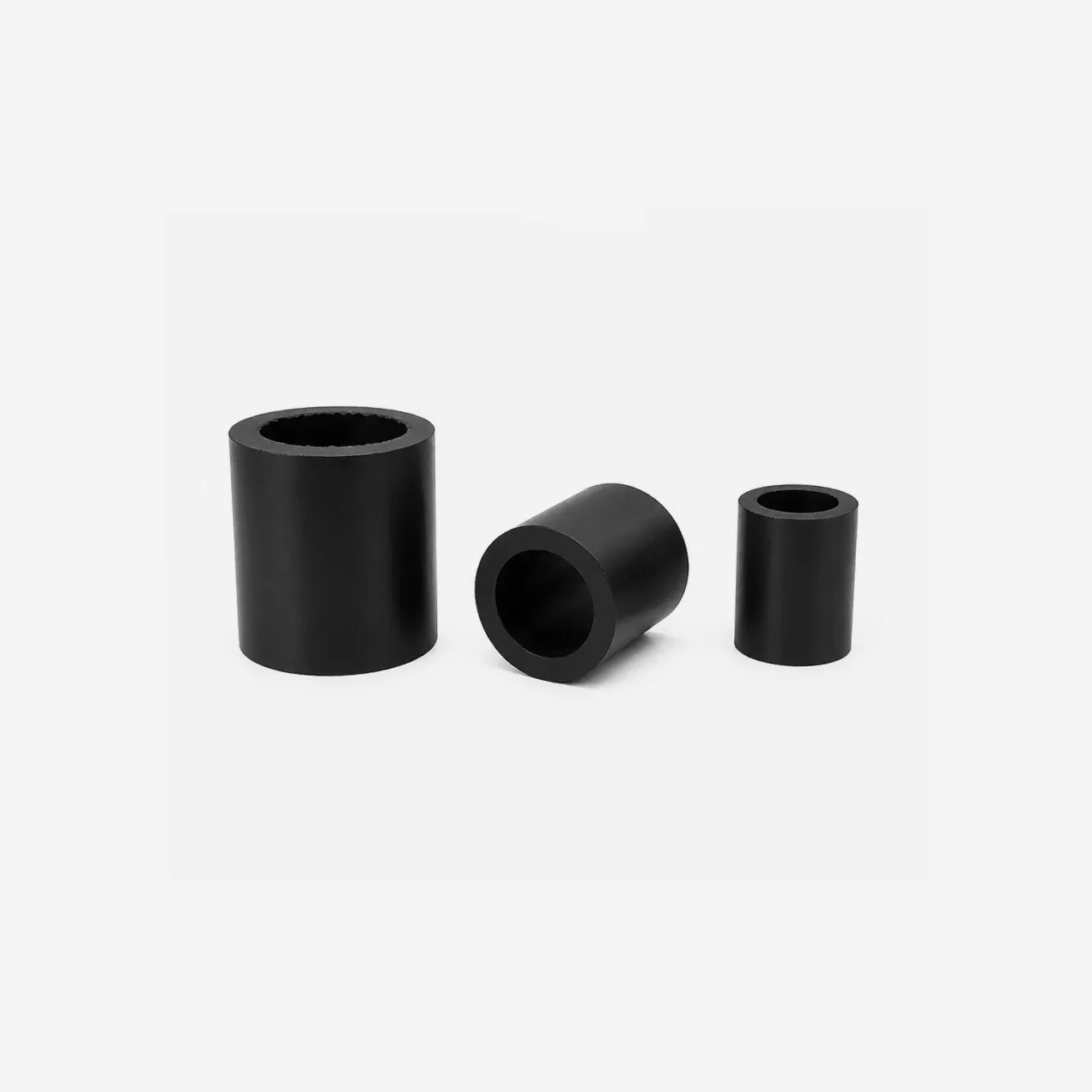
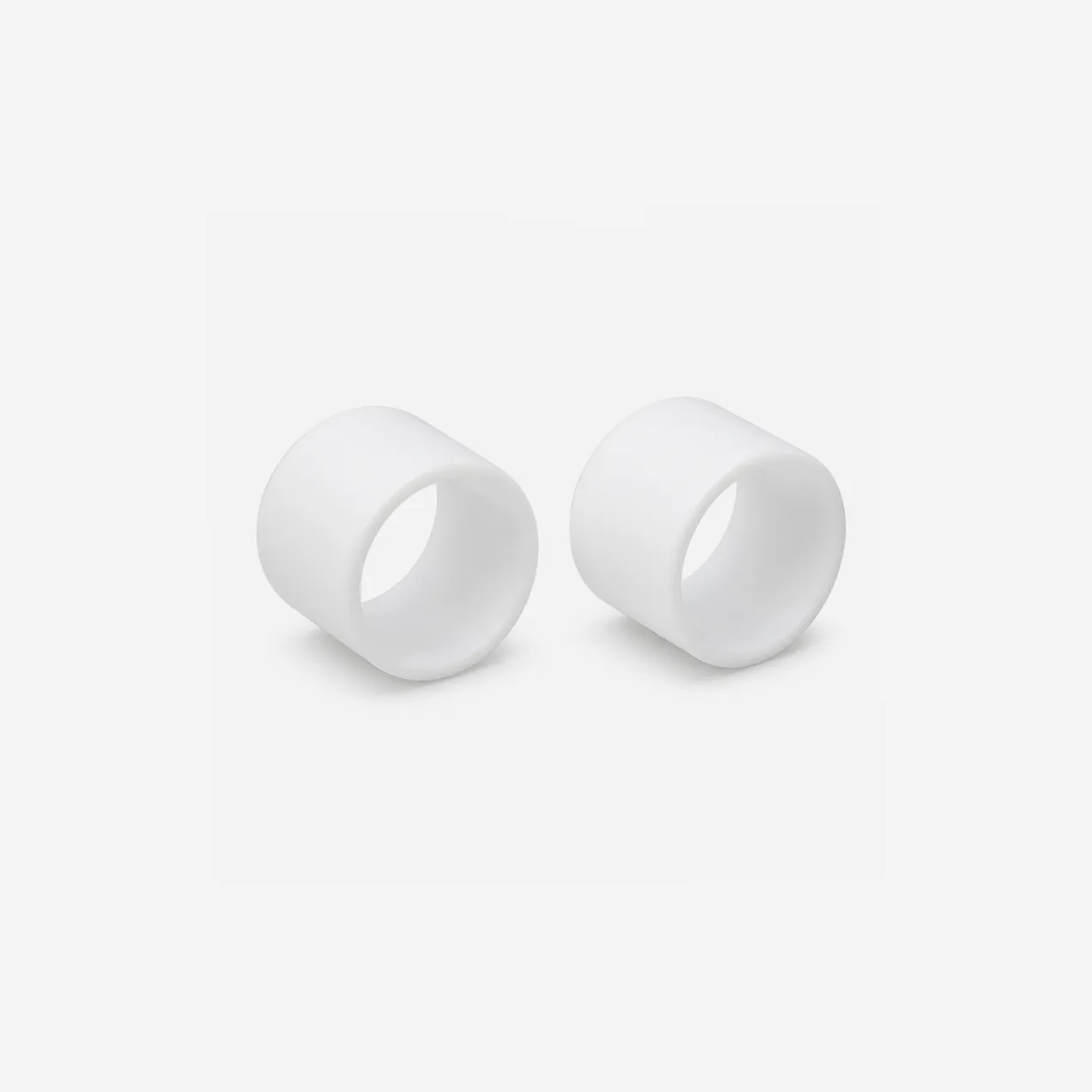
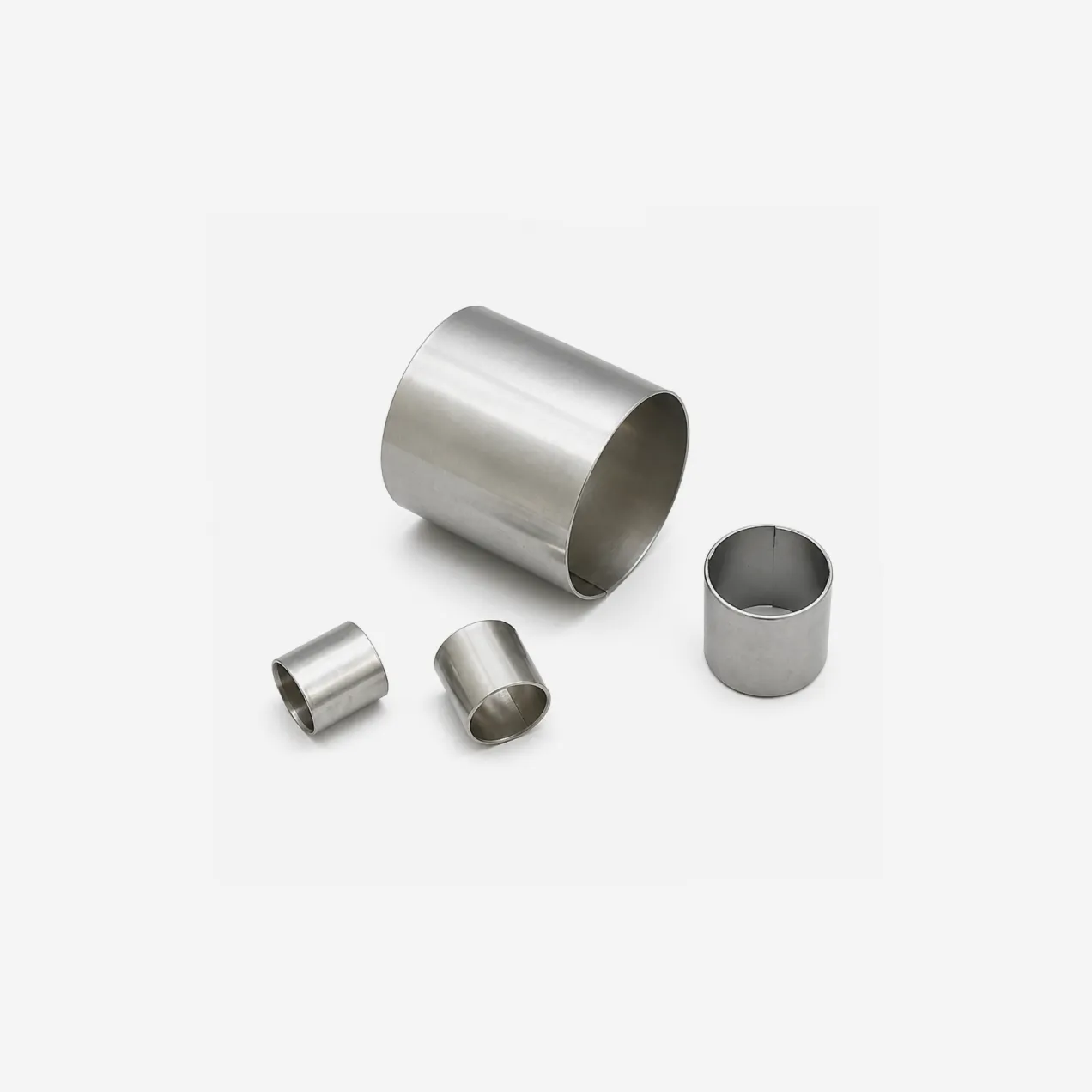
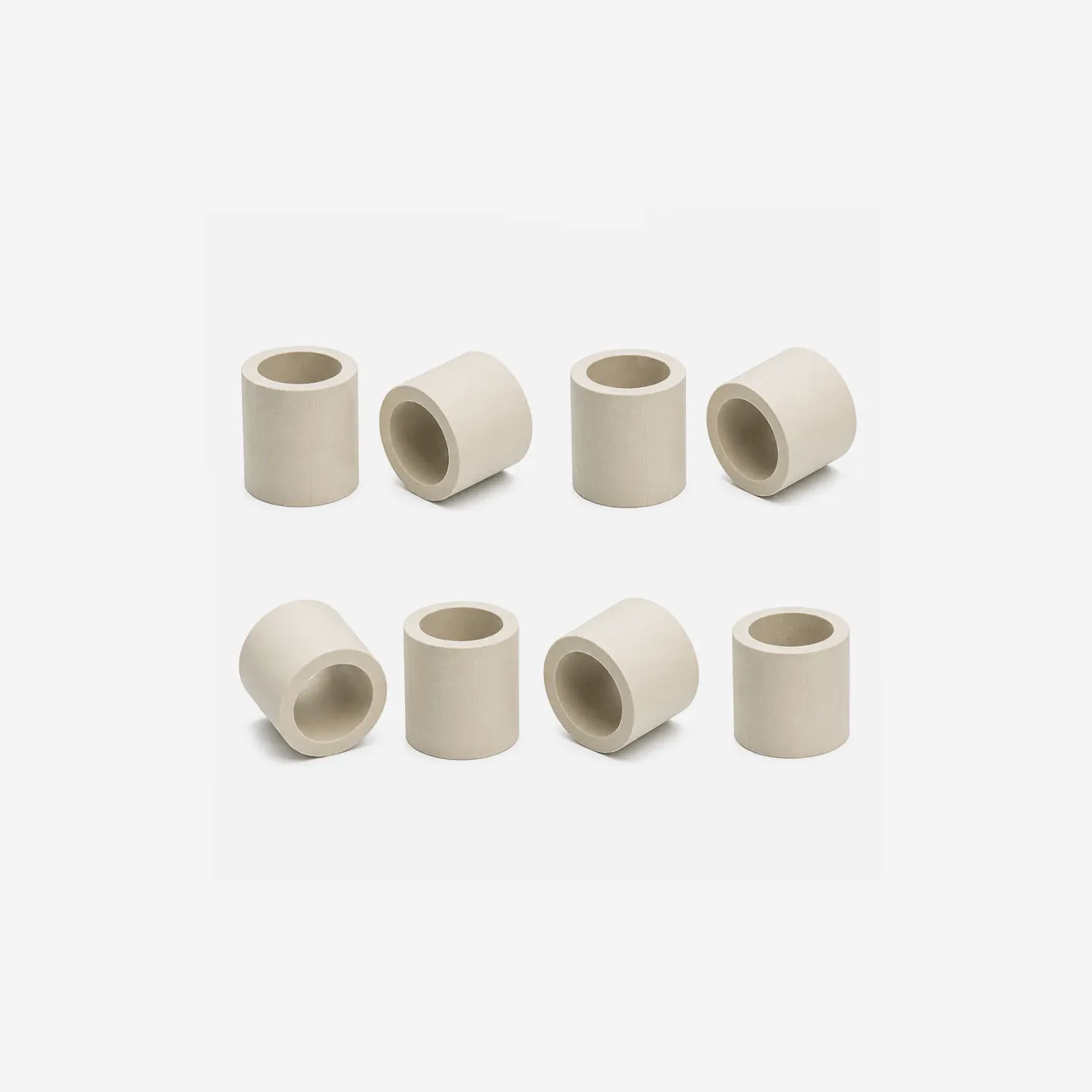
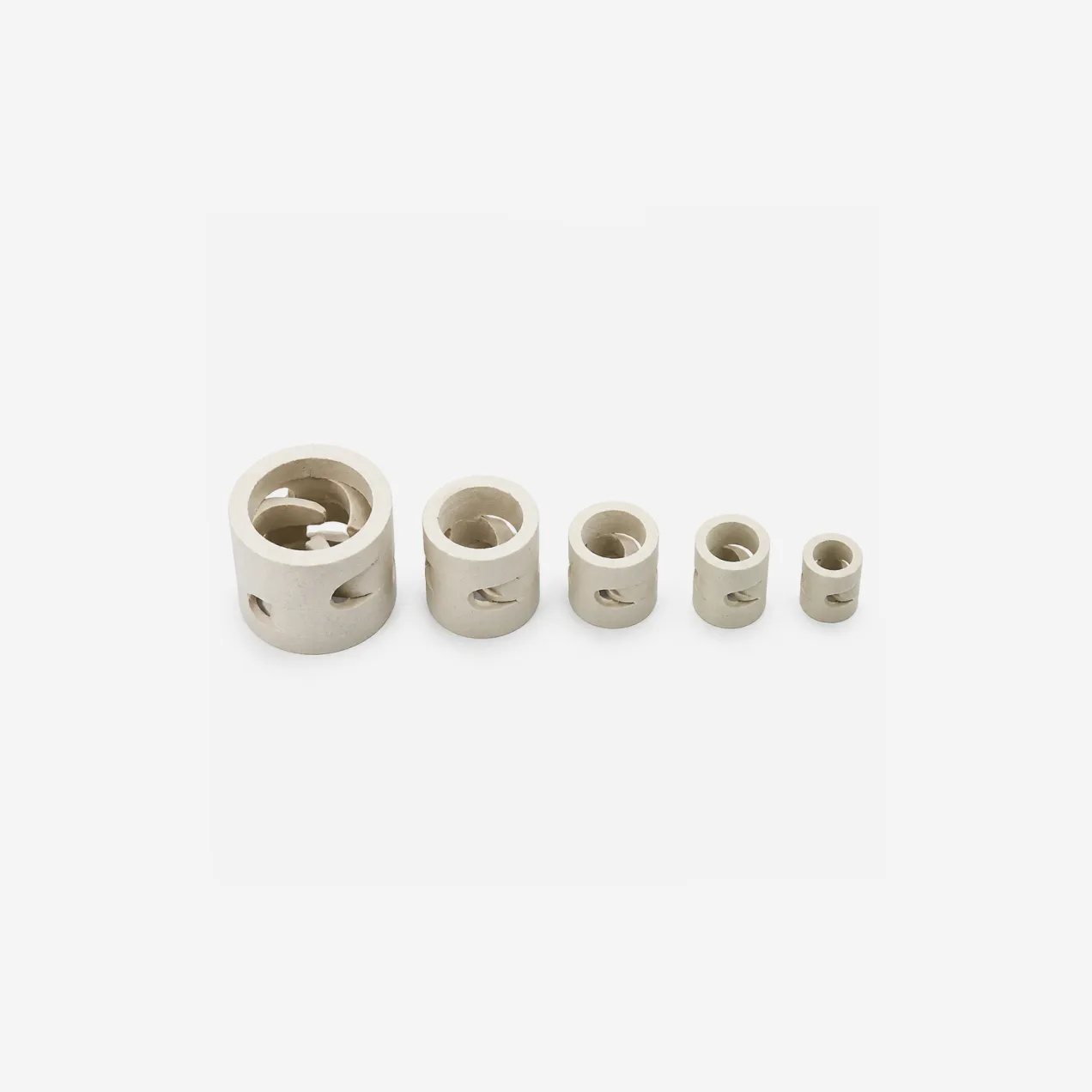
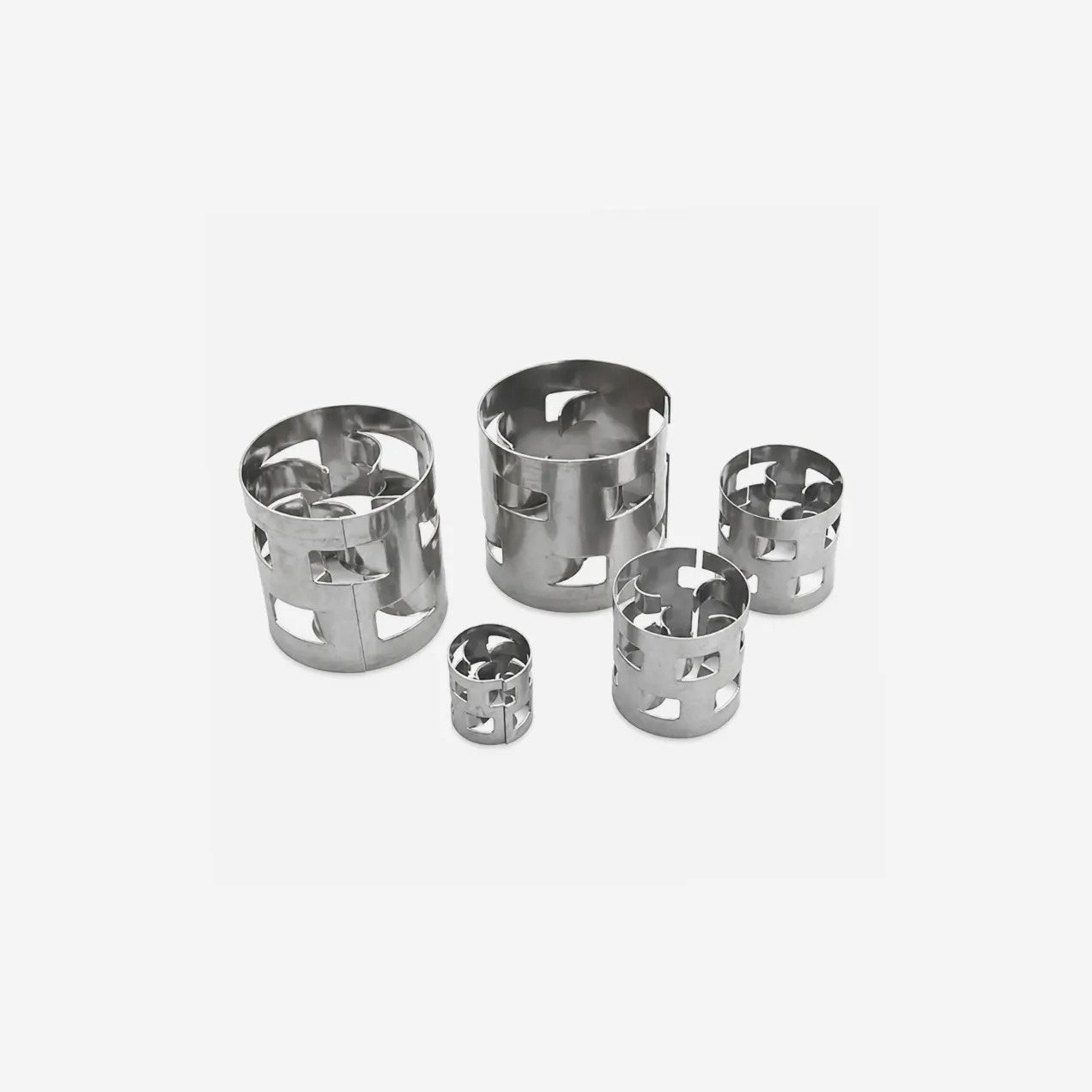
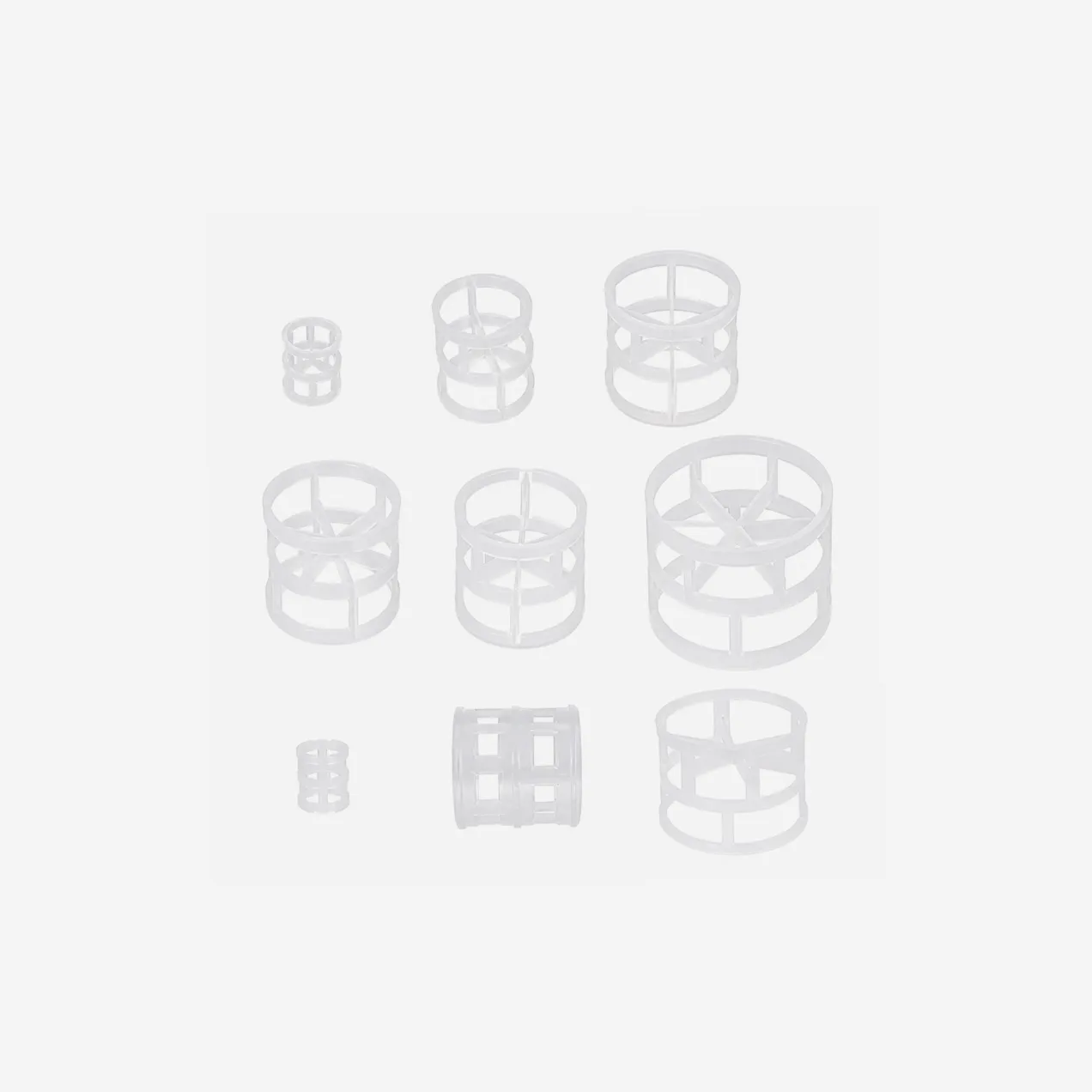
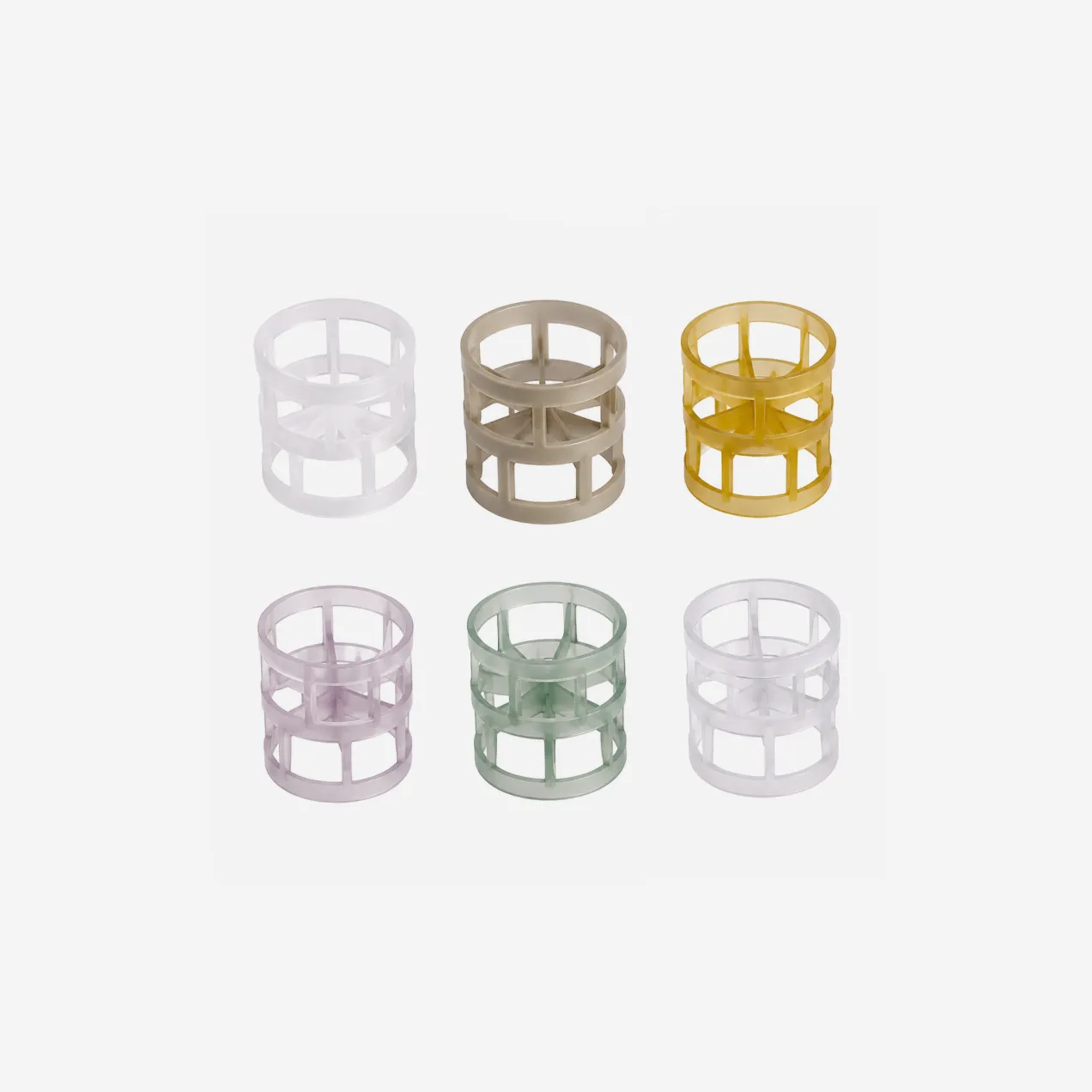
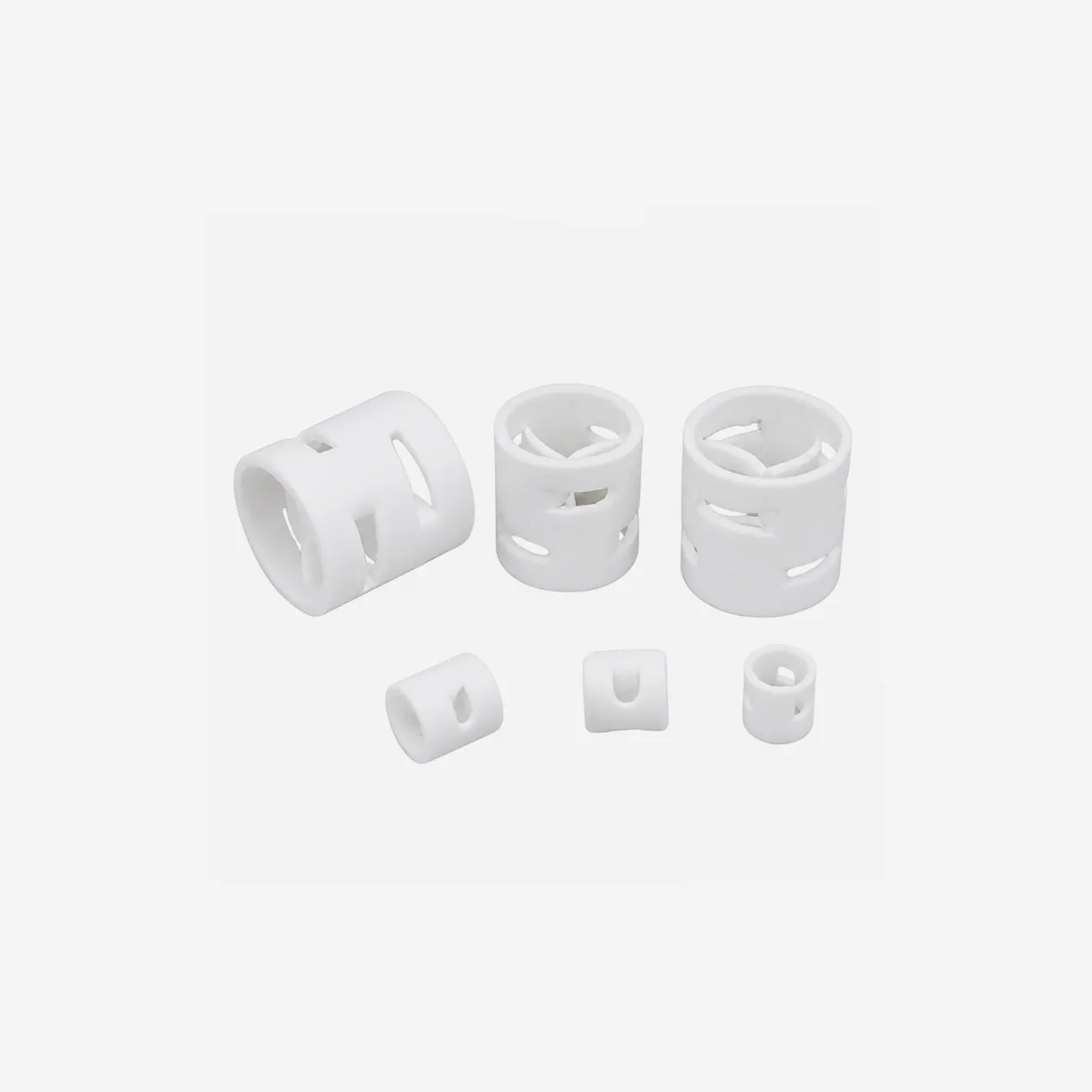
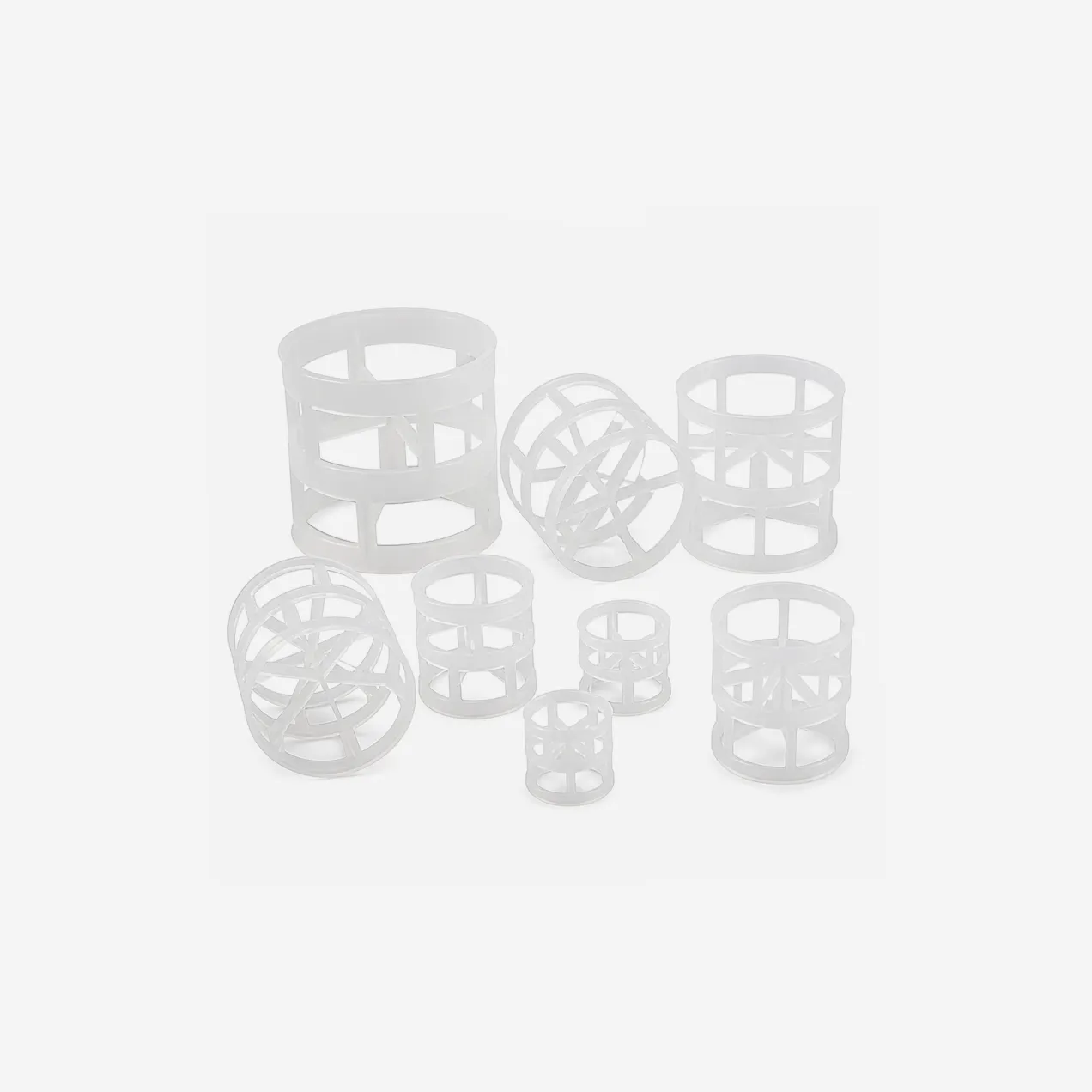
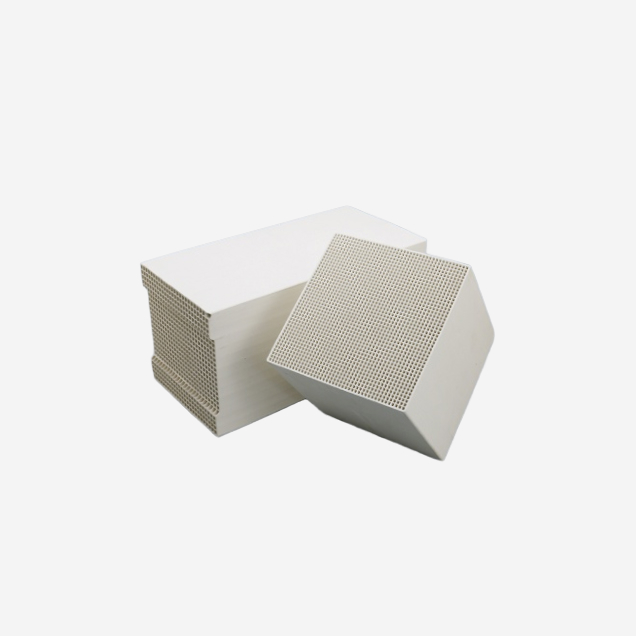
Match it to the chemistry and temperature. Ceramic random packing takes hot corrosive acid service and runs to about 1200°C, but it is brittle and not suited to hydrofluoric acid. Metal in stainless or carbon steel gives the strength and capacity for vacuum and high-pressure columns. Plastic from PP to PTFE handles cold aggressive streams at lower cost.
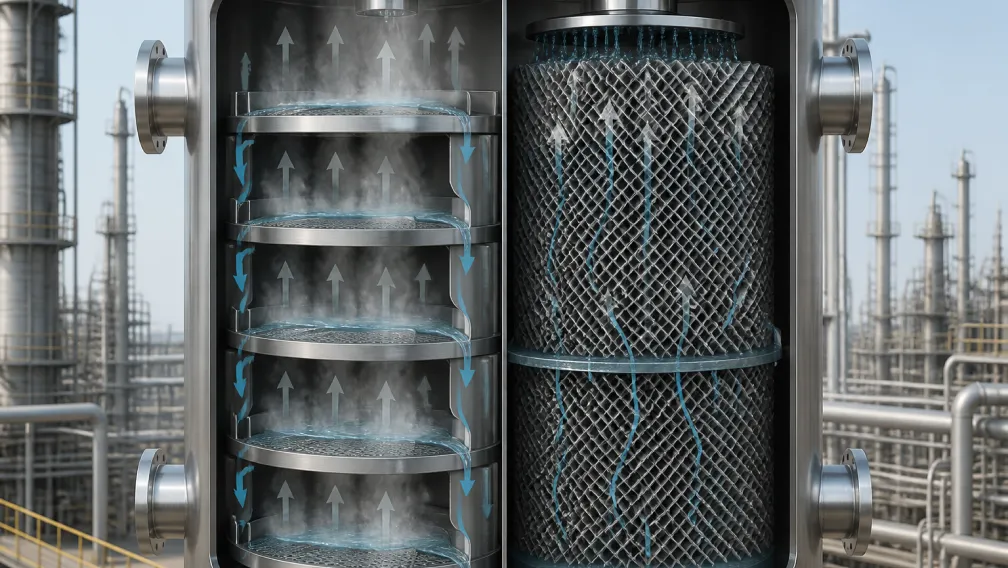
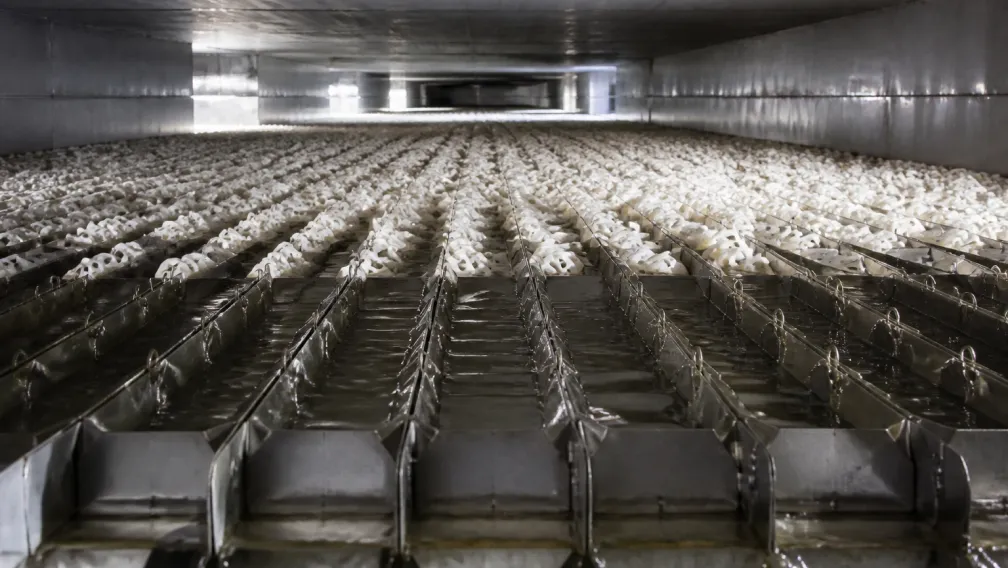
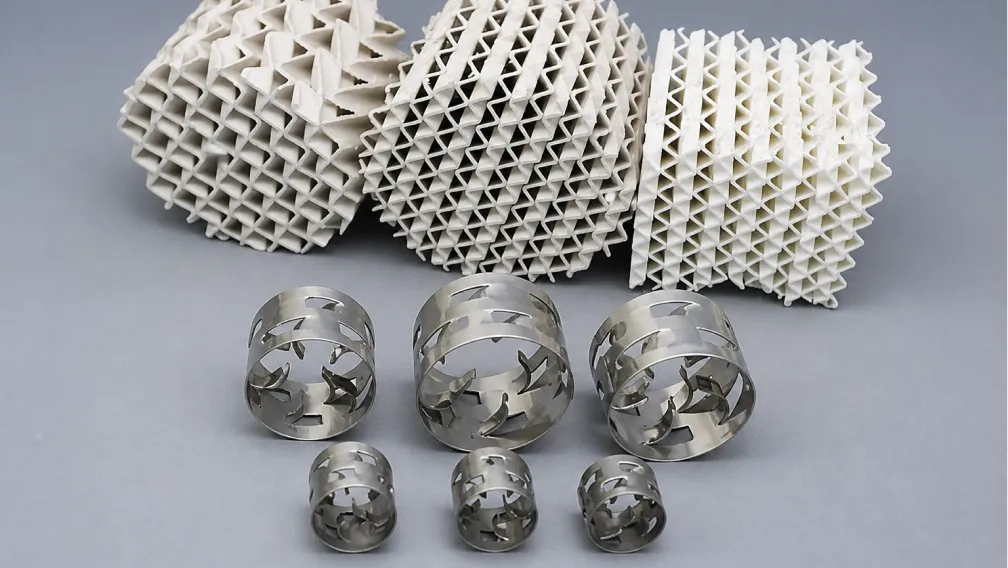
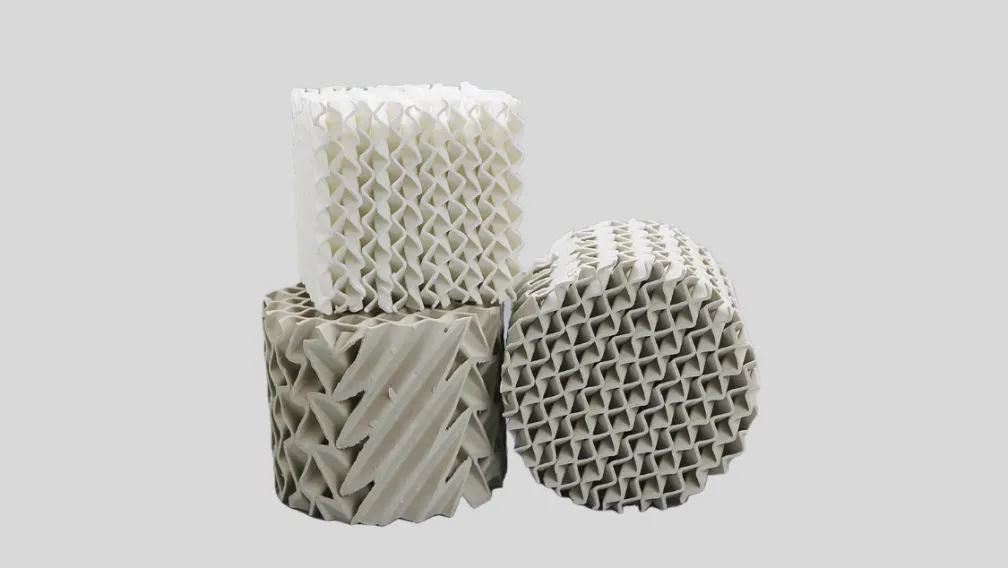
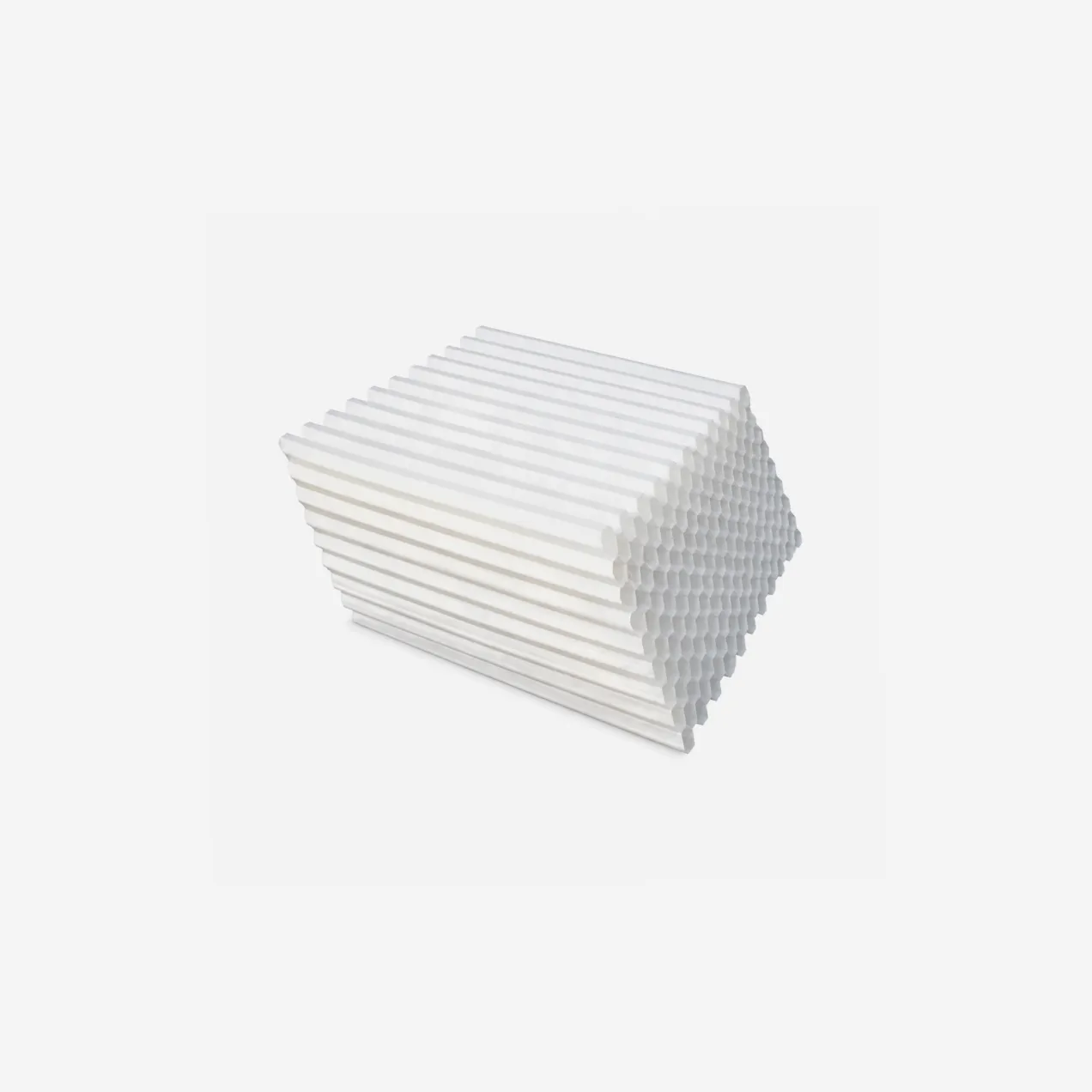
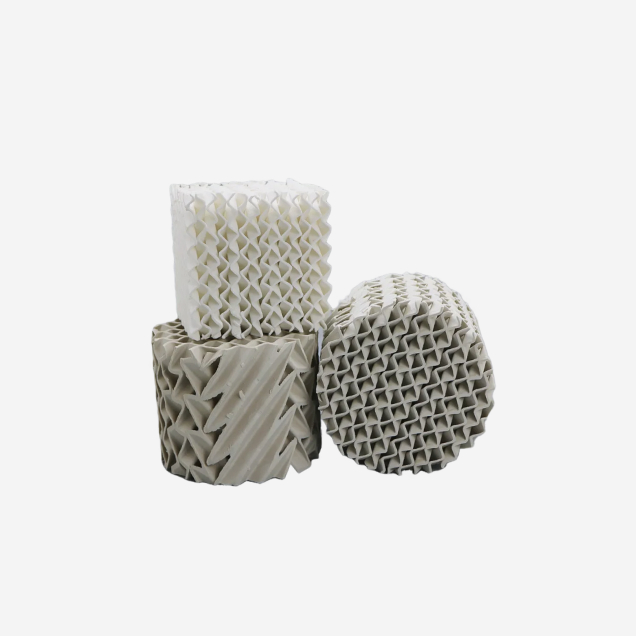
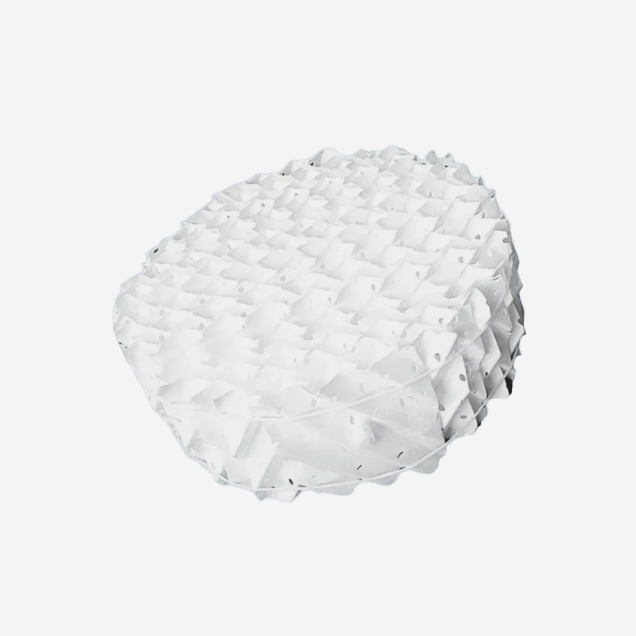
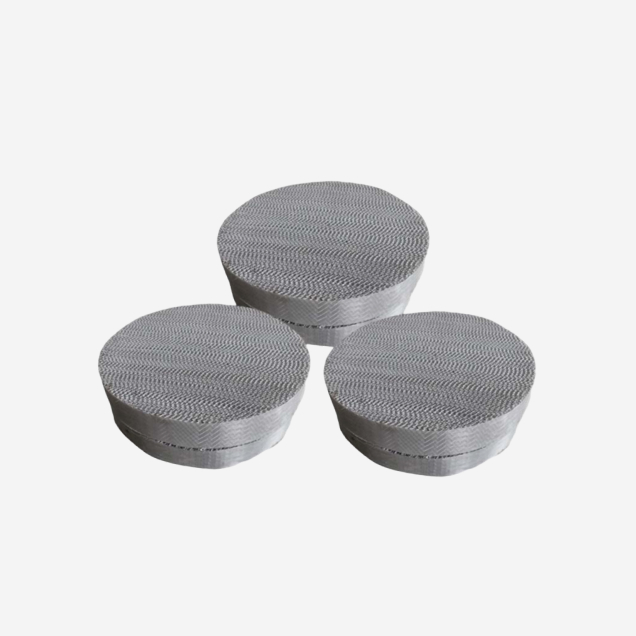
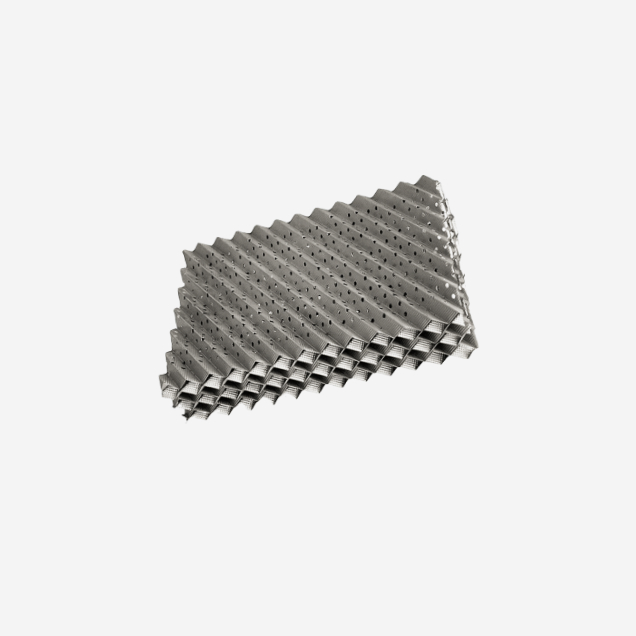
Random packing is loose pieces poured into the bed, and structured packing is stacked corrugated sheet. Random packing handles fouling, solids and load swings well and costs less, which suits scrubbers, absorbers and many revamps. Structured packing gives lower pressure drop and higher efficiency, so it tends to win in vacuum service and tall high-purity columns.
There is a trade-off. Larger packing raises capacity but lowers efficiency, and smaller packing lifts efficiency but adds pressure drop. The right size meets your separation target at the design throughput without flooding. The packing factor, surface area and void fraction are the numbers to weigh.
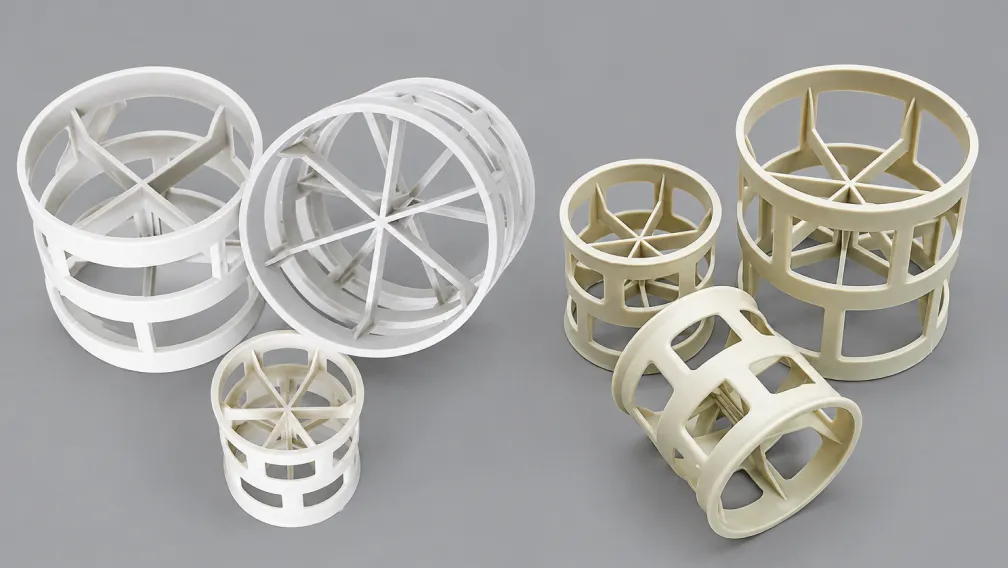
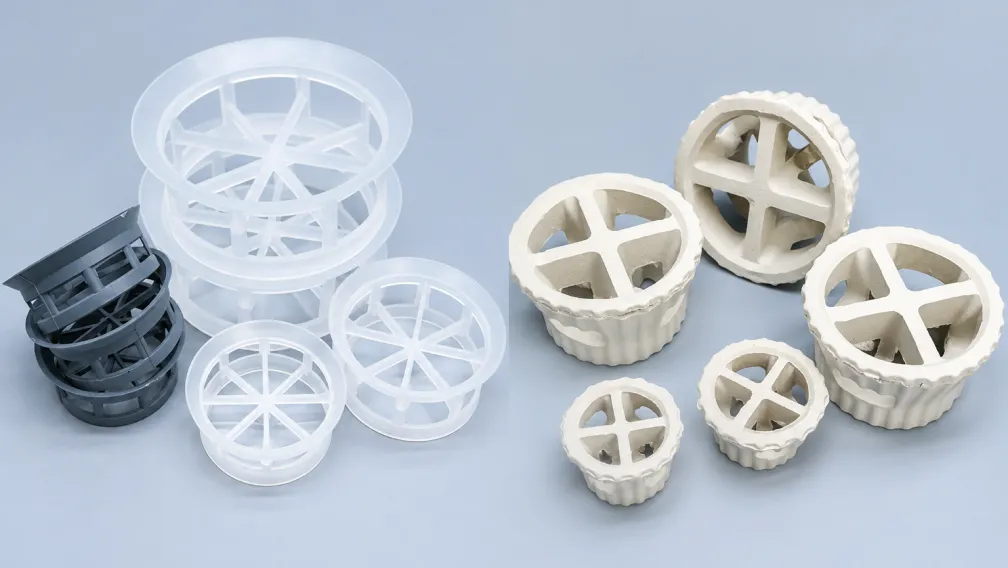
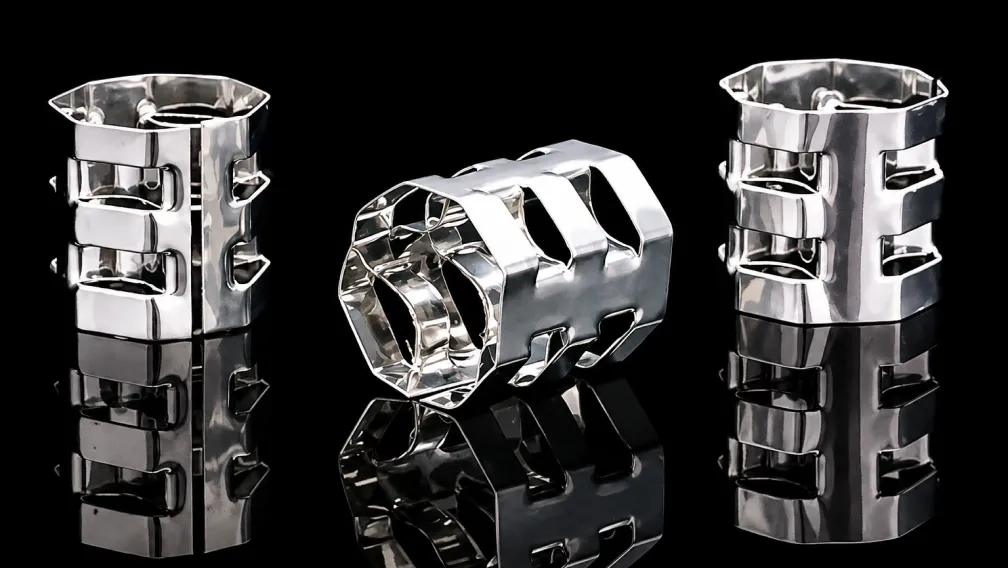
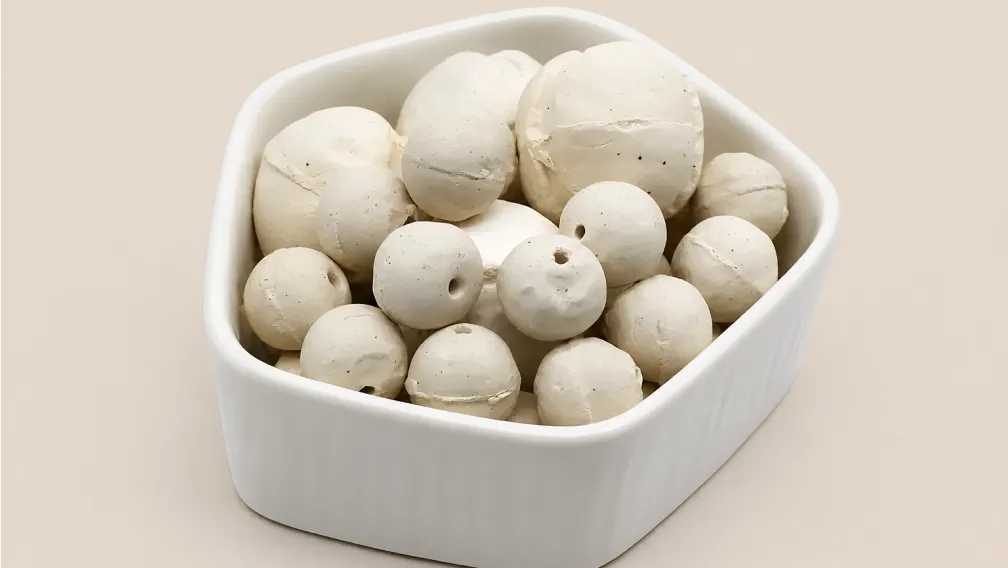
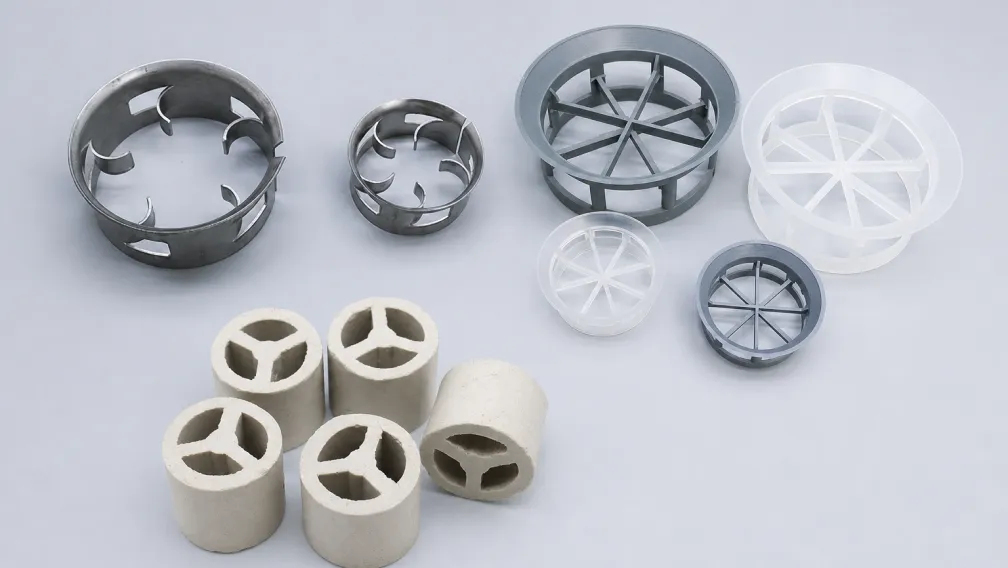
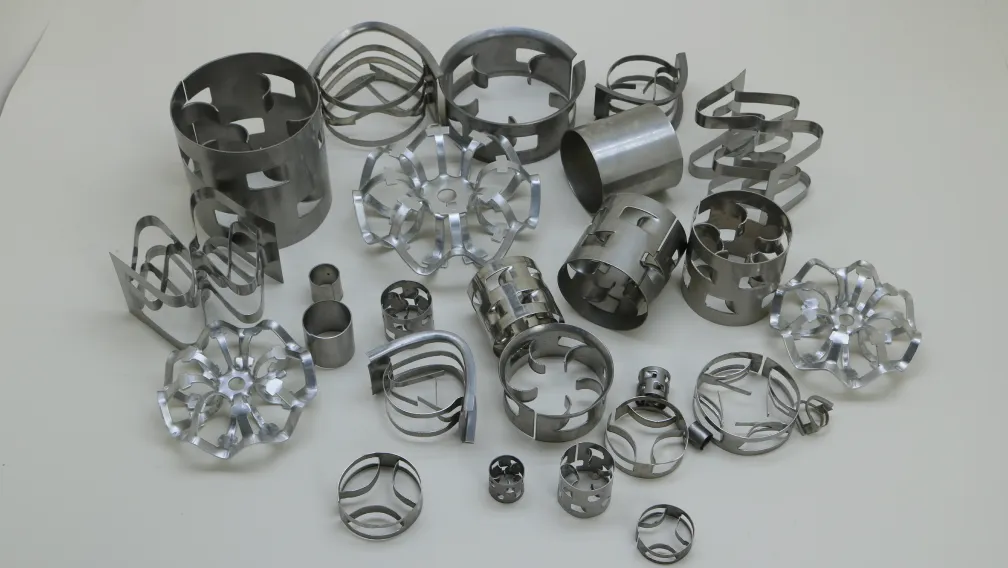
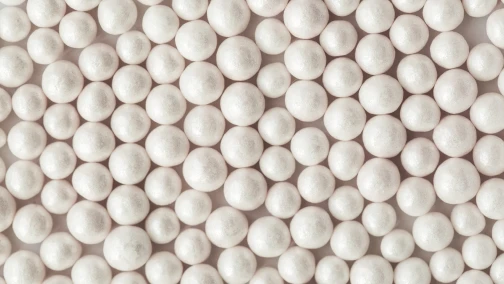
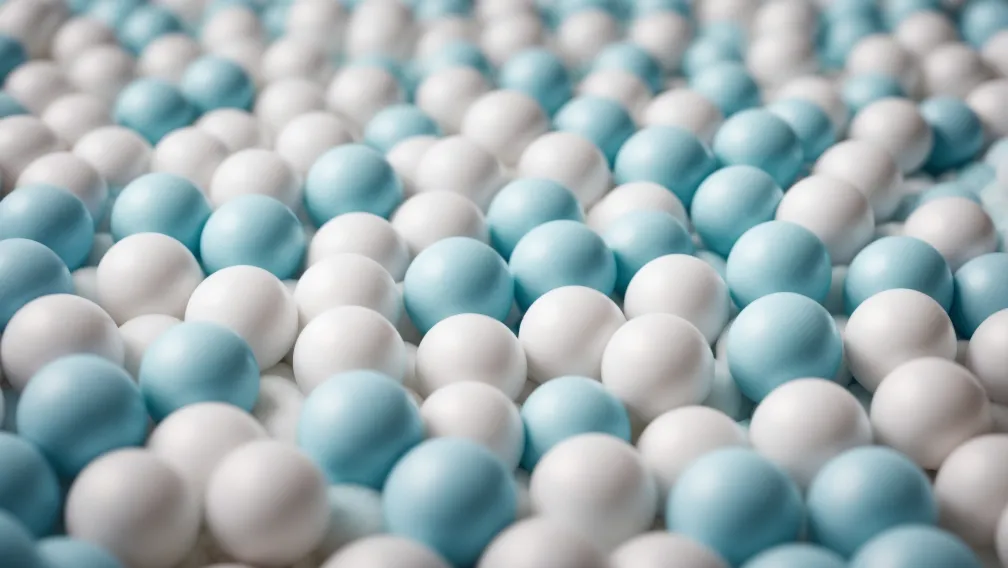
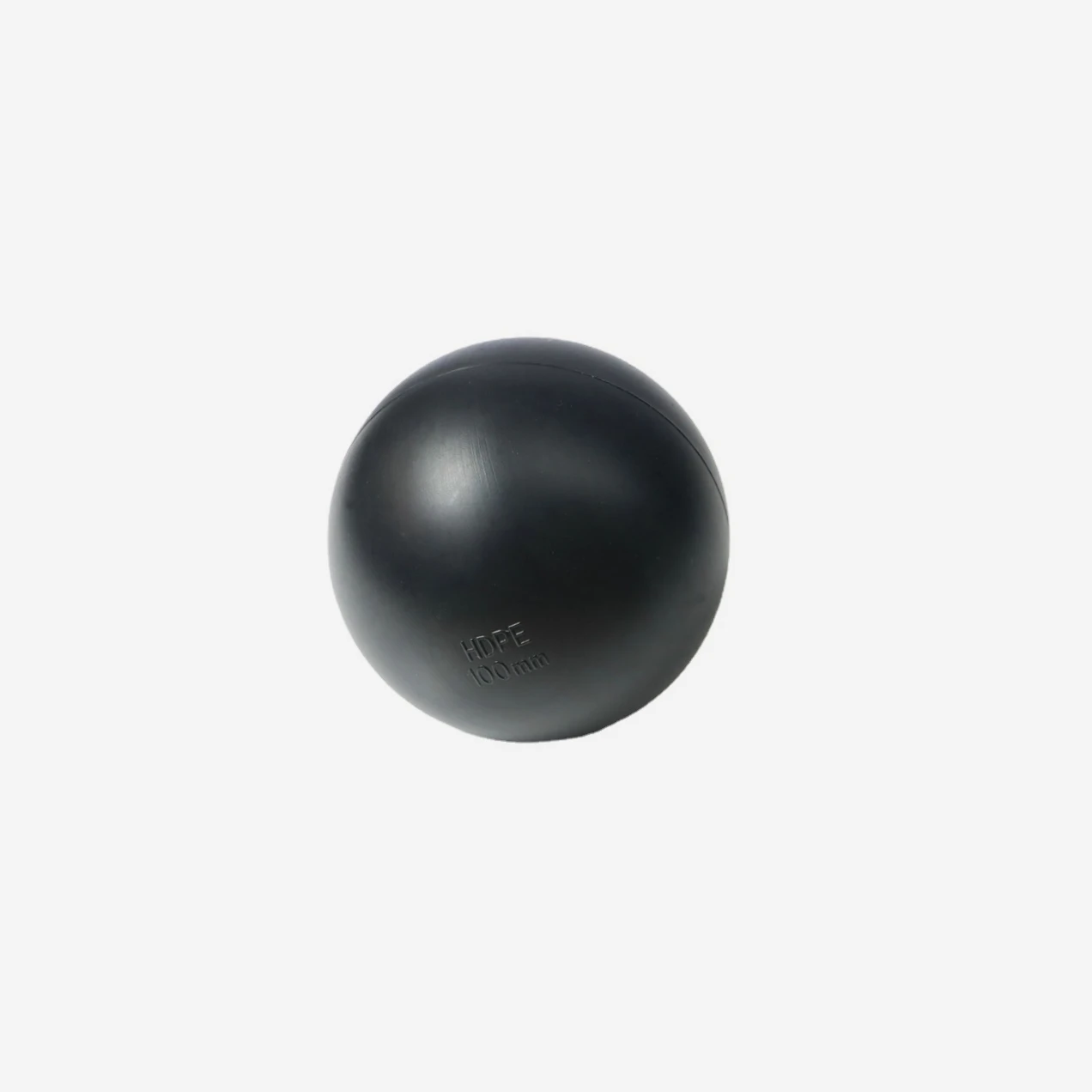
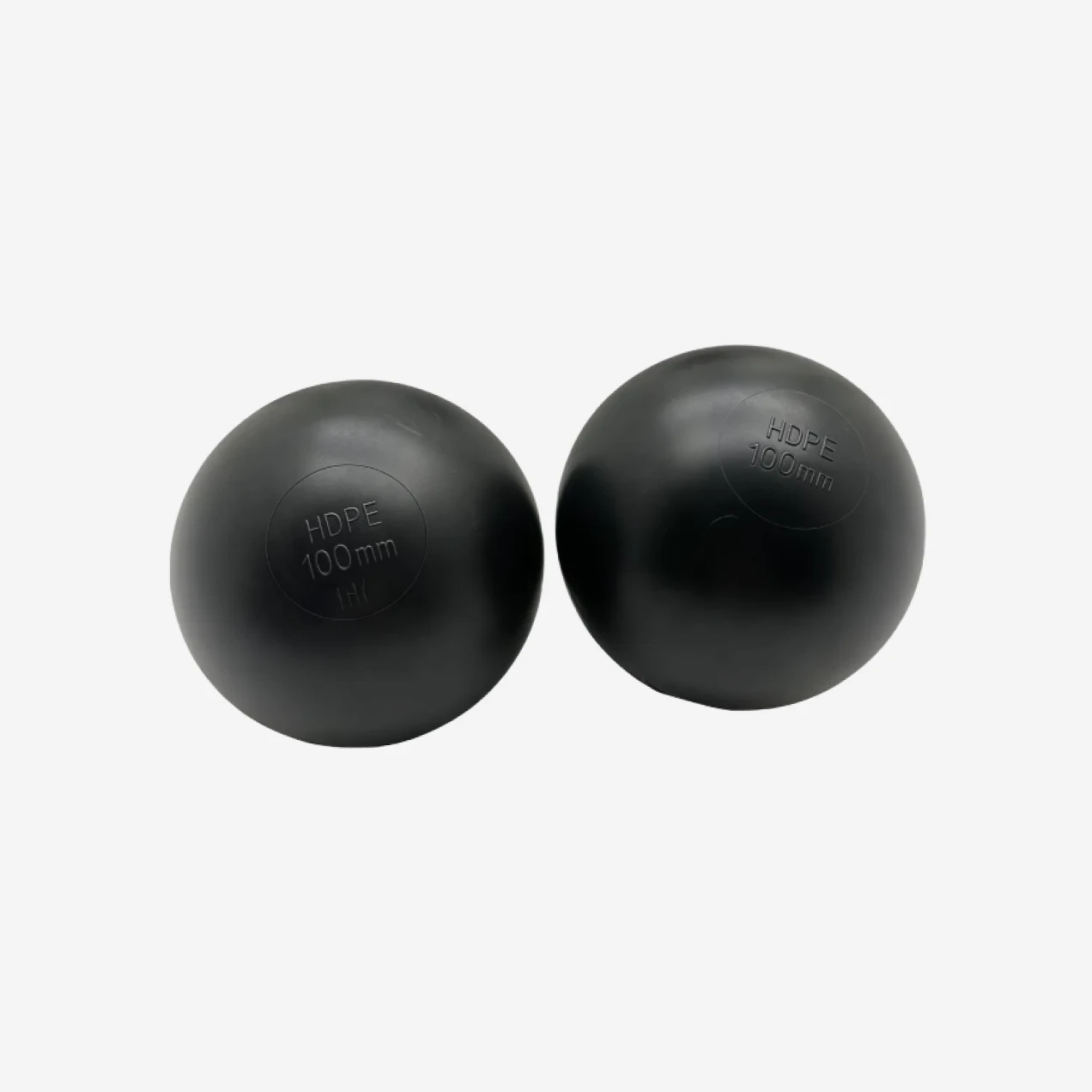
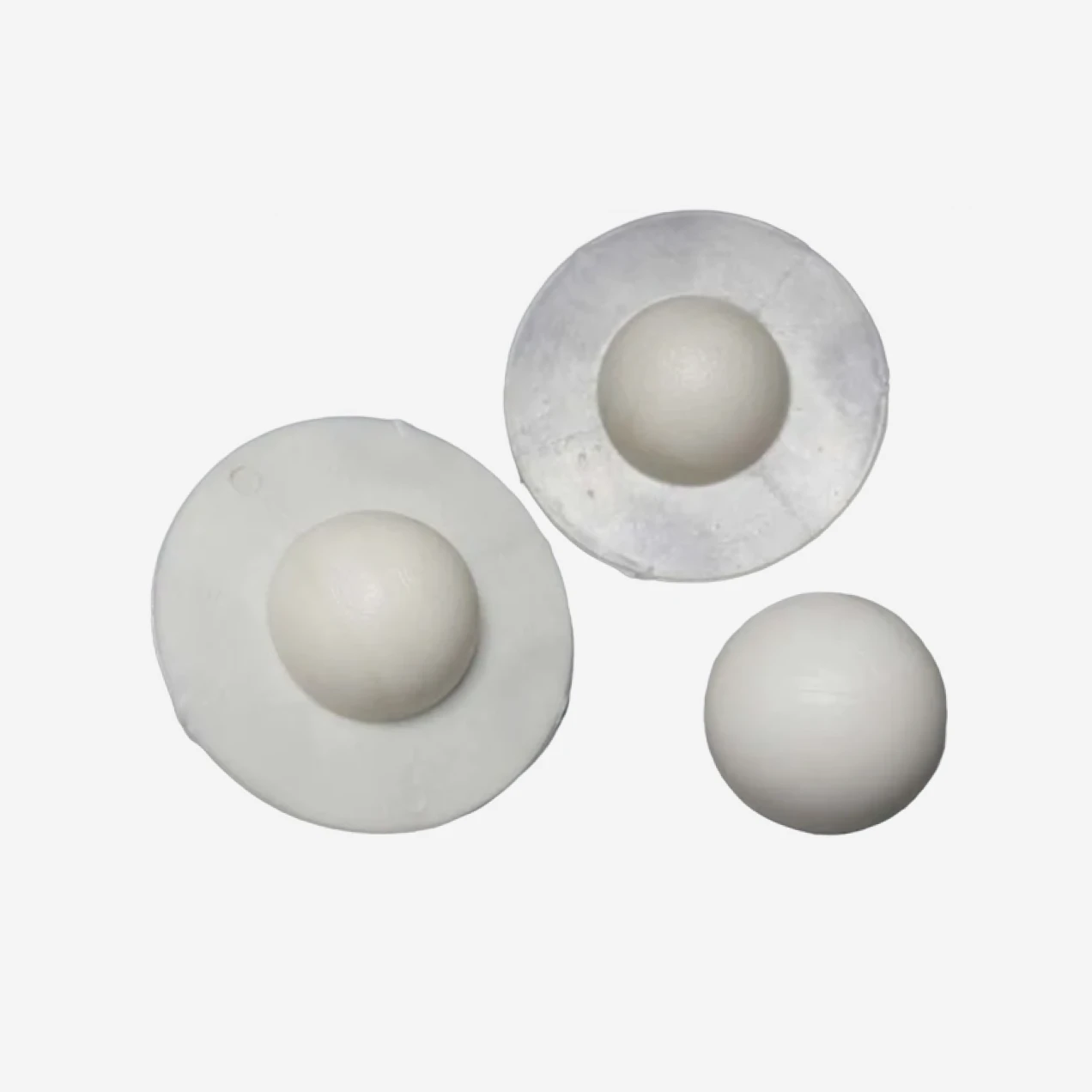
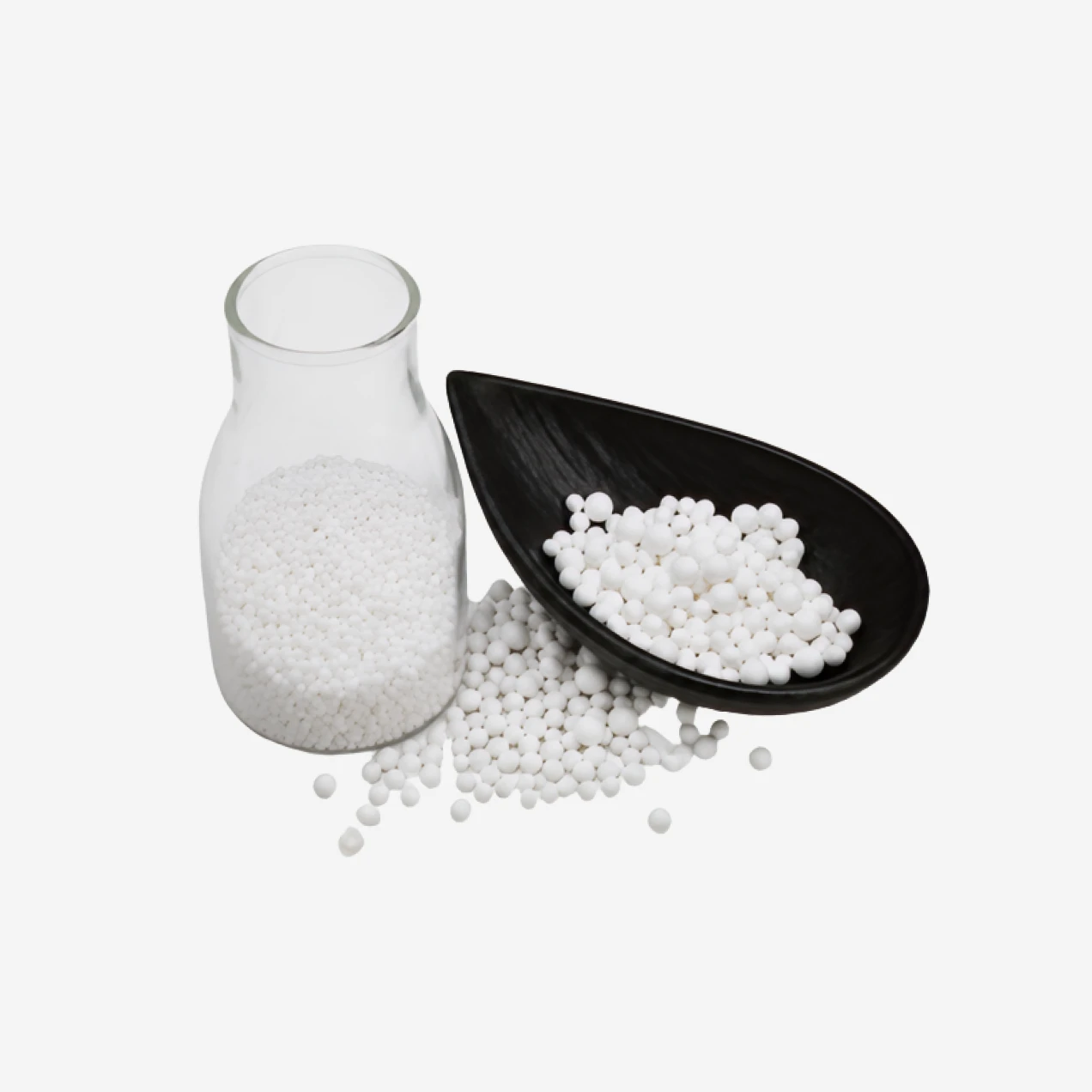
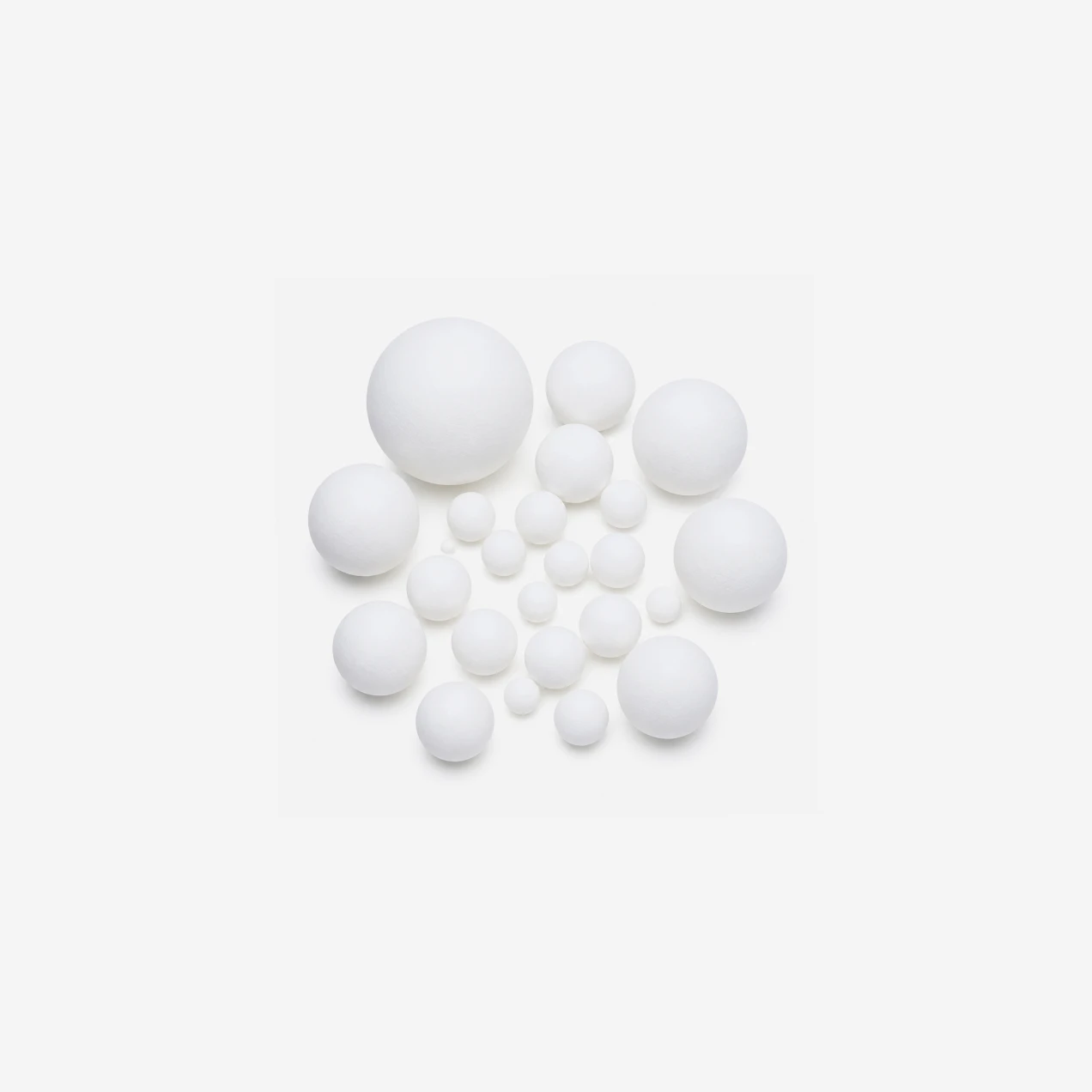
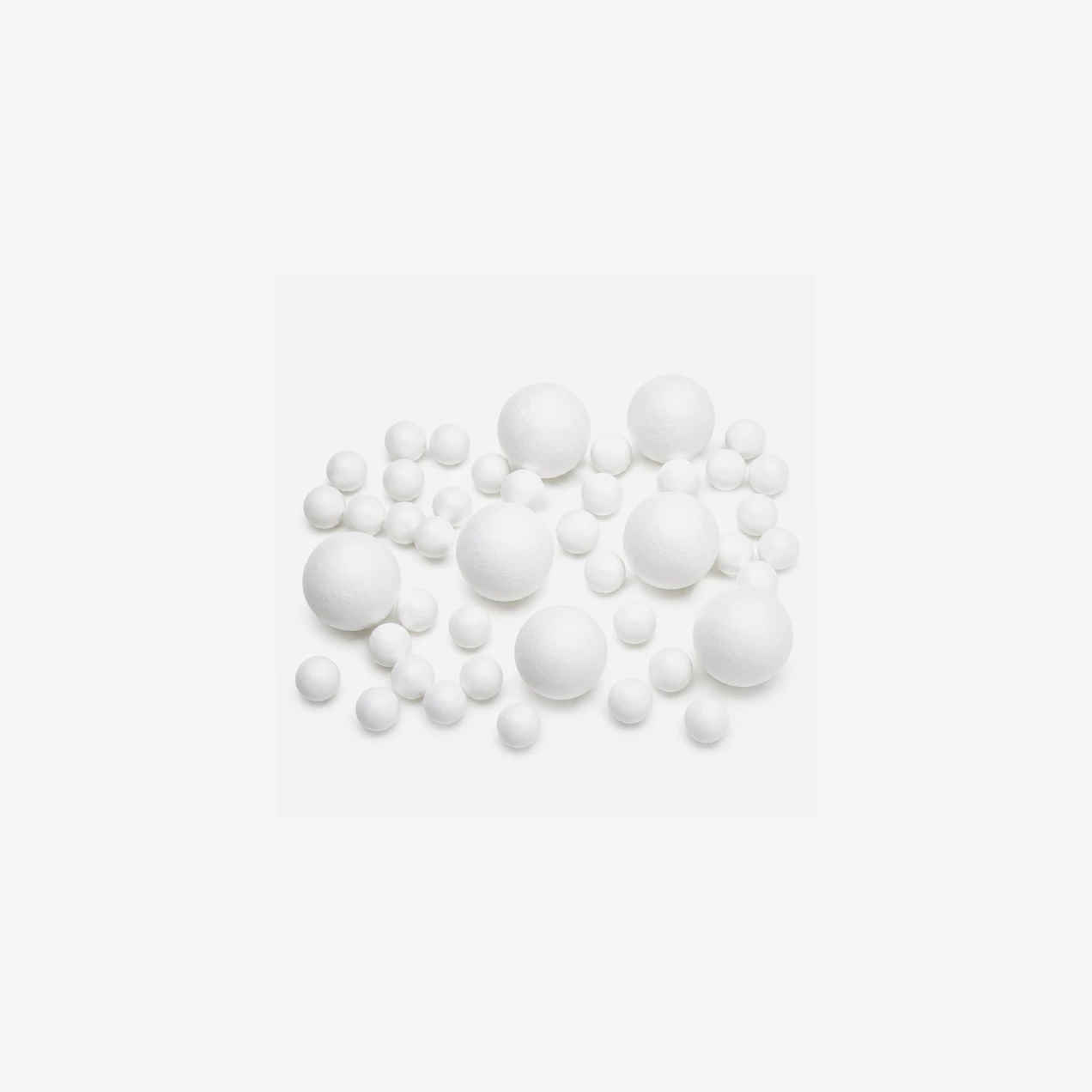
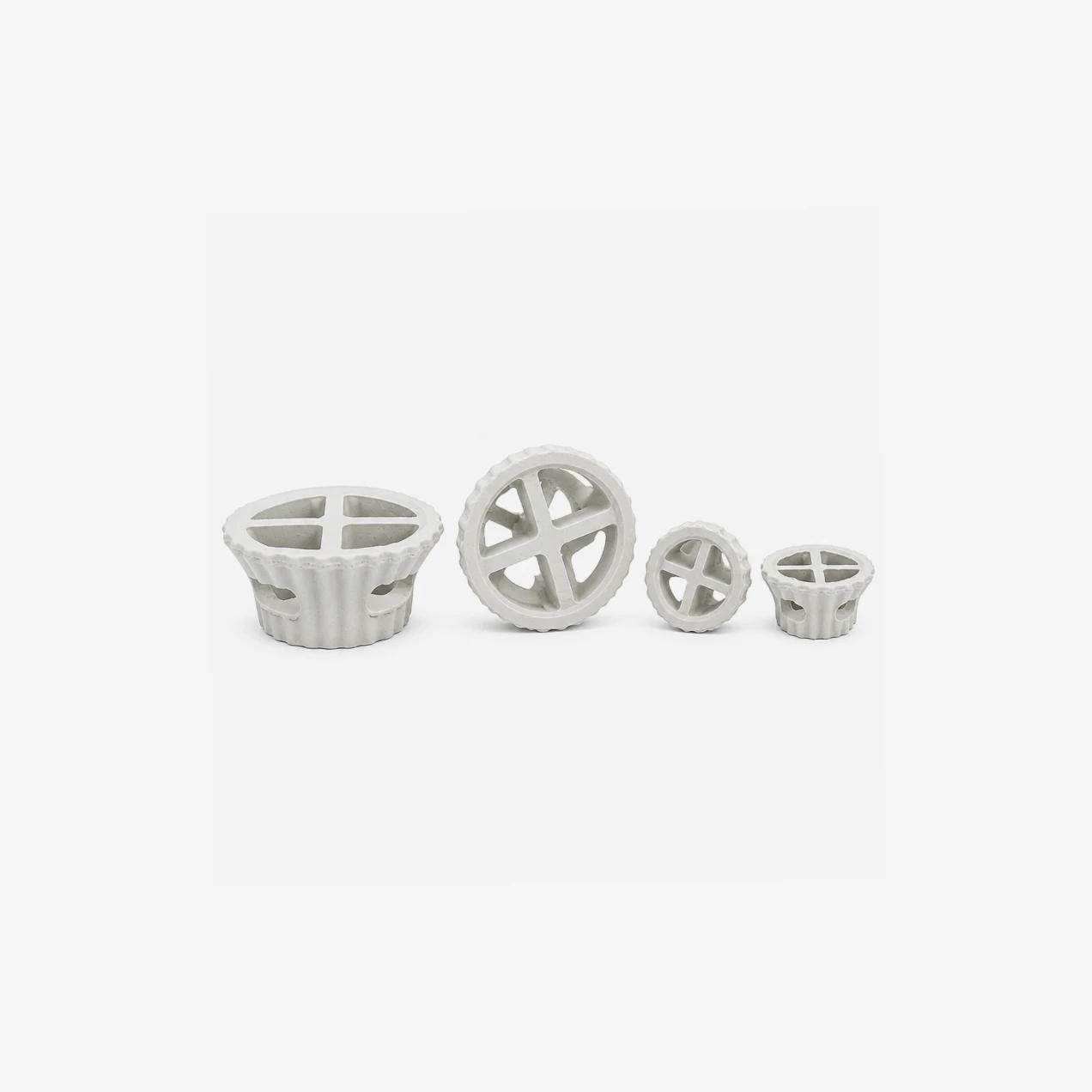
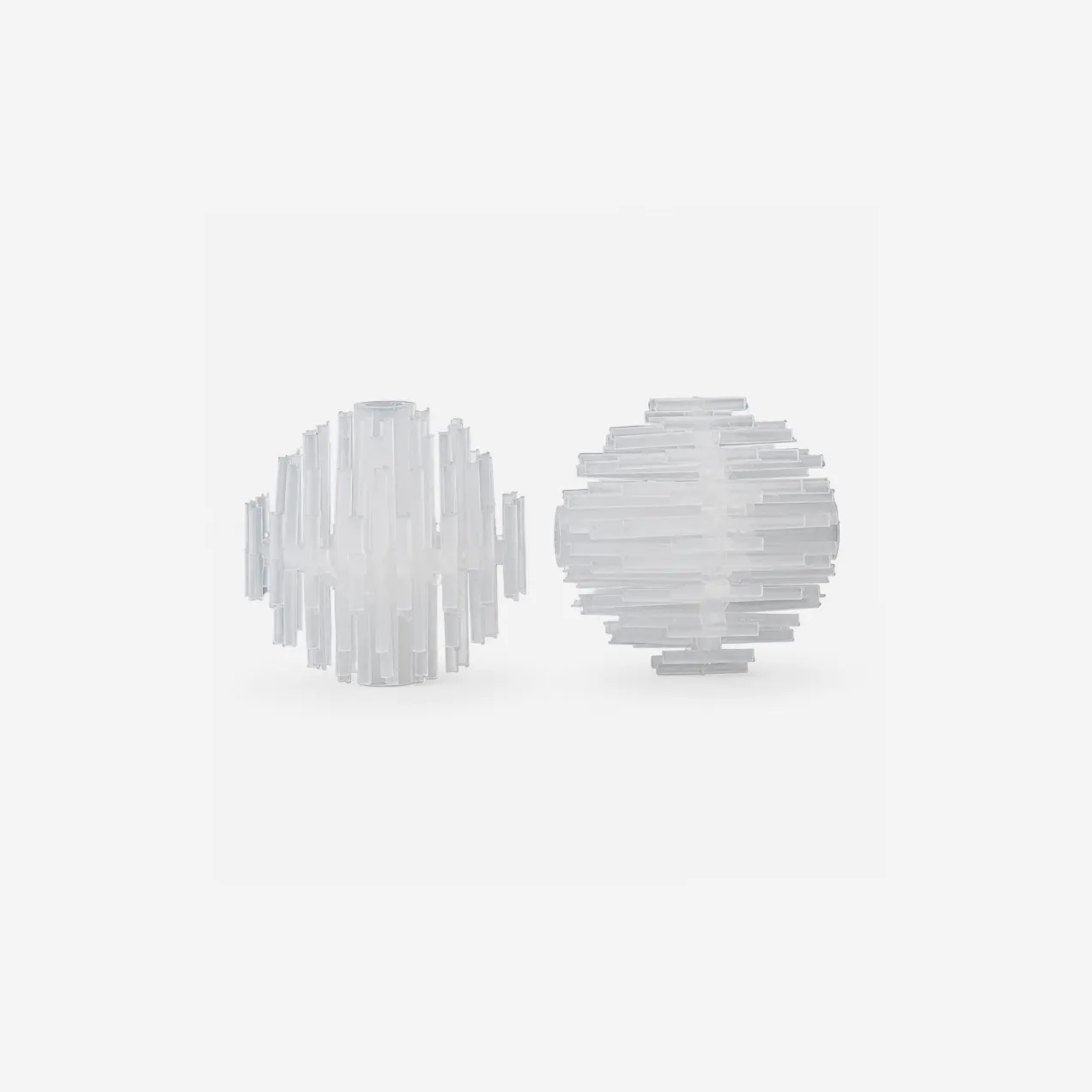
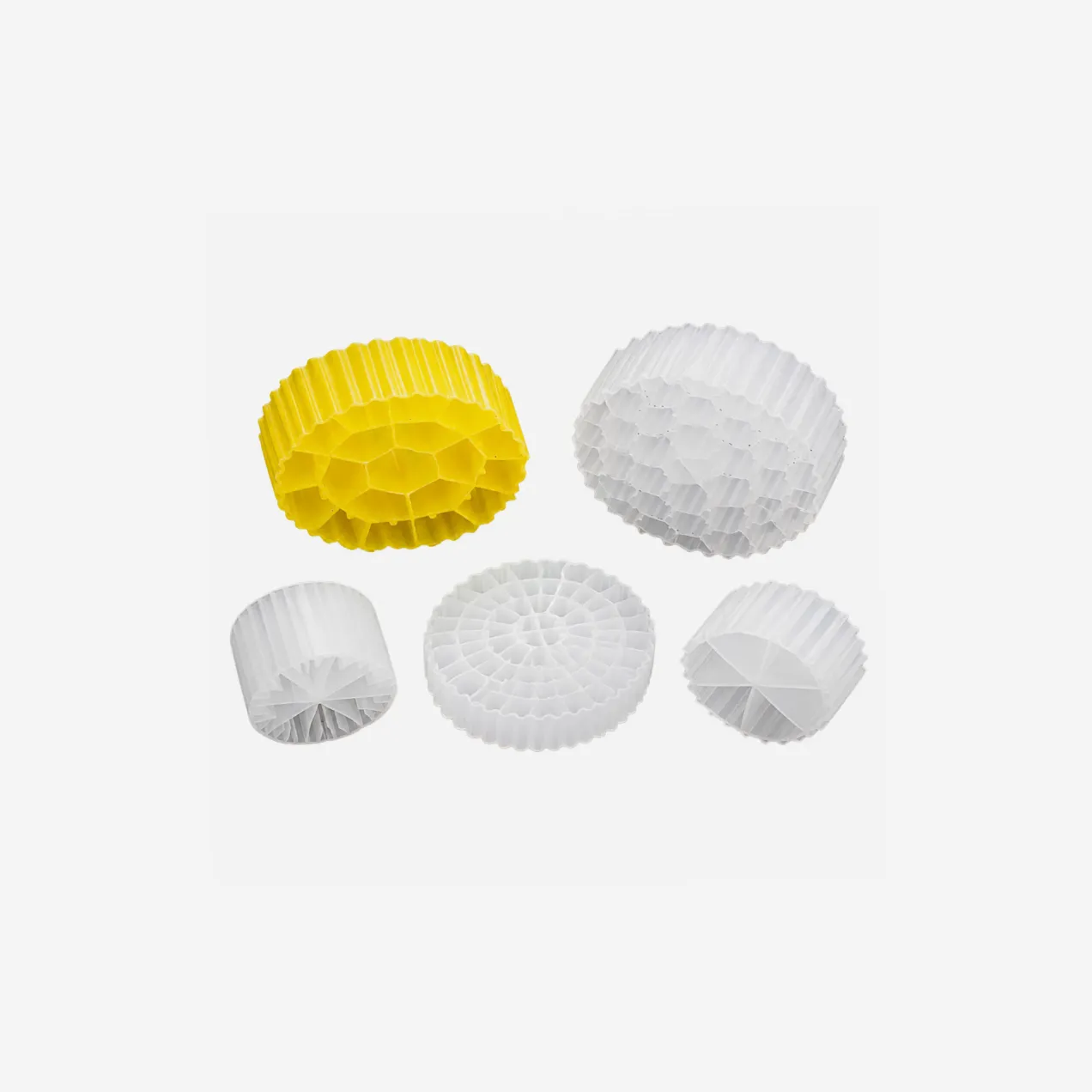
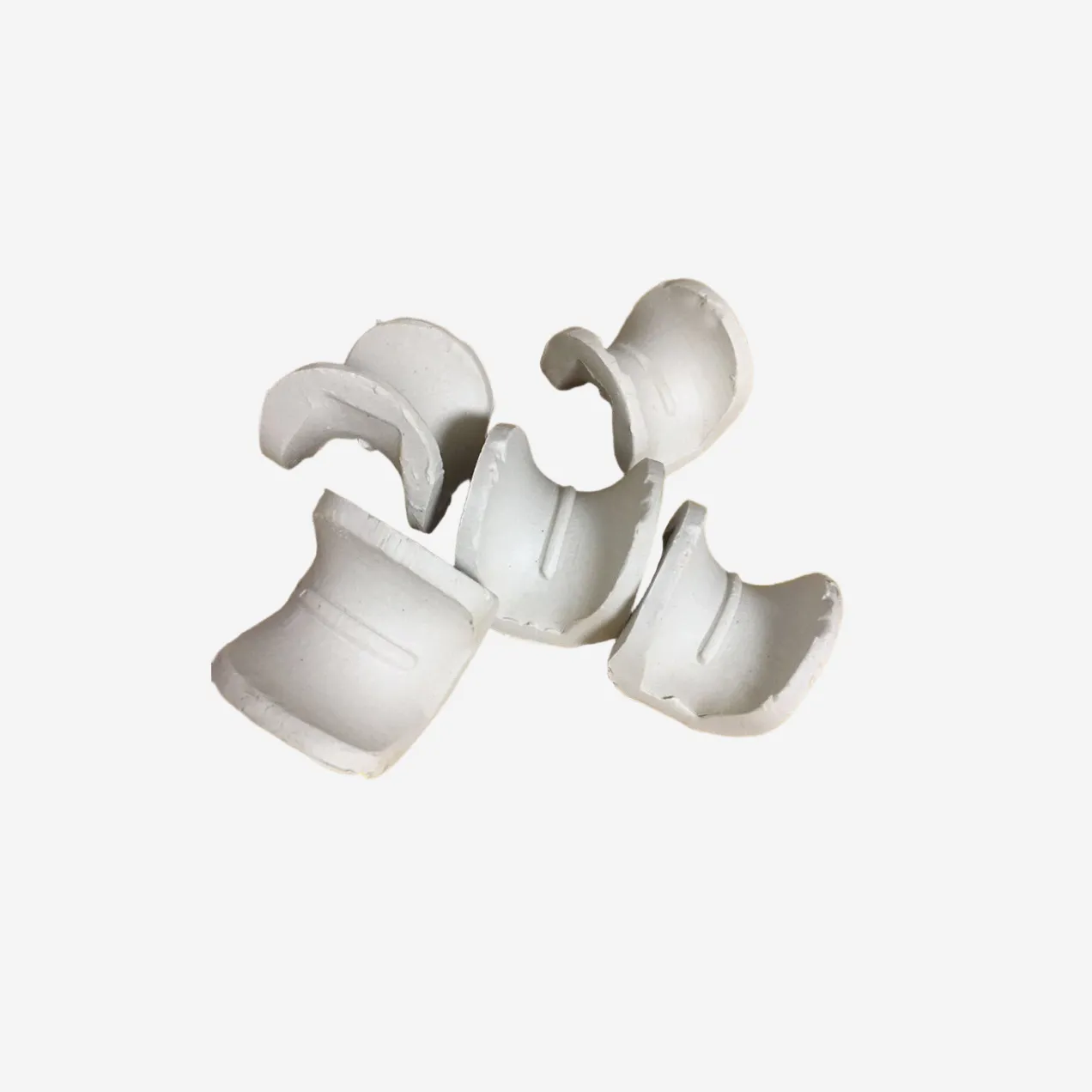
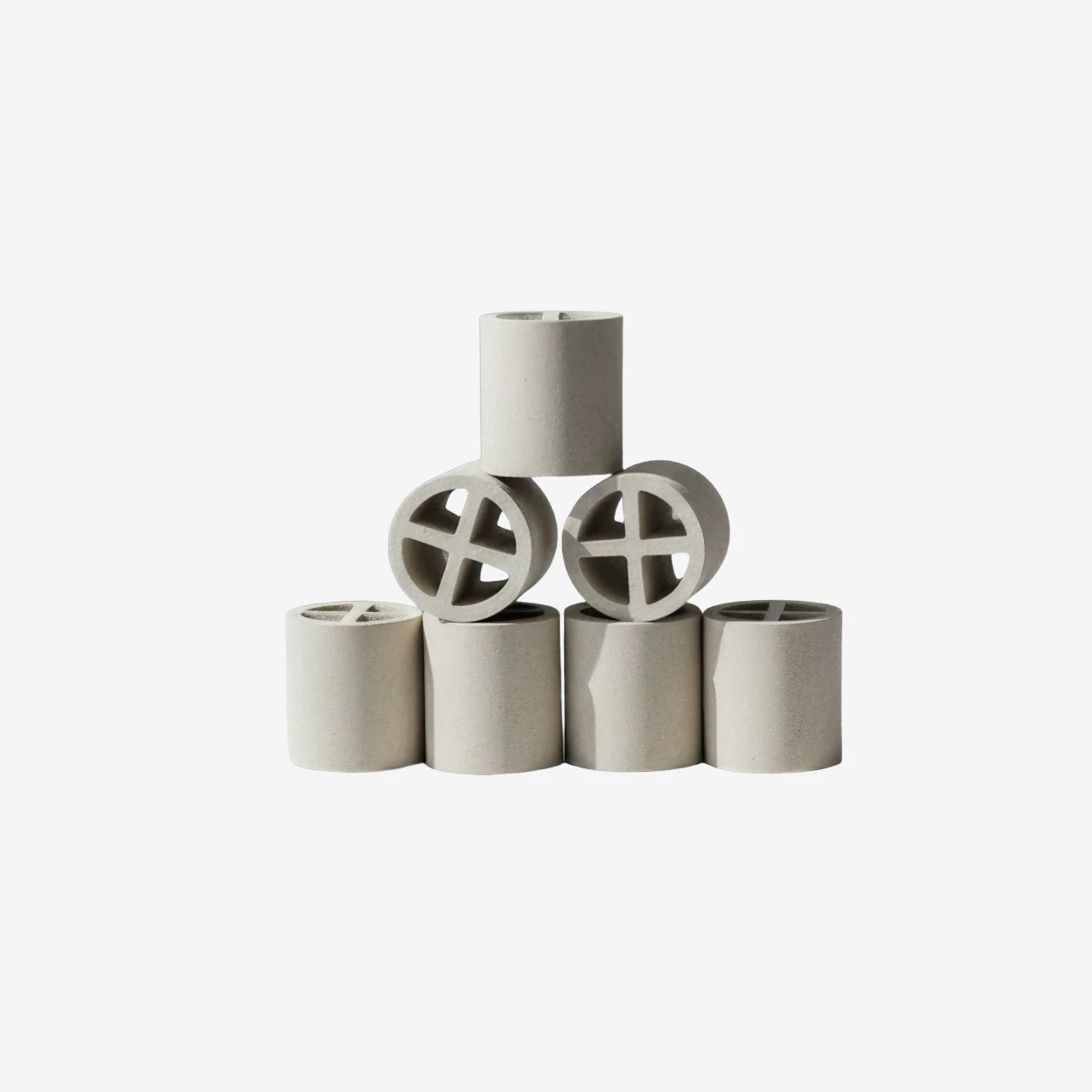
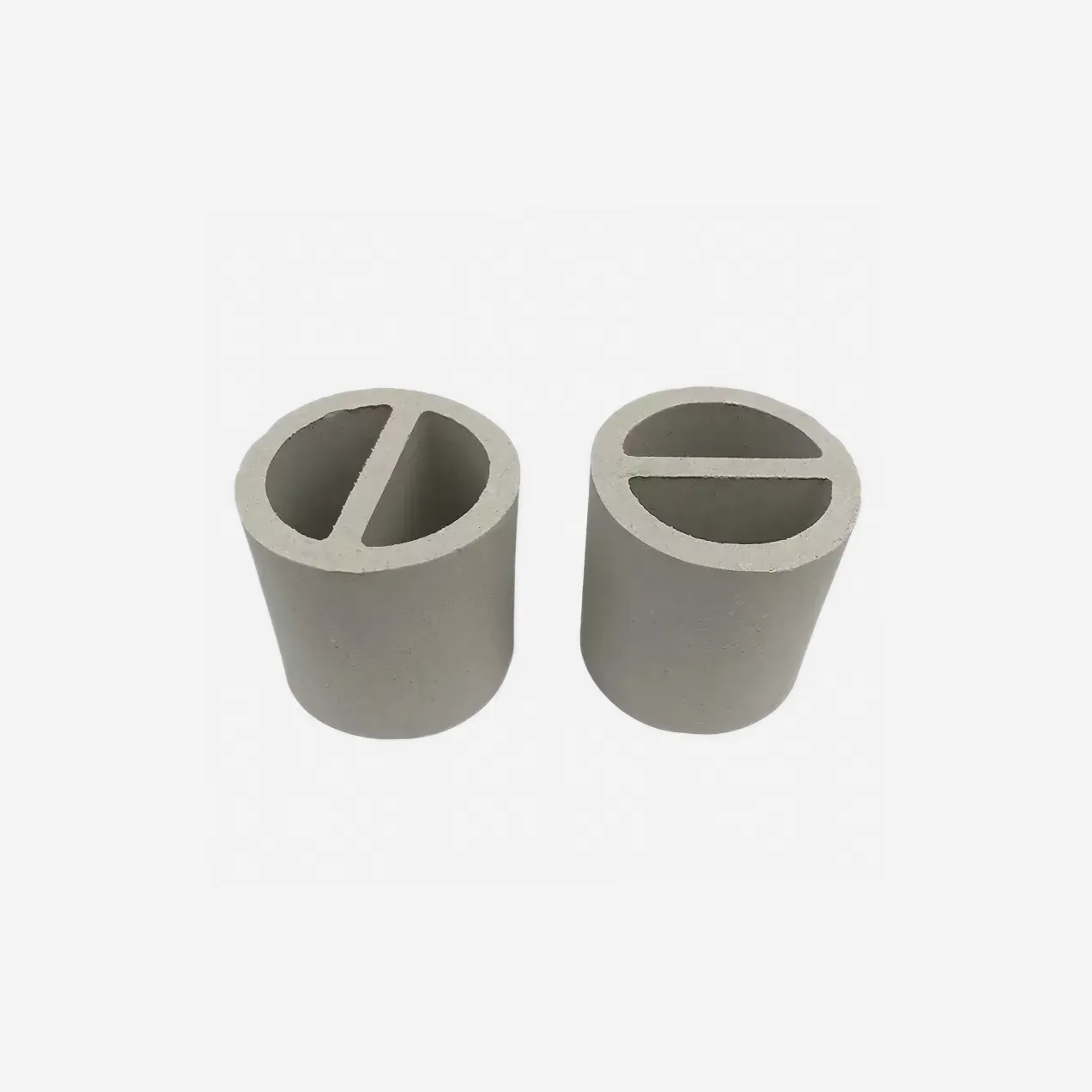
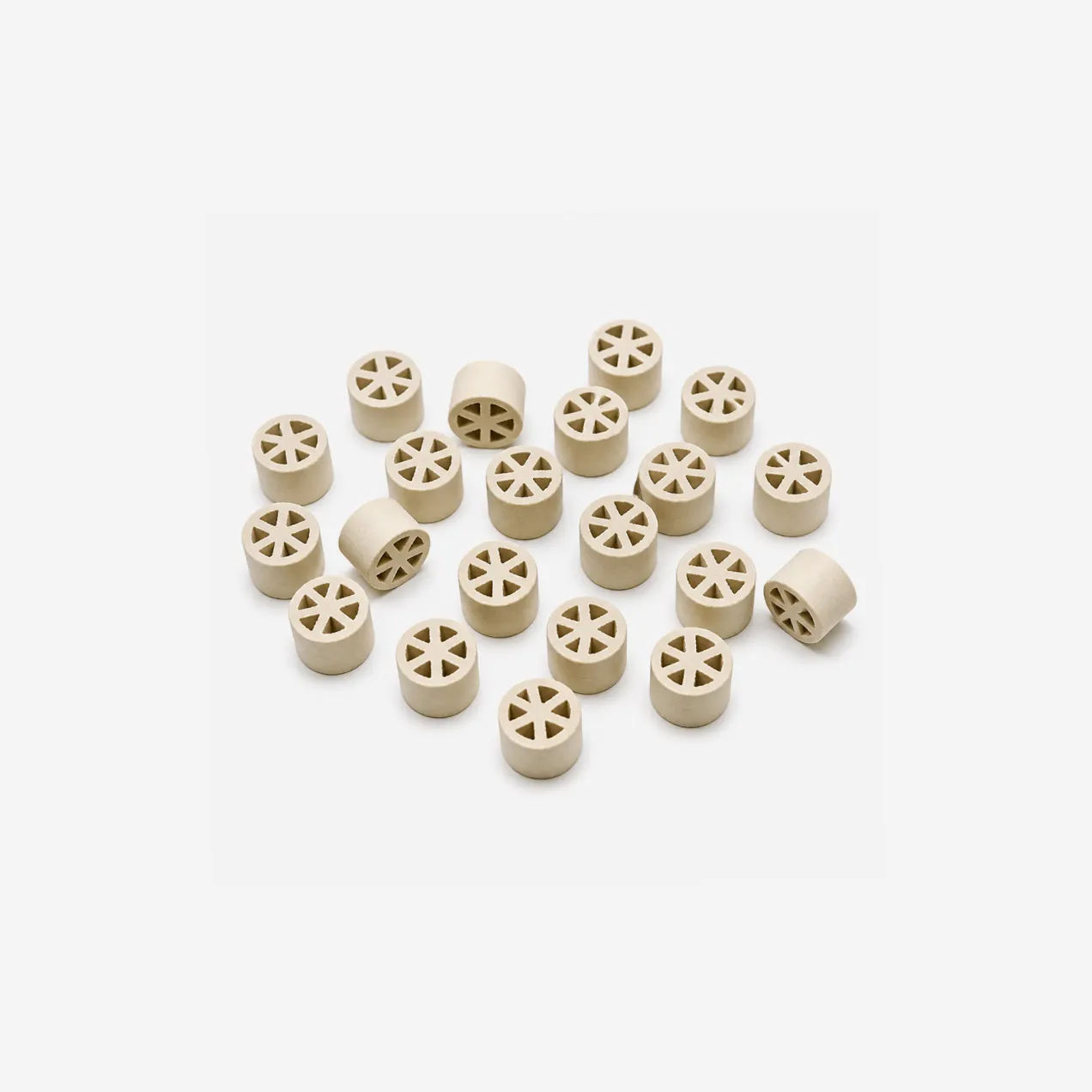
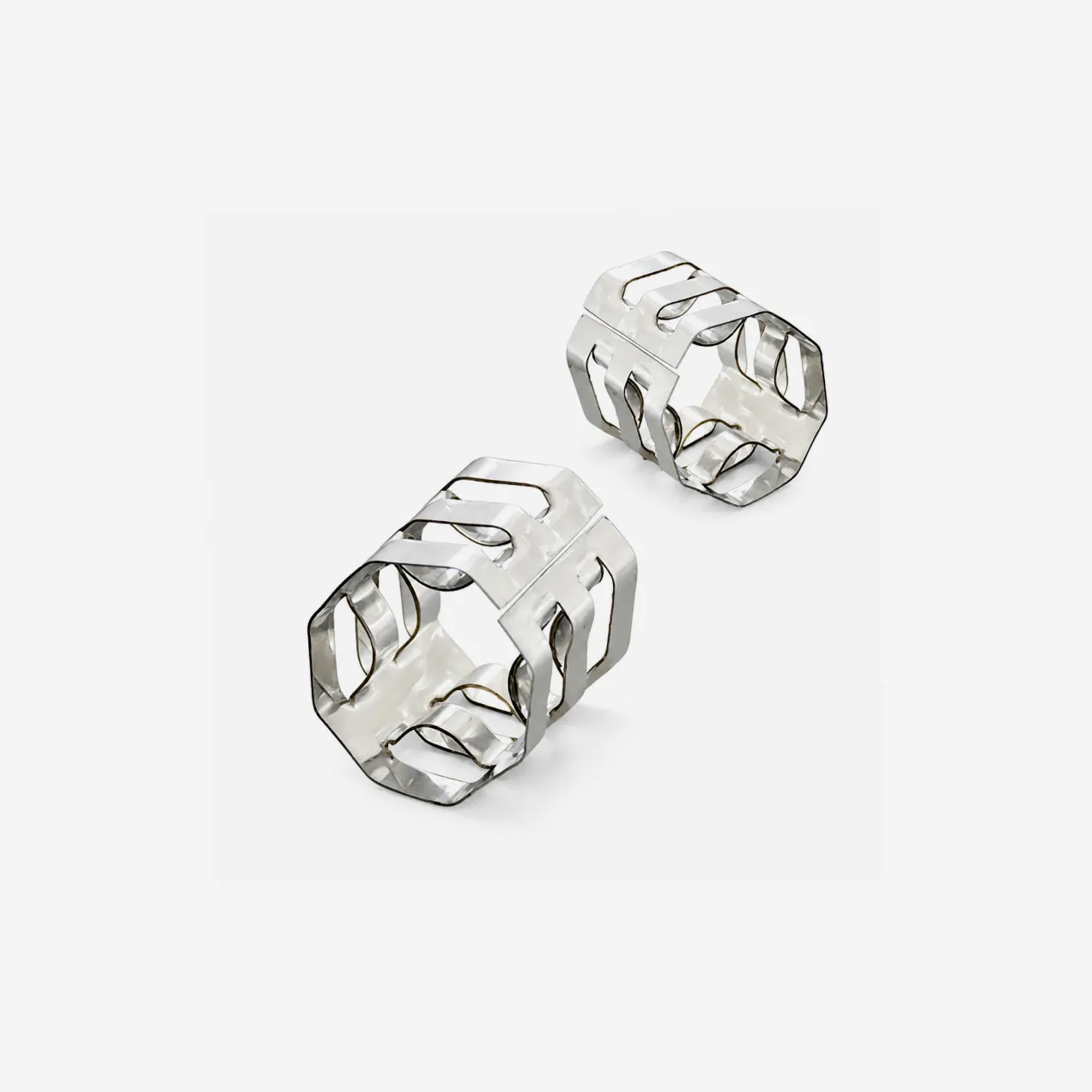
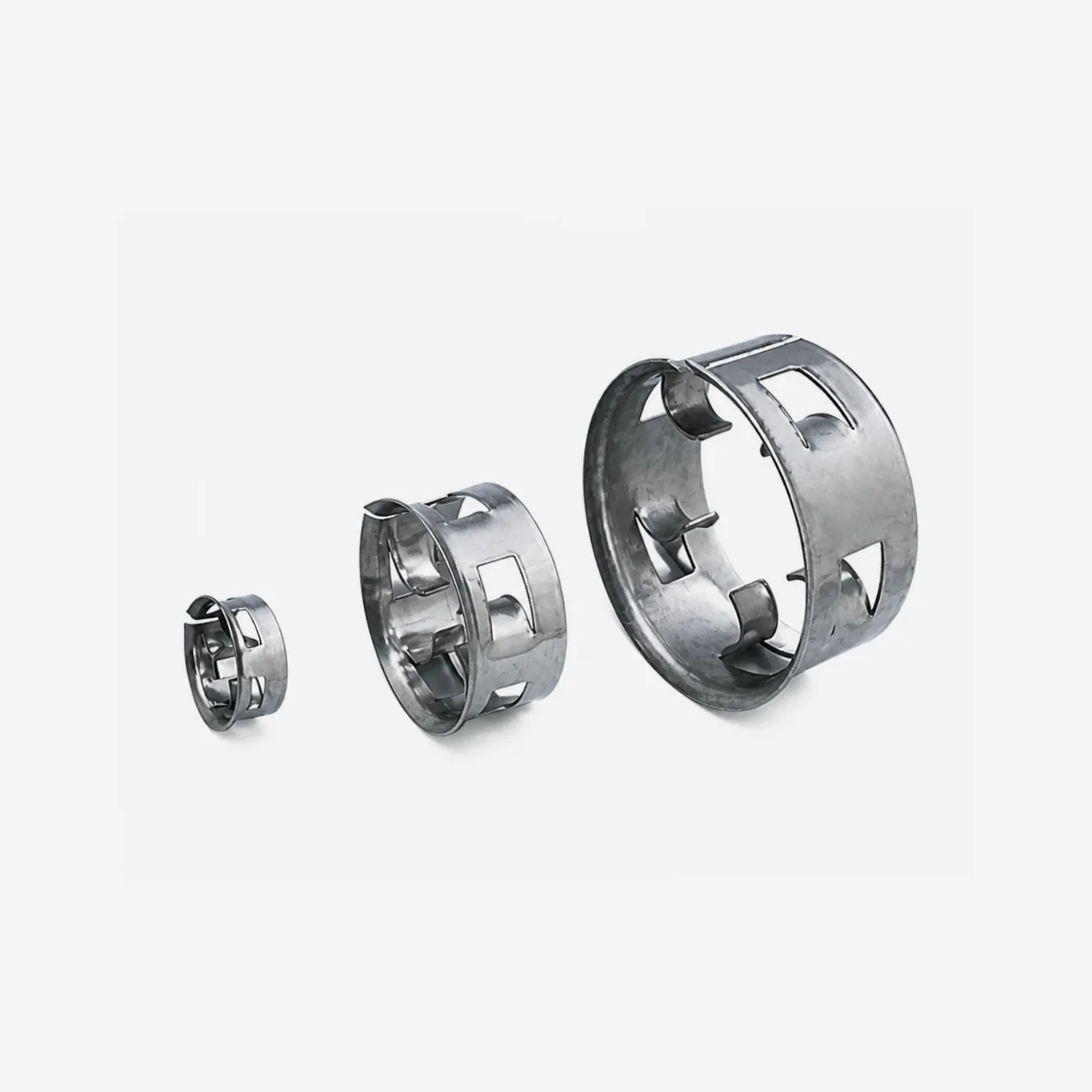
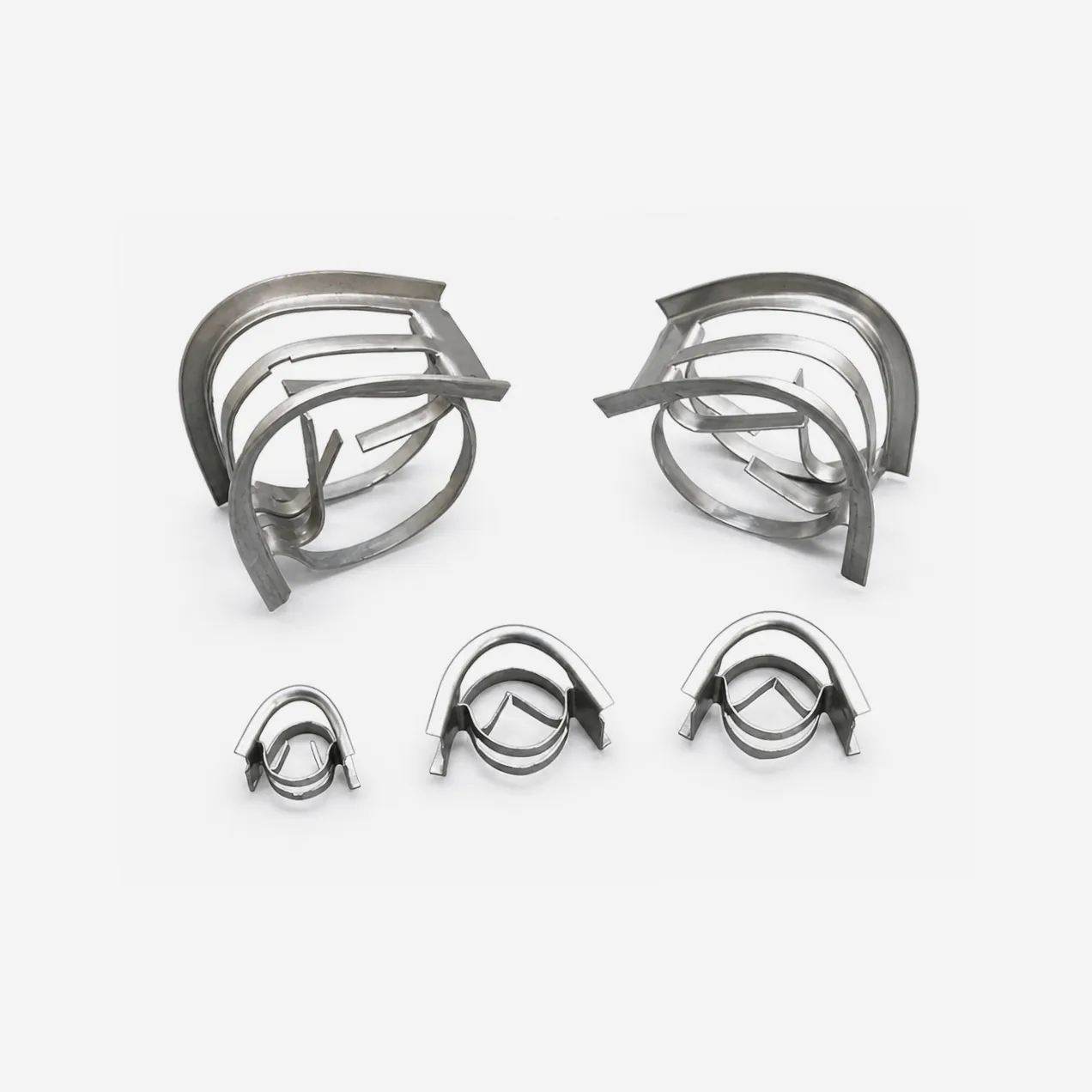
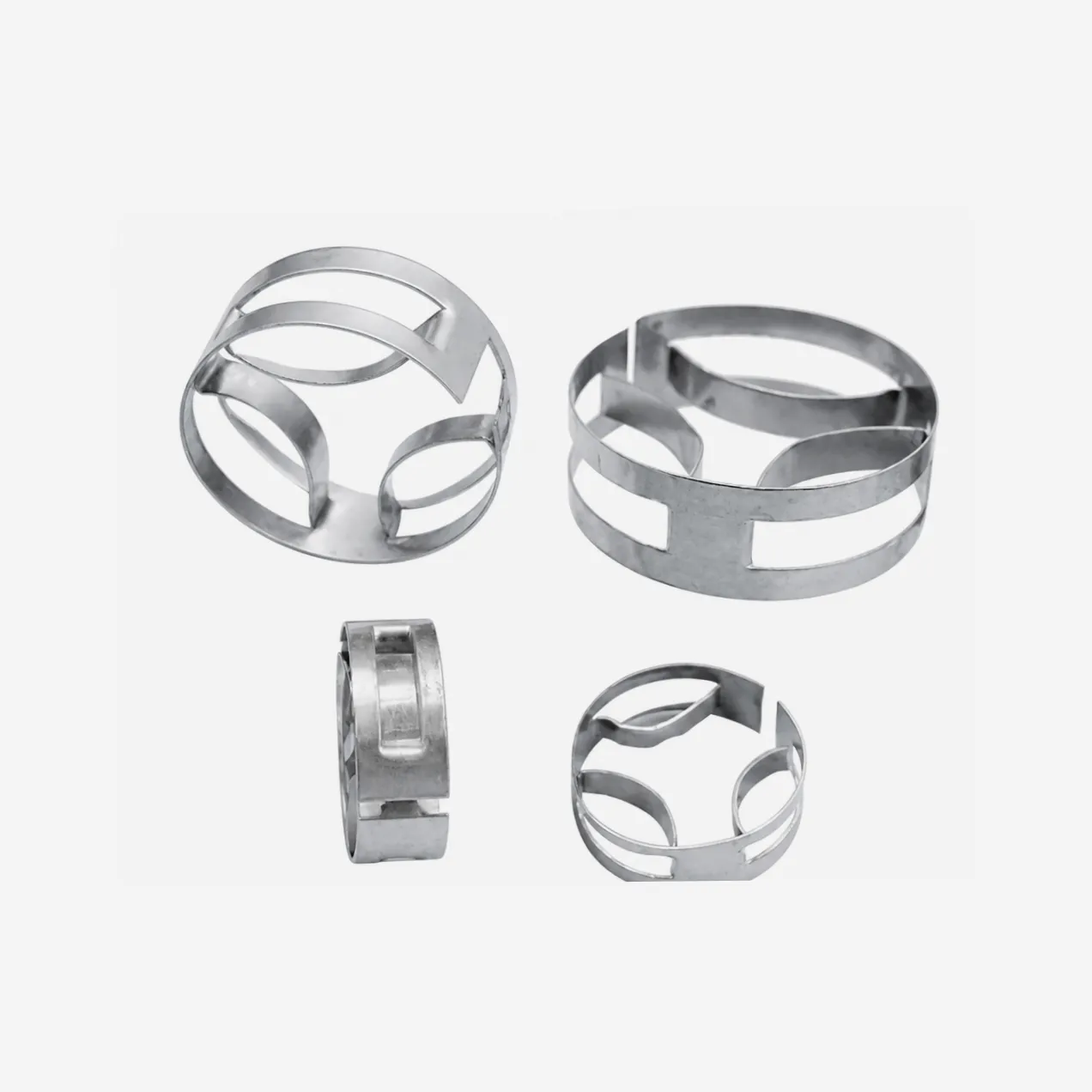
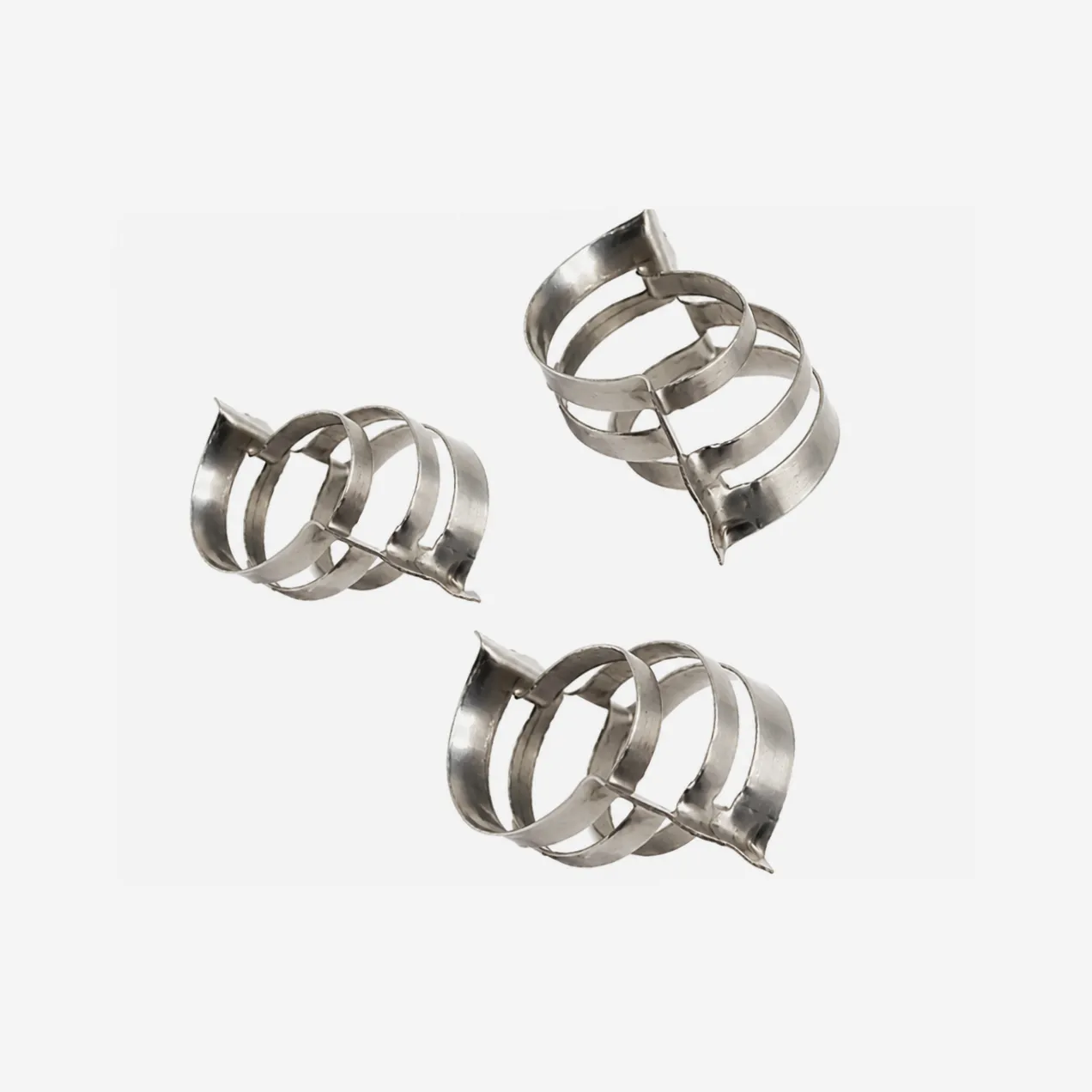
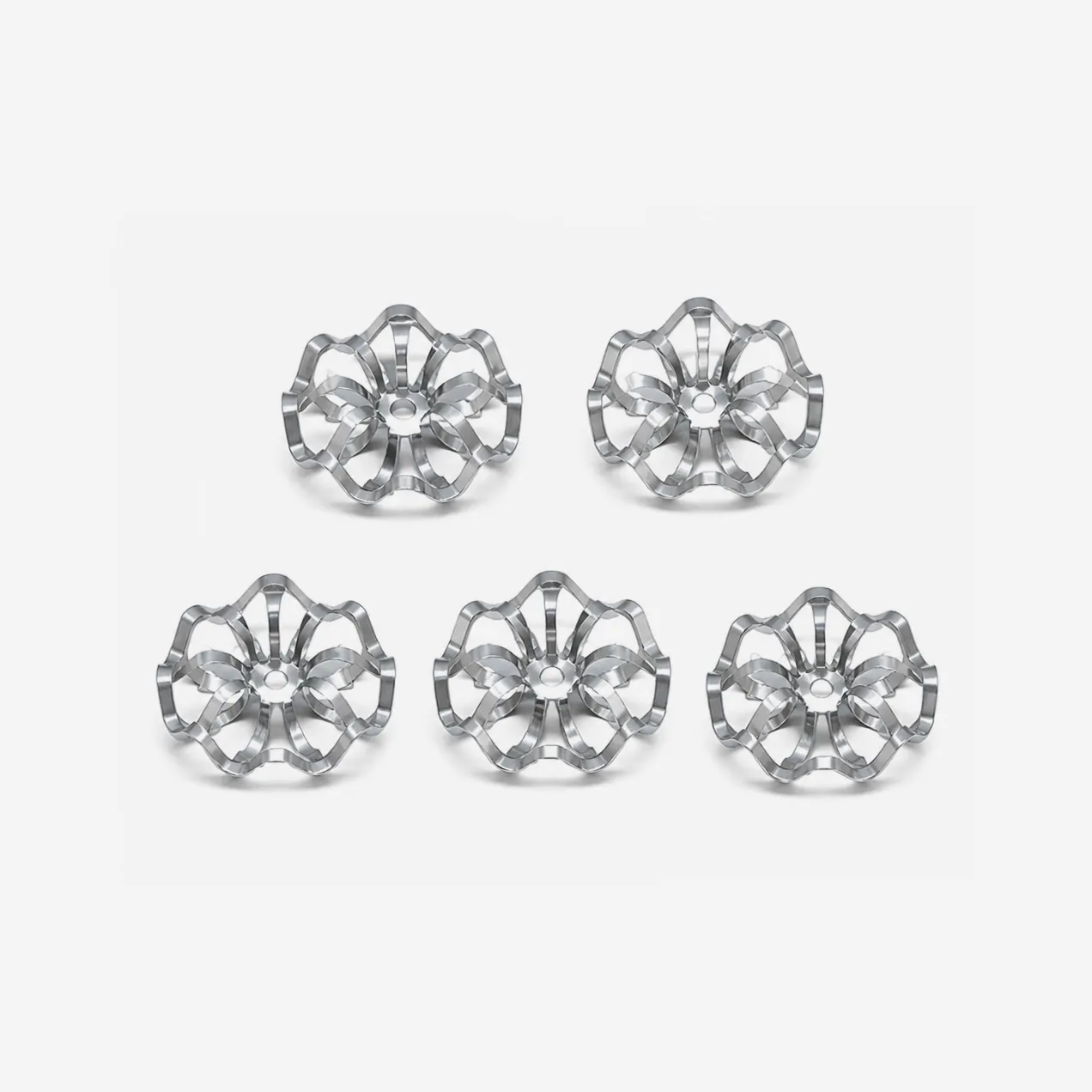
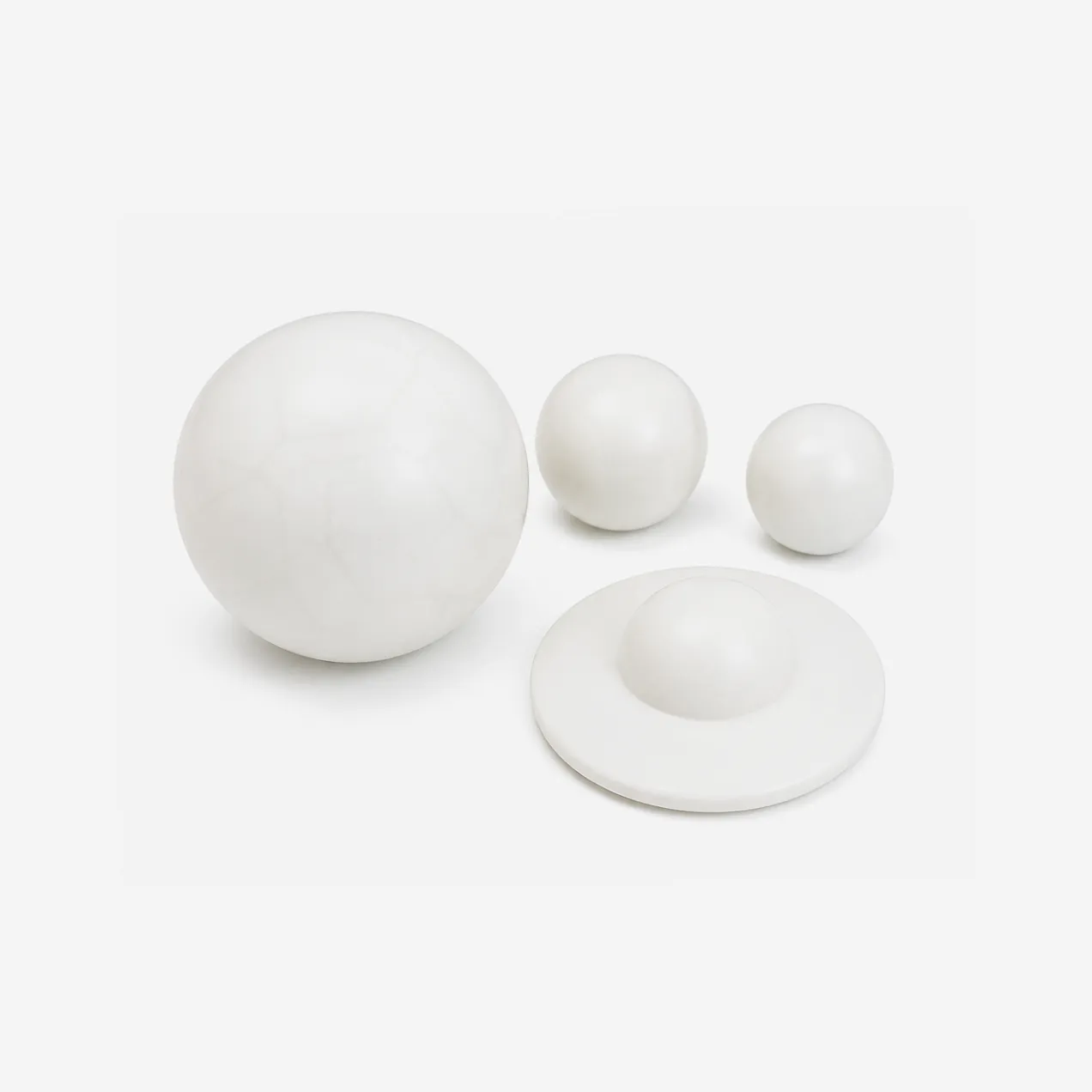
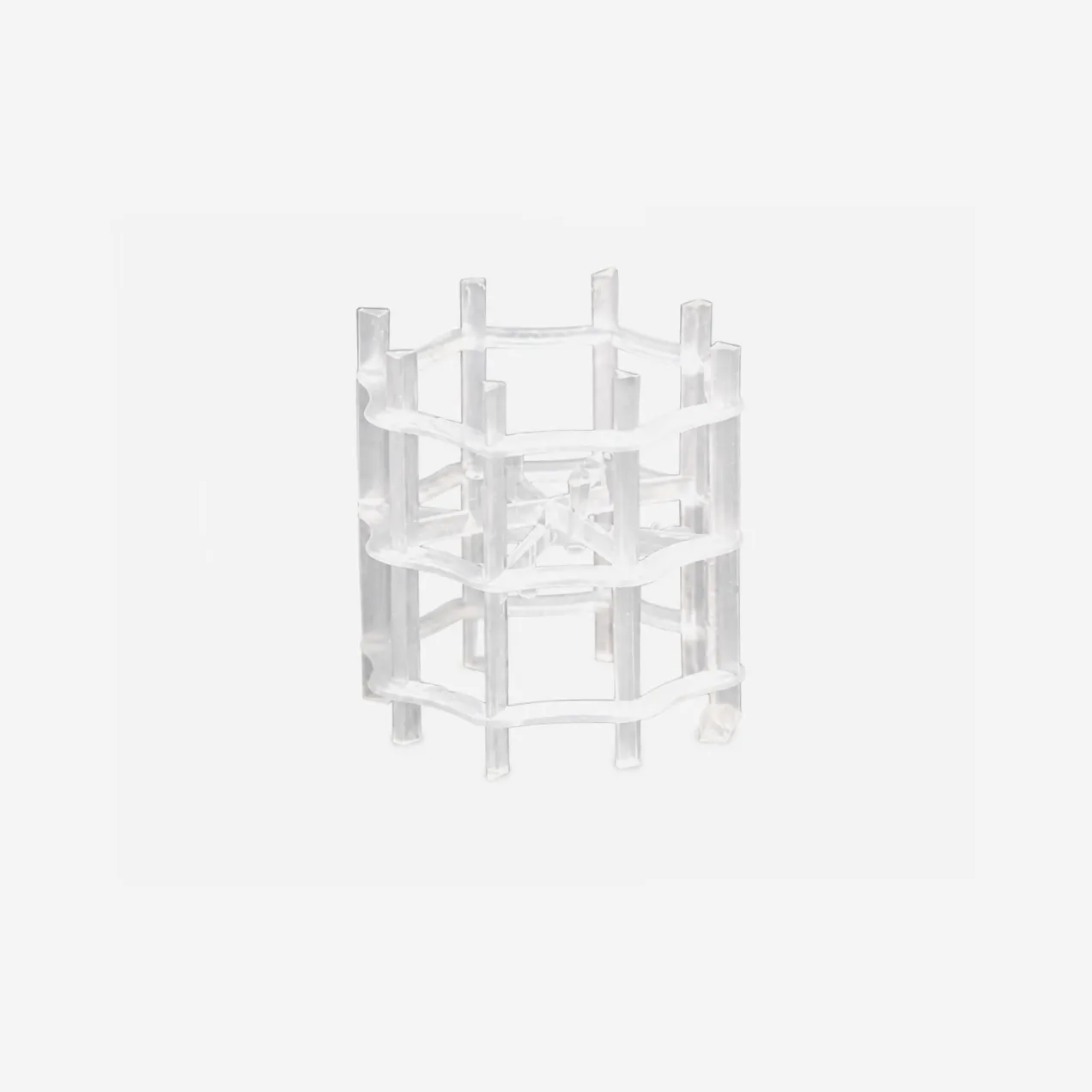
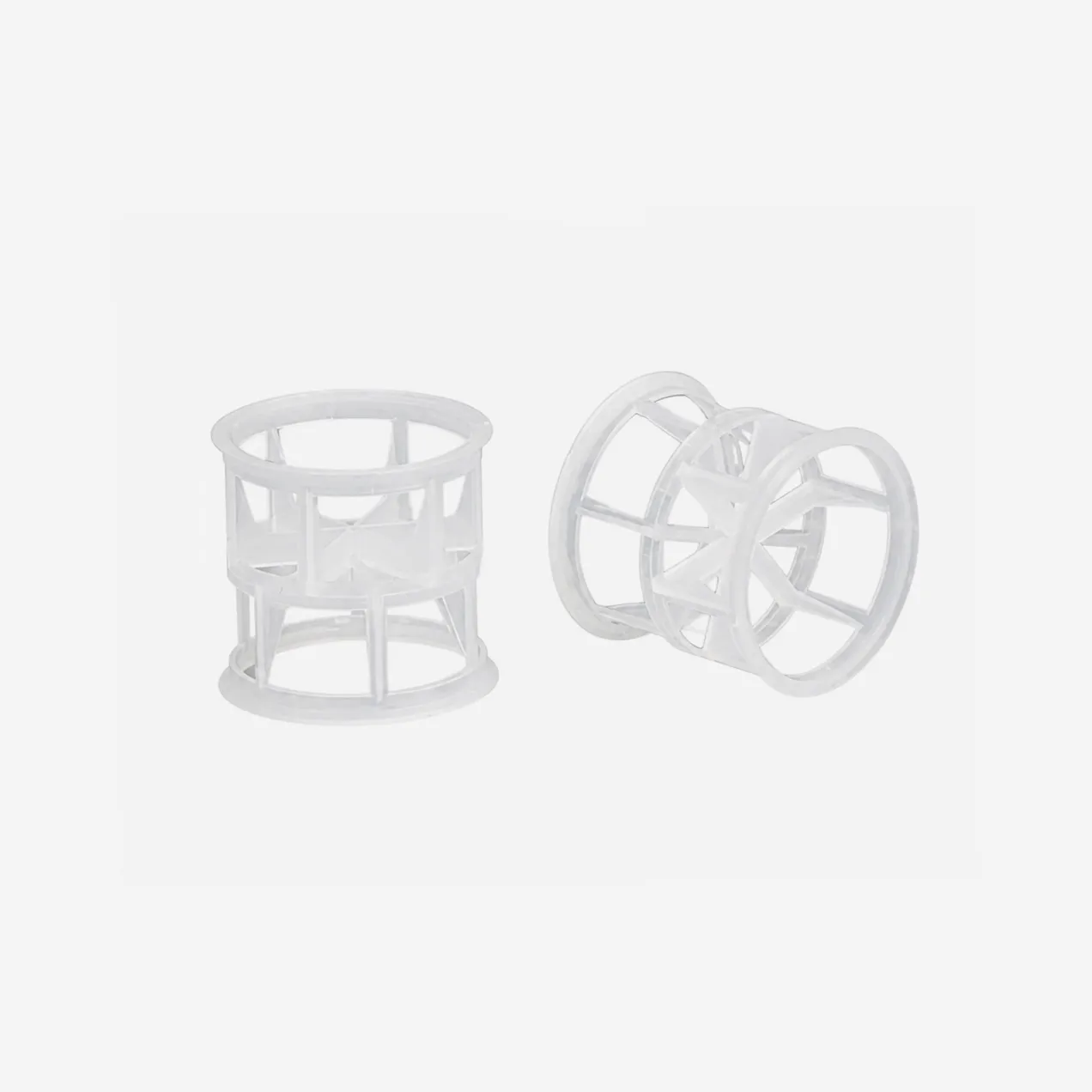
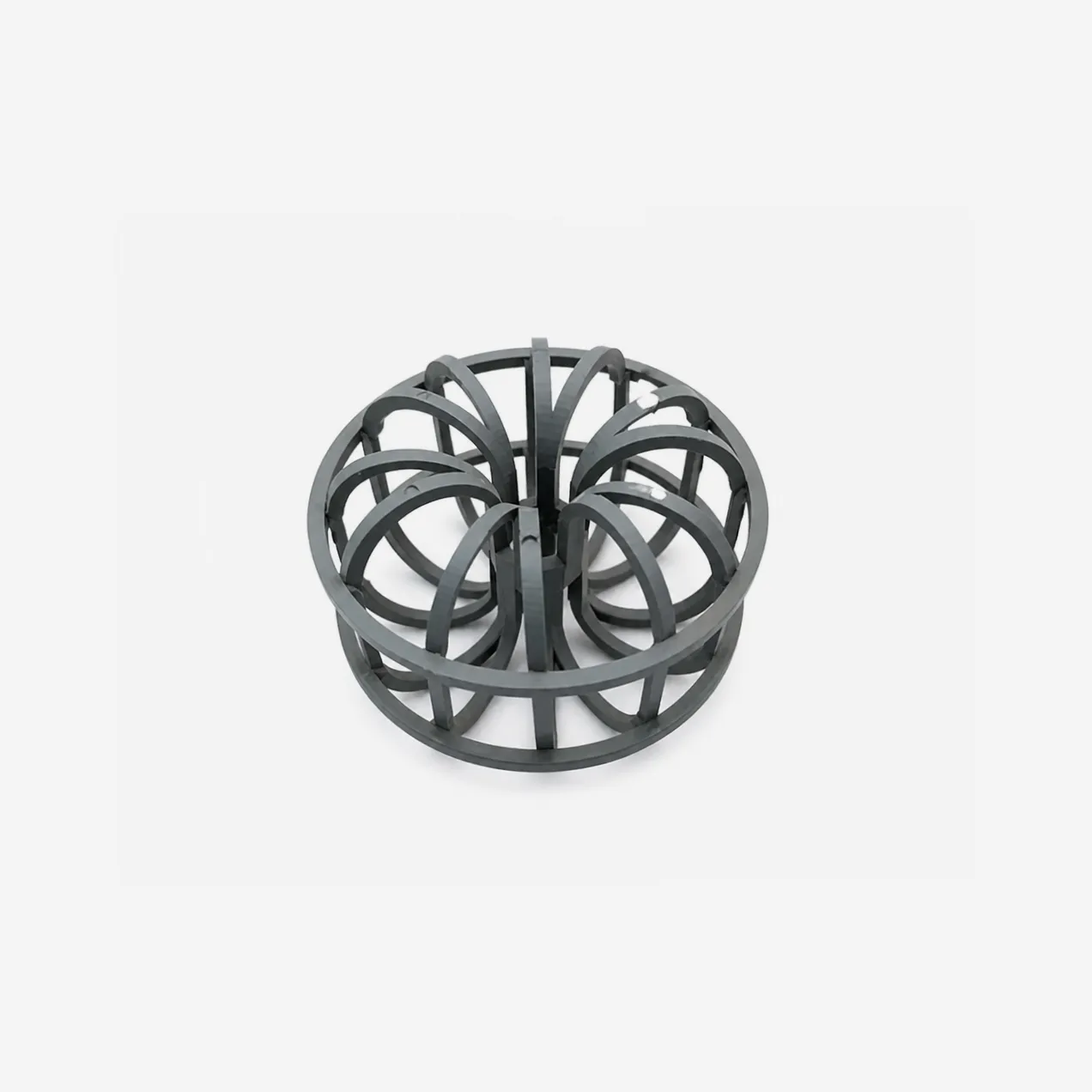
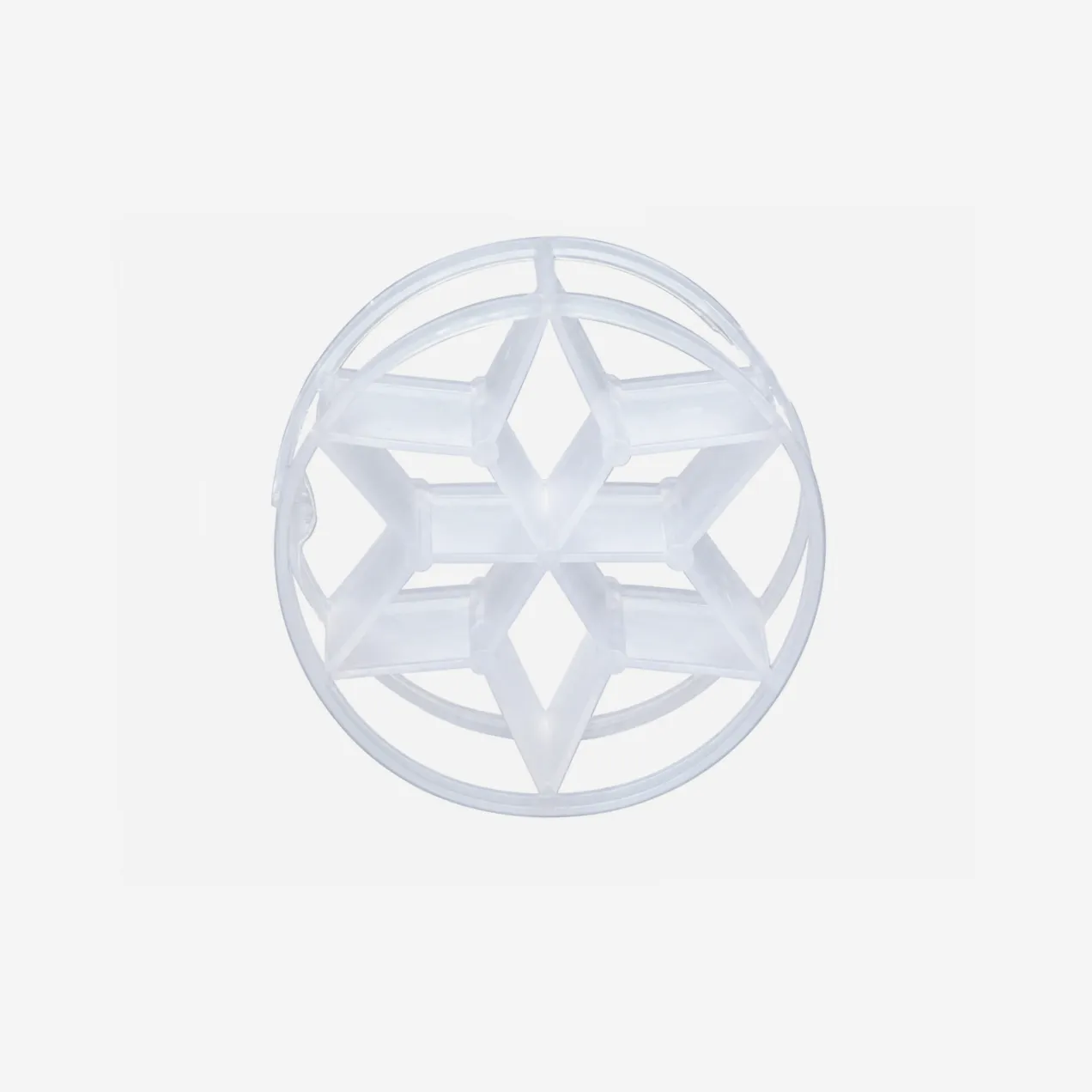
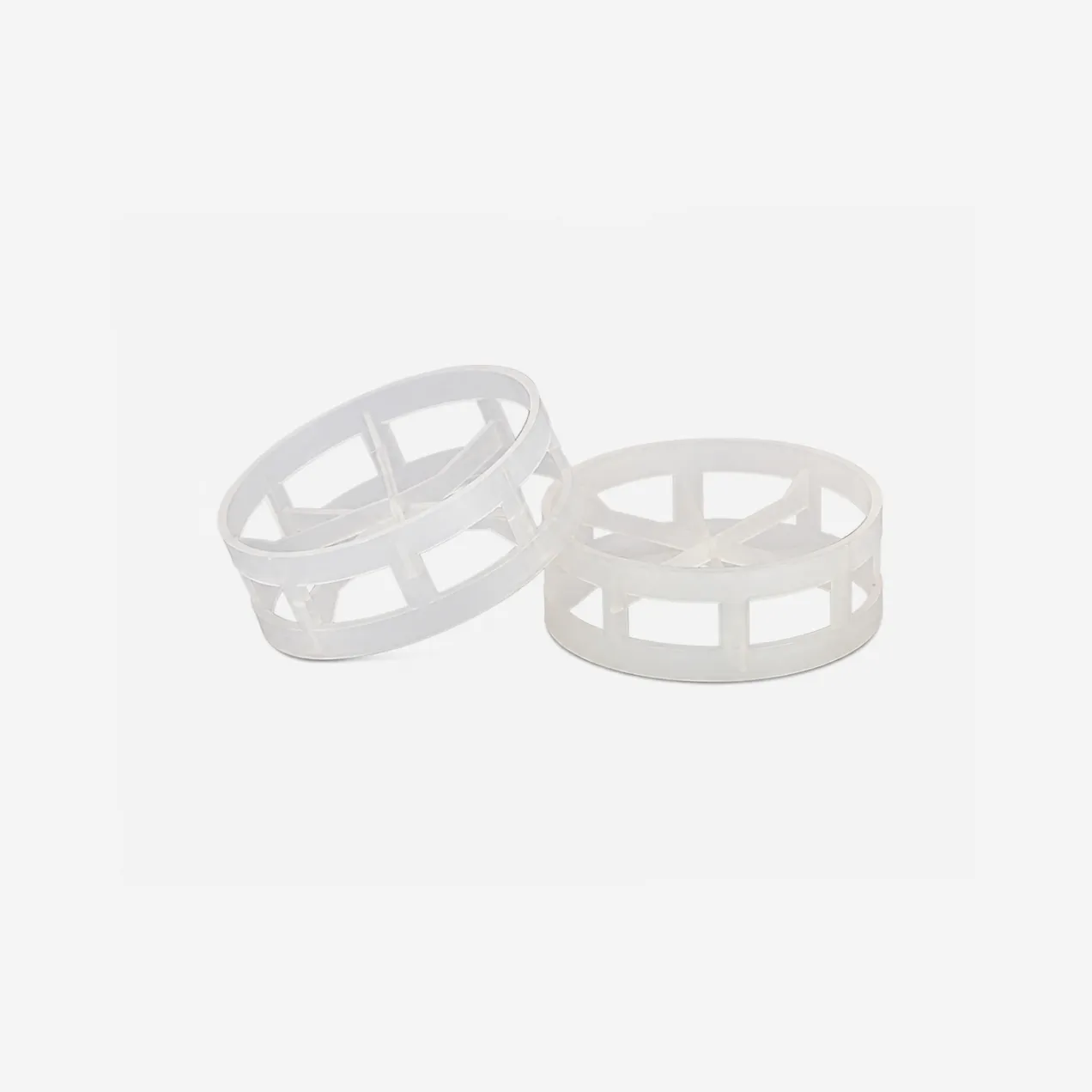
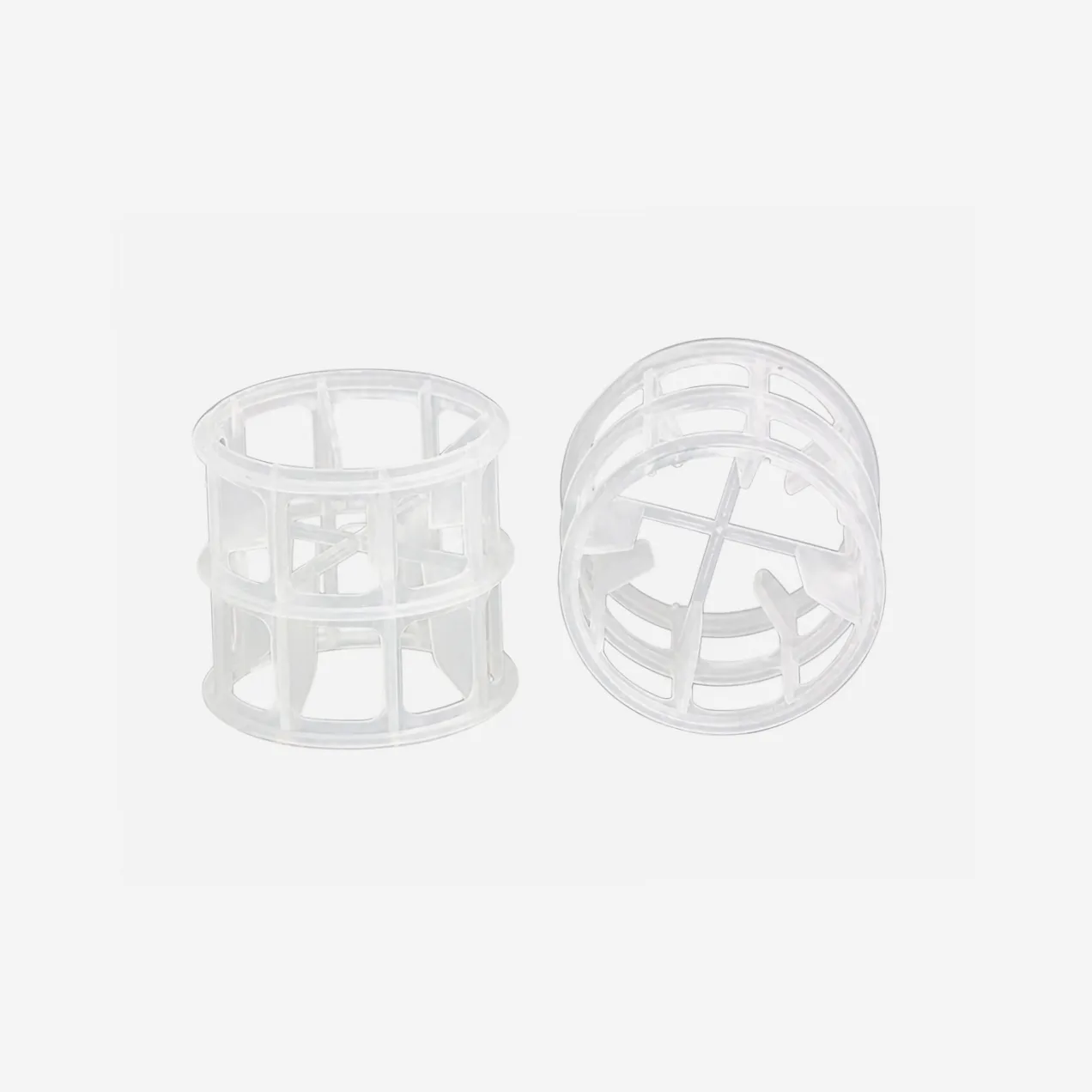
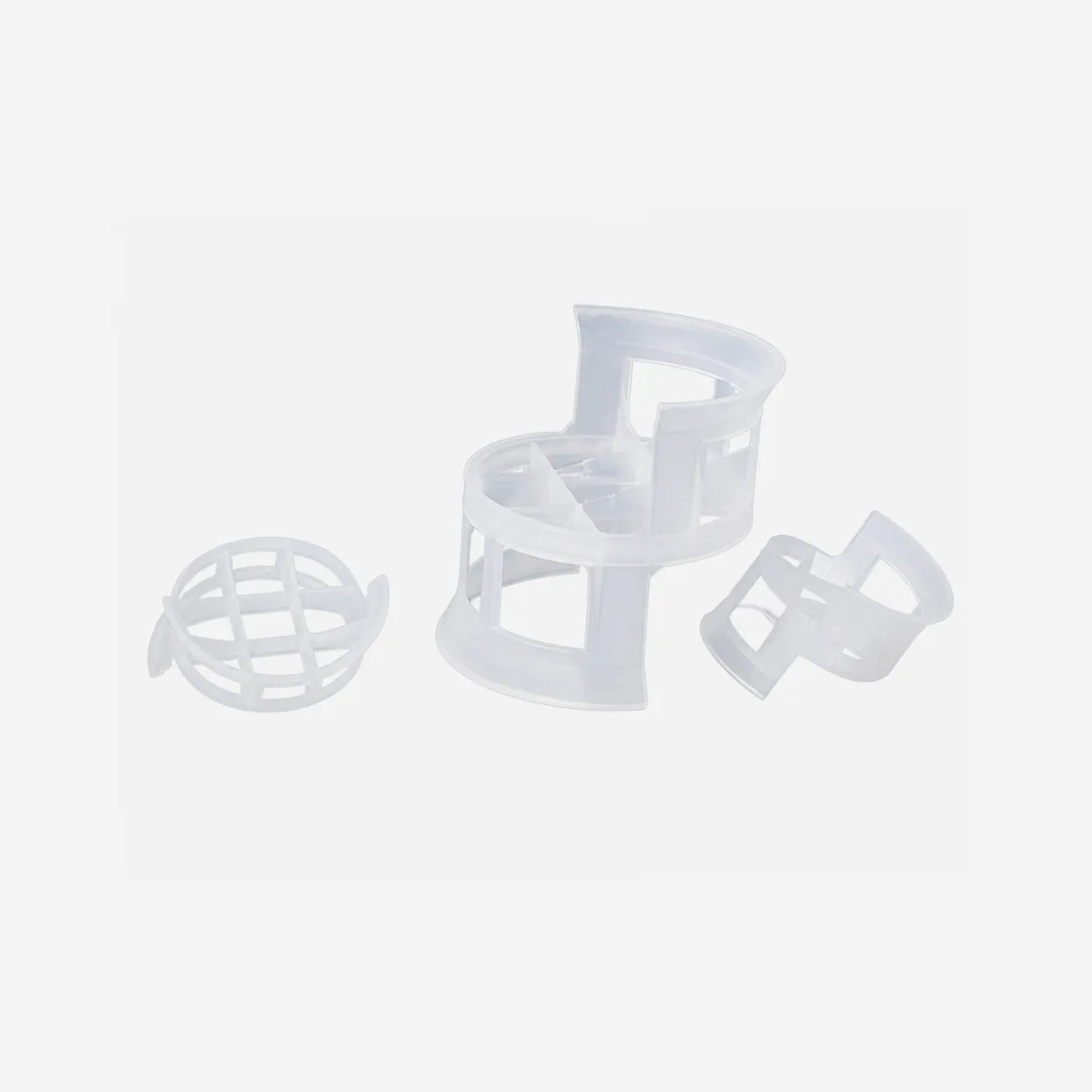
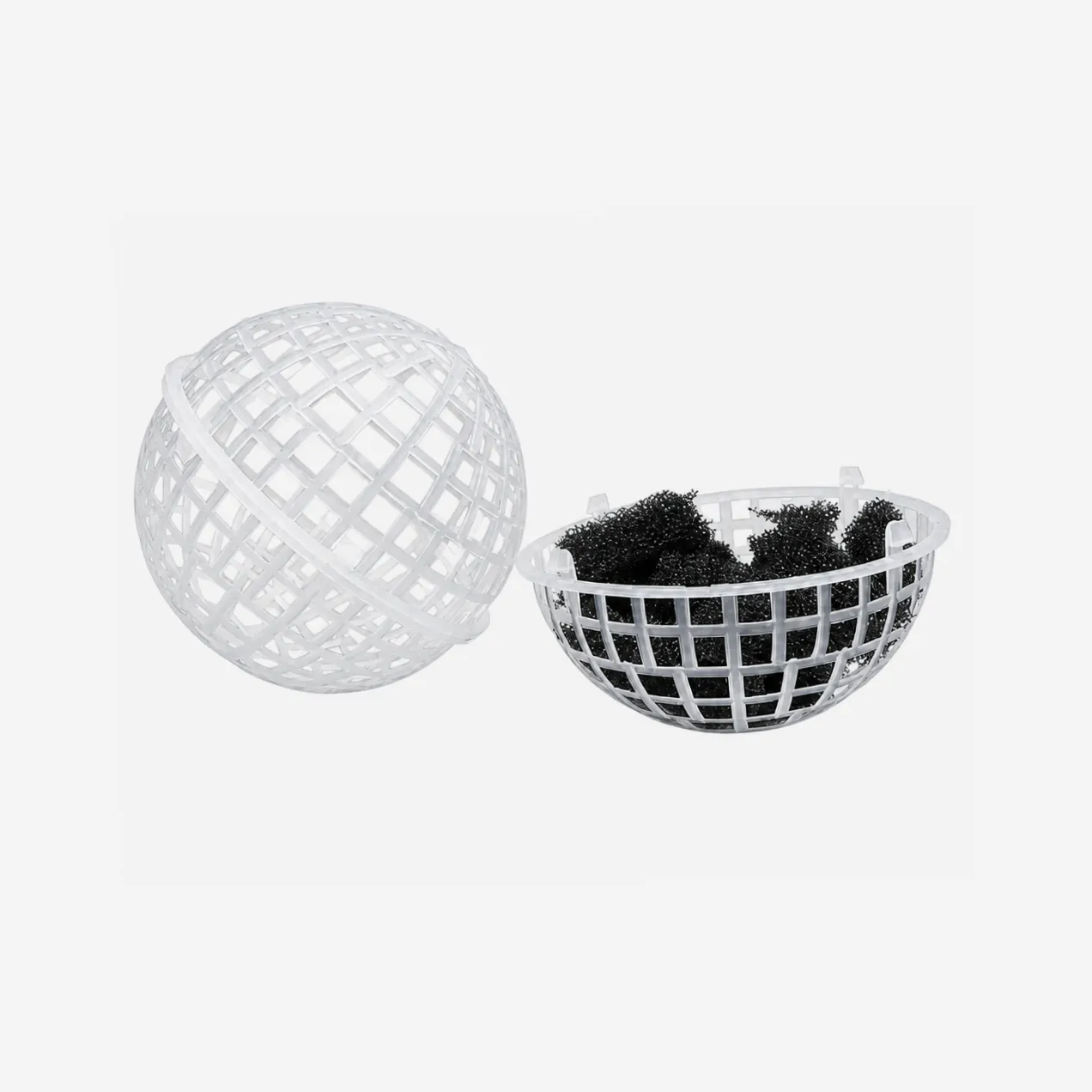
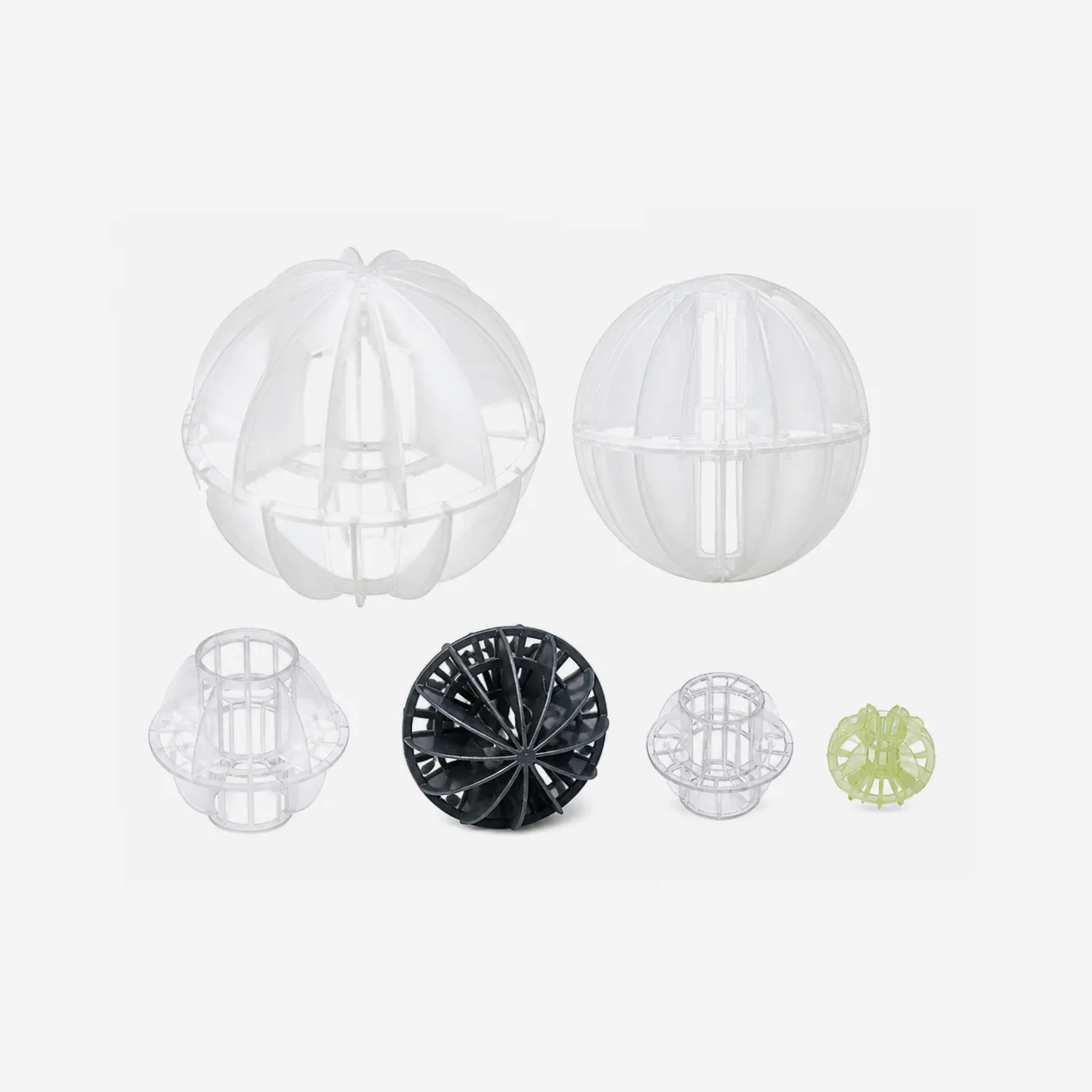
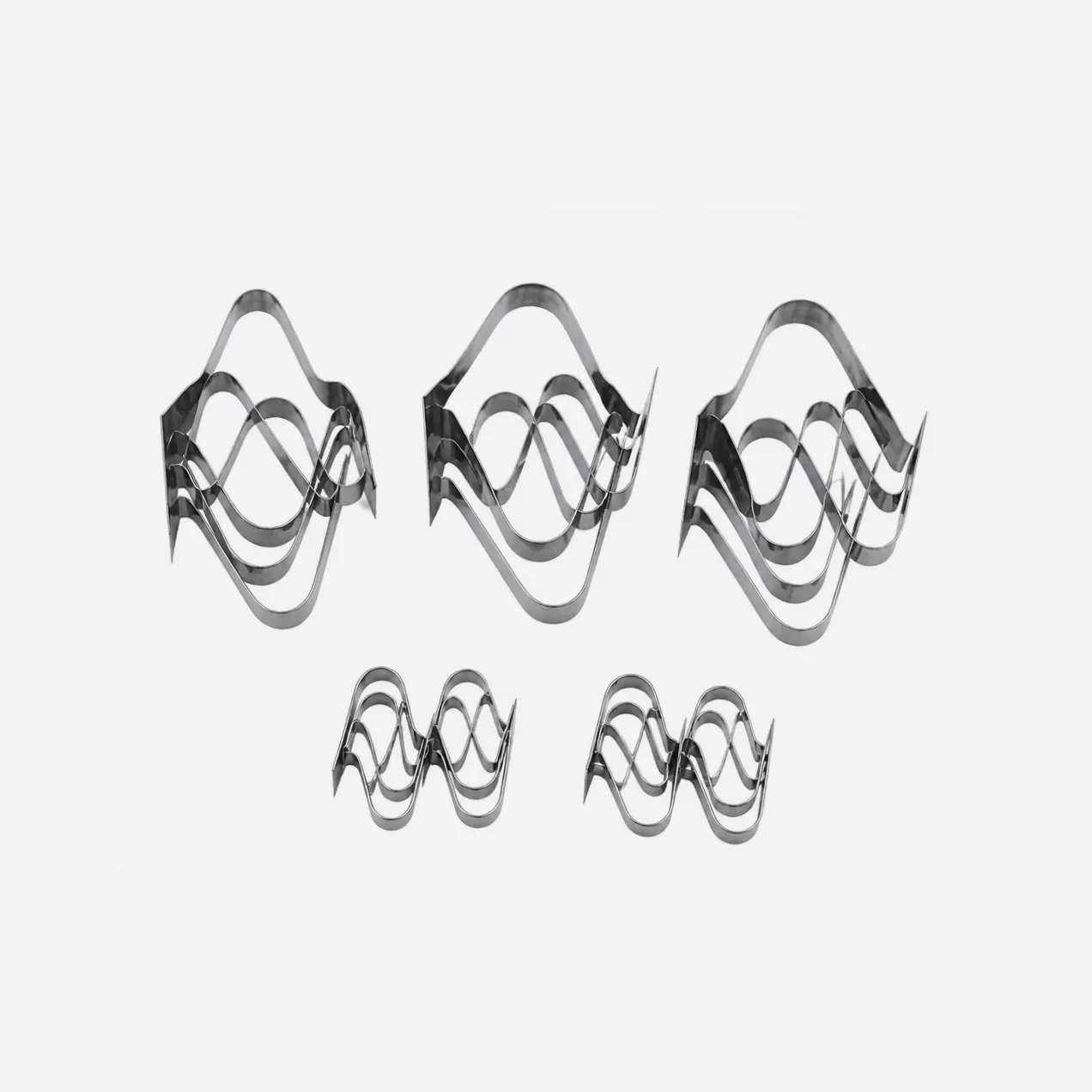
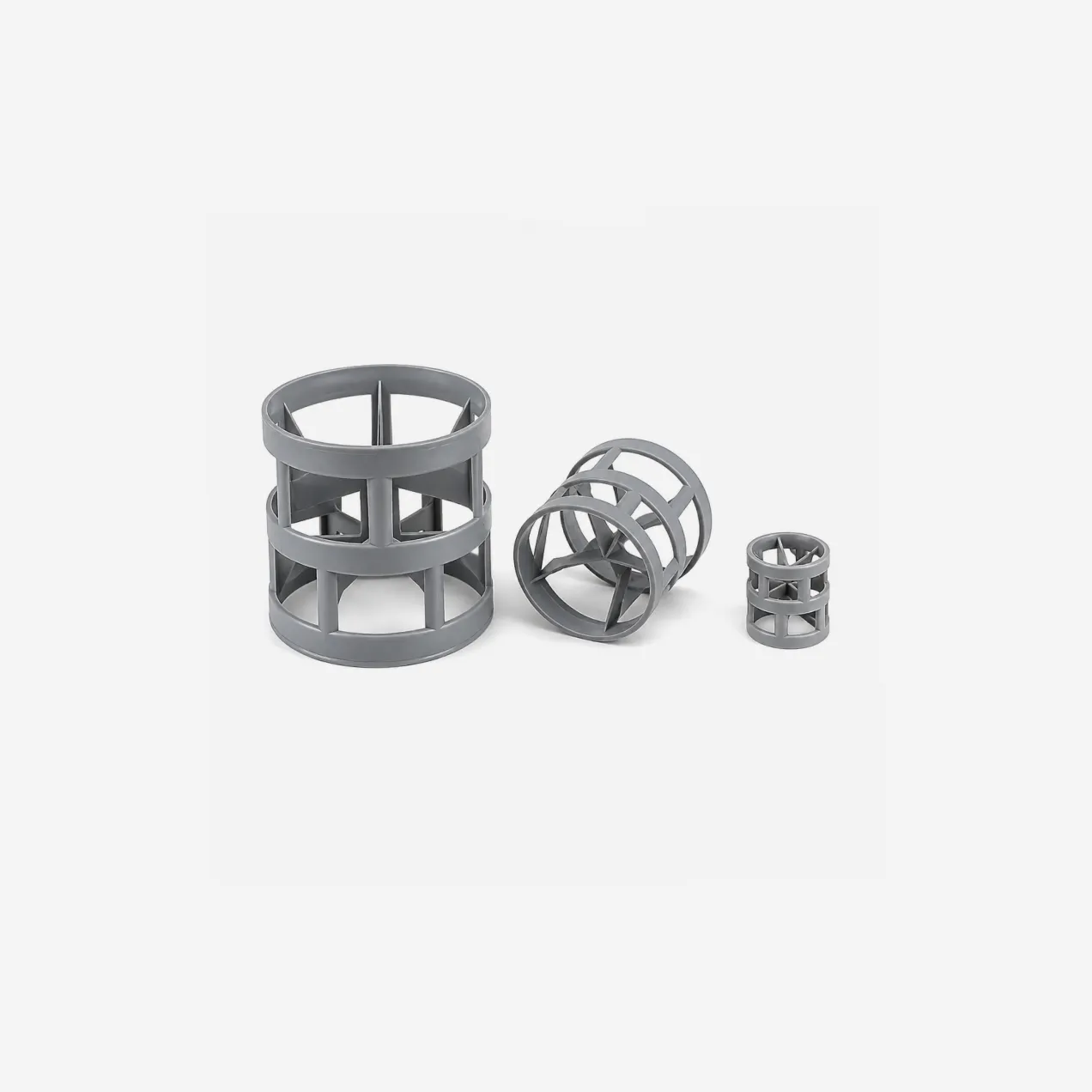
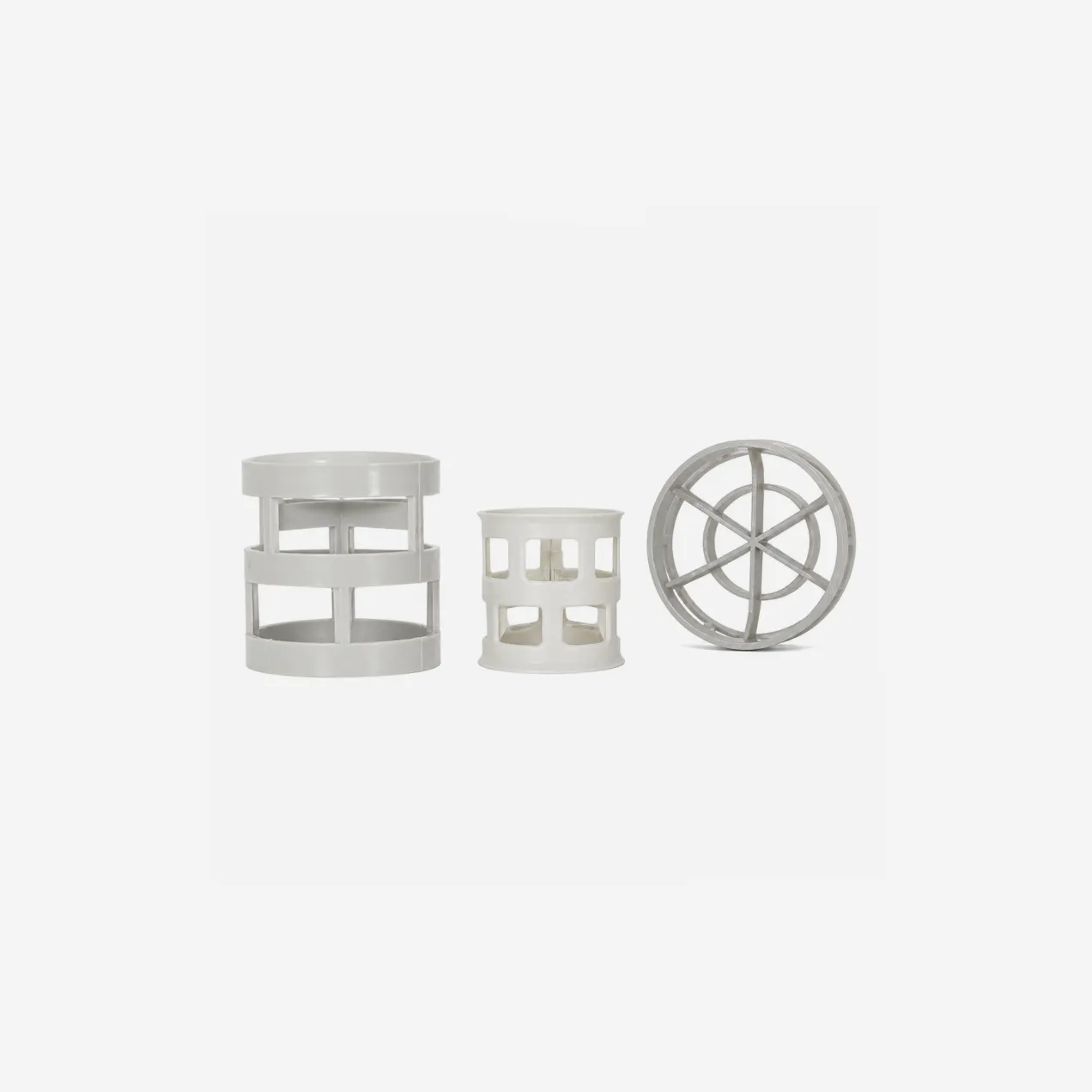
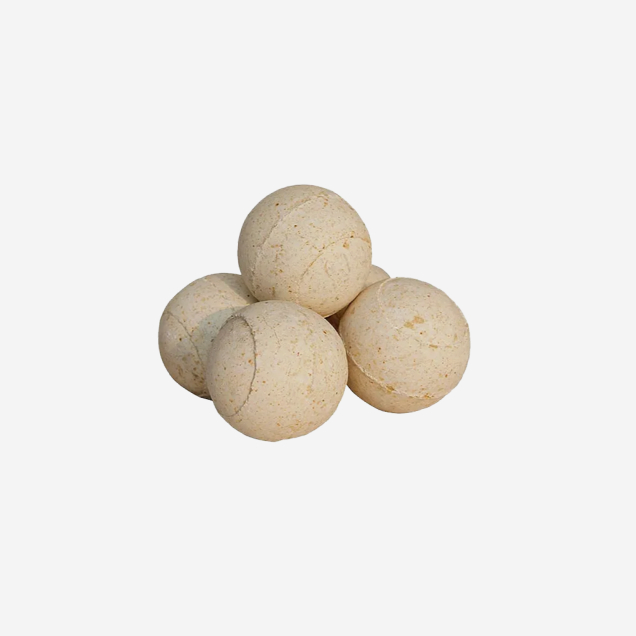
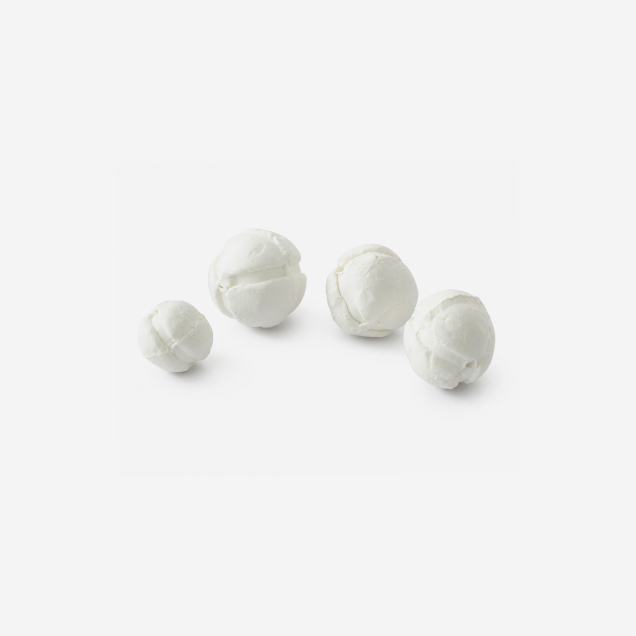
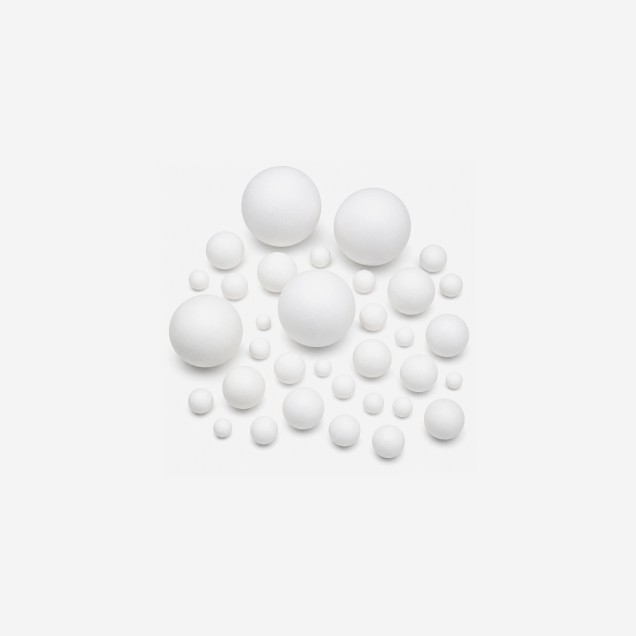
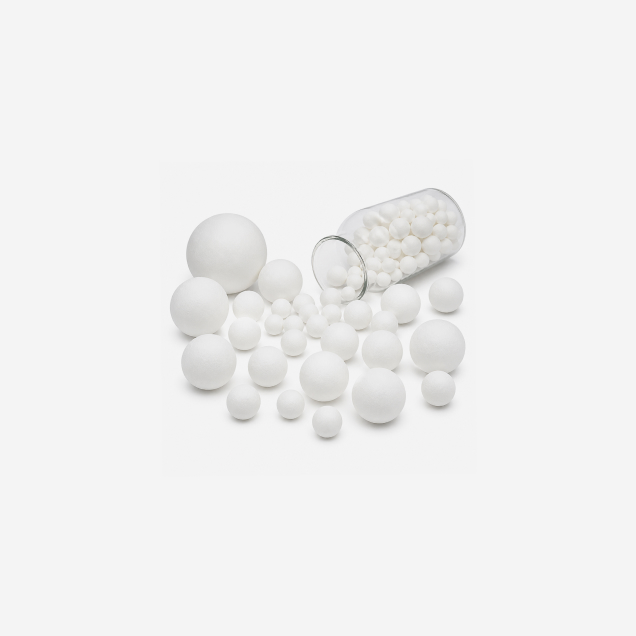
We pour the full range: pall rings, raschig rings, intalox and super saddles, cascade mini rings, IMTP, tri-packs, hollow balls and more, in ceramic, metal and plastic. Each shape trades cost, efficiency and pressure drop differently, so the choice follows the duty.
Yes, and it is the choice buyers most often get wrong alone. We carry ceramic, all common steels, and the full plastic range from PP, PE, PVC and CPVC up to PVDF, PTFE, PFA and FEP, matched to the acid, alkali, solvent or oxidizer in the stream.
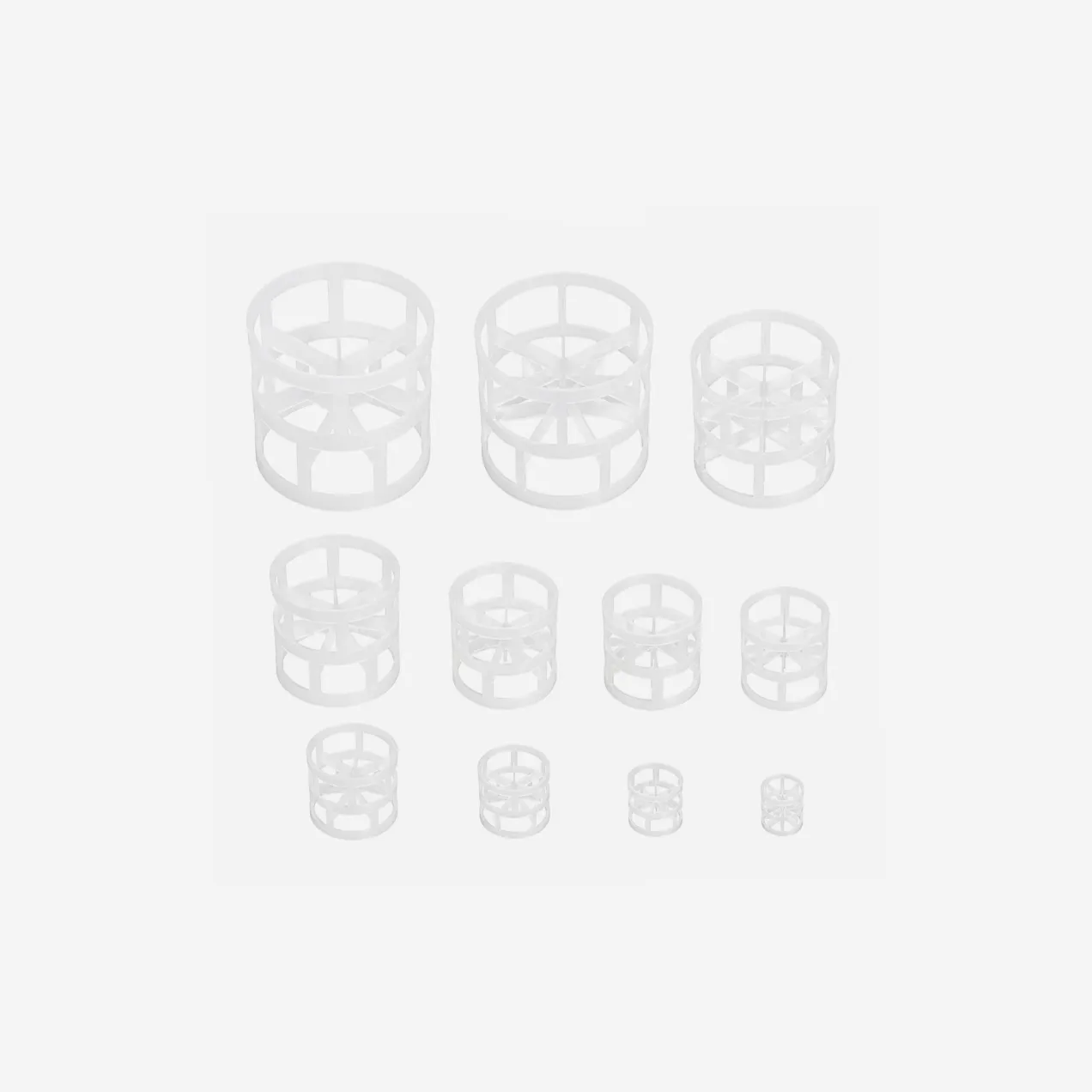
Yes. Standard sizes run from 16 mm to 100 mm, and beyond that we tool non-standard rings and saddles and produce specific alloys and polymers. Custom work is routine here.
Most random packing problems trace back to a choice made before the order: the wrong material, the wrong shape, or a bed that floods because the size was picked by habit. This is the order we work through with buyers.
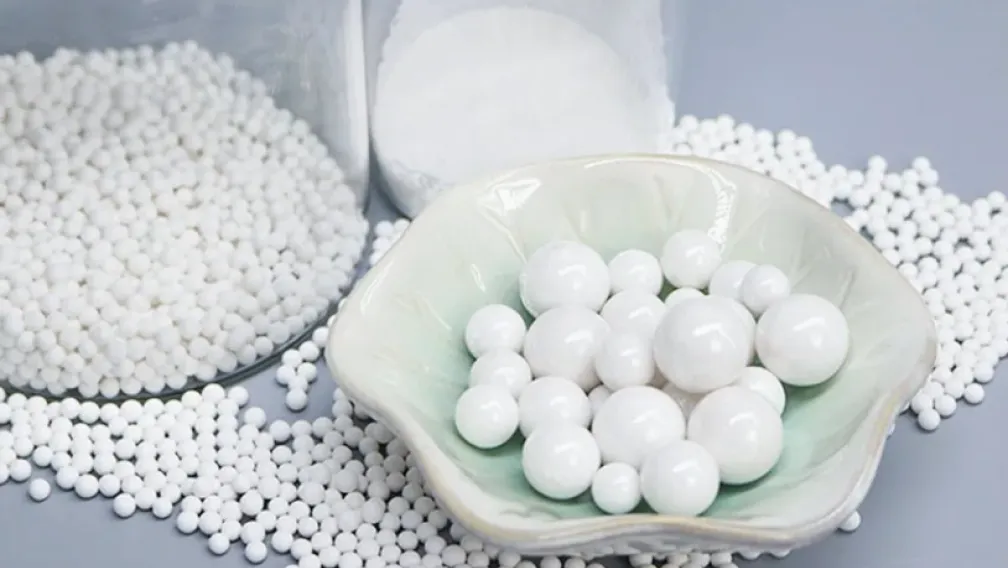
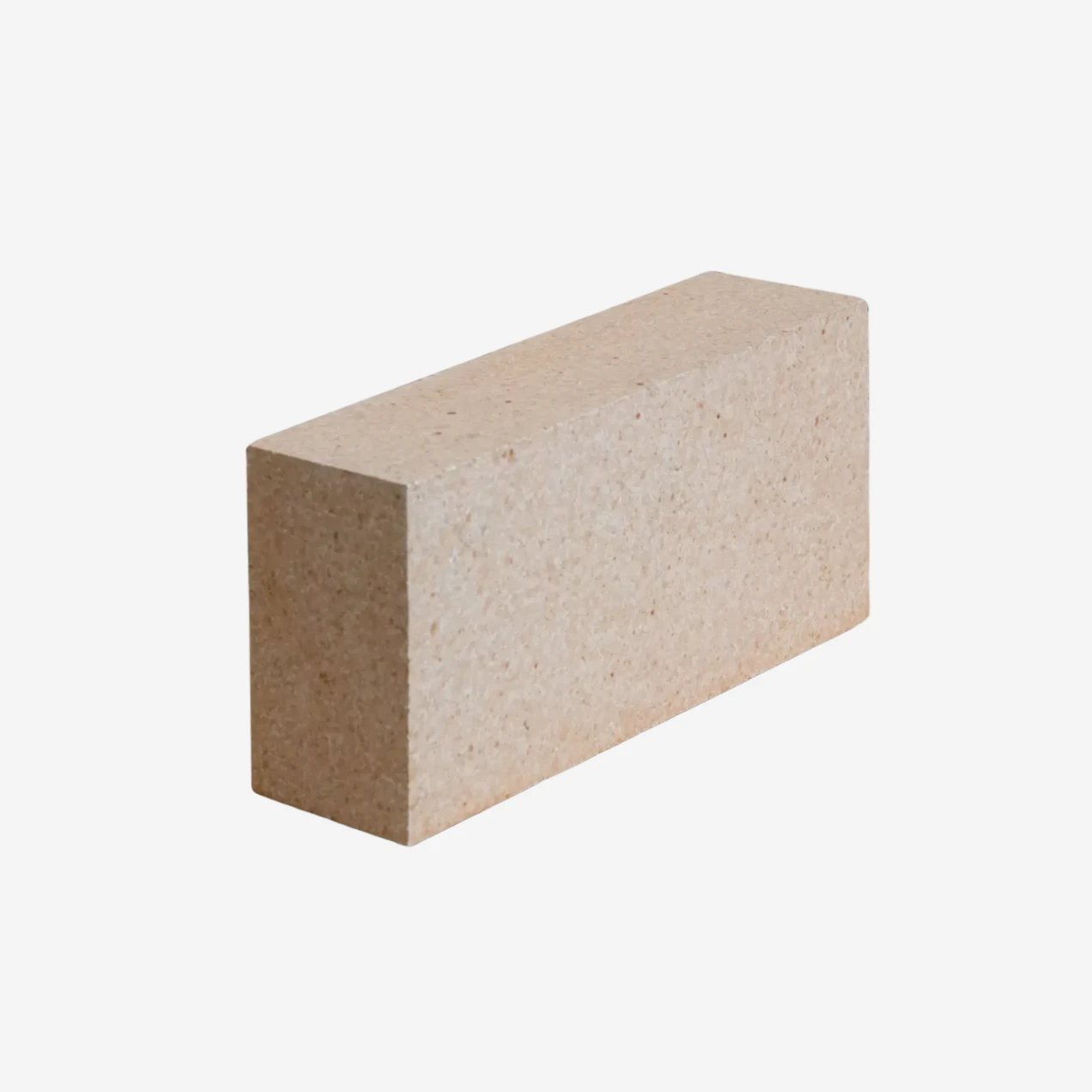
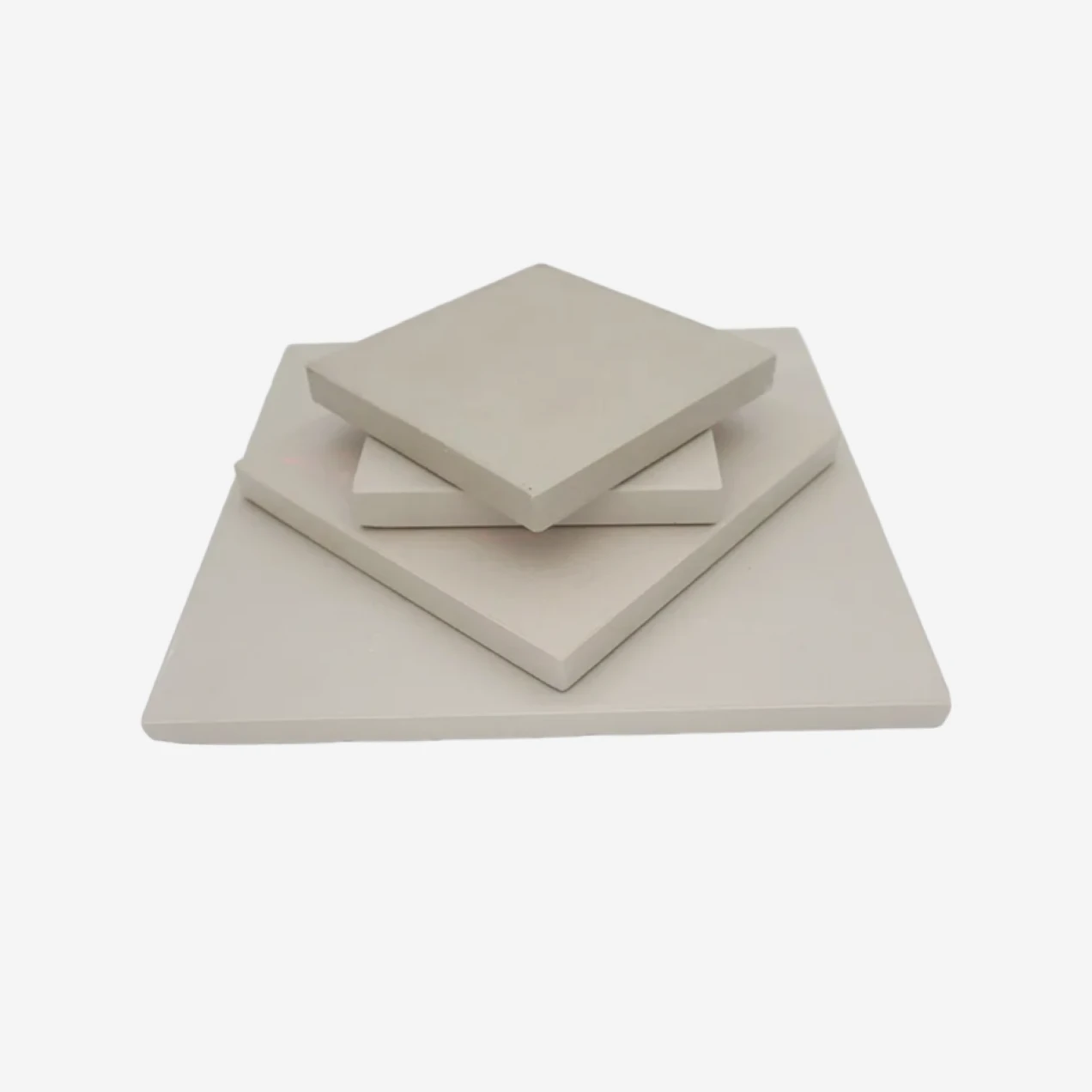
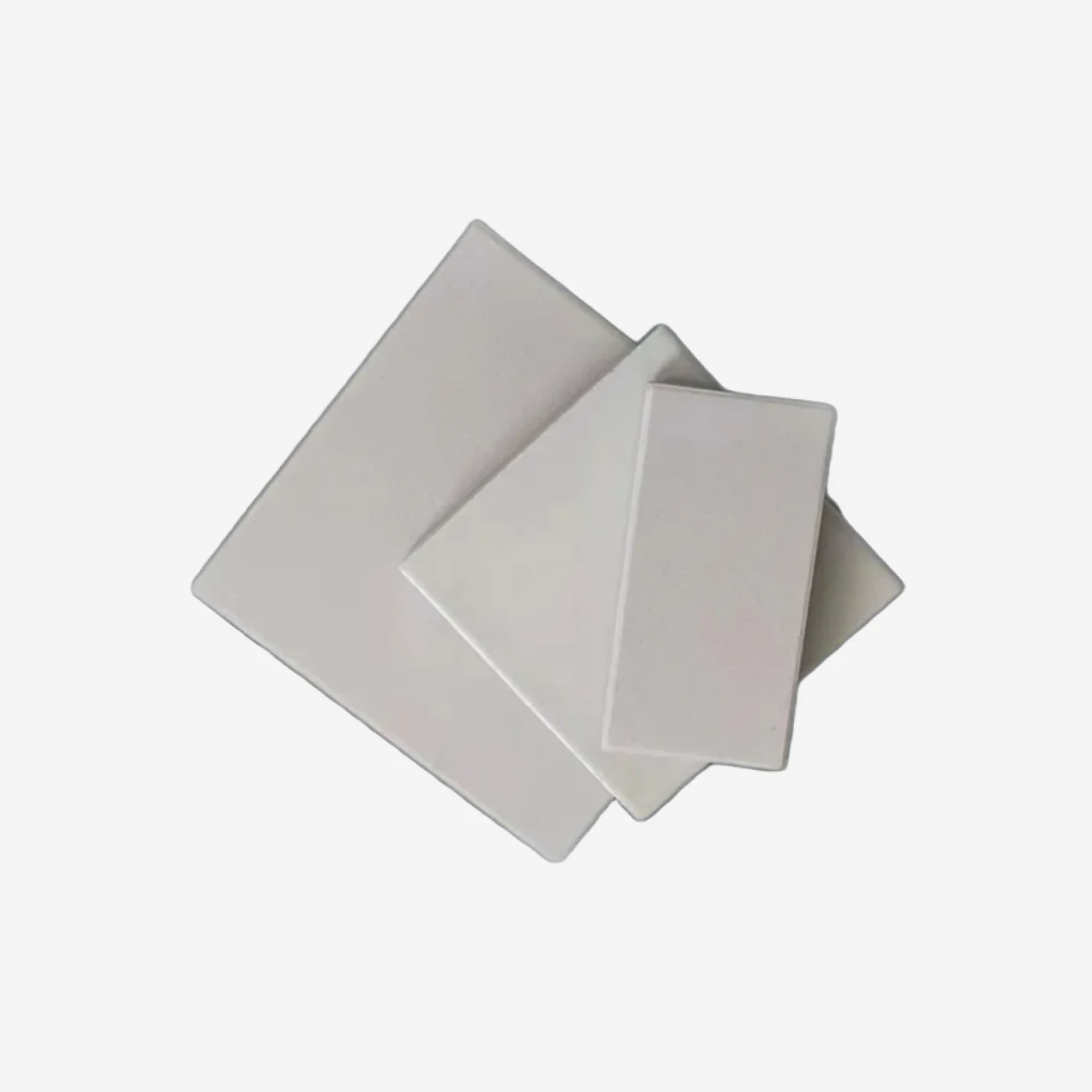
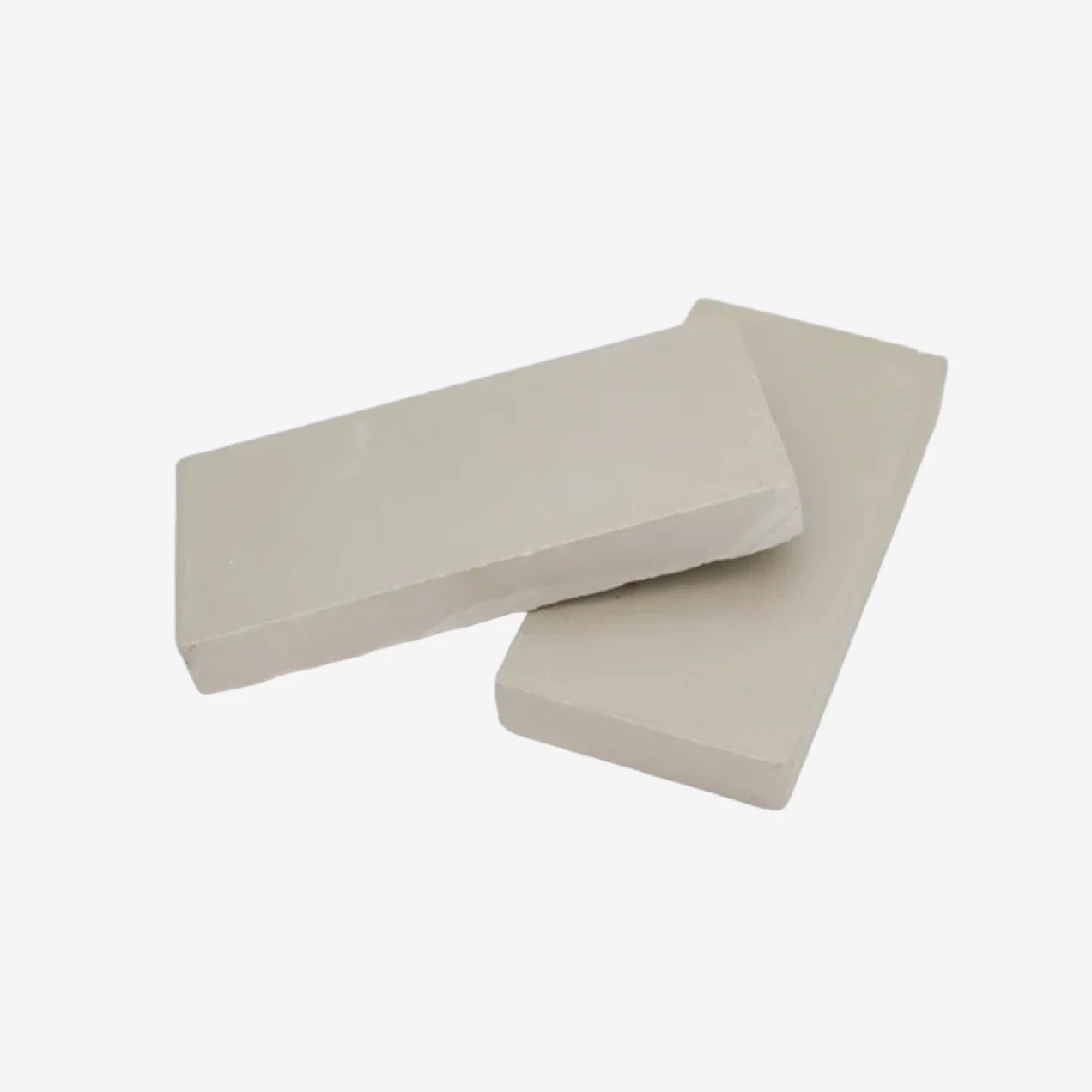
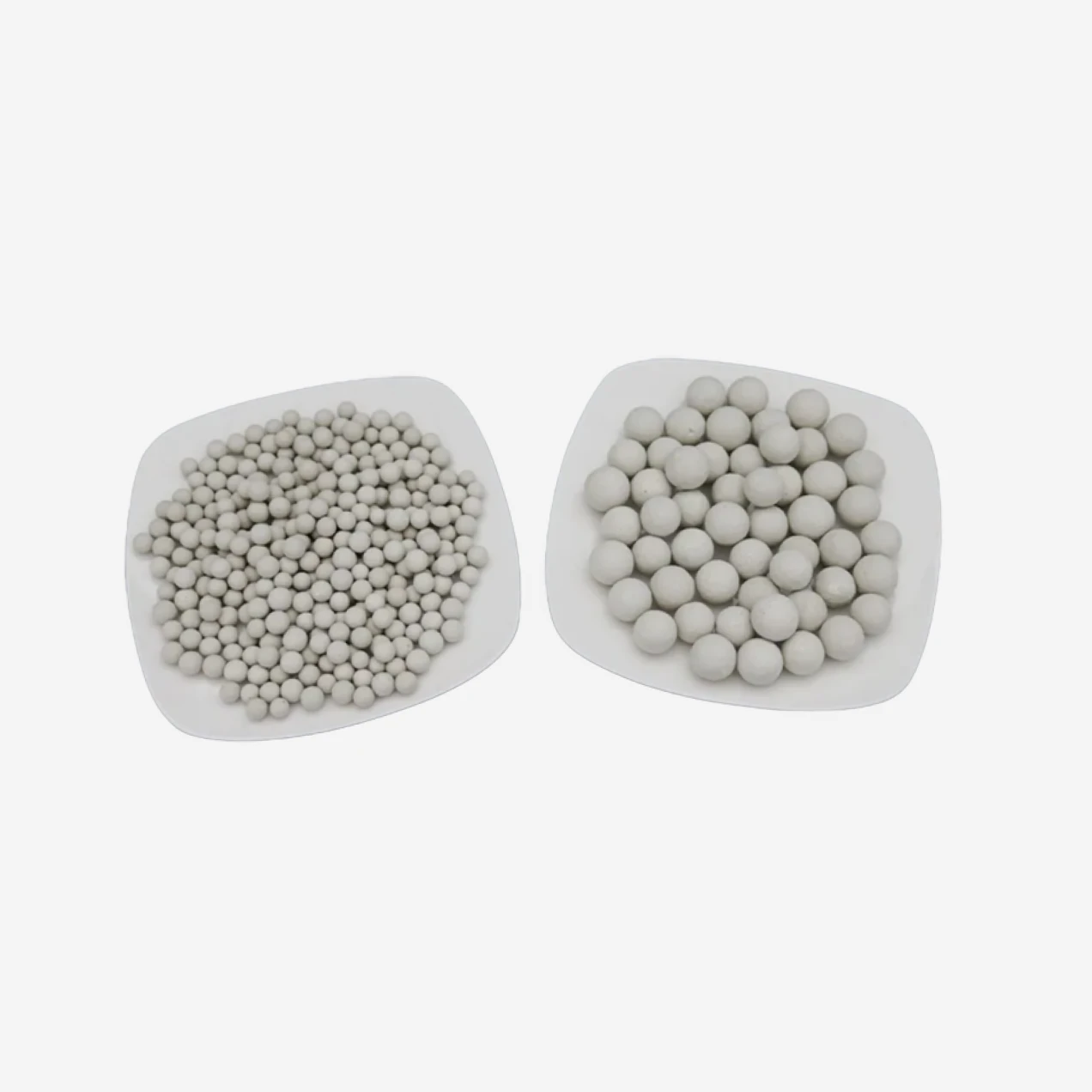
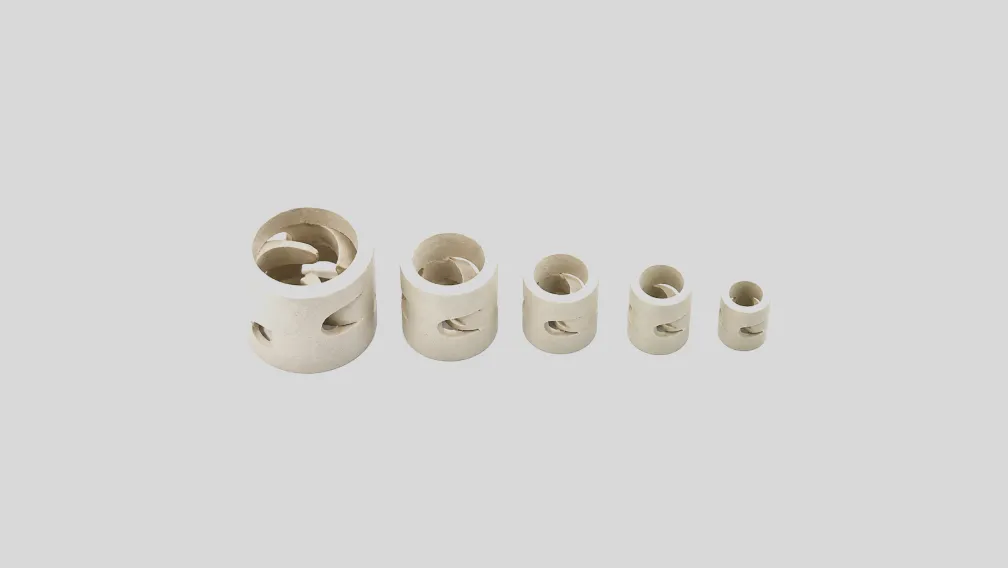
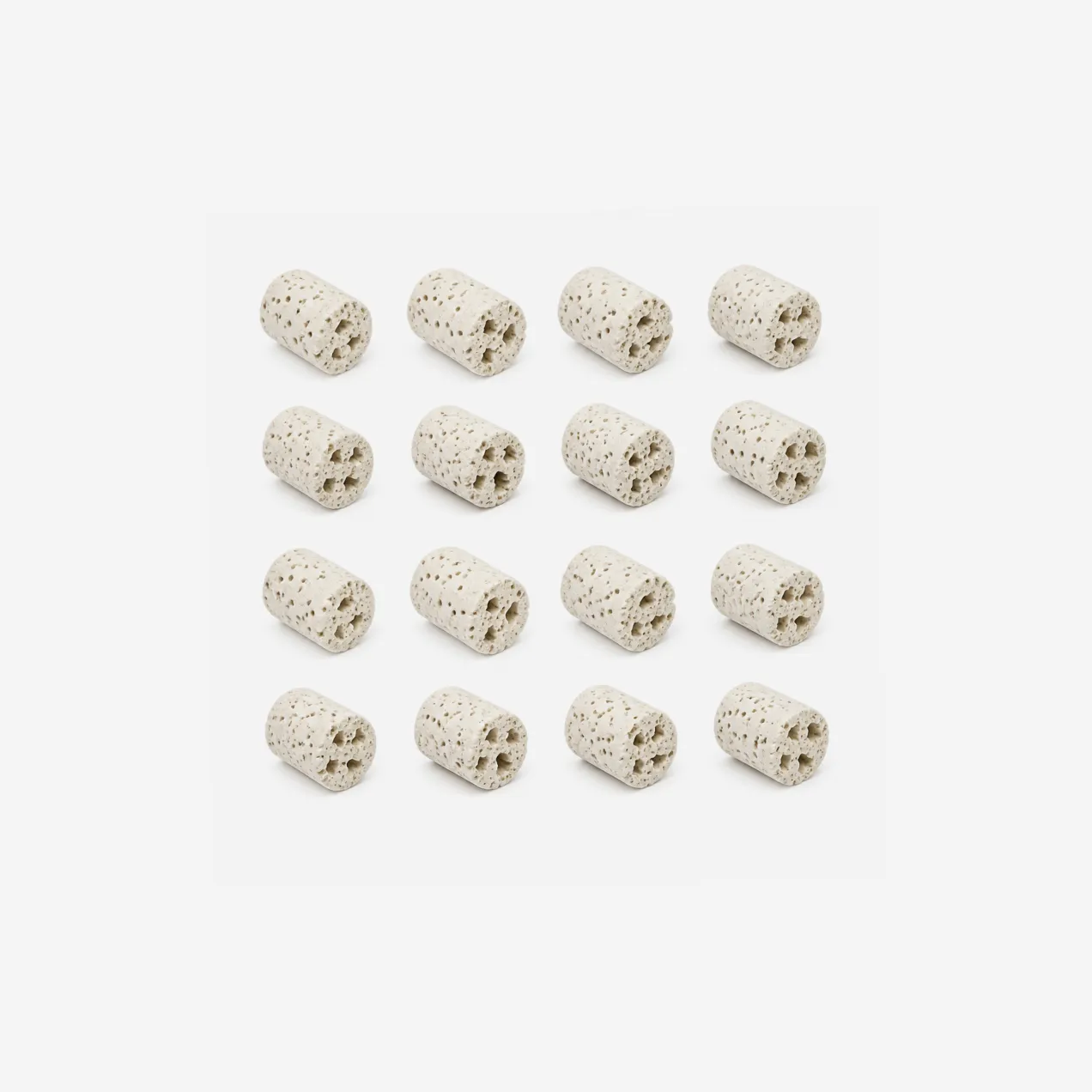
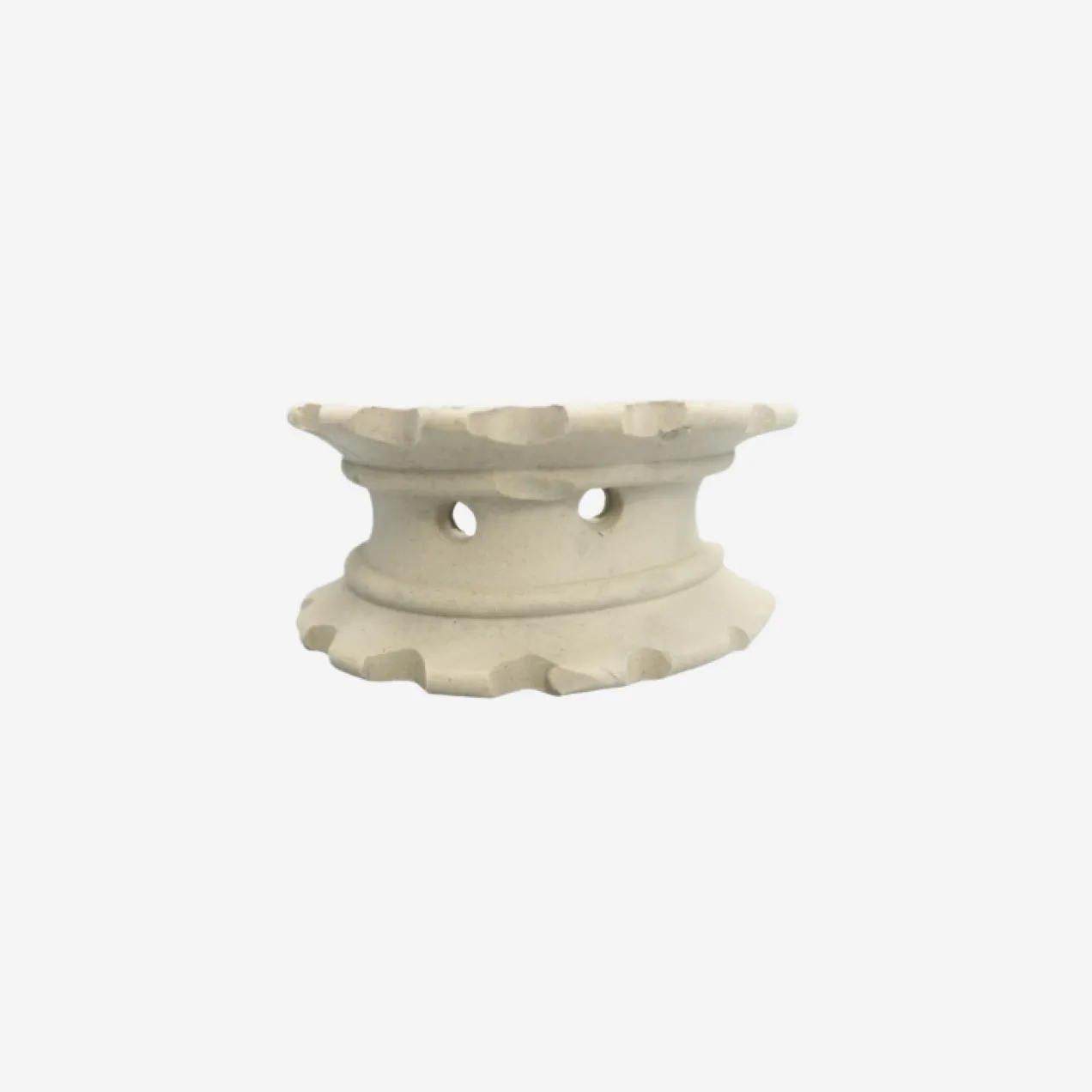
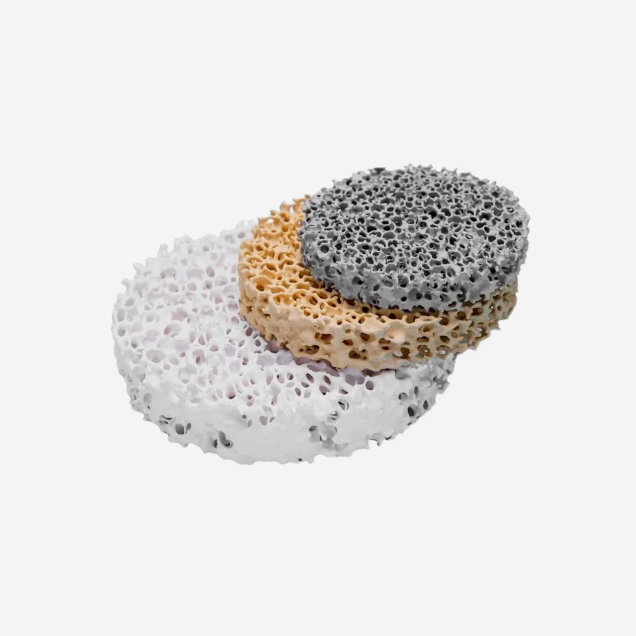
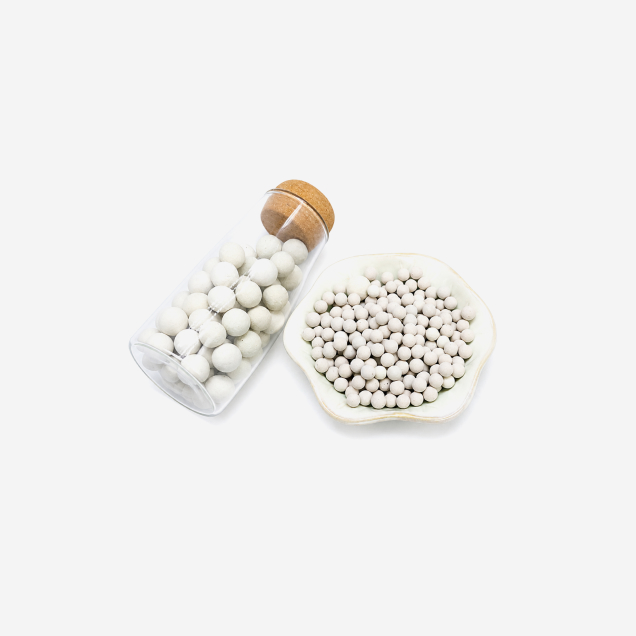
The chemistry and temperature of the stream decide the material. Ceramic random packing resists strong acid and alkali and holds up to roughly 1200°C, which keeps it standard for sulphuric and hydrochloric acid service, often inside a tower lined with acid-resistant brick, though it is brittle and should not see hydrofluoric acid or sharp thermal shock. Metal in stainless or carbon steel gives thin walls, high capacity and the mechanical strength for vacuum and high-pressure columns; carbon steel is cheaper for non-corrosive duty, while stainless avoids chloride attack. Plastic, including PP, PE, PVC, CPVC, PVDF, PTFE, PFA and FEP, handles aggressive chemicals at low cost but is limited by temperature, with general-purpose PP usually kept under about 120°C.
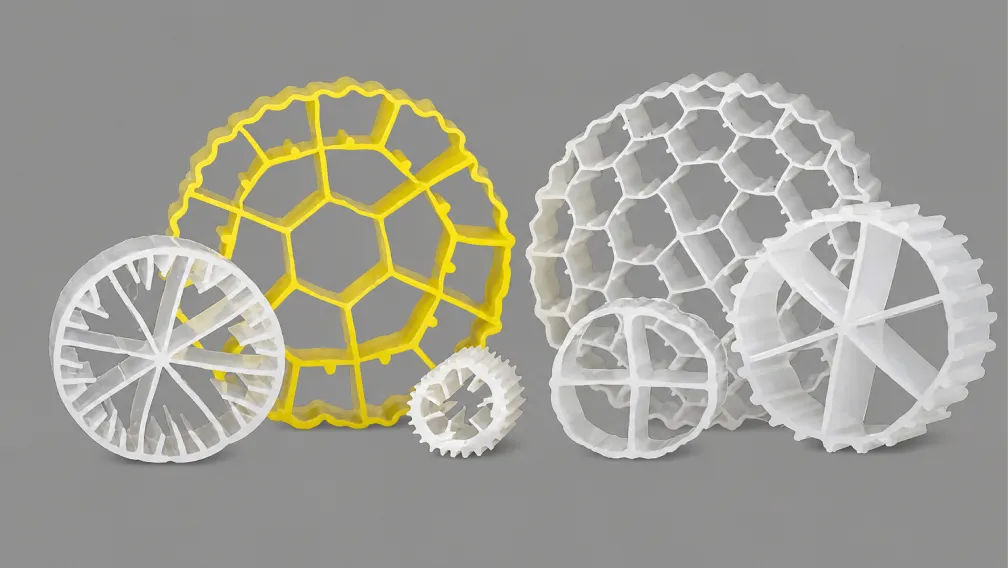
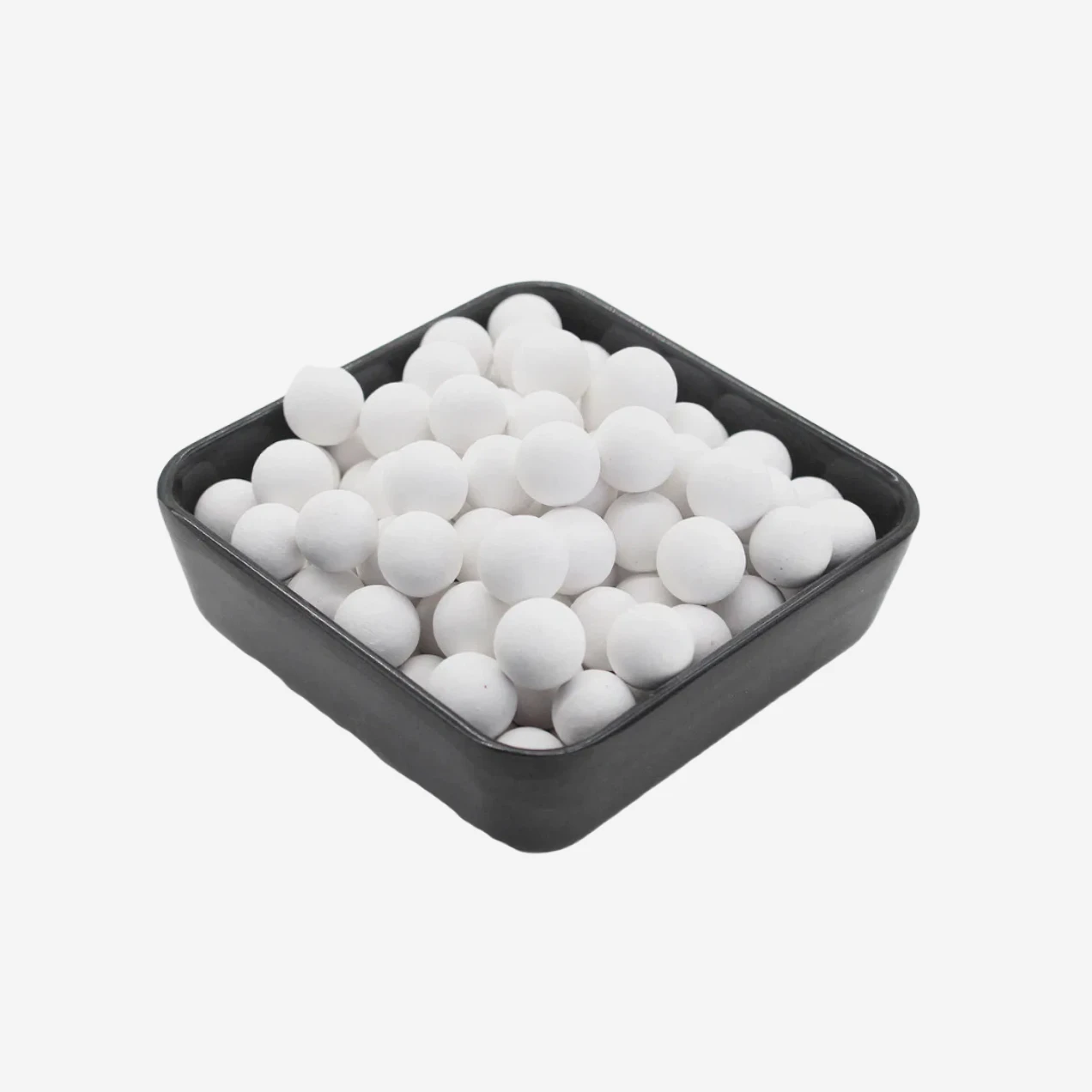
Random packing shapes have improved in generations, and knowing the lineage makes selection easier. Raschig rings are the original first-generation media, simple and cheap, and now mostly replaced. Pall rings opened the ring wall for more surface and better flow. Intalox and super saddles improved liquid spreading again, and cascade mini rings lowered the height-to-diameter ratio to cut pressure drop. The newest high-void shapes, such as IMTP, tri-packs and hollow balls, push void fraction past 95% for low-resistance scrubbing and water-treatment duty. Larger, simpler shapes cost less, while newer shapes buy efficiency and a lower pressure drop.
For random packing, size is a direct trade-off. Larger pieces raise capacity but lower efficiency; smaller pieces do the reverse and add pressure drop. Choosing by habit instead of duty is how columns end up flooding or missing spec. The packing factor, specific surface area and void fraction in the table above are the numbers to compare when two sizes are on the table.
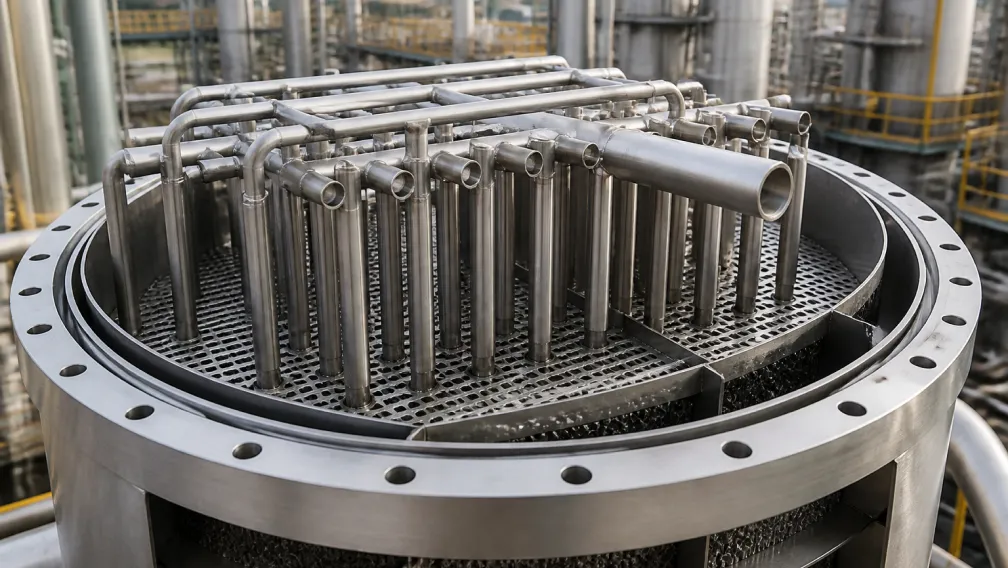
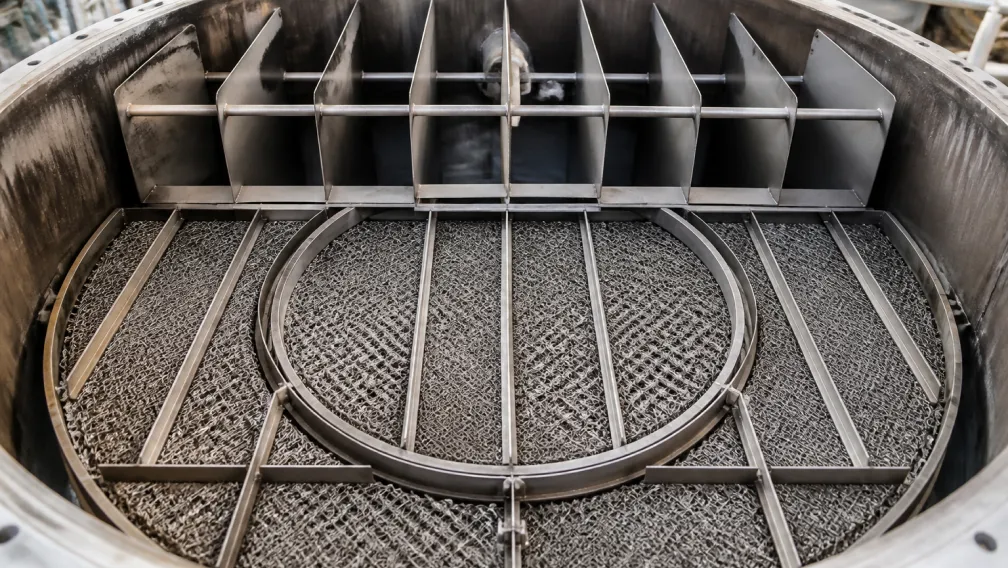
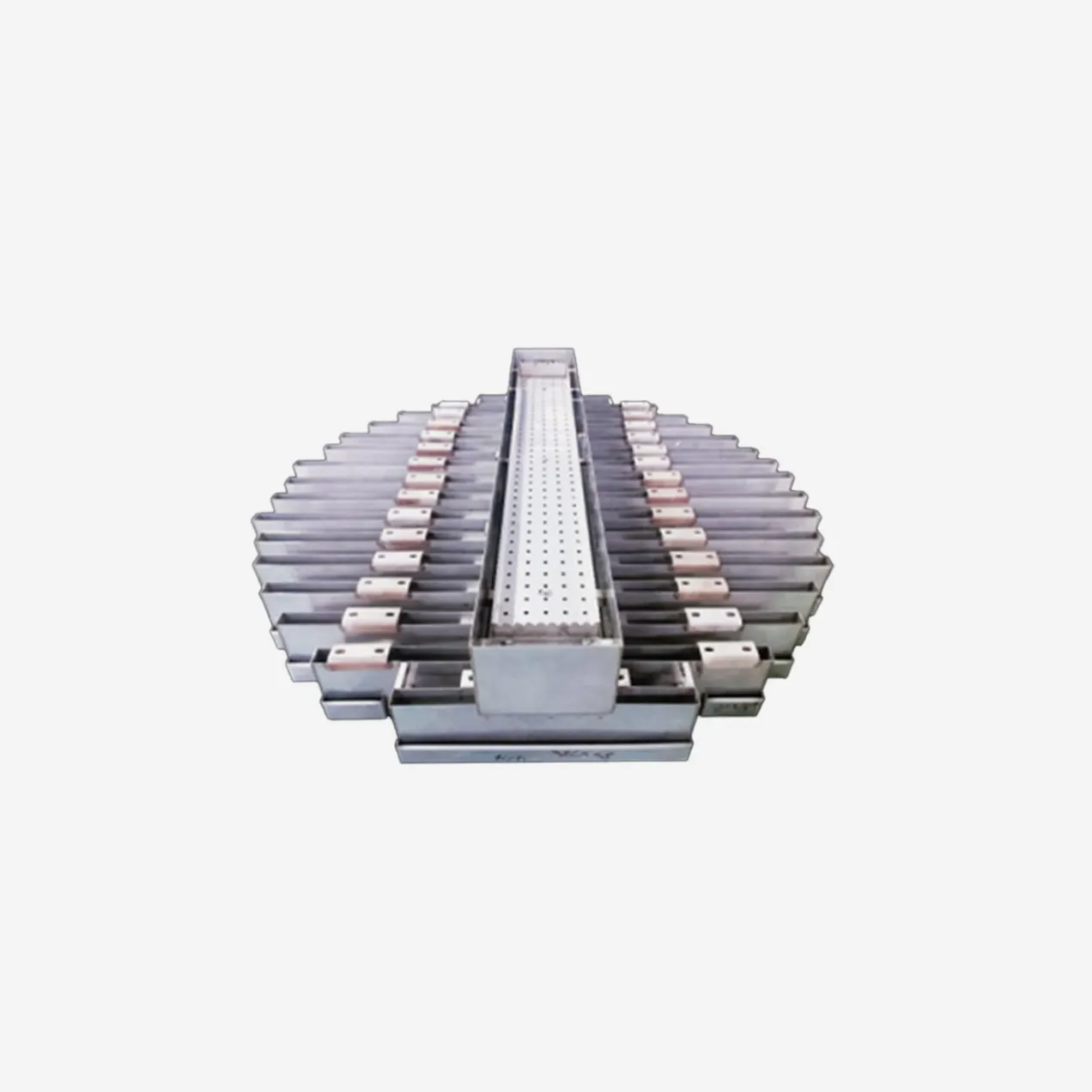
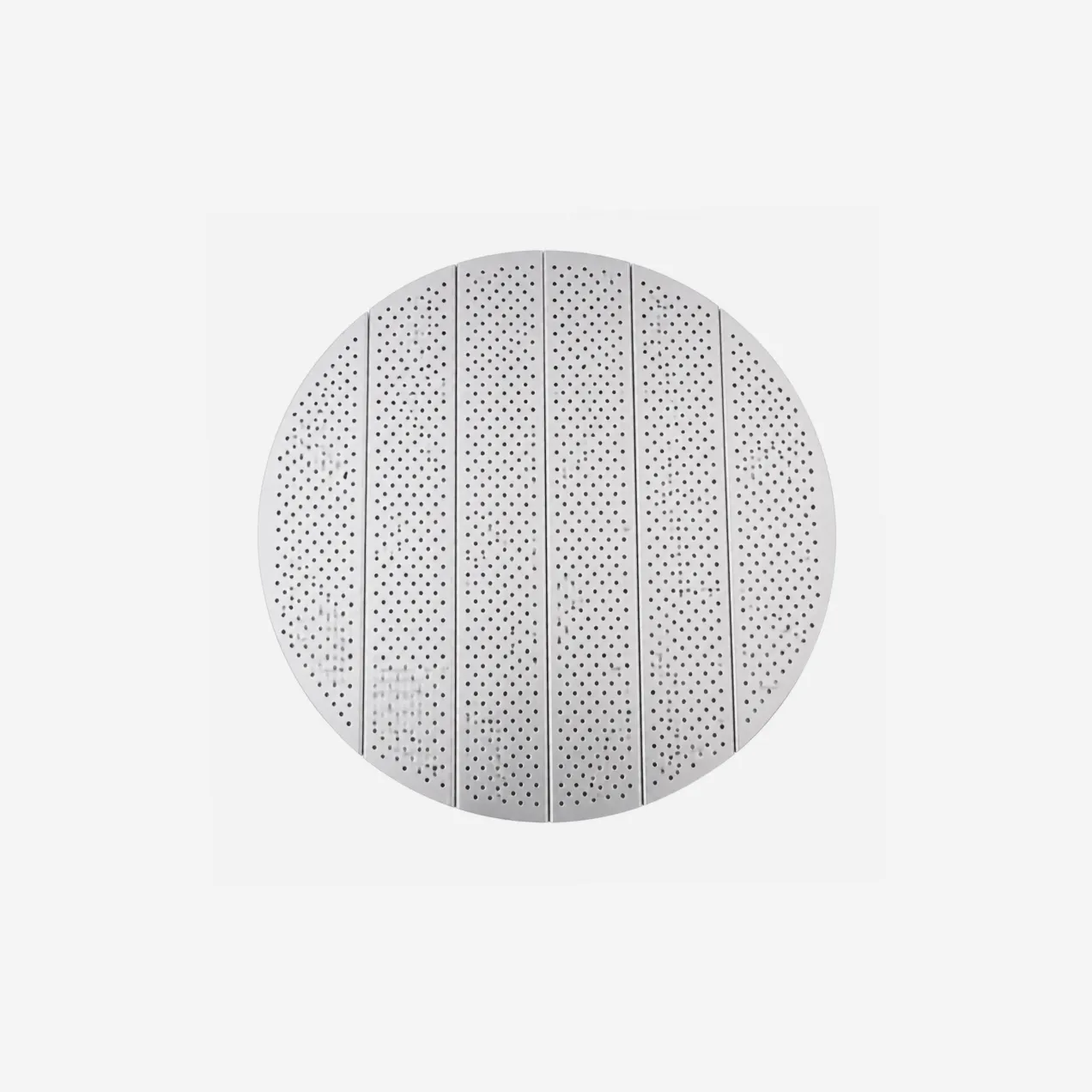
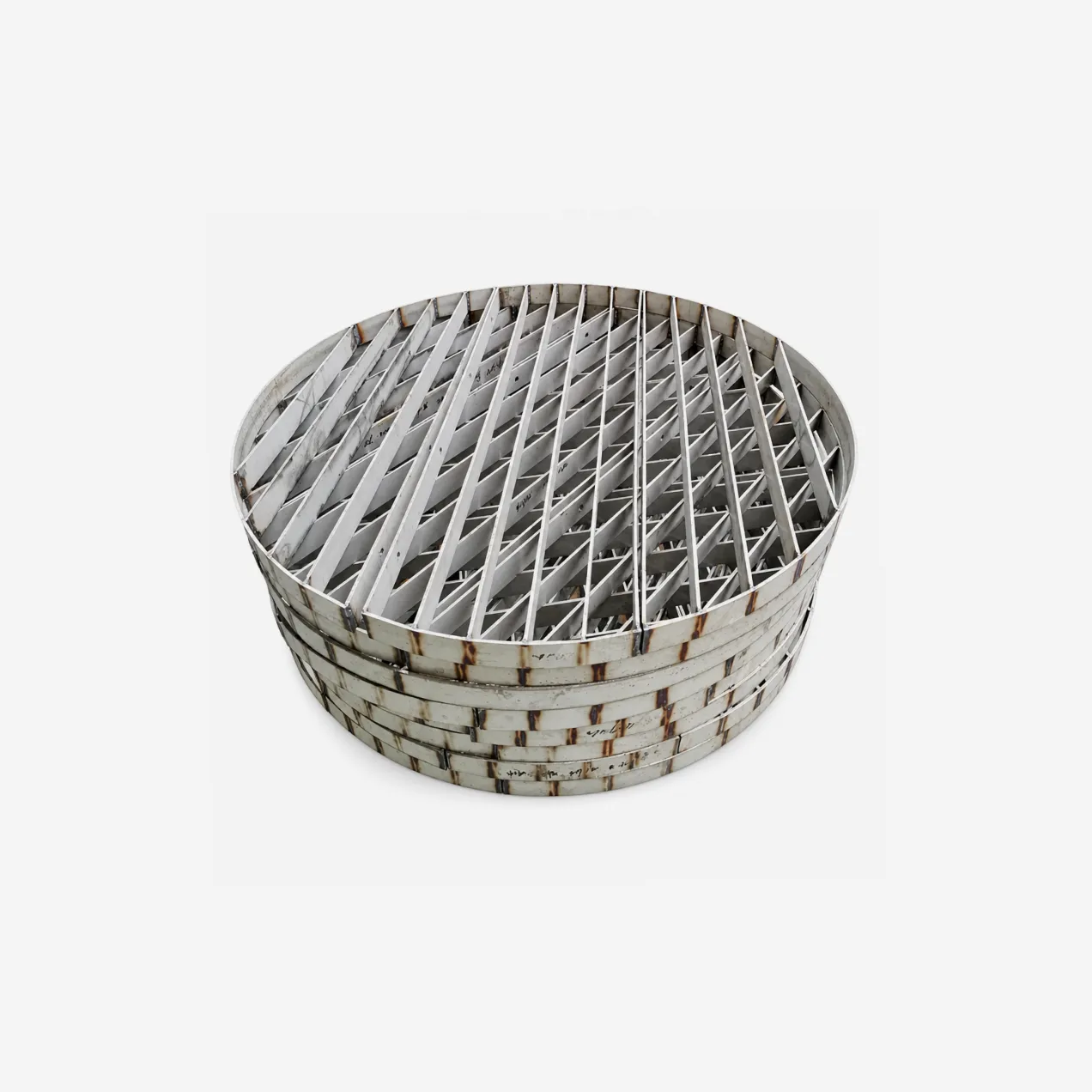
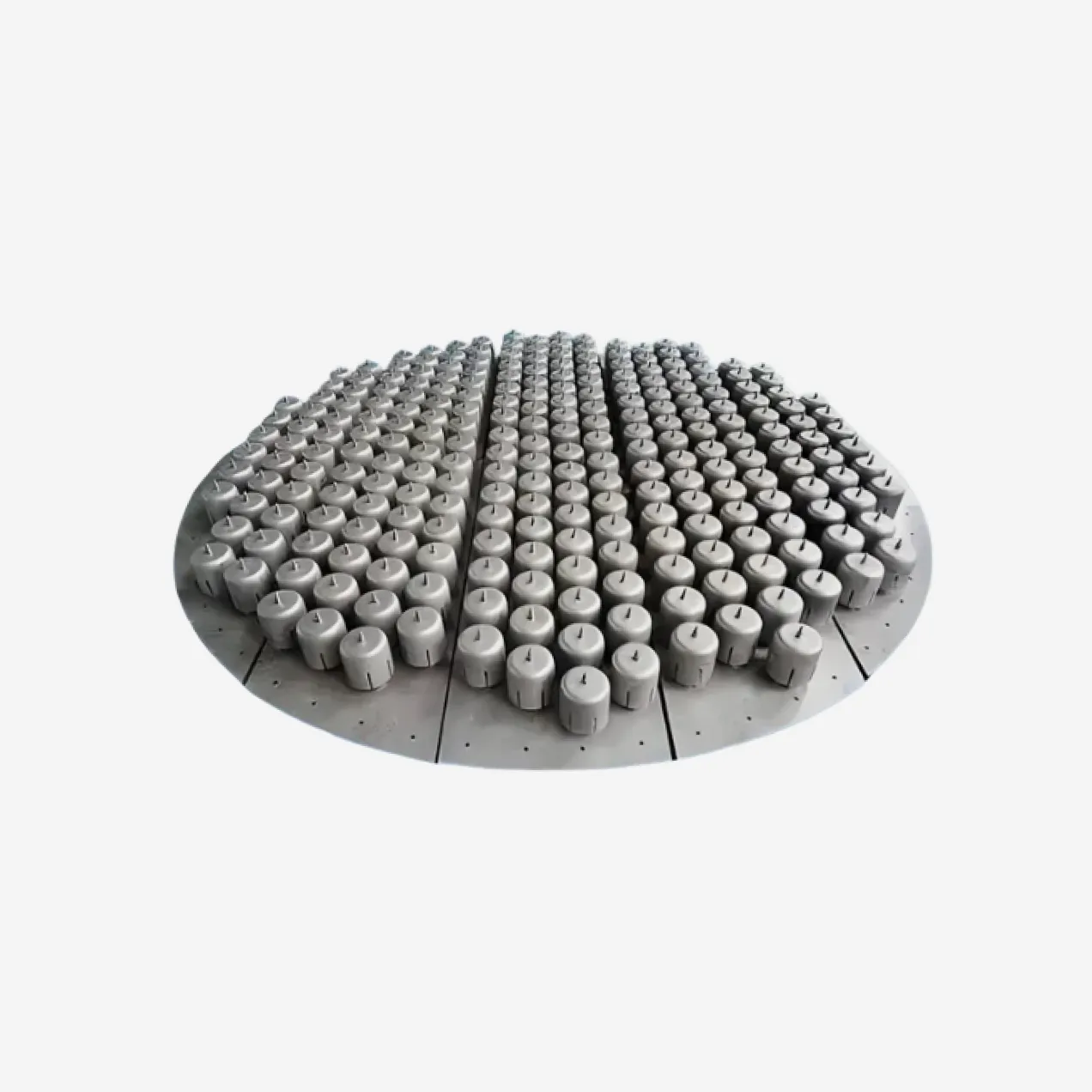
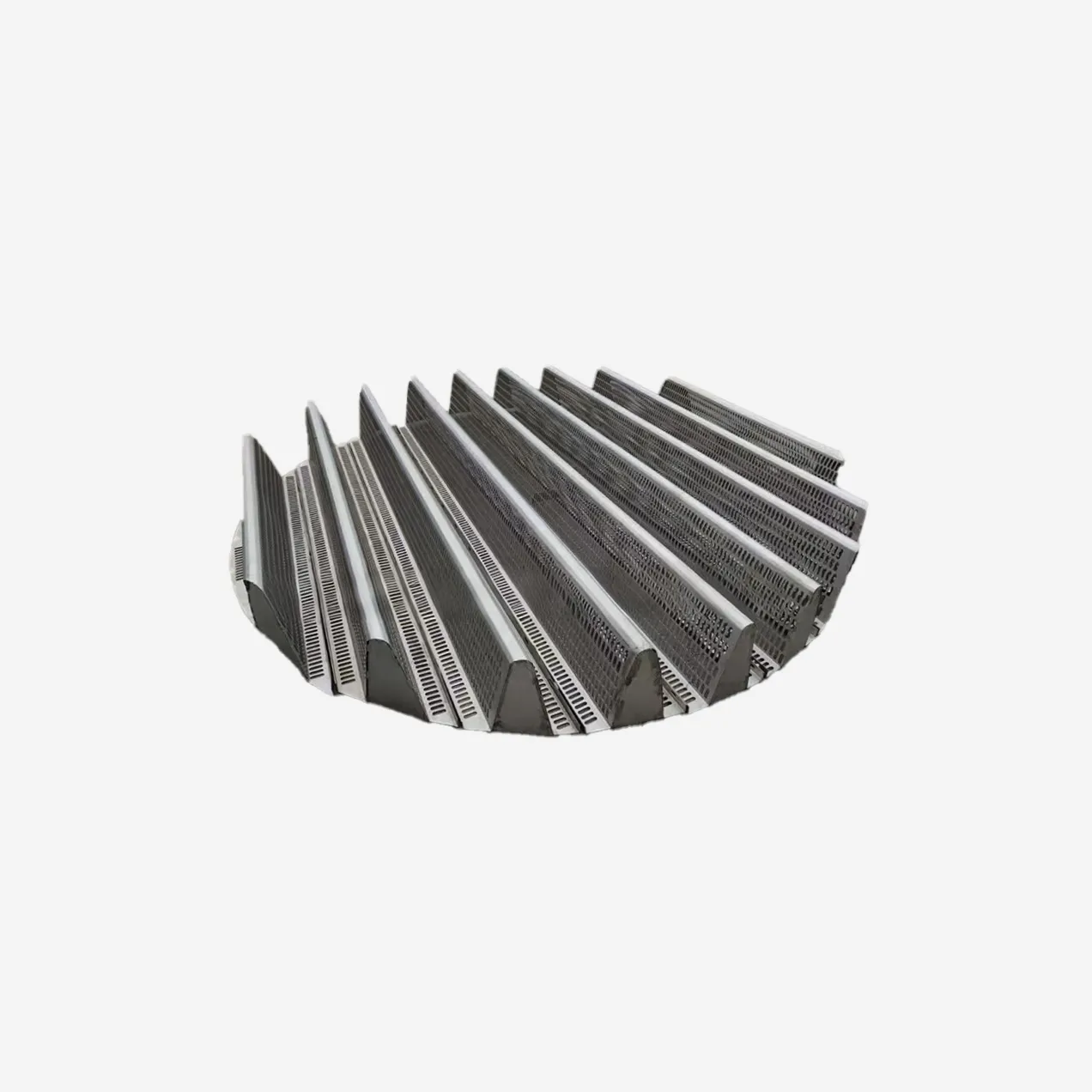
Random packing only performs if liquid stays evenly spread. A bed needs a support plate underneath and a hold-down plate on top, and a tall random bed needs a redistributor every five to ten column diameters. Fragile ceramic is dumped wet while metal and plastic go in dry, and the support free area has to match the packing so the bed does not channel.