Home > Tower Internals
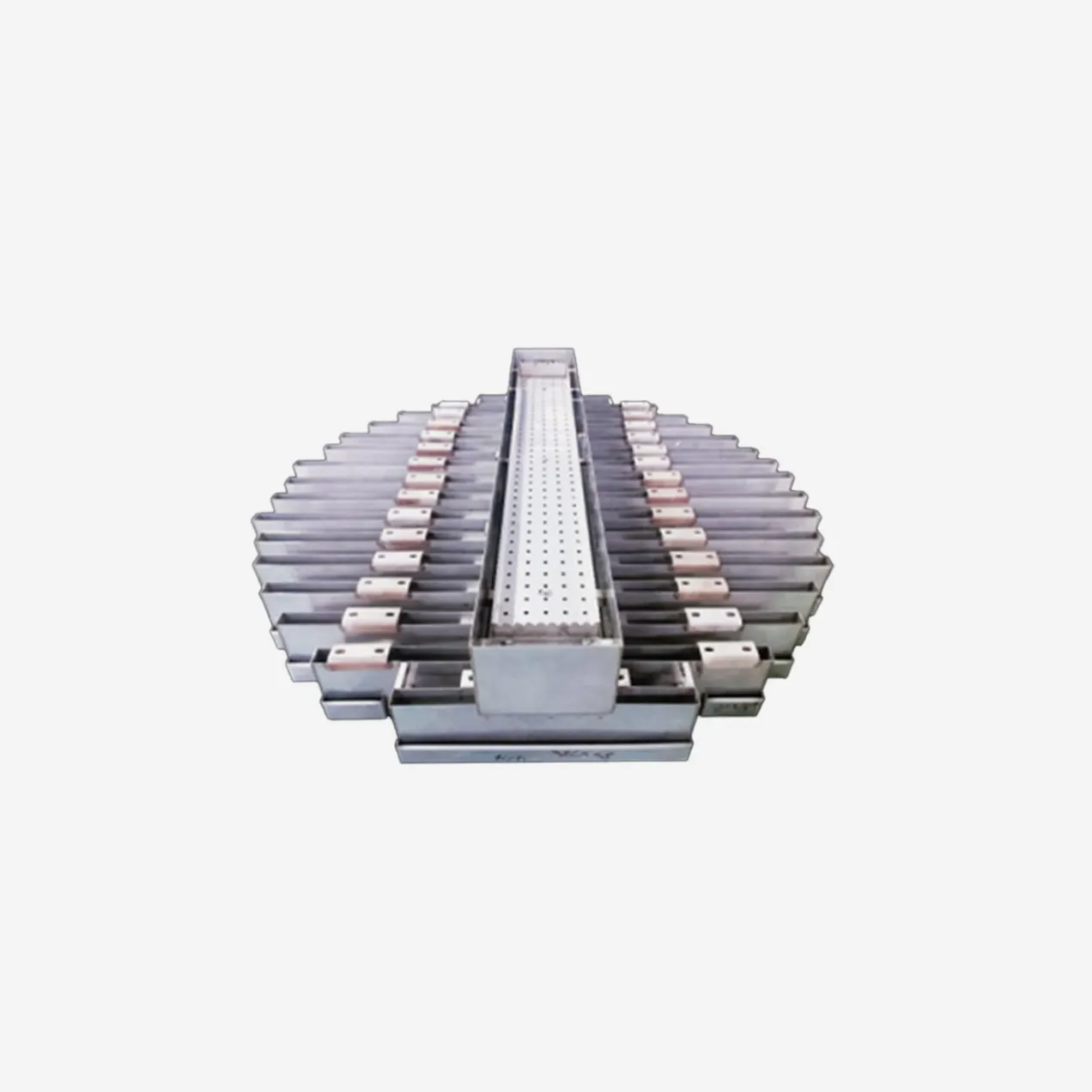
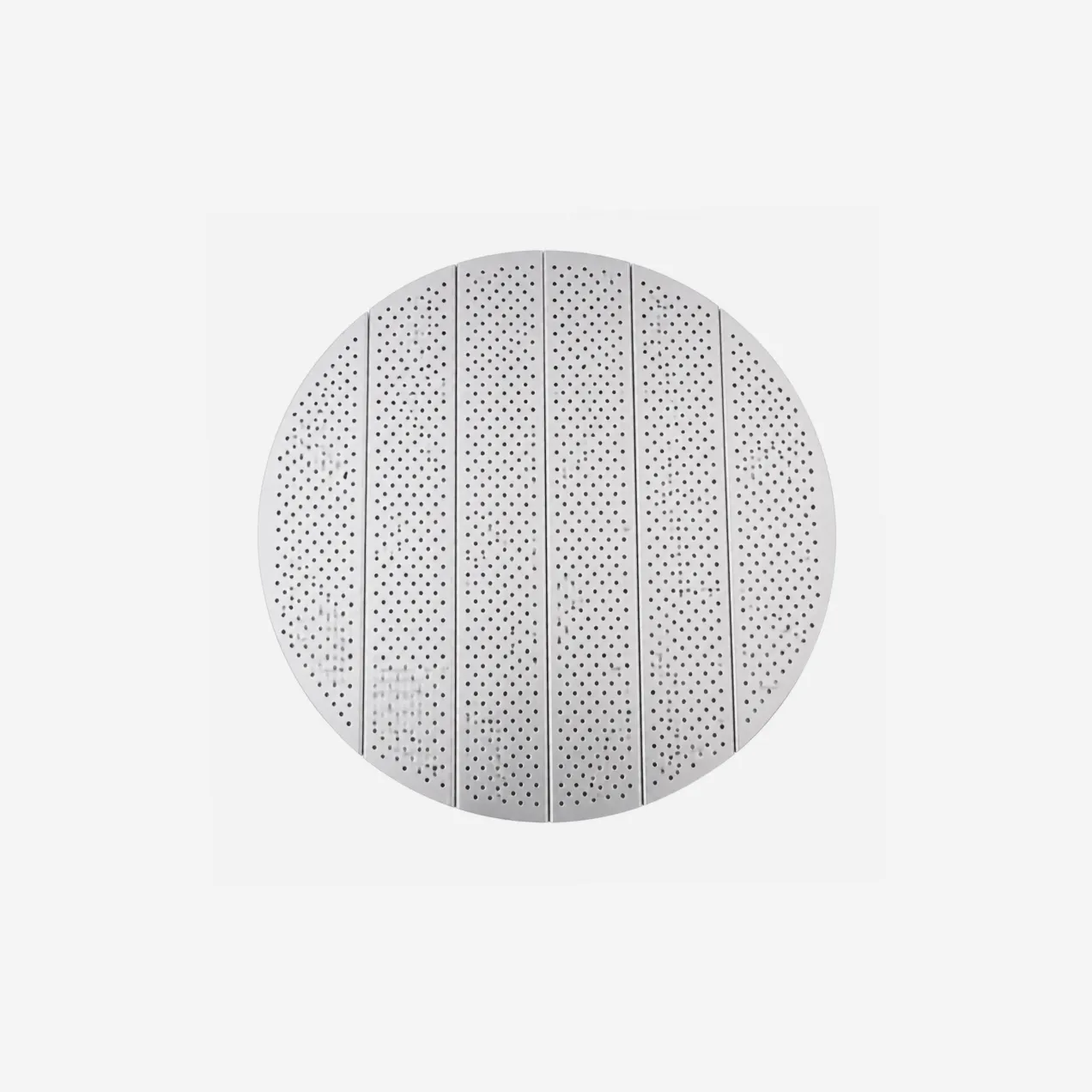
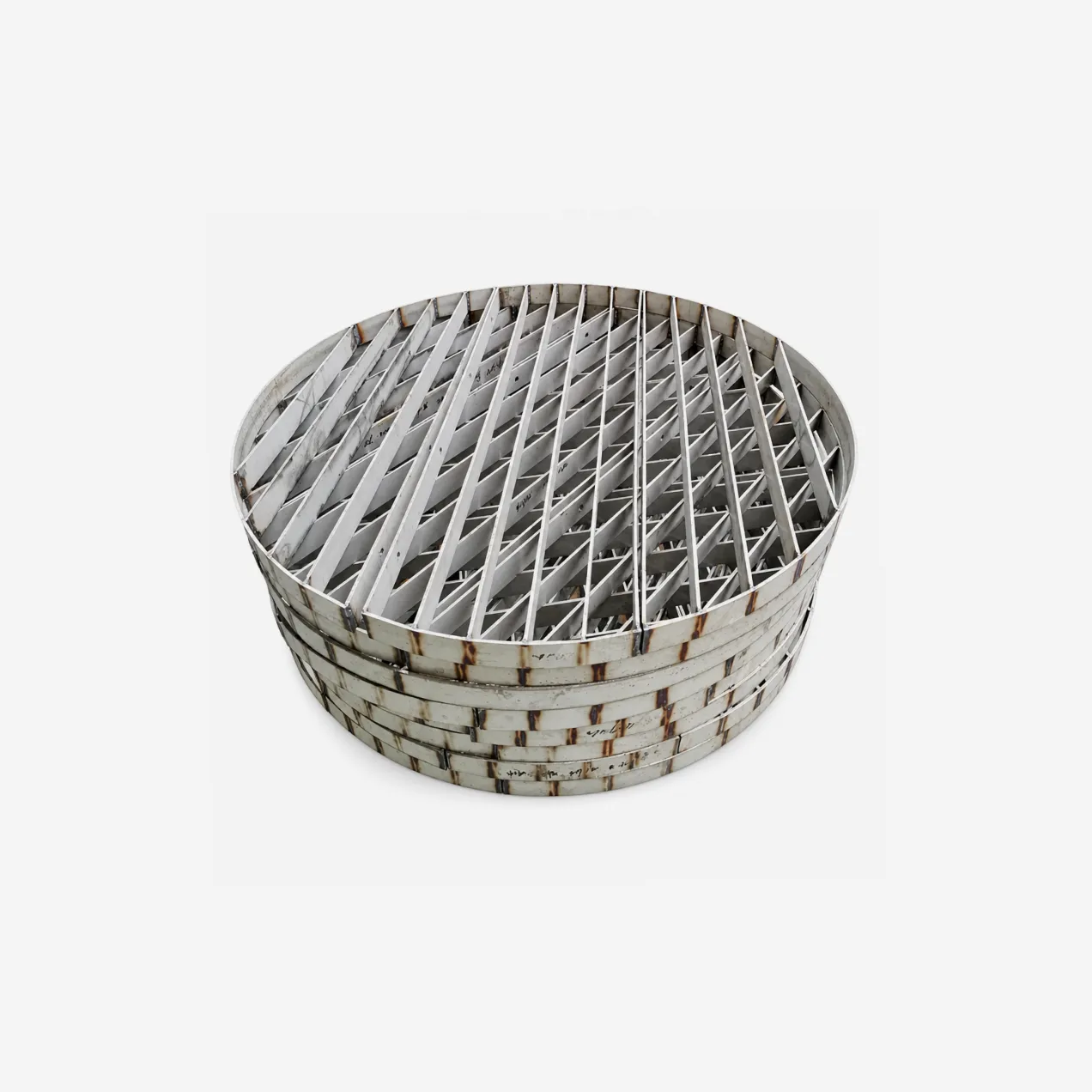
We build the full set of mass-transfer internals: trough and orifice liquid distributors, liquid redistributors, gas-injection and grid support plates, hold-down and bed-limiter plates, and wire-mesh, vane and PP mist eliminators. Each one is made to the column it serves.
Yes. Tower internals are engineered, not stocked. We size every part to your column diameter, the packing it serves and the operating load, and we supply drawings for approval before anything is fabricated.
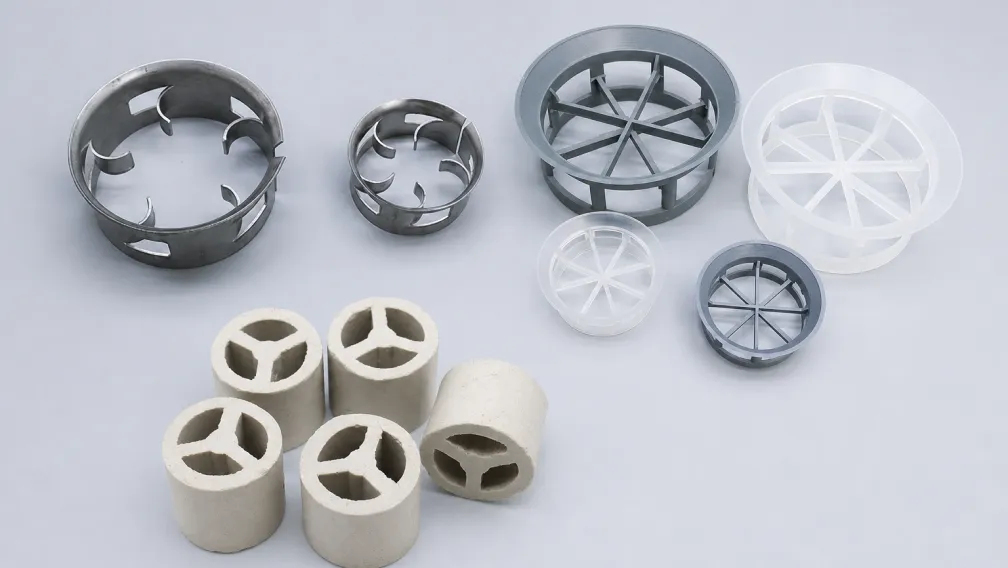
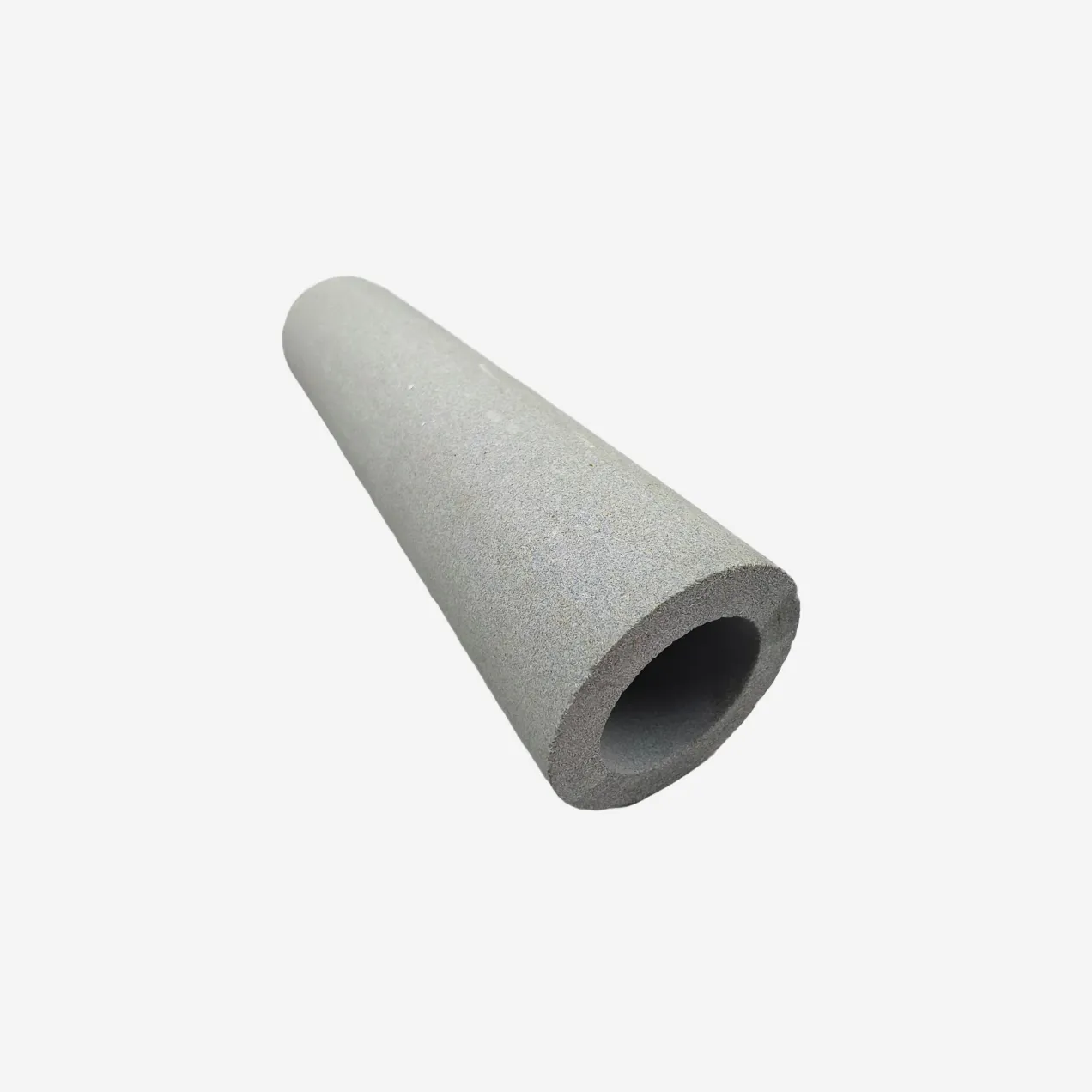
Stainless steel in SS304 and SS316L, carbon steel, PP and ceramic. The choice follows the stream: stainless and ceramic for corrosive or hot service, carbon steel where cost matters, and PP for cold aggressive duty.
A distributor sits at the top of a bed and spreads the incoming liquid evenly. A redistributor sits between two beds in a tall column and collects then re-spreads the liquid, which corrects any channelling before it reaches the next bed.
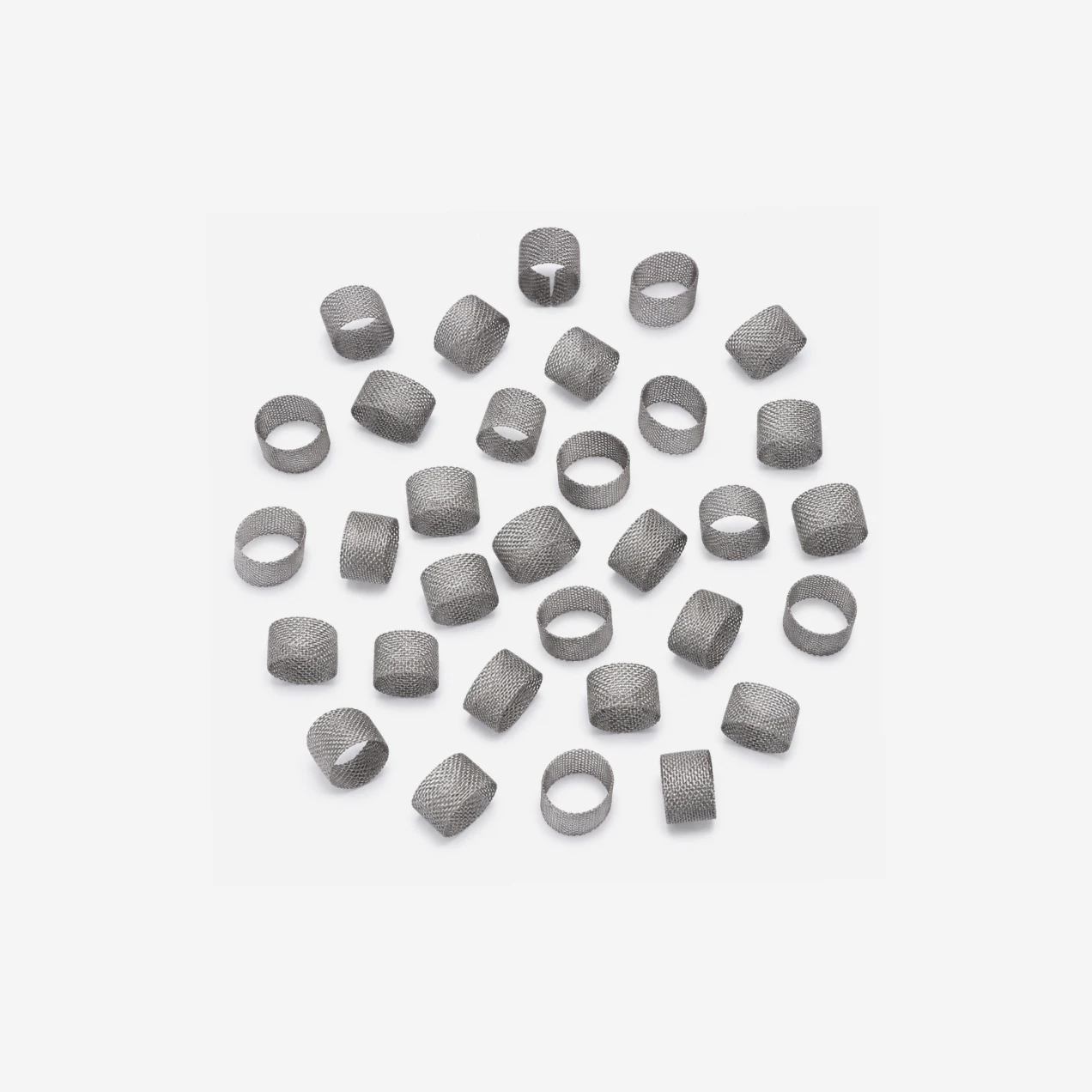
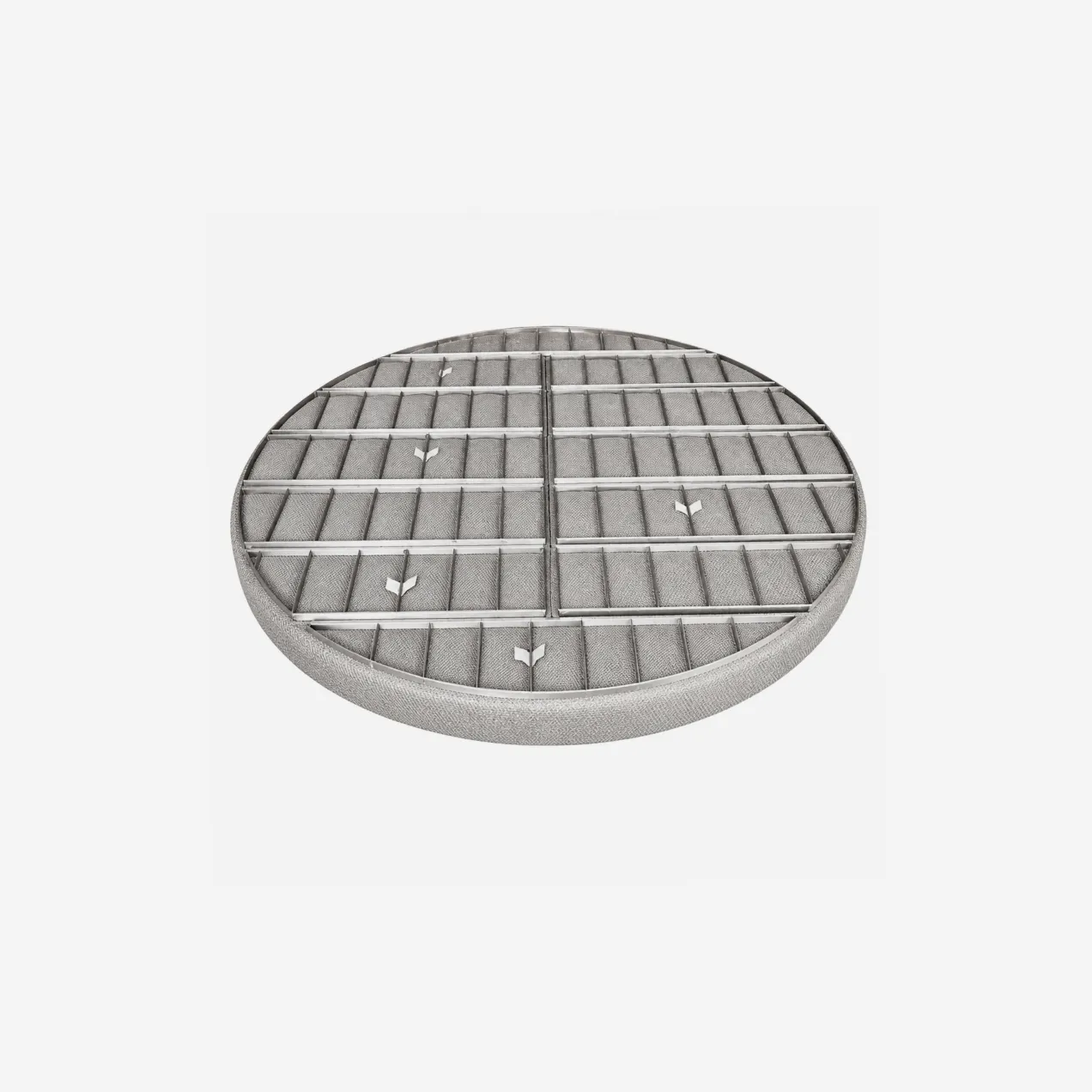
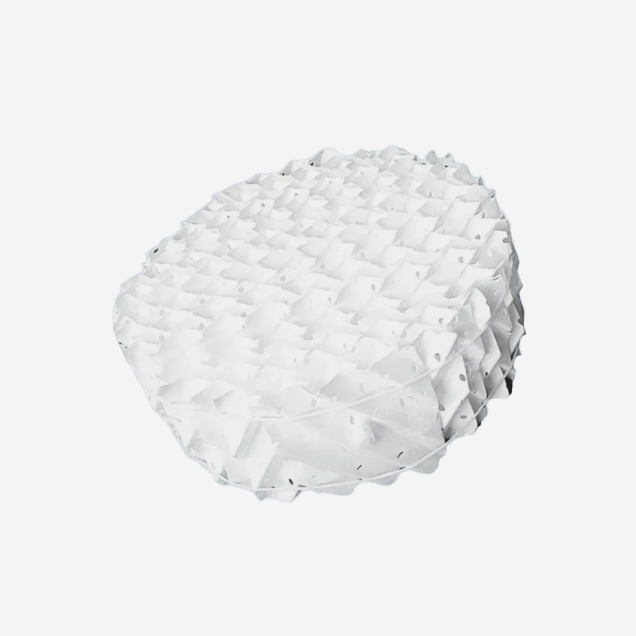
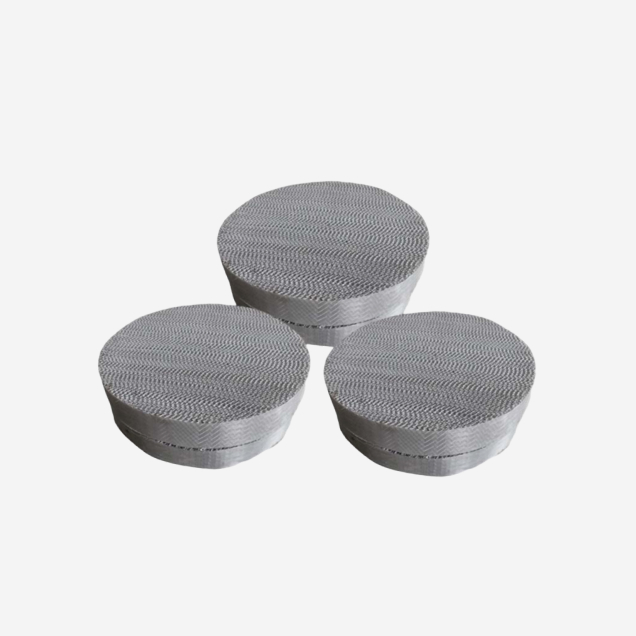
A mist eliminator catches liquid droplets carried up by the gas. The gas passes through a knitted wire-mesh pad or a set of vanes, the droplets coalesce on the surface and drain back, and clean gas leaves the top. It protects downstream equipment and cuts product loss.
Yes. We make the packing as well, so the bed and its internals are designed together. The support free area, distributor drip points and packing all match one column, which avoids the tolerance gaps you get from two suppliers.
Tower internals decide whether a packed bed reaches its rated performance. A perfect packing still underperforms if the liquid is poorly spread or the bed is not properly supported. This is how we work through a specification.
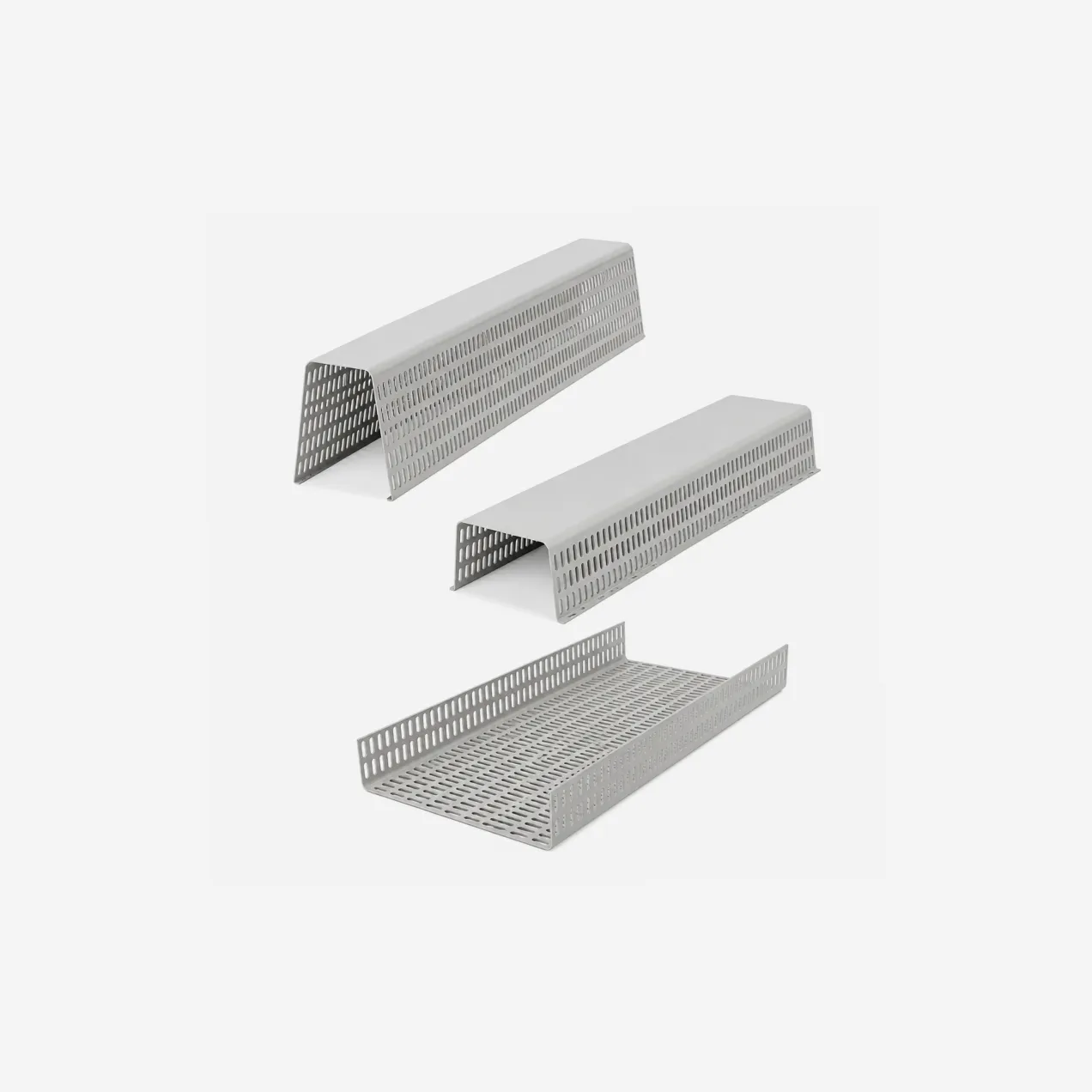
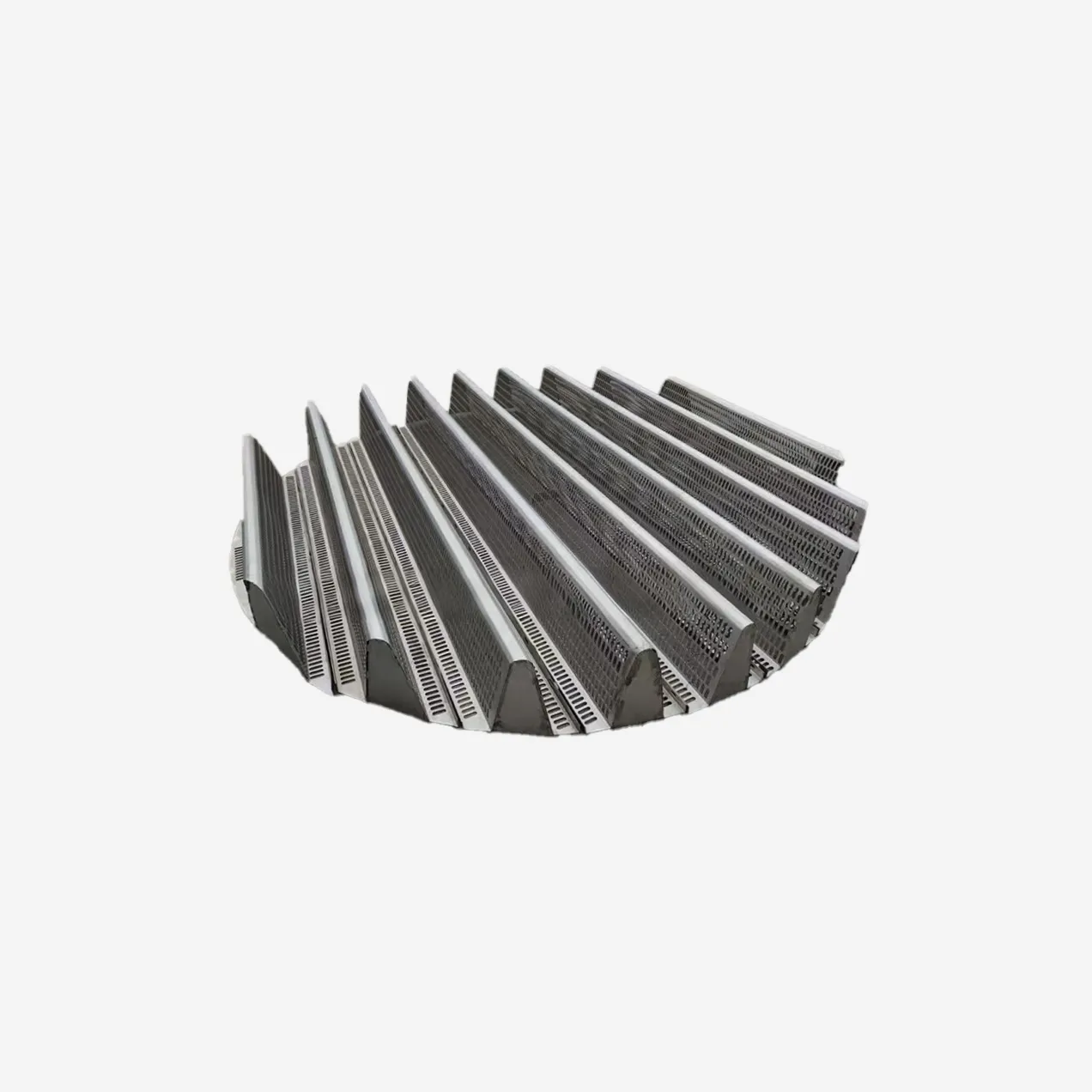
Even liquid distribution is the single biggest factor in column performance. A distributor is sized to the liquid rate, the turndown range and the column diameter, and the drip-point density is set so every part of the bed top is wetted. Trough distributors suit larger columns and higher liquid rates, while orifice-pan types fit smaller or cleaner services. Too few drip points cause channelling and lost separation, and too many raise cost and fouling risk.
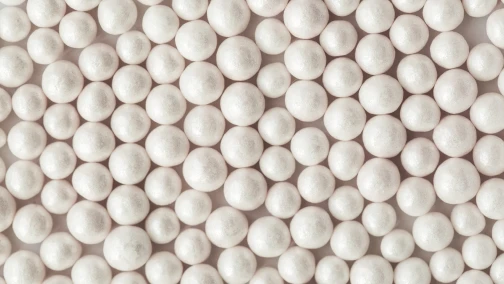
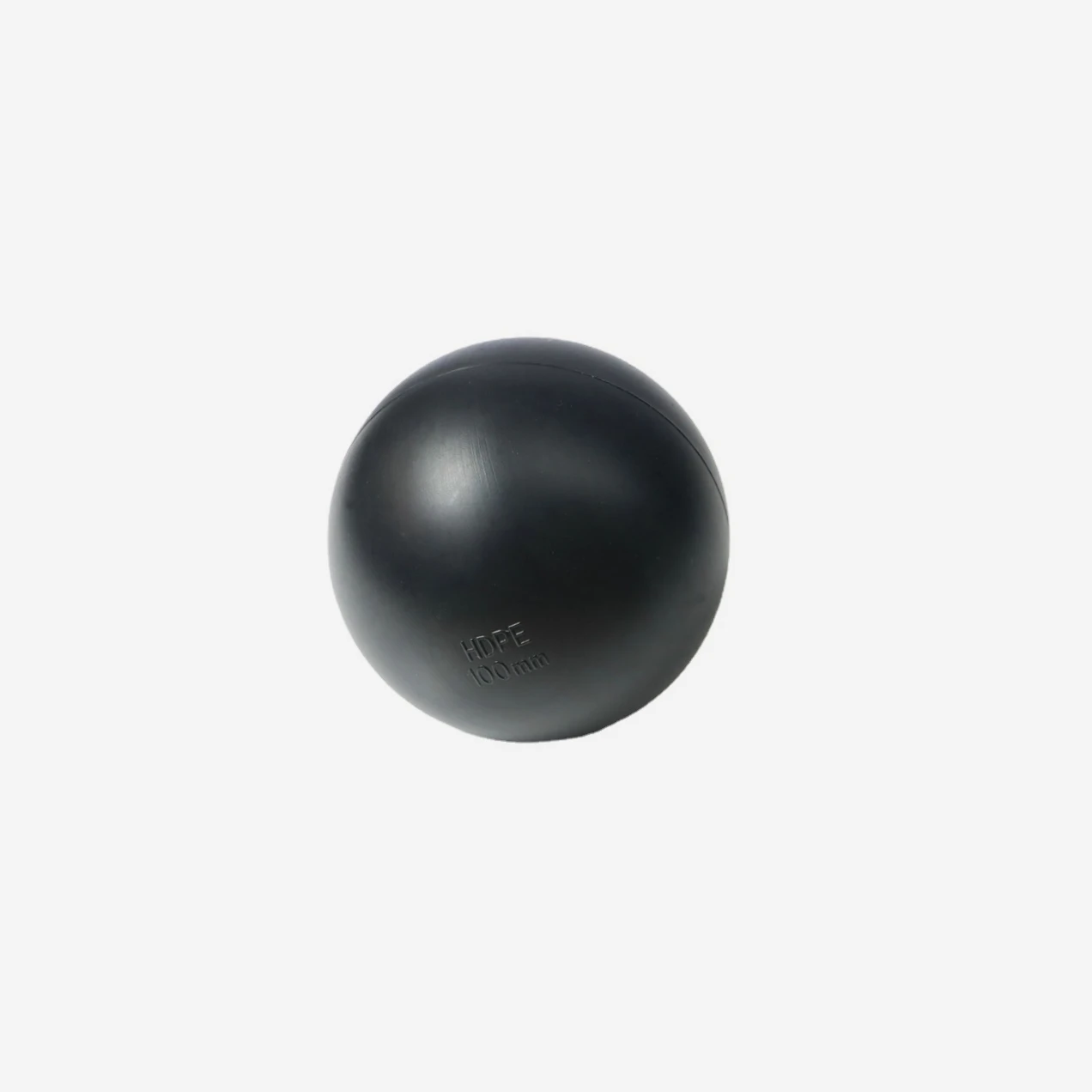
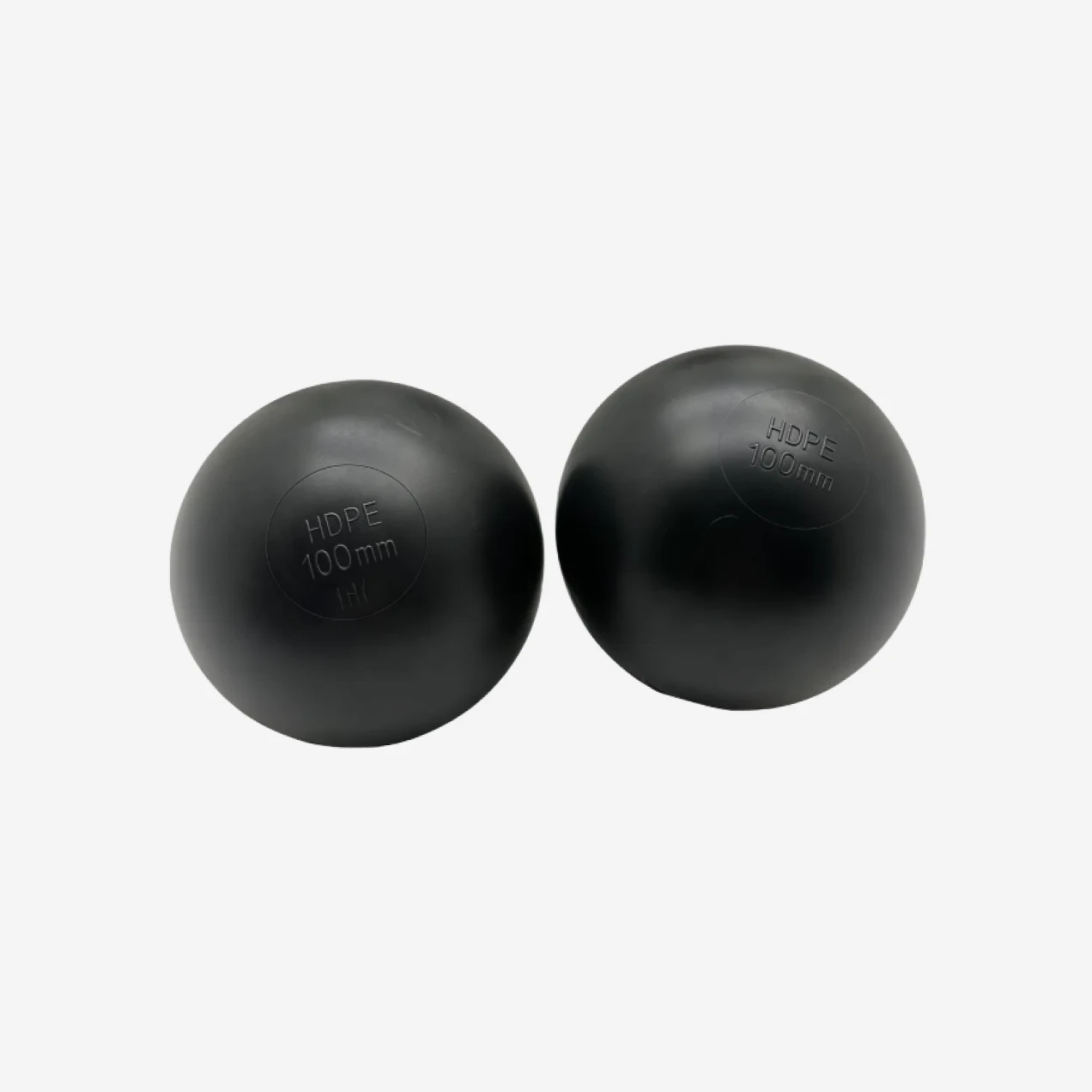
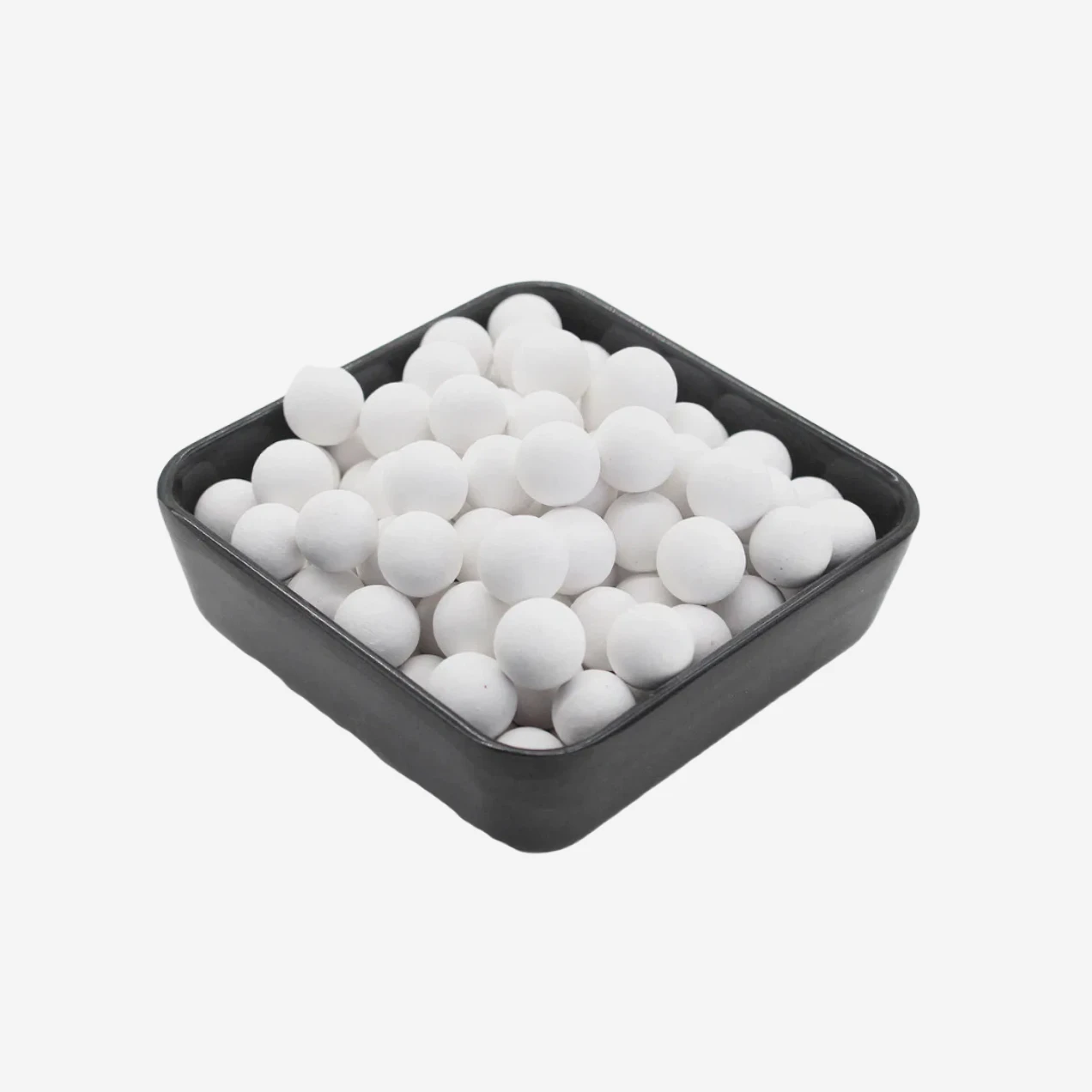
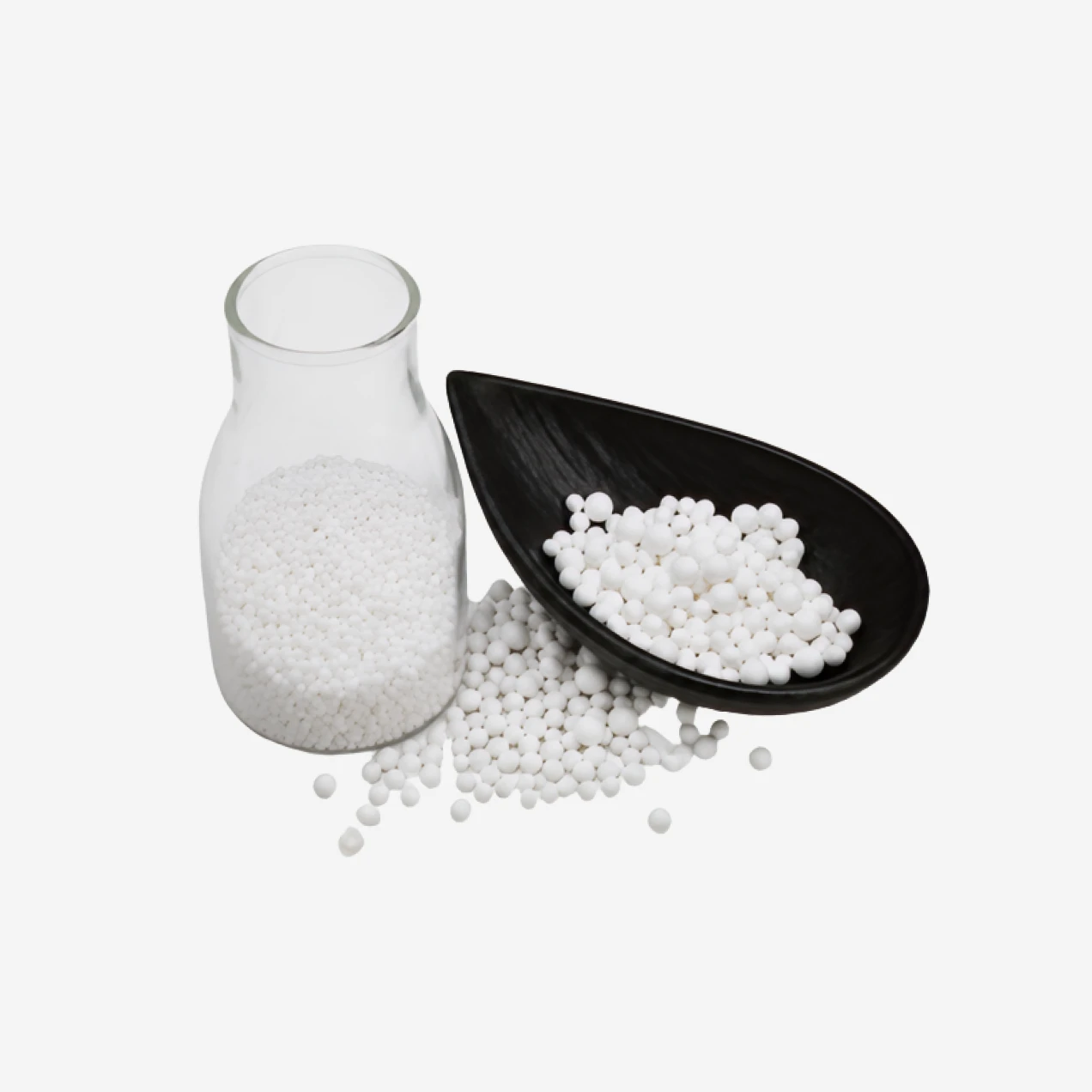
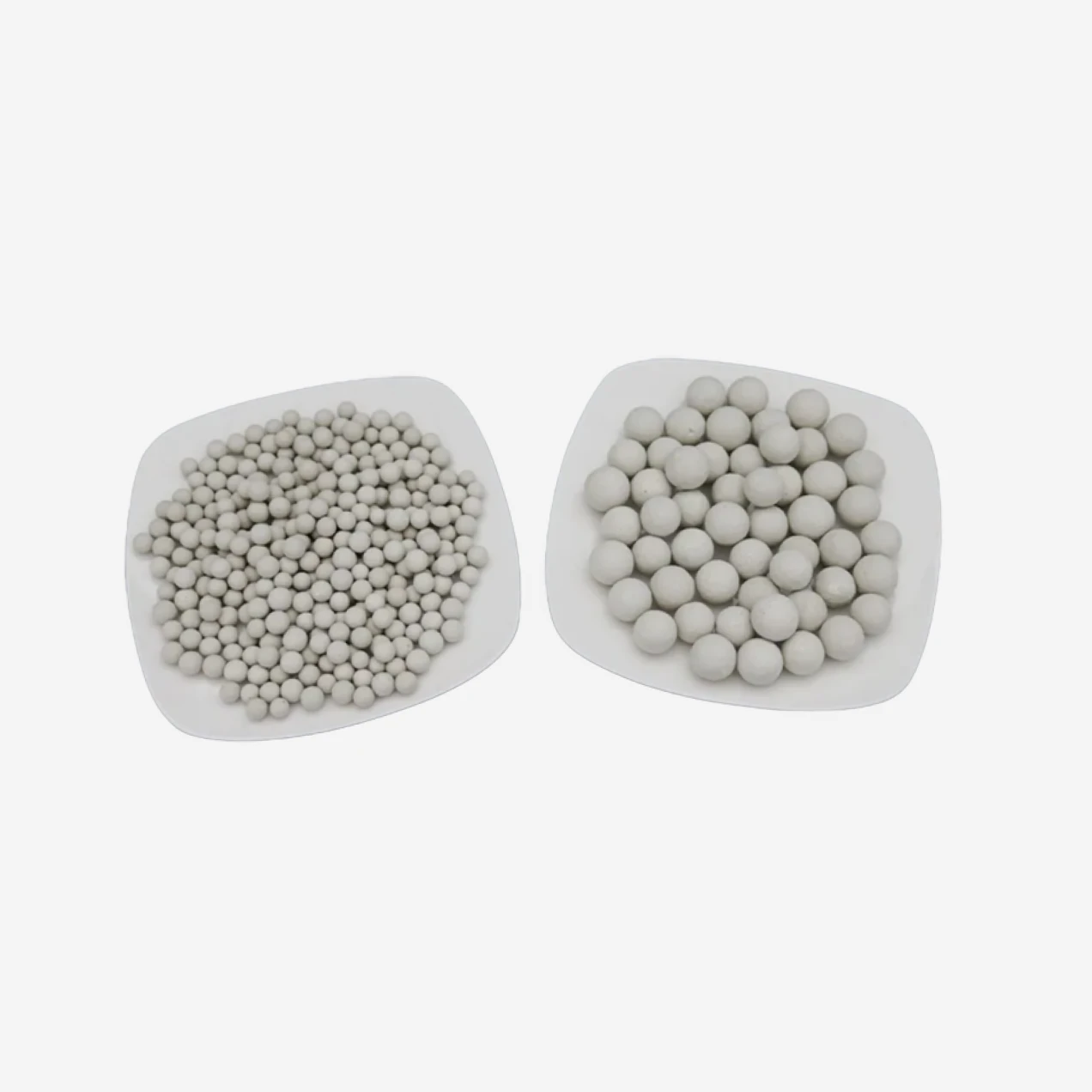
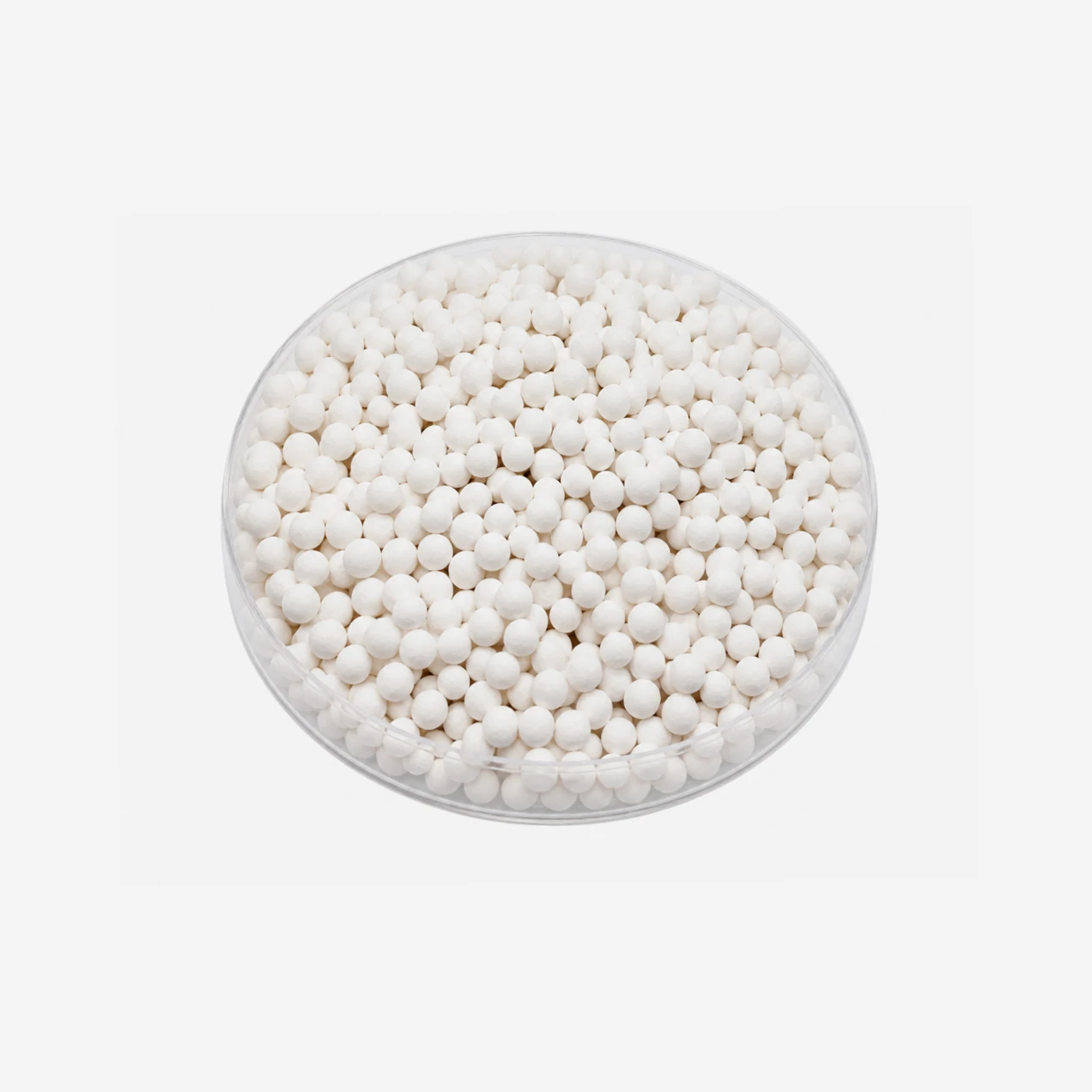
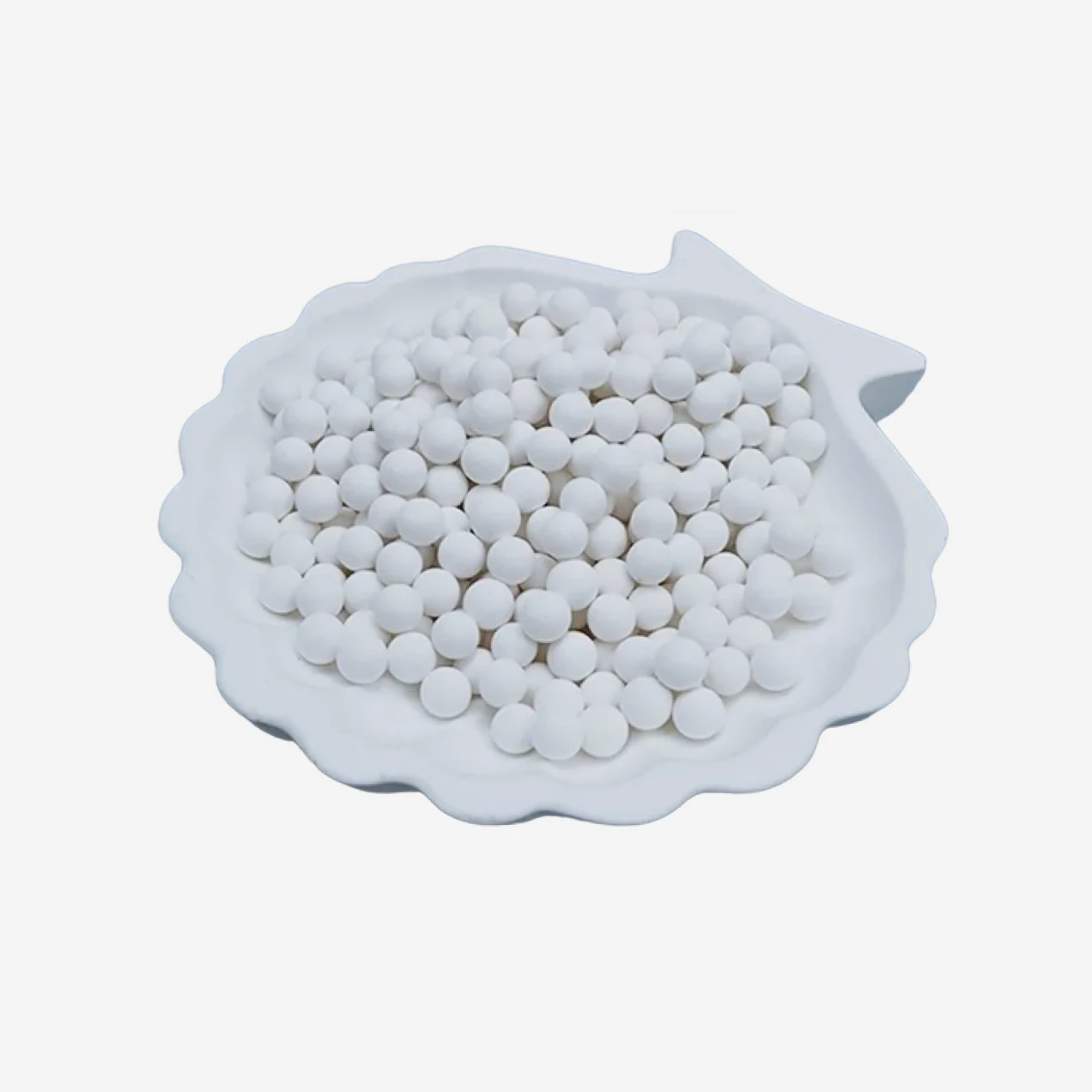
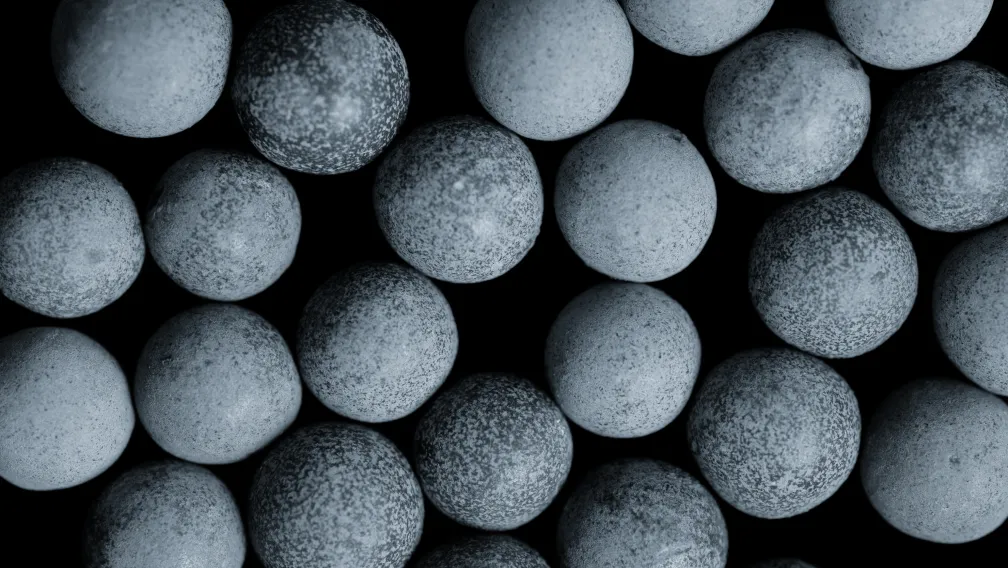
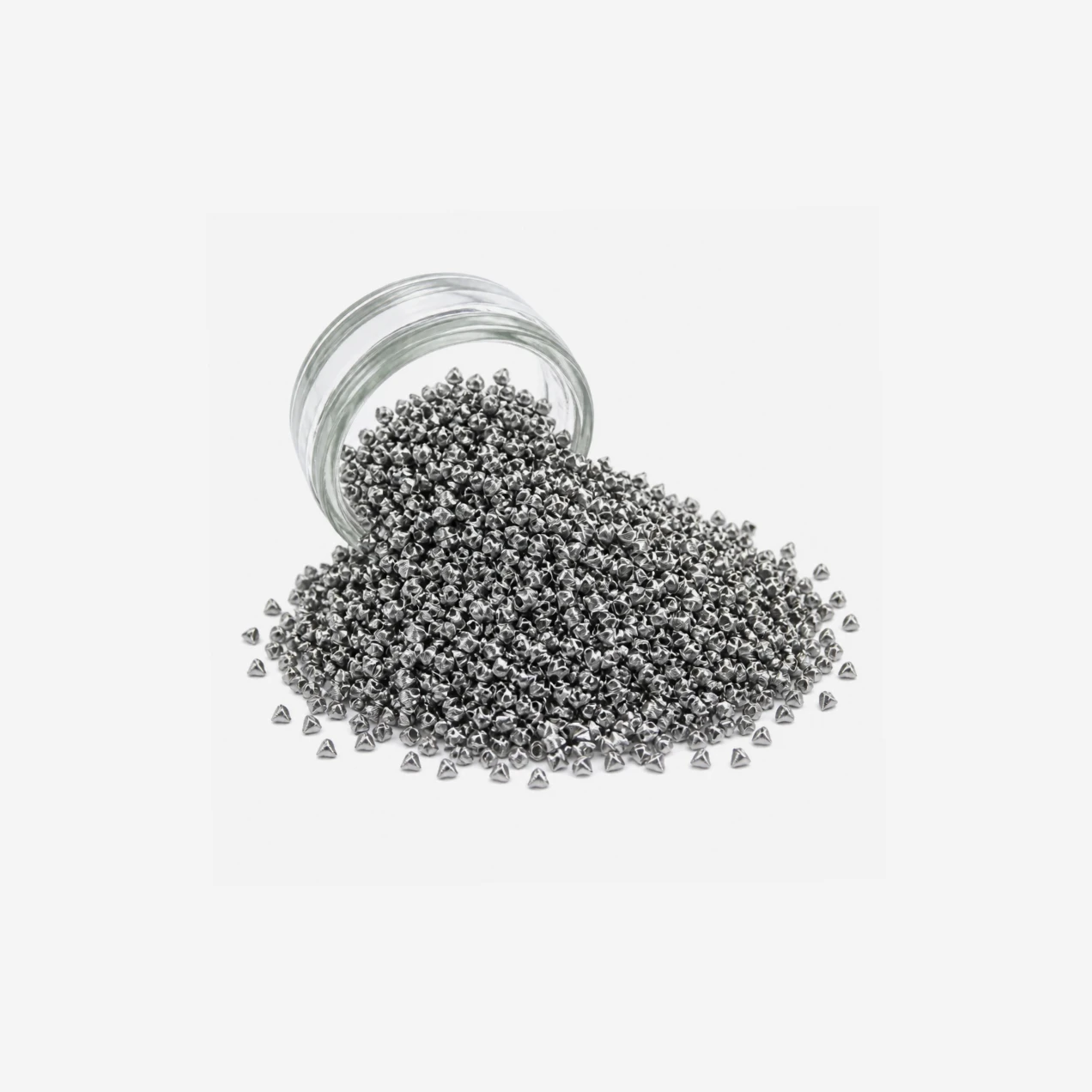
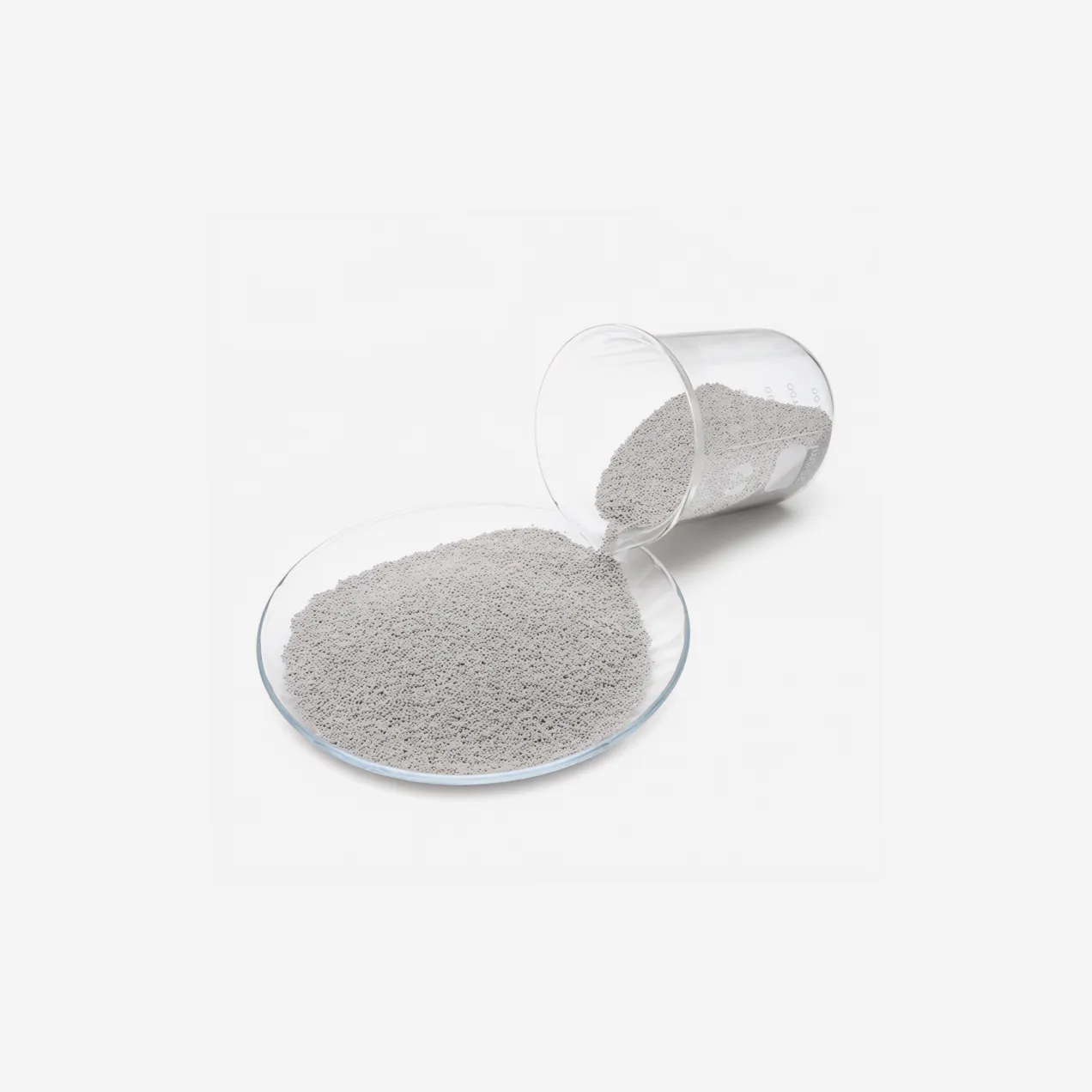
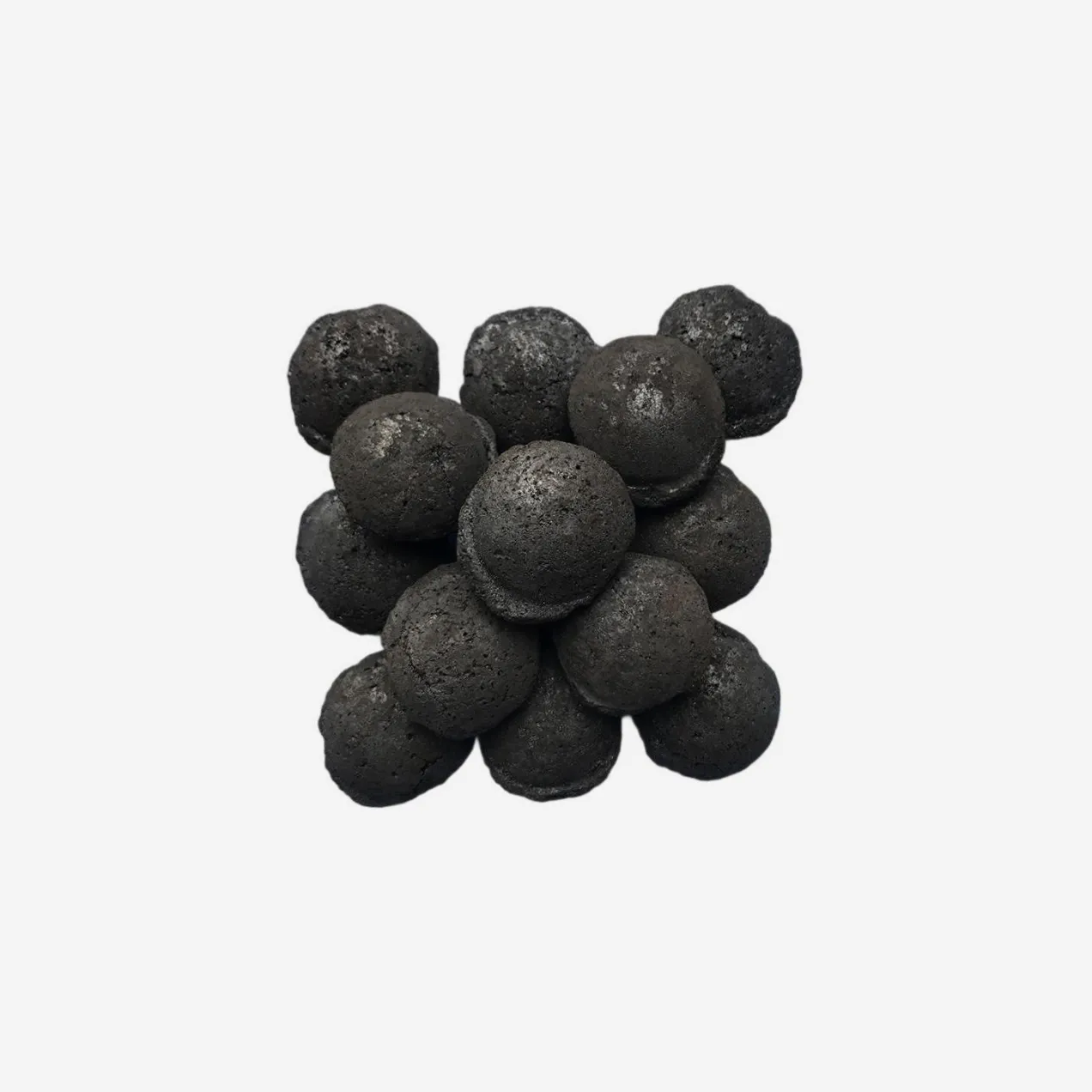
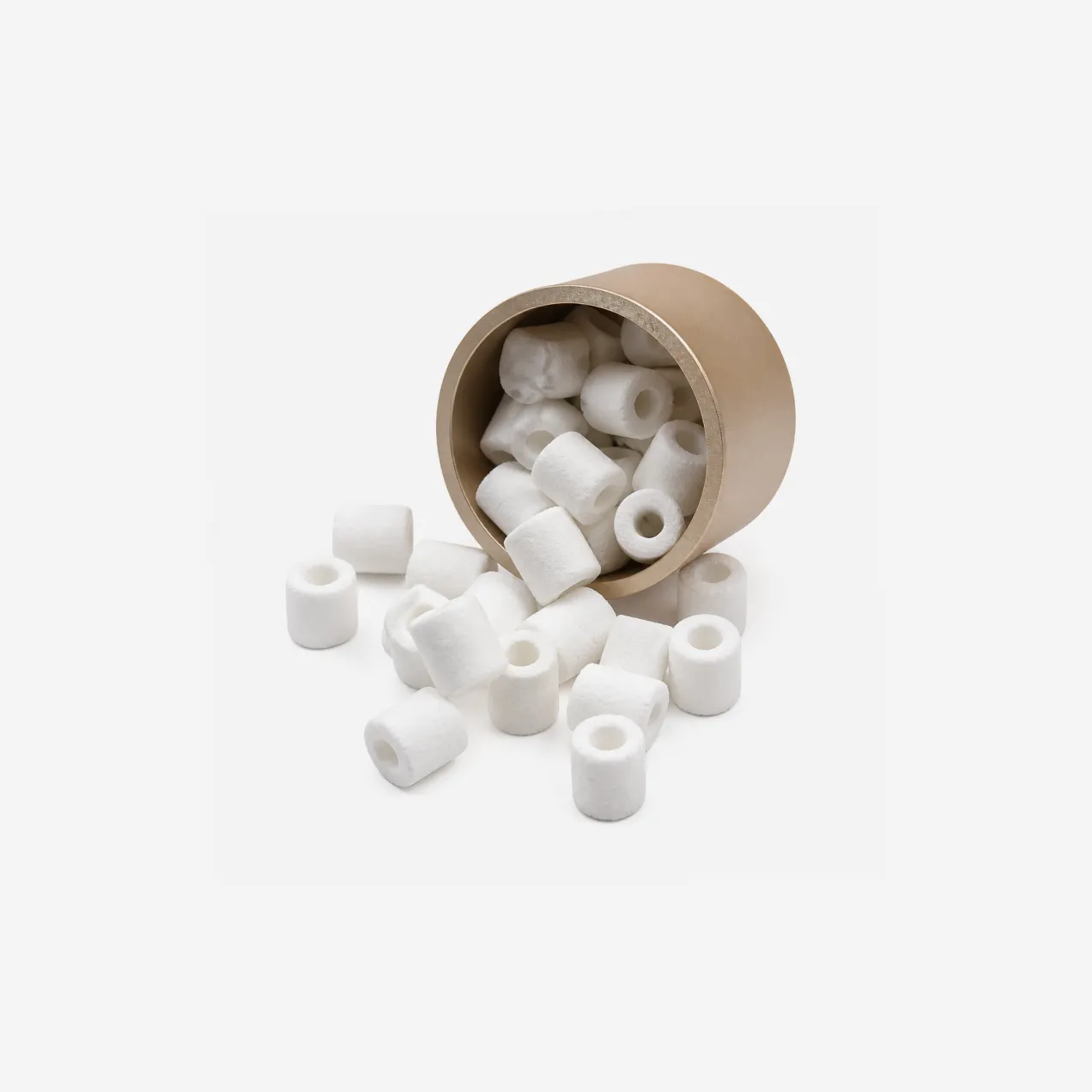
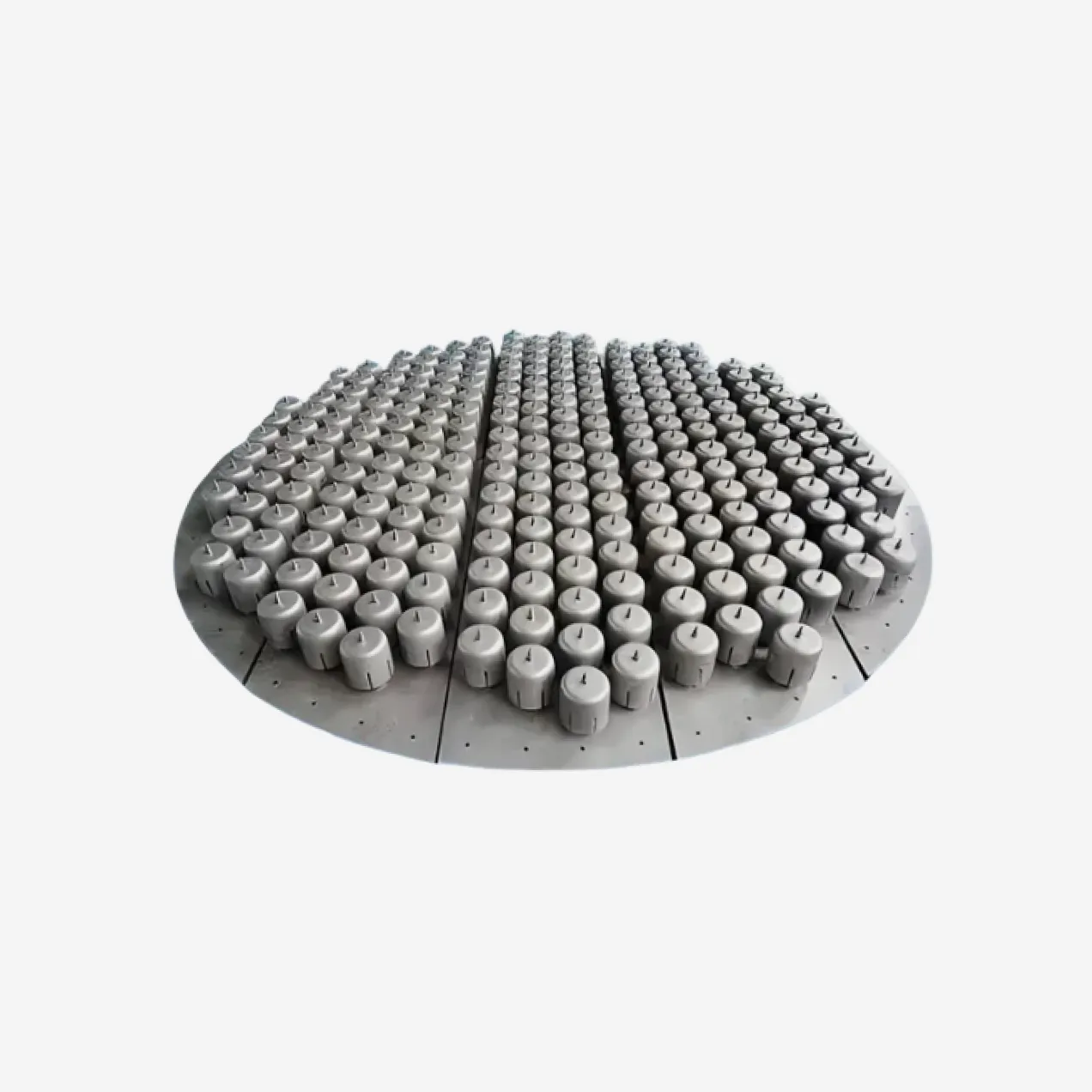
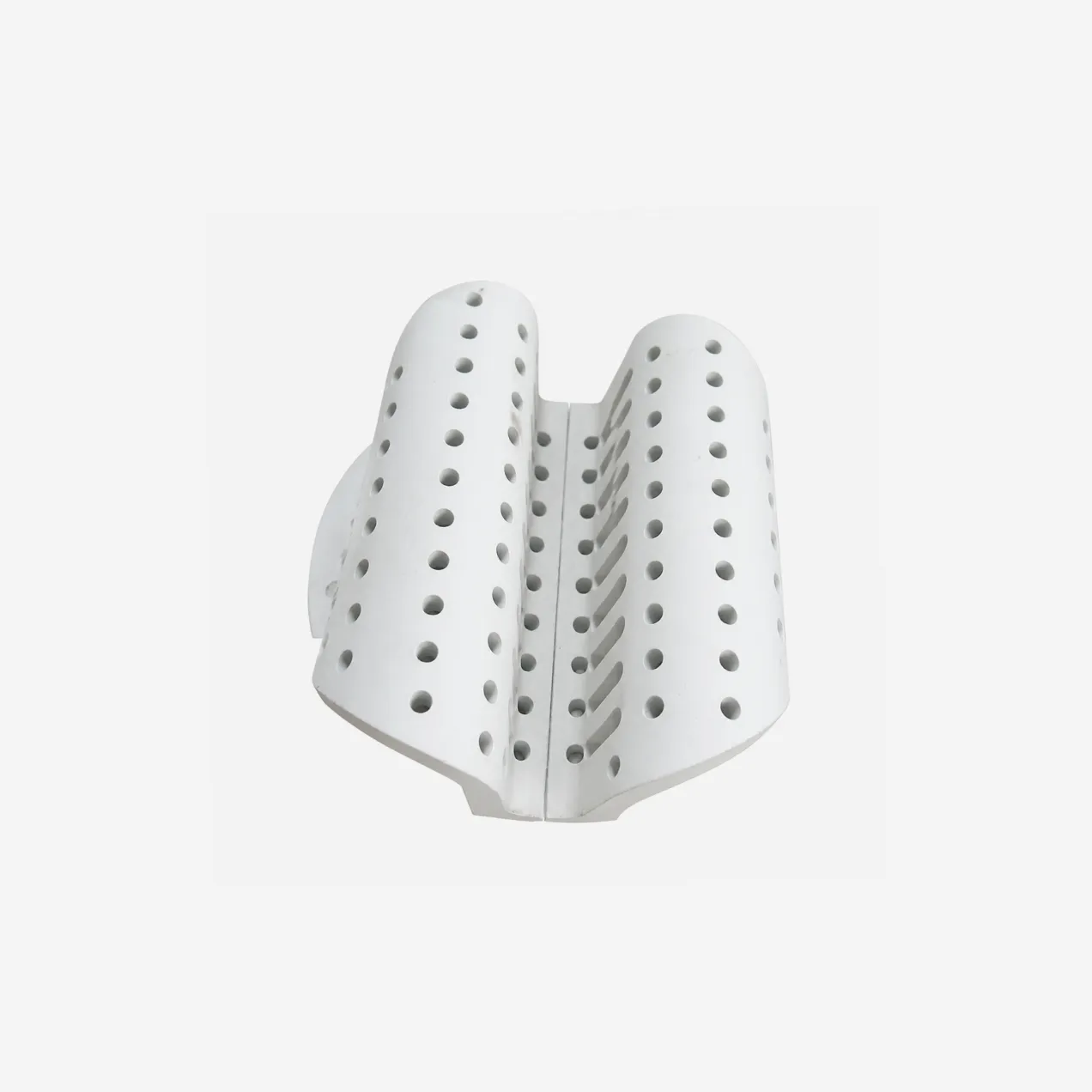
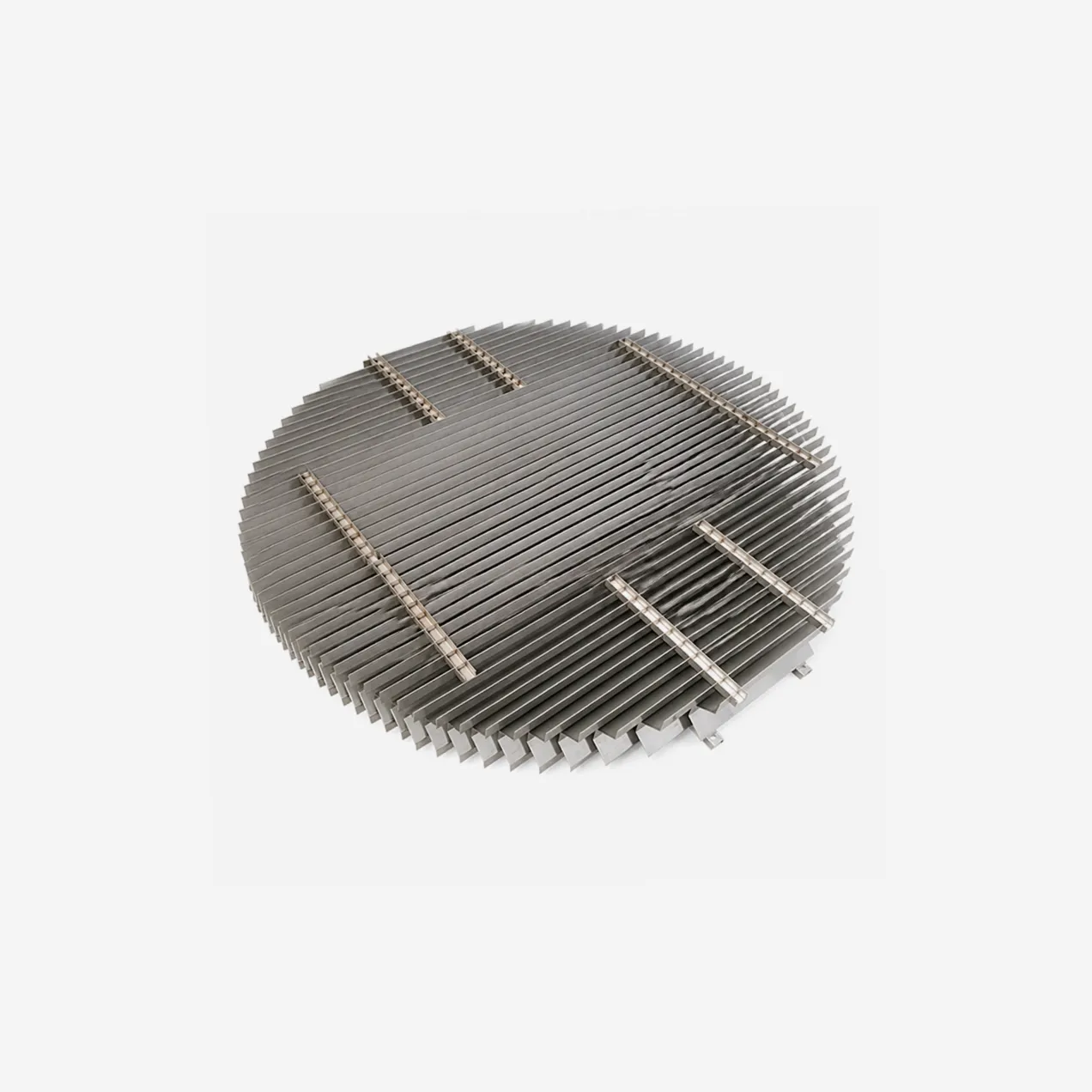
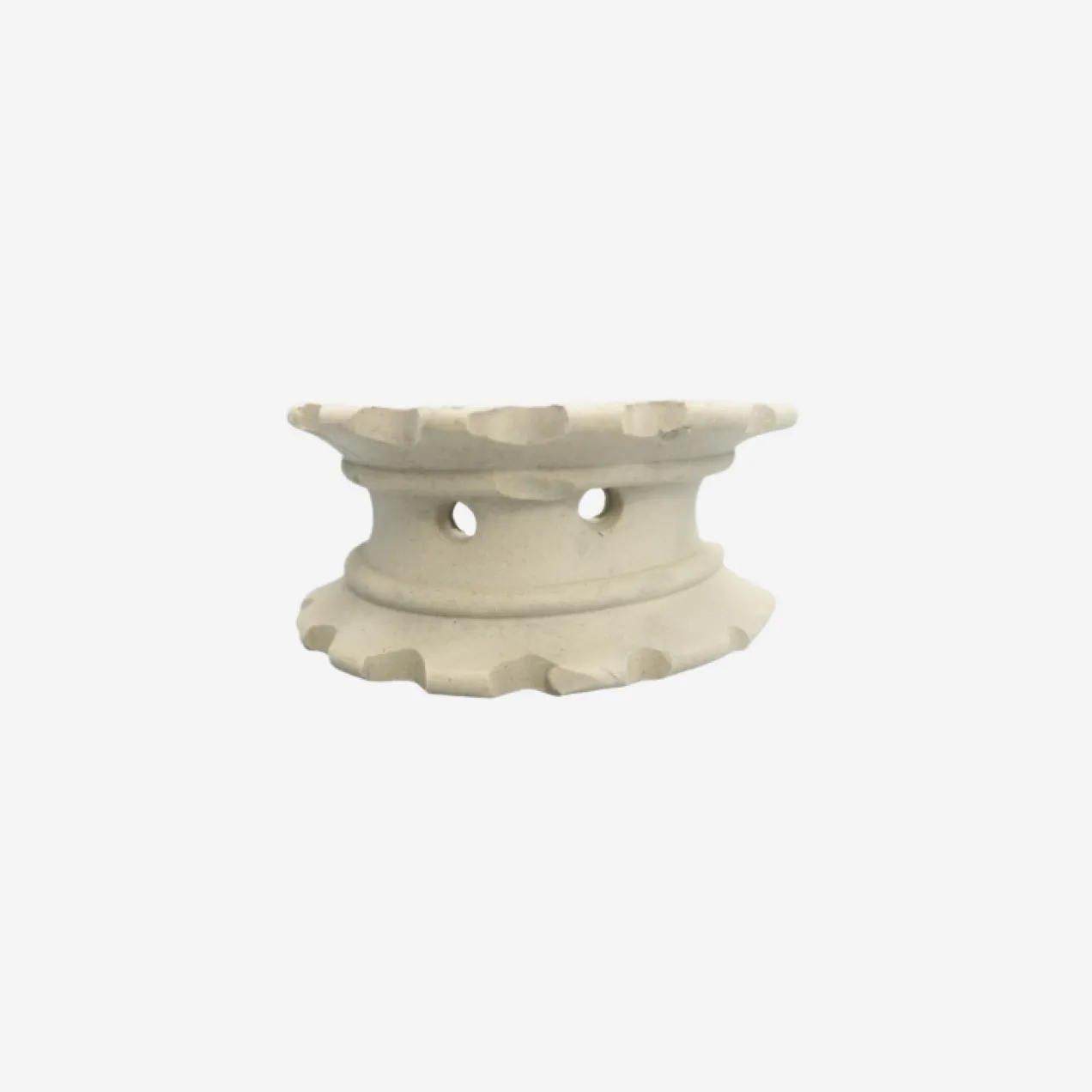
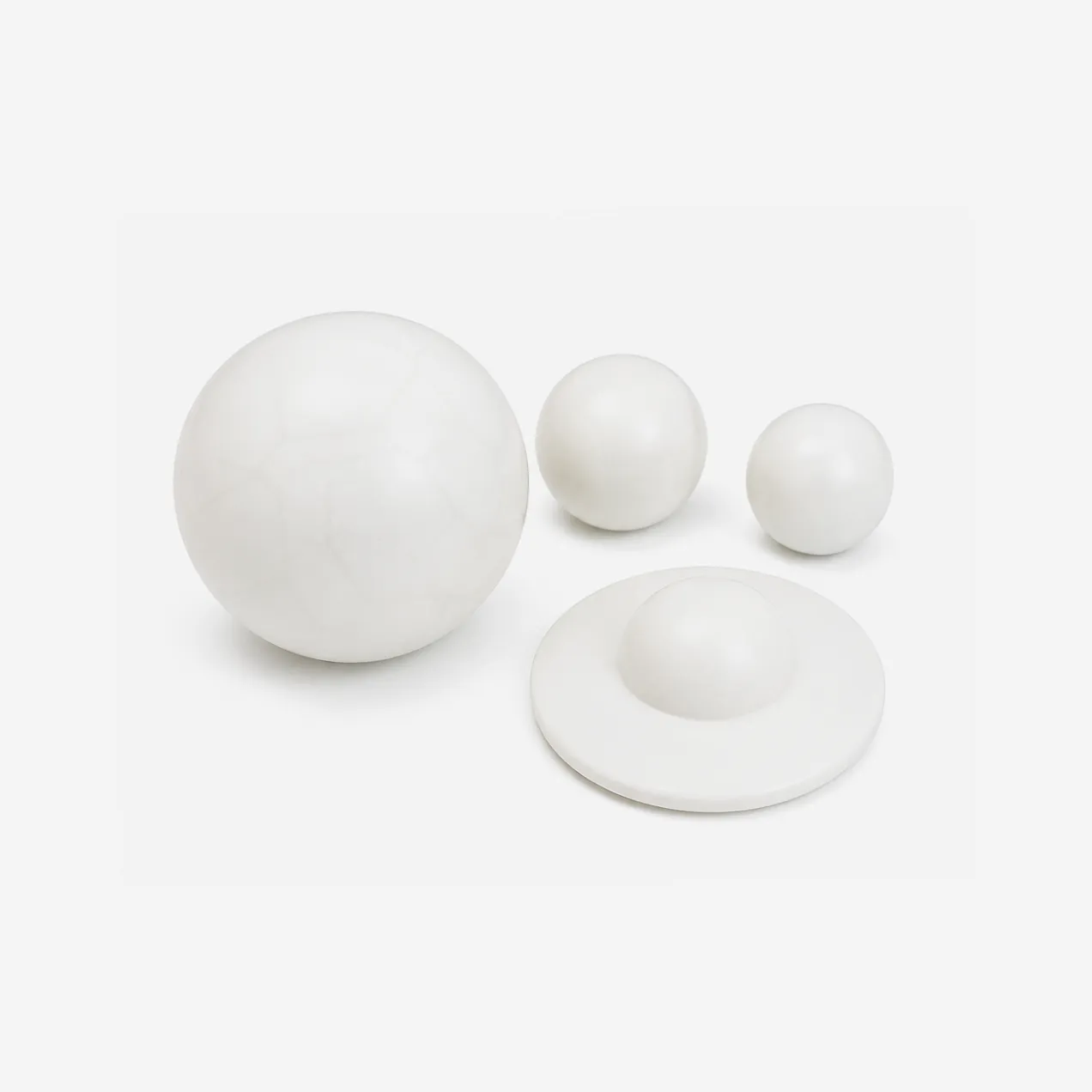
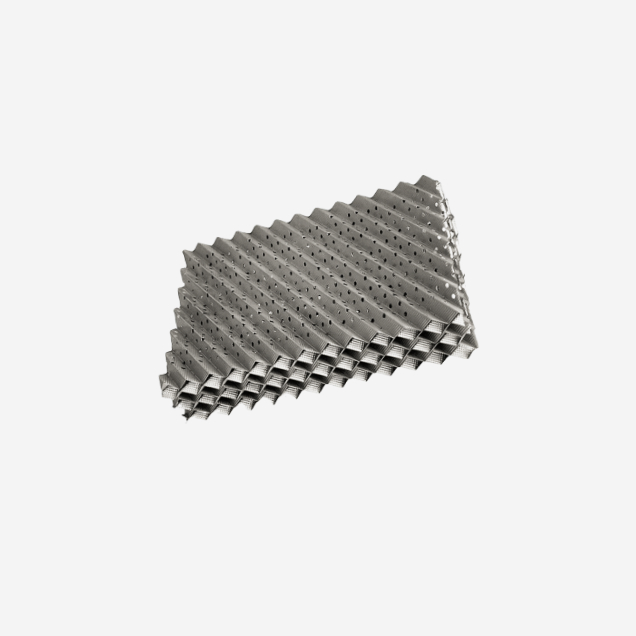
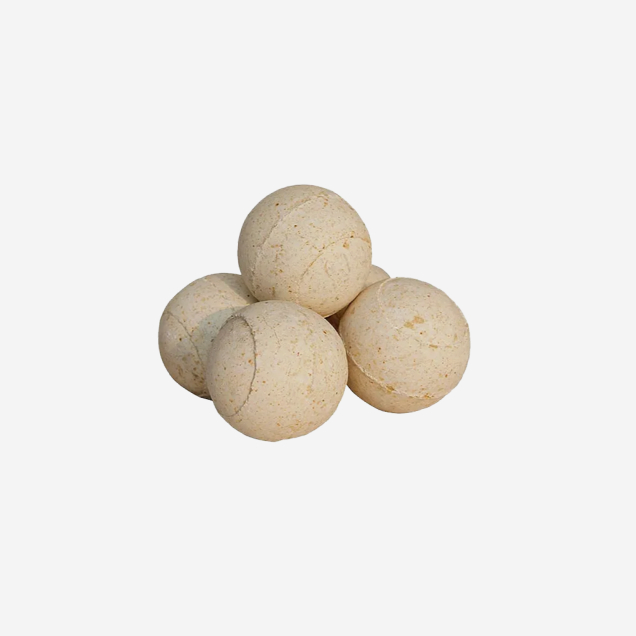
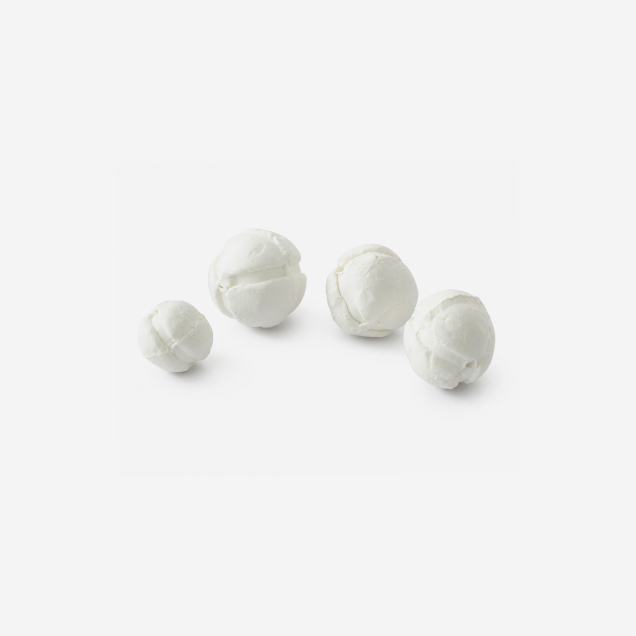
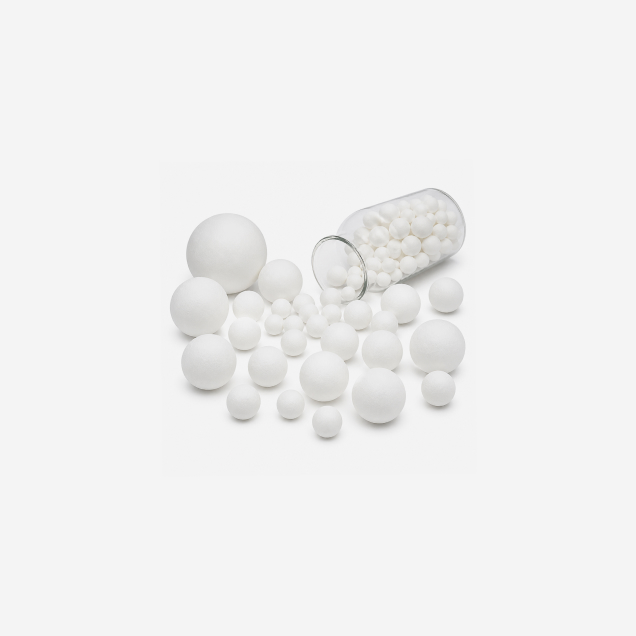
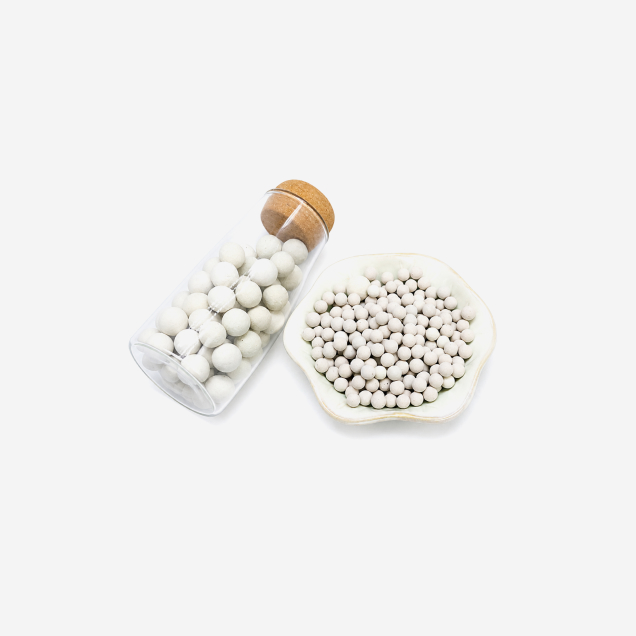
A support plate has to carry the full weight of the wet packing while leaving as much open area as possible for vapour and liquid to pass. Gas-injection, or hump, support plates lift the open area above the plate so gas and liquid use different paths, which raises capacity and delays flooding. Grid and beam supports suit heavier ceramic beds. A layer of inert ceramic balls often rests on the plate beneath the packing, protecting the plate and spreading the load. A hold-down plate or bed limiter then sits on top to keep the packing from lifting under high vapour load.
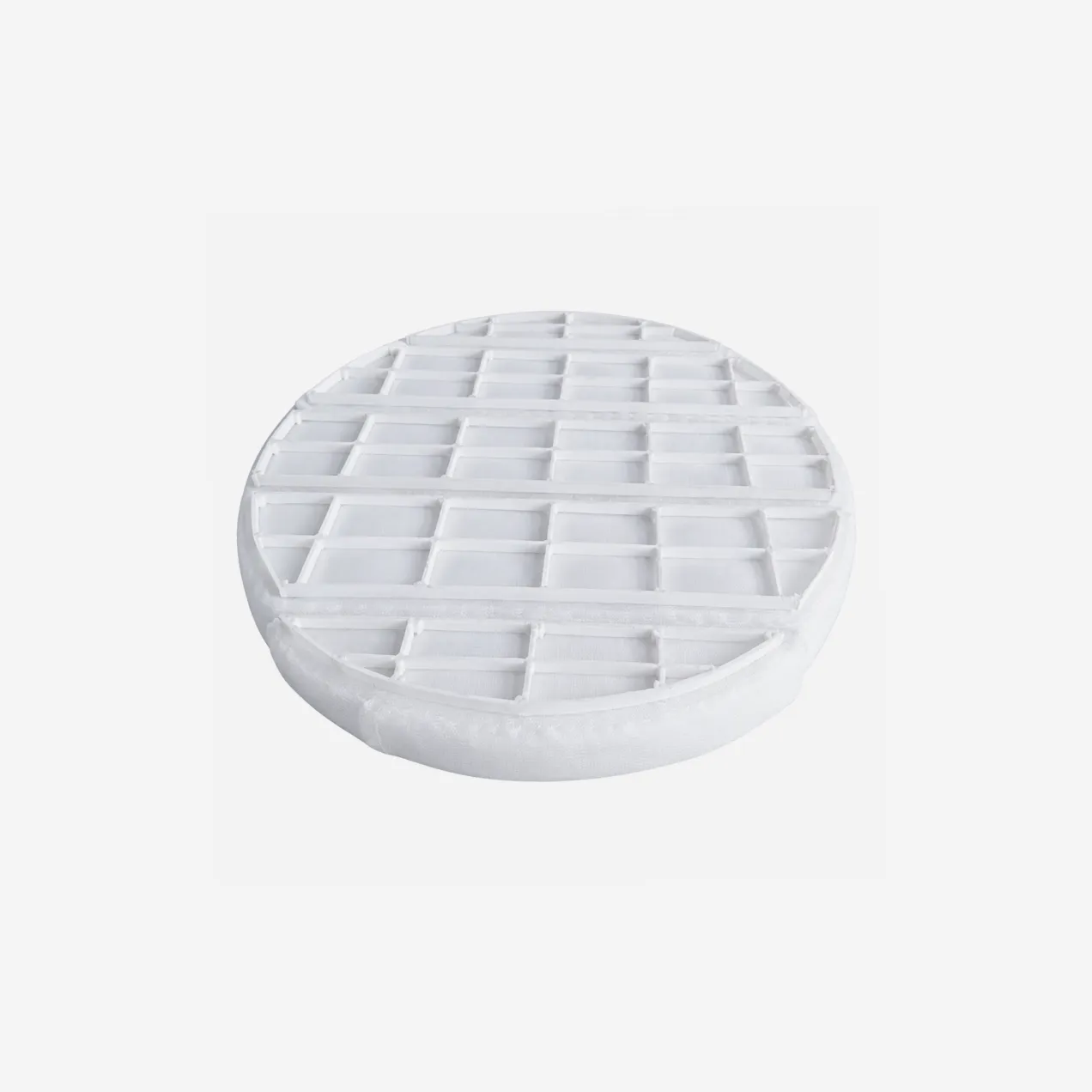
Gas leaving a column carries entrained droplets that foul downstream equipment and waste product. A knitted wire-mesh pad removes fine droplets at a low pressure drop and suits most services. Vane or baffle eliminators handle higher gas velocities, dirtier streams and viscous liquids. Plastic drift eliminators go into cooling and scrubbing towers. The element is sized to the vessel diameter and the gas velocity so it captures droplets without flooding.
The internals see the same chemistry as the packing, so the material is chosen the same way. Stainless steel in SS304 or SS316L covers most corrosive and high-temperature service, carbon steel is economical for clean duty, ceramic handles hot strong acid, and PP suits cold aggressive streams. Because we engineer and fabricate in-house, a single column can mix materials, with a stainless distributor over a ceramic support, sized and drawn as one assembly.