Home > Zirconia Grinding Balls
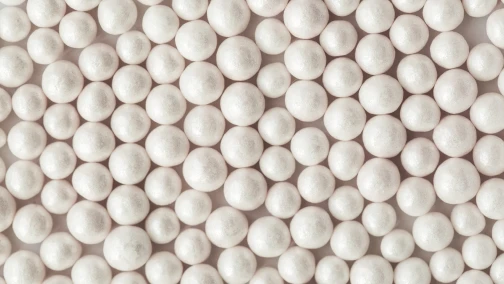
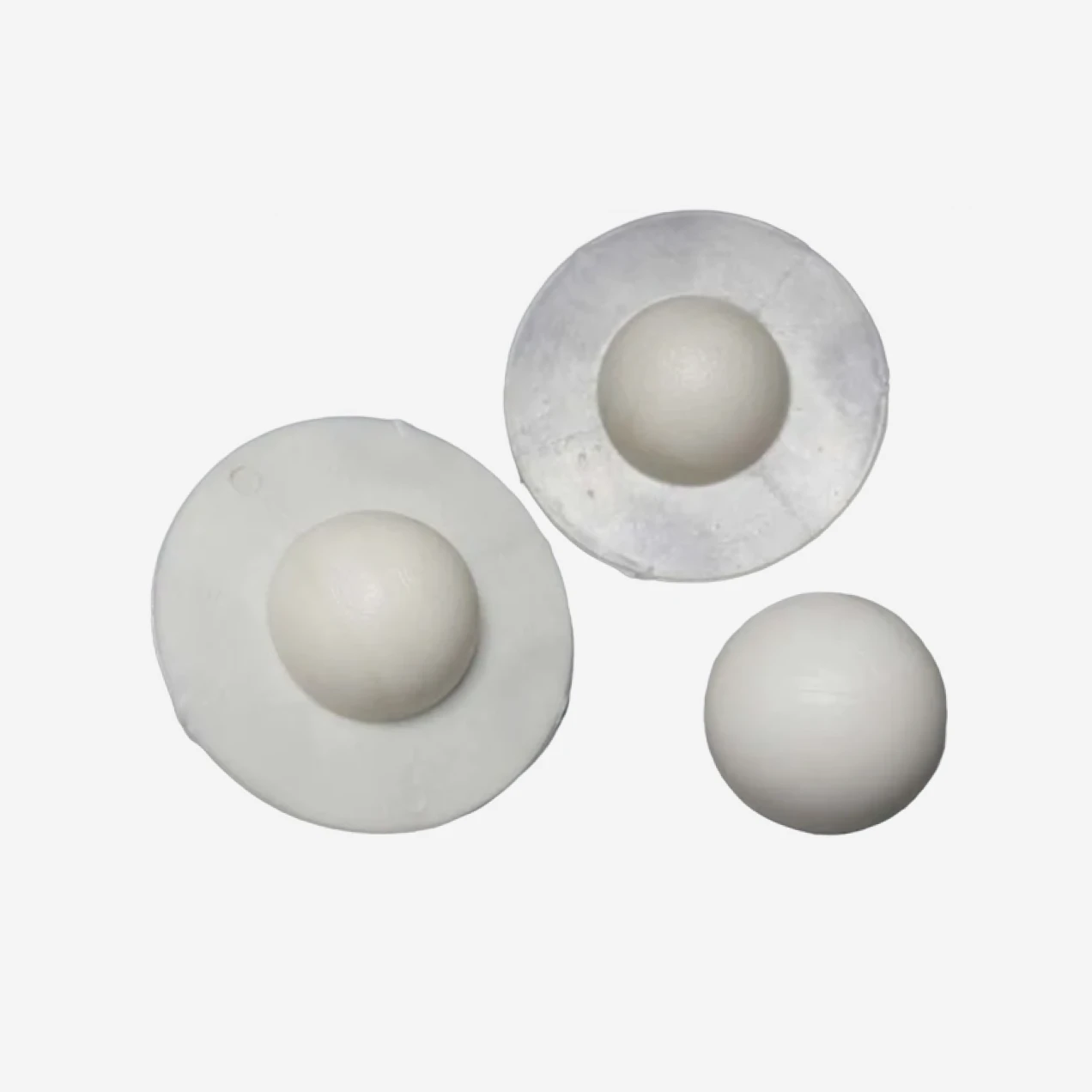
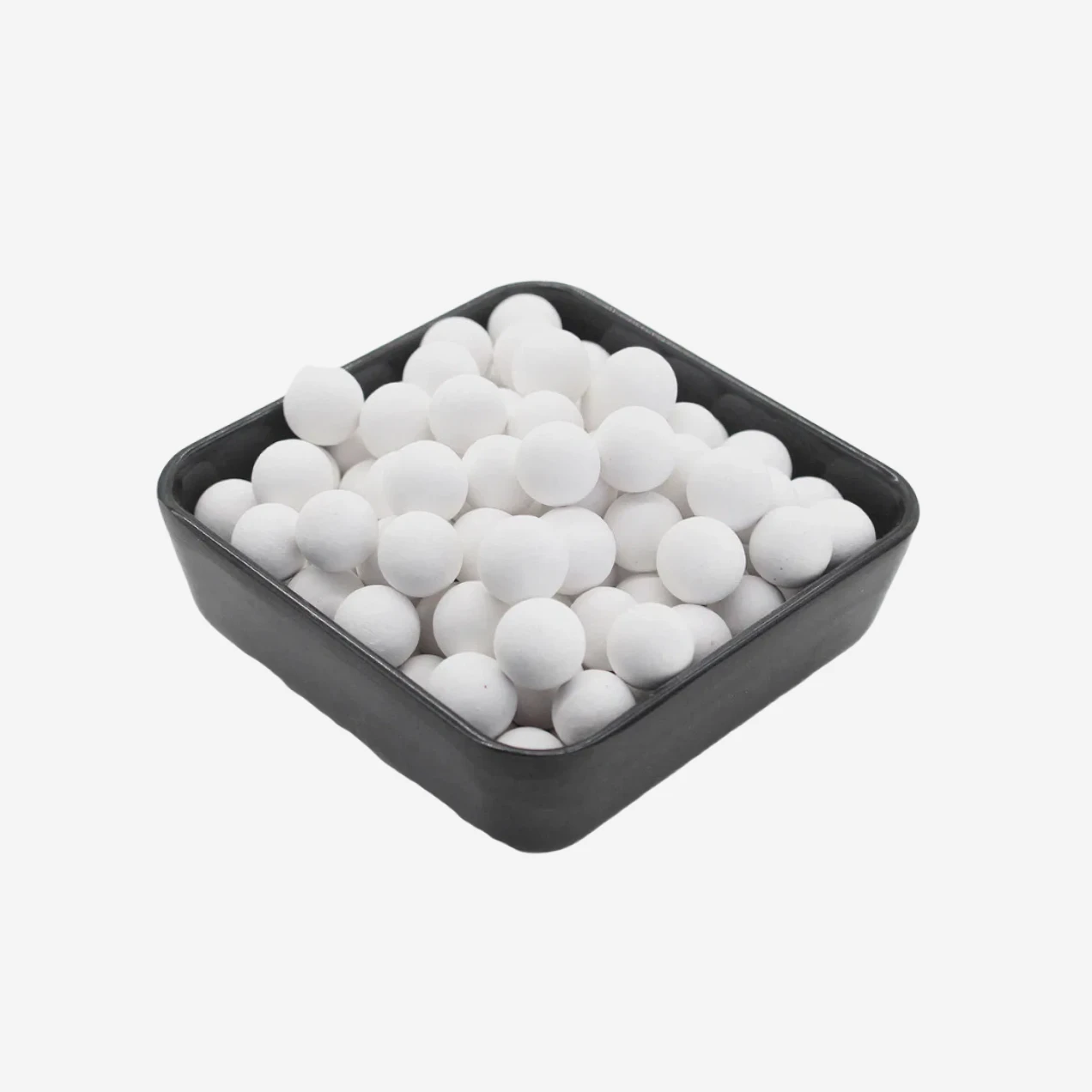
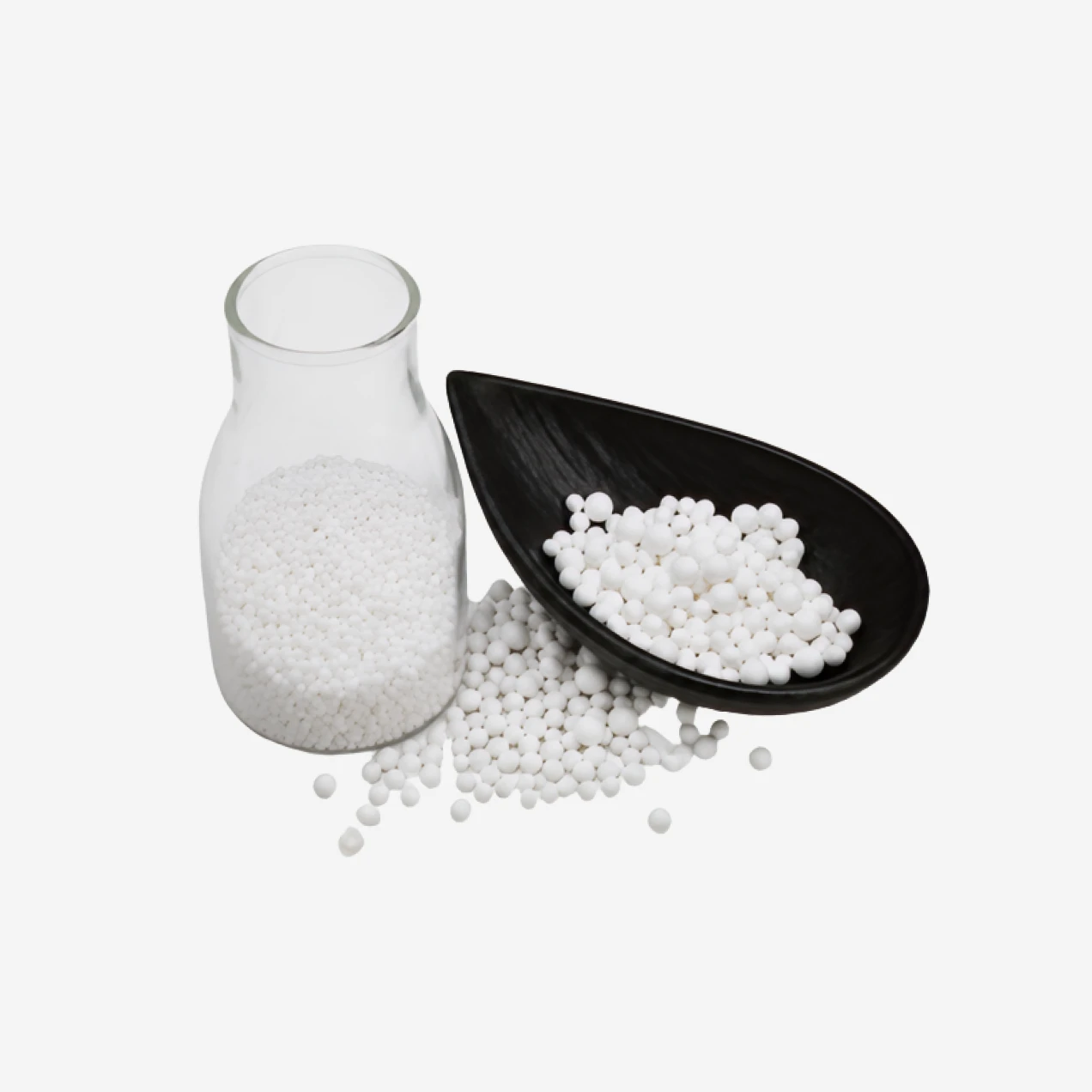
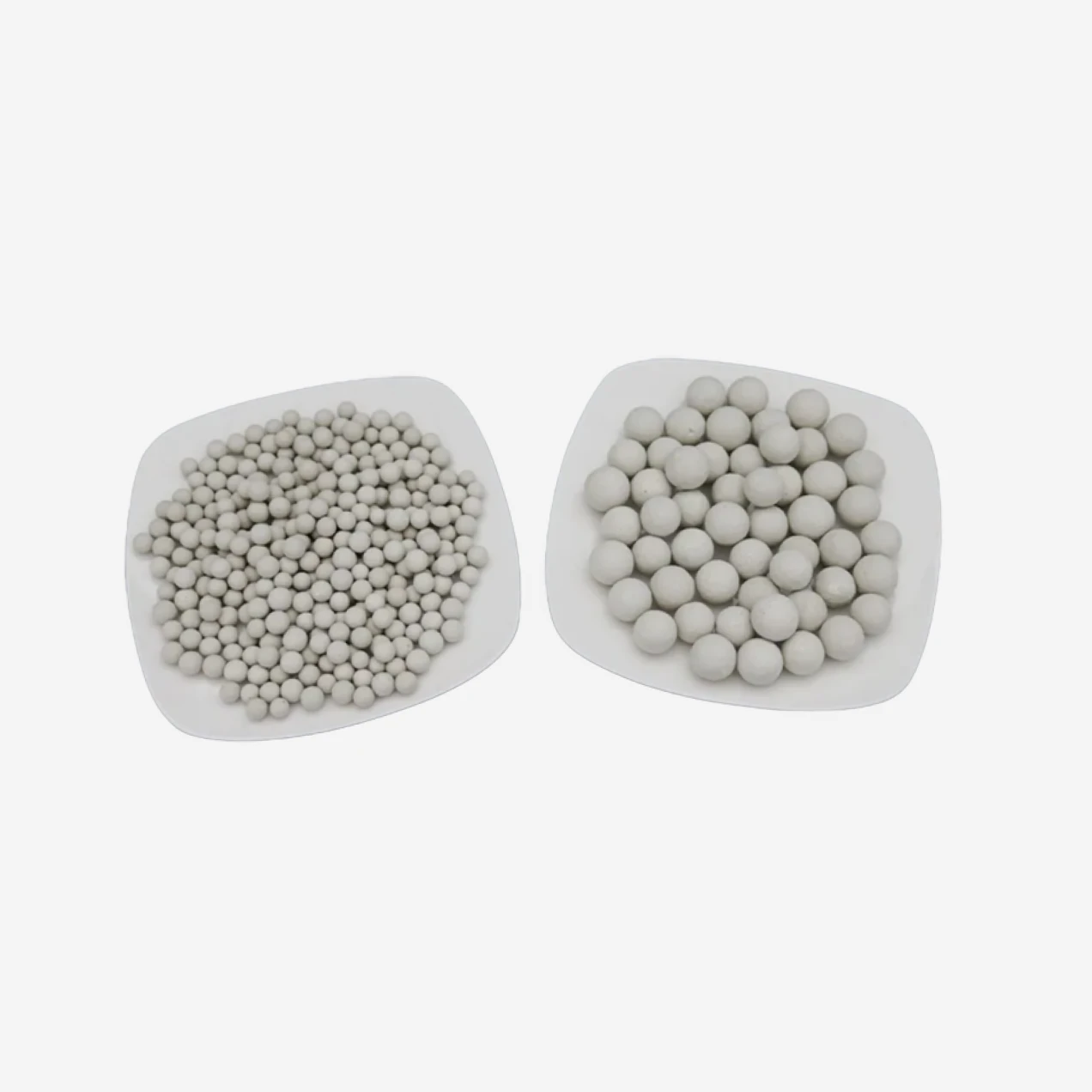
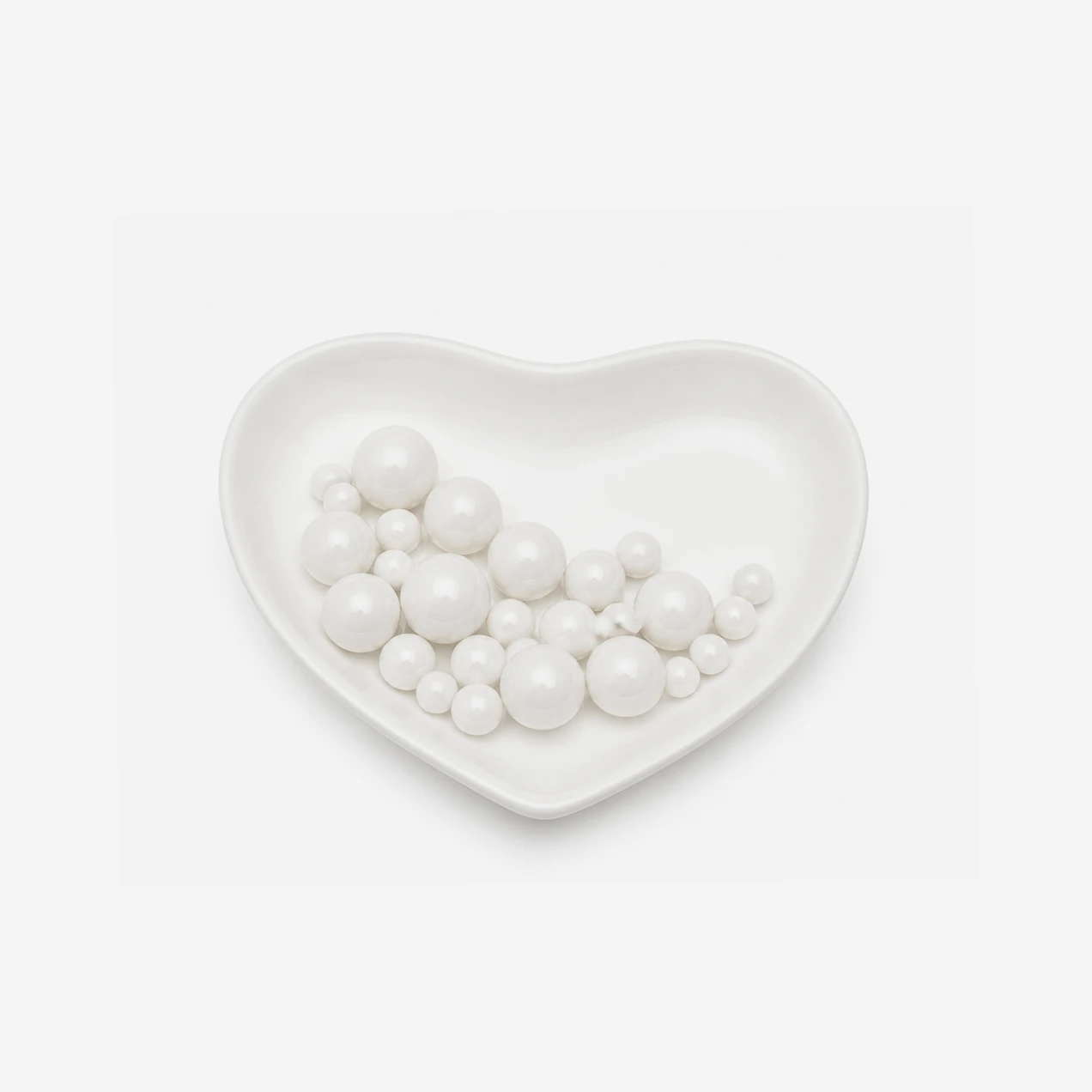
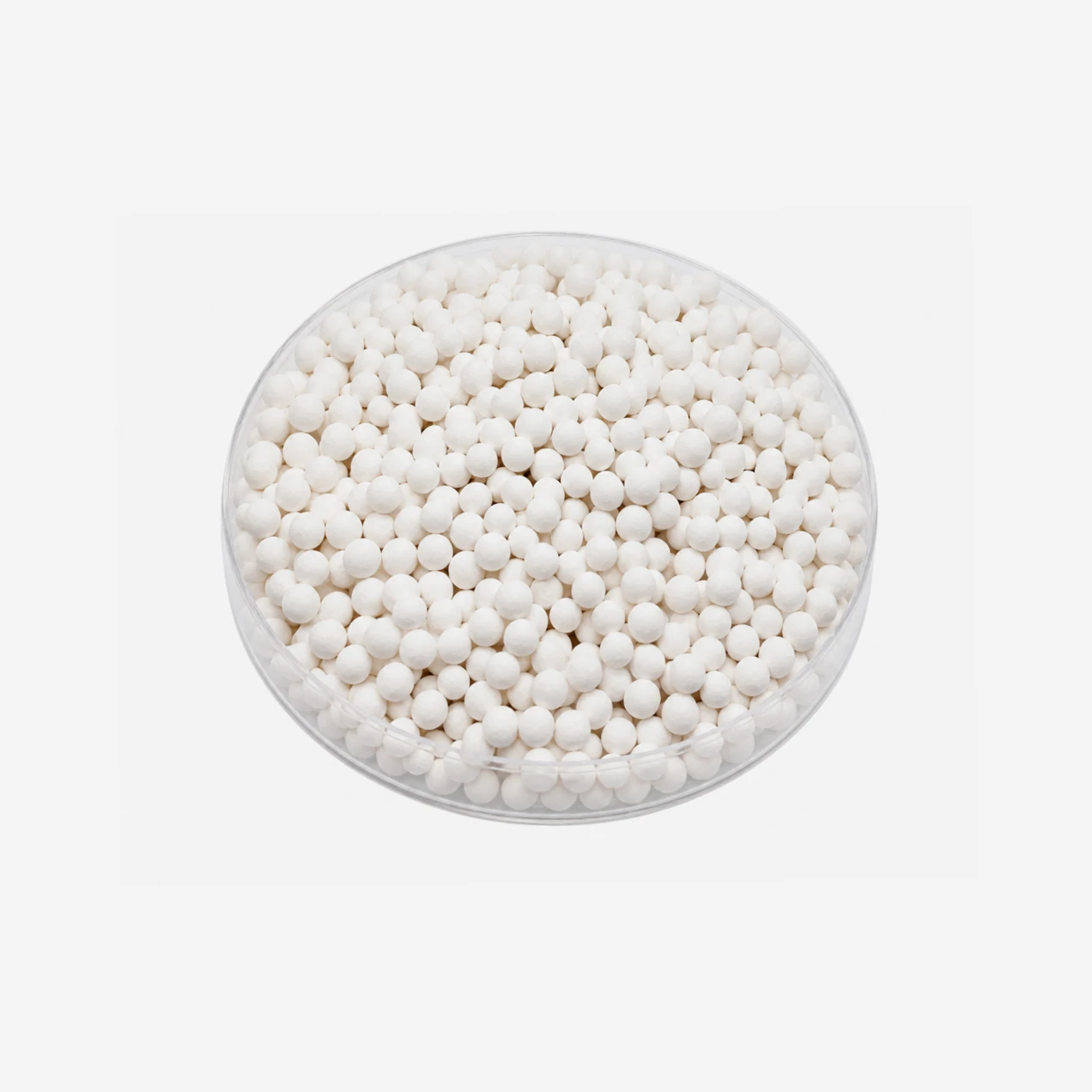
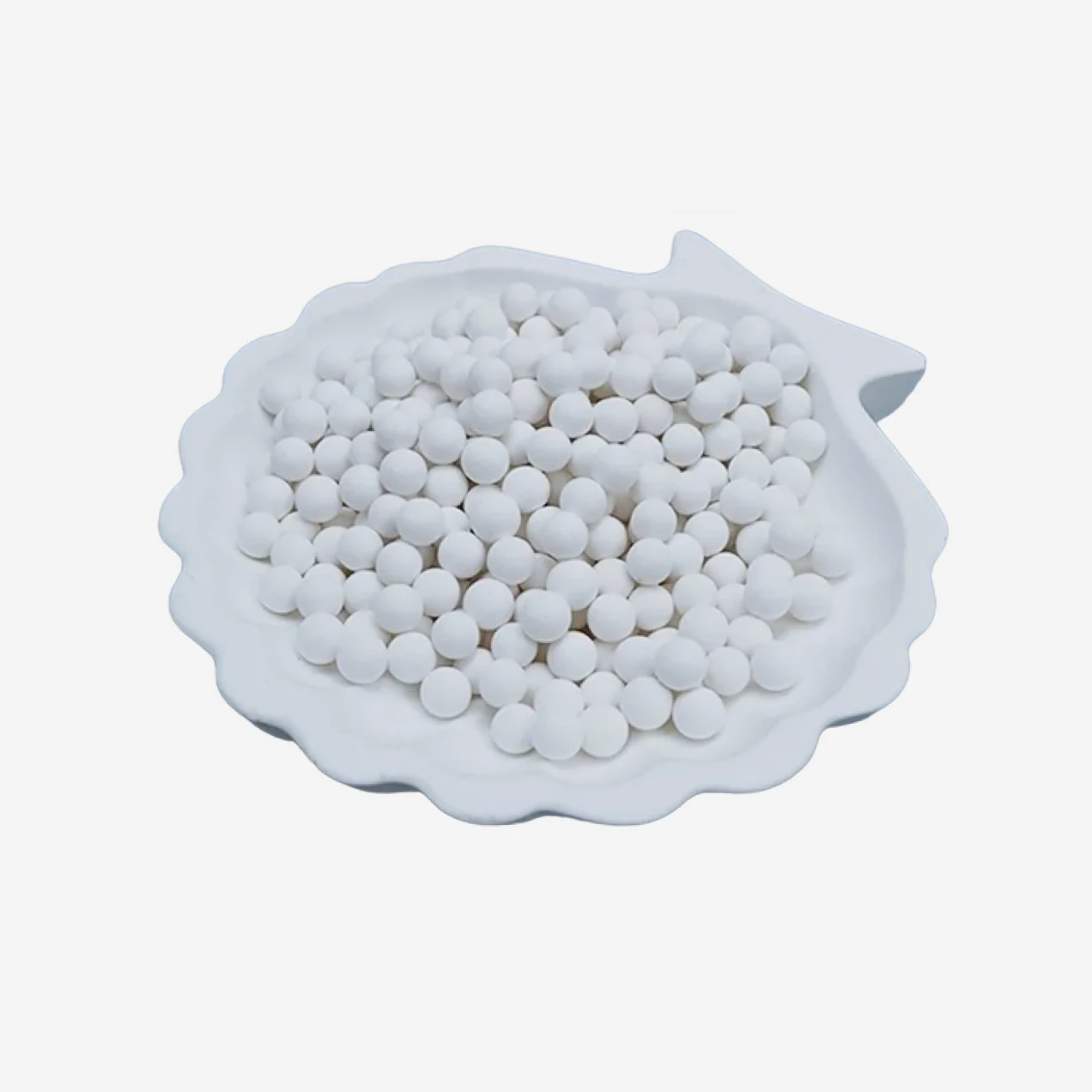
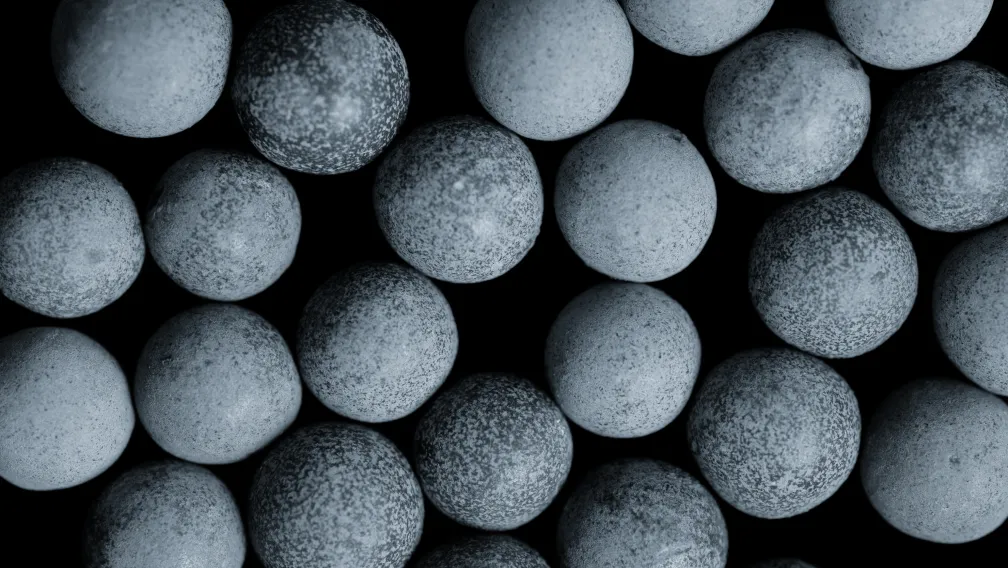
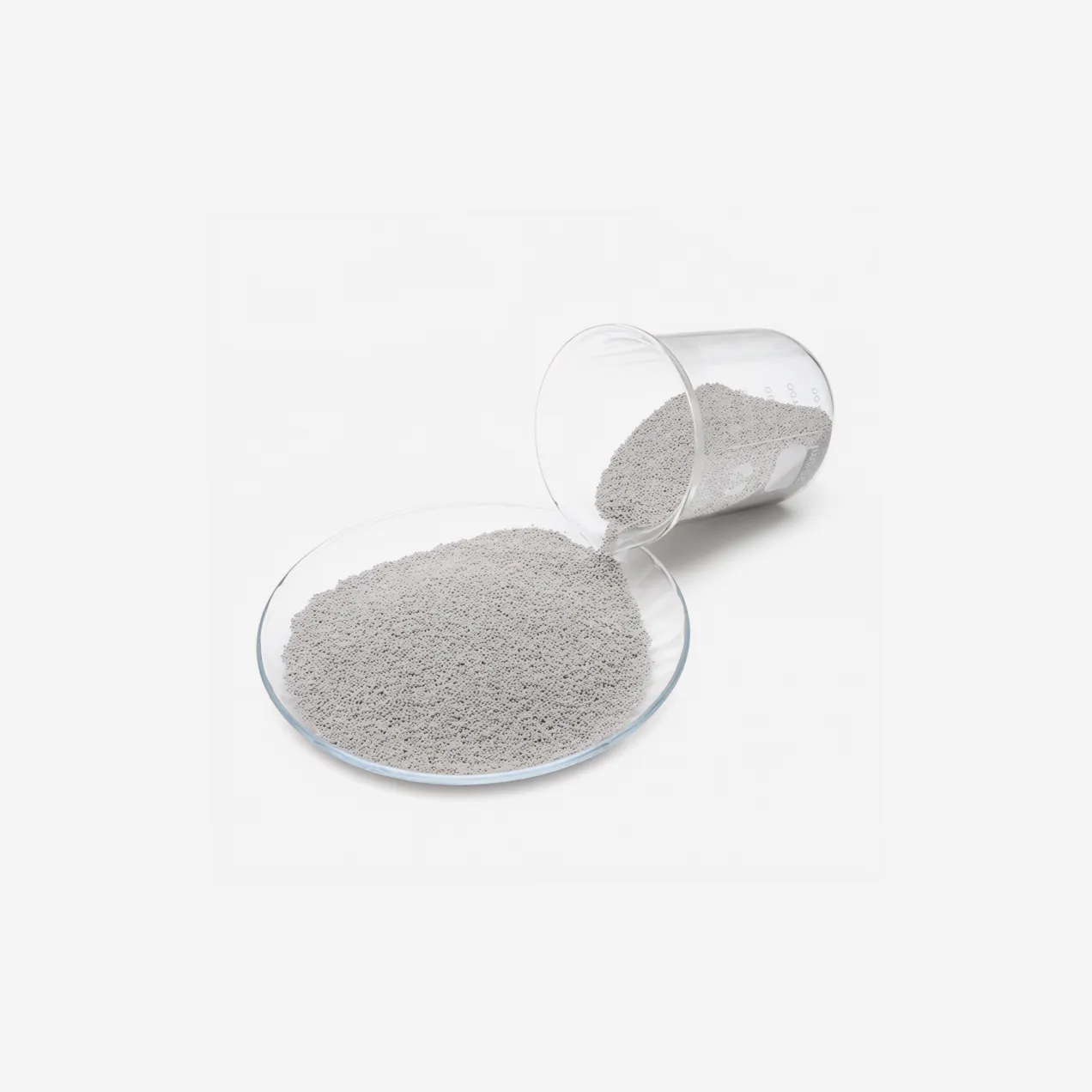
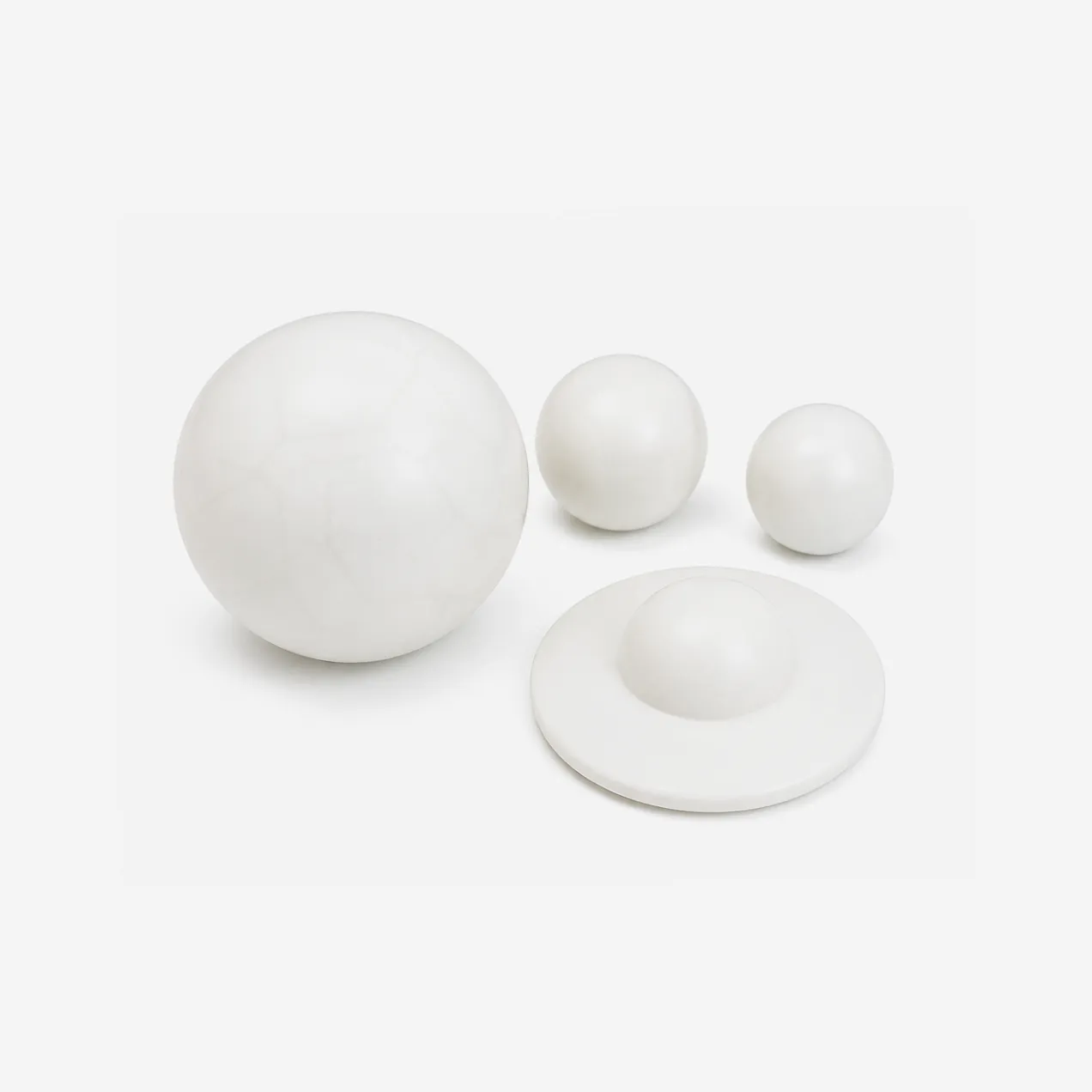
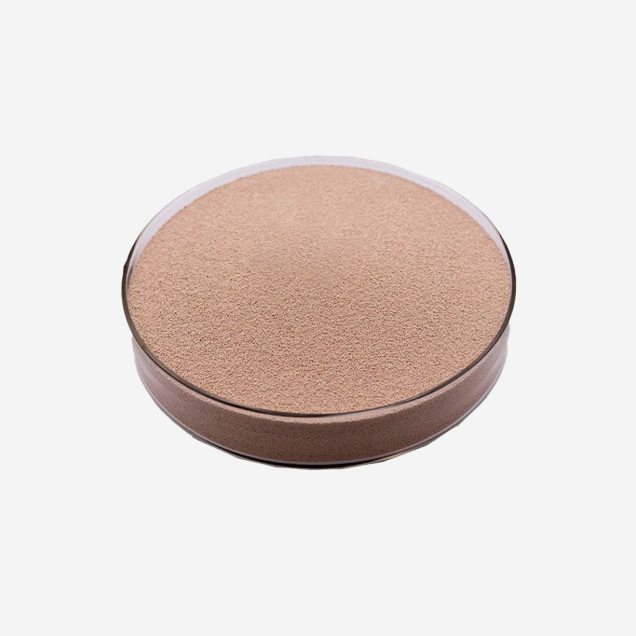
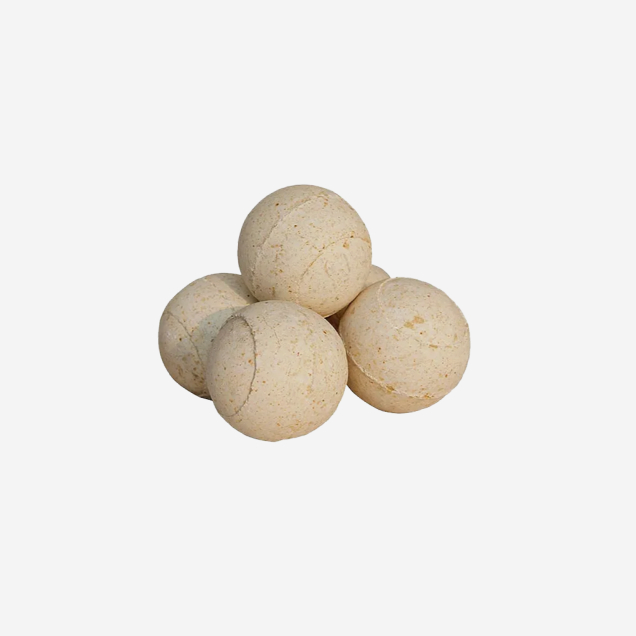
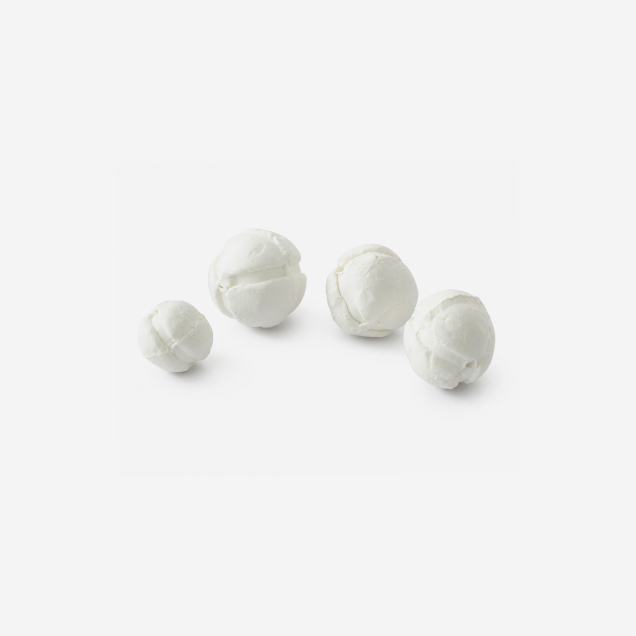
Zirconia grinding balls are high-density ceramic media made from zirconium oxide, used to grind and disperse materials in ball mills, attrition mills and, as fine beads, in bead and sand mills. They are far denser and harder than alumina or glass, so they grind faster and cleaner, which is why they are used for hard, fine or contamination-sensitive materials.
Zirconia is about twice as dense as alumina, so each ball carries more energy into the grind and mills the material faster and finer on less energy. It also wears far more slowly and is chemically inert, so it lasts longer and sheds almost nothing into the product. For hard or high-purity work, that makes it worth the higher price over alumina or glass.
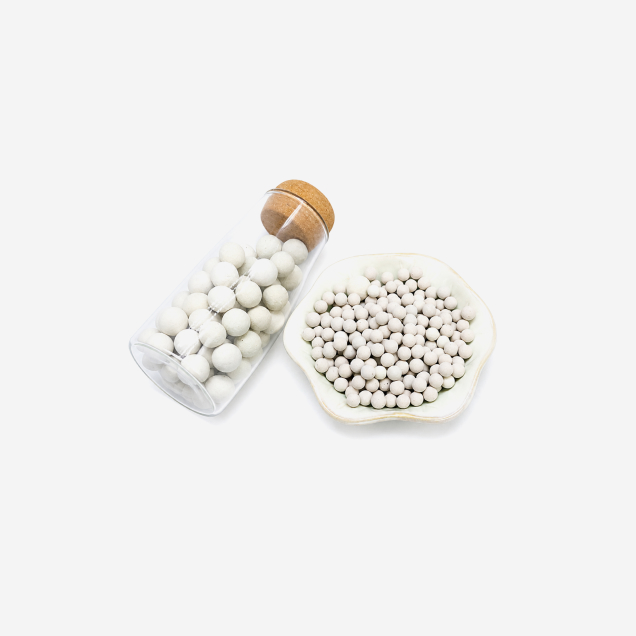
We make three main grades. Yttria-stabilised zirconia gives the lowest wear and the highest purity for battery, electronic and fine work; ceria-stabilised is a hard, cost-effective grade; and zirconium silicate is an economical, medium-density bead for large-volume dispersion. We match the grade to the material, the mill and the budget.
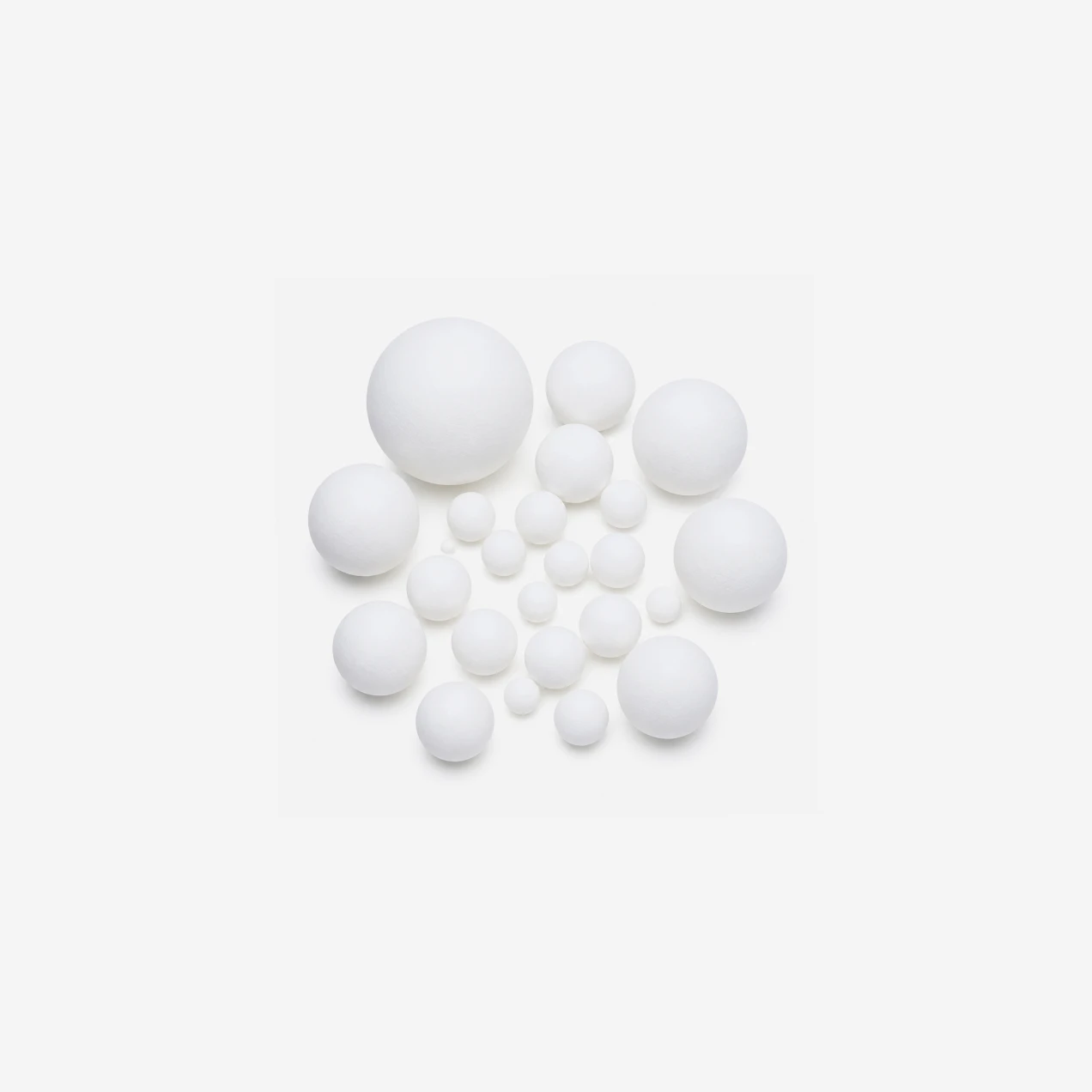
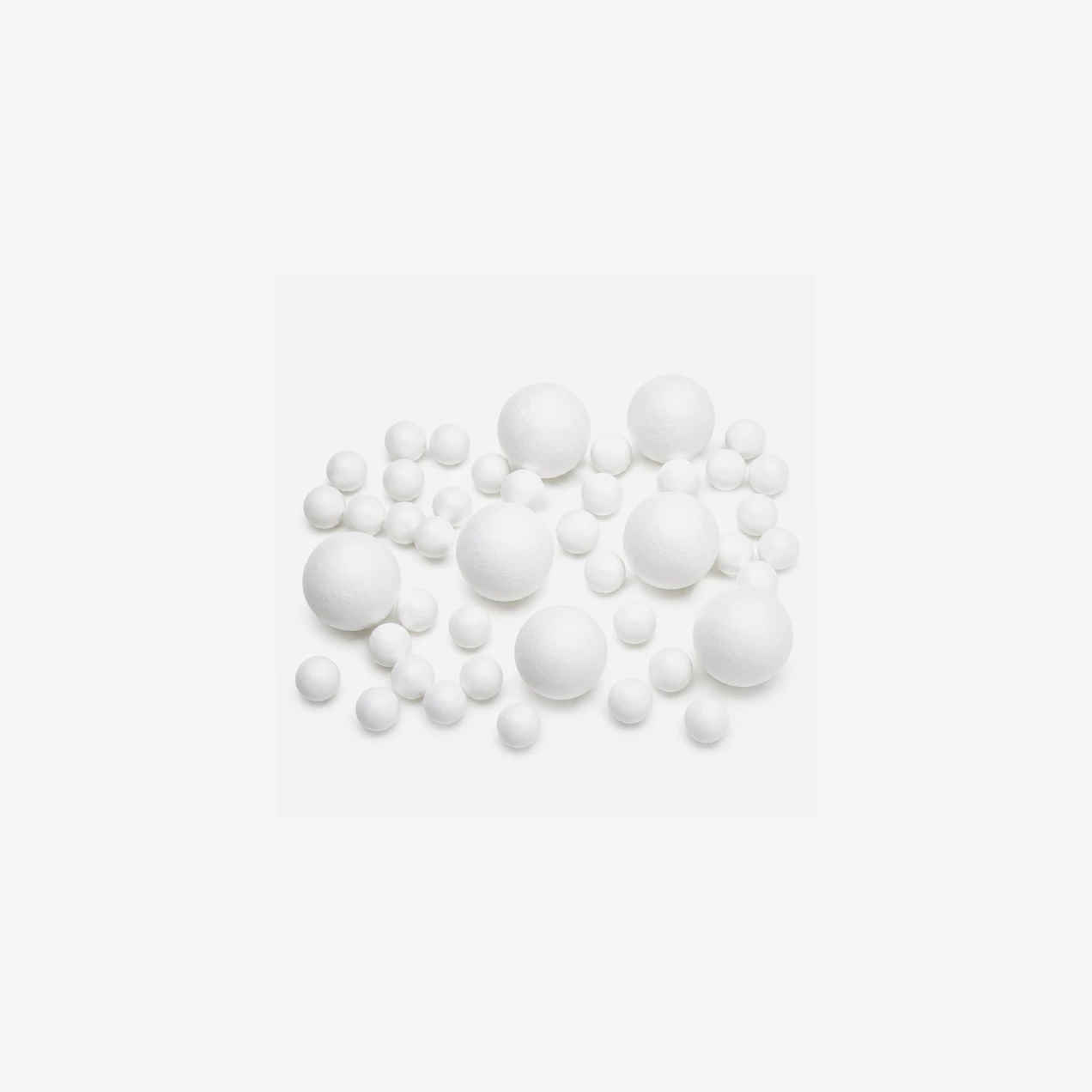
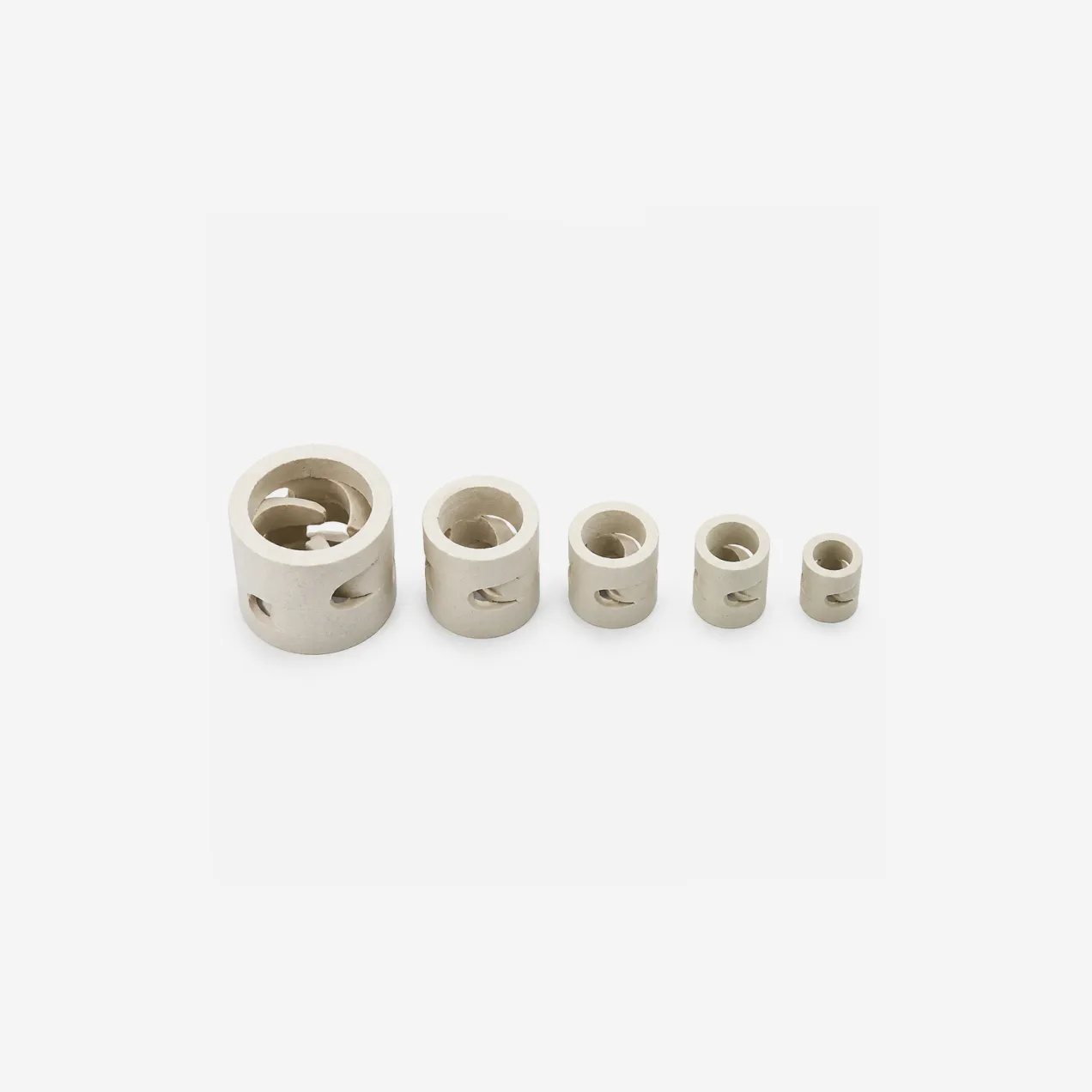
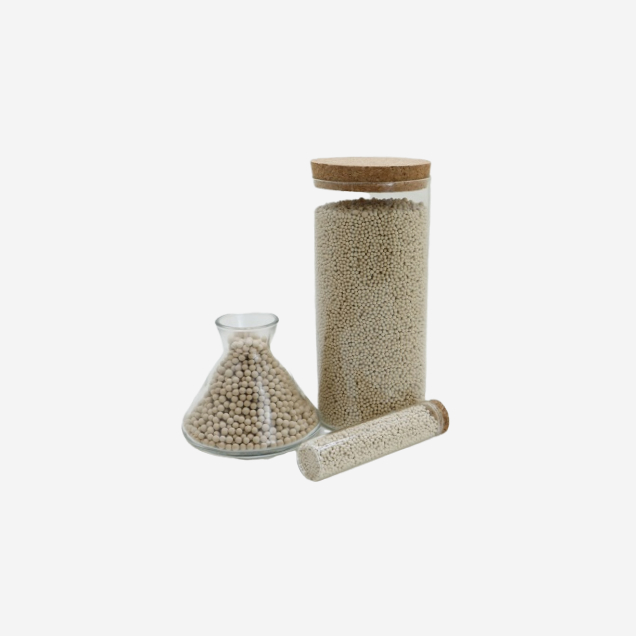
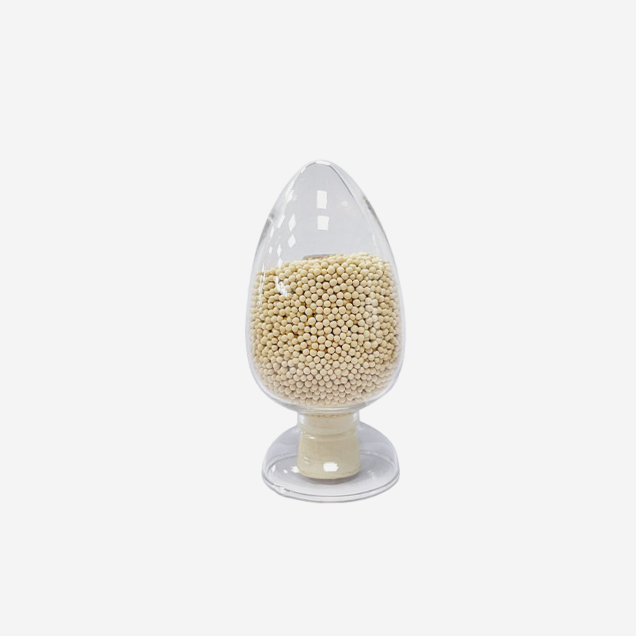
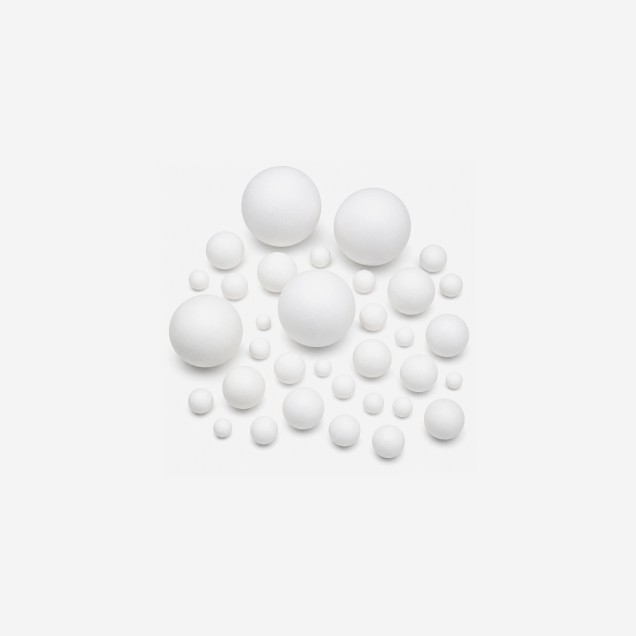
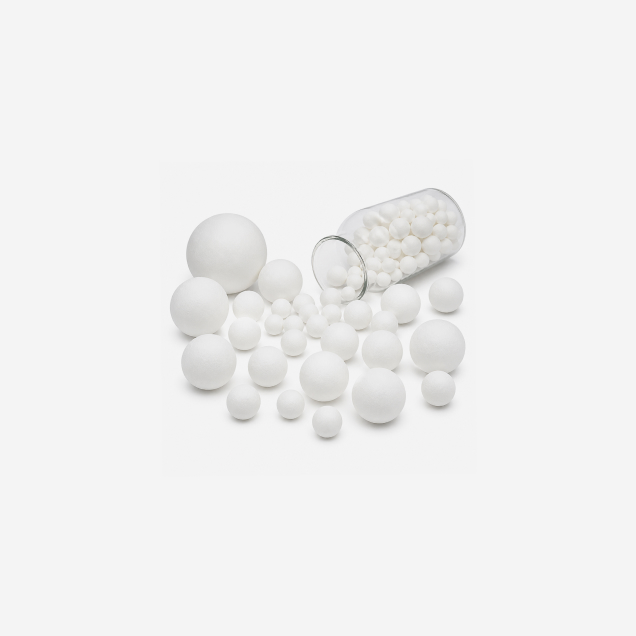
We supply the full range, from fine beads for bead and sand mills up to large balls for ball mills. Small beads suit fine and nanometre grinding and dispersion; larger balls suit breaking a coarse feed in a ball mill. Tell us the mill and the fineness you need and we will recommend the size and grade.
It depends on the material, the mill and how clean the product has to be. High-purity battery and electronic grinding calls for the yttria grade; large-volume paint and ink dispersion often runs the more economical ceria or zirconium-silicate beads. Send us the material, the mill type and the target fineness and we will recommend the grade and size.
Yes, that is the main reason to use them. Zirconia is chemically inert and wears very slowly, so unlike steel or worn ceramic media it does not add metal or colour to the product. This is why it is the standard media for battery materials, electronic ceramics, pharmaceuticals and any product with a high purity or colour requirement.
The minimum order depends on the grade and size, and bulk orders ship by the tonne, in sealed drums or bulk bags. Lead time runs from stock for standard grades and sizes to a couple of weeks for special sizes or grades. Send the grade, the size and the quantity and we will confirm both on the quote.
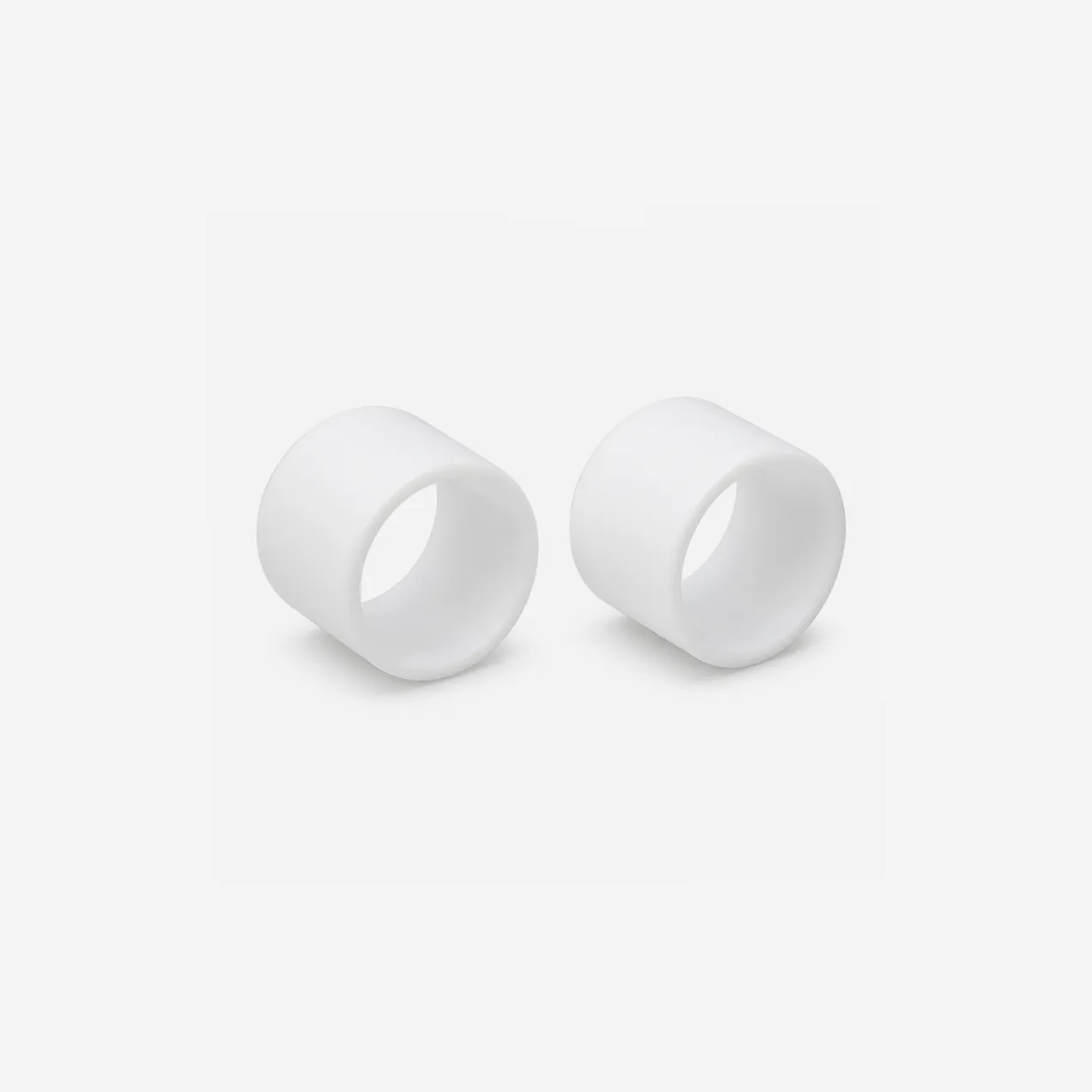
Zirconia grinding balls are the highest-performance ceramic grinding media, used where a mill has to grind hard, fine or contamination-sensitive material. Made from zirconium oxide, usually stabilised with yttria, they are much denser and harder than alumina or glass media, so they grind faster and cleaner. The grade and the size are chosen from the material, the mill and how pure the product must be.
The advantage is density and wear. At around 6.0 g/cm³, zirconia is roughly twice as dense as high-alumina media and more than twice as dense as glass, so each ball carries more energy into the grind and mills faster on less energy. Yttria-stabilised zirconia is also transformation-toughened, giving it very low wear, so it lasts far longer and sheds almost nothing into the product. The higher purchase price is offset by faster milling, longer life and a cleaner product.
Zirconia media comes in grades that trade off wear, density and cost. The table below sets out the common choices.
| GRADE | ZrO2 / TYPE | DENSITY | BEST FOR |
|---|---|---|---|
| Yttria-stabilised (YSZ) | ~95% ZrO2 | ~6.0 g/cm³ | High-purity battery, electronics, fine grinding |
| Ceria-stabilised | Ce-TZP | ~6.2 g/cm³ | Hard, cost-effective, high-energy milling |
| Zirconium silicate | ~65% ZrO2 | ~4.0 g/cm³ | Economical, large-volume paint and ink |
| Zirconia toughened alumina | ZTA | ~4.0 g/cm³ | Cost-effective upgrade from high alumina |
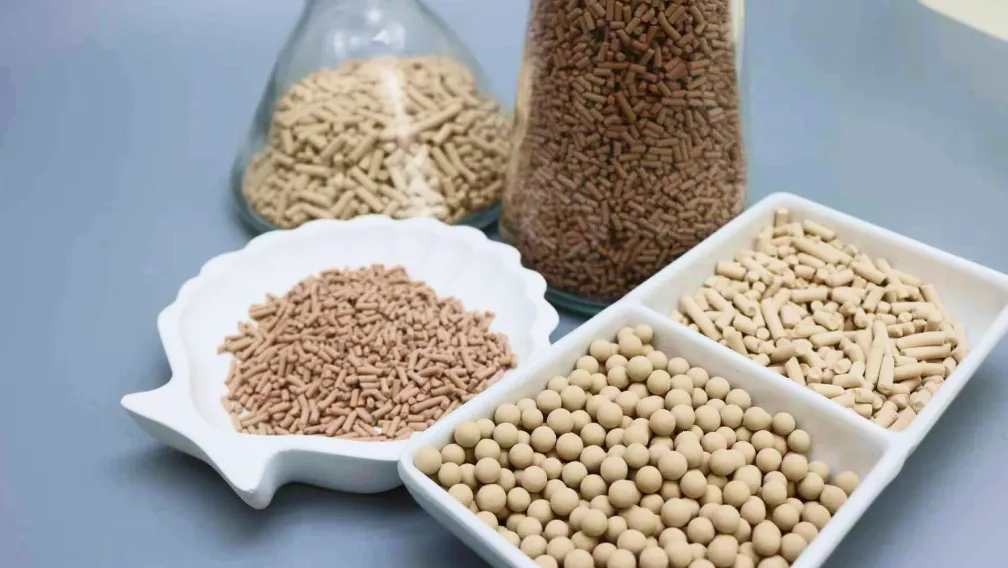
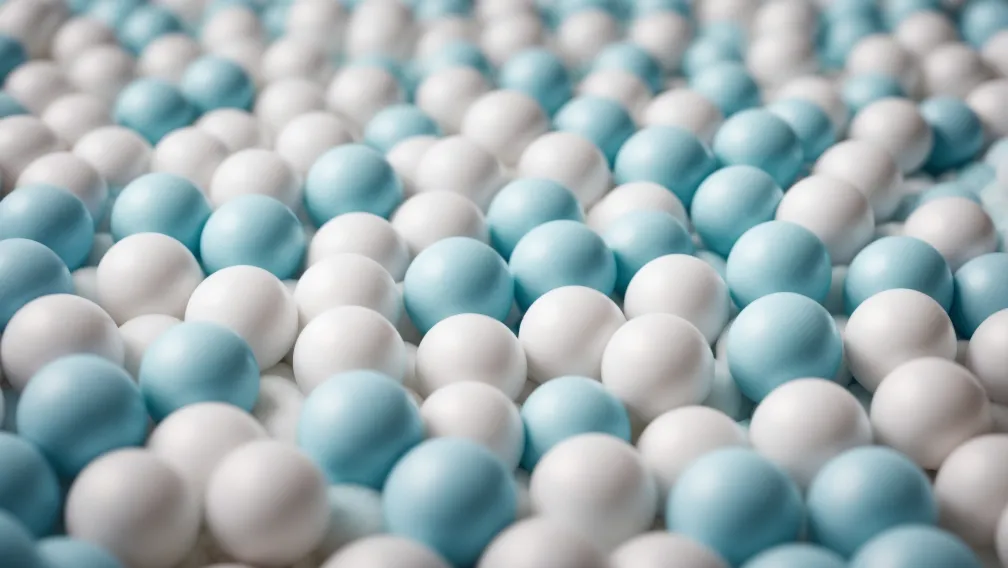
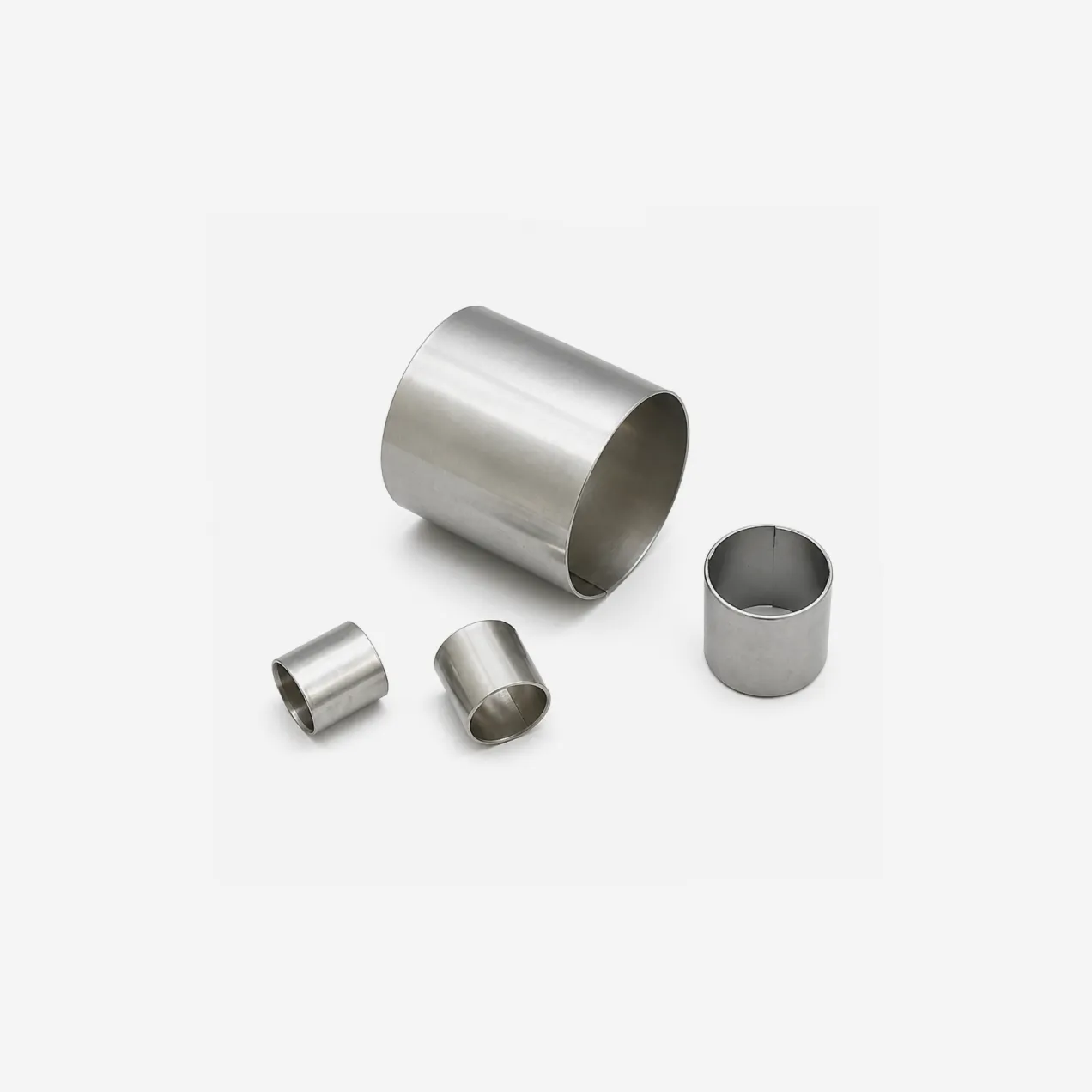
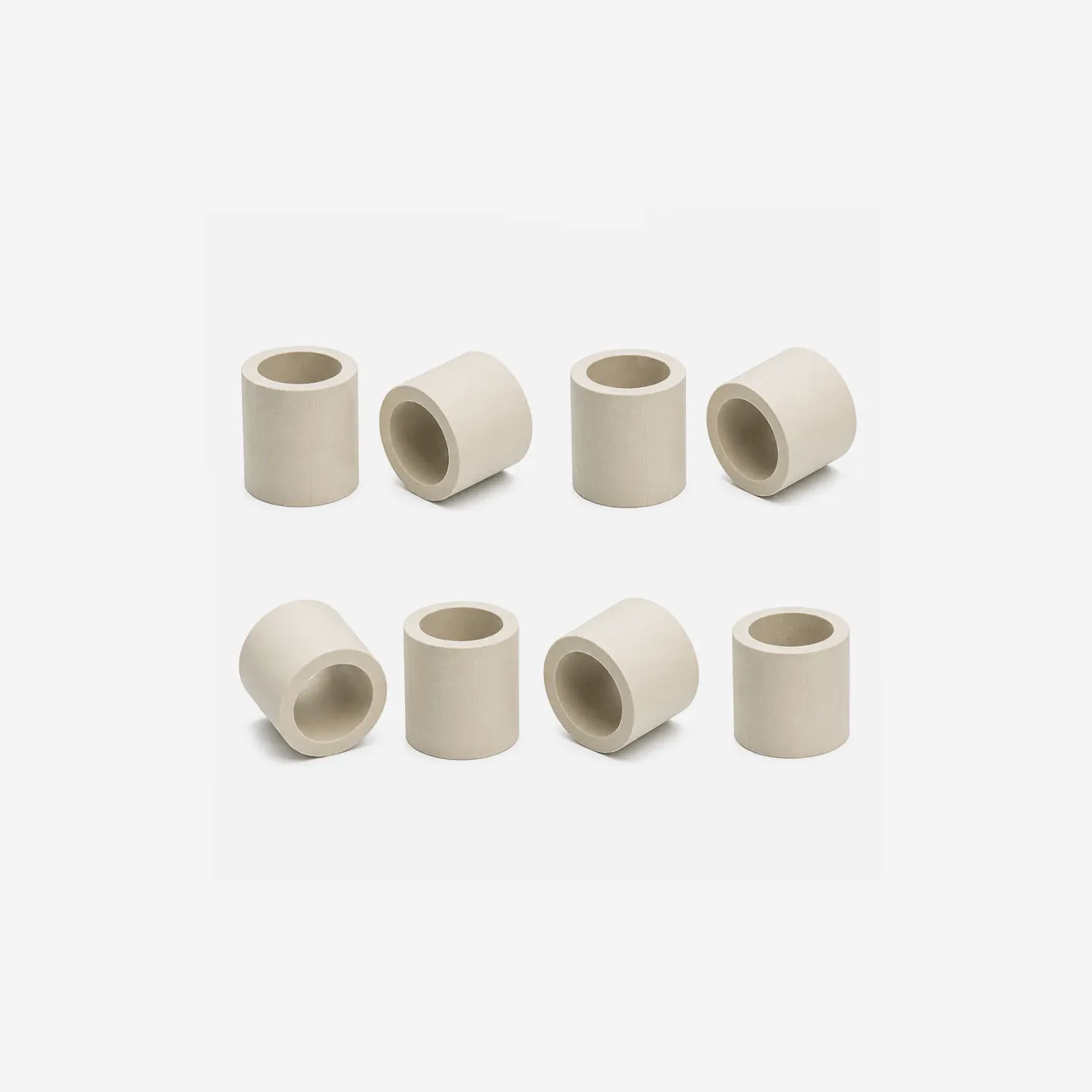
The form follows the mill. Large balls, up to tens of millimetres, go into ball mills and attrition mills to break a coarse feed by impact. Fine beads, down to a fraction of a millimetre, go into bead and sand mills, where their large combined surface area grinds and disperses a slurry to a very fine or nanometre particle size. A tight size distribution in either form is what gives a predictable, even grind.
Density is matched to the slurry: a higher-density bead drives a high-viscosity or hard material harder, while a lower-density bead suits a low-viscosity slurry and lighter wear on the mill. Size is matched to the target fineness, with smaller media for finer grinding. The right combination of grade, density and size is what gives the best grind at the lowest media and energy cost, and we help work it out from the material and the mill.
Zirconia grinding media is used across paint, ink and pigment dispersion; lithium battery cathode and anode materials; electronic and advanced ceramics such as barium titanate and piezoelectrics; and minerals, pharmaceuticals and fine chemicals. What these share is a need to grind fine and clean, which is where zirconia's density, hardness and inertness pay off.
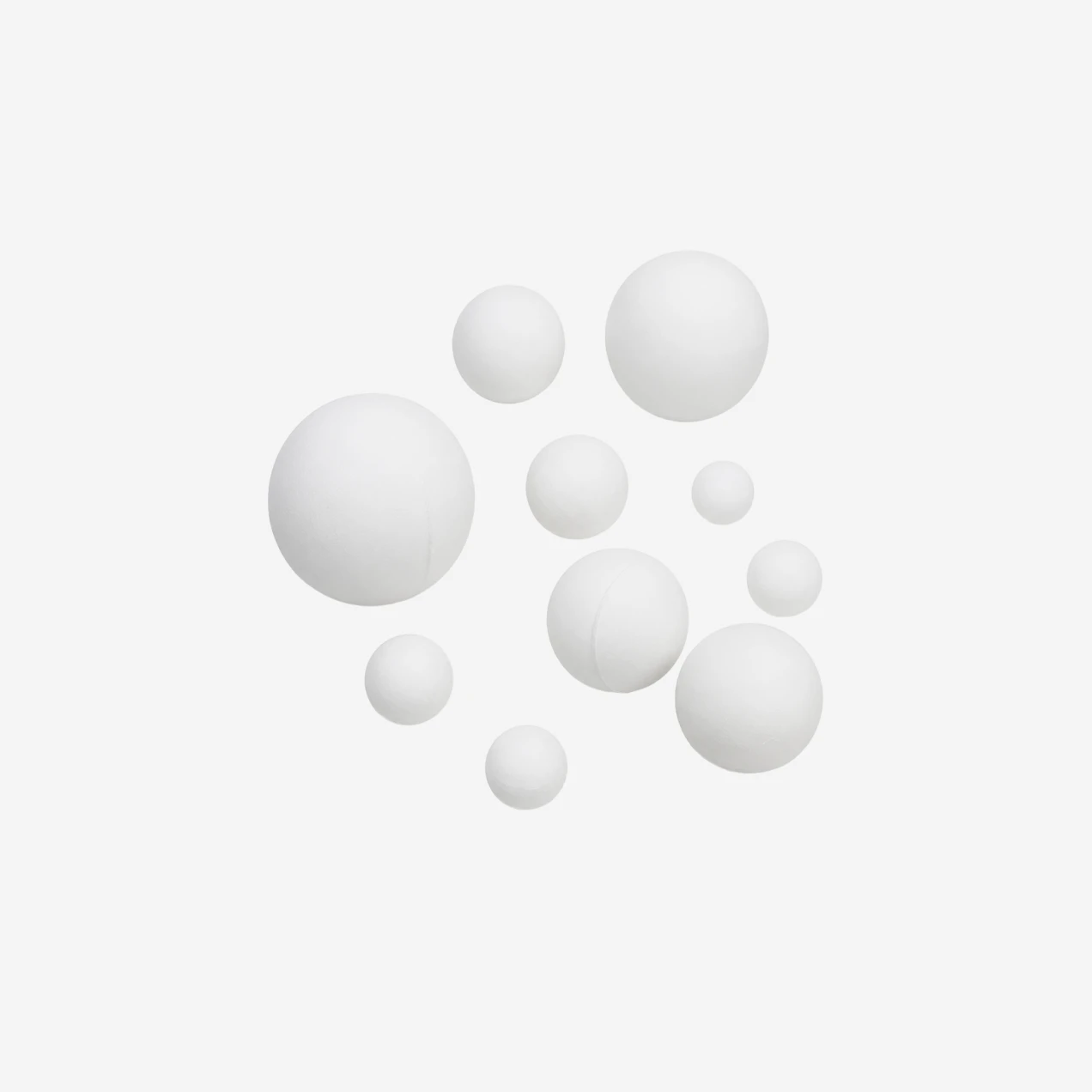
Consistent sphericity, a narrow size band and a clean, dense body are what give zirconia media its predictable grind and long life. We supply yttria, ceria and zirconium-silicate grades in the full size range, from sample quantities up to bulk orders by the tonne, packed in sealed drums or bulk bags for export.