Home > Pool Filter Balls
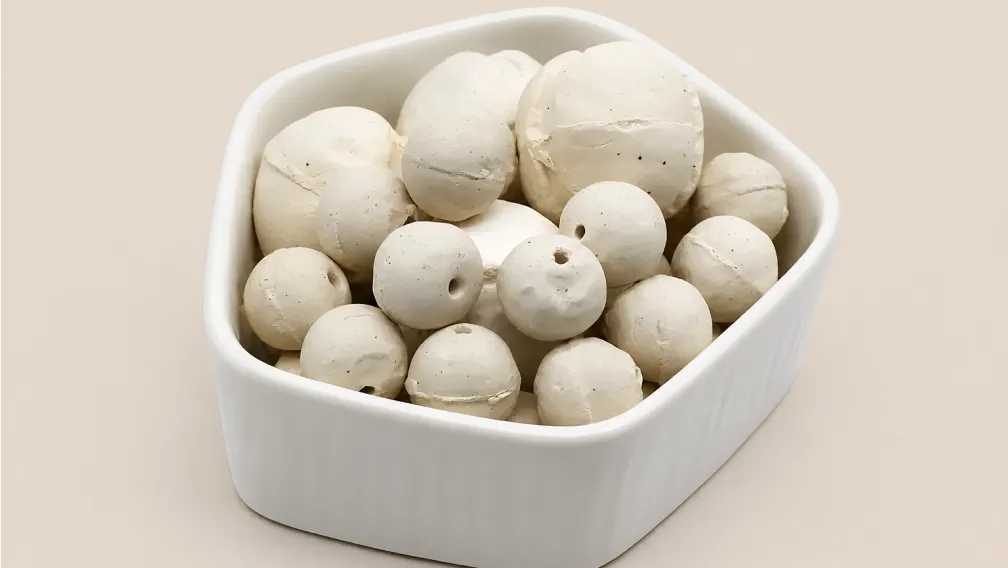
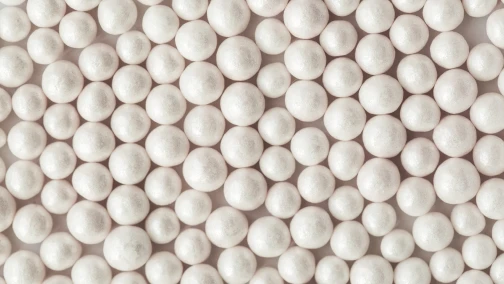
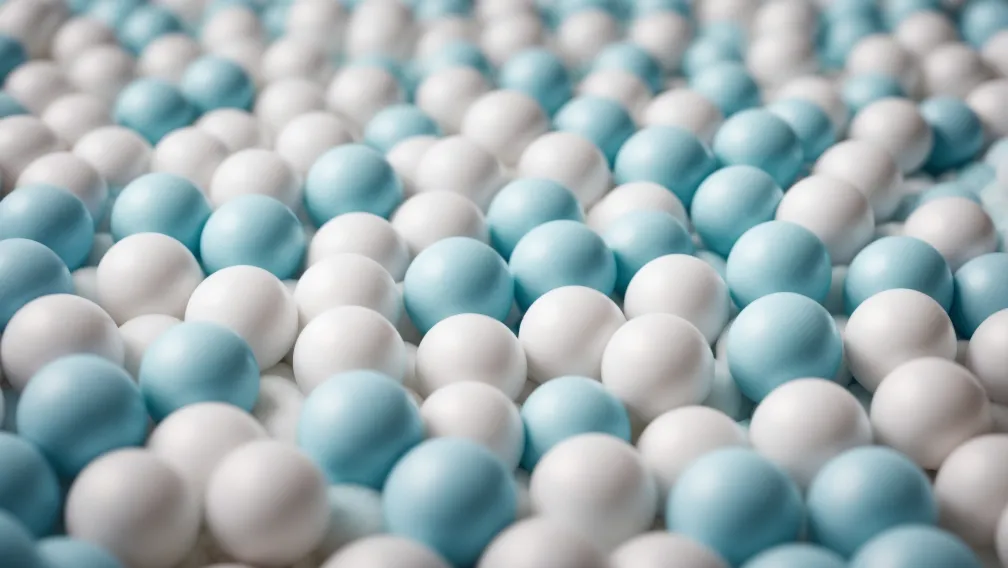
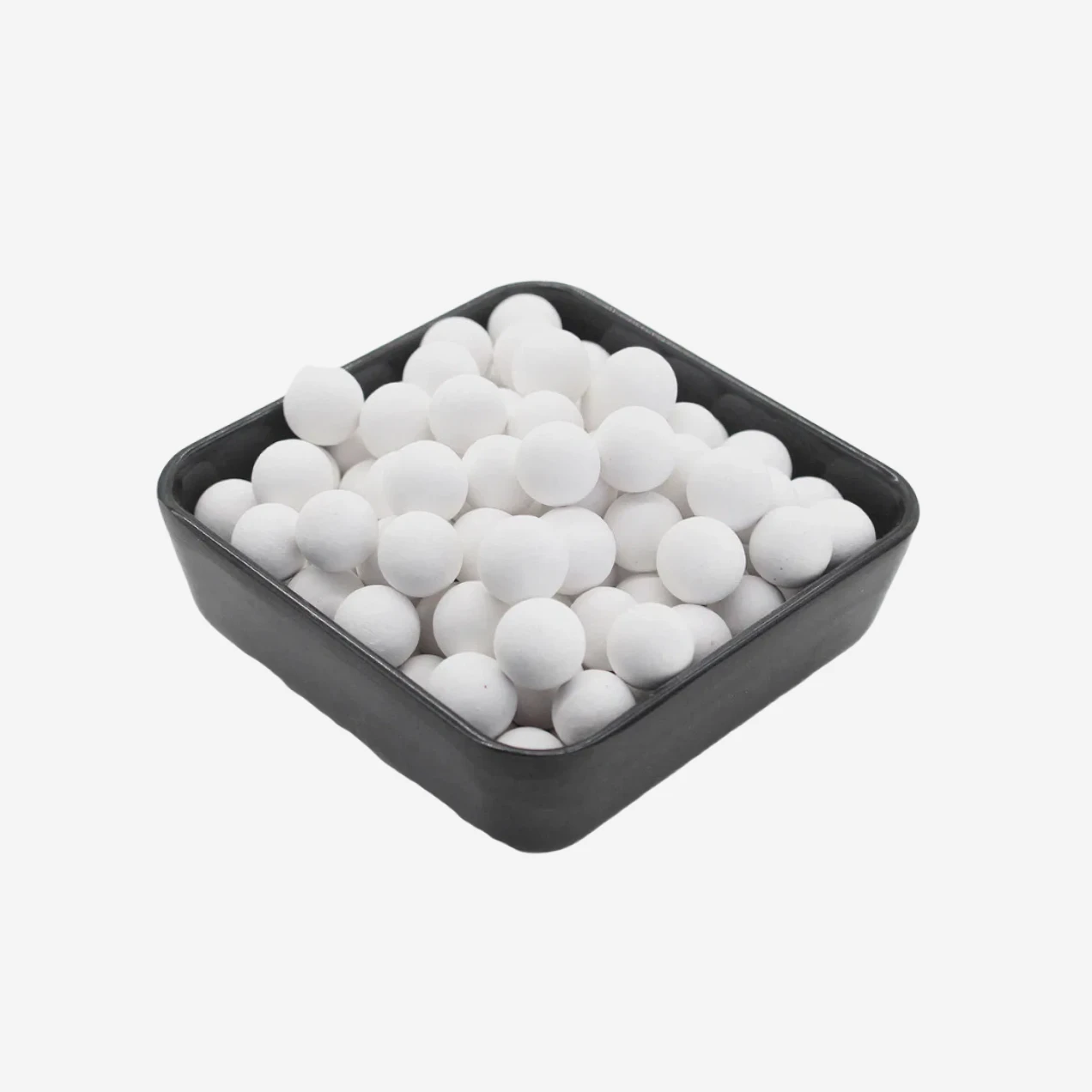
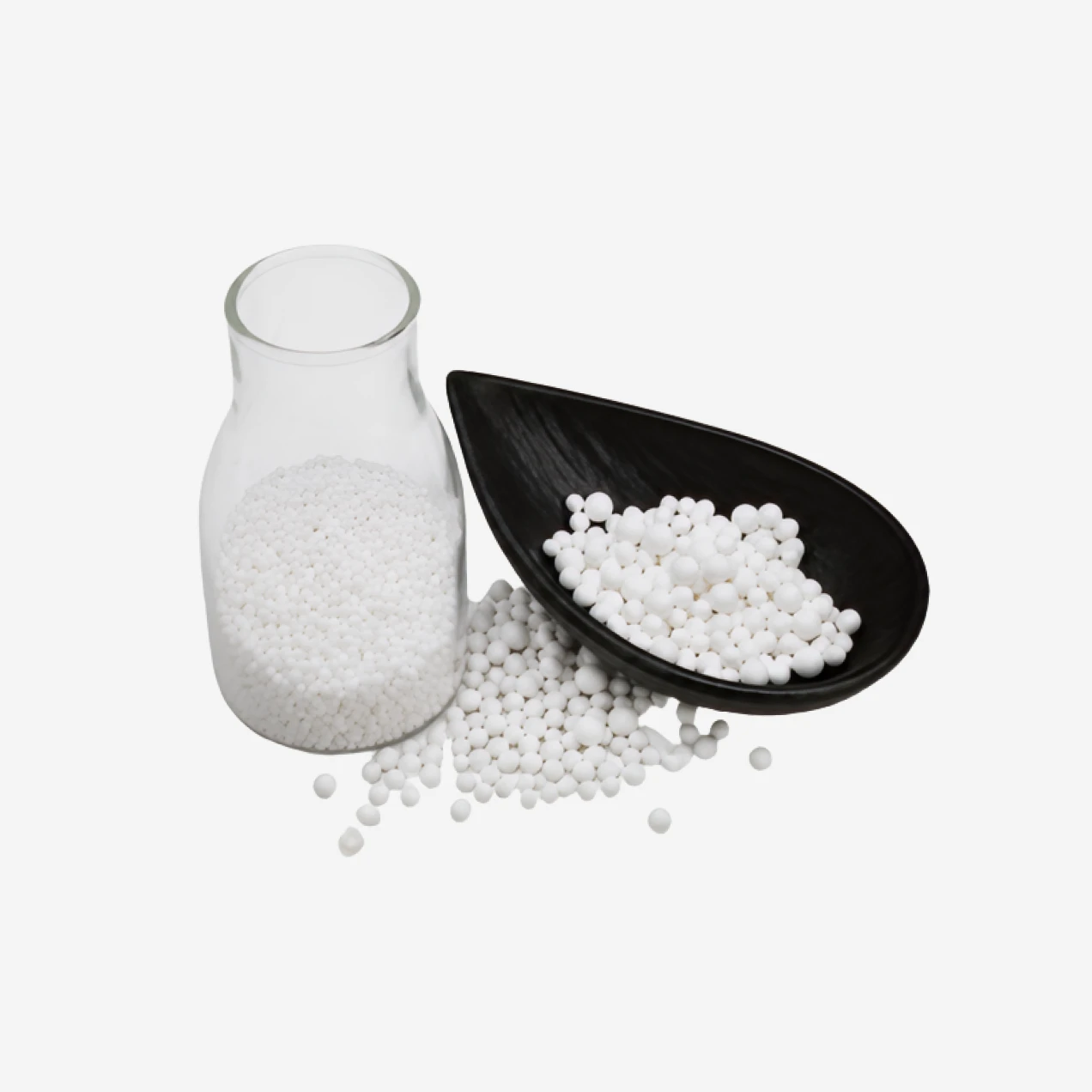
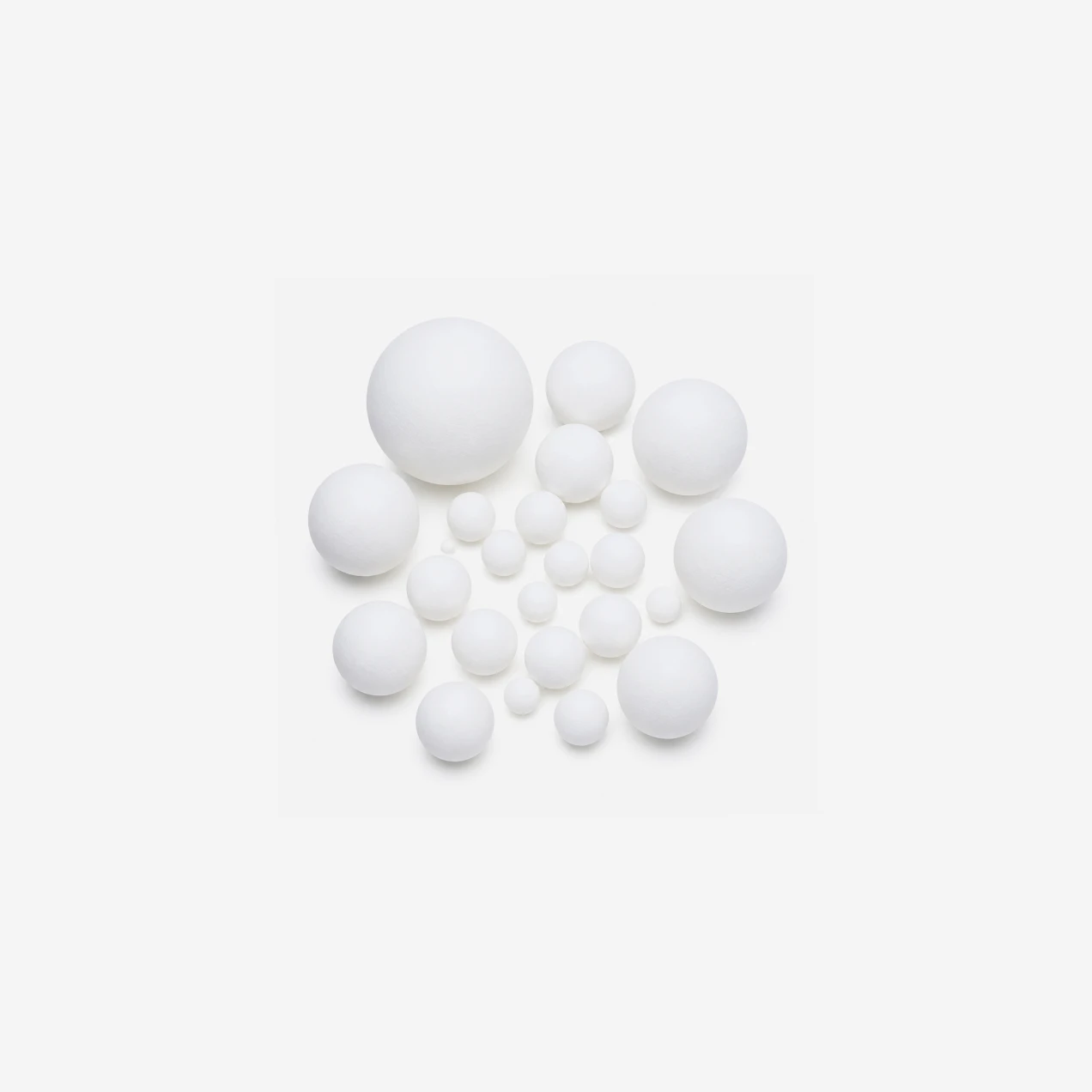
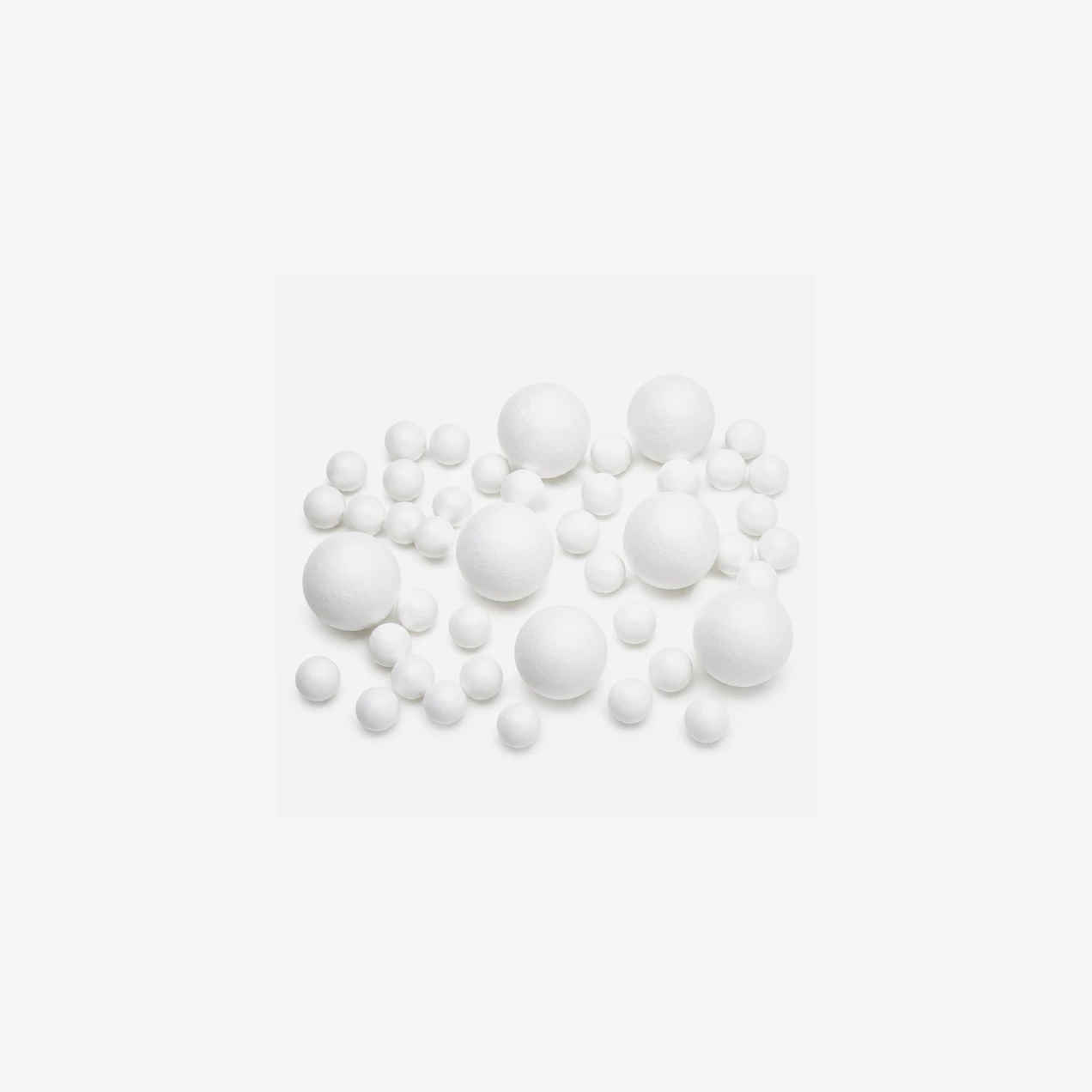
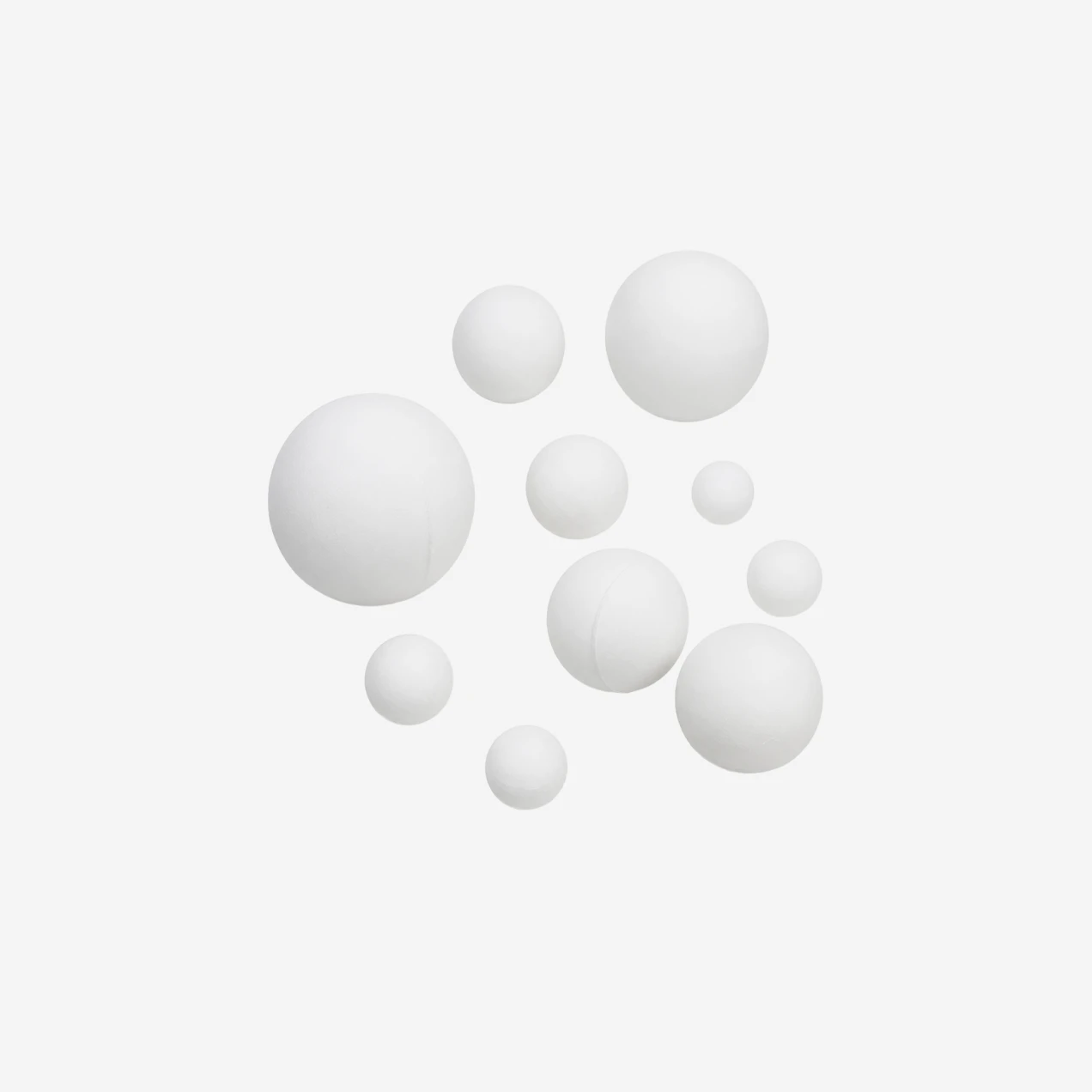
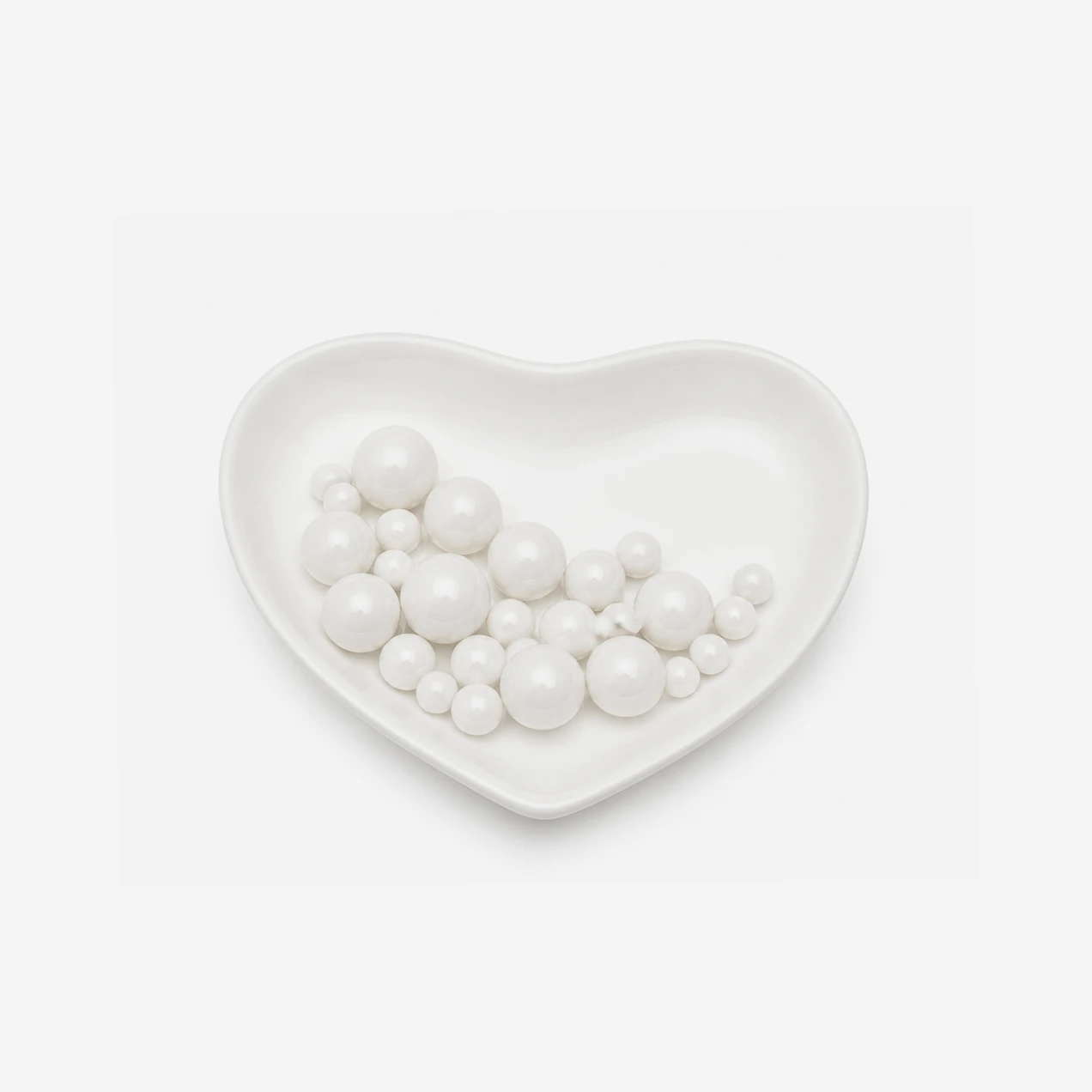
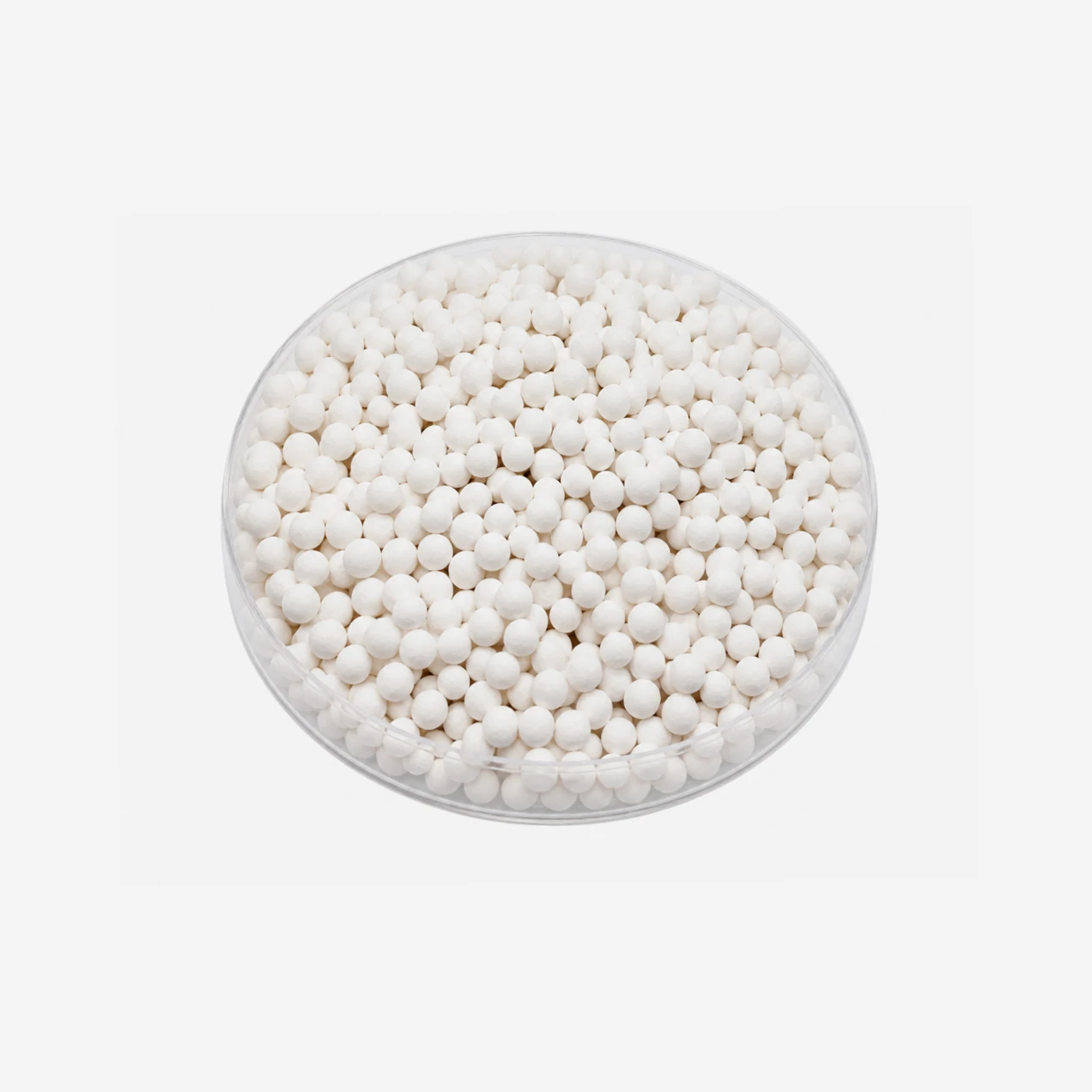
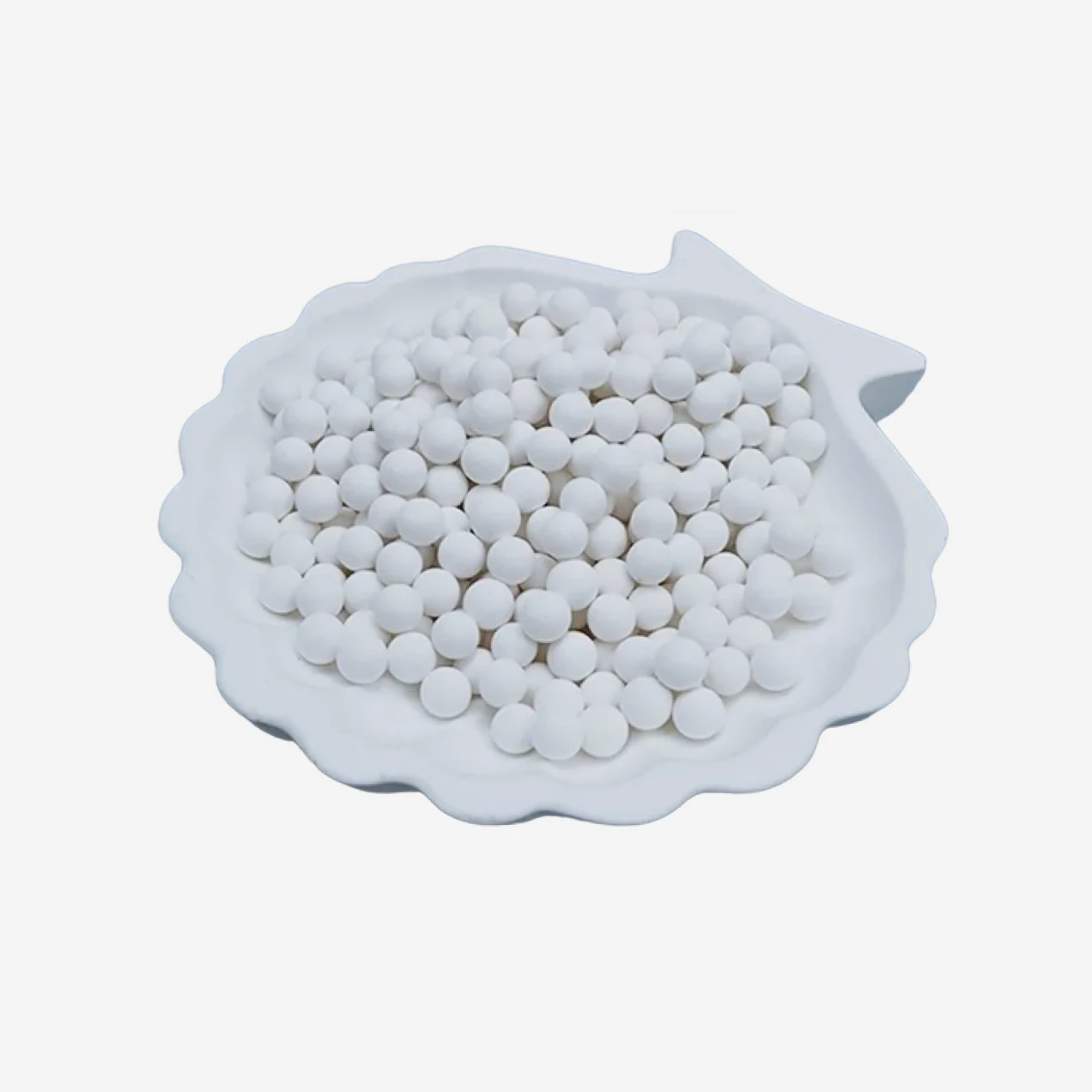
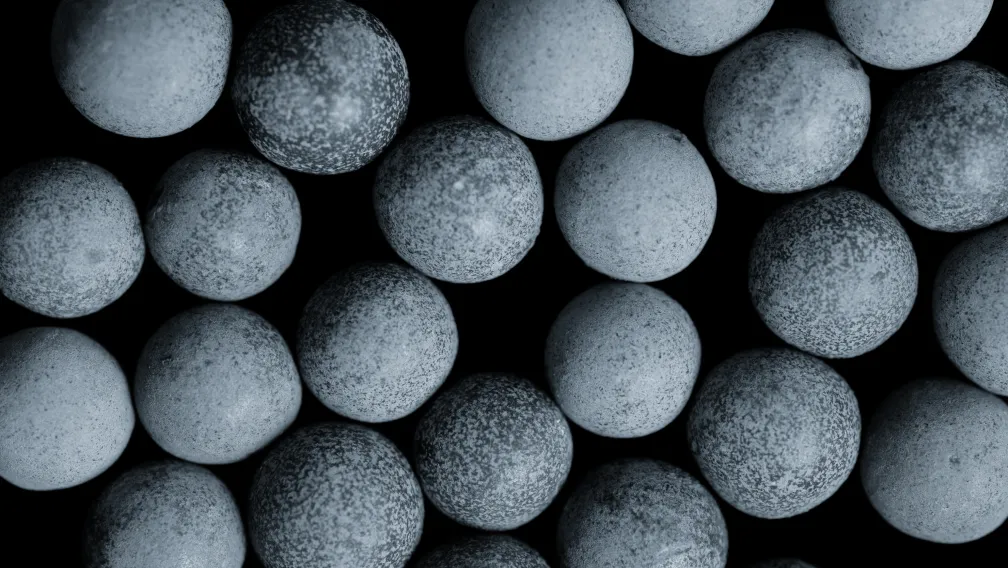
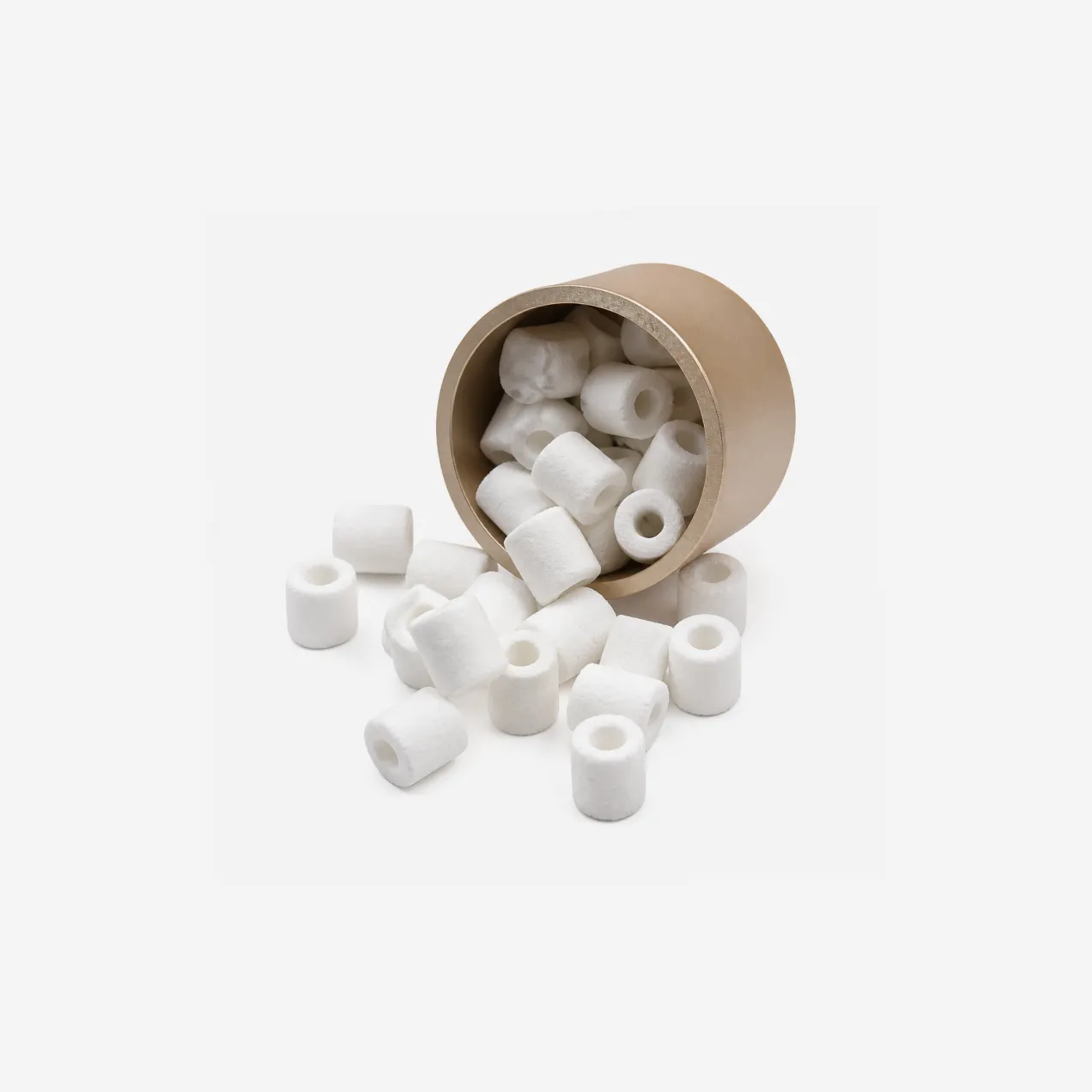
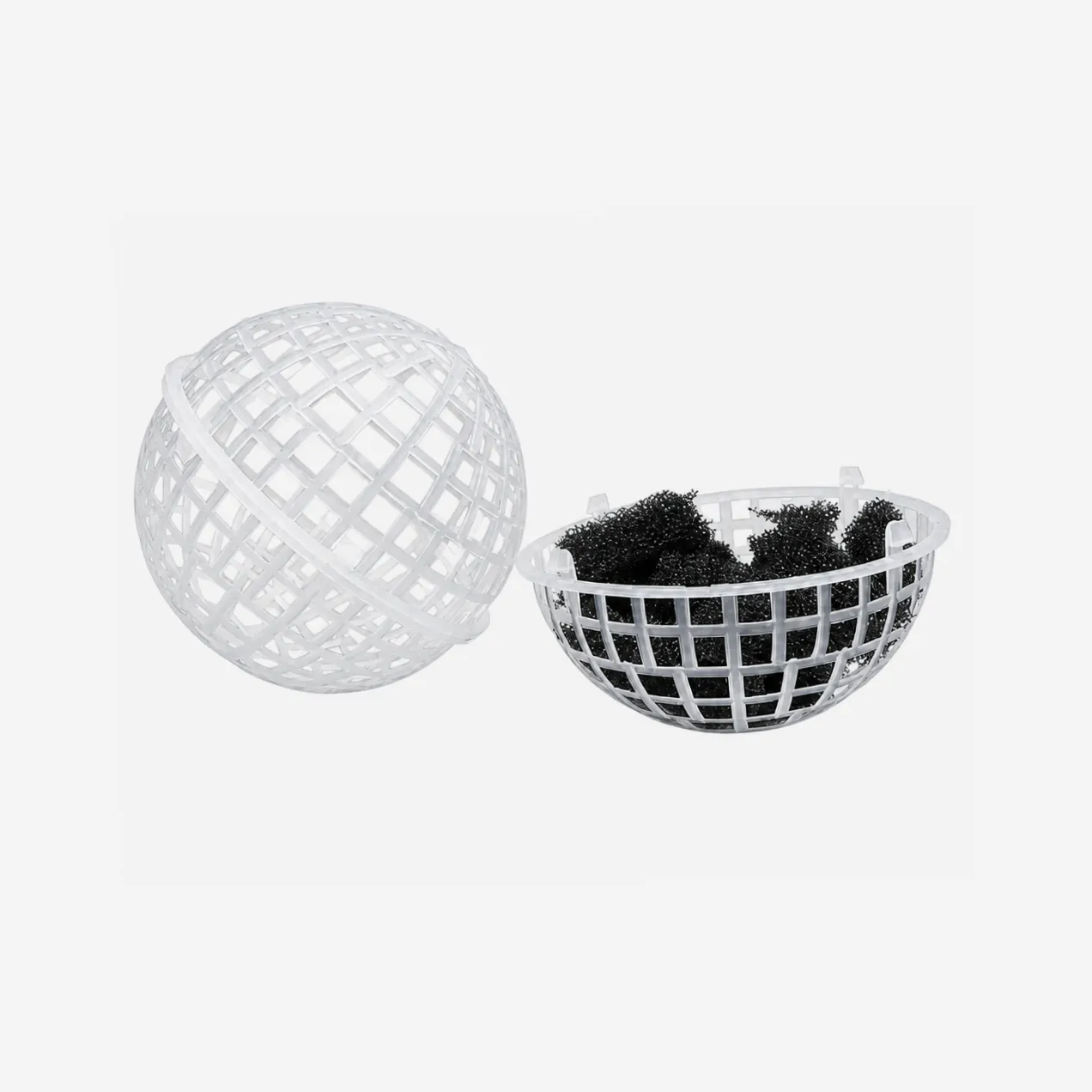
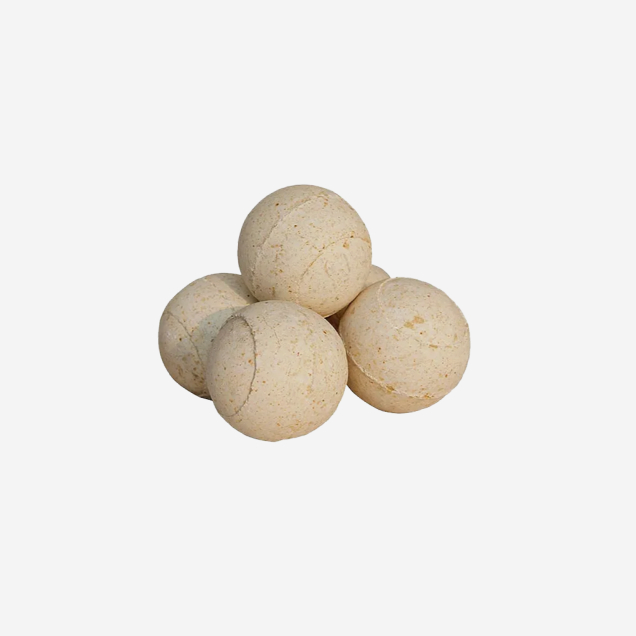
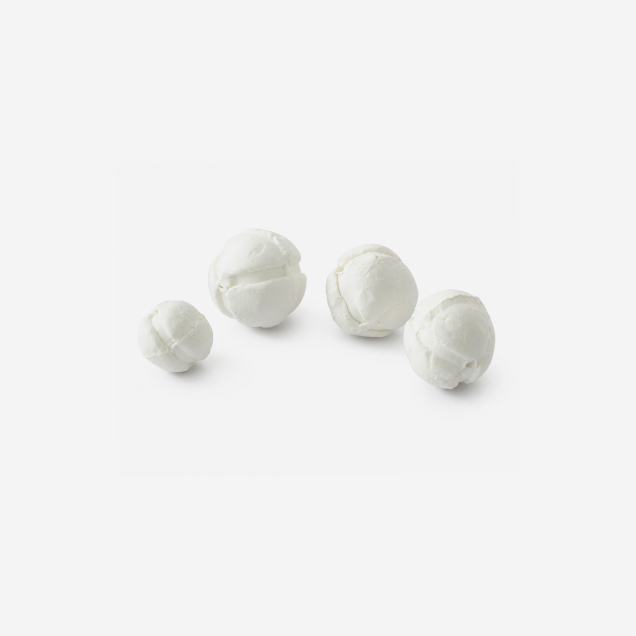
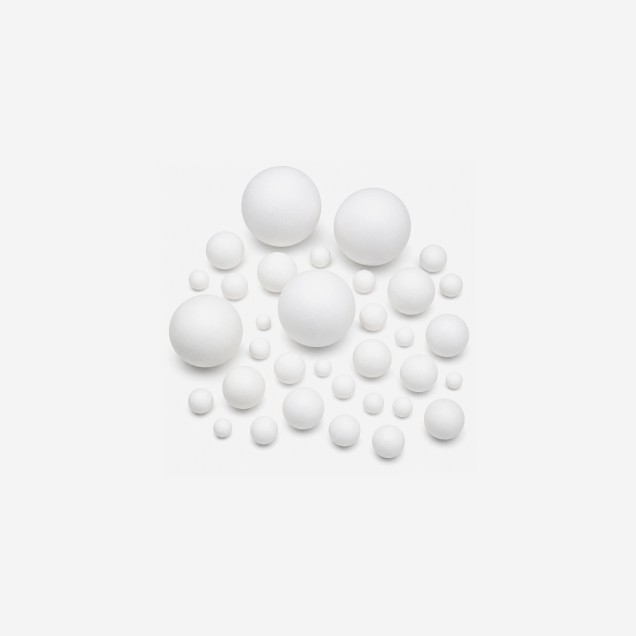
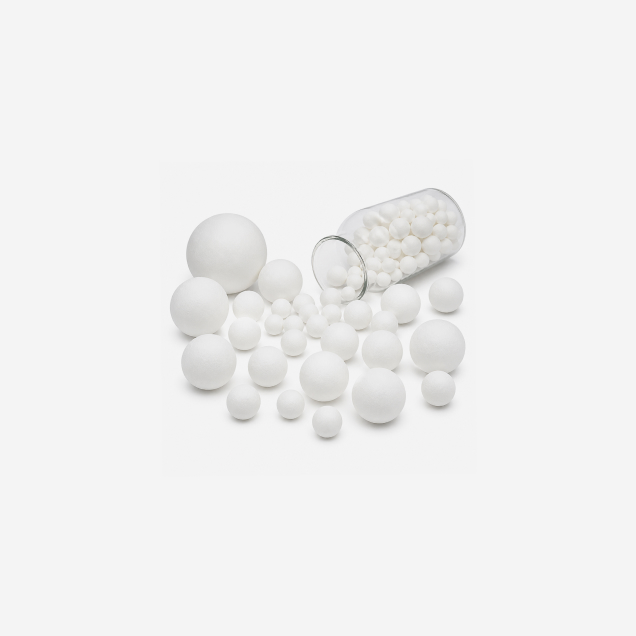
Pool filter balls are soft balls of polyester fibre that replace the sand in a pool filter. Water passes through the open fibre and suspended solids are caught right through the depth of each ball. Because they are mostly fibre and air, they weigh far less than sand, trap more dirt and filter finer, giving clearer water.
A given filter takes far less weight of balls than sand, roughly a kilogram of balls in place of twenty-five to thirty-five kilograms of sand. The exact amount depends on your filter, which is sized by the sand it normally holds. Tell us the filter model or the sand weight it takes and we will tell you how many balls to order.
For most pools, yes. They are lighter, hold more dirt, filter finer for clearer water, and wash and reuse for years instead of being dug out and replaced. Sand is cheaper to buy and still fine for basic duty, but on weight, water clarity and ease of handling the balls win. We help you weigh it up for your filter.
Yes. The balls are made to drop straight into a standard sand filter in place of the sand, with no change to the pump or the plumbing. You take out the old sand, put in the balls to the level the filter needs, and run it as before. It works in pool sand filters and in industrial deep-bed filters alike.
They are backwashed in place like sand, and when they need a deeper clean they are lifted out and machine-washed, then put back. They do not break down or pack hard, so a charge lasts three to five years before replacing, far longer than a season of sand, which cuts both cost and labour.
Yes. The oleophobic grade is treated to repel oil and resist clumping, so it separates oil from water and keeps filtering in oily, greasy industrial effluent. It is used in steel, petrochemical and machining wastewater for oil-water separation and suspended-solids removal. Tell us the effluent and we will recommend the grade.
The minimum order depends on the grade and packing, and bulk orders ship by the tonne or the container while samples are smaller. Lead time runs from stock for standard balls to a couple of weeks for OEM colour, size or packing. Send the grade and the quantity and we will confirm both on the quote.
Pool filter balls are light balls of polyester fibre that replace the sand in a pool or industrial filter. They sit in the filter where the sand would go, but because each ball is mostly open fibre they weigh a fraction as much, trap more dirt and filter finer. They are sometimes called pool filter cotton balls, after the soft, cotton-like fibre they are made from.
The difference is weight, dirt-holding and reuse. The table below sets out what changes when balls replace sand in the same filter.
| PROPERTY | FILTER BALLS | FILTER SAND |
|---|---|---|
| Weight in a filter | ~1 kg | 25–35 kg |
| Dirt-holding | 50× self weight | Lower |
| Filtration | Finer, clearer water | Coarser |
| Reuse | Washable, 3–5 years | Replaced periodically |
| Handling | Light, easy to load | Heavy bags |
A filter is sized by the weight of sand it holds, and the balls go in by a much smaller weight, roughly a kilogram of balls for every twenty-five to thirty-five kilograms of sand. The simplest way to order is to read the sand weight off the filter or its manual; we then convert that to the weight of balls and the number of bags. The balls are filled to the level the filter needs, not packed tight.
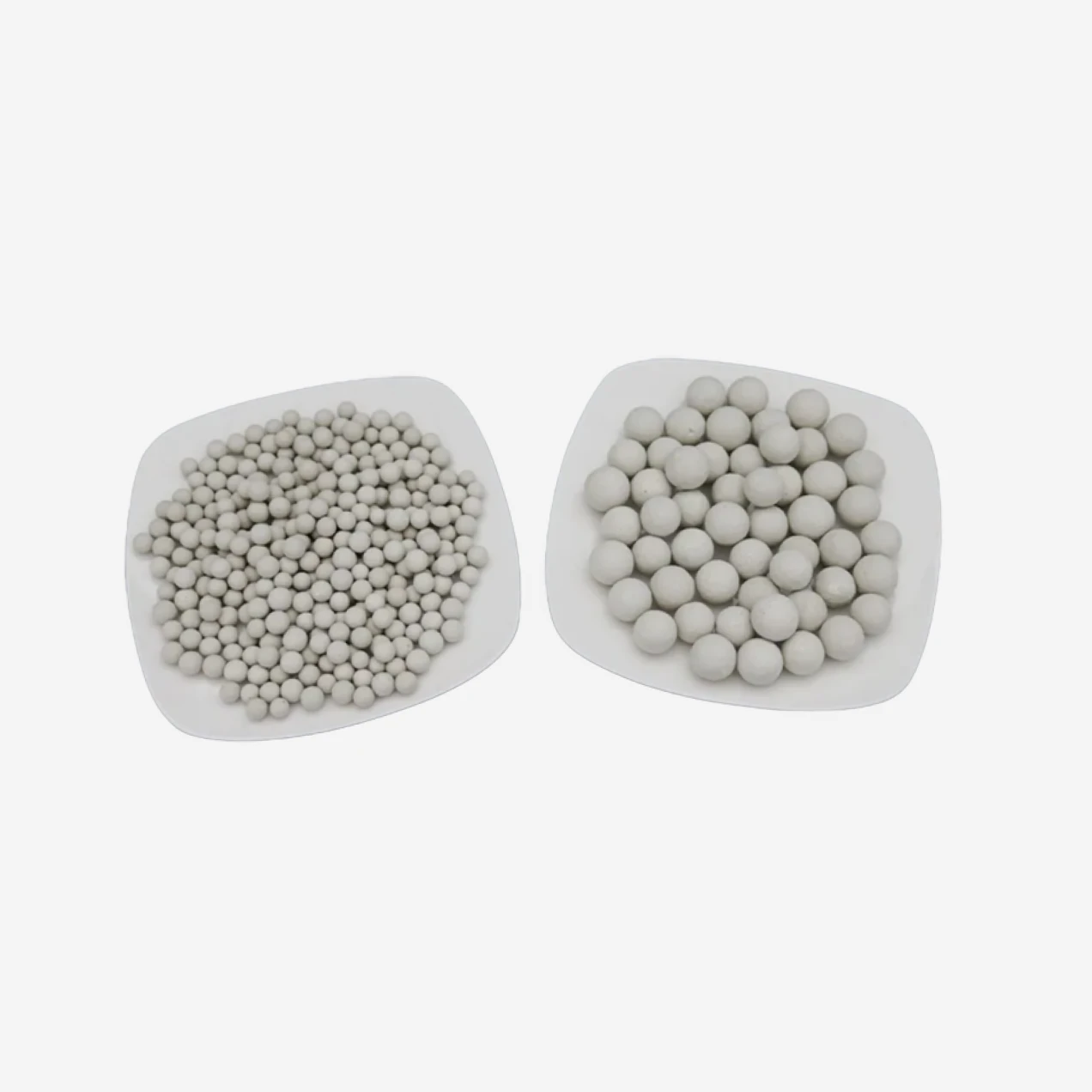
Filter balls are made to drop into a standard sand filter with no change to the pump or the plumbing. The old sand is removed, the balls are loaded to the right level, and the filter runs as before. They suit pool sand filters, cartridge housings and industrial deep-bed filters, so the same product fits a backyard pool and a wastewater plant. For a rigid ceramic media in demanding deep-bed filters, see our ceramic sand filter media.
In normal use the balls are backwashed in place, the flow reversed to lift and rinse them. When they need a deeper clean they are lifted out and machine-washed, then returned to the filter. Because polyester fibre does not break down or pack hard, a charge lasts three to five years, far longer than seasonal sand, which is where the saving in media and labour comes from.
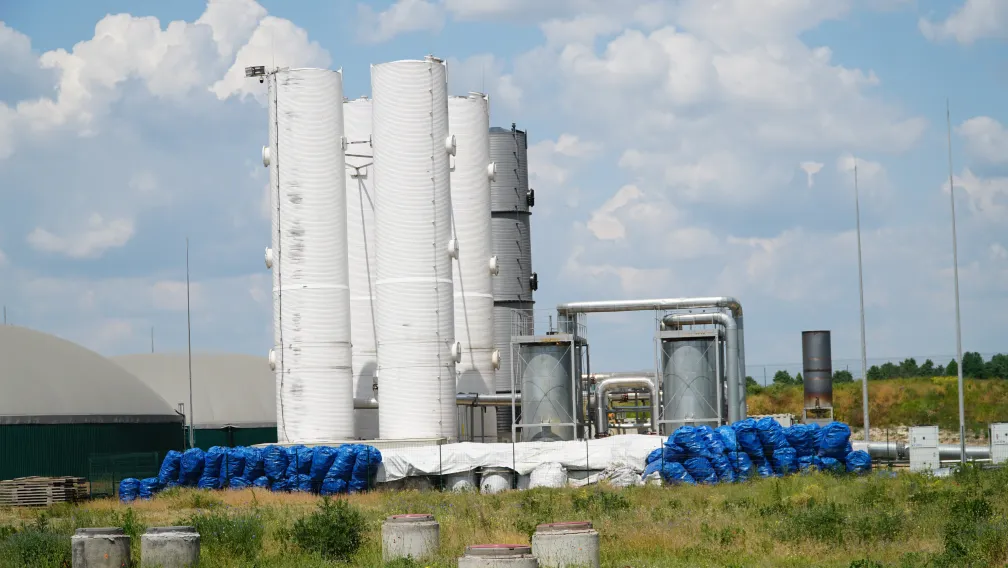
Beyond pools, an oleophobic grade is treated to repel oil and resist clumping. In industrial wastewater it separates oil from water and removes suspended solids in deep-bed filters, holding up in oily, greasy effluent that would blind sand or ordinary fibre. This is the grade used in steel, petrochemical, machining and food-processing wastewater, where oil-water separation matters.
Consistent fibre and clean, virgin polyester are what keep the balls filtering evenly and lasting their full life. The balls are made from 100% virgin polyester to an industrial grade, and we offer OEM size, colour and packing. We supply from sample quantities up to bulk orders by the tonne or the container, sized to the filter they go into.