Home > Refractory Brick
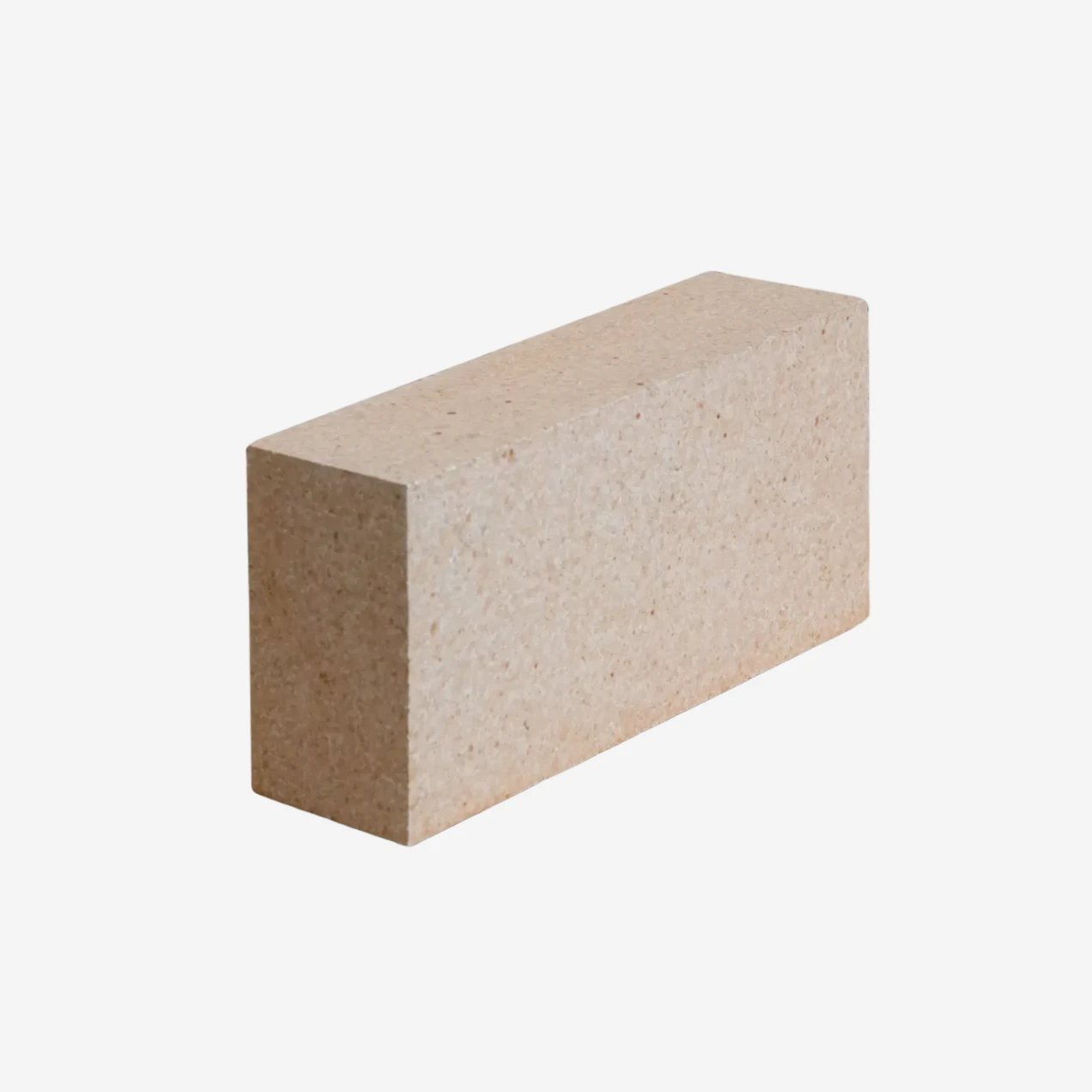
Refractory brick lines furnaces, kilns, boilers and other high-temperature plant. It forms the hot face and the structure that holds the heat in, carries the load of the furnace and stands up to slag, dust and thermal cycling. Steel, glass, cement, ceramic and power plants all run on it.
The difference is the alumina content. Fireclay brick runs lower on alumina and suits general lining at lower cost, while high-alumina brick runs higher on alumina, takes more heat and resists slag and wear better, so it goes into the hotter, harder-worked zones. We match the grade to the furnace.
It depends on the grade. Fireclay brick has a refractoriness above sixteen hundred and ninety degrees, and high-alumina brick reaches from seventeen hundred and seventy up toward two thousand degrees. The working temperature in service is set lower than the refractoriness, with a margin for the load and the slag.
Choose by the working temperature, the furnace atmosphere and how much slag and abrasion the wall sees. A hotter, harder-worked zone needs a higher-alumina brick; a cooler, general wall can use fireclay; and where the wall has to hold heat in, an insulating brick goes behind the hot face. Tell us the furnace and the zone and we recommend the grade.
Dense brick is strong and resists slag and abrasion, so it forms the hot face that touches the heat and the charge. Insulating brick is lightweight and full of fine pores, so it holds heat in and keeps the outside of the wall cooler, but it is softer. Most linings use both: a dense hot face backed by insulating brick.
Yes. We make standard straight bricks and the arch, wedge and key shapes a furnace needs, and we cut special shapes to your drawing. Size, shape and grade are set to your furnace, so the brick lays up tight without excess cutting on site. Send the drawing and the duty and we quote the set.
The minimum order depends on the grade and shape, and full furnace linings ship by the tonne while standard bricks ship by the pallet. Lead time runs from stock for standard sizes to a few weeks for special shapes. Send the grade, shape and quantity and we will confirm both on the quote.
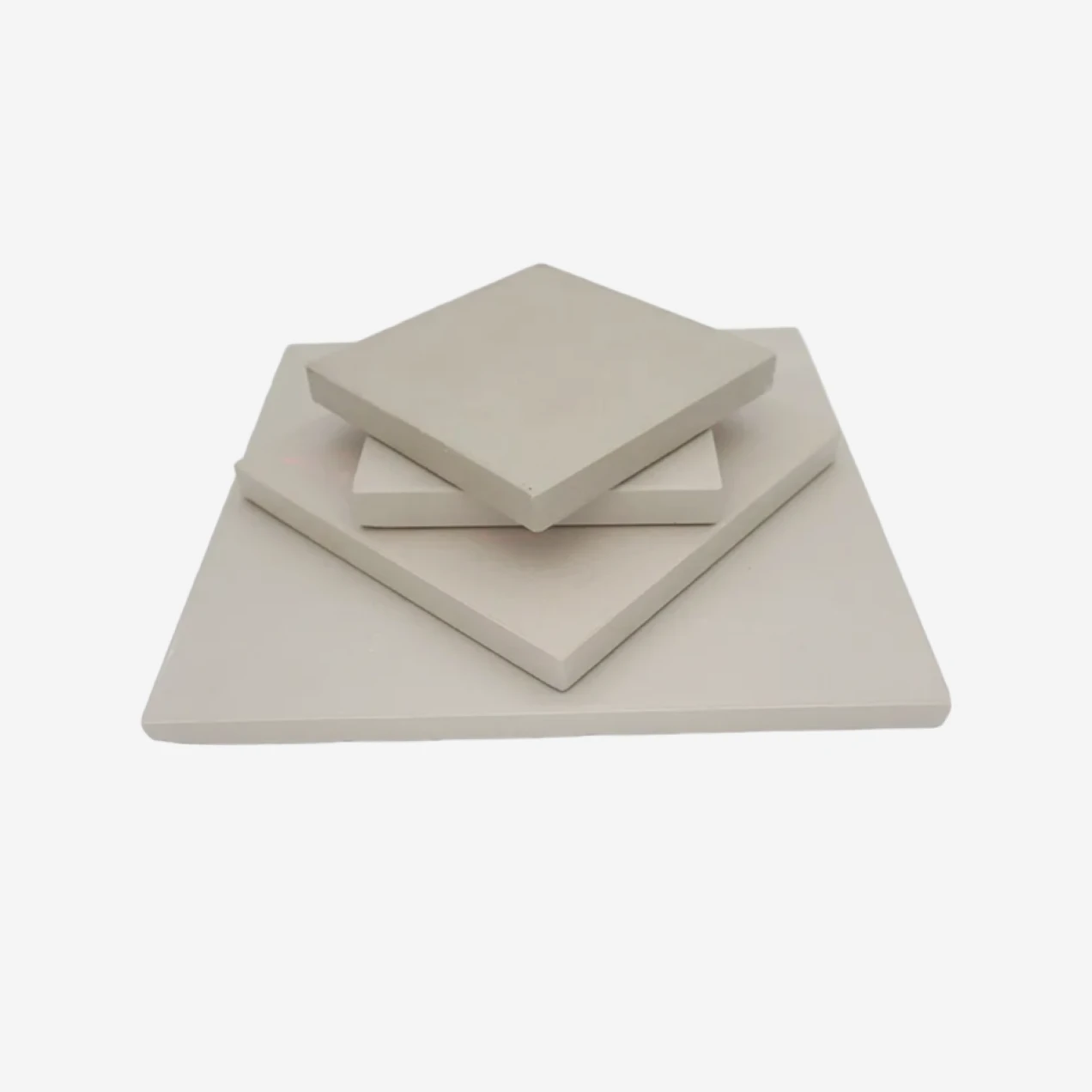
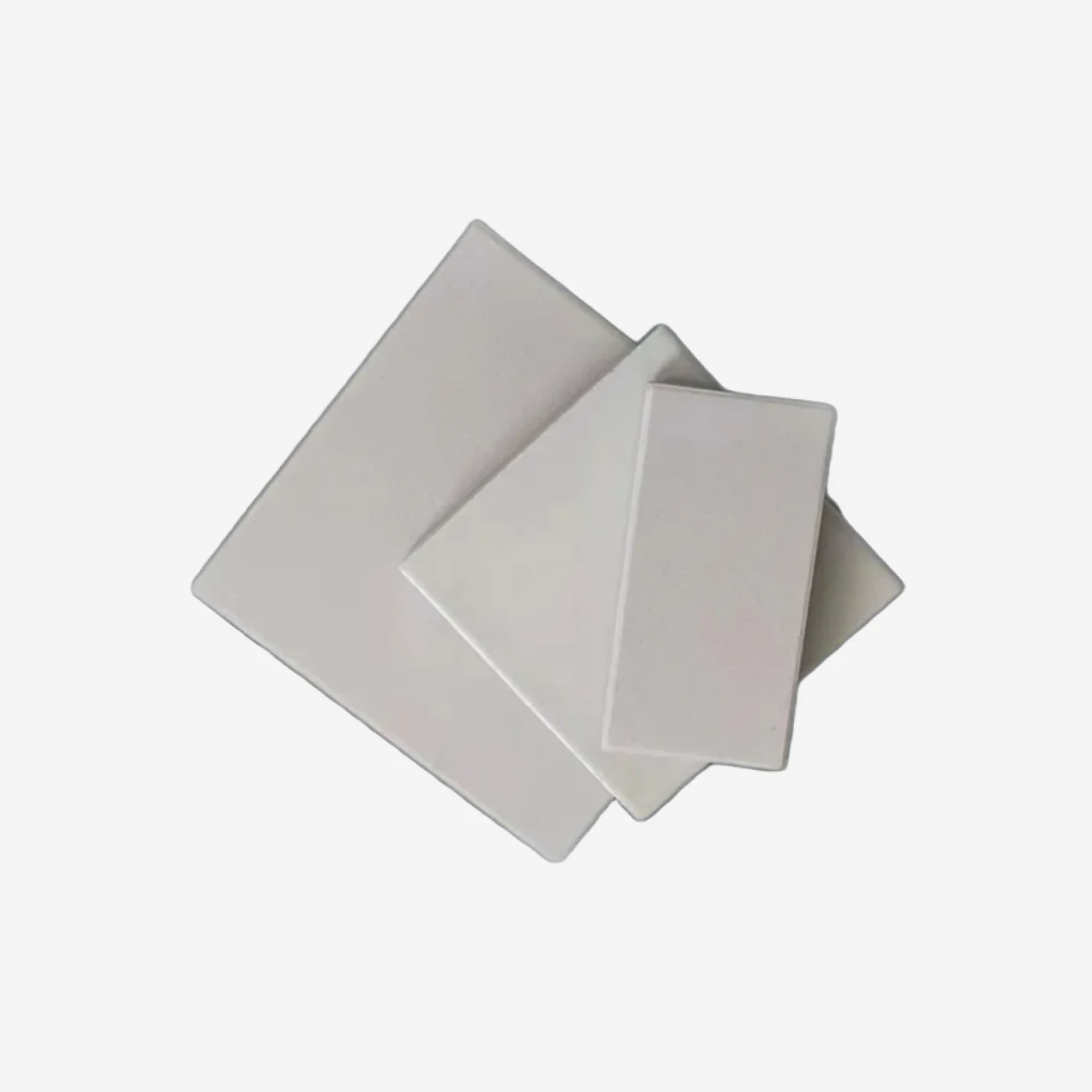
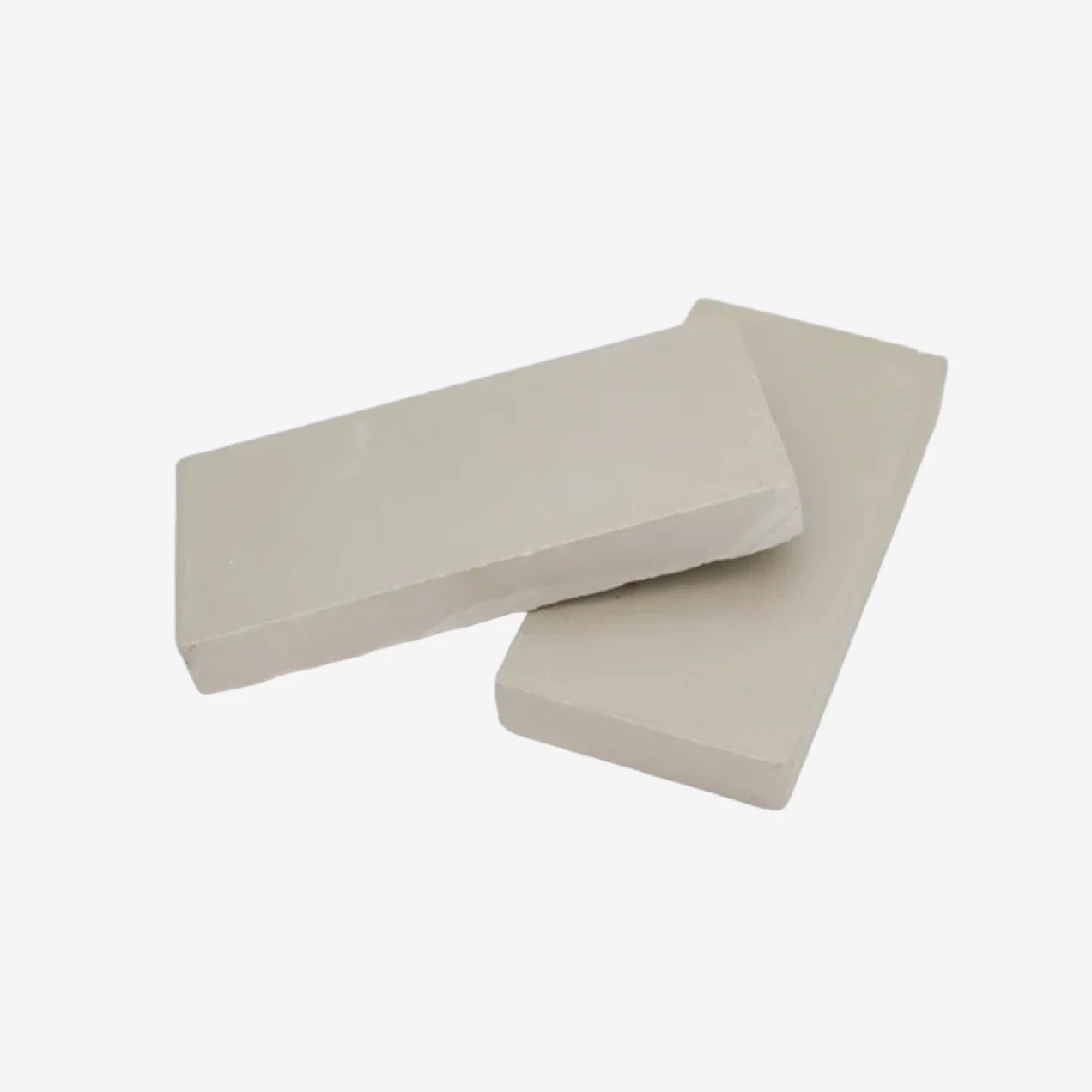
Refractory brick is the fired, shaped block that lines a furnace or kiln. Made from alumina and silica, it holds its strength and shape at temperatures that would melt ordinary brick, so it forms both the hot face that meets the heat and the structure that carries the furnace. The grade is set mainly by alumina content, which fixes the working temperature and the resistance to slag and wear.
Fireclay brick, at Al₂O₃ 40 to 48%, is the economical workhorse for general furnace and kiln lining at moderate temperature. High-alumina brick, at 48 to 75% alumina, costs more but takes more heat, carries more load at temperature and resists slag and abrasion better, which is why it goes into blast furnaces, hot blast stoves, glass tanks and cement kilns. The more alumina, the higher the grade.
Three numbers describe how hot a brick can run, and they are not the same. Refractoriness is the temperature at which the brick itself softens, above 1690°C for fireclay and from 1770 toward 2000°C for high alumina. Refractoriness under load is lower, the temperature at which the brick deforms while carrying a load, which is what limits a real furnace wall. Service temperature is set lower still, with a margin for the load, the slag and the thermal cycling. Choosing on refractoriness alone is the common mistake; the load and the duty set the real limit.
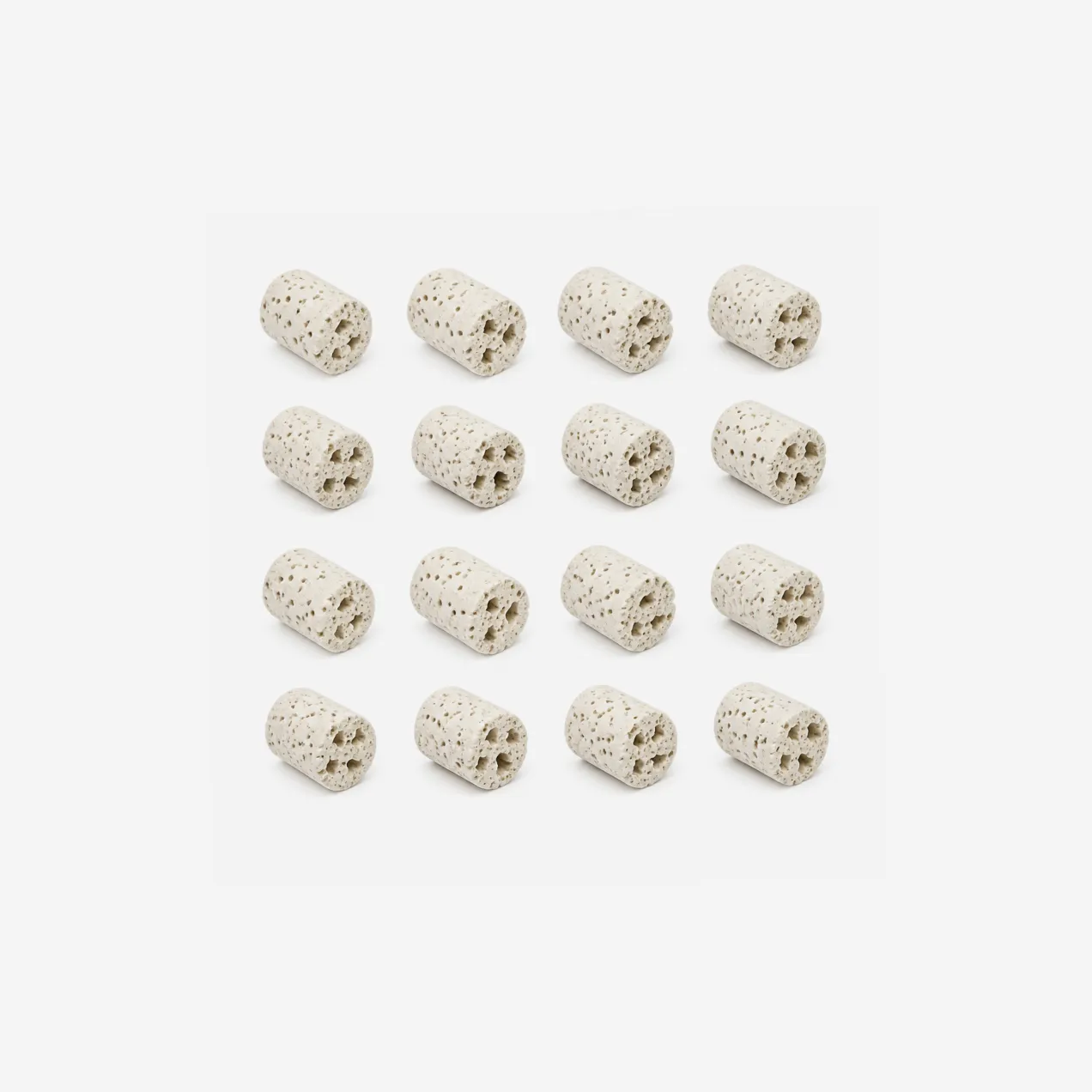
Dense refractory brick is strong, low in porosity and resists slag and abrasion, so it forms the hot face. Insulating fire brick is lightweight and full of fine pores, which gives it low thermal conductivity so it holds heat in and keeps the shell cooler, but it is softer and not for direct slag or abrasion. A good lining uses both: a dense hot face backed by an insulating layer that cuts the heat loss and the fuel bill.
Beyond the standard straight brick, a furnace needs arch, wedge and key shapes to turn an arch or a circle, and often special shapes cut to drawing for burners, ports and corners. Brick is laid with a matching refractory mortar or, in some linings, dry and keyed. Getting the shapes right means the lining lays up tight, with thin joints, which is where a lining is strongest and lasts longest.
Match the brick to the working temperature, the furnace atmosphere and the slag and abrasion the wall sees. The table below sets out the common grades by alumina content, so the choice can be made on the duty.
| GRADE | Al₂O₃ | REFRACTORINESS | TYPICAL USE |
|---|---|---|---|
| Fireclay | 40–48% | ≥1690°C | General furnace and kiln lining |
| High alumina LZ-48 | ≥48% | ≥1770°C | Kilns, ladles, blast furnace |
| High alumina LZ-65 | ≥65% | ≥1790°C | Hot blast stoves, glass tanks |
| High alumina LZ-75 | ≥75% | up to ~2000°C | High-wear, high-temperature zones |
What makes a lining last is the right grade laid in the right shape, with consistent brick. Bricks are checked for alumina content, refractoriness, porosity and crushing strength, and the test report ships with the order. We supply by the pallet up to full furnace linings by the tonne, and cut special shapes to drawing so the brick fits the furnace it is built for.