Home > Tube Settler Media
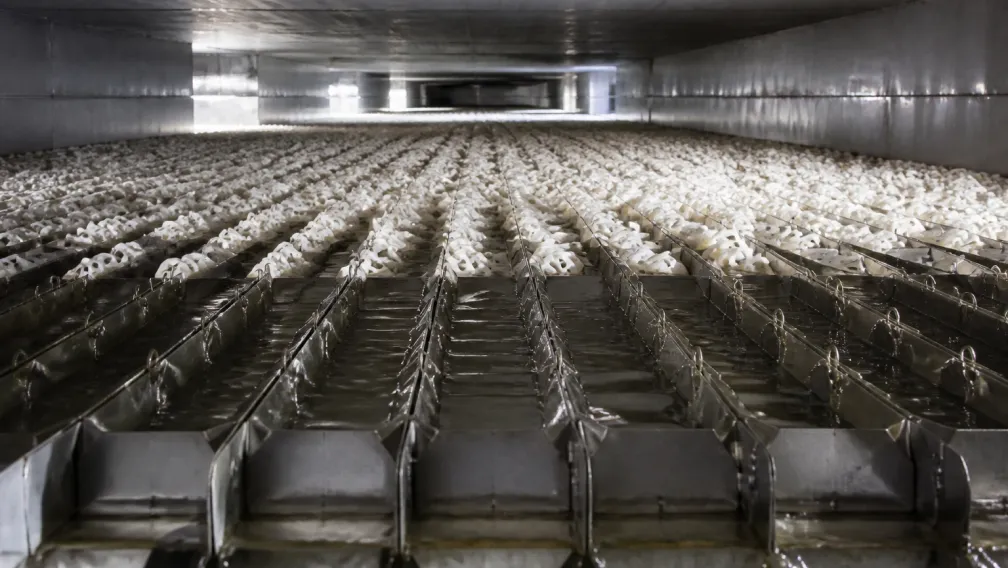
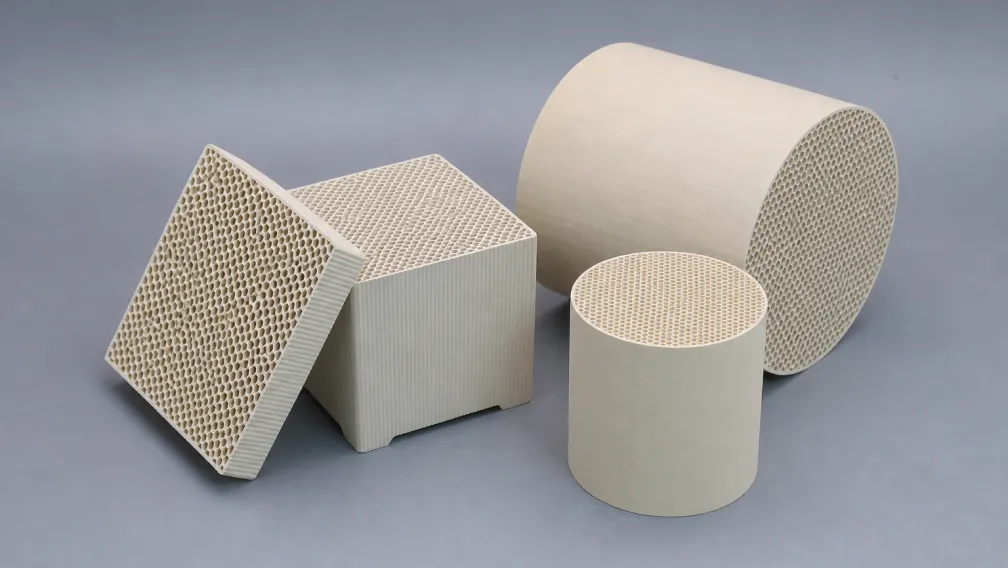
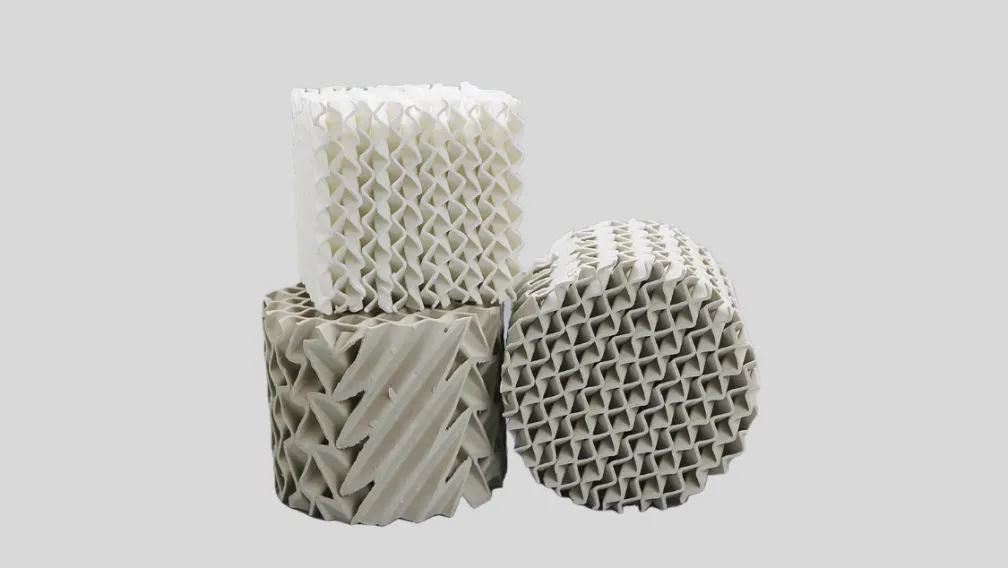
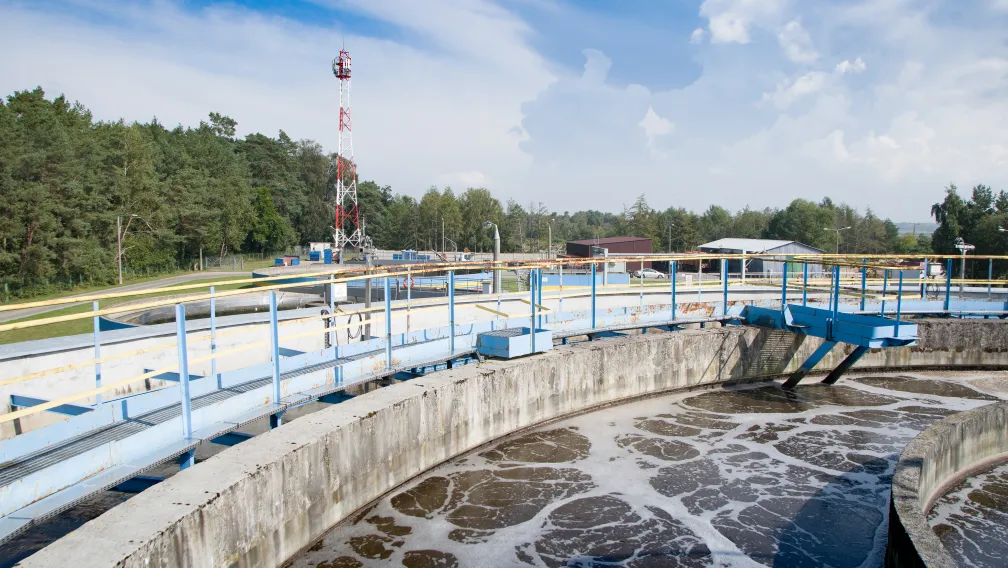
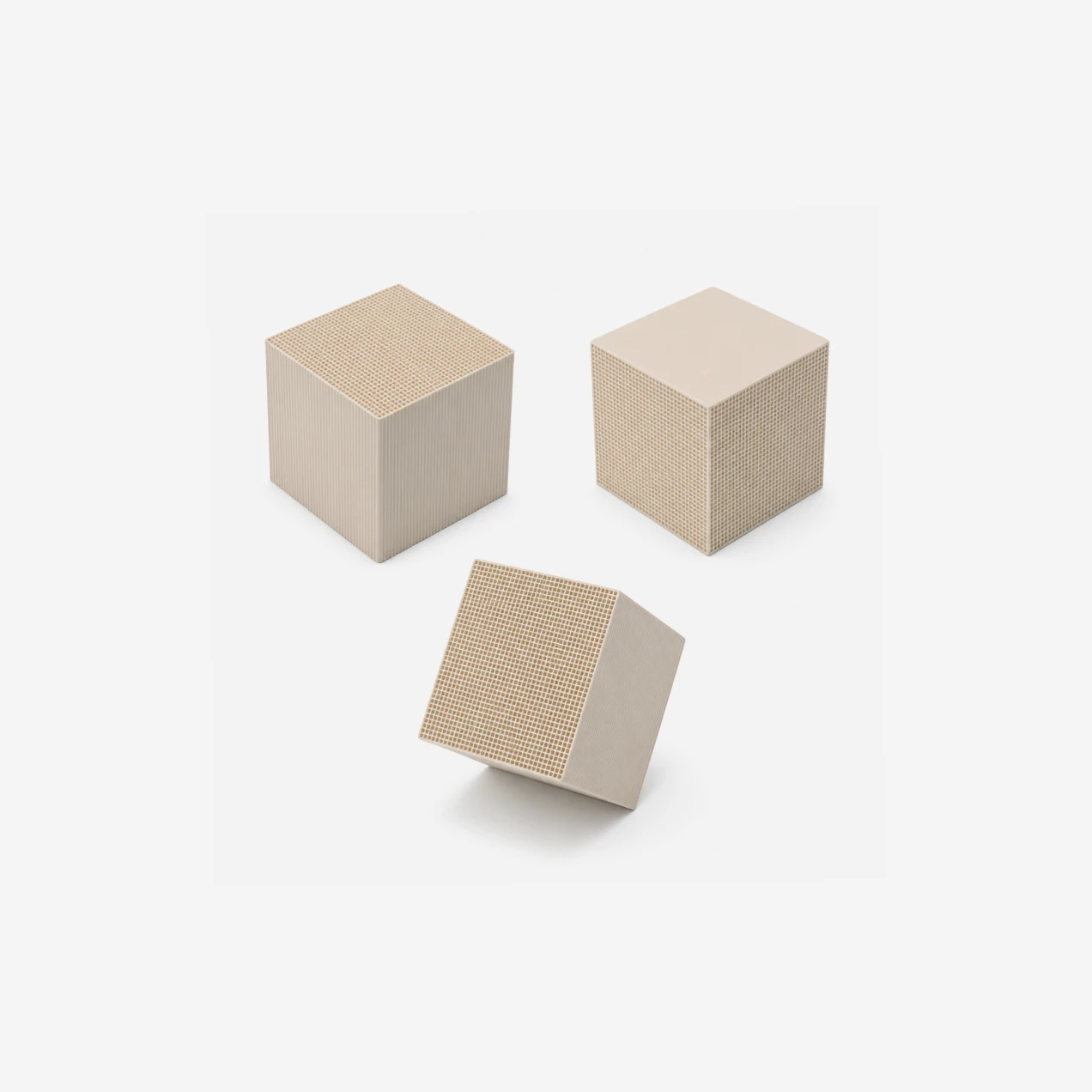
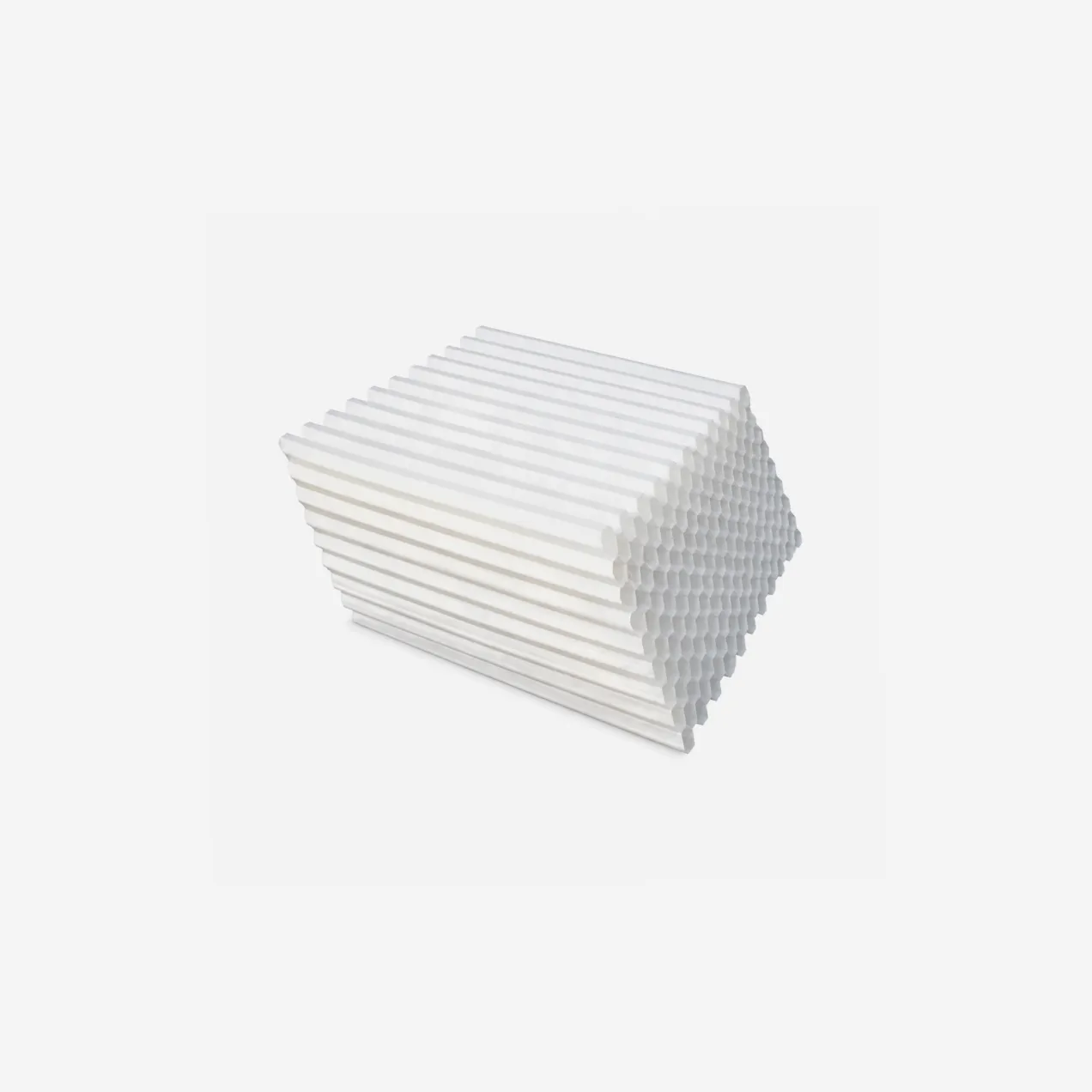
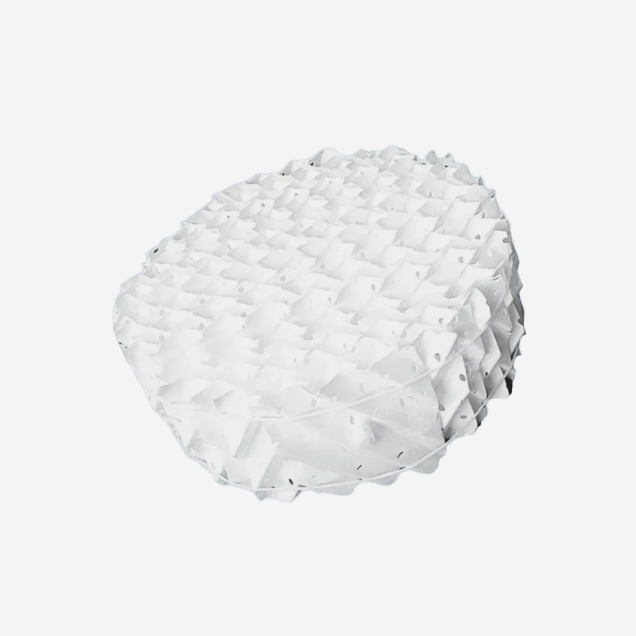
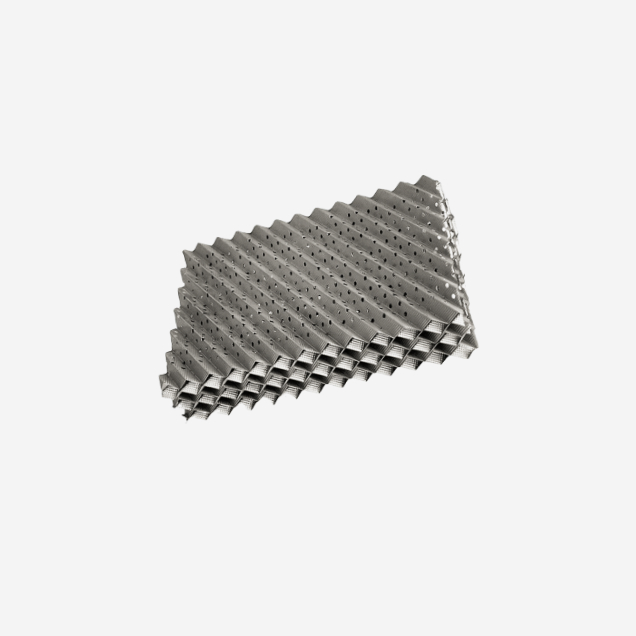
Tube settler media is a block of inclined honeycomb tubes that sits in a clarifier or settling tank to make solids settle faster. The water rises through the sixty-degree tubes, and because a particle only has to fall a short way to the tube wall before it is caught, solids settle quickly, slide down the incline as sludge and the clear water rises off the top.
It typically lifts a clarifier's capacity by two to five times, by multiplying the effective area the water settles over. That means an existing tank can take much more flow, or a new tank can be far smaller for the same duty. The exact gain depends on the water and the tank, which we help you work out.
The common tube sizes are fifty and eighty millimetres across the tubes, set at sixty degrees, with the module cut to the depth of your tank. The right size depends on the solids and the flow, and the media is cut to length to fit. Send the tank size, the flow and the water and we will recommend the tube size and the module.
Yes. The modules are made to retrofit into an existing sedimentation tank, sitting on a simple support frame above the floor, and they are cut to length to fit the tank. The tank keeps working as before but settles far faster, which is the usual way a works lifts the capacity of a clarifier it already has.
It is moulded from polypropylene, PP, a light plastic that resists sewage and many industrial effluents without corroding. The other common material for tube settlers is PVC; PP is the standard here for its chemical resistance and toughness. The media is light enough to install by hand and lasts in the tank for years.
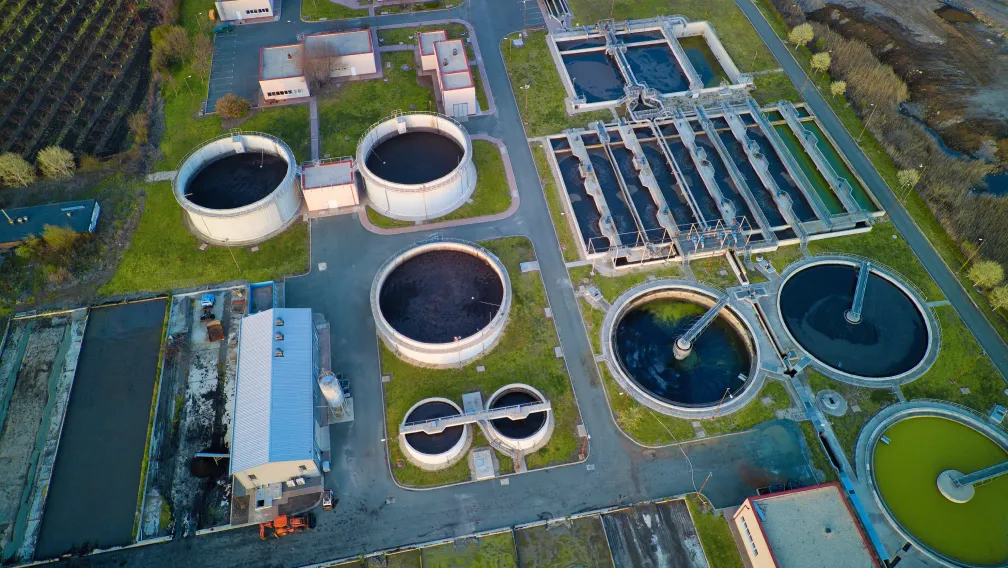
It is used in municipal water and sewage clarifiers, in industrial wastewater clarification, and in potable-water treatment, as well as in sedimentation and pretreatment stages ahead of filtration. Anywhere solids need to be settled out of water quickly, the media gives a compact, high-rate settling stage. Tell us the duty and we will size it.
The minimum order depends on the size and the tank, and bulk orders ship by the container, cut to length. Lead time runs from stock for standard sizes to a couple of weeks for OEM sizes or large modules. Send the tank dimensions and the quantity and we will confirm both on the quote.
Tube settler media, also called a lamella plate clarifier, is a block of inclined honeycomb tubes that goes into a clarifier or sedimentation tank to settle solids faster. It works on the shallow-settling principle: by dividing the tank depth into many short, inclined tubes, it gives the water a large settling area in a small volume, so a clarifier can take far more flow or be built much smaller.
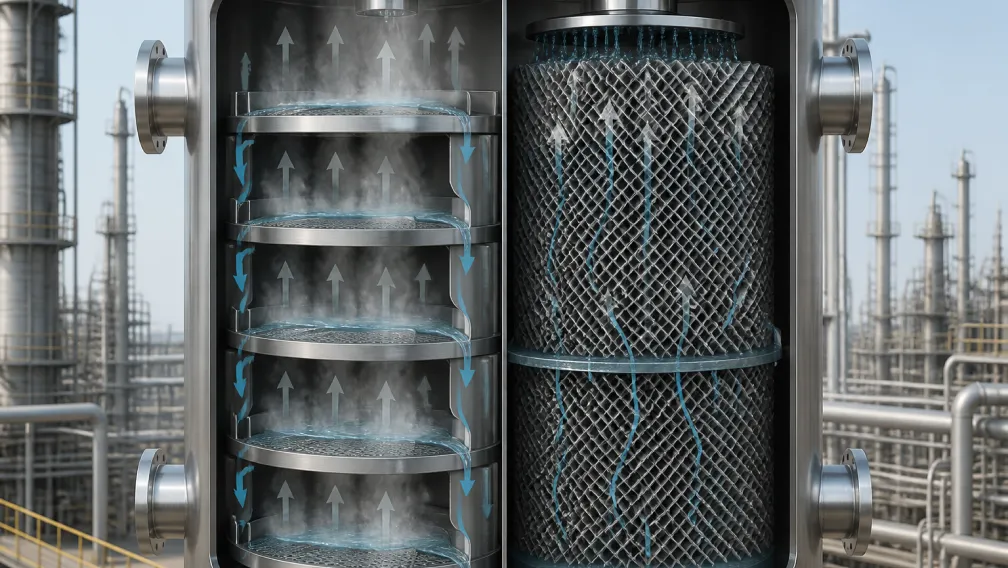
In an open tank a particle has to fall the full depth of the water before it settles, which is slow. In a tube settler the water rises through tubes set at an angle, so a particle only has to fall a short distance to the nearest tube wall before it is captured. Once on the wall it slides down the incline, drops off the bottom as sludge, and the clarified water passes up and out. The effect is many times the settling capacity of the open tank.
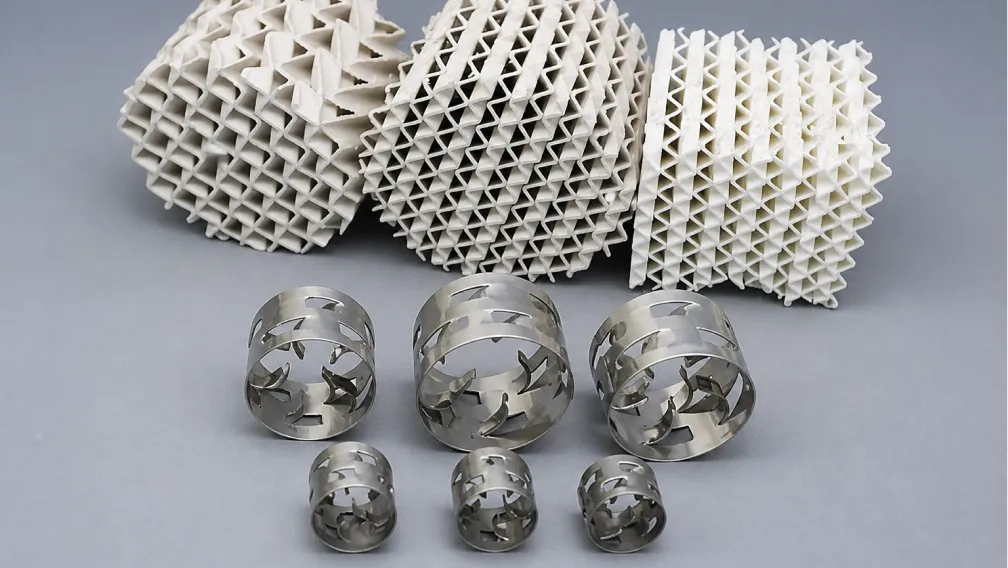
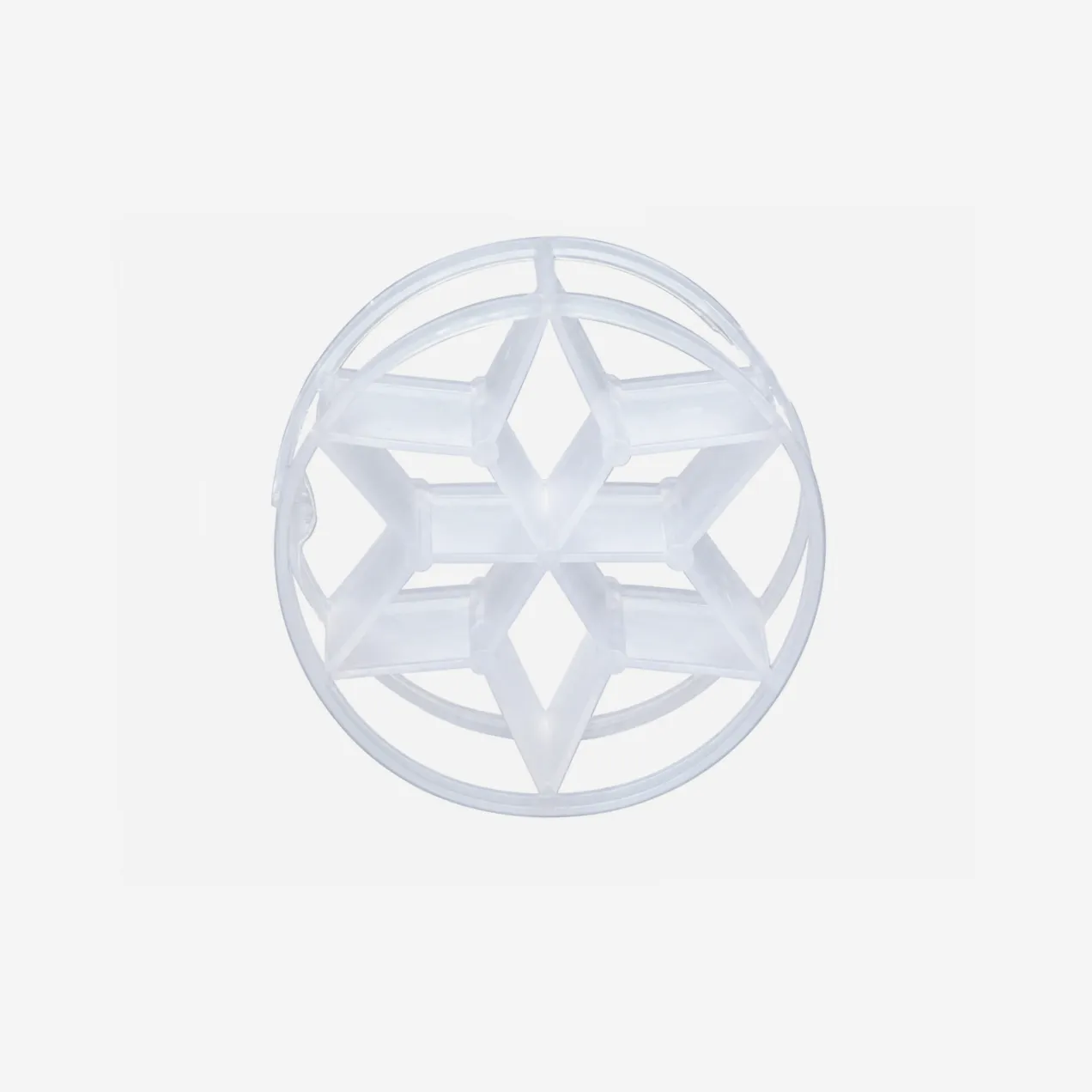
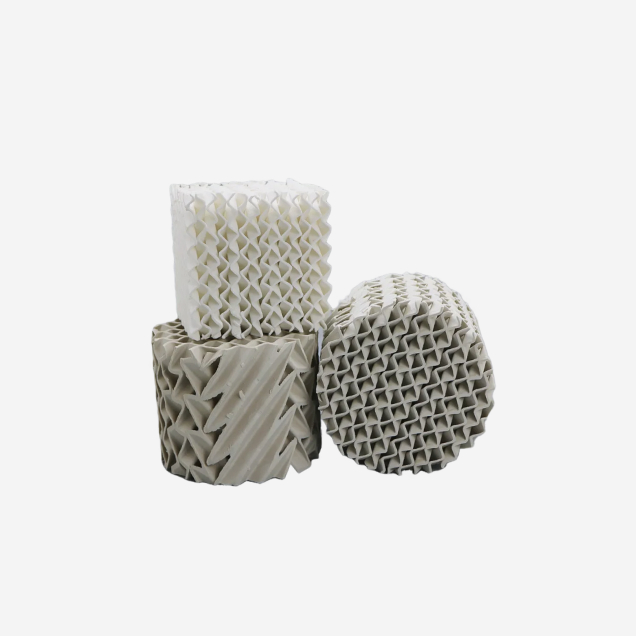
The tubes are a hexagonal honeycomb set at sixty degrees. The hexagon packs the most settling area into the block, and sixty degrees is the angle that gives a large area while still letting the captured sludge slide freely down instead of building up. That self-cleaning slide is what keeps the media working without blinding, so it needs little manual cleaning over its life.
The standard tube sizes are fifty and eighty millimetres across the tubes, with a wall of 0.8 to 1.5 mm, and the block is cut to the depth of the tank. A smaller tube gives more settling area for fine solids; a larger tube suits a heavier solids load. The table below sets out the typical choices.
| PROPERTY | VALUE |
|---|---|
| Tube size | 50 mm / 80 mm |
| Inclined angle | 60° |
| Wall thickness | 0.8–1.5 mm |
| Capacity increase | 2–5× |
| Material | PP (PVC on request) |
The media comes in snap-together modules that are self-supporting once assembled and sit on a simple frame above the tank floor. They are cut to length to fit the tank, so they drop into an existing clarifier as a retrofit or into a new tank. Because the modules are light PP, they install by hand without heavy lifting gear, which keeps an upgrade quick and low-cost.
The two common materials for tube settlers are polypropylene and PVC. PP, the standard here, resists sewage and a wide range of industrial effluents, holds up to the temperatures of a treatment plant, and is tough enough to handle and install without cracking. For an effluent that needs a different resistance, the material can be specified to suit the duty.
The same media settles solids in municipal sewage clarifiers, in industrial wastewater before discharge or reuse, and in potable-water clarification, as well as in sedimentation and pretreatment stages ahead of sand filtration. Across all of these it does one job well: it makes a clarifier settle faster, so the tank does more or takes up less space.
Consistent tube size and wall thickness are what keep a tube settler settling evenly across the tank. The media is moulded in PP to the standard tube sizes and cut to length for the tank, with OEM sizes made to order. We supply from sample quantities up to bulk orders by the container, sized to the clarifier it goes into.