Home > Activated Carbon
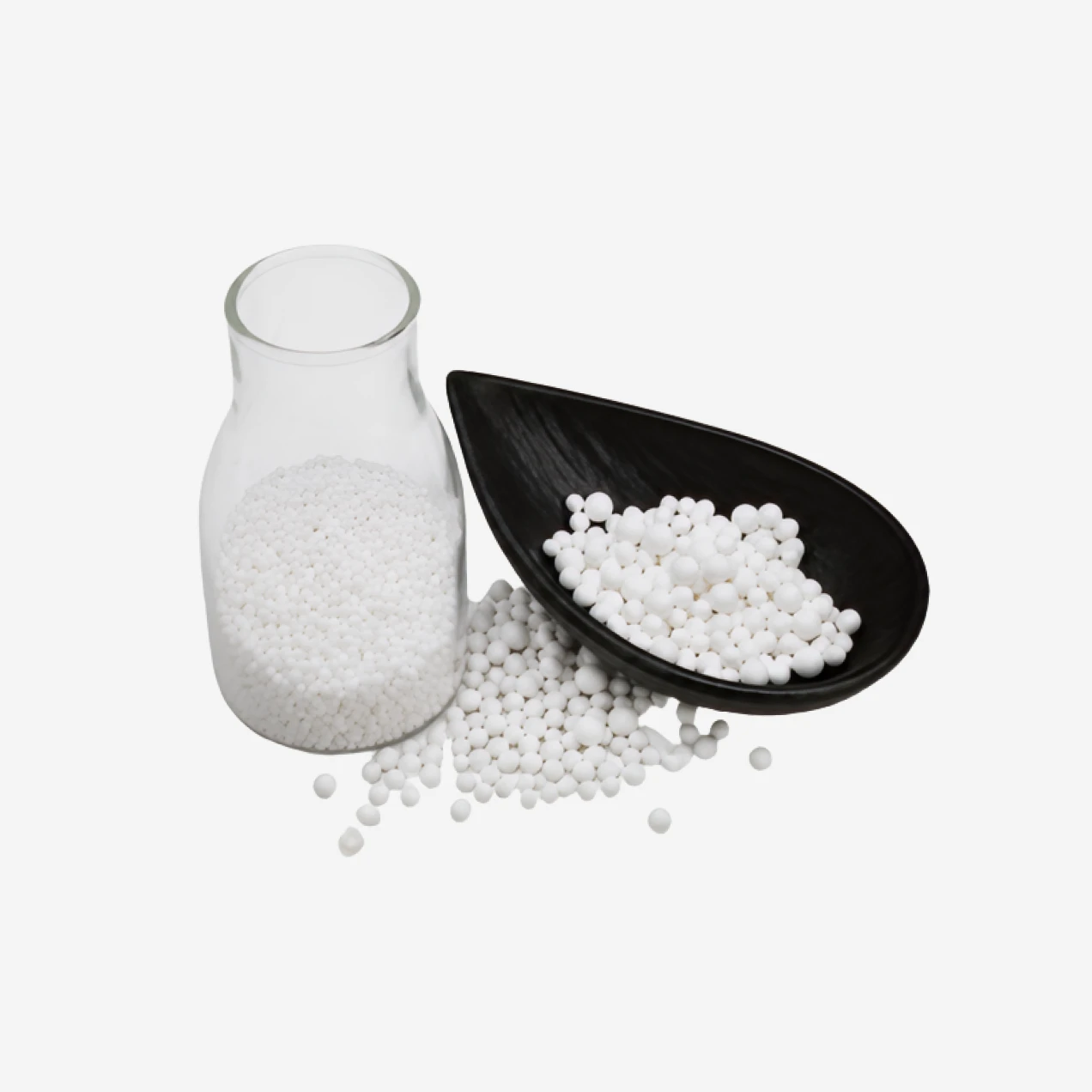
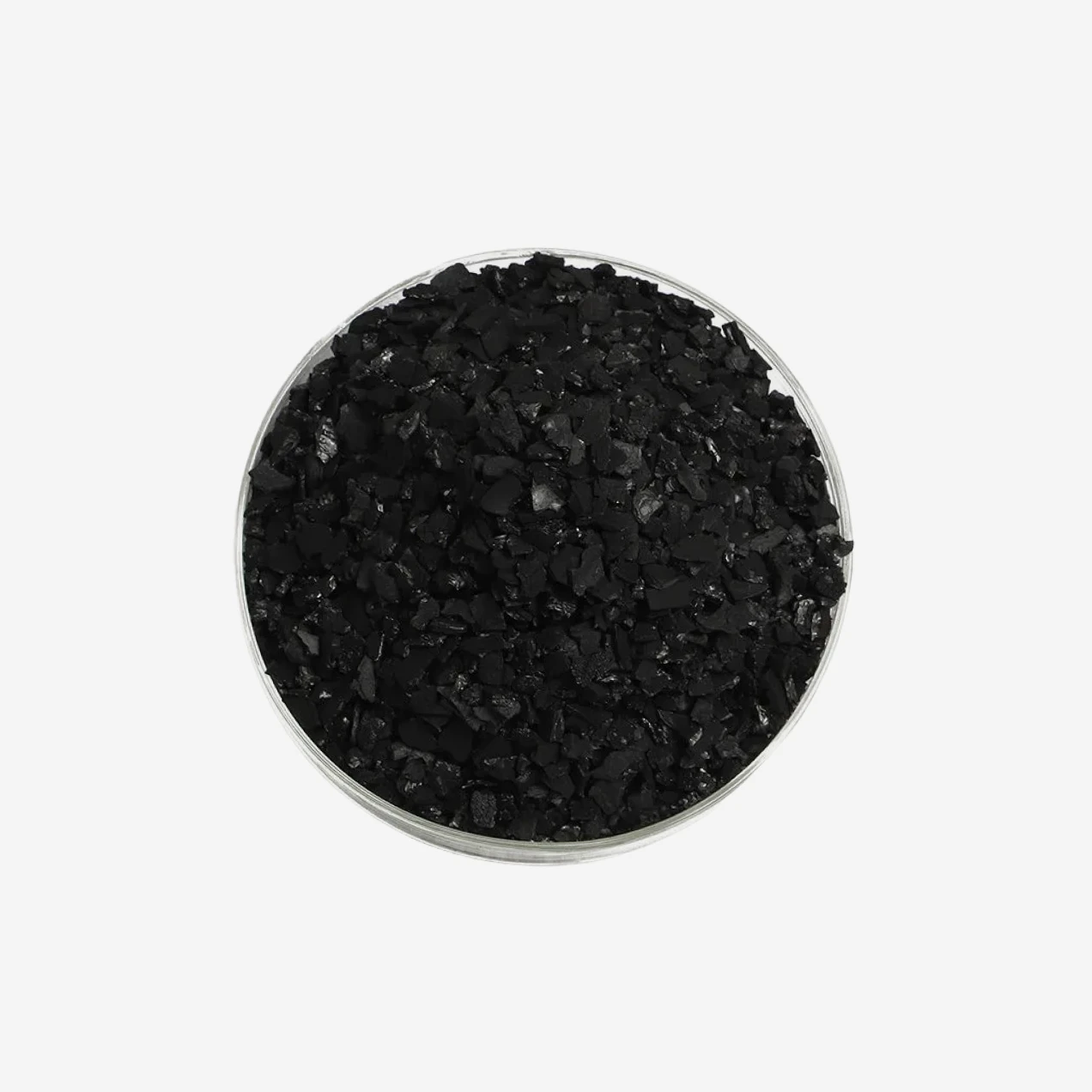
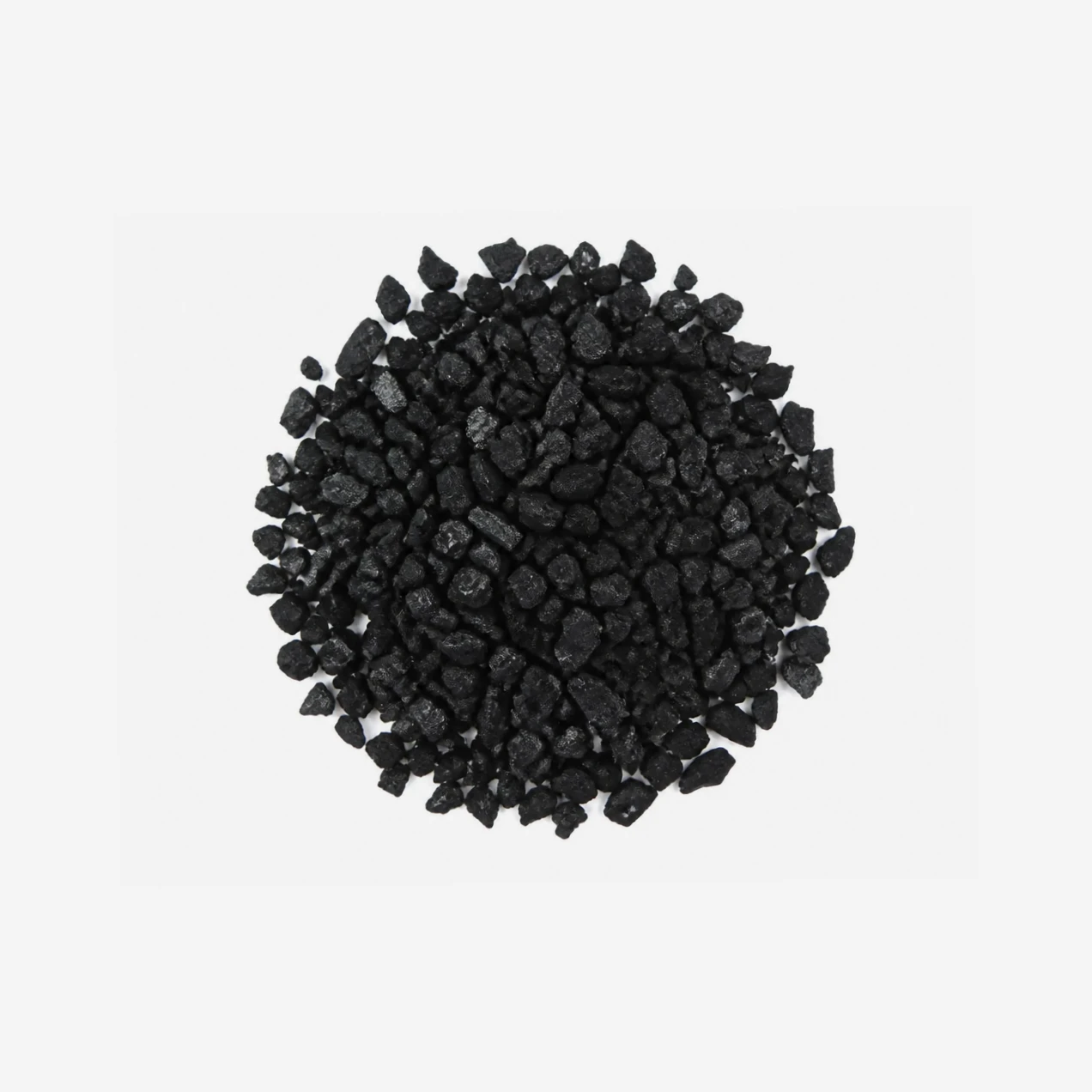
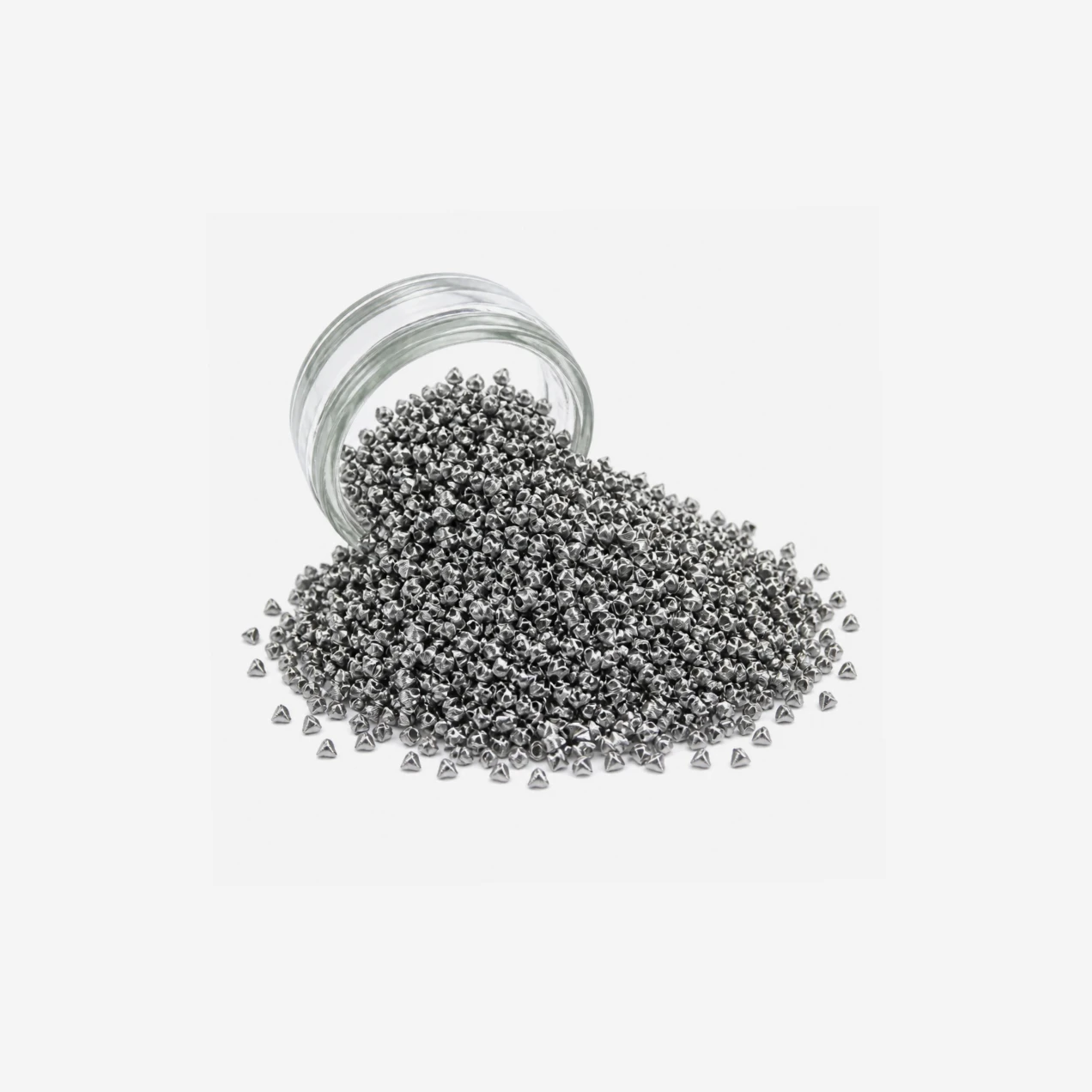
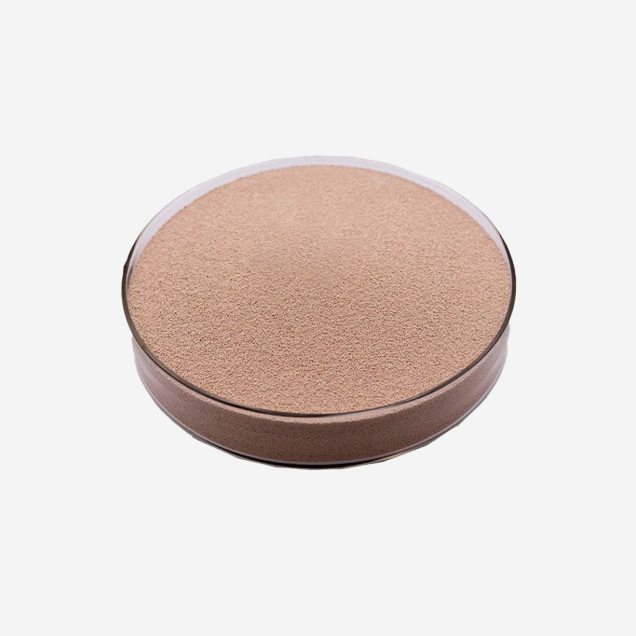
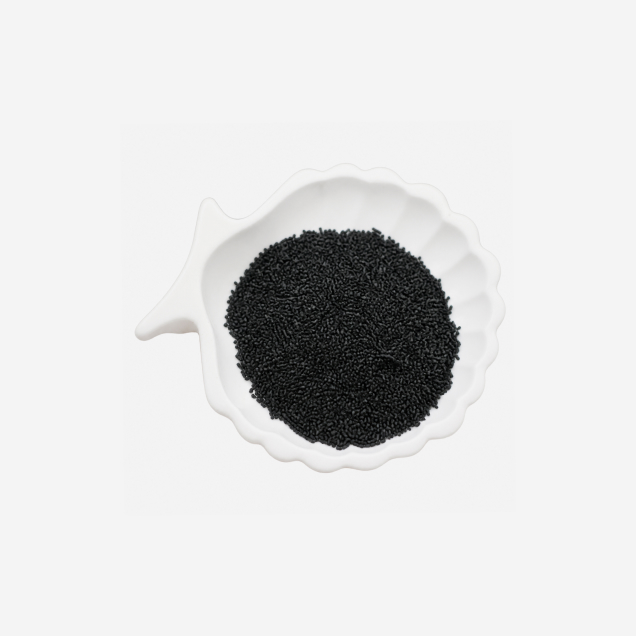
Coconut shell activated carbon is used for water treatment, air purification and gold recovery. In water it removes chlorine, taste, odor and organics, in air it captures solvents and odors, and in mining it adsorbs gold from leach slurry. The high microporosity and hardness suit all three.
Standard grades run from 800 to 1200 mg/g iodine value, and we adjust within that band to suit the duty. A higher iodine value gives more adsorption capacity, which is worth paying for in demanding water and gold service and less critical in simple odor control.
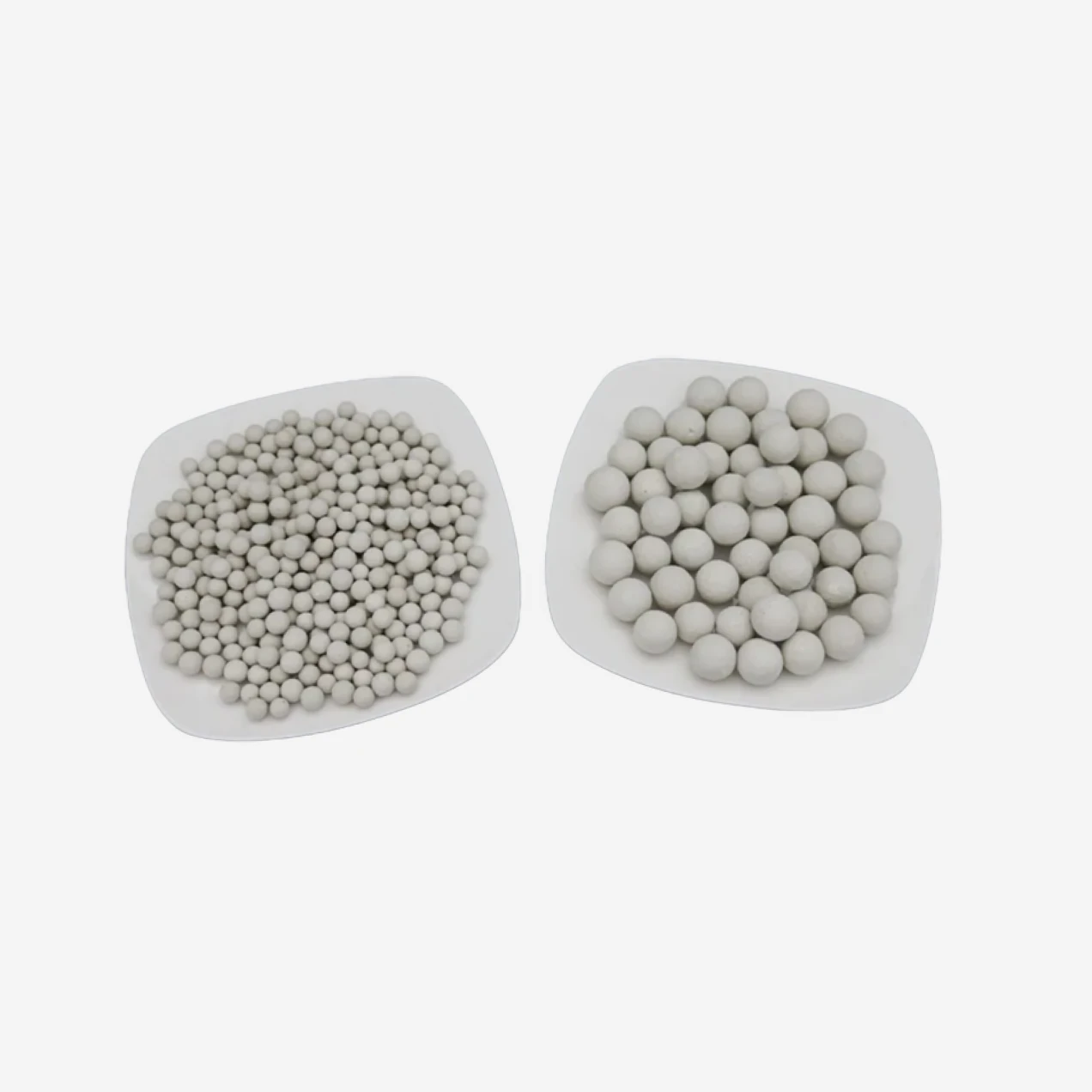
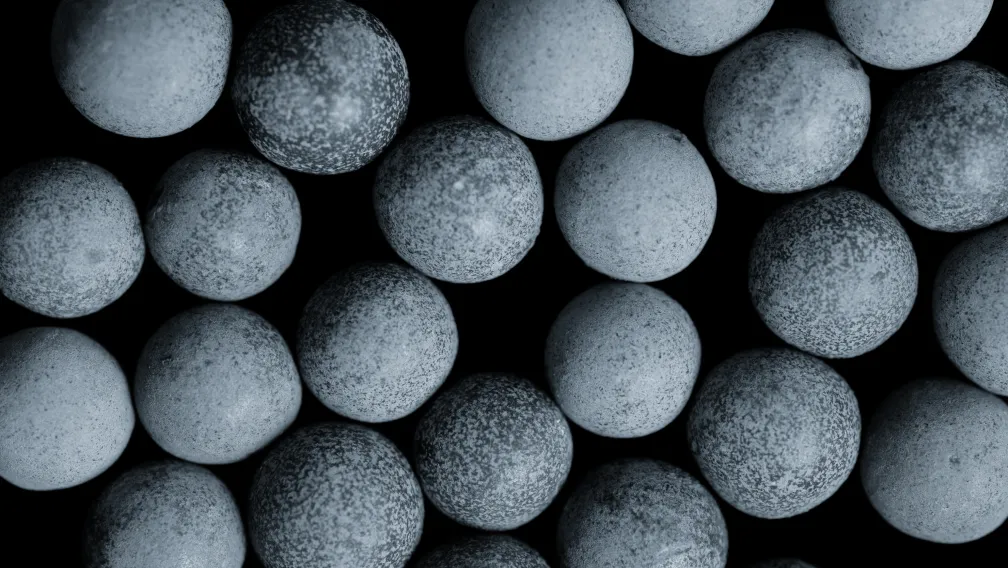
Mesh follows the system. Coarser grades such as 8×30 keep the pressure drop low in water filters and resist attrition in gold circuits, while finer grades such as 12×40 give more contact area for air and liquid polishing. We also cut custom mesh.
Coconut shell fires into a harder carbon with a finer micropore structure than coal or wood. The hardness lowers fines and carbon loss in service, and the micropore network gives strong adsorption of small molecules, which is why it is preferred for gold recovery and clean water.
Yes. We supply in bulk bags and drums, factory-direct from Jiangxi, with the quantity and packaging set to your order. A test report ships against every batch.
Yes. We adjust iodine value, mesh size and ash content to your application before production, and supply the matching specification sheet for approval.
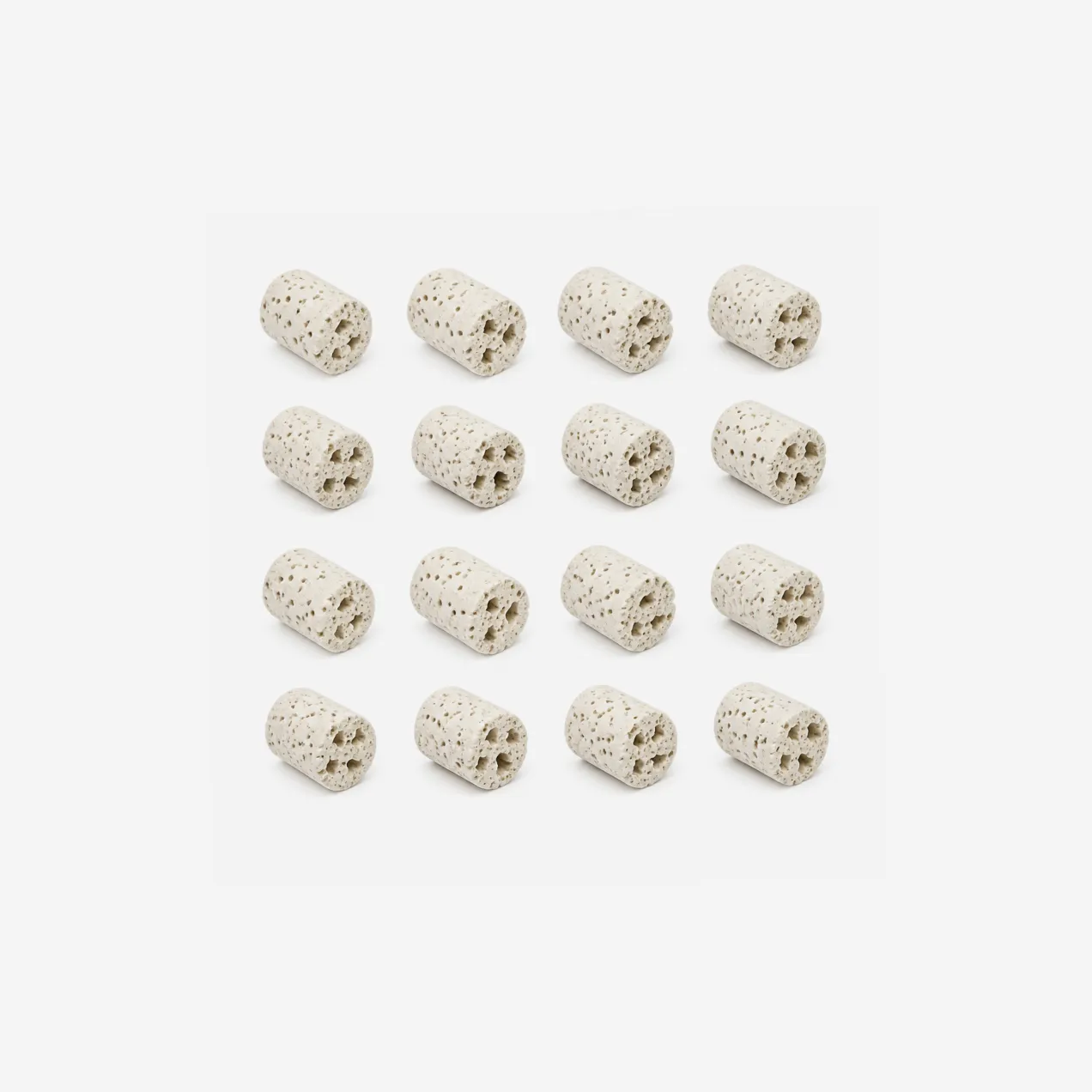
Activated carbon adsorbs contaminants in the millions of micropores created when the raw material is carbonised and activated. Three things decide whether a grade fits a job: the feedstock, the iodine value and the mesh size.
The raw material sets the pore structure. Coconut shell gives mostly micropores and a hard, low-attrition granule, which suits small molecules and abrasive service such as gold recovery and drinking water. Coal-based carbon has a wider mix of pore sizes for larger molecules, and wood-based carbon is mostly used as a powder. We make the coconut shell grade, which covers most water, air and gold duties.
Iodine value, in milligrams per gram, measures the micropore surface available for adsorption and is the headline number on most data sheets. Our grades run from 800 to 1200 mg/g. A higher value holds more contaminant per kilogram and runs longer between change-outs, so it earns its cost in demanding water and gold service, while a moderate value is enough for simple odor and vapour control.
Mesh size controls pressure drop and contact. Coarse granules such as 8×30 let water move through a filter at a low pressure drop and resist the attrition of a stirred gold circuit. Finer granules such as 12×40 pack more surface into the same bed for air and liquid polishing. Where a system needs a non-standard cut, we screen to it. Powdered carbon is dosed and removed with the solids rather than held in a fixed bed, so it serves different equipment.
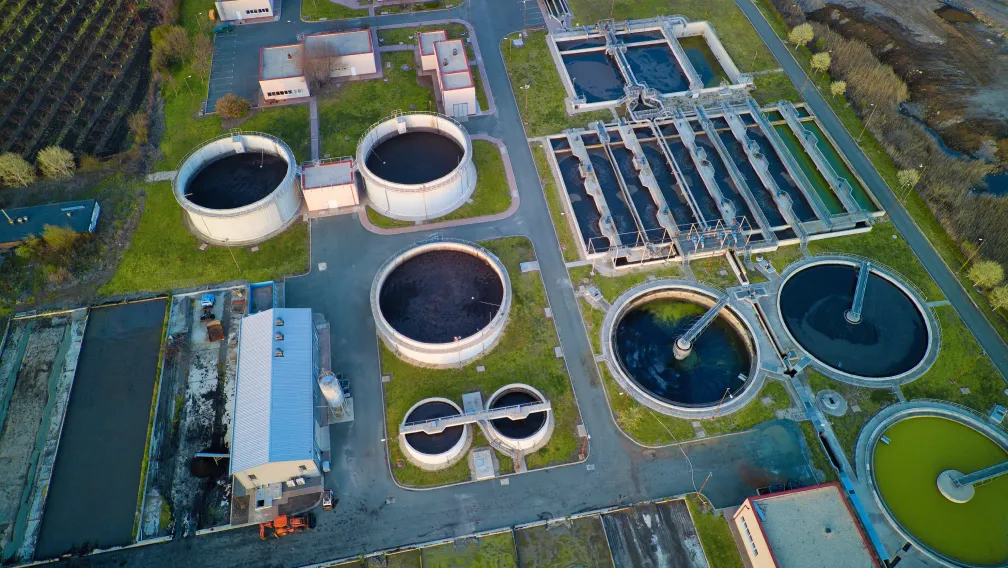
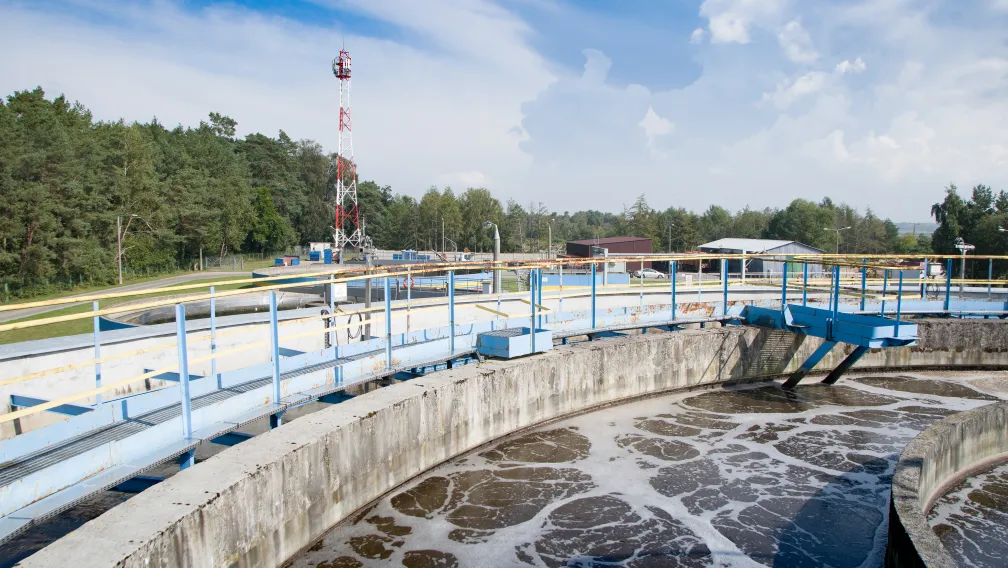
In water treatment, coconut carbon strips chlorine, taste, odor and organic micropollutants ahead of or after other steps. In air and gas, it captures solvents, odors and volatile organics at a low dust level. In gold recovery, hard coconut carbon loads gold in carbon-in-pulp and carbon-in-leach circuits and survives elution and reactivation. The same grade can move between these duties once the iodine value and mesh are set to the system.